1/4
Lindsey Lang designs 3D tiles based on 1930s London Underground patterns
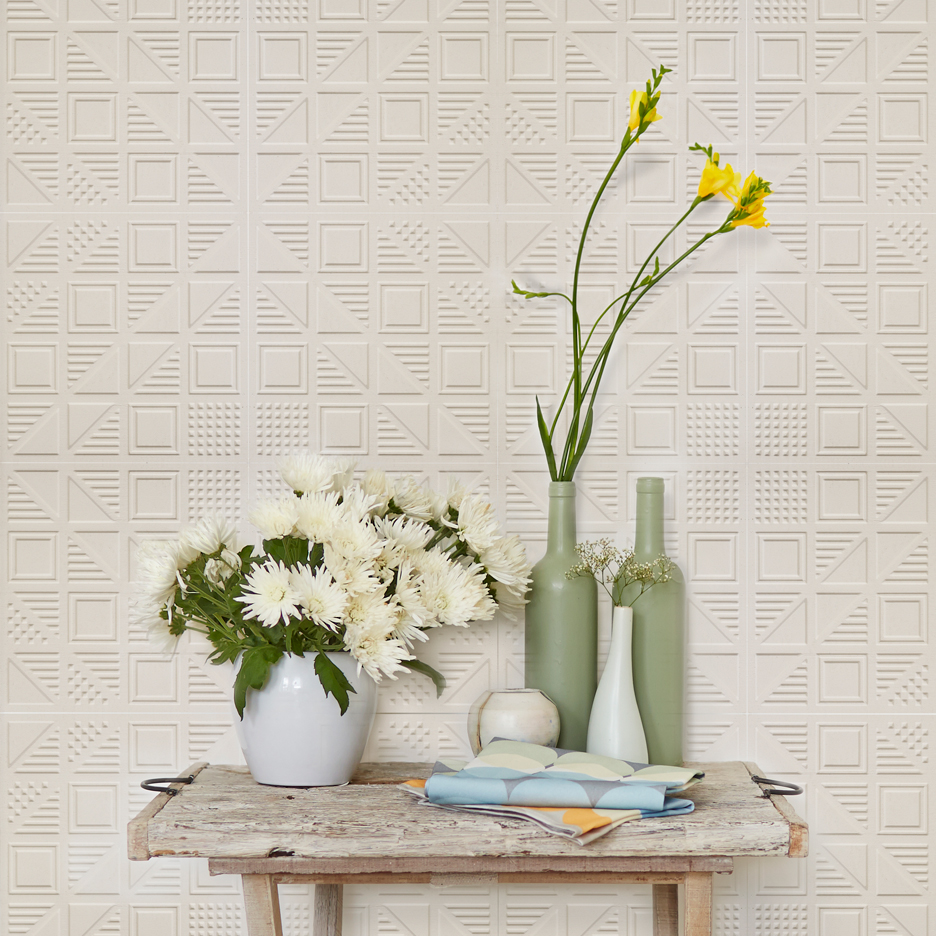
British product designer Lindsey Lang has launched a new collection of wall and floor tiles that draw inspiration from the historical designs of London's transport network. Lang delved into the Transport for London archives to develop patterns for these tiles, specifically referencing two designs originally created for the London Underground rail system in the 1930s. The material chosen for the tiles is cement, a decision made to mirror the robust materials commonly found in tube stations across the city.
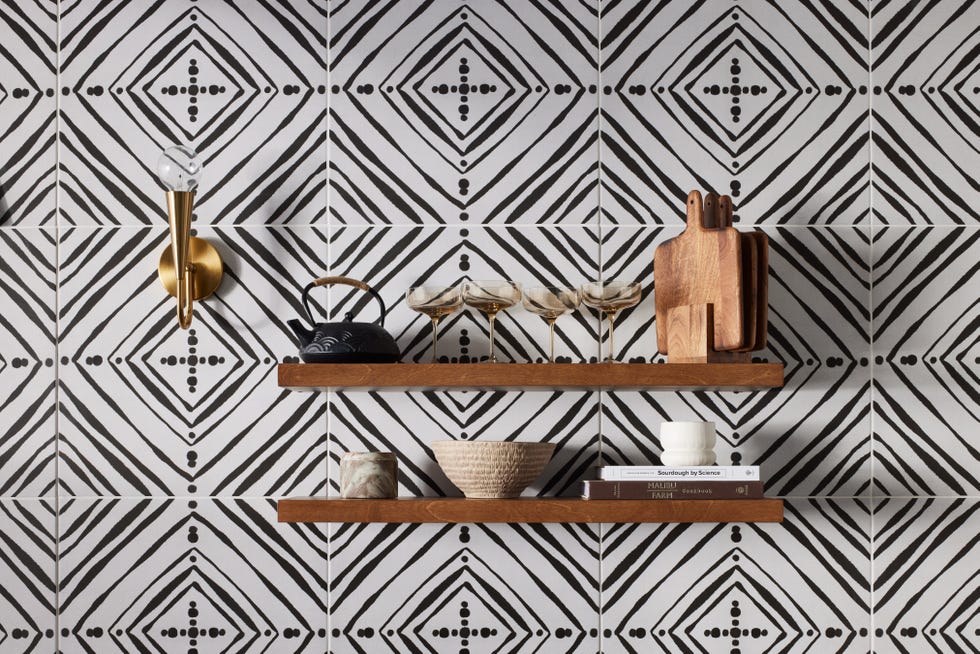
One of the key designs in Lang's collection is the Chevron tile, which is a modern reinterpretation of a pattern created by British painter Enid Marx in 1938. Marx's original design featured a green and red grid of squares that coalesced to form a distinct zigzag shape. This pattern was initially used on the fabric upholstery for seats within Piccadilly and Central line tube trains. Lang's contemporary Chevron tiles incorporate raised square, striped, and rectangular sections. These individual components are designed to be arranged in various combinations, allowing for the creation of broader diamond-shaped outlines when installed.
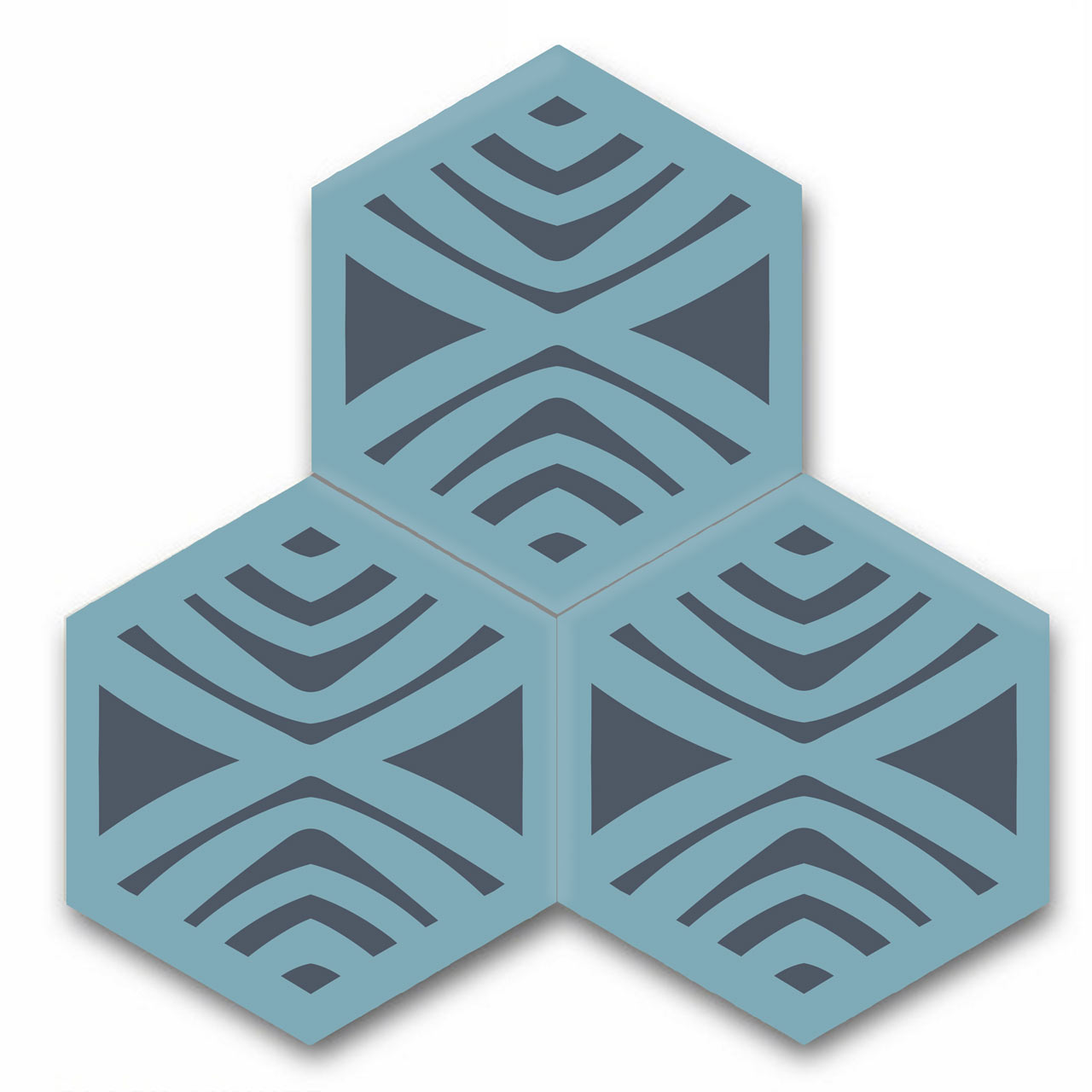
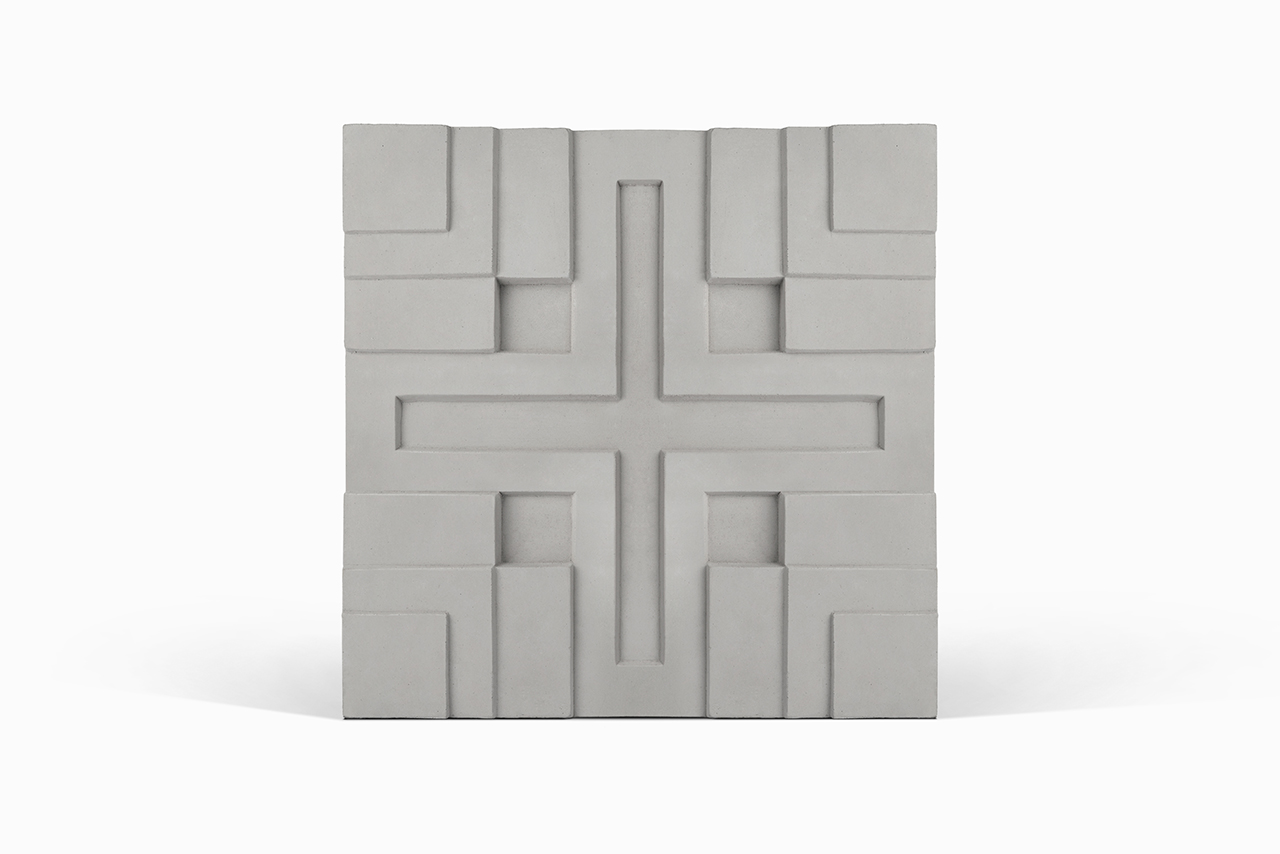
The second major design in the collection, the Roundel tiles, takes its cue from three-dimensional ceramic panels designed by artist Harold Stabler in 1938. These panels were historically featured in tube stations such as Aldgate East and Bethnal Green. Stabler's design was itself based on the iconic bar-and-circle-shaped logo of the London Underground, which was first introduced in 1908. Lang has developed the Roundel tiles by repeating elements of this famous motif. Her collection includes tiles with a single curved section, intended to evoke a quarter of the circular logo, as well as a second design that integrates full circles with a central cross-shaped raised section.
The manufacturing process for these tiles involved a unique adaptation of the encaustic tile-making technique. Traditionally, encaustic tiles are flat and created by inlaying different colors of clay to form patterns. However, Lang innovated this method by building up layers of cement by hand to achieve a three-dimensional pattern. Pigment is then pressed into the surface of these built-up layers, resulting in tiles that possess both textural depth and vibrant color. Lang expressed her satisfaction with the opportunity to push the boundaries of traditional tile manufacturing, noting that the final product beautifully reflects the historical essence of Transport for London. This innovative approach to tile production underscores her commitment to blending traditional craftsmanship with contemporary design.
Lang's work joins a growing trend among designers who are finding inspiration in London's urban landscape for tile collections. This revival of interest in local motifs and materials is evident in other notable projects. For instance, British designer Tom Dixon developed a collection of tiles that referenced distinctive architectural features of the city, transforming them into simplified graphic patterns. Similarly, design duo Edward Barber and Jay Osgerby created a range of tiles inspired by London's colors and patterns, including the textures of aged bricks and wooden floors. The broader context also includes a renewed appreciation for encaustic tiles, particularly in cities like Barcelona, where they are either being used in modern renovations or meticulously restored in historic apartments, highlighting a global resurgence in tactile and patterned tile designs.
#LindseyLang #LondonUnderground #TileDesign #ProductDesign #TransportForLondon #ArchitecturalTiles #EmbossedPatterns #CementTiles #EncausticTiles #LindseyLang #LondonUnderground #TileDesign #ProductDesign #TransportForLondon #ArchitecturalTiles #EmbossedPatterns #CementTiles #EncausticTiles
0 comment in total
 No comments yet
You may also like
This New Collection Puts a Graphic Spin on Tile
Tactile Subway Tiles: An Updated Spin on a Design Classic


studio RAP 3D-prints blue ceramic tiles for an undulating threshold in delft
clé Launches Artist-Designed, Cement Tiles
Frank Lloyd Wright-Inspired 3D Cement Tiles + Textile Blocks
Landshapes by Daniel Arsham Tile Collection

Heath Ceramics Launches Mural, A Multidimensional Pattern
Colorful, Trippy Tiles Made on a Custom-Built Machine
3D-printed relief art: Michelle Larsen sees a trend reversal in interior design
Alma-nac renovates London apartments with colourful herringbone patterns

A Conversation with Bjarke Ingels on AI, 3D Printing, and the Future of the Architectural Profession | Features


Tiles take inspiration from fashion
A Rainbow Take on This ’80s Throwback Appears in Susan Alexandra’s New Store

Designers flip over tile, go for the bold

Inés Esnal’s Prism Installation Brings Vivid Colors and Optical Illusions to NYC Lobby

Tile company installs confusing optical illusion floor

Marie Flanigan wants you to embrace tile beyond flooring with these unconventional ways to use tile in your home

Designer Tiles Recreate the Façades of Soviet-Style Apartment Blocks

Patterns on paper and tile: Visually compelling designs lead the way in wallcoverings