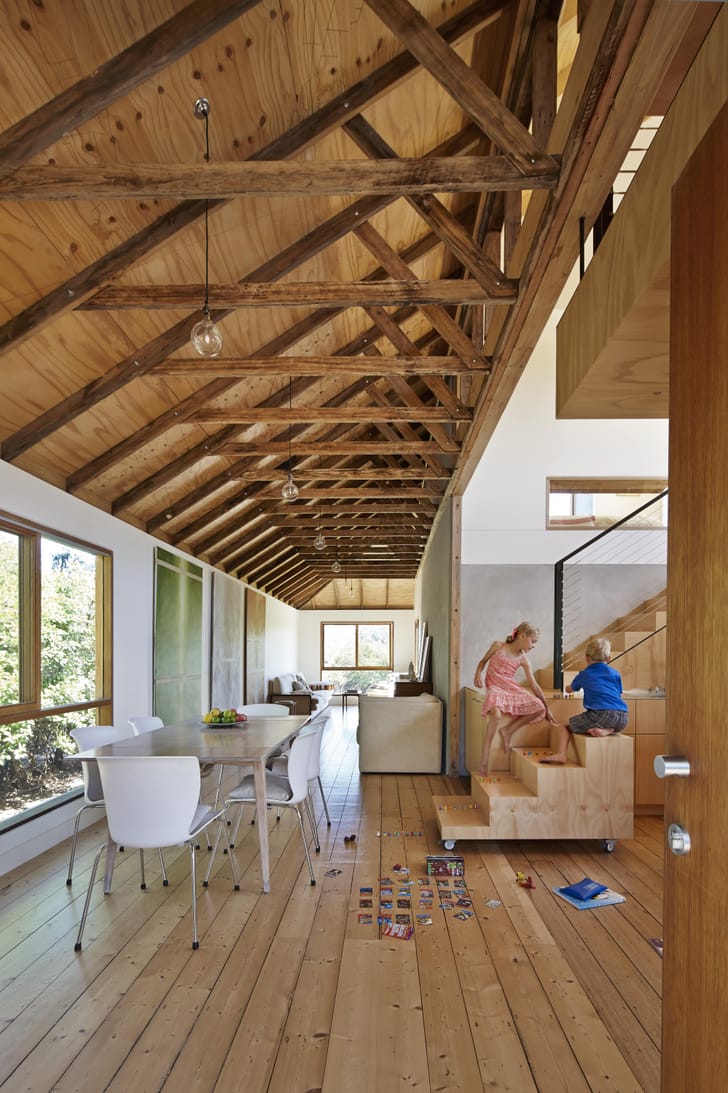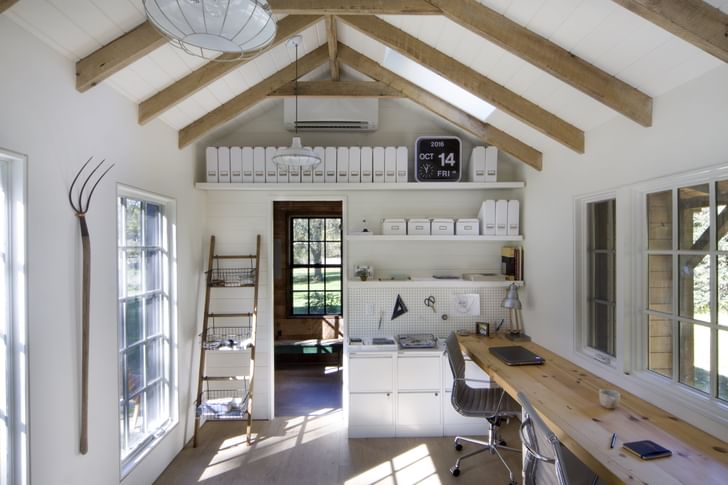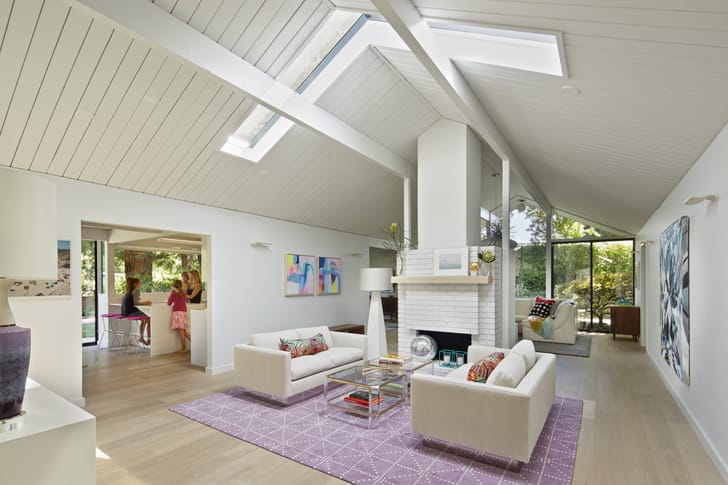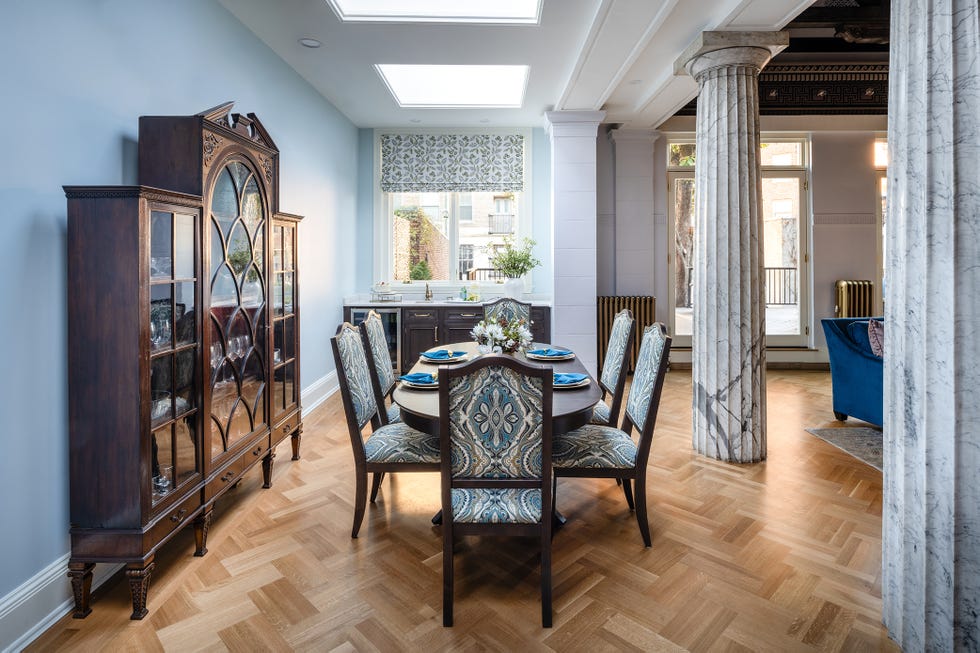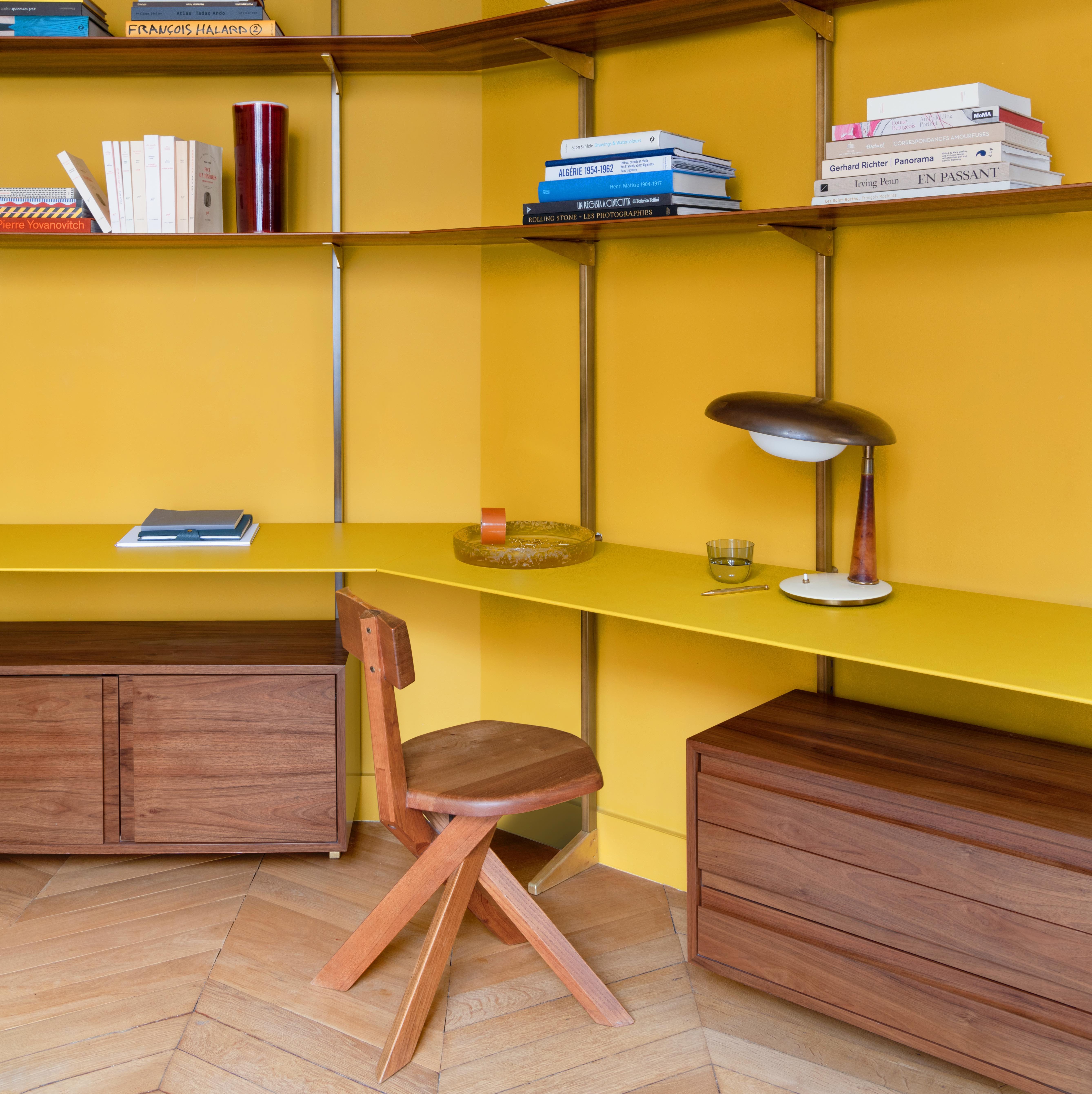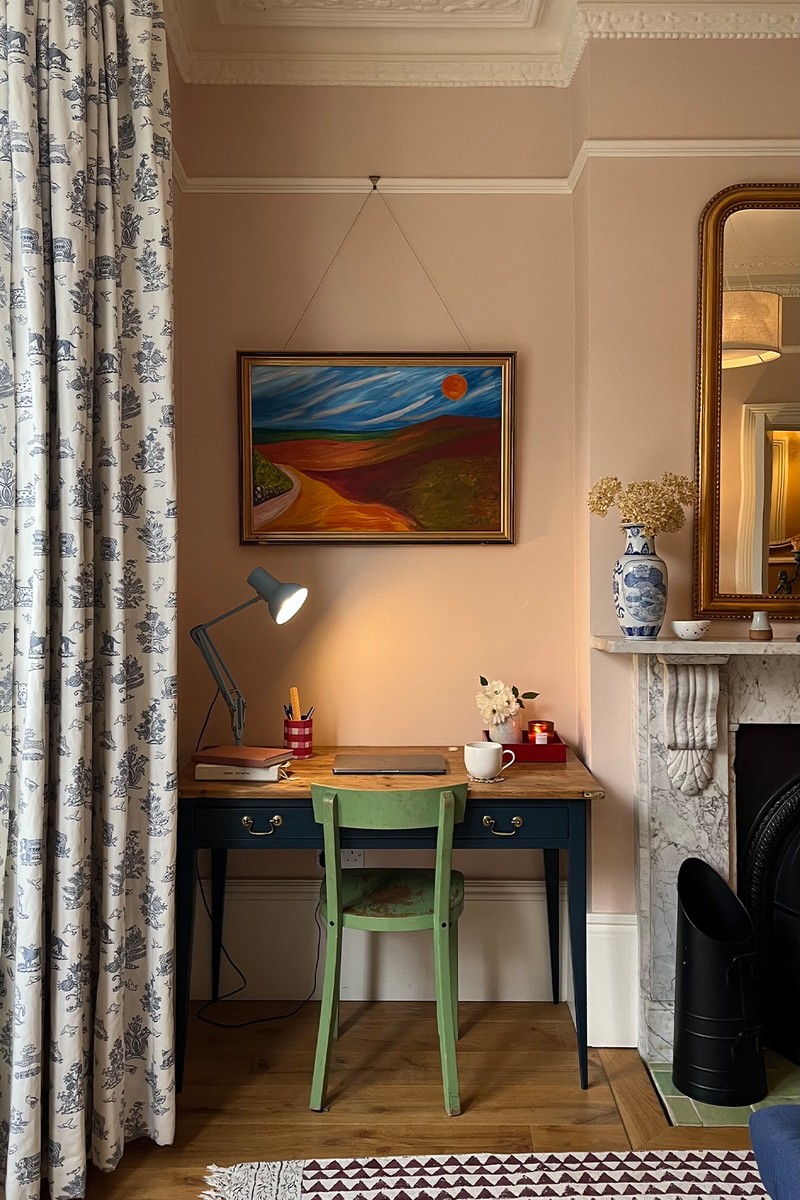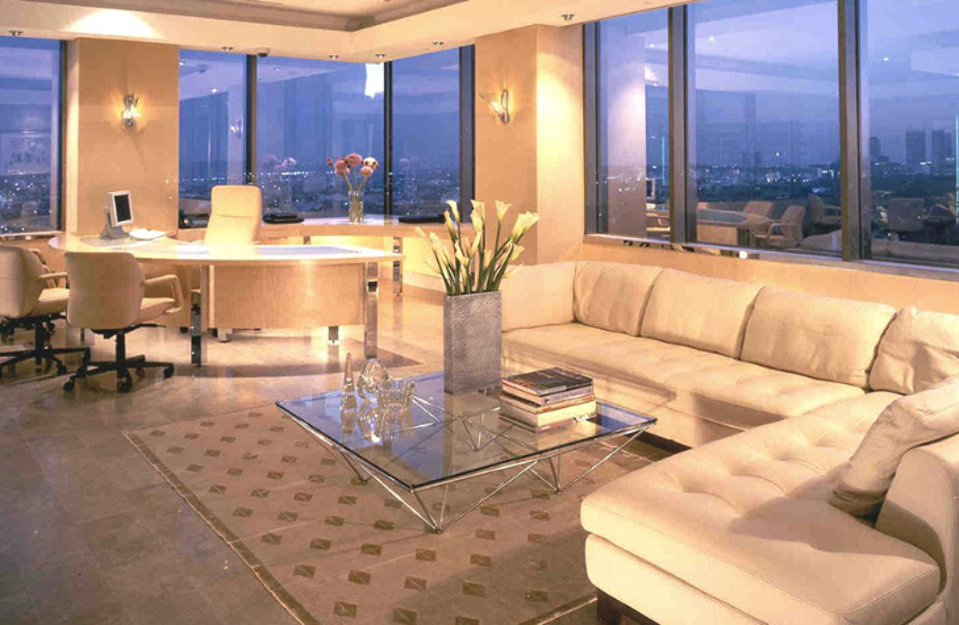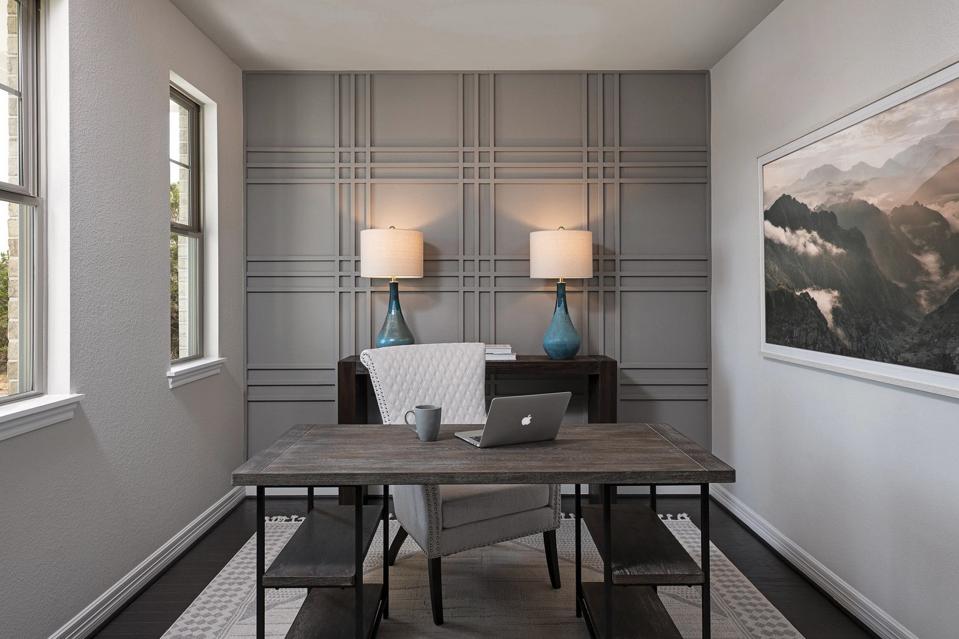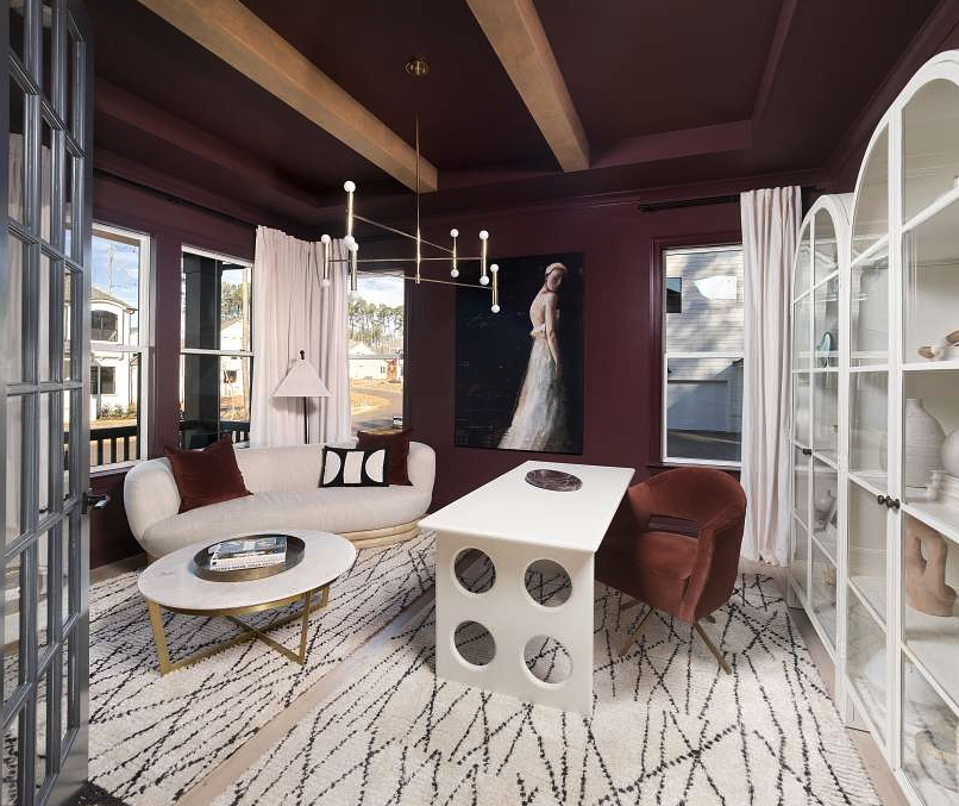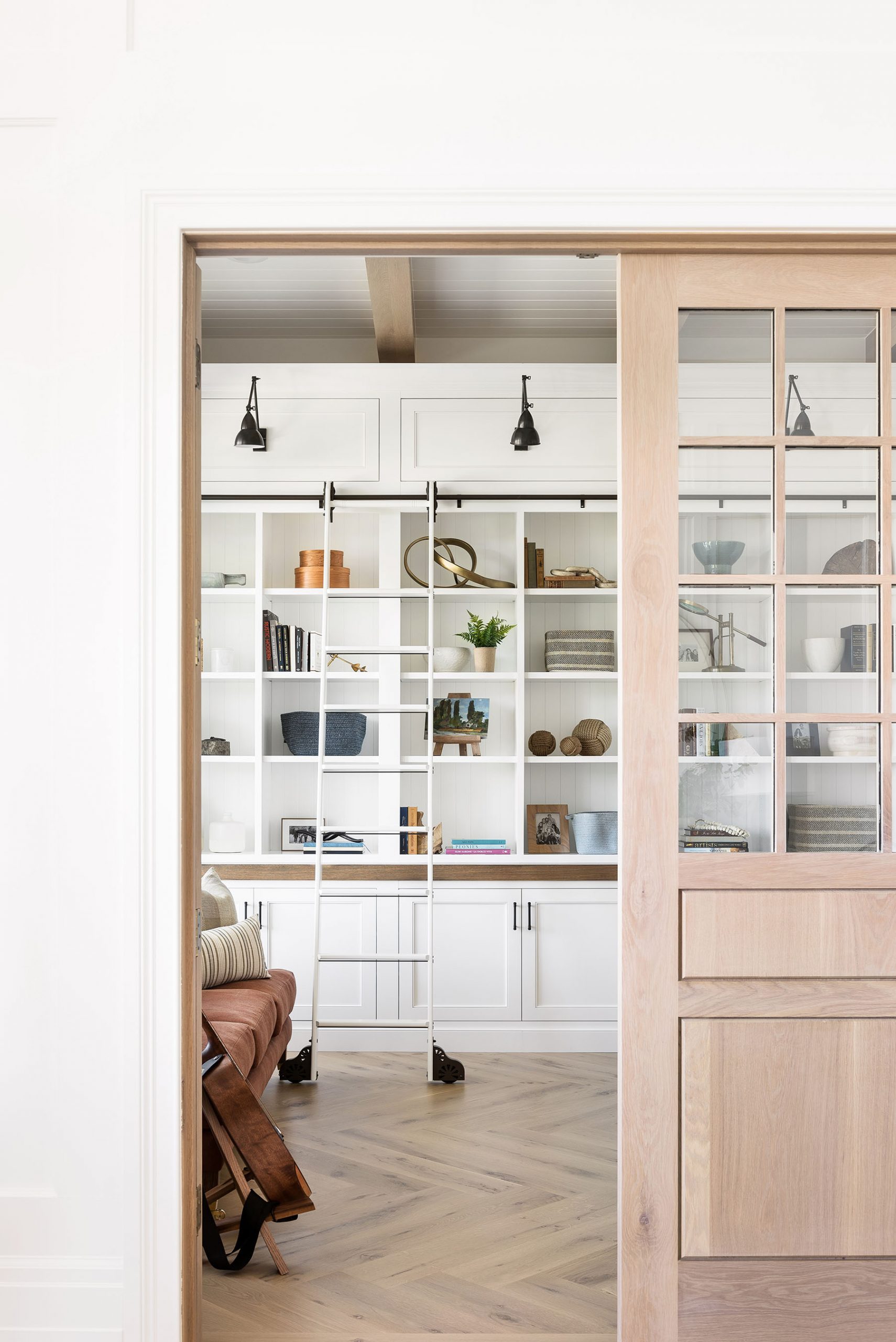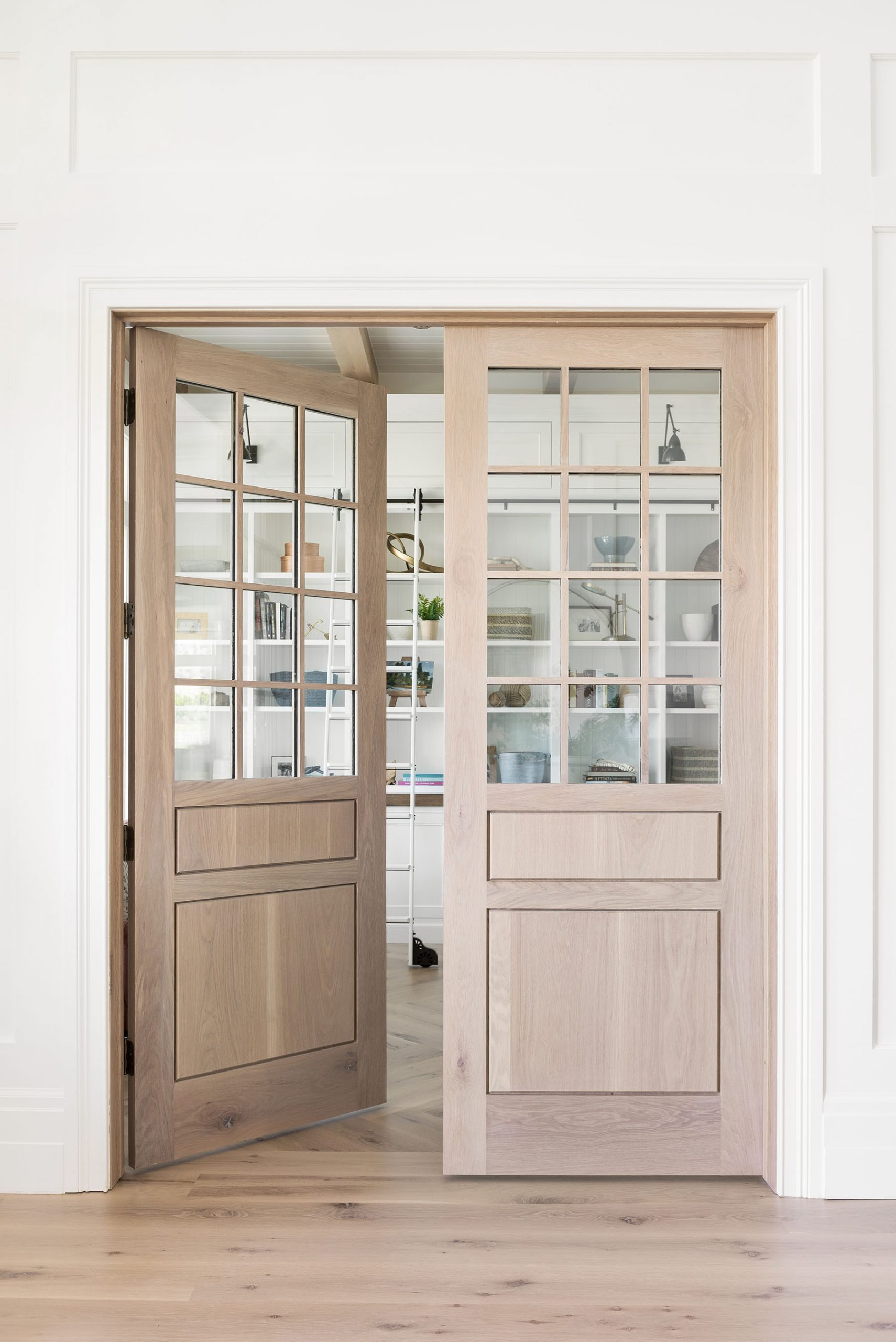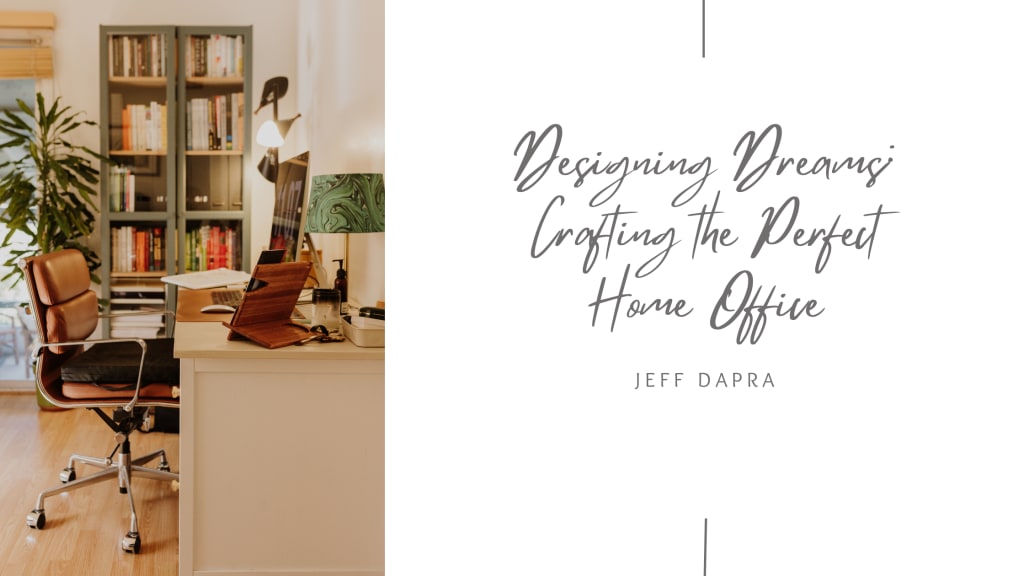
Jeff DaPra talks about Designing Dreams: Crafting the Perfect Home Office
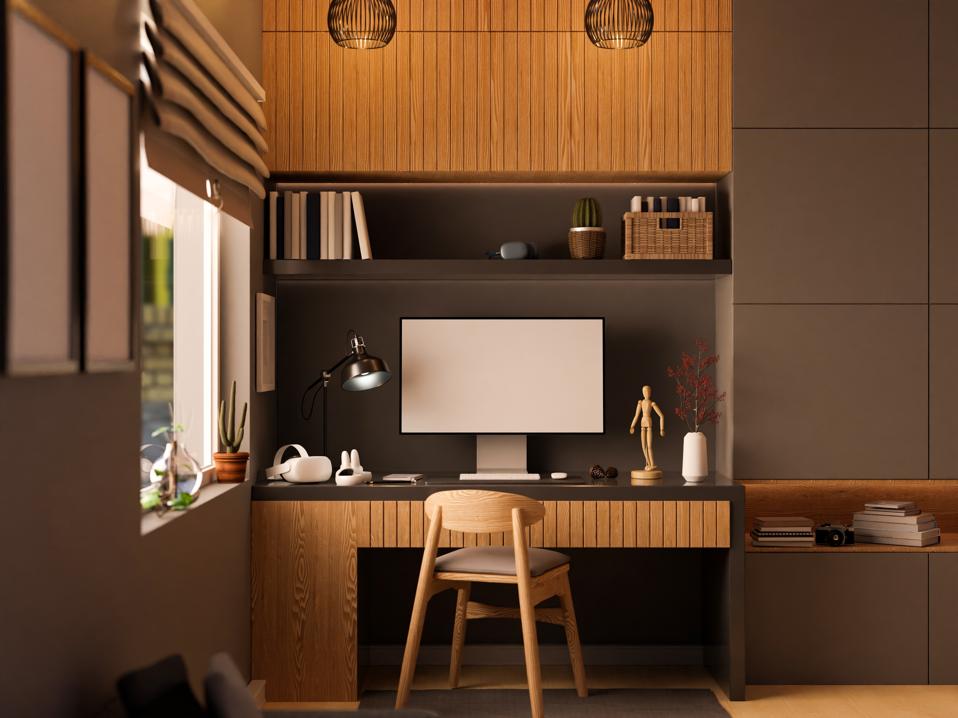
The transition from traditional workplaces to integrated home offices has become a prevalent trend, shifting the way individuals perceive and utilize their living spaces. No longer merely a concept, working from home is now a necessity and a privilege, requiring a thoughtful approach to interior design that accommodates both personal and professional activities. The key challenge lies in balancing a conducive work environment with the comfort and organization expected in a home.
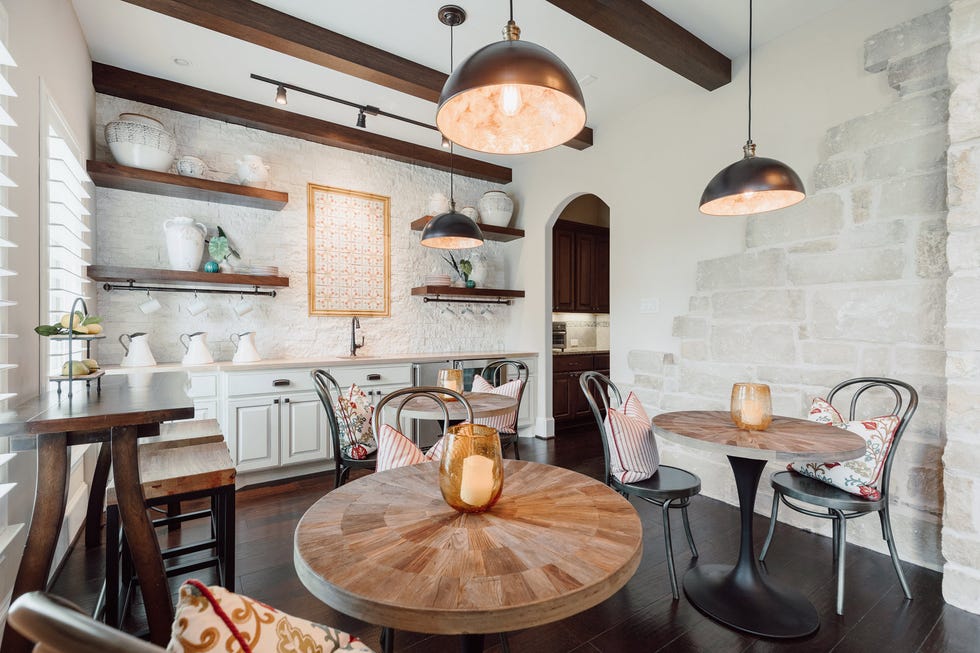
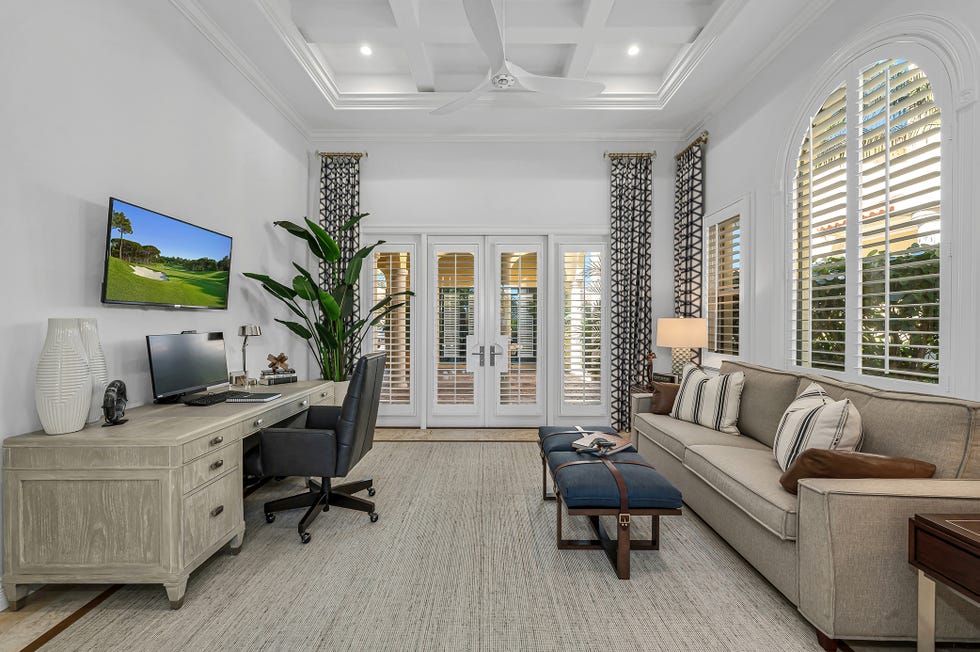
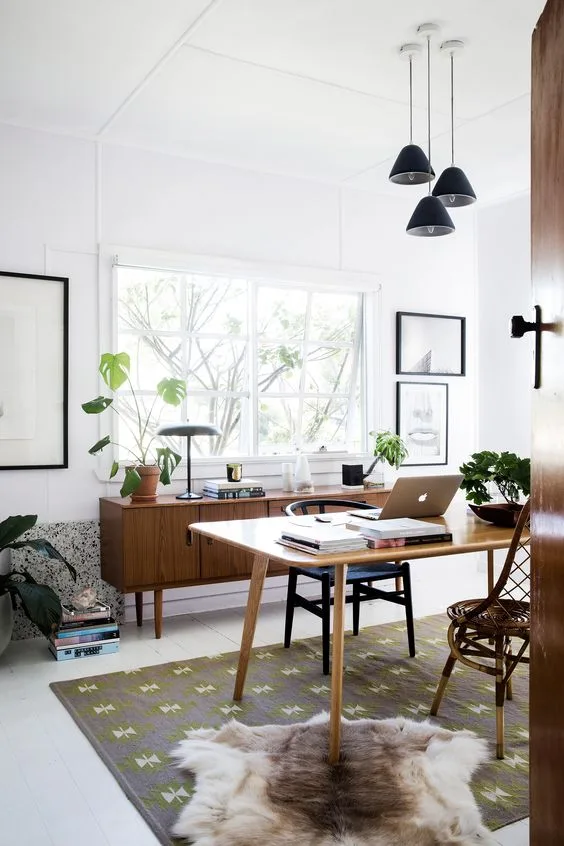
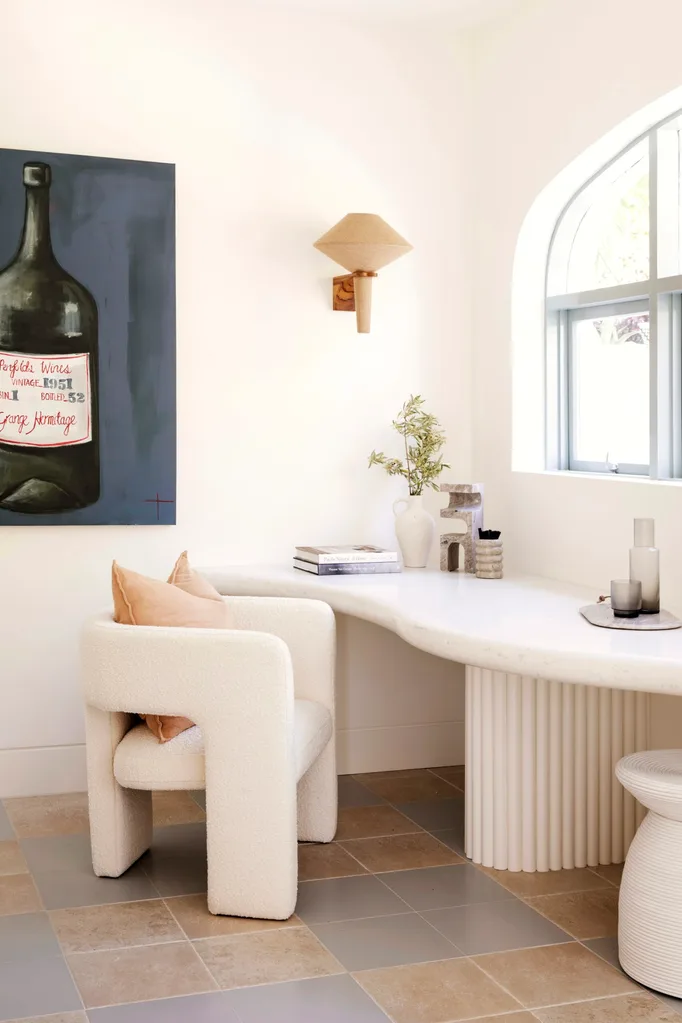
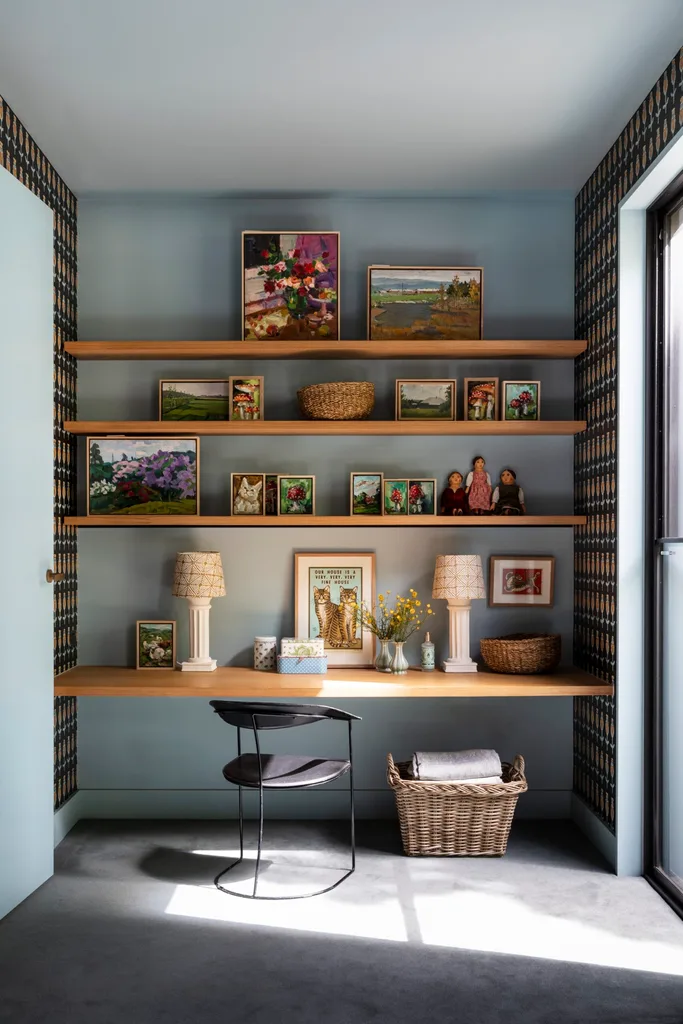
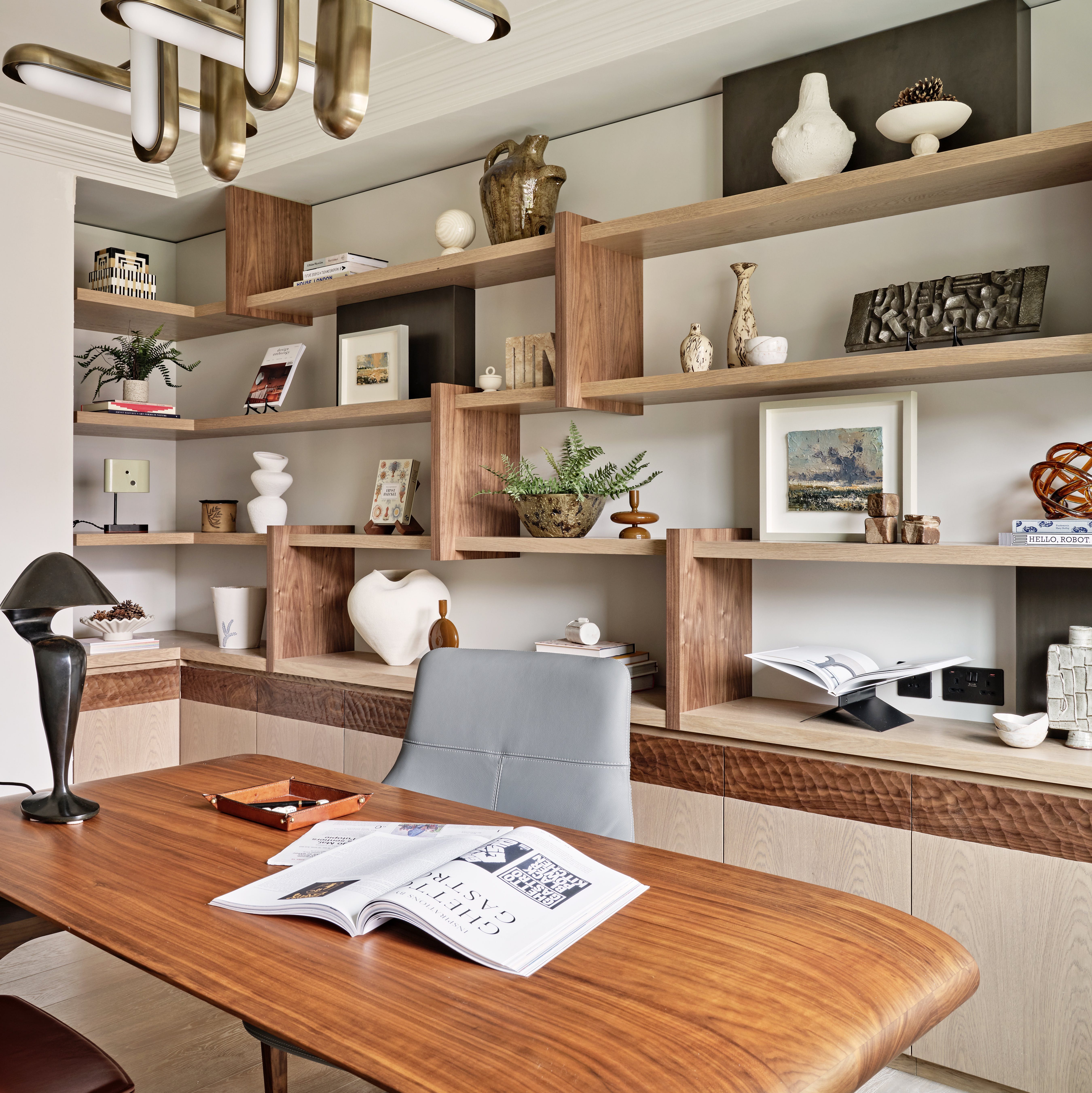
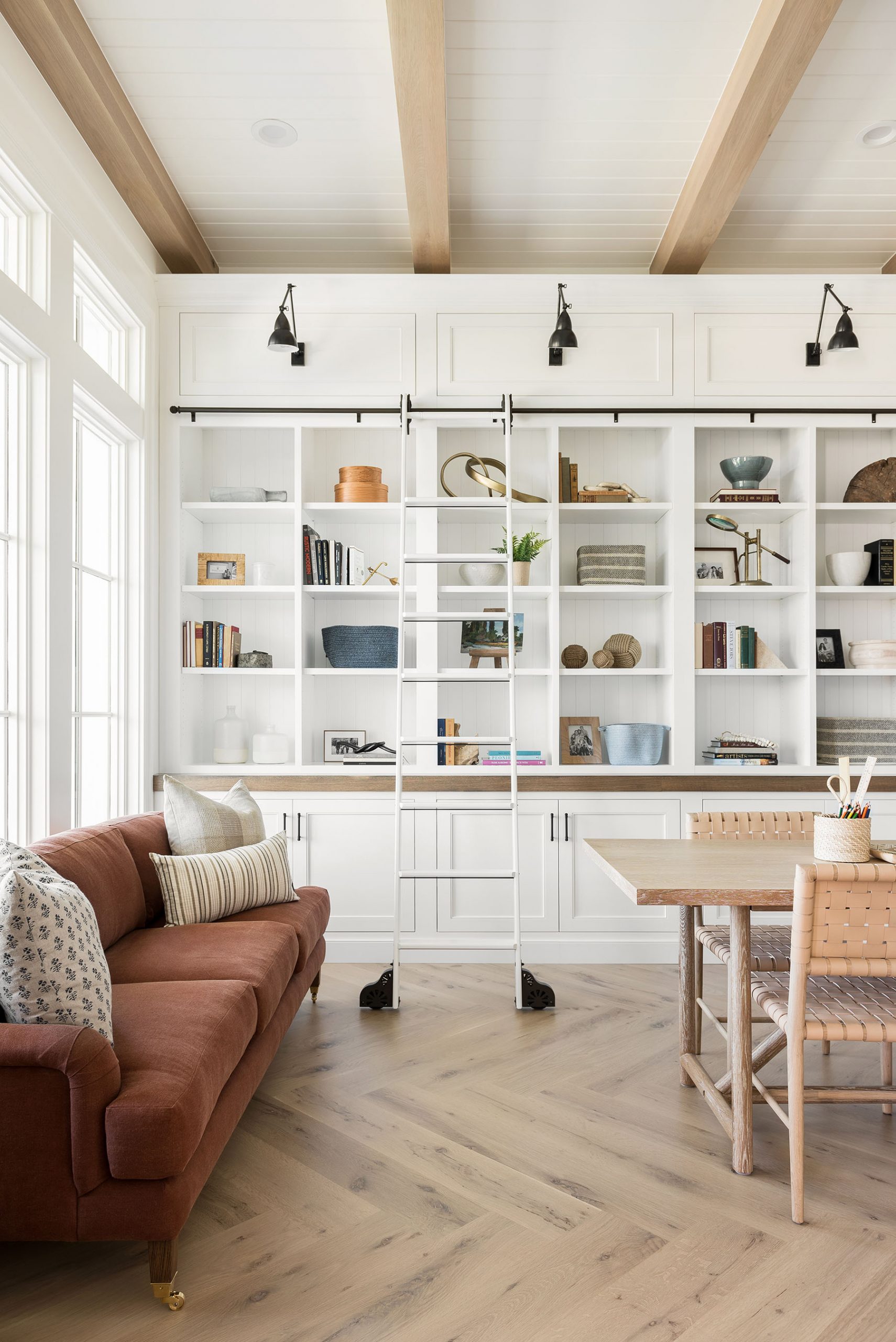
Effective space planning is paramount for creating a functional home office. This involves careful consideration of natural light, noise levels, and accessibility within the house. To maximize efficiency, it's crucial to minimize distractions and prioritize comfort in the chosen workspace. The visual appeal of the space also significantly influences productivity. A clean and aesthetically pleasing environment can enhance focus and motivation. Lighter colors can promote relaxation, while brighter hues can energize, whereas dull tones may negatively impact one's psyche and efficiency. Maintaining a clutter-free, welcoming, and enthusiastic atmosphere is essential for a productive home office.
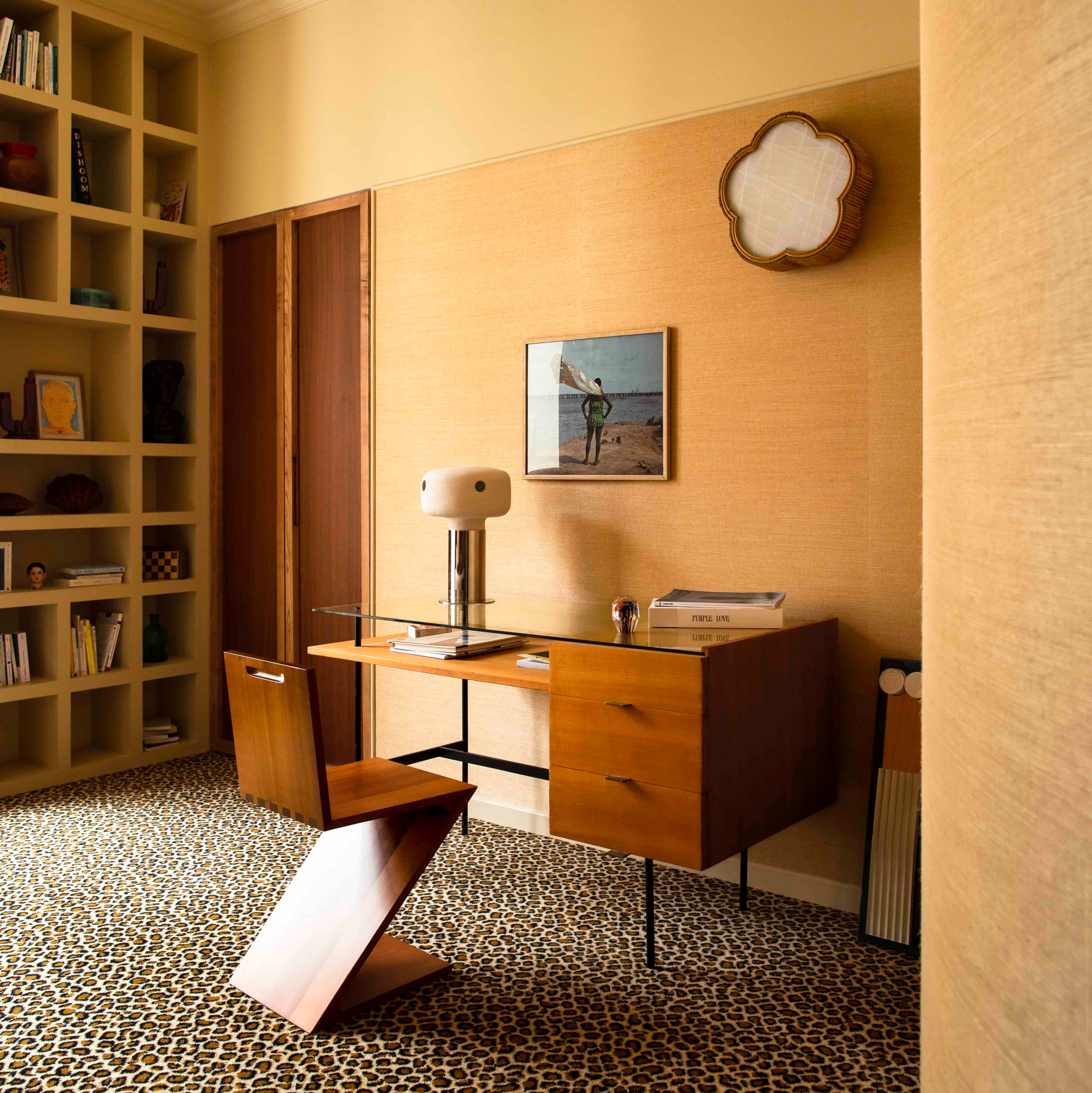
Furniture selection plays a critical role in ensuring ergonomic comfort and maintaining good posture, which directly affects focus and concentration. For desk-based work, selecting a desk of appropriate height and a comfortable, firm chair is vital. Furniture placement should be optimized for available space, especially when integrating an office into smaller areas. The choice of furniture should also consider sustainability, affordability, and suitability, ensuring it seamlessly fits into the home office while providing the necessary support for extended periods of work.
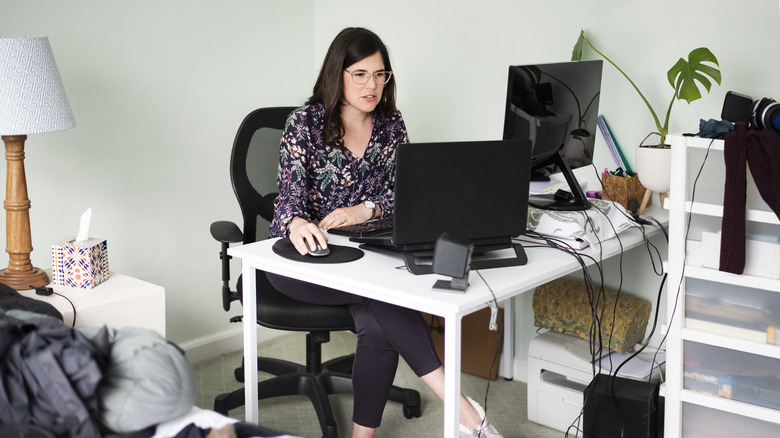
Technology management is another crucial aspect when converting a home space into an office. Unlike dedicated office environments where hardware and technology integration are often handled by employers, a home office requires careful planning for cables, accessible electrical outlets, reliable internet connections, and potential electrical backups. Adequate space must be allocated for storing and placing all necessary gadgets and equipment to maintain an organized and functional workspace.
Finally, integrating productivity boosters can significantly enhance the home working experience. Working remotely often means lacking the direct collaboration and motivation typically found in a traditional office setting. Therefore, incorporating elements that support productivity and mitigate distractions from personal life is beneficial. This can include using noise-canceling headphones, productivity tracking software, designated areas for stretching and movement, sufficient lighting, and easily accessible equipment. By personalizing these spaces, individuals can maximize the benefits of their home offices, making their lives more fulfilling and productive.
#HomeOfficeDesign #SpacePlanning #ProductivityBoosters #HomeDecor #FurnitureSelection #TechnologyIntegration #WorkFromHome #InteriorDesign #Lifehack #HomeOfficeDesign #SpacePlanning #ProductivityBoosters #HomeDecor #FurnitureSelection #TechnologyIntegration #WorkFromHome #InteriorDesign #Lifehack
Toplam 0 yorum
 Henüz yorum yok
Bu da beğenebilirsiniz
The Psychology of High Ceilings and Creative Work Spaces
3DVIA


Nine creatives designing dreamy renderings
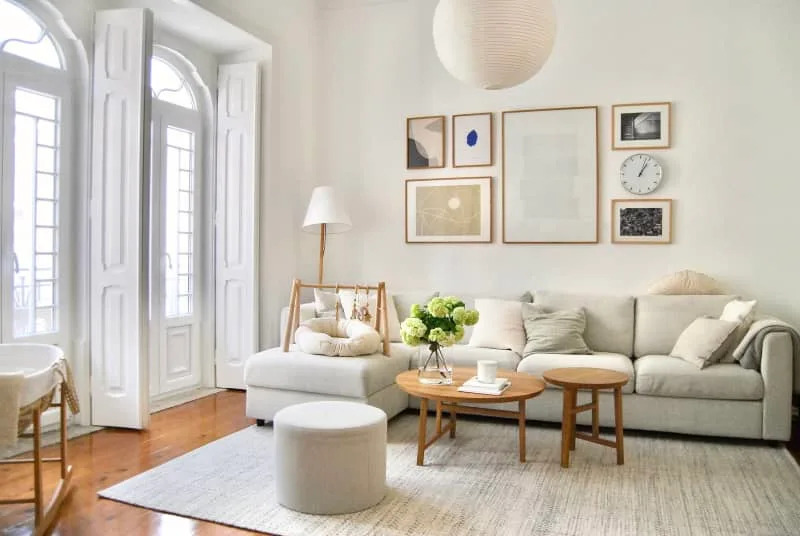
These 15 Room Design Apps Will Make Your Dream Home a Reality

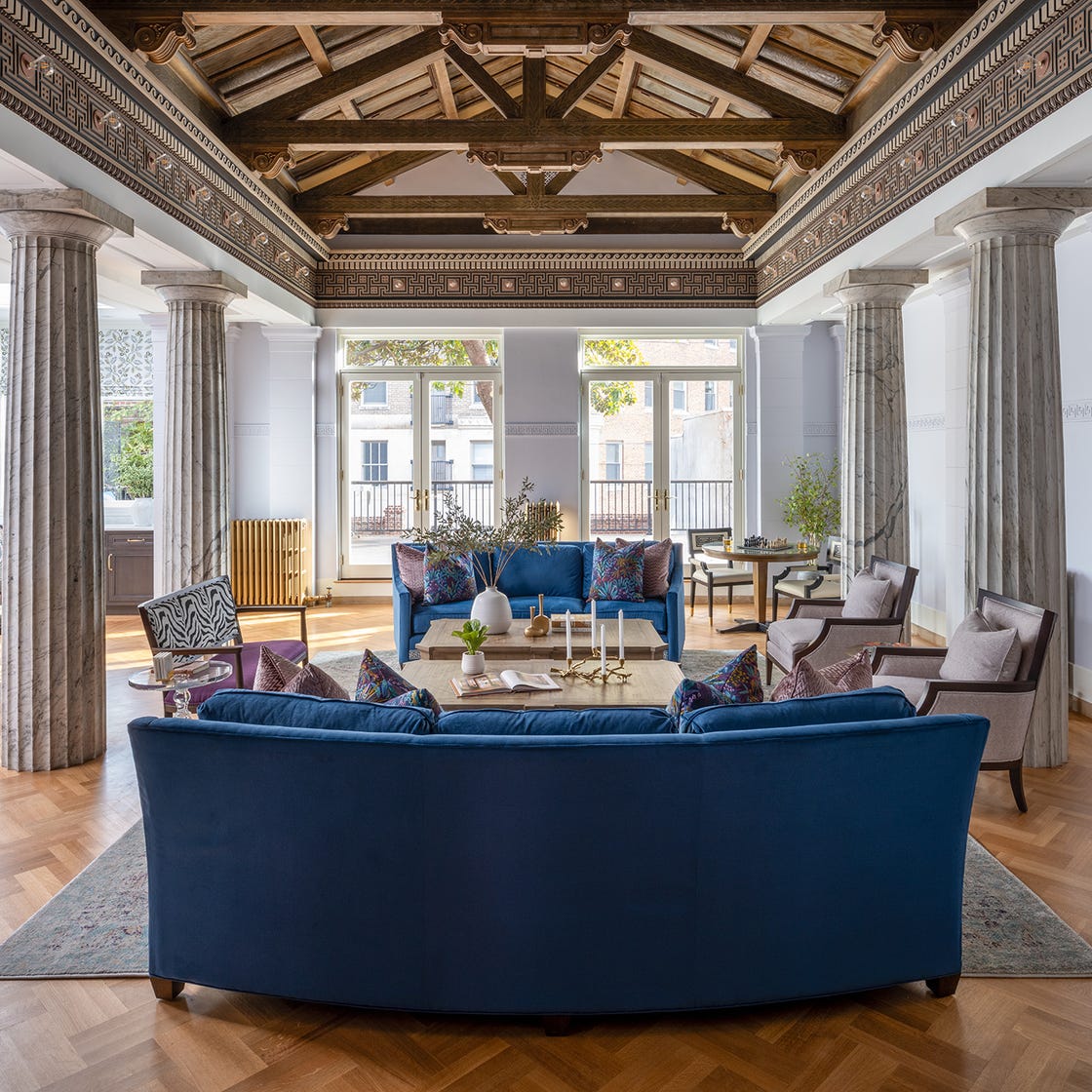
Why the Perfect Time to Work with an Interior Designer Is Now

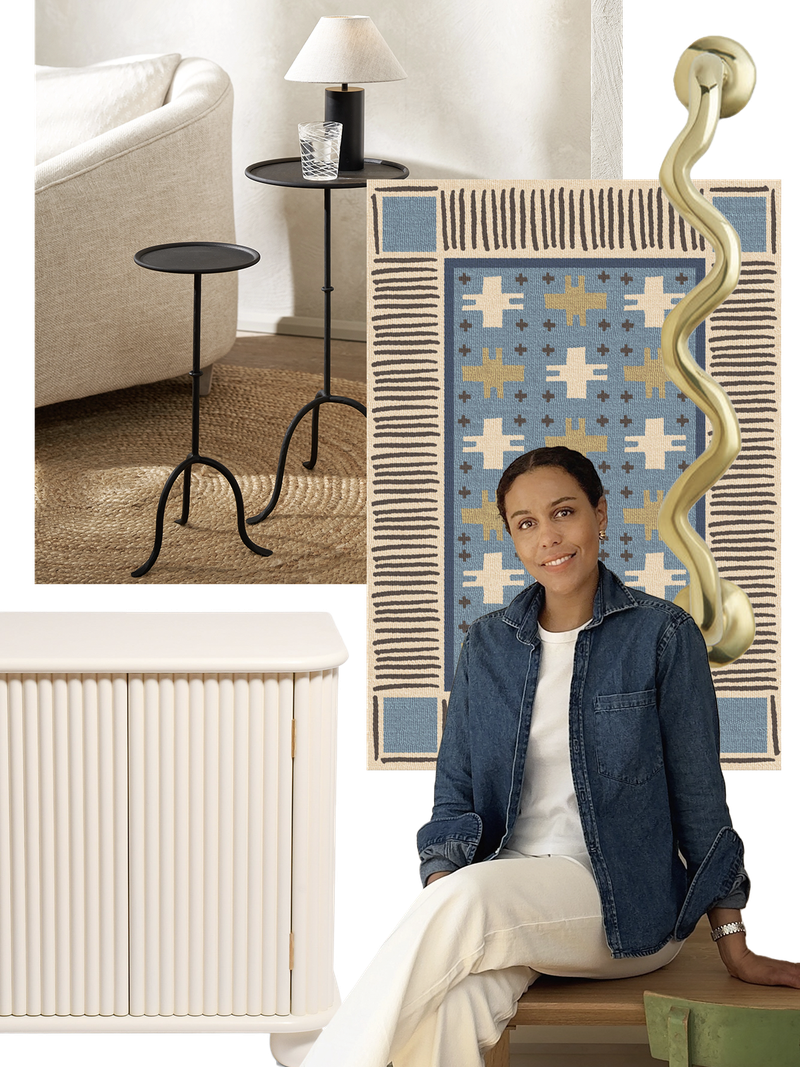
An Interior Designer Talks Style Inspiration, Wish List Items & Her Clever New Launch

The real stories behind those TV home makeover shows: New design podcast dishes on why they're harmful

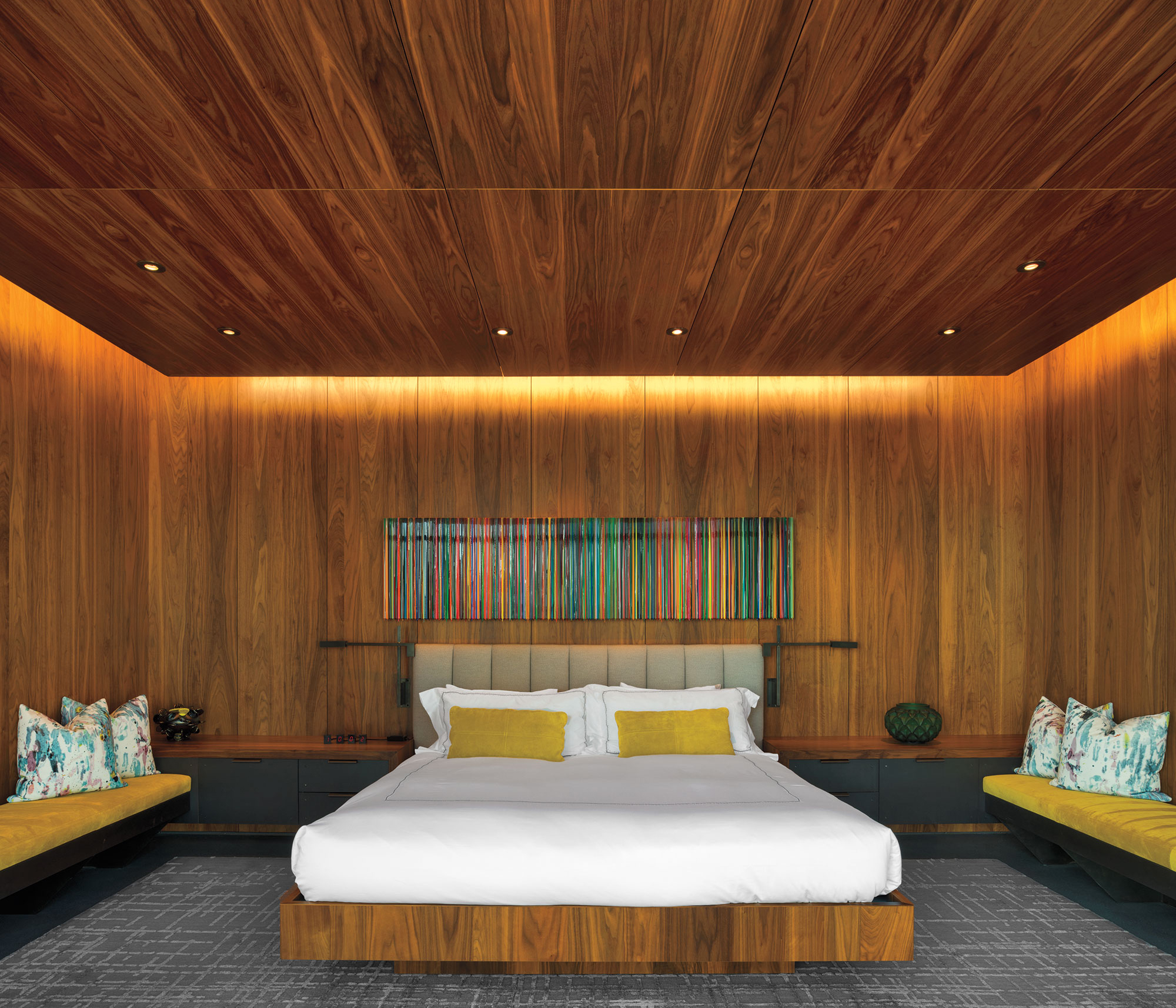
15 Dreamy Bedroom Design Ideas Where Creativity Meets Comfort

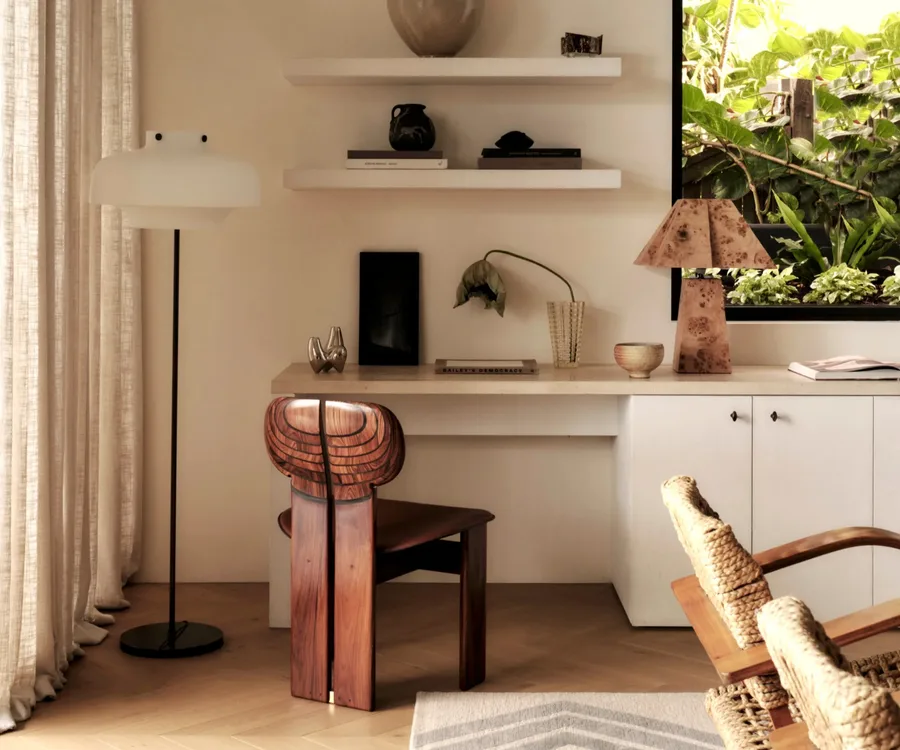
How to design the ultimate home office, according to the experts

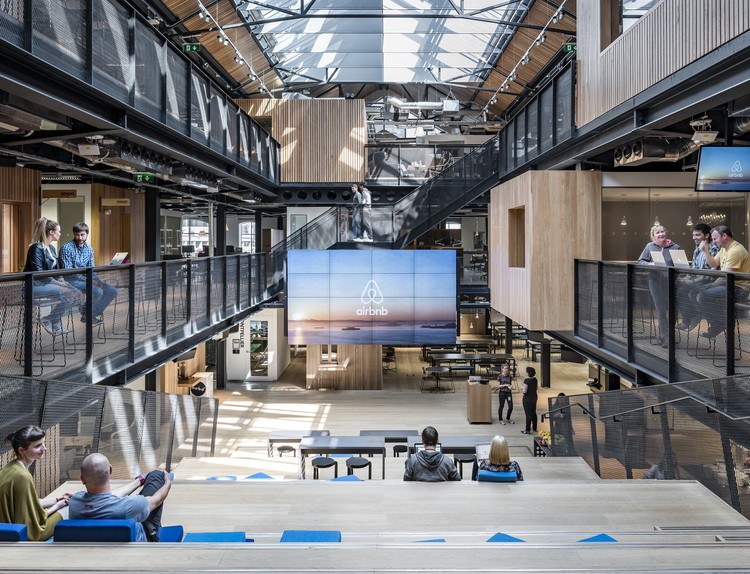
Airbnb Environments Principal Designer Rachael Harvey Talks Interior Design and the Future of Workplace

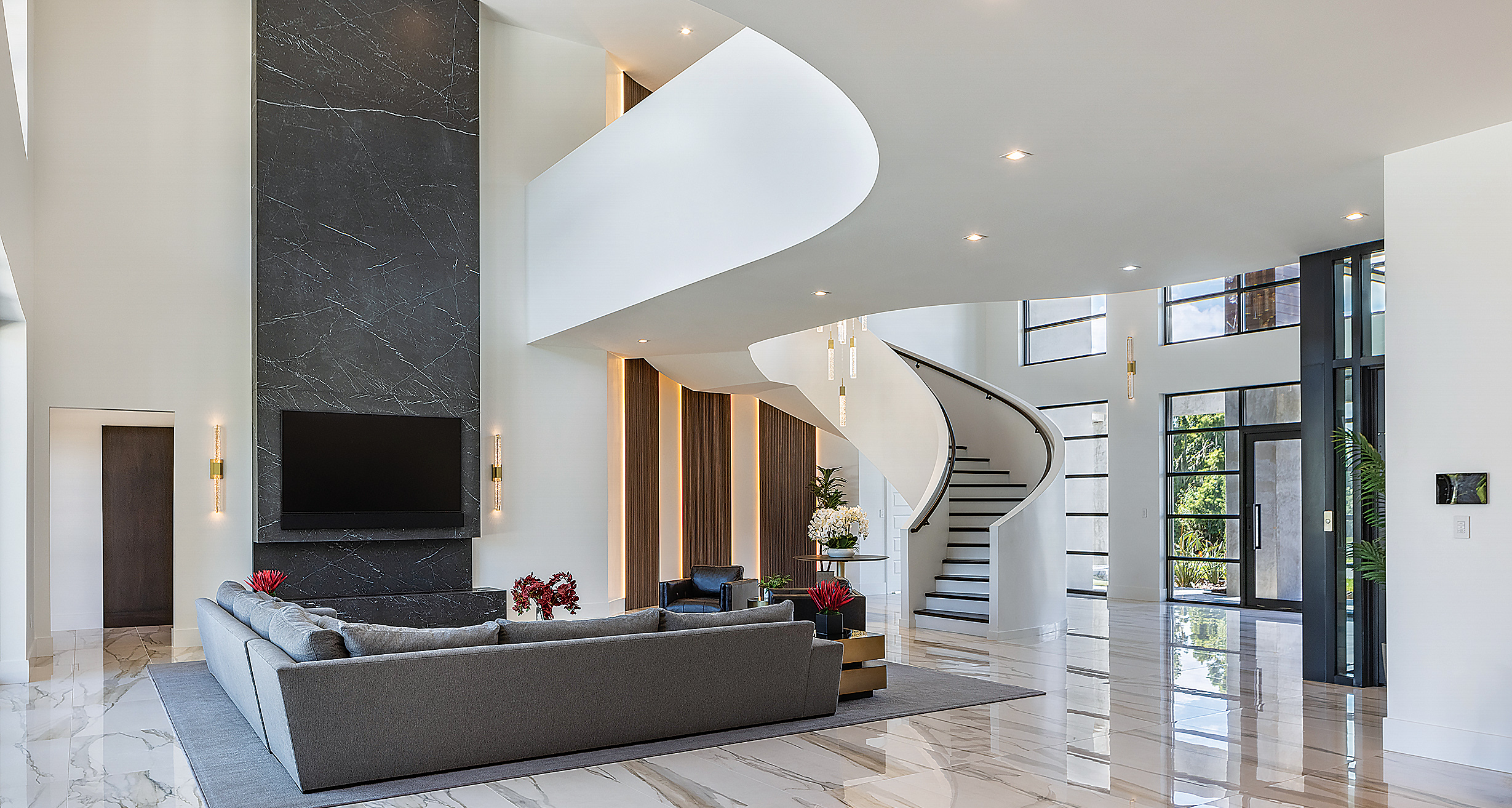
Home Design: Dramatic & Immersive

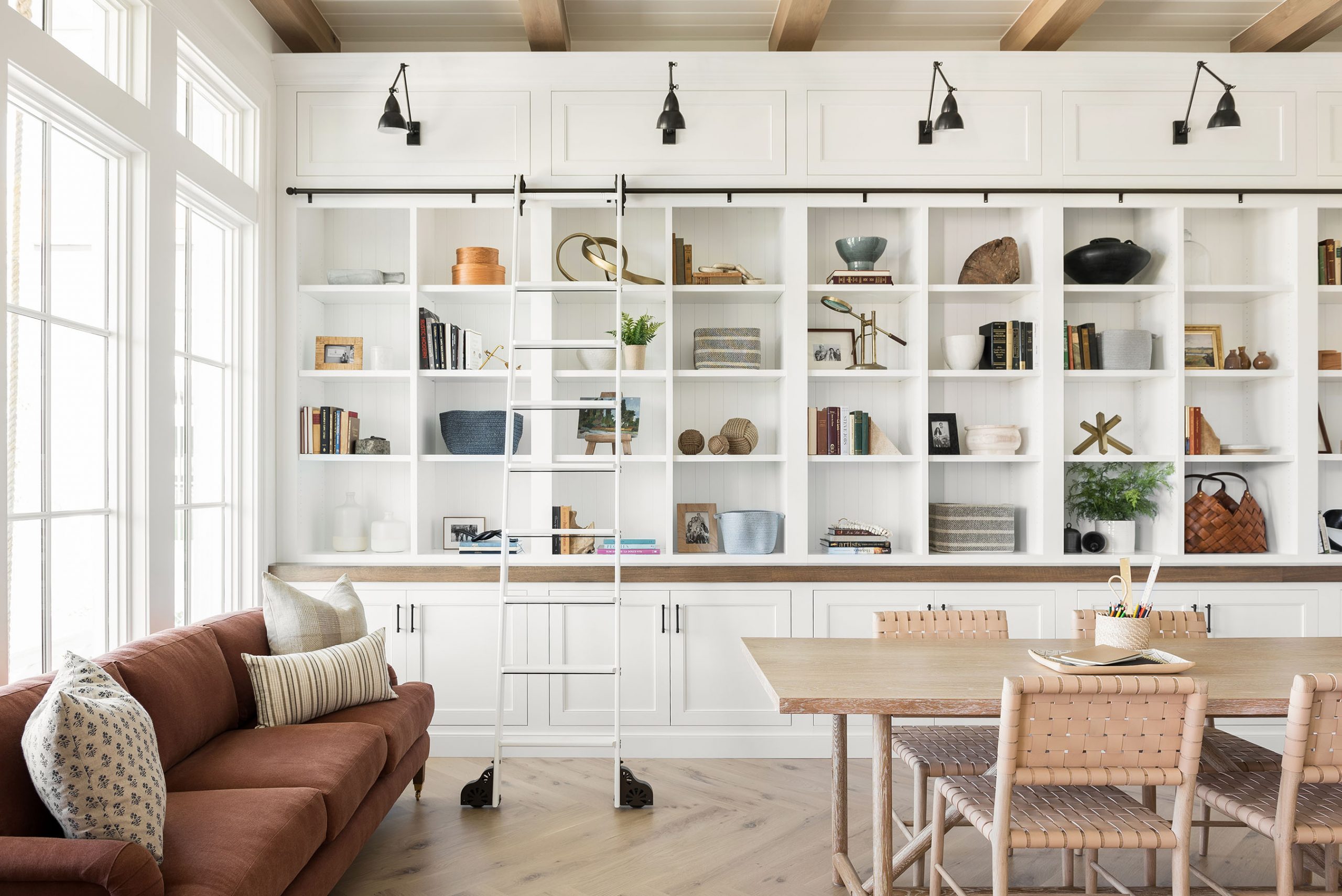
Home On The Ranch: Entry Library & Mudroom
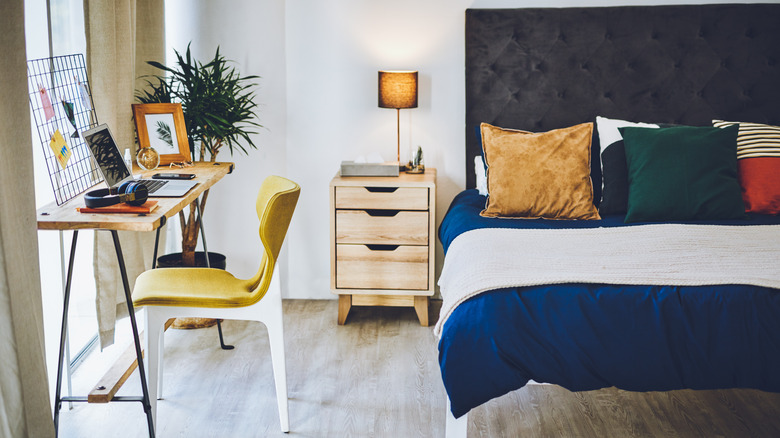
Why Putting Your Home Office In The Bedroom Is A Bad Idea, According To David Bromstad
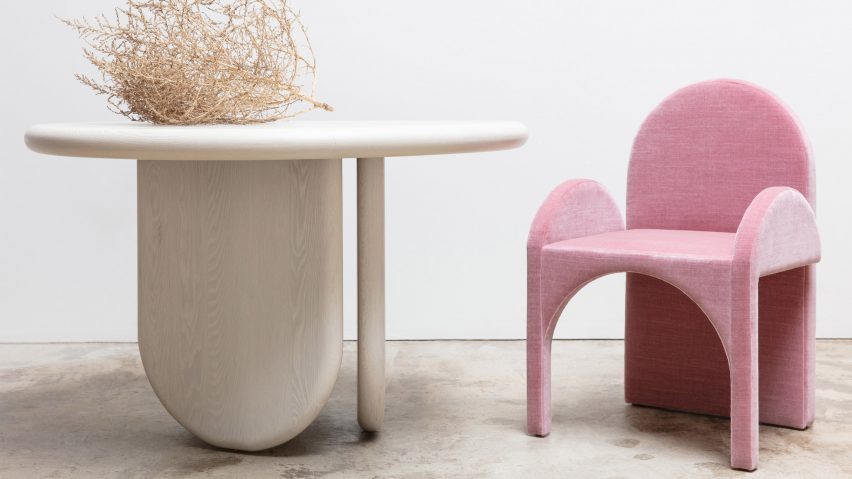
Cuff Studio's Common Ground furniture and lighting collection unites "femininity with some testosterone"
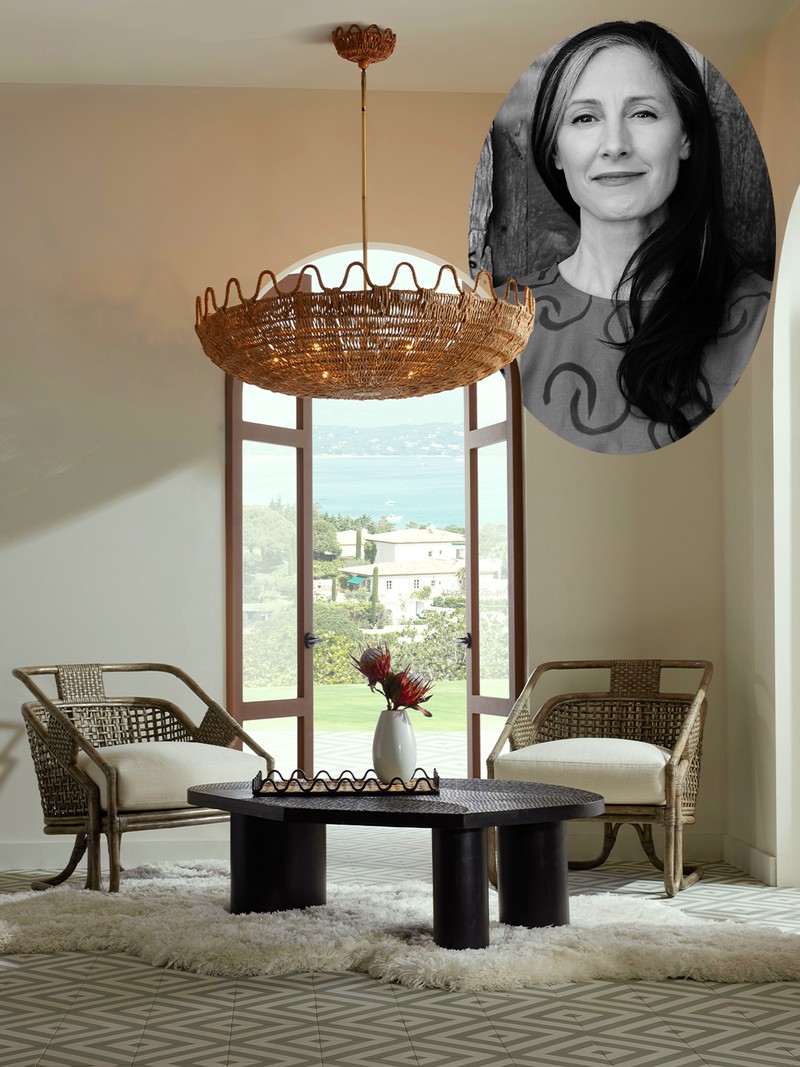
A Cool Interior Designer Talks Style, Inspiration & More

Meet Brittany Lyons, whose interior-design career started as a side hustle

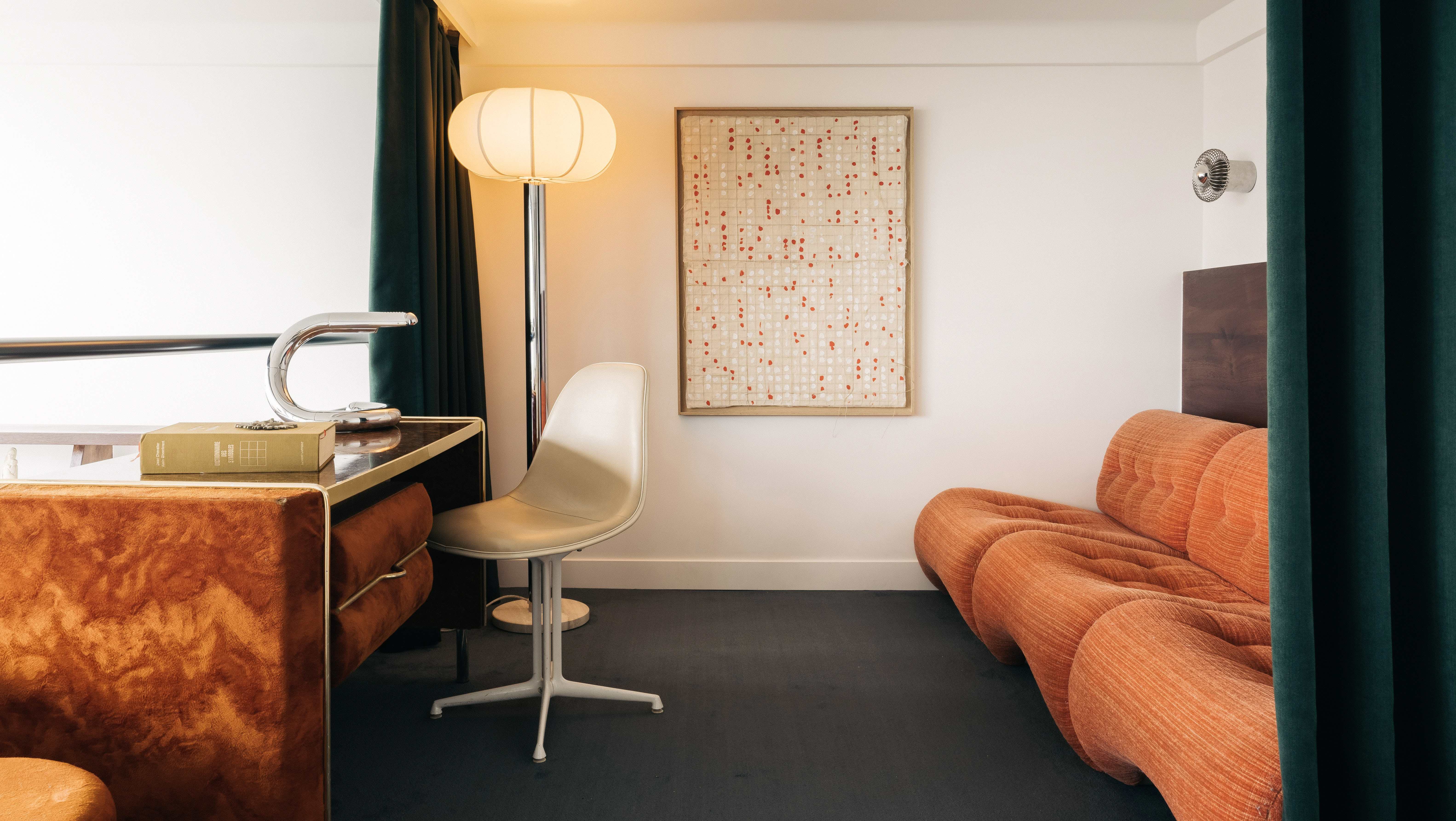
Who needs a Zoom background when your home office looks this good?

If You Work From Home, Here Are 6 Tips To Create The Perfect WFH Office

A Cool Furniture Designer Talks Style, Inspiration & More

How Sara Story found the perfect length for a client meeting