1/2
Why Putting Your Home Office In The Bedroom Is A Bad Idea, According To David Bromstad
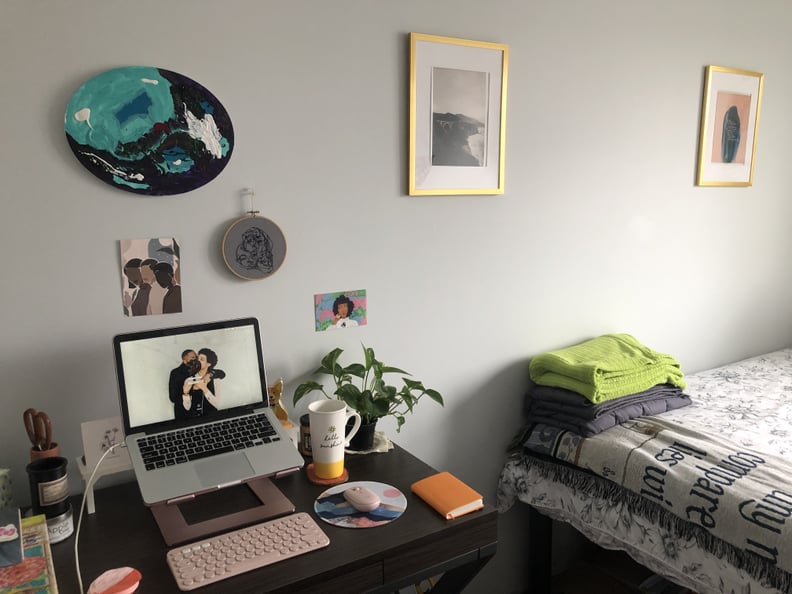
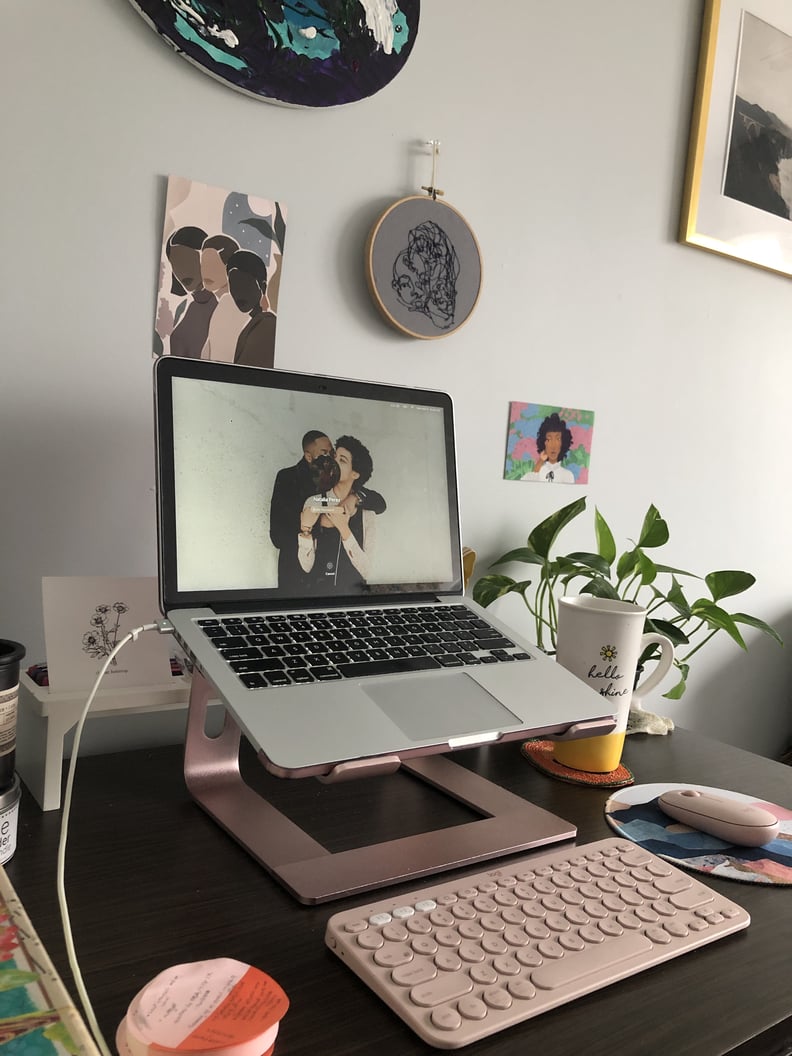
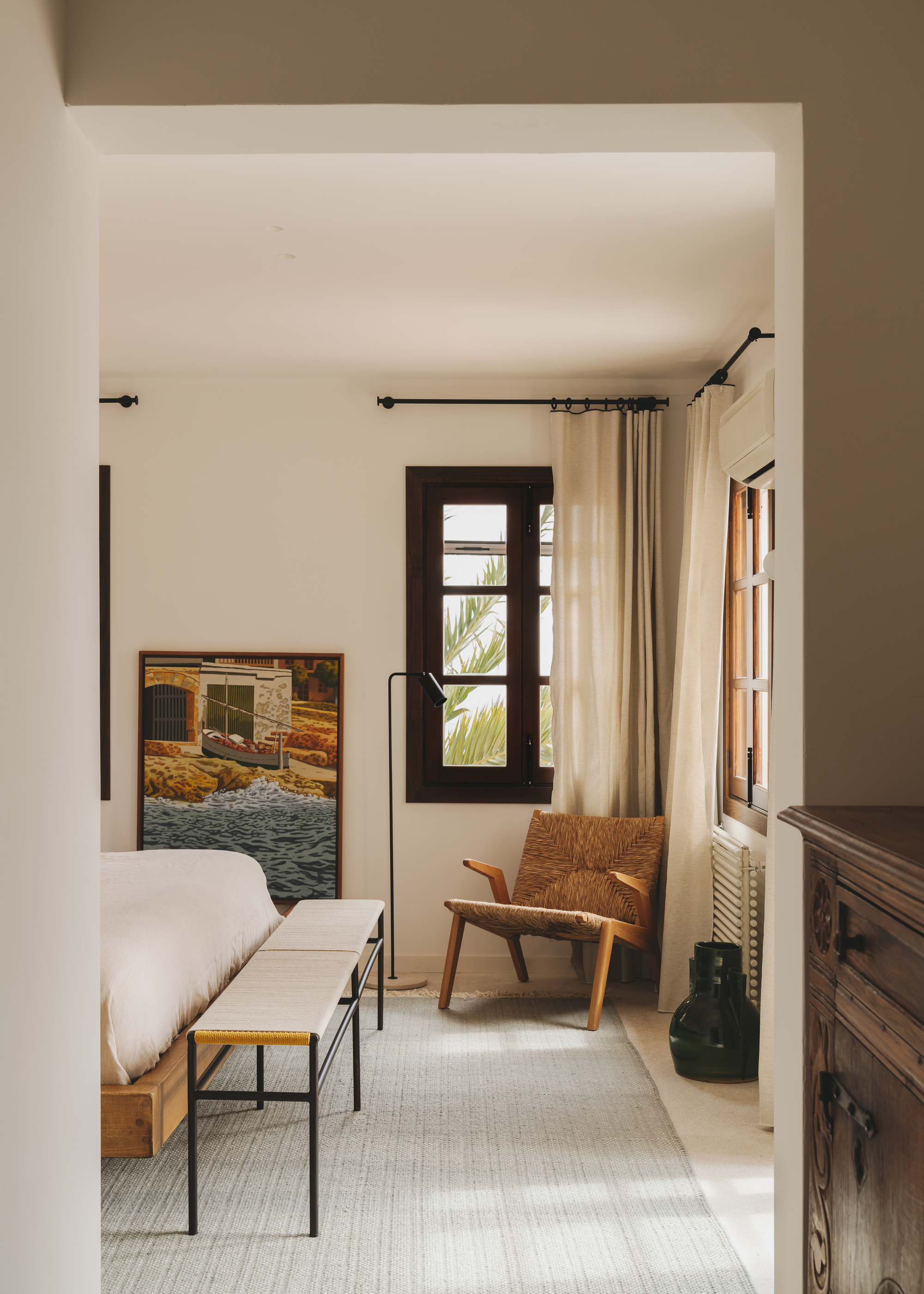
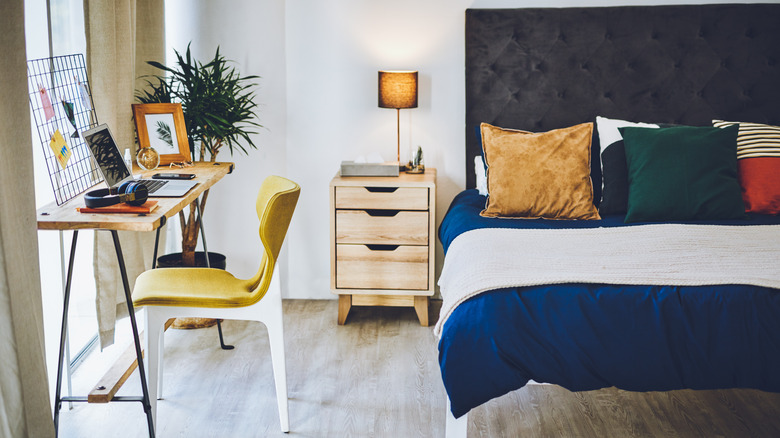
The increasing prevalence of remote work has led to a blurring of lines between professional and personal life, with an estimated 32.6 million Americans expected to be remote workers by 2025. While creating a workspace at home might seem practical, renowned interior designer David Bromstad advises against setting up a home office in the bedroom. He asserts that the bedroom should remain a sanctuary for rest and relaxation, rather than a hub of work-related stress. Bromstad believes that waking up to a work environment can induce stress, impacting one's ability to unwind and sleep.
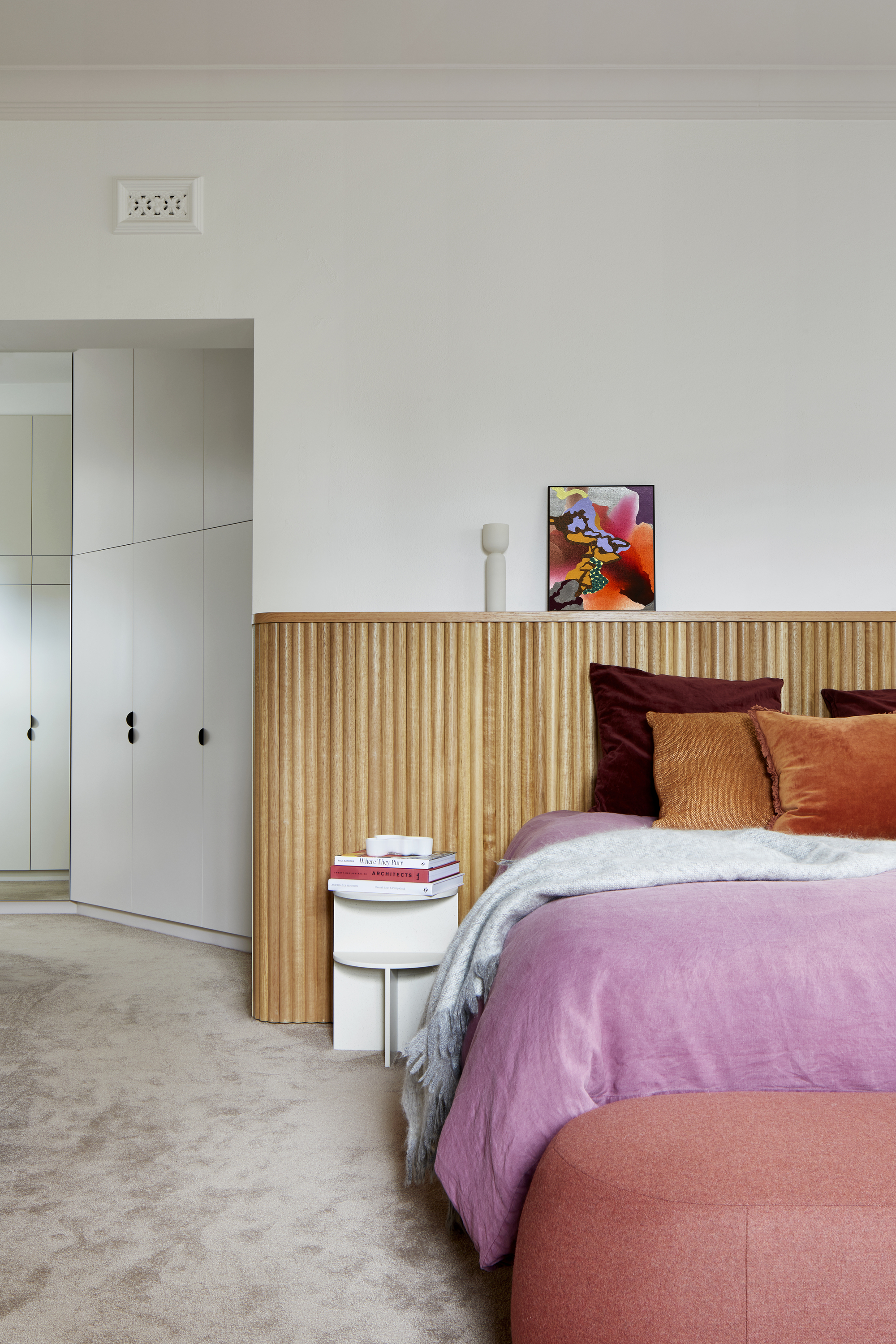
The psychological implications of combining work and rest spaces are significant. The Cleveland Clinic suggests that associating the bedroom with work can elevate stress levels and hinder relaxation, making it difficult to fall asleep. Beyond psychology, the aesthetic clash is also a concern. Office items such as printers, cords, and files, often utilitarian in nature, can disrupt the serene decor typically found in a bedroom. Furthermore, Feng Shui principles align with Bromstad's view, indicating that a desk in the bedroom introduces disruptive Yang energy of work and activity into a space meant for calming Yin energy and rest, thereby creating an energetic imbalance.
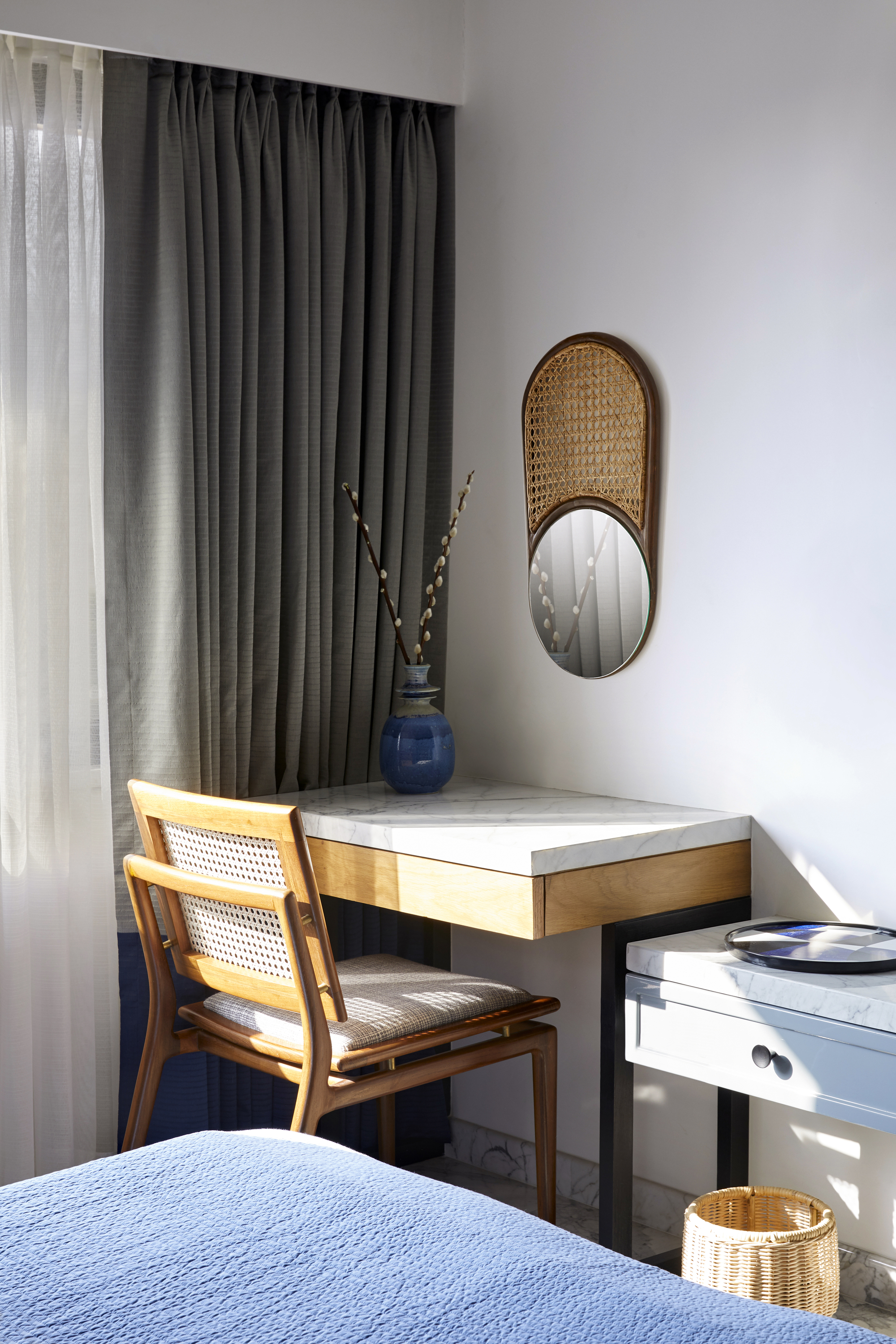
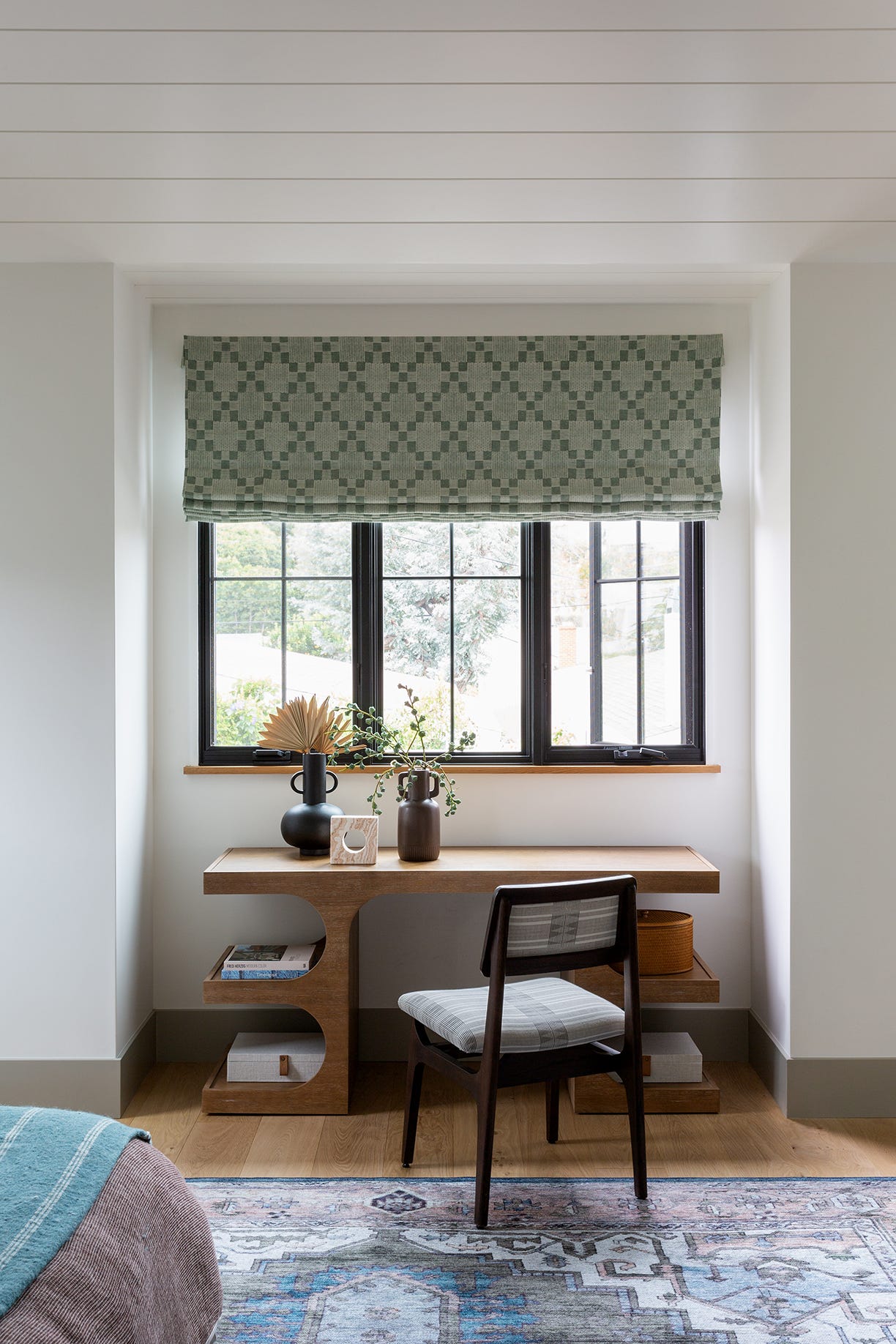
Bromstad, featured on HGTV's "My Lottery Dream Home," consistently advocates for a separate ergonomic office nook, even if it's a small division outside the main bedroom. He highlights that this physical separation is crucial for maintaining work-life boundaries, preventing the feeling of constantly being at work, and minimizing interruptions from other household members. Without a distinct workspace, it becomes challenging to mentally transition from work to personal life.
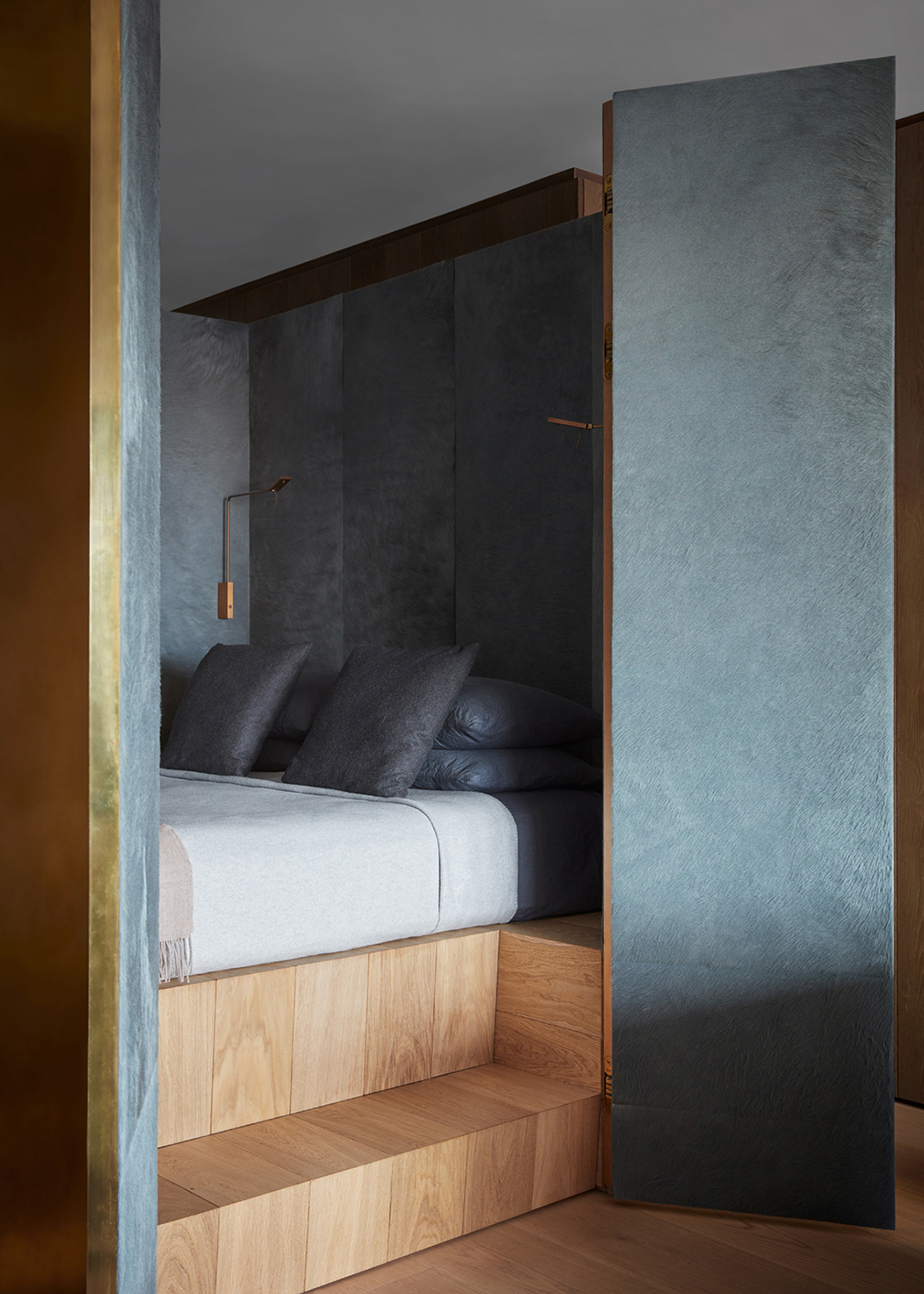
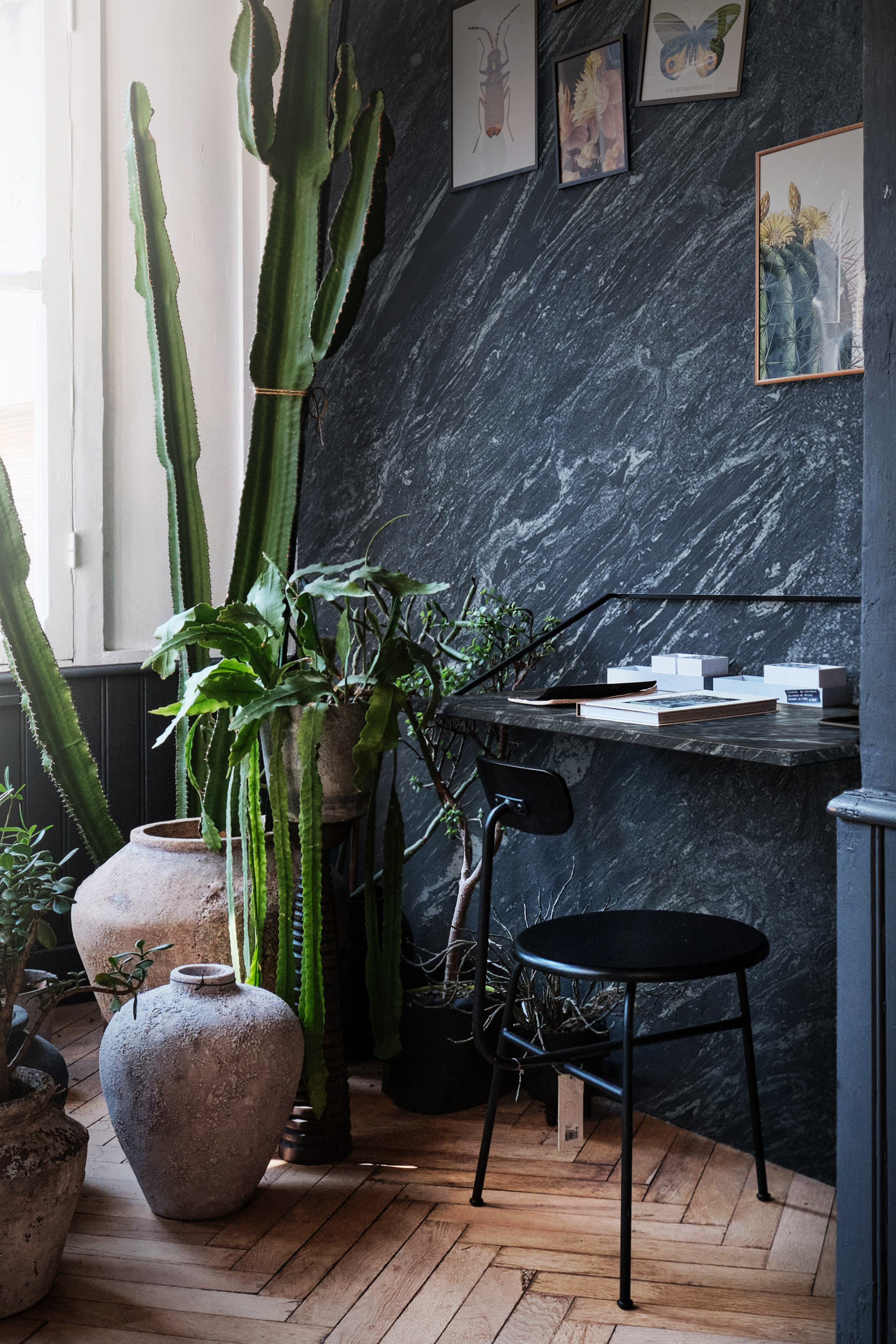
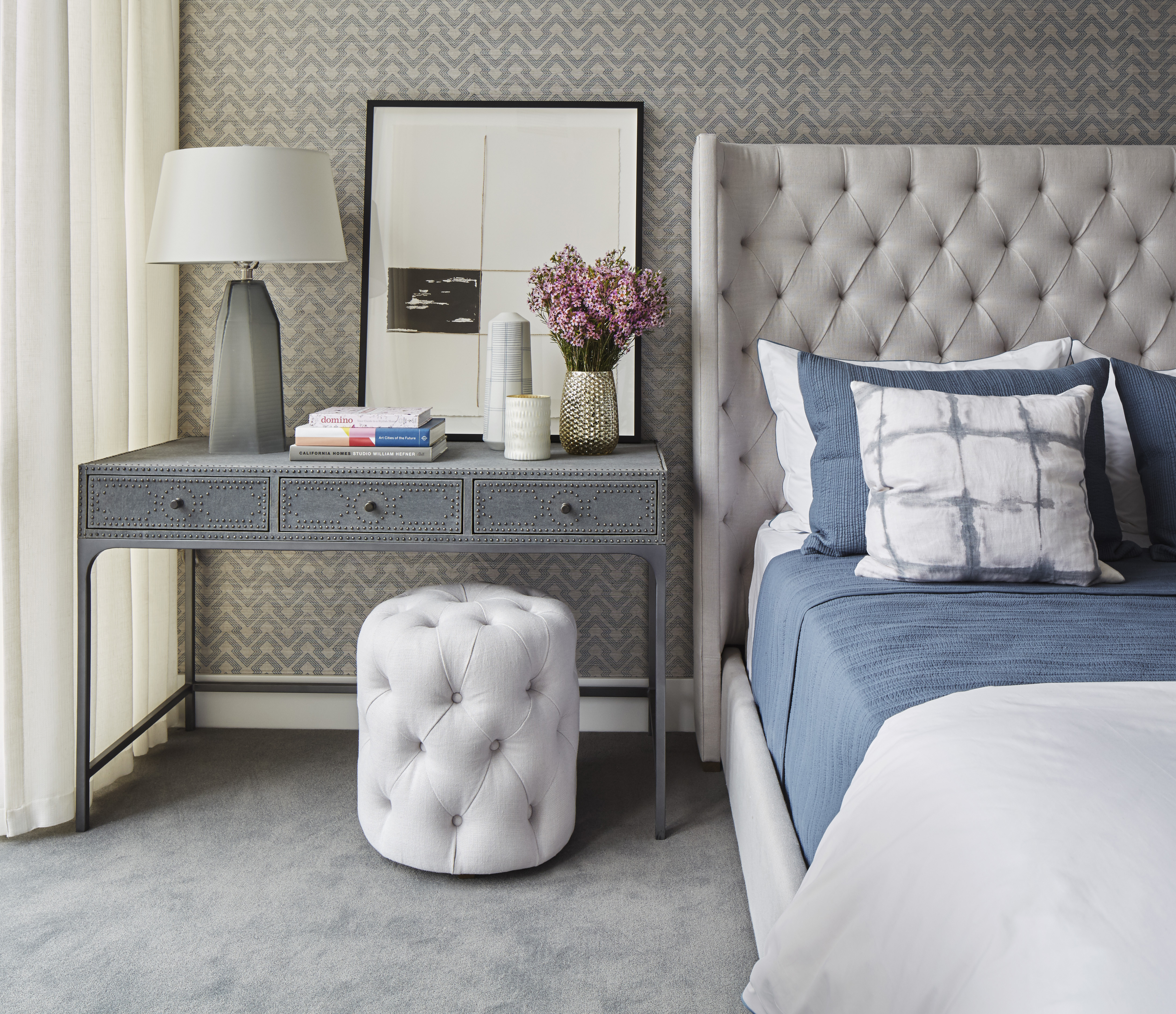
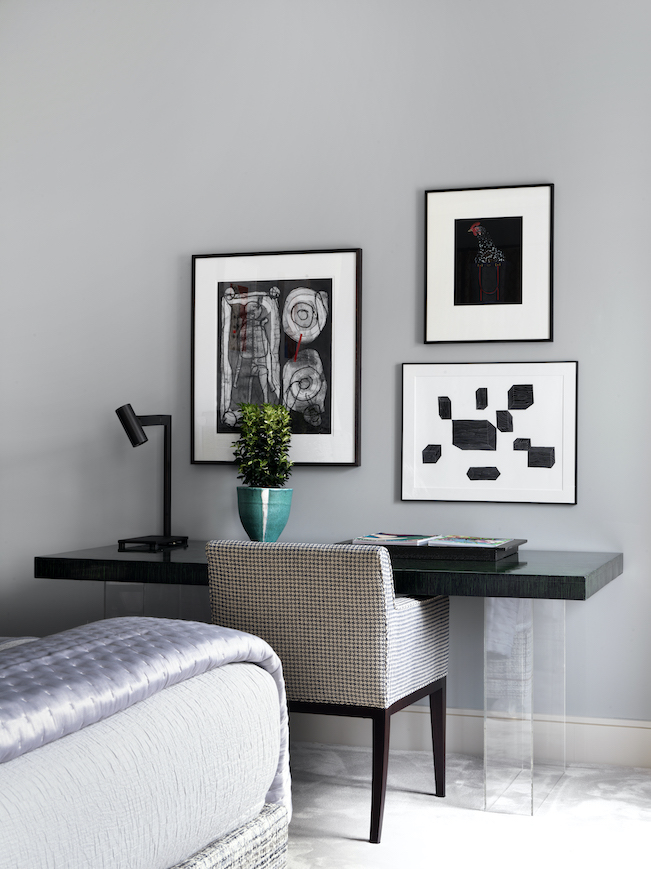
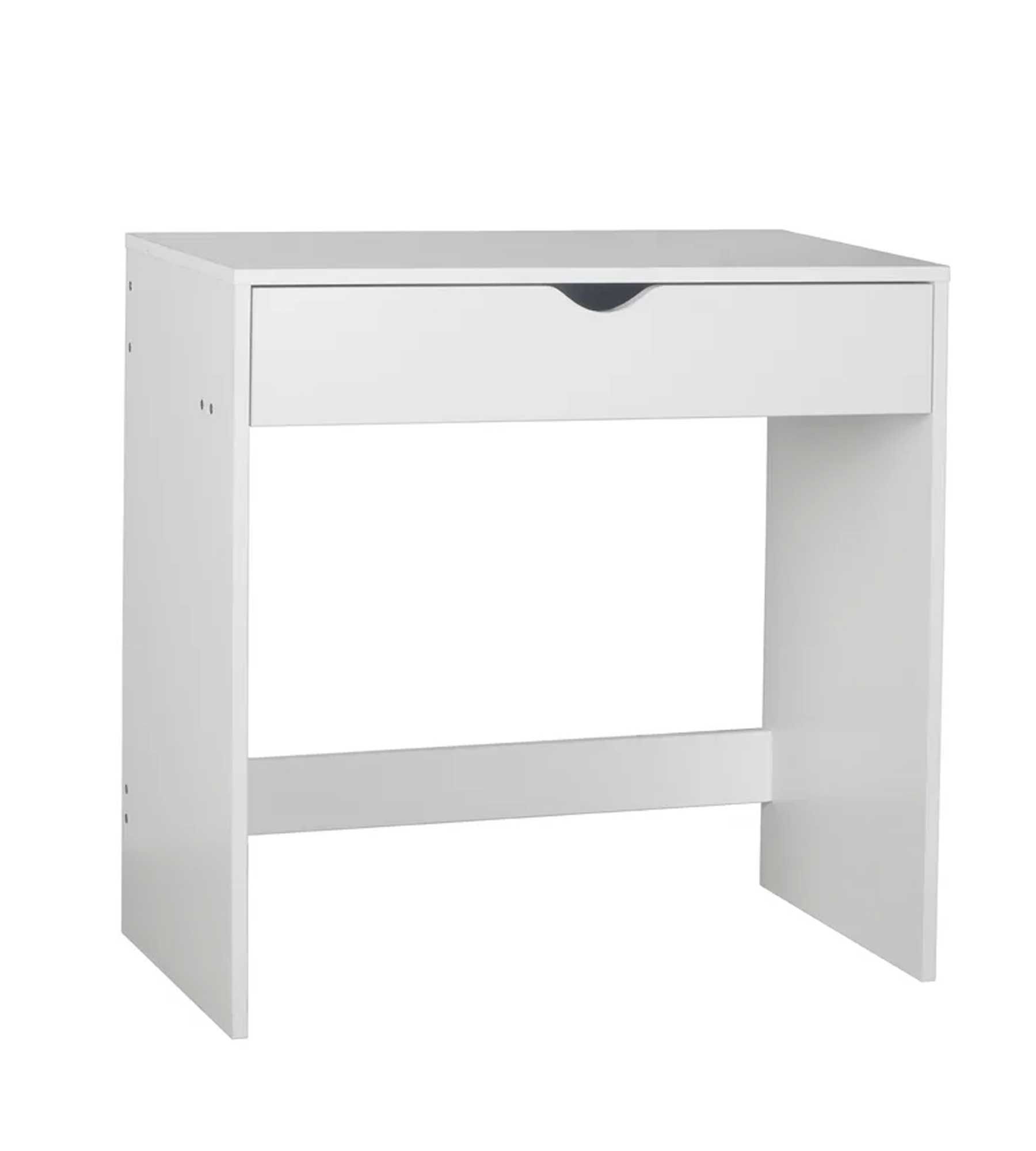
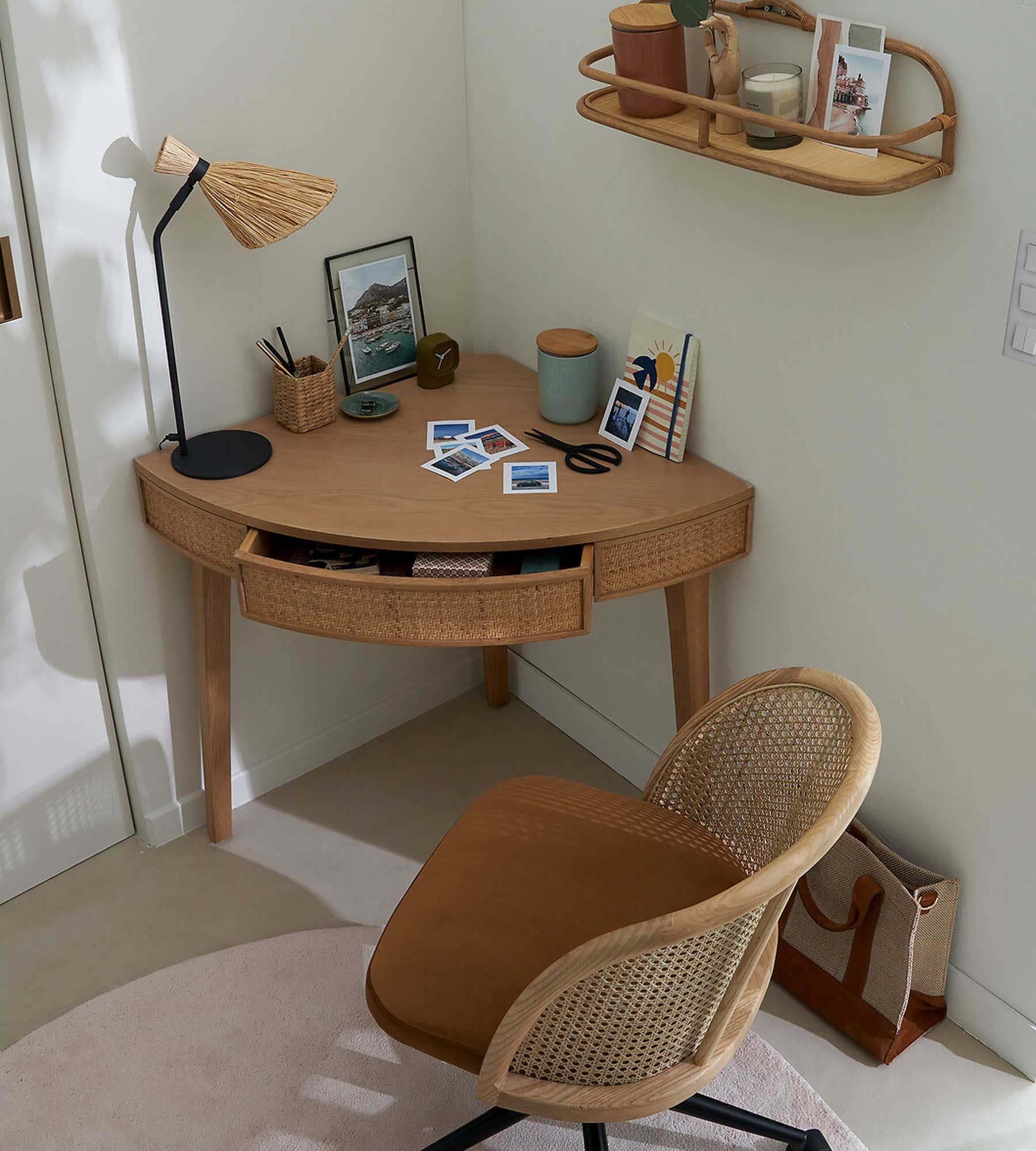
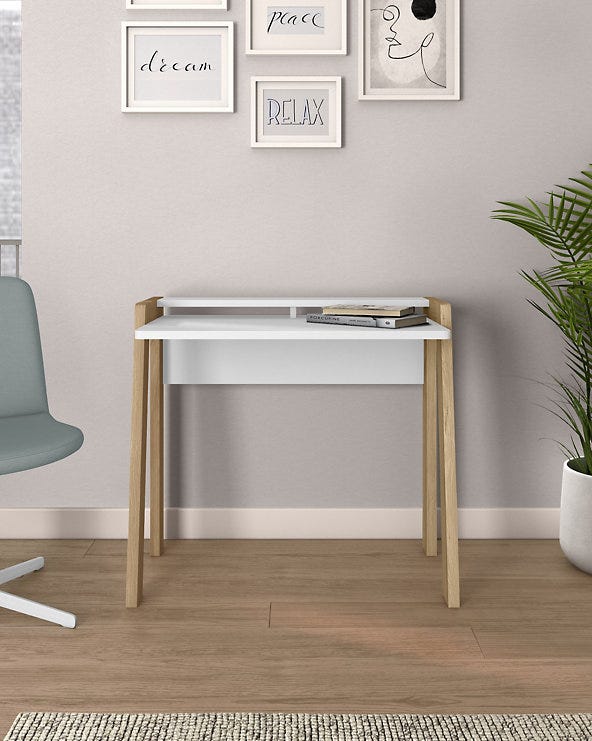
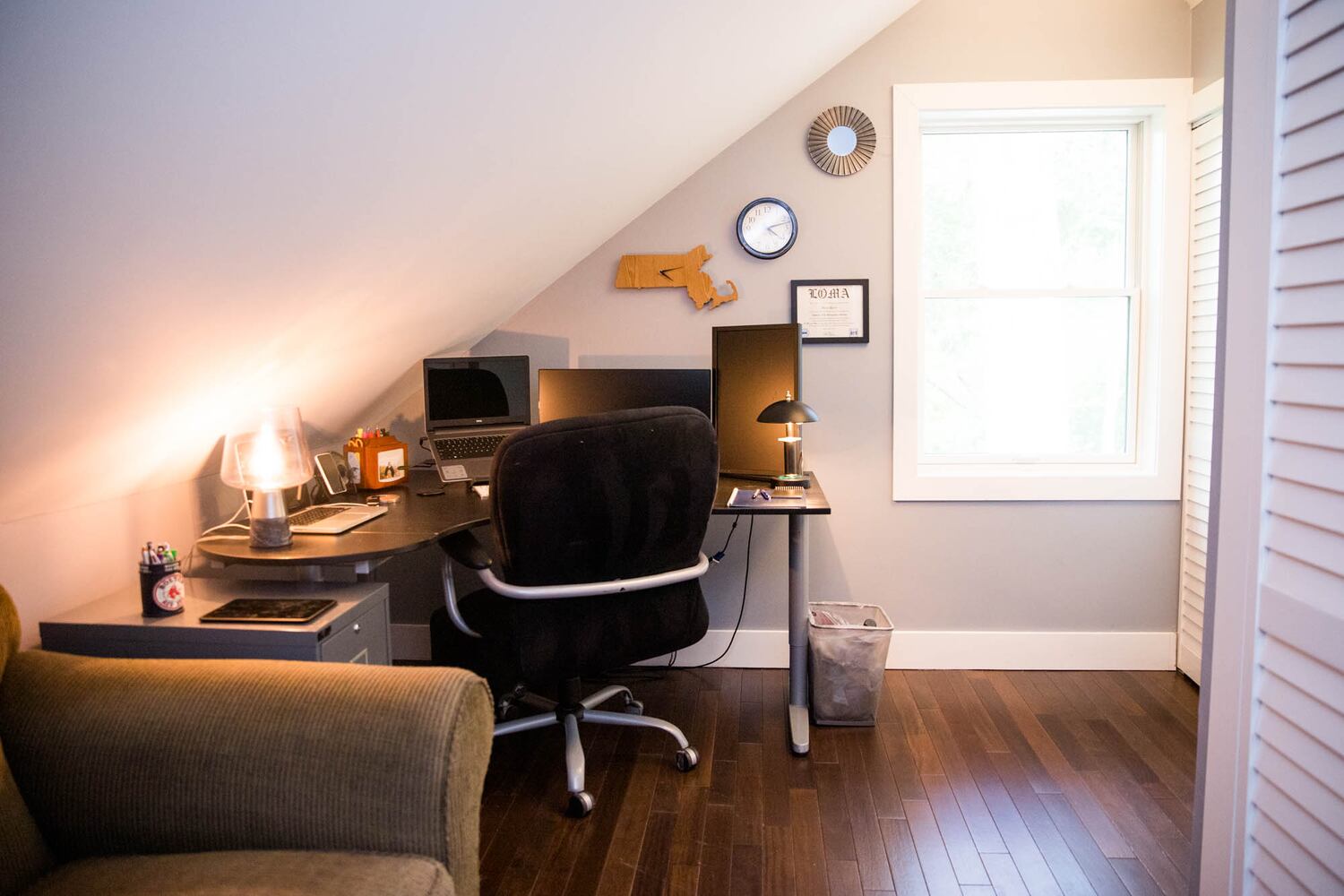
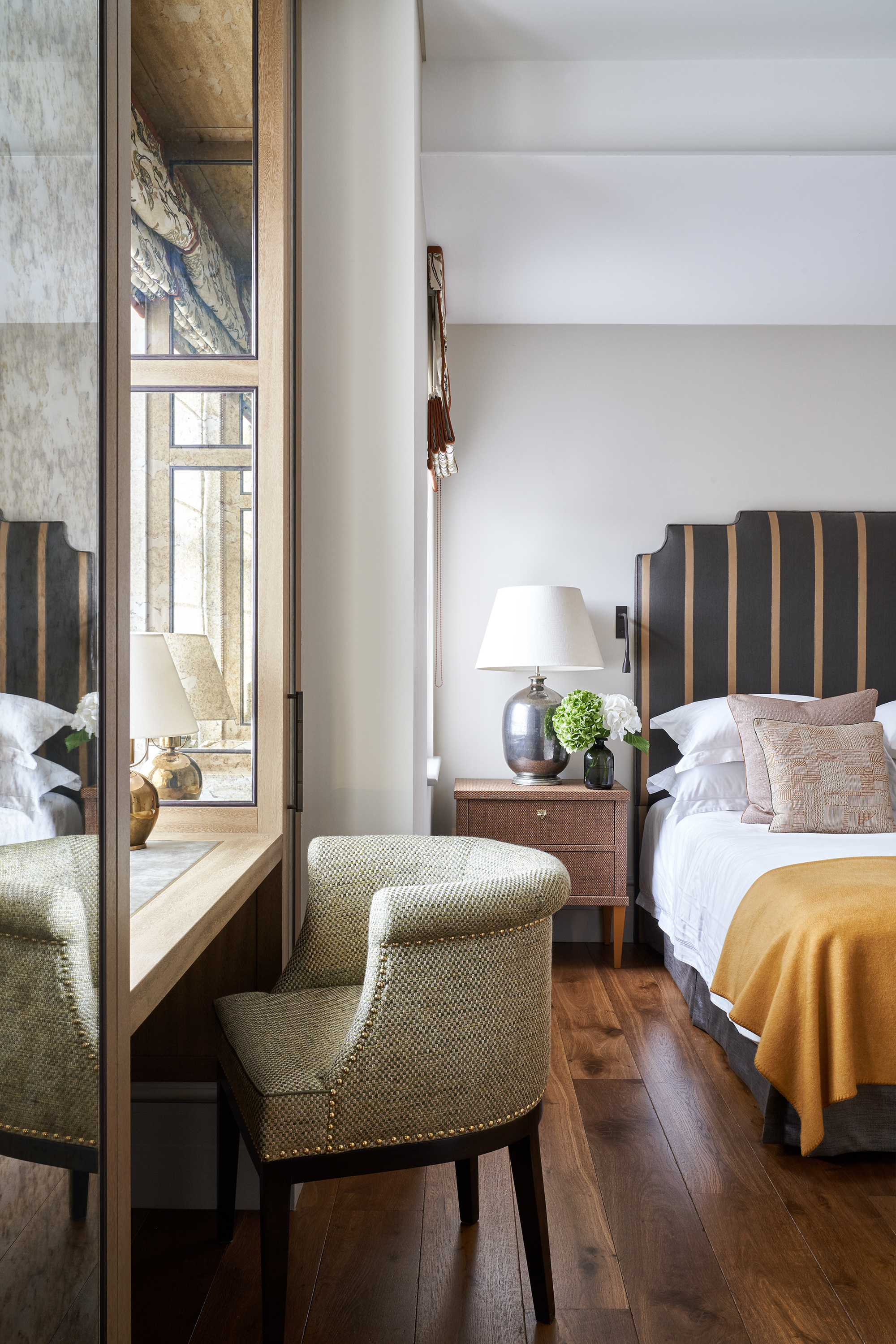
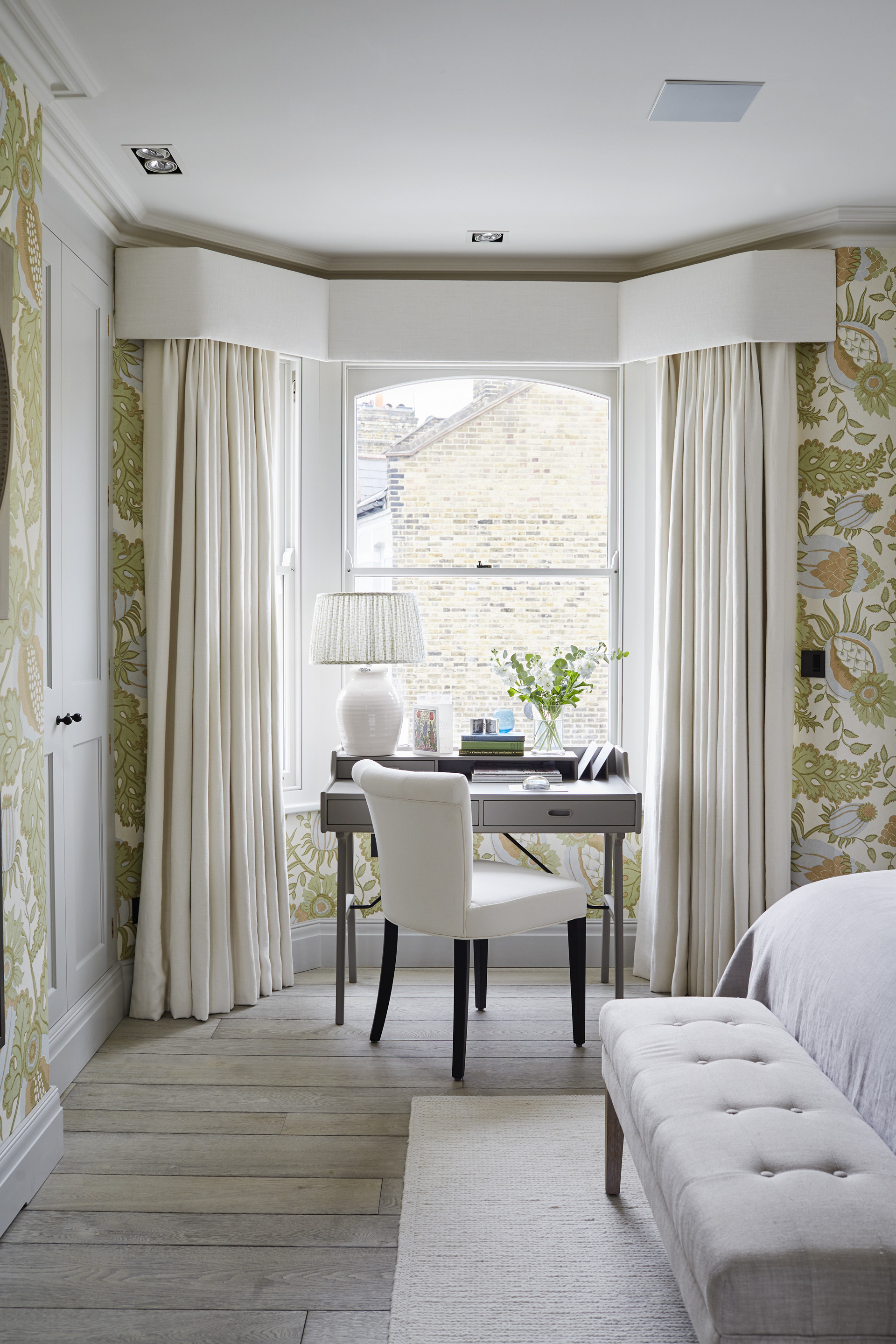
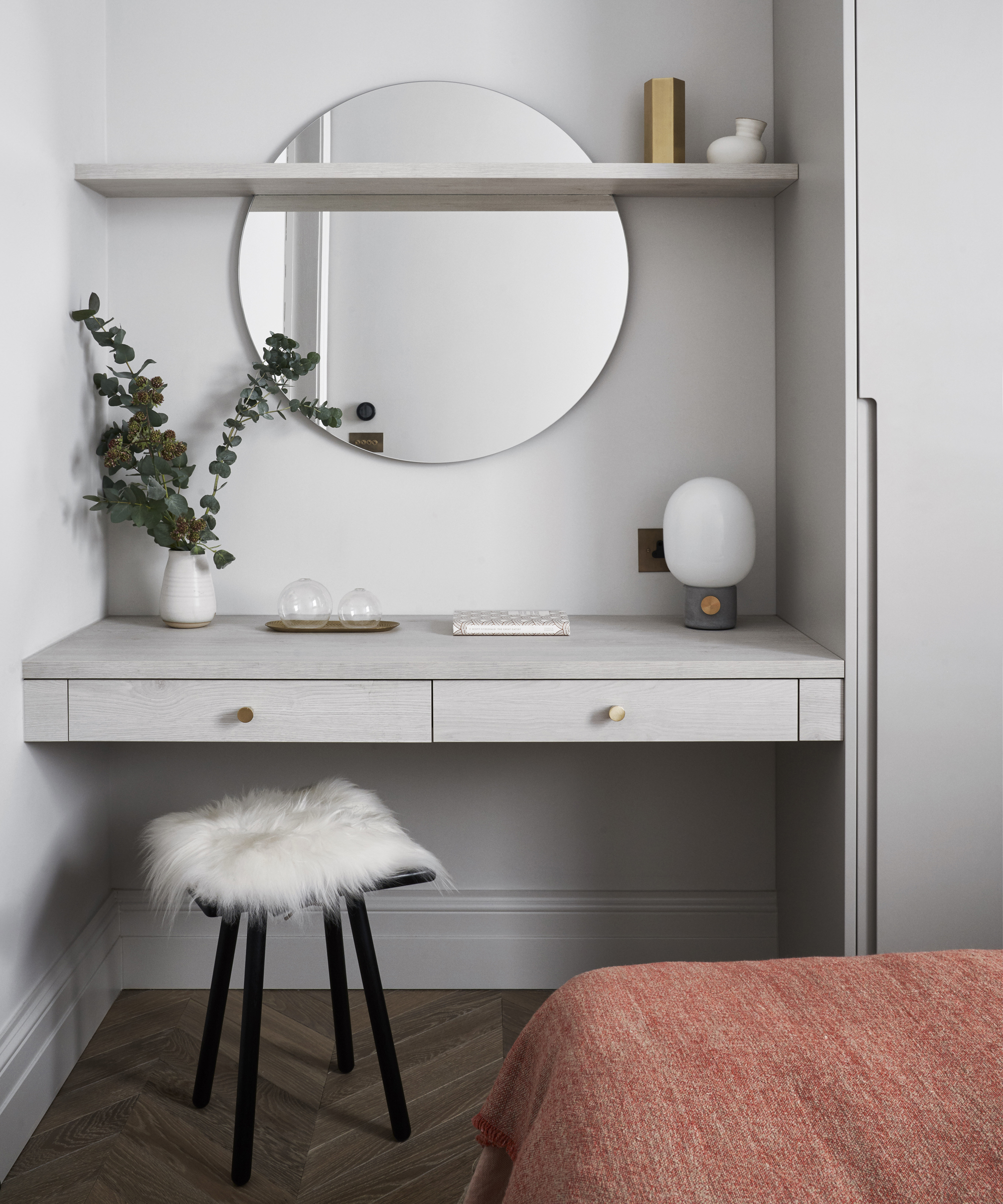
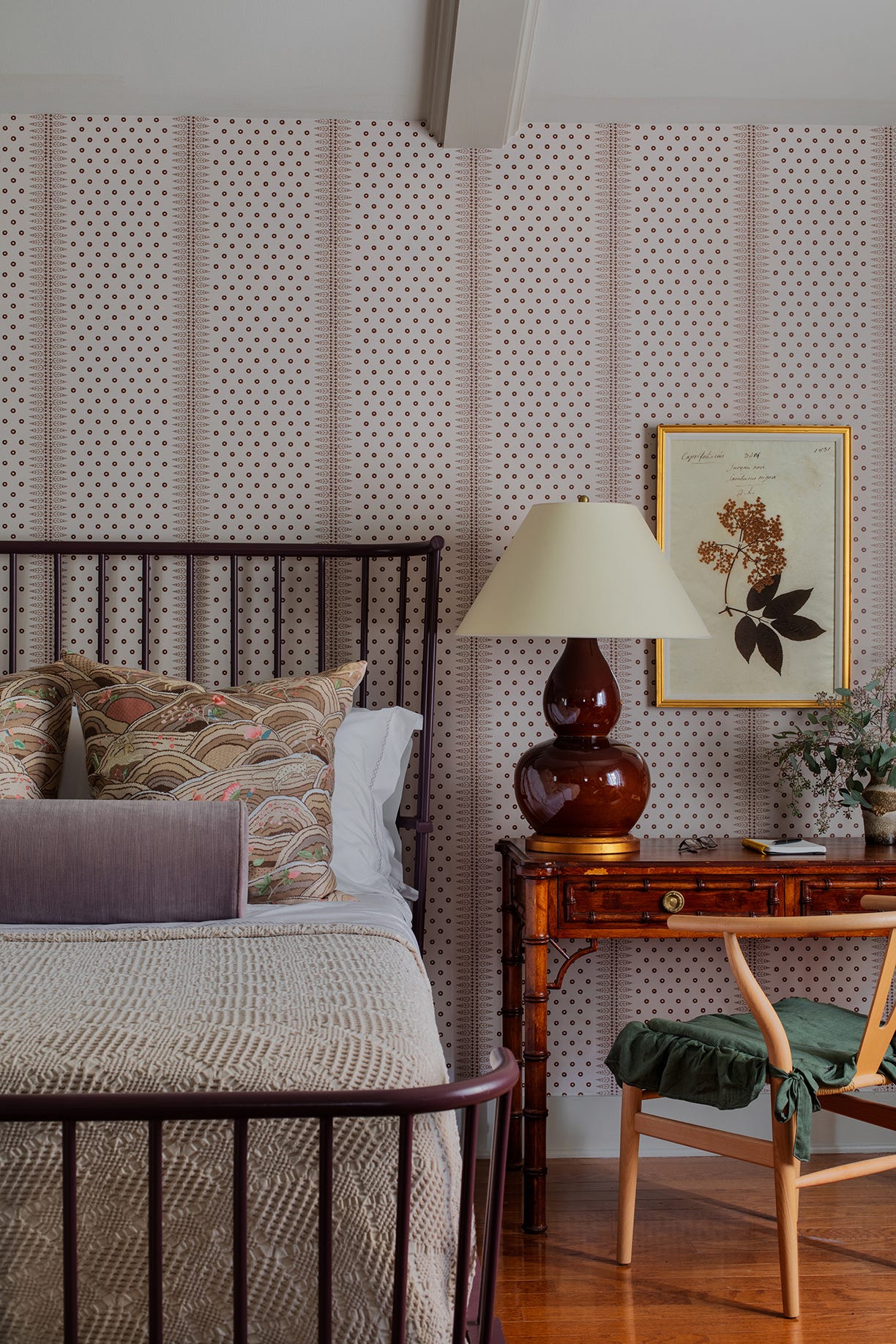
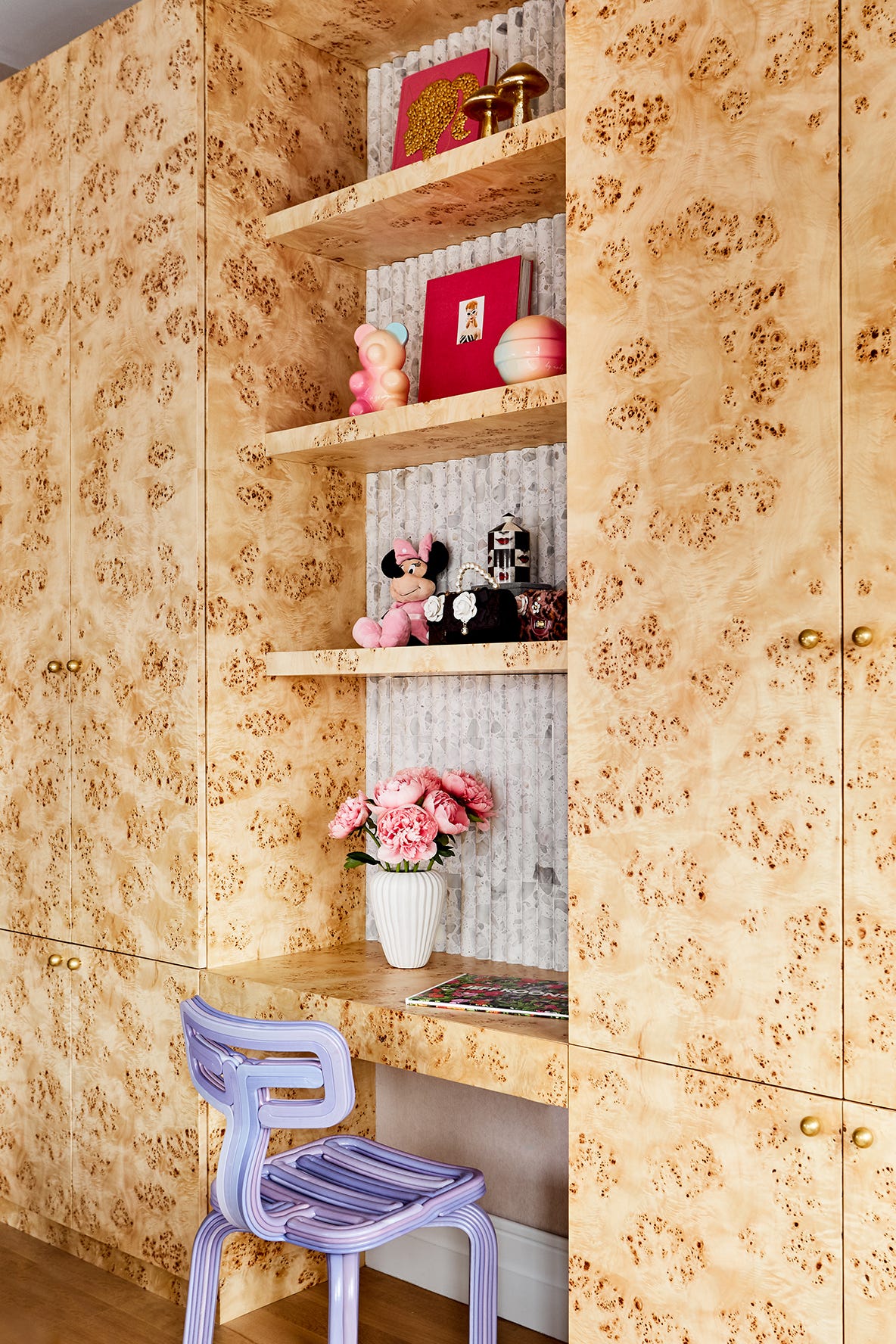
However, acknowledging that financial or space constraints might necessitate a bedroom office for many, Bromstad encourages creative solutions. He suggests converting a closet into a compact office or using a room divider to delineate separate zones within the bedroom. From a Feng Shui perspective, positioning a desk in a "commanding position" where one can see the bedroom door and clearly dividing the room into work and rest areas can help mitigate the negative impacts. Implementing such strategies allows for a degree of separation, preserving the bedroom's tranquil purpose while still enabling productivity. This approach supports a healthier work-life balance and aligns with Bromstad's vision for spaces that are functional, purposeful, and contribute to overall well-being.
#HomeOffice #BedroomDesign #DavidBromstad #WorkLifeBalance #InteriorDesignTips #RemoteWork #FengShui #SpacePlanning #HomeOffice #BedroomDesign #DavidBromstad #WorkLifeBalance #InteriorDesignTips #RemoteWork #FengShui #SpacePlanning
0 comment in total
 No comments yet
You may also like
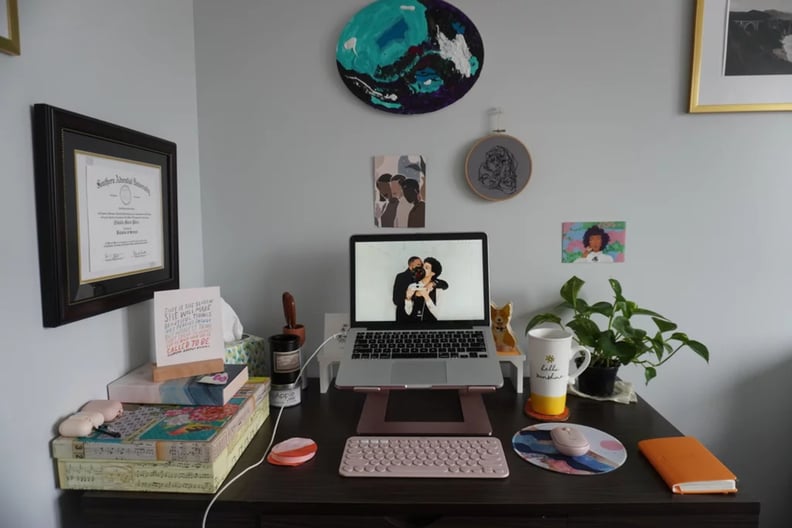
How I Set Up My Dream Desk in My Tiny Bedroom
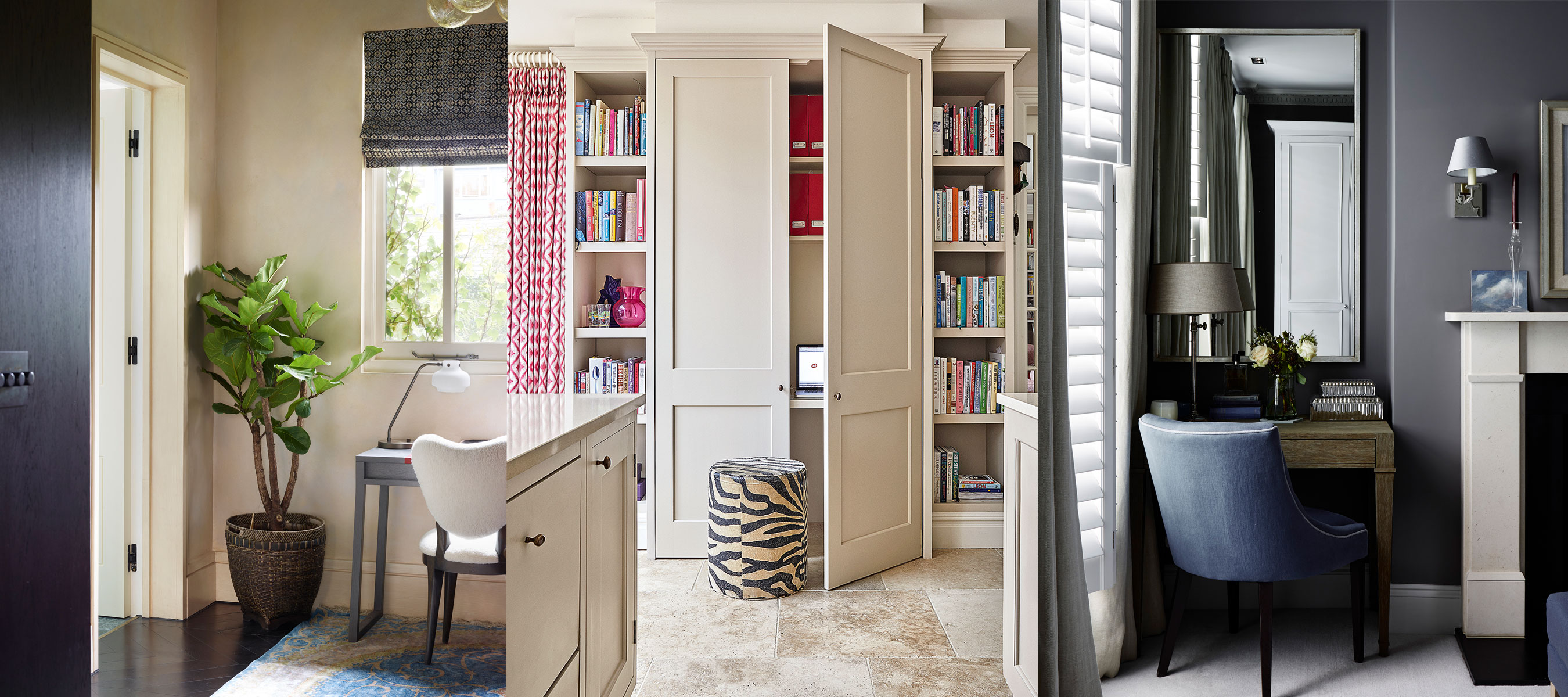
Bedroom office ideas – 10 ways to turn an unused corner or alcove into a work space

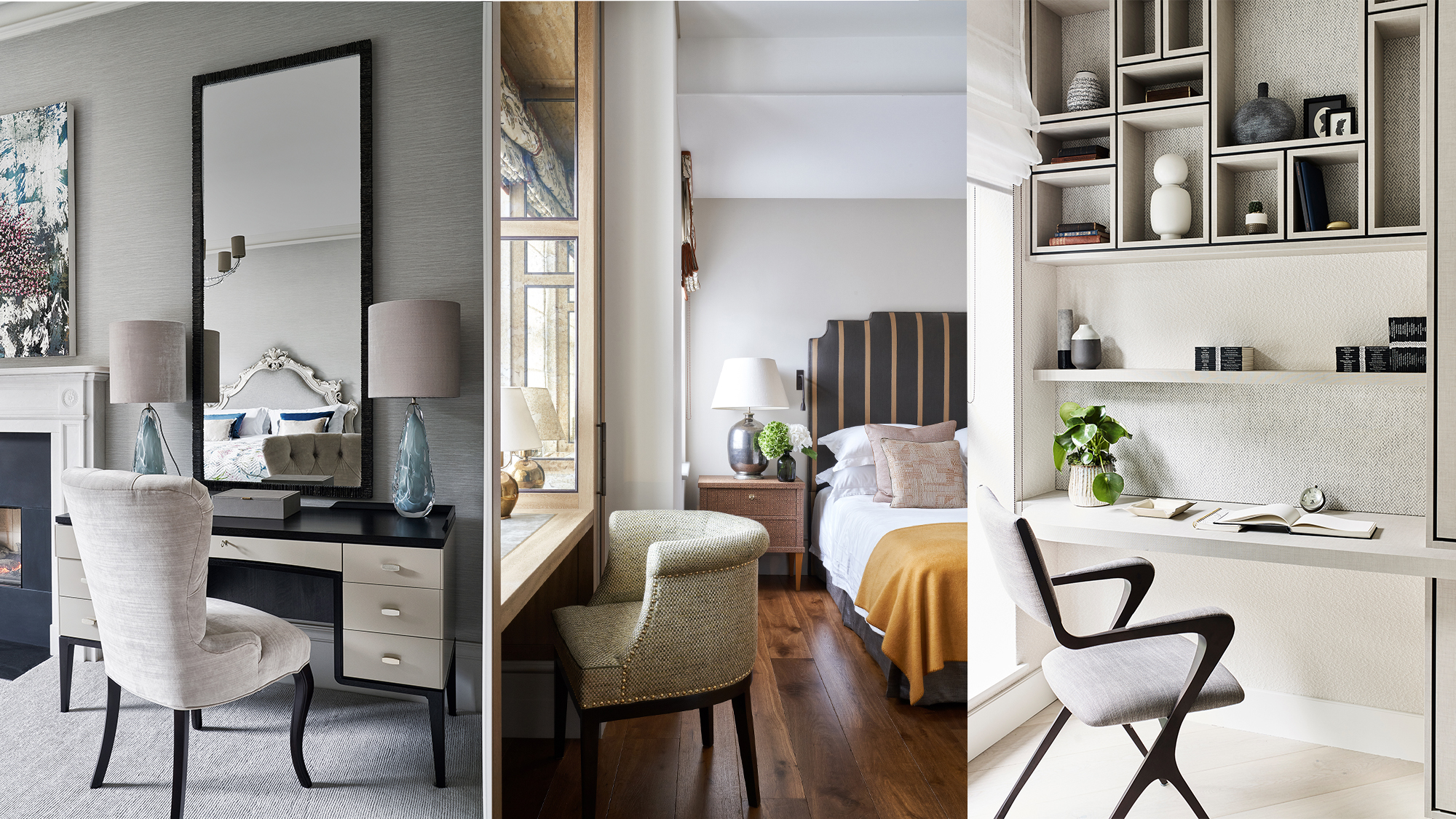
Bedroom layout ideas with a desk – 12 ways to arrange your space
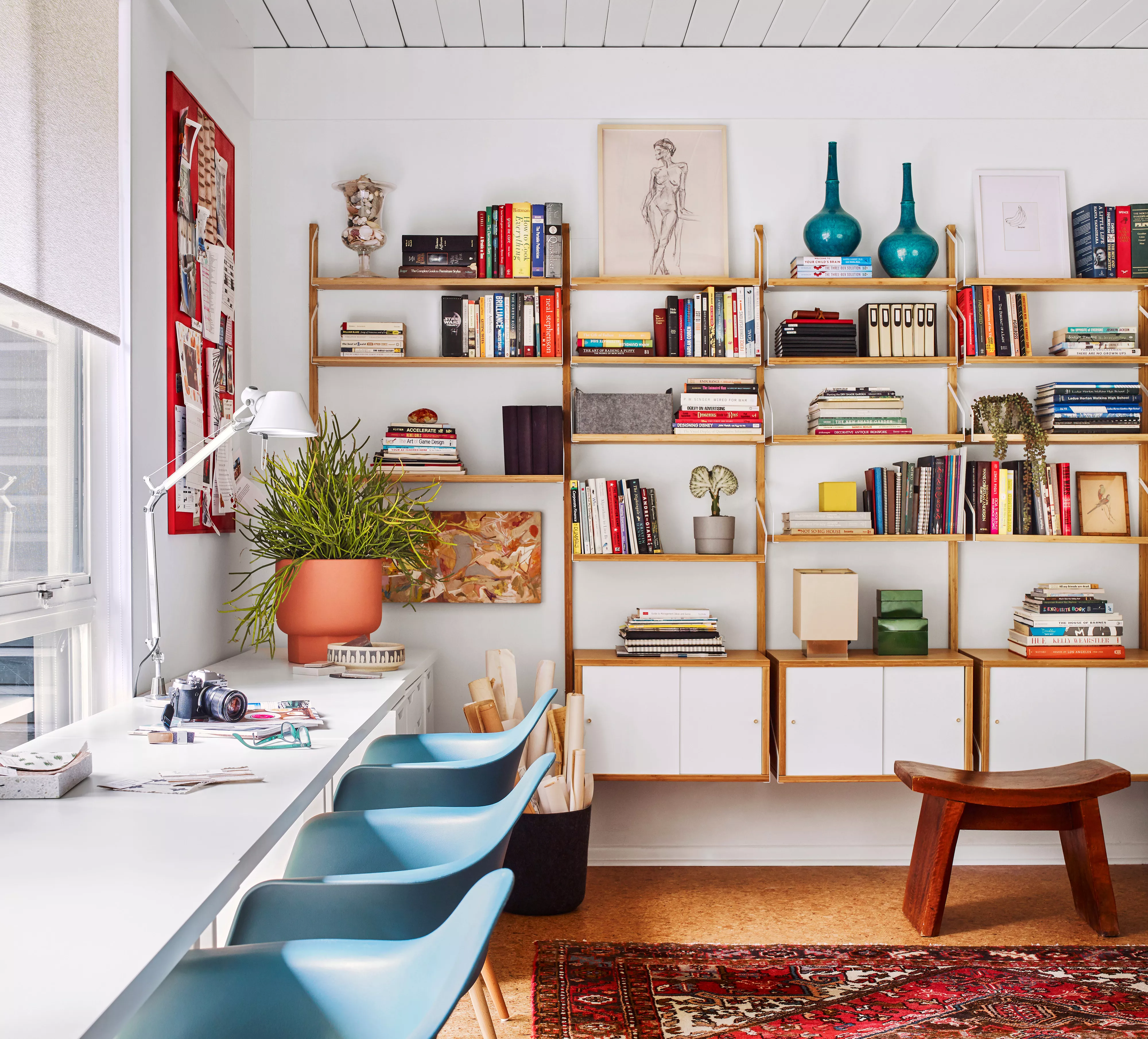
Is Your Home Office Layout Making You Less Productive? 5 Common Mistakes to Avoid

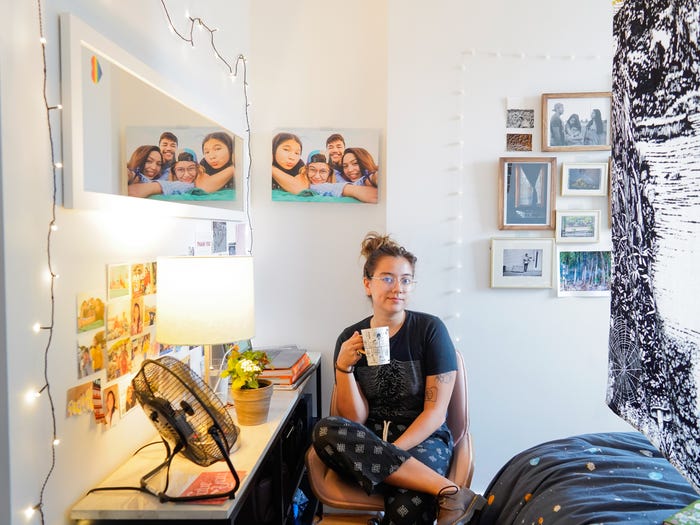
I'm a reporter who's going to be working from my Brooklyn apartment for at least the next 6 months. Here's exactly how I rearranged my bedroom to make it work as an office.
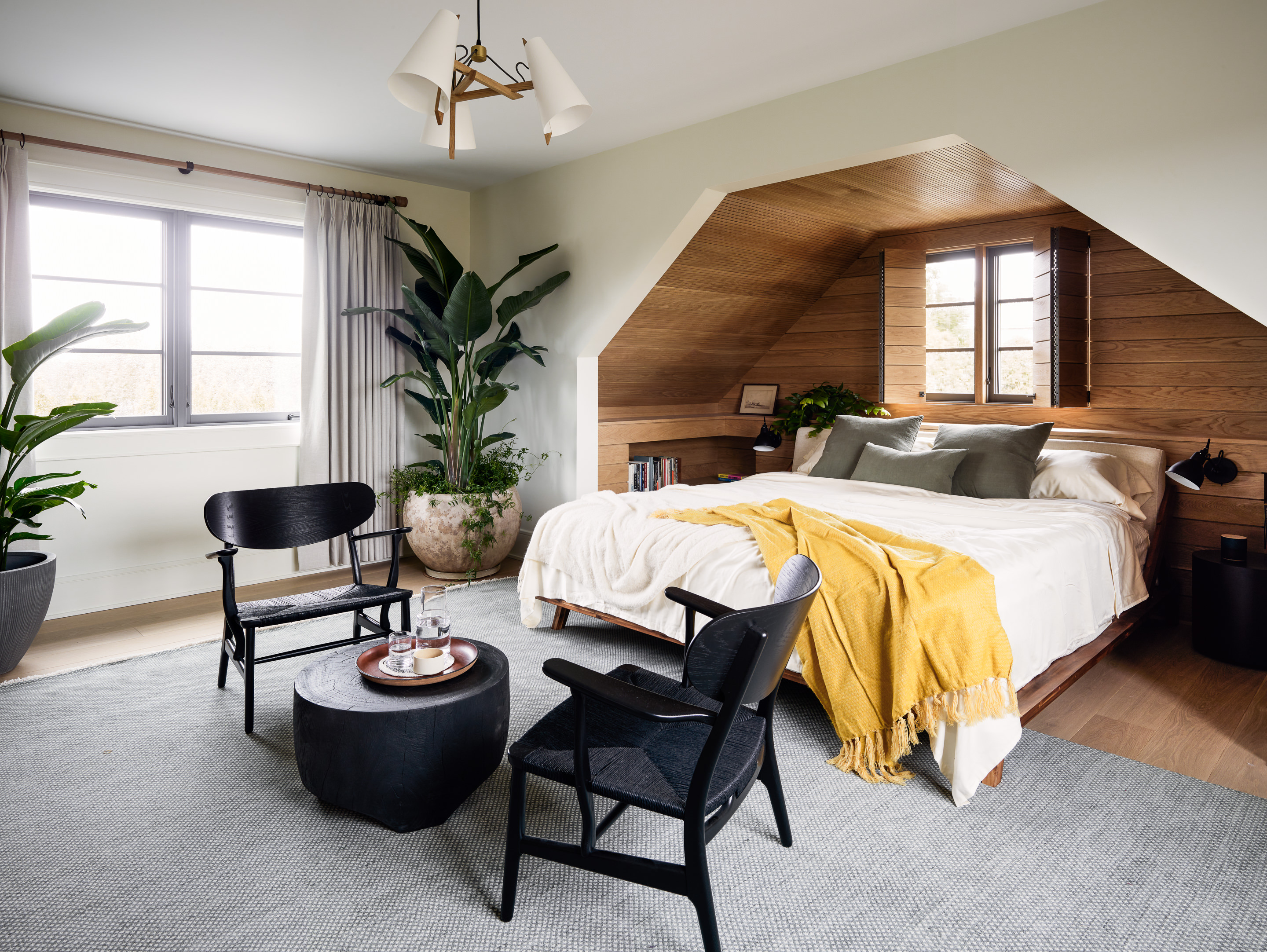
'Never sleep with a chair facing you' – Feng Shui experts bust this viral myth about your bedroom layout

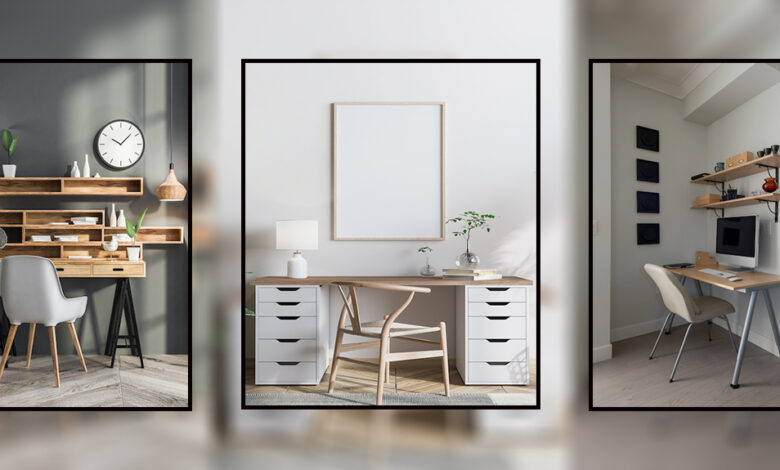
Creating an Office Nook
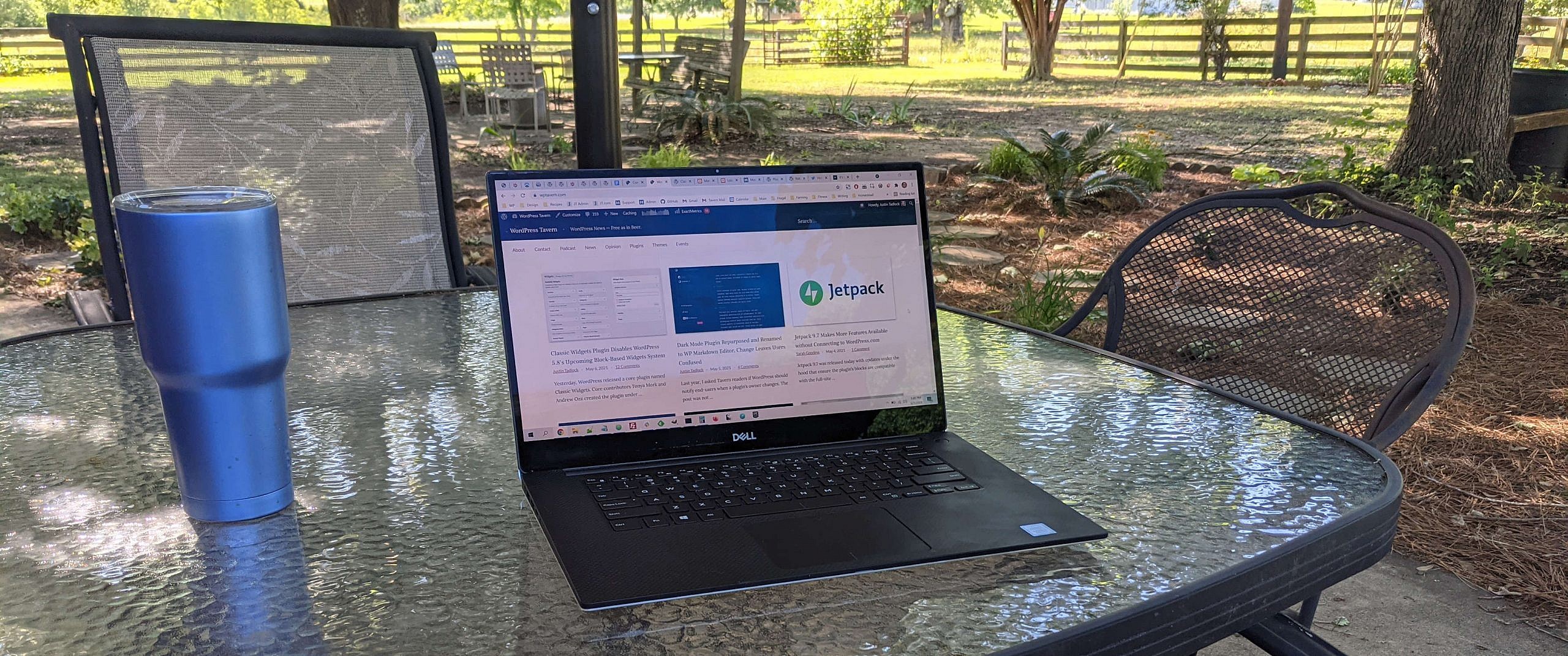
A Laptop and a Dream: Your Home Office Should Meet Your Needs

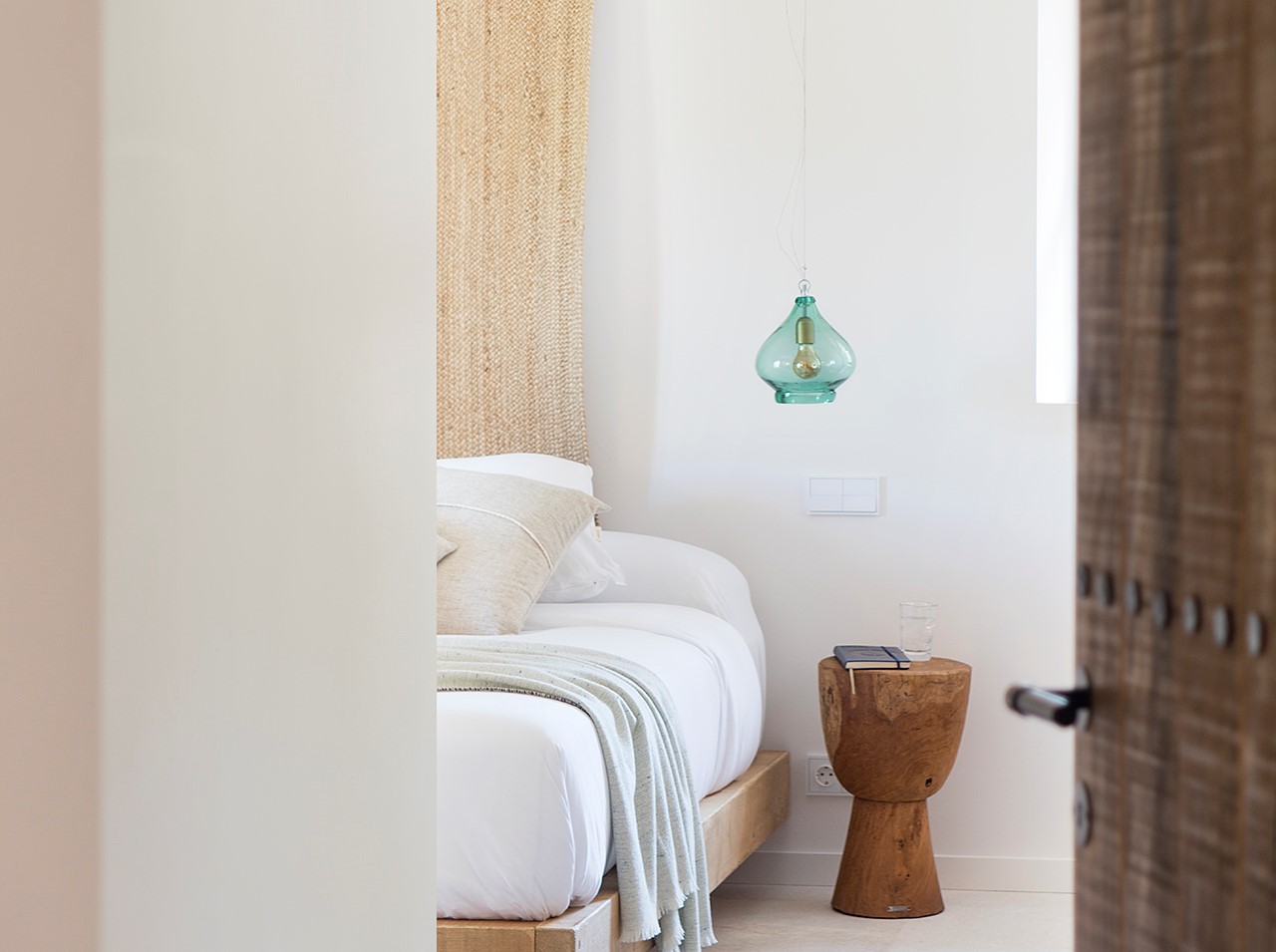
Should my bed be facing the door? Why the wrong bedroom layout could be disrupting your sleep
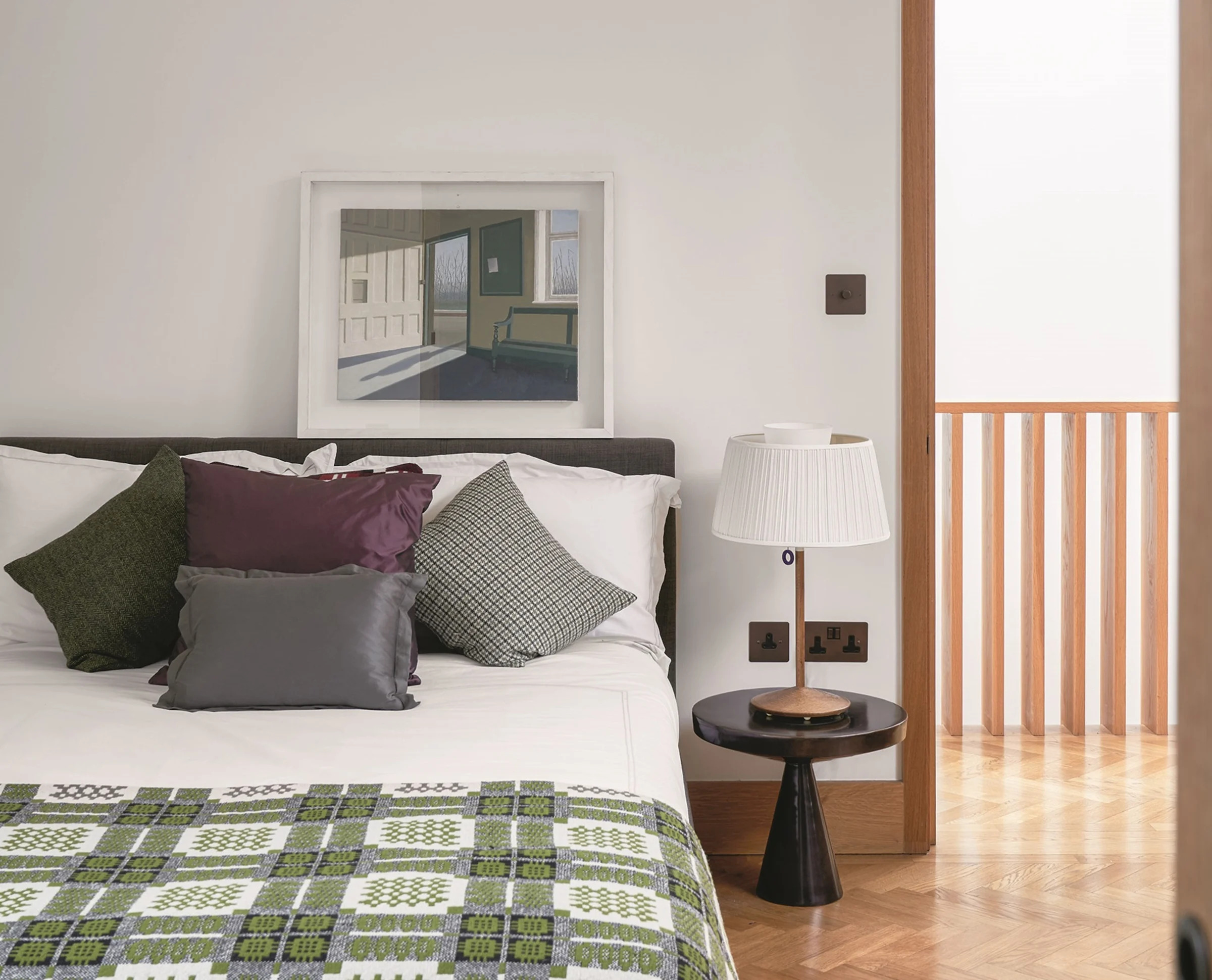
Feng Shui experts warn you to avoid this mistake so that you sleep better, and to choose this bedroom layout instead

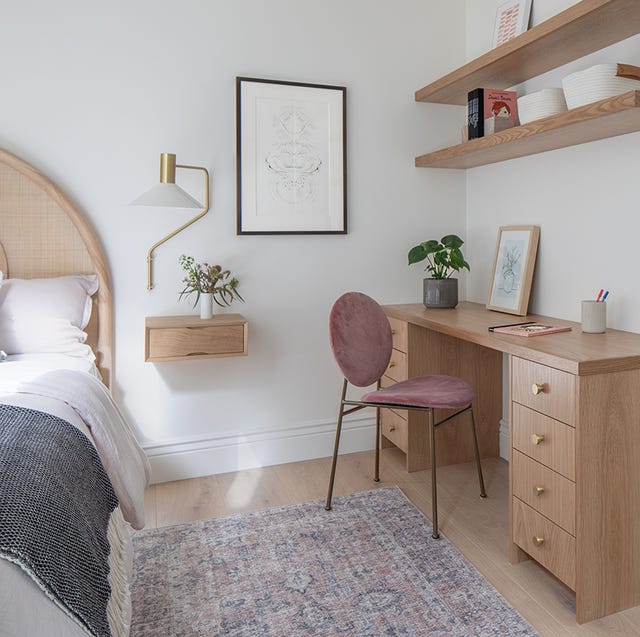
Here's How to Carve Out Space for a Chic Bedroom Office

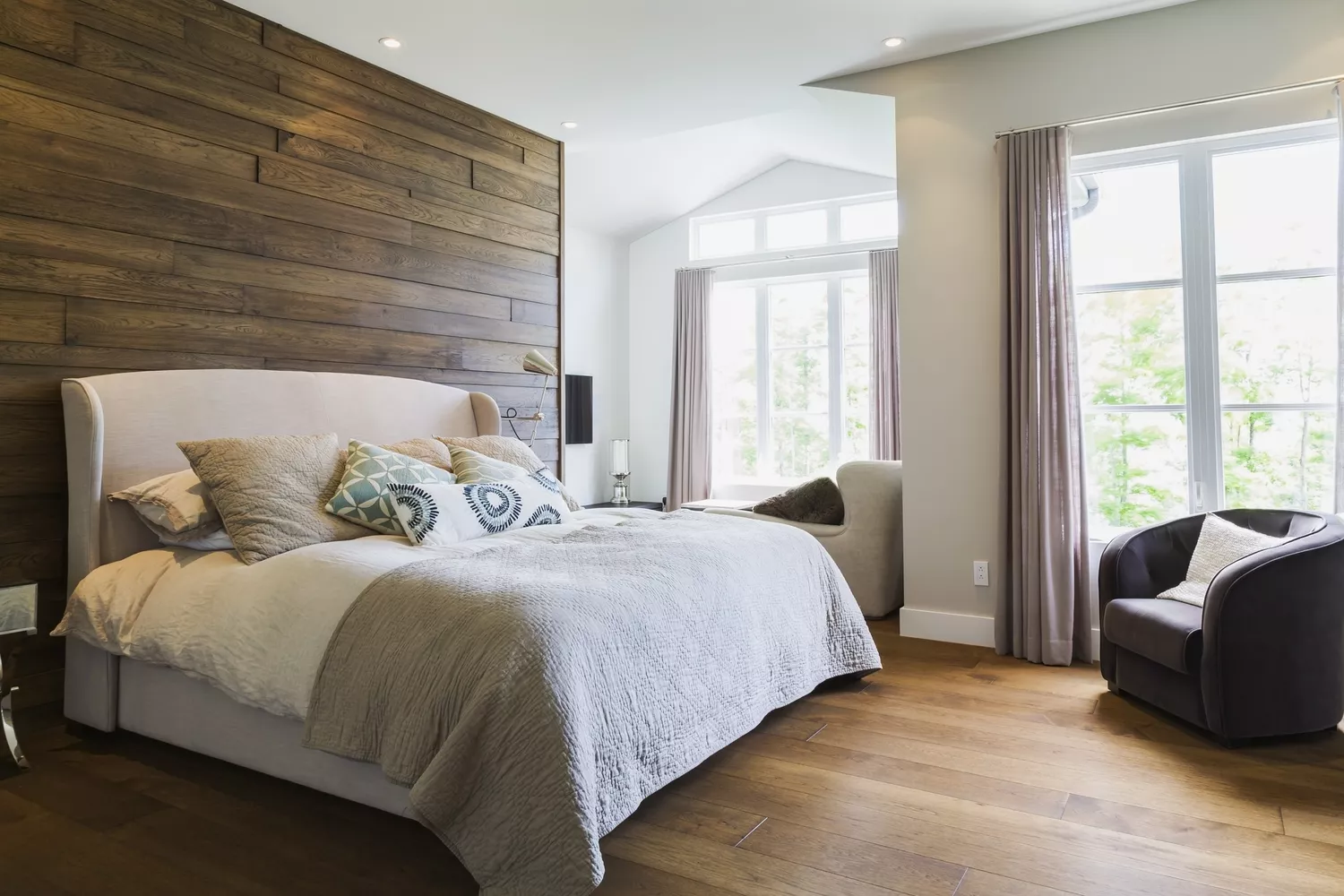
5 Bedroom Design Errors That Are Making Your Space Less Relaxing

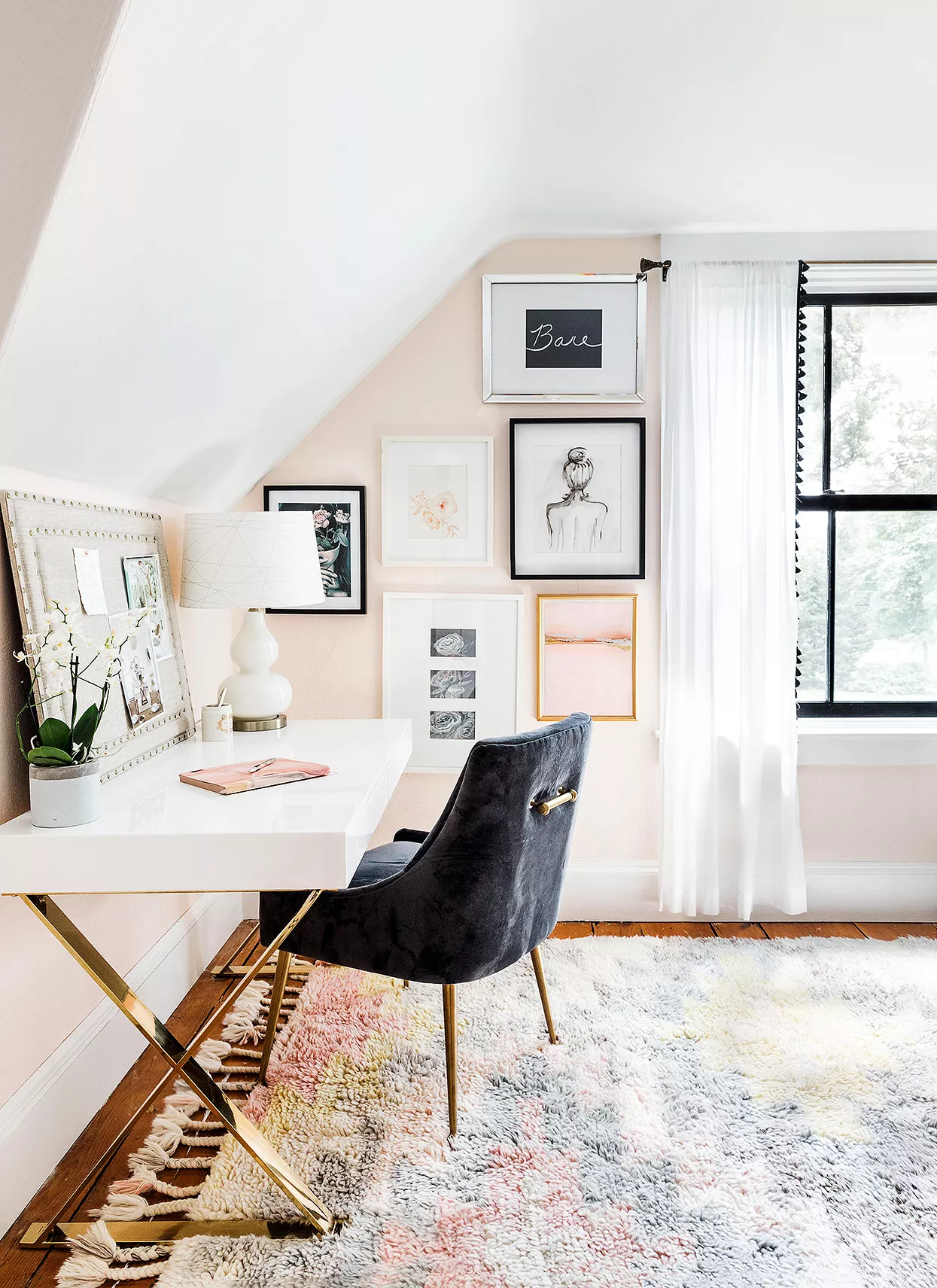
Corporate Natalie’s Top Tips for a Functional Home Office
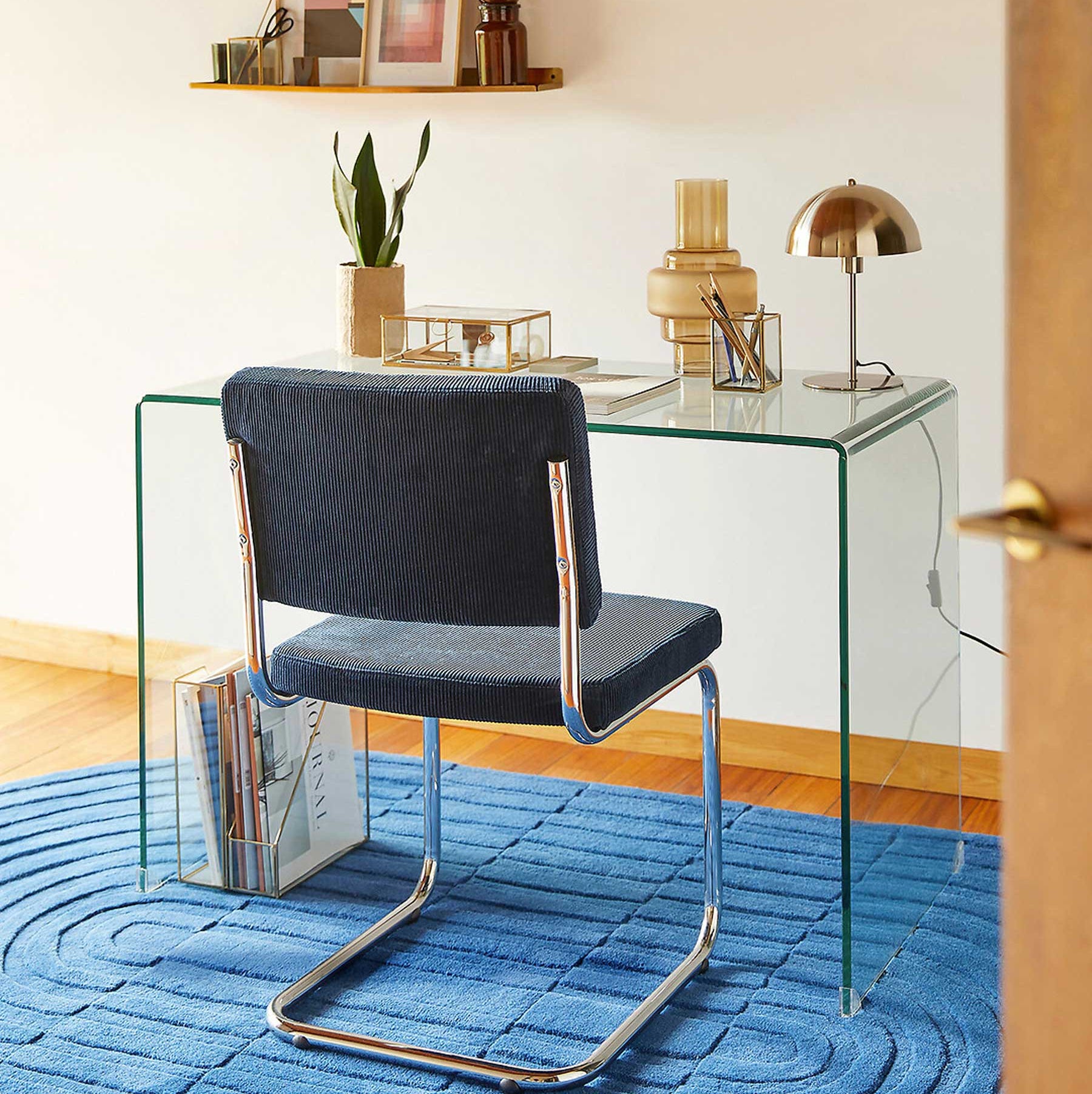
The most stylish desk ideas for small bedrooms

You Might Not Even Be Using the Most Important Room in Your House

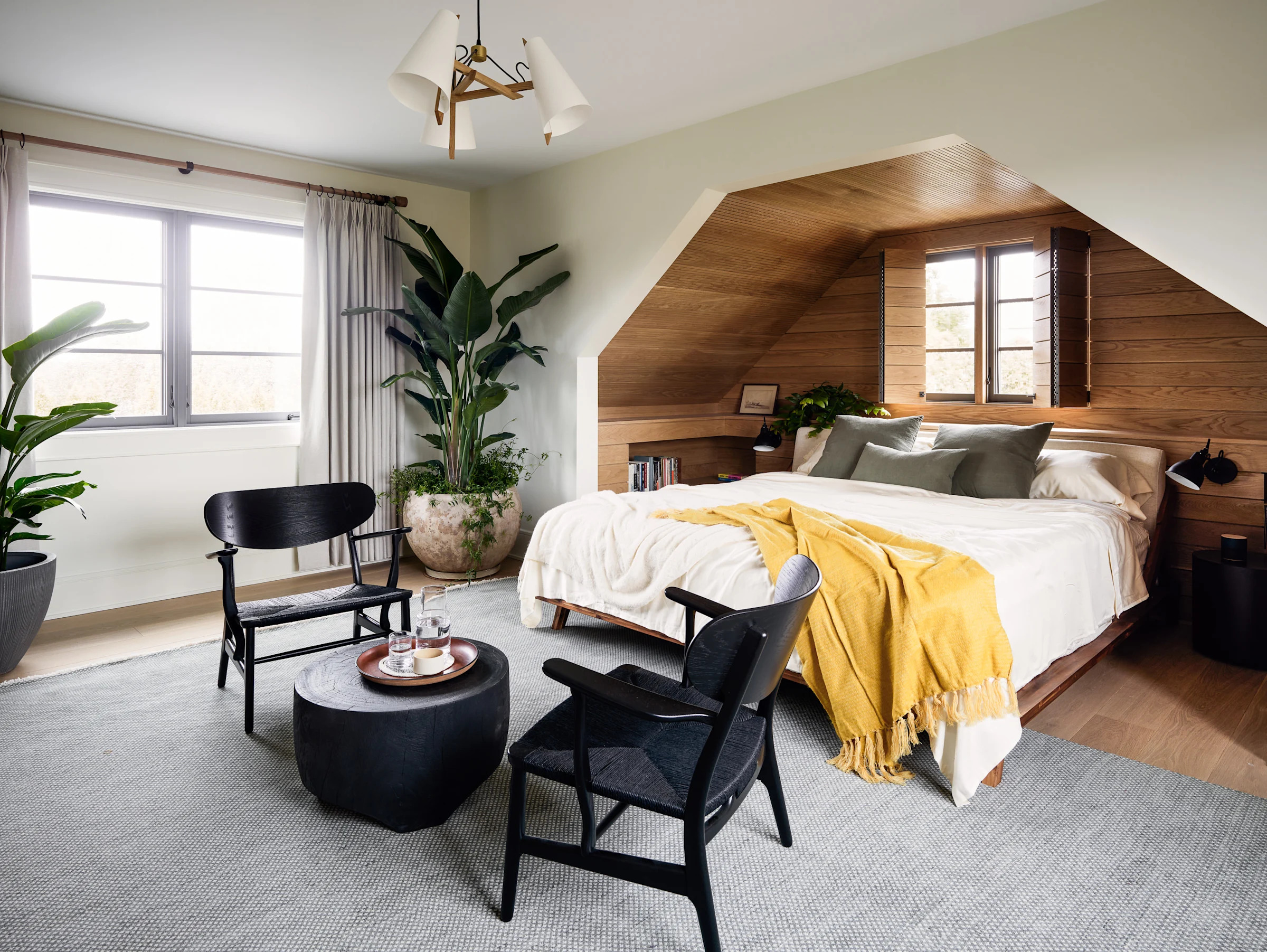
'Never sleep with a chair facing you' – Feng Shui experts bust this viral myth about your bedroom layout
"It's Time to Make Yourself a Bedwomb," a Design Expert Tells Me — Why the Smallest Bedroom Is Best and How It Can Improve Your Sleep
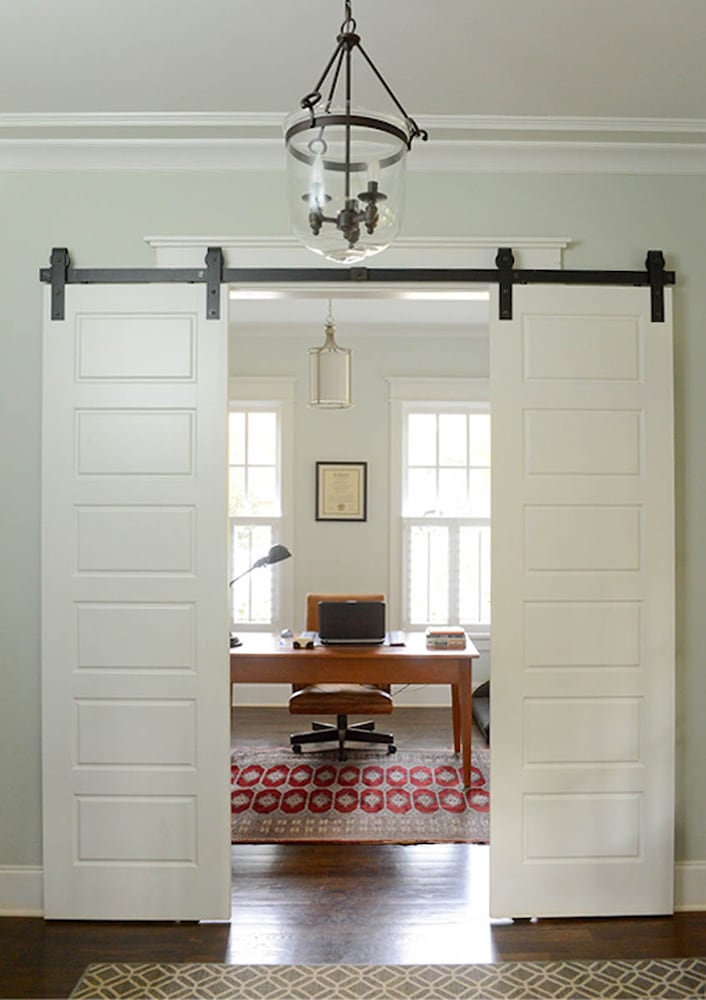
Open floor plans and home offices: How to make it work
Feng Shui experts warn you to avoid this mistake so that you sleep better, and to choose this bedroom layout instead
Interior designers share 6 things you should never have in your bedroom