1/3
You Might Not Even Be Using the Most Important Room in Your House
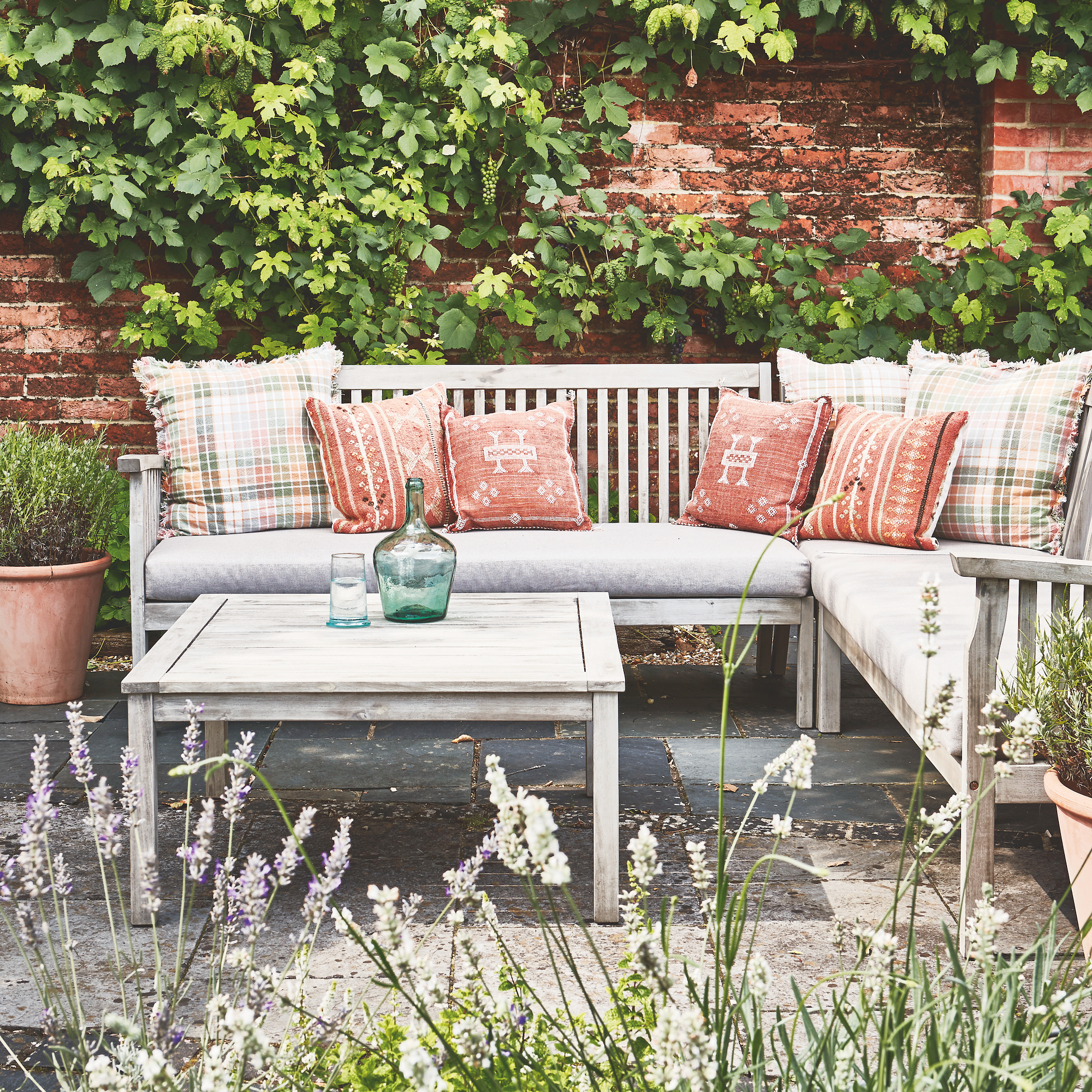
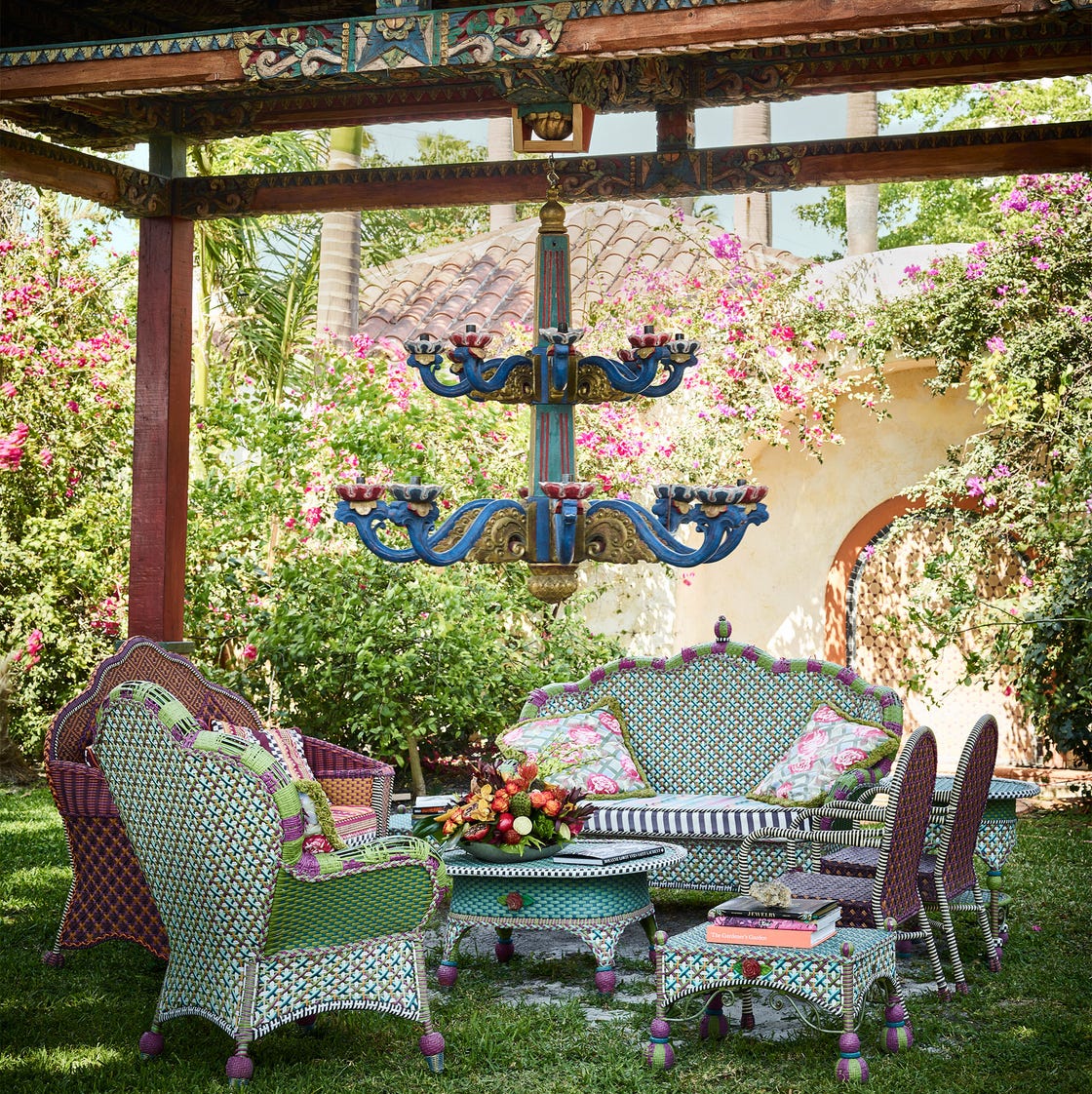
The article discusses the growing trend of designing outdoor spaces as fully functional extensions of the home, rather than just supplementary areas for occasional use. Designers are increasingly approaching outdoor rooms with the same level of detail and consideration as indoor living spaces. This shift is driven by a desire to integrate outdoor living seamlessly into daily life, providing areas for various activities such as dining, entertaining, and even exercising.
New York–based designer James Huniford explains that he designs outdoor rooms by first considering seating arrangements and focusing on views of the garden, water, or a firepit, mirroring his approach to indoor rooms where a fireplace or artwork might be the focal point. Huniford also notes a rising demand for specialized outdoor features like foosball or billiard tables, and versatile spaces suitable for both casual meals and large gatherings.
Laura Hodges, a designer in Baltimore, echoes this sentiment, emphasizing that outdoor rooms should serve a specific function, whether it's an outdoor kitchen, gym, or office. She highlights that modern advancements in materials have made it significantly easier to create these durable and aesthetically pleasing outdoor environments. Martyn Lawrence Bullard, a Los Angeles–based designer, observes a high demand for outdoor rooms furnished with plush, luxurious furniture. He points out that contemporary performance yarns allow for intricate weaves and fabrics like velvets, chenilles, and linen-like materials that are suitable for outdoor use but visually indistinguishable from indoor fabrics. This versatility means furniture can be moved indoors during colder months, extending its functionality.
To prolong the use of outdoor spaces into cooler seasons, attractive outdoor heating solutions are available, including slim units integrated into pergolas, underfloor radiant heating, and fire bowls. Effective lighting design is also crucial, with designers recommending dimmable layered lighting, such as sconces, pendants, chandeliers, and accent lights in planters, to create a desired ambiance, similar to indoor lighting schemes.
Robert Remer, founder of Opiary, a landscape design firm, stresses the importance of architectural definition for outdoor rooms. He argues that merely placing furniture outdoors is insufficient; a true outdoor room requires boundaries, framed views, and varied levels to create an enveloping atmosphere. Existing structures like porches or pergolas can provide this, but designers also achieve defined edges through creative landscaping, such as clusters of planters, vertical green walls, or modular systems like Spolia, which combine sculptural planters with integrated domestic elements like fireplaces, sinks, and seating. These innovations allow for blurring the lines between indoor and outdoor environments, making the transition between the two more fluid and functional.
Overall, the article underscores a comprehensive approach to outdoor space design, advocating for their treatment as integral and highly functional parts of a home, equipped with advanced materials, thoughtful layouts, and sophisticated amenities to enhance lifestyle and extend usability across seasons. This trend reflects a broader recognition of outdoor areas as valuable living spaces that can significantly enrich the home environment.
#BackyardDesign #OutdoorLiving #InteriorDesign #HomeDecor #LandscapeDesign #OutdoorFurniture #ArchitecturalDesign #DesignTrends #BackyardDesign #OutdoorLiving #InteriorDesign #HomeDecor #LandscapeDesign #OutdoorFurniture #ArchitecturalDesign #DesignTrends
0 comment in total
 No comments yet
You may also like
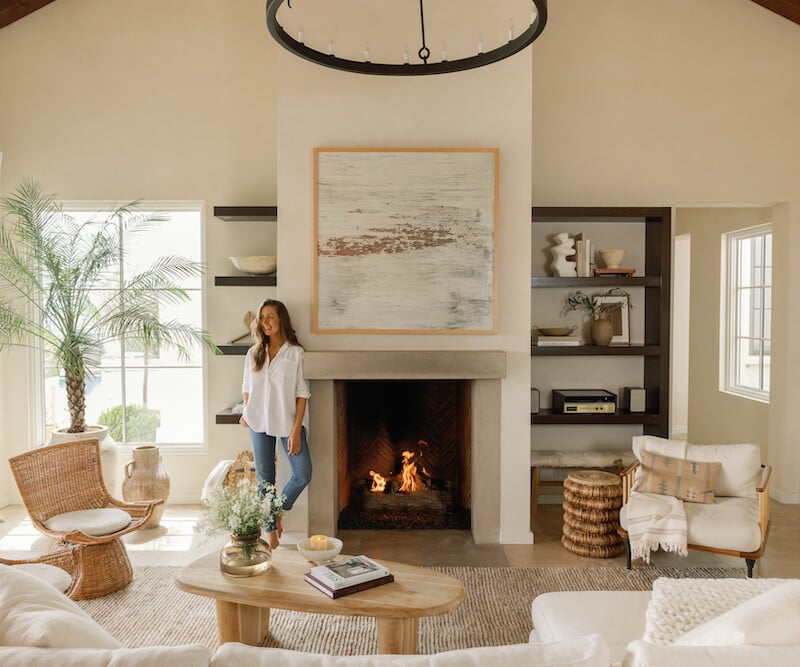
Designers Say This Is the #1 Living Room Mistake Everyone Makes

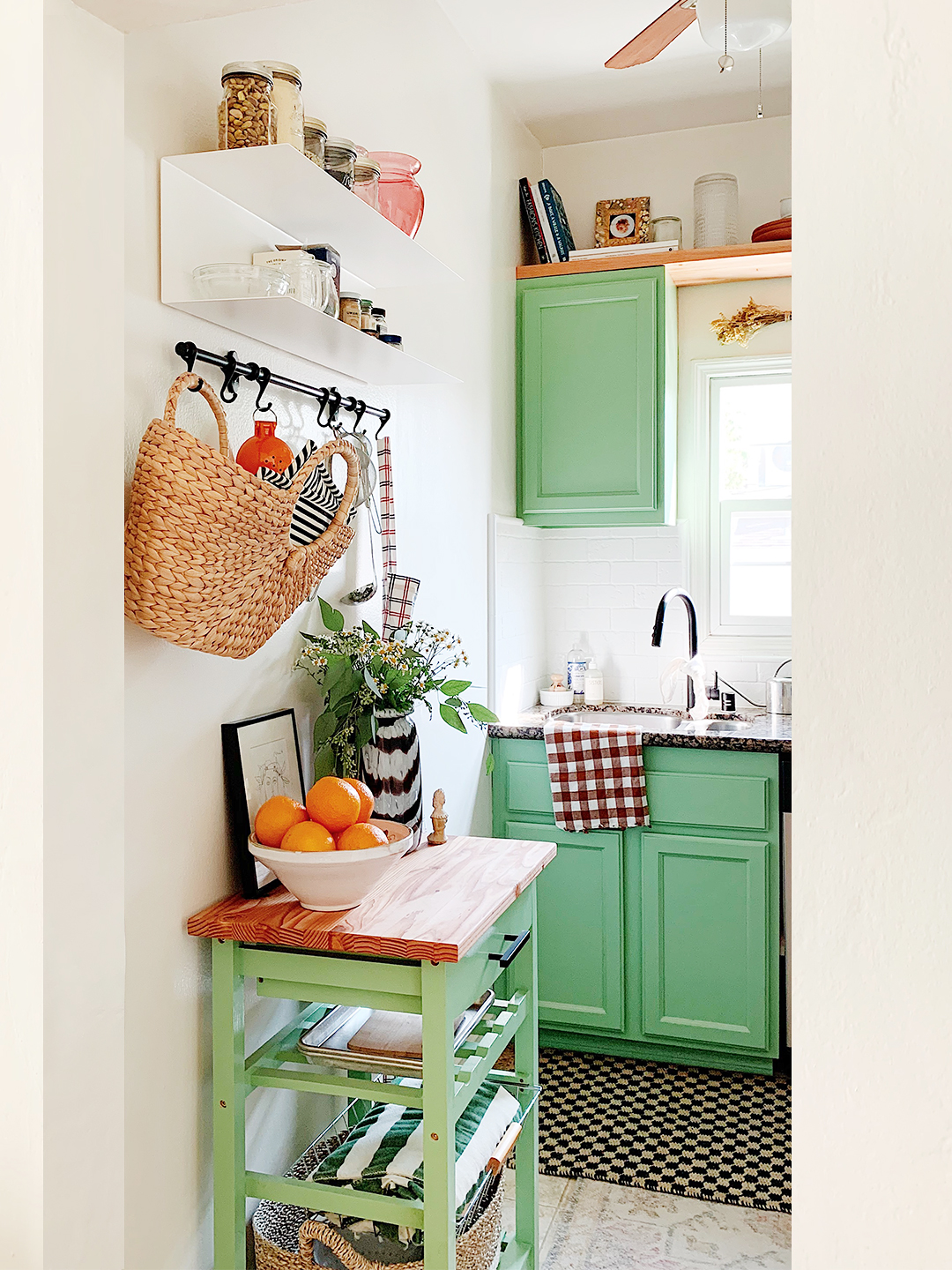
Don’t Let This Sneaky Storage Spot Go to Waste in Your Rental Kitchen

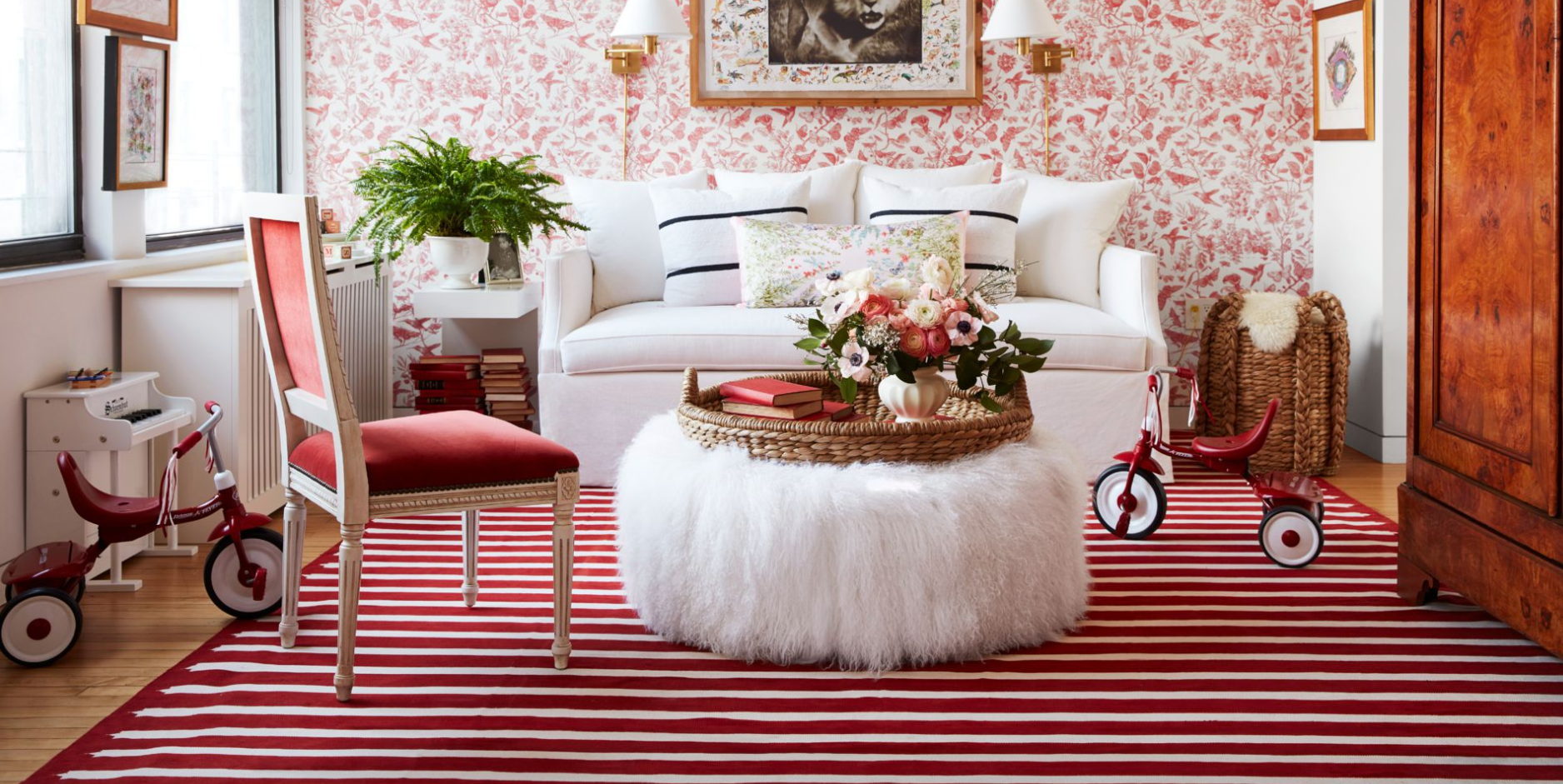
The Big Mistake Most People Make With Their Living Room Rugs

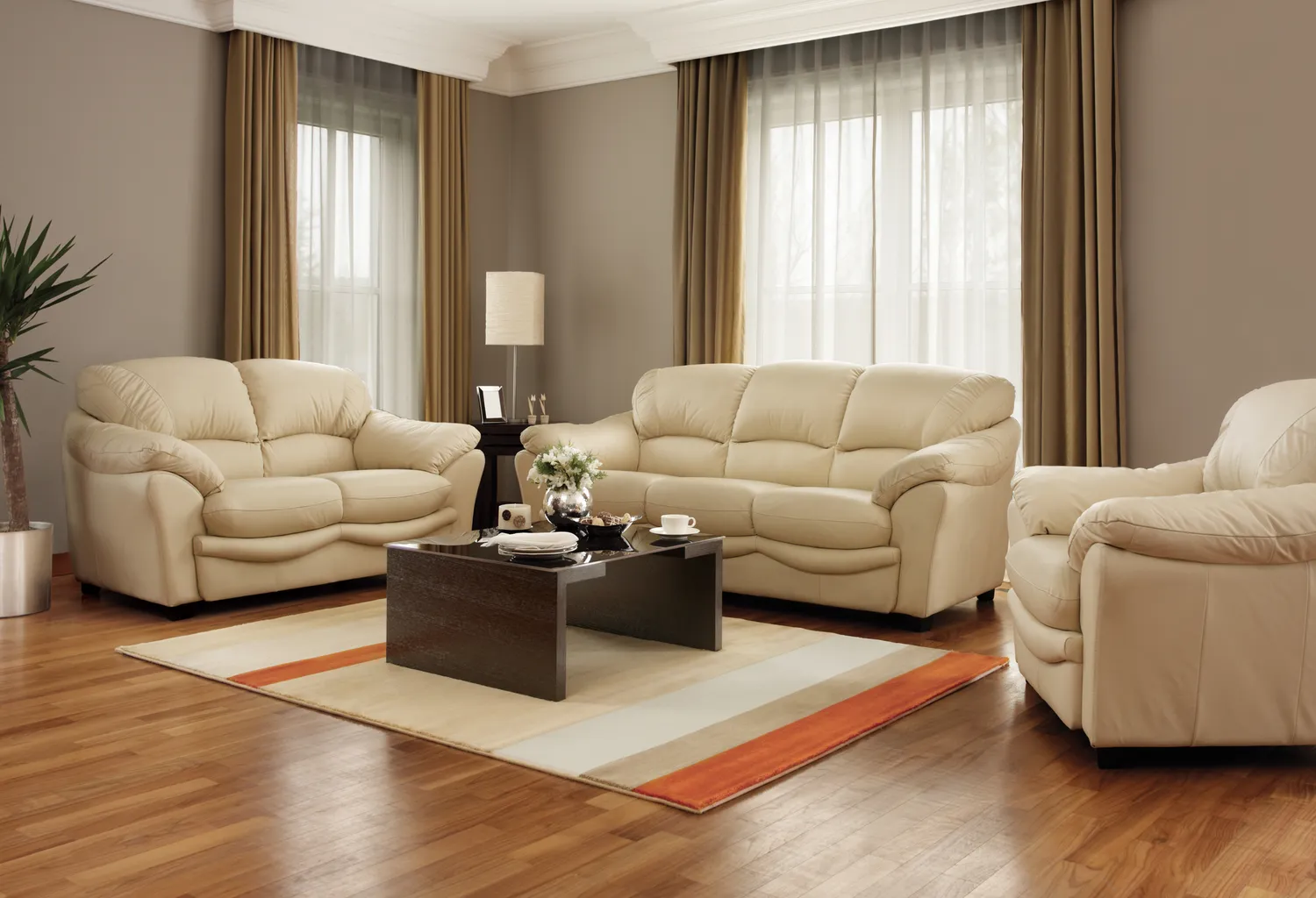
The Common Living Room Mistake That Makes Your Entire House Look Outdated

How to elevate your 'pass-through room' - experts make more of that unloved space you're ignoring

This big Feng Shui mistake in your bedroom could be causing your poor sleep
If This One Spot Isn't Organized, Your Whole Home Looks Cluttered, Organizers Say

7 places in your home you’re probably forgetting to paint – but design experts say you really shouldn’t
This often-overlooked room is having a design moment – I think it's the secret to making your home much more cheerful
The One Space in Your Home You're Forgetting to Make Colorful
5 Living Room Design Mistakes You Didn't Know You Were Making

It's One of These 7 Sofa Layout Mistakes That Is Killing the "Flow" in Your Living Room
The Most Inviting Spot in Your House Might Not Be in the Living Room

This Is the Genius, Space-Saving Living Room Piece You Never Knew You Needed

7 things interior designers never have in small living rooms

You’d Never Guess This Closet Turns Into a Guest Room—Until the Murphy Bed Pops Out

Is your bedroom missing this one vital piece of storage furniture? Experts say you shouldn’t be without one

An unusual room layout meant this house was overlooked – until now
Here's What to Do With Those Awkward Spaces in Your House, According to Designers
This ONE Everyday Feature Cheapens the Look of Your Bedroom