How to soundproof your apartment
Living in an apartment often means contending with various noises from neighbors, traffic, or even roommates. Soundproofing an apartment can significantly improve the quality of life, offering a quiet sanctuary for relaxation, study, or work. The most effective approach to soundproofing begins even before moving in. Prospective renters should visit potential apartments during peak hours to assess noise levels and ideally seek units with fewer shared walls (e.g., no immediate neighbors to the left, right, above, or below) to minimize sound infiltration. This proactive step can prevent future noise-related disturbances.
For those already living in noisy apartments, the first step is to identify the sources of sound infiltration. Tara Hagan, a project manager at Assembledge+, suggests inspecting for cracks between spaces, particularly around wall outlets and switches in demising walls. These gaps can be sealed with acoustic caulk after consulting with the landlord, thereby reducing noise transmission from adjacent units. Addressing these small openings can make a noticeable difference in overall sound reduction.
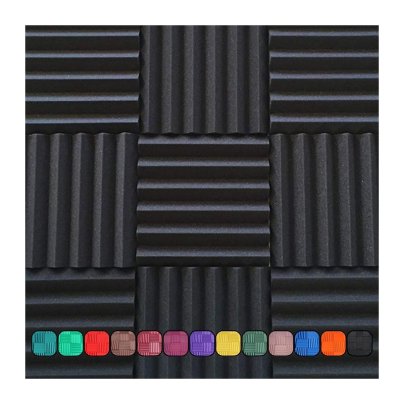
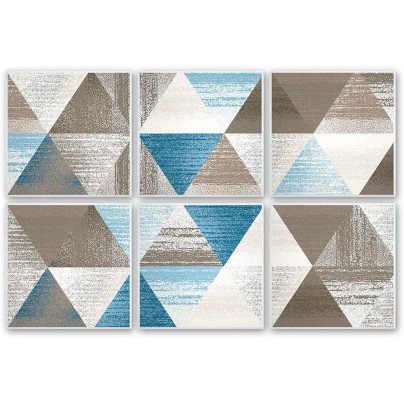
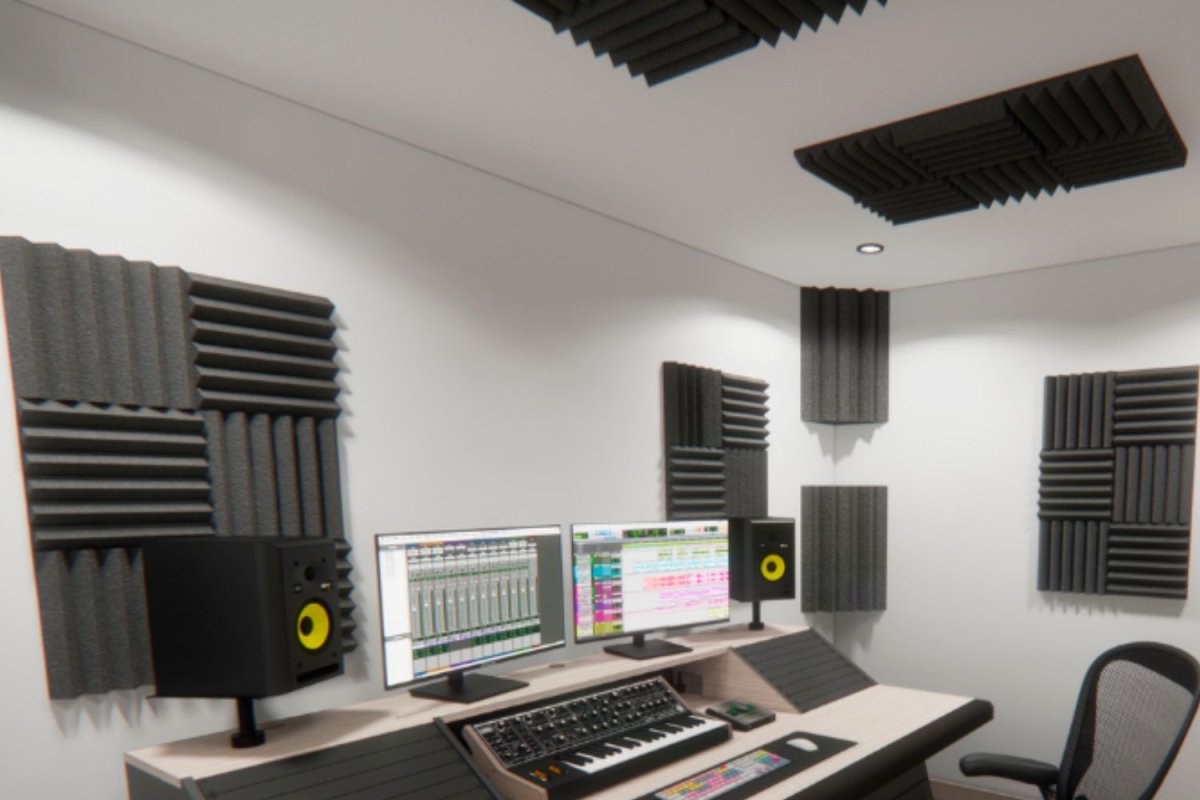
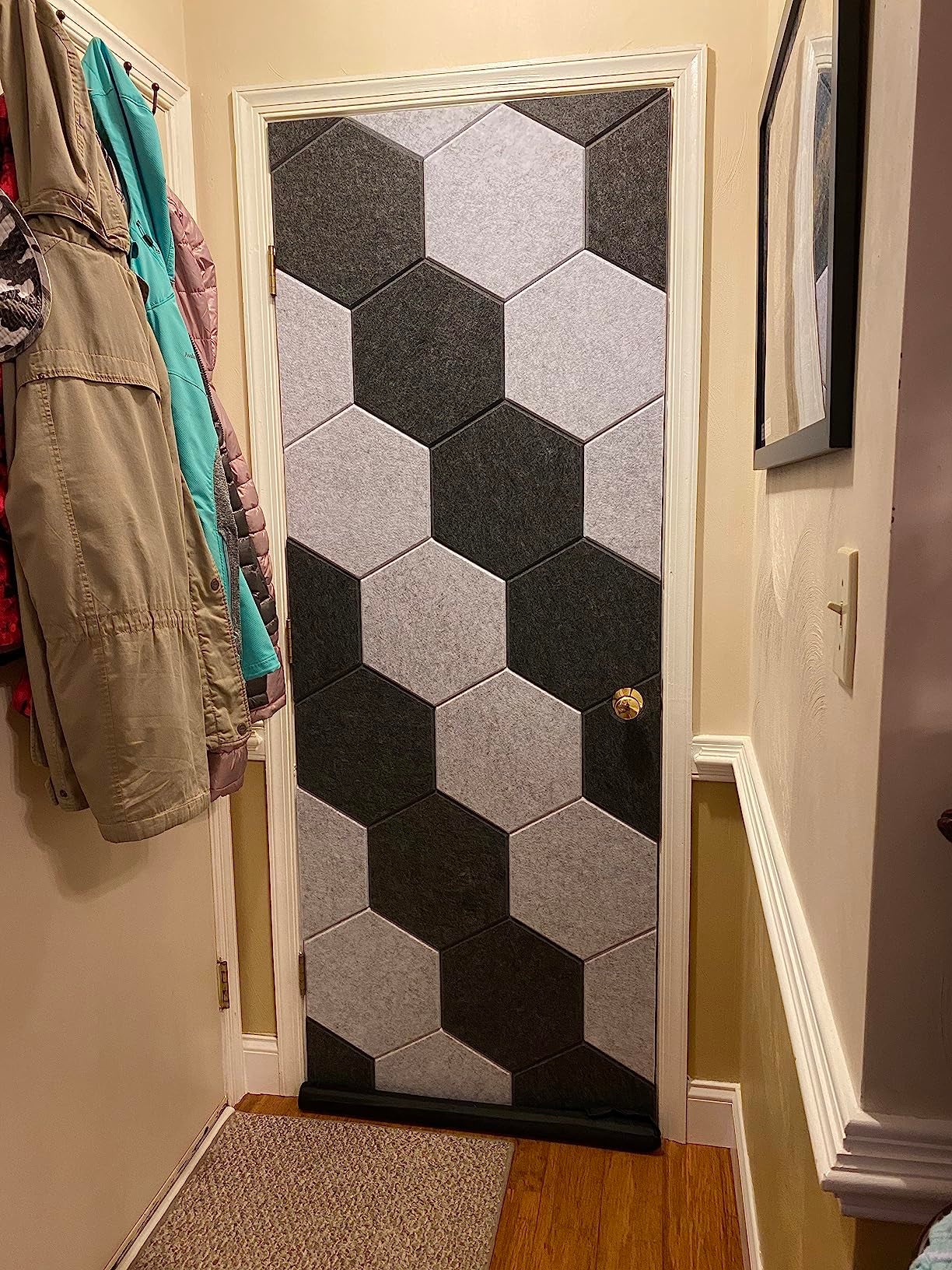
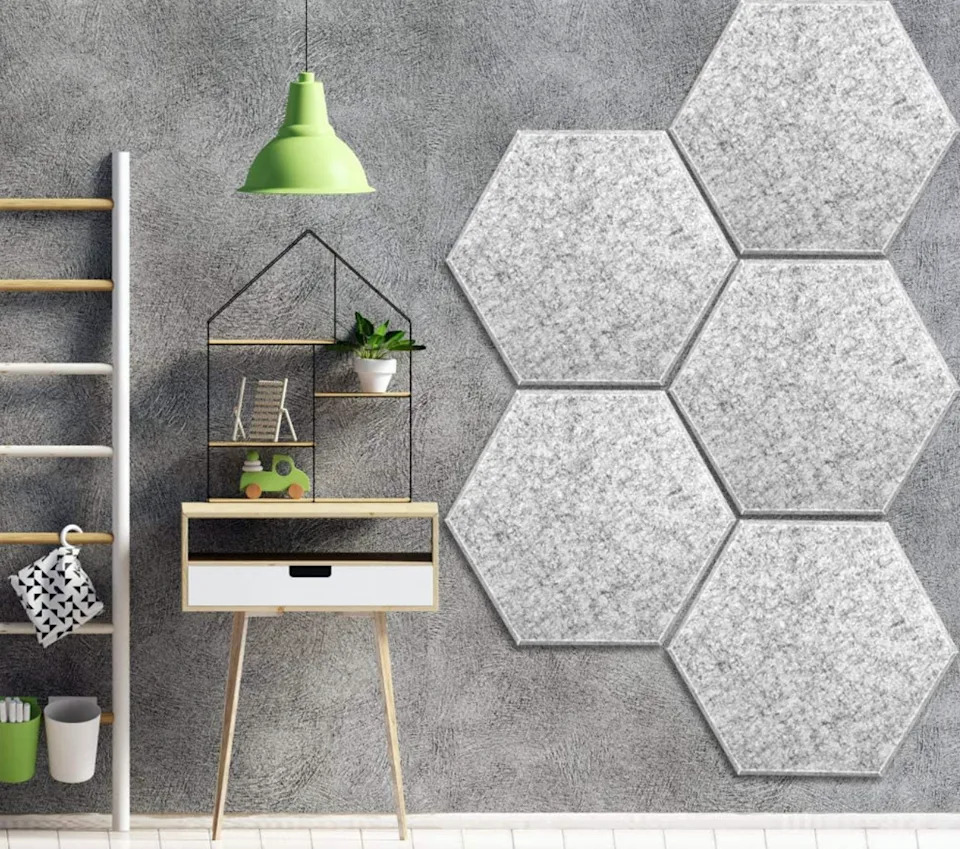
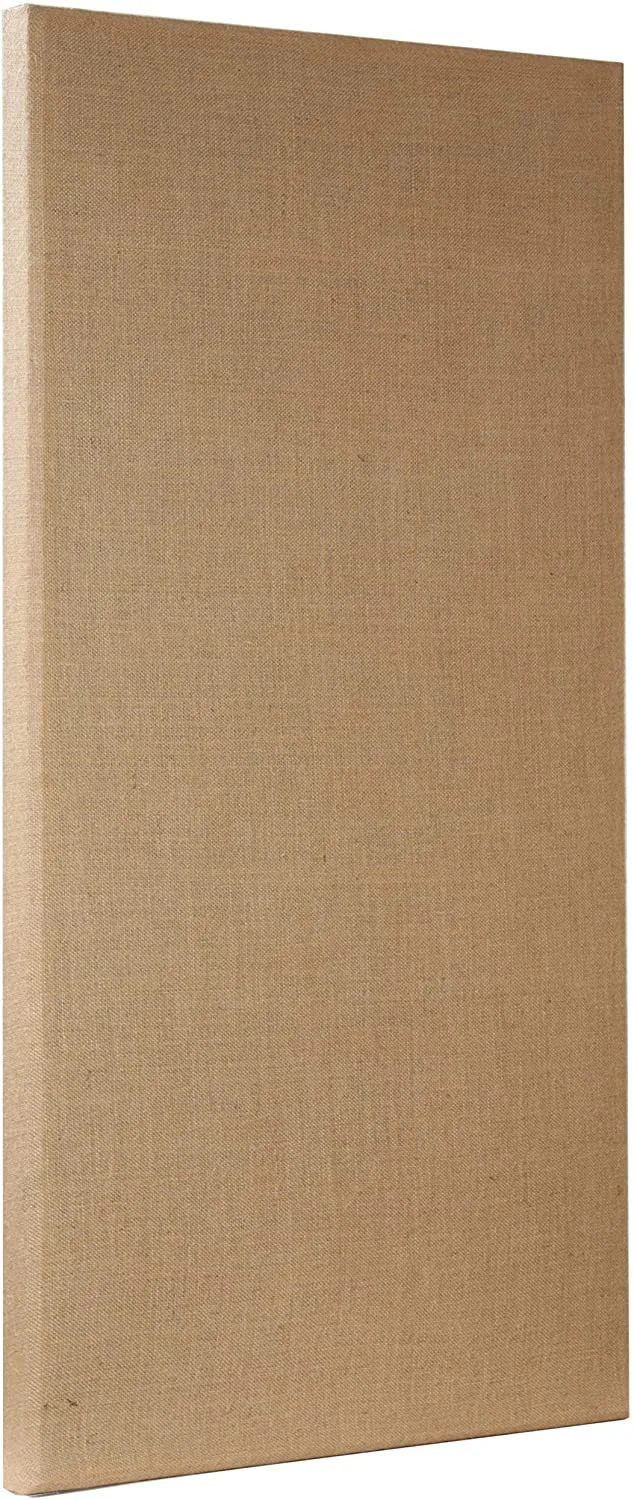
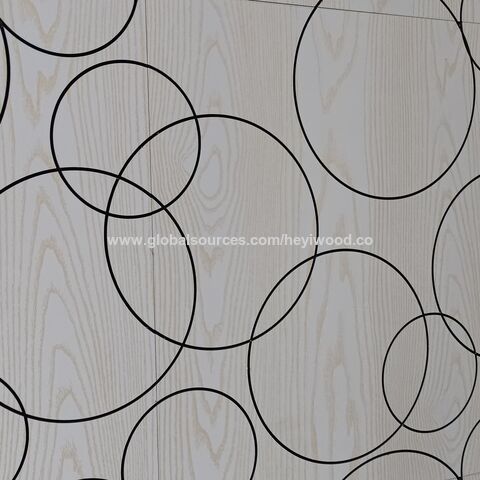
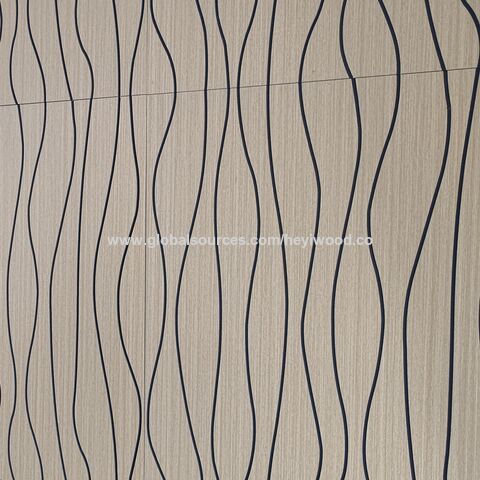
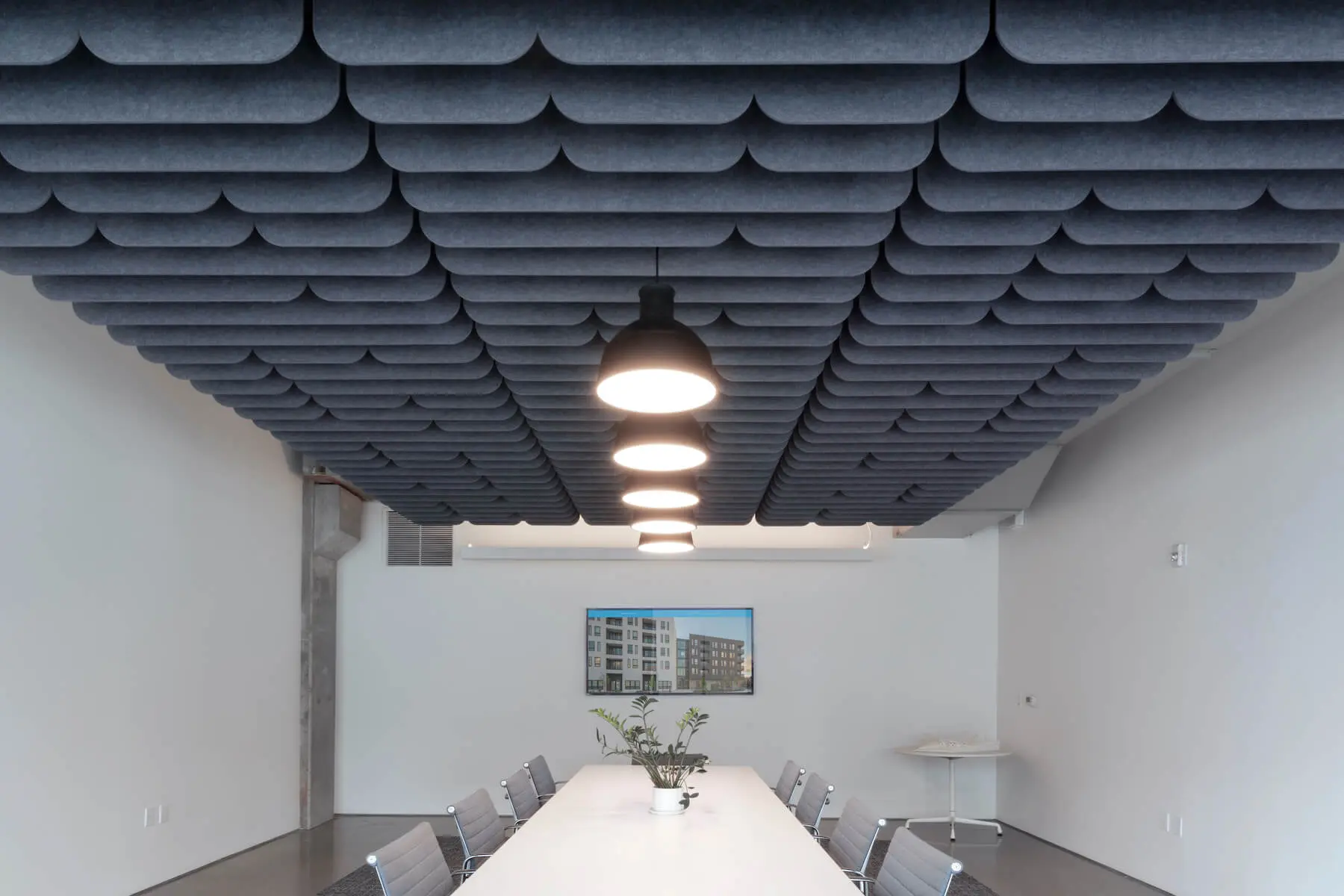
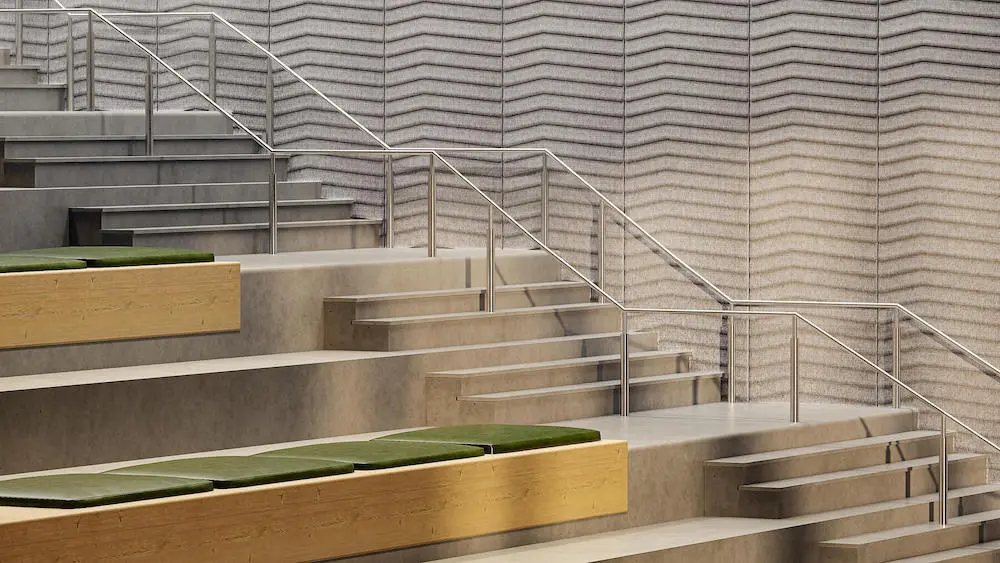
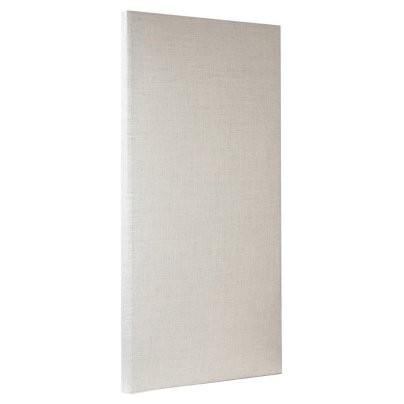
Various DIY solutions exist for soundproofing without requiring extensive renovations or significant financial outlay. Acoustic panels are highly effective for absorbing sound and can be installed decoratively, resembling murals or artwork. These panels come in diverse shapes, sizes, and colors, allowing them to blend seamlessly with existing interior design. Examples include natural oak panels from The Wood Veneer Hub or muted options from ATS Acoustics.
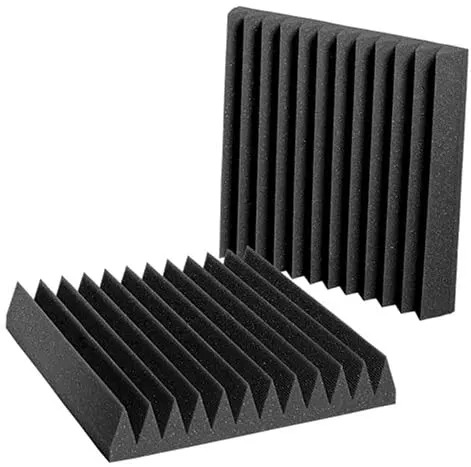
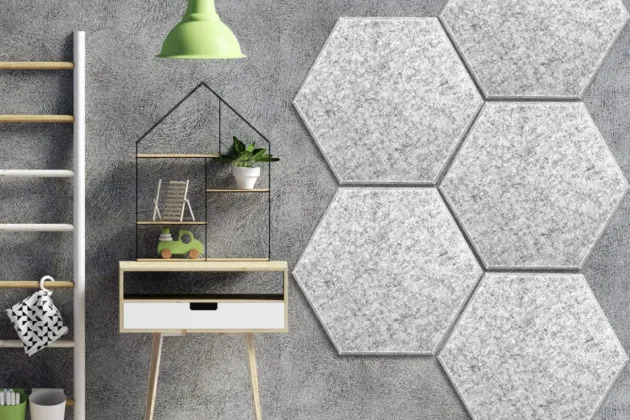
Similarly, acoustic tiles offer another way to absorb sound. While they may not completely soundproof a room when used sparingly, strategically placed tiles on walls can diminish incoming and outgoing noise. Many stylish designs are available, such as geometric green tiles or colorful mosaic tiles from Felt Right, providing both functionality and aesthetic appeal.
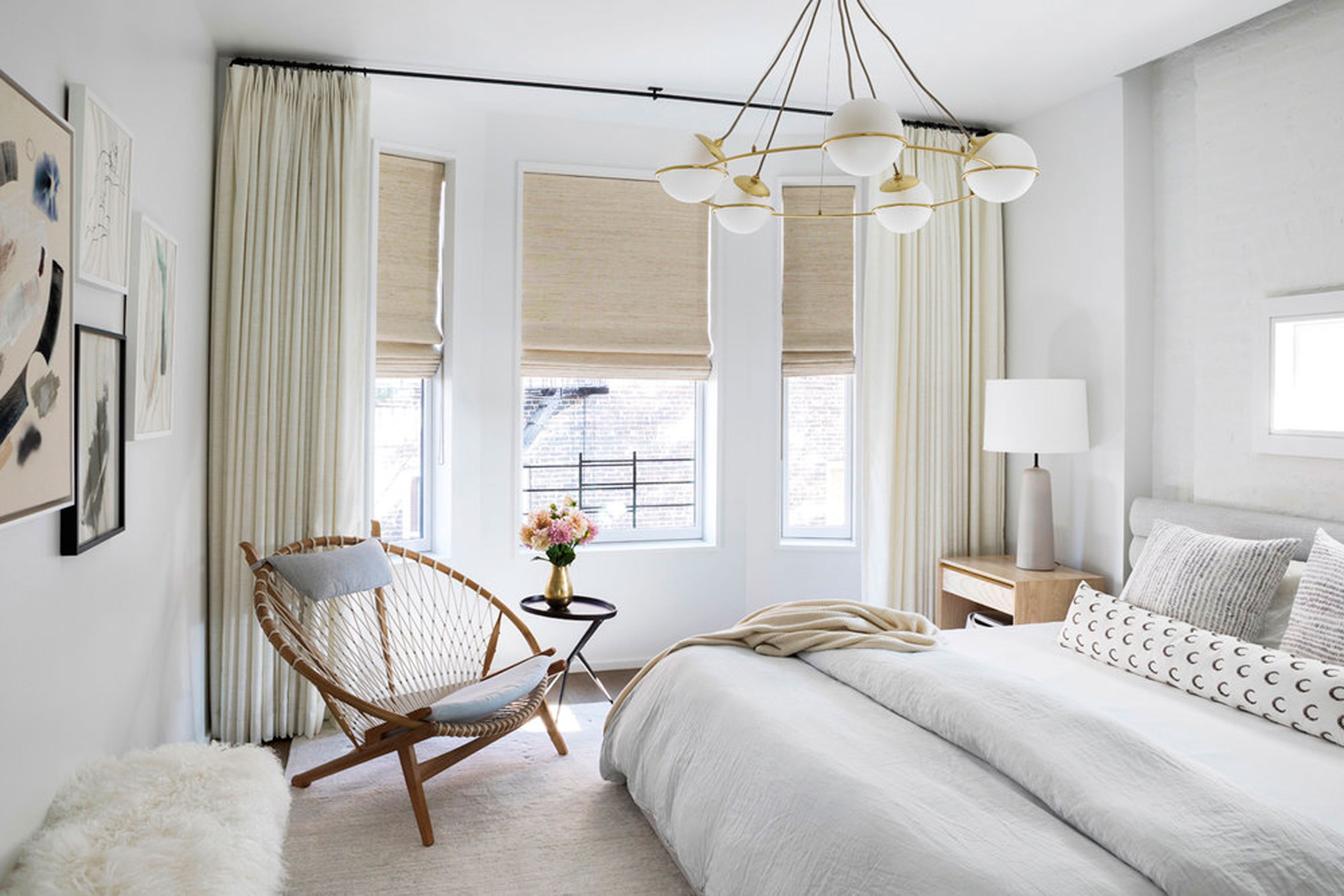
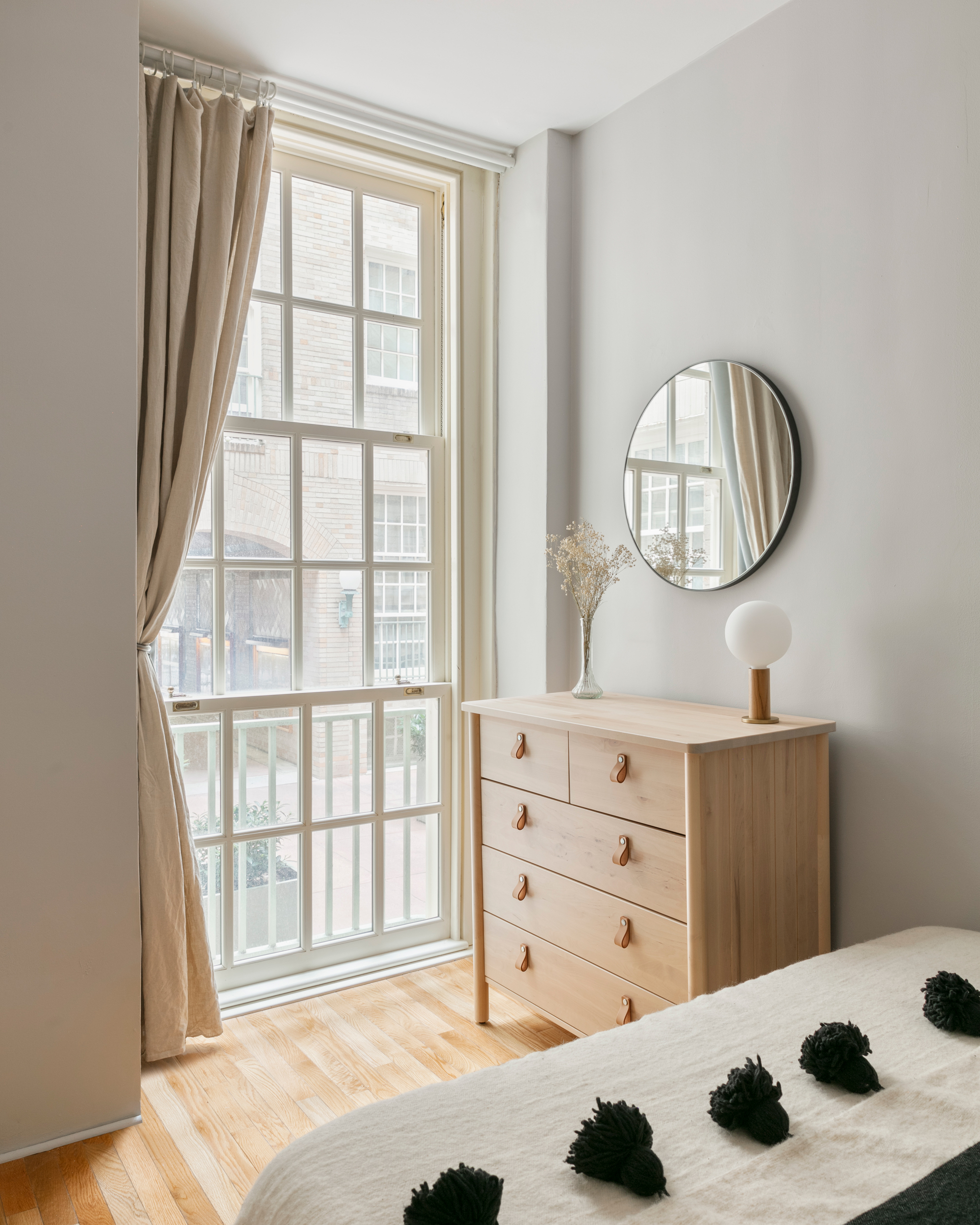
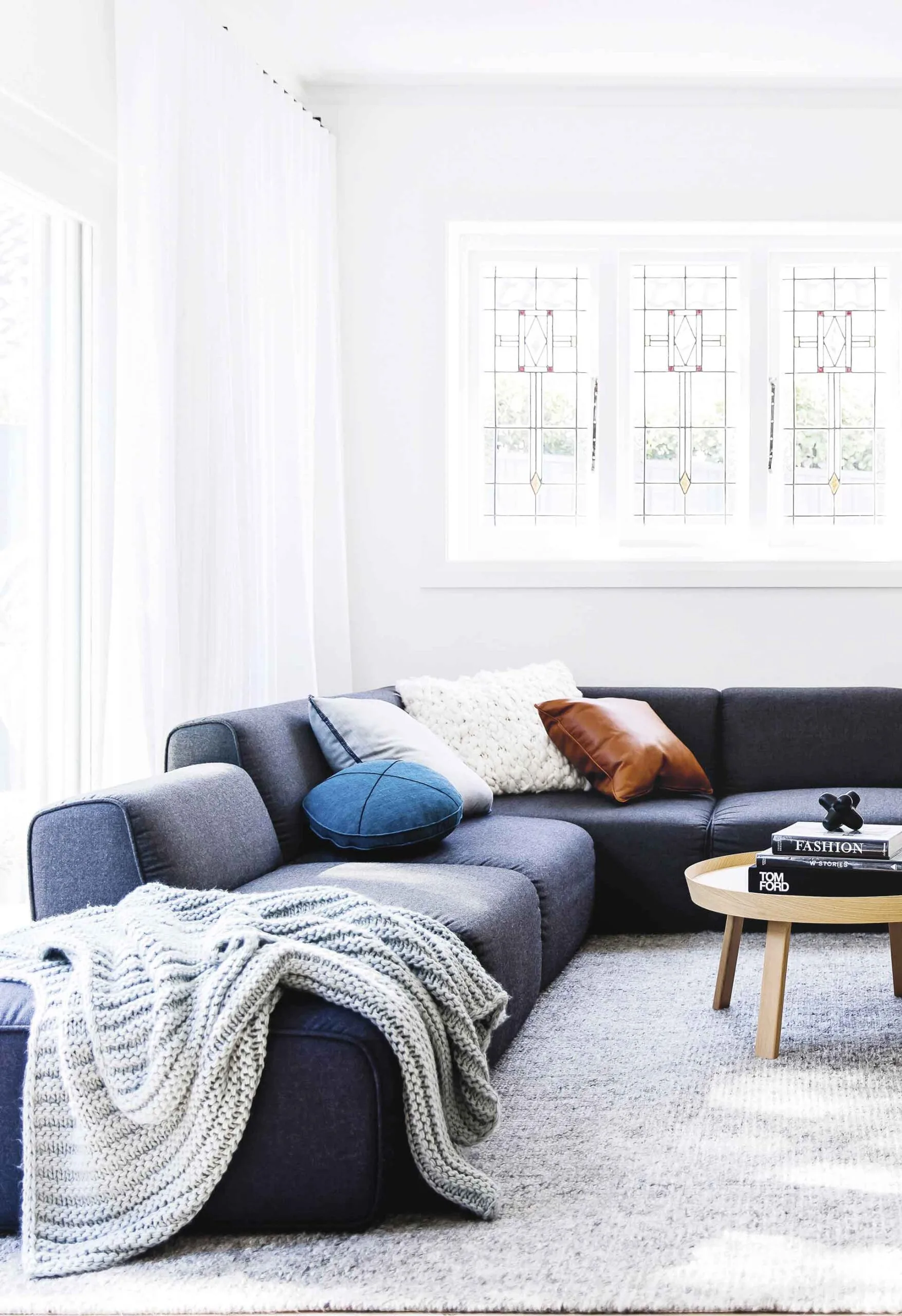
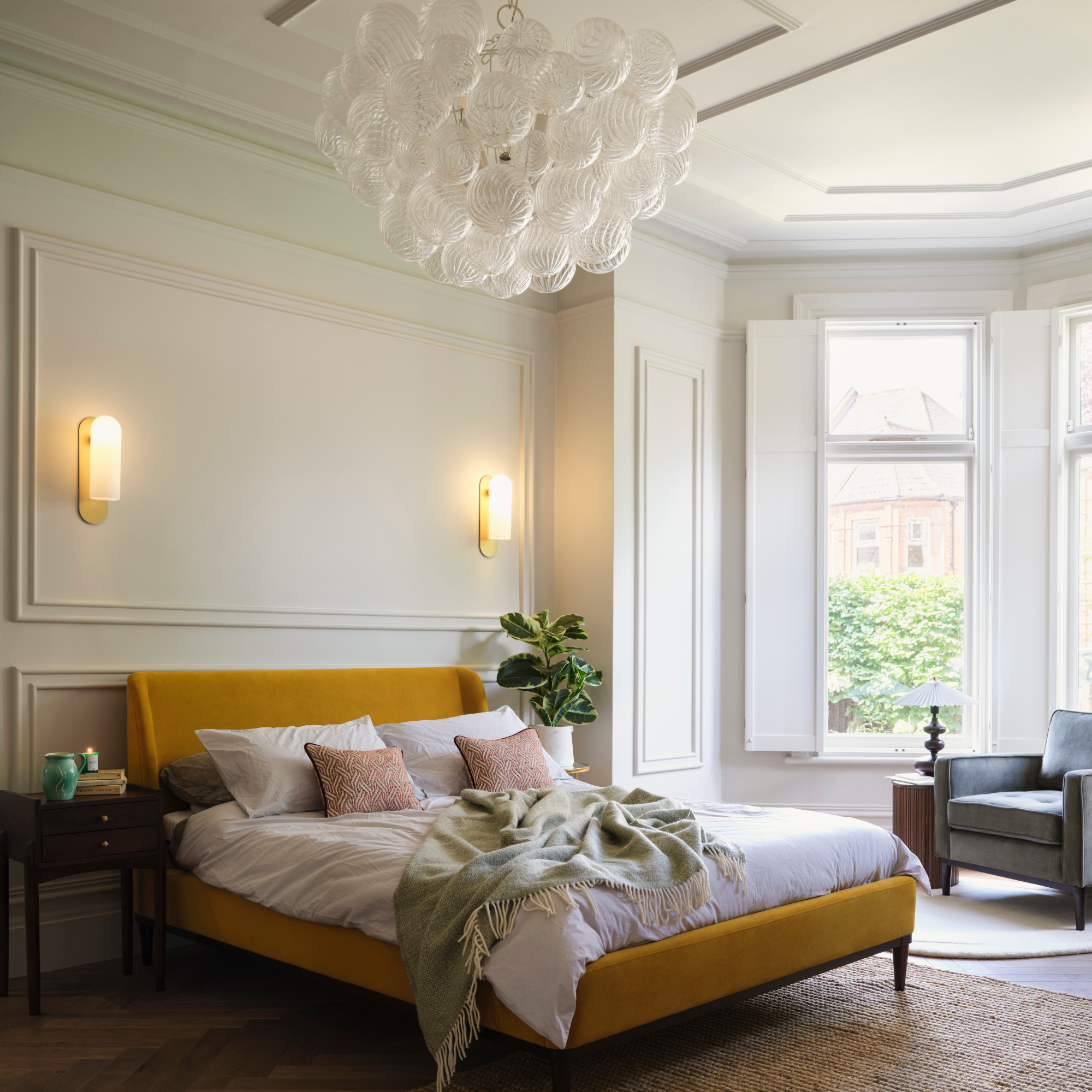
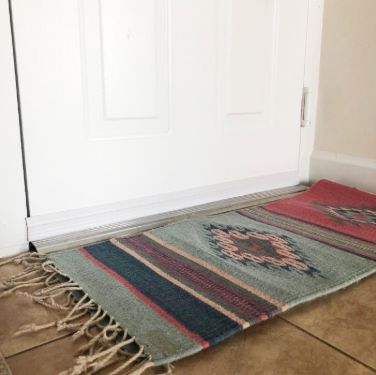
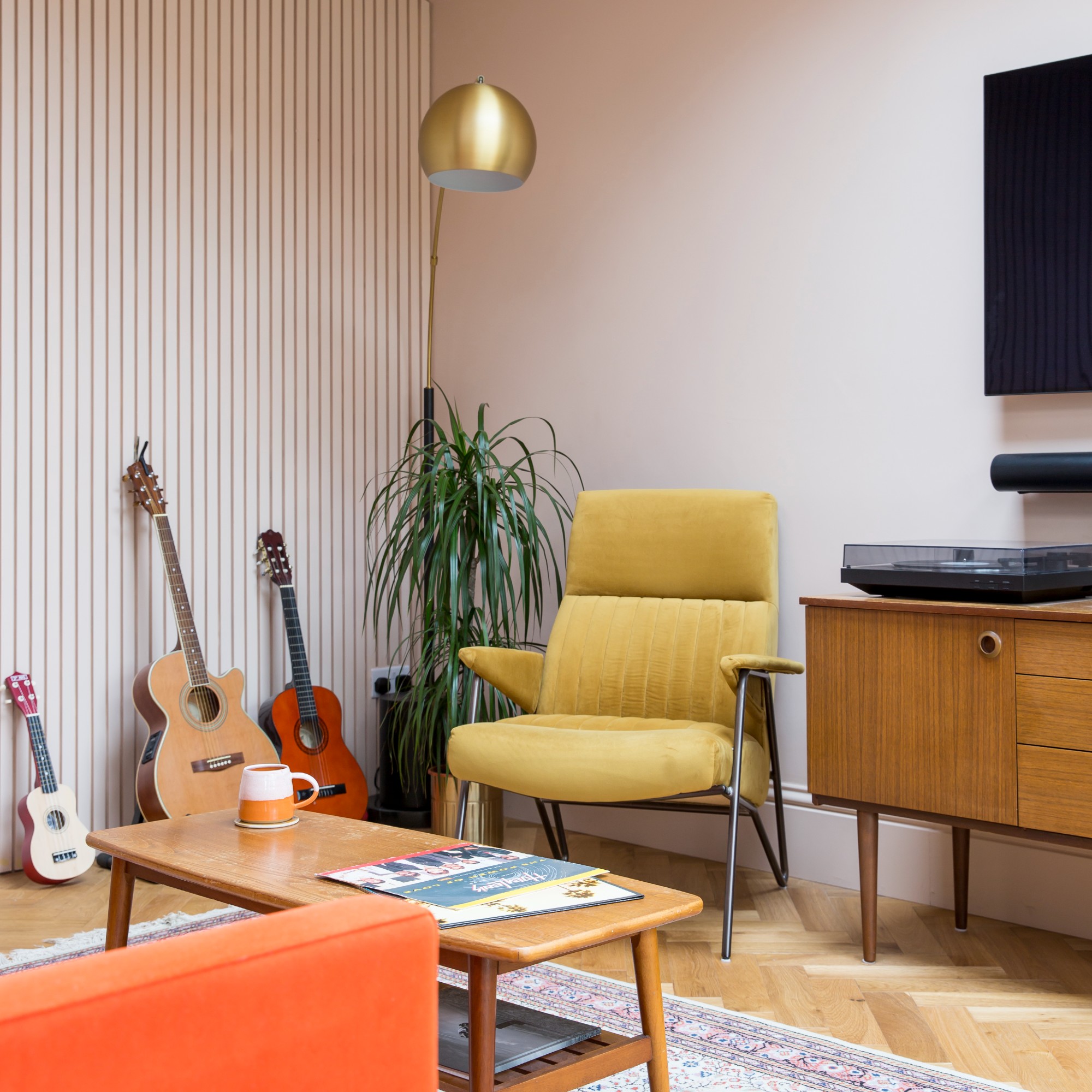
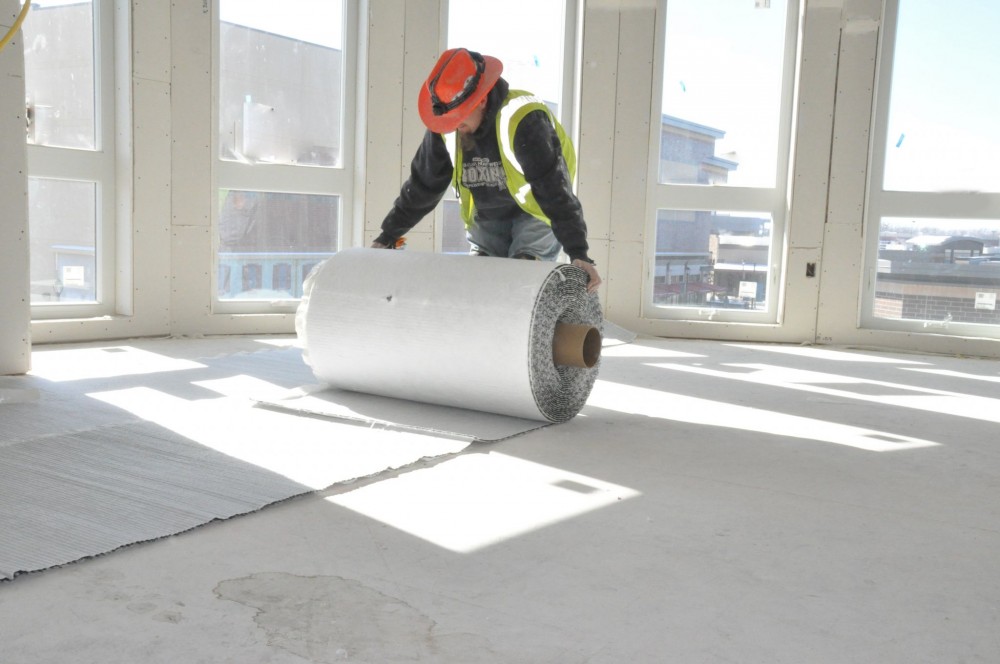
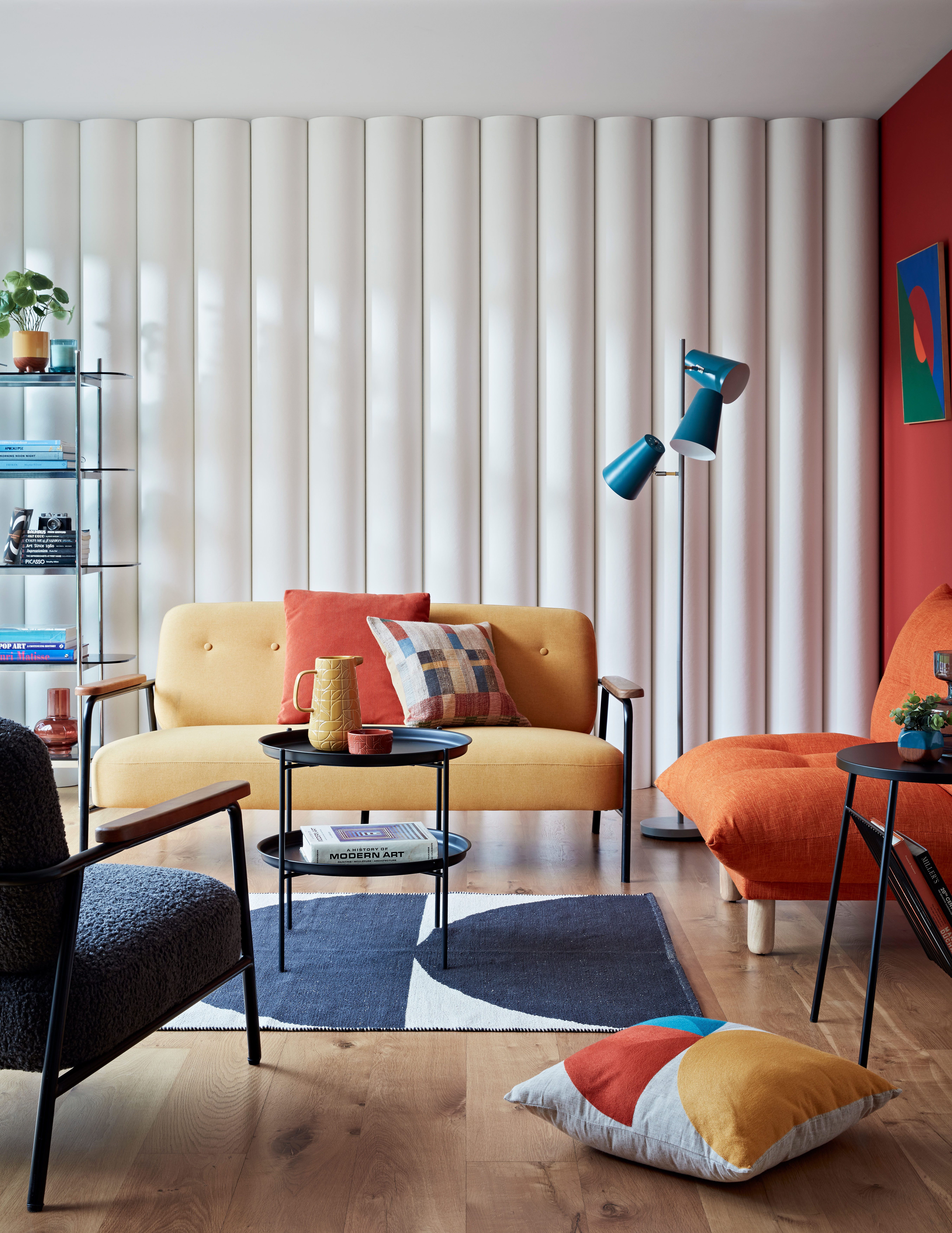
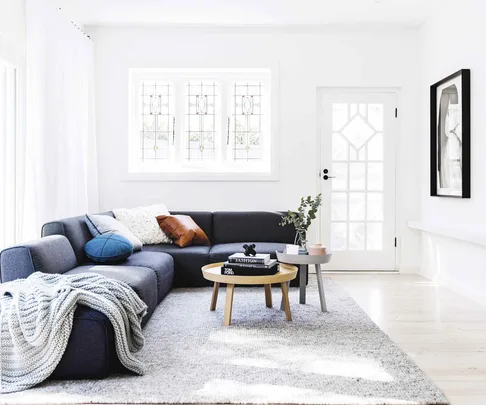
To combat noise from apartments below or to reduce echoes, incorporating thick carpeting or rugs with a pad underneath is recommended. This not only muffles creaky floors but also significantly reduces impact sound noise for downstairs neighbors. Rugs are a simple, budget-friendly option that can instantly add warmth and sound-absorbing qualities to a space. Beyond floor coverings, preventing echoes also involves introducing more soft, sound-absorbing surfaces. Fabric window coverings, such as thick curtains, and even indoor plants can help dissipate sound waves that reflect off hard surfaces. By adding these elements, an apartment can feel calmer and more acoustically balanced.
Ultimately, soundproofing an apartment is about creating a more serene living environment. Hagan encourages creativity in this process, suggesting that acoustic panels can be customized in size and shape to form unique works of art that simultaneously reduce ambient noise. This approach allows residents to personalize their space while achieving a quieter home, demonstrating that effective sound management can be both practical and stylish.
#ApartmentLiving #Soundproofing #NoiseReduction #HomeImprovement #DIYHome #AcousticPanels #InteriorDesign #QuietSpace #HomeDecor #ApartmentLiving #Soundproofing #NoiseReduction #HomeImprovement #DIYHome #AcousticPanels #InteriorDesign #QuietSpace #HomeDecor
Toplam 0 yorum
 Henüz yorum yok
Bu da beğenebilirsiniz
How to soundproof an apartment – 6 renter-friendly changes that will block out noisy neighbors

The Best Soundproofing Materials for Any Room in Your Home

These Acoustic Wall Panels Make Any Room a Quiet Place to Work or Relax

Need help with soundproofing your NYC apartment? Here’s Brick’s best advice
How to soundproof a room according to an expert

How to soundproof your kitchen and stop noisy appliances disturbing your peace

5 cheap and easy ways to soundproof a room, whether you're a homeowner or a renter

Improving floor/ceiling sound control in multifamily projects
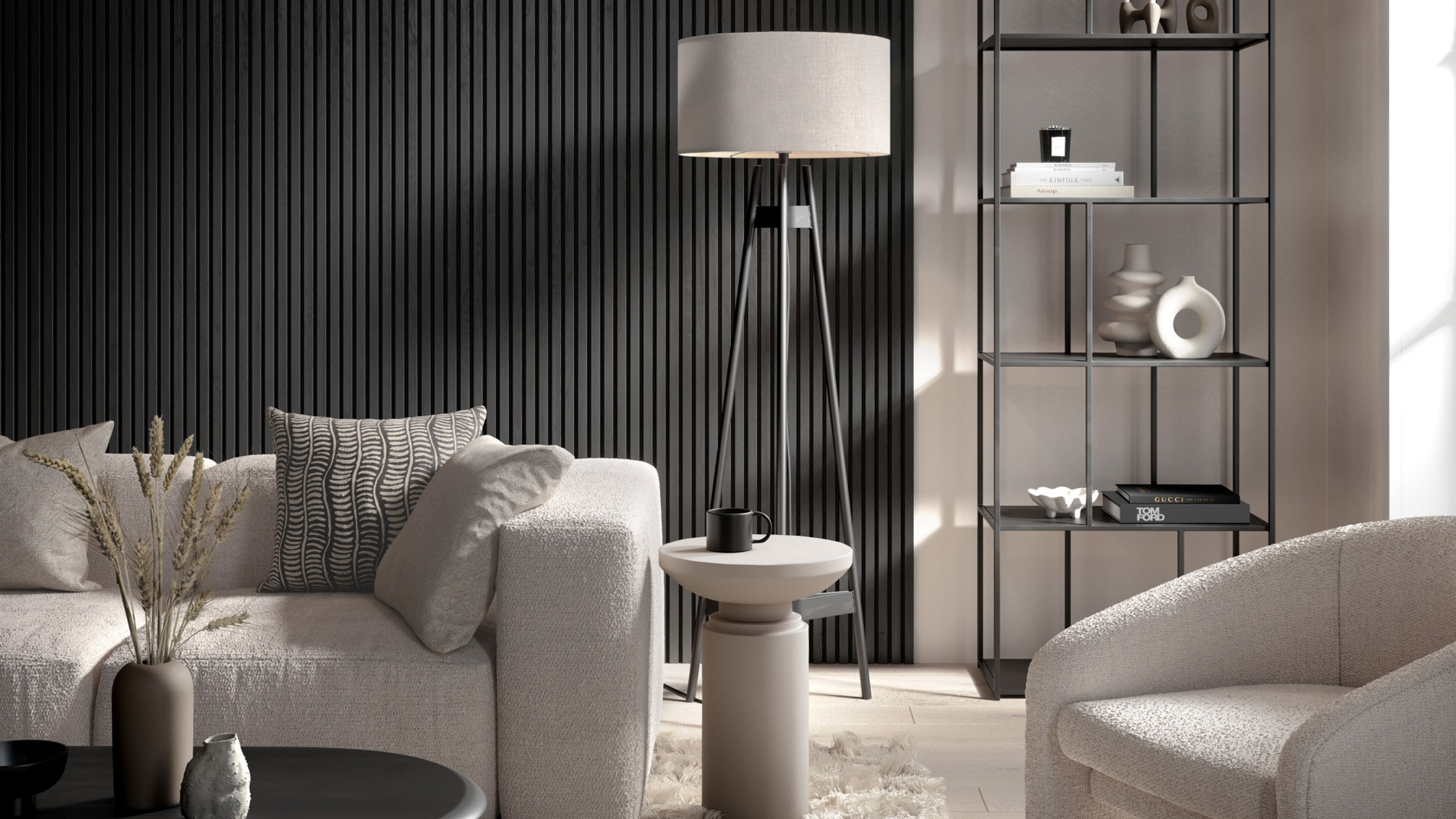
9 expert tips for soundproofing a room – how to sort acoustics while losing nothing of the aesthetics

4 Effective Ways to Soundproof Your Bedroom


These Acoustic Wall Panels Make Any Room a Quiet Place to Work or Relax

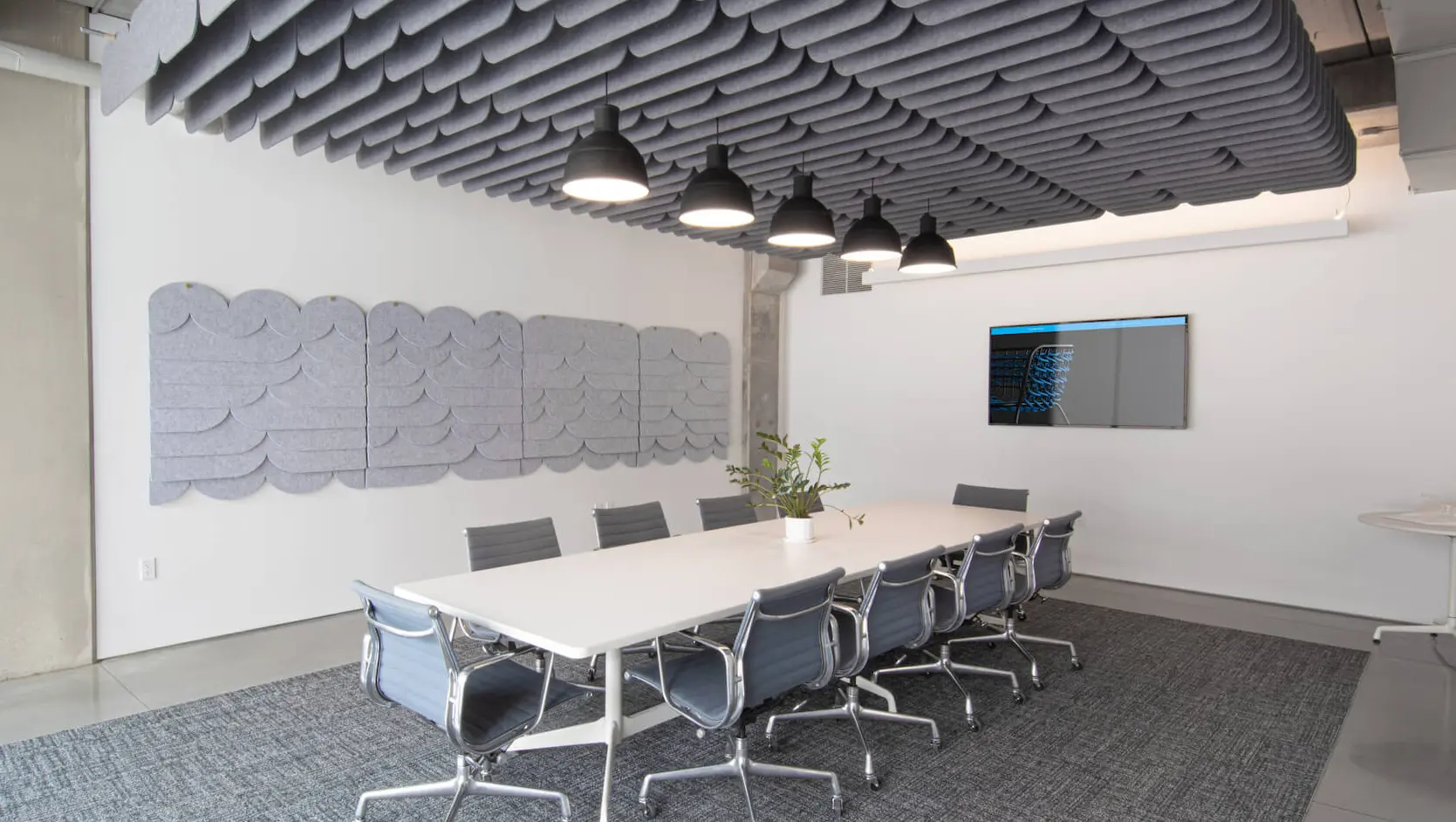
Tempo’s modular wall and ceiling ‘baffle system’ offers infinite acoustic solutions


How to Soundproof a Room (Published 2021)
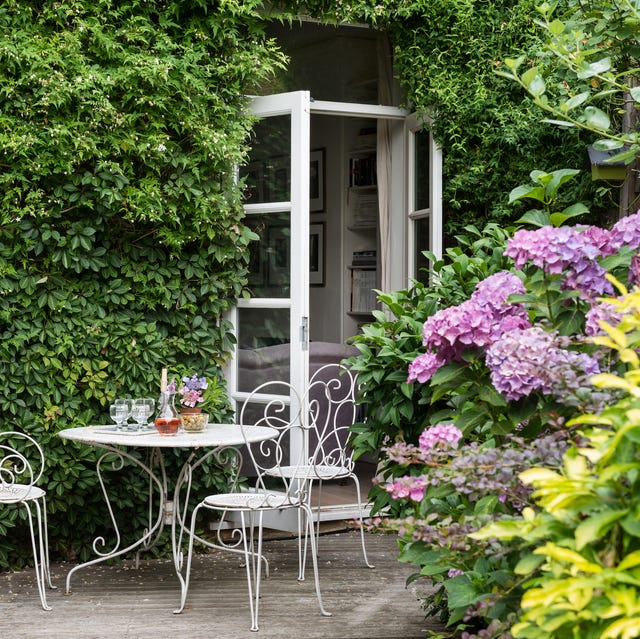
How To Soundproof Your Garden


Do acoustic wall panels soundproof a room? Experts…

Stylish sound-absorbing artwork for a quieter home
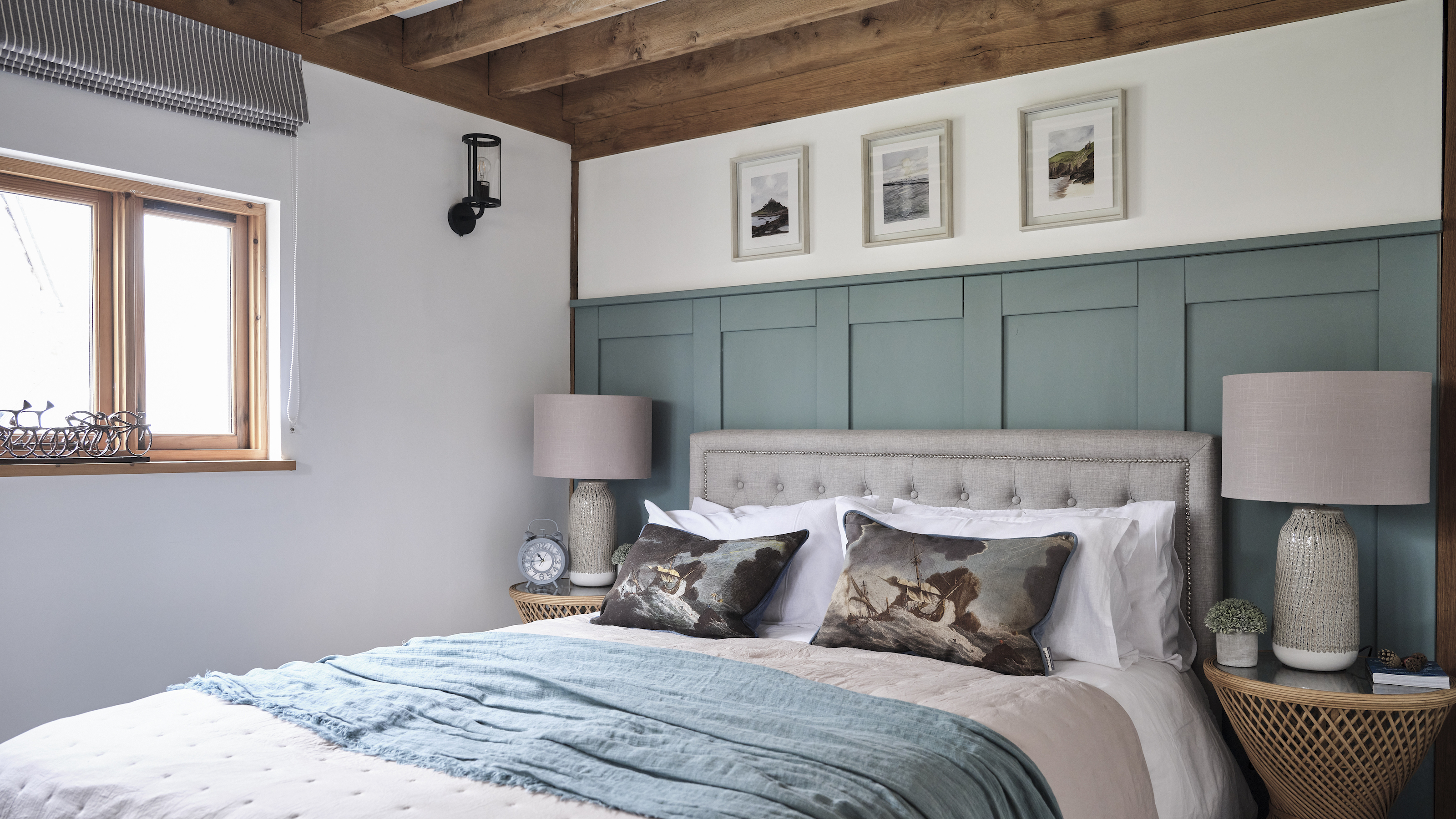
How to soundproof a bedroom – five easy and affordable fixes for a quiet night's sleep
If Your Home Is Super Noisy, You’ll Appreciate These 24 Noise-Dampening Products
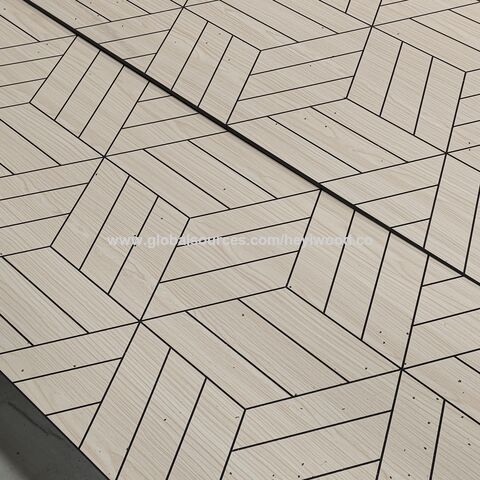
New design patterns Soundproof Acoustic Panels for Interior Wall Decor Paneling

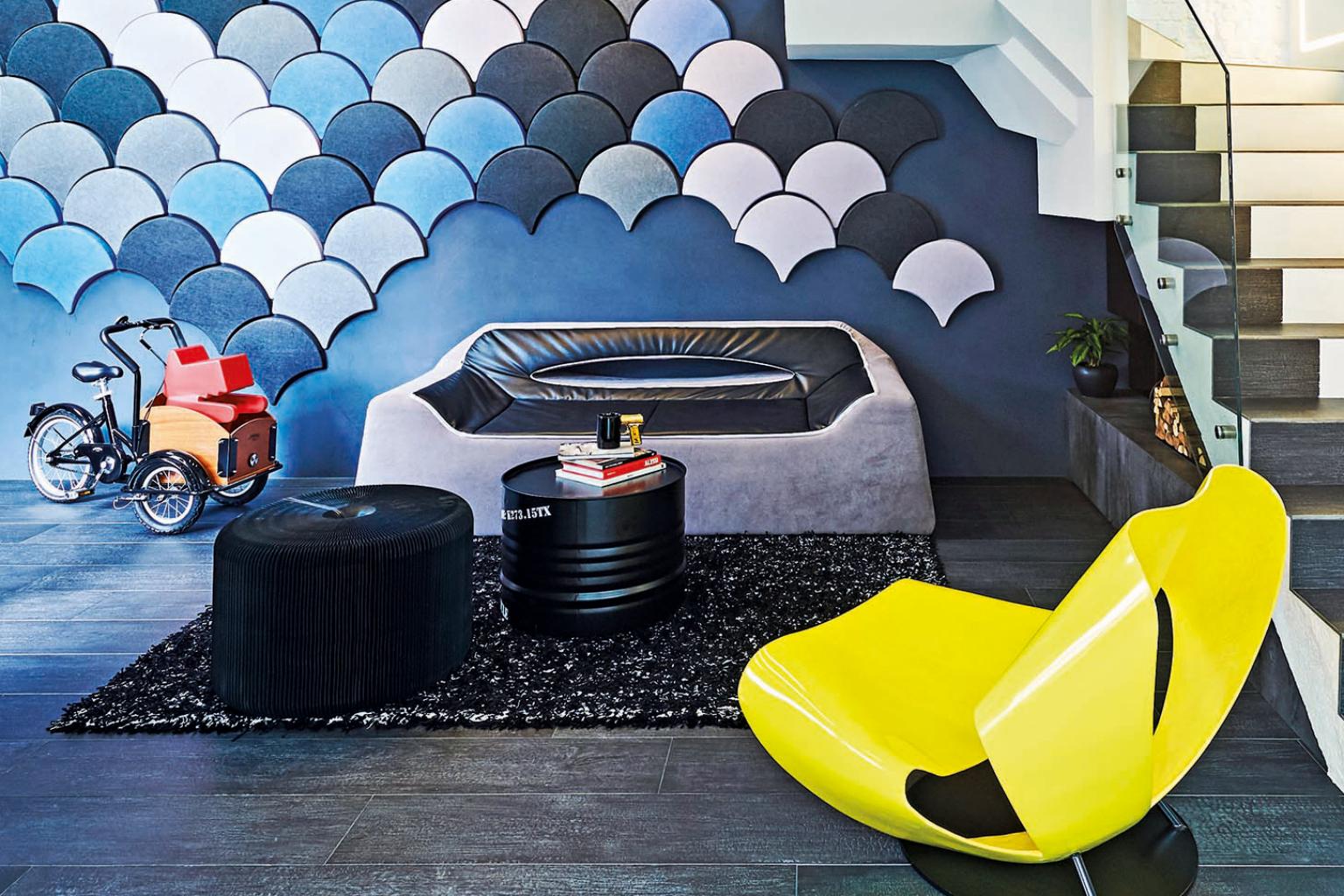
Soundproofing, proper acoustic treatment vital for a home