1/3
Should You Add a Playroom? 3 Experts Weigh In
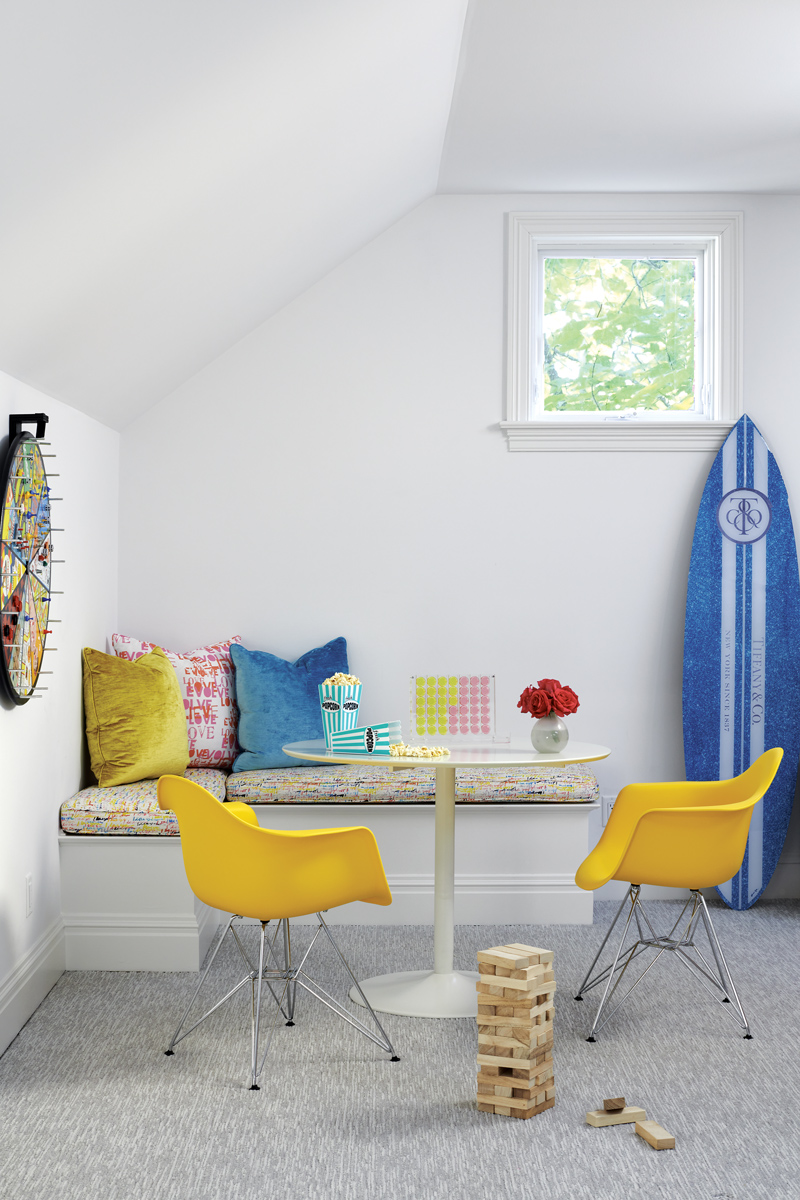
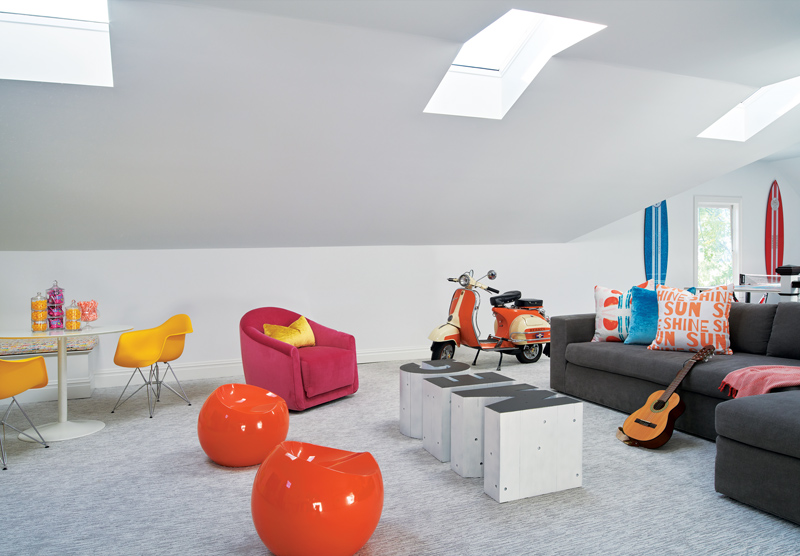
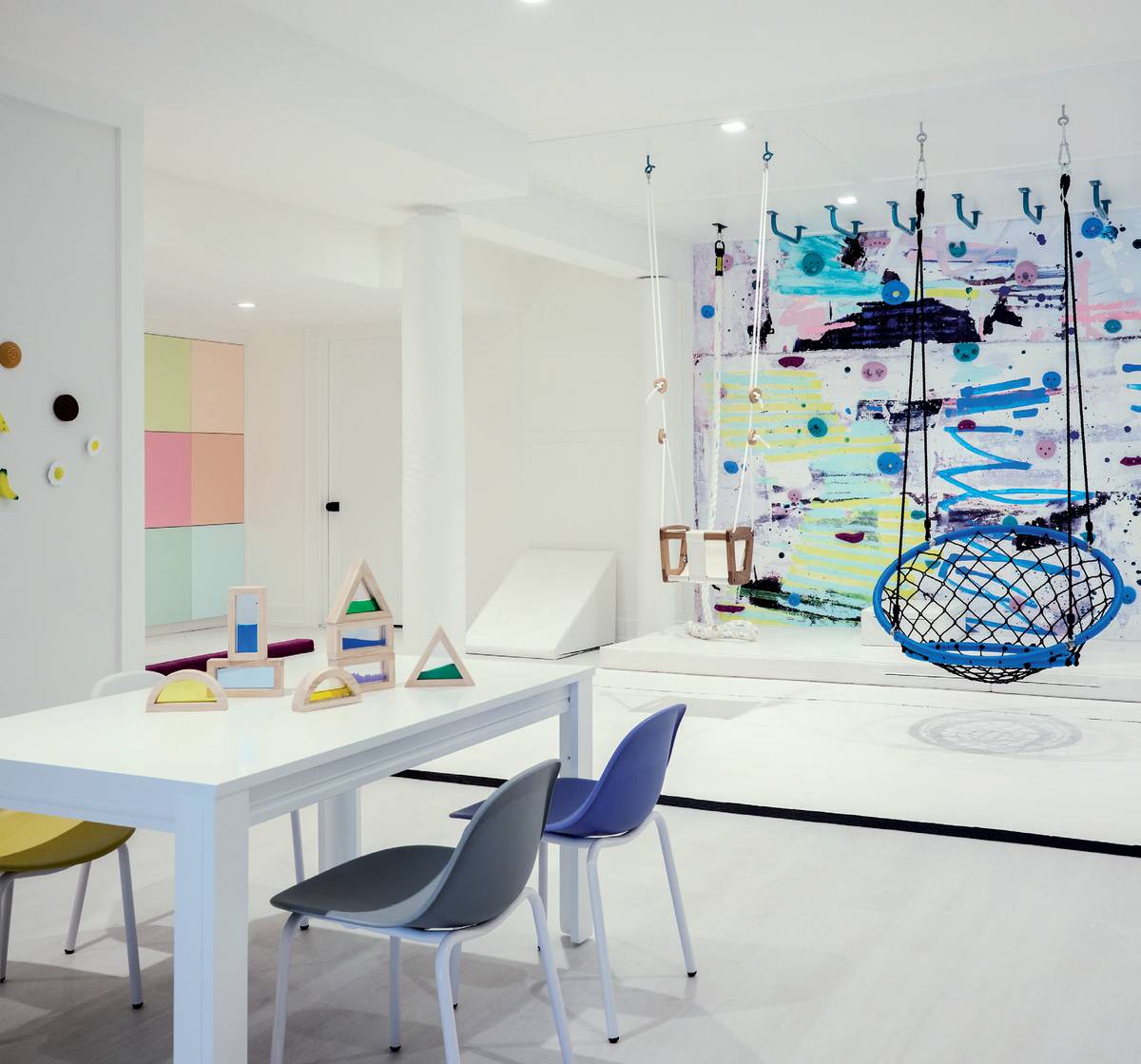
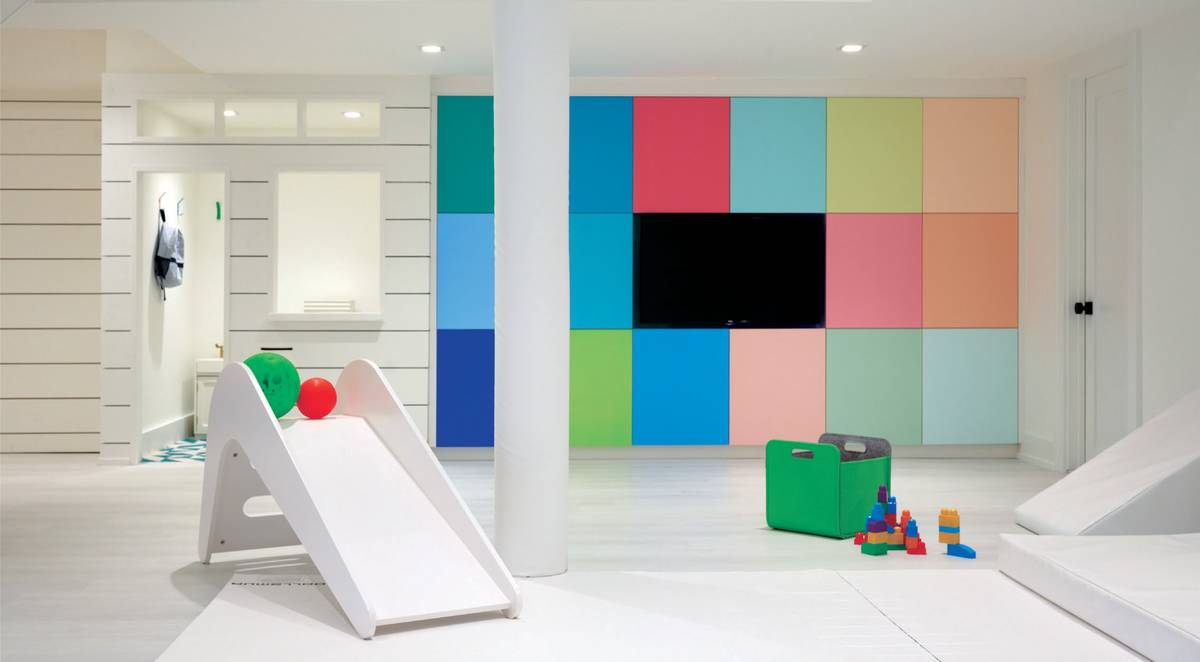
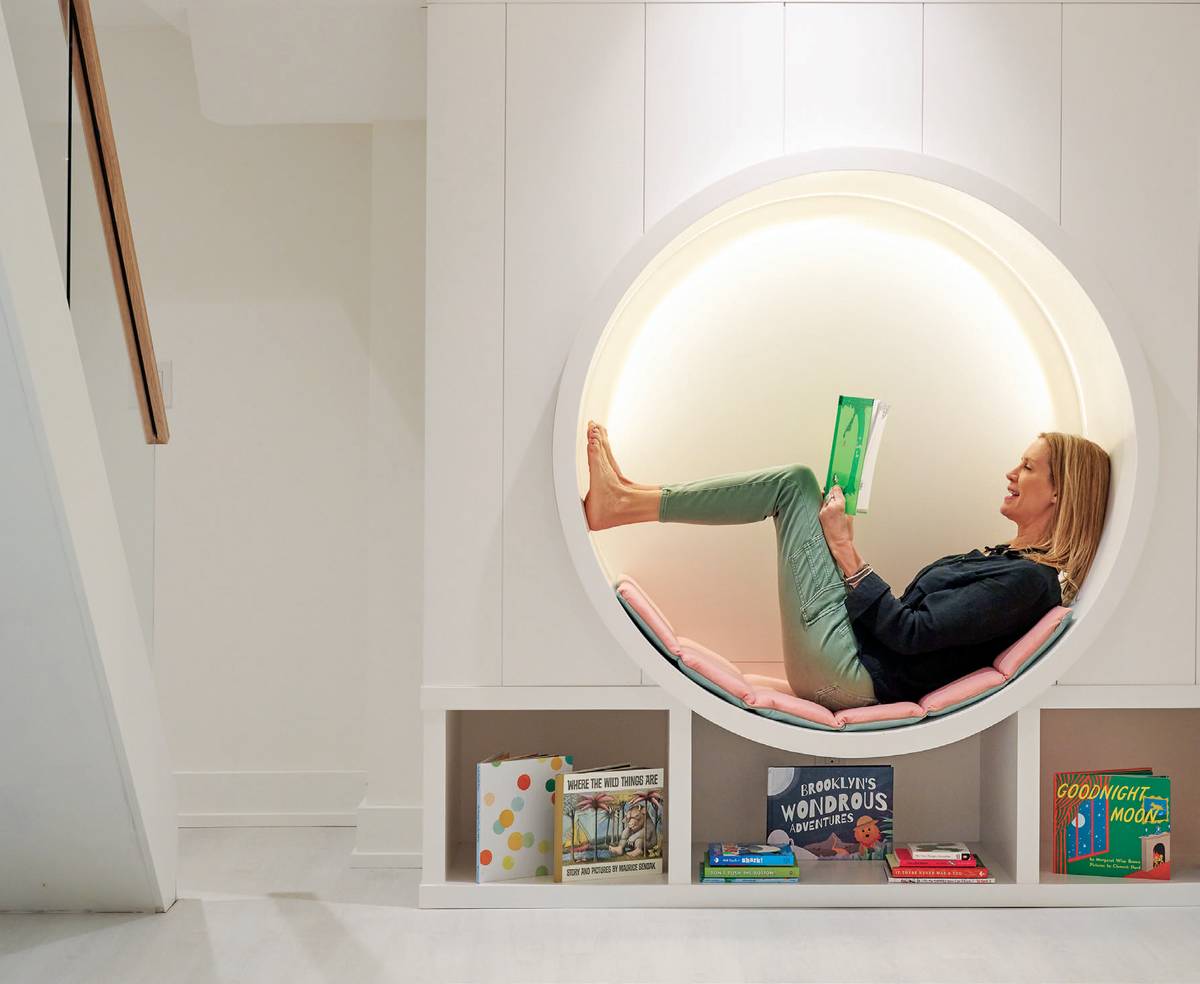
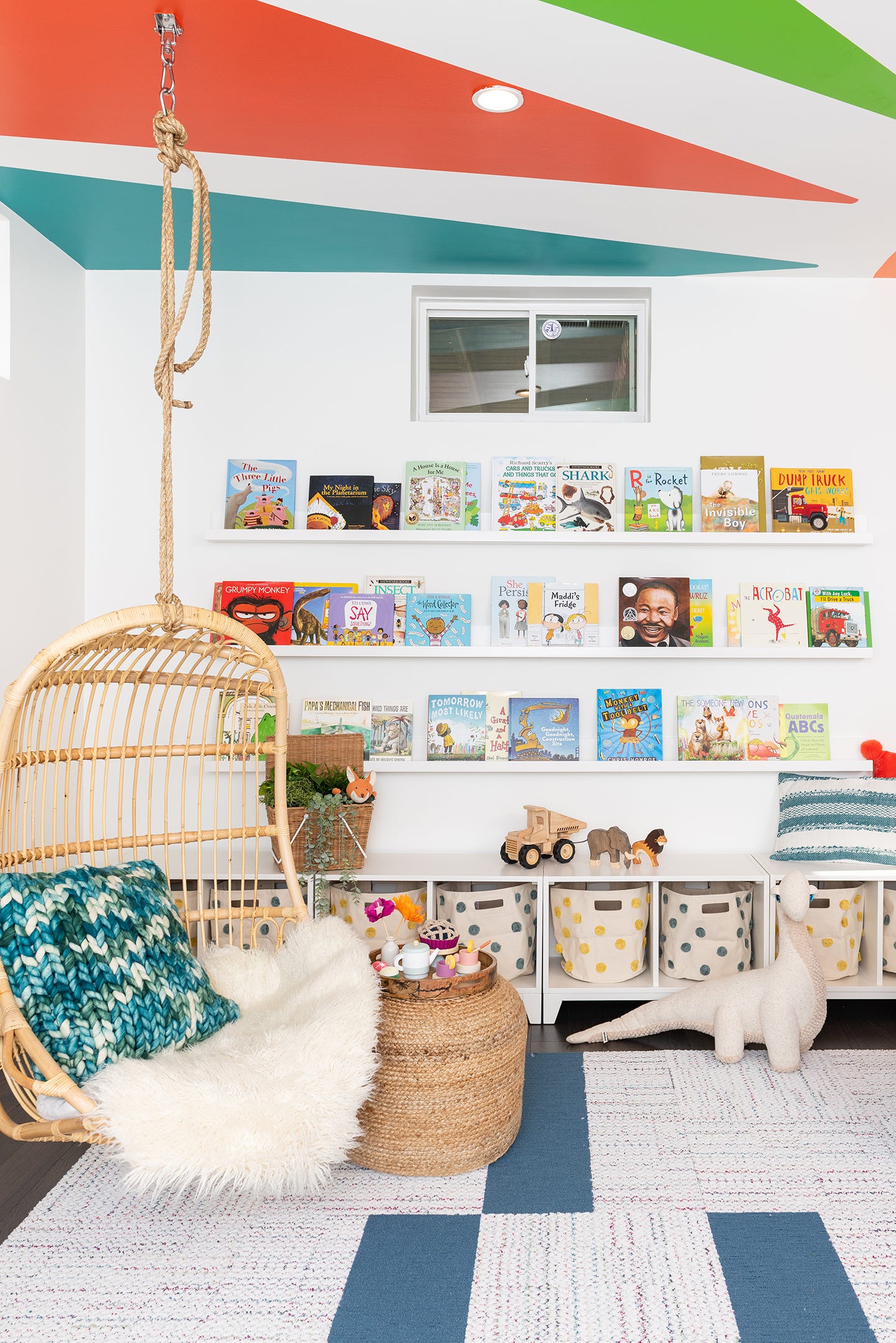
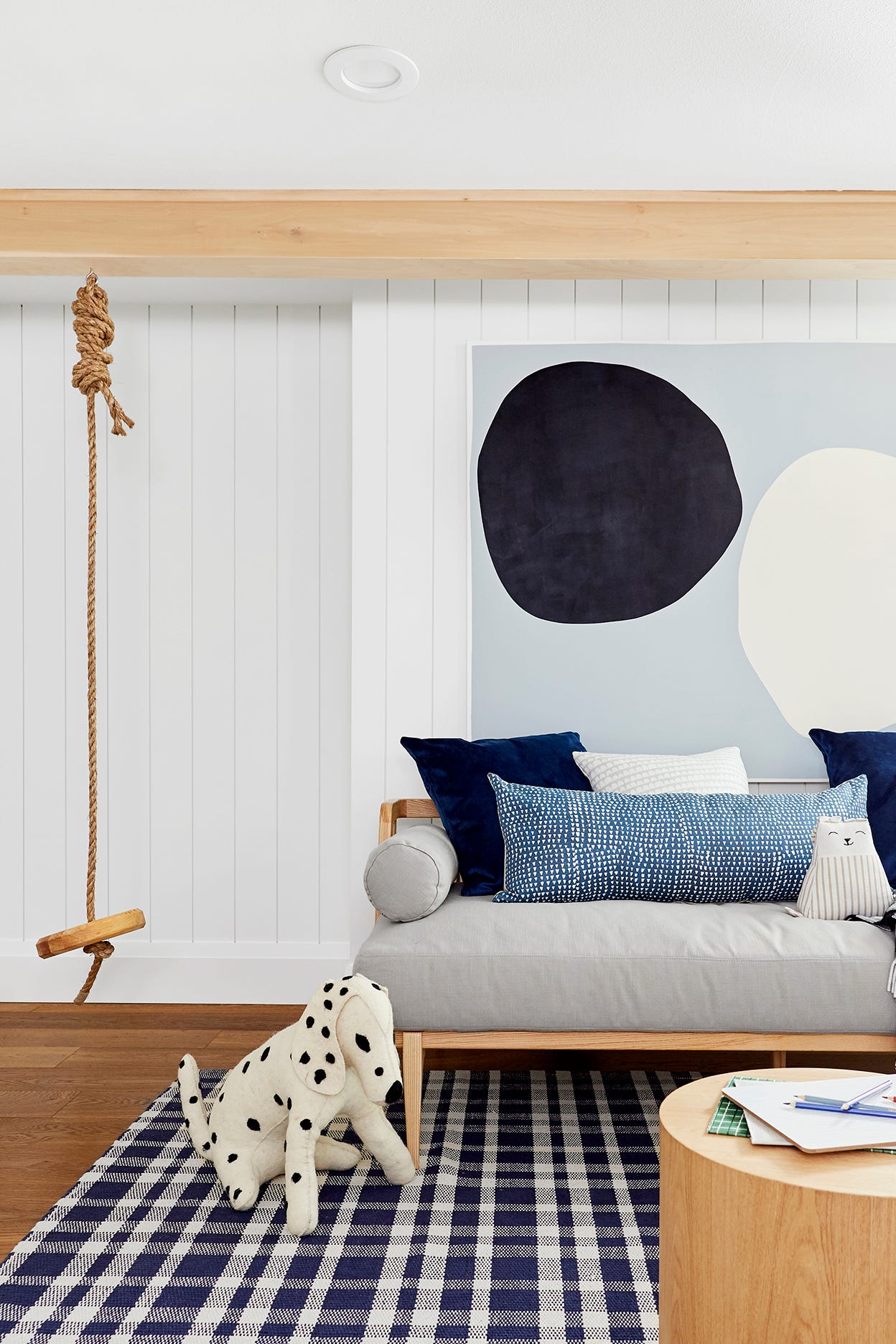
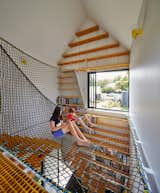
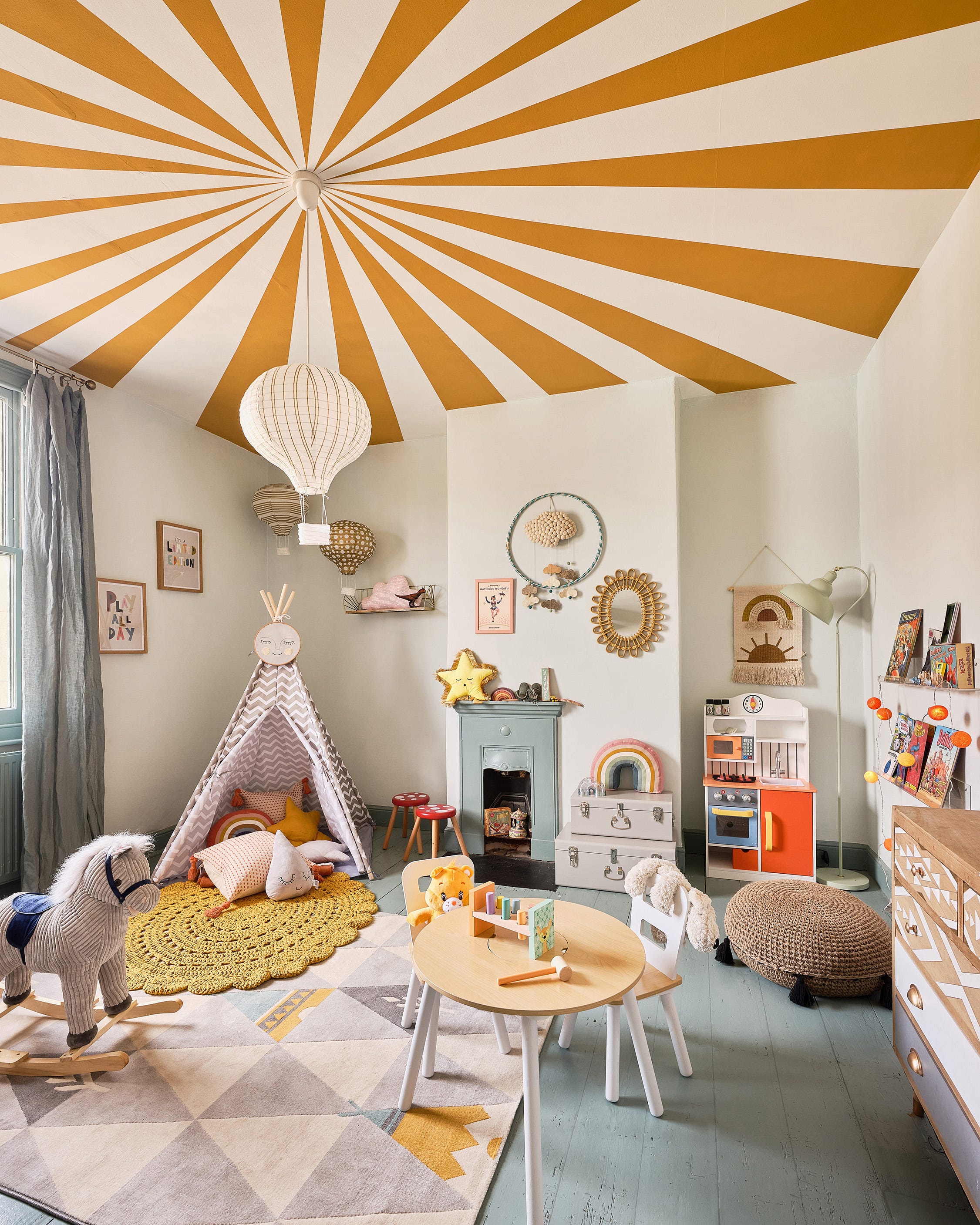
The article explores the growing trend of dedicated playrooms in homes and assesses their value from the perspectives of early childhood education experts and real estate agents. Playrooms are becoming increasingly elaborate, featuring elements such as climbing walls, rope swings, and foam pits, prompting homeowners to consider if such an addition is beneficial.
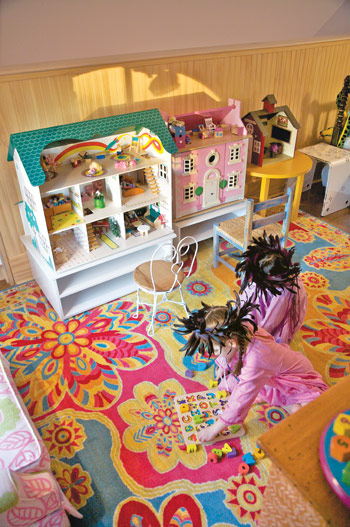
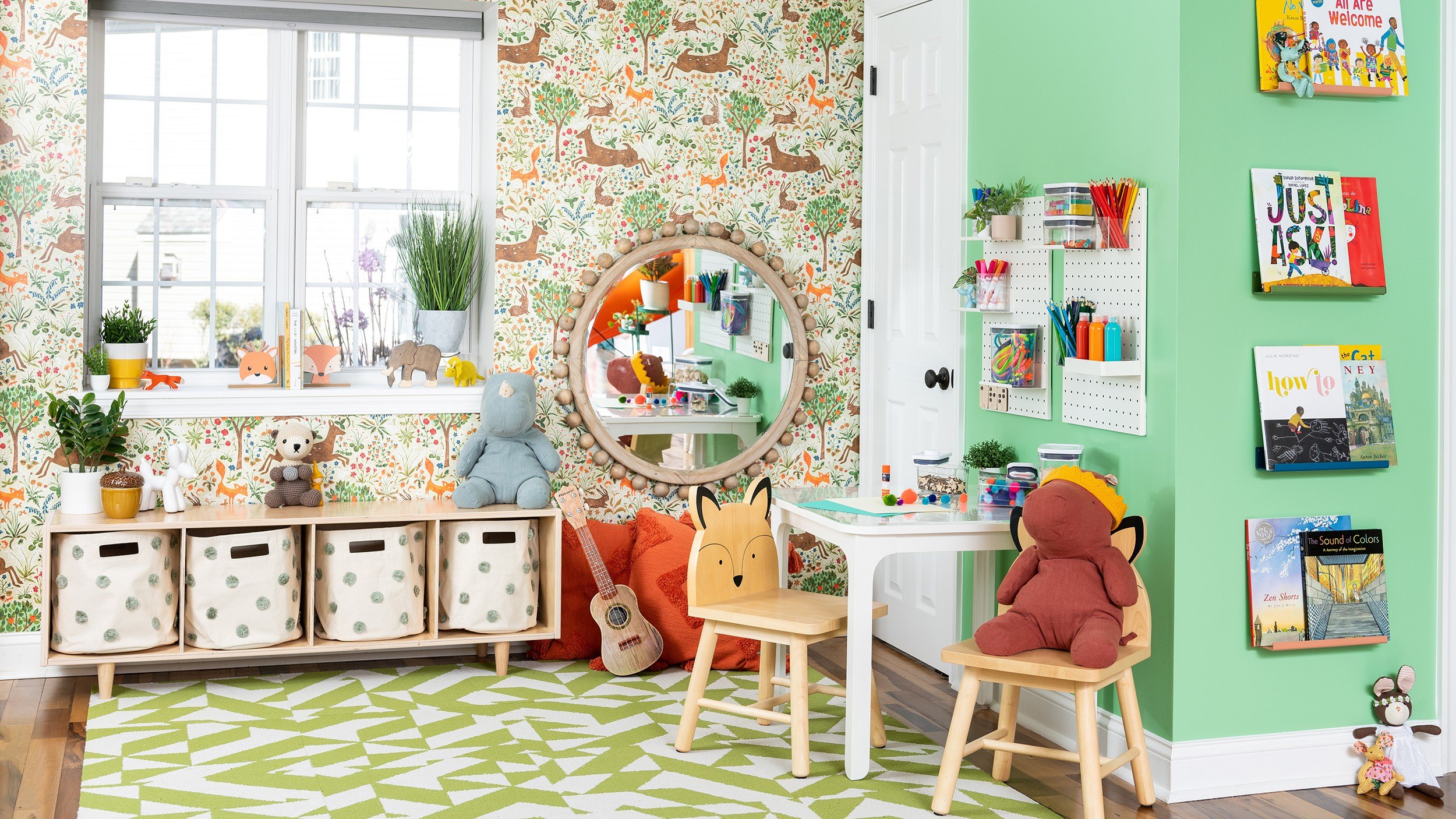
Early childhood specialists, Anne Gillyard and Jodi Arellano of grOH! Playrooms, along with educational designer Karri Bown-Poole of Smart Playrooms, strongly advocate for dedicated play spaces. They emphasize that these areas provide a safe environment for children to explore, process emotions, and develop crucial skills such as independence, focus, and creativity. An organized playroom, in particular, encourages imaginative and independent play, which positively impacts brain development and learning. Children learn problem-solving, risk-taking, negotiation, language skills, and patience through play. For parents, a playroom offers a designated space for toys, helping to keep other areas of the home clutter-free.
Conversely, real estate agent Anthony Djon expresses a more cautious view regarding the value of playrooms as a selling point. While Gillyard and Arellano believe playrooms can make a home memorable to potential buyers, Djon suggests they might deter buyers without children or those with older children, especially if the playroom is poorly located within the home. He advises against converting garages into playrooms due to the general utility of garage space in various weather conditions. The ideal location for a playroom, according to Djon, is typically a basement or an extra bedroom in a multi-story home.
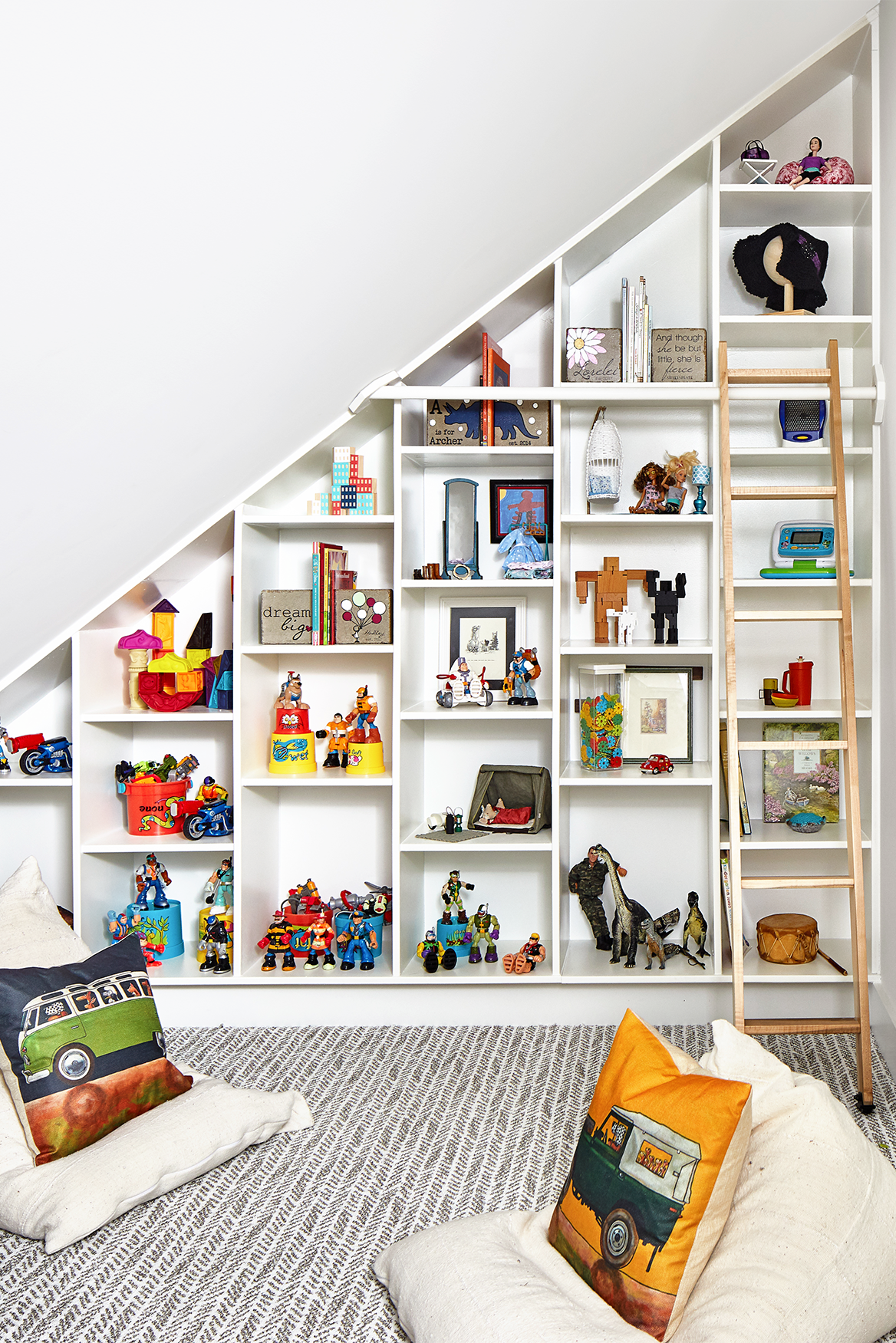
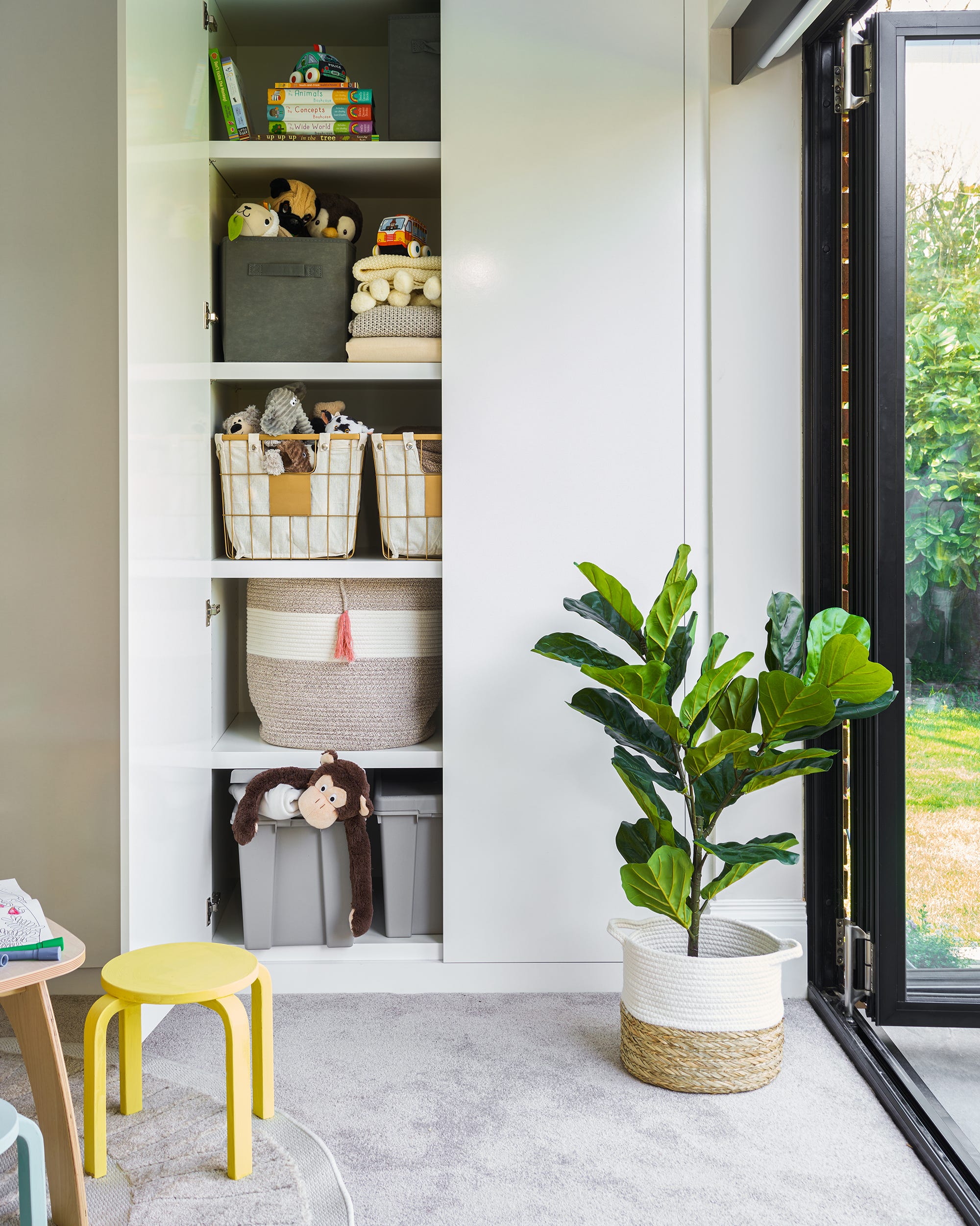
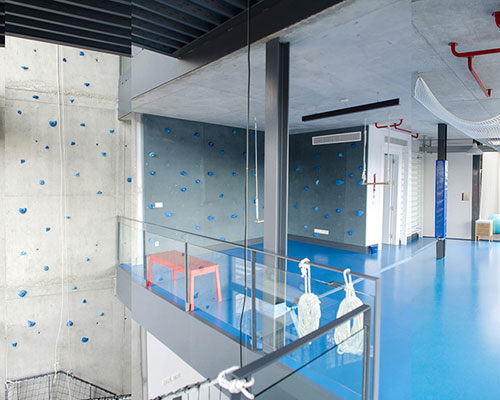
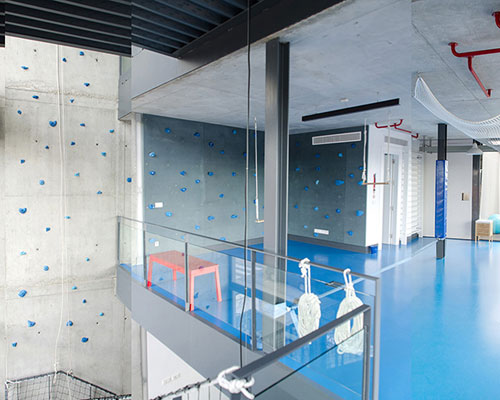
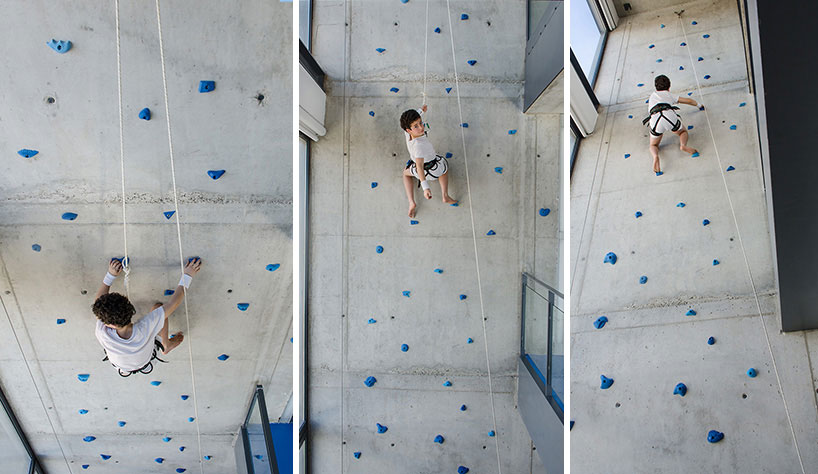
The experts also highlight common mistakes to avoid when creating a playroom. A significant issue is over-cluttering the space with too many toys, which can lead to disorganization and hinder creativity. They recommend investing in open, opaque storage bins, with each bin designated for a specific type of toy, to maintain order. Additionally, Djon warns against making major structural changes, such as installing climbing walls, if selling the home in the near future. Such customizations can limit the buyer pool or reduce the home's resale value, potentially giving buyers more leverage in negotiations.
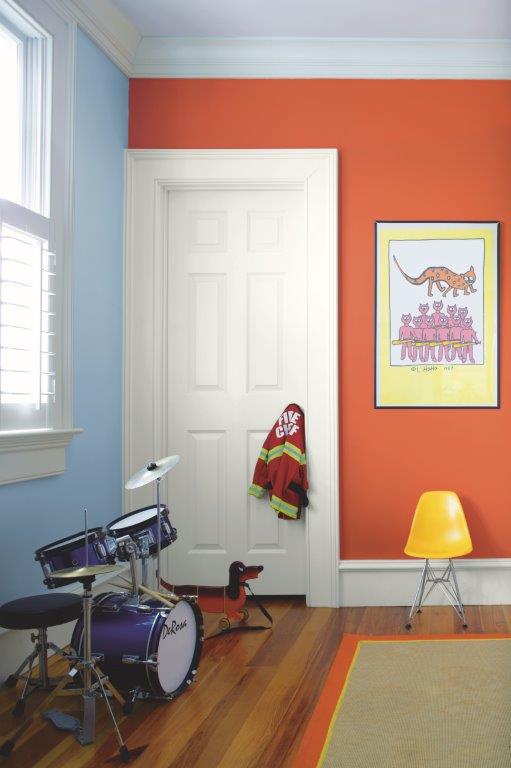
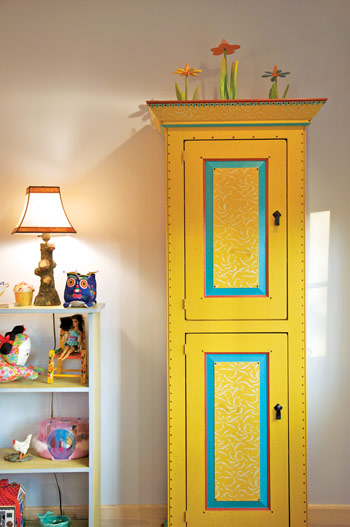
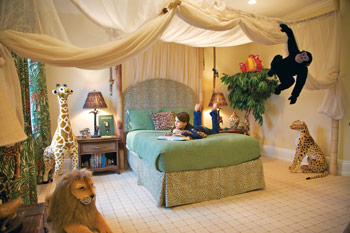
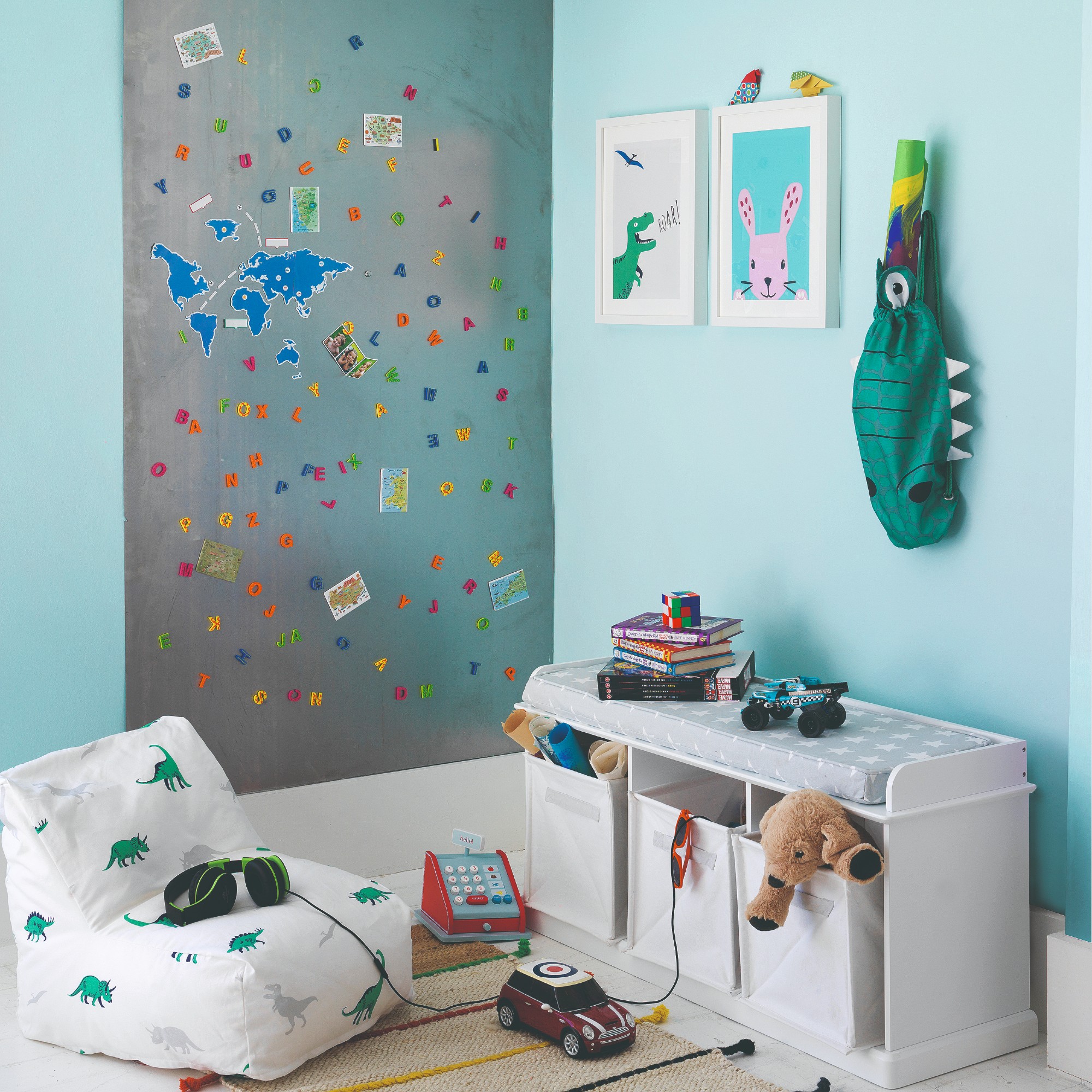
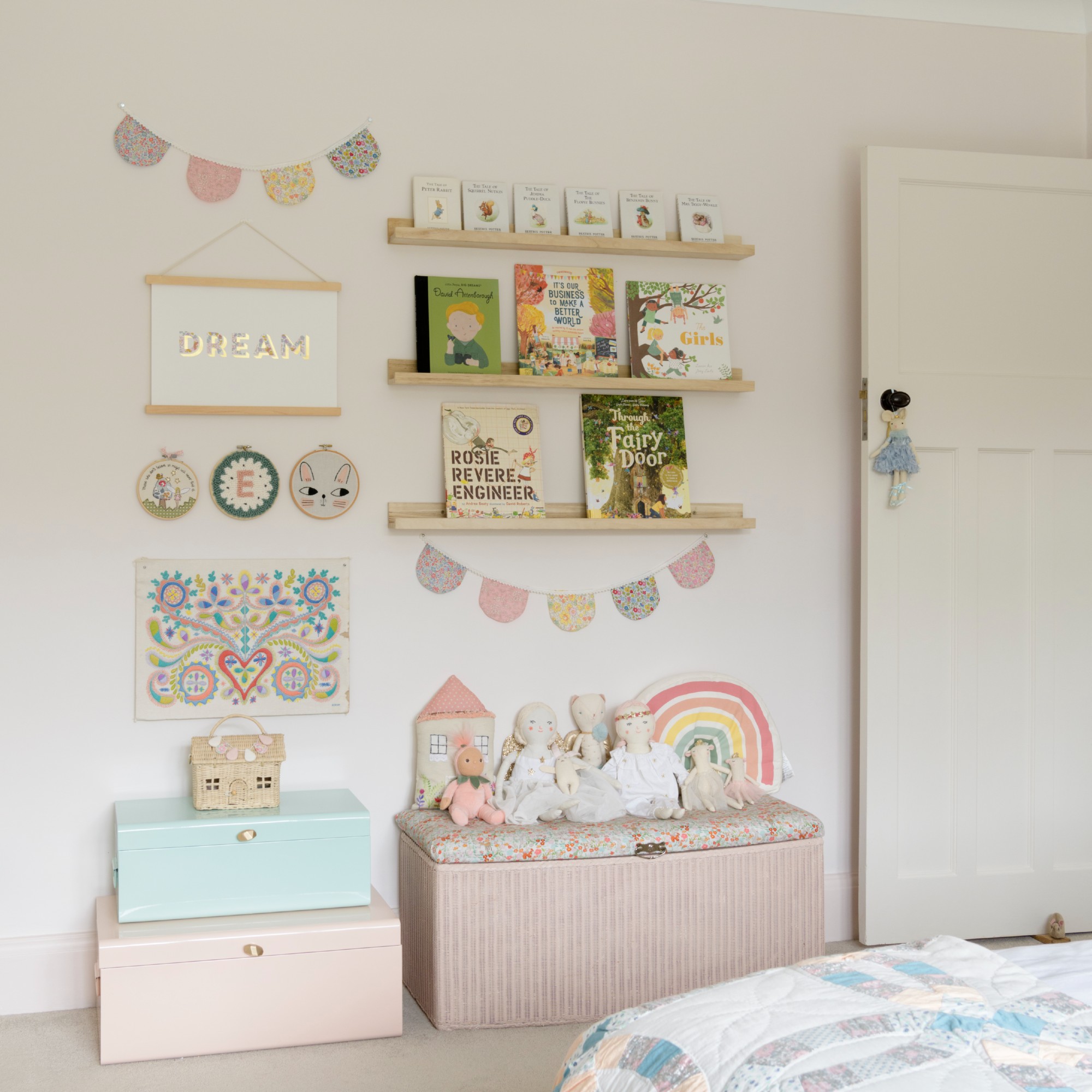
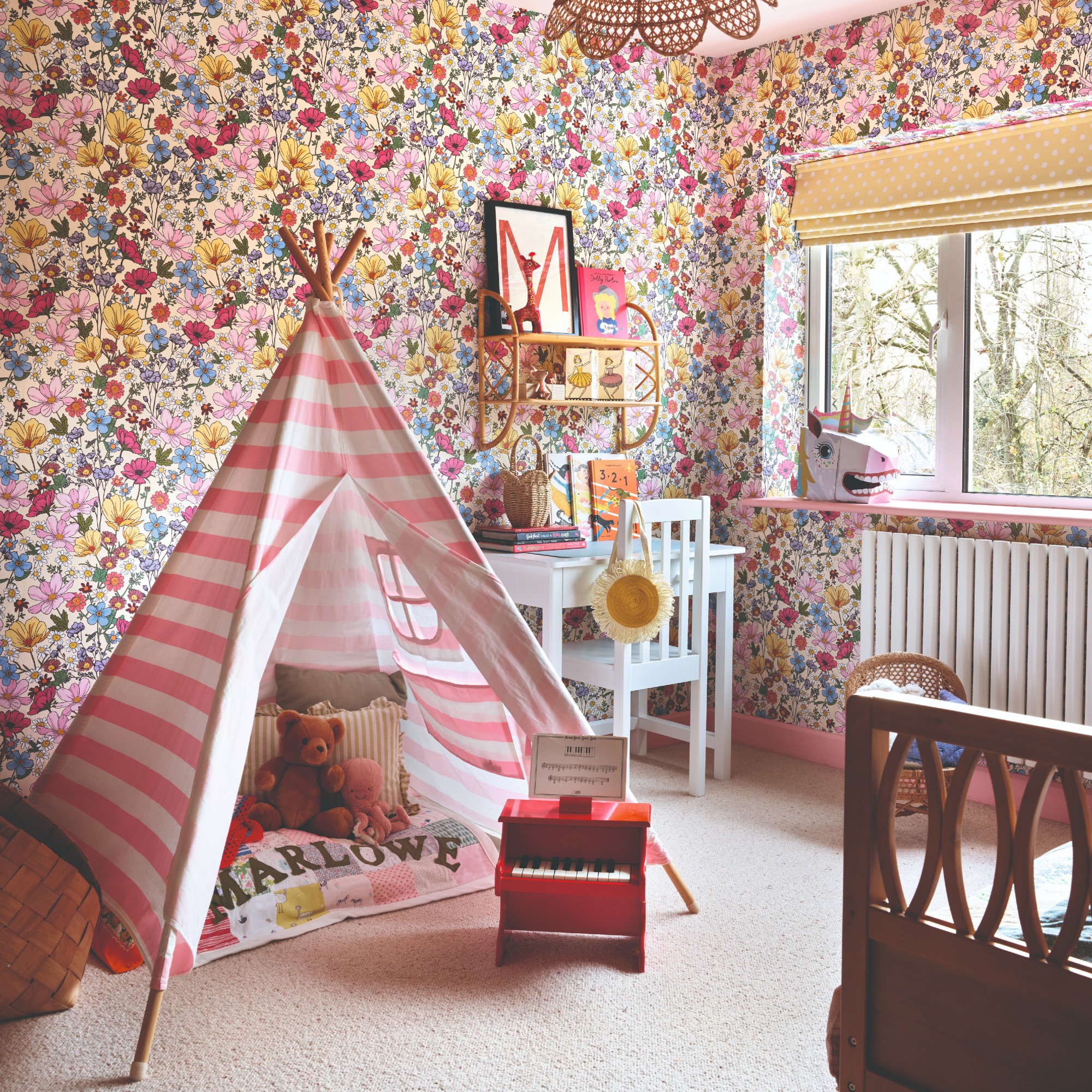
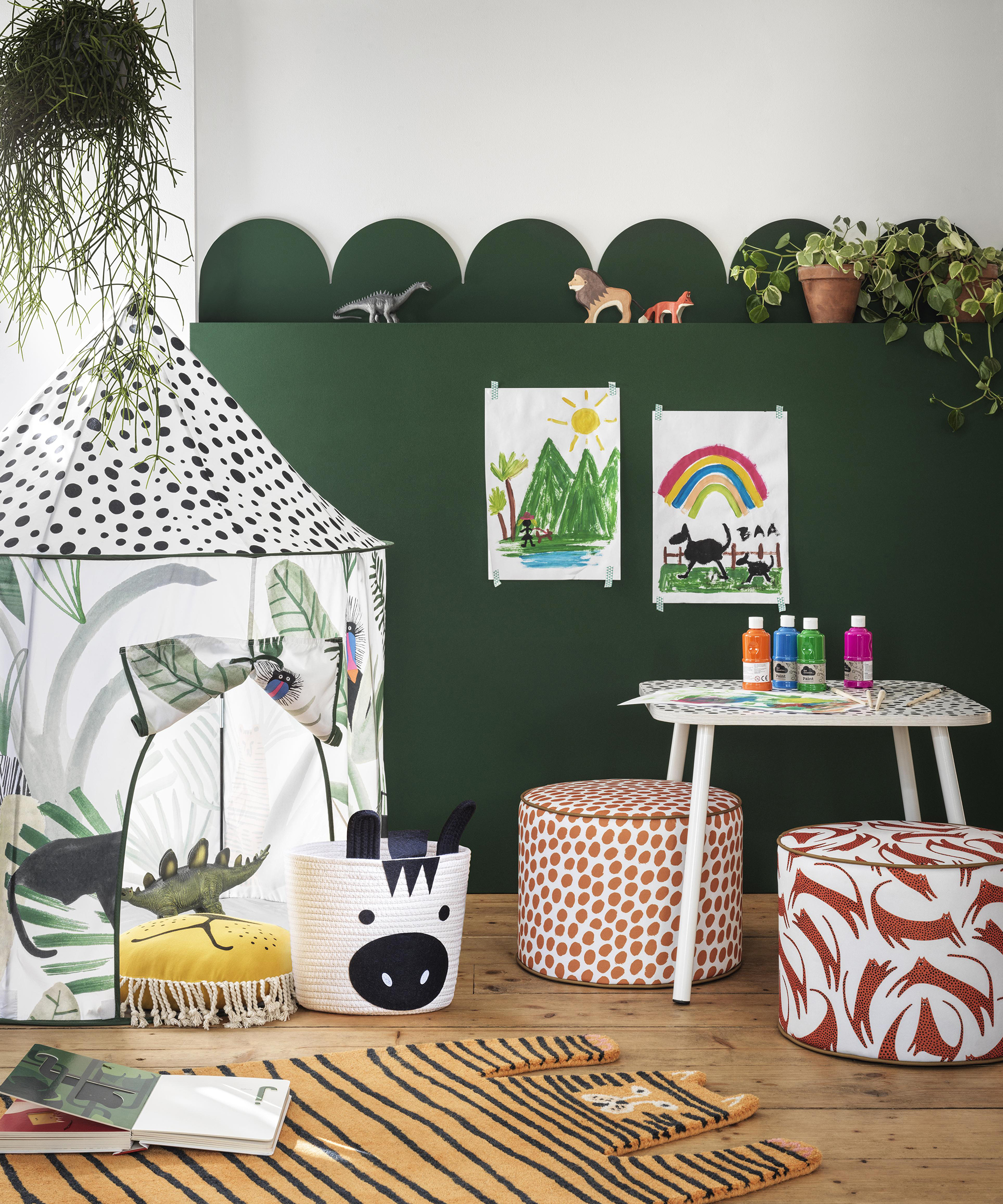
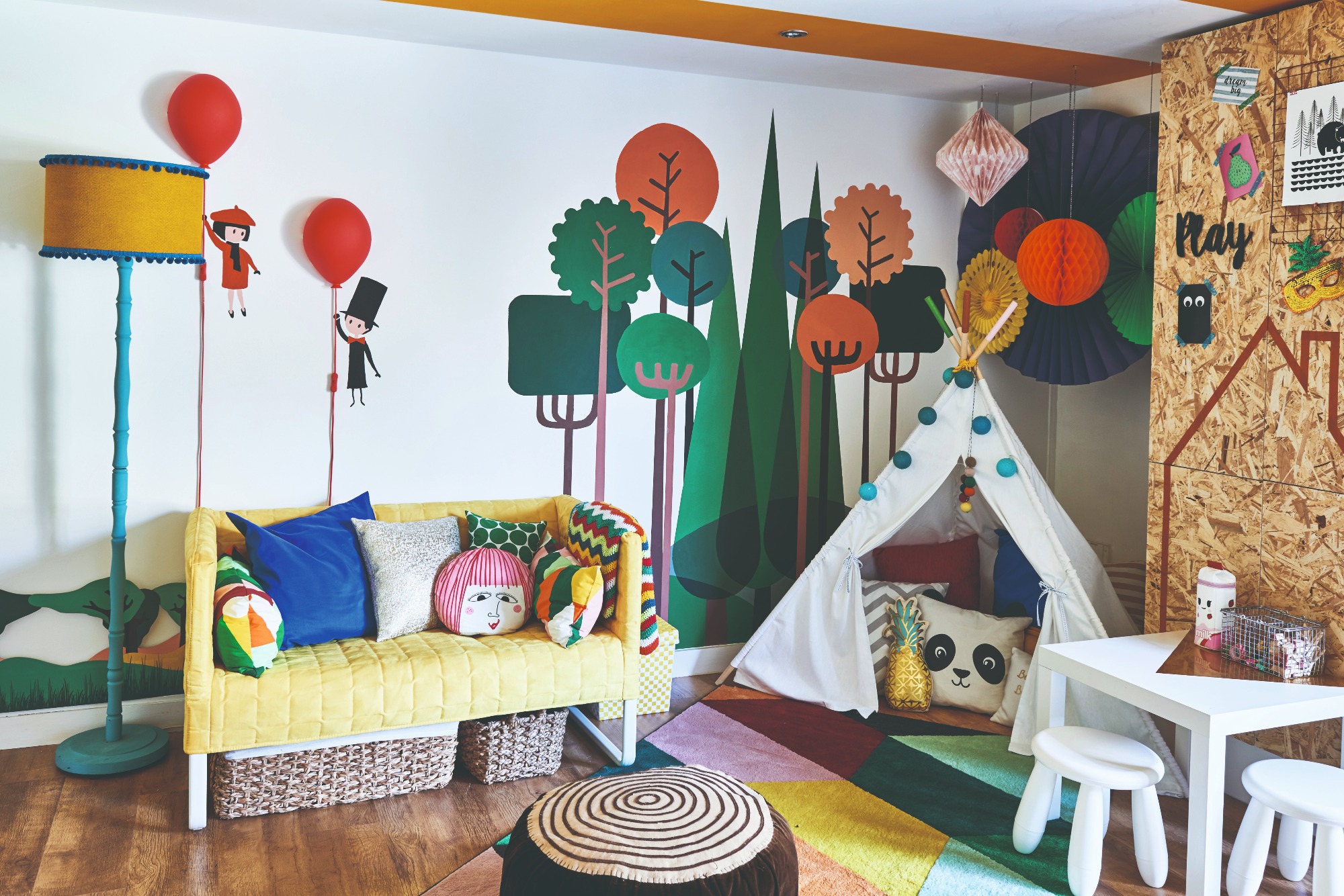
For those looking to create a playroom without significant investment or commitment, the article suggests several practical design ideas. These include incorporating peel-and-stick decor like wall decals and magnetic letter boards, which can be easily changed as children's tastes evolve. Play tents are also presented as a flexible solution for establishing a safe play area in rooms not primarily dedicated to play. The article also touches upon aesthetically pleasing children's furniture, such as play couches and wooden furniture, as options for parents who prioritize design. The overall consensus is that while playrooms offer significant developmental benefits for children and can enhance family life, their impact on home value is nuanced and depends on location, design, and potential buyer demographics.
#Playrooms #HomeDesign #EarlyChildhoodEducation #RealEstateValue #HomeImprovement #InteriorDesign #ChildDevelopment #FamilyLiving #Renovation #Playrooms #HomeDesign #EarlyChildhoodEducation #RealEstateValue #HomeImprovement #InteriorDesign #ChildDevelopment #FamilyLiving #Renovation
Toplam 0 yorum
 Henüz yorum yok
Bu da beğenebilirsiniz
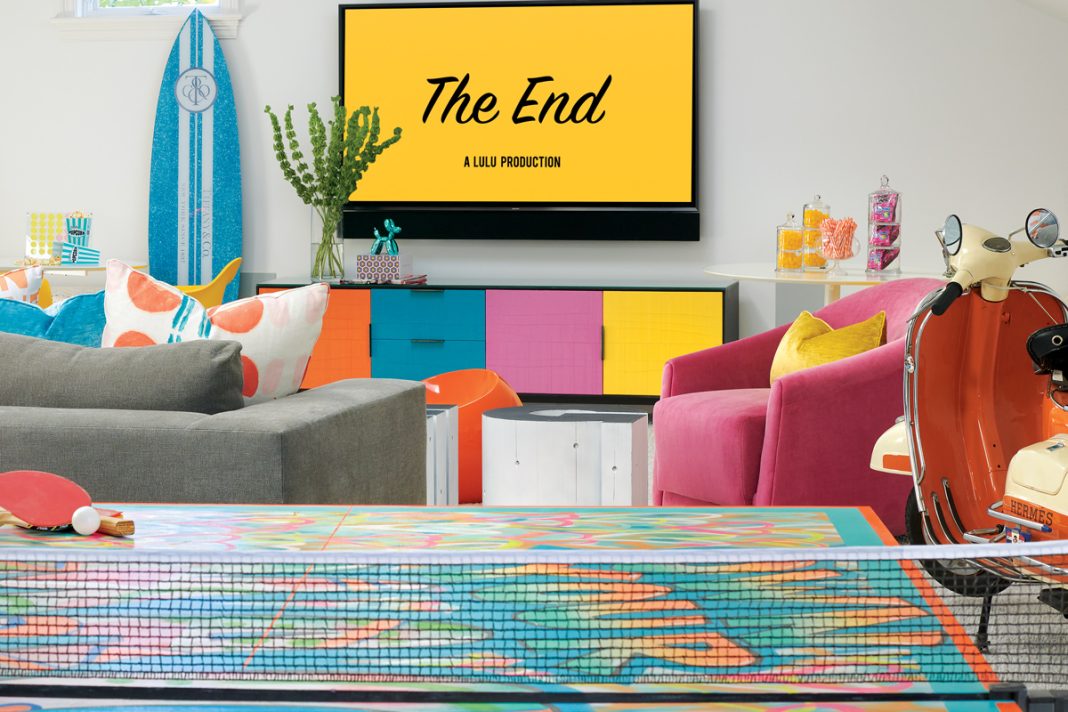
3 Perfectly Designed Playrooms for Kids and Teens

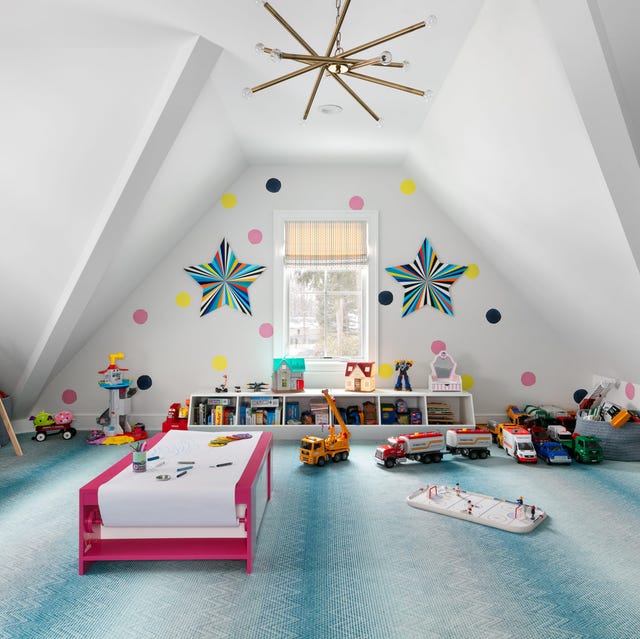
Kids' Playroom Ideas Guaranteed to Spark Endless Creativity

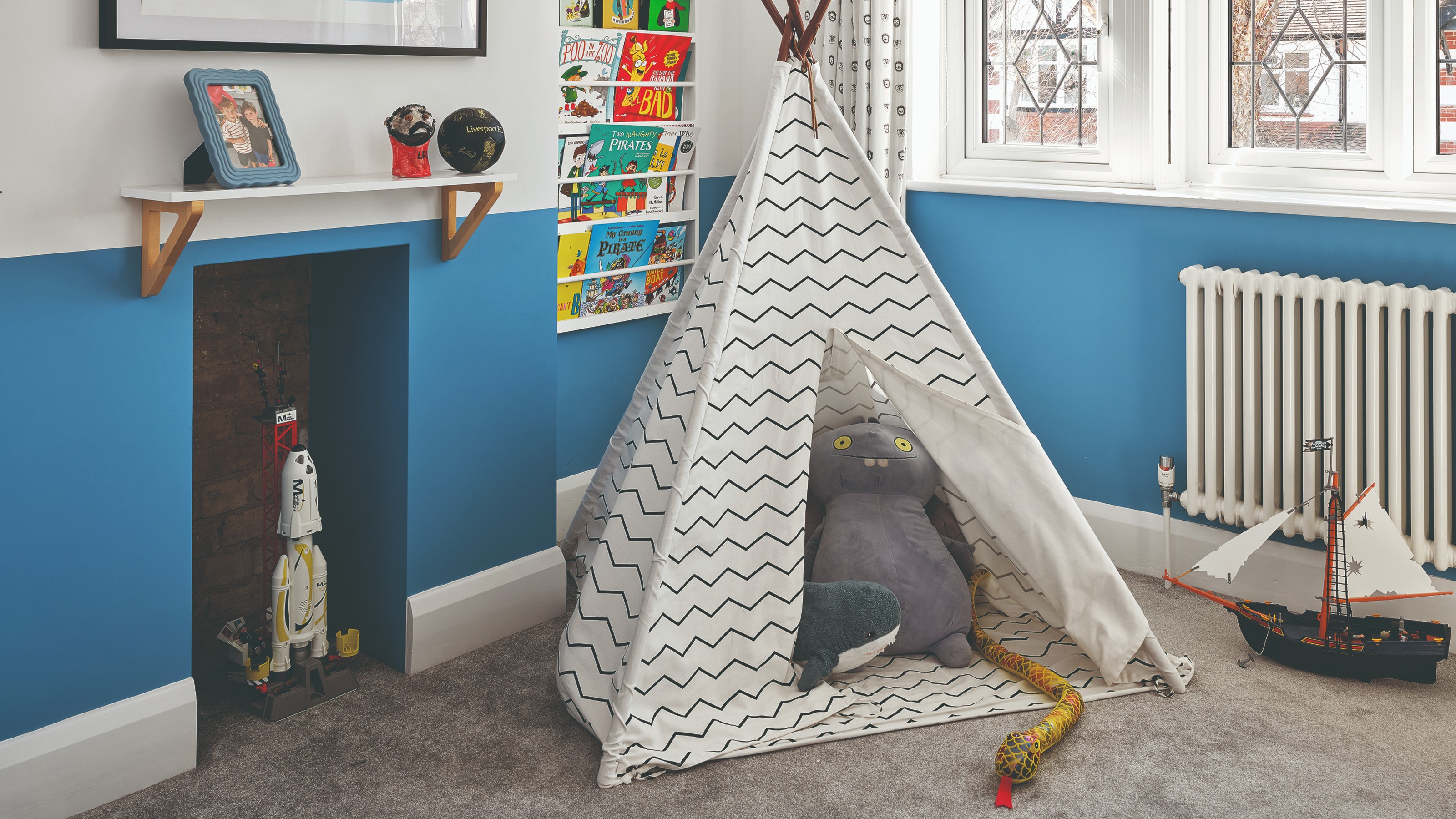
24 playroom ideas to help you create a space that’s fun and inspiring yet practical for your little ones’ play time
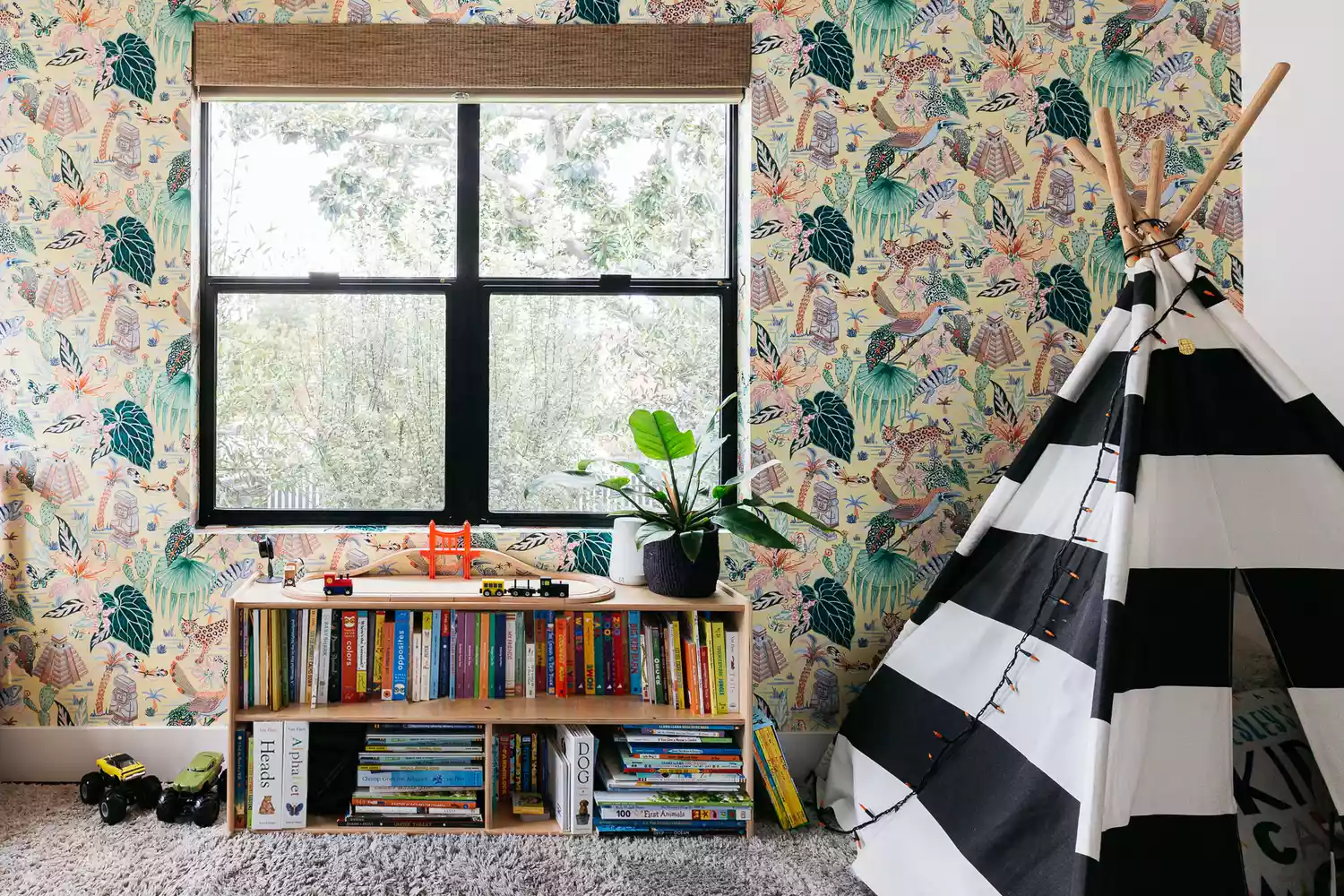
42 Whimsical Playroom Ideas Designed for Hours of Endless Fun

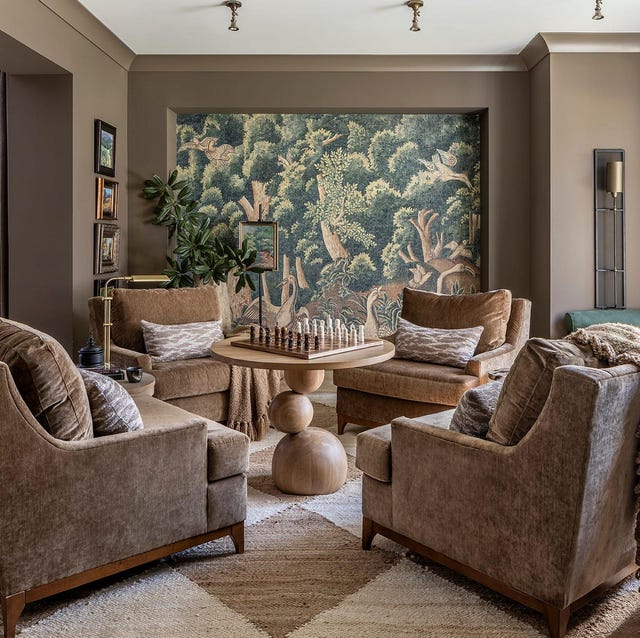
Should You Have a Kid-Free Space at Home? Designers Weigh In

16 Delightful Kids’ Room Ideas You’ll Definitely Want to Steal

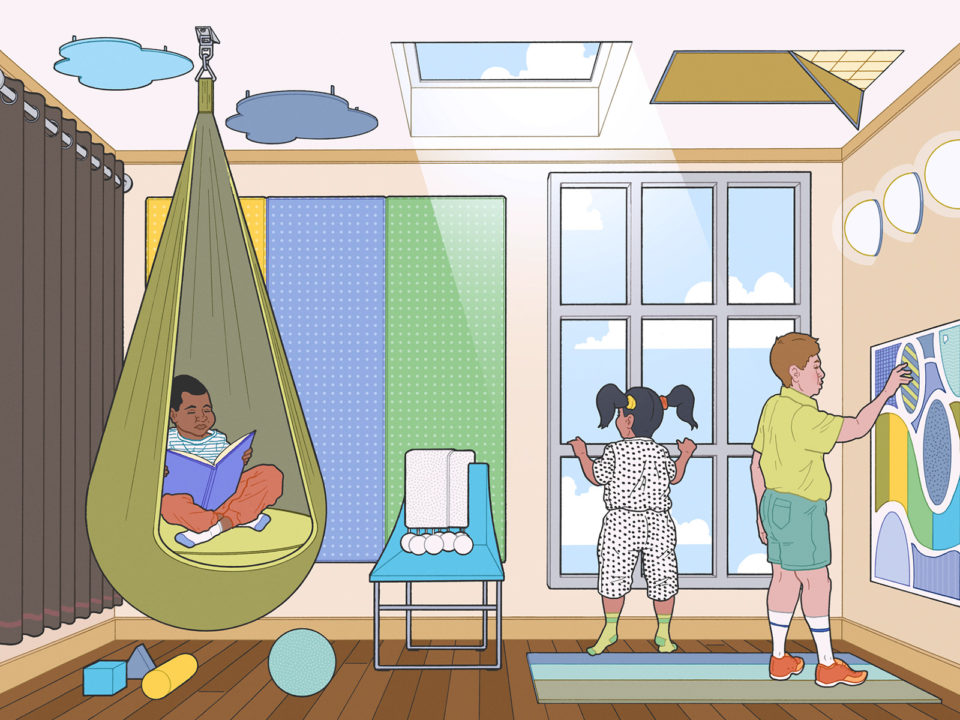
3 Tips for Building a Sensory Gym for Neurodivergent Kids, From the Experts

How to Let Your 4-Year-Old Design Her Own Bedroom (and Like the Results)

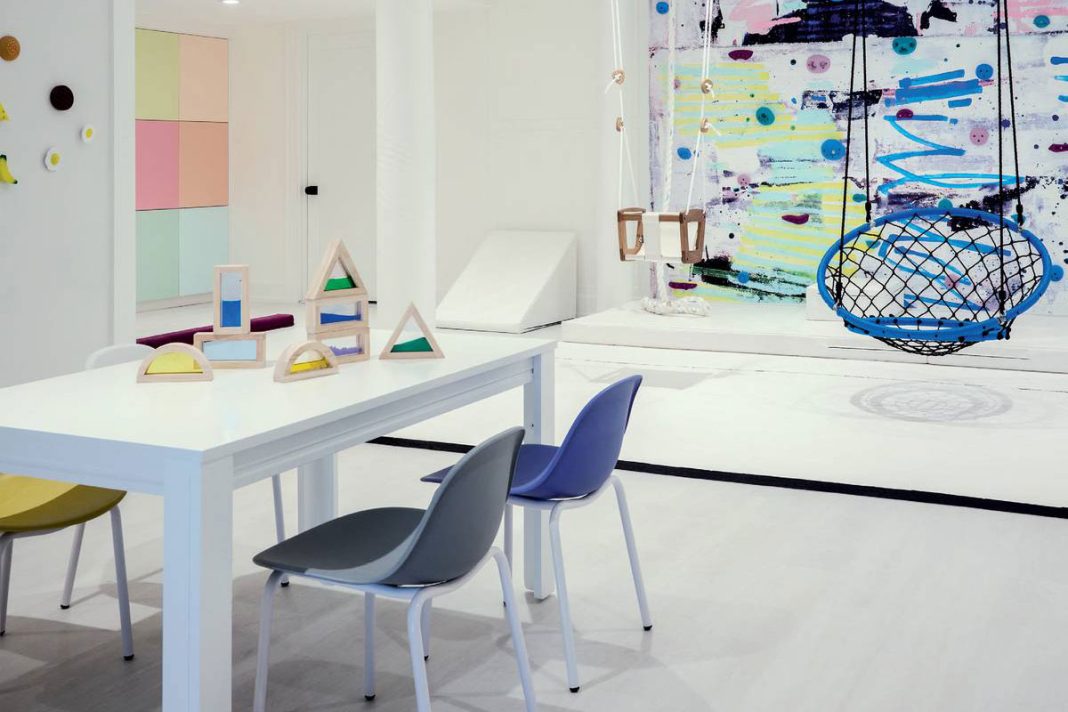
How to Create a Playroom Your Kids Will Love in Westchester
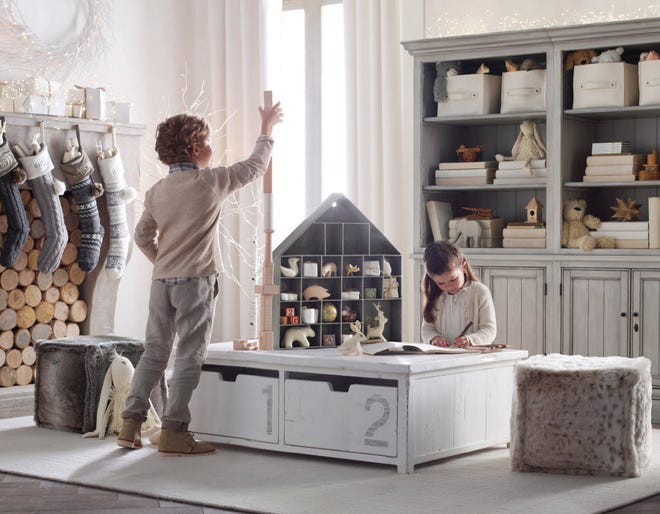
Cool and kid-friendly playrooms are right at home
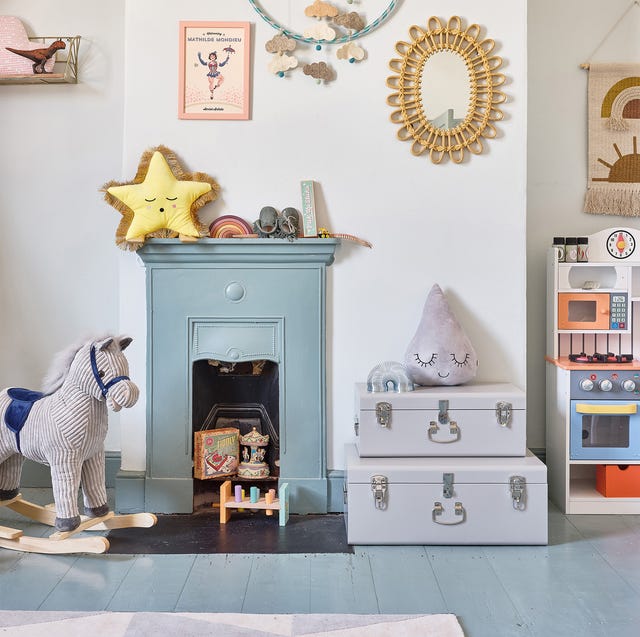
21 fabulous playroom ideas to encourage creativity and play
How to Elevate Your Game Room in Time for "Indoor-Activities" Season, According to Designers
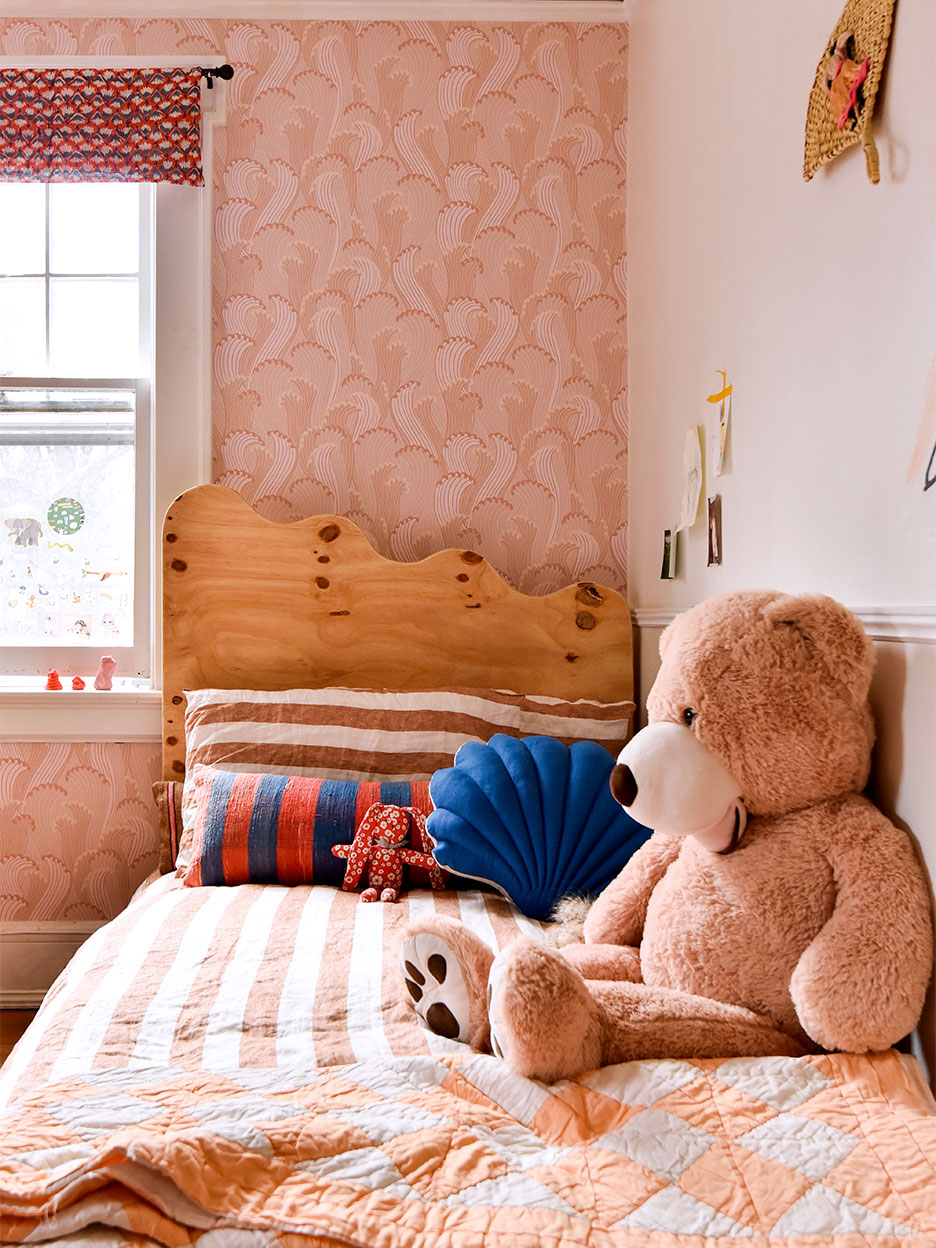
A Curiosity Tray, An Under-Pillow Talisman, and 8 More Kids’ Room Essentials

Make Room for the Kids
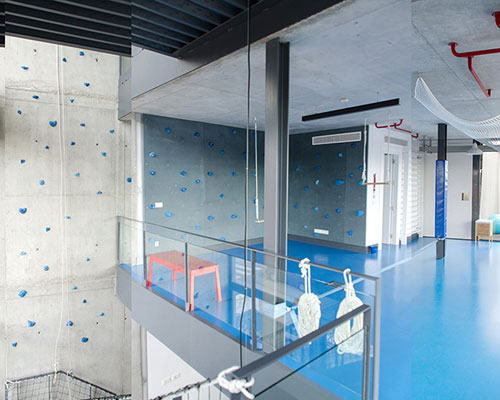
playoffice inserts children's indoor climbing gym into home
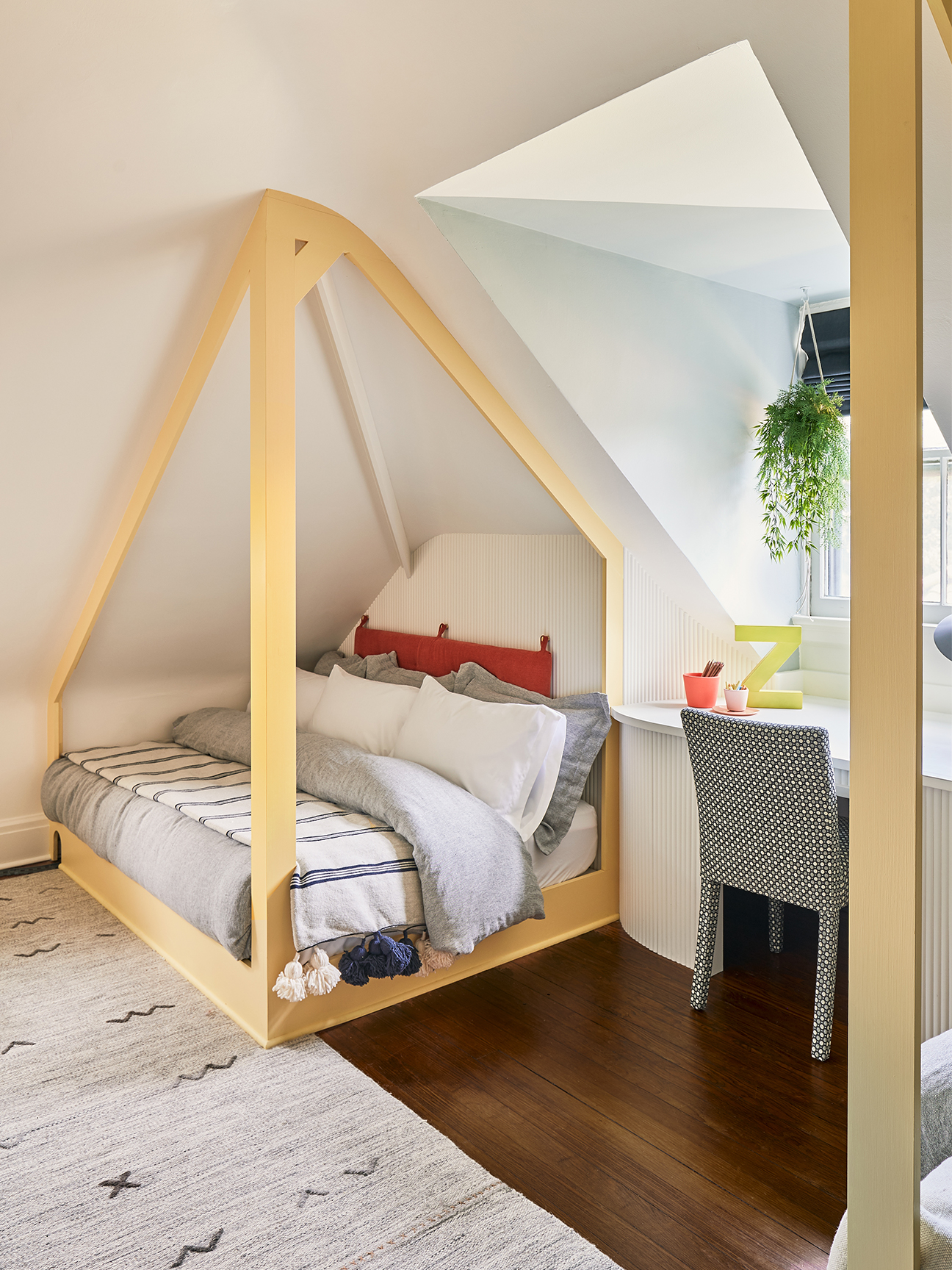
This Kid’s Room Was Built Around an Elaborate Electric Train Track
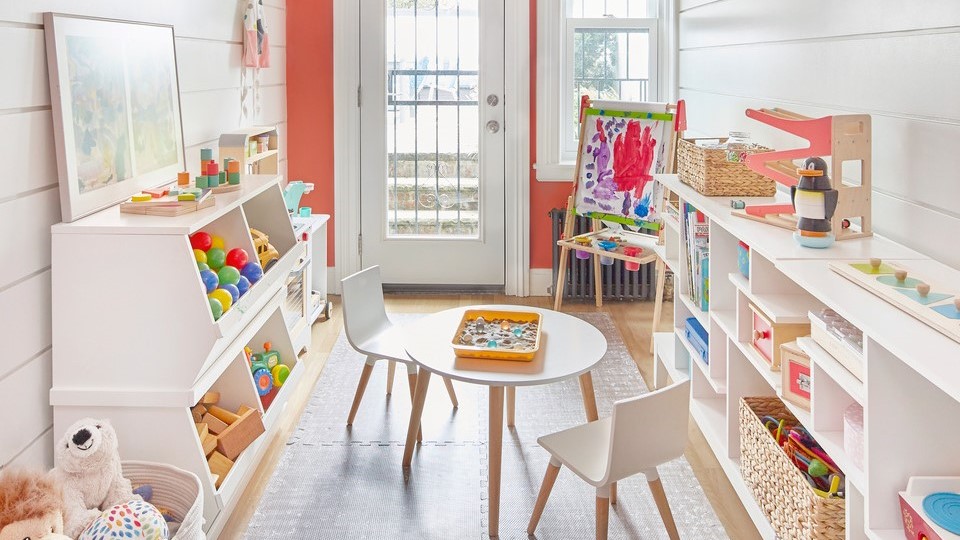
Playroom ideas – 25 fun yet stylish designs that kids of all ages will love

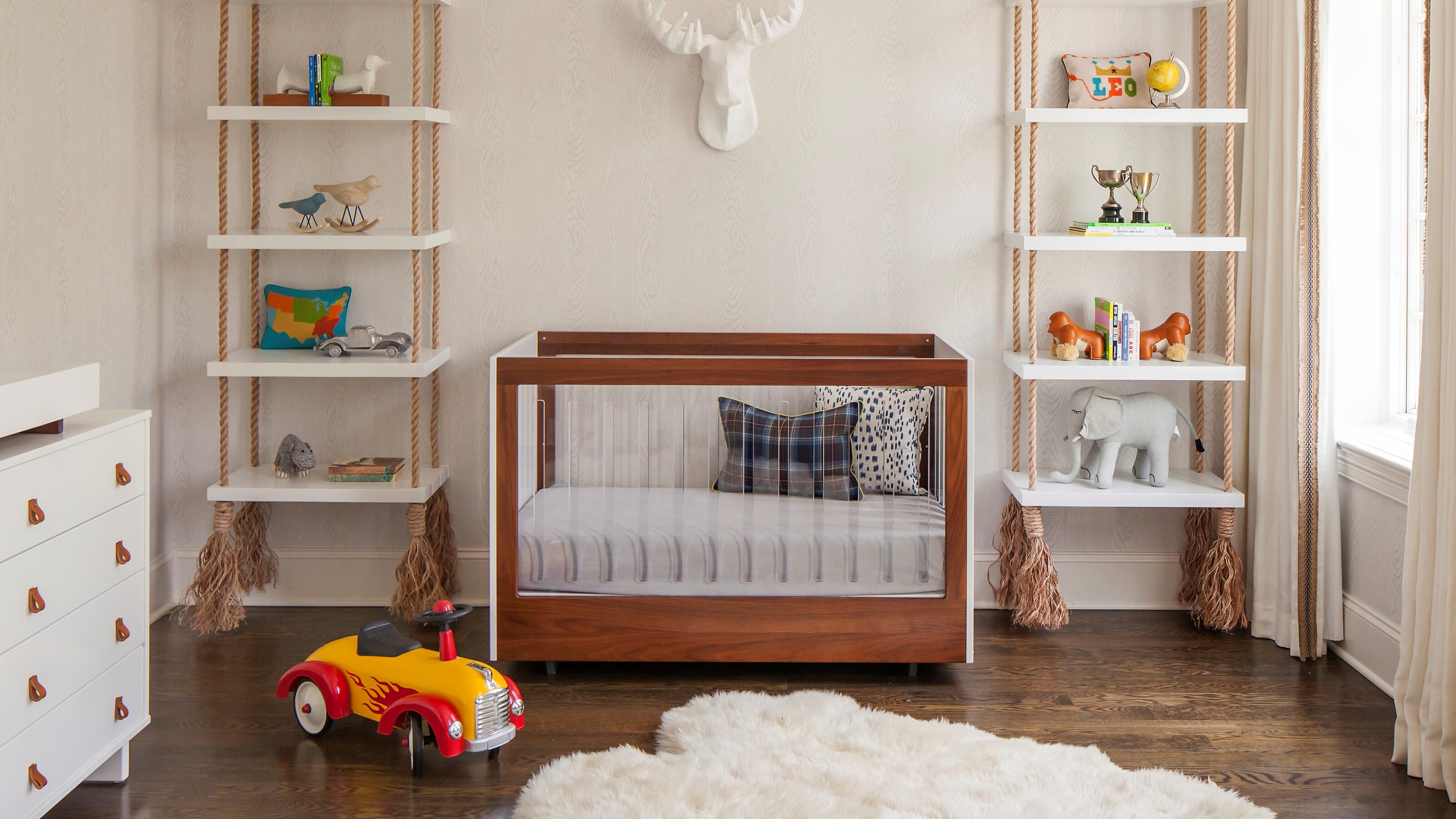
9 things experts say you should never include in a nursery
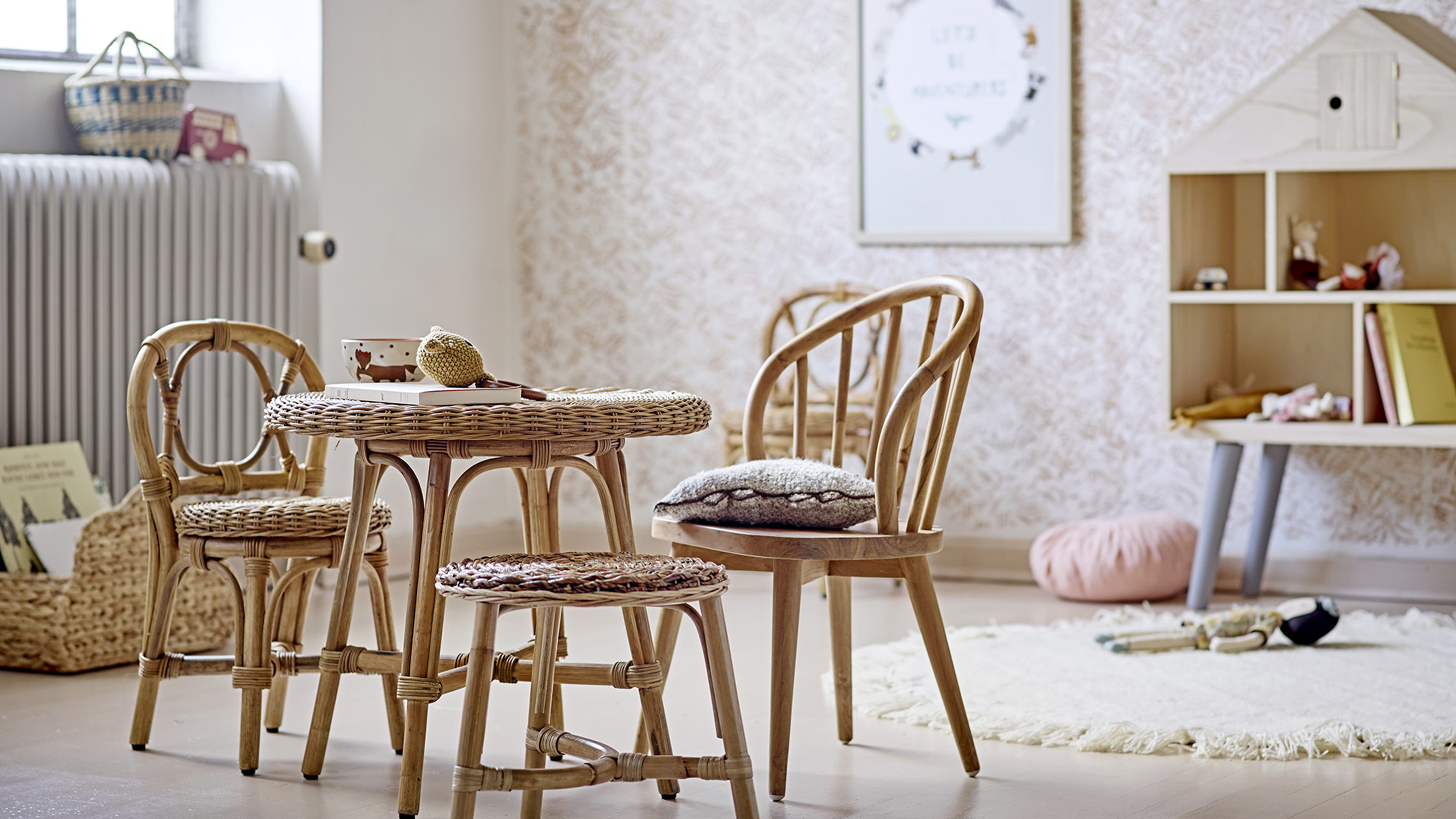
Playroom ideas: 22 ways to make your kid's room shine 🌈

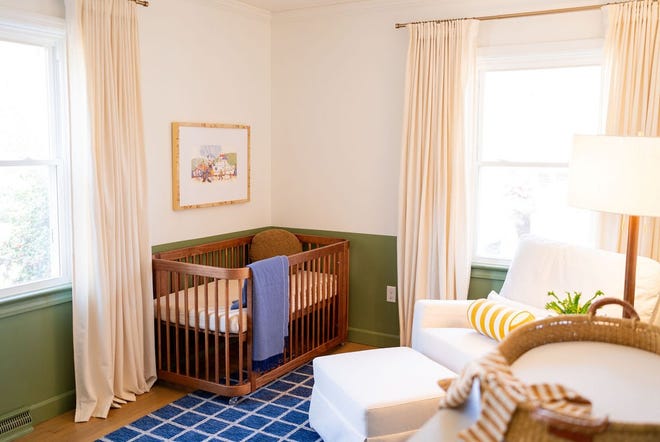
My Favorite Room: Designer Caroline Klein creates nursery for her home