3 Tips for Building a Sensory Gym for Neurodivergent Kids, From the Experts
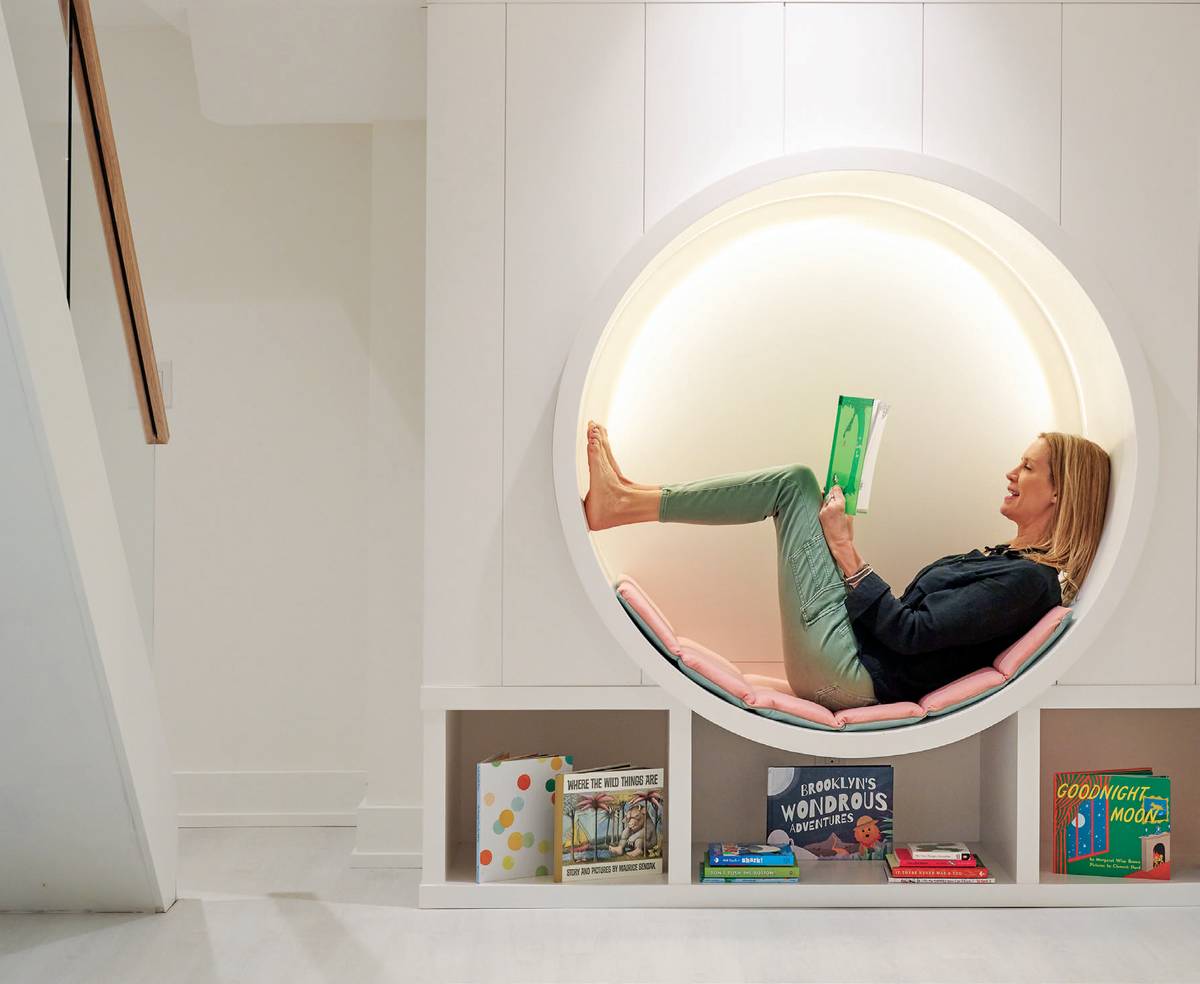
Jenny Arzberger, founder of Jarz Design Studio in Denver, offers insights into creating sensory-friendly spaces for neurodivergent individuals, drawing from her personal experience as a mother of an autistic son. Her journey began in 2017 while she was an architecture student at the University of Colorado Denver, when she transformed her home's formal sitting room into a sensory gym for her son, Jaxsen. Diagnosed with autism as a toddler, Jaxsen benefited significantly from this calming environment, which helped him self-soothe and find equilibrium when overstimulated by common triggers such as sights, sounds, and social interactions. This success inspired Arzberger to establish Jarz Design Studio, a practice dedicated to designing living and learning spaces that cater to the specific needs of neurodivergent clients.
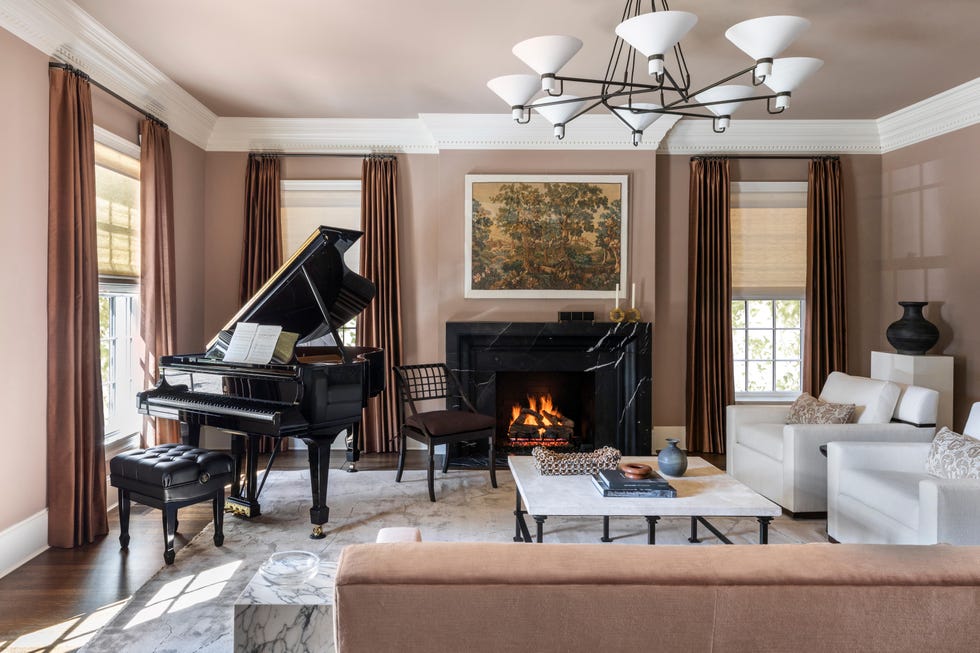
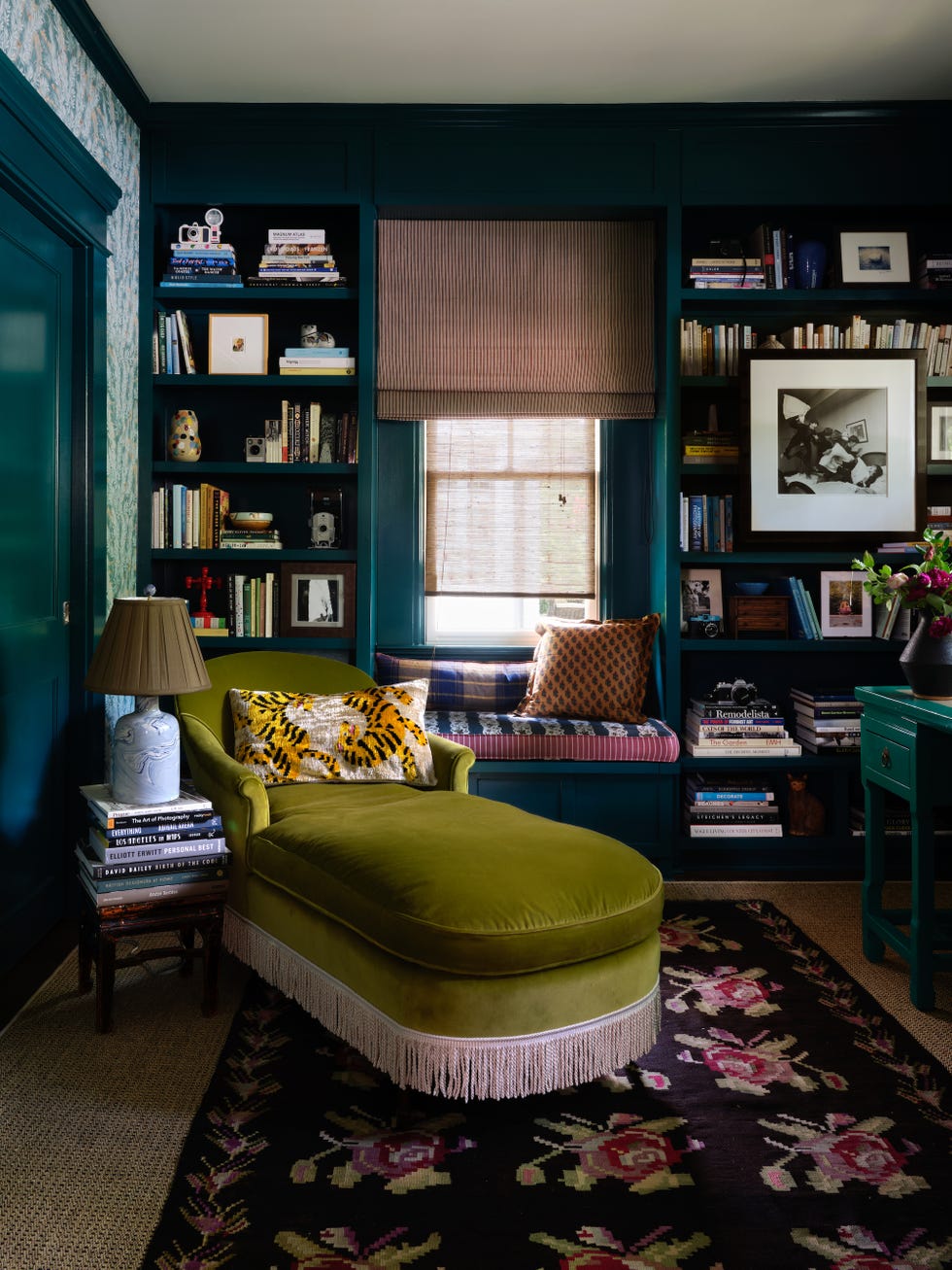
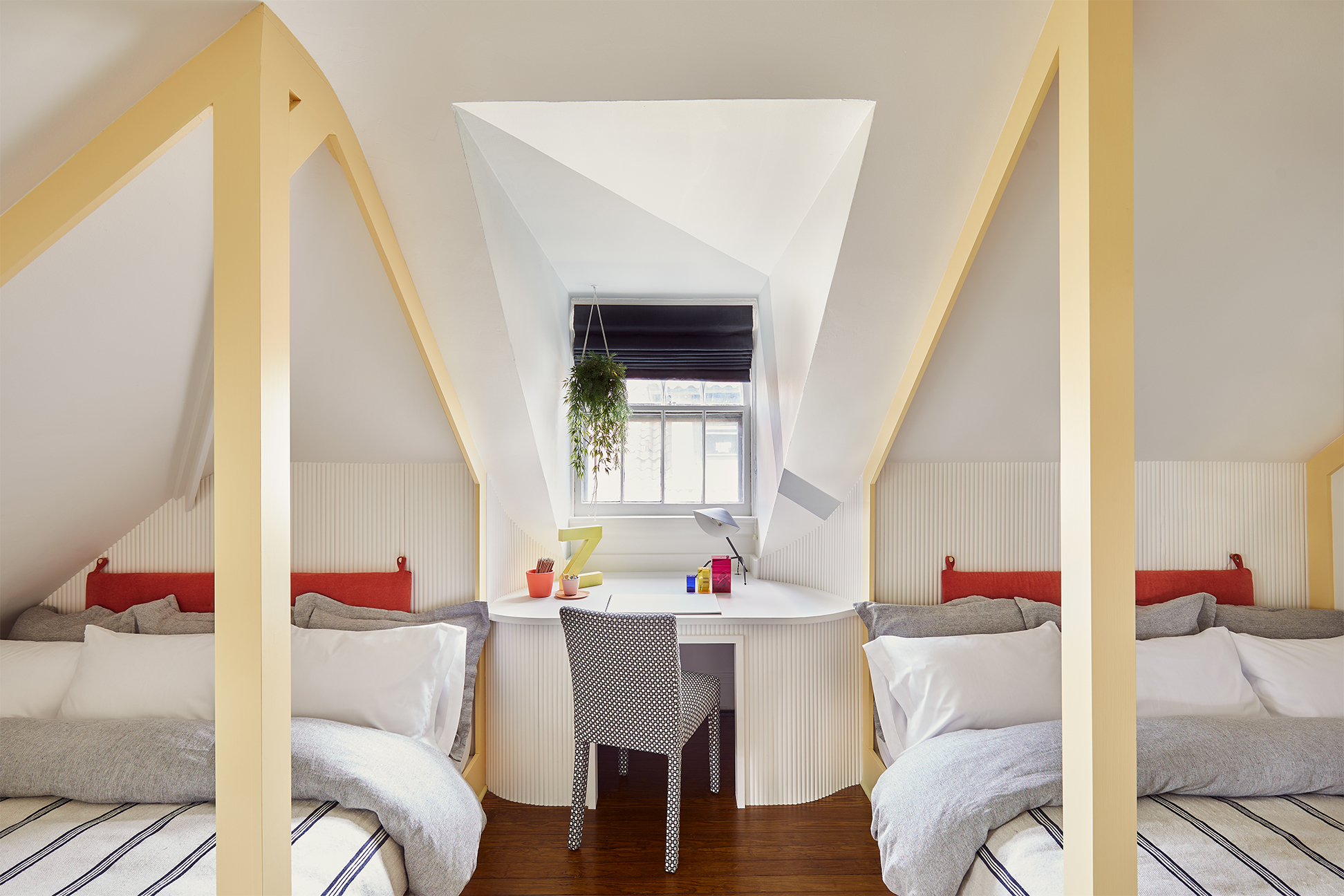
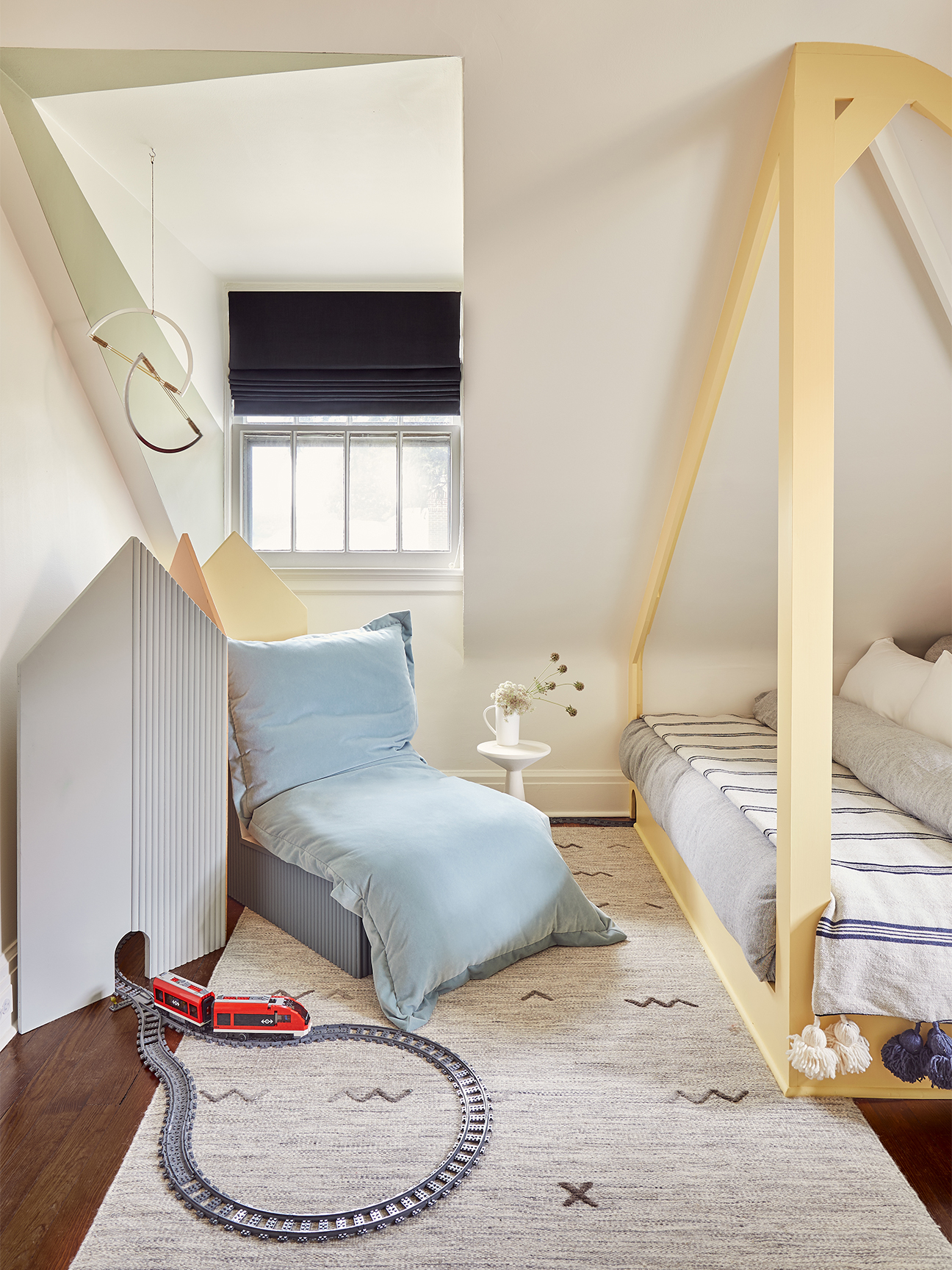
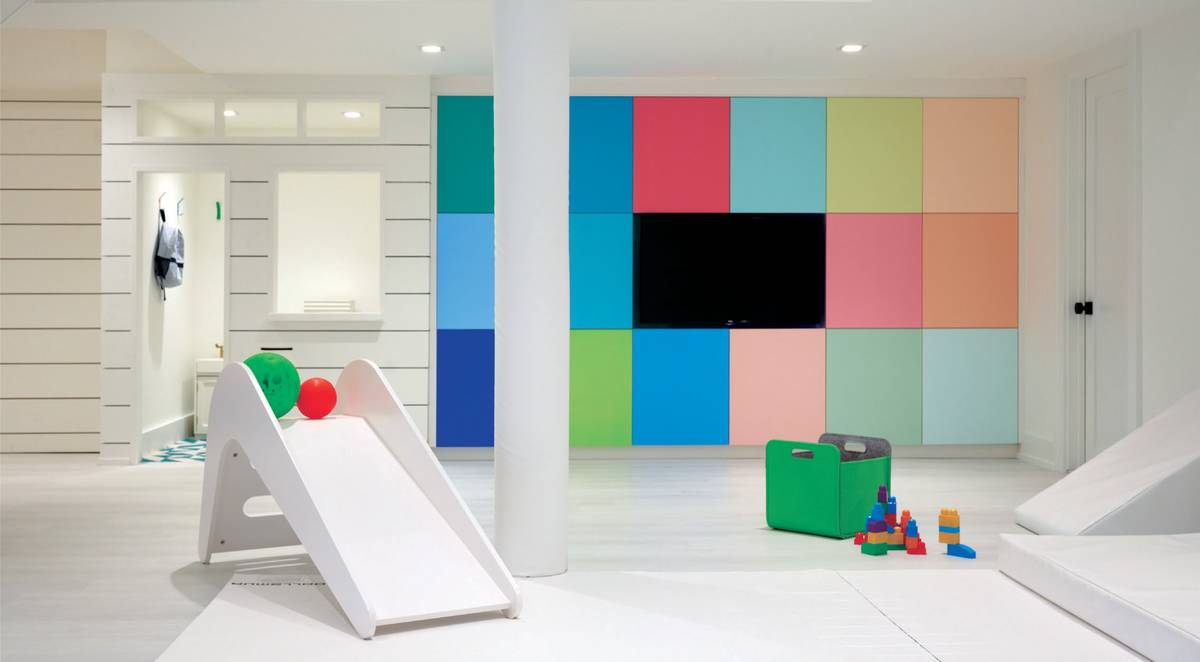
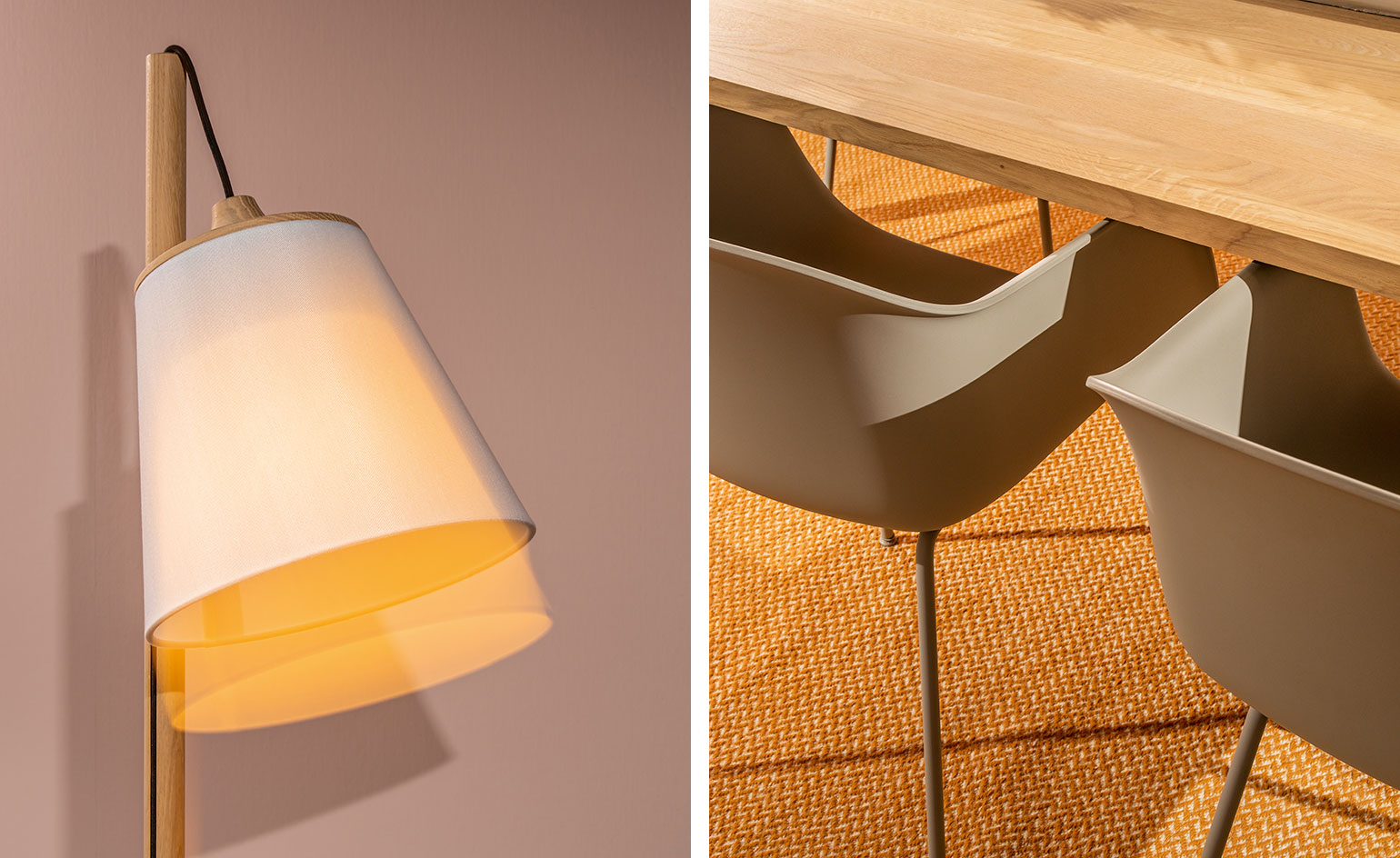
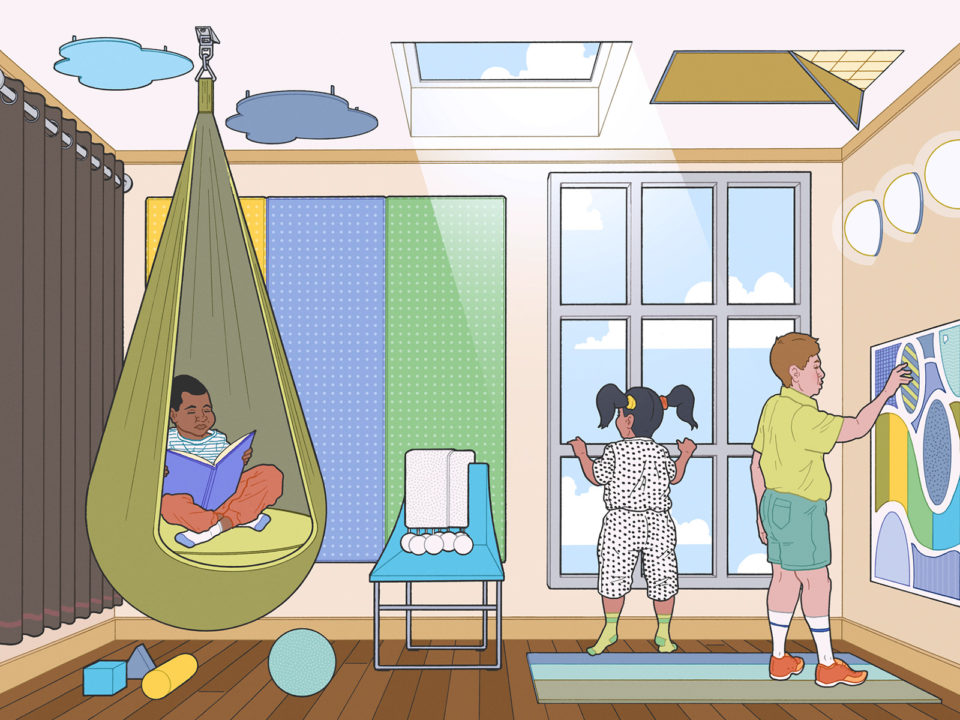
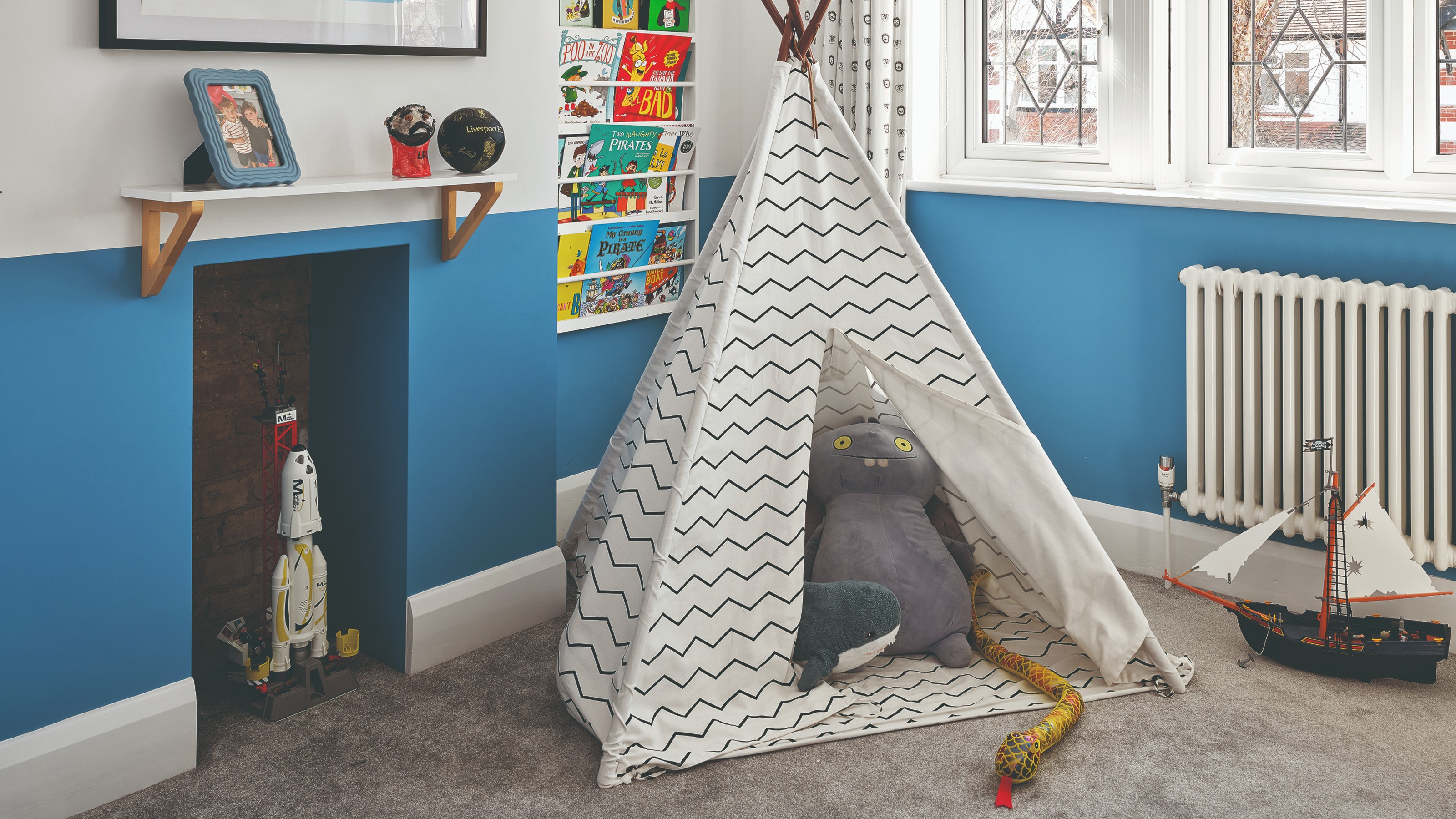
The studio's approach focuses on addressing typical environmental triggers through thoughtful design. One key area is lighting and color. Harsh artificial lights, such as LEDs and fluorescents, can be particularly bothersome for neurodivergent individuals. To counteract this, Arzberger prioritizes incorporating natural light through large windows and skylights. When natural light is not feasible, she opts for soft, warm lighting paired with dimmer switches, mimicking natural day-night cycles to support a more harmonious environment. The color palette also plays a crucial role; calming hues like blues, greens, and pastels are favored, as shades of red and orange can induce a stress response.
Another significant aspect of sensory design involves managing sound. Sound sensitivity and intolerance are prevalent among individuals with autism or ADHD. Even minor noises, like a rattling HVAC system, can disrupt their day. To mitigate this, Arzberger employs various acoustic solutions, including acoustic panels, sound-dampening curtains, and upholstered furniture, all of which help to reduce echoes and muffle disruptive sounds. Additionally, double-glazed windows, well-sealed doors, and high-quality insulation are utilized to absorb external street noise, creating a quieter and more peaceful indoor environment.
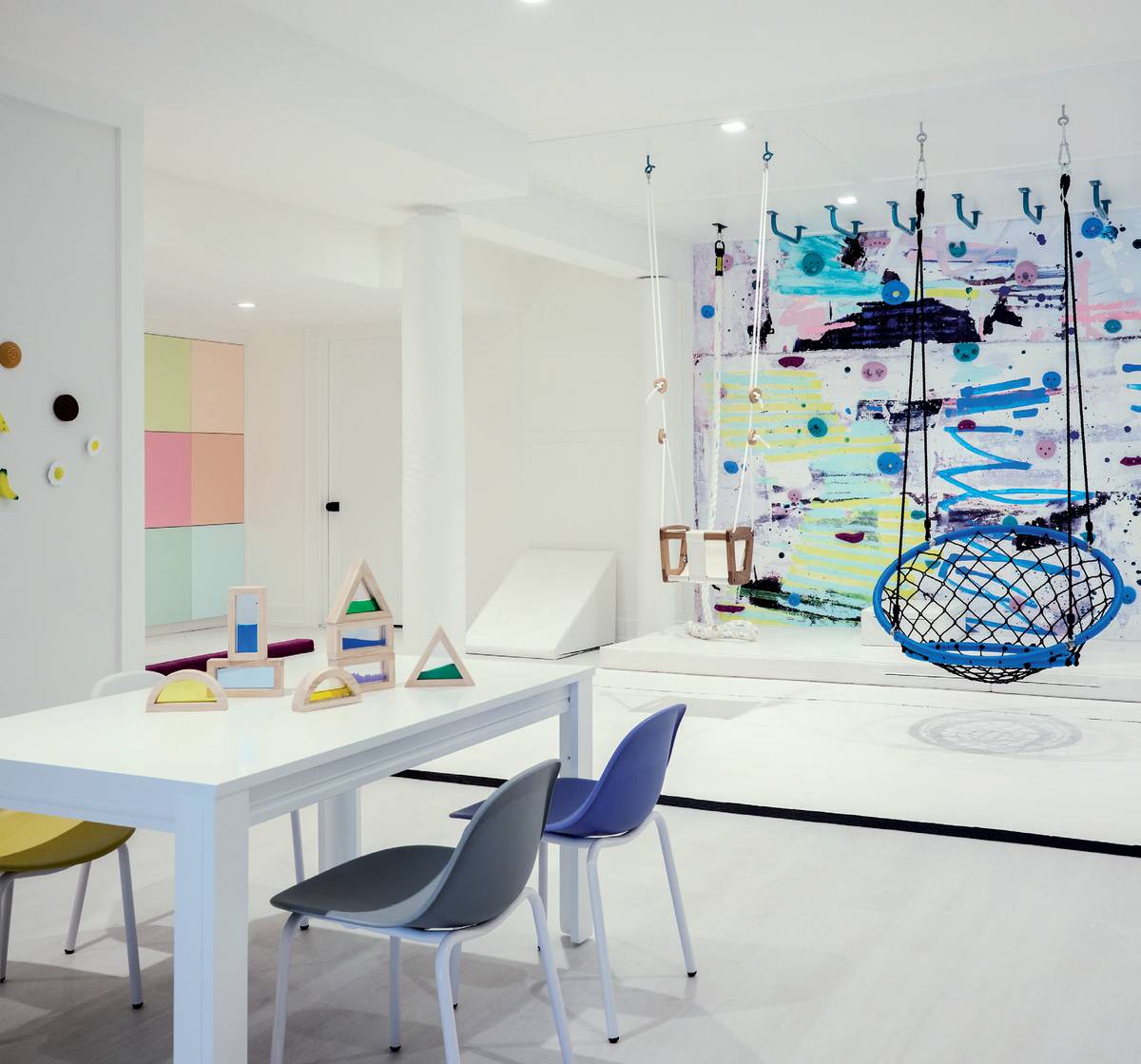
Finally, the design considers sensory input related to touch and focus. Arzberger notes that neurodivergent individuals have varying tactile preferences; some avoid certain textures, while others actively seek them. For those who seek tactile stimulation, her designs often incorporate elements such as weighted blankets and cocoon-like fabric swings, which offer a comforting, gentle hugging sensation. To aid concentration and redirect attention, walls are adorned with fidget elements like zippers, ropes, and textured wooden slabs. These customized solutions ensure that each space is tailored to the individual's unique sensory profile, promoting comfort, engagement, and well-being. This specialized design philosophy underpins Jarz Design Studio's commitment to creating supportive and enriching environments for its neurodivergent clients.
#SensoryGym #NeurodivergentDesign #AutismSupport #HomeDesign #CalmingSpaces #InclusiveDesign #ArchitecturalSolutions #TherapeuticEnvironment #SensoryIntegration #SensoryGym #NeurodivergentDesign #AutismSupport #HomeDesign #CalmingSpaces #InclusiveDesign #ArchitecturalSolutions #TherapeuticEnvironment #SensoryIntegration
0 comment in total
 No comments yet
You may also like
How to design a home office for neurodiversity, according to a therapist

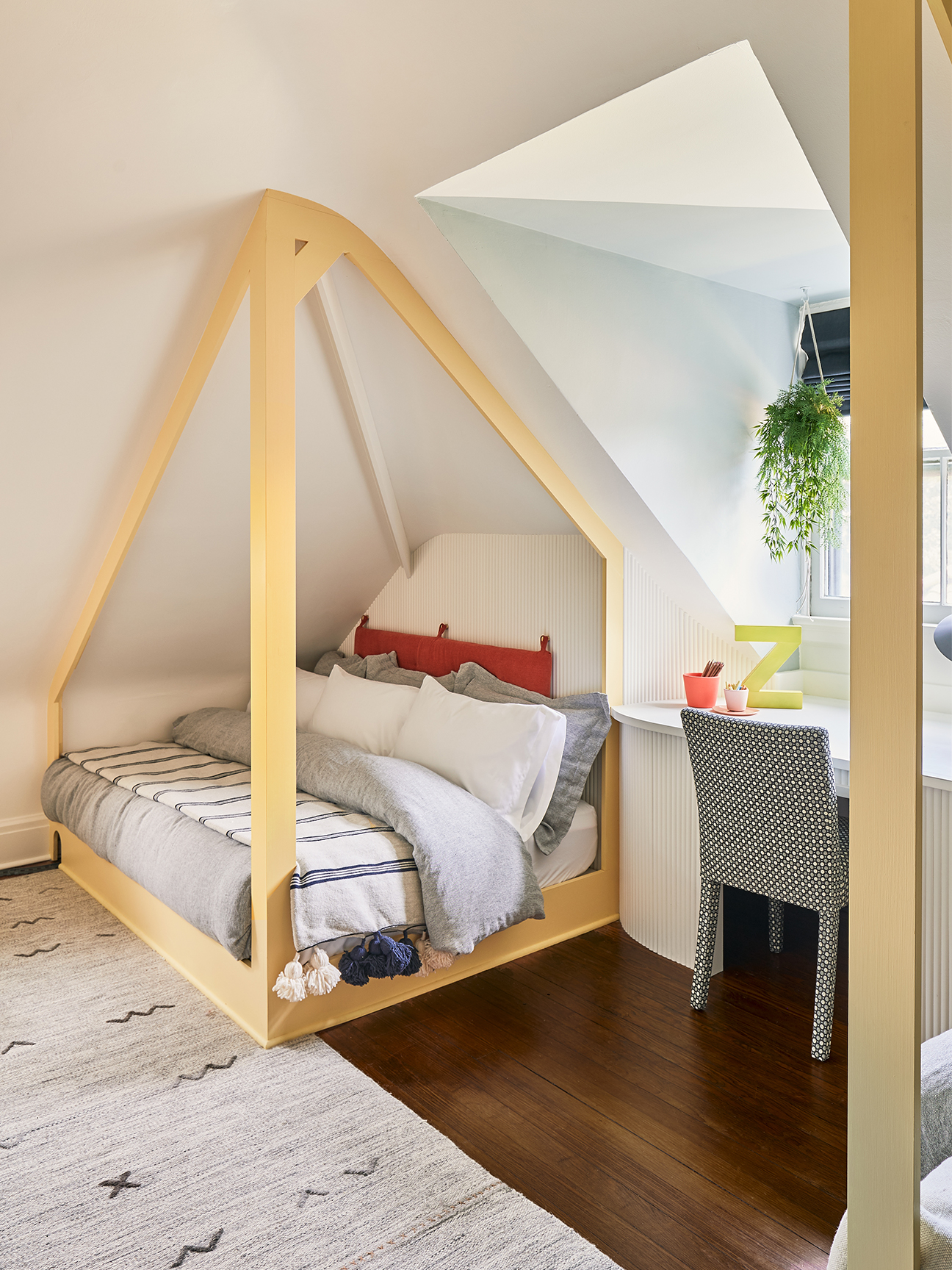
This Kid’s Room Was Built Around an Elaborate Electric Train Track
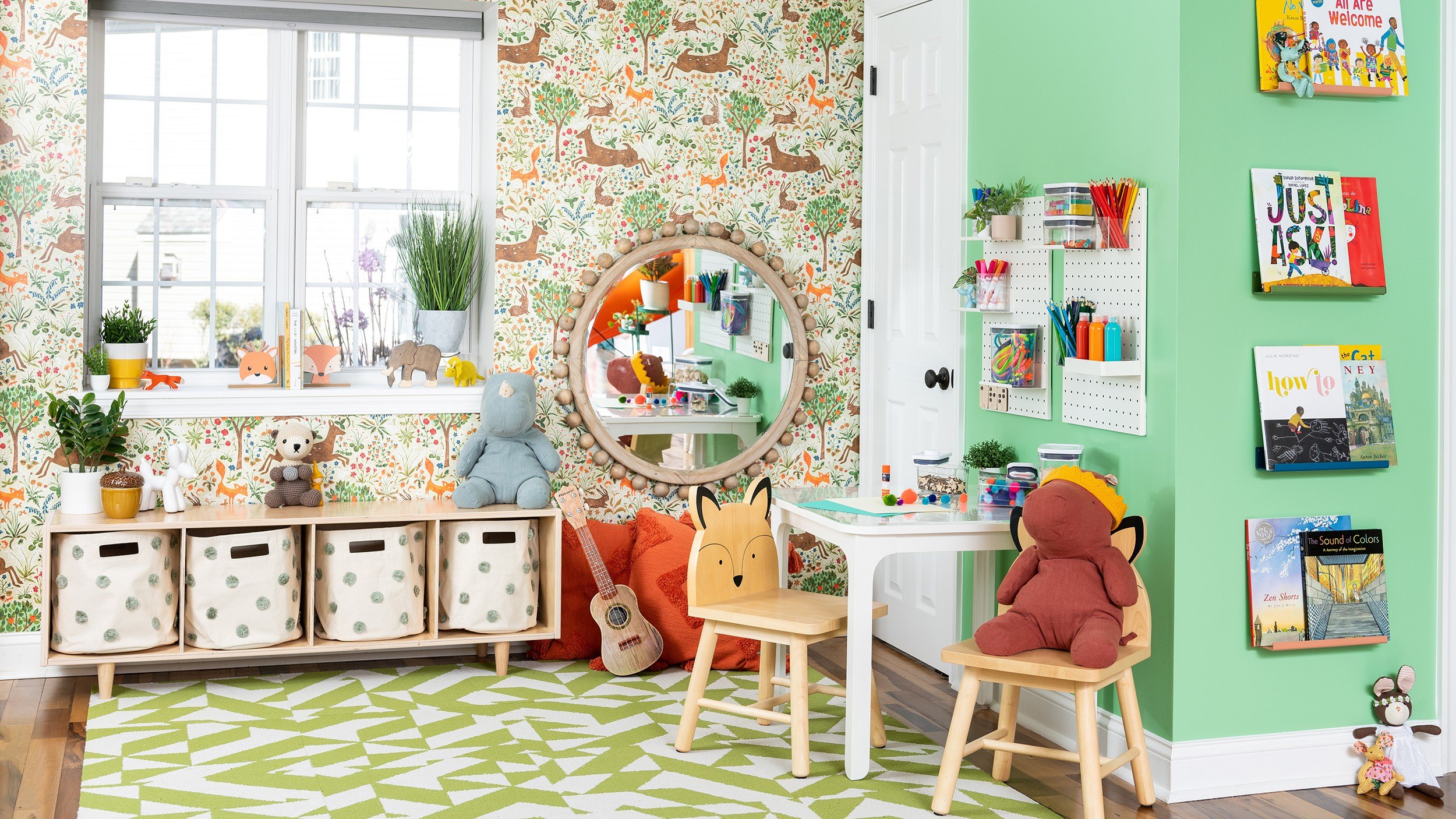
Should You Add a Playroom? 3 Experts Weigh In
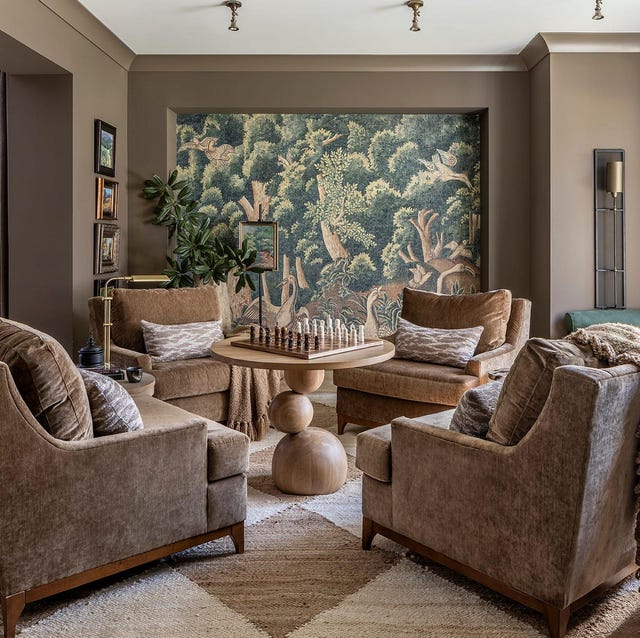
Should You Have a Kid-Free Space at Home? Designers Weigh In
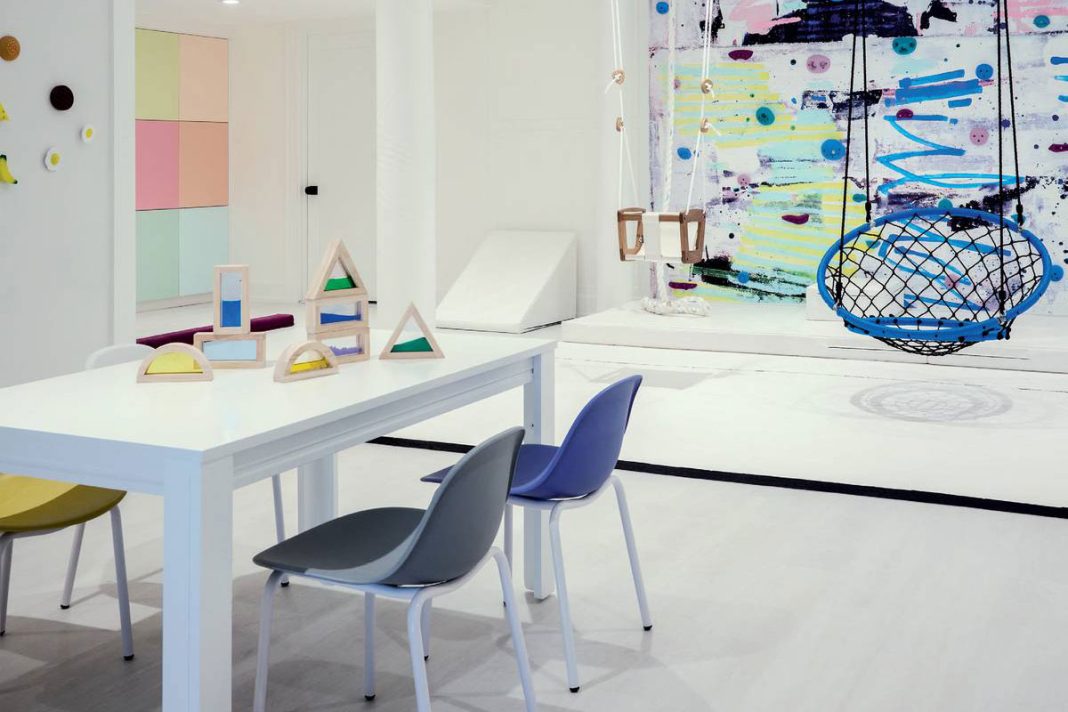
How to Create a Playroom Your Kids Will Love in Westchester

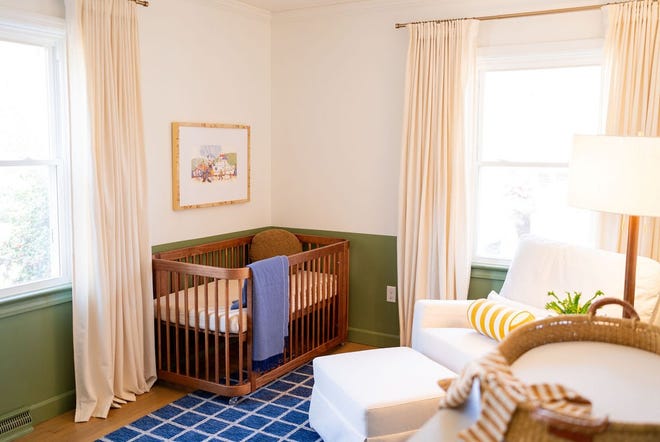
My Favorite Room: Designer Caroline Klein creates nursery for her home
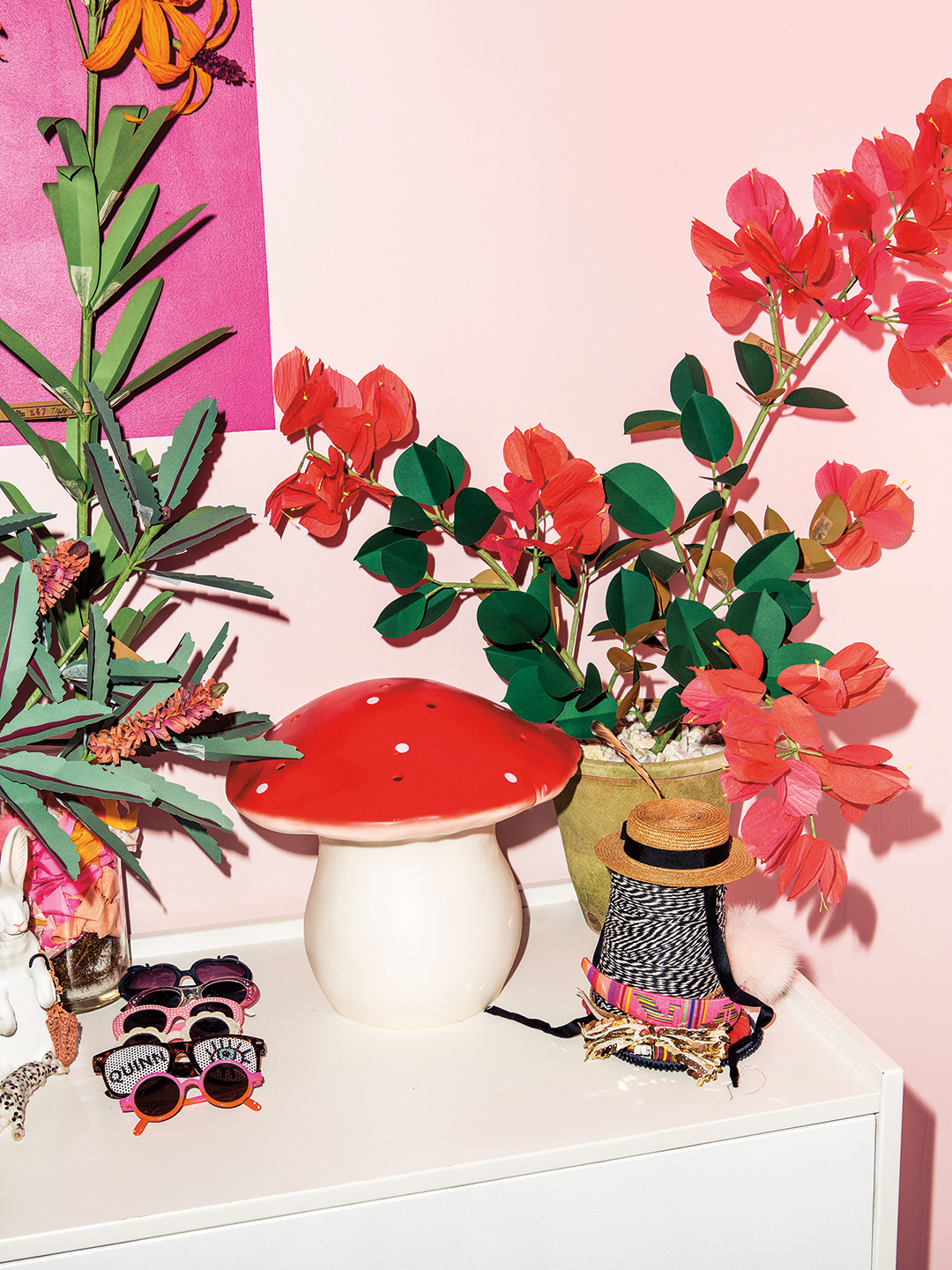
How to Let Your 4-Year-Old Design Her Own Bedroom (and Like the Results)


Here's How To Create A Super Calm Nursery For You & Your Baby
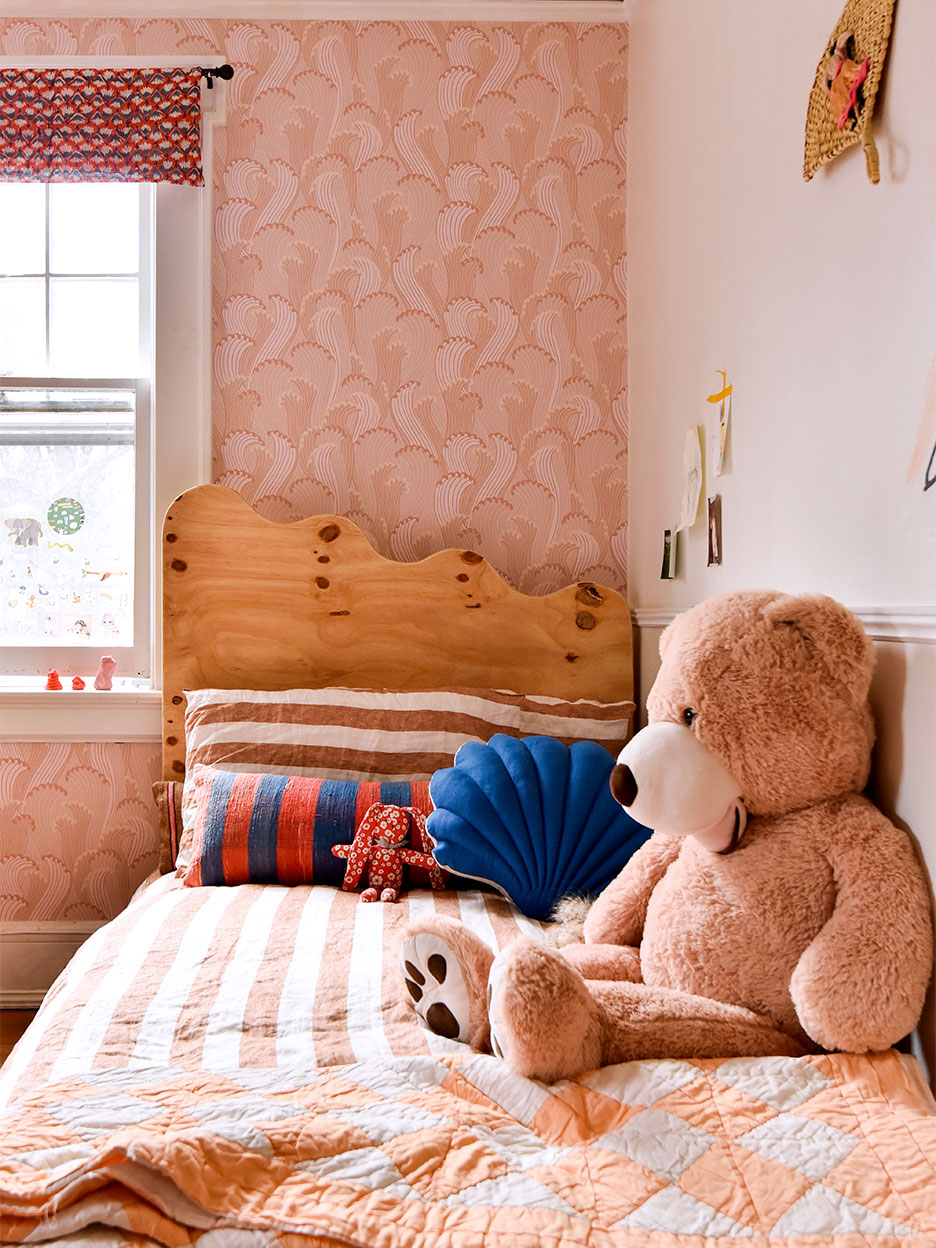
A Curiosity Tray, An Under-Pillow Talisman, and 8 More Kids’ Room Essentials

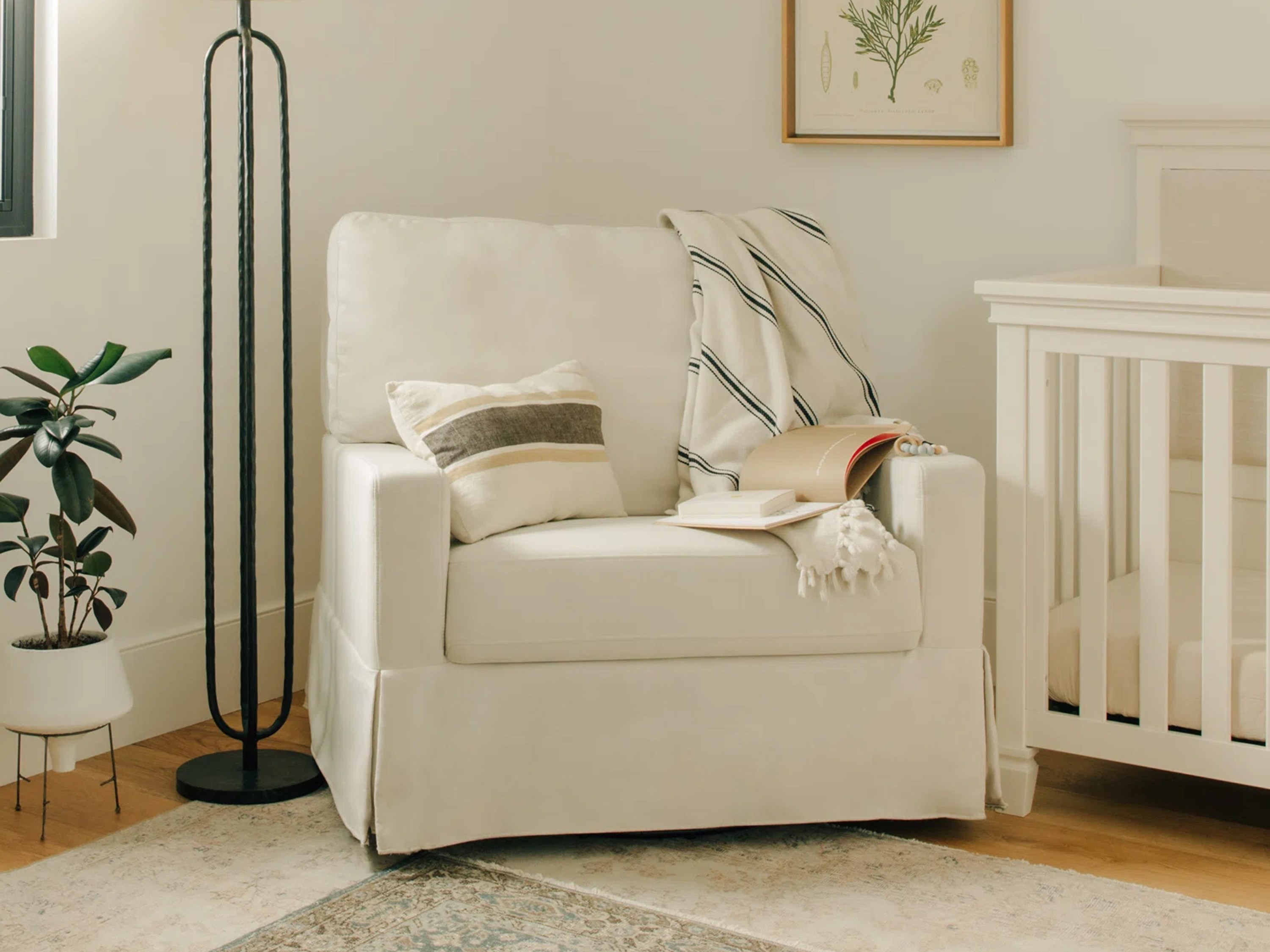
The Best Gliders for Your Nursery, According to a Pediatrician & an Interior Designer

24 playroom ideas to help you create a space that’s fun and inspiring yet practical for your little ones’ play time
A Google installation in Milan lets you measure which interiors are good for your health