1/7
Country Club Plaza's architecture is unique in Kansas City. Here's a guide to historic buildings
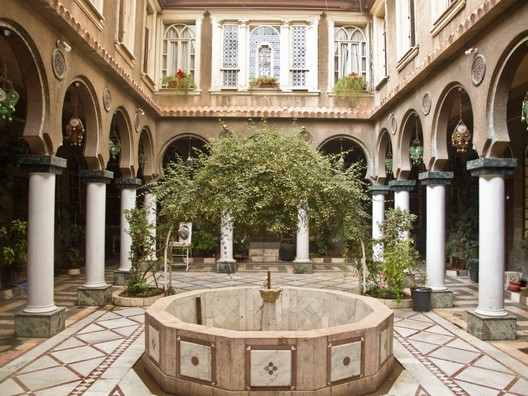
The Country Club Plaza, a prominent Kansas City shopping district, recently marked its 100th anniversary, reflecting a century of architectural evolution and social history. Conceived by J.C. Nichols in the early 1920s, the Plaza was envisioned as more than a retail space, aiming to transform a previously marshy area into a distinctive destination. Despite Nichols' controversial legacy, marred by racist real estate practices that led to the renaming of previously associated public landmarks, his original architectural vision for the Plaza largely endures. This vision prominently features a unique Spanish-style architecture that sets it apart from typical local constructions, drawing both residents and tourists.
Several key architectural elements contribute to the Plaza's distinctive character. The Mill Creek Building, opened in 1923 at 4646 Mill Creek Parkway, stands as the earliest example of this Spanish influence. Initially known as the Suydam building, it housed a purveyor of high-end goods. Its design, praised by architects in the Kansas City Star in 1923 for its innovative use of color, introduced a new aesthetic to the city. Today, the building continues to serve a commercial purpose, hosting the local restaurant Rye Plaza.
Another significant architectural contribution comes from Nelle Peters, a prolific Kansas City architect who designed approximately 1,000 buildings in the region. Peters' work, particularly her apartment buildings arranged around central courtyards, defied the norms for female architects of her era. The Nelle E. Peters Thematic District in West Plaza, established in 1989, encompasses six of her apartment buildings, named after notable literary and artistic figures. While many of her designs have been preserved, some, like three Tudor-style apartment buildings on Summit Street, faced demolition in 2016 despite preservation efforts.
The Seventh Church of Christ, Scientist, located at 47th and Pennsylvania Avenue, is another architectural highlight. Constructed in 1942, this church is celebrated for its Romanesque Revival architecture, meticulously designed by G. Wilbur Foster to harmonize with the Plaza's Spanish theme. However, its future is currently uncertain, with proposals for its demolition to make way for a modern nine-story development of restaurants, luxury condominiums, and entertainment. Historical preservation groups are actively campaigning against this plan.
The Country Club Plaza Theater Building, situated at 47th and Wyandotte Streets, showcases ornate stonework and a notable tower. Beyond its role as a popular movie theater from its opening until 1999, the site holds historical significance due to the discovery of a mastodon tooth during its 1928 construction. The theater's interior and exterior consistently reflected the Spanish theme, featuring unique parking areas with tile walls, Spanish gates, and fountains. The building also briefly served as home to the Kansas City Philharmonic in the 1960s, and although currently closed, it is slated to reopen as a retail space.
Further architectural interest is found in the Plaza Medical Building at 315 Nichols Road, completed in 1937. Advertised as "Kansas City’s most beautiful structure!" upon its completion, it features colorful tiled murals, a tower, and antique iron balconies, all incorporating elements from old Mexico and Spain. This site previously hosted a "Plaza dog mart" in 1934, where various dog breeds were showcased for sale.
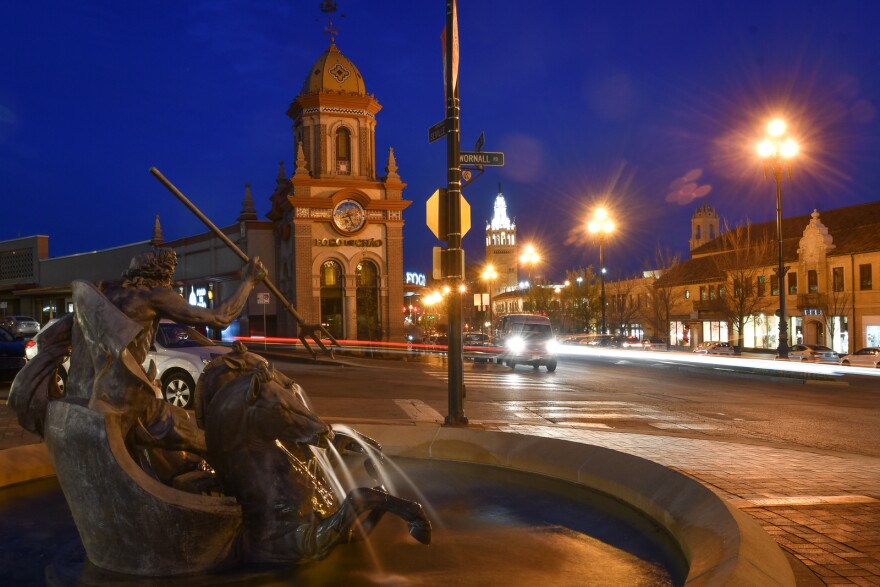
The Plaza is also renowned for its numerous fountains and statues. While iconic features like The Neptune fountain and the Wild Boar of Florence are well-known, lesser-known gems like the Boy and Frog fountain near 302 Nichols Road add to the district's charm. Designed by Raffaello Romanelli in Florence and installed in 1929, this quirky statue has a history of peculiar incidents, including thefts of its components. For those interested in a deeper exploration, the Country Club Plaza offers themed scavenger hunts, and the William T. Kemper foundation provides a comprehensive walking tour guide detailing 50 significant sights within the district.
#CountryClubPlaza #KansasCityArchitecture #HistoricBuildings #SpanishRevival #NellePeters #RomanesqueRevival #Fountains #ArchitecturalHistory #UrbanDevelopment #CountryClubPlaza #KansasCityArchitecture #HistoricBuildings #SpanishRevival #NellePeters #RomanesqueRevival #Fountains #ArchitecturalHistory #UrbanDevelopment
0 comment in total
 No comments yet
You may also like
K.N. associates’ brick + RCC home infuses indian heritage with contemporary design
Modern sophistication and historic charm are balanced to perfection in this historic farm property

Old meets new in this heritage Parkside home

See for yourself: Patrick Square home built to capitalize on views
41 famous buildings you should visit before you die

What’s That Building? Chicago Icons: Bungalows

Exhibit of Kennedy's Hyannisport interior design

Elevated Design Plus Incredible Grounds Equal an Iconic East Kessler Park Custom

10 Iconic Buildings and Spaces Designed by Columbia Architects

A look inside Jackie Kennedy Onassis' luxurious homes, from sprawling estates to full-floor apartments
This 500-year-old farmhouse is full of historic features and charm
Original Stained Glass Windows Inspired This Historic Home's New Look

At Home: Landmark Topeka homes — History still standing

A Night at the museum: What to see at 21c’s art gallery hotel

5 Historic Houses With Enviable Vintage Style


Colonial-era cast iron grilles and gates and spiral stairs are back in vogue in Kolkata

Polished, Private, and Passive: Traditional Courtyard Houses and their Timeless Architectural Features

Patrick Mahomes! How About a Vaquero Upgrade So Taylor Swift Can Visit in Peace?

20 Old House Styles No Longer Built Today