
1/3
Colonial-era cast iron grilles and gates and spiral stairs are back in vogue in Kolkata
Kolkata experienced a significant building boom between the mid-19th and early 20th centuries, as the British sought to replicate familiar architectural styles and sometimes experimented with diverse aesthetics to create an ‘exotic Asia’ feel. This period not only introduced features like an underground drainage system but also influenced the aesthetics of living across all social strata. Architects like Manish Chakraborti, a recipient of a Unesco award, are actively involved in restoring historical structures, such as the gate and entrance hall staircases of Serampore College, which were gifts from Danish King Frederick VI in 1819. These intricate cast iron pieces, including a six-meter-wide, three-meter-tall, 20-tonne gate, were fabricated in Birmingham and shipped to India.
Foreign influence extended beyond architectural styles. In the mid-18th century, Armenian trader Manvel Hazaar Maliyan imported an elaborate cast iron façade for the Armenian Ghat in Hooghly, transforming it into a spectacular structure with a lacy cast iron canopy, arches, and pillars. Similarly, the Victoria Memorial's gate, designed by Vincent Esch in 1921, and the intricately patterned cast iron lift cage of Government House, the country's first lift installed in 1892, were both imported from England. Even practical items like rainwater pipes and pipe heads featured decorative fastenings, as seen in old catalogues from Glasgow's Walter MacFarlane and Co., the foundry responsible for the lion crest at Raj Bhavan.
Local merchants, zamindars, munshis, and baniyas quickly adopted these new styles, consulting design catalogues from prominent English and Scottish foundries. This led to a fusion of architectural styles—Doric, Ionic, Baroque, Gothic, and Saracenic—with traditional Bengali designs in palaces, mansions, and public parks. The demand for imported items like railings, statues, clocks, weathervanes, grilles, gates, canopies, and pillars grew rapidly. The homes of influential families like the Lahas, Mullicks, Sens, Roys, Tagores, Mitras, and Ghoshes became adorned with geometric Greek motifs, European fleur-de-lis, Tudor roses, daisies, anthemions, and palmettes.
As the demand surged, Indian blacksmiths established workshops in Howrah’s Belilious Lane, across the Ganges. These skilled craftsmen expertly replicated imported designs, created custom spare parts, repaired existing pieces, and undertook new commissions. This local production made cast iron items more affordable, leading to their widespread adoption in upper-middle-class homes by the early 1900s, where distinctive cast iron grilles and decorative elements became status symbols. Some zamindars even customized these designs with religious motifs or family insignia. In 1937, R.L. Dutta opened a cast iron shop on Nirmal Chandra Street, with a workshop in Howrah, expanding from repairs to larger projects for companies like Tata and Mackintosh Burn Ltd., producing everything from water tanks to ornamental art deco.
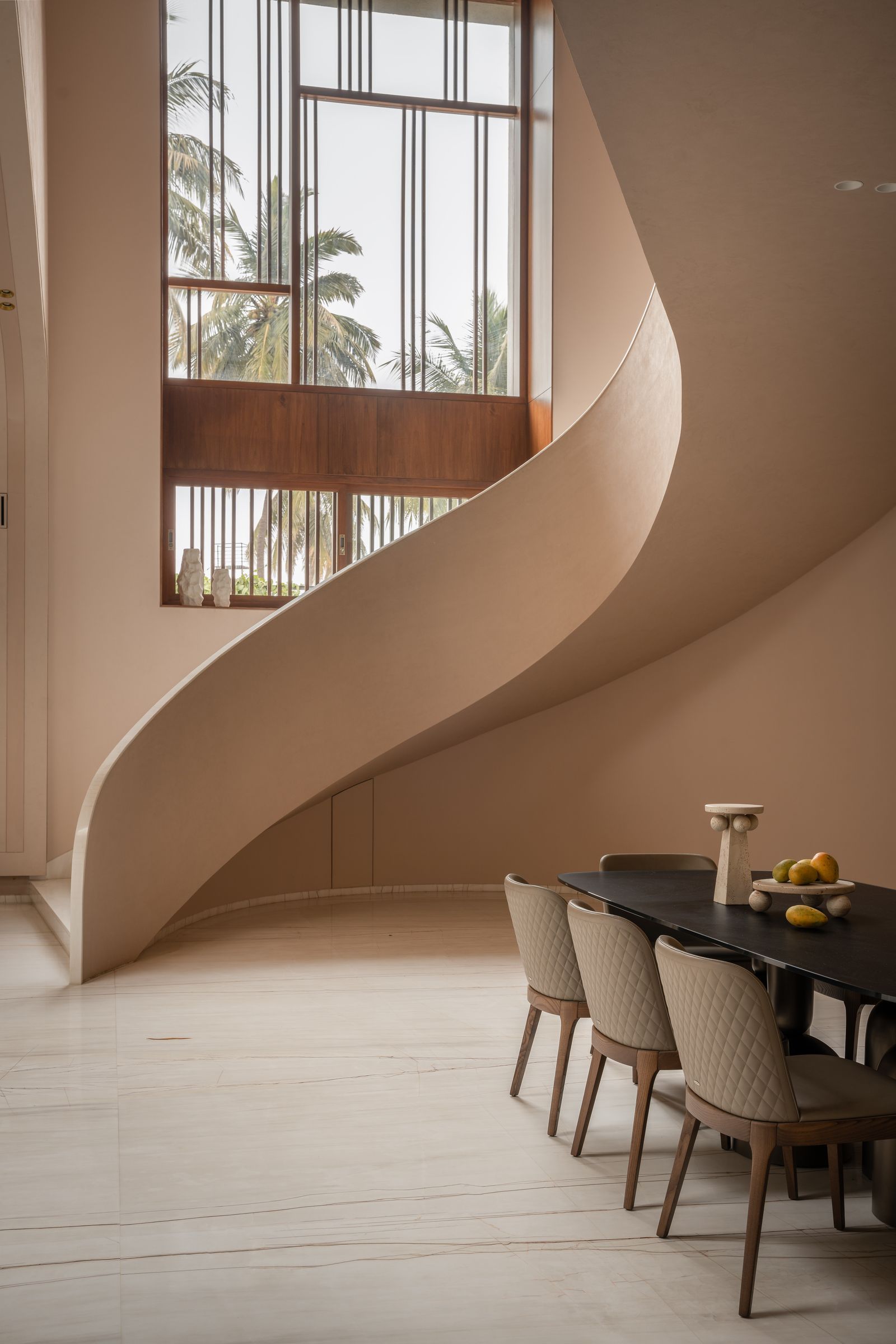
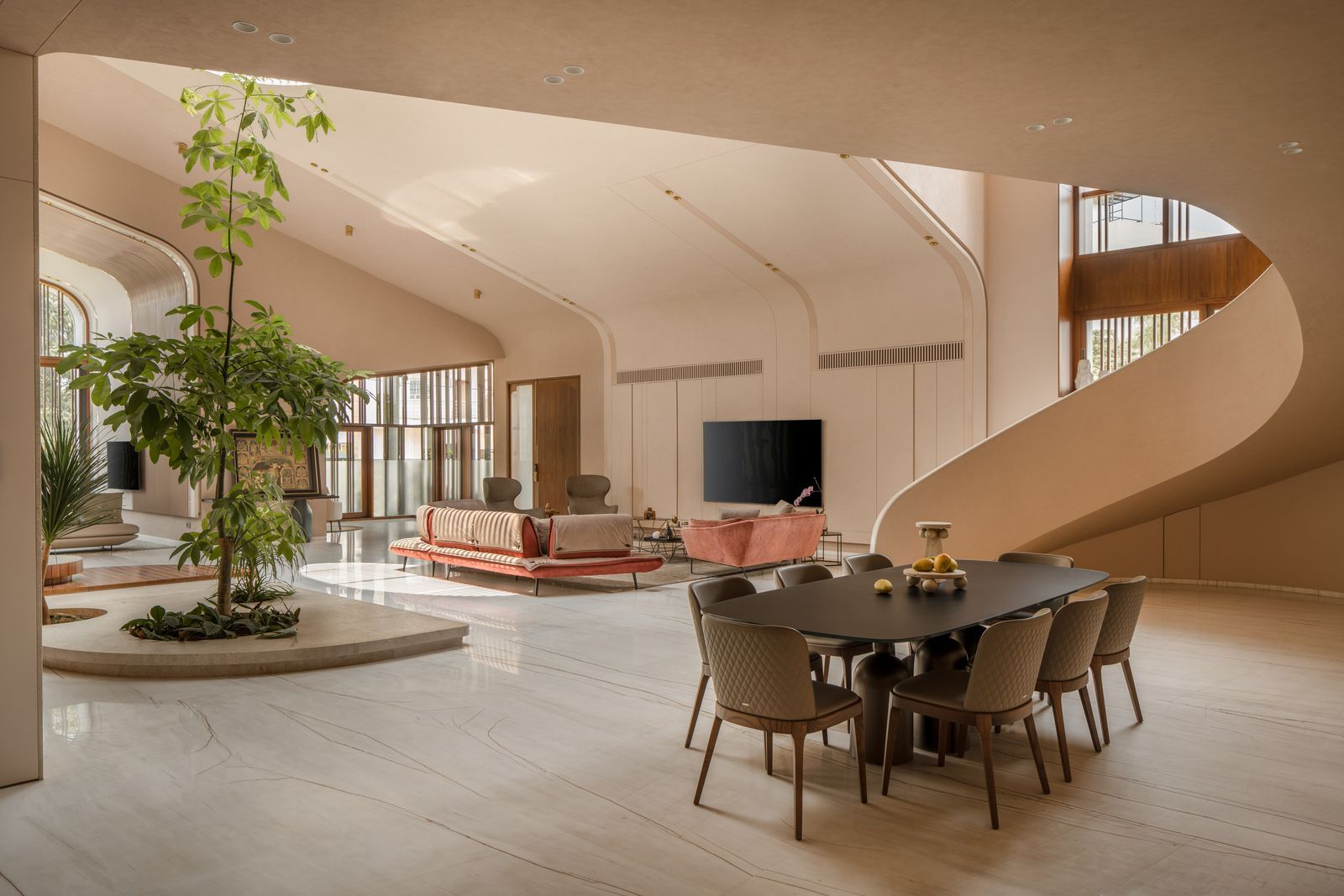
Unfortunately, a significant portion of Kolkata’s rich cast iron heritage was lost during the demolition sprees of the 1970s and 80s, often sold for scrap or pilfered. For instance, the Armenian Ghat’s canopy now only exists in historical photographs. However, the inherent durability and weather-resistant properties of cast iron mean that many pieces still remain, often in better condition than the buildings themselves. There is a growing recognition of the need to preserve this heritage, with many Kolkata architects undertaking repair and restoration work. Recent projects include the restoration of the railings and gate of the Treasury Building and planned facelifts for the decorative ironwork of the Standard Life Assurance Building and the Gillander House gate. The restoration process is challenging, involving matching original designs and welding specialized alloys. Despite past losses, there's a positive trend: significant collectibles are less frequently being torn down, and salvaged pieces are finding new homes. Businesses like Dutta, Ghosh and Co., now run by a third generation, are experiencing a resurgence in demand for grilles, gates, spiral staircases, and even vintage lamp posts and gazebos, with orders extending to projects in Gangtok, Bangkok, and for film and television sets.
#KolkataArchitecture #ColonialEra #CastIron #HeritageRestoration #ArchitecturalHistory #IndianCraftsmanship #DecorativeArts #VictorianDesign #UrbanHeritage #KolkataArchitecture #ColonialEra #CastIron #HeritageRestoration #ArchitecturalHistory #IndianCraftsmanship #DecorativeArts #VictorianDesign #UrbanHeritage
0 comment in total
 No comments yet
You may also like
Natural Elements and Glam Give New Life to a Victorian Colonial Revival

5 cool terracotta homes that champion vernacular design sensibilities

Decorative Tiles Are Back, Bigger and Better Than Ever
Antique Beams & Boards Gives Old Barns New Life
The Enduring Artistry of Vintage Tiles

Trend Alert: Wood Walls Are BACK!
Kolkata’s chippendale

Tropical Architecture Bureau blends "old-world charm with the modern" for Keralan home
Wood and wicker make a comeback in Indian homes
One of India’s oldest design firms gets a fresh burst of life
5 art deco homes that celebrate the lavish style of the Jazz era
Look up: the world’s most jaw-dropping ceilings | loveexploring.com
Today's Twist on Classic Colonial Style Is Fresher Than Ever—Here's How to Get the Look

5 spiral staircases that will make you look twice

5 studios bringing Indian craft into modern homes
Our Favourites: Three striking corrugated iron facades
Historic Destination Reimagined
6 brick houses that are rooted in nostalgia and vernacular design
4 Indian homes that are the definition of old-world charm
Dream house: Pargeter