1/4
How to Showcase the 2025 Garden Color of the Year in Your Yard
The Garden Media Group has announced teal as its 2025 Color of the Year for the lawn and garden industry, influencing design trends and reflecting the current cultural mood. This selection is based on several factors, including teal's bold, synthetic quality that merges fantasy and reality, echoing serene natural blues and expansive virtual spaces. The color also aligns with health and wellness trends, offering a calming and sophisticated effect suitable for various settings. Furthermore, teal taps into a sense of tech nostalgia, recalling the vibrant and optimistic spirit of the 1990s and early 2000s, a period characterized by bold fashion and early tech designs featuring teal and green hues. The choice of teal moves away from recent minimalism, aiming to reintroduce joy and vibrancy into design by revisiting this past era.
Teal, a blend of blue and green pigments in a white base, is frequently observed in nature, from oceans and lagoons to peacock feathers and certain flowers. Psychological studies on color suggest that teal evokes feelings of peace, tranquility, balance, relaxation, and stability. It is also believed to possess healing properties, promoting happiness and optimism. Its stress-reducing qualities and association with clear thinking, concentration, trustworthiness, and reliability make it a popular choice in various professional and design contexts. According to the Interior Designers Institute, blue and green are highly favored colors in America, with teal serving as a harmonious medium.
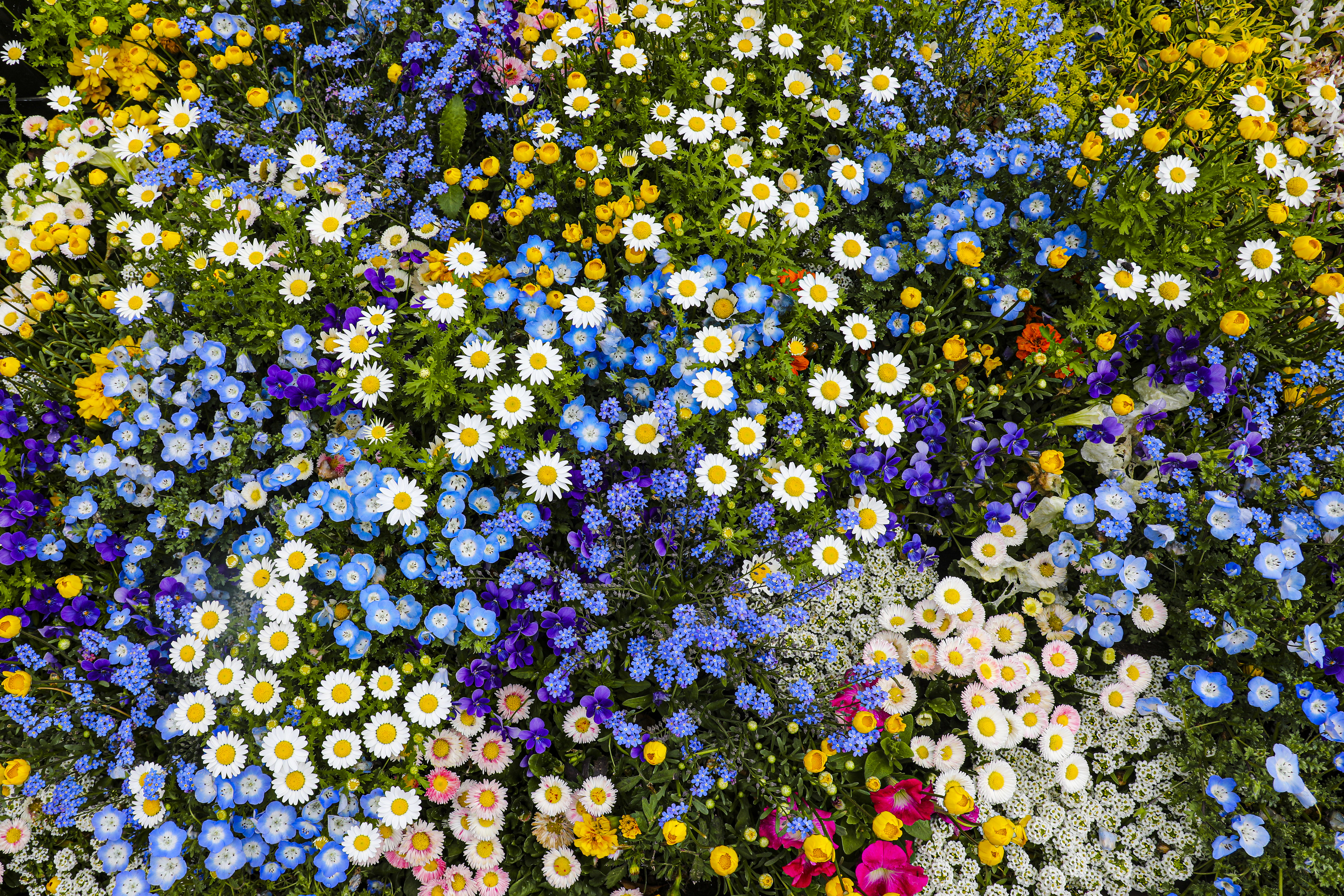
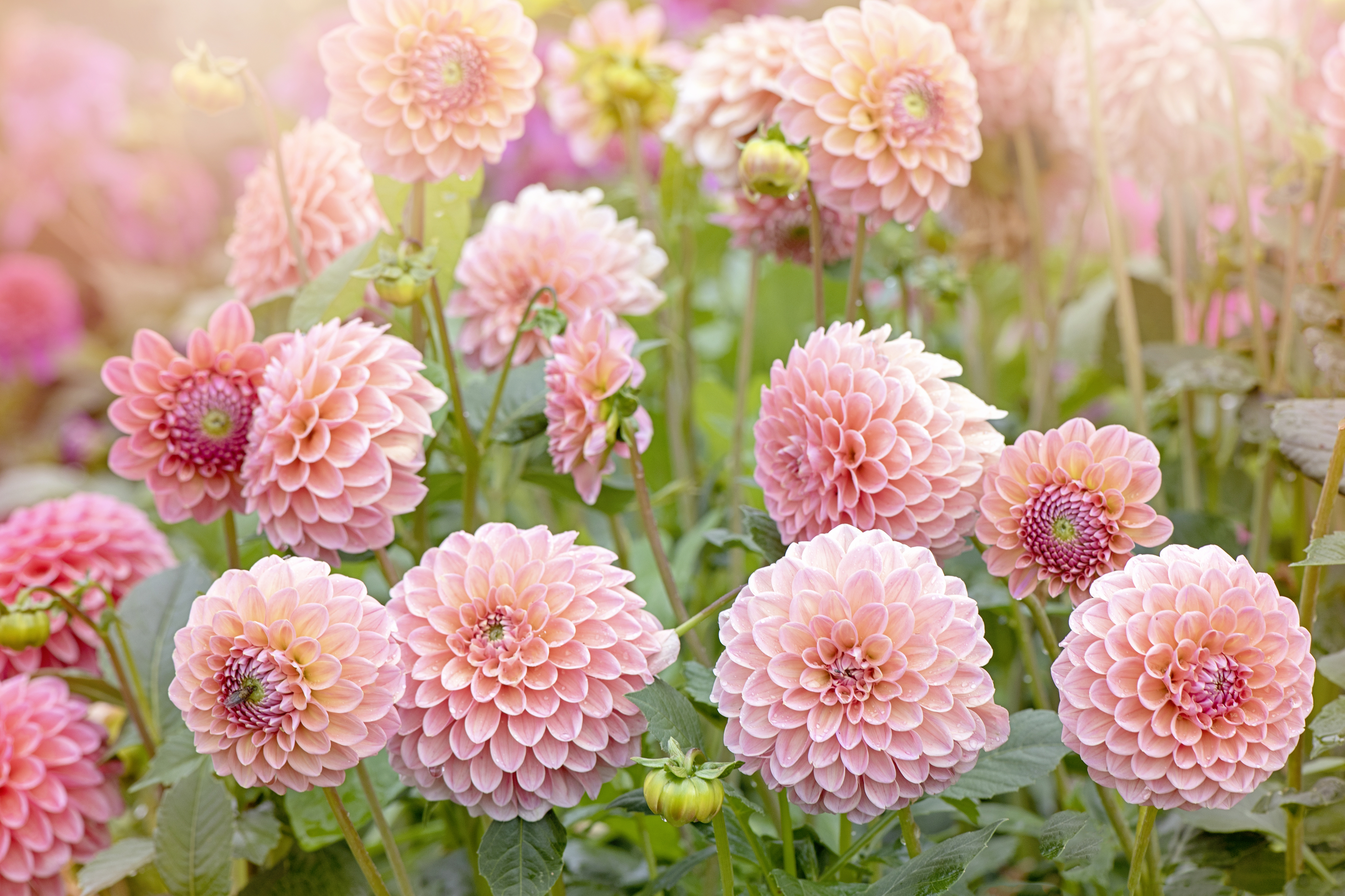
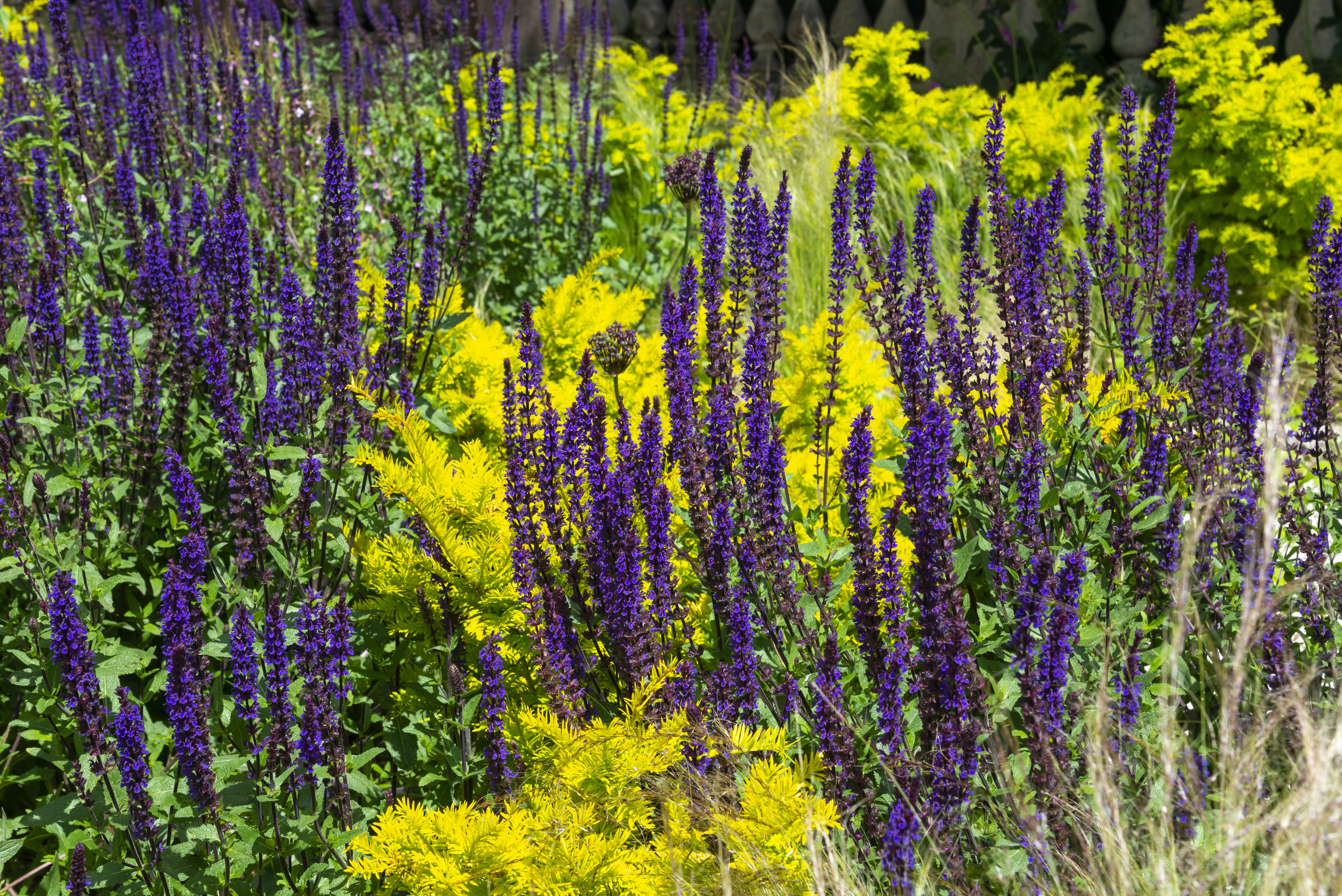
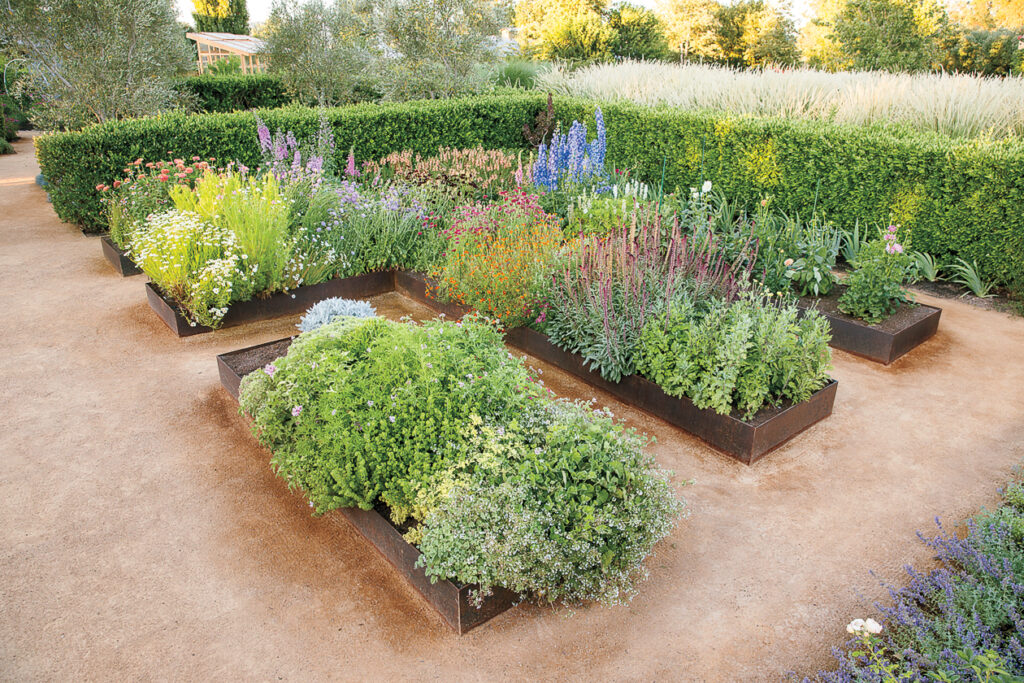
Gardeners can integrate teal into their landscapes in multiple ways. For a monochromatic garden, grouping teal-colored flowers and plants creates an orderly and restful visual effect. Alternatively, teal can serve as a vibrant accent or a soothing base color when incorporated in splashes throughout the garden. Katie Dubow, president of Garden Media Group, recommends pairing teal with bright yellows, oranges, limes, or golds for dynamic contrast, or with greens and earthy browns for a more tranquil and cohesive appearance. Teal also harmonizes well with coral, blush pink, and maroon, while white, pale yellow, gray, or cream can create a subdued and elegant aesthetic.
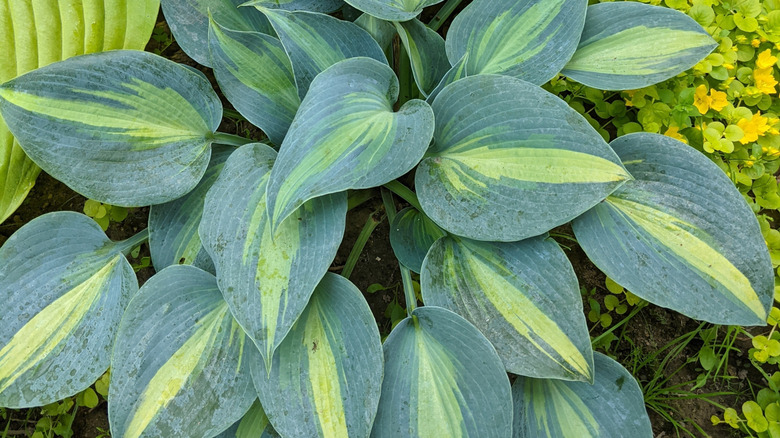
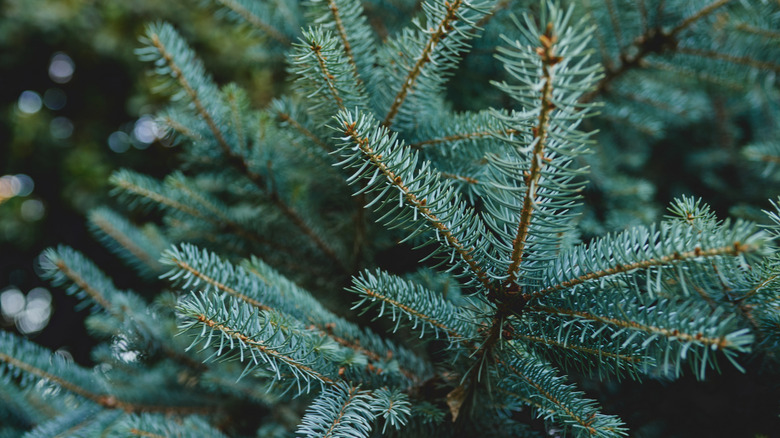
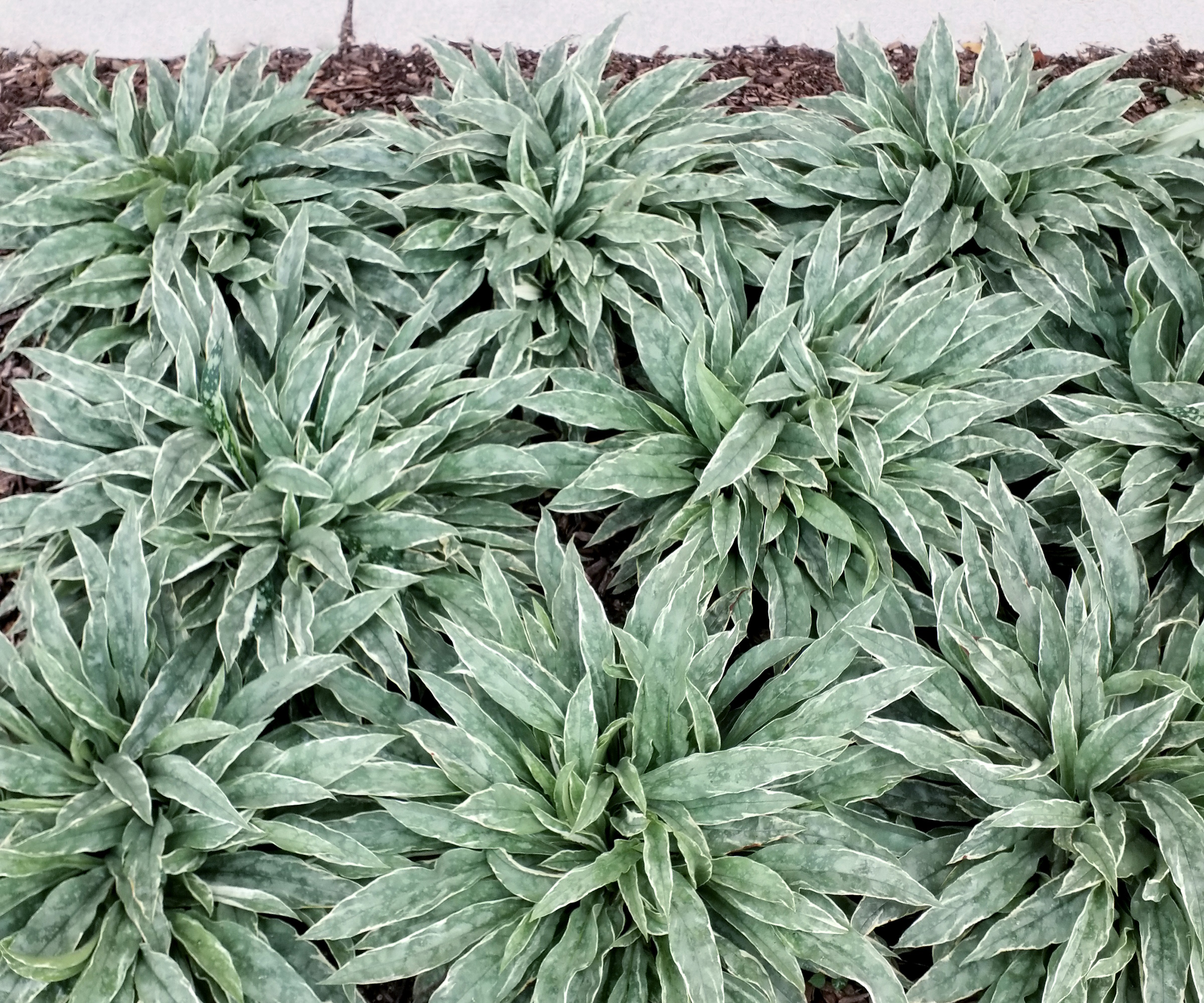
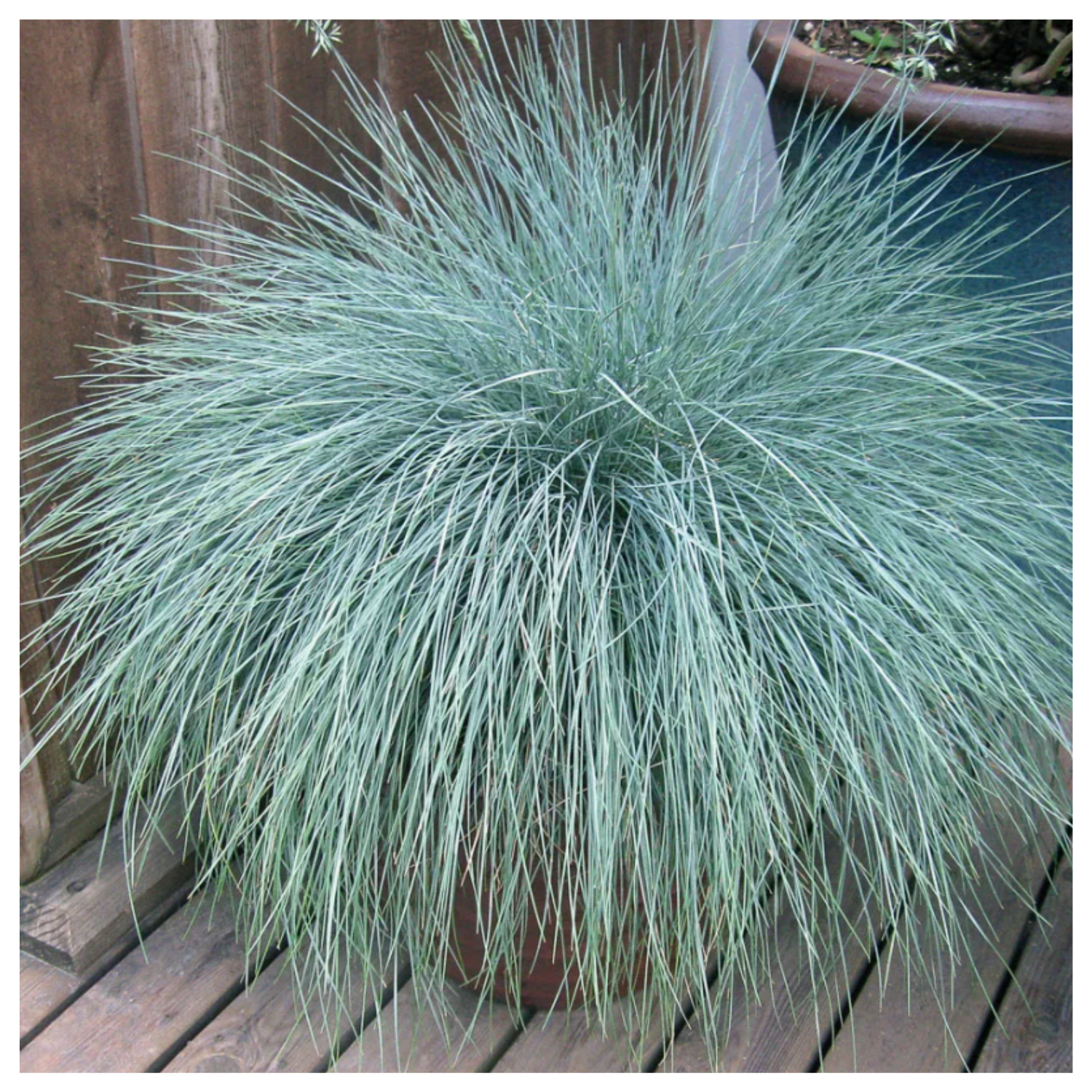
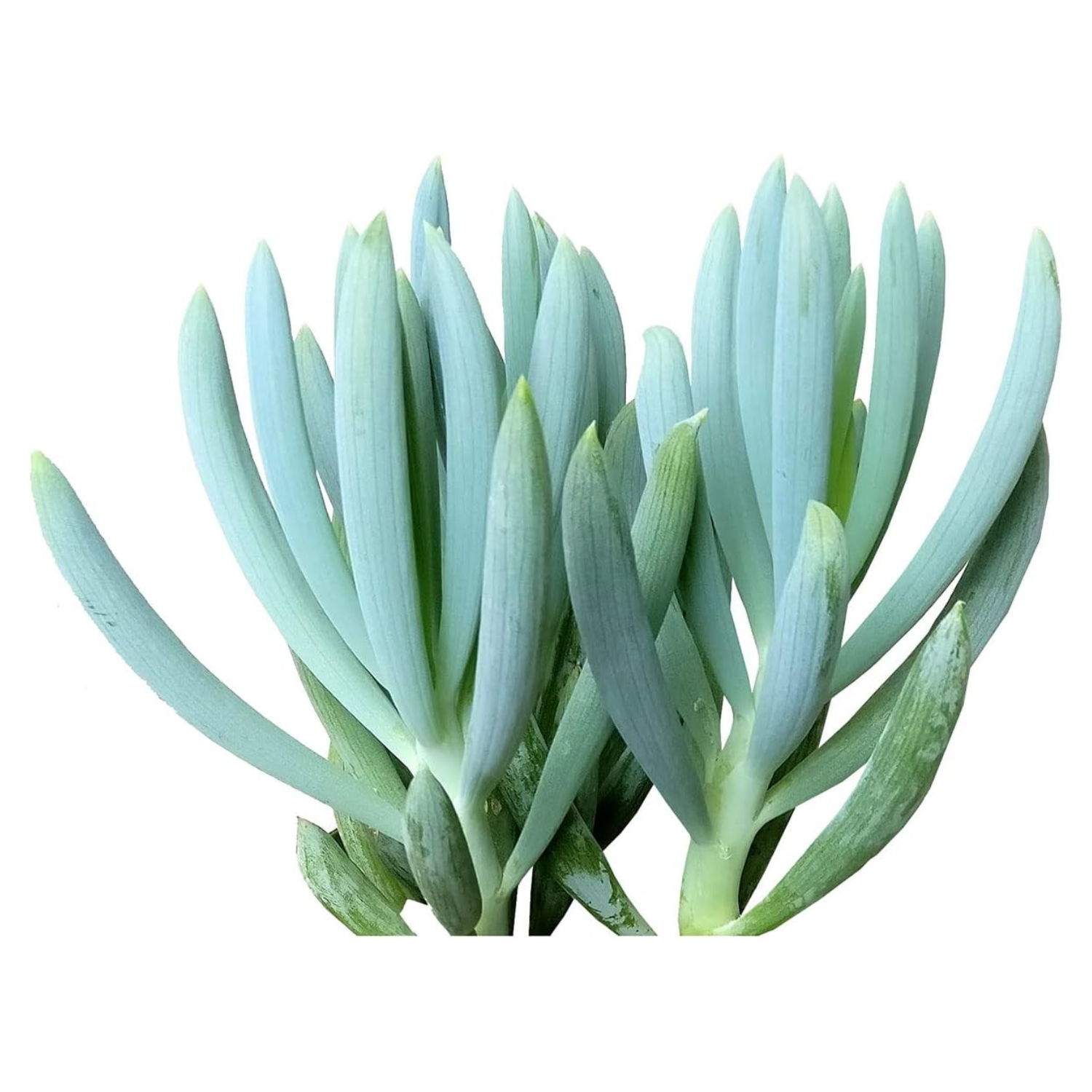
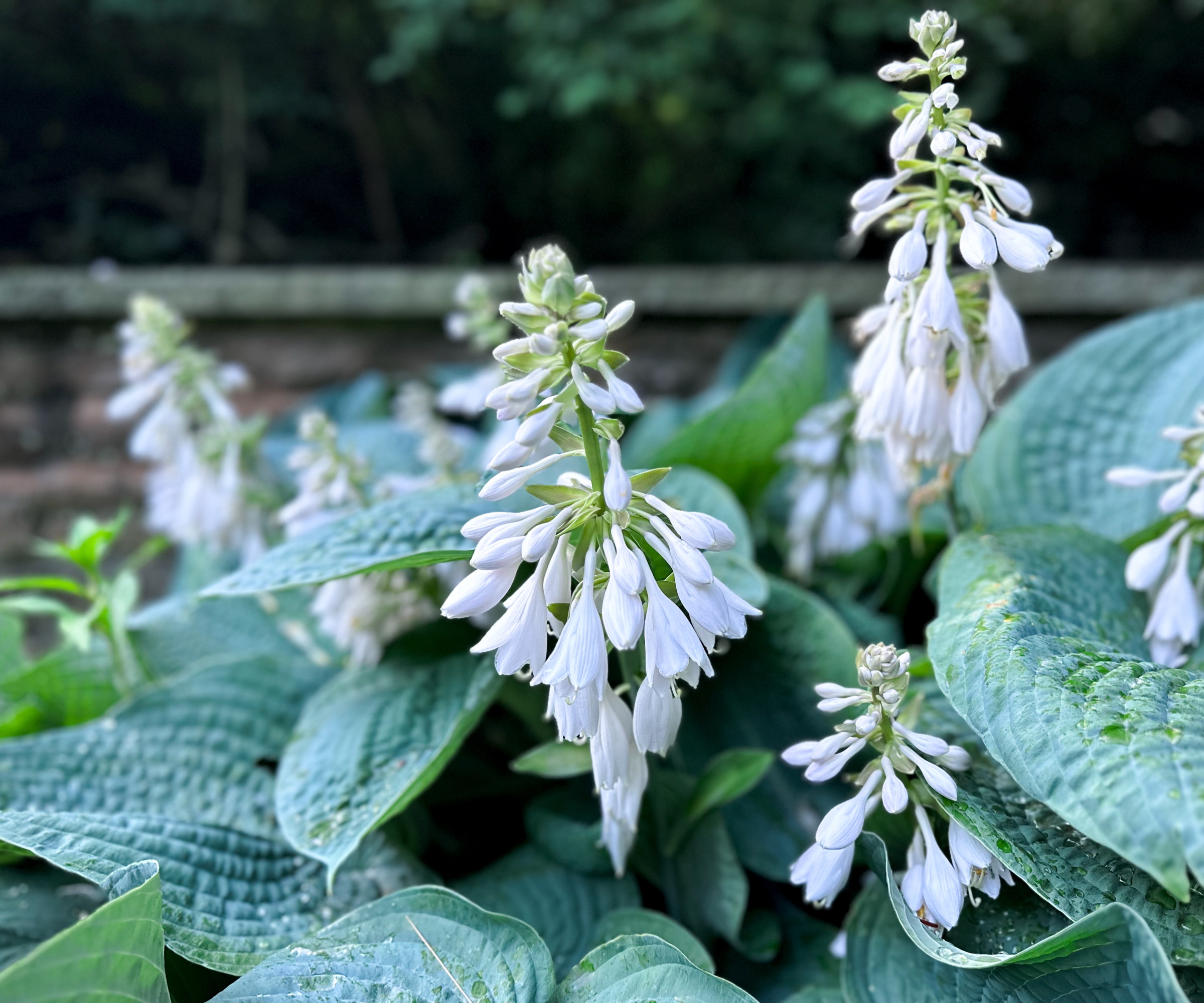
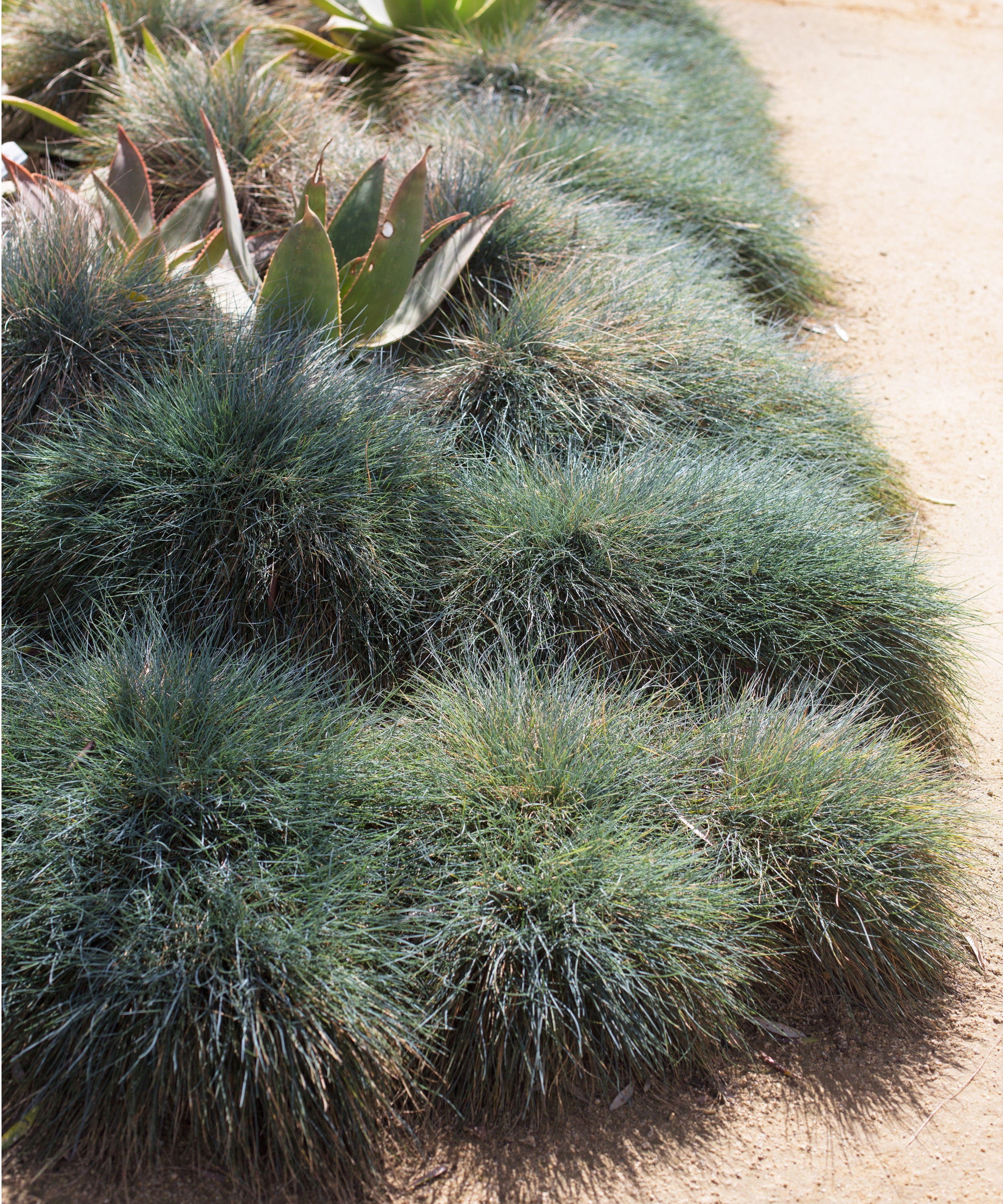
Nature provides numerous teal-hued plants and flowers. Suggestions for incorporating these include blue agave, African lily, Zamin allium, Beyond Blue fescue, Blue Chalksticks, blue spruce, Blue Star Sea Holly, Big Blue Sea Holly, Siberian bugloss, blue flax lily, Blue Haze Spurge, Blue Spruce Stonecrop, hostas (like Blue Angel Hosta), and Skyscraper Senecio. These plants offer diverse textures and can provide year-round interest, ensuring teal hues are present across different seasons. Plants with various textures, such as feathery grasses or bold-leaved varieties, can enhance the visual richness of a teal garden.
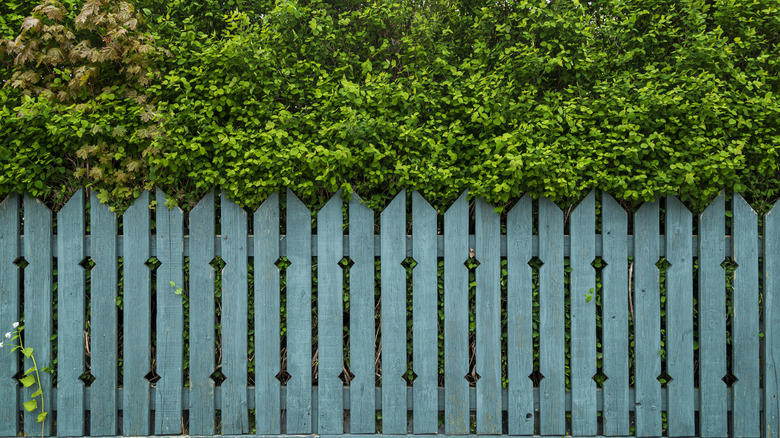
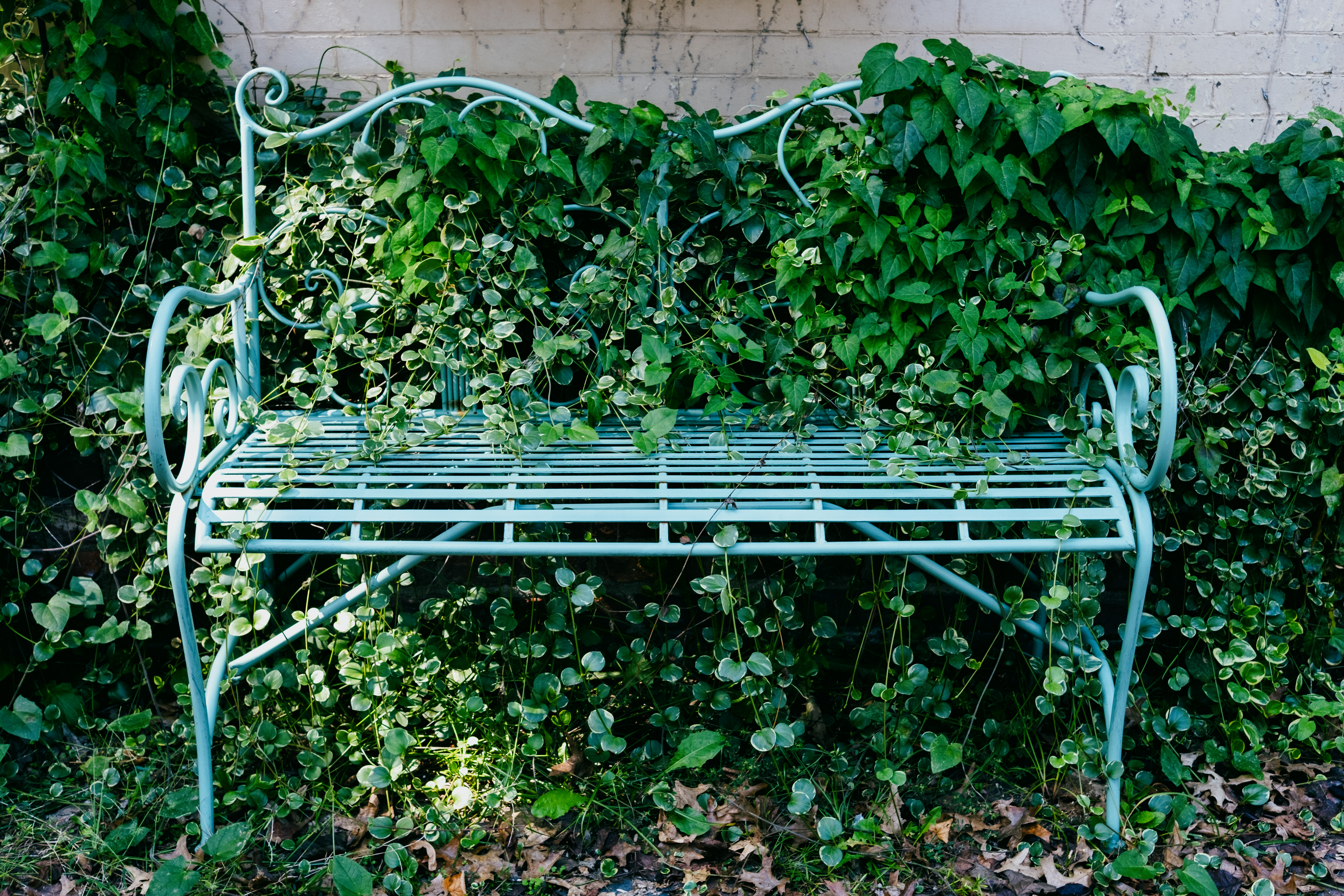
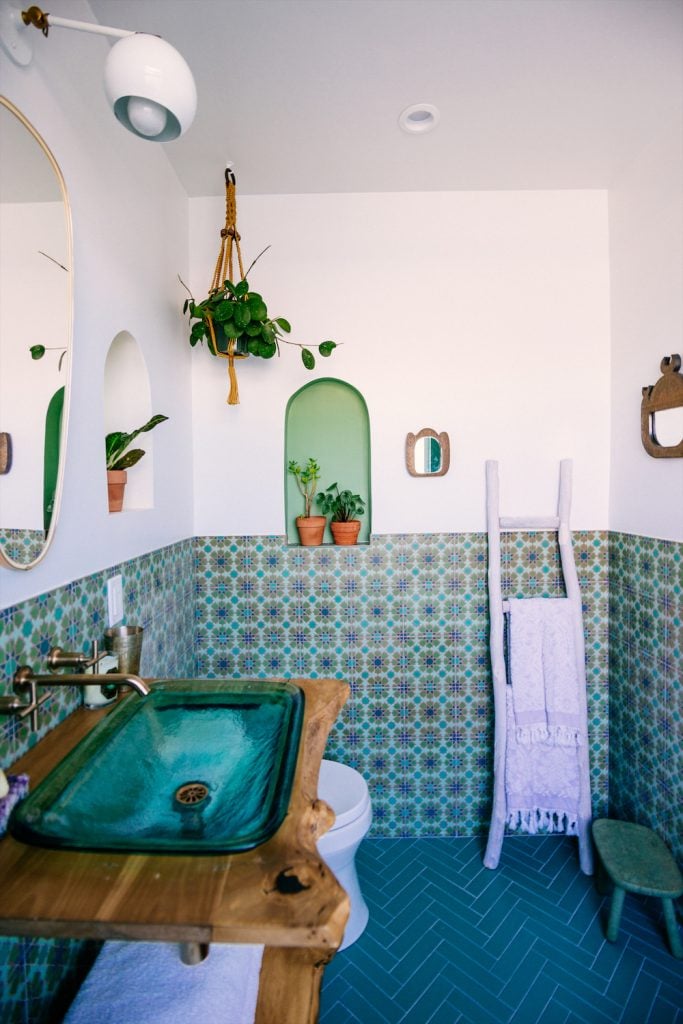
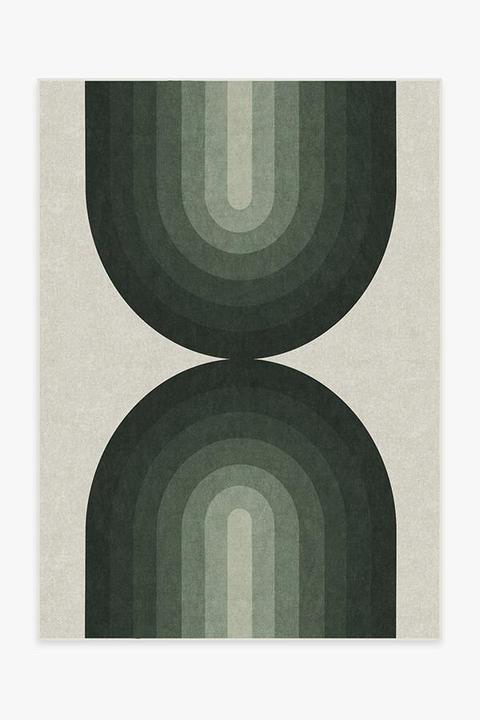
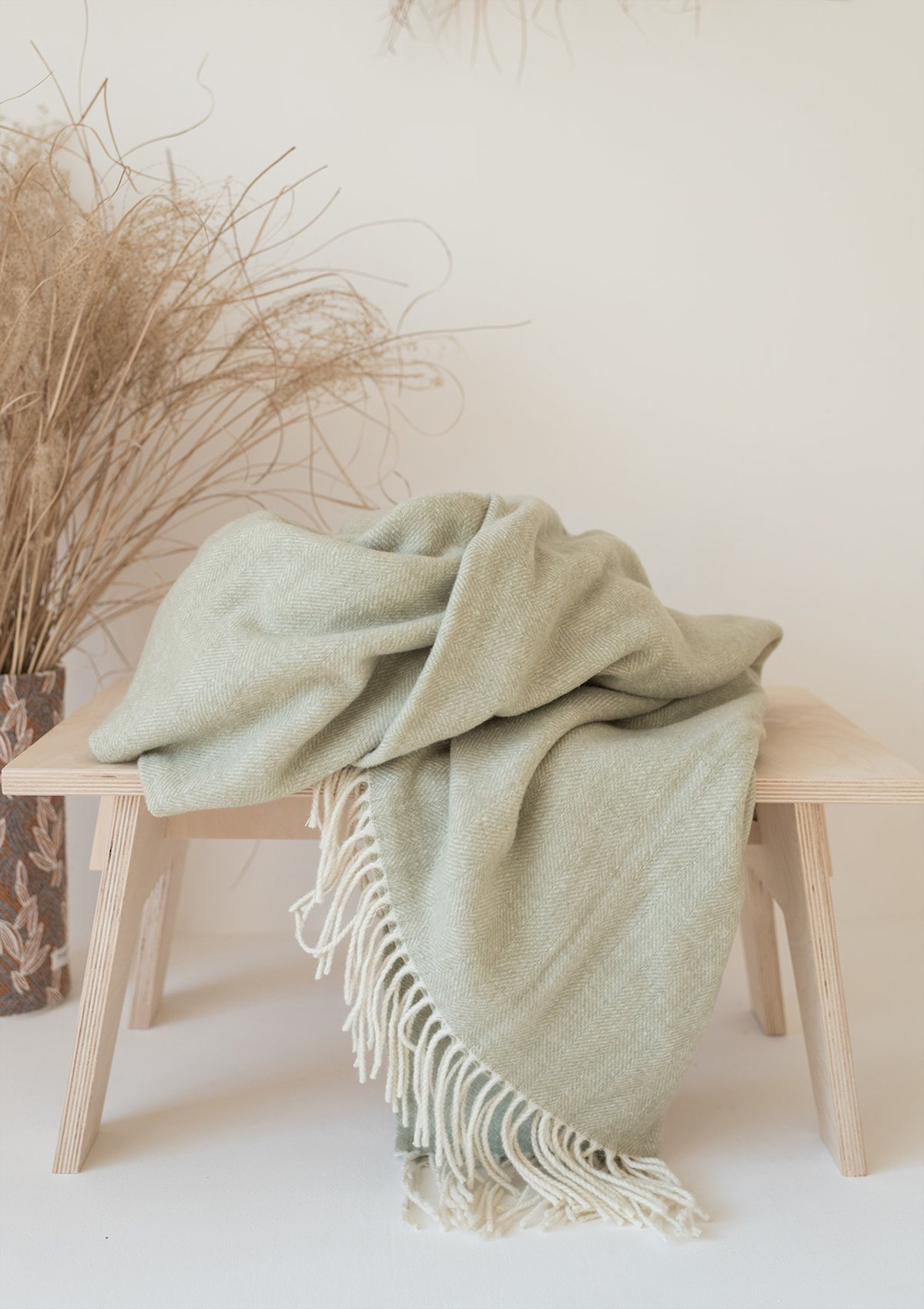
Beyond vegetation, teal can be introduced through garden décor and hardscape elements. This includes using ceramic or painted teal pots, incorporating blue stones or gravel in pathways, and selecting teal outdoor furniture, such as chairs or benches. Accessories like pillows, outdoor rugs, table décor, and lights can add pops of teal. For more permanent installations, teal-colored tiles, awnings, or shades can be considered. Additionally, garden art and ornaments like statues, sculptures, decorative planters, garden stakes, gazing balls, and bird baths in teal can further enhance the garden's aesthetic.
#GardenDesign #ColorOfTheYear #Teal #GardeningTrends #LandscapeDesign #PlantSelection #OutdoorDecor #Horticulture #ColorPsychology #GardenDesign #ColorOfTheYear #Teal #GardeningTrends #LandscapeDesign #PlantSelection #OutdoorDecor #Horticulture #ColorPsychology
0 comment in total
 No comments yet
You may also like
The 2025 Garden Color Of The Year Is So Bold - Here's 13 Ways To Use It
2025 Colors of the Year, and How to Use Them

Pick Your Favorite 2024 Color of the Year

Every 2026 Color of the Year We Know So Far, From Soft Neutrals to Your New Favorite Green

Brighten Up Your Flower Garden Palette With 2023's Color Of The Year

A Guide to Every Color of the Year for 2025 (So Far)

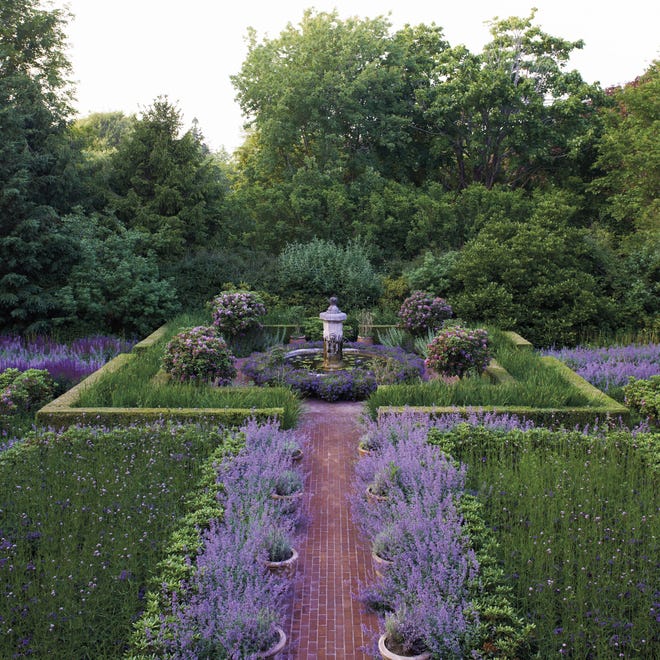
Color block gardens
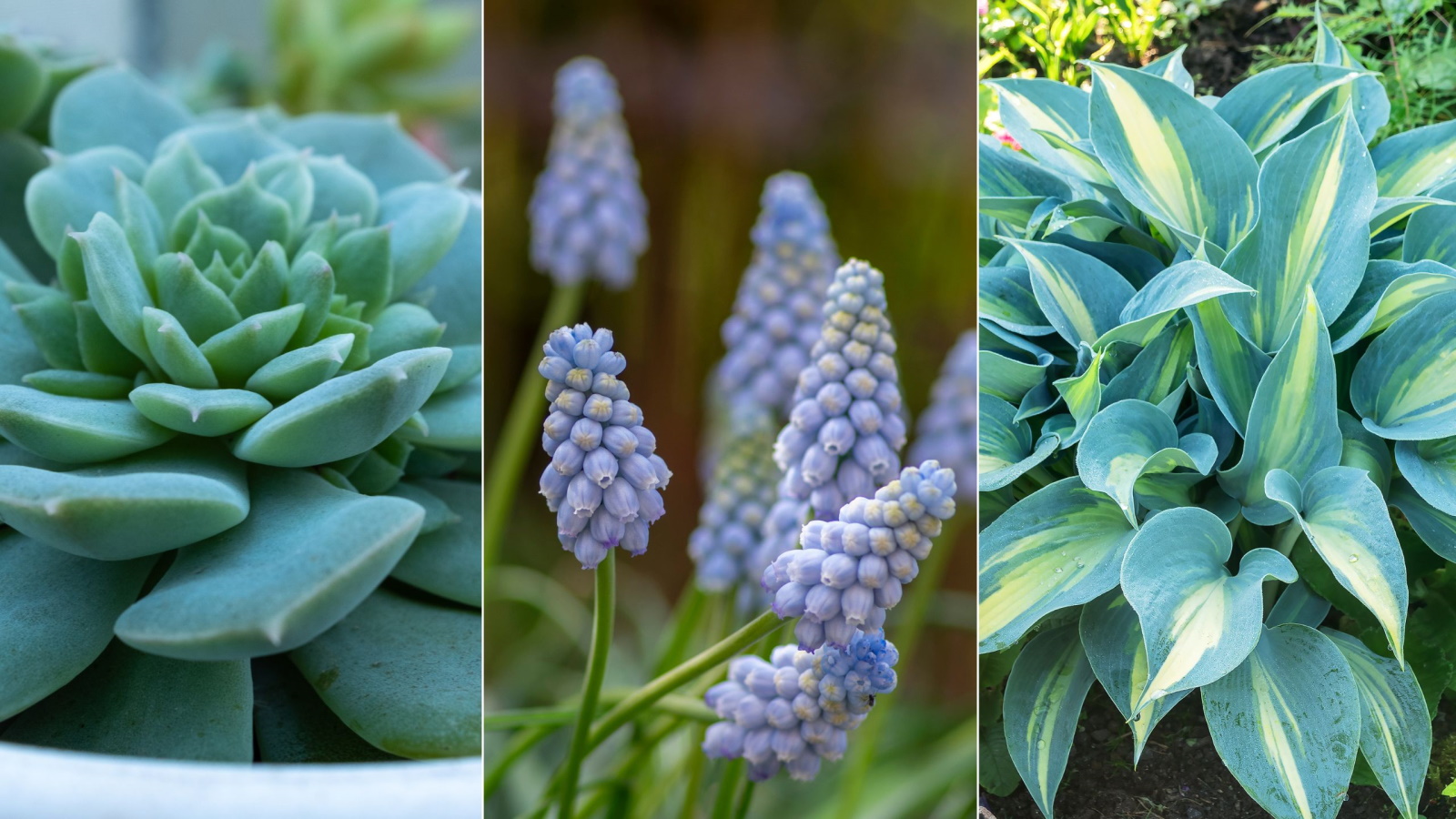
Best teal plants: 8 choices for GMG color of the year
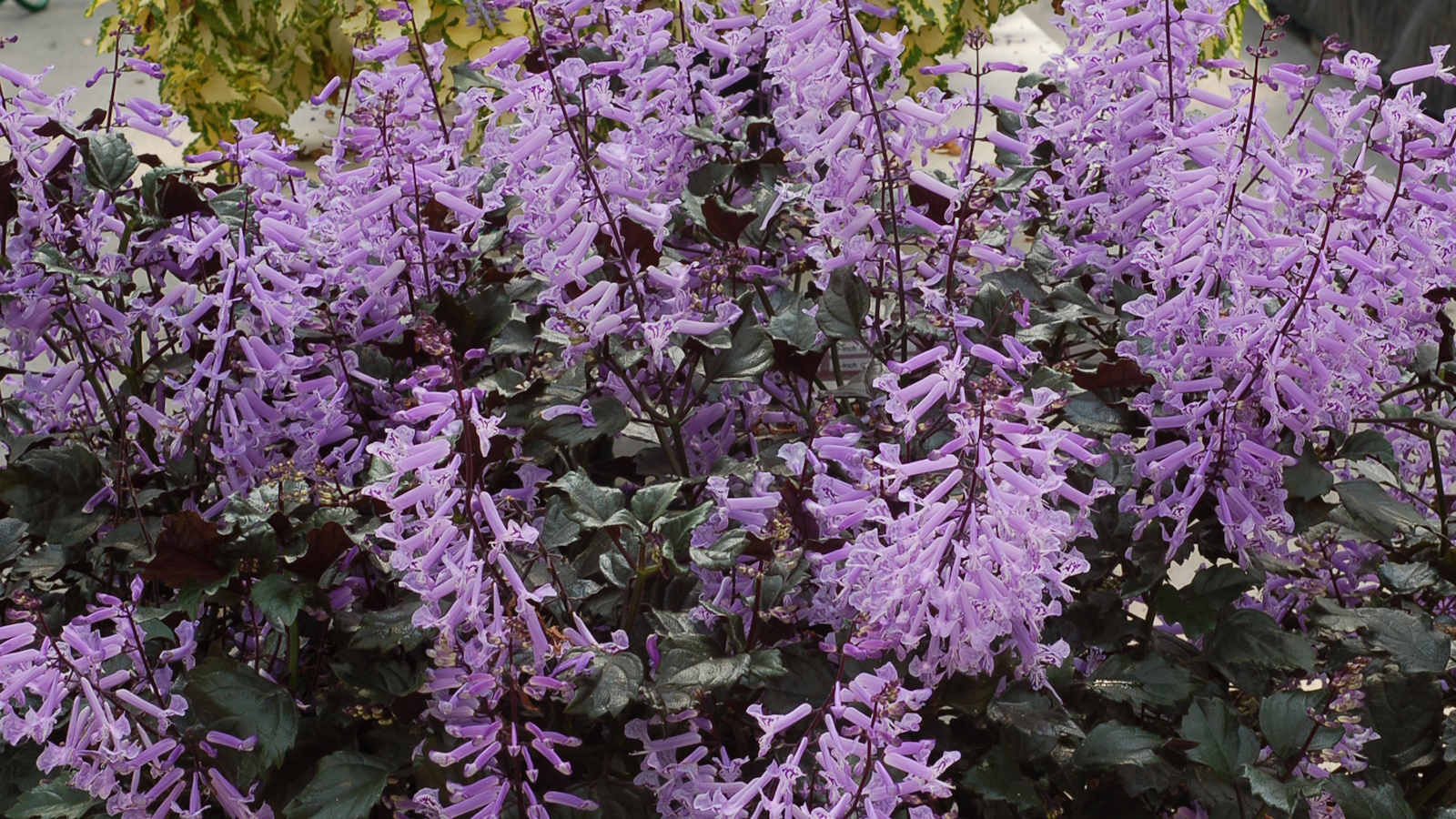
Want to match your plants to your paint colors in 2025? Here's how to add a botanical twist to the hottest interior shades

The Better Homes & Gardens 2023 Color of the Year Is Here

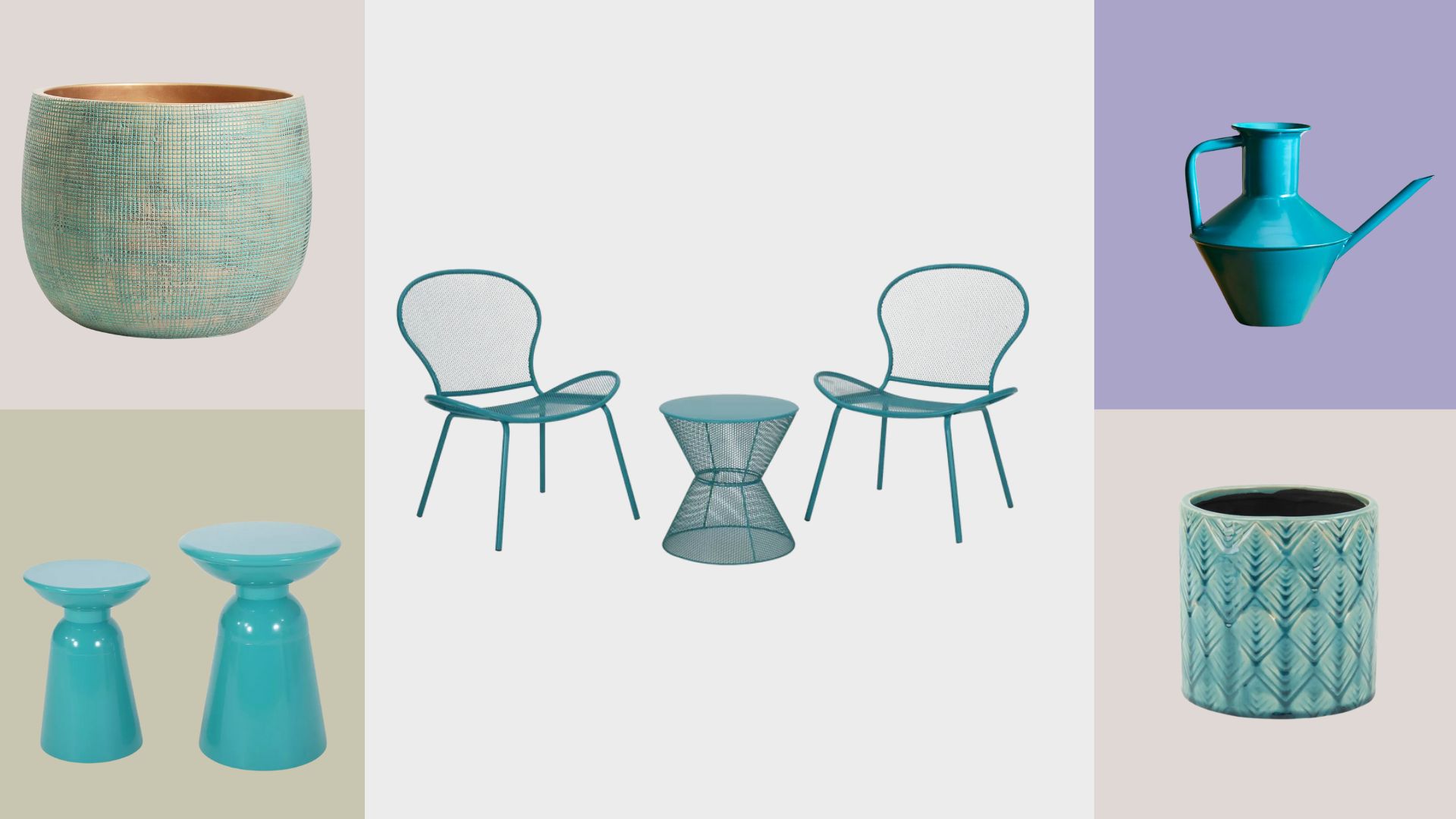
Trend Experts Just Revealed 2025's Most Exhilarating Outdoor Color Trend — Here's How to Shop Teal


Thursd Floral Trend Color Palette 2025 - Aurora Glow

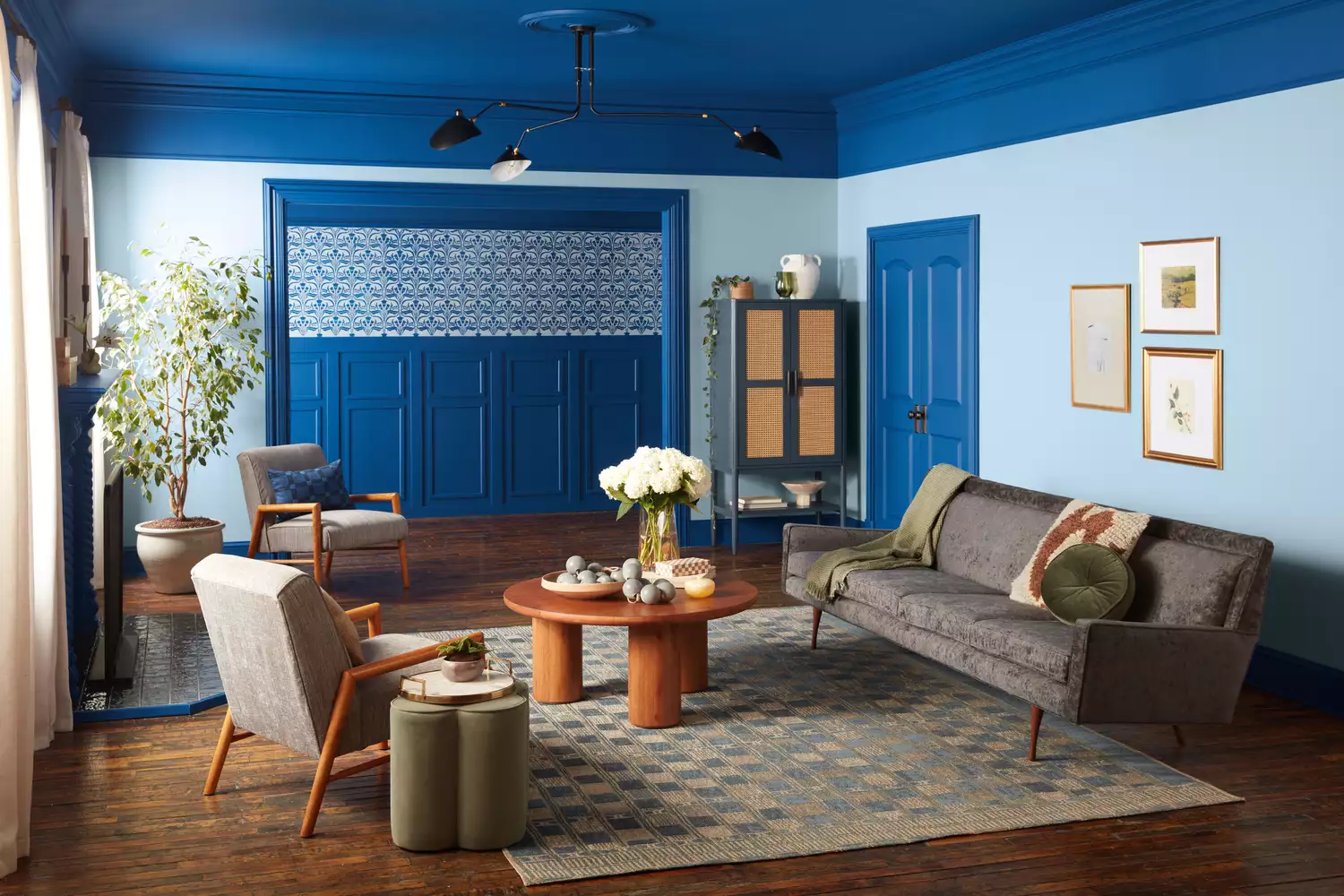
Every 2025 Color of the Year We Know So Far—and Inspiration for How to Use Each in Your Home

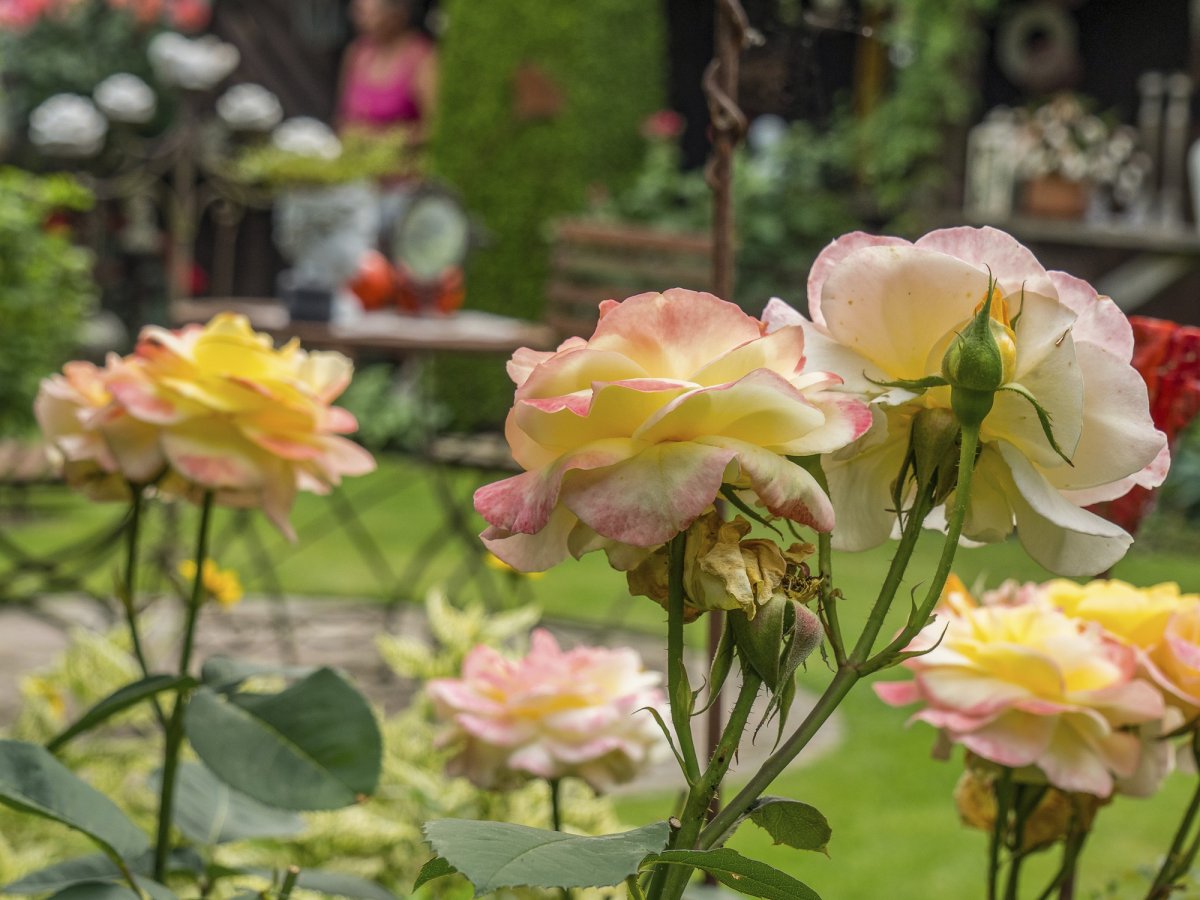
Add These 6 Plants to Your Landscape to be On Trend in 2026
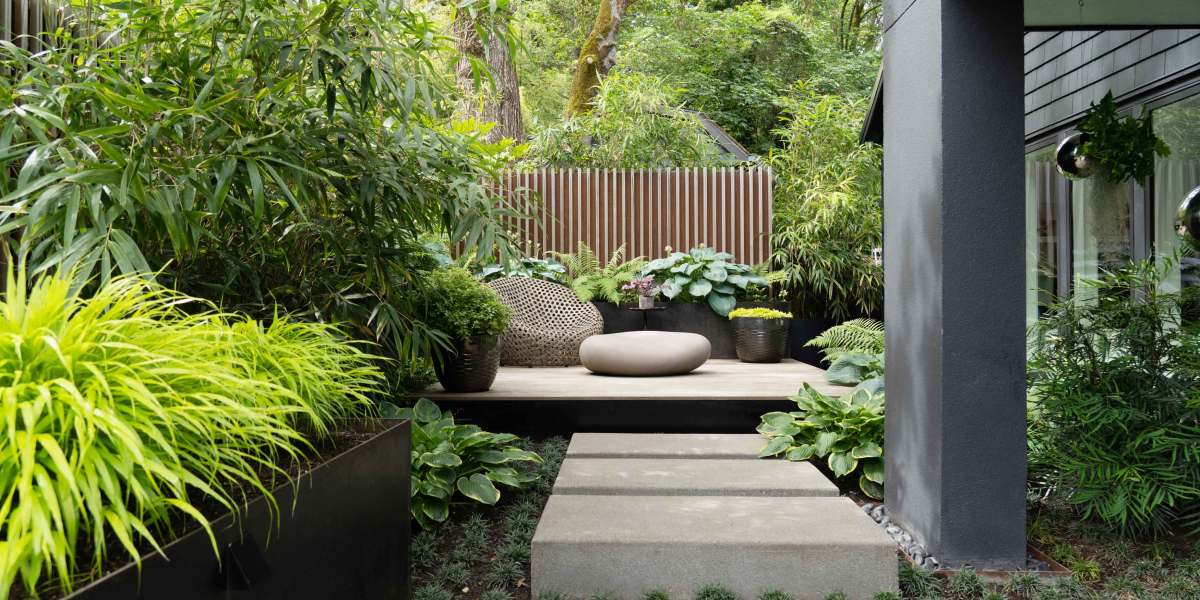
2026 Garden Trends: What to Do, Grow, and Design in the New Year

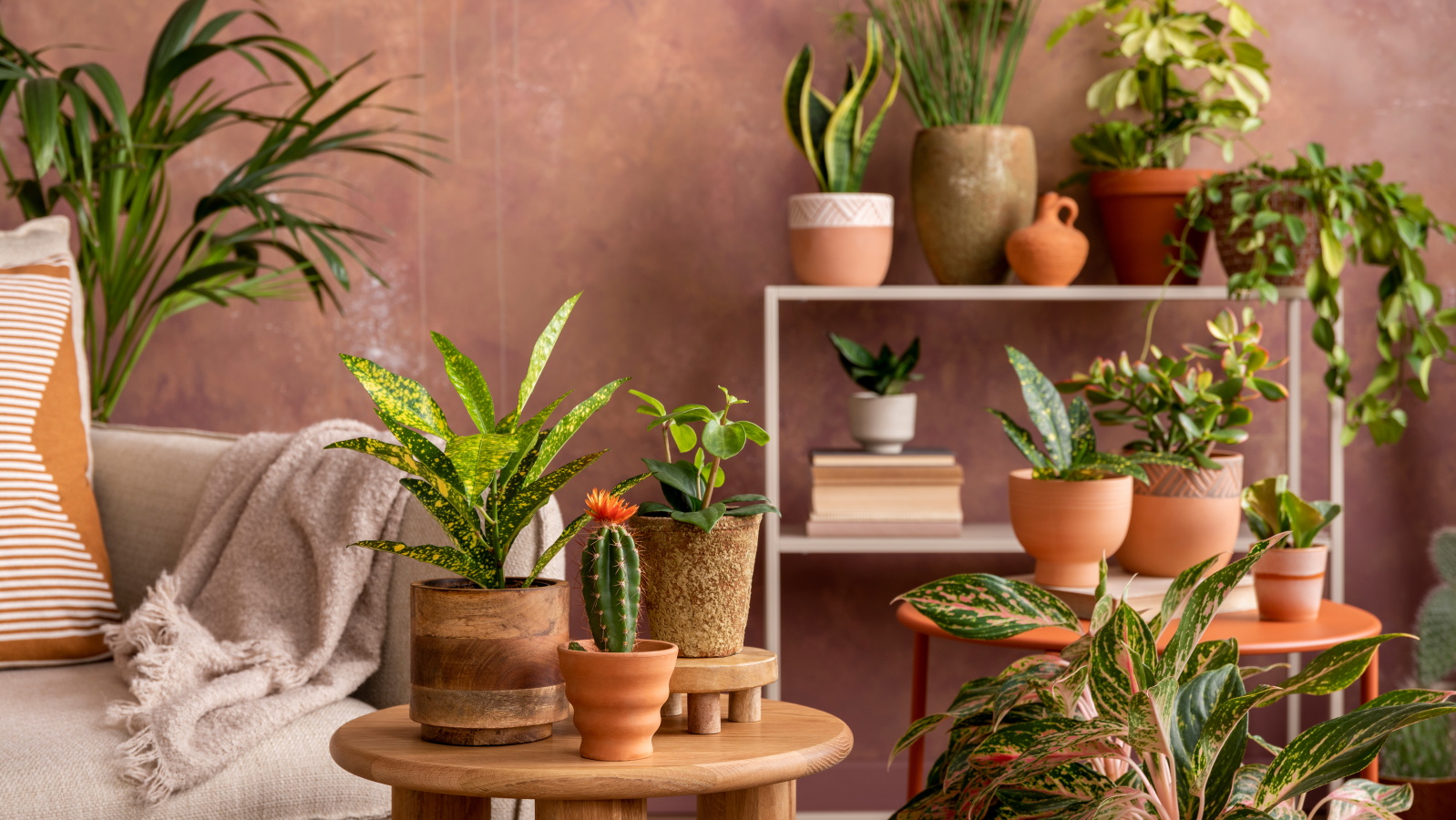
Houseplant trends for 2025 – 7 of the most stylish ways to garden indoors this year
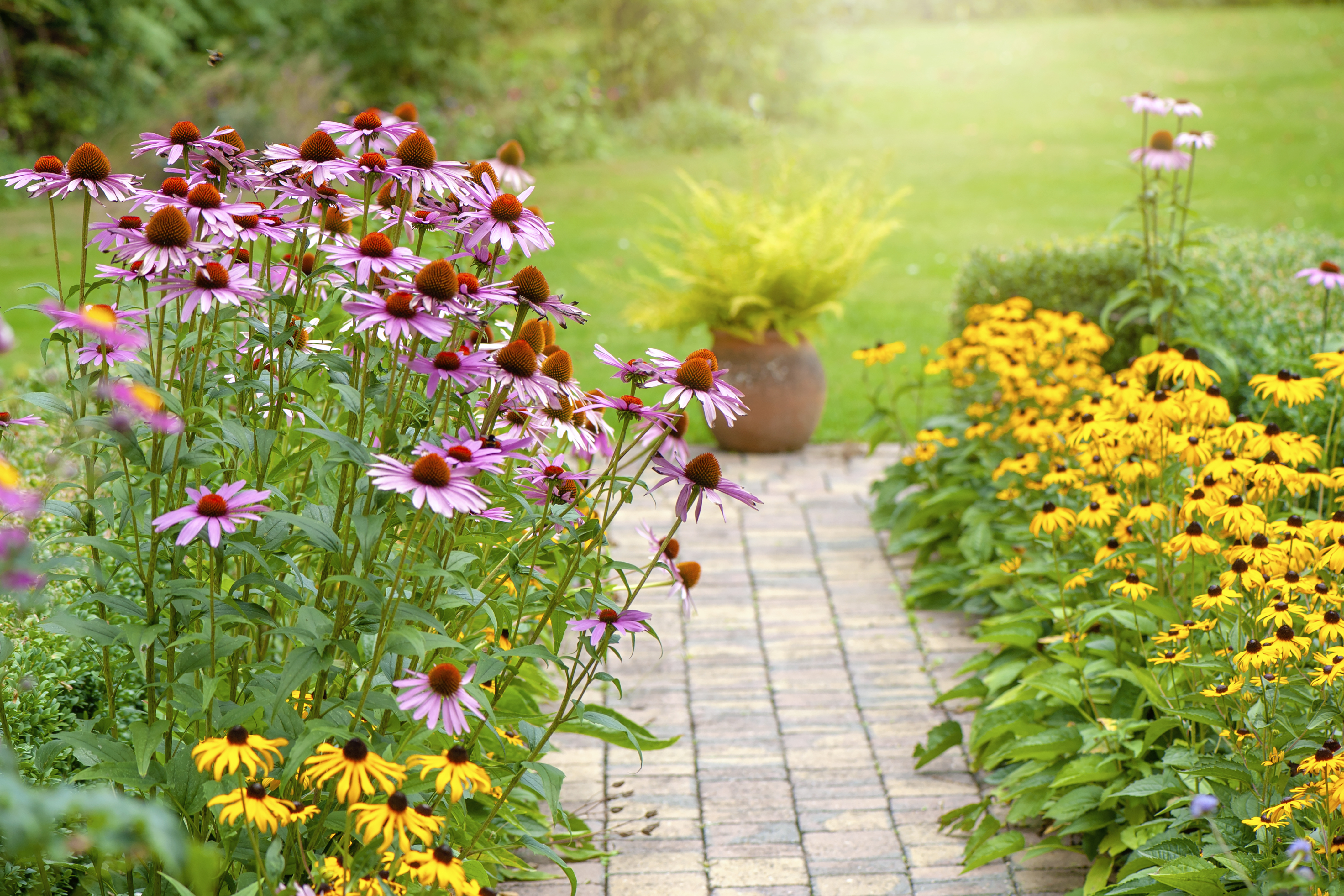
Garden color schemes – these are the palettes landscapers lean on to make planting feel cohesive and considered
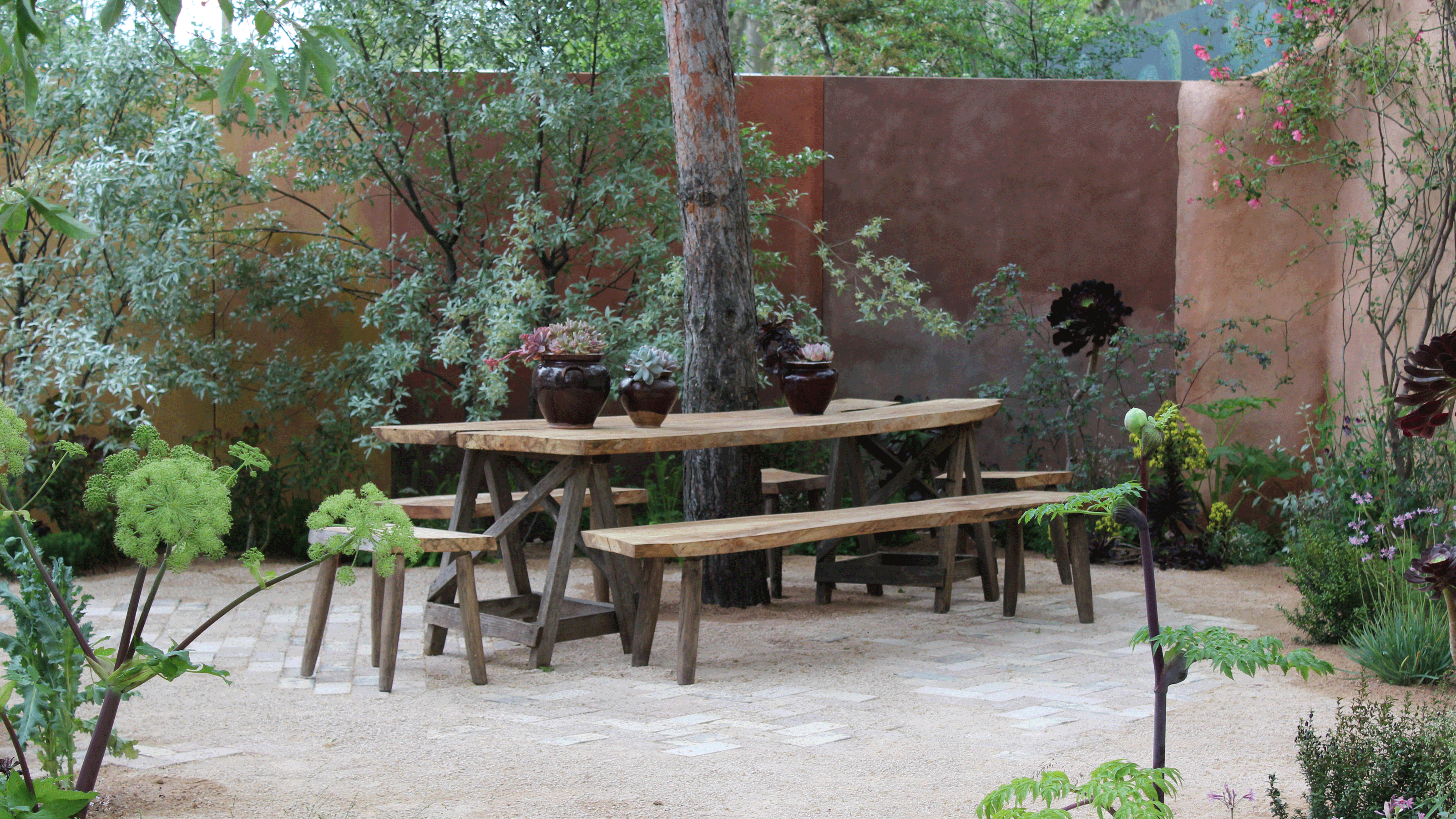
The colour trend taking over our gardens for summer holiday vibes all year round
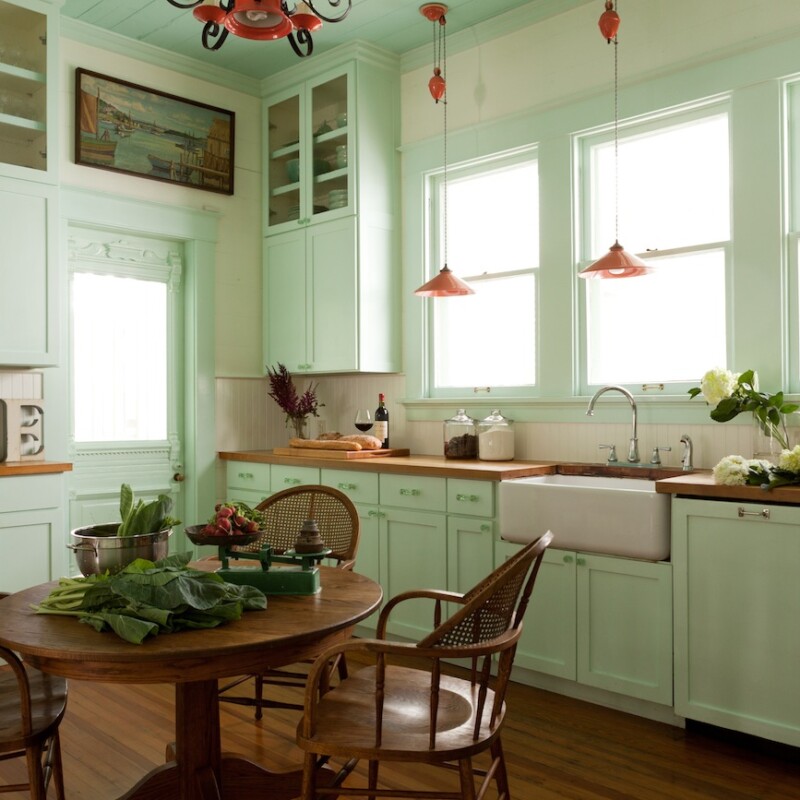
Drumroll Please... the 2022 Color of the Year Is an Homage to Mother Nature! Here's How to Bring It Home

Earth Tones Will Be the Most Popular Colors of 2025—Here's How to Decorate With Them