1/4
Brighten Up Your Flower Garden Palette With 2023's Color Of The Year
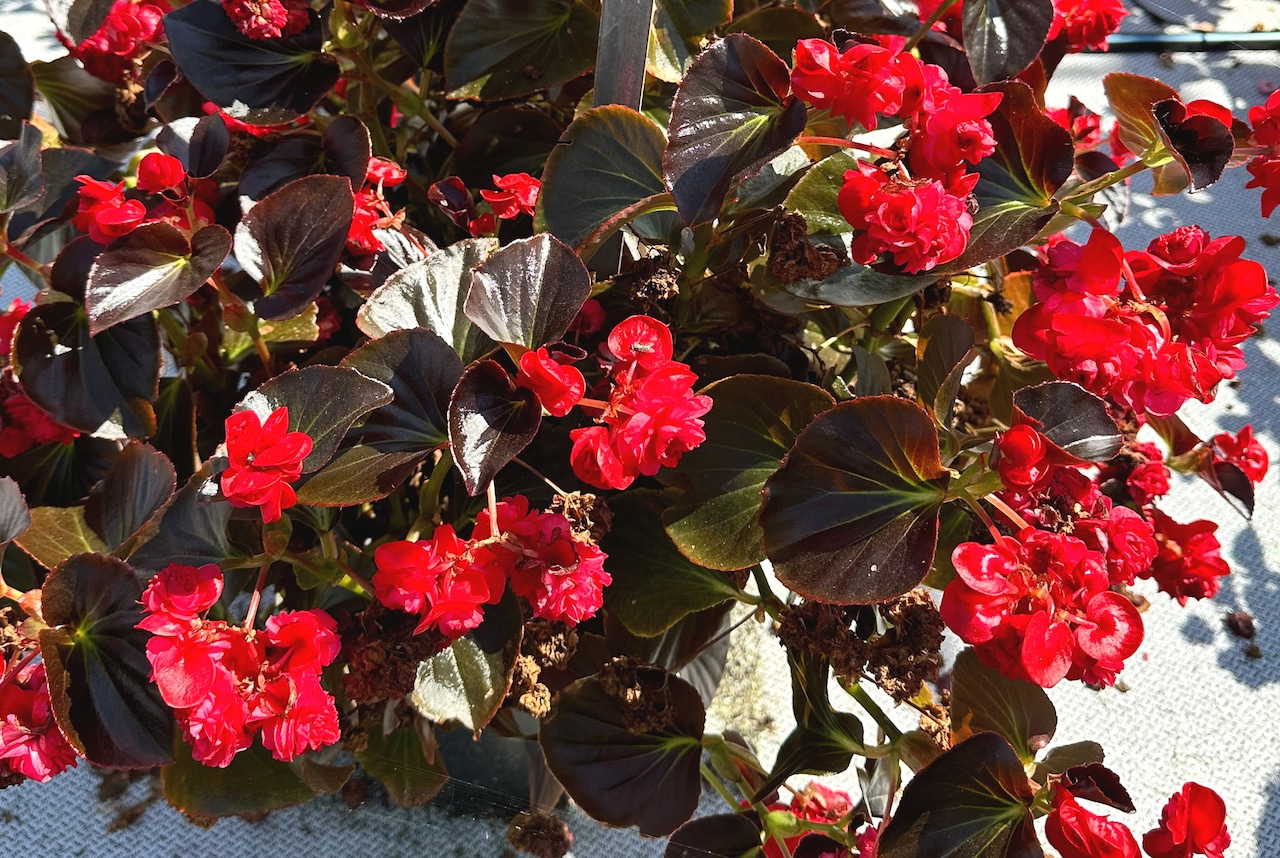
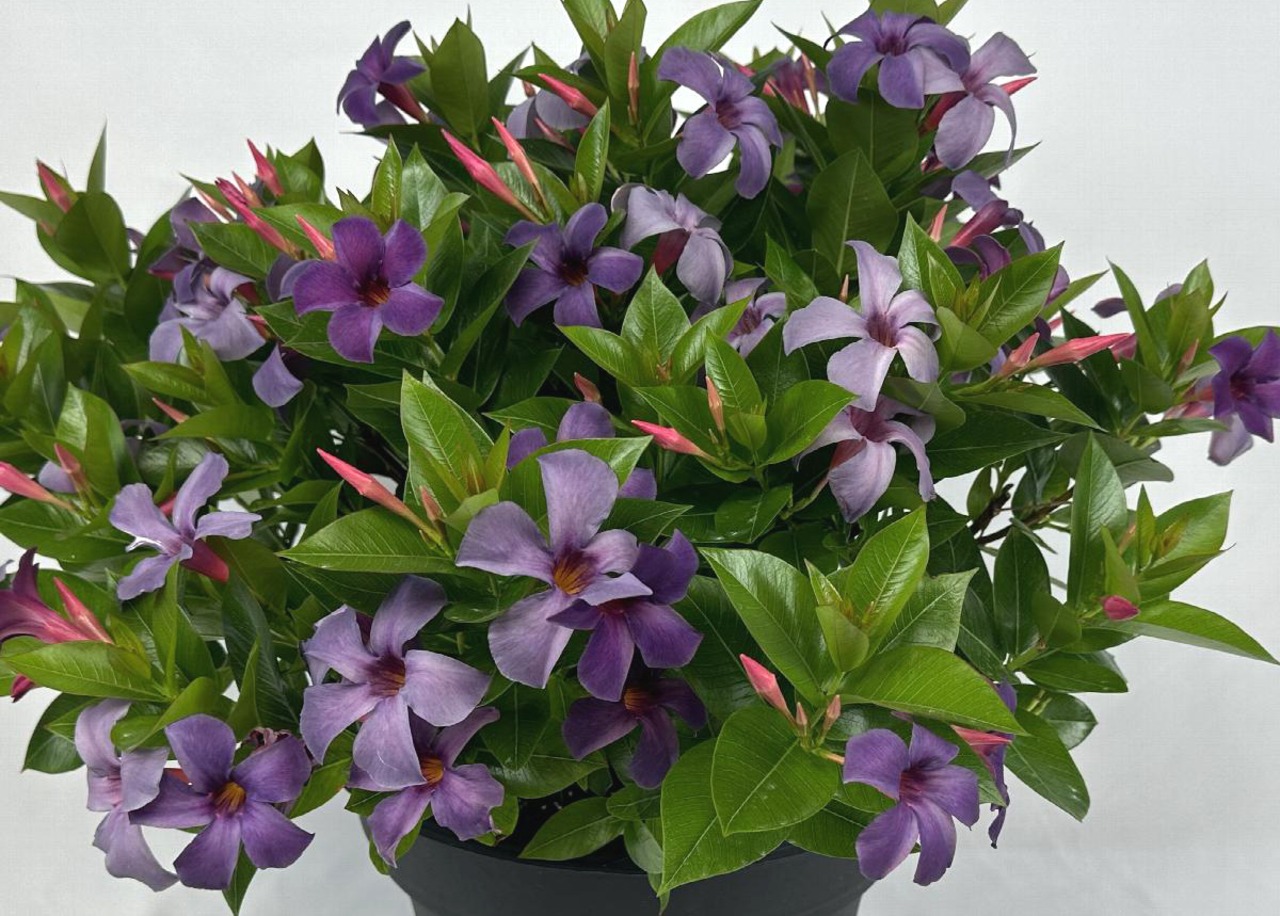
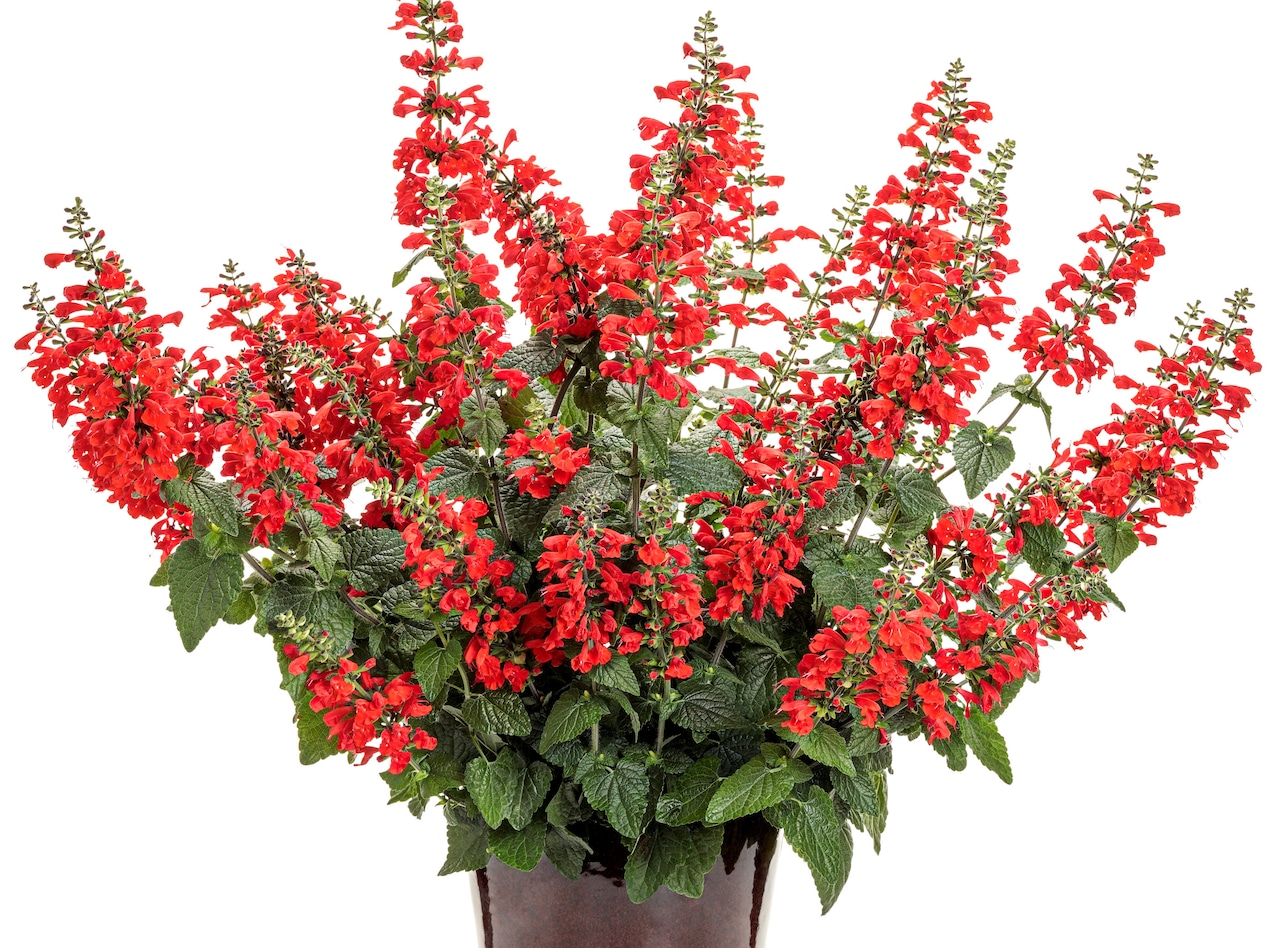
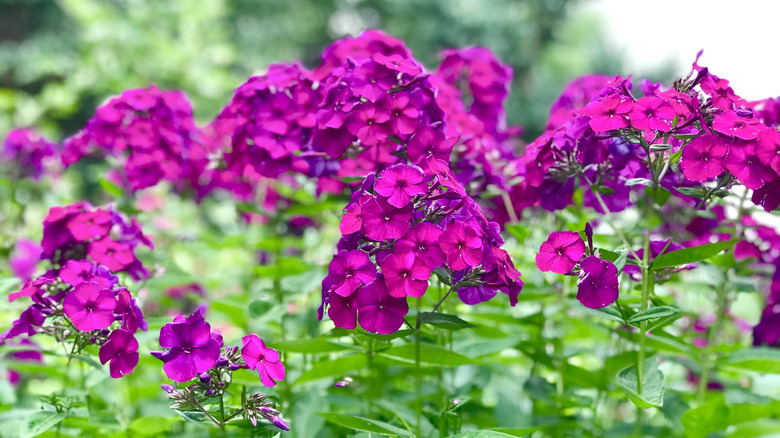
The 2023 Color of the Year, Viva Magenta, a vivid pink-toned purple, offers a dynamic option for enhancing garden aesthetics. This hue is slightly darker than fuchsia, featuring more blue tones than maroon, and possesses significant depth despite its brightness. Its versatility allows it to complement a wide range of colors, making it an excellent choice for developing color palettes in various applications, including gardens. Magenta, positioned adjacent to red on the color wheel, creates a vibrant contrast when paired with green foliage, as red is the complementary color to green. Combining warm red and cool blue tones, magenta harmonizes effectively with yellow and bluish-green shades. Its inherent brightness can illuminate shaded garden areas or radiate vibrantly in sunny flower beds.
For those considering incorporating magenta, annual flowers provide an accessible and cost-effective option for introducing this hue. Annuals generally offer a longer season of color compared to perennials. To achieve maximum visual impact, a combination of both annual and perennial magenta flowers is recommended. This color is available across numerous flower varieties that bloom from early spring through late autumn. The success of perennial plants largely depends on the specific growing zone, while most annuals can be cultivated seasonally in various locations with appropriate care.
Several sun-loving annuals come in magenta shades, including cosmos, portulaca, snapdragons, stock, celosia, petunias, zinnias, and verbena. Specific magenta cultivars of petunias, such as Supertunia 'Royal Magenta' and 'Picasso in Purple,' Easy Wave 'Burgundy Velour,' Shock Wave 'Deep Purple,' and Crazytunia 'Magenta Storm,' are notable examples. Regular deadheading of spent blooms is crucial for maintaining plant health and encouraging continuous flowering. Stock, an old-fashioned annual known for its strong clove fragrance, offers magenta varieties like 'Harmony Mix' and 'Anytime Mix,' which rebloom after snipping spent stems. Magenta snapdragons, found in mixes like 'Madame Butterfly' or cultivars like 'Speedy Sonnet Purple' and 'Black Prince,' also benefit from deadheading to extend their bloom period. For shaded garden areas, impatiens, caladiums, and coleus are available in magenta. Impatiens, in particular, come in a broad spectrum of colors and flower continuously, with sun-tolerant varieties also available.
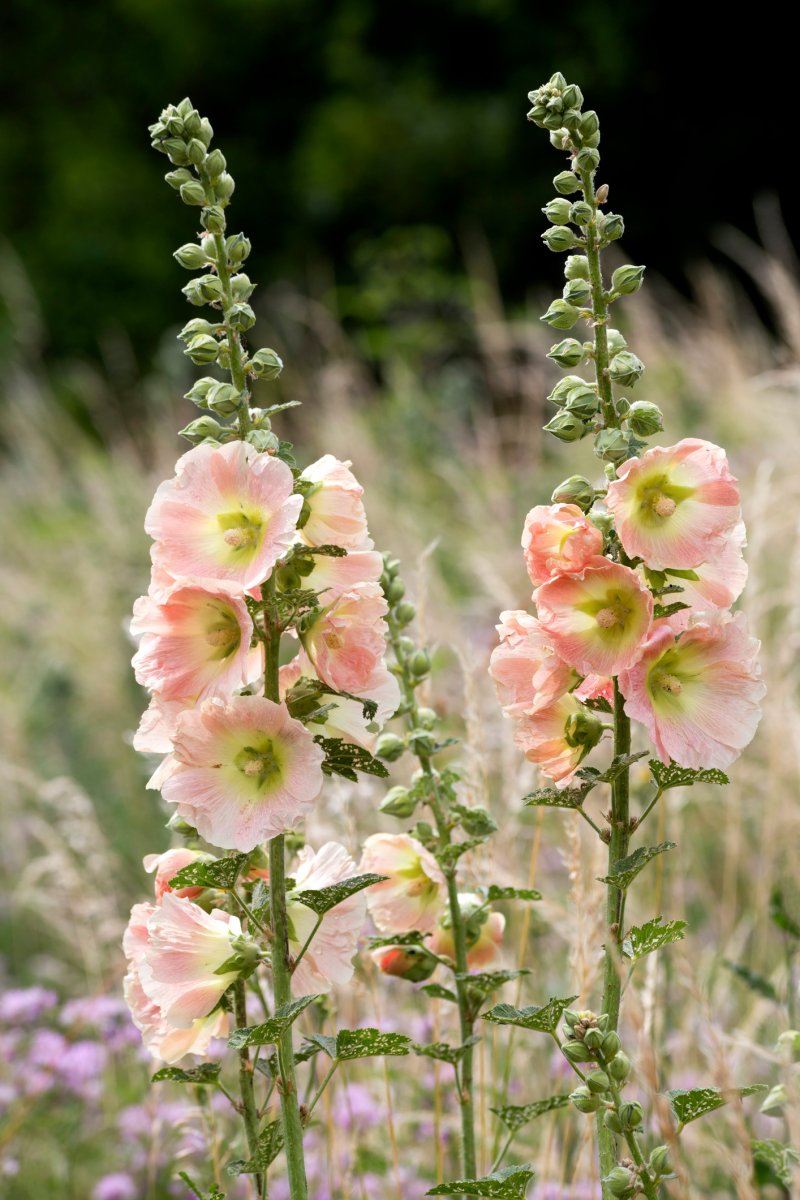
The perennial landscape offers a vast selection of magenta-hued plants. When choosing perennials, it is essential to consult plant labels or websites for information on growing zones, mature size, sunlight requirements, soil needs, and other critical details. Popular perennial options include peonies, dianthus, phlox, iris, and shrubs such as lilacs, butterfly bushes, hibiscus, azaleas, and rhododendrons. In warmer climates, dahlias can also be perennial; 'Thomas Edison' is an heirloom dahlia with a deep magenta hue. Peonies like 'Karl Rosenfield,' 'Felix Crousse,' and 'Old Faithful' provide vivid magenta tones, requiring proper planting depth and ample sunlight. Dianthus, with cultivars such as 'Paint the Town Magenta,' are long-blooming and attract pollinators, benefiting from deadheading. Tall garden phlox varieties like 'Ultraviolet' and 'Magenta Pearl' offer weeks of summer color, though they require adequate air circulation to prevent mildew. Sun-loving butterfly bushes, including 'Magenta Darling,' 'Buzz Hot Raspberry,' and 'Miss Molly,' are pollinator magnets that can be cut back in autumn for spring regrowth.
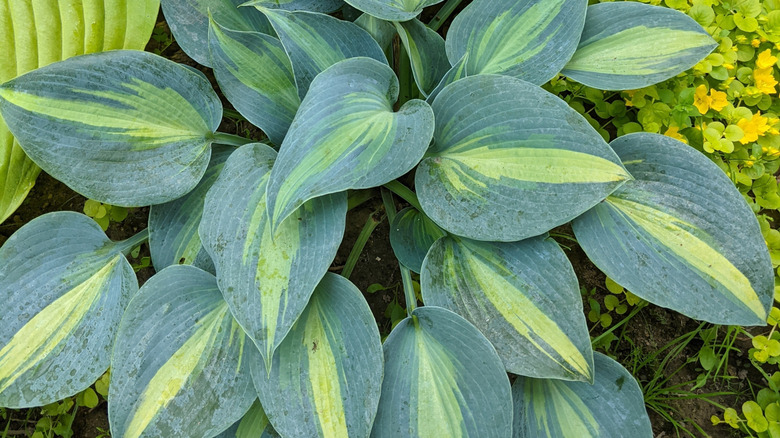
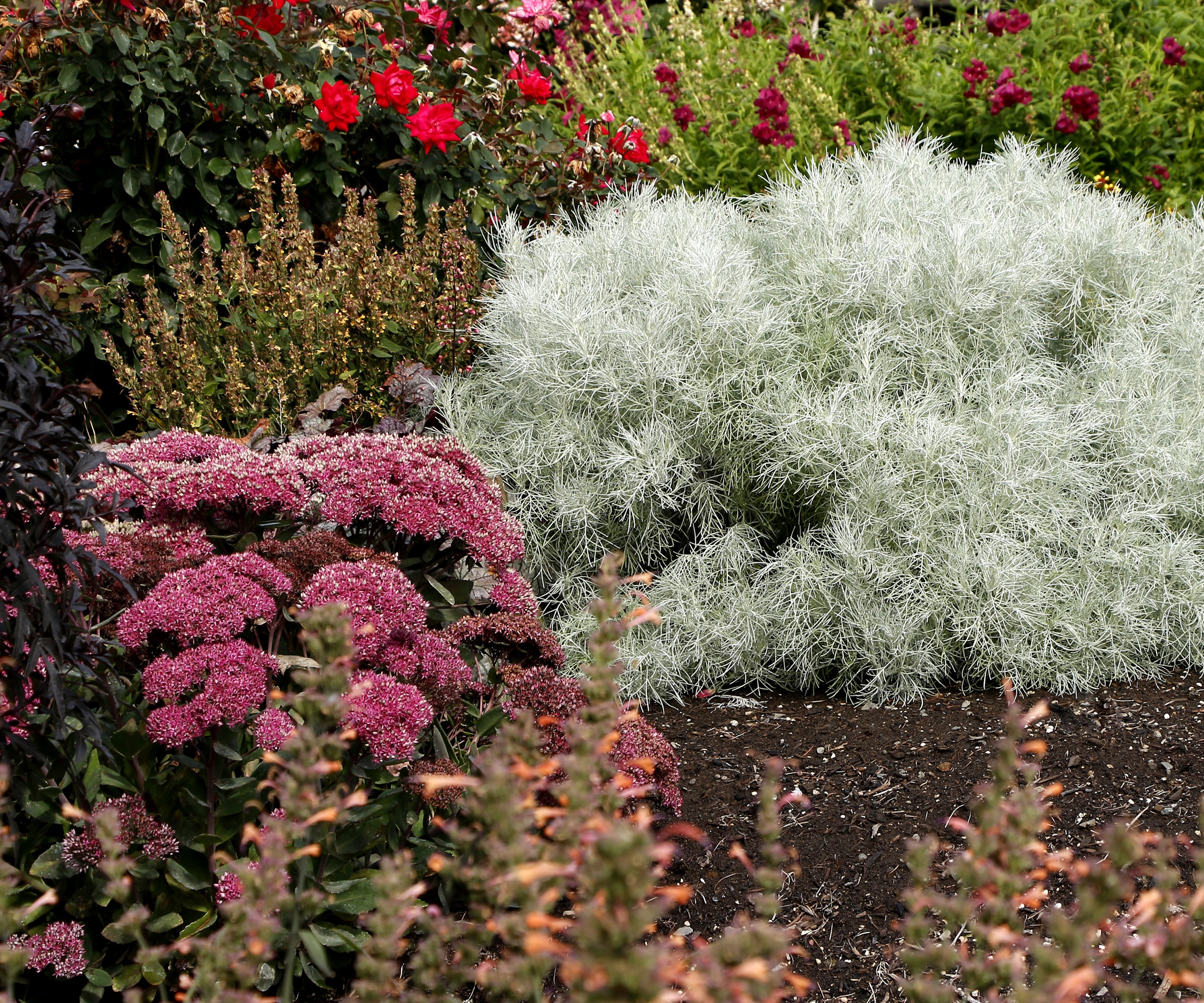
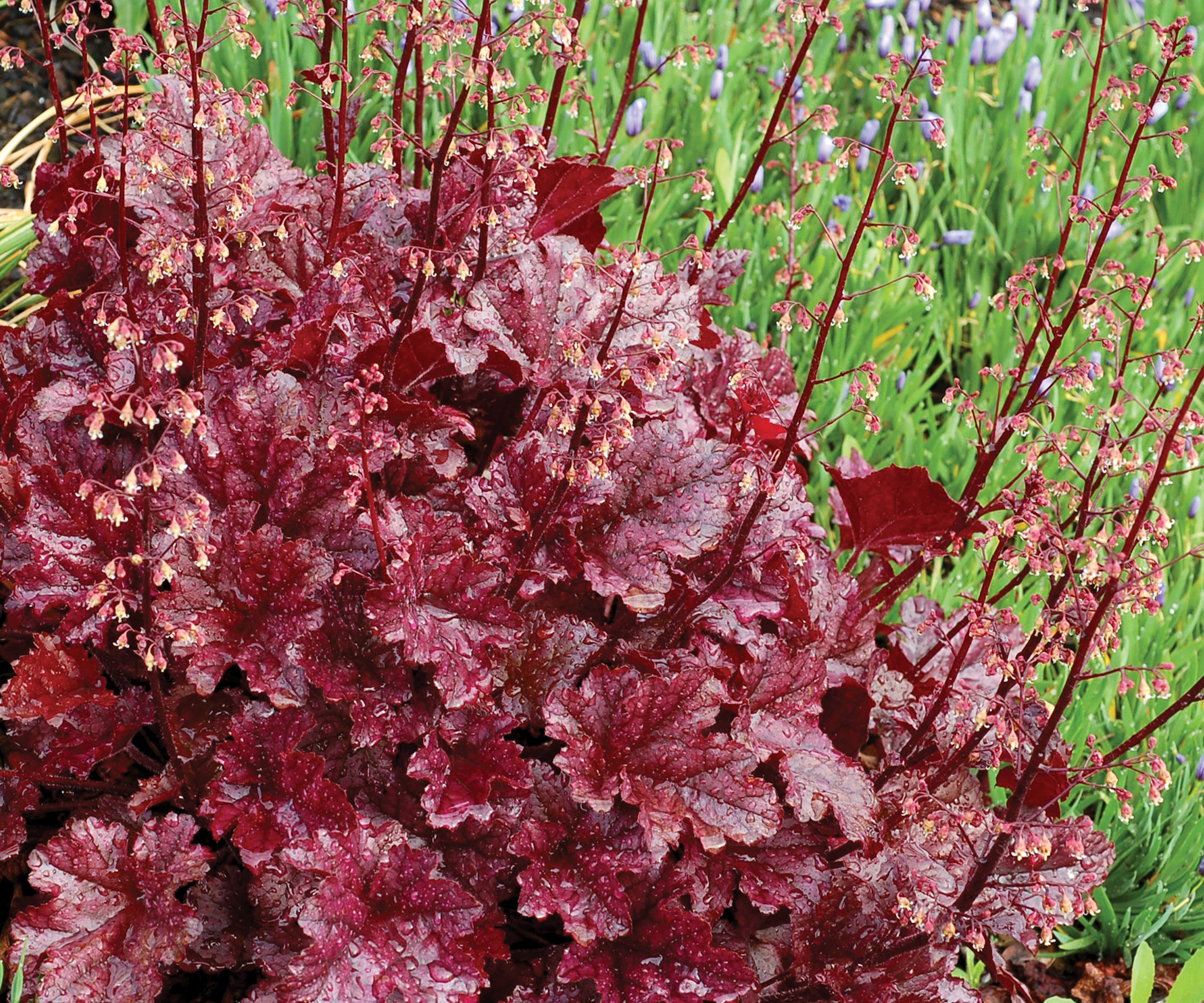
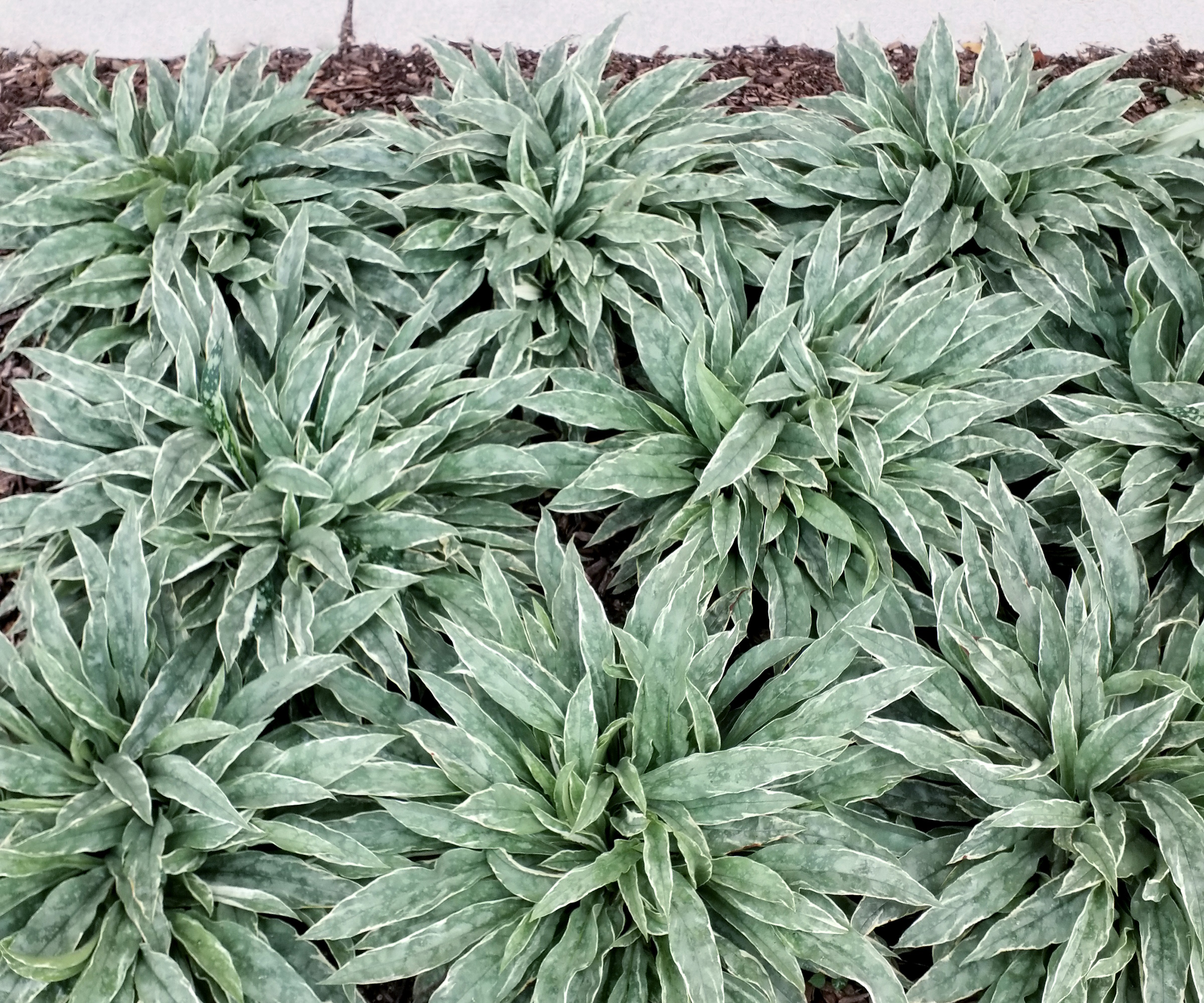
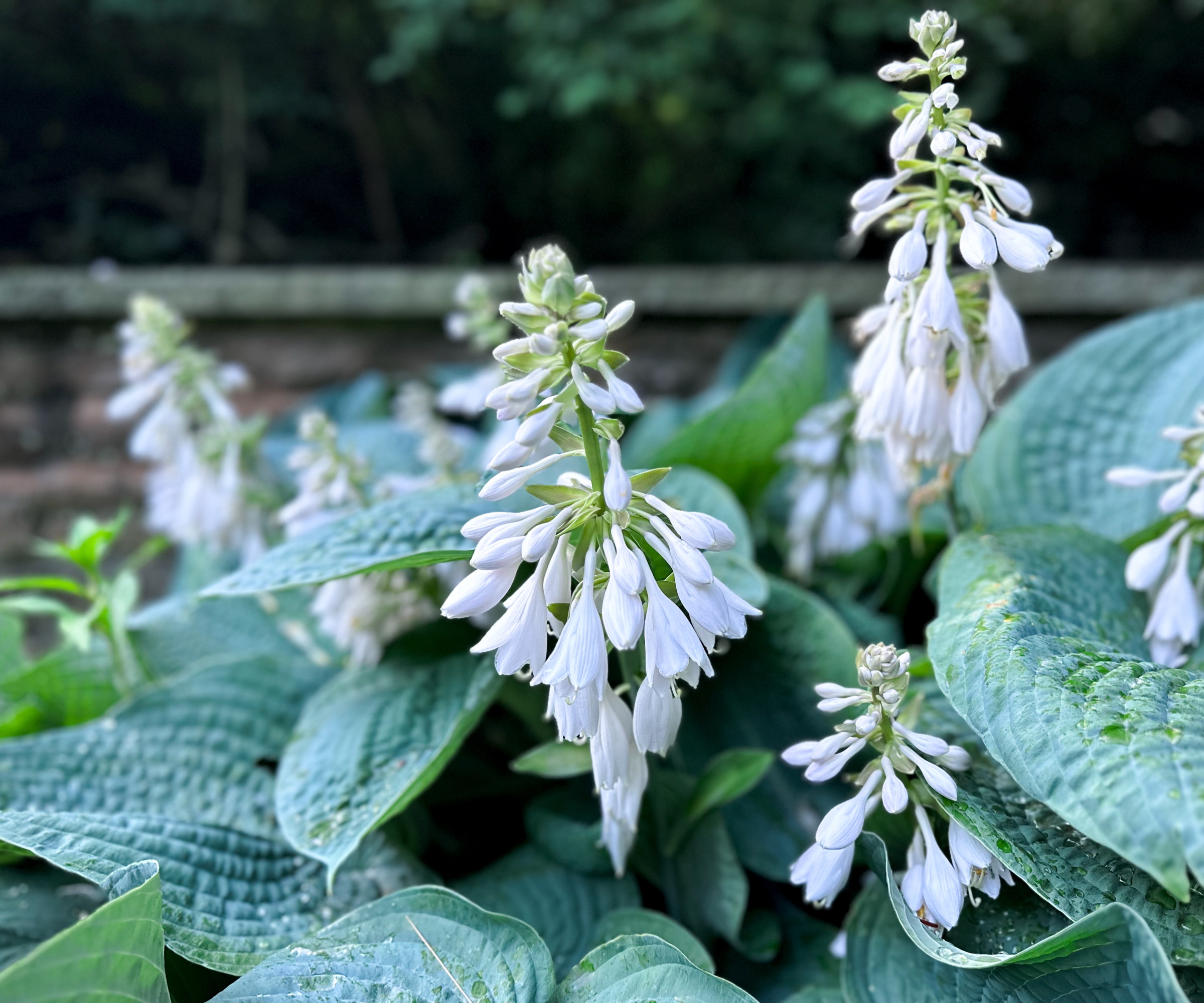
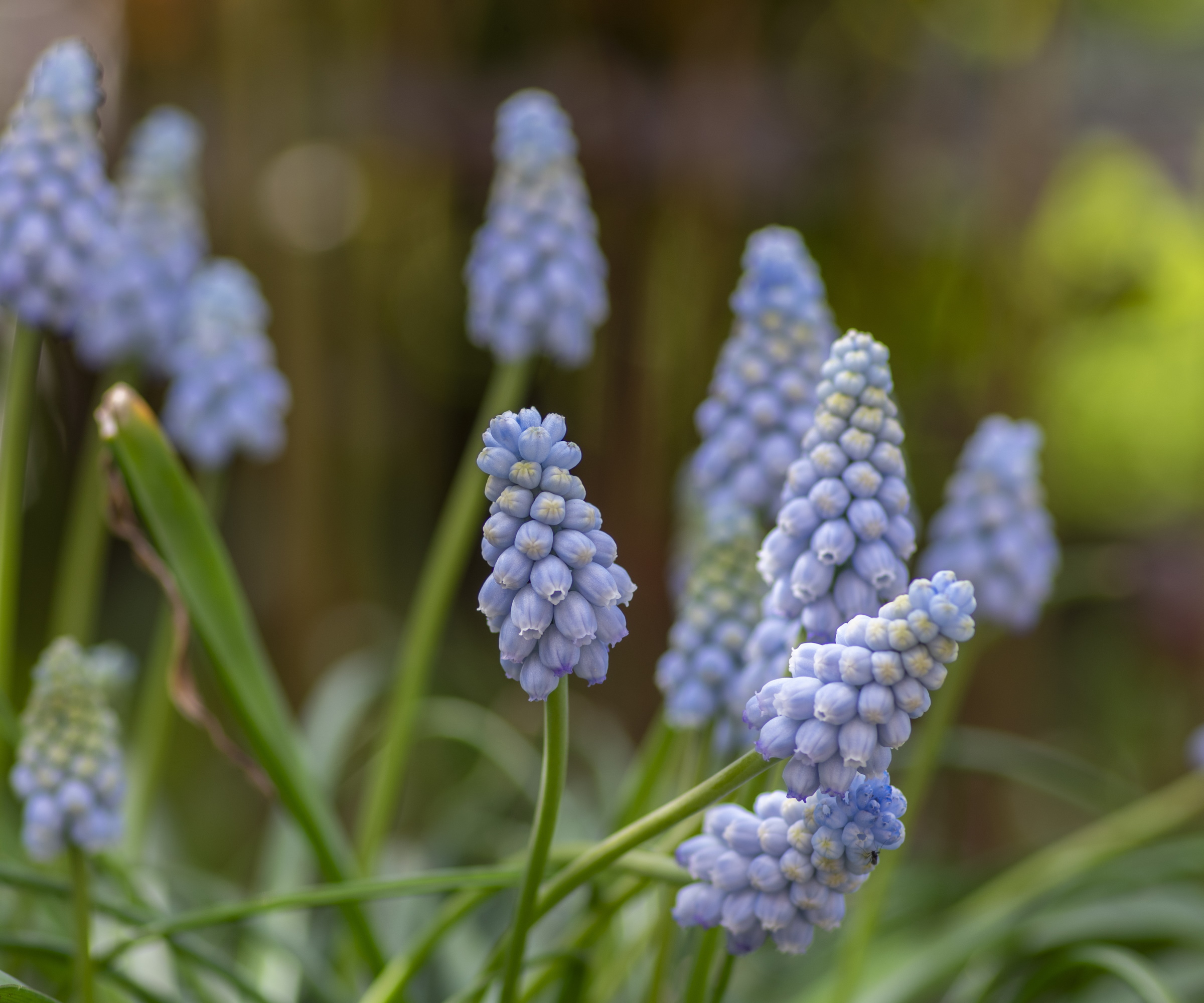
Megan's versatility makes it suitable for almost any garden color palette. Effective combinations include magenta with chartreuse and pink; magenta with light blue and purple; magenta with silver and lavender; and magenta with orange and yellow. For these combinations to truly stand out, plants should ideally bloom simultaneously. Annuals offer a longer blooming period, allowing for experimentation with palettes before committing to more permanent perennial arrangements. Pairing magenta with chartreuse and bright pink, such as magenta and pink petunias with chartreuse sweet potato vine in a container, or magenta dianthus near chartreuse hosta with pink roses and lilies in a flower bed, creates vibrant displays. Magenta also complements light blue and dark purple, seen in late May with magenta peonies alongside light blue Amsonia, columbines, or forget-me-nots, and dark purple German irises. For a more refined aesthetic, integrating plants with silver foliage, such as artemisia or silvery heuchera, alongside lavender flowers like phlox, dianthus, petunias, or stock, can create a sophisticated garden design.
#VivaMagenta #GardenDesign #FlowerGardening #ColorOfTheYear #AnnualFlowers #PerennialFlowers #Horticulture #PlantSelection #GardenPalette #VivaMagenta #GardenDesign #FlowerGardening #ColorOfTheYear #AnnualFlowers #PerennialFlowers #Horticulture #PlantSelection #GardenPalette
0 comment in total
 No comments yet
You may also like
The 2025 Garden Color Of The Year Is So Bold - Here's 13 Ways To Use It
The Paint Color Trends of 2023 Are in—And They’re Gorgeous
Compare All the Paint Colors of the Year for 2023

Spring Into Stain Season with the Hottest Outdoor Color of 2025
How to Showcase the 2025 Garden Color of the Year in Your Yard

The best new annual flowers of 2025

The 2023 Paint Colour of The Year Is Officially Here And It's...Beige
PPG's Color of the Year for 2022 Is Fulfilling All Our Verdant Dreams

Add These 6 Plants to Your Landscape to be On Trend in 2026

Every 2026 Color of the Year We Know So Far, From Soft Neutrals to Your New Favorite Green

Pick Your Favorite 2024 Color of the Year
The colour trend taking over our gardens for summer holiday vibes all year round
The Better Homes & Gardens 2023 Color of the Year Is Here

2023 spring trends: decorate your home with this season's colours
Best teal plants: 8 choices for GMG color of the year
Green is the color of 2023 – these designer-approved ways to use it are bold and beautiful


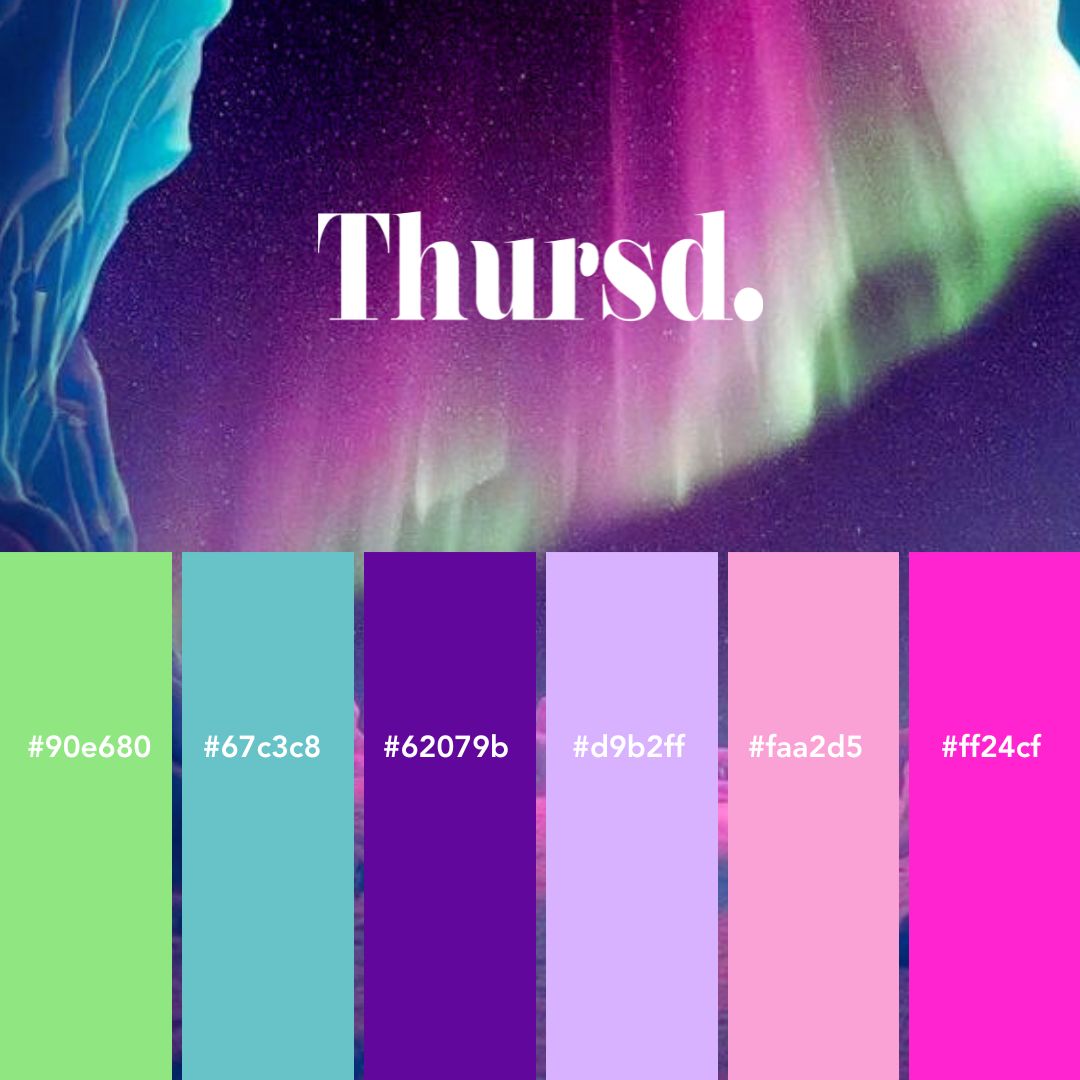
Thursd Floral Trend Color Palette 2025 - Aurora Glow

Want to match your plants to your paint colors in 2025? Here's how to add a botanical twist to the hottest interior shades
Drumroll Please... the 2022 Color of the Year Is an Homage to Mother Nature! Here's How to Bring It Home

Glidden Announces a Tranquil Teal for its 2023 Color of the Year