Is it better to finish the basement as part of the build or later on?
The decision of whether to finish a basement during the initial home construction or to undertake it as a renovation project later is a common dilemma for new home buyers. This choice involves weighing various factors, including cost, convenience, design flexibility, and potential impact on the home's warranty and resale value. Builders often offer to finish basements as an upgrade during the new home purchase, which can present a seemingly straightforward solution, integrating the basement into the overall home design from the outset. However, this option might come with a premium price and less room for customization down the line.
Finishing the basement as part of the initial build can offer several advantages. Firstly, it often means the work is completed by the same construction crews and sub-trades who are already on-site, potentially leading to efficiencies in labor and materials. The design can be seamlessly integrated with the rest of the house, ensuring consistent aesthetics and functionality, and avoiding potential issues with mismatched styles or building codes that might arise from a later renovation. Furthermore, incorporating the basement finish into the initial mortgage can simplify financing, as the cost is rolled into a single loan with a generally lower interest rate compared to a separate renovation loan. This also means homeowners can enjoy the full functionality of their new home, including the basement living space, from the moment they move in.
Conversely, choosing to finish the basement at a later stage also has its merits. Waiting allows homeowners to better understand their needs and preferences, and to save up for the renovation without adding to their initial mortgage burden. This delay provides an opportunity for more personalized design choices and the freedom to select specific contractors or even undertake a DIY project, potentially saving money on labor costs. However, renovating a basement later can be more disruptive, involving noise, dust, and inconvenience while living in the home. There's also the risk of encountering unforeseen issues, such as moisture problems or structural challenges, which might increase the overall cost and timeline. Additionally, a future renovation might be subject to new building codes or permit requirements that were not in place during the initial construction.
An expert, Tom Welling, general manager of renovations at Renova Homes and Renovations, and a former new home warranty inspector, emphasizes that he frequently receives inquiries about this very decision. Having experience in both new home construction and renovations, Welling has witnessed both the positive and negative outcomes of each approach. His insights, though not fully detailed in the provided excerpt, would likely delve into the practical implications, potential pitfalls, and best practices for both scenarios. The decision ultimately depends on a homeowner's financial situation, immediate needs, long-term plans, and comfort level with managing a construction project, whether integrated into the initial build or as a standalone renovation.
#HomeConstruction #BasementFinishing #HomeRenovation #NewBuilds #HomeOwnership #RealEstate #HomeConstruction #BasementFinishing #HomeRenovation #NewBuilds #HomeOwnership #RealEstate
0 комментариев всего
 Комментариев пока нет
Вам также может понравиться
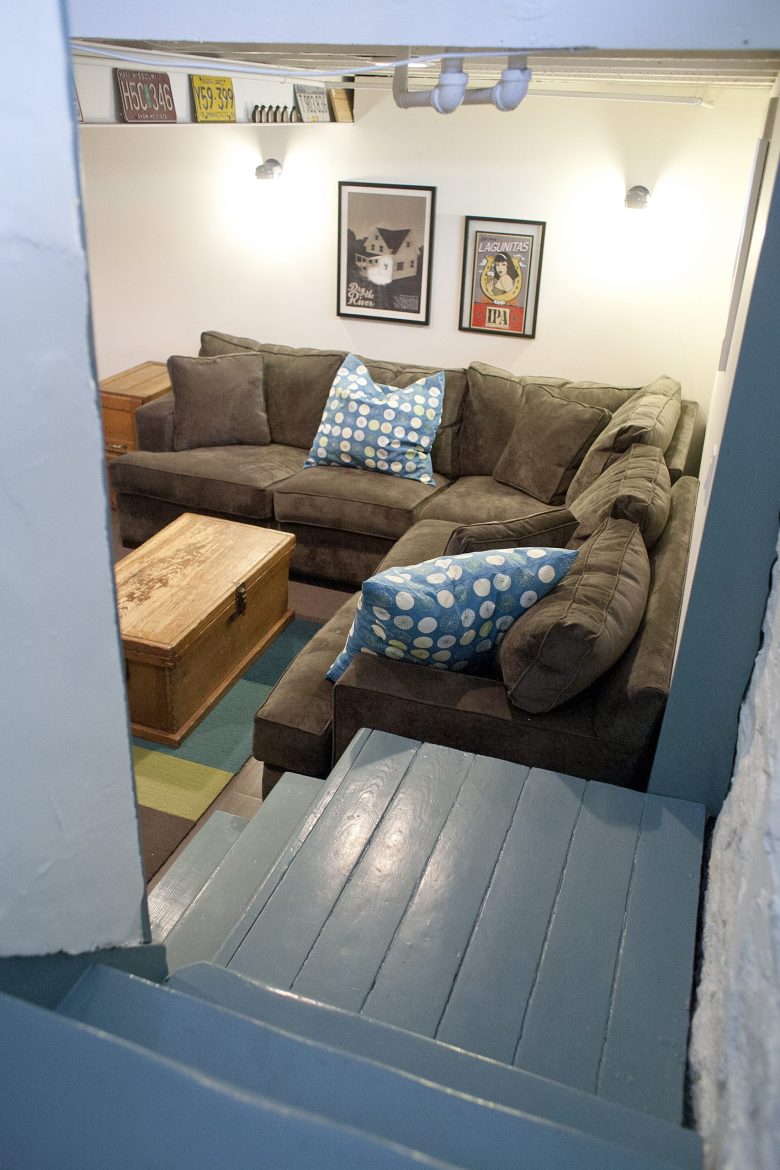
Finished basements


Should you insulate a basement ceiling? Expert advice for a comfortable home


5 Things To Consider Before Starting A Basement Remodel, According To Builders
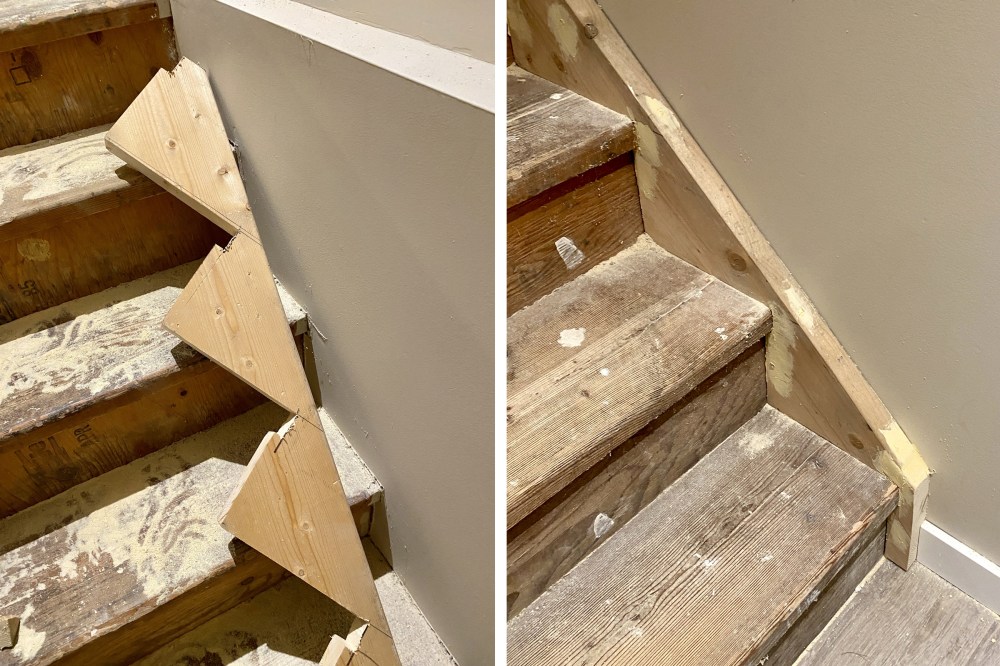
Sep 2024: Finally, a completed stairway

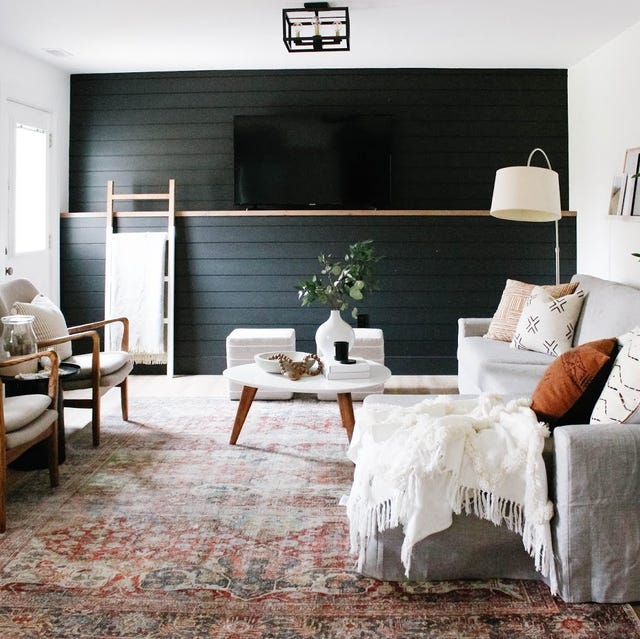
A Finished Basement Is Just What Your Home Needs in 2025

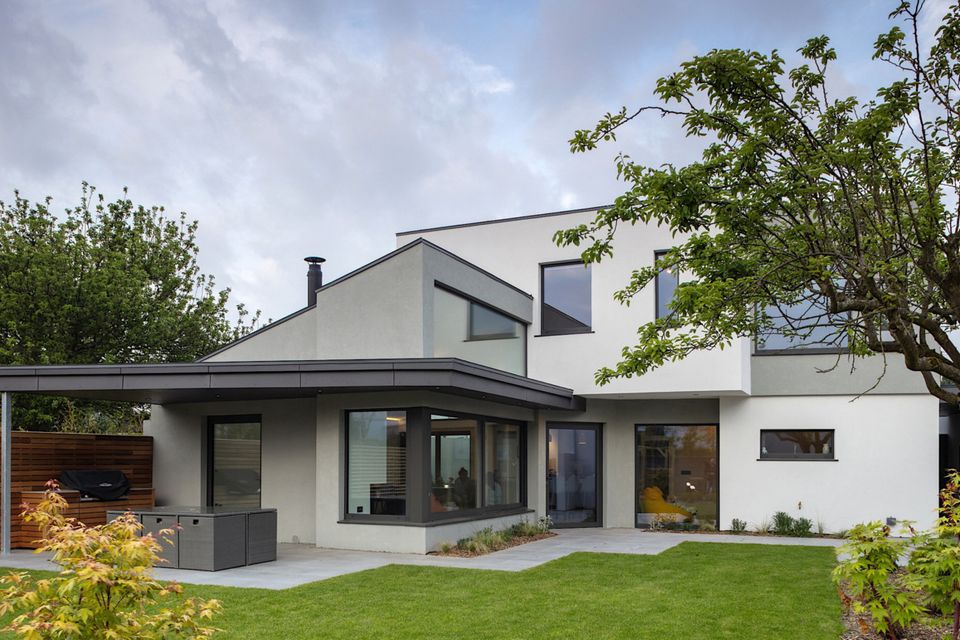
If you're looking for morespace, build out or build up
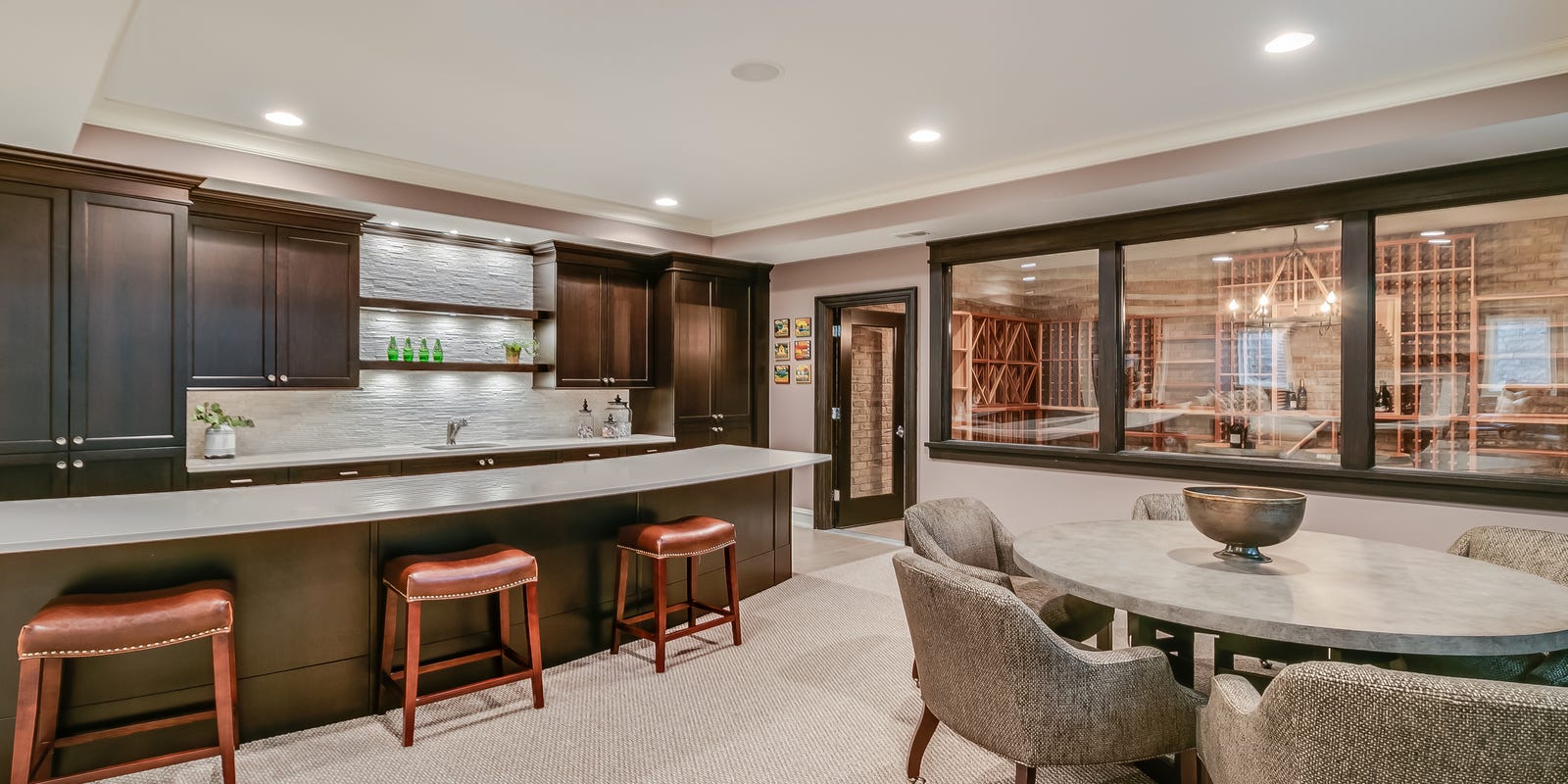
The Inside Outside Guys: Finishing a basement: part one
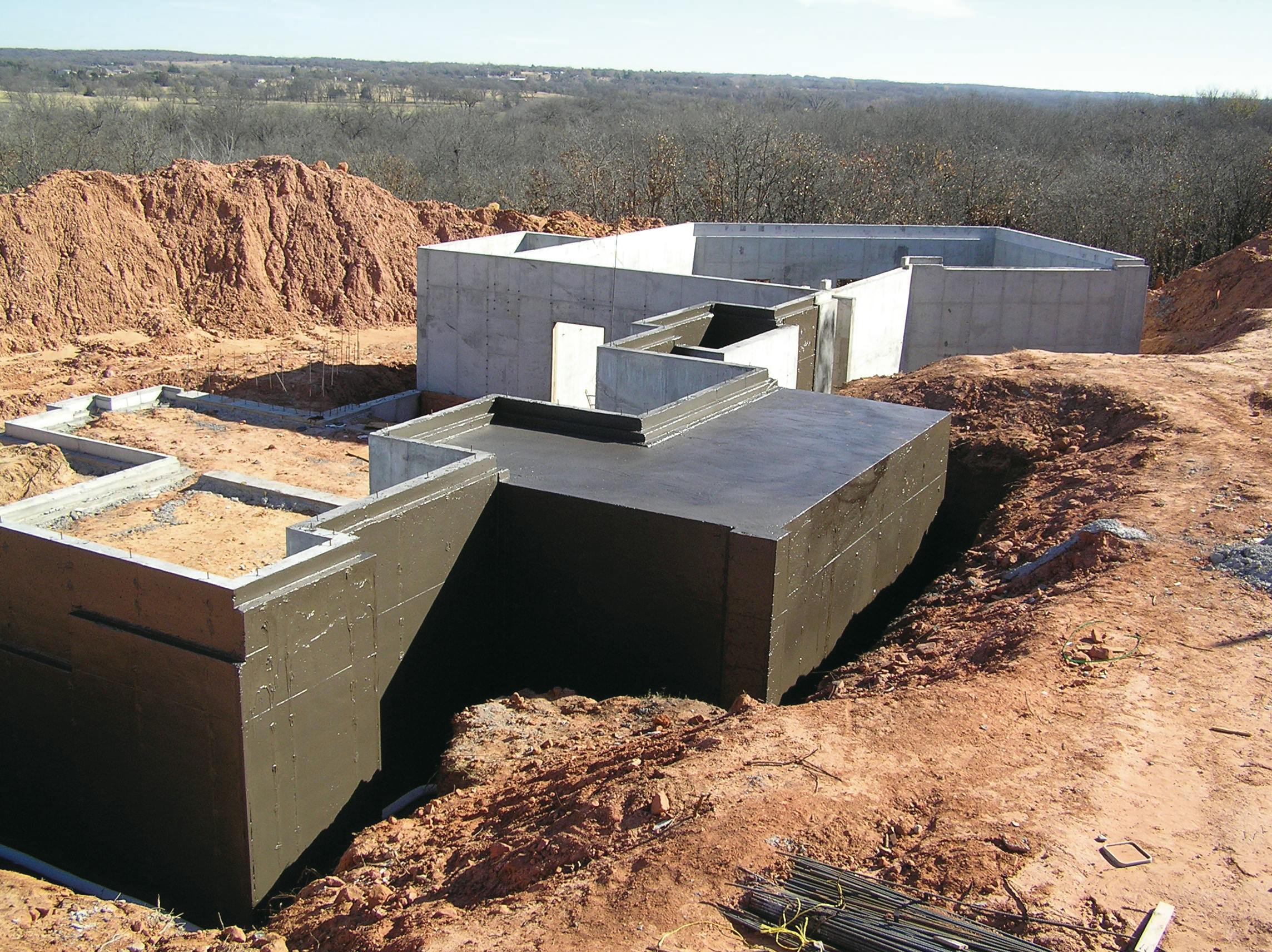
Basements and Beyond


Dope Basement Renovation
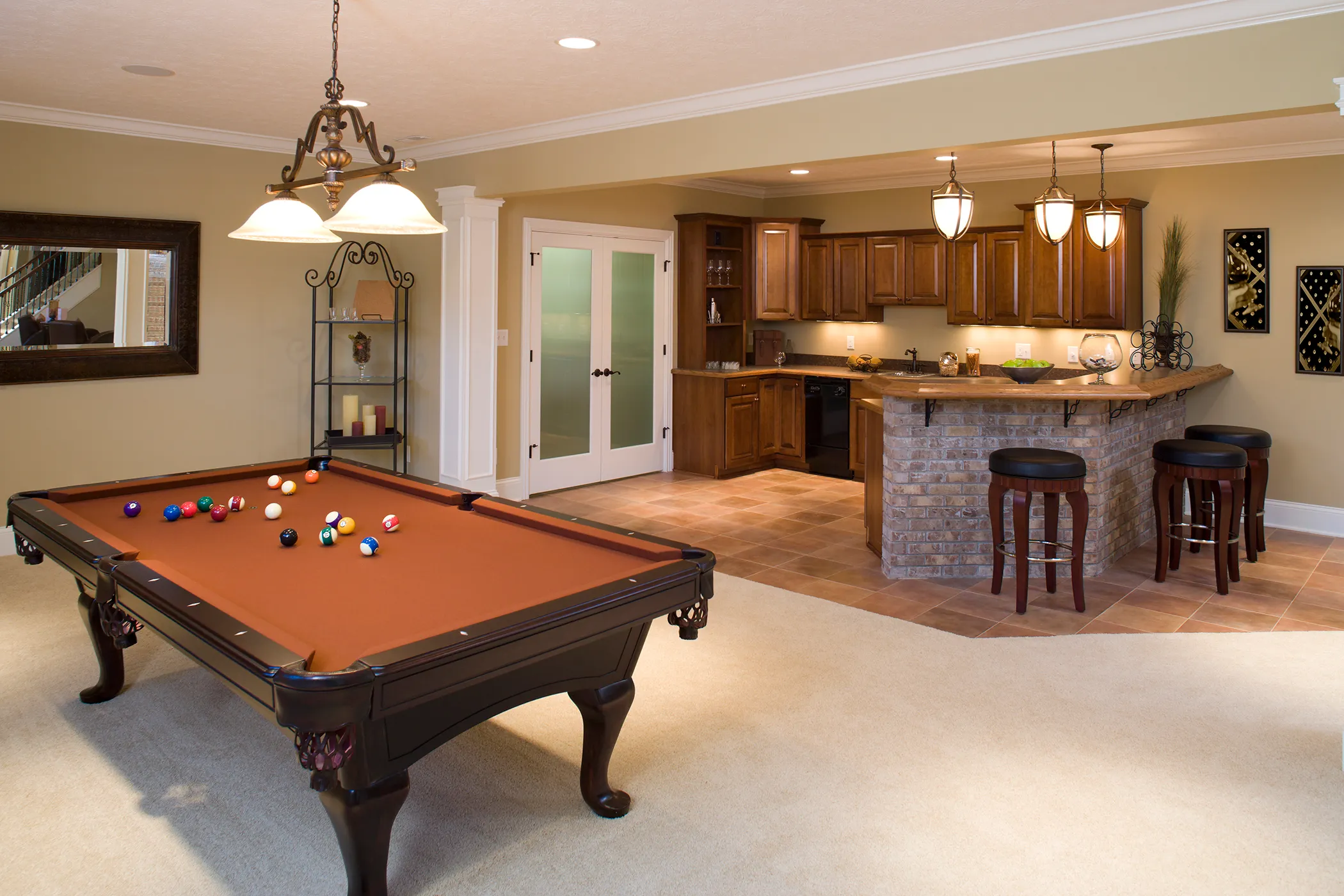
What to Know Before You Finish Your Basement
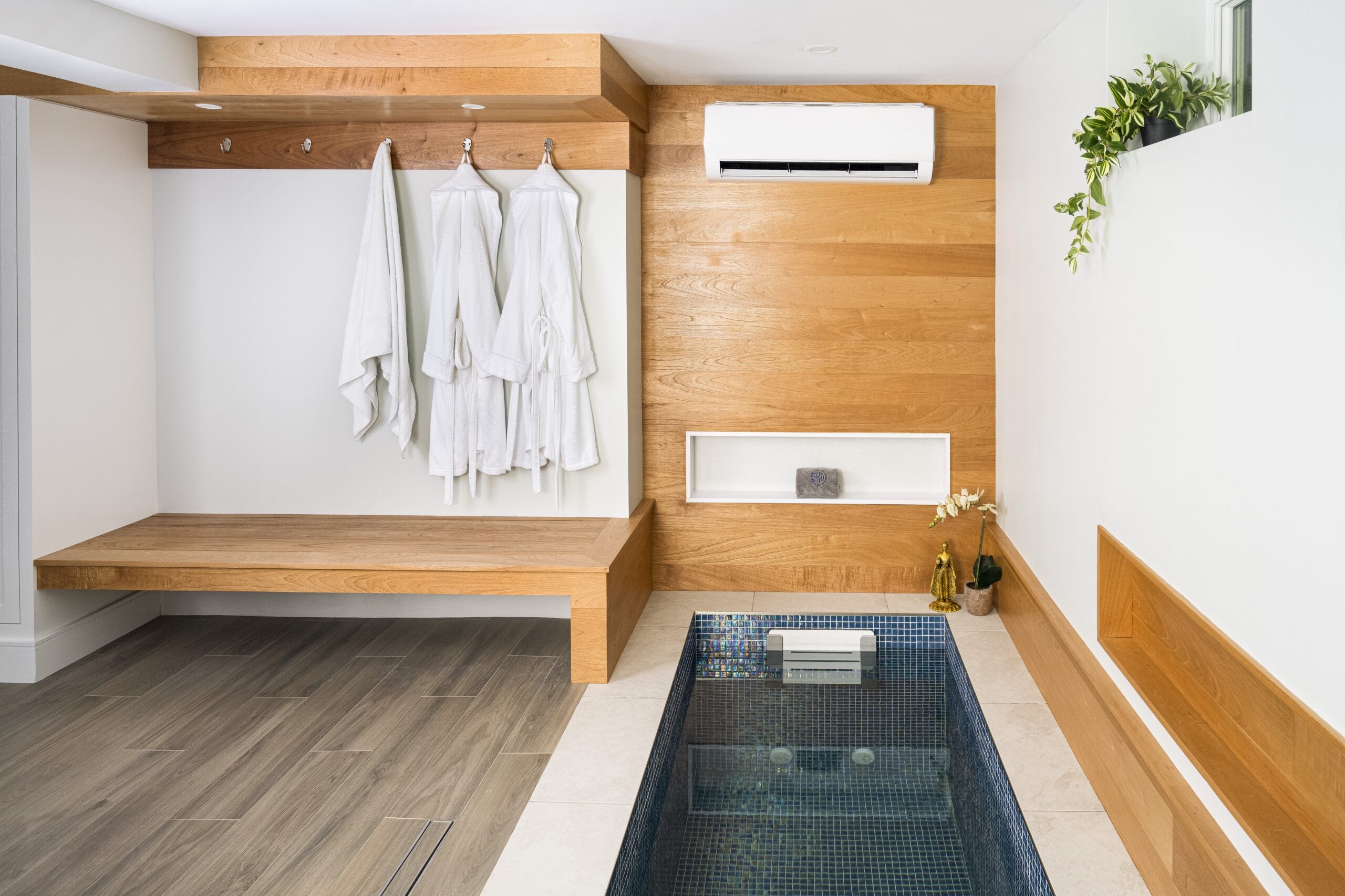
Taking the plunge on a basement renovation — literally
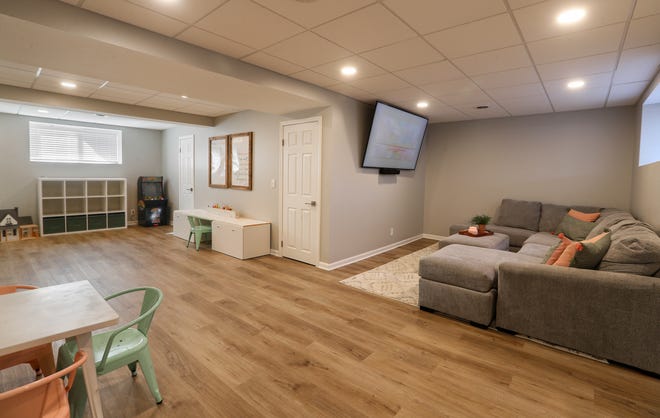
Finishing your basement can add space and value but you have to do it right
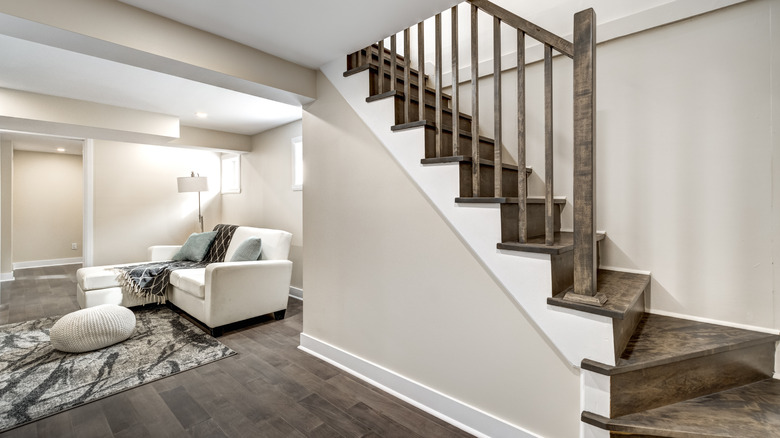
Our Flooring Experts Weigh In On The Best Type Of Flooring For Basements

How to Design a Basement That Actually Gets Used
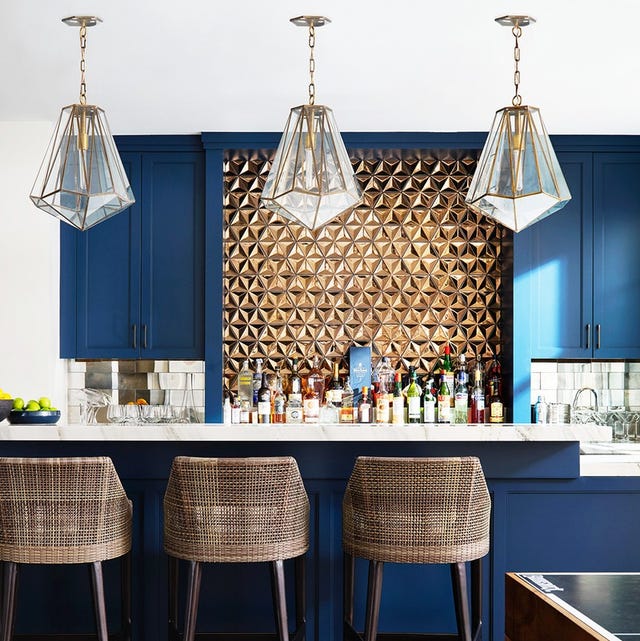
25 Finished Basement Ideas to Inspire Your Next Remodel

This one basement conversion mistake could leave your space completely uninhabitable

76 Best Finished Basement Ideas to Try at Home