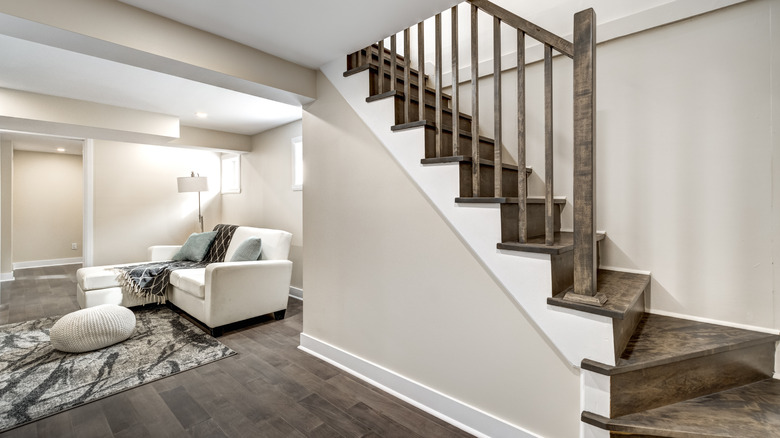
1/3
Our Flooring Experts Weigh In On The Best Type Of Flooring For Basements
Basements, offering significant extra space, are often underutilized or unfinished, requiring renovation to become more habitable. A crucial aspect of this renovation is selecting appropriate flooring, a decision that can be overwhelming given the multitude of materials and specific considerations for basement environments. Key factors include the primary use of the basement (e.g., family game nights vs. storage), potential for flooding, and existing humidity and moisture levels. Beyond durability and longevity, aesthetic appeal also plays a vital role in the decision-making process.
Experts Bob Hardaway, Vice President of Carpet at Shaw, and Josh Martenn, Vice President of Hard Surface and TotalWorx with Shaw, provide insights into the best flooring options for basements. Hardaway highlights the benefits of both hard surface and carpet, emphasizing that the choice ultimately depends on the consumer's vision for the basement. From a carpet perspective, loops and carpet tiles are frequently used, with carpet tiles offering ease of installation. Martenn, conversely, advocates for vinyl and tile products as excellent hard surface choices for basements.
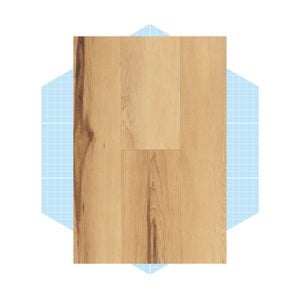
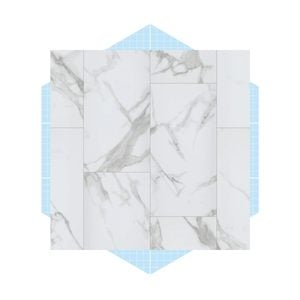
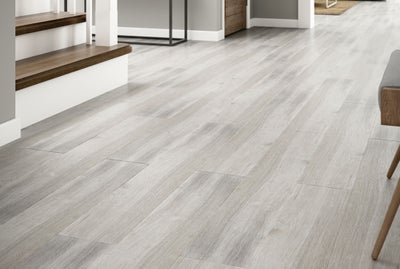
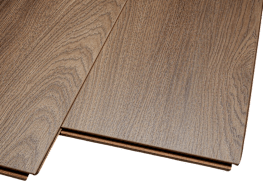
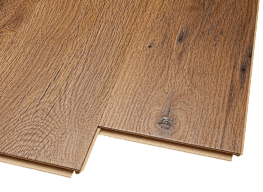
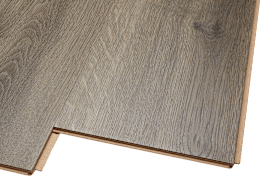
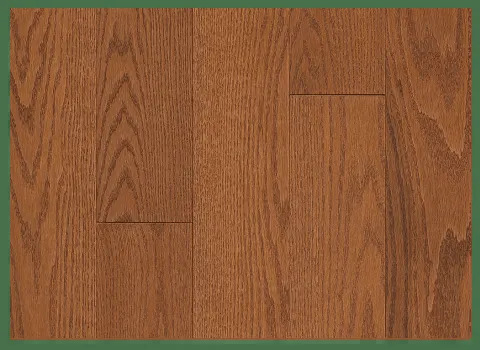
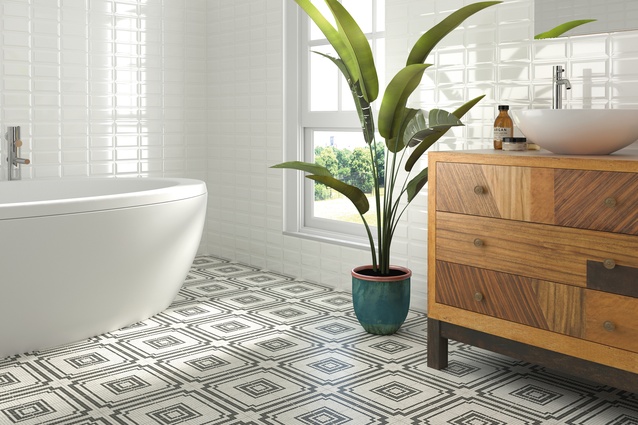
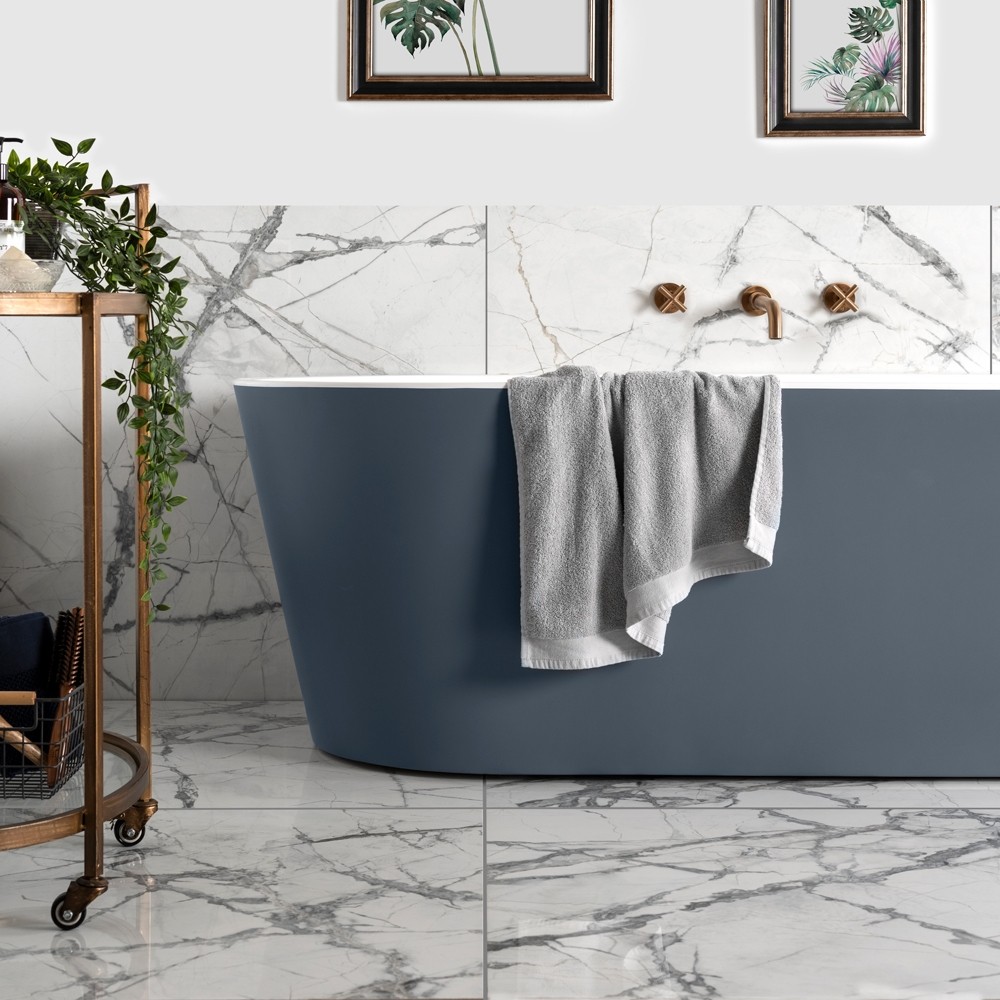
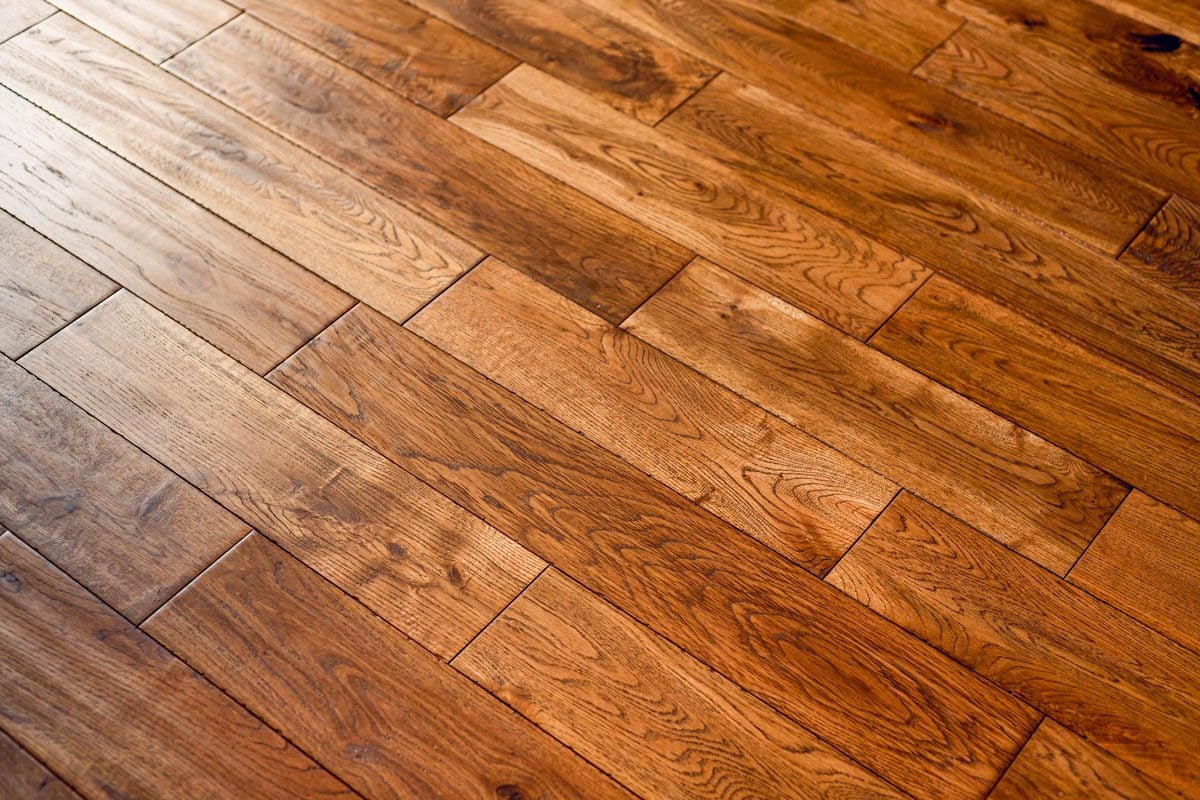
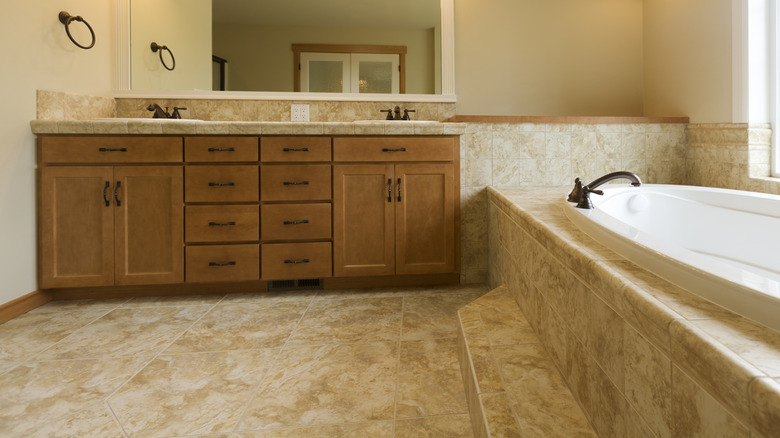
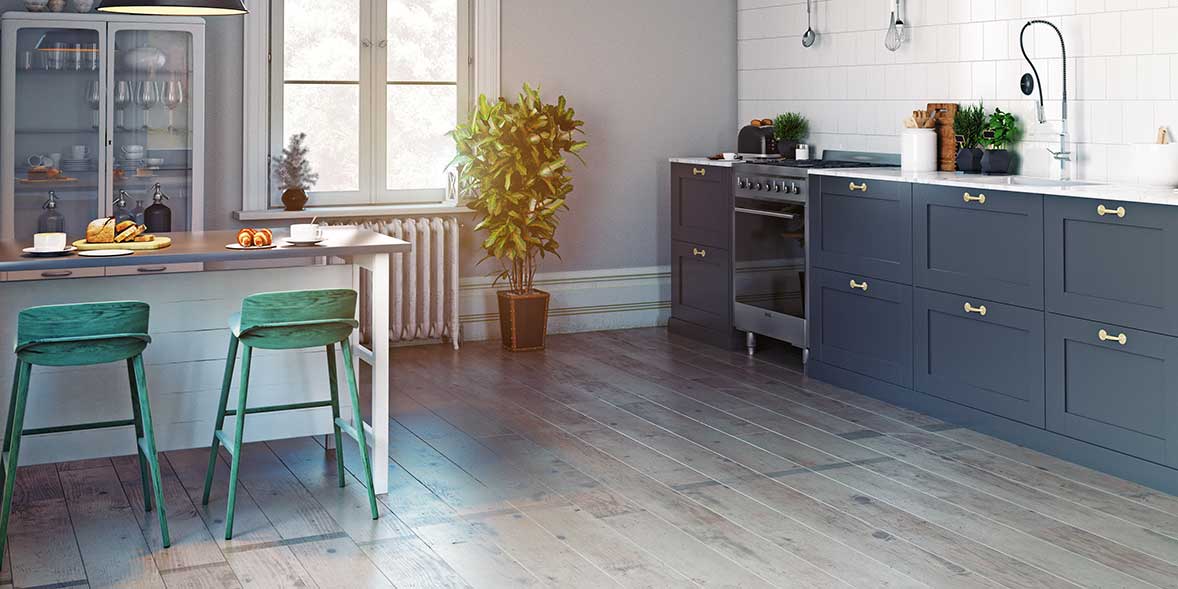
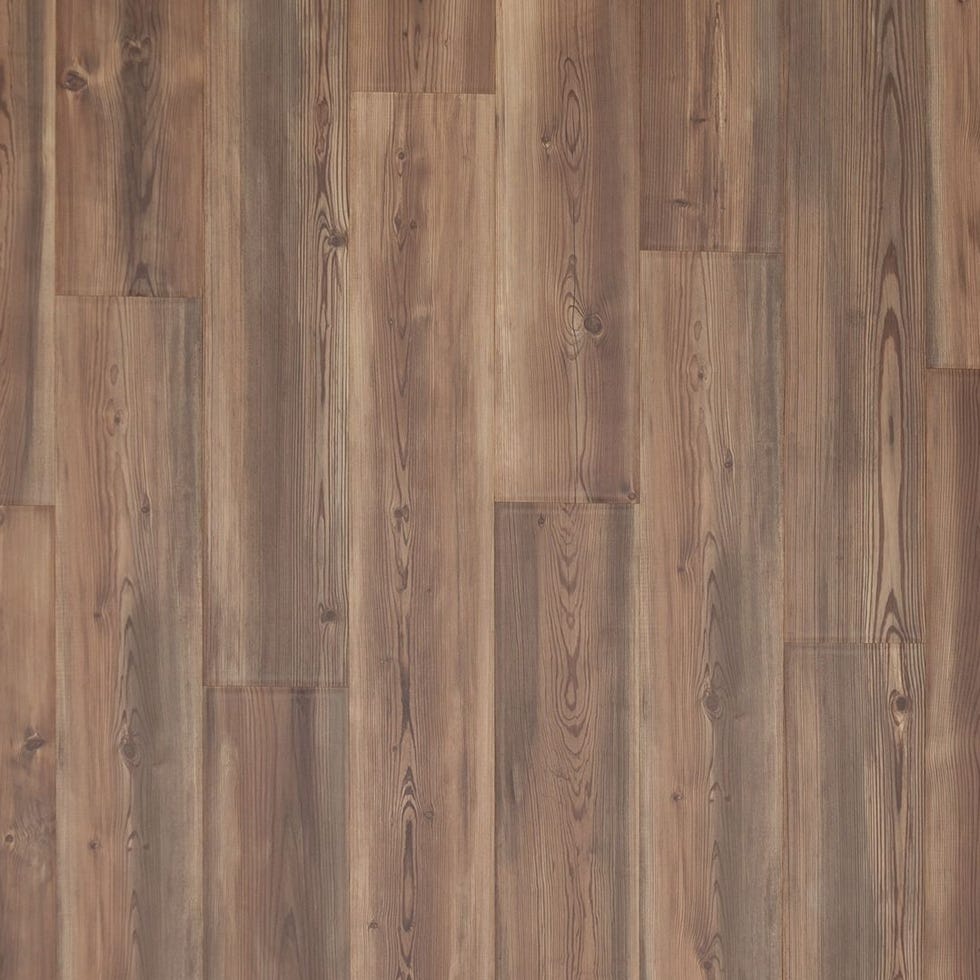
Detailed recommendations from Martenn and Hardaway underscore the advantages of tile and vinyl. Tile is praised for its water resistance, low maintenance, and ability to seal out moisture. Vinyl is recognized for its durability, ease of cleaning, and often more affordable price point. Homeowners are particularly drawn to vinyl due to its aesthetic versatility, specifically its ability to mimic real wood visuals. Brands like COREtec and Shaw Floors offer numerous vinyl options that combine the look of real hardwood with superior durability. Both vinyl and tile offer long-term durability, though vinyl generally offers easier installation and can be more budget-friendly.
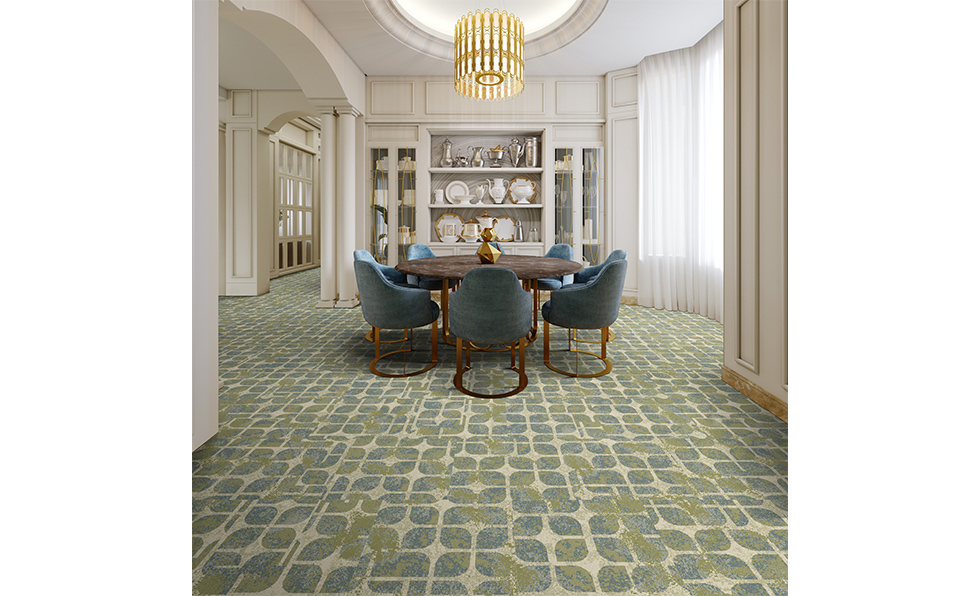
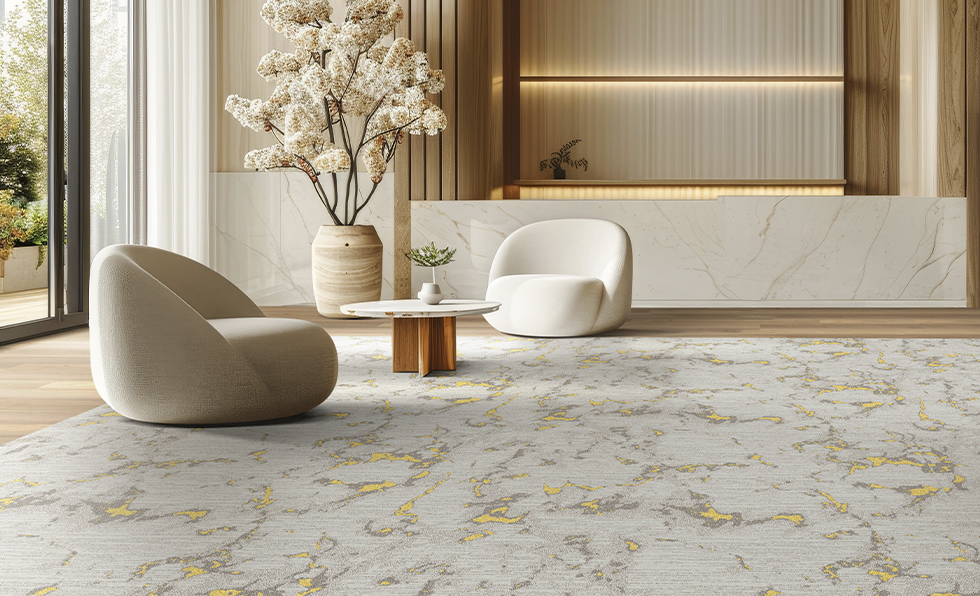
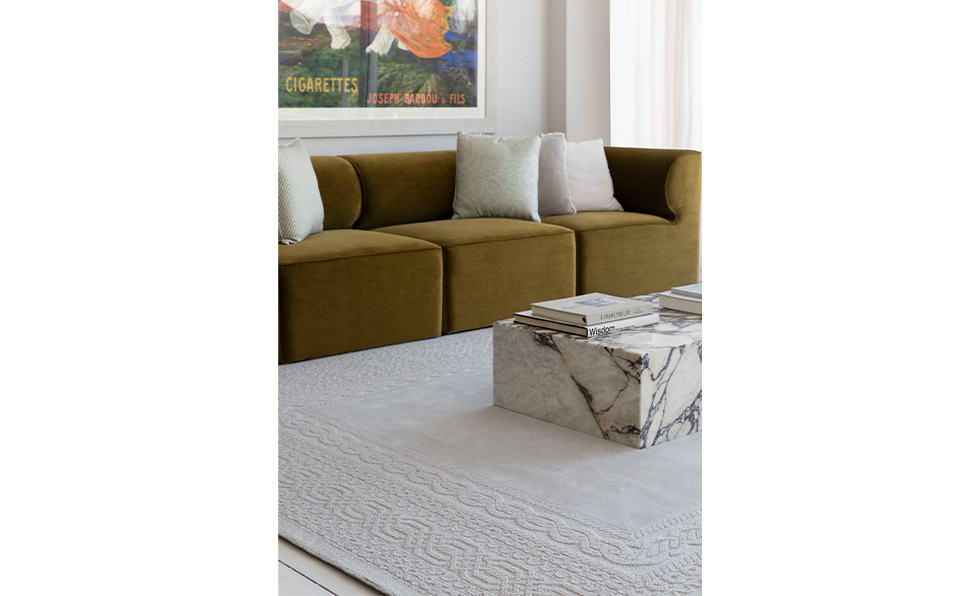
Hardaway notes that carpet tiles provide warmth underfoot, fostering a cozy and comfortable atmosphere, while tile and vinyl offer a more durable and low-maintenance solution. For basements intended for social events and family activities, carpet may be suitable, but it's crucial to ensure minimal moisture and flood risk, as carpet is not water-resistant like vinyl and tile. Vinyl presents a more affordable and easier-to-maintain alternative in the long run.
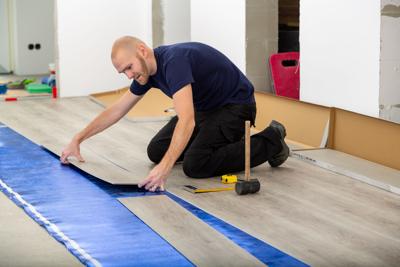
The installation process is another significant factor influencing material choice. Homeowners must weigh the cost of professional labor against the feasibility of DIY installation. The invasiveness and time commitment of the project also require consideration. The average cost for installing new basement flooring ranges from $3,000 to $9,000, influenced by labor, space size, and materials. To manage costs, opting for DIY-friendly materials is often a wise decision. Martenn explains that Wood Plastic Composite (WPC) and Stone Polymer Composite (SPC) products are suitable for DIY installation because they feature a click-lock system, eliminating the need for glue or nails. However, sheet vinyl and traditional tile typically necessitate professional installation. While carpet can be installed by homeowners, it often requires specialized tools, making it a more challenging DIY task.
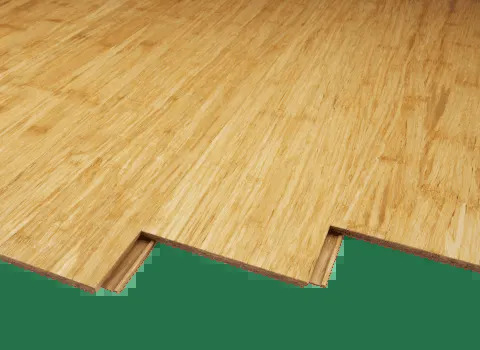
WPC flooring, composed of wood fibers and resin, provides a durable, water-resistant, wood-like alternative to actual hardwood. SPC flooring, made from calcium carbonate, polymer, plasticizers, and polyvinyl acetate, offers similar installation benefits and features. SPC is generally more affordable and commonly found in commercial settings, whereas WPC is a popular choice for residential properties.
#BasementFlooring #HomeImprovement #InteriorRemodel #FlooringOptions #VinylFlooring #TileFlooring #CarpetTiles #DIYInstallation #MoistureResistance #HomeRenovation #BasementFlooring #HomeImprovement #InteriorRemodel #FlooringOptions #VinylFlooring #TileFlooring #CarpetTiles #DIYInstallation #MoistureResistance #HomeRenovation
0 comment in total
 No comments yet
You may also like
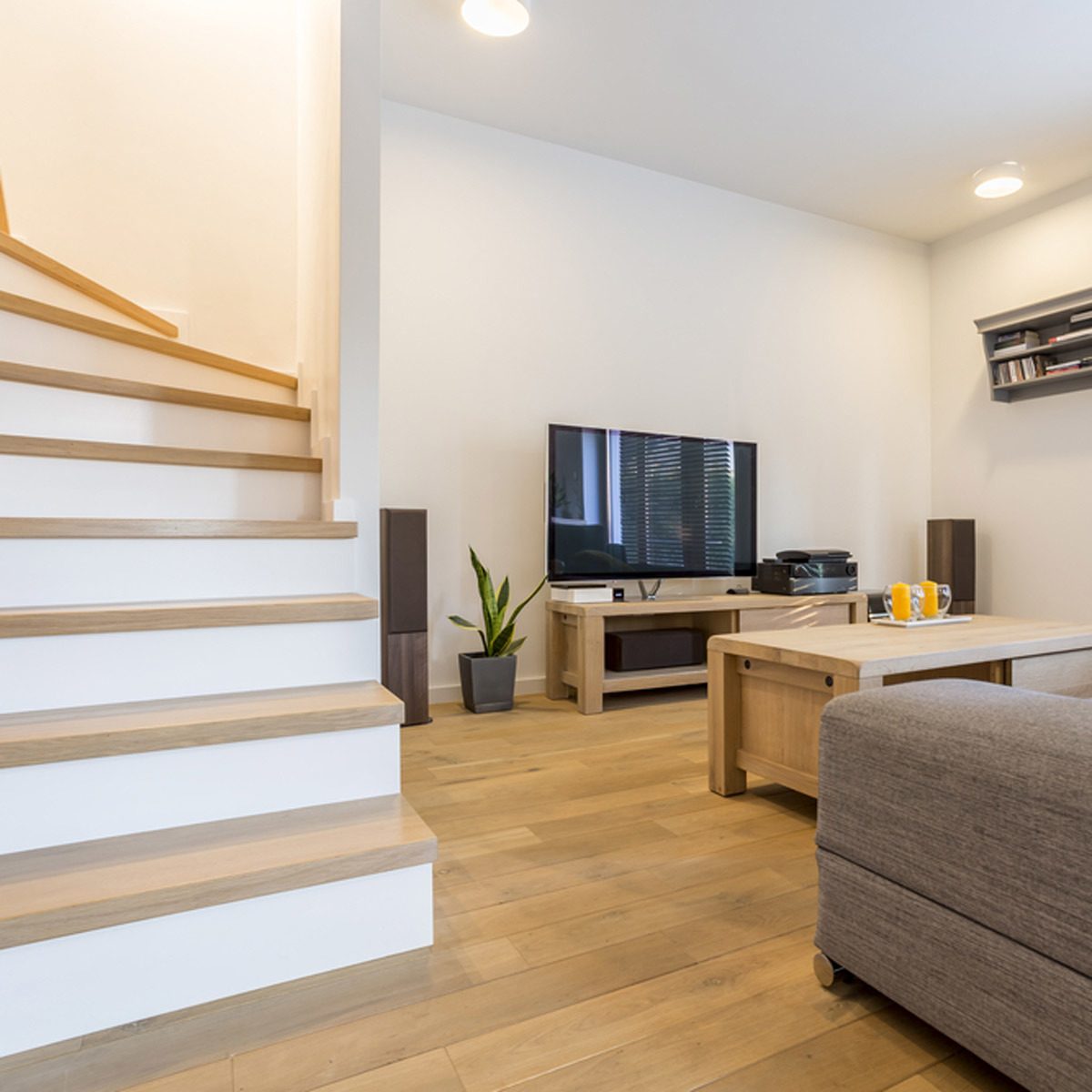
5 Best Types of Flooring for Your Basement in 2022

Set the Stage With These Flooring Options

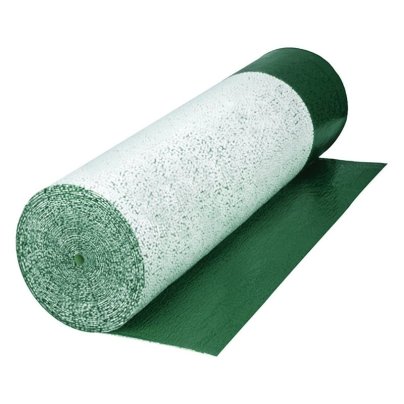
The Best Laminate Underlayment for Flooring

7 Flooring Trends Designers Don't Want to See in 2025

8 Basement Flooring Ideas to Elevate Your Subterranean Space

Best Flooring From Consumer Reports' Tests
Floor Prep and Underlayments: Critical flooring performance attributes reside below the surface - Jan 2021

Types of wood flooring
Flooring

New options in flooring

How to choose bathroom flooring - everything you need to know, according to experts

Our Home Experts Found the Best Laminate Flooring Options on the Market

7 Flooring Choices That Always Show Dirt and Scuffs—No Matter How Often You Clean
Walk on by: flooring focus
Future of Flooring: Home Pros Talk Through the Latest and Greatest Flooring Trends
The best floor insulation options for your home, explained
Best Flooring of 2025
The Top 10 Flooring Trends for 2022
These 4 Flooring Trends Are Set To Dominate In 2026, According To A Design Expert
5 Flooring Choices Designers Always Use in Their Own Homes (and You Should Too)