From Flat to Fabulous: Why Texture is the Future of Interior Design
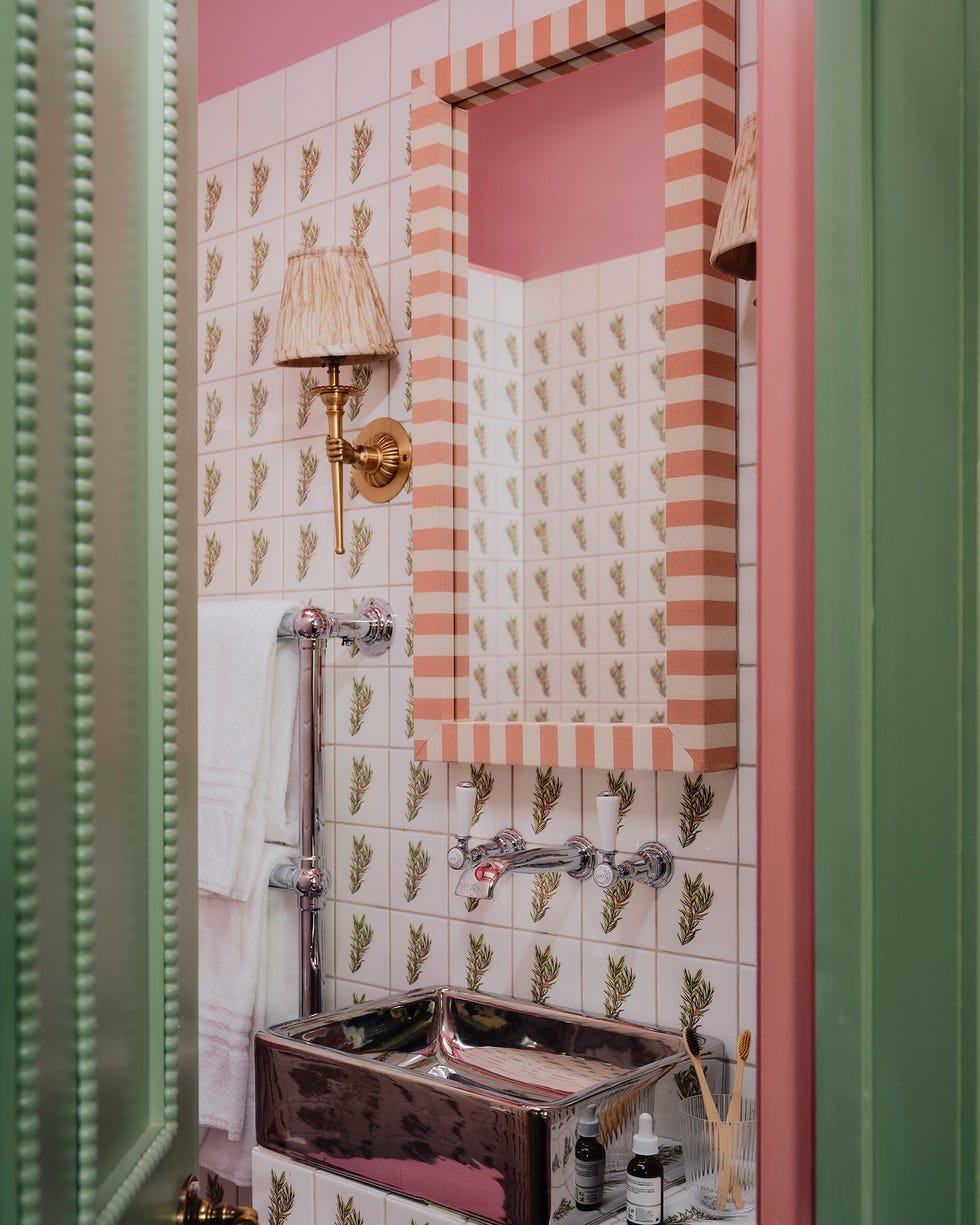
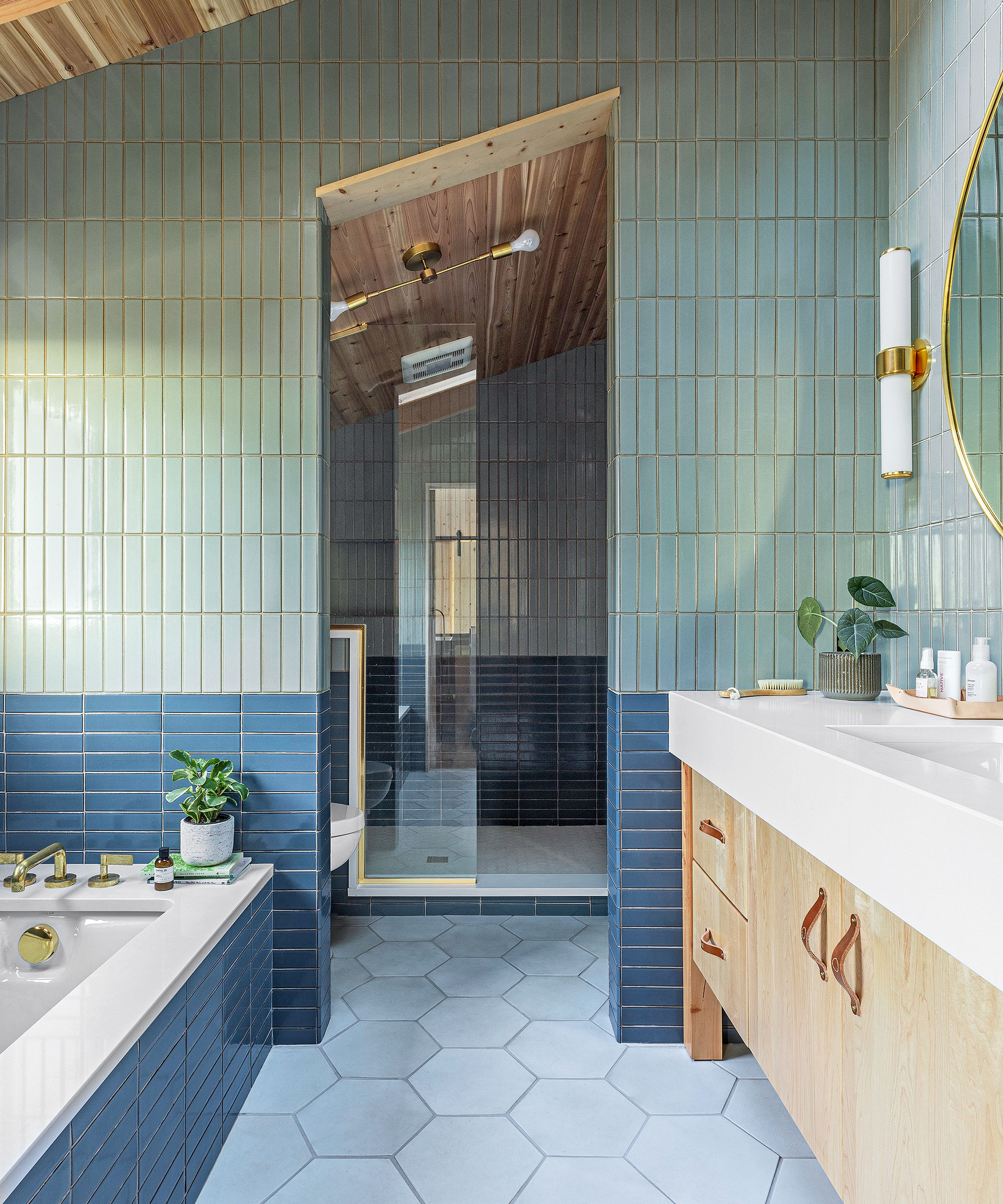
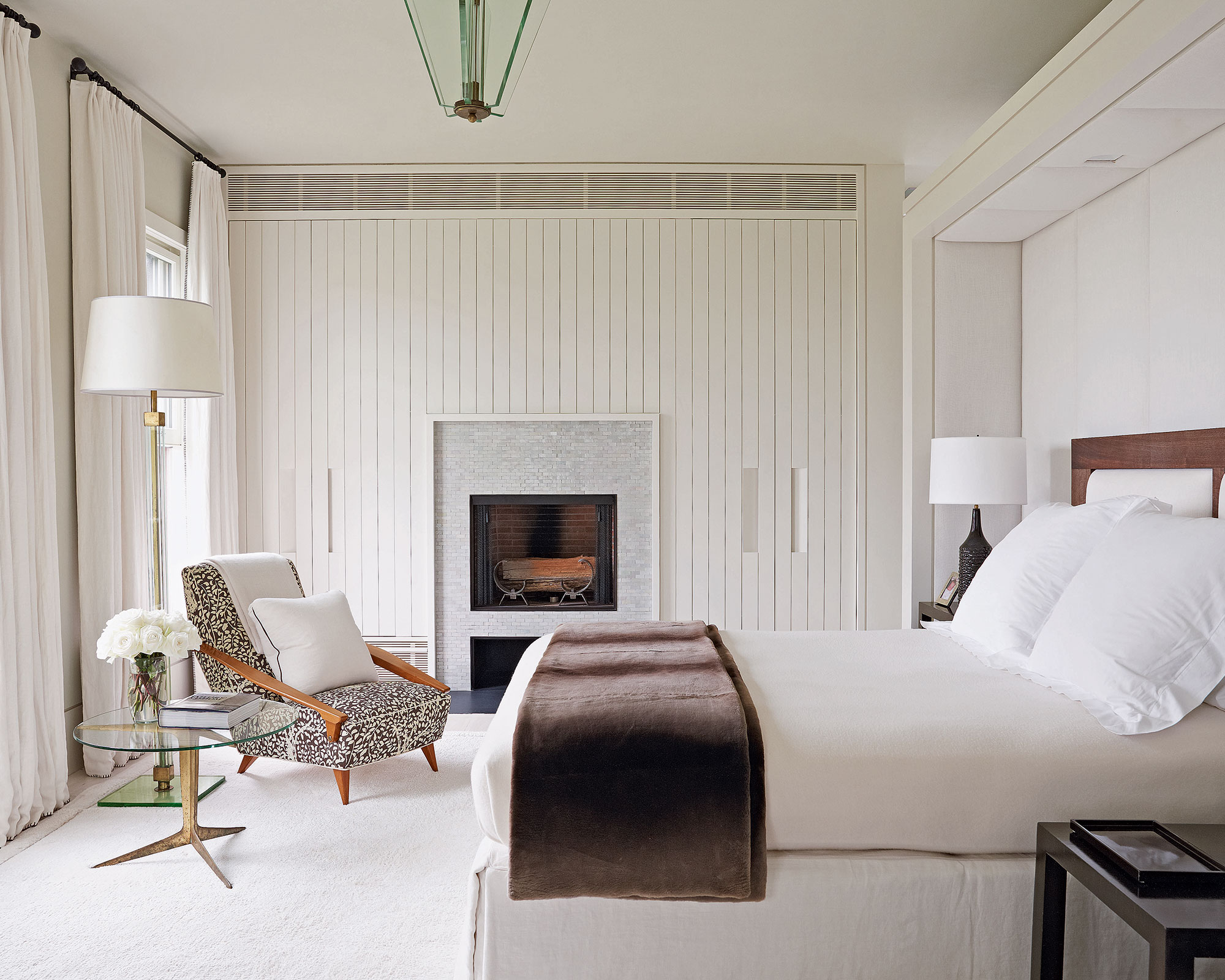
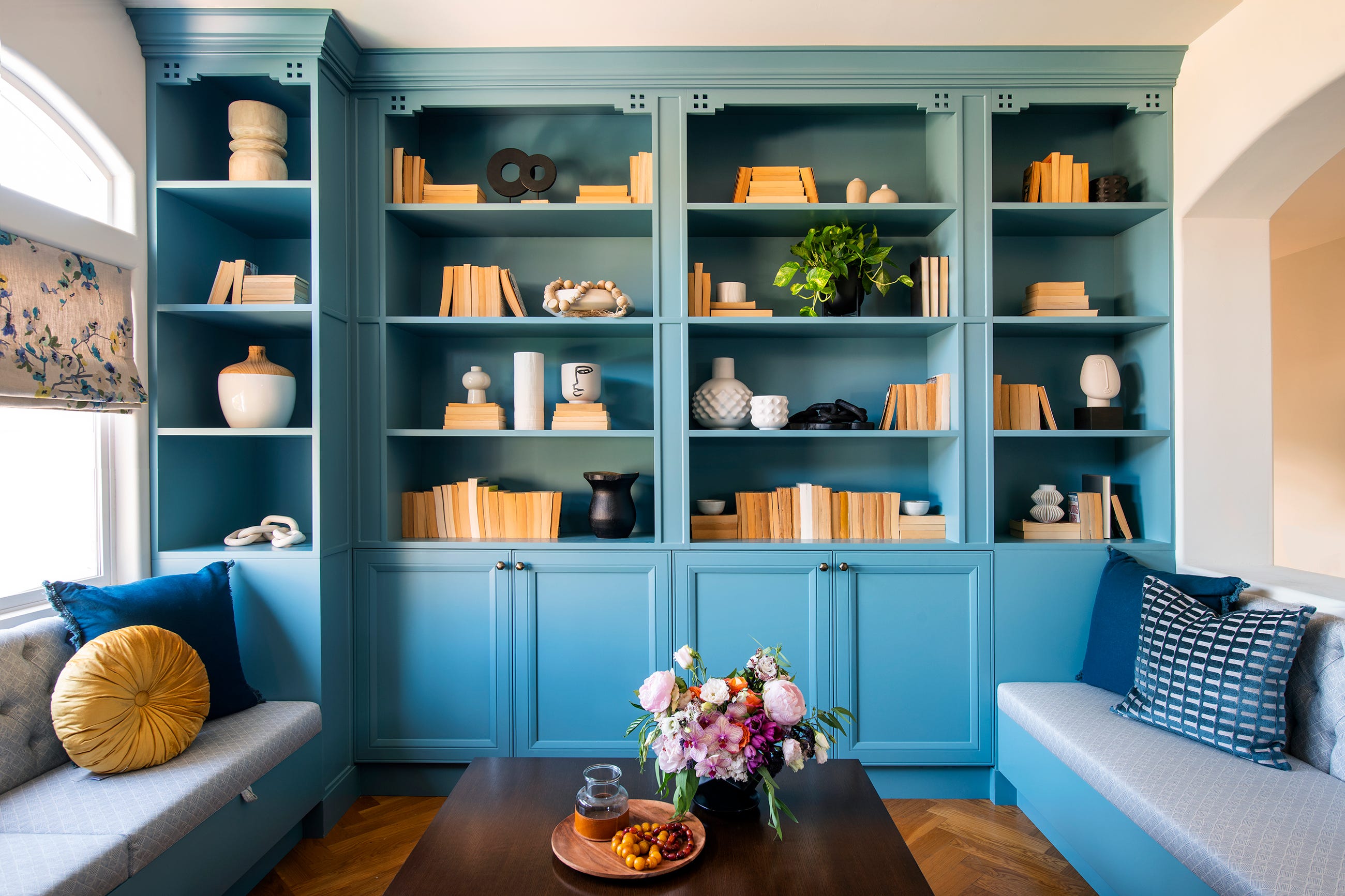
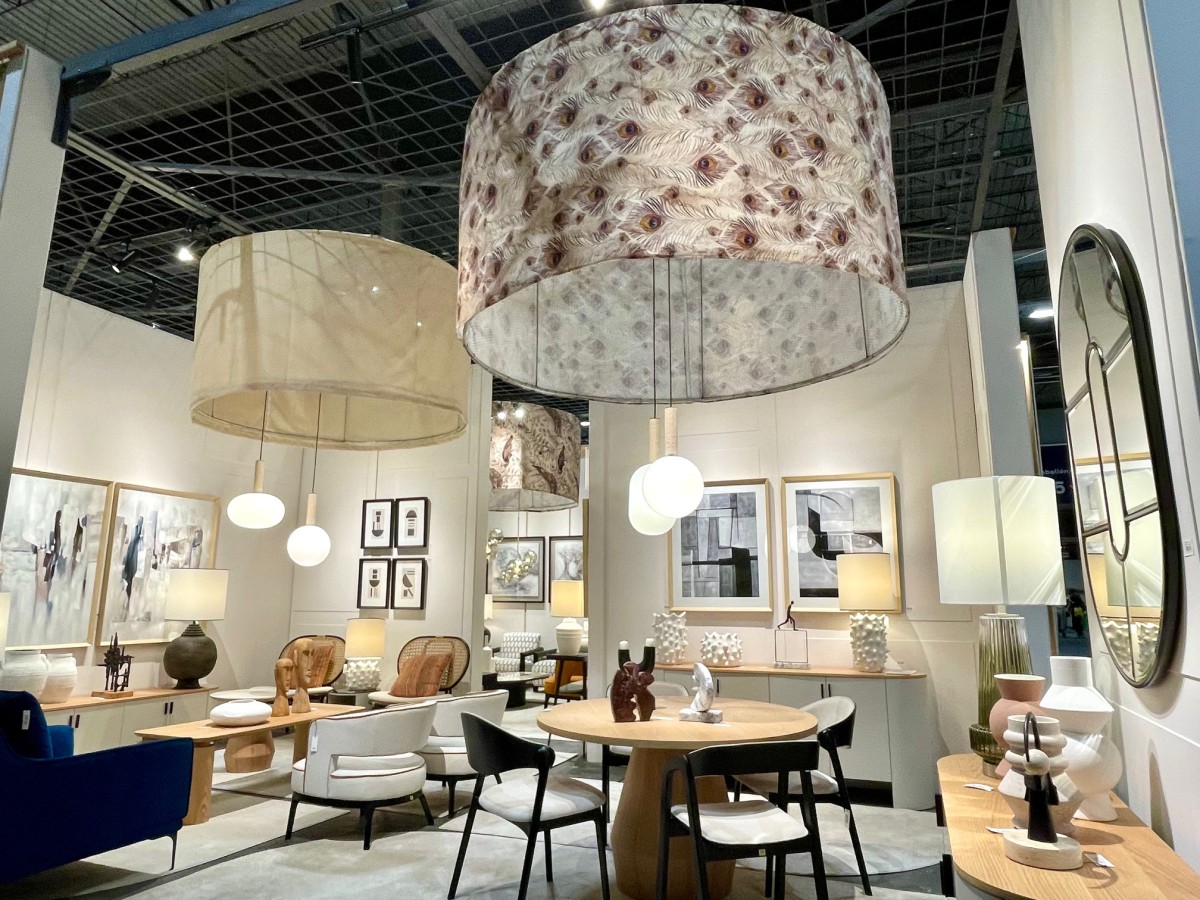
The field of interior design is moving away from austere minimalism towards the creation of rich, layered environments that stimulate the senses and evoke emotion. Texture, a previously underappreciated element, is gaining prominence as a vital component in transforming spaces from uninspired and impersonal to inviting, dynamic, and deeply experiential. By incorporating natural materials, handcrafted elements, and tactile surfaces, designers are crafting interiors that convey narratives, elicit memories, and enhance overall well-being.
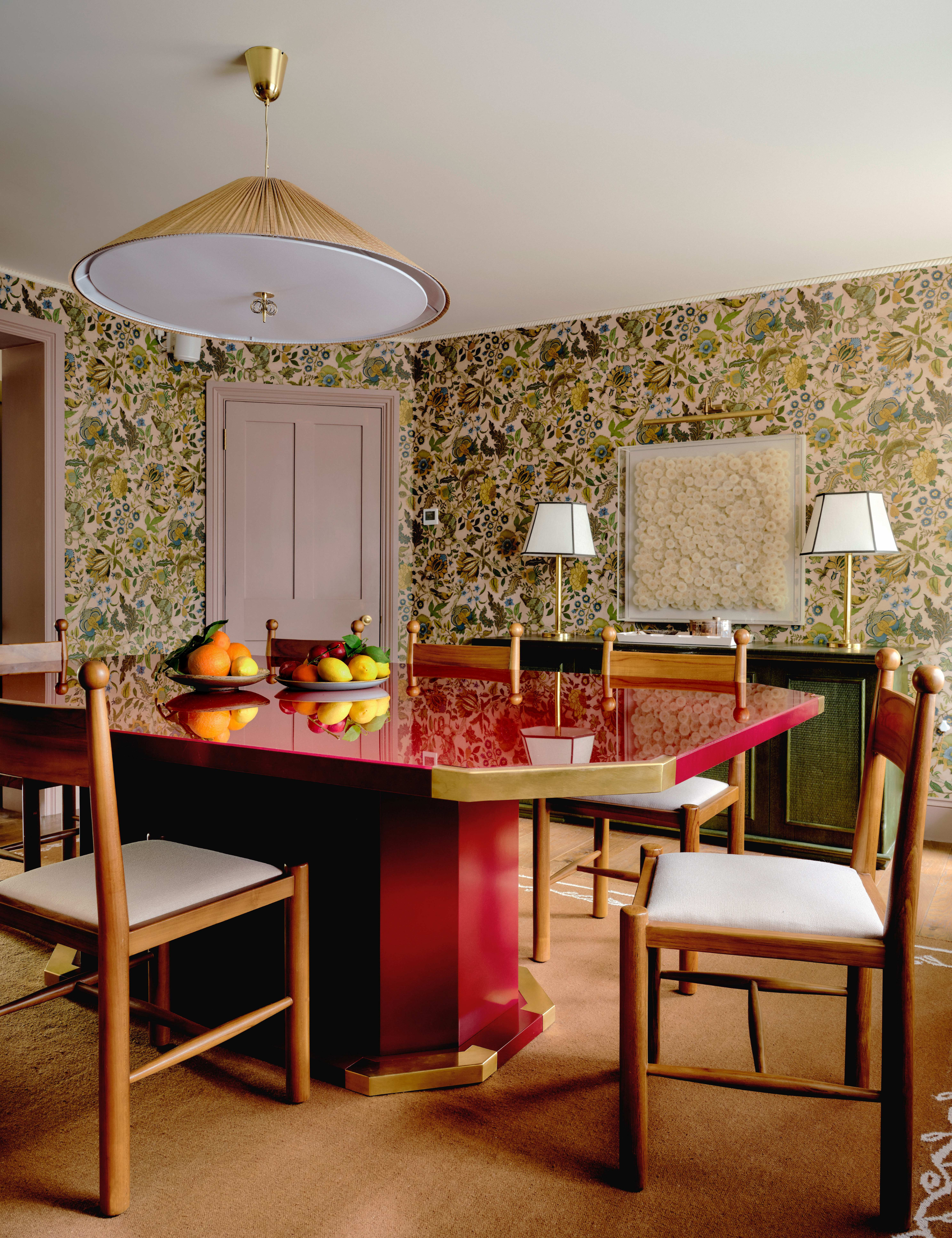
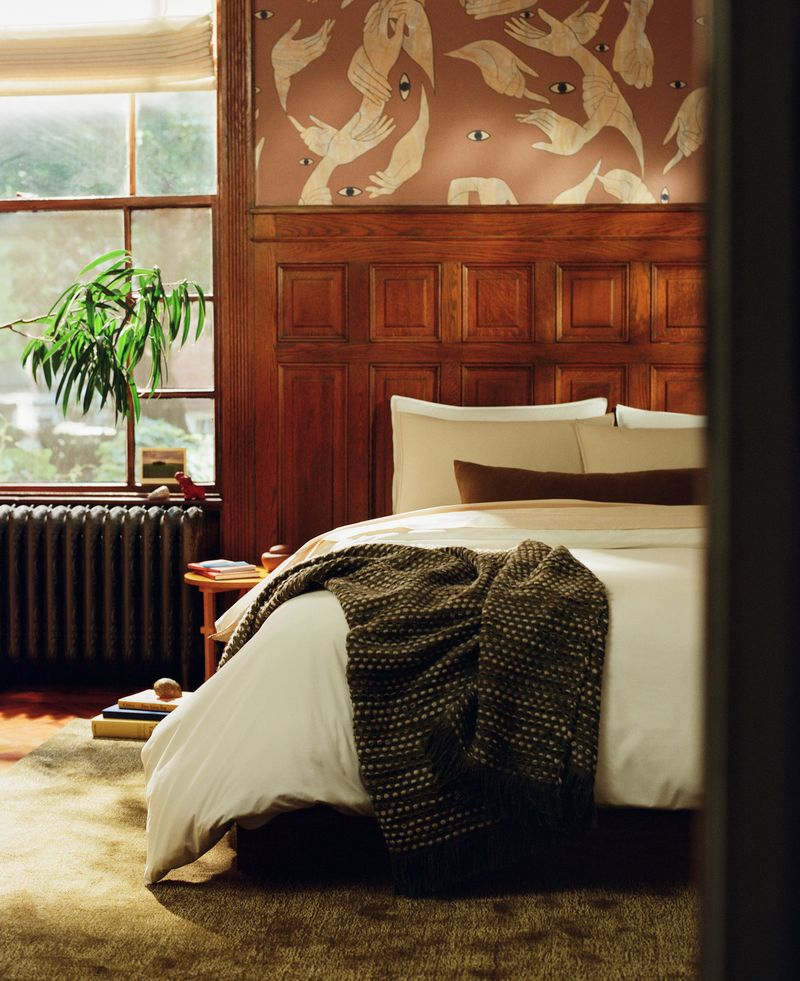
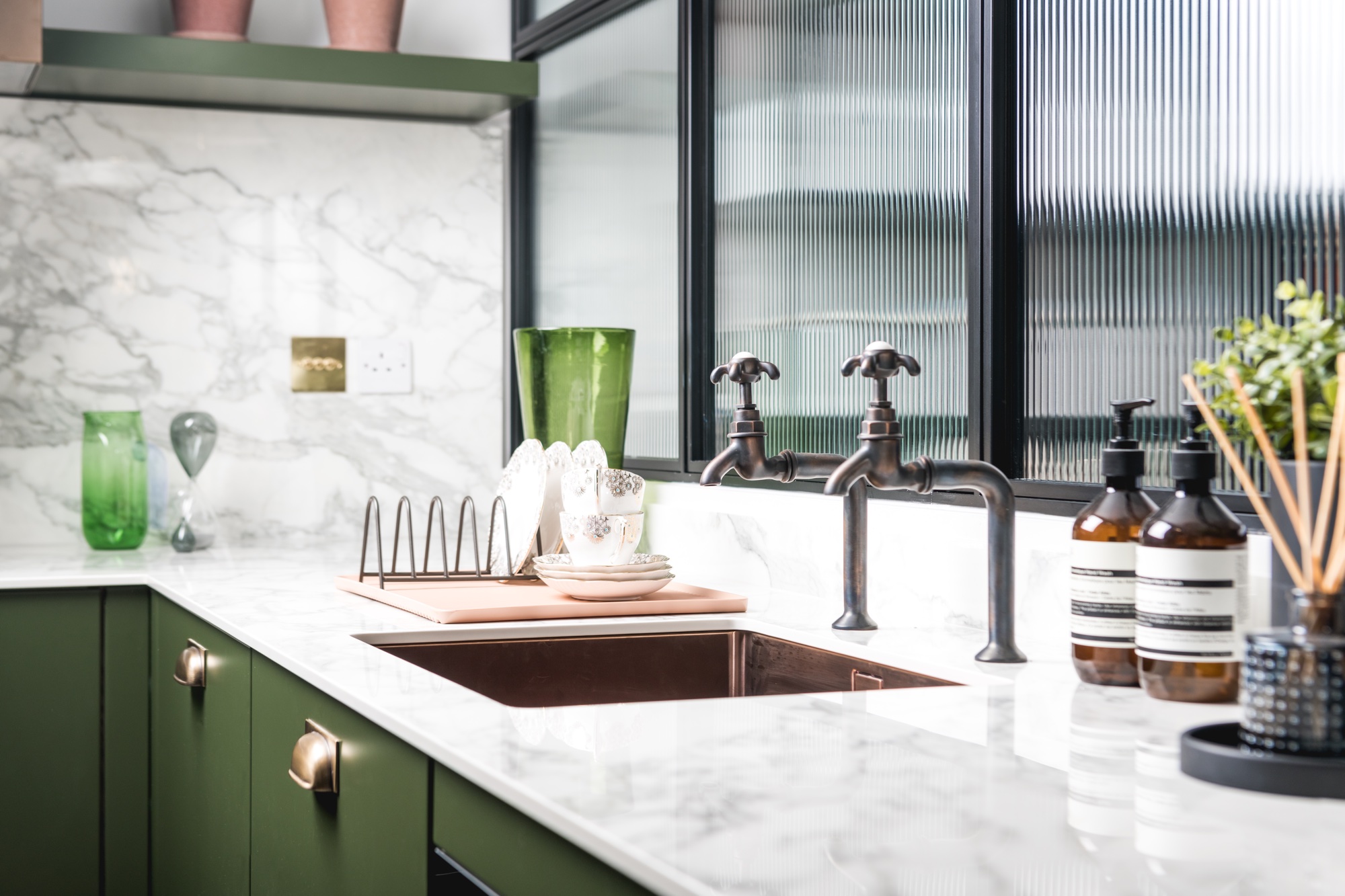
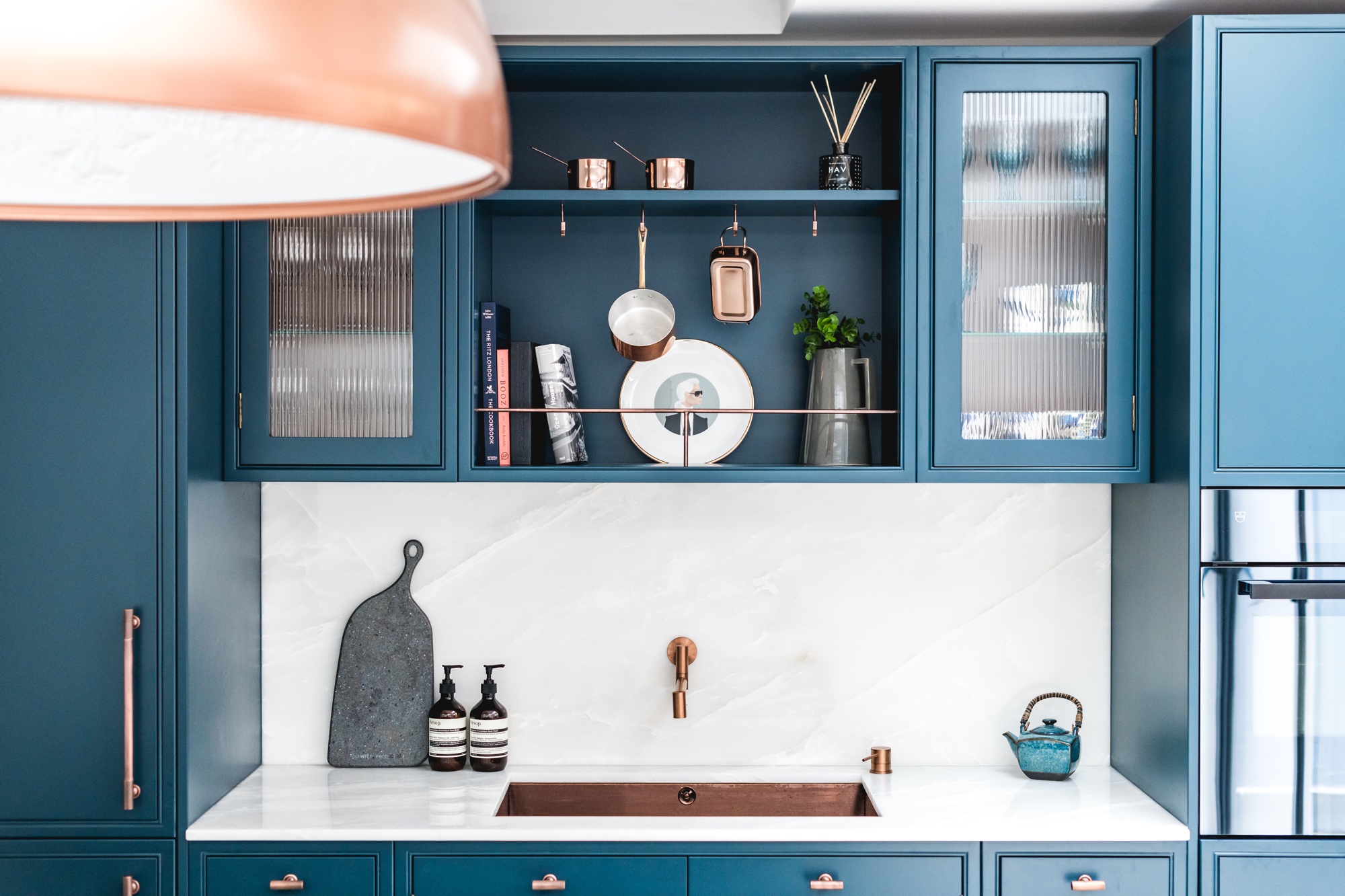
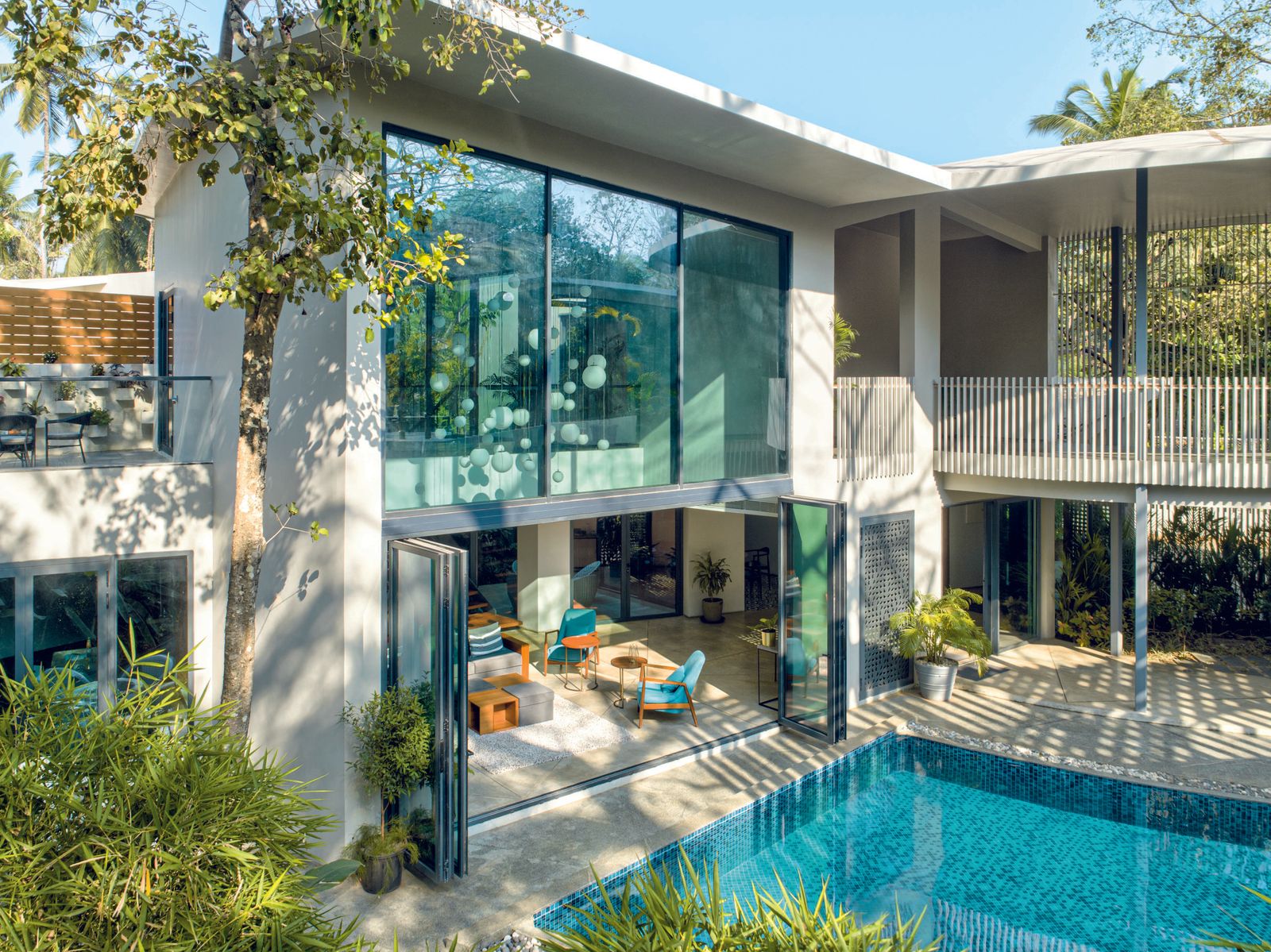
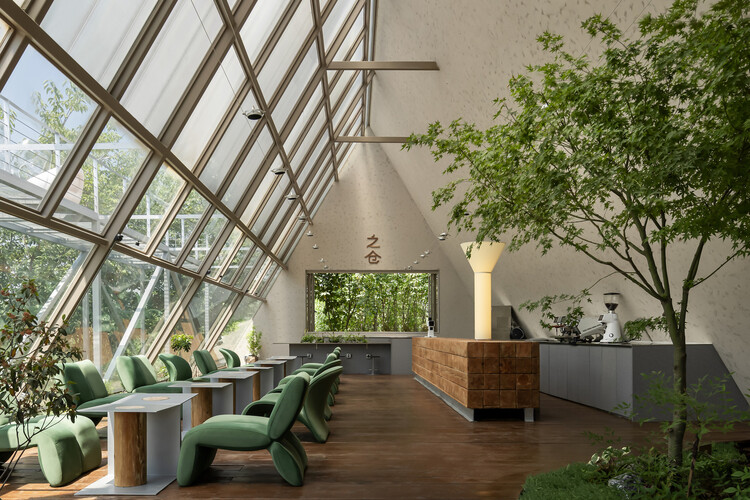
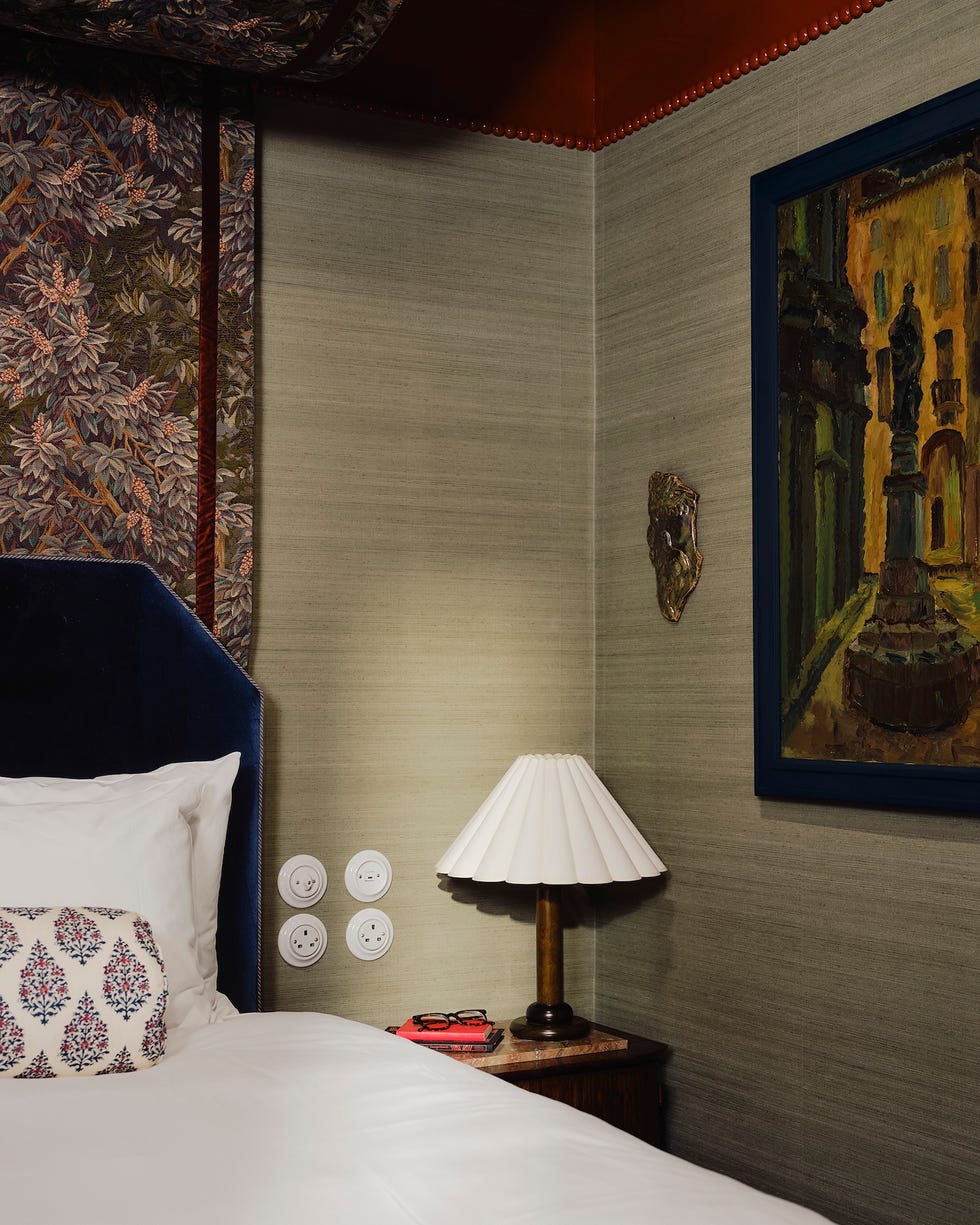
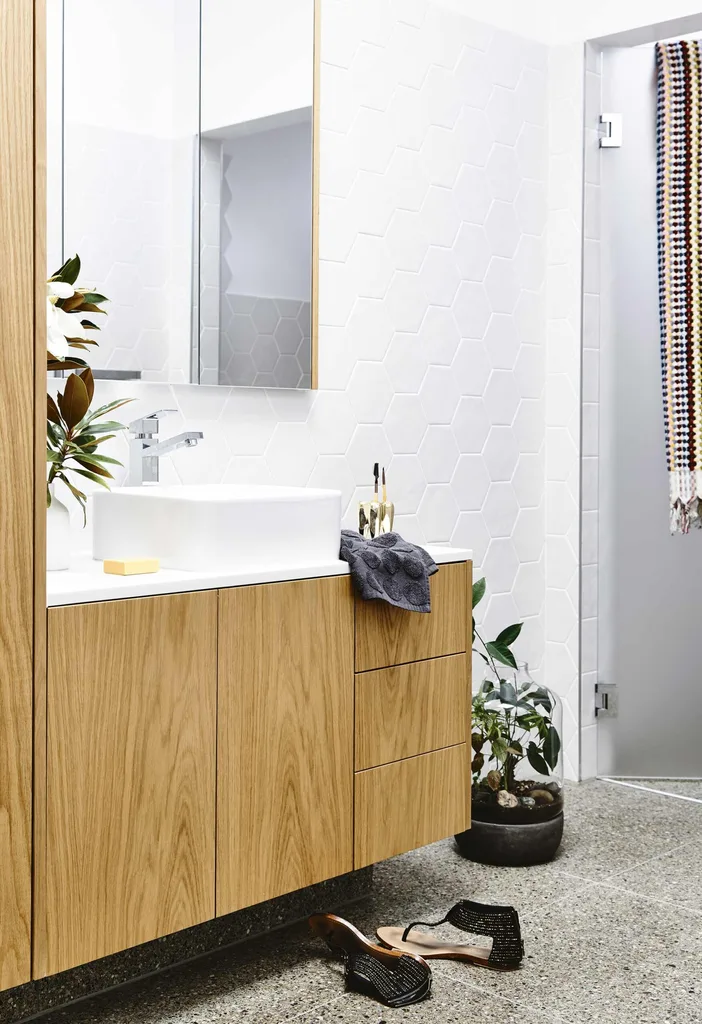
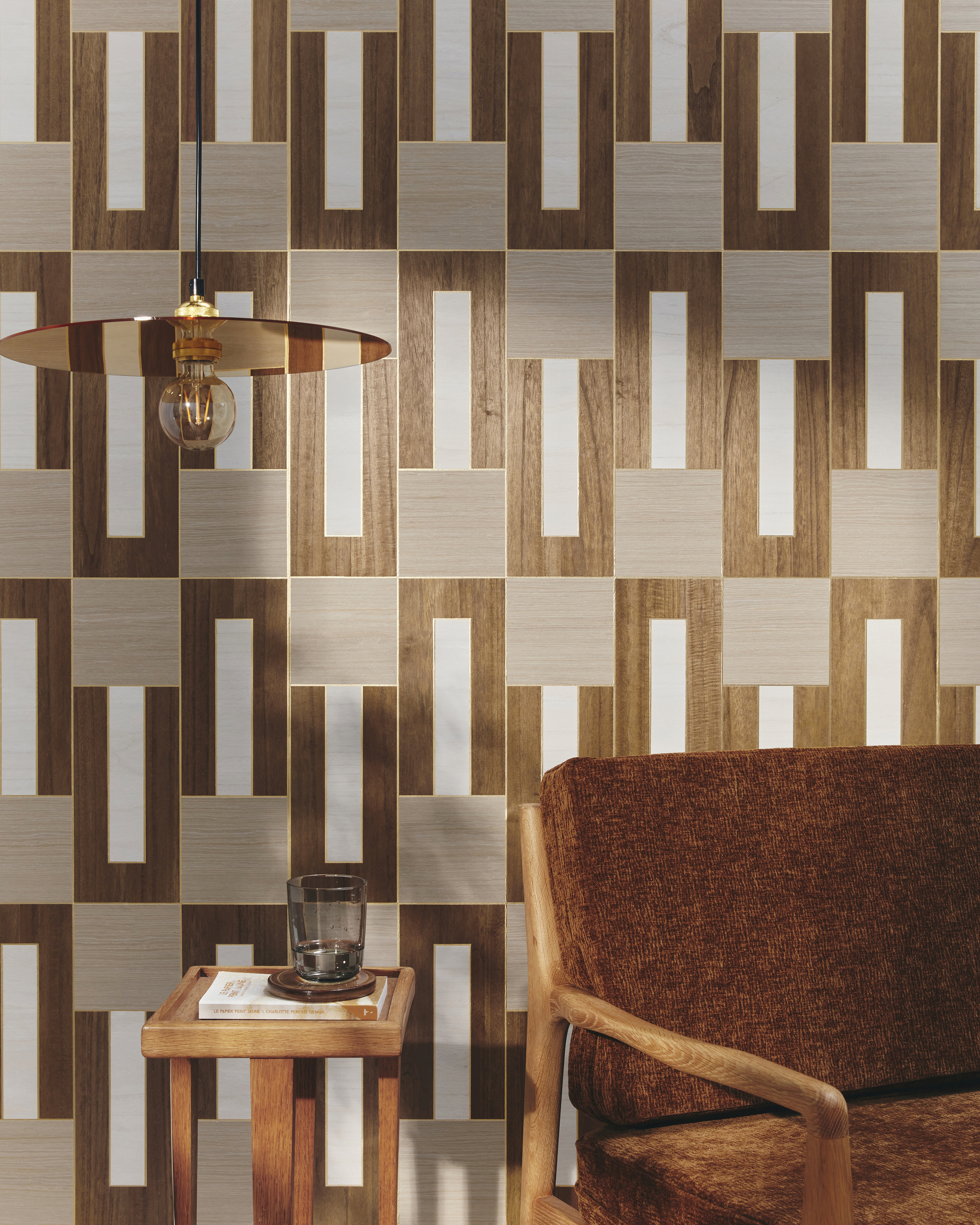
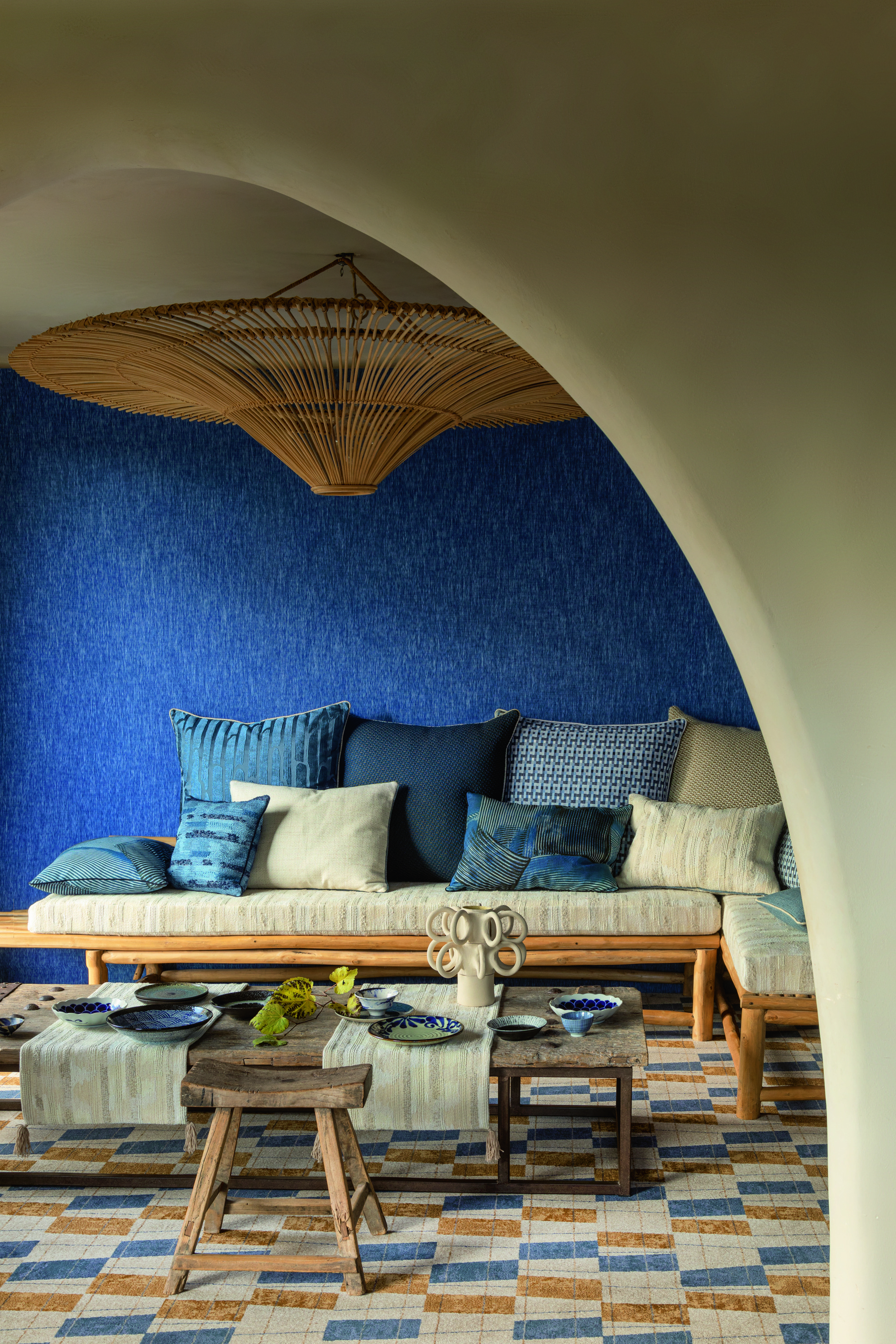
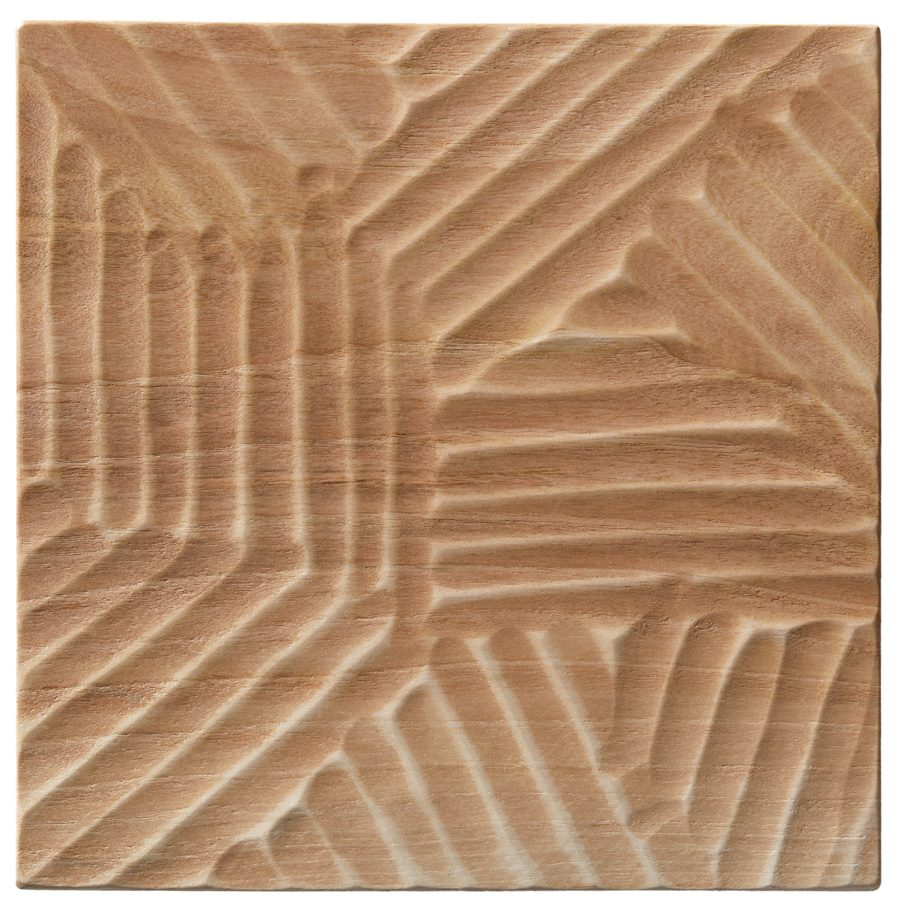
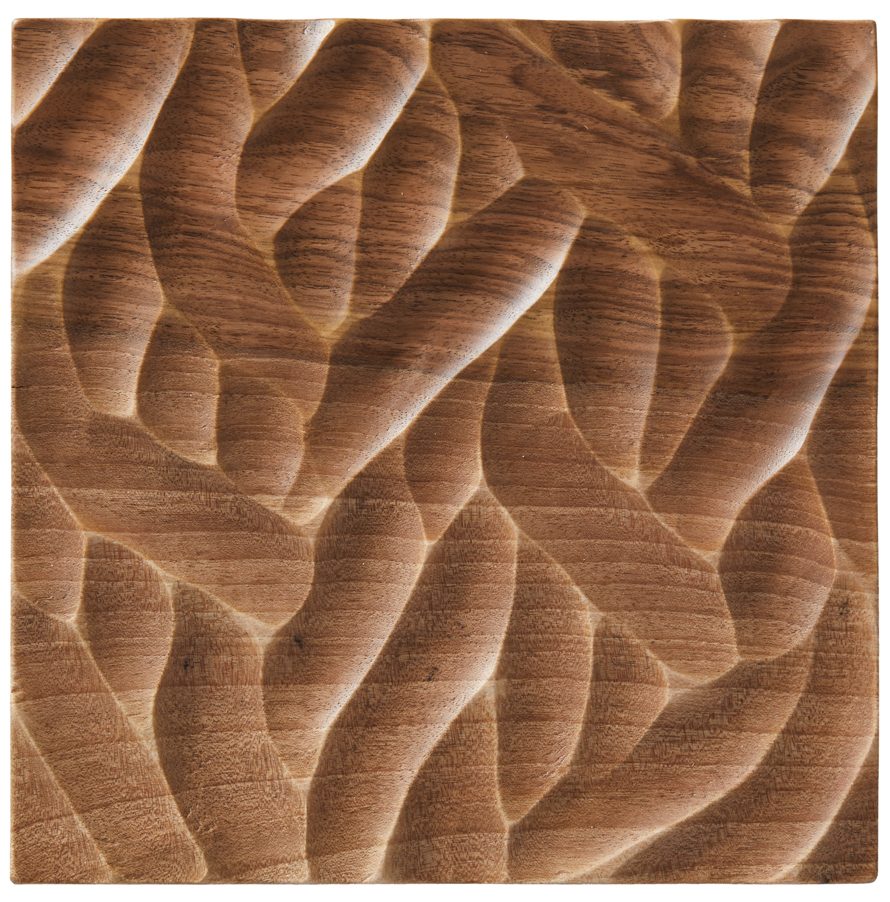
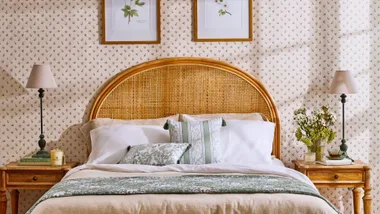
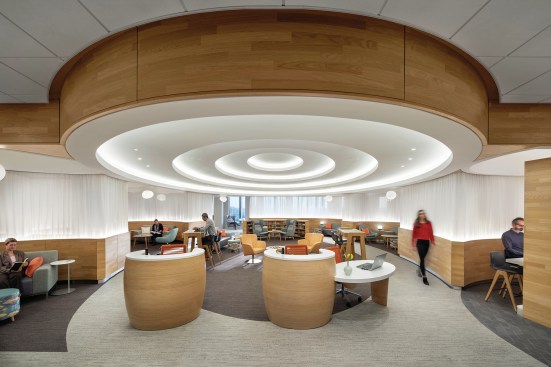
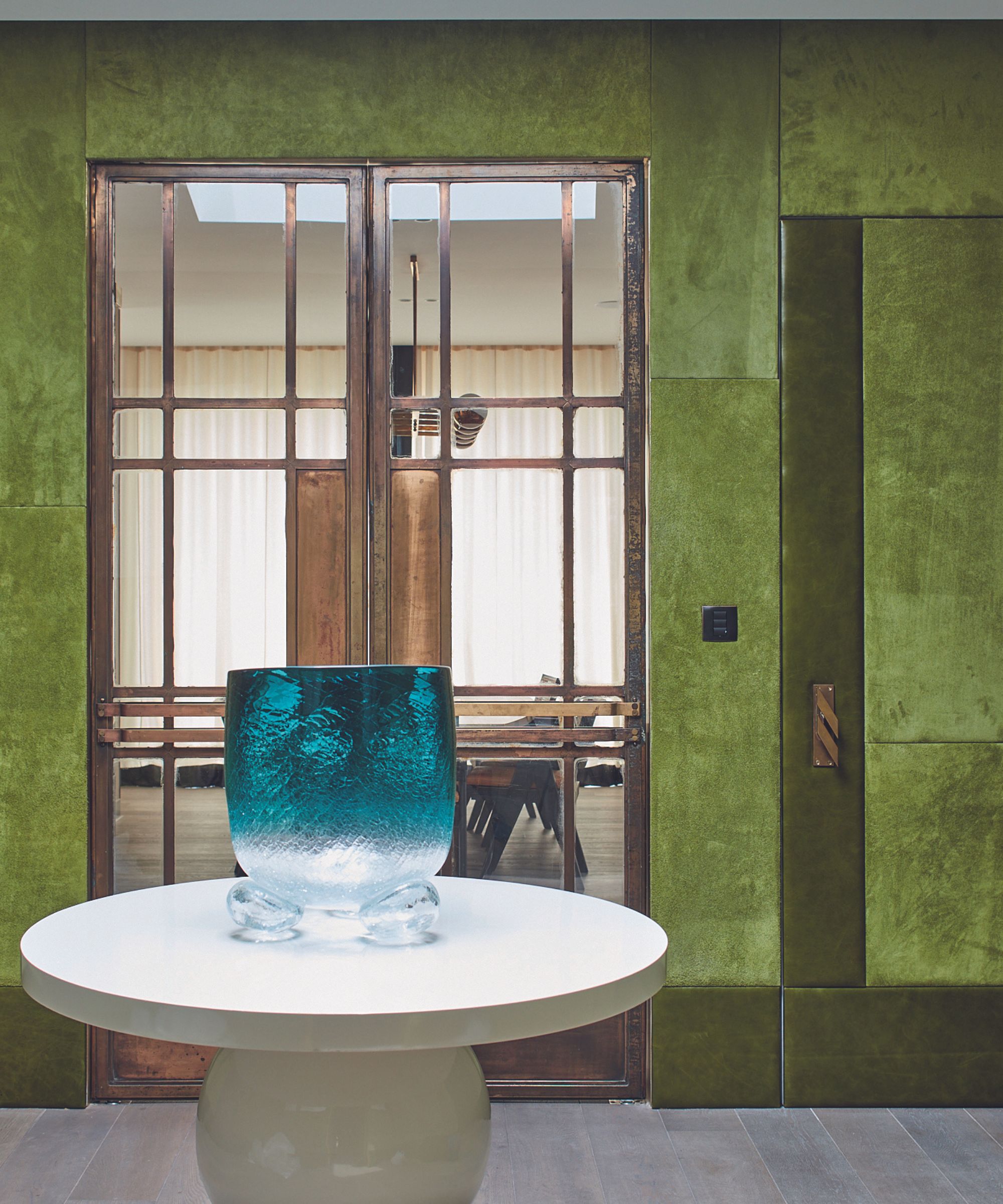
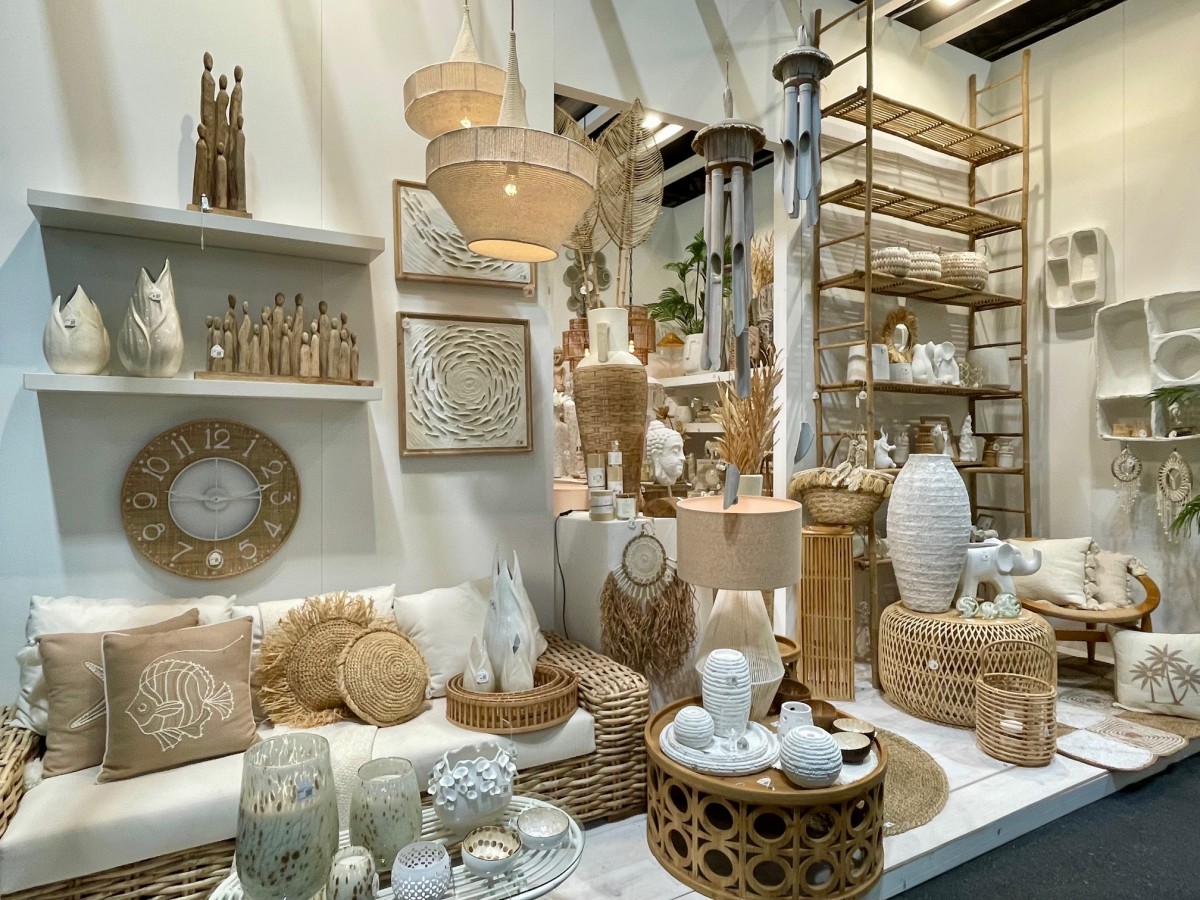
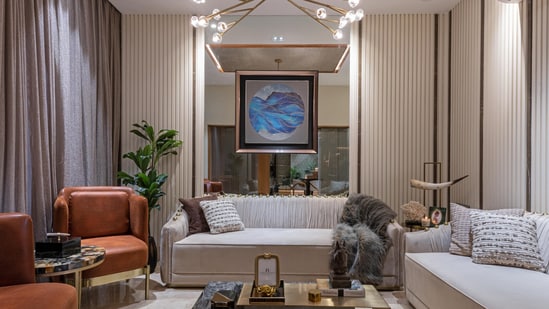
India's diverse cultural heritage, encompassing language, cuisine, crafts, and traditions, offers a profound complexity that can be translated into design. Vandana Dhawan Saxena, Founder and Design Principal of Studio IV Designs, highlights the critical role of texture in actualizing these narratives. She explains that textures and layers imbue interiors with personality, prompting occupants to pause and appreciate a space's distinct character. When thoughtfully combined, these elements communicate stories of belonging, reflecting a sense of culture and history that resonates deeply with human experience. Nature serves as an infinite wellspring of inspiration for this approach, with its inherent richness of textures providing warmth and authenticity, in stark contrast to repetitive minimalist surfaces. Saxena further notes that the incorporation of solid wood instantly connects a space to nature, fostering a sense of well-being. Sandstone, being intrinsically linked to a region's local soil, evokes memories of outdoor experiences. Thoughtfully layered fabrics, cushions, and art celebrate craftsmanship and handloom traditions, introducing depth, color, and storytelling to an environment. Additionally, a subtle inclusion of metal can elevate the aesthetic, imparting an understated sense of luxury. Through the layering of various materials, designers are creating interiors that are not only visually captivating but also emotionally grounding, making spaces more welcoming and vibrant.
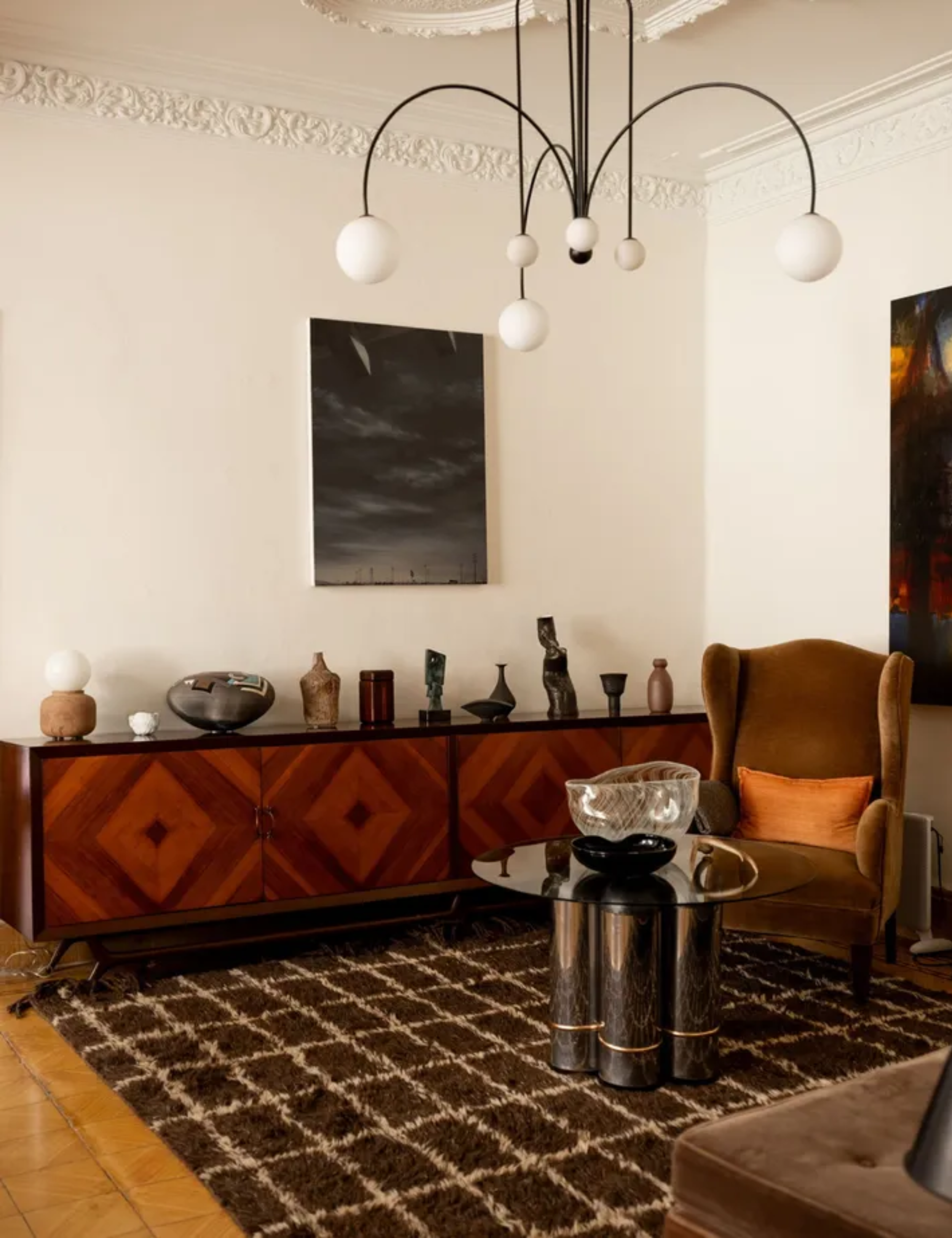
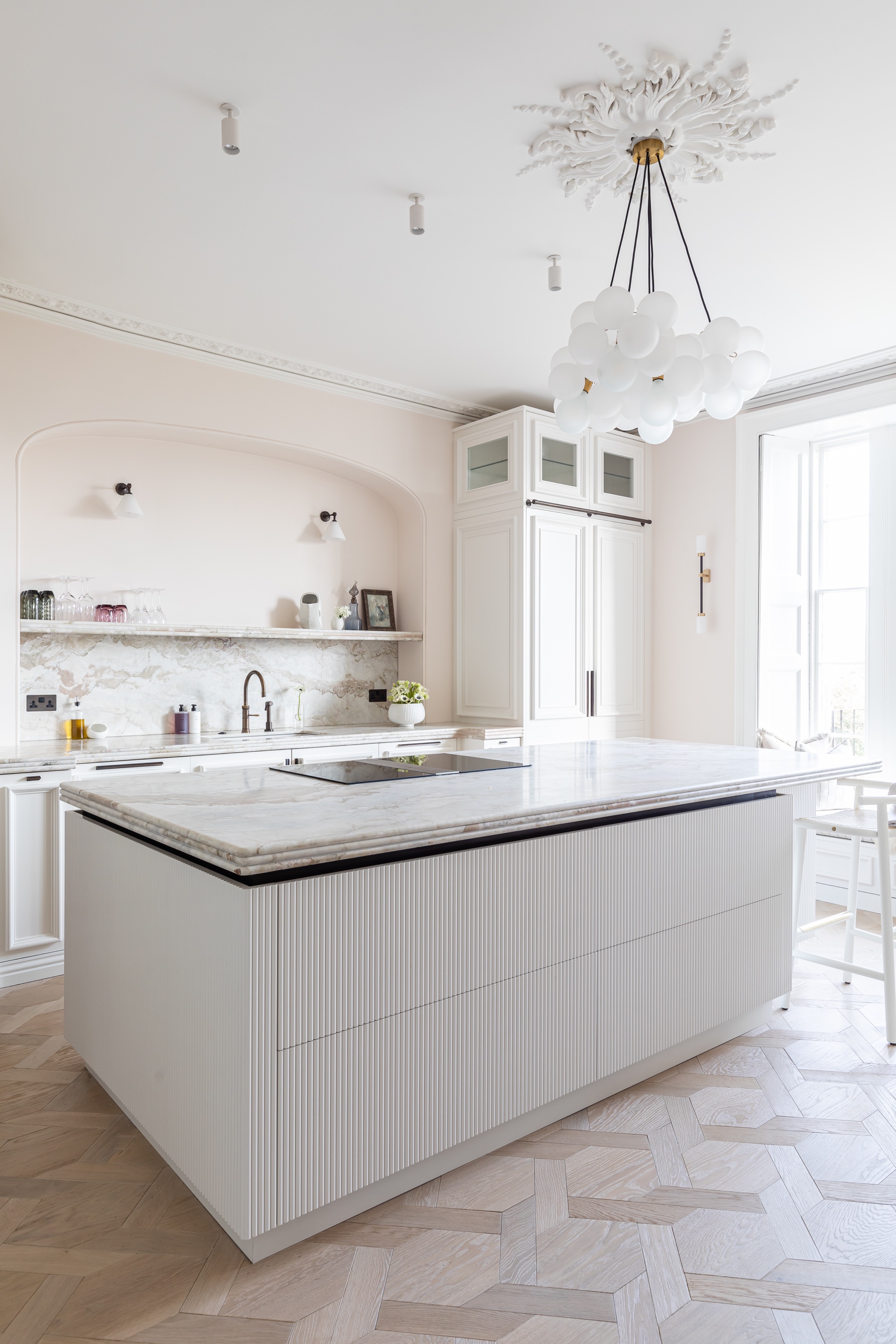
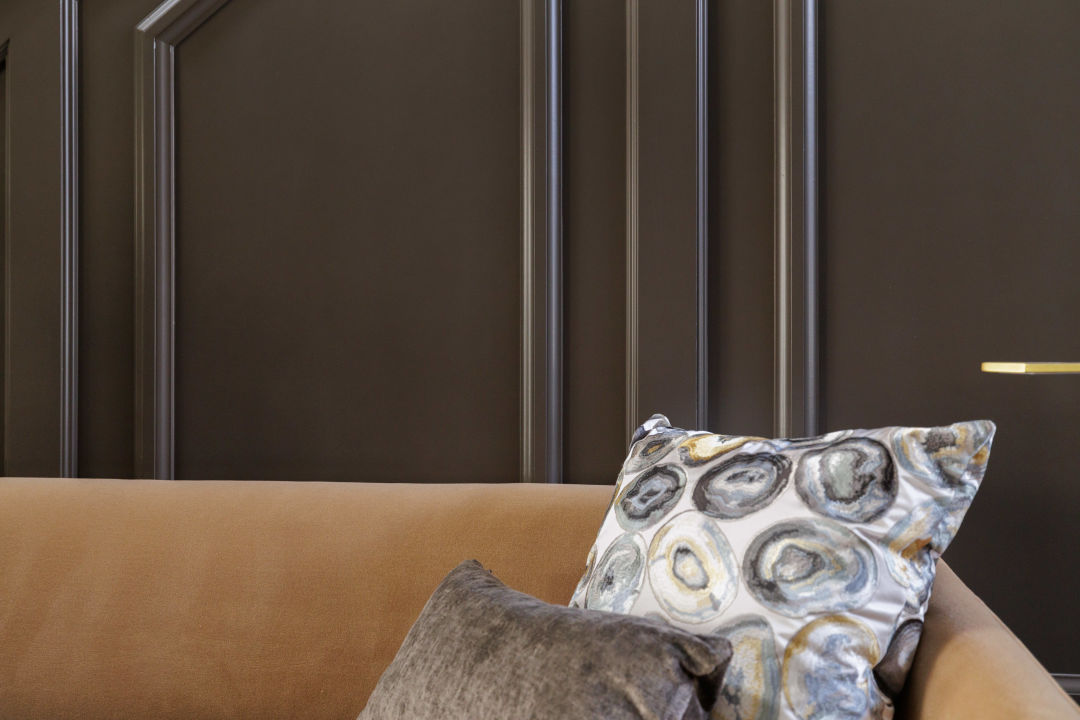
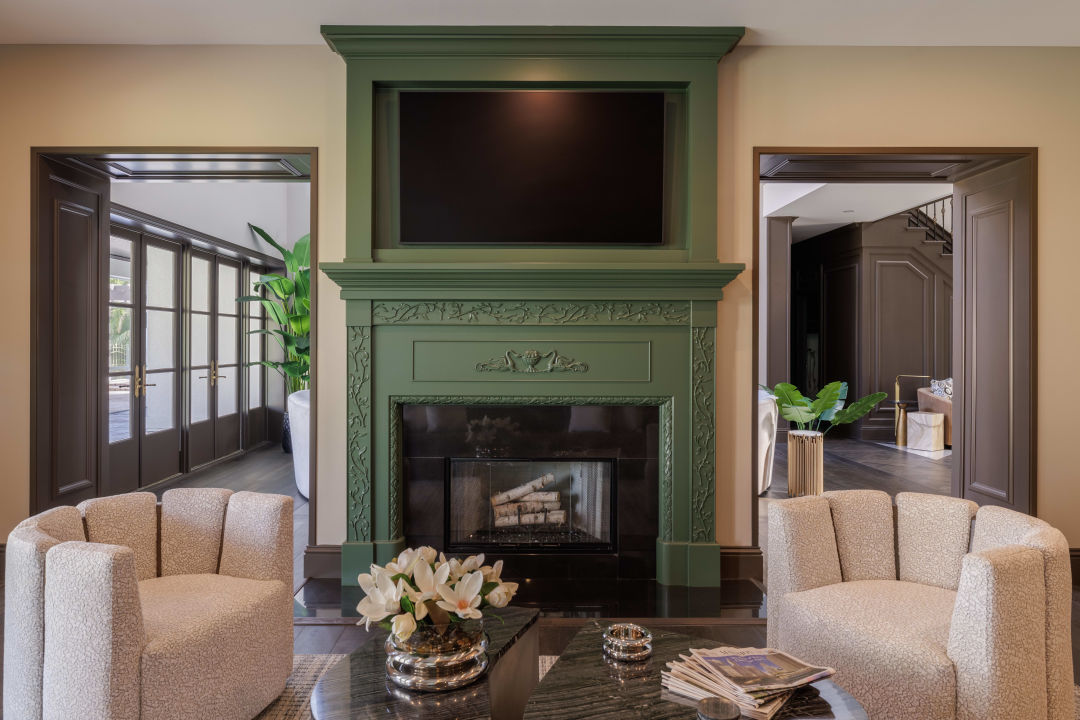
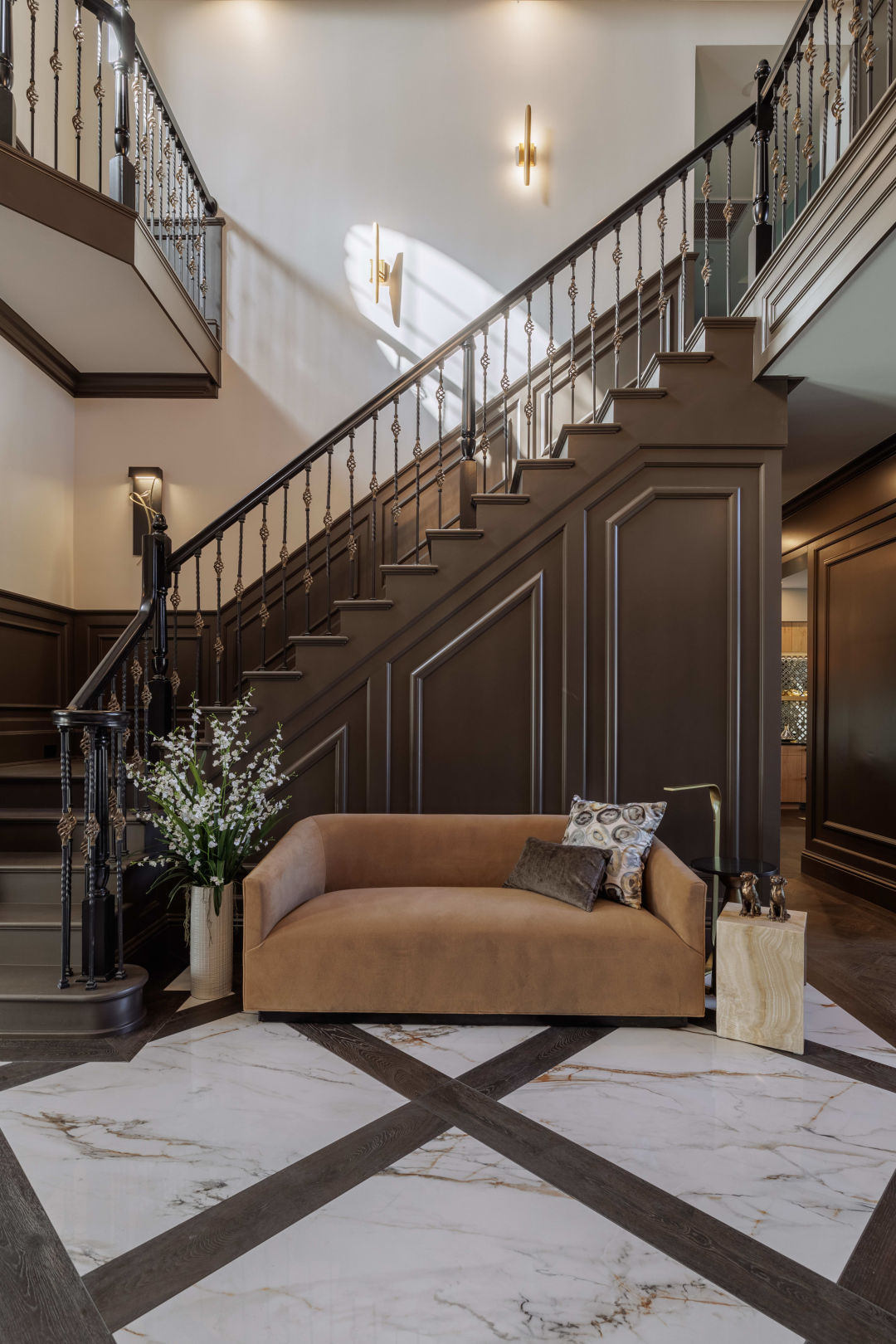
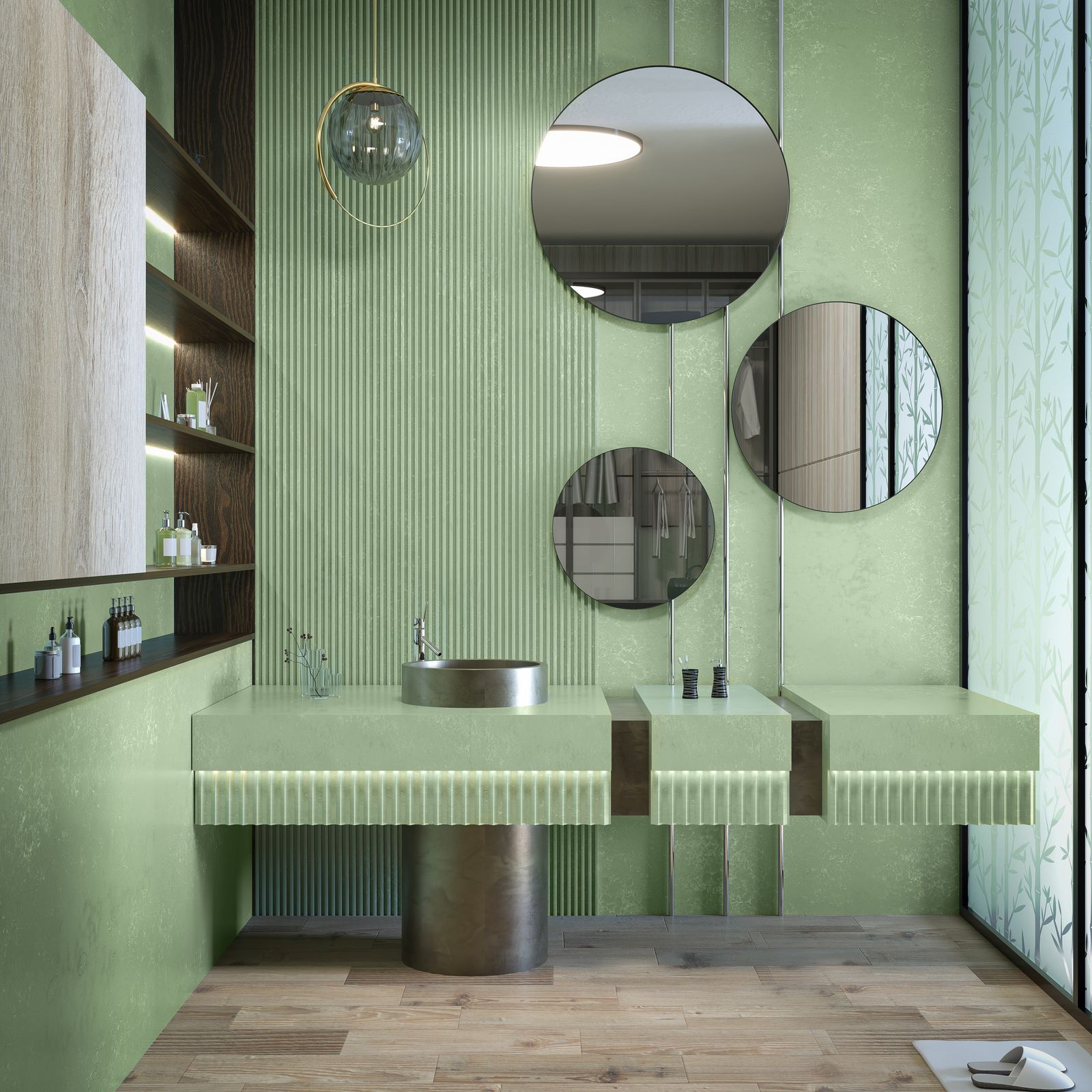
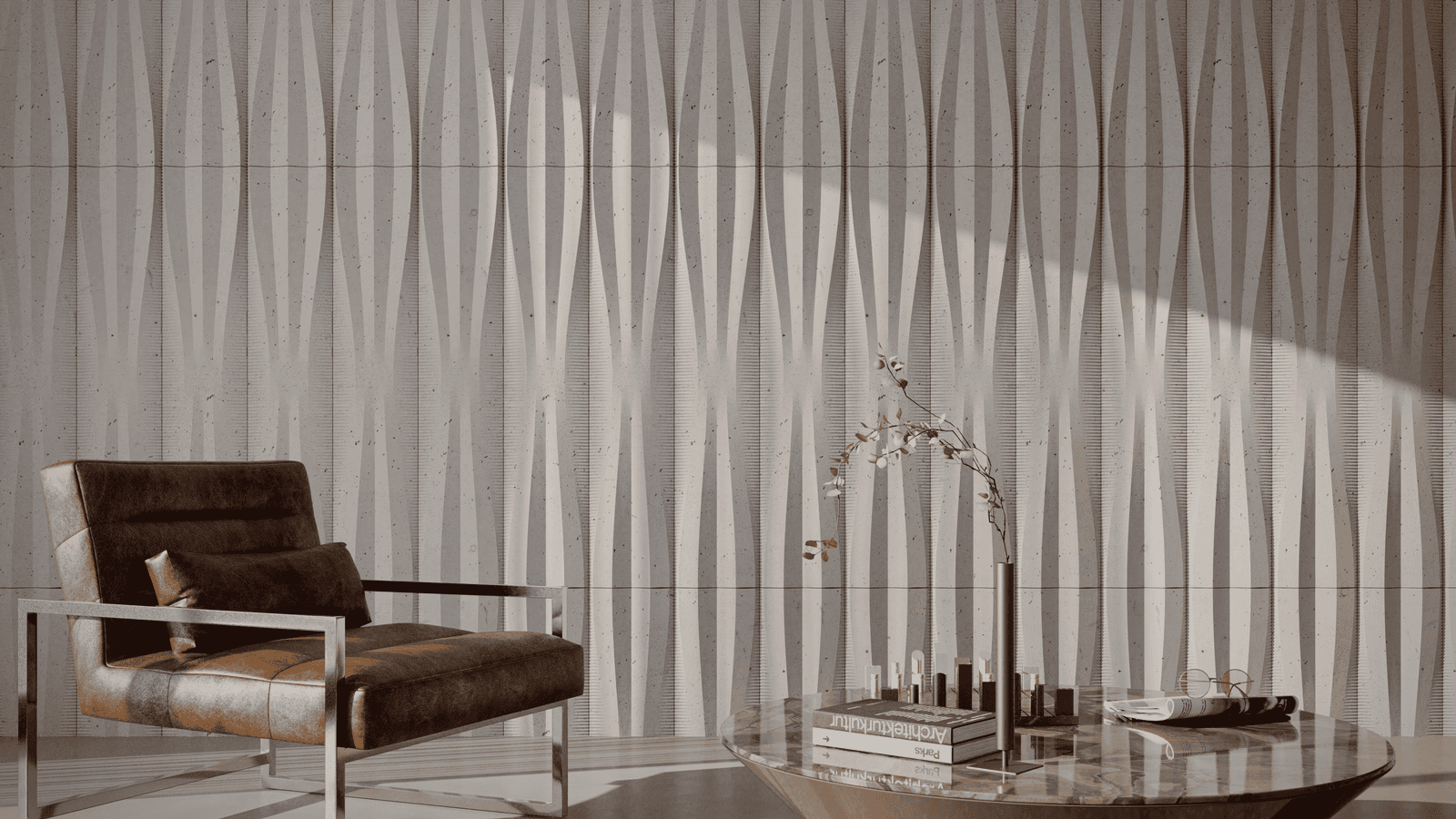
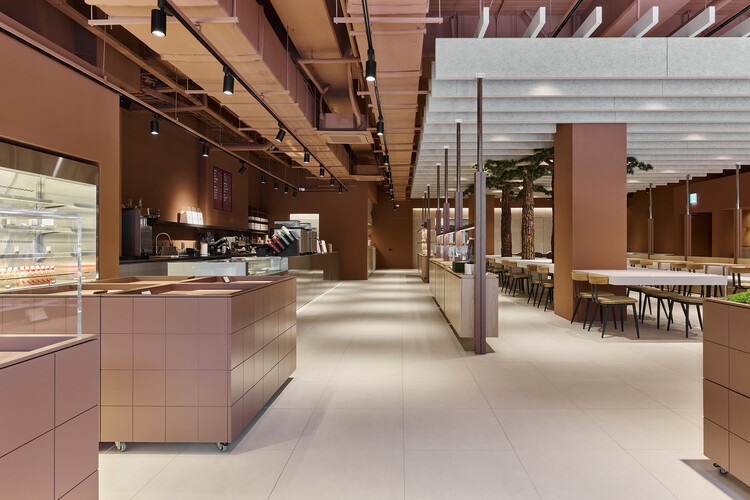
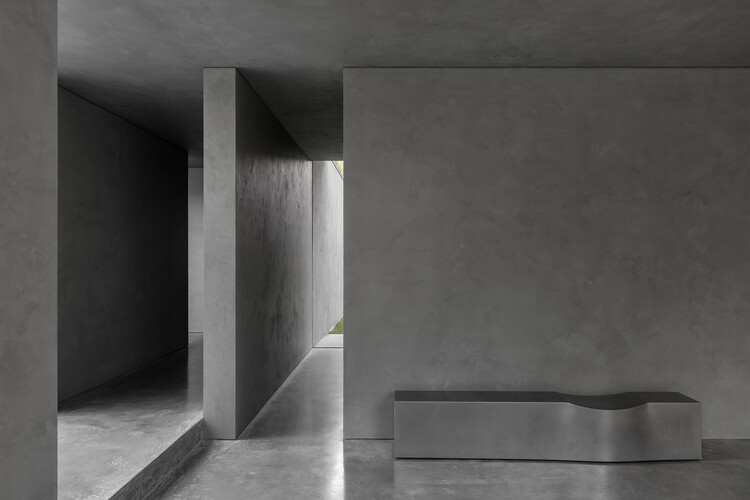
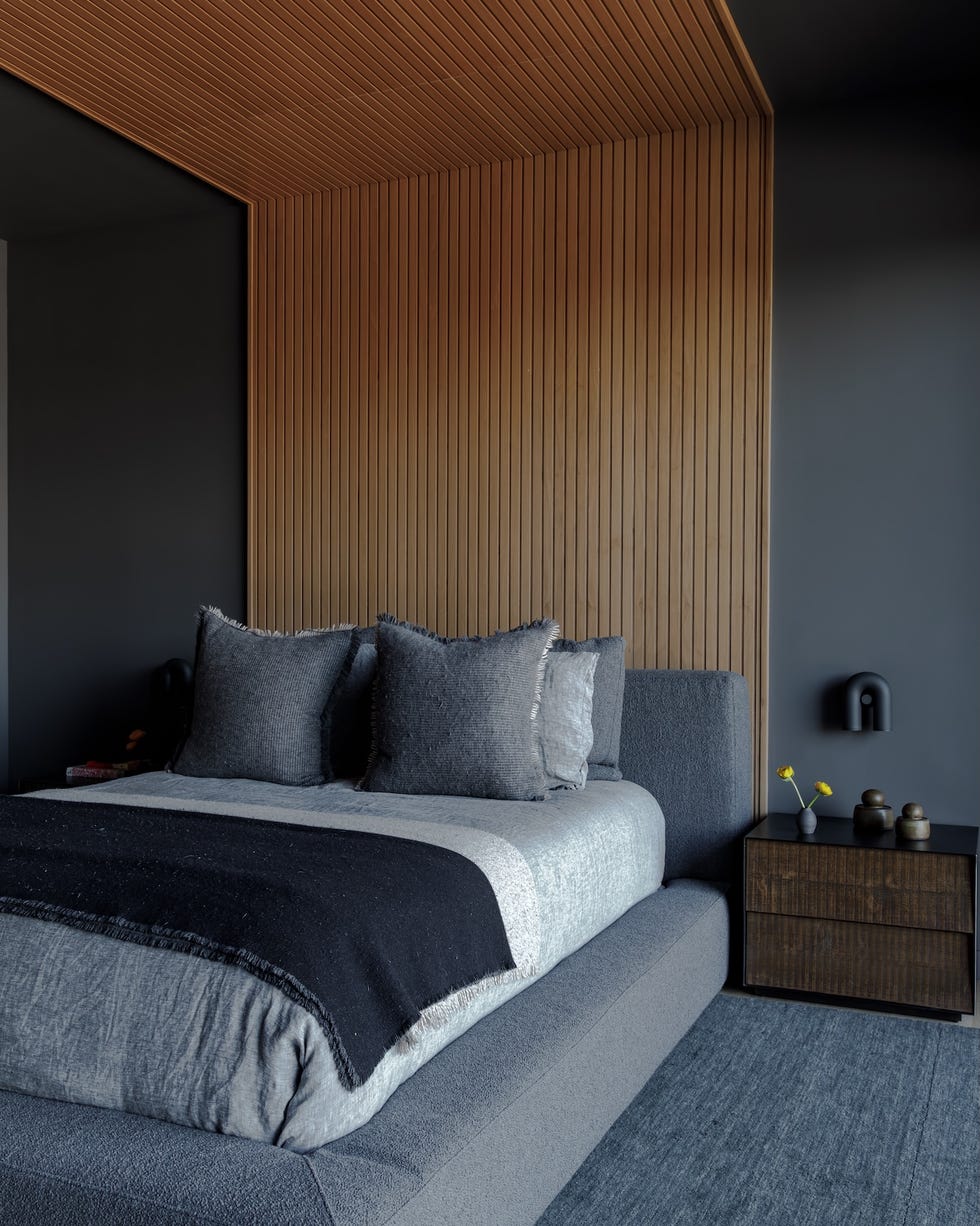
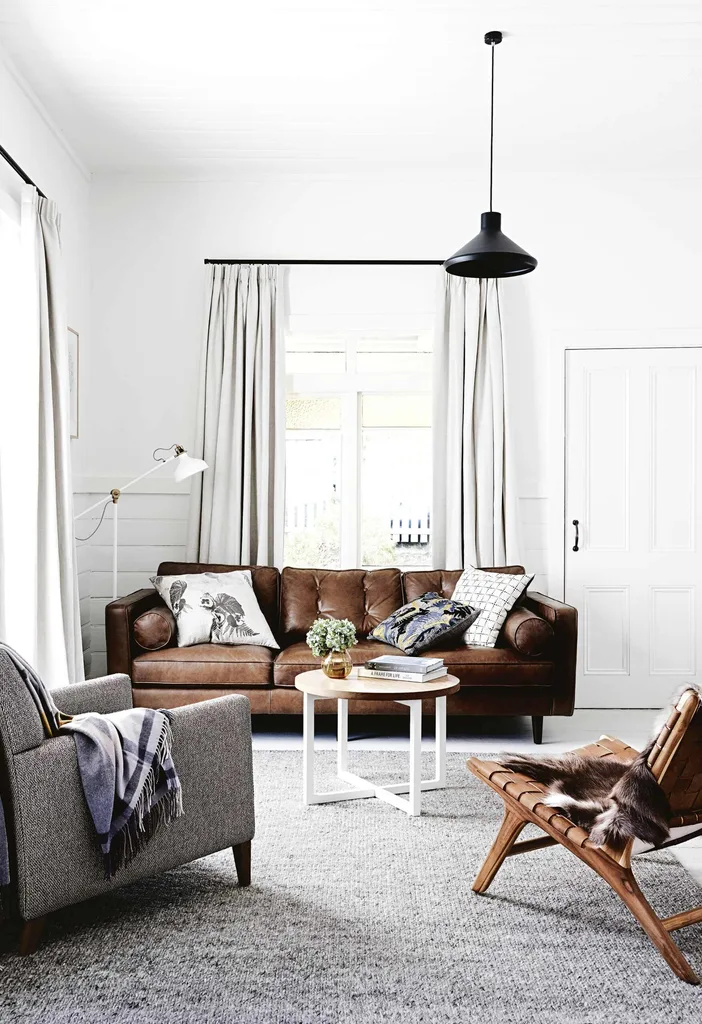
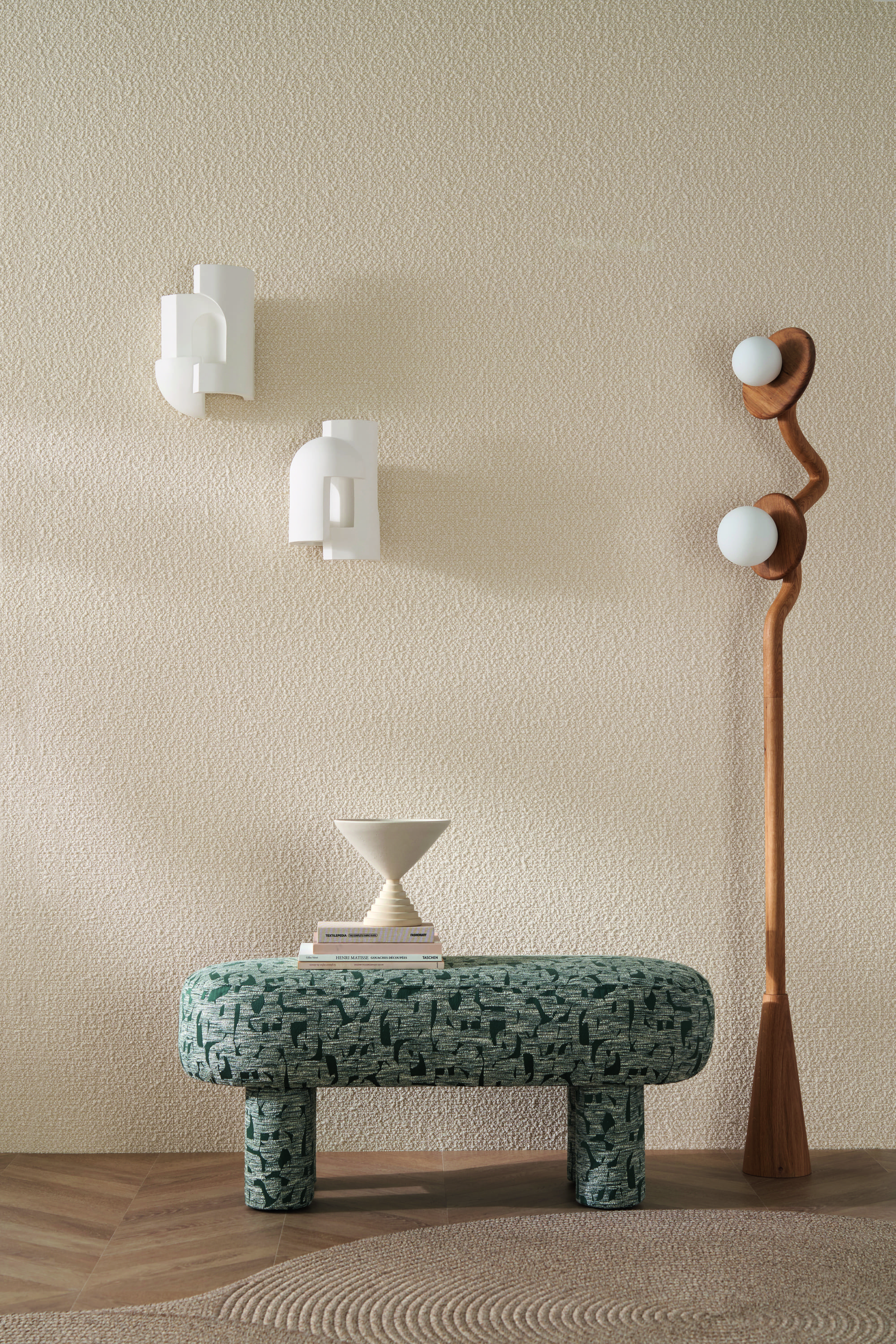
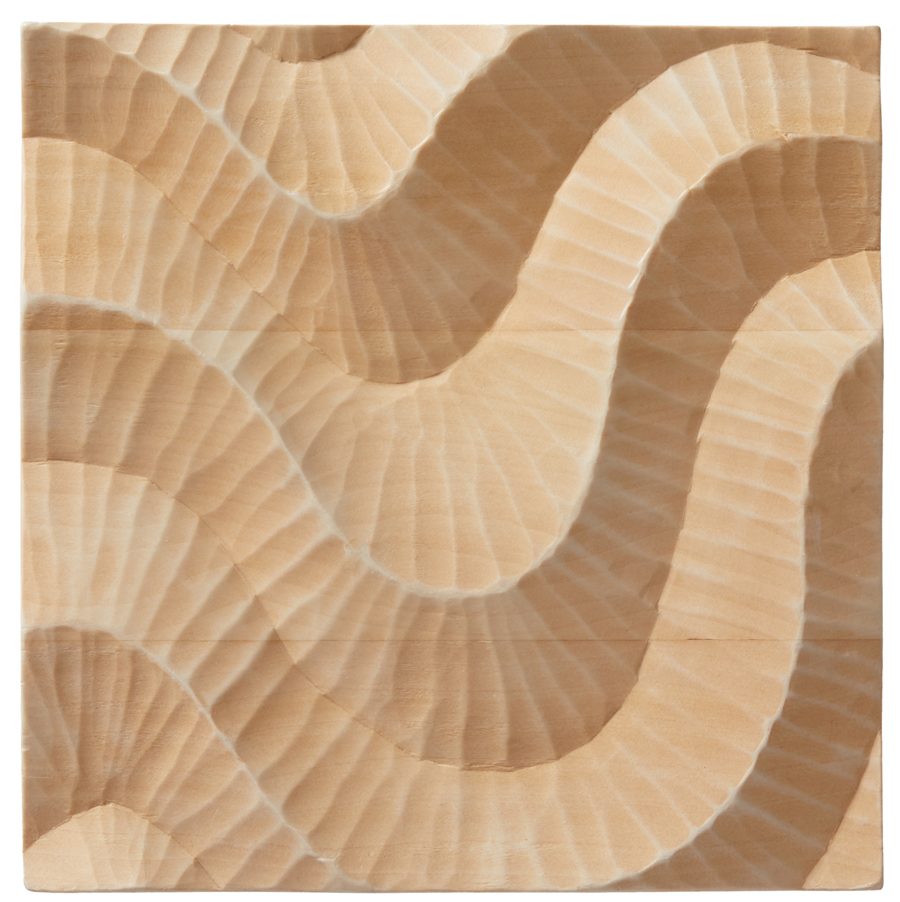
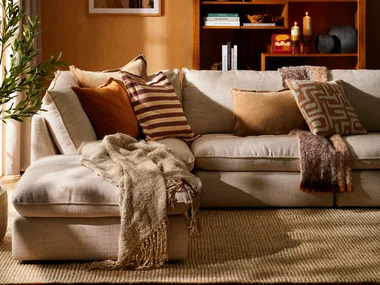
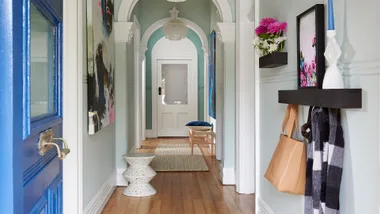
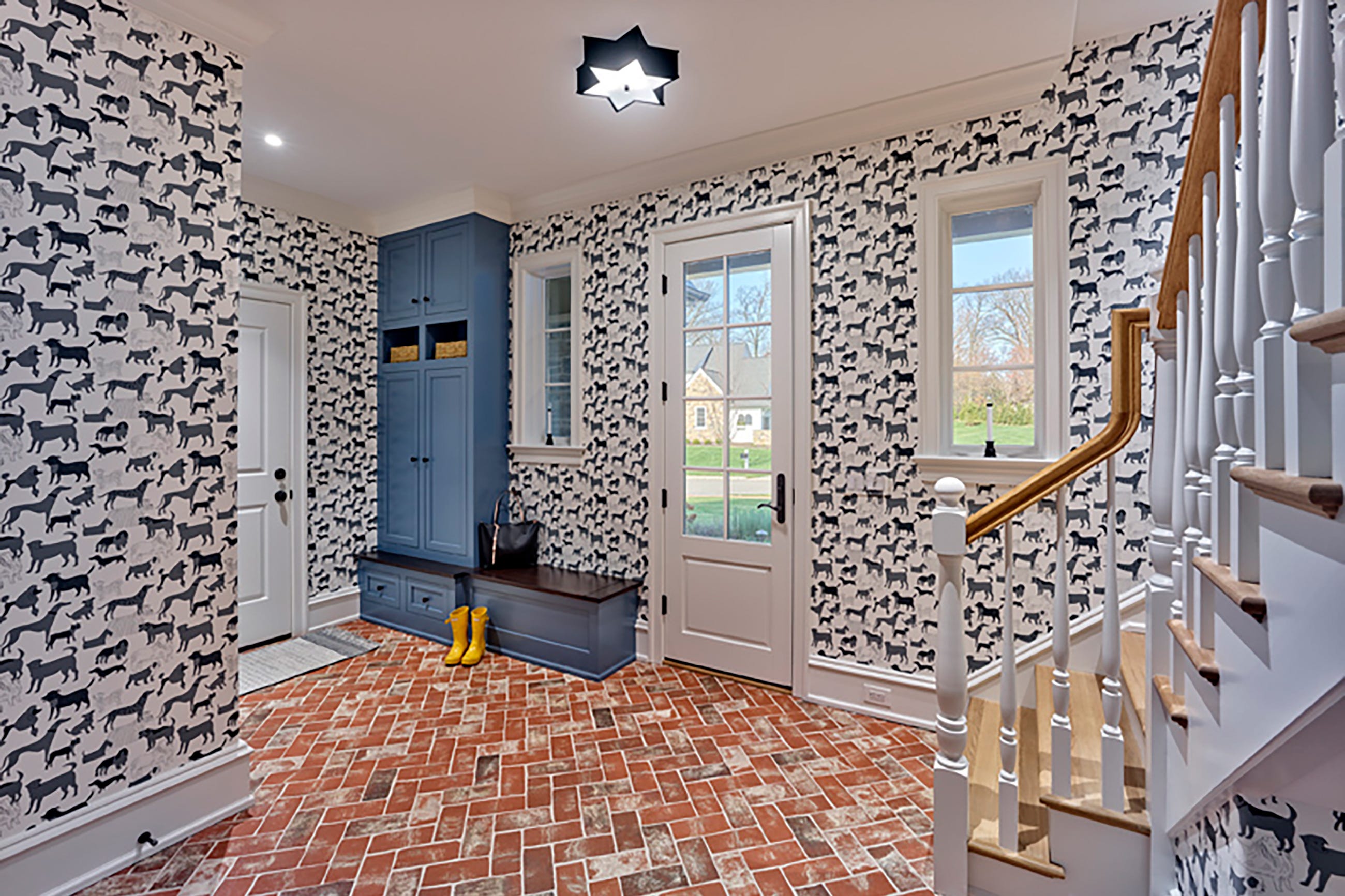
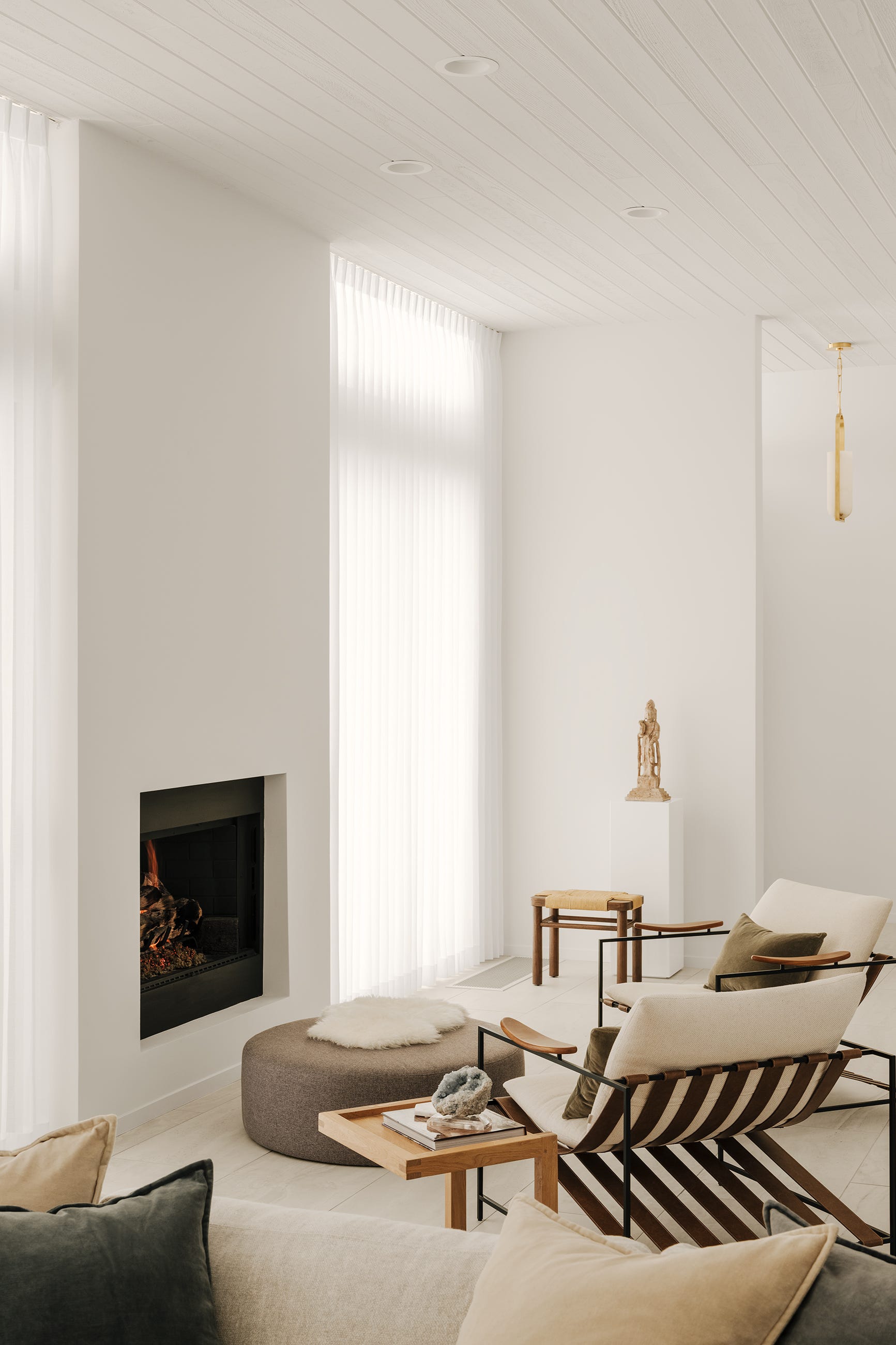
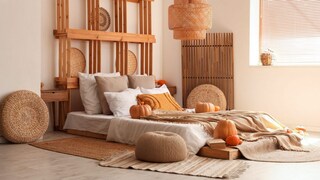
For many decades, interior design was characterized by smooth, polished surfaces that prioritized sleekness over sensory engagement. However, as the understanding of holistic well-being deepens, designers are re-evaluating how texture influences our psychological and emotional connection to our surroundings. Kuntal Vyas Aggarwal, Founder and Design Head of Resaiki Interiors and Architecture Design Studio, views texture as an indispensable tool in shaping contemporary interiors. She emphasizes that texture engages more than just sight; it appeals to touch, improves acoustics, and subtly influences our subconscious experience of a space. The strategic application of textured surfaces in interior design can evoke feelings of warmth, comfort, and security. This transformation is particularly evident in architectural features such as walls, which are now perceived not merely as backdrops but as integral design elements. Aggarwal points out that in transitional areas like staircases and entryways, textures create an inviting and enduring aesthetic. Textured paints, such as lime wash, are gaining popularity due to their organic, natural appearance and practical benefits. Unlike traditional smooth finishes, lime wash is durable, resistant to smudges and fingerprints, and gracefully ages over time, making it an optimal choice for high-traffic areas where both aesthetics and longevity are paramount. Beyond wall treatments, texture is being applied across furniture, fabrics, and decorative accents to introduce depth and dimension to interiors. Aggarwal observes that layering materials such as wood, linen, and jute in upholstery, rugs, and table surfaces not only enhances warmth but also influences how individuals interact with the space. Soft, plush textures provide comfort, while raw, natural finishes create a grounding effect.
As interior design continues its evolution, texture is proving to be more than a mere visual enhancement; it is a powerful tool for creating deeply immersive environments. The ability to transform uninspiring, lifeless spaces into dynamic, character-rich interiors is a distinguishing characteristic of innovative designers. Aggarwal underscores that the future of design extends beyond mere aesthetics to encompass how a space makes us feel. This philosophy is increasingly guiding the industry toward creating spaces that not only please the eye but also invite tactile interaction, evoke nostalgia, and offer a sensory sanctuary from the external world. Incorporating textures into design is no longer a secondary consideration but a fundamental principle shaping modern interiors. Whether through the rustic allure of natural stone, the comforting warmth of wood, or the intricate beauty of woven fabrics, textures foster a sense of discovery and belonging. By embracing texture, designers are creating spaces that are authentic, grounded, and undeniably full of life.
#InteriorDesign #TextureInDesign #HomeDecor #SensoryDesign #NaturalMaterials #IndianDesign #HolisticWellbeing #ArchitecturalElements #InteriorDesign #TextureInDesign #HomeDecor #SensoryDesign #NaturalMaterials #IndianDesign #HolisticWellbeing #ArchitecturalElements
0 комментариев всего
 Комментариев пока нет
Вам также может понравиться
The Power of Texture in Interior Design – 6 Ways Designers Use It to Shape the Look (and Feel) of Every Room

Interior Design Trends of 2024

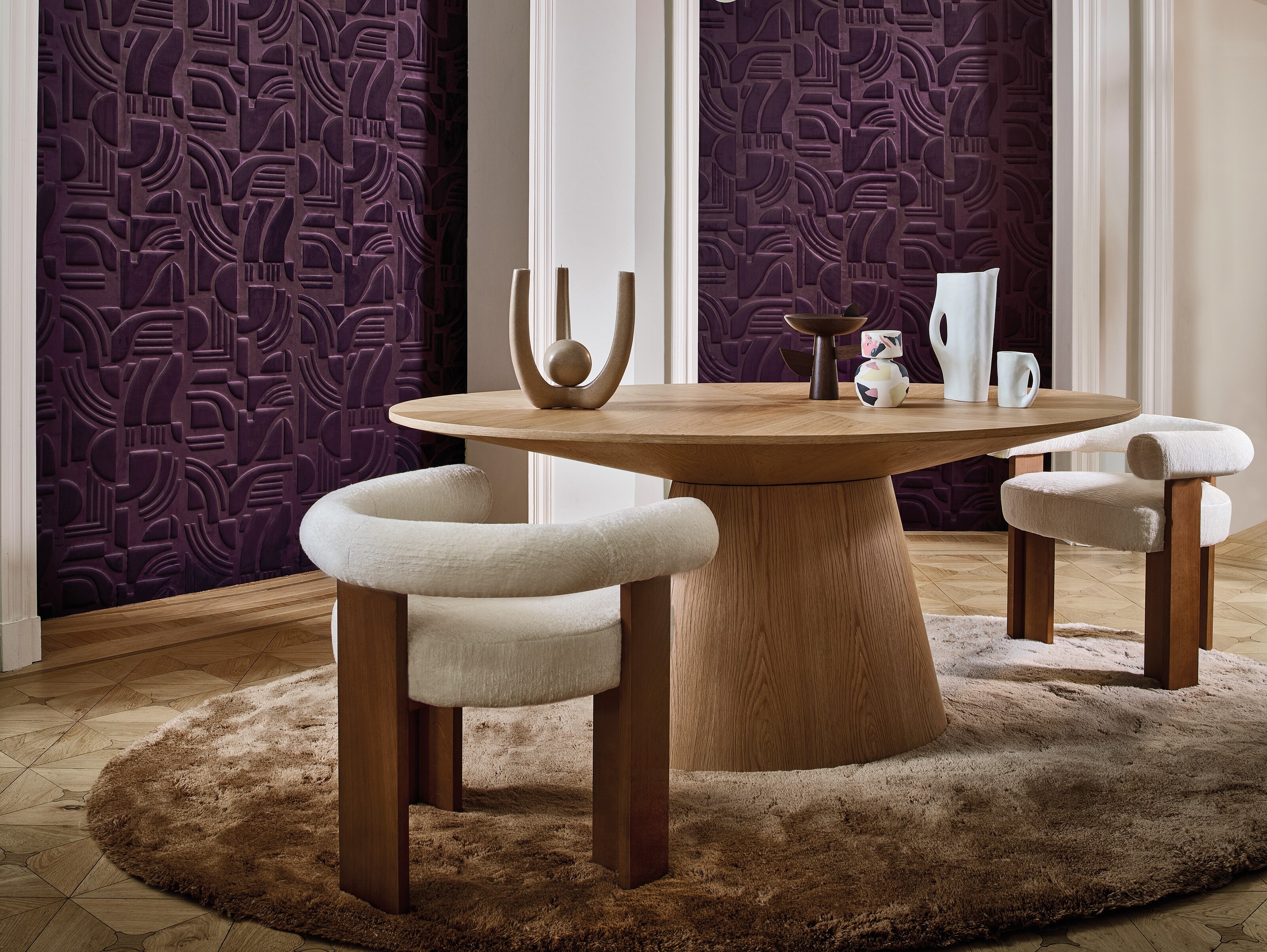
Bouclé for Your Walls?! 5 Ingenious Wallcoverings Designers Predict We'll See More of in 2024

Oh Happy Day!’s Jordan Ferney Hasn’t Done an Accent Wall Since 2002
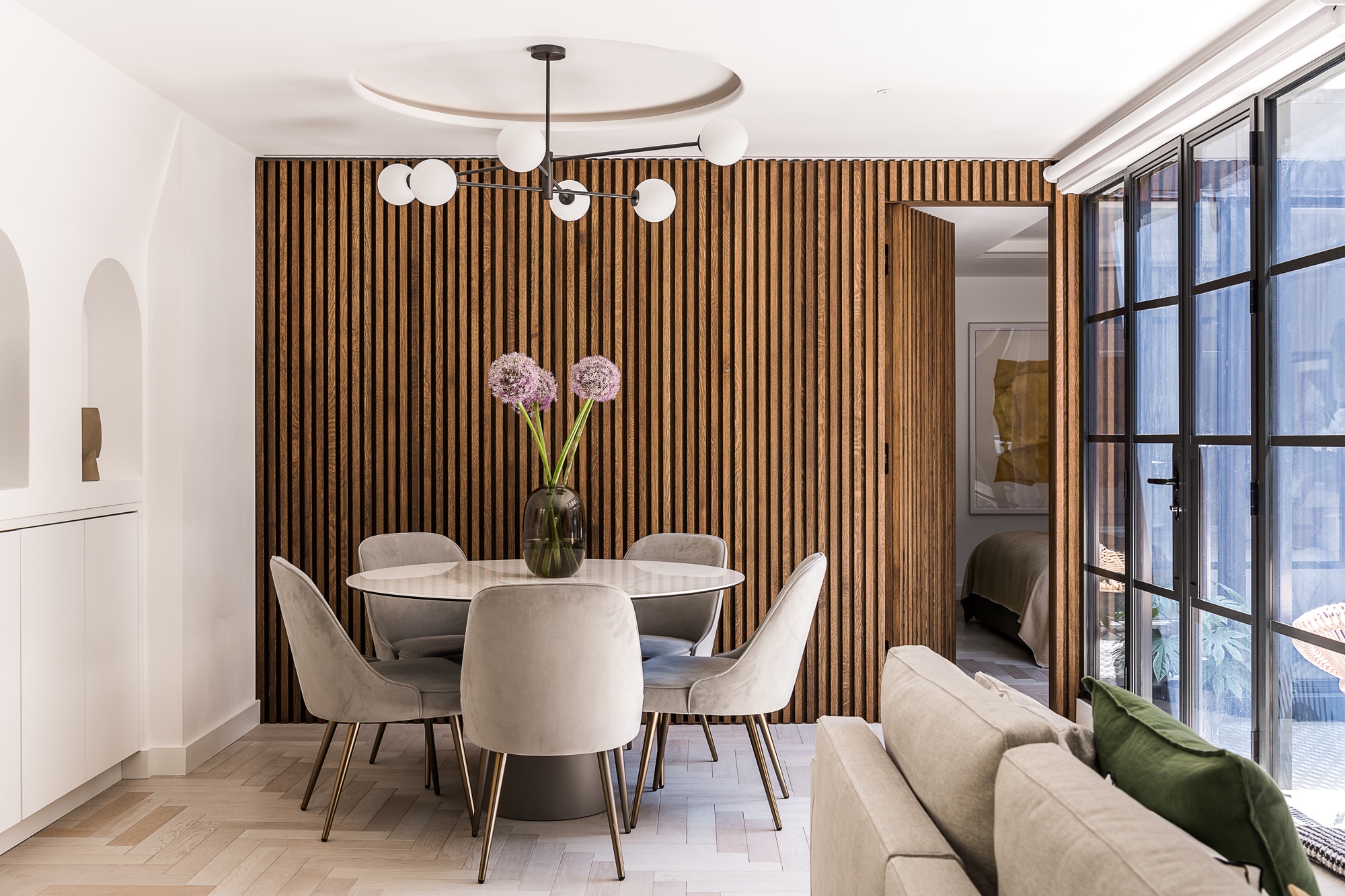
Fluting: 9 times interior designers have inspired us with this key new look
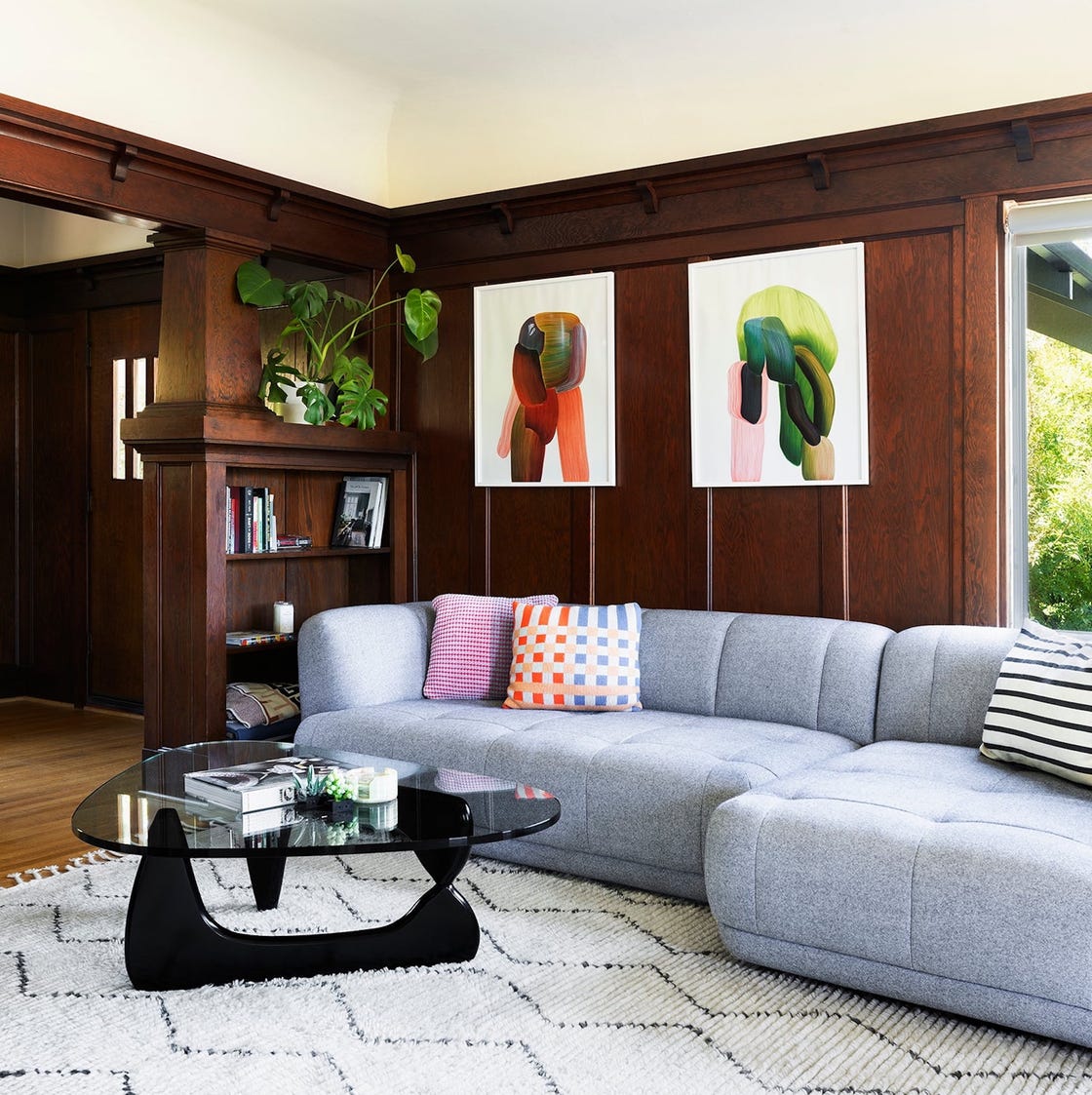
Designers Are Ditching "Flat Painted Walls" for THIS Unexpected Trend

Why layering is the new minimalism in interior design: Experts give tips on how to ace the trend | Hindustan Times

Textured wall ideas – 13 surfaces you'll want to reach out and touch
These Are the Home Design Trends You Need to Know About in 2025
Texture Takes Over: Why Matte Finishes Are the New Luxury

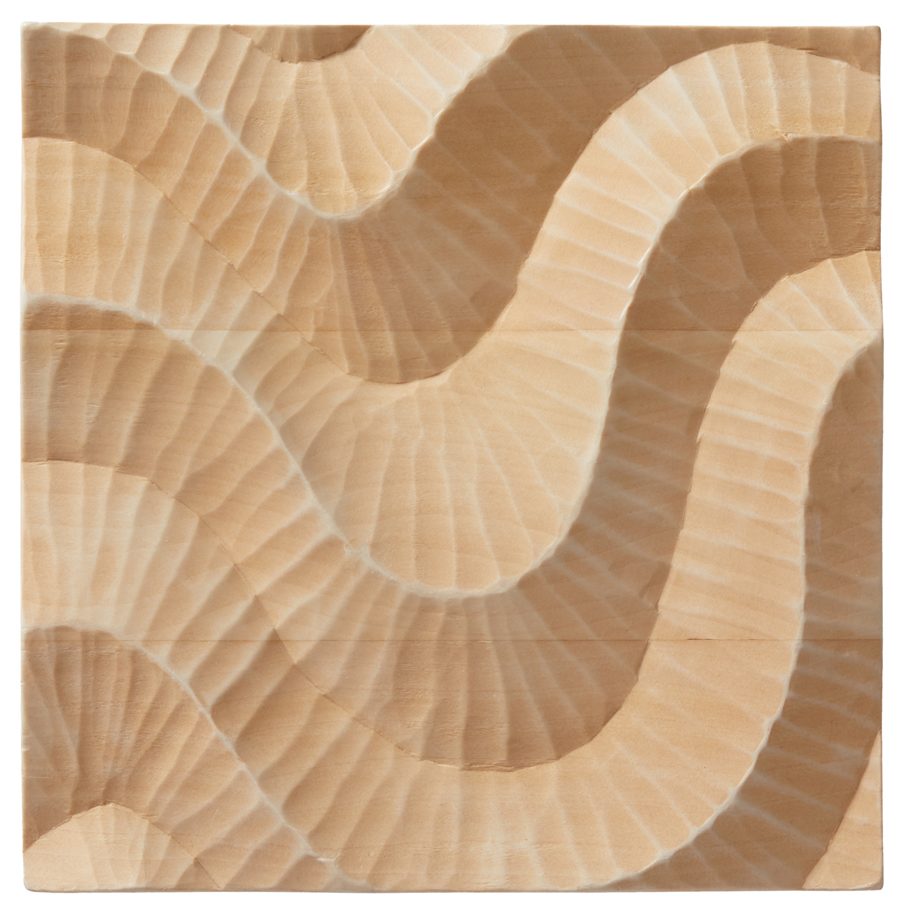
Textured walls: New season wallcoverings are going 3D |
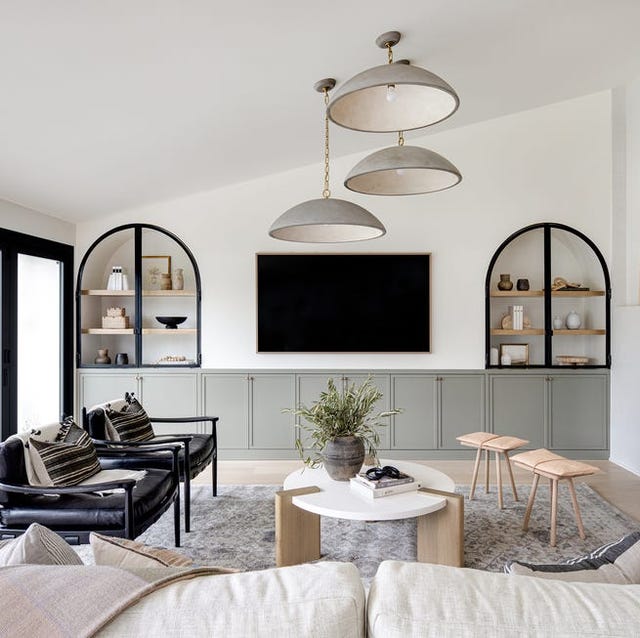
These 20 Interior Design Trends Are Too Good to Overlook

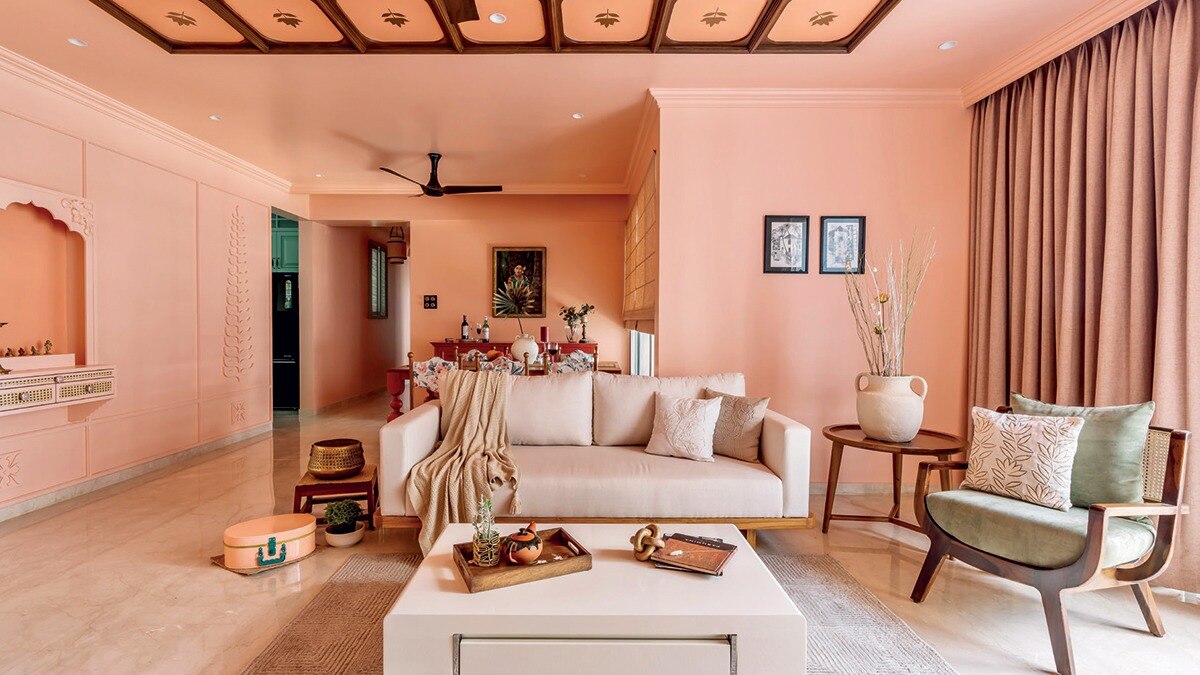
Interiors | A tale through textures
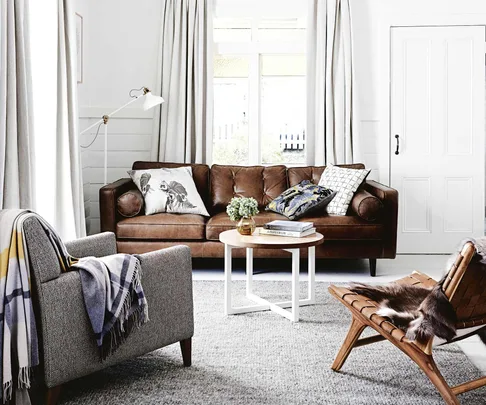
How to layer materials and add texture to your home decor

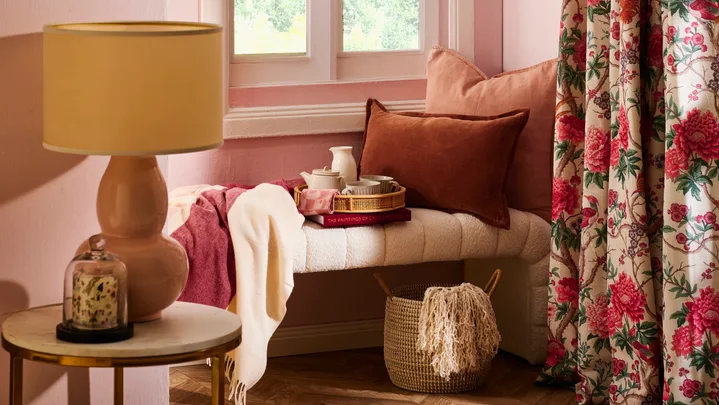
The decorating trends everyone will be talking about in 2026

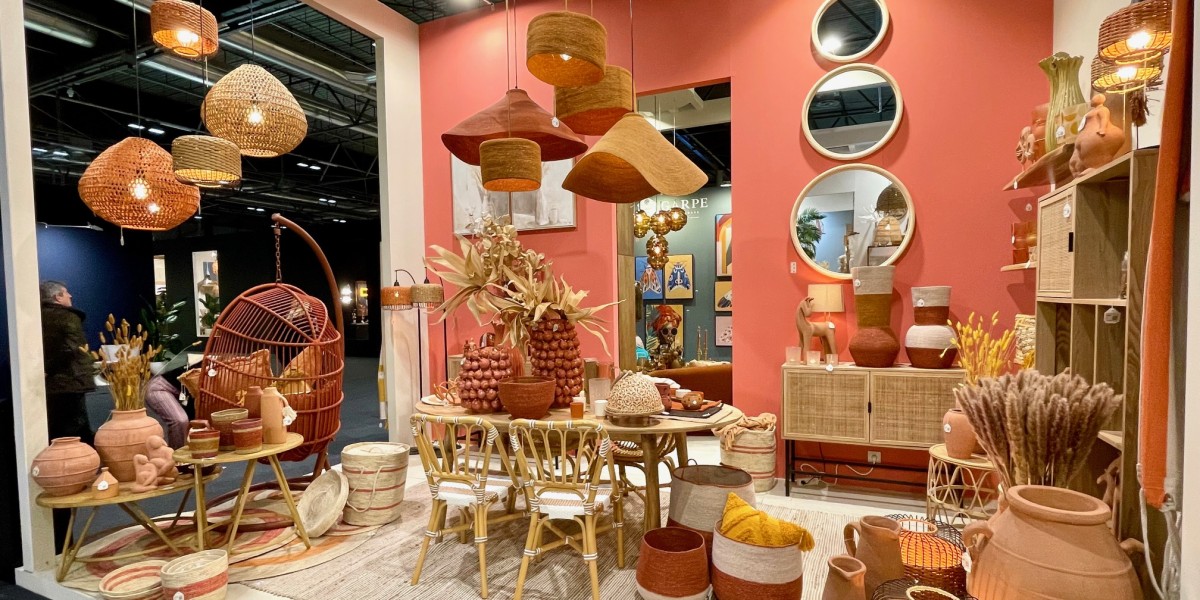
The 10 decoration trends to watch out for in 2025
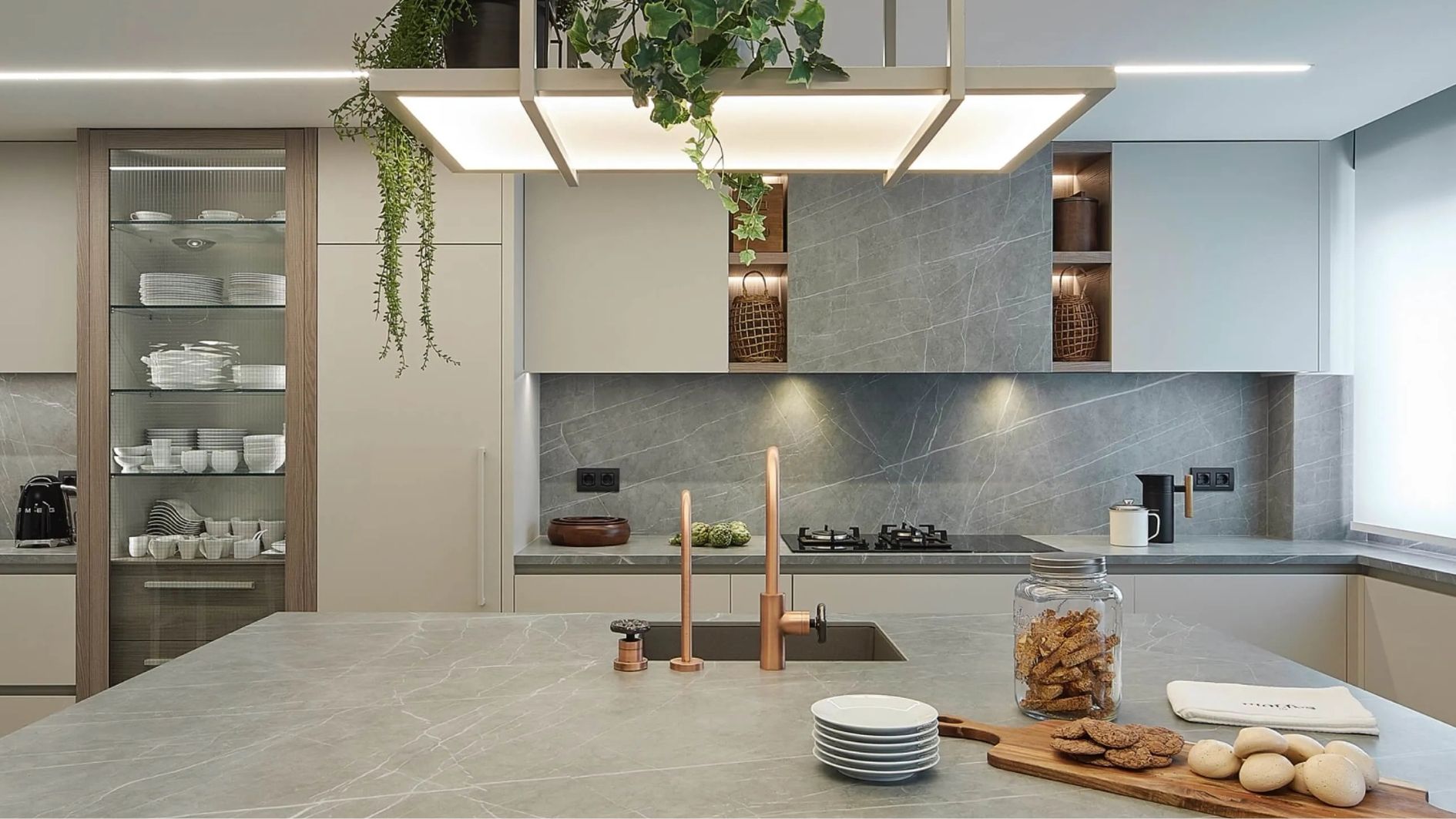
5 brands that are transforming the architectural surfaces of your home

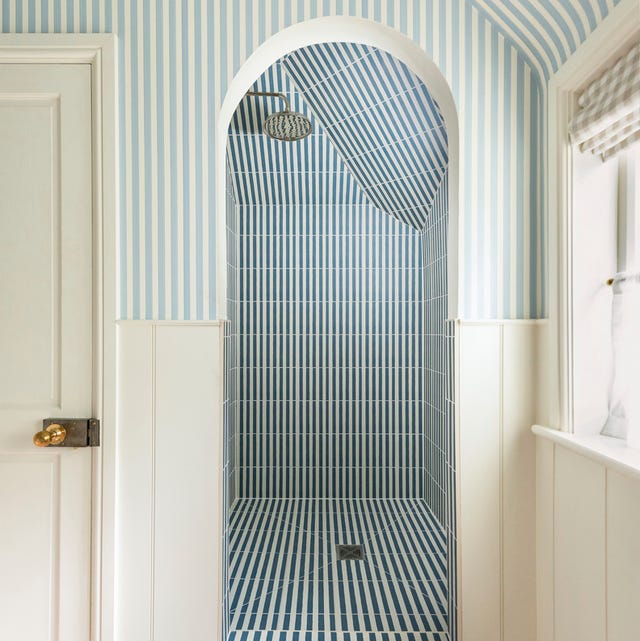
Tile Is BACK—and More Creative and Fun Than Ever, According to Experts
Beyond Aesthetics: How Tech is Redefining Interior Design
The One Design Feature You're Overlooking That Can Instantly Elevate Any Room