
1/8
7 Mistakes to Avoid When Remodeling Your Bathroom
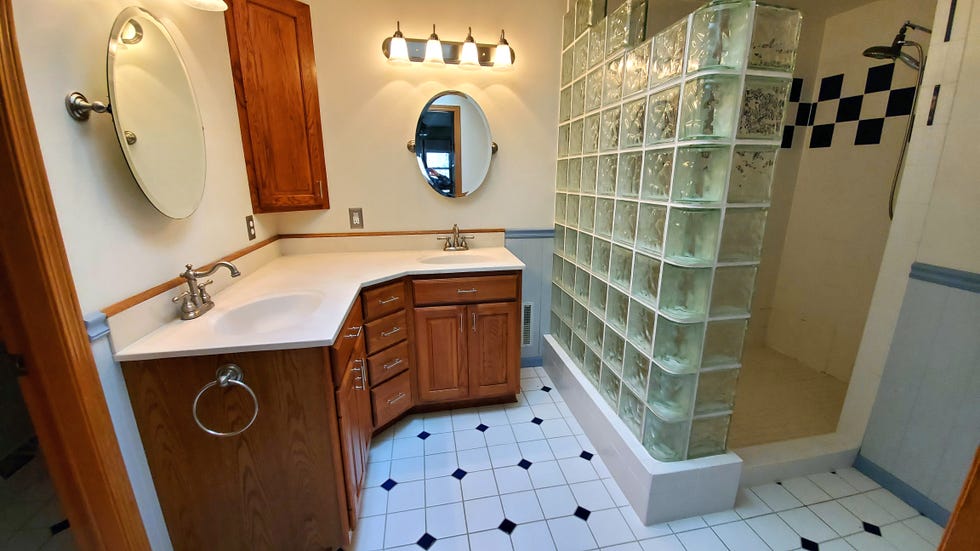
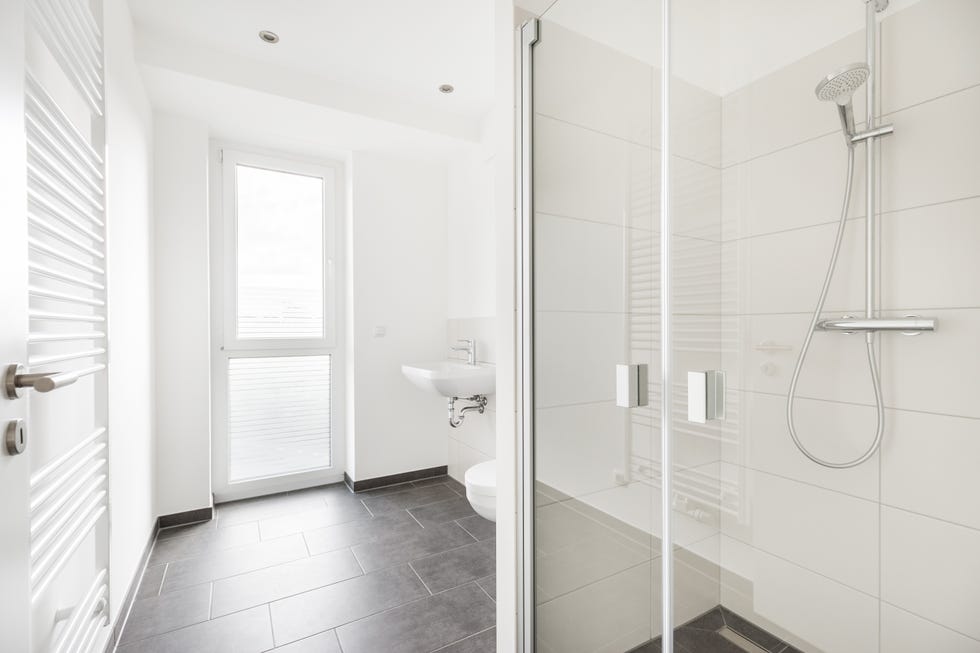
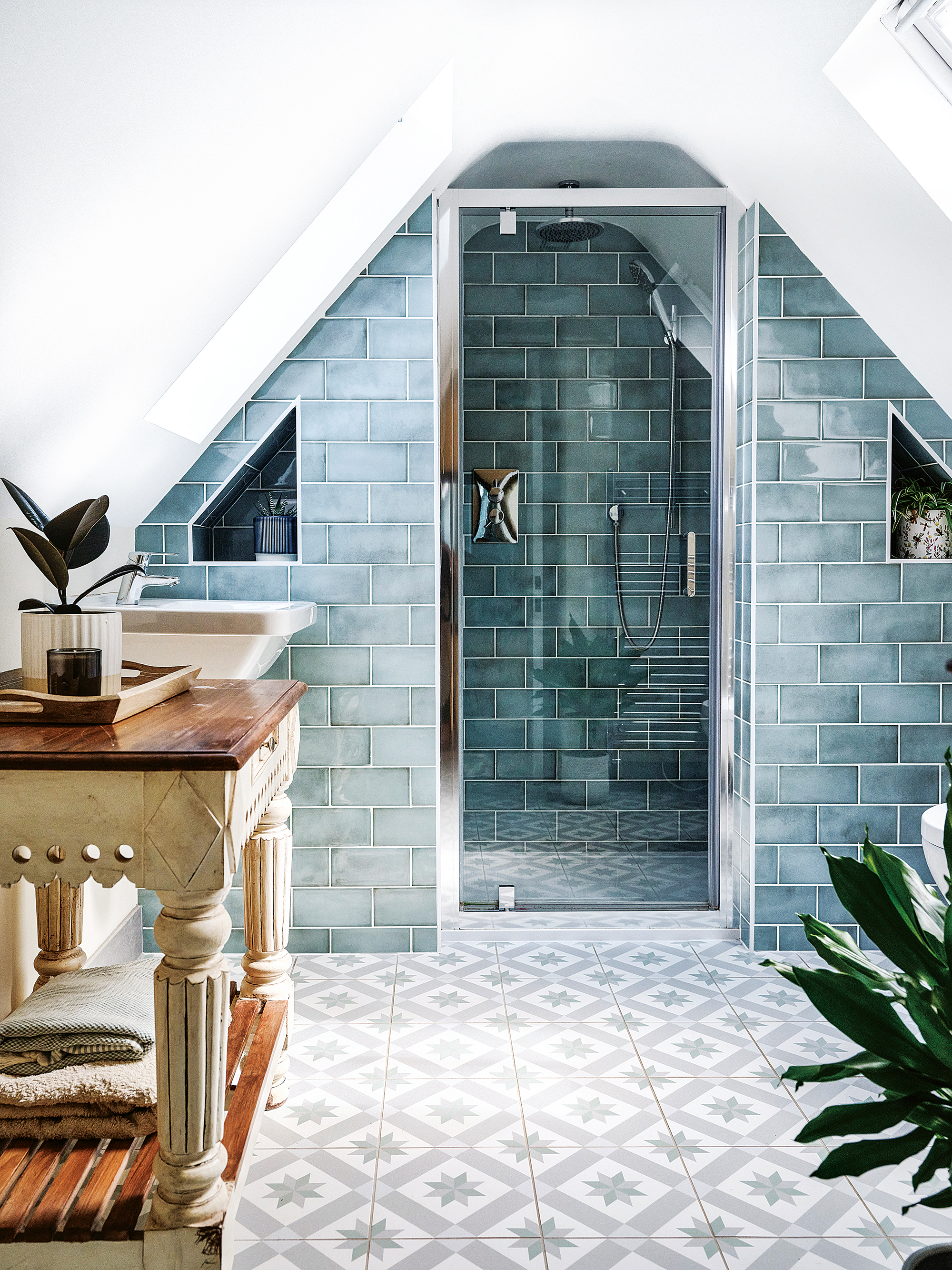
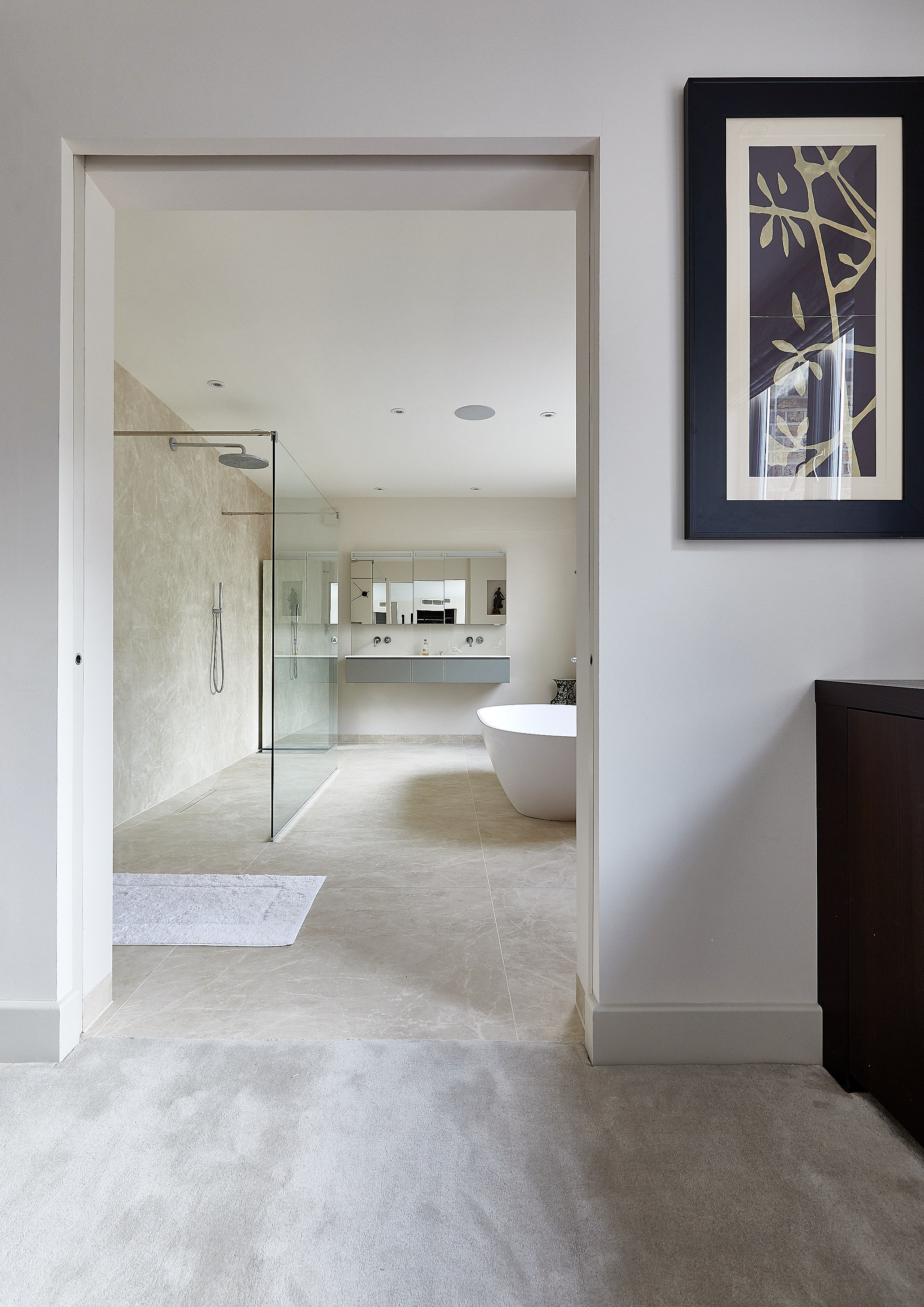
Bathroom remodels are one of the most common home renovation projects, with a significant portion of homeowners planning such projects. However, these undertakings can be costly and time-consuming, making it crucial to avoid common pitfalls. Poor planning and execution can lead to serious issues like water damage and mold growth, incurring additional expenses and delays. Therefore, understanding and circumventing typical mistakes is essential for a successful, functional, and aesthetically pleasing outcome.
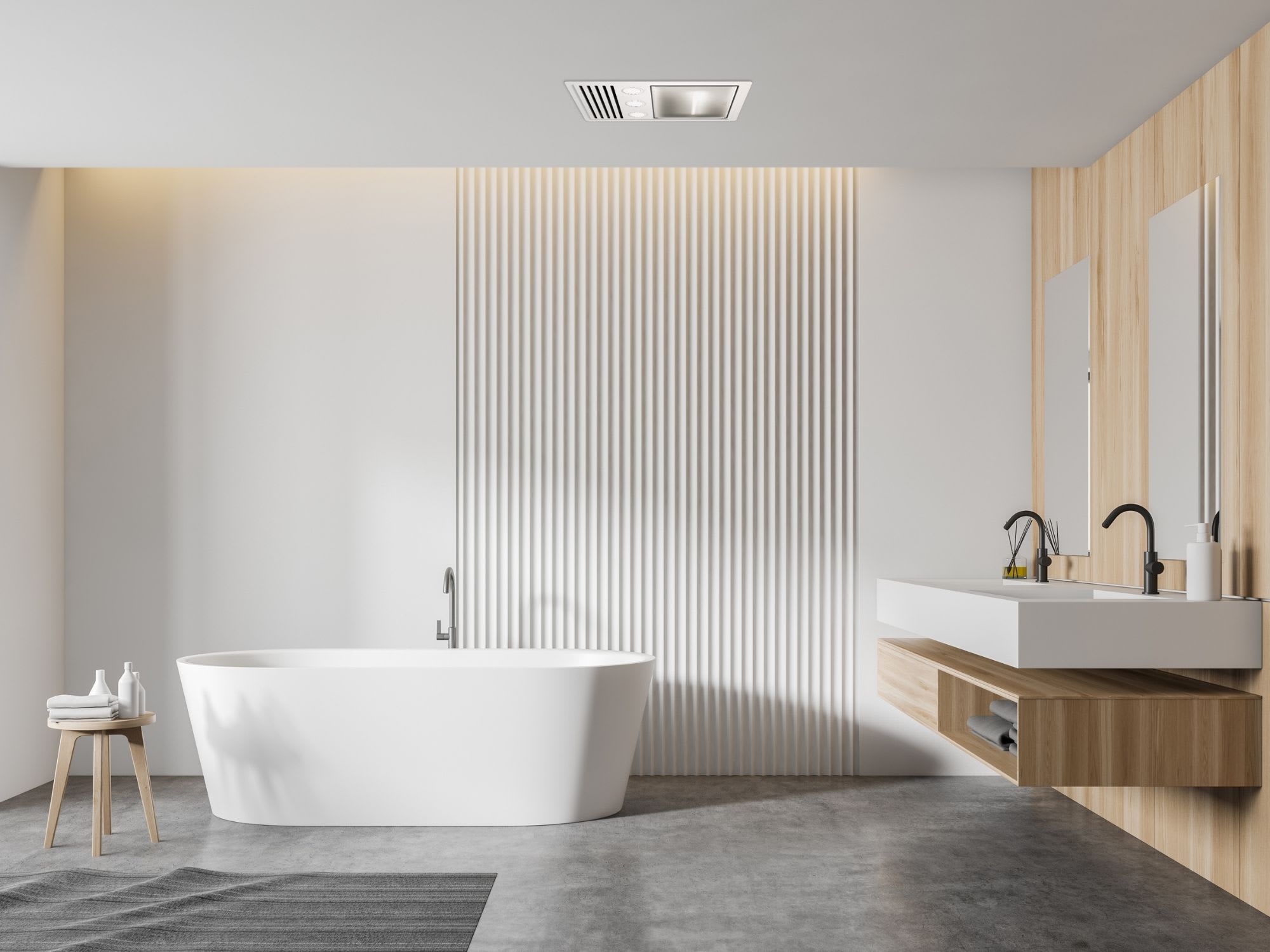
One critical mistake is neglecting proper ventilation by omitting or not using a bathroom exhaust fan. Without adequate ventilation, humidity accumulates, leading to the deterioration of surfaces, grout, and paint, and fostering mildew and mold growth that can compromise structural integrity and health. Regular cleaning of the fan's vent and consistent use during and after showers are necessary to ensure effective moisture removal. An appropriately sized and functioning exhaust fan is a non-negotiable component for any bathroom, regardless of how quiet it may be.
Another significant error is proceeding without a clear, detailed plan. A successful remodel requires precise measurements, cost estimations, a comprehensive list of materials, and a defined timeline. Attempting a remodel without thorough planning, especially for DIY enthusiasts, often results in underestimating the project's complexity. Dondi Szombatfalvy, a home remodeling expert, emphasizes the high potential for damage when dealing with water fixtures. A detailed plan should also account for code requirements, recommended clearances, and material suitability, and it should be shared with all involved parties for feedback before demolition begins.
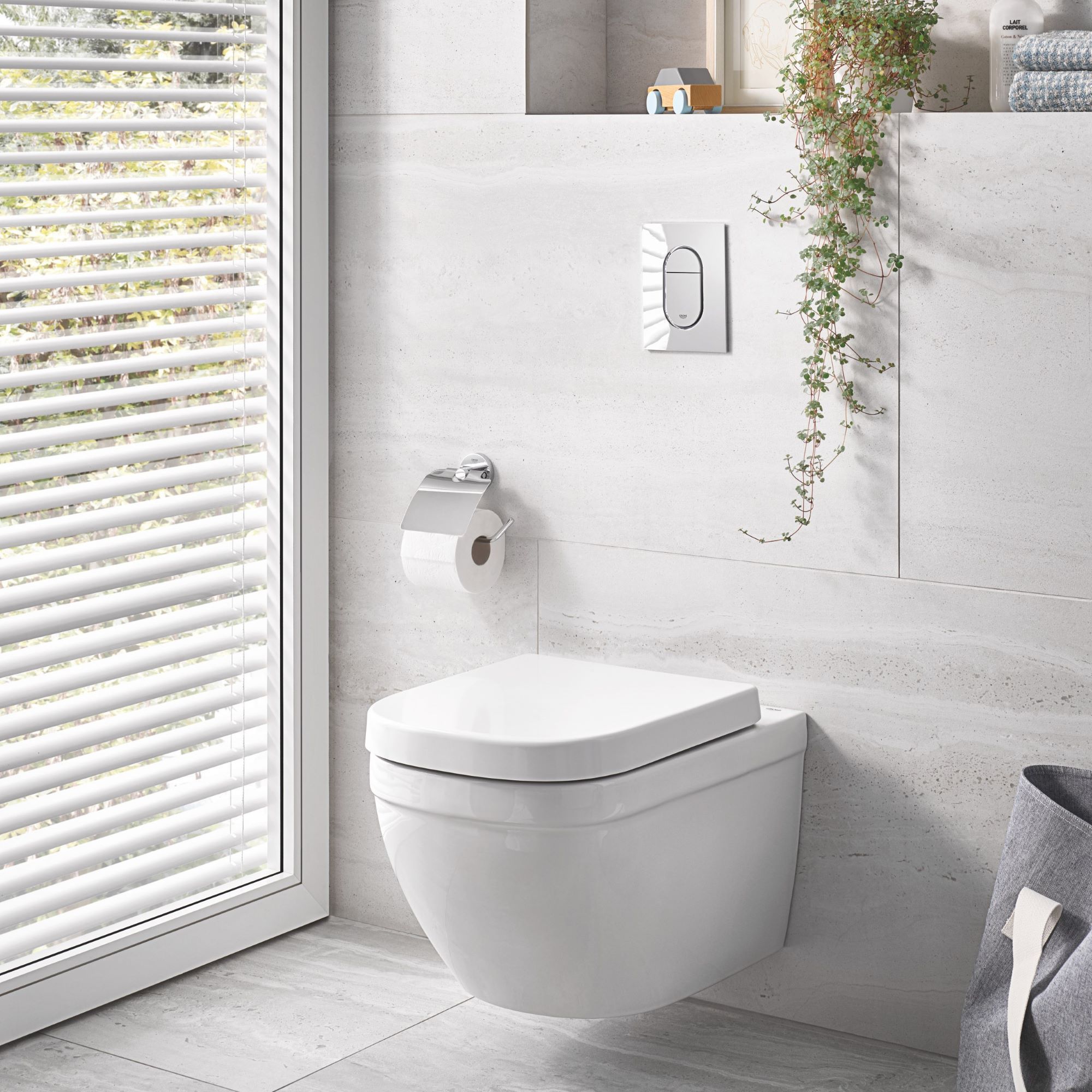
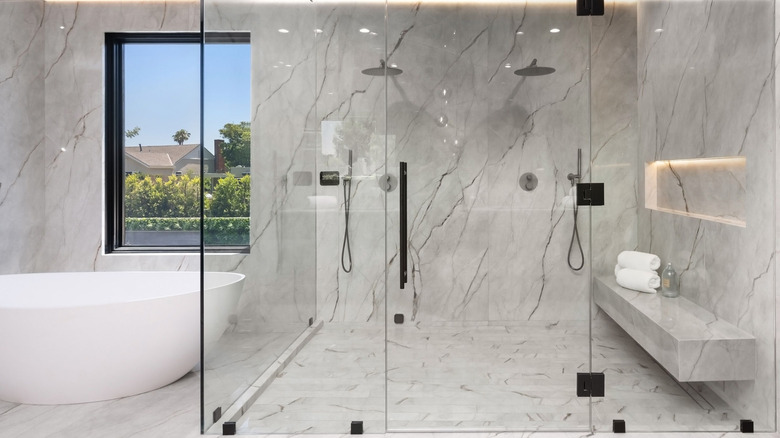
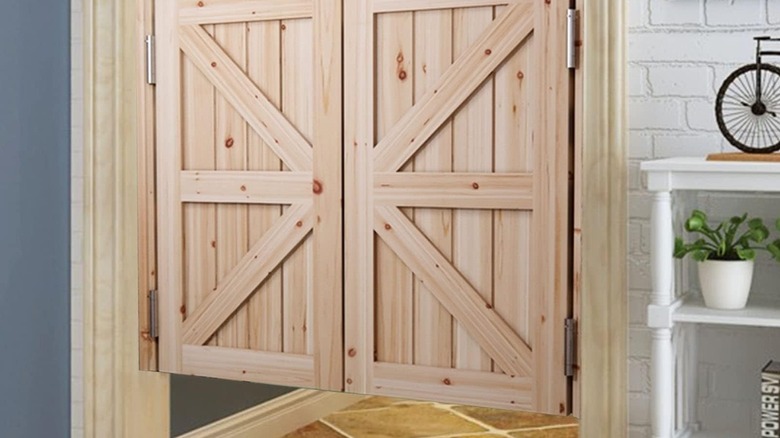
Failing to consider the room's layout and fixture spacing is a common oversight. While aesthetics are important, functionality should take precedence. Relocating plumbing fixtures necessitates adherence to building codes for minimal spacing guidelines and ensuring comfortable everyday use. Specific rough-in dimensions for fixtures, such as toilets, must be carefully considered to ensure compatibility with the existing space. Furthermore, the layout must provide ample clearance for opening vanity and shower doors completely to prevent functional obstructions.
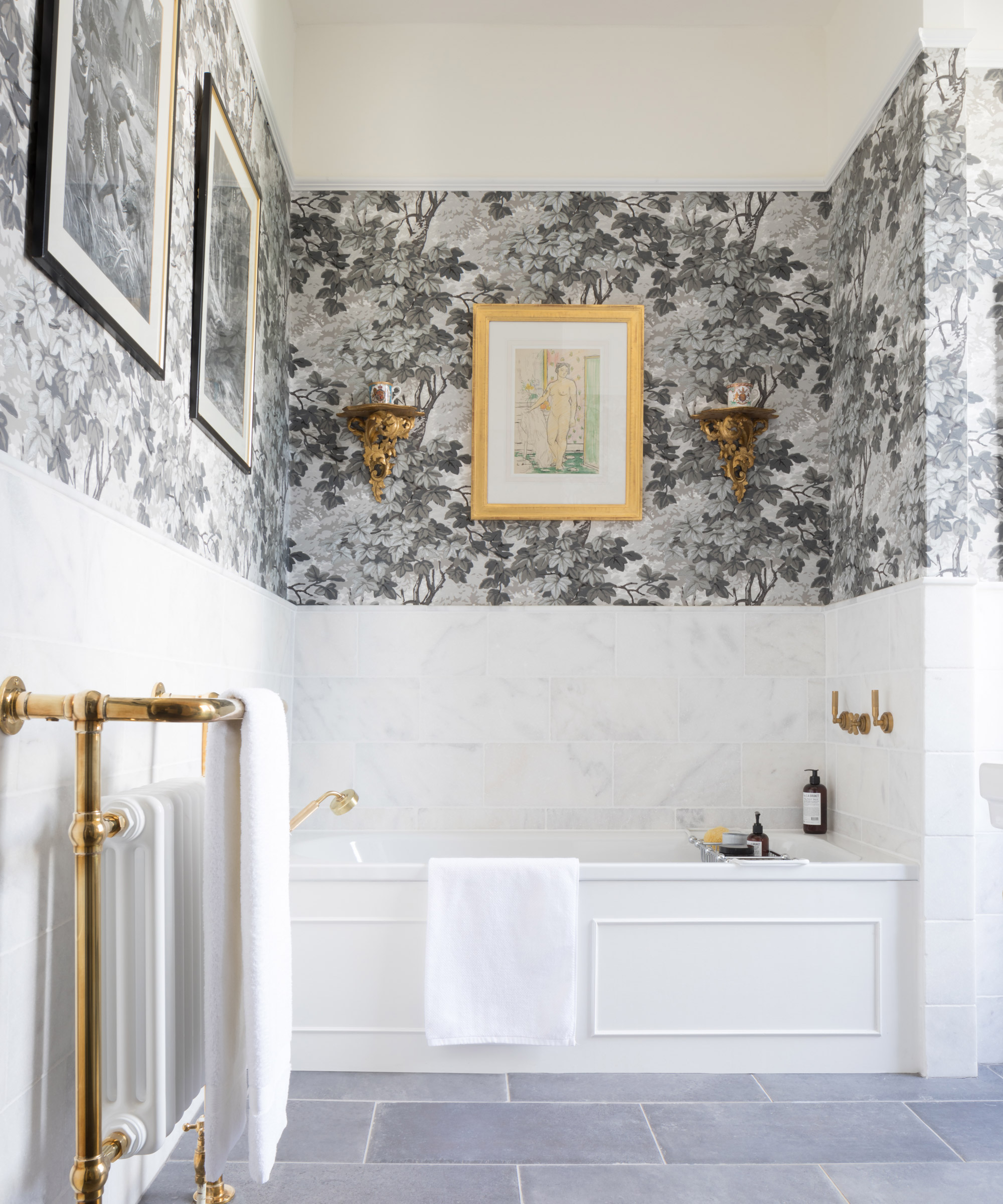
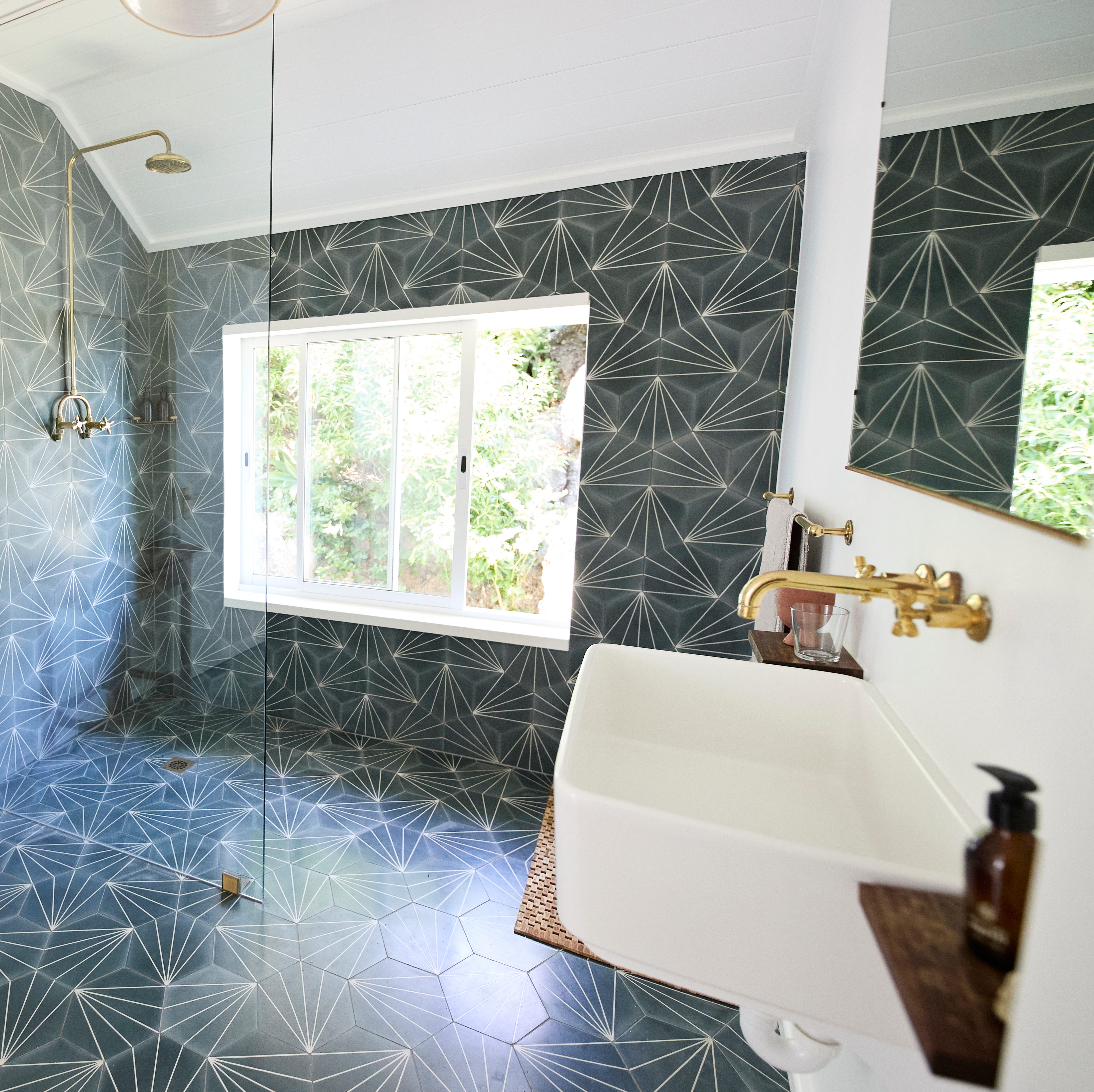
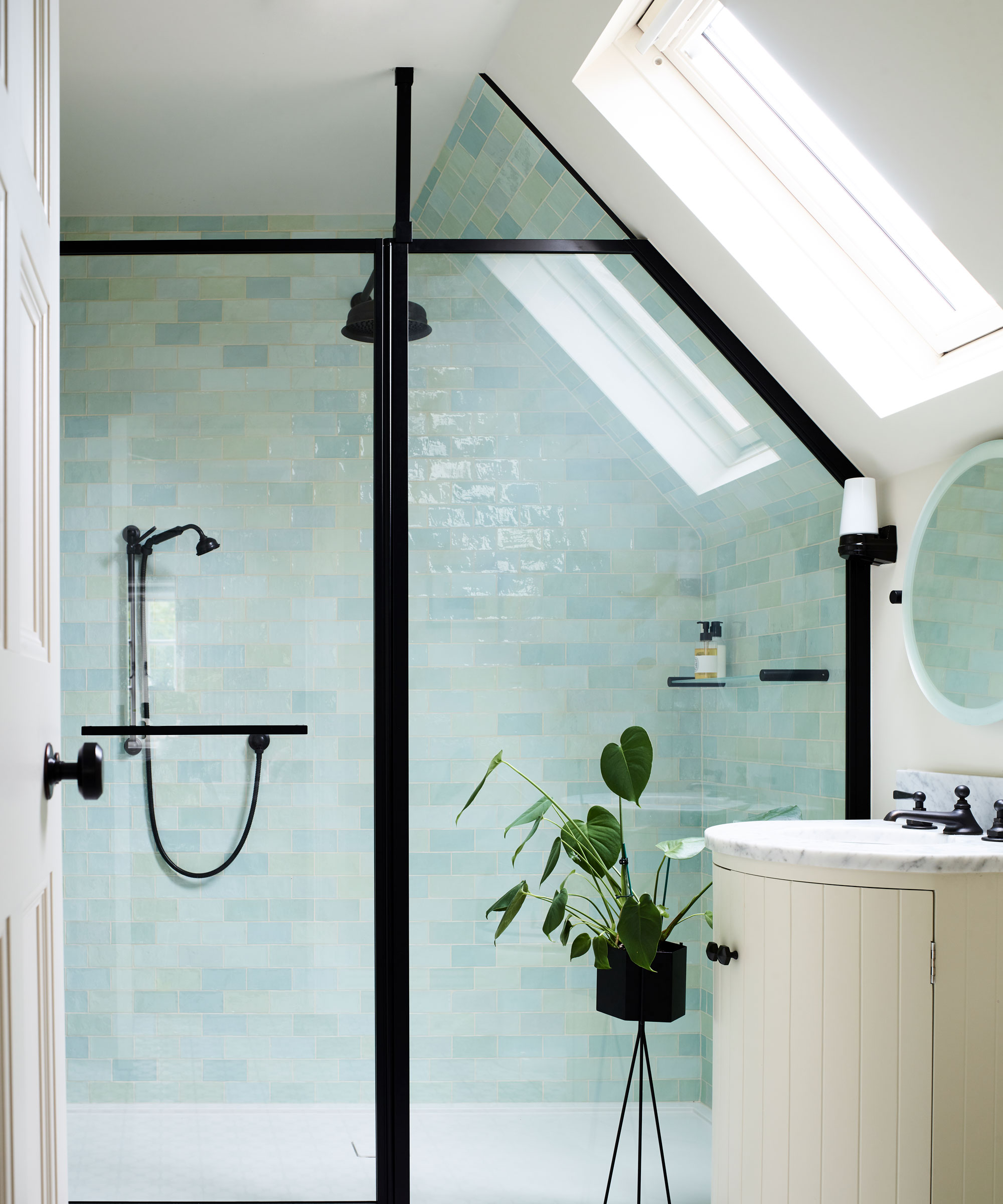
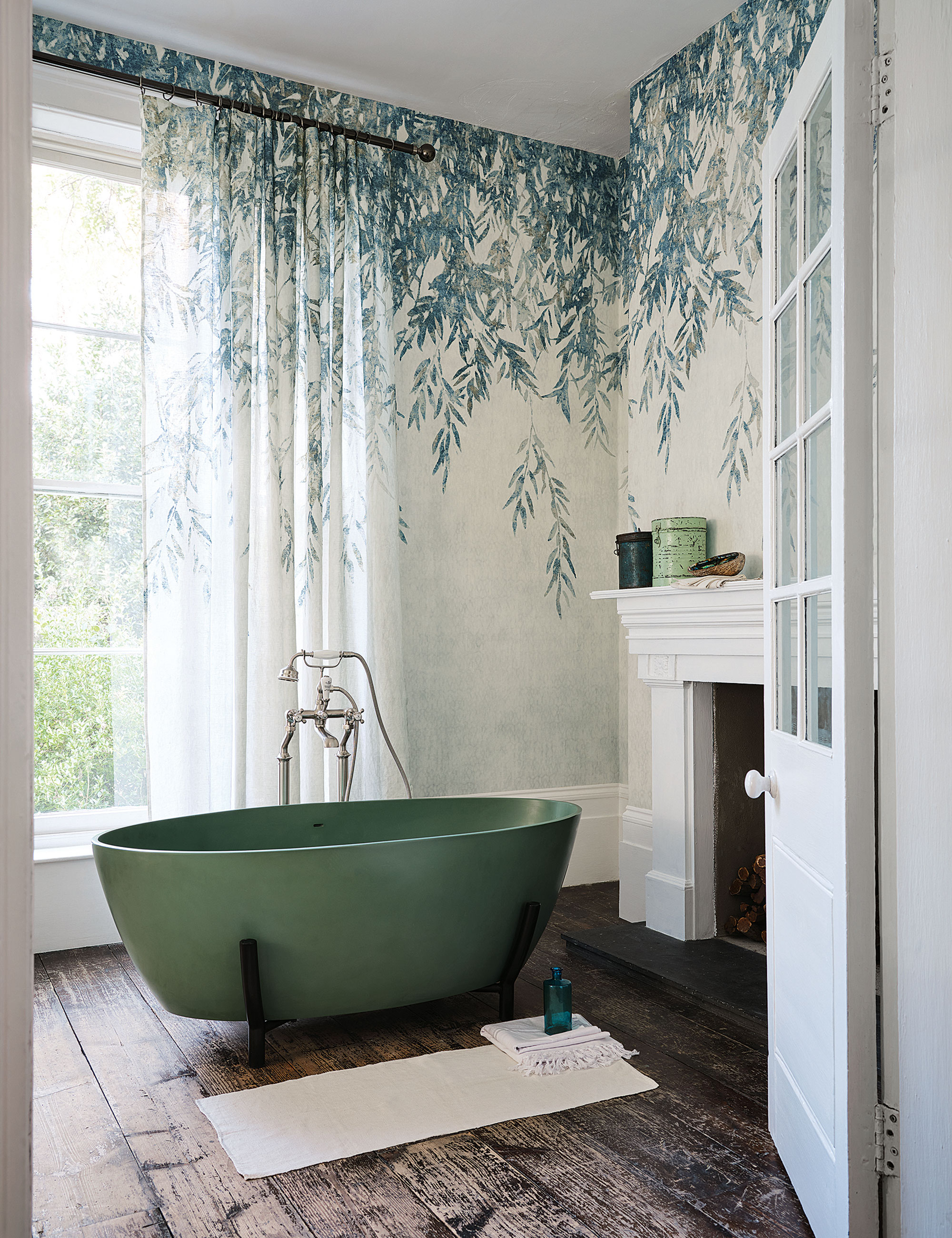
Selecting unsuitable materials for wet environments is a recipe for long-term problems. Bathrooms are subject to high moisture levels and temperature fluctuations, which can warp or mildew floors, walls, and vanities. It is imperative to choose materials specifically designed for bathroom applications, such as humidity-resistant wallpaper and moisture-proof vanities. Careful selection of high-quality plumbing fixtures and diligent adherence to installation and maintenance instructions are also vital to prevent costly issues.
An unrealistic budget often leads to compromises and dissatisfaction. Homeowners must establish a transparent budget and communicate it to designers and retailers. Overspending early on can force cost-cutting measures later, resulting in an unsatisfactory final product. It is advisable to save until sufficient funds are available to achieve desired outcomes. Additionally, budgeting an extra 15 to 20 percent for unforeseen expenses is a prudent measure, as unexpected costs frequently arise during remodeling projects.
Ignoring minor mistakes during the renovation process can transform small glitches into persistent eyesores. Even seemingly insignificant errors, like an uneven tile or a gap in a vanity, will become increasingly noticeable over time. Experts highlight the importance of precise execution for elements such as shower slopes and toilet seating, where even slight inaccuracies can lead to significant problems. Experienced professionals possess the skills to address site-specific challenges, such as uneven floors or improper adhesive use, which DIYers might overlook. Addressing all mistakes as they occur, rather than rationalizing them away, is crucial for a high-quality finish.
Finally, rushing through the project can severely compromise quality. While initial enthusiasm is common, maintaining momentum can be challenging. Experts recommend a realistic timeline and being prepared to pause progress to ensure correctness. Avoiding rushed timelines due to impending events is important, as pressure can lead to sacrificing quality. Starting at a steady pace and slowing down towards the end ensures that all details are completed correctly, ultimately leading to a superior and more satisfying renovation.
#BathroomRemodeling #HomeRenovation #DIYMistakes #HomeImprovement #ProjectPlanning #MaterialSelection #Budgeting #MoistureControl #BathroomRemodeling #HomeRenovation #DIYMistakes #HomeImprovement #ProjectPlanning #MaterialSelection #Budgeting #MoistureControl
0 комментариев всего
 Комментариев пока нет
Вам также может понравиться
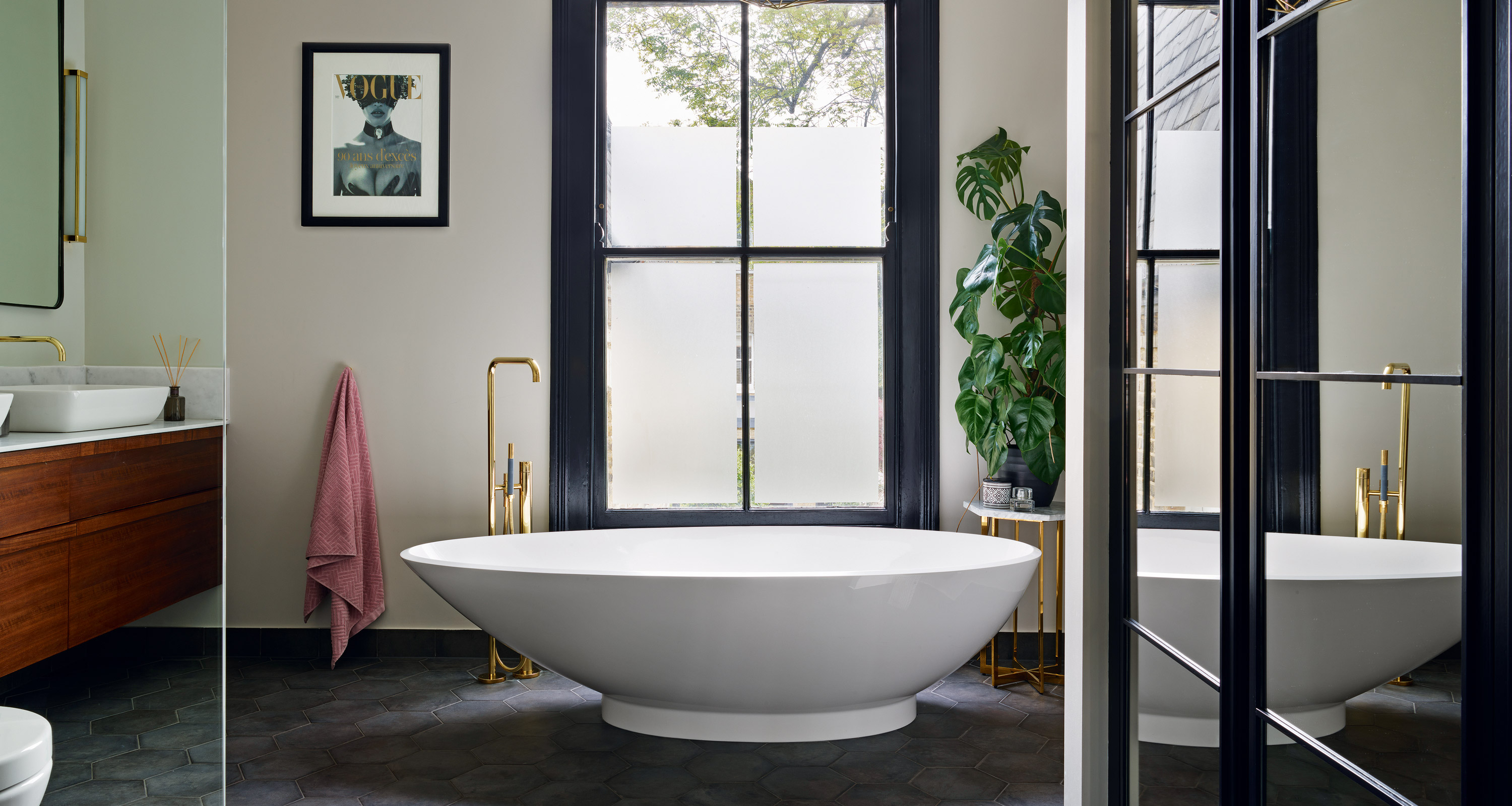
Bathroom remodel mistakes – and how to avoid them

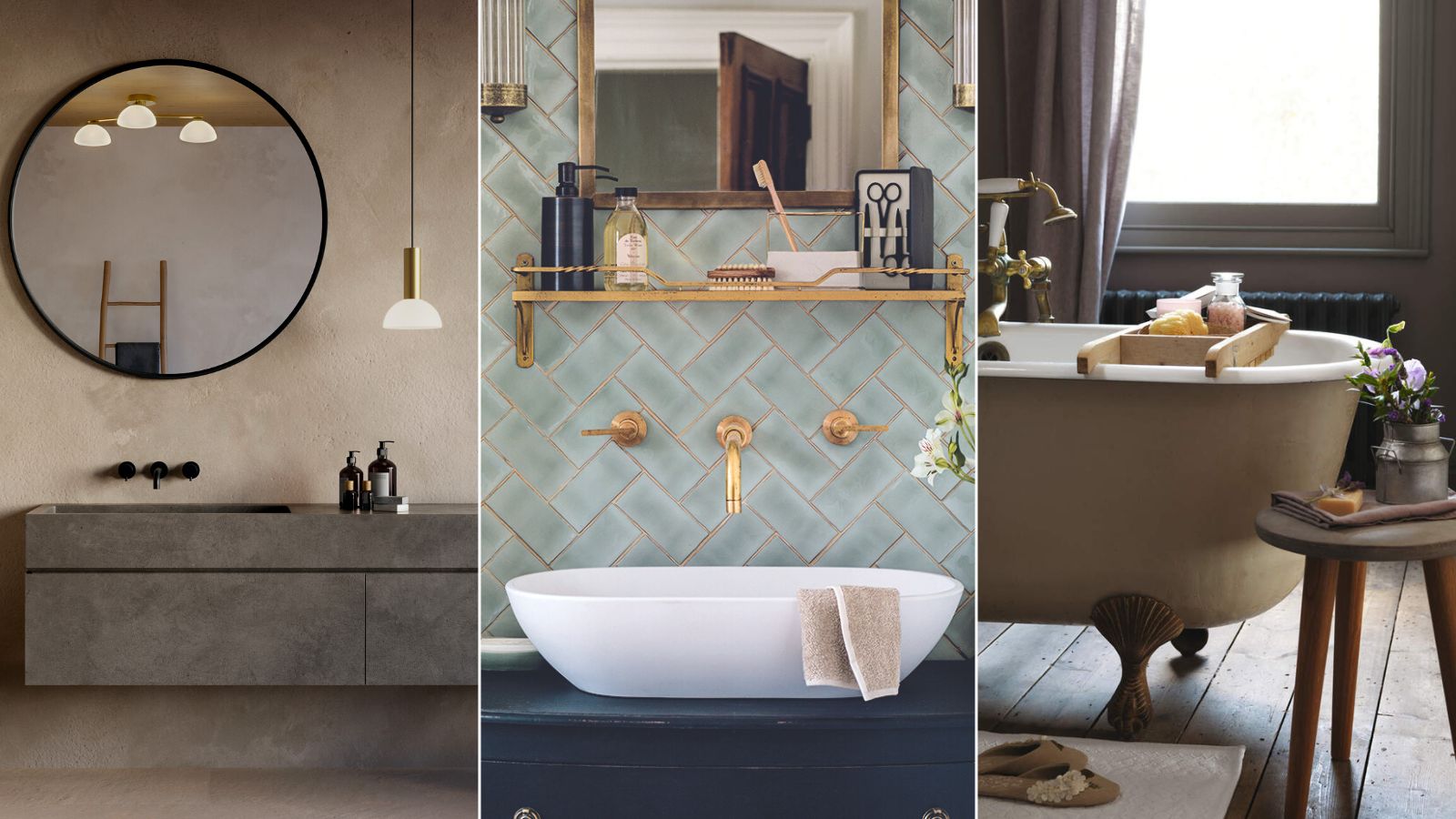
13 bathroom design mistakes to avoid at all costs, according to experts
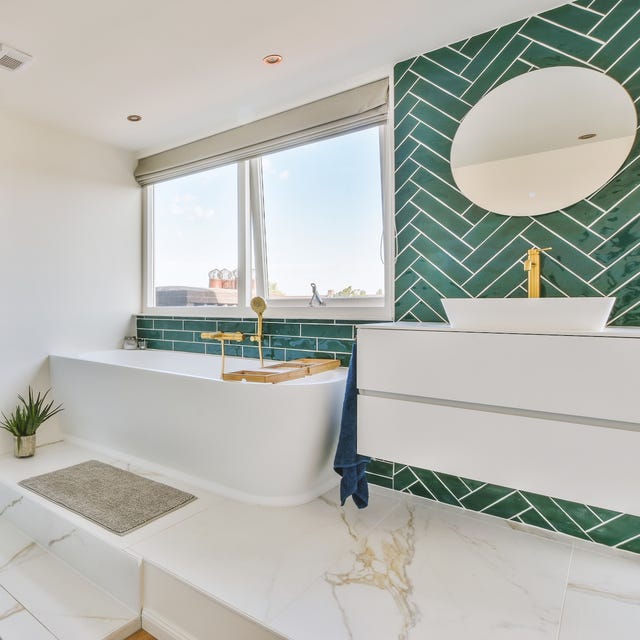
18 WORST Bathroom Design Mistakes You're Probably Making

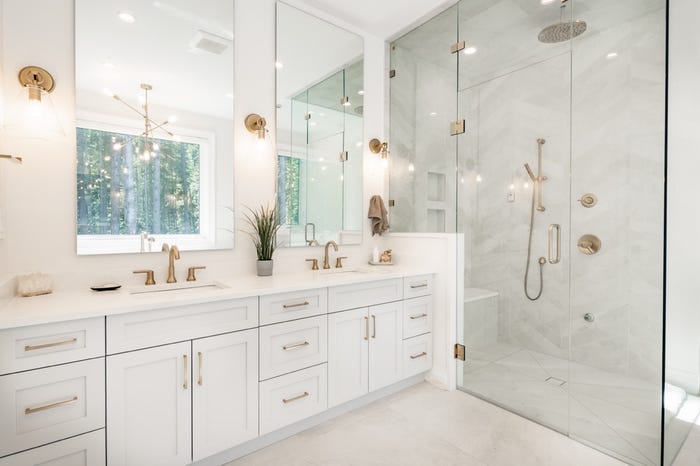
Interior designers share the 9 biggest mistakes people make when decorating and designing a bathroom
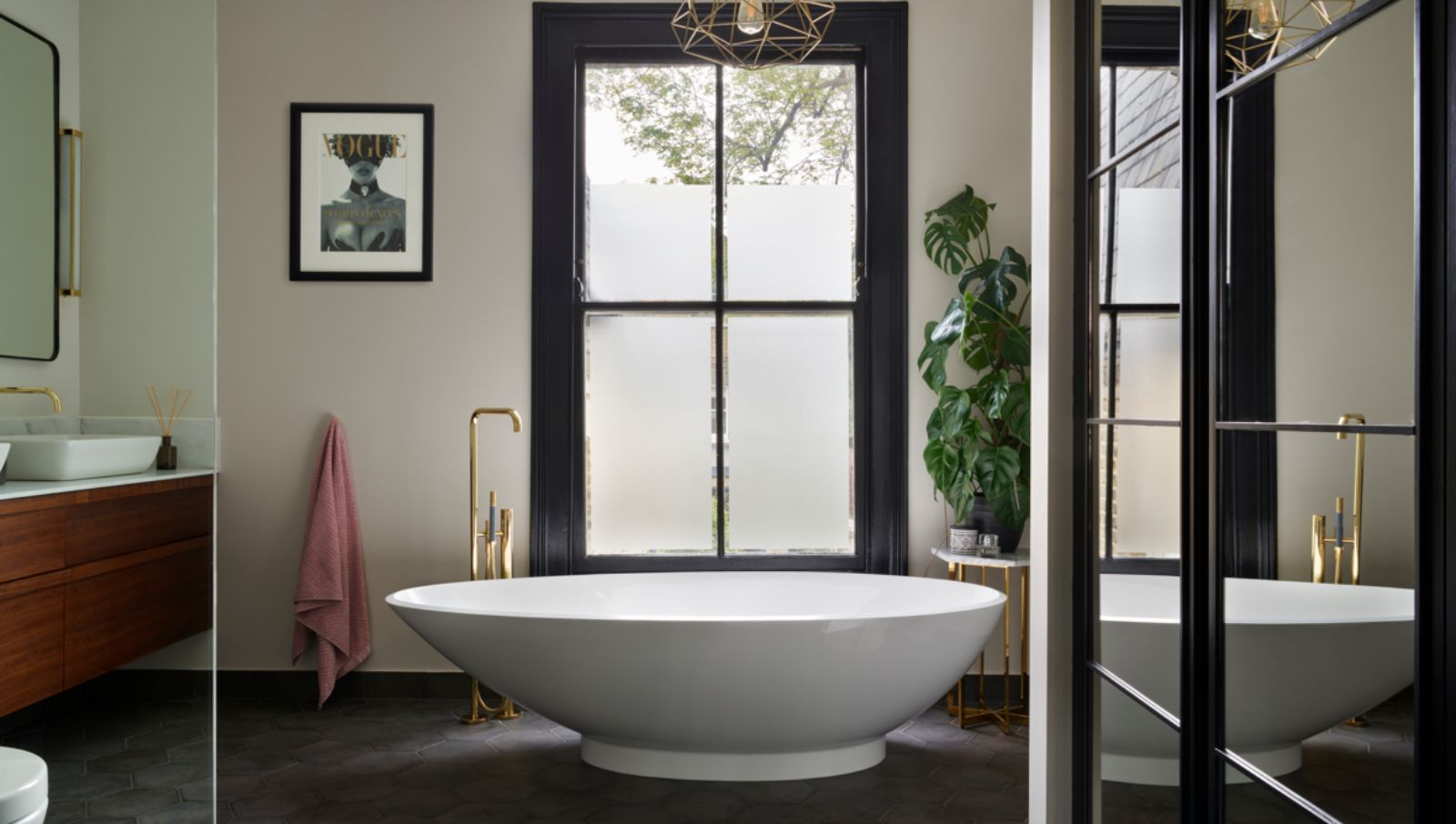
7 things construction pros spot in bad bathroom remodels
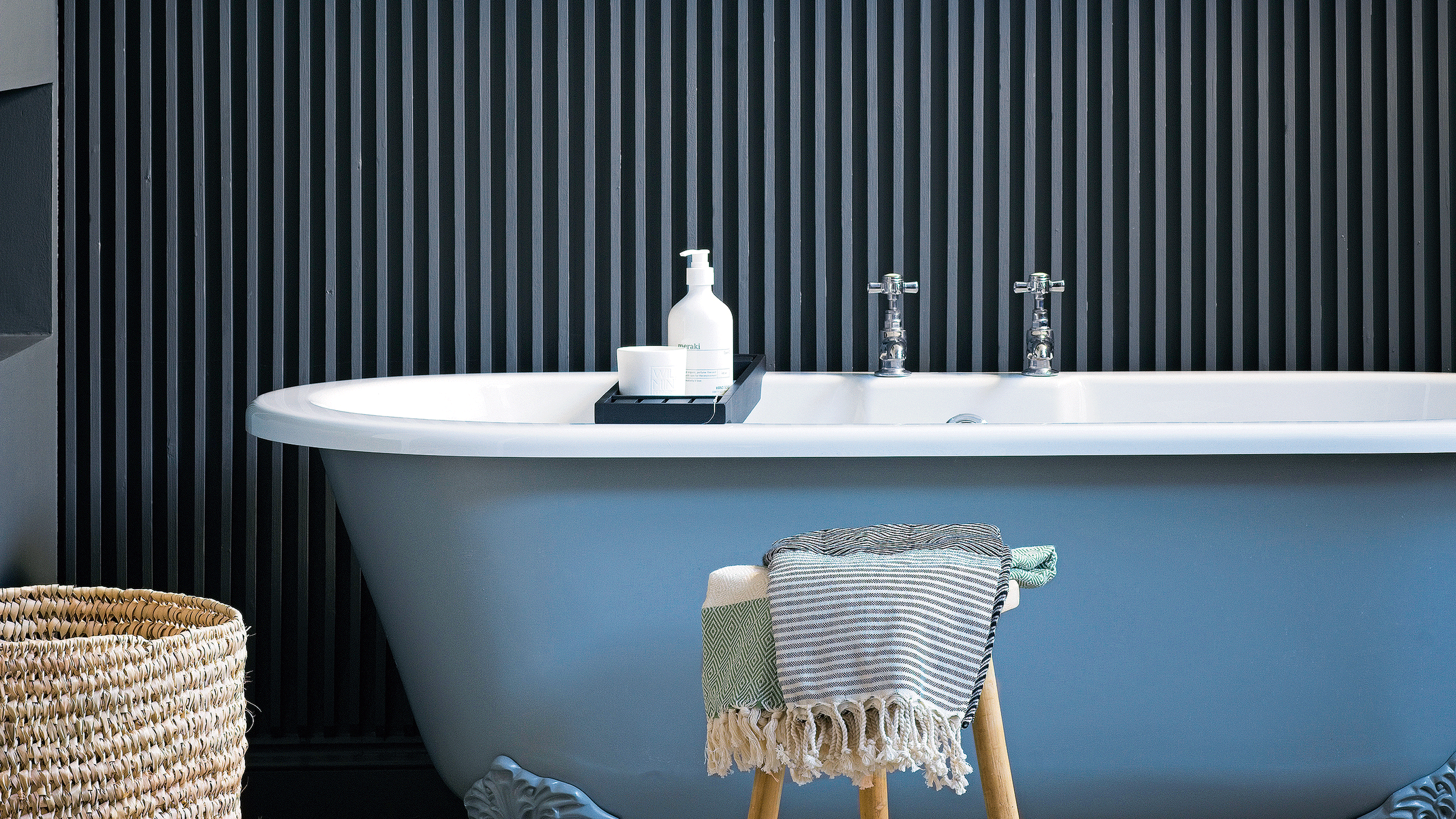
7 design mistakes that are making your bathroom harder to clean
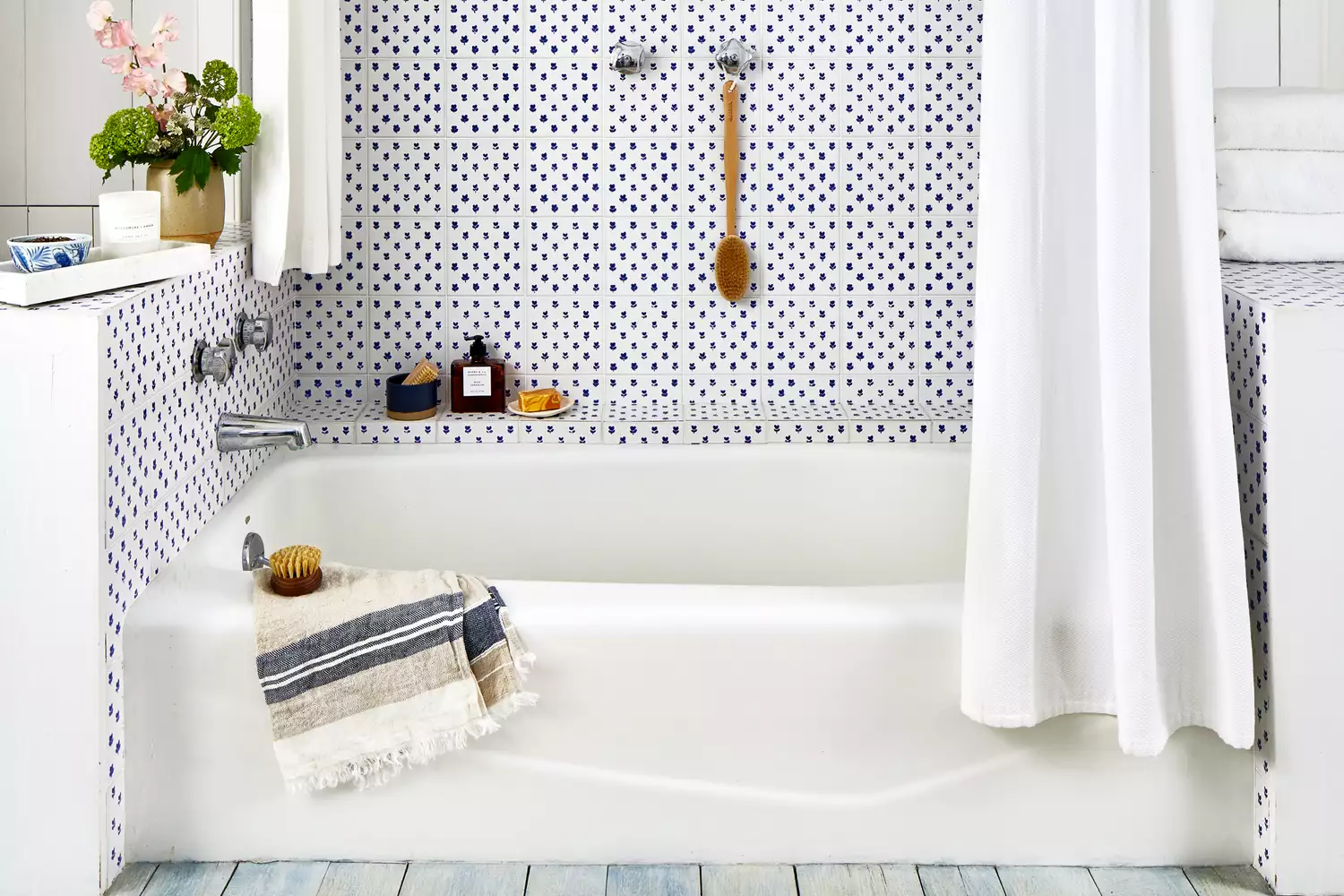
The #1 Bathroom Renovation Mistake Experts Always See (and How to Avoid It)

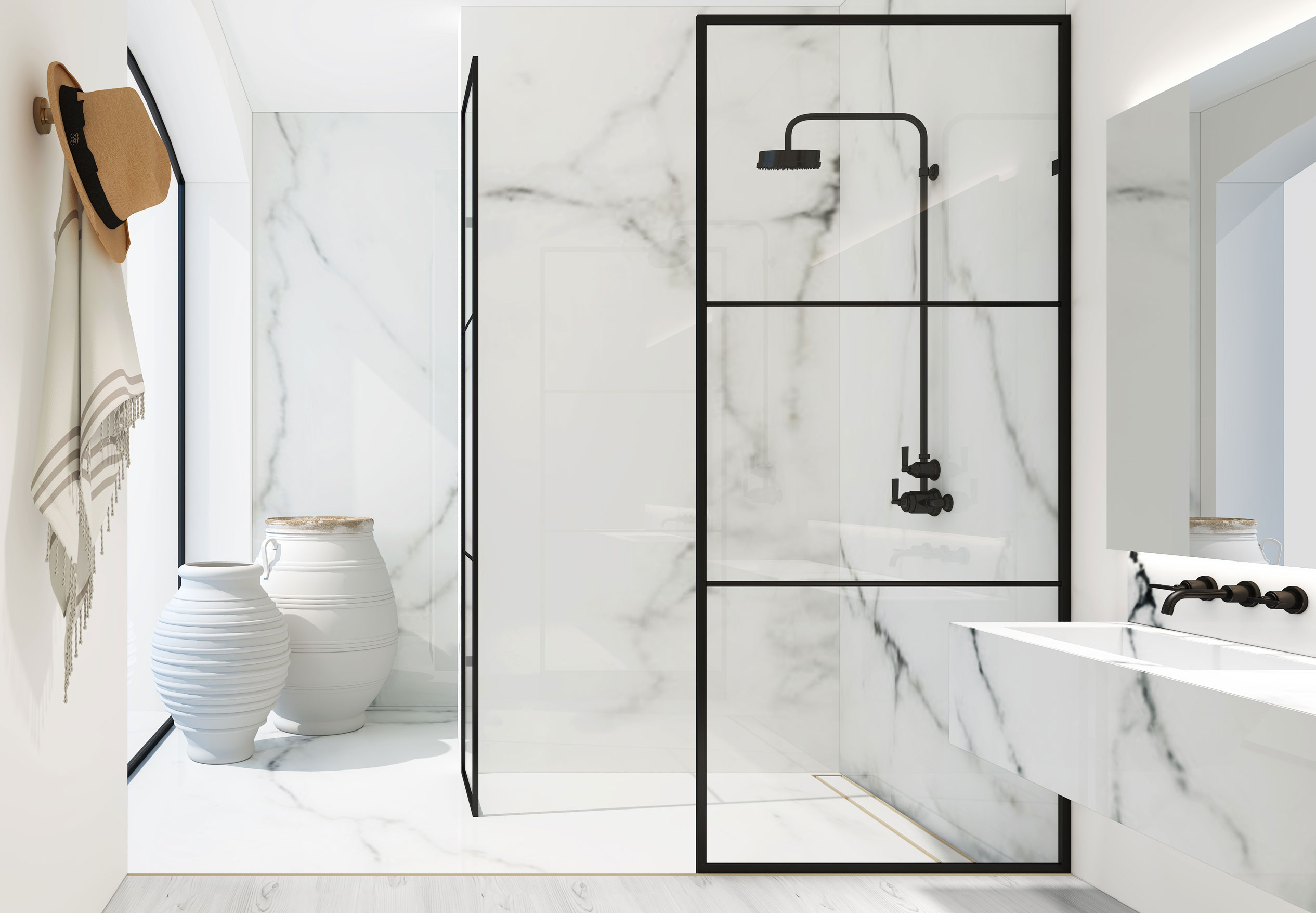
Shower room design mistakes – 6 problems that our bathroom experts see all too often
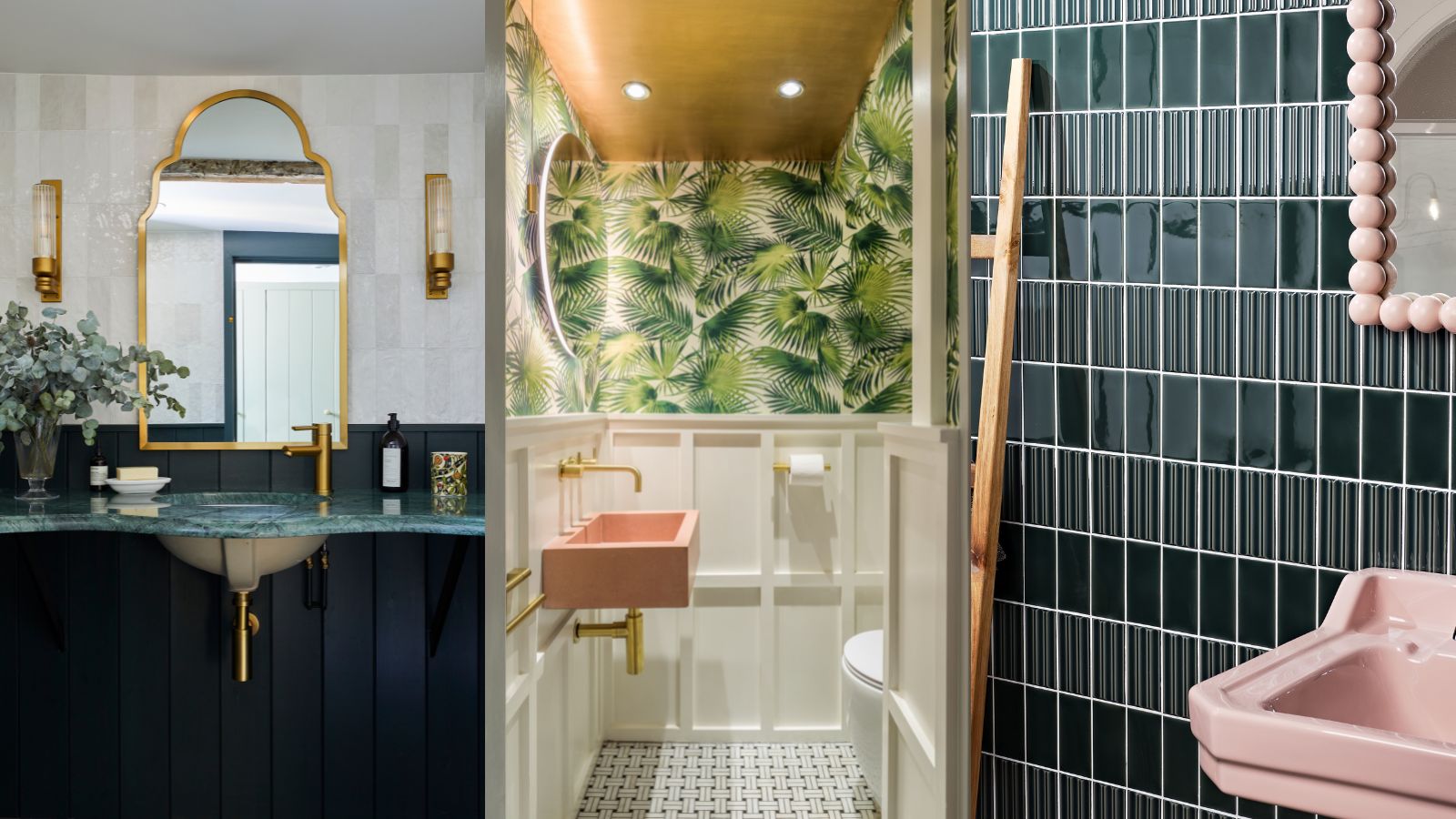
7 powder room design mistakes to avoid – and what to do instead
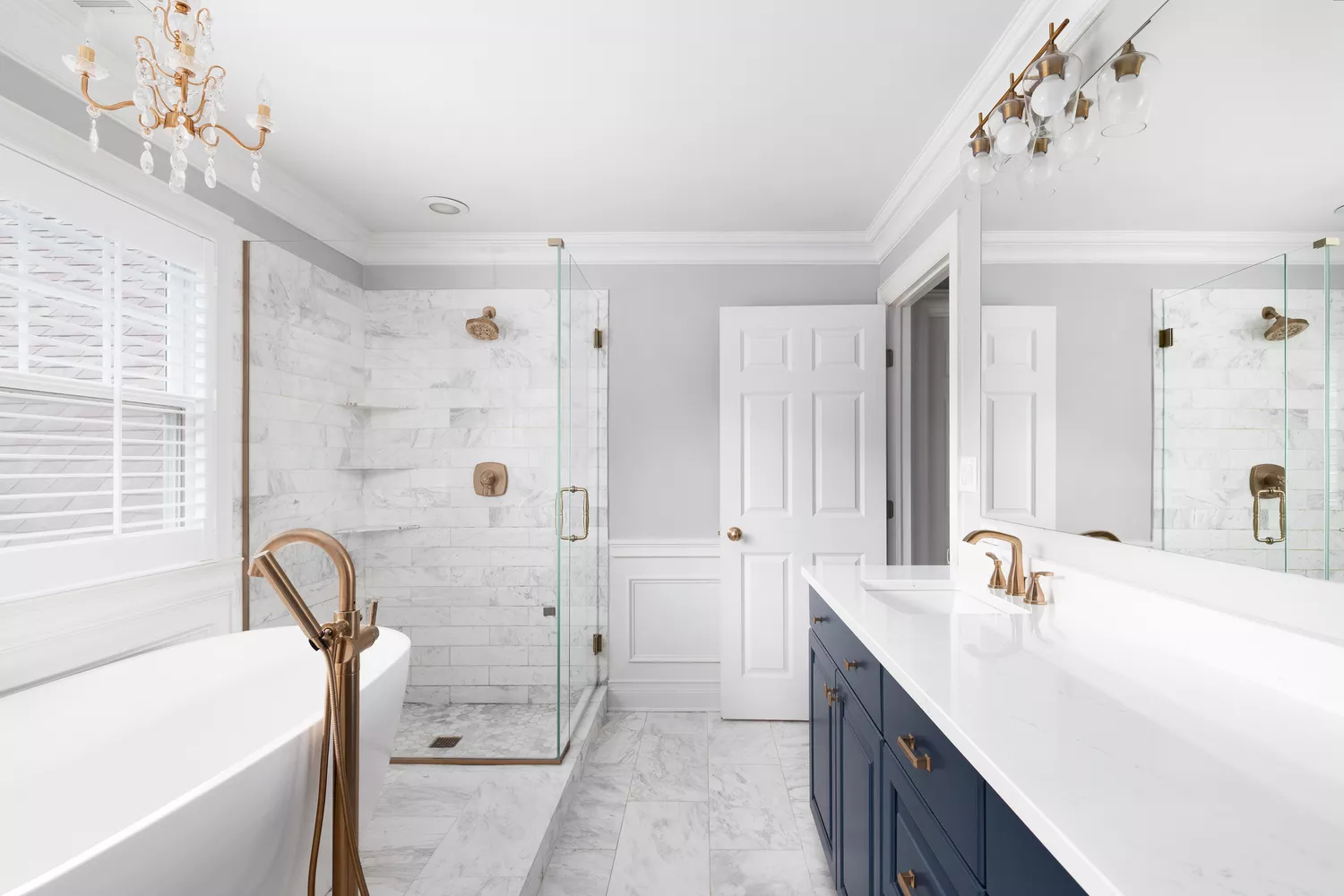
Don't Make These 9 Mistakes When Remodeling Your Bathroom, Pros Warn

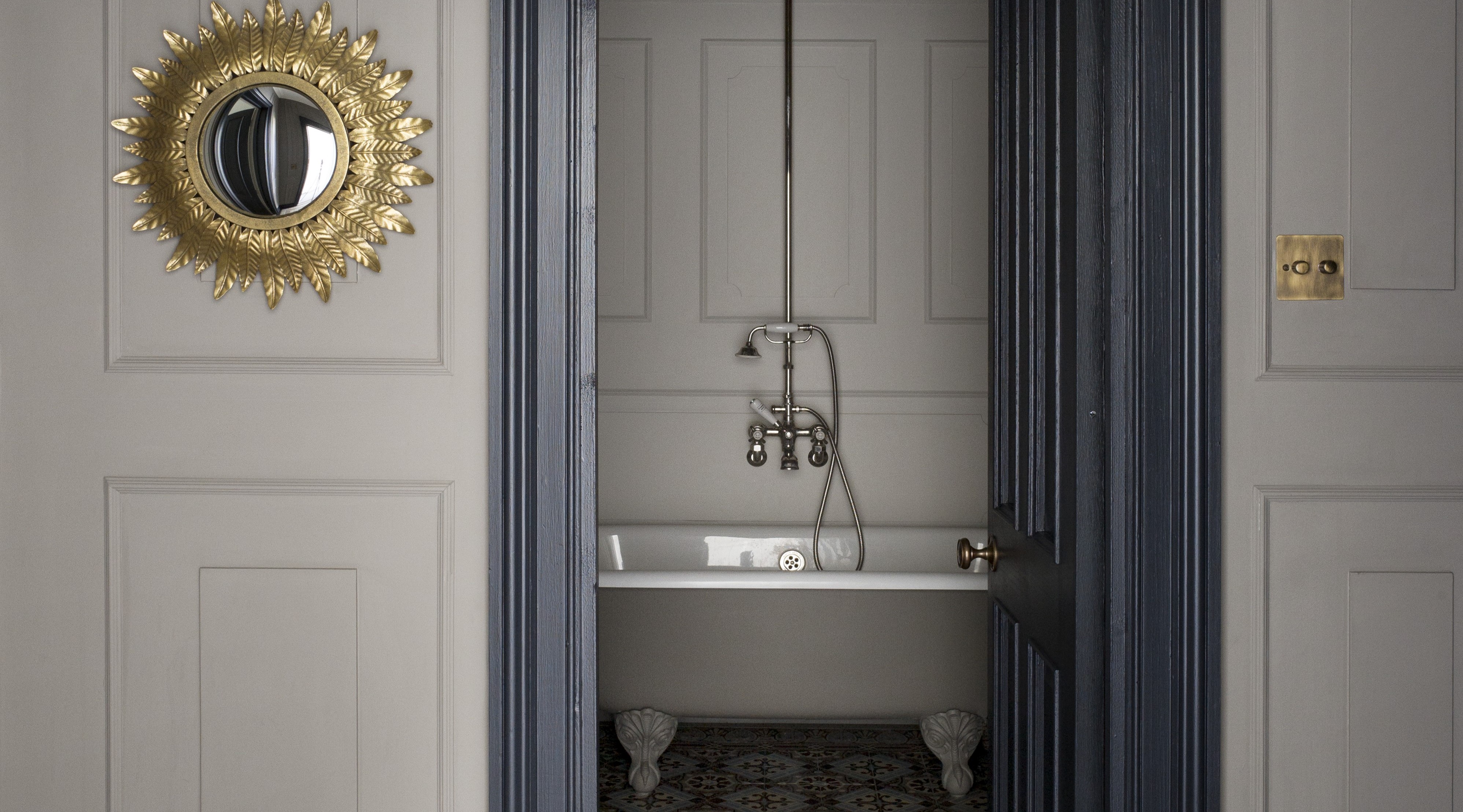
Small Bathroom Design Mistakes — 6 Errors You Probably Didn't Even Know You Were Making

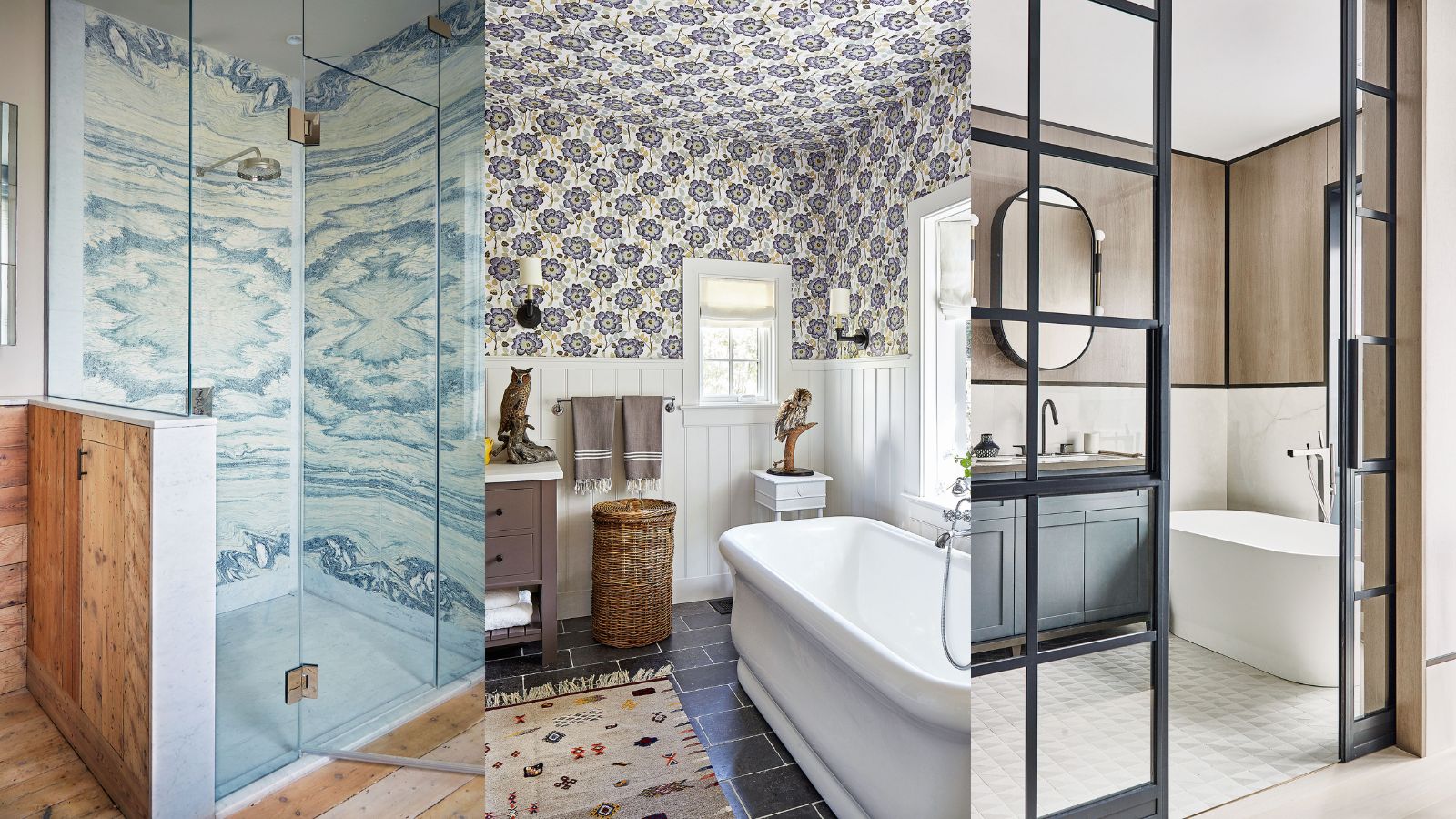
What should I avoid in a small bathroom? 8 mistakes that are ruining your space – and how to fix them
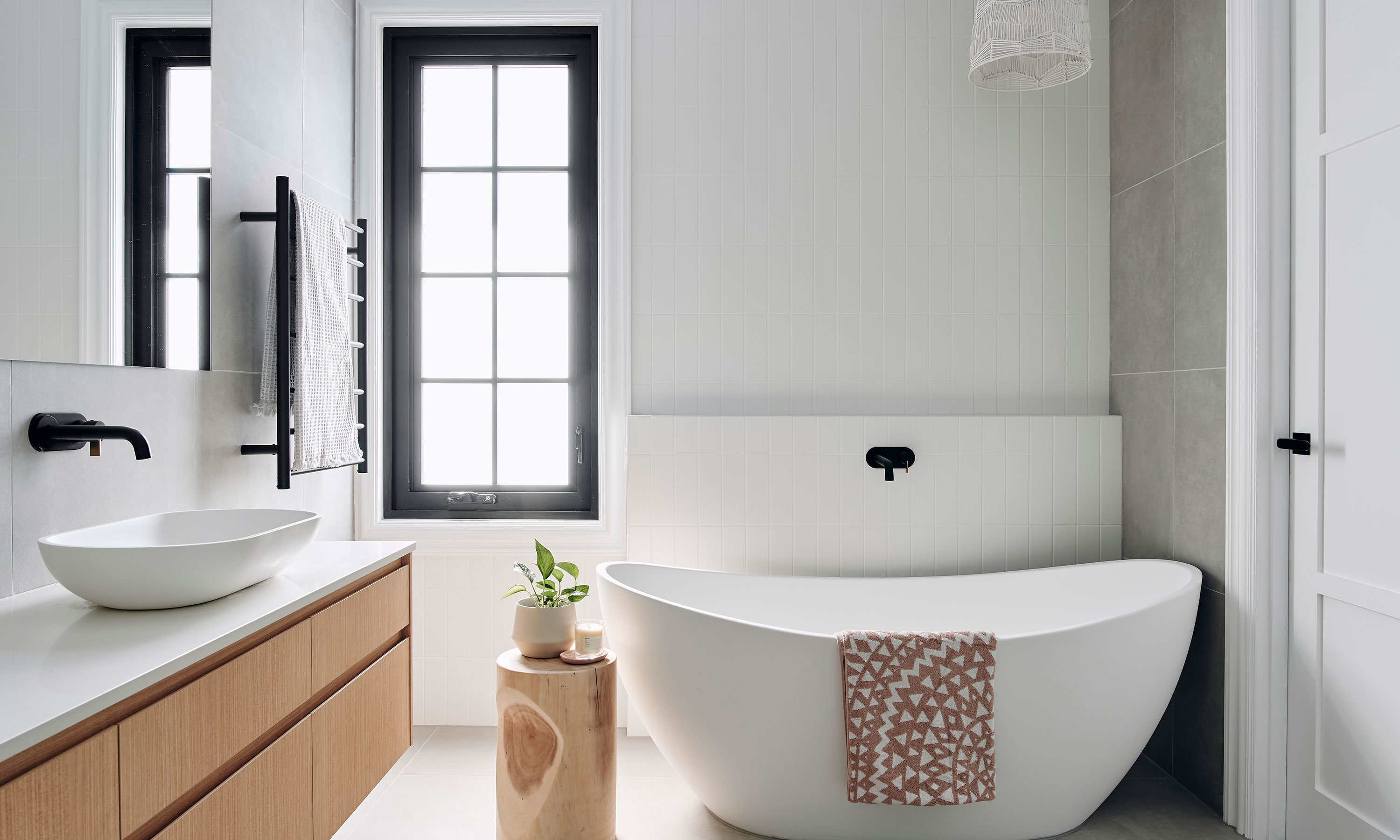
12 bathroom remodeling mistakes to avoid when planning your design

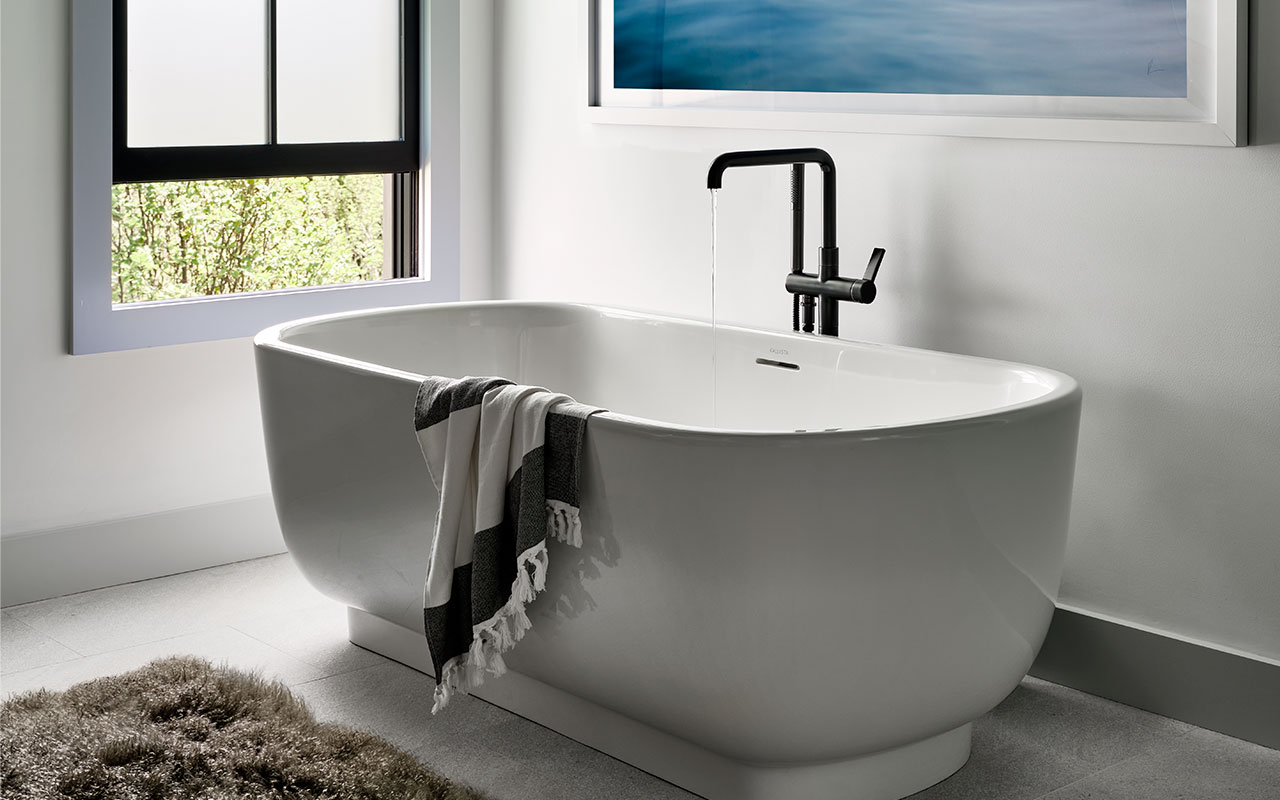
7 Disastrous Bathroom Layouts to Avoid — Including One Mistake Our Own Editor is Guilty of Making

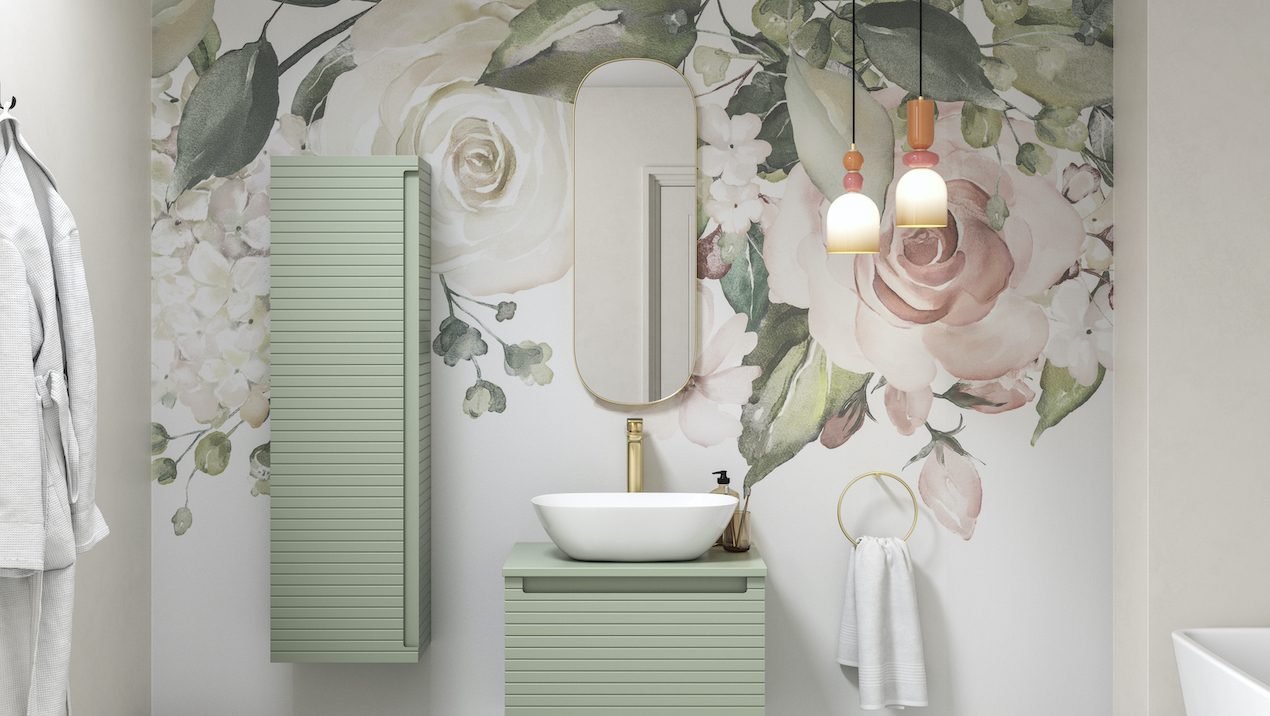
7 common bathroom lighting mistakes, and how you can avoid them

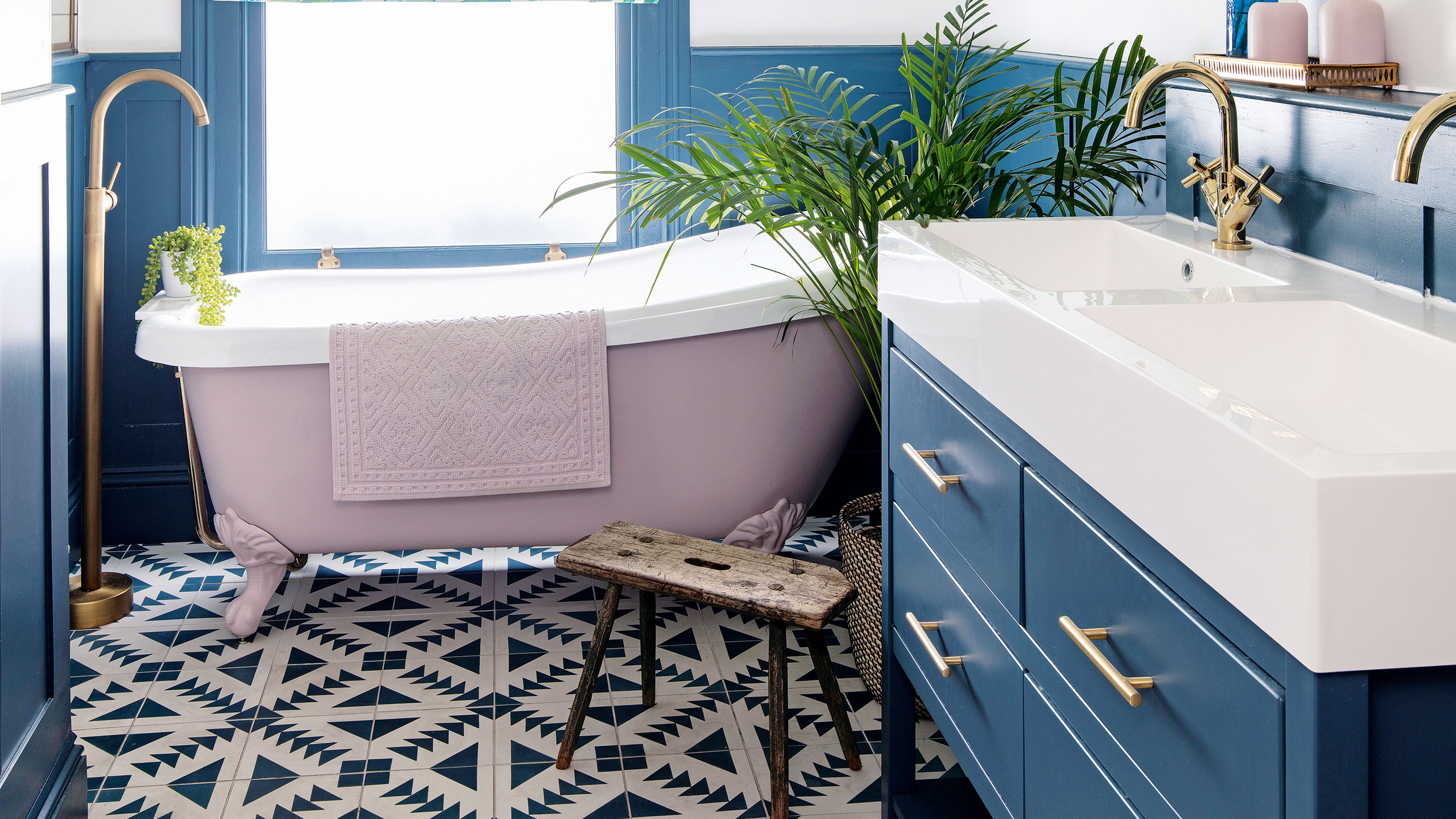
Experts warn against these 6 bathroom flooring mistakes - what to do instead
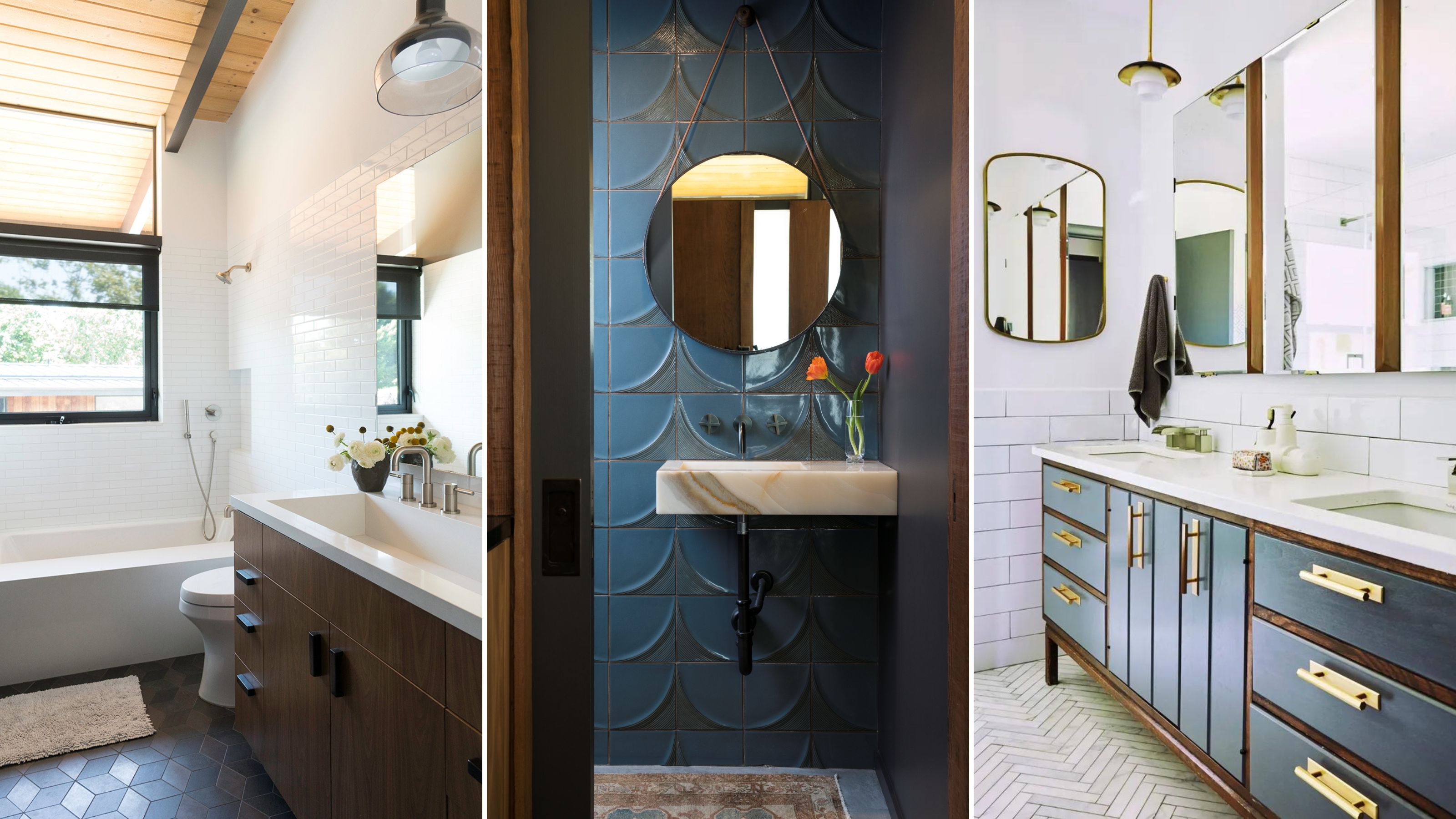
7 small bathroom layout mistakes — designers say to swerve these to "maximize potential"

14 Bathroom Design Mistakes To Avoid At All Costs, According To The Property Brothers
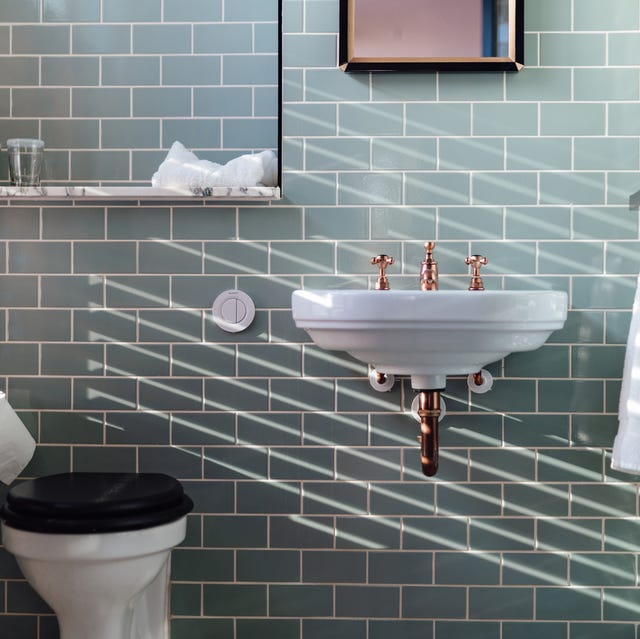
8 Bathroom Reno Mistakes That INSTANTLY Cheapen the Look of Your Home, According to Experts

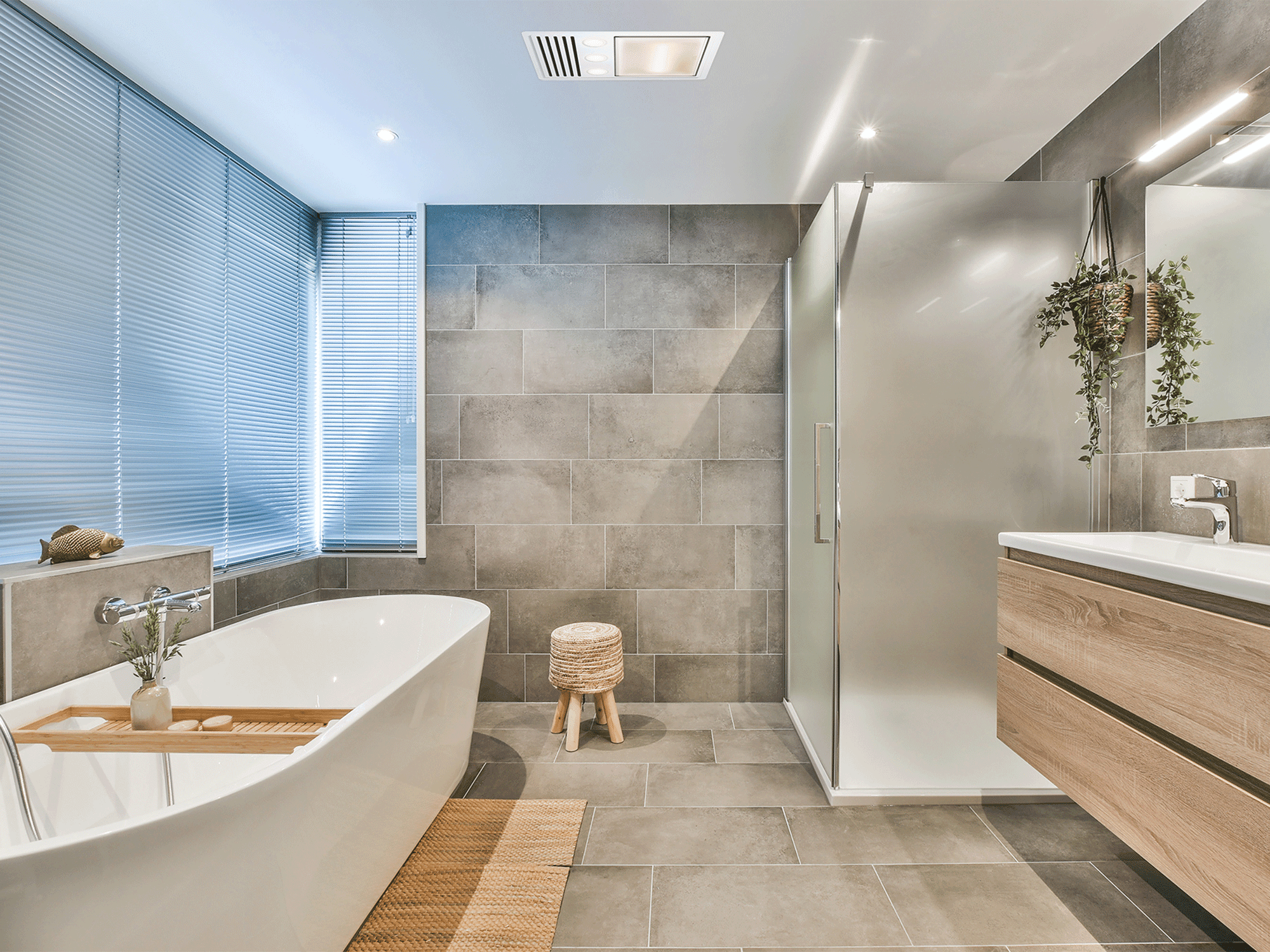
4 Things to Remember When Renovating Your Bathroom