1/7
7 Disastrous Bathroom Layouts to Avoid — Including One Mistake Our Own Editor is Guilty of Making
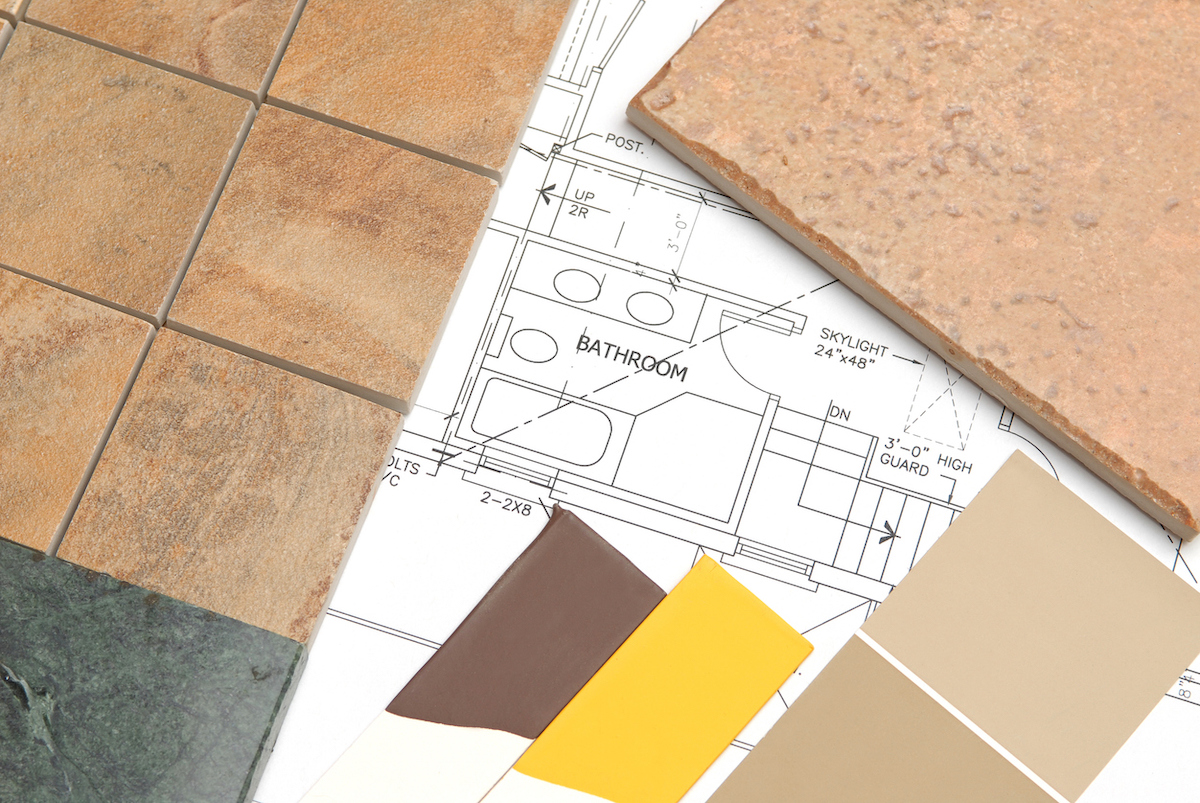
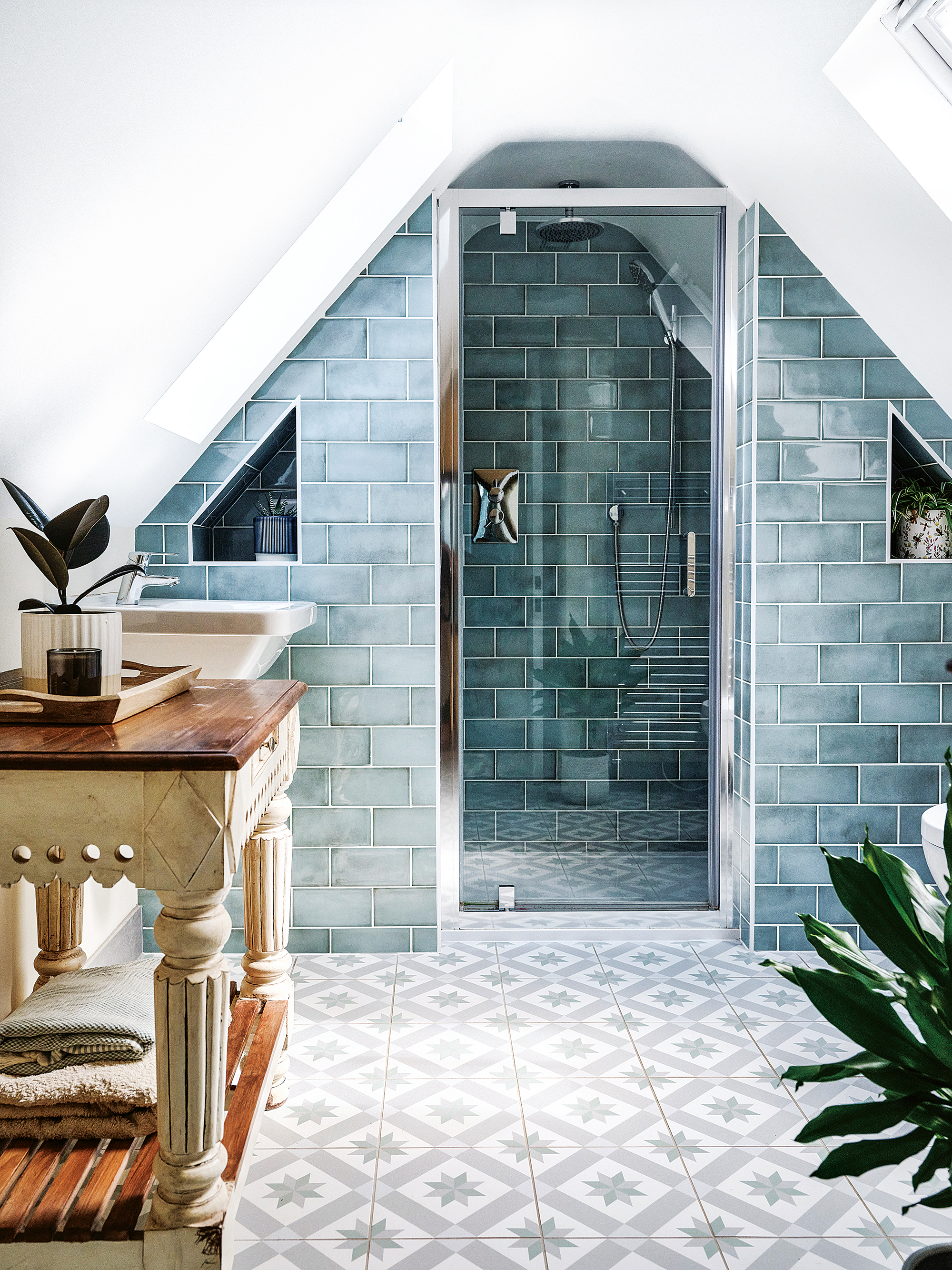
Designing a bathroom involves a critical balance between aesthetics and functionality, where a well-planned layout can enhance daily rituals, while a poor one can lead to constant frustration. Interior designers emphasize the importance of understanding the architectural footprint and the natural flow of movement within the space. They advise considering the journey through the bathroom, from entry to exit, to ensure a harmonious design.
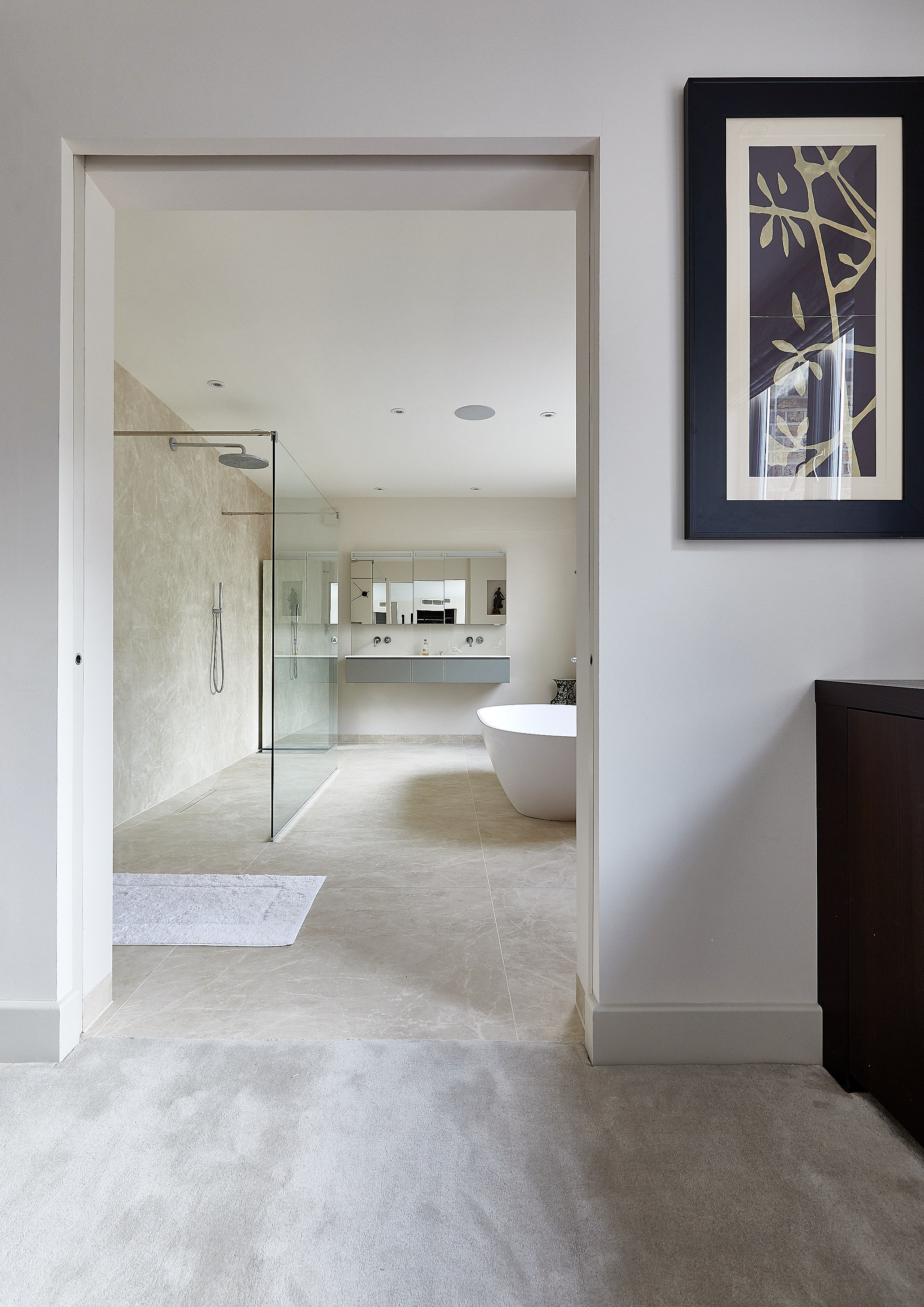
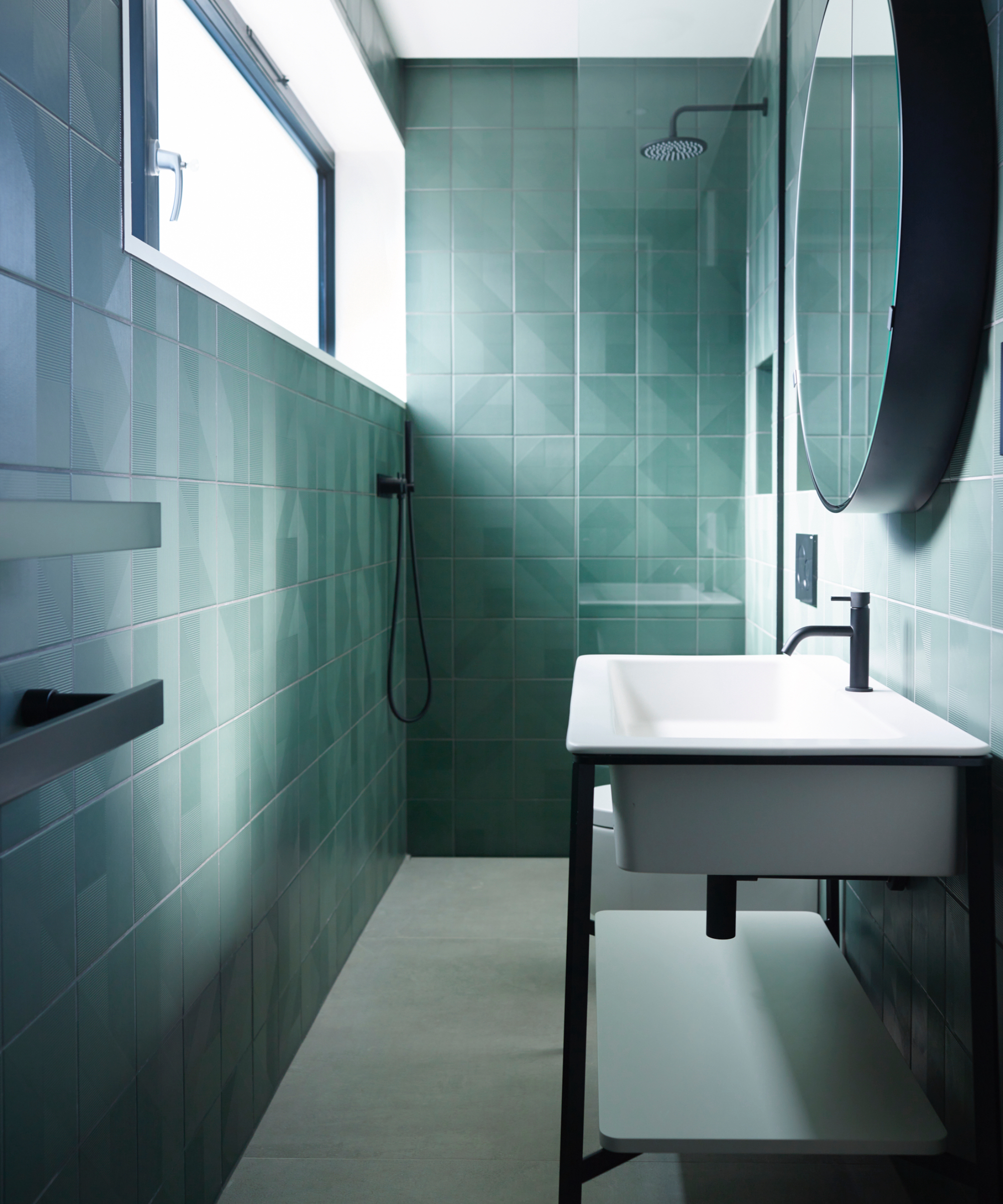
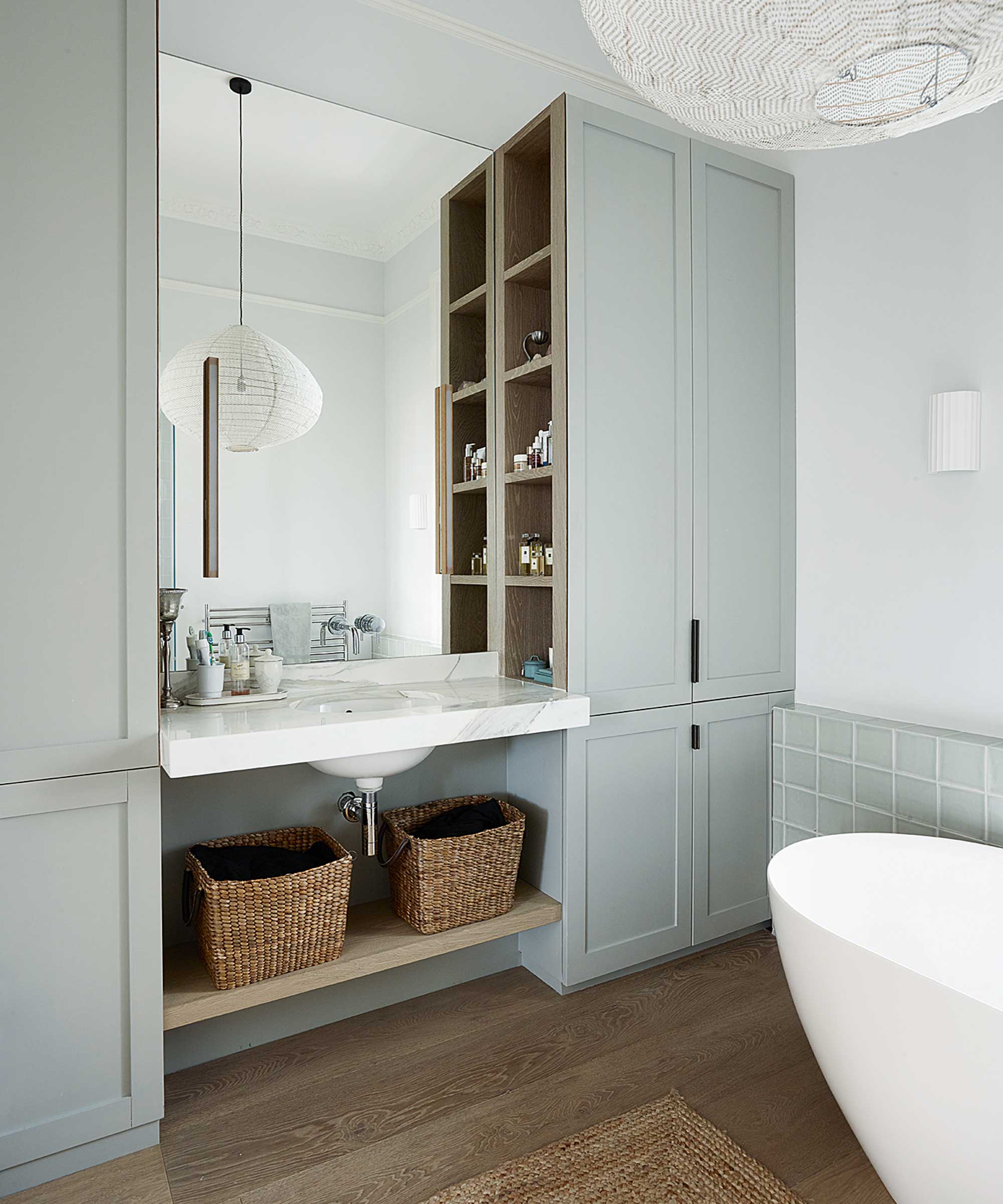
One significant layout mistake to avoid is overcrowding the space to the point where functionality is compromised. Designers like Jess Nahon from Sugarhouse highlight that while a large, spa-like bathroom may sound appealing, it's more beneficial to prioritize what is genuinely possible within the existing dimensions. For instance, not every bathroom requires a built-in bathtub if it means sacrificing essential shower space or ease of movement. The key is to create a clear path between fixtures like the bath/shower, toilet, and vanity, preventing a cluttered and difficult-to-navigate environment.
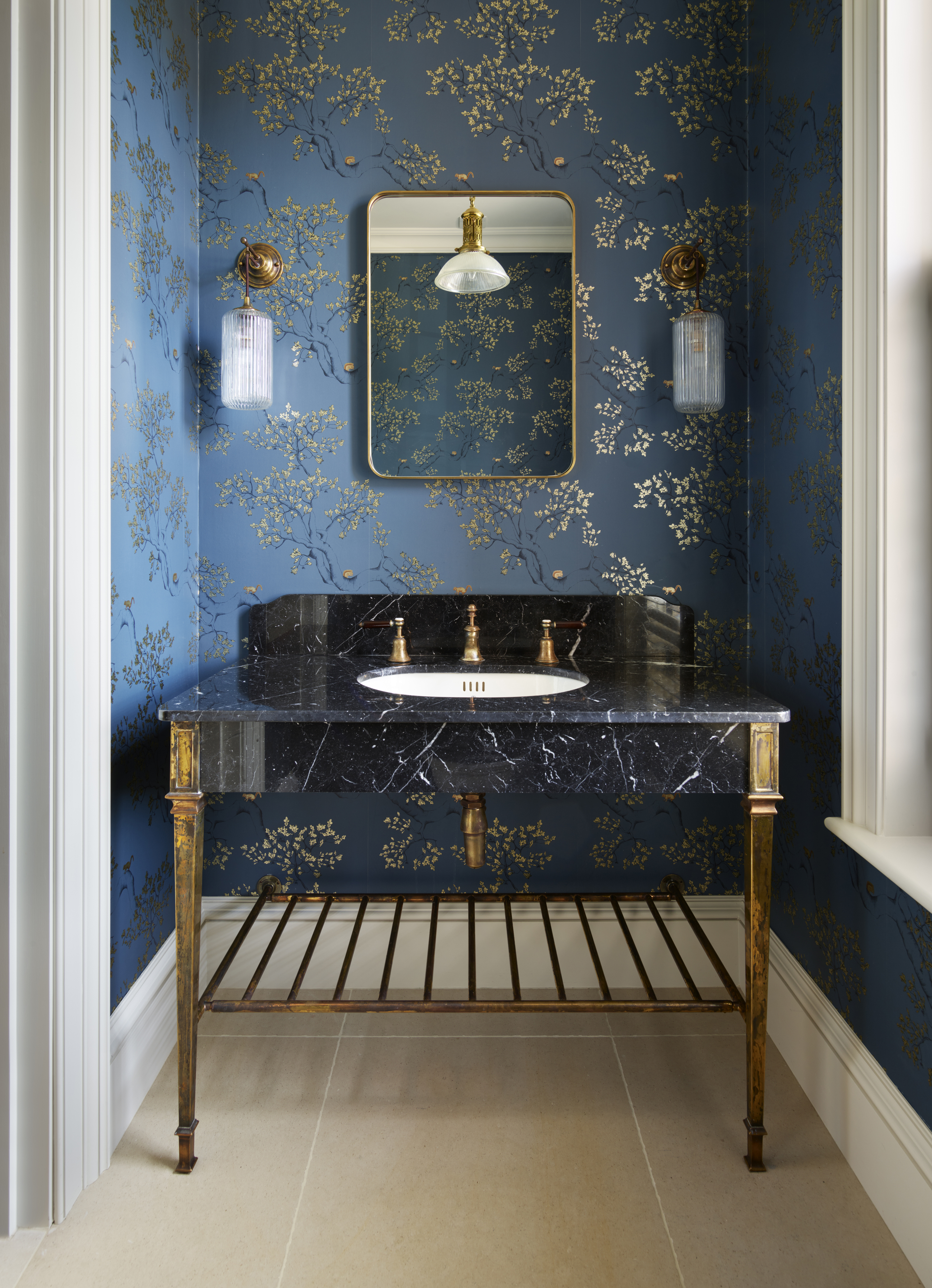
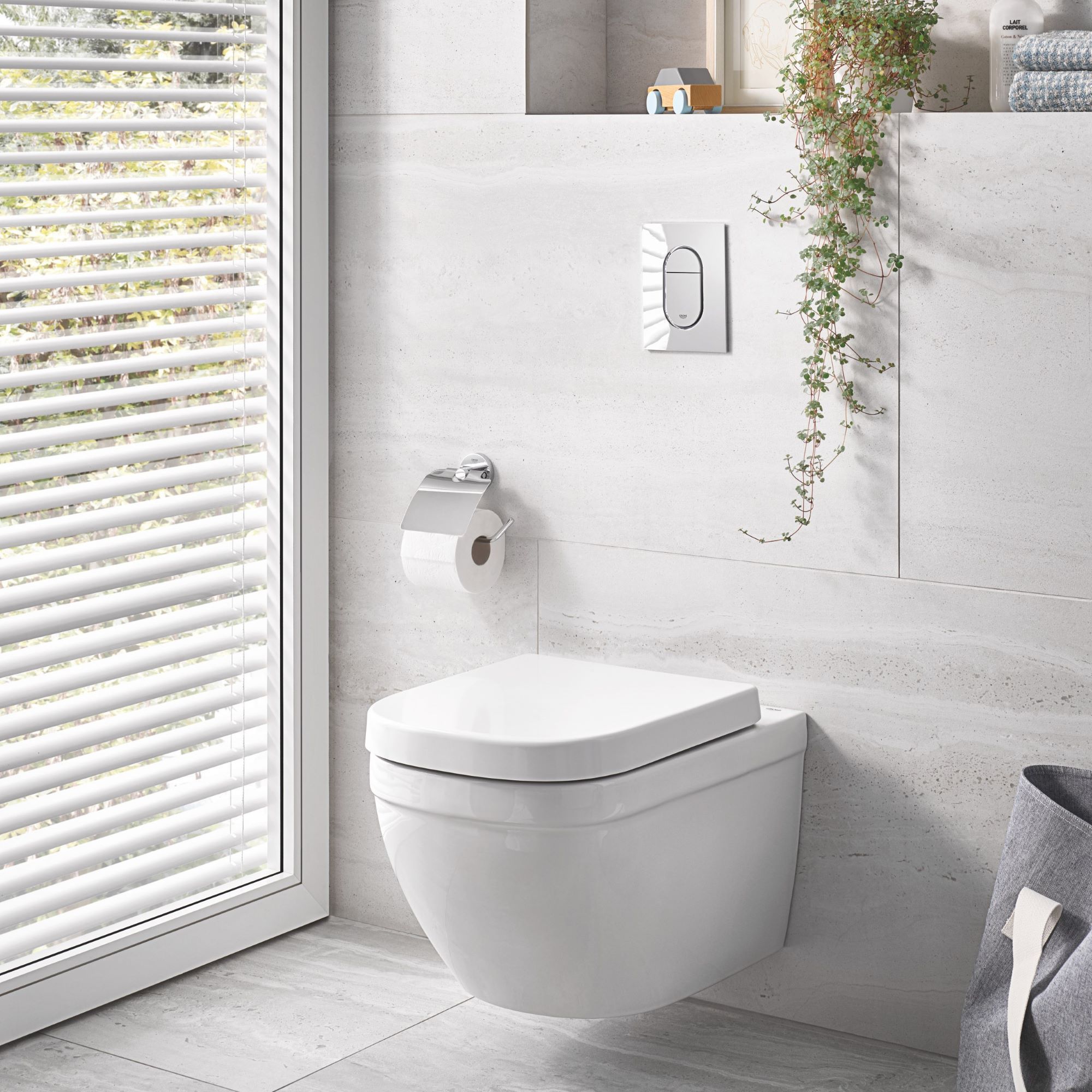
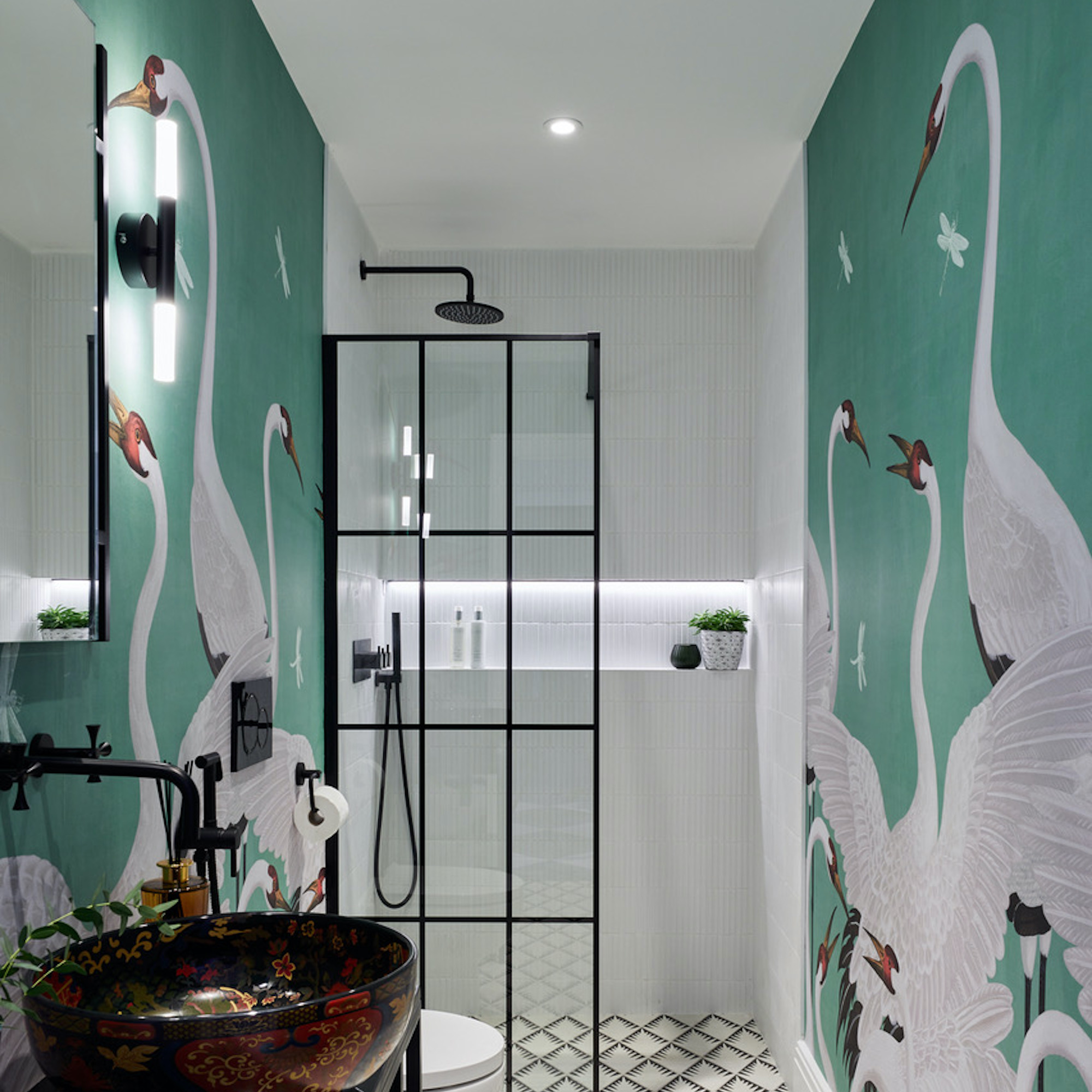
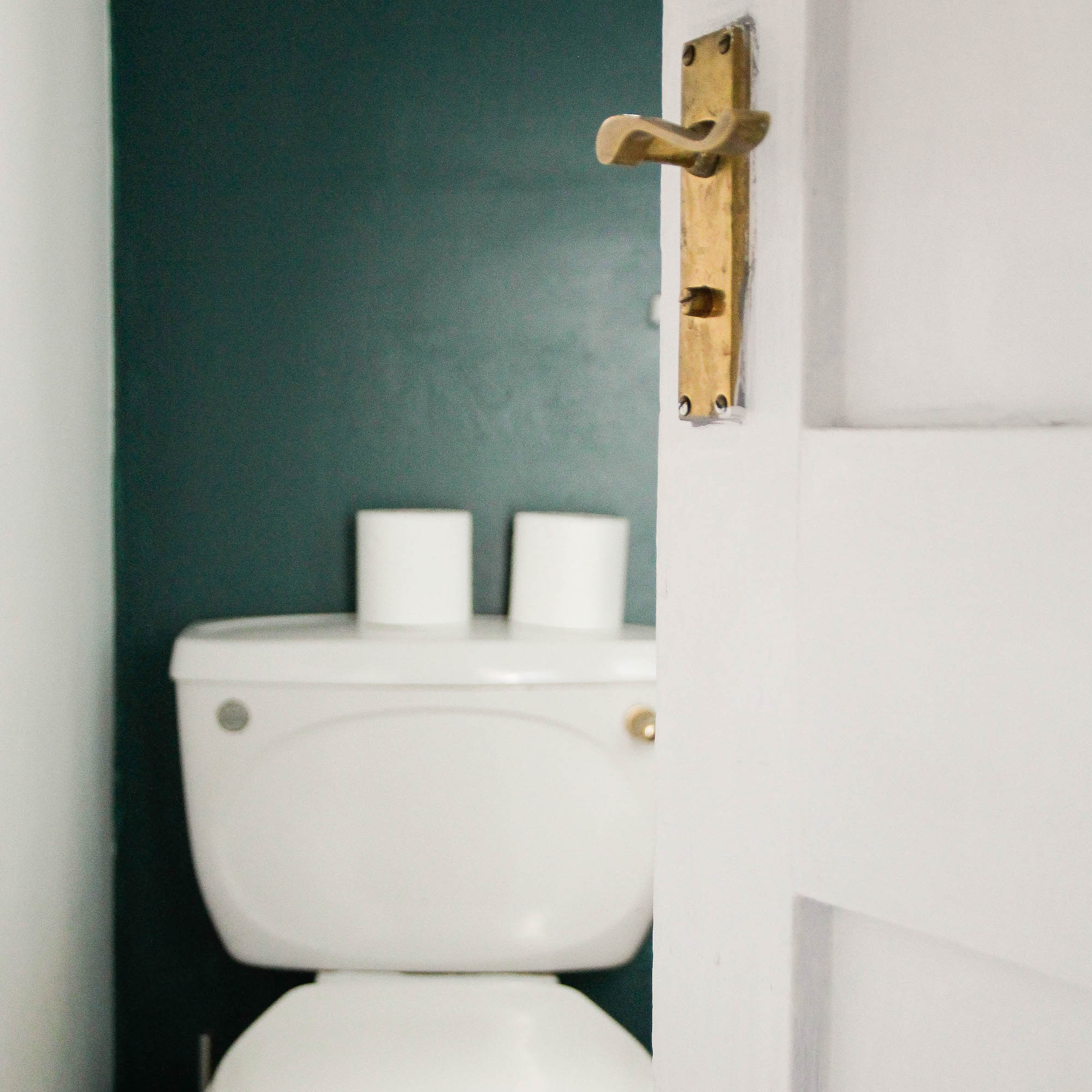
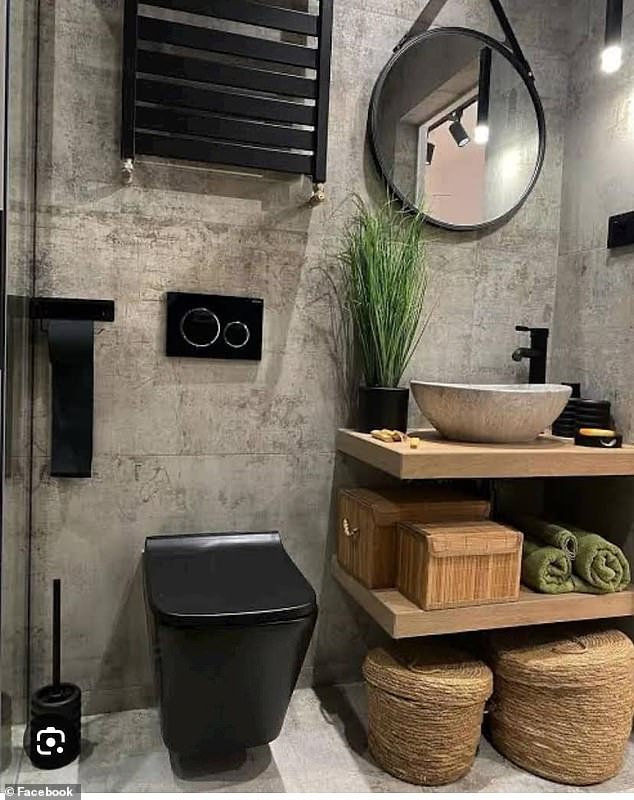
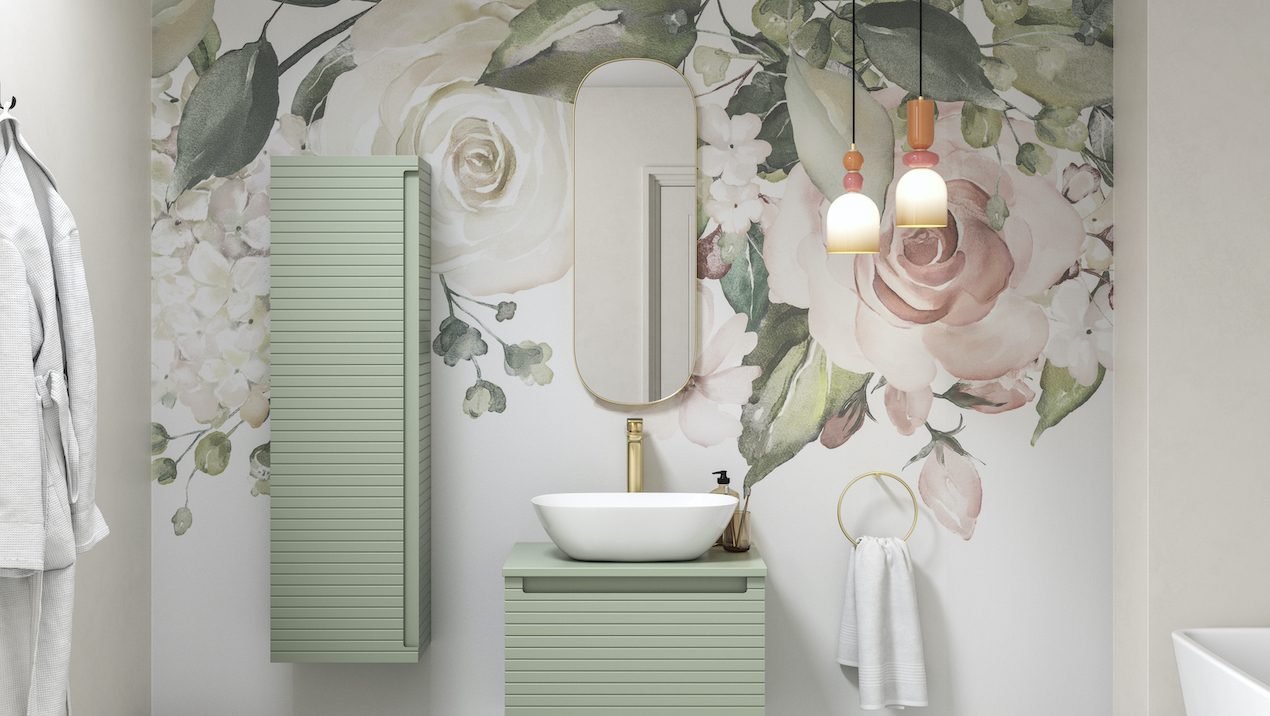
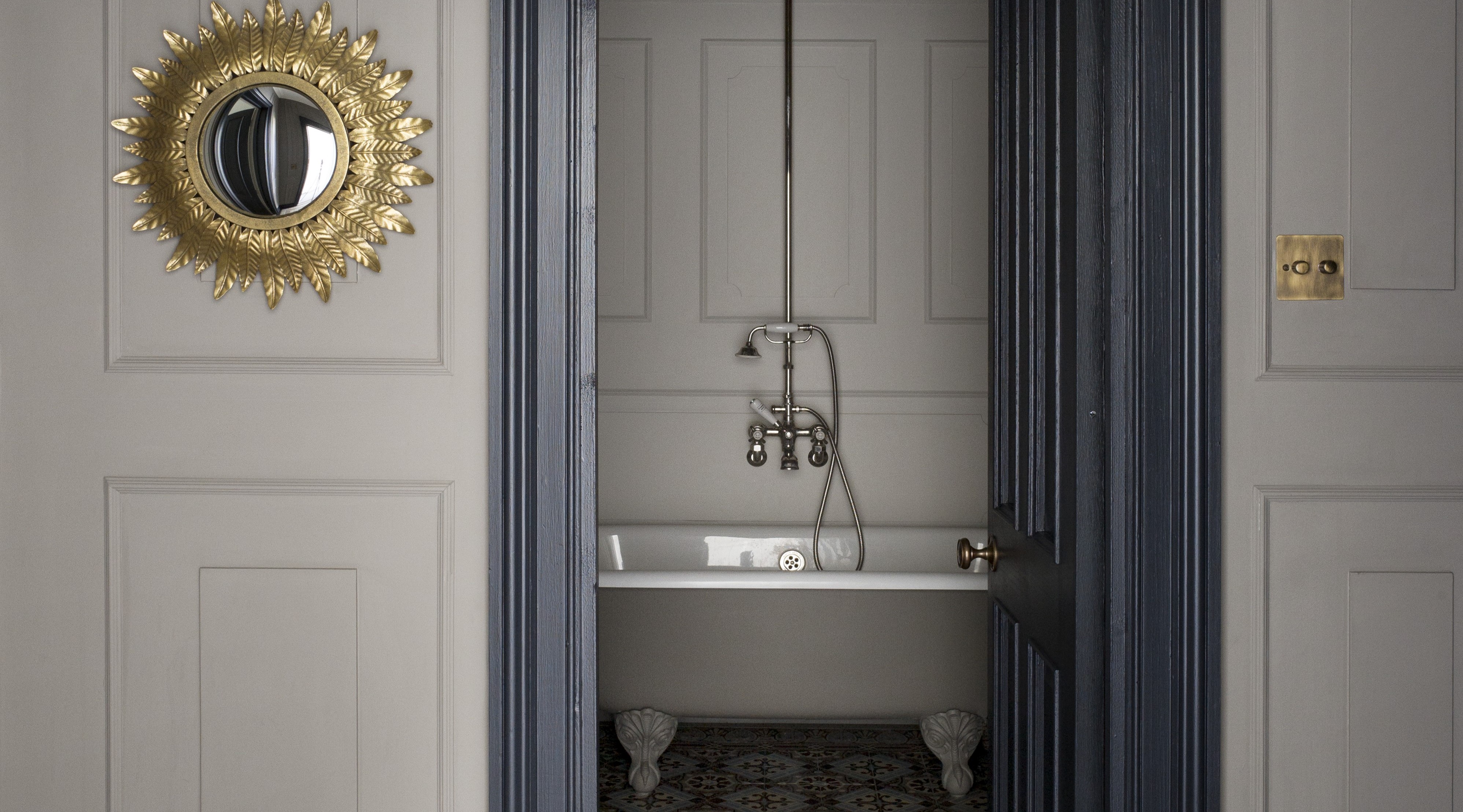
Another crucial aspect is the discreet placement of the toilet. Contemporary interior designer Ghislaine Viñas advises against layouts where the toilet is the first element visible upon entering the bathroom, particularly from a bedroom. By strategically concealing the toilet, designers can elevate the overall aesthetic of the bathroom, allowing decorative elements like exotic wallpaper or playful light fixtures to take center stage. This approach ensures that the more functional, less elegant components of the bathroom recede into the background, maintaining a sophisticated atmosphere.
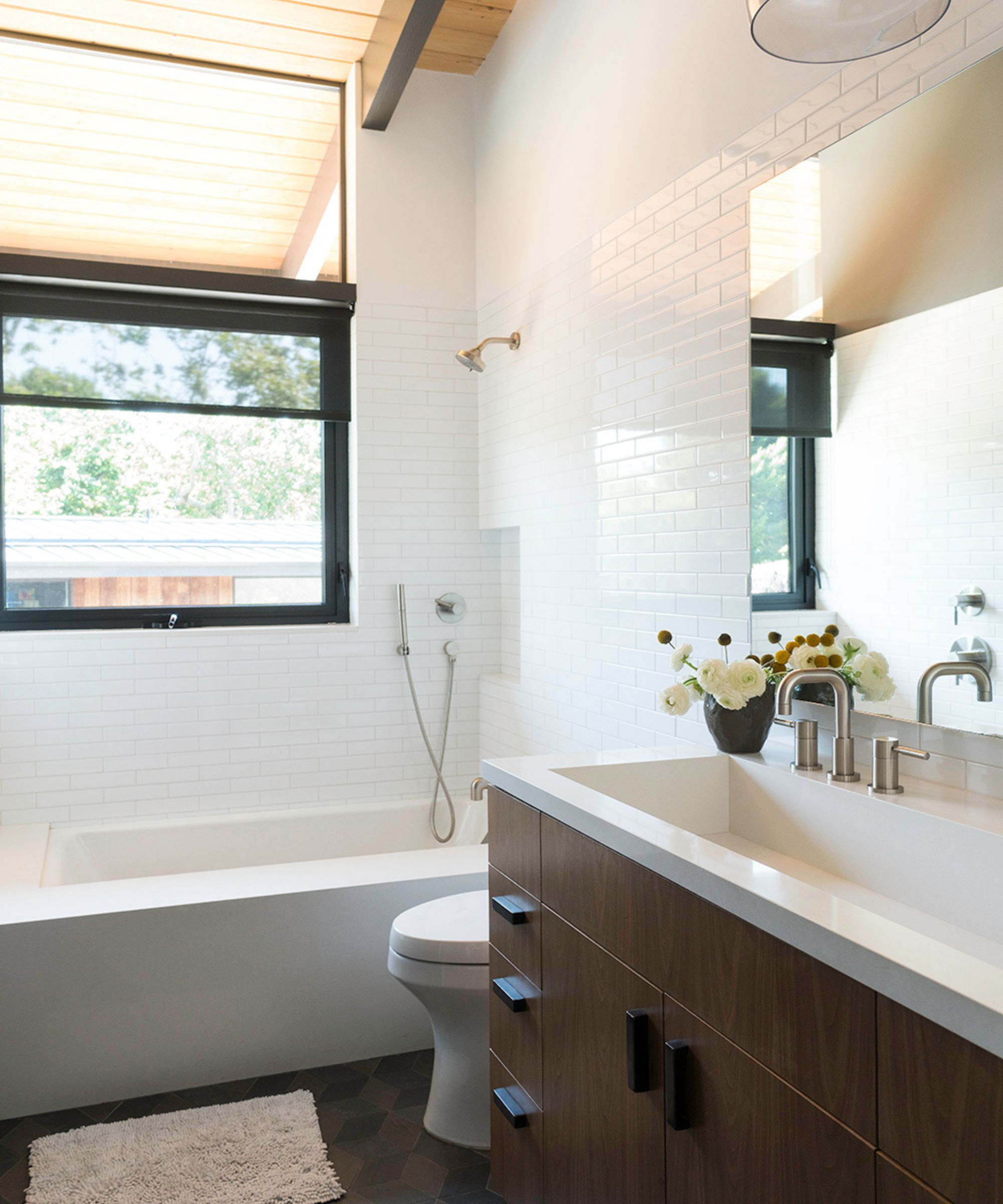
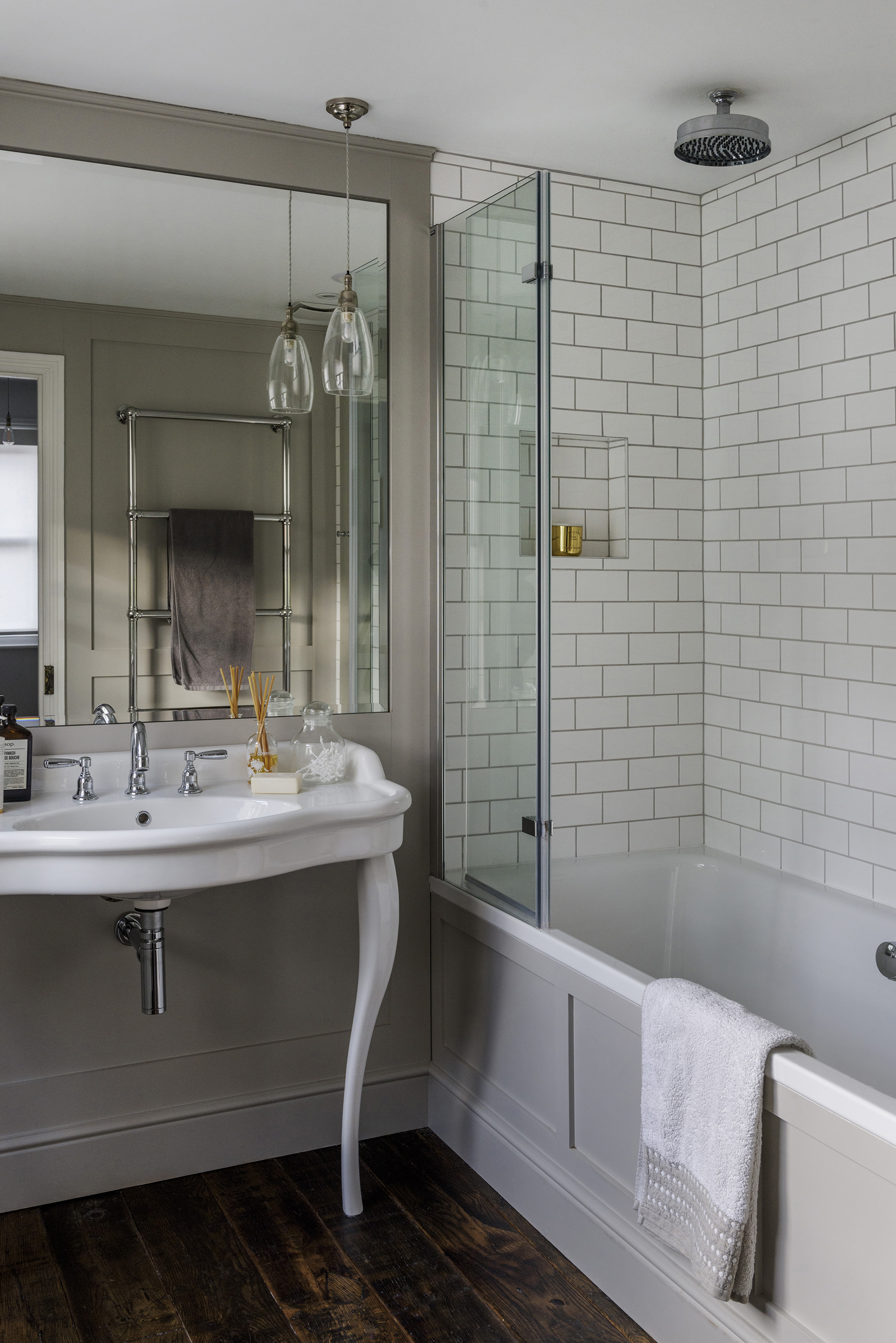
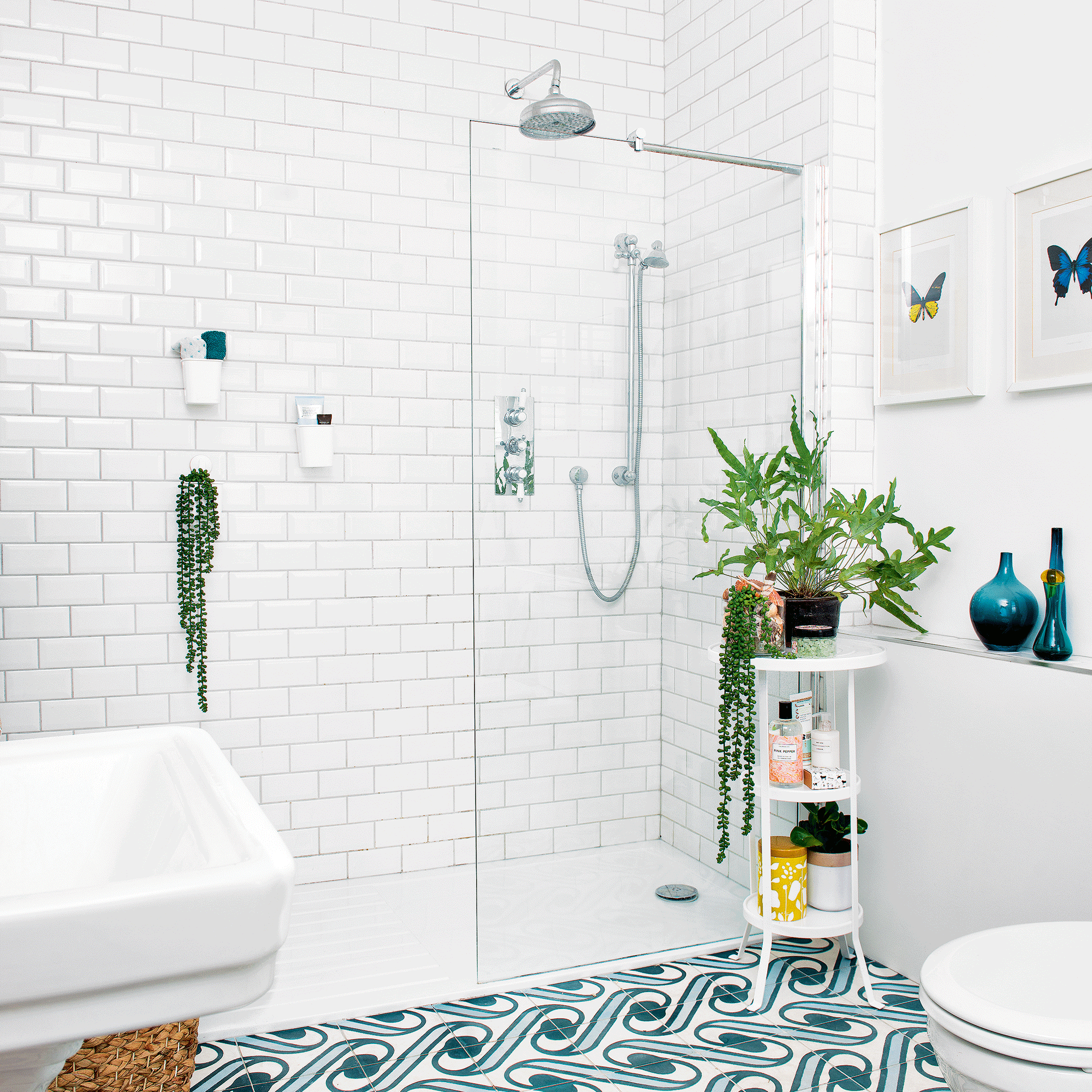
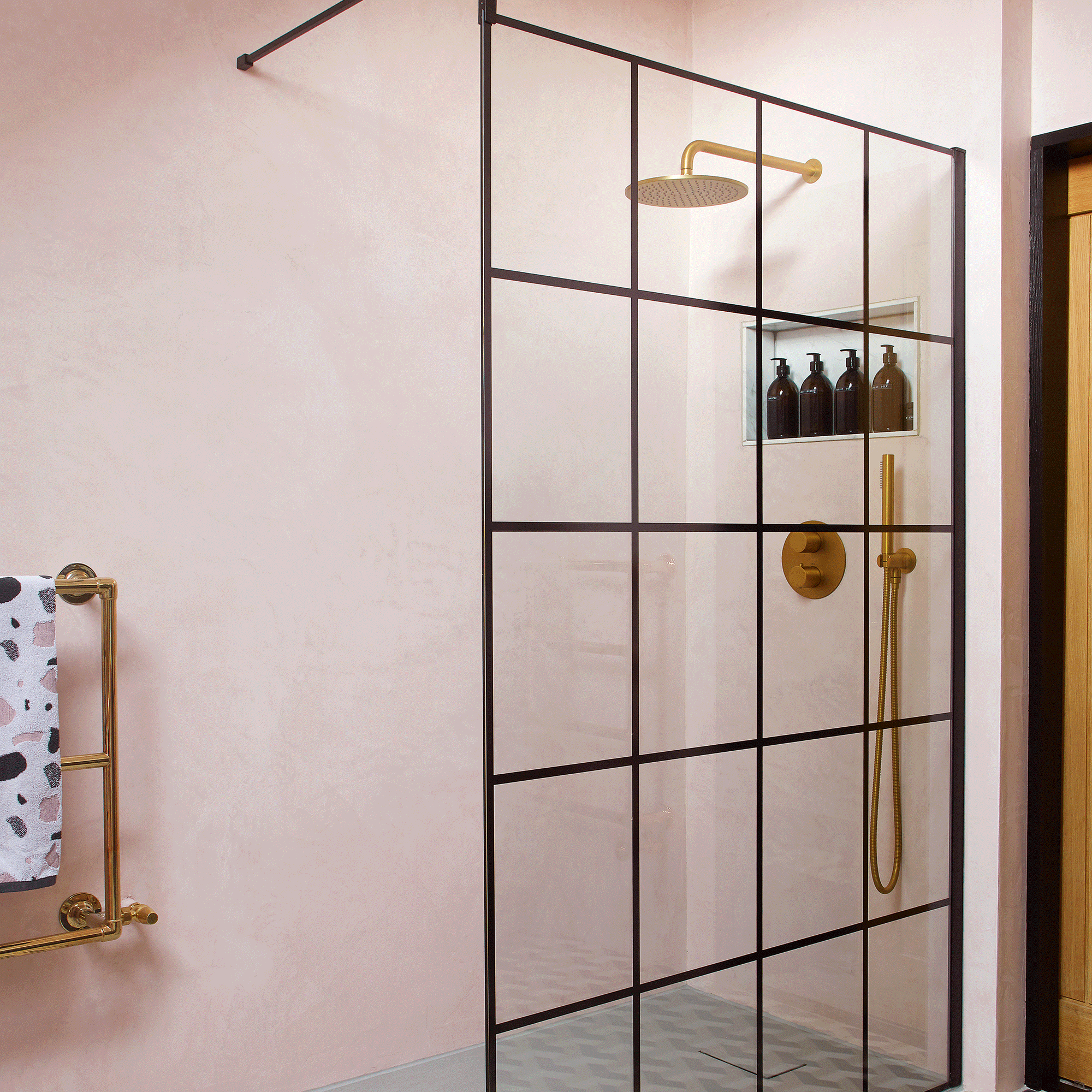
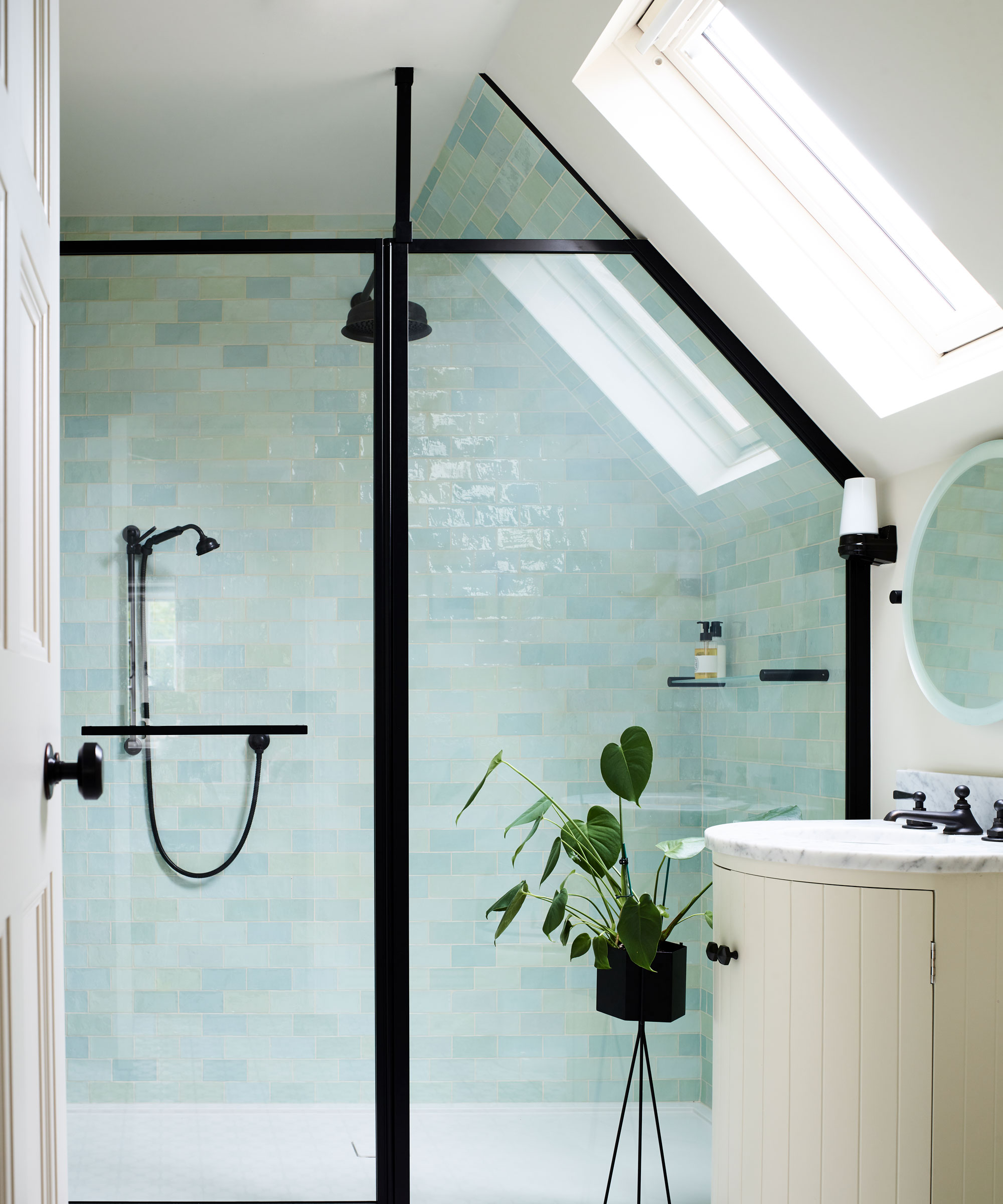
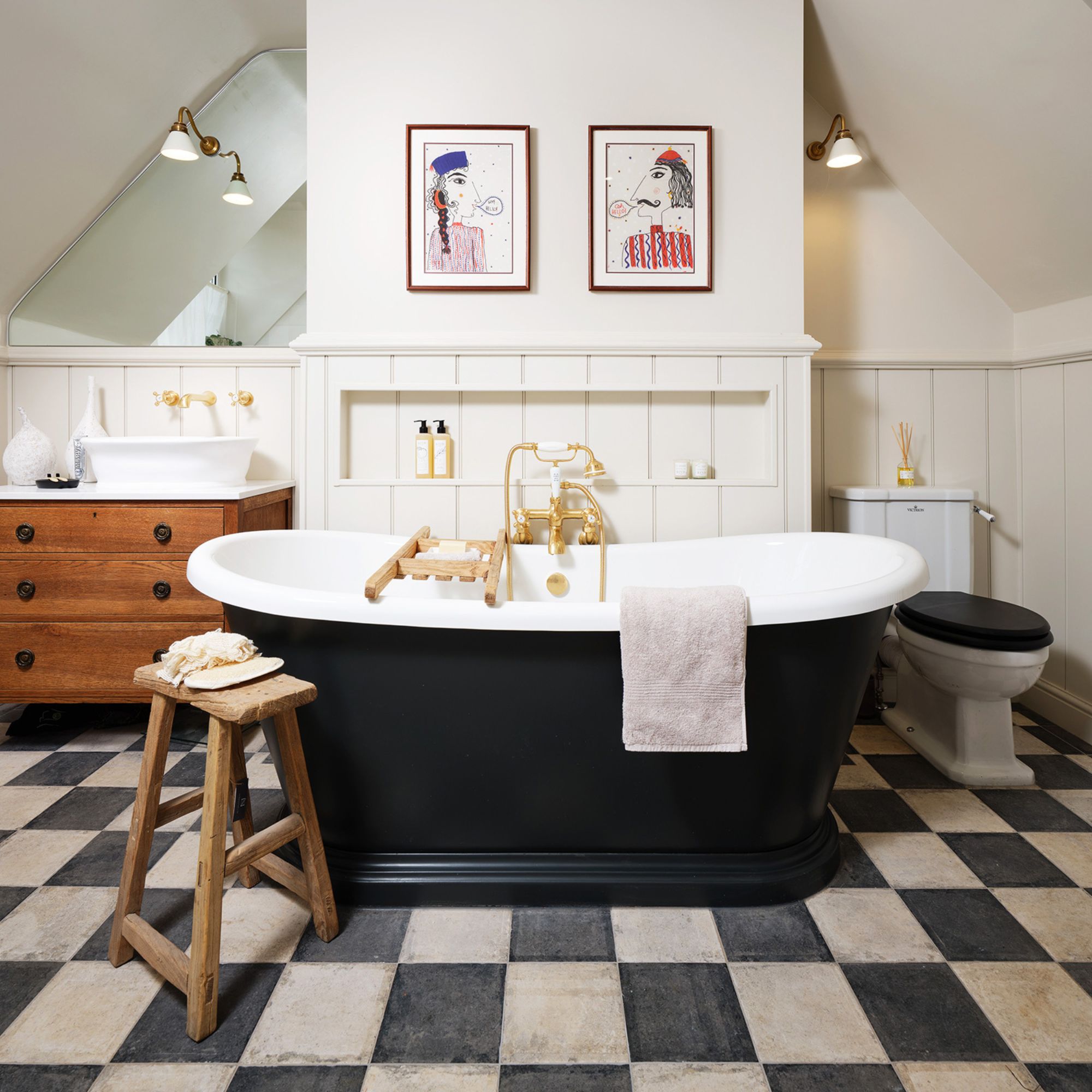
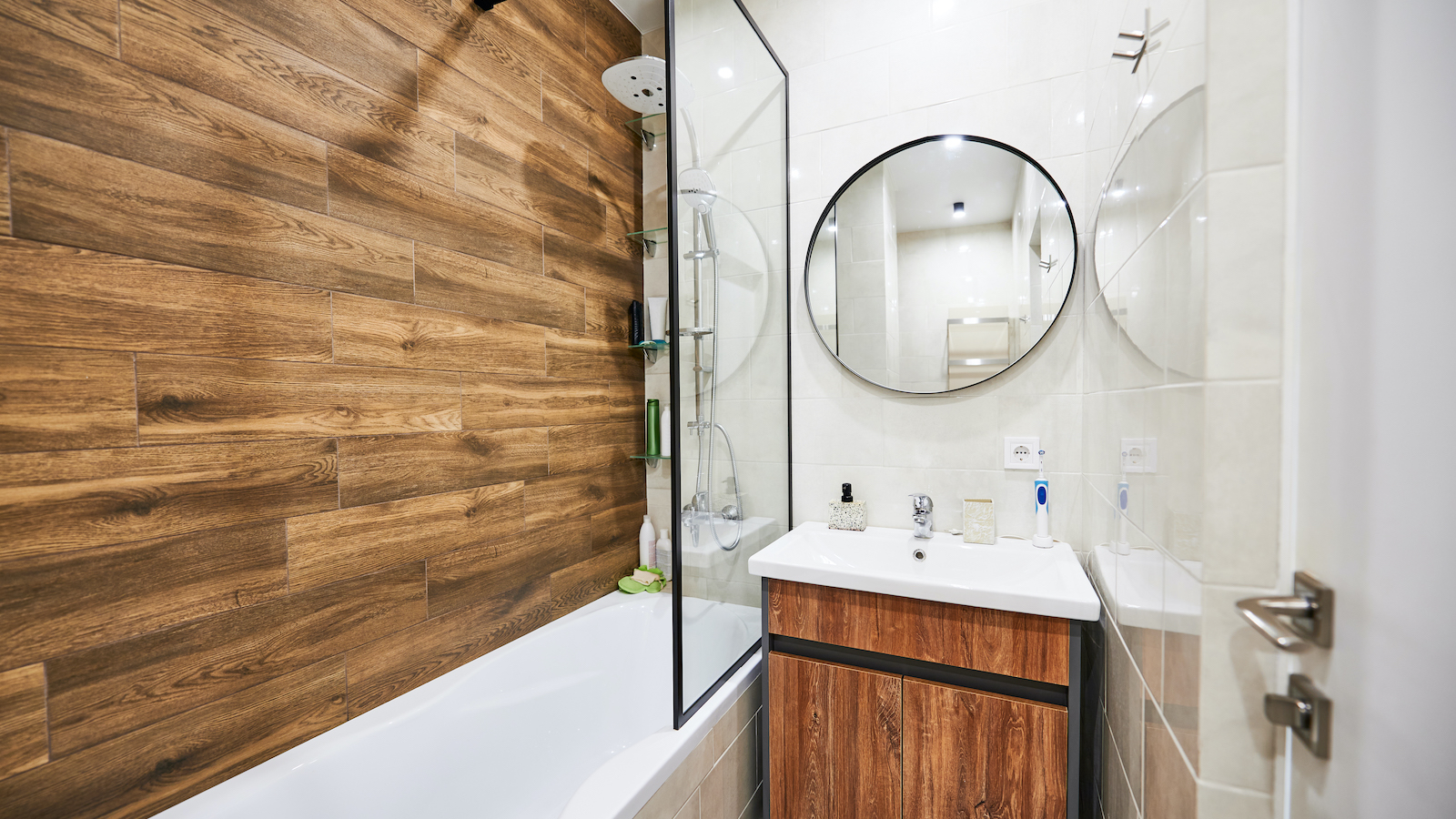
The relationship between the bath and shower also requires careful consideration. Australian designer Greg Natale stresses the importance of integrating these two features seamlessly into the layout. Poor placement can result in a space that feels crowded and is challenging to clean. A practical tip is to position the shower along a shorter wall, which then frees up a longer wall for the bathtub, creating a more modern and integrated look. Even experienced individuals can make mistakes in this area, as noted by Livingetc's executive editor, Pip Rich, regarding his own bathroom remodel.
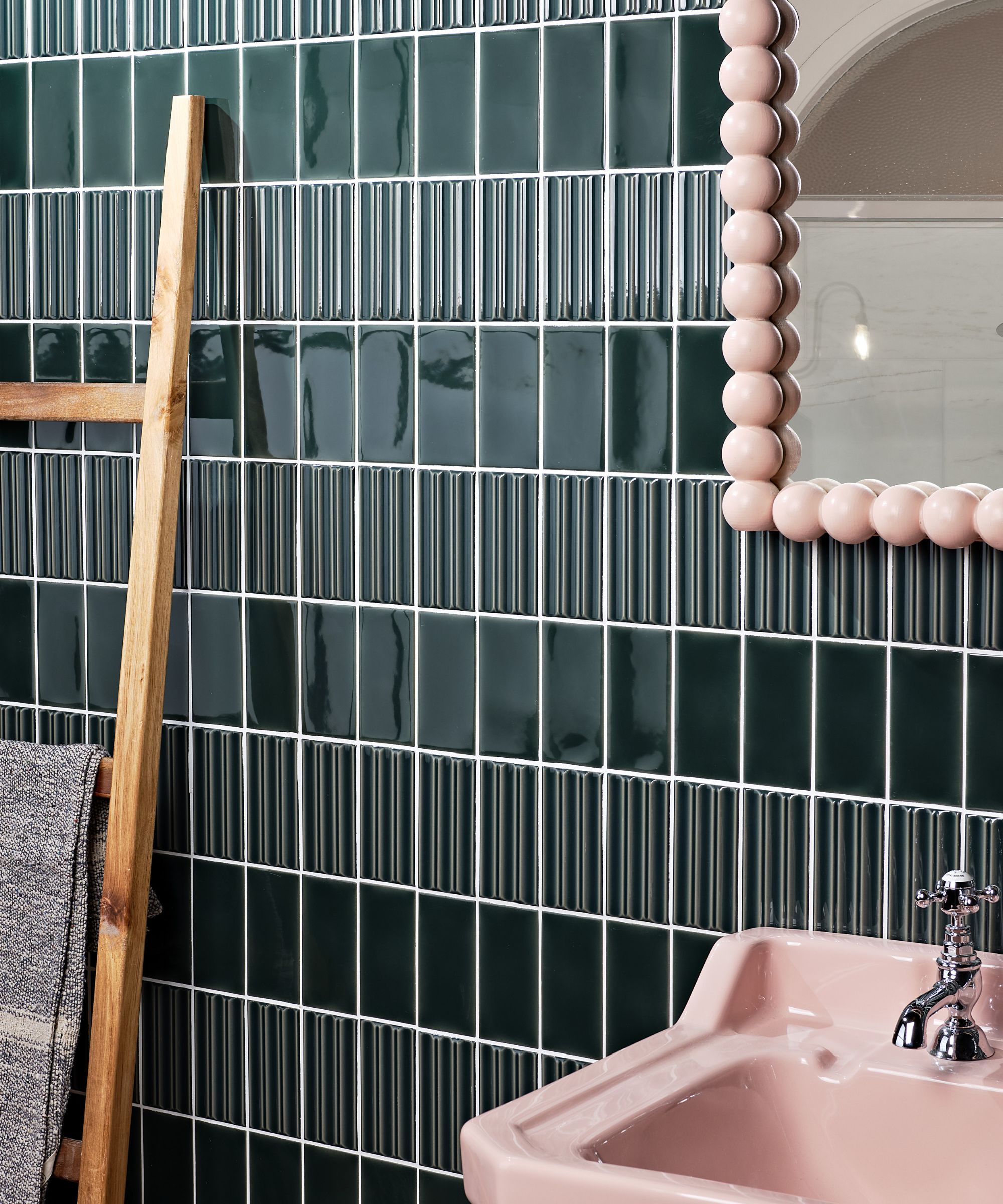
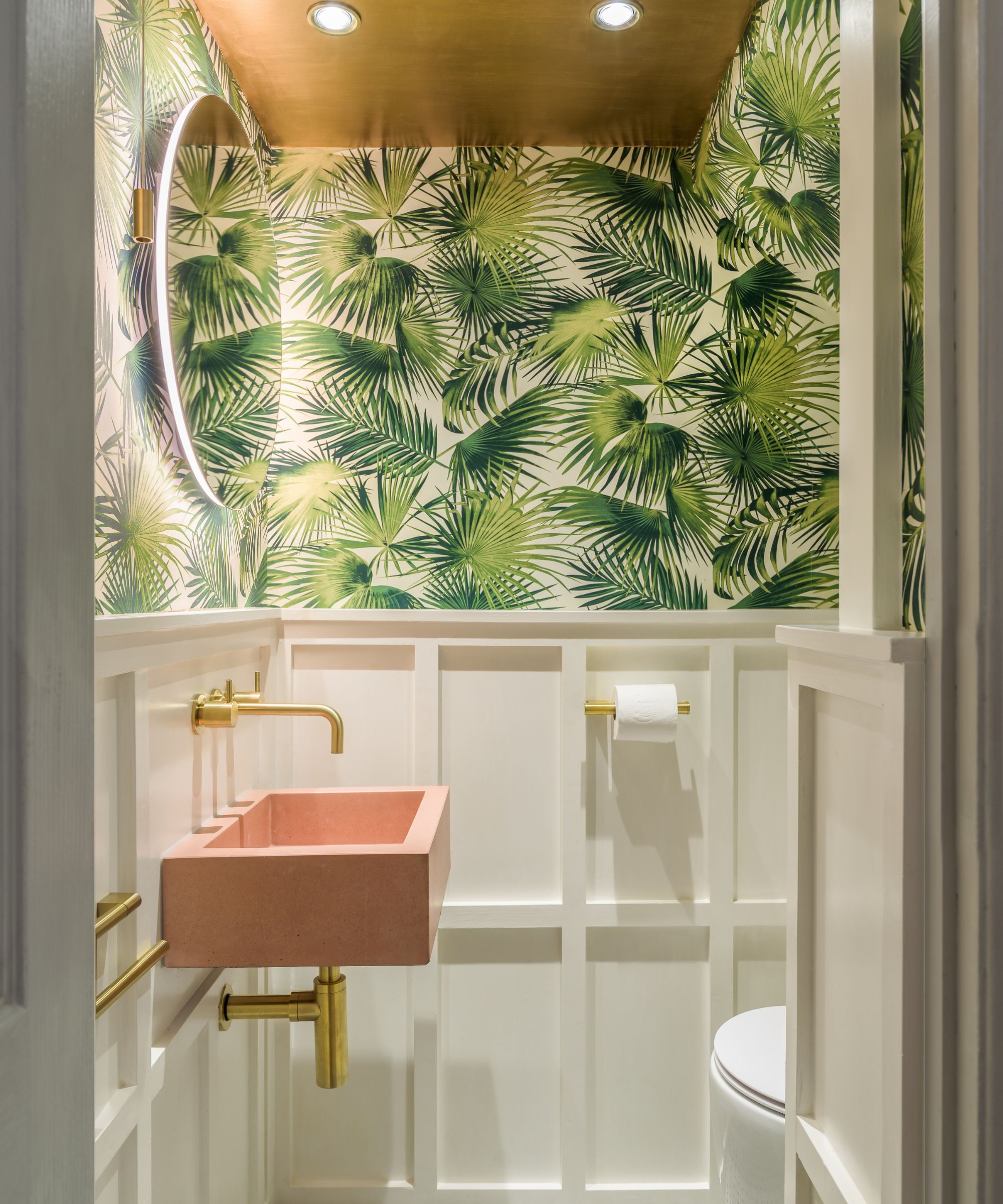
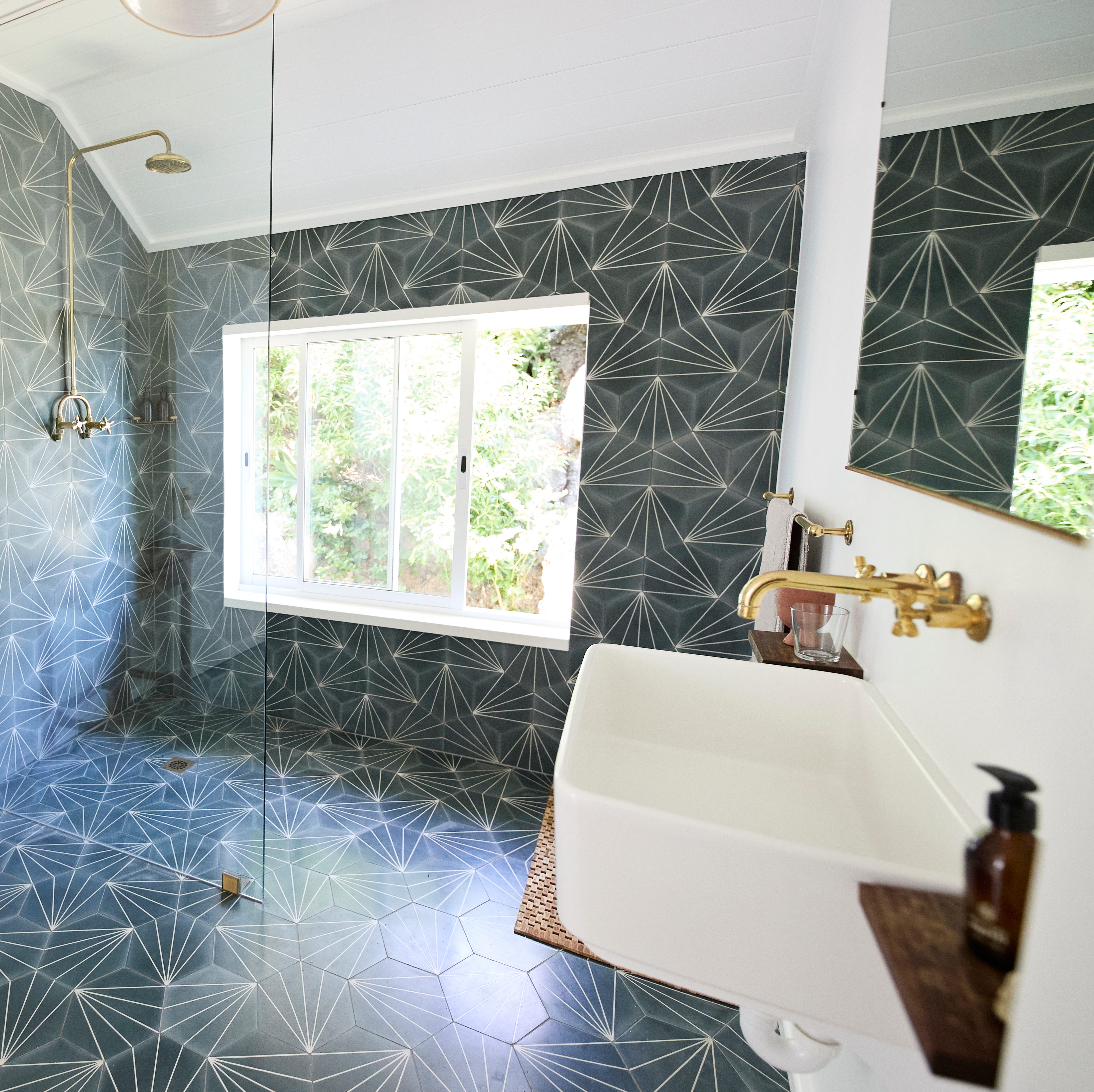
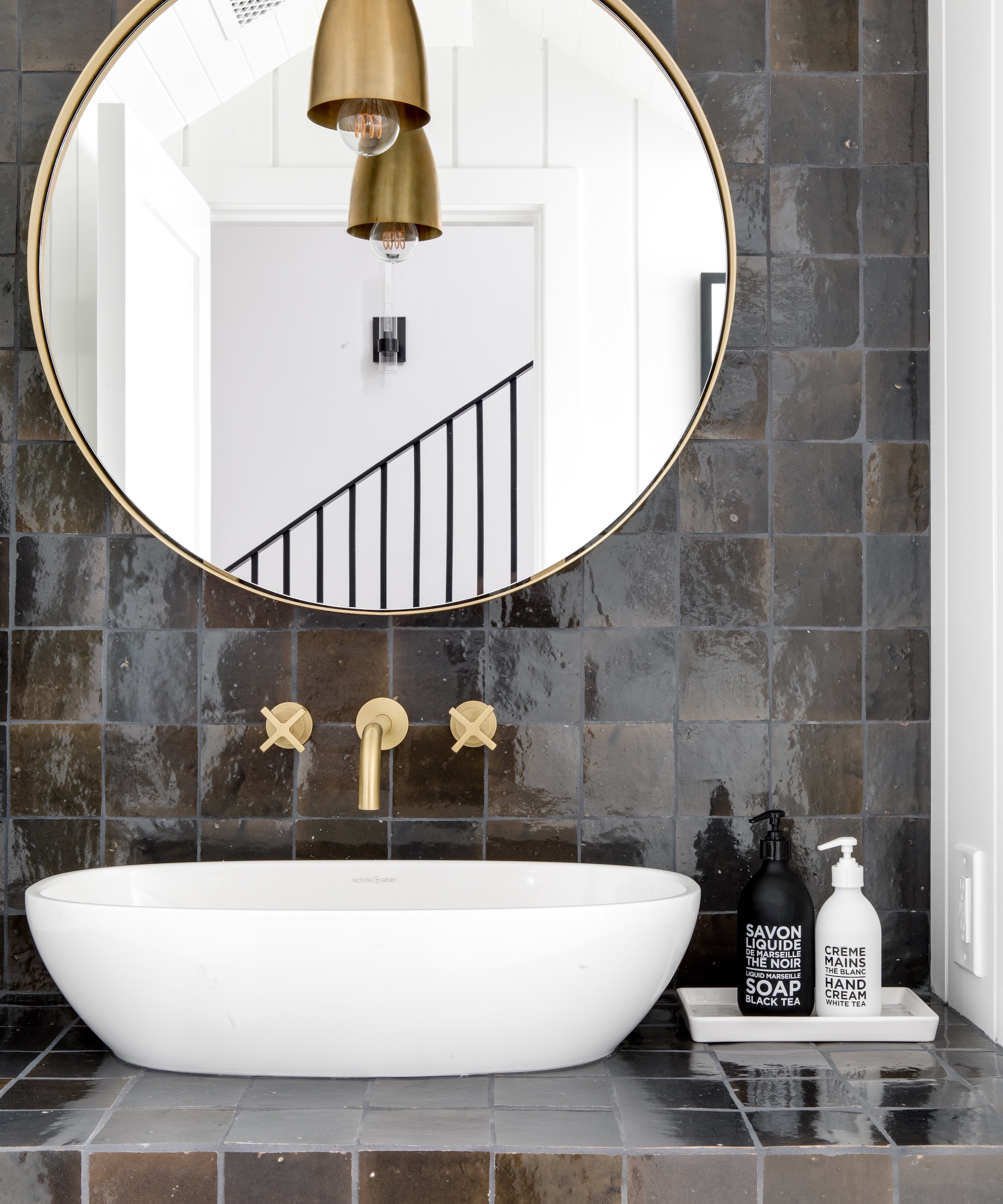
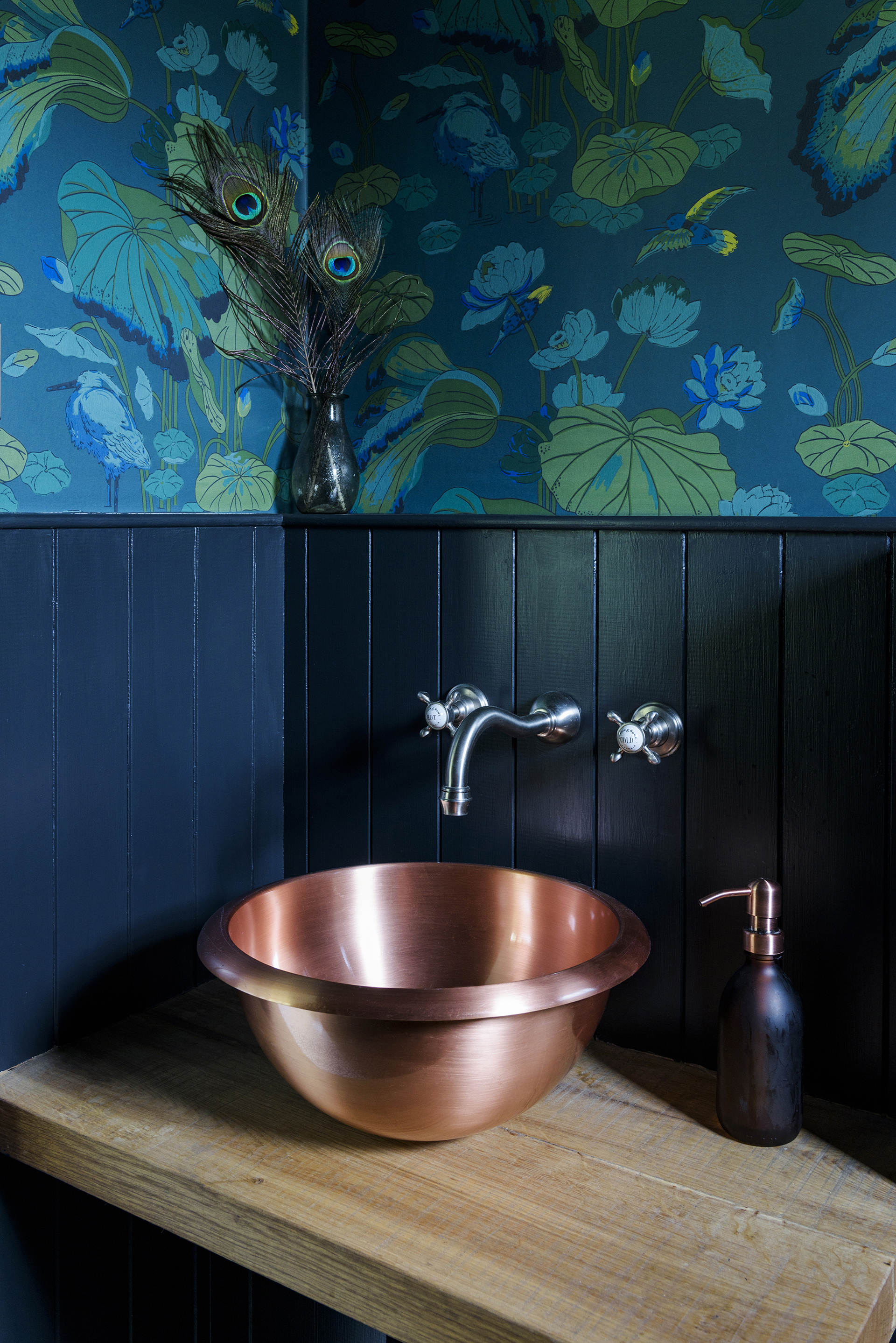
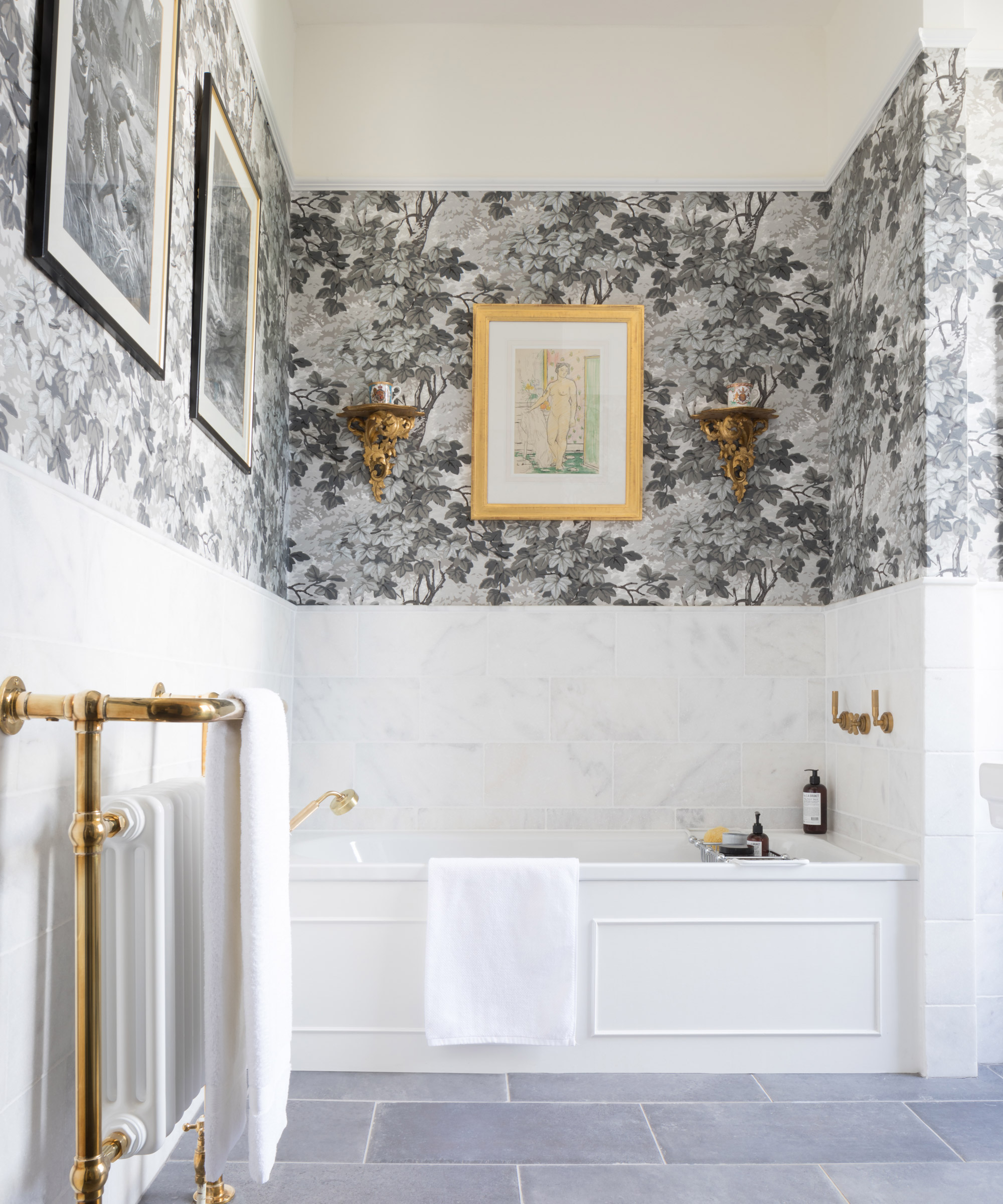
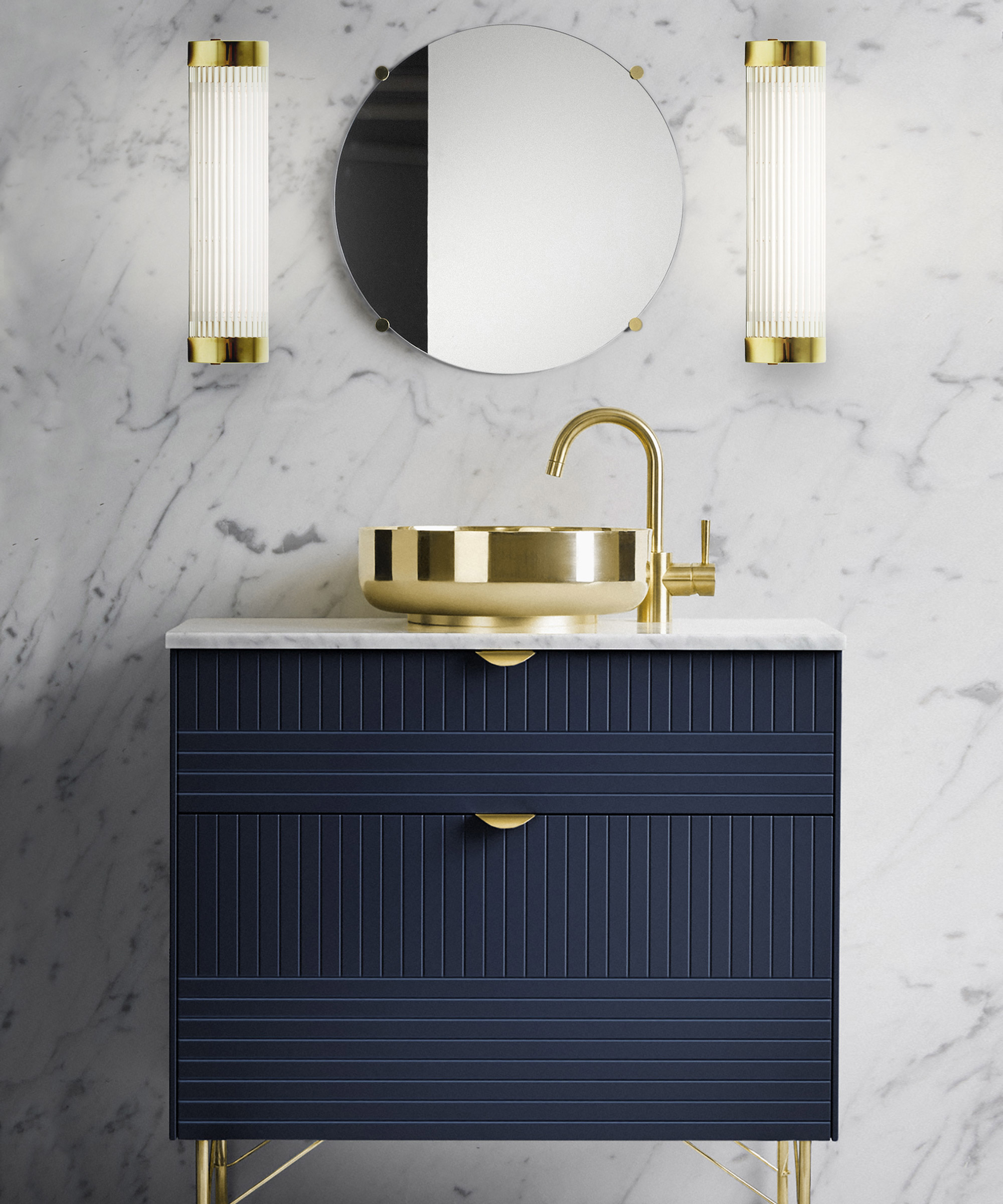
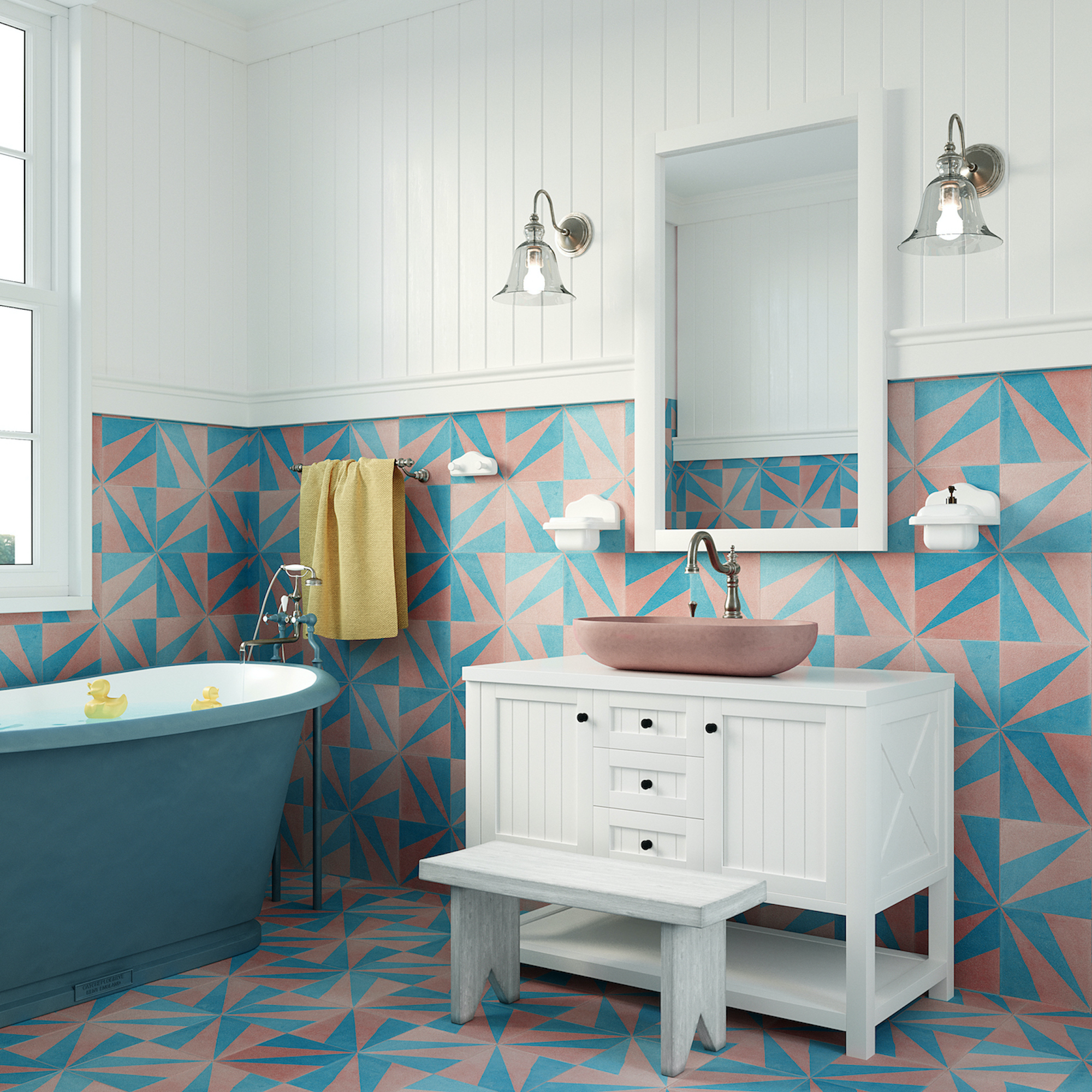
Beyond functionality, the aesthetic appeal of a bathroom should not be overlooked. Studio Castille designers Mathilde Abeel and France Lepoutre advocate for balancing functionality with decorative potential. They encourage homeowners to be daring with design choices, such as using lush tree-lined wallpaper and soft-peach tiles, to create a relaxing and beautiful atmosphere. The goal is to combine practicality with elements that contribute to the desired mood, recognizing that beauty itself can enhance relaxation.
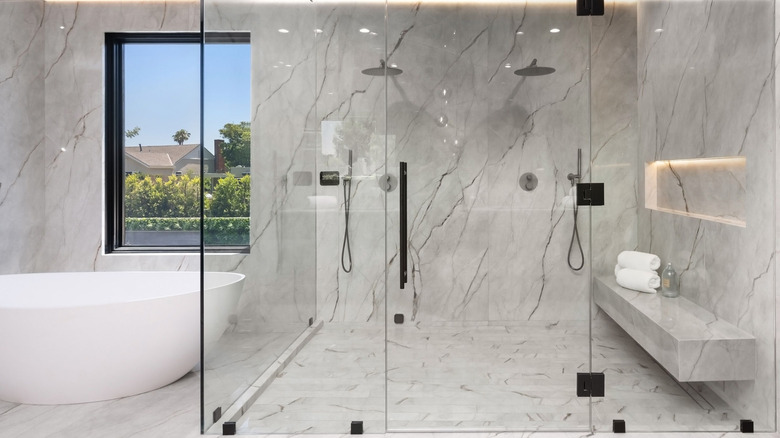
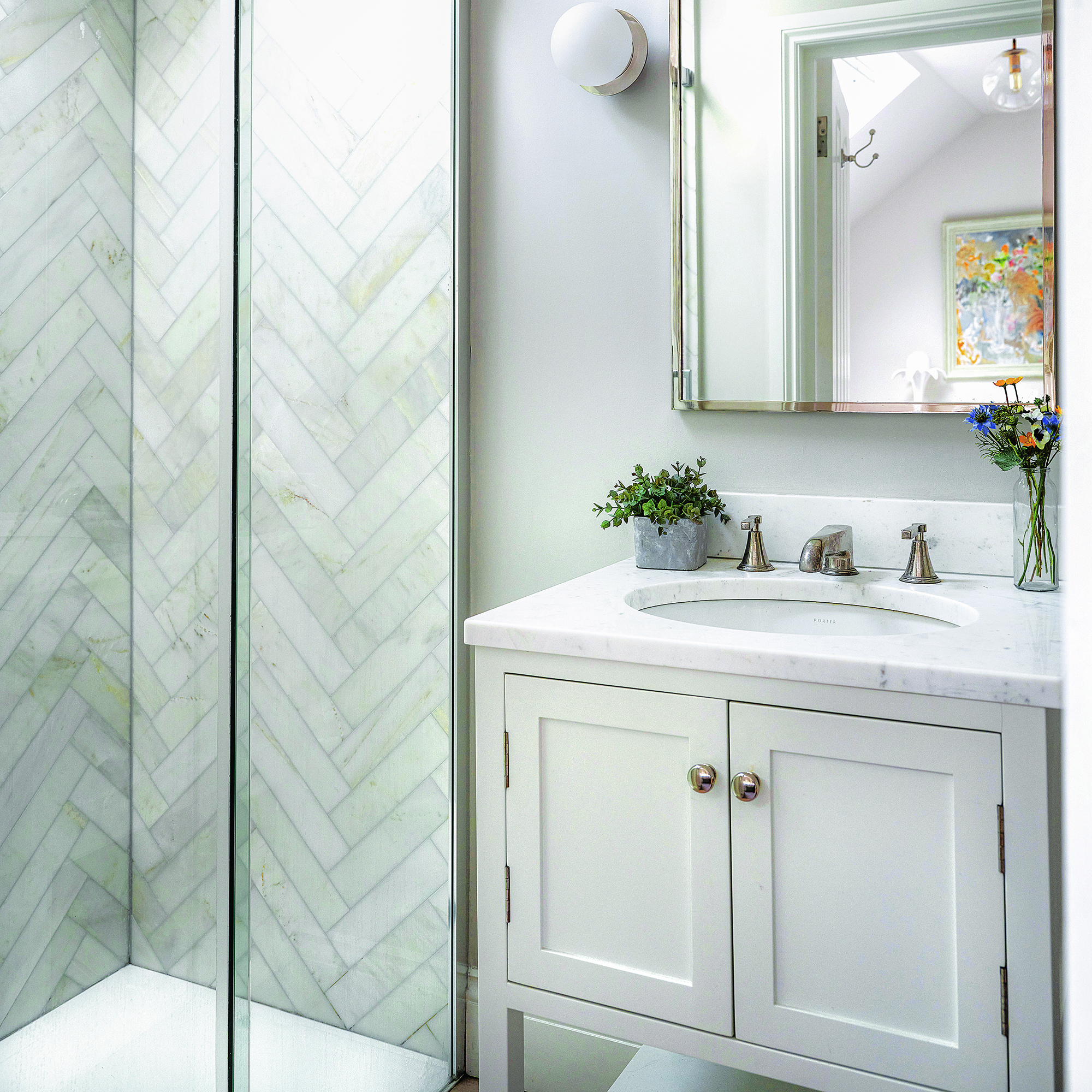
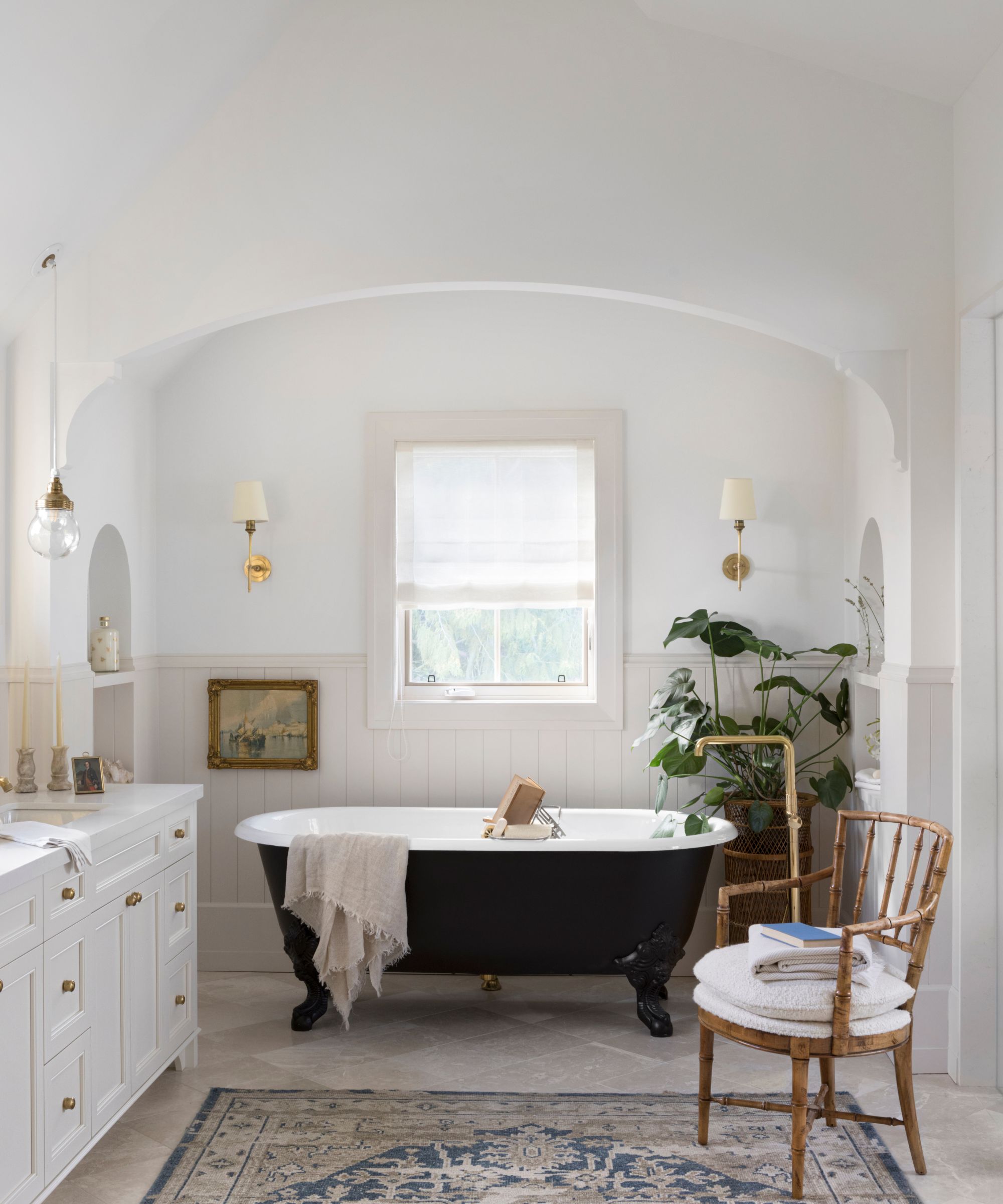
Comfort is another non-negotiable element. Alicia Murphy, founder of Alicia Murphy Design, emphasizes the importance of comfortable access to and from the shower, especially in primary bathrooms used by two people simultaneously. Aligning the shower with the commode can create an enclosed, cohesive space, optimizing comfort and flow. Features like built-in shower benches and thoughtful furniture placement, such as an armchair by a window, can significantly contribute to a comforting experience.
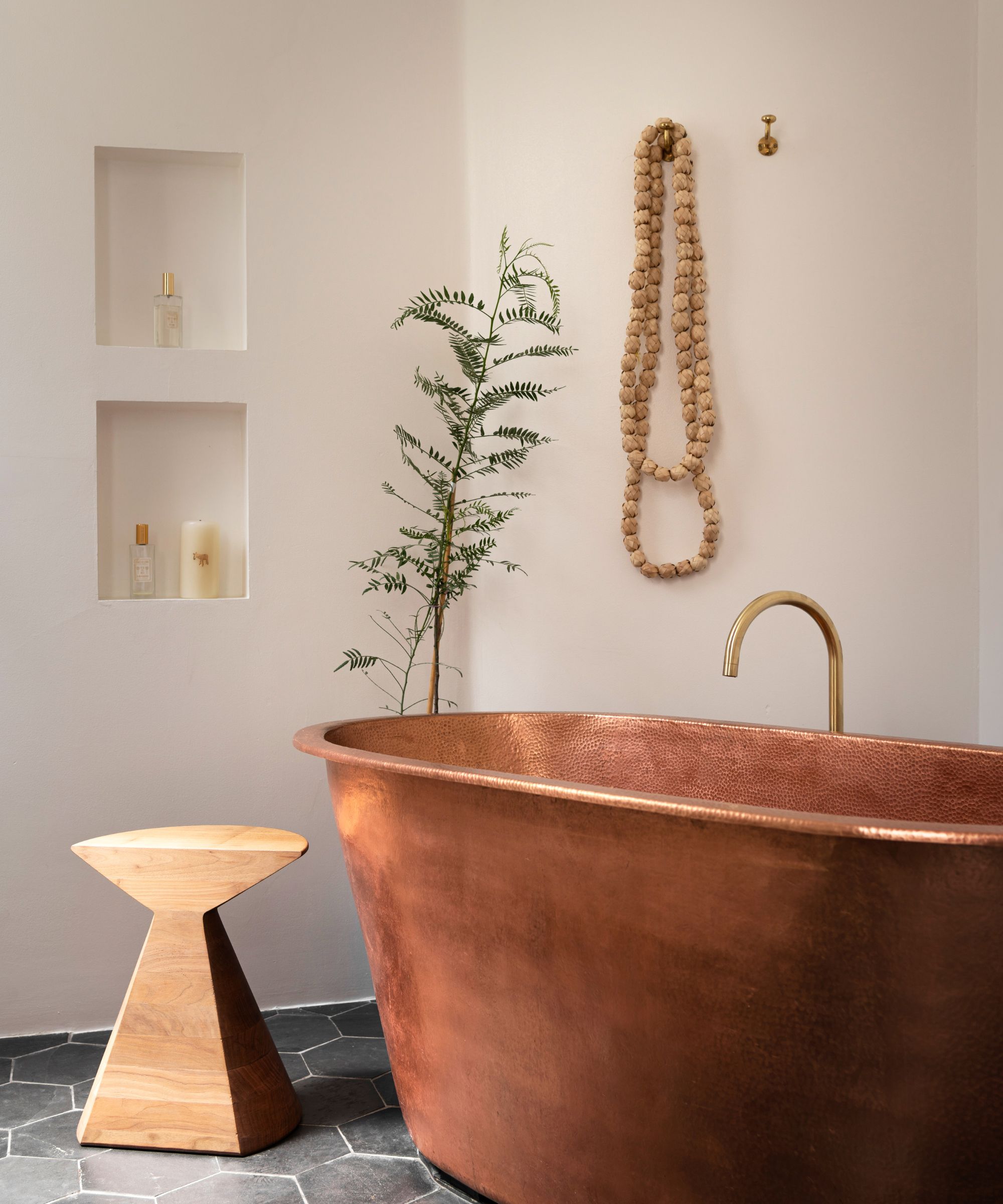
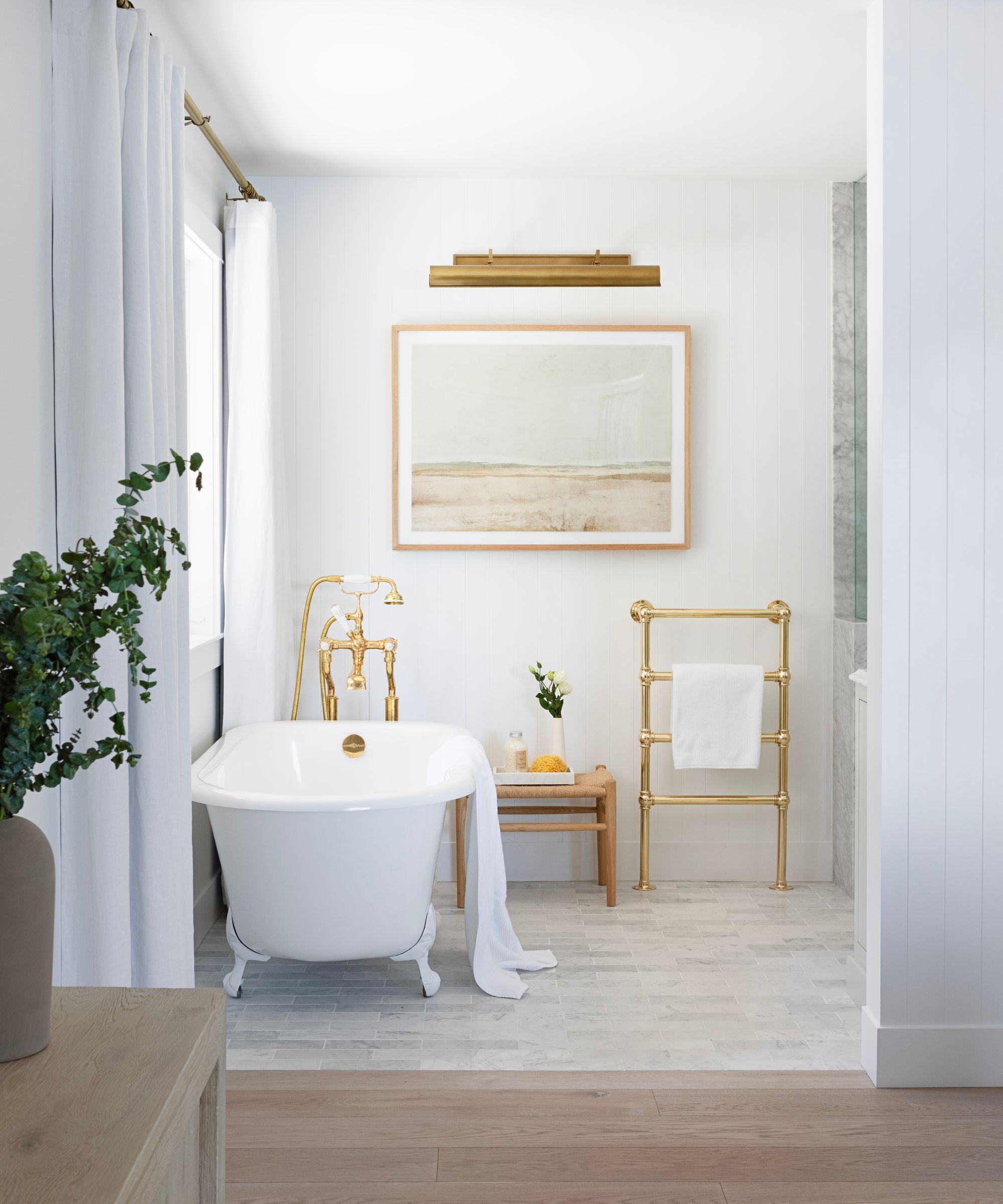
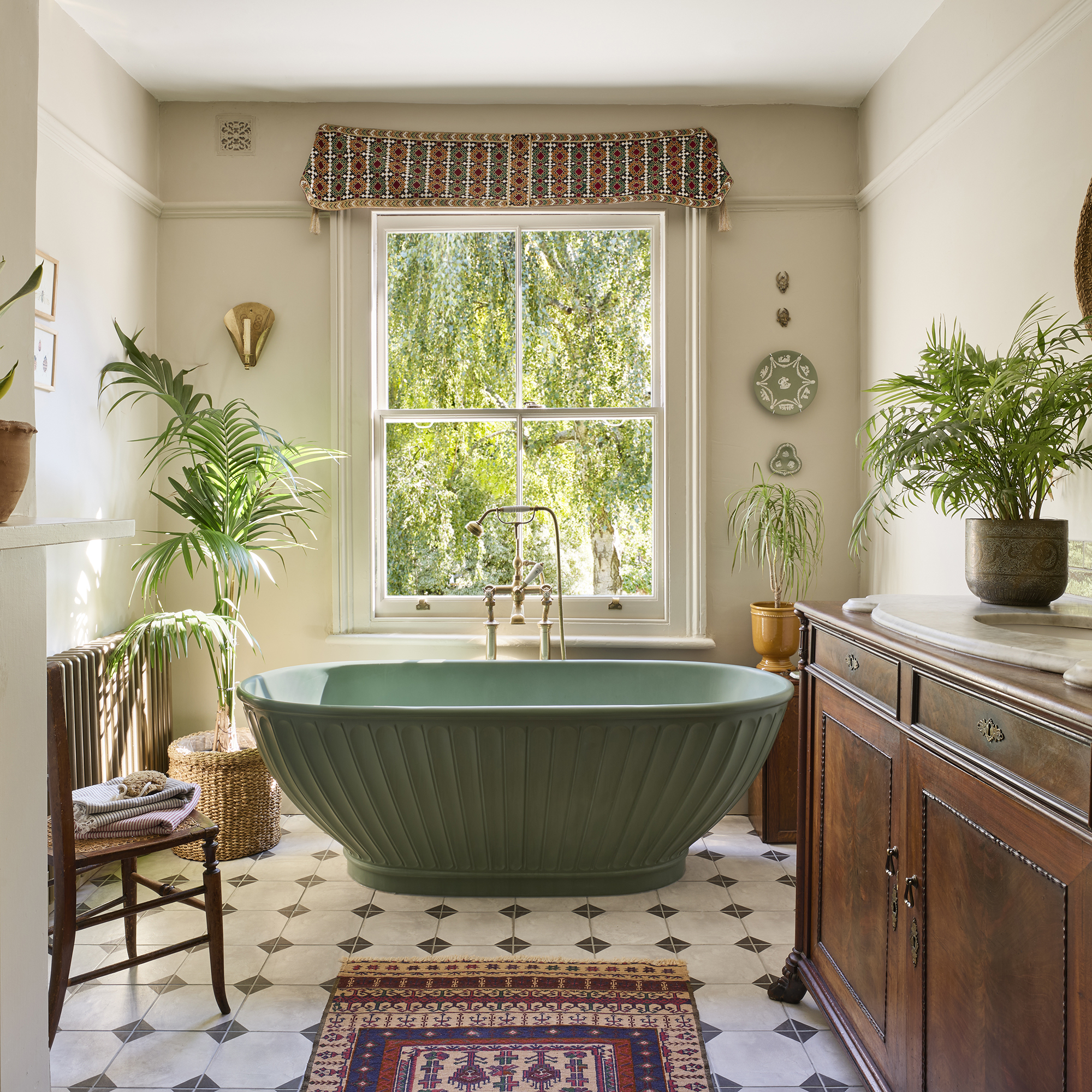
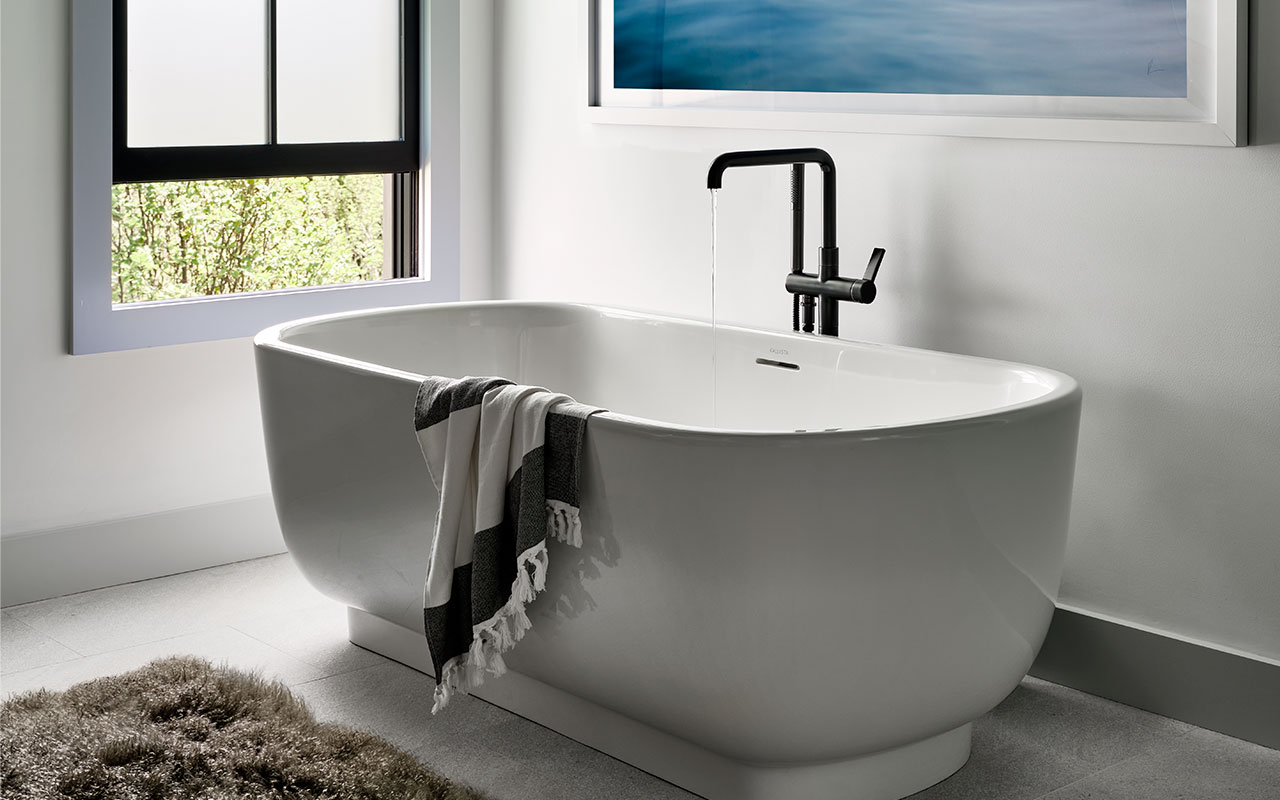
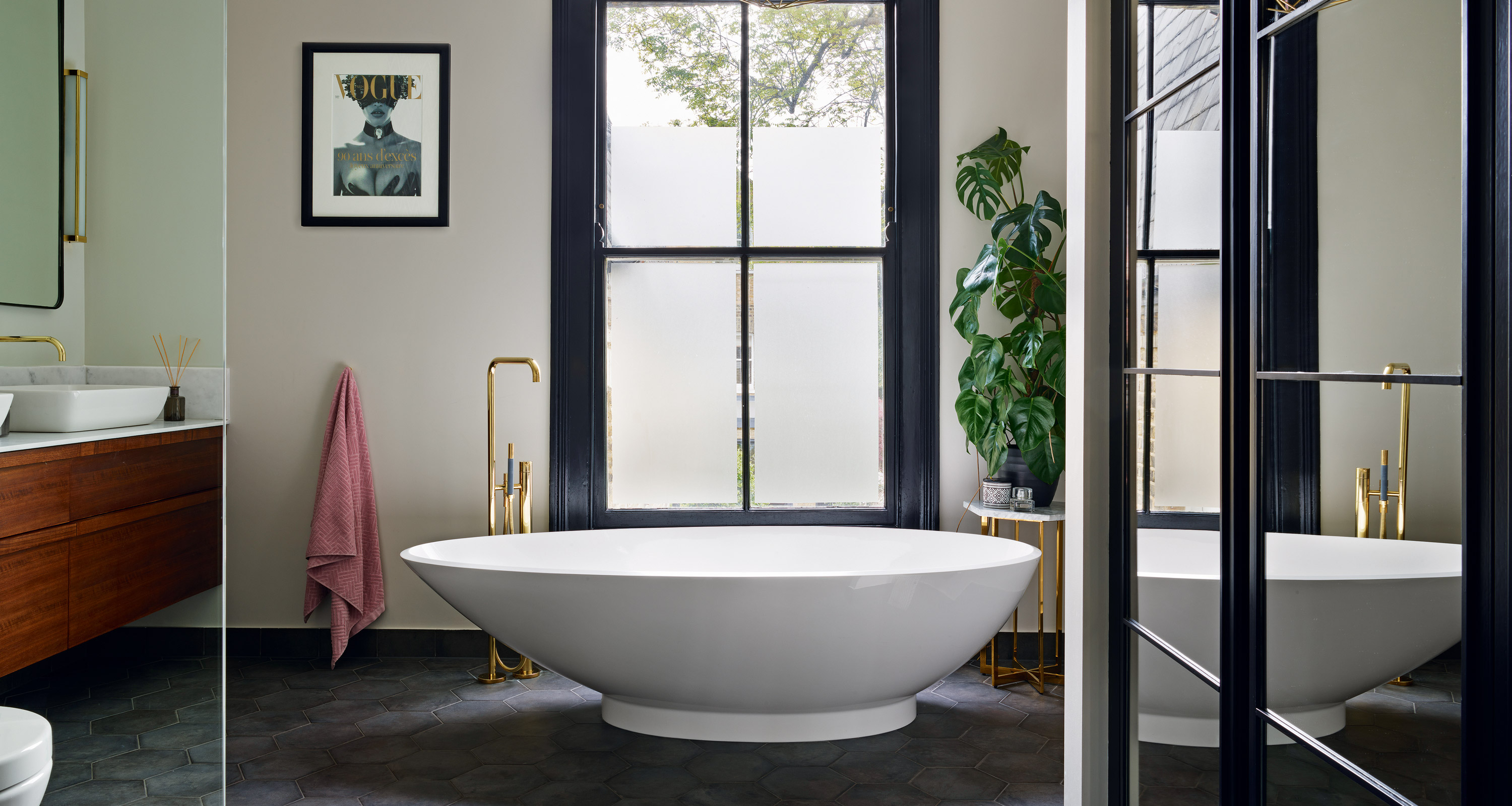
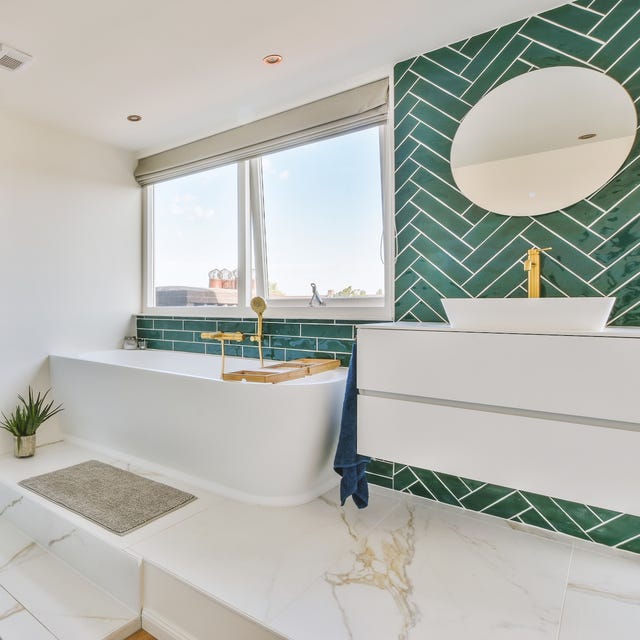
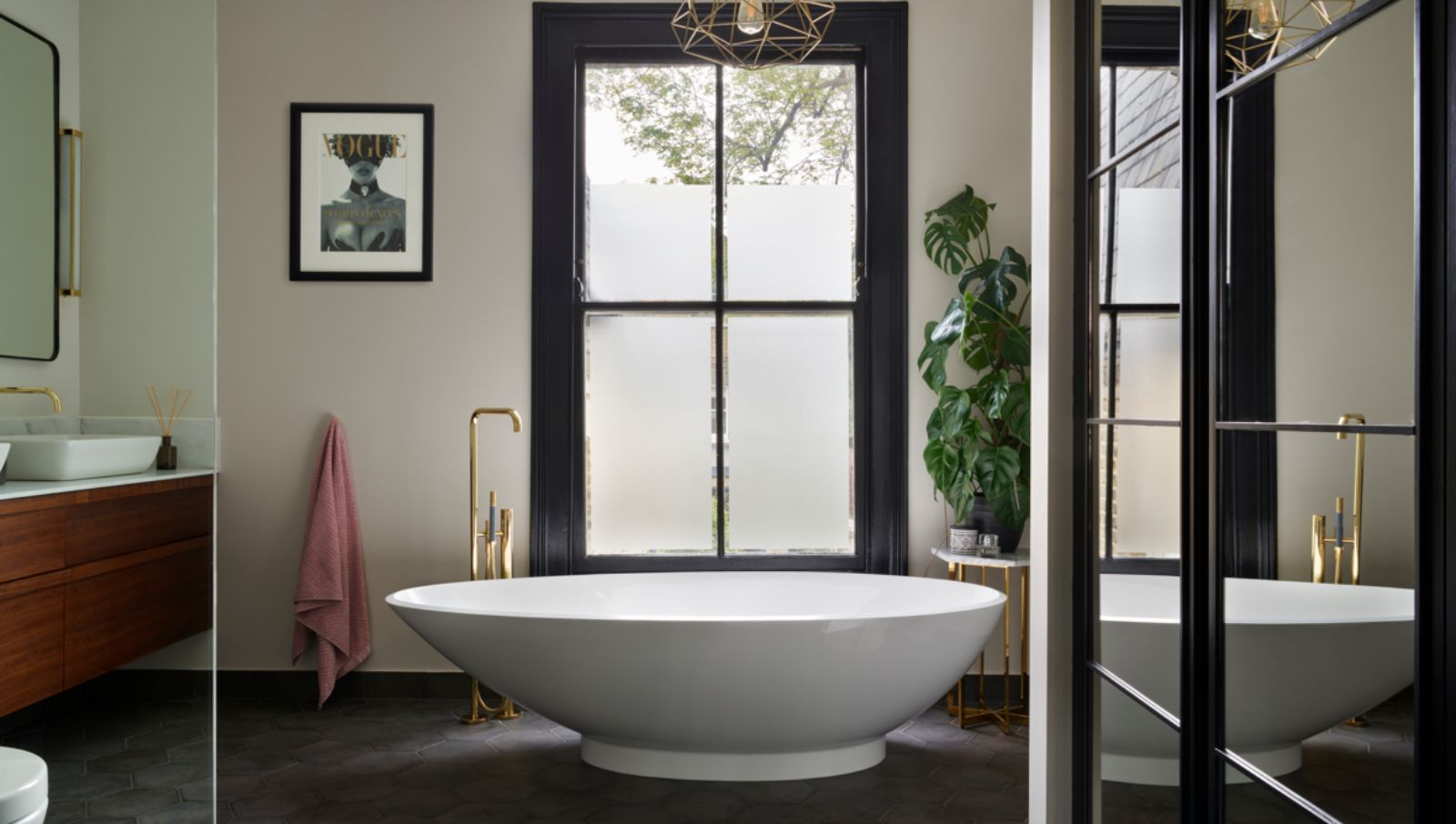
Furthermore, the bathtub, often considered the focal point of a bathroom, should be celebrated in its layout. Marea Clark Interiors suggests allowing ample room around a freestanding tub for ease of access and to ensure it feels visually proportionate. Centering the tub, ideally under a window or skylight, can highlight its sculptural quality and enhance the sense of calm. Natural light plays a vital role in creating an inviting atmosphere, preventing the bathroom from feeling like a sterile laboratory. Multiple light sources, including natural light, are recommended to adapt the illumination levels for various functions, from energizing morning routines to relaxing evening soaks. Ultimately, avoiding layouts that compromise movement, conceal essential elements poorly, ignore aesthetics, or neglect comfort and lighting are key to creating a successful bathroom design.
#BathroomLayout #InteriorDesign #HomeRenovation #DesignTips #FunctionalDesign #AestheticAppeal #ComfortInDesign #BathroomLayout #InteriorDesign #HomeRenovation #DesignTips #FunctionalDesign #AestheticAppeal #ComfortInDesign
0 comment in total
 No comments yet
You may also like
7 small bathroom layout mistakes — designers say to swerve these to "maximize potential"

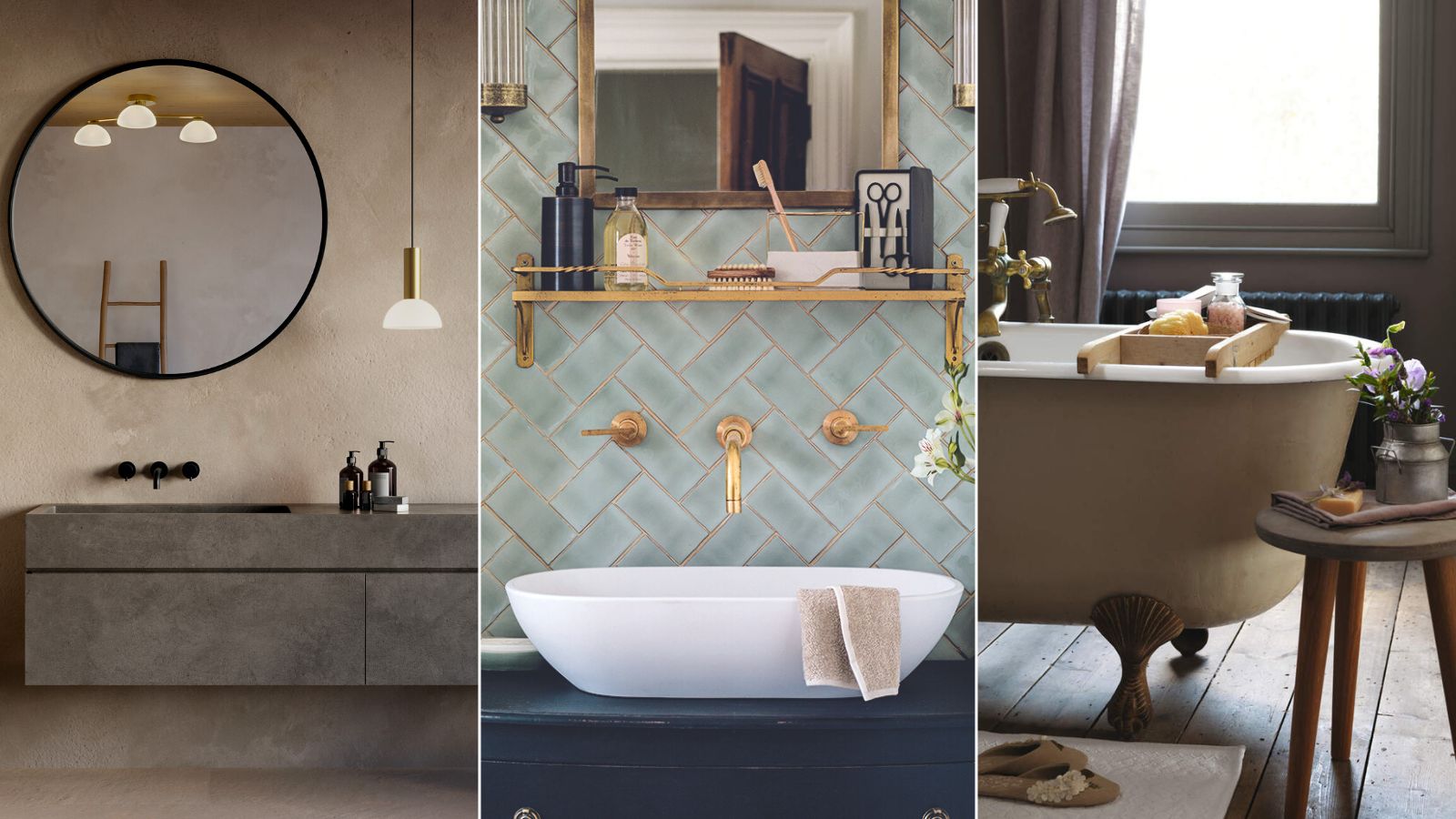
13 bathroom design mistakes to avoid at all costs, according to experts

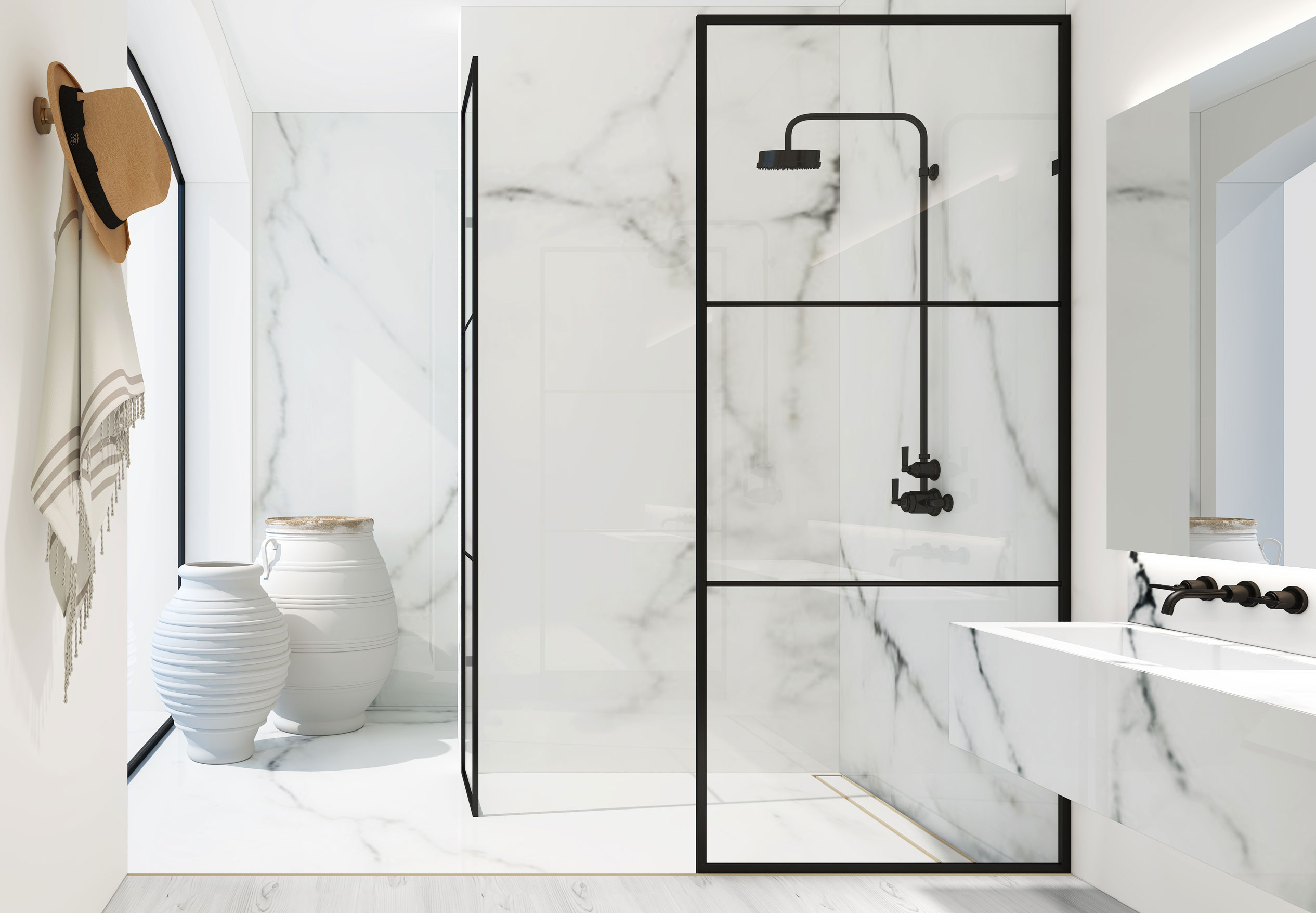
Shower room design mistakes – 6 problems that our bathroom experts see all too often
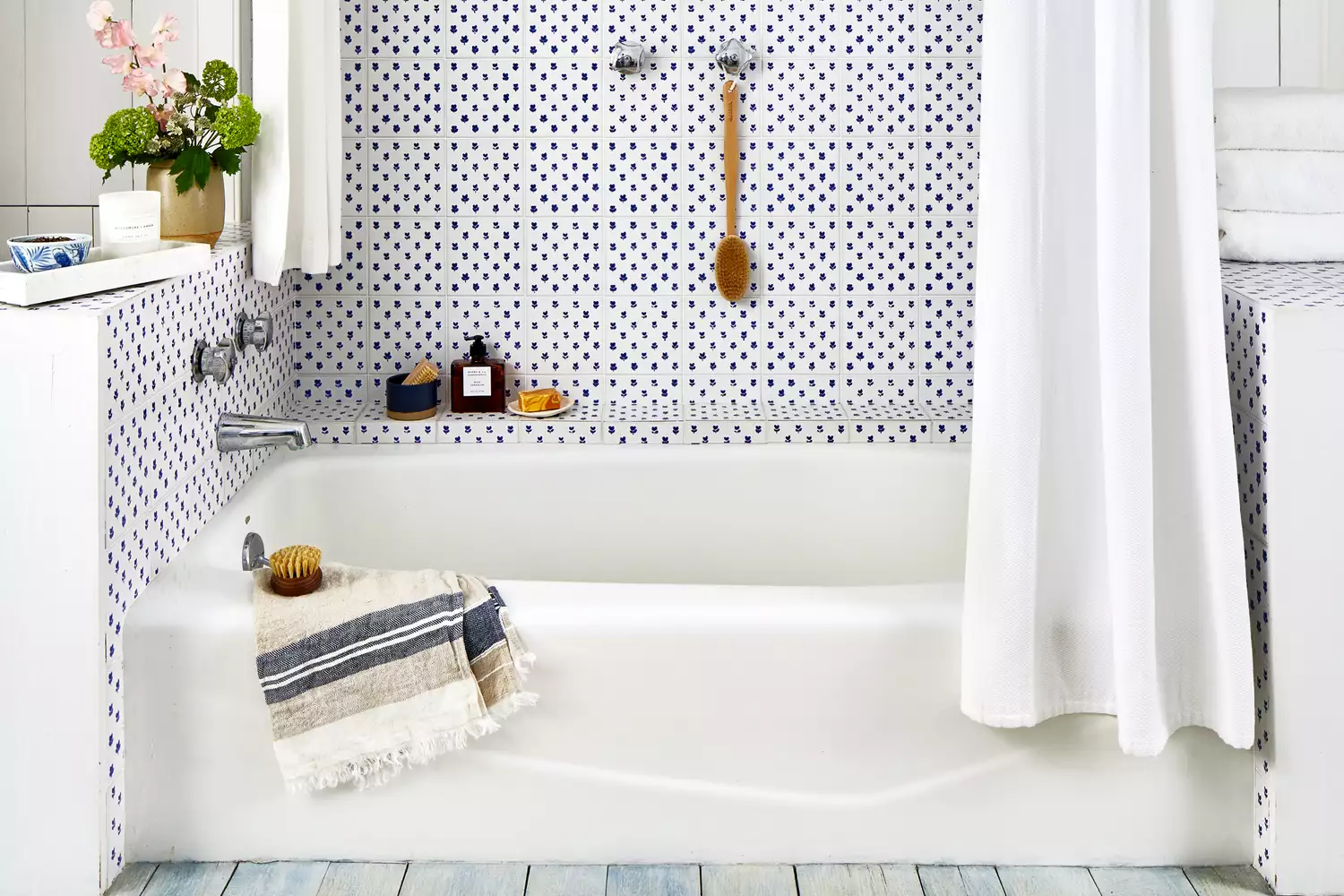
The #1 Bathroom Renovation Mistake Experts Always See (and How to Avoid It)

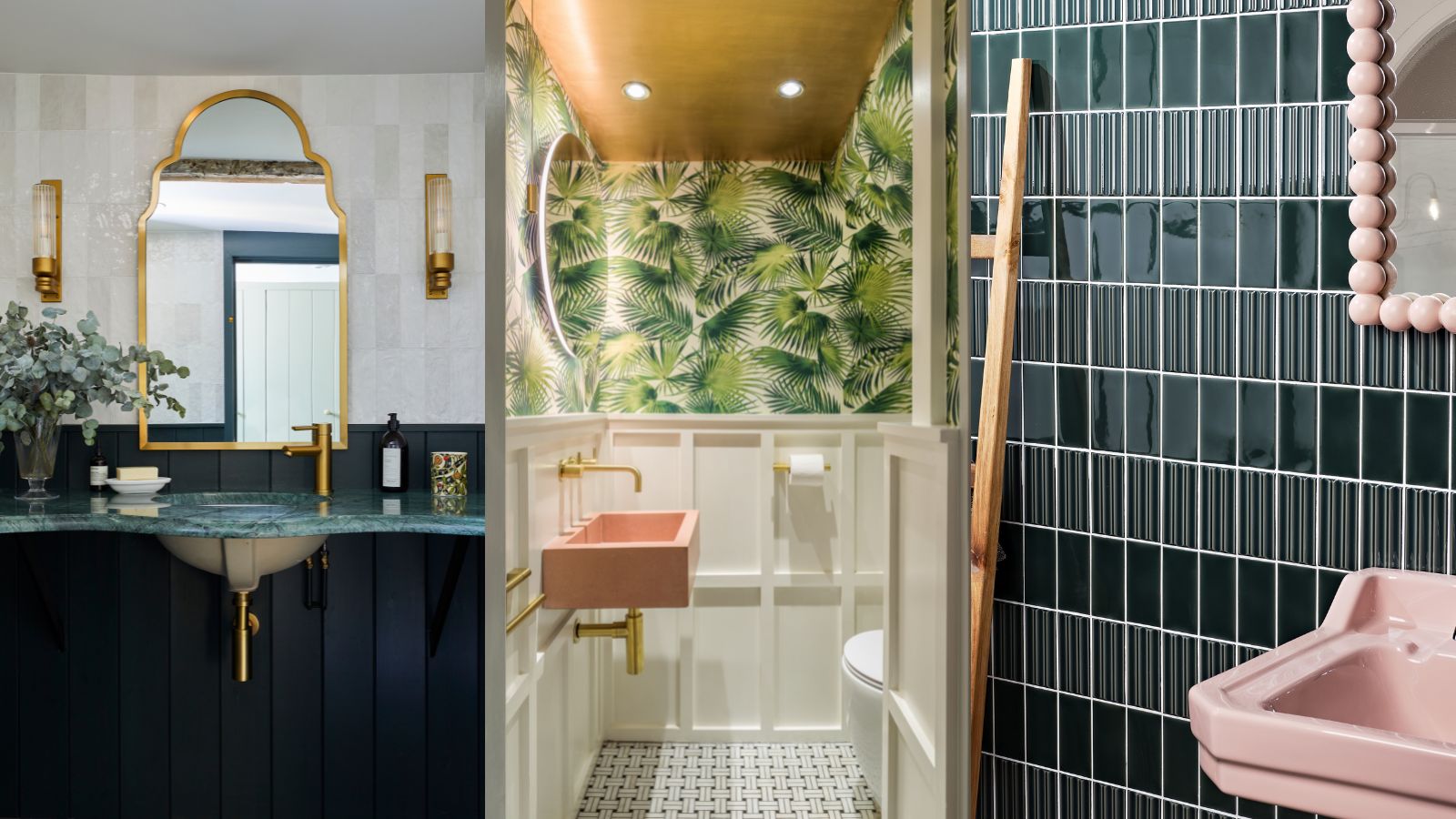
7 powder room design mistakes to avoid – and what to do instead
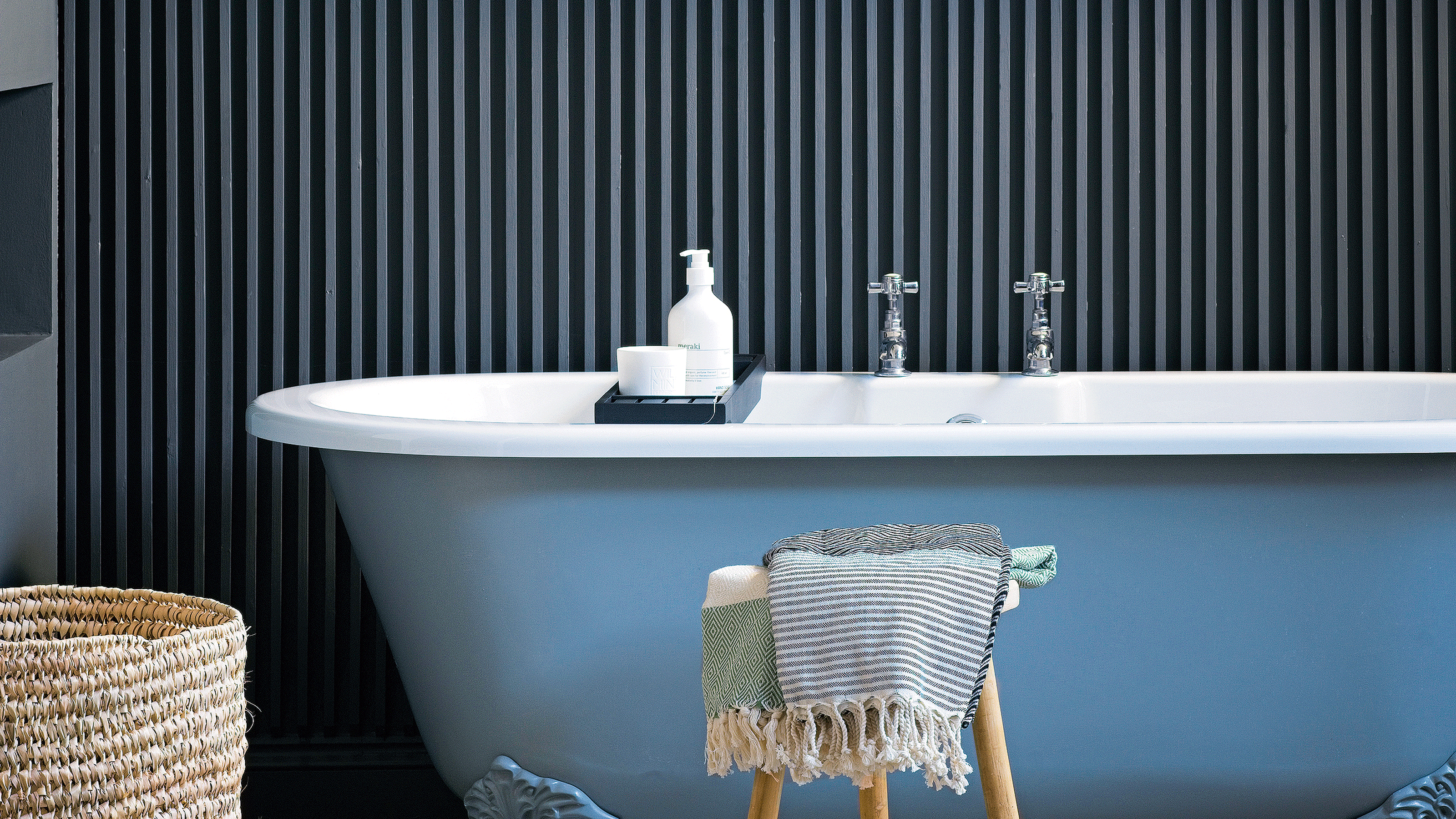
7 design mistakes that are making your bathroom harder to clean
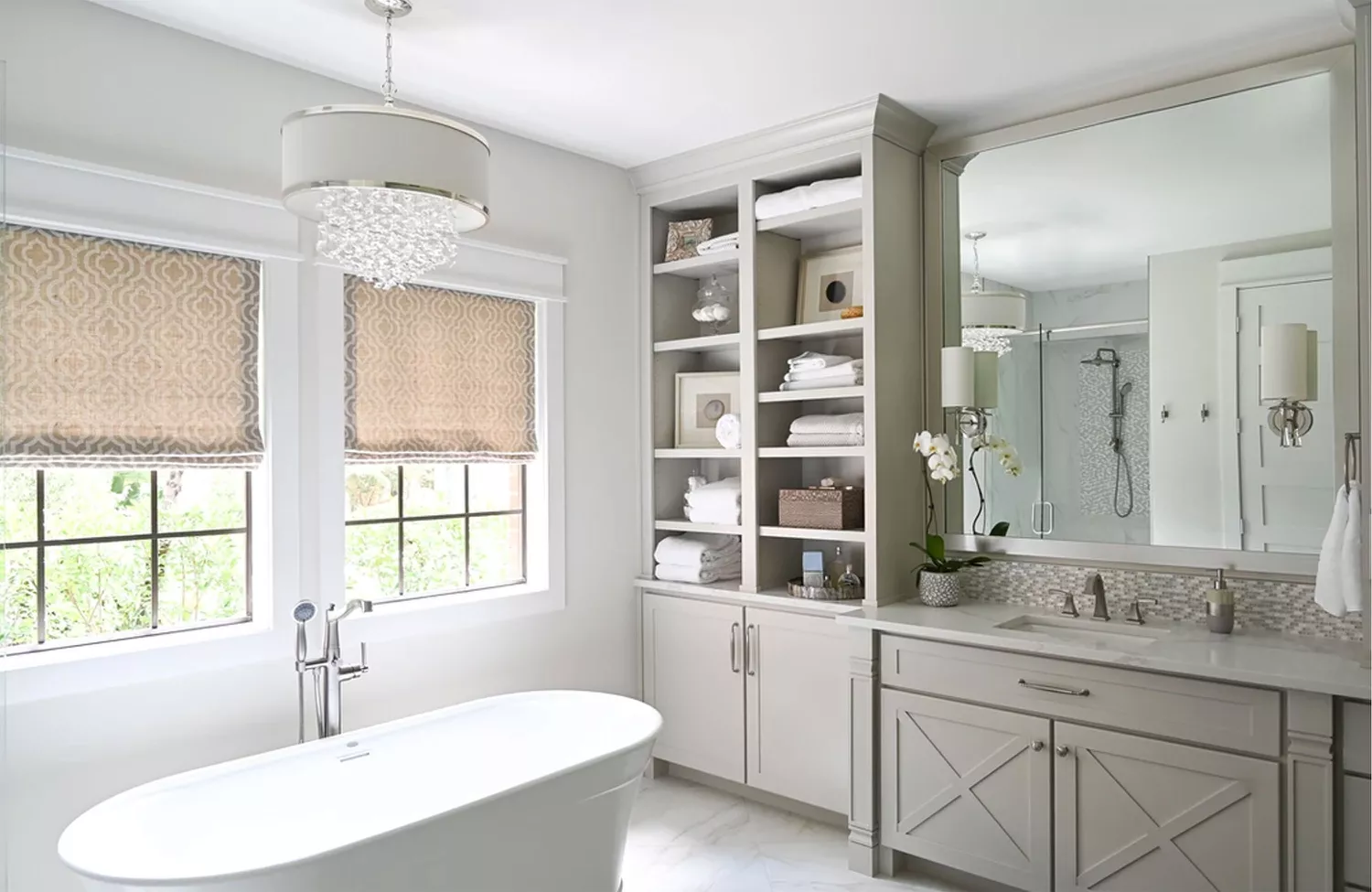
5 Things Designers Immediately Notice About a Bad Bathroom Layout

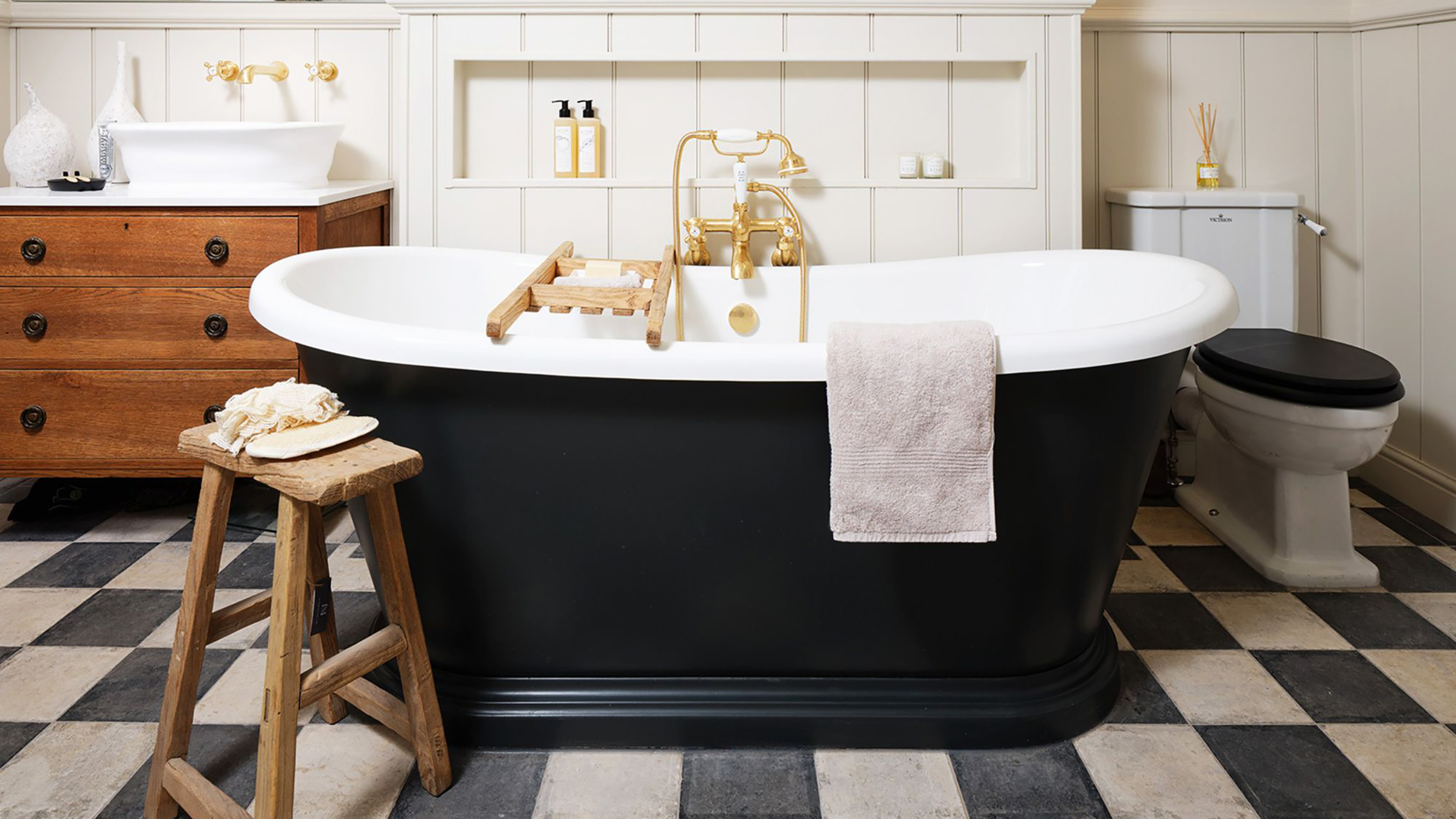
5 Family bathroom layout mistakes to swerve for a functional space

14 Bathroom Design Mistakes To Avoid At All Costs, According To The Property Brothers
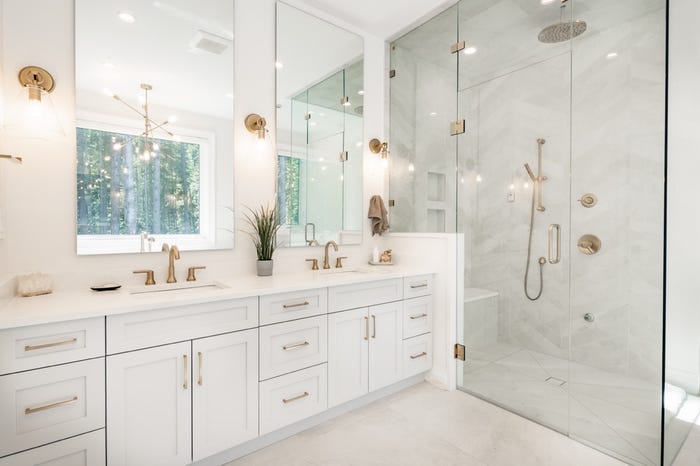
Interior designers share the 9 biggest mistakes people make when decorating and designing a bathroom
Bathroom remodel mistakes – and how to avoid them
Bathroom organizing mistakes – experts explain where you're going wrong and how to fix it
12 bathroom remodeling mistakes to avoid when planning your design
7 Mistakes to Avoid When Remodeling Your Bathroom
7 common bathroom lighting mistakes, and how you can avoid them

Small bathroom design mistakes that are red-flag worthy, according to the pros
18 WORST Bathroom Design Mistakes You're Probably Making

Small Bathroom Design Mistakes — 6 Errors You Probably Didn't Even Know You Were Making

7 things construction pros spot in bad bathroom remodels
The one massive décor mistake thousands are making in their bathroom: 'You'll regret it every day'