Interior designers share the 9 biggest mistakes people make when decorating and designing a bathroom
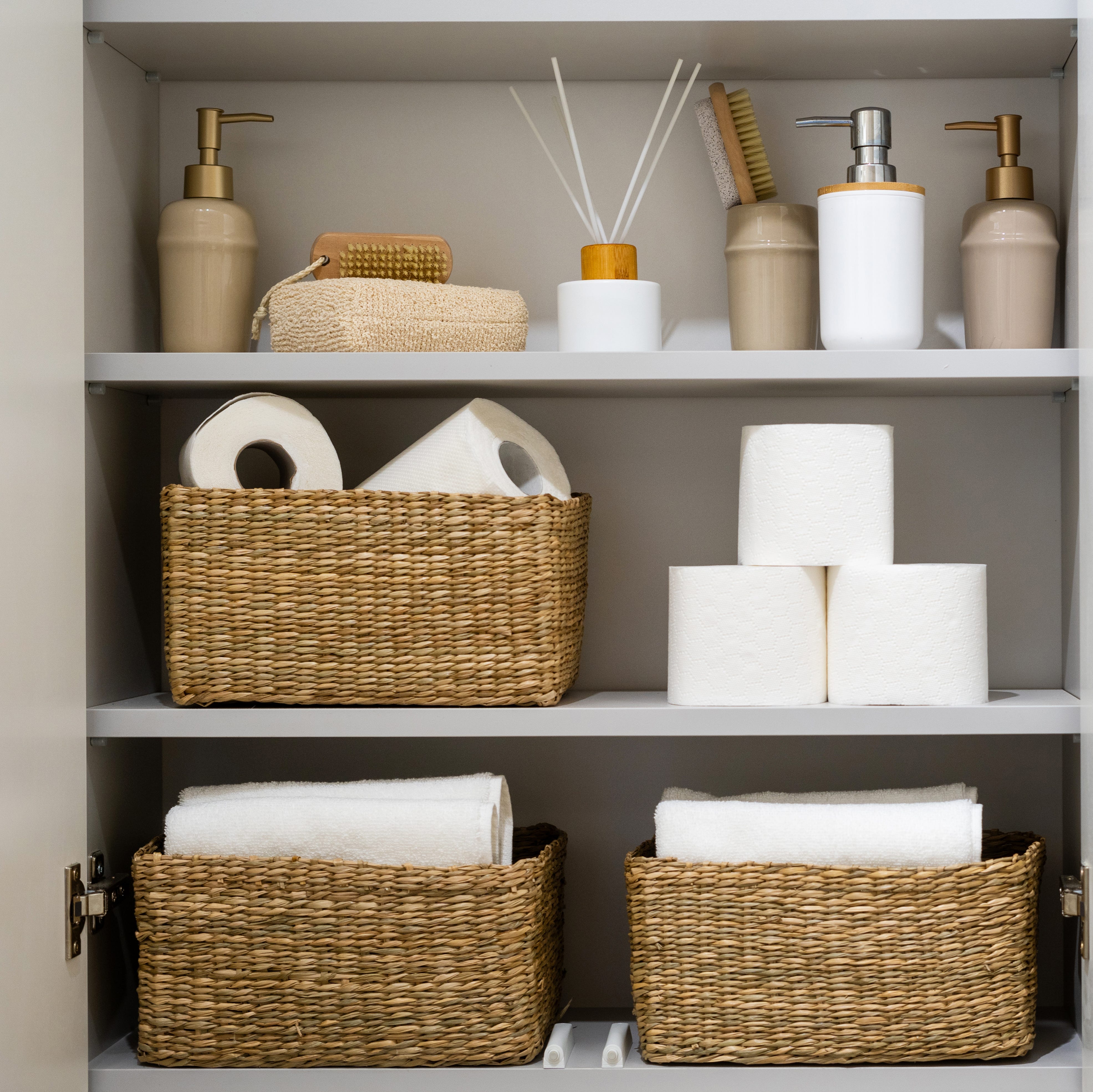
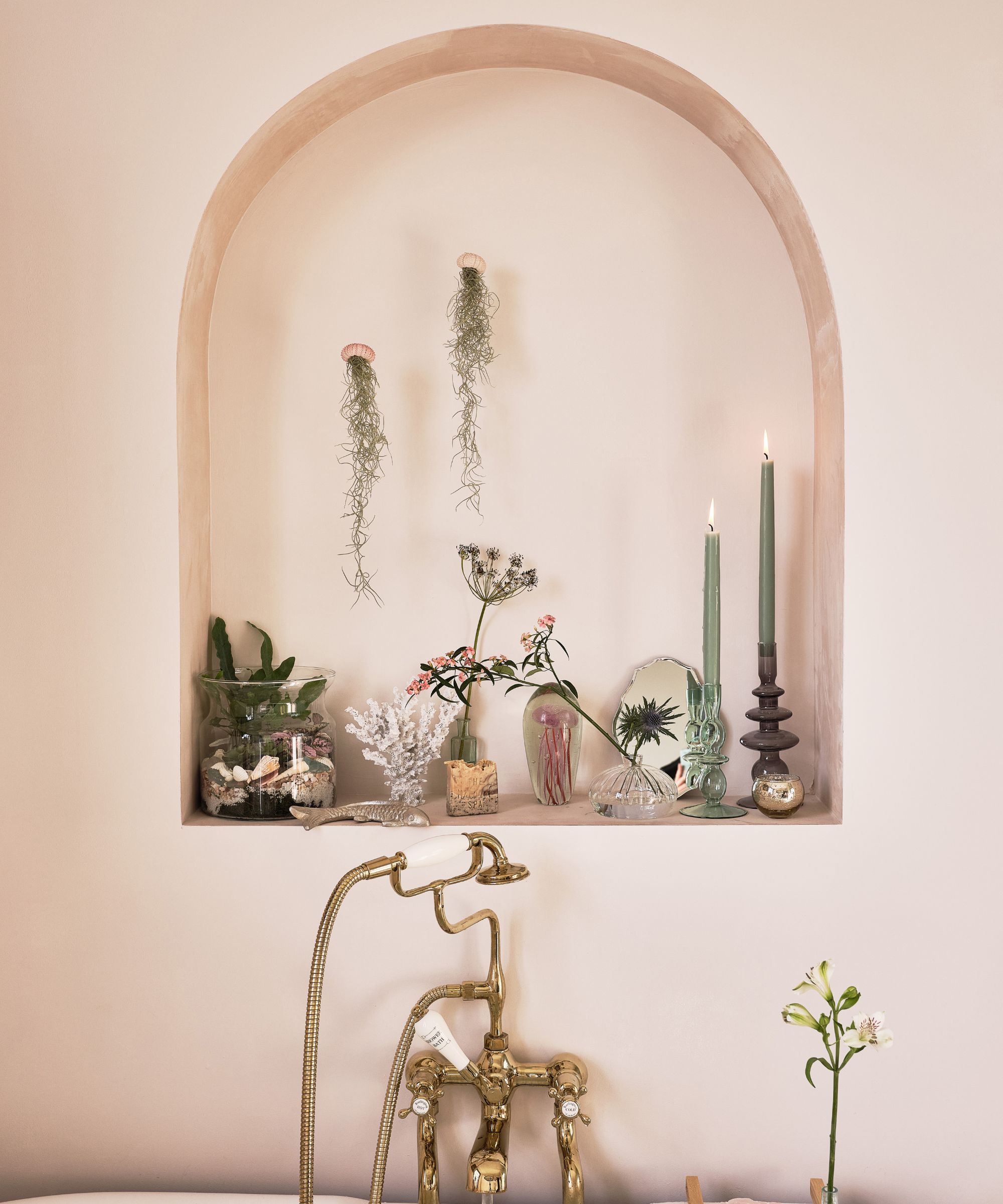
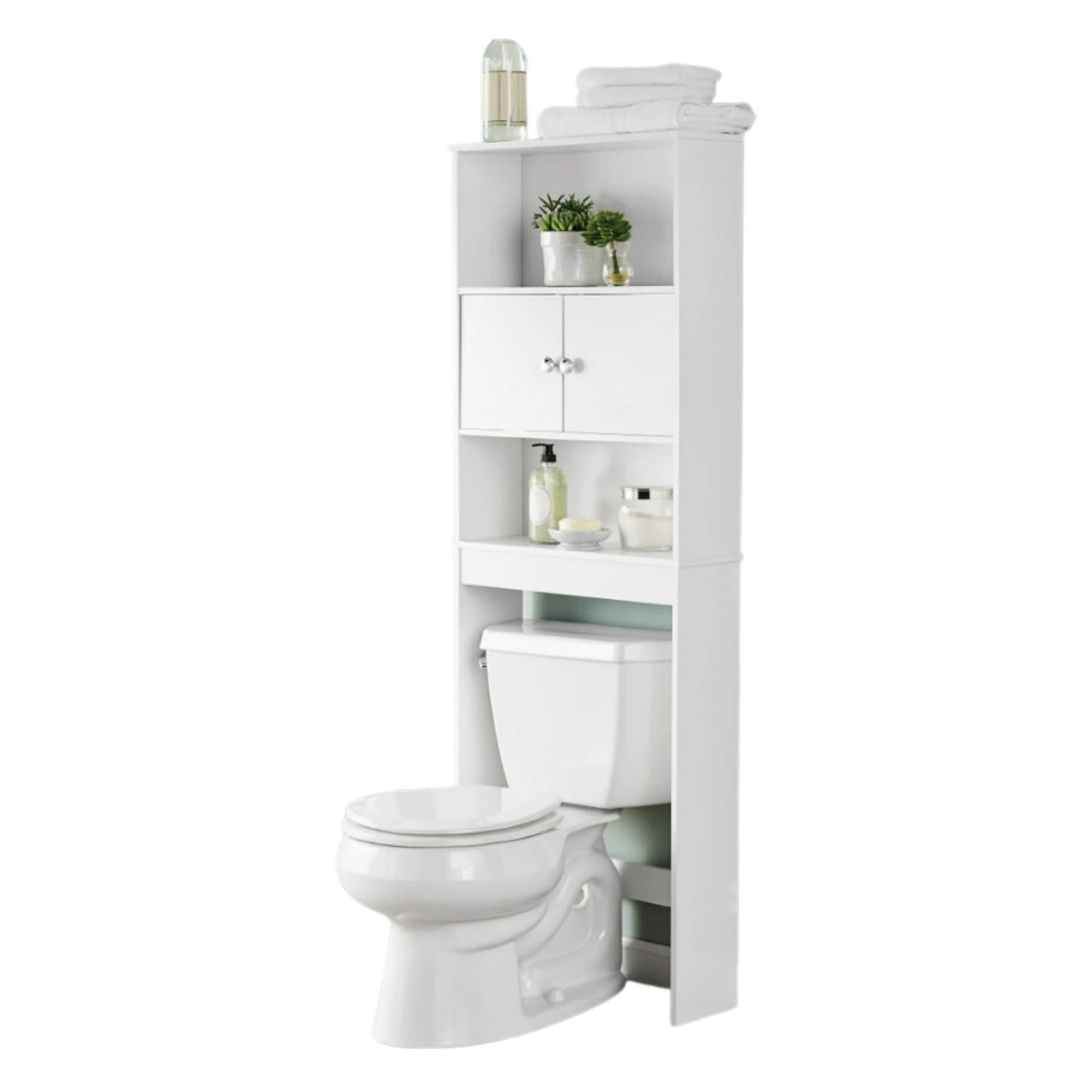
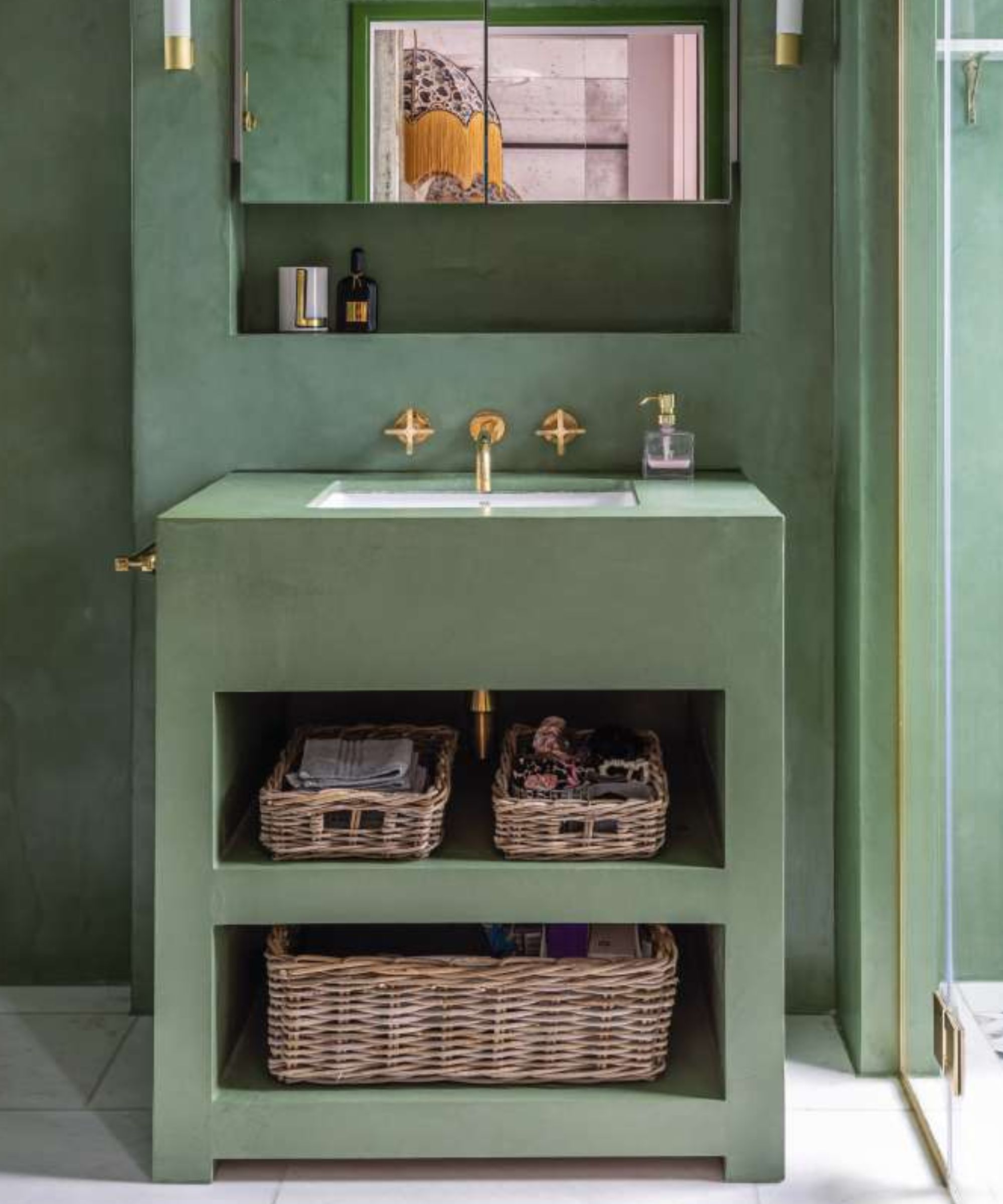
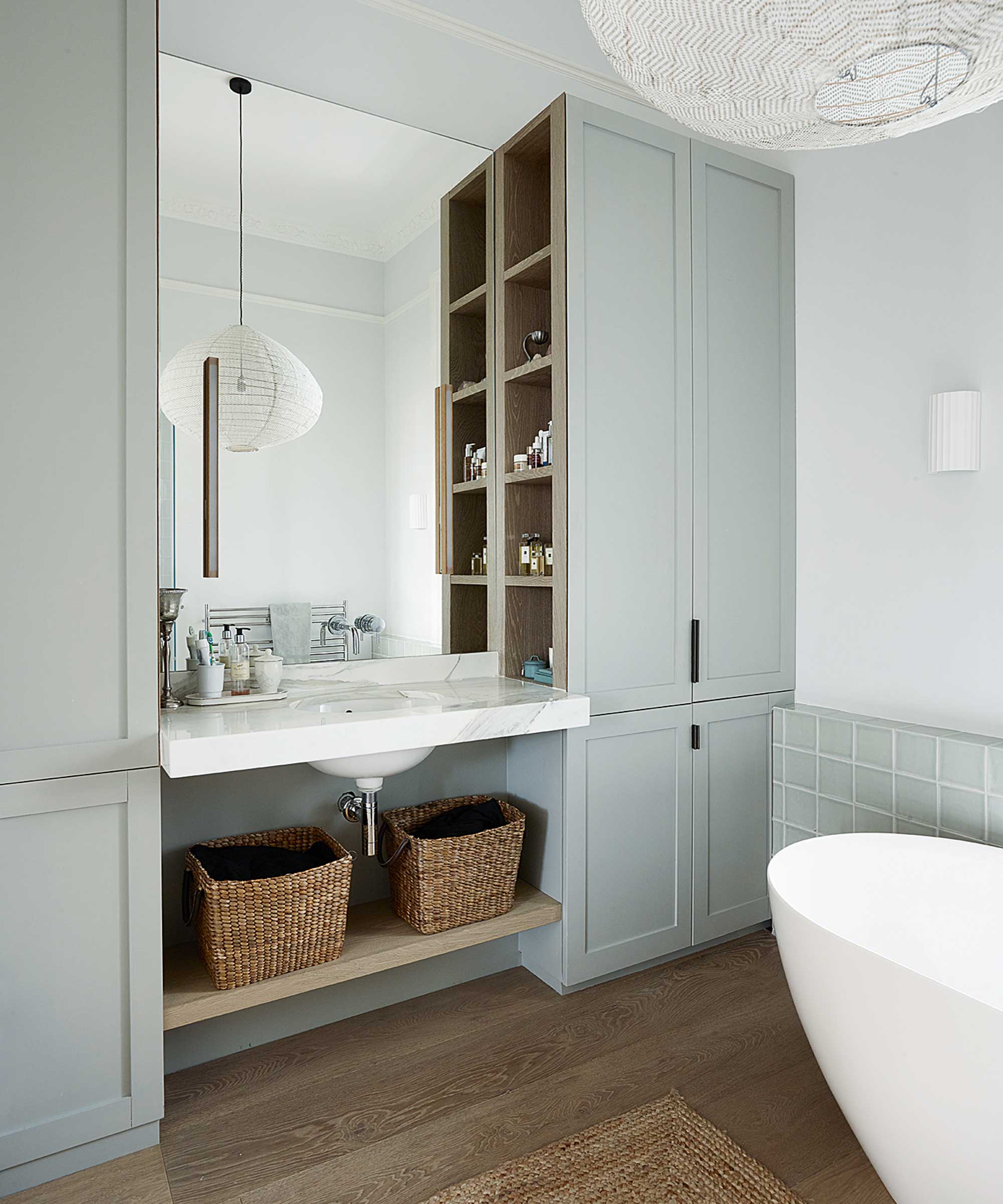
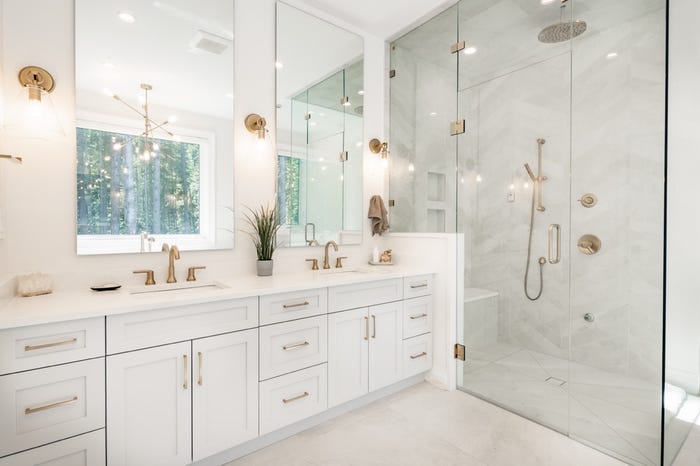
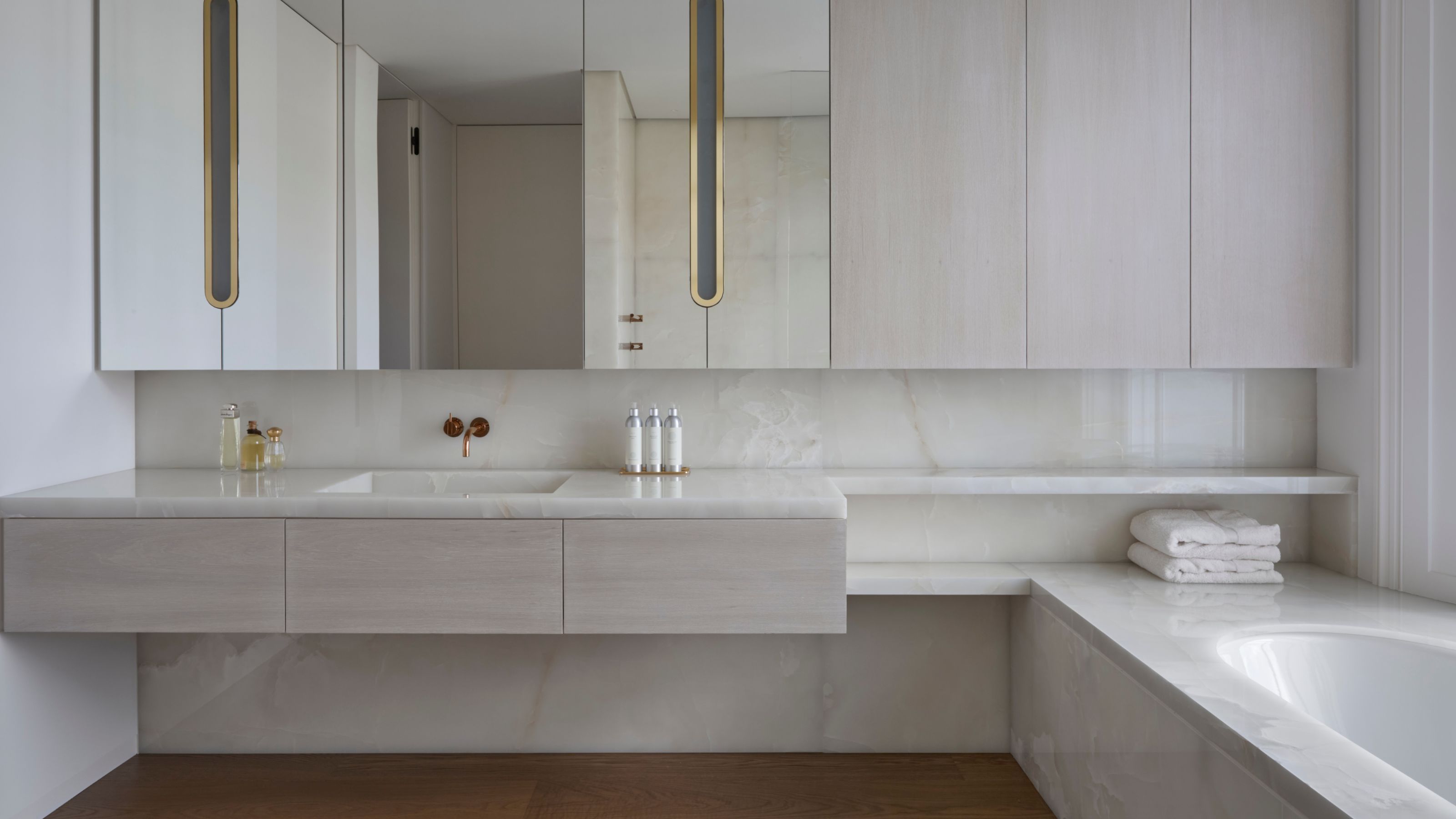
Bathroom design often overlooks practical storage, leading to clutter. Interior designer Gena Kirk emphasizes the importance of built-in cabinetry, medicine cabinets with integrated lighting and outlets, and additional storage near sinks or toilets to maintain a clean and organized space. Failing to plan for adequate storage can compromise both the aesthetic and functionality of a bathroom.
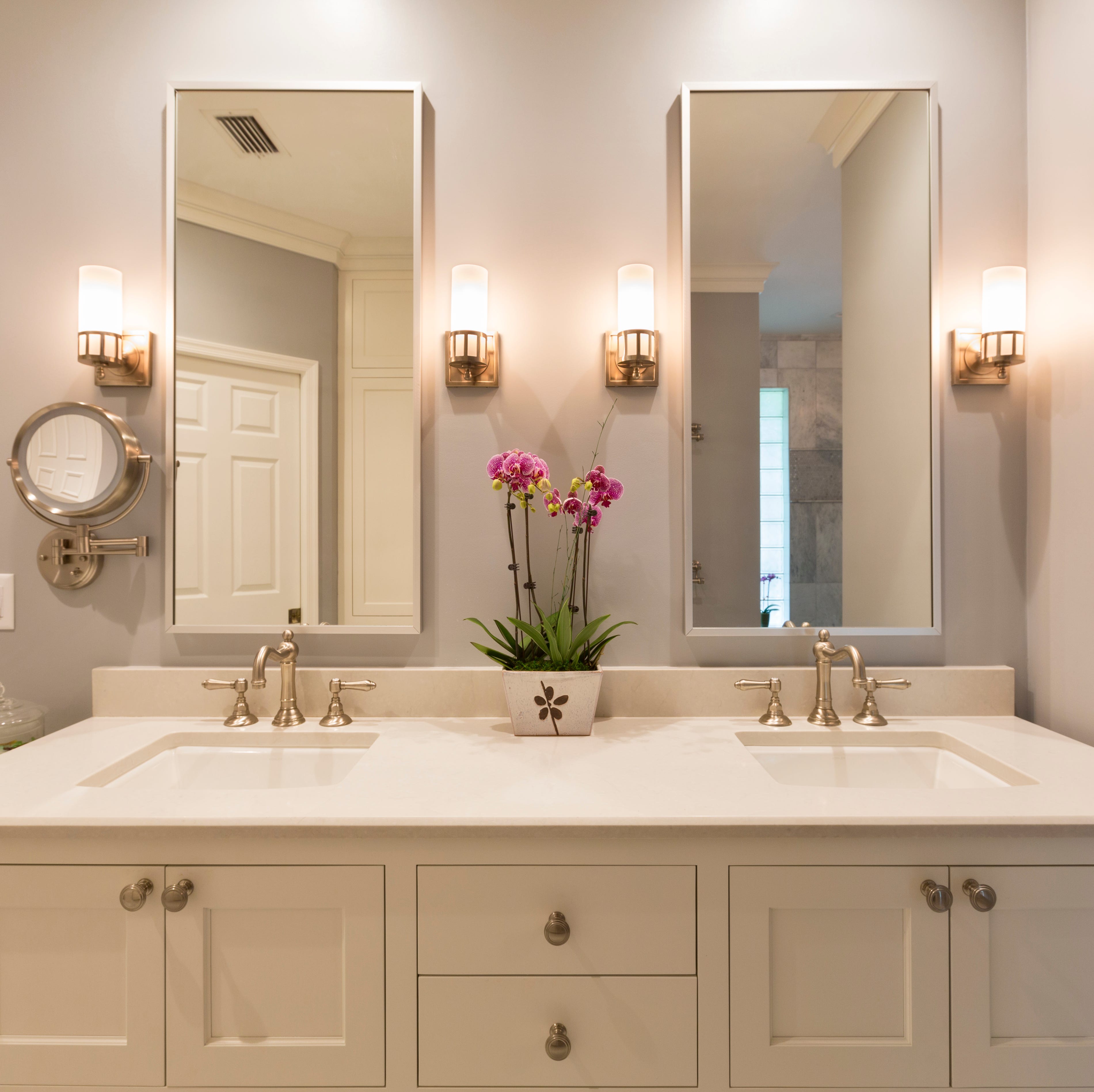
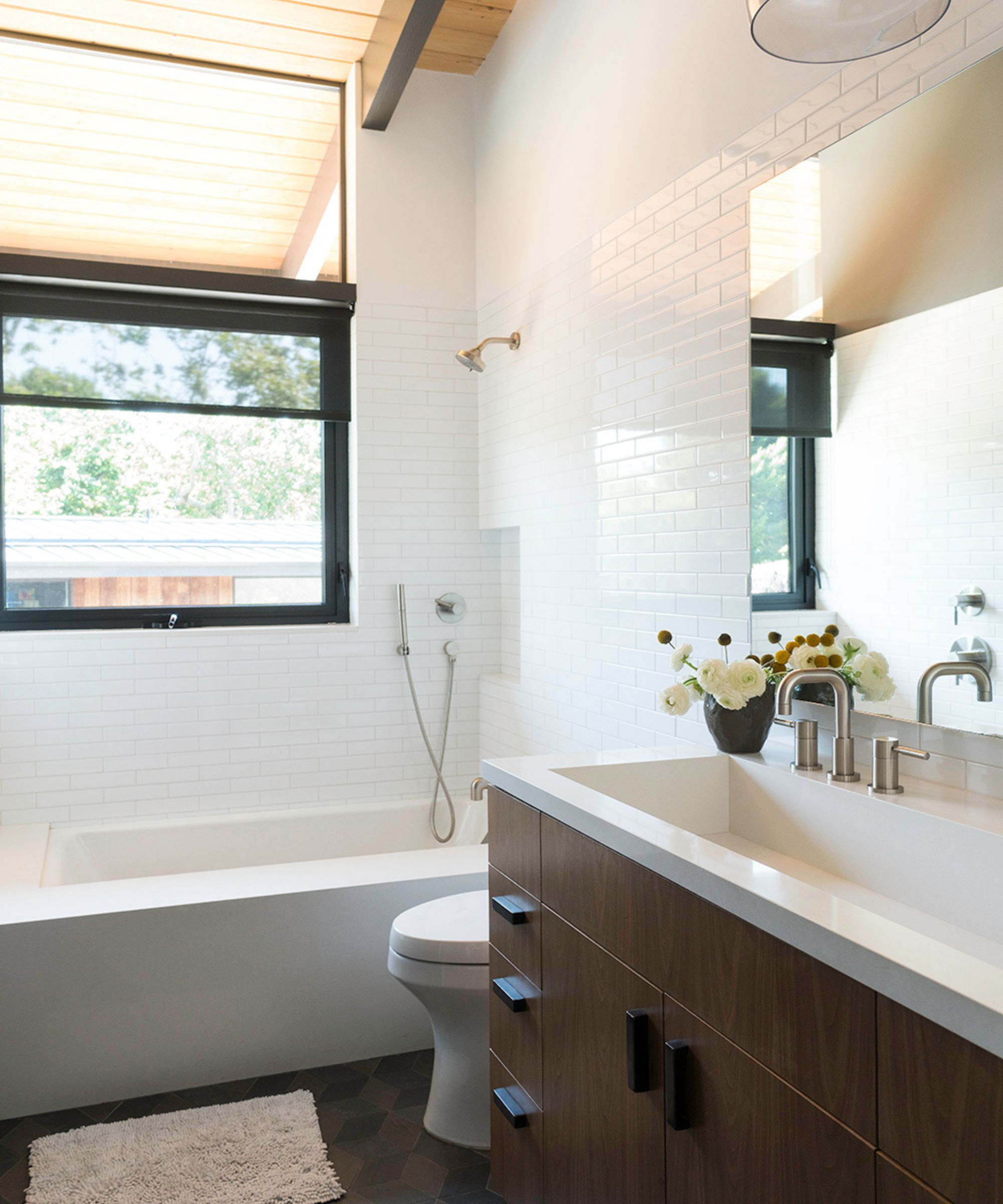
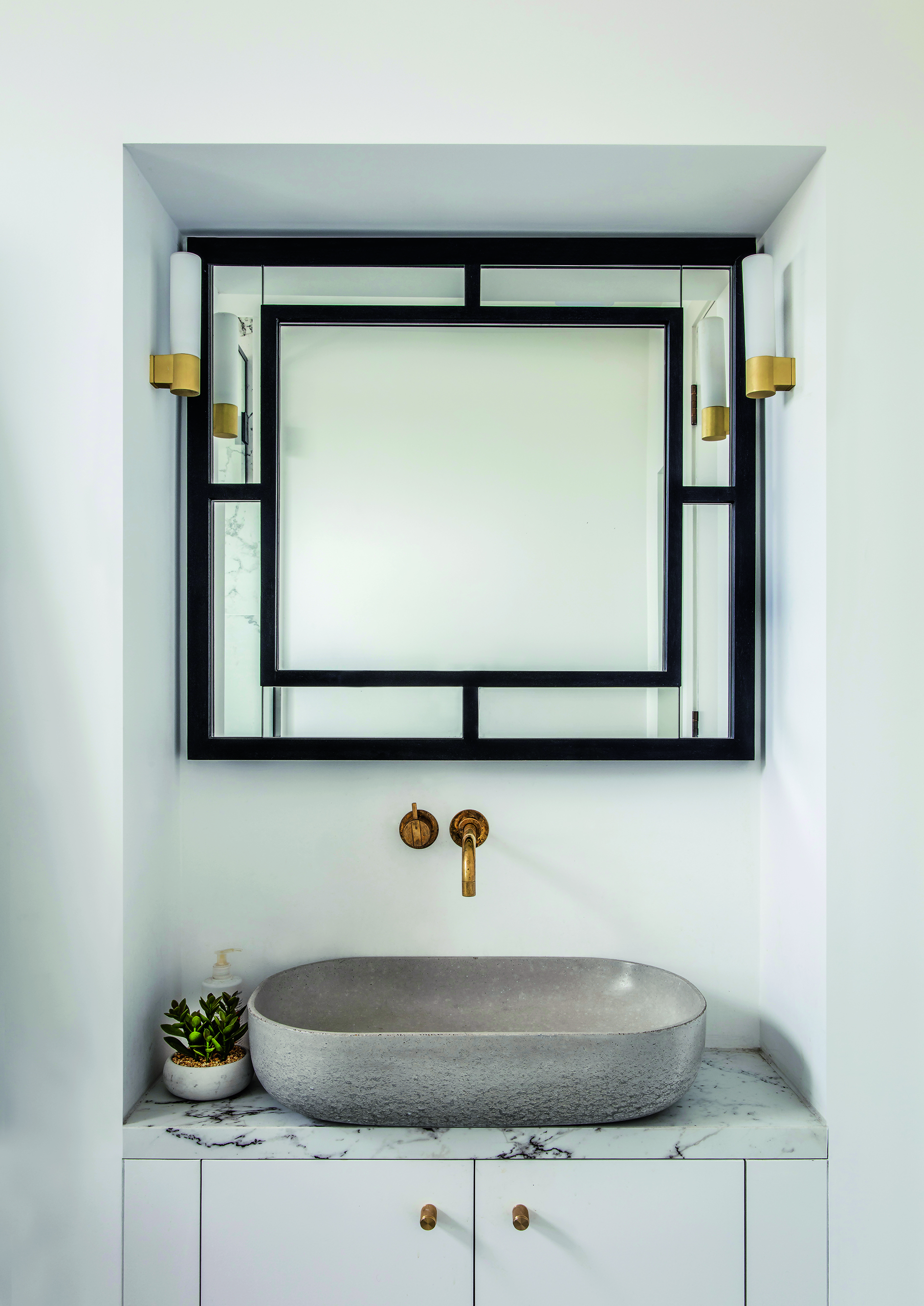
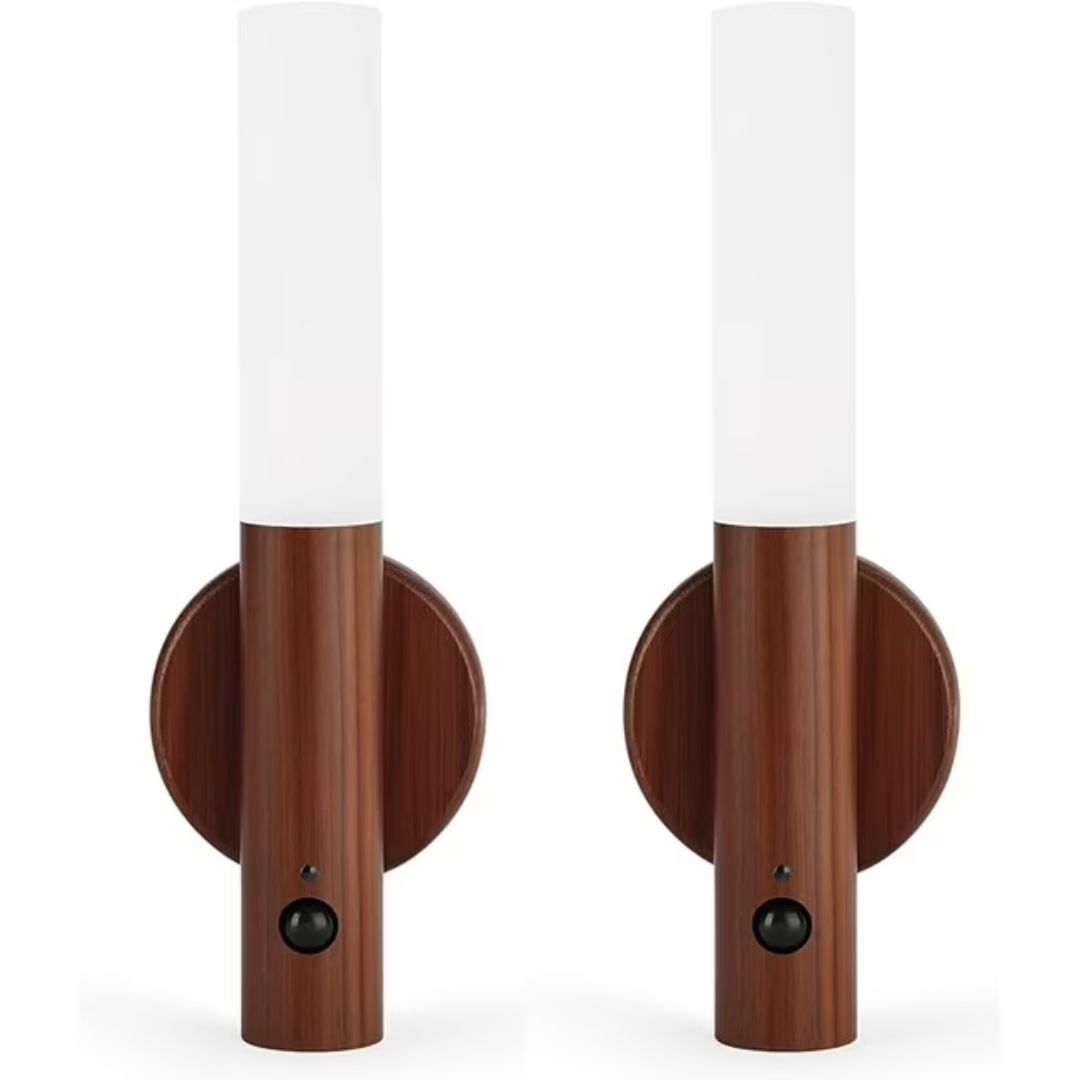
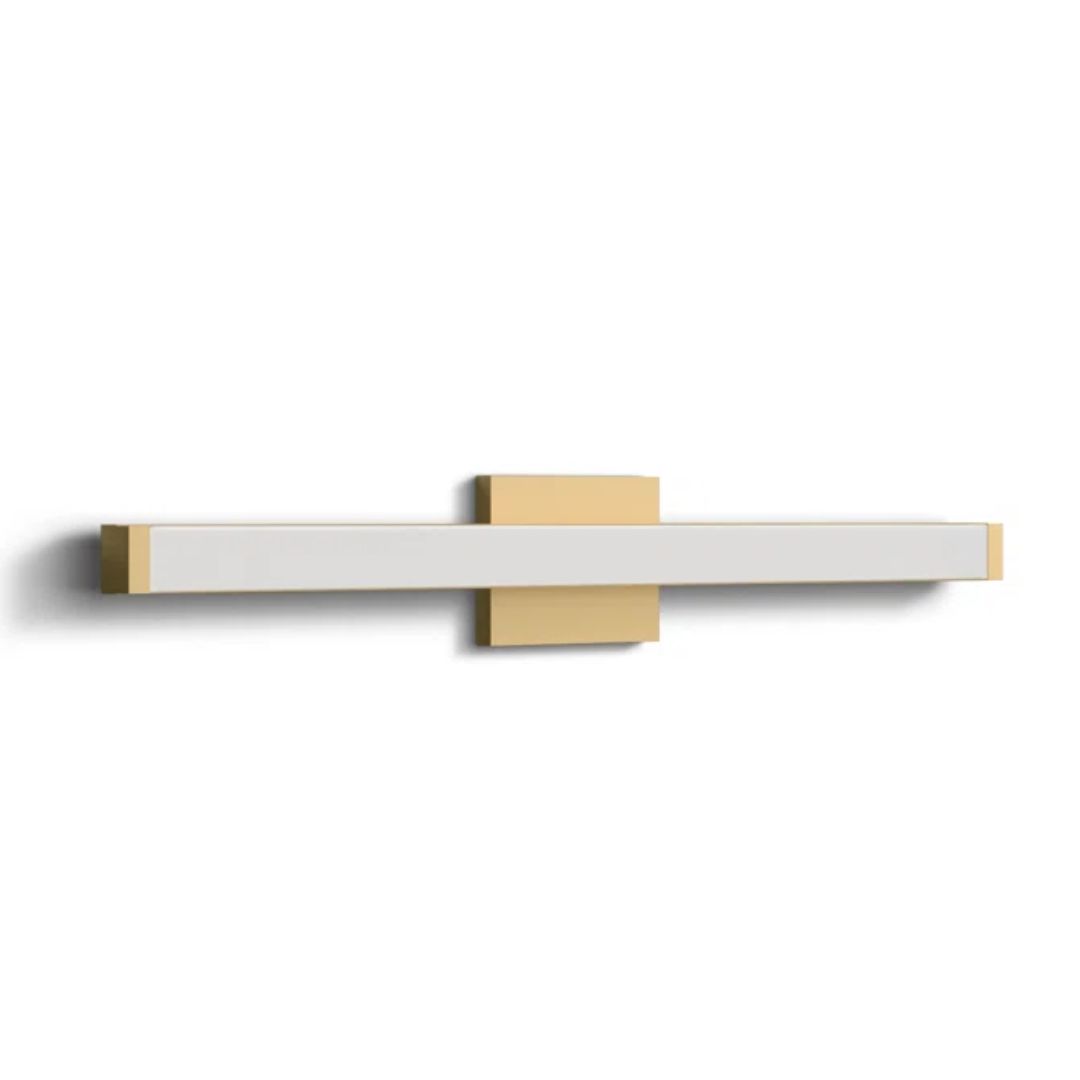
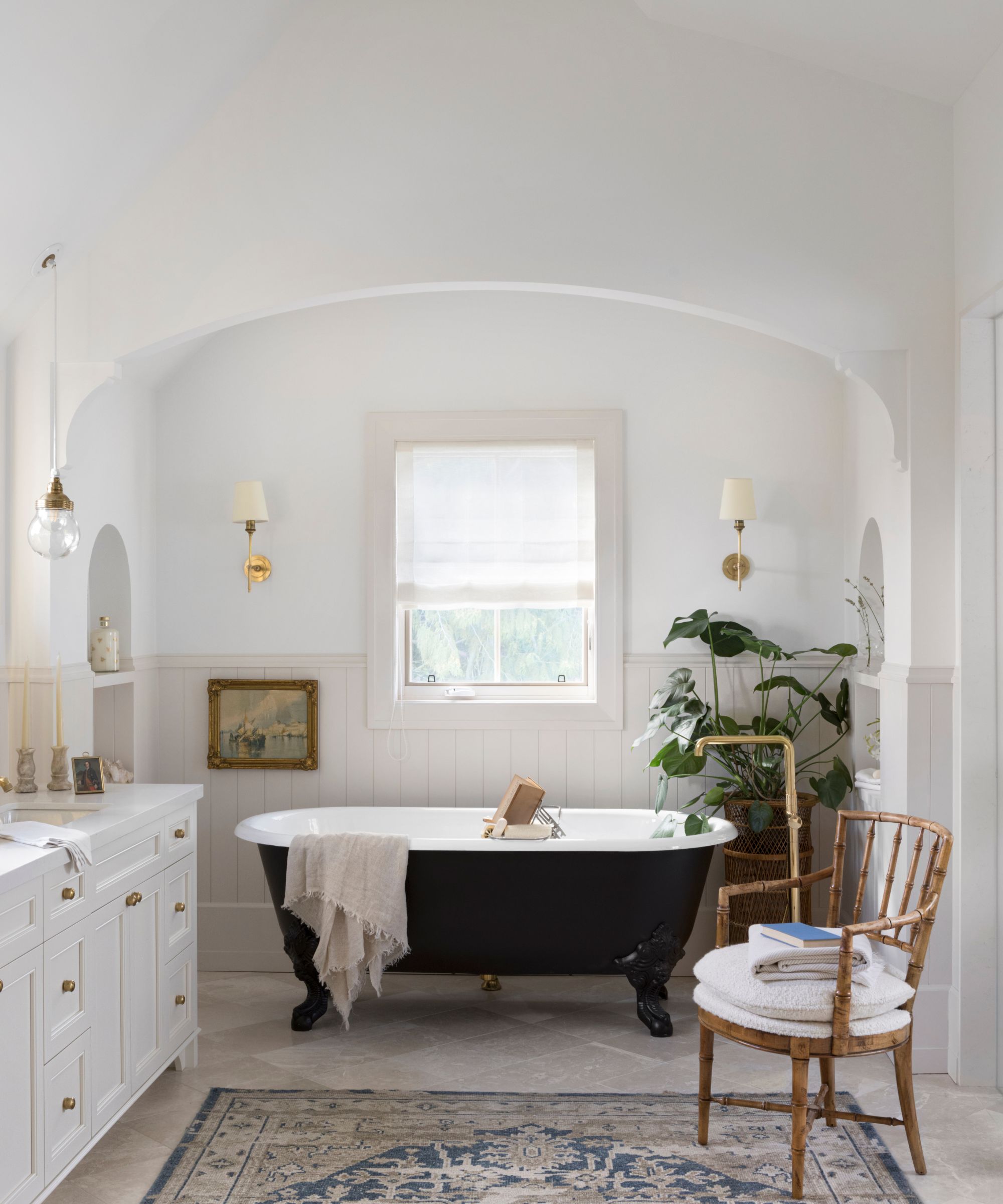
Lighting is another critical element frequently mishandled in bathroom design. Kirk highlights the necessity of multiple light sources—overhead, close-up, and task lighting—to ensure proper illumination for various activities such as brushing, flossing, applying makeup, or shaving. Insufficient lighting can not only make these tasks difficult but also detract from the overall ambiance and utility of the bathroom.
Universal and functional design principles are often neglected, resulting in costly problems over time. Jessica Lagrange points out that design choices like low toilets or high tubs can pose safety risks, especially for older individuals. Prioritizing safety and sustainability in bathroom design, particularly in the selection of fixtures and their placement, can prevent expensive renovations and ensure the space is accessible and comfortable for all users.
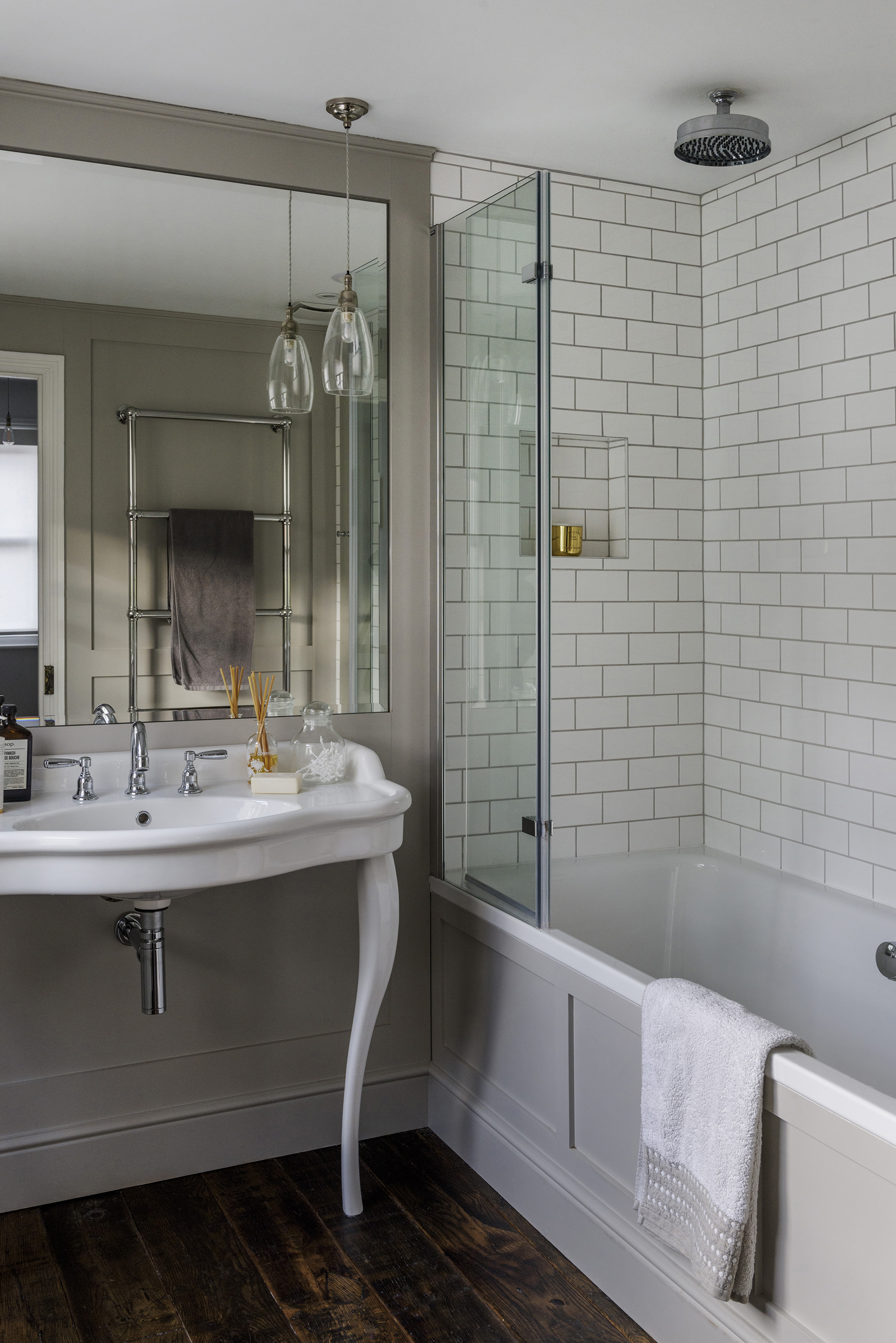
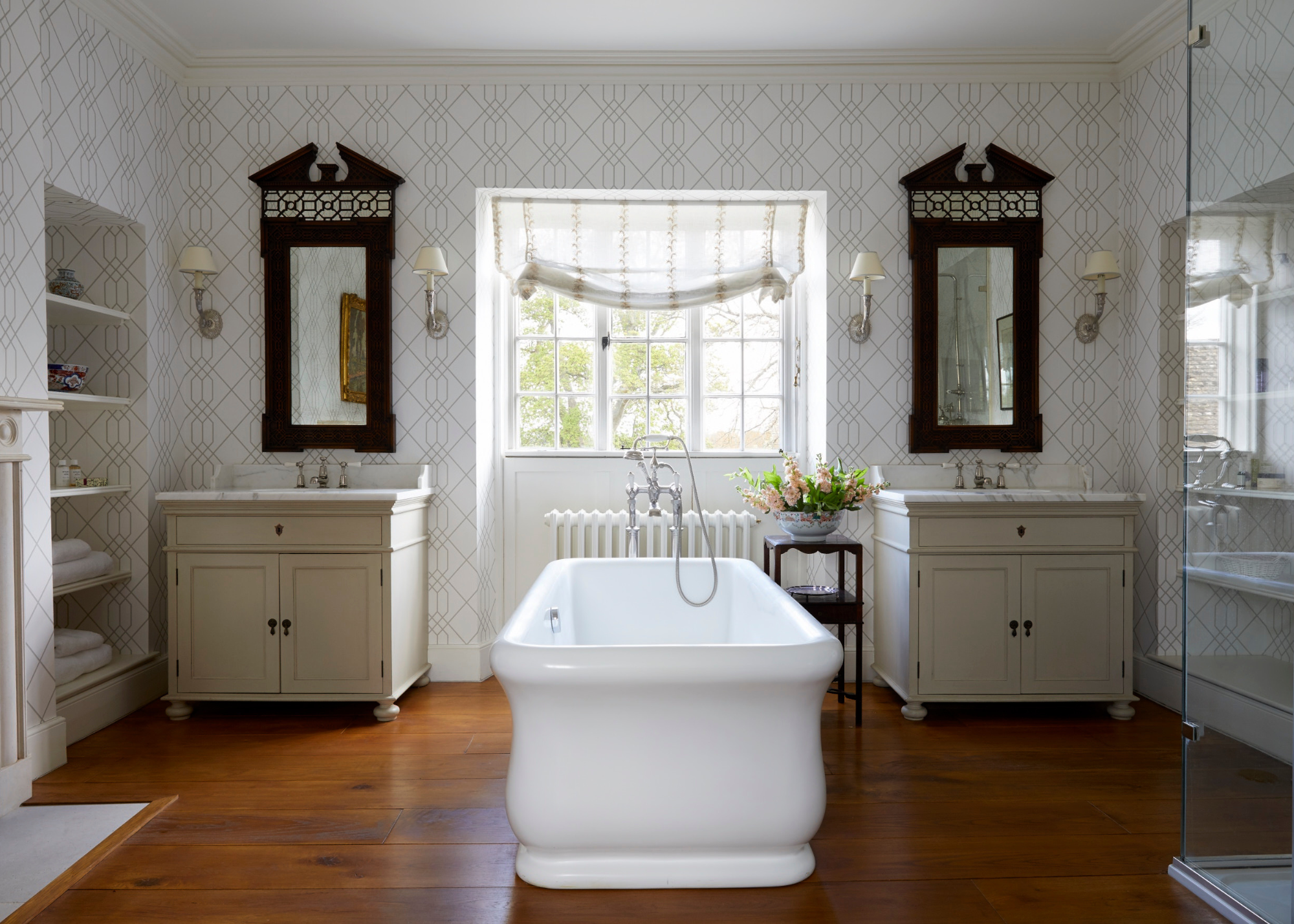
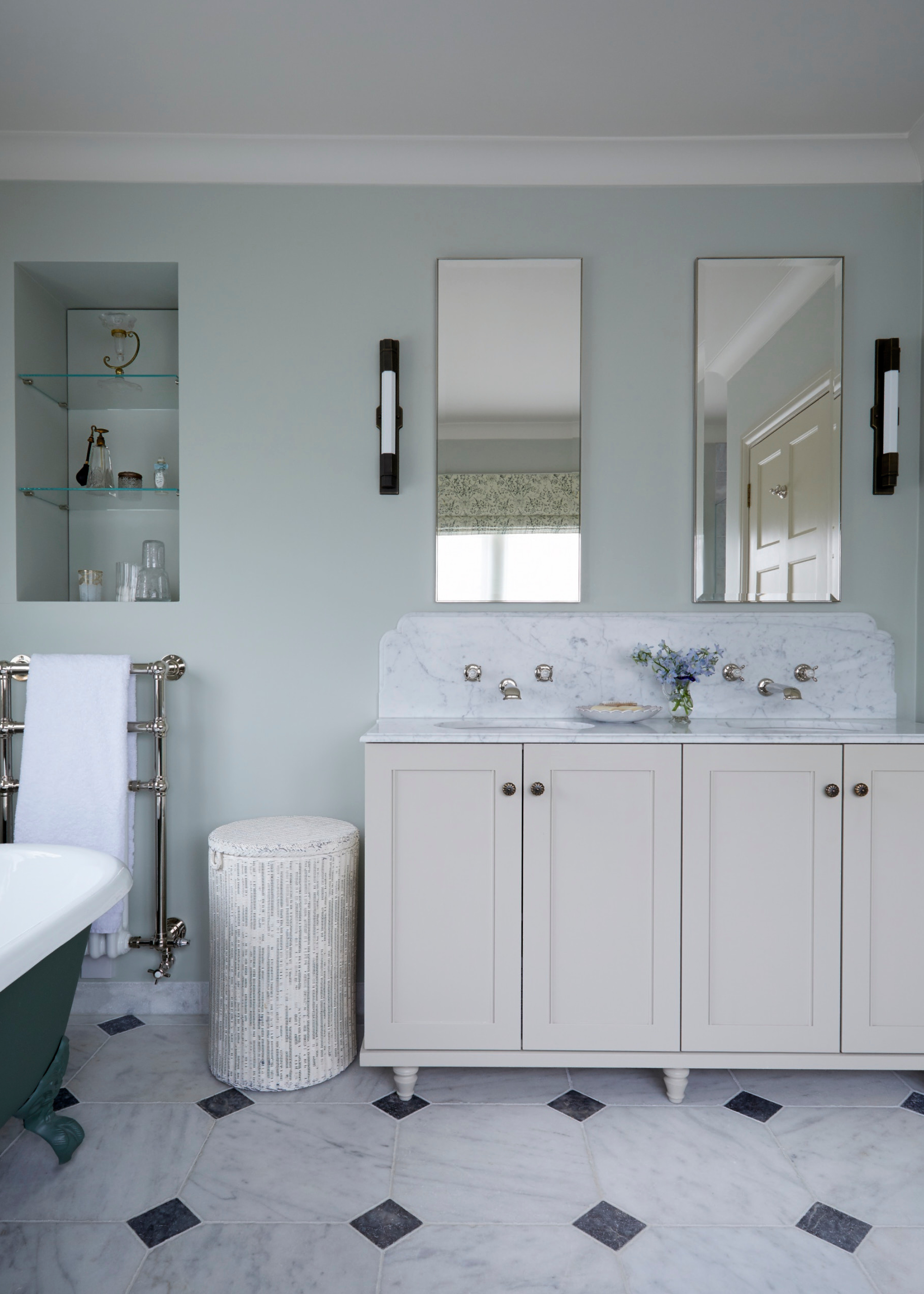
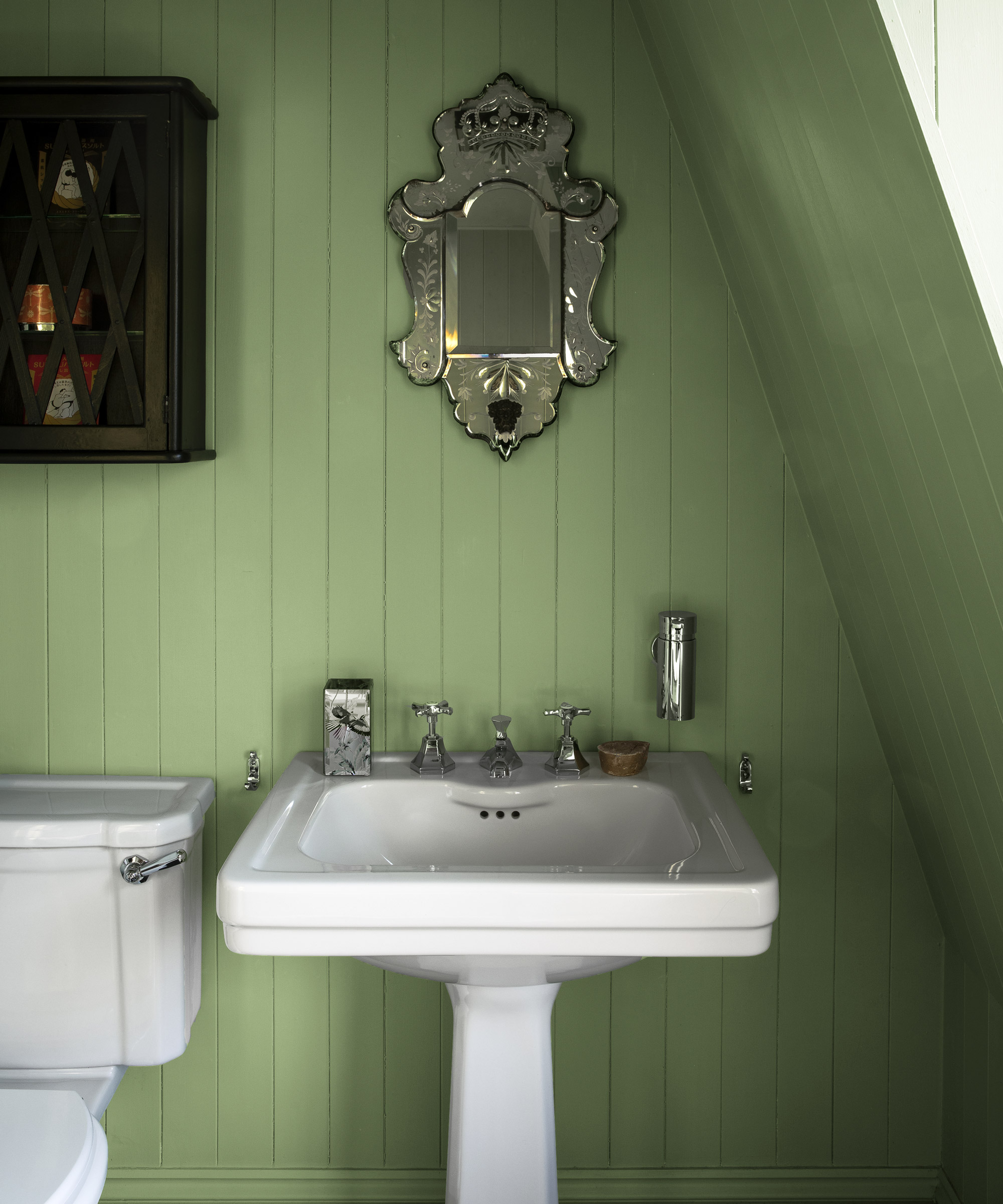
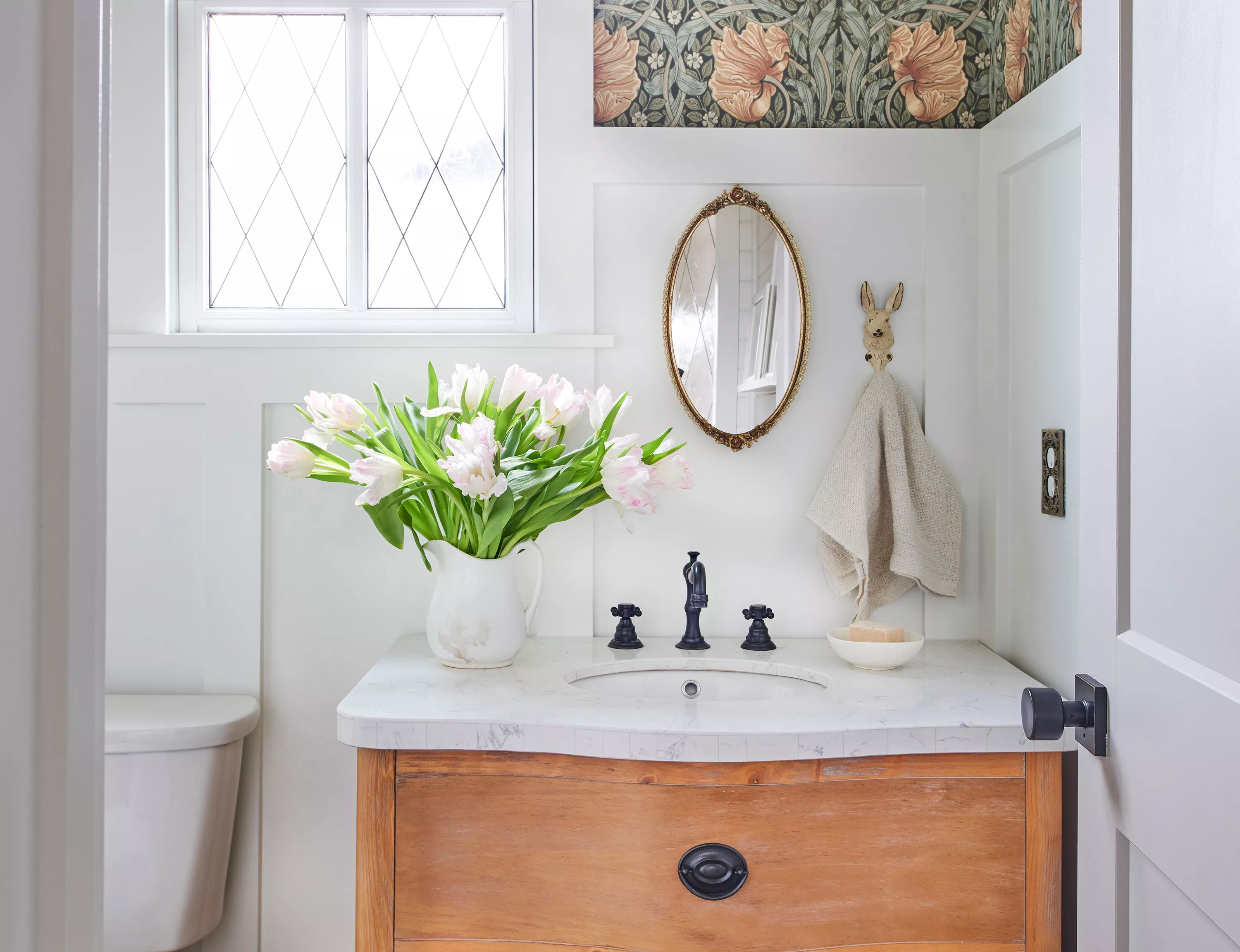
Mirror placement and size are common design errors. Ami Austin notes that short mirrors are impractical and can make a bathroom feel smaller. She recommends installing mirrors that extend to the ceiling or crown molding from the vanity to create a sense of spaciousness and provide better functionality for grooming activities.
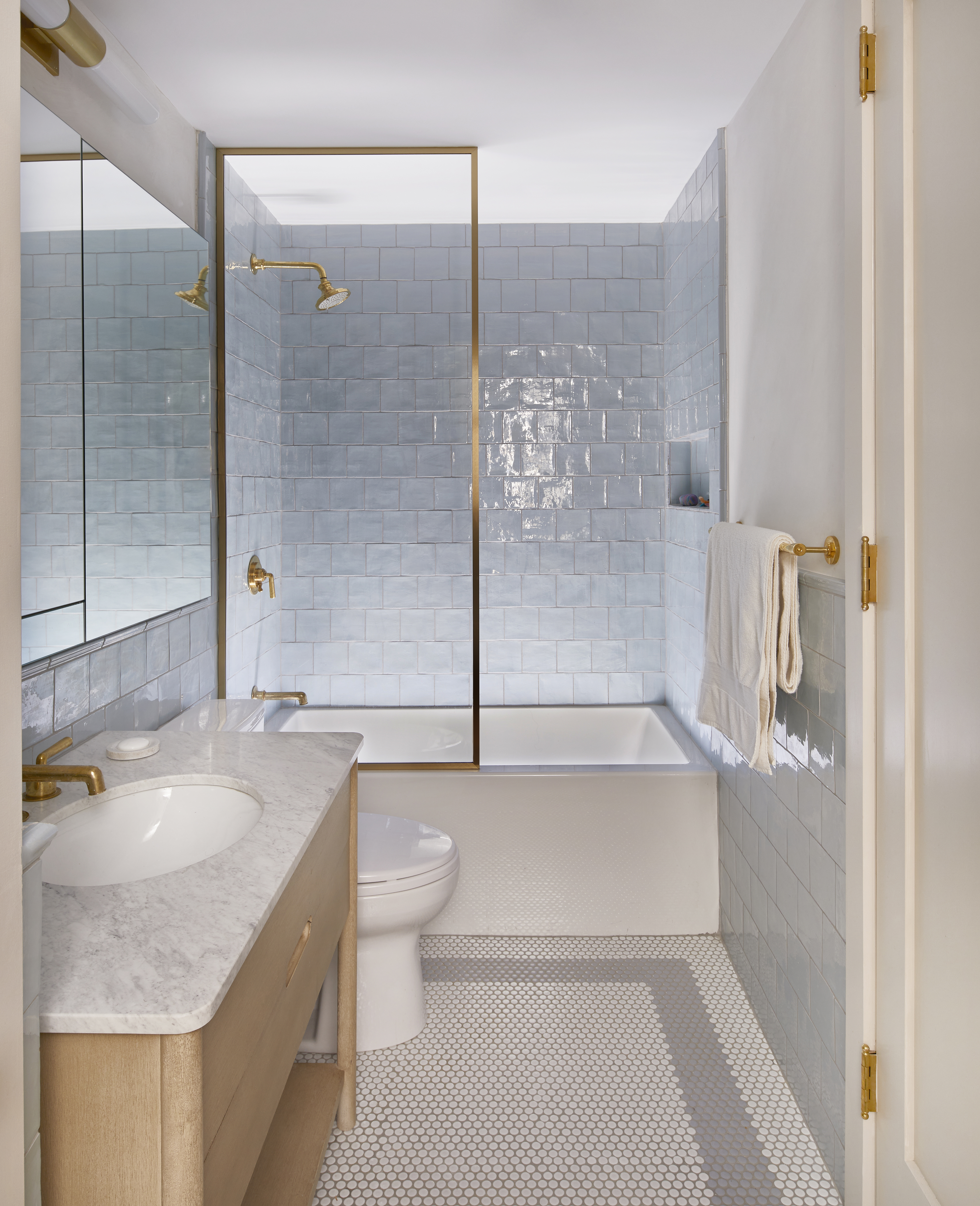
Ill-fitting shower curtains and liners can significantly impact a bathroom's appearance. Austin suggests that shower curtains should be appropriately sized and hung high to add depth to the room. Incorrectly sized curtains can disrupt the visual flow and make the space seem less cohesive.
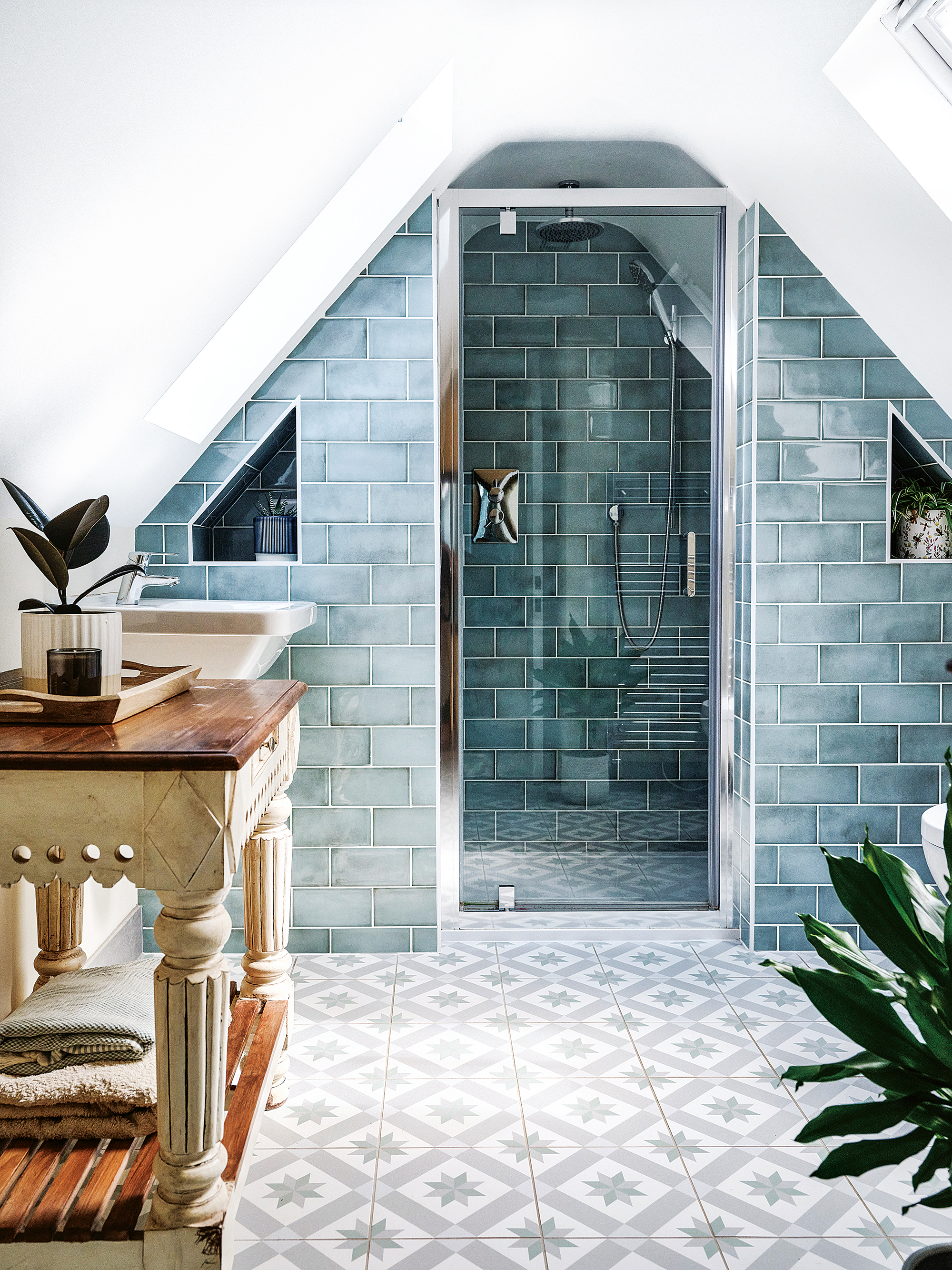
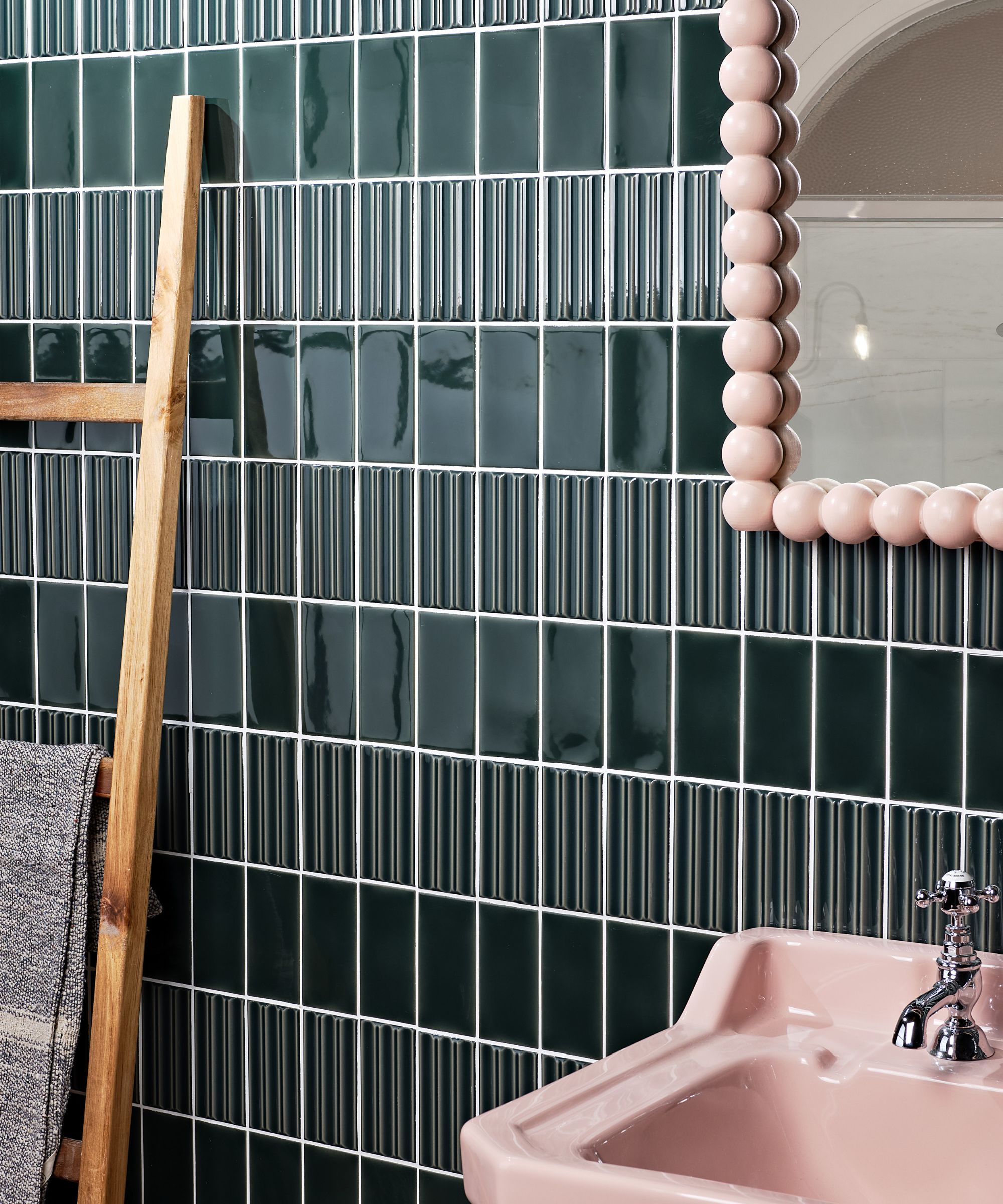
Flooring choices are crucial for safety in a bathroom environment. Gail Barley advises against using slick, shiny tiles due to the risk of slips and falls when wet. She recommends matte or rough-textured tiles and, for existing slippery floors, suggests using washable rugs with carpet tape for added stability.
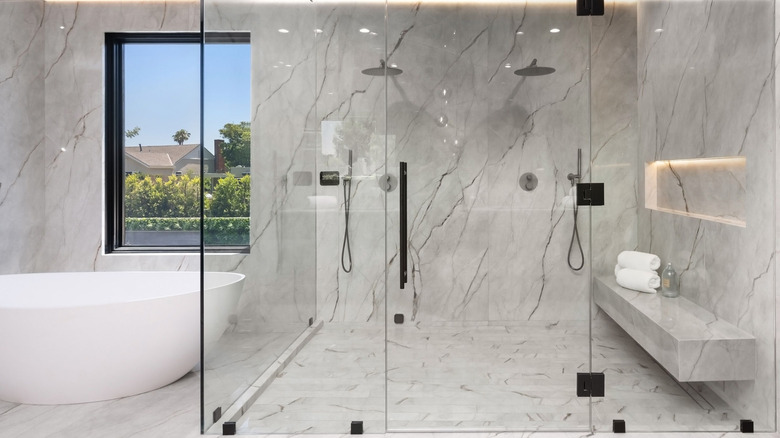
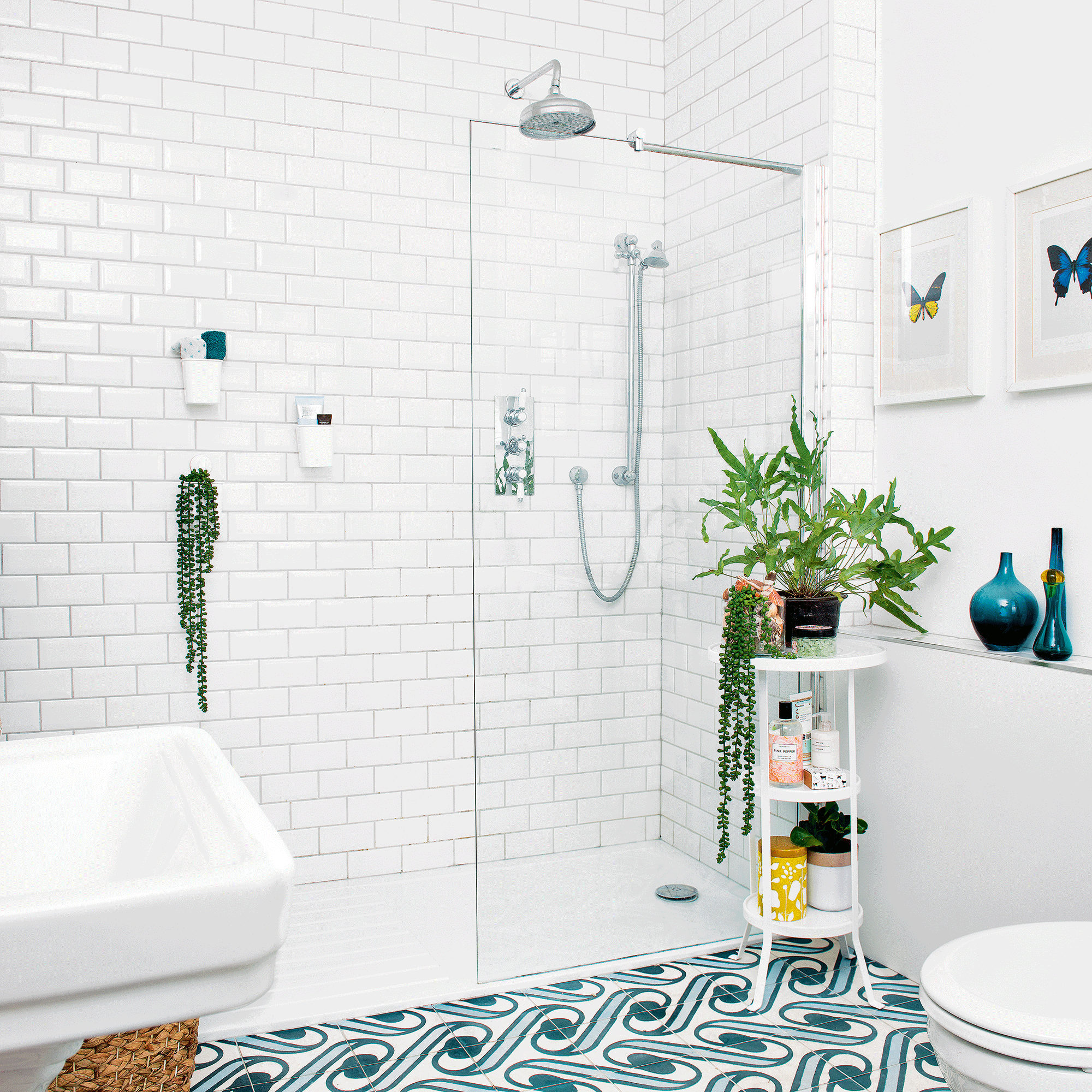
Lack of in-shower storage leads to cluttered bottle collections. Barley stresses the importance of planning for shampoo bottles and other toiletries within the shower space. Built-in shelves or temporary caddies can provide practical and affordable solutions to keep the shower organized and tidy.
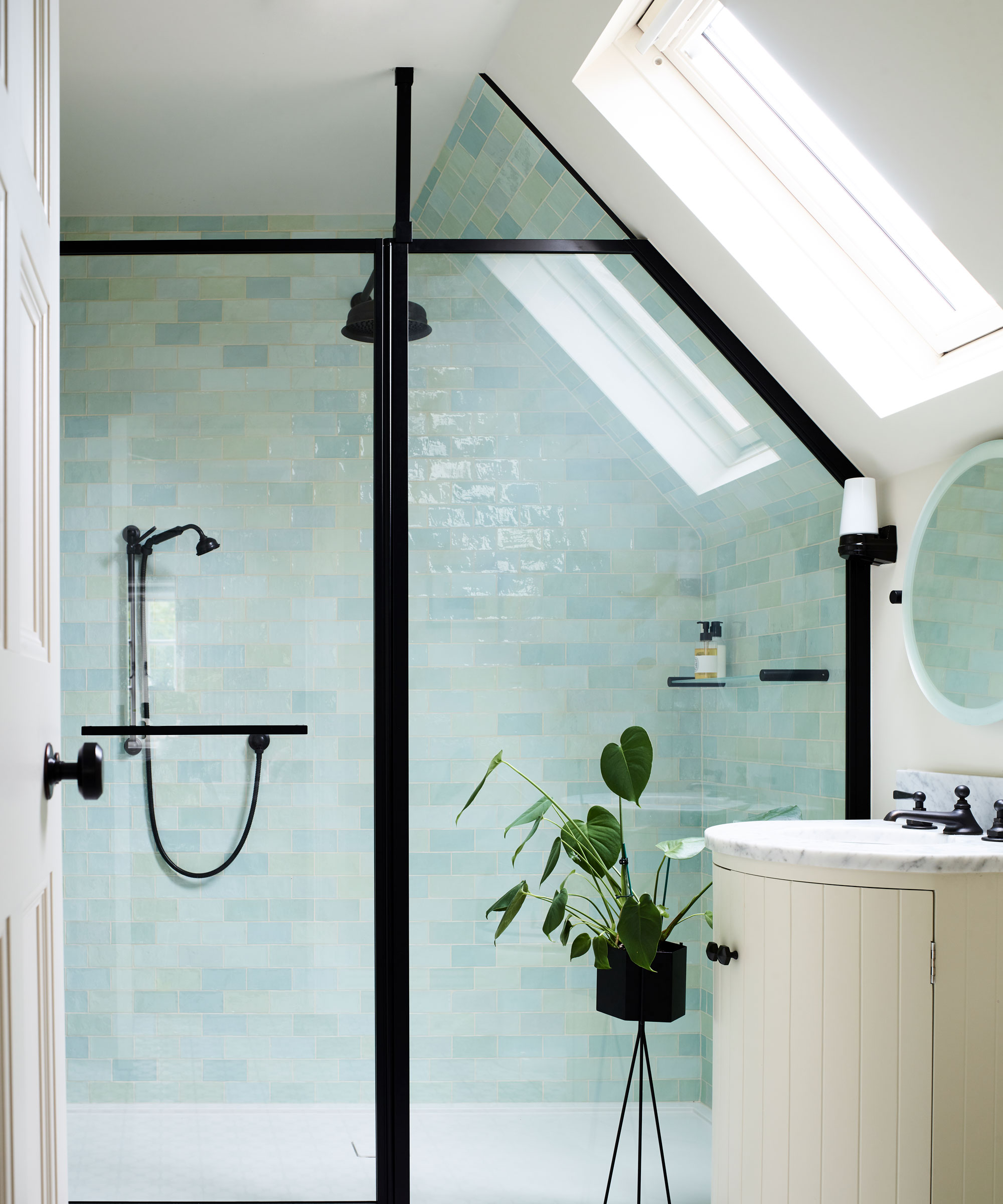
Inadequate shower lighting can compromise functionality. Barley observes that many people overlook installing lights directly in or near the shower area, assuming a central fixture is sufficient. This oversight can result in a dim and less functional showering experience, especially in bathrooms with dark shower curtains or no windows.
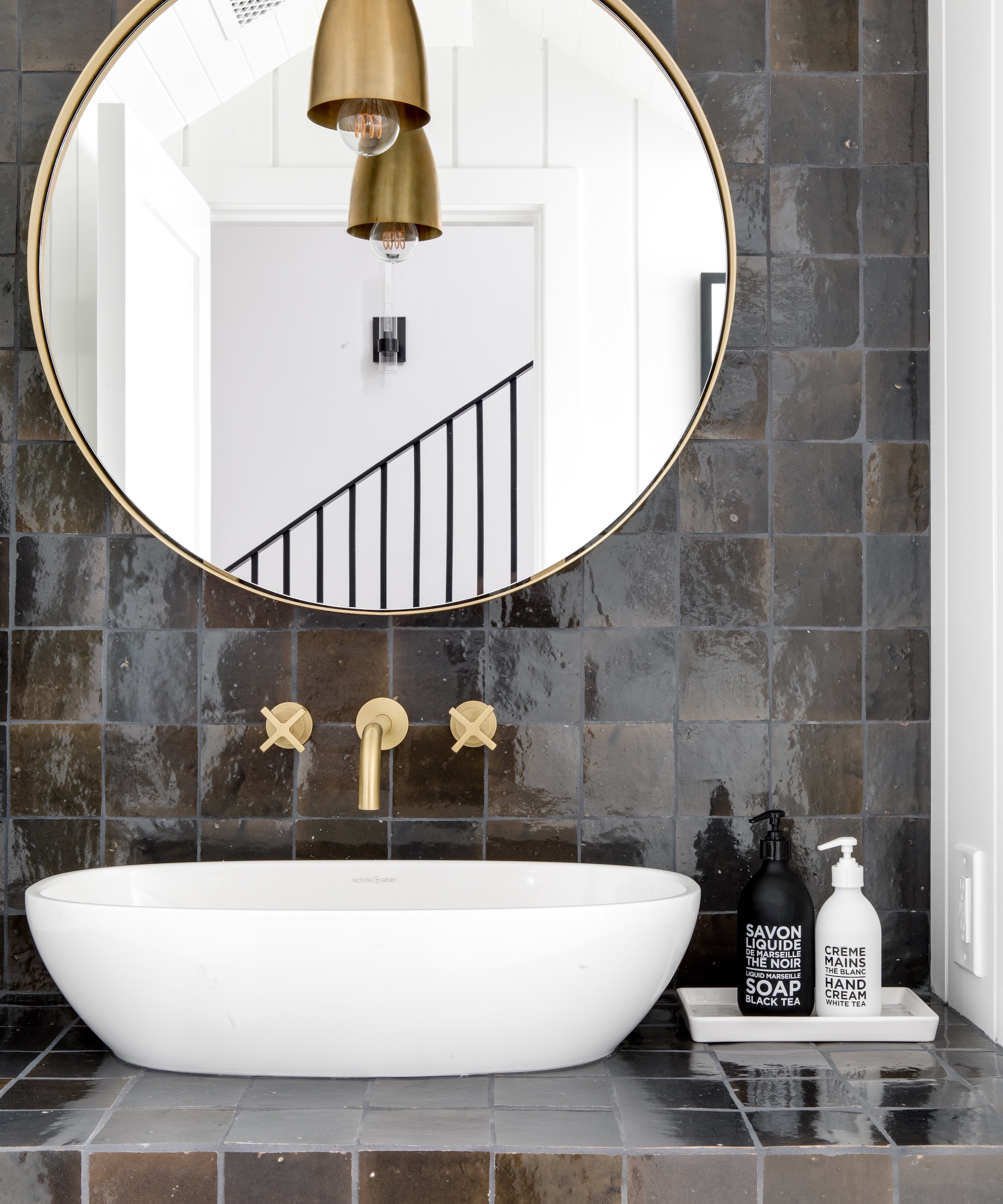
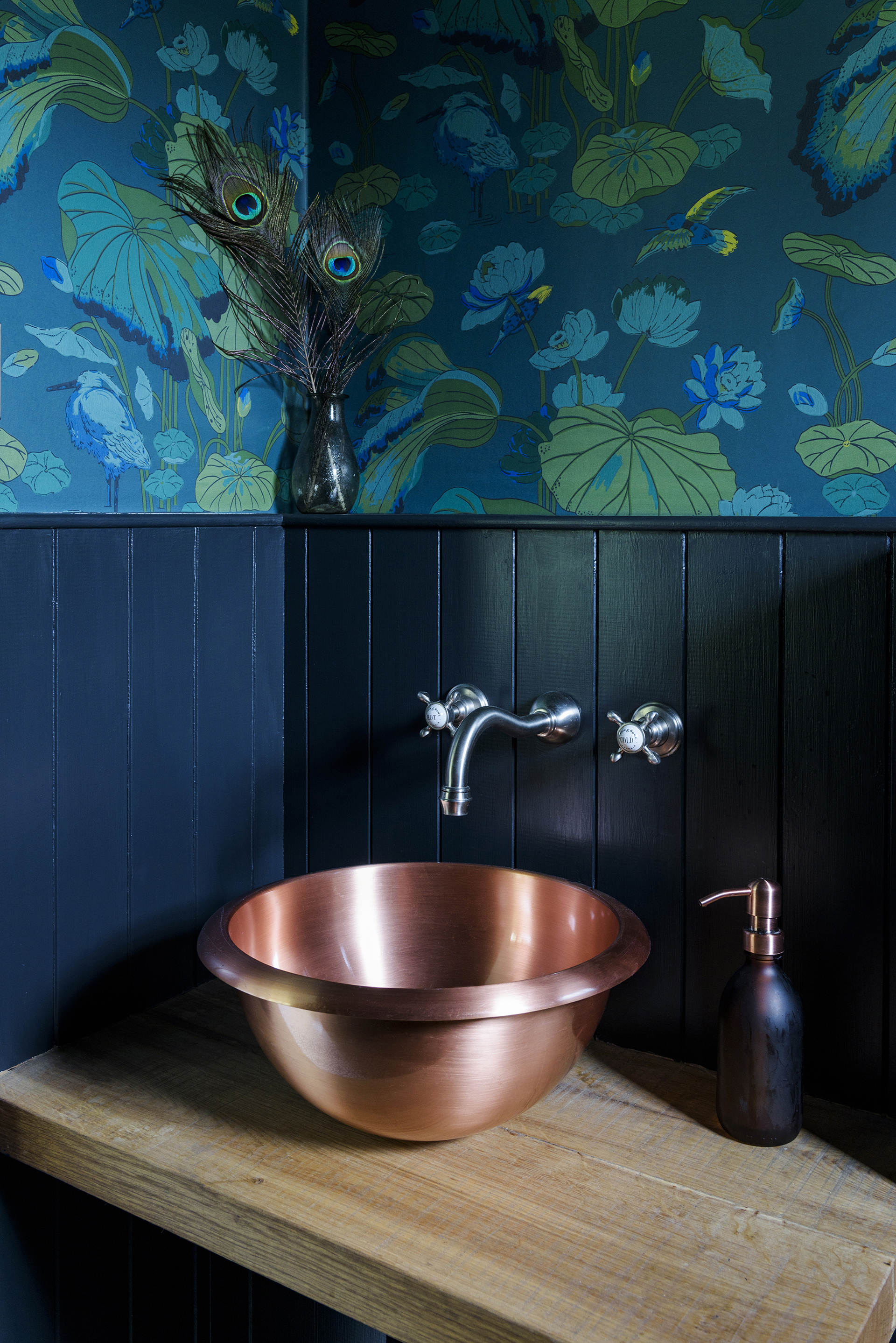
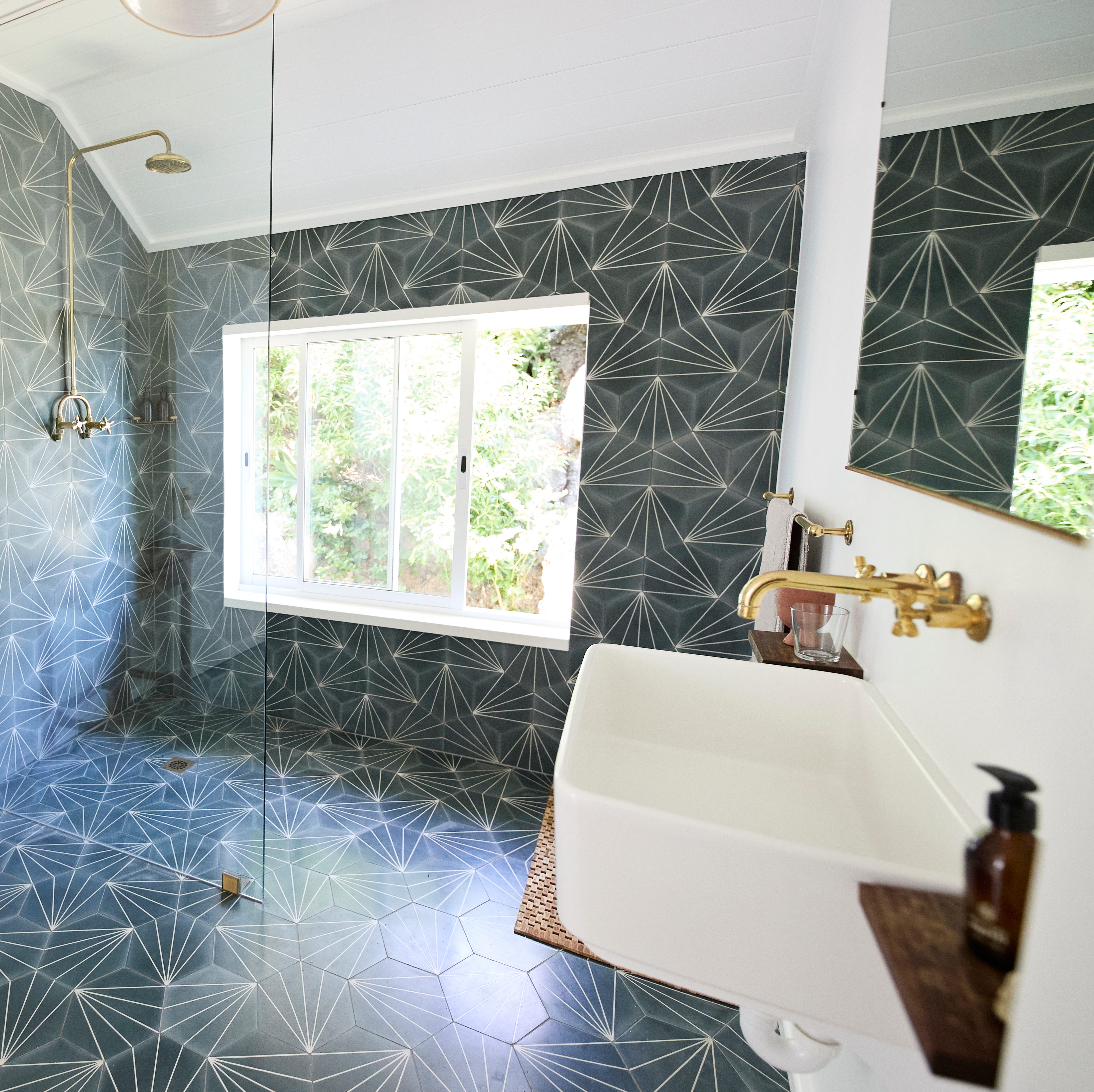
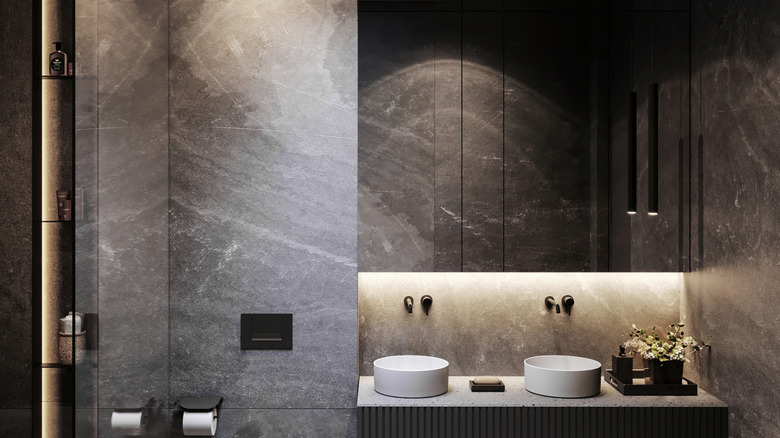
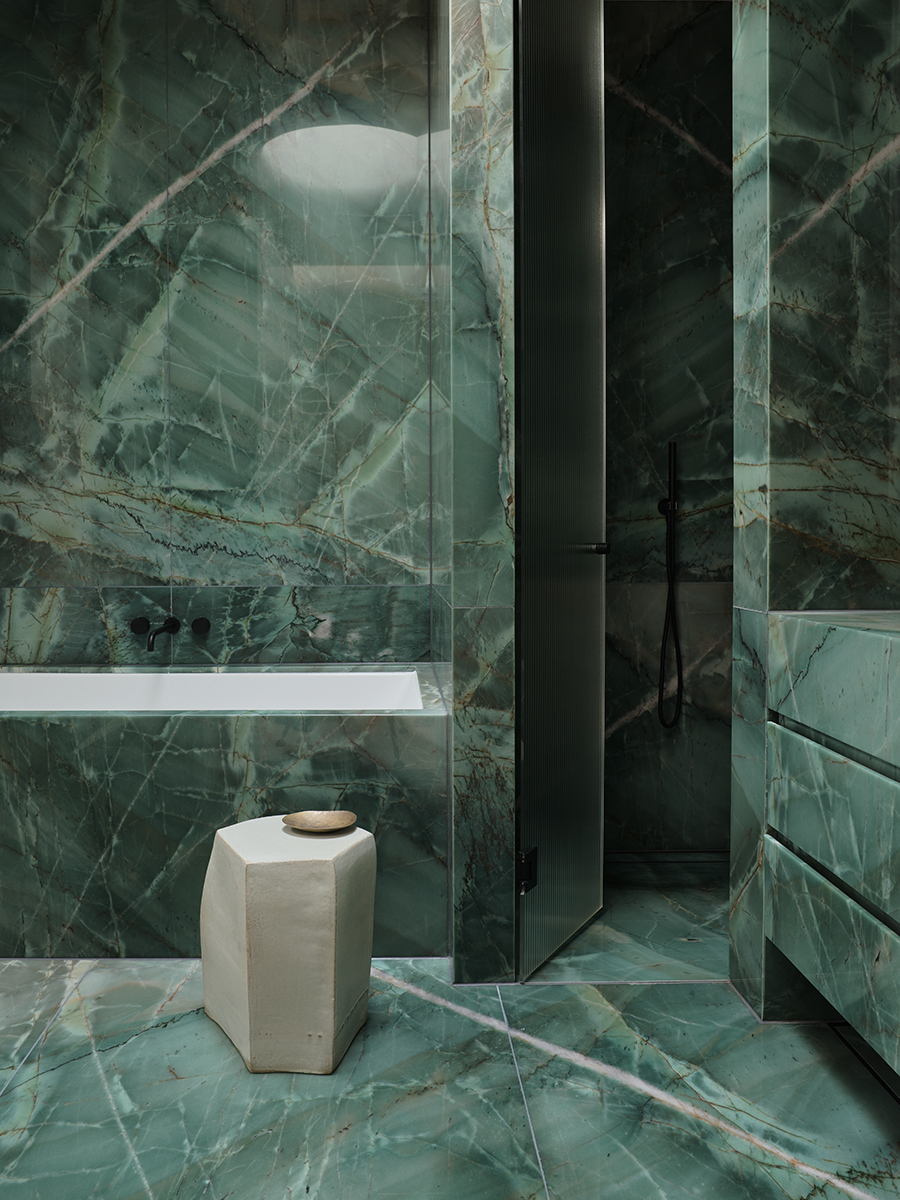
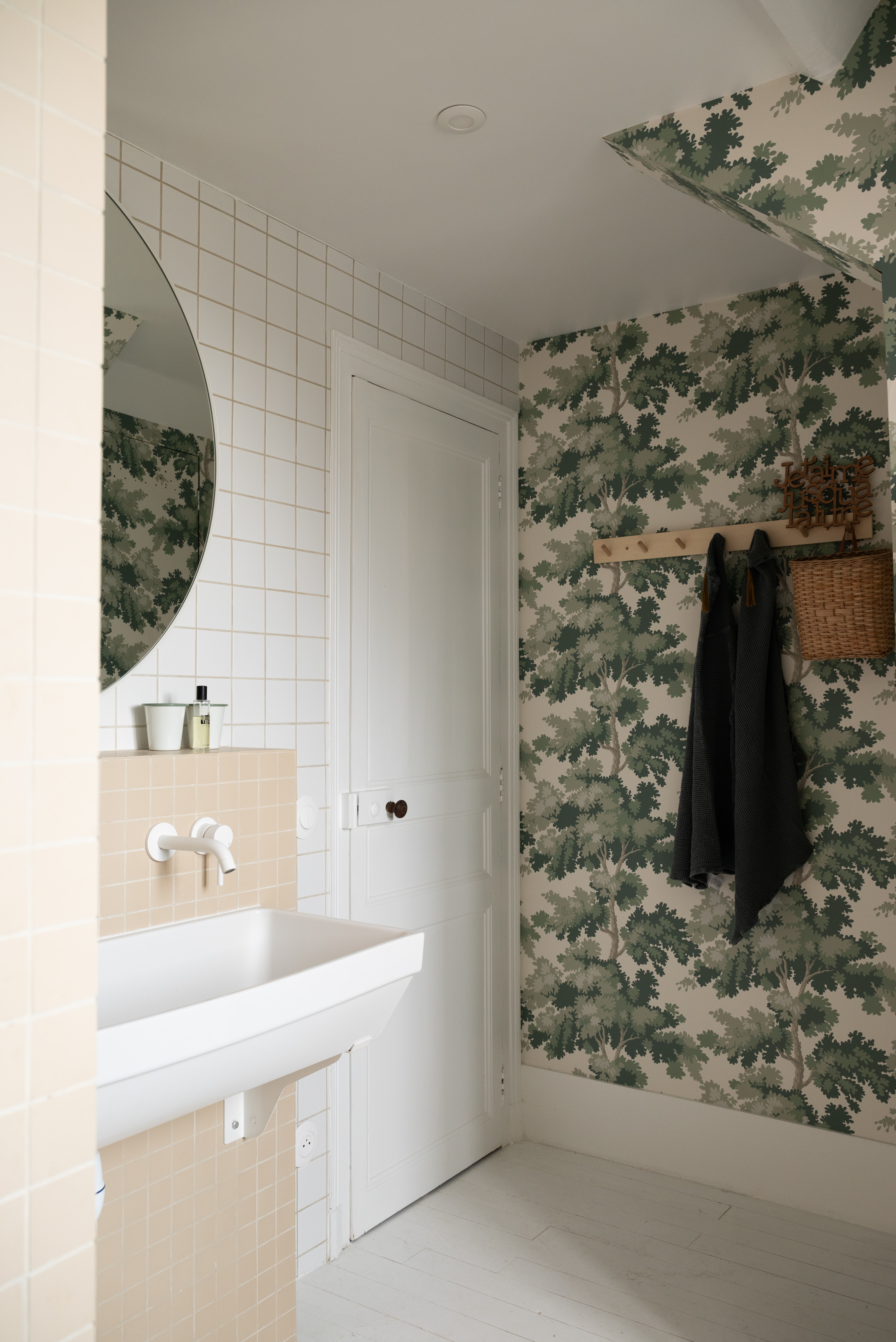
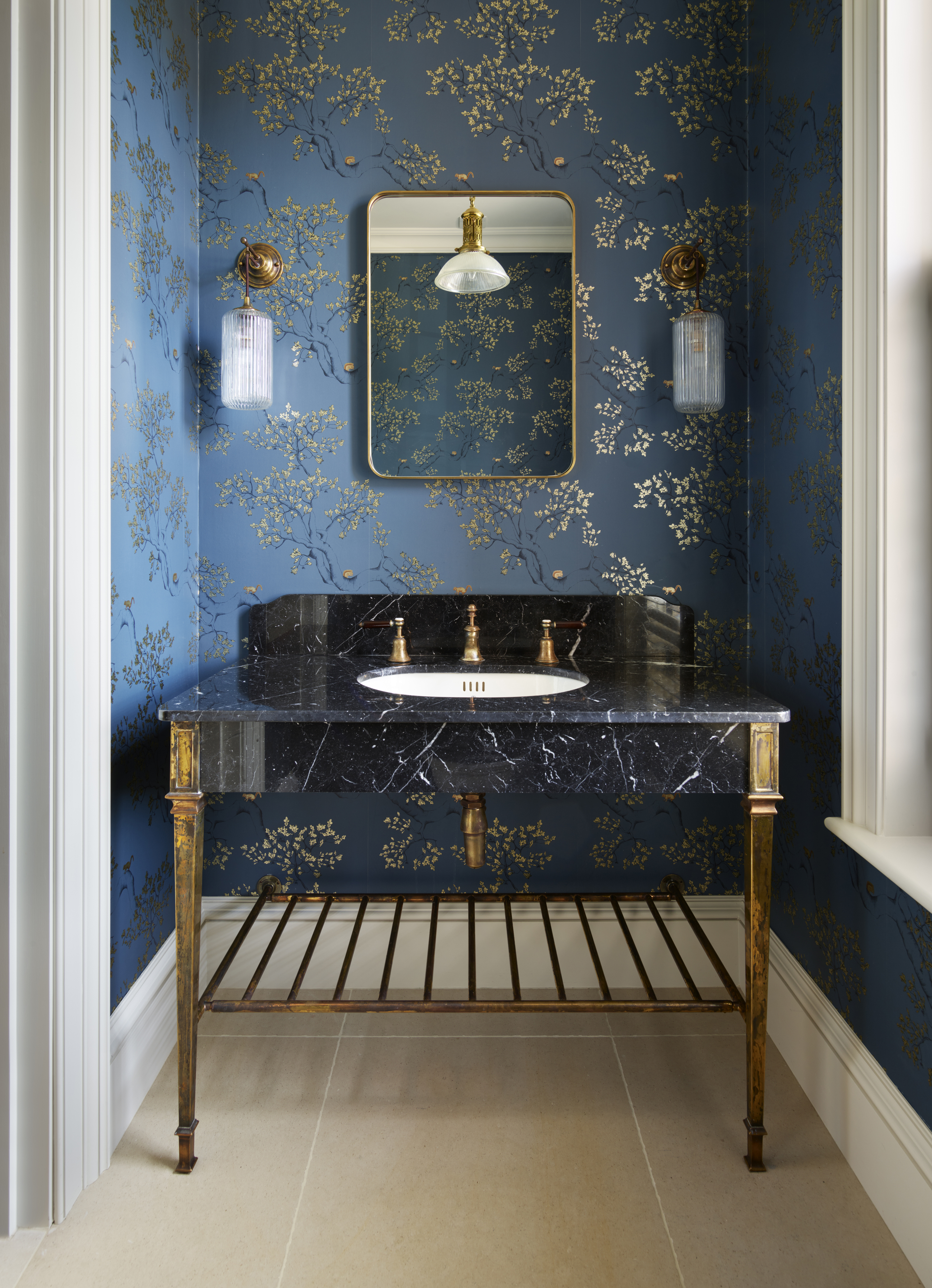
Thematic over-decoration and excessive use of color can create an overwhelming and uninviting atmosphere. Austin advises against committing too heavily to themes in bathrooms, particularly beyond children's baths. Instead, she suggests using neutral palettes with strategic pops of color from art or accessories to achieve a sophisticated and relaxing look, avoiding costly replacements of brightly colored fixtures or tiles.
#BathroomDesign #InteriorDesign #HomeDecor #StorageSolutions #LightingDesign #FunctionalDesign #SafetyInDesign #MirrorPlacement #FlooringChoices #BathroomDesign #InteriorDesign #HomeDecor #StorageSolutions #LightingDesign #FunctionalDesign #SafetyInDesign #MirrorPlacement #FlooringChoices
0 comment in total
 No comments yet
You may also like
13 bathroom design mistakes to avoid at all costs, according to experts

7 design mistakes that are making your bathroom harder to clean
9 Bathroom Storage Mistakes You're Probably Making

5 Mistakes Designers Say Are Making Your Bathroom Look Smaller
18 WORST Bathroom Design Mistakes You're Probably Making

7 Disastrous Bathroom Layouts to Avoid — Including One Mistake Our Own Editor is Guilty of Making

12 bathroom remodeling mistakes to avoid when planning your design

Small Bathroom Design Mistakes — 6 Errors You Probably Didn't Even Know You Were Making

14 Bathroom Design Mistakes To Avoid At All Costs, According To The Property Brothers
5 Things Designers Immediately Notice About a Bad Bathroom Layout

Design pros share their best tips for renovating and styling your bathroom

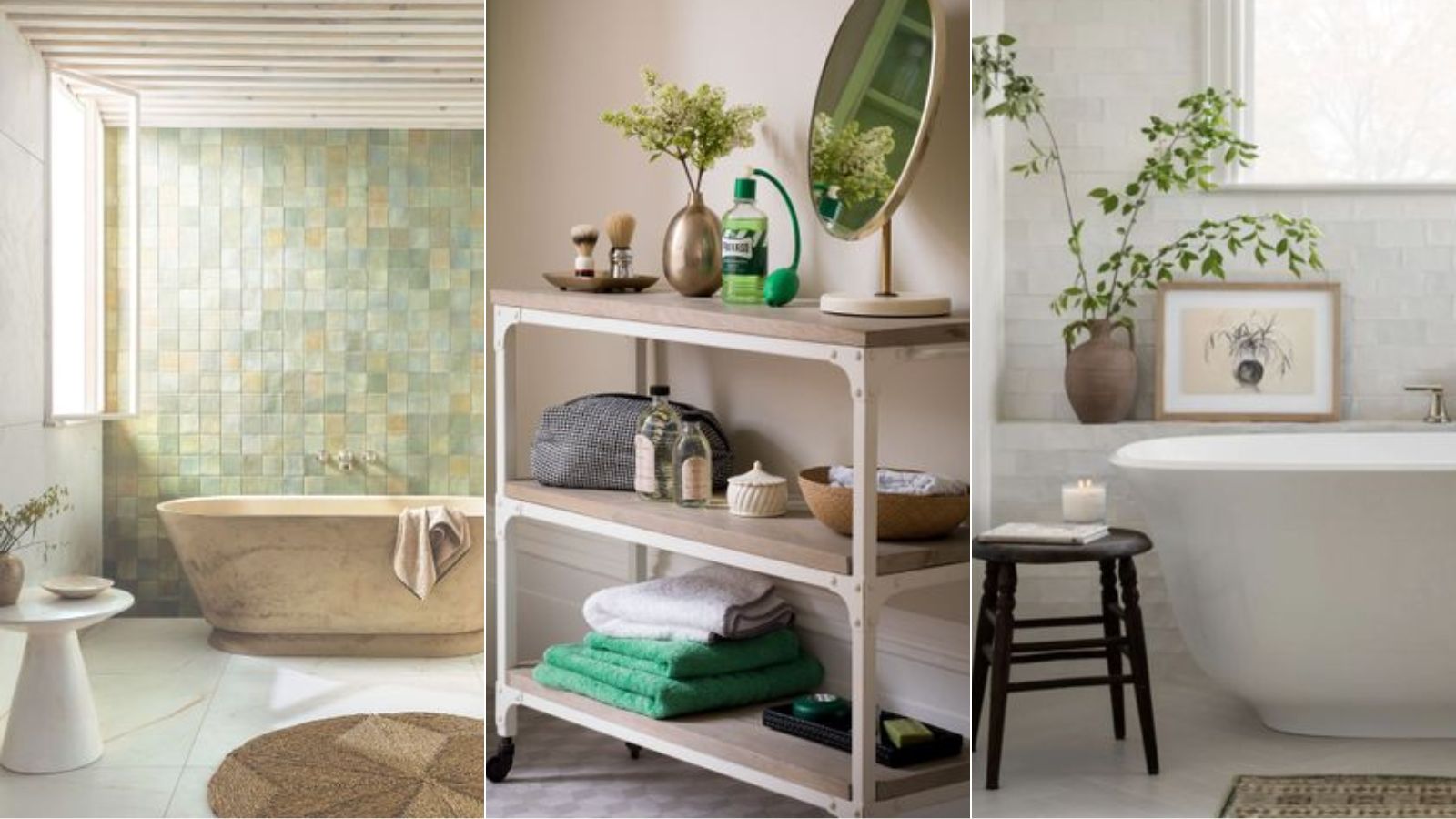
Bathroom organizing mistakes – experts explain where you're going wrong and how to fix it
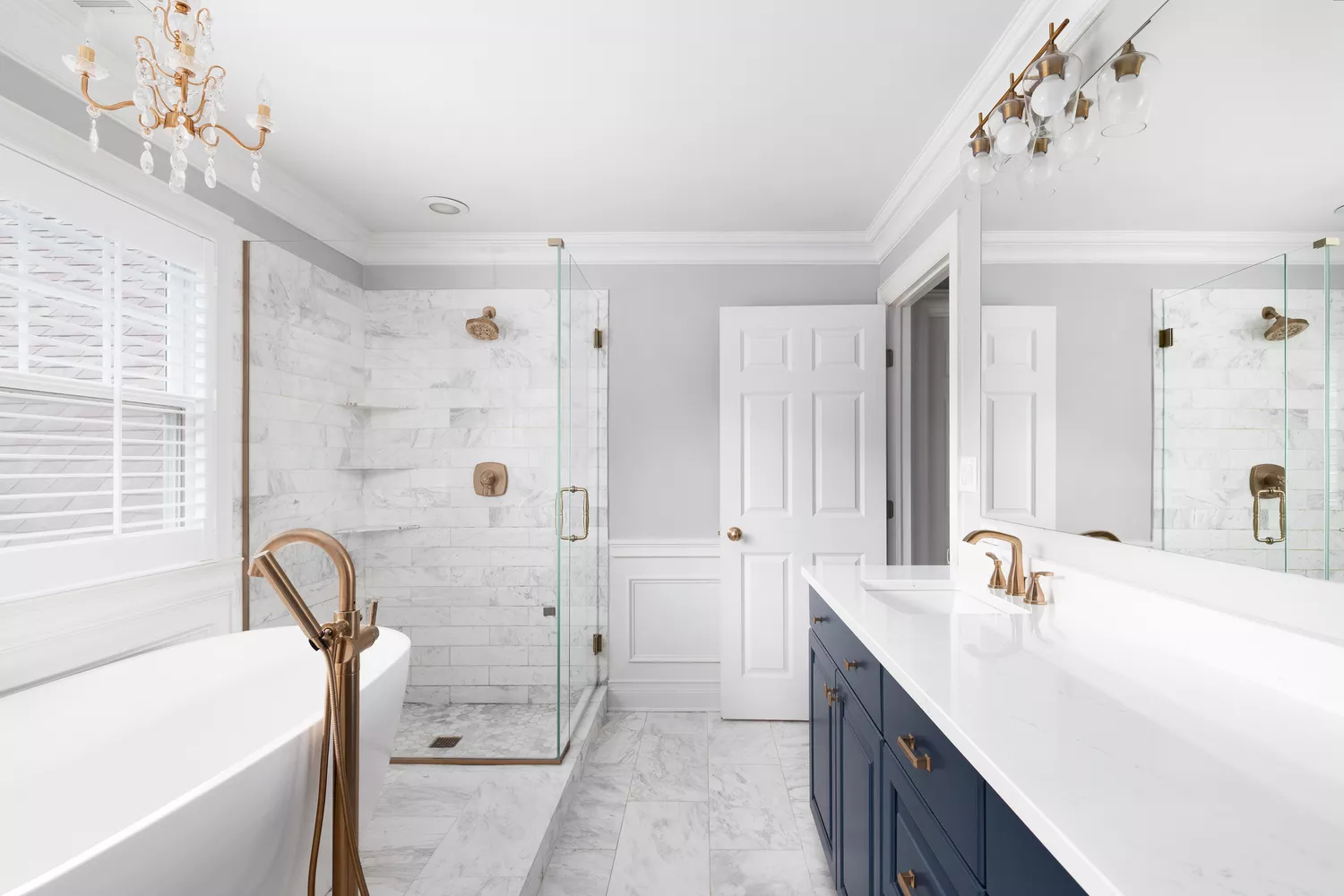
Don't Make These 9 Mistakes When Remodeling Your Bathroom, Pros Warn
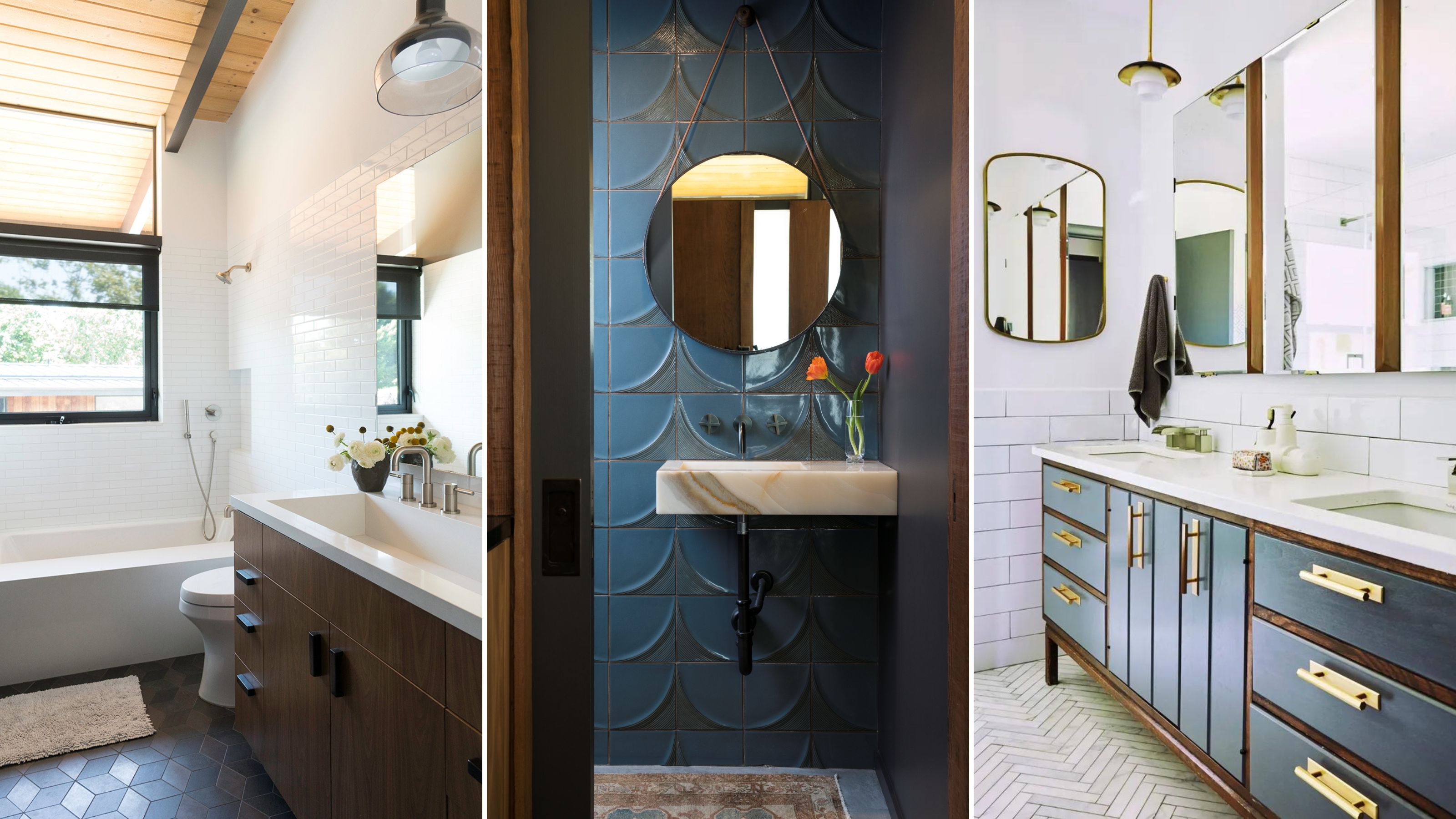
7 small bathroom layout mistakes — designers say to swerve these to "maximize potential"
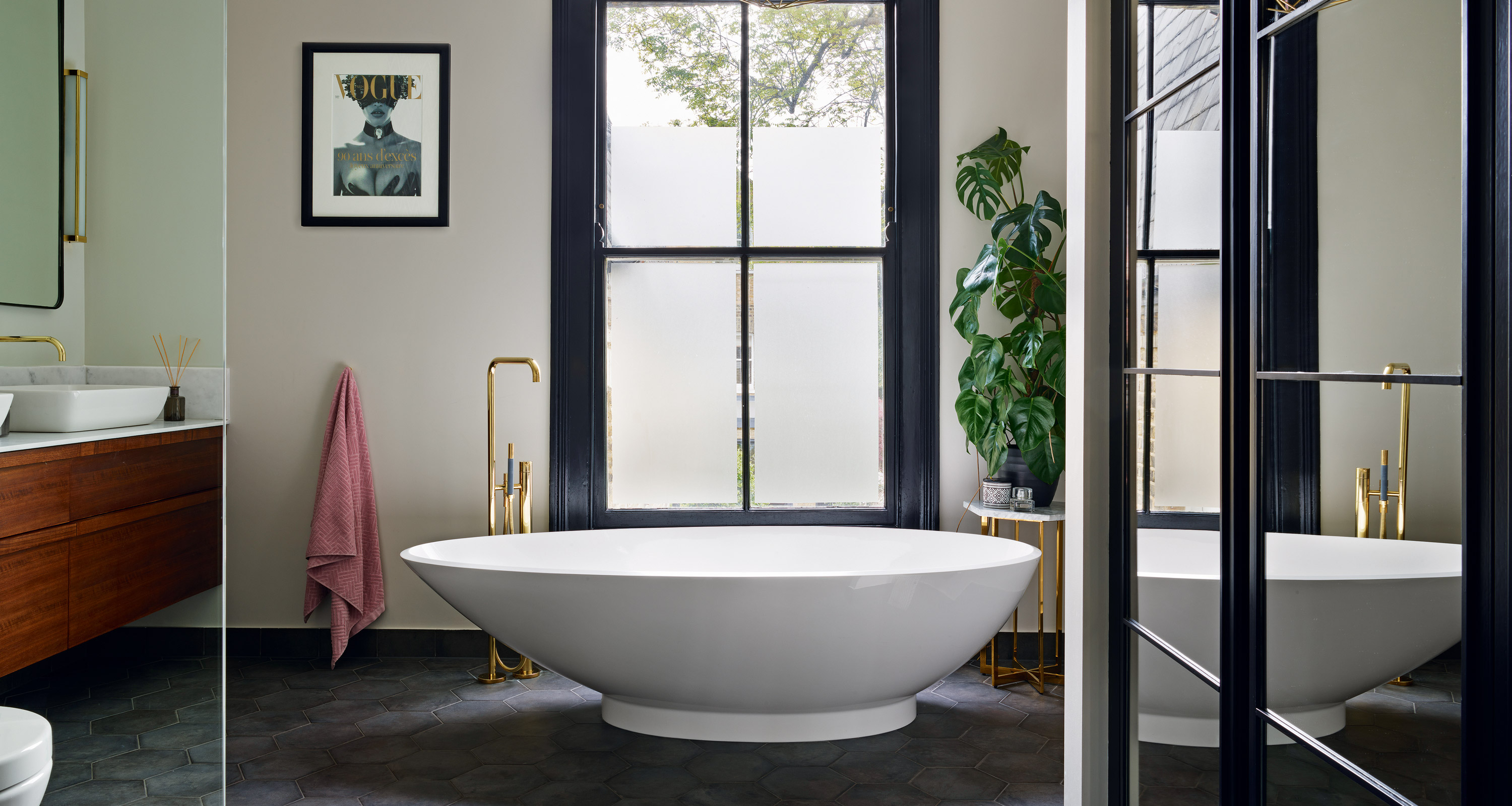
Bathroom remodel mistakes – and how to avoid them
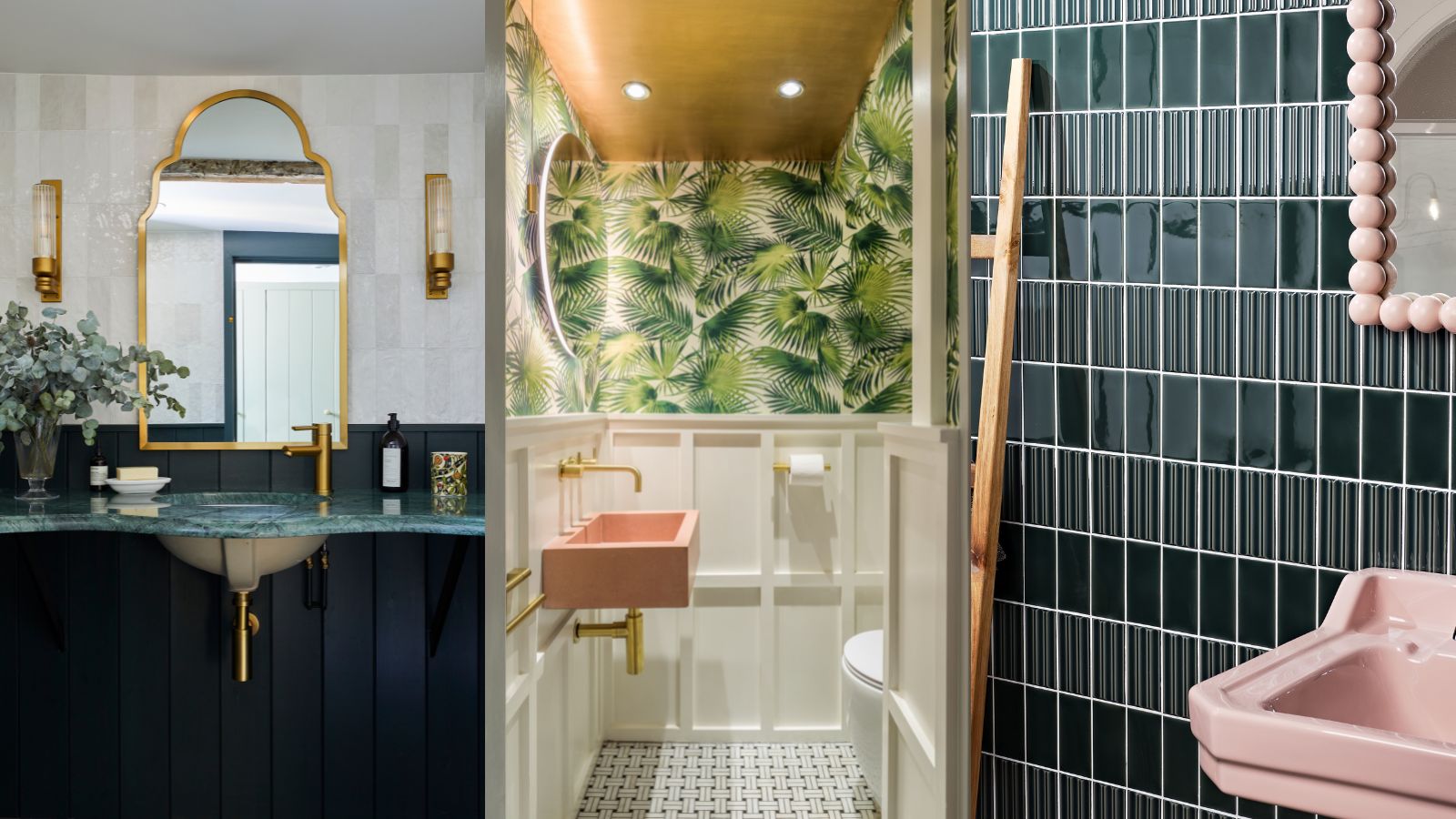
7 powder room design mistakes to avoid – and what to do instead
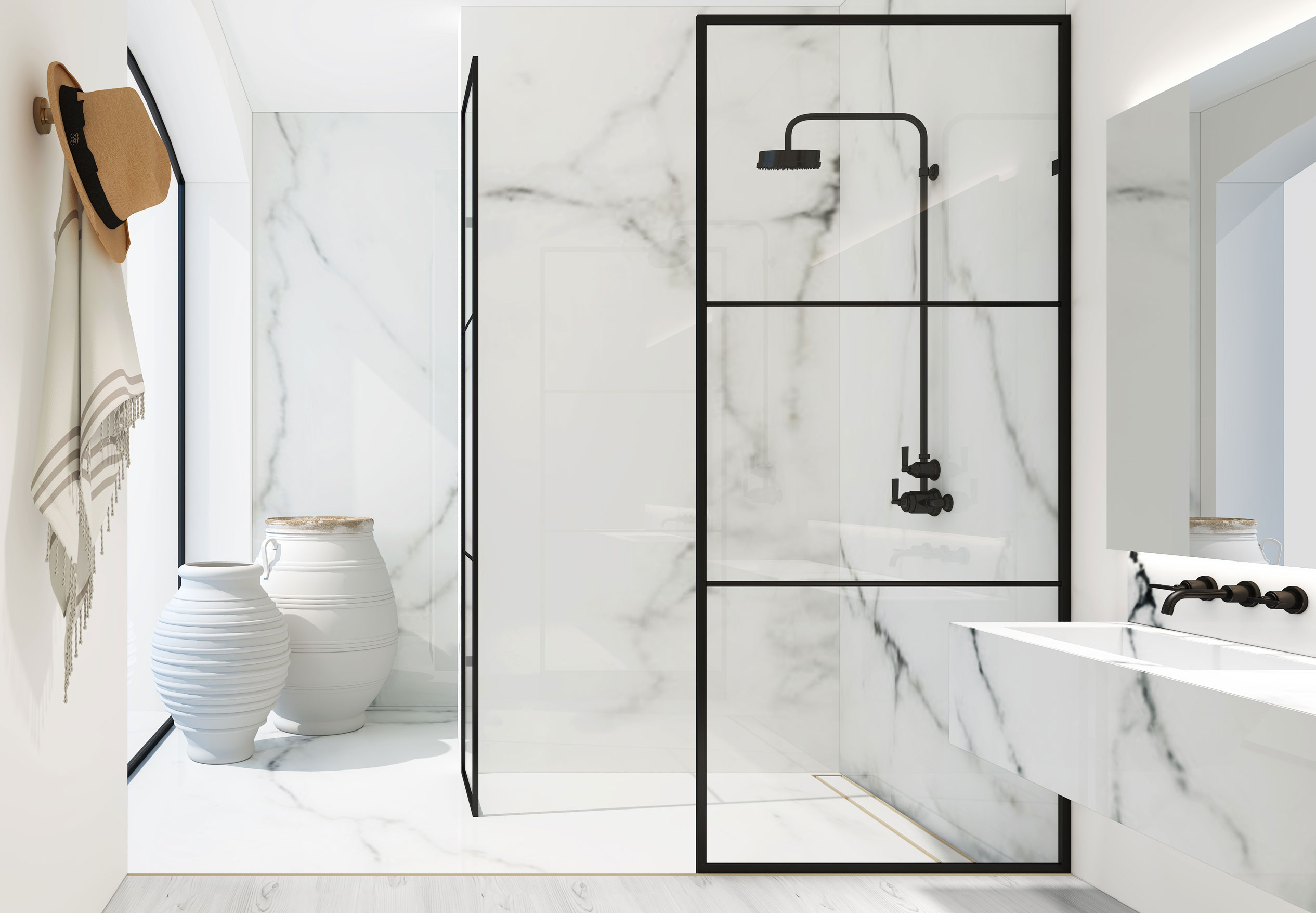
Shower room design mistakes – 6 problems that our bathroom experts see all too often

7 Mistakes to Avoid When Remodeling Your Bathroom
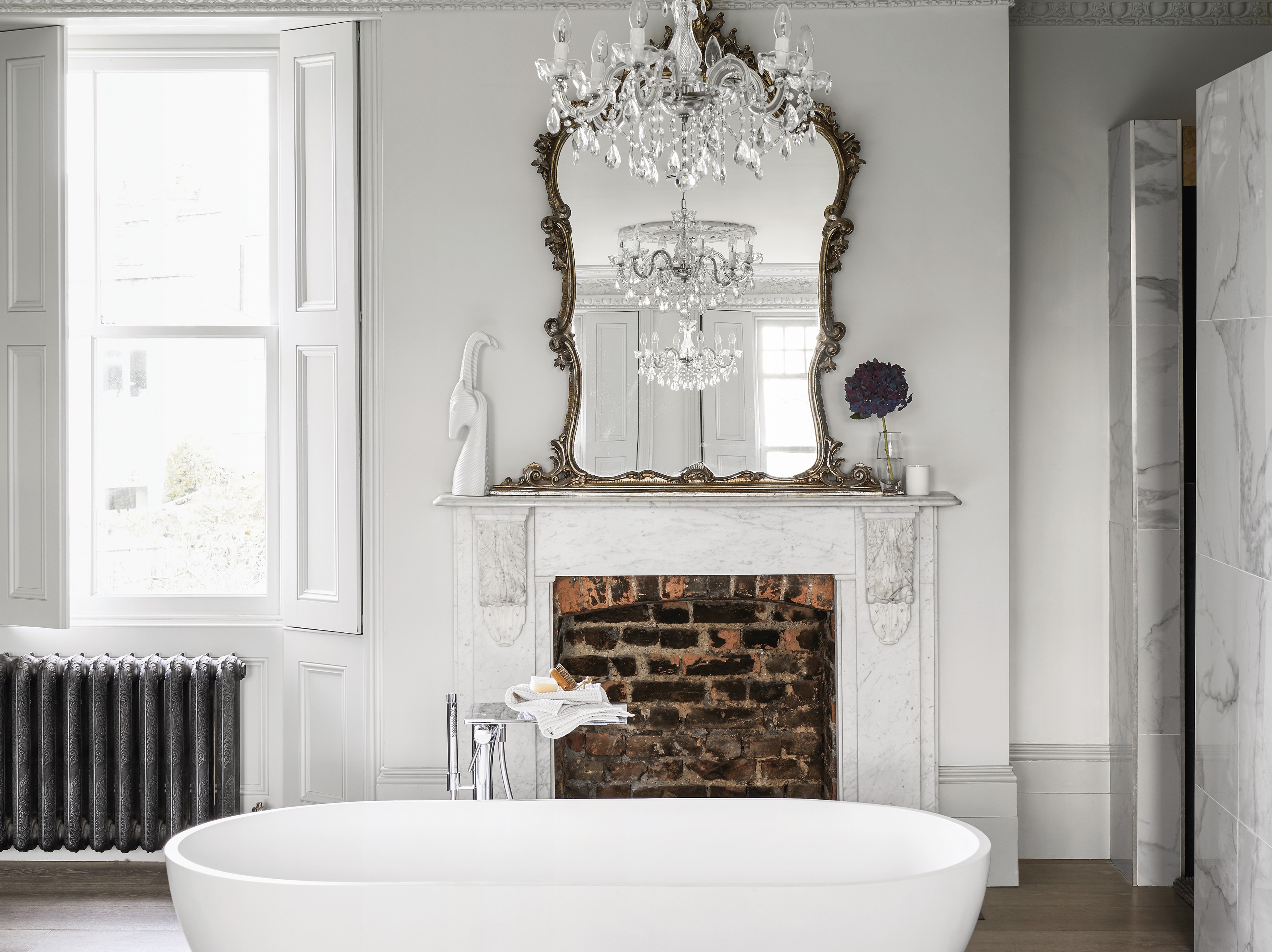
5 Bathroom Lighting Mistakes to Avoid — Designers Advise How to Dodge The Most Common Problems
5 Mistakes That Are Making Your Bathroom Look Smaller, According to Designers