Ask the Builder: Joist hangers, beams and columns
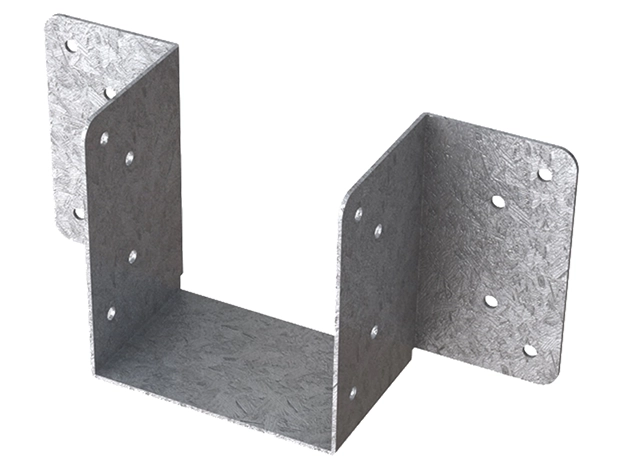
This article addresses common questions and concerns regarding the use of joist hangers, beams, and columns in construction, particularly focusing on safety, proper installation, and material selection. It emphasizes that joist hangers are safe when installed correctly, contrasting modern metal hangers with historical methods of using tenons and mortises in thicker lumber. The article stresses the critical importance of consulting manufacturer installation instructions, citing Simpson Strong-Tie as a reliable source for information on metal structural connectors.
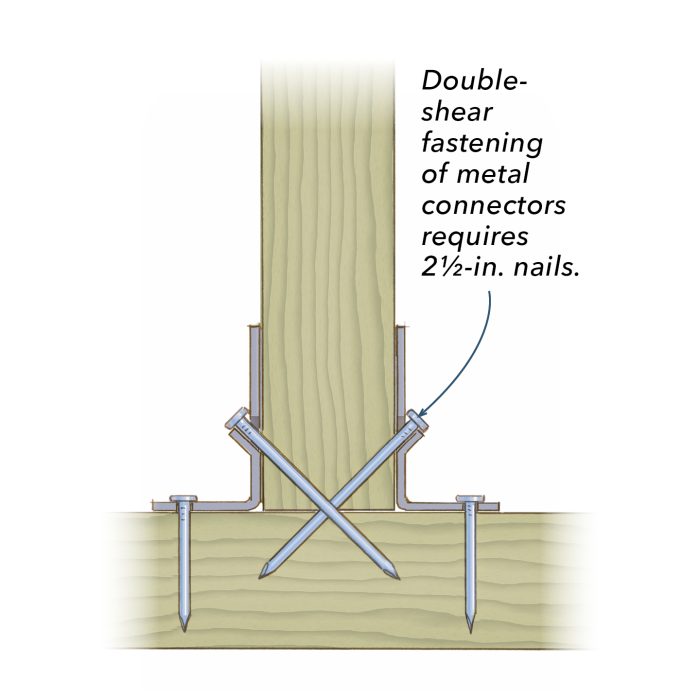
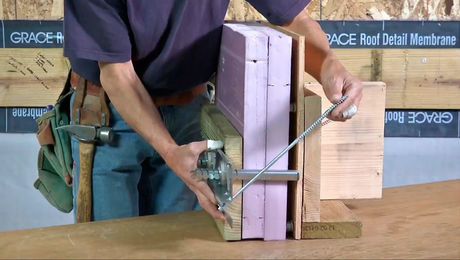
For attaching joist hangers, the author recommends structural screws or bolts over roofing nails, while also acknowledging the existence of rated structural nails. A caution is provided against over-driving fasteners, which can strip the wood. The article highlights the necessity of using joist hangers and fasteners specifically rated for outdoor use, especially with modern treated lumber, which contains higher copper levels that can corrode galvanized metal when wet. This corrosive effect is exacerbated in environments near the ocean due to salt spray. Therefore, all materials must be rated for extreme outdoor conditions.
Regarding beam sizing, the article advises against relying solely on a builder's recommendation due to the complexity of concentrated loads and the significant impact of beam material type. It firmly states that beams should only be sized and specified by registered structural engineers to ensure safety and structural integrity. Similarly, the support posts and columns are deemed equally important. The author criticizes the practice of merely balancing beams on square-cut posts with a few nails, emphasizing that this method is unsafe. It is recommended that engineers specify appropriate metal connectors to properly join beams to columns.
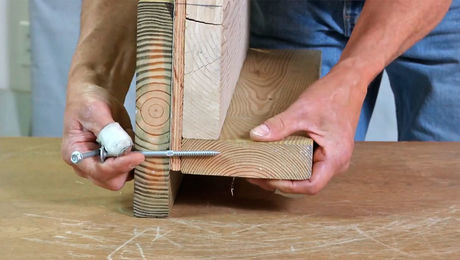
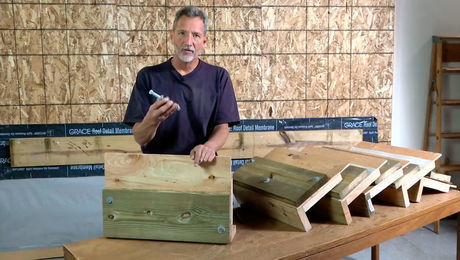
Material choice for posts and columns is also discussed. While termites may not be an issue in all regions, the use of treated lumber for garage beams is suggested where water and insects are more likely to interact with the wood. A significant point is made about hollow steel round or square columns: while steel is not flammable, it can bend and twist when hot in a fire, leading to structural failure. To prevent this in residential fires, most engineers specify filling these hollow steel columns with dry sand. The article concludes by offering a video resource on the author's website that provides tips for installing joist hangers, particularly useful for solid lumber that may be cupped or for joists of inconsistent heights.
#ConstructionSafety #JoistHangers #StructuralBeams #SupportColumns #BuildingMaterials #HomeImprovement #BuildingCodes #StructuralEngineering #OutdoorConstruction #ConstructionSafety #JoistHangers #StructuralBeams #SupportColumns #BuildingMaterials #HomeImprovement #BuildingCodes #StructuralEngineering #OutdoorConstruction
0 комментариев всего
 Комментариев пока нет
Вам также может понравиться
Builders' Metalwork


Product Picks: July 2022


Exposed Beam Ceilings: What You Need to Know Before Committing

PRODUCT PICKS: Nov / Dec 2015
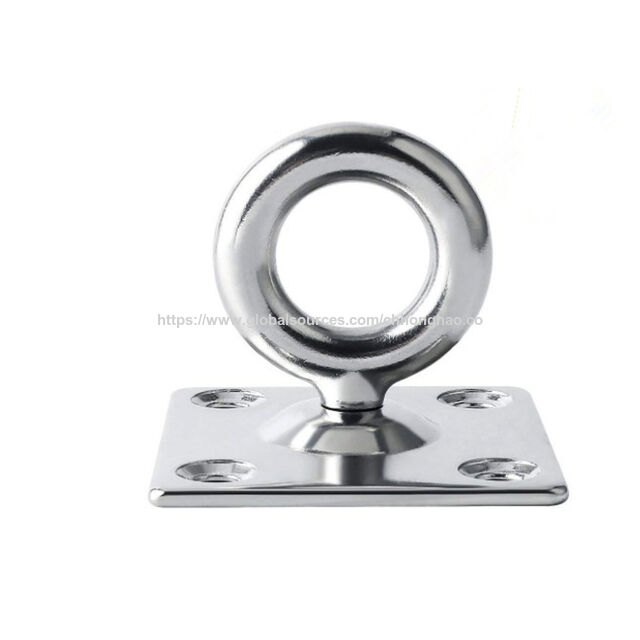
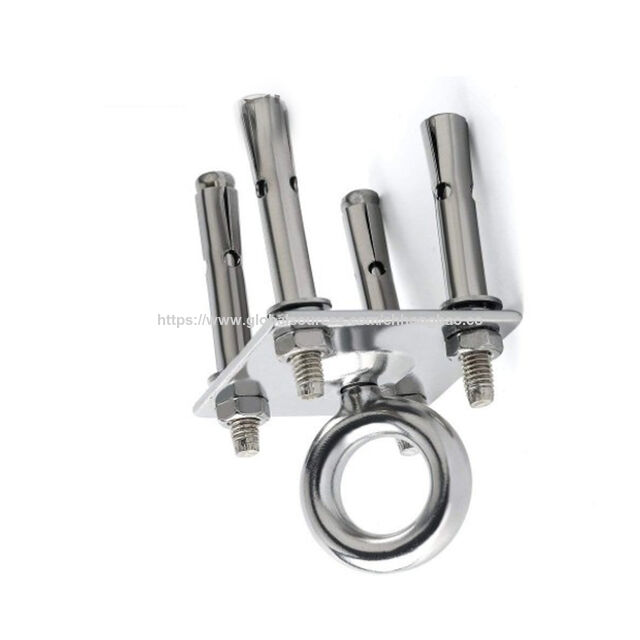
Heavy Duty Eyebolt Hanging Kit Ceiling Hooks Hammock Swing Hook Hanger

How to See a Structural Column as an 'Oh-Wow' Moment, Rather Than an Obstacle

What Are the Right Nails for Metal Connectors? A Pro Answers

Shelves & Shelf Brackets


Building Materials - Building Supplies
Installing Deck Joists

The Deep Dive: Steel-ing Home


Rogue builders quoted over £15k for a repair job that cost £185 to fix - my lessons learnt

Joist & Truss Hangers, Brackets & Straps

Hollaender Catalog


Structural Columns Don’t Have To Get In The Way: These 7 Designs Prove It


4 Common Wall Hanging Myths, Busted


Roofing Bolts

Wall Hooks & Handles
Deck Railing Fasteners
Examining some of the important factors when choosing products for ceilings and roofs