1/8
Why Half Backsplashes Are Taking Over Kitchen Design, According to Experts
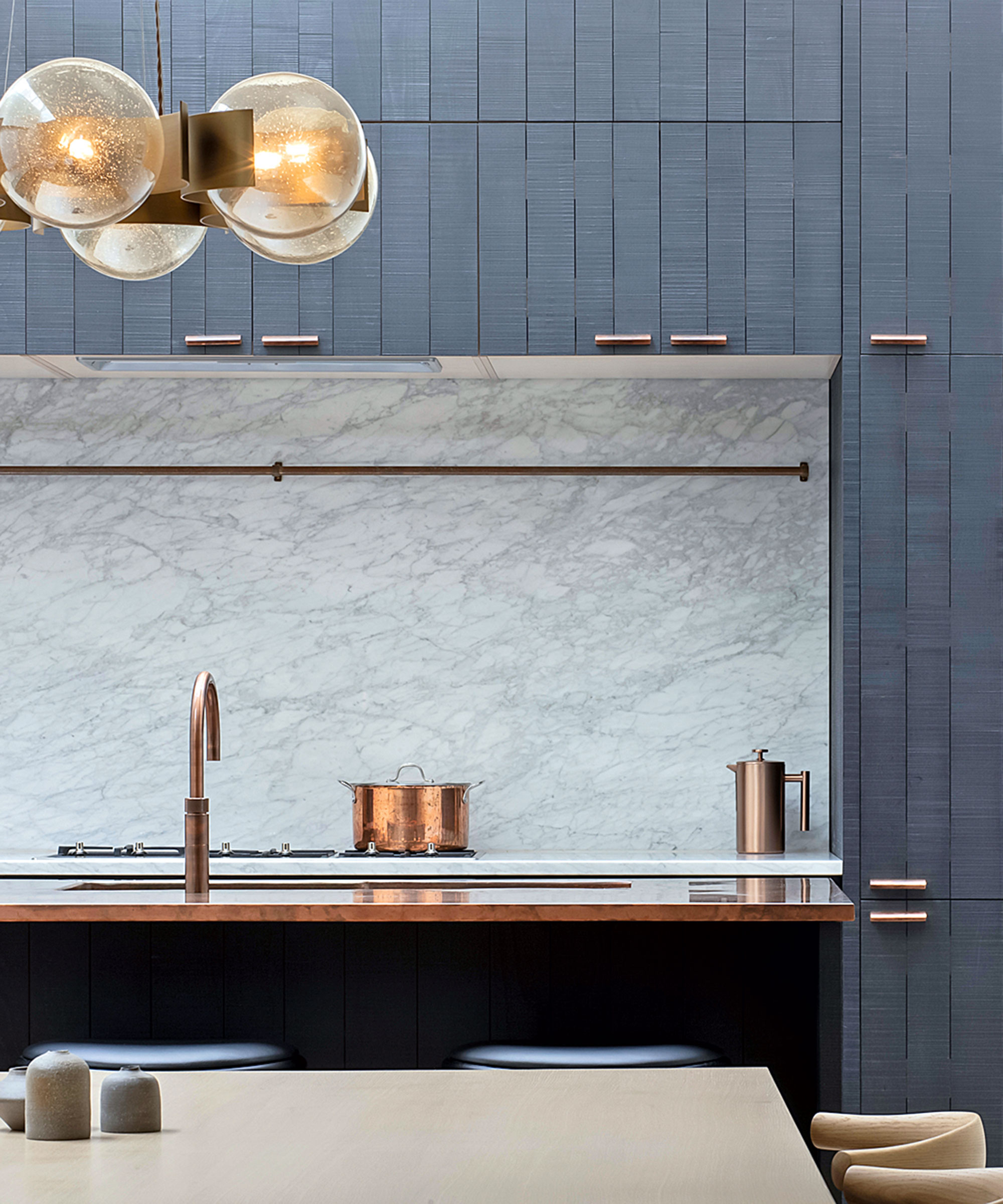
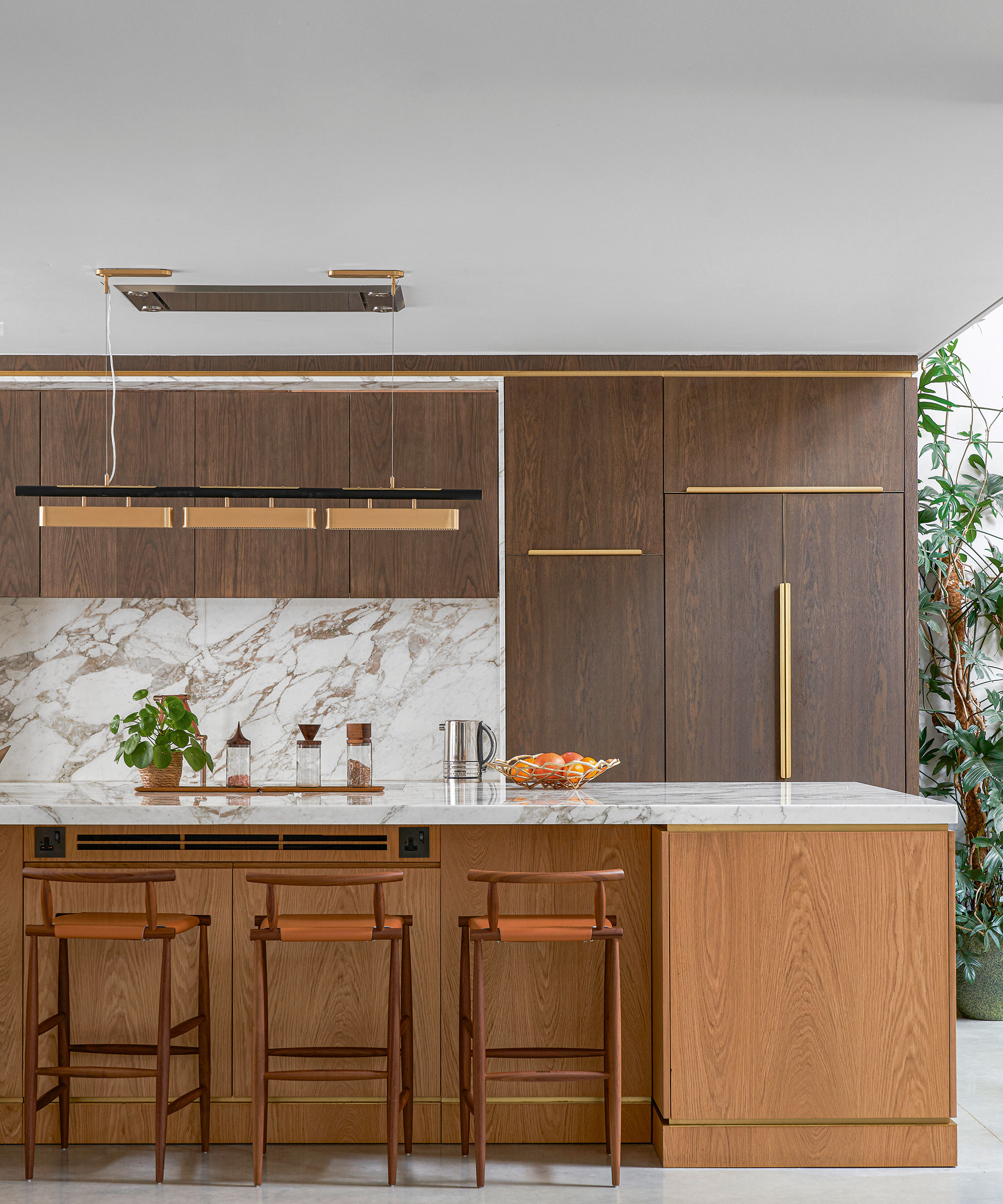
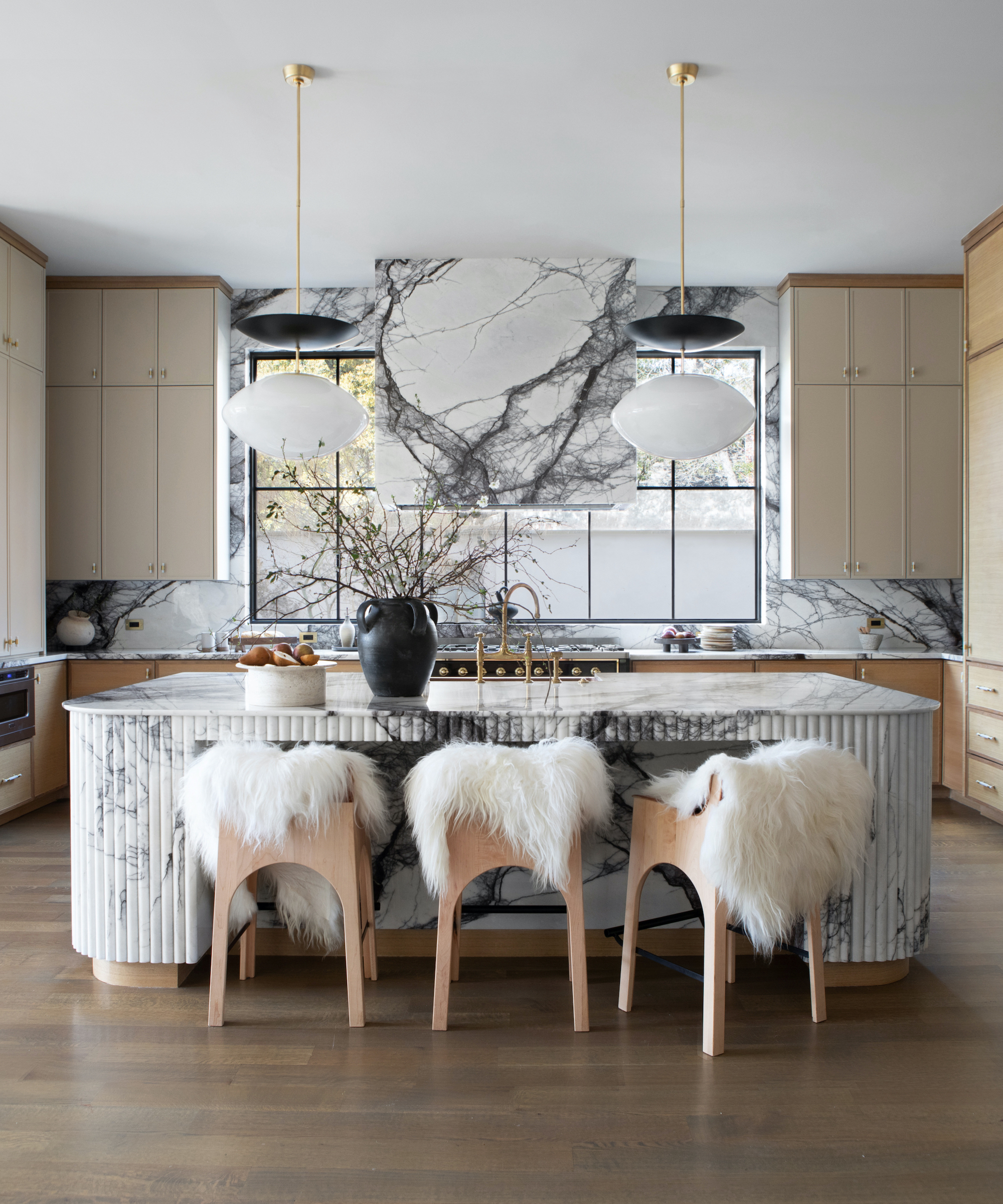
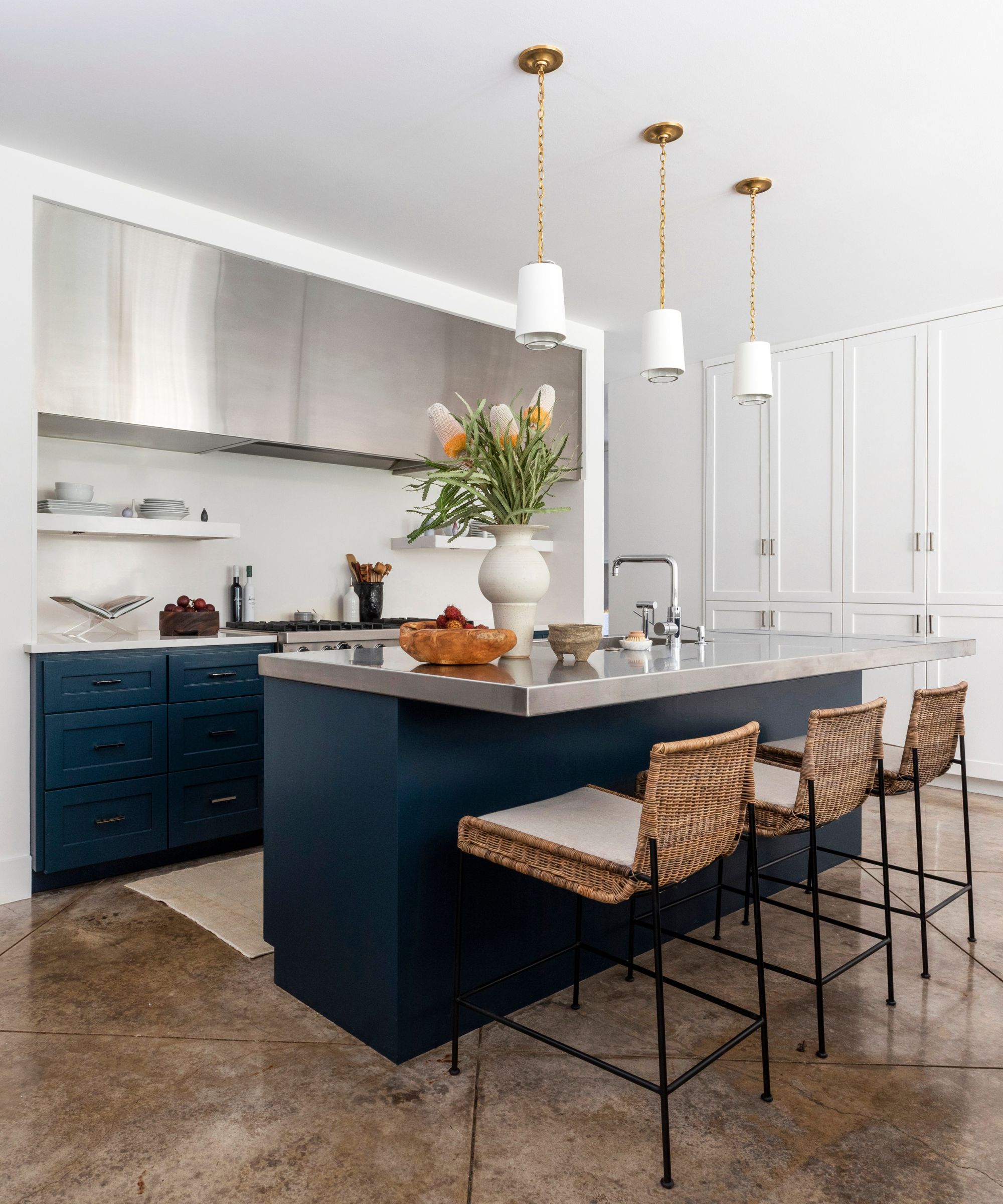
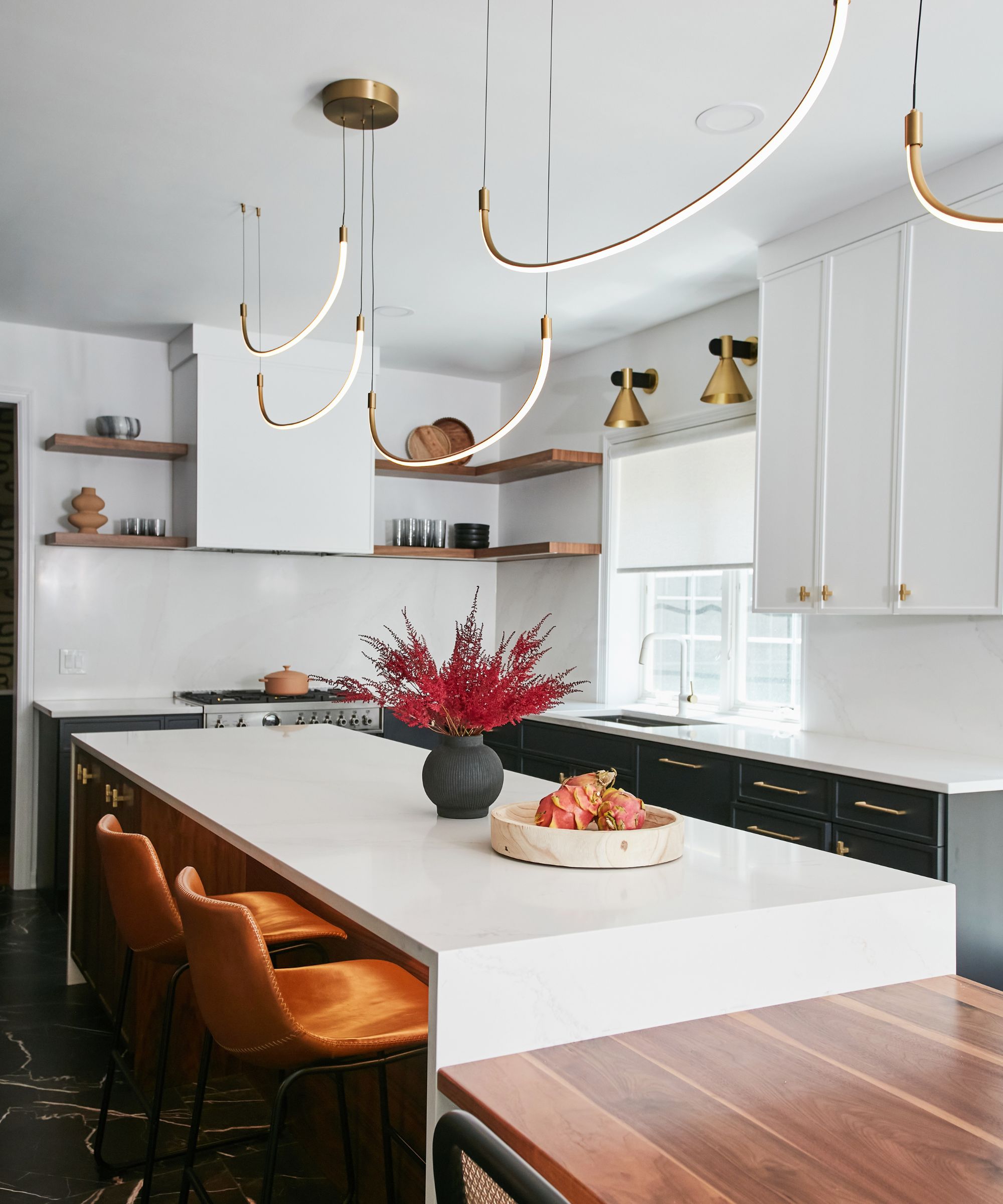
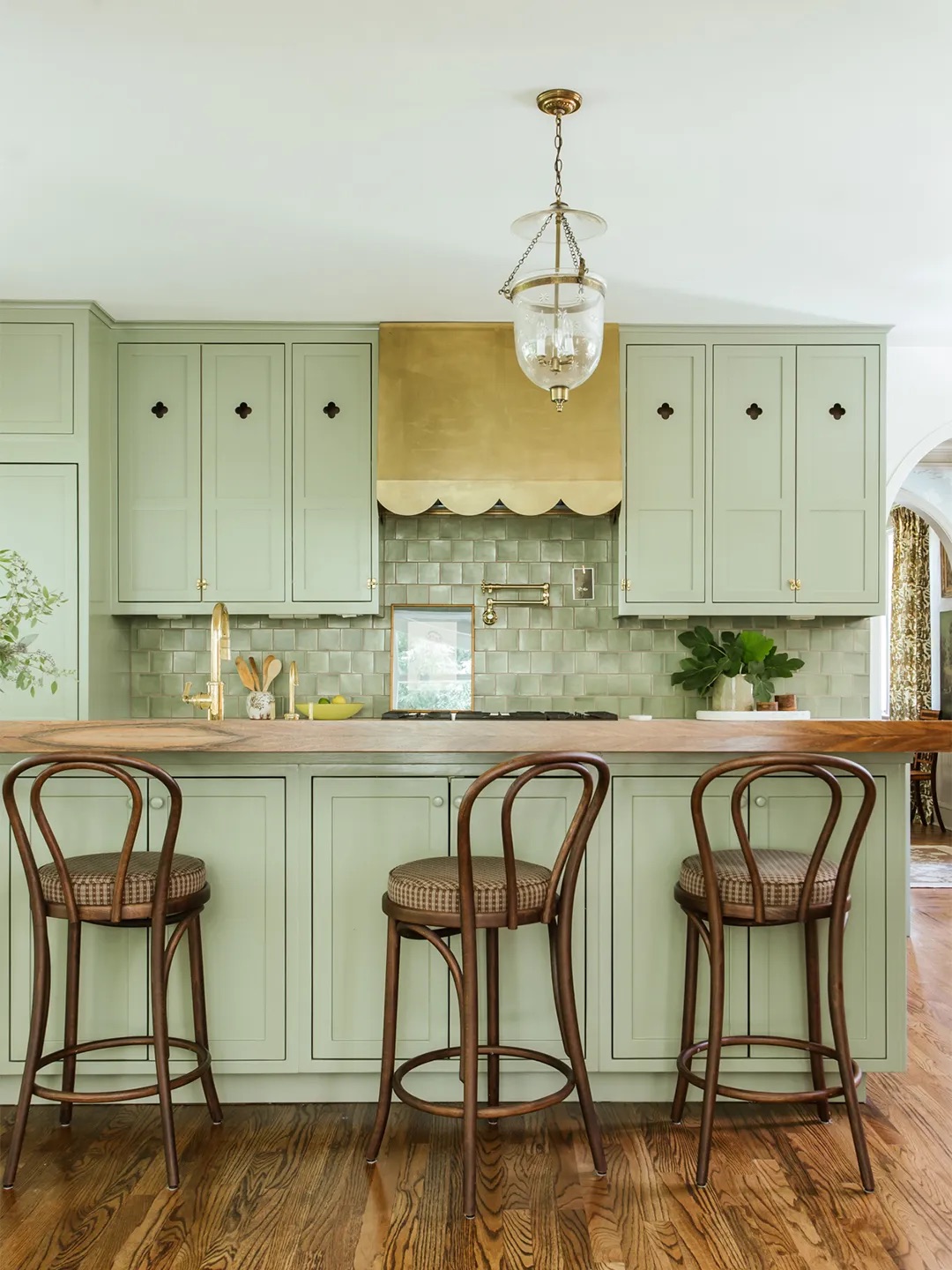
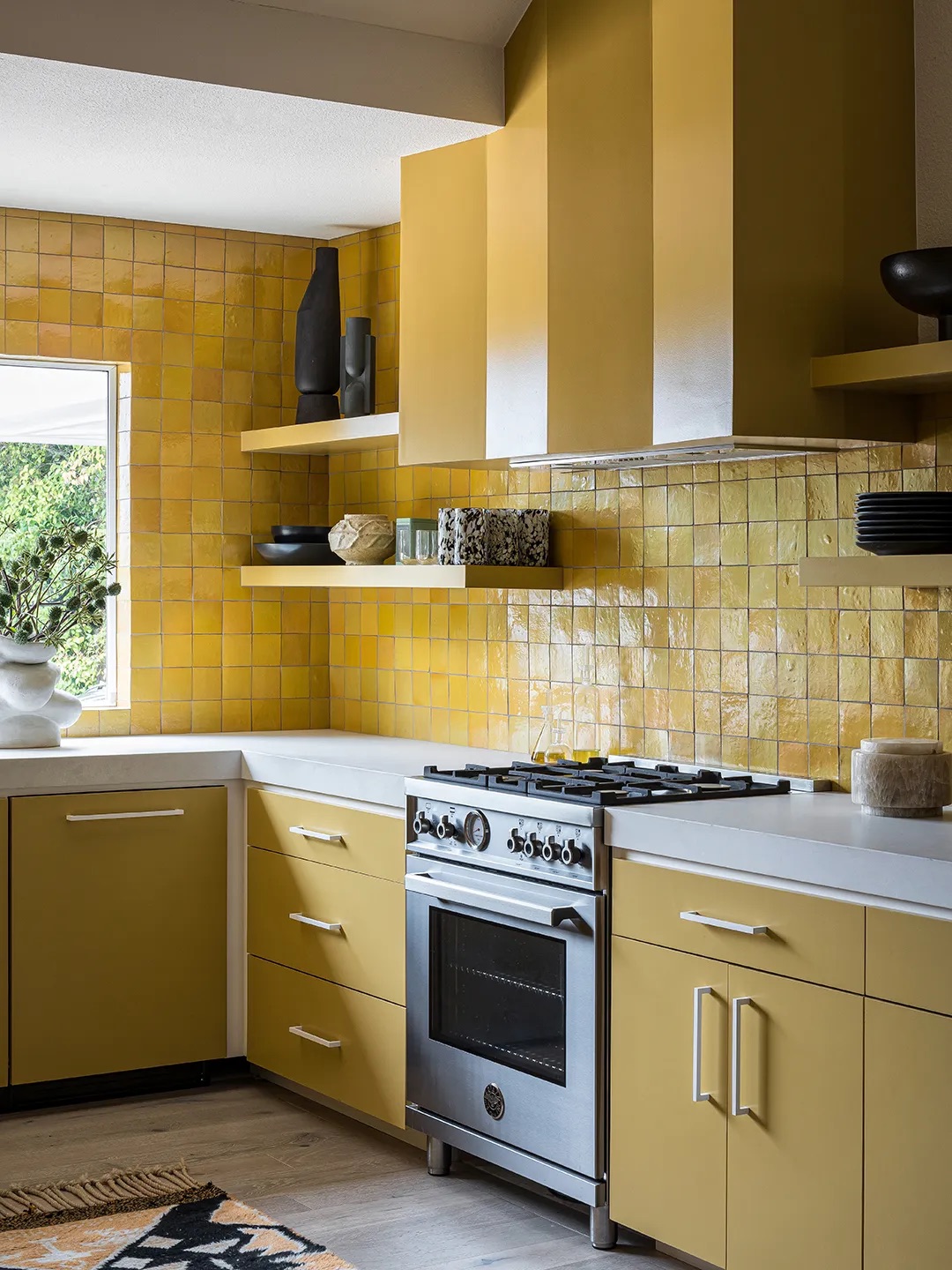
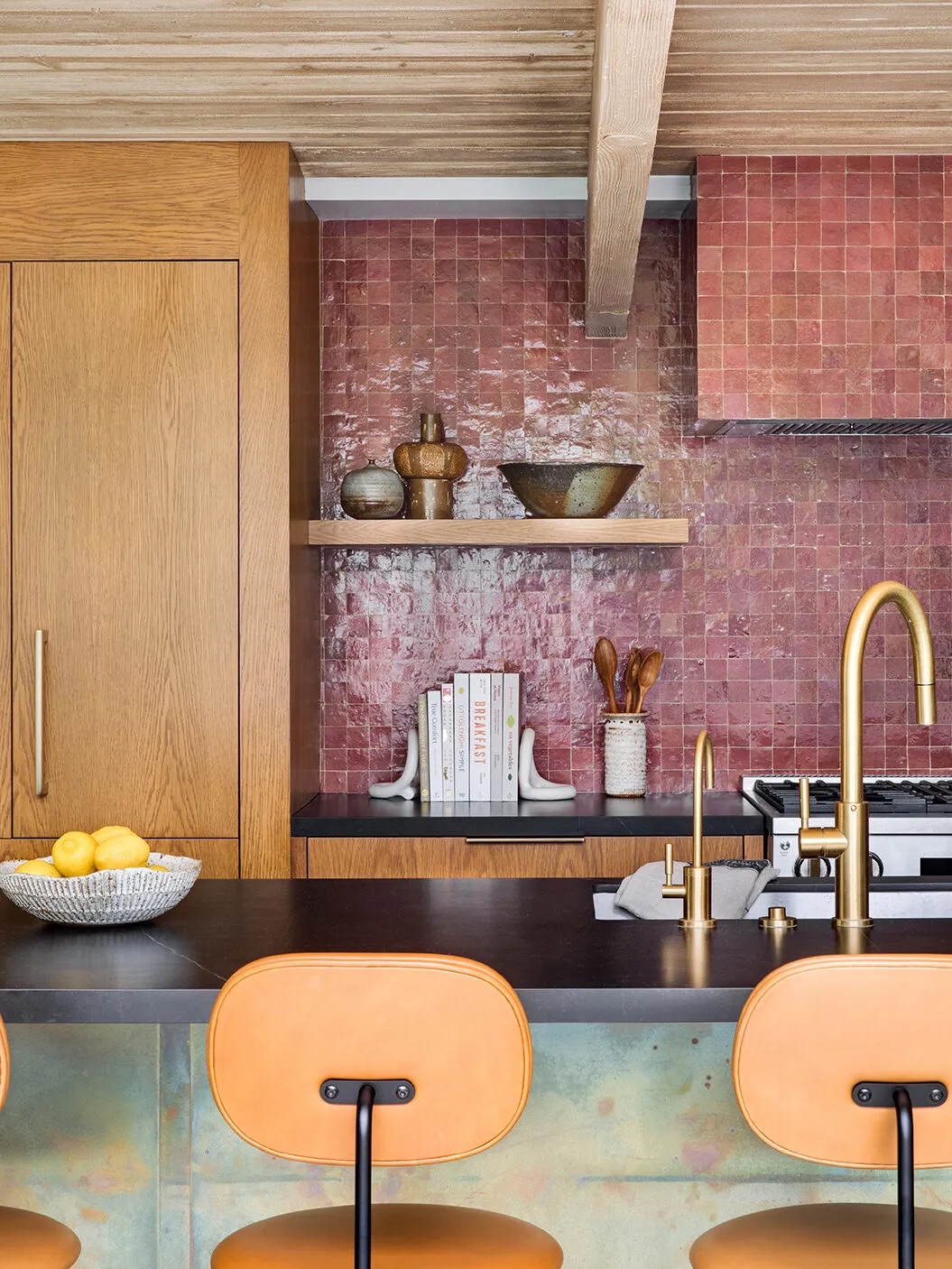
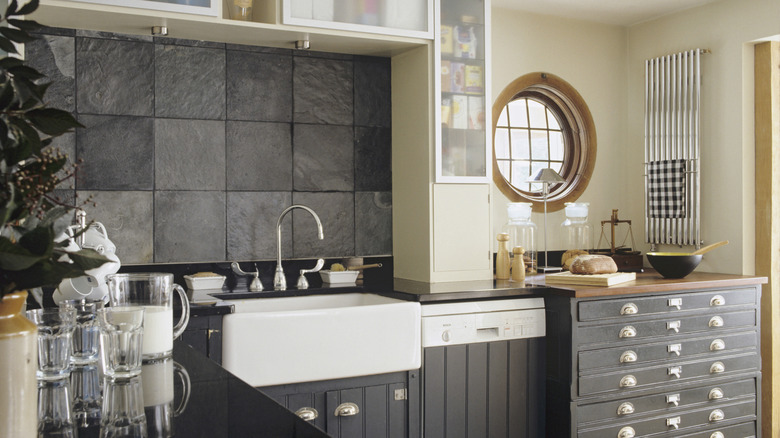
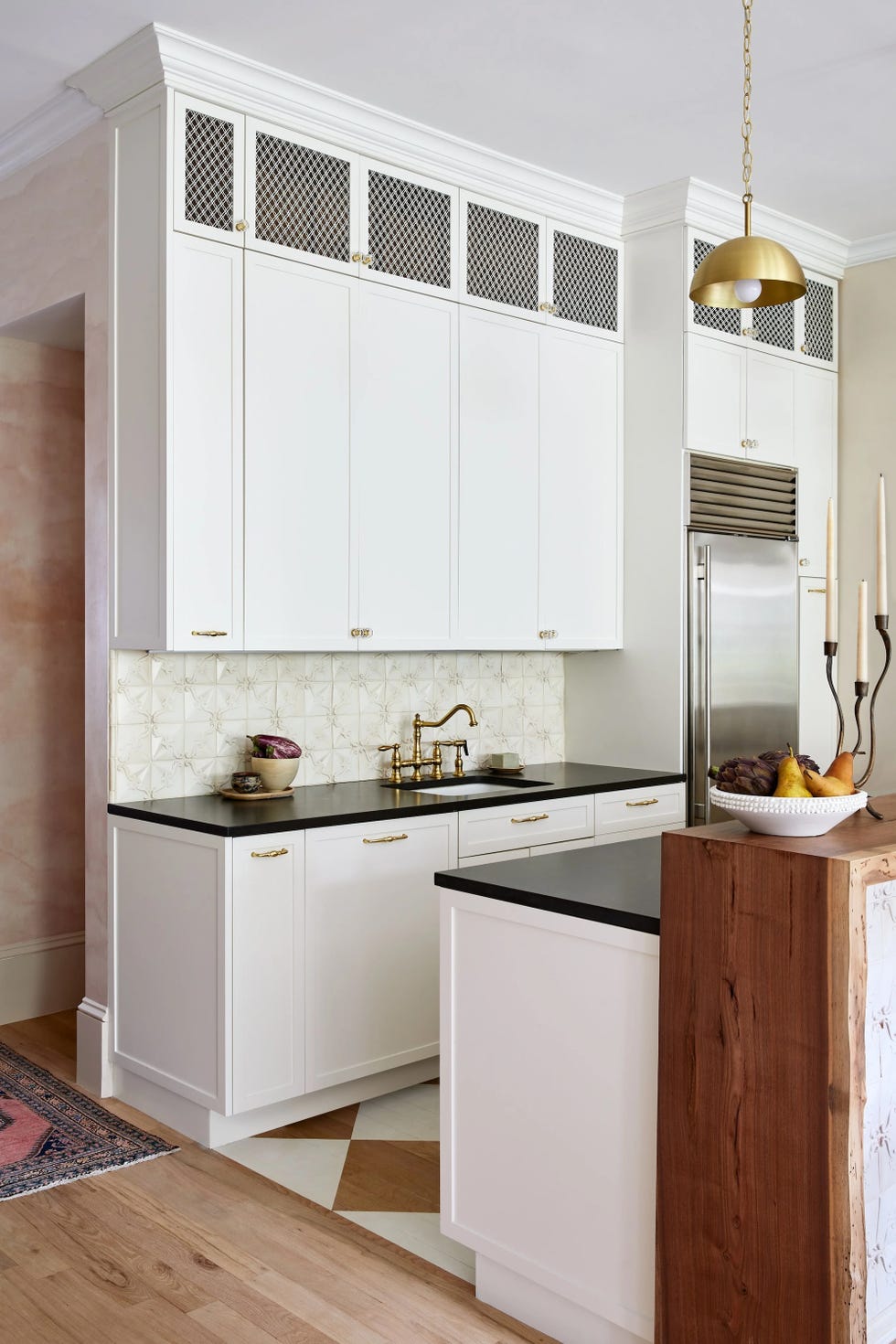
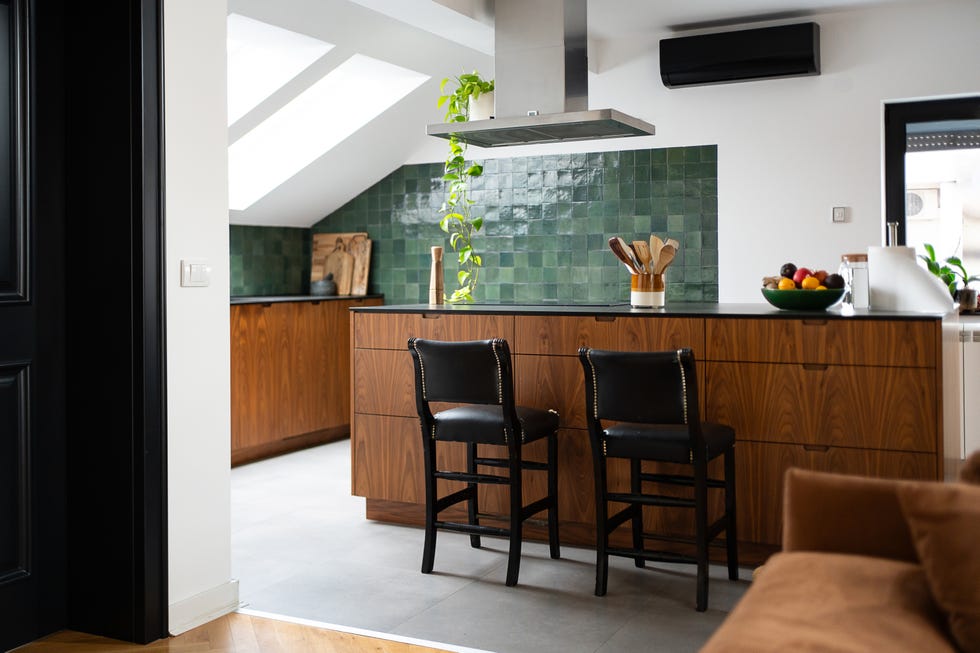
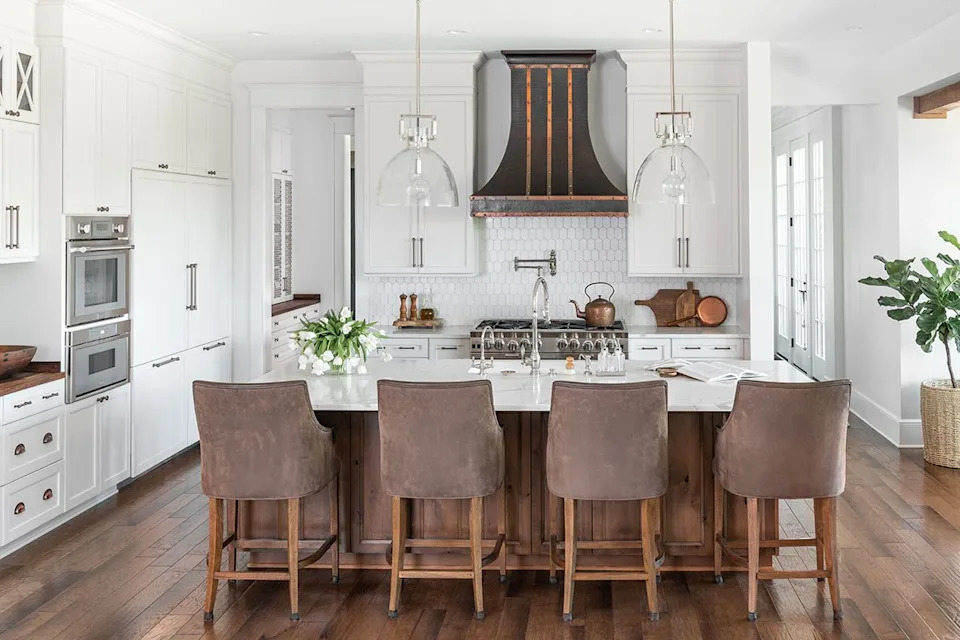
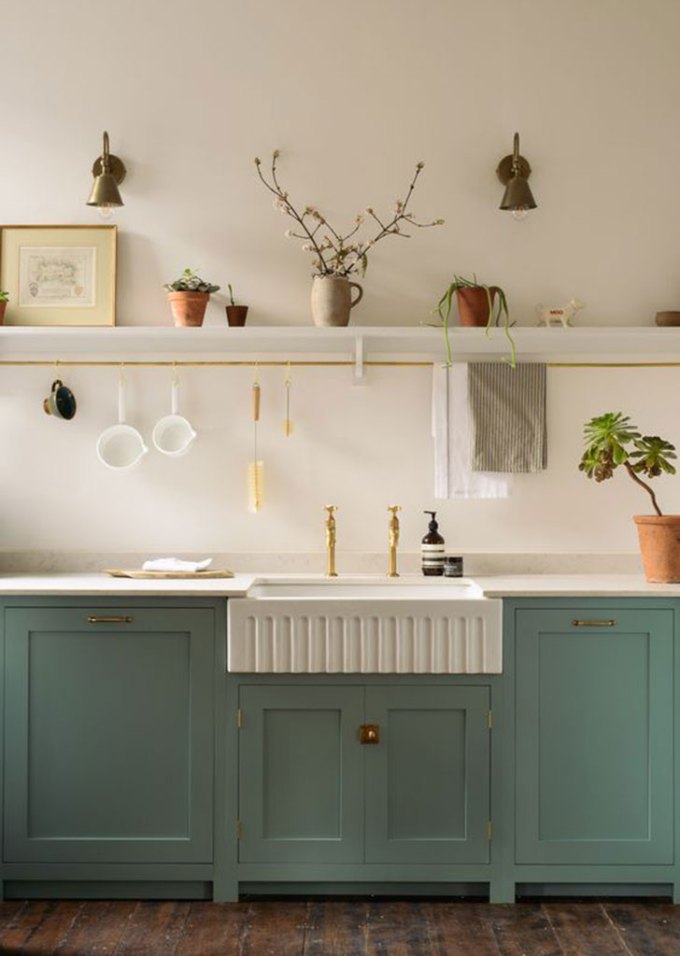
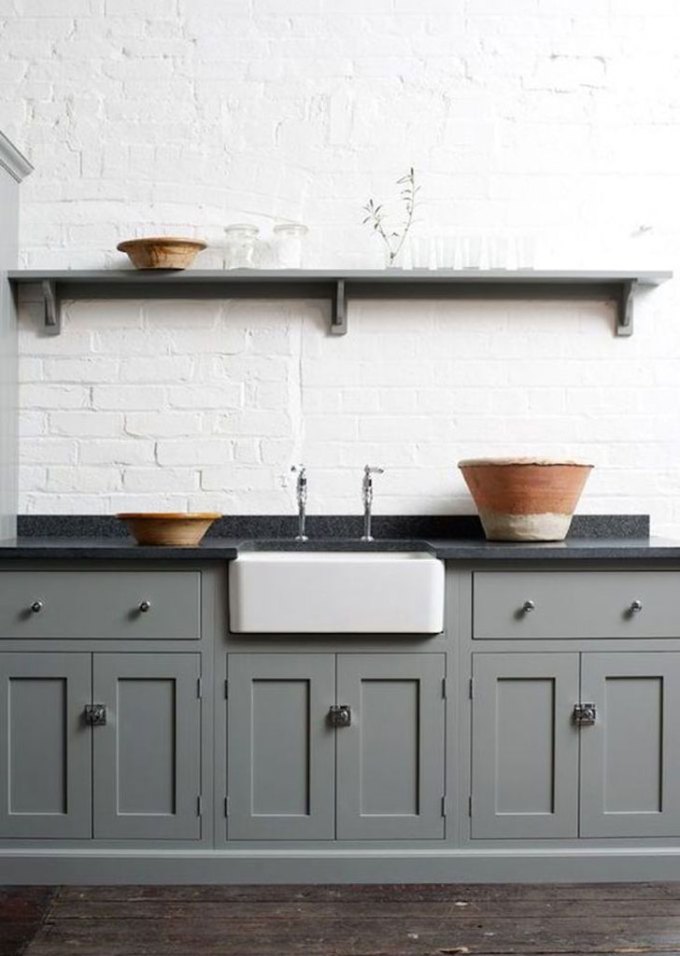
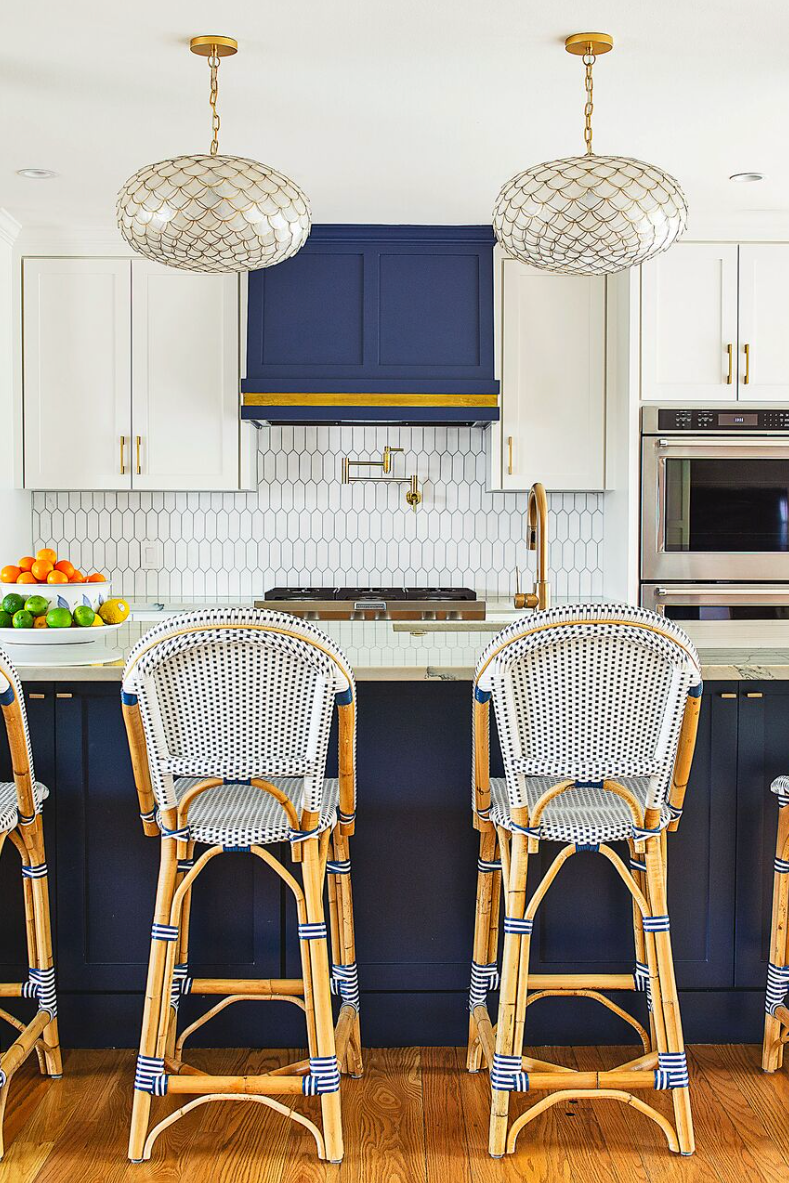
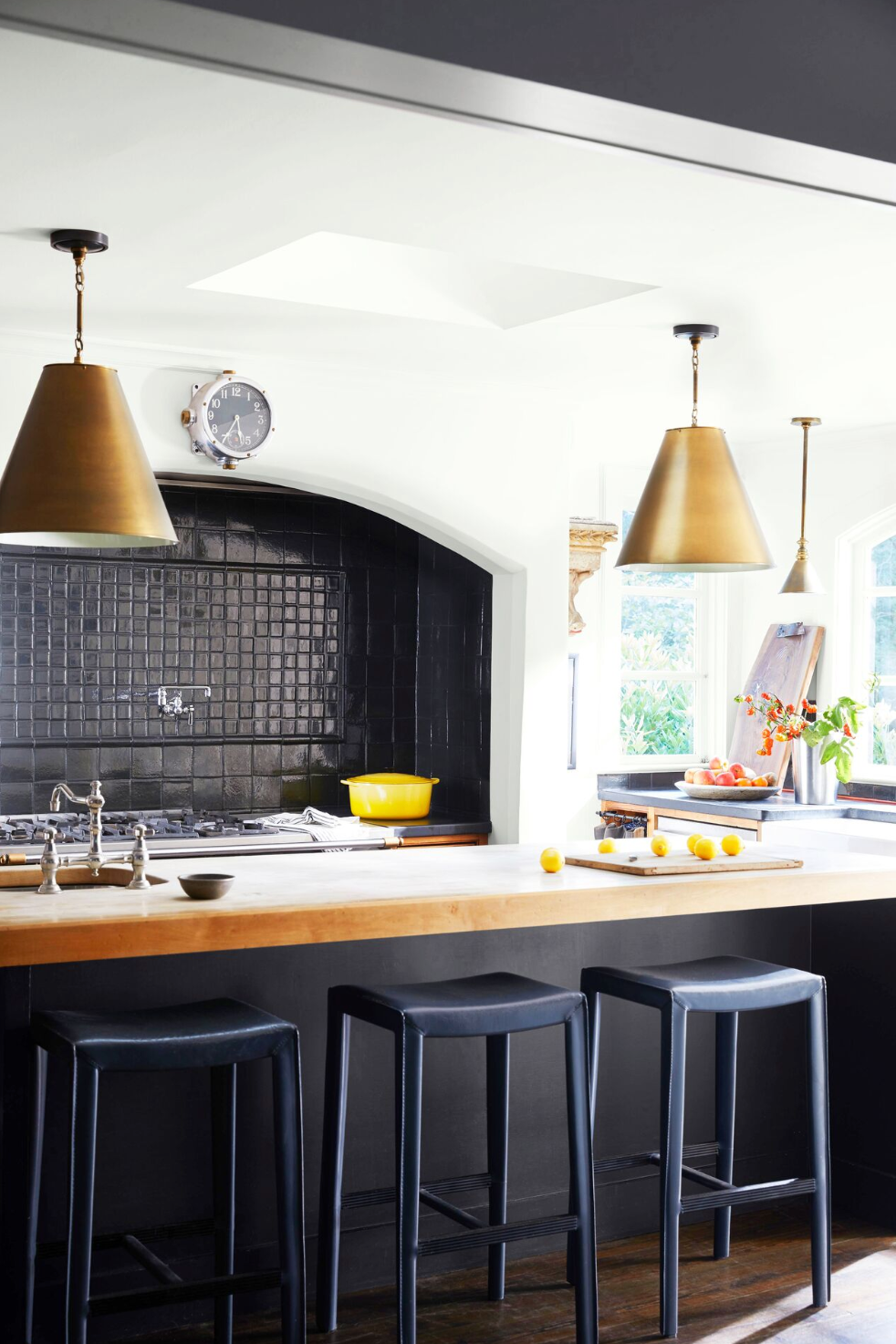
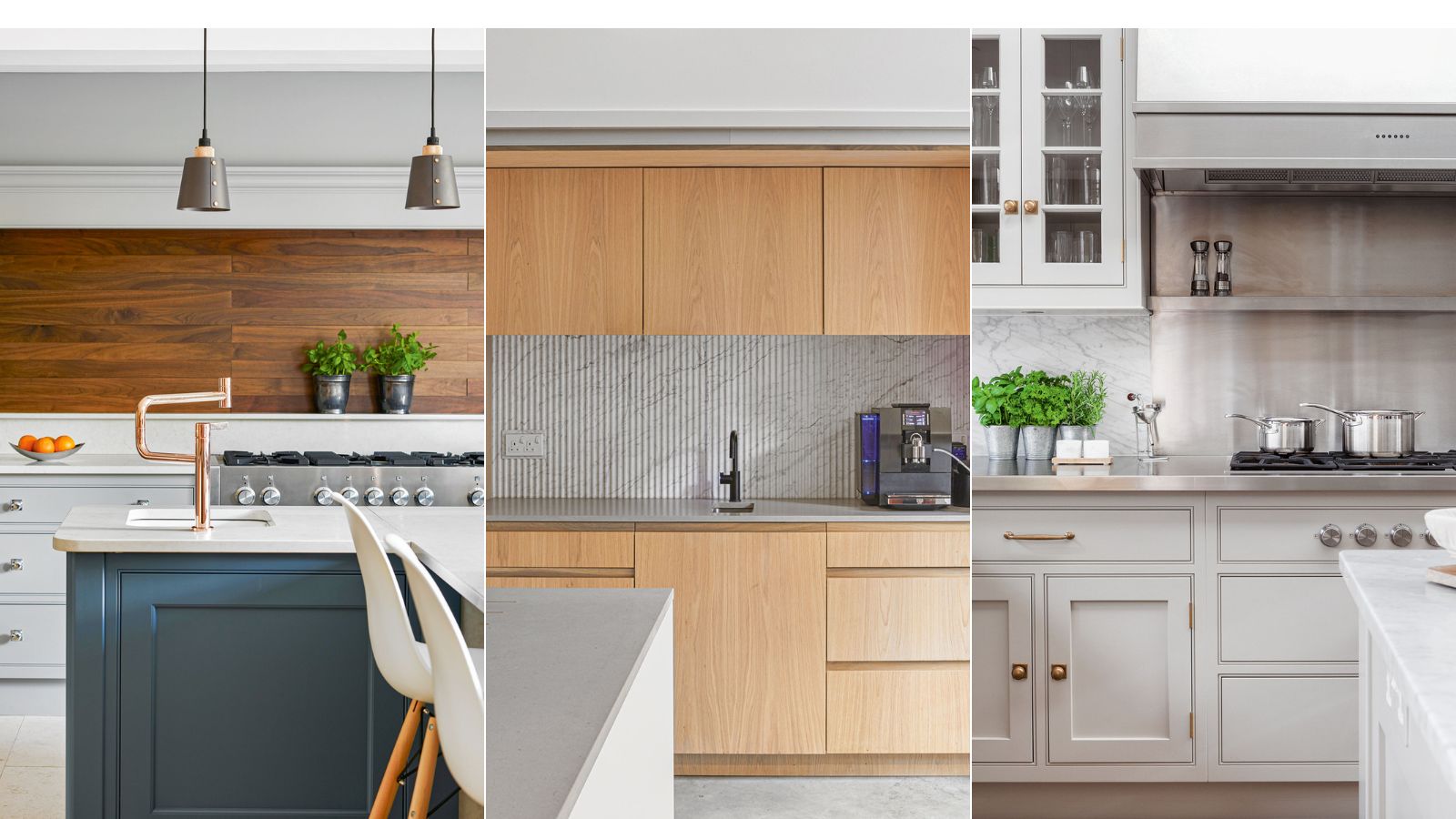
The article discusses the growing popularity of half backsplashes in kitchen design, highlighting their aesthetic and functional advantages. A half backsplash is defined as a design choice where the material extends partway up the wall, typically four to 25 inches, rather than reaching the upper cabinets or the ceiling. This deliberate design decision is favored by professionals like Jennifer Gilmer, Isabella Patrick, Jill Najinigier, Kate Pearce, and Federica Asack, who emphasize its ability to add visual interest and practical utility.
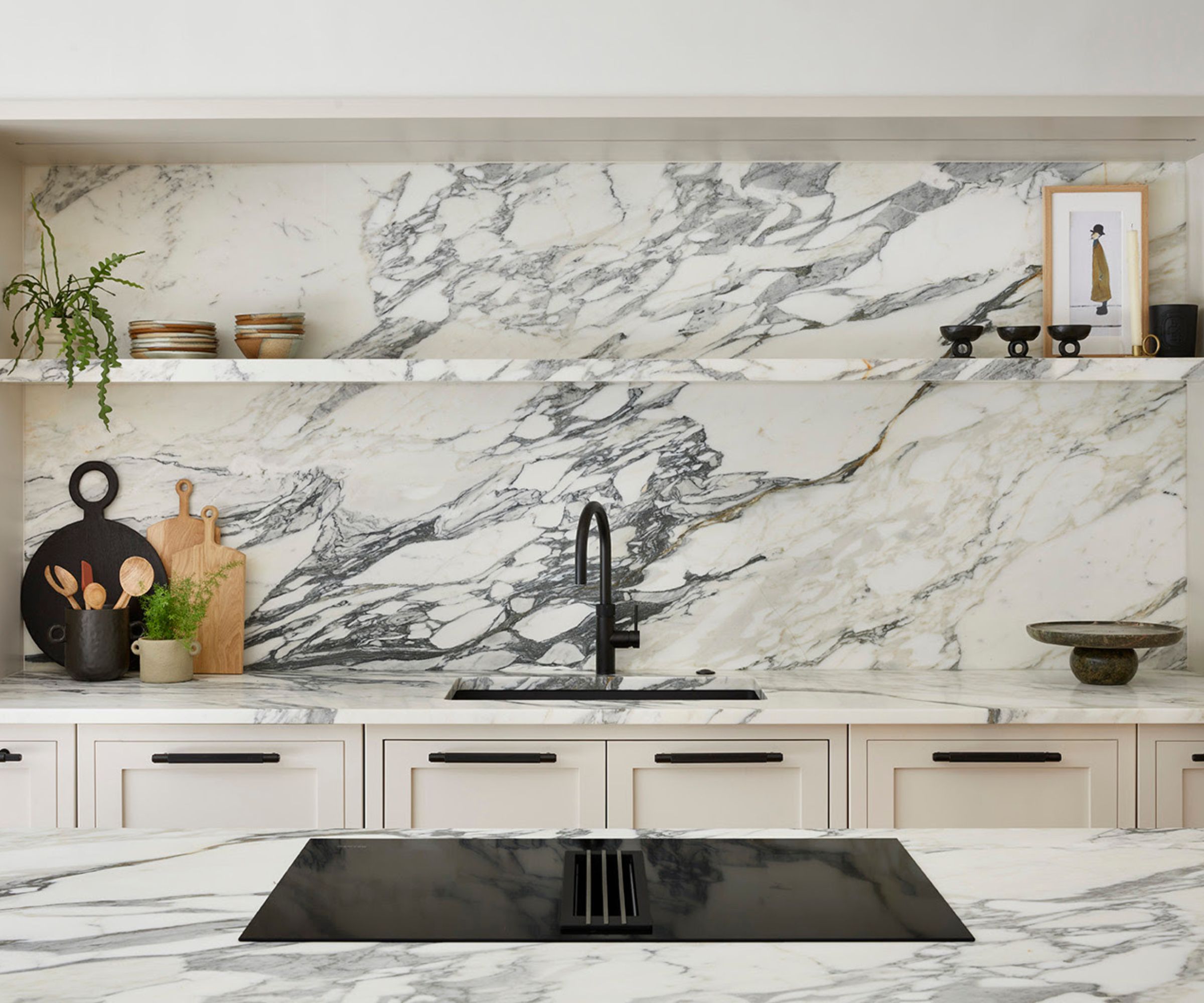
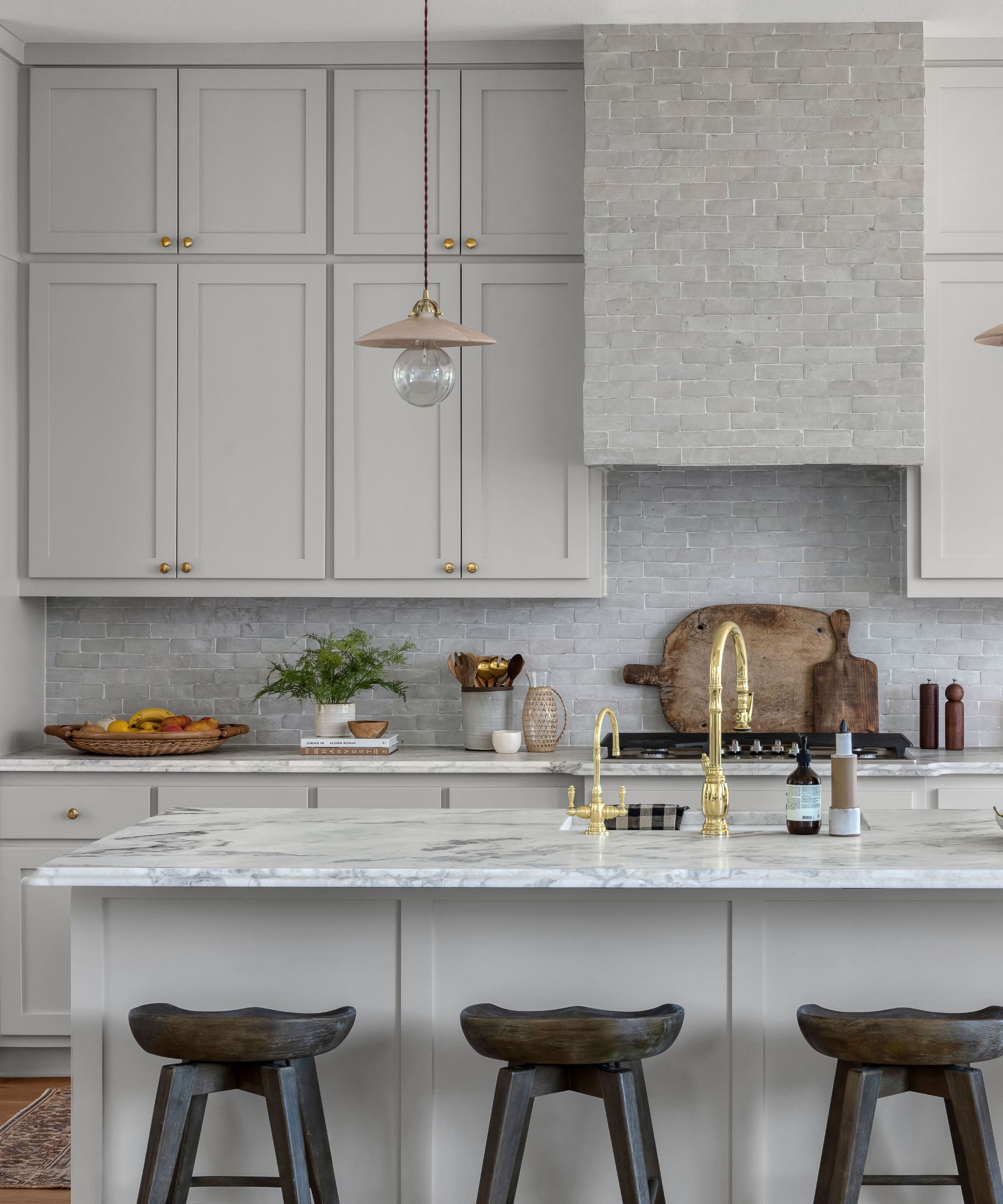
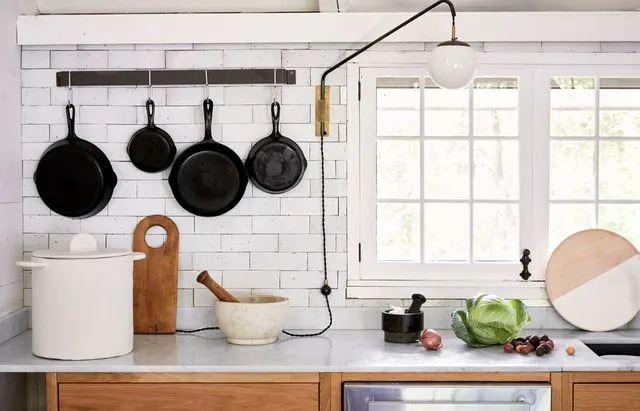
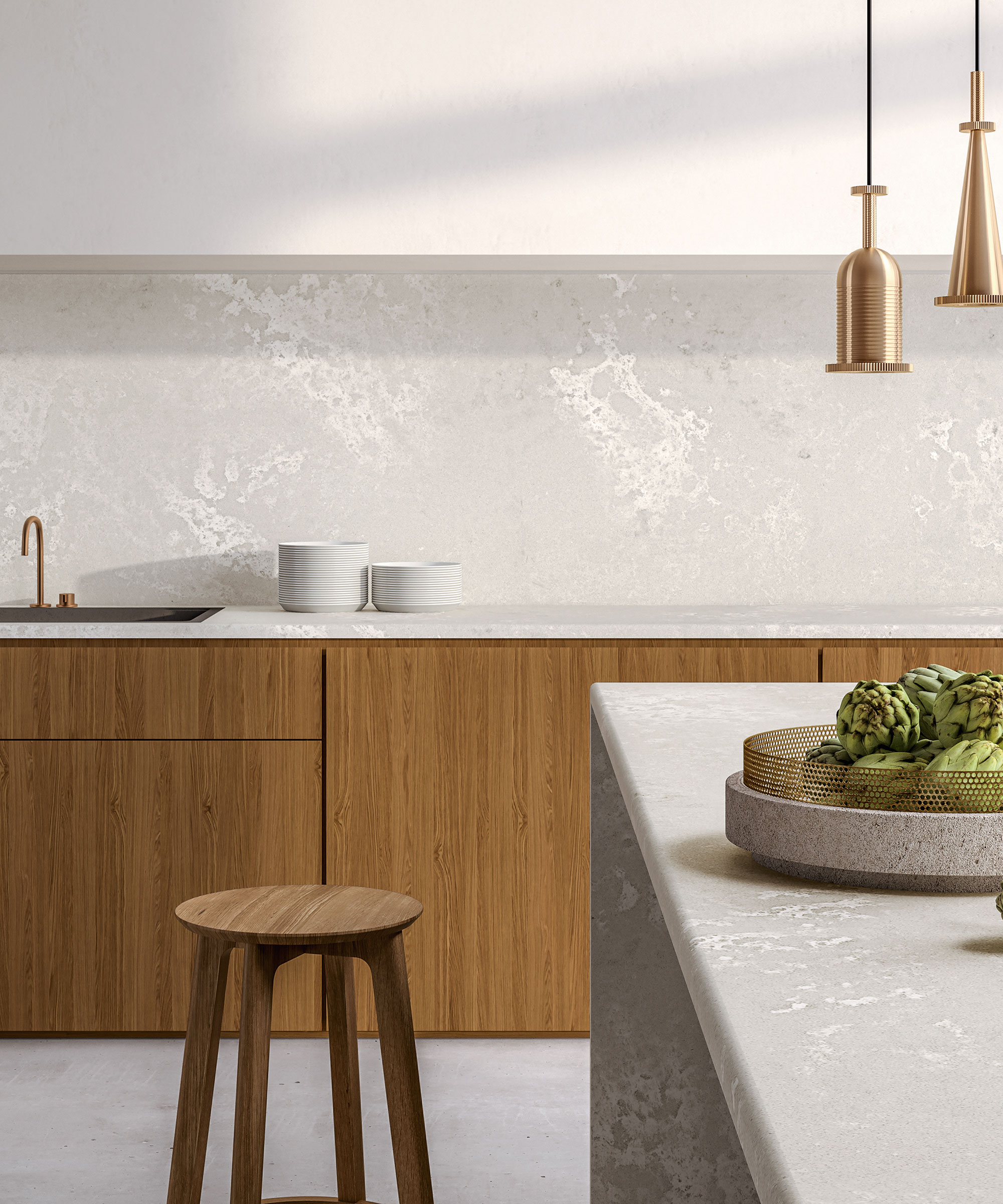
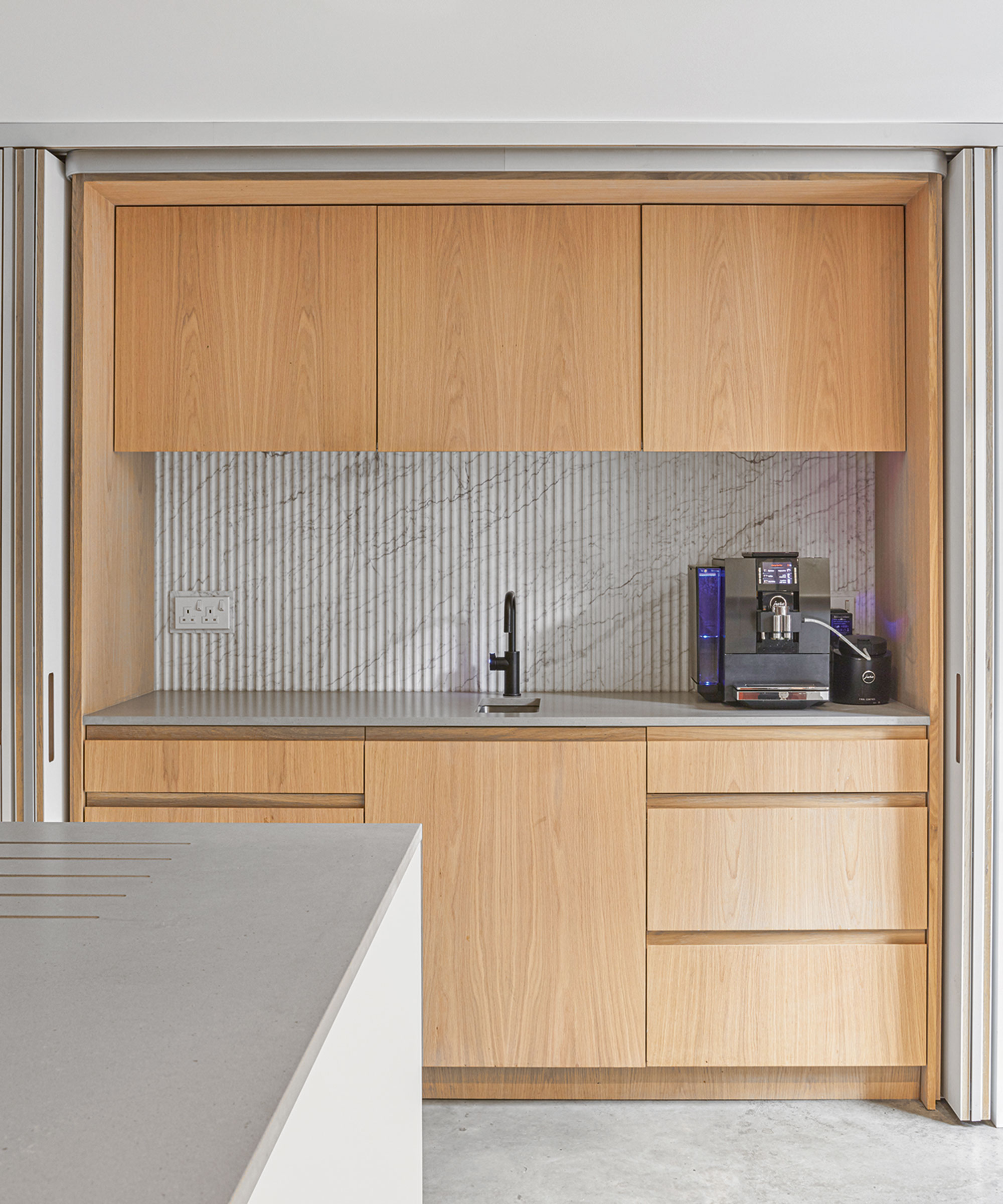
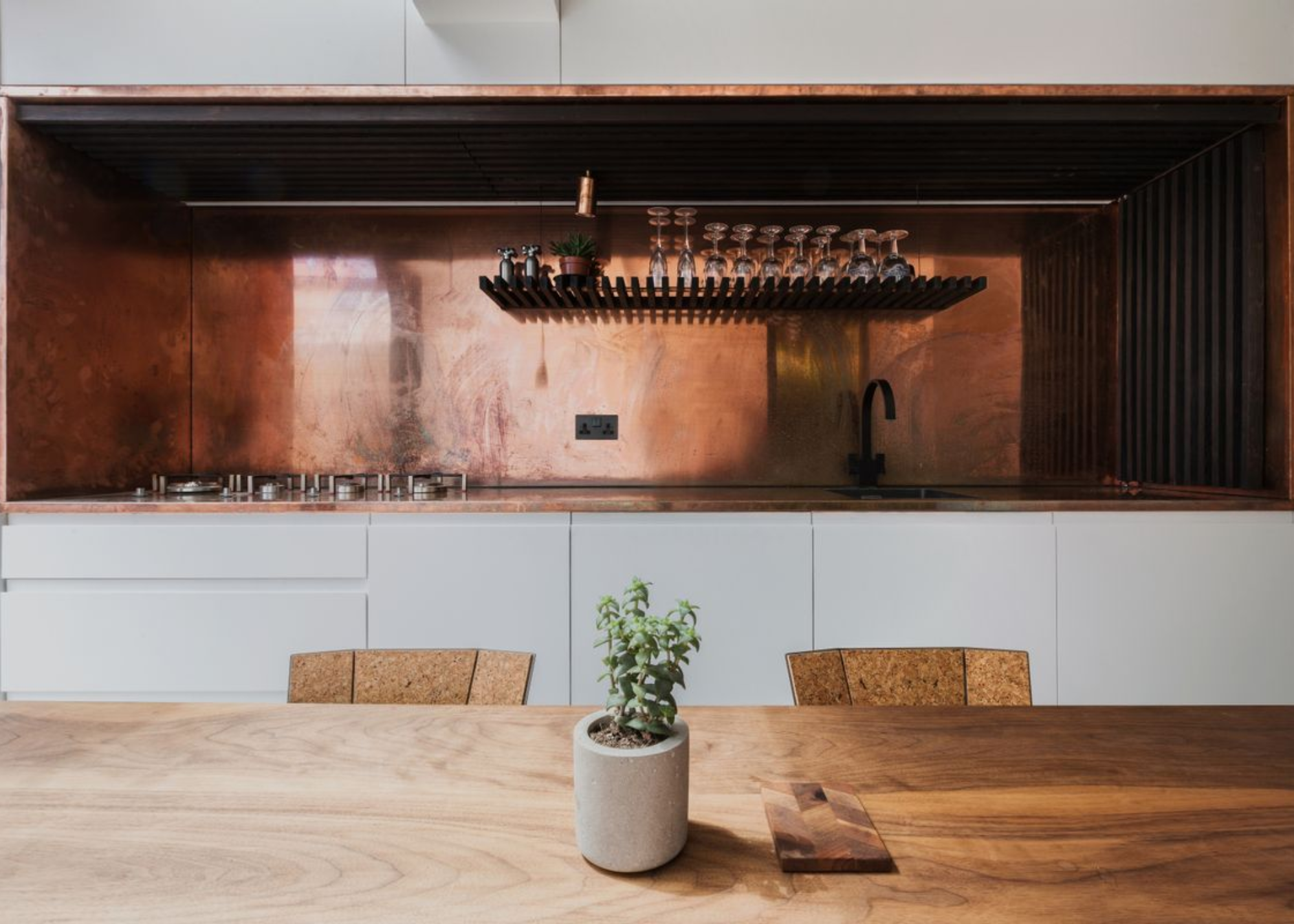
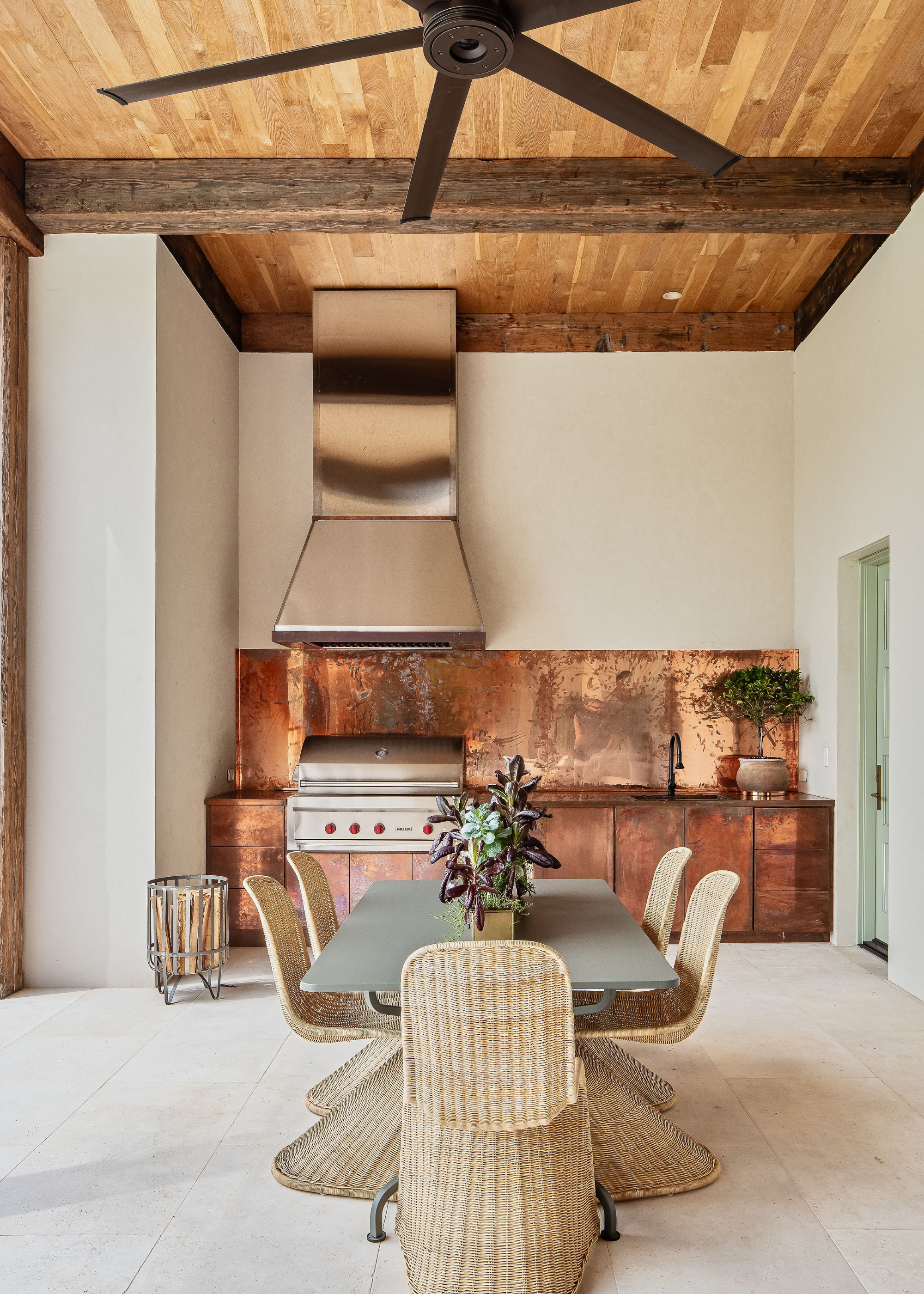
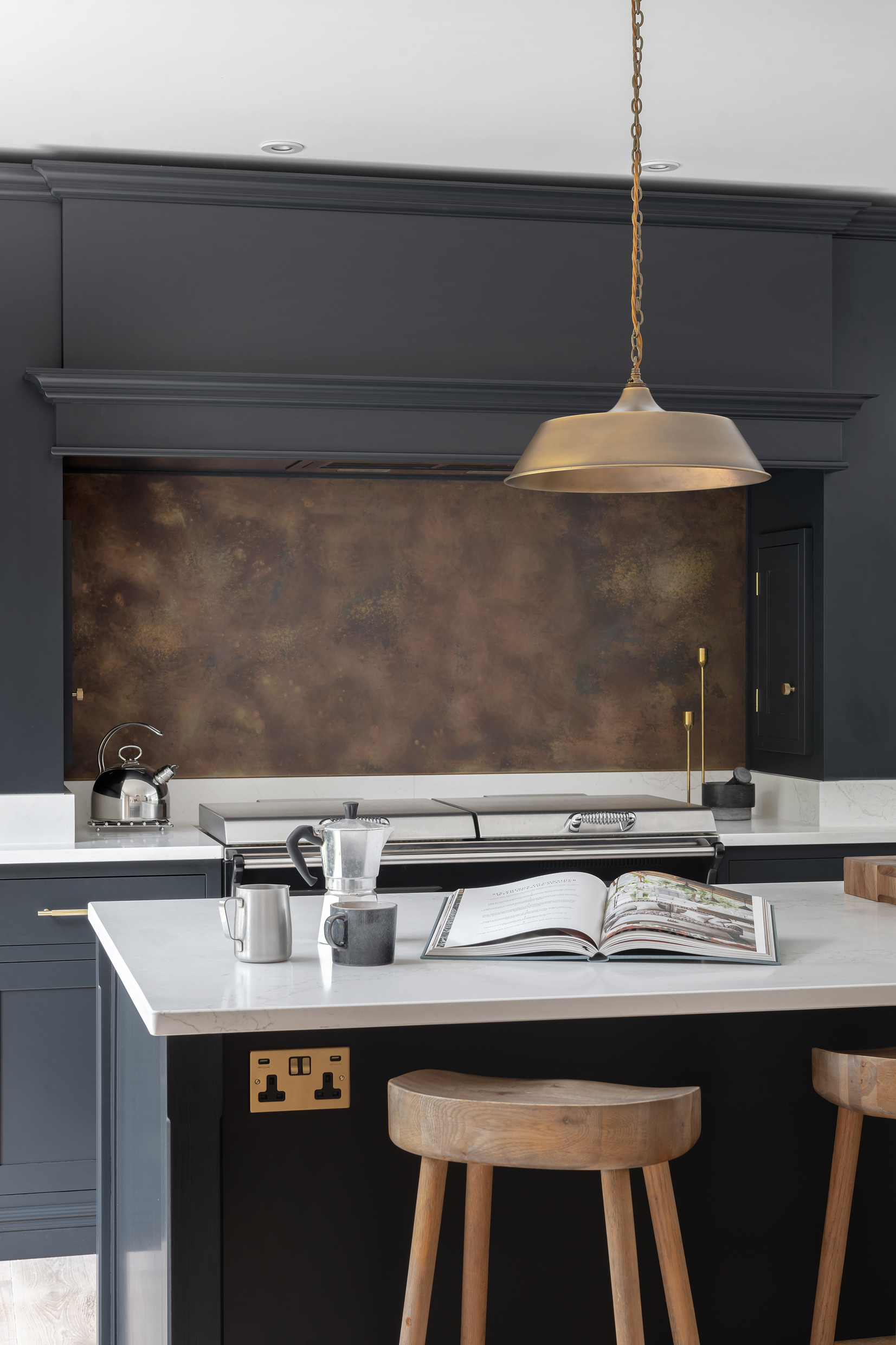
Jennifer Gilmer notes that half or two-thirds stone backsplashes with a six- to nine-inch ledge are common, particularly behind ranges. This ledge serves a dual purpose: it adds visual appeal and provides a functional space for items such as salt and pepper shakers or olive oil. Isabella Patrick further clarifies that a half backsplash is an intentional design element, distinguished from merely running out of tiling material. It helps to define the space without overwhelming it, especially in kitchens without upper cabinetry.
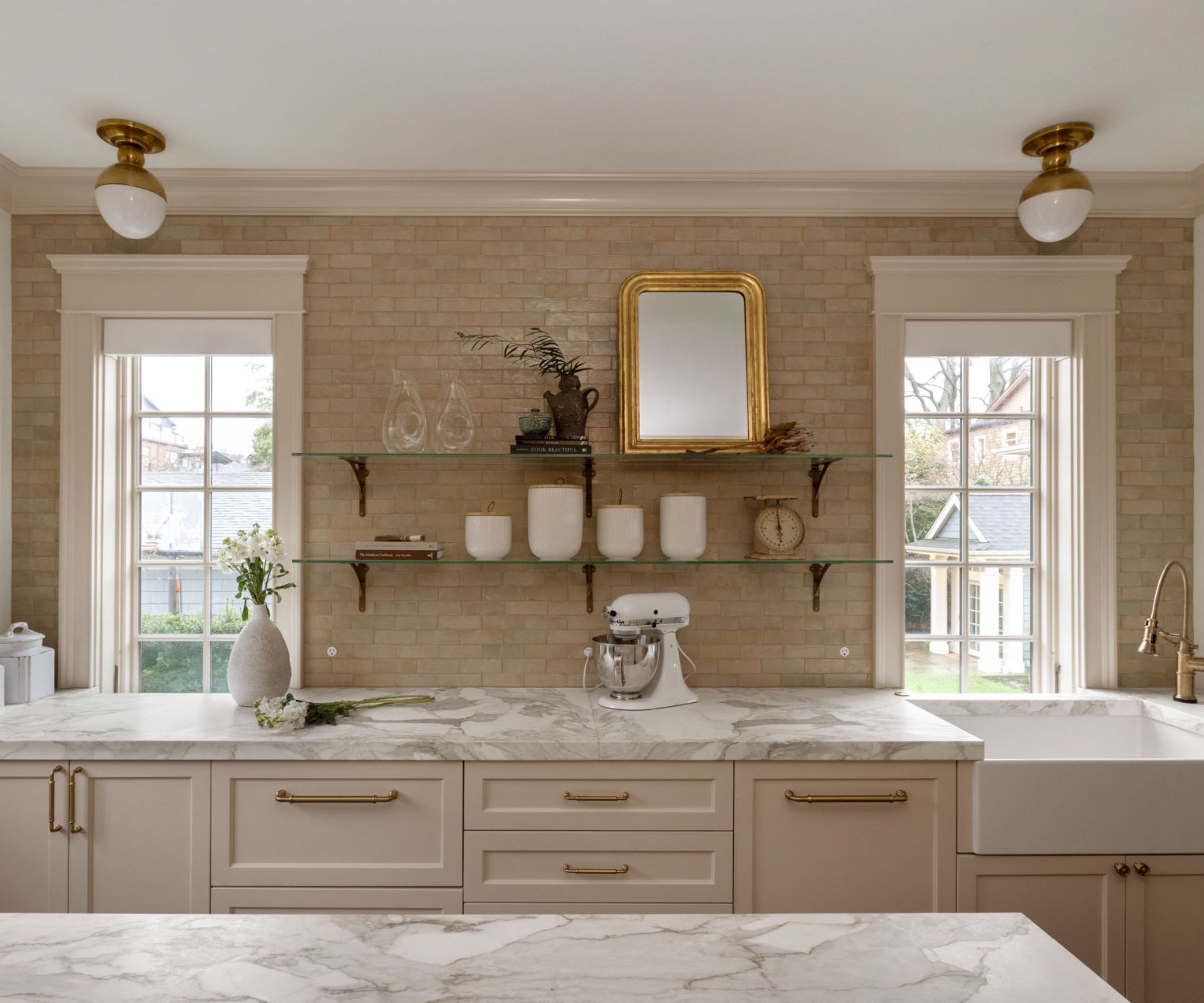
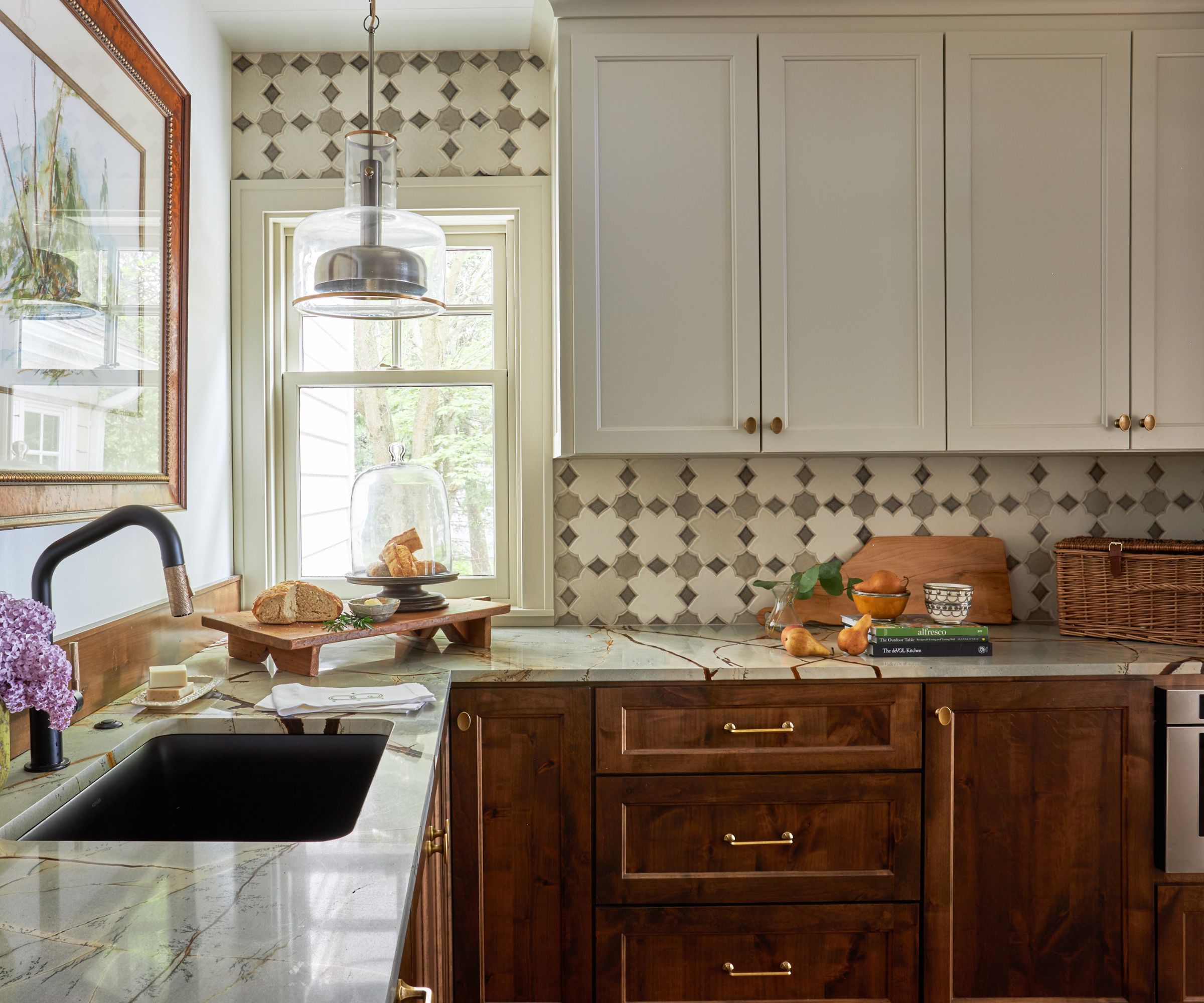
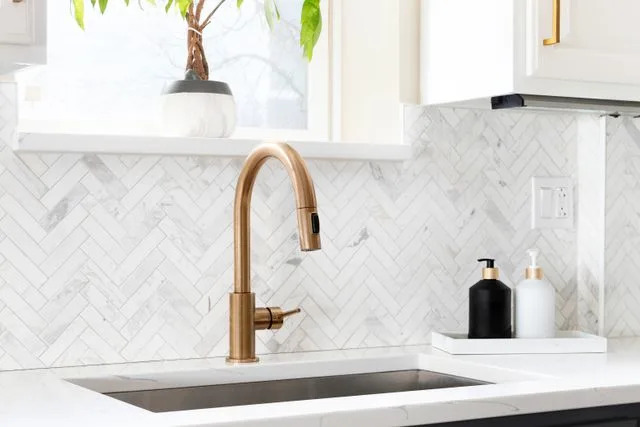
Designers appreciate the half-height look for its ability to balance proportion, manage budgets, and enhance visual appeal. Isabella Patrick points out that a full wall of tile or stone can sometimes make a space feel monotonous or like an afterthought. By contrast, a partial backsplash, particularly when combined with mixed materials, creates a more layered and sophisticated aesthetic. She gives an example of running Cambria quartzite to a ledge and then transitioning to Fireclay tile above it, showcasing how material variation contributes to good design.
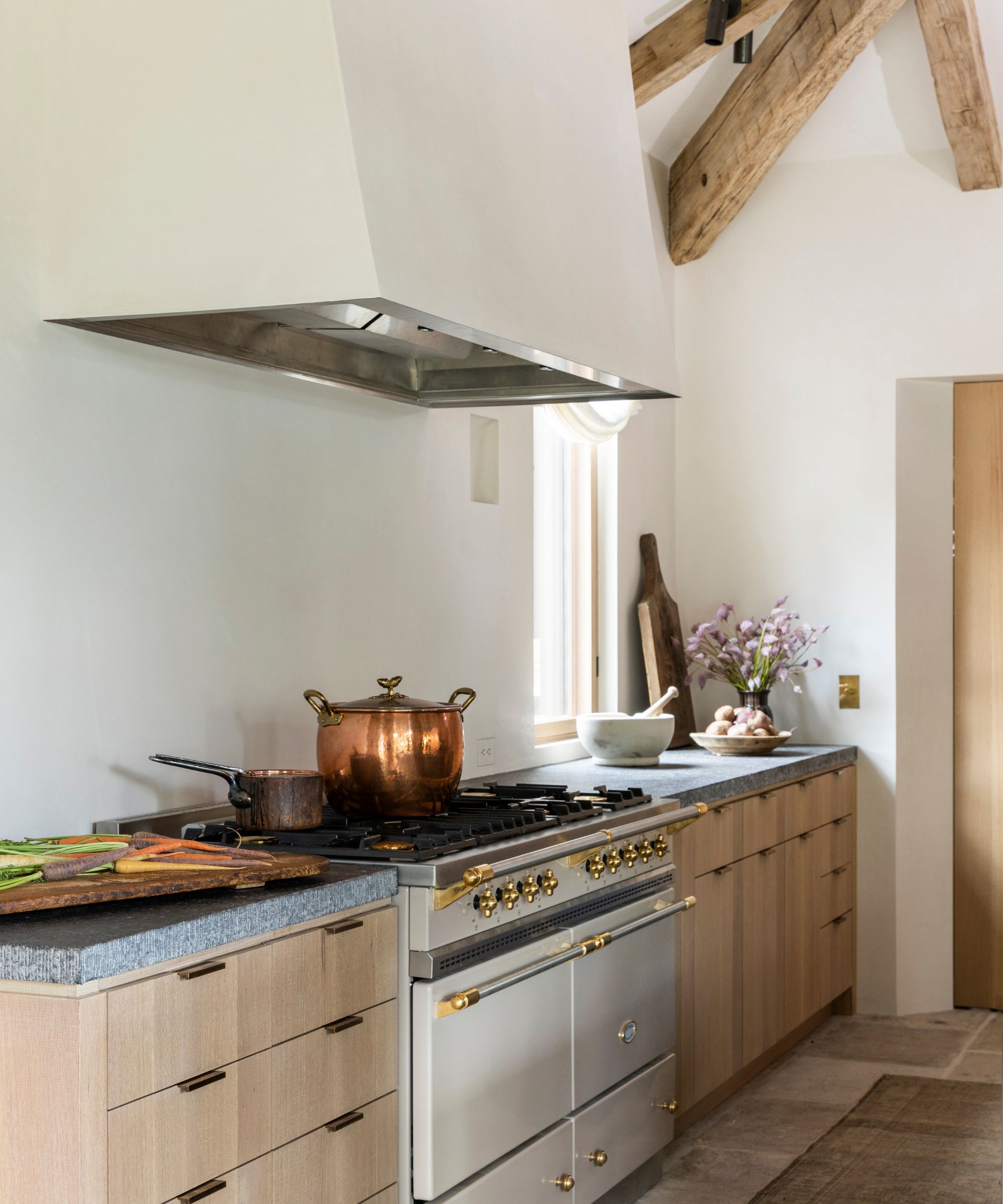
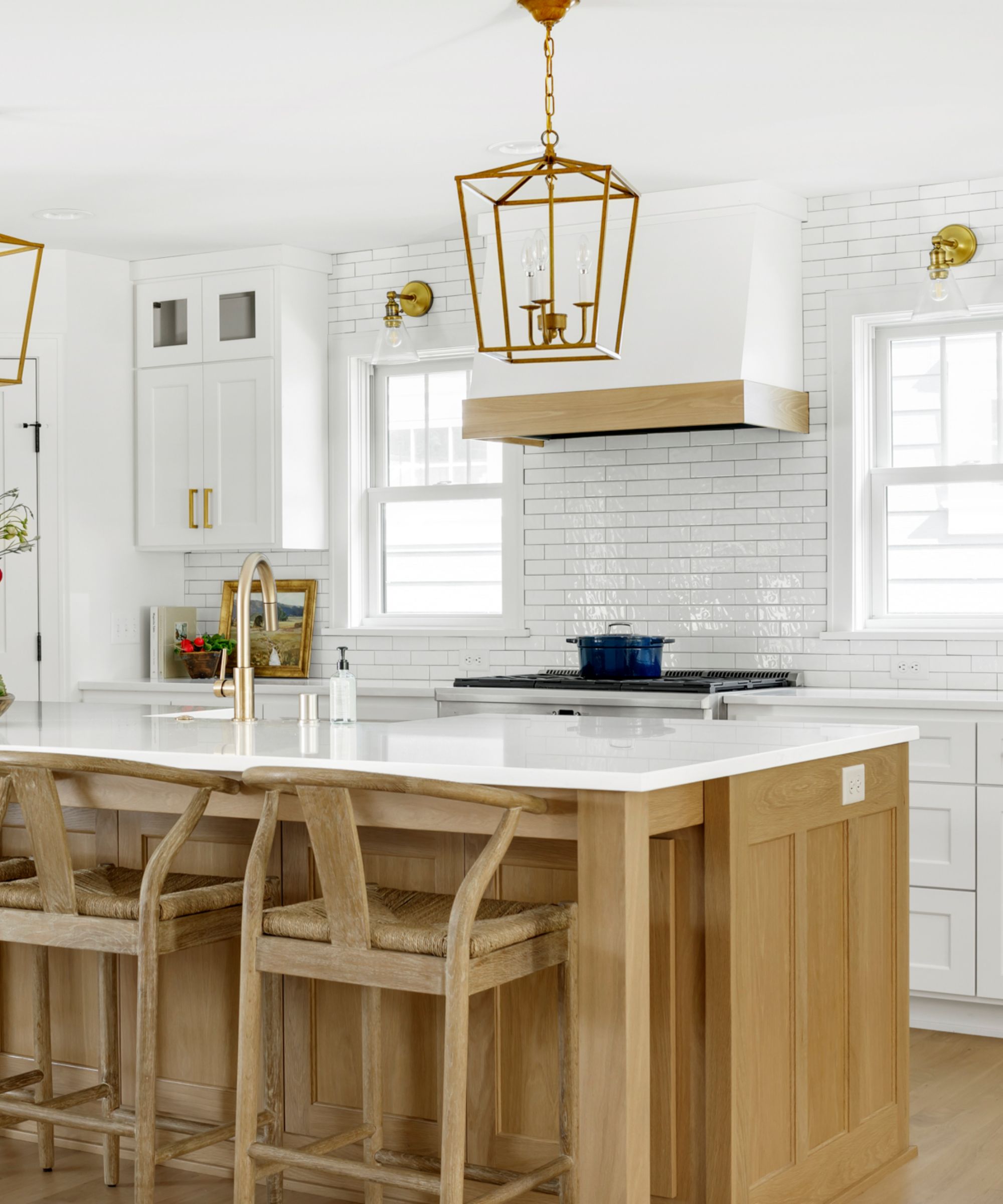
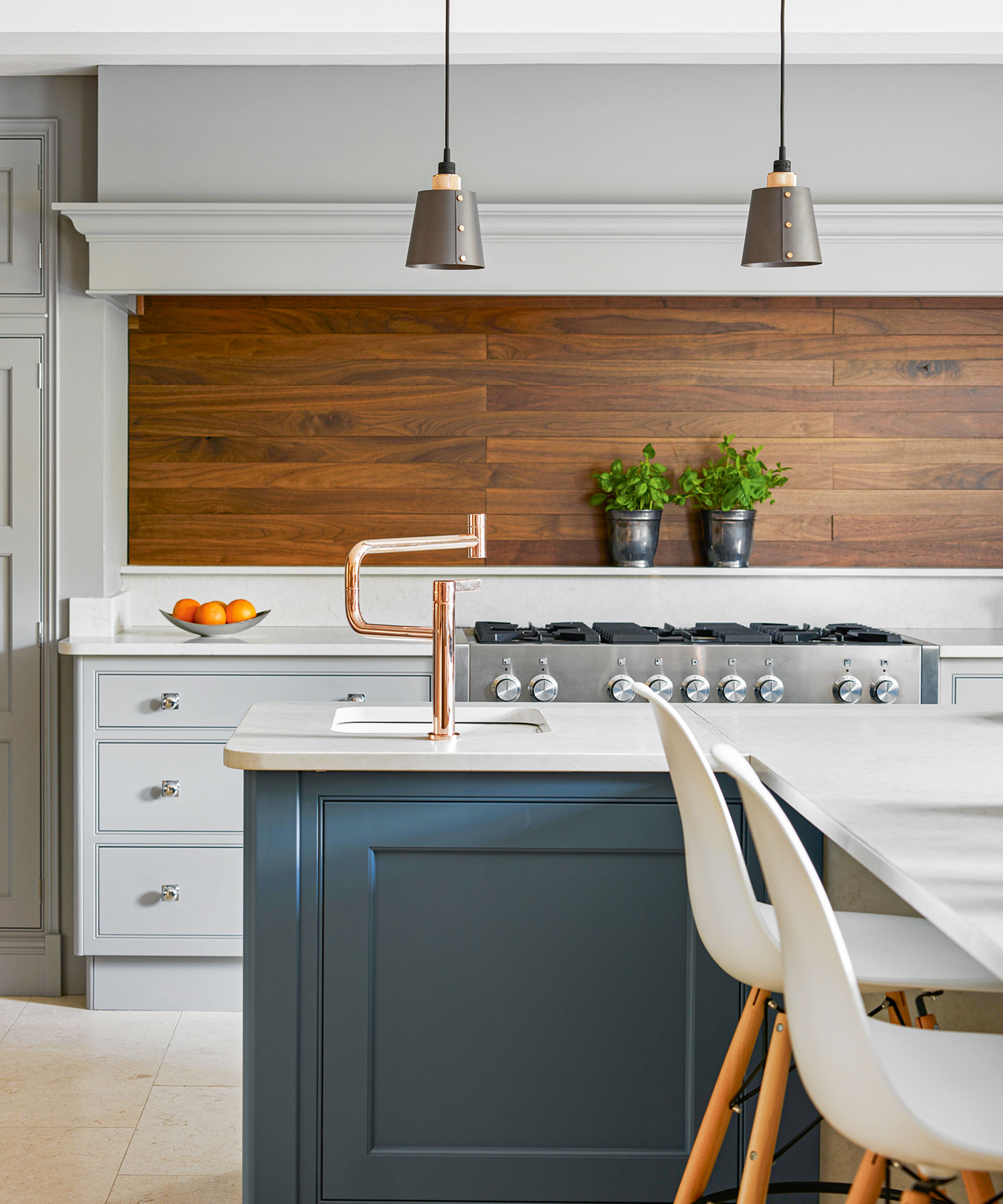
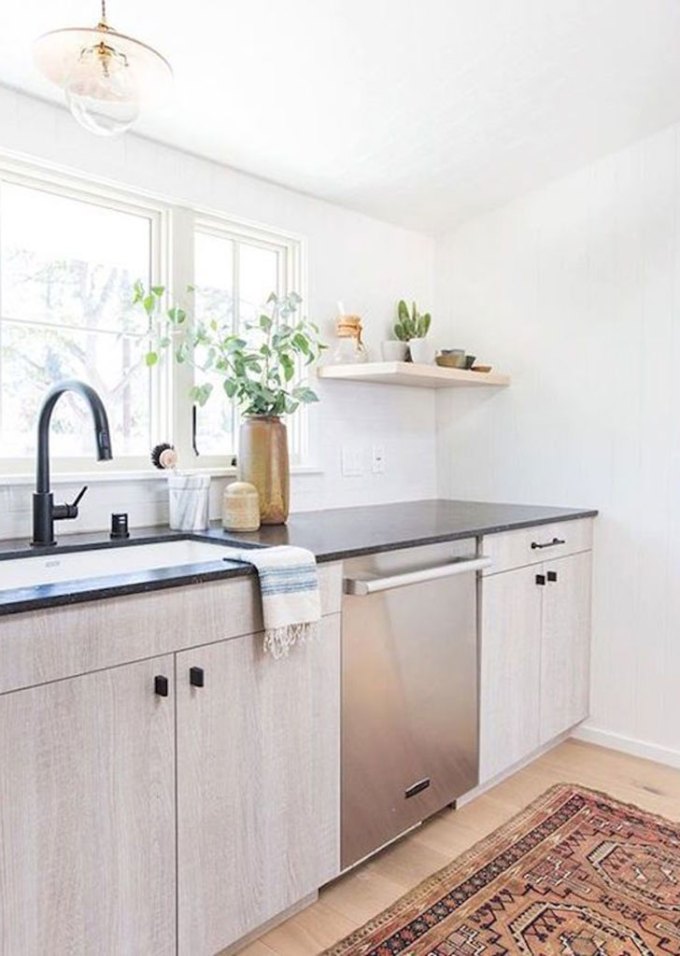
Another significant benefit of the half backsplash, particularly in kitchens without upper cabinets, is its contribution to an open and airy feel. Patrick mentions that eliminating upper cabinets in favor of a half backsplash prevents blocking windows and makes the kitchen seem like a more transitional and decorative space, especially when it opens into a dining room. Jill Najinigier of JN Interior Spaces emphasizes the importance of how the backsplash interacts with the surrounding architecture, including wall height, windows, and the shape of the range hood. She describes a project where a luminous tile was used just high enough to meet a tapered plaster hood, capped with a narrow stone ledge, resulting in clean lines and a stunning statement.
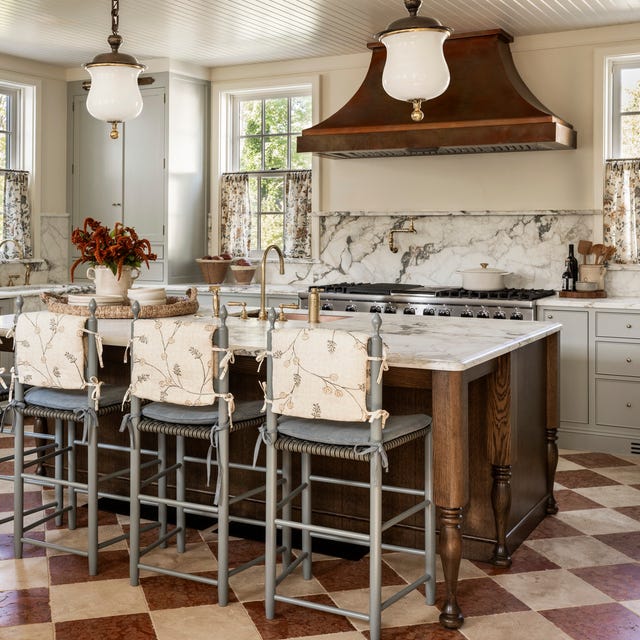
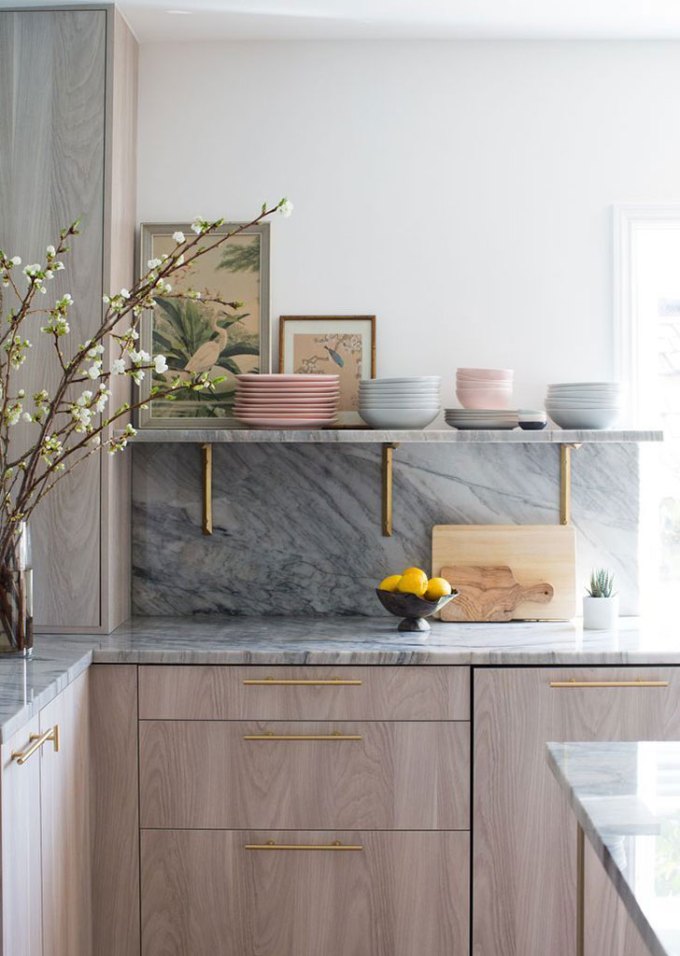
Beyond aesthetics, the functional aspect of the half backsplash, specifically the integrated ledge, is highly valued. Kate Pearce highlights the utility of a five-inch-deep marble shelf for styling vintage kitchenware, which adds an approachable feel compared to a full marble backsplash that might appear too formal. Federica Asack of Masseria Chic also used a leathered sandstone for a half backsplash with a ledge, allowing for splash-free decoration with artwork and cherished objects. Molly Watson echoes this sentiment, noting that a simple shelf is ideal for displaying special items and that extending the countertop stone up the wall can make a kitchen feel larger and visually calm. Ultimately, the half backsplash is presented as a versatile and stylish trend that offers a blend of practicality and creative expression, making kitchens feel lighter, livelier, and more thoughtfully designed.
#KitchenDesign #BacksplashTrends #InteriorDesign #HomeRenovation #KitchenRemodel #DesignInspiration #HomeDecor #KitchenDesign #BacksplashTrends #InteriorDesign #HomeRenovation #KitchenRemodel #DesignInspiration #HomeDecor
Há 0 comentários no total
 Ainda não há comentários
Você também pode gostar
10 Kitchen Backsplash Trends That Are Out In 2025

67% of Renovators Are Abandoning Standard Backsplashes for This Maximalist Look

Designers Are Calling It: Here Are the Biggest Kitchen Backsplash Trends for 2026

7 Backsplash Mistakes That Will Date Your Kitchen
Blended backsplashes are trending in kitchen design – this is what you should know

Ditch These Dated Backsplash Trends For Timeless Alternatives
Design Experts Agree: This Kitchen Style Is Making a Major Comeback
I've Written About Hundreds of Kitchens This Year Alone — I Think This Backsplash Material Is the Most Underrated in Design Right Now

The Most Stylish Kitchens Right Now Feature This Striking Backsplash Trend – And Designers Swear By It For a Bold-Meets-Timeless Scheme
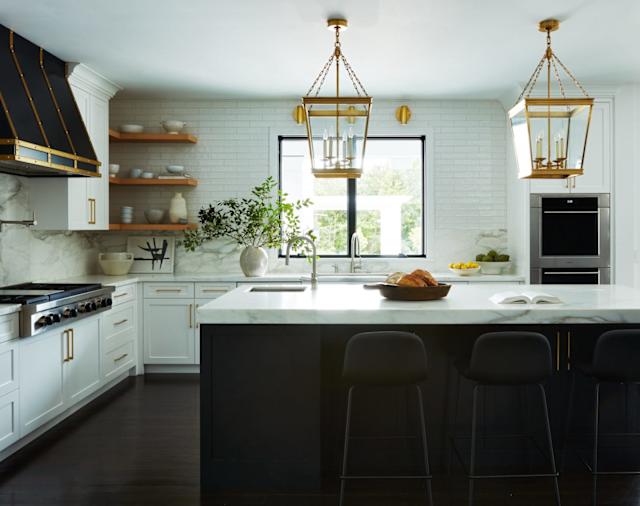
Designers Are Calling It: Here Are the Biggest Kitchen Backsplash Trends for 2026
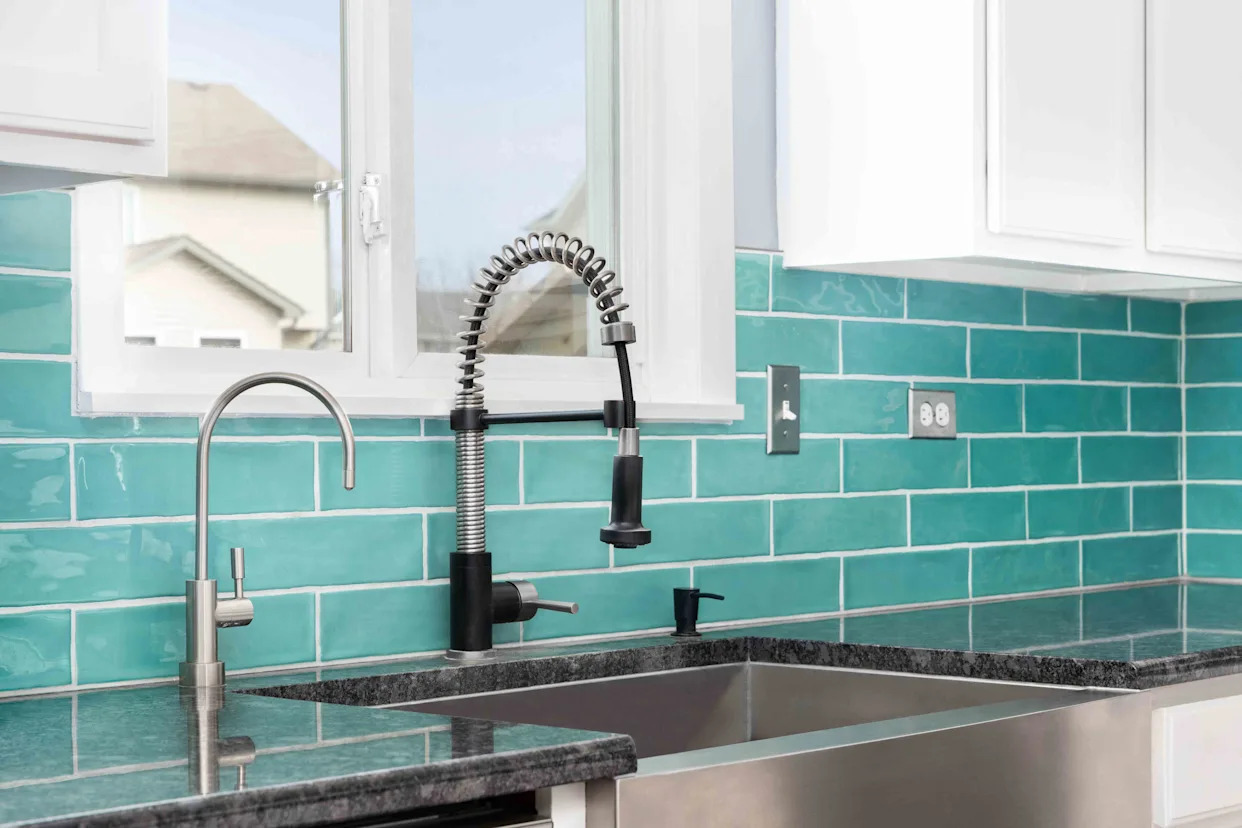
5 Outdated Kitchen Tile Trends to Retire, According to Interior Designers

The Controversial Kitchen Trend the Design World Is Buzzing Over
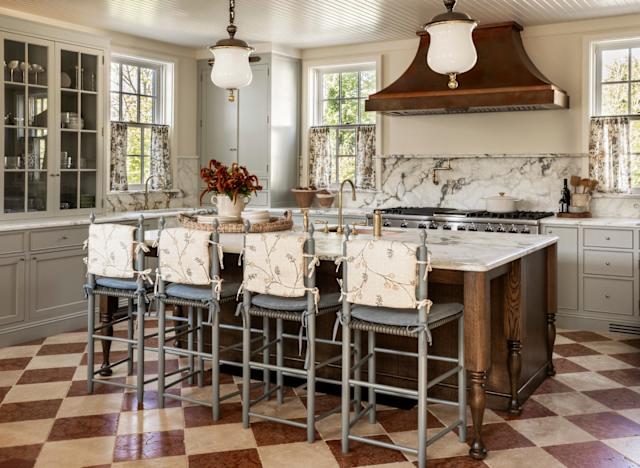
Why Half Backsplashes Are Taking Over Kitchen Design, According to Experts
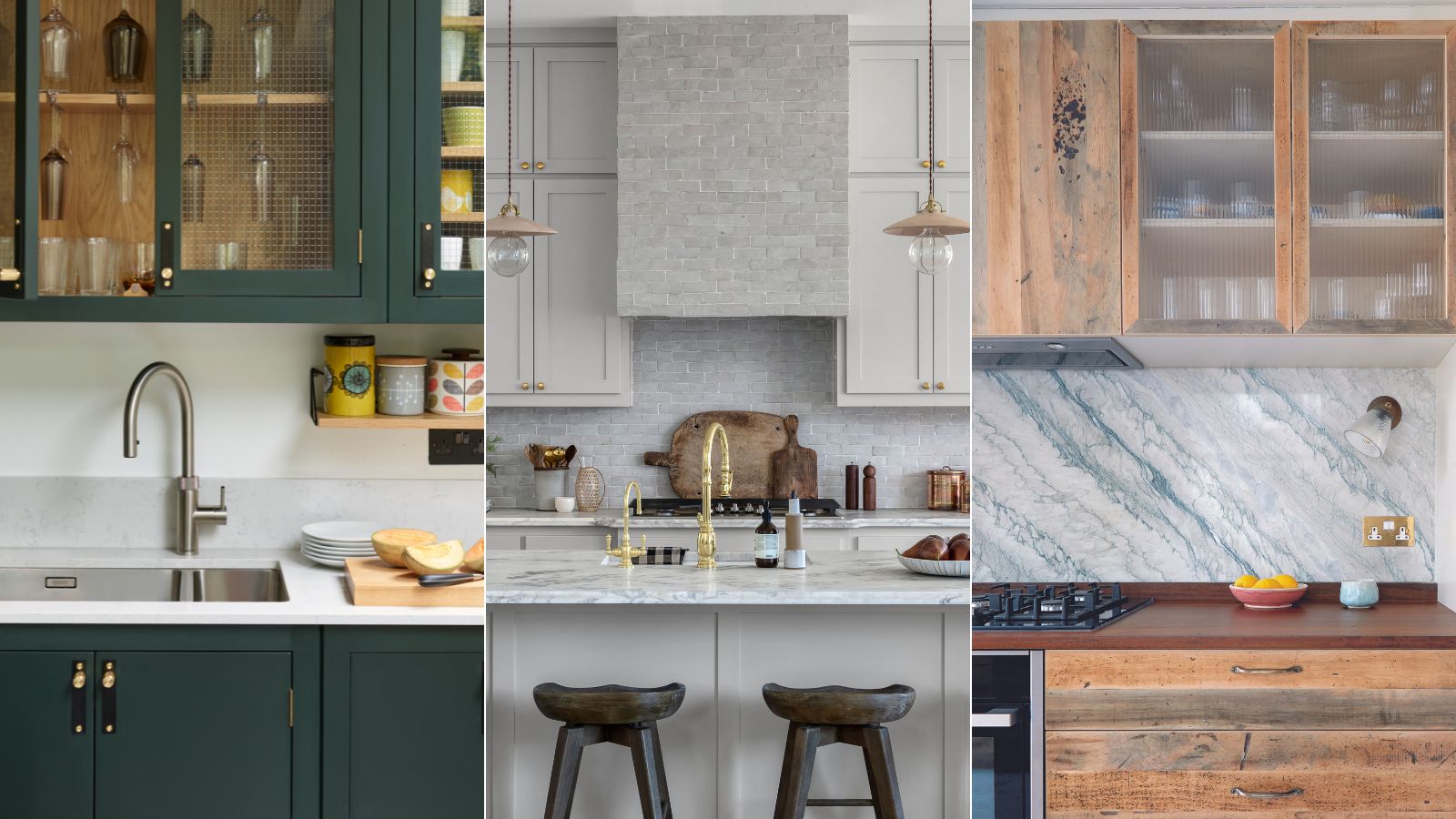
6 outdated kitchen backsplash designs that can bring down a whole room

Quirky Kitchen Backsplash Designs Are Making A Comeback. Here Are Our 12 Favorite Options
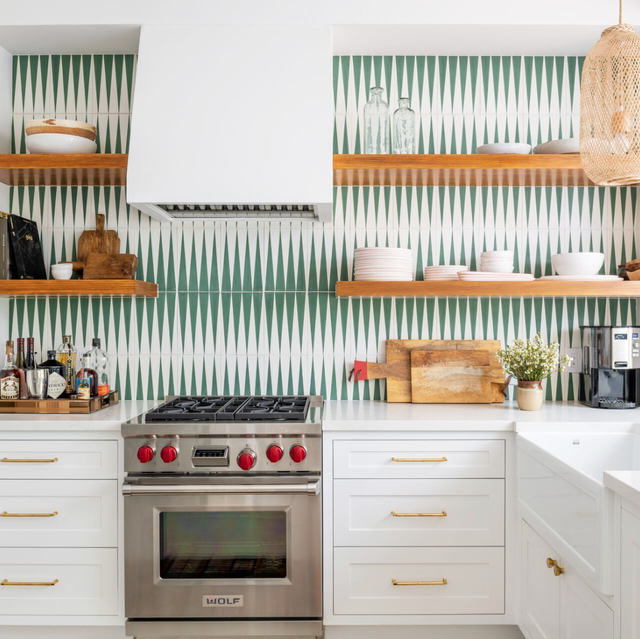
This Striking Geometric Backsplash Is Just the Thing to Upgrade Your Kitchen

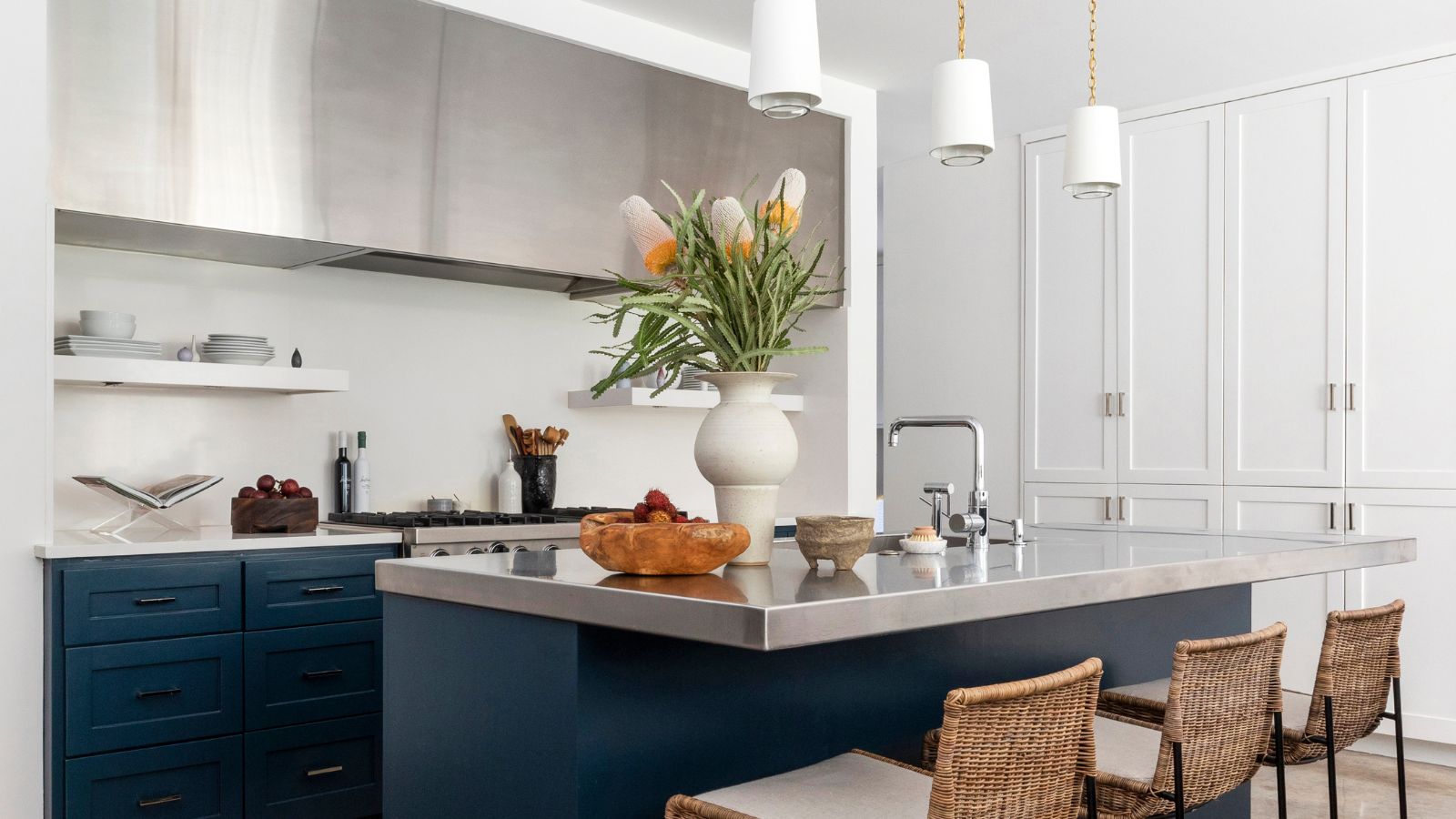
All the most stylish kitchens in 2025 forgo this key feature
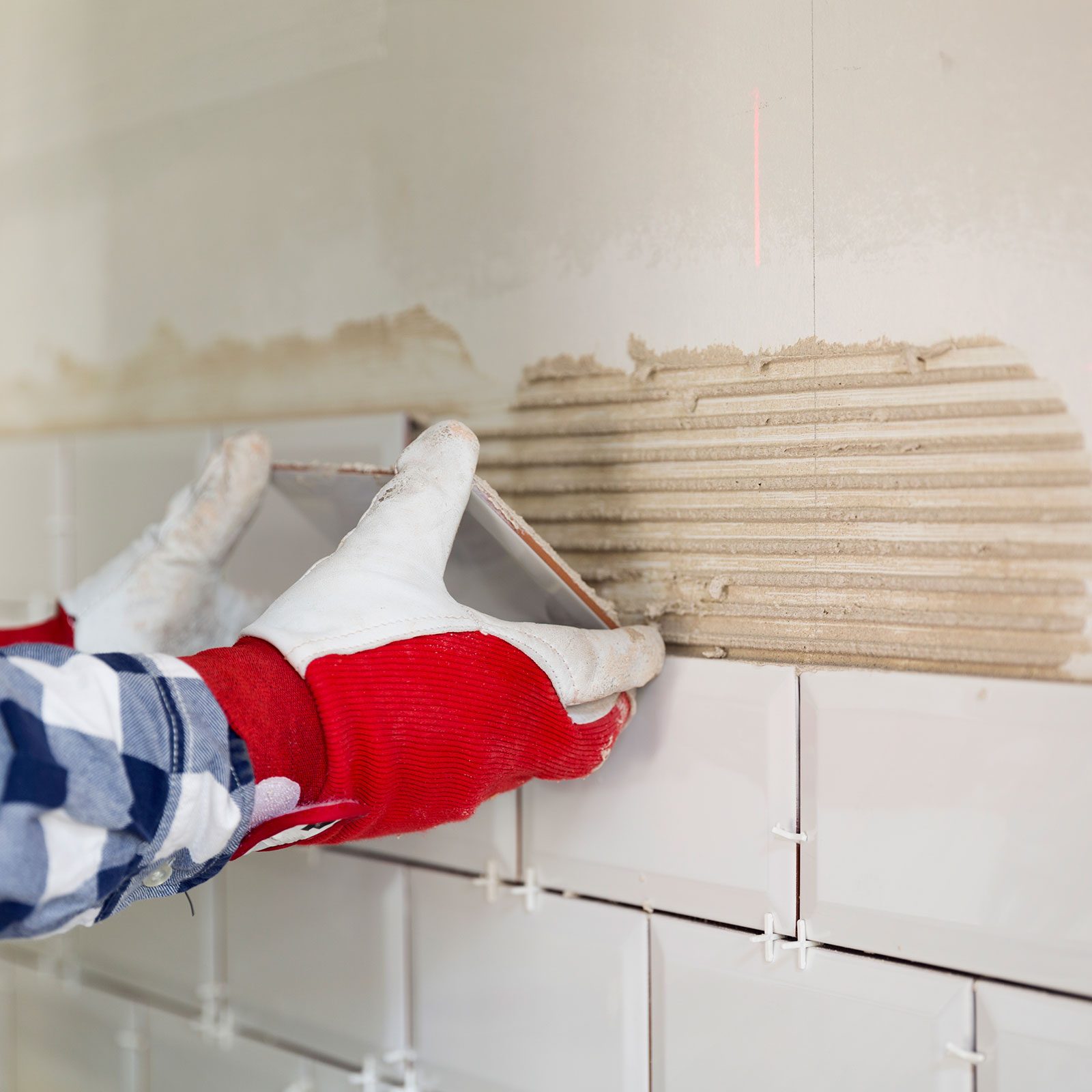
8 Backsplashes to Avoid, According to Interior Designers

The 'wallpaper' of the kitchen – why choosing the right kitchen backsplash can make or break a space
4 Kitchen Tile Trends on Their Way Out (and What’s Replacing Them), According to Designers