Why Half Backsplashes Are Taking Over Kitchen Design, According to Experts
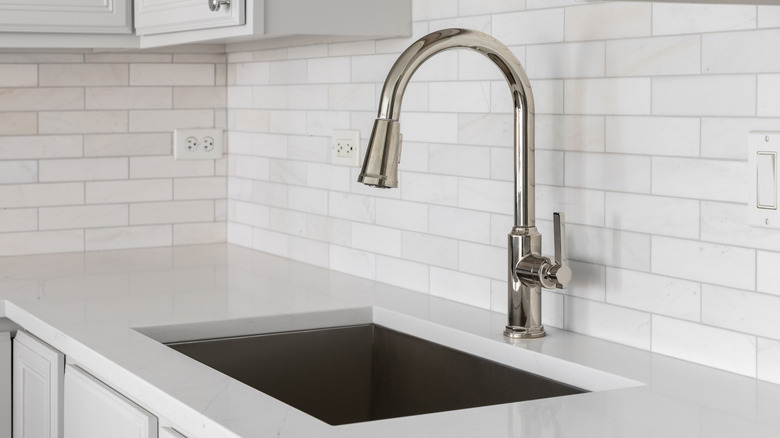
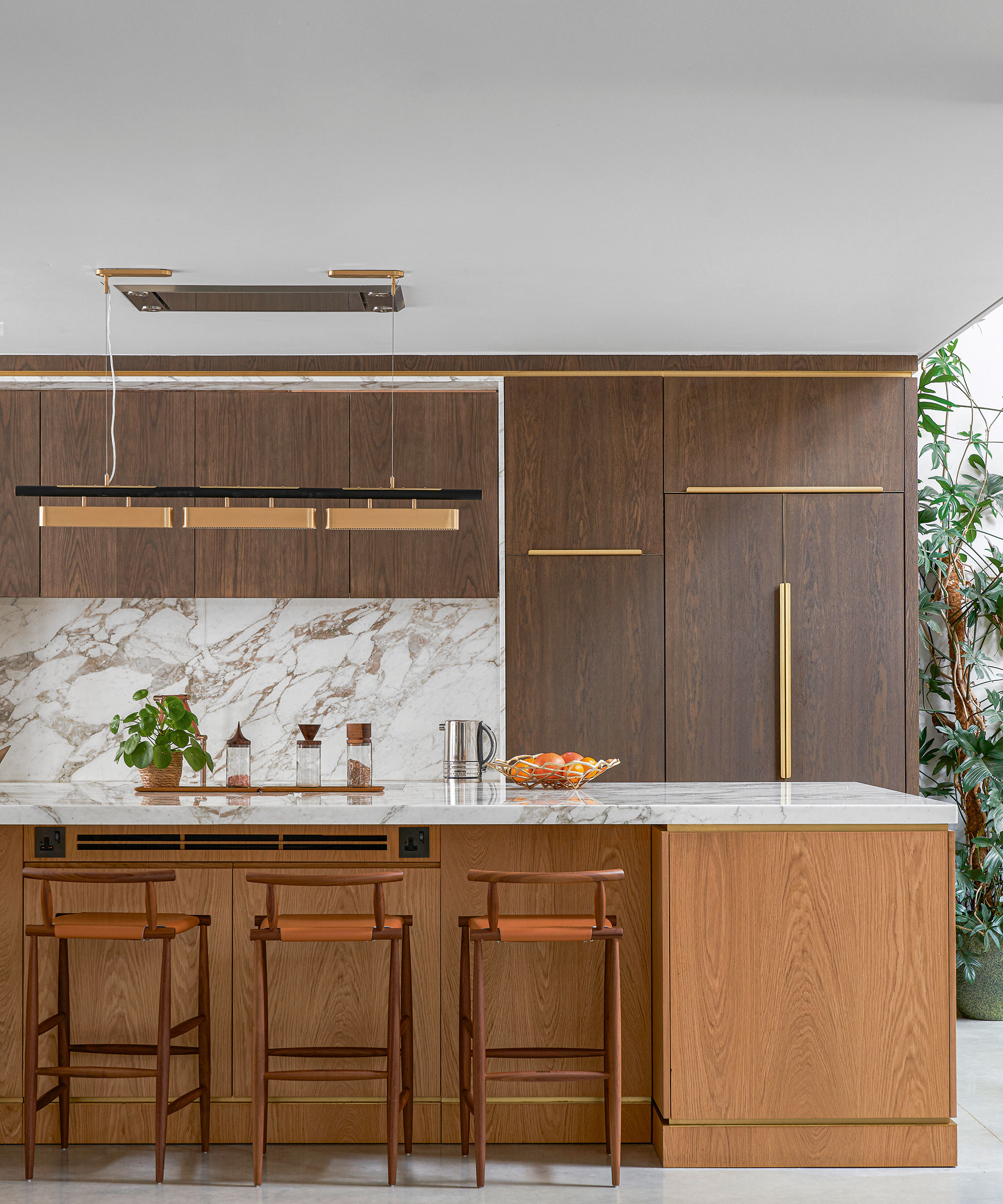
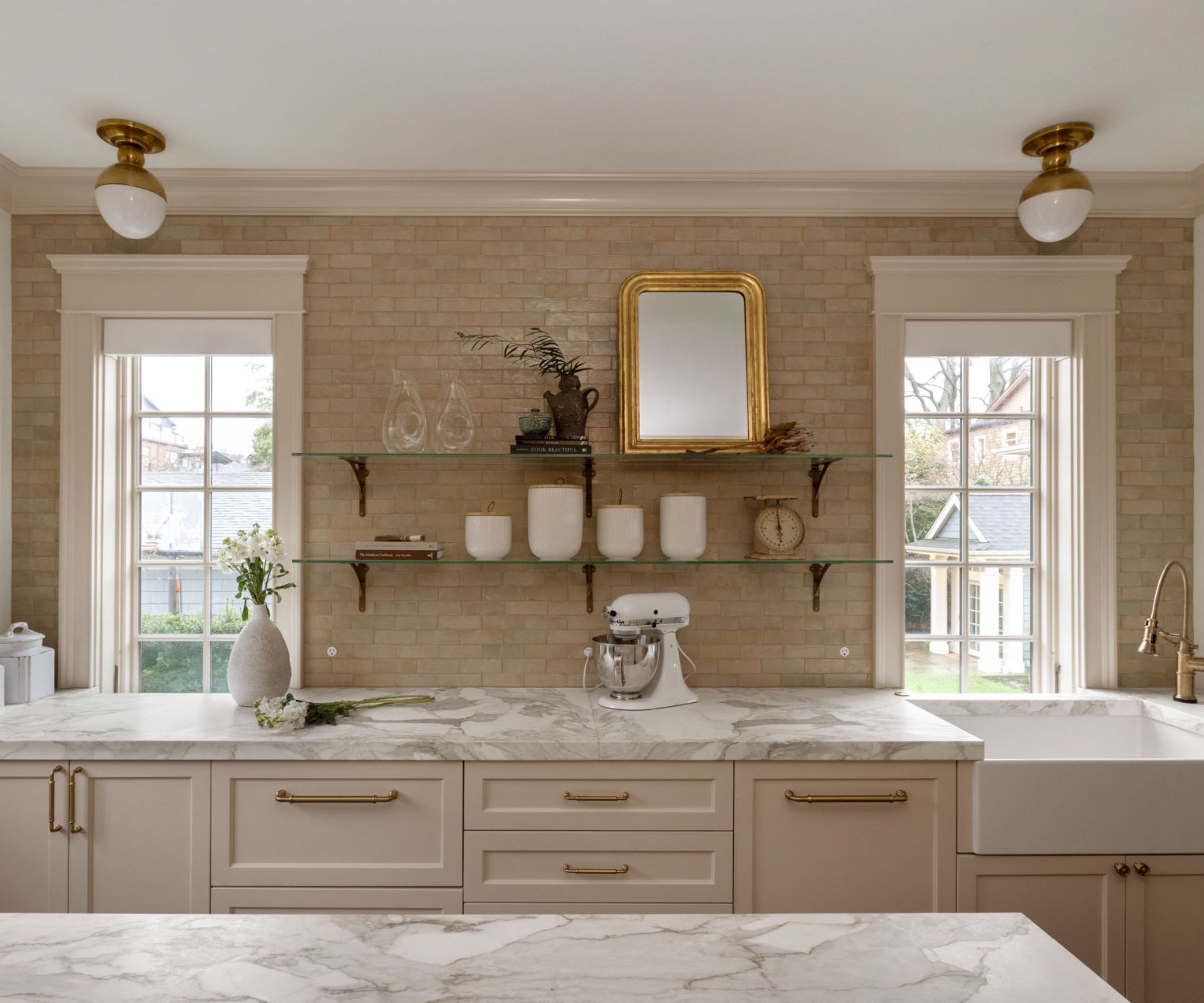
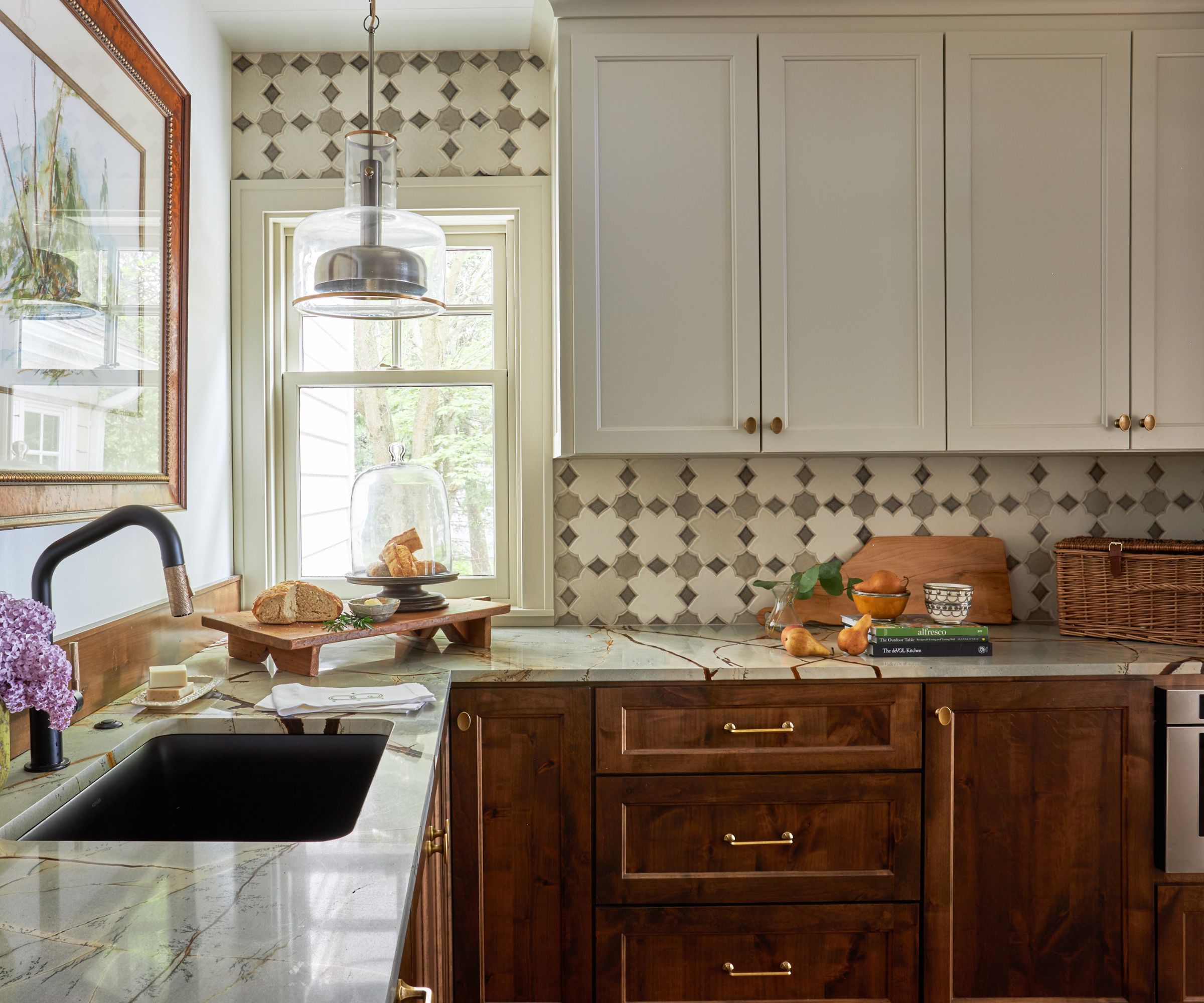
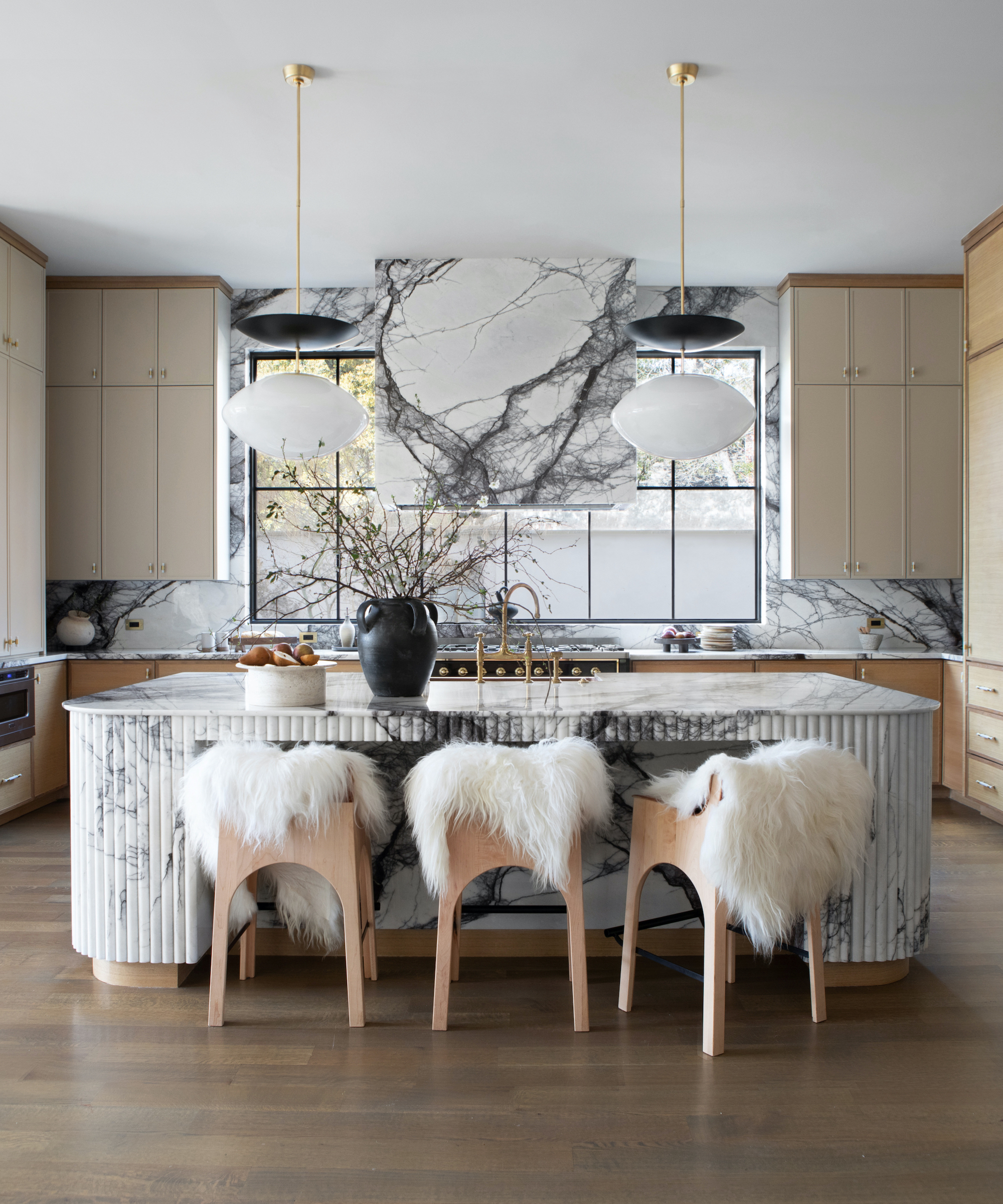
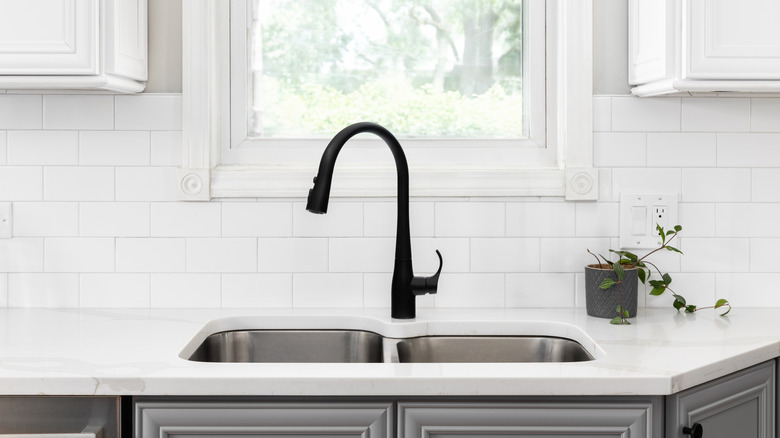
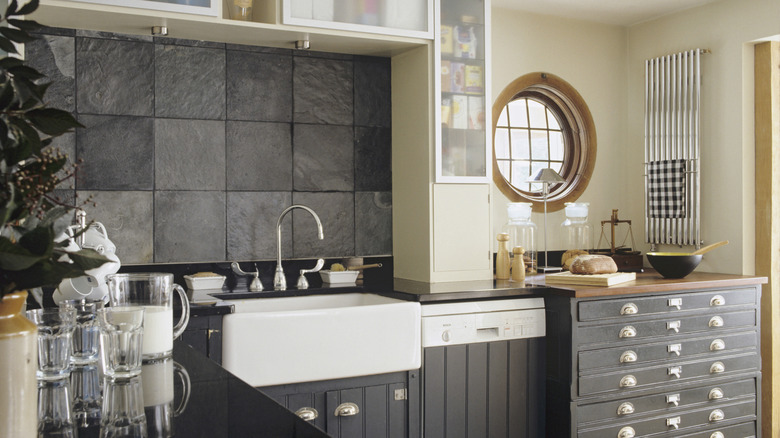
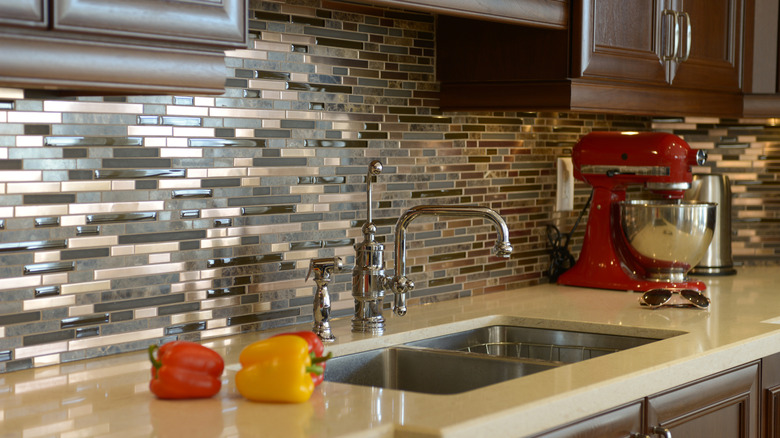
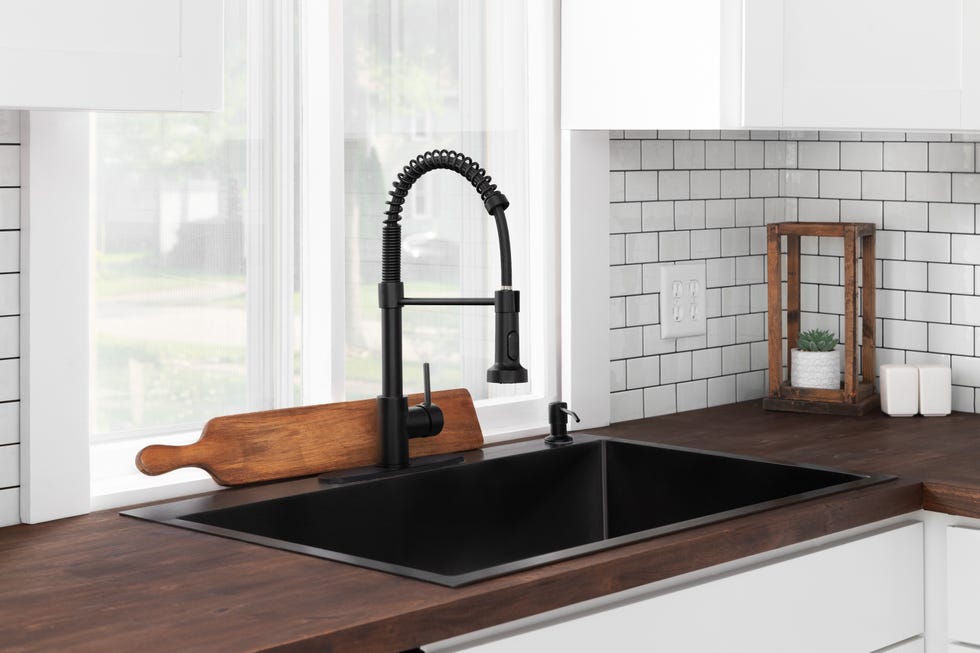
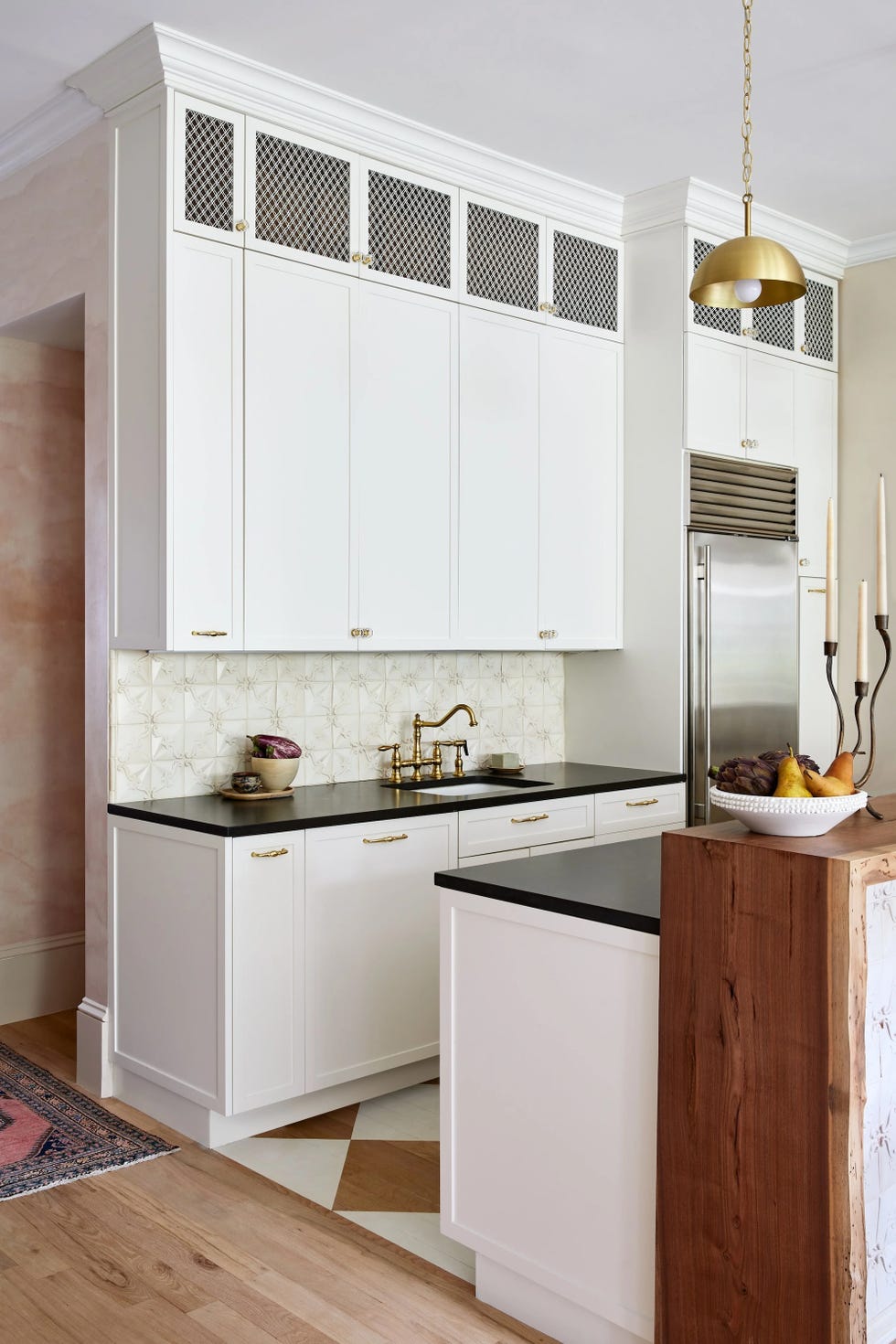
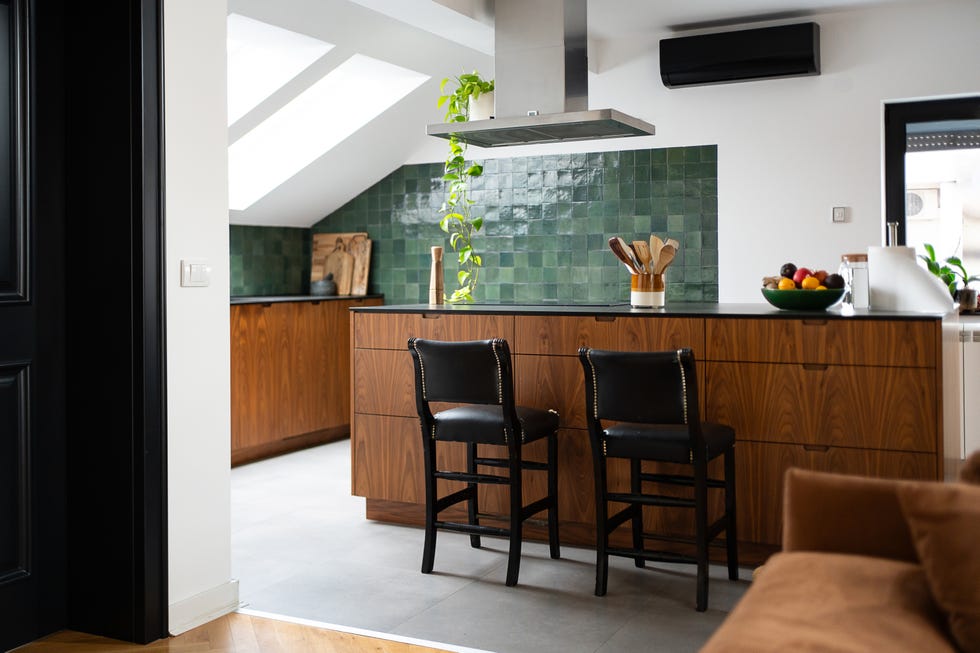
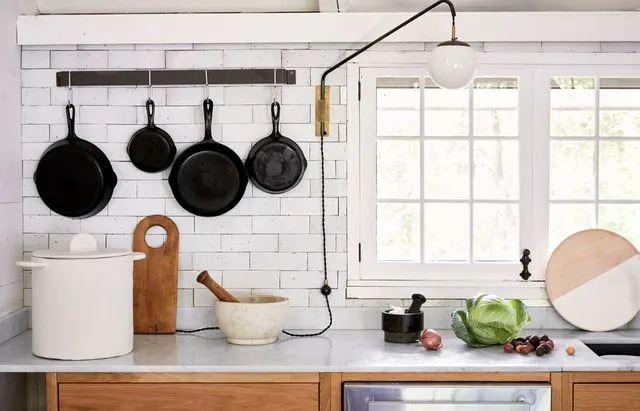
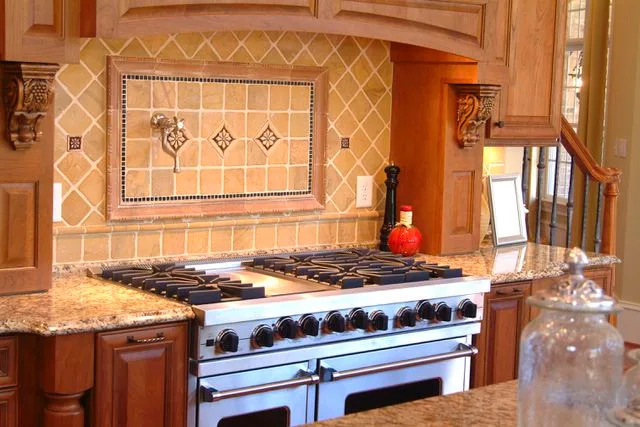
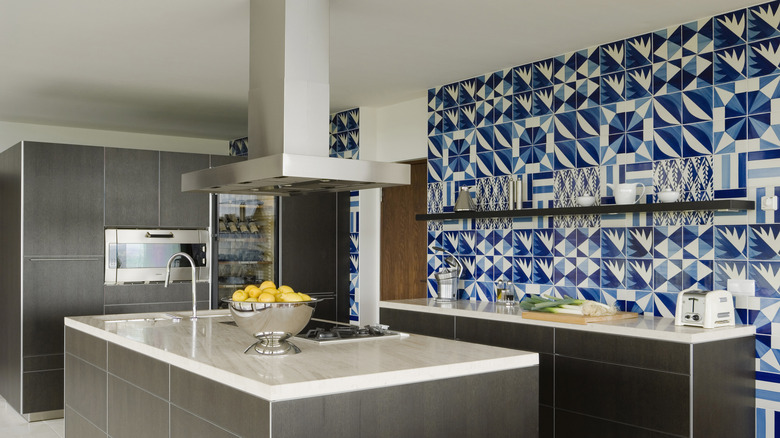
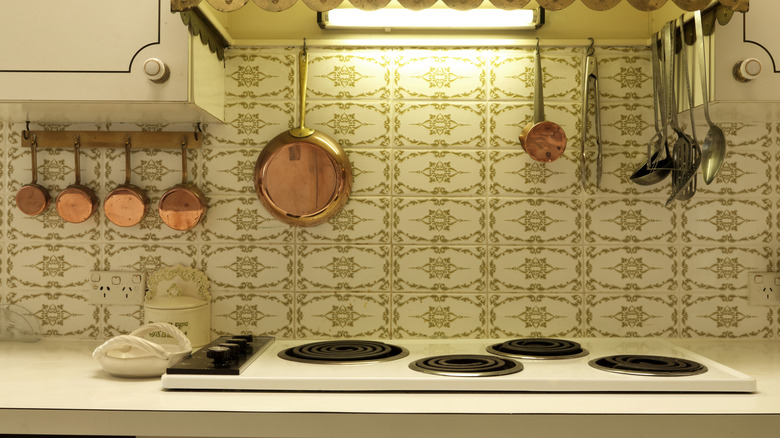
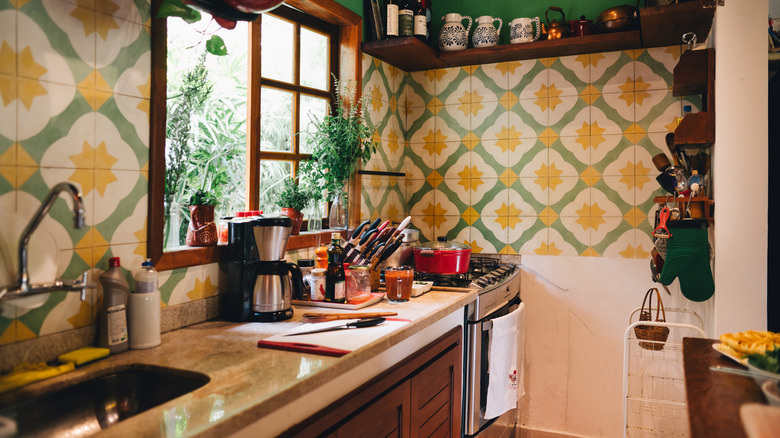
The article explores the growing trend of half backsplashes in kitchen design, analyzing why this particular style is gaining traction among experts and homeowners alike. Traditionally, backsplashes either cover the entire wall up to the upper cabinetry or a significant portion of it. However, the half backsplash, which typically stops between four and twenty-five inches above the countertop, offers a distinct aesthetic and functional appeal.
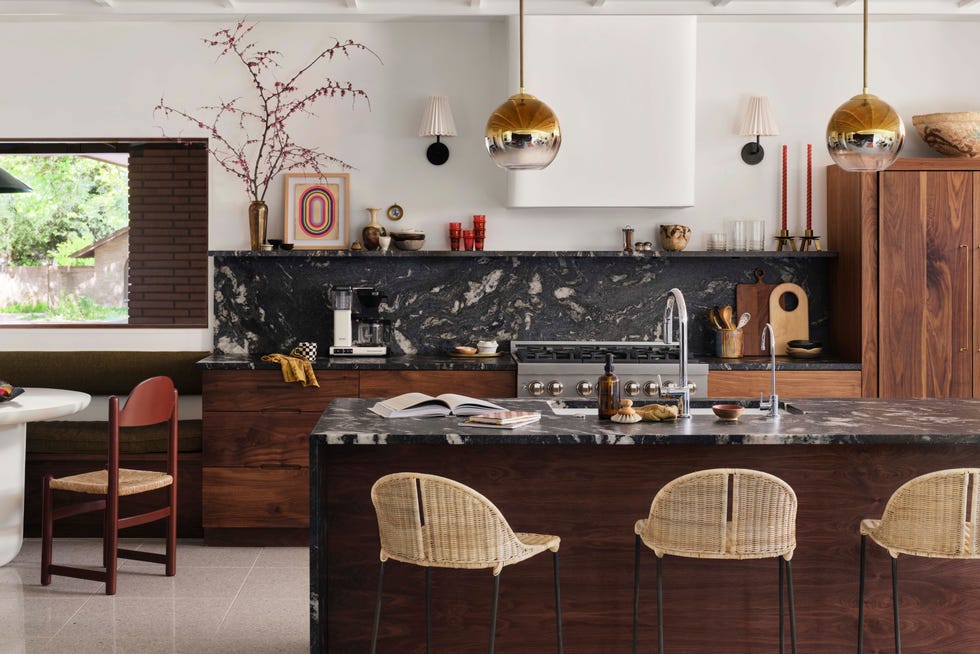
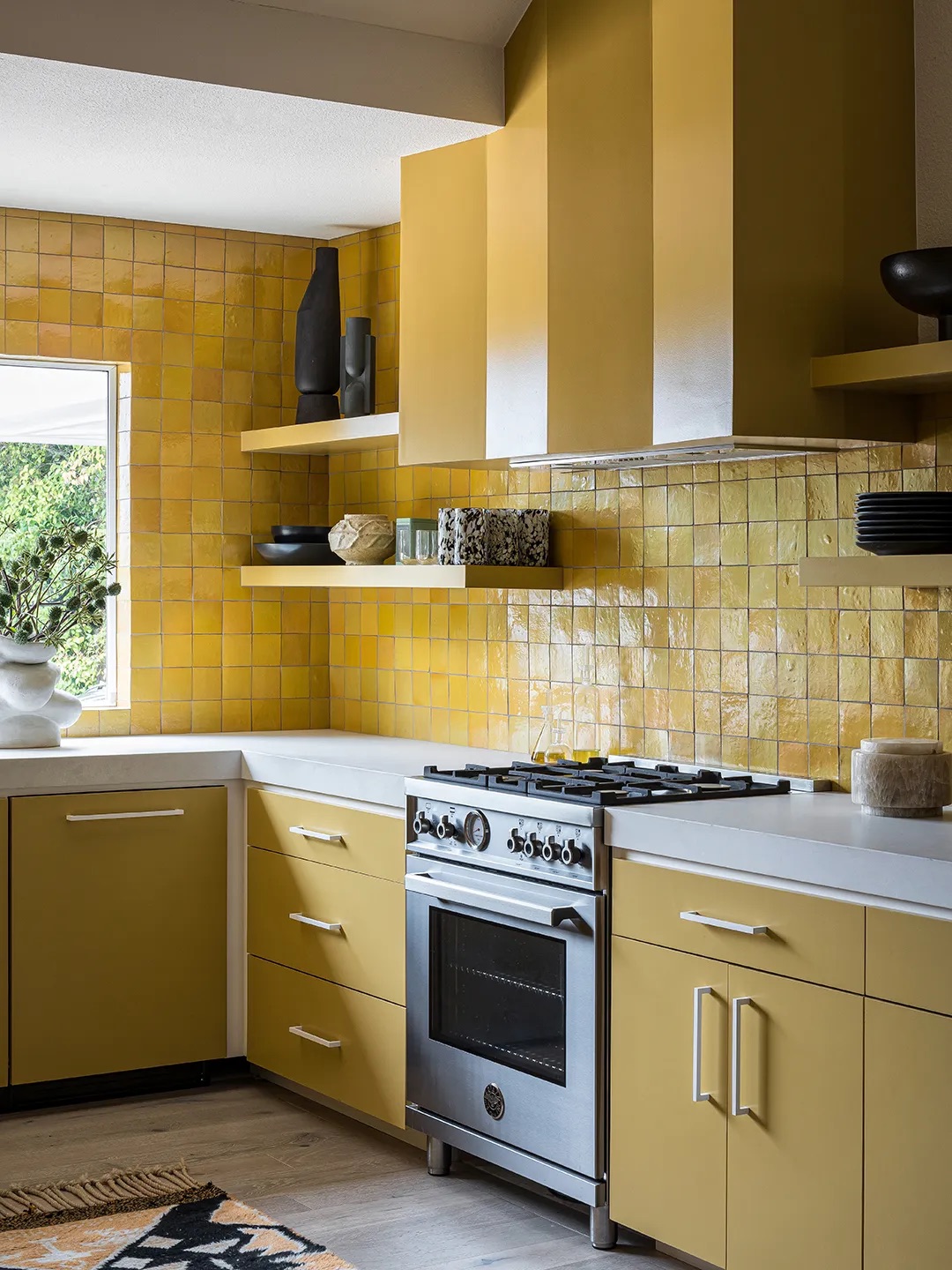
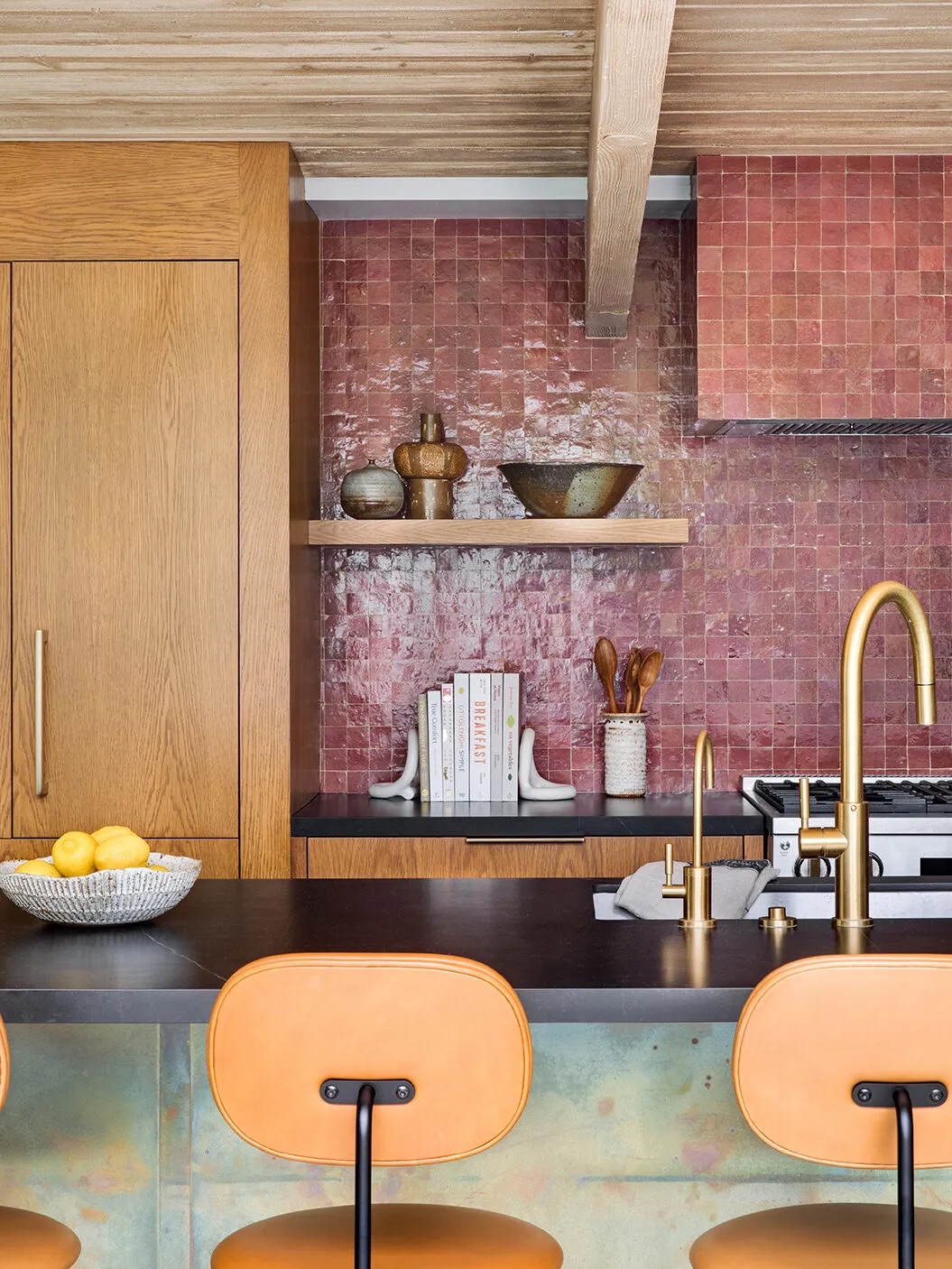
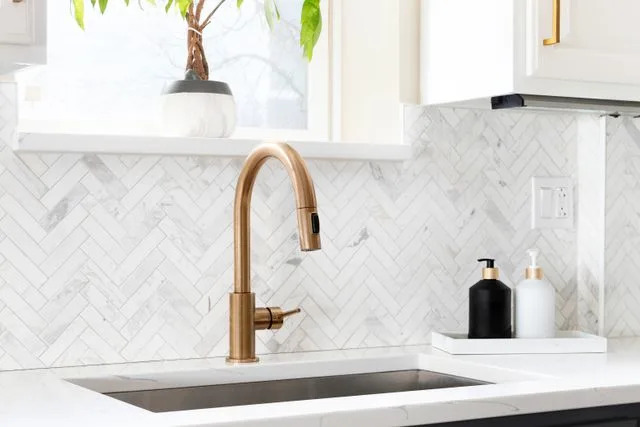
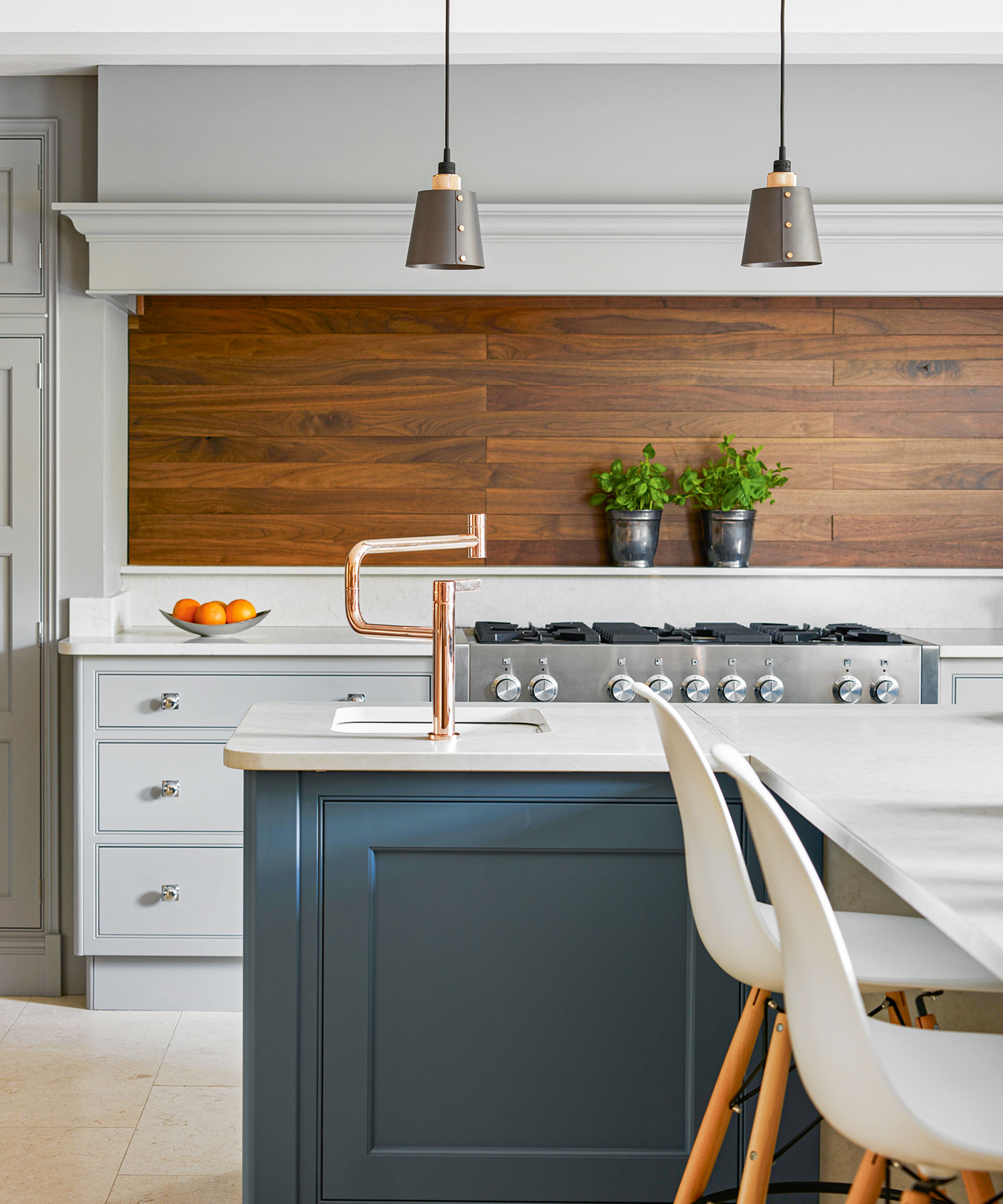
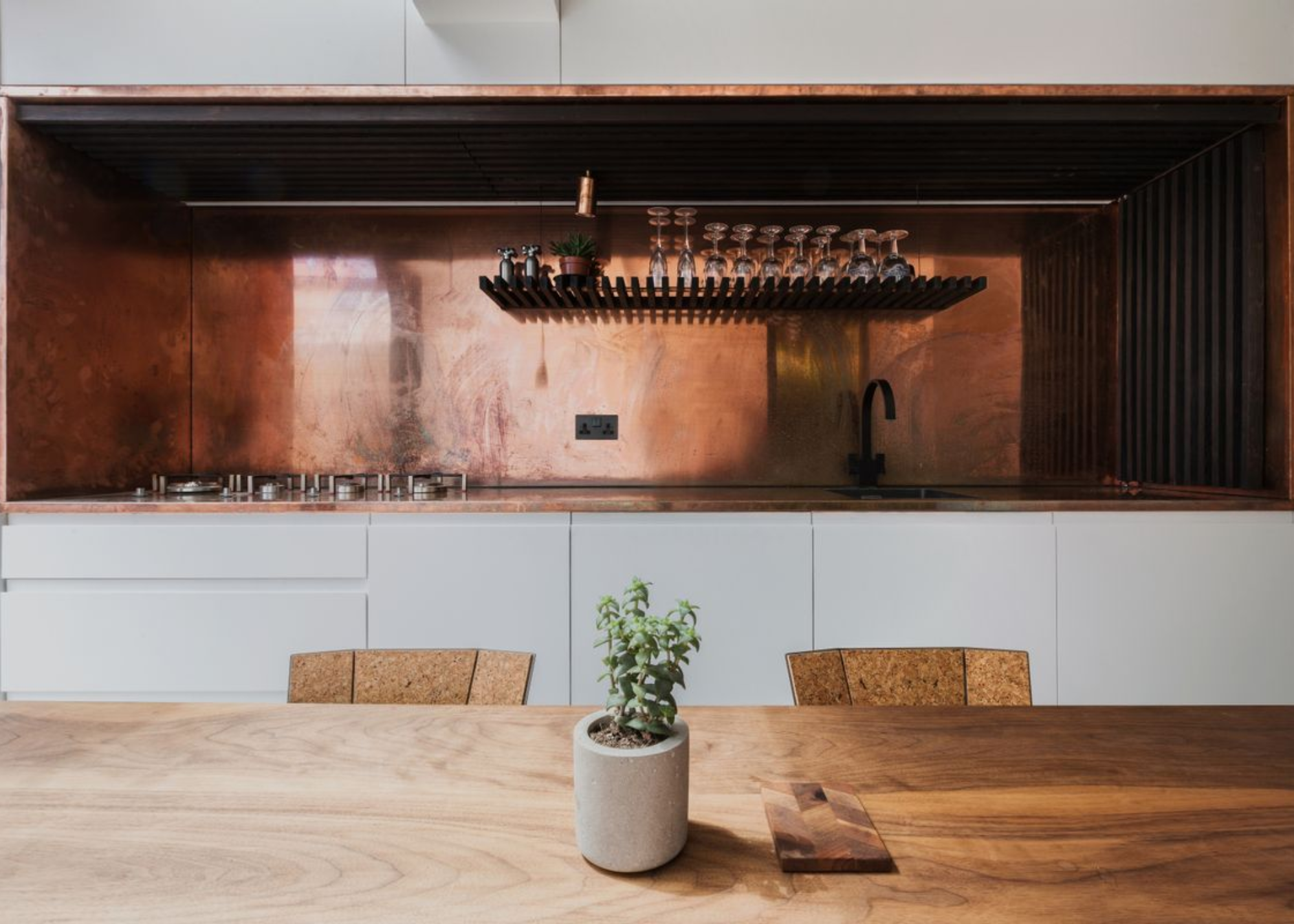
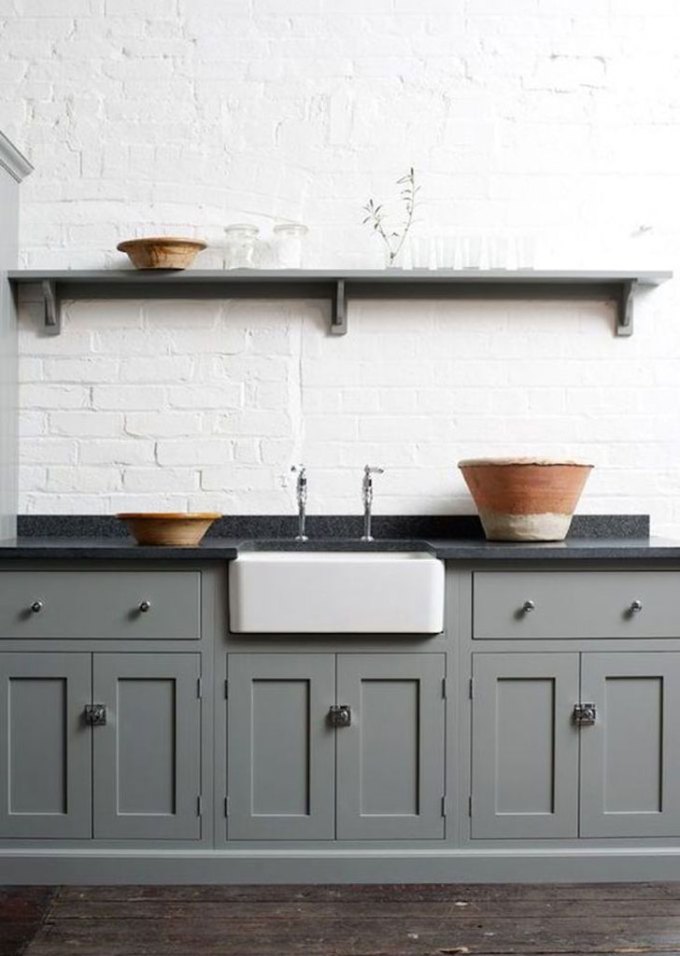
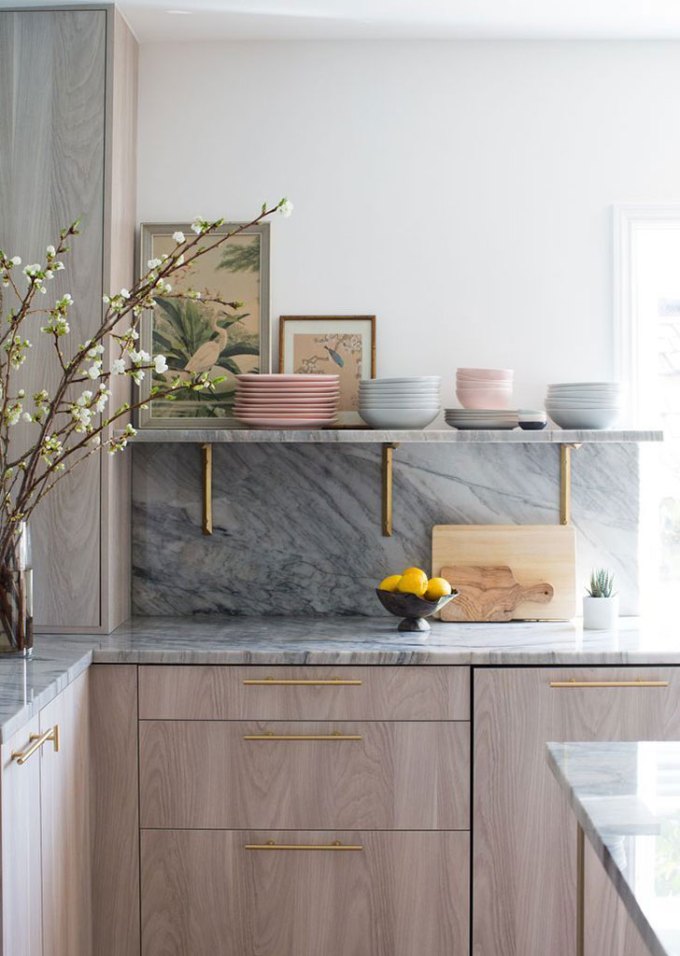
Experts such as Jennifer Gilmer highlight the strategic functionality of half backsplashes, particularly when they incorporate a ledge. These ledges serve as convenient spaces for common kitchen items like salt and pepper shakers or olive oil, adding practical utility beyond mere aesthetics. This design choice is not seen as a compromise but rather an intentional element that balances form and function, often creating visual interest and softening the overall kitchen look.
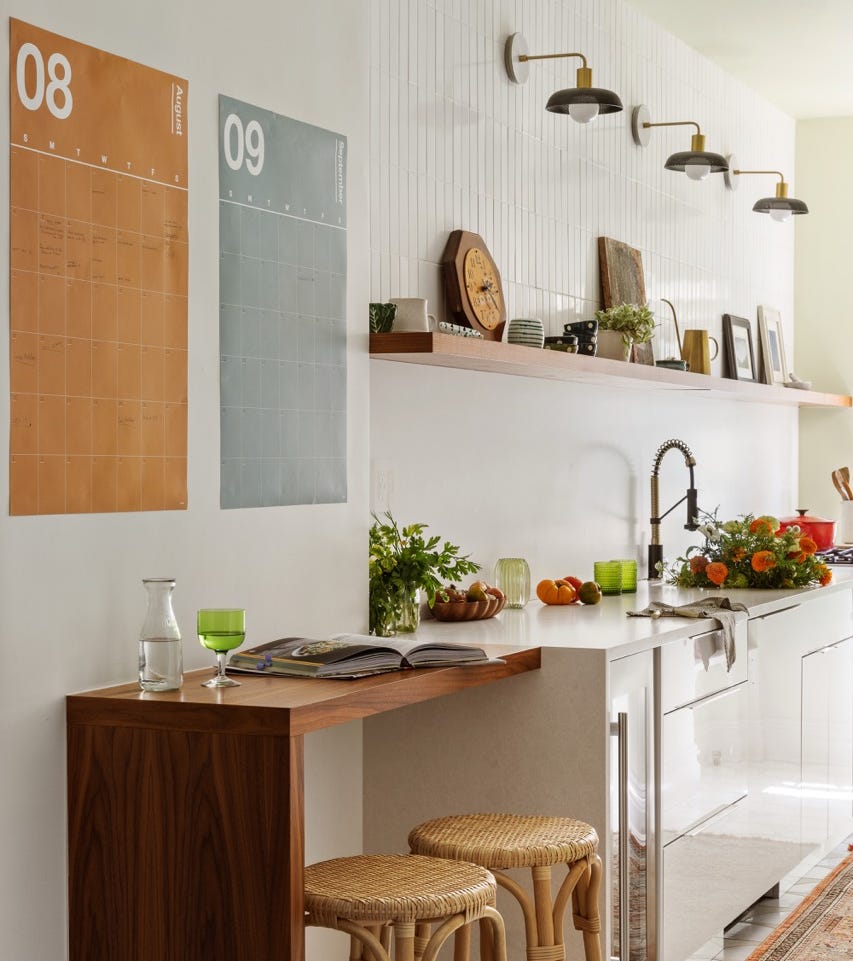
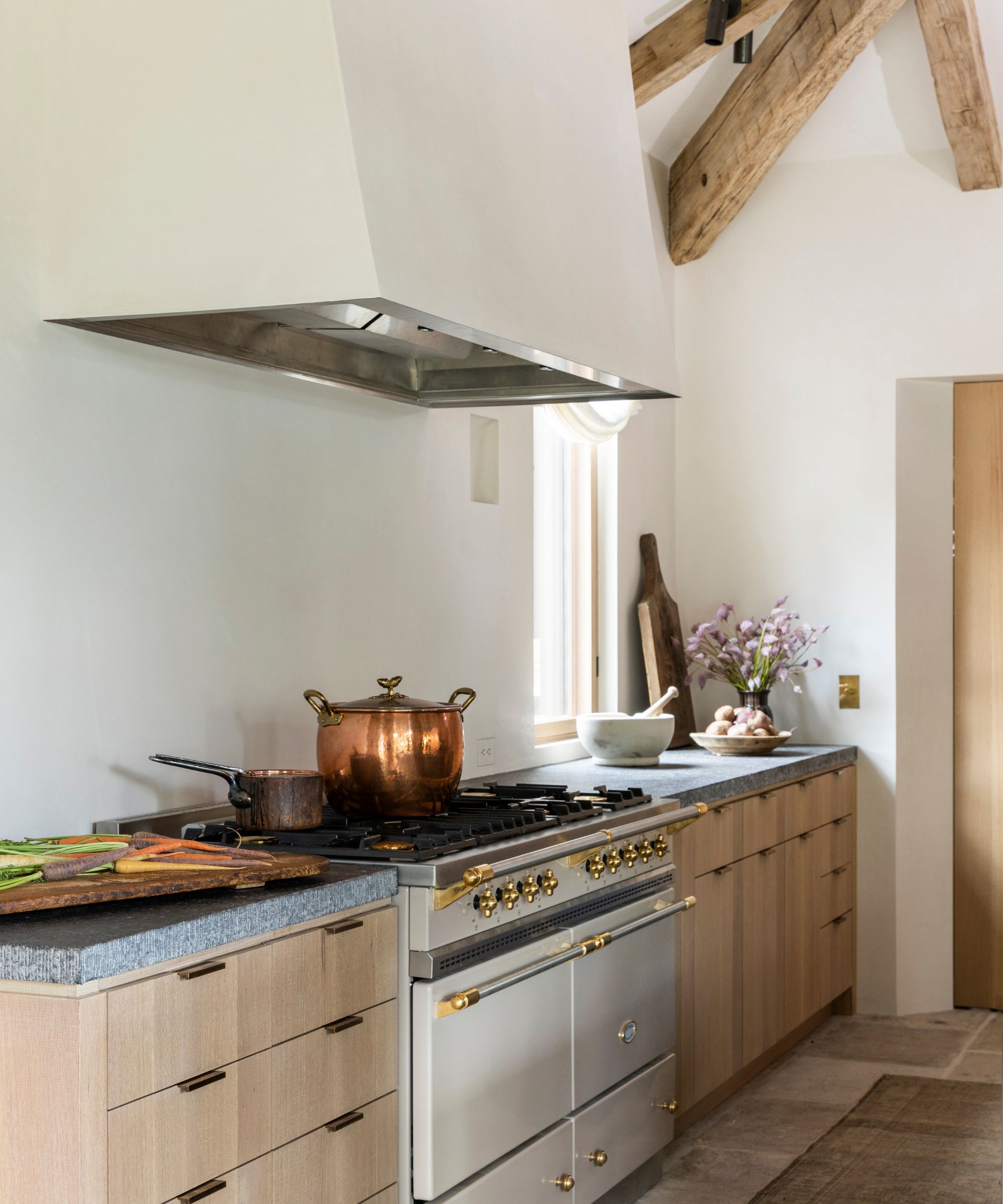
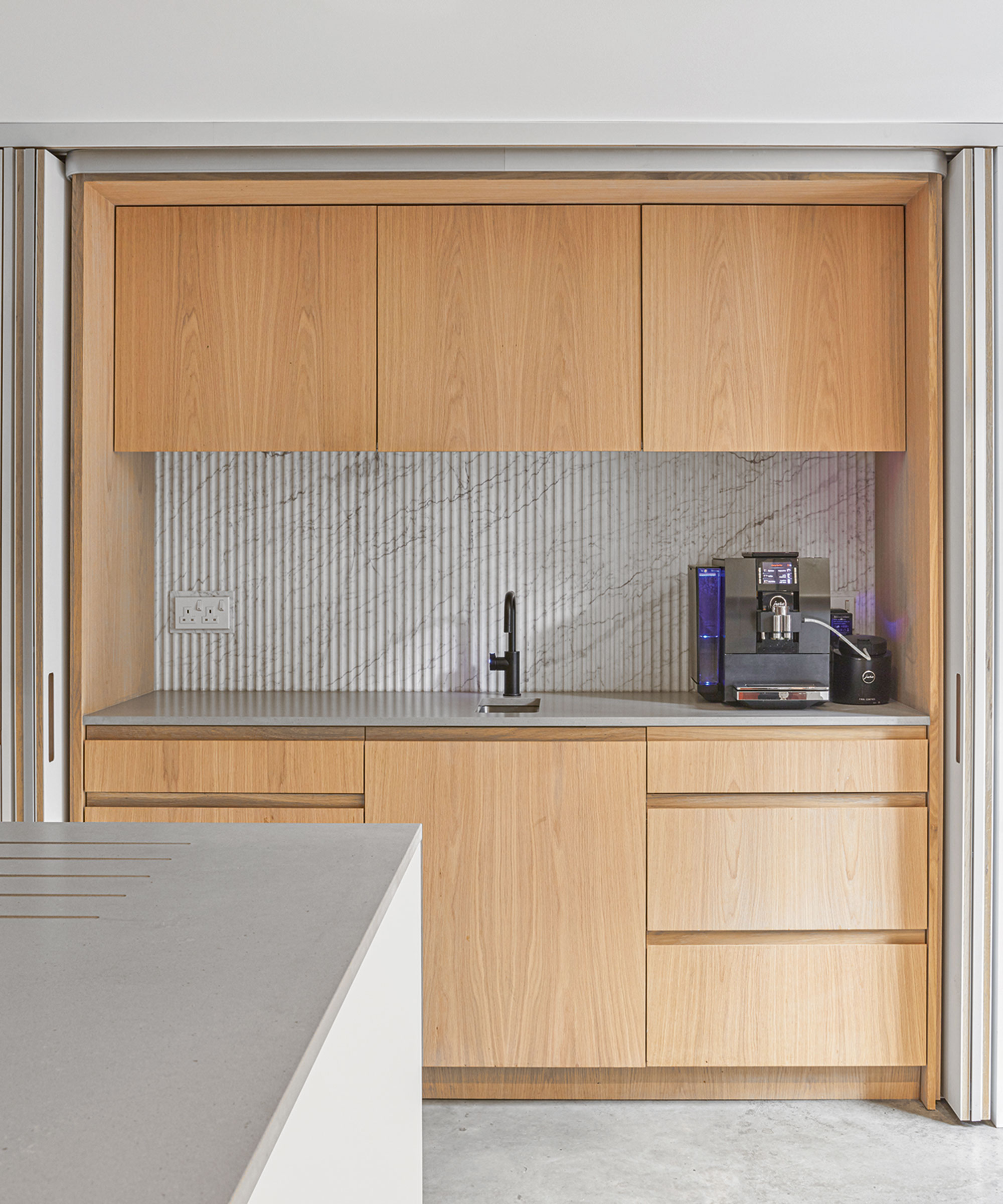
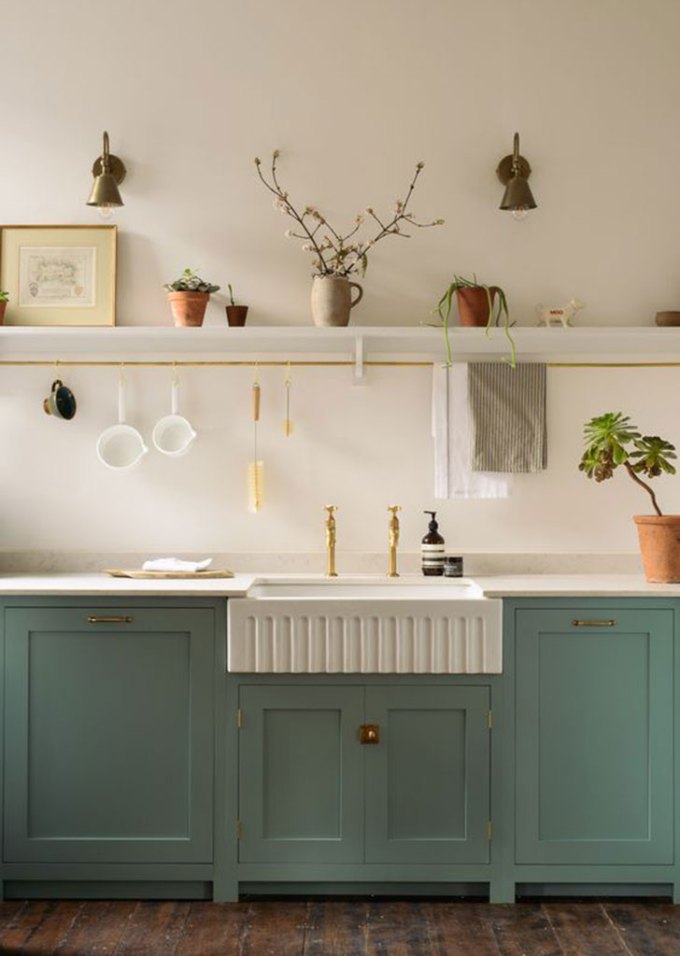
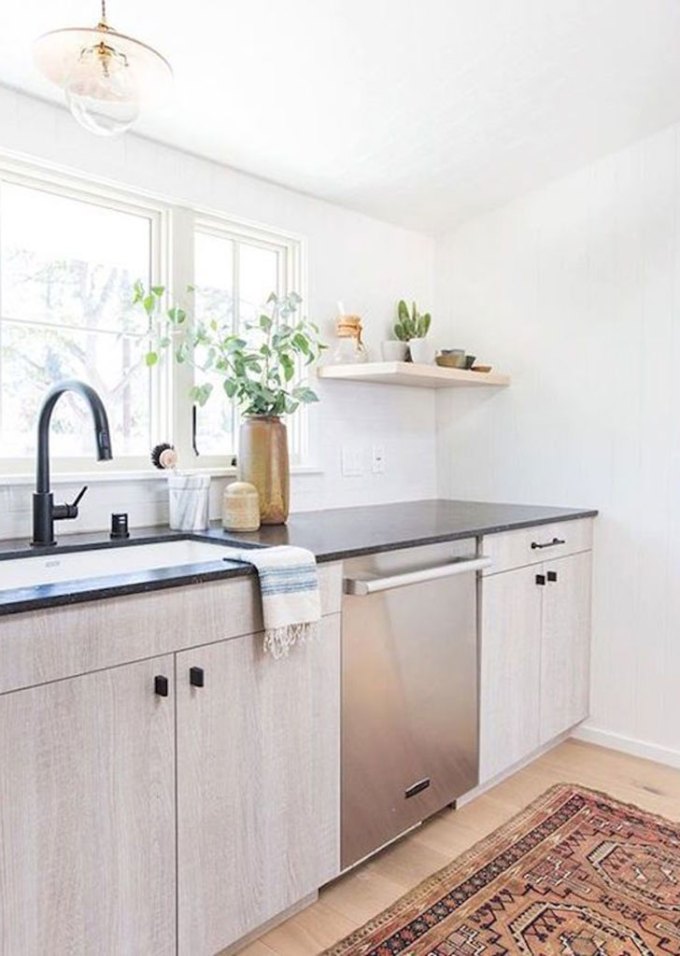
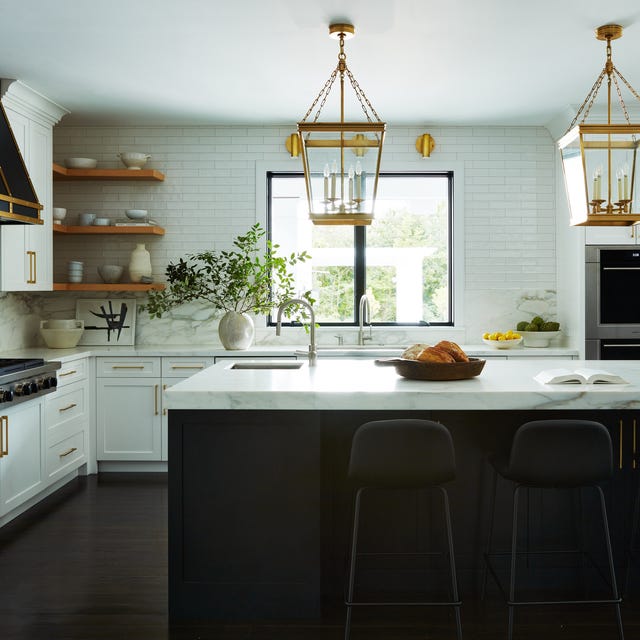
Isabella Patrick, another designer, further elaborates on the concept, defining a half backsplash as one where the material intentionally stops at a specific point on the wall, independent of existing elements like cabinets or ceilings. This intentionality allows designers to experiment with proportions and materials, avoiding the potential for a full-height backsplash to overwhelm a space, especially in kitchens without upper cabinets or those designed to be more open and airy.
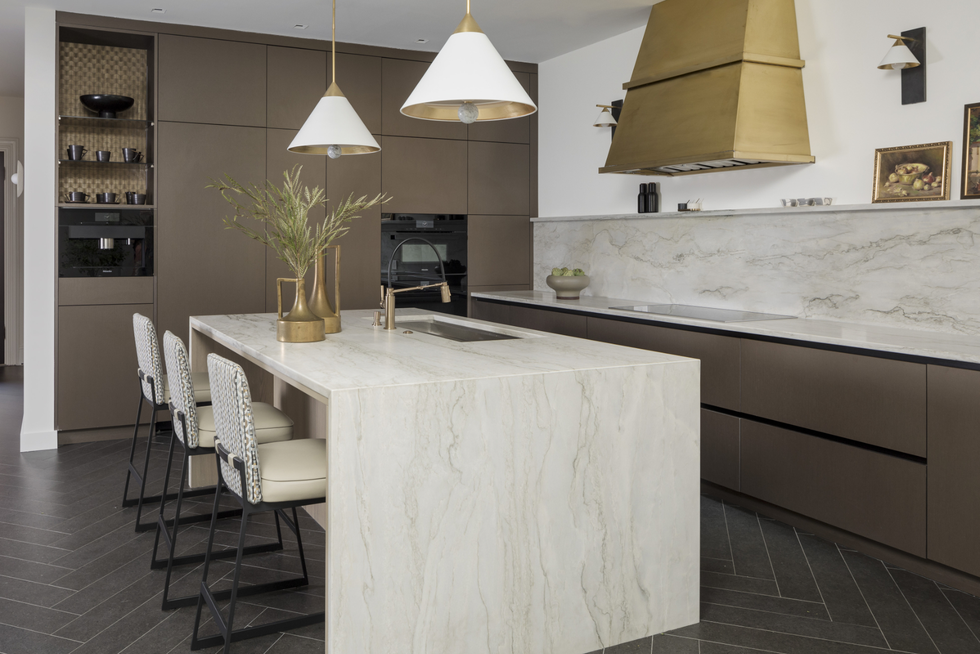
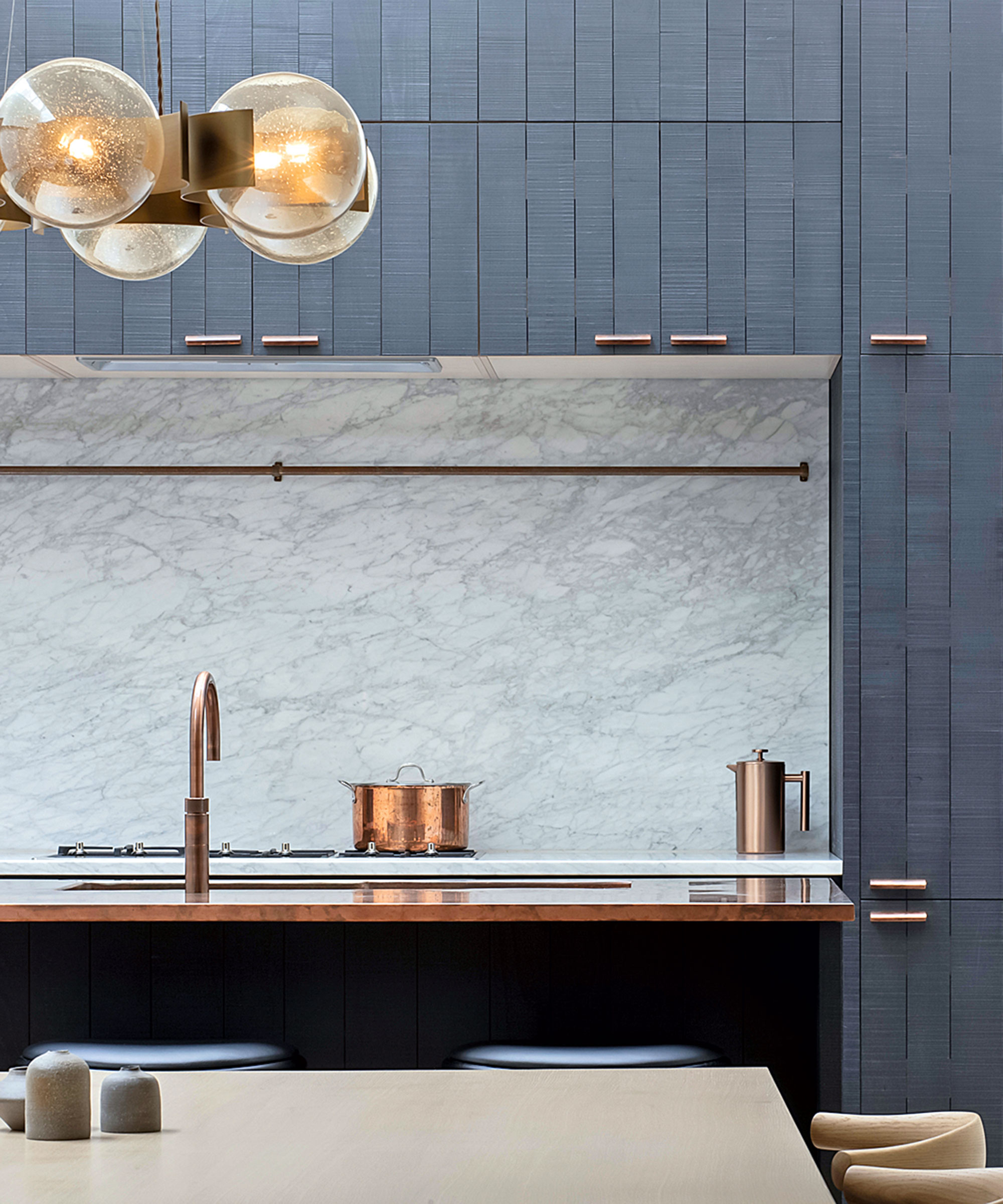
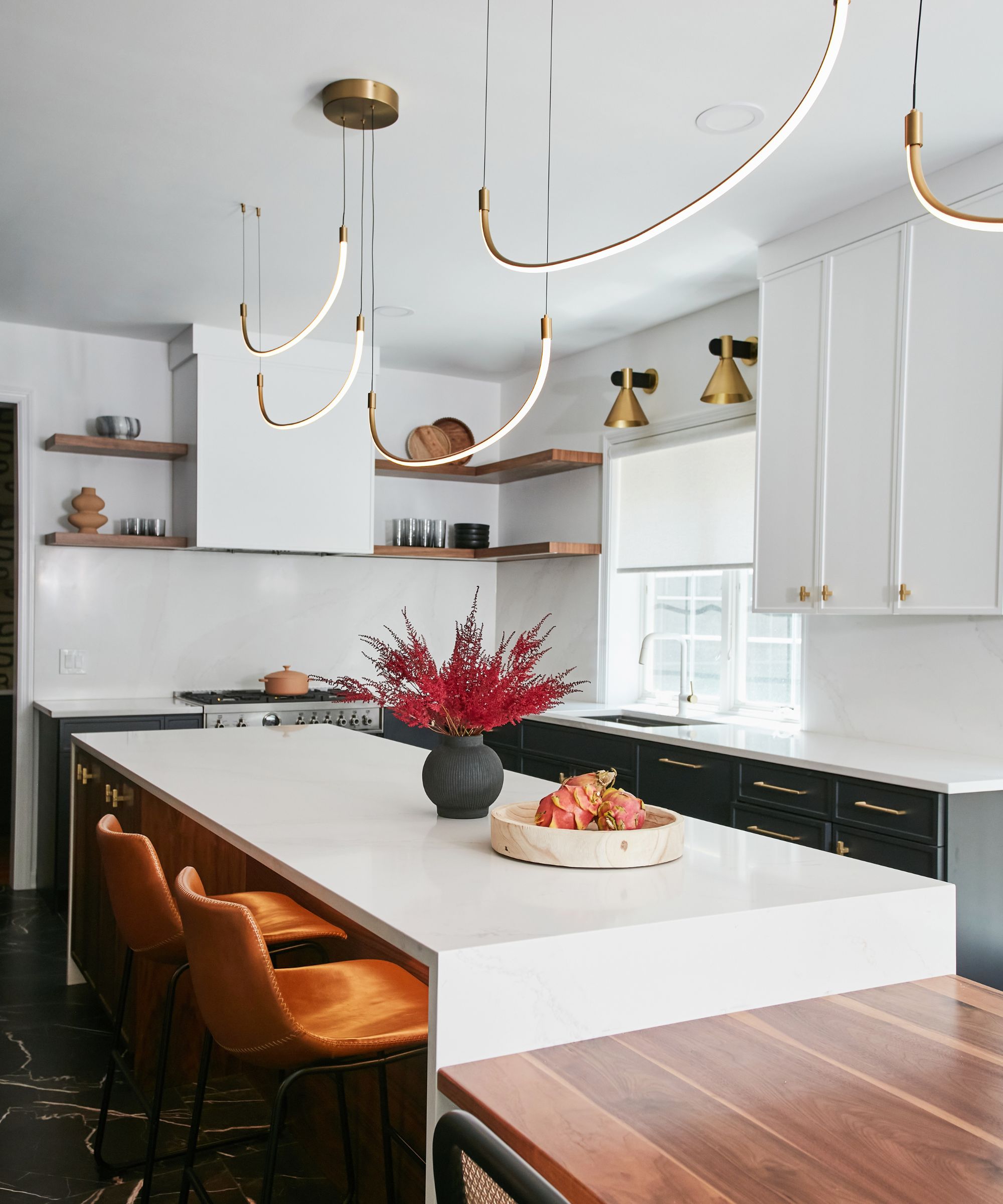
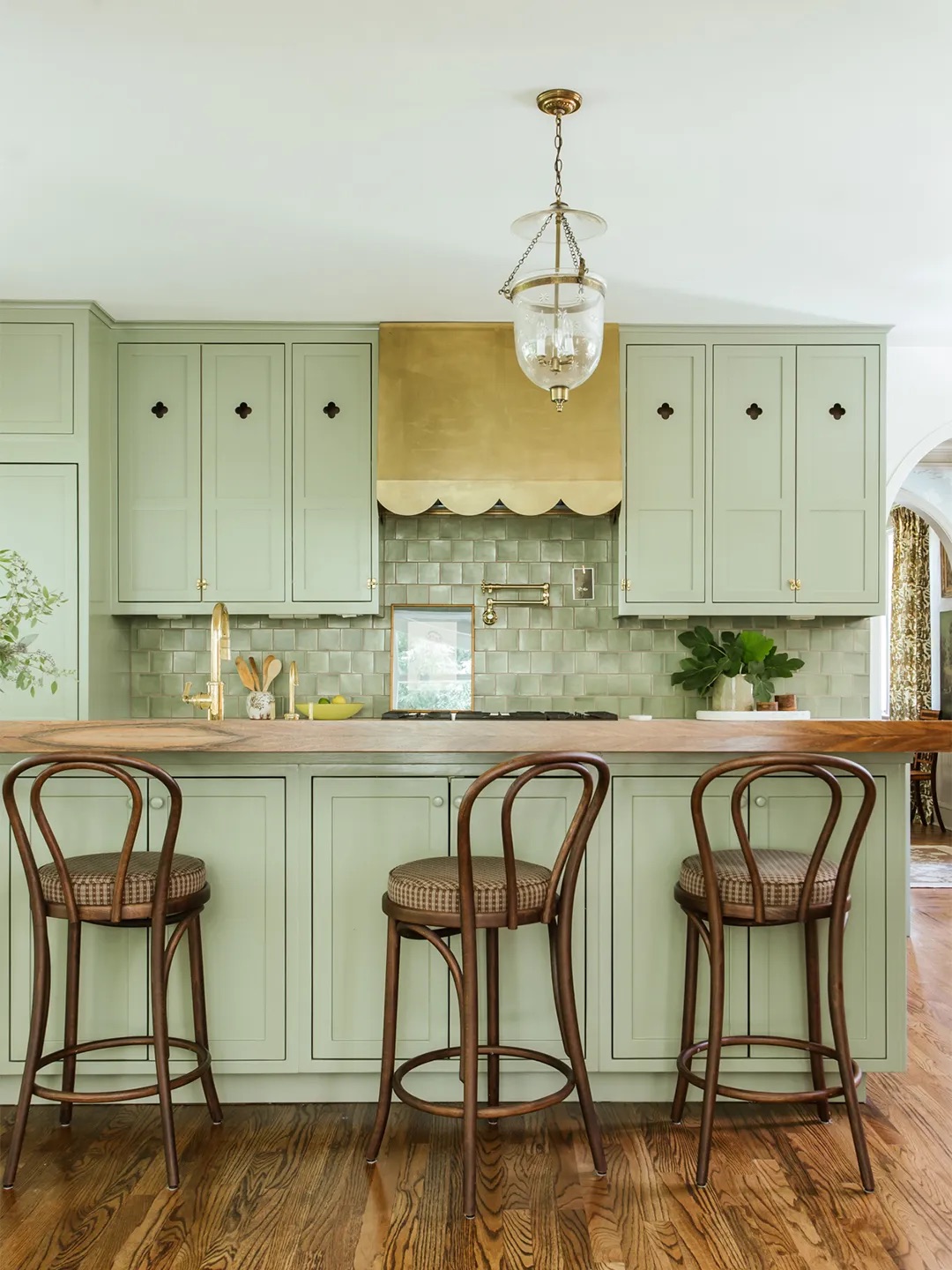
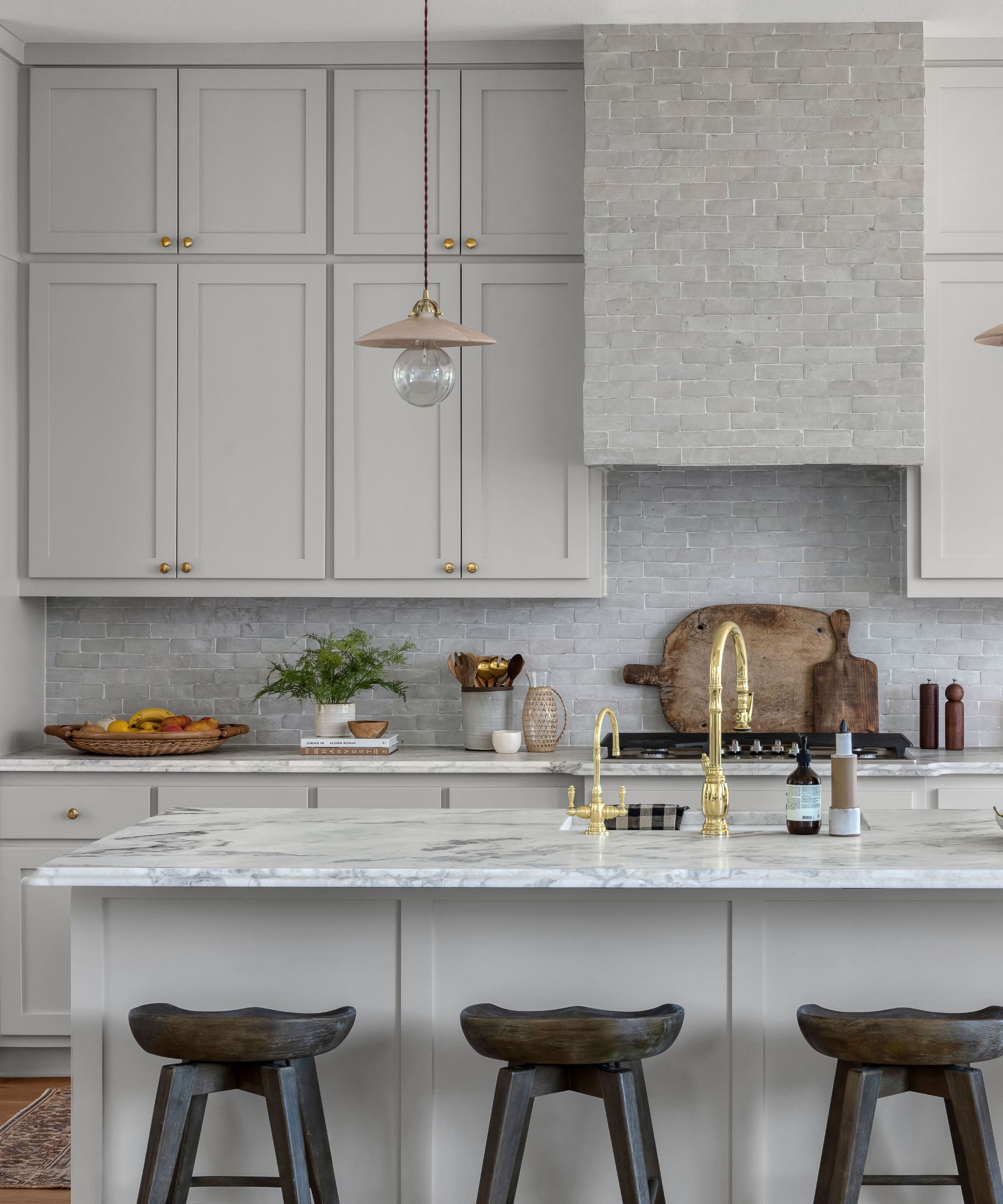
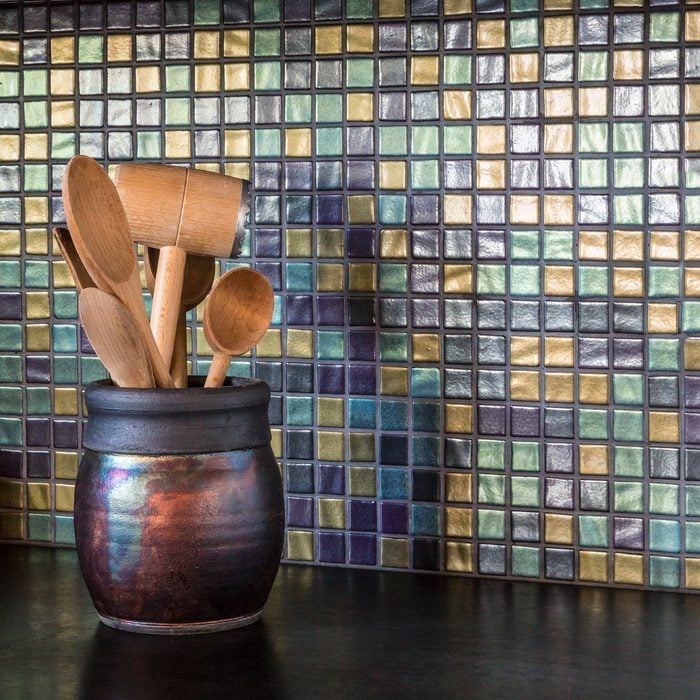
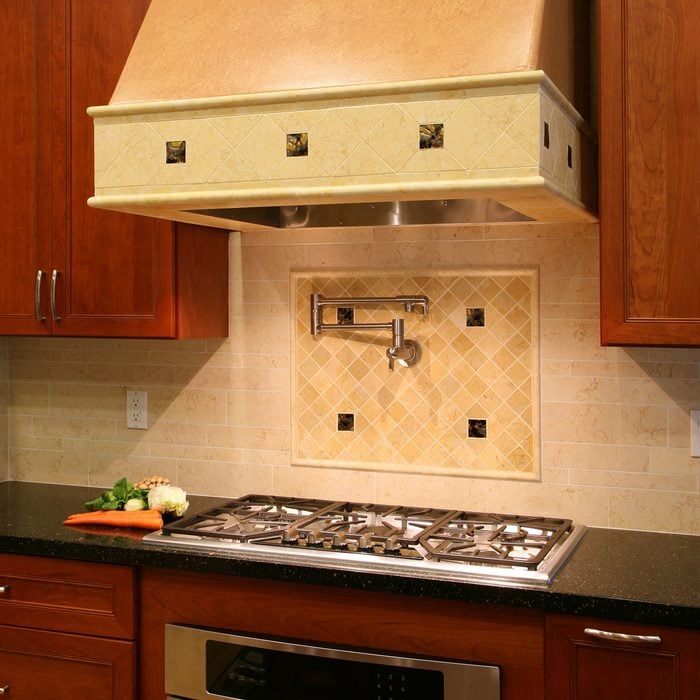
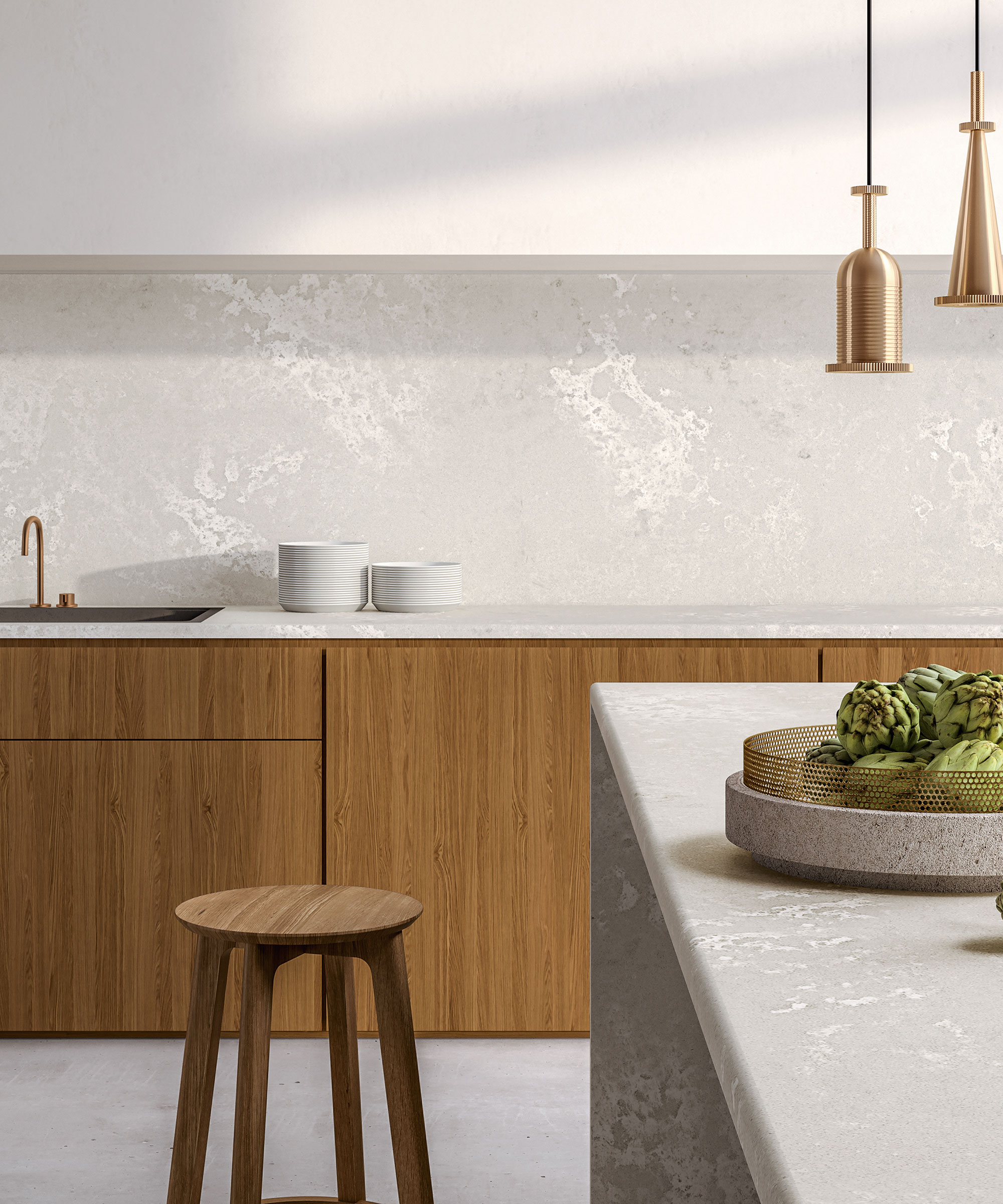
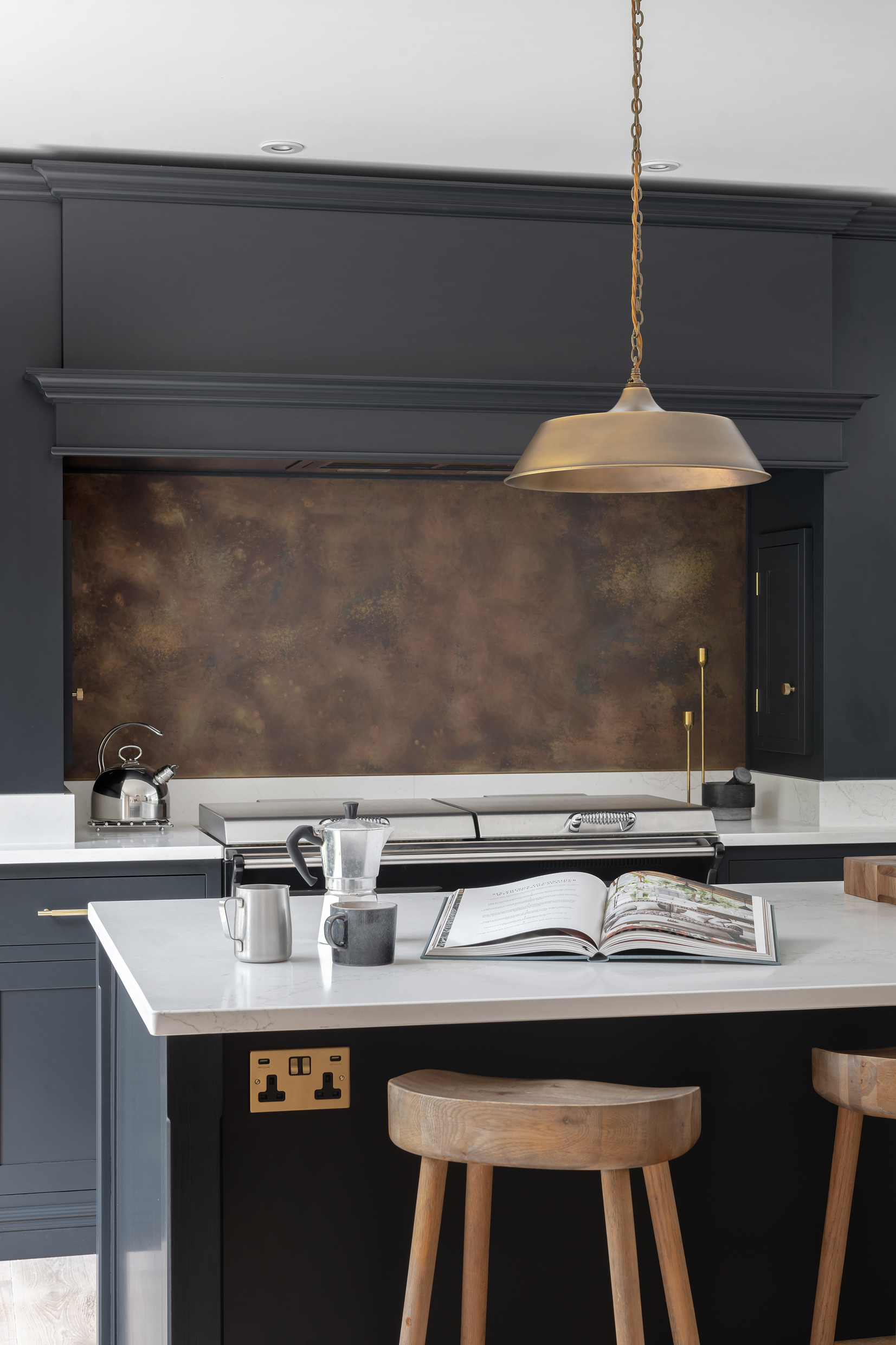
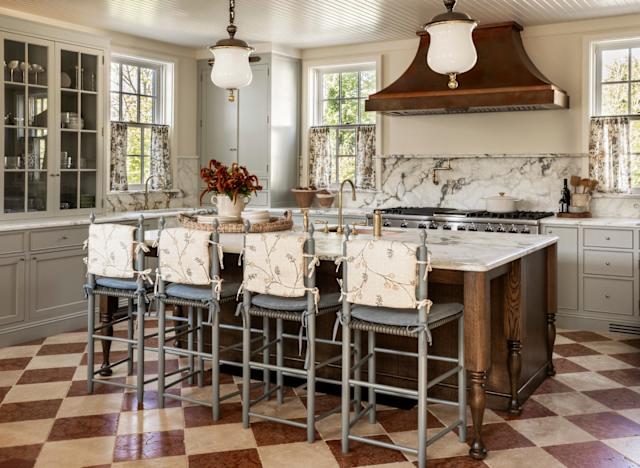
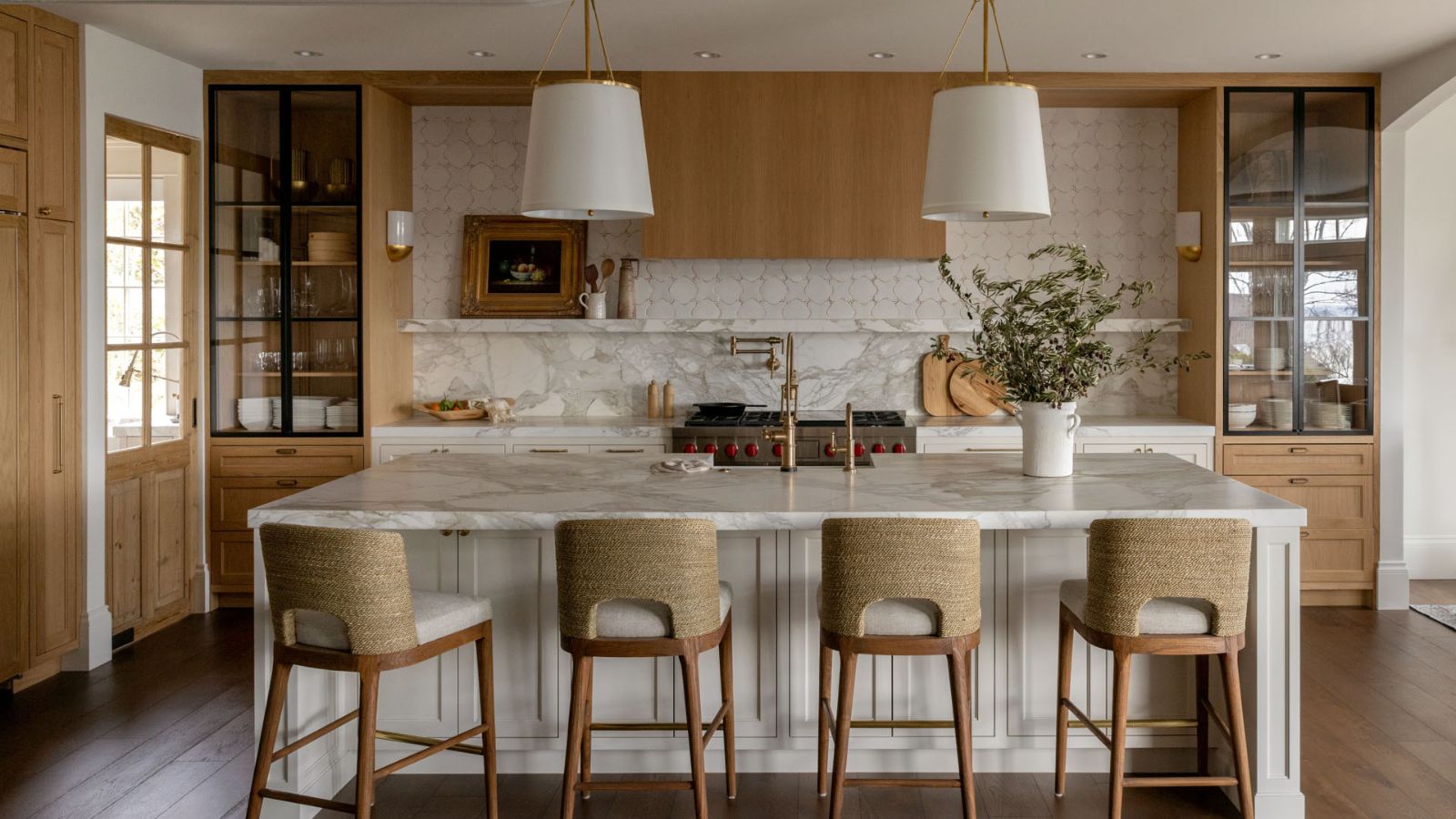
Mixing materials is a key aspect of this trend. Designers like Patrick advocate for combining different surfaces, such as continuing the countertop material a short distance up the wall and then transitioning to a different tile or stone. This approach creates a layered look, adding depth and personality to the kitchen. It prevents the design from appearing monotonous or like an afterthought, ensuring that each material choice is deliberate and contributes to the overall aesthetic.
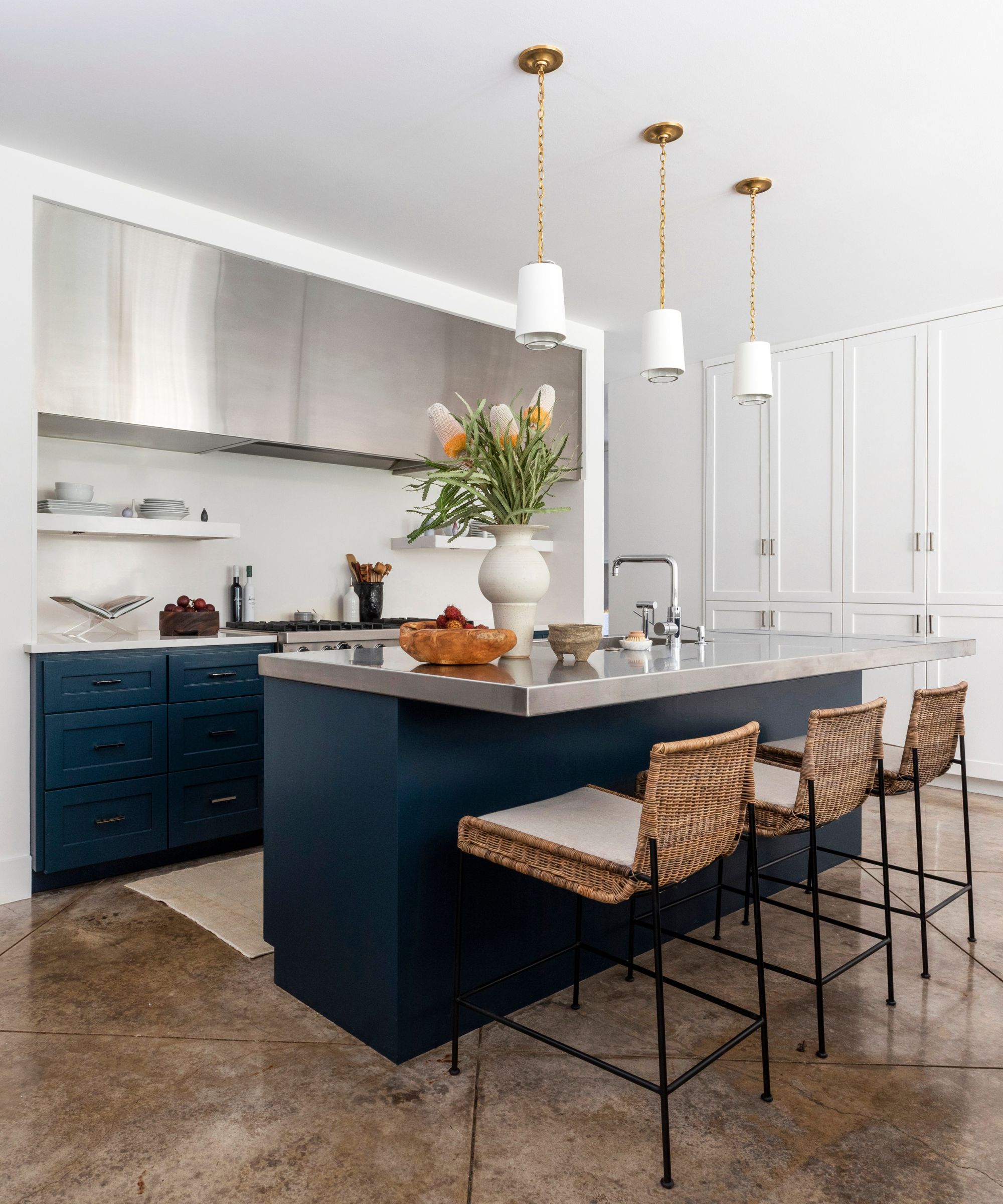
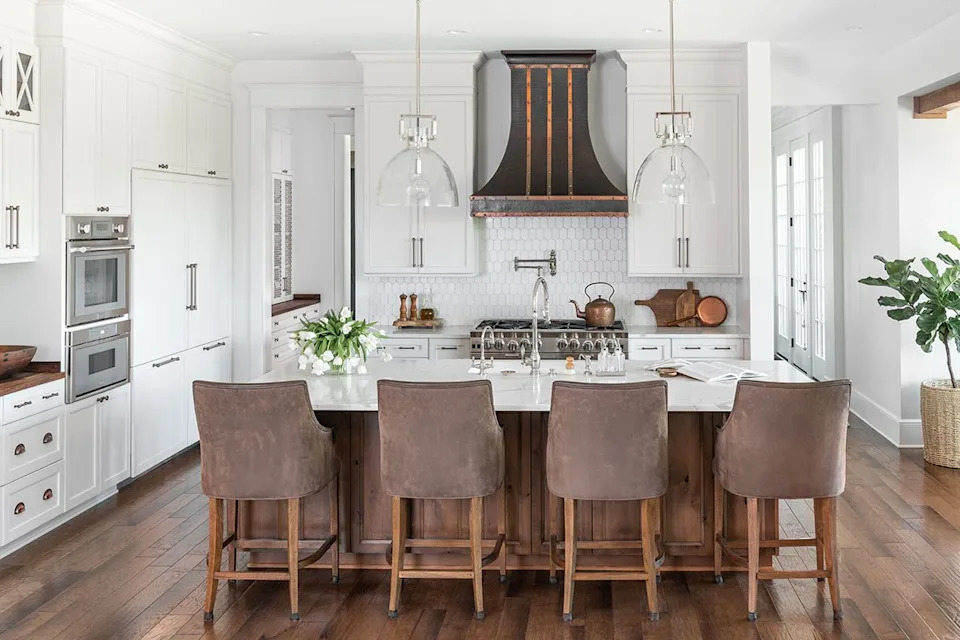
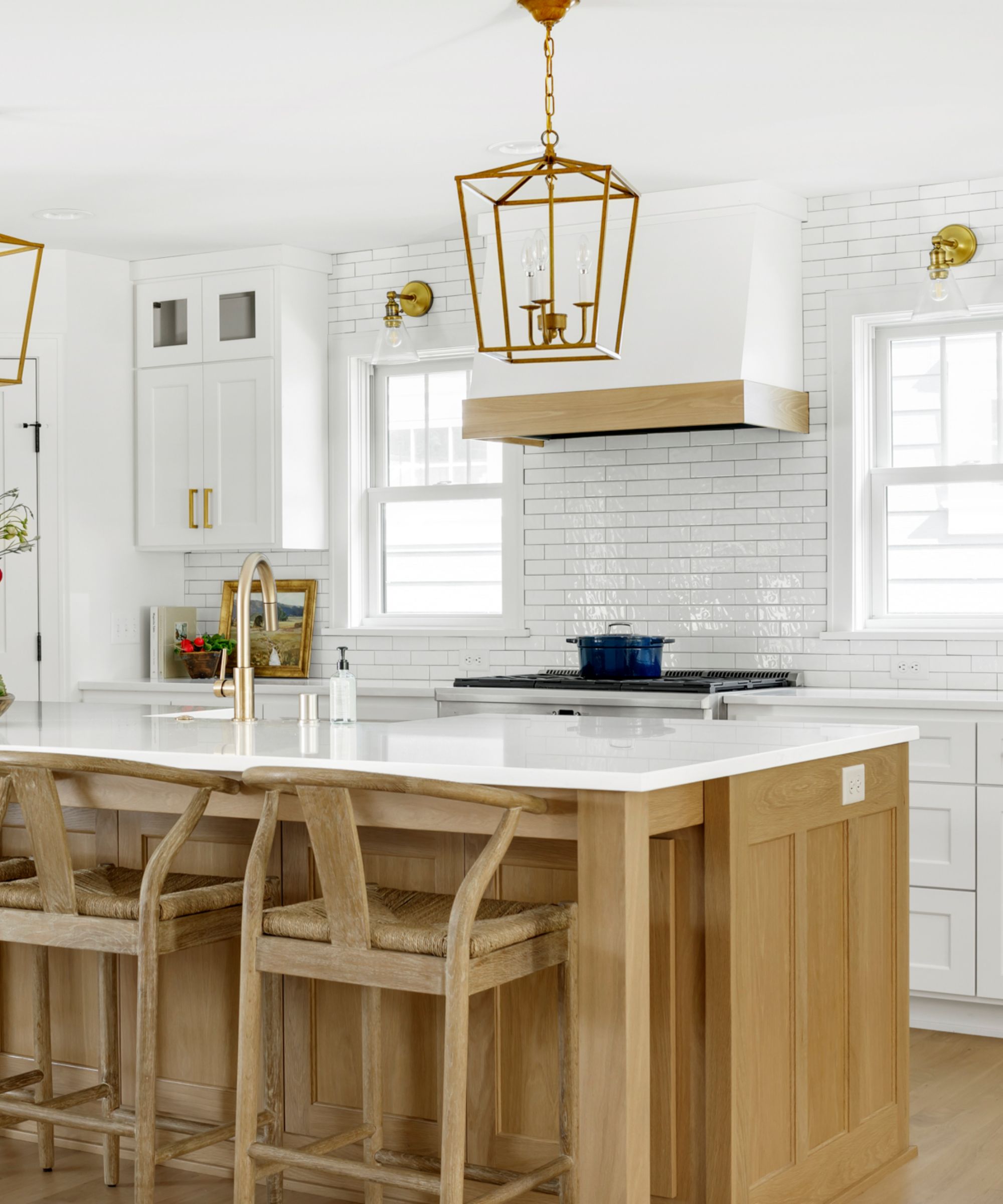
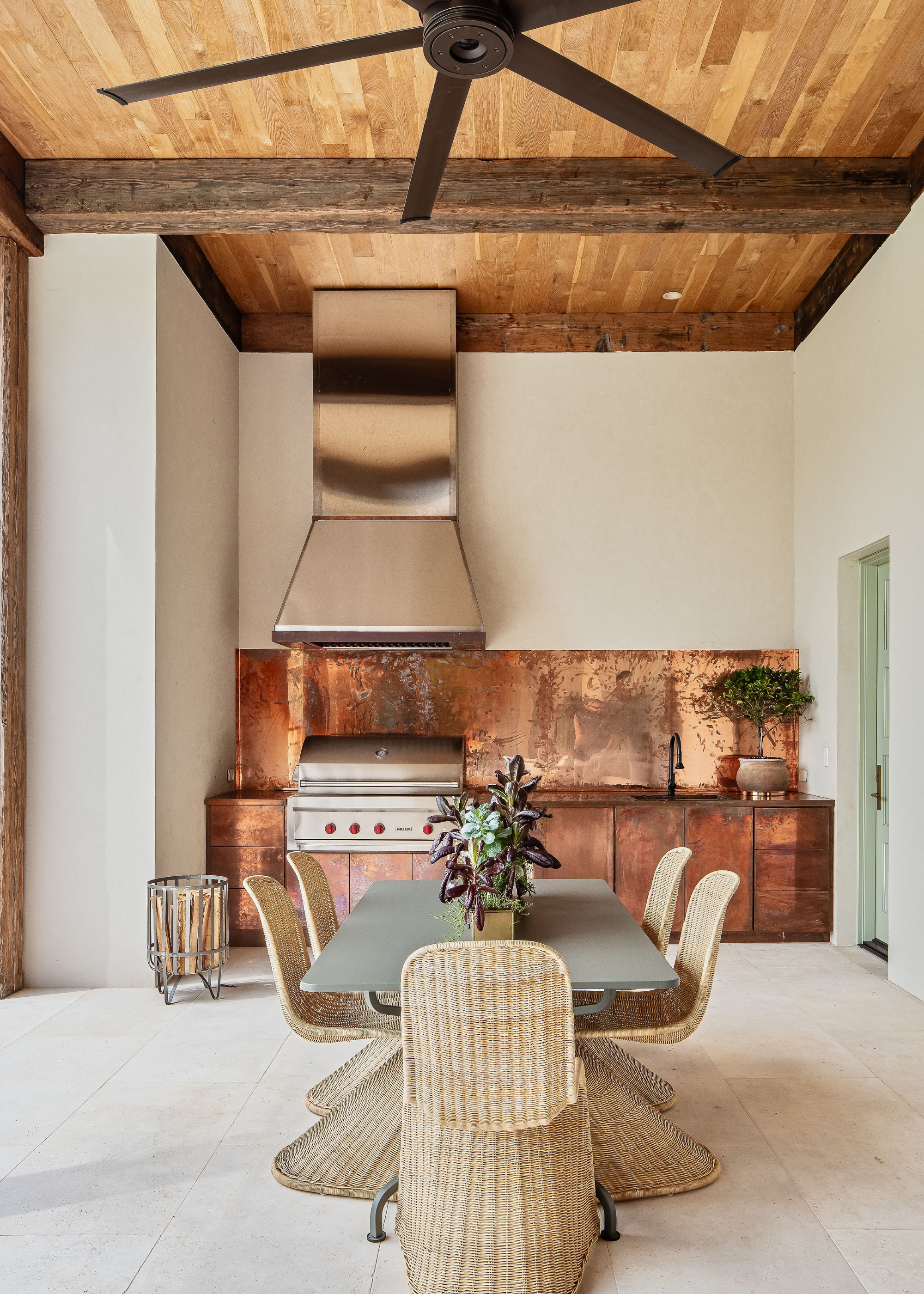
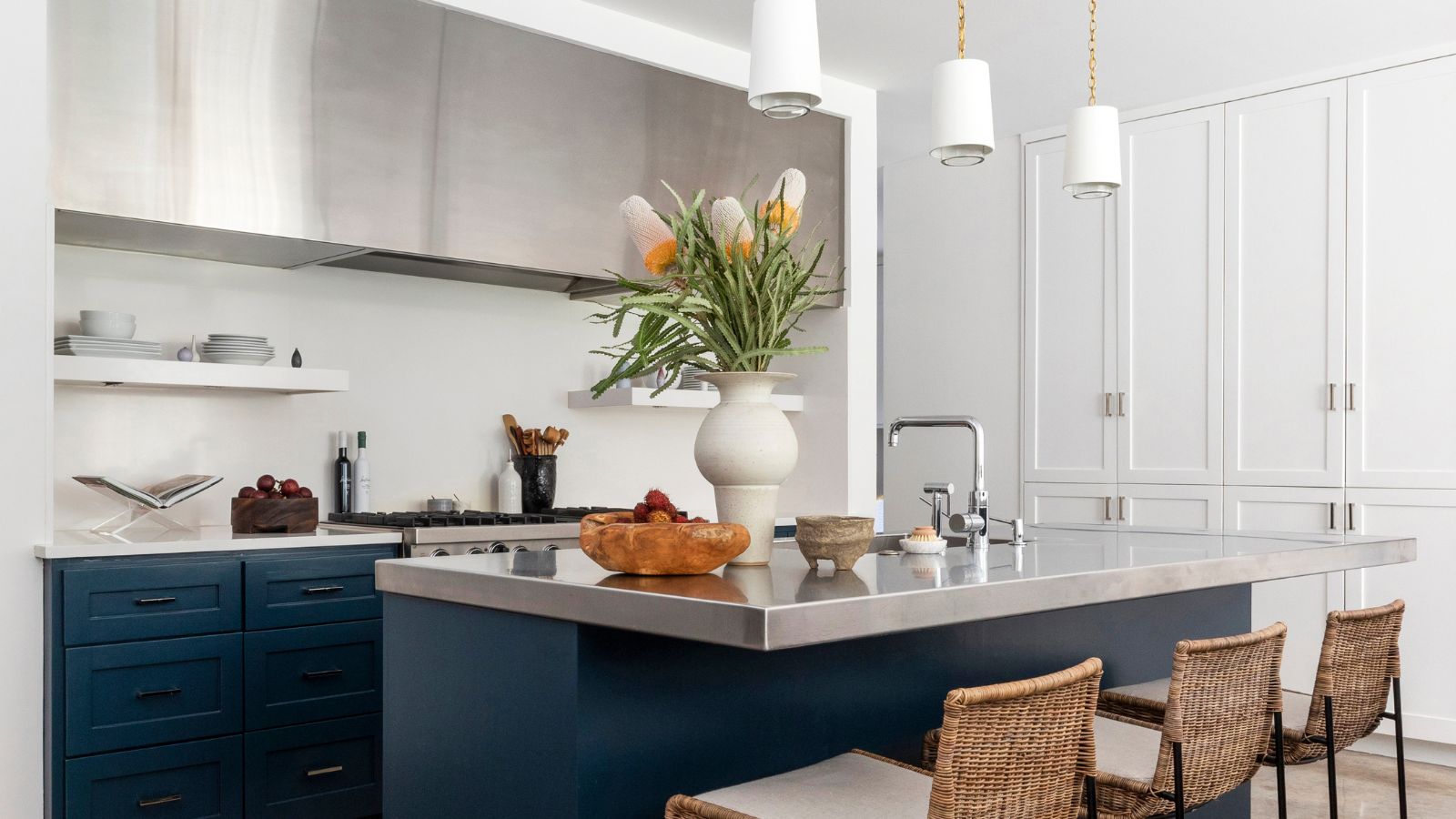
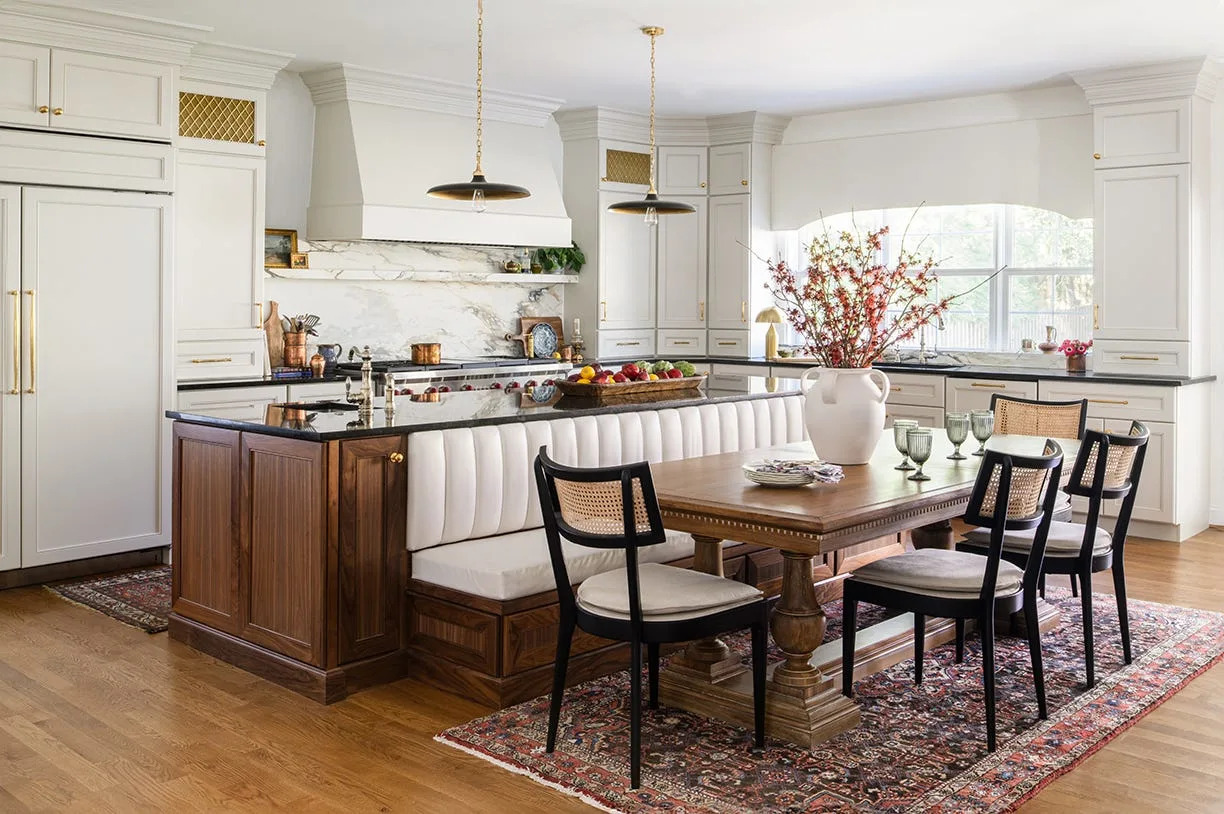
The absence of upper cabinets often makes a half backsplash a preferred choice, as it allows for an uninterrupted visual flow, particularly when kitchens open into dining areas. This design choice contributes to a more transitional and decorative feel, enhancing the perception of space and light within the kitchen. Jill Najinigier emphasizes that the decision for a partial backsplash is deeply intertwined with the architectural elements of the kitchen, such as wall height, window placement, and the shape of the hood, ensuring clean lines and a cohesive statement.
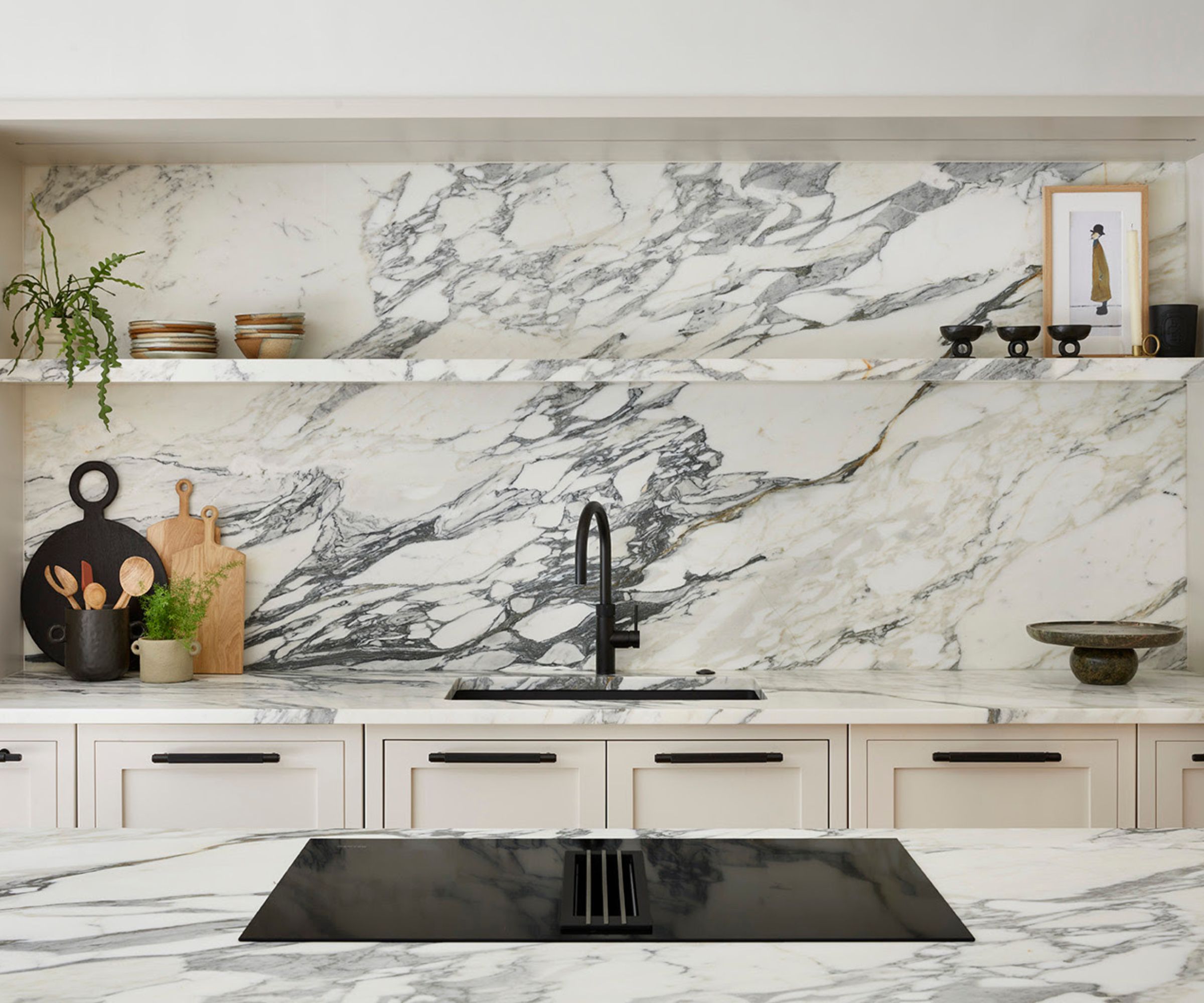
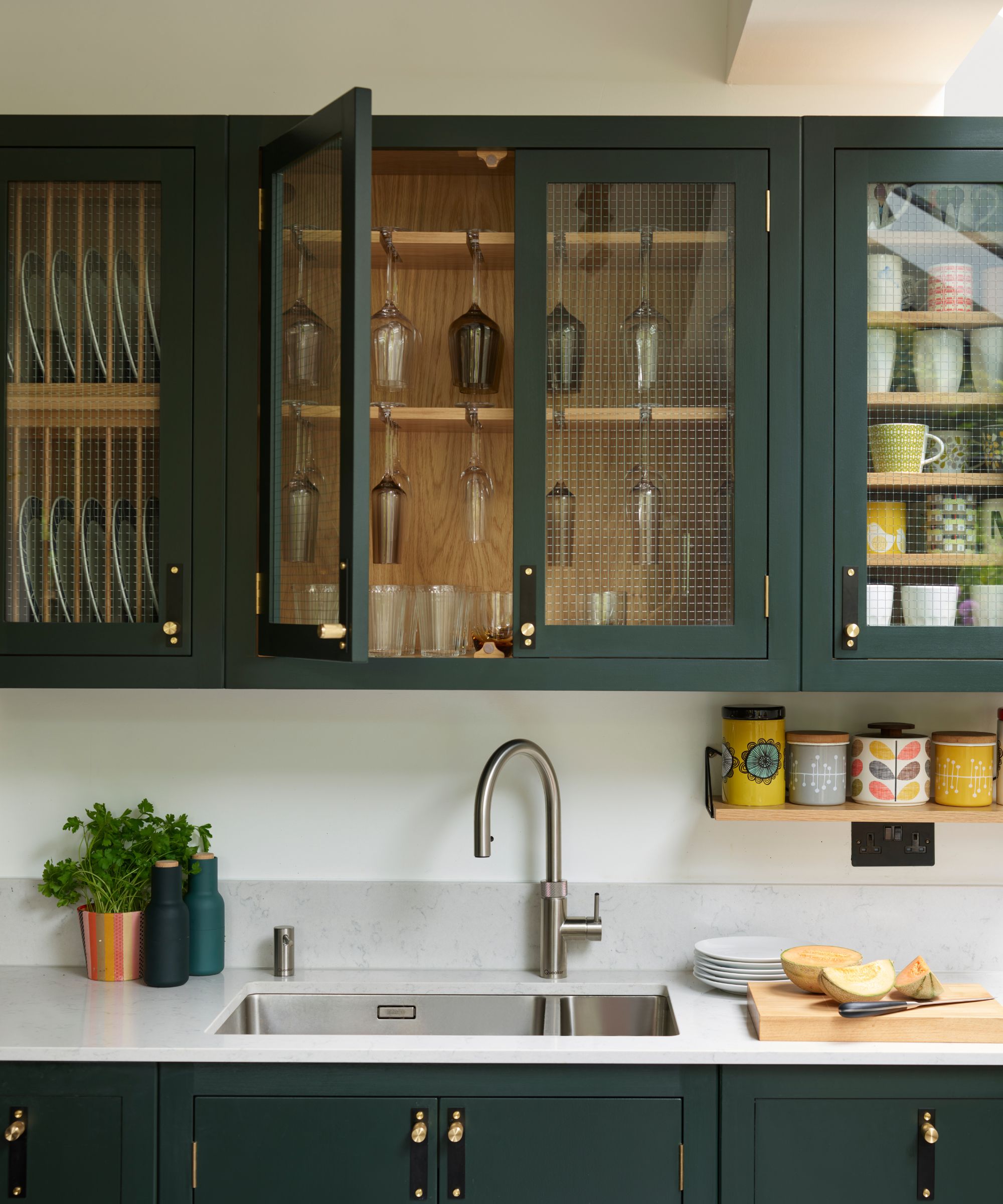
Moreover, the decorative aspect of the ledge is highly valued. Designers like Kate Pearce and Federica Asack appreciate the opportunity to style vintage kitchenware, artwork, or personal objects on these shallow shelves. This functionality adds an approachable and lived-in quality to the kitchen, contrasting with the more formal or serious vibe that an extensive, full-height marble backsplash might convey. Molly Watson also notes how carrying the countertop stone up the wall in a half-backsplash format can make a kitchen feel larger and maintain material simplicity, contributing to a sense of calm and scale.
Ultimately, half backsplashes represent a versatile and practical design solution. They allow for creative expression through material selection and layering, offer functional benefits with integrated ledges, and contribute to an open, considered aesthetic in modern kitchens. This trend demonstrates a thoughtful approach to kitchen design, prioritizing both visual appeal and everyday utility.
#KitchenDesign #HalfBacksplash #InteriorDesign #HomeDecor #KitchenTrends #MaterialMixing #FunctionalDesign #KitchenRemodel #KitchenDesign #HalfBacksplash #InteriorDesign #HomeDecor #KitchenTrends #MaterialMixing #FunctionalDesign #KitchenRemodel
0 comment in total
 No comments yet
You may also like
Why Half Backsplashes Are Taking Over Kitchen Design, According to Experts

All the most stylish kitchens in 2025 forgo this key feature

8 Backsplashes to Avoid, According to Interior Designers

4 Kitchen Tile Trends on Their Way Out (and What’s Replacing Them), According to Designers

10 Kitchen Backsplash Trends That Are Out In 2025

67% of Renovators Are Abandoning Standard Backsplashes for This Maximalist Look

7 Backsplash Mistakes That Will Date Your Kitchen
The 'wallpaper' of the kitchen – why choosing the right kitchen backsplash can make or break a space
Blended backsplashes are trending in kitchen design – this is what you should know
Design Experts Agree: This Kitchen Style Is Making a Major Comeback
Designers Are Calling It: Here Are the Biggest Kitchen Backsplash Trends for 2026

I've Written About Hundreds of Kitchens This Year Alone — I Think This Backsplash Material Is the Most Underrated in Design Right Now

Designers Are Calling It: Here Are the Biggest Kitchen Backsplash Trends for 2026
Ditch These Dated Backsplash Trends For Timeless Alternatives
5 Outdated Kitchen Tile Trends to Retire, According to Interior Designers
The Controversial Kitchen Trend the Design World Is Buzzing Over
The Most Stylish Kitchens Right Now Feature This Striking Backsplash Trend – And Designers Swear By It For a Bold-Meets-Timeless Scheme
6 outdated kitchen backsplash designs that can bring down a whole room
Quirky Kitchen Backsplash Designs Are Making A Comeback. Here Are Our 12 Favorite Options
5 Outdated Kitchen Trends Interior Designers Hope Never Come Back