1/2
We can’t afford to ignore indoor air quality – our lives depend on it
The quality of indoor air significantly impacts human health and well-being, a concern that has gained public attention since the 1970s. The initial focus on indoor air quality emerged during the "Oil Shock" of the 1970s, when efforts to conserve energy led building managers to reduce fresh air intake and increase air recirculation. This approach, intended to minimize heating and cooling costs, inadvertently created conditions conducive to what became known as "sick building syndrome."
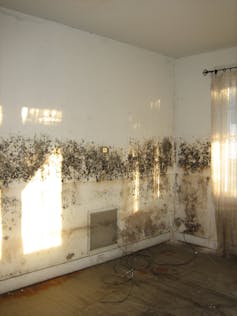
Sick building syndrome was characterized by a range of symptoms experienced by occupants, initially linked to elevated levels of carbon dioxide, which caused spaces to feel "hot and stuffy." A more insidious consequence was the build-up of moisture within building structures, particularly in wall cavities. This moisture allowed mold to grow undetected, leading to health issues such as eye, nose, throat, and skin irritations, and eventually emitting discernible odors. Initially, these irritations and smells were mistakenly attributed to chemical exposure rather than biological growth.
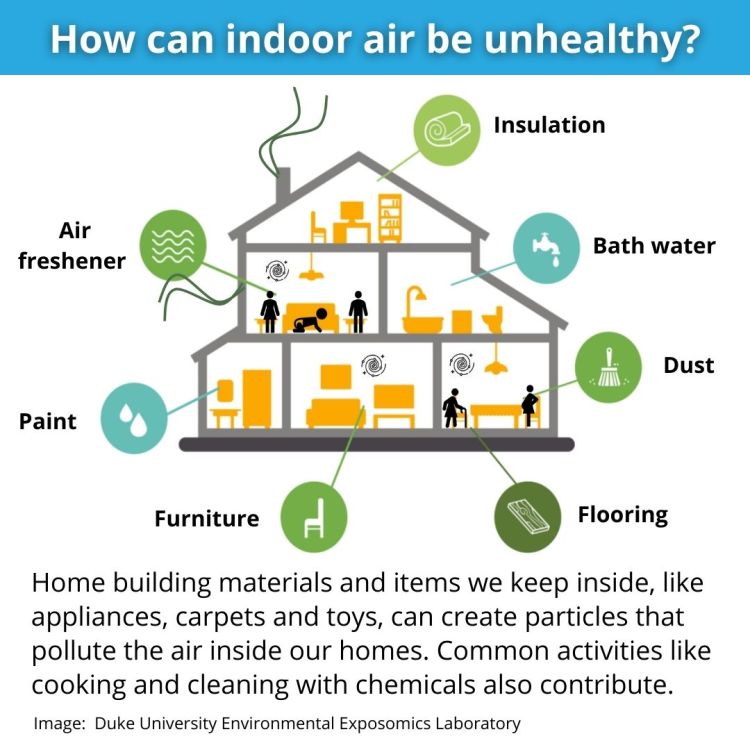
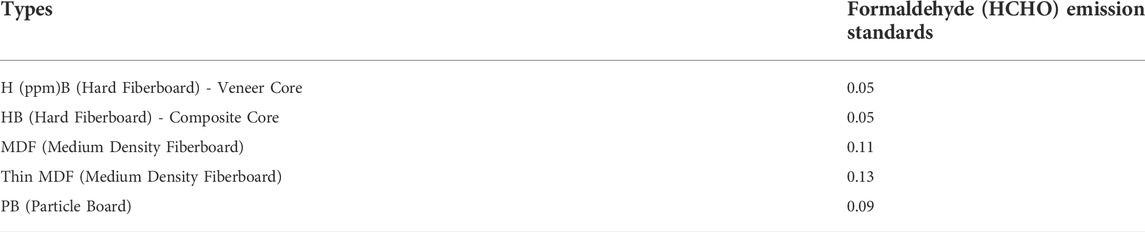
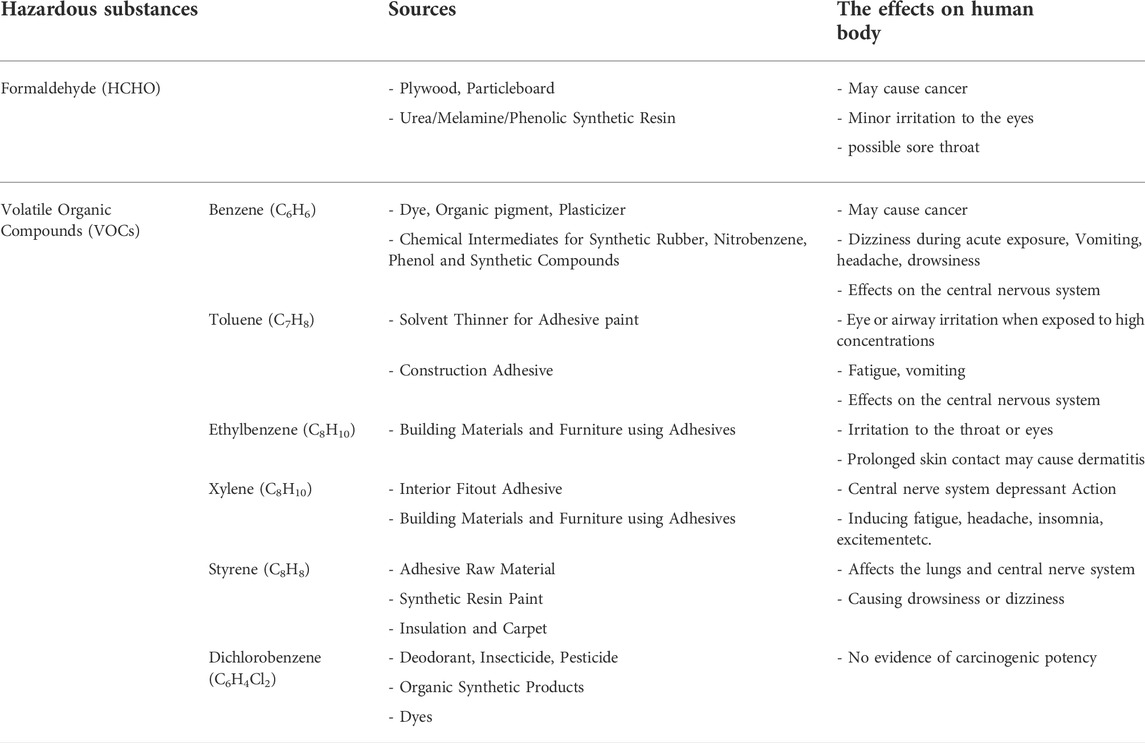
This misattribution led to a prolonged emphasis on volatile organic compounds (VOCs) as the primary indoor air pollutants. While some aggressive VOCs, like formaldehyde from particle board resins and nitrogen dioxides from gas appliances, are indeed harmful, many other VOCs have not been definitively linked to adverse health effects at typical indoor concentrations. Occupational exposure limits for these chemicals are often thousands of times higher than their indoor air levels, suggesting that public concern was disproportionately focused on VOCs, often fueled by sensational headlines rather than scientific evidence.
In the mid-2000s, attention shifted to semi-volatile organic compounds (SVOCs), particularly in the context of endocrine disruptors. Previously, SVOCs were not considered significant indoor air pollutants due to their low volatility. However, research later demonstrated that dust in contact with materials containing SVOCs, such as vinyl flooring, can absorb these chemicals. This SVOC-laden dust can then become re-suspended in the air, allowing for inhalation or ingestion. Studies, such as the Bornehag study, have linked phthalates—a common type of SVOC found in plastics—absorbed on particulate matter to asthma. Further research, including a study in Bulgaria, found a correlation between increasing rates of childhood asthma and the rising use of phthalate-containing cleaning products in homes, even when vinyl surfaces were not present.
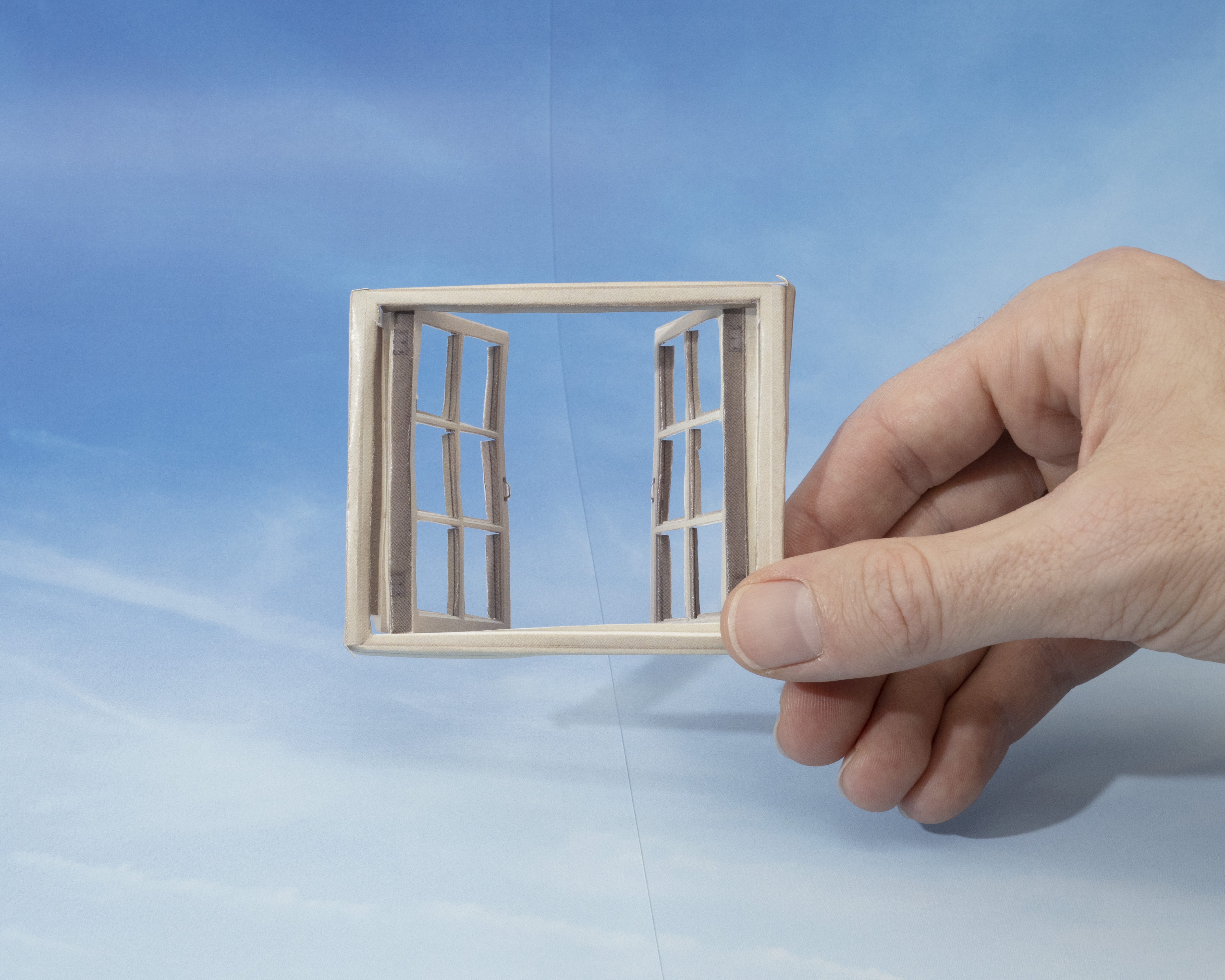
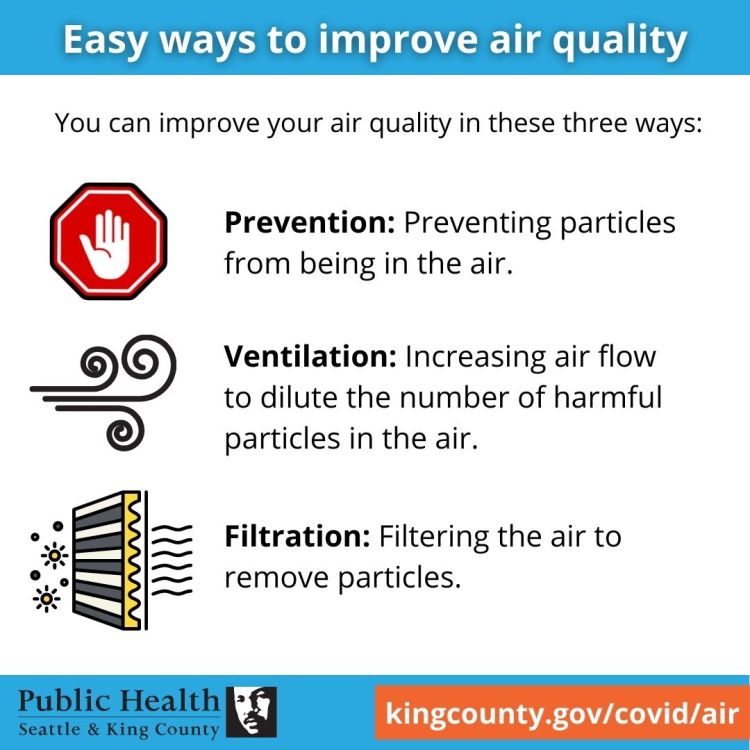
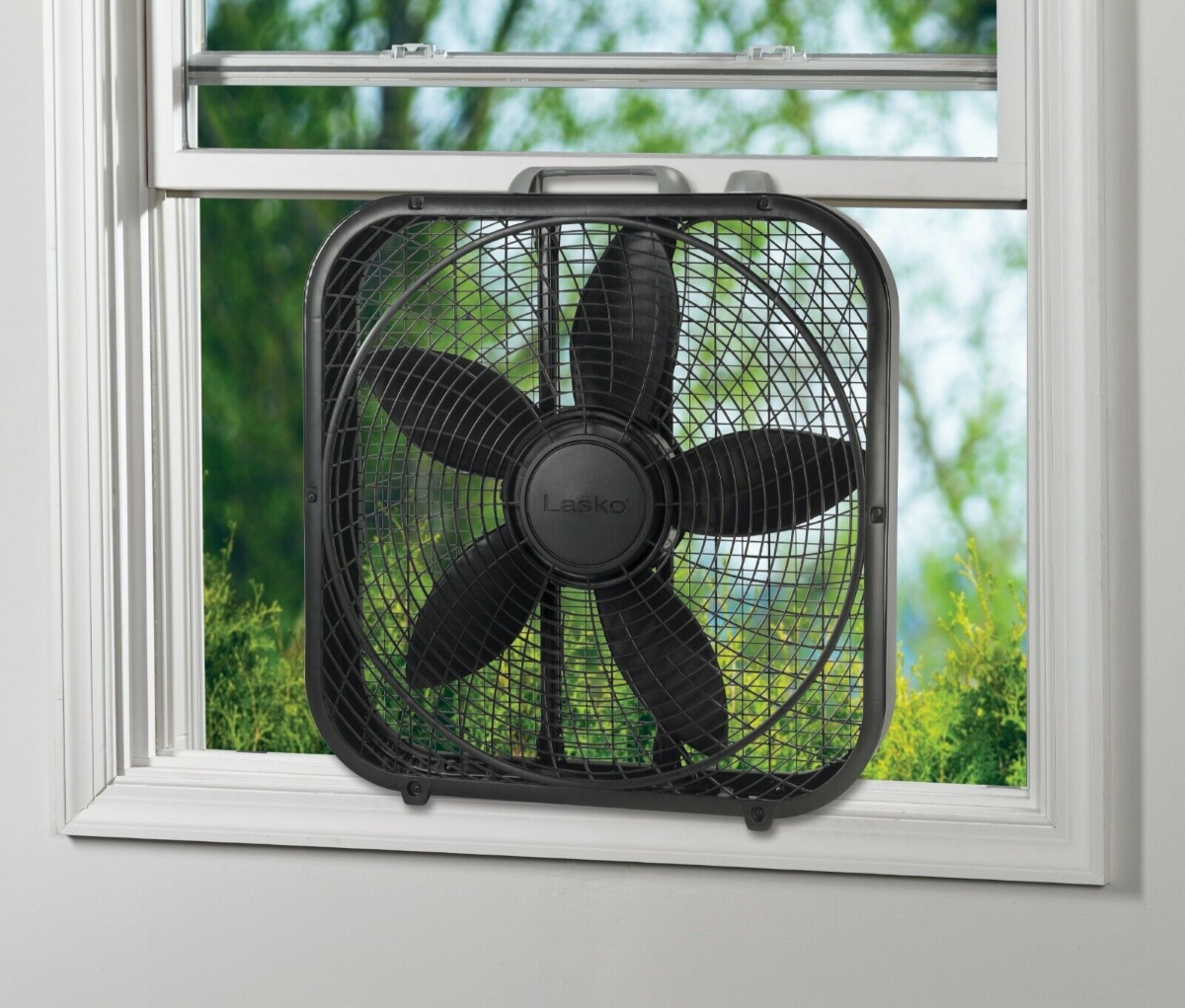
Traditional methods for improving indoor air quality involve increasing ventilation to expel contaminants. This strategy is effective for volatile chemicals, bio-effluents like CO2, odors, and suppressing SVOC-laden dust. However, the efficacy of this approach is challenged when outdoor air quality is poor, as is often the case in inner-city areas, or due to pollution from diesel engines, bushfire smoke, and grass pollens. These external sources introduce ultra-fine particles (UFPs) and other pollutants indoors, posing a dilemma: opening windows to ventilate can introduce more harmful substances from outside. While technology exists to reduce the influx of UFPs into buildings, it remains costly and not widely implemented. The increasing difficulty of finding truly clean, fresh air highlights the need for advanced air purification technologies, particularly in sensitive environments like hospitals, to protect vulnerable populations from indoor and outdoor air pollutants.
#IndoorAirQuality #SickBuildingSyndrome #VolatileOrganicCompounds #SemiVolatileOrganicCompounds #Ventilation #AirPollution #HouseDesign #EnvironmentalHealth #PublicHealth #IndoorAirQuality #SickBuildingSyndrome #VolatileOrganicCompounds #SemiVolatileOrganicCompounds #Ventilation #AirPollution #HouseDesign #EnvironmentalHealth #PublicHealth
Há 0 comentários no total
 Ainda não há comentários
Você também pode gostar
Our buildings are making us sick

5 mistakes you're making that are compromising your home's air quality – and how to fix it like a HVAC pro

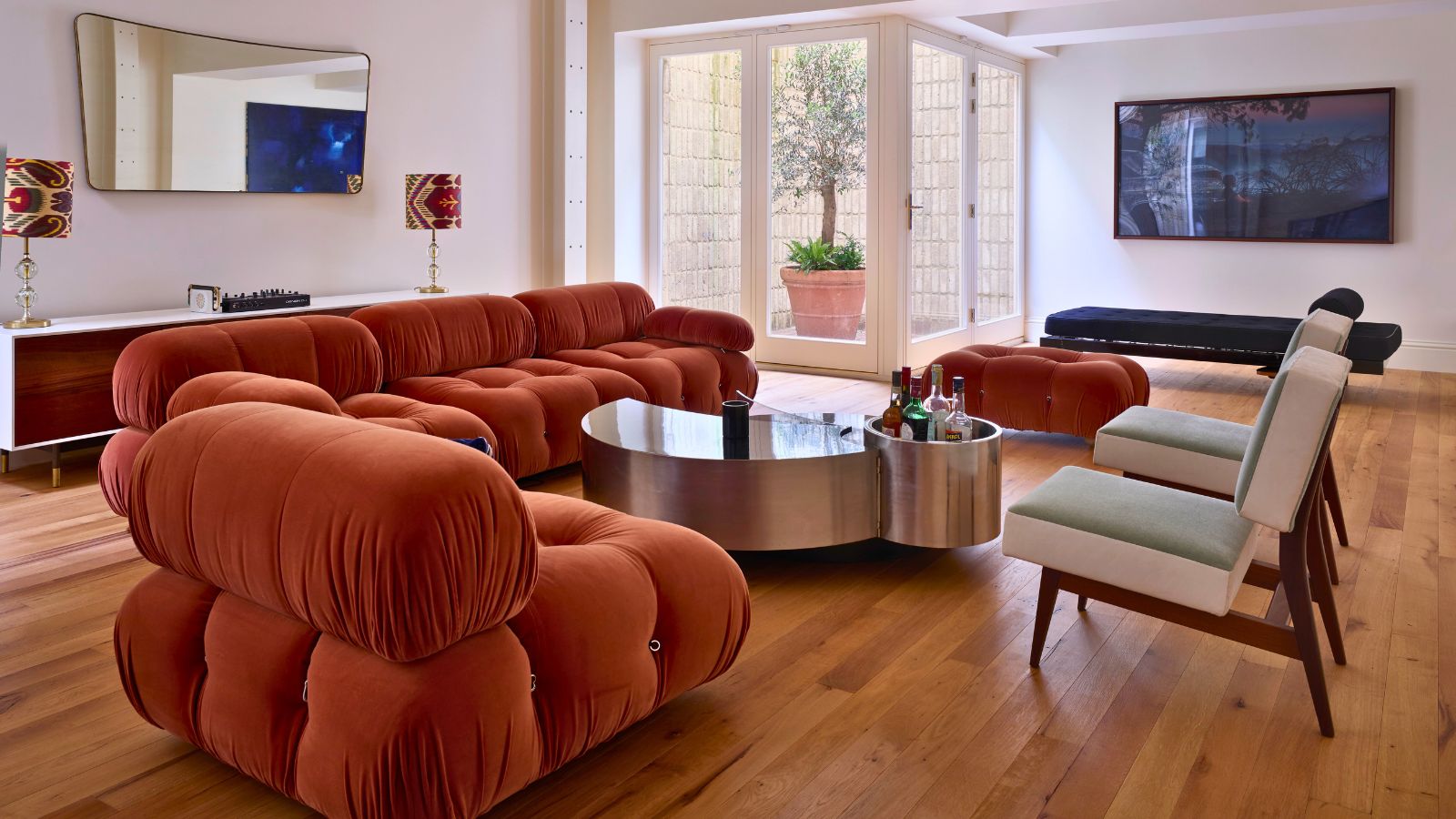
7 toxic basement items to deal with now

Simple Ways to Improve the Indoor Air Quality of Your Home

How to improve air quality at home - it’s the big health issue nobody’s talking about
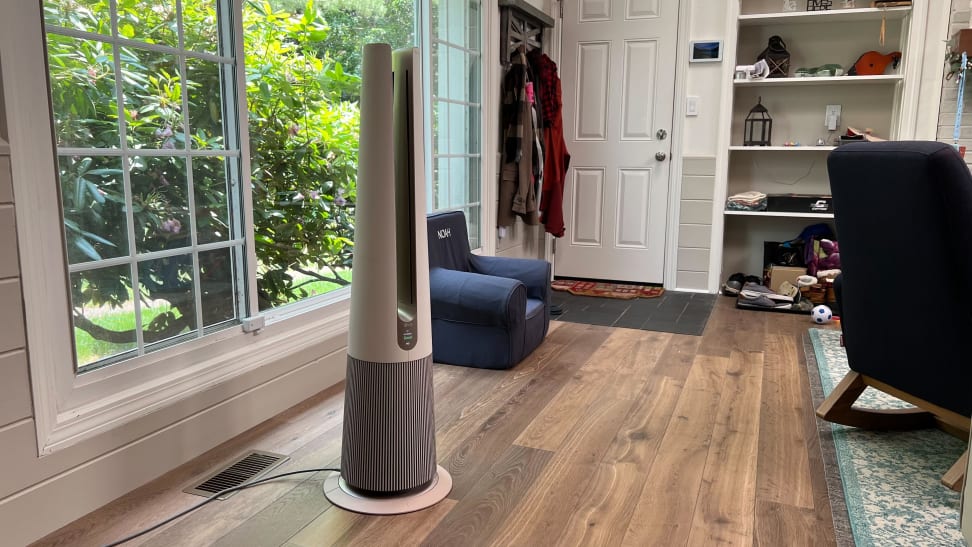
Is your air purifier in the best spot? Follow these rules

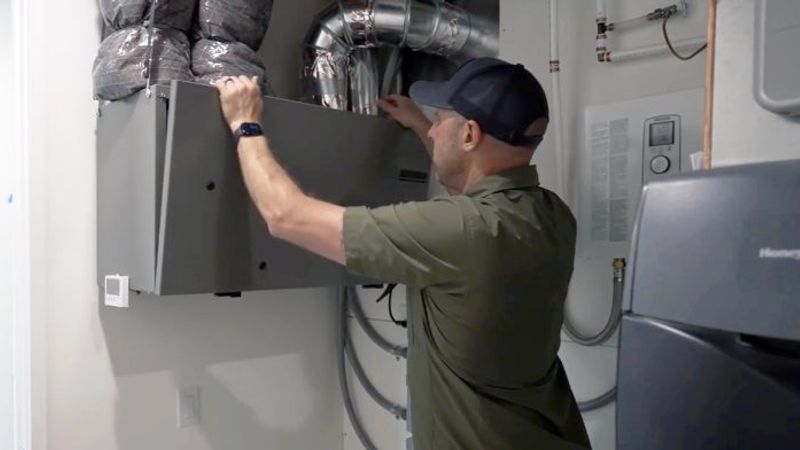
HVAC and Indoor-Air Quality

The 3 Features That Earned This Chic Air Purifier a Spot on My Nightstand

How to improve indoor air quality at home
How to improve indoor air quality

Evaluating the emission of VOCs and HCHO from furniture based on the surface finish methods and retention periods
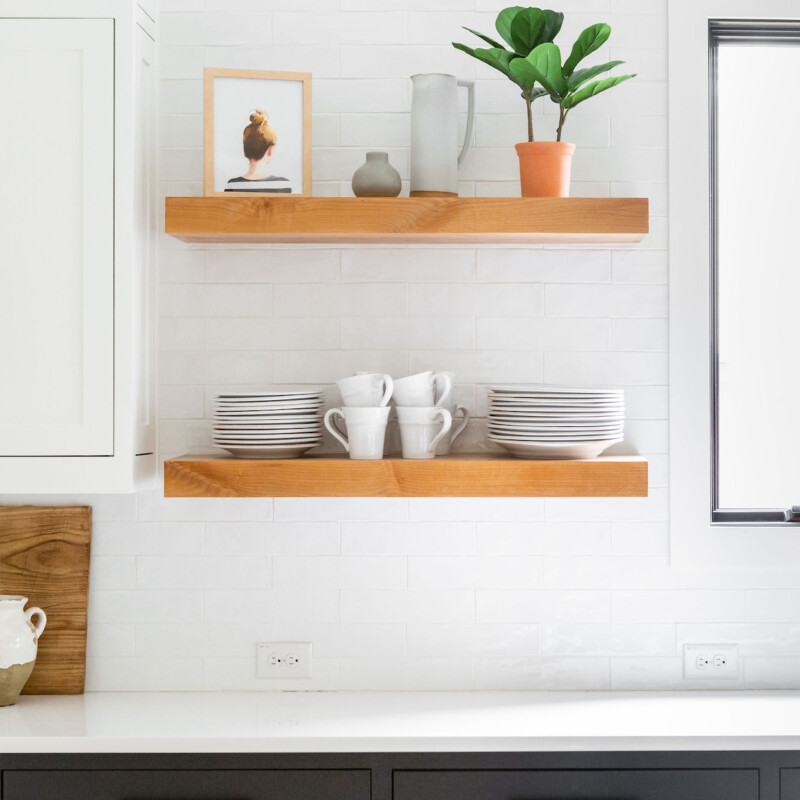
Designers Share 6 Ways to Rid Your Home of Hidden Toxins

How to Improve Indoor Air Quality | Wirecutter

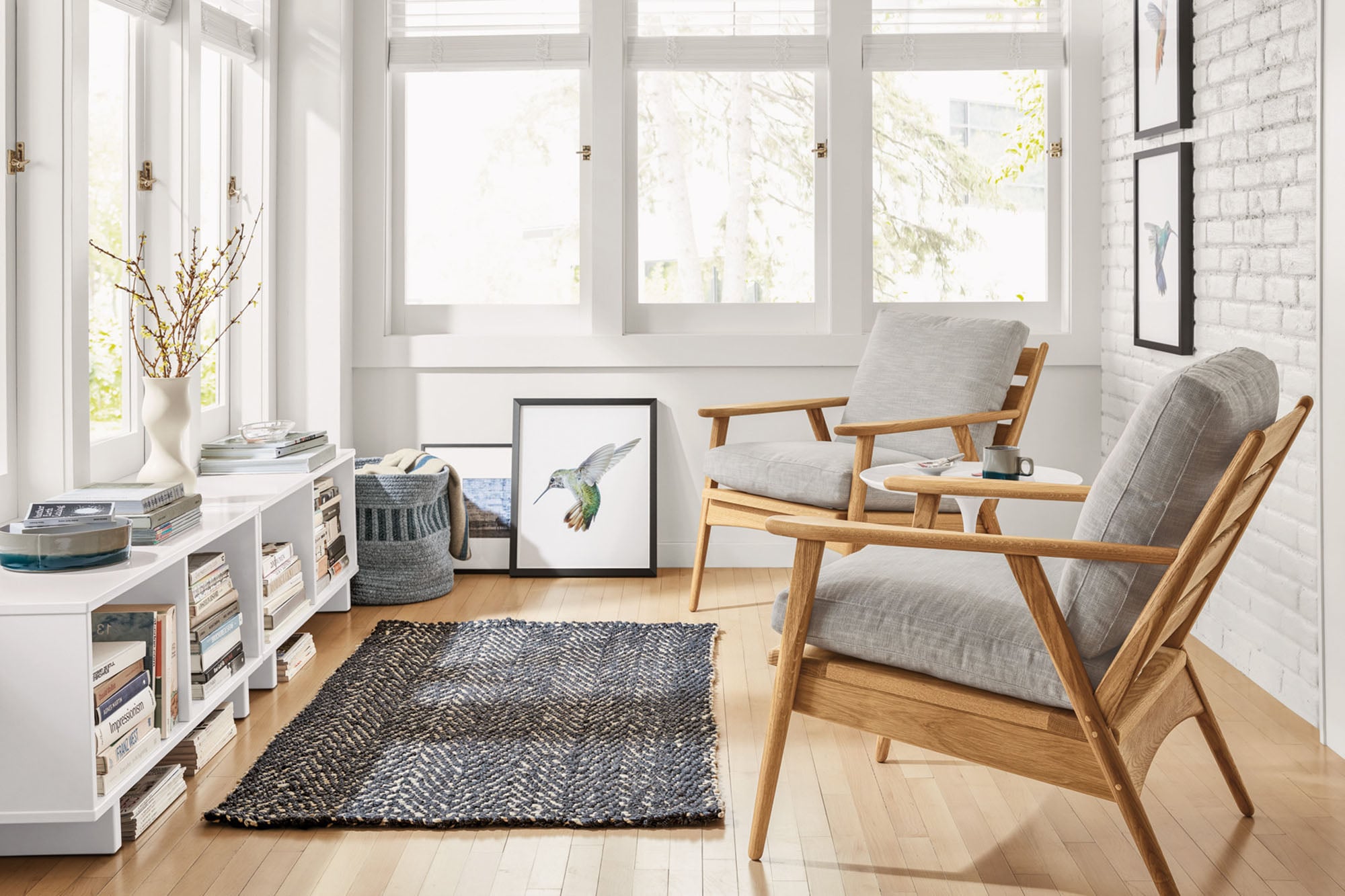
15 Design Products for Improving Indoor Air Quality at Home


5 Easy Ways to Improve Kitchen Ventilation

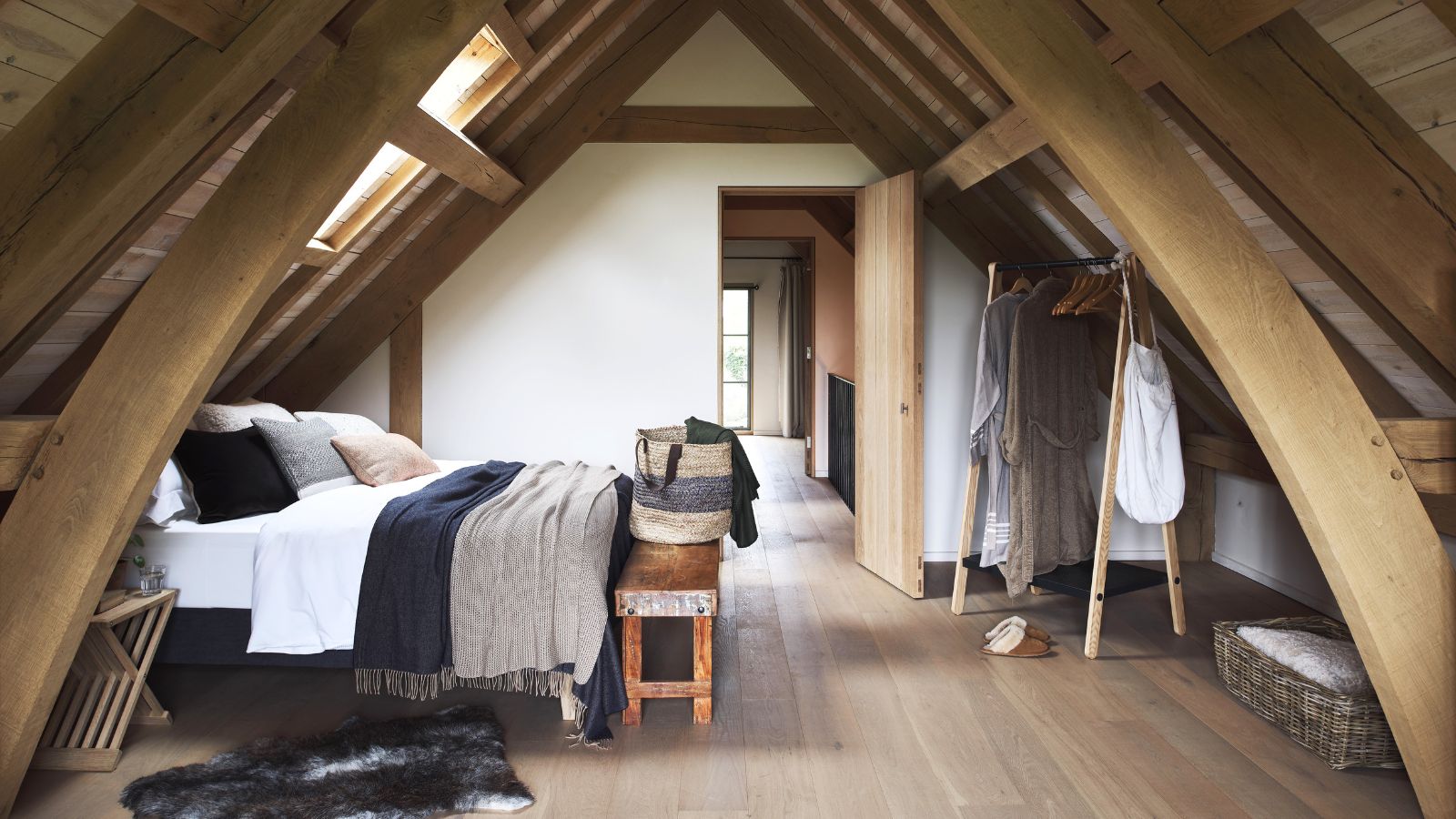
'If you can smell it, there's a problem in progress' – 5 expert-approved ways to get rid of musty smells in an attic
How to Get Better Indoor Air Quality | Wirecutter
Create a Healthier, Safer Home With These Smart Indoor Projects
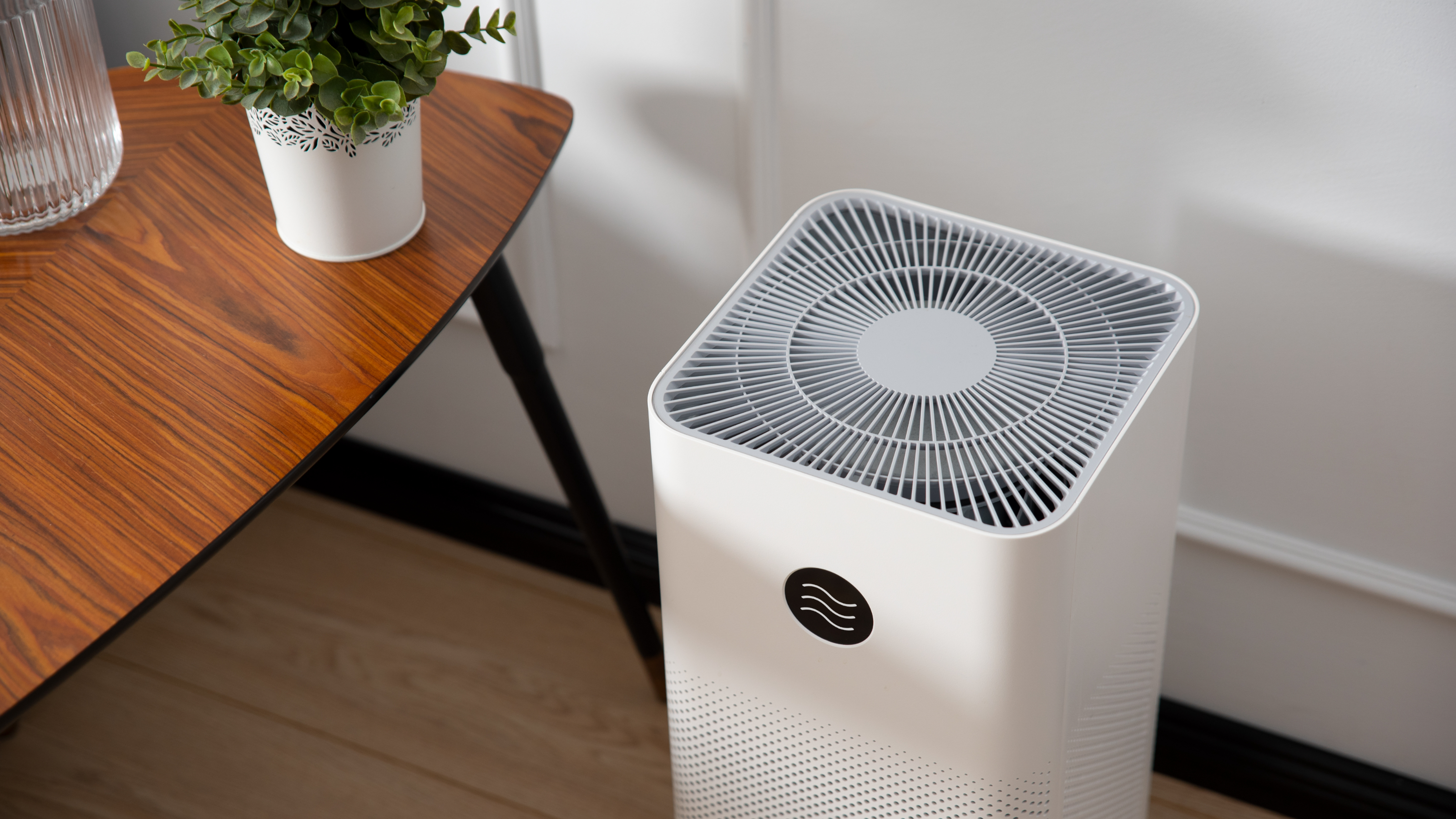
Are air purifiers better on the floor or a desk?
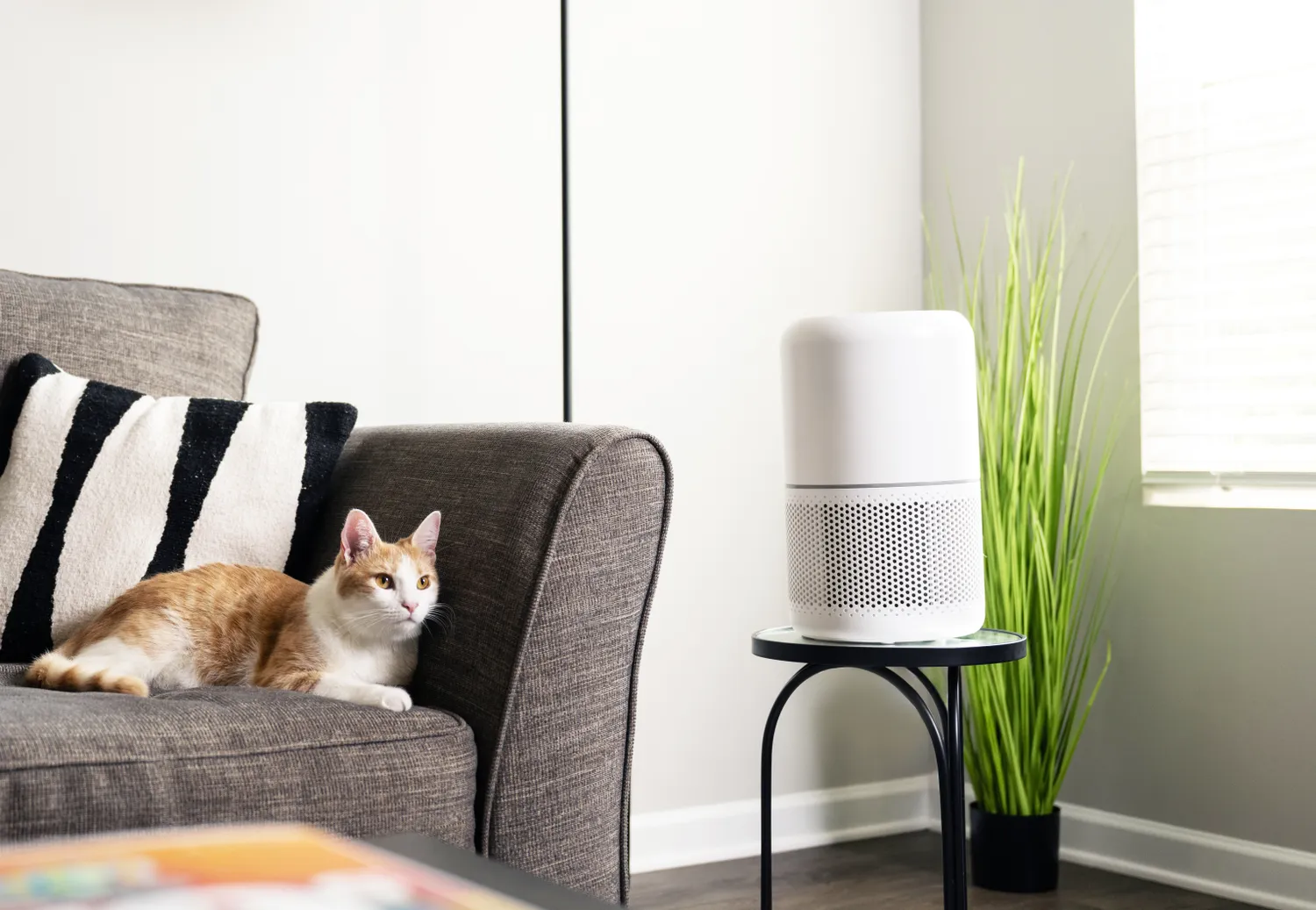
8 Simple Ways to Improve Indoor Air Quality This Winter