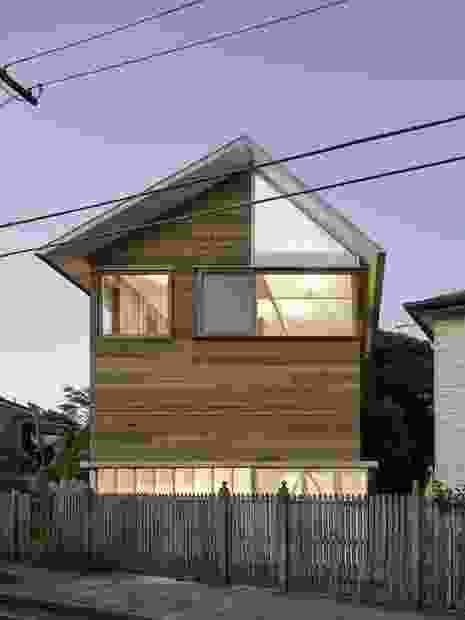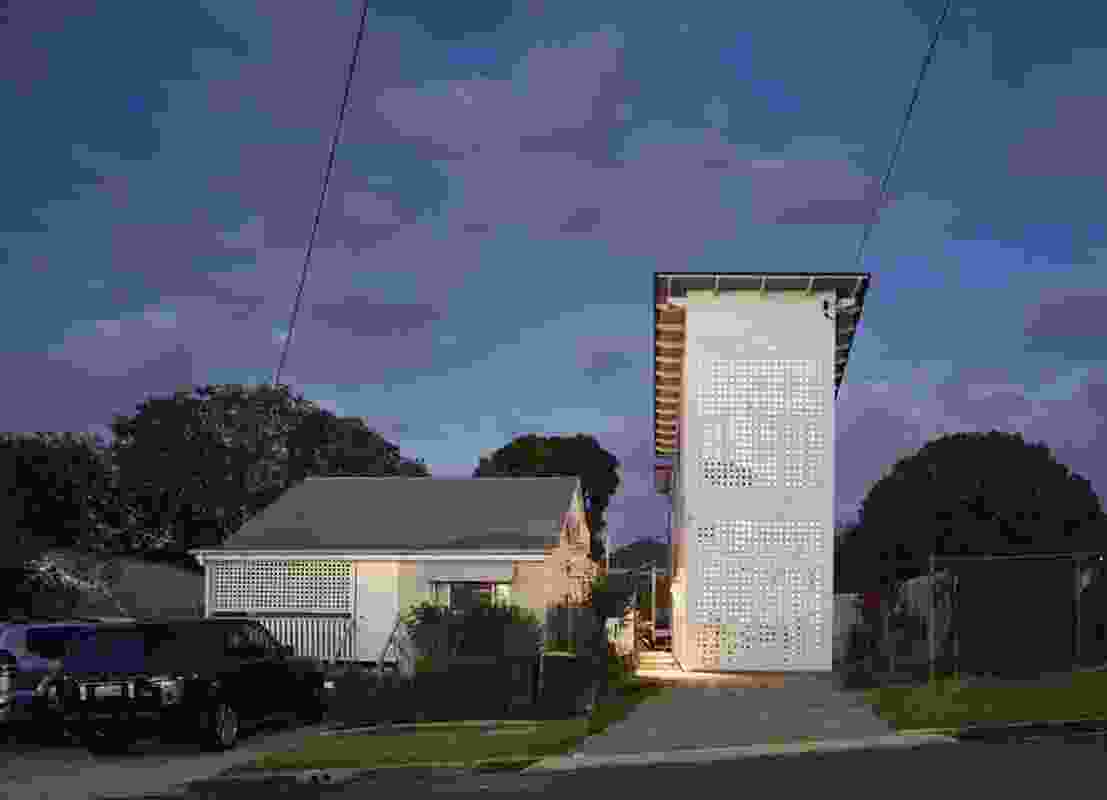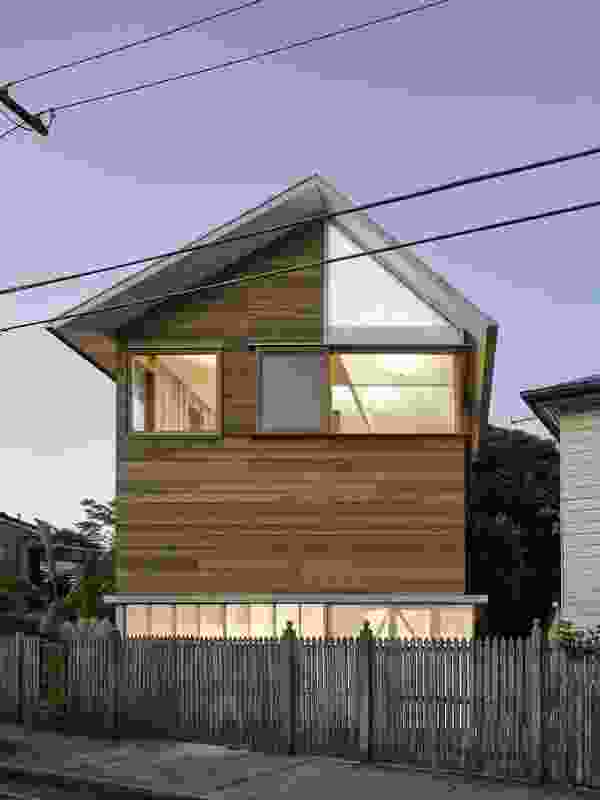
Turning the housing crisis around: how a circular economy can give us affordable, sustainable homes
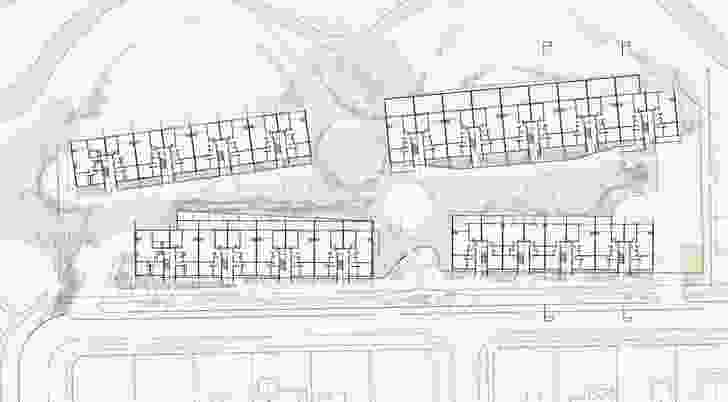
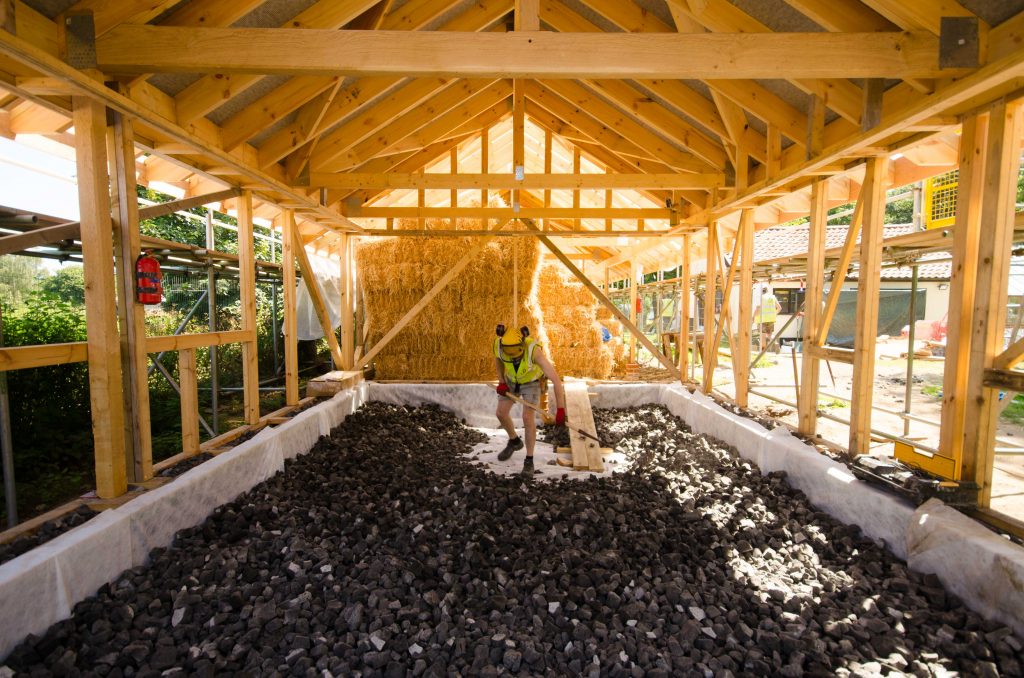
Australia faces a complex set of interconnected problems, including a housing crisis, soaring energy costs, and the pressing issue of climate change. The current approach to housing and construction contributes significantly to these challenges, with the building sector being a major producer of emissions and landfill waste. To address these multifaceted problems, a fundamental shift towards a circular economy model in the housing sector is proposed. This model emphasizes minimizing waste, maximizing resource efficiency, and designing for longevity and reusability throughout the entire lifecycle of a building.
Research conducted by the Australian Housing and Urban Research Institute (AHURI) highlights the potential of a circular economy to simultaneously tackle housing affordability and environmental sustainability. The report advocates for a comprehensive national strategy that values sustainability, transforms market processes, incentivizes circular designs and projects, and builds industry capacity for sustainable outcomes. This strategy aims to create more affordable housing options, reduce energy bills for households, and enhance the resilience and social equity of communities.
Despite the urgency of these issues, progress on implementing new energy-efficiency standards for buildings has been slow, with delays in several states. However, international examples from Asia and Europe demonstrate that actively pursuing circular economy goals in housing is feasible and beneficial. Australia can learn from these global efforts to improve its housing designs, techniques, and material choices, thereby reducing the carbon footprint of its residential sector.
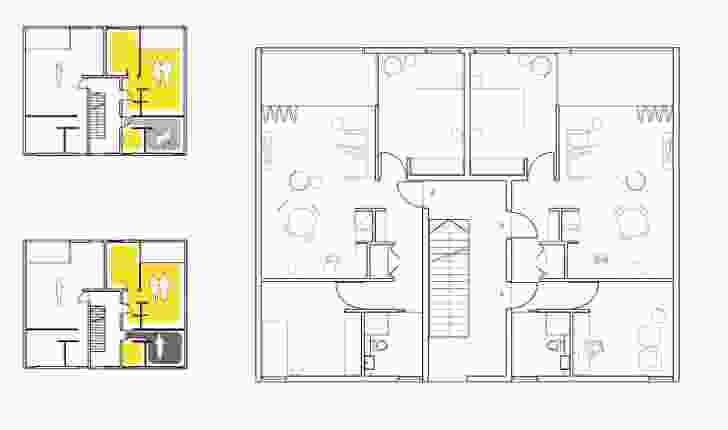
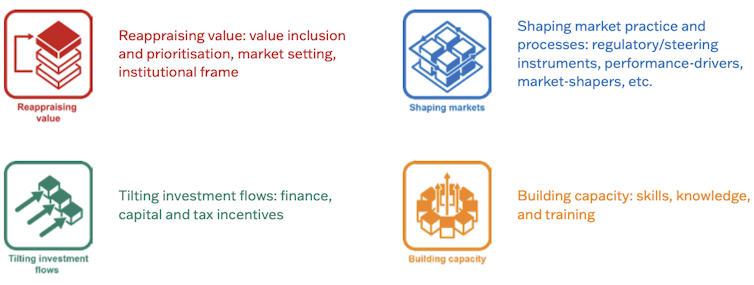
The proposed reforms target four key areas: assigning a higher value to housing sustainability, shifting market processes to support circular models, providing incentives to guide investment towards circular housing, and enhancing the sector's ability to deliver sustainable results. The report also addresses specific housing types, such as residential neighborhoods, apartment buildings, and social housing. For instance, robust regulations are needed for apartment buildings to embed circular economy principles in their construction, use, and reuse. Given that a significant portion of apartments are rented, higher energy standards in rental properties could help combat energy poverty.
In the context of social housing, circular economy retrofitting offers dual benefits for both landlords and tenants through improved design and reduced operational costs. While energy efficiency has been a primary focus in sustainable retrofits in Australia, other circular economy priorities, such as extending housing lifespans and integrating passive design principles, require more attention. A critical barrier to effective implementation is the lack of comprehensive data on material stocks and flows within the housing sector, particularly regarding new, recycled, and reused materials, as well as construction and demolition waste. Improved data systems are essential to pinpoint areas for reducing embodied carbon in housing.
Achieving radical decarbonization in the housing sector necessitates significant changes in practices and materials. This transition to circular economy housing is not merely a regulatory undertaking but a social project that requires broad collaboration across all levels of government, civil society, the private sector, and educational institutions. Relying solely on market demand to drive the supply of circular goods and services is insufficient, especially since tenants, who constitute a large portion of households, often have limited influence over the sustainability of their homes. Therefore, strong partnerships are crucial to foster the scale of change required to enable the housing industry to adopt leading circular economy practices and contribute to national net-zero emissions targets and sustainable material use.
#HousingCrisis #CircularEconomy #SustainableHomes #AffordableHousing #EnergyEfficiency #ClimateCrisis #HousingPolicy #GreenBuilding #ResourceEfficiency #HousingCrisis #CircularEconomy #SustainableHomes #AffordableHousing #EnergyEfficiency #ClimateCrisis #HousingPolicy #GreenBuilding #ResourceEfficiency
Há 0 comentários no total
 Ainda não há comentários
Você também pode gostar
How to Make Your Home More Sustainable, According to Design Experts

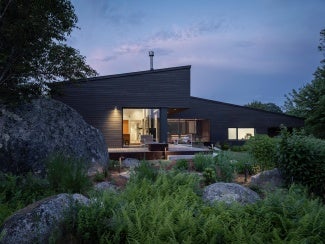
How residential design offers opportunities for sustainability
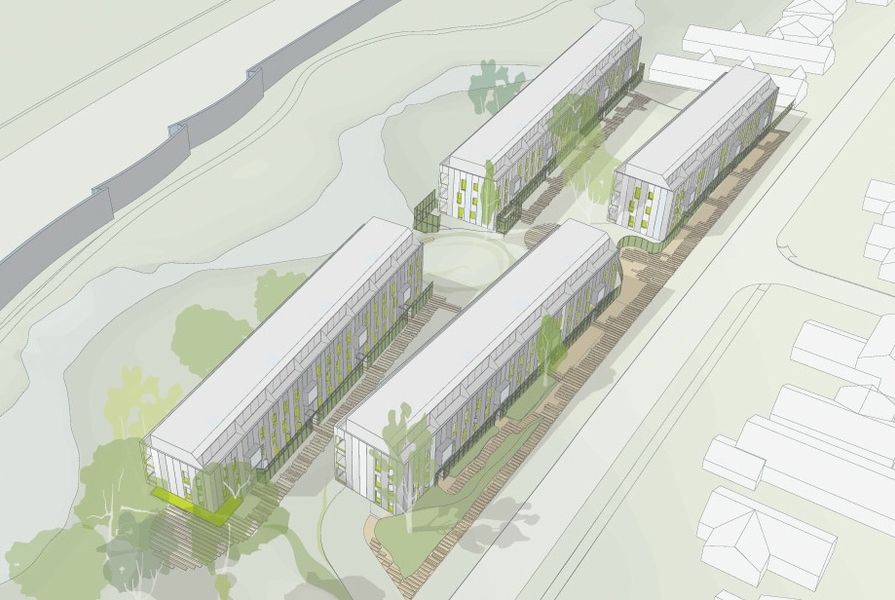
DASH – Designing Affordable Sustainable Housing

Co-living Market Size, Share | CAGR of 15.4%
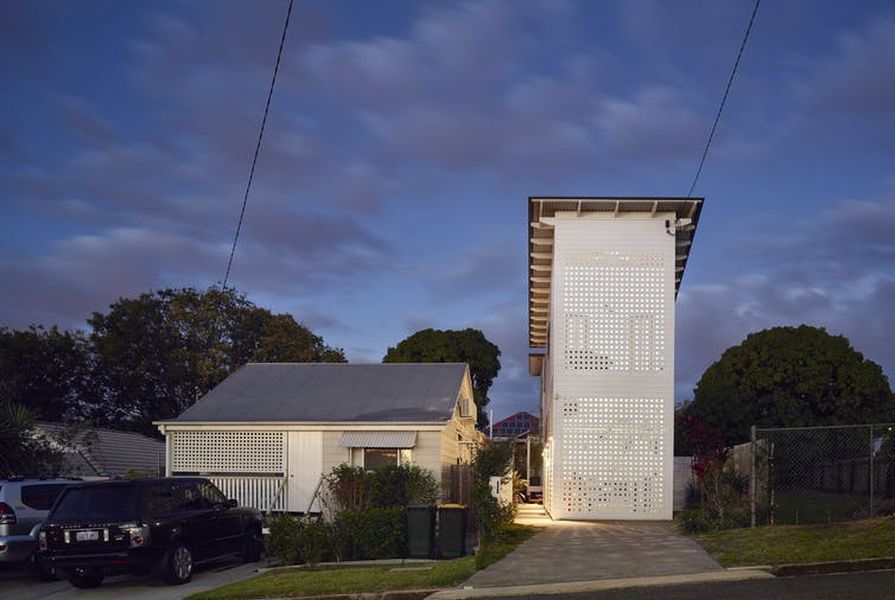
We need more flexible housing for 21st-century lives
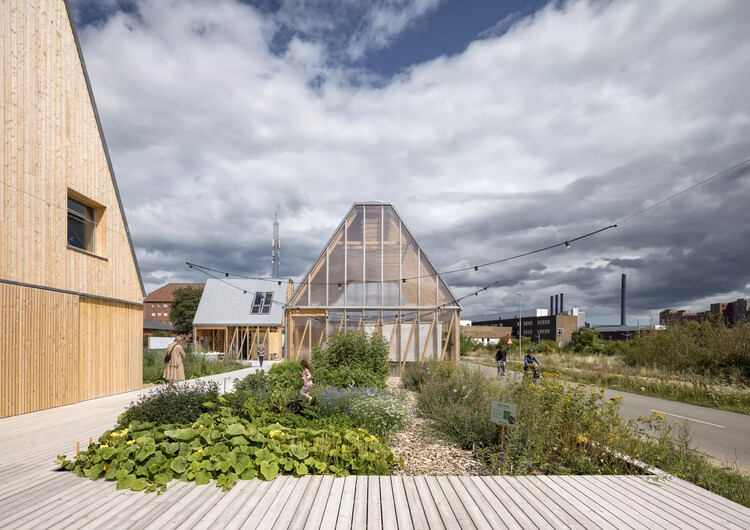
From Prototype to Progress: How Small-Scale Sustainable Housing Models Are Shaping Our Future

How The Home Improvement Industry Is Approaching Sustainability In An Uncertain Climate

Where should I go to get my things repaired? And why is it so important?
We need more flexible housing for 21st-century lives


A product of the circular economy enters the kitchen

Saving the earth: making the case for rammed earth architecture
Stand Out with 2026 Home Trends

Affordable housing and environmental sustainability: Building a greener future


Home Rescue's Dee Coleman on the six R's of sustainable interior design
11 Recycled Building Materials Made From Trash

How They Pulled It Off: Making a Midcentury Home Sustainable for the Next Century

Sustainable Homes
Cost-effectiveness and affordability evaluation of a residential prototype built with compressed earth bricks, hybrid roofs and palm midribs
Hottest Home Trends in 2025
A Guide to Sustainable Design