1/14
Smart ceiling light showdown: Aqara T1M versus Nanoleaf Skylight
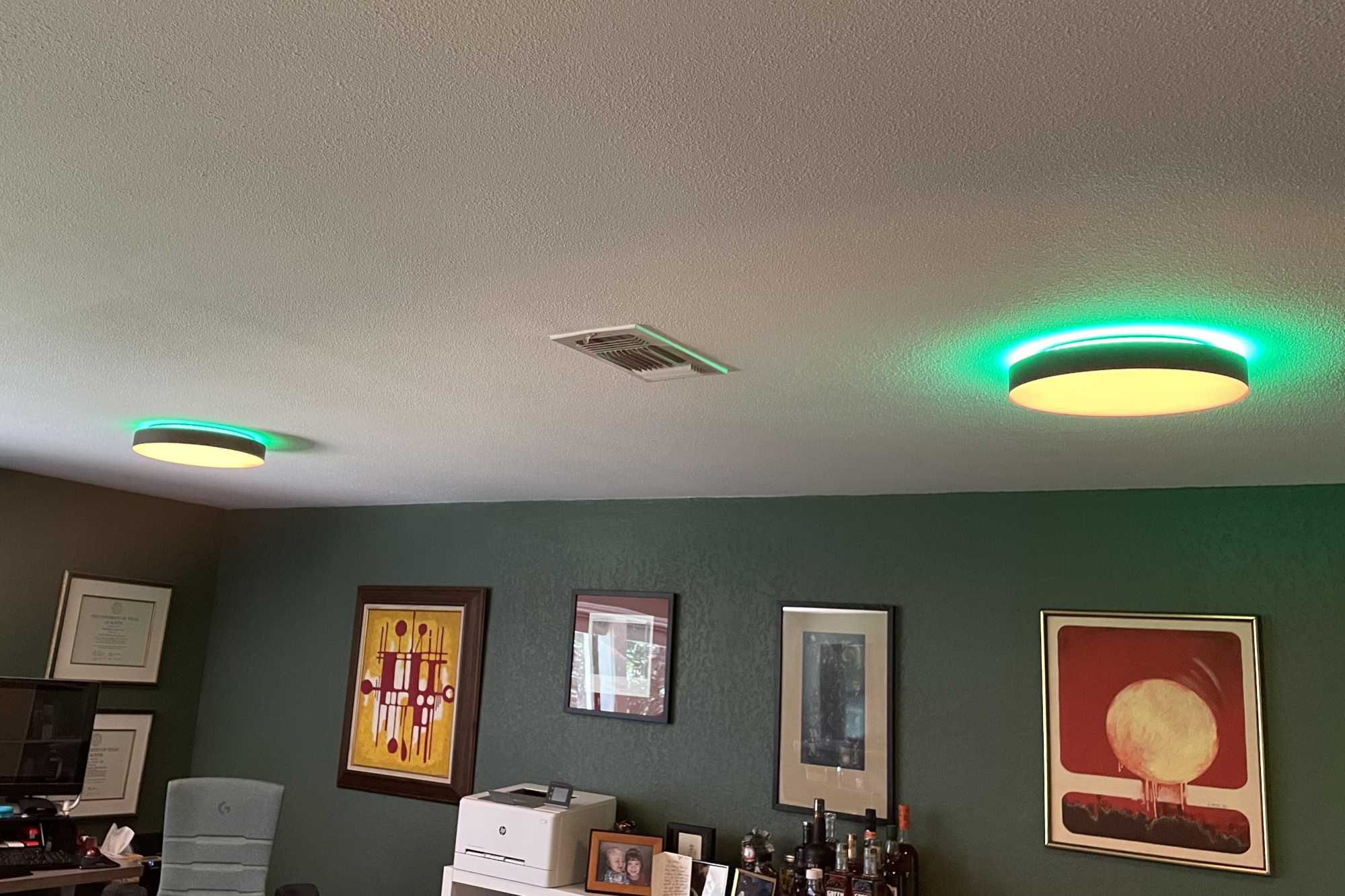
This article compares two smart ceiling lights, the Aqara Ceiling Light T1M and the Nanoleaf Skylight, highlighting their features, performance, and suitability for different home lighting needs. Smart ceiling lights offer tunable white and color-changing capabilities, providing dynamic lighting options beyond traditional bulbs and light strips, and can be integrated with smart home systems for automated control. Both products introduce addressable lighting to the ceiling, enabling control over color, temperature, hue, and brightness, as well as the display of multiple colors simultaneously.
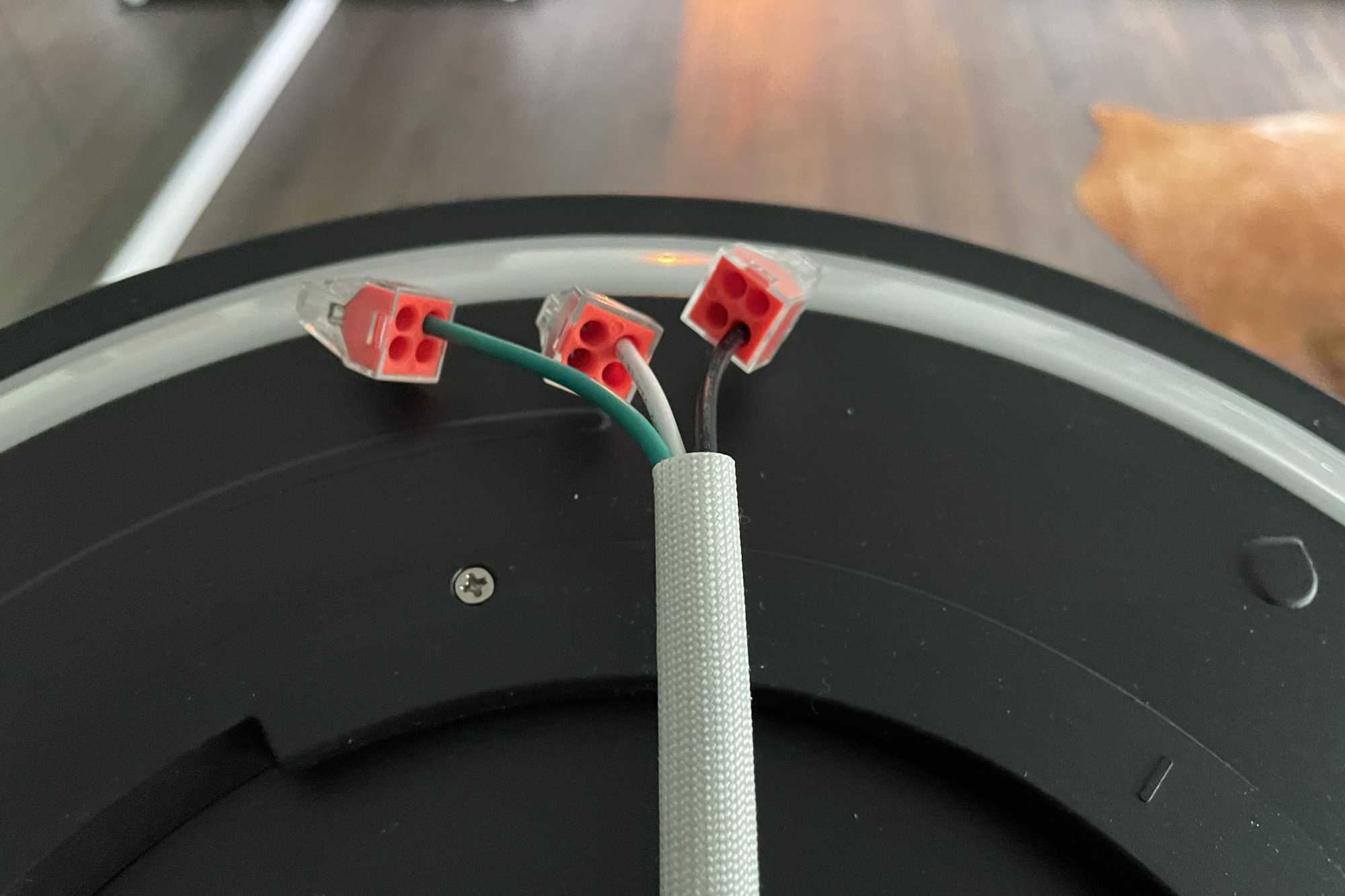
The Aqara T1M, priced at $149.99 (or $109 on sale), is a tunable white light fixture with a color-changing LED ring that features 26 individually addressable zones. It offers a more traditional design, making it suitable for a wider range of spaces up to 200 square feet. Its main light is limited to tunable white, but the ring light provides full-color options. The T1M works with Apple HomeKit Adaptive Lighting, adjusting white hues automatically throughout the day, and its ring light can be used for notifications. It requires an Aqara Zigbee hub, which adds to the initial cost, but its Zigbee connectivity is reliable, and its app is stable. Installation is straightforward, similar to a standard ceiling fixture. The T1M can also be paired with an Aqara Smart Switch in wireless mode to maintain power to the light, even when the switch is off, allowing continued app or voice control.
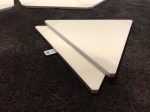
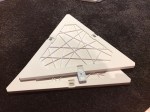
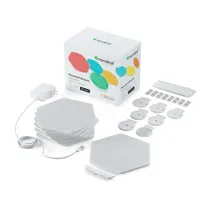
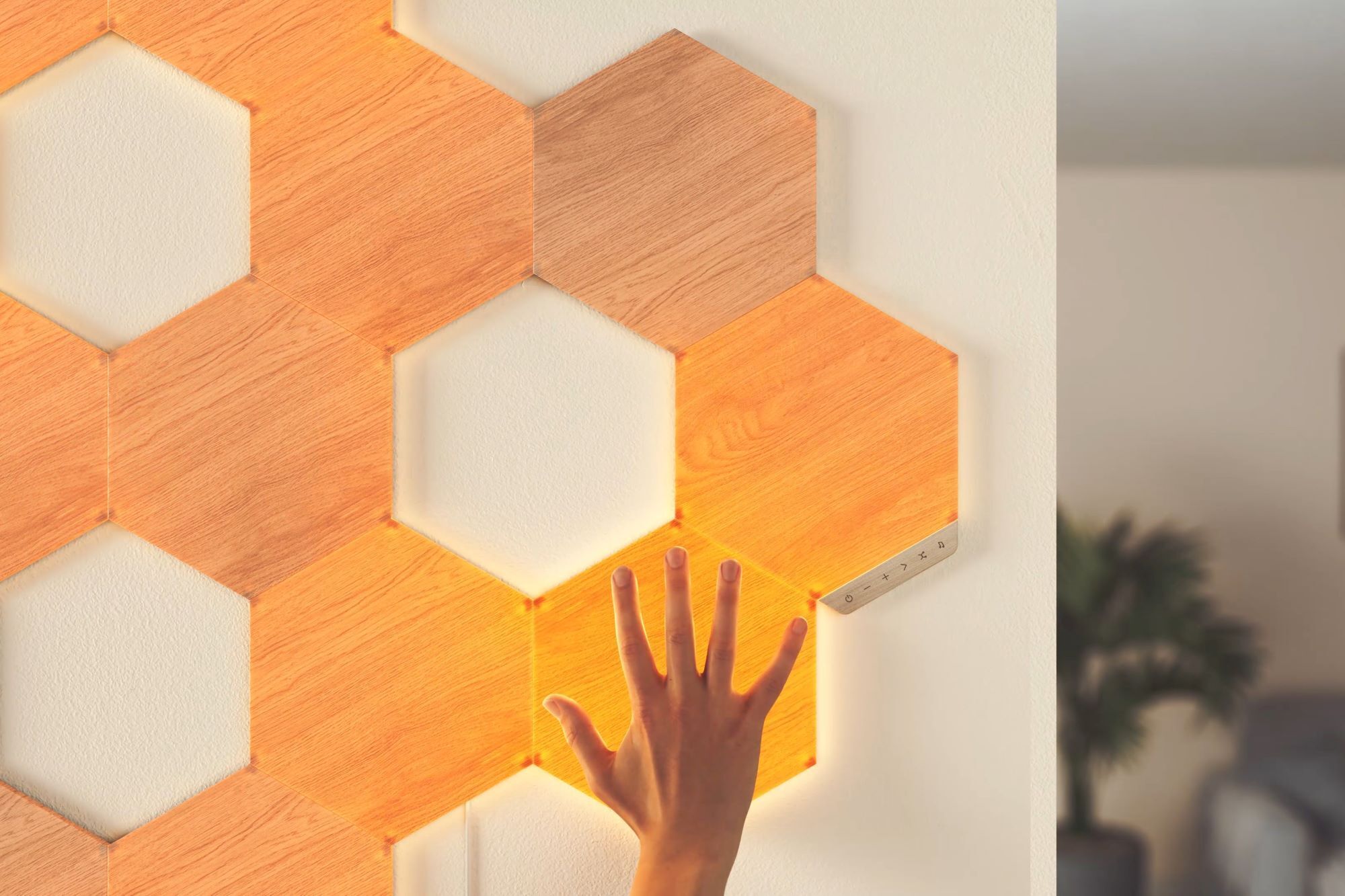
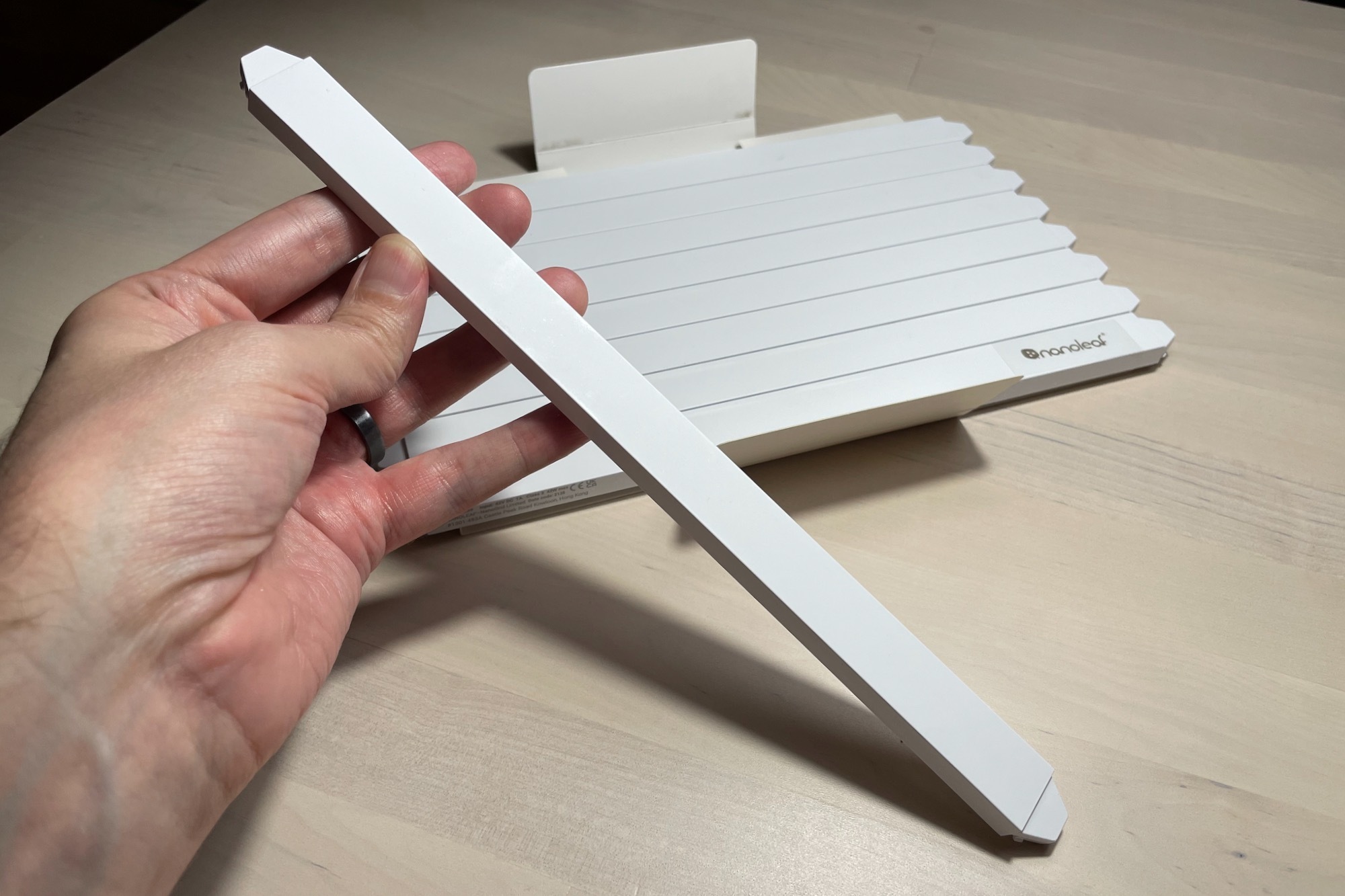
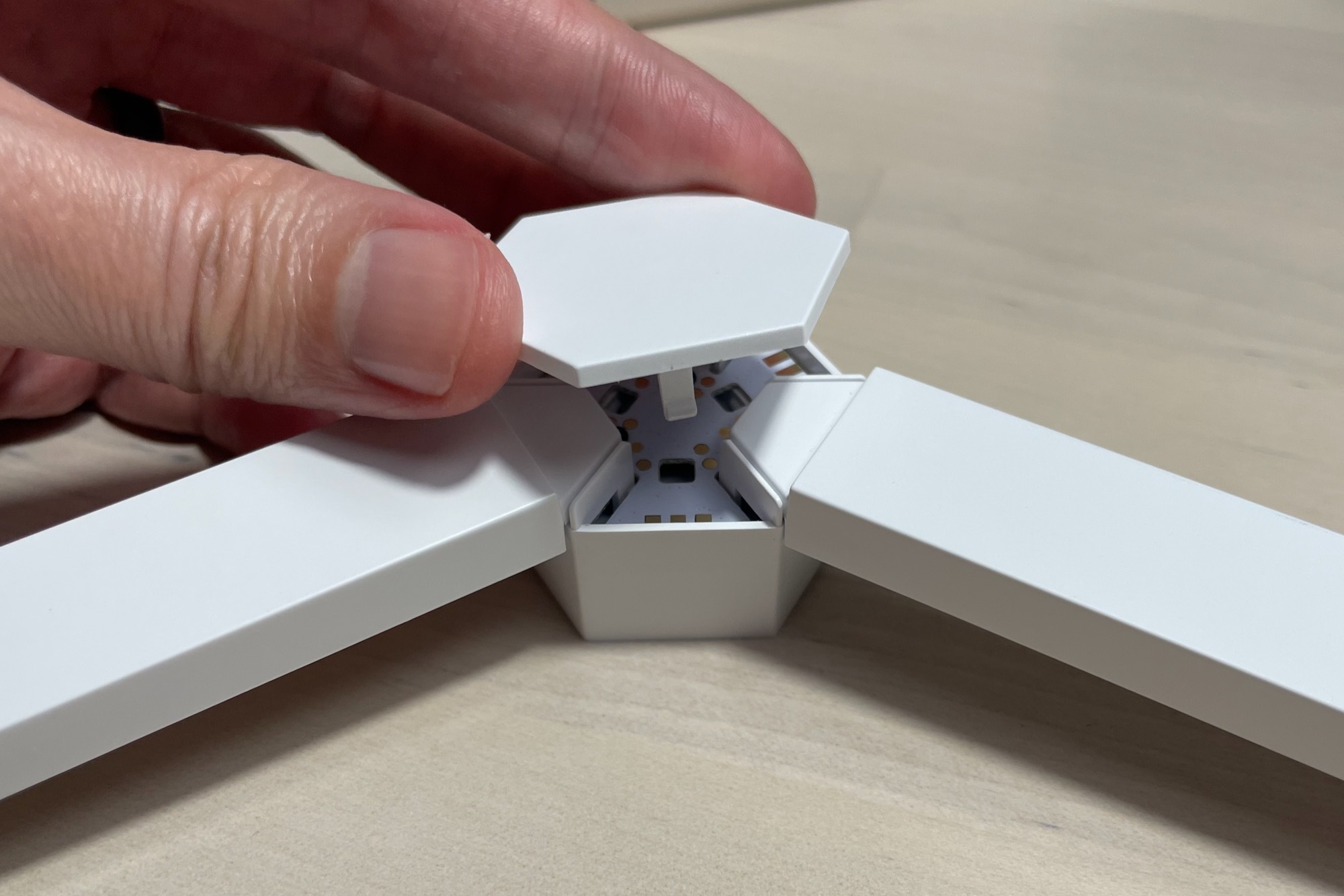
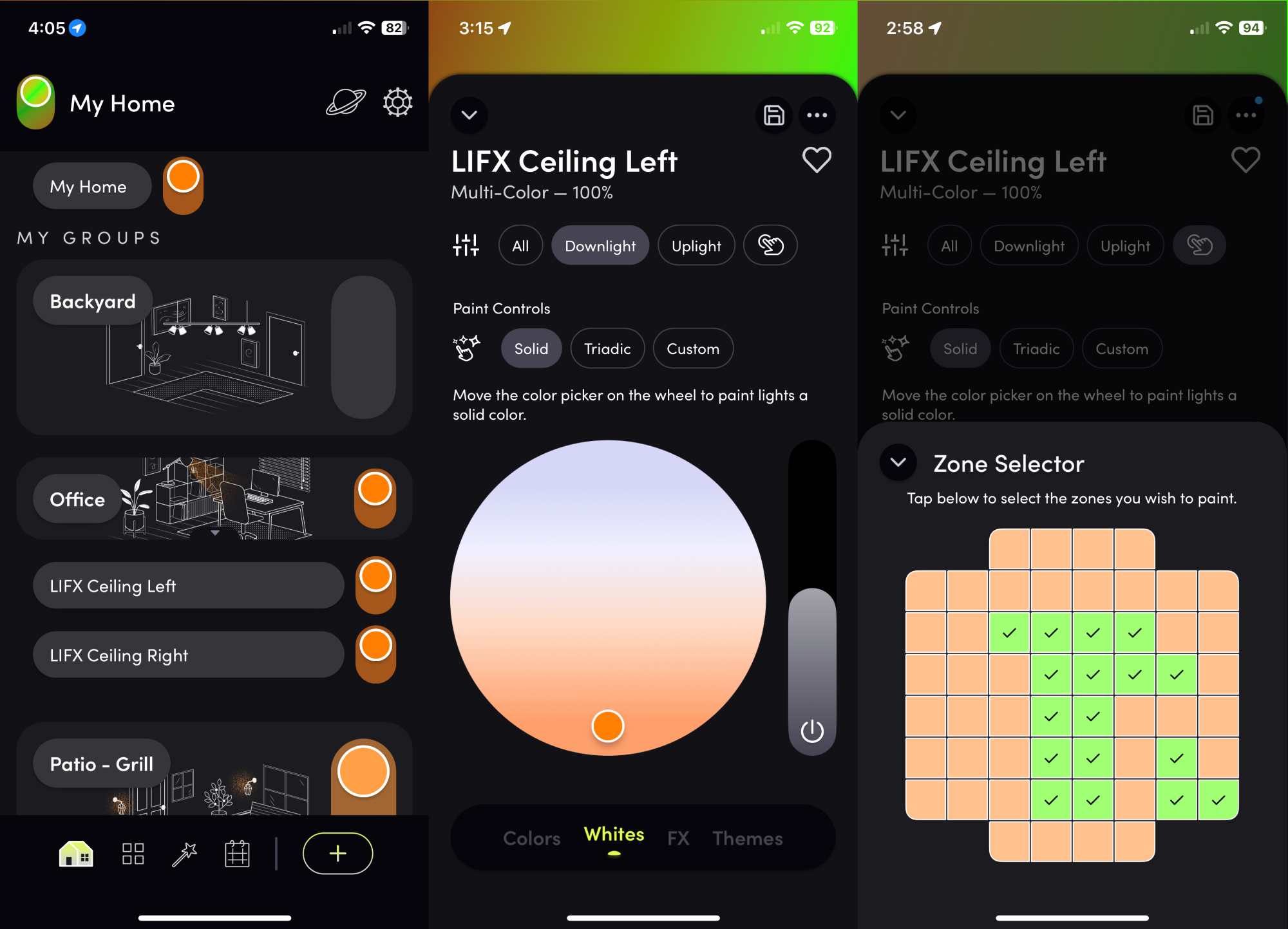
The Nanoleaf Skylight, priced at $249.99 for a three-panel starter kit, consists of modular ceiling LED light panels that provide tunable white and full-color lighting. Each panel can display different colors and tunable white light, and multiple panels can be arranged to cover large areas. While the Nanoleaf system is significantly brighter, providing 1400 lumens per panel for a total of 4200 lumens with three panels, its design can appear somewhat clinical when off. The Nanoleaf excels in dynamic lighting effects, offering numerous preset scenes and an AI-powered Magic Scene creator. However, its app is noted for being slow and buggy, and installation is more complex due to the modular design and the need to align multiple panels. The Skylight uses 2.4GHz Wi-Fi and does not currently require a hub, although it has a Thread radio on board for future functionality as a Thread border router.
In terms of design, the Aqara T1M offers a sleek, traditional look that blends into various interiors, while the Nanoleaf Skylight provides a unique, modular, and expansive lighting solution that can resemble a physical skylight. The Nanoleaf’s brightness and dynamic color effects are superior, but the Aqara offers a smoother, more diffuse light and better integration with Apple HomeKit Adaptive Lighting. The Aqara T1M is generally more affordable and easier to install, and its connectivity is more reliable. The Nanoleaf’s cost can quickly escalate with additional panels, and its app experience is less polished. Ultimately, the Aqara T1M is a strong contender for those seeking an affordable, easy-to-install, and reliable smart ceiling light with essential smart home integrations, particularly for smaller to medium-sized rooms. The Nanoleaf Skylight is better suited for users looking for a statement piece, superior brightness, and extensive dynamic color capabilities for larger spaces, provided they are willing to invest more and manage a more involved installation process.
#SmartHome #SmartLighting #AqaraT1M #NanoleafSkylight #CeilingLights #HomeAutomation #TechReview #SmartDevices #LightingDesign #SmartHome #SmartLighting #AqaraT1M #NanoleafSkylight #CeilingLights #HomeAutomation #TechReview #SmartDevices #LightingDesign
0 comment in total
 No comments yet
You may also like
Smart string light showdown: Nanoleaf versus Lifx
REVIEW: Nanoleaf Floor Lamp brightens your space with vibrant, customisable light
7 Eye-Popping Nanoleaf Design Ideas

The best smart lights for covering your walls in color

Eight Best Smart Light Systems to Transform the Mood of Your Home (2025 Update)

Nanoleaf Lines review: These smart, backlit light lines can put on a show

Review: Nanoleaf's HomeKit-Enabled Lines Offer Futuristic Accent Lighting
Nanoleaf 4D Review: Immersive TV Bias Lighting For Less

Aurora is a set of connectable, color-changing LED wall panels
Nanoleaf Skylight Is More Than Just A Pretty Light Fixture

The 4 Very Best Smart Lightbulbs
This new light strip is versatile and good value
The Nanoleaf Smart Ceiling Light Mimics a Skylight

Aqara LED Strip T1 (review)


This smart lighting strip gave me 12 hours of hell
LIFX SuperColor Ceiling review: Smart lighting, overhead

My favorite Nanoleaf smart lights just hit lowest price ever for Black Friday

The best smart light bulbs for 2024


Overhead Lighting vs. Lamps: Experts Settle This Great Debate

Nanoleaf Canvas review: Your smart home in living color