1/4
This smart lighting strip gave me 12 hours of hell
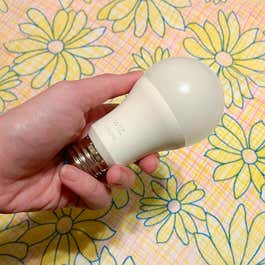
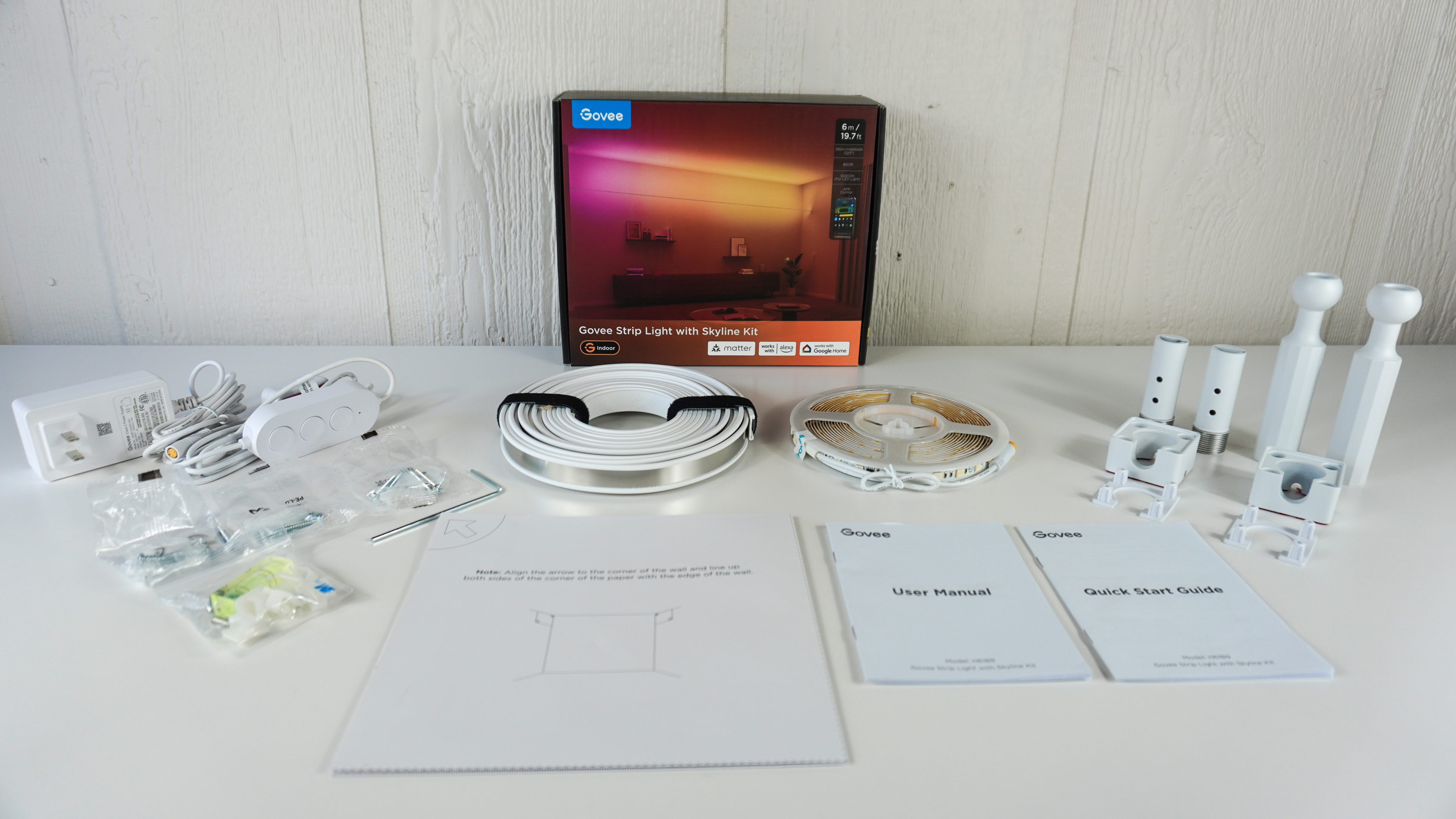
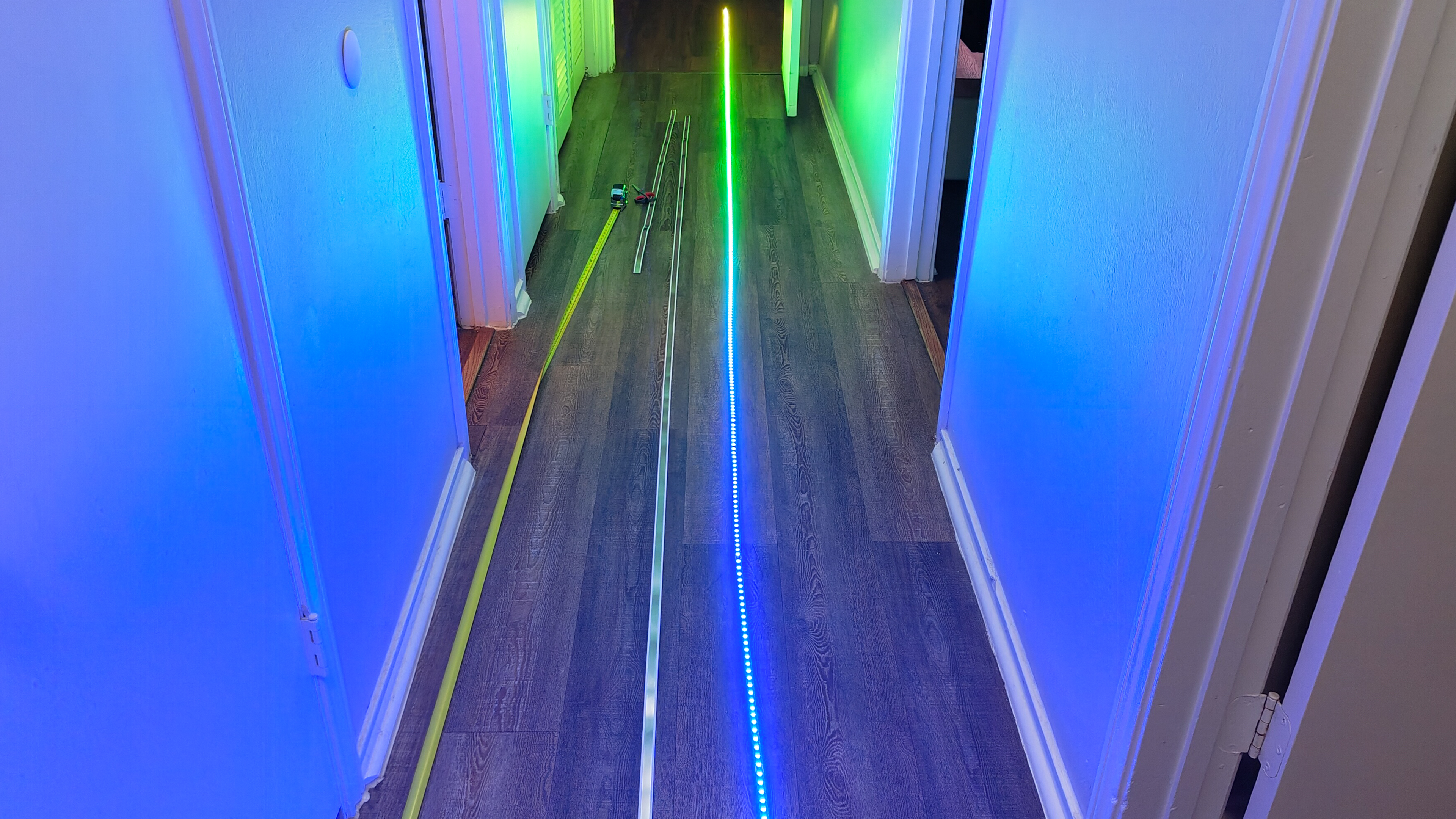
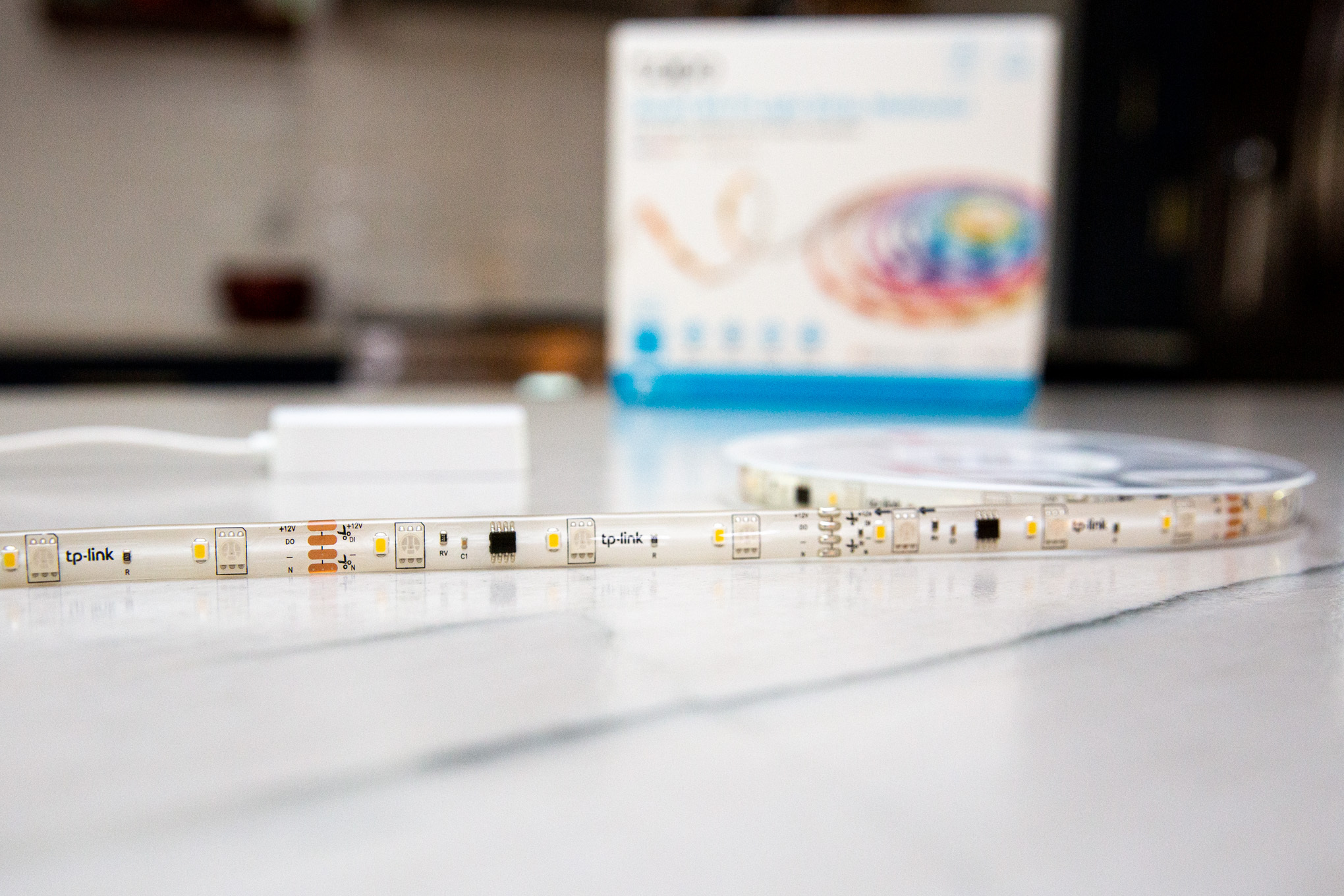
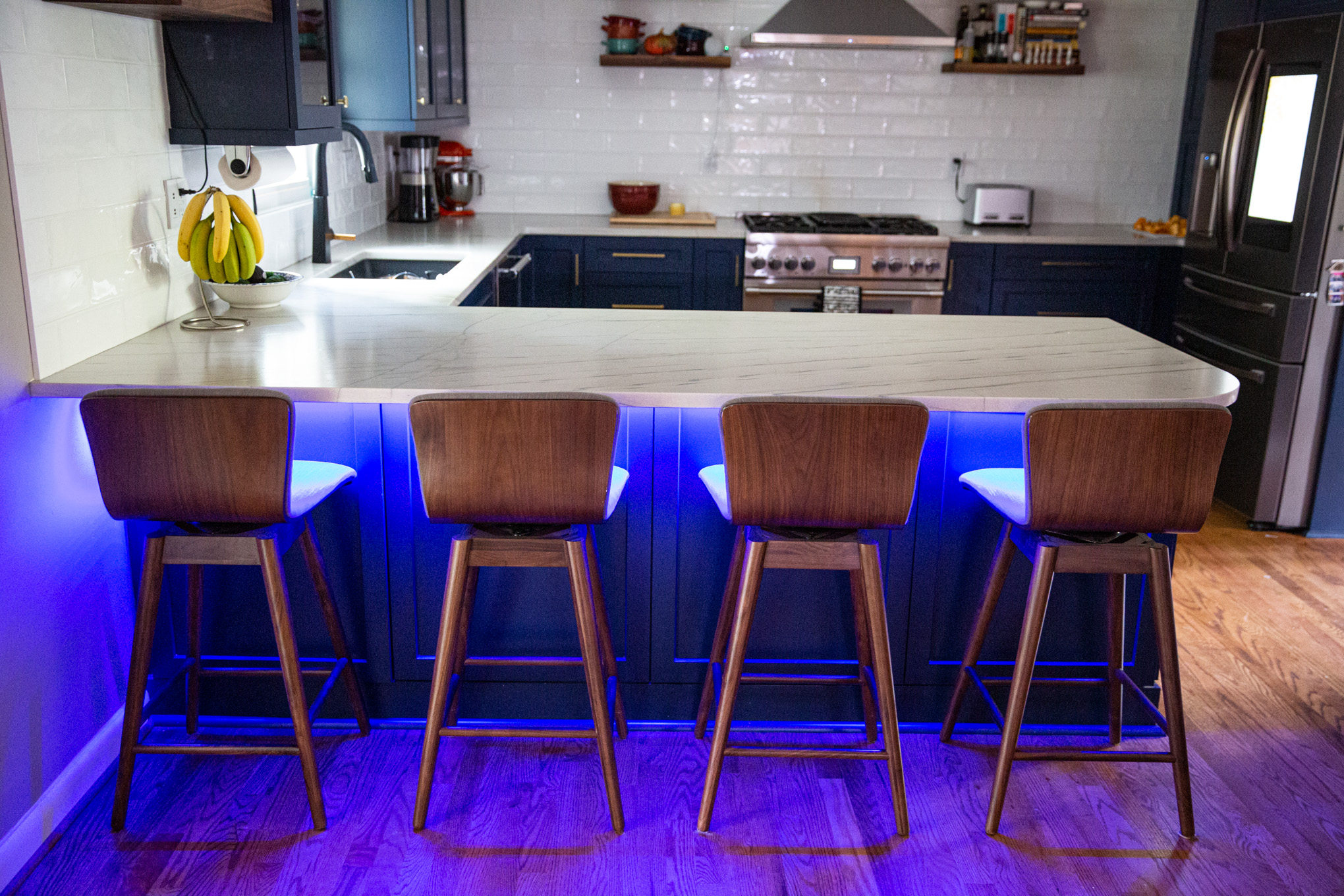
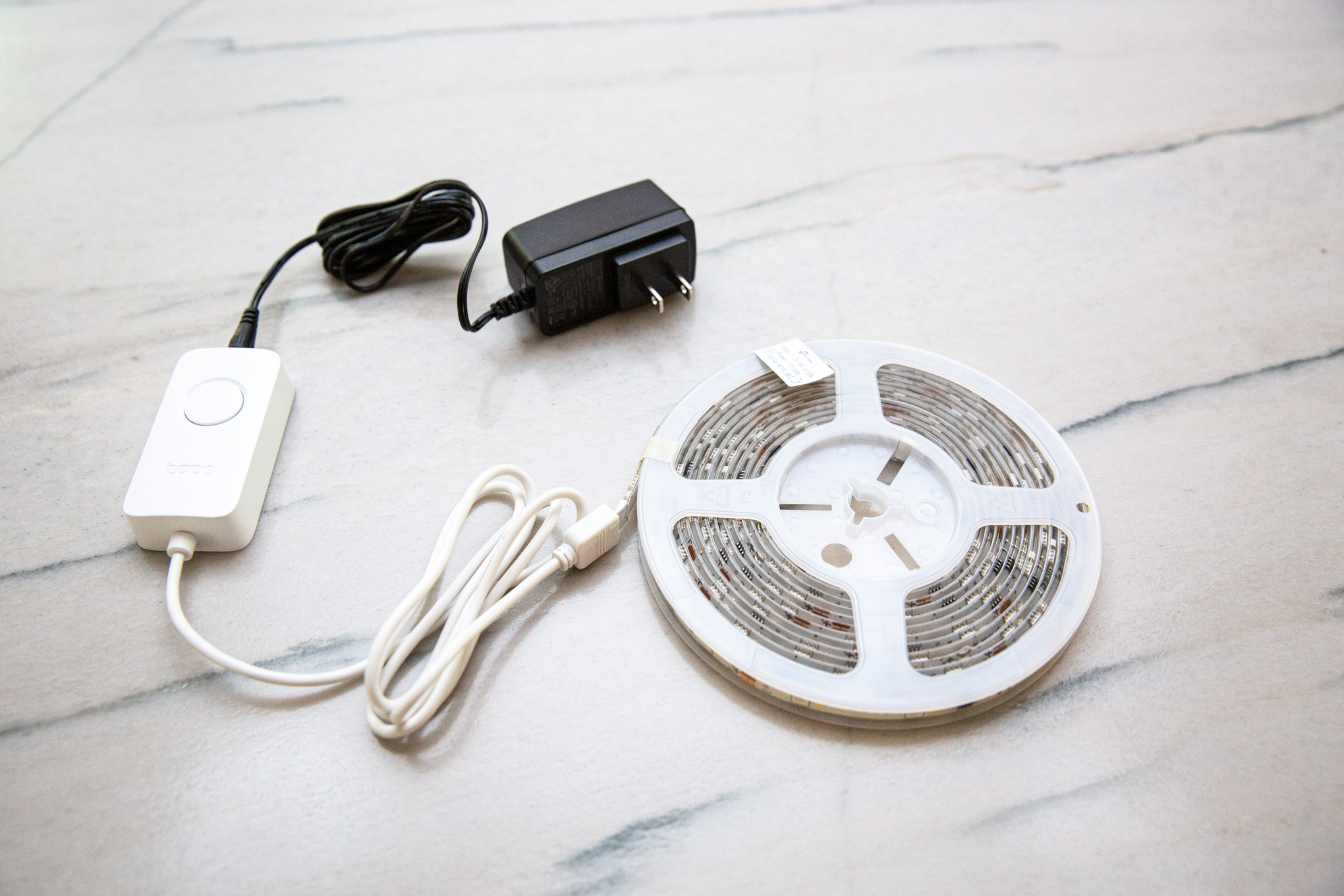
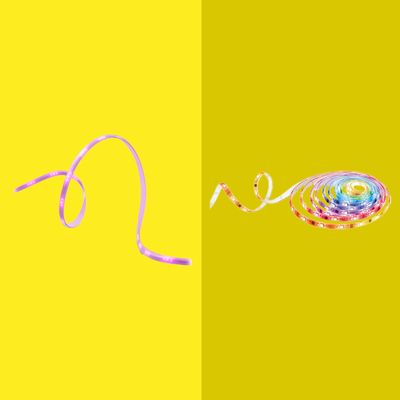
This article details a highly frustrating experience with installing and configuring Matter-enabled smart lights from Nanoleaf. The author, a technology columnist, spent 12 hours attempting to integrate two new smart lighting products – a Nanoleaf Essentials Matter Smart Lightstrip and a Nanoleaf Essentials Matter Smart Bulb – into their existing smart home ecosystems, including Apple Home, Google Home, Samsung Smart Things, and Home Assistant.
The core issue highlighted is the failure of Matter, a new universal technology standard designed to allow smart devices from different manufacturers to work together seamlessly. Matter is intended to simplify setup, improve interoperability, and enhance reliability, addressing common frustrations with current smart home devices.
Initially, the author was optimistic, as the Samsung Smart Things app immediately detected the Nanoleaf smart bulb upon plugging it in and offered to install it, suggesting Matter's promise of easy integration was being realized. This is contrasted with the traditional, cumbersome setup process that often requires using a device's native app, then linking accounts to other smart home platforms, a process prone to breaking.
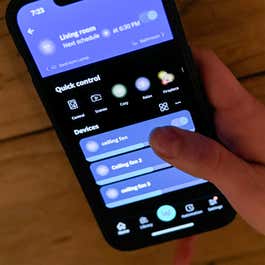
However, this initial promise quickly unraveled. Despite detection, the Samsung Smart Things app failed to connect and set up the Nanoleaf Smart Bulb. Over the 12-hour period, attempts to connect the lights to various Matter systems were largely unsuccessful. While the Nanoleaf light strip did momentarily connect to a Matter hub built into a Samsung OLED TV, subsequent attempts to share control of the lights with Google Home or Home Assistant failed. Notably, the Samsung app did not even offer to share with Apple Home, despite Matter ostensibly supporting it, indicating potential gaps in the standard's implementation or device compatibility.
Beyond the Matter standard's apparent shortcomings, the author also encountered persistent problems with Nanoleaf's Thread wireless system, which is now part of Matter. Thread is designed as a more stable and energy-efficient alternative to Wi-Fi for smart devices. However, the Nanoleaf Thread devices frequently disconnected from their Thread network and reverted to less reliable Bluetooth connectivity, even when in close proximity to a Thread router. This further exacerbated the integration issues, as the lights would then only function through the Nanoleaf native app, completely bypassing the intended Matter functionality.
An attempt to force the lights to use only Thread via the Smart Things app was met with a request for a mysterious 32-character network key, which, once located in the Nanoleaf app, still did not resolve the connection problem. The author concludes that while Matter holds significant promise for the smart home industry, its current state, as experienced with Nanoleaf products, makes smart device setup harder and less reliable rather than easier. The hope remains that the standard will mature and improve in the coming months, fulfilling its potential to streamline smart home automation.
#SmartHome #MatterStandard #SmartLighting #Nanoleaf #HomeAutomation #TechnologyReview #ProductFrustration #Interoperability #SmartHome #MatterStandard #SmartLighting #Nanoleaf #HomeAutomation #TechnologyReview #ProductFrustration #Interoperability
0 comment in total
 No comments yet
You may also like
This Smart Bulb Rescued My Rental Apartment From the Horror of ‘The Big Light’ | Reviews by Wirecutter
I just found out about PIR sensor lighting and it's changed my nightly routine

The best LED light strips for any space
stefan diez: rope trick lamp for wrong for hay + new order system for hay
I used this smart light strip to transform my living room — and it's been a game changer for my home

This Viral, Renter-Friendly Wall Light Installs in Mere Seconds
This $80 light strip adds accent lighting wherever you need it — here’s how I use it around my home

24 Times String Lighting Made Patios Prettier
This Amazon rechargeable wall light solved my lighting problem – and it was so good I bought two more

It's not just you: Christmas lights look different now, and can give you headaches : Short Wave

I turned this smart light into a sunrise alarm clock — and it’s a game changer for my mornings
I picked up this $20 gadget to control my smart lights, but it can do so much more
Renovators Swear by This Pendant Light Hack
Bye-bye, wiring! I swear by these $10 energy-efficient rechargeable lights to illuminate my tiny under-the-stairs closet
I added this monitor light bar to my home office setup and it’s a game changer


The 5 Very Best Smart LED Strip Lights
I used this smart light to illuminate the most awkward part of my house — and it works for every room
This $17 Designer Secret Fixed My Constantly Flickering Dimmer Switch

This new light strip is versatile and good value
These $24 Rechargeable Under-Cabinet Lights Are Exactly What My New Apartment Needs