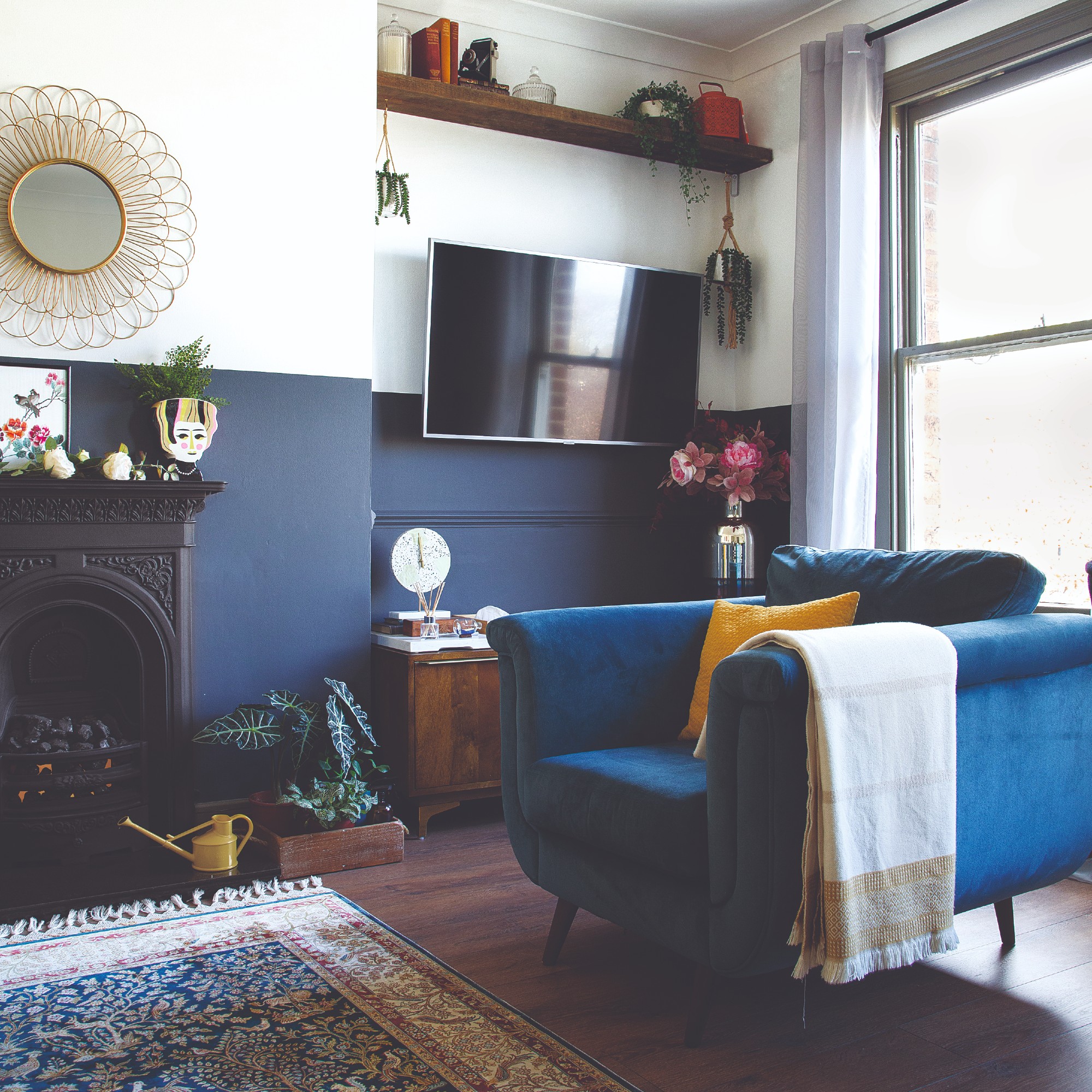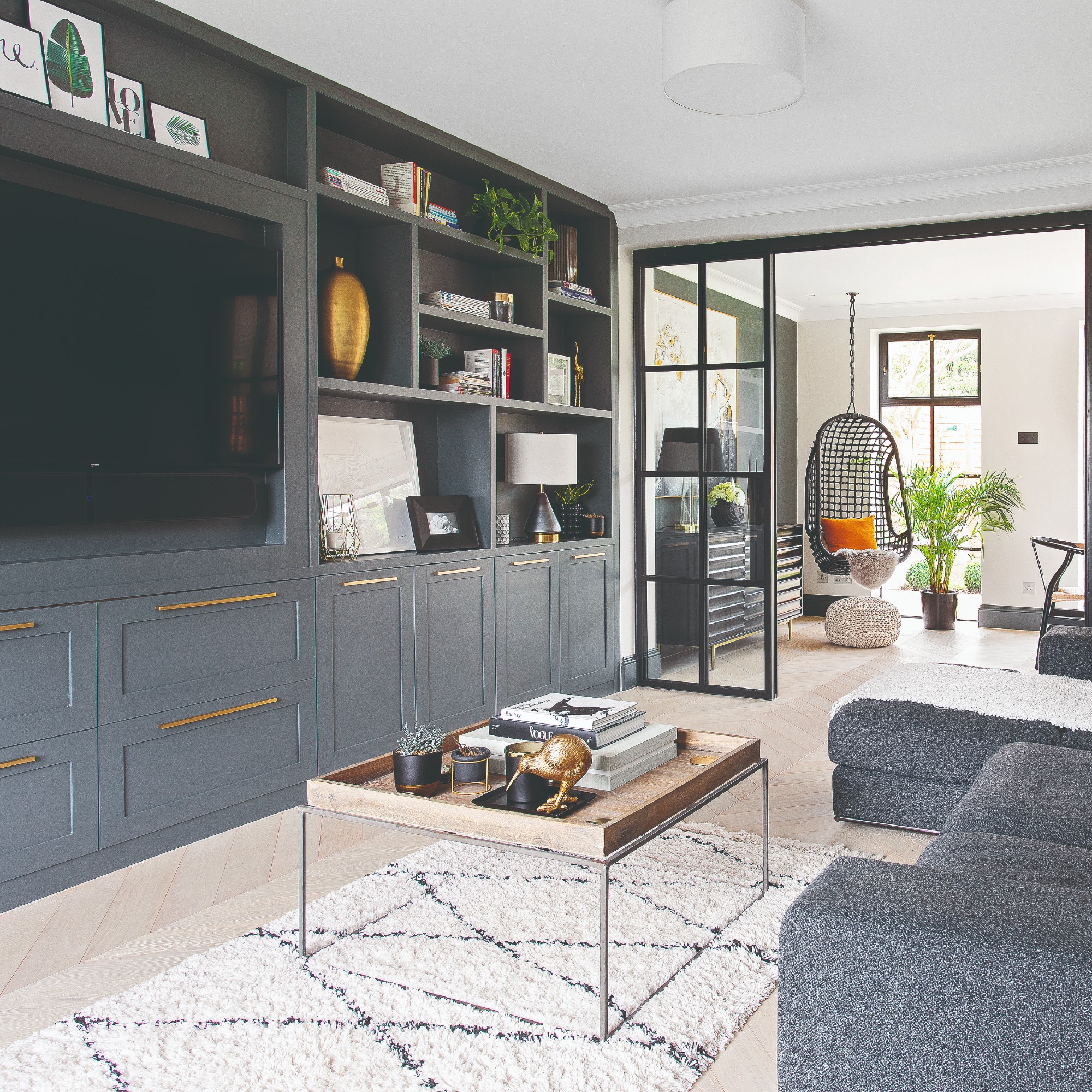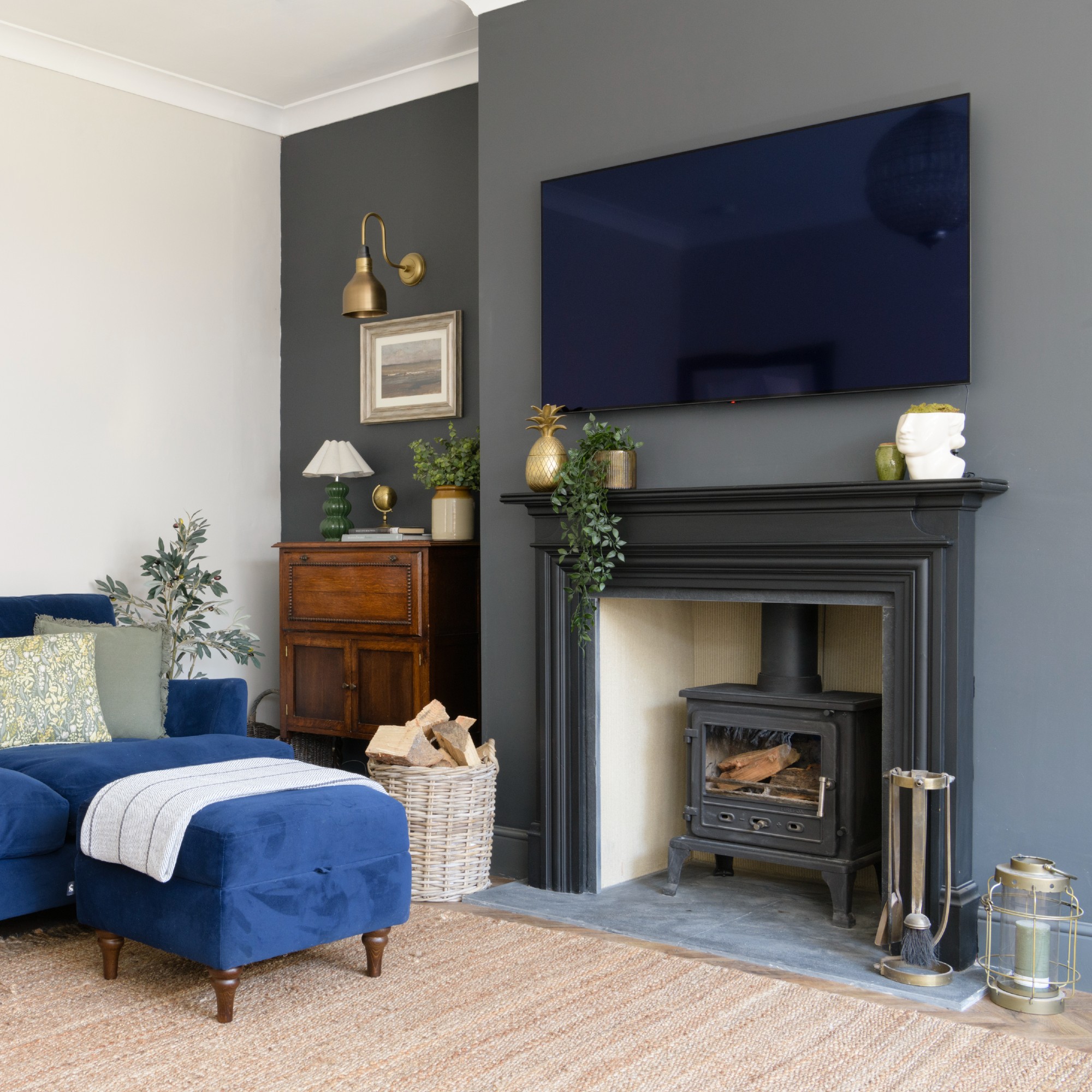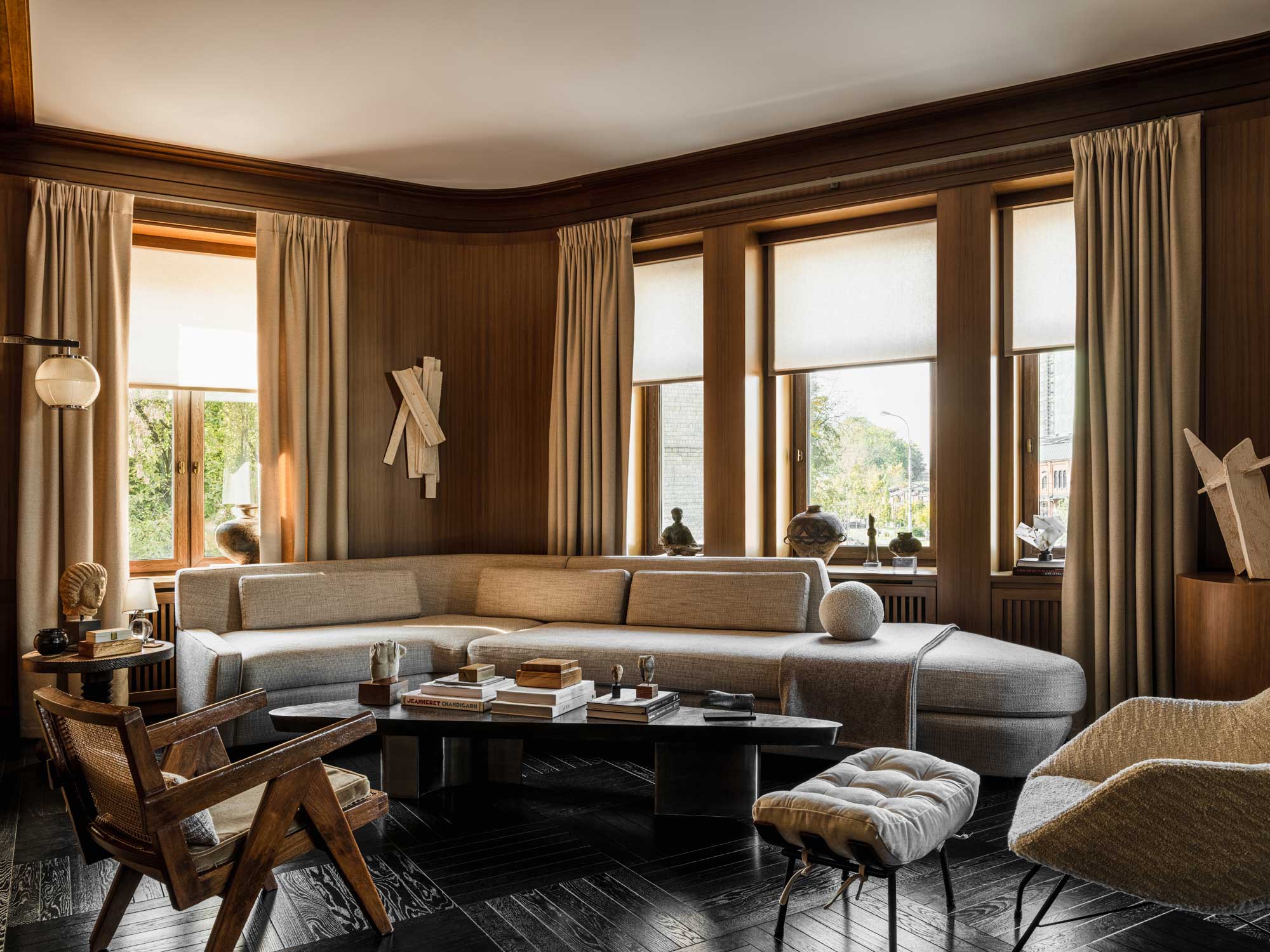

1/4
Overhead Lighting vs. Lamps: Experts Settle This Great Debate
The choice between overhead lighting and lamps in home decor is a common dilemma, as both options offer distinct advantages and disadvantages. Experts in lighting and interior design suggest that the most effective approach often involves combining both types of illumination to achieve versatility and optimize a room's ambiance and functionality.
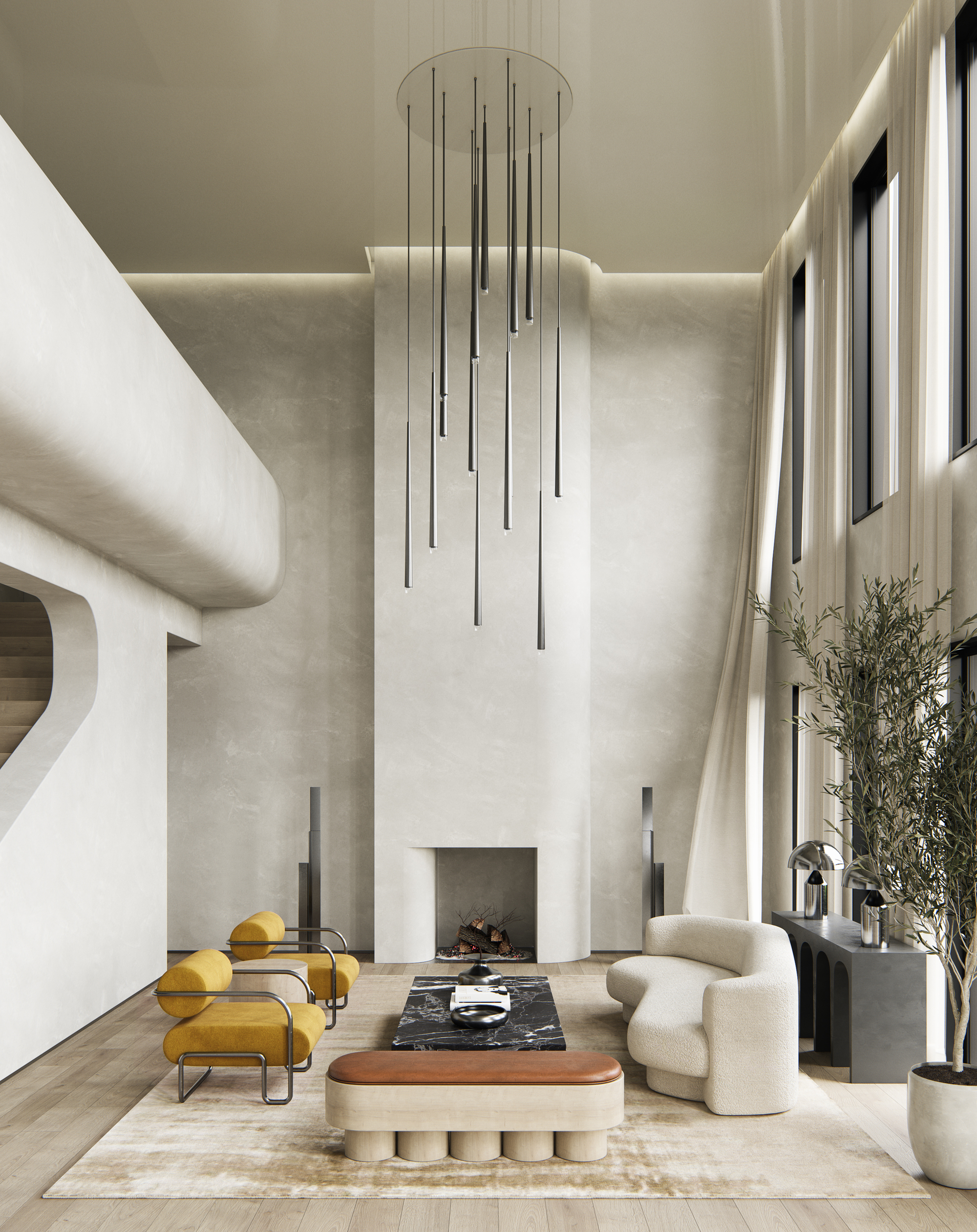
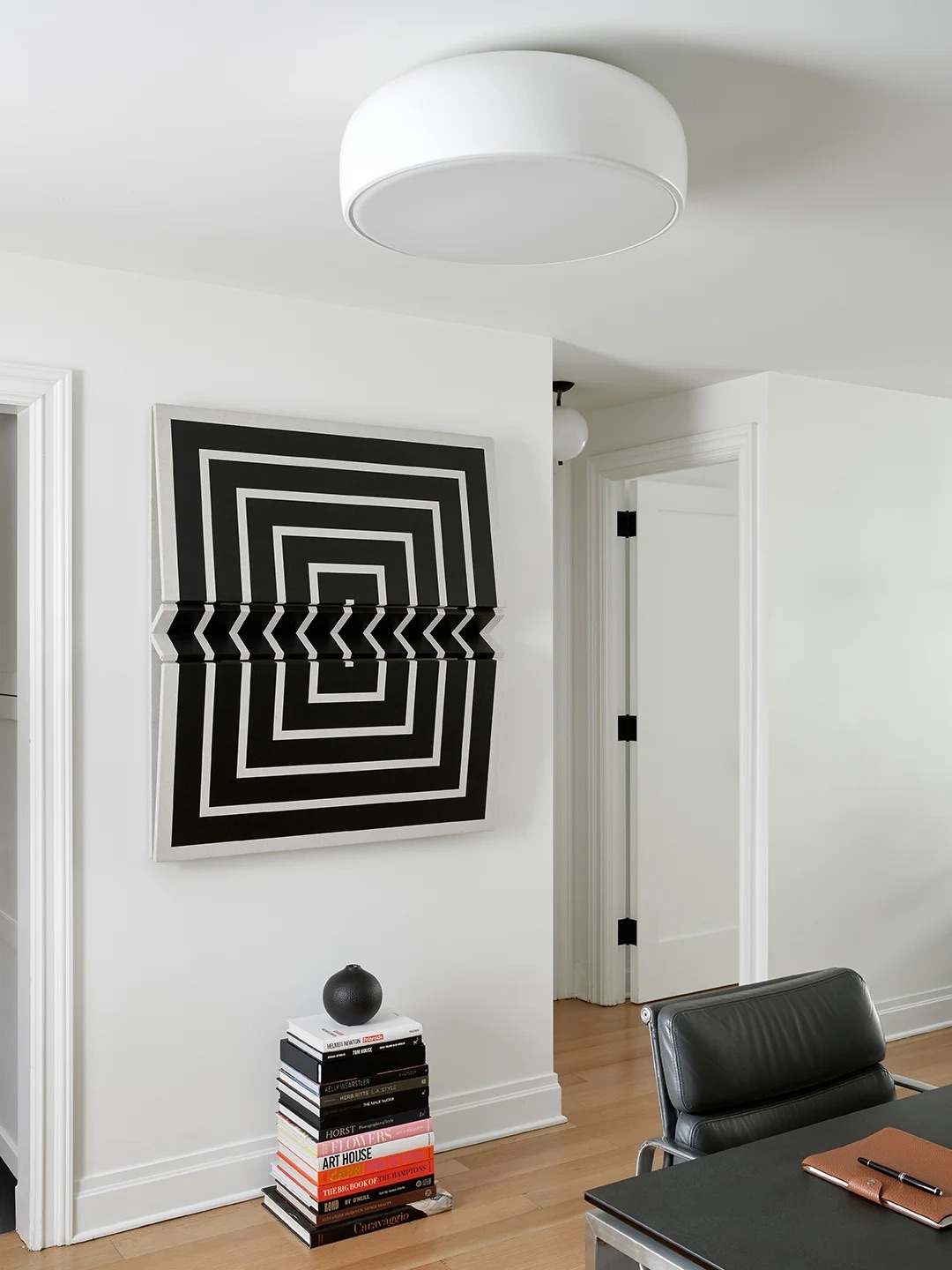
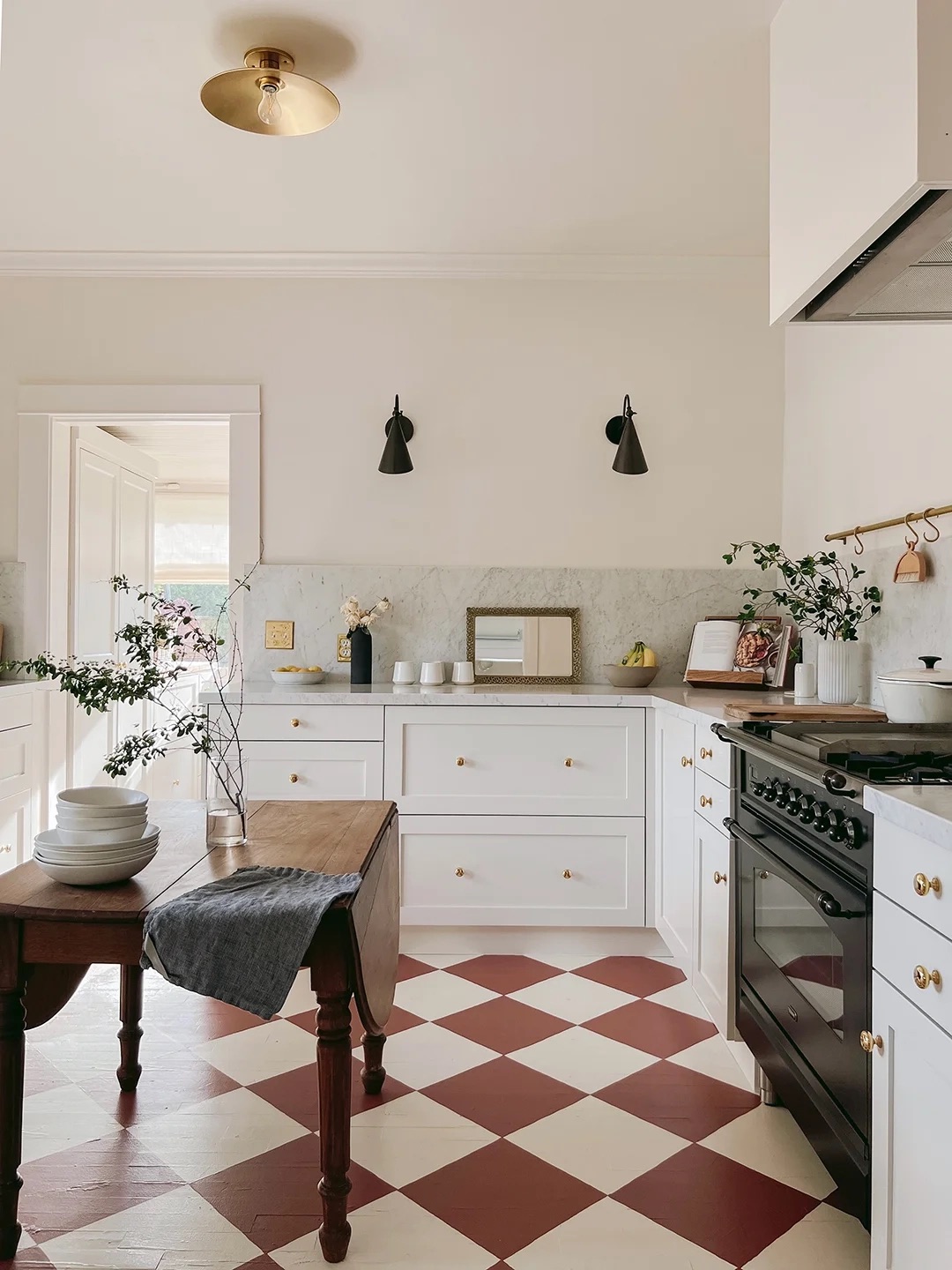
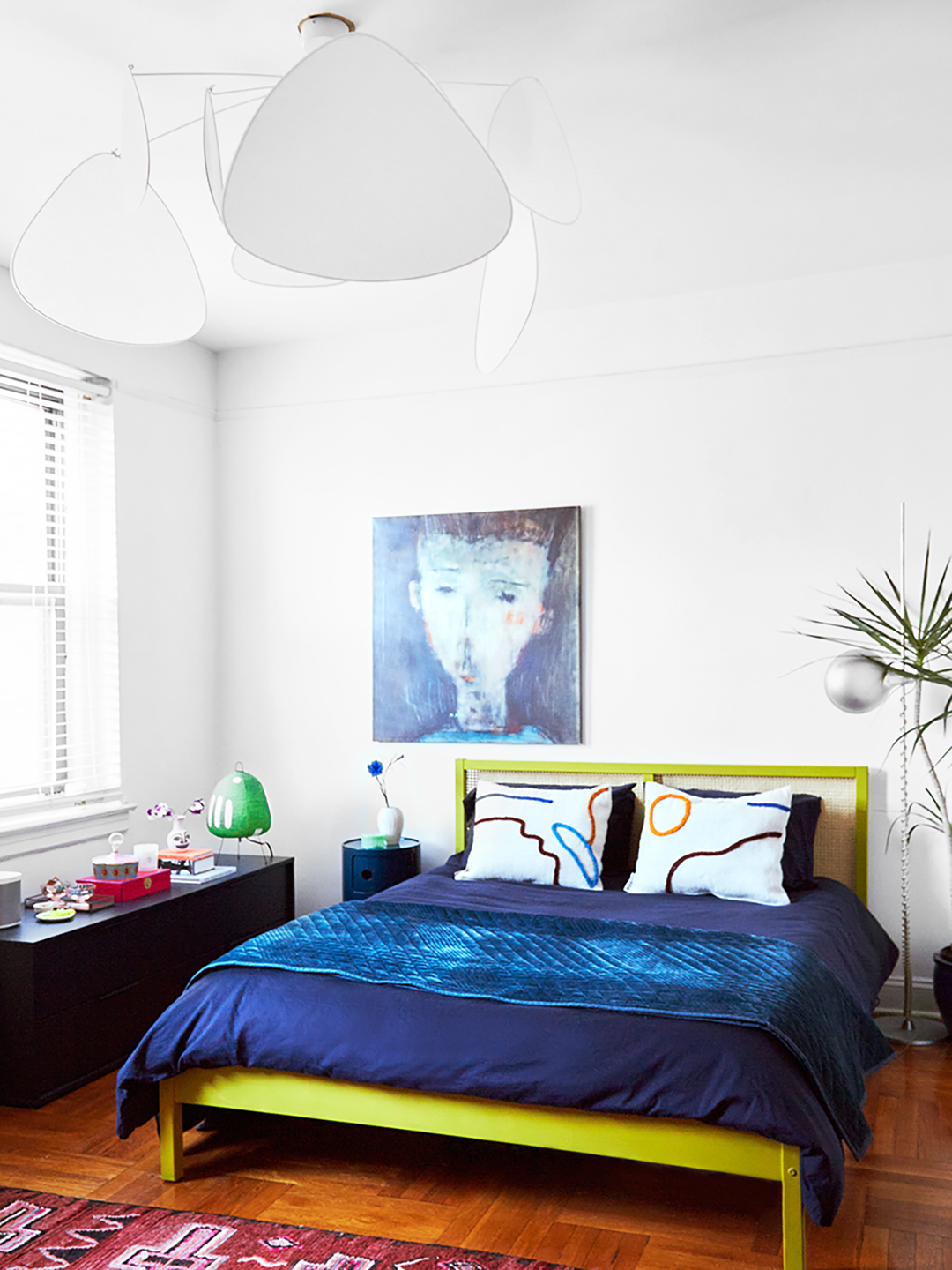
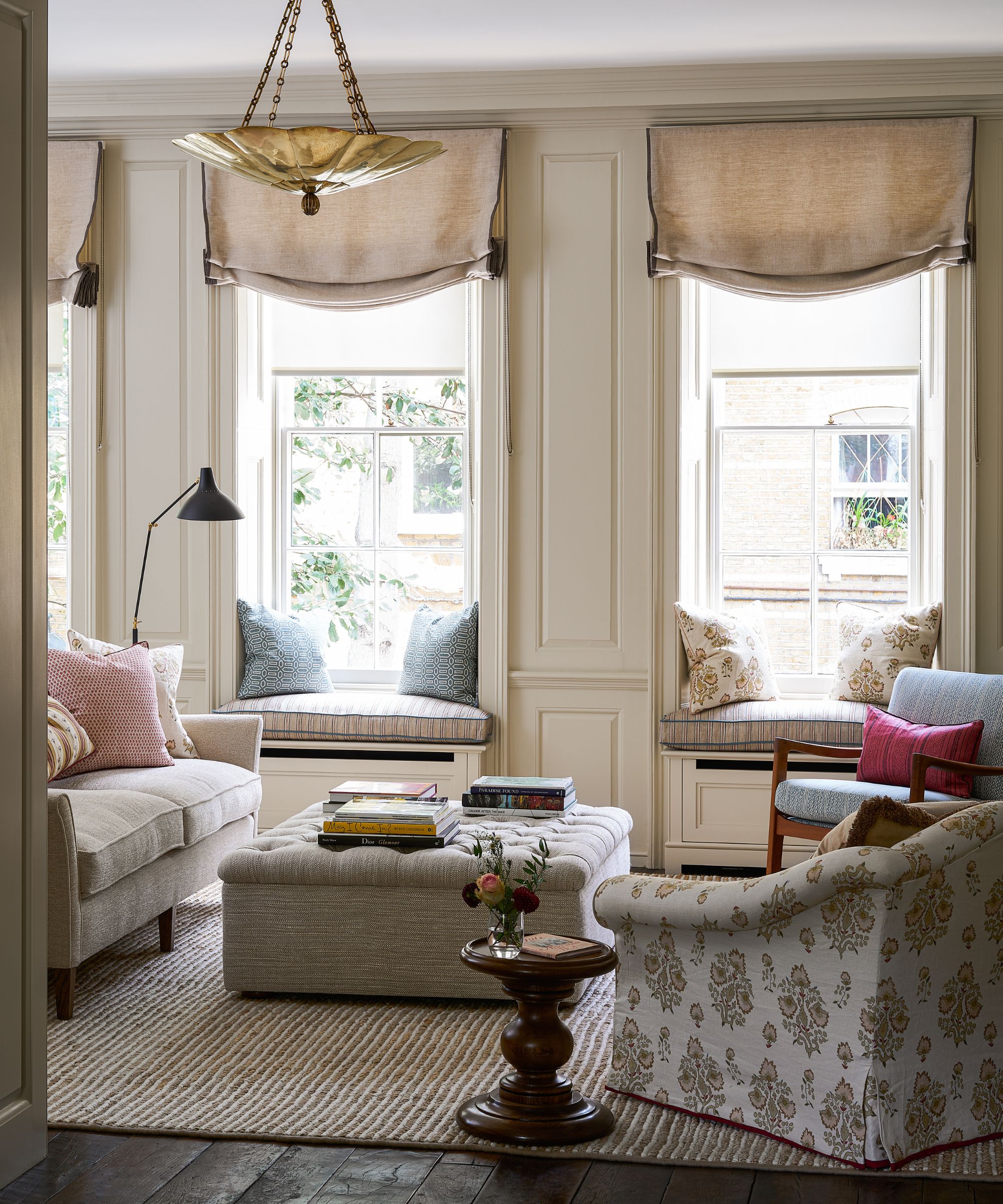
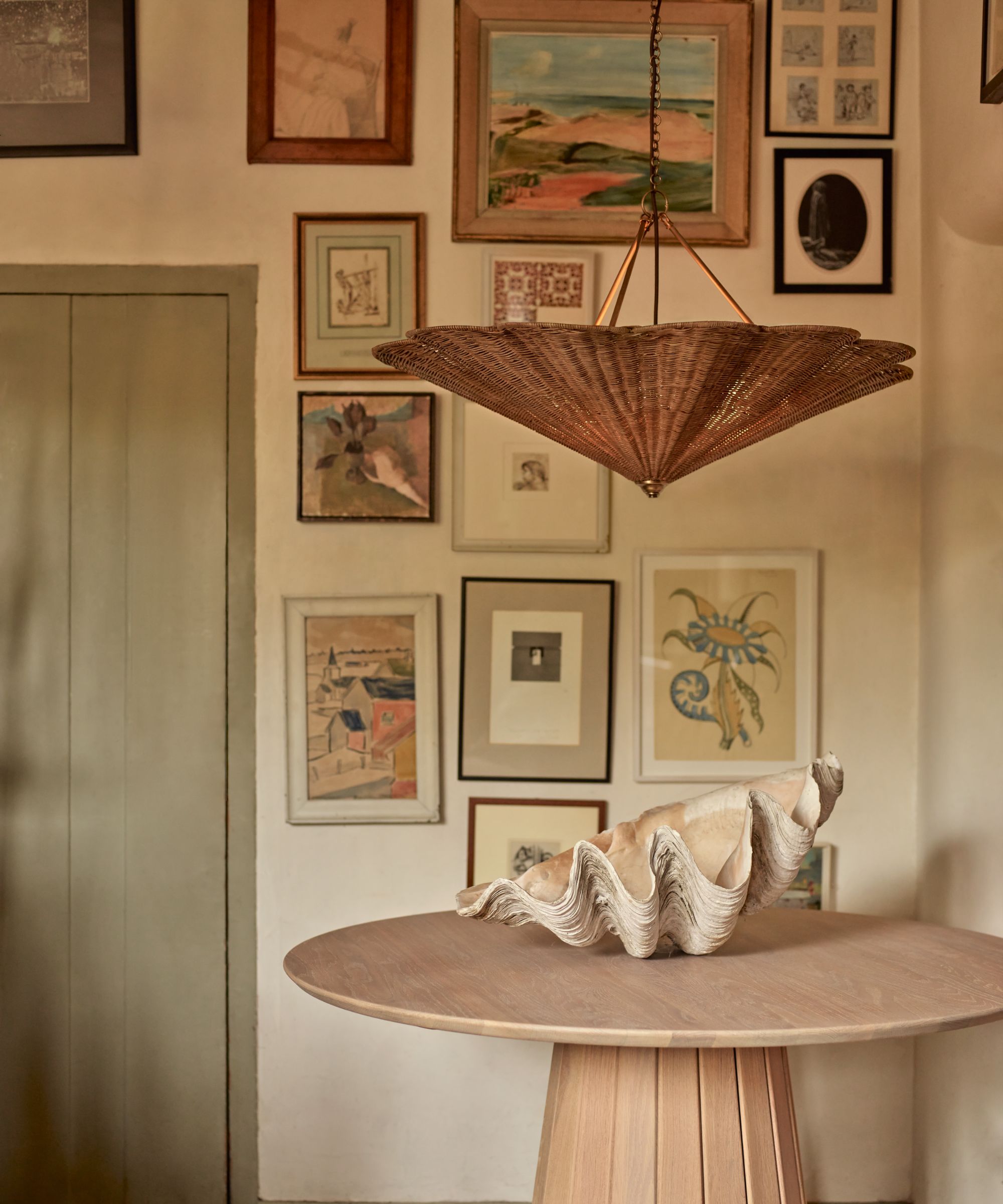
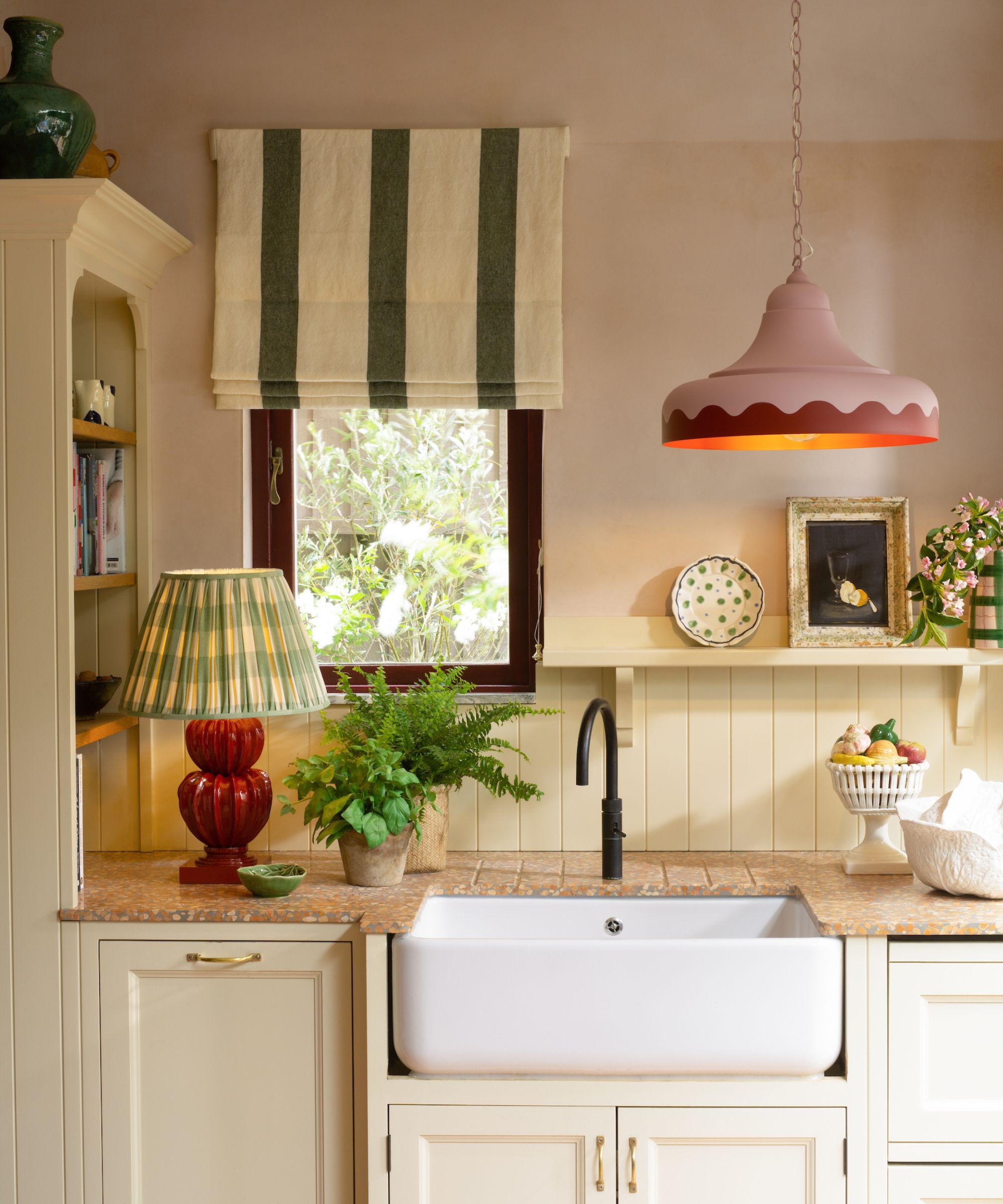
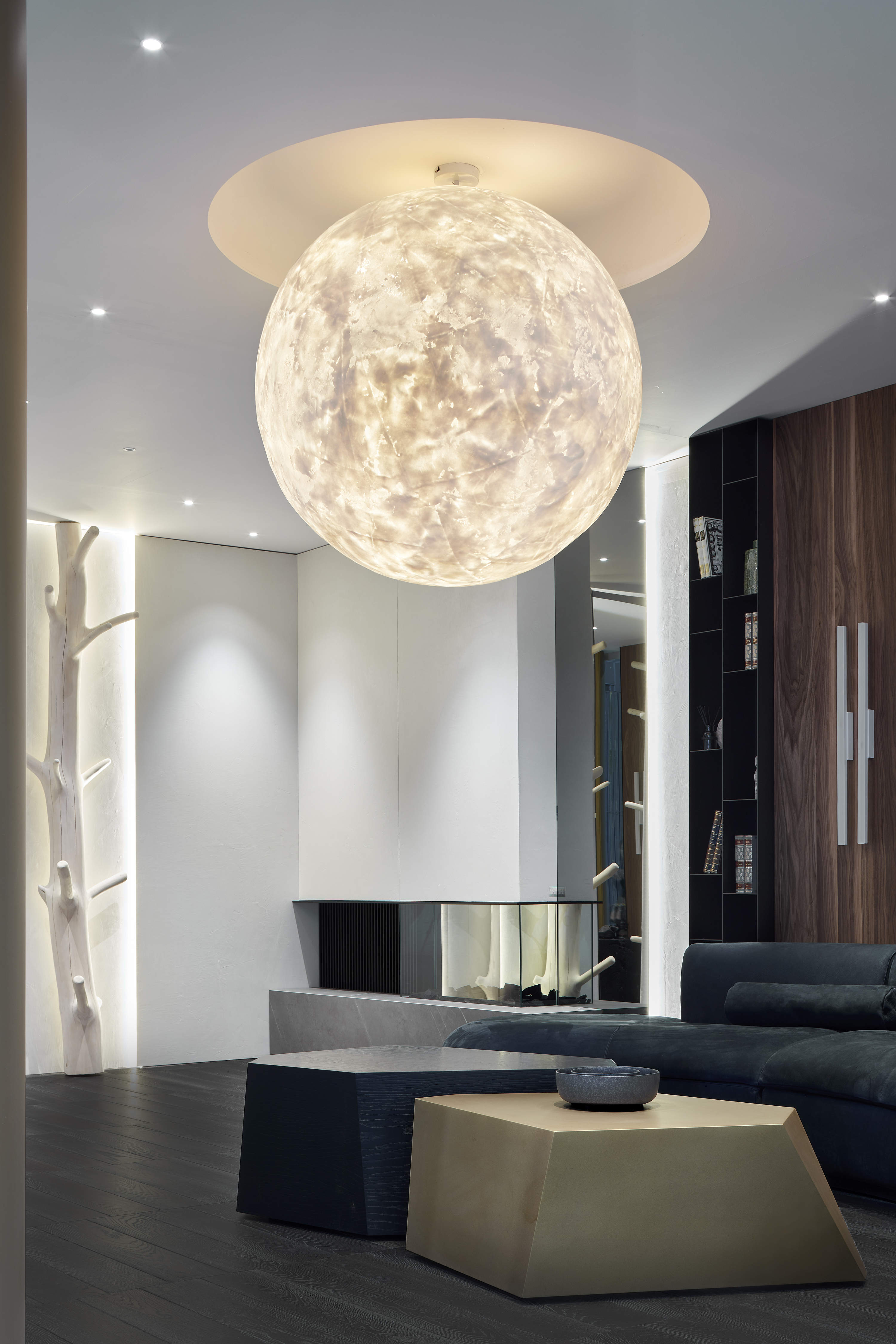
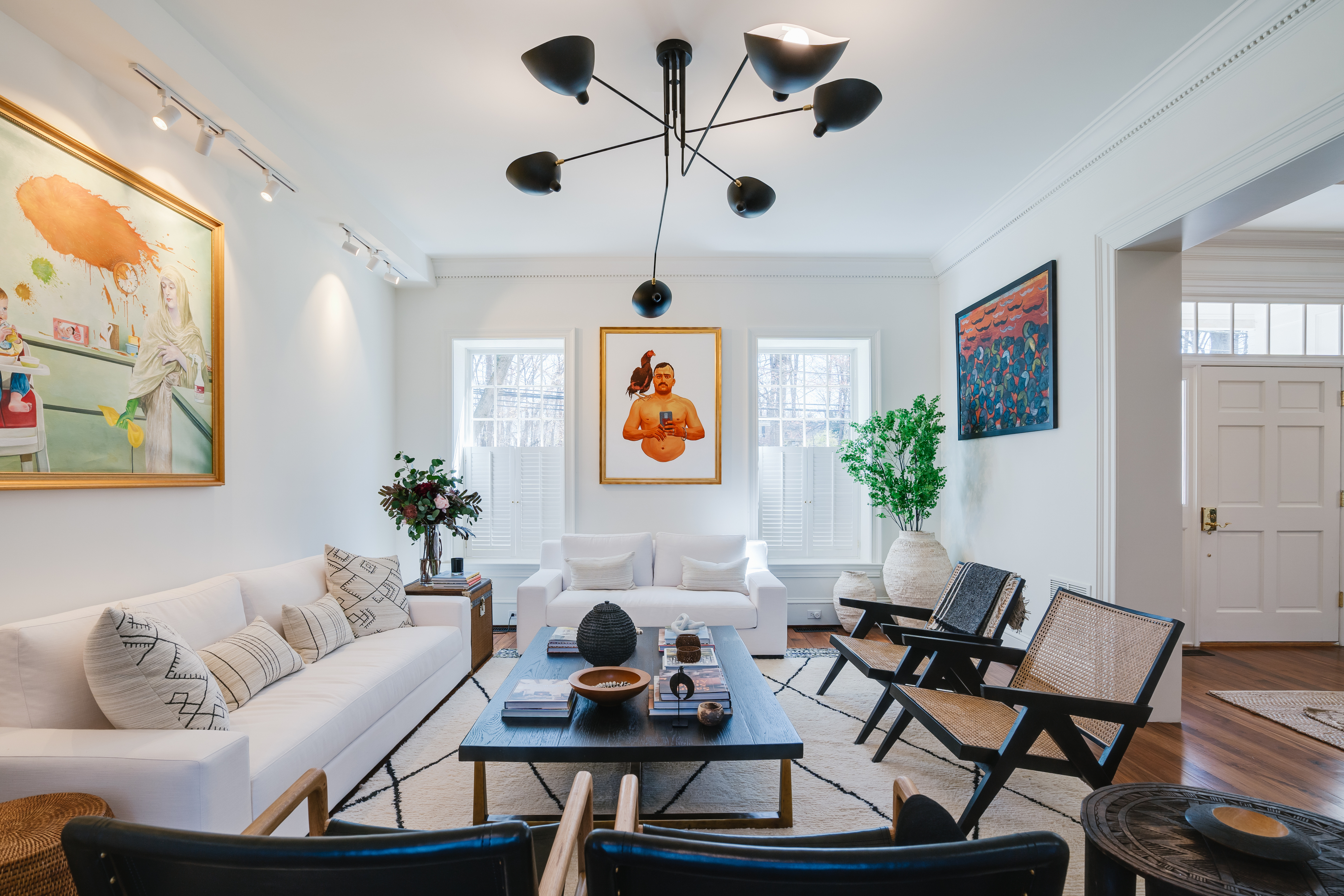
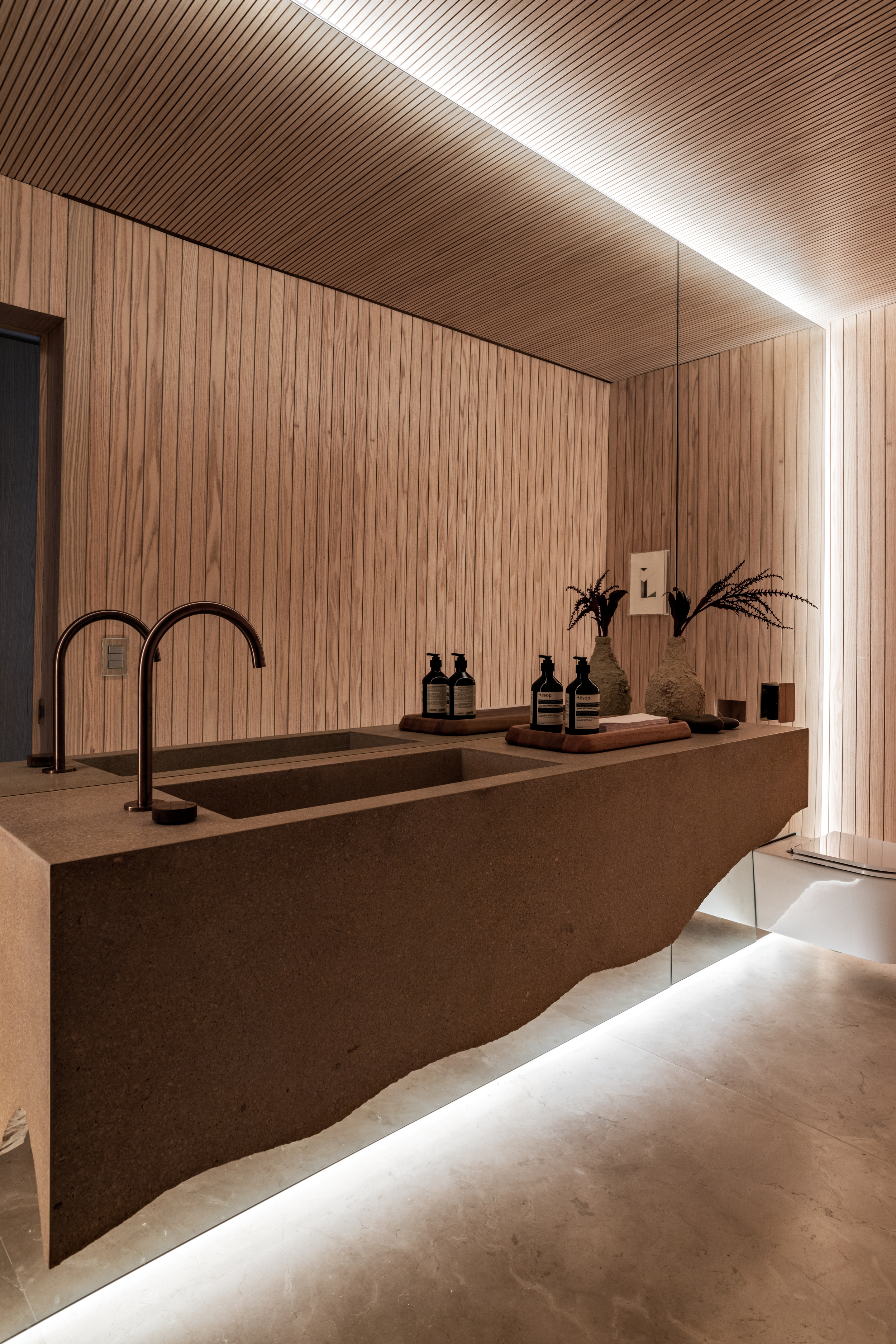
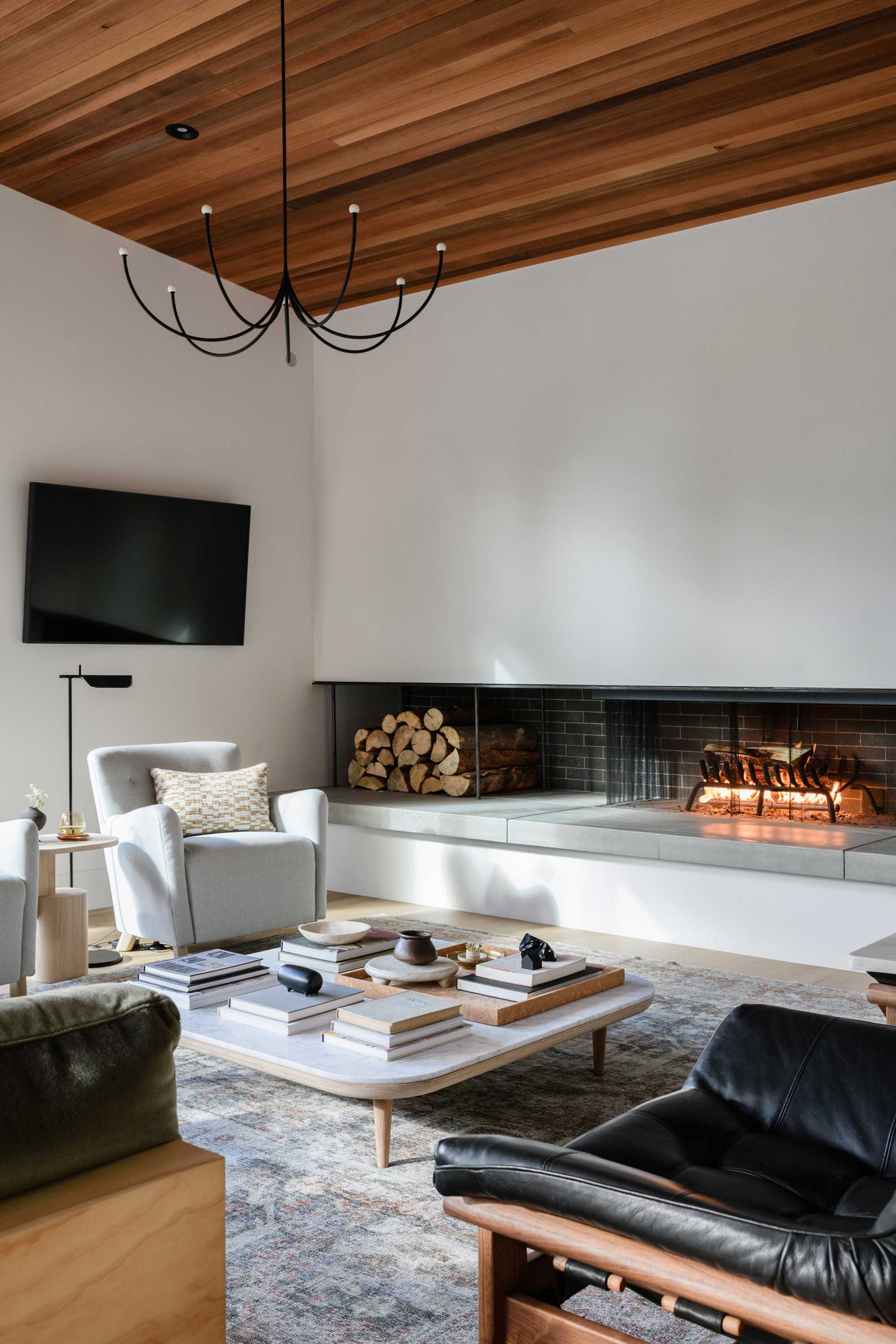
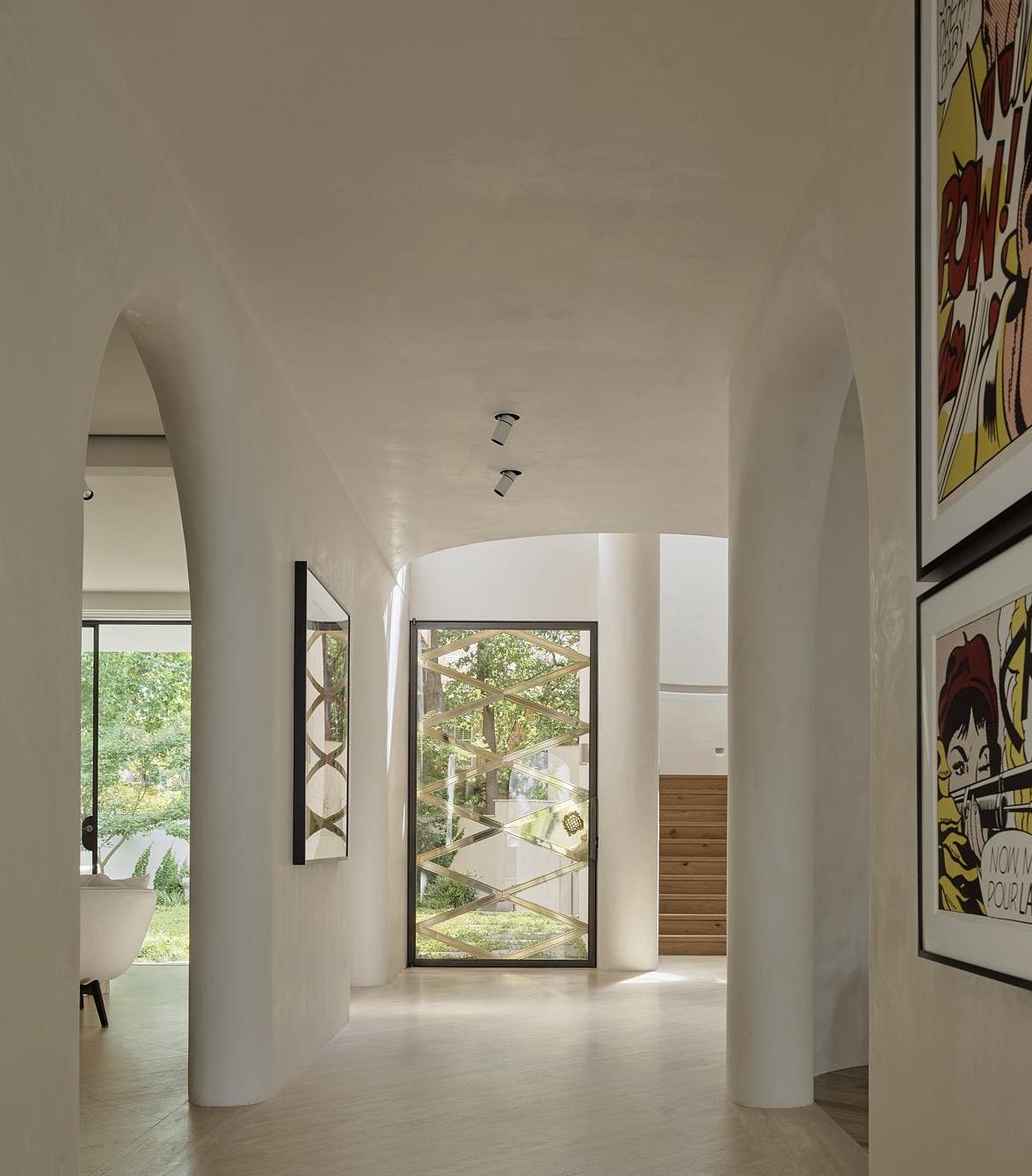
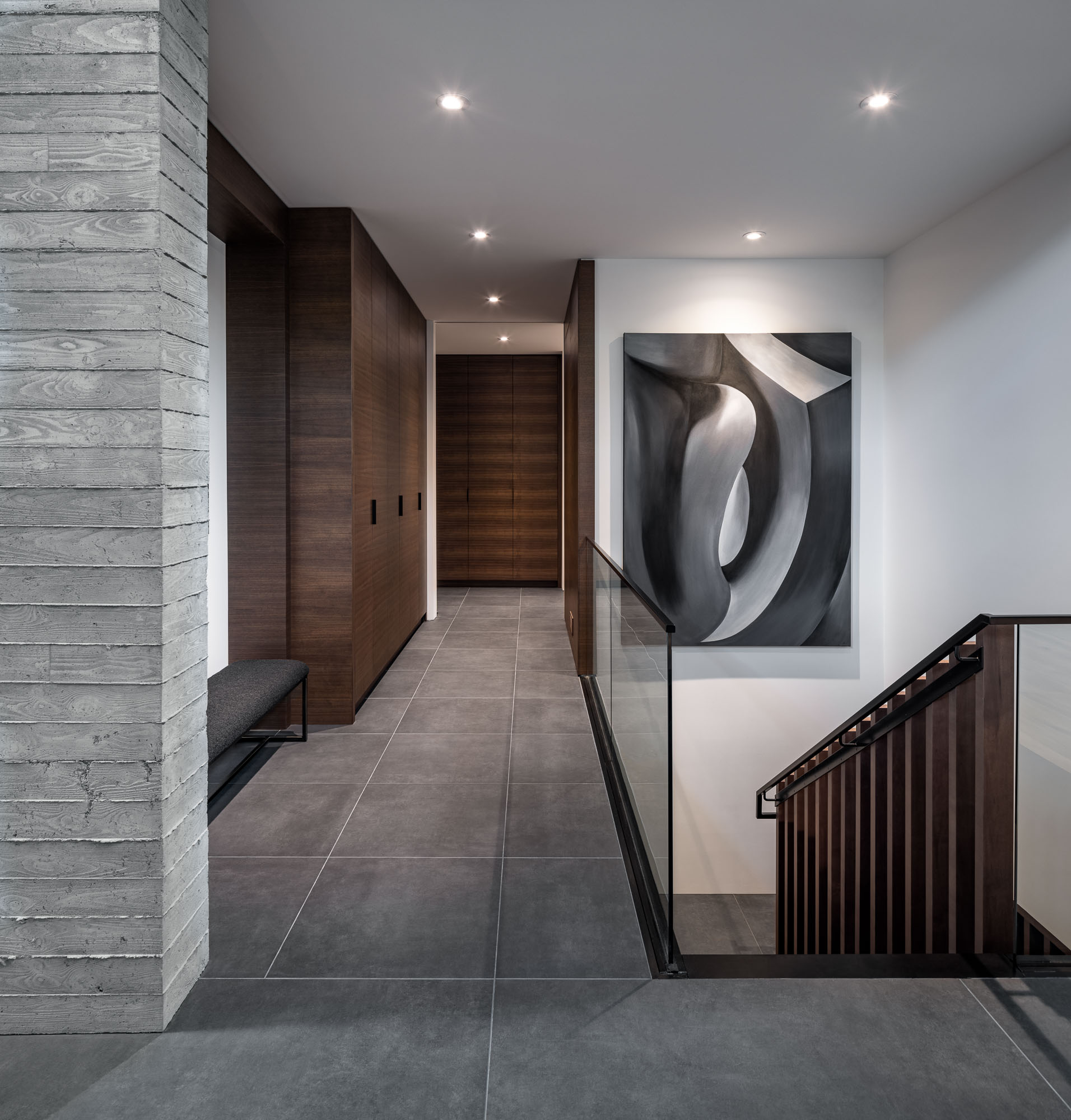

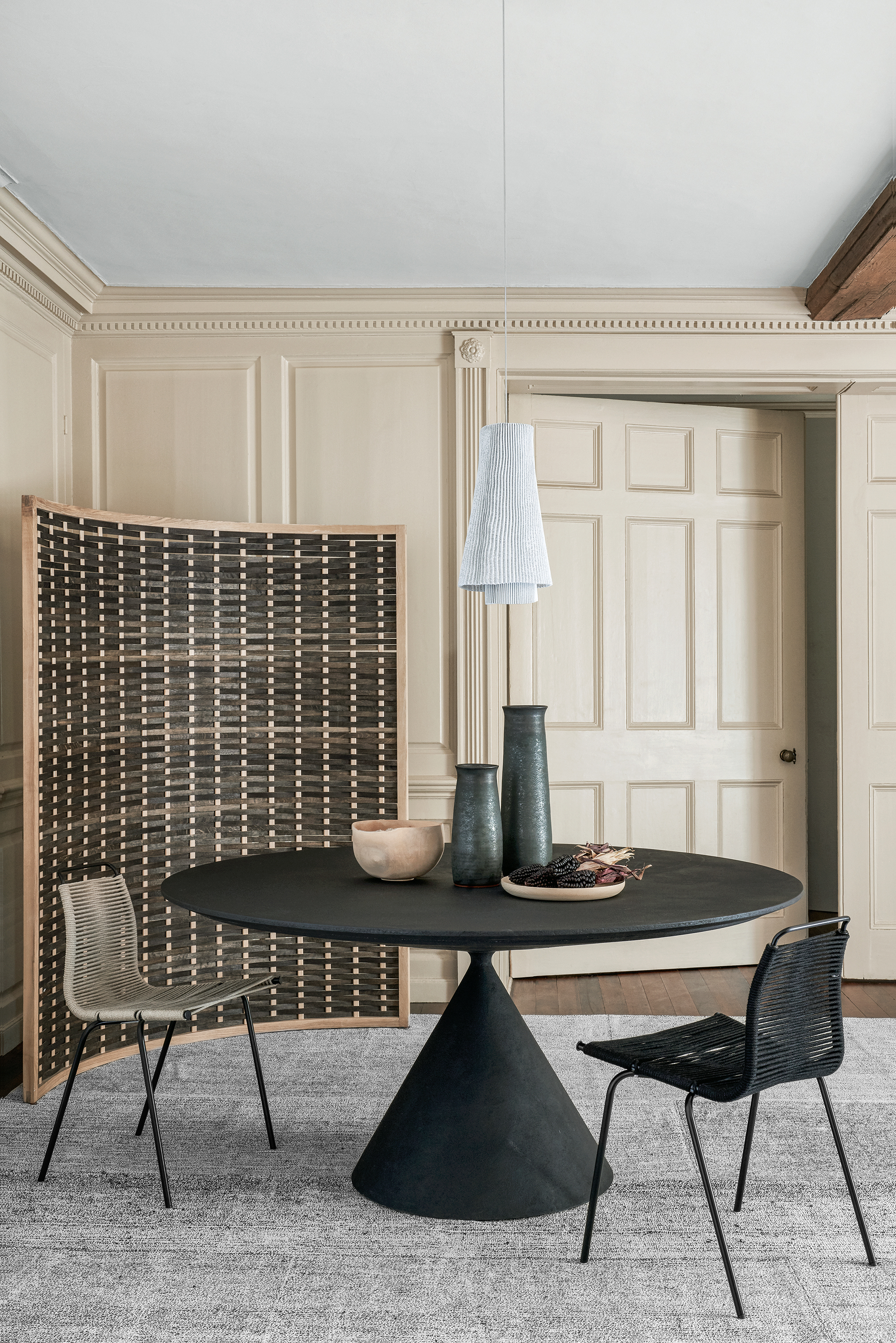
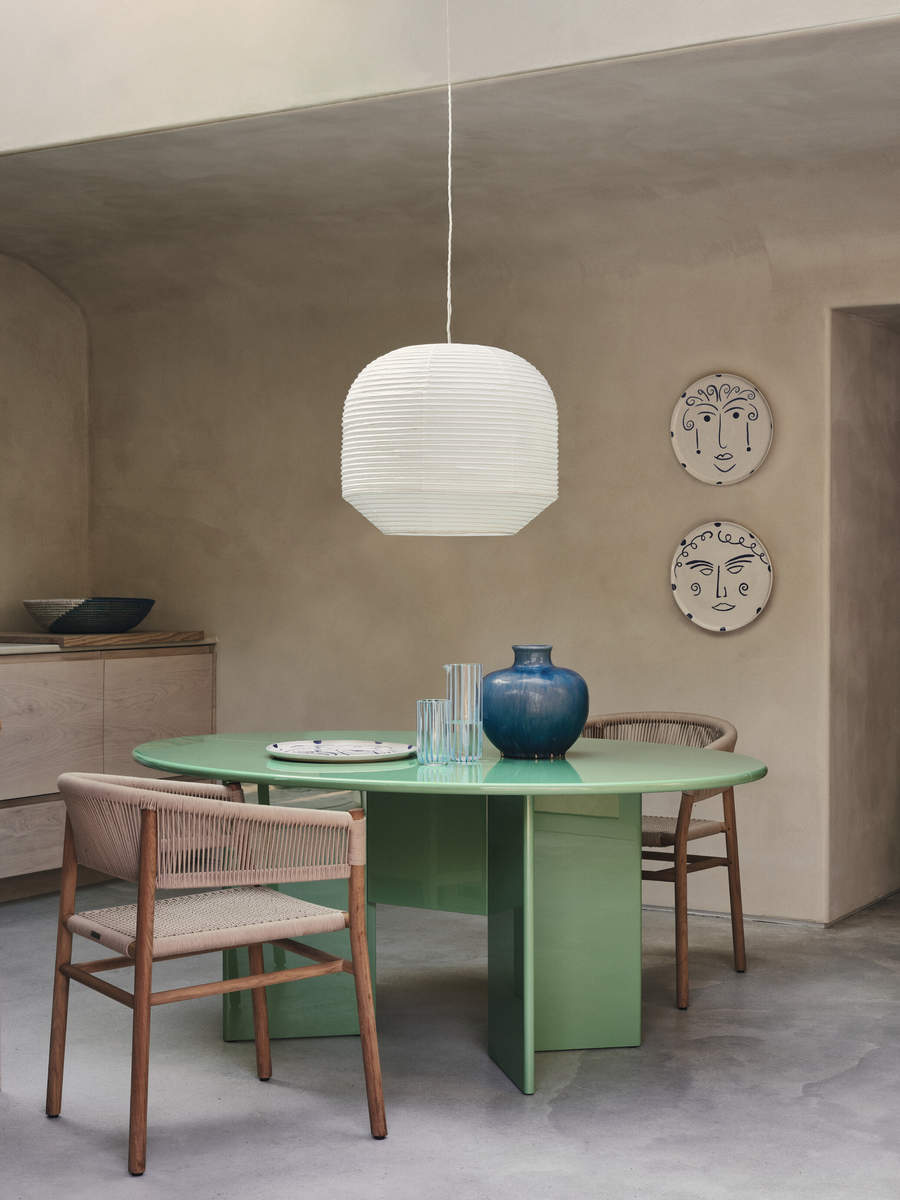
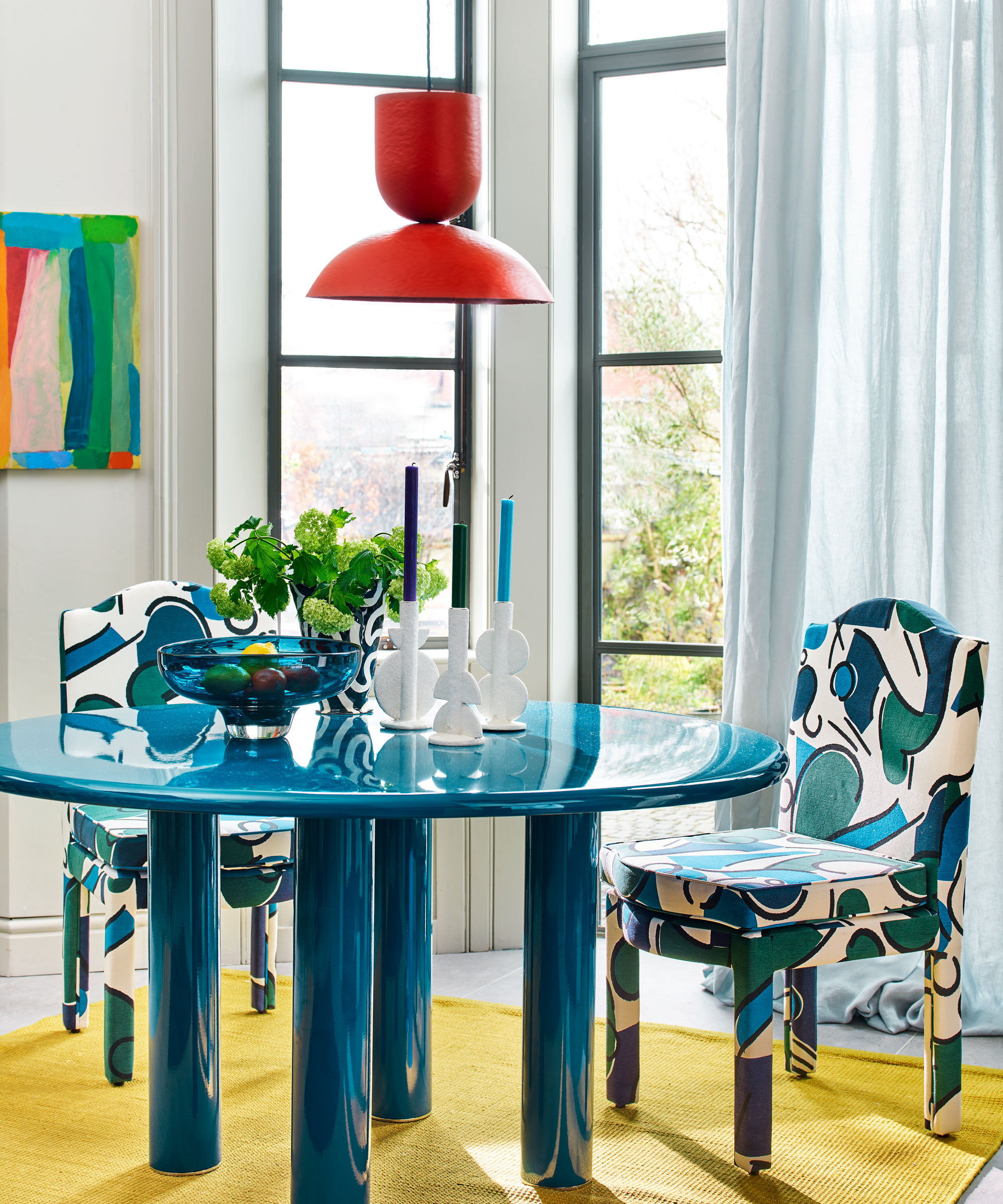
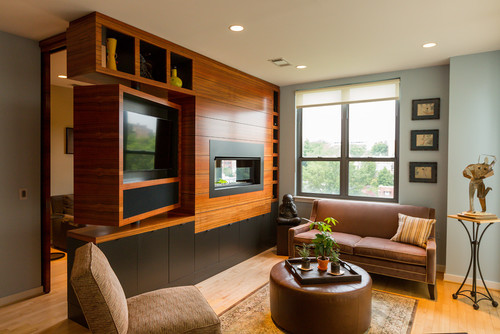
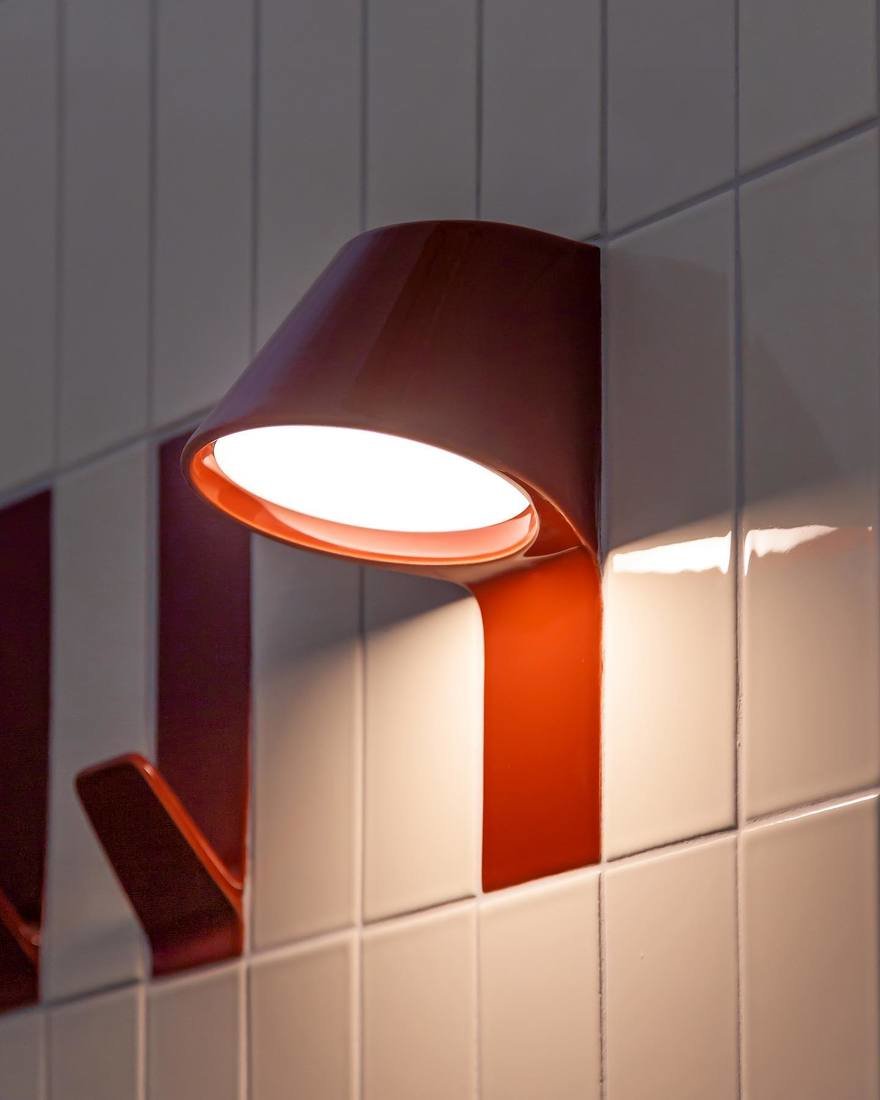
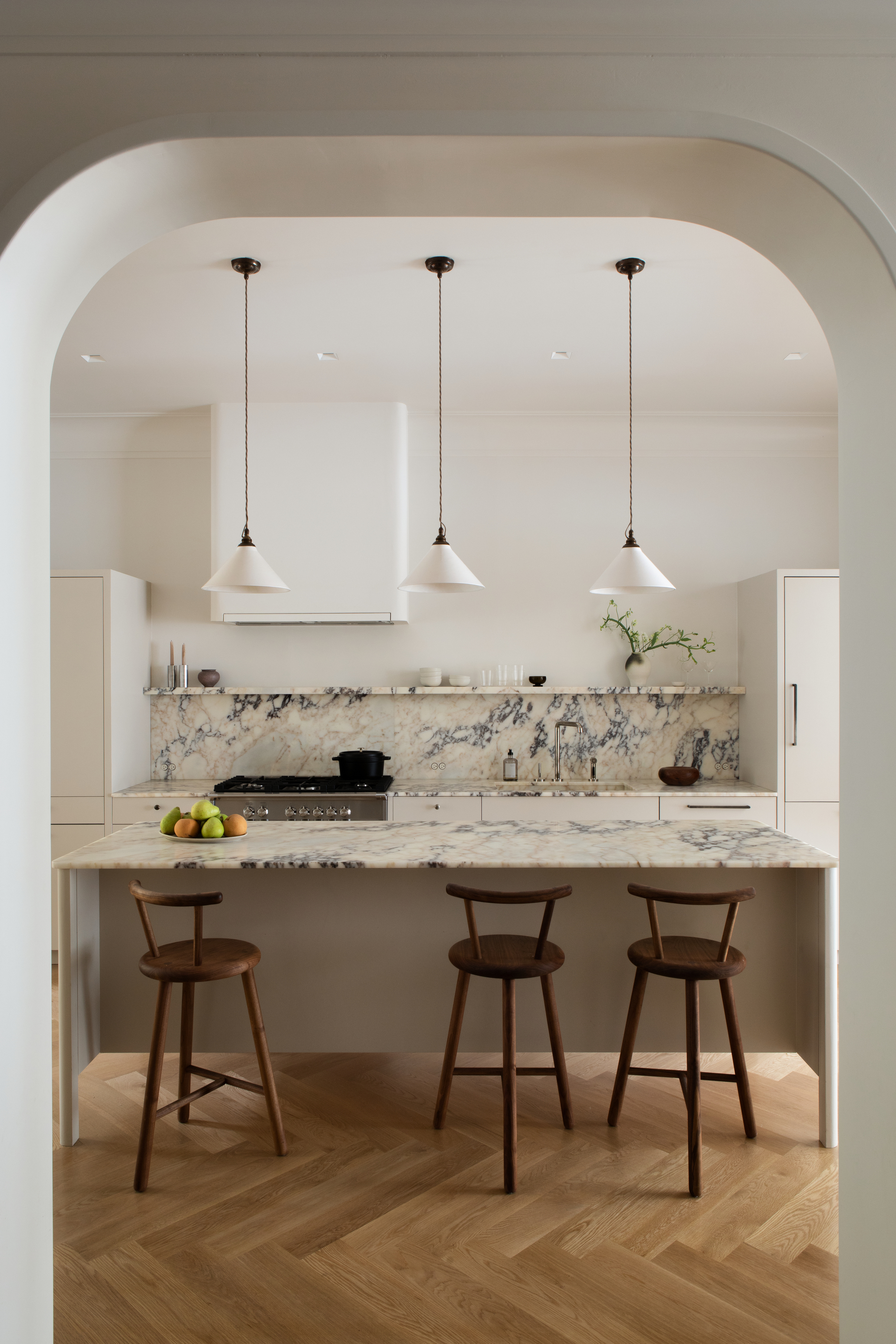
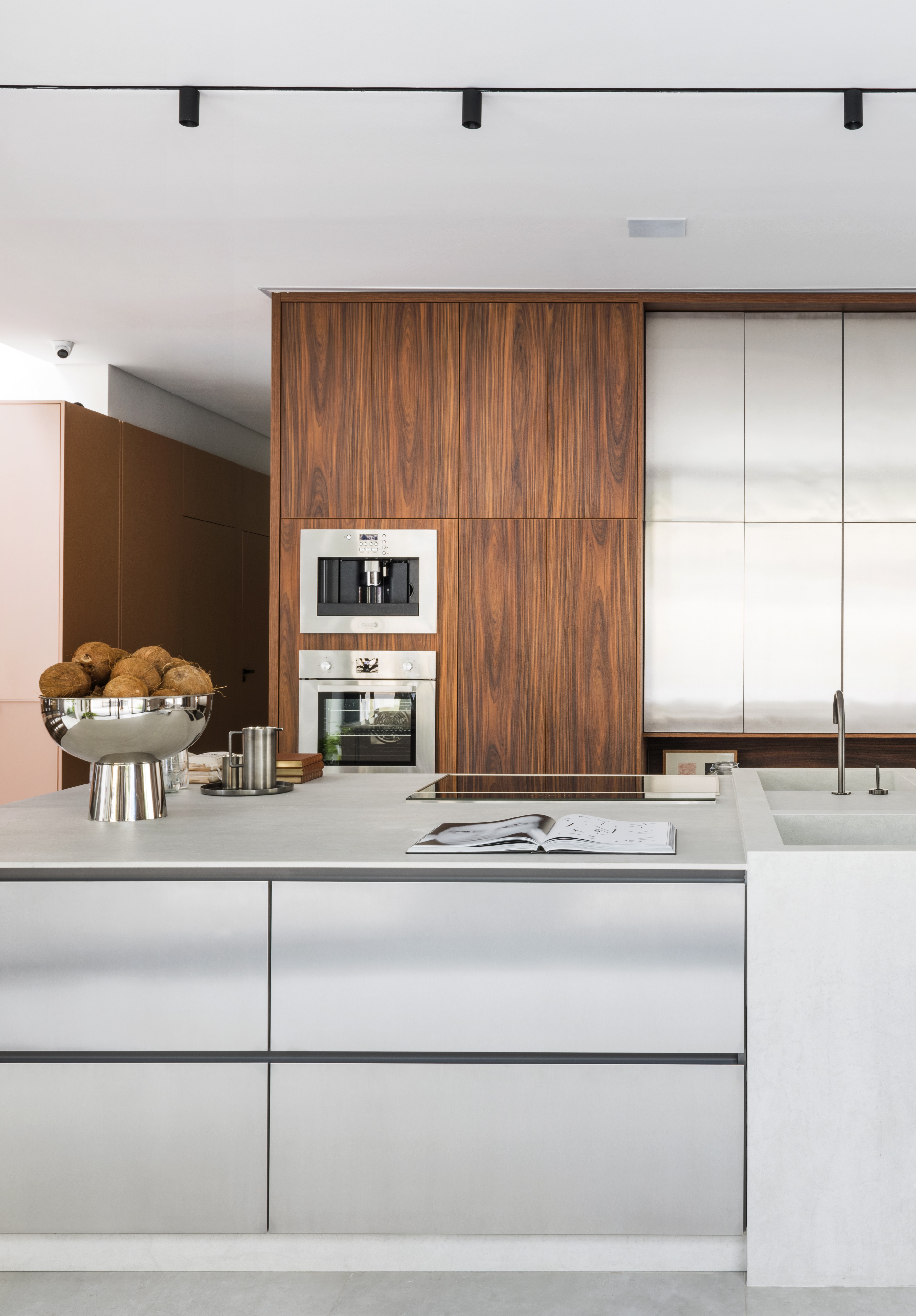
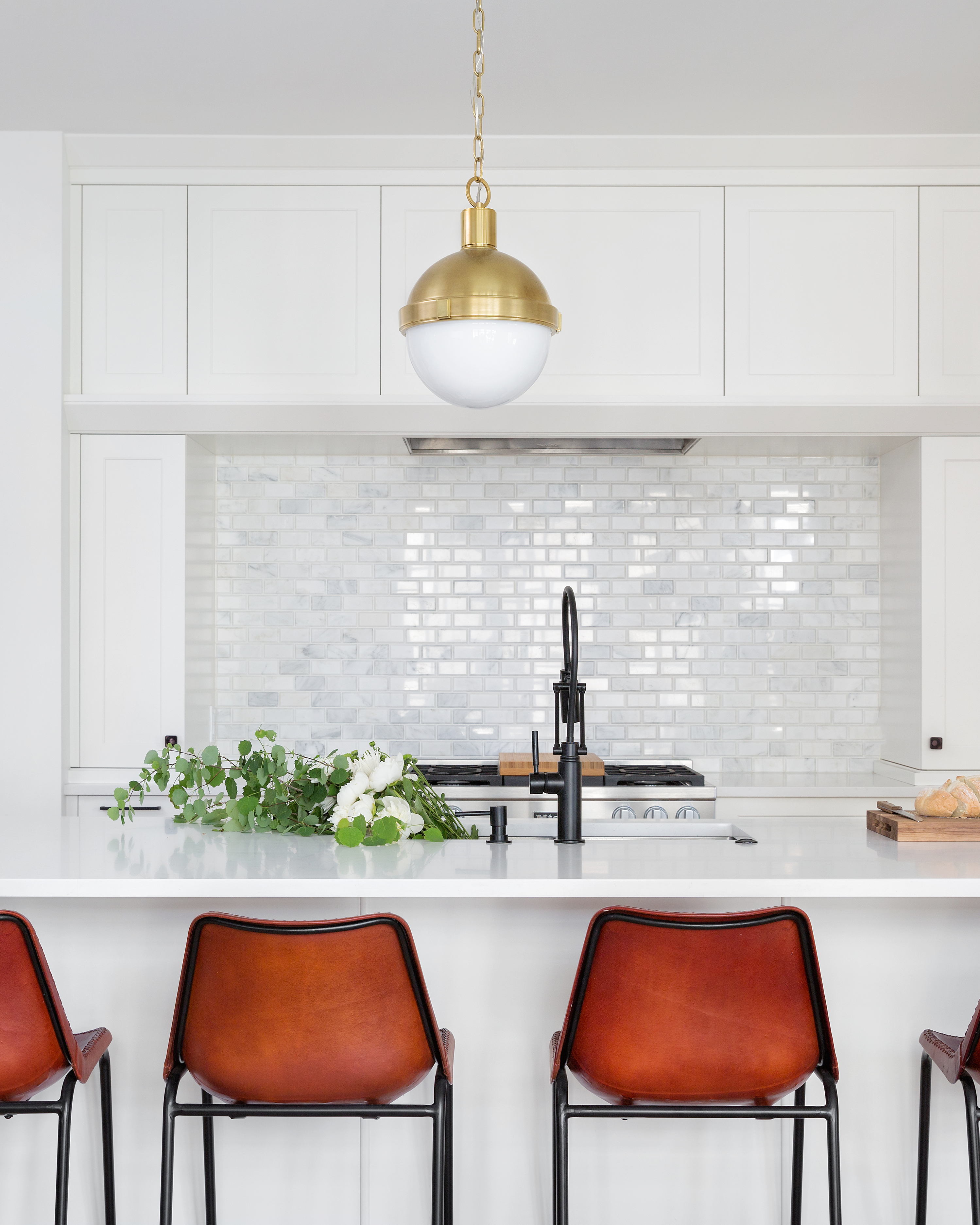
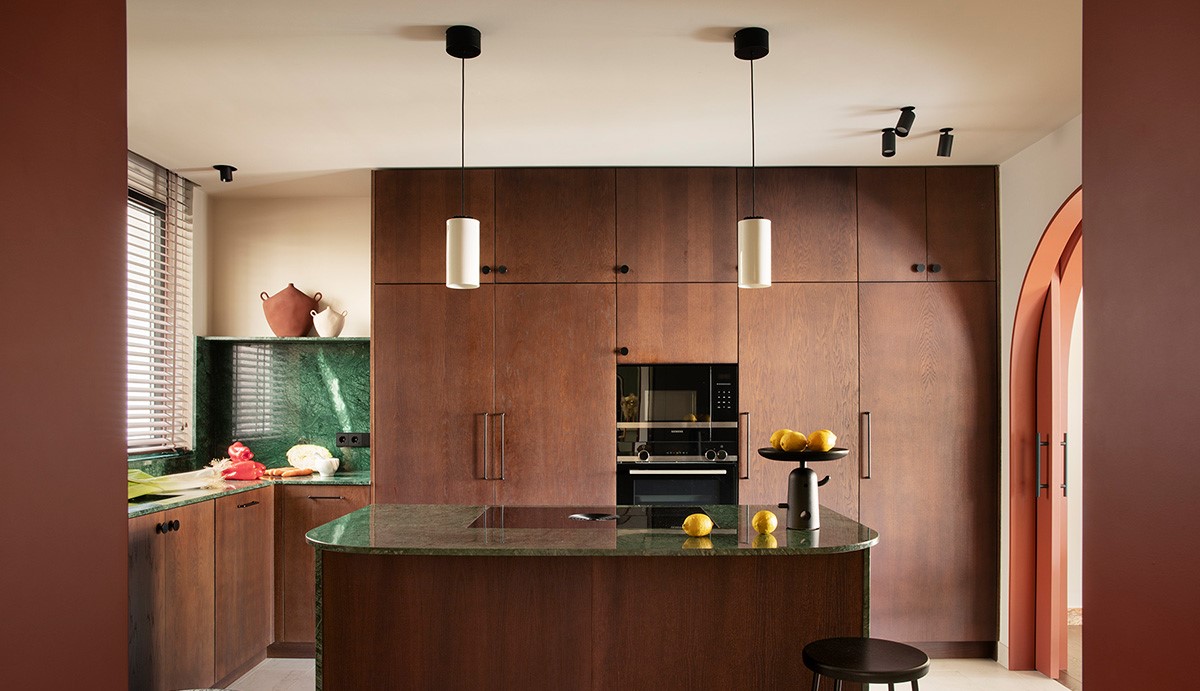
Overhead lighting, which includes fixtures like flush-mount lights, chandeliers, pendants, recessed lighting, and track lighting, is favored for its practicality and efficiency. It provides general illumination, covering large areas effectively, making it essential for spaces requiring high visibility, such as kitchens and bathrooms. This type of lighting is also beneficial for tasks that need clear illumination and can create an energetic atmosphere. However, overhead lighting can be perceived as harsh or clinical if used in isolation, and it has the potential to cast unflattering shadows, which can detract from a room's aesthetic appeal.
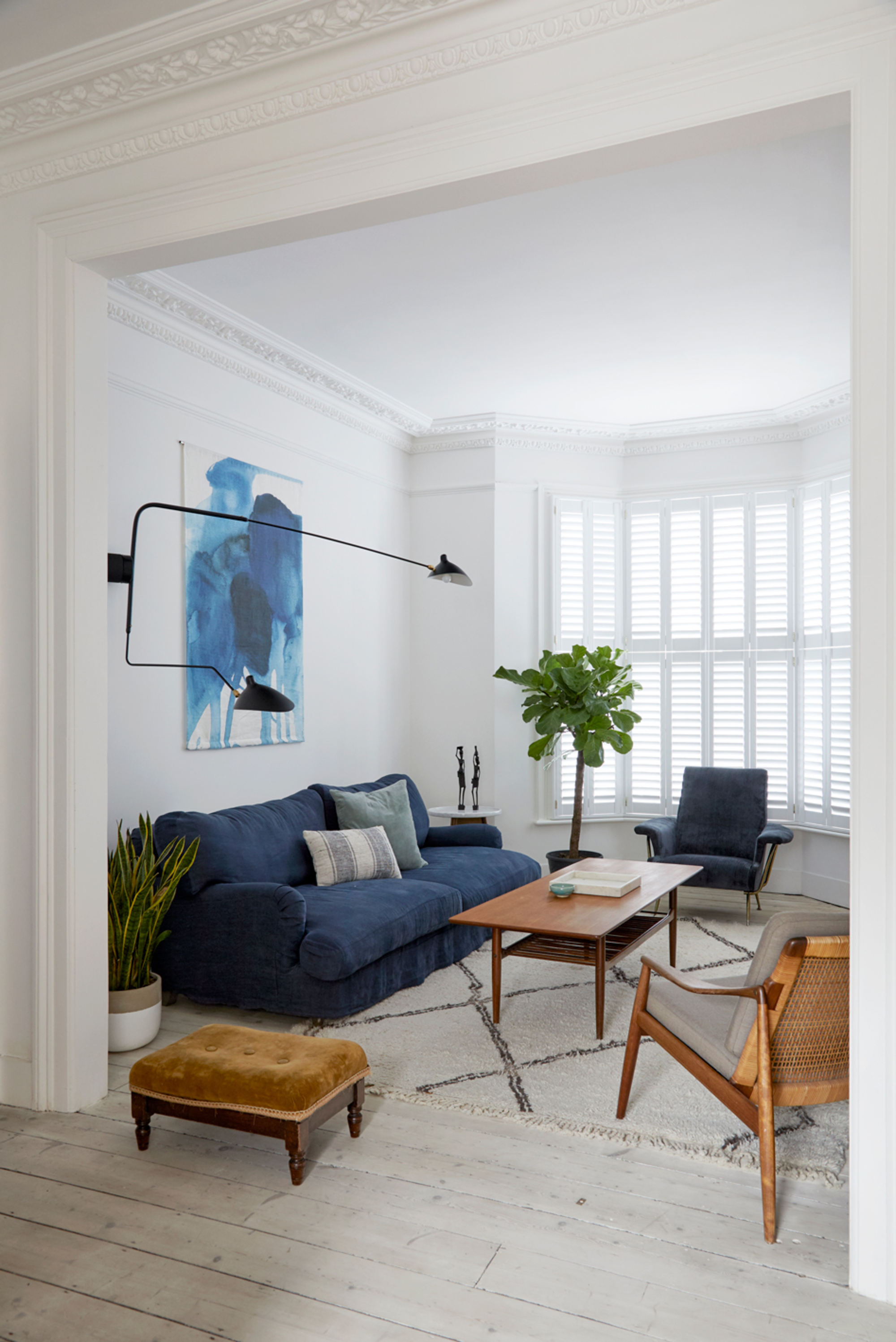
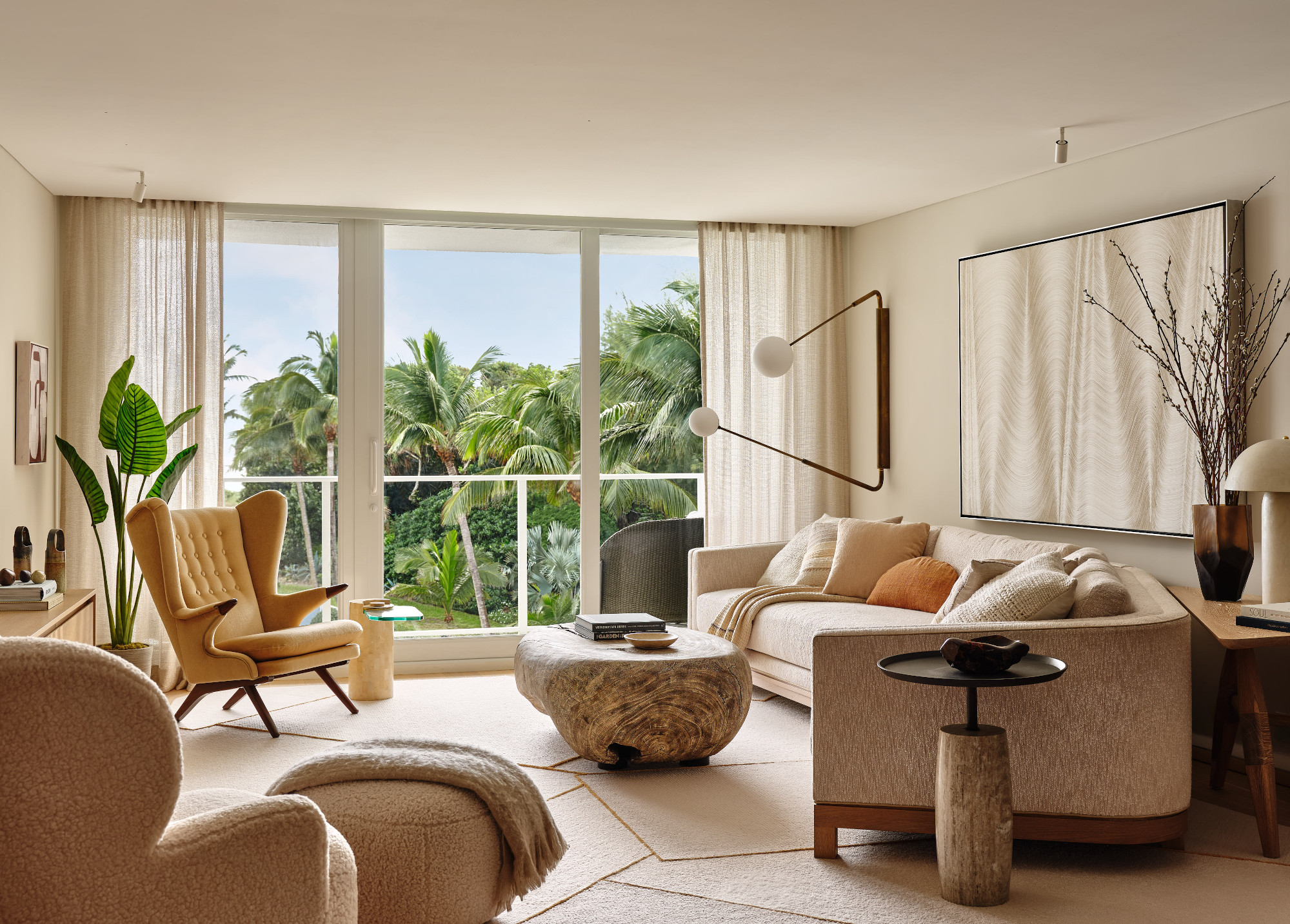
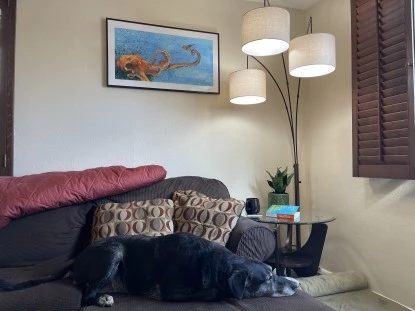
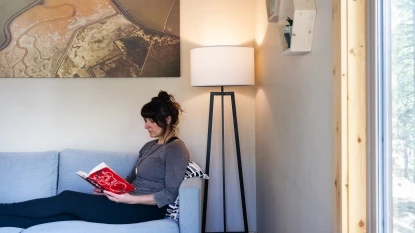
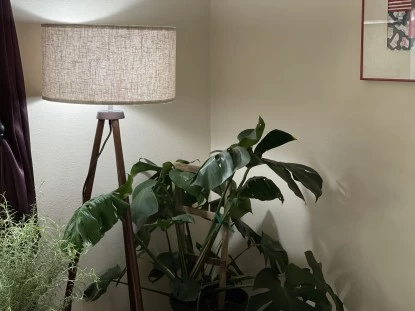
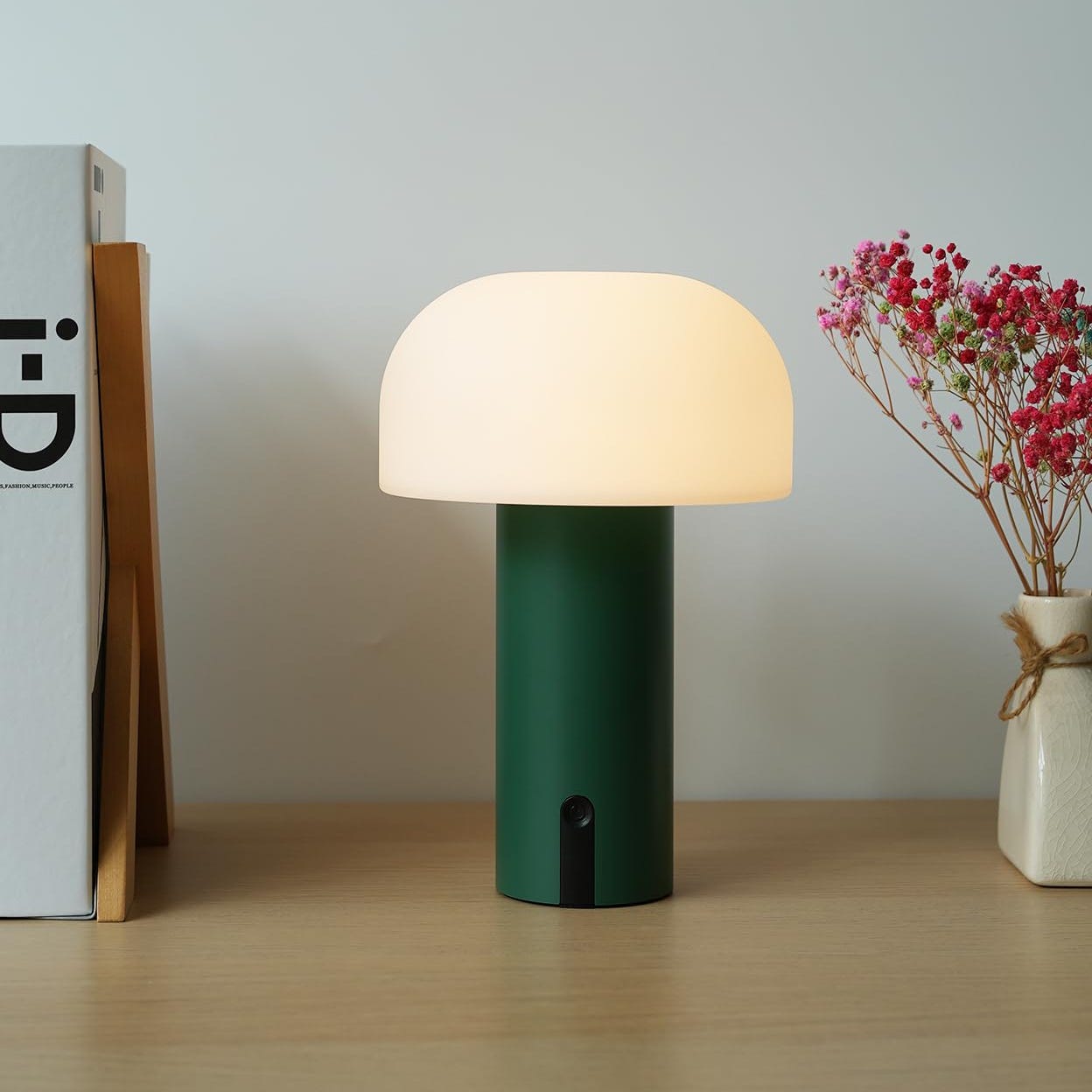
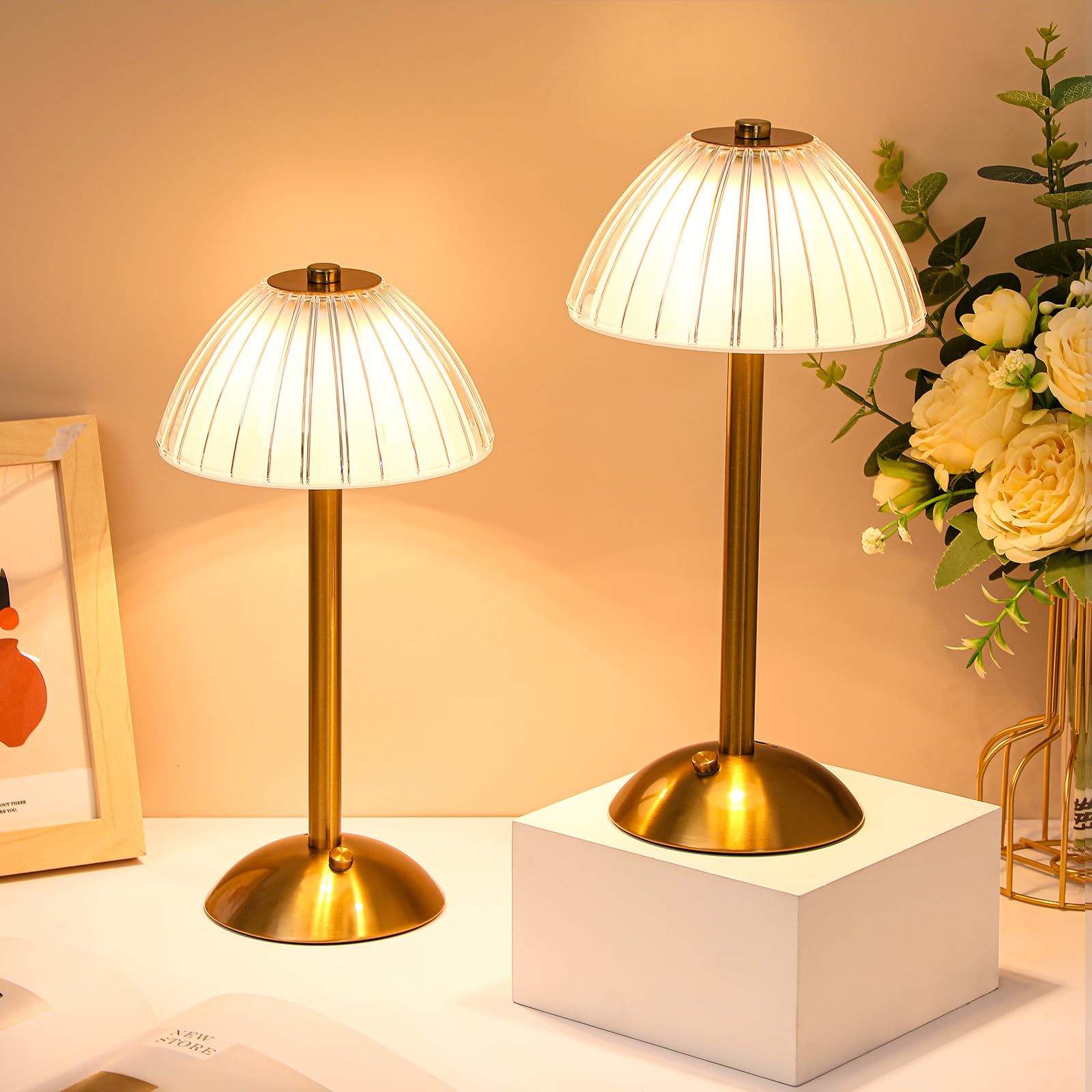
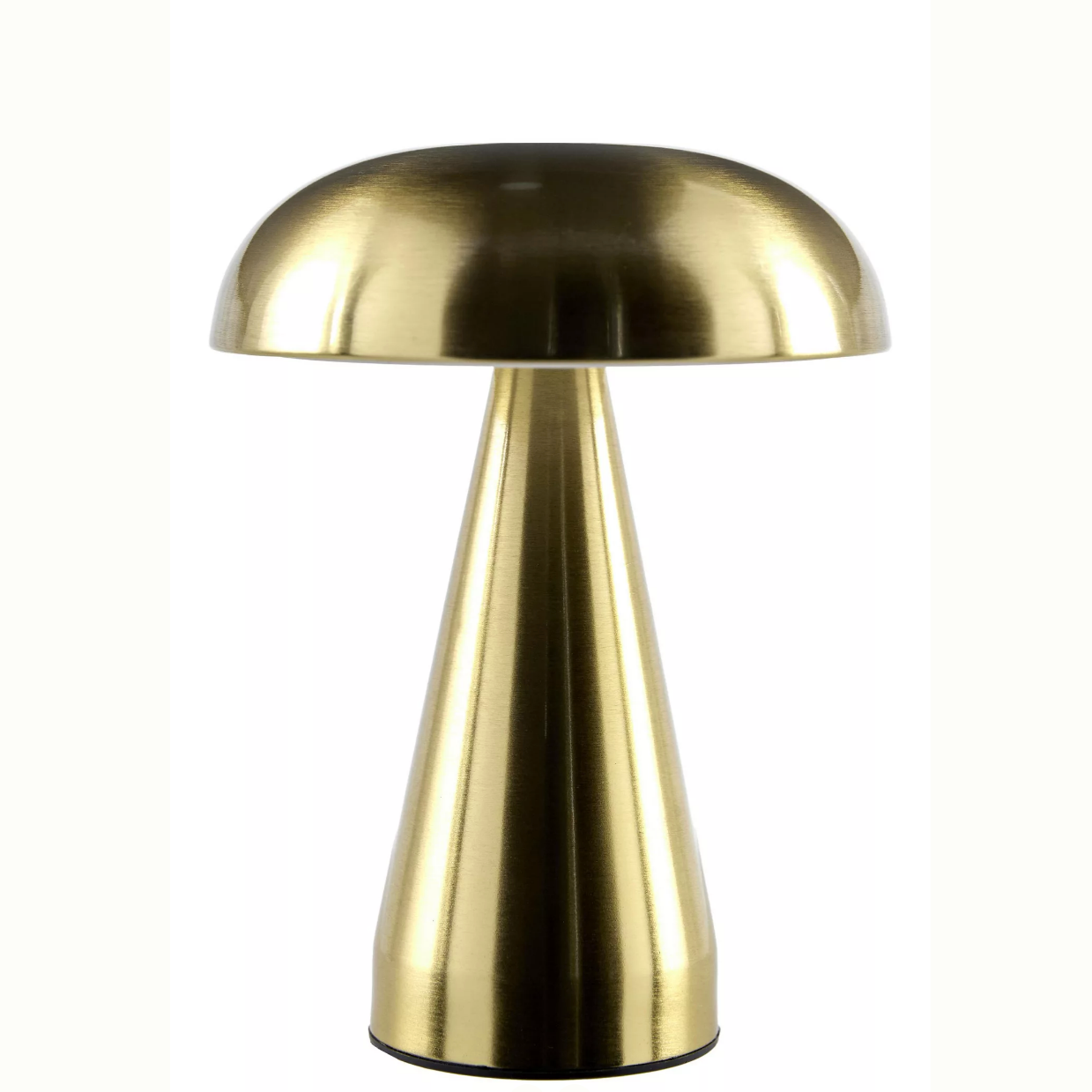
Conversely, lamps, including table and floor lamps, are celebrated for their ability to create a warm and intimate atmosphere. The light filtered through a lampshade is typically softer and warmer than overhead light, contributing to a cozy and inviting environment suitable for relaxation. From a design perspective, lamps offer significant aesthetic value, adding personality, texture, color, and serving as focal points within a room. Their portability provides flexibility, allowing homeowners to adjust lighting based on the time of day or specific activities. Additionally, lamps do not necessitate structural changes or professional installation, making them a convenient lighting solution. Nevertheless, lamps present certain drawbacks. Their cords can pose a safety hazard, particularly for individuals with mobility issues. If a lamp is the sole light source in a room and cannot be switched on or off from the entry, it can be inconvenient. Furthermore, lamps often do not provide sufficient overall illumination, as their light output does not extend very far. To counteract this, it is recommended to use multiple lamps and select white or cream lampshades to maximize light distribution.
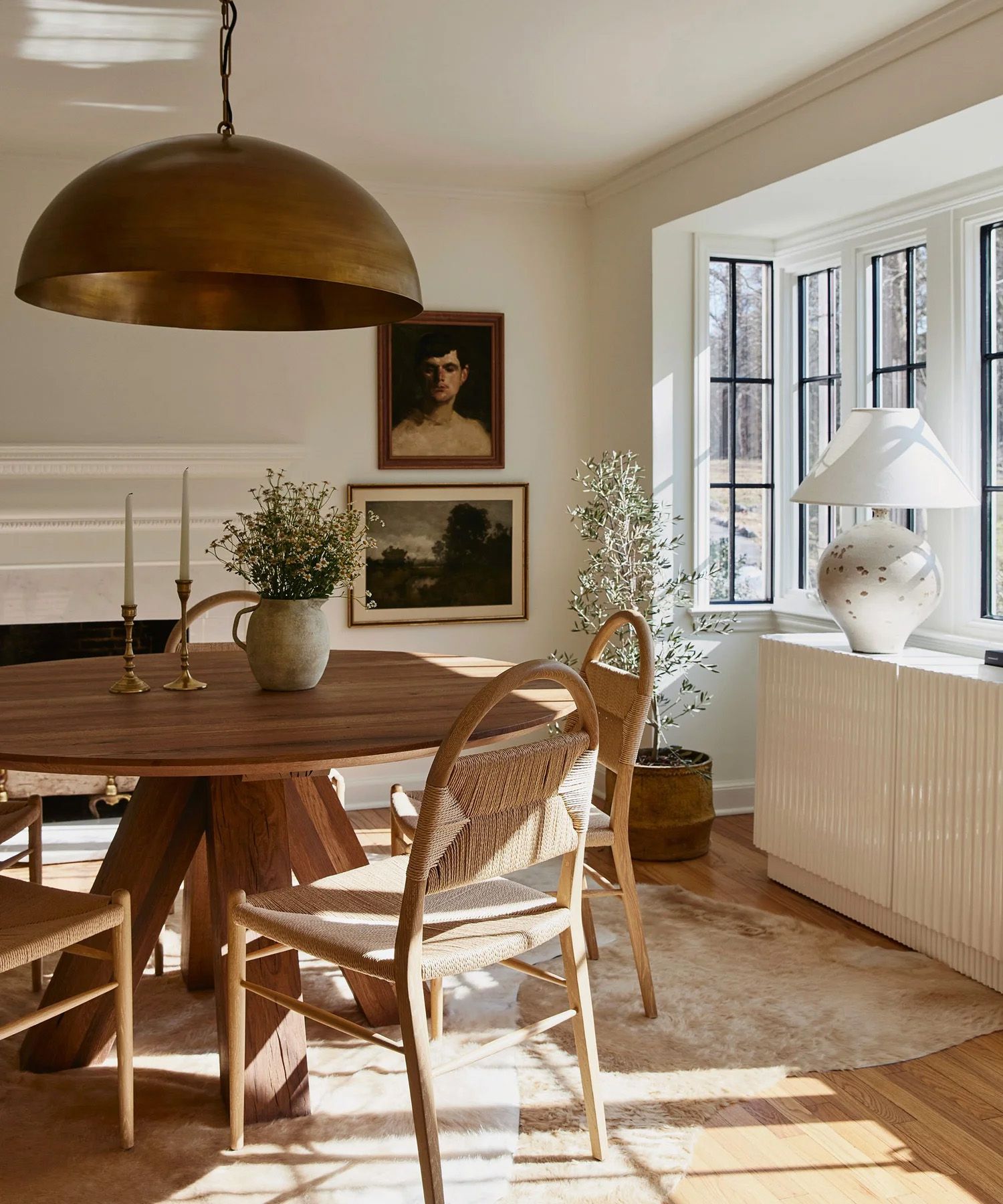
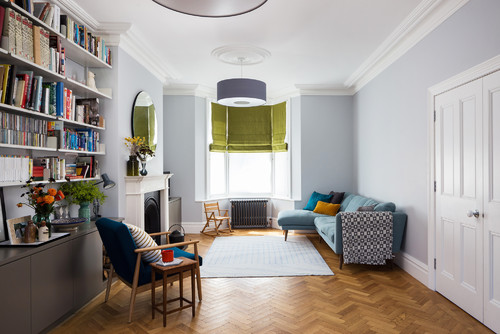
Considering these factors, experts predominantly advocate for a layered lighting strategy that incorporates both overhead lights and lamps. This approach allows for adjustments based on the time of day, specific activities, and the mood desired for the room. For instance, overhead lighting is best suited for functional areas like kitchens, bathrooms, dining rooms, and hallways, while lamps excel at creating a calm and cozy environment in bedrooms and living rooms. Lamps are also valuable in home offices for task-specific lighting, such as reading and writing, as they can reduce glare from overhead sources. Effective lighting design also involves strategic planning, such as determining light usage and potential restrictions like electrical outlets and furniture placement. Layering different types of fixtures, mixing styles and scales, and thoughtful placement are key to creating depth and avoiding harsh shadows. Incorporating dimmer switches for overhead lights offers additional flexibility in adjusting brightness, and considering the color temperature of bulbs—warmer for relaxation and cooler for concentration—further refines the lighting scheme. This integrated approach ensures both functionality and aesthetic appeal, transforming lighting into an essential element of a room's mood and narrative.
#LightingDesign #HomeDecor #InteriorLighting #OverheadLighting #Lamps #Ambiance #Functionality #HomeImprovement #ExpertAdvice #LightingDesign #HomeDecor #InteriorLighting #OverheadLighting #Lamps #Ambiance #Functionality #HomeImprovement #ExpertAdvice
0 comment in total
 No comments yet
You may also like
Should a living room have a ceiling light? Finally, design experts settle the debate

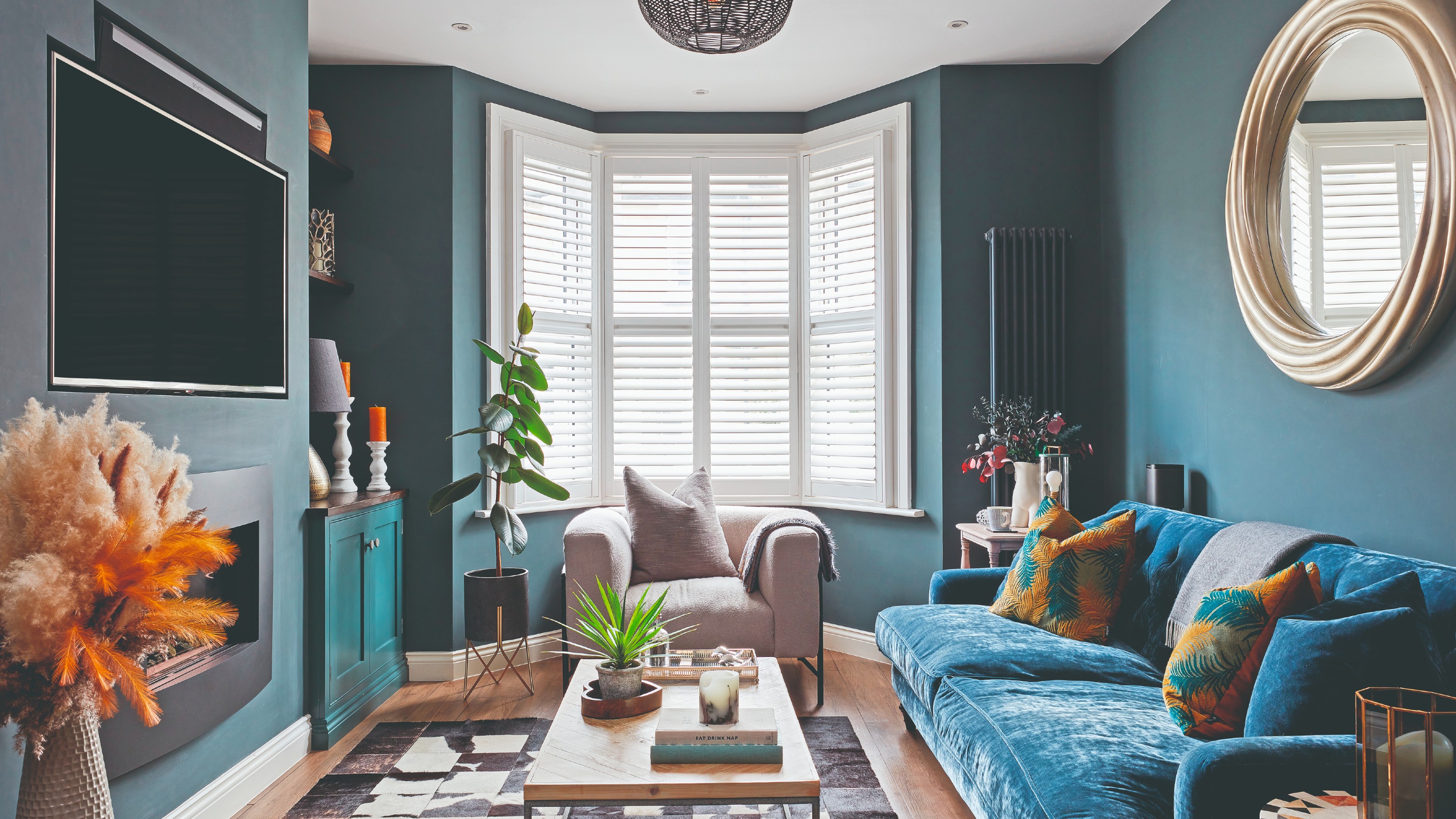
Should you put a TV above the mantelpiece? Experts all agree on this newly sparked debate
The Best Light Bulbs for All Your Home’s Lighting Needs, Tested

These LED bulbs offer 100 watts worth of light: Which is best?

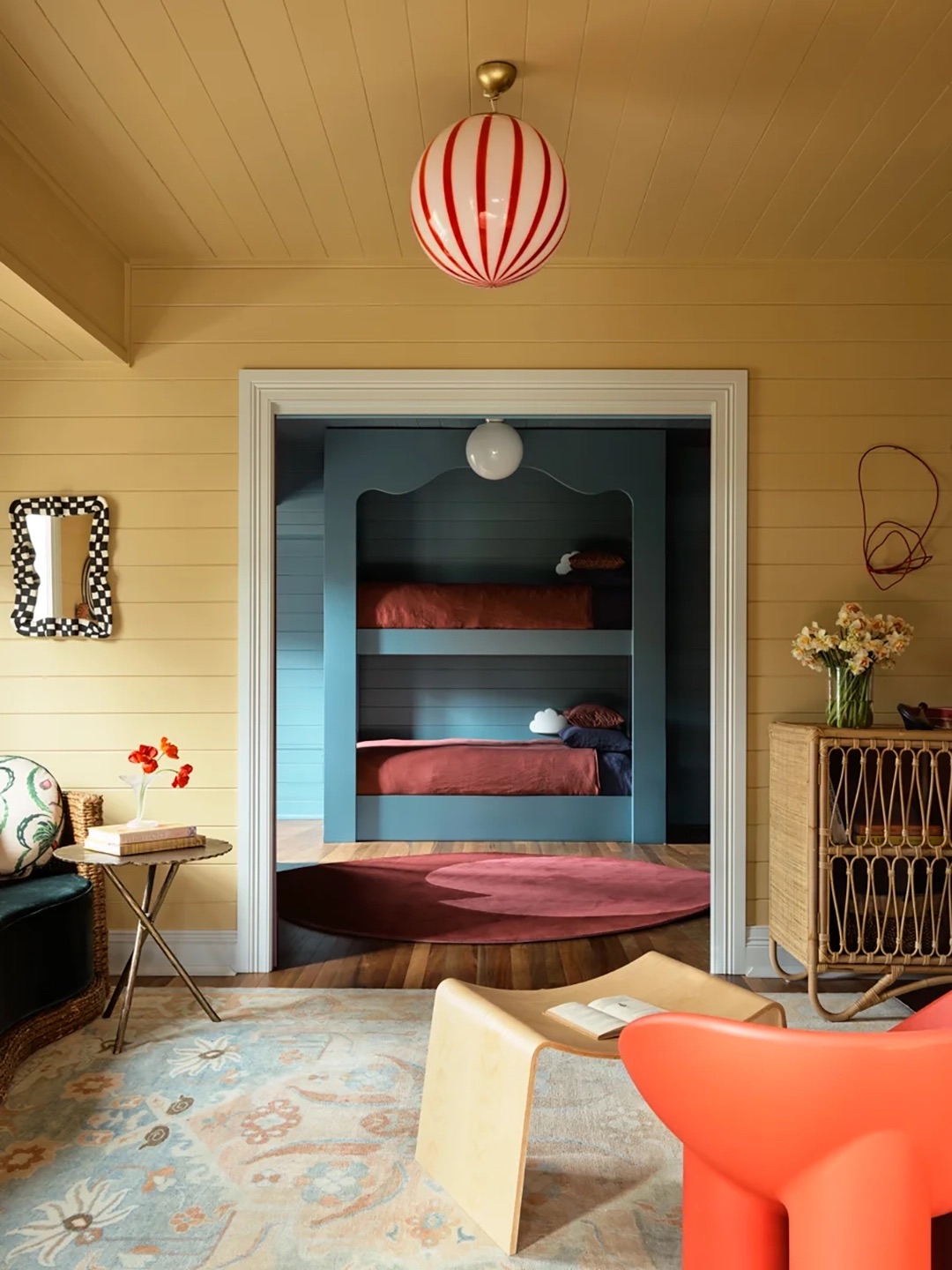
Designers Notoriously Hate This Feature—Here’s Why I (Respectfully) Disagree

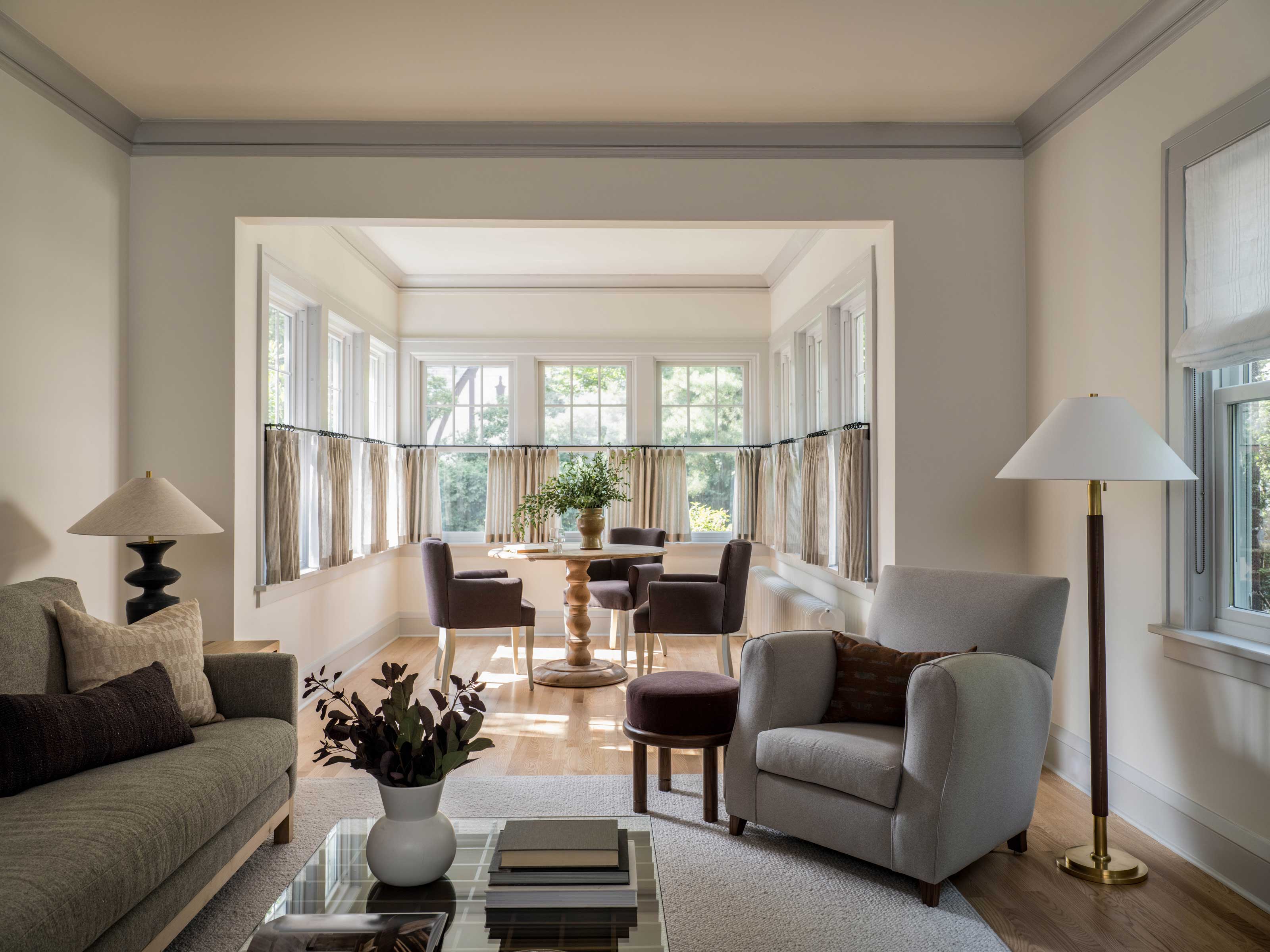
Does every room need a ceiling light? There's one in particular that really doesn't, these designers agree
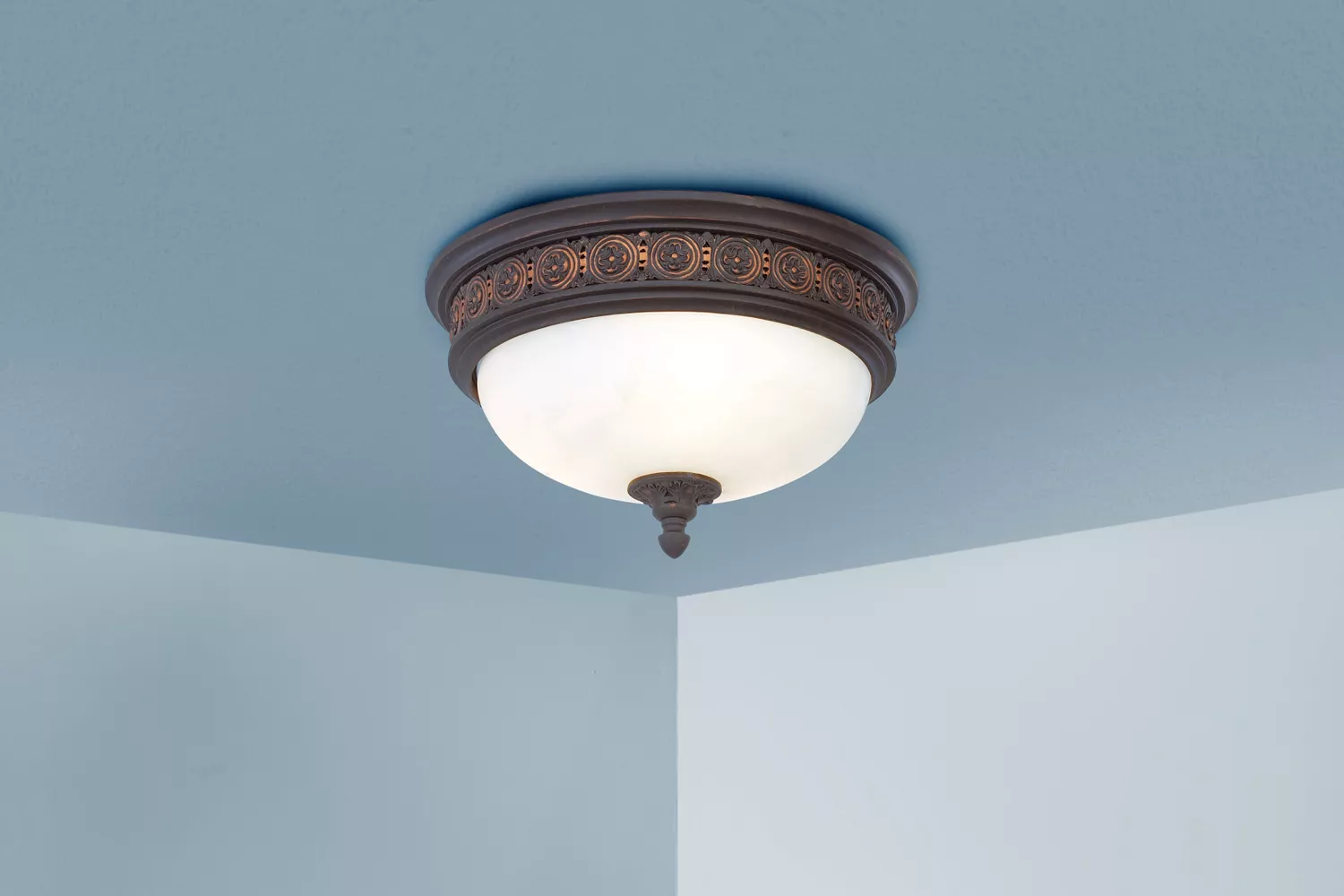
Why Gen Z—and Designers—Hate Overhead Lighting (and What to Use Instead)


Tile-Based Lamps, Yea or Nay?

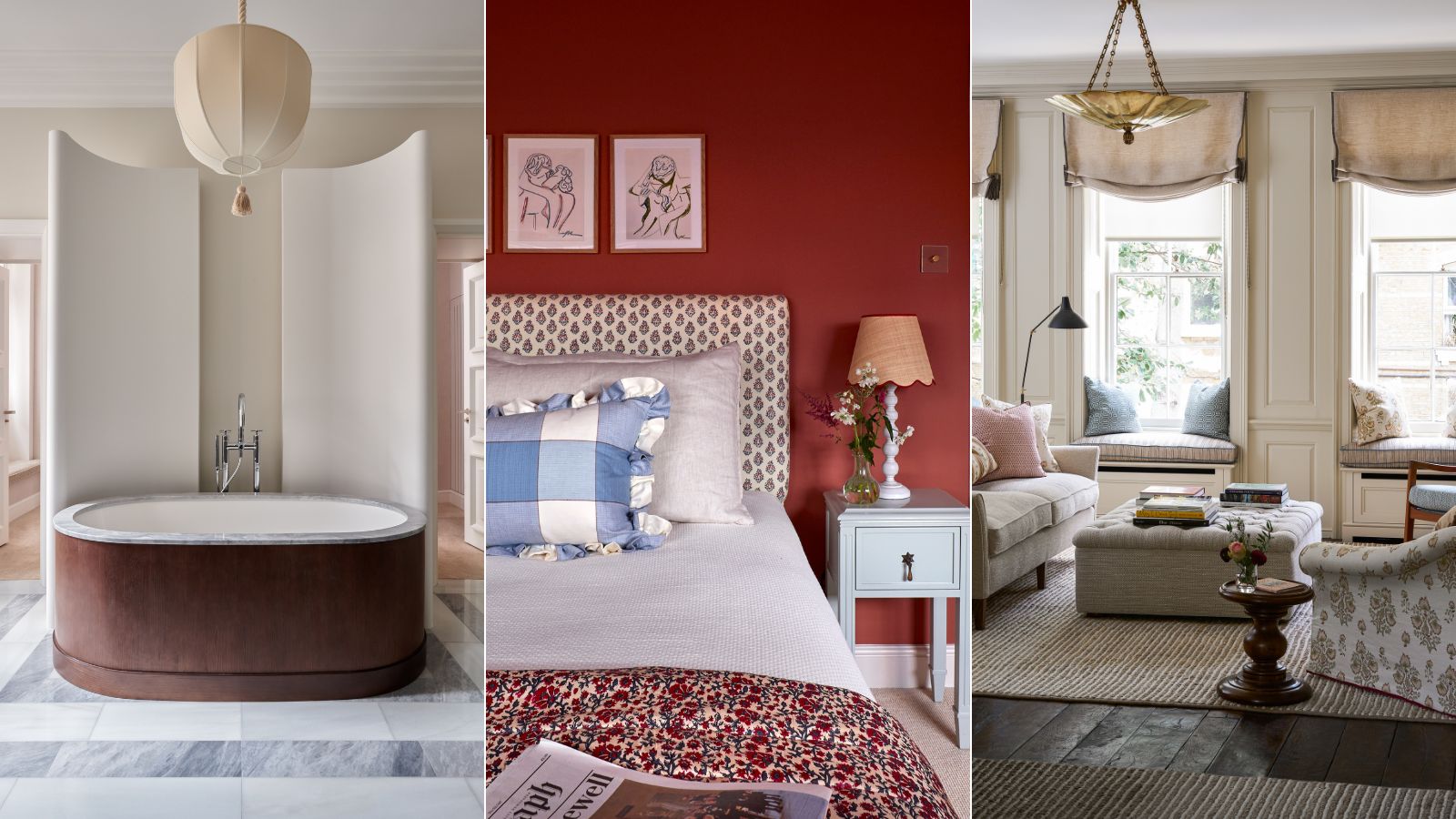
Does this hated feature still have a place in our homes? Designers on what they really think of the 'big light' debate


The Great Debate: LVLs or PSLs for Headers, Beams, Girders, and Posts

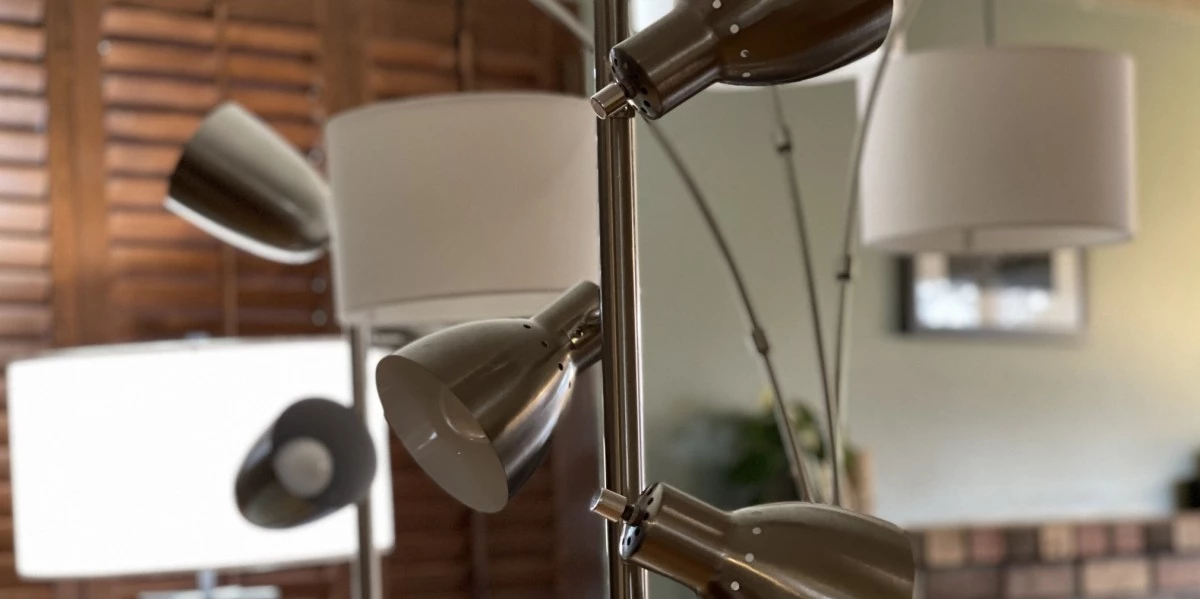
The Best Floor Lamps

Should You Have Lights Over The Kitchen Island? Designers Unanimously Agree If They Are Worth Budgeting For
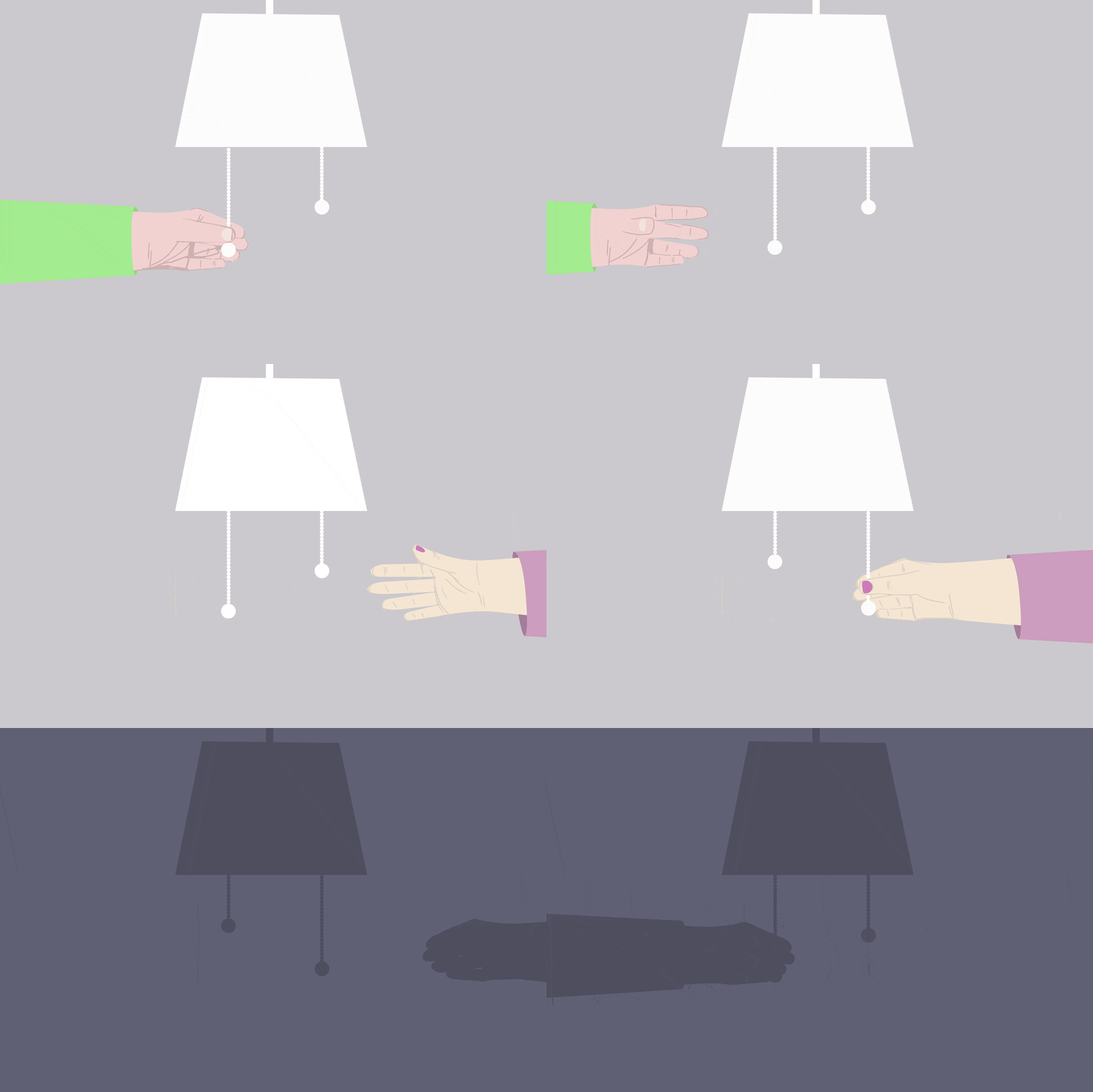
A Controversial Home Furnishing Is Tearing Households Apart. I Kind of Love It.
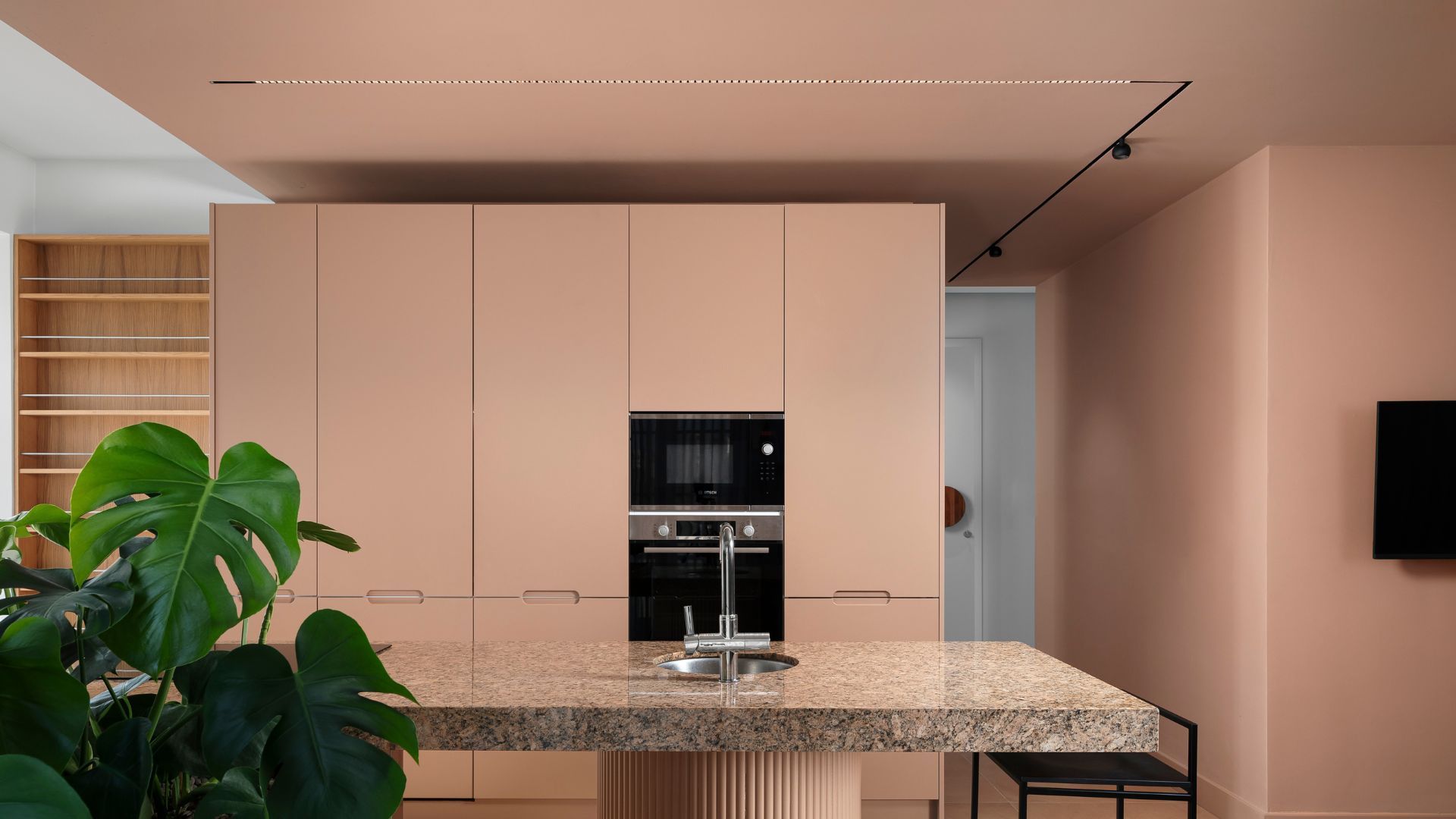
Have We Evolved Beyond Spotlights? Why Designers Aren't Choosing This Lighting Anymore, and Where It Still Comes in Handy

Unexpected Red Is So 2024—Here’s the Design Hack that Ruled 2025

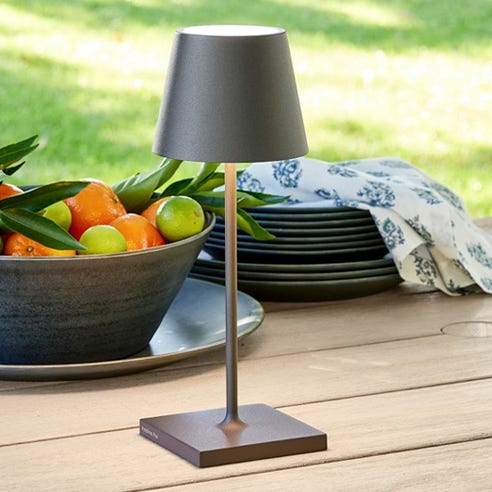
Say Goodbye to Overhead Lighting and Hello to the Best Cordless Lamps

How do you make overhead lighting less harsh? 7 tips for a more flattering scheme
Do you need a light over a dining table? Designers offer their expert advice
Is it OK to hang the TV over the fireplace?

Community question of the week: Hue light bulbs and light switches with dimmers