Why Gen Z—and Designers—Hate Overhead Lighting (and What to Use Instead)
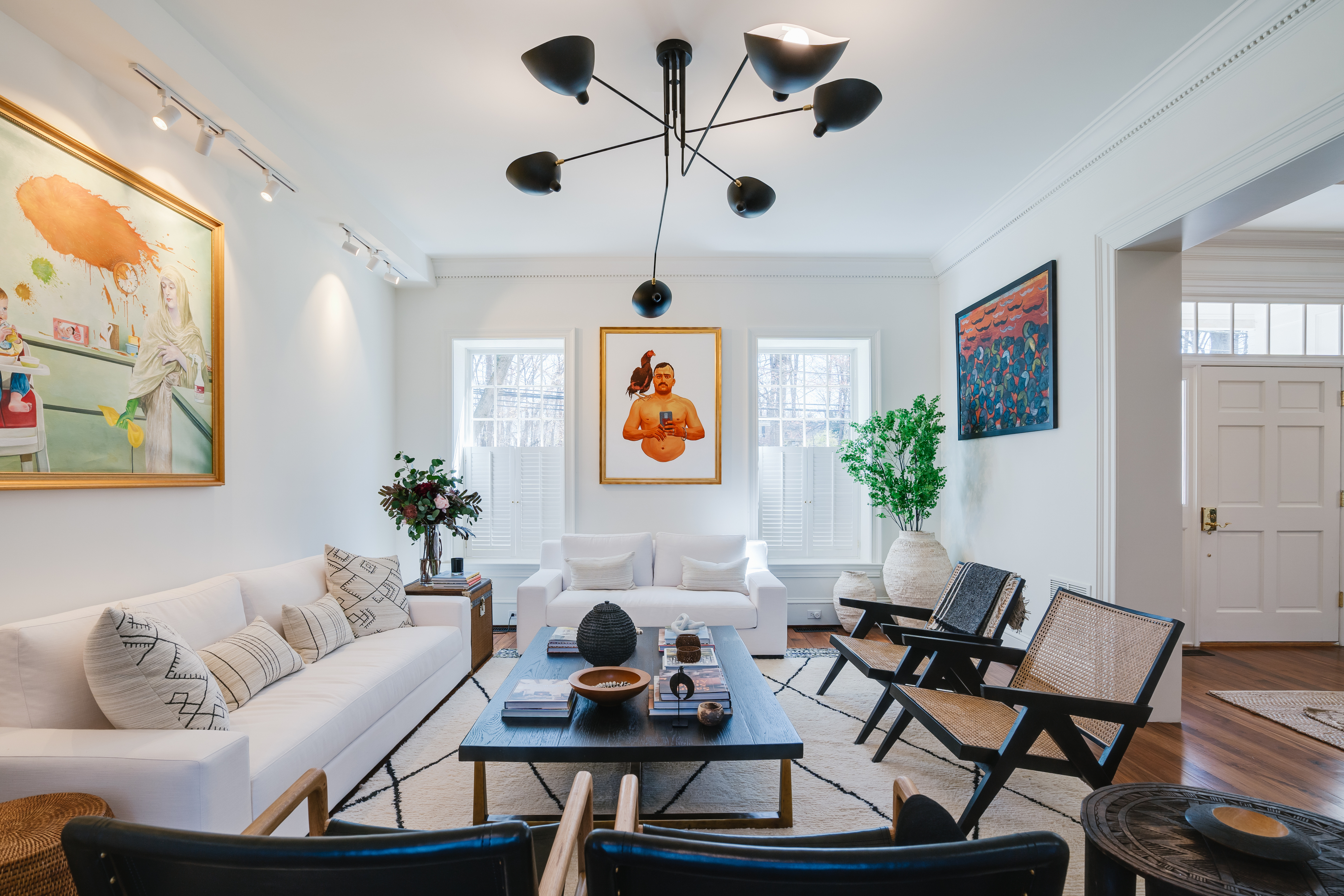
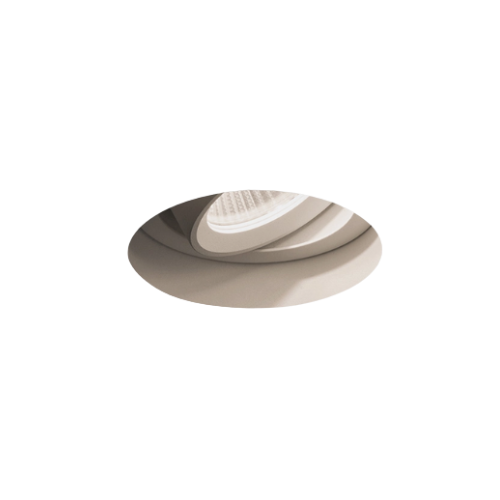
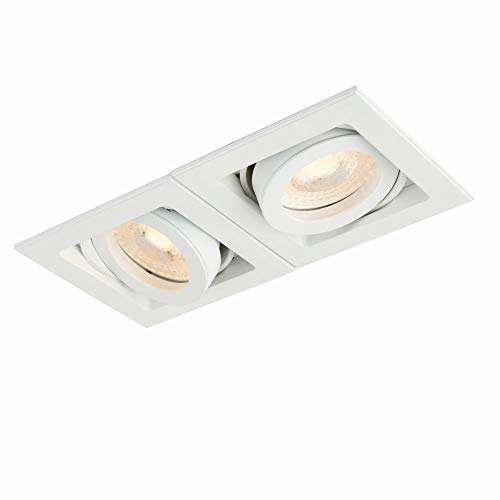
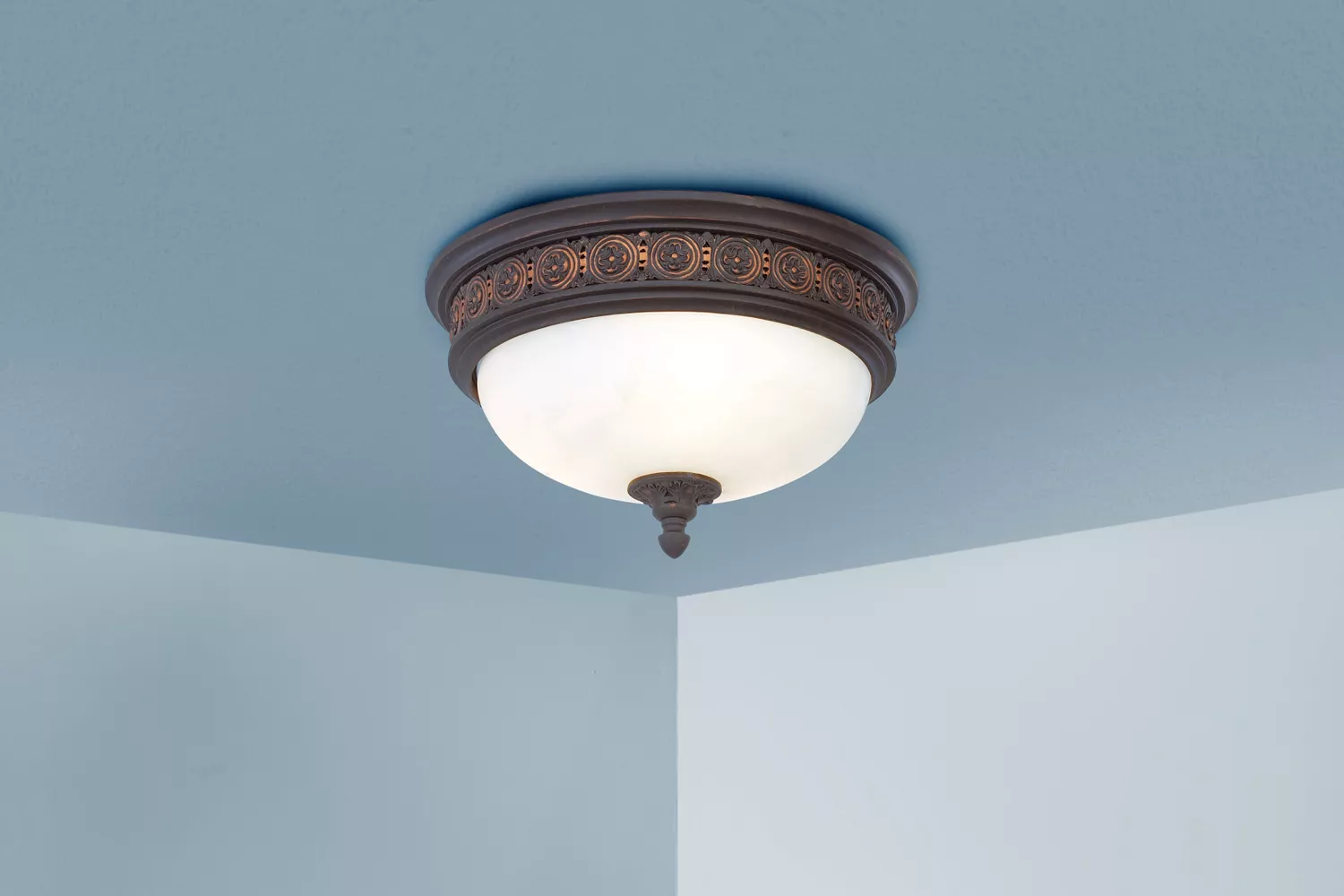
The article discusses the prevailing dislike for overhead lighting among Gen Z and interior designers, highlighting the reasons behind this sentiment and offering alternative lighting solutions to create a more inviting and mentally healthy home environment. Both Gen Z and professional interior designers share a common aversion to overhead lighting, often referred to as '#thebiglight', including recessed, track, and 'boob' lights. Gen Z creators on TikTok frequently describe it as an assault on the senses, sterile, hospital-like, and even unflattering, a perspective largely echoed by interior design experts.
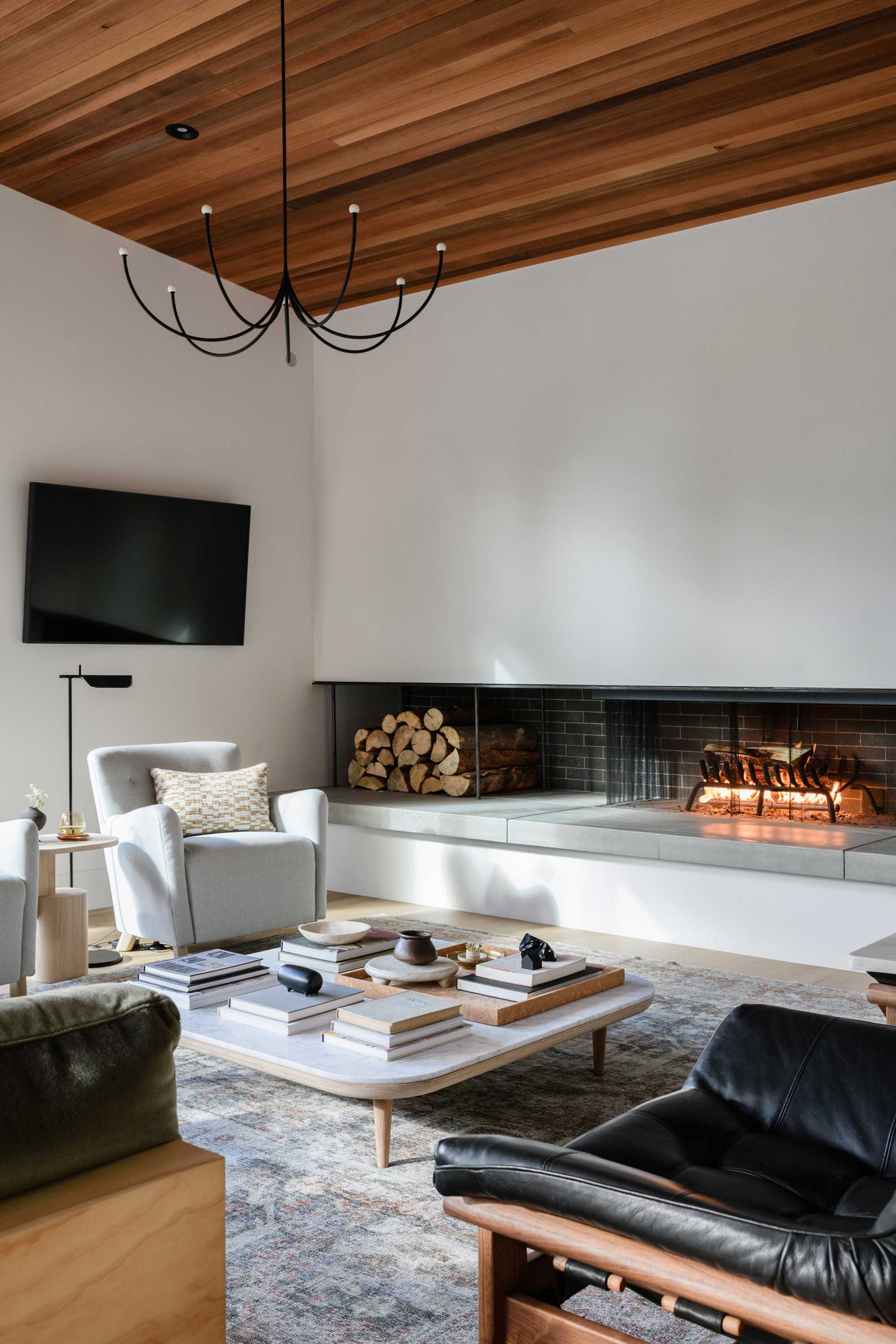
Interior designer Galey Alix emphasizes that lighting significantly impacts emotions and mental well-being. She advocates for low lighting in the evenings to help individuals unwind and recalibrate cortisol levels, considering full-brightness overhead lights a 'full assault on the nervous system' after sunset. This underscores the mental health aspect often prioritized by the younger generation. However, some designers, like Fariha Nasir, acknowledge cultural differences, noting that in countries like Pakistan, bright overhead lighting is a common and accepted practice for evening activities and meals. Jourdan Fairchild also points out that overhead lighting can be practical for specific needs, such as game nights, and can add an aesthetic element to the ceiling, indicating that its use is not universally condemned and can be situational.
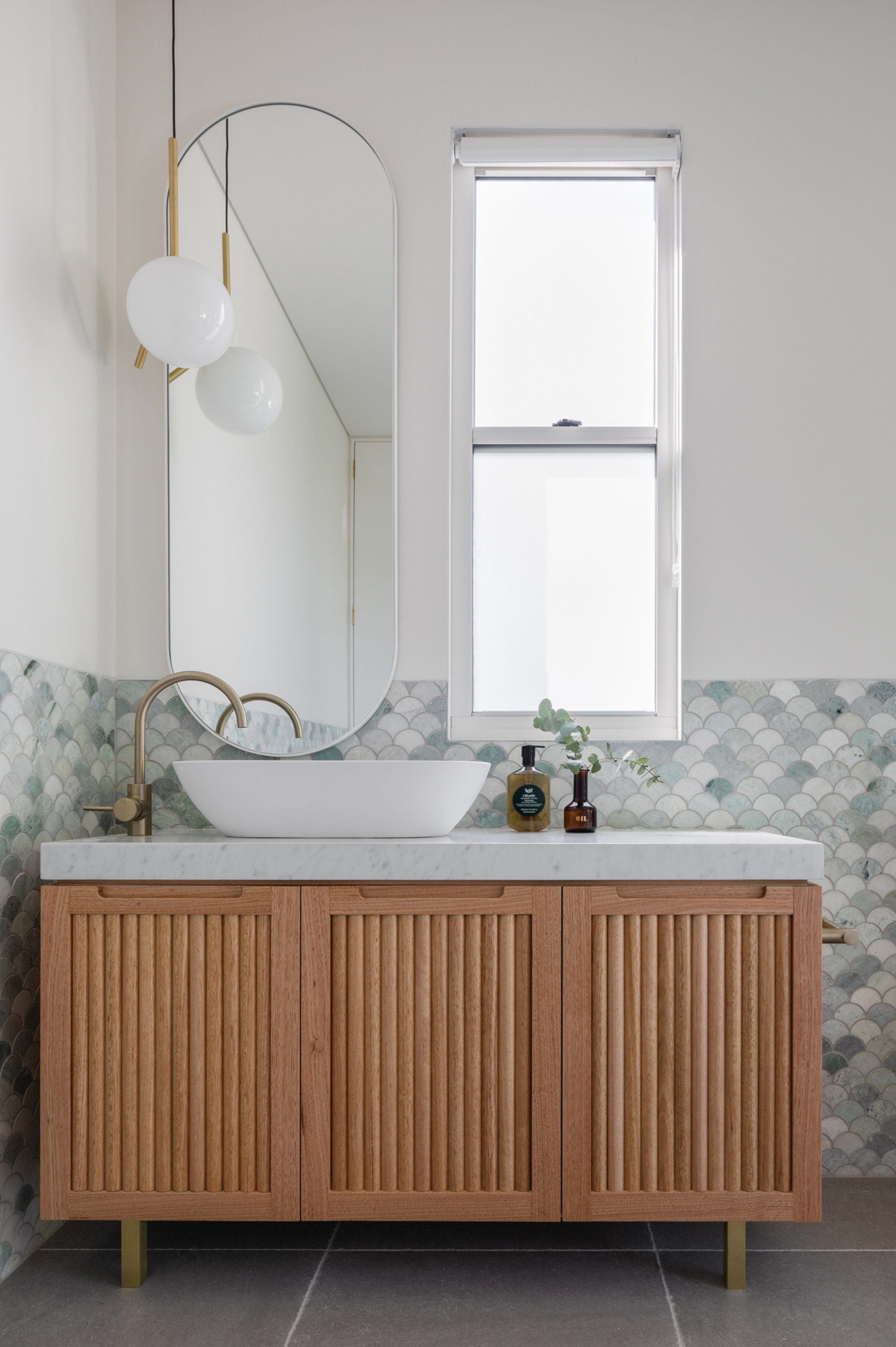
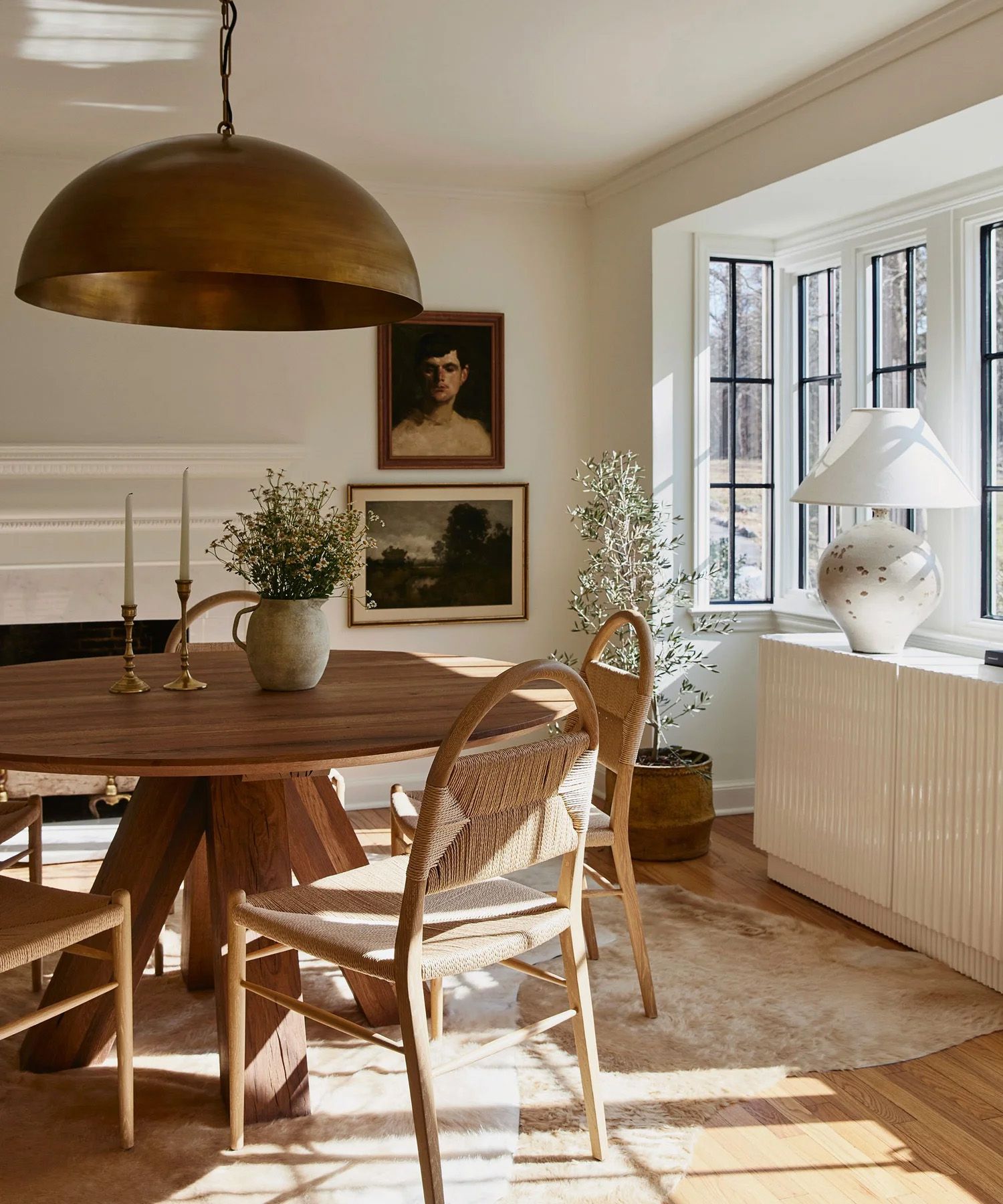
The article provides five designer-approved alternatives to overhead lighting aimed at enhancing ambiance, coziness, and nervous system calm. The first universally agreed-upon solution is installing dimmers for all hardwired lights, including sconces, chandeliers, and can lights. Dimmers allow for adjustable brightness, catering to task-oriented needs at higher settings and relaxation at lower, warmer settings, especially when paired with softer white bulbs. The second suggestion involves positioning lighting at or below eye level, as lower lighting is typically associated with intimate and comfortable settings. While task lighting, such as in reading nooks, might require the light source to be slightly above eye level to prevent glare, the general principle is to avoid harsh overhead illumination.
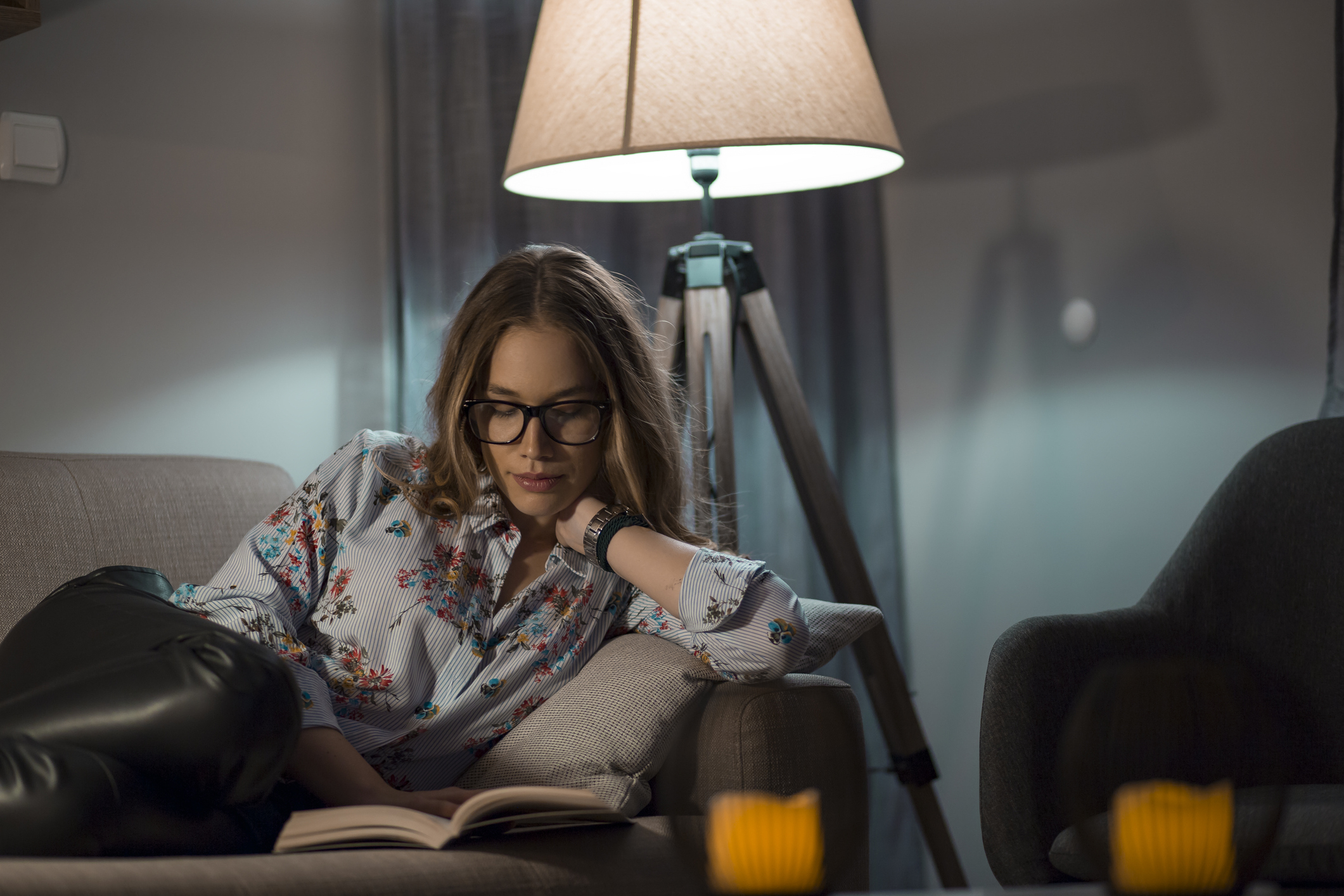
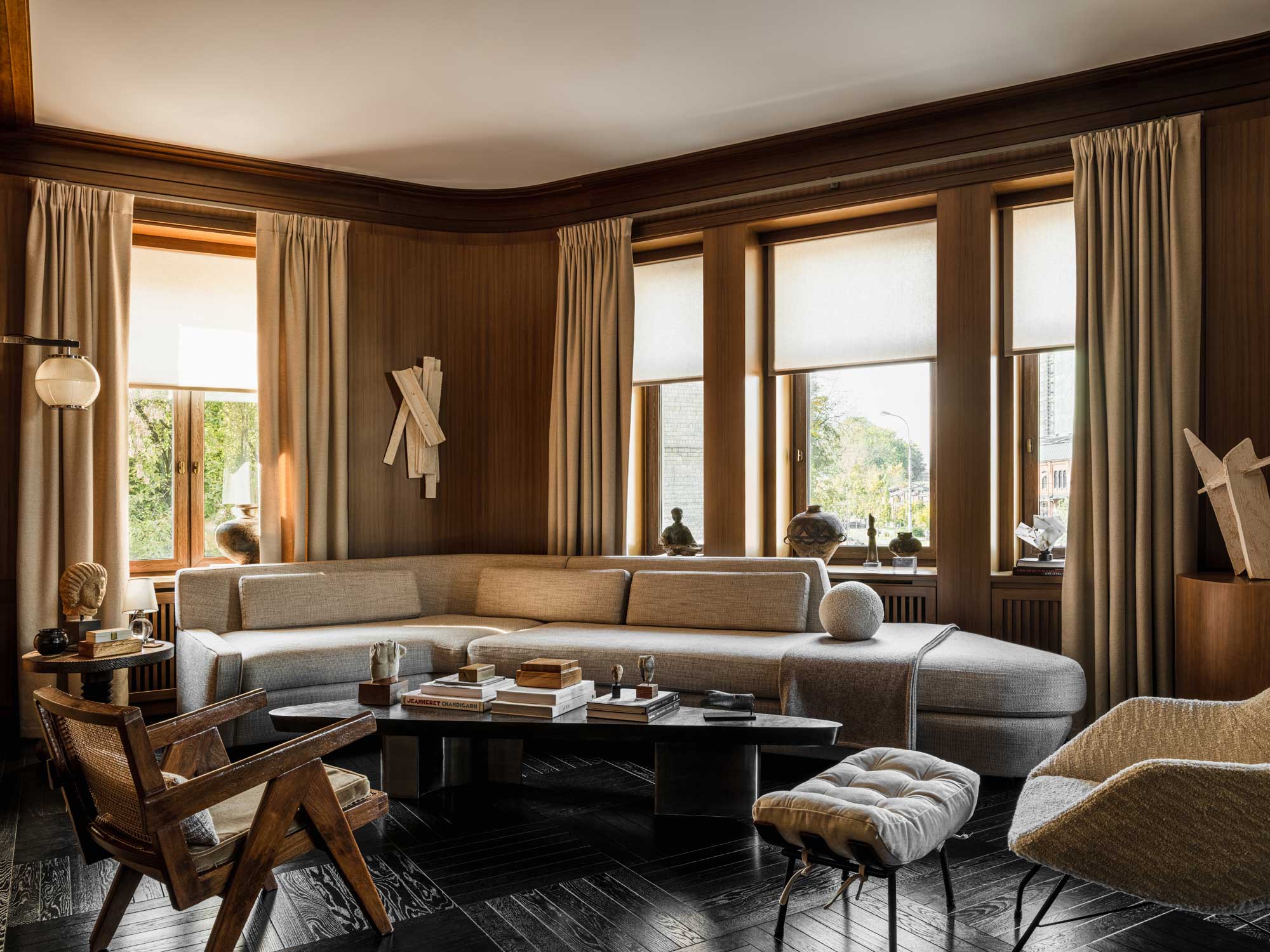
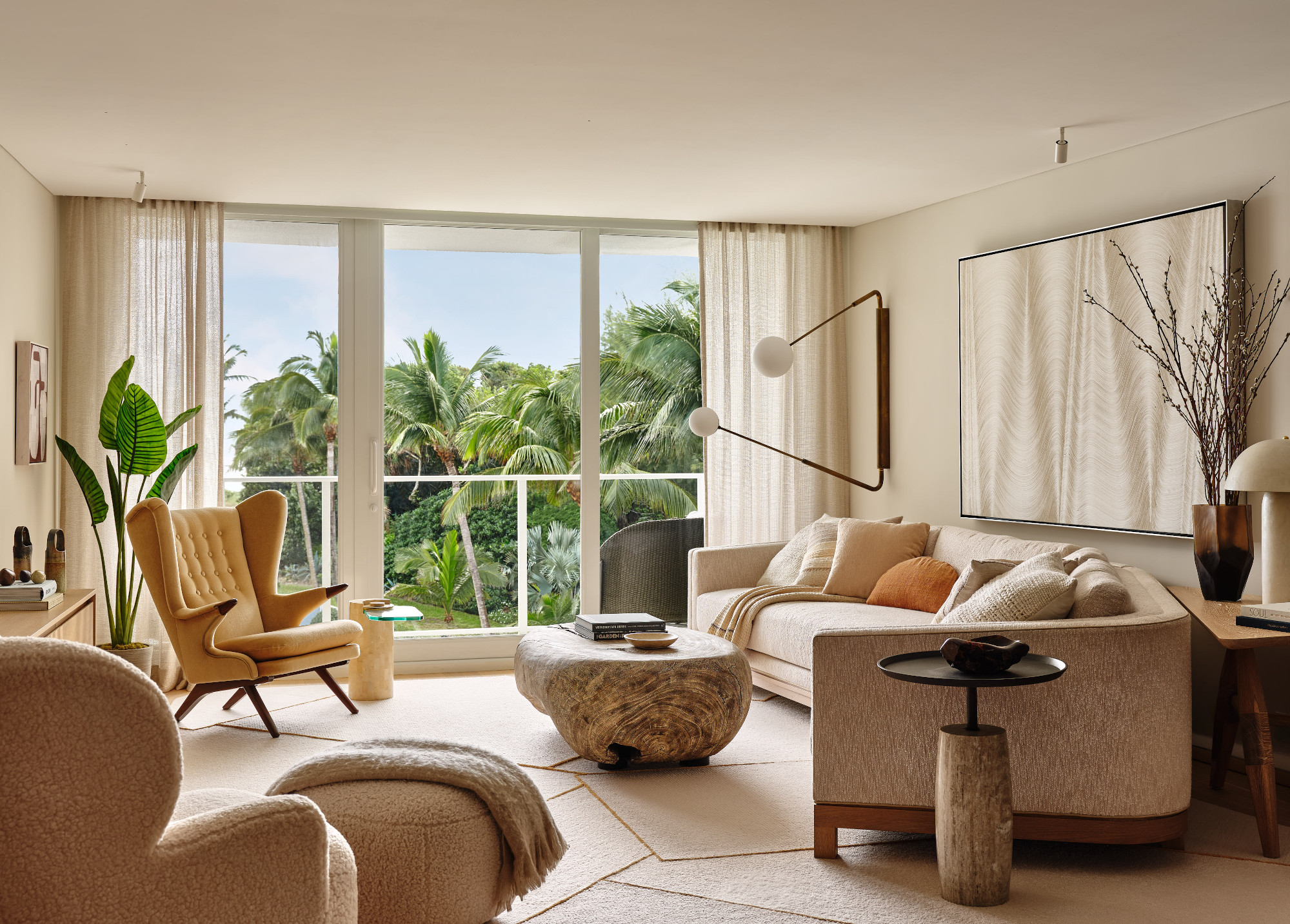
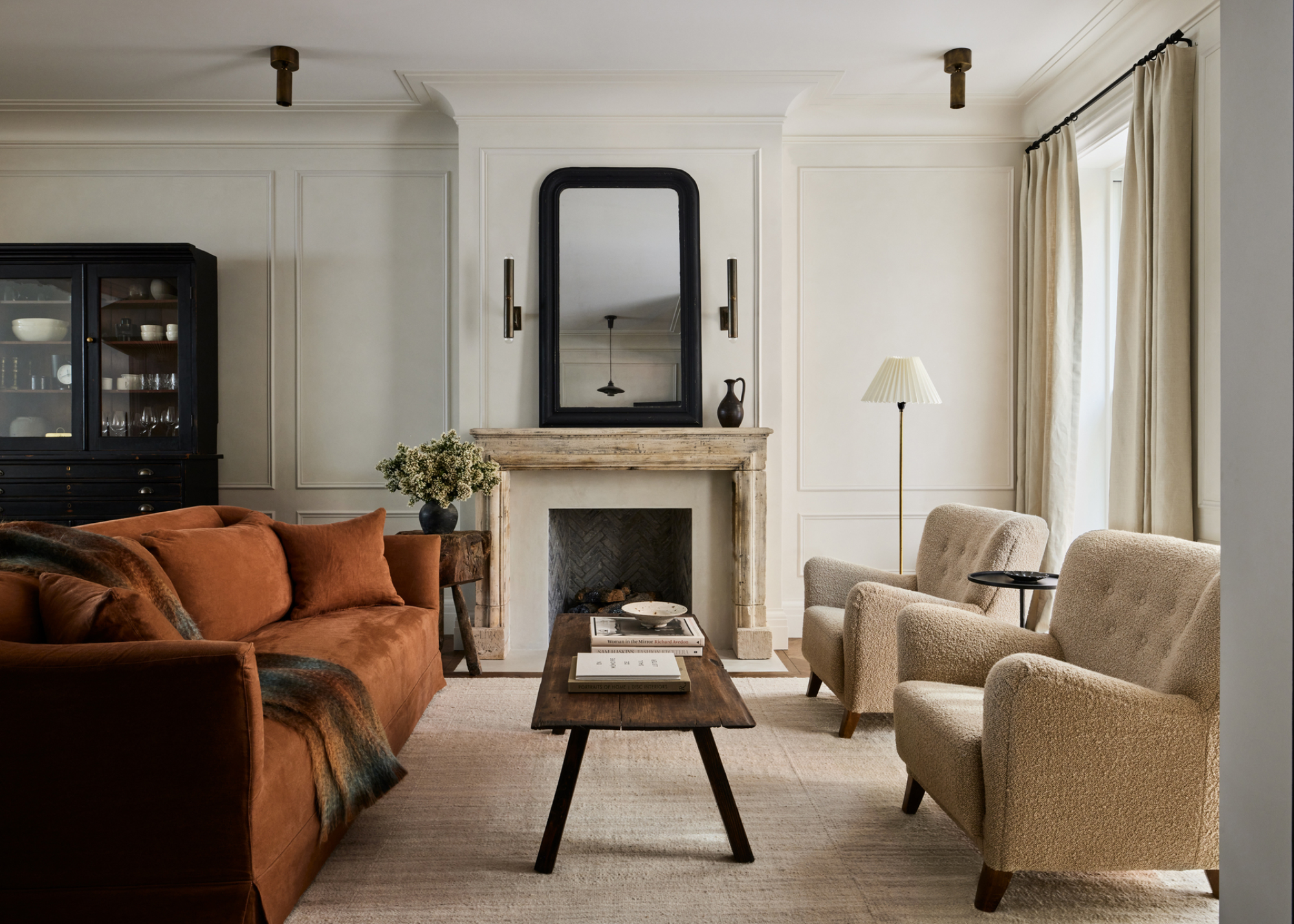
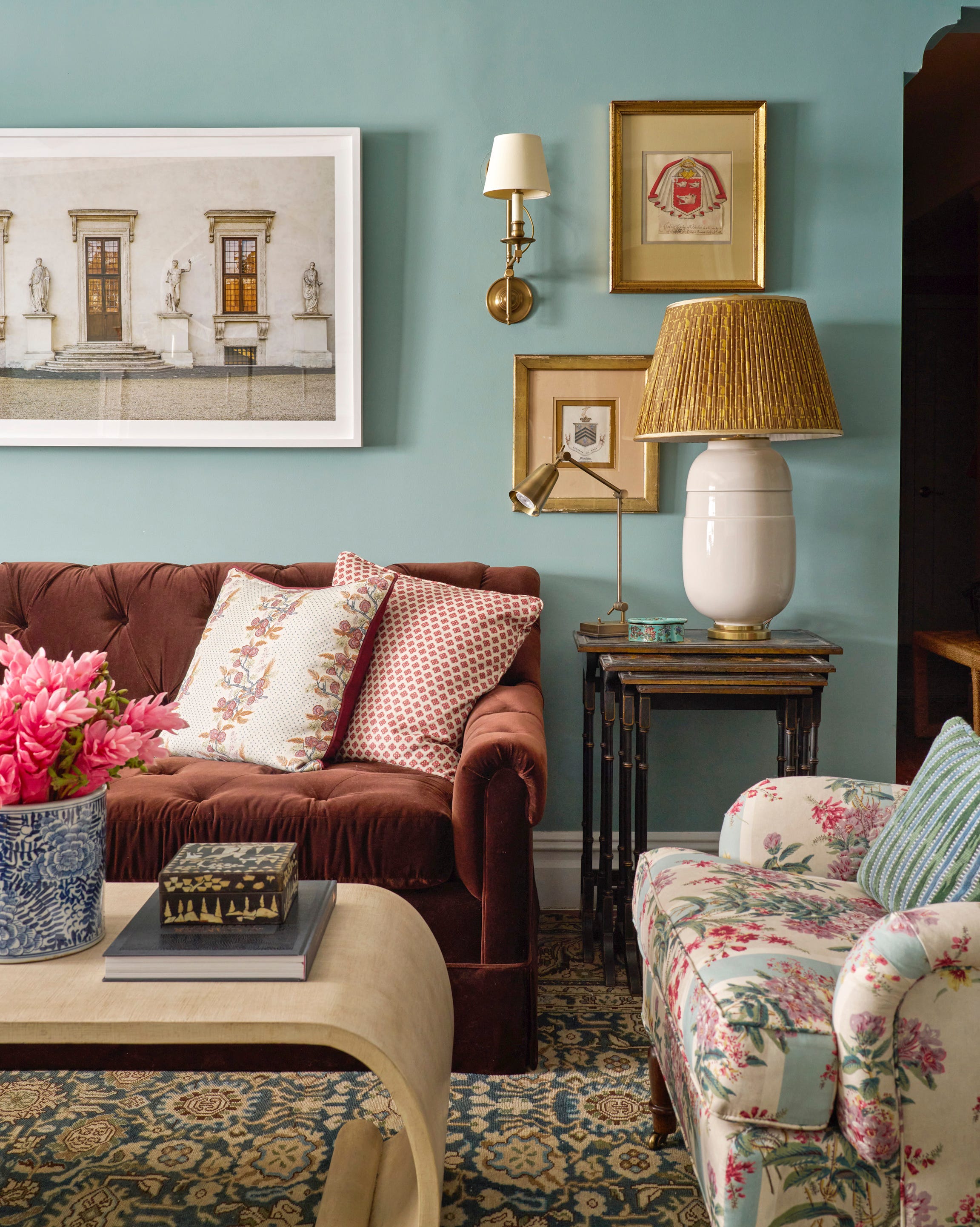
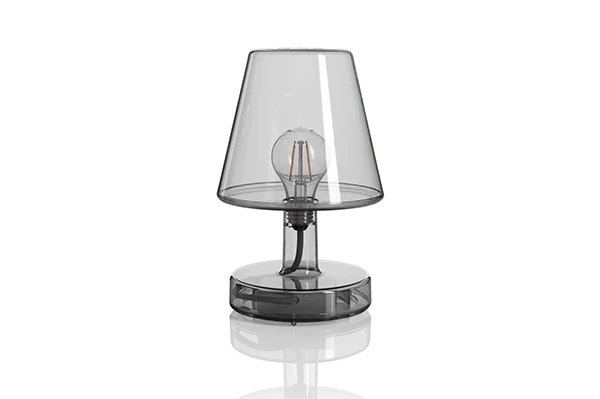
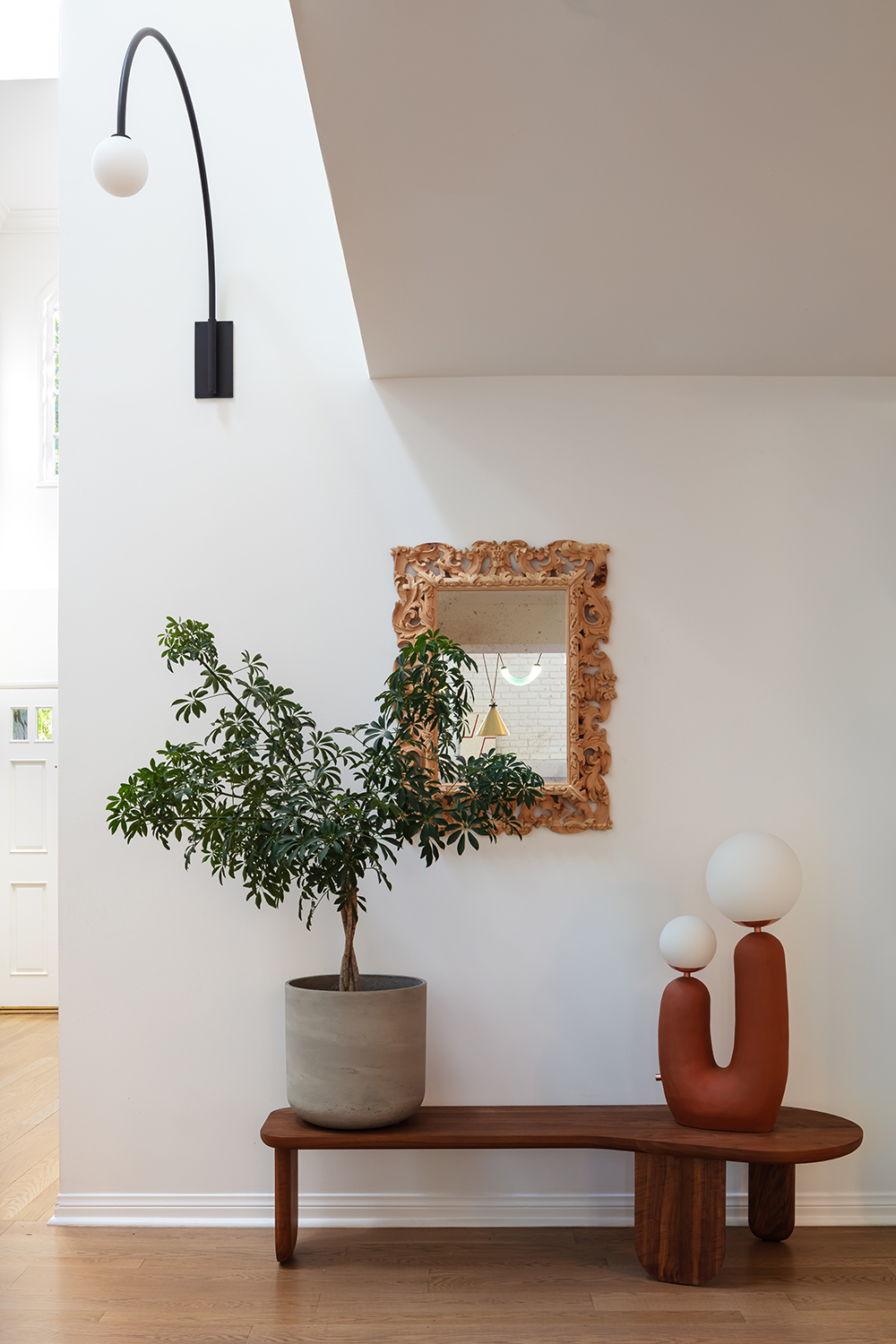
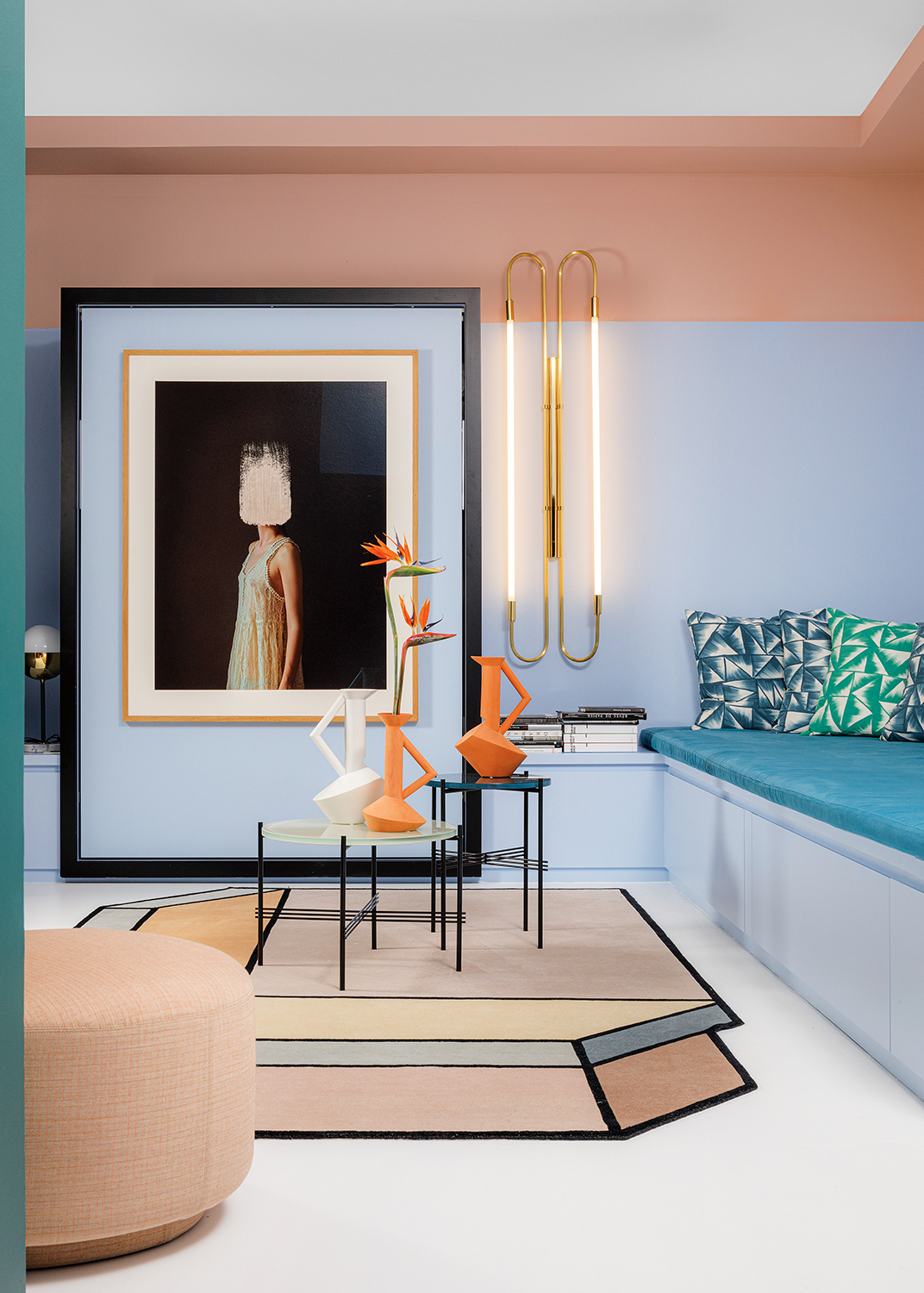
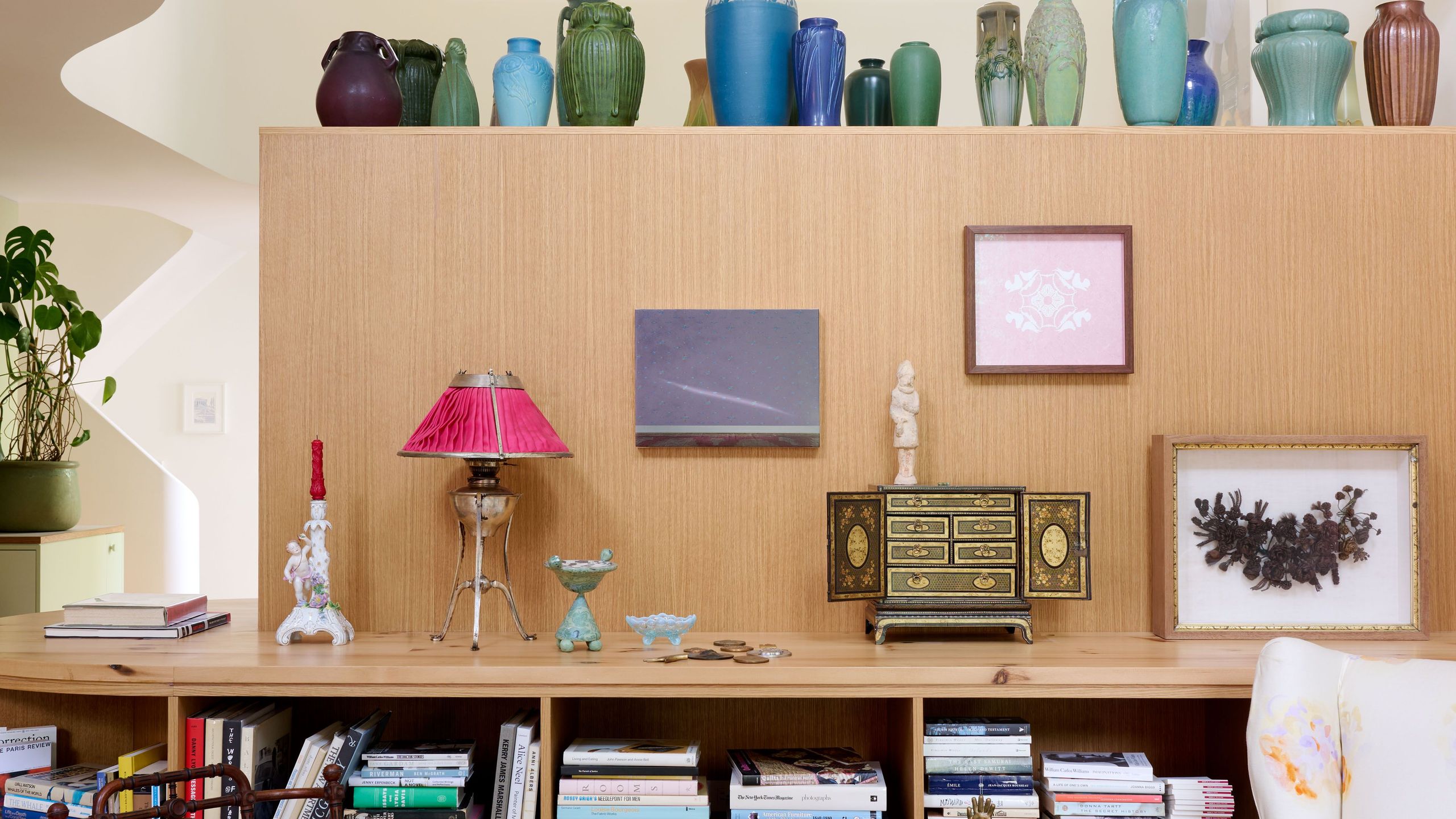
Layering lighting is the third recommendation, which involves using various light sources like table lamps, floor lamps, and wall sconces. Thea Bloch-Neal, founder of Curated by Thea, highlights the convenience of modern rechargeable LED sconces that do not require hardwiring. Floor lamps can illuminate an entire room while adding sculptural interest, and small table lamps offer focused, soft light while often being more energy-efficient. The fourth strategy, championed by design content creator Deema Tabbara Lopez, is to incorporate numerous lamps throughout a space. Drawing inspiration from Nancy Meyers' movie sets, known for their abundant table lamps, Lopez suggests that a well-lit home doesn't necessitate overhead lighting; instead, it can be achieved by increasing the number of diverse lamps, even in unexpected places like kitchen counters and bathrooms.
Finally, for transitional areas such as hallways and stairwells where overhead lights might seem necessary for navigation, Alix suggests using soft white plug-in lights in outlets. These offer functional illumination without the intensity of ceiling lights, creating a soothing ambiance. Many plug-in options also feature automatic activation based on sunset or motion, further enhancing convenience and energy efficiency. These alternatives collectively offer practical ways to move away from sole reliance on overhead lighting, fostering a more pleasant and emotionally supportive home environment.
#HomeDecor #InteriorDesign #LightingDesign #GenZ #AmbientLighting #MoodLighting #DimmerSwitches #LayeredLighting #HomeImprovement #HomeDecor #InteriorDesign #LightingDesign #GenZ #AmbientLighting #MoodLighting #DimmerSwitches #LayeredLighting #HomeImprovement
0 comment in total
 No comments yet
You may also like
Designers Notoriously Hate This Feature—Here’s Why I (Respectfully) Disagree

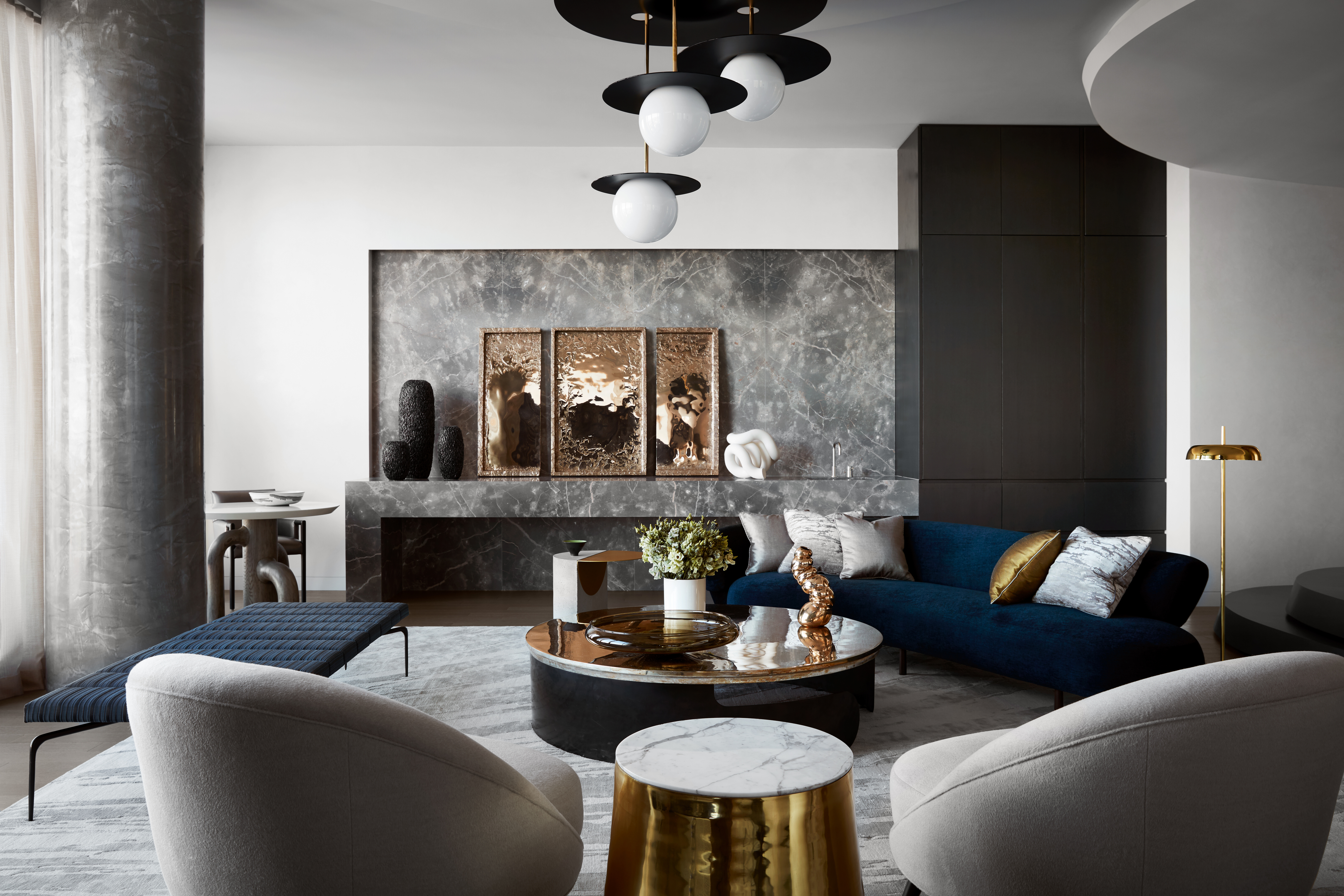
How do you make overhead lighting less harsh? 7 tips for a more flattering scheme

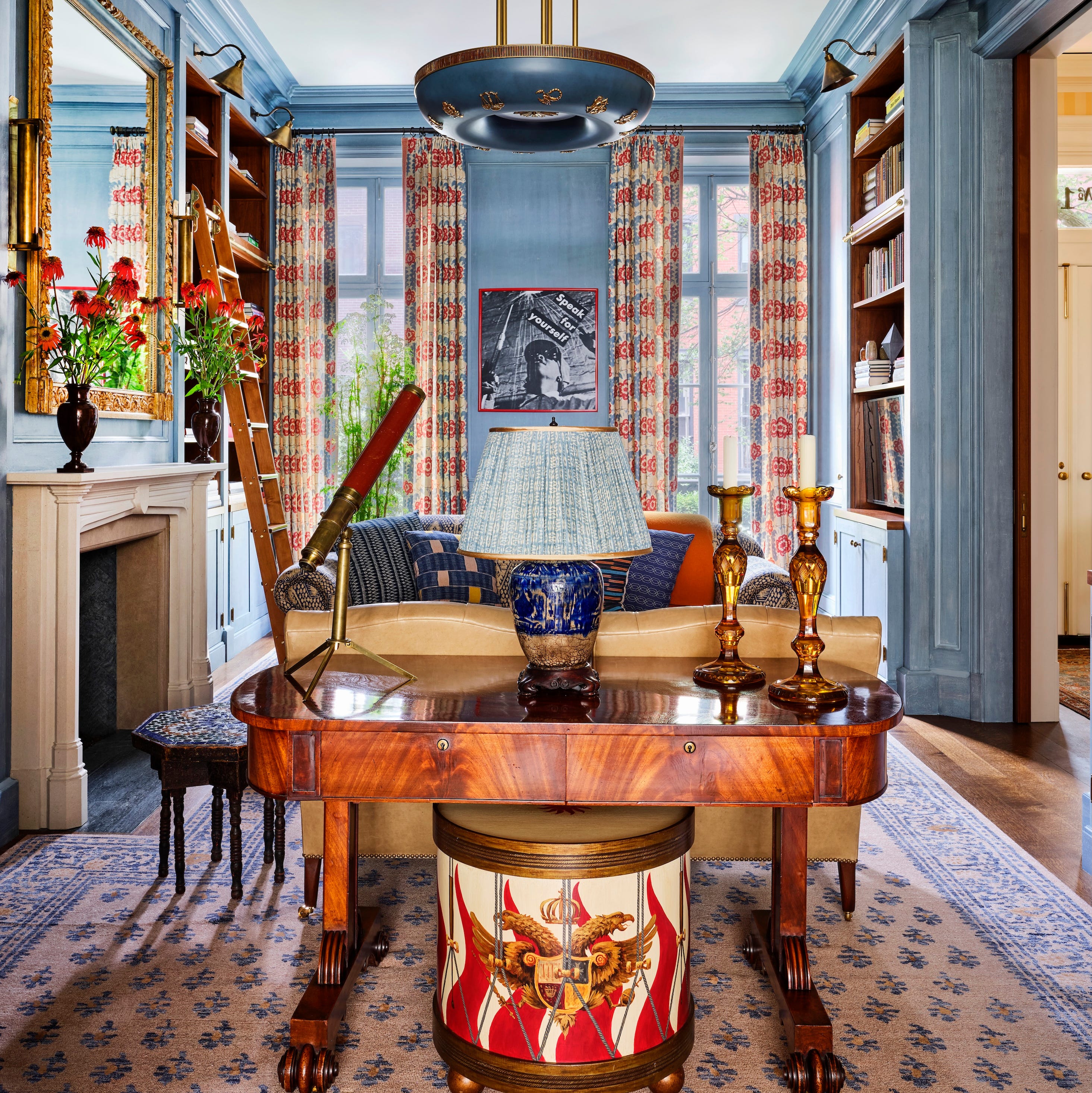
These Lighting Trends Will Be Everywhere in 2026, According to Designers

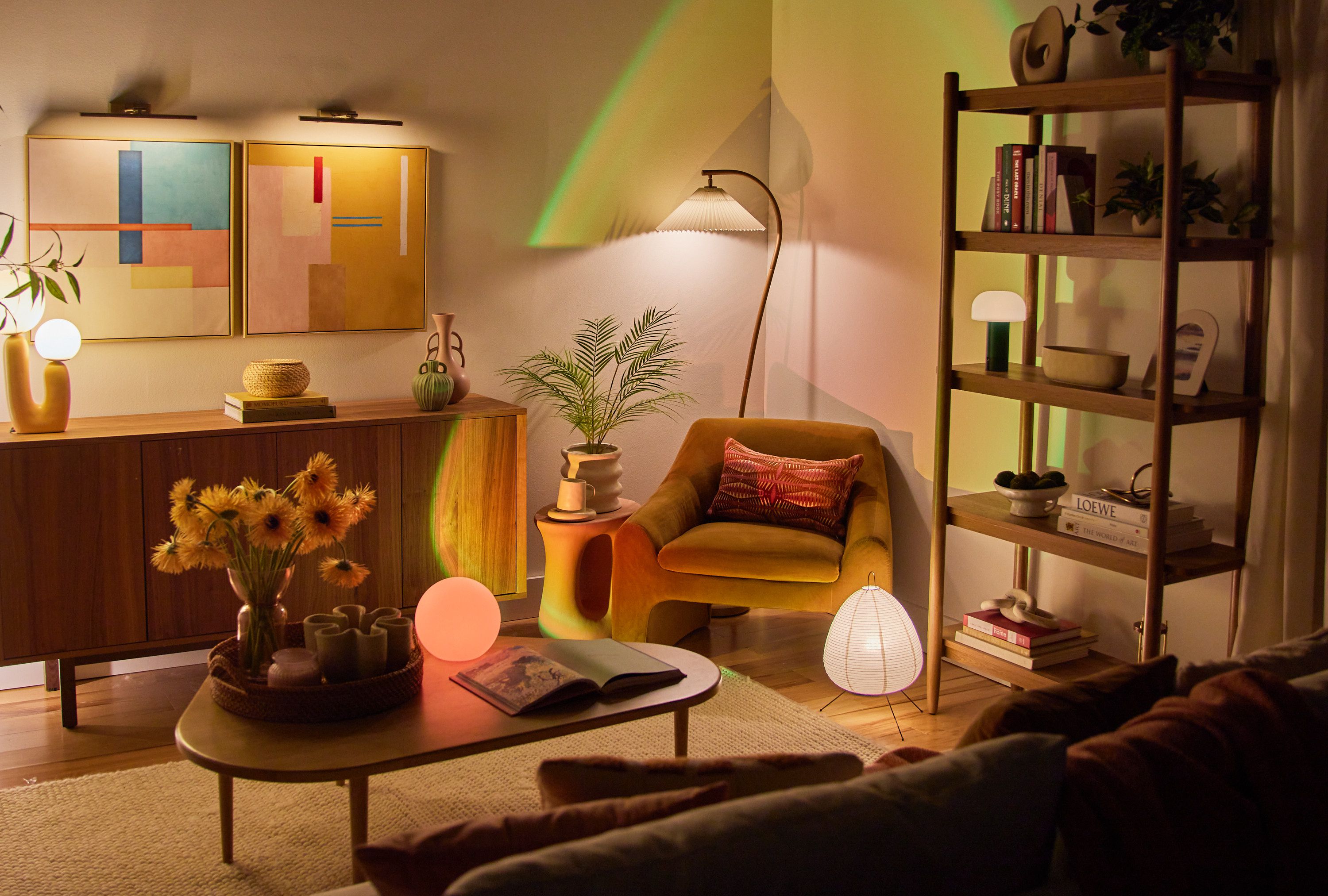
6 Little Light Ideas that Will Let You Say Goodbye to the Big Light for Good

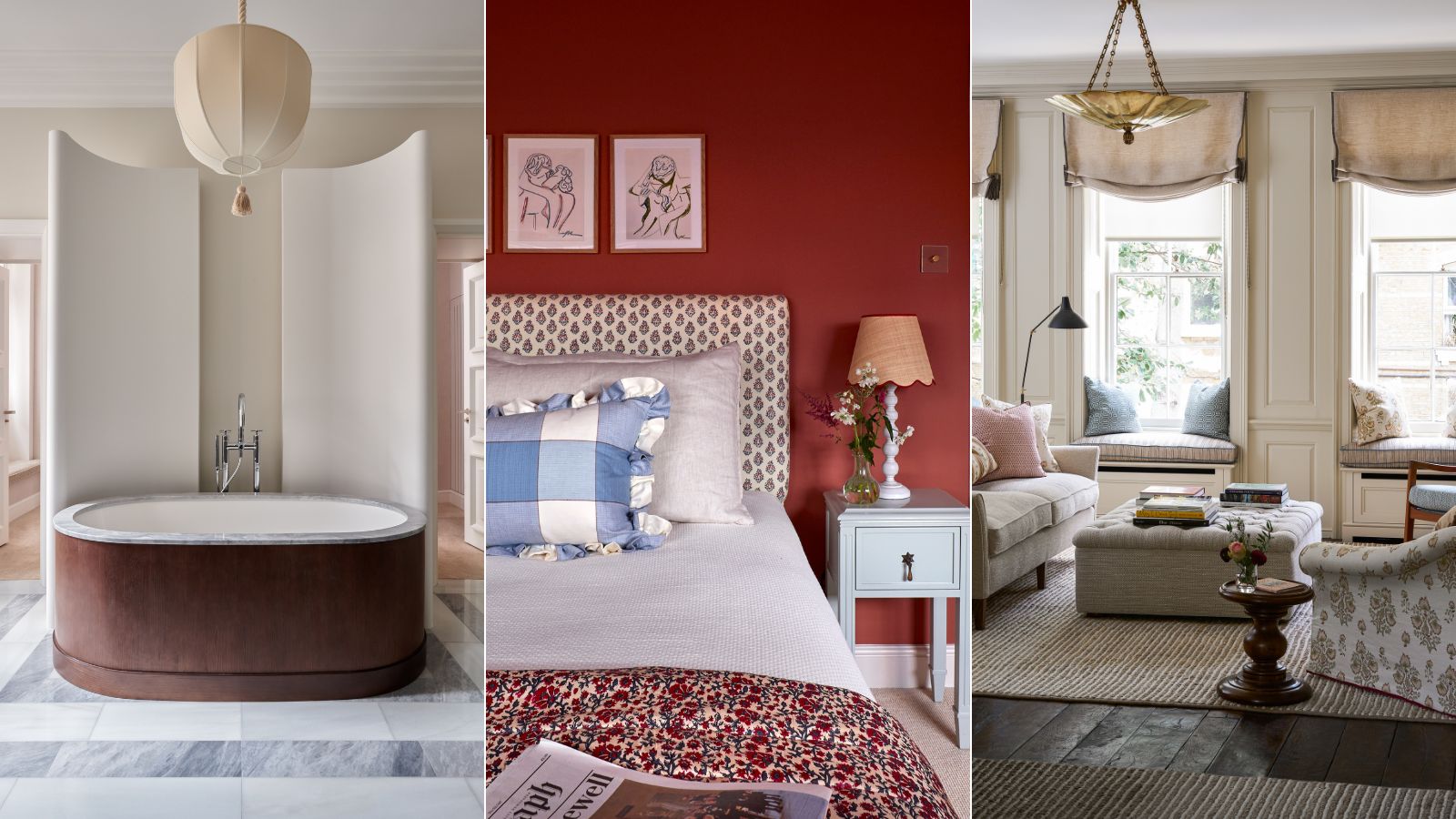
Does this hated feature still have a place in our homes? Designers on what they really think of the 'big light' debate

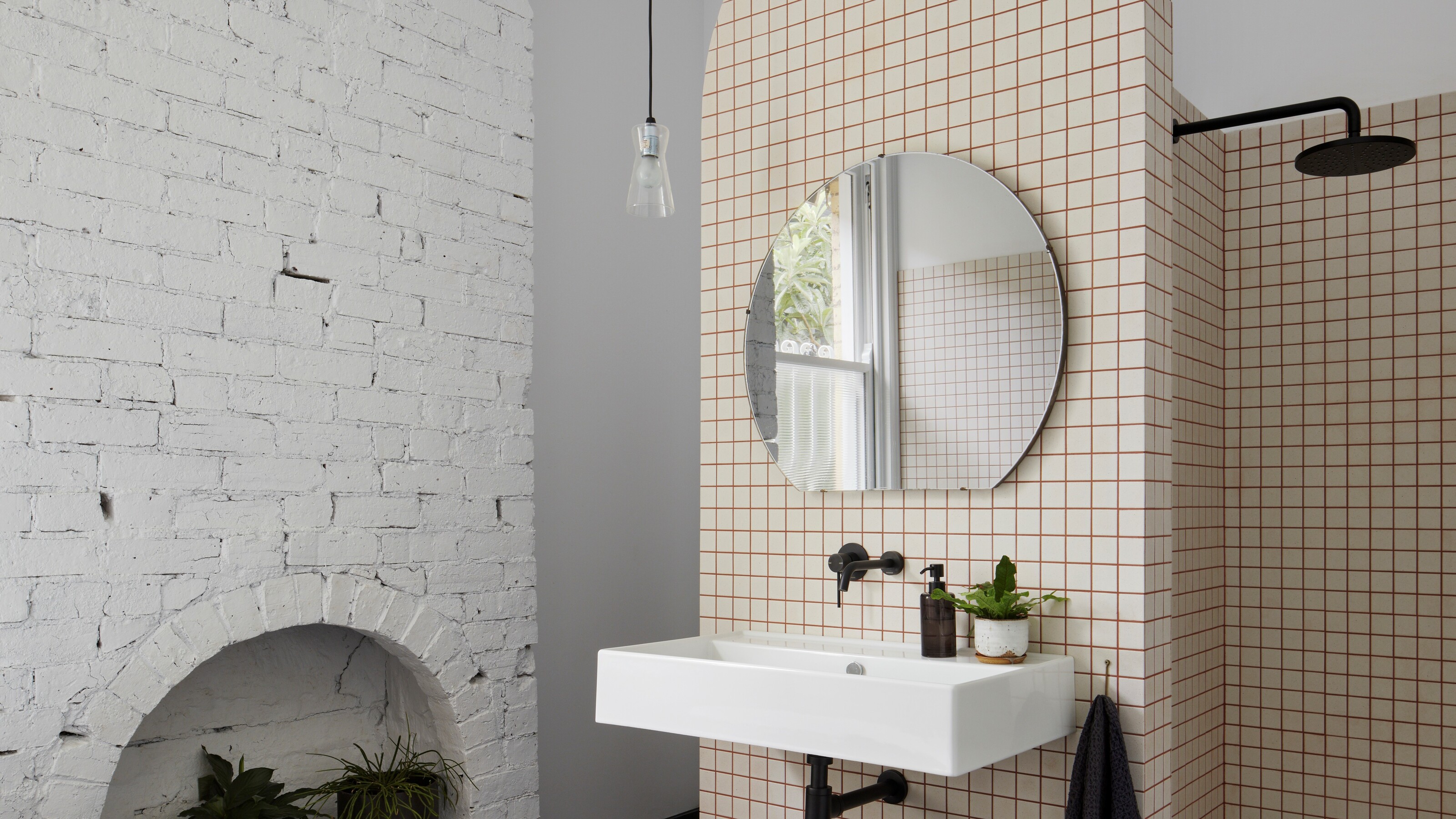
Designers are ditching overhead lighting in the bathroom – and using this flattering source to illuminate spaces instead

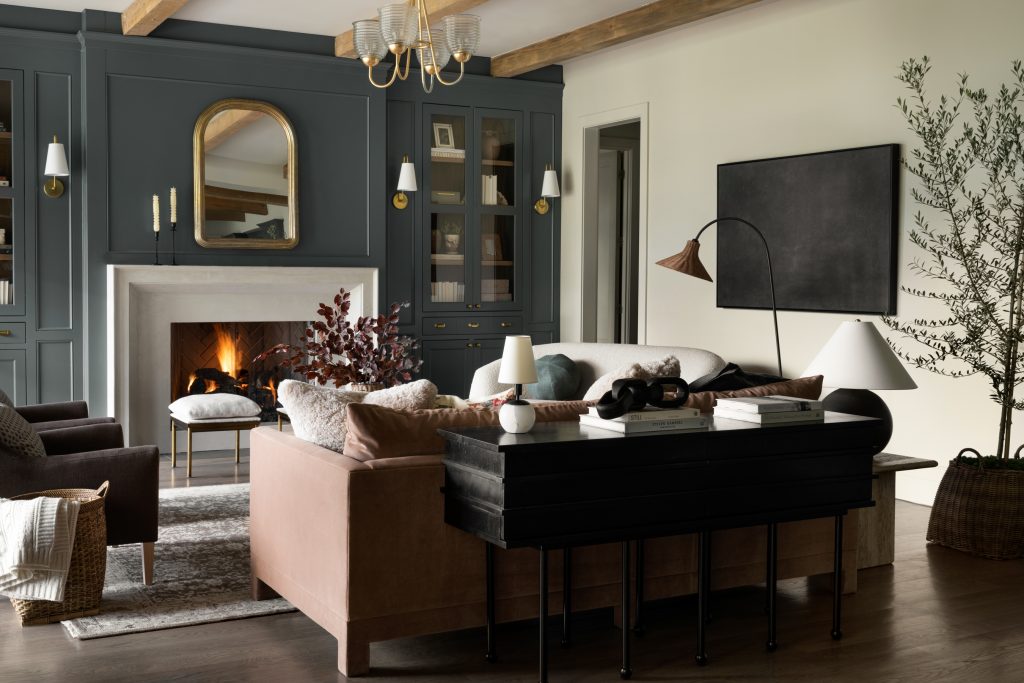
Lighting Trends We’re Loving
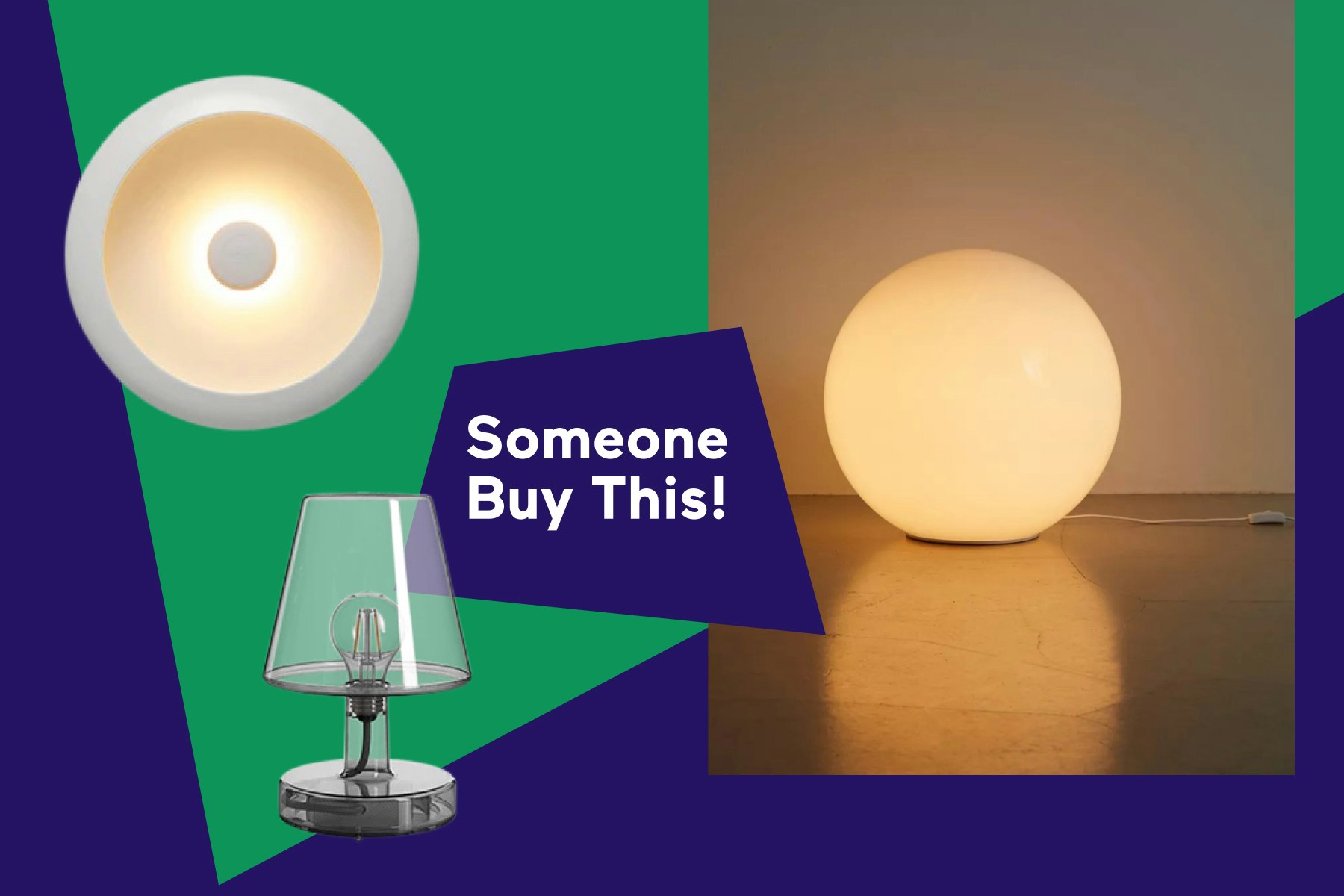
Banish the “Big Light” Completely With Some Snazzy Lamps

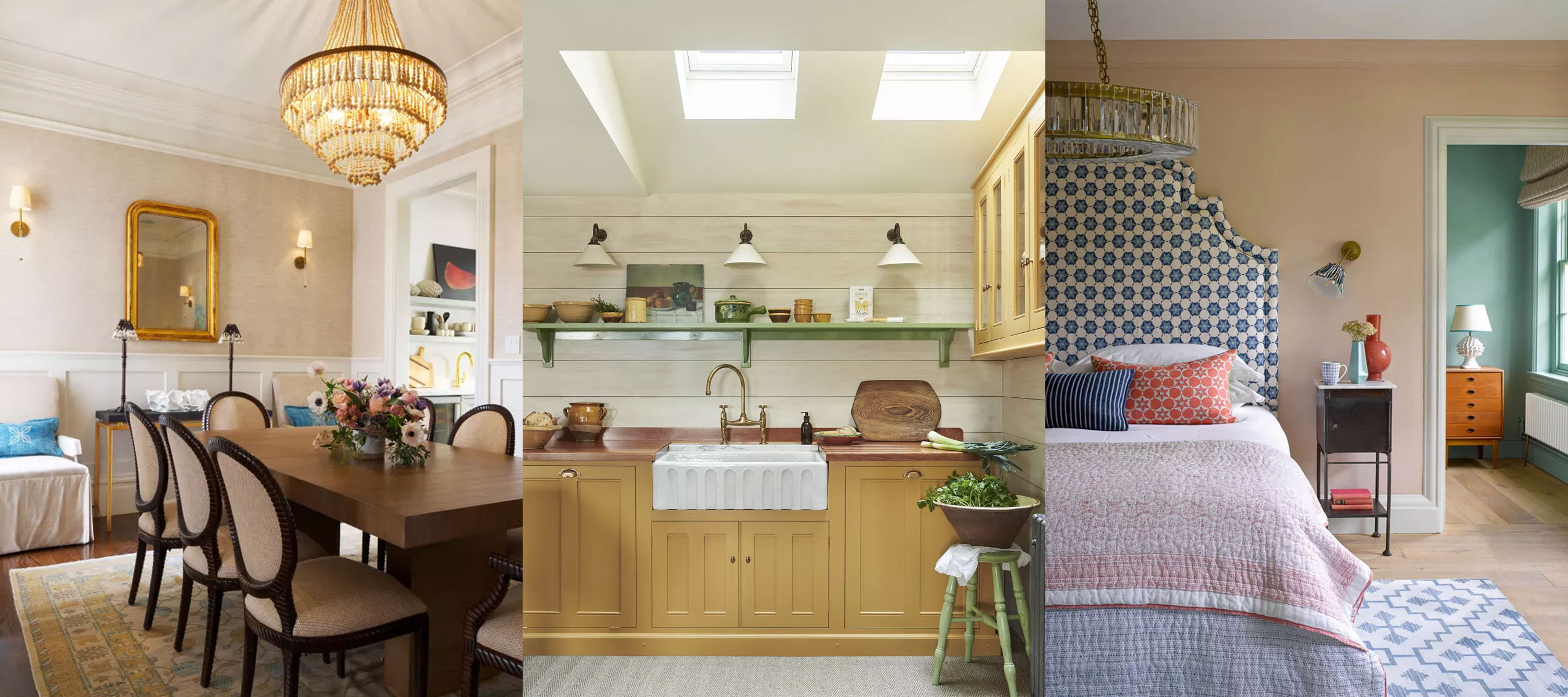
5 outdated lighting trends designers say to avoid – and the designs and techniques to use, instead
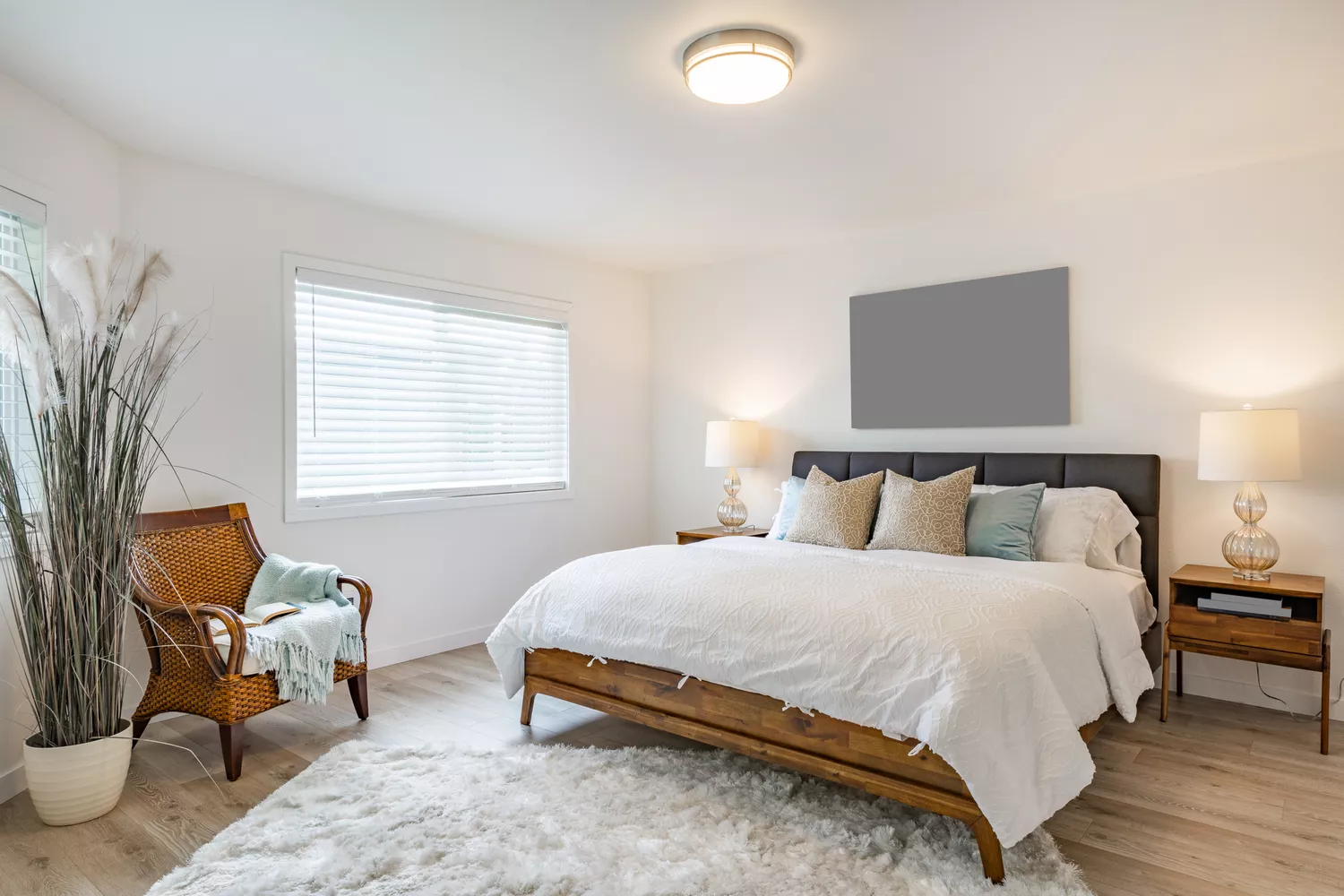
5 Lighting Trends That Are So Outdated, According to Designers

"It's Literally Infuriating": 15 Modern Home Design Trends Gen Z'ers Are Truly Sick And Tired Of

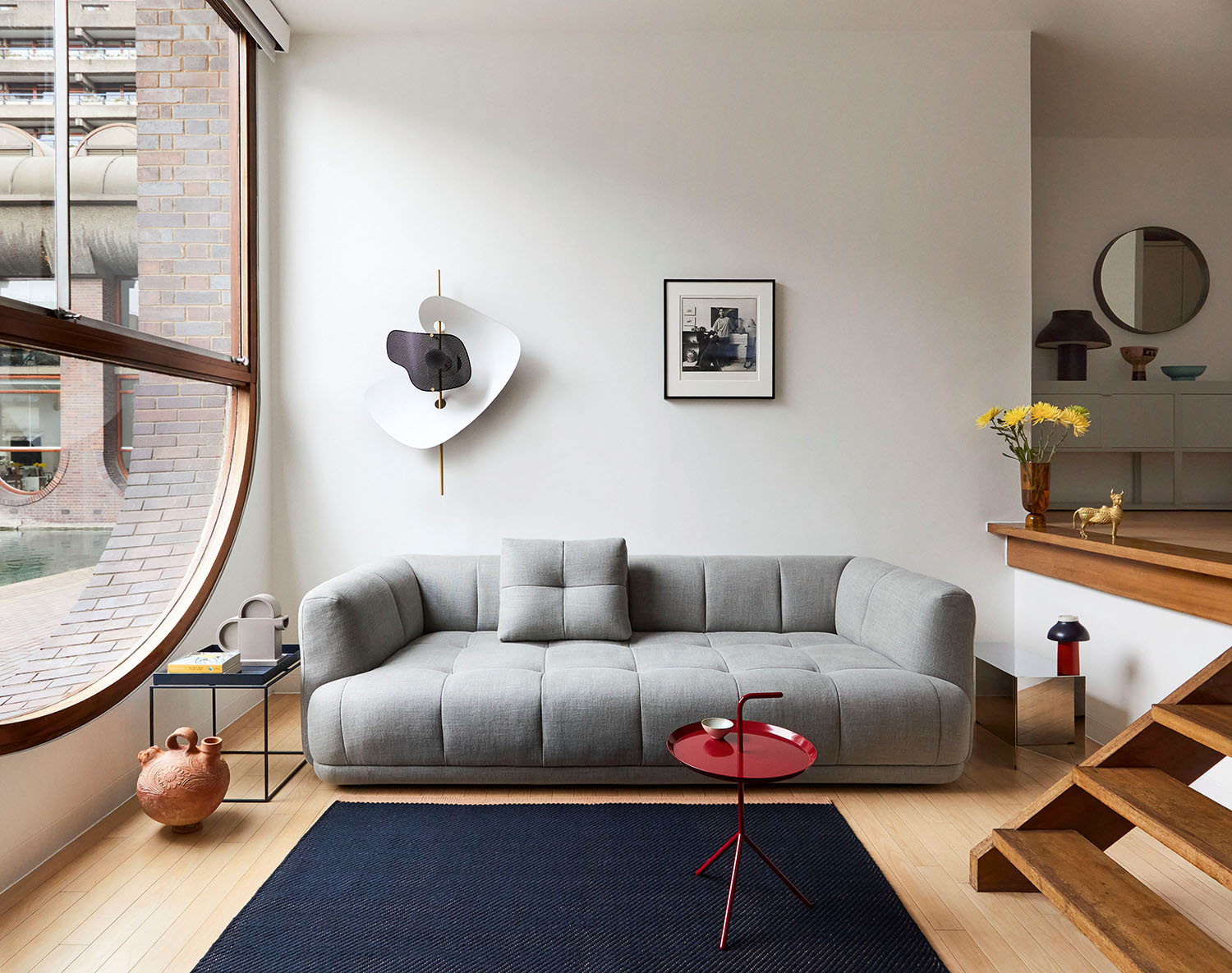
These 7 wall lights have helped me make every room a happier space to live in

Gen Z'ers Are Sharing The Home Design Trends They Absolutely Despise
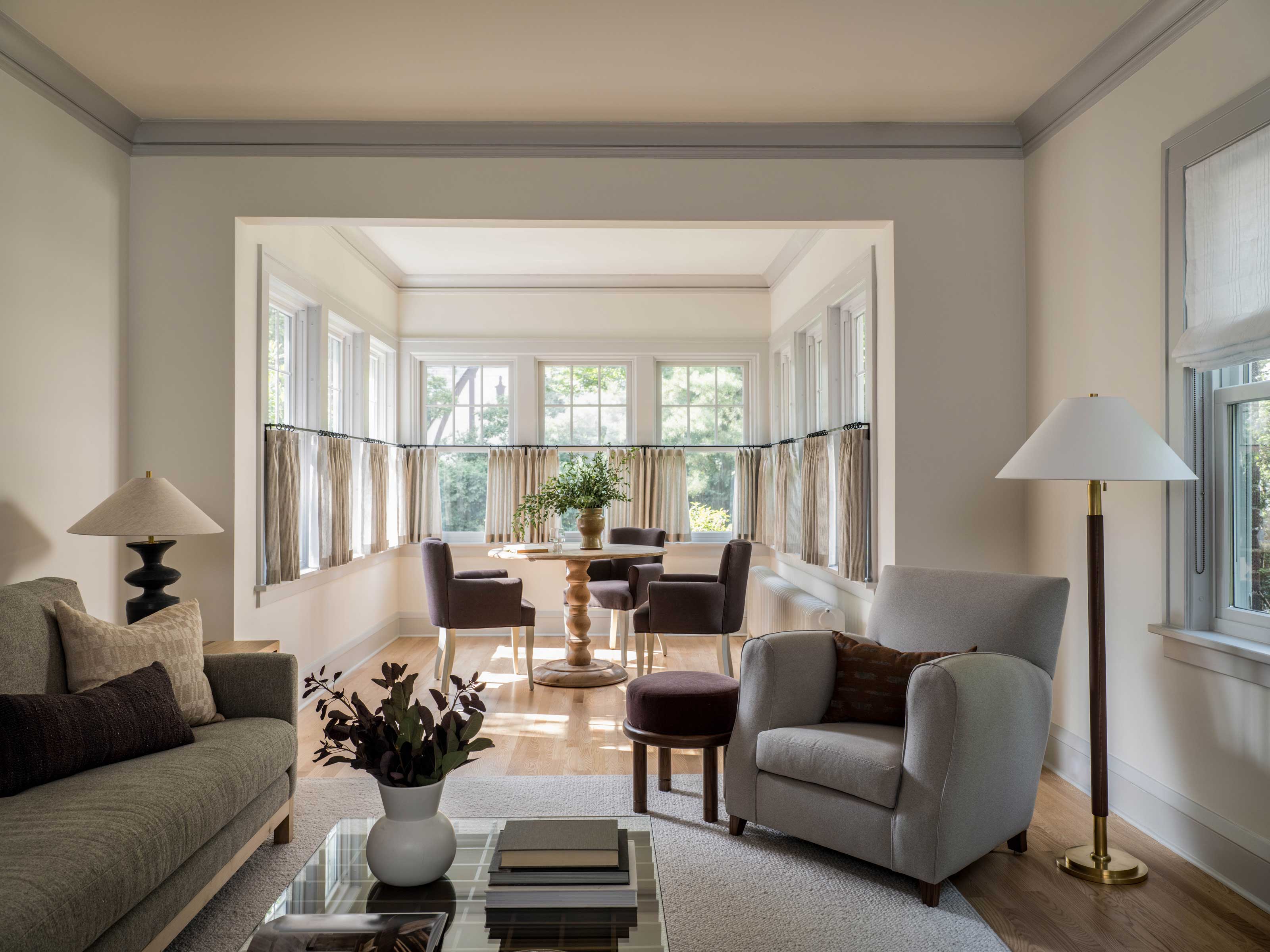
Does every room need a ceiling light? There's one in particular that really doesn't, these designers agree
New lighting? Designers offer tips for upgrades that shine.


Unexpected Red Is So 2024—Here’s the Design Hack that Ruled 2025


Overhead Lighting vs. Lamps: Experts Settle This Great Debate

5 Types of Lighting Designers Would Never Use —They're Harsh and Unflattering and Here's Why
15 Pendant Lights to Perfect Your Overhead Lighting Scheme (2026)
6 Outdated Lighting Trends to Avoid in 2025, According to Interior Designers