1/7
New lighting? Designers offer tips for upgrades that shine.
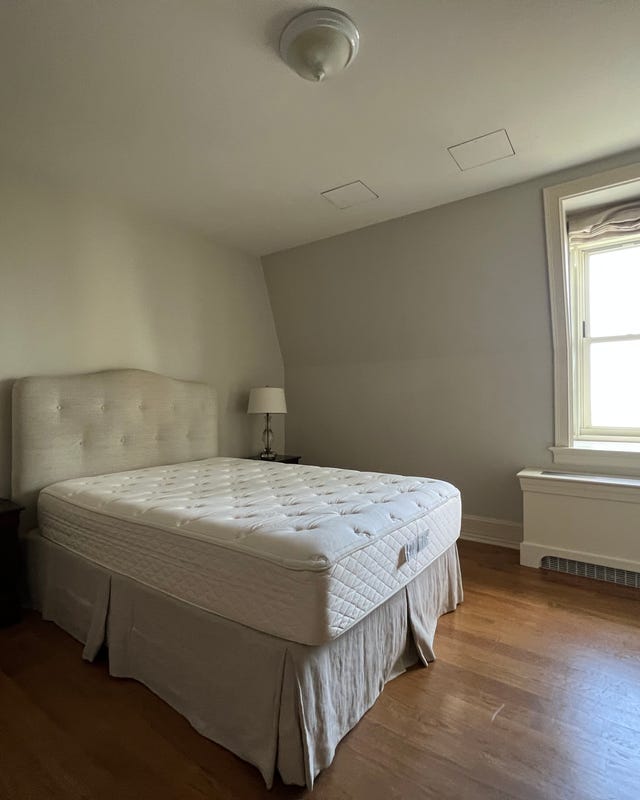
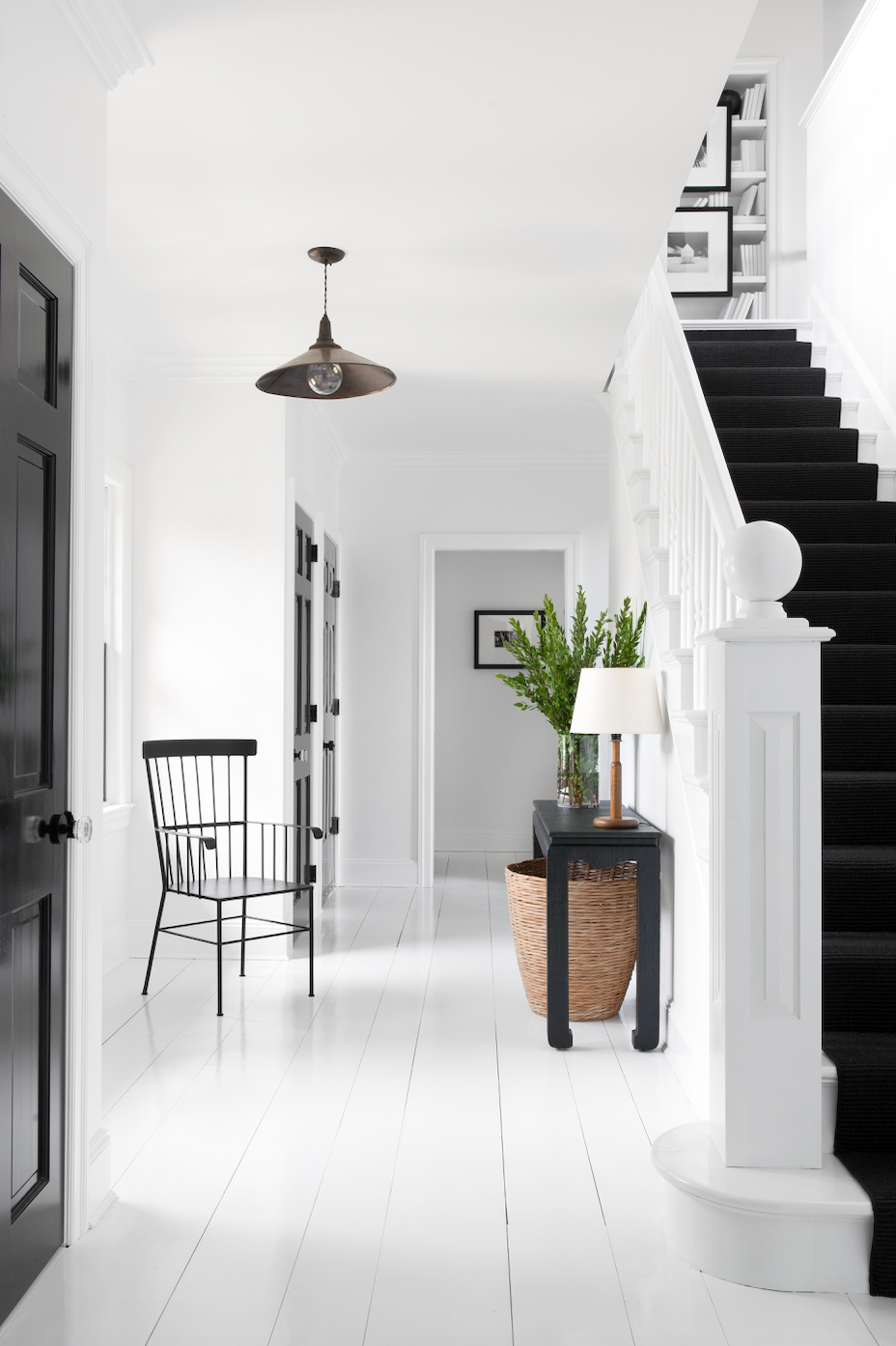
This article explores various lighting solutions and expert advice for enhancing home illumination, moving beyond the common issue of inadequate or unflattering lighting fixtures. The author begins by recounting personal struggles with outdated and insufficient lighting in a 1920s-era Colonial home, a common scenario for many homeowners. To address these challenges, the piece draws on insights from four lighting and design professionals, offering practical tips and modern alternatives to traditional lighting setups.
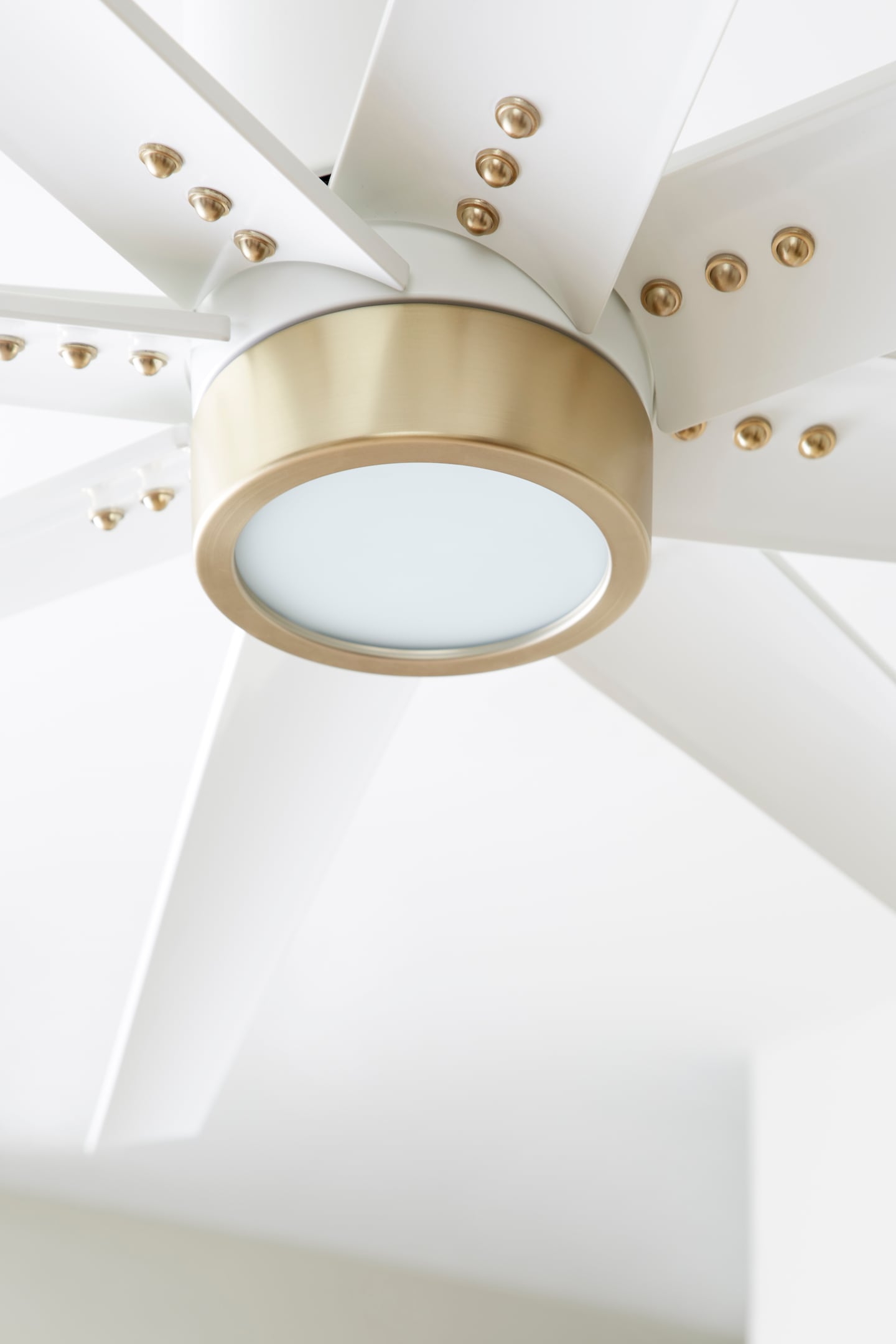
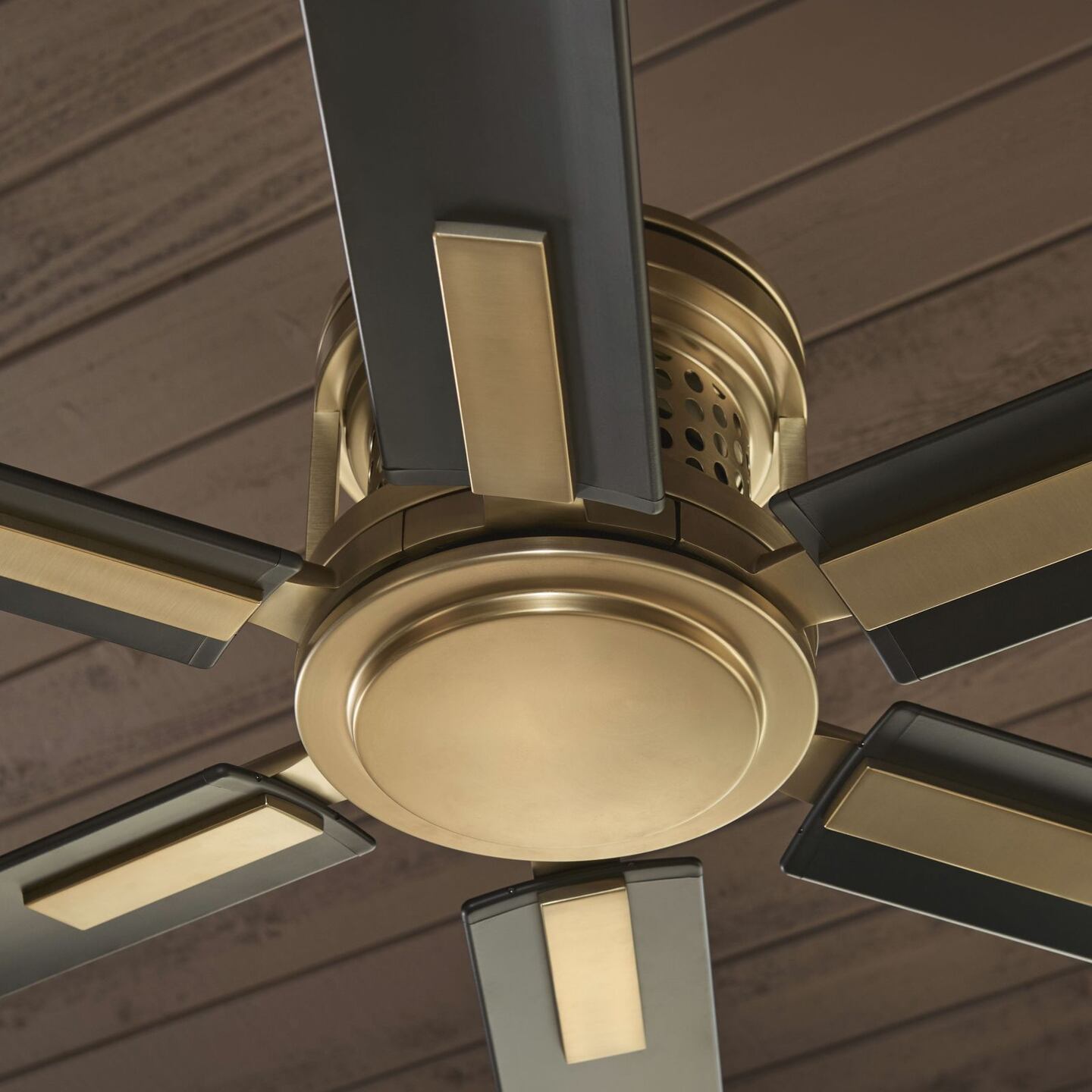
One significant recommendation is the adoption of "fandeliers" or "aire-deliers," which are hybrid chandelier-ceiling fan units. These modern fixtures combine aesthetic appeal with functionality, providing both light and air circulation. Experts highlight their evolution from utilitarian devices into stylish statement pieces, with specific mentions of sleek options from brands like Minka. This shift reflects a broader trend towards integrating design and utility in home decor, making ceiling fans a desirable element in contemporary interiors.
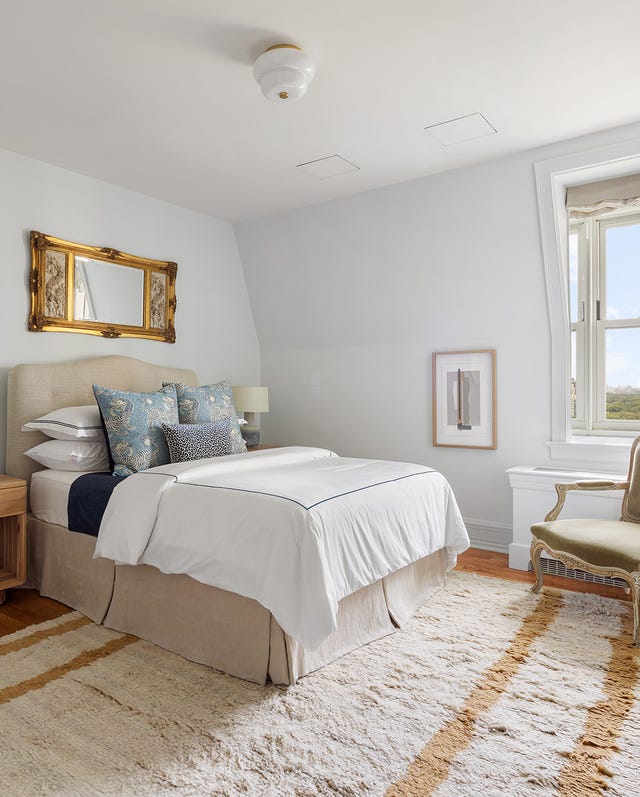
The article then delves into the advancements in recessed lighting, noting a move away from large, glaring fixtures towards smaller, high-performance LED lights. Designers recommend 4-inch linear LED versions from companies like Alcon Lighting, emphasizing their architectural appeal and subtle integration into ceilings. This design choice contributes to a cleaner, more minimalist aesthetic while still delivering effective illumination, particularly important for achieving a sophisticated look without visual clutter.
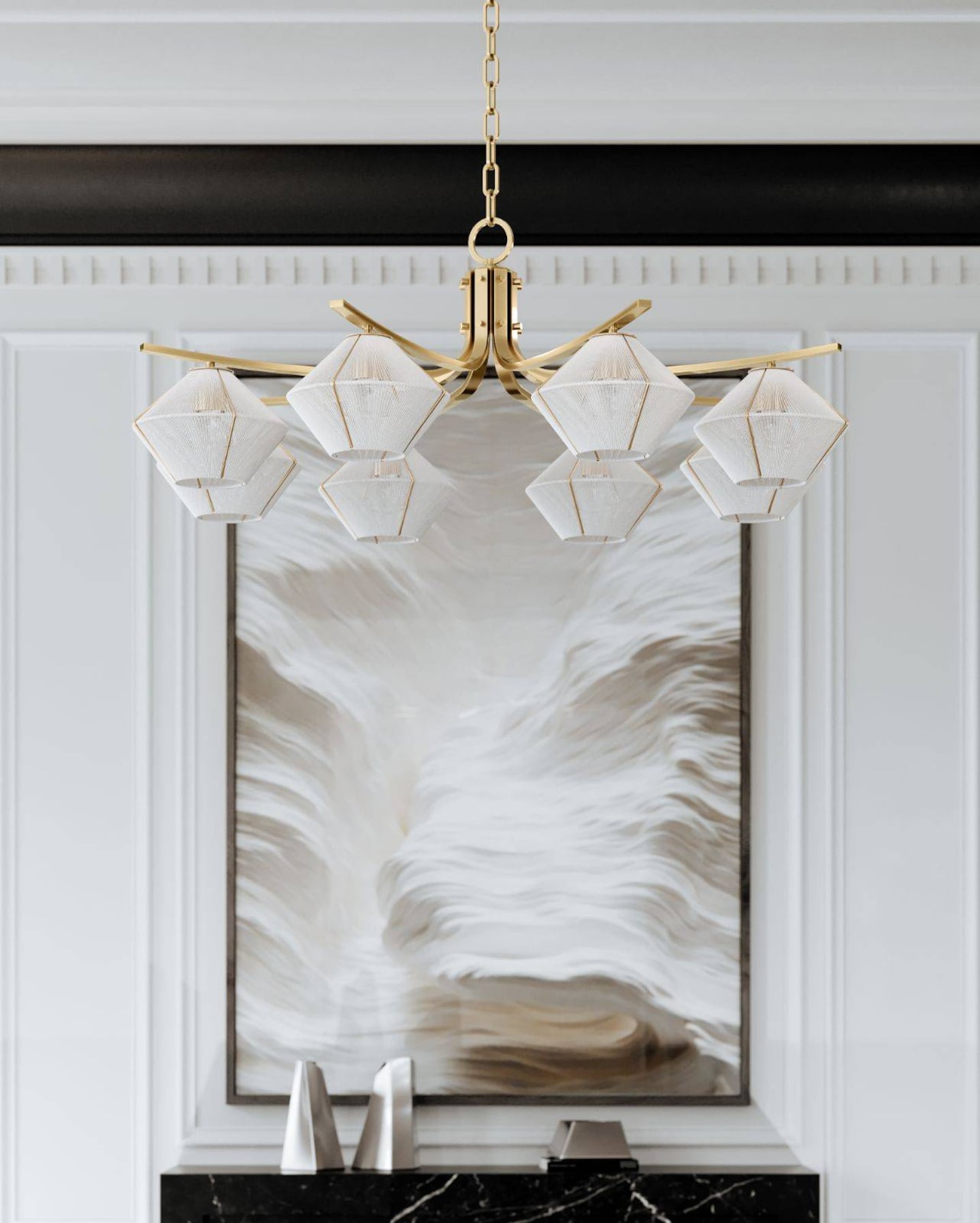
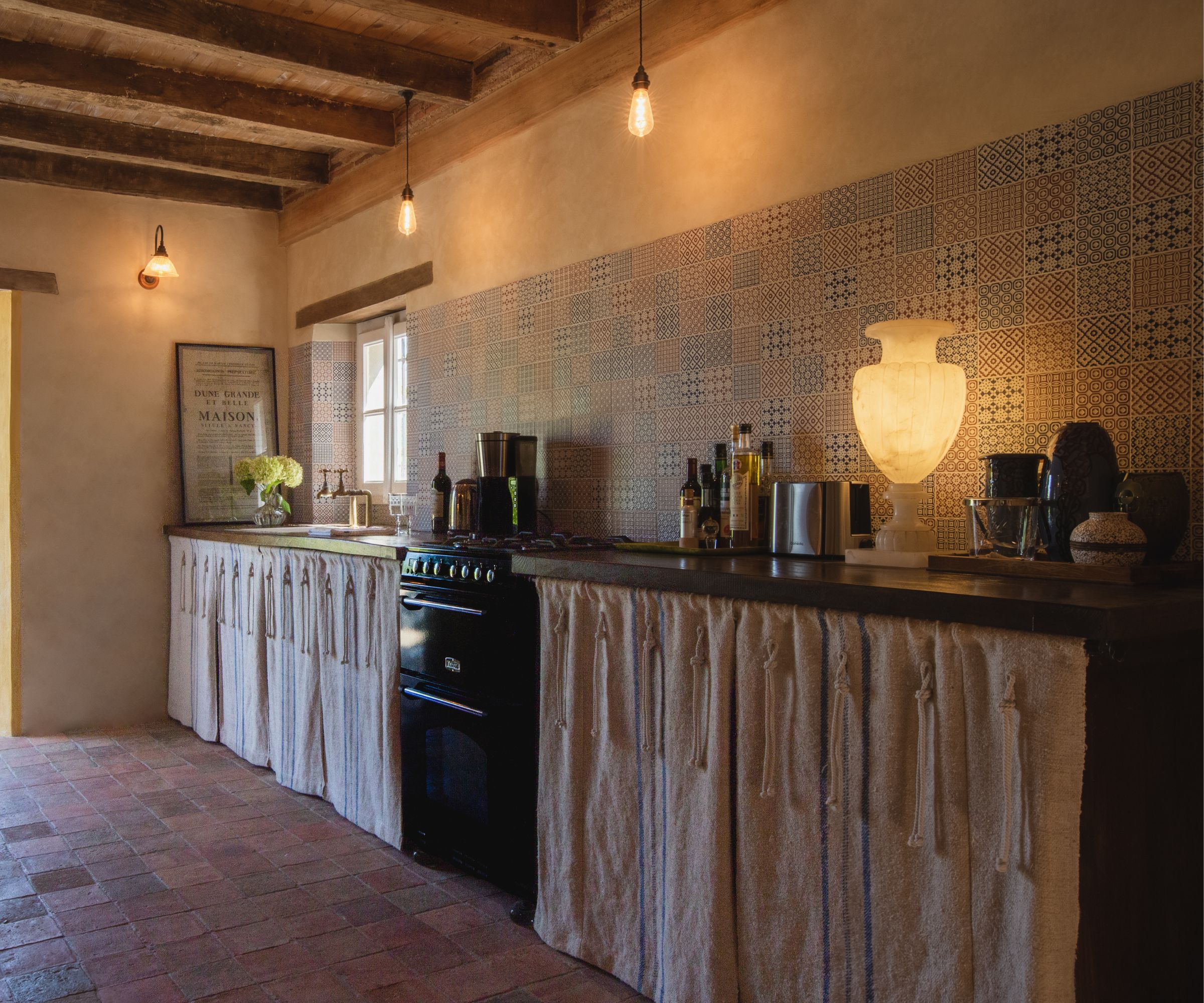
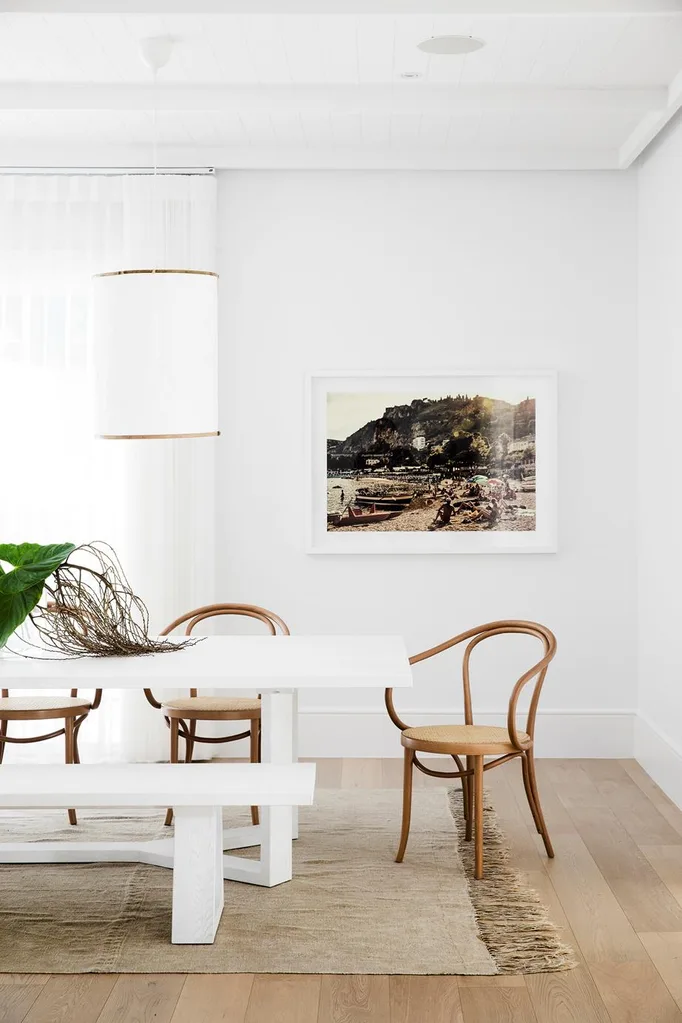
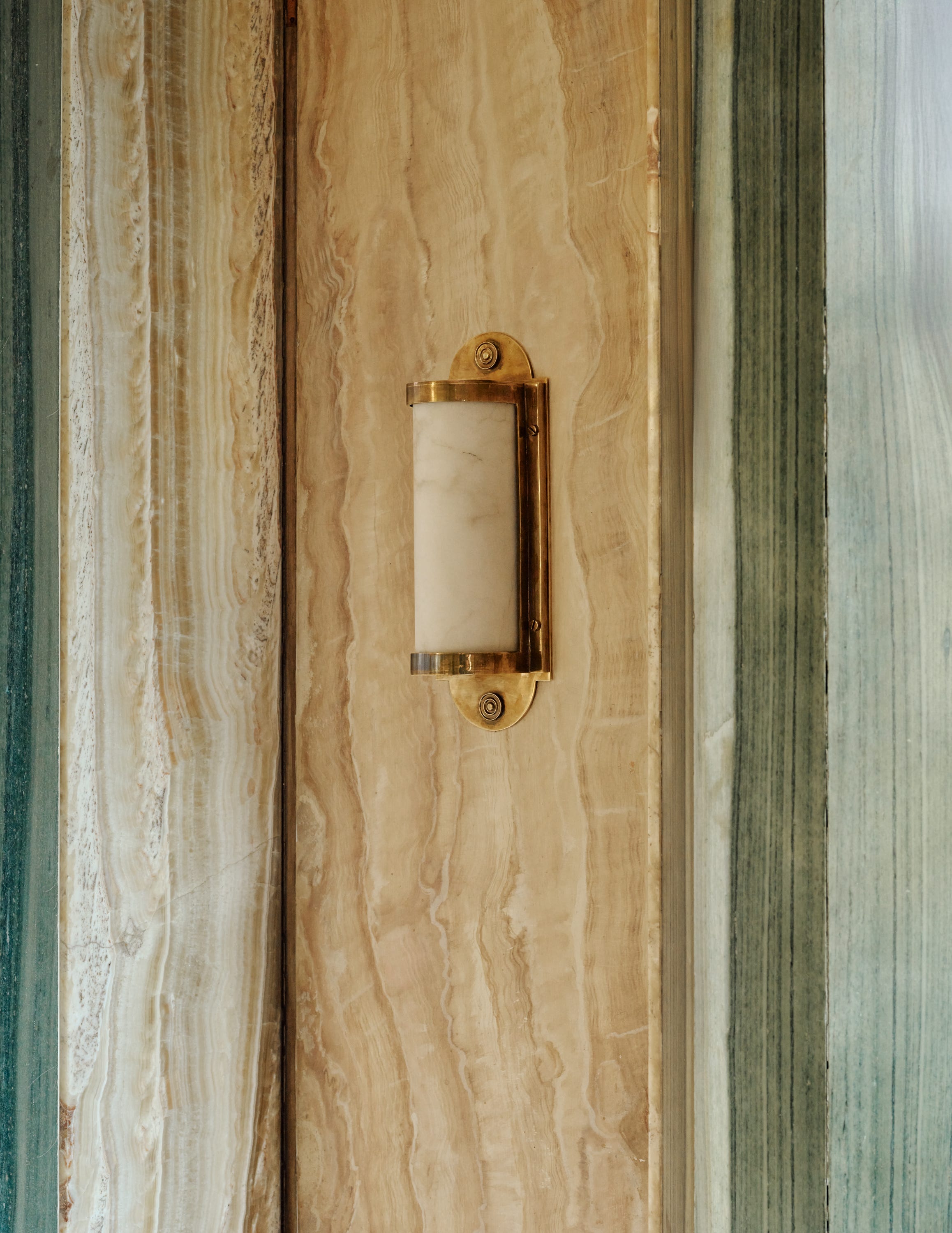
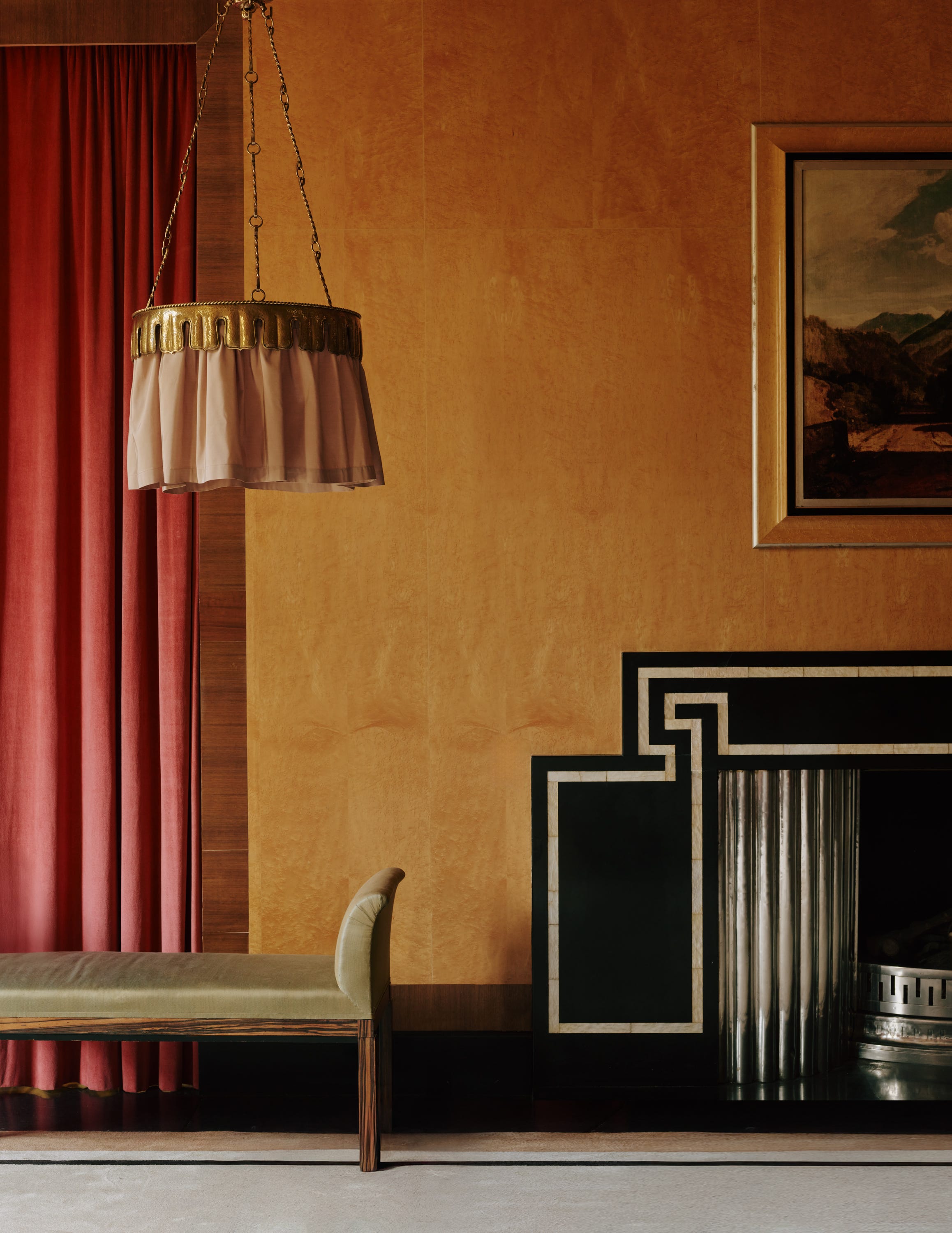
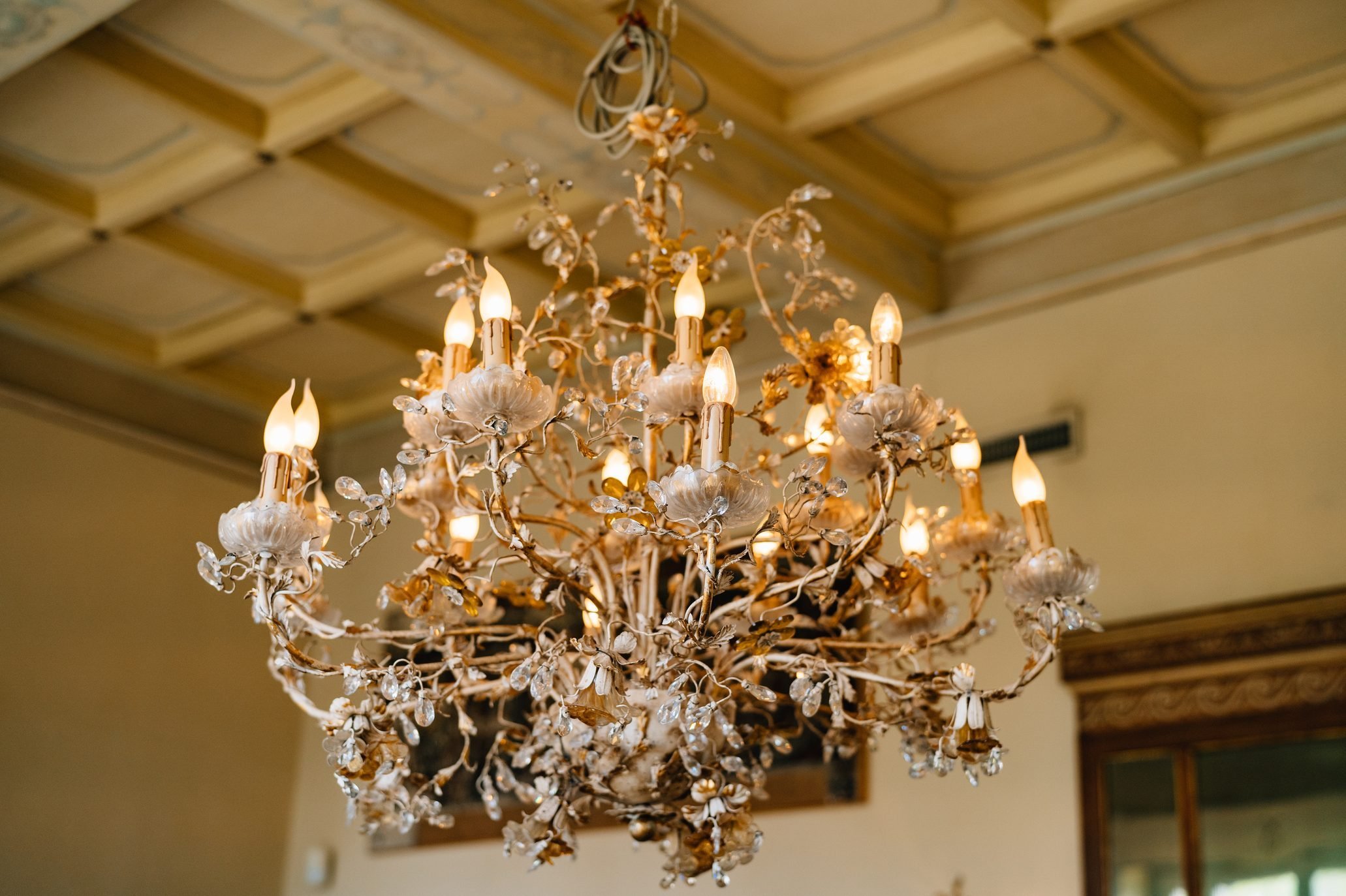
Another trend highlighted is the resurgence of alabaster in lighting fixtures. Valued for its warm, soft glow and textural quality, alabaster is often paired with warm gold leaf to create an inviting ambiance. A specific pendant from Hubbardton Forge, crafted in Vermont, is cited as an example of a high-quality, designer-favored alabaster piece, suggesting a return to natural materials and a focus on mood-setting lighting.
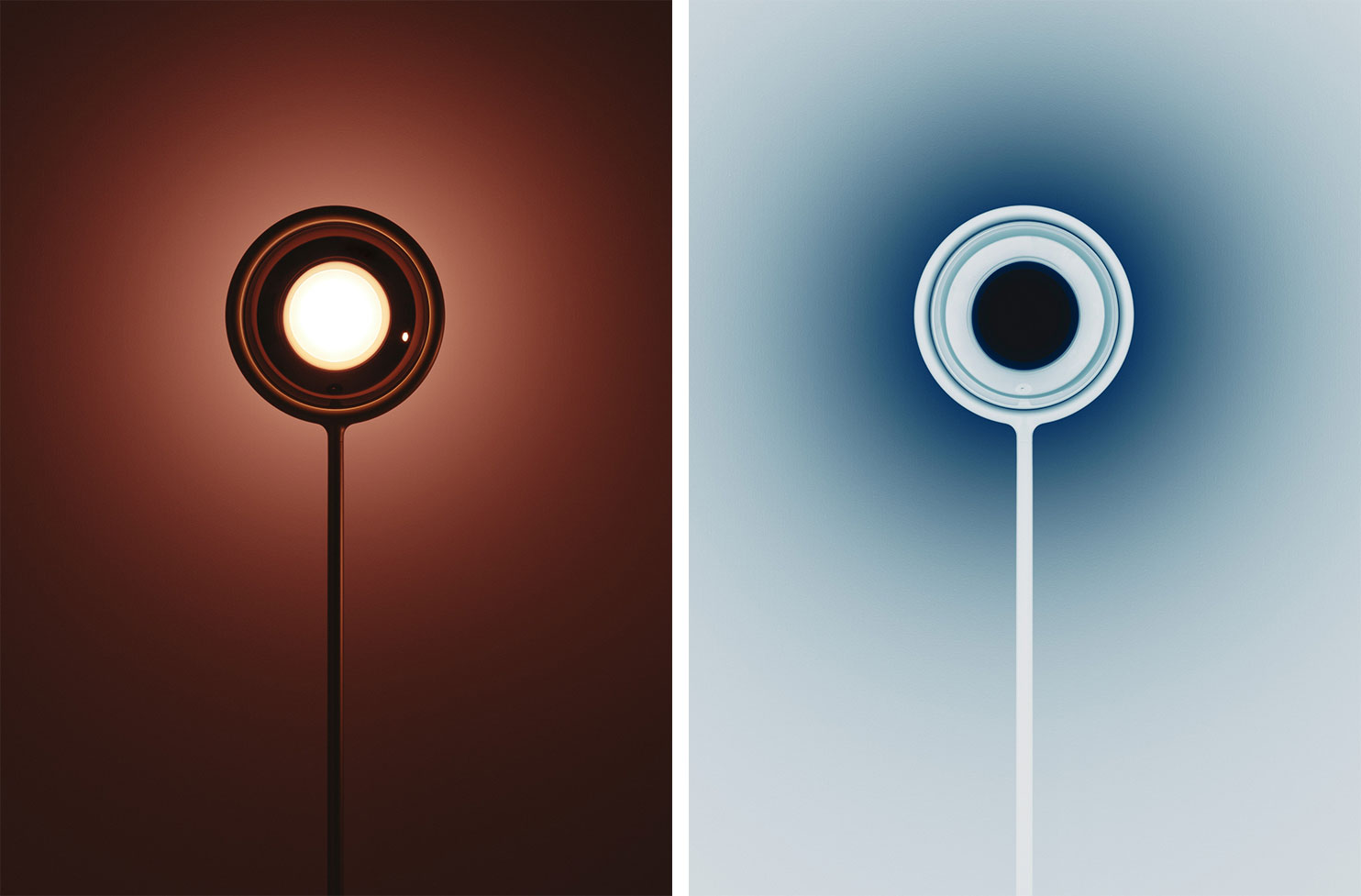
Down lighting, flush-mounted into the ceiling, is presented as a way to achieve a warm, minimalist effect. The article suggests dimmable, energy-saving LED versions from WAC, which allow for customization of color temperature to suit different room functions and personal preferences. This flexibility enables homeowners to adjust lighting from a soft yellow in kitchens to a bluer tone in home offices, optimizing the environment for various activities.
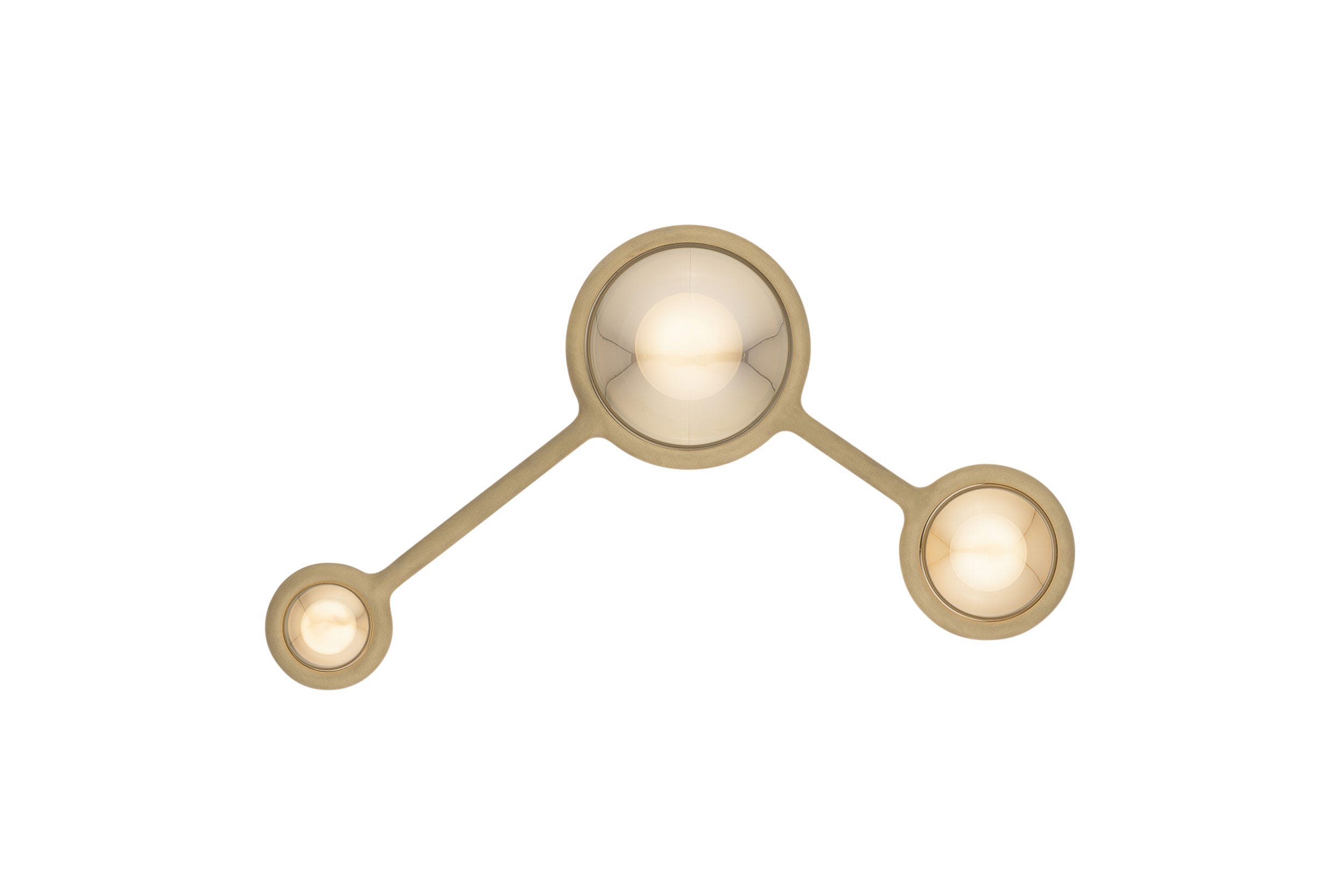
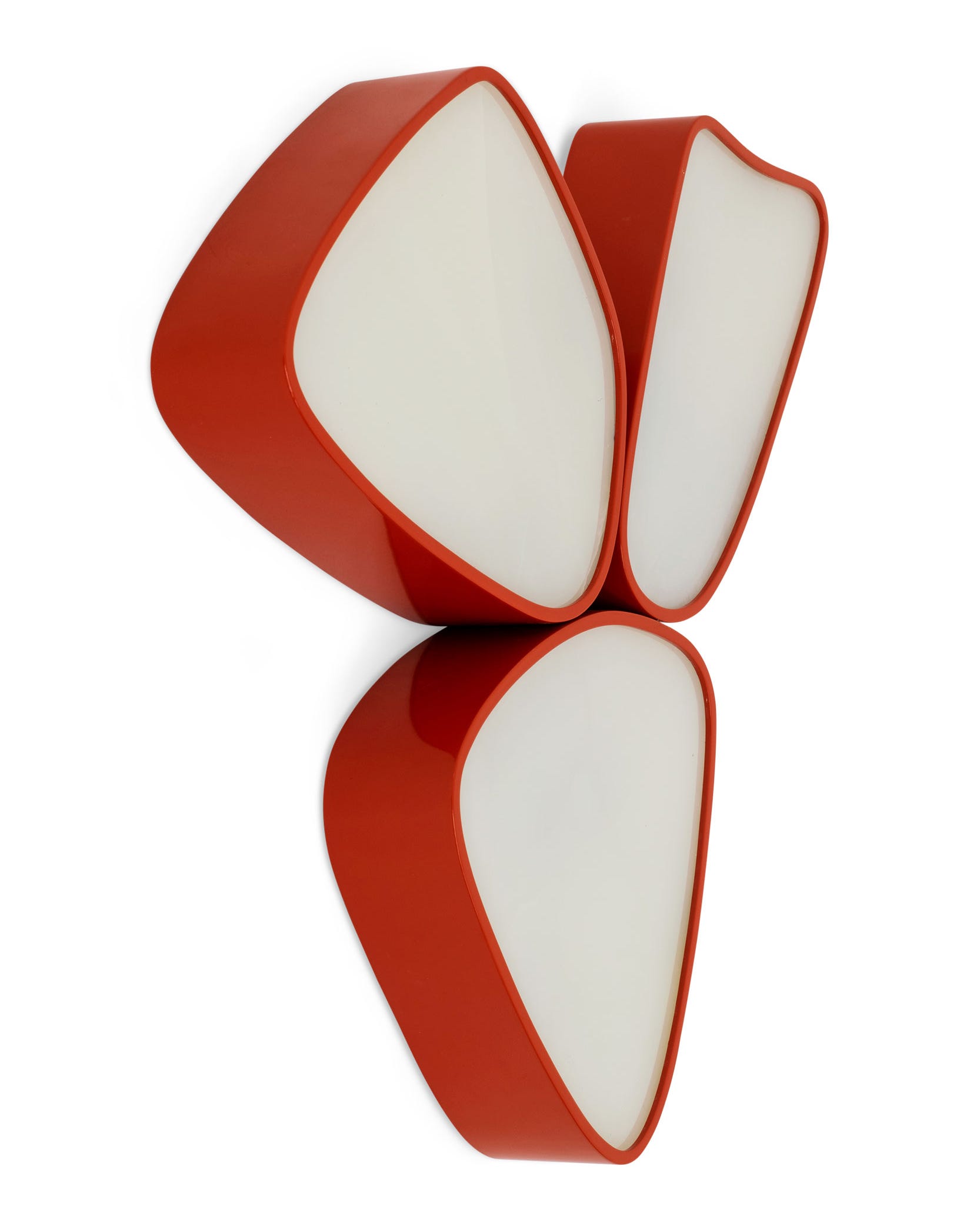
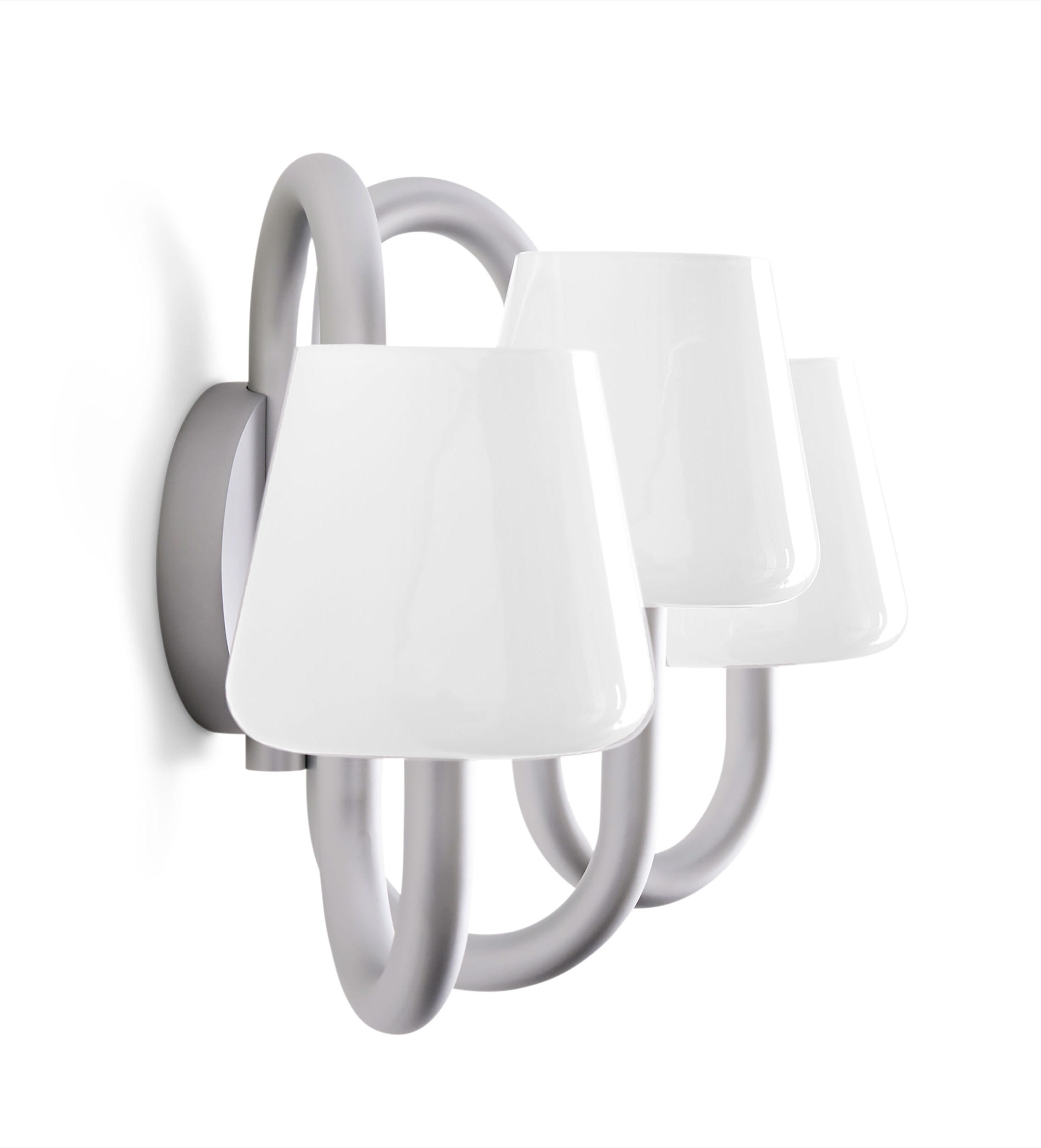
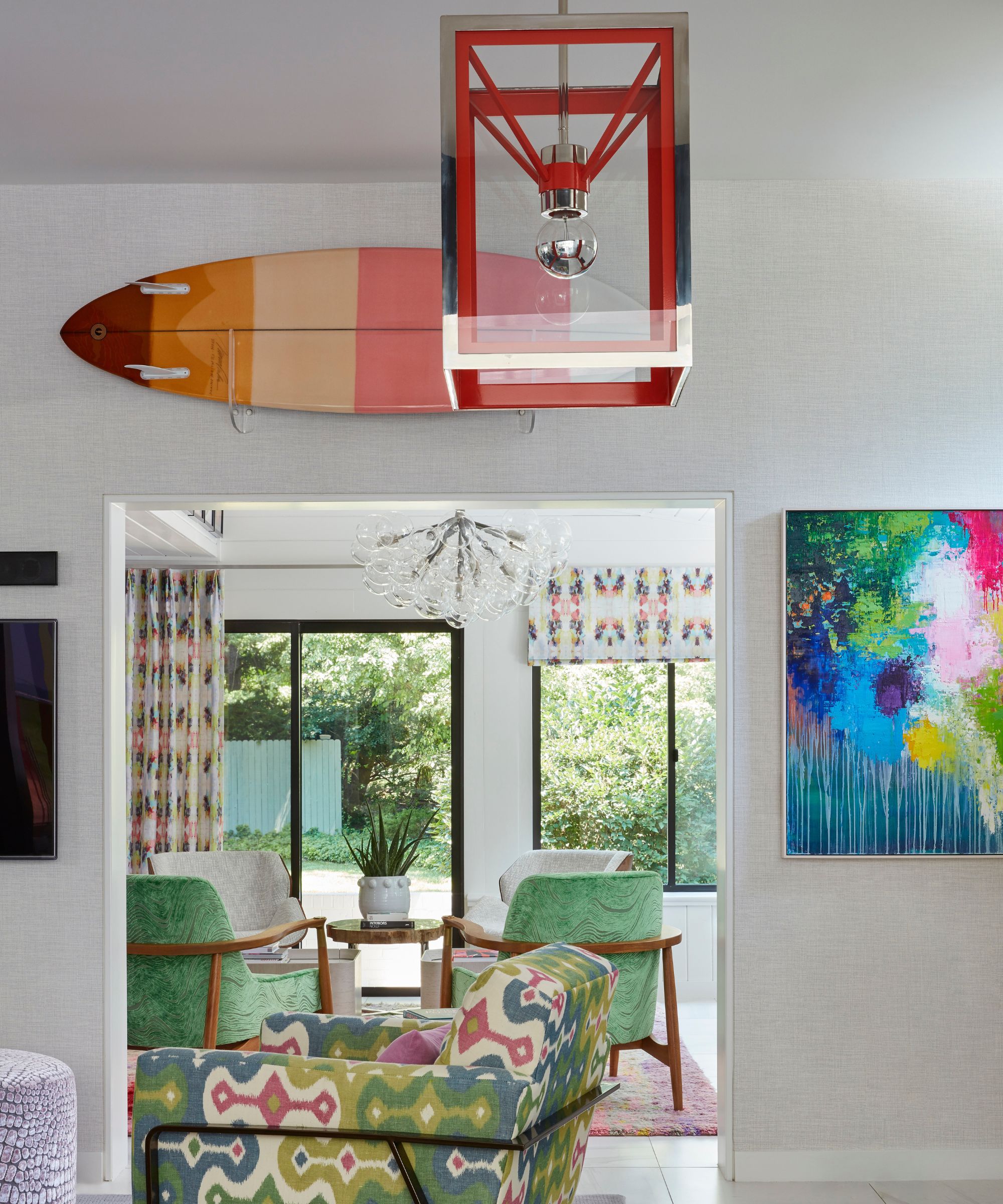
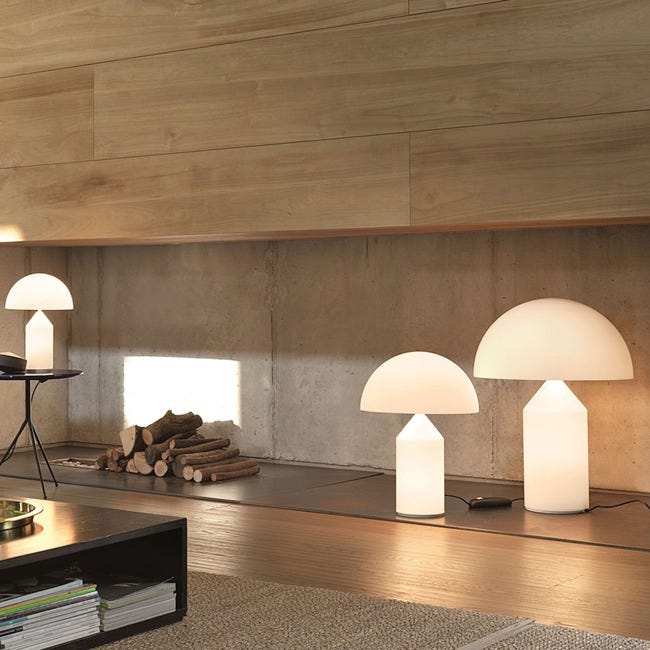
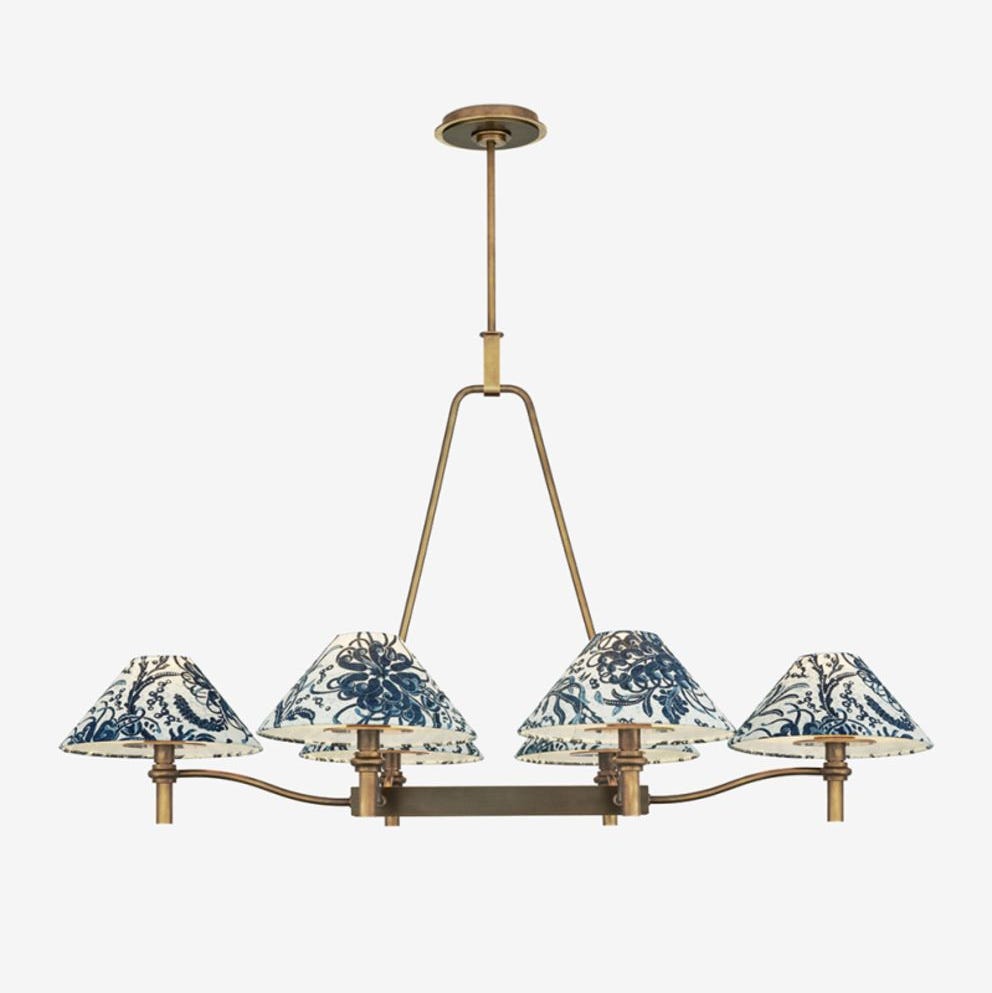
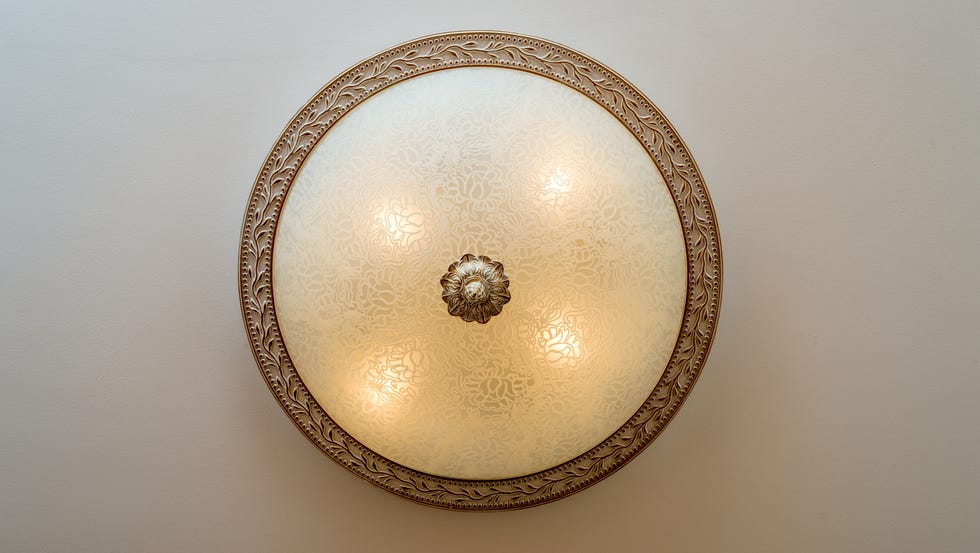
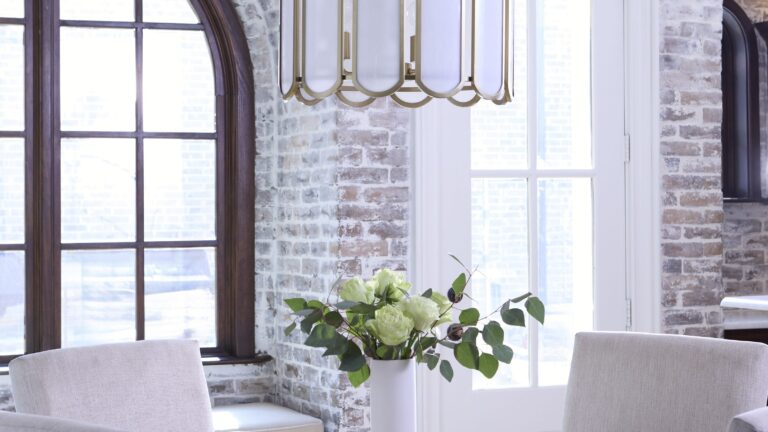
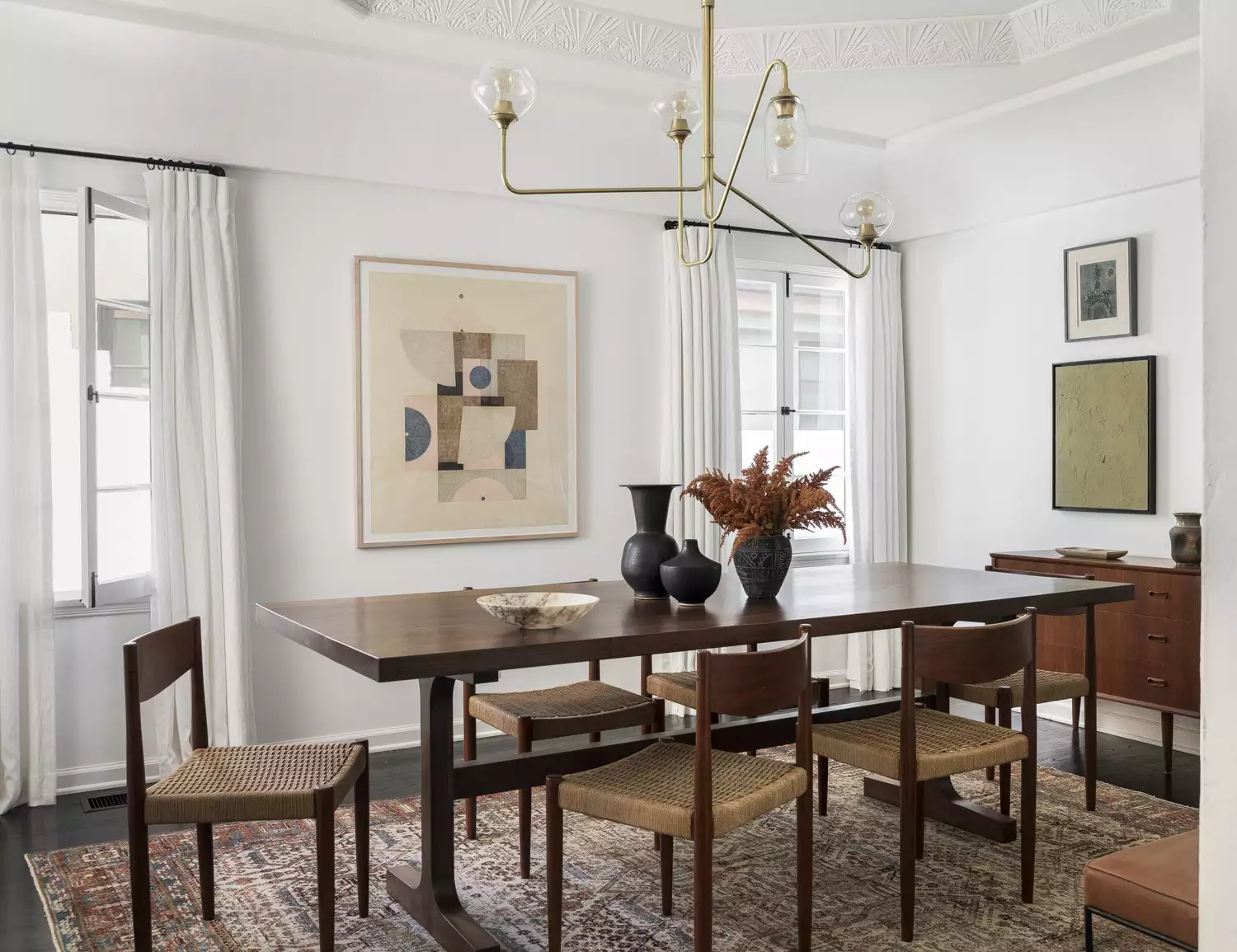
For those seeking decorative lighting on a budget, the article recommends exploring retailers like Hinkley and Kichler, which offer luxurious designs across different price points. The enduring popularity of mid-century modern style, characterized by white frosted glass and metallic finishes such as matte black and brass, is also noted. This style offers a blend of classic elegance and contemporary flair, making it a versatile choice for many homes.
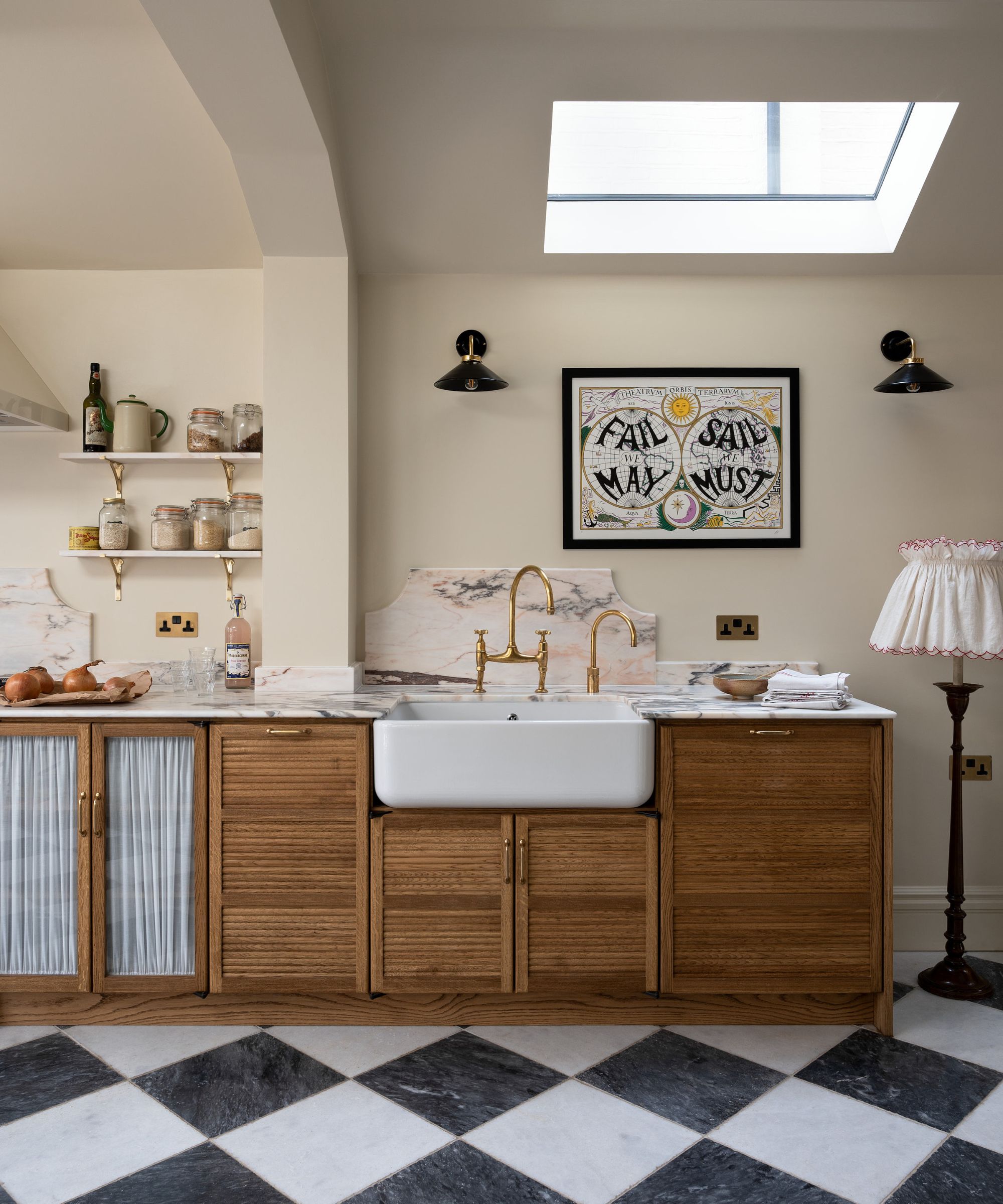
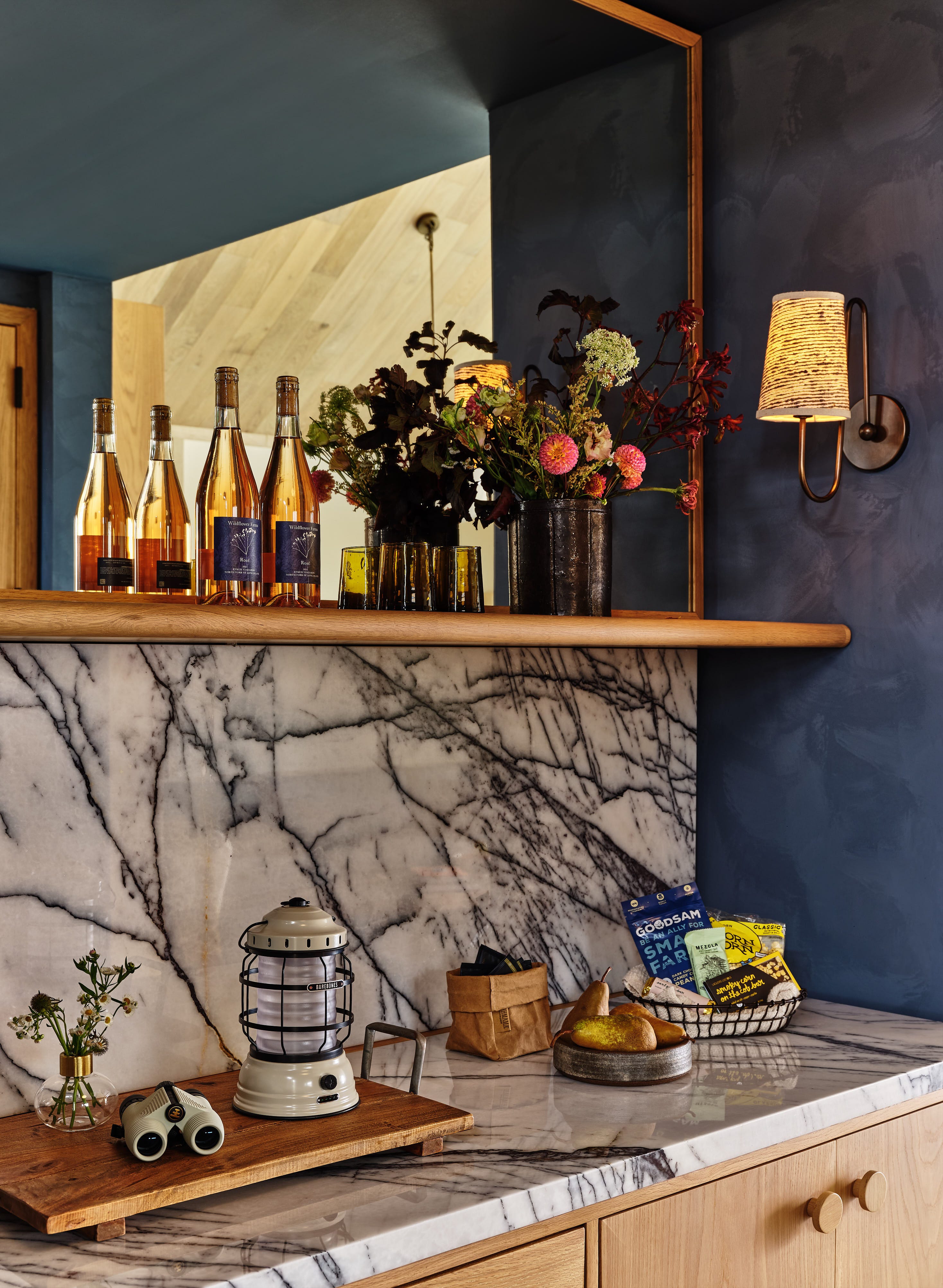
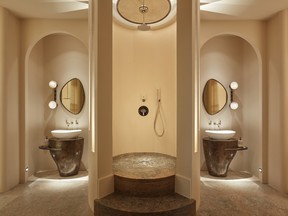
The experts also provide crucial advice for bathroom lighting, advocating for side sconces rather than overhead fixtures. This is because overhead lighting can cast unflattering shadows on the face, whereas side lighting provides a more even and complimentary illumination. This practical tip underscores the importance of considering the functional and aesthetic impact of lighting in personal spaces, particularly in areas like powder rooms.
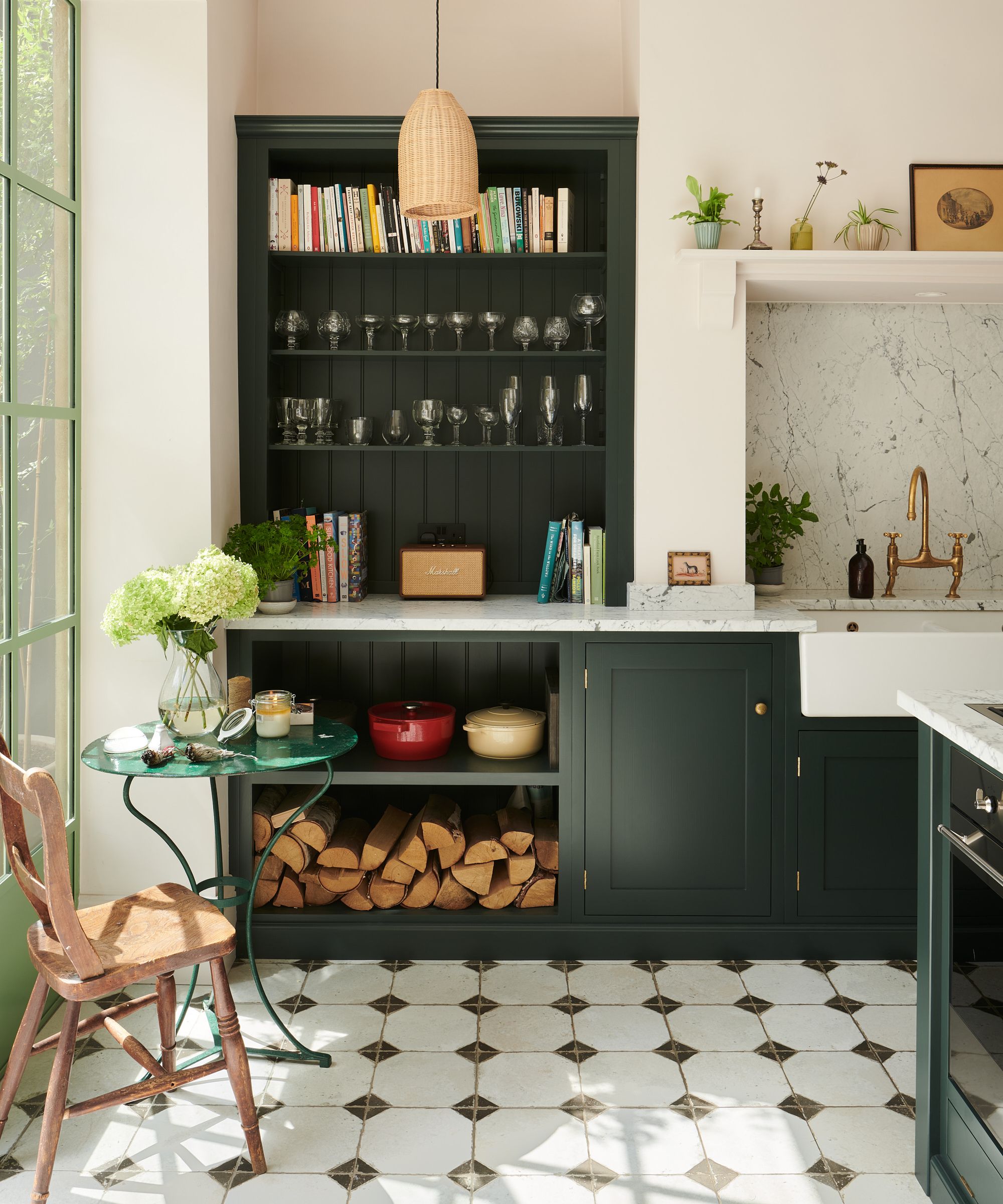
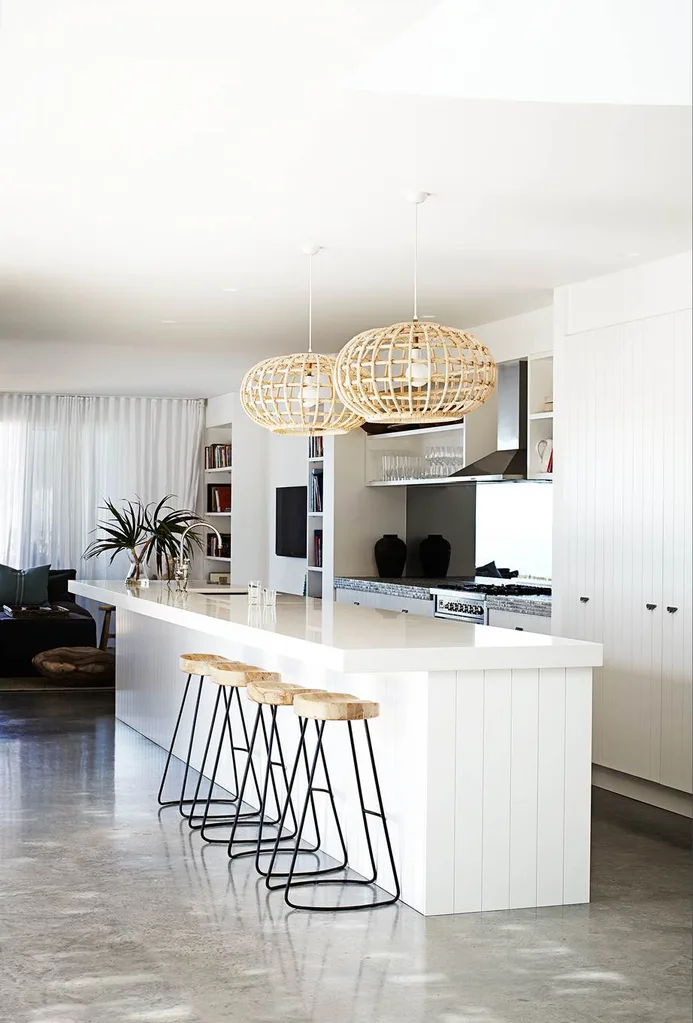
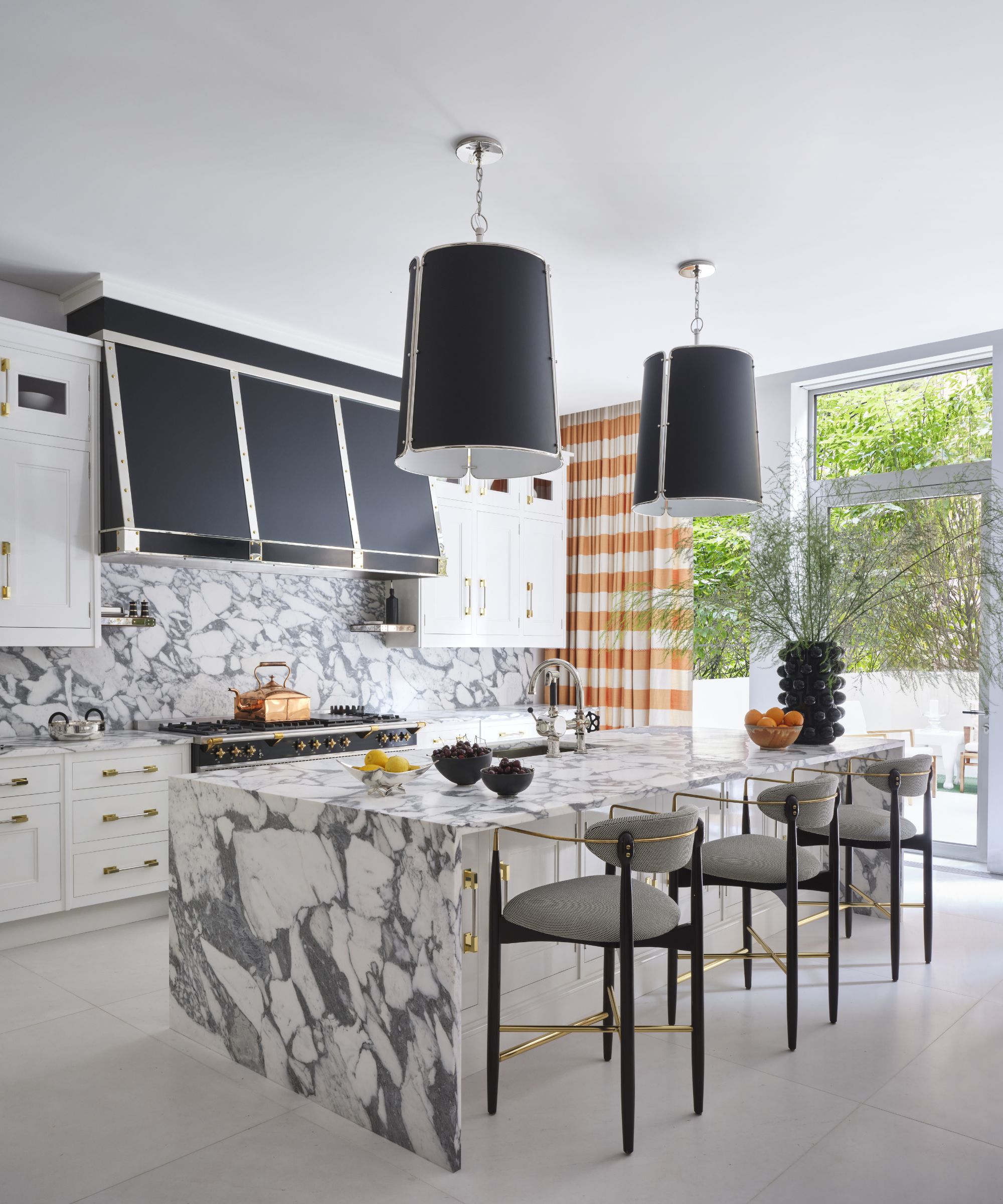
In kitchen design, the article emphasizes the need for diversified lighting. It advises against relying solely on pendants, suggesting the addition of recessed lighting with a 2-inch aperture, angled to provide optimal illumination for tasks. This multi-layered approach ensures adequate brightness for various kitchen activities while maintaining visual interest. The article also cautions against "wafer lights," which are thin and easy to install but often compromise light quality, advising homeowners to opt for slightly larger, better-performing alternatives.
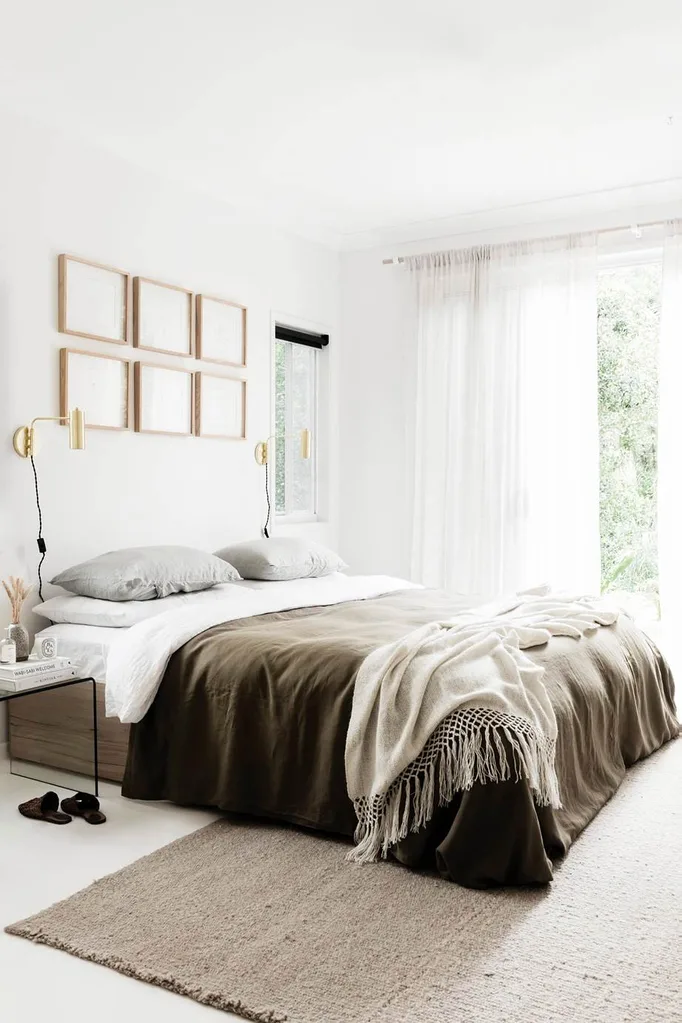
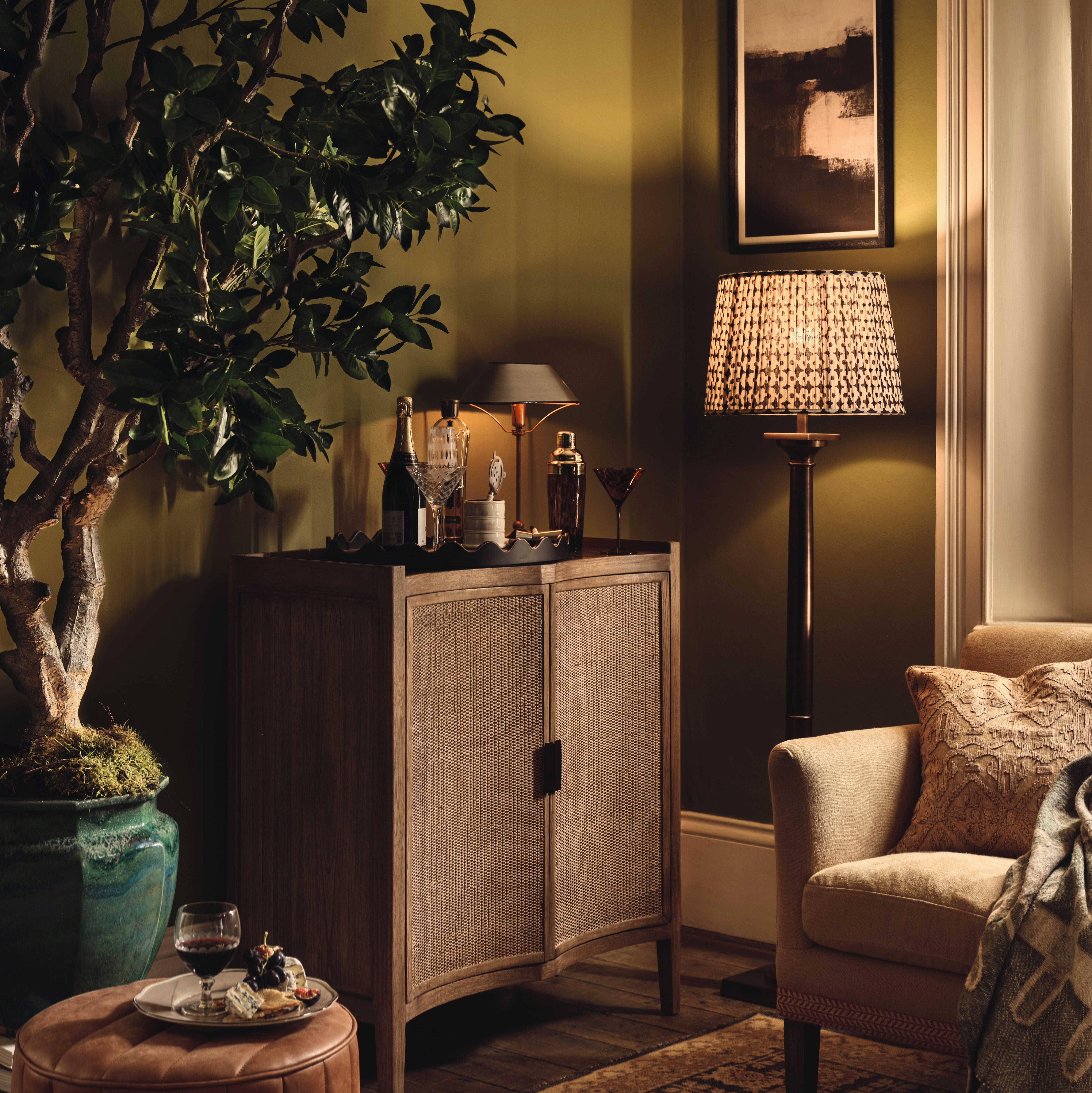
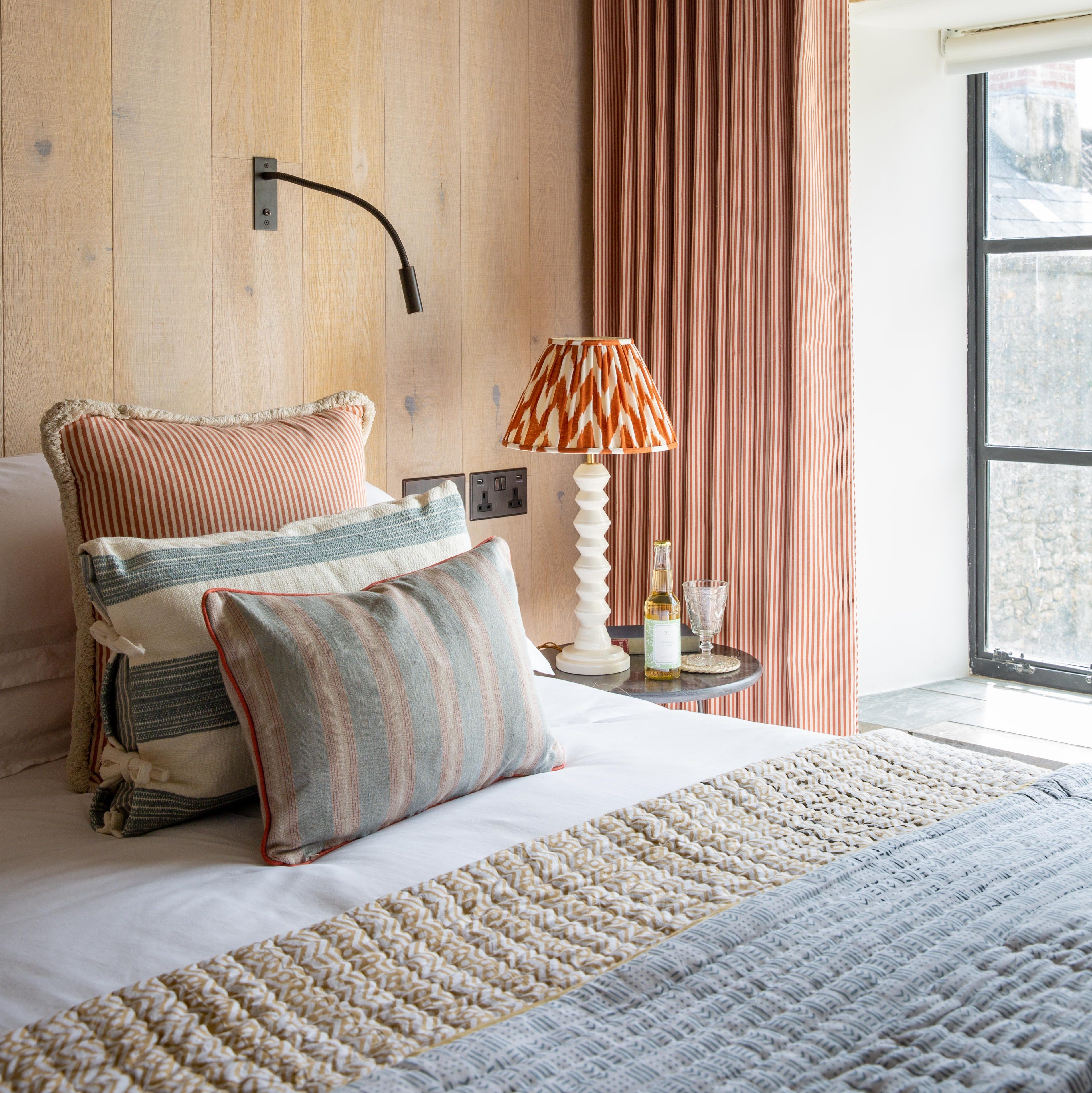
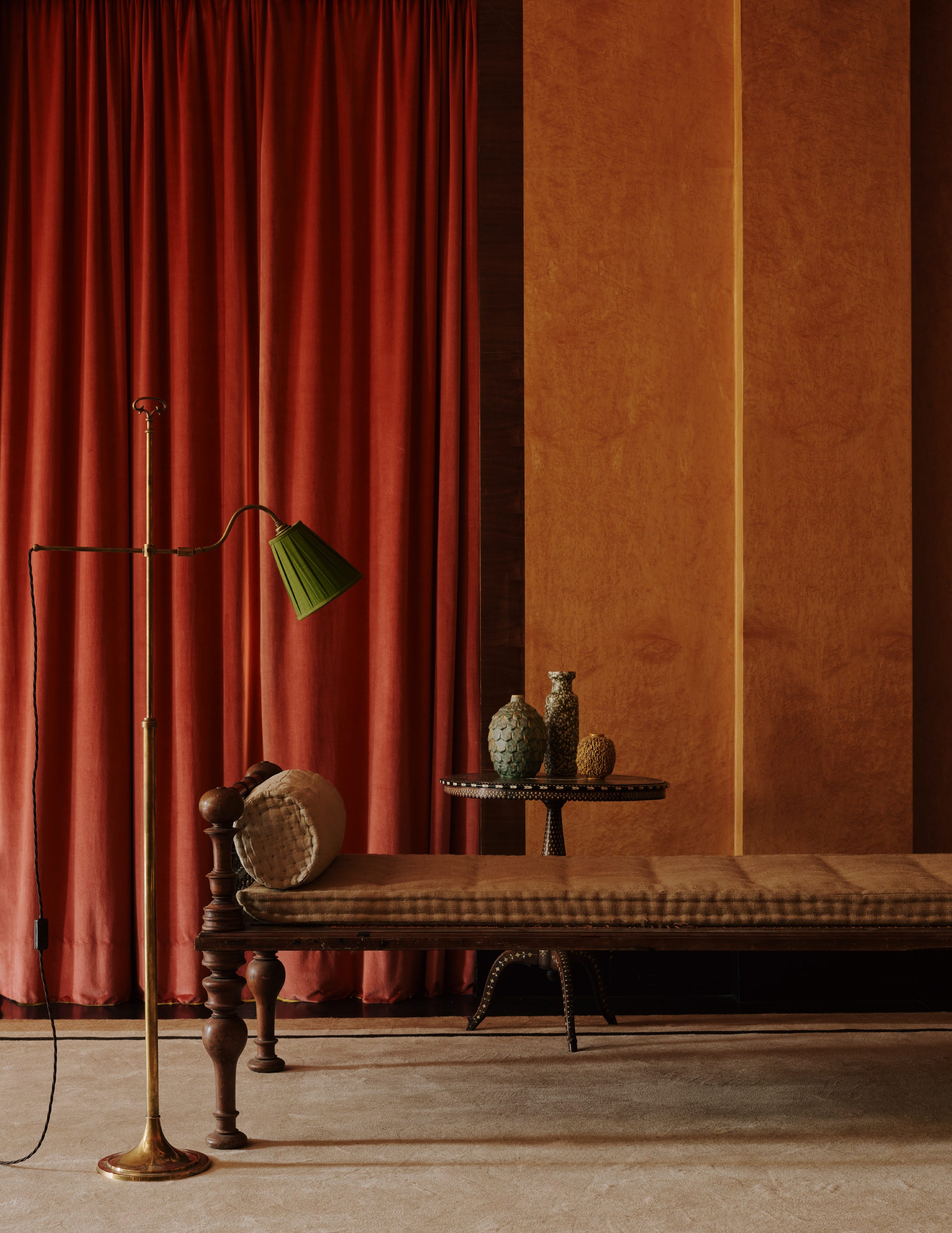
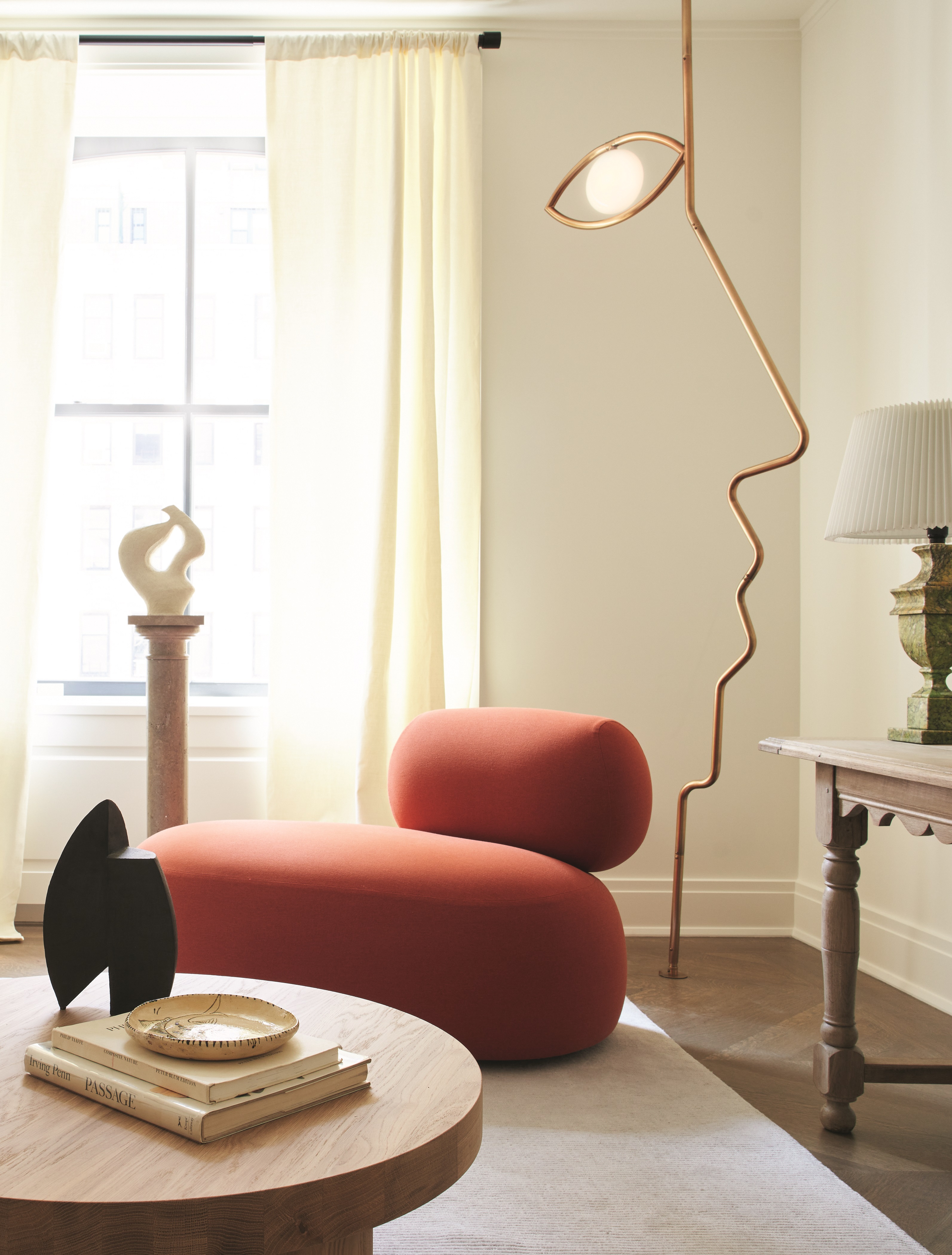

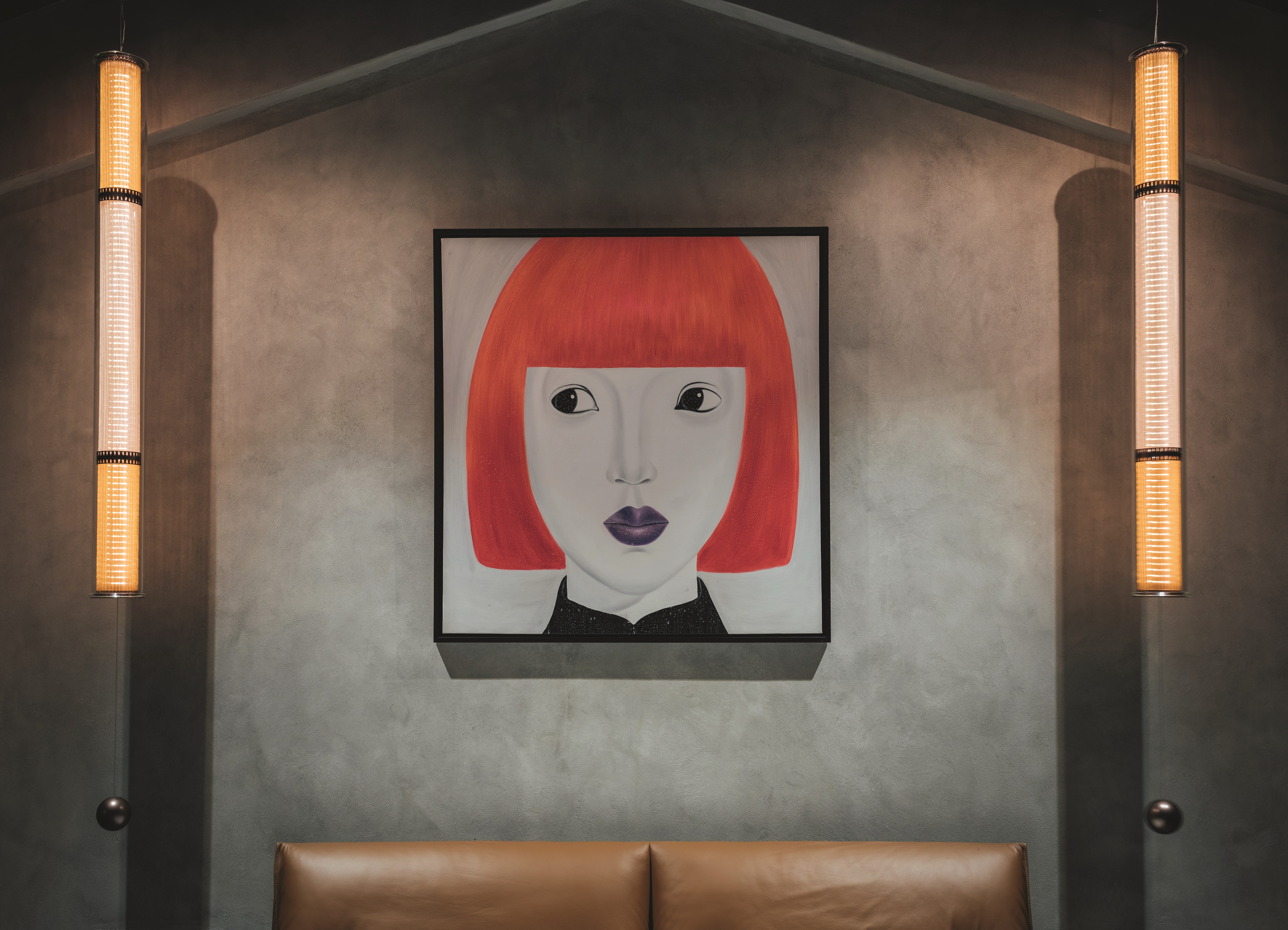
Finally, the concept of layered lighting is introduced as a strategy for creating visual intrigue and depth in any room. This approach involves combining task lighting, general lighting, and accent lighting, such as wall sconces and art lighting. By using multiple light sources, designers can achieve a dynamic and sophisticated atmosphere, proving that a single fixture cannot fulfill all lighting needs. This comprehensive guidance aims to empower homeowners to make informed decisions about their lighting, transforming their living spaces into more functional and aesthetically pleasing environments.
#HomeLighting #InteriorDesign #RecessedLighting #CeilingFans #AlabasterLighting #LayeredLighting #HomeImprovement #MidCenturyModern #DesignTips #HomeLighting #InteriorDesign #RecessedLighting #CeilingFans #AlabasterLighting #LayeredLighting #HomeImprovement #MidCenturyModern #DesignTips
0 comment in total
 No comments yet
You may also like
Design experts offer lighting tips for upgrades that shine

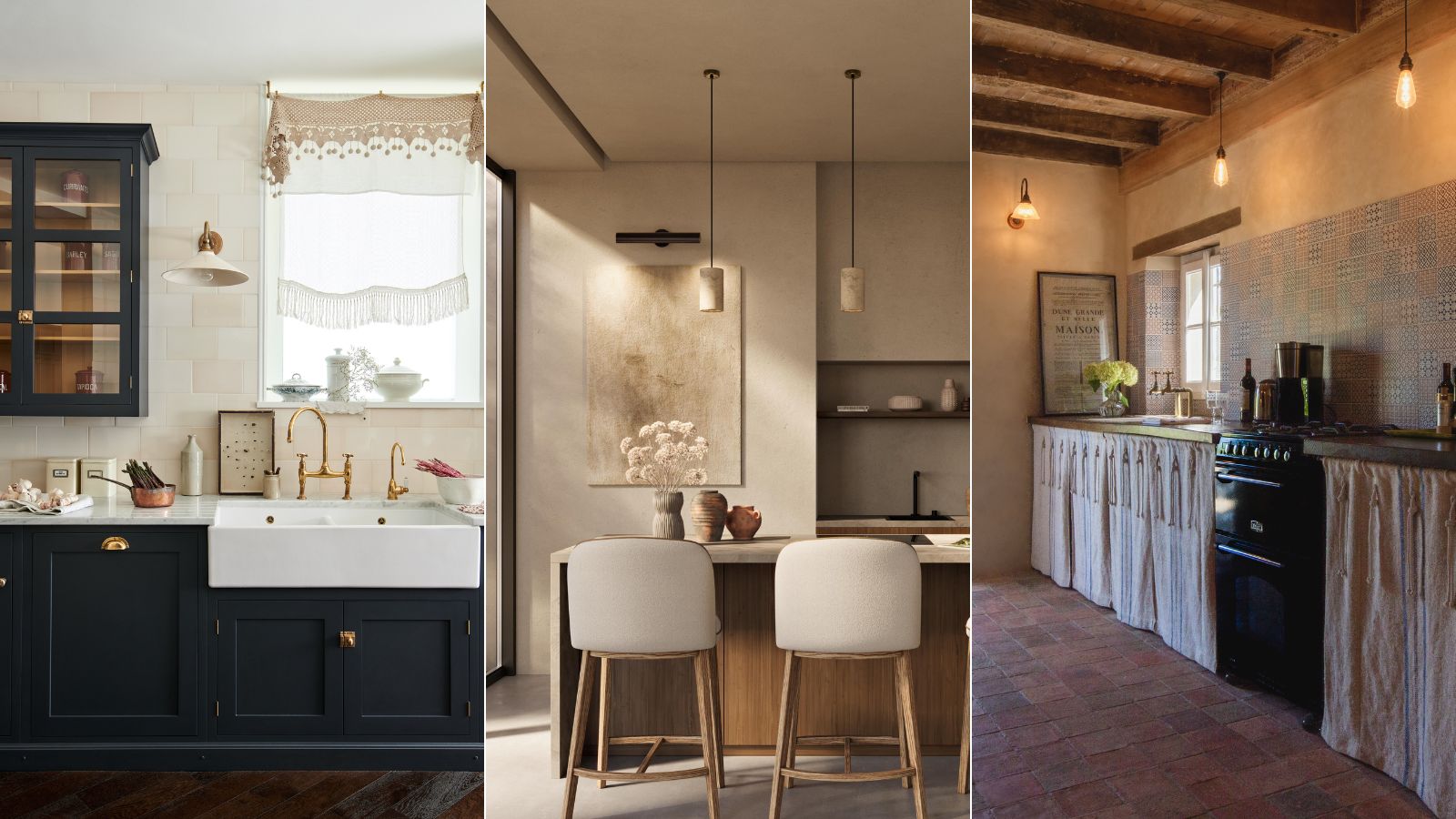
Designers say that lighting is the easiest way to elevate your kitchen
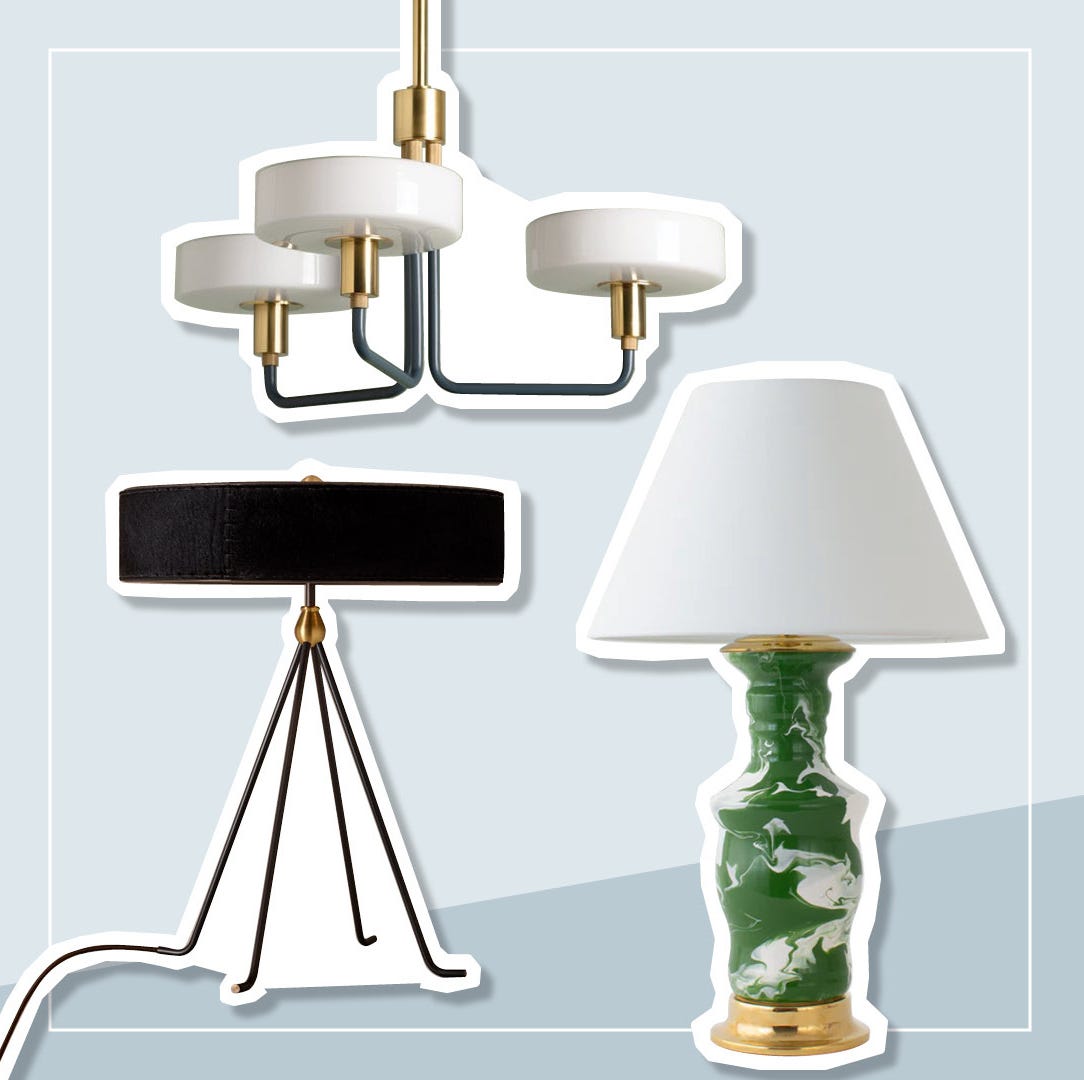
Interior Designers Reveal Their 26 Favorite Online Lighting Stores

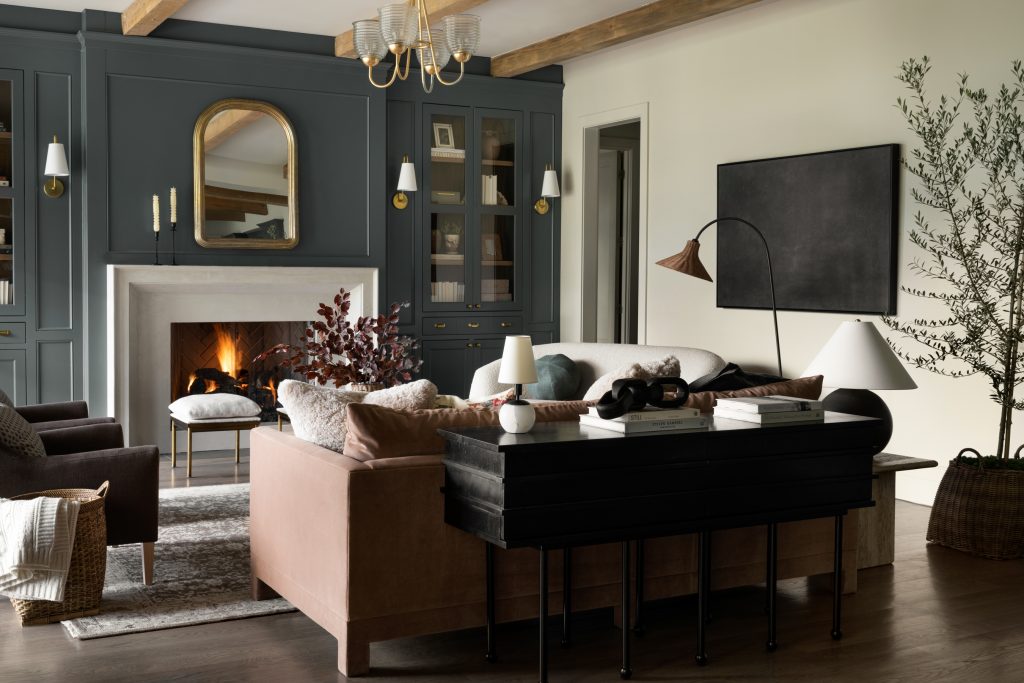
Lighting Trends We’re Loving
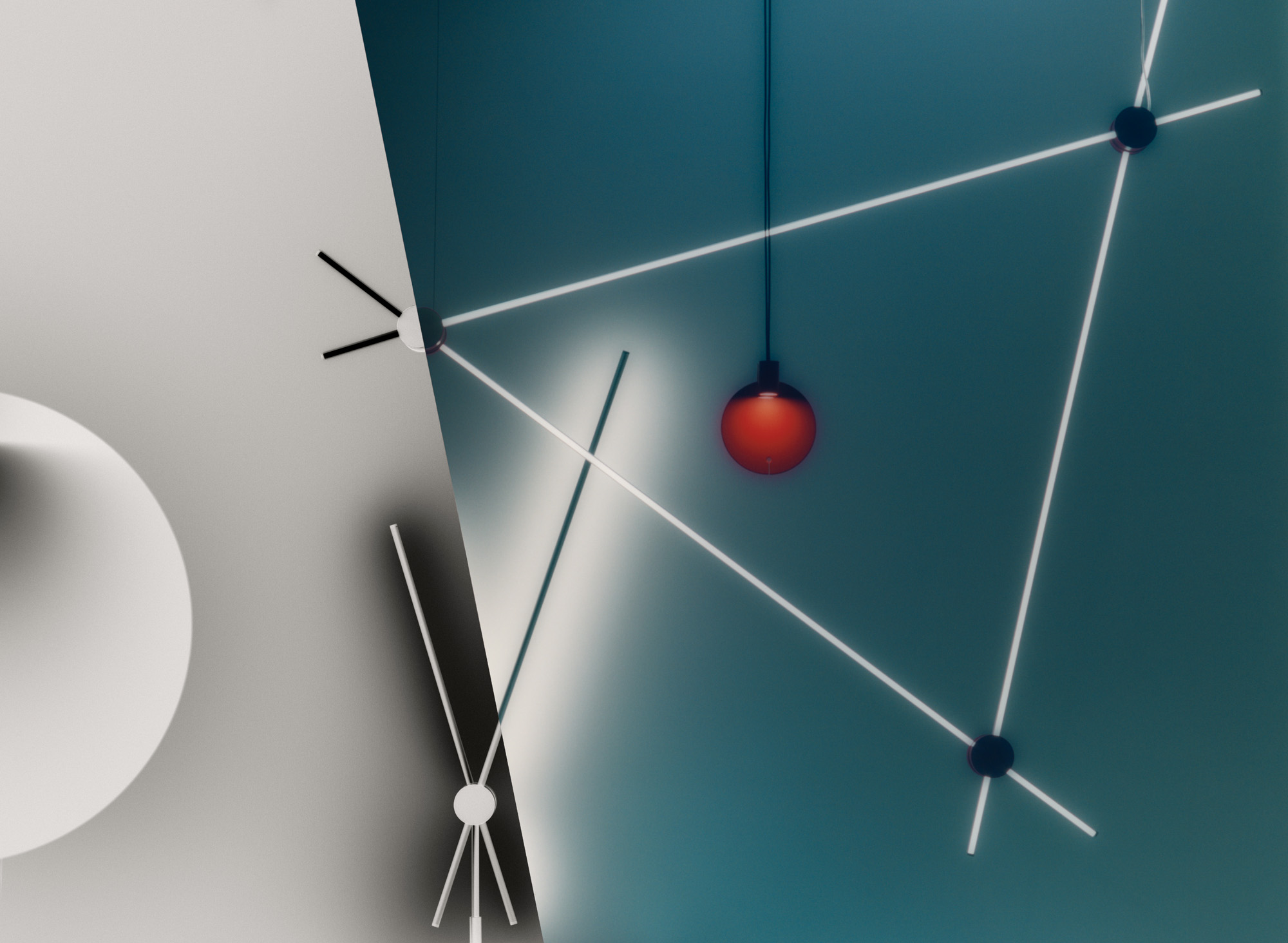
Best new lighting designs to brighten up your space

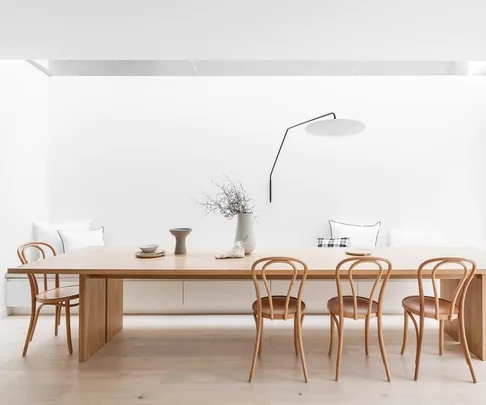
An interior designer’s guide to lighting your home

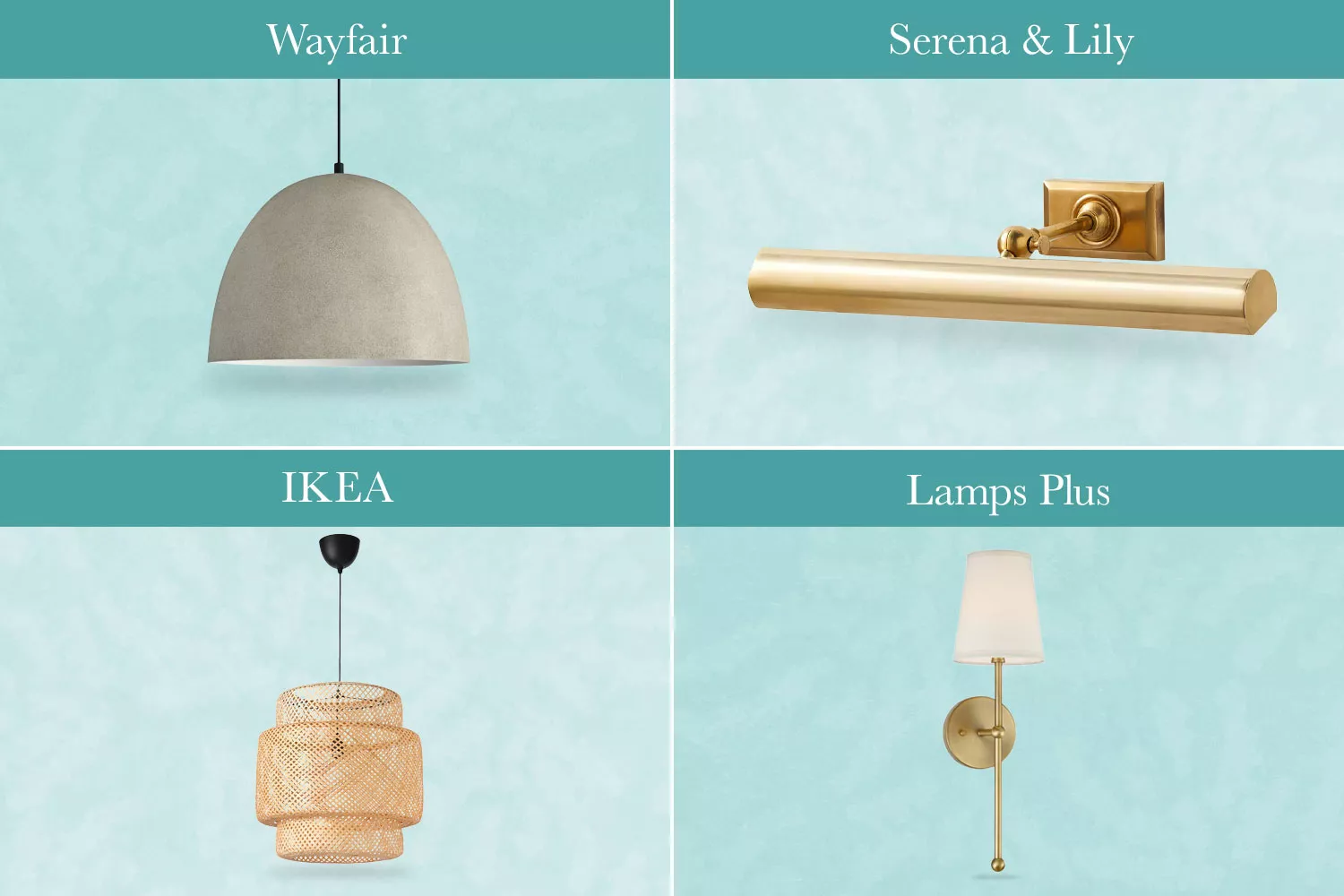
This is Where Our Editors Shop for Stylish New Lighting Fixtures

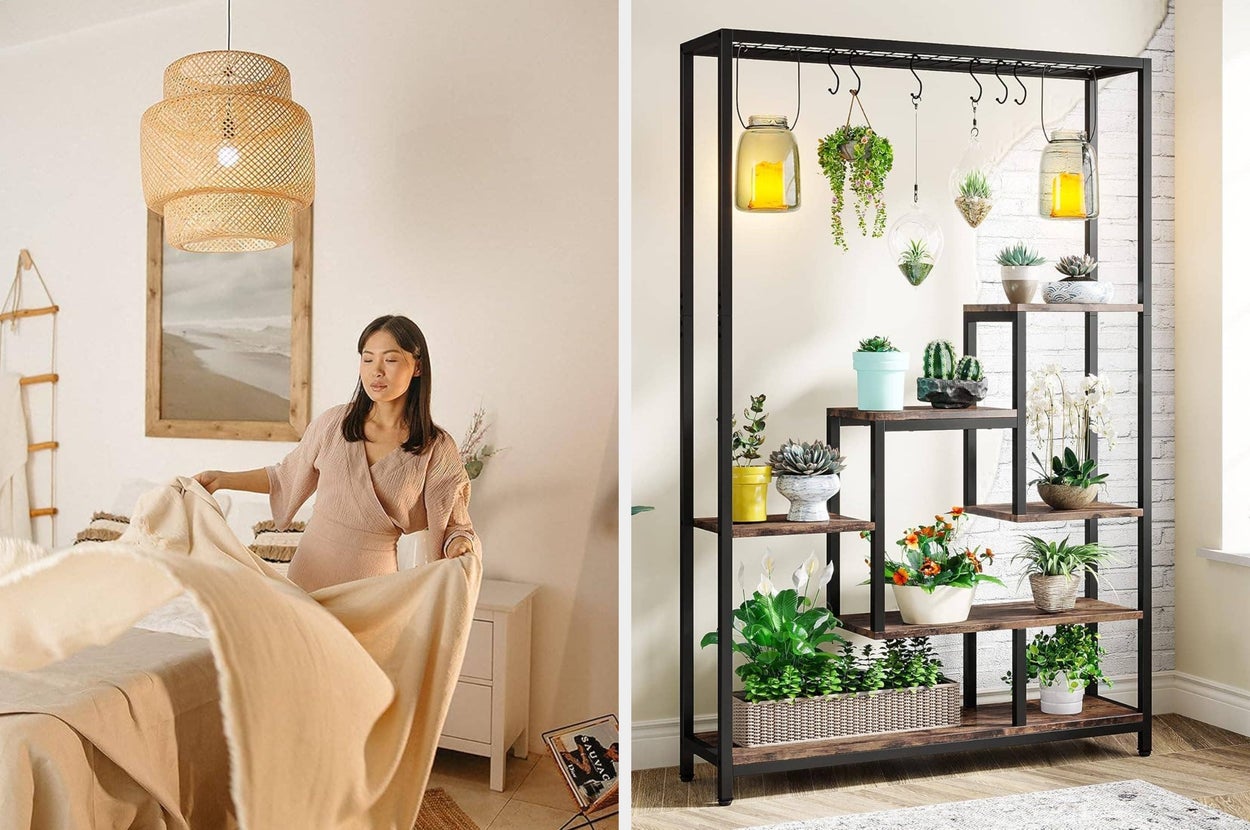
Even If You Don’t Buy Anything, These 26 Products Are Great Inspo For Anyone Who Wants To Take Their Interior Design To The Next Level
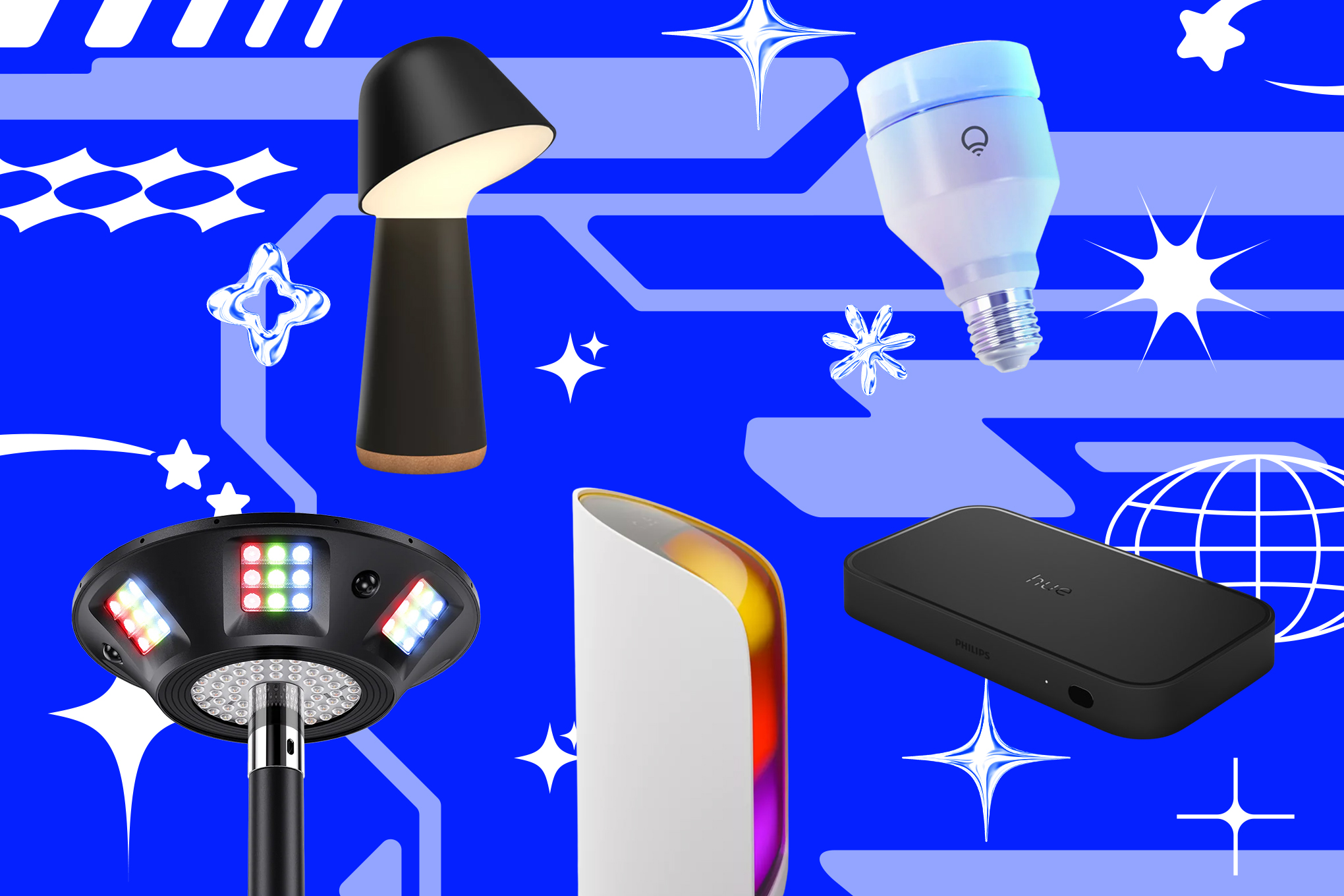
Fall into smarter lighting
What to Know About Upgrading Your Light Fixtures

Designers showcase creative lighting solutions at recent exhibit

So You Live in a Lightless Cave. Here’s How to Create the Illusion of Sunshine

Interior Designers Share Their Secrets for Upgrading Home Lighting—Without Breaking the Bank

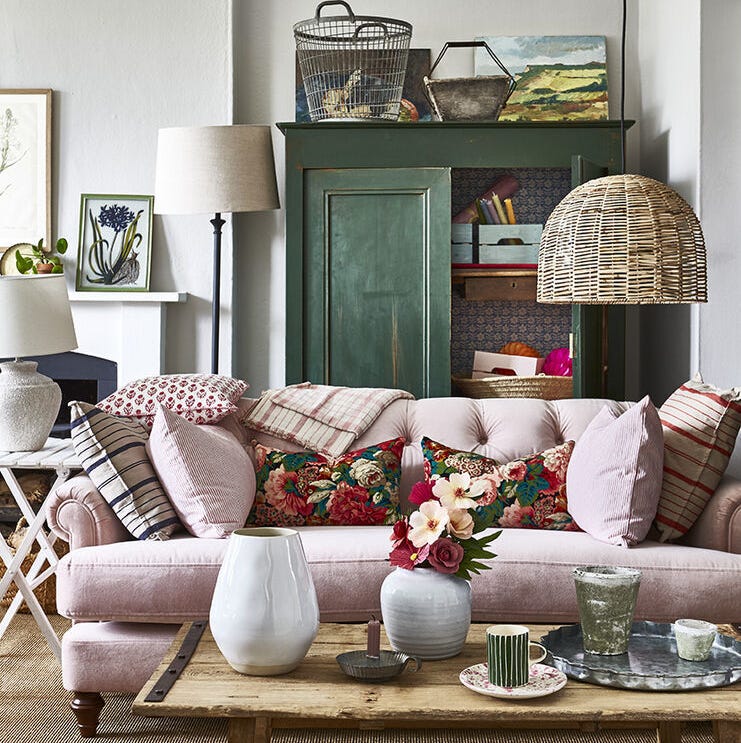
‘Lamp layering’ is the secret trick designers use to elevate their interiors

Your "Boob Lights" Are Cheapening the Look of Your Home—Here's How Designers Fix Them

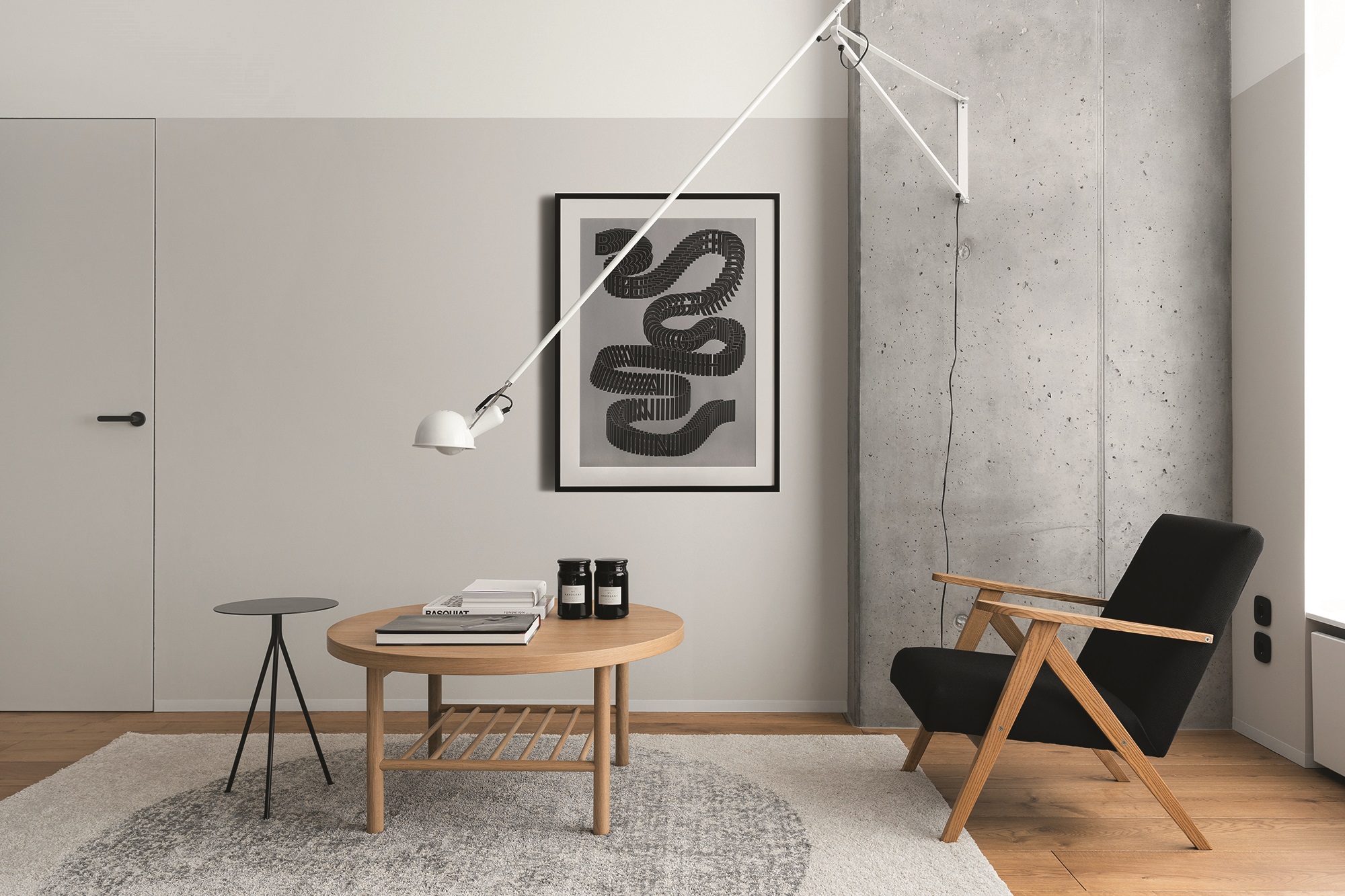
How do I make my home's lighting more modern? 10 creative ideas from inspiring designers

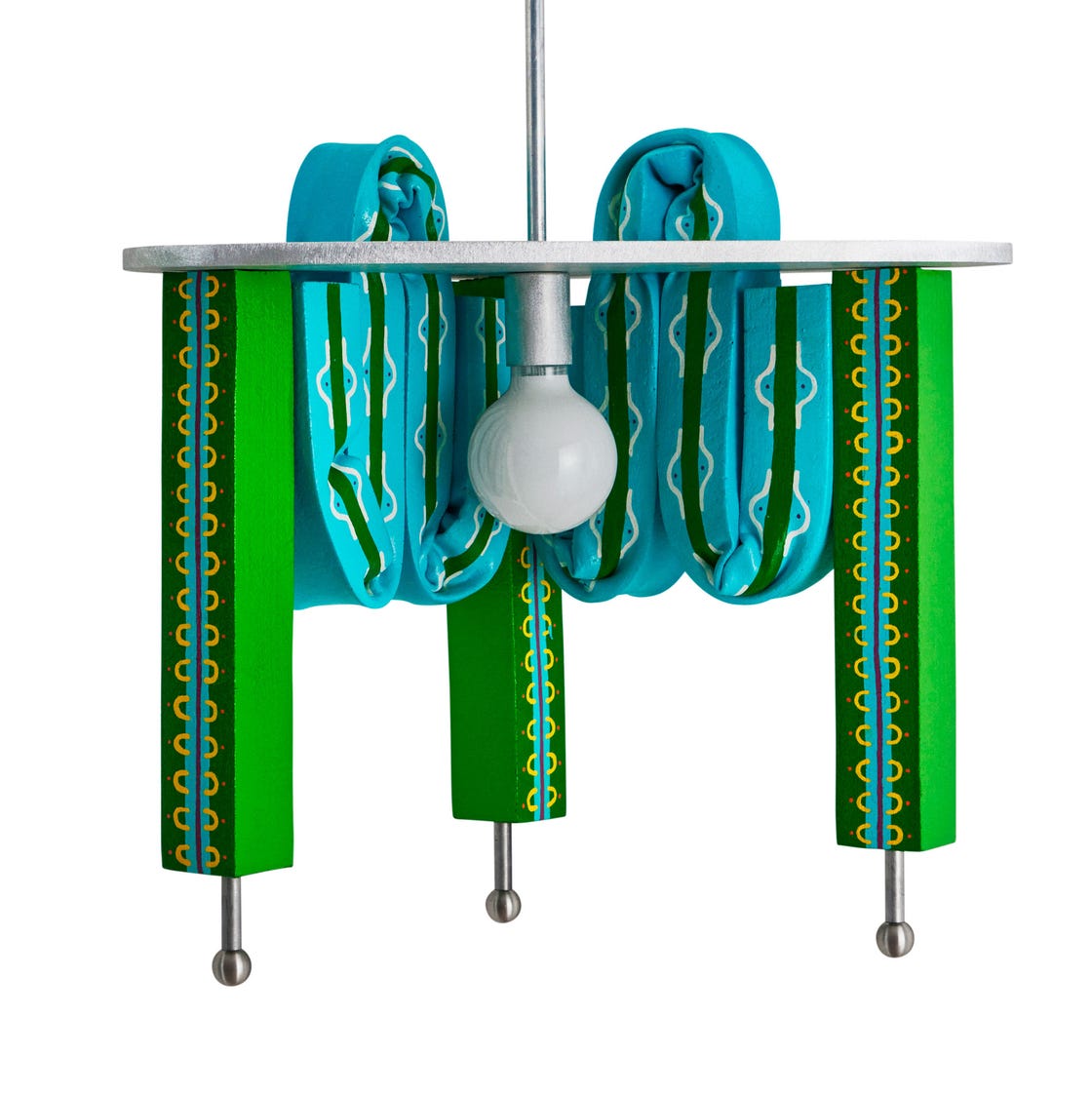
These Are the Statement-Making New Lighting Designs You're About to See Everywhere
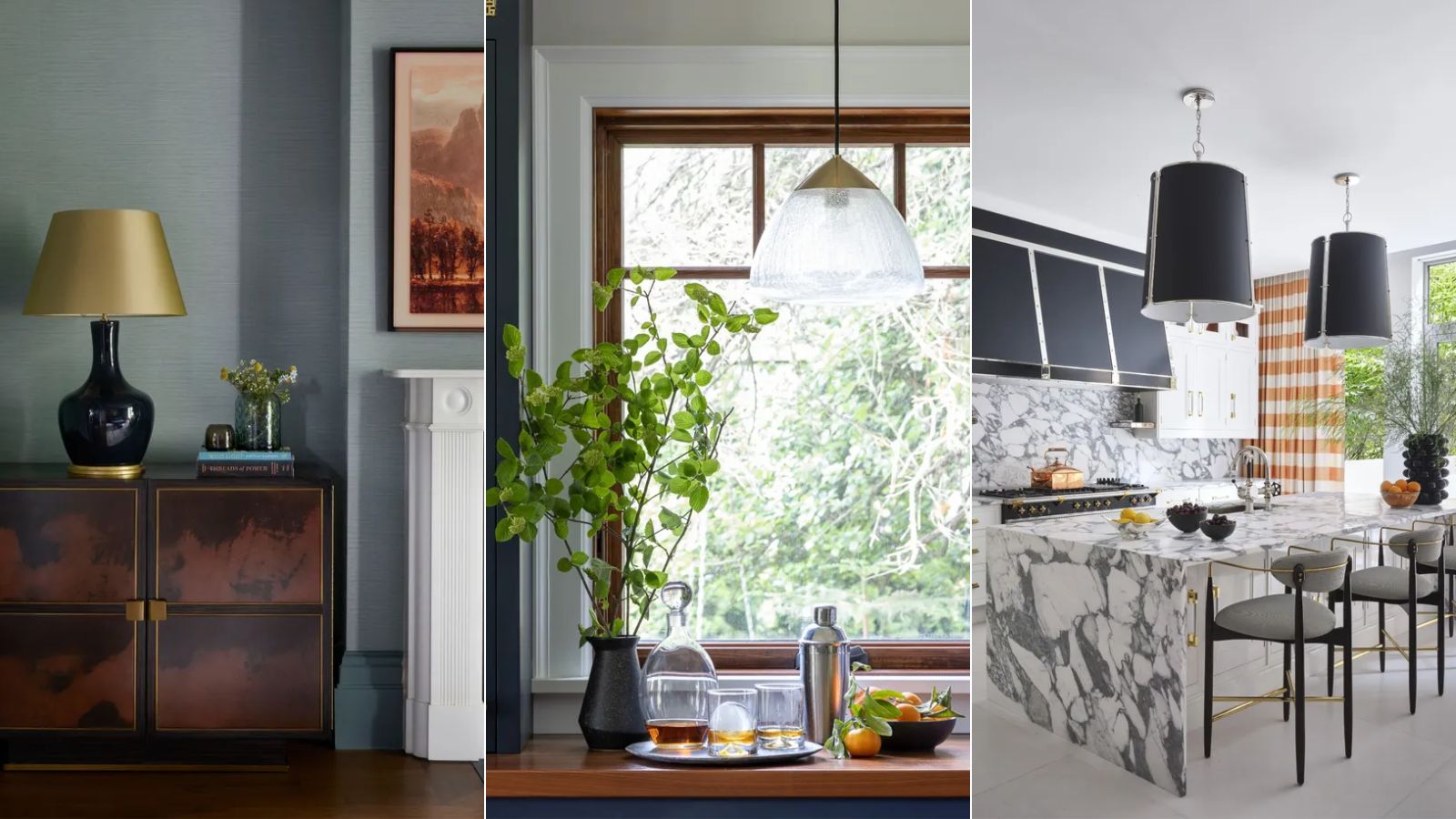
Decorator's Address Book: 15 of the best places to shop for lighting as suggested by interior designers

The Bold New Lighting Collection Everyone is Talking About
Pulling the plug on dated light fixtures is a great home update. Here's how to choose new ones