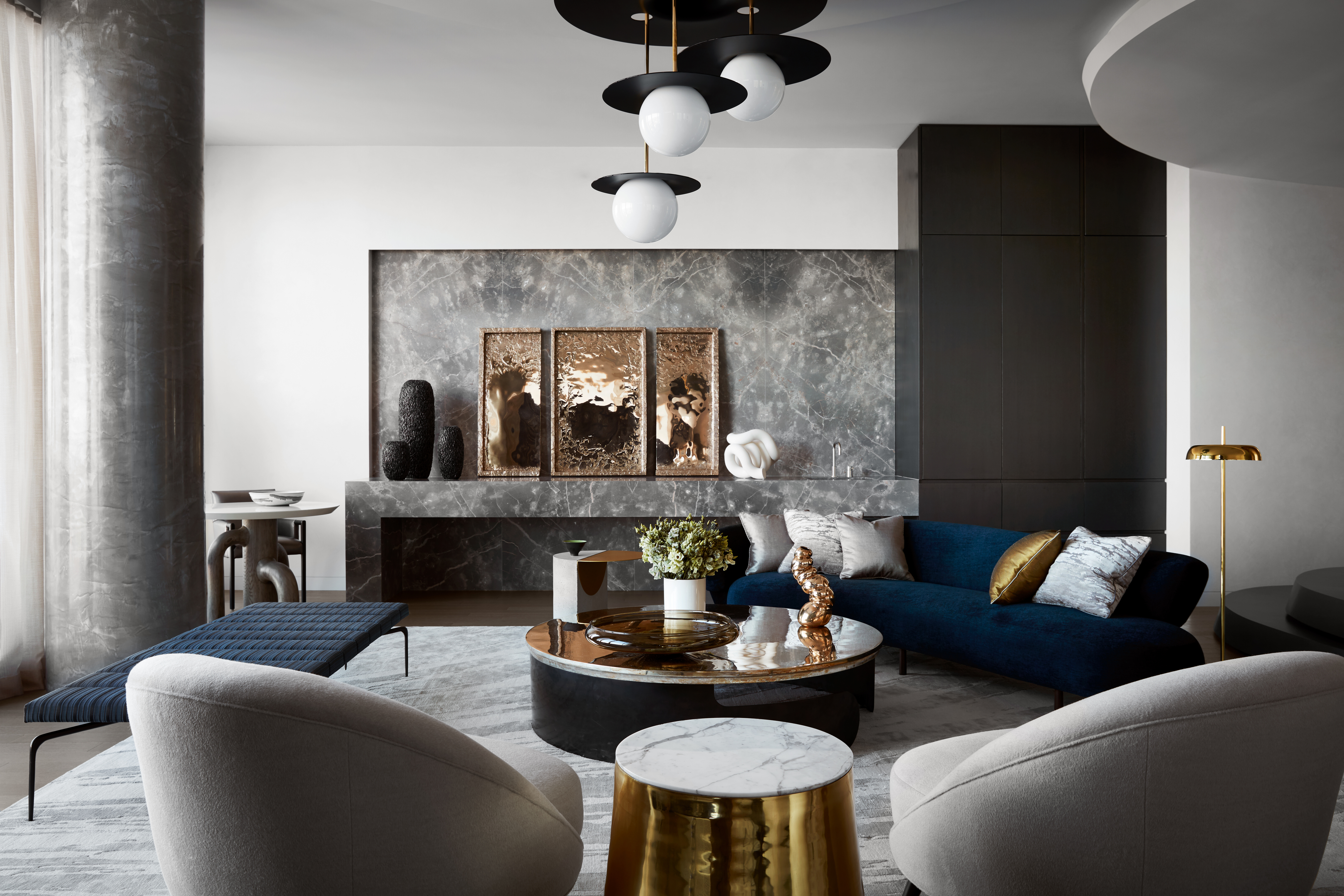
1/7
How do you make overhead lighting less harsh? 7 tips for a more flattering scheme
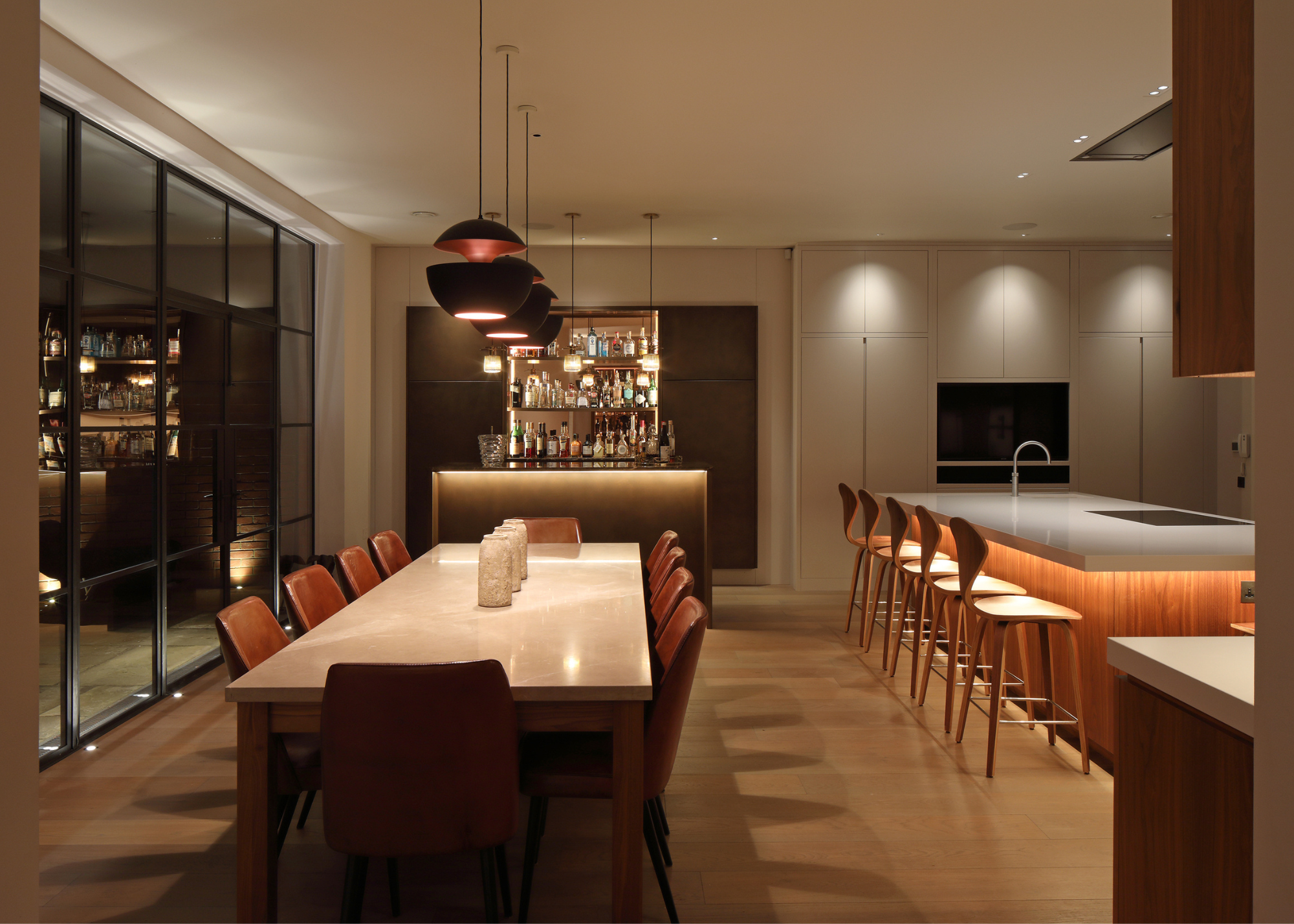
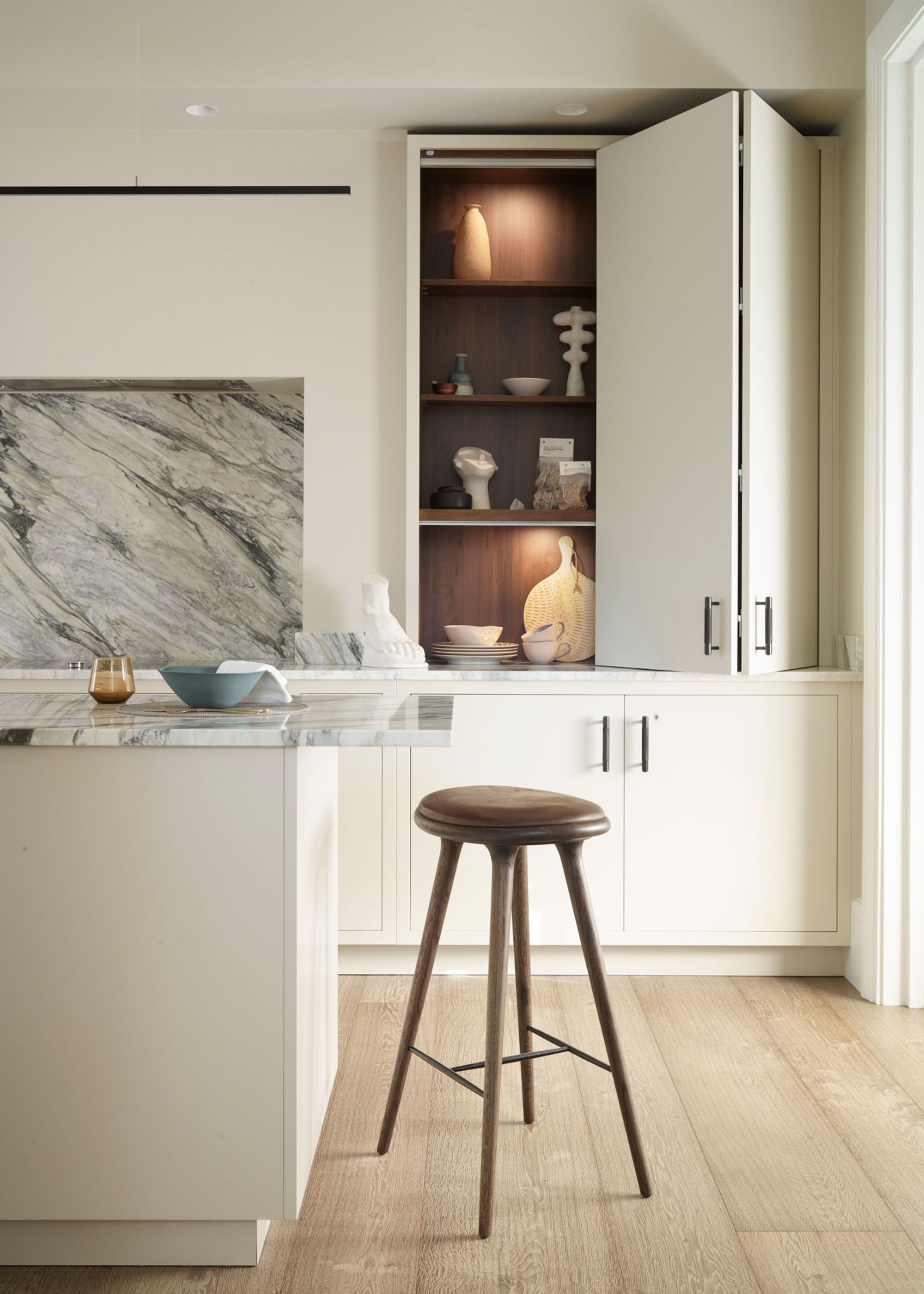
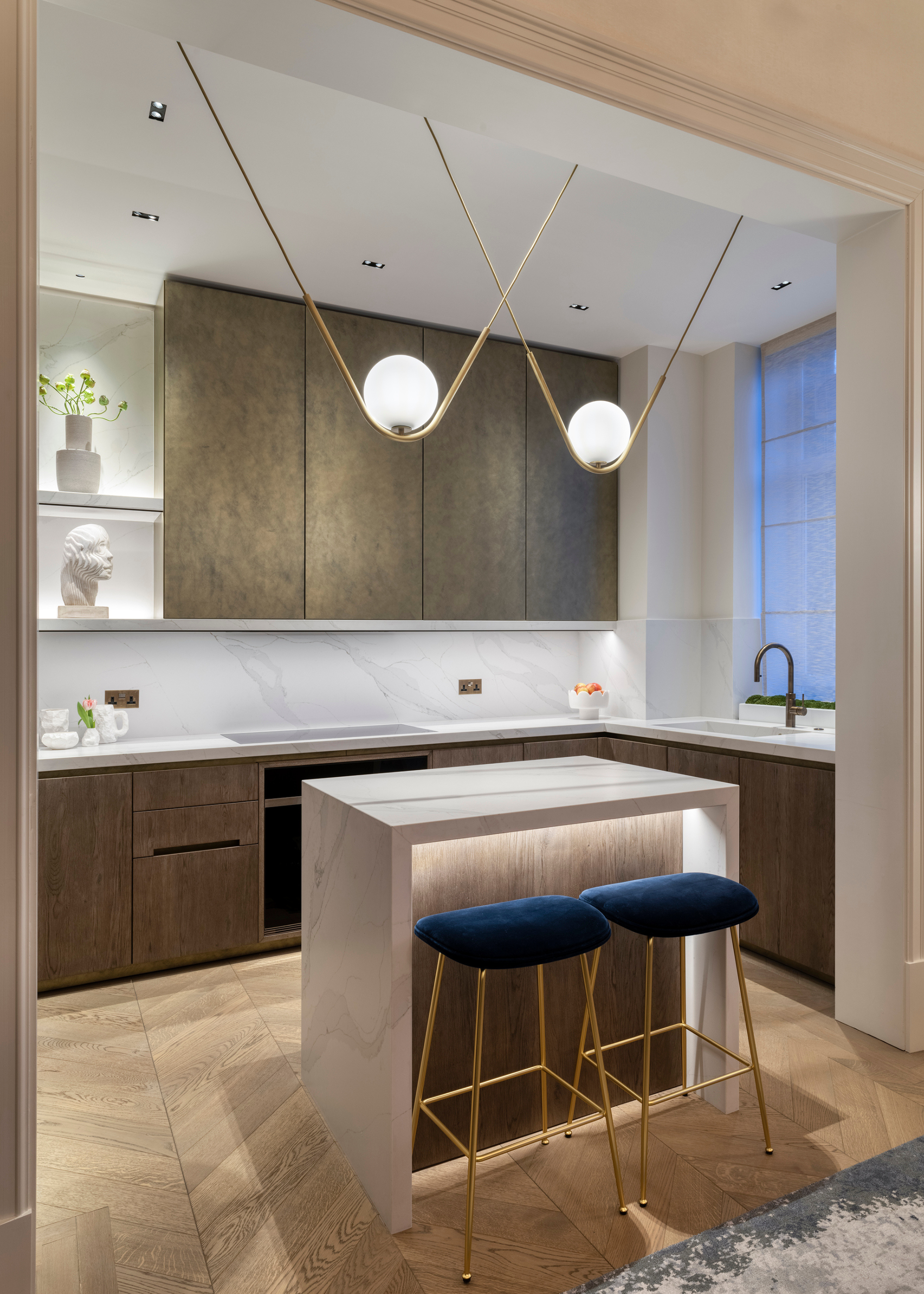
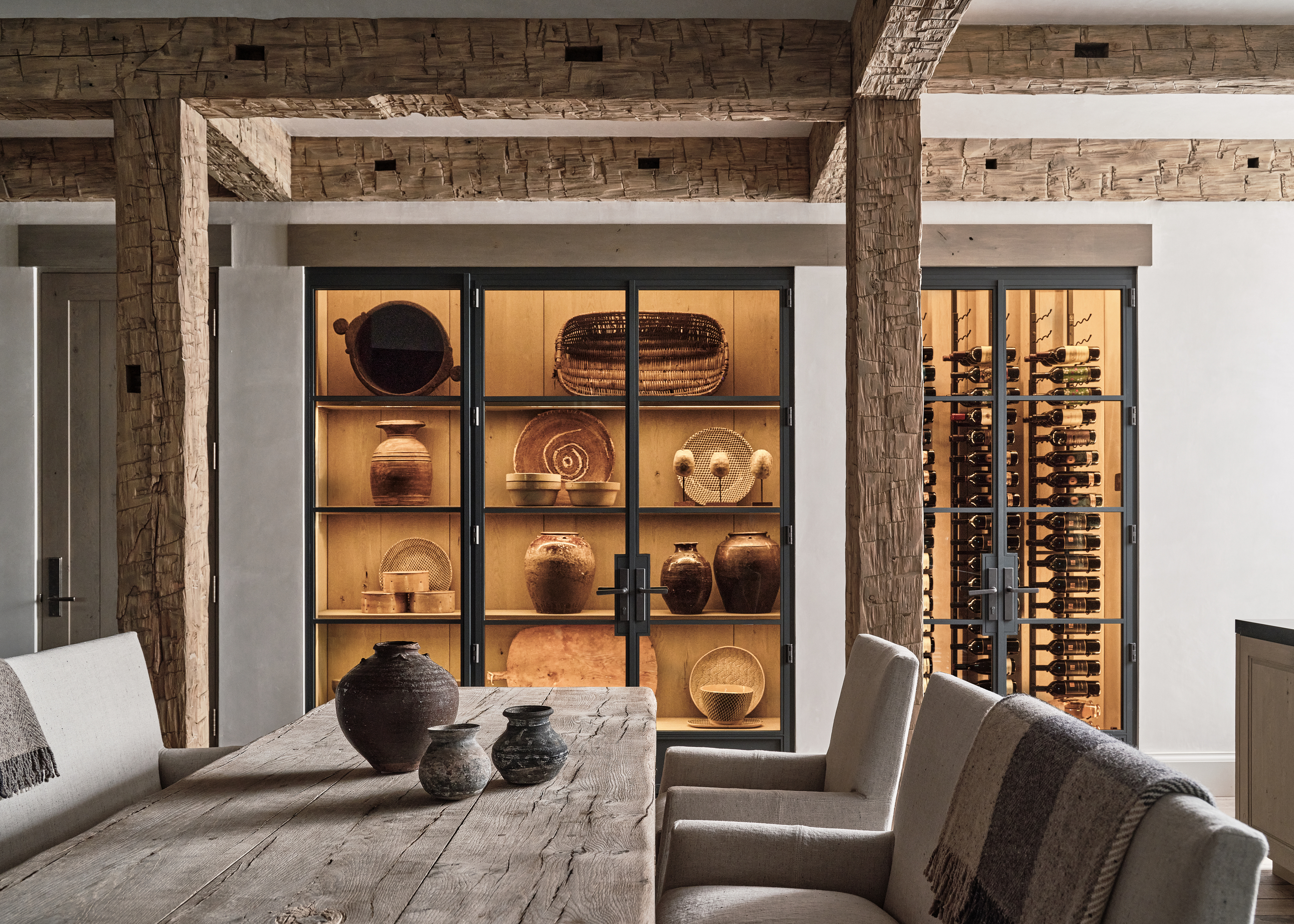
Achieving comfortable and inviting overhead lighting in a home involves careful consideration of various factors beyond mere illumination. The goal is to create a scheme that enhances comfort and well-being, rather than causing irritability or discomfort. This requires a nuanced understanding of light properties, fixture types, and strategic placement, applicable across all rooms, from bedrooms to kitchens and living areas.
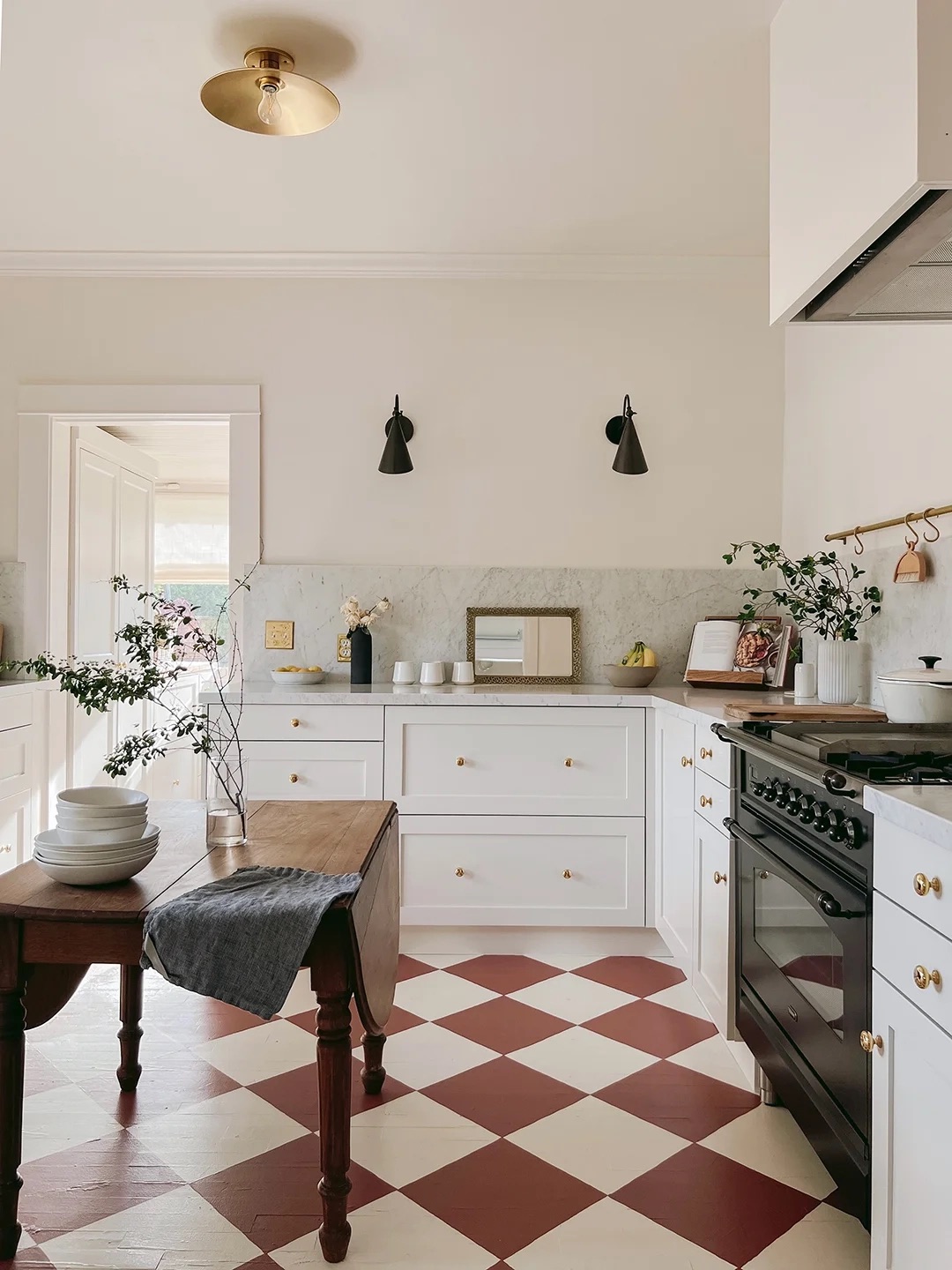
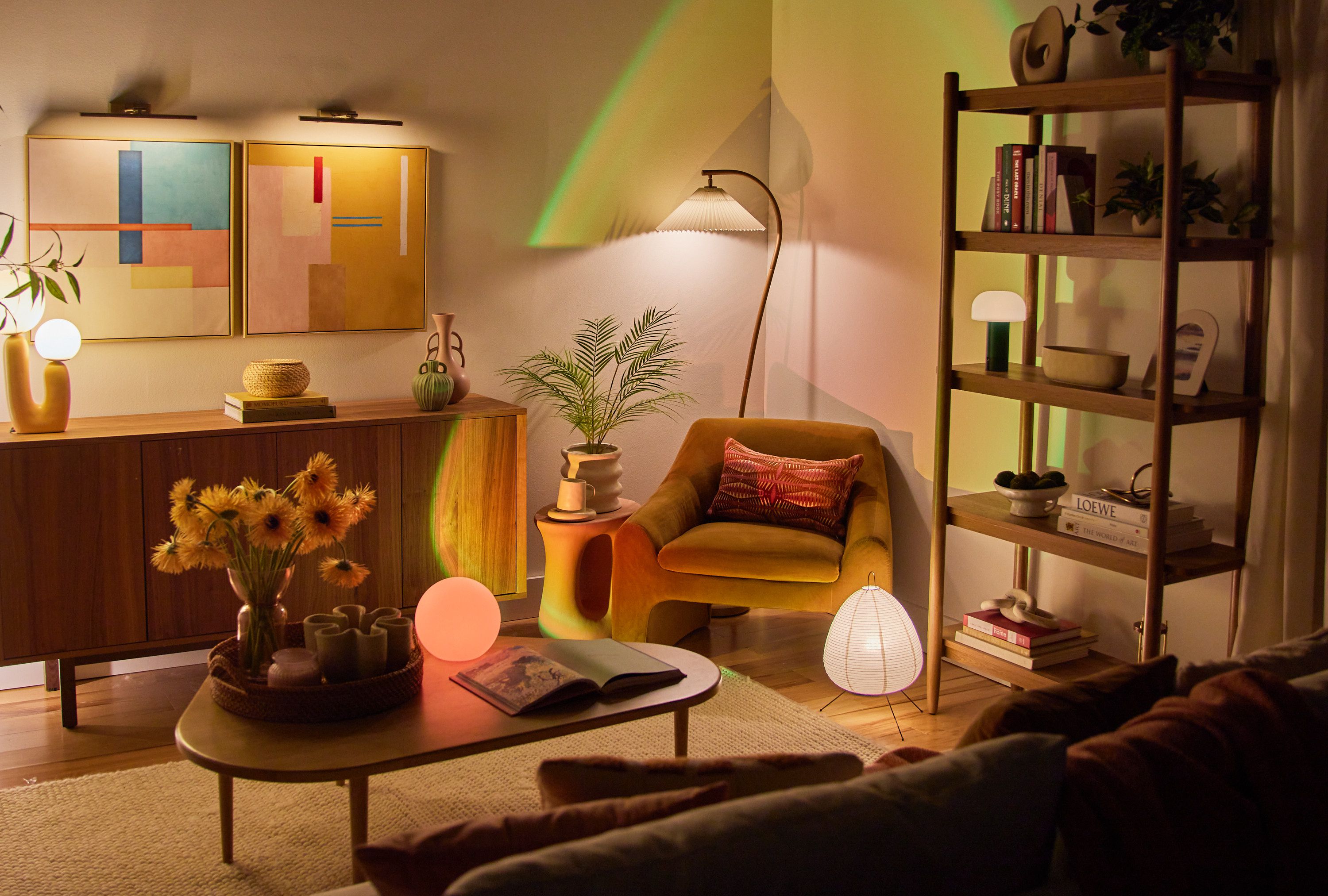
One fundamental aspect is the choice between warm and cool light temperatures. Light is characterized by its color temperature, measured in Kelvin (K). Higher Kelvin values indicate cooler, bluer light, while lower values signify warmer, more yellow light. For indoor spaces, especially living areas, warmer light (typically between 2000K and 3000K) is generally preferred as it promotes a cozy and relaxing atmosphere. Cool white or daylight bulbs, with higher Kelvin ratings, are better suited for task-oriented areas like workspaces or utility rooms where natural light is absent. Layering warmer light sources helps in transitioning from daytime brightness to evening coziness, with dimmable fixtures playing a crucial role in adjusting the ambiance.
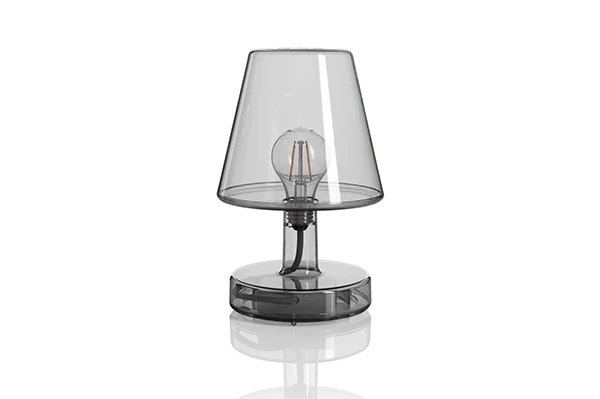
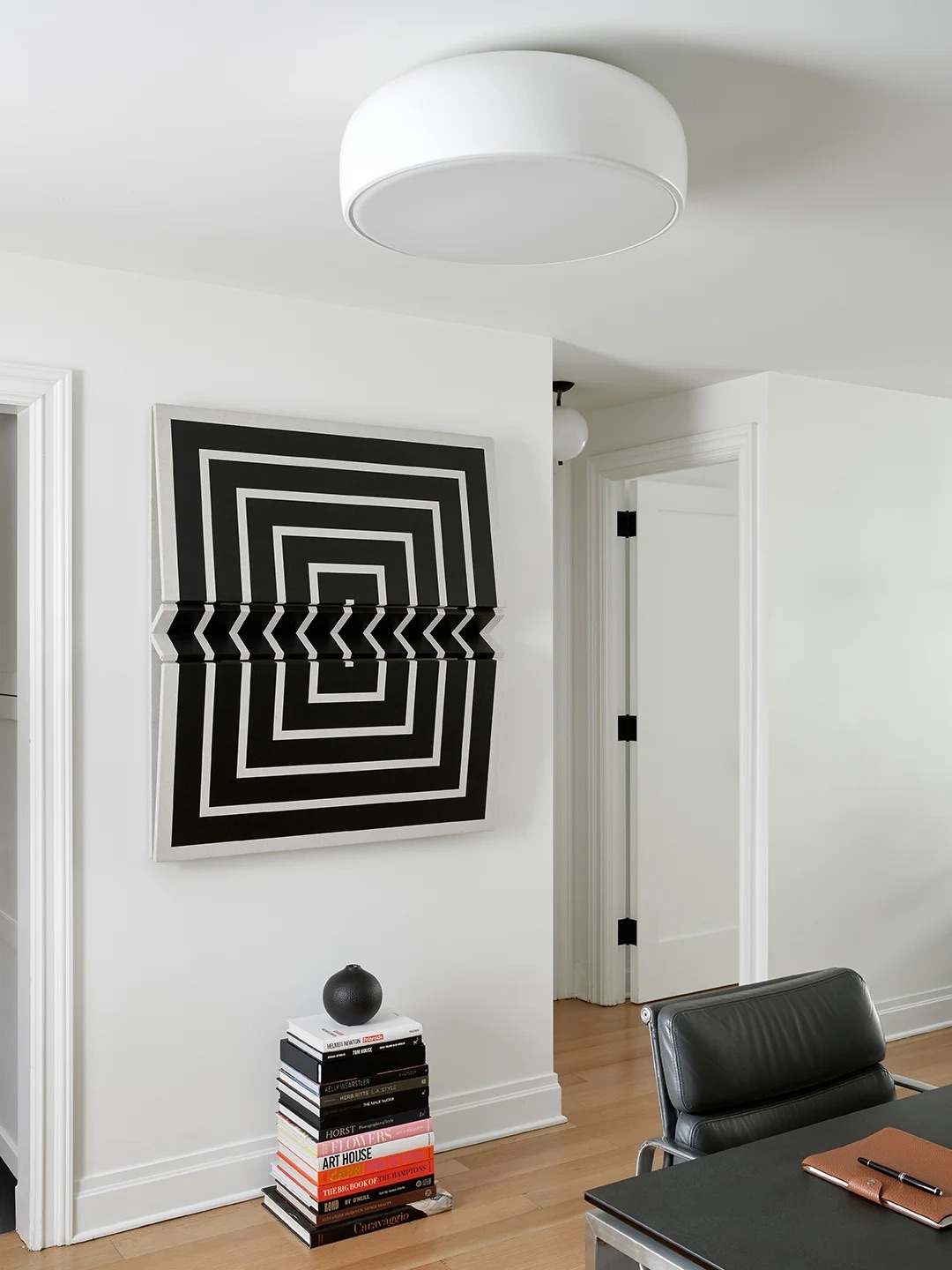
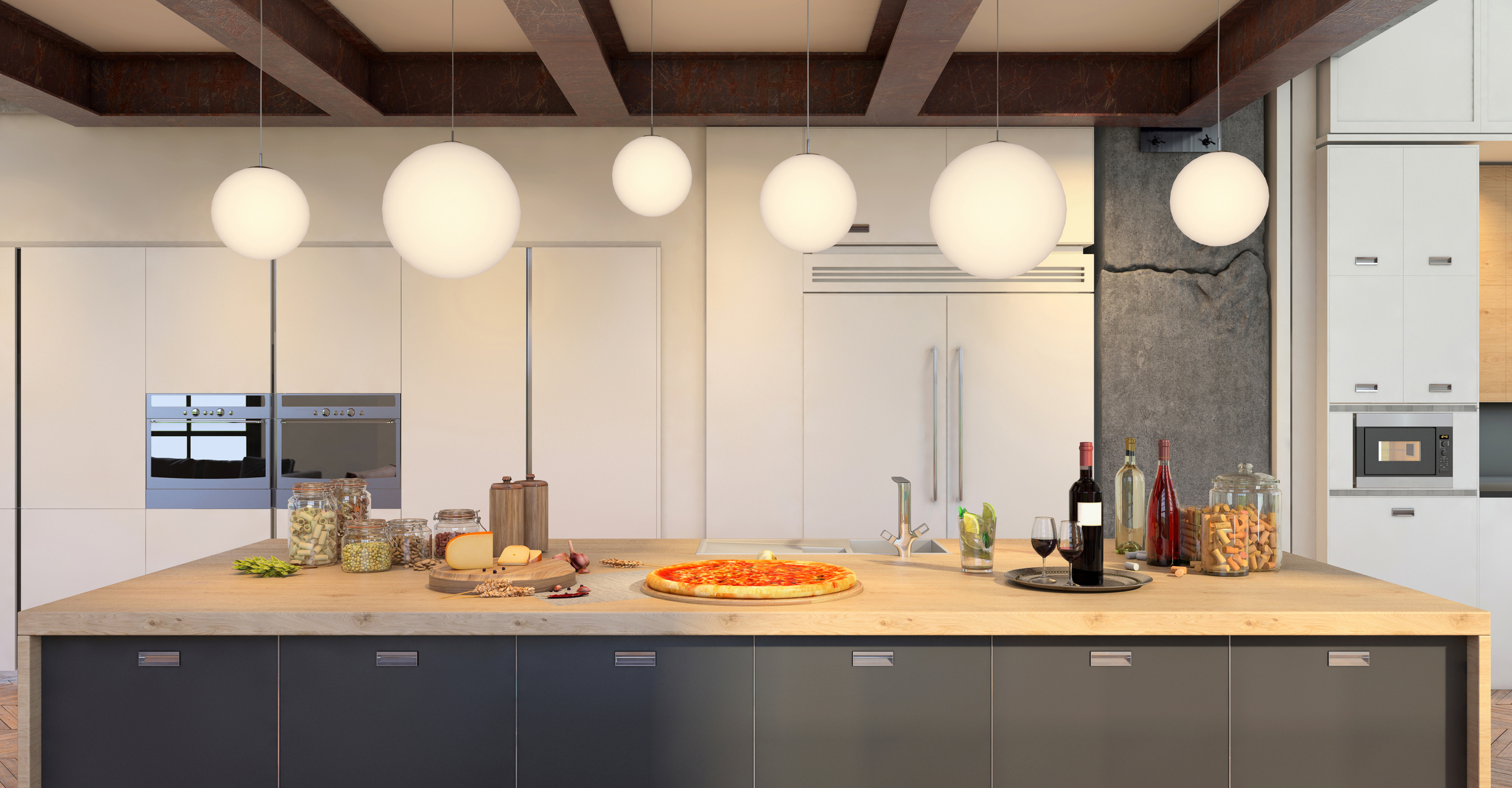
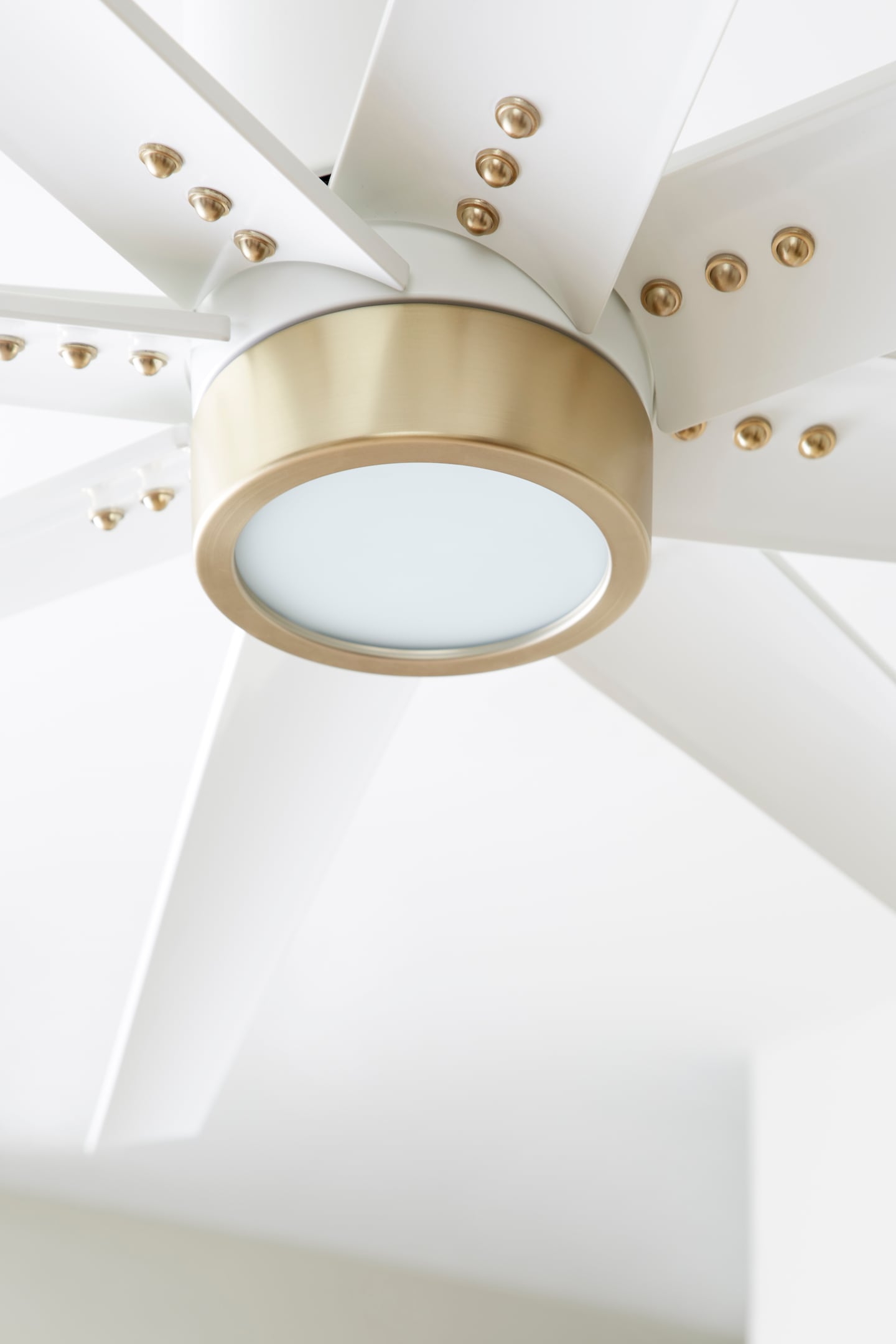
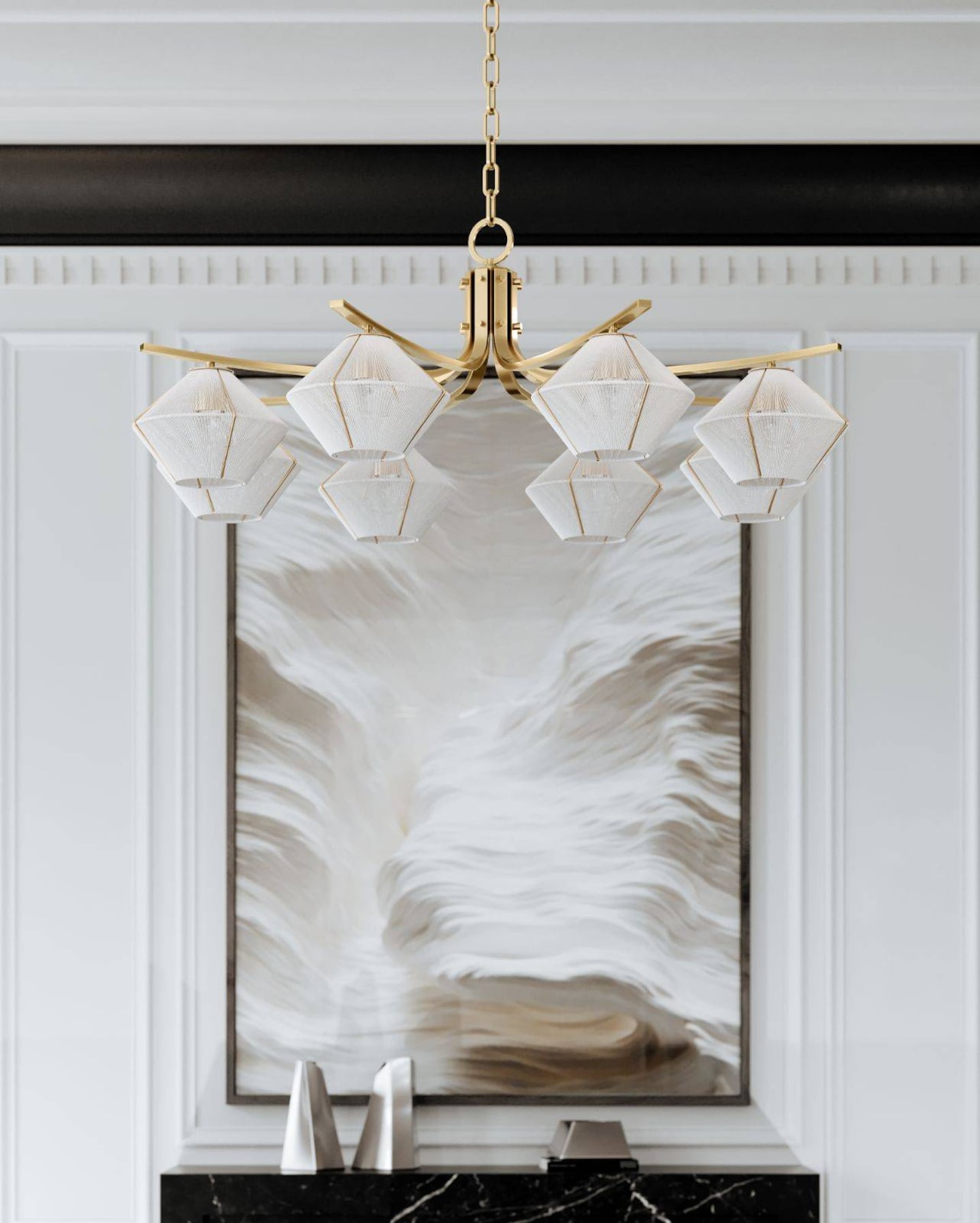
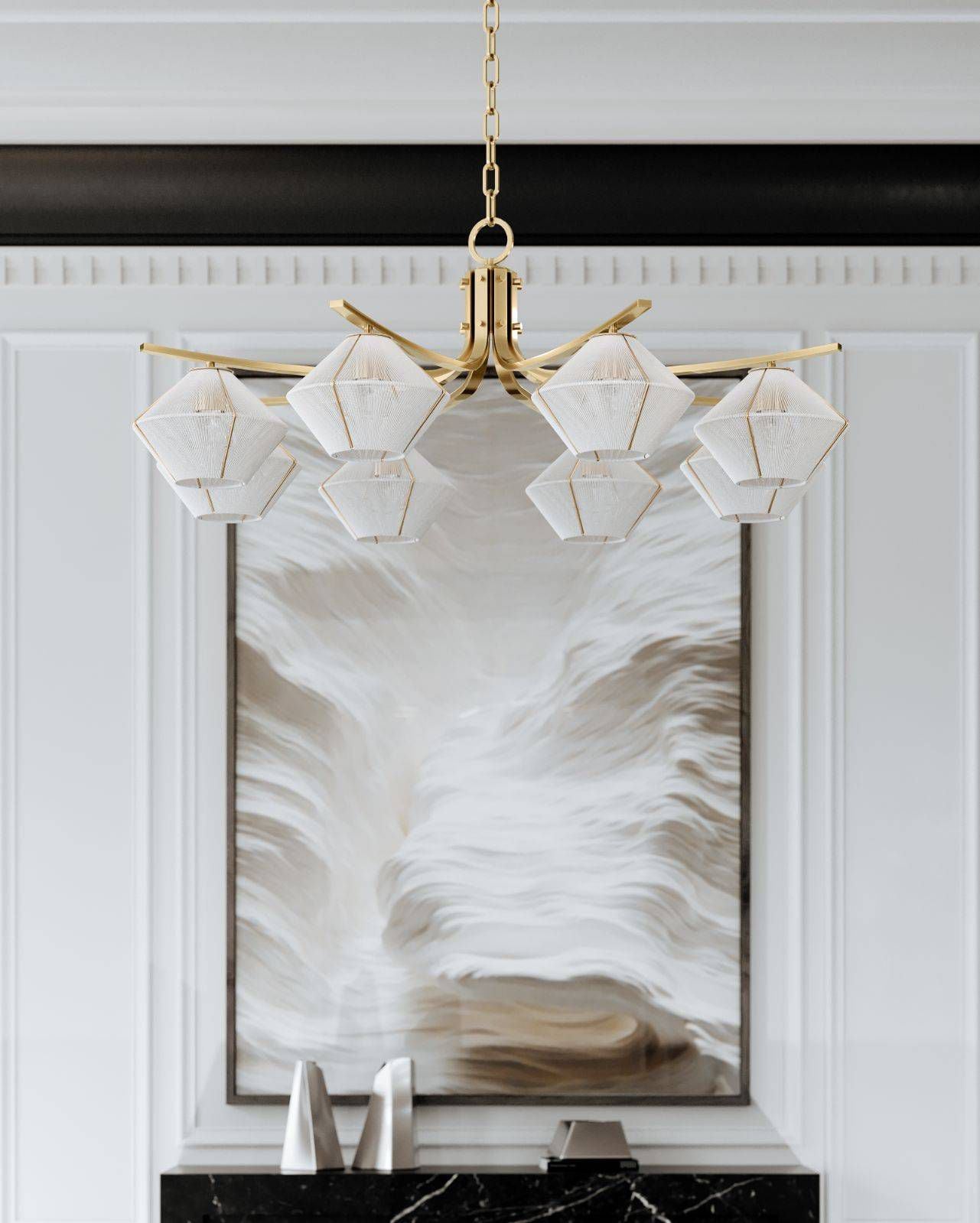
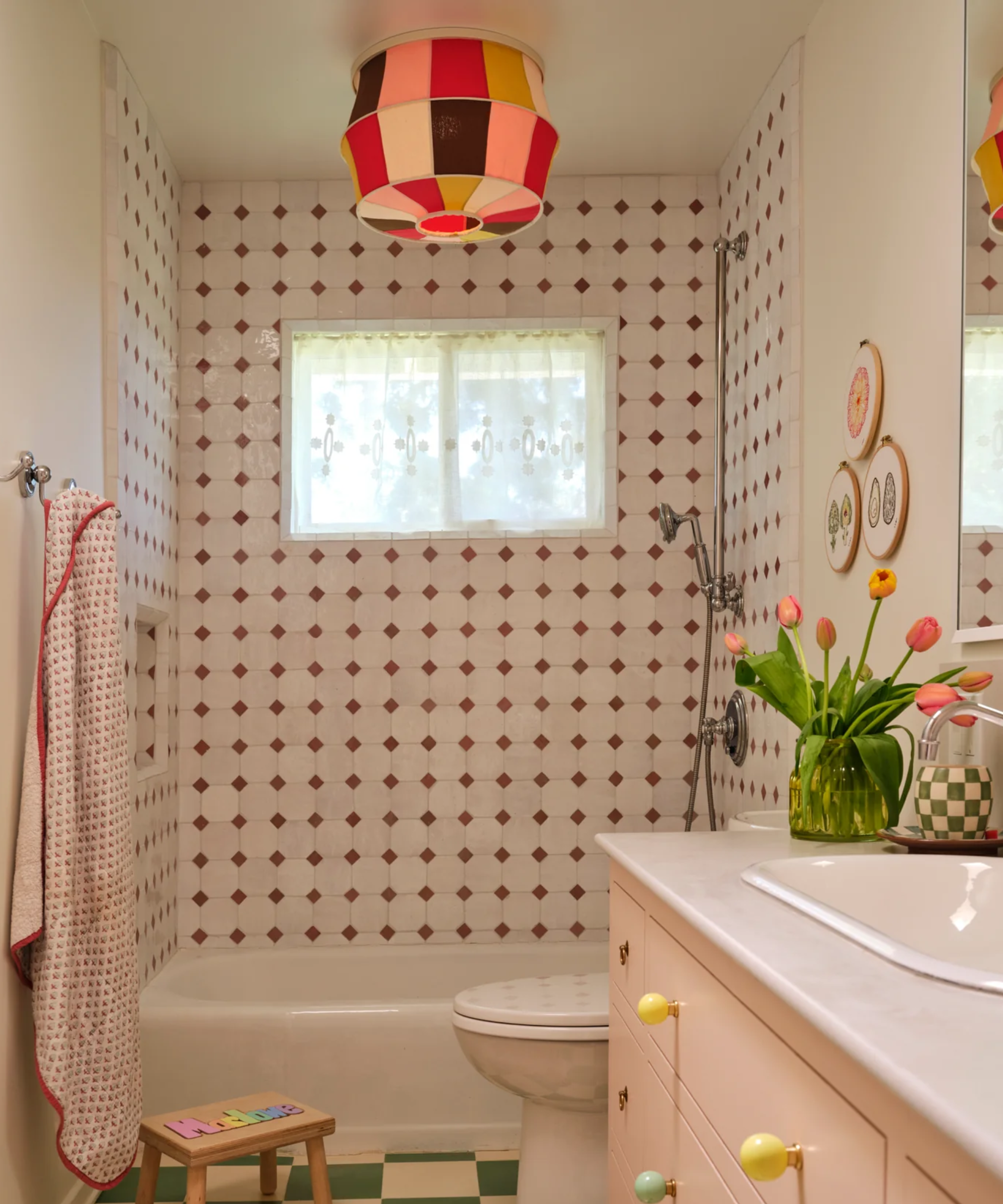
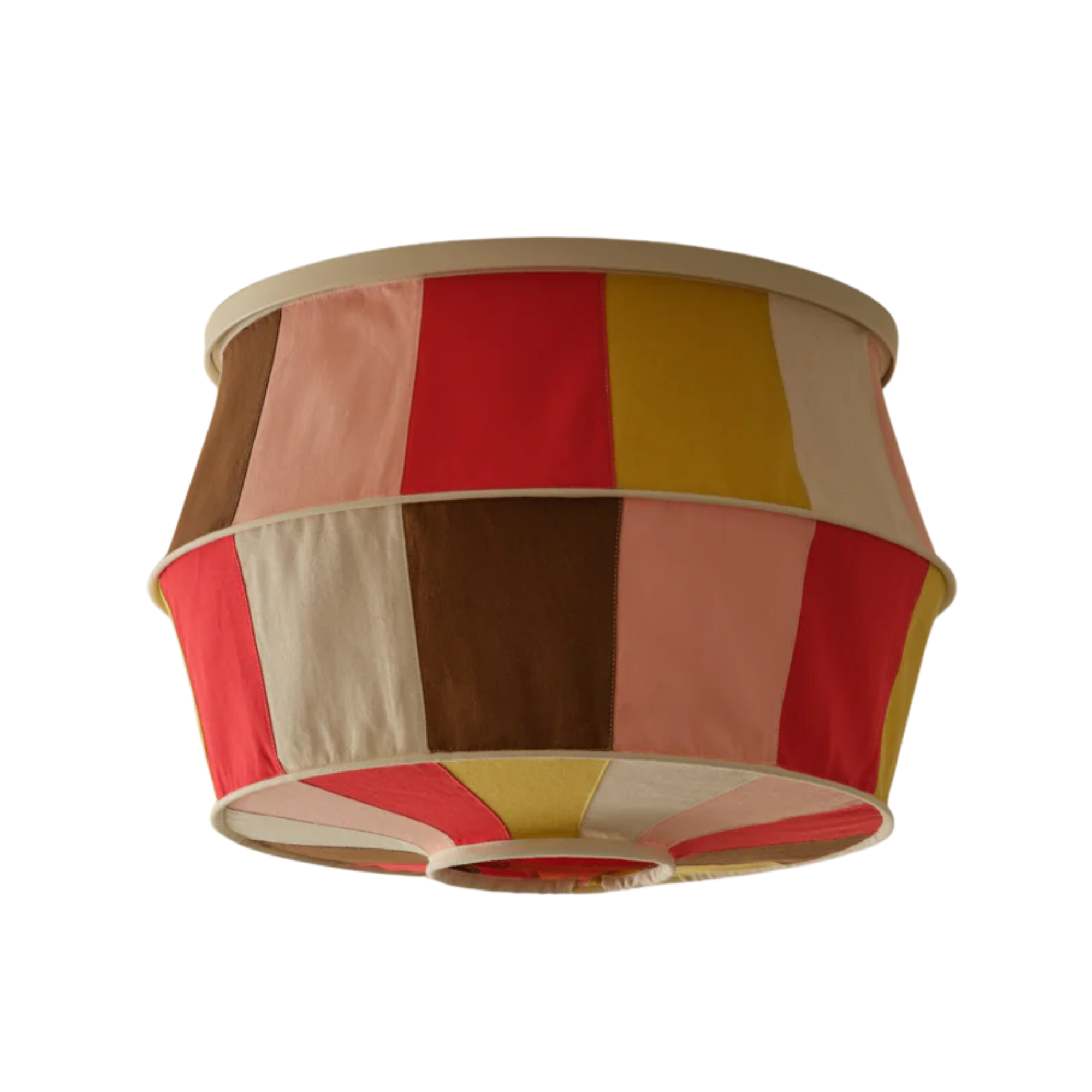
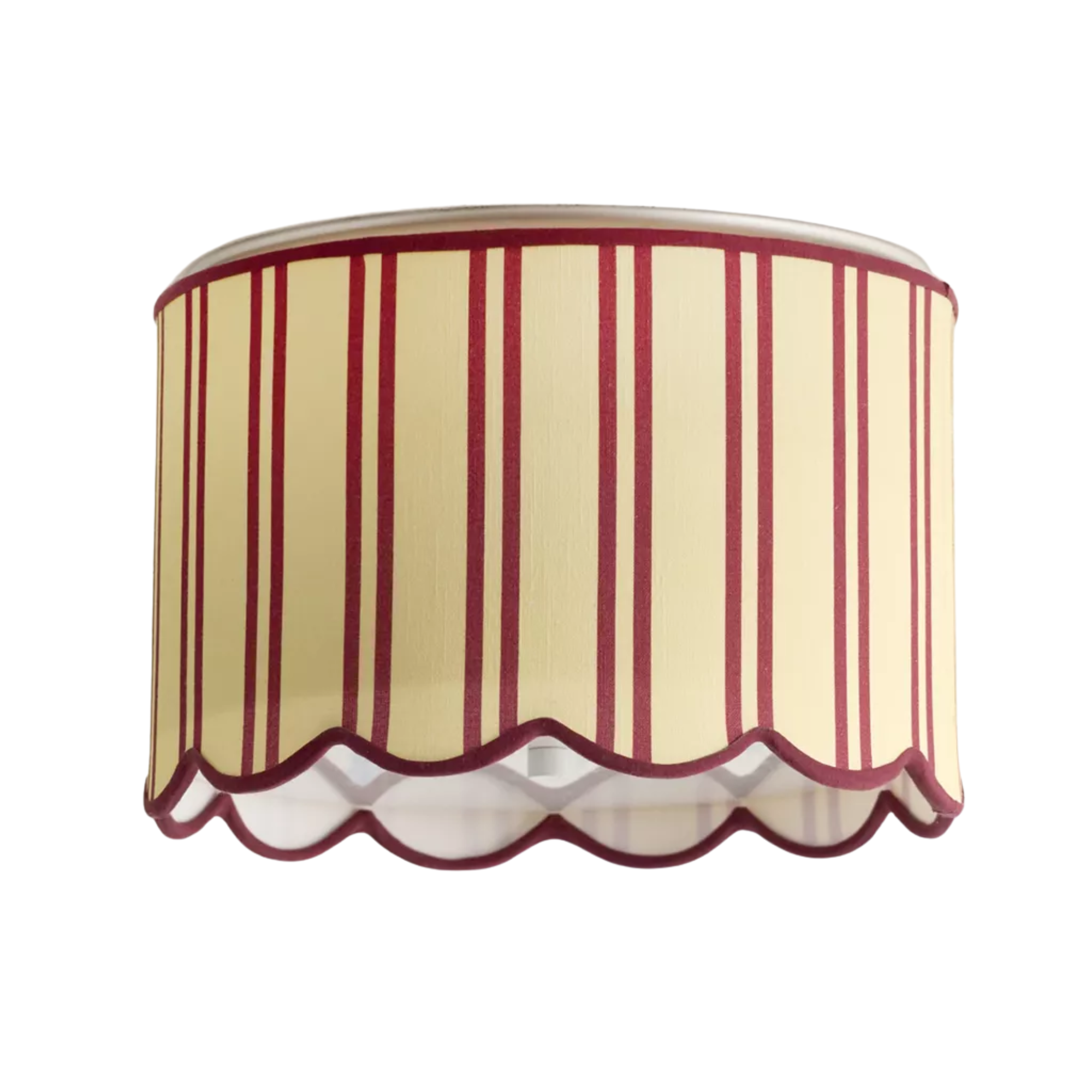
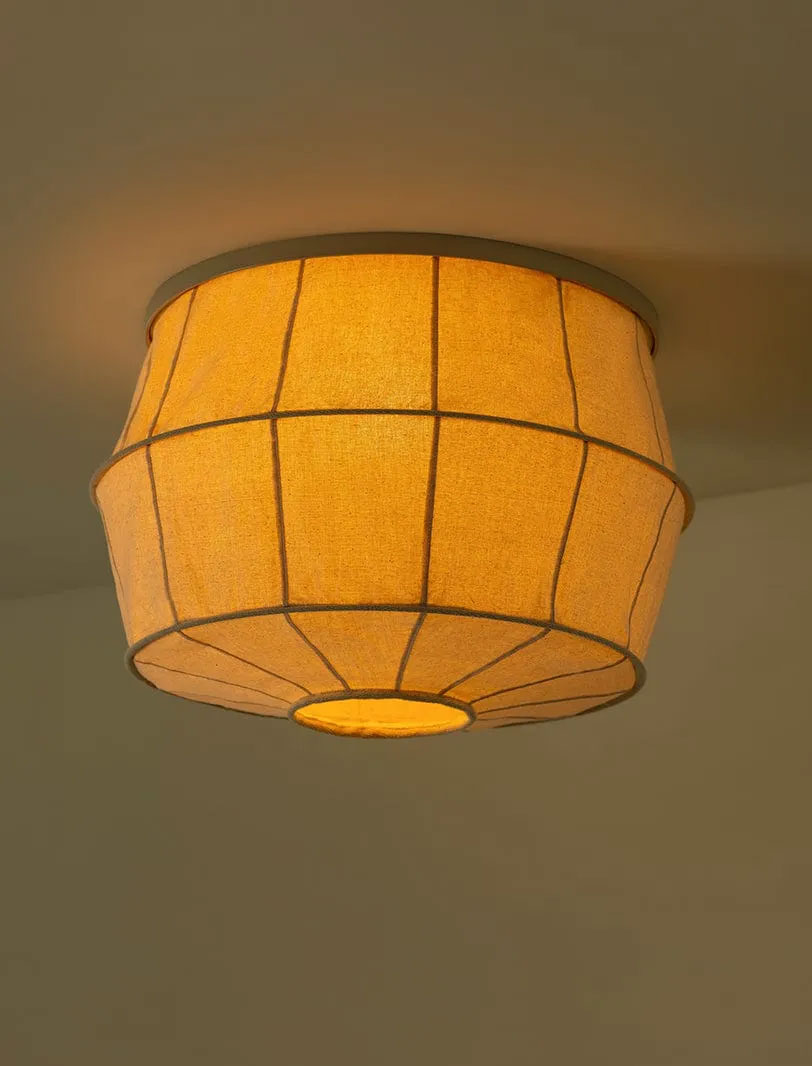
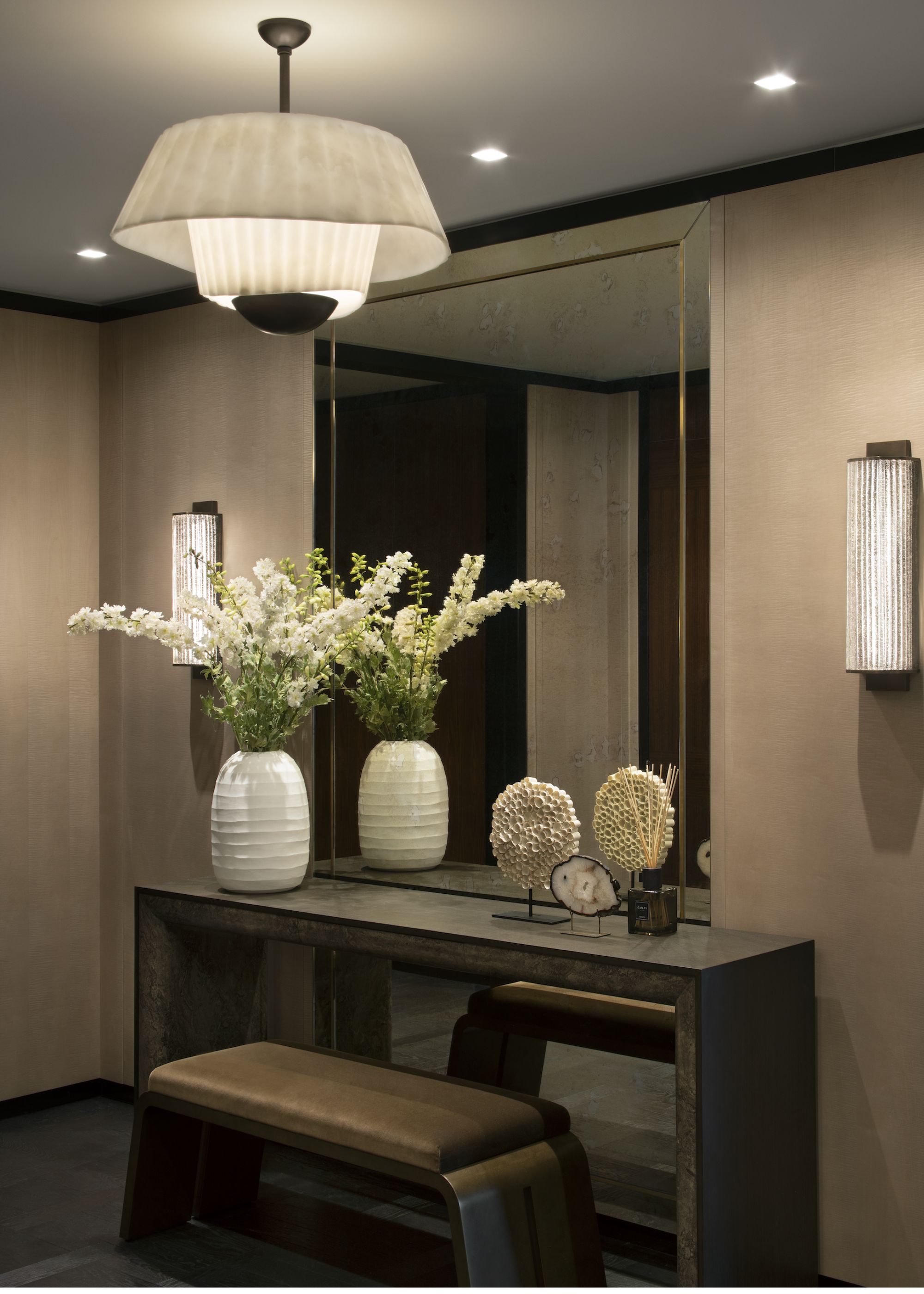
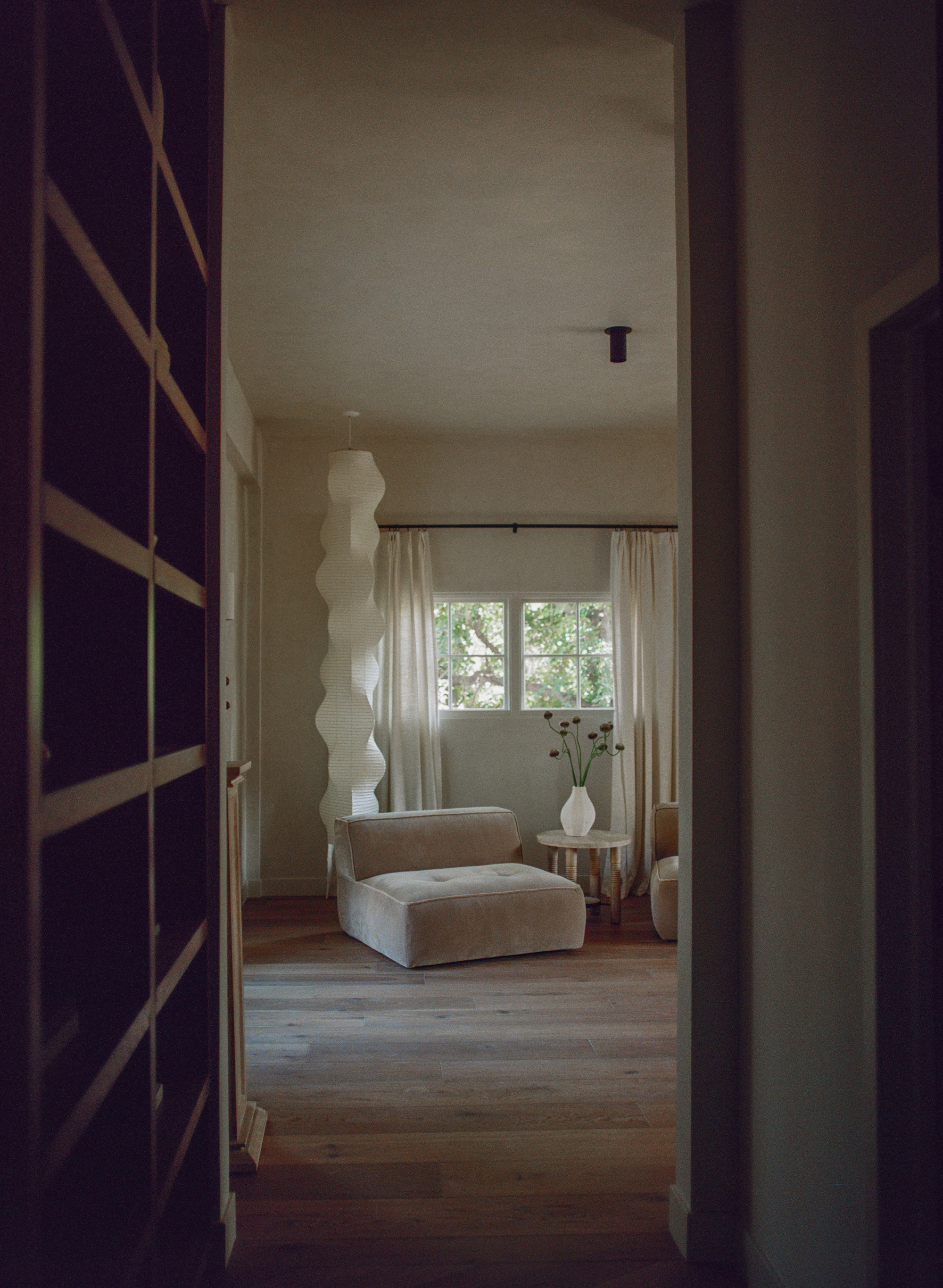
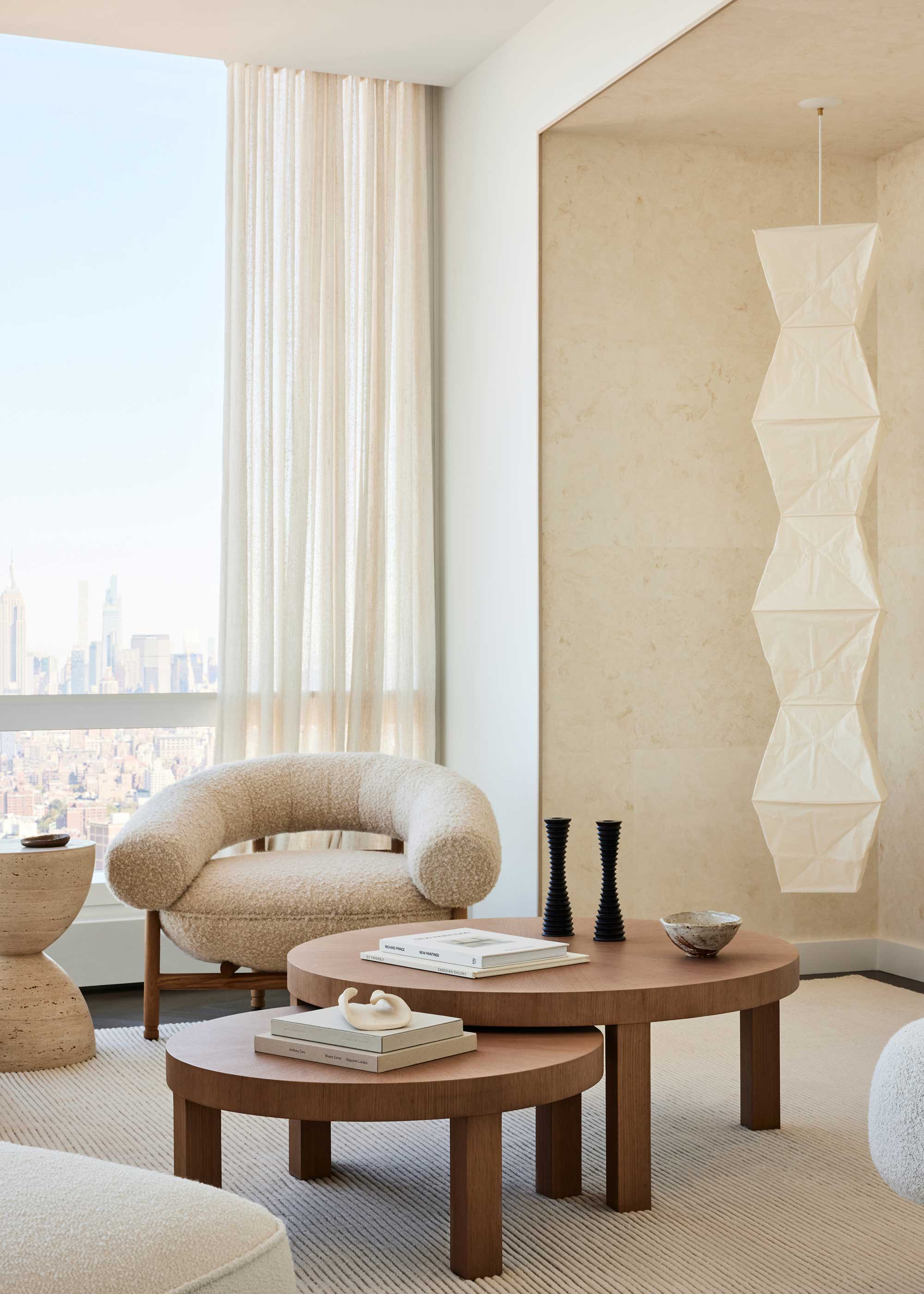
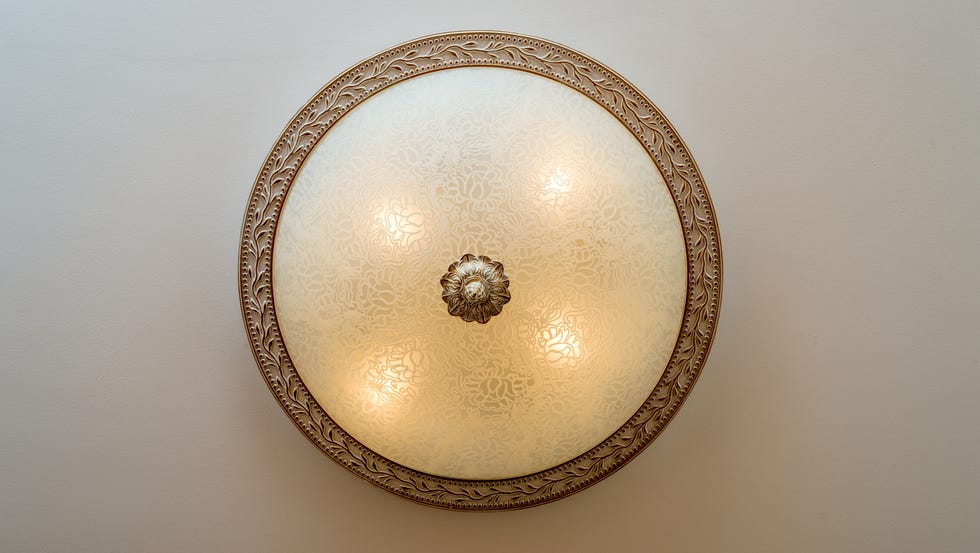
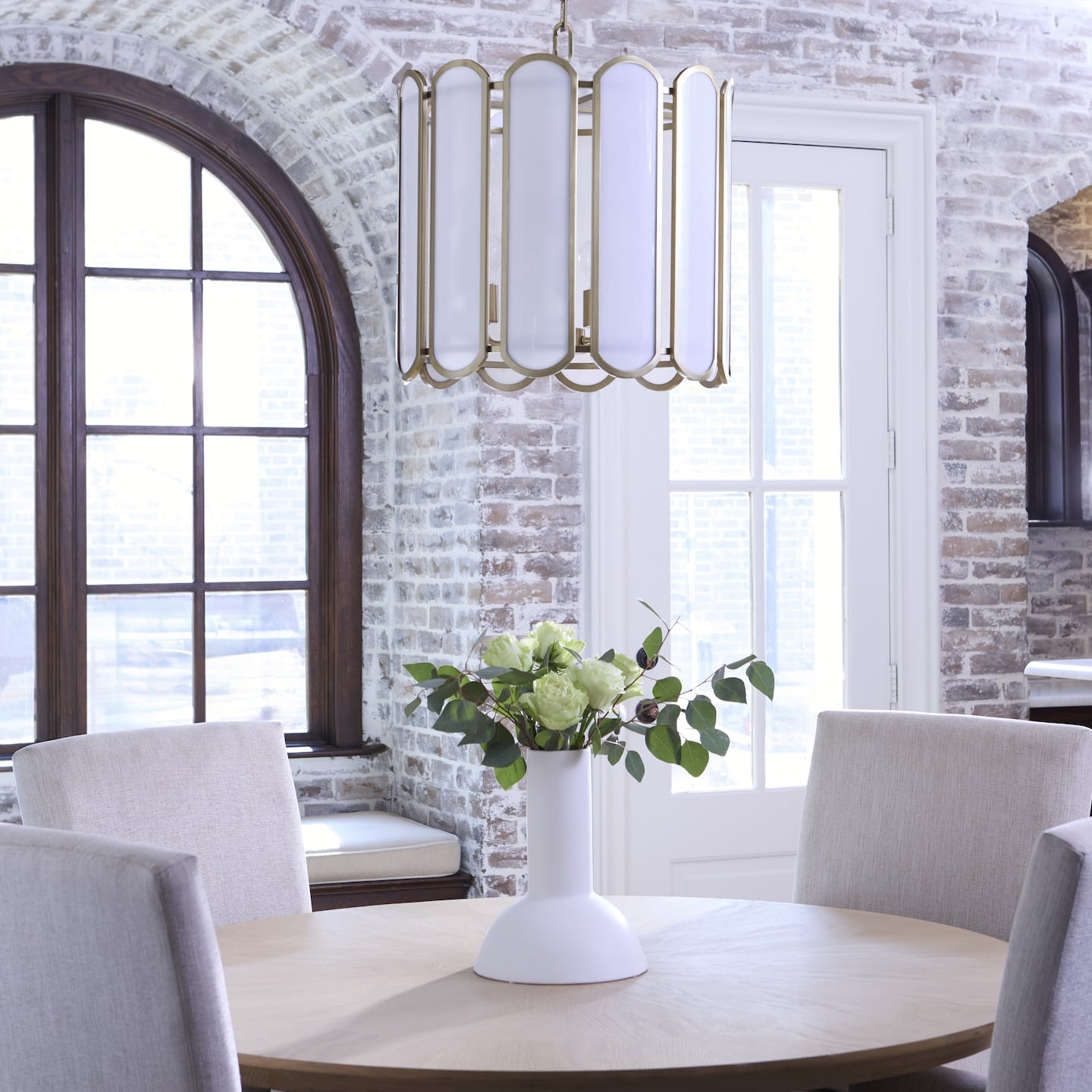
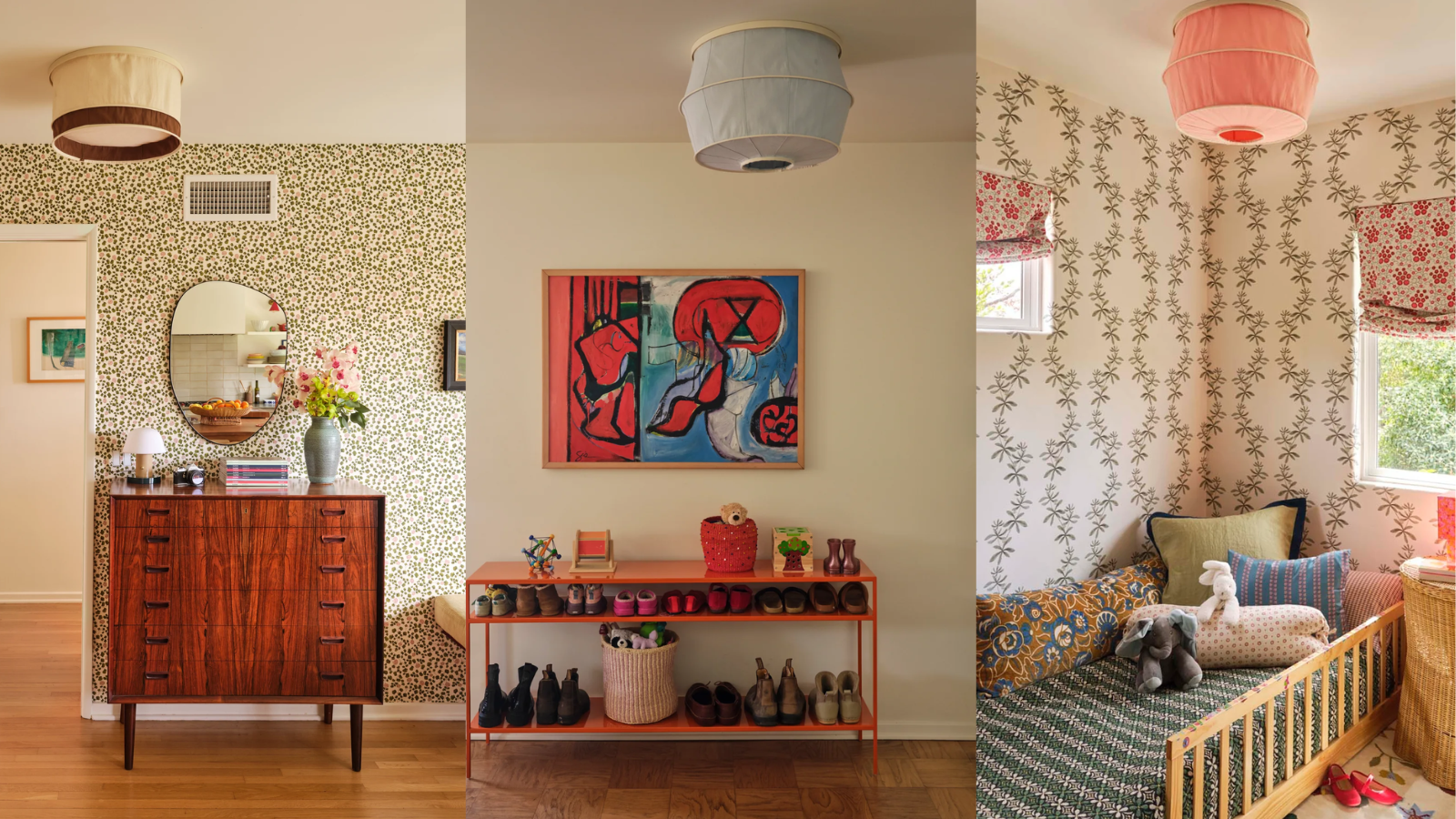
Another critical consideration is avoiding exposed bulbs, particularly those with clear filaments. Exposed bulbs can produce harsh, focused illumination, leading to glare and undesirable shadows. Opting for frosted bulbs or using shades that diffuse light, such as fabric, paper lanterns, or shades designed to reflect light upwards, can significantly soften the output. This applies to various lighting types, including ambient and pendant lighting; while an exposed bulb might serve for task lighting, a diffused light source is essential for creating a relaxing environment.
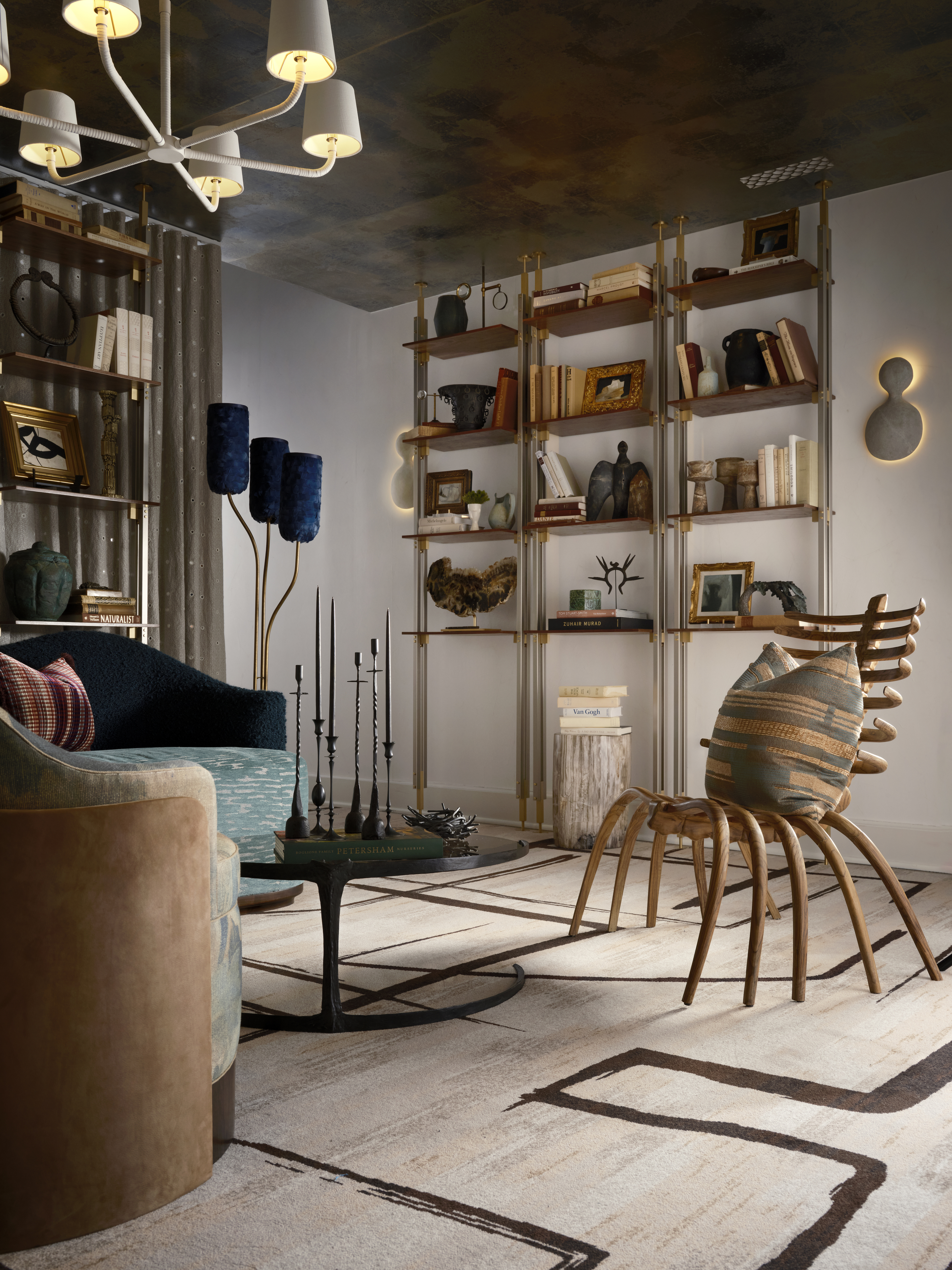
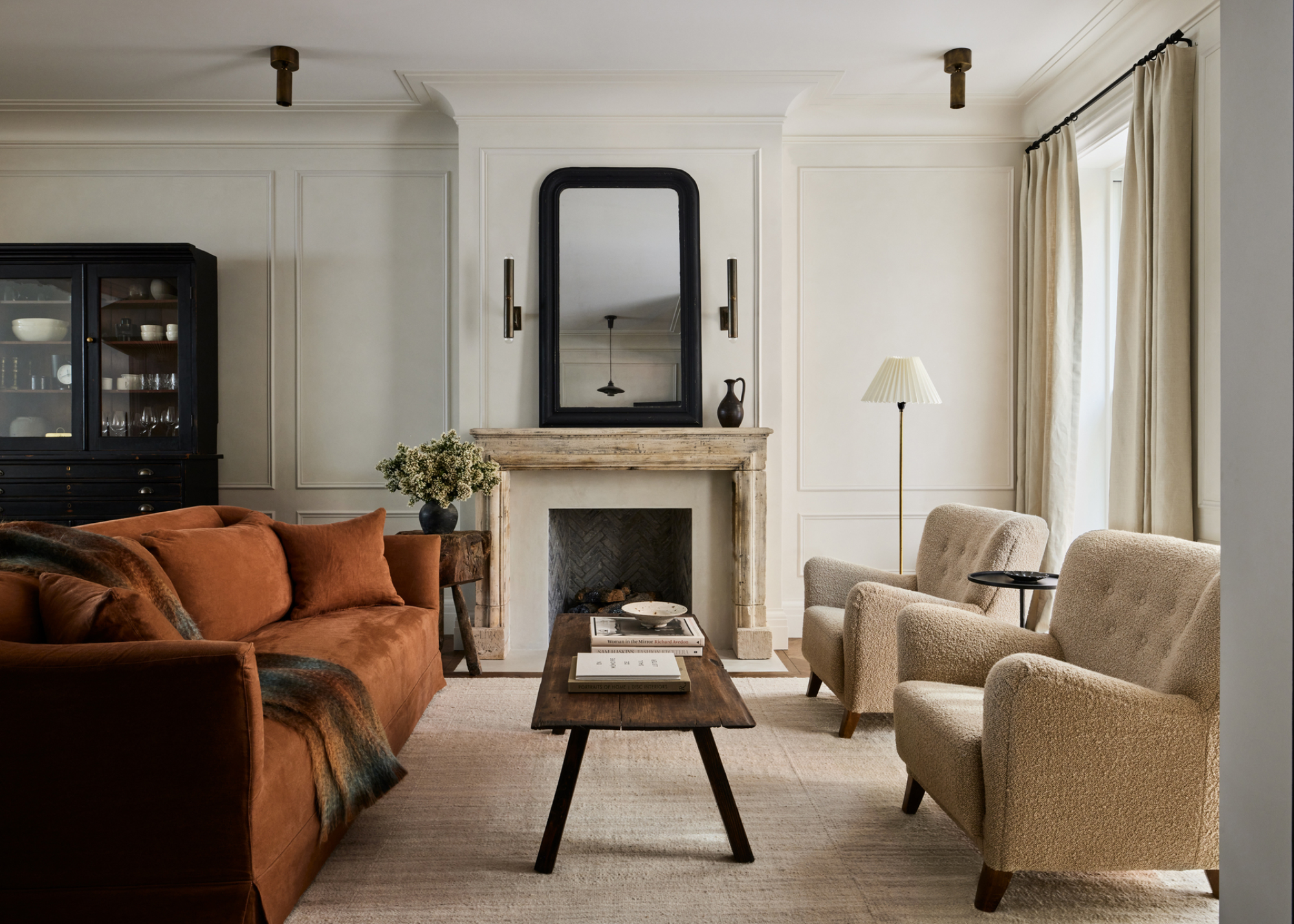
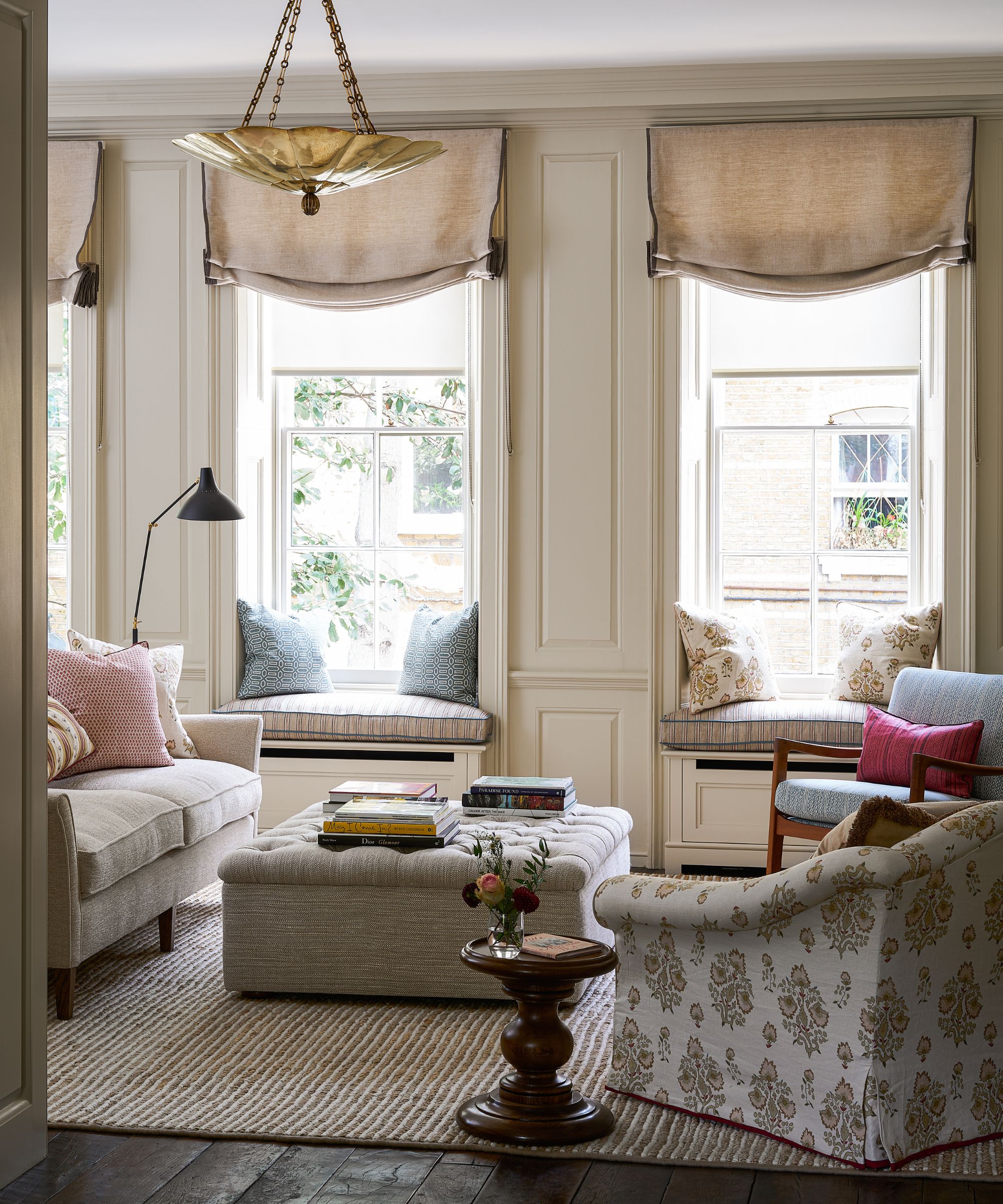
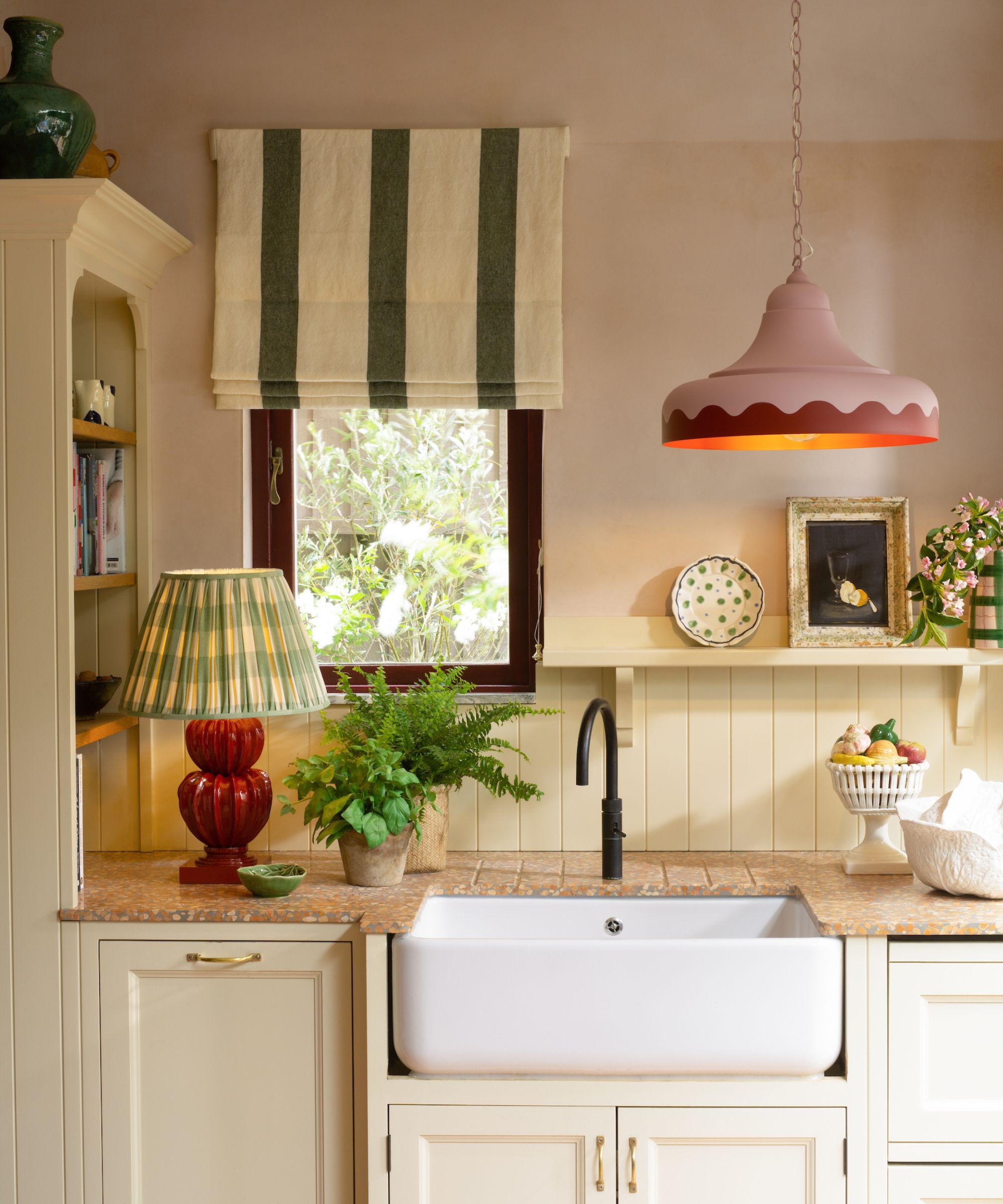
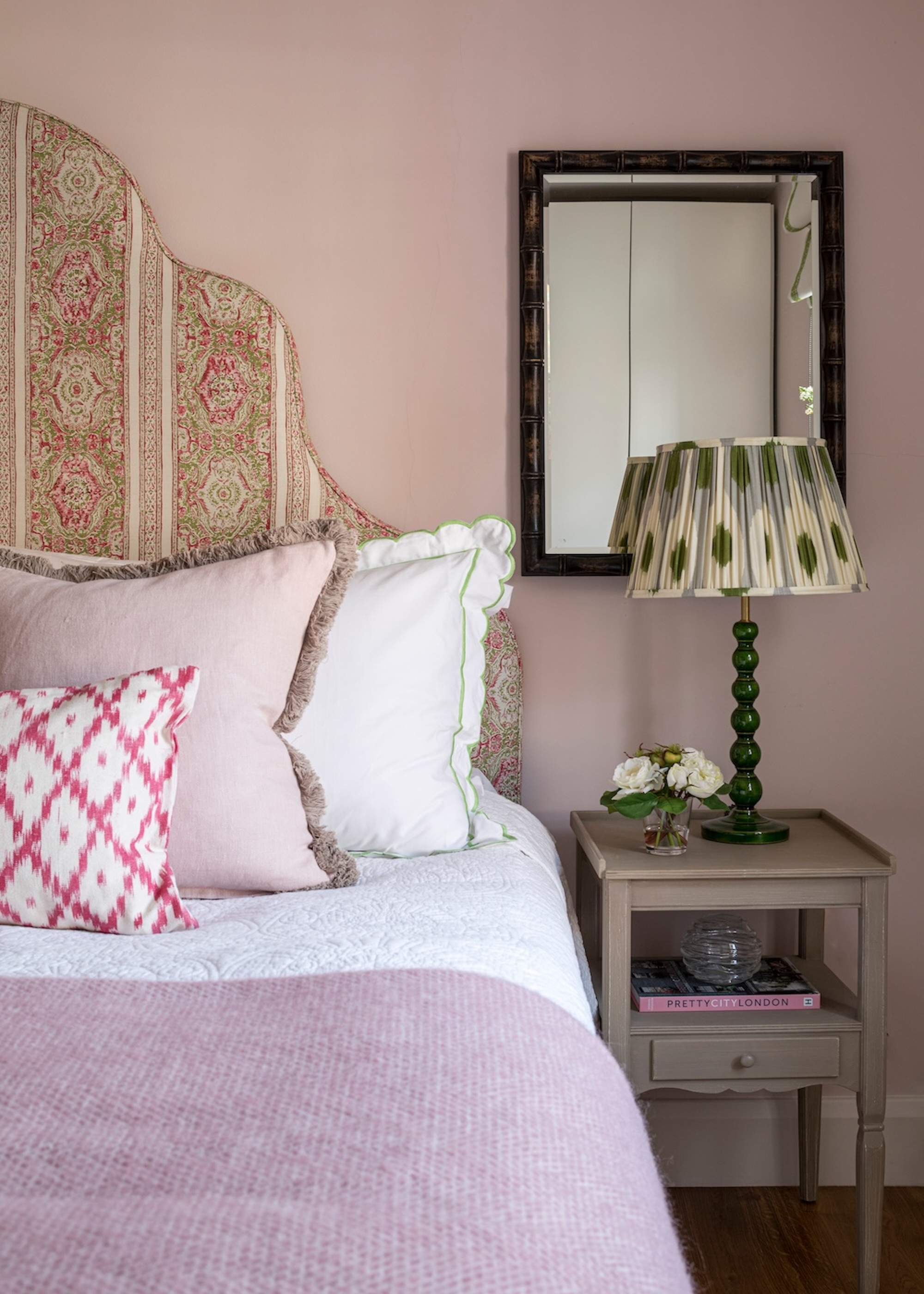
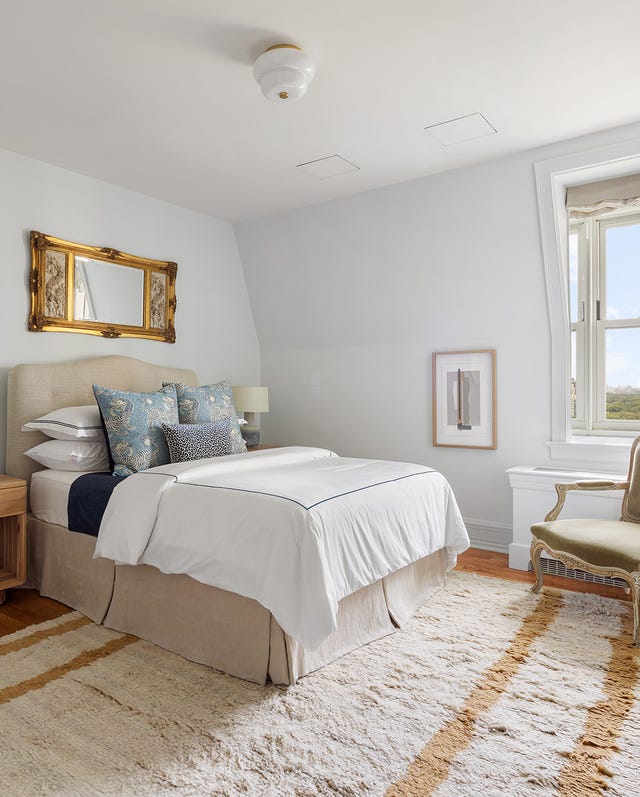
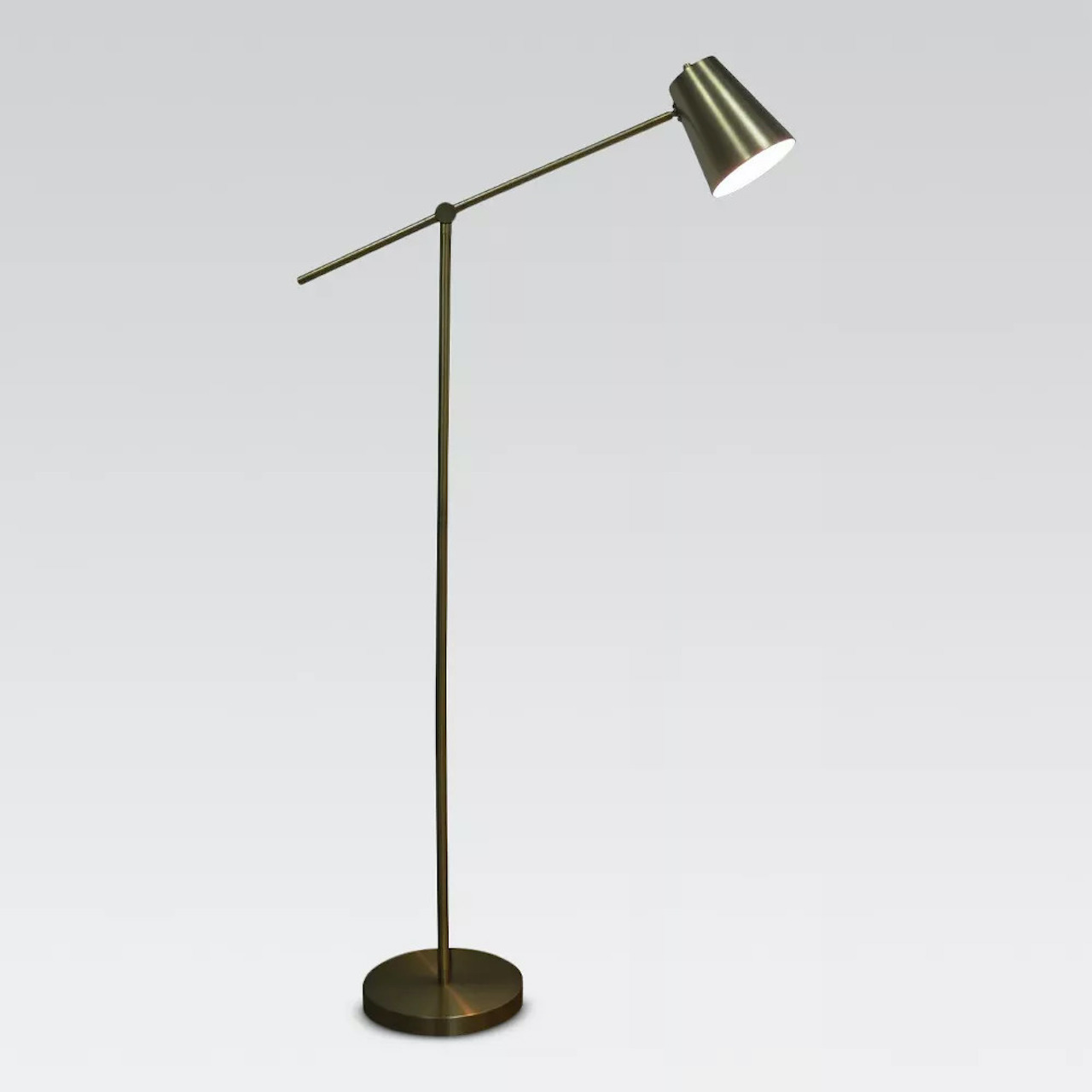
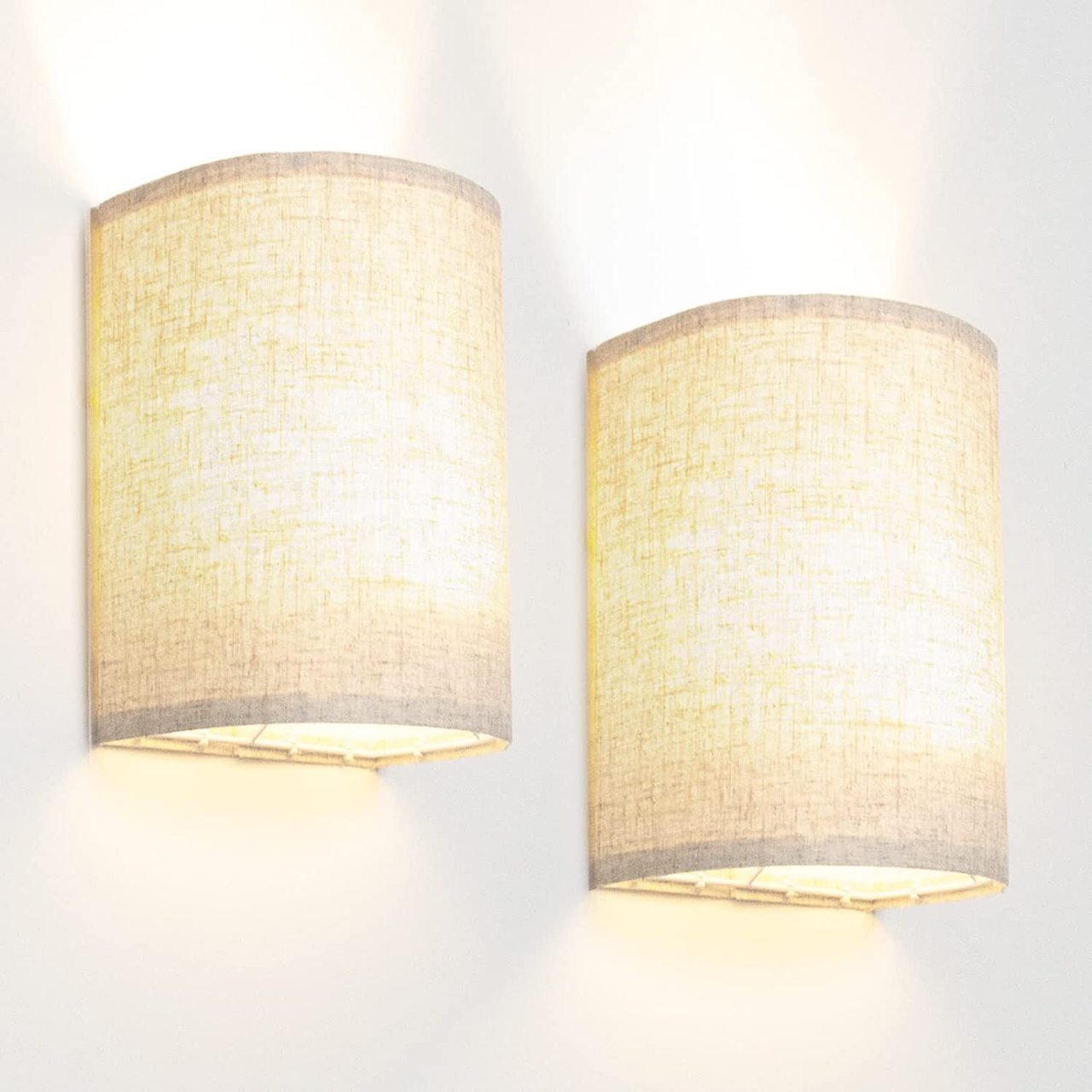
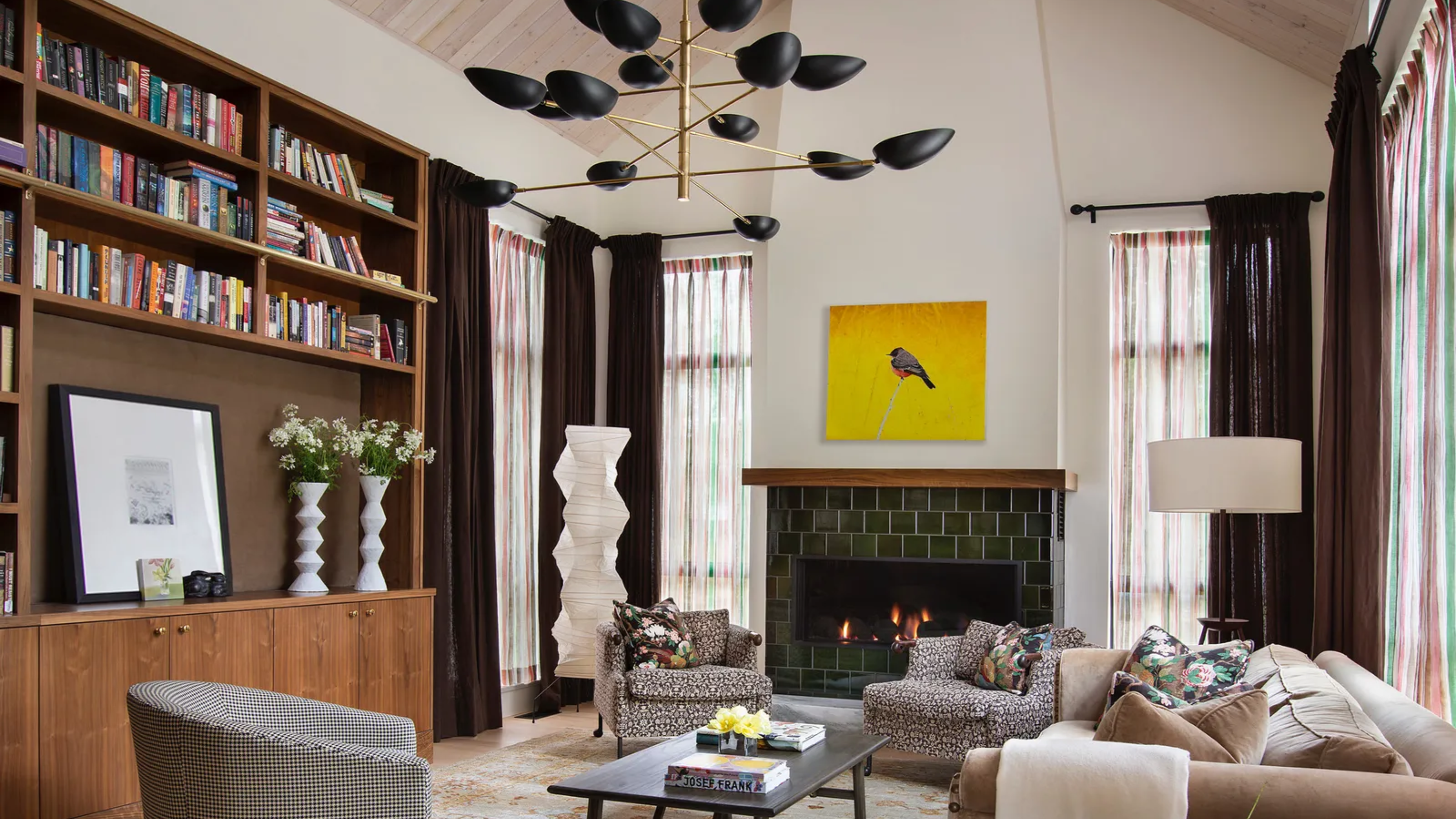
Effective lighting design also relies on layering different light sources. A well-rounded lighting scheme integrates overhead lights like chandeliers or recessed spots with table lamps, floor lamps, and wall sconces. This multi-layered approach ensures that a space is adequately lit for various activities and moods, avoiding reliance on a single, potentially overpowering overhead source. Designers emphasize that combining different light levels from multiple sources creates a more inviting and dynamic space.
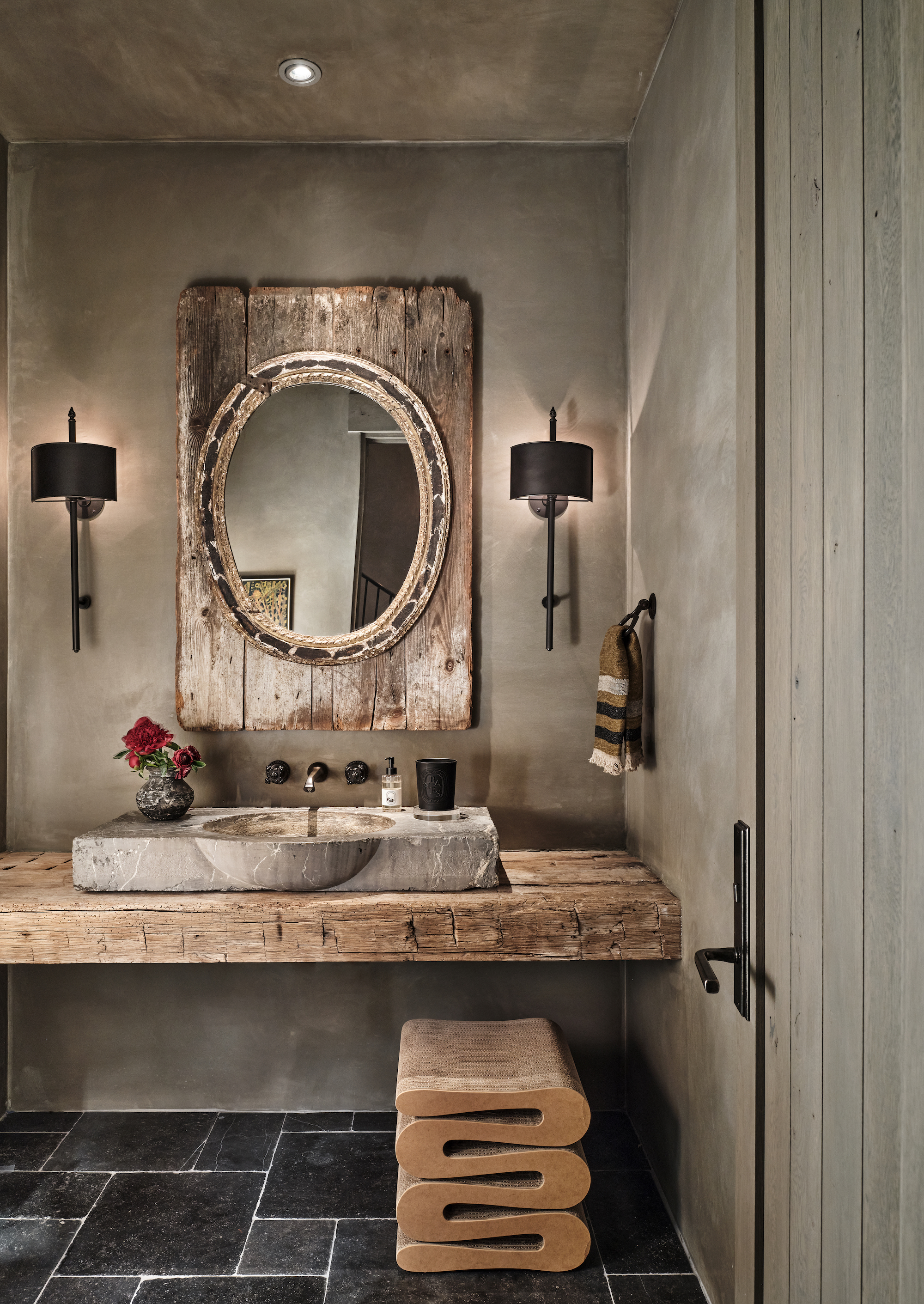
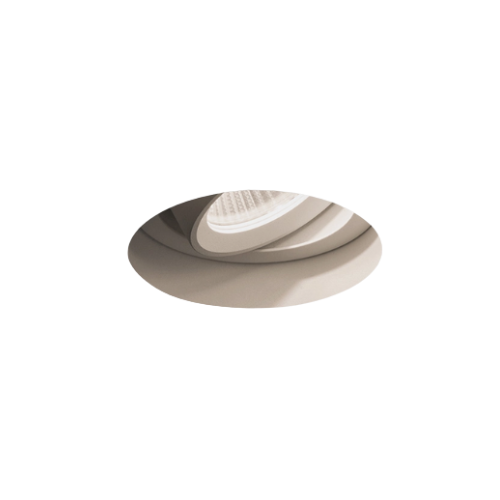
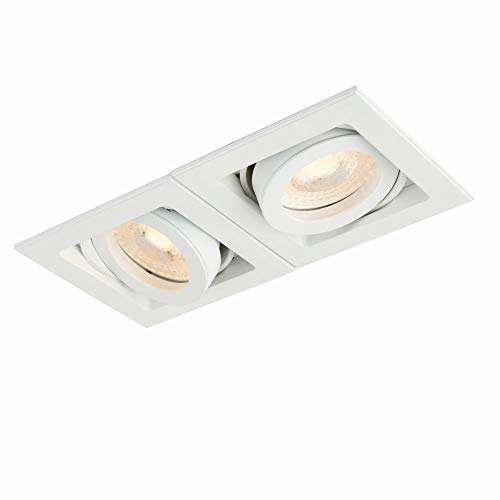
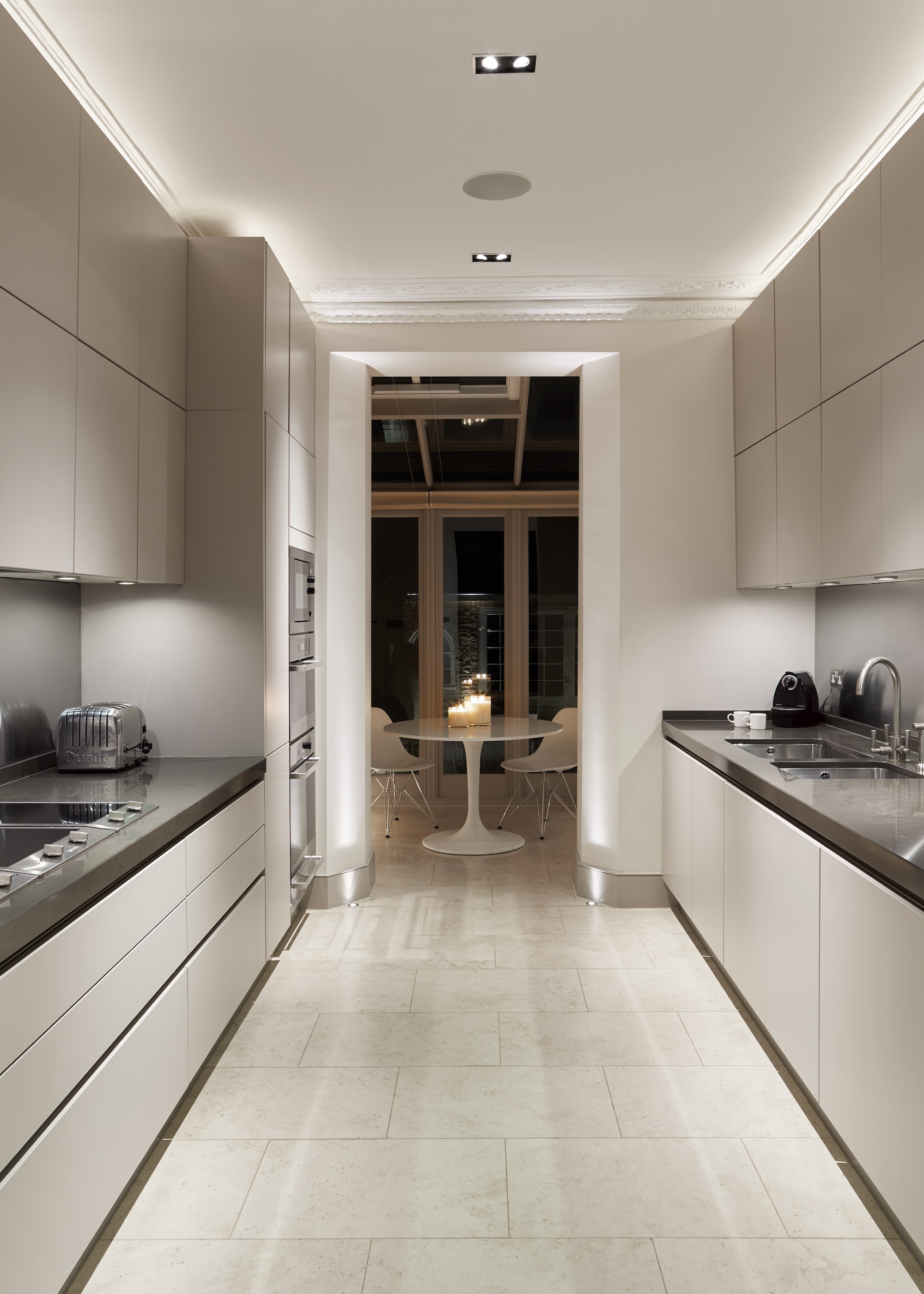
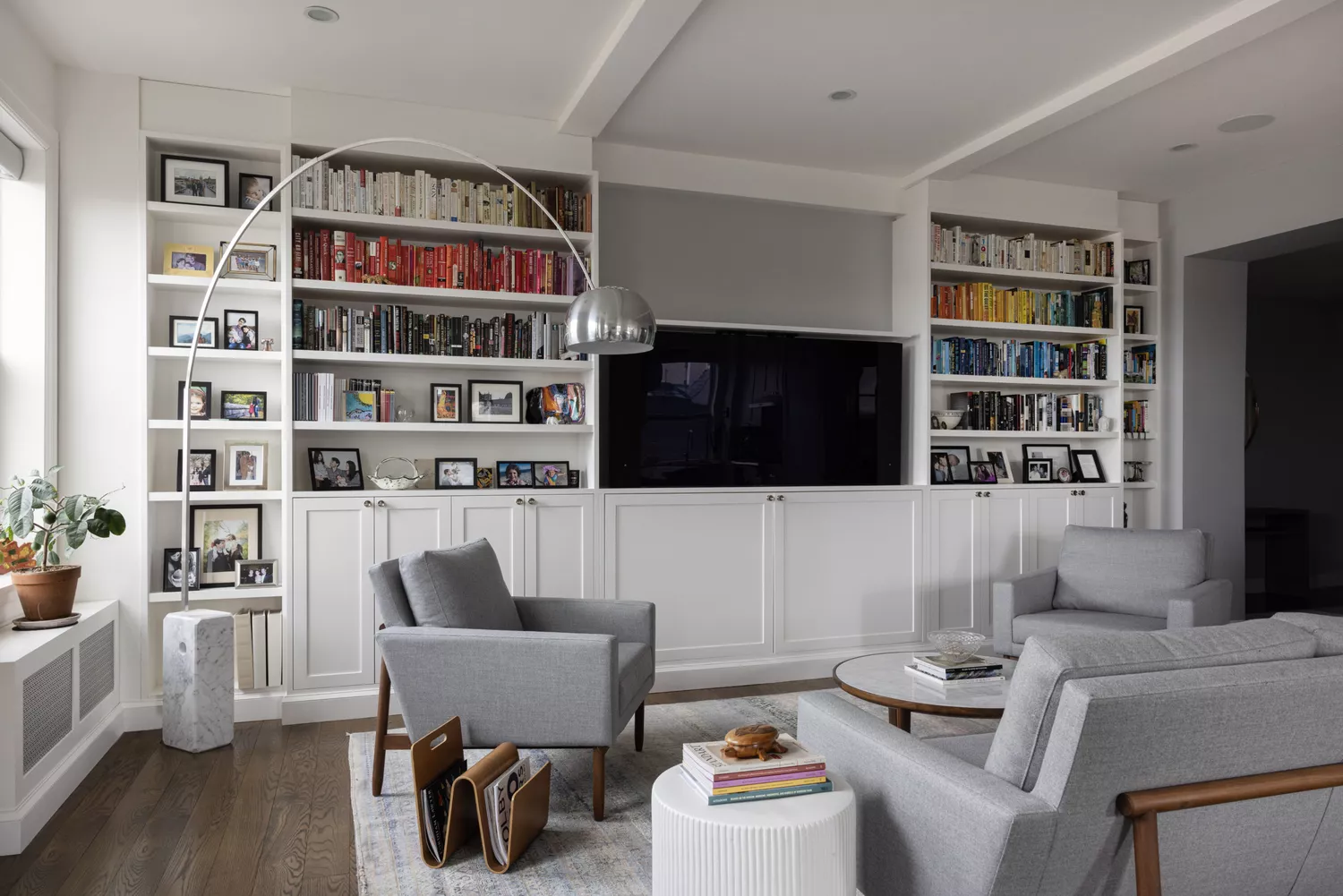
Recessed lighting, when strategically installed, contributes to a soft, diffused glow without being obtrusive. This type of lighting is often used to accent specific architectural features or provide general, unobtrusive illumination, rather than acting as the sole light source. To maximize its impact while maintaining a cozy feel, recessed lights should be positioned to highlight furniture groupings or walls, utilizing warmer temperatures (e.g., 2700K) and narrower beams.
The light output, measured in lumens, is another key factor. Instead of focusing on wattage, which indicates energy consumption, selecting bulbs based on their lumen rating directly corresponds to their brightness. For a tranquil and relaxing atmosphere, a lumen rating between 800 and 2,000 is generally recommended. This range provides sufficient light without being excessively bright, contributing to a sense of calm.
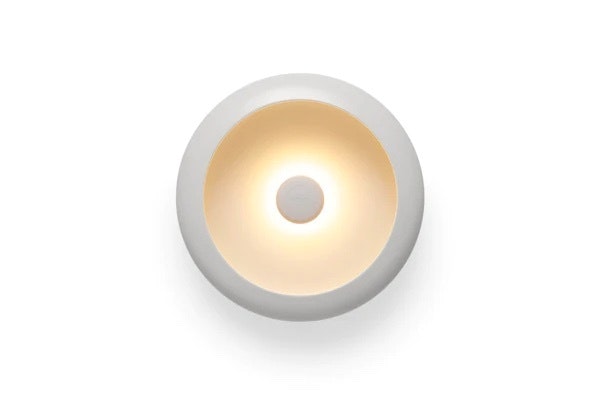
Incorporating dimmers is essential for controlling the intensity of overhead lights. Dimmable fixtures allow users to adjust brightness according to need and mood, effectively transforming harsh illumination into a softer, more flattering glow. Even lights without built-in dimmers can be controlled with plug-in dimmers, offering flexibility in light management.
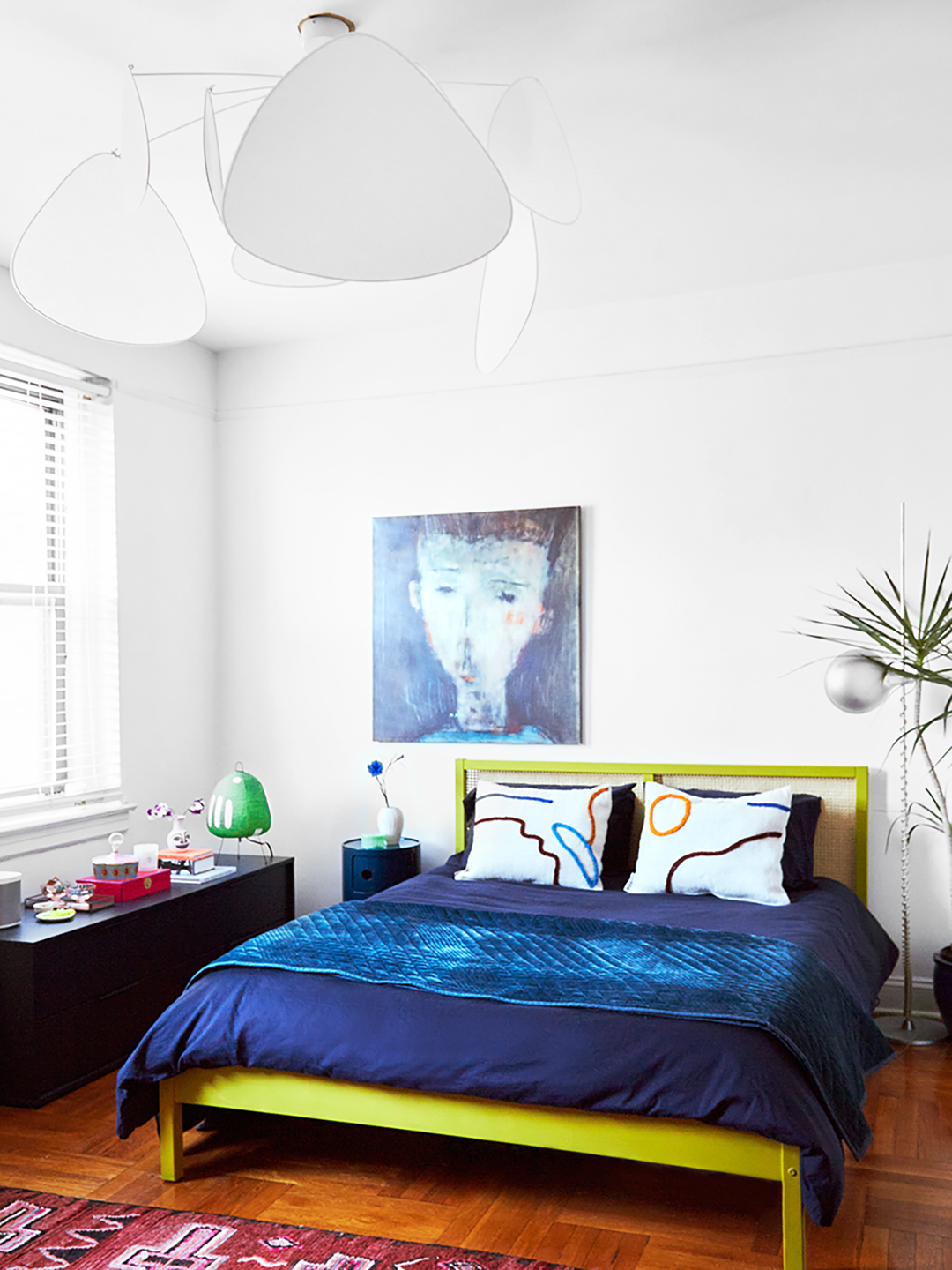
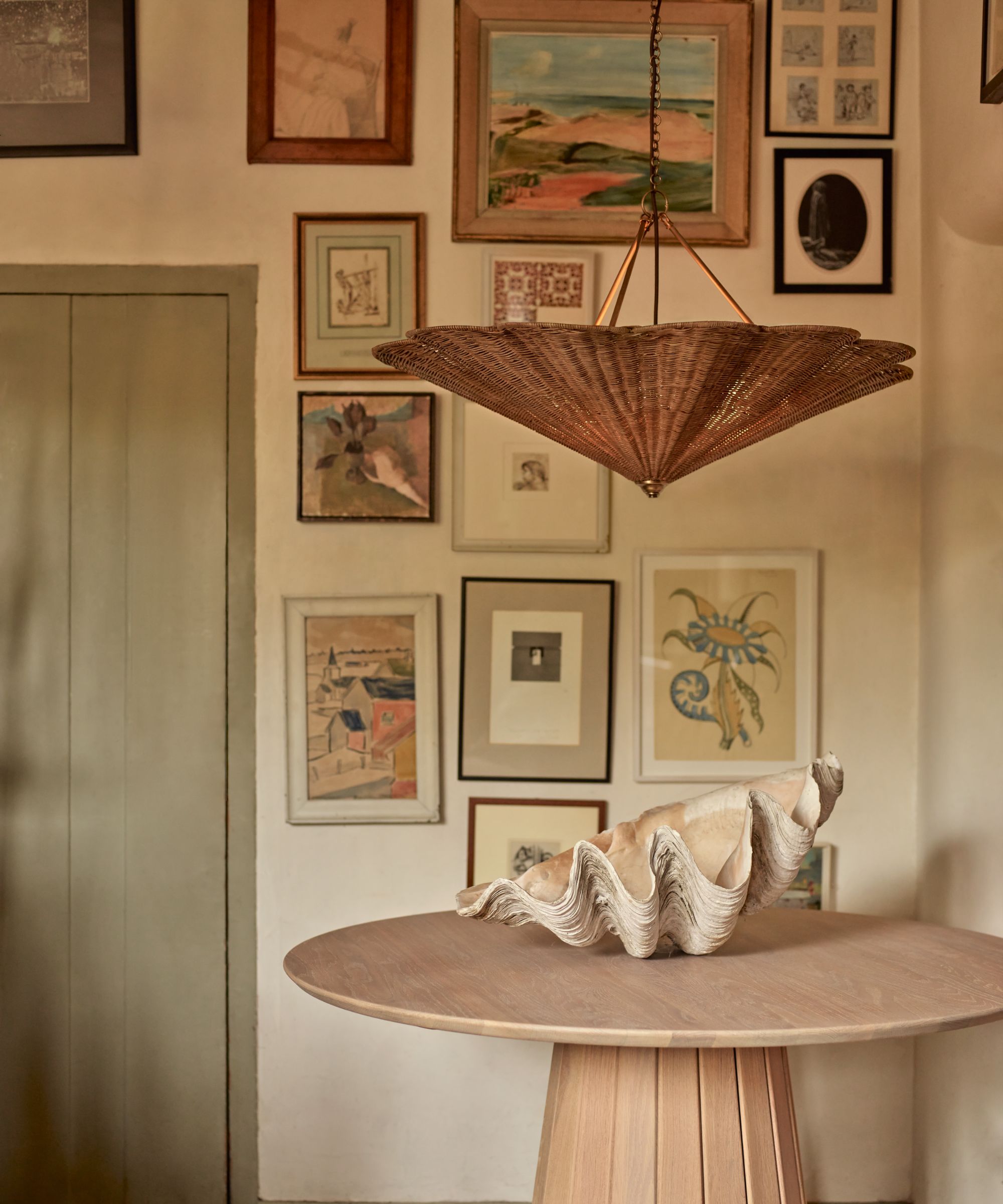
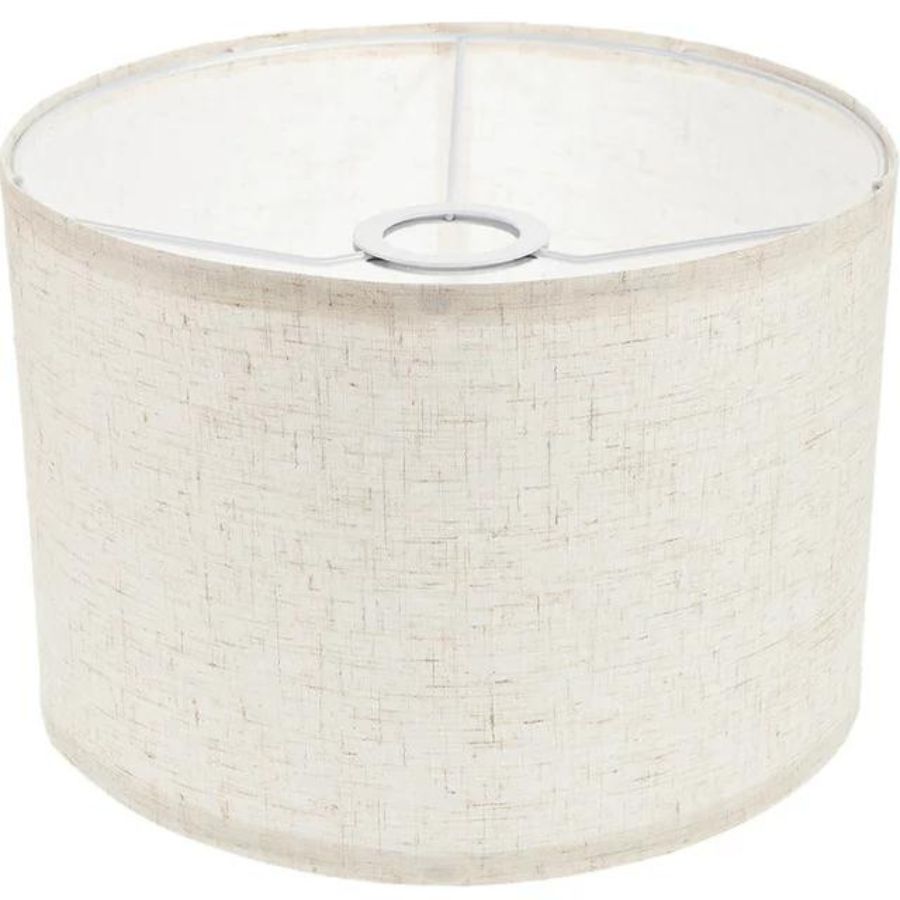
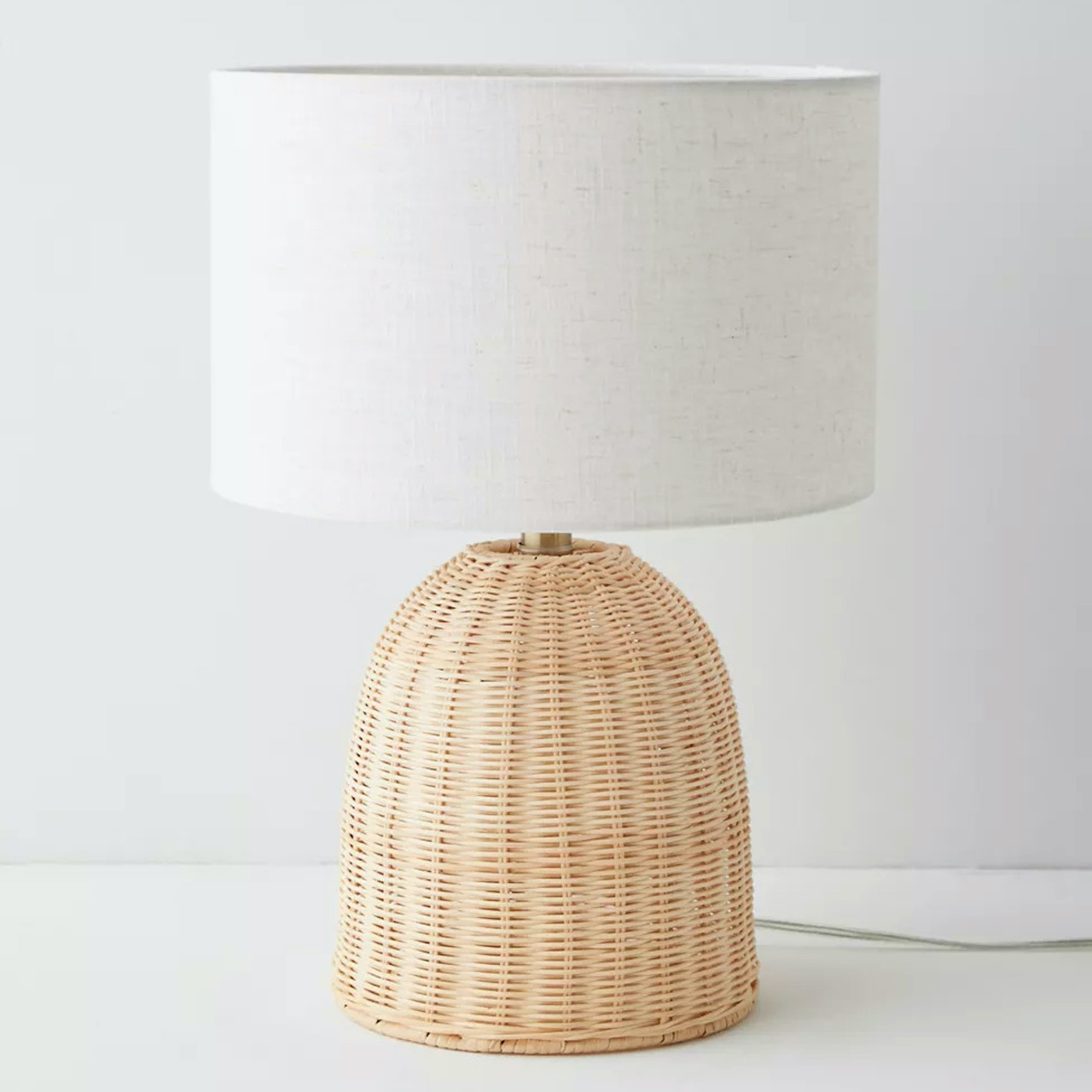
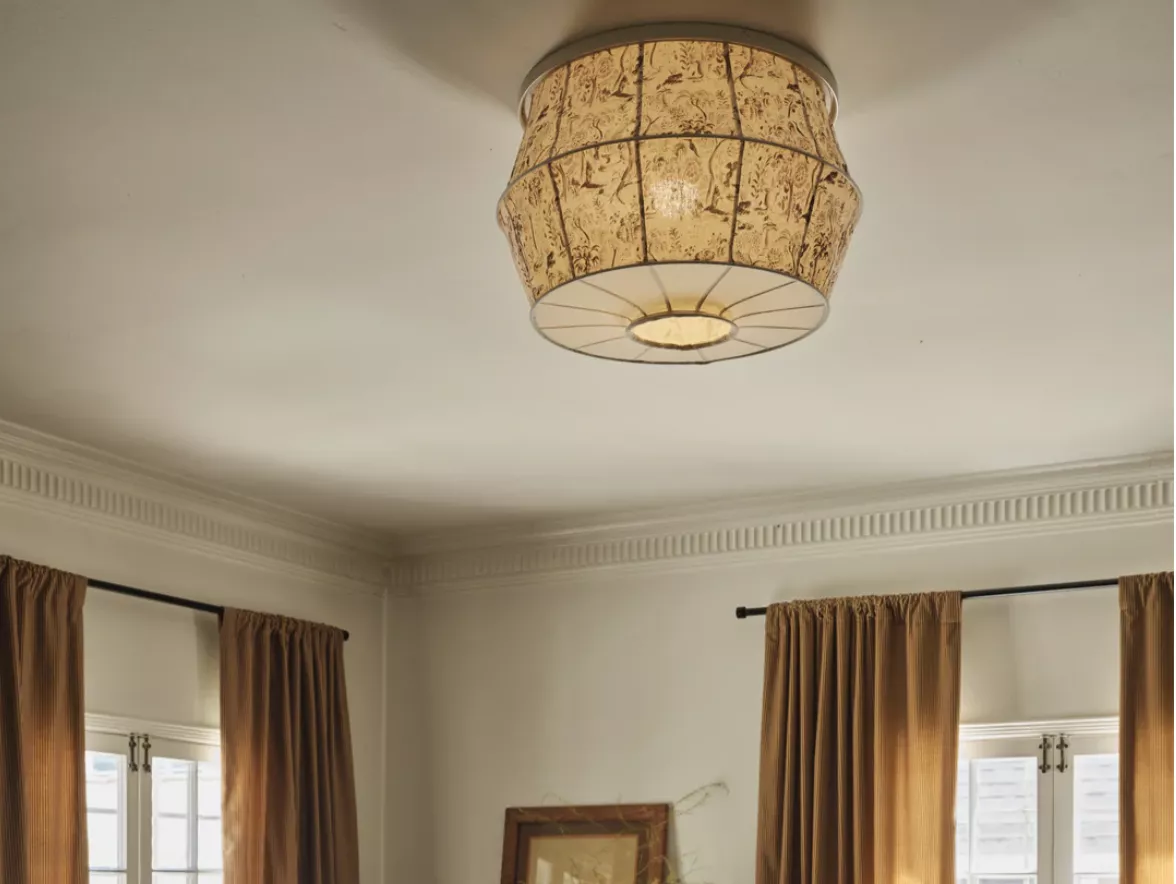
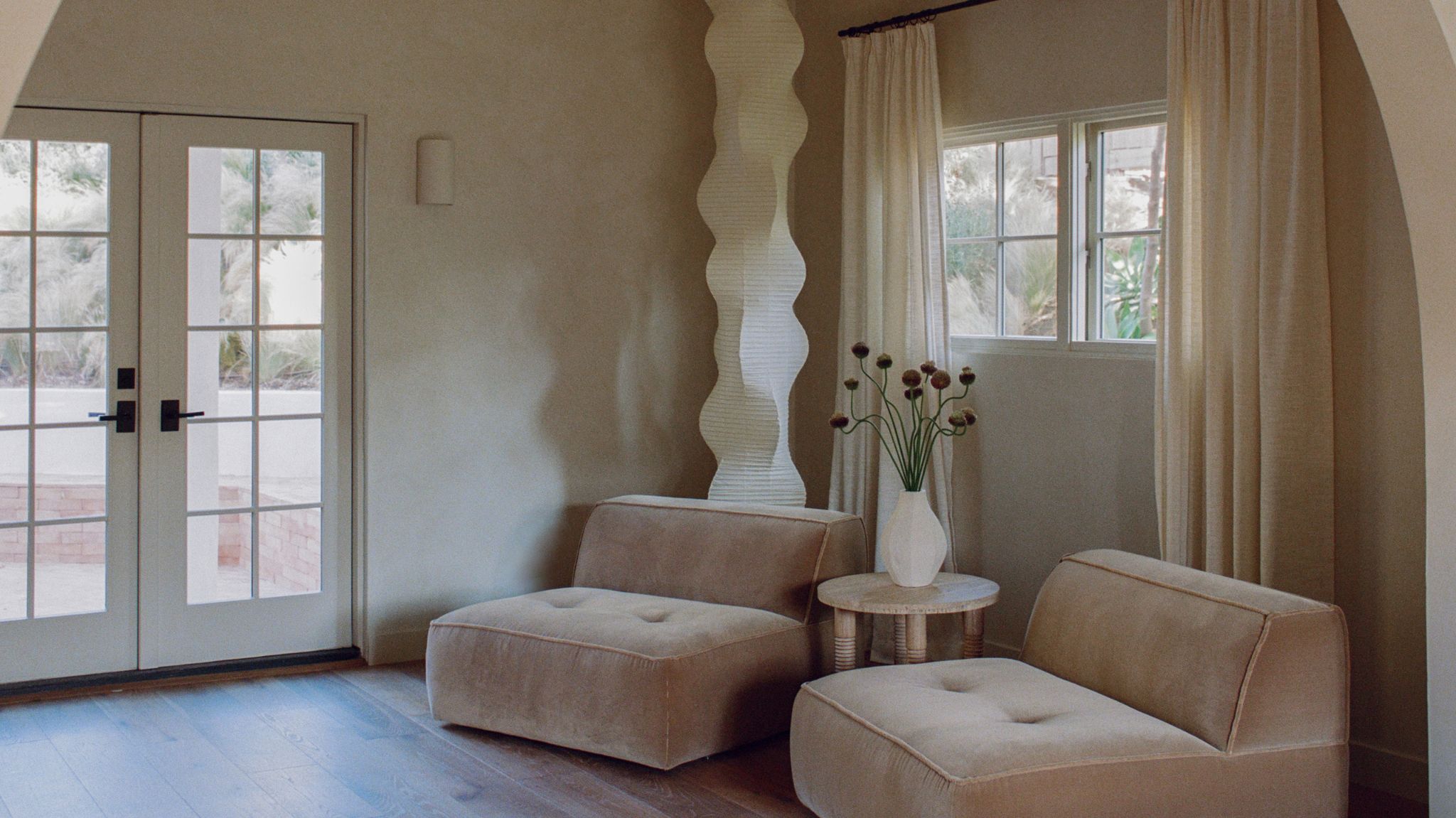
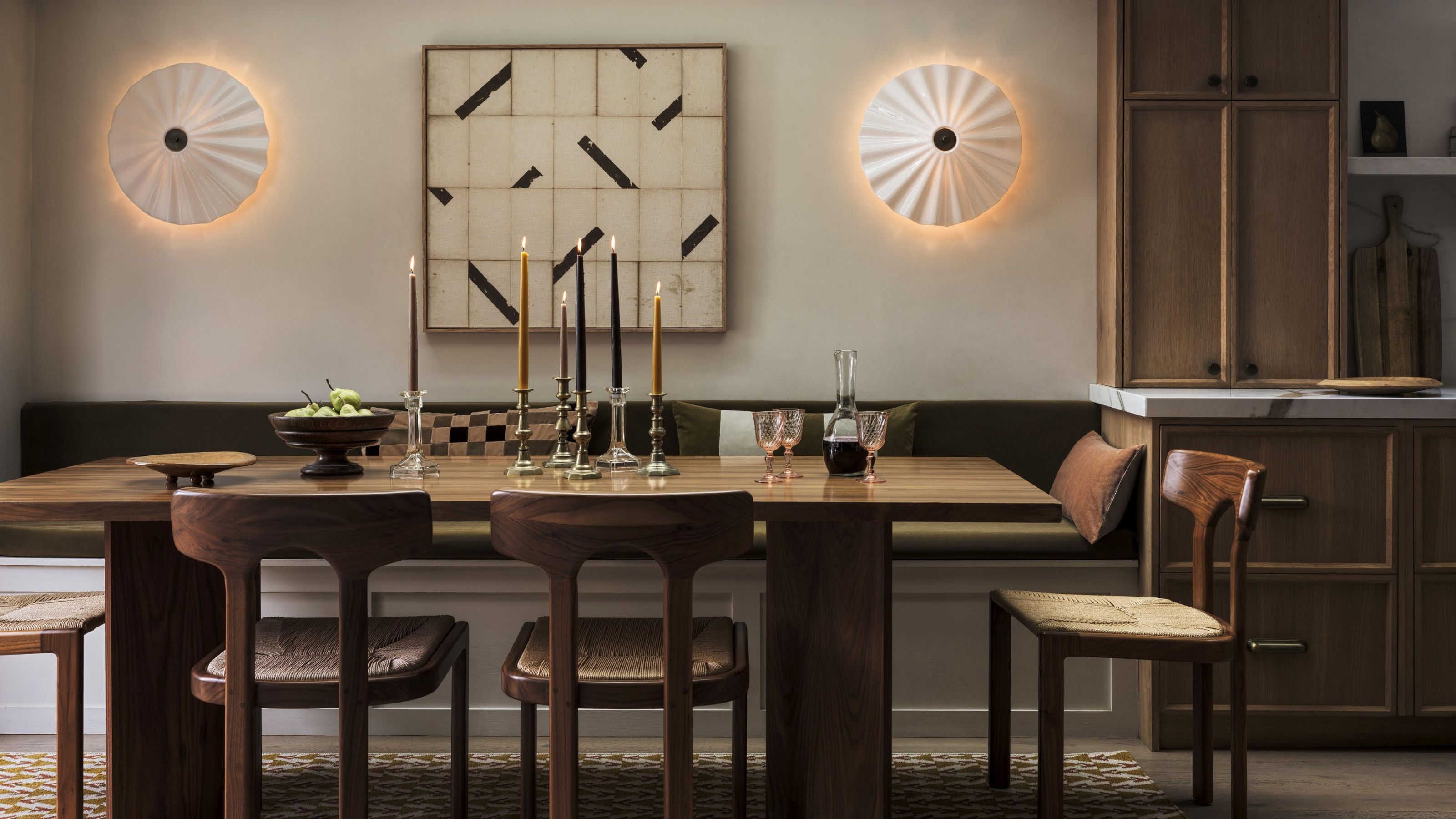
Finally, adding texture through lampshades and coverings can significantly reduce light intensity and enhance coziness. Materials like rattan or paper lamps filter light, creating a moody and atmospheric effect. These textured fixtures not only soften the light but also serve as decorative elements, contributing to the overall design aesthetic of a room, whether it's a bedroom, kitchen, bathroom, or living room.
#OverheadLighting #LightingDesign #HomeLighting #InteriorLighting #WarmLighting #DiffusedLighting #LayeredLighting #RecessedLighting #LumenOutput #OverheadLighting #LightingDesign #HomeLighting #InteriorLighting #WarmLighting #DiffusedLighting #LayeredLighting #RecessedLighting #LumenOutput
0 comment in total
 No comments yet
You may also like
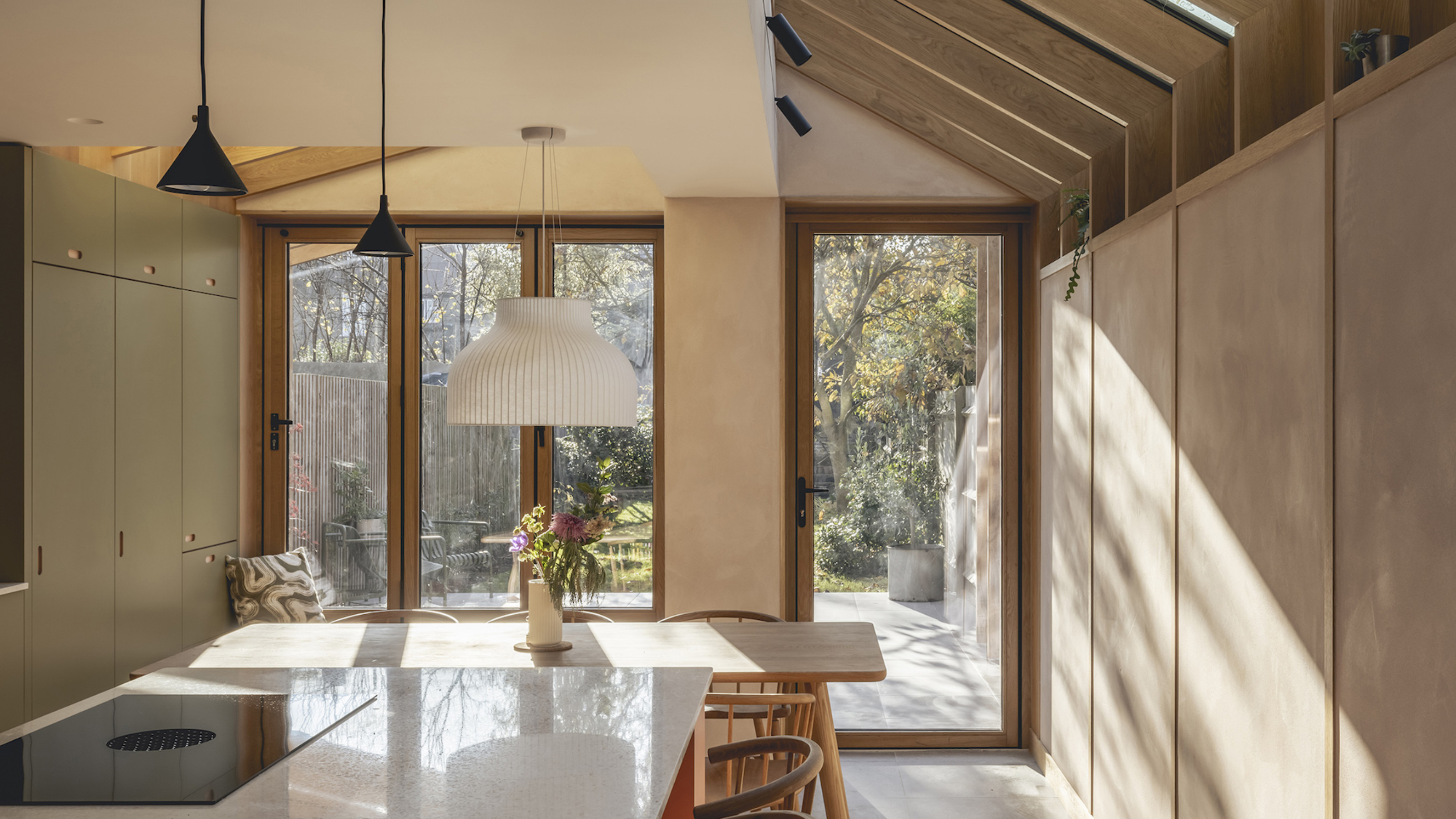
7 Tips to Save Your Kitchen Lighting From Being Too Harsh

Overhead Lighting vs. Lamps: Experts Settle This Great Debate

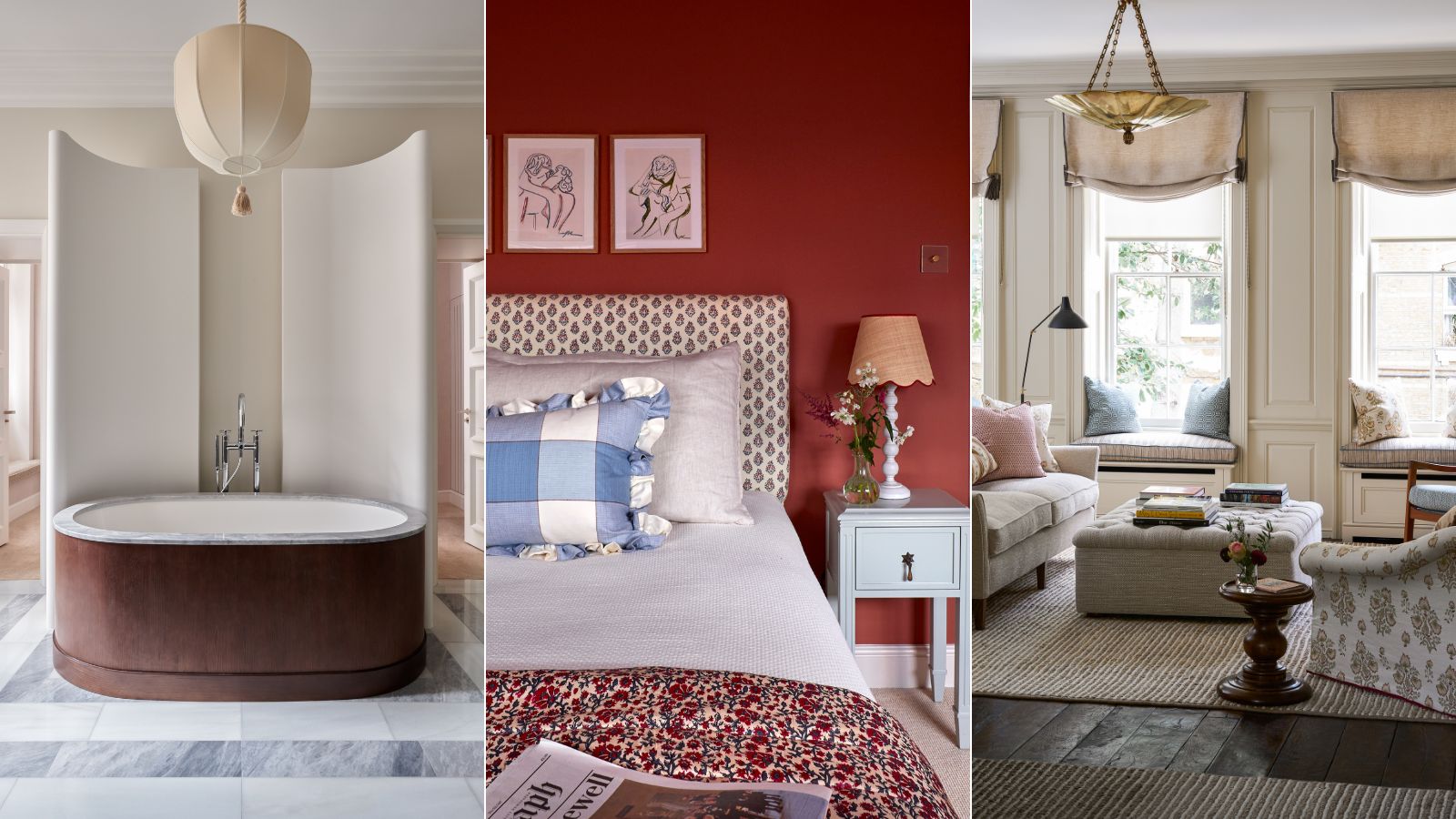
Does this hated feature still have a place in our homes? Designers on what they really think of the 'big light' debate


How to Light Your Home So Even the Overhead Haters Are Happy

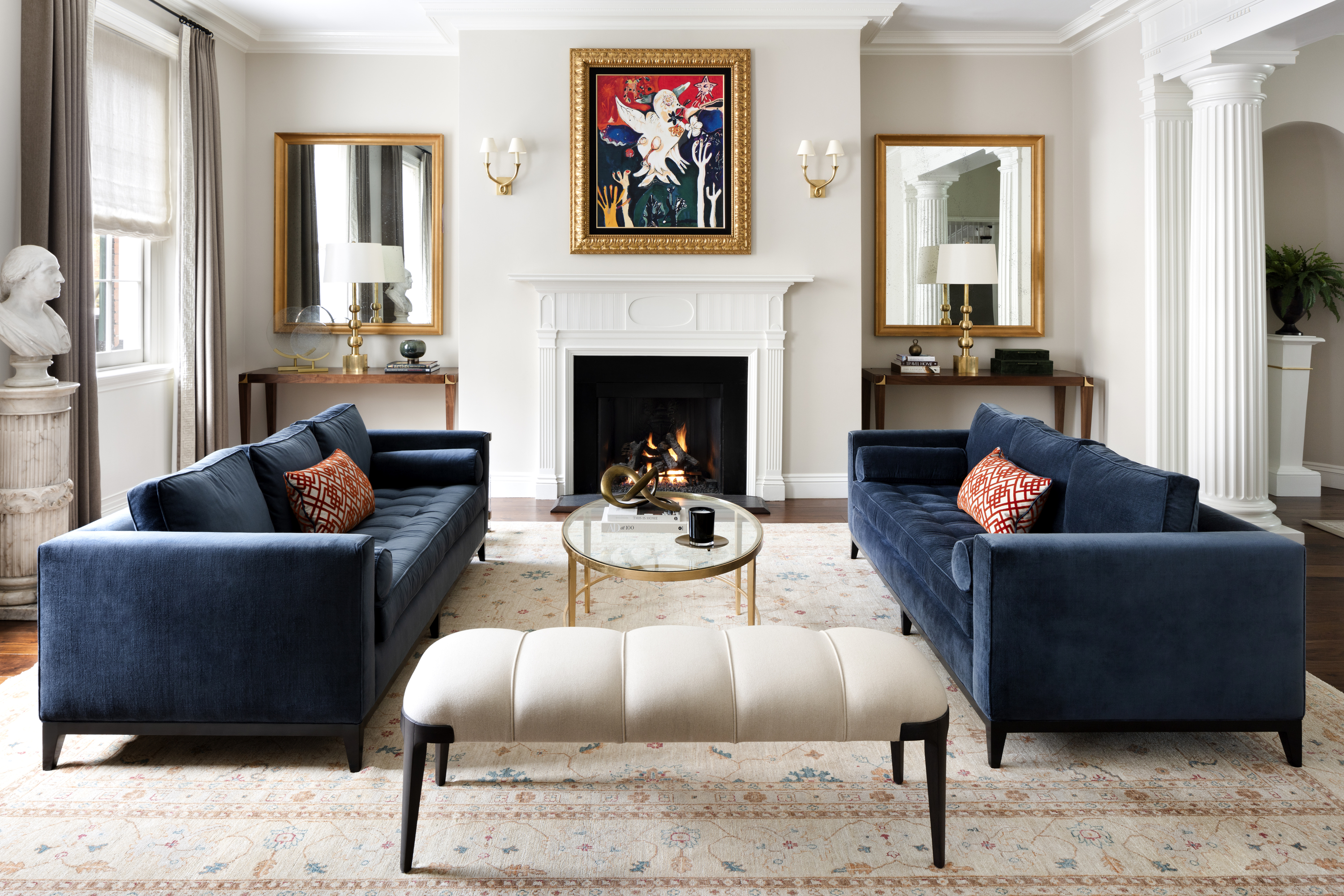
How to Make a Lighting Scheme Feel Cozy — 4 Expert-Recommended Ideas To Try
Design experts offer lighting tips for upgrades that shine

These Tulip Shades Are the Answer to Concealing Ugly Overhead Lights

This new lighting trend is my favorite way to make awkward corners seem luxe – no matter your budget

Banish the “Big Light” Completely With Some Snazzy Lamps
5 Easy, Designer-Approved Lighting Hacks to Brighten Up Your Home

Be gone, 'boob light' – here's just how to fix unattractive ceiling lights

Your "Boob Lights" Are Cheapening the Look of Your Home—Here's How Designers Fix Them

6 Little Light Ideas that Will Let You Say Goodbye to the Big Light for Good
5 Types of Lighting Designers Would Never Use —They're Harsh and Unflattering and Here's Why
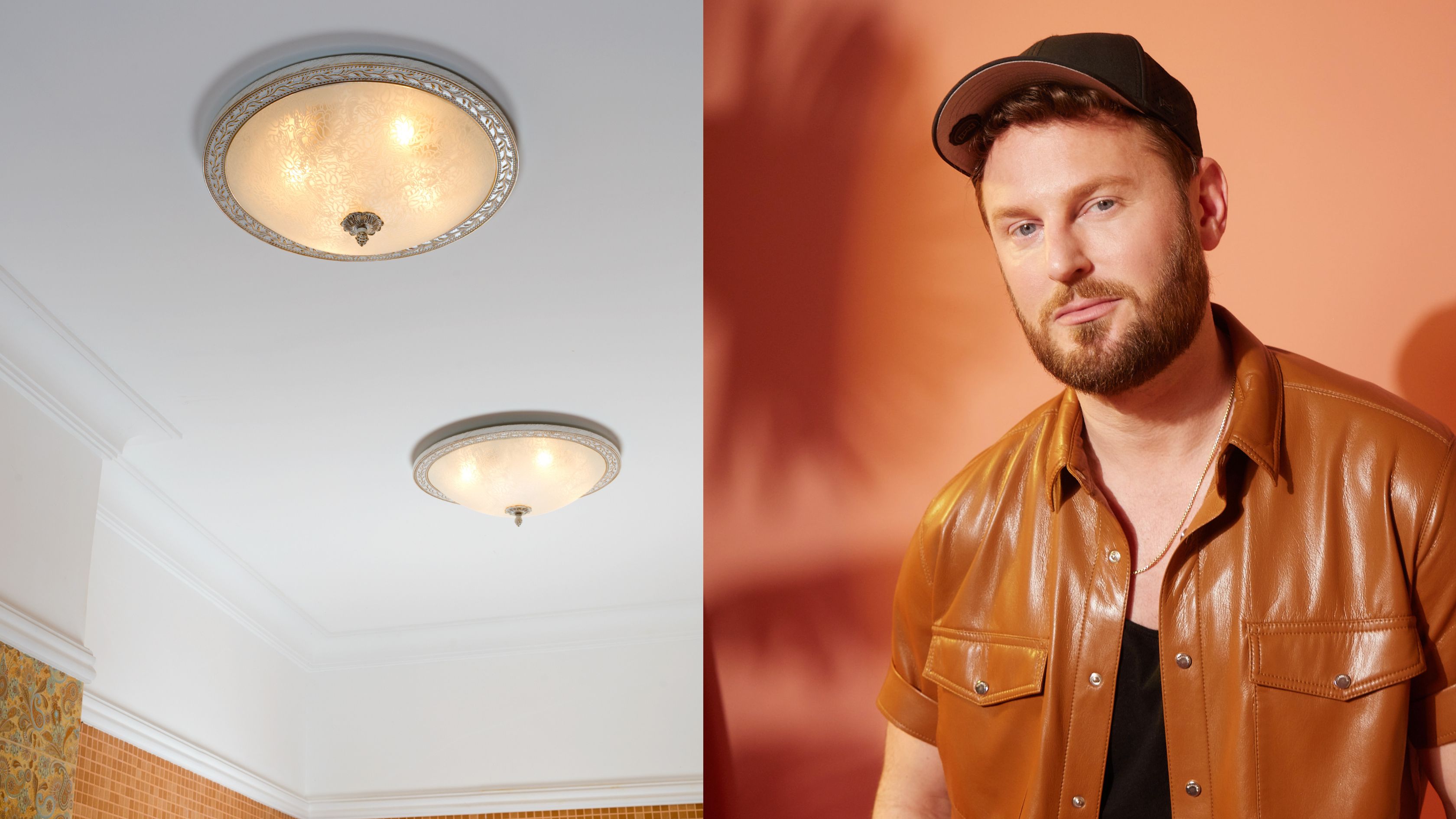
Bobby Berk's Genius Hack Helps Cover These "Eyesore" Light Fixtures People Hate — and It Works in Rentals, too
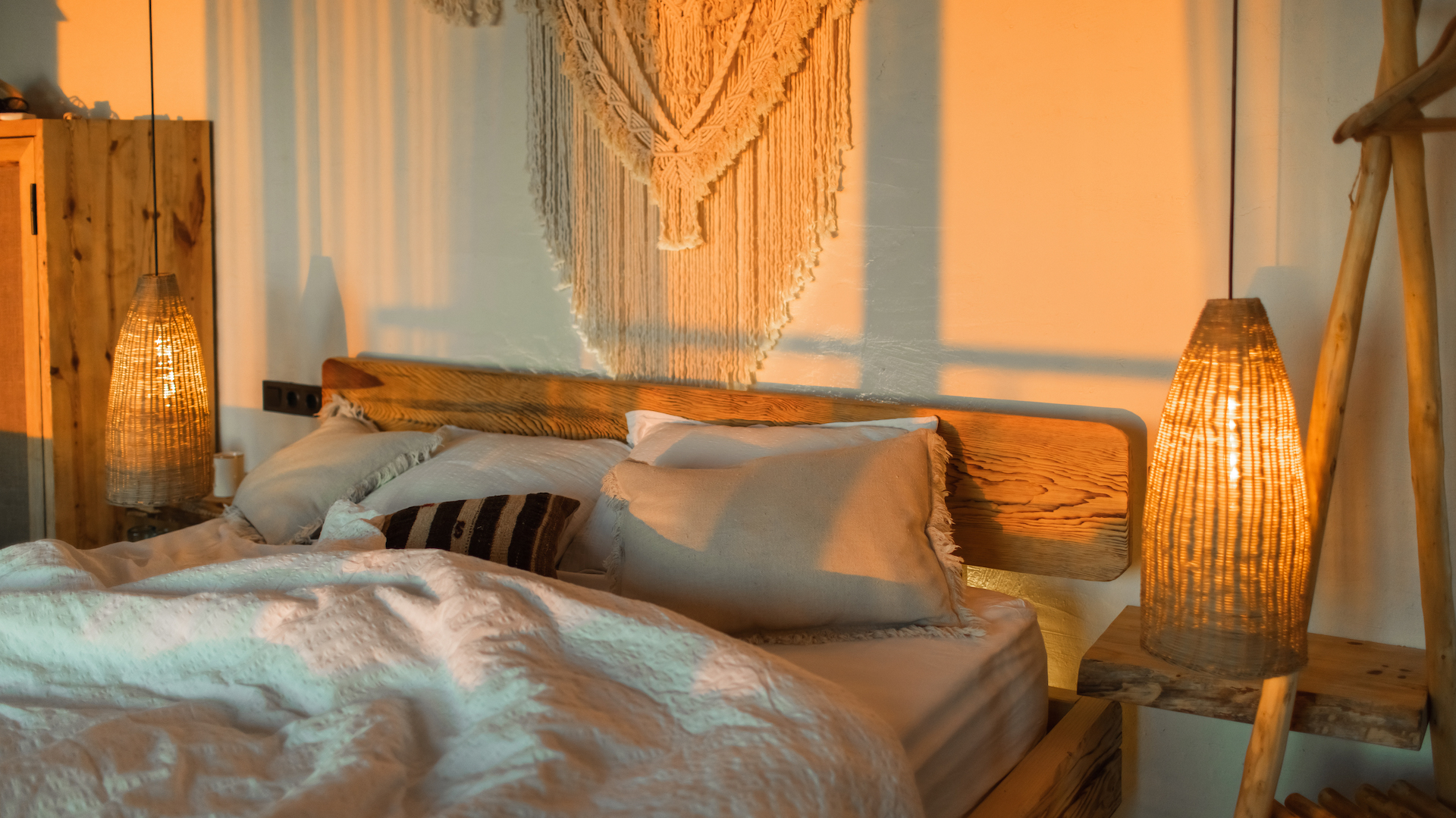
Bye, overhead lights: Here's how to light a small apartment, according to the pros

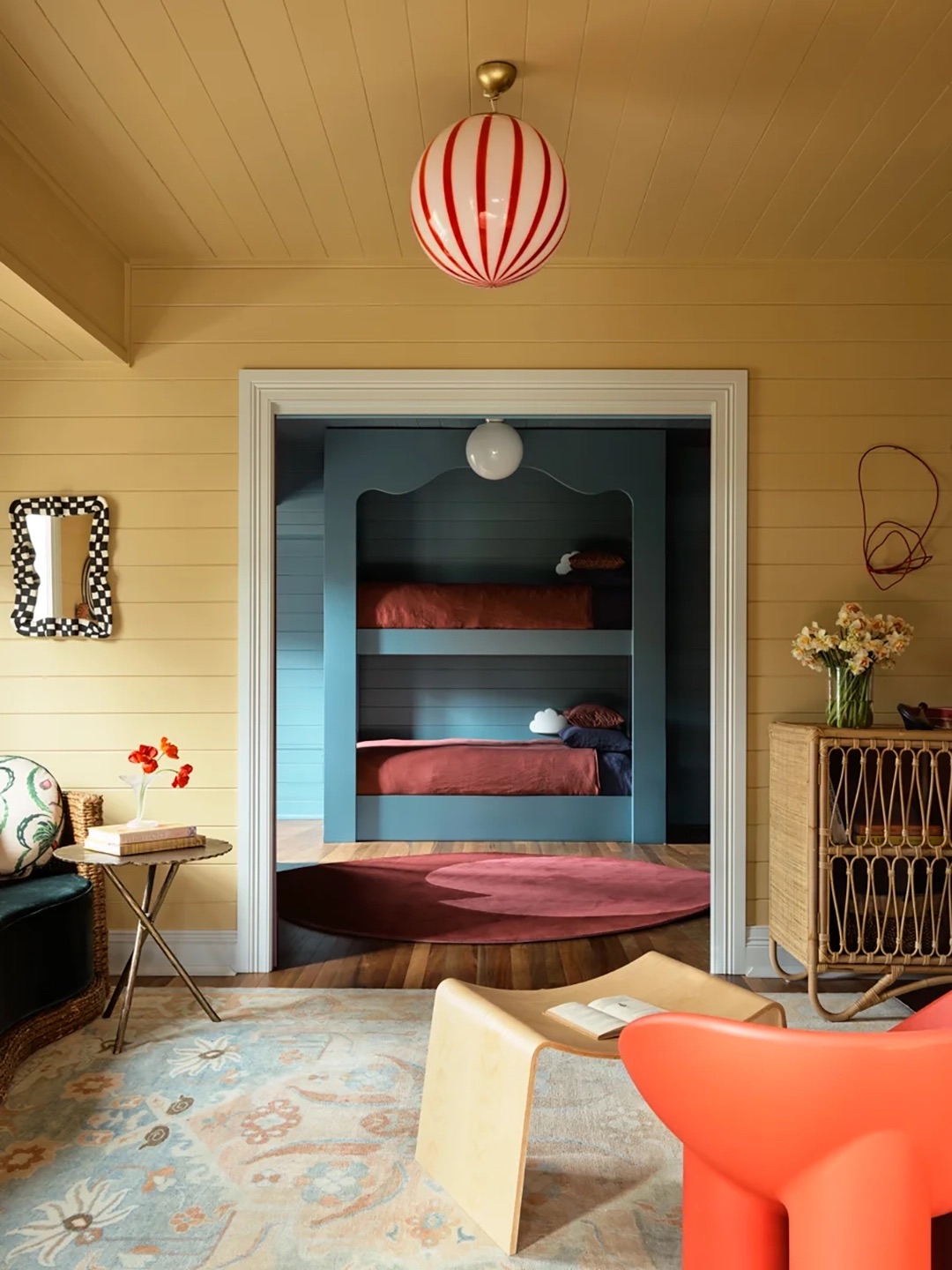
Designers Notoriously Hate This Feature—Here’s Why I (Respectfully) Disagree

New lighting? Designers offer tips for upgrades that shine.

Let There Be Light — 10 Lighting Tricks That Will Transform Any Dark Room Into A Warm and Inviting Space
Why Gen Z—and Designers—Hate Overhead Lighting (and What to Use Instead)