1/2
Insulate Your Basement, Part 2
This article, part of a series on basement insulation, focuses on the crucial step of sealing air leaks around doors and windows in an unfinished basement. Justin Fink conducts a walkthrough to identify areas where air infiltration can occur, emphasizing the importance of addressing these leaks before proceeding with insulation. The primary goal of this phase is to control heat loss and prevent condensation, which are common issues in basements.
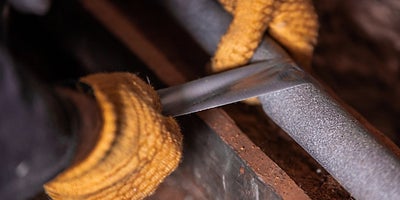
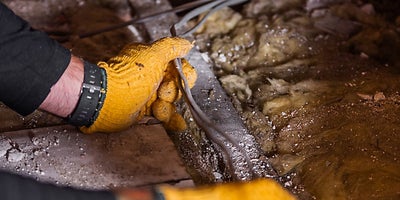
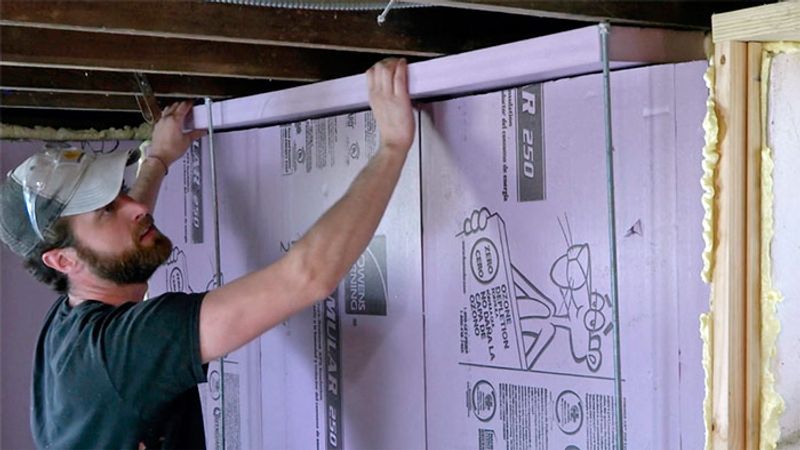
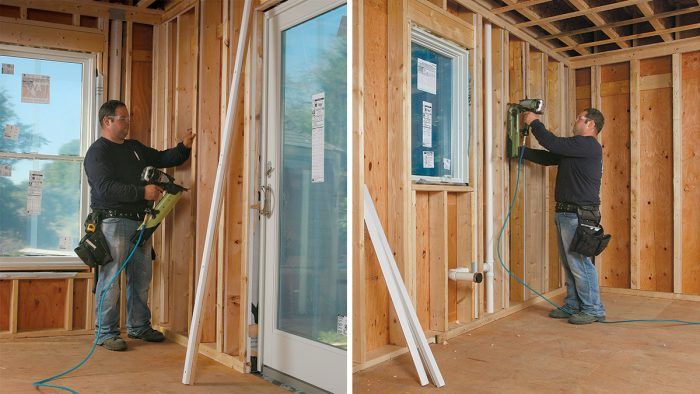
The video component of this guide illustrates the practical application of air-sealing techniques, providing visual examples of how to effectively seal gaps and cracks around common basement entry points like bulkhead doors and windows. Proper air-sealing is a foundational element of creating an energy-efficient and comfortable basement environment. By minimizing uncontrolled airflow, homeowners can significantly reduce heating and cooling costs and mitigate moisture problems that often lead to mold growth and structural damage. The techniques discussed are designed to create a tighter building envelope, ensuring that the insulation applied in subsequent steps will perform optimally.
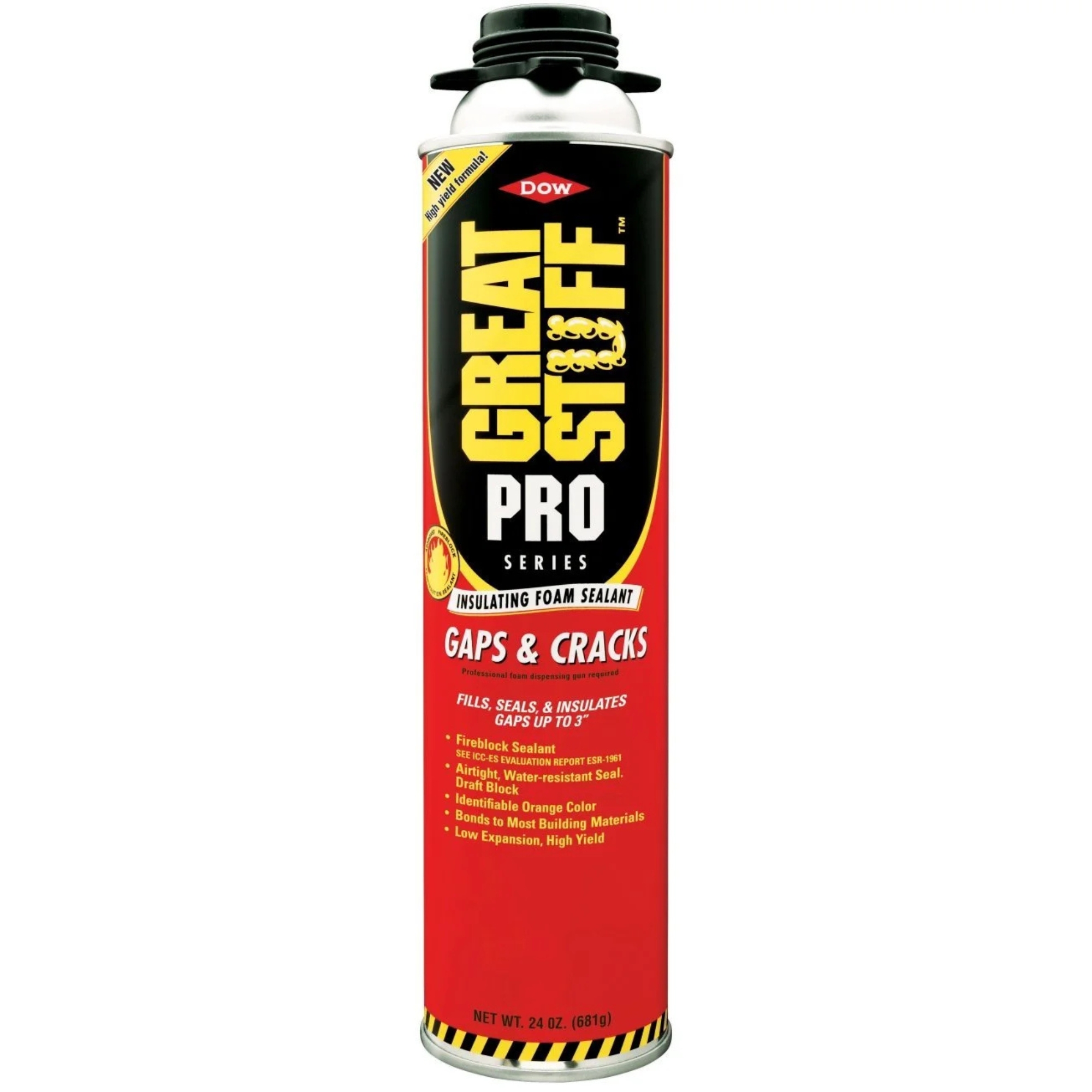
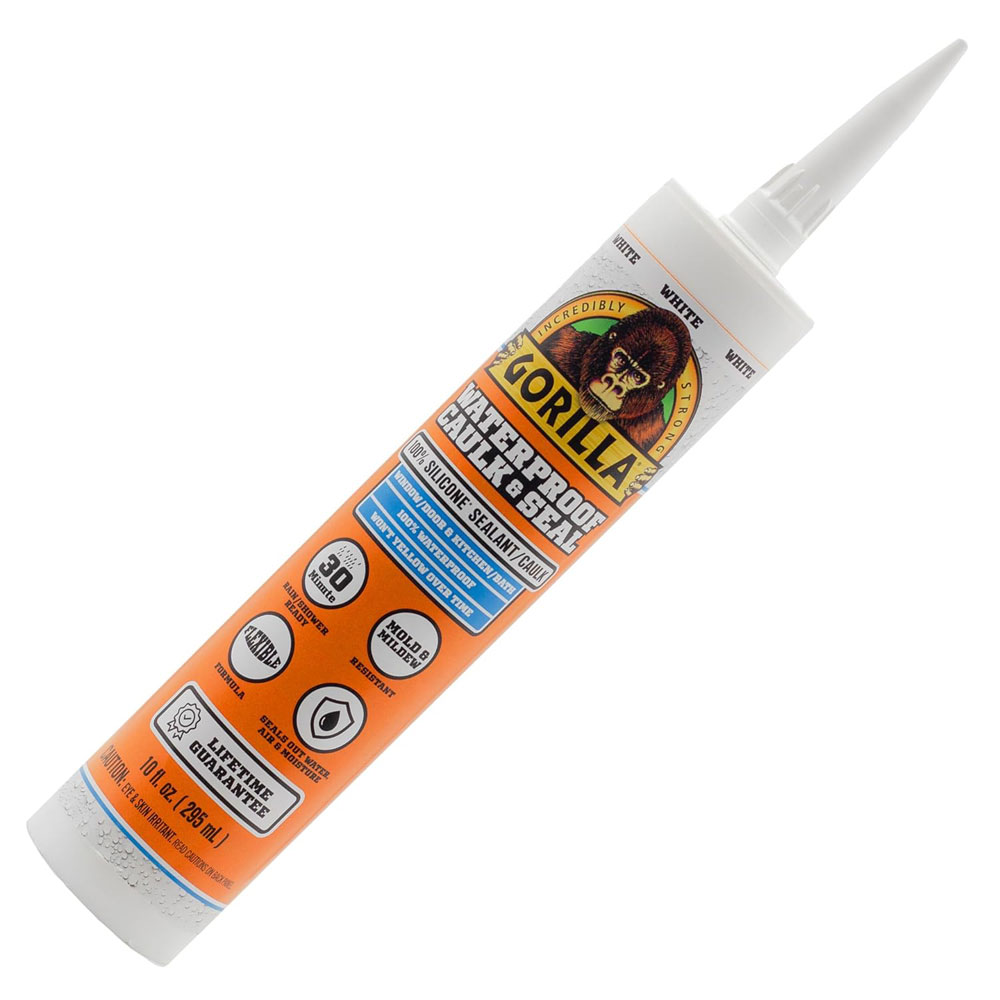
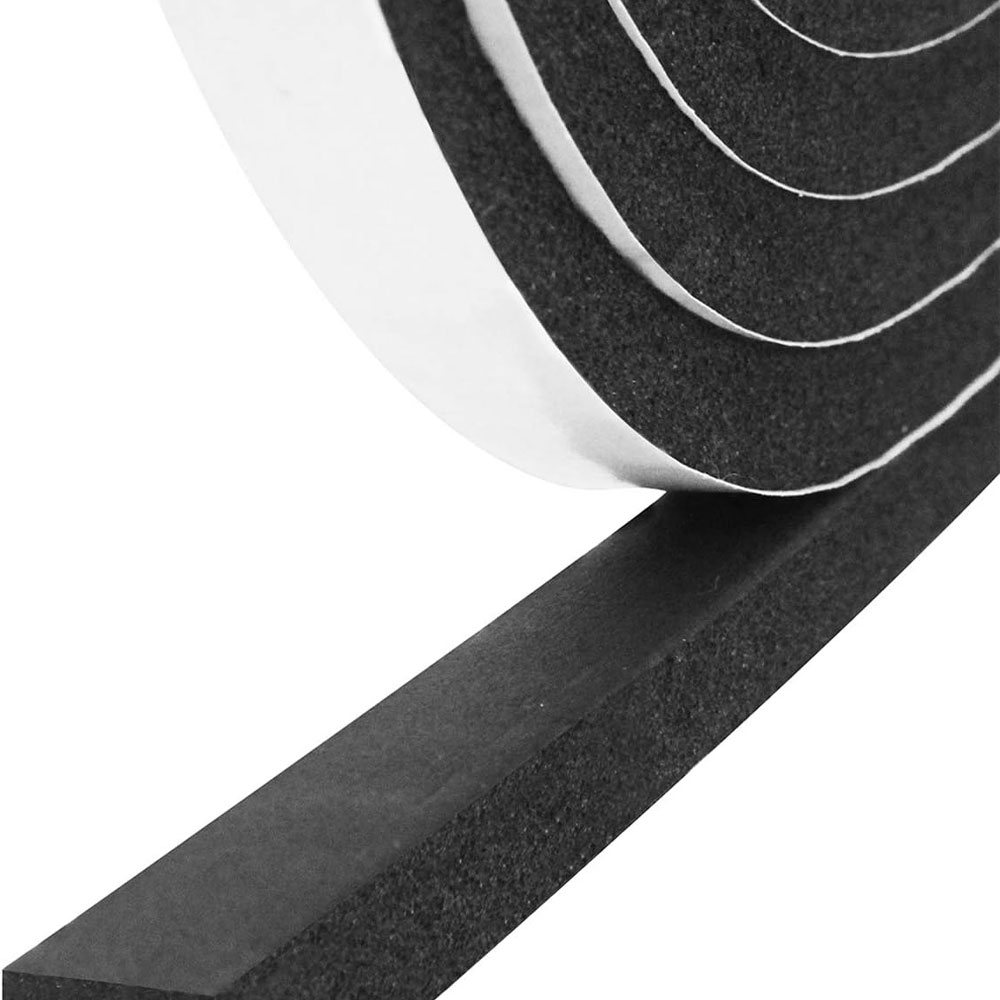
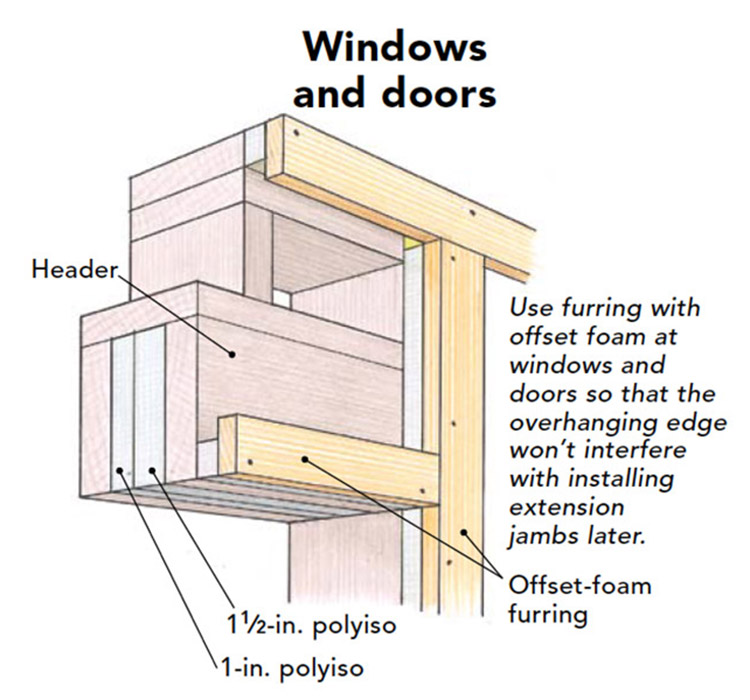
Effective air-sealing around doors and windows involves a combination of materials and methods, including weatherstripping, caulking, and foam sealants. The choice of materials depends on the size of the gaps and the specific location. For instance, weatherstripping is ideal for movable components like operable windows and doors, creating a compressible barrier that prevents air from passing through when closed. Caulking is used for smaller, static gaps, while expanding foam sealants can fill larger voids around window and door frames. The article implicitly suggests that a thorough inspection is necessary to identify all potential leak points, as even small gaps can contribute to significant energy loss.
Controlling condensation is another critical benefit of air-sealing. Basements are often prone to condensation due to temperature differences between the interior and exterior, especially on cold surfaces. When warm, moist air from inside the home comes into contact with these cold surfaces, it can cool below its dew point, leading to moisture accumulation. Air leaks exacerbate this problem by allowing uncontrolled movement of moist air. By sealing these leaks, the movement of warm, moist air to cold surfaces is restricted, thereby reducing the likelihood of condensation and its associated problems like dampness, musty odors, and the potential for mold and mildew.
This second part of the basement insulation series serves as a vital precursor to the actual insulation process. It underscores the principle that insulation alone is insufficient without proper air-sealing. Air leakage can bypass insulation, rendering it less effective and compromising the overall energy performance of the home. Therefore, dedicating time and effort to thoroughly seal all air leaks around basement doors and windows is a cost-effective strategy that maximizes the benefits of future insulation efforts, contributing to a drier, warmer, and more energy-efficient basement space.
#BasementInsulation #AirSealing #EnergyEfficiency #HomeImprovement #DIYHome #MoistureControl #CondensationPrevention #HomeMaintenance #BasementInsulation #AirSealing #EnergyEfficiency #HomeImprovement #DIYHome #MoistureControl #CondensationPrevention #HomeMaintenance
0 opmerkingen in totaal
 Nog geen opmerkingen
Dit vindt u mogelijk ook leuk
9 basement insulation ideas


The best floor insulation options for your home, explained

How to keep your mudroom warm – 5 expert-recommended tips
How to Insulate Concrete Foundation Walls From the Inside Out

Should you insulate a basement ceiling? Expert advice for a comfortable home
How to insulate a loft

Underfloor Heating
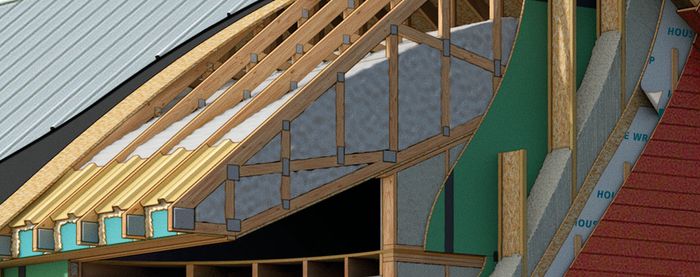
An Easy Way To Build a Well-Insulated House
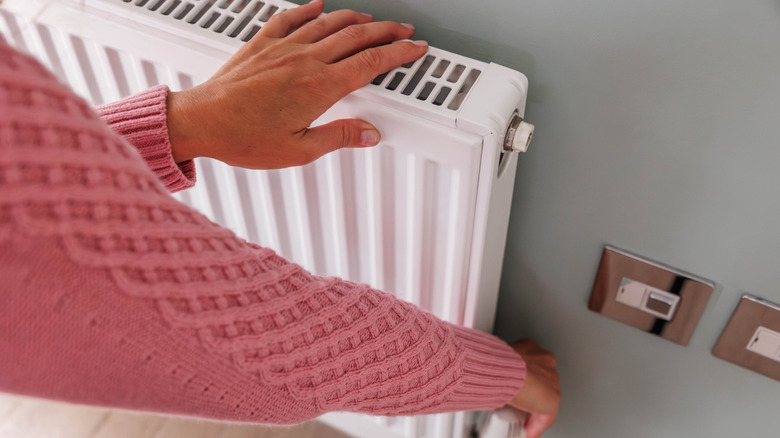
Ways To Heat A Basement Without An Electric Space Heater (And The Pros & Cons To Consider)
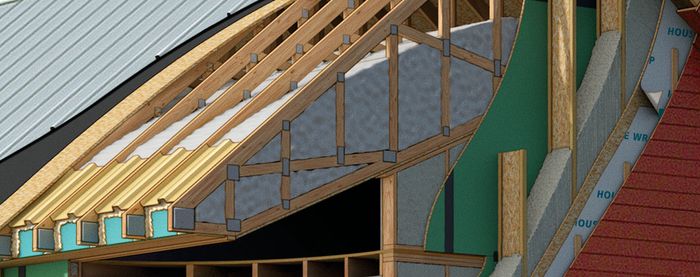
Insulate Your Basement, Part 3
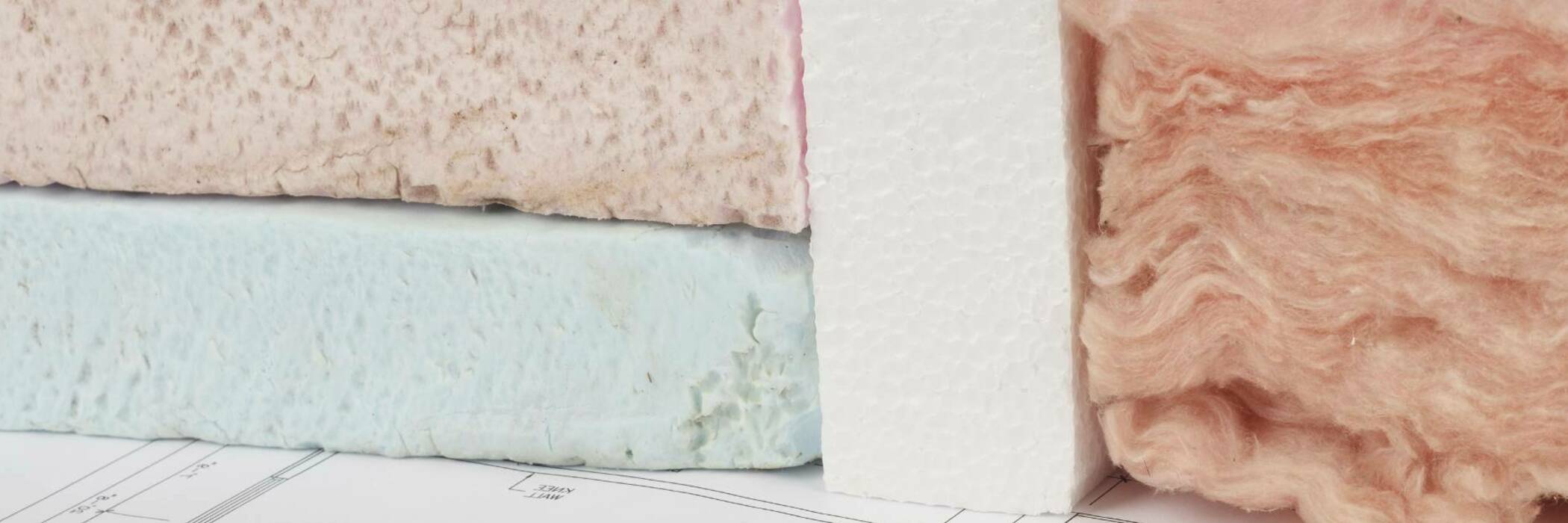
Home insulation materials


6 areas of your home you should never insulate – and why it's a hazard that can do more harm than good
Insulate Your Basement, Part 1
Loft Insulation

How to ventilate a basement – expert tips to reduce damp and mold
Best Garage Door Insulation Kits: Create a More Comfortable Environment

The Best Space Heaters for Basements


The 4 areas of your home pros say to always insulate to keep it toasty in colder weather – plus, where to never insulate
How to insulate a loft or roof

Five underfloor heating myths debunked