1/6
How to brighten any room in your home — 5 tips from a lighting expert
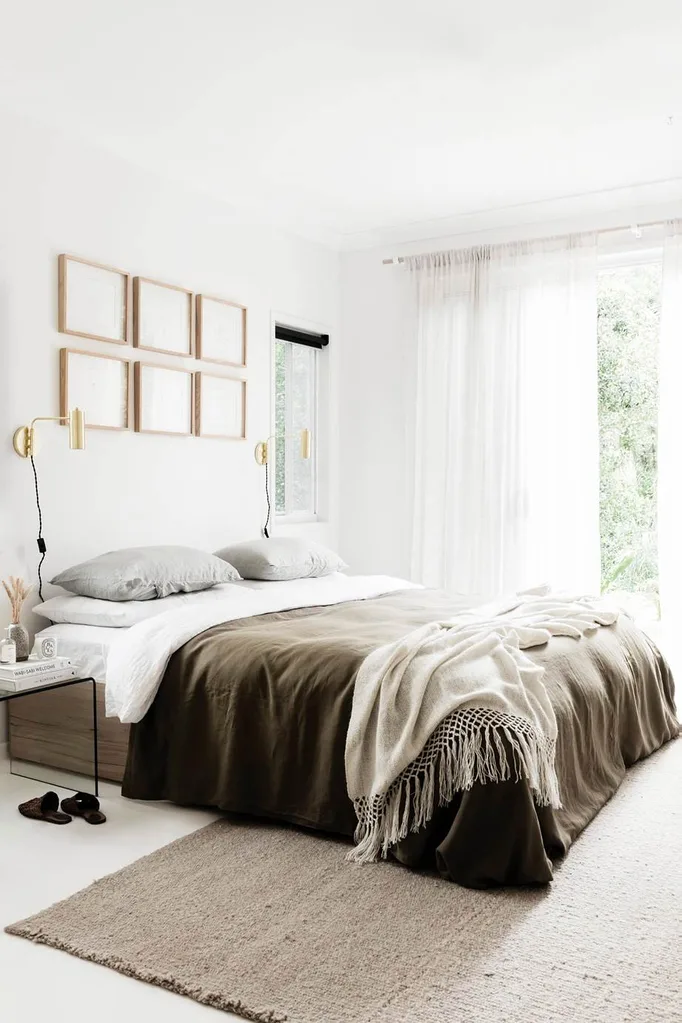
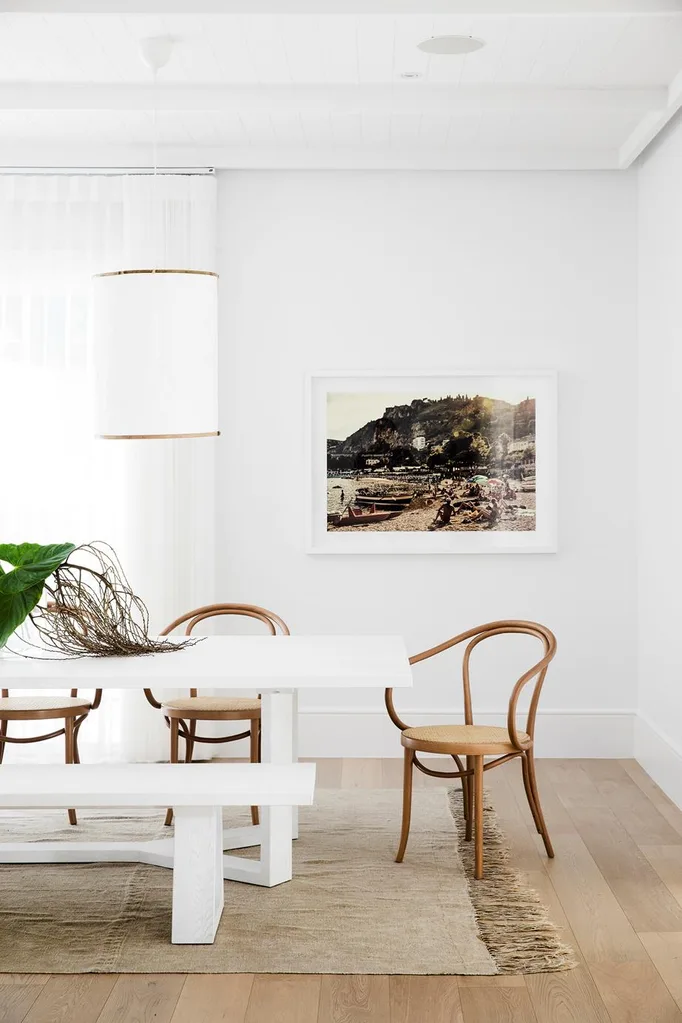
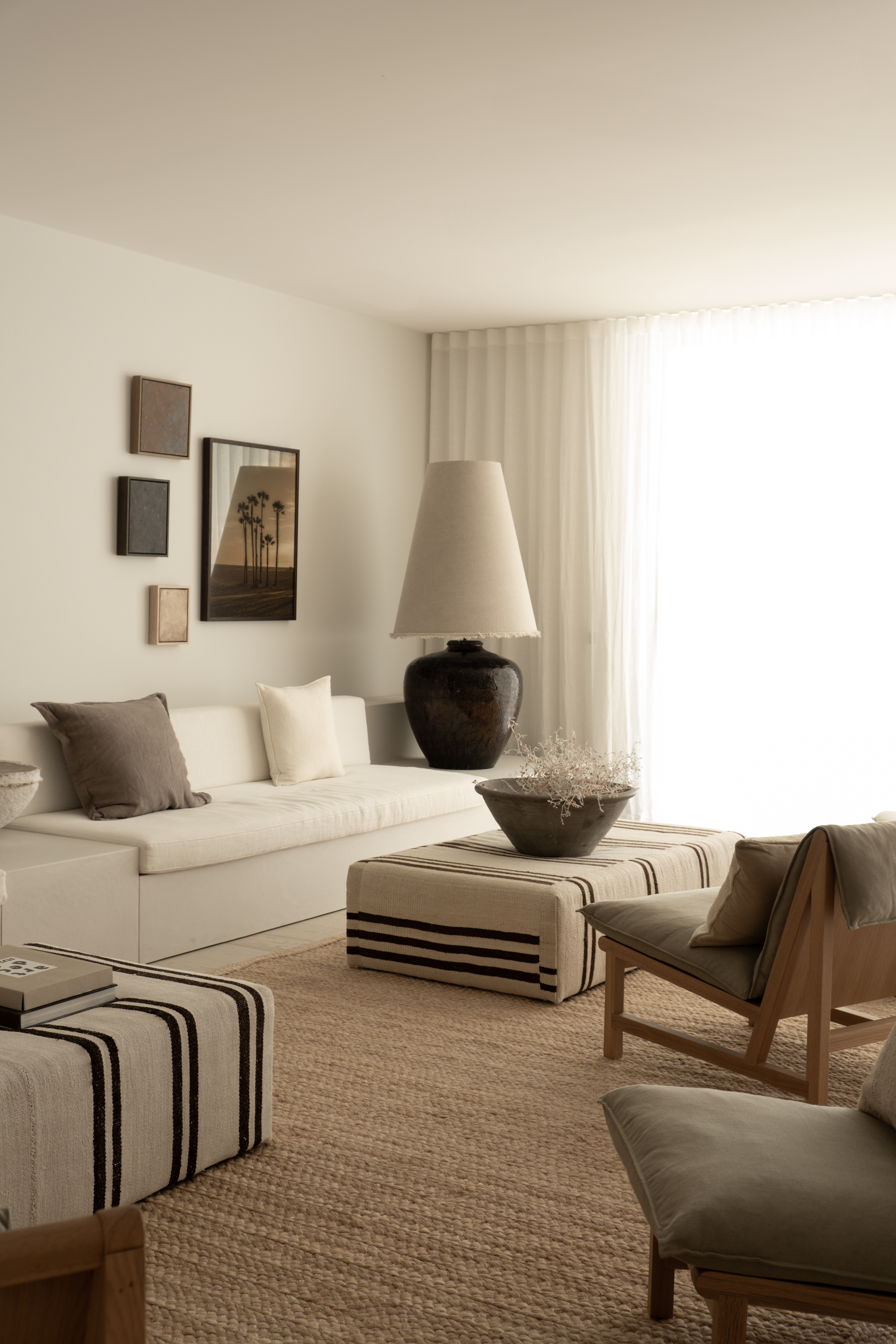
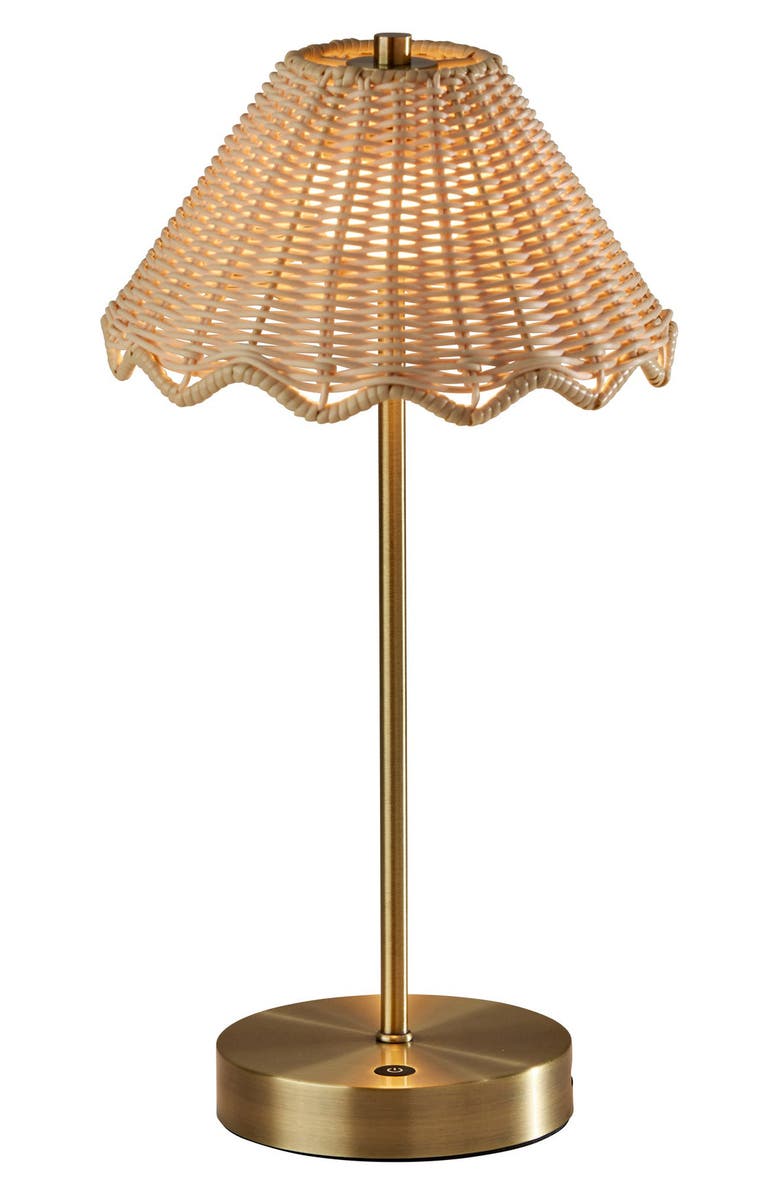
In this article, lighting expert Ally Dowsying, founder of Dowsing & Reynolds, offers five key tips to effectively brighten any room in your home, emphasizing the often-overlooked importance of lighting in interior design, especially during darker winter months. The guidance is structured around integrating natural light, selecting appropriate artificial lighting for specific room functions, planning lighting schemes in advance of decoration, utilizing multiple light sources to create layers, and considering the color temperature of light bulbs.
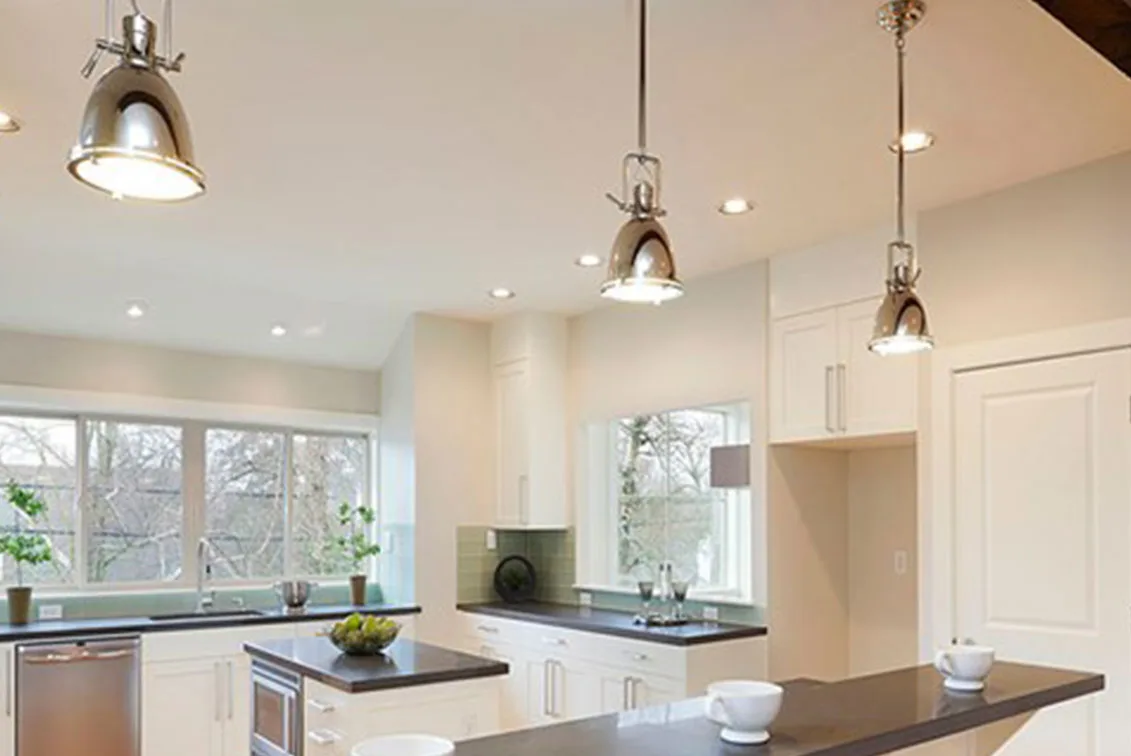
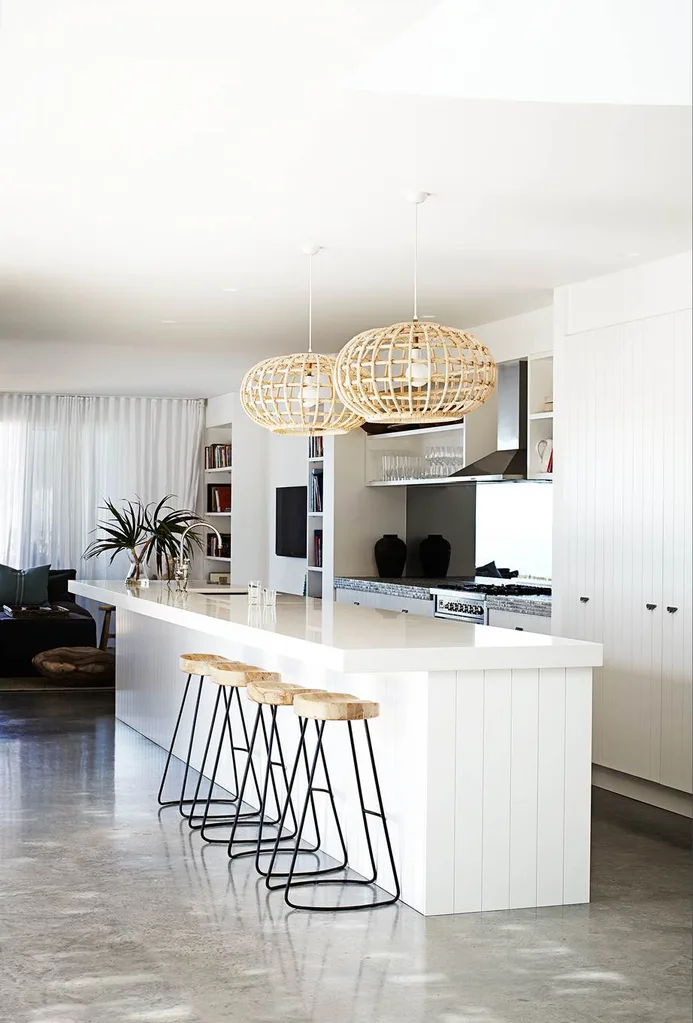
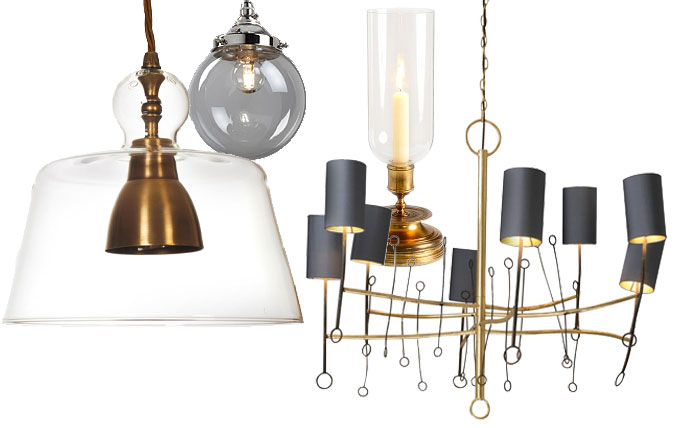
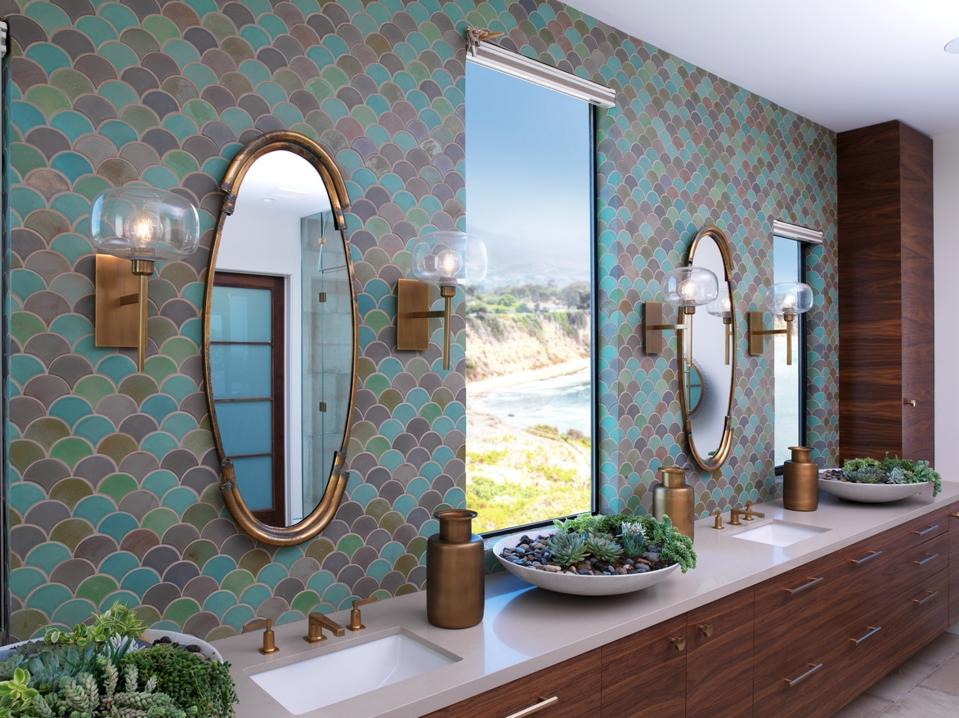
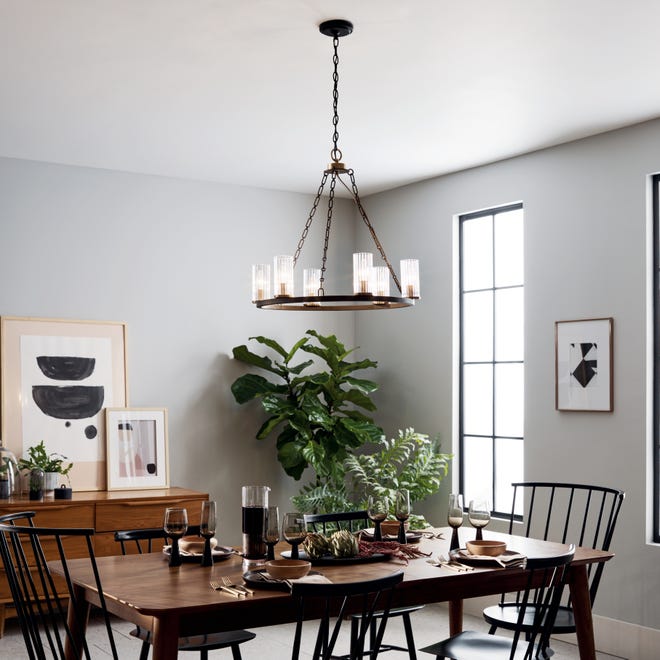
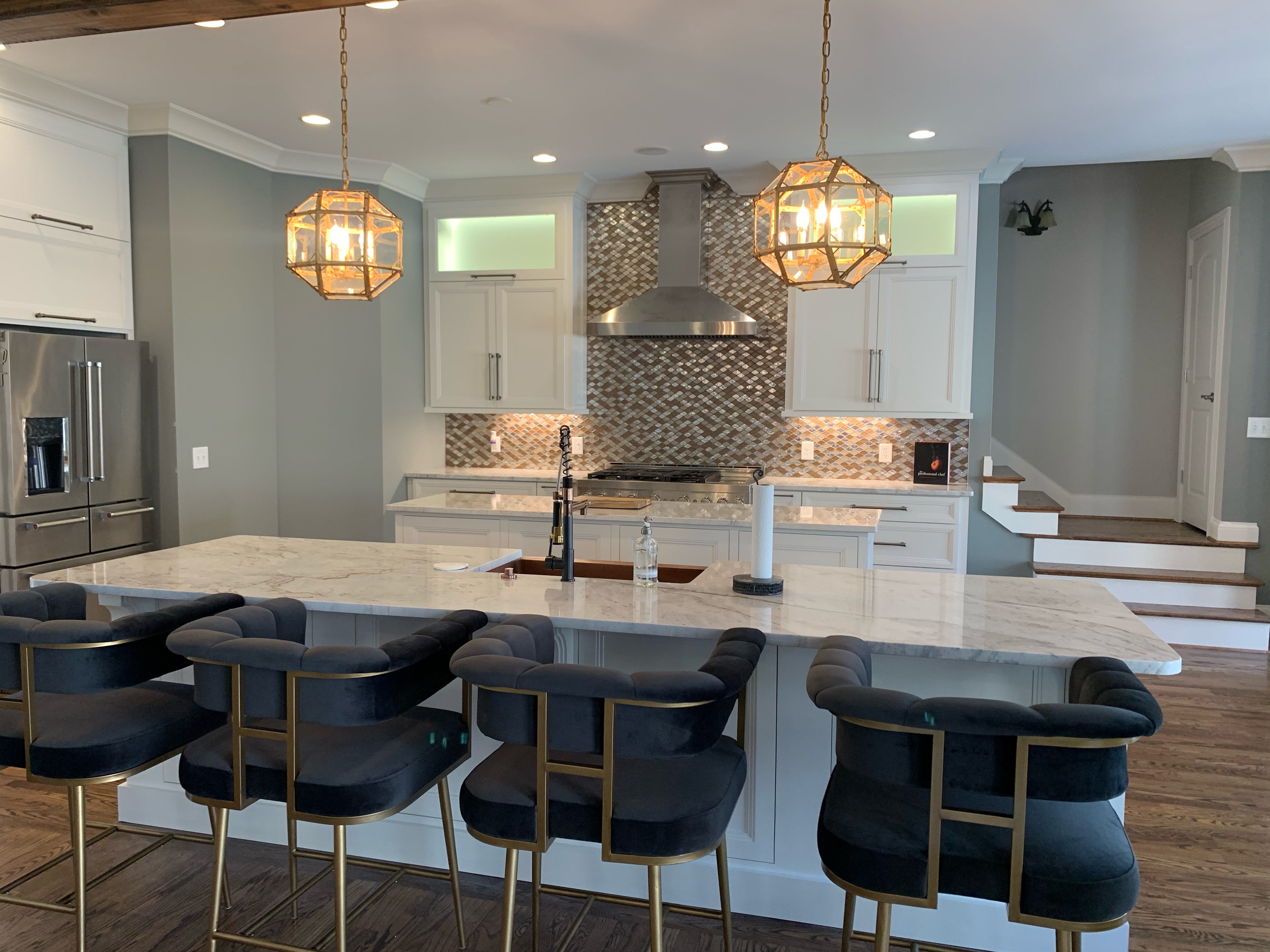
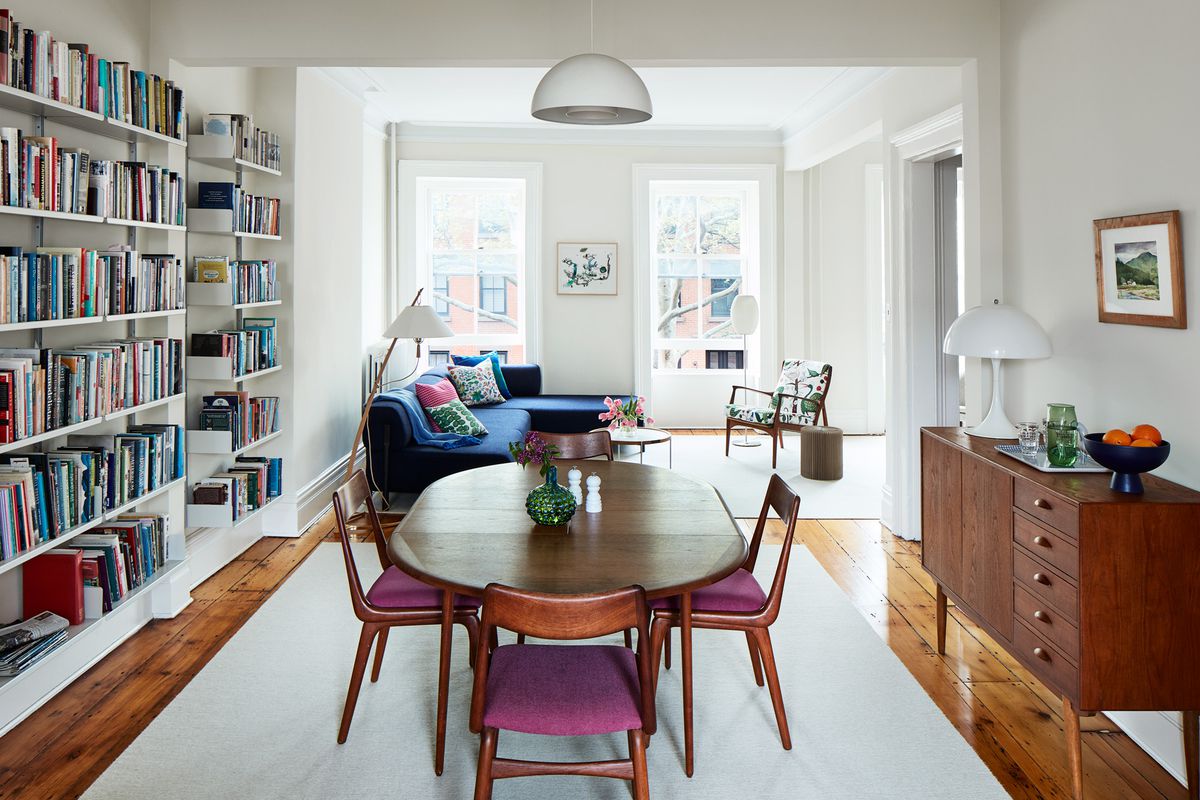
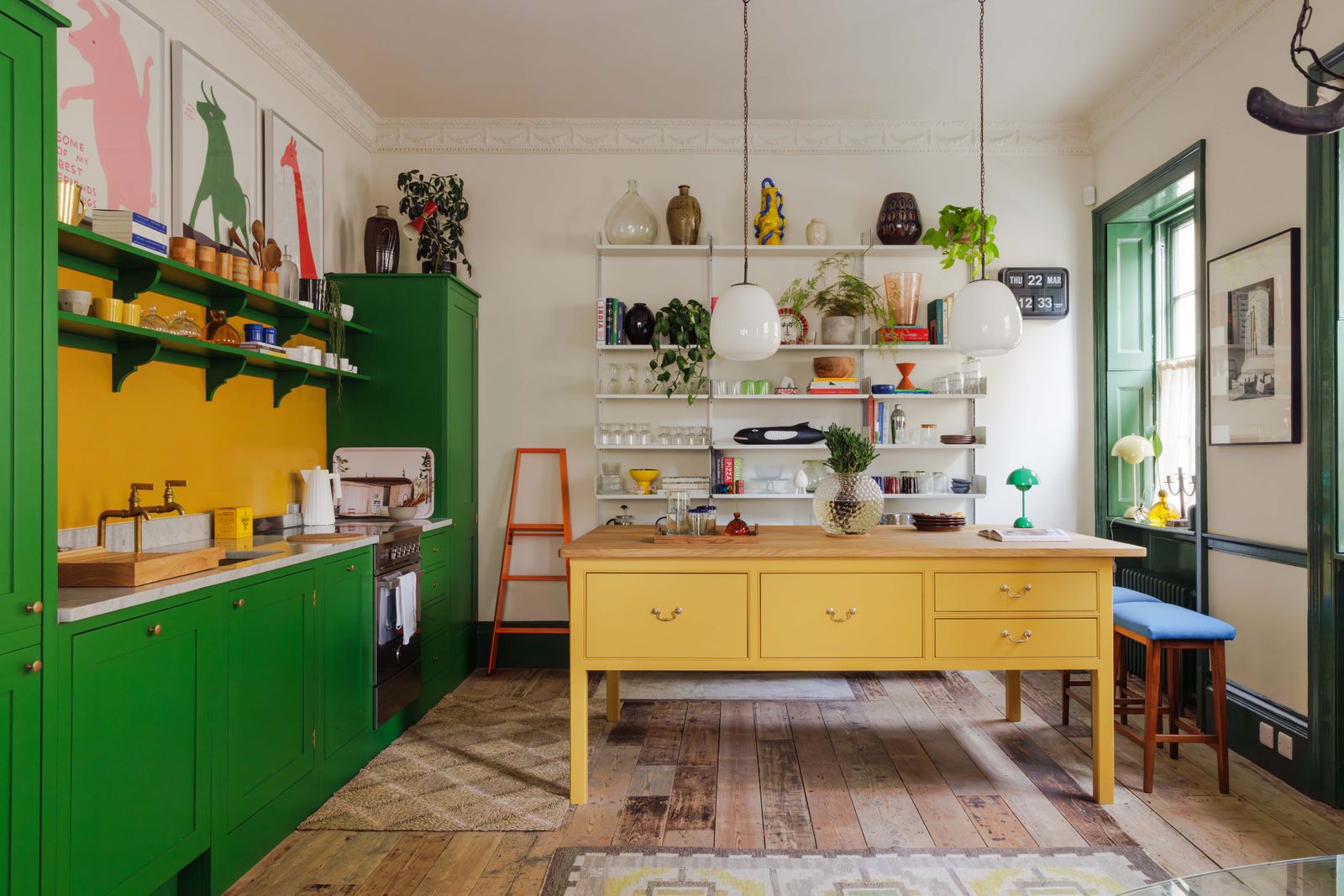
The first tip focuses on working with existing natural light. Dowsying advises assessing a room's orientation (north, south, east, or west-facing) and the size of its windows or skylights to determine the necessary amount and intensity of artificial light. For instance, a south-facing room, which receives ample natural light, might only need task lighting, such as pendant lights for reading or cooking. Conversely, a north-facing room would require more artificial illumination.
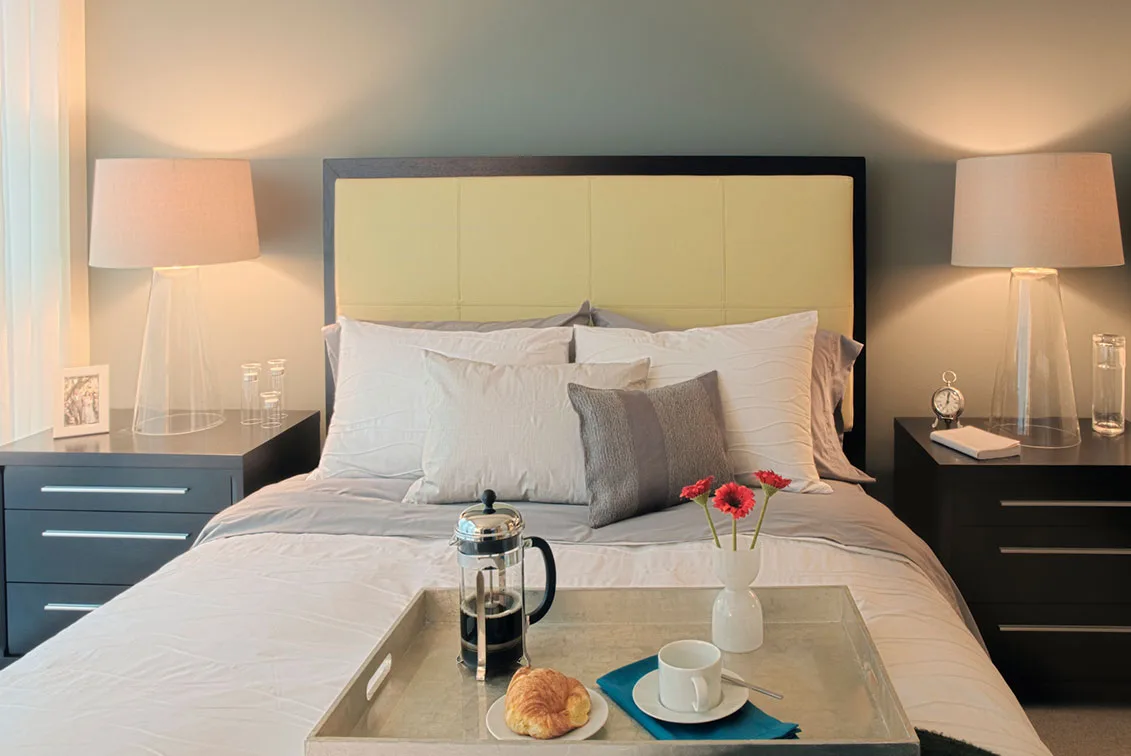
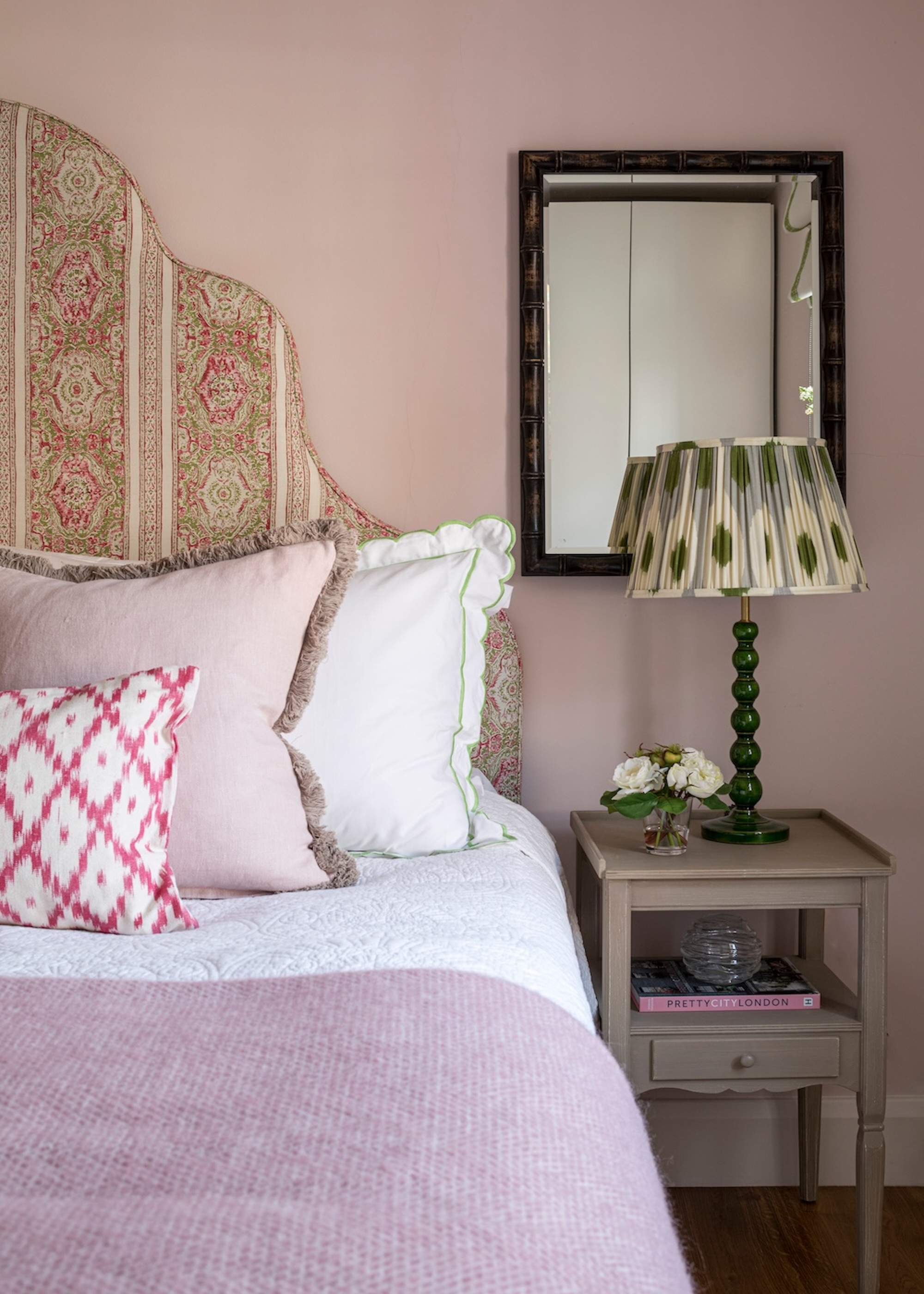
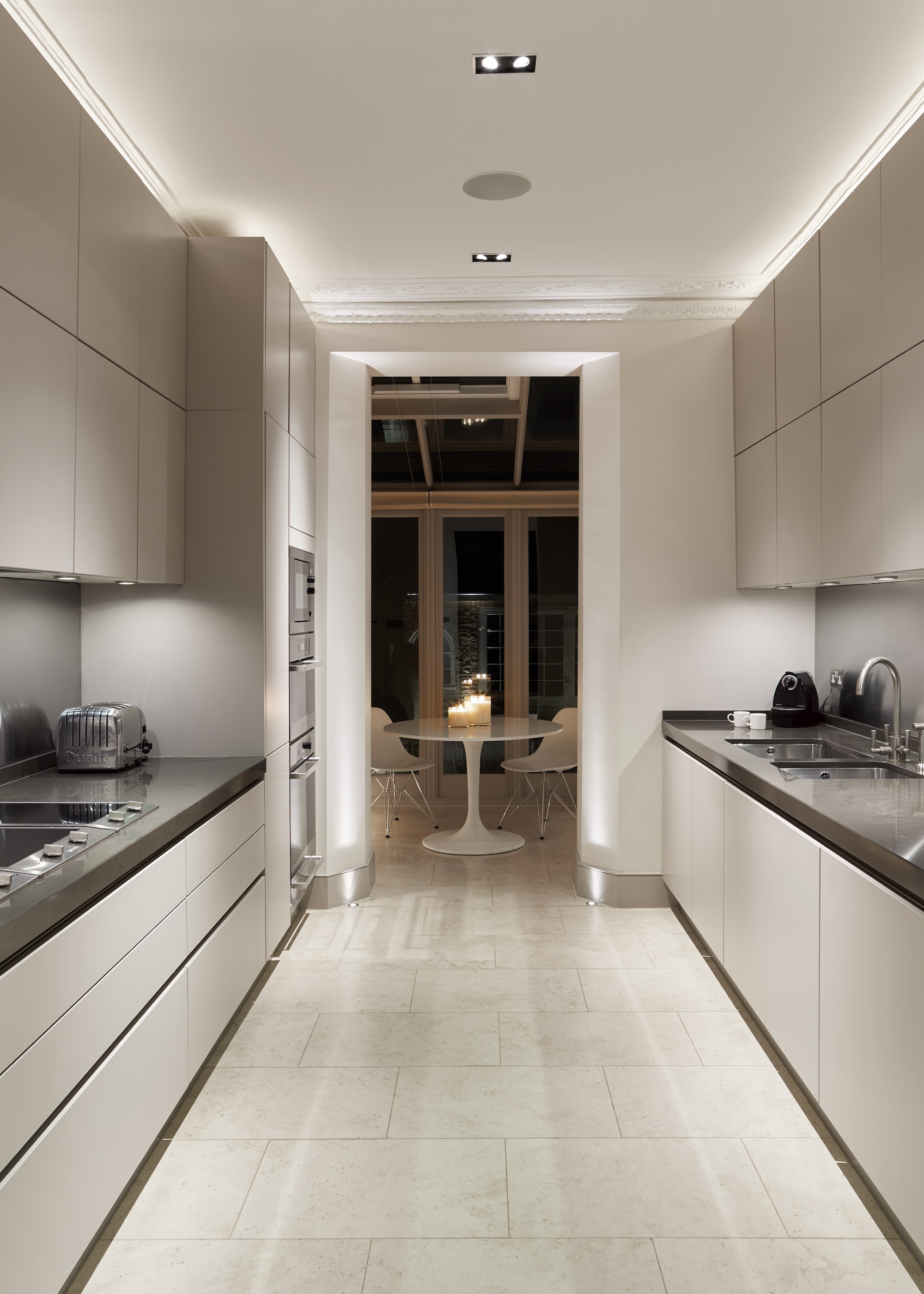
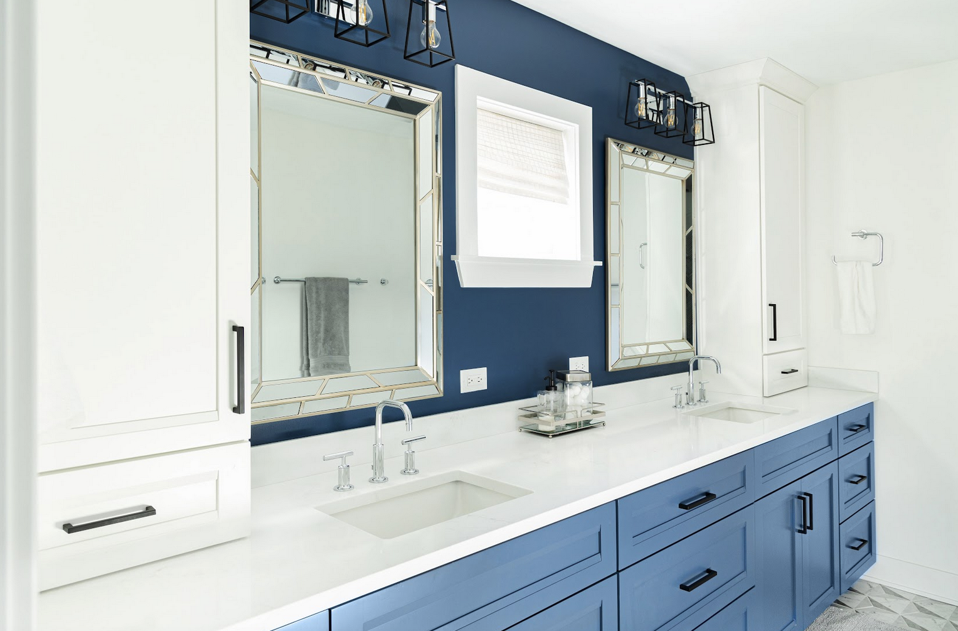
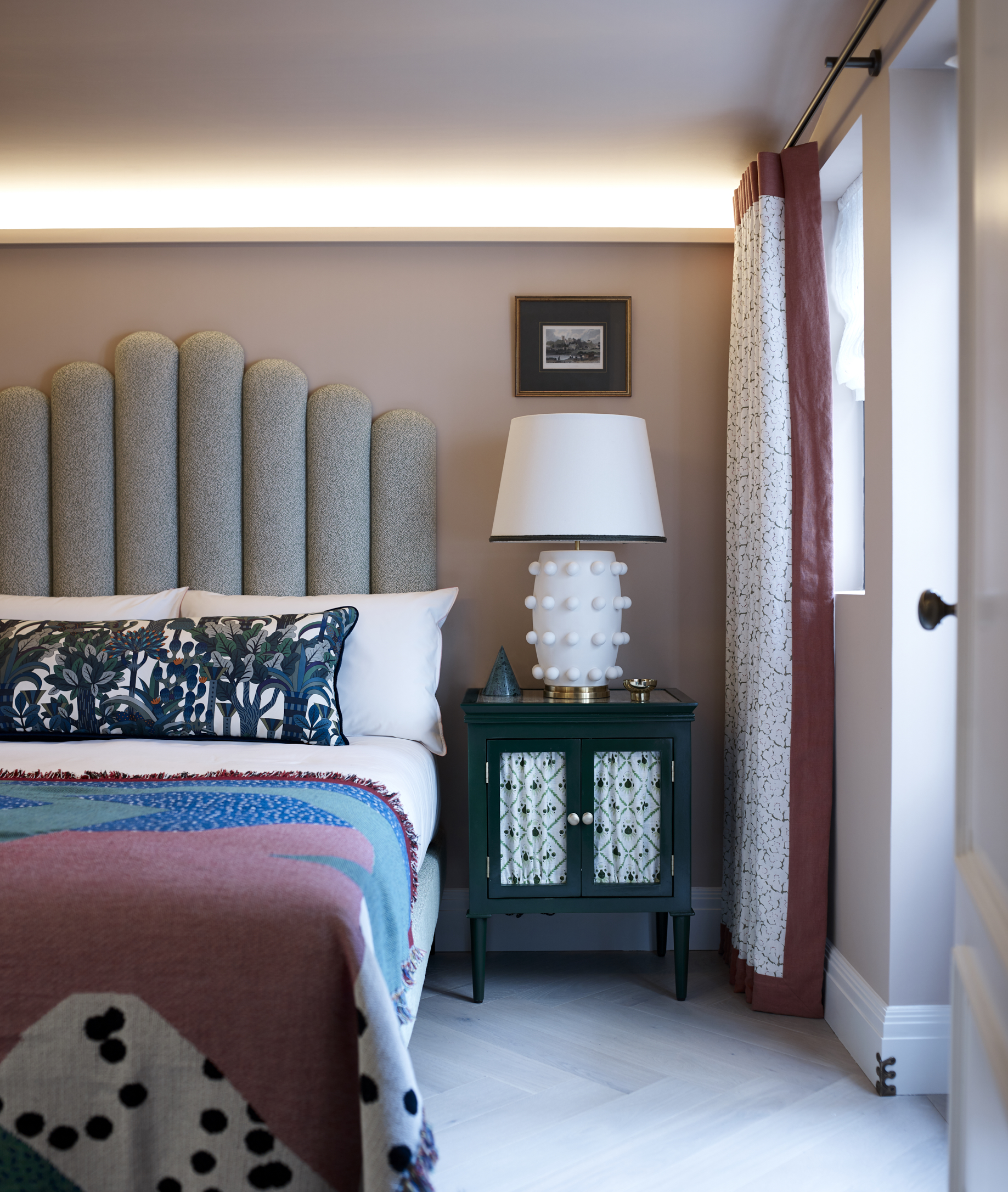
The second piece of advice highlights the importance of choosing lighting appropriate for each space. Different rooms serve different purposes, necessitating varied lighting approaches. Functional areas like kitchens benefit from bright task lighting, while bedrooms require softer, warmer light to promote relaxation. This principle extends to outdoor spaces, where convenient path and porch lights ensure safety and solar lights can highlight specific features or pathways.
Thirdly, the article emphasizes the need for meticulous planning of lighting before decorating. This involves mapping out furniture placement to ensure that switches, wiring, and light fixtures are correctly positioned to achieve the desired level of illumination. Early planning can prevent the inconvenience and additional work of installing new electrical features after decoration is complete.
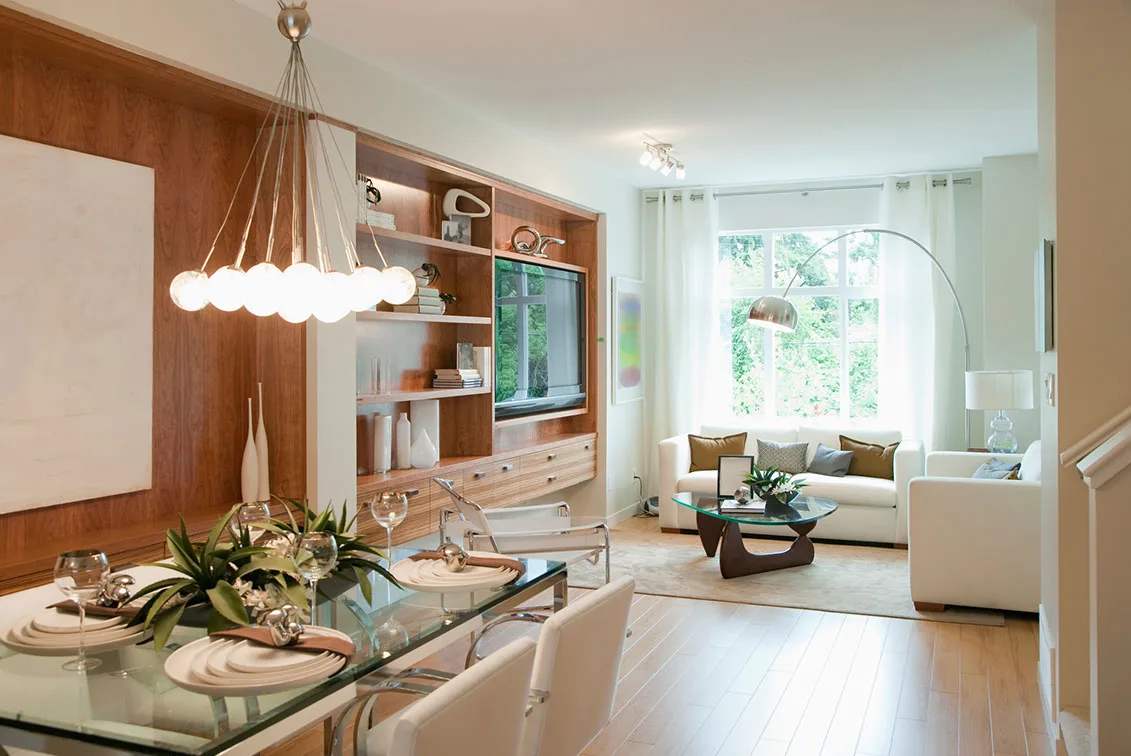
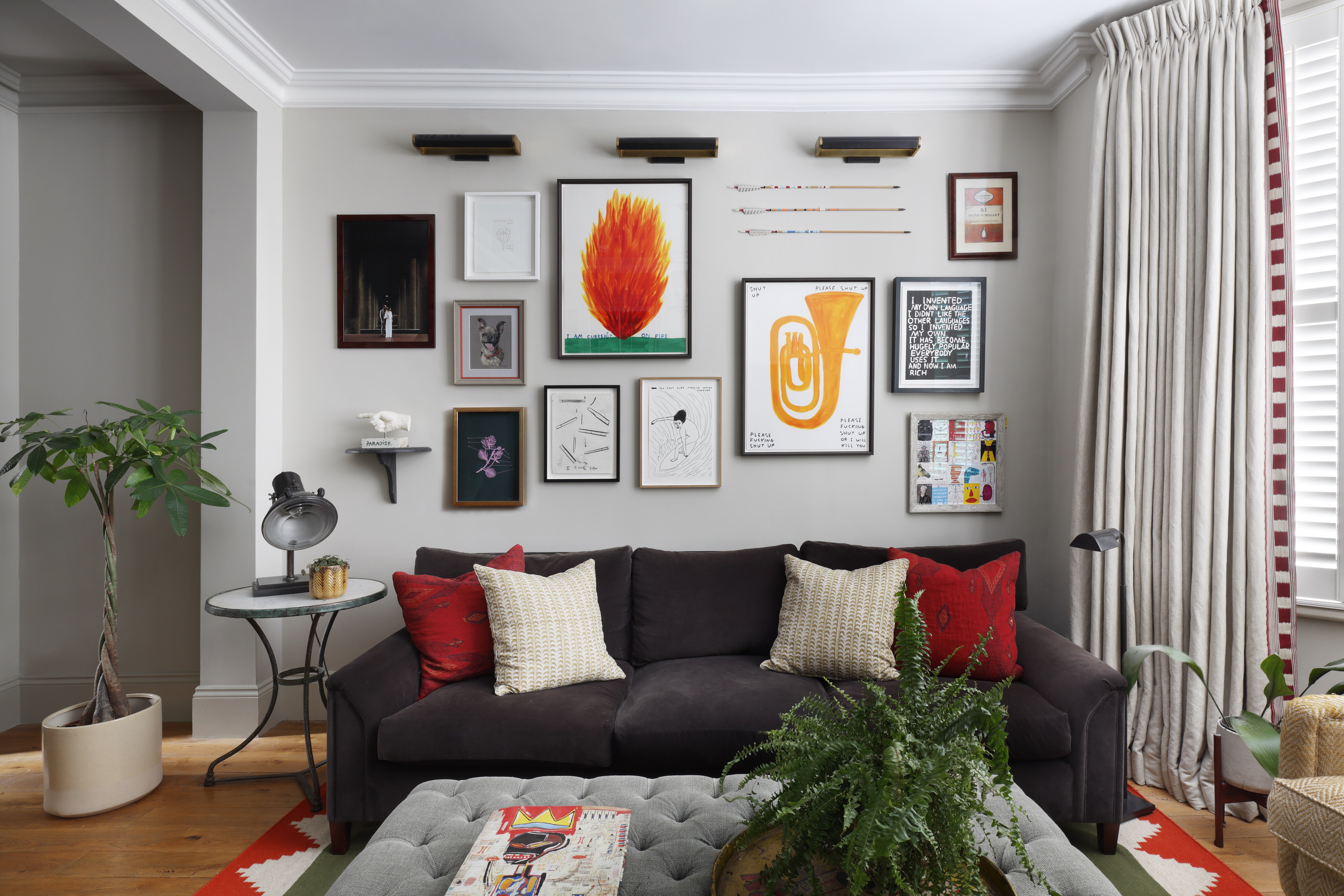
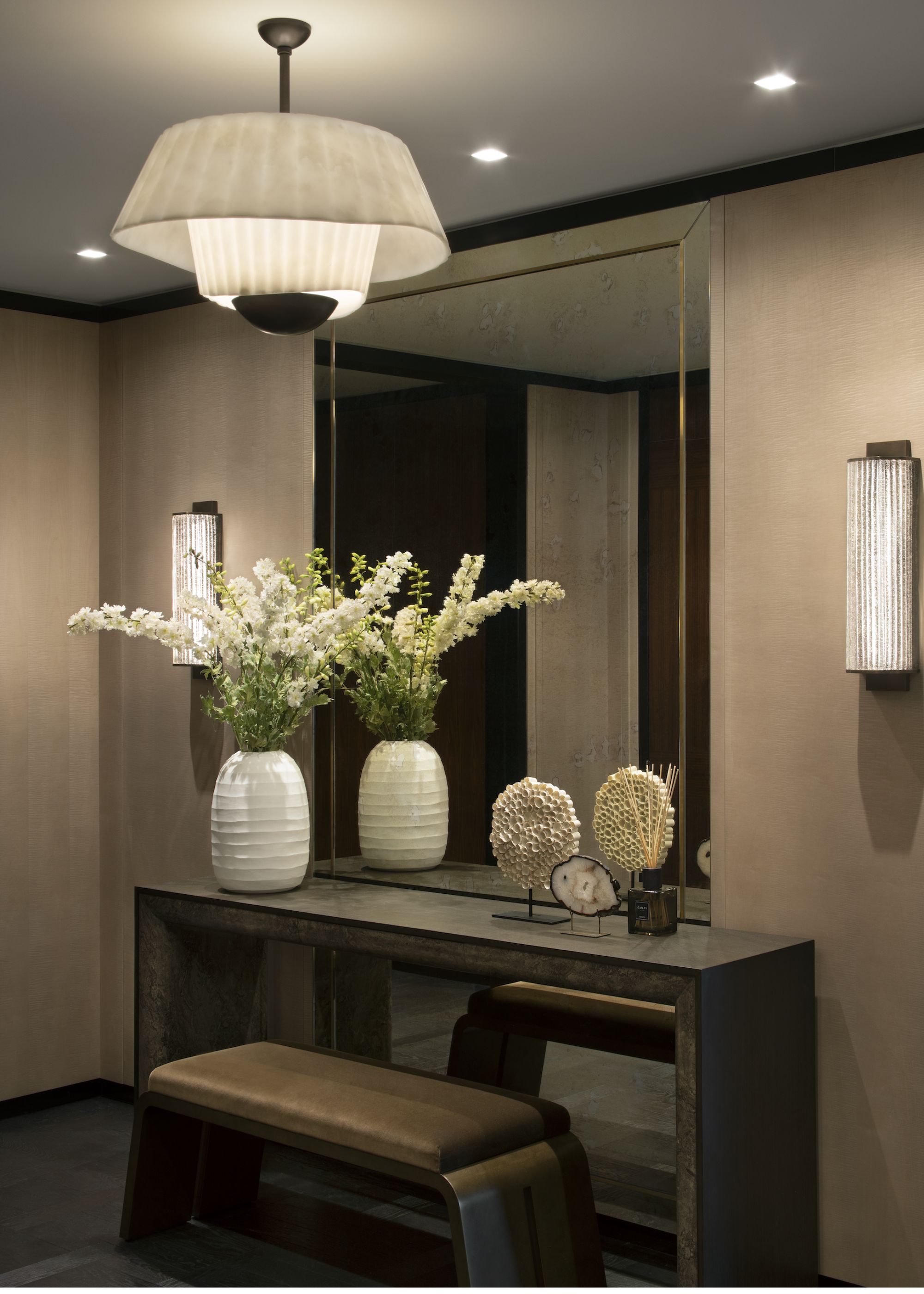
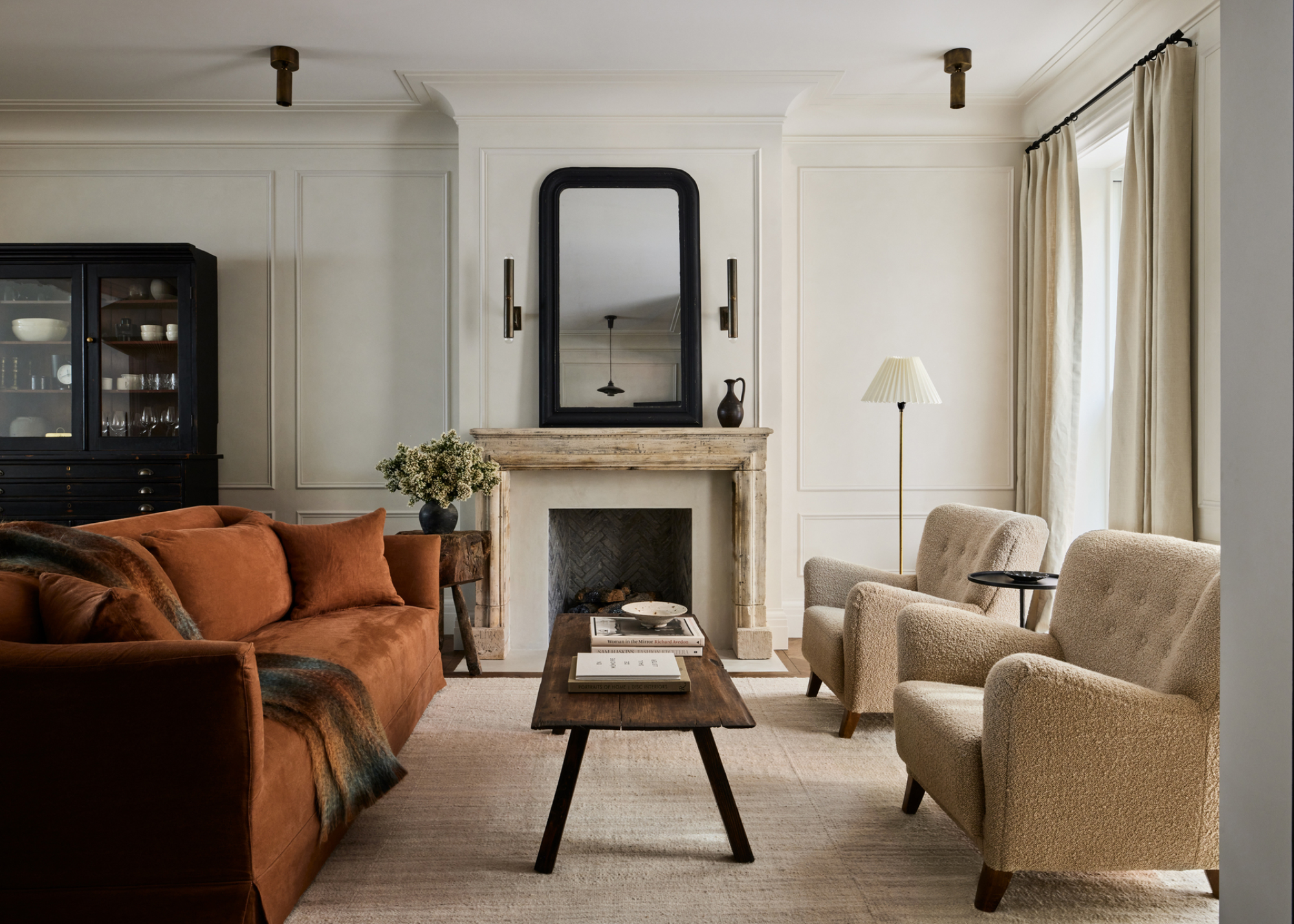
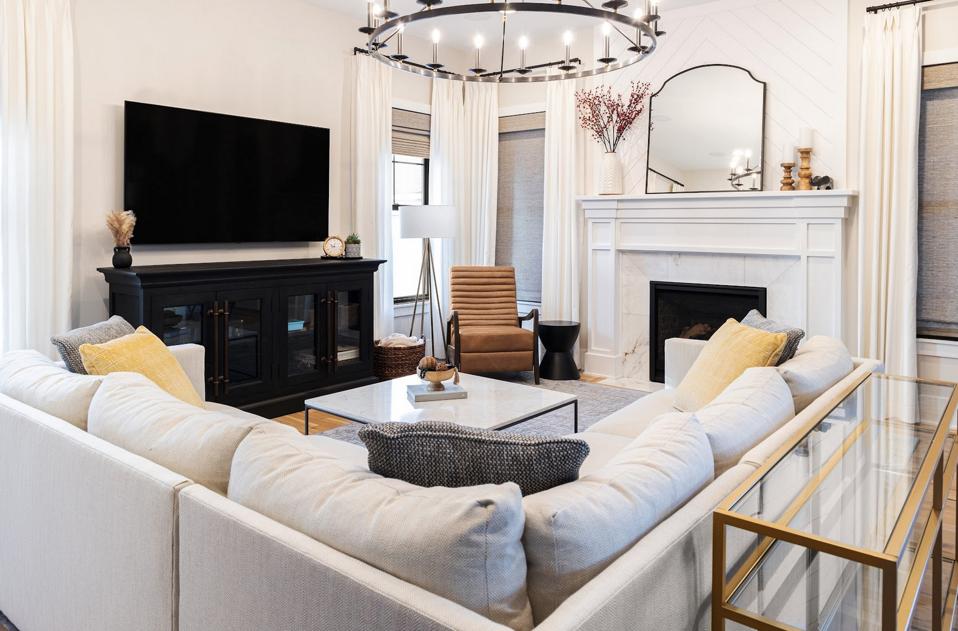
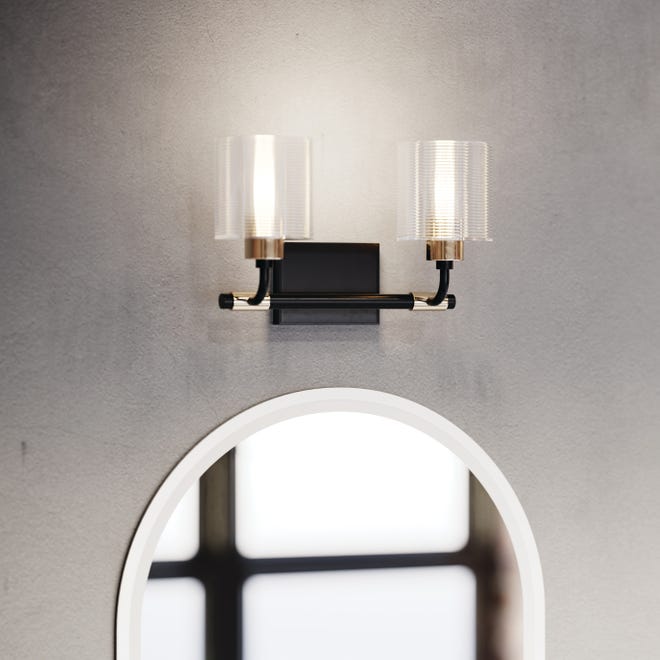
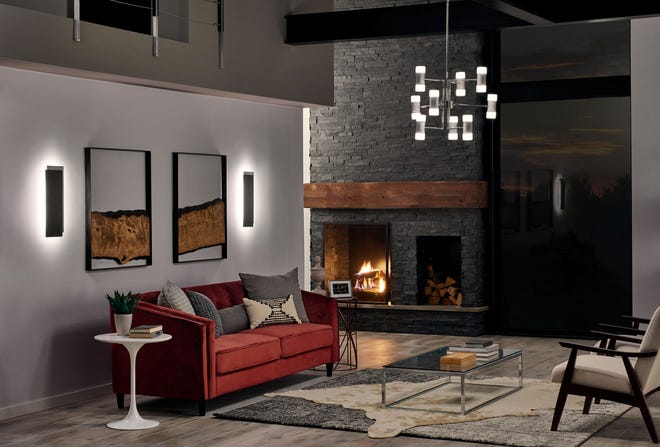
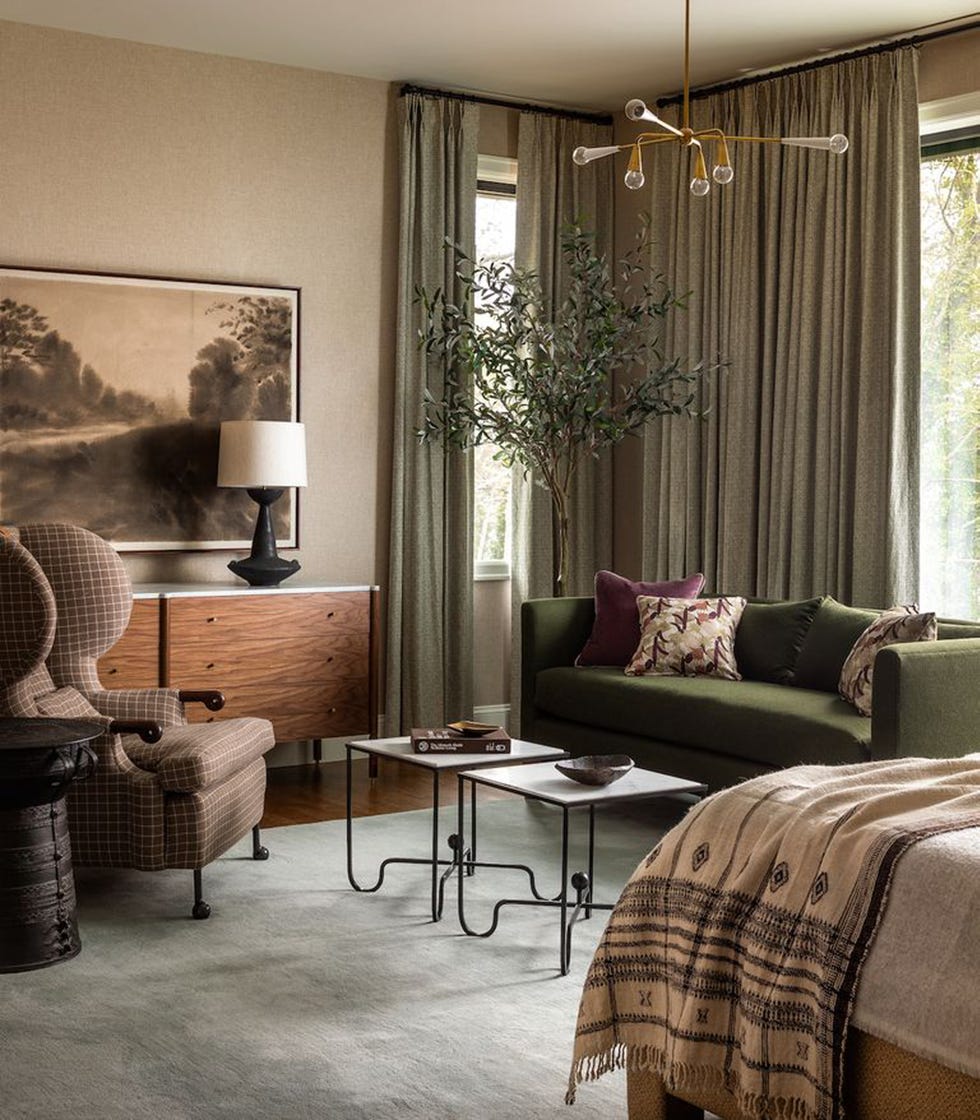
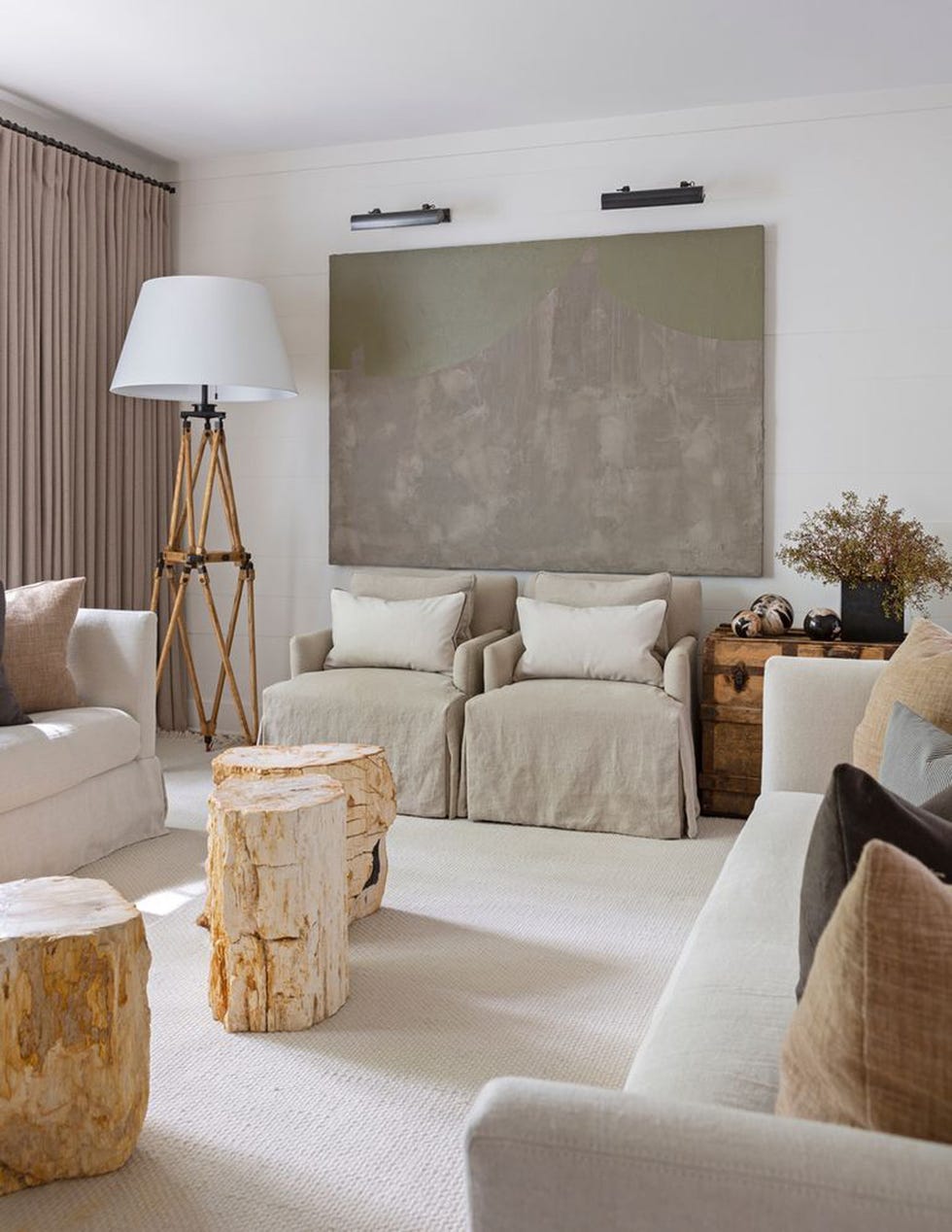
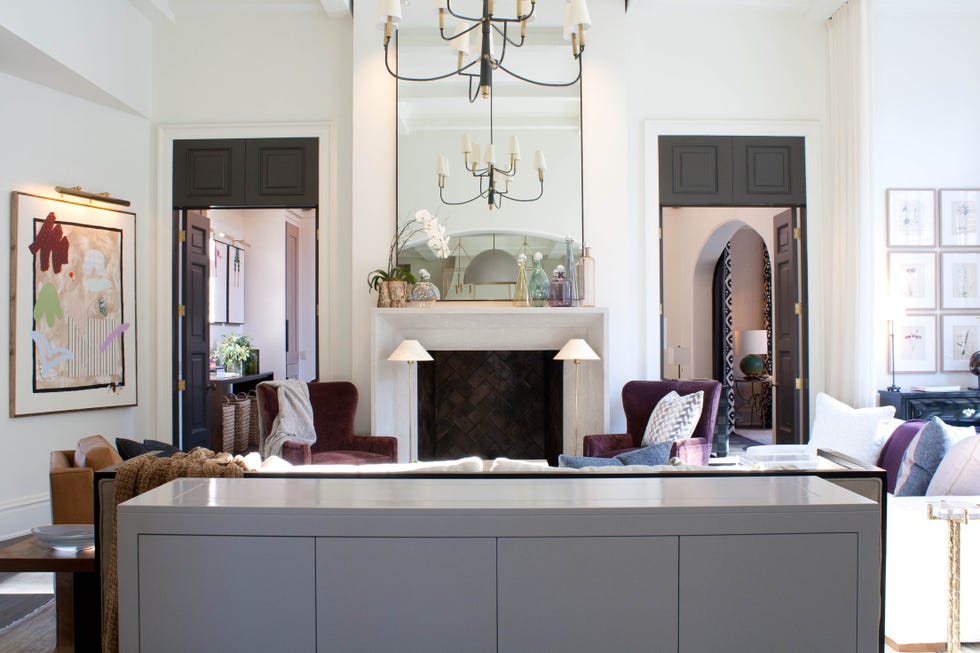
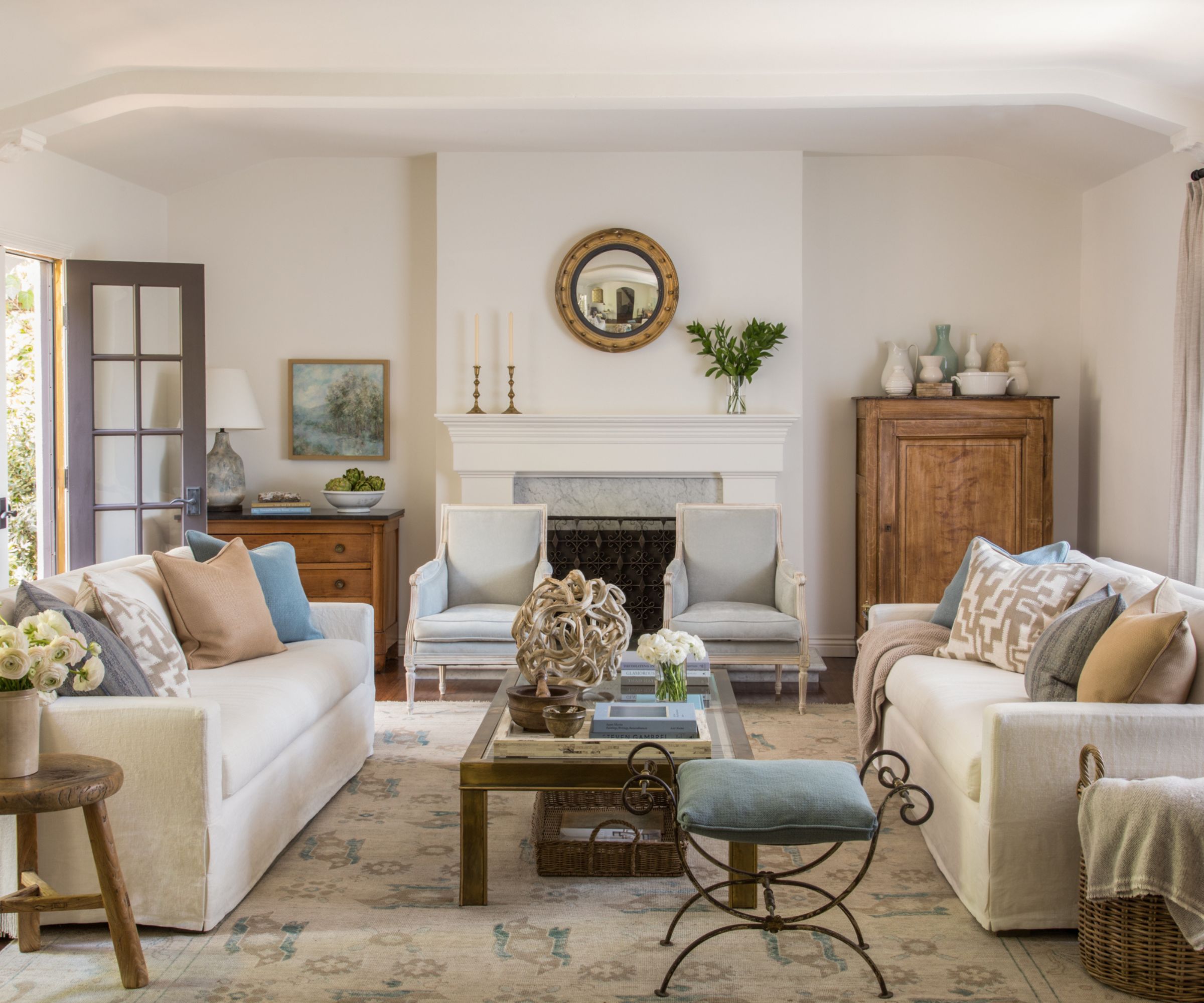
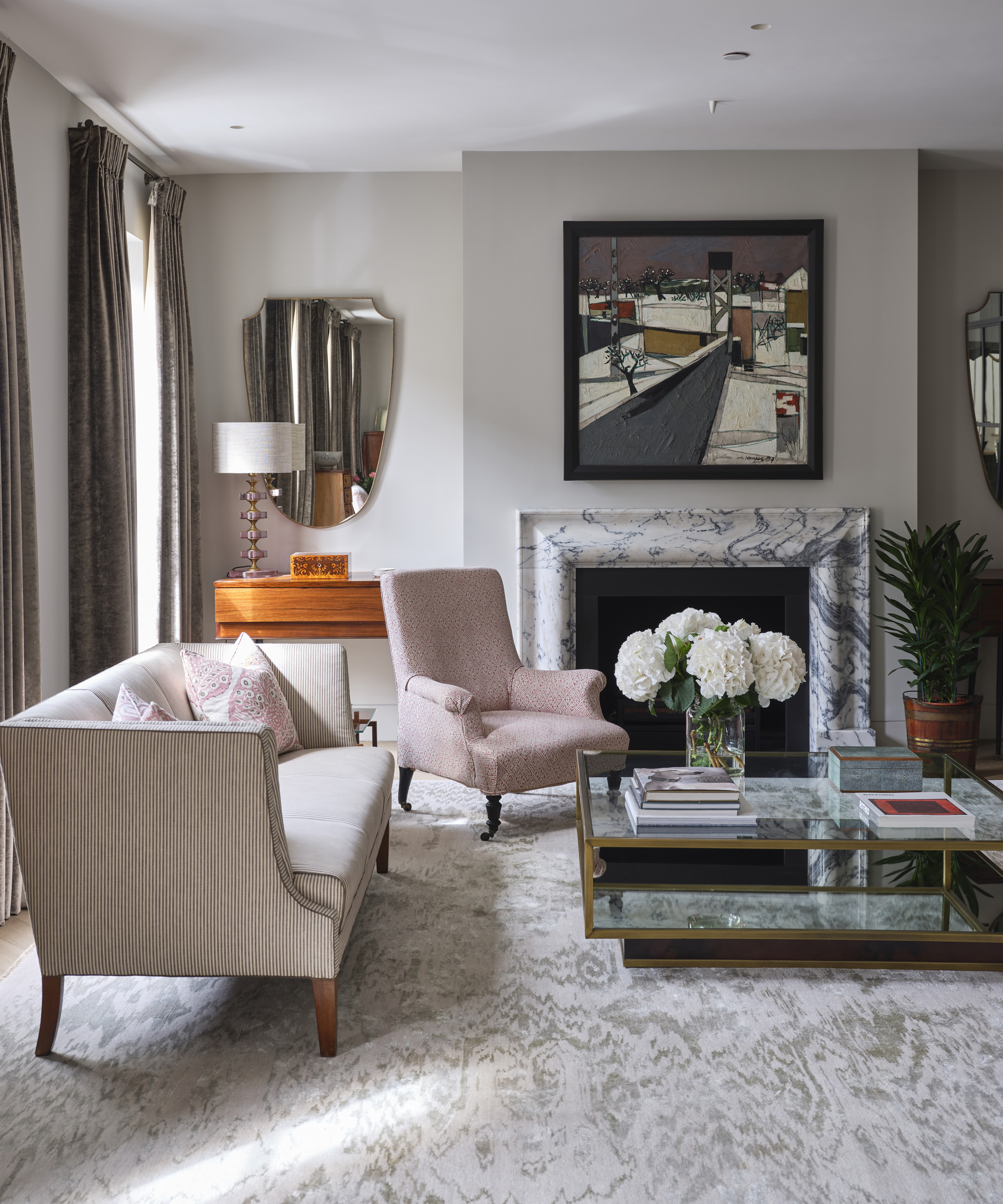
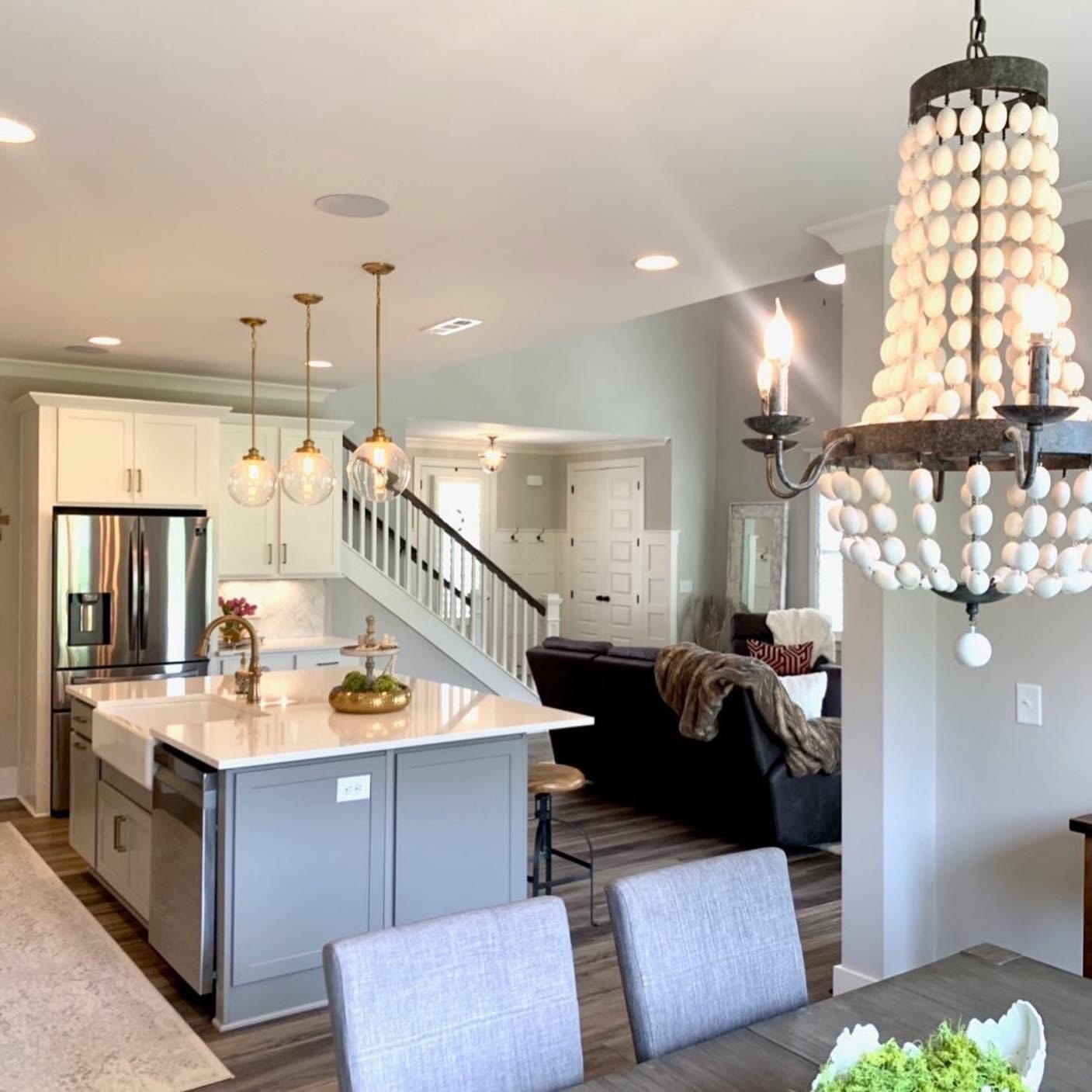
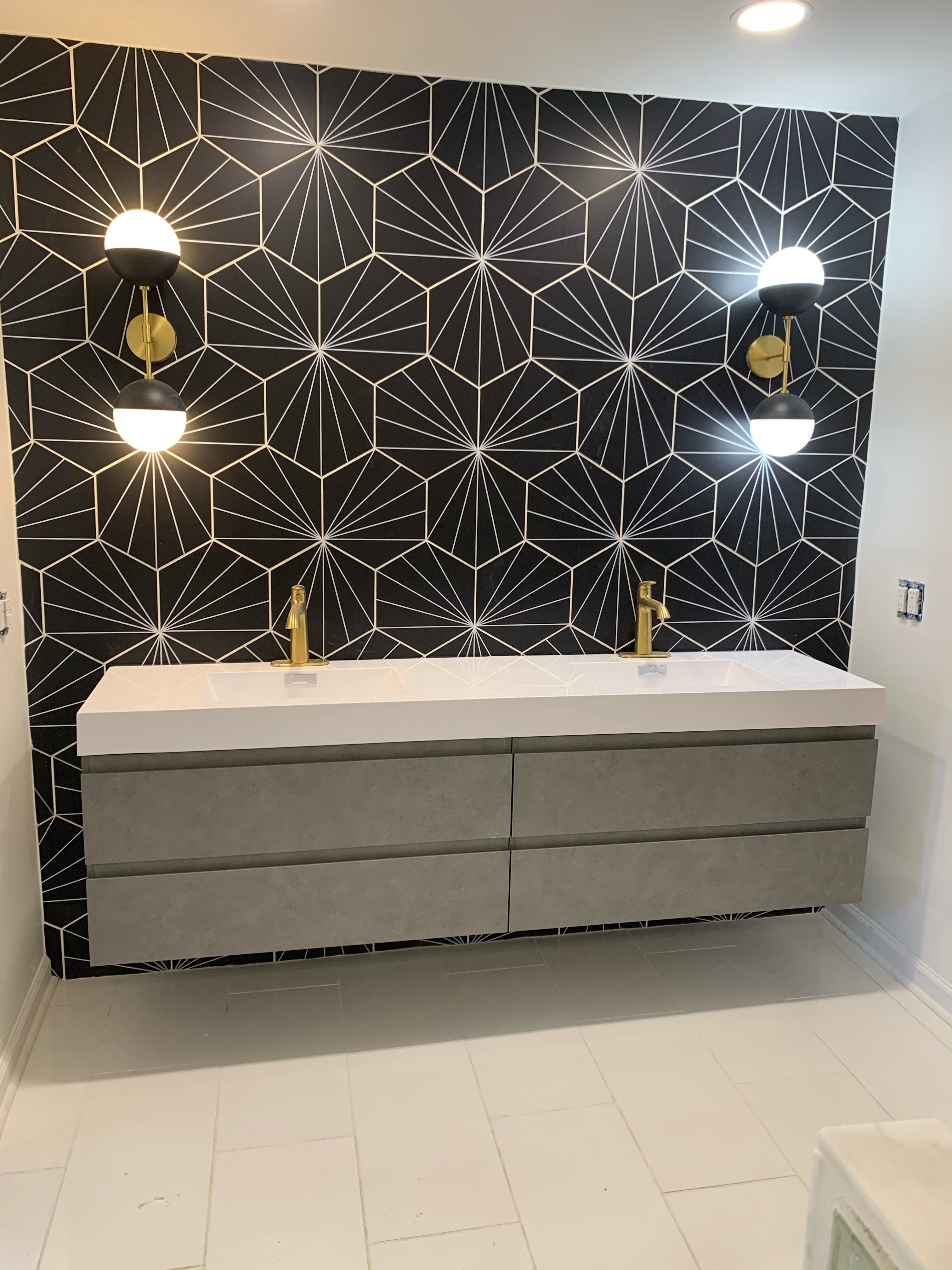
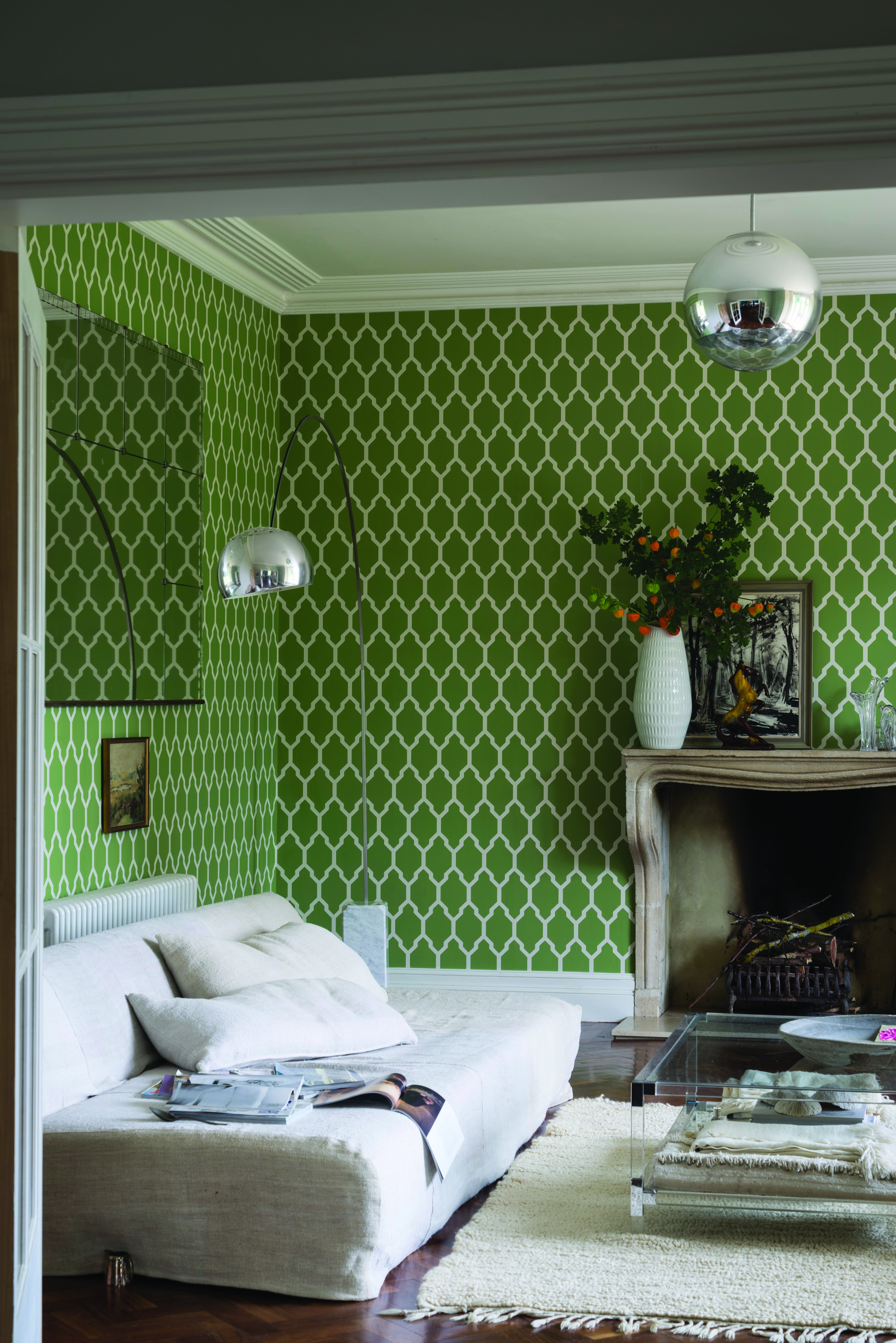
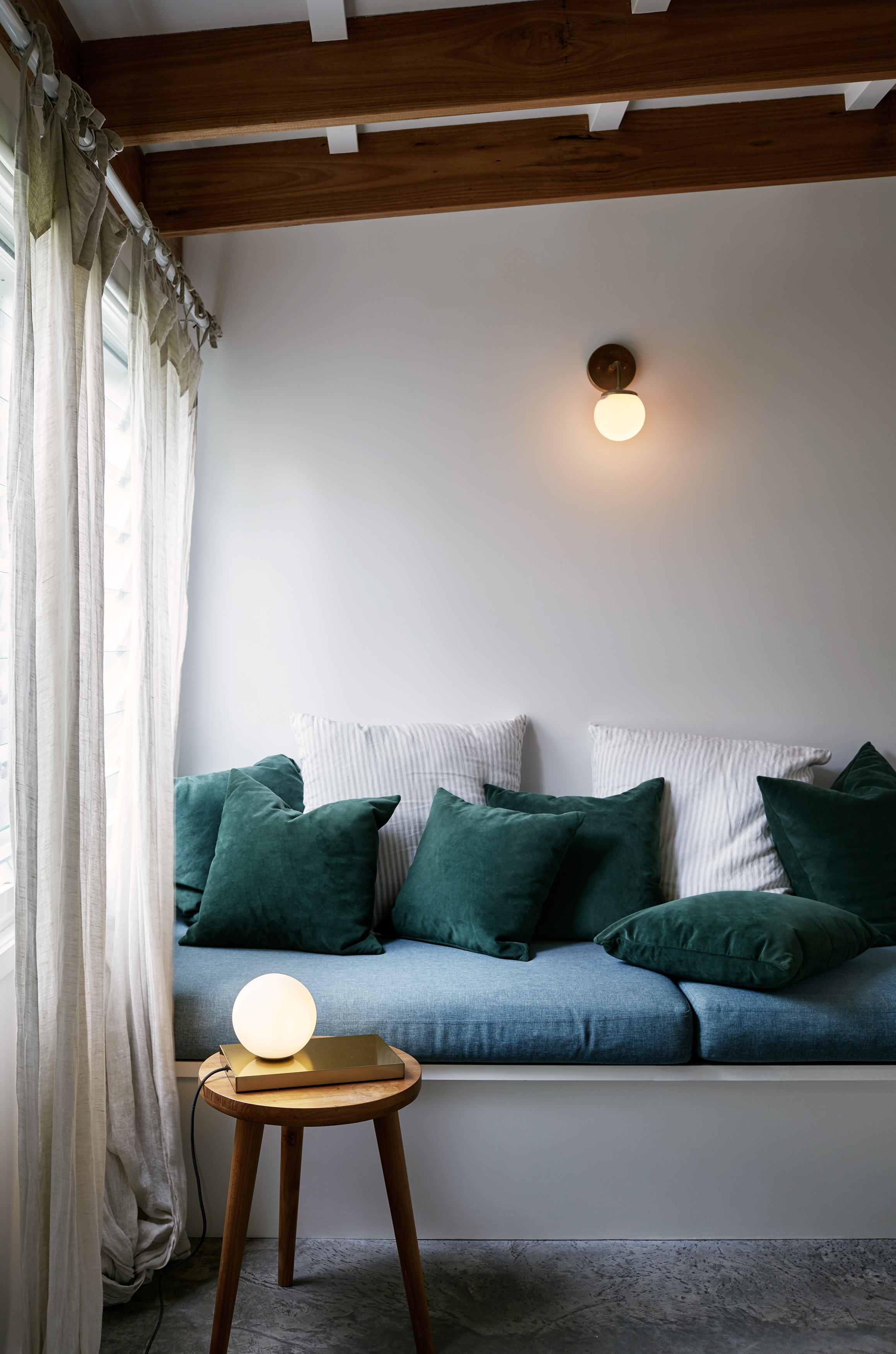
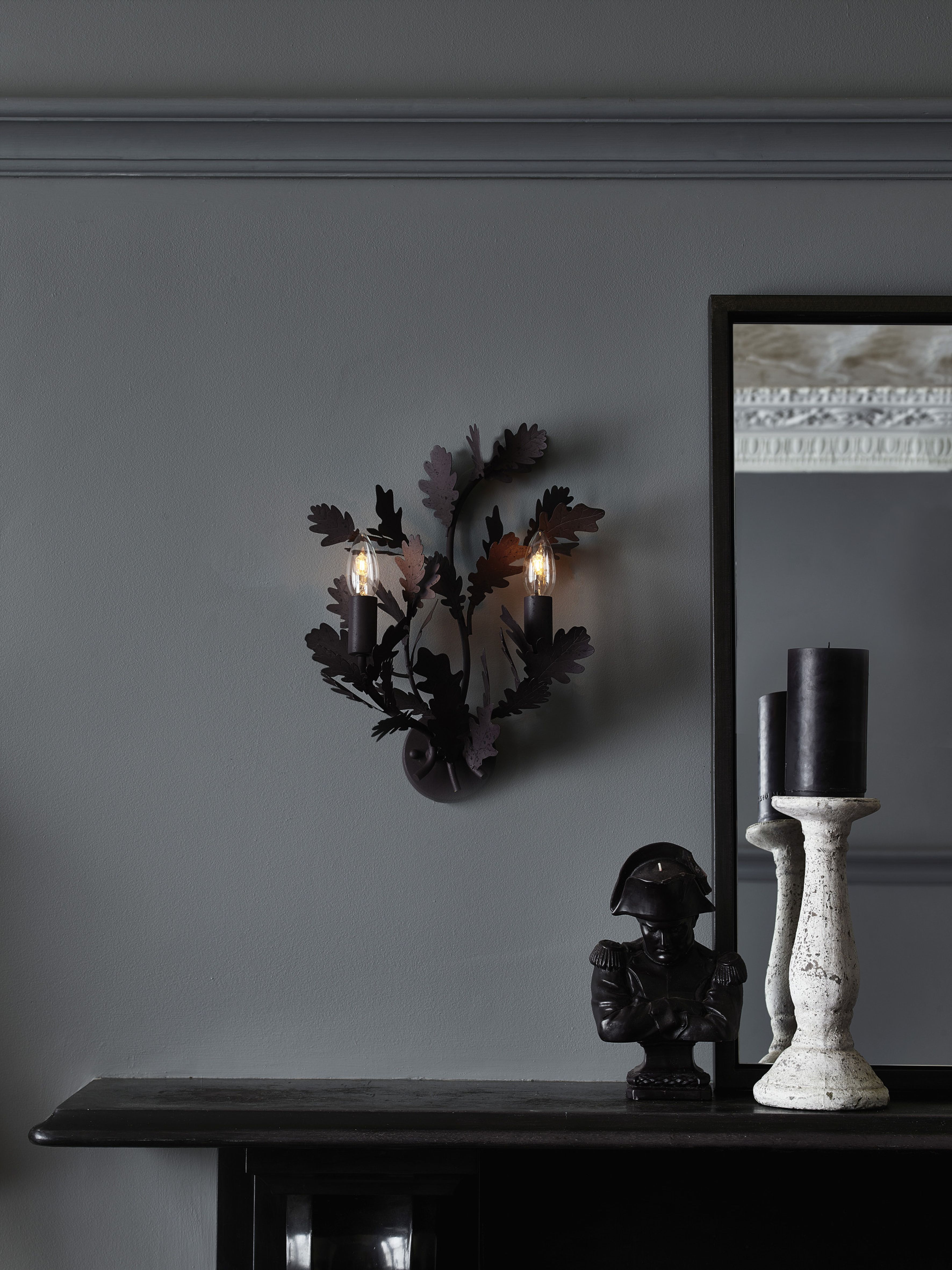
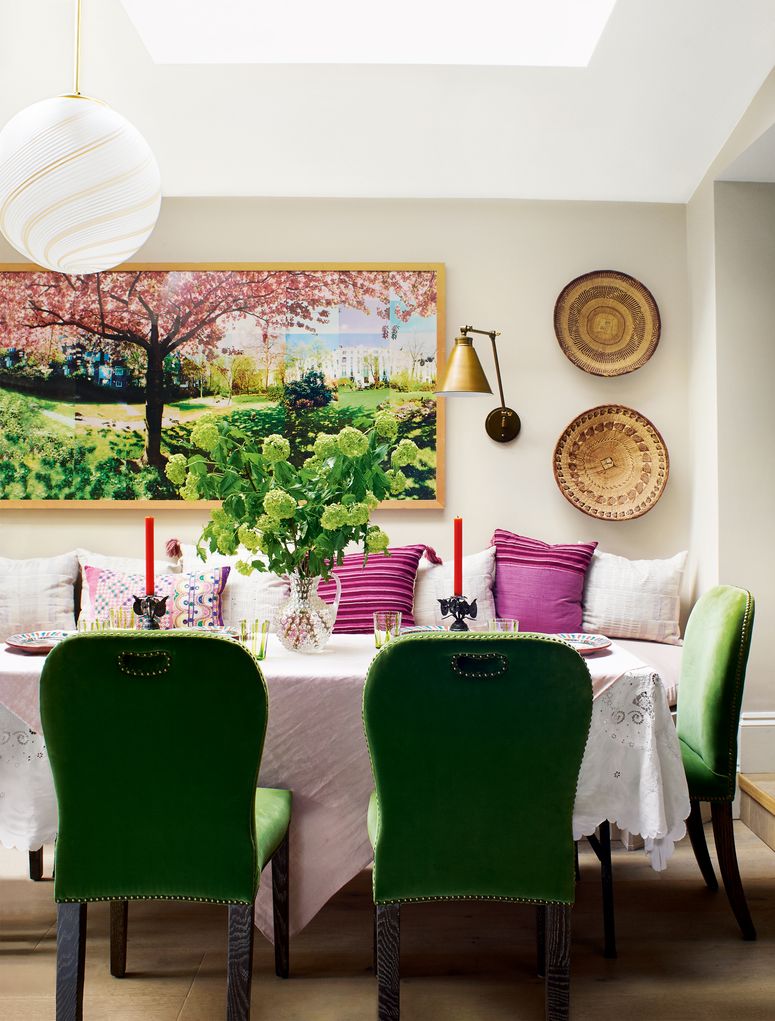
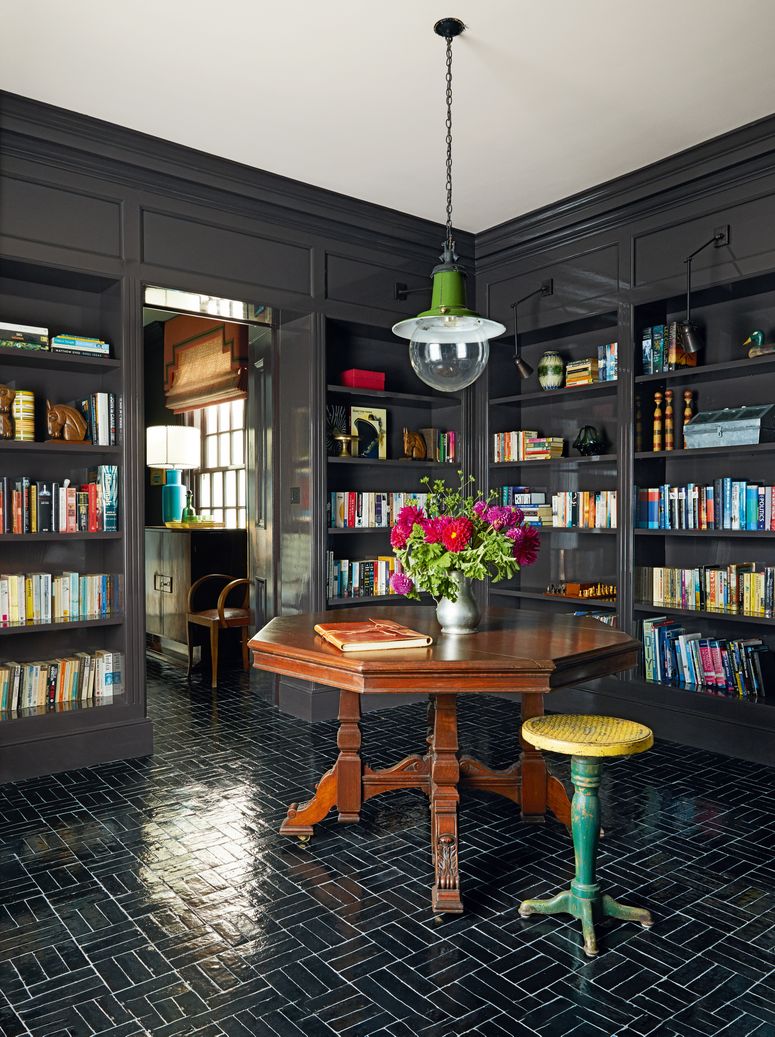
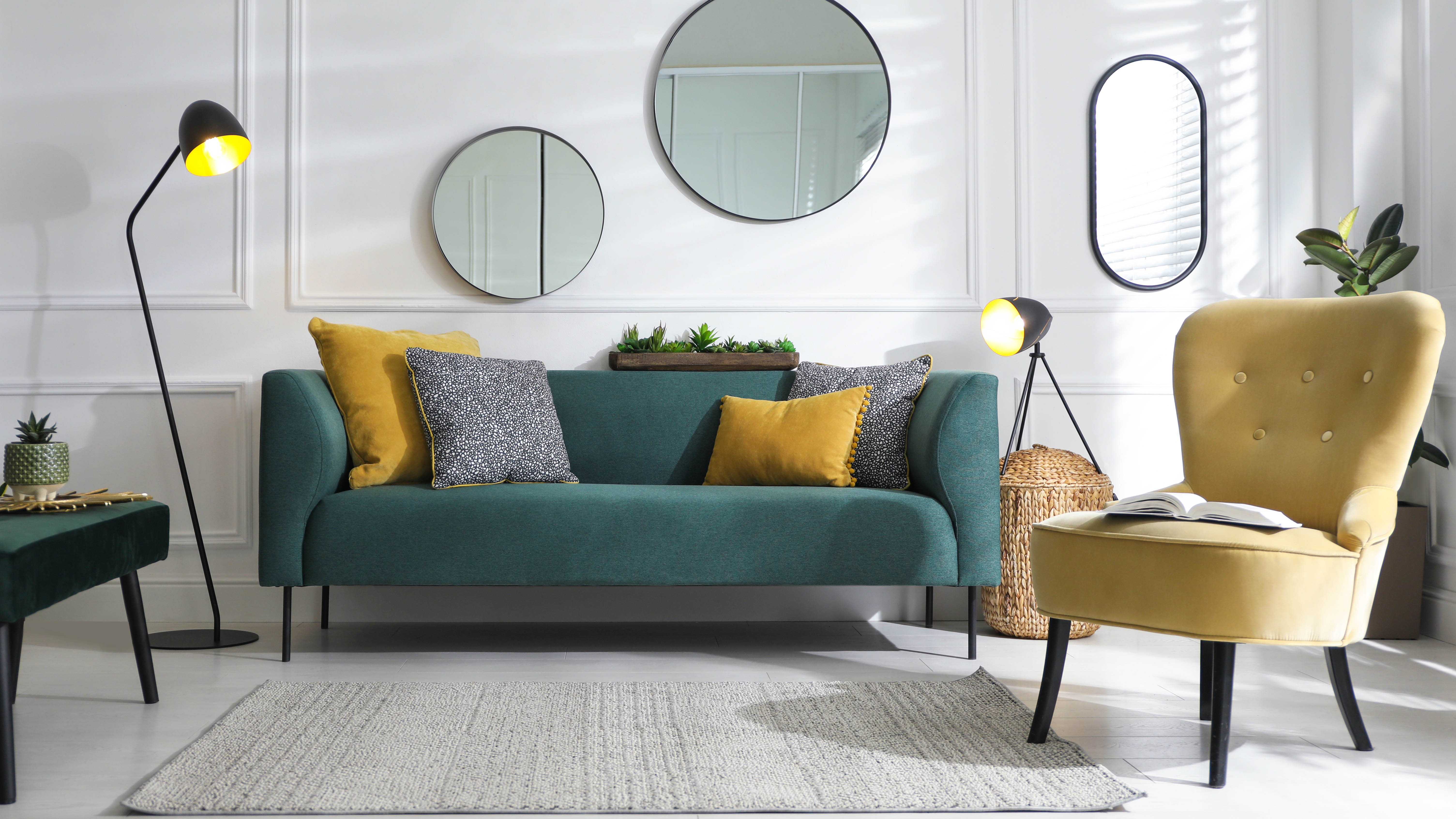
Fourth, Dowsying advocates for thinking in multiples and layering different light sources to create dynamic effects and suit various activities. Rather than relying solely on overhead lighting, she recommends incorporating a mix of task, accent, and ambient lights. For a typical living room, she suggests two to three lamps, but no more than four, alongside a ceiling light, wall lights, and a floor light to allow for easy transitions between bright and softer evening moods.
Finally, the article delves into the significance of color temperature. Measured in Kelvins (K), light color influences the atmosphere of a room. For bright task lighting in areas like garages, 5,000 Kelvins, mimicking daylight, is suitable. However, for residential spaces, a warmer light between 2,700 and 3,000 Kelvins is preferred. The expert stresses the importance of selecting light bulbs with similar color temperatures to avoid visual clashes. Smart lights are presented as a flexible solution, allowing users to adjust color temperature through apps or voice assistants like Google Home and Alexa. The article provides practical advice for enhancing home ambiance and functionality through thoughtful lighting design.
#HomeLighting #InteriorDesign #LightingTips #NaturalLight #ArtificialLighting #ColorTemperature #SmartHome #HomeDecor #RoomBrightness #HomeLighting #InteriorDesign #LightingTips #NaturalLight #ArtificialLighting #ColorTemperature #SmartHome #HomeDecor #RoomBrightness
0 opmerkingen in totaal
 Nog geen opmerkingen
Dit vindt u mogelijk ook leuk
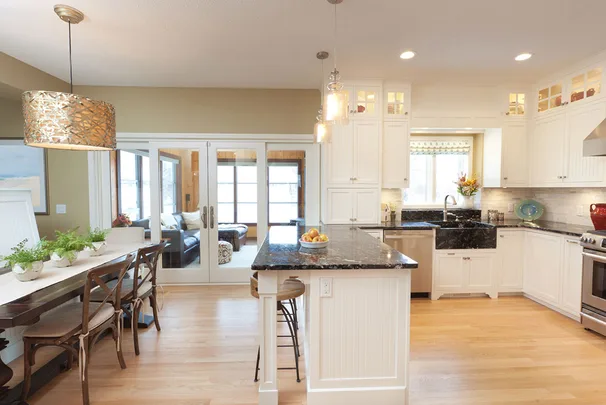
The best lighting for every room in the house

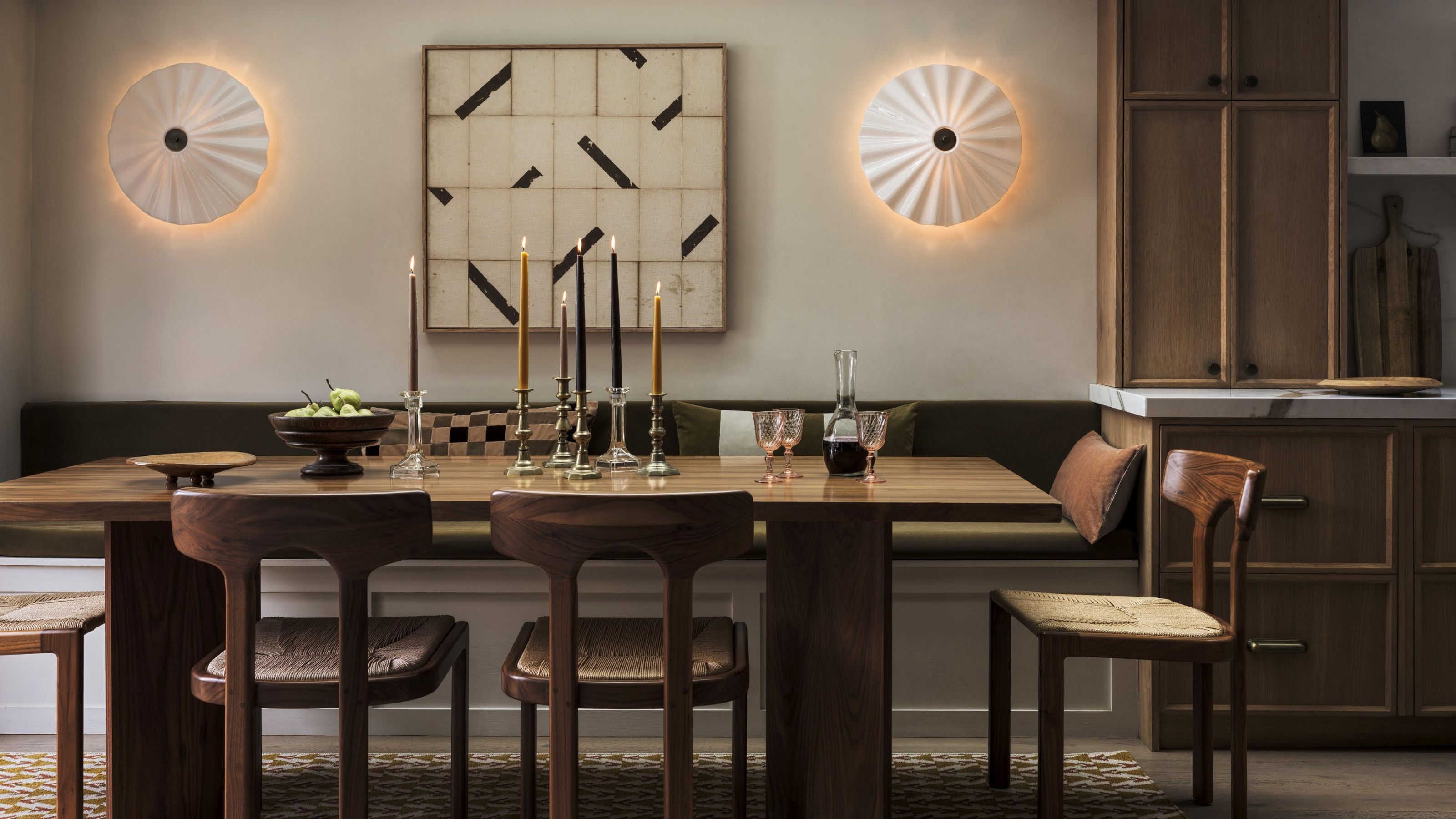
Let There Be Light — 10 Lighting Tricks That Will Transform Any Dark Room Into A Warm and Inviting Space

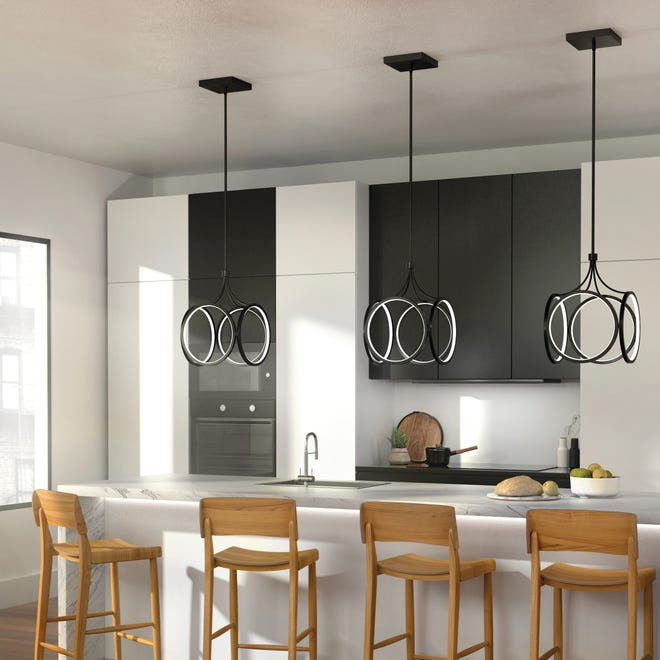
Homestyle: Lighting the way
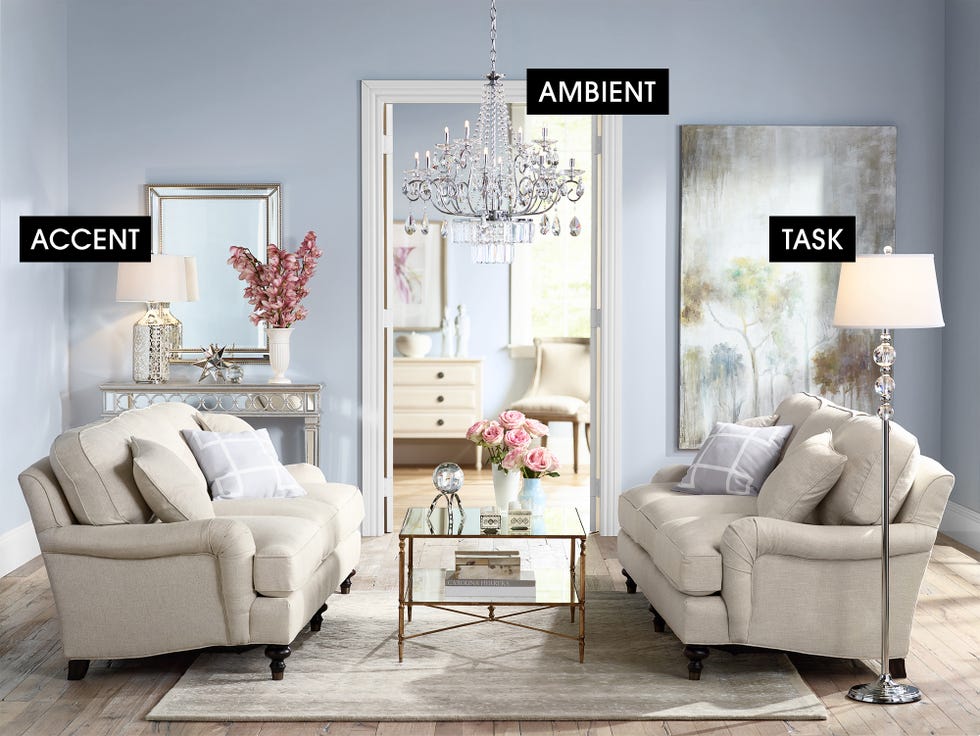
The 3 Types Of Lighting Every Room Needs

An interior designer’s guide to lighting your home

5 Types of Lighting Designers Would Never Use —They're Harsh and Unflattering and Here's Why
How to create the perfect mood lighting for every corner of your home: Expert shares his top style solutions | Hindustan Times

21 living room lighting ideas and expert tips to getting it right

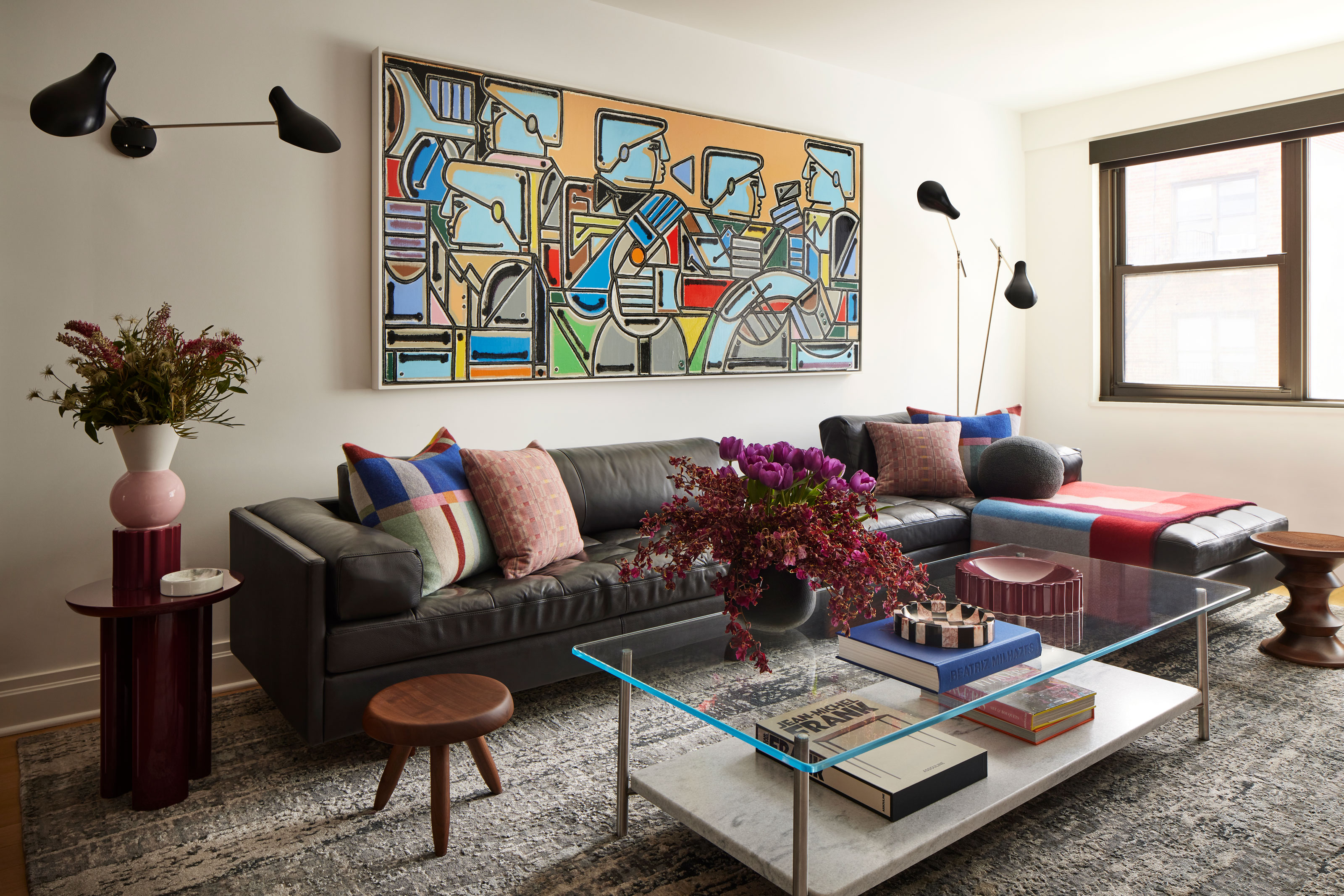
Forget the Ceiling Light — These Are the 5 Ways You Should Be Lighting Your Living Room
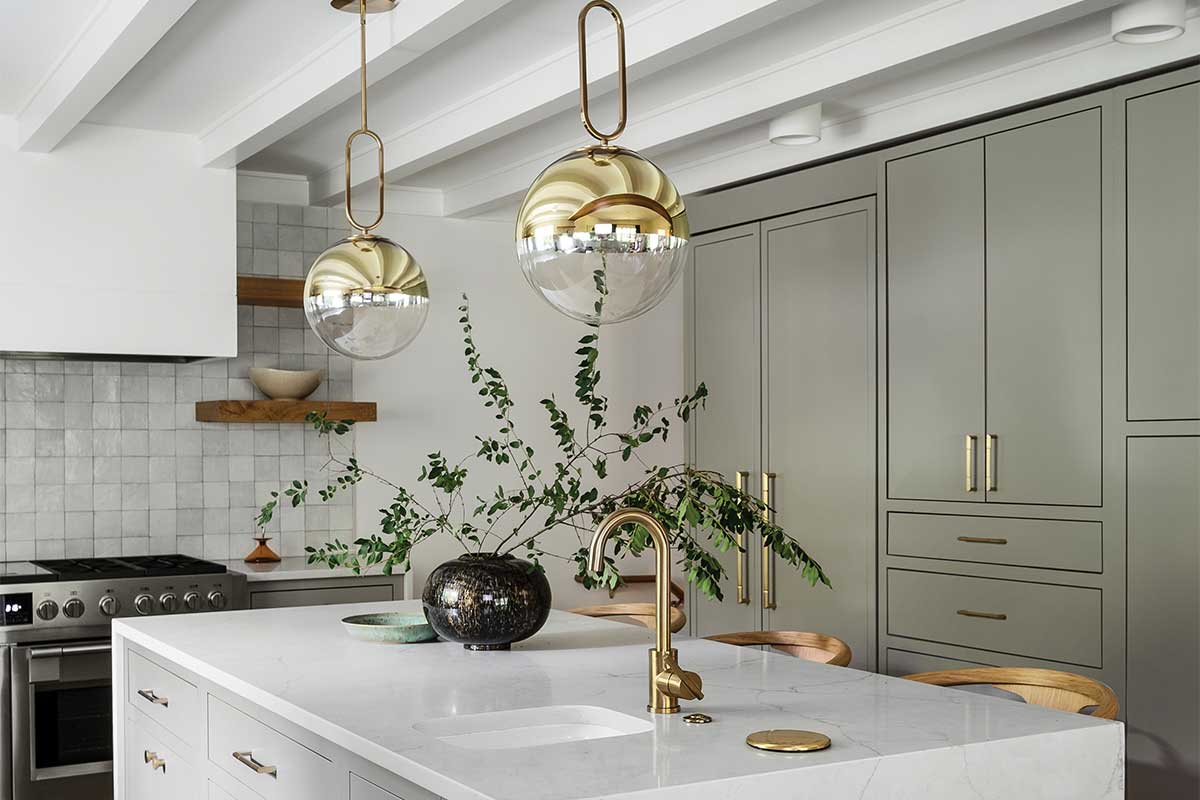
What You Need to Know About Lighting Your Home, from an Expert
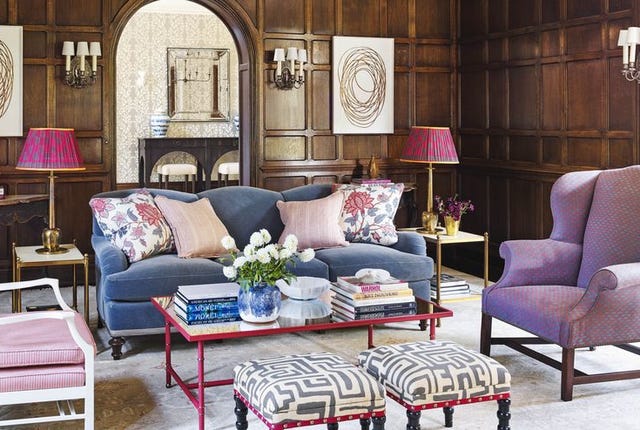
Designers Share Their Best Tips for Acing Ambience in the Living Room with Lighting
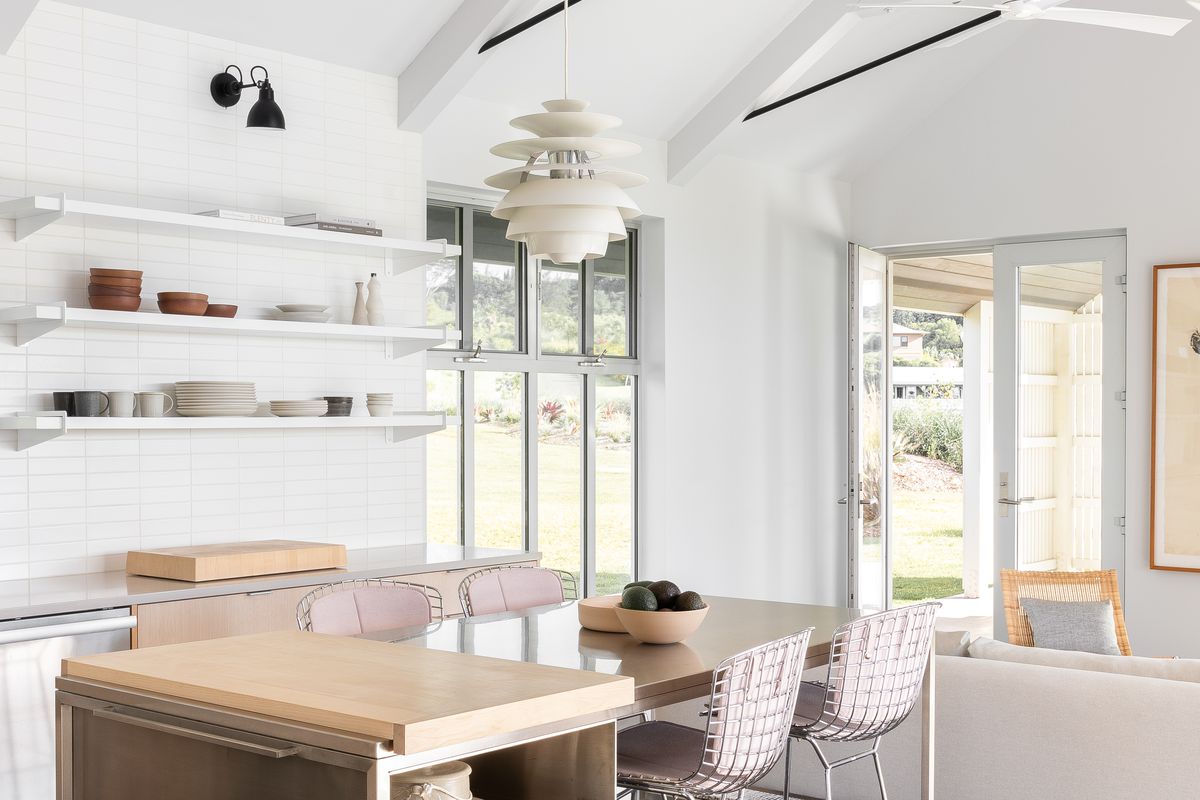
Pro tips to improve your home’s lighting—without an electrician
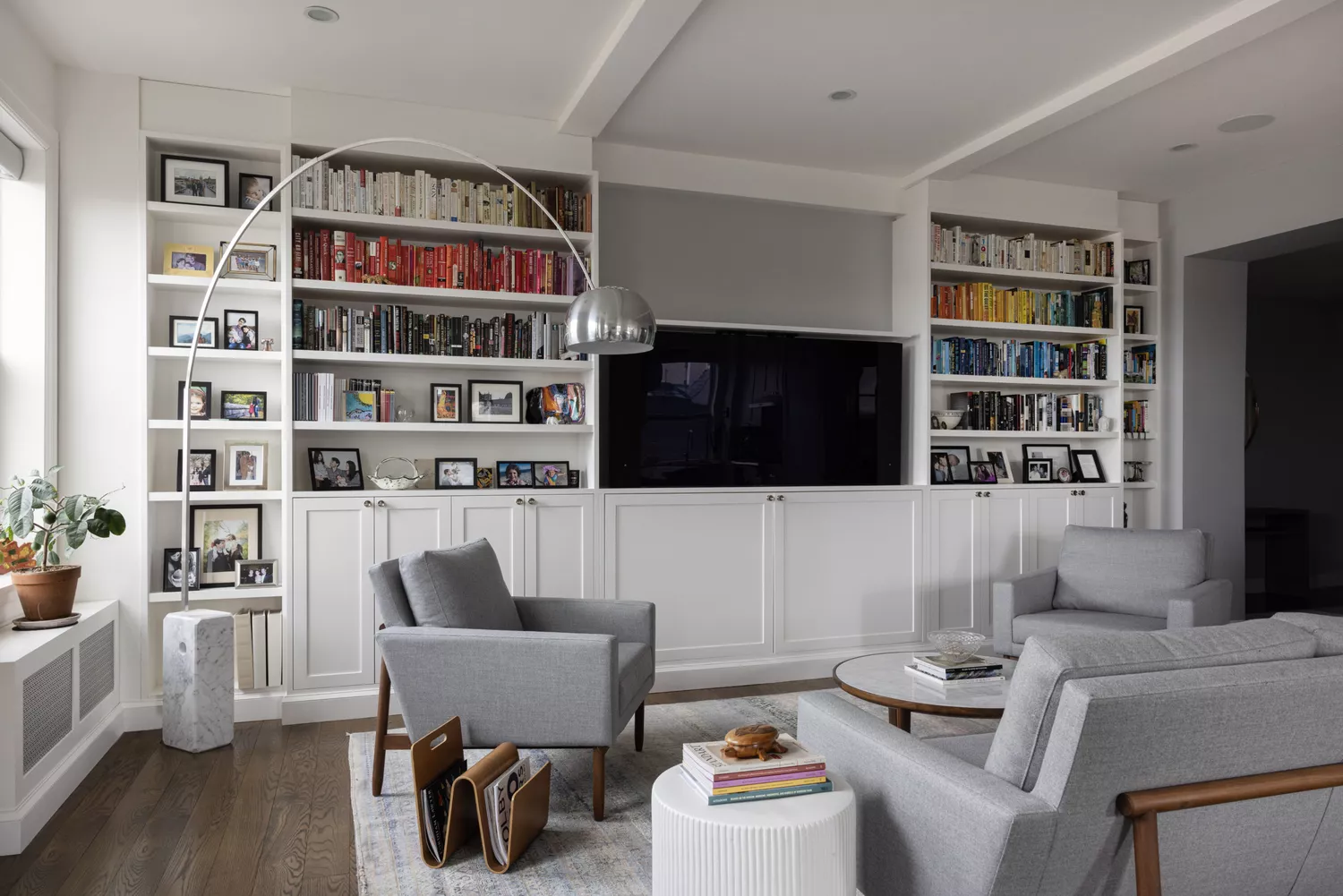
5 Easy, Designer-Approved Lighting Hacks to Brighten Up Your Home

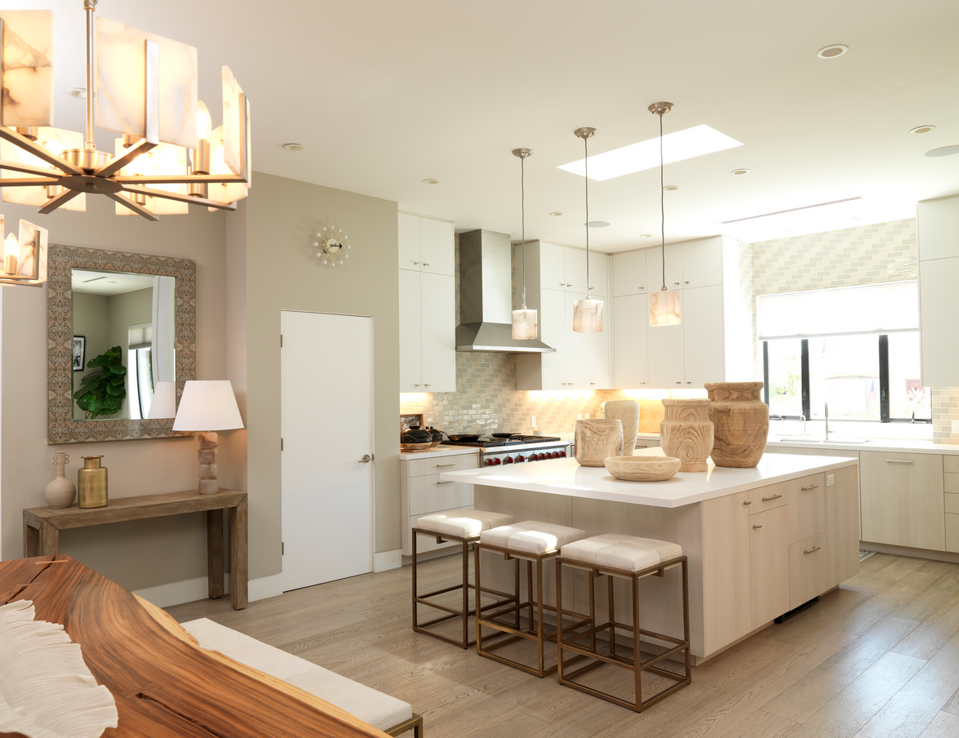
These Task, Accent, And Ambient Lighting Tips Can Transform Your Home

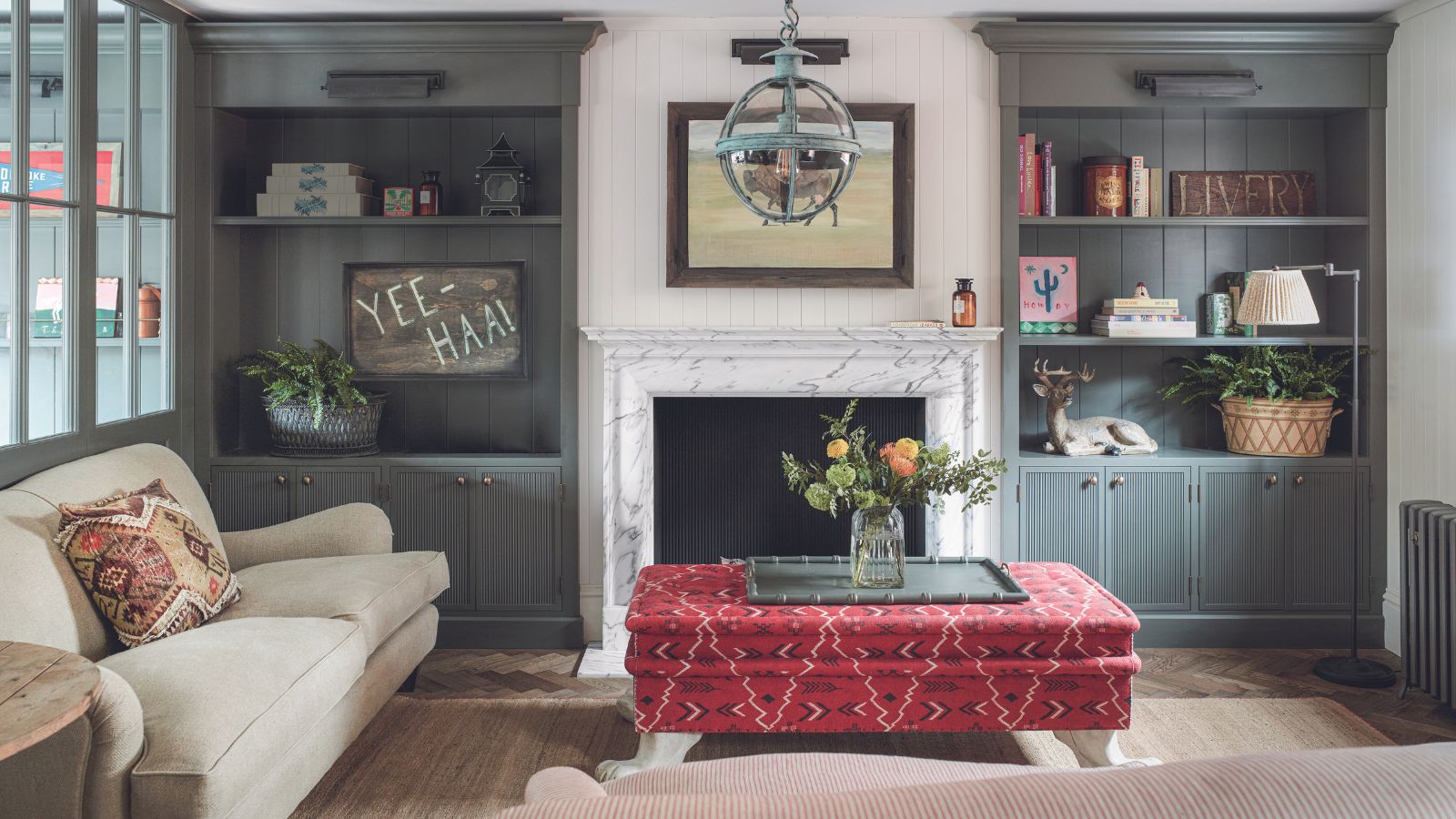
How to make a living room lighter – an interior designer's 10 tips for a creating brighter space
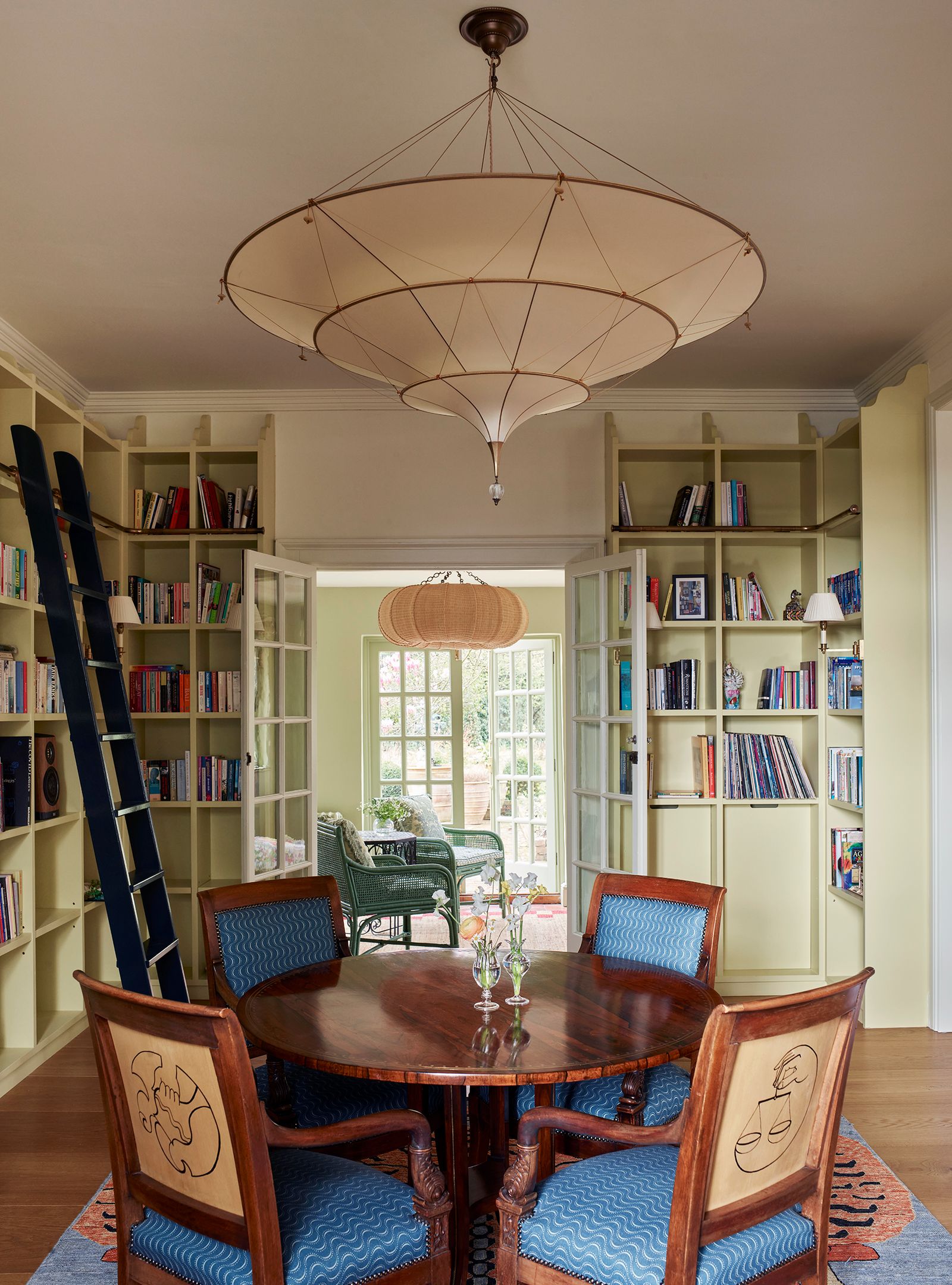
The dos and don'ts of lighting your house
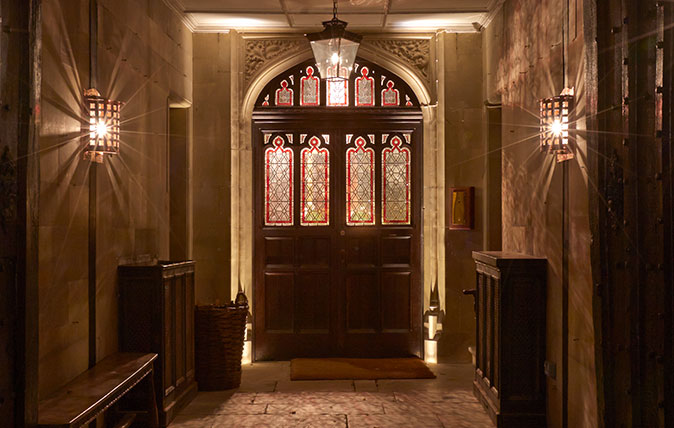
Get your home's lighting just right: Seven questions answered
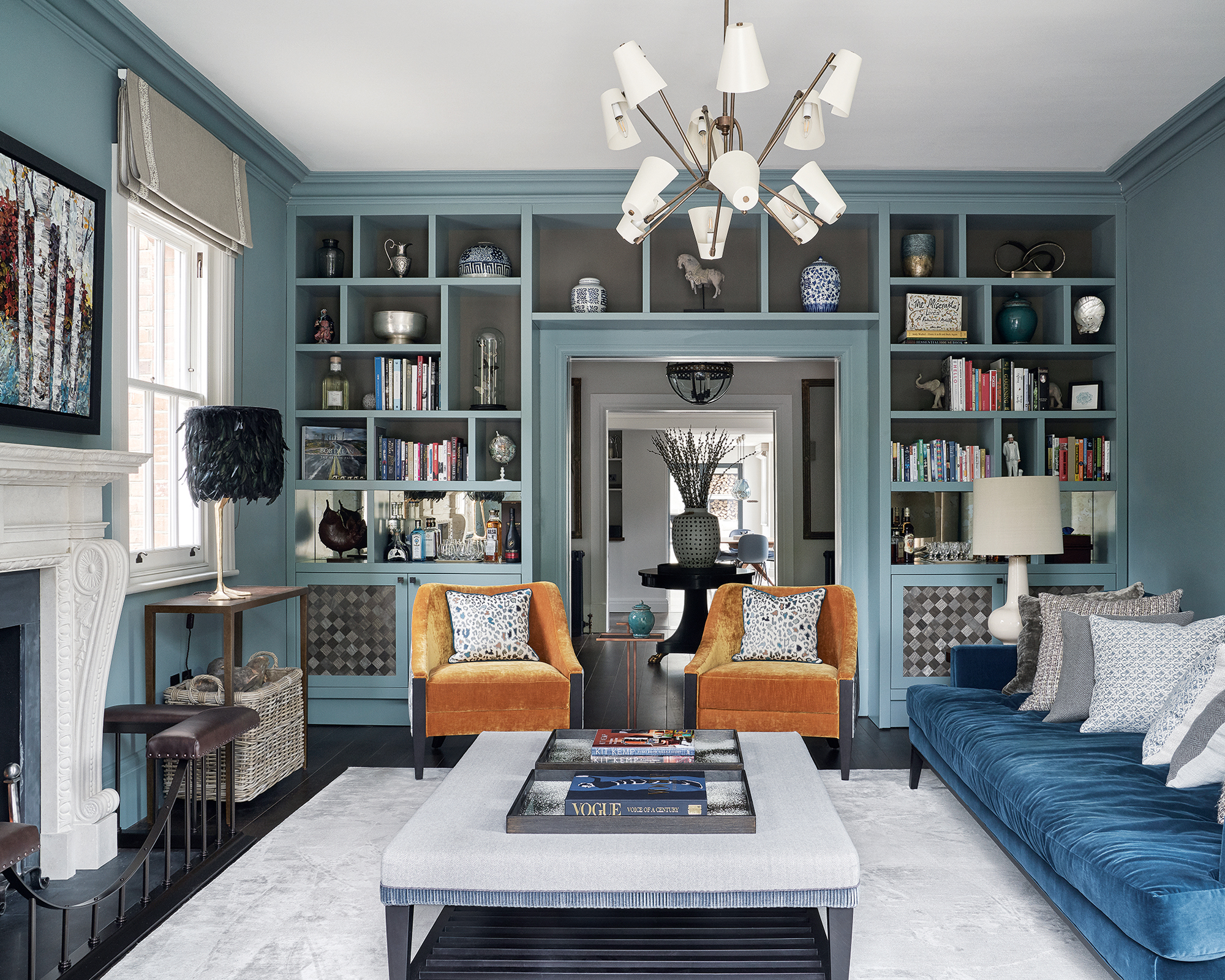
Lighting a dark room – 10 top tips from experts

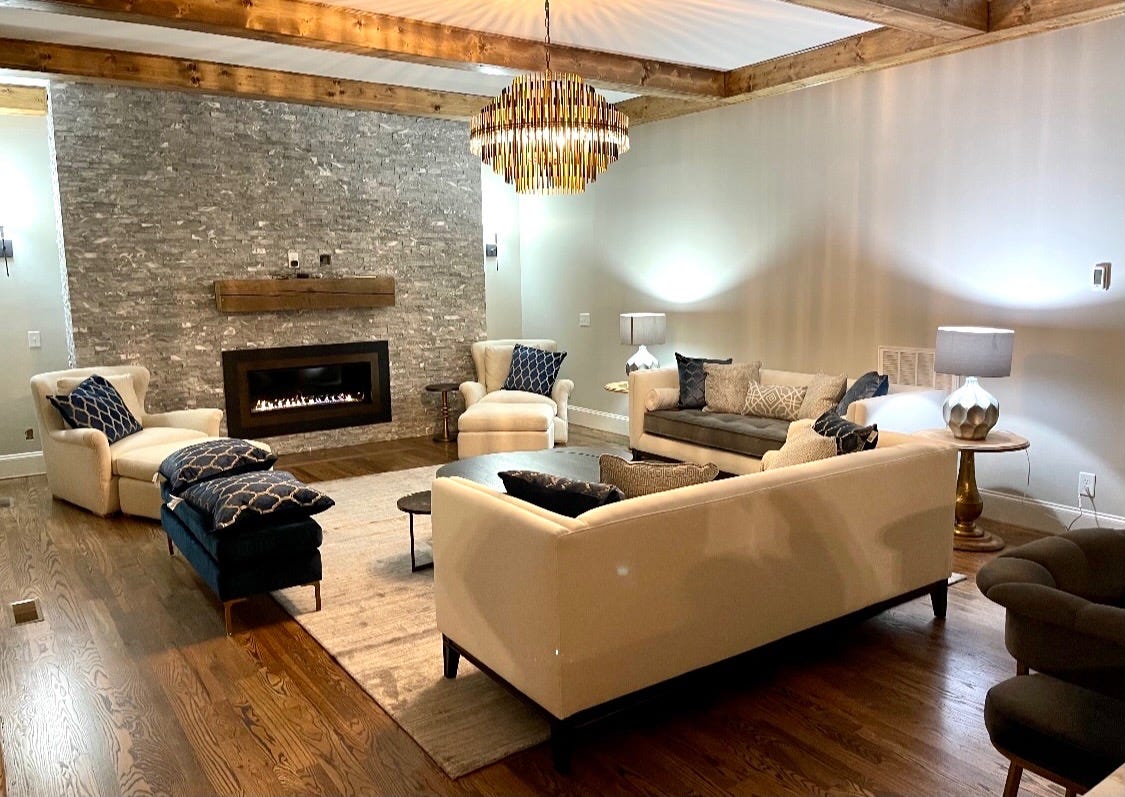
Proper lighting can add drama and coziness to any space

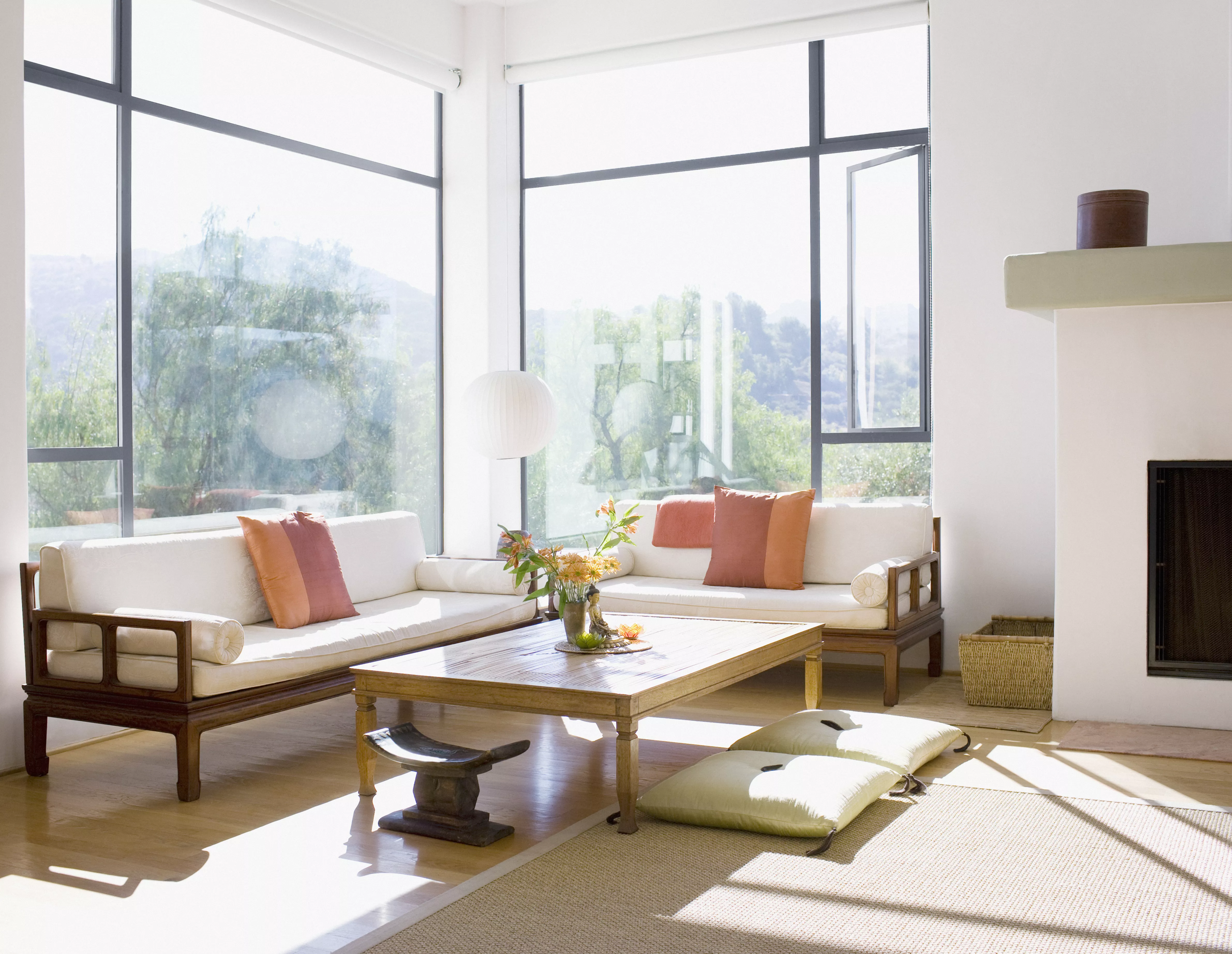
Turn Natural Light into Your Home's Best Feature: 8 Tips from an Interior Designer