1/6
Pro tips to improve your home’s lighting—without an electrician
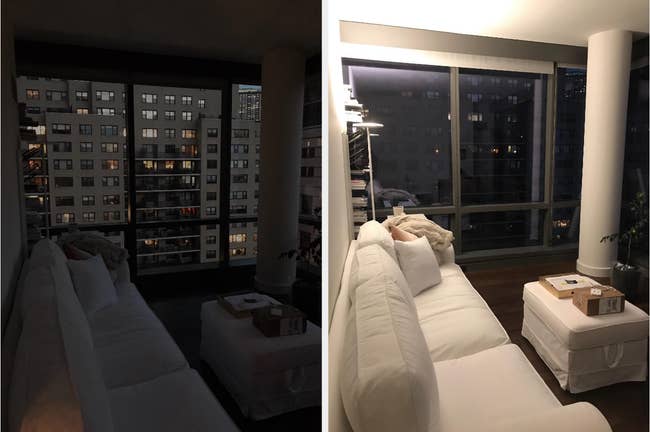
The article offers practical advice on enhancing a home's lighting without the need for professional electrical work, drawing insights from three design experts: Jenny Guggenheim, Alex Kalita, and Megan Pflug. It emphasizes that proper lighting significantly influences a room's mood and functionality, comparing a well-lit space to a restaurant's inviting ambiance versus its harsh, functional lighting at closing time.
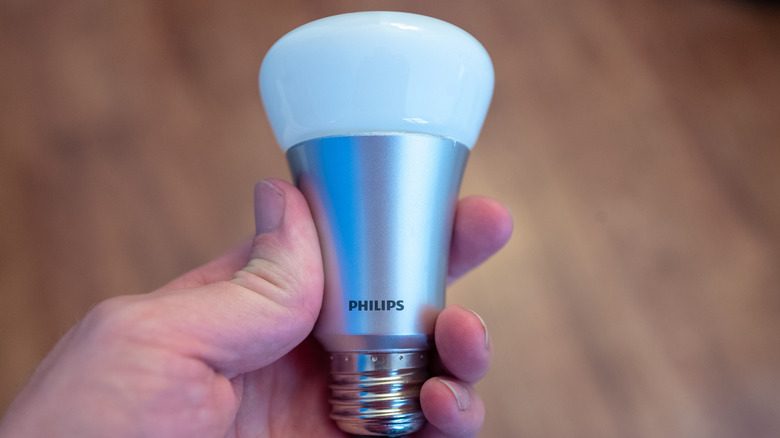
The first key tip is to unify light bulbs. Jenny Guggenheim recommends replacing all mismatched bulb types, especially old compact fluorescents, with a single type of LED bulb. She notes that older homes often have a variety of bulb types with different color temperatures, and this simple change can significantly elevate the overall lighting scheme.
Next, the article guides readers on selecting the right LED bulbs. Designers suggest using LED bulbs with a warmth of 2,500K to 2,700K, as this range mimics natural daylight but with a slightly warmer tone. A crucial piece of advice is that quality matters: cheaper bulbs tend to cast lower-quality light, so it's advisable to purchase them from specialty lighting stores or hardware stores rather than big-box retailers.
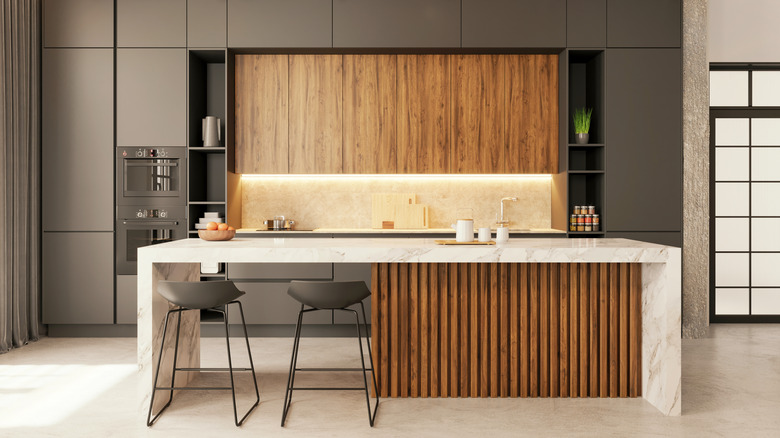
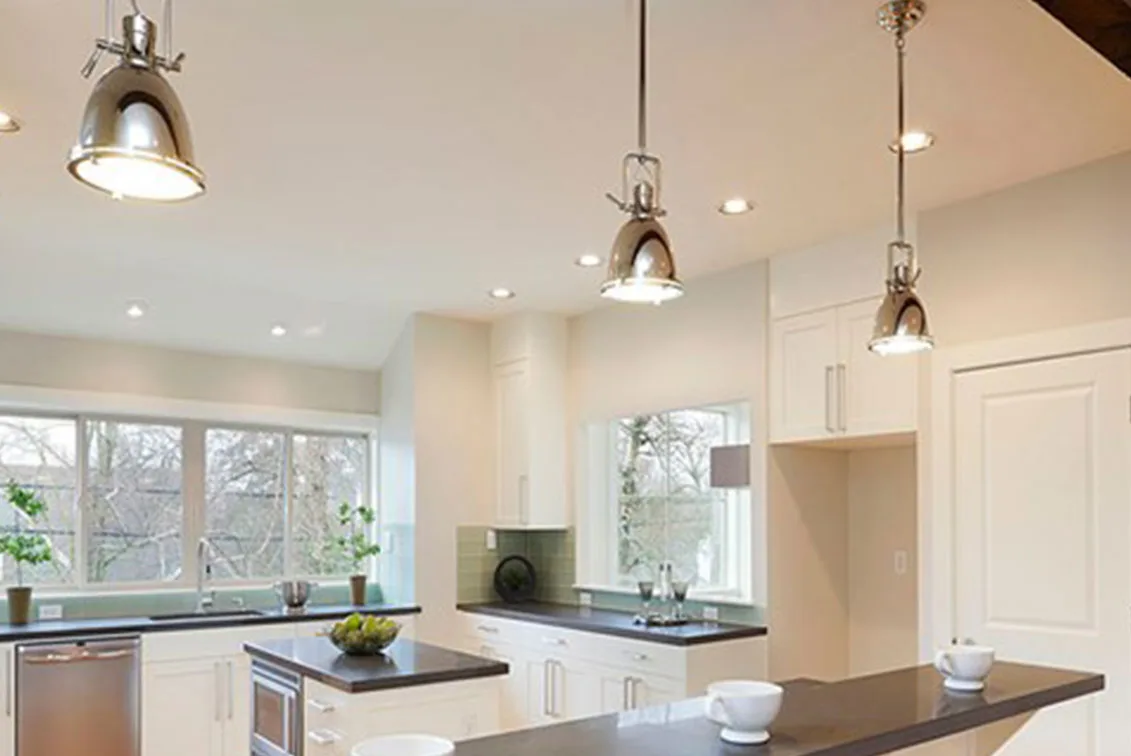
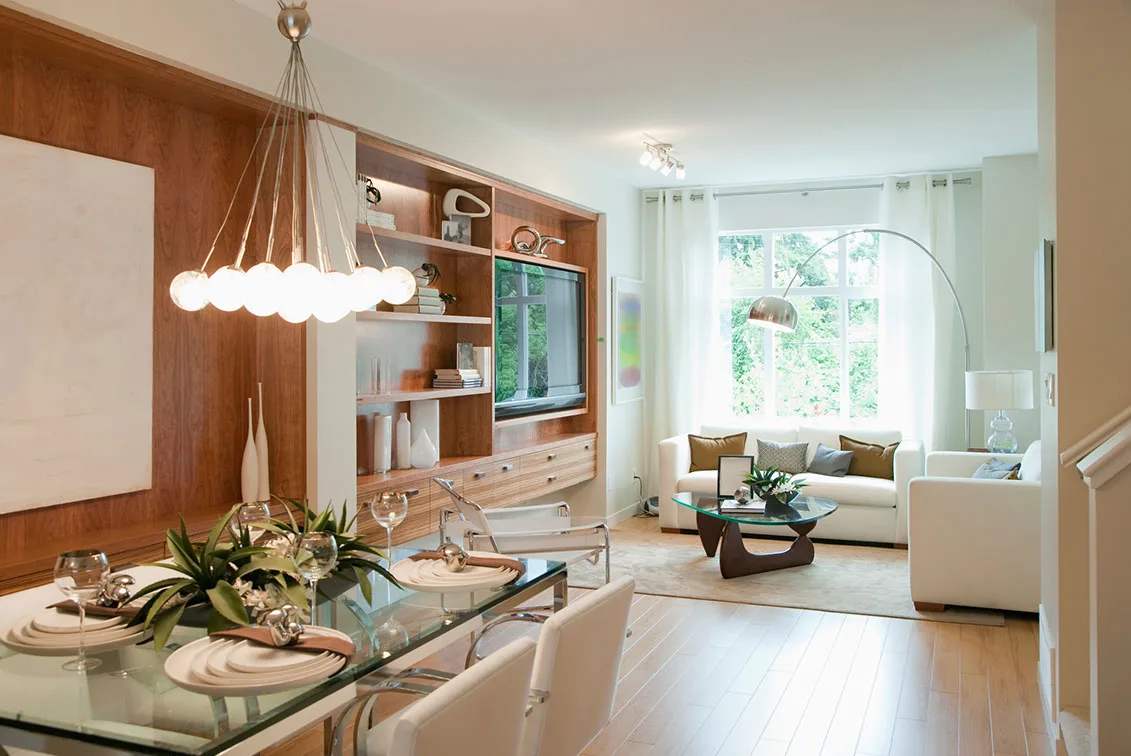
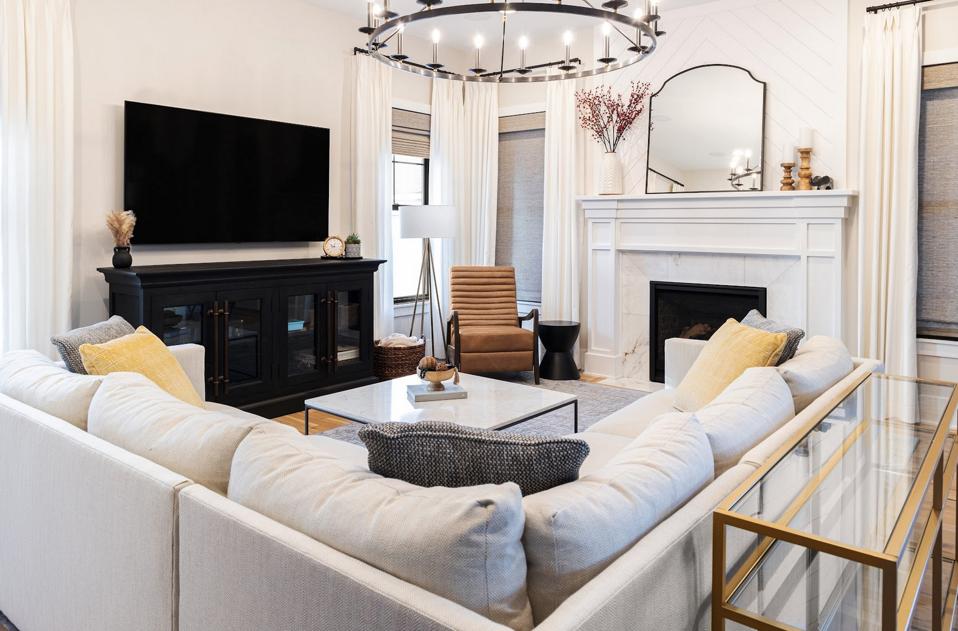
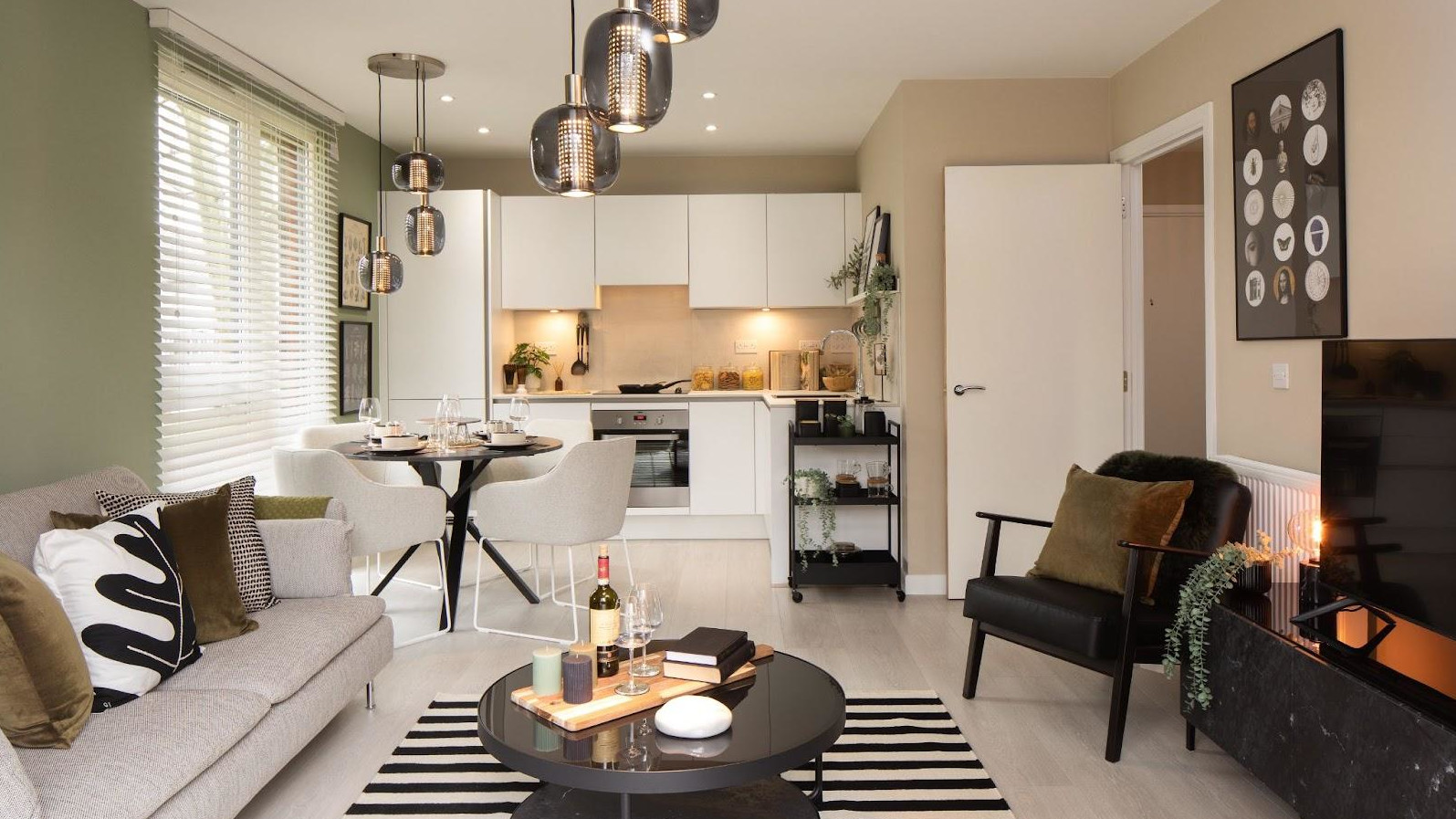
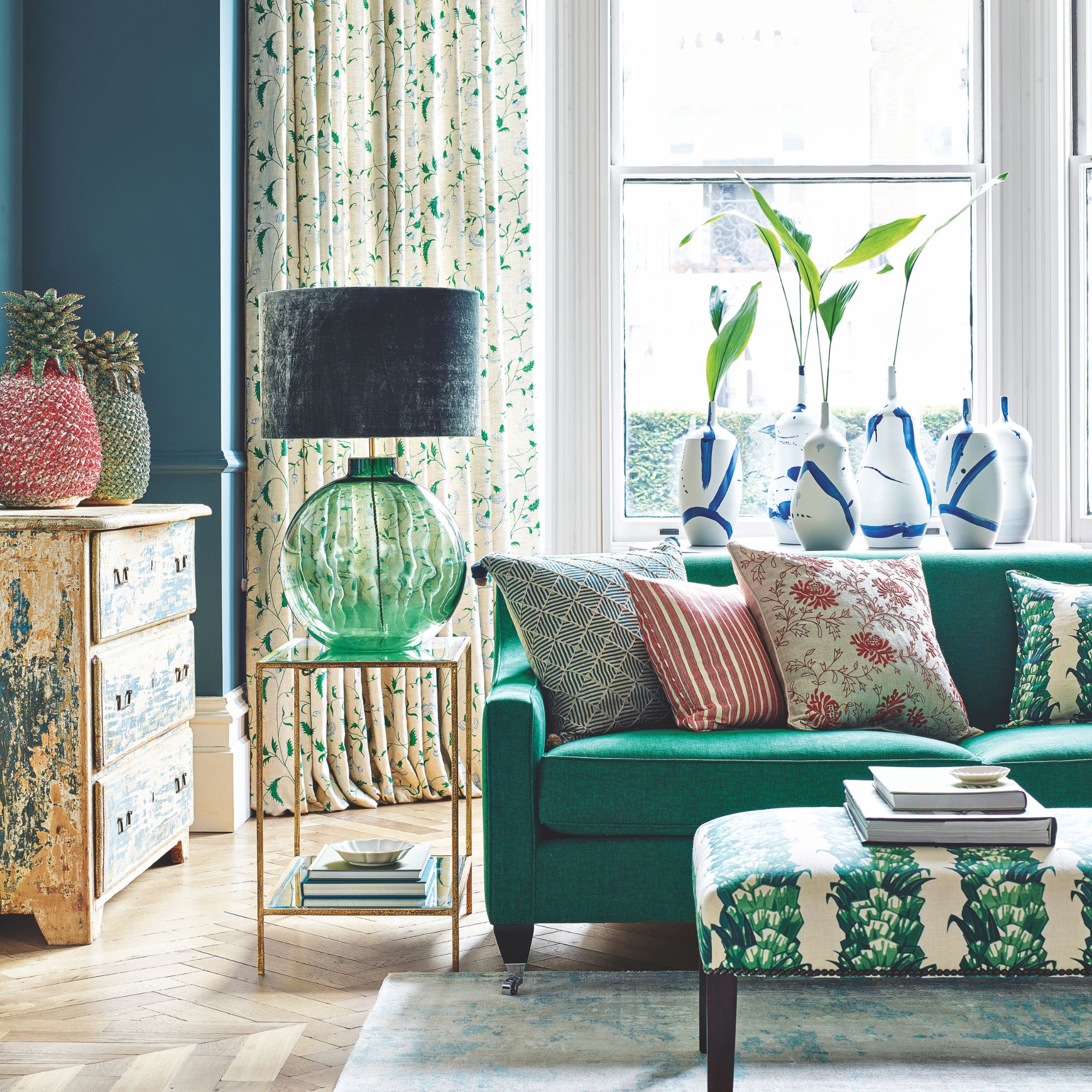
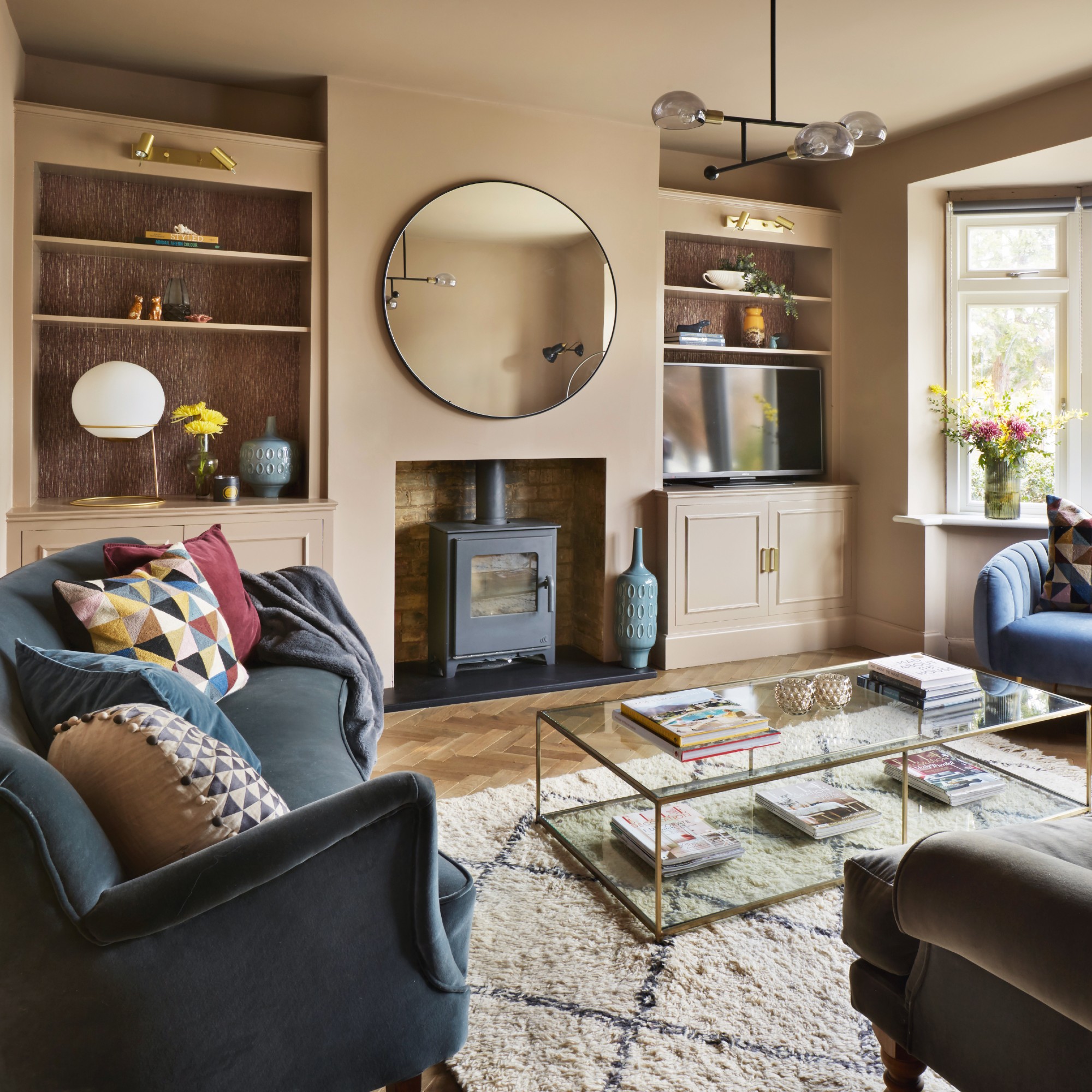
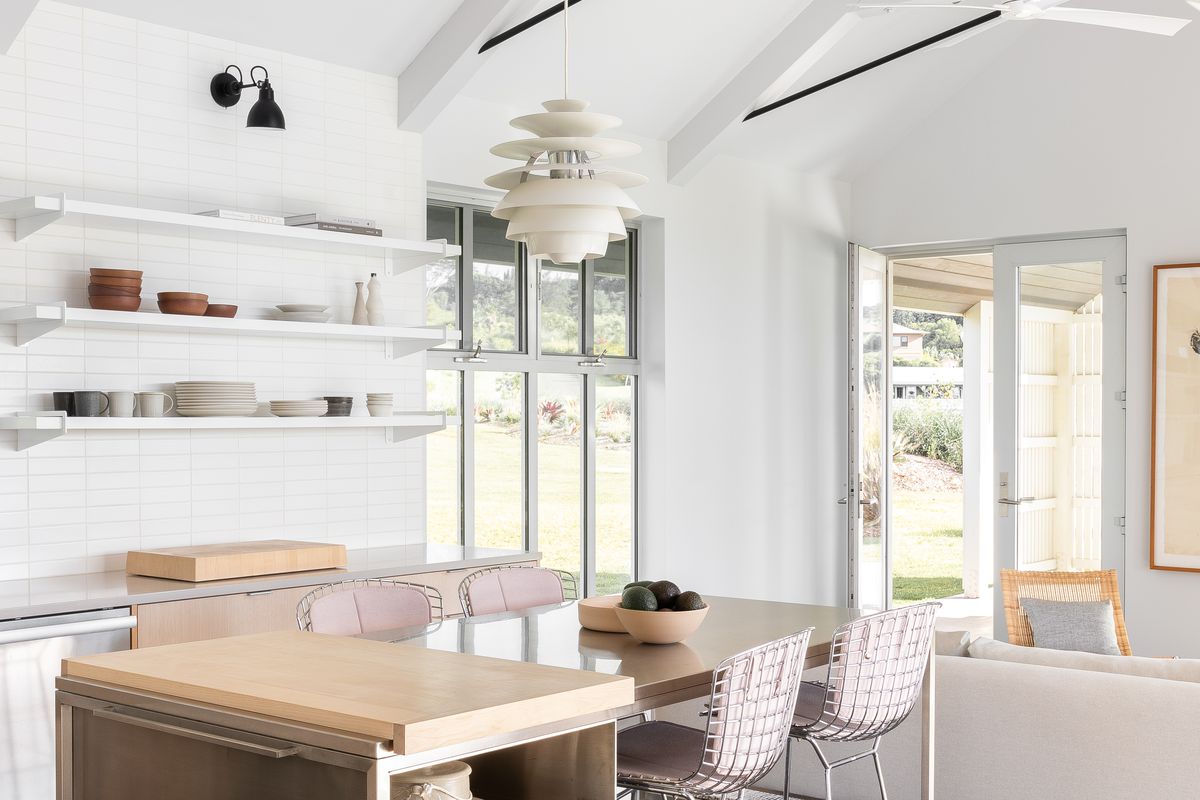
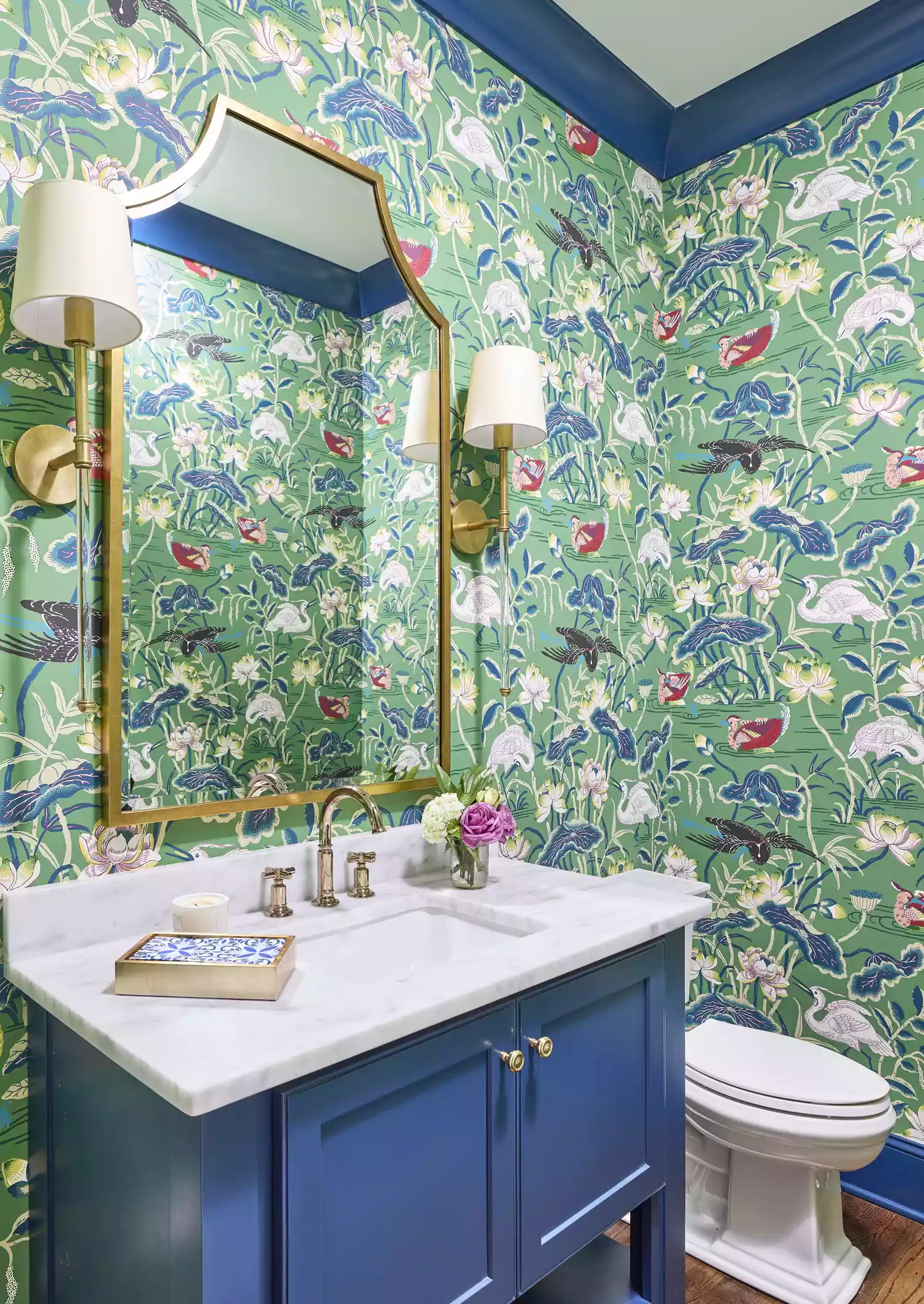
Alex Kalita highlights the importance of layered lighting. She proposes that the first layer should be practical, brighter overhead lighting for areas like kitchens and bathrooms where ample illumination is necessary. The second layer consists of table, floor, and accent lamps that contribute to the room's mood and atmosphere.
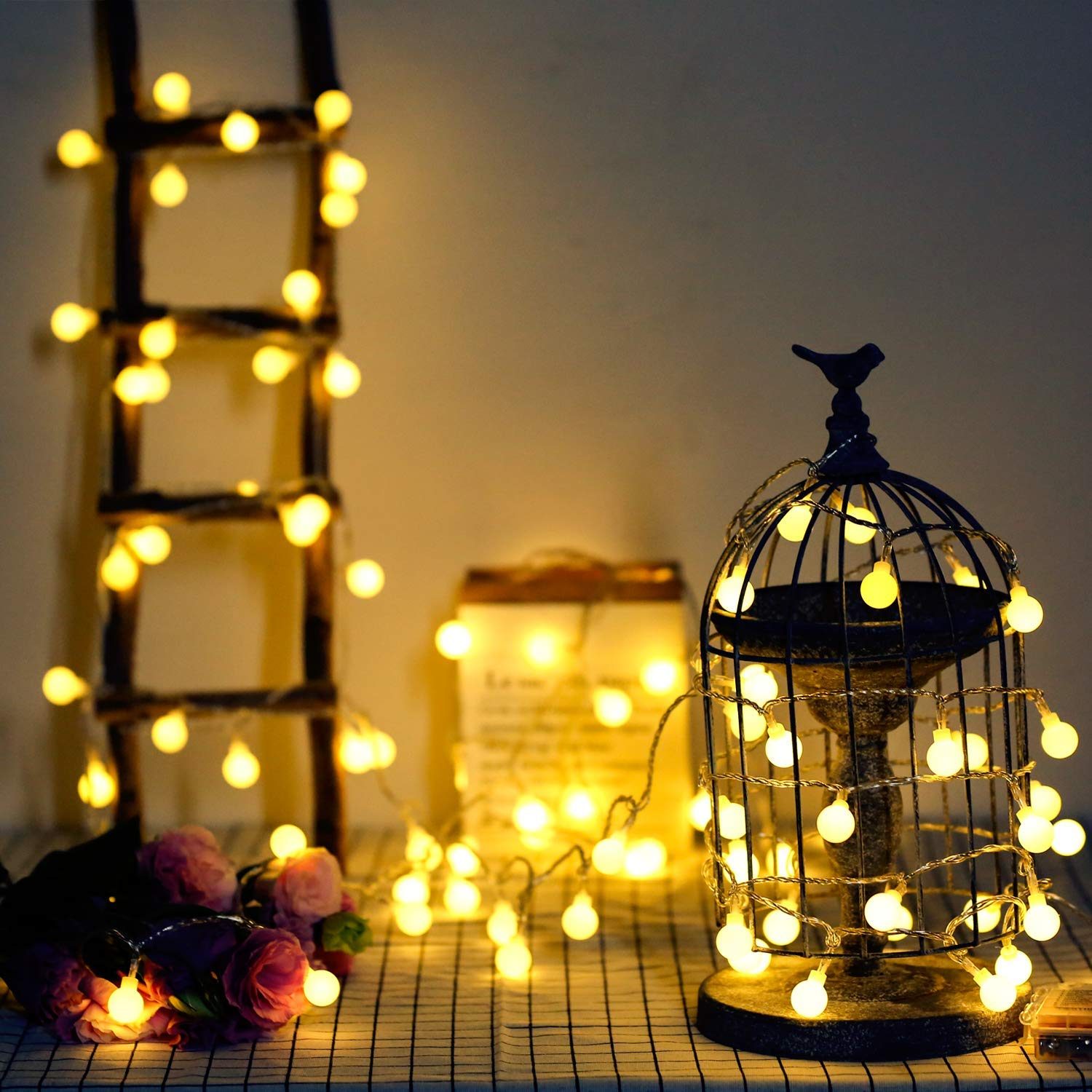
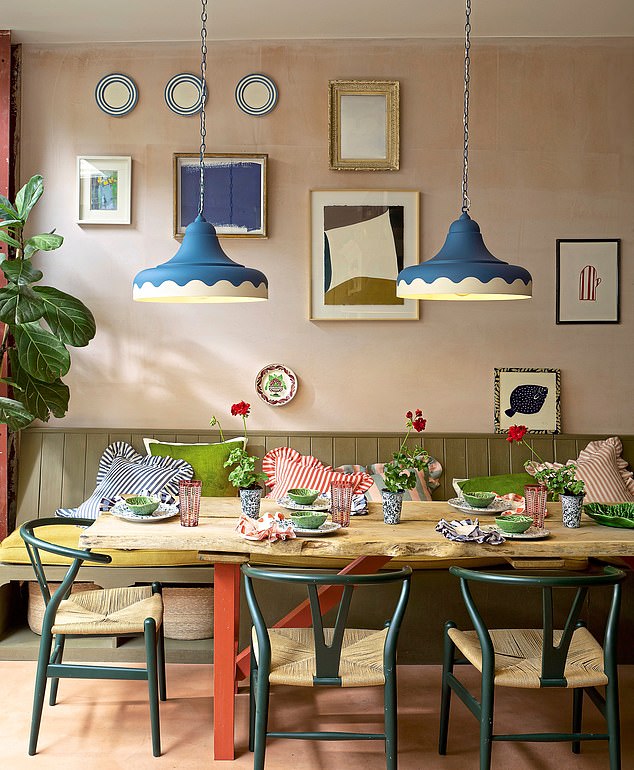
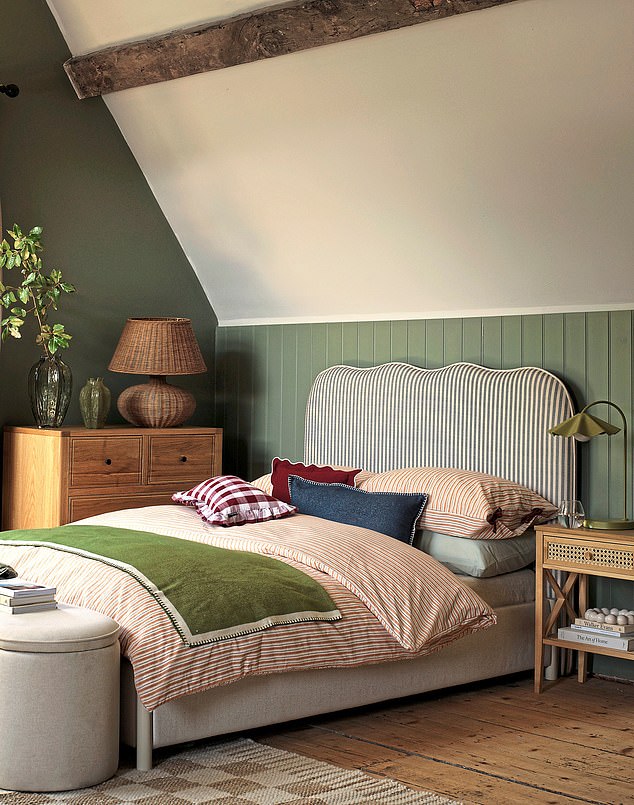
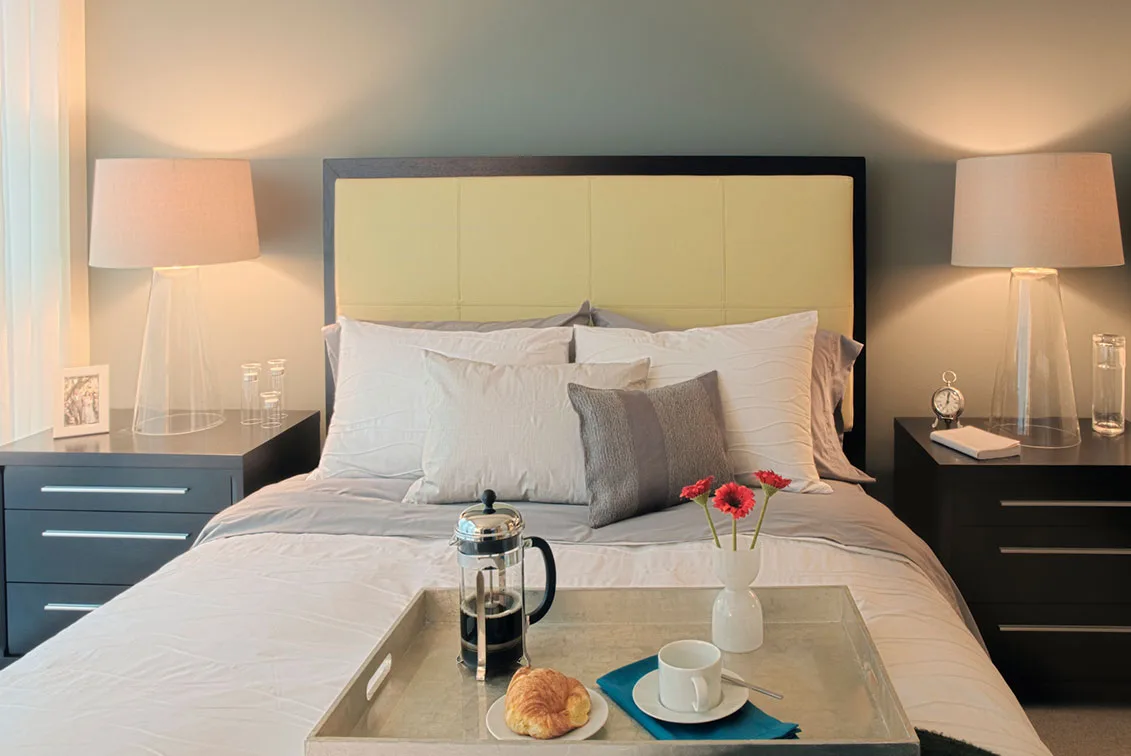
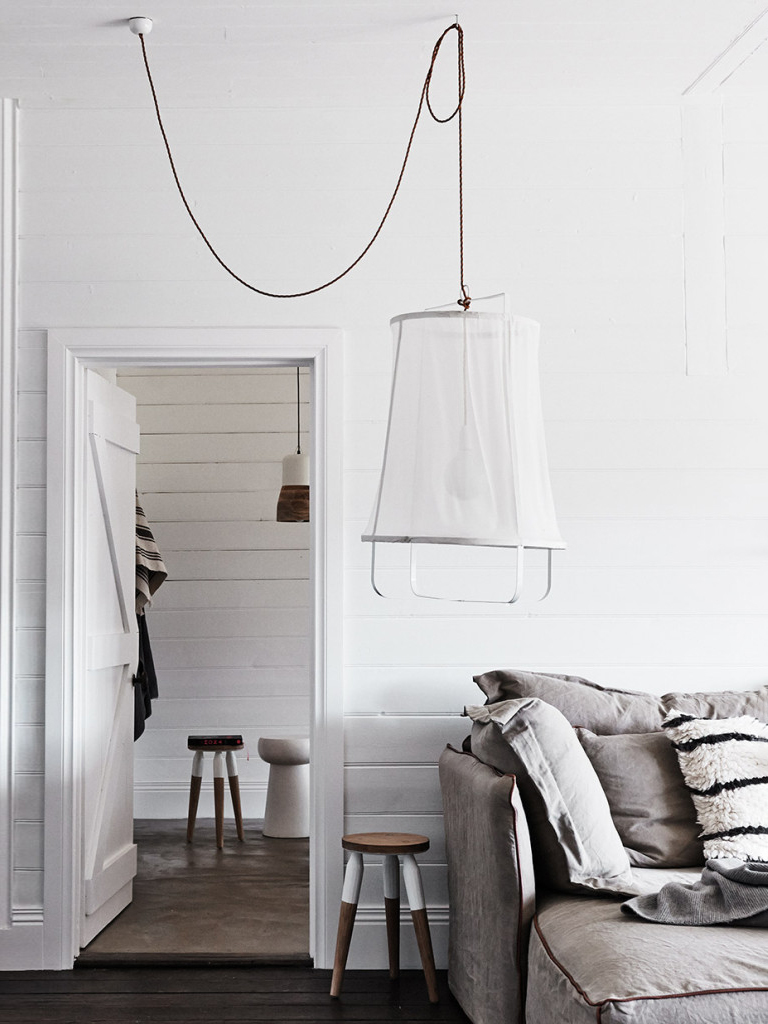
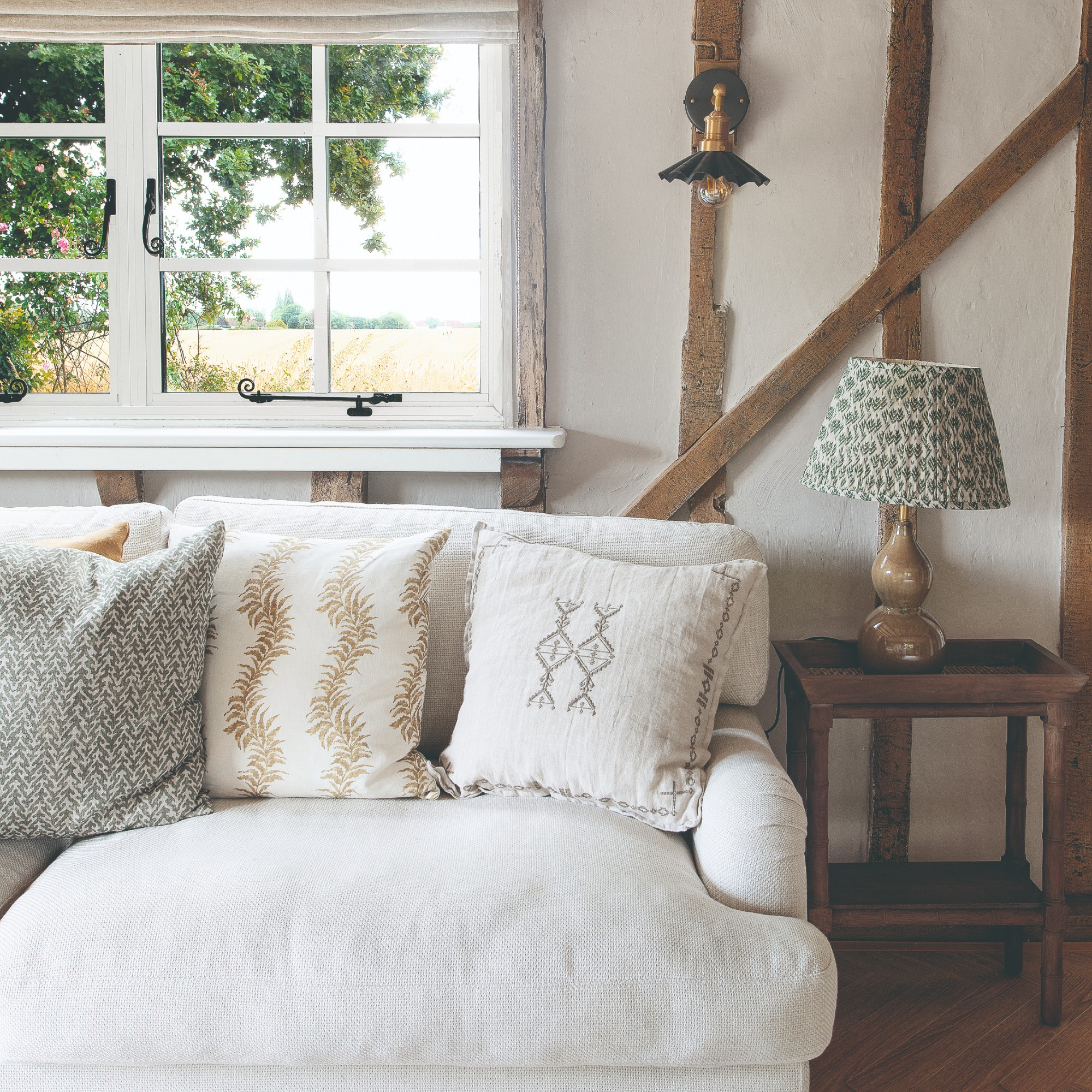
Diffusing light is another critical element. Kalita explains that diffused light creates a softer, warmer, and more flattering ambiance. Diffusion can be achieved through opaque glass bulbs or fabric, glass, or paper shades. If a room primarily uses clear, bare bulbs and fixtures with opaque shades, swapping some of these for more inviting options can greatly improve the lighting.
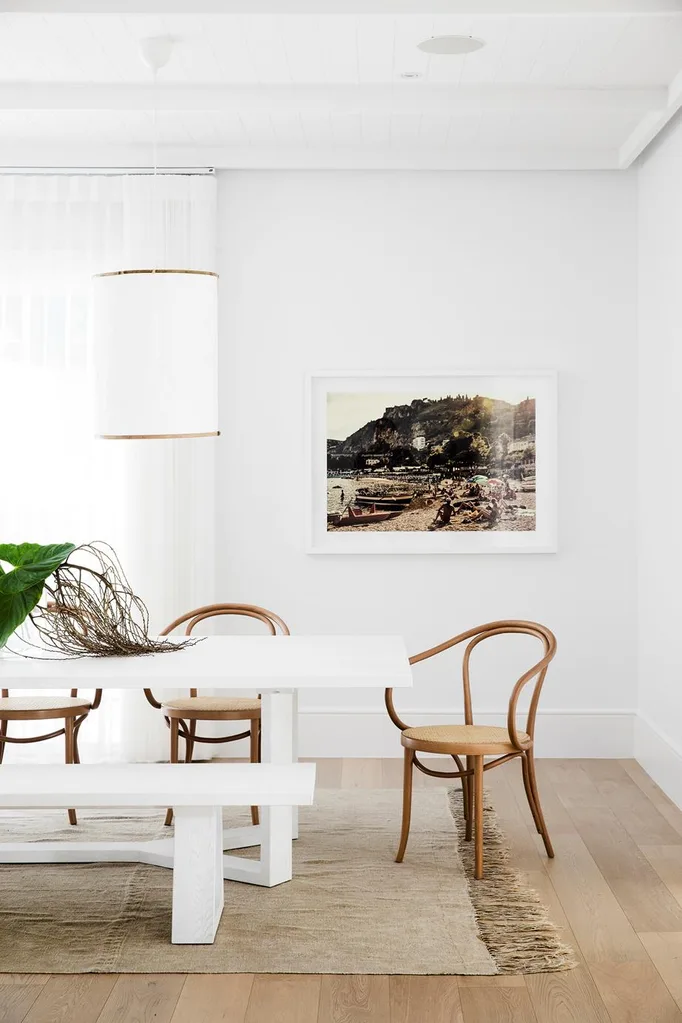
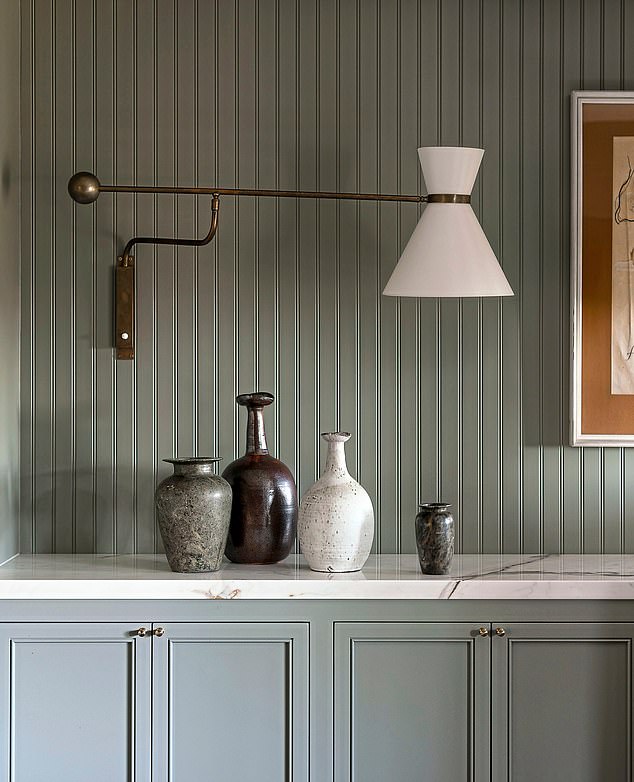
The article also addresses lighting trends, advising against blindly following them. While metal shades and bare bulbs are popular, they often don't produce the most flattering light and should be used sparingly, primarily for task lighting. A timeless and soft-light-casting alternative is a basic ceramic lamp with a simple white paper or fabric shade. Paper globe shades, particularly Noguchi Akari lights, are recommended for their soft light, with a caution to consider more durable or out-of-reach options for homes with children or pets.
Scale is another consideration; Guggenheim points out that using a light source that is too small for a large space, like a tiny table lamp in a grand entryway, is a common mistake. She advises checking fixture dimensions carefully. Megan Pflug encourages placing lamps throughout the home, beyond just side tables, suggesting creative spots like shelves, open kitchen shelving, or even on top of the refrigerator.
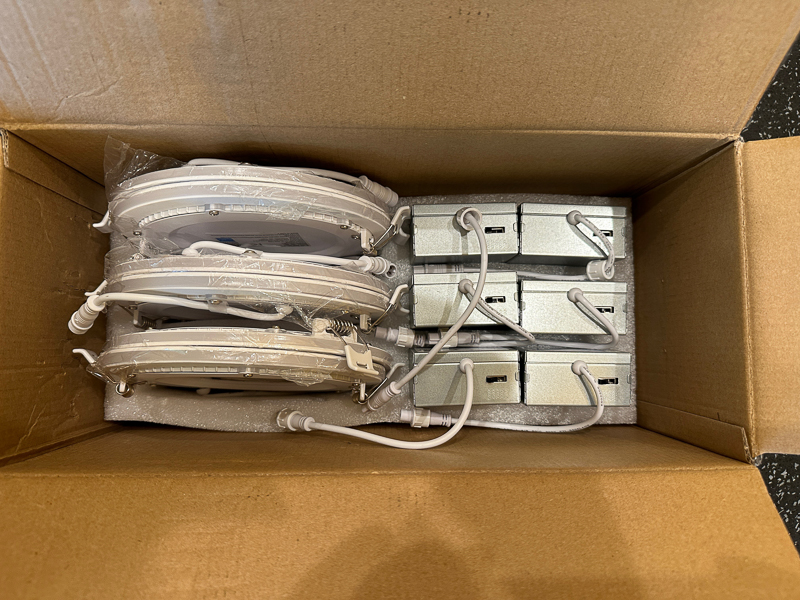
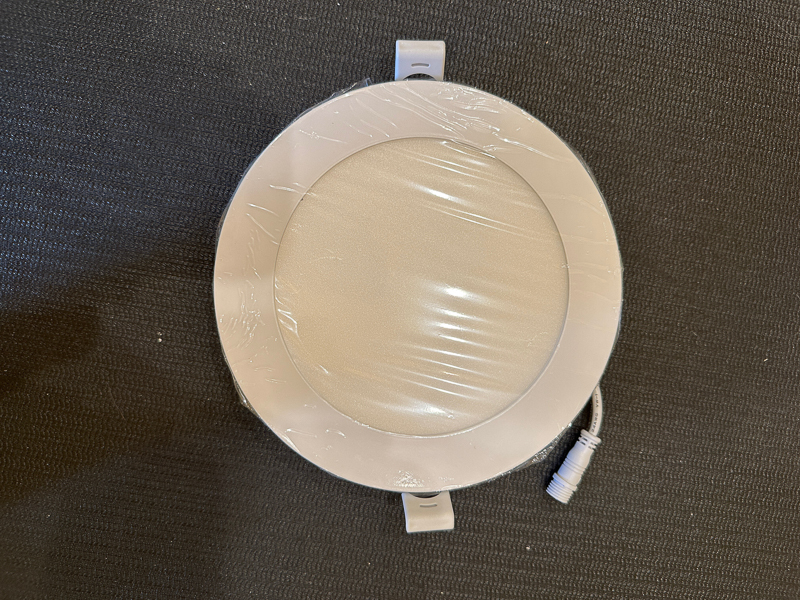
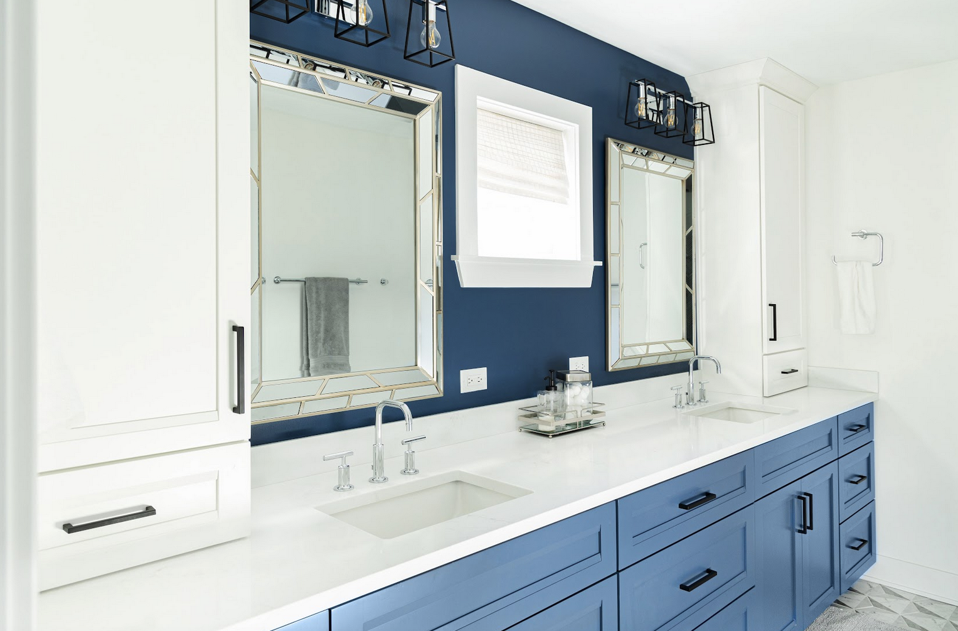
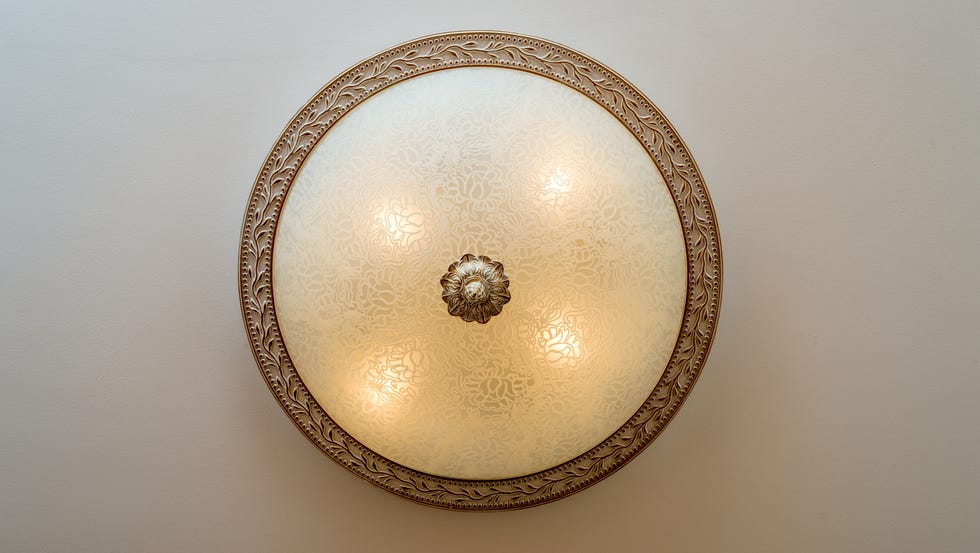
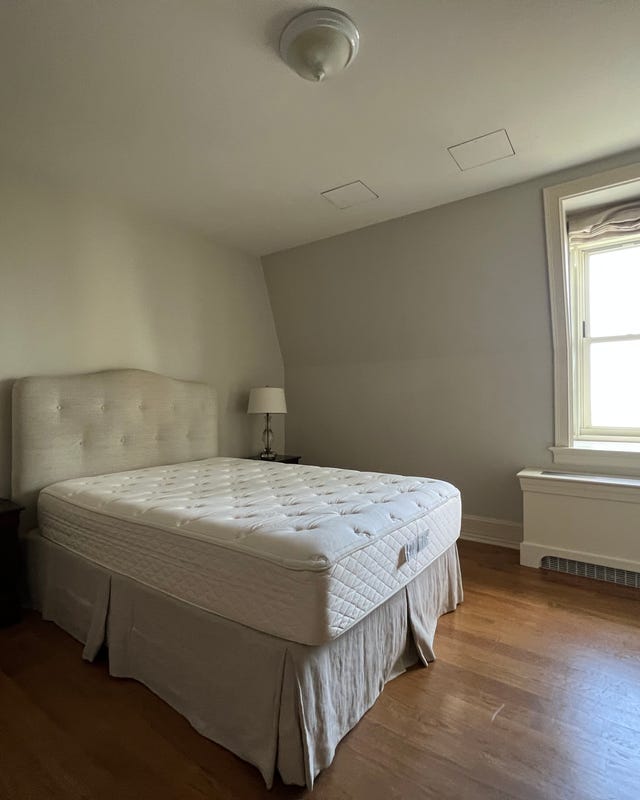
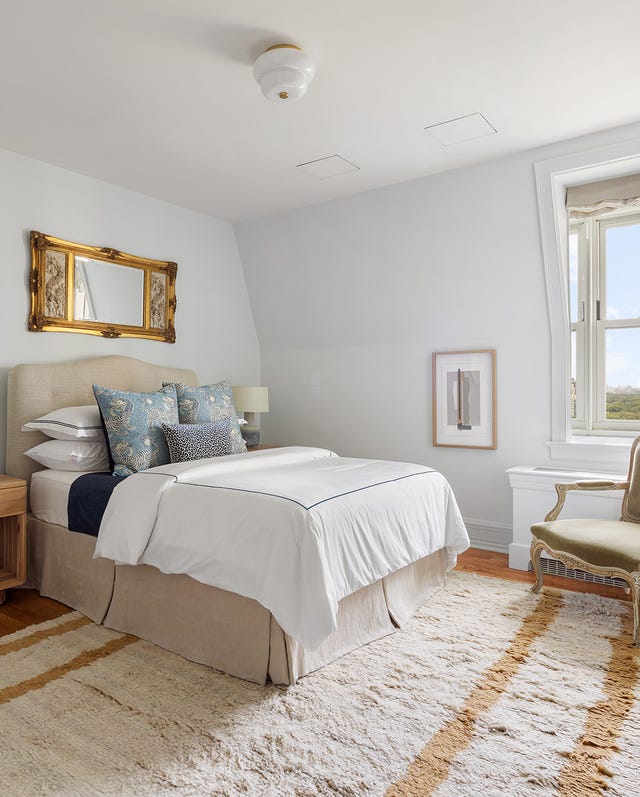
To enhance accent lighting, the article suggests dimming capabilities. When buying table lamps, opting for models with dimmer switches is ideal. For existing lamps without dimmers, plug-in dimmers, such as those from Lutron, offer an affordable solution. Kalita provides a creative hack for LED panel fixtures, recommending the use of theatrical colored plastic films, specifically ¼ or ½ CTO orange gels, to warm up cool-toned LED lights. For rental properties, upgrading "landlord special" fixtures involves removing unattractive glass fluted shades and replacing them with chrome-tip lightbulbs for diffusion and reflectivity, a technique also applicable to 1980s-style bathroom vanity lights.
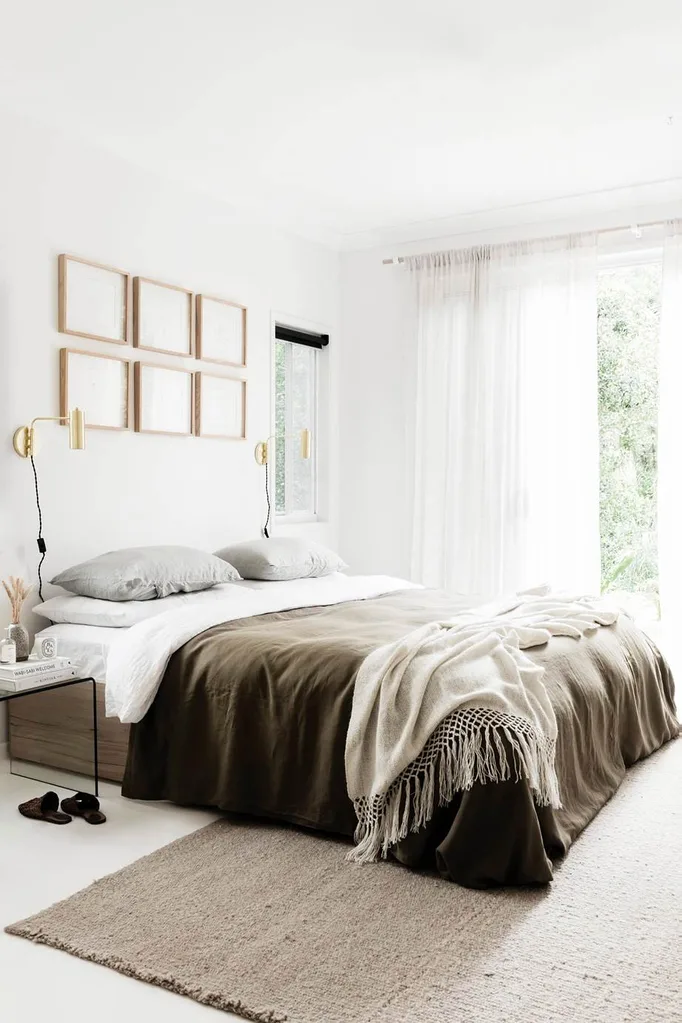
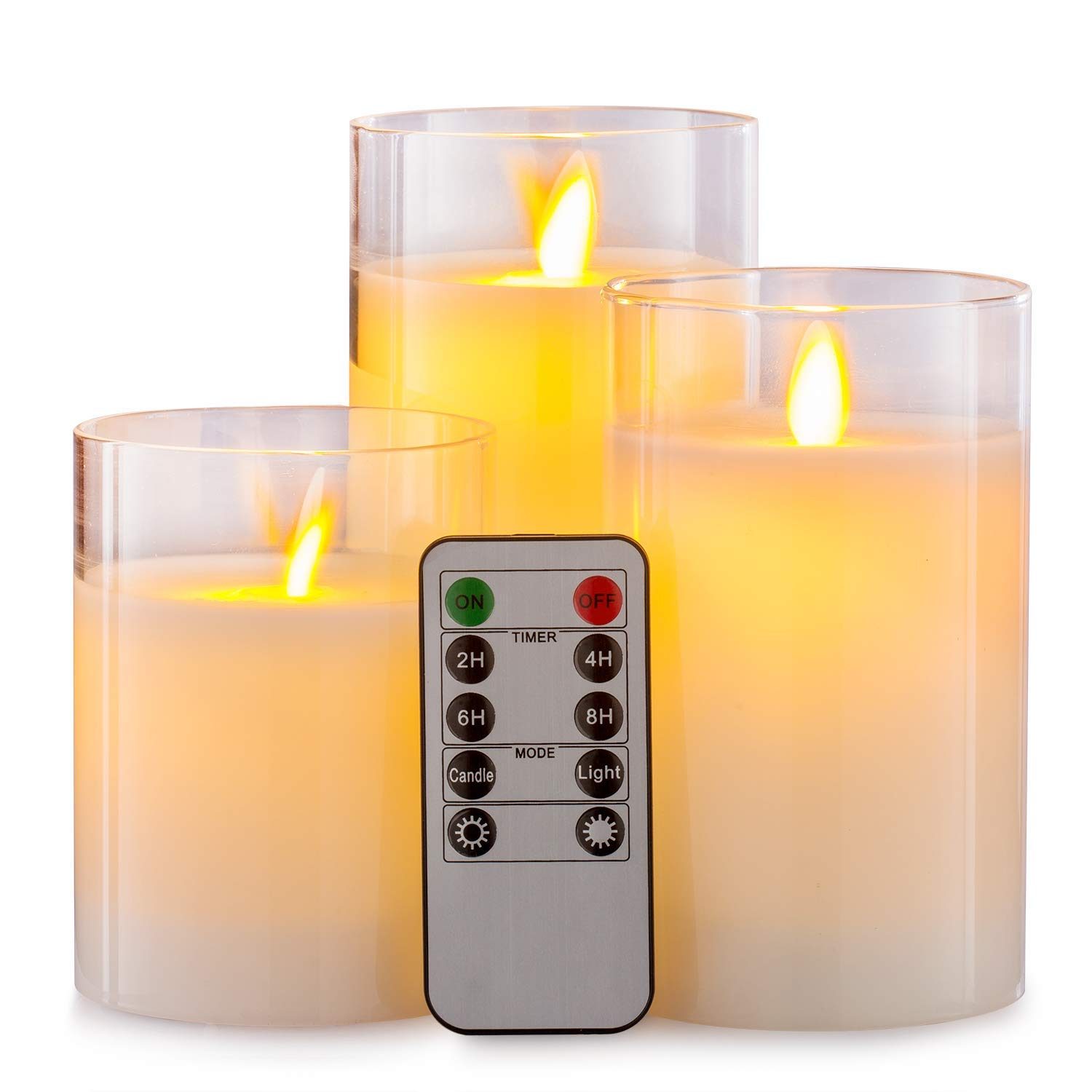
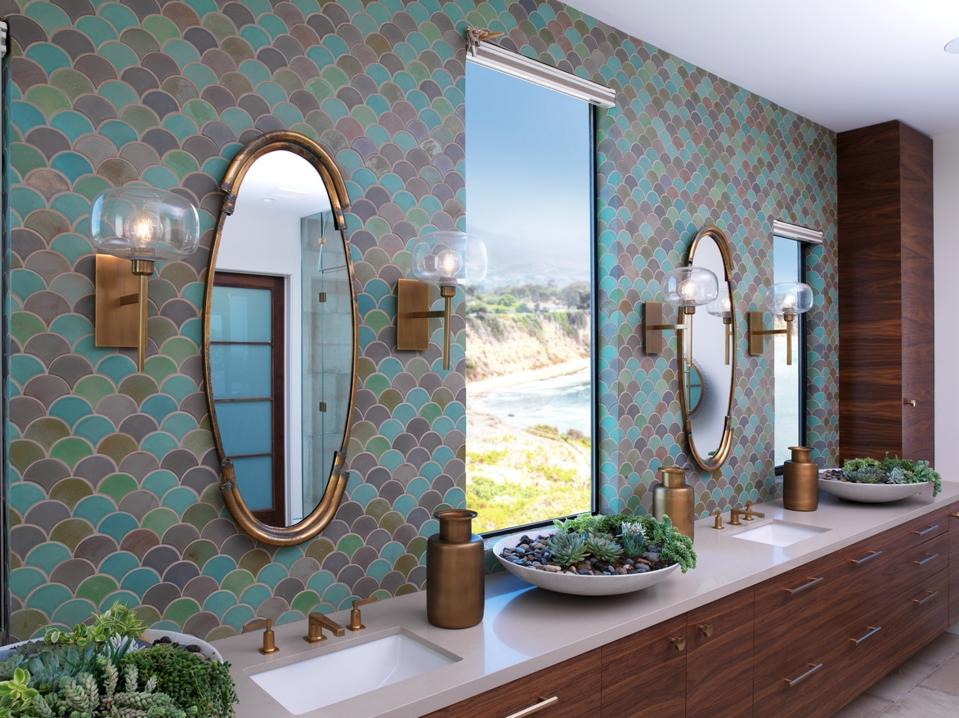
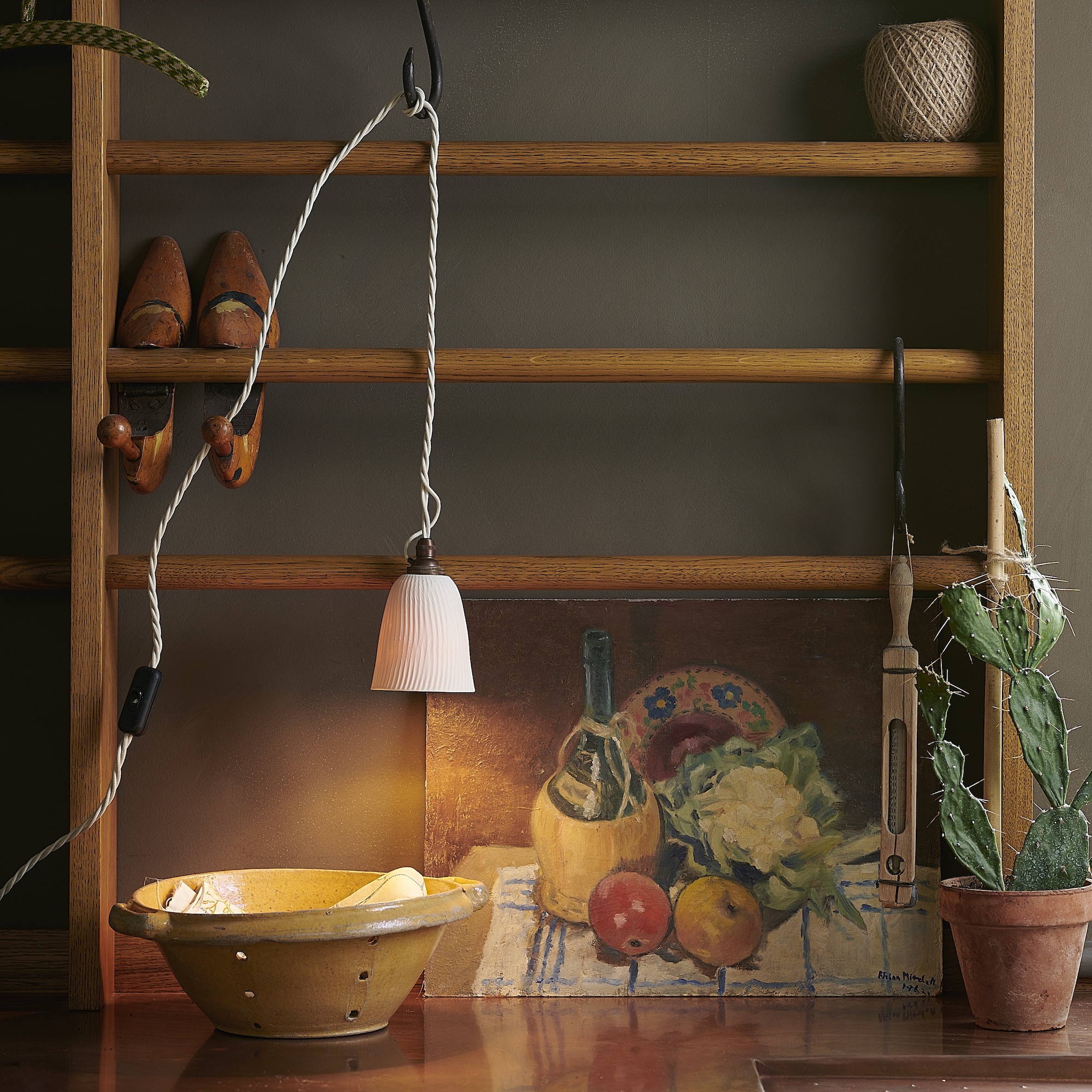
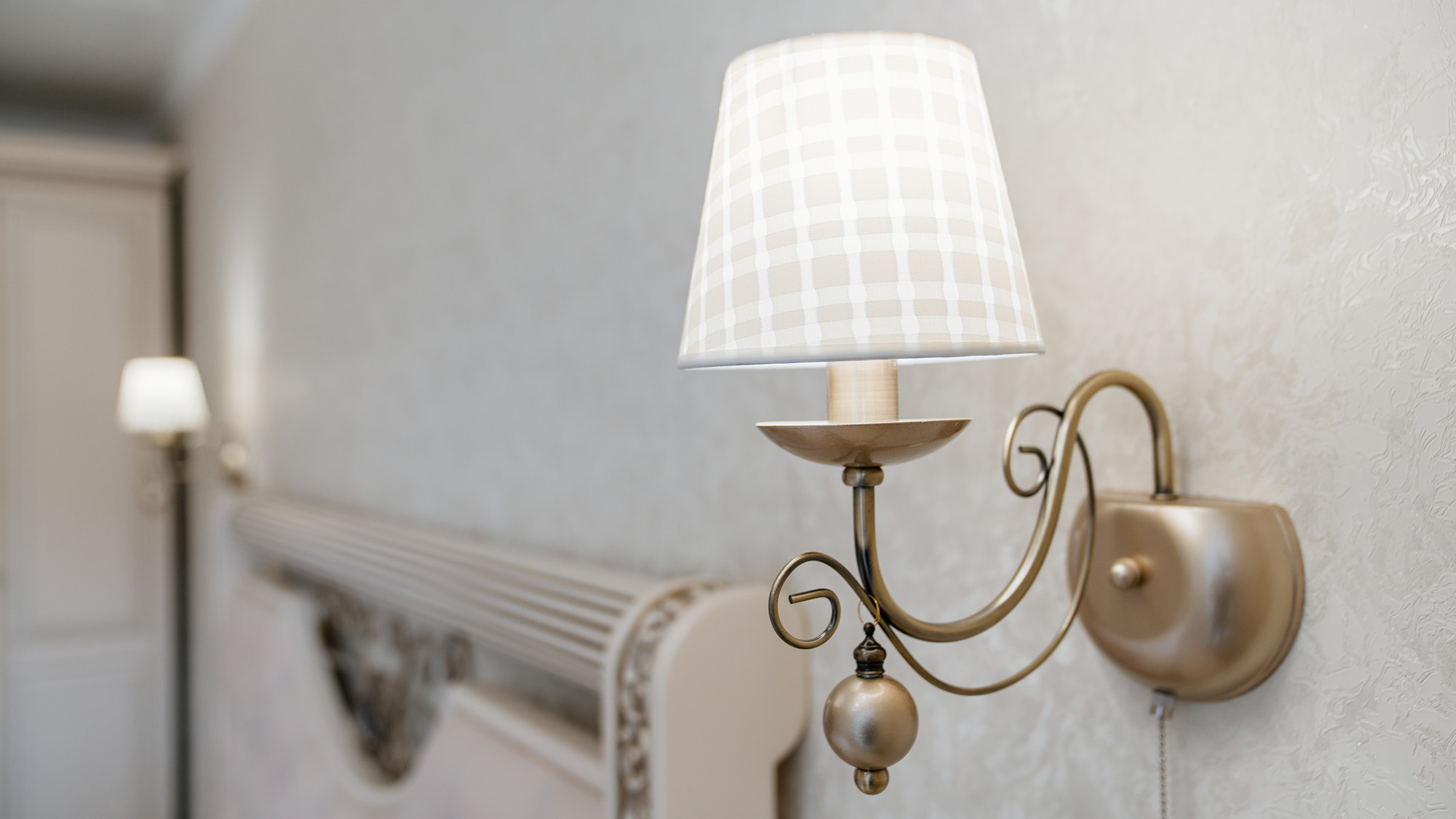
The article advocates for using luxe and specialty bulbs, such as low-wattage Edison-style LEDs to soften harsh overhead lights, and oversized opaque globe bulbs in exposed sockets of conventional fixtures. It also suggests using plug-in pendant lights in areas lacking overhead lighting, recommending models with attractive cords for a more polished look. Plug-in wall sconces are presented as a versatile option to add layered light to dining rooms or bedside tables, with brands like Schoolhouse Electric, Humanhome, and Rejuvenation offering aesthetically pleasing choices. Finally, Pflug emphasizes the transformative power of candles, suggesting tea lights in glass jars as an affordable way to create a warm and inviting atmosphere. For those willing to invest in professional help, the experts agree that putting all overhead lights on dimmers is a worthwhile expense.
#HomeLighting #InteriorDesign #DIYHomeImprovement #LightingTips #LEDLighting #LayeredLighting #DiffusedLight #HomeDecor #SmartLighting #HomeLighting #InteriorDesign #DIYHomeImprovement #LightingTips #LEDLighting #LayeredLighting #DiffusedLight #HomeDecor #SmartLighting
0 comment in total
 No comments yet
You may also like
5 Renter-Friendly Ways to Upgrade Your Kitchen Lighting — Without Having to Call in an Electrician

Rollin Light Canless LED Recessed Lighting review – Yes, you can install these yourself!

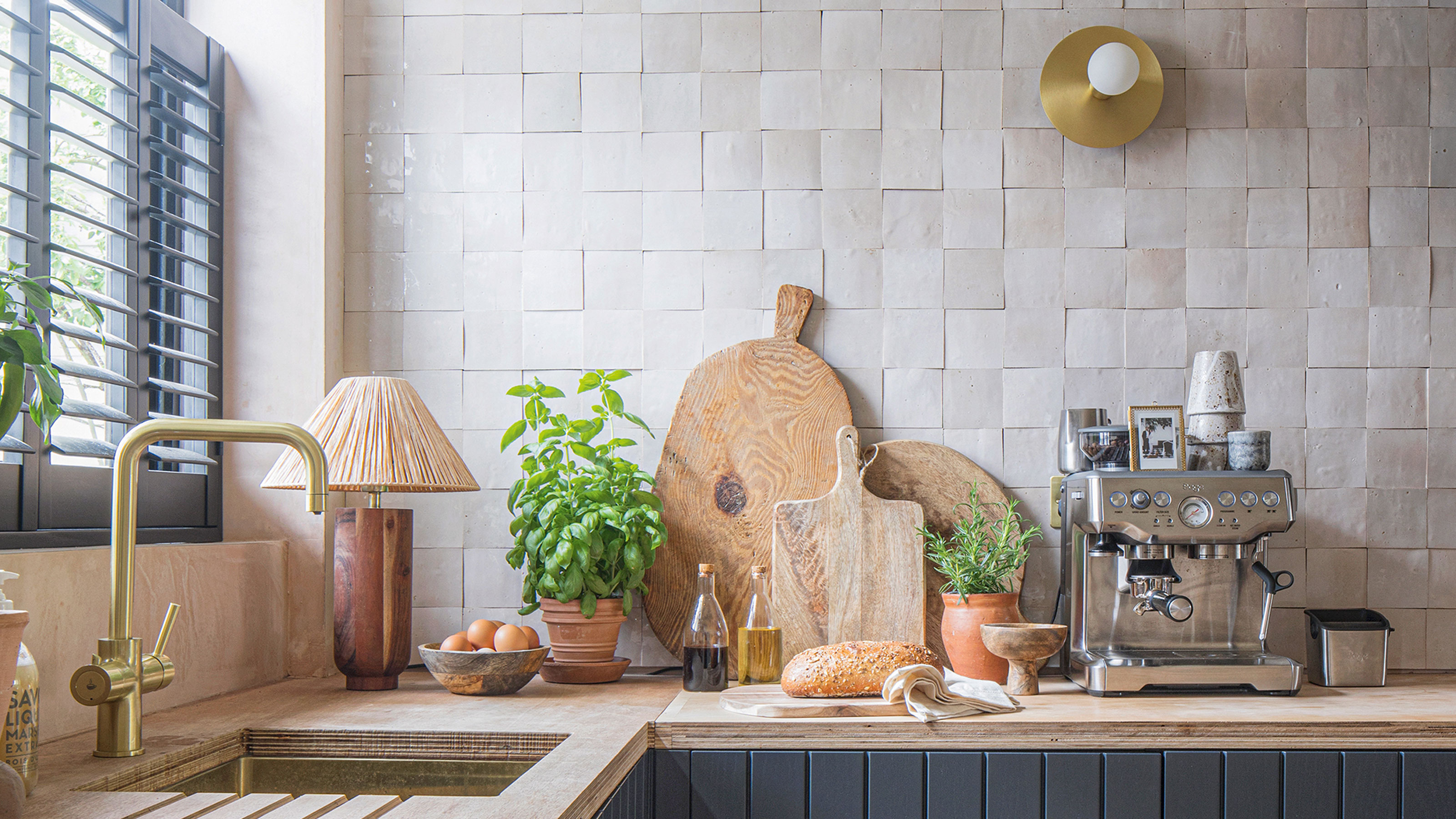
8 speedy and stylish lighting ideas to update a rental kitchen—no electrician necessary
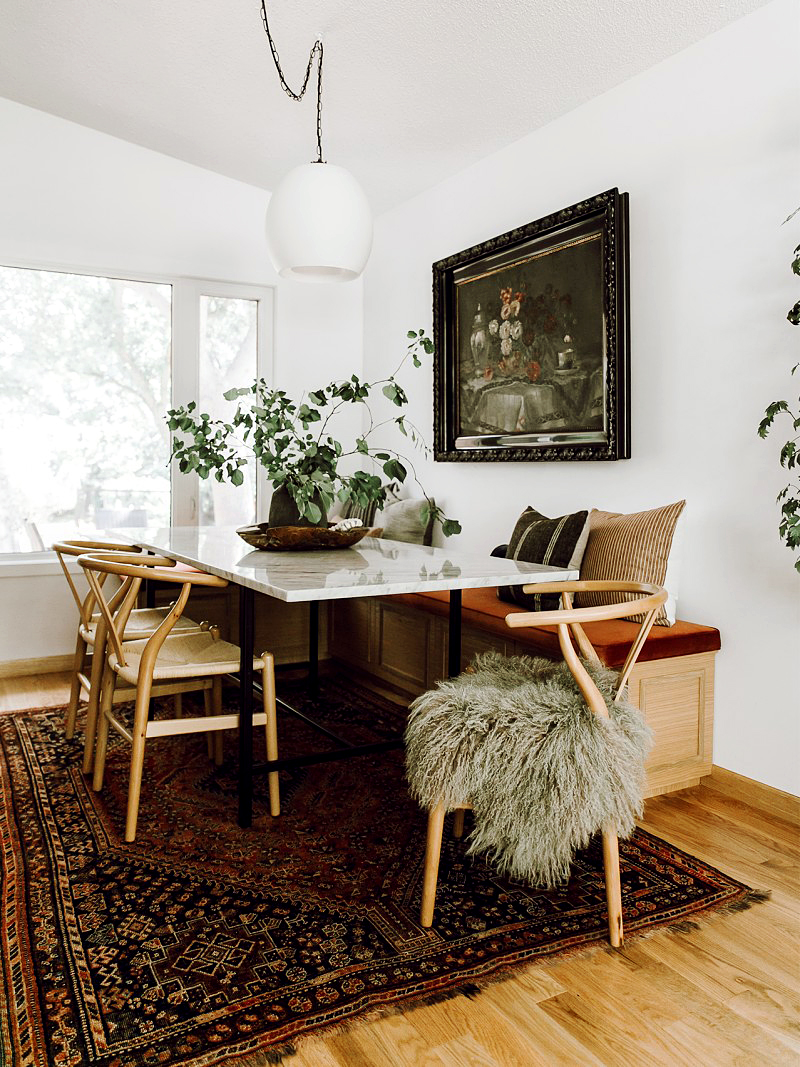
Renovators Swear by This Pendant Light Hack
An interior designer’s guide to lighting your home

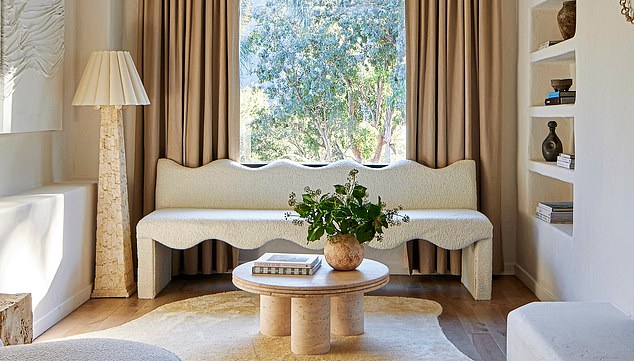
Twenty stylish lamps and lights to update your home without breaking the bank

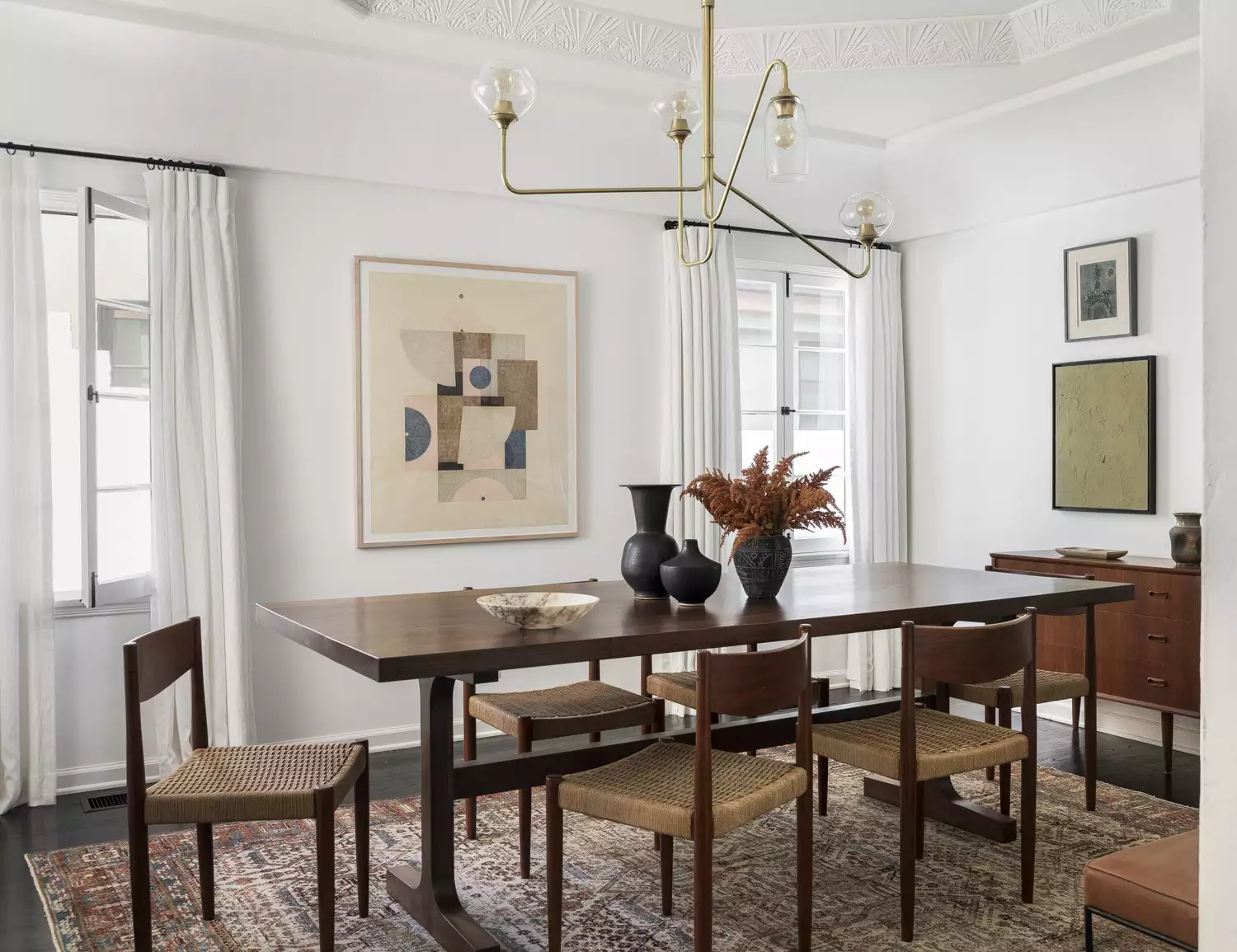
Interior Designers Share Their Secrets for Upgrading Home Lighting—Without Breaking the Bank


Your "Boob Lights" Are Cheapening the Look of Your Home—Here's How Designers Fix Them

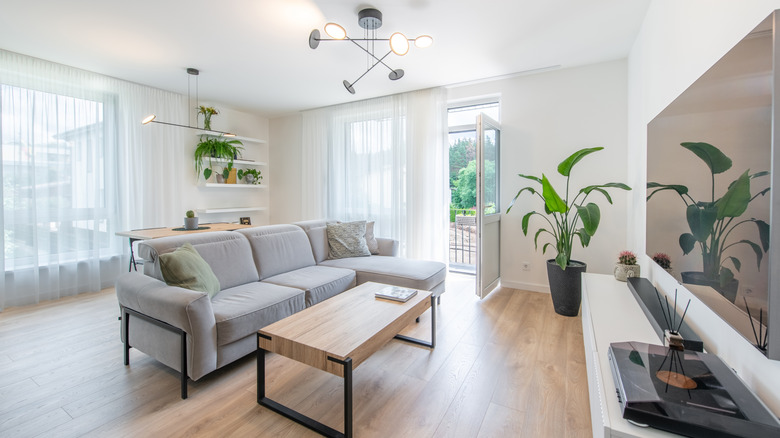
Skip The LED Light Strips & Try These Alternatives To Brighten Your Home Instead
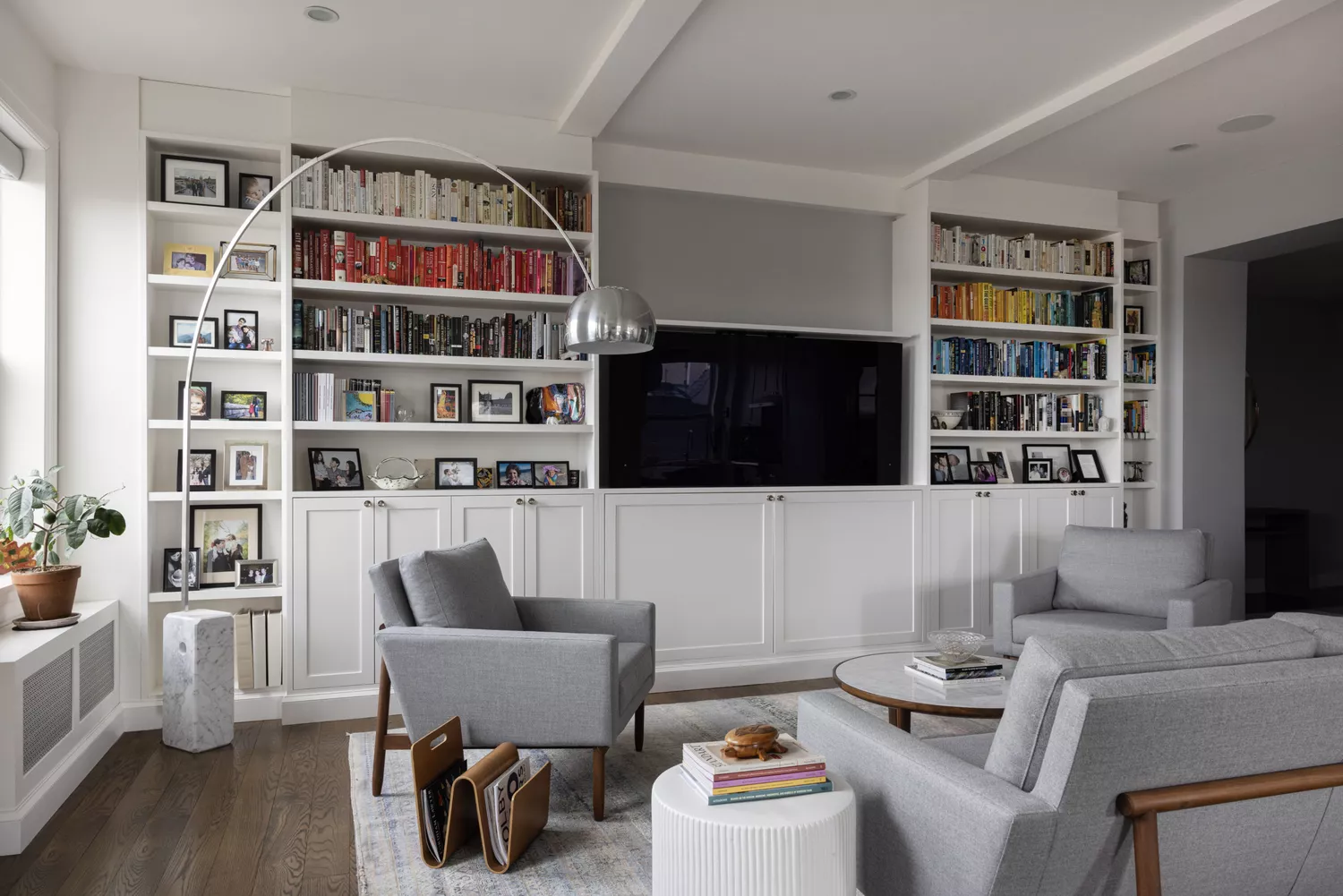
5 Easy, Designer-Approved Lighting Hacks to Brighten Up Your Home

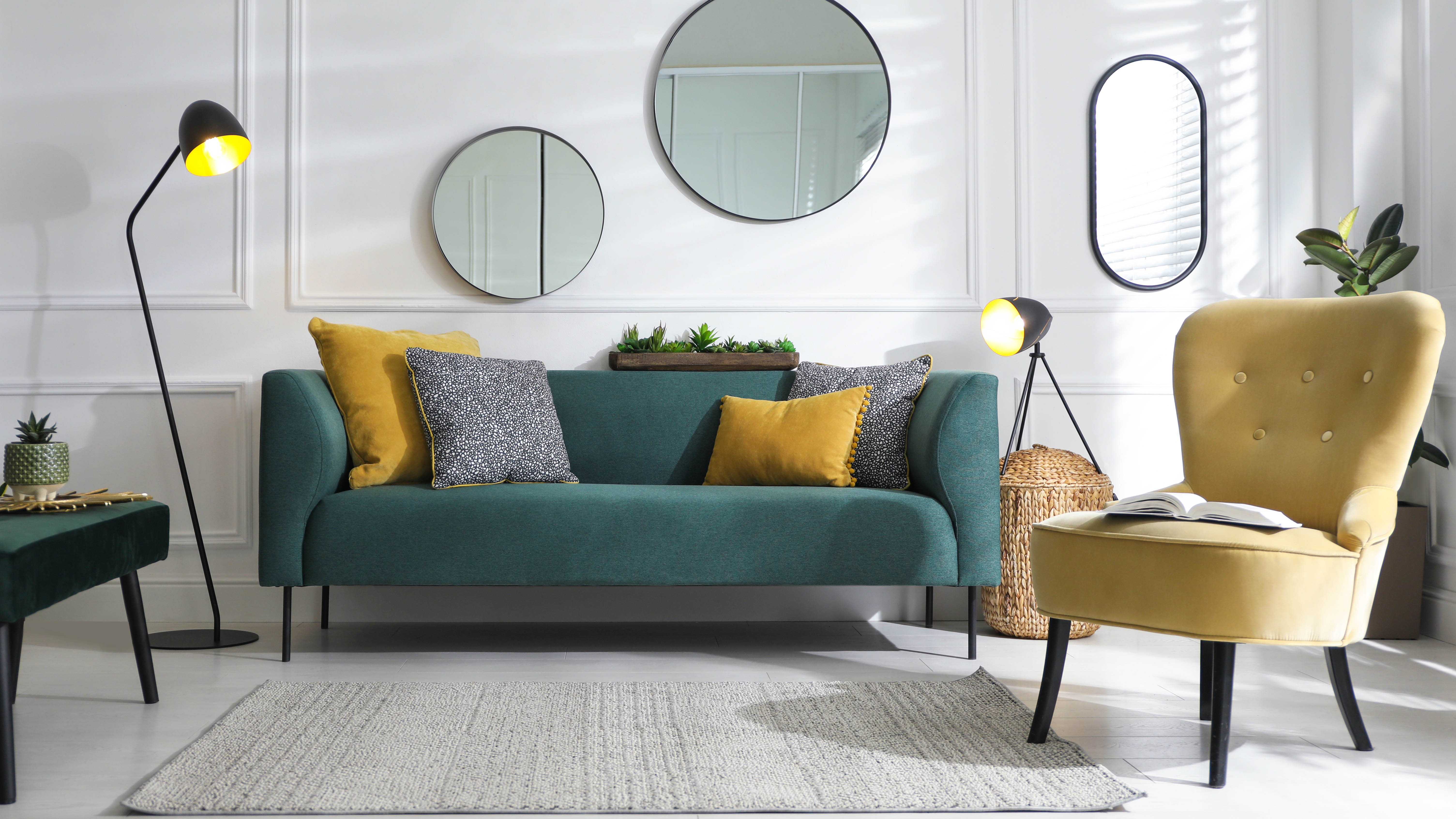
How to brighten any room in your home — 5 tips from a lighting expert

6 Affordable and Easy Ways to Add Lighting to a Closet Without Wiring

26 Easy Lighting Upgrades That Don’t Require Calling An Electrician
The best lighting for every room in the house

32 Renter-Friendly Ways To Get More Light In Your Cave Of A Home
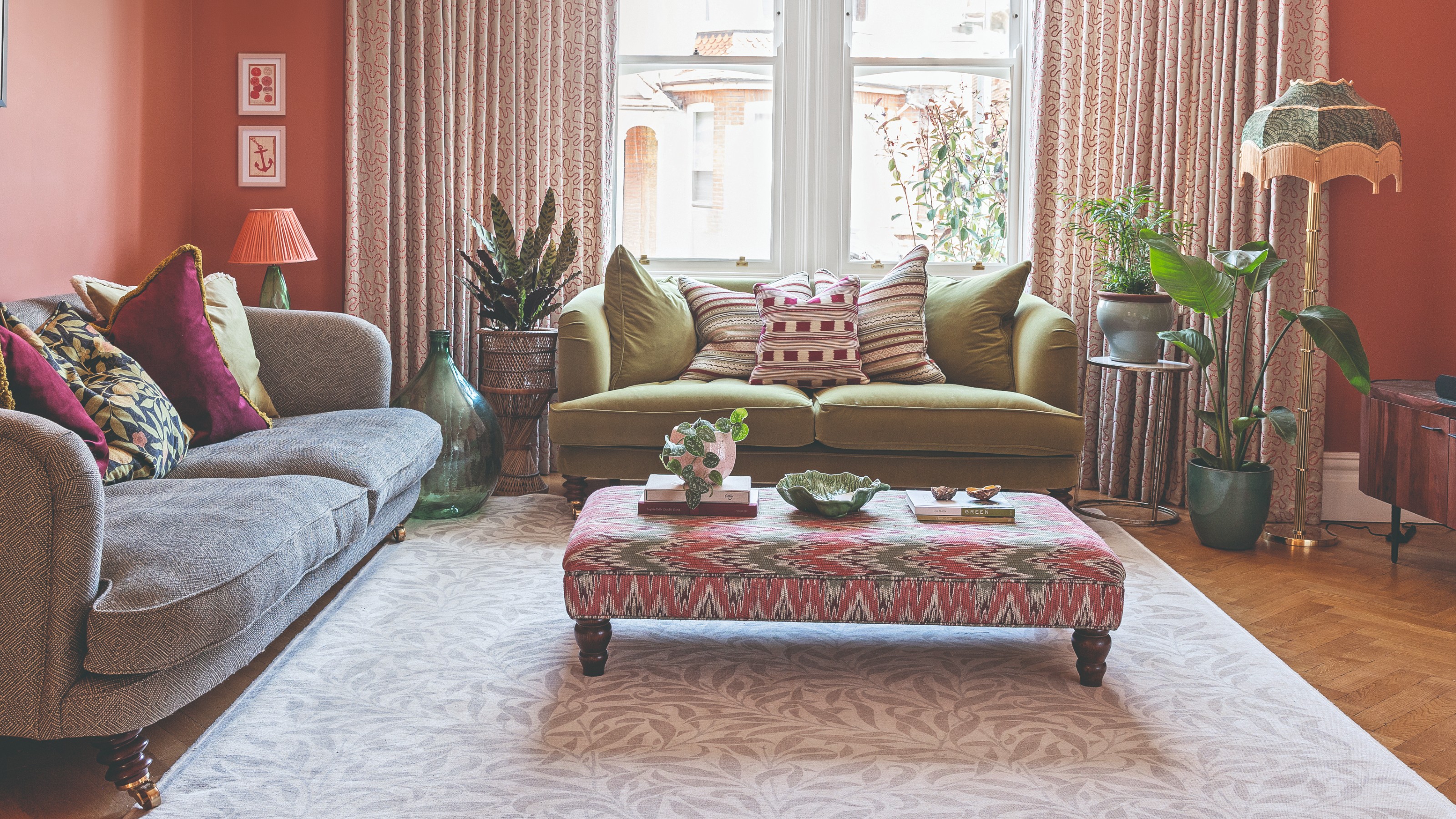
5 affordable ways to make your living room lighting look much more expensive than it actually is
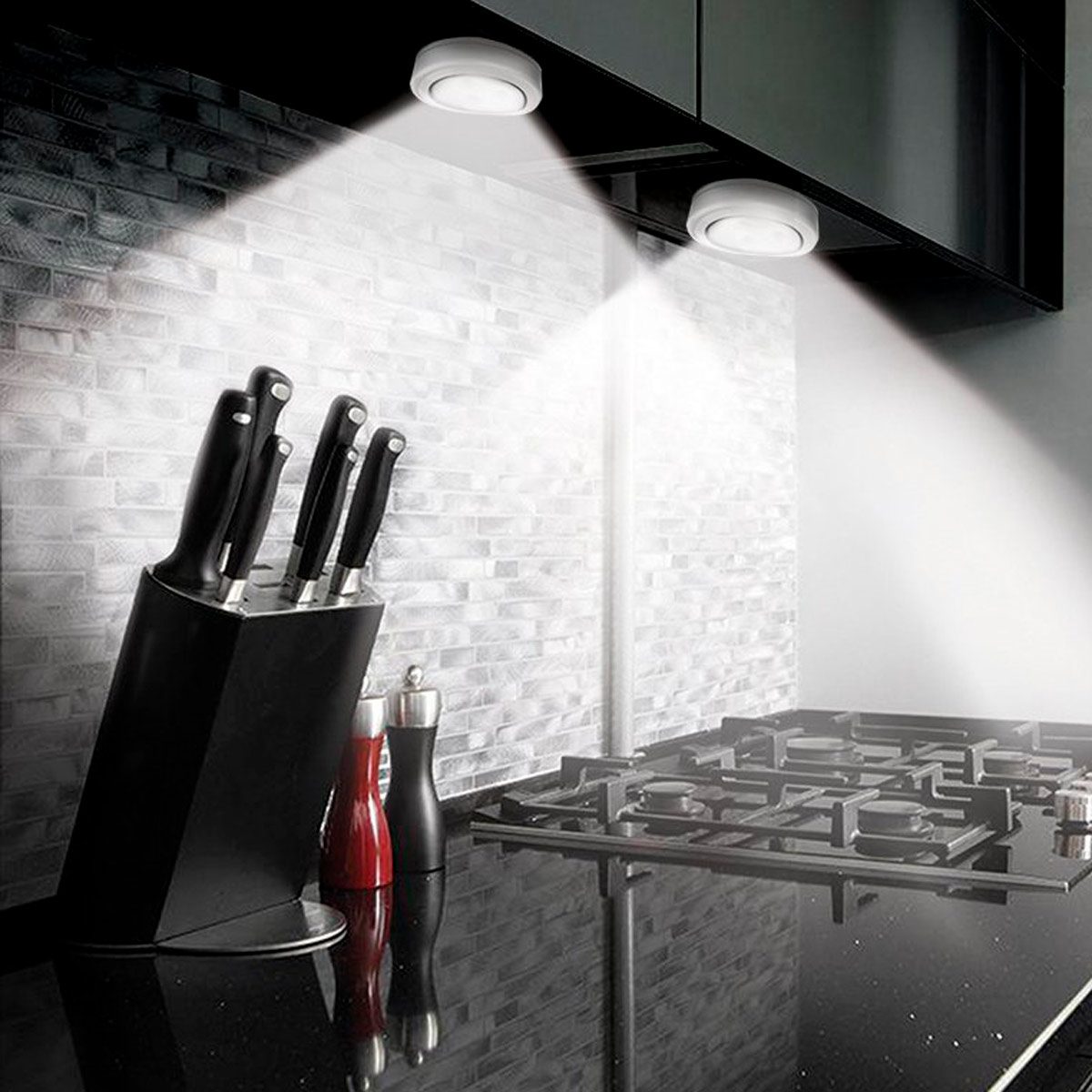
10 Ways To Add Lighting Without Wires or Cords

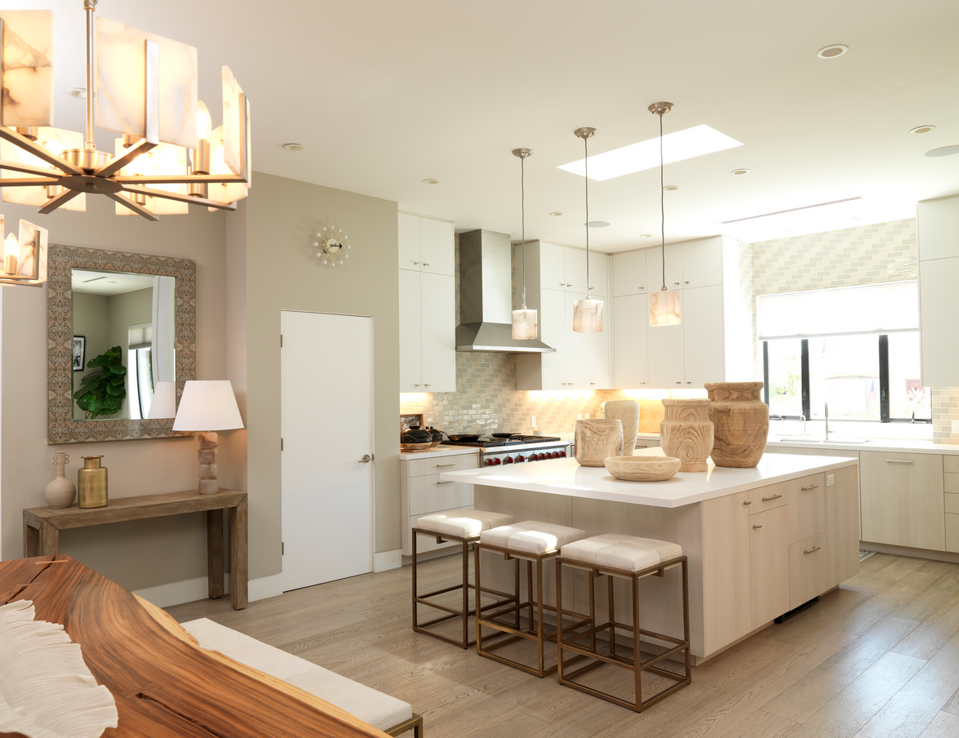
These Task, Accent, And Ambient Lighting Tips Can Transform Your Home

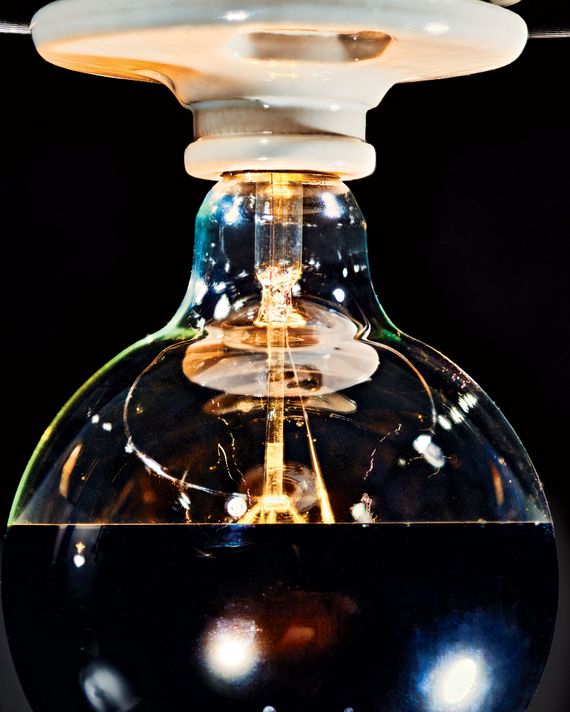
31 Low Lift Home Improvements for Under $100
No Natural Light? Here's How To Brighten Your Space, According To Designers