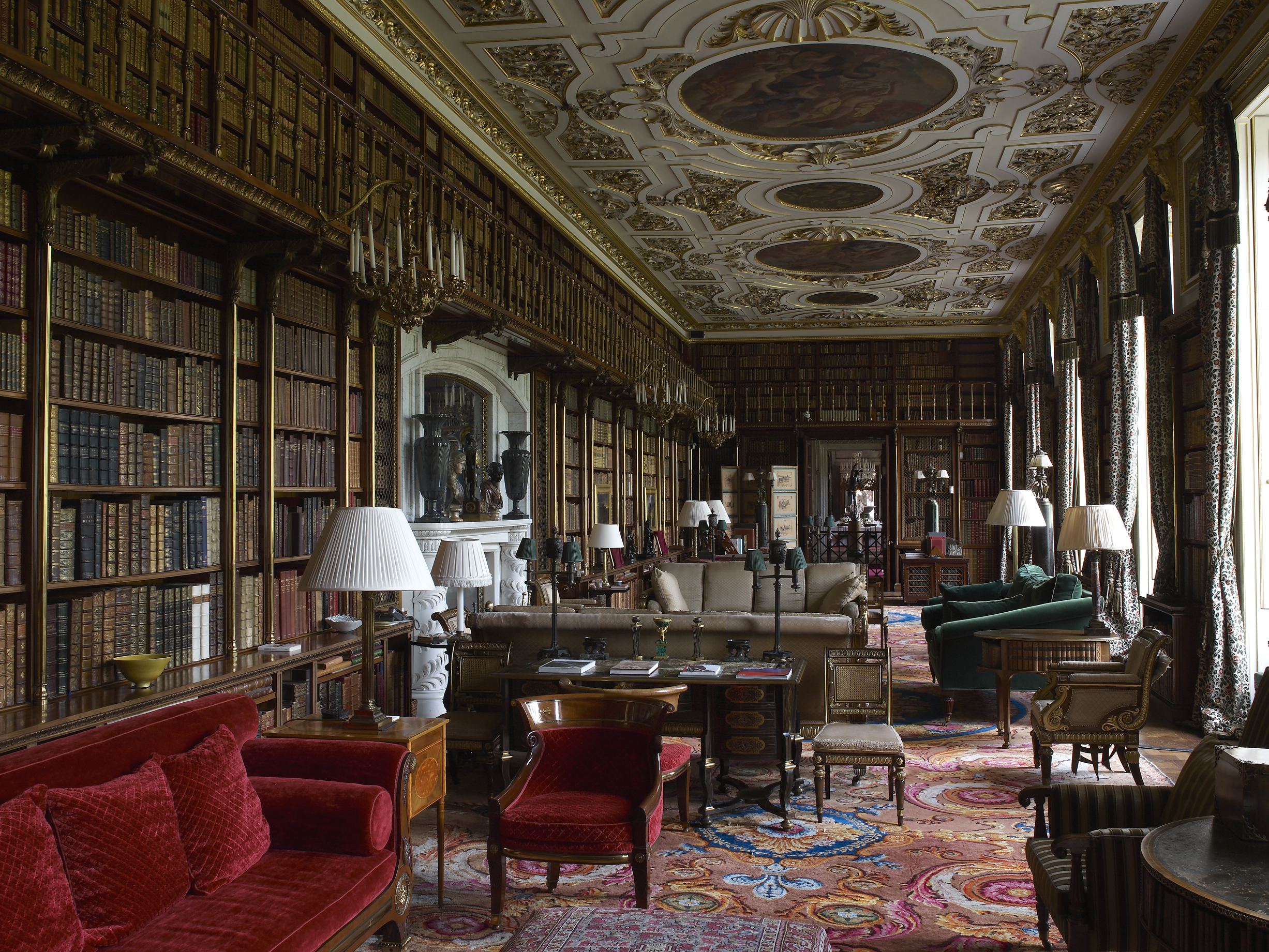
1/5
How libraries merged with living rooms to become the ultimate in Regency country house chic
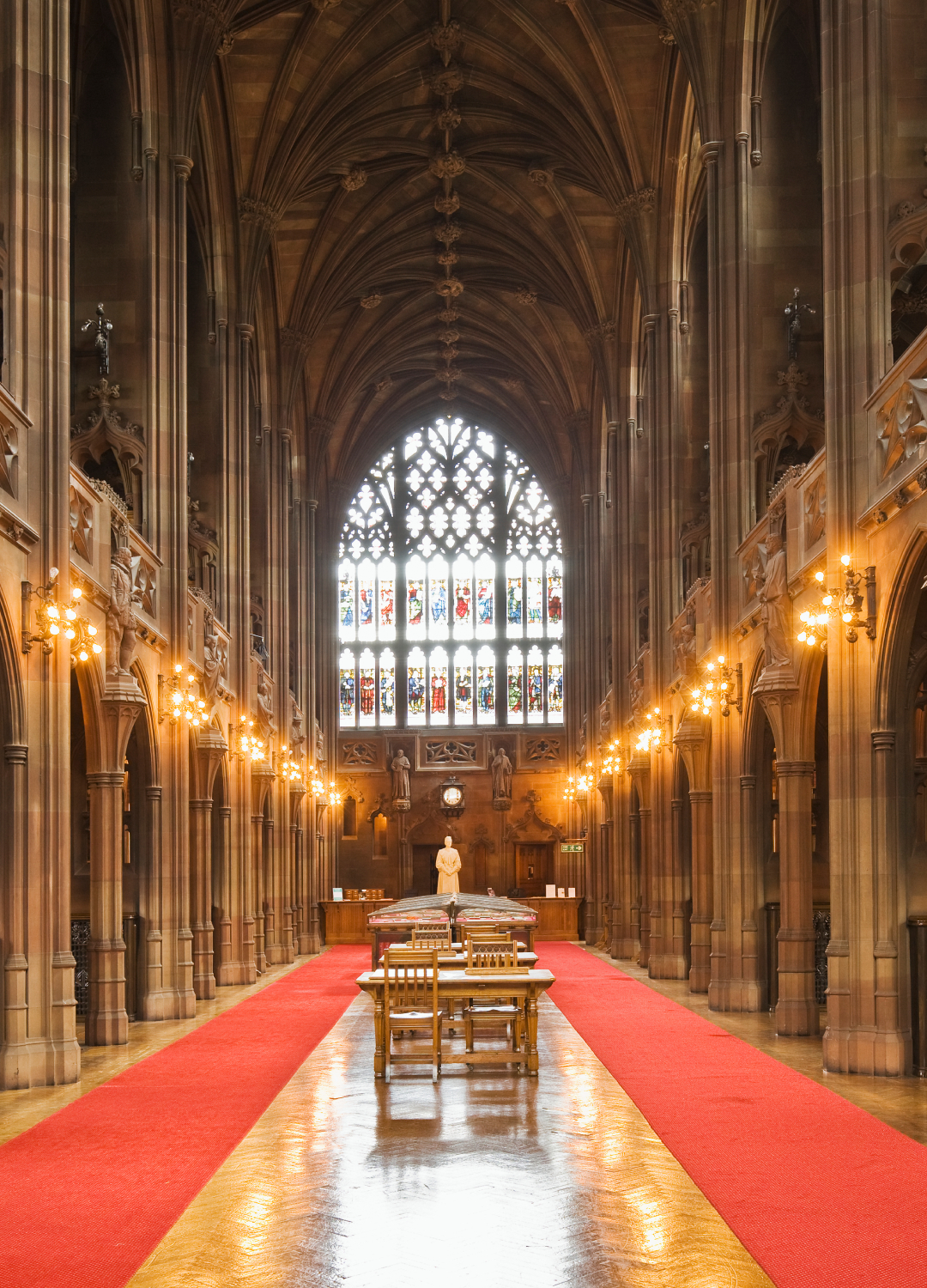
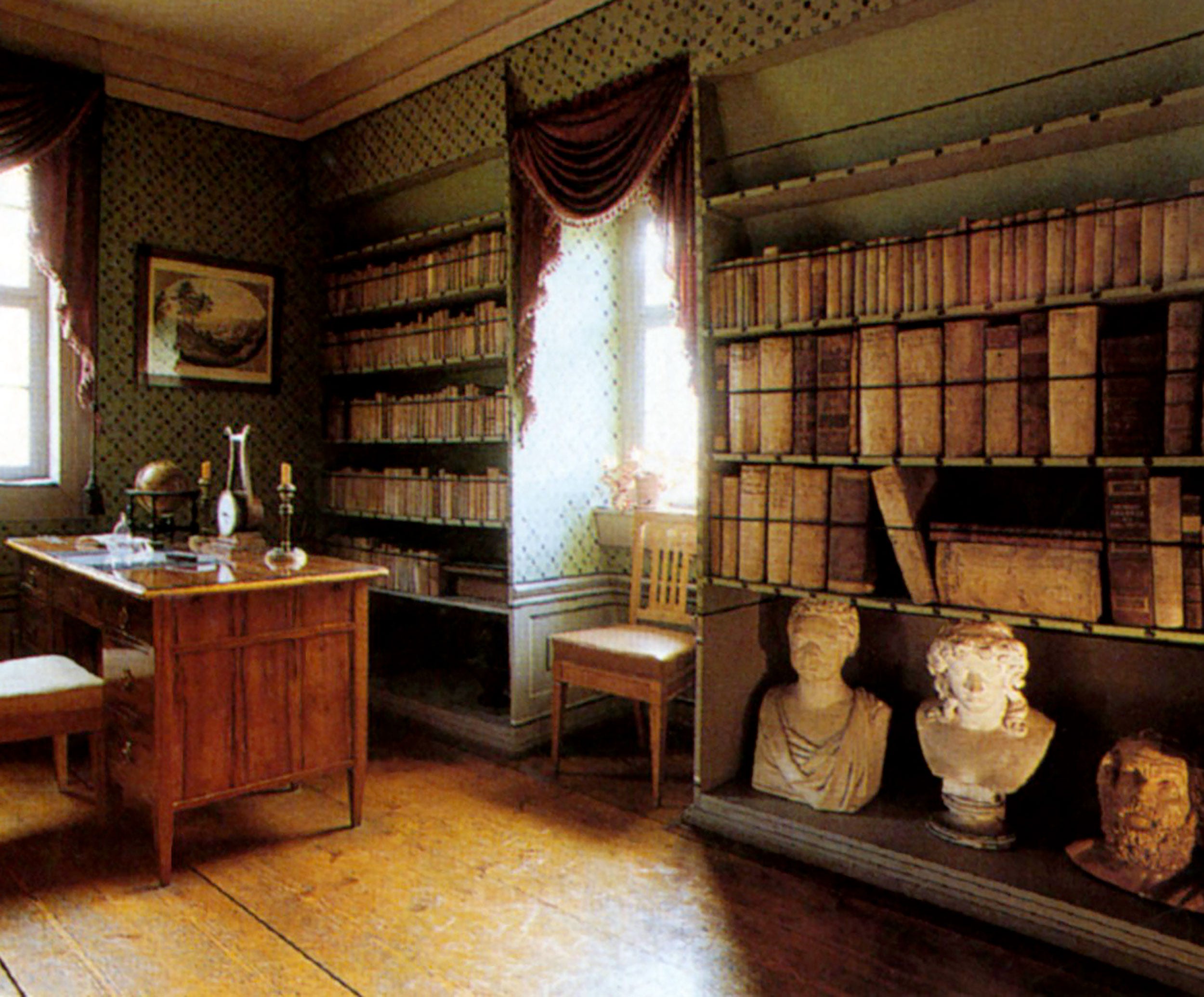
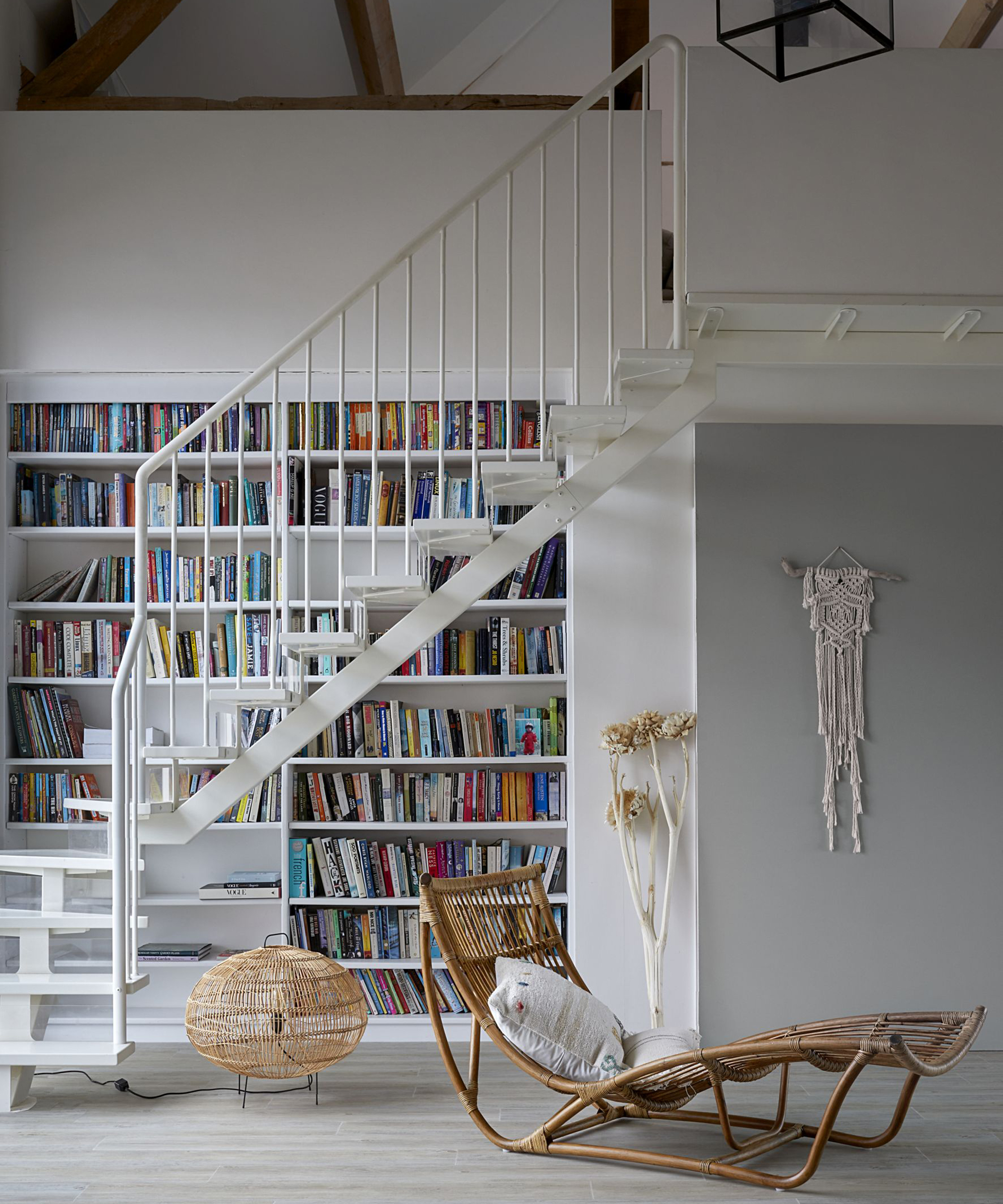
The article explores the evolution of the library within English Regency country houses, highlighting its transformation from a secluded, private space to a central, informal living area. Initially, in the 17th and early 18th centuries, book collections were housed in smaller, often isolated rooms, sometimes adjacent to private chaplains' apartments. However, starting from the 1730s, libraries began to gain prominence, evolving into significant architectural features in grand country estates. William Kent's design for Holkham and Lord Harley's library at Wimpole are early examples of this shift, reflecting the owners' serious book collecting habits.
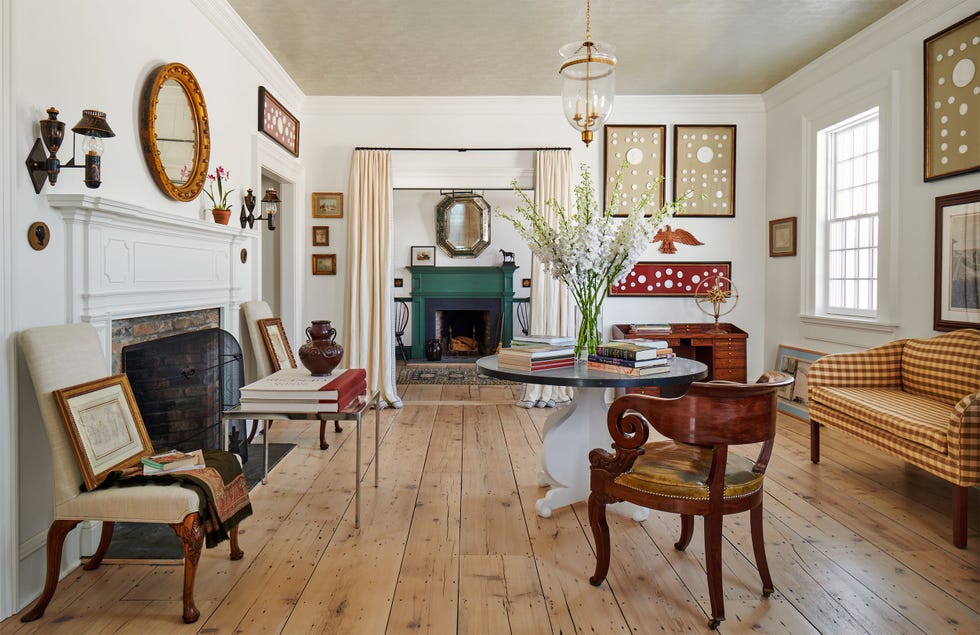
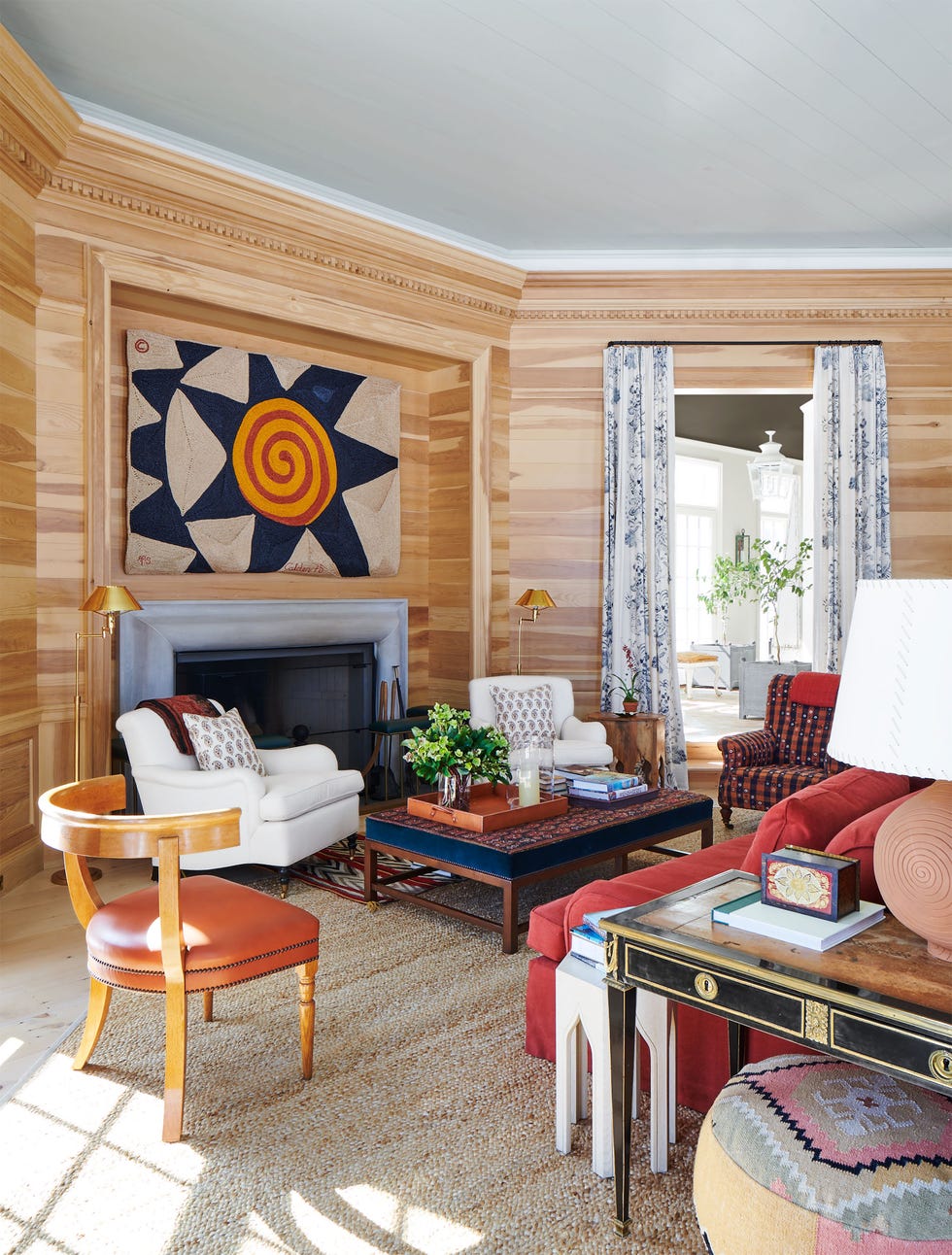
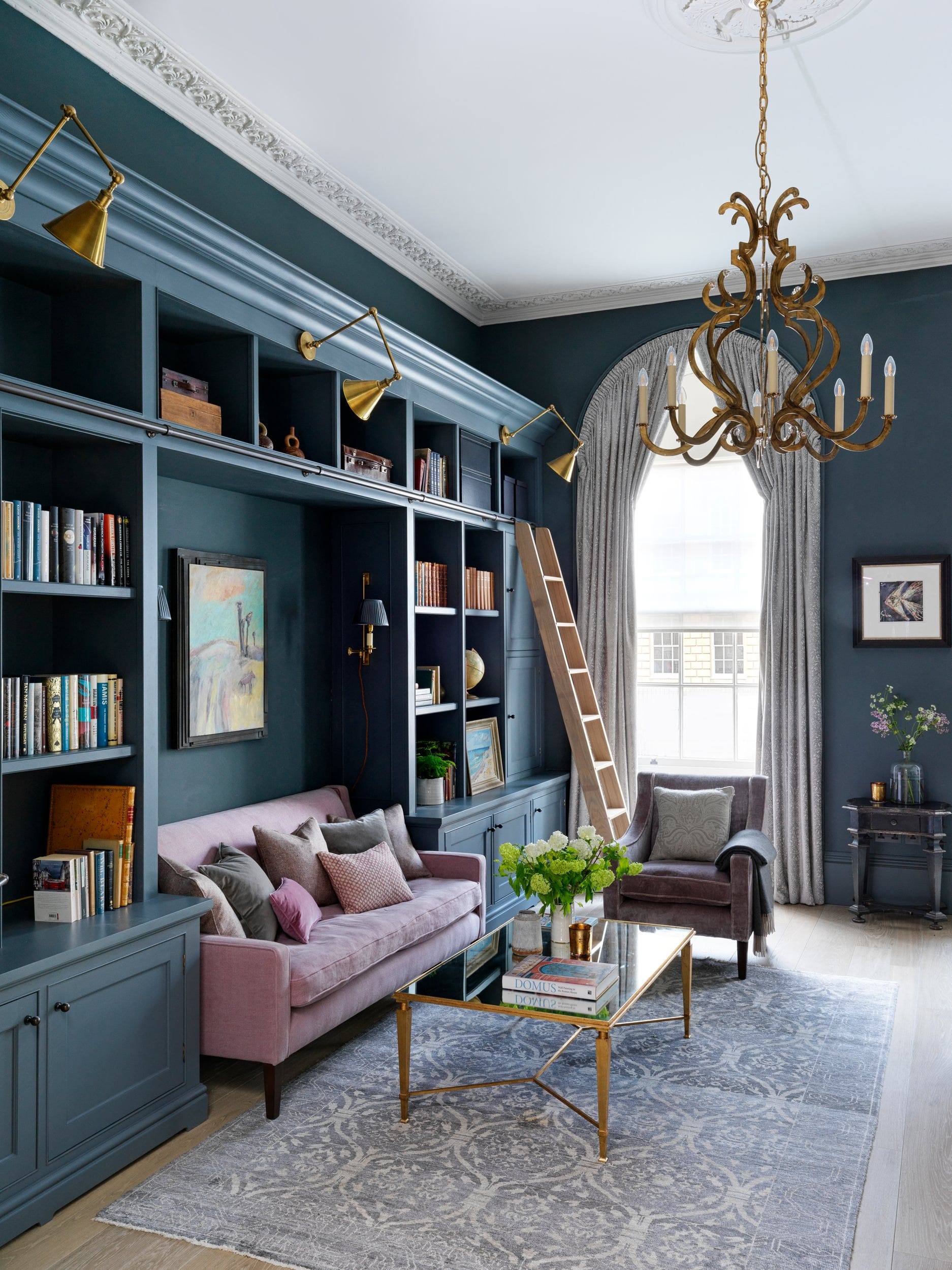
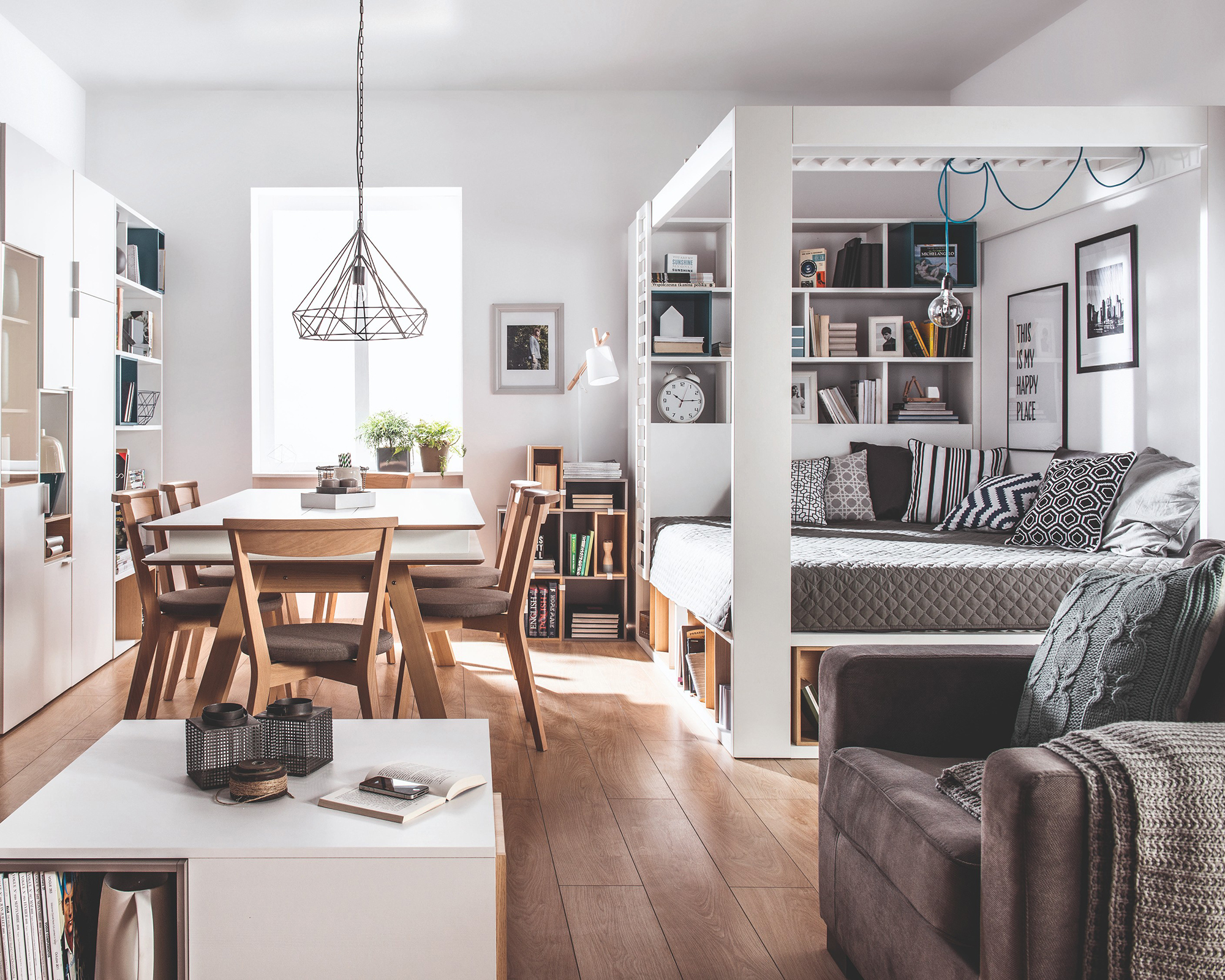
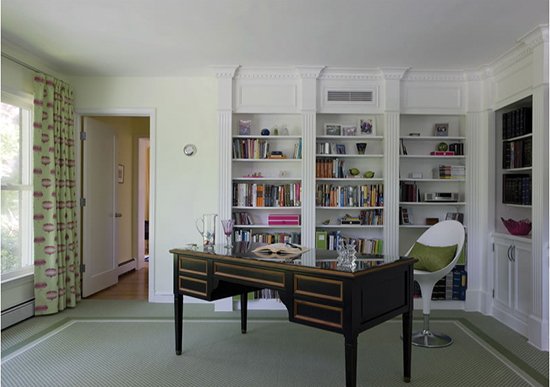
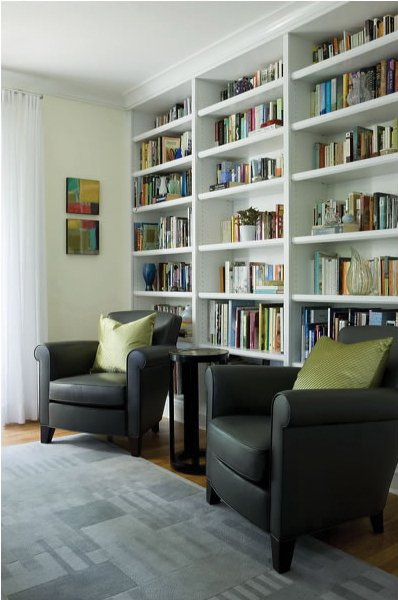
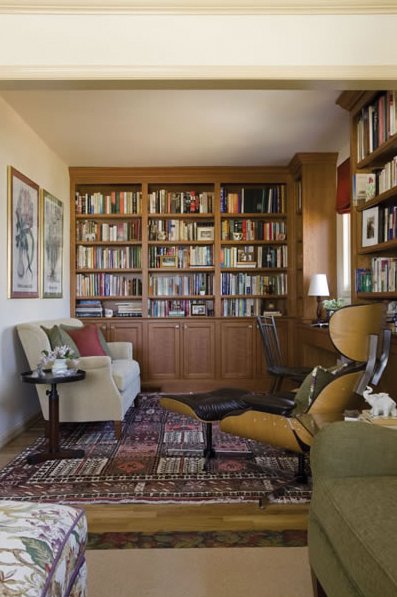
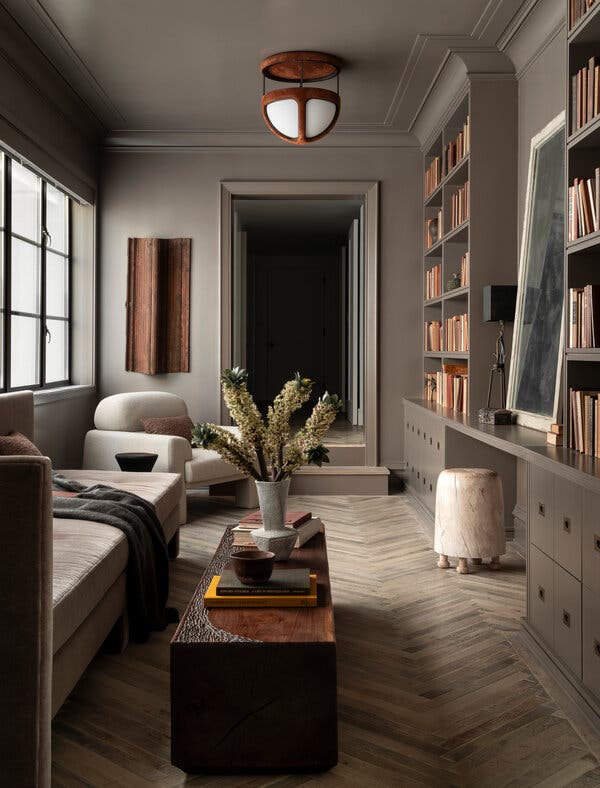
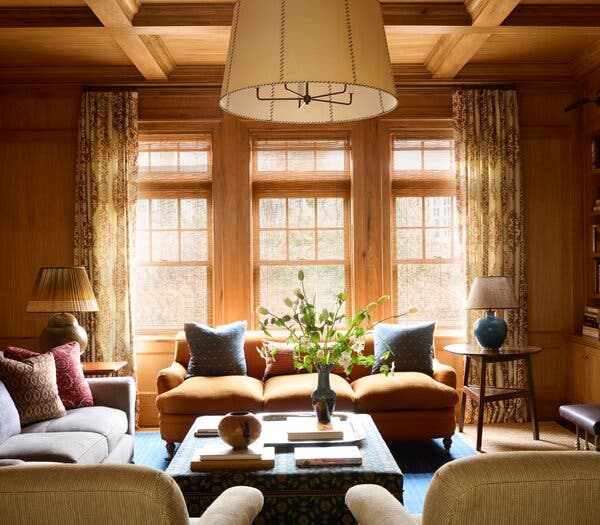
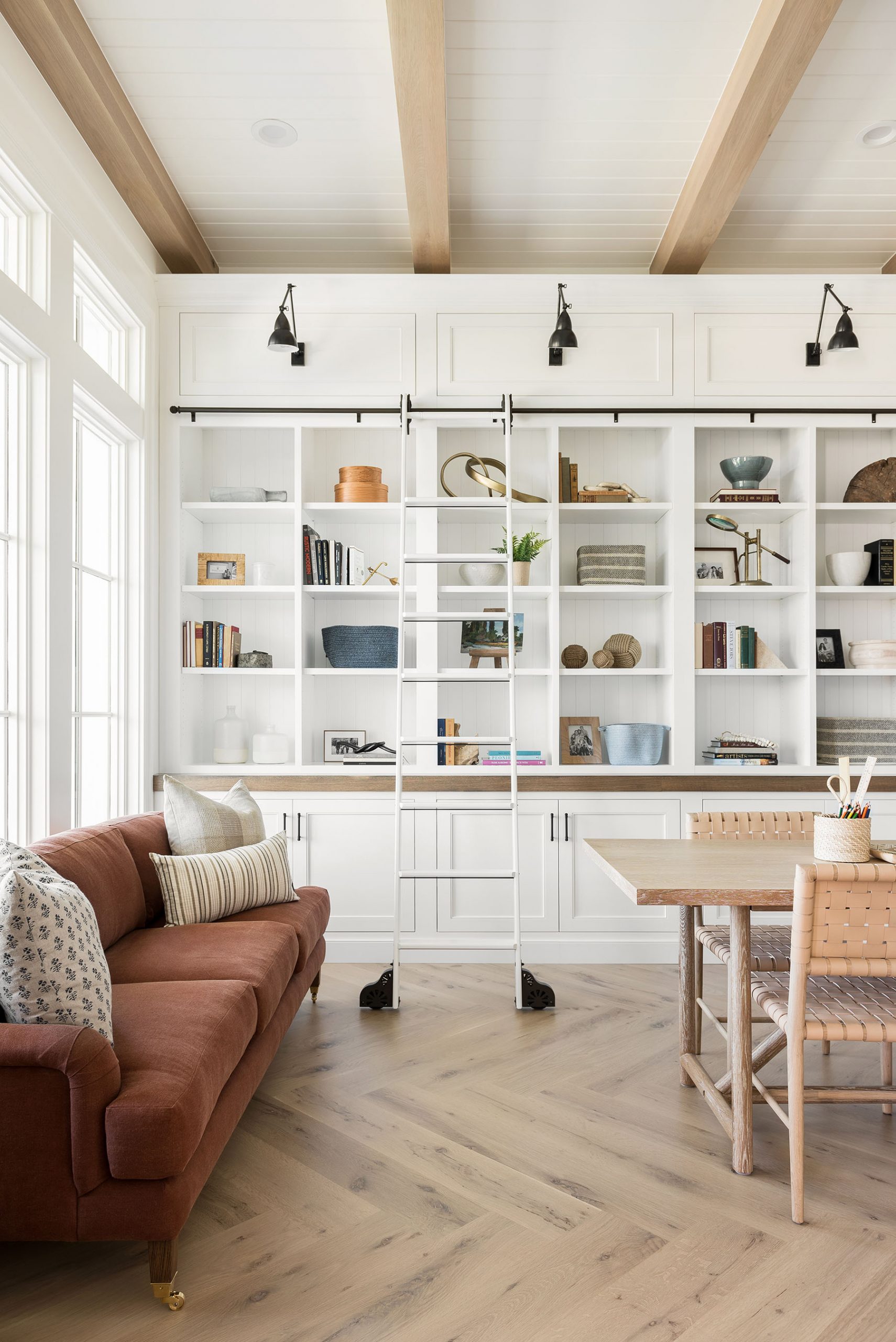
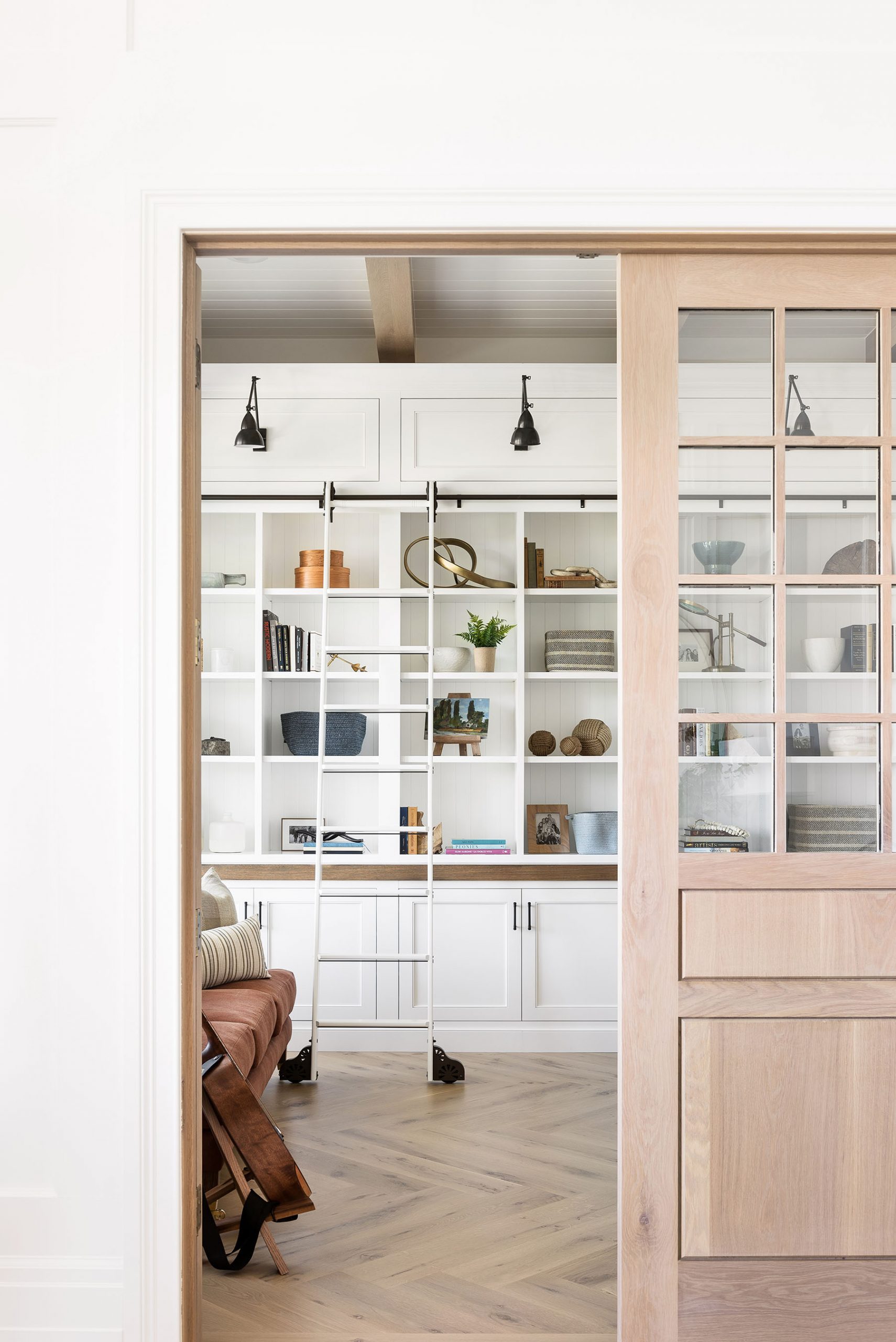
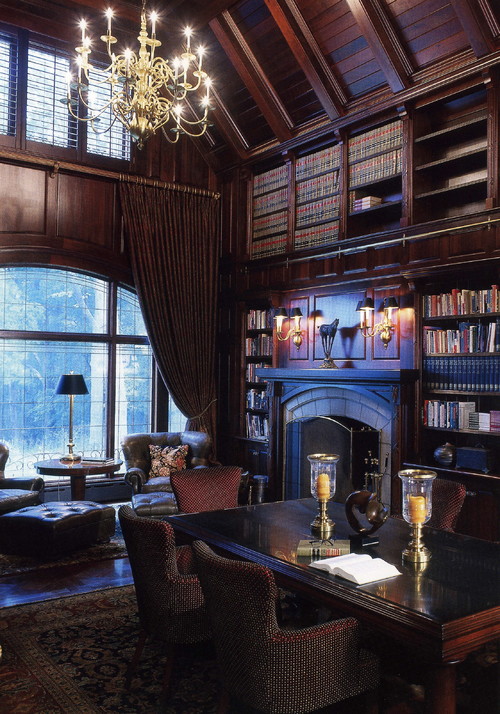
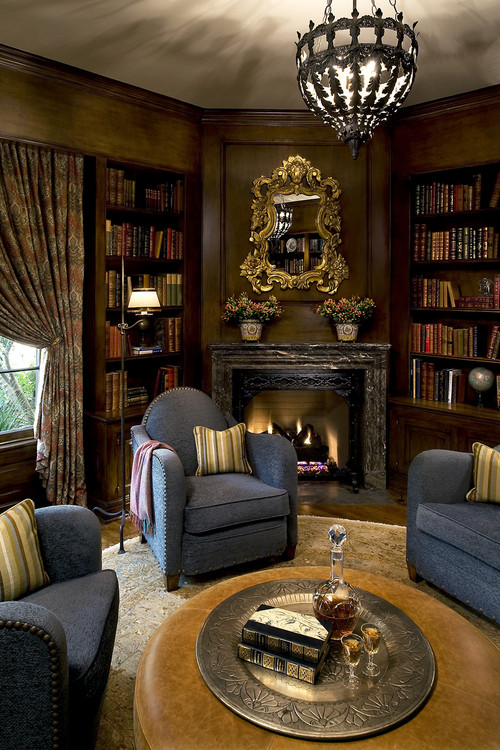
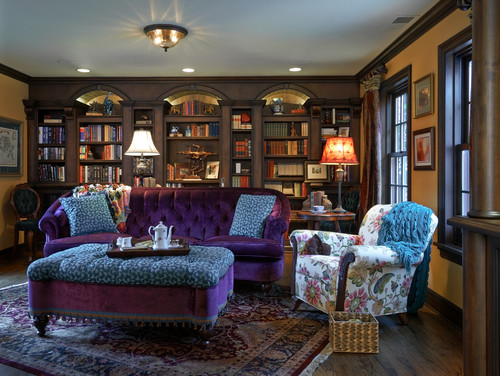
By the later 18th century, architects like Adam and Wyatt integrated libraries directly off drawing rooms, establishing them as principal sitting and entertaining spaces. Henry Holland further elevated their status, making libraries the largest and most impressive sitting rooms in houses such as Althorp and Woburn. This period also saw a significant change in library furnishings, moving away from formal arrangements. Libraries were equipped with a variety of comfortable, upholstered seating, including sofas, couches, armchairs, and ottomans, often grouped informally around a fireplace or in the center of the room. Specialized furniture like writing tables, reading tables, folio cabinets, and games tables also became common, catering to educated pastimes.
Foreign visitors observed the unique comfort-focused seating in English libraries, noting the innovative designs such as movable armrests on library chairs and the use of footstools to facilitate relaxed reading. Prince Pückler-Muskau, for instance, in the 1820s, praised England's advanced approach to comfortable seating. This emphasis on comfort and informality reflected a broader shift in social customs and the increasing desire for relaxed domestic environments.
The concept of a library-living room was also adopted in royal residences, including George IV's successive homes, mirroring the Enlightenment tastes of the Whig aristocracy. In many Regency ensembles, such as Arundel, Chatsworth, Belsay, and Tatton, the library became one of the largest and most important sitting rooms. Furthermore, existing older houses, like Broughton Hall and Stourhead, had libraries added or contrived during this period, often to house the extensive collections of owners who were avid scholars and book enthusiasts.
The article also delves into the 'bibliomania' of the period, a passionate interest in book collecting that led to rivalries among wealthy individuals for rare editions and valuable manuscripts. The Roxburghe Sale of 1812, which saw record prices paid for books, exemplifies this trend, leading to the formation of the Roxburghe Club. Notable collectors like the 2nd Earl Spencer and the 6th Duke of Devonshire amassed impressive libraries, often acquiring entire collections. These libraries, such as the one at Chatsworth House, were not only personal passions but also resources made available to scholars.
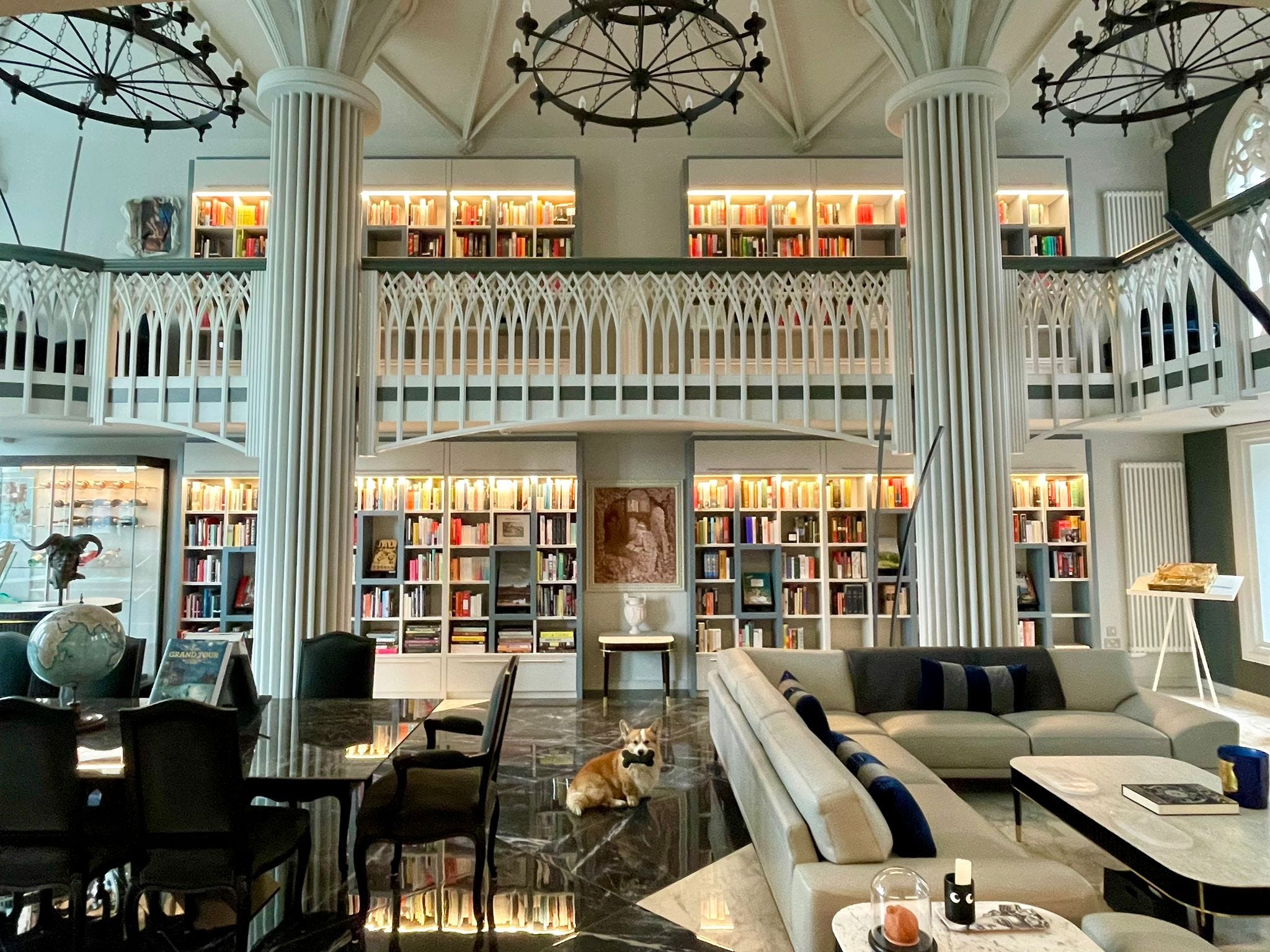

Stylistically, these grand libraries showcased a blend of Classical and Gothic influences, reflecting the dual aspects of English intellectual life. Classical designs, popular at Chatsworth and Stourhead, echoed the Georgian appreciation for Greek and Roman literature, while Gothic styles, as seen at Arundel Castle and Horace Walpole's Strawberry Hill, catered to antiquarian interests. Even neo-Classical architects like Sir John Soane incorporated Gothic elements to accommodate specific collections. Regardless of the chosen style, these libraries served as beautiful and significant settings for cherished book collections, providing invaluable insights into the educated interests and cultural values of their owners.
#RegencyArchitecture #CountryHouses #LibraryDesign #InteriorDesign #BookCollecting #EnglishHistory #ArchitecturalHistory #GeorgianEra #Bibliomania #RegencyArchitecture #CountryHouses #LibraryDesign #InteriorDesign #BookCollecting #EnglishHistory #ArchitecturalHistory #GeorgianEra #Bibliomania
0 opmerkingen in totaal
 Nog geen opmerkingen
Dit vindt u mogelijk ook leuk
A Generic Condo Transformed Into an Enviable Home Library

Home library space: a bibliophile’s dream

Check out the decor of these home libraries
11 Chic Home Libraries Designed by Axel Vervoordt, Markham Roberts, Gil Schafer, and More

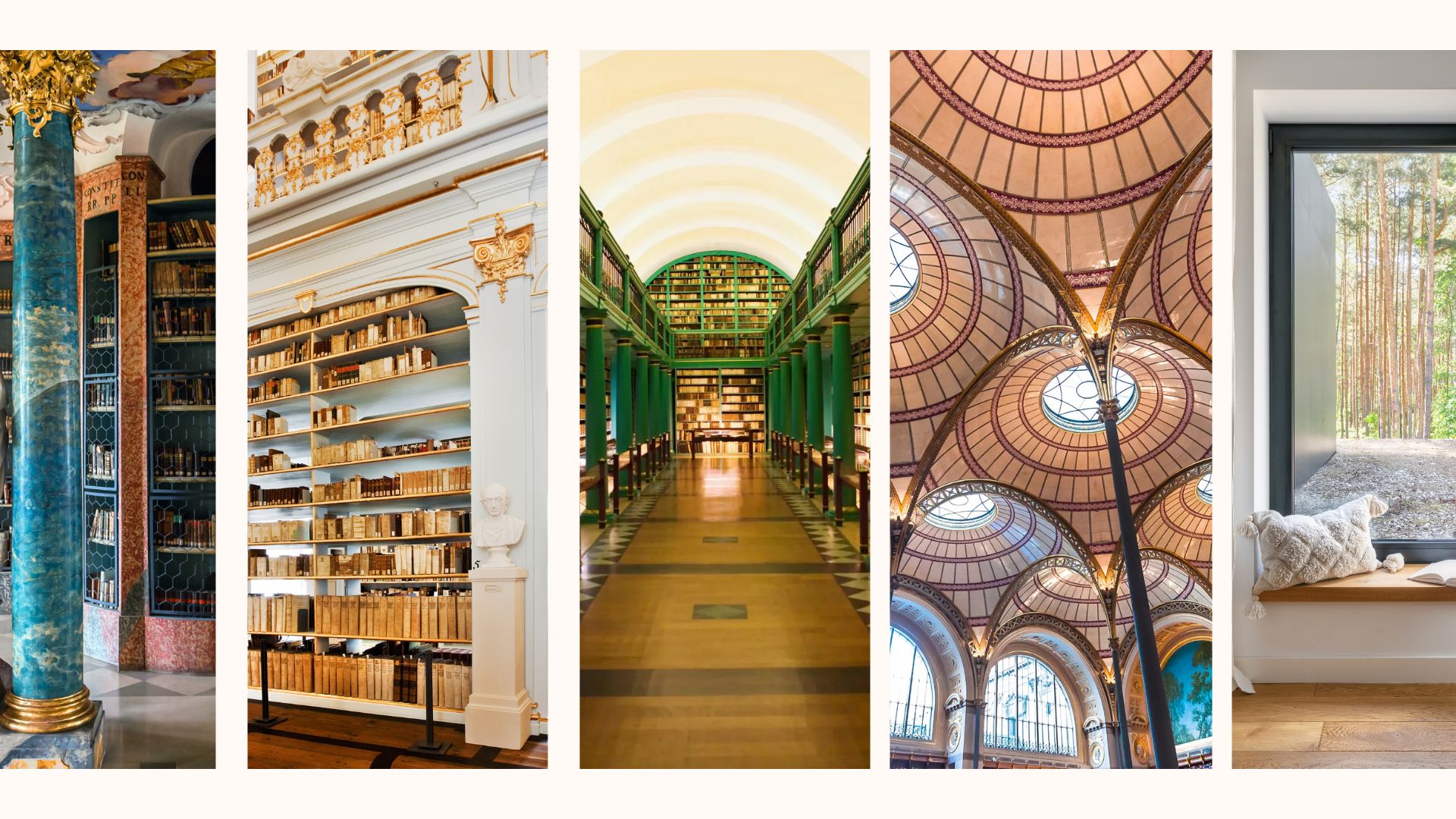
The world's most beautiful libraries that will enchant book lovers and inspire your home decor dreams

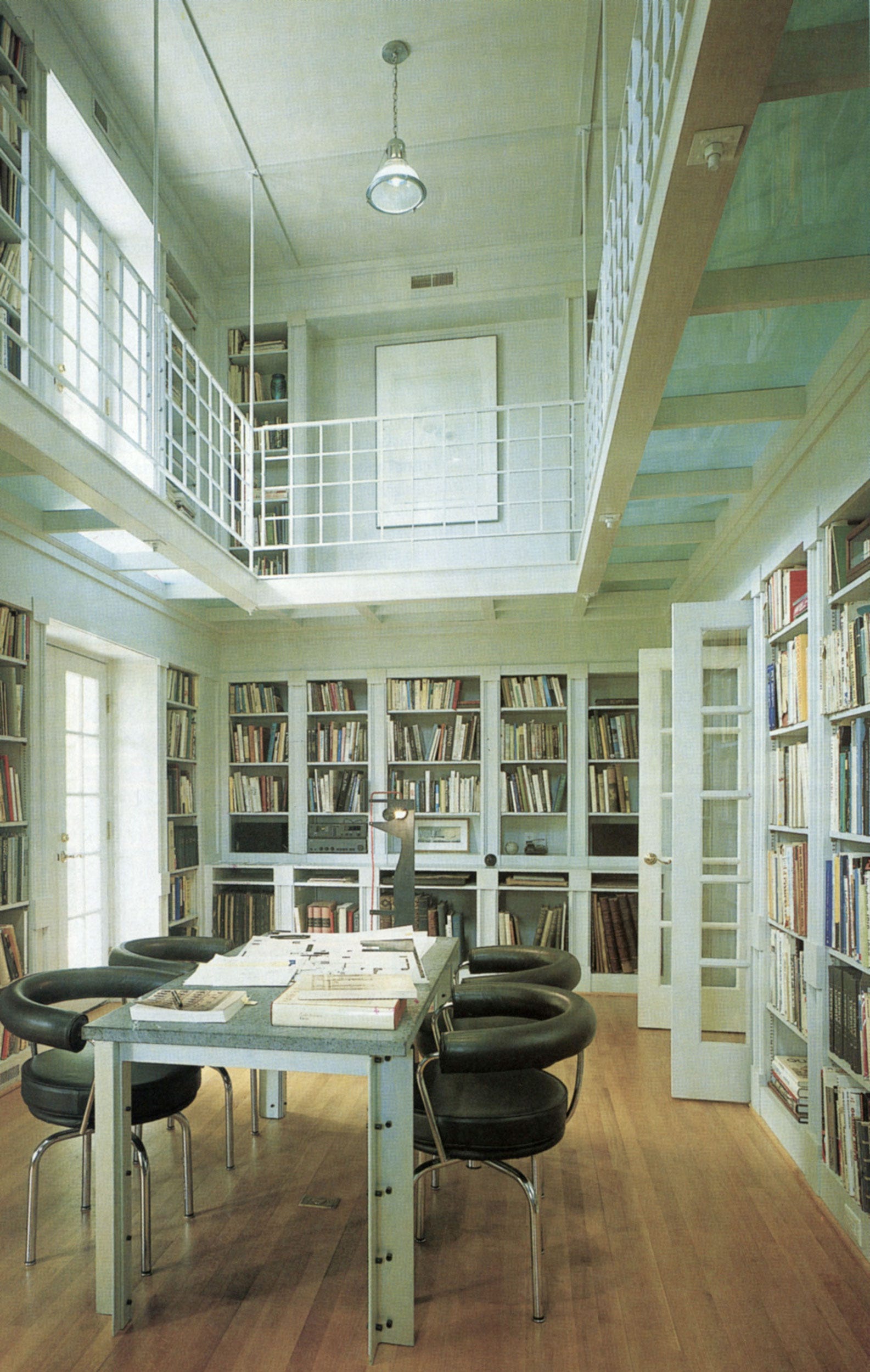
From the Archive: A Tour of Some of the World’s Most Elegant Home Libraries

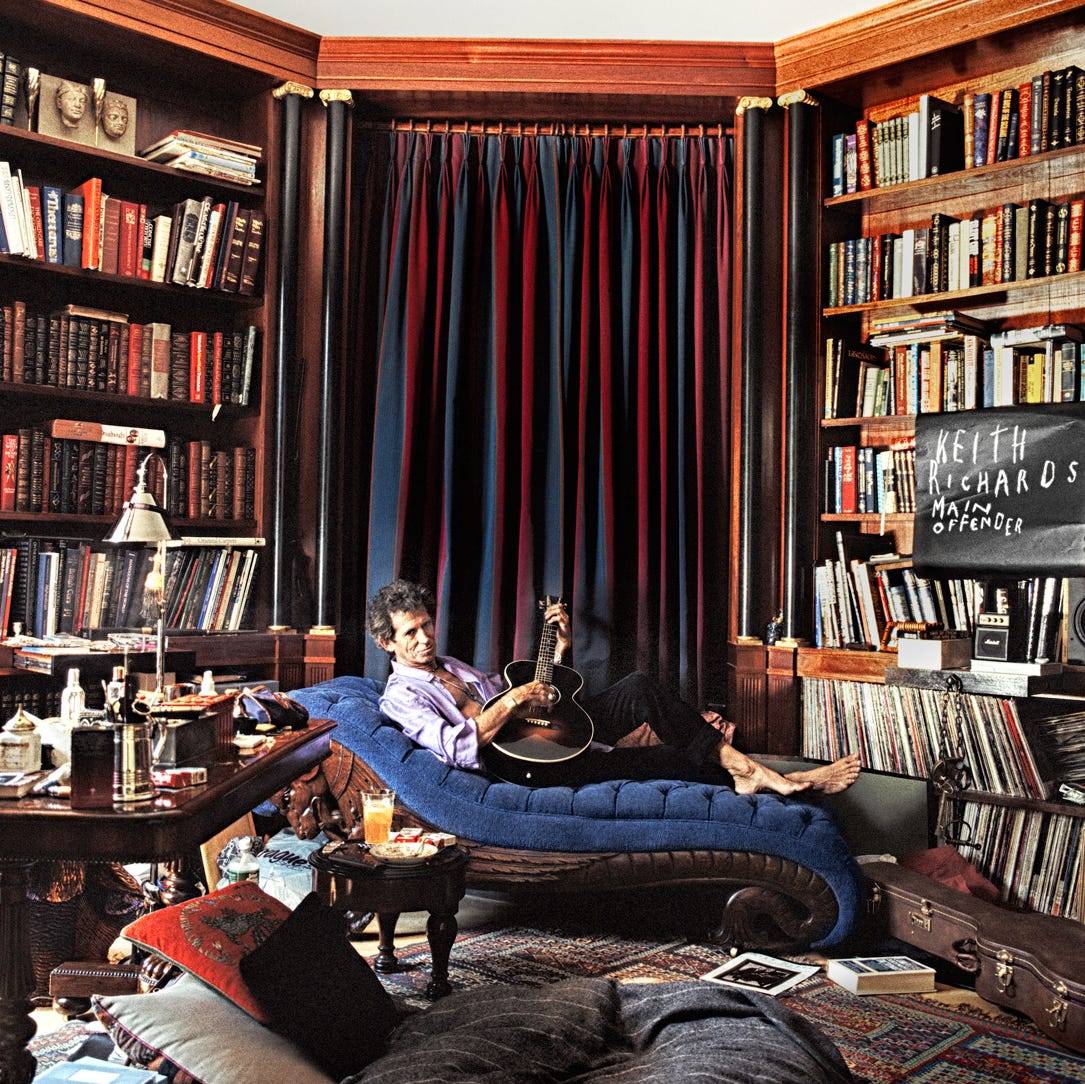
Home Libraries Are All Over Cable News. Here’s Why They’ve Never Been Hotter
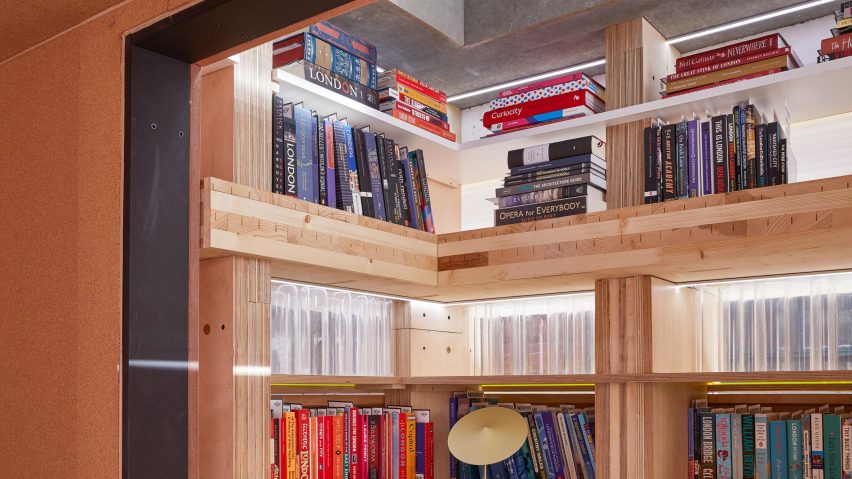
10 residential spaces from Pinterest designed for reading books in
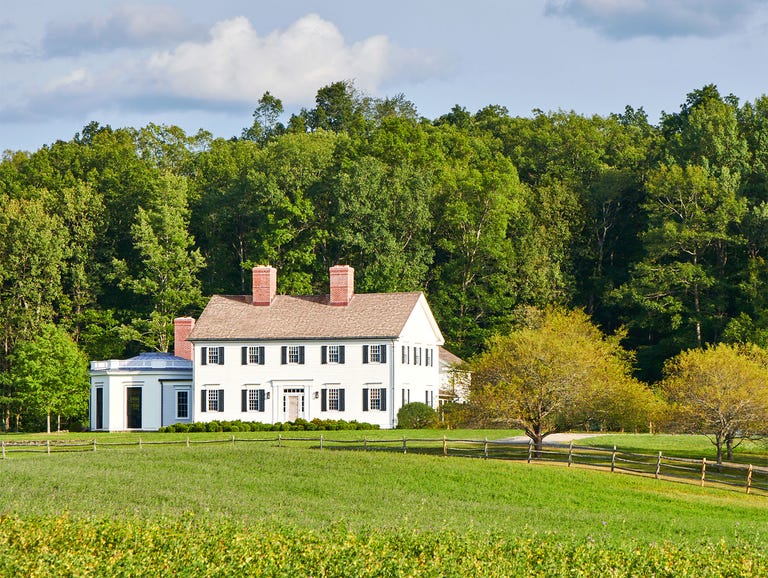
Just Wait Until You See the Stunning Octagonal Library In this Country House
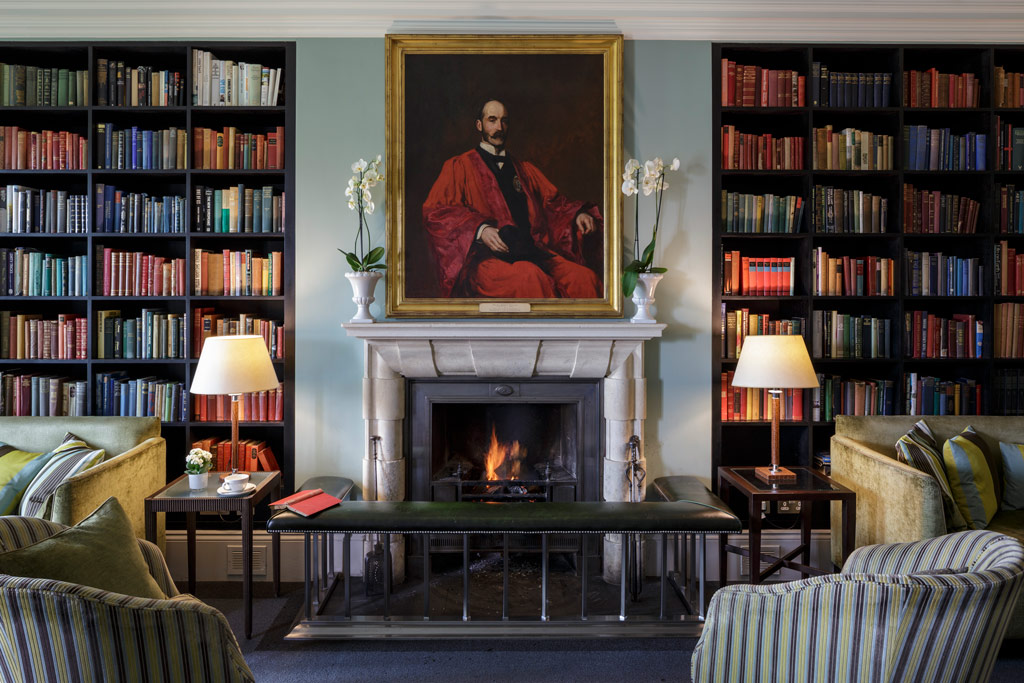
Home Libraries: Interiors Inspiration
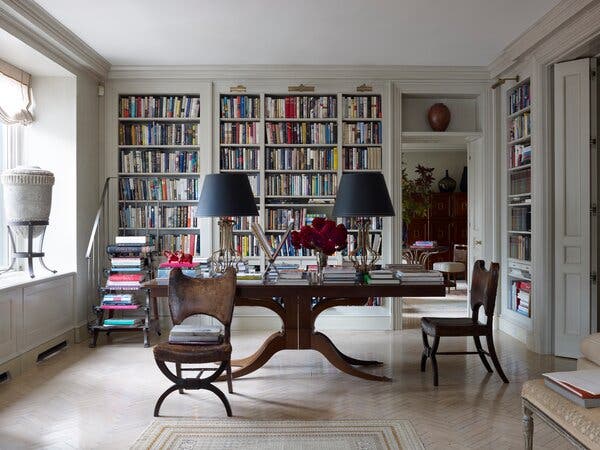
A Home Library Can Tell Your Life Story (Published 2024)
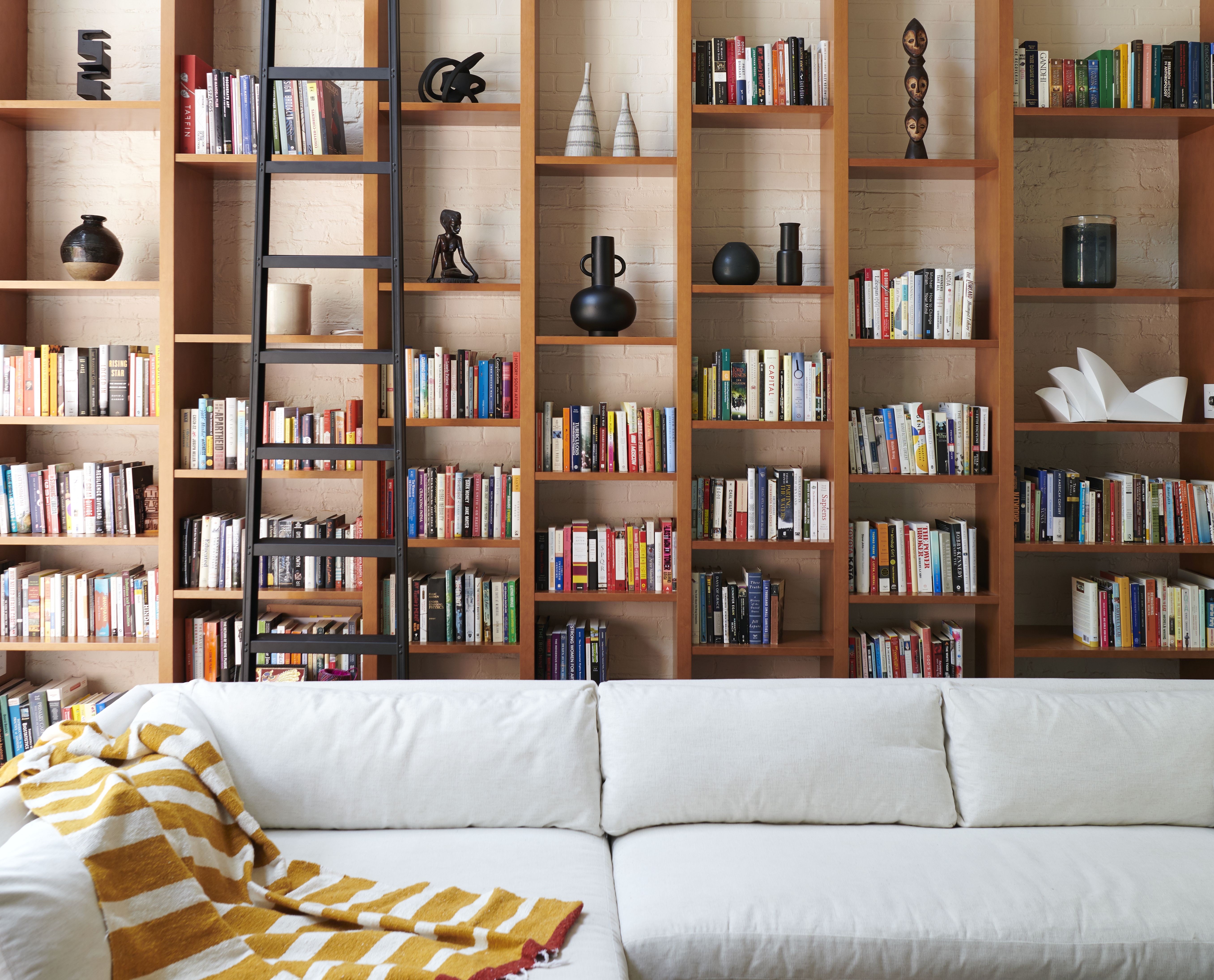
Forget Watching TV - Here are 3 Ways to Make Your Living Room Better to Read in

Create the Dreamy Library Look You’ve Always Wanted with This One Simple Upgrade

Home library ideas: 15 beautiful designs for bibliophiles and bookworms

Ten practical home libraries that showcase their owners' book collections
Grand libraries perfect for crime-solving duo Holmes and Watson

The most beautiful home libraries in Britain
10 of the most incredible home libraries around the world
Home On The Ranch: Entry Library & Mudroom
The reading nook of a booklover's dreams