1/5
A Home Library Can Tell Your Life Story (Published 2024)
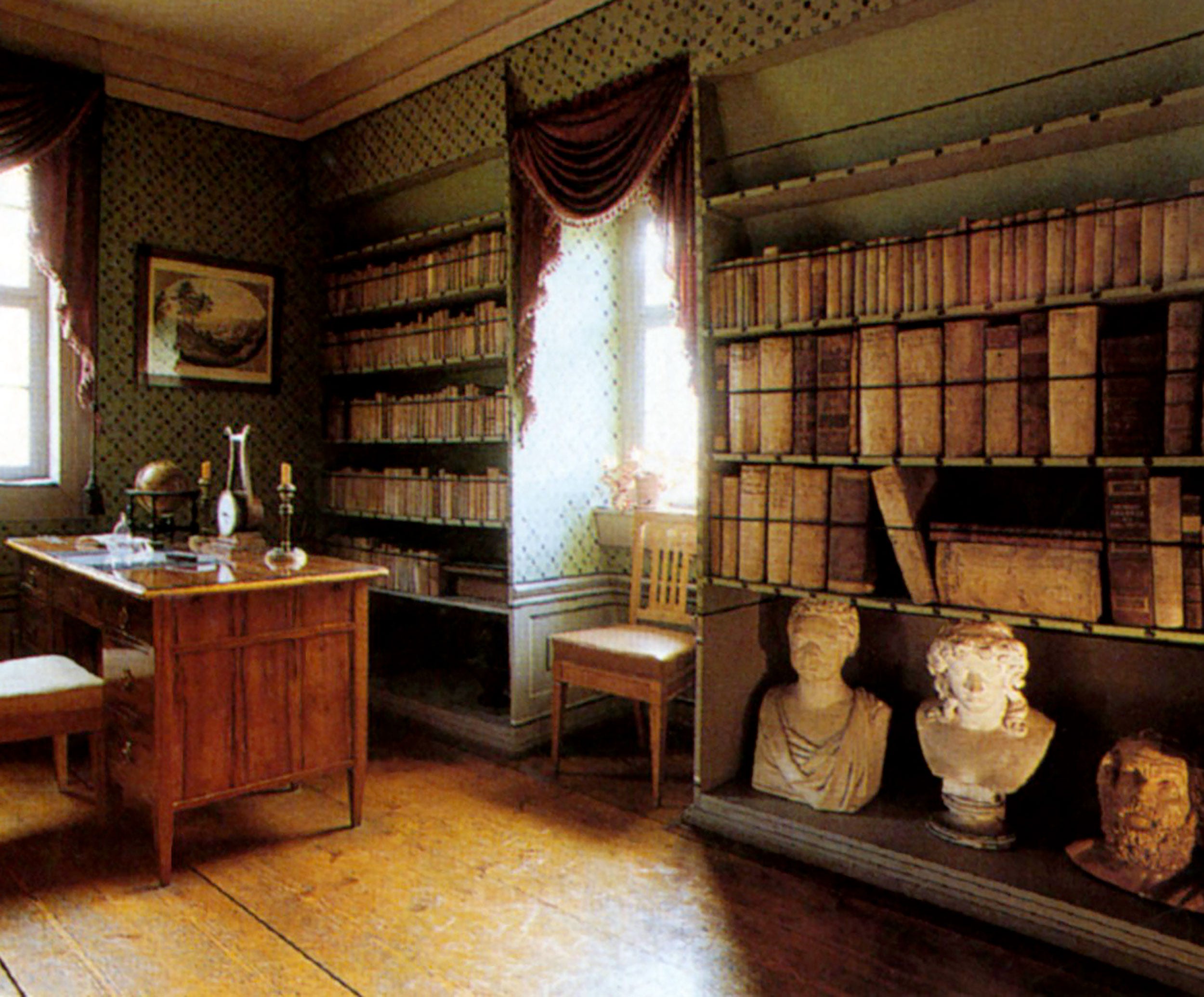
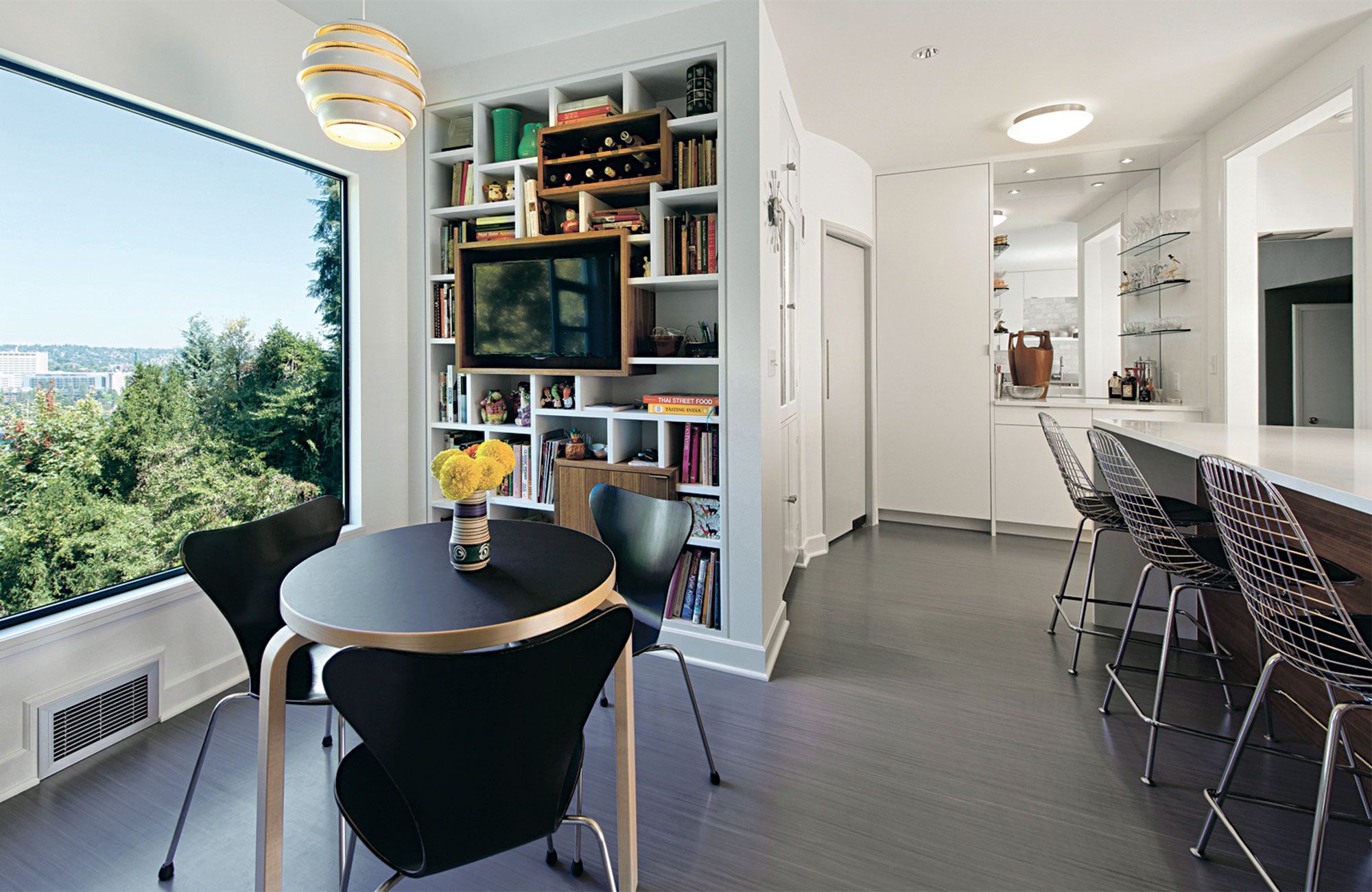
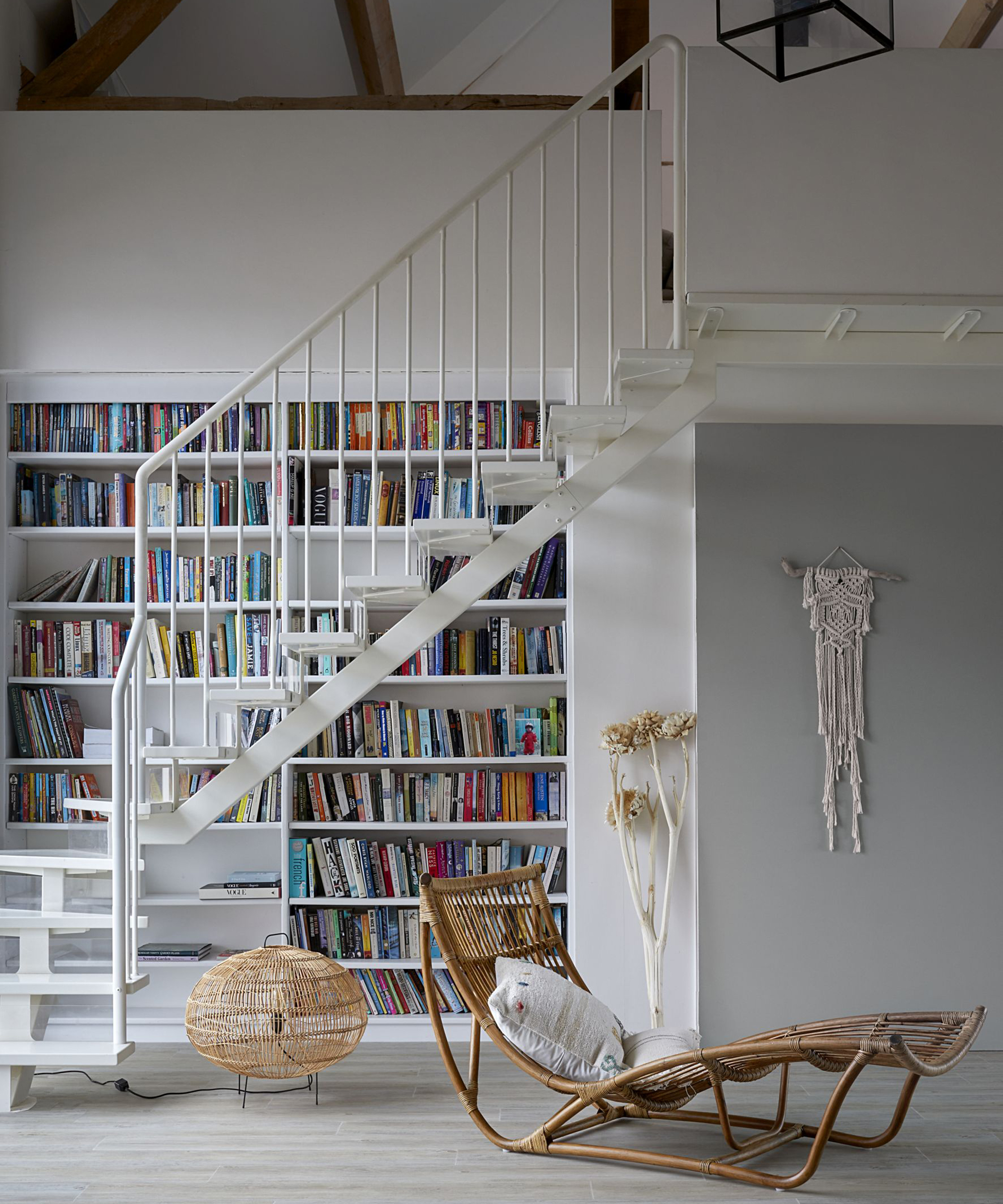
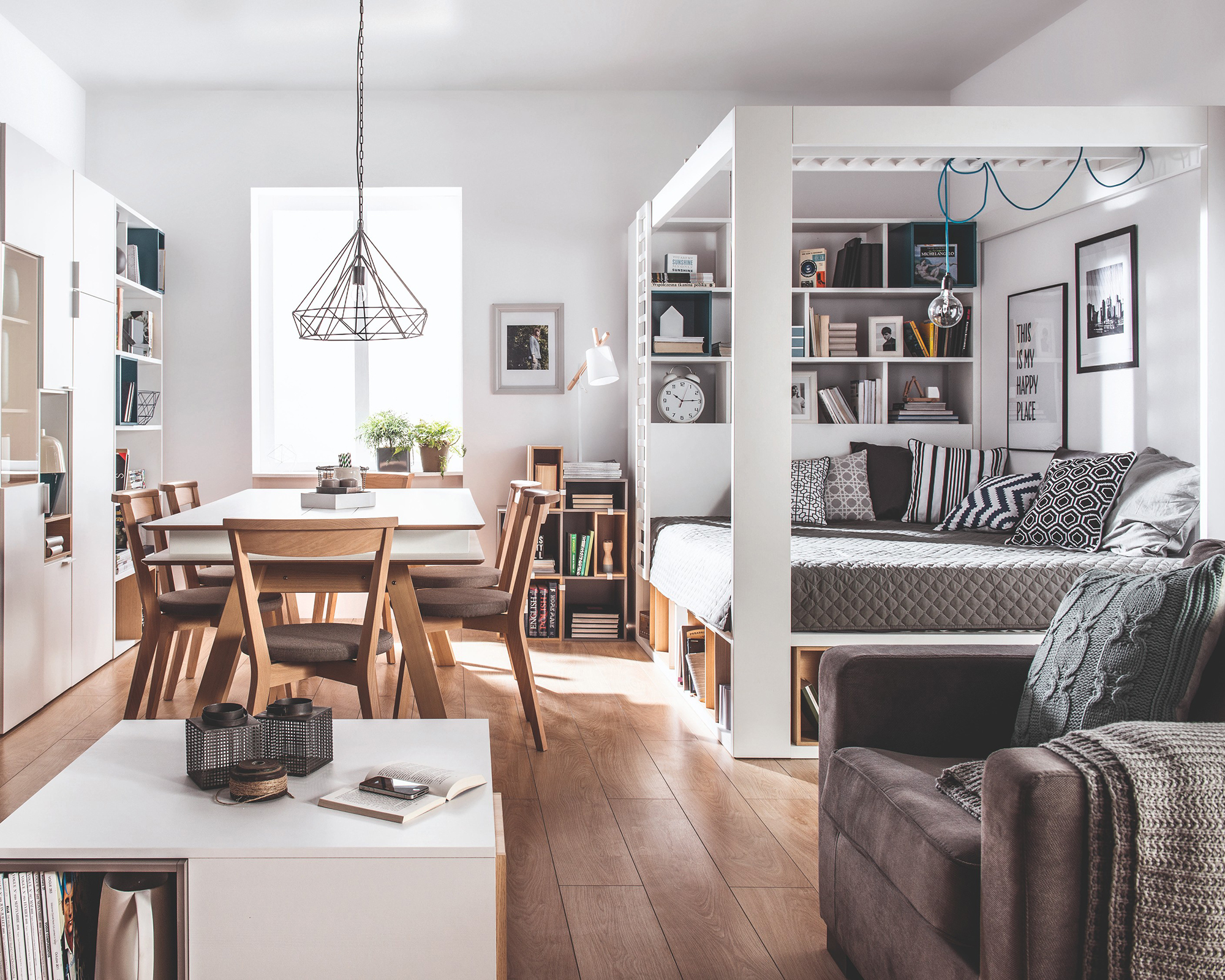
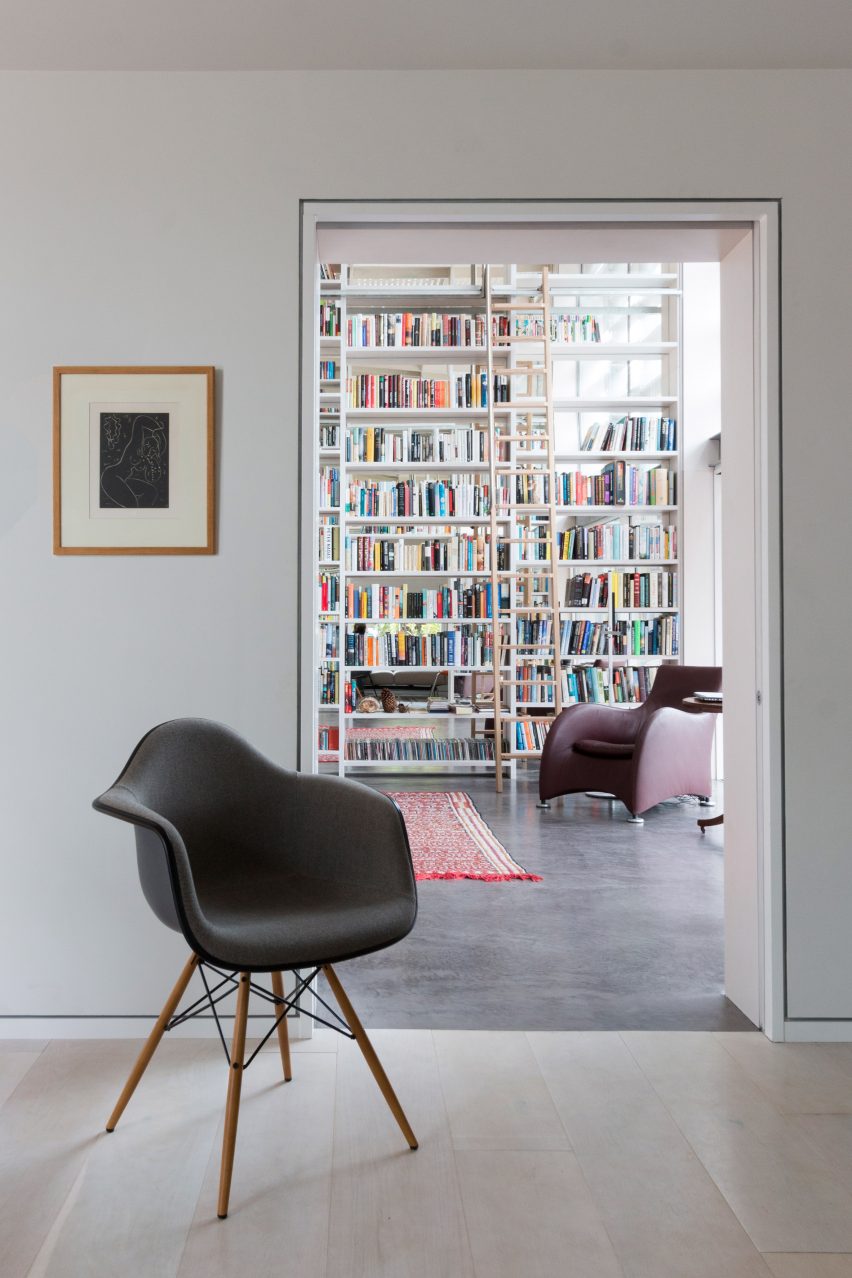
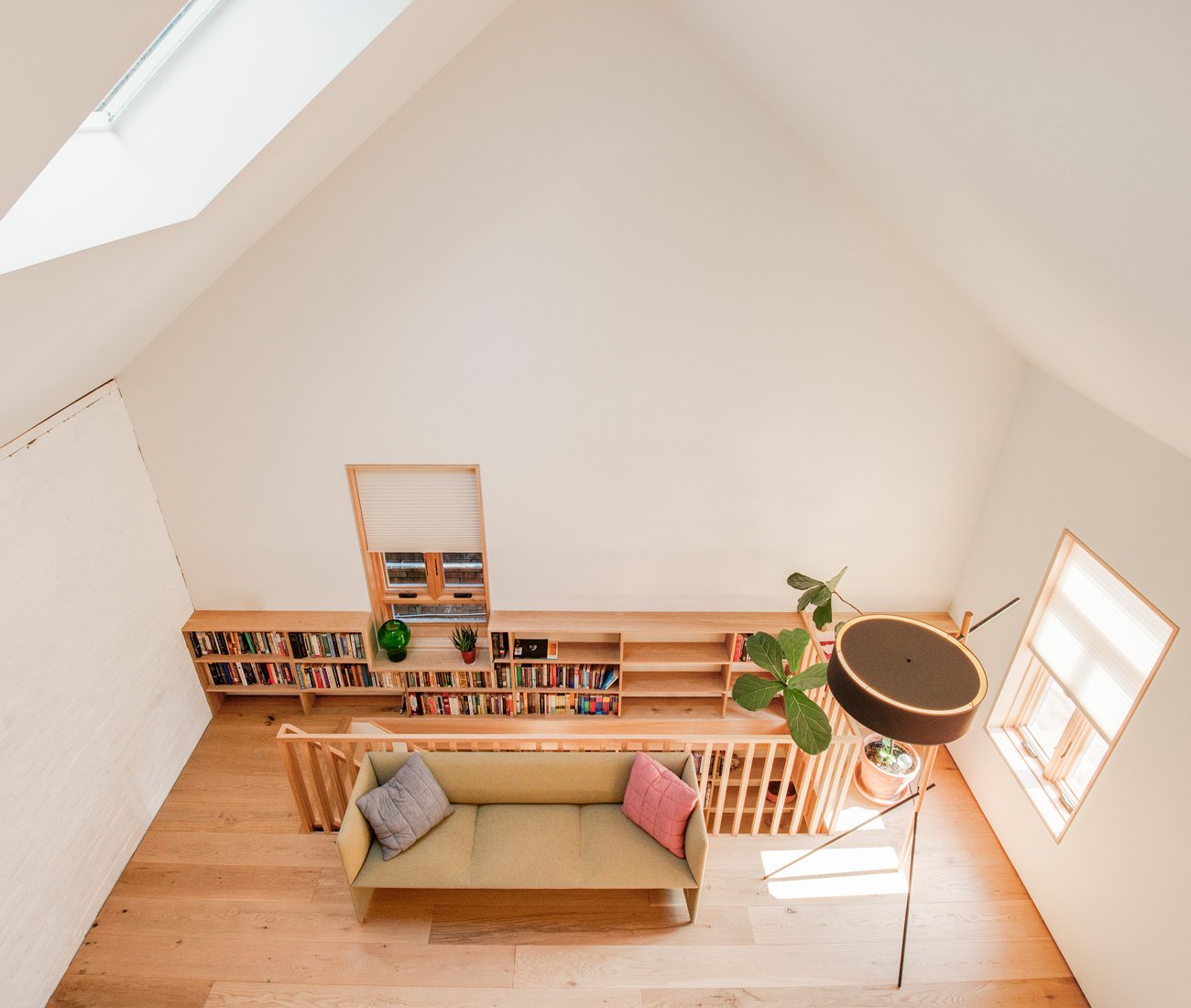
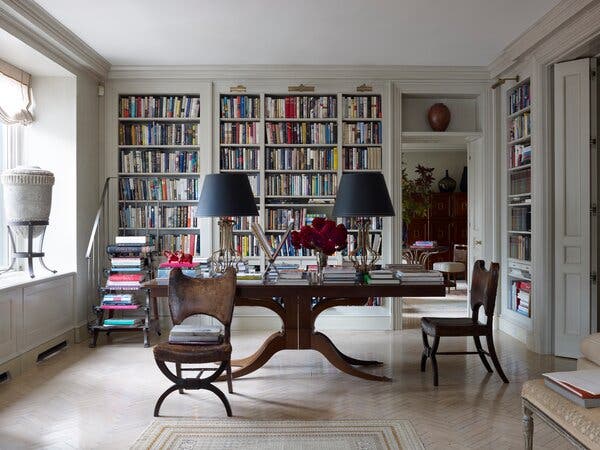
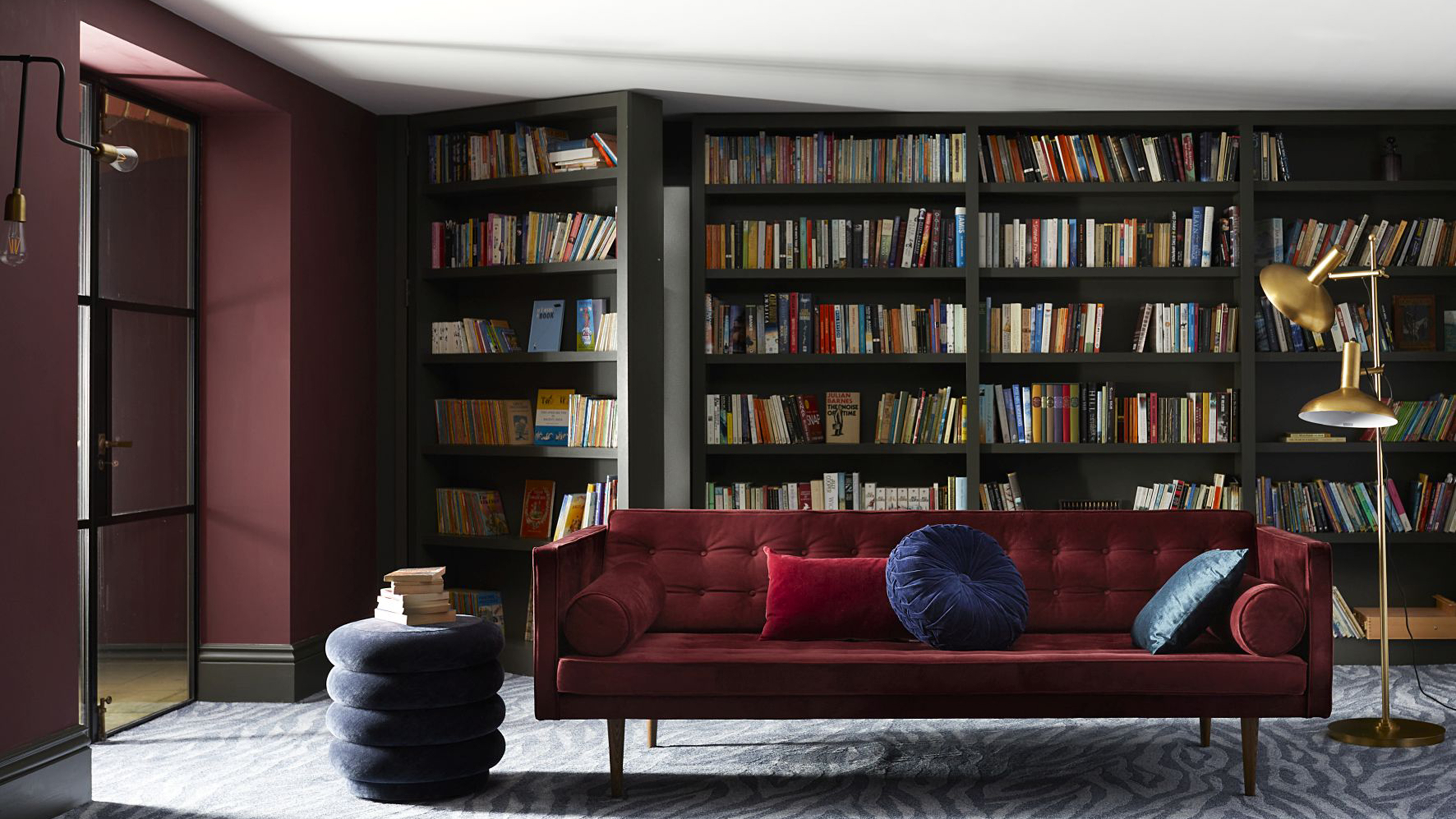
Home libraries offer a personal retreat for appreciating and being inspired by collected volumes, acting as a reflection of one's life experiences and interests. Interior designers emphasize creating these spaces as special destinations that encourage hours of reading. The first step in designing a home library involves finding a suitable space. While a dedicated room is ideal, practical solutions include utilizing wide hallways, alcoves, or unused corners in larger rooms. For instance, built-in bookcases can wrap around a dining table in a compact living area, or a spacious corridor can be transformed into a library with appropriate furniture and shelving.
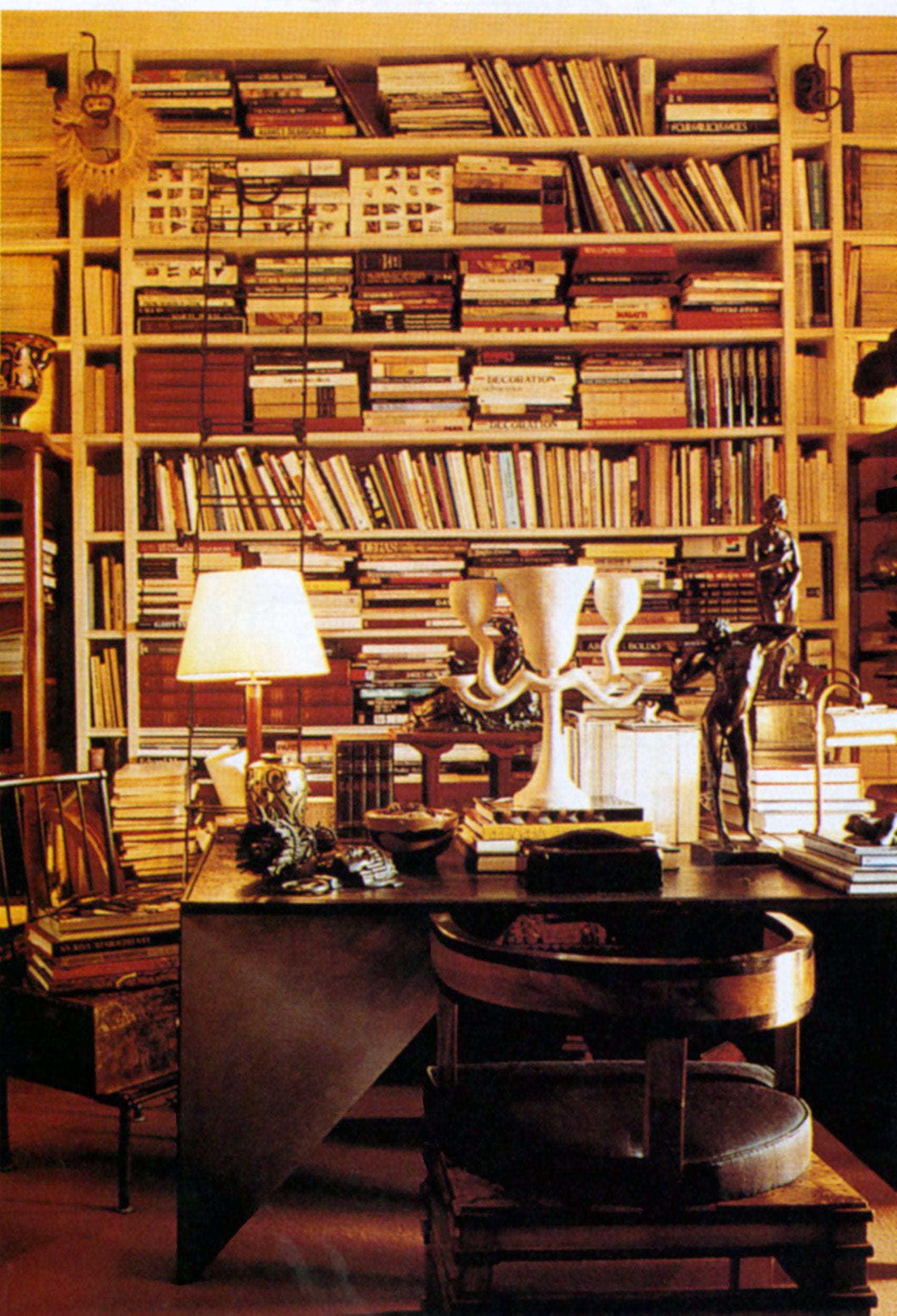
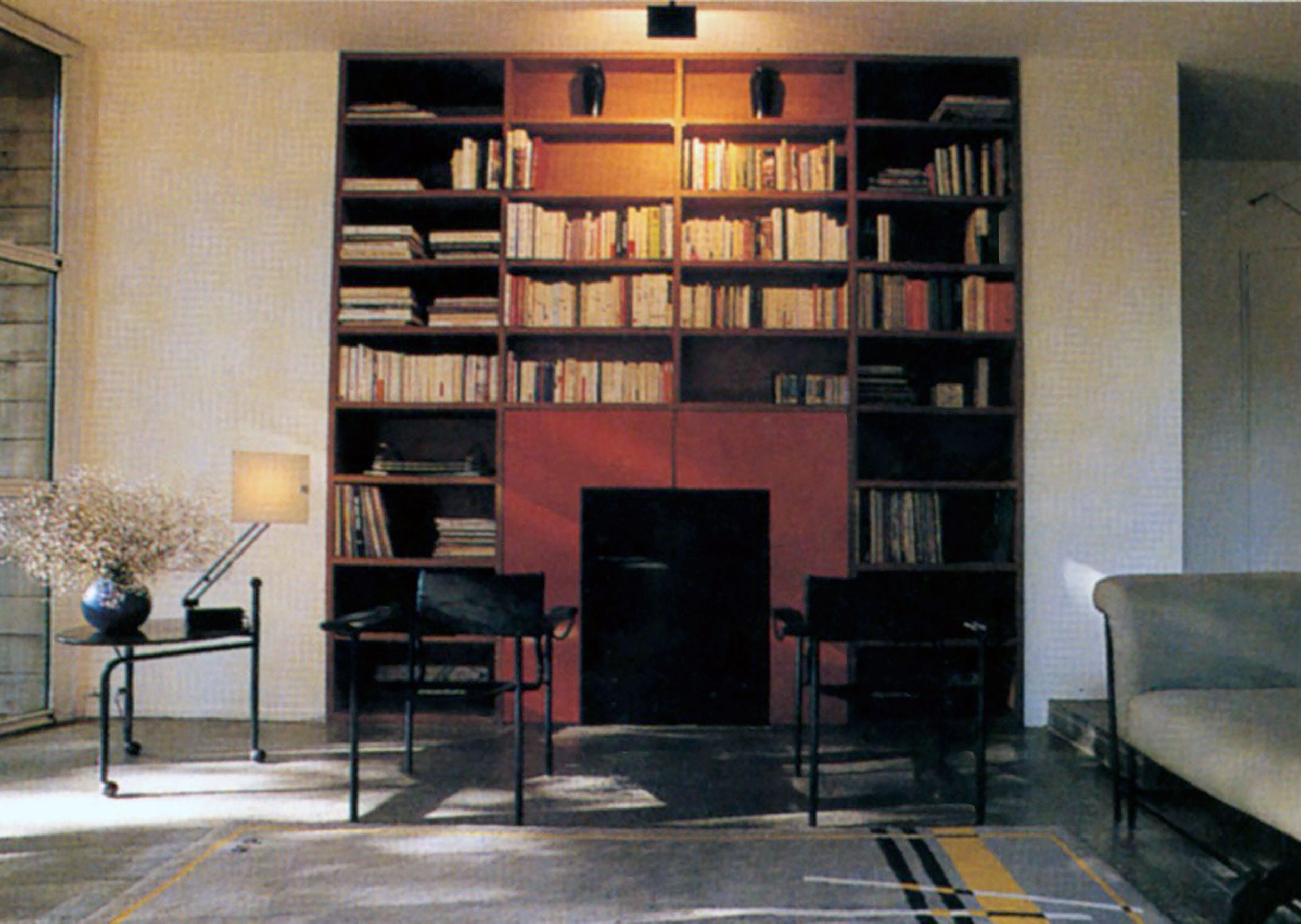
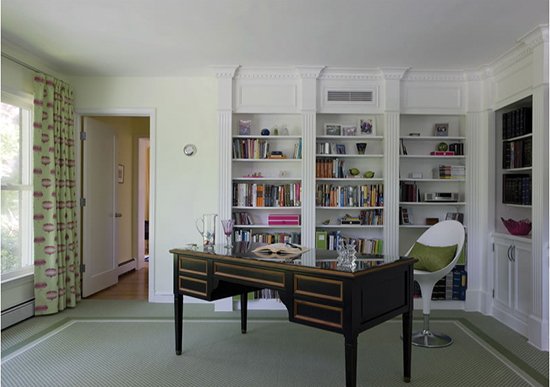
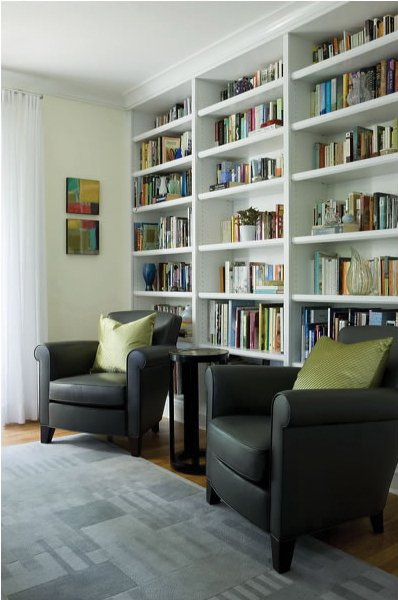
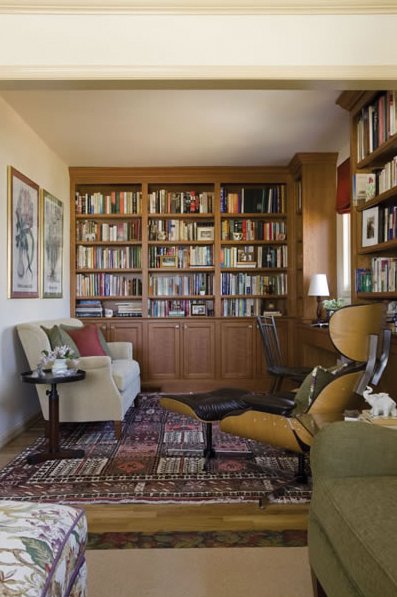
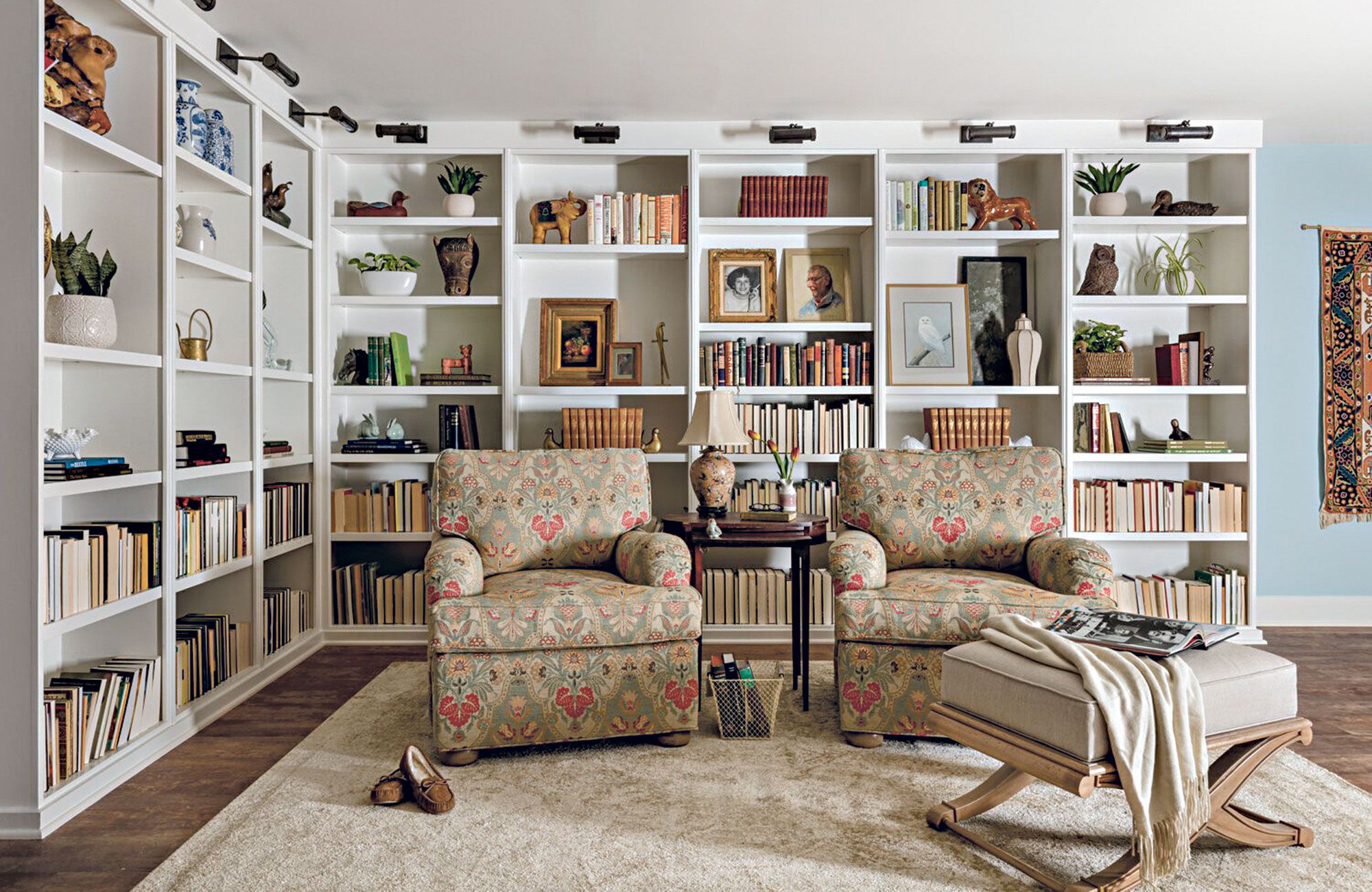
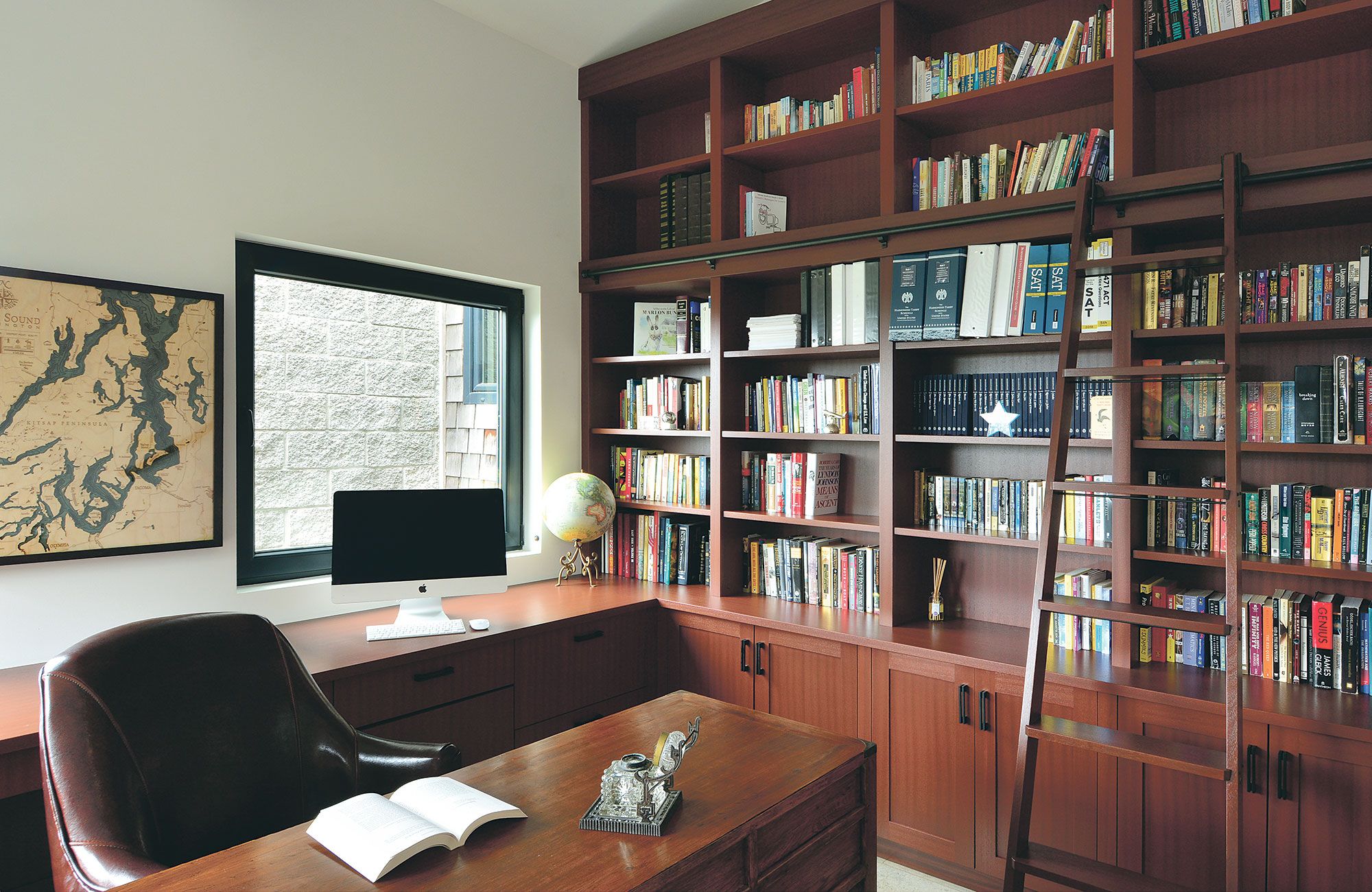
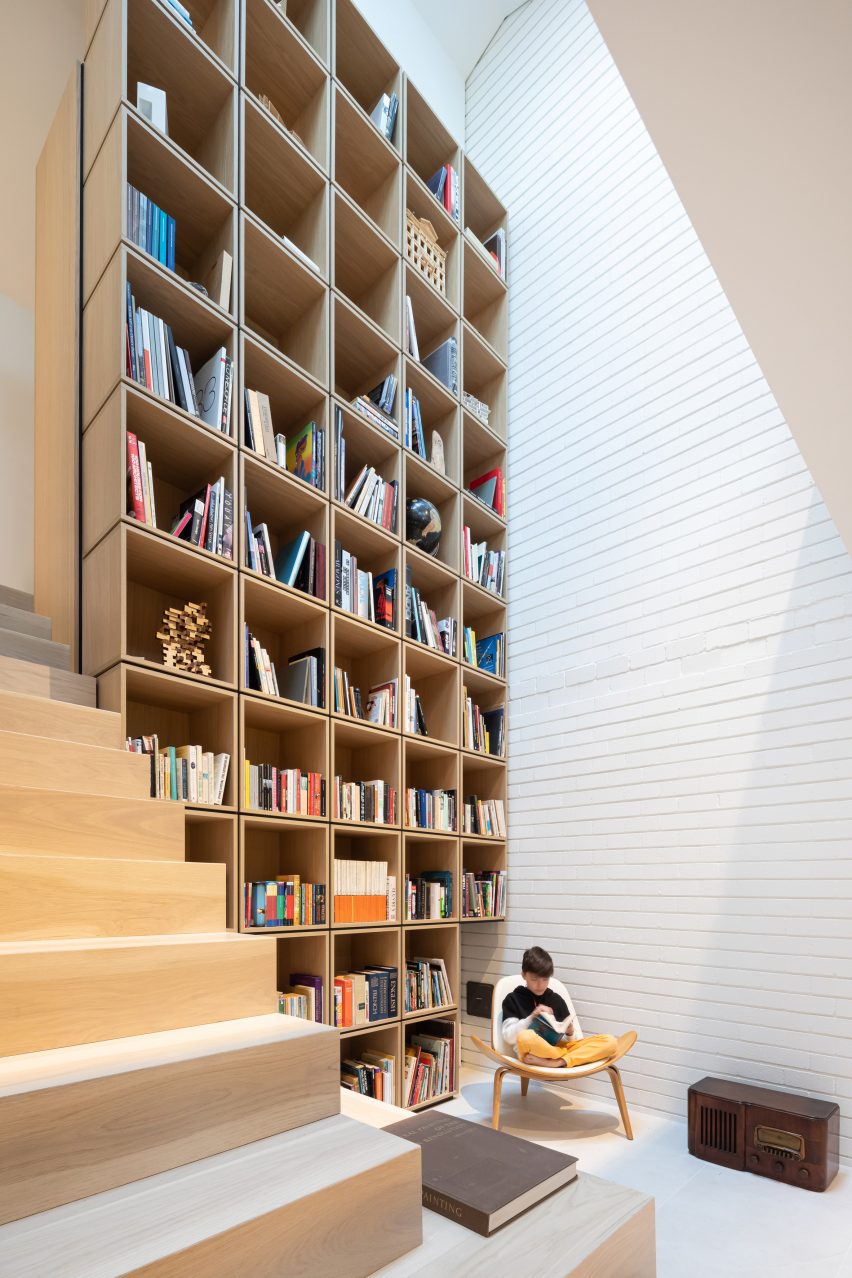
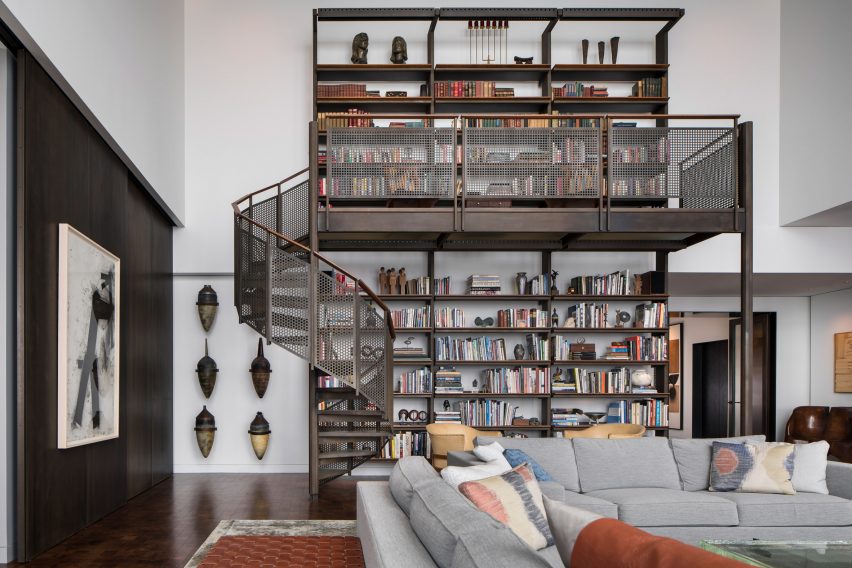
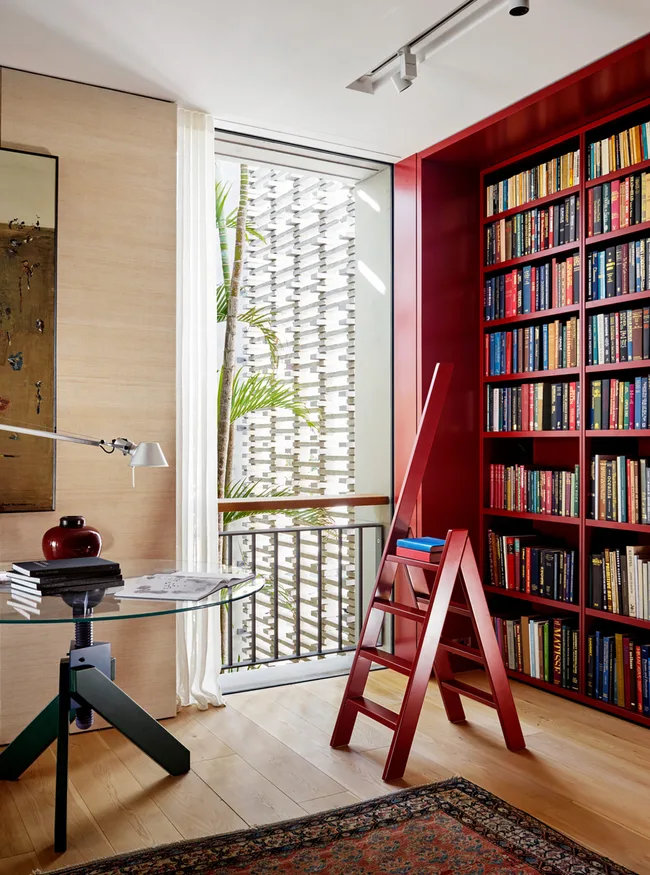
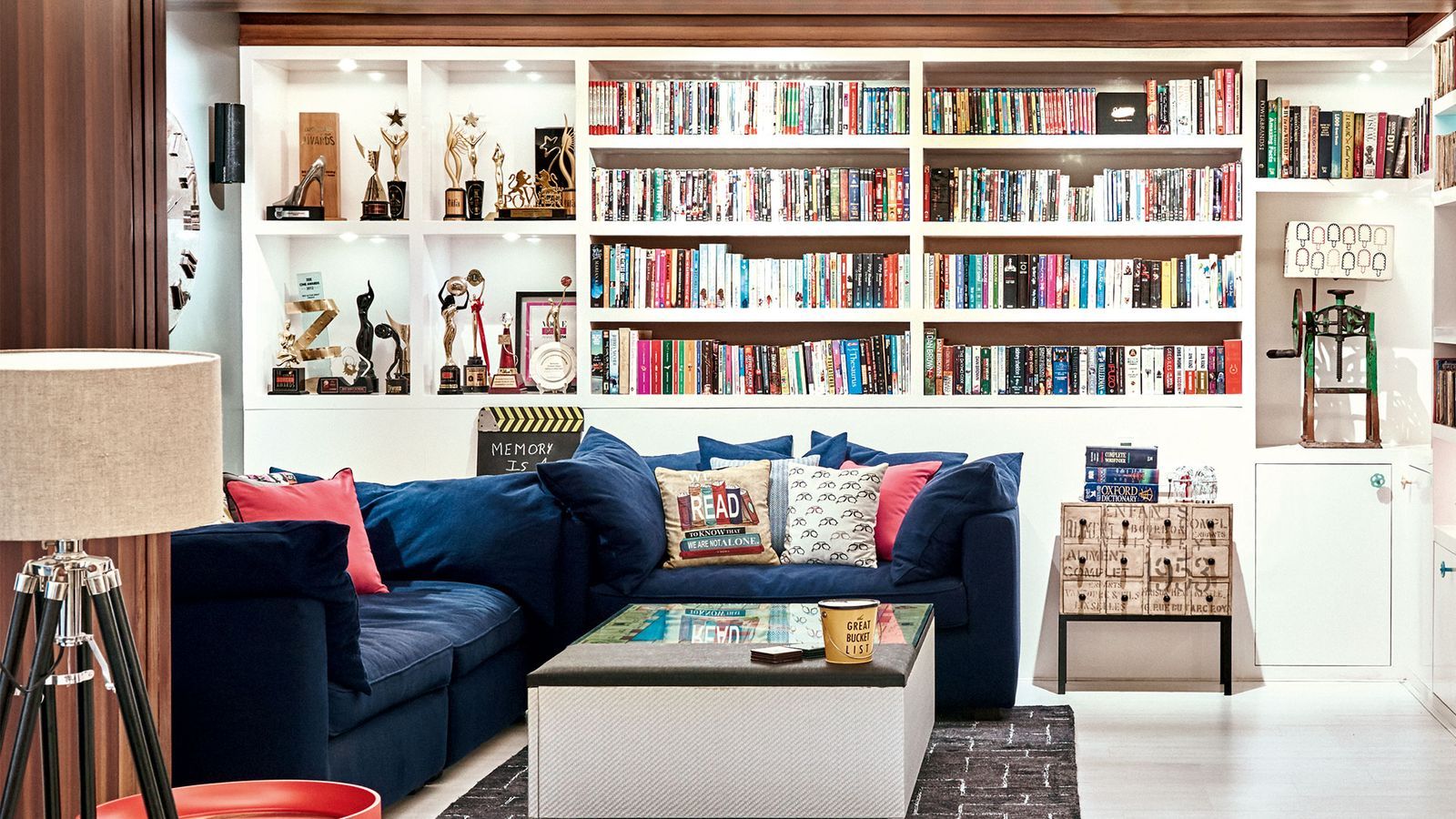
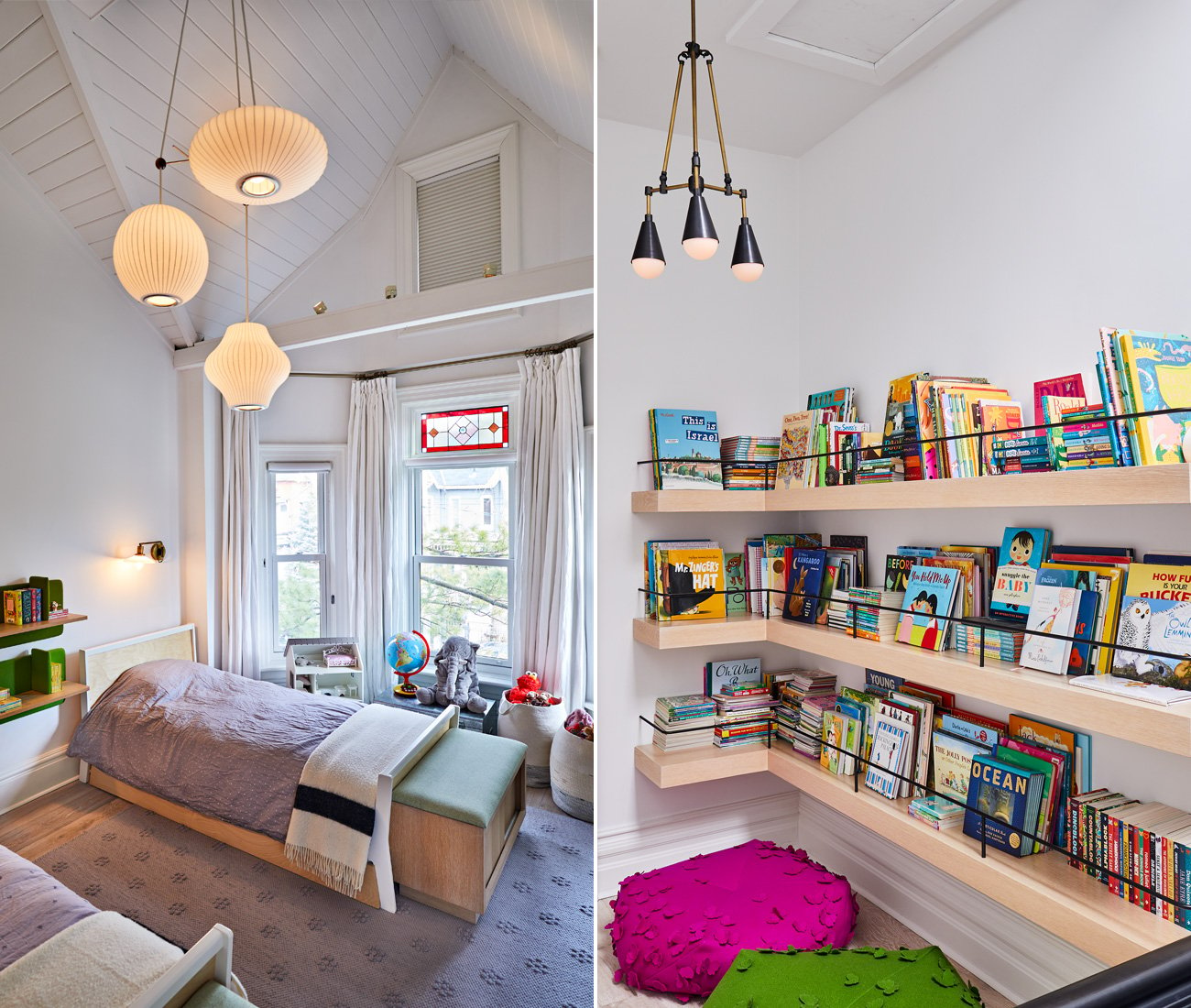
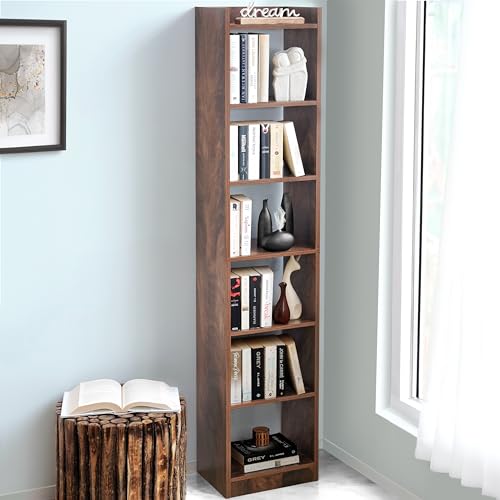
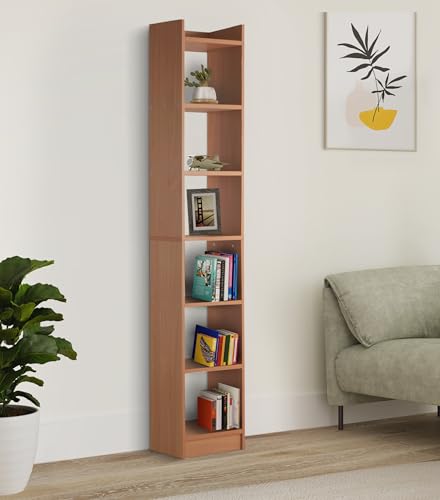
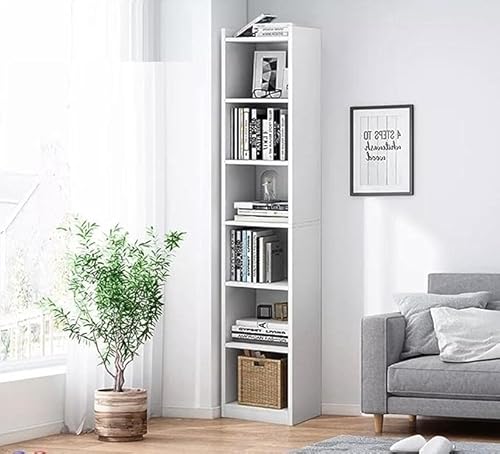
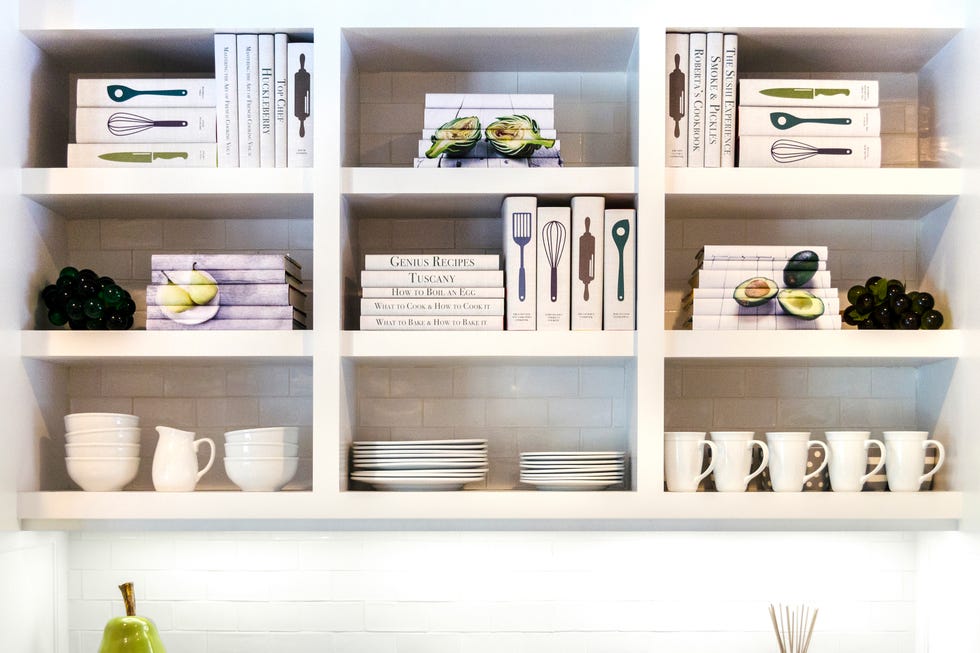
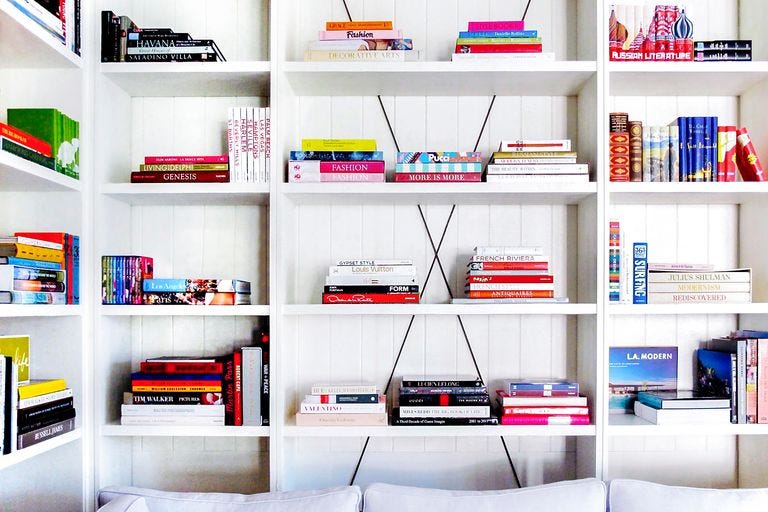
The next crucial aspect is devising an effective storage plan. Assessing the number of books helps determine the required storage and display space. While freestanding bookcases are an option, many designers prefer custom-built, floor-to-ceiling, wall-to-wall units that make books appear like a cohesive design element. Multipurpose built-ins can also incorporate integrated desks and hidden cabinets to manage clutter, such as ragged paperbacks, board games, or reading lights. For those with limited wall space, improvisation is key, such as stacking books on tables, desks, or credenzas, or utilizing decorative storage boxes.
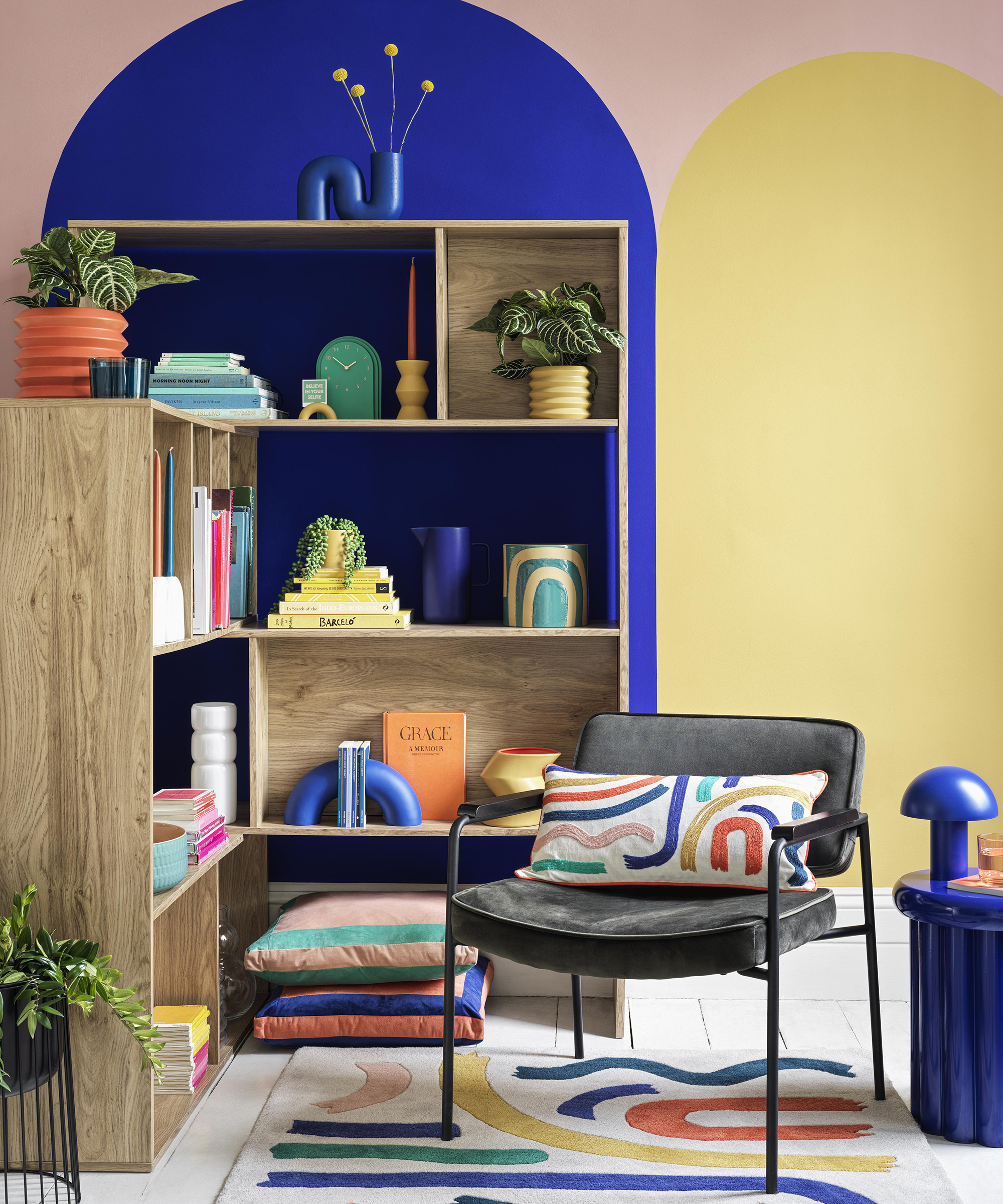
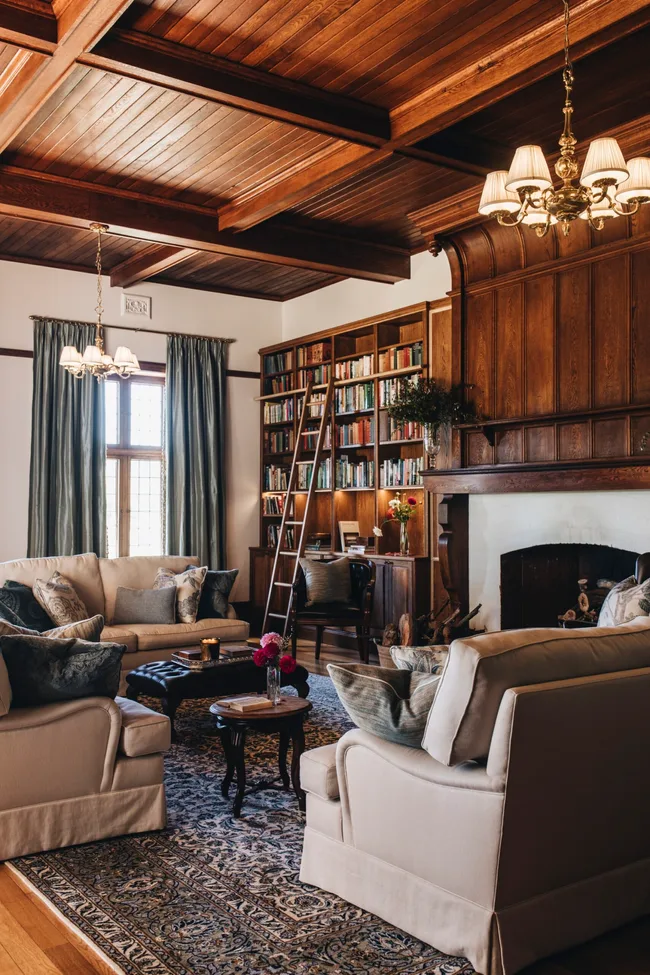
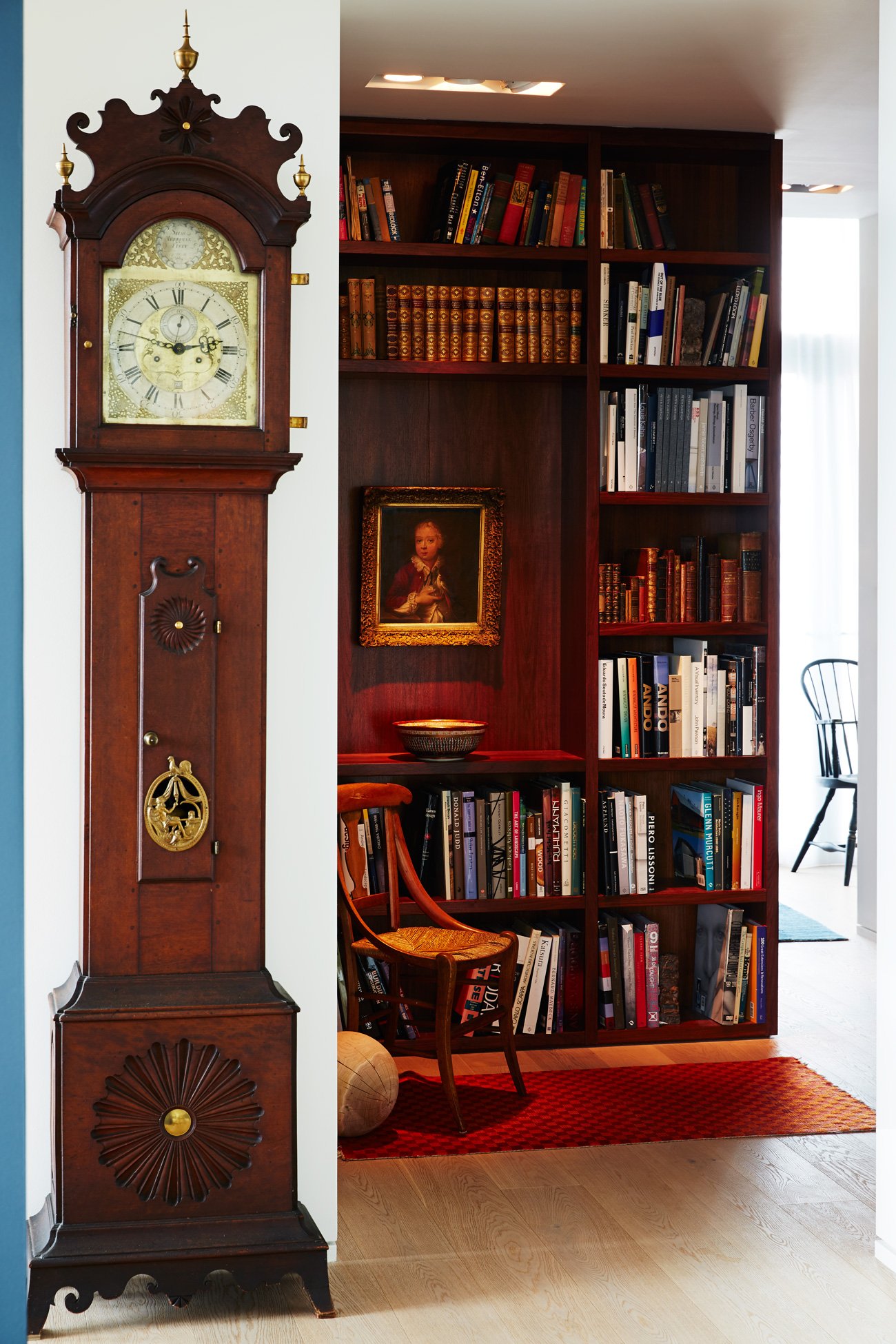
Developing a distinct vibe is essential for a home library to feel like an escape. This often involves experimenting with rich elements like deep paint colors, sophisticated wall coverings, or warm wood paneling. Designers often aim for a cozy, enclosed atmosphere that can diverge significantly from the rest of the house's aesthetic. Examples include painting bookshelves in a unique color to evoke a specific location or wrapping walls and ceilings in warm-toned wood paneling, complemented by textiles in rich, deep colors. Even typically bright spaces like sun porches can be transformed into dramatic libraries with dark paint, wool curtains, and leather furniture.
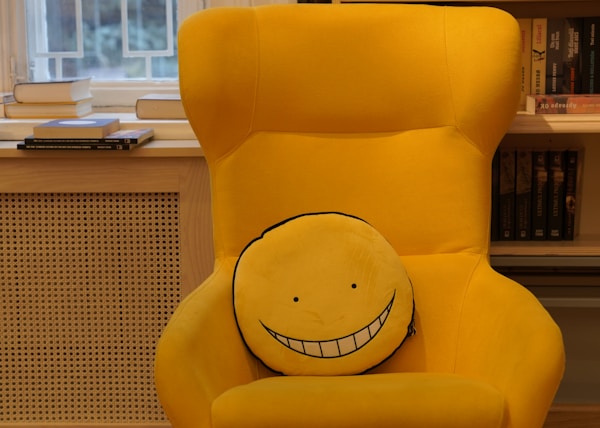
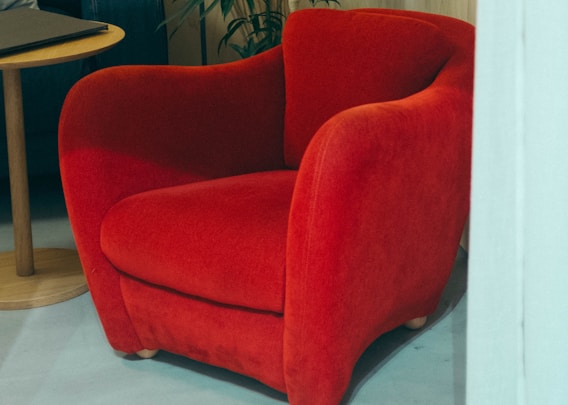
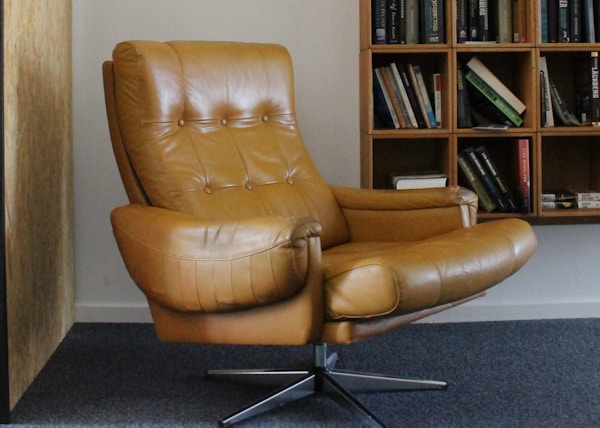
Comfort is paramount in a reading space. It is crucial to include furniture designed for reclining, such as deep armchairs and plush sofas. Designers often opt for oversized pieces that invite curling up with a book. If space is limited, even one high-quality reading chair can make a difference, with choices ranging from traditional wood-and-leather armchairs to modern, curvaceous designs. Soft accessories like pillows and throws enhance comfort, and each seating area should have easy access to a coffee or side table for books, drinks, and snacks.
Appropriate lighting is another critical element for creating a cozy library ambiance. Instead of a single bright overhead light, a more inviting scheme typically involves multiple fixtures at dimmer levels, providing a warm glow where needed. This includes table and floor lamps with shades that direct light onto reading areas, as well as softer ambient lighting. Bookcases can also be highlighted using picture lights mounted at the top of shelves or by installing sconces and wall lamps with adjustable arms in between shelving units, adding both functionality and decorative appeal.
Finally, personalizing the space adds character and meaning. Beyond the book collection itself, which inherently reflects one's passions, accessories such as family photos in vintage frames, collected keepsakes, and art can further tell the homeowner's story. These elements help make the library feel more casual and inviting, transforming it from a mere archive into a cherished hangout space that reflects a lifetime of interests and experiences.
#HomeLibrary #InteriorDesign #BookStorage #CozyReadingNook #PersonalizedSpaces #HomeDecor #FurnitureSelection #LightingDesign #ResidentialRealEstate #HomeLibrary #InteriorDesign #BookStorage #CozyReadingNook #PersonalizedSpaces #HomeDecor #FurnitureSelection #LightingDesign #ResidentialRealEstate
0 comment in total
 No comments yet
You may also like
From the Archive: A Tour of Some of the World’s Most Elegant Home Libraries

Make a (Pandemic) Statement. With a Coffee Table Book.
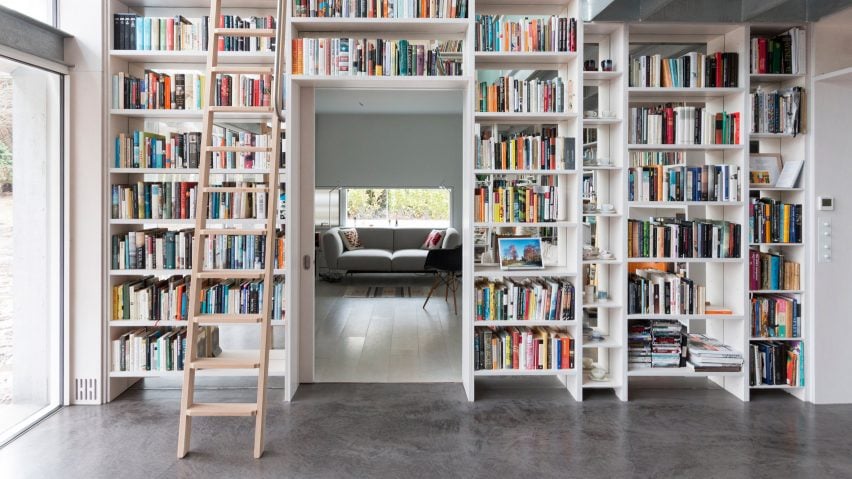
Ten practical home libraries that showcase their owners' book collections
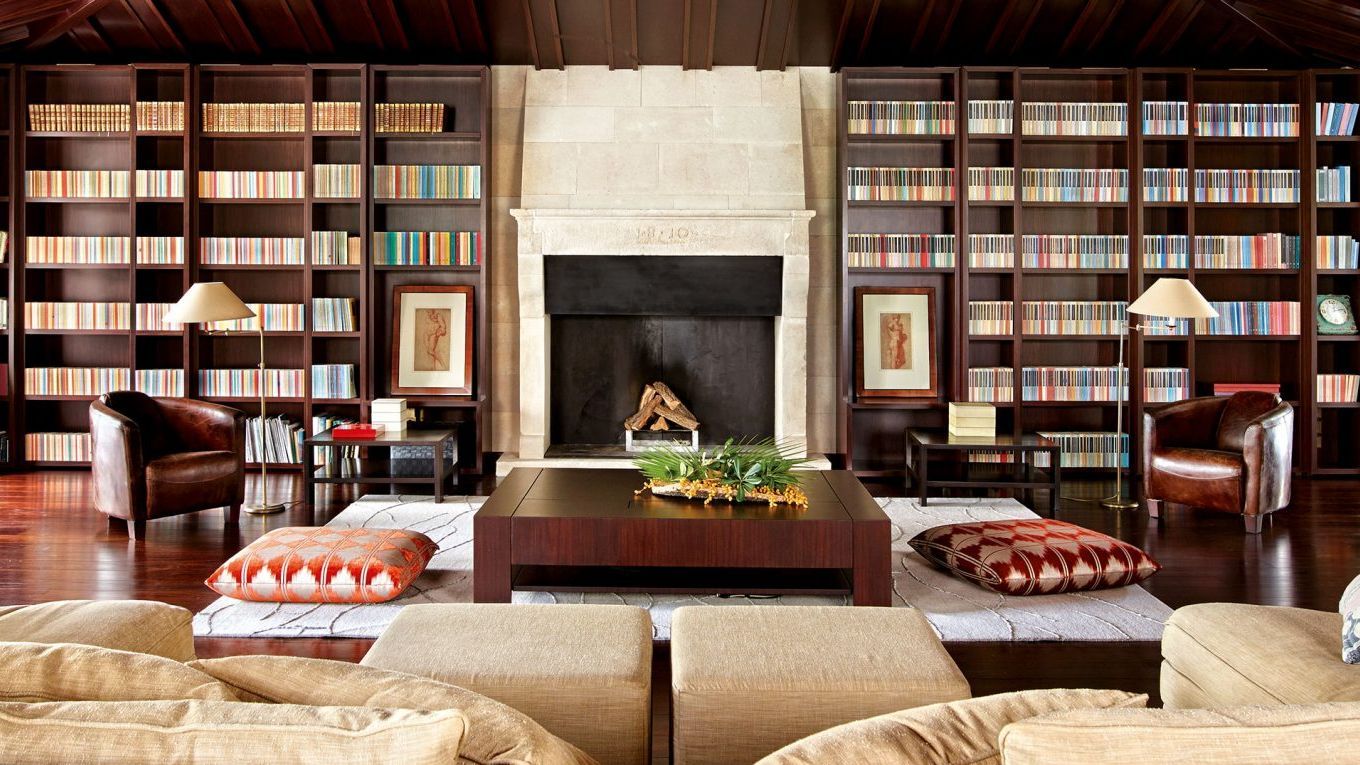
AD helps you design your home library


10 of the most incredible home libraries around the world
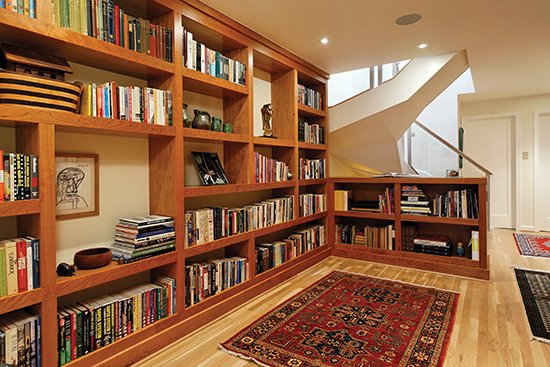
Check out the decor of these home libraries
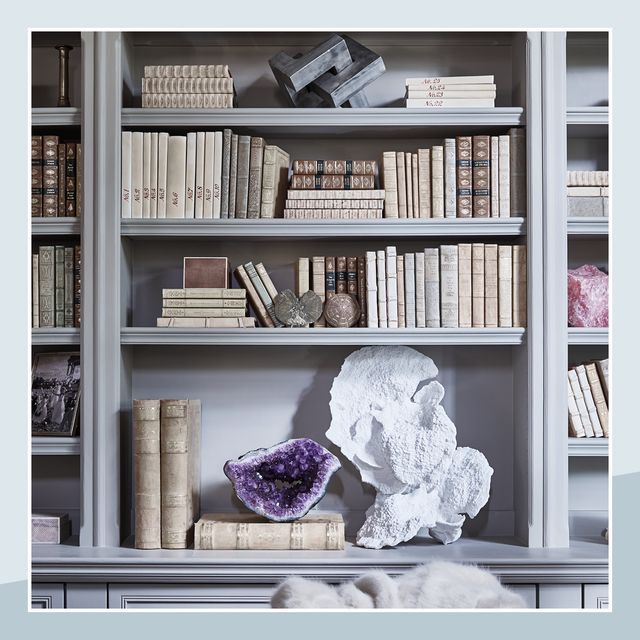
Why My Living Room Bookshelves Are the Best Part of My Home
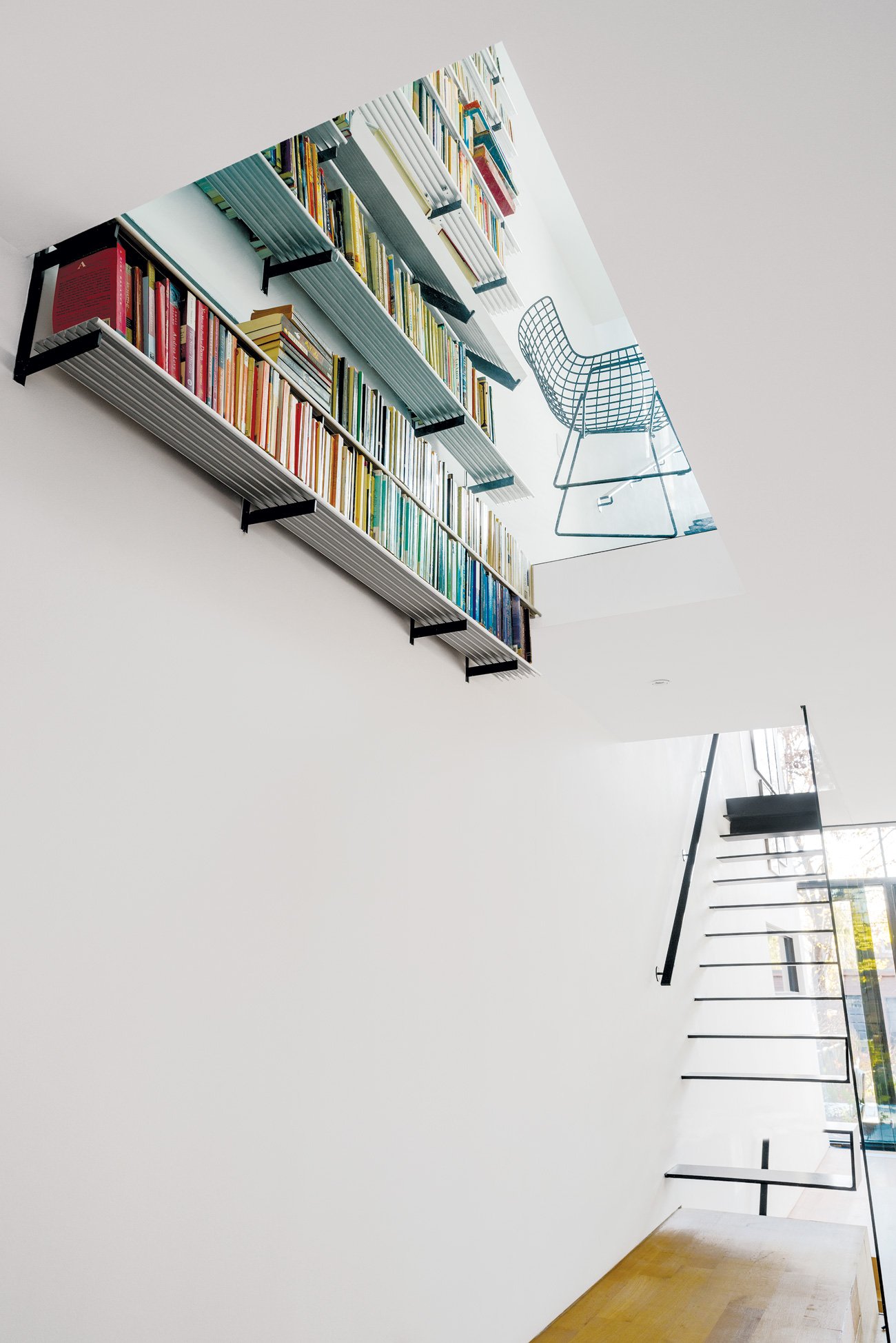
8 Home Library Ideas from Bookish Toronto Homes

Design A Library To Discover The First Book That Belongs On Your Shelves


Home Libraries Are All Over Cable News. Here’s Why They’ve Never Been Hotter

21 home libraries that will make a bookworm weak at the knees

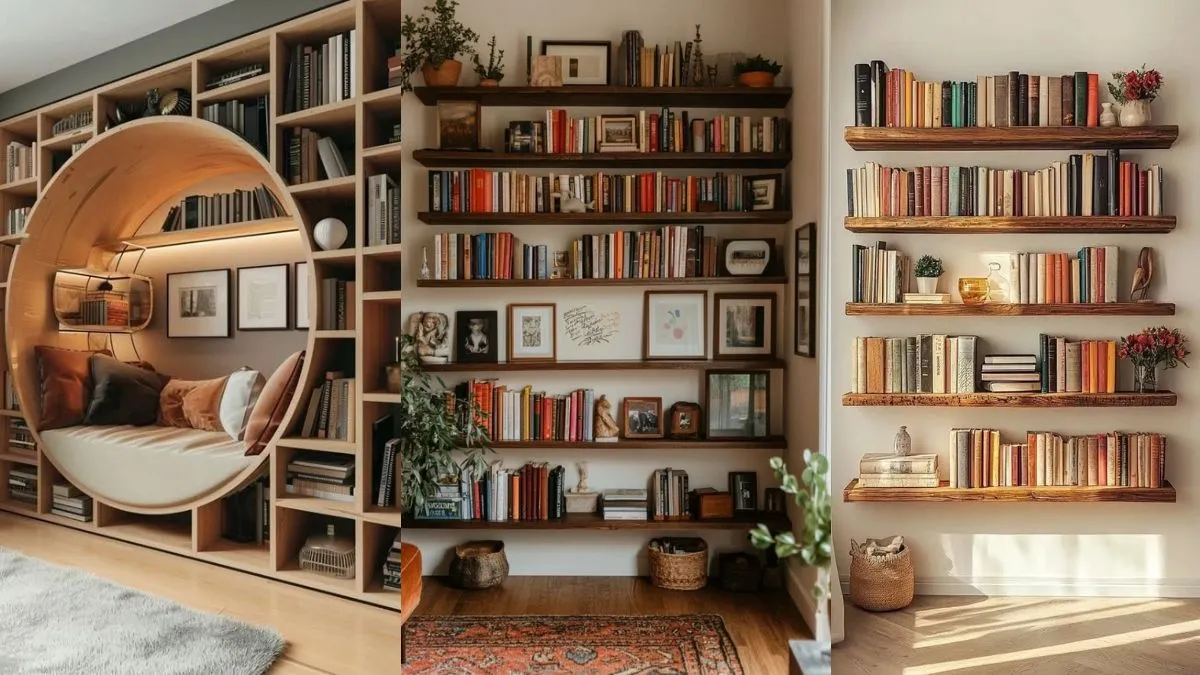
Top 7 Bookshelves of 2025 That Will Transform Your Home Library

A home library – when reading nooks are no longer enough

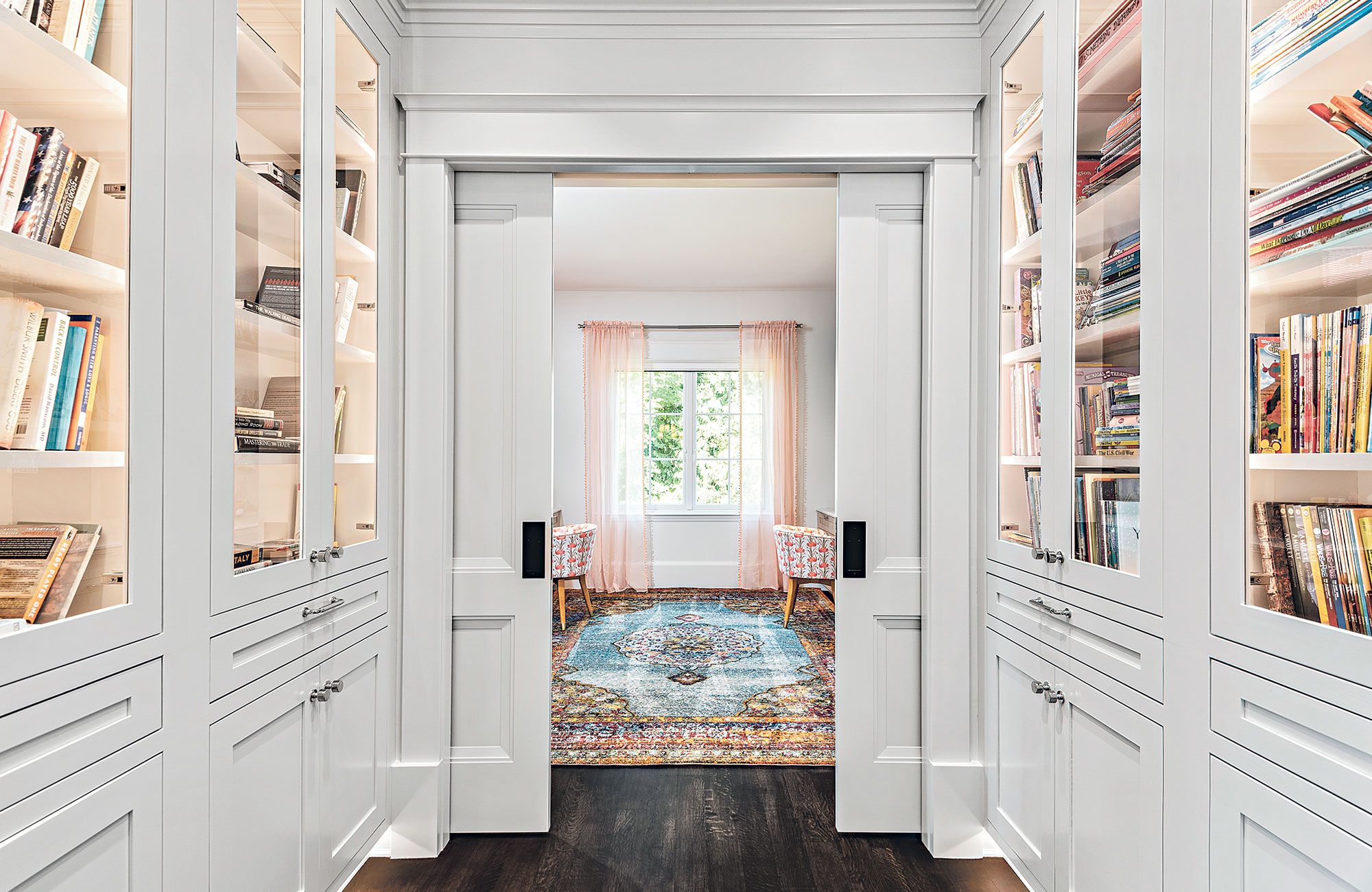
Fully booked: Tips for organizing your home library


Life Kit's most-read stories of 2024: Sleep myths, tipping etiquette, home design tricks
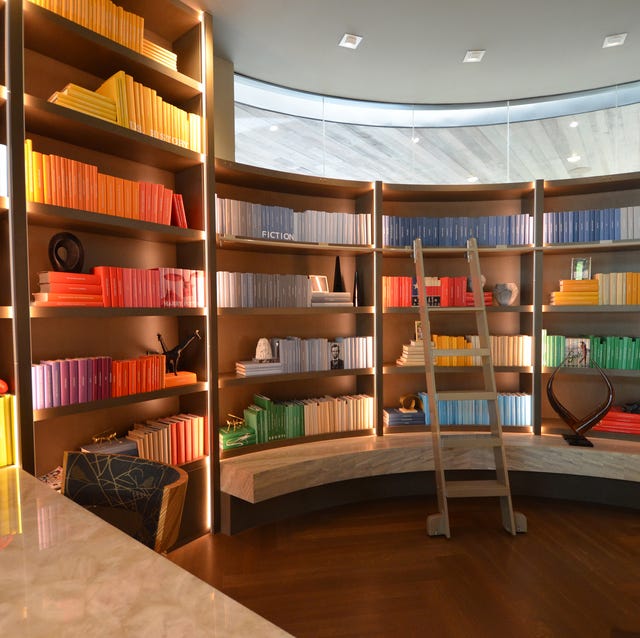
Gwyneth Paltrow Hired a Personal Book Curator—Here's What He Chose For Her Shelves


Home library space: a bibliophile’s dream

Home library ideas: 15 beautiful designs for bibliophiles and bookworms


Meet the 2024 Extraordinary Faces of Home


Every bibliophile wants one of these (and no, it's not a fancy bookmark)