1/4
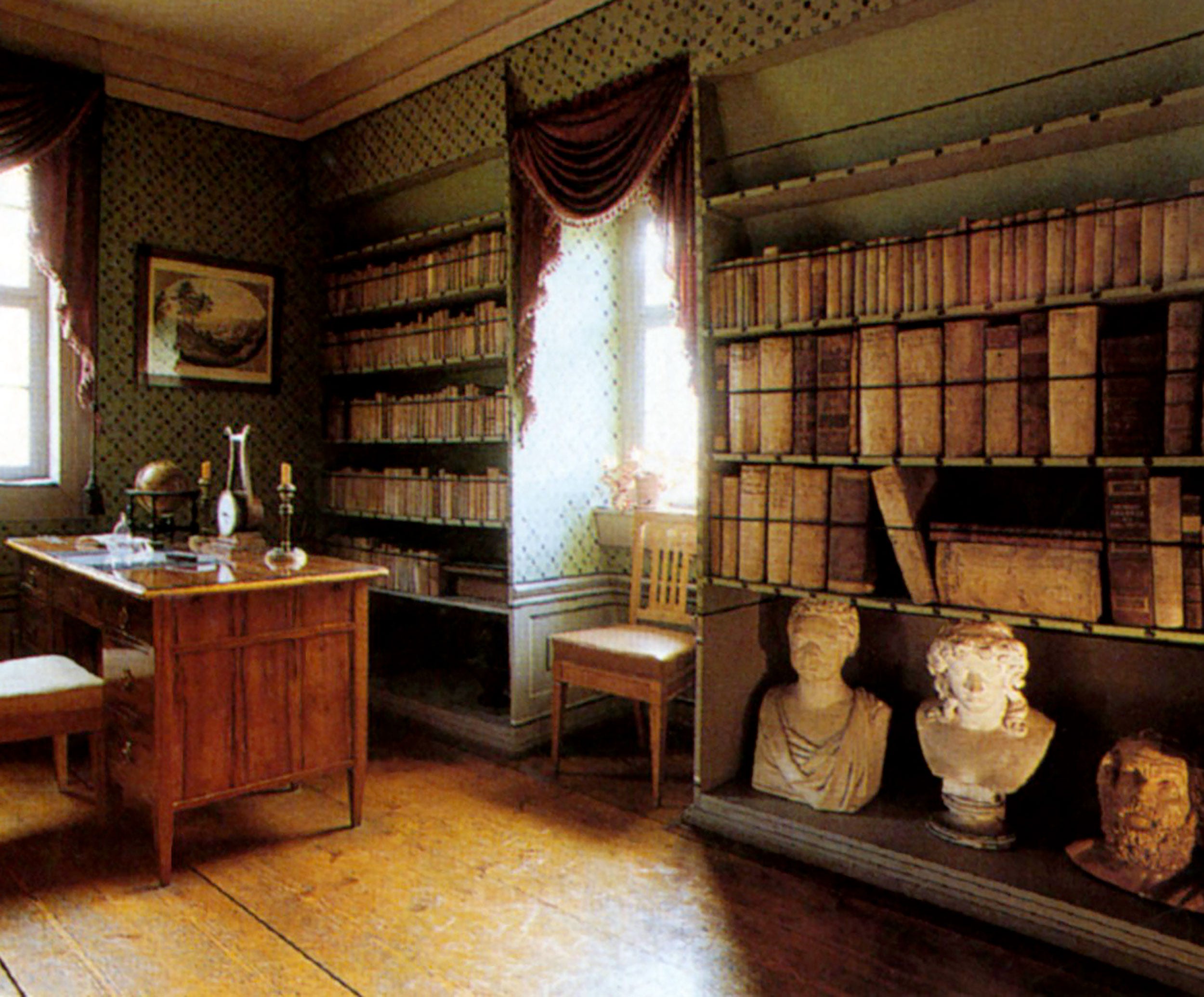
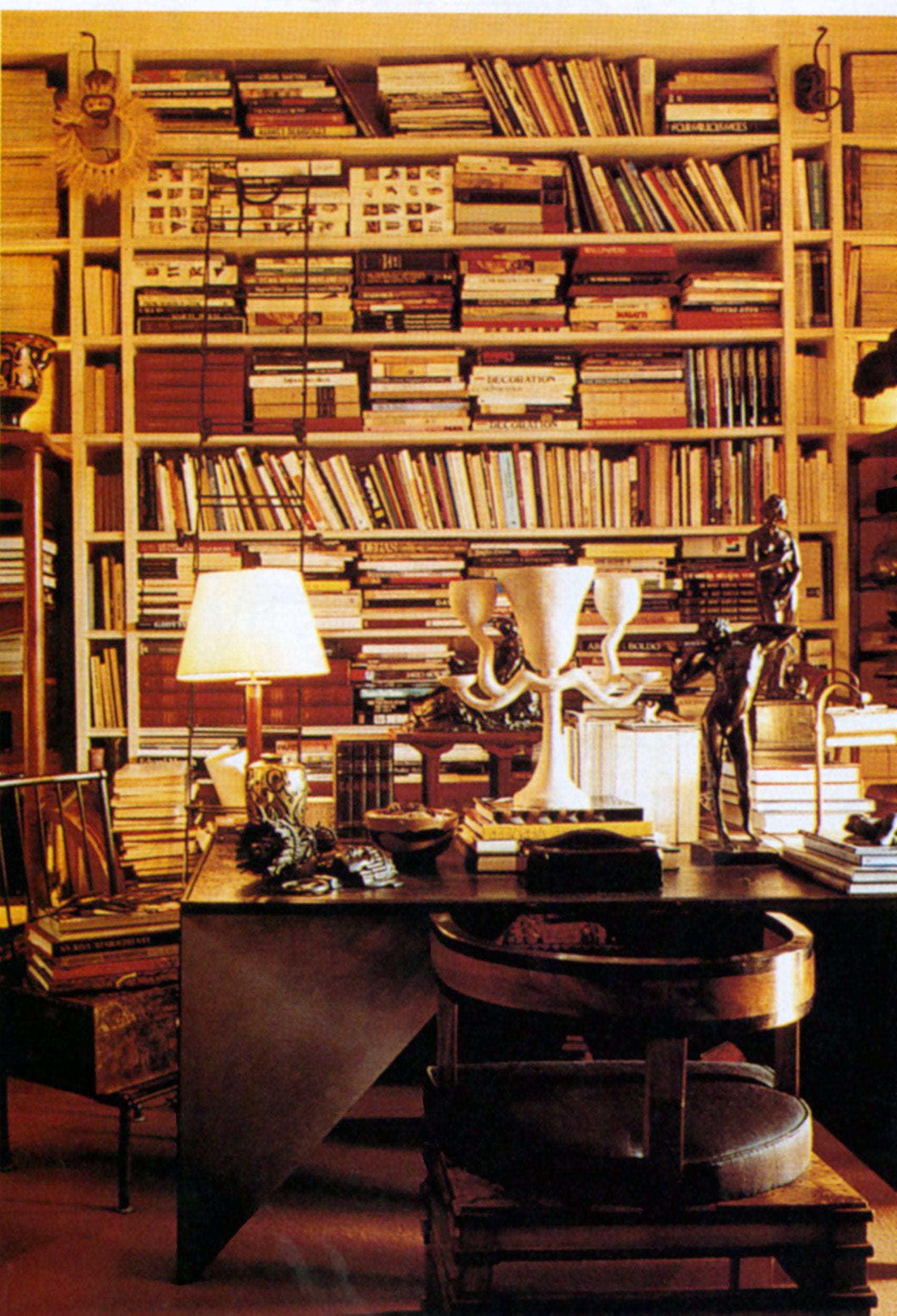
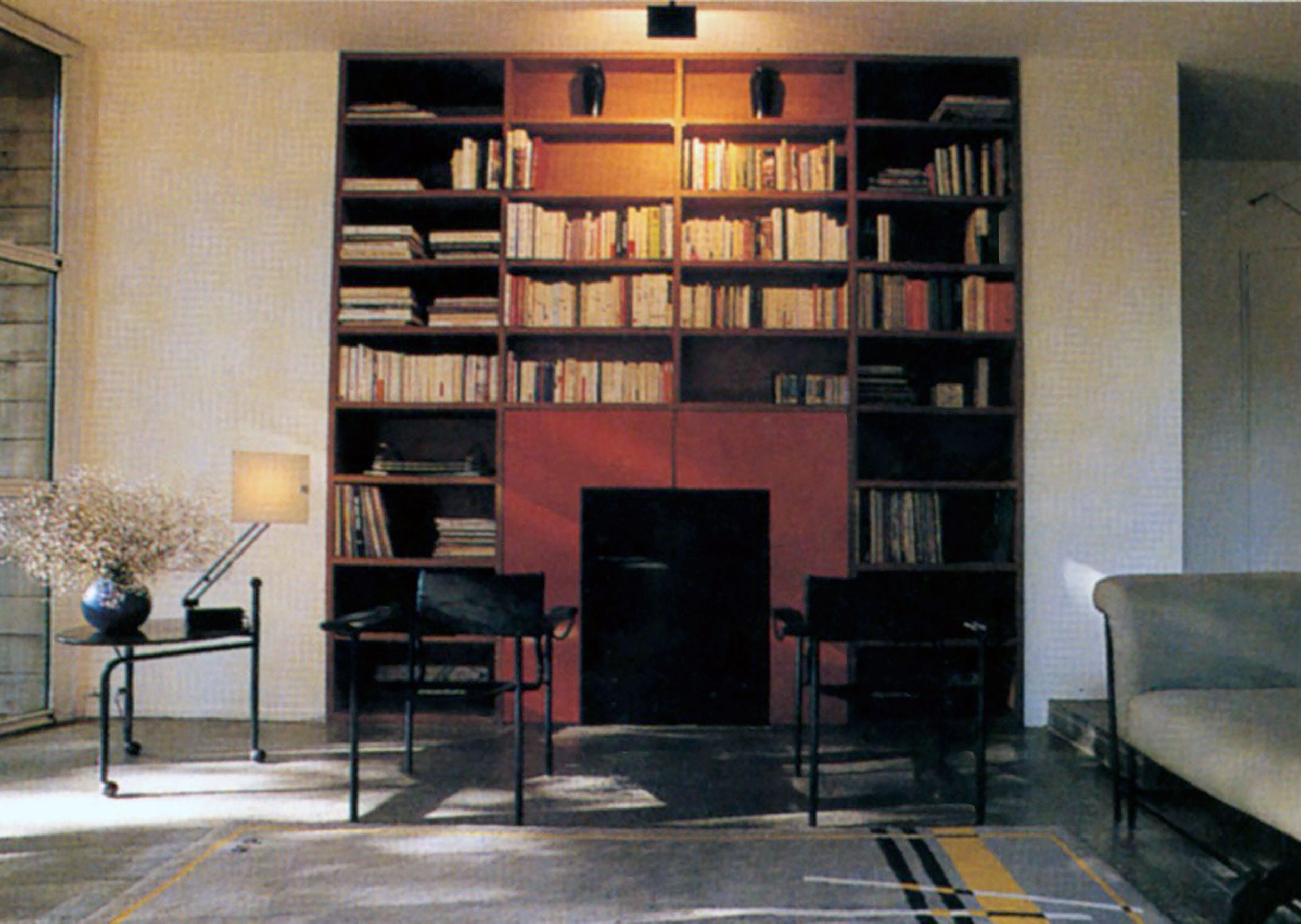
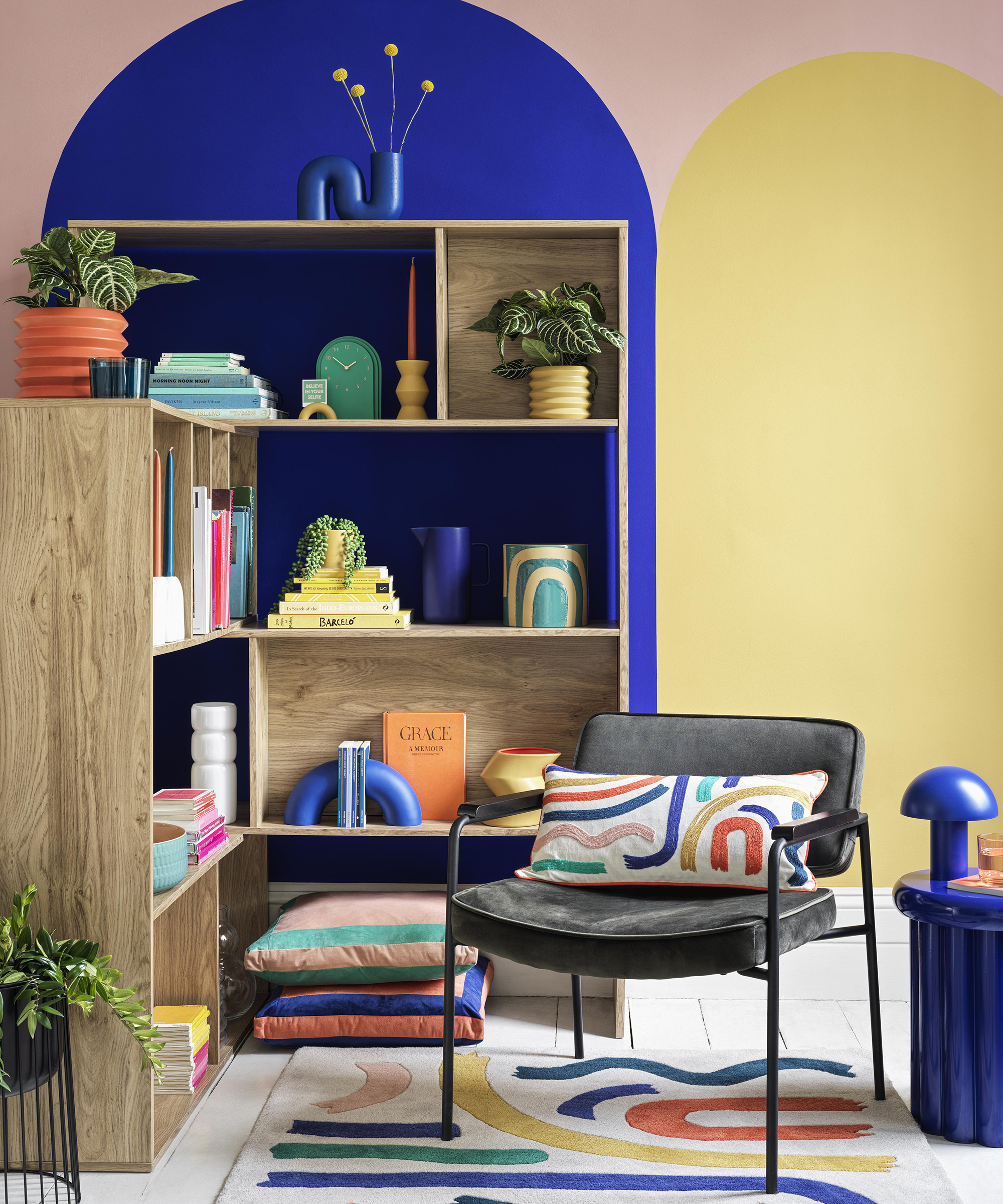
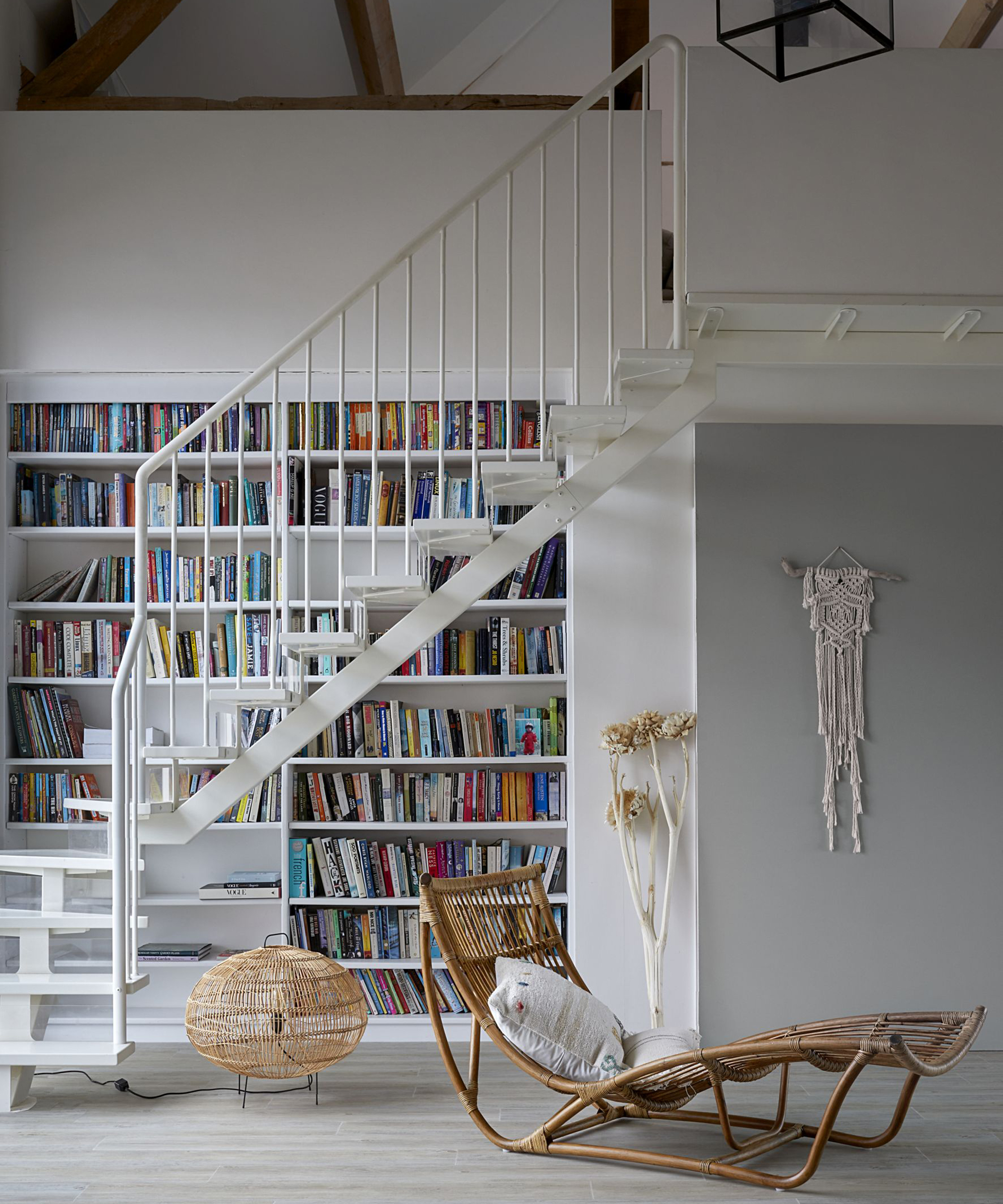
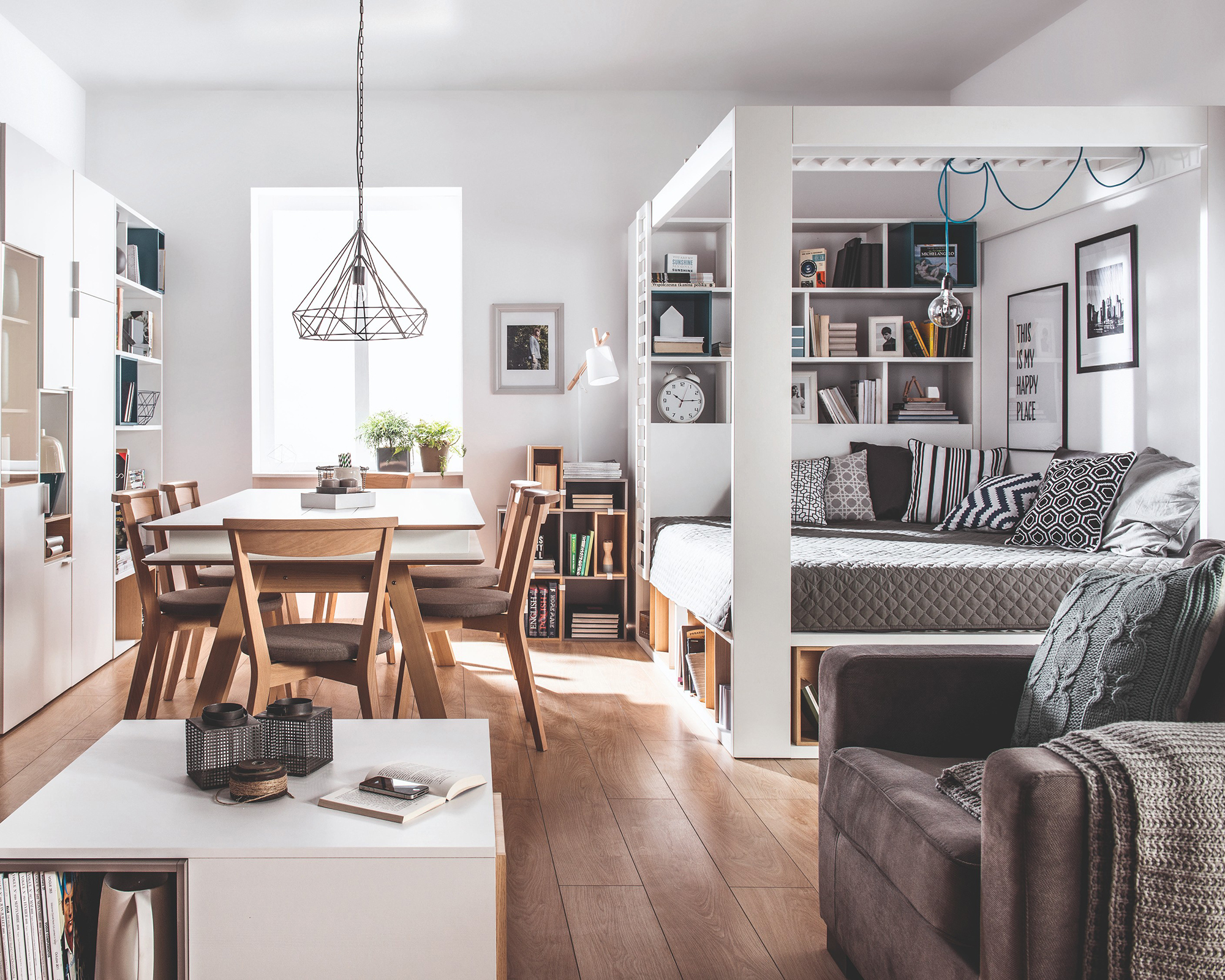
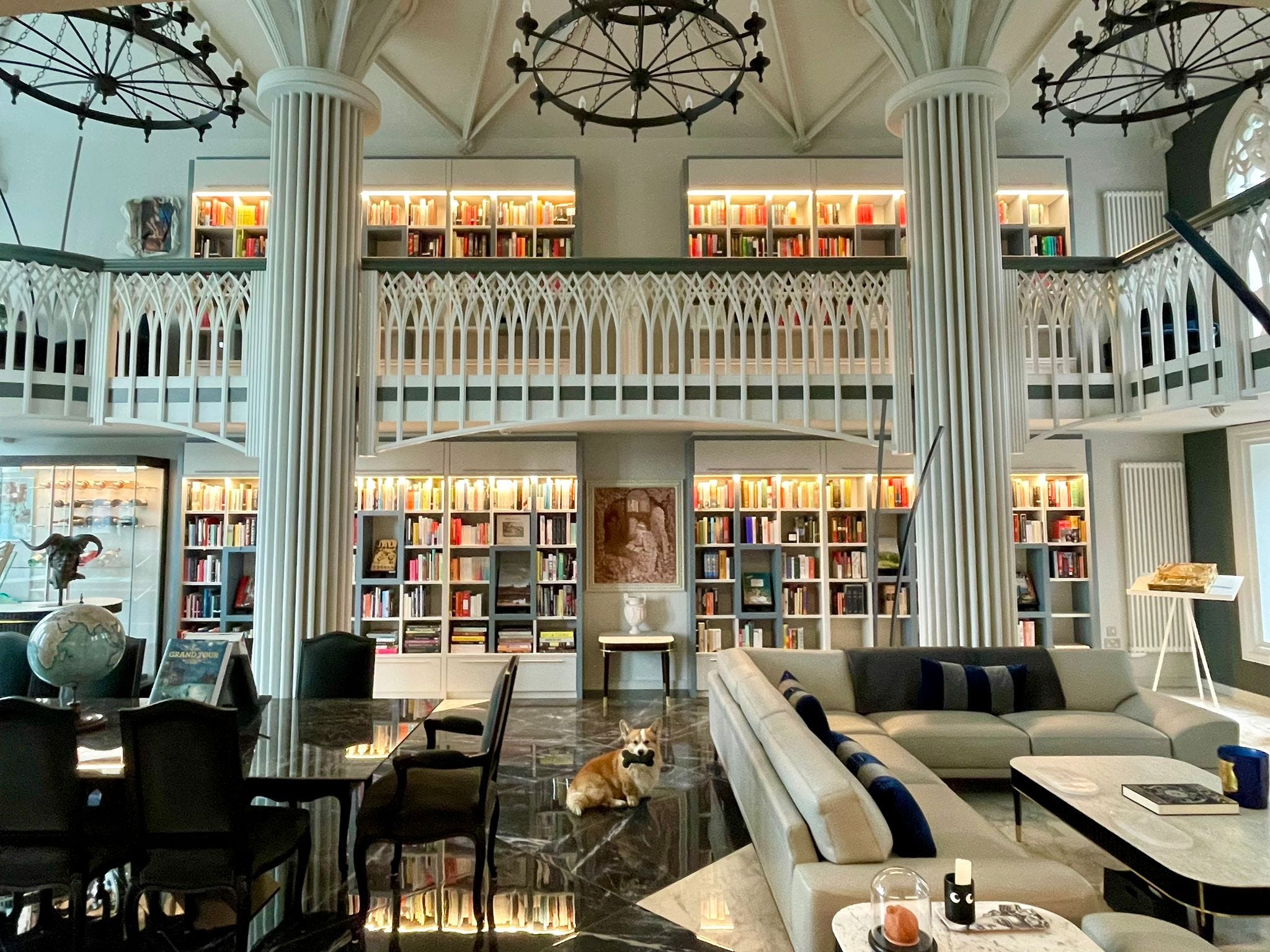

Check out the decor of these home libraries
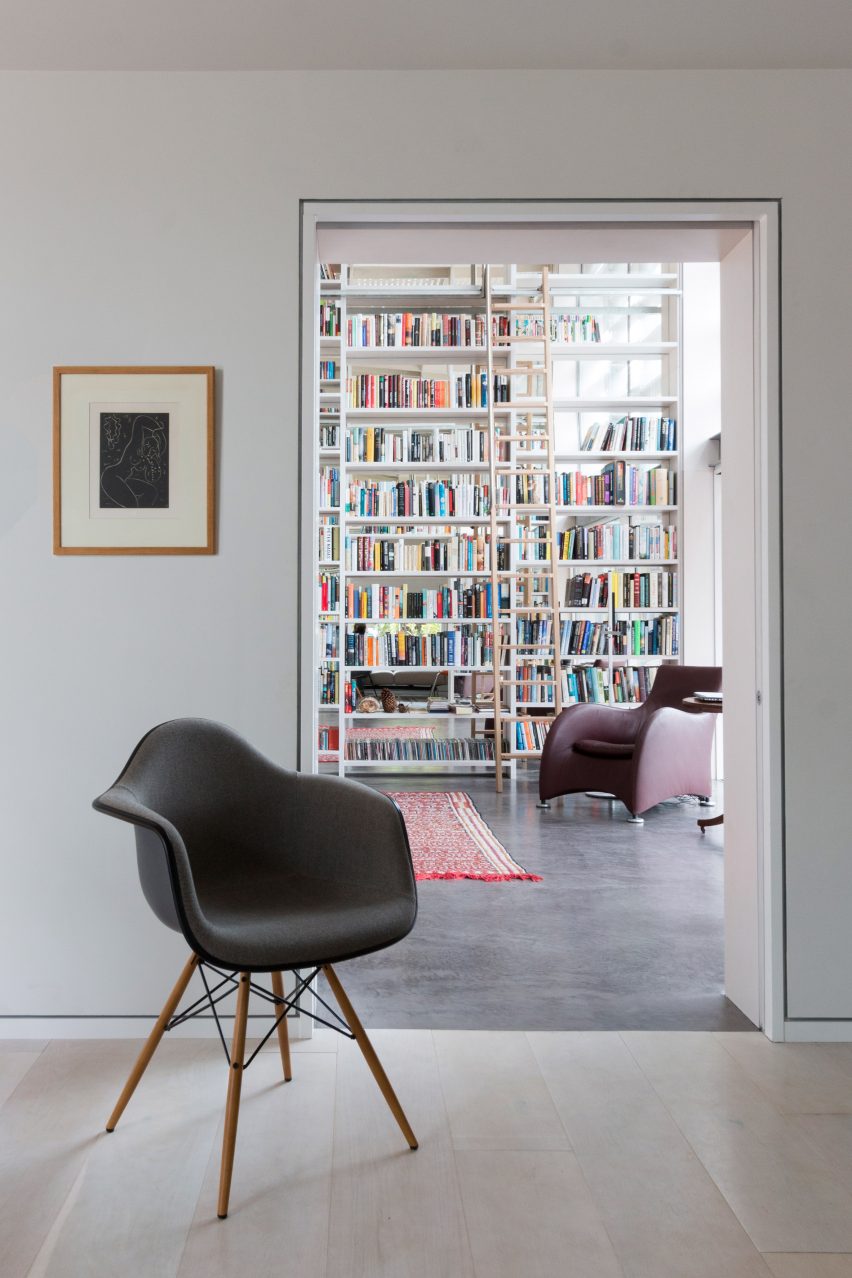
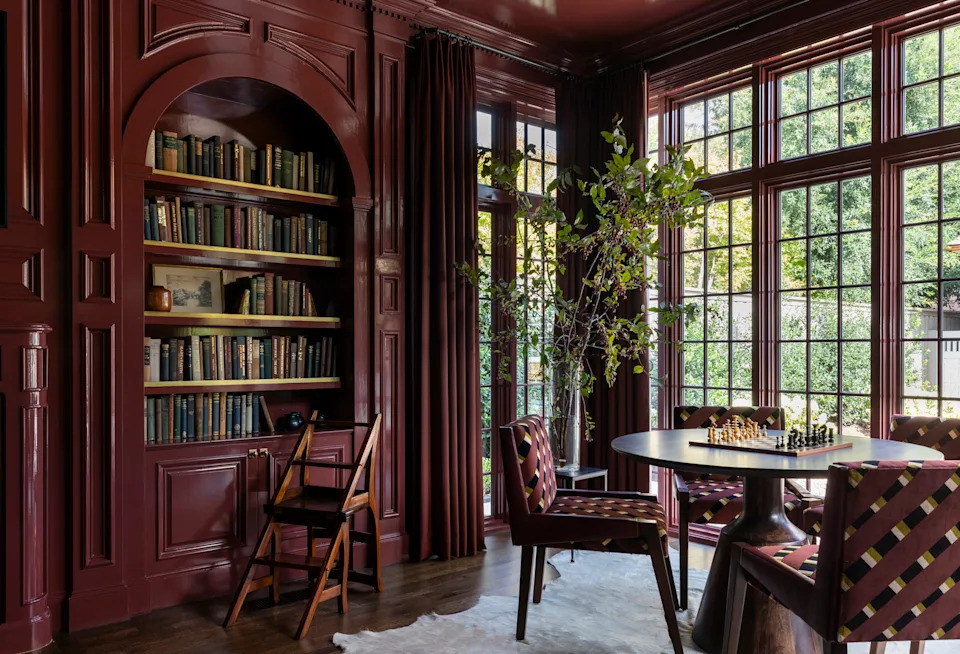
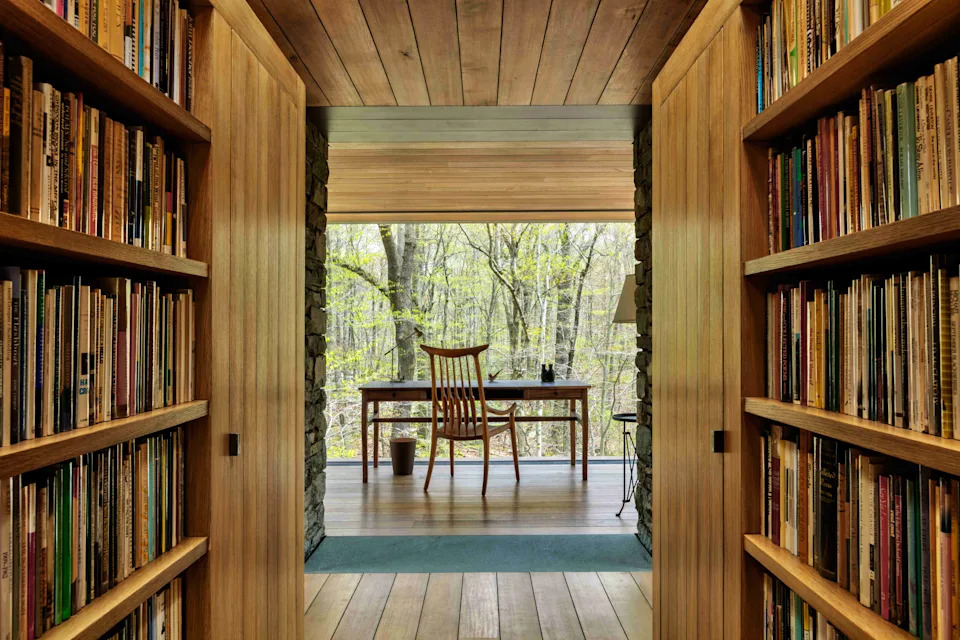
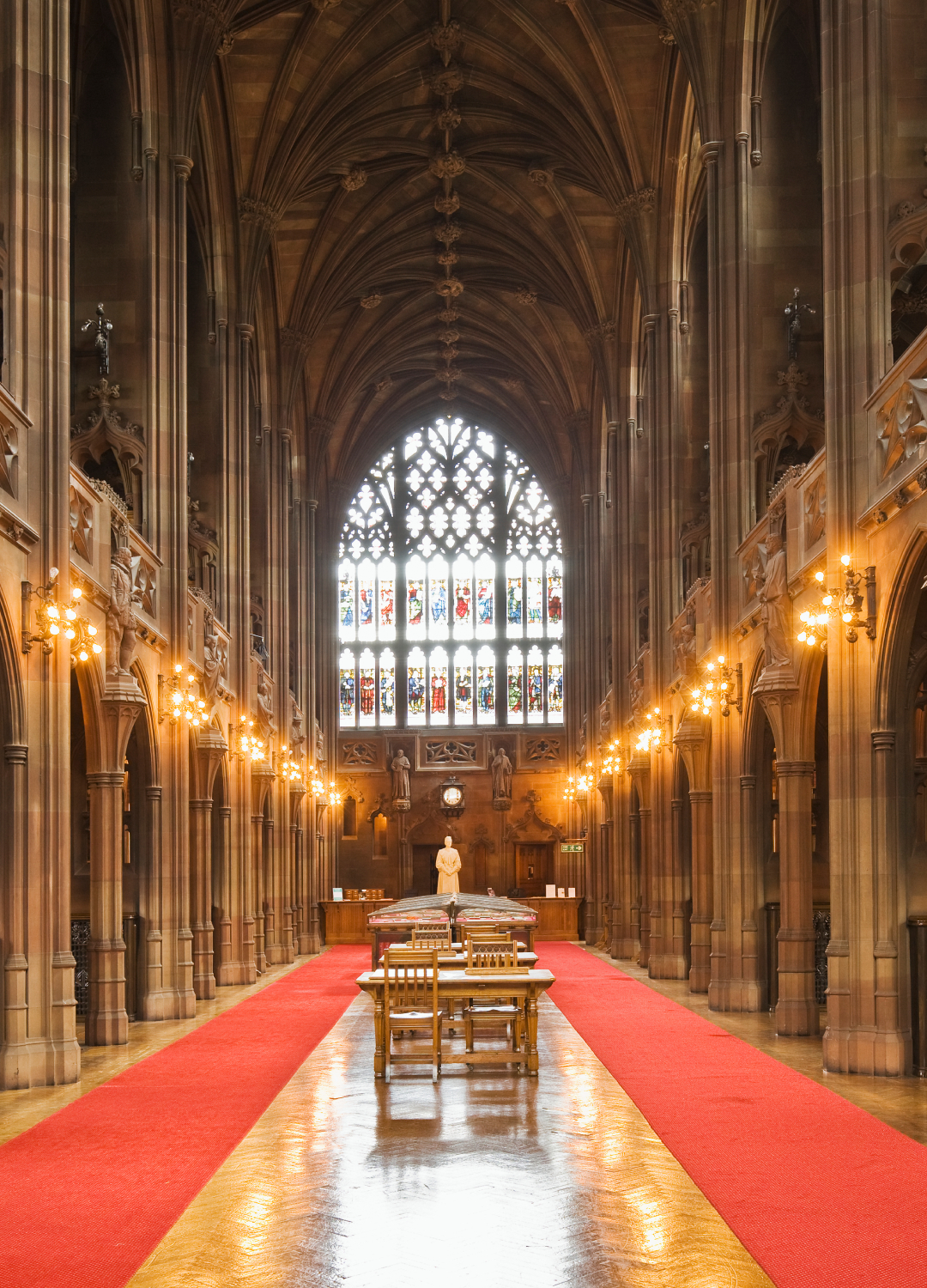
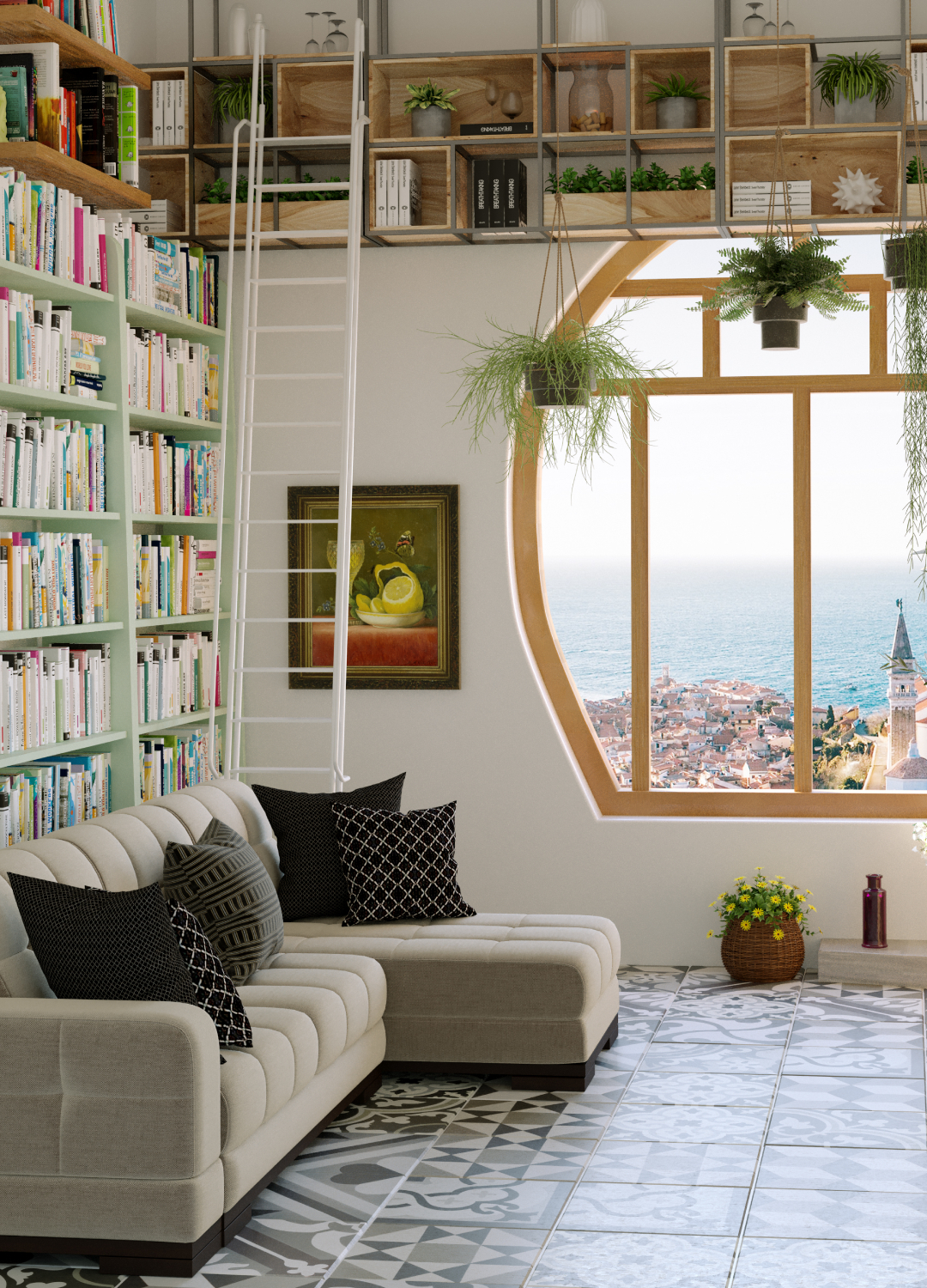
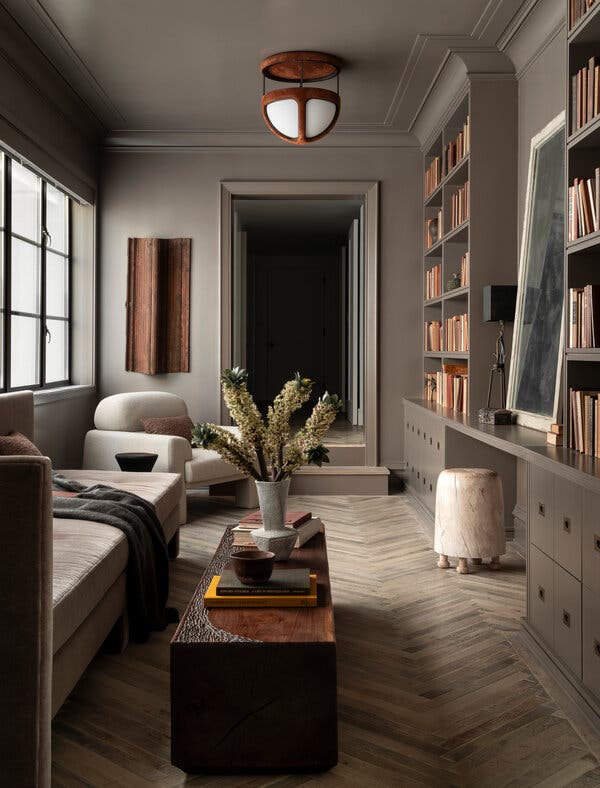
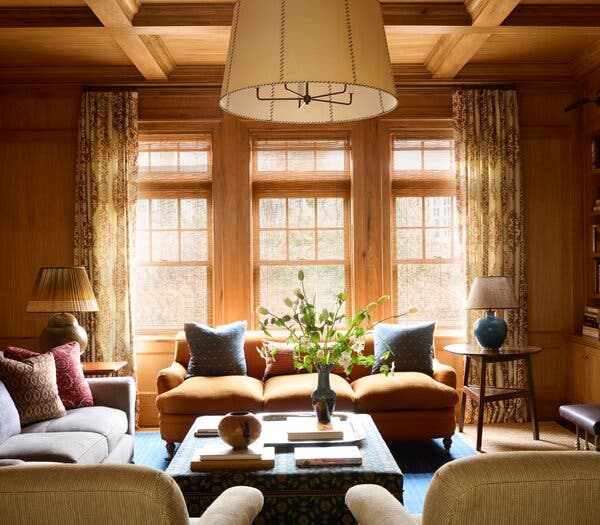
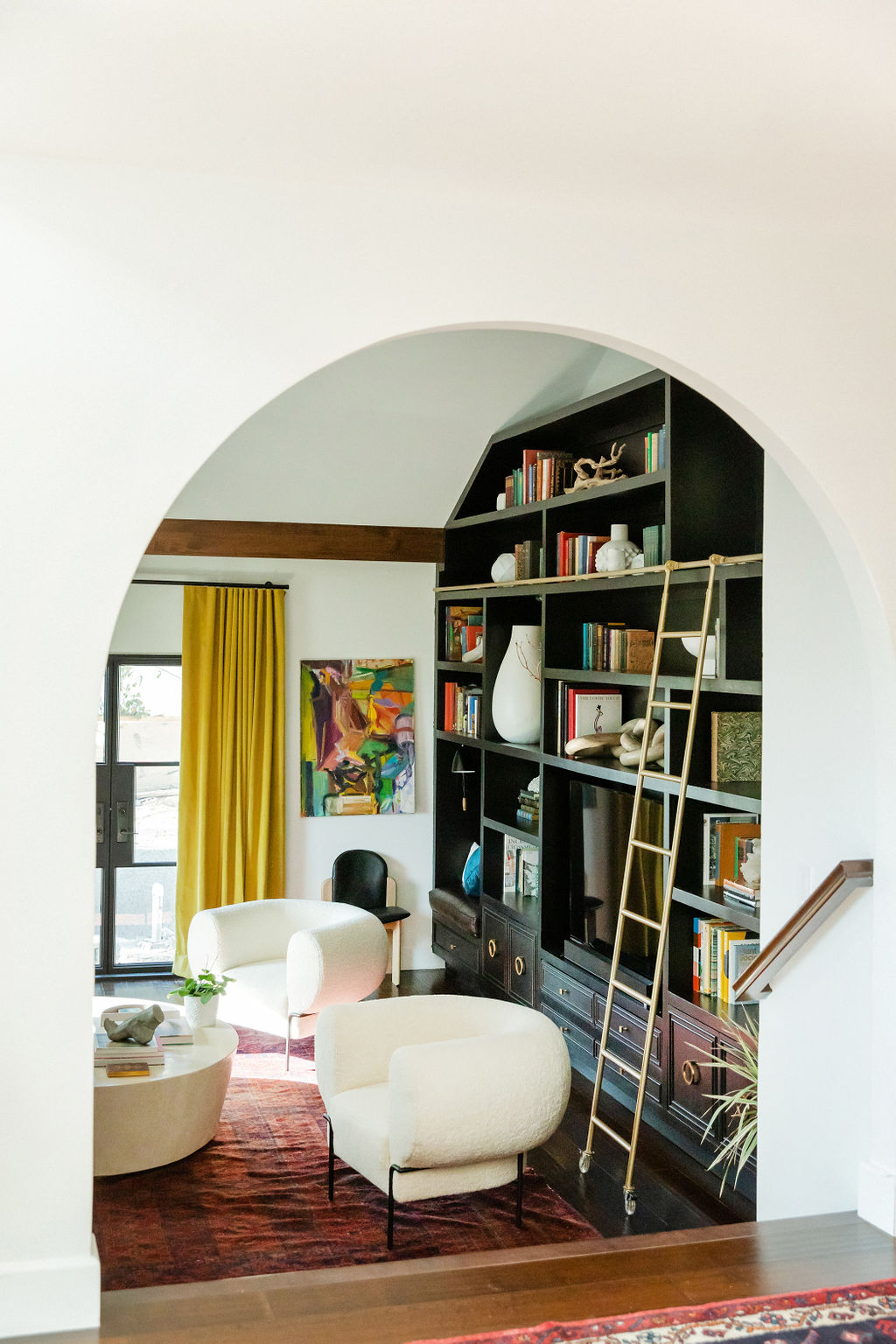
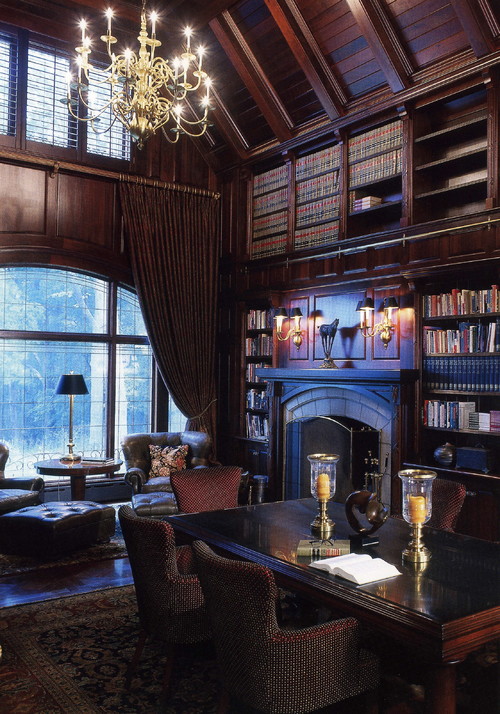
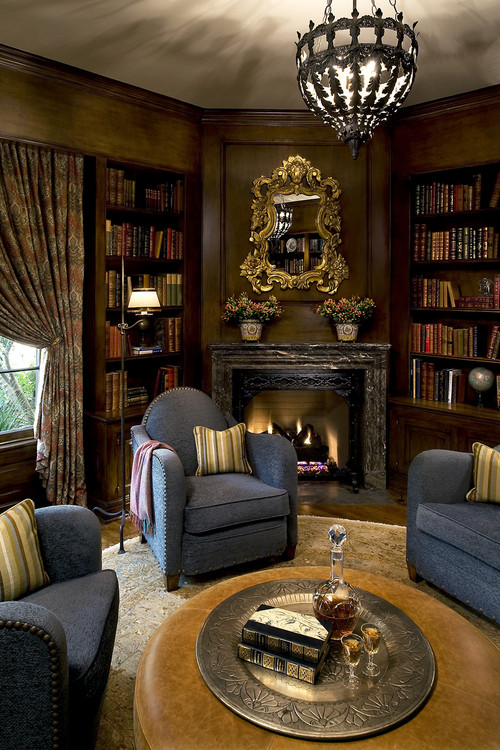
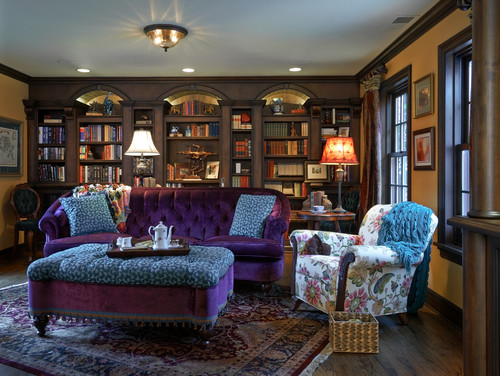
The article explores the enduring appeal and design considerations for creating home libraries, highlighting how these spaces allow individuals to reconnect with the joy of reading in a personalized environment. It contrasts the nostalgic experience of a public library with the desire to recreate that feeling within one's own home, emphasizing the comfort and intellectual stimulation books provide, even in the age of digital media. Experts acknowledge that despite the prevalence of e-readers and WiFi, the physical presence of printed books offers a unique sense of relaxation and quiet contemplation.
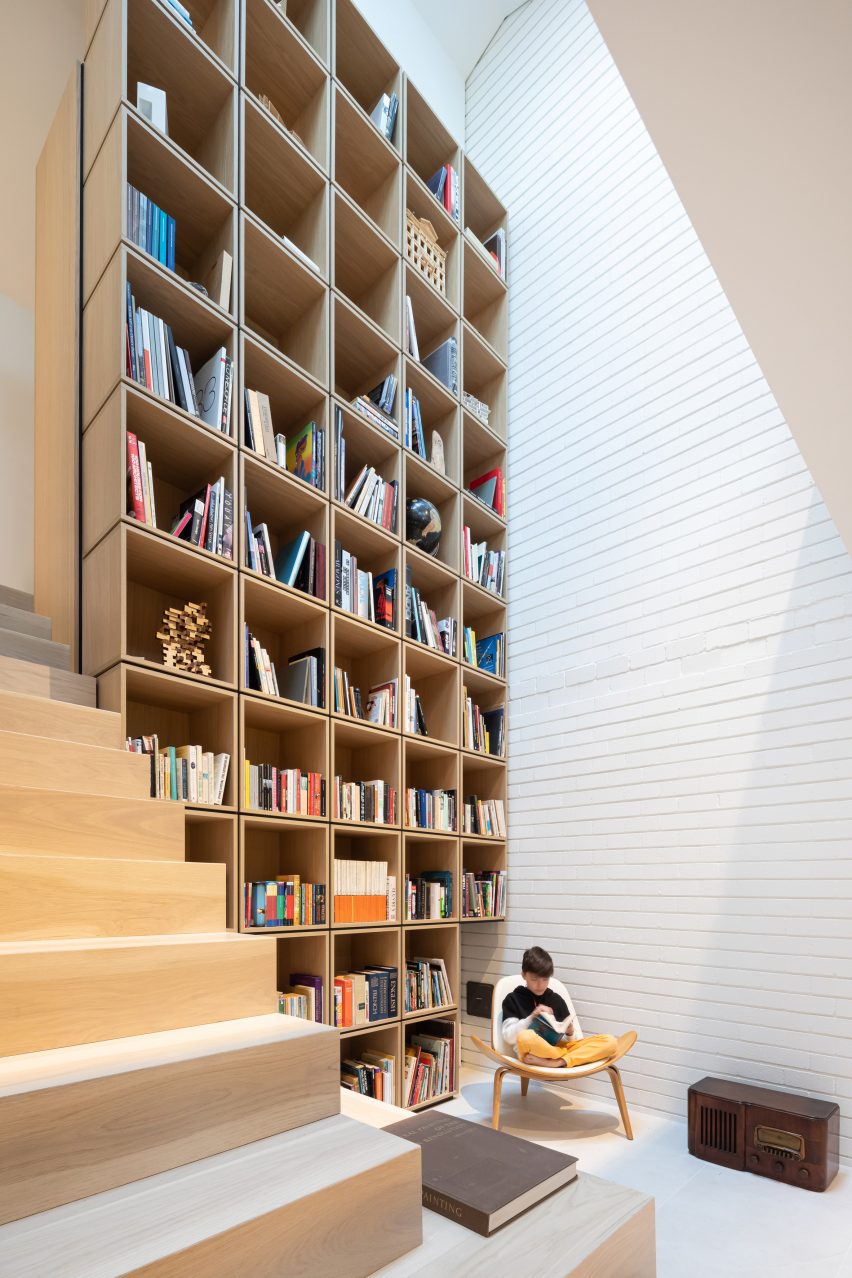
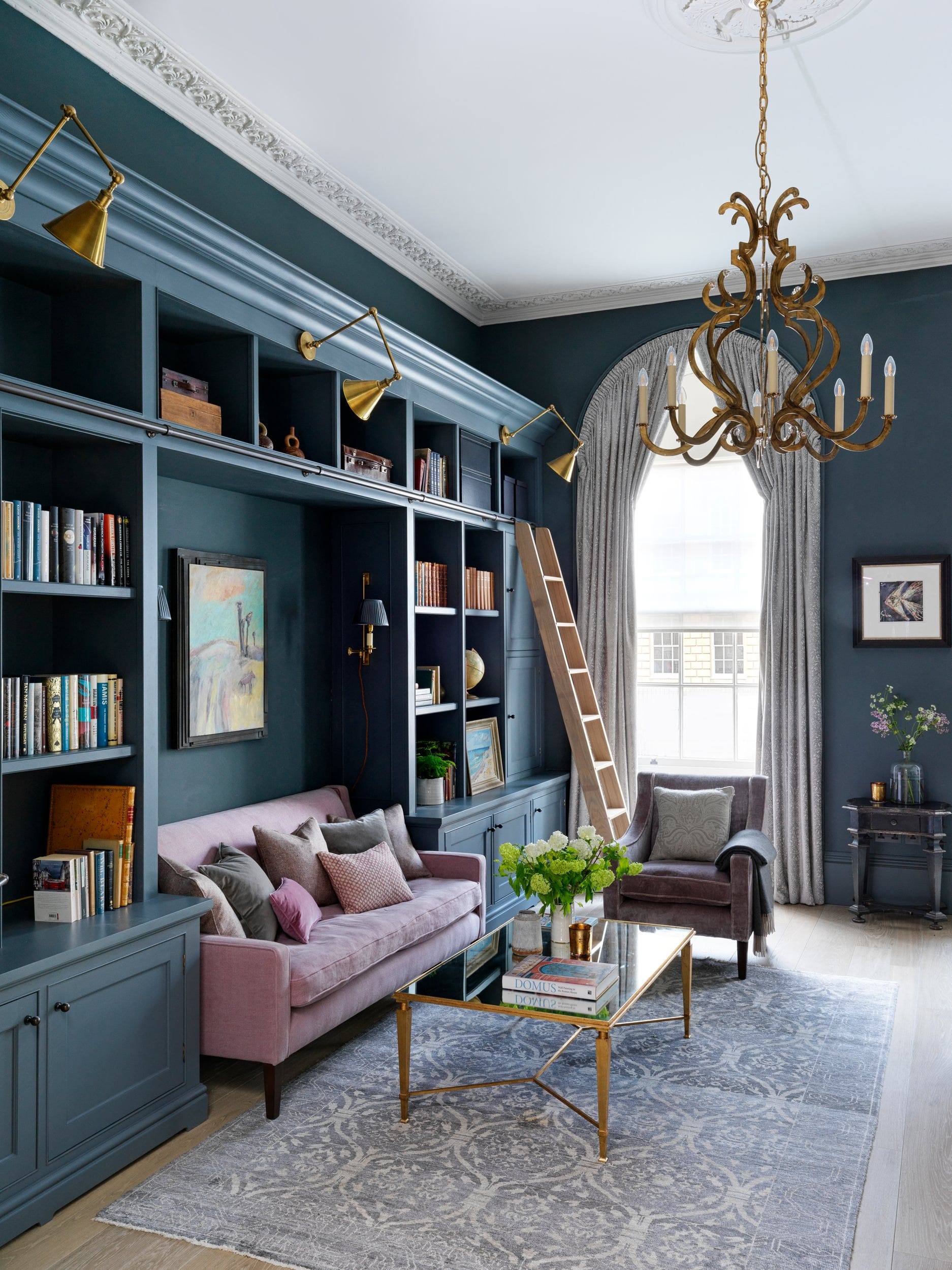
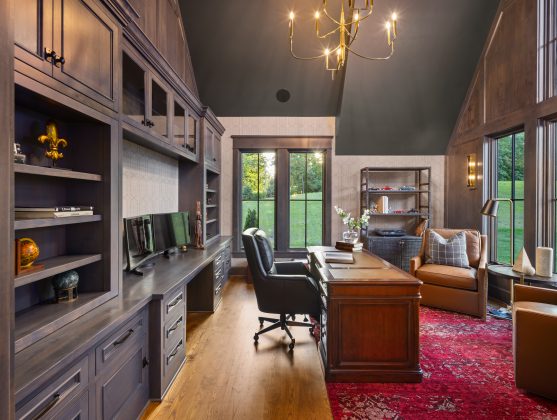
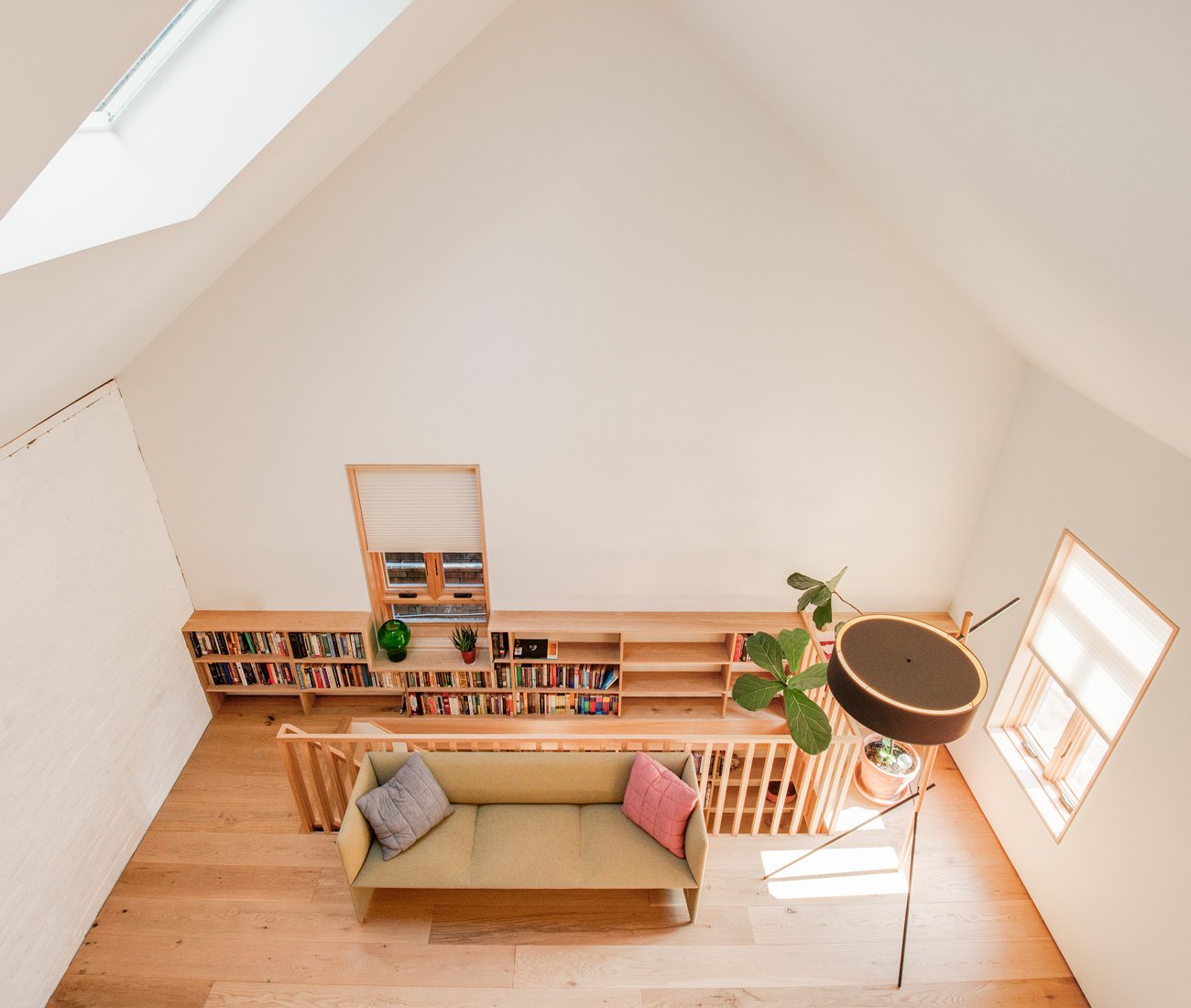
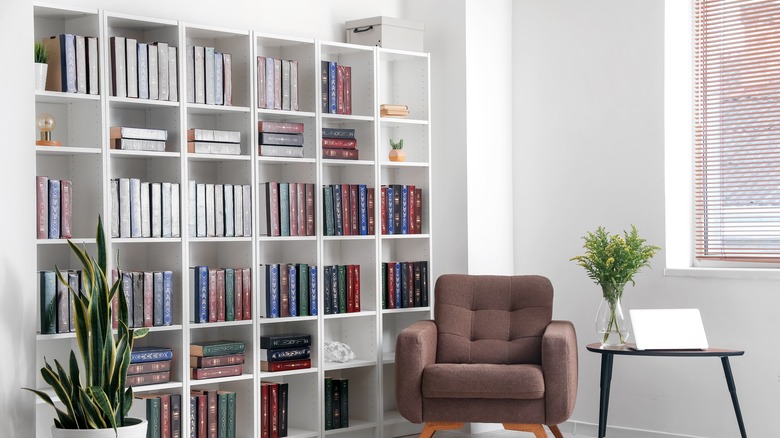
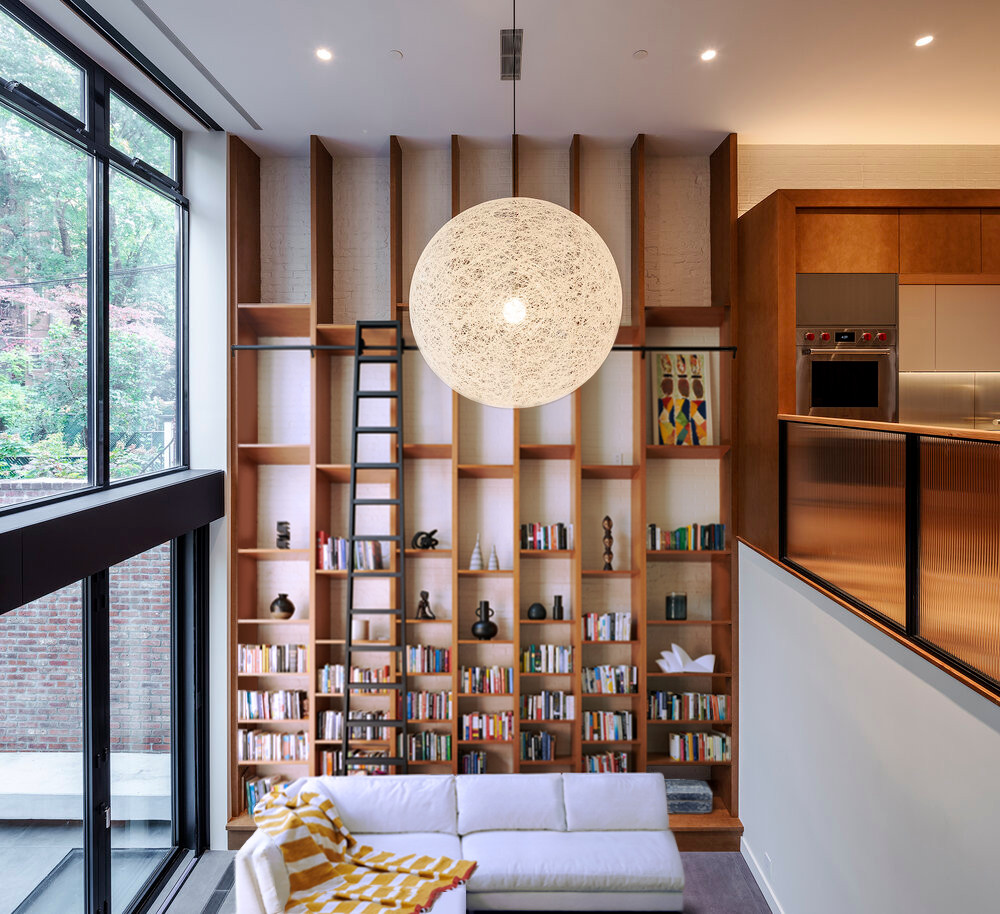
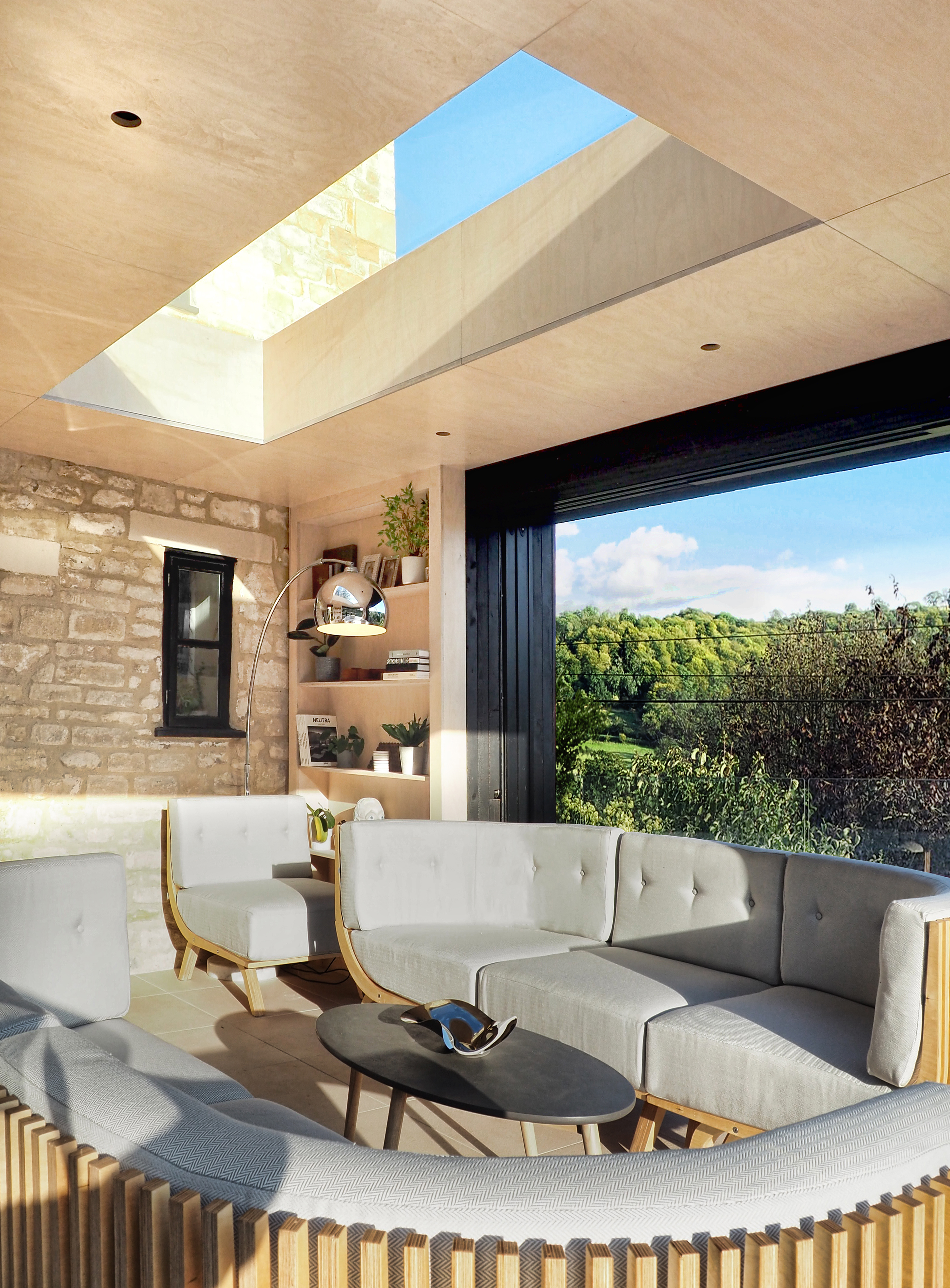
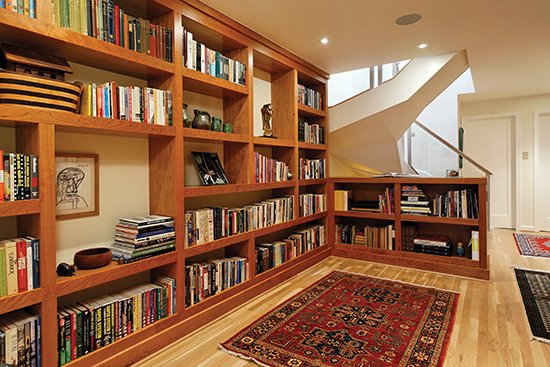
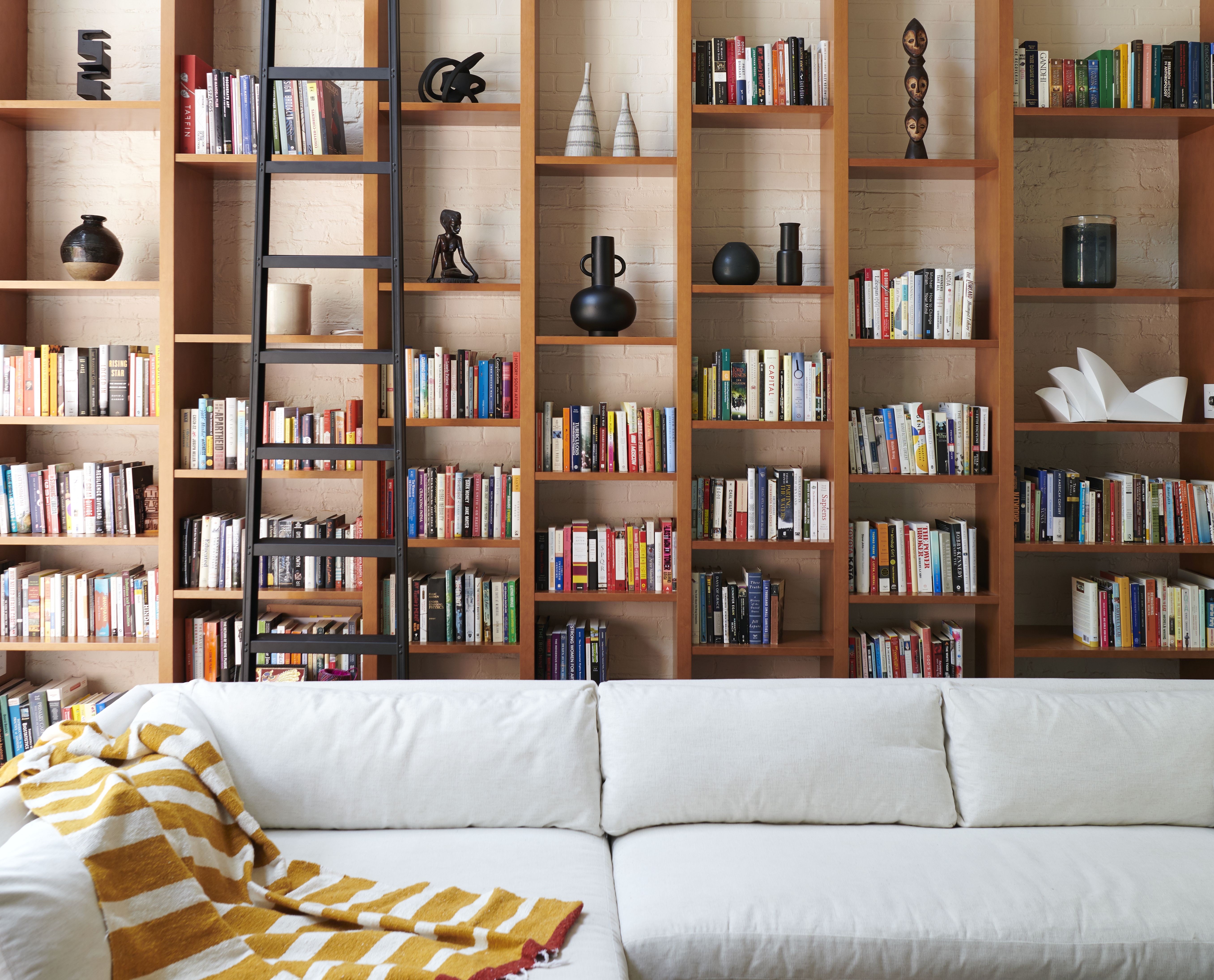
Shanon Munn, principal of Ambi Design Studio in McLean, notes the calming effect of being surrounded by physical volumes, suggesting that the act of reading inherently encourages a tranquil atmosphere. Homeowners seek to replicate this comforting space. Ethan Landis, co-owner of Landis Architects/Builders in Washington, D.C., recounts a renovation where a historic Capitol Hill home was enhanced with a light-filled library featuring custom floor-to-ceiling American cherry built-ins and a skylight for natural illumination.
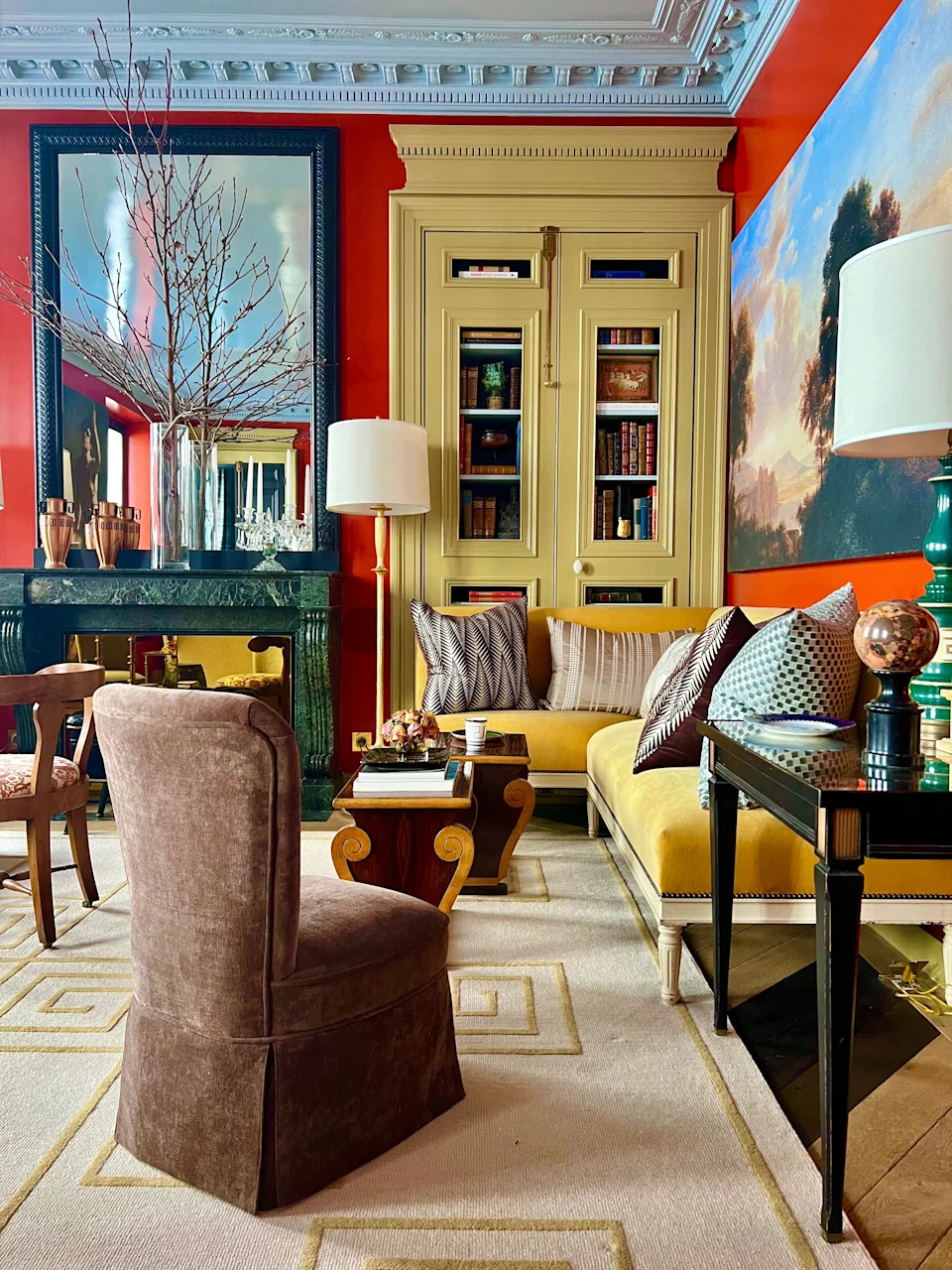
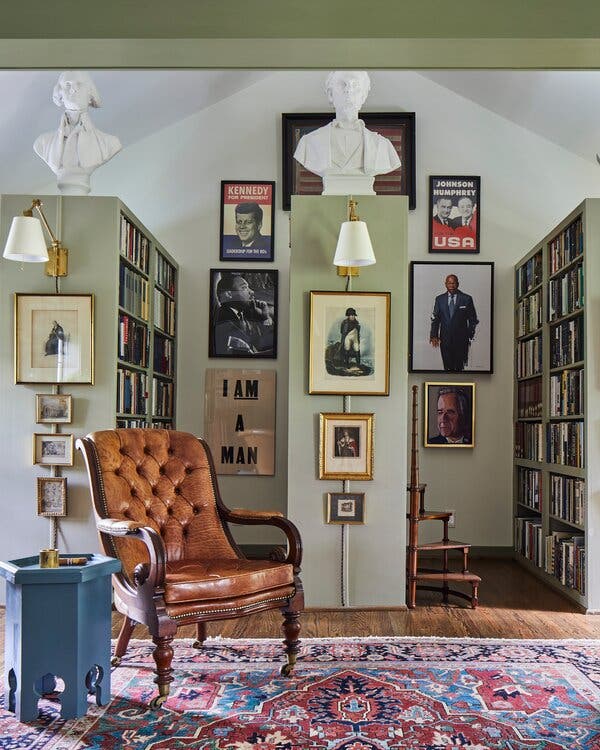
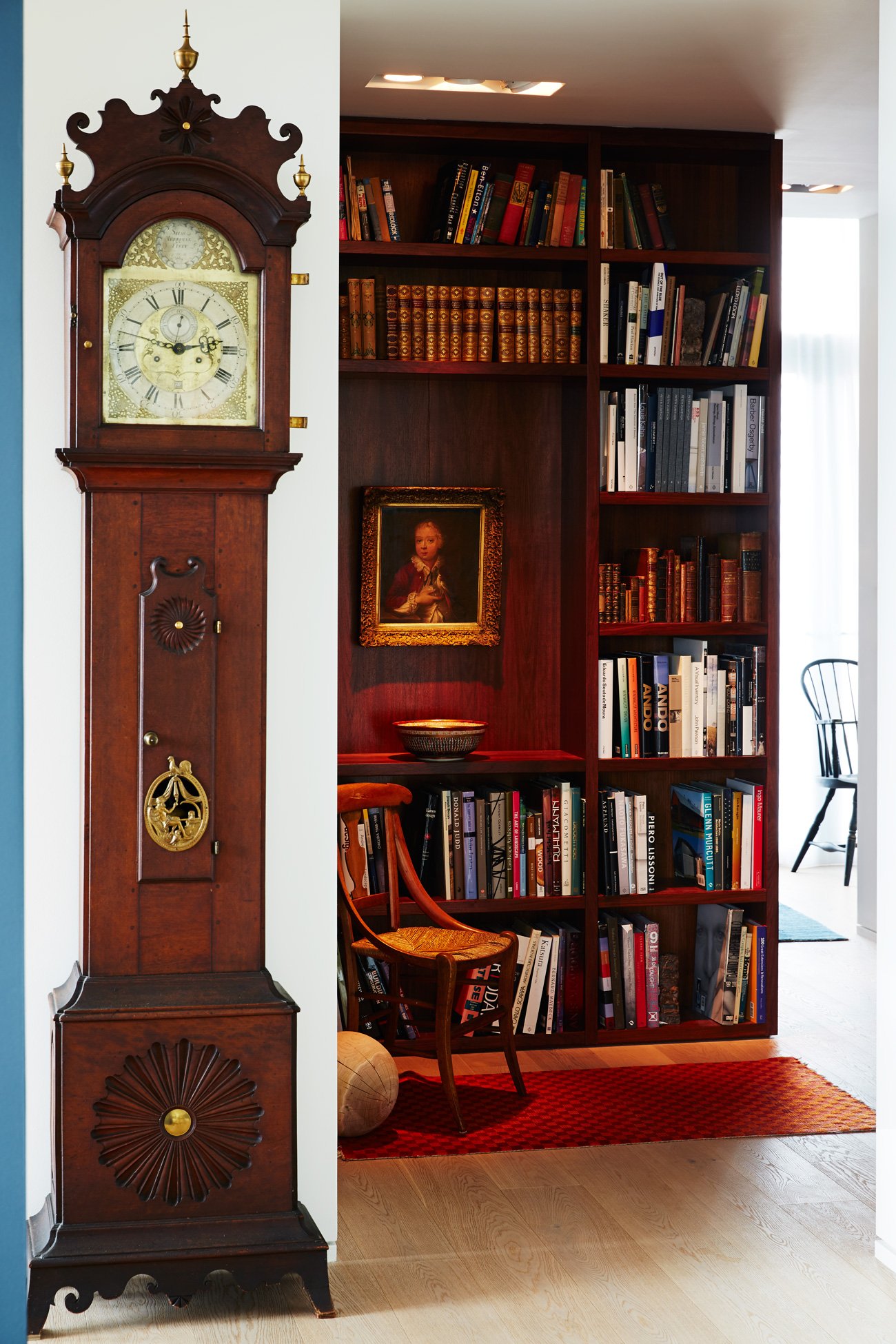
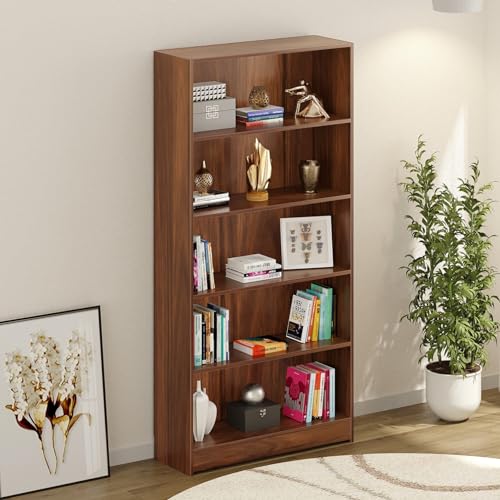
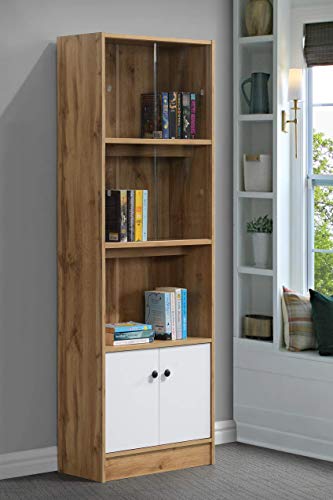
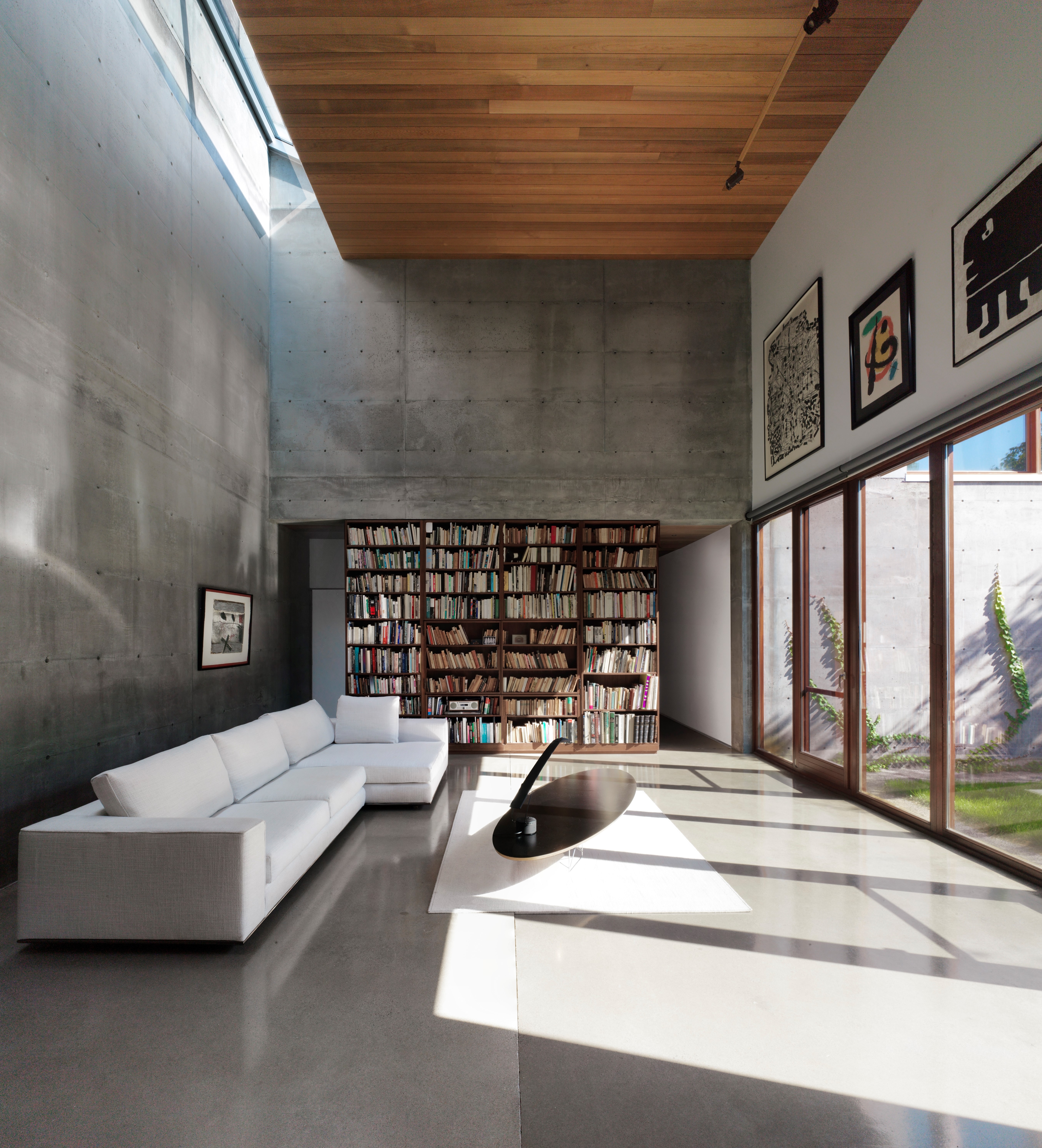
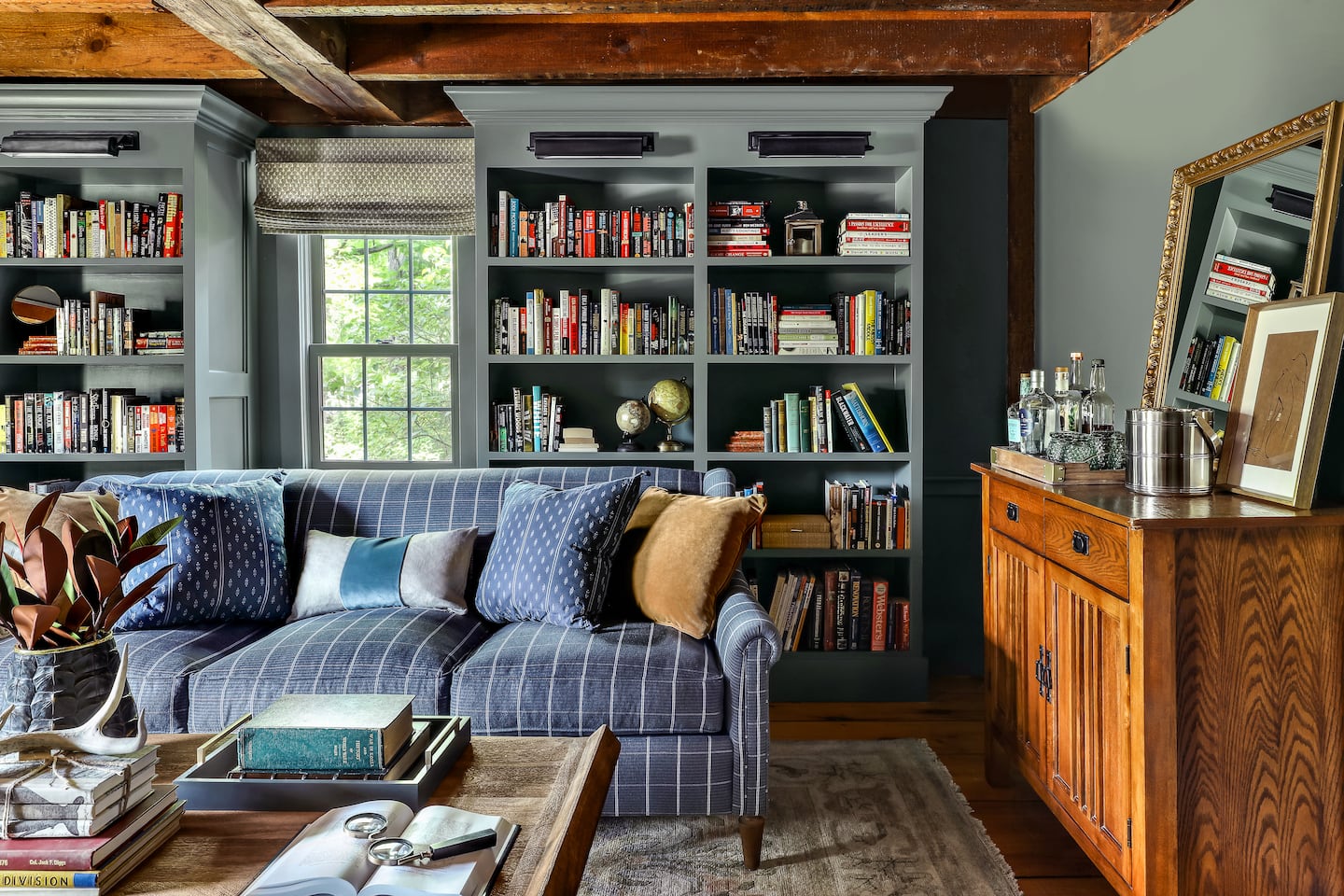
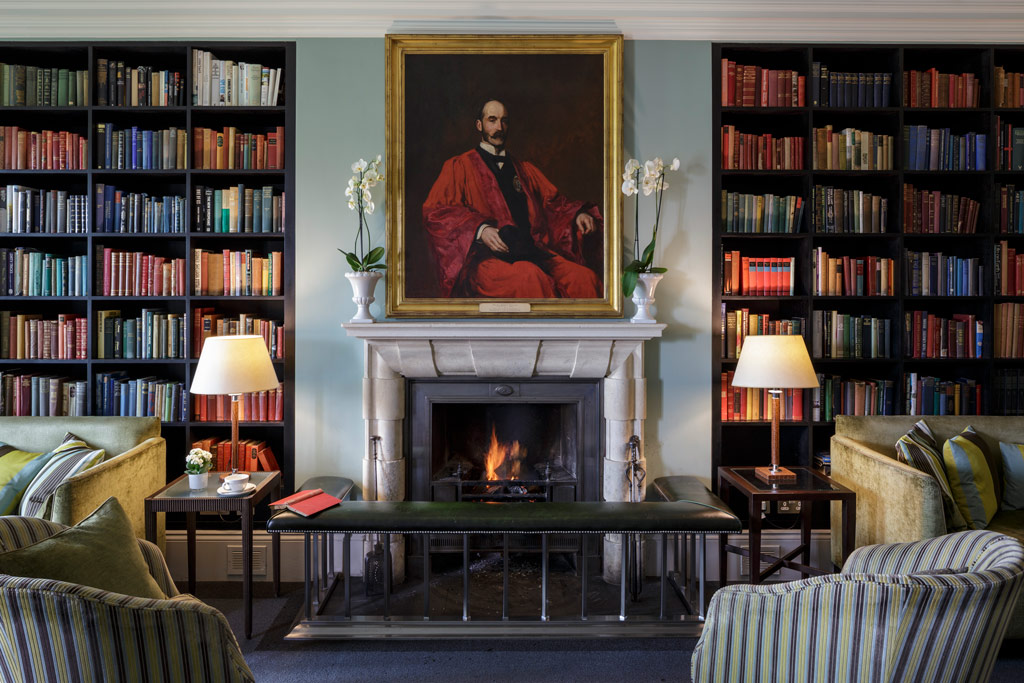
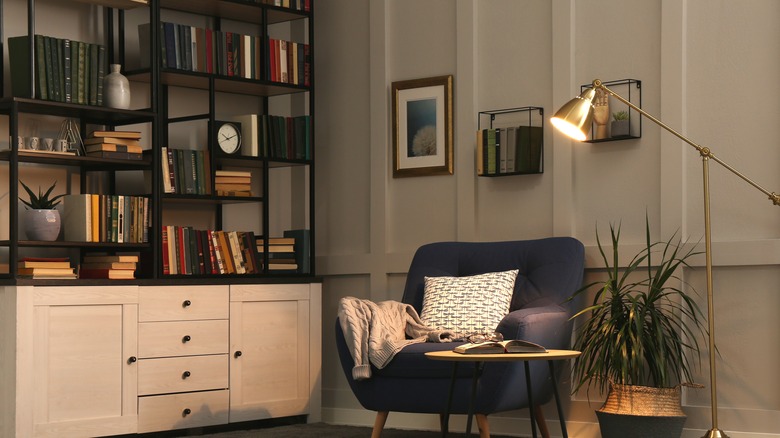
Key elements for a successful home library, as identified by these experts, include sturdy shelving, adequate lighting, and a comfortable reading spot. Landis emphasizes that a home library should be more than just utilitarian storage; it should be an inviting and aesthetically pleasing space where books are showcased, not just stored. He suggests incorporating knickknacks, photographs, and art alongside books to create a well-balanced and elegant display. Recessed lighting is recommended for evening illumination, further enhancing the ambiance.
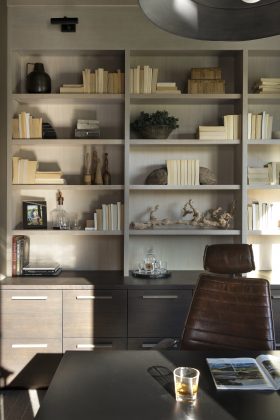
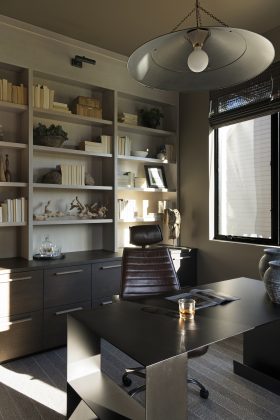
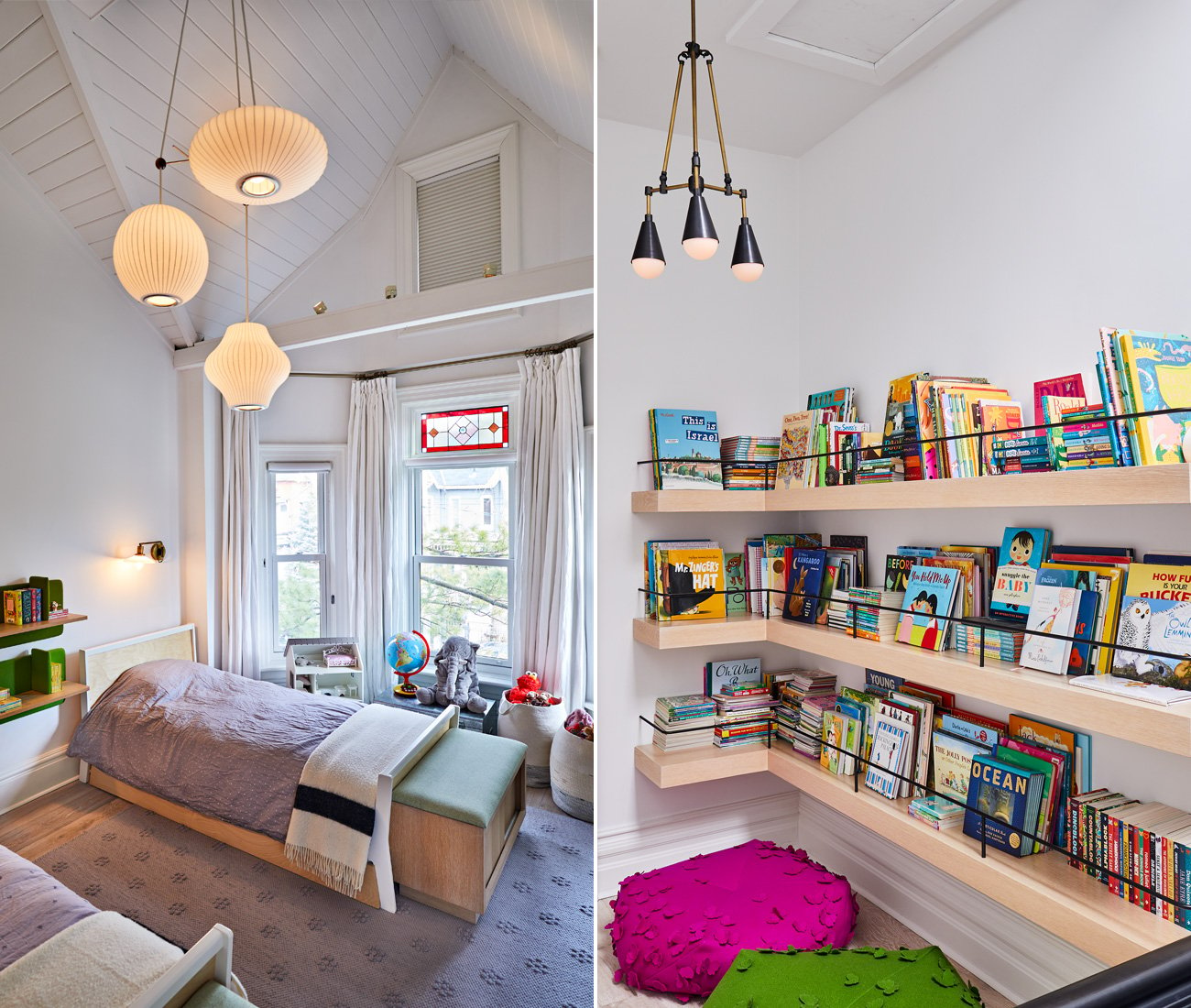
Munn elaborates on a design technique she calls “Pottery Barn-ing,” which involves integrating decorative items, artwork, and family photos among the books to personalize the shelves and make the space feel more curated. For those with limited space, Munn offers practical tips, such as converting unused closets into reading nooks by removing doors and installing shelves of varying heights to accommodate different book sizes. Another suggestion involves utilizing the space between wall studs to create recessed alcoves for books during renovations.
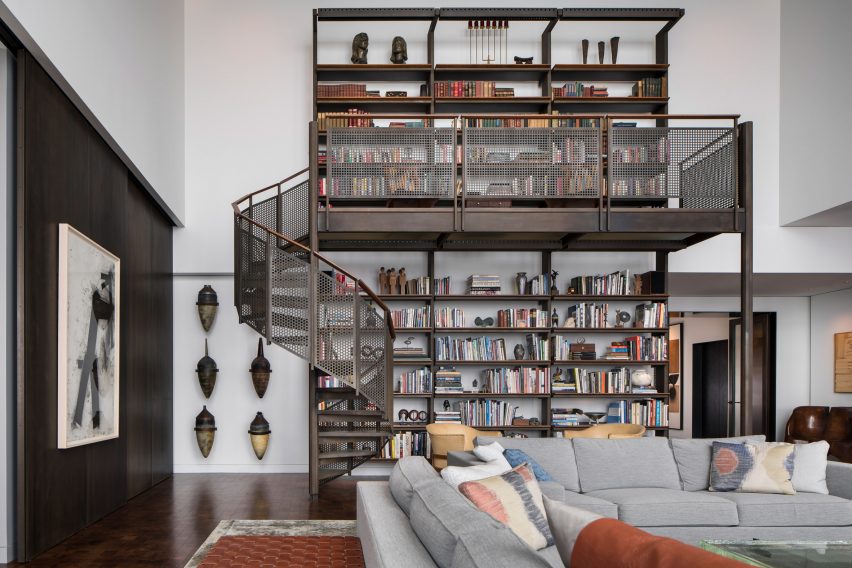
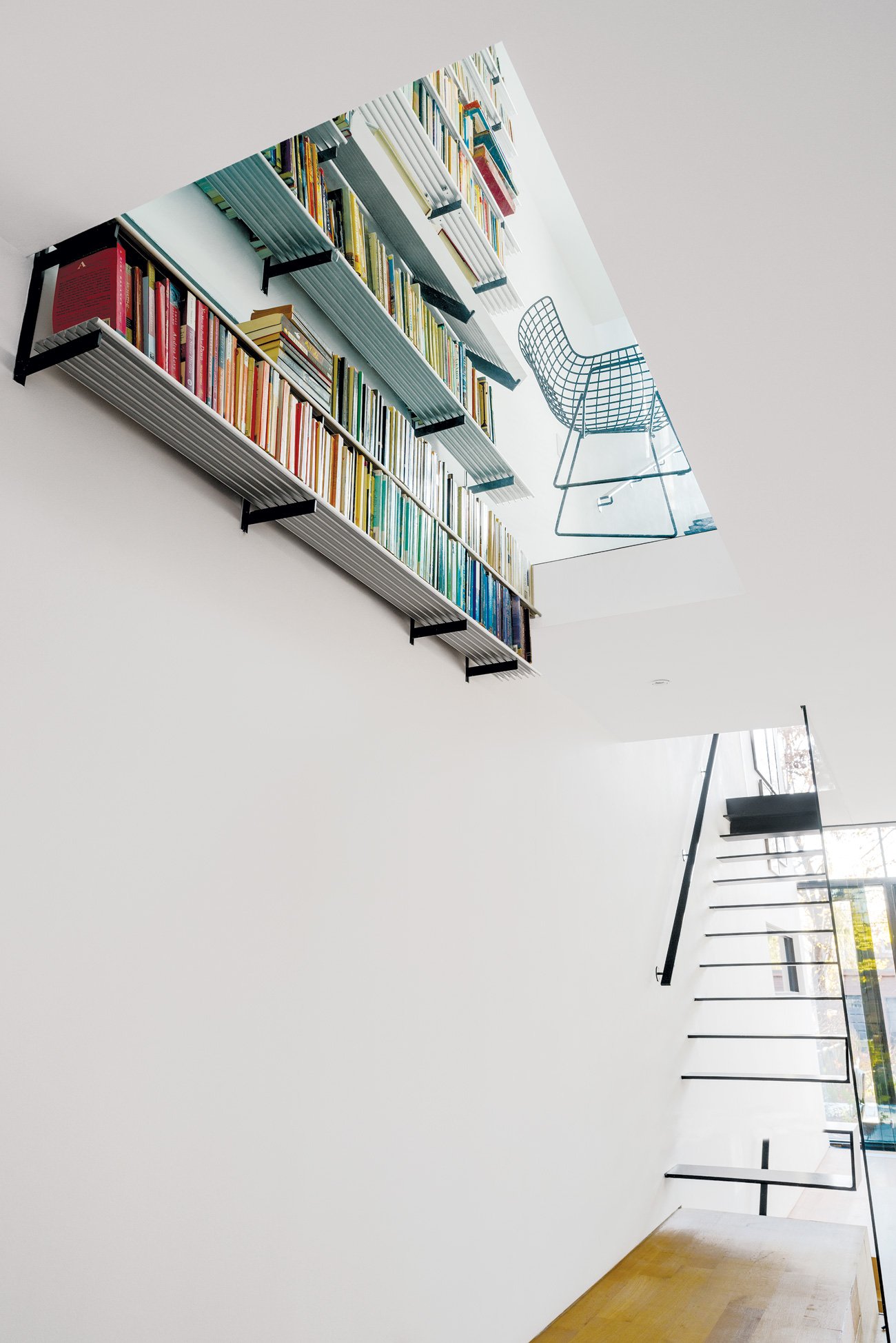
The article also encourages homeowners to think vertically when designing their libraries. Munn recounts a project in Silver Spring where a homeowner’s office, initially intended for a library, proved challenging due to its octagonal shape. Instead, the book-lined hallway adjacent to the office was transformed into a library, with a catwalk shelf high above used to display the owner’s stained glass house collection, demonstrating a playful yet sophisticated integration of books and collectibles. This approach highlights the adaptability and creative potential in designing a home library, ultimately reinforcing the idea that regardless of age, the desire to collect and engage with books remains a fundamental aspect of human nature.
Ultimately, a home library serves as a personal sanctuary where homeowners can rekindle their appreciation for literature and enjoy a peaceful retreat. The design principles discussed emphasize both functionality and aesthetics, ensuring that the space is not only practical for storing books but also visually appealing and emotionally comforting.
#HomeDesign #HomeLibrary #InteriorDesign #BookStorage #ReadingNook #CustomShelving #HomeDecor #ArchitecturalDesign #HomeDesign #HomeLibrary #InteriorDesign #BookStorage #ReadingNook #CustomShelving #HomeDecor #ArchitecturalDesign
0 comment in total
 No comments yet
You may also like
Ten practical home libraries that showcase their owners' book collections

10 of the most incredible home libraries around the world
A Home Library Can Tell Your Life Story (Published 2024)
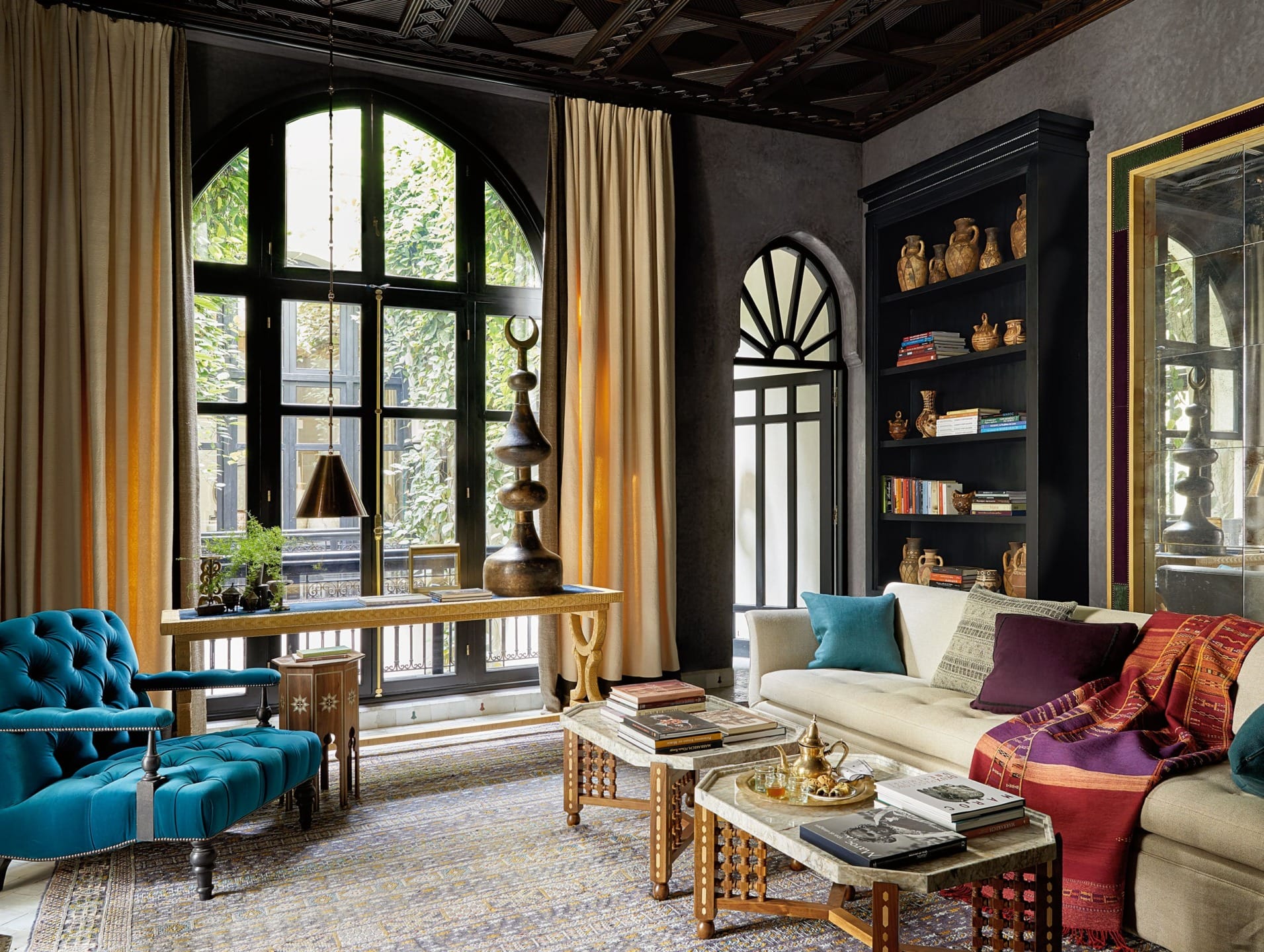
11 Chic Home Libraries Designed by Axel Vervoordt, Markham Roberts, Gil Schafer, and More

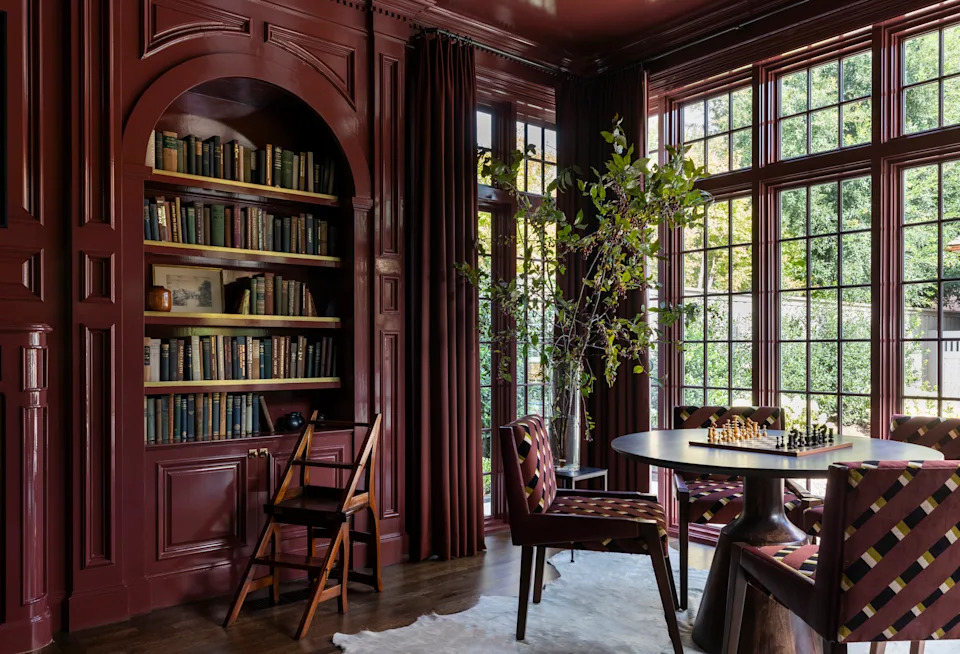
Home Library Ideas — 21 Cozy and Welcoming Designs Fit for Homes of all Sizes
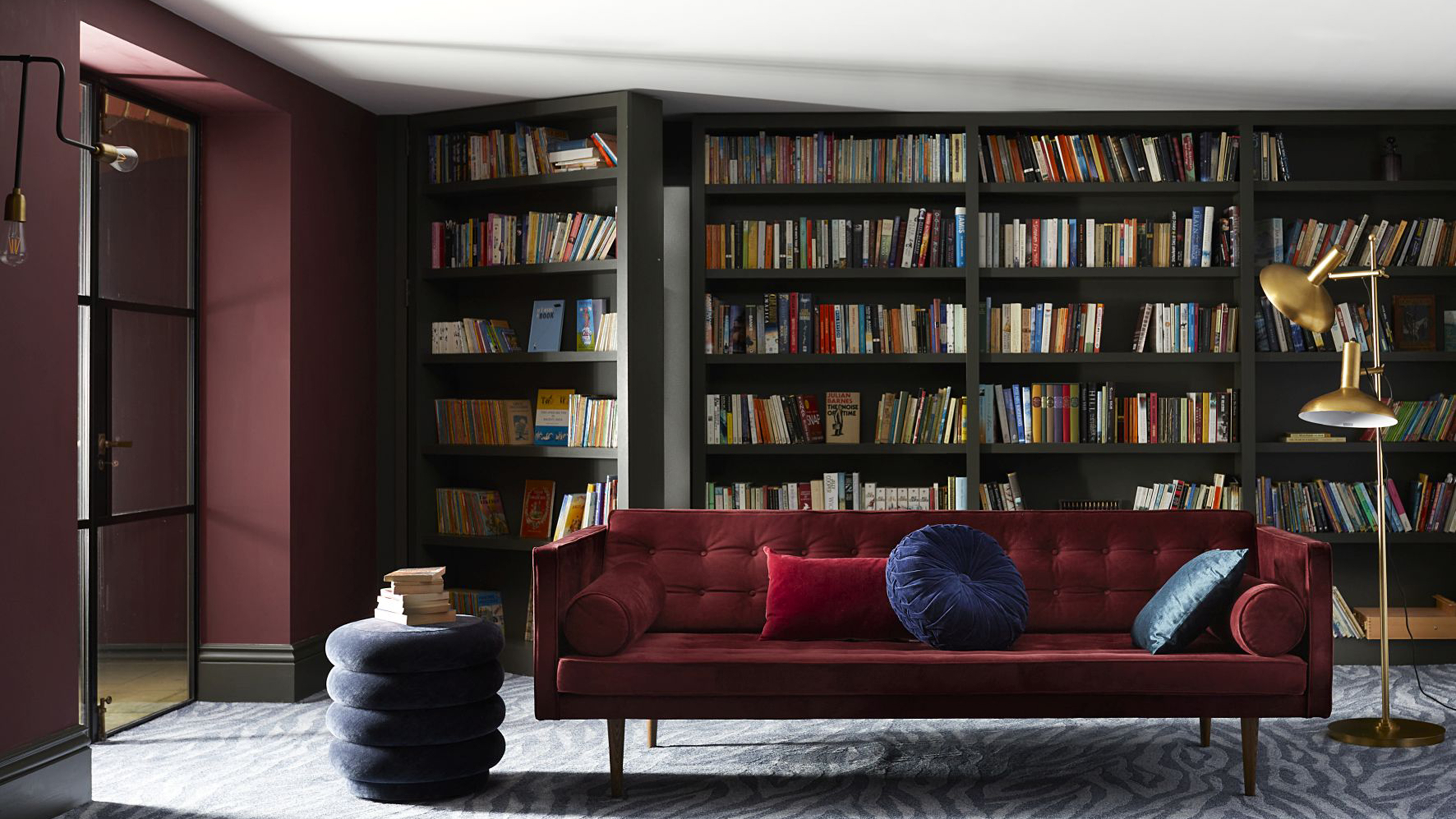
Home library ideas: 15 beautiful designs for bibliophiles and bookworms


Home Libraries Are All Over Cable News. Here’s Why They’ve Never Been Hotter
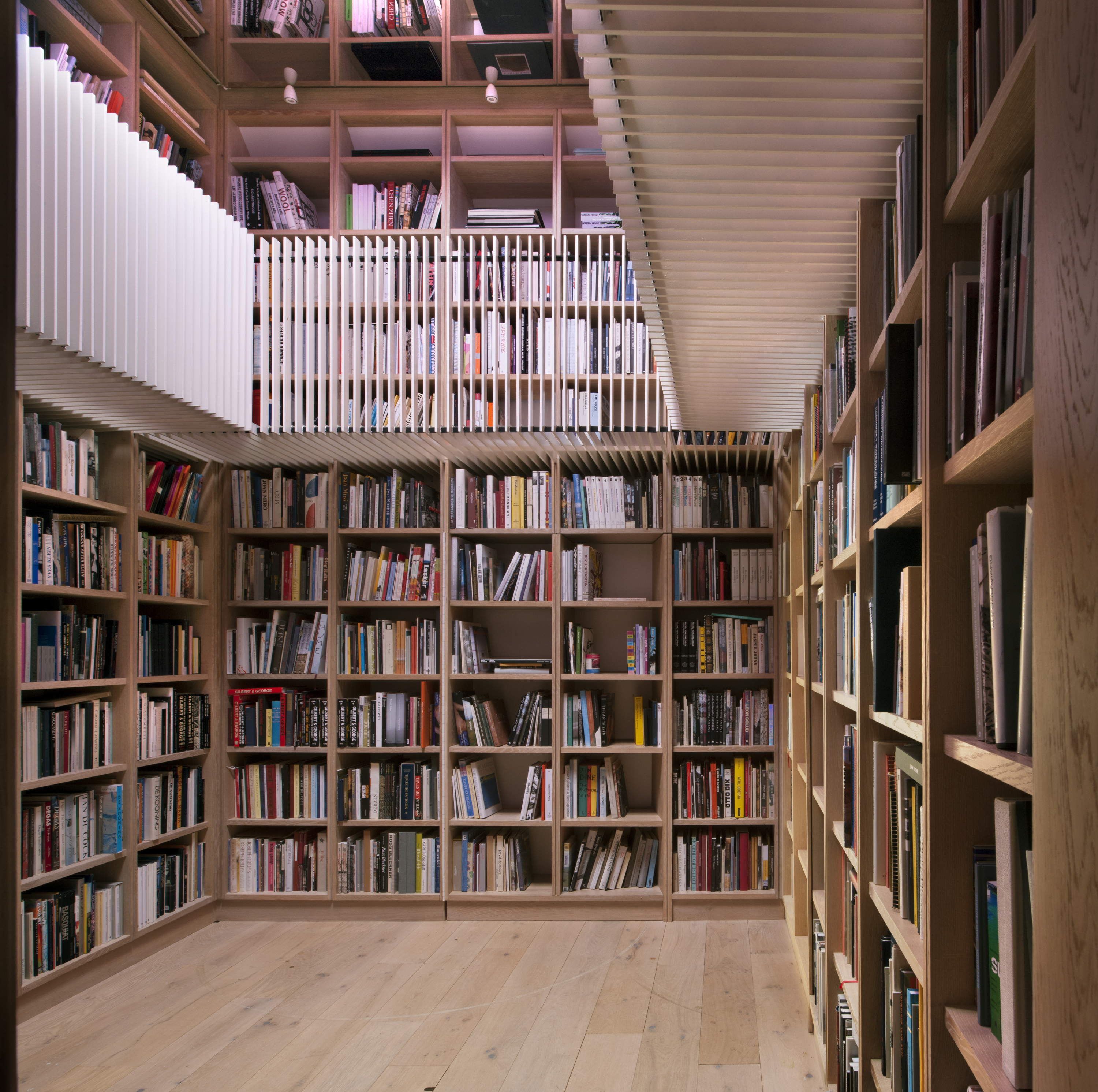
'It's somewhere you can get lost in a book' - this interior trend is all about creating peaceful spaces for reading


The world's most beautiful libraries that will enchant book lovers and inspire your home decor dreams

Design inspiration: Thumbed-through paperbacks make for a nice home library

8 Home Library Ideas from Bookish Toronto Homes
Forget Watching TV - Here are 3 Ways to Make Your Living Room Better to Read in
Home Libraries: Interiors Inspiration
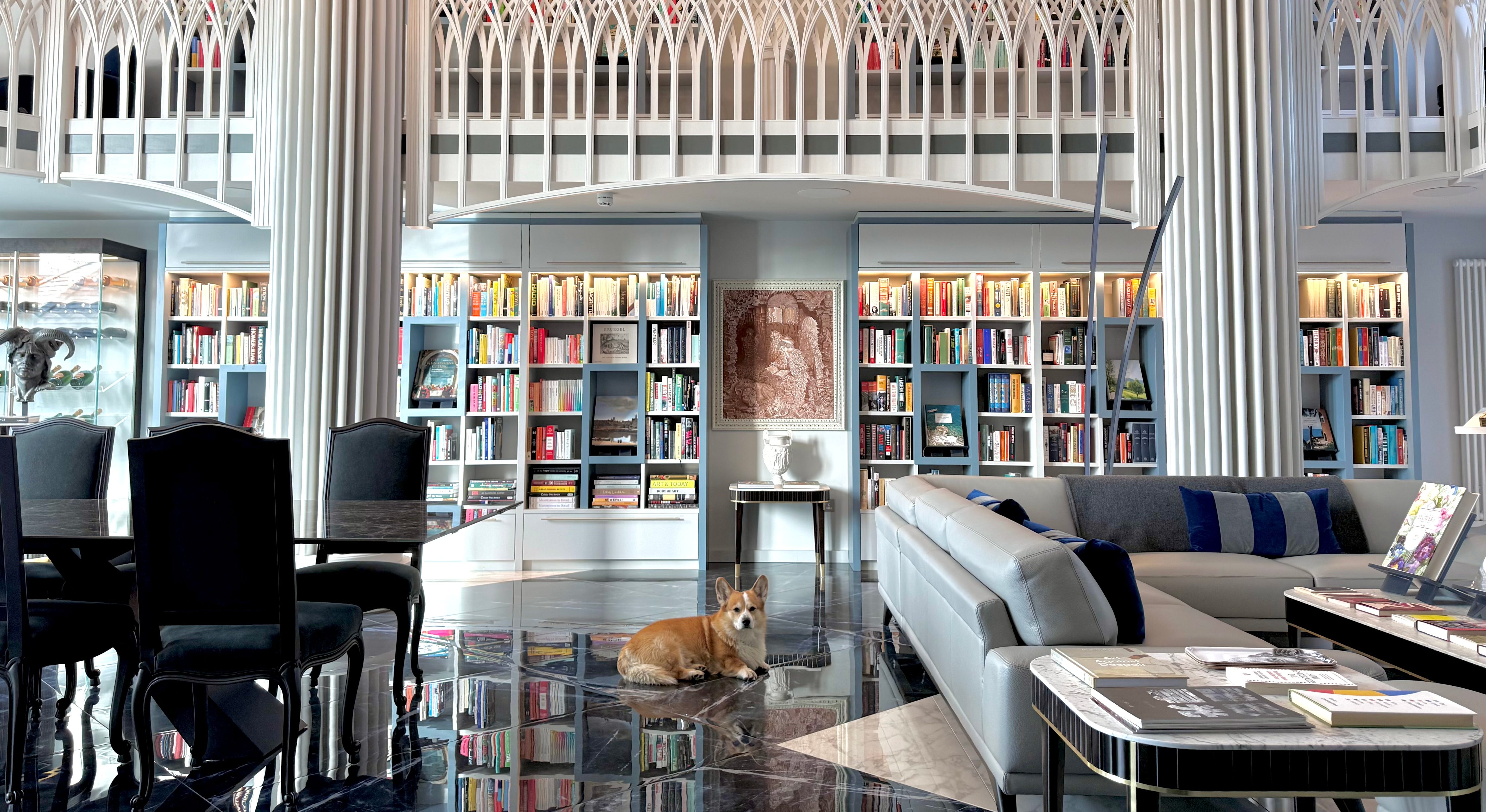
The most beautiful home libraries in Britain
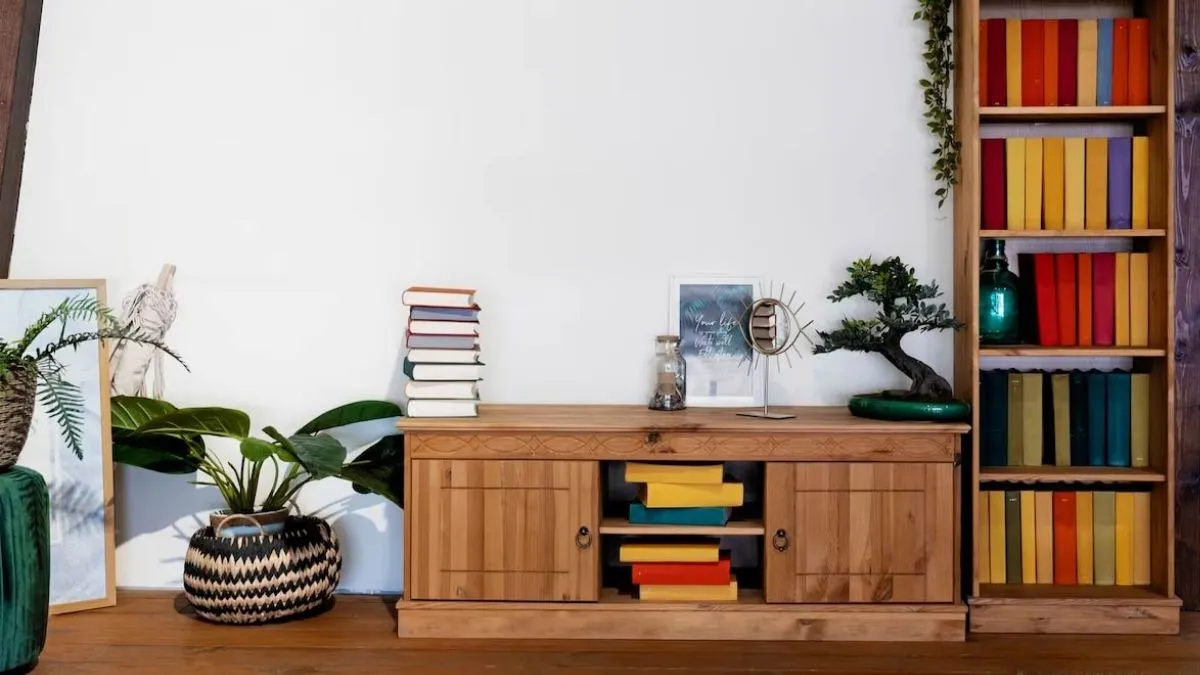
The Best Bookshelf Designs: Construct a Home Miniature Library

Grand libraries perfect for crime-solving duo Holmes and Watson

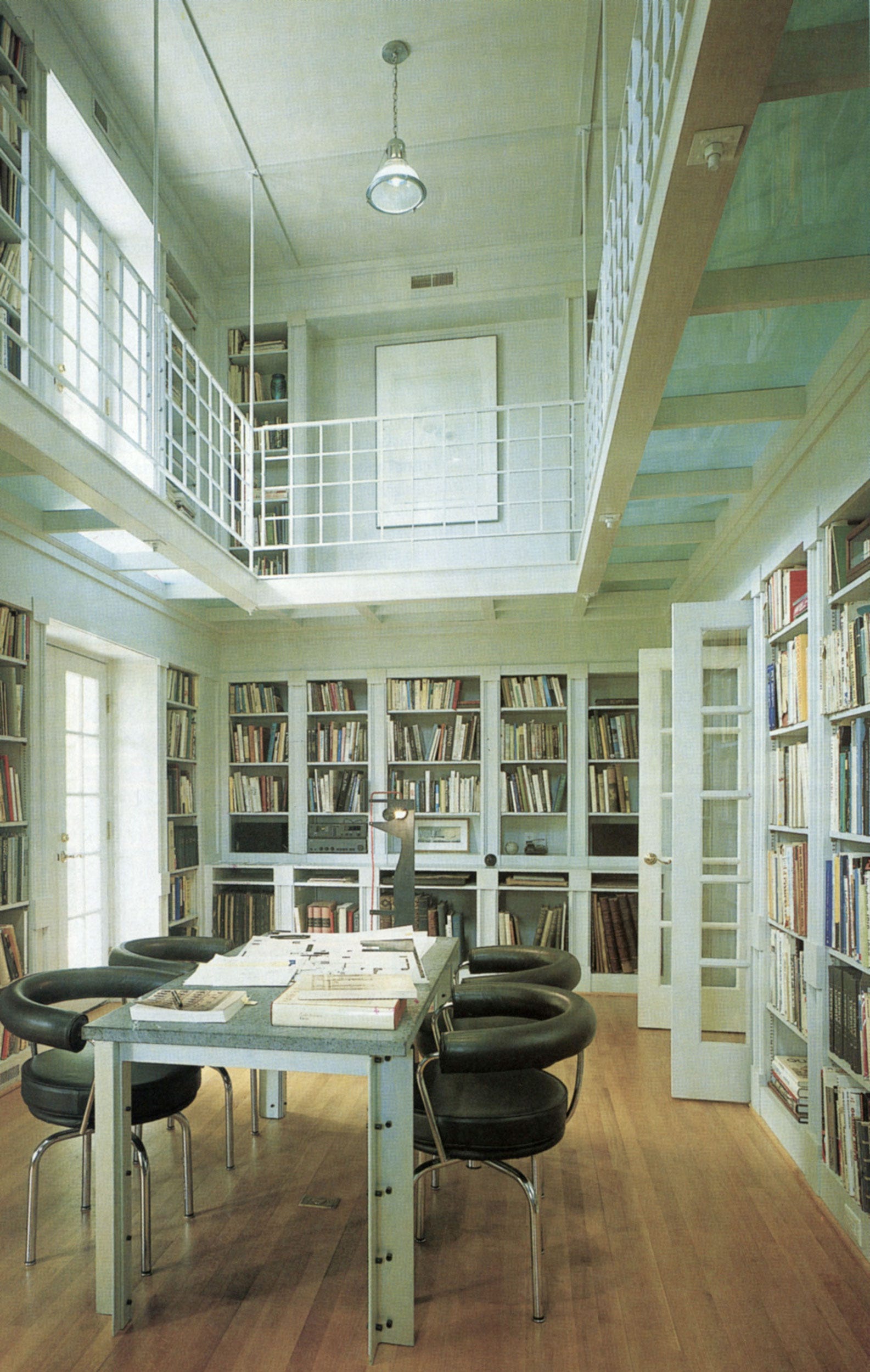
From the Archive: A Tour of Some of the World’s Most Elegant Home Libraries

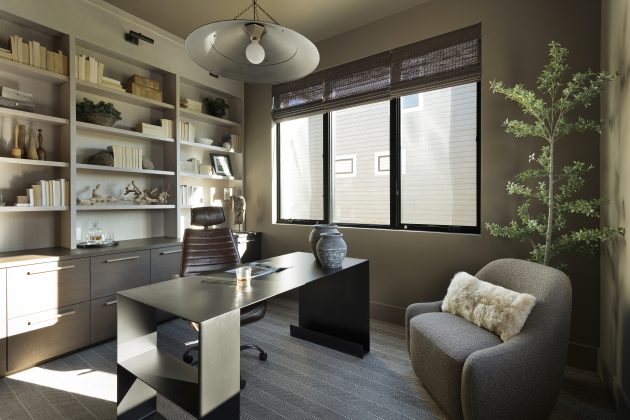
5 Libraries, Studies & Offices to Inspire Your Workspace

A Design Expert Tells Us How To Create The Perfect Home Library
Create the Dreamy Library Look You’ve Always Wanted with This One Simple Upgrade