1/6
'It's somewhere you can get lost in a book' - this interior trend is all about creating peaceful spaces for reading
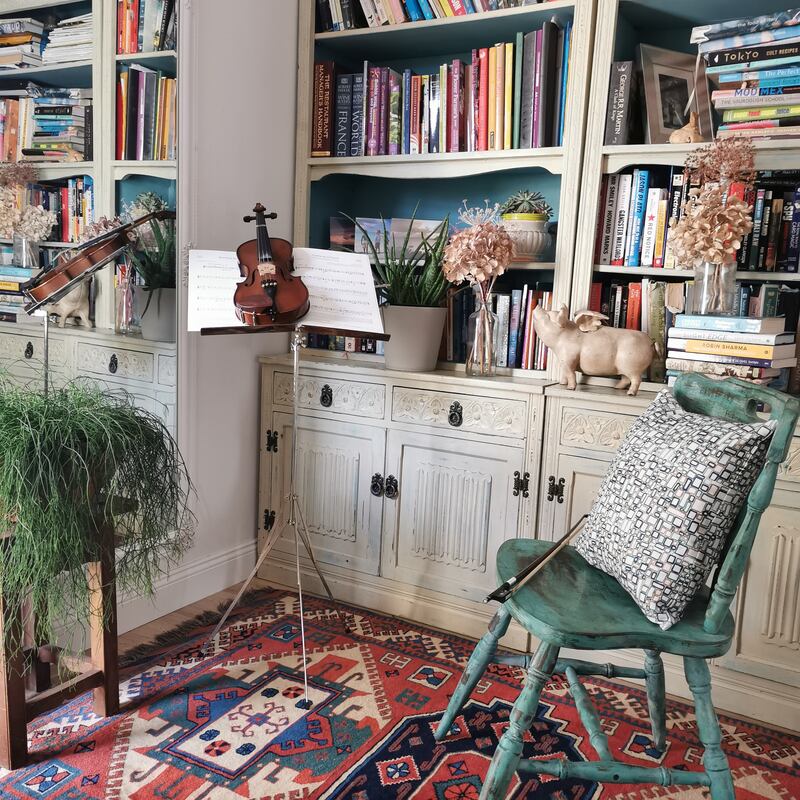
The increasing desire for personal relaxation and quiet contemplation in modern, often busy, homes has led to a growing interior design trend: the creation of dedicated reading rooms or niches. These spaces are specifically designed to offer an escape from the daily chaos, allowing individuals to immerse themselves in literature. The trend extends beyond just reading rooms to include other private sanctuaries like music rooms and meditation spaces, reflecting a broader shift towards incorporating 'me-time' zones within residential design.
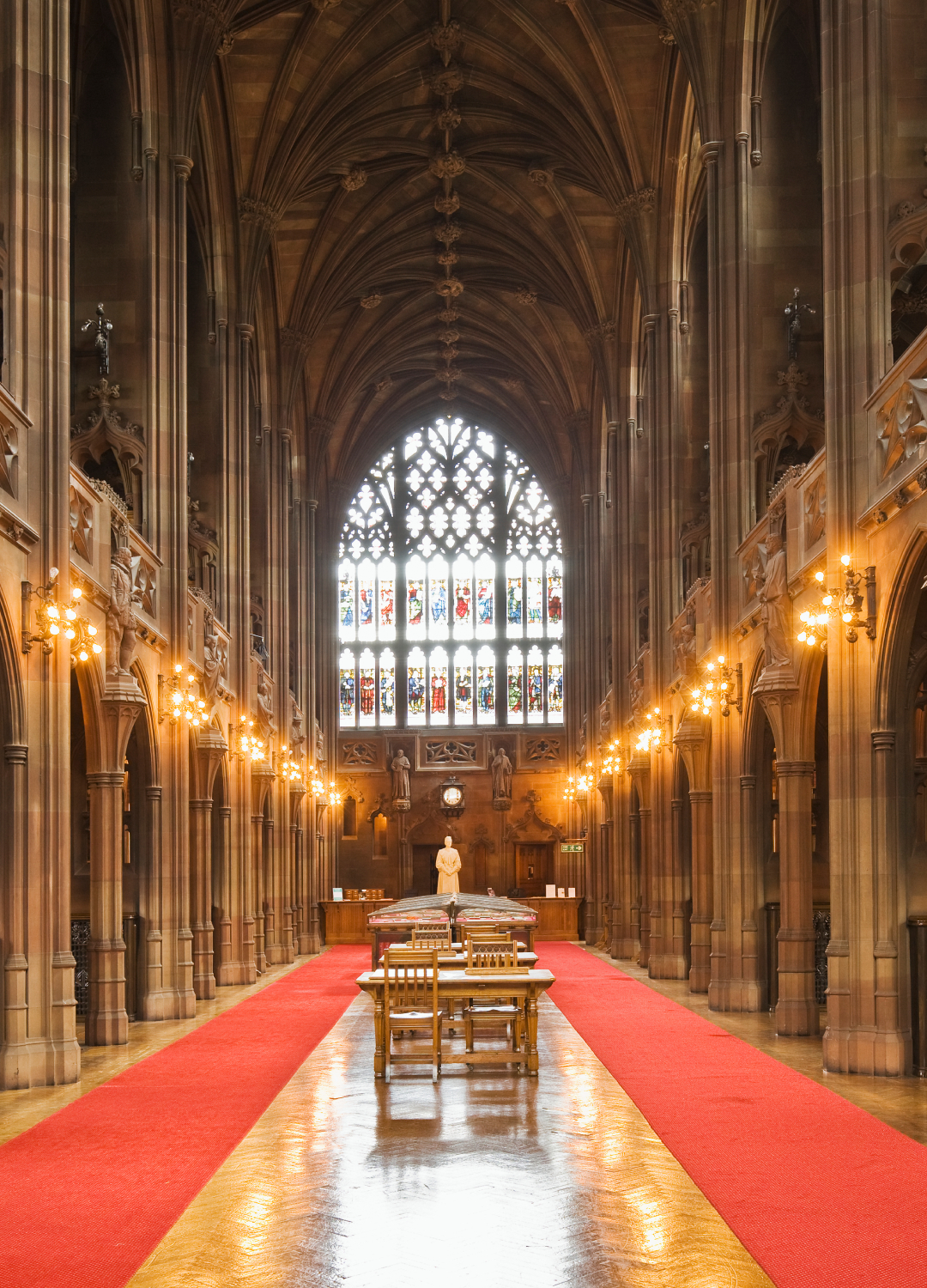
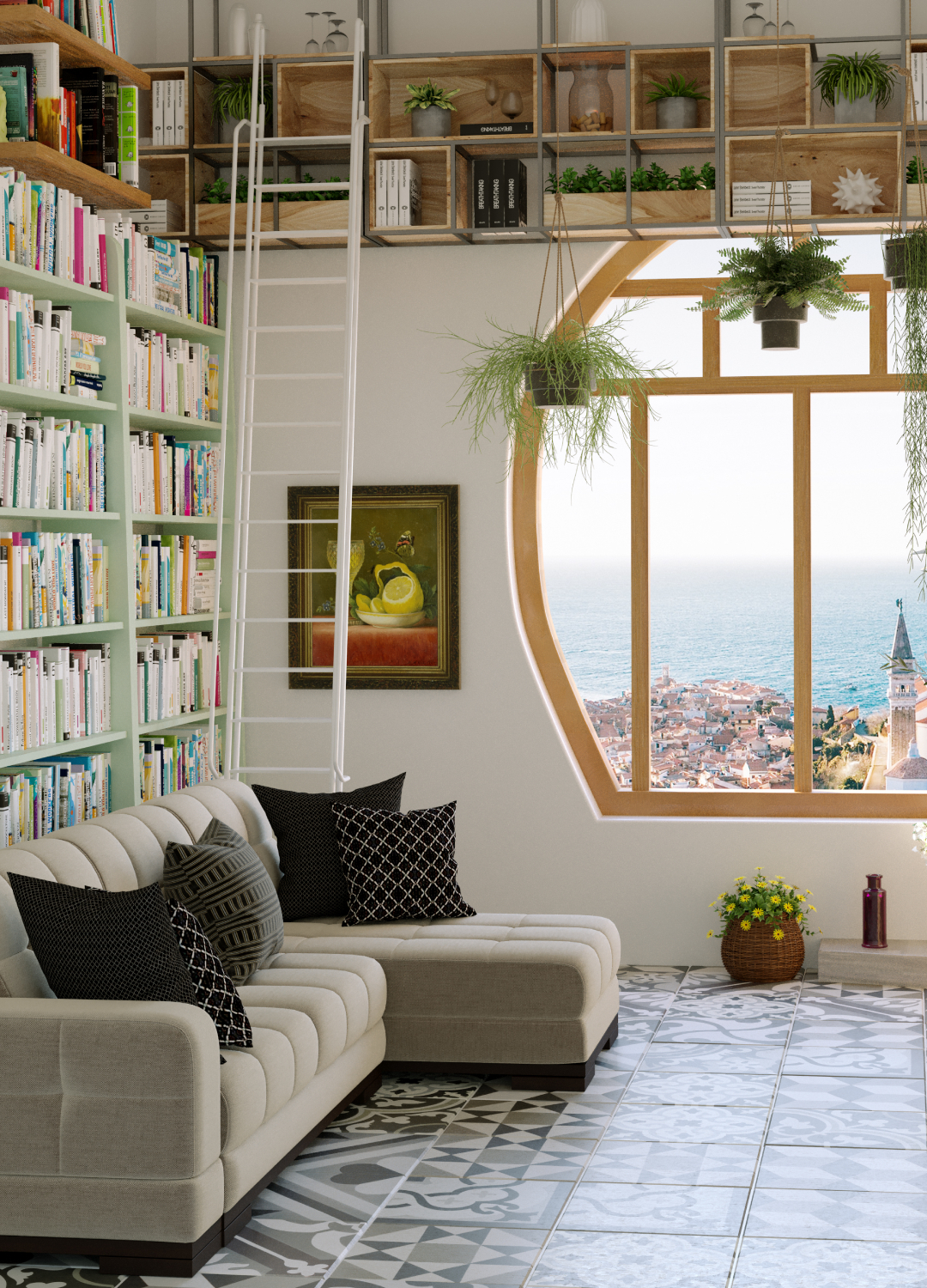
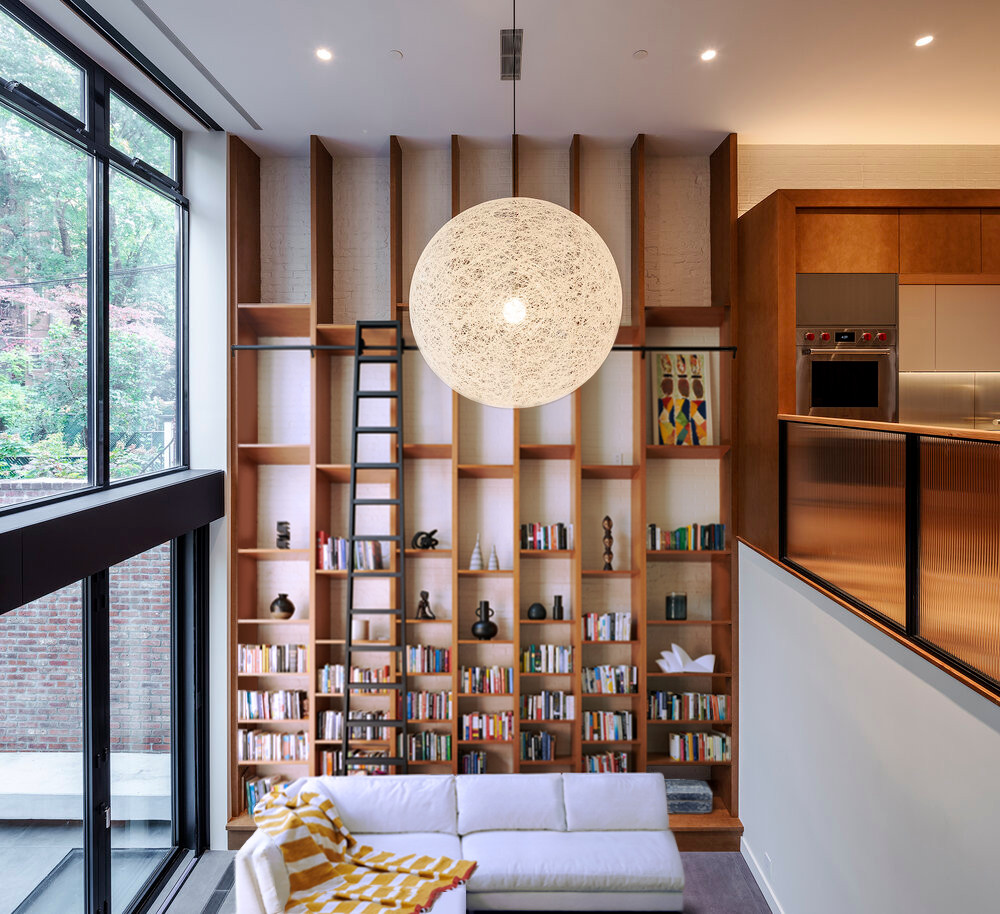
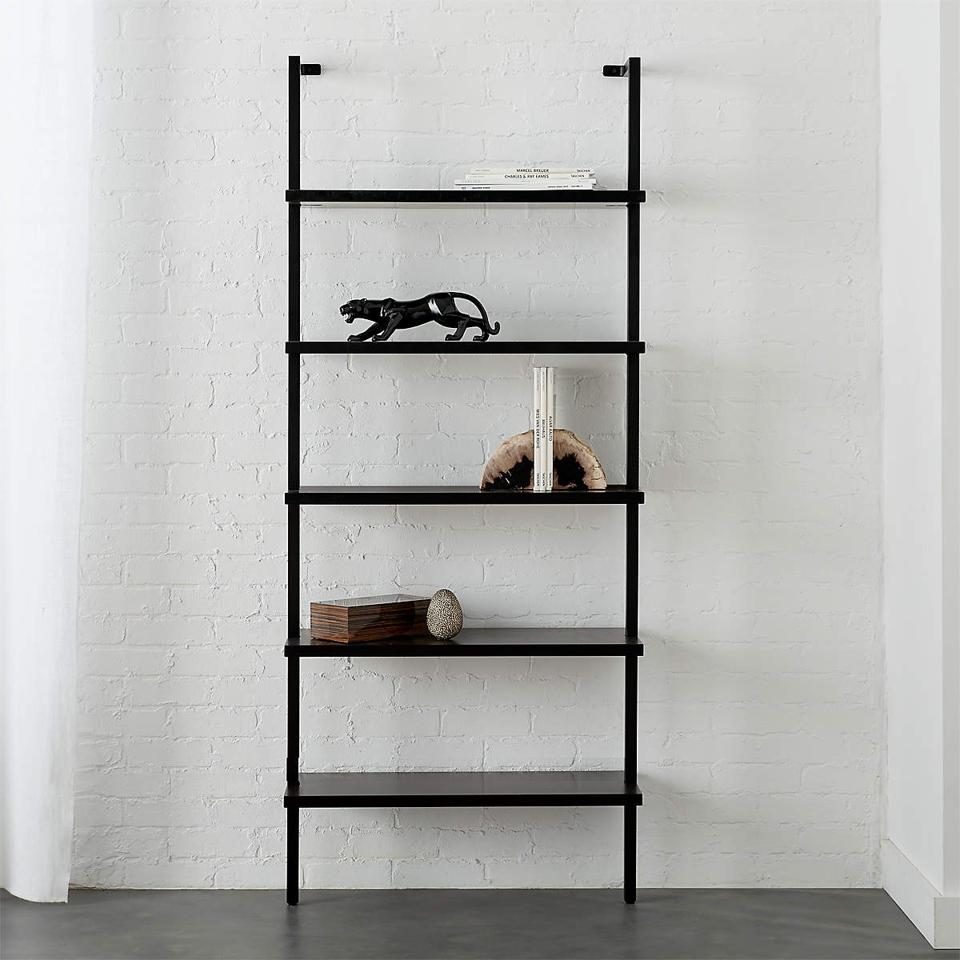
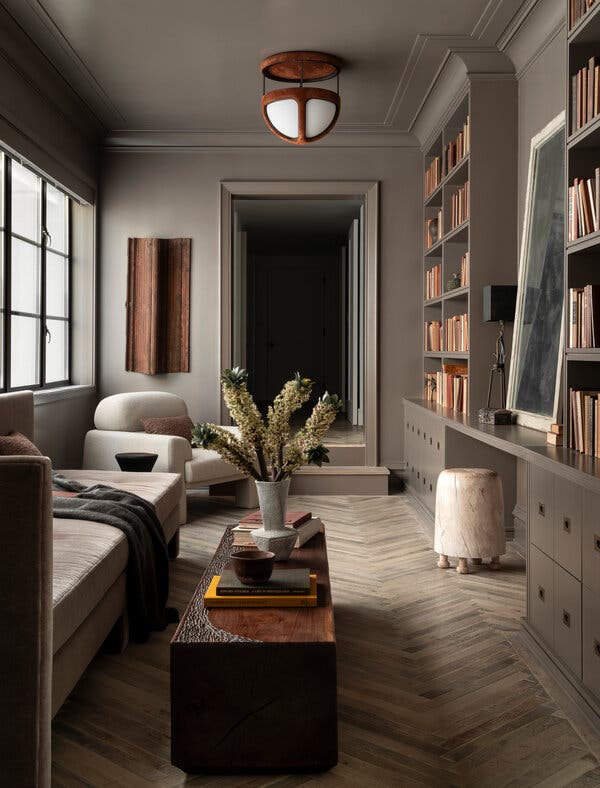
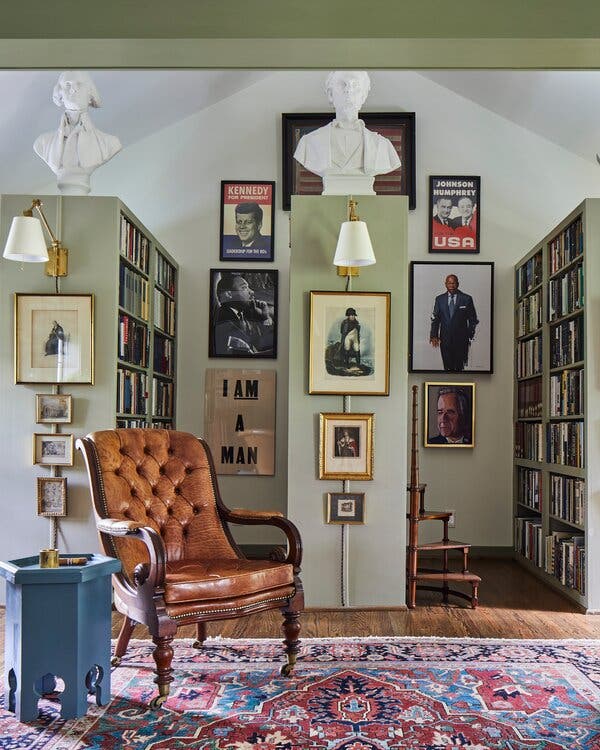
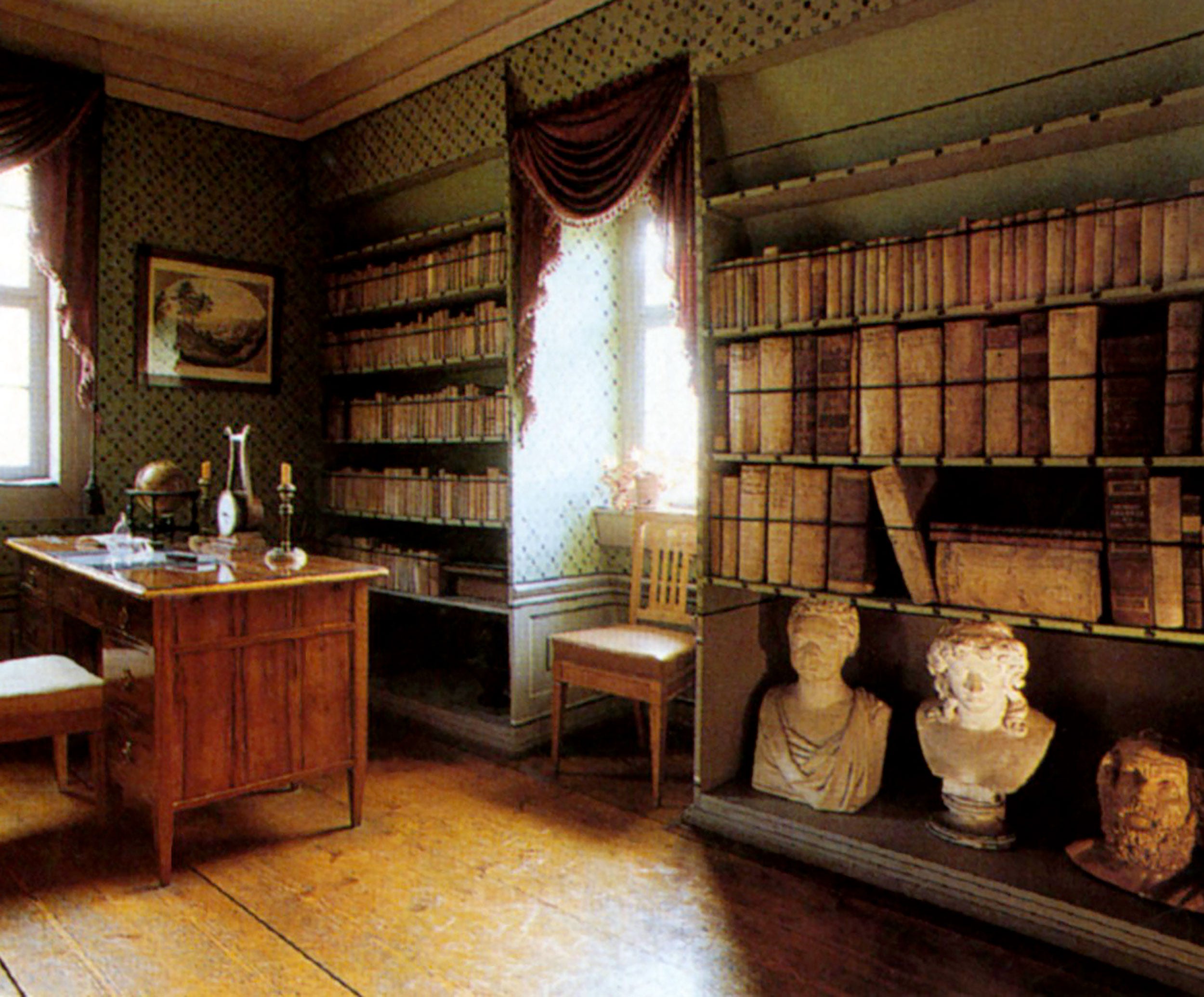
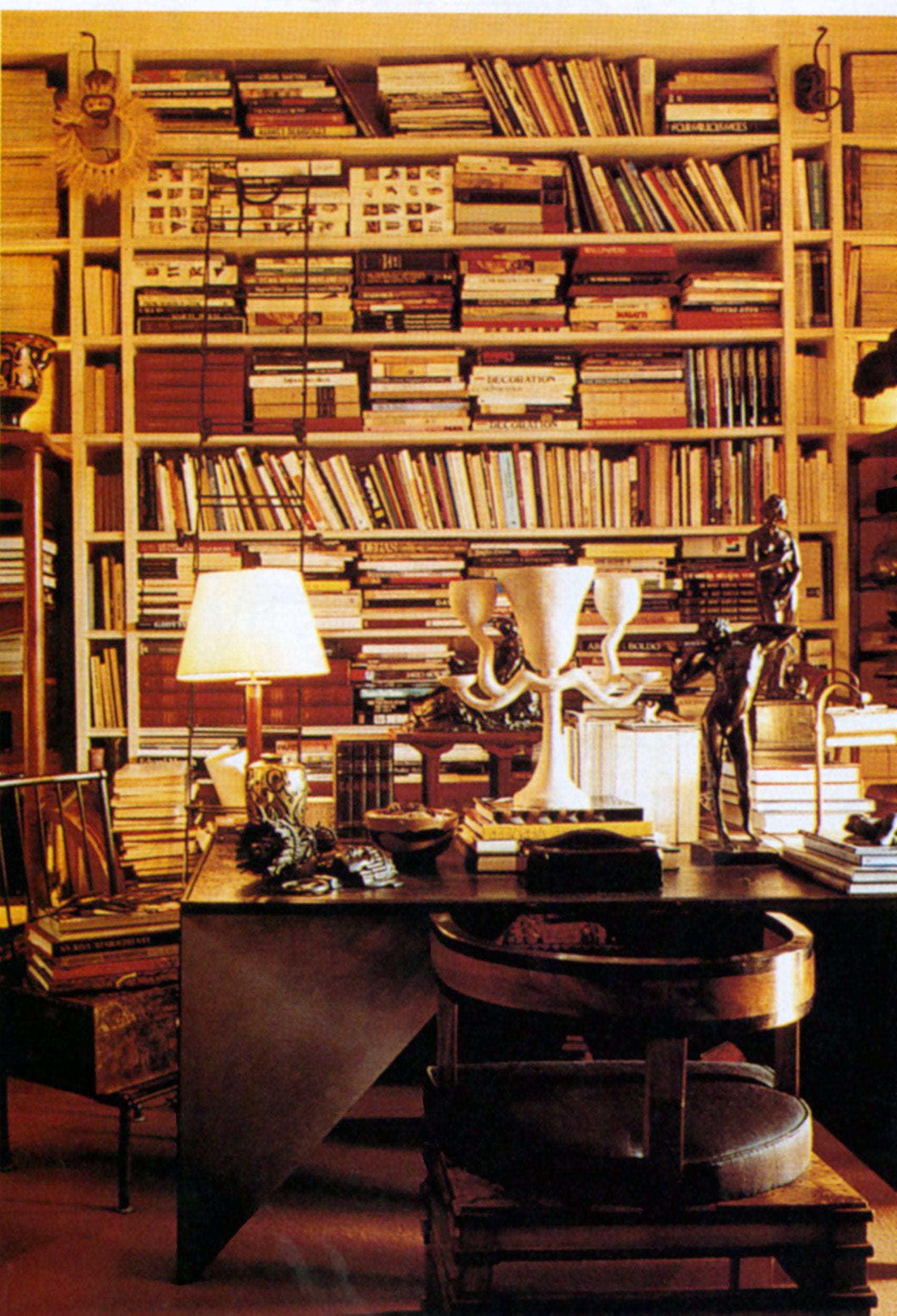
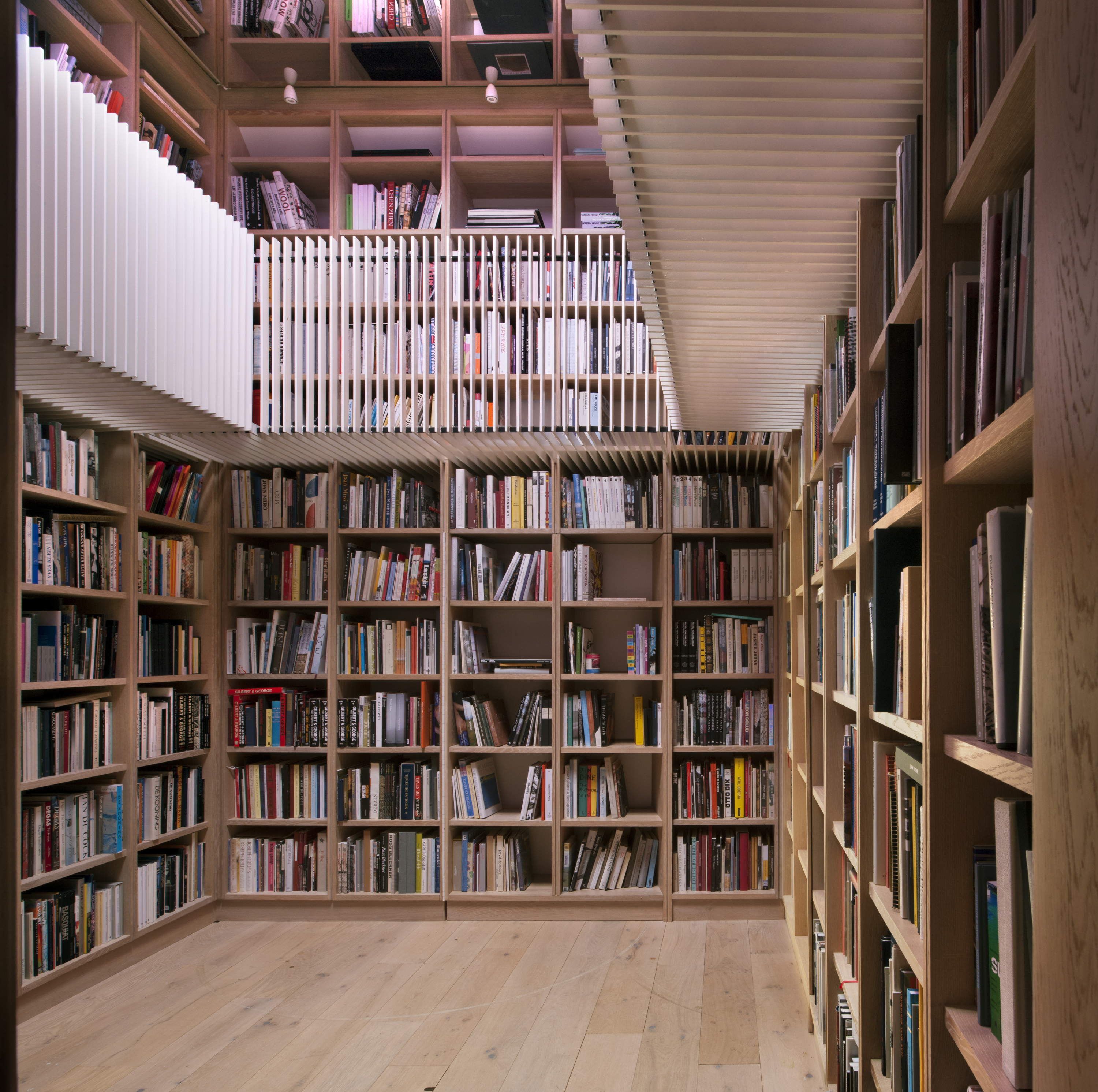
Designing an effective reading room involves several key considerations, as highlighted by various architects and designers. One approach for larger homes is to emulate the grandeur and serenity of a traditional library or bookstore. This involves integrating floor-to-ceiling bookshelves, complete with ladders for access, and a prominent lighting fixture to adequately illuminate the entire area. Incorporating mid-century modern furniture can add a refined aesthetic, while filling the shelves with books, journals, photographs, and personal memorabilia enhances the room's character and personal connection. Christina Seilern of Studio Seilern Architects describes a library designed as the building's central focus, a transitional space between private and public zones. This particular design immerses visitors in books, with galleried walls and a mirrored ceiling creating an illusion of infinite verticality. An oversized pink skylight punctures the ceiling, providing a soft, warm glow, and four secret doors within the bookshelves contribute to the sense of an enclosed, wondrous space dedicated to art and literature.
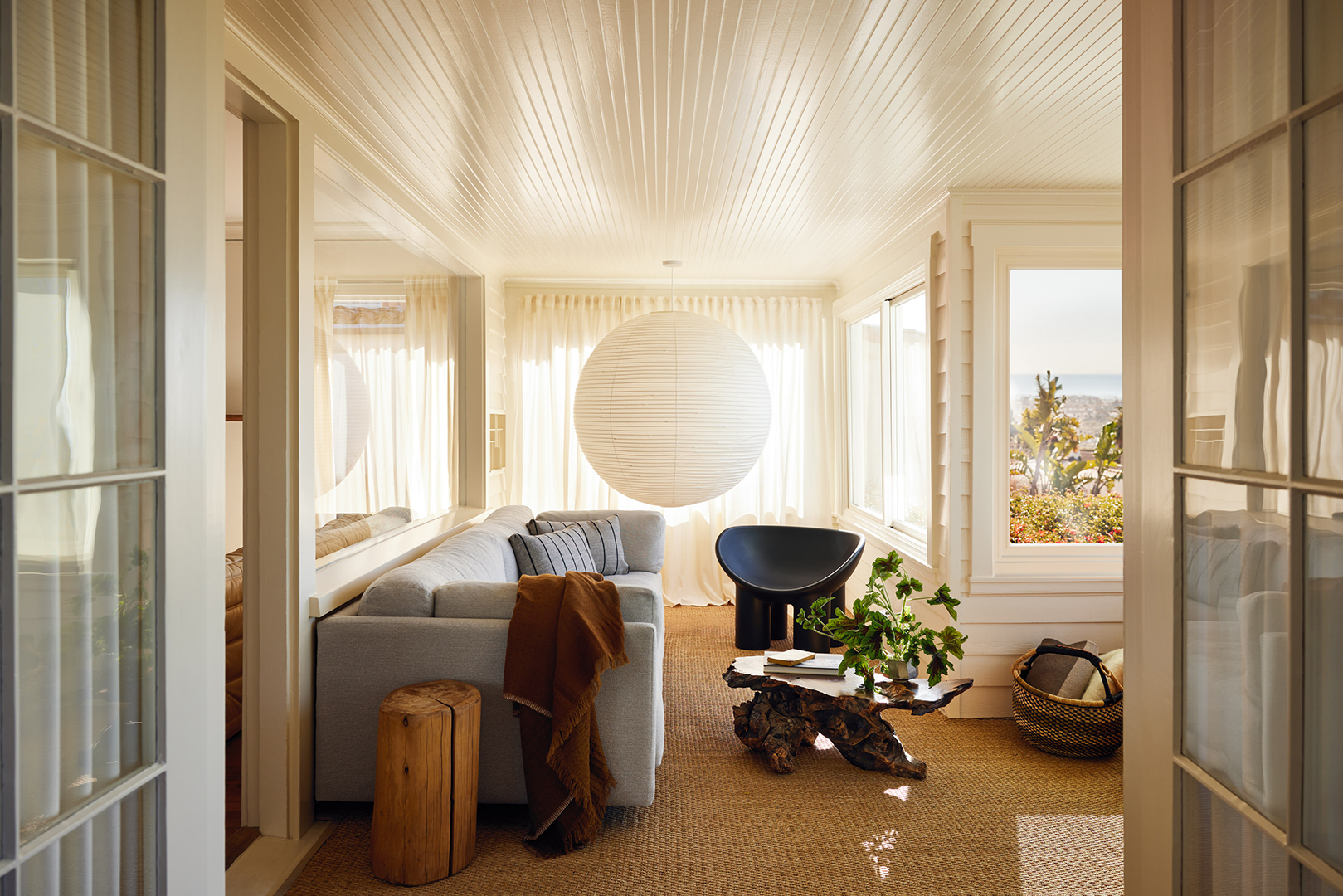
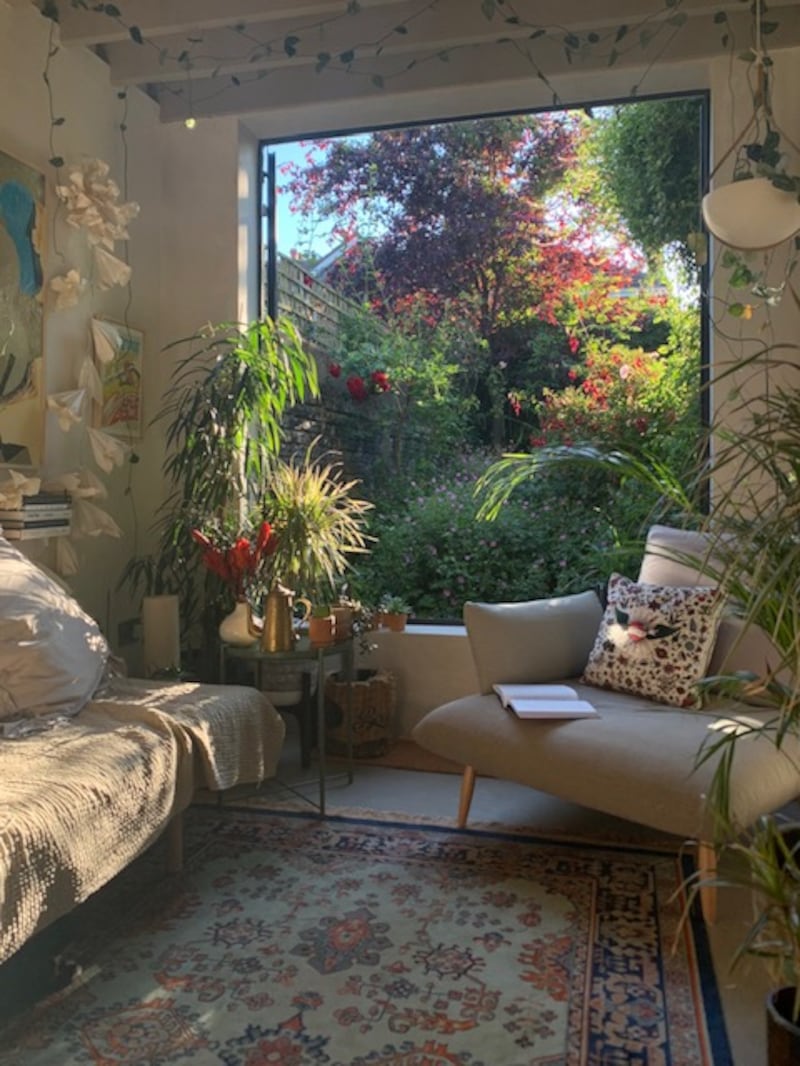
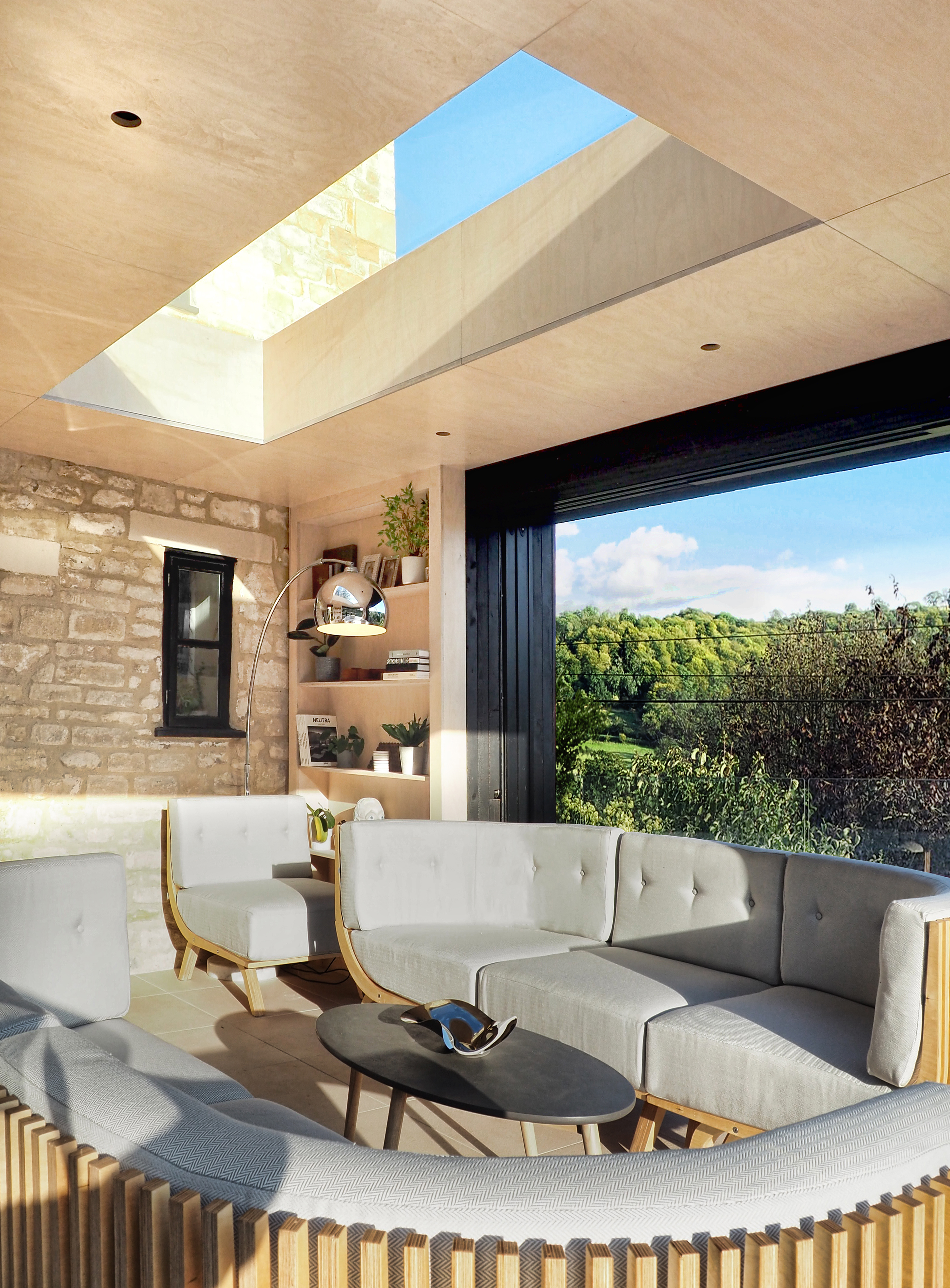
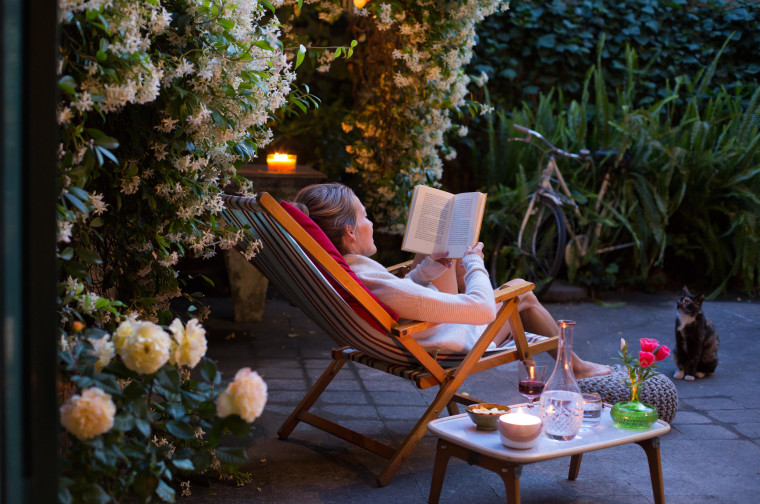
For homes with existing extensions, converting these areas into reading rooms offers an inherent connection to nature, promoting a tranquil environment. Front or back porches, or glass additions, are ideal candidates due to their natural light and views. Such a space can serve as a secluded library, providing a retreat from the main house and its occupants. It can also function as a versatile lounging area for relaxation or quiet reflection. George King, founder of George King Architects, emphasizes the importance of peace and a connection with nature for a reading room. He highlights a design featuring glass walls that can retract to blend with timber bookcases, creating a surreal outdoor living room. This design for a 17th-century cottage extension aimed to bring light and flexibility to an otherwise dark and enclosed structure, allowing residents to enjoy their garden year-round. Comfortable, modular furniture further enhances the flexibility, enabling reconfigurations and indoor/outdoor use based on weather.
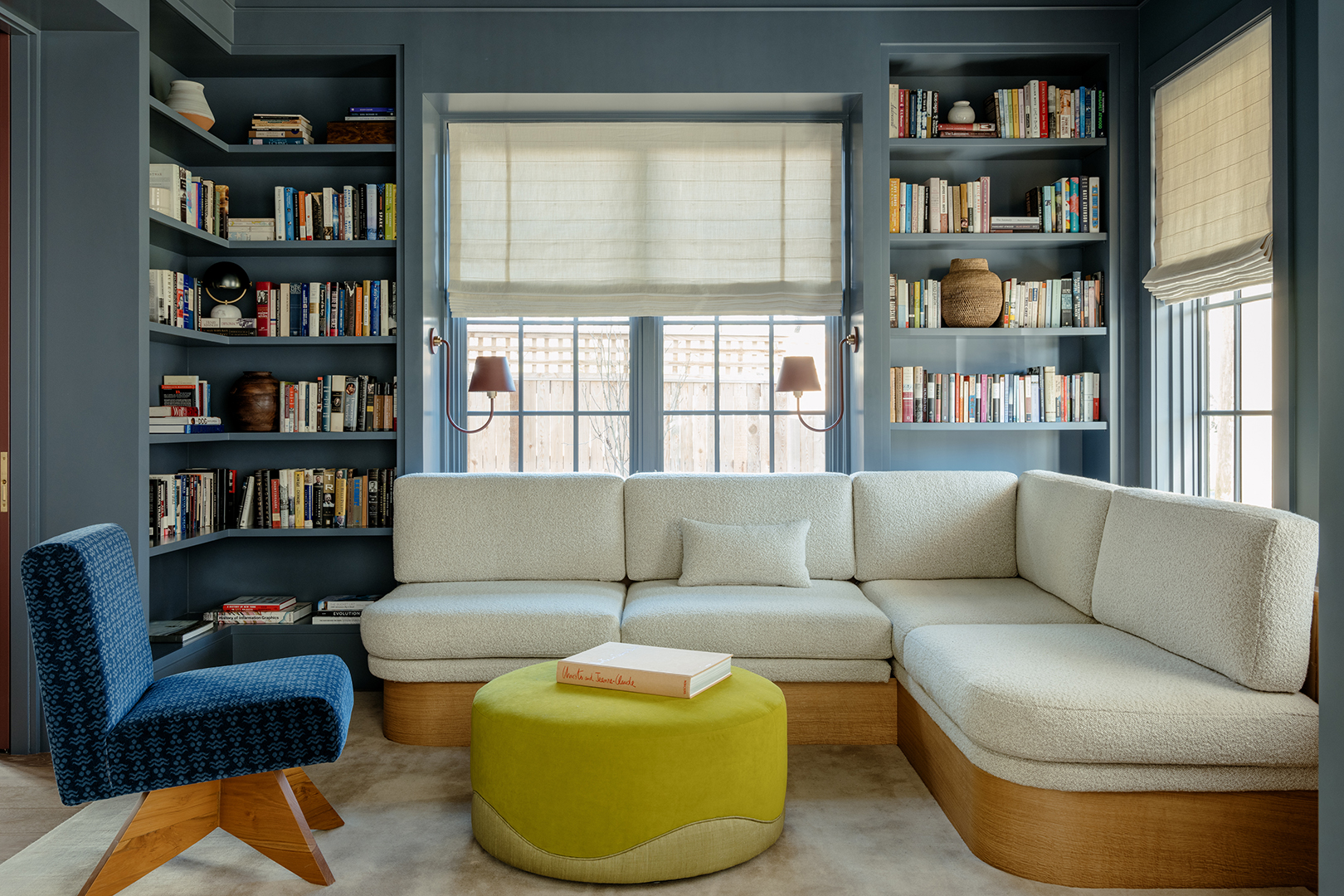
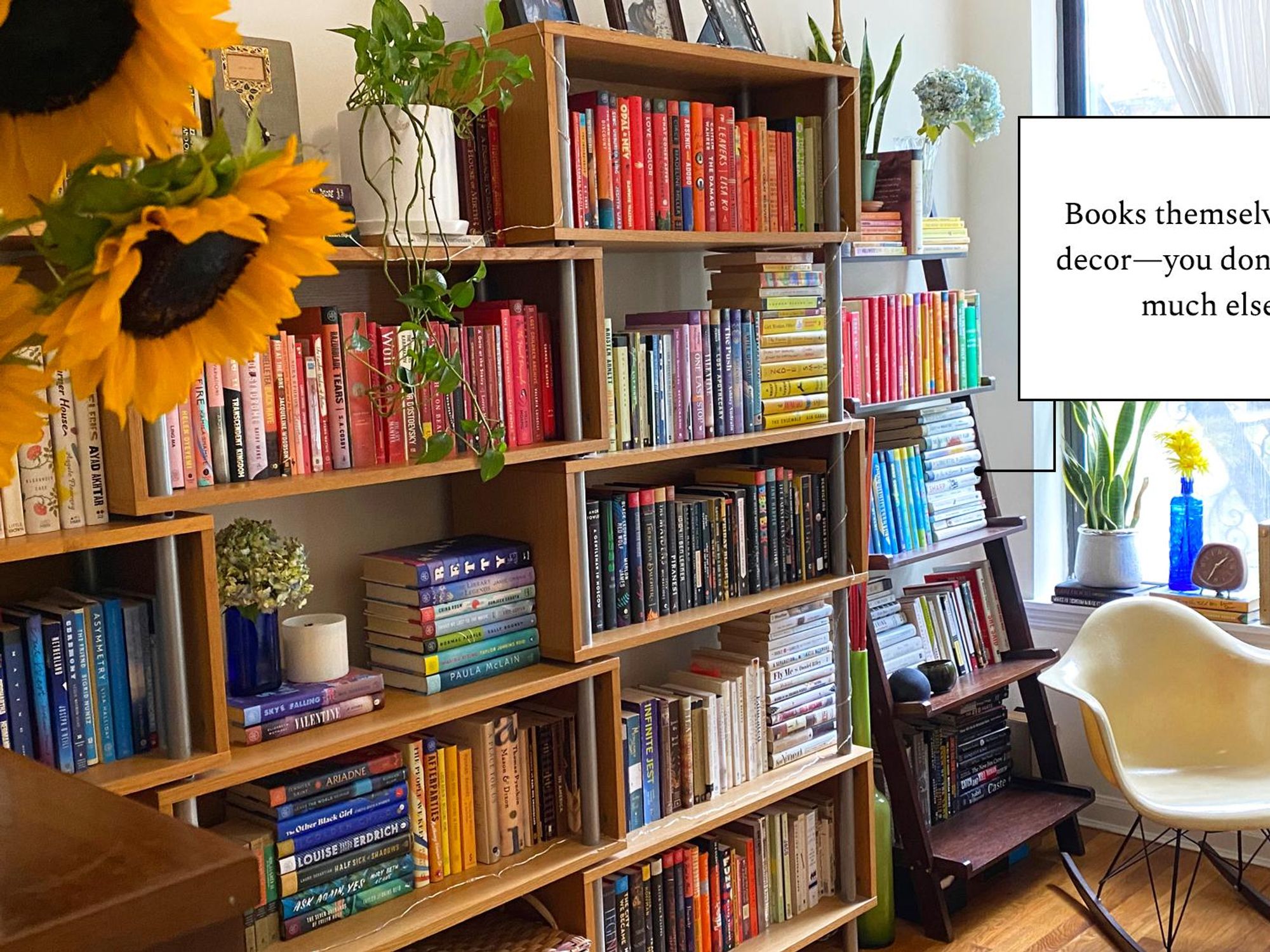
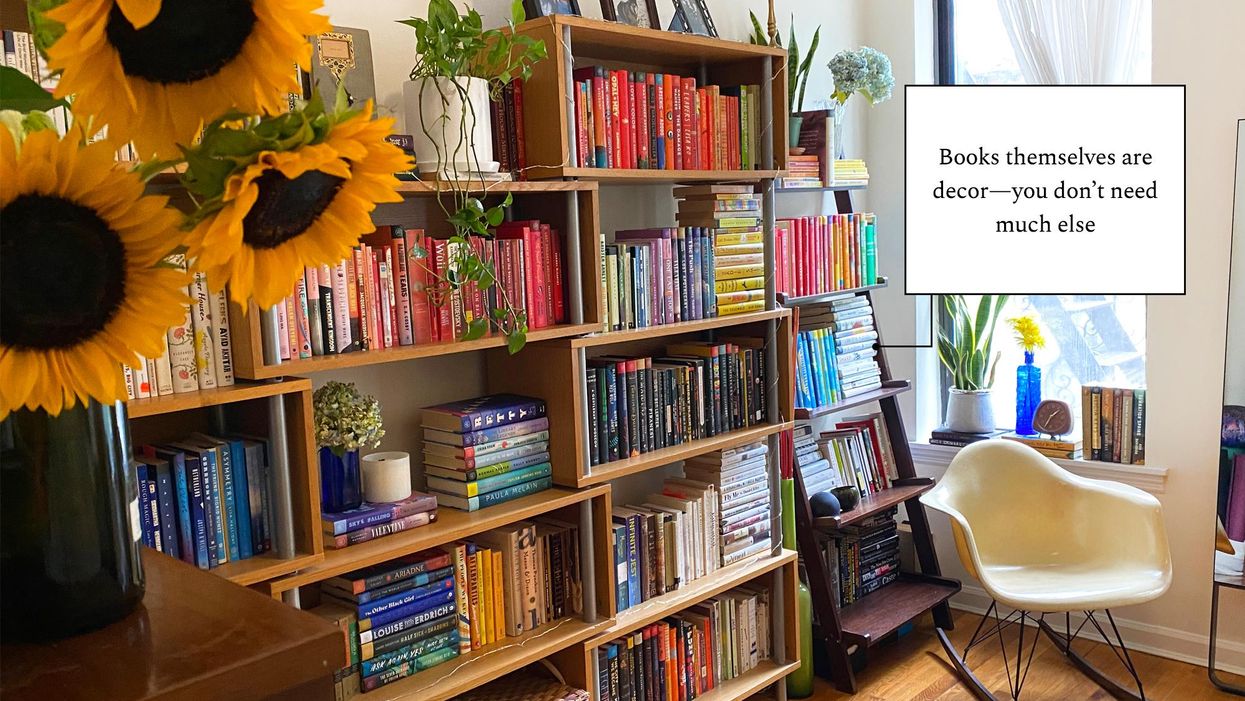
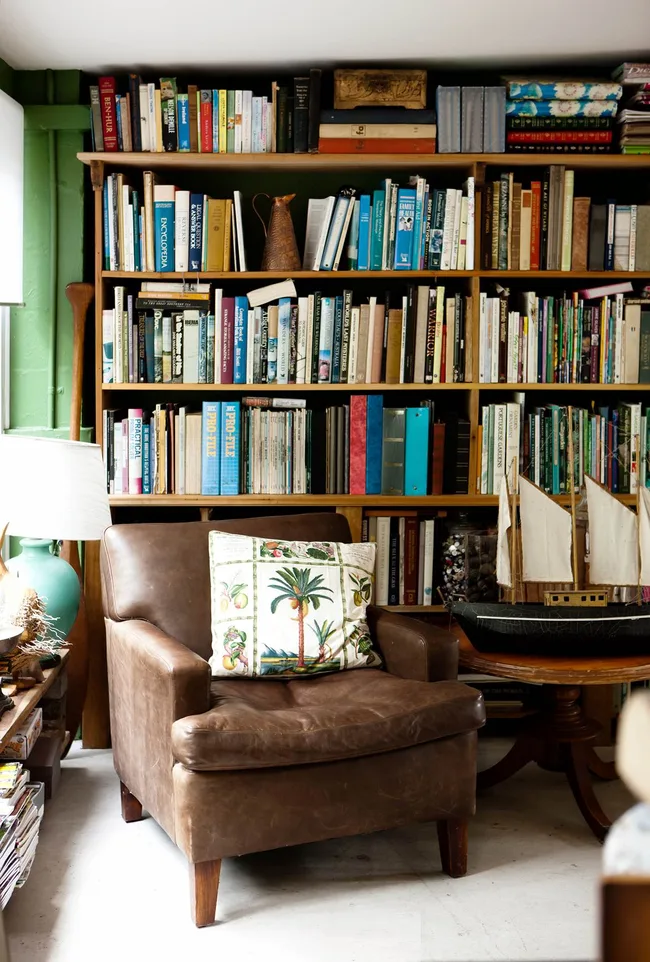
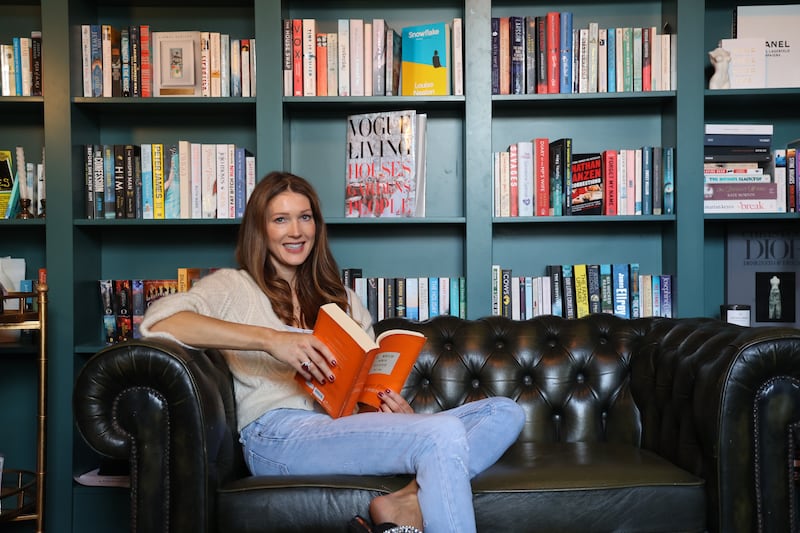
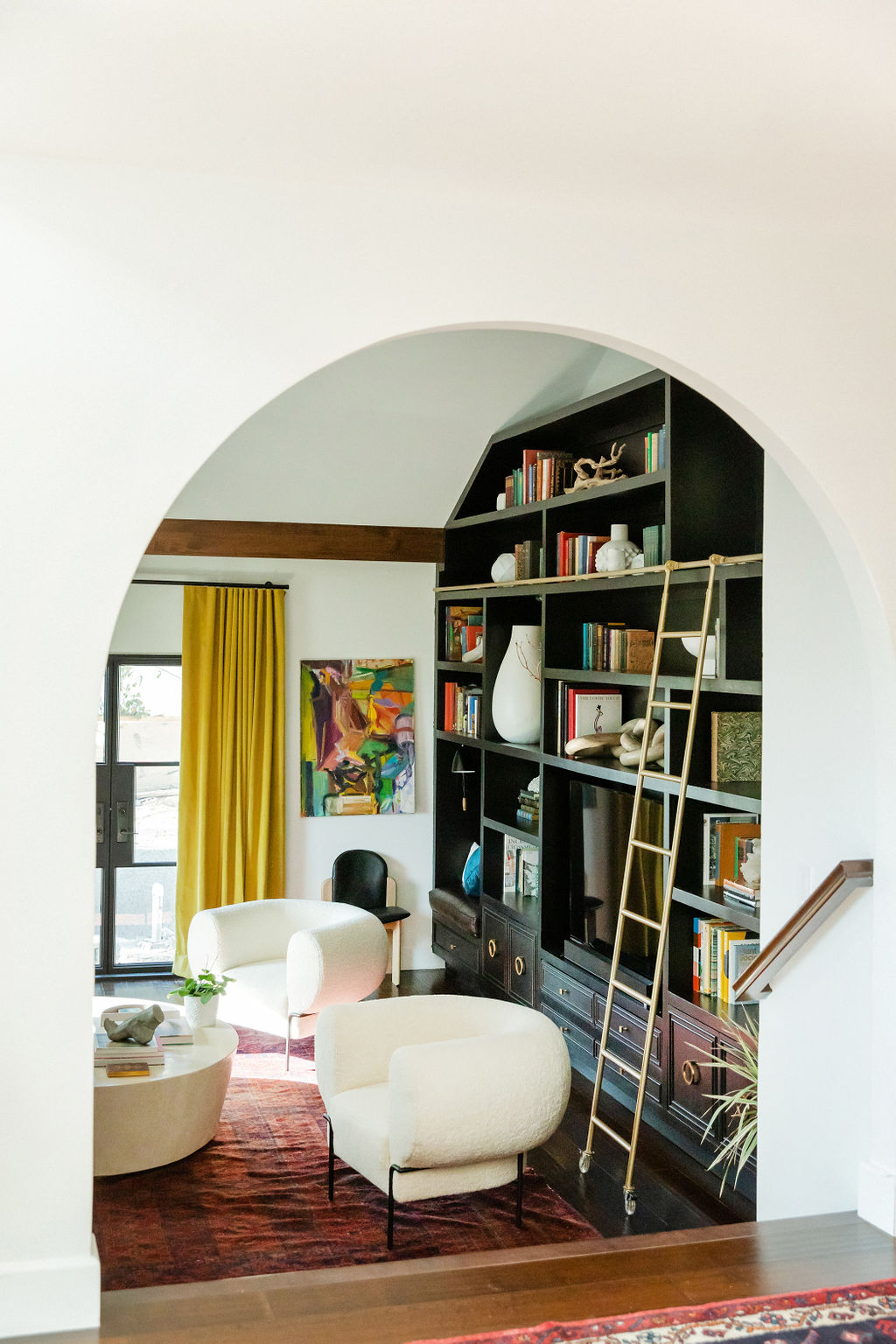
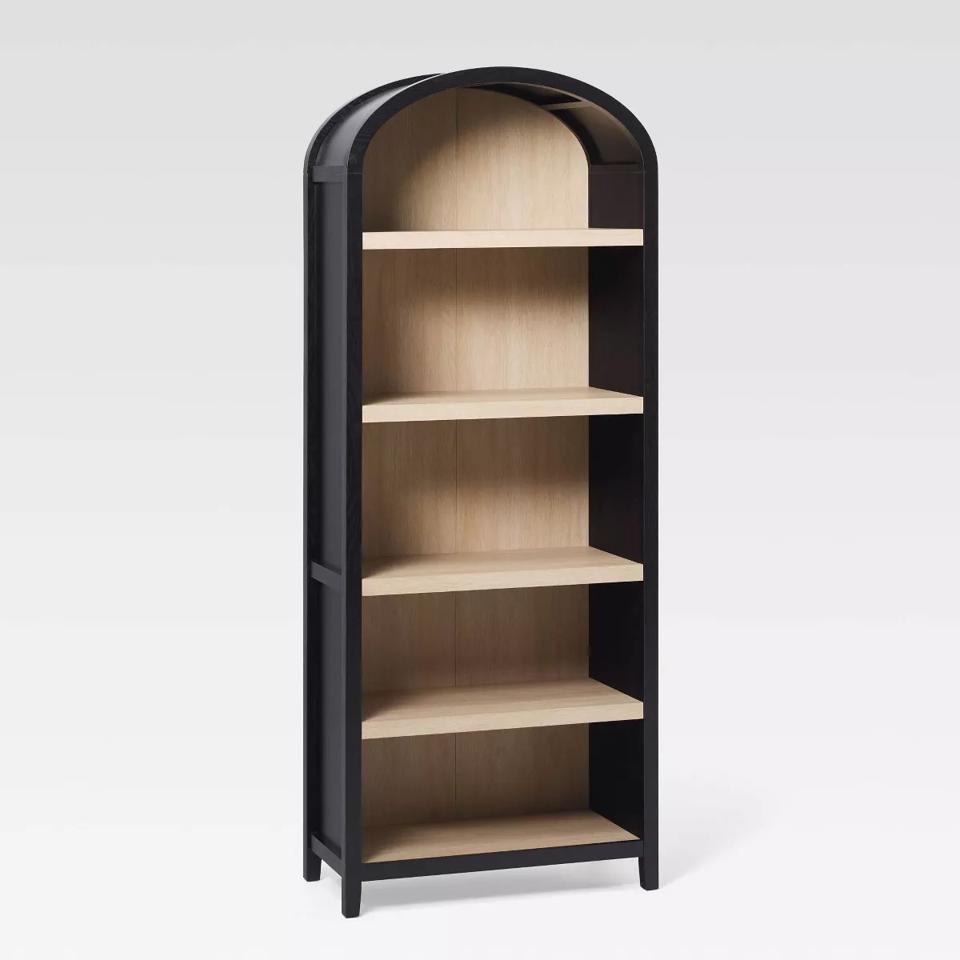
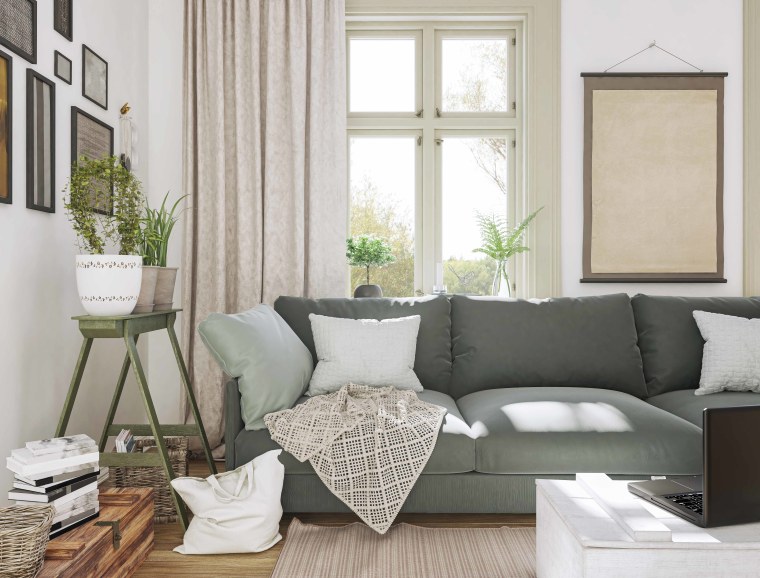
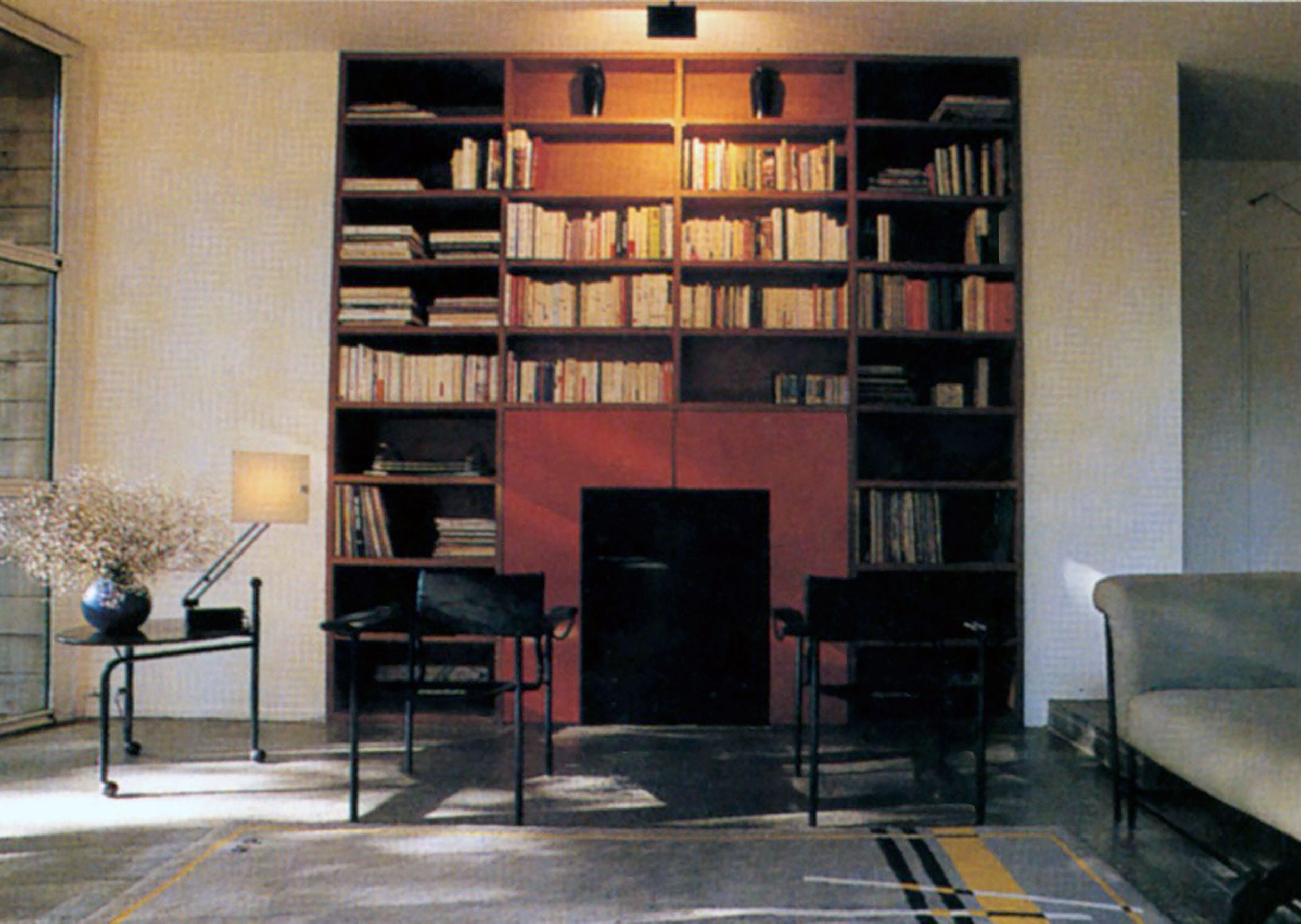
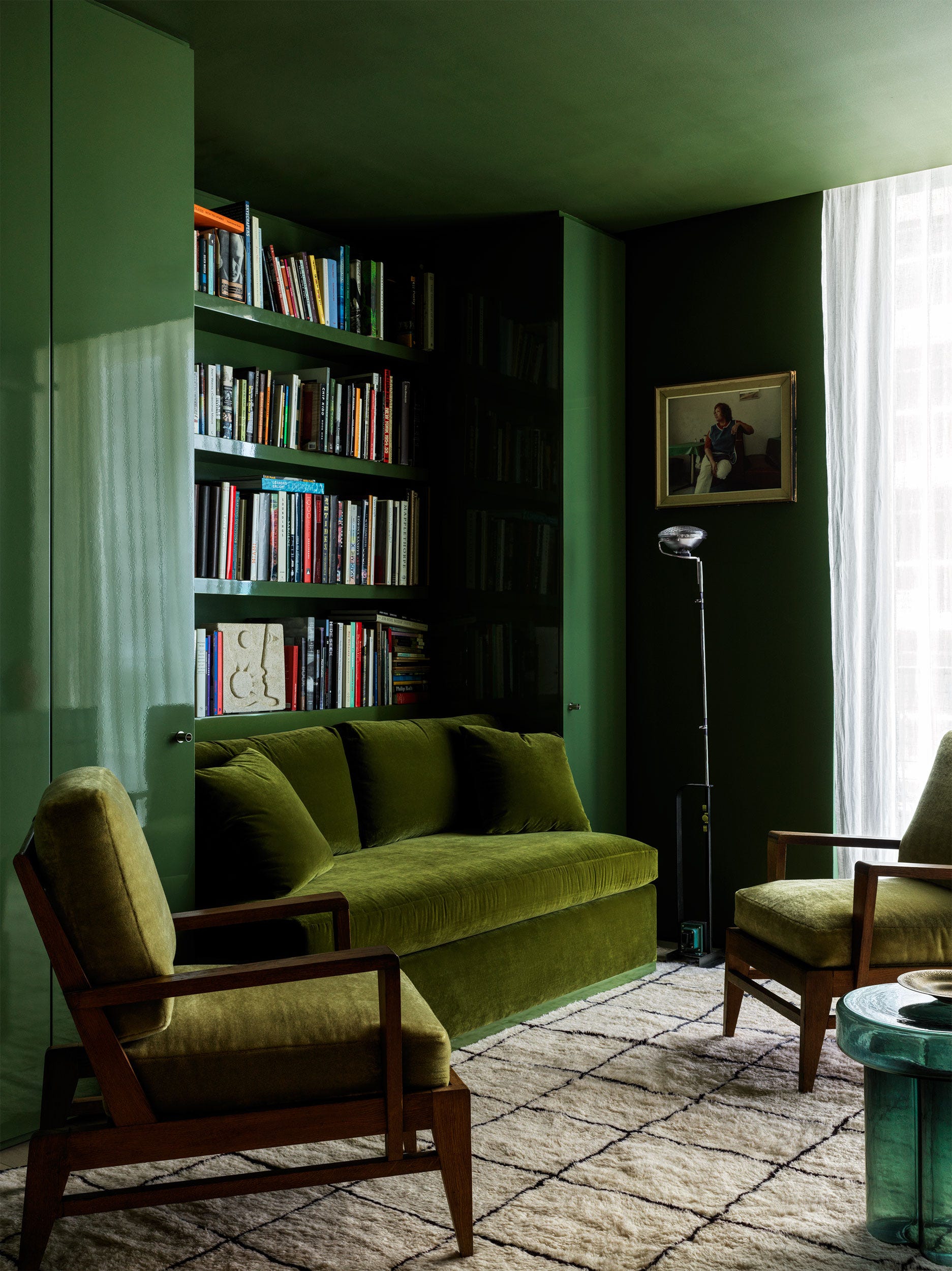
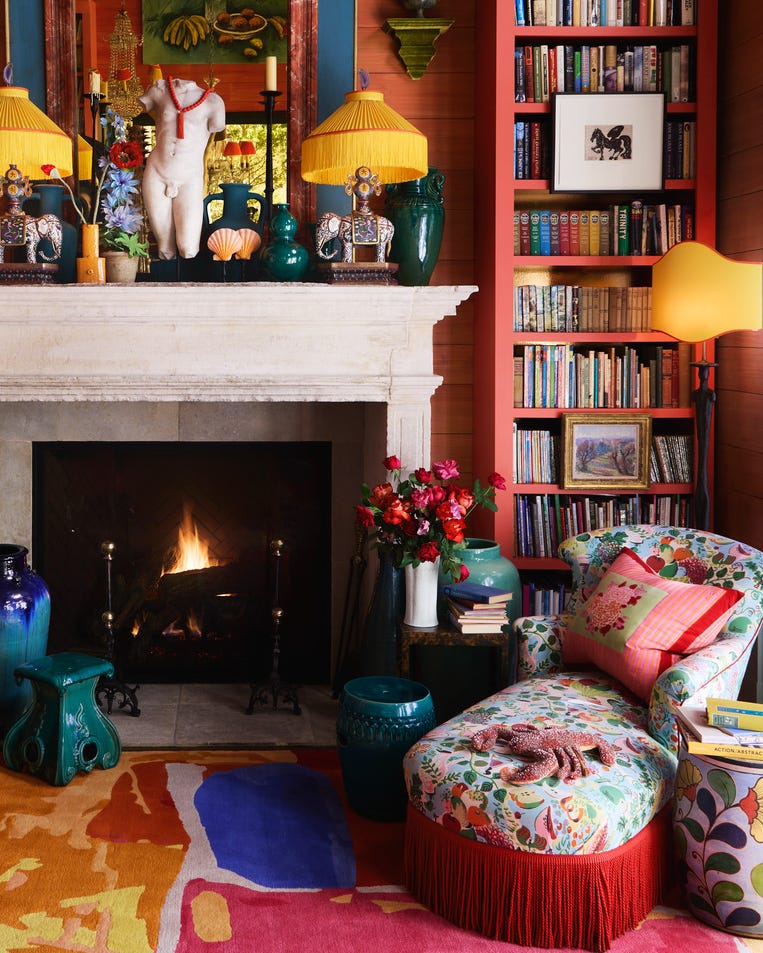
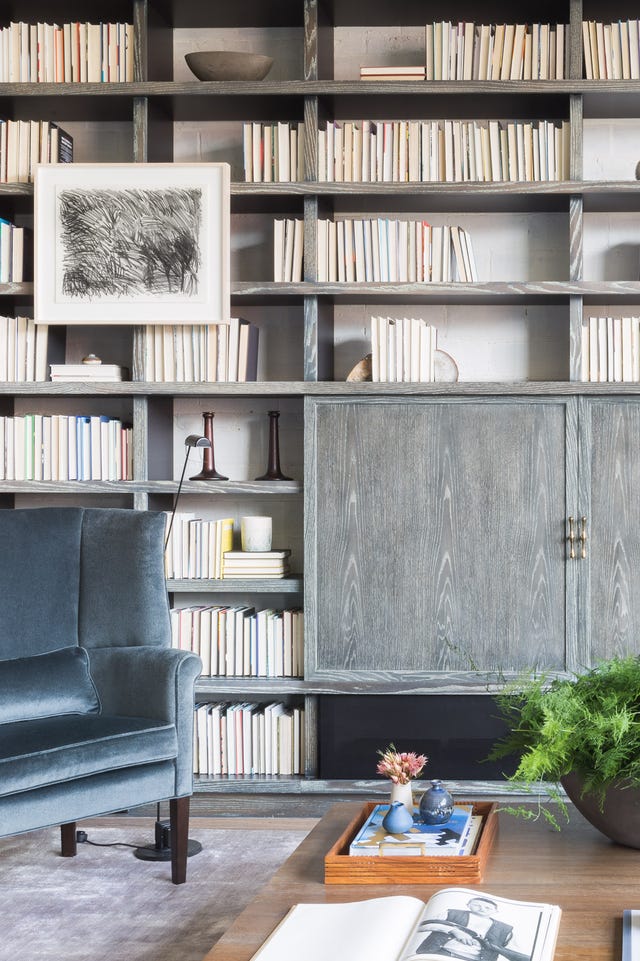
When space is limited, the living room can be adapted to serve a dual purpose as both a social and reading area. Installing a wall-to-wall bookshelf not only stores literature but also acts as a decorative element, with colorful paperbacks contributing to the room's aesthetic palette. Positioning comfortable chairs near the bookshelf creates an inviting reading nook. Henri Cleinge, founder of Henri Cleinge Architecte, mentions a design where a void at the end of a room functions as a library, using light and shadow to create a monastic experience. This demonstrates how even in compact layouts, thoughtful design can carve out unique contemplative spaces.
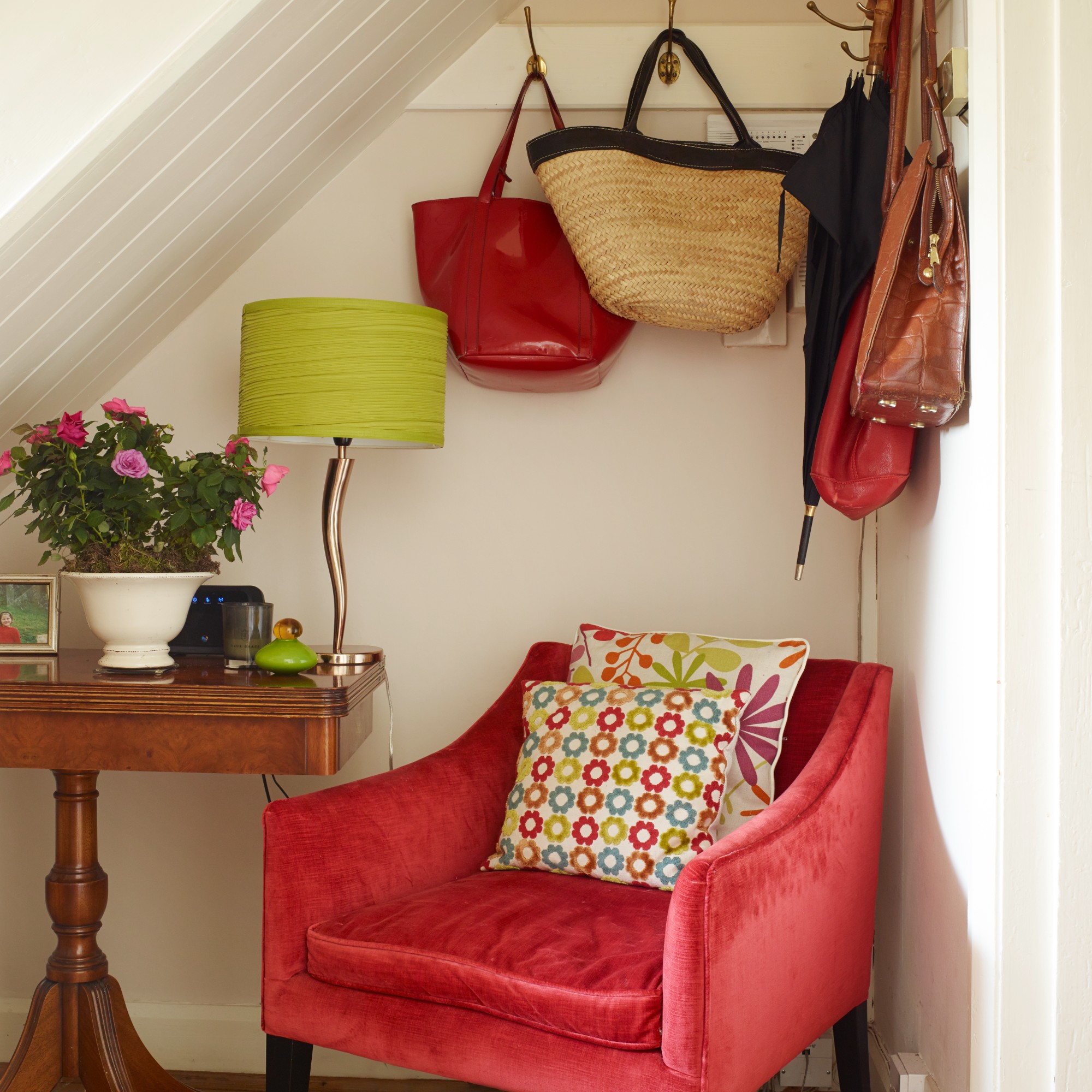
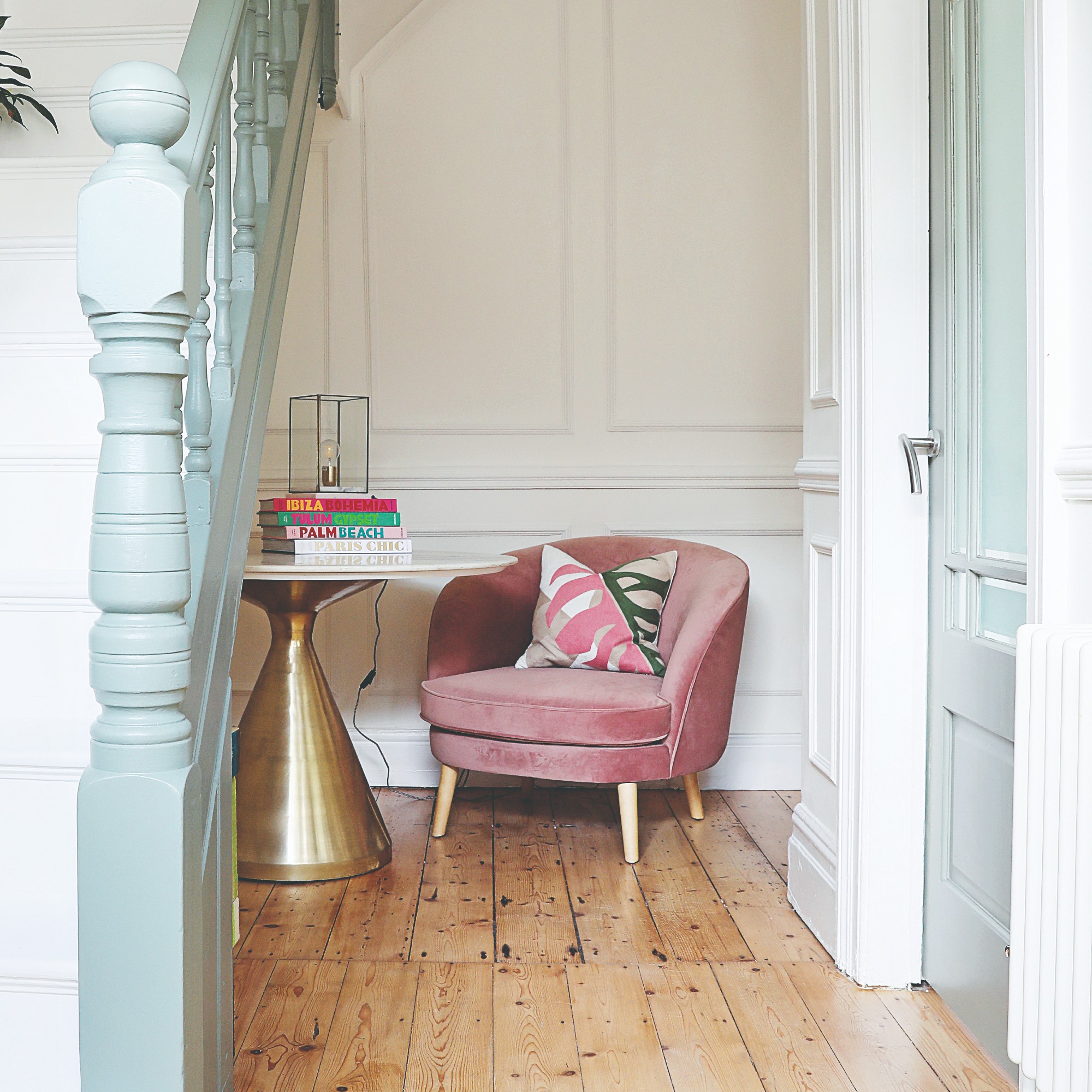
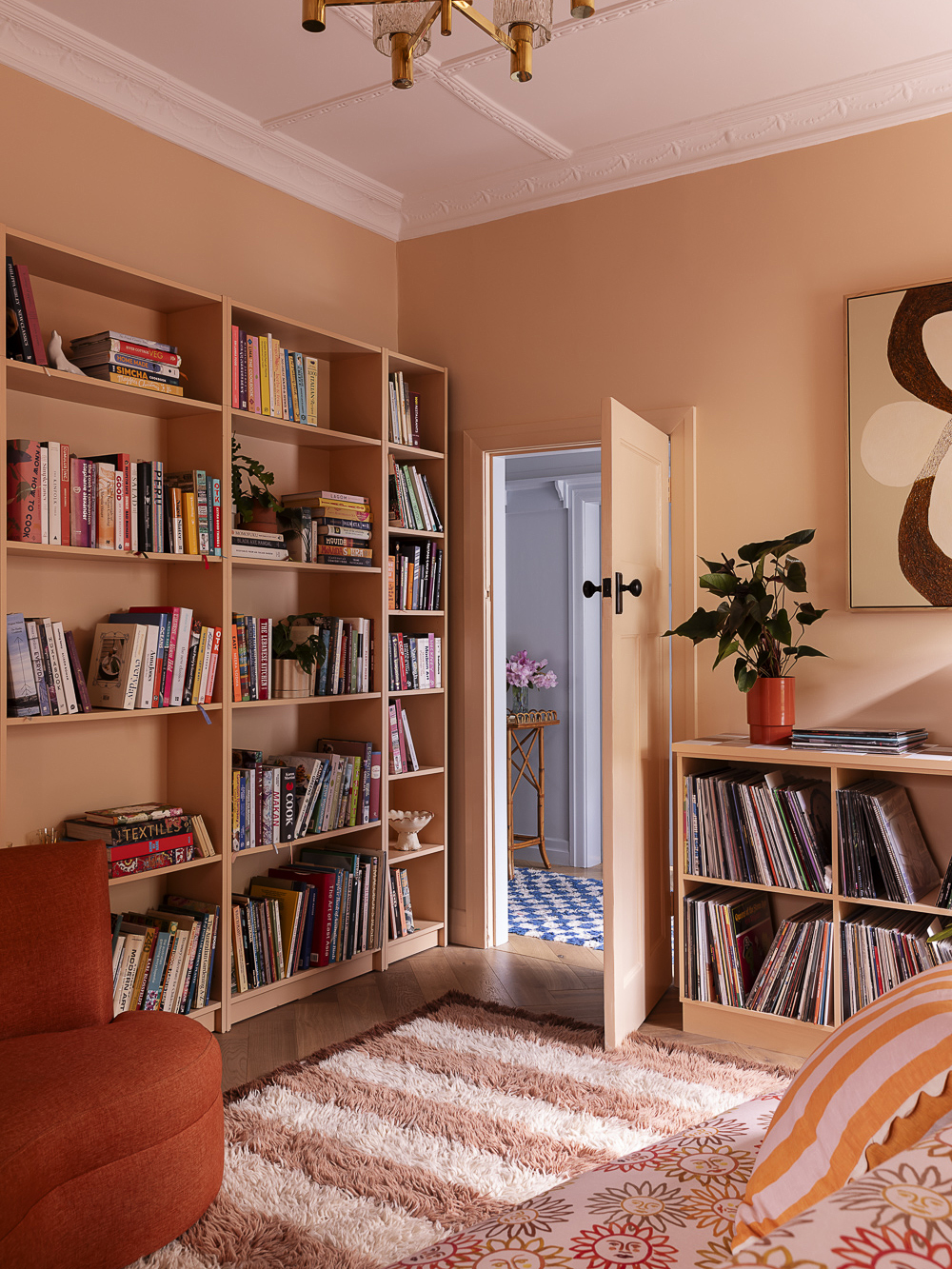
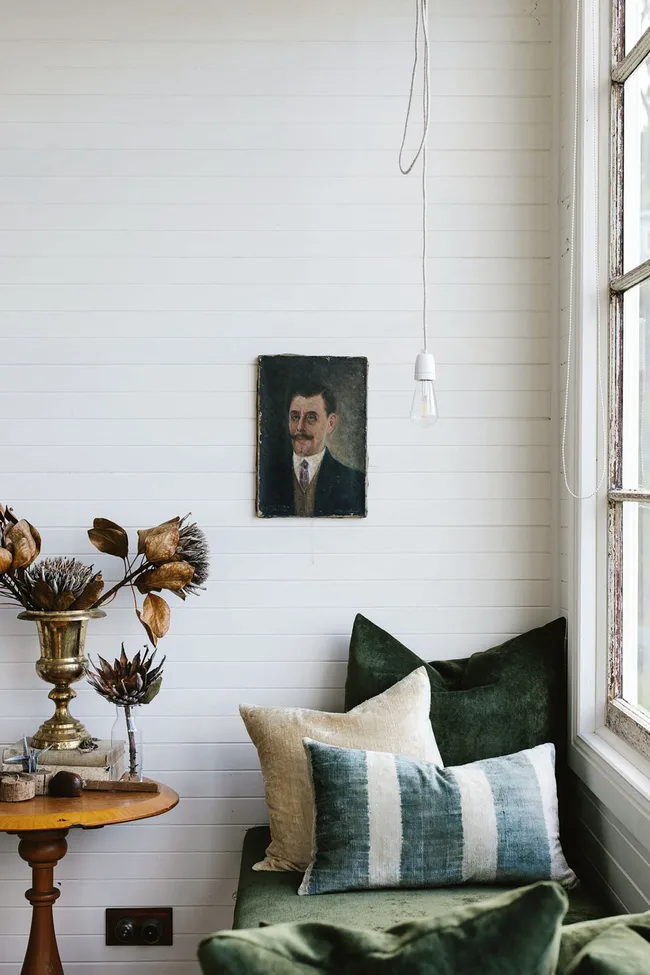
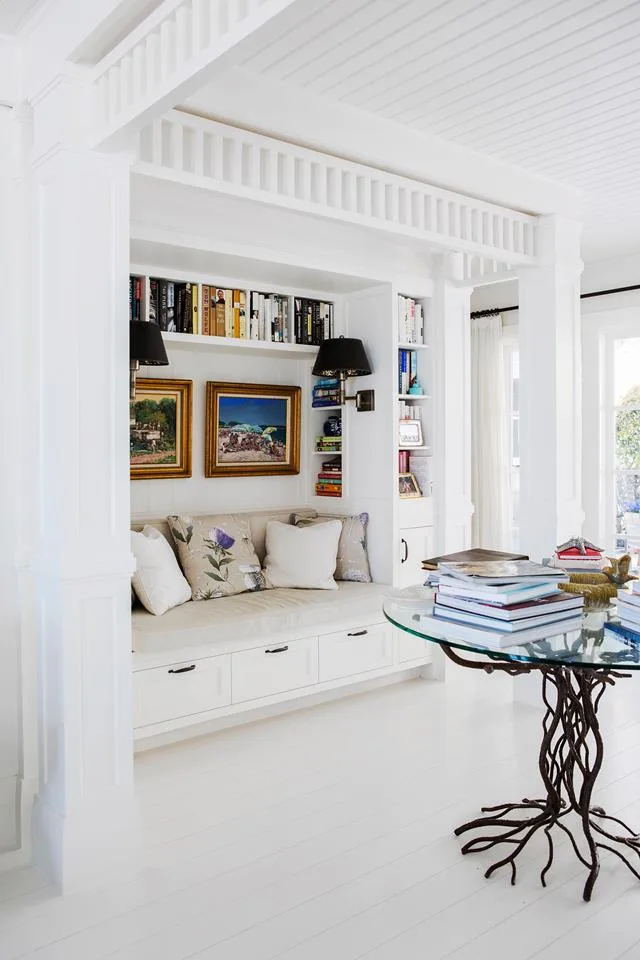
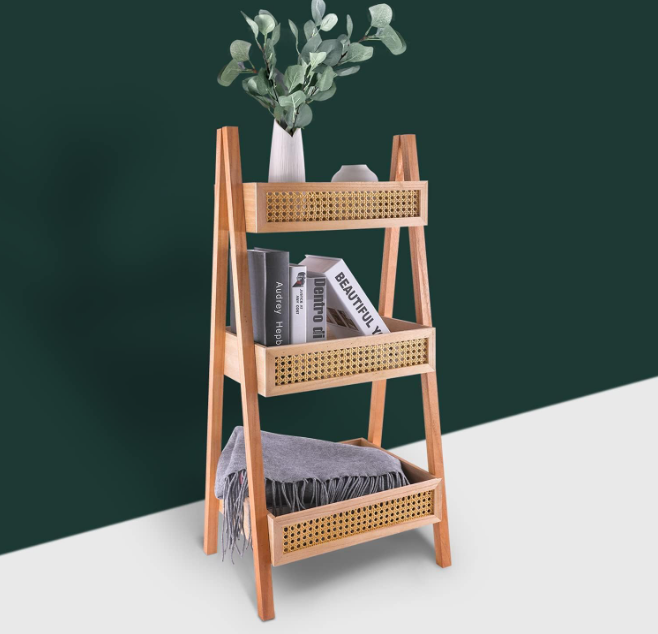
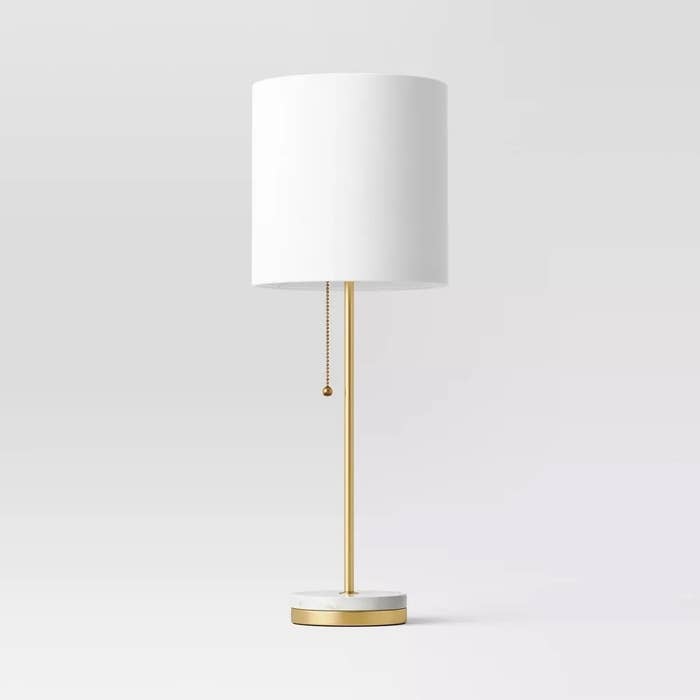
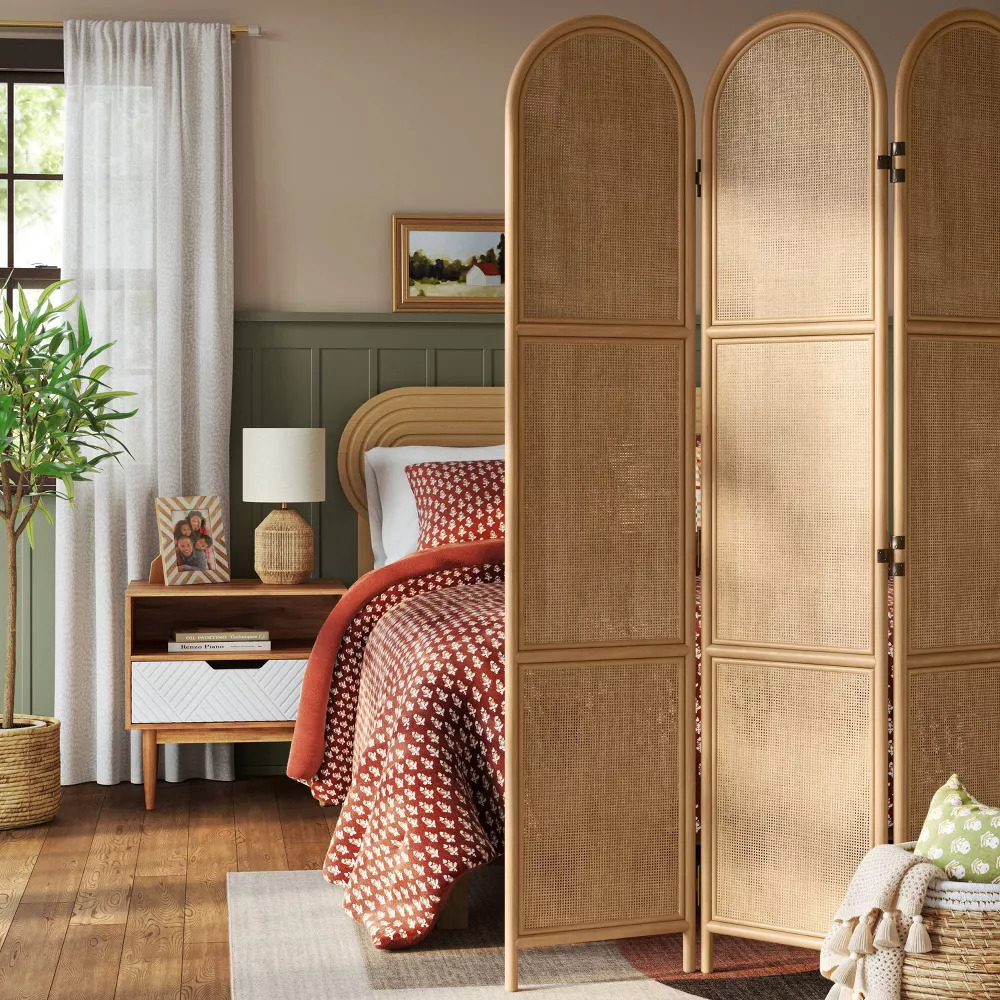
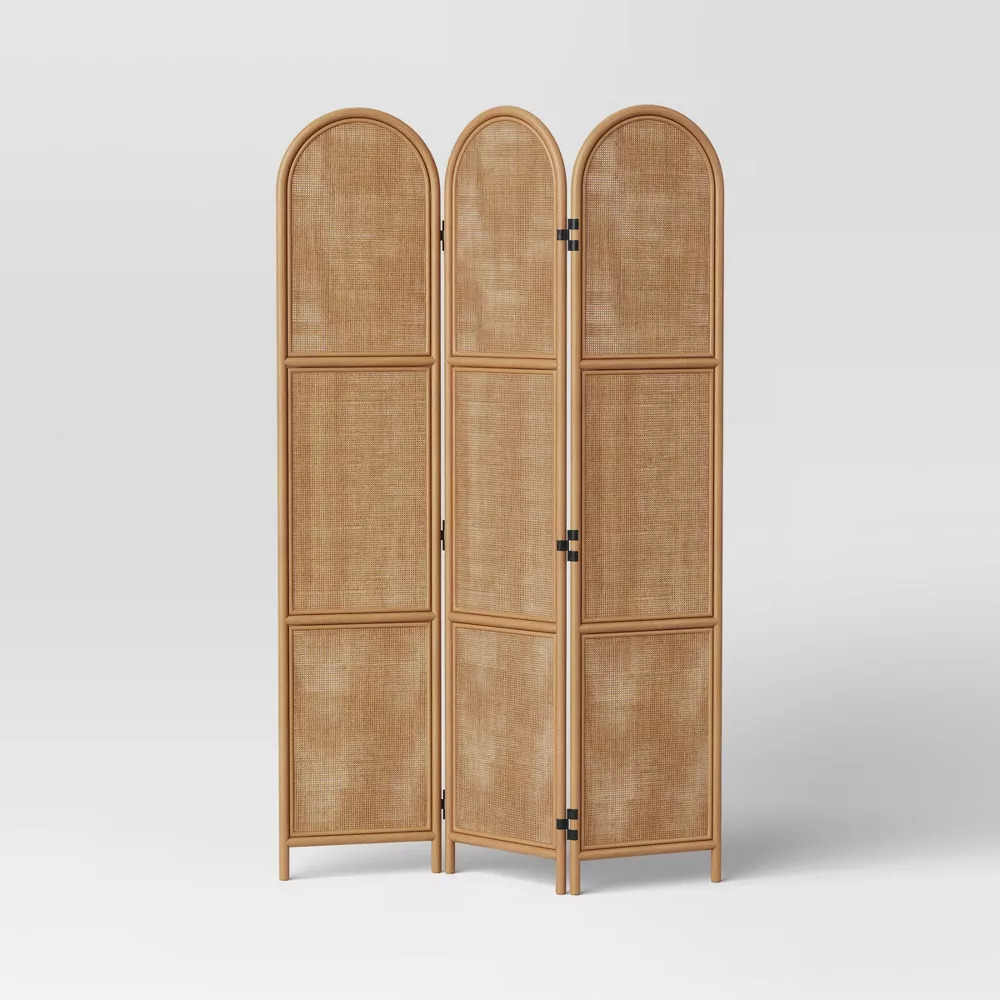
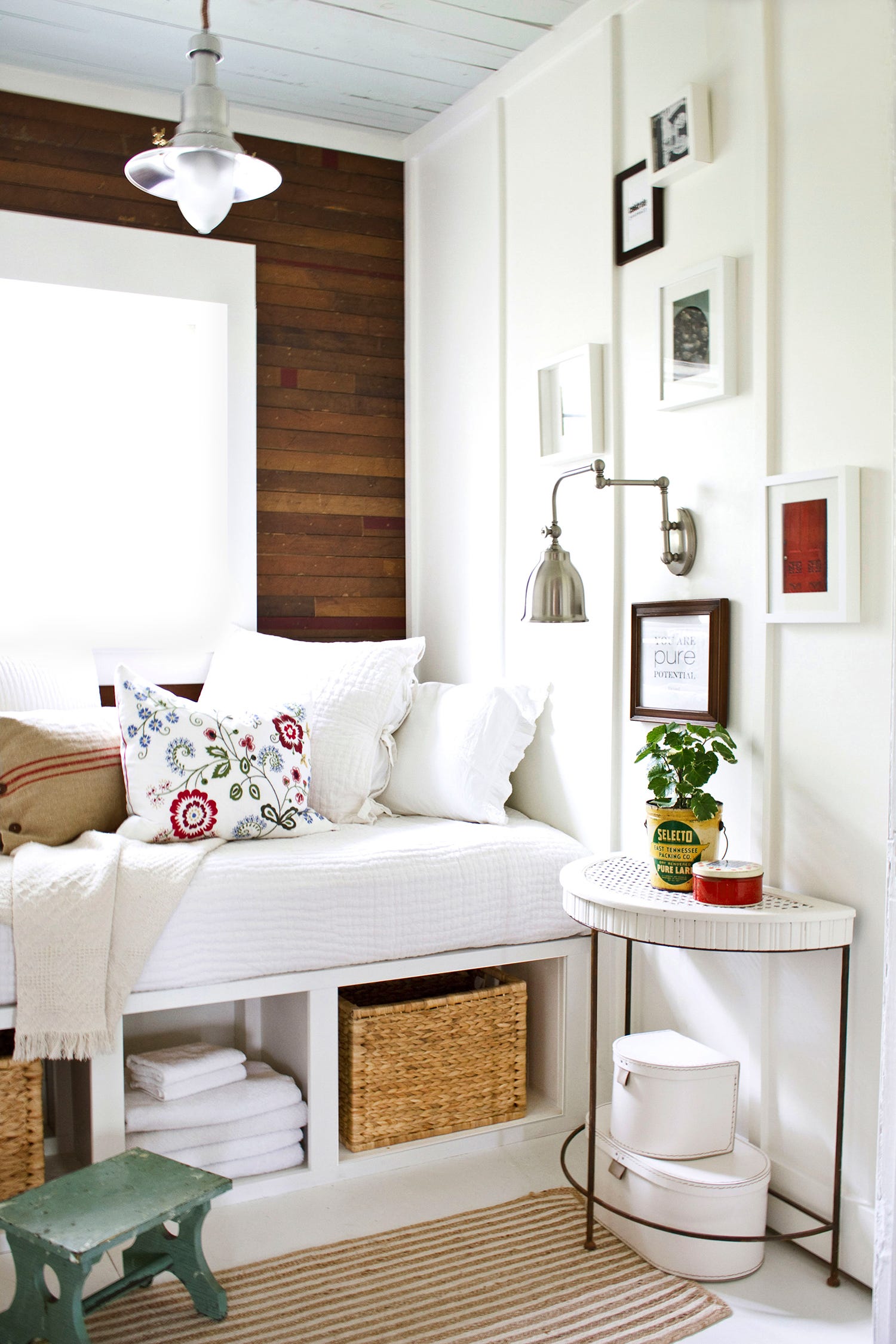
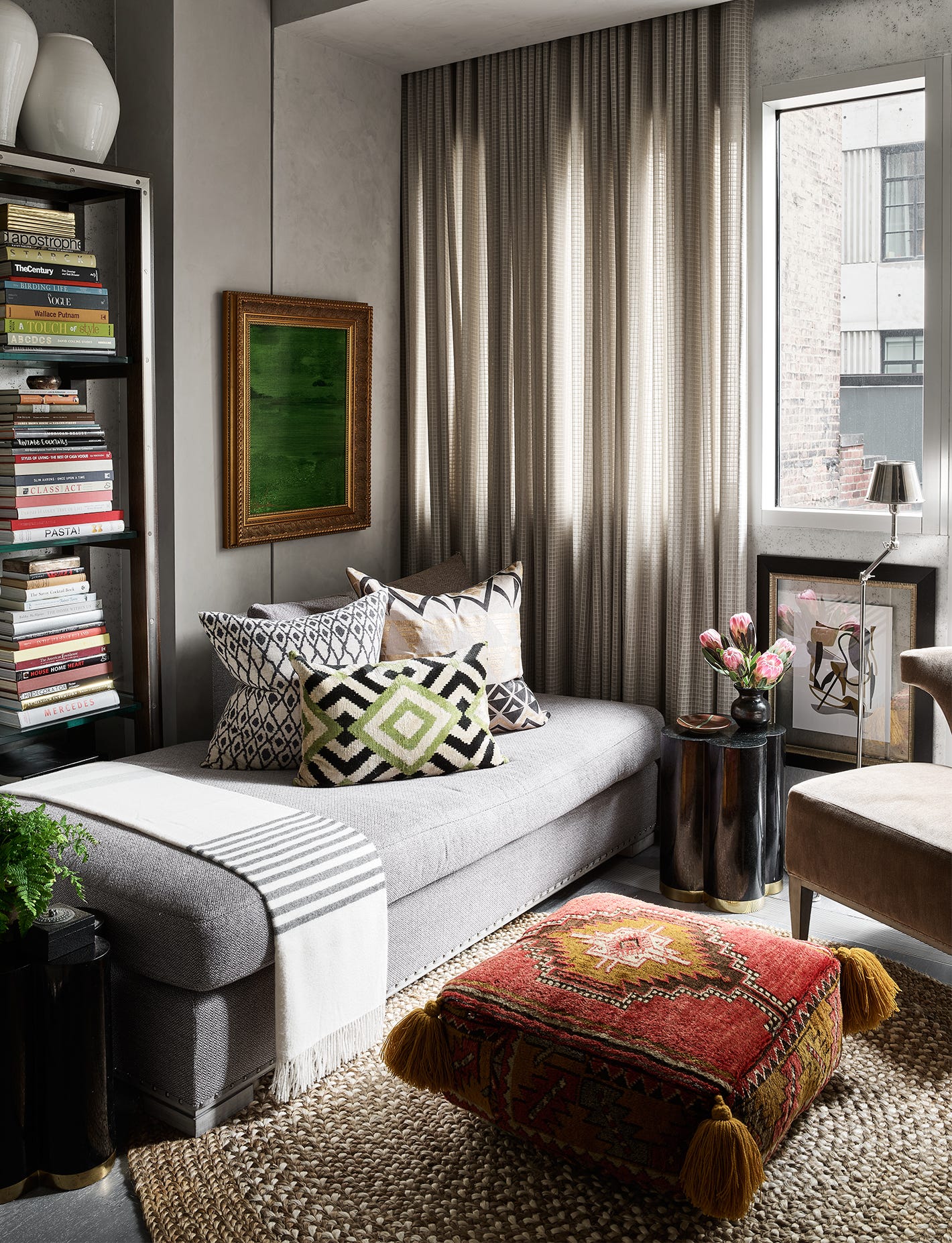
Transitional areas like hallways can also be repurposed into functional reading rooms, especially in smaller apartments where dedicated rooms are not feasible. Built-in bookshelves maximize space by not encroaching on floor area, and flexible seating options like ottomans or stools can be added. For added privacy, screens made of fabric or wood can be utilized. Similarly, an entryway can be transformed into a small, useful reading nook. A floor-to-ceiling bookshelf paired with comfortable seating, such as chairs or floor pillows, creates an accessible spot for reading. Since entryways are typically less frequented, they offer a quiet retreat. Decorating these bookshelves with curios, lamps, artwork, and family portraits can enhance the entryway's aesthetic appeal. Julia Mack, founder of Julia Mack Design, advises creating a designated cozy spot, suggesting a window seat for natural light or a directional floor lamp for areas lacking sunshine. A small table for essentials like tea or reading glasses, and a basket for reading materials, complete the functional setup.
#ReadingRooms #InteriorDesign #HomeDecor #SpacePlanning #ArchitecturalDesign #CozySpaces #LibraryDesign #HomeSanctuary #Mindfulness #ReadingRooms #InteriorDesign #HomeDecor #SpacePlanning #ArchitecturalDesign #CozySpaces #LibraryDesign #HomeSanctuary #Mindfulness
0 comment in total
 No comments yet
You may also like
Are reading nooks the new must-have? The cosy home feature that got us hooked
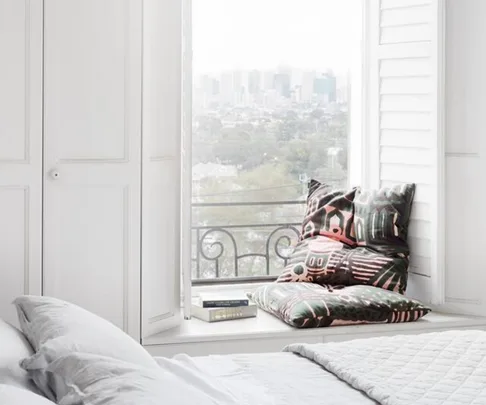
16 reading spots to curl up with a book

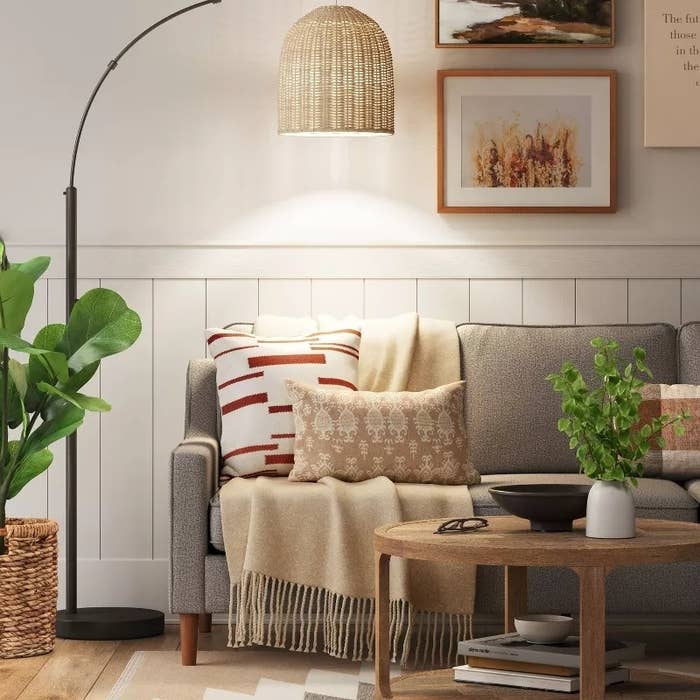
25 Things From Target To Help Build The Reading Nook Of Your Dreams

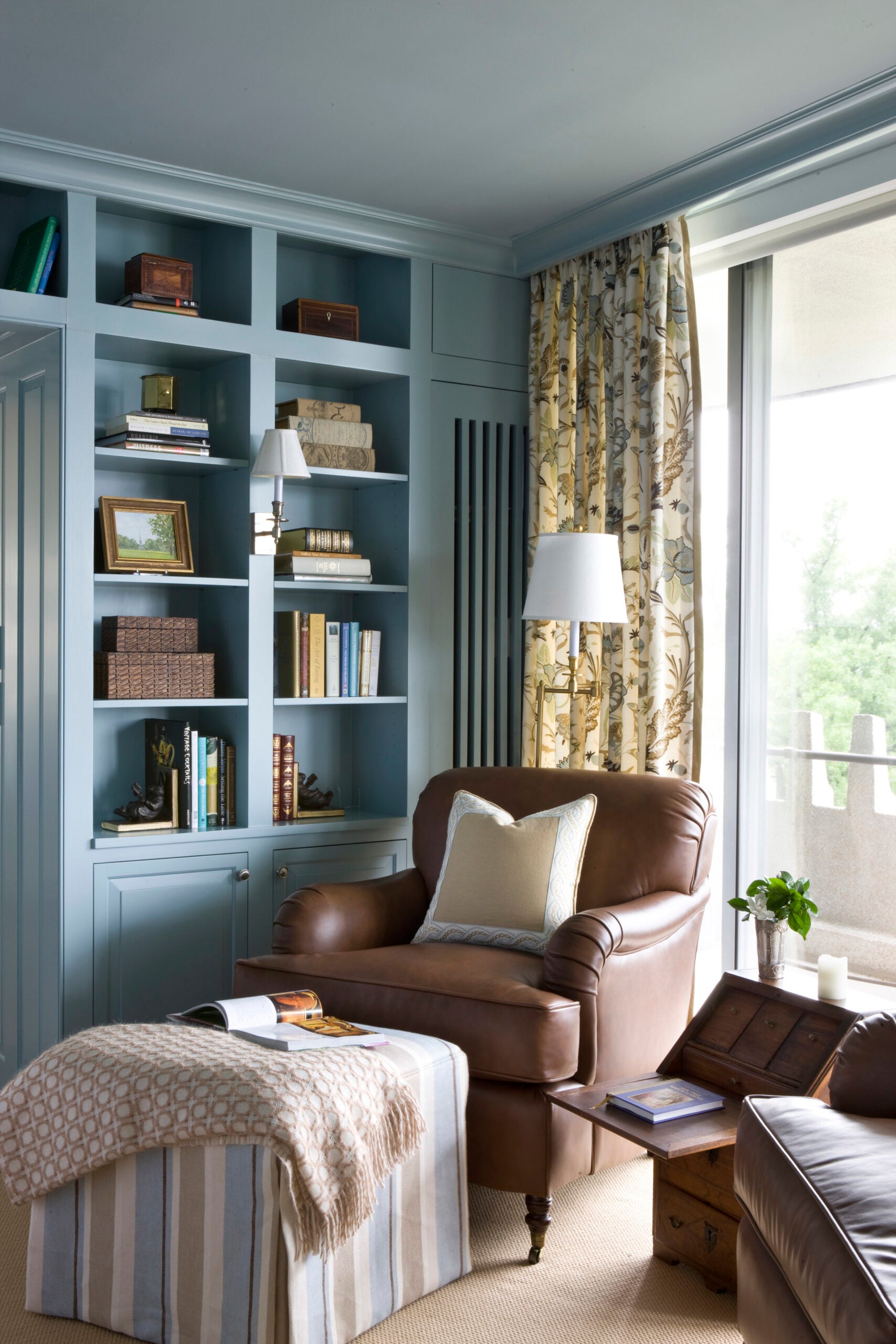
Tips for designing a comfy reading nook

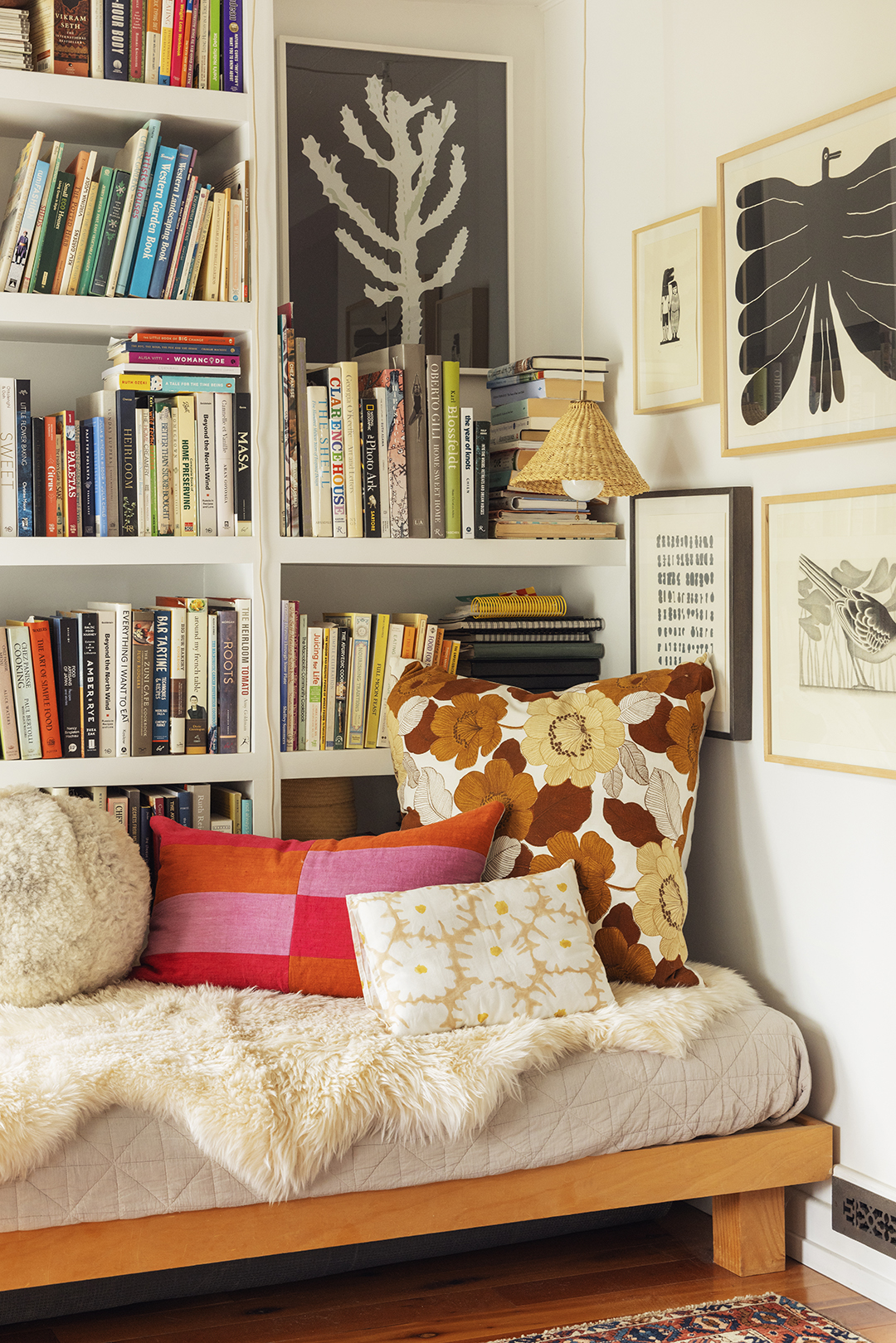
Searches for Reading Rooms Are Spiking—These Are the Best Ones We’ve Seen

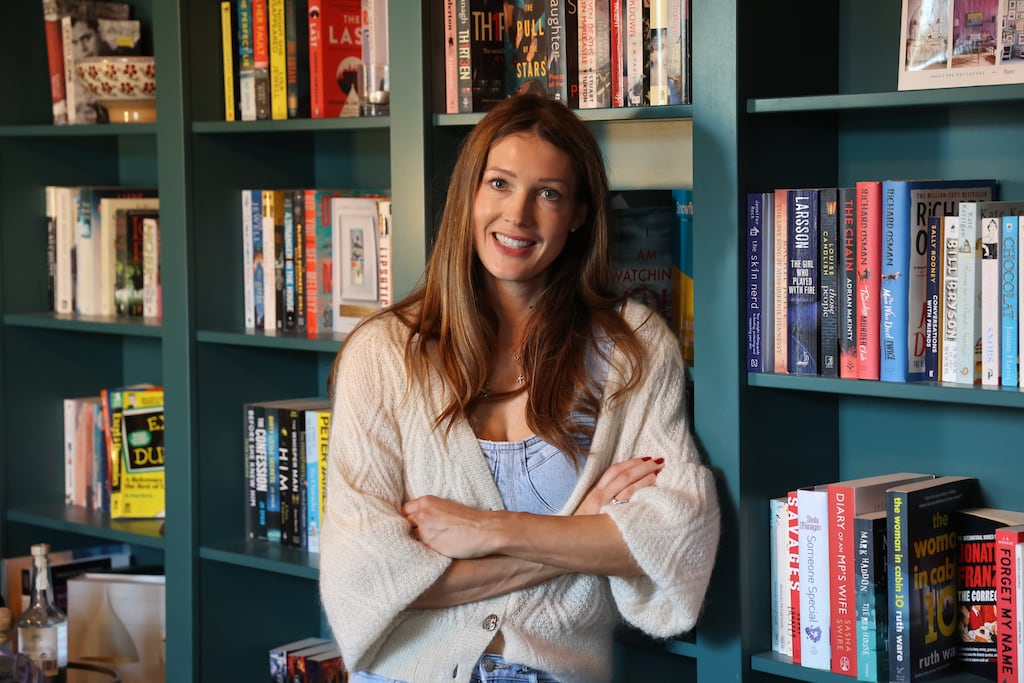
How to create a book nook – your own cosy corner to read and escape
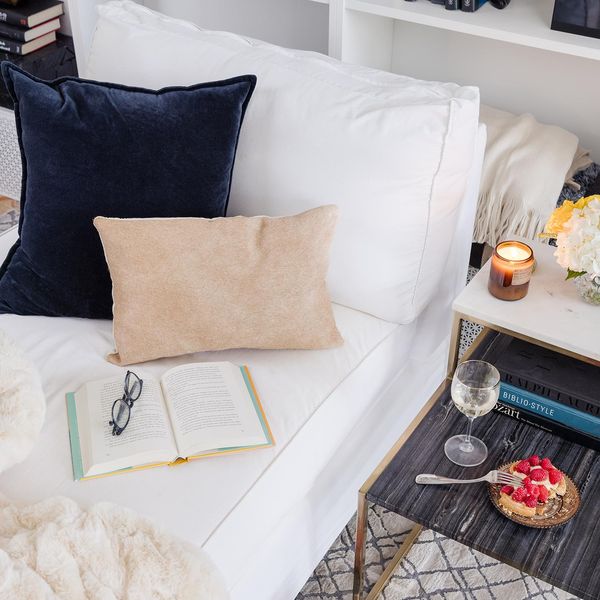
Our Latest Decor Obsession: The Reading Room

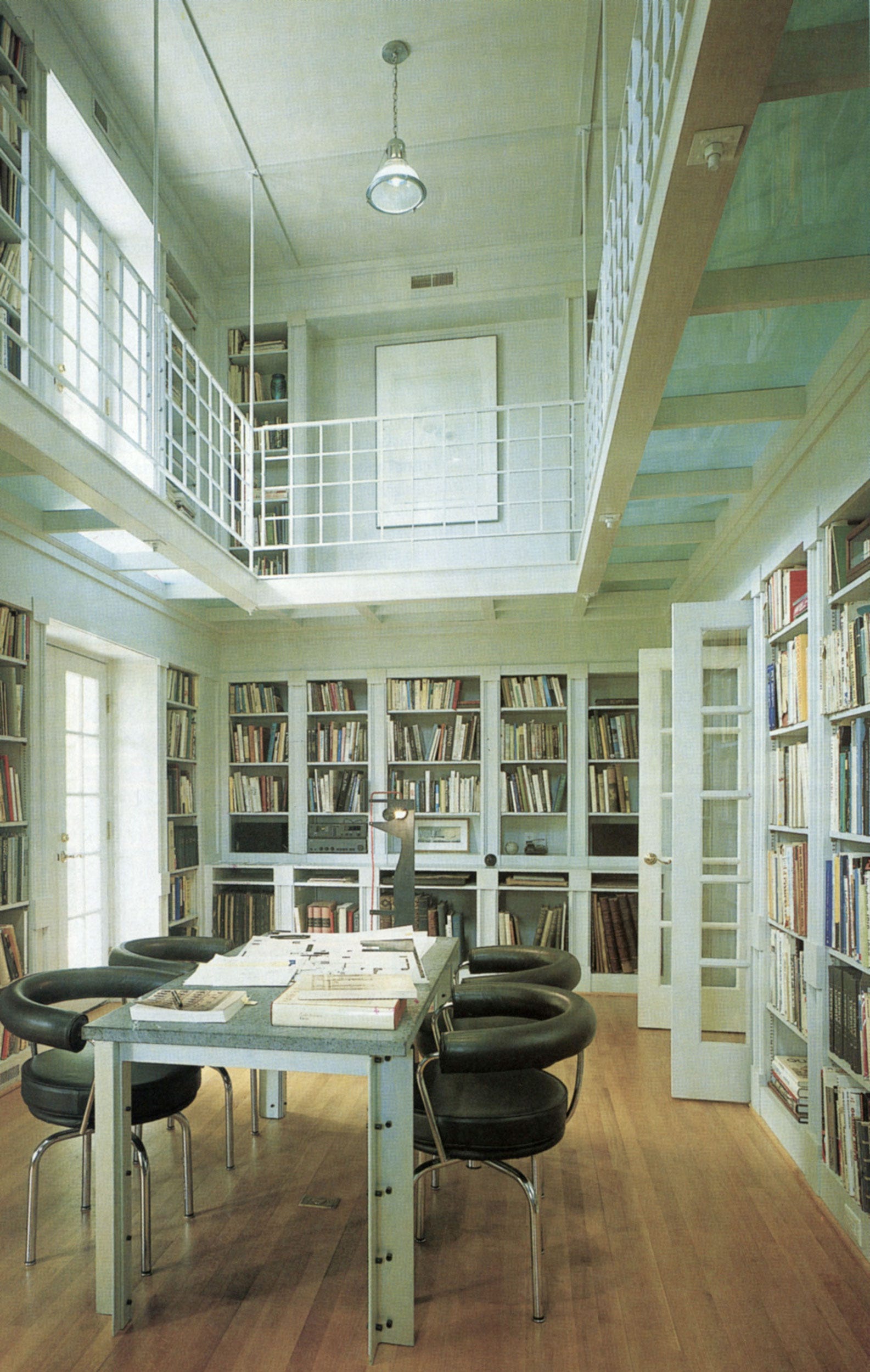
From the Archive: A Tour of Some of the World’s Most Elegant Home Libraries

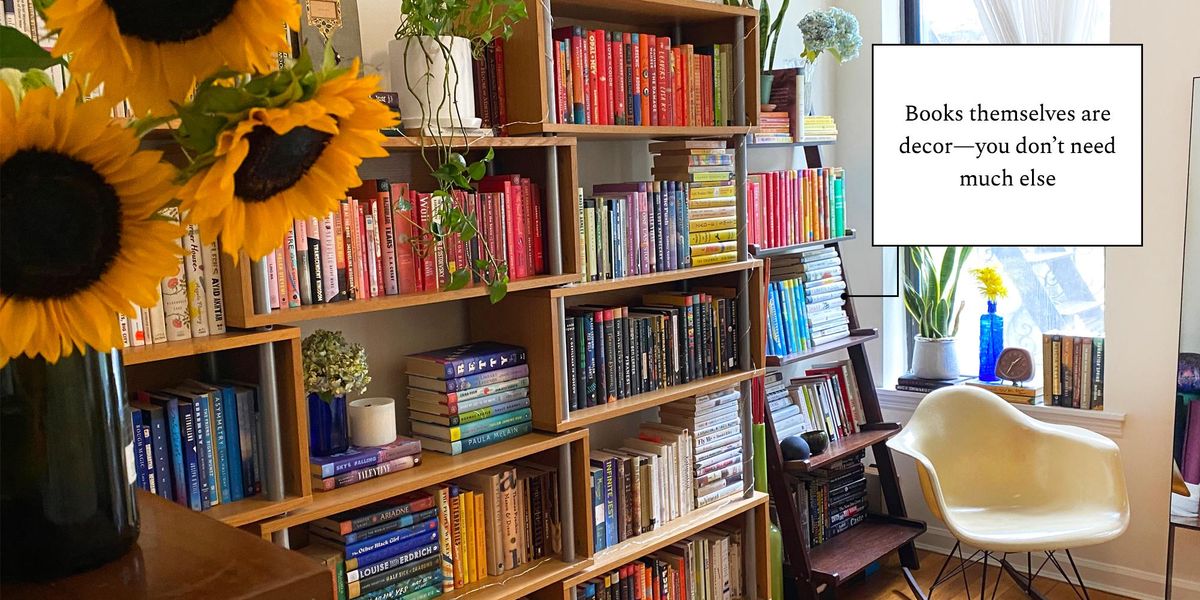
Everything You Need for a Superior Reading Nook
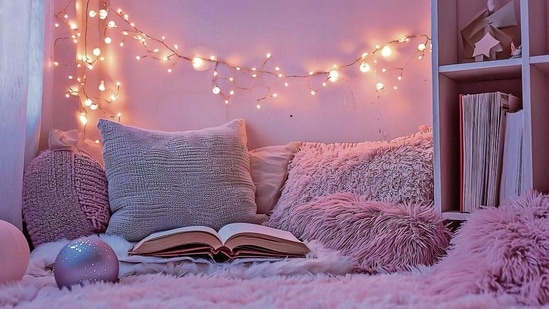
World Book Day: How to set up your dream reading nook | Hindustan Times

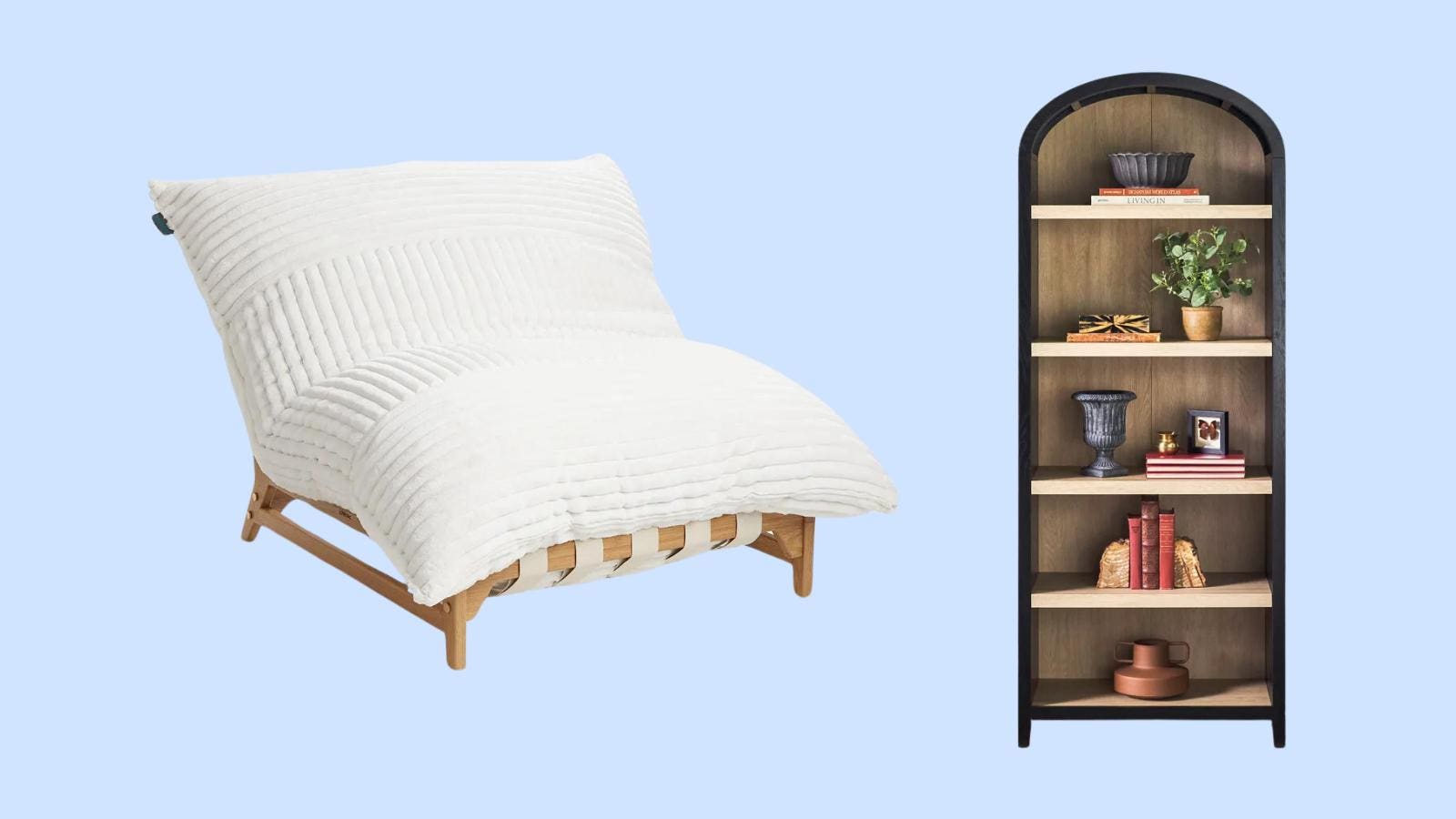
How To Create A Cozy Reading Nook, From Products To Expert Tips

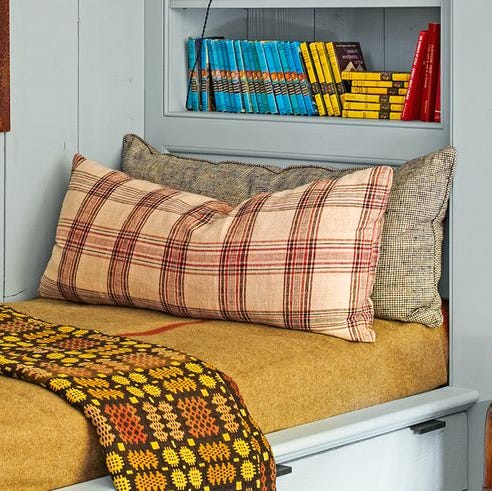
22 Reading Nooks That Are Full of Creative Design Ideas


Inside the Picture Perfect—and Highly Lucrative—Business of Book Styling

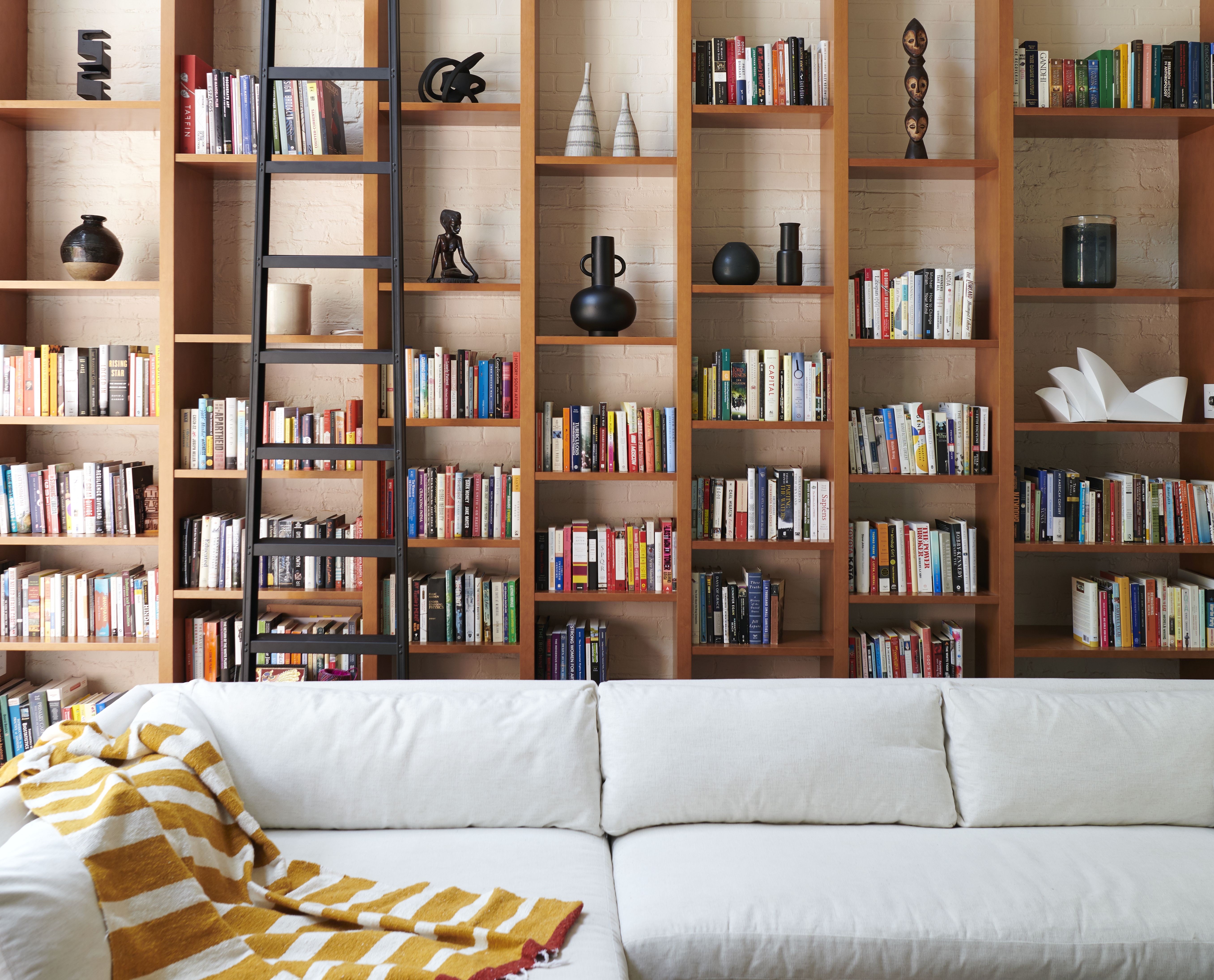
Forget Watching TV - Here are 3 Ways to Make Your Living Room Better to Read in

How To Create A Reading Nook In 5 Steps, With Expert-Approved Ideas

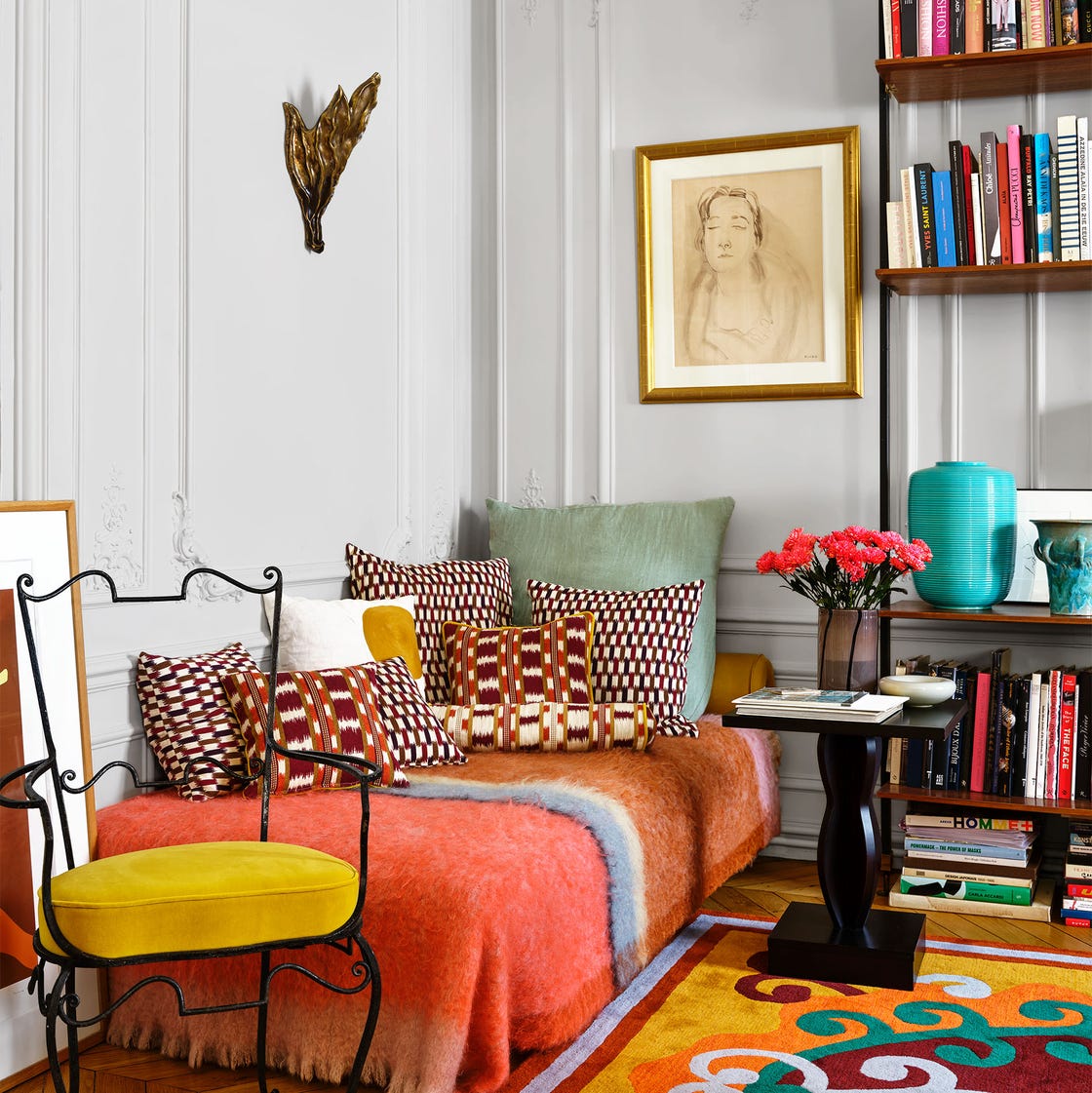
20 Cozy Reading Nook Ideas That Are Utterly Novel
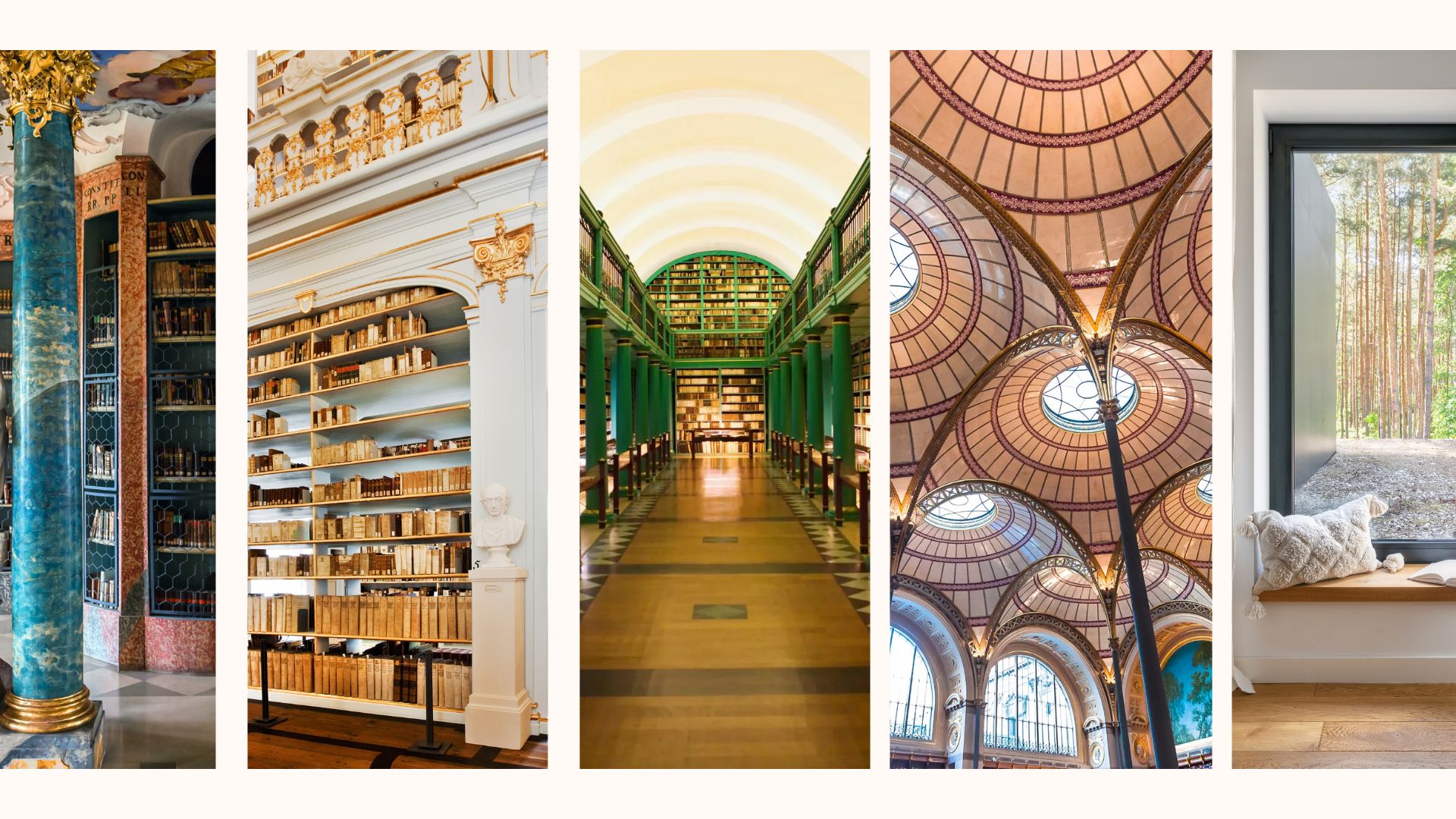
The world's most beautiful libraries that will enchant book lovers and inspire your home decor dreams

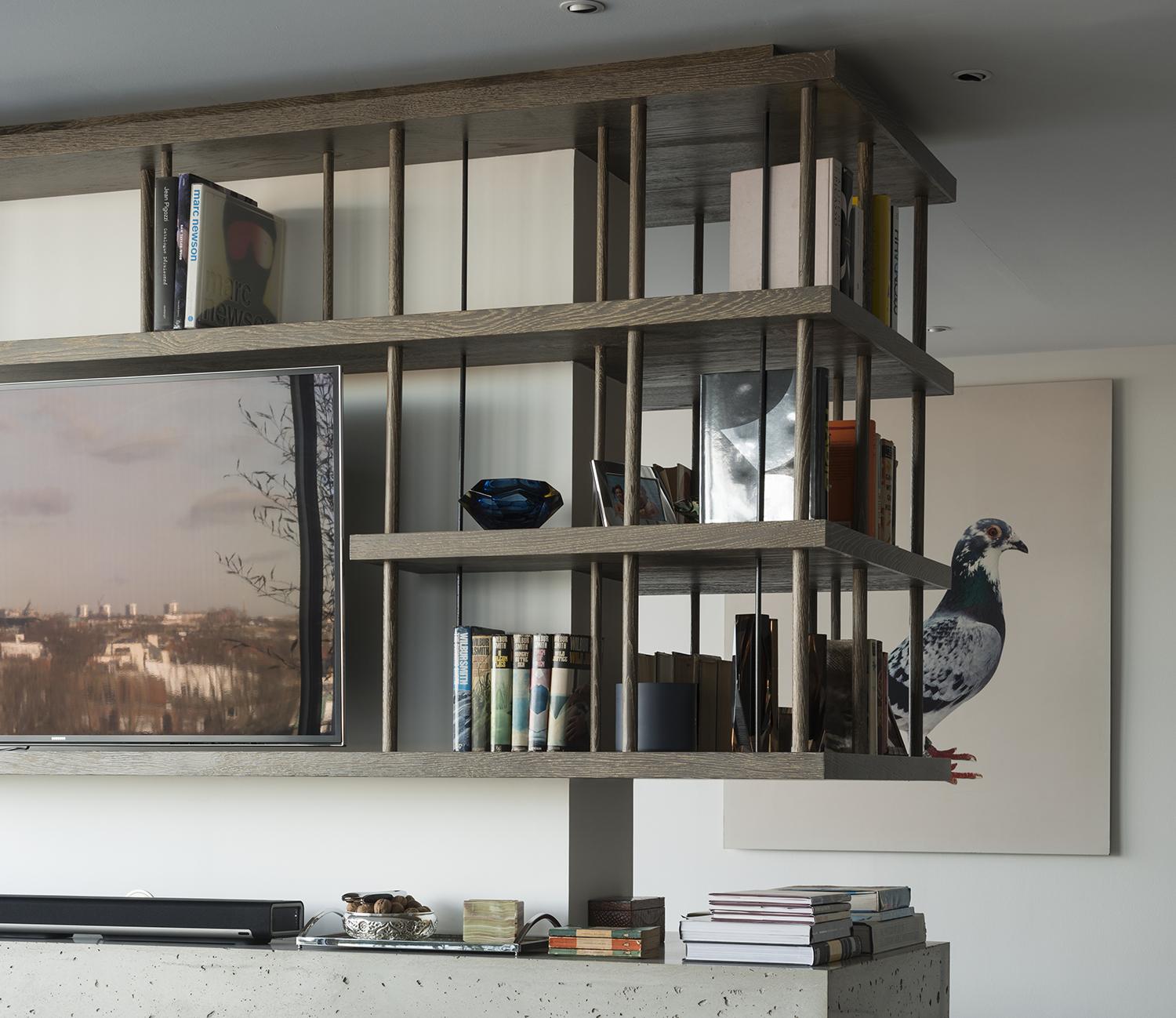
12 Unique Ways to Style Books — How Designers Use Reading Material to Elevate Decor
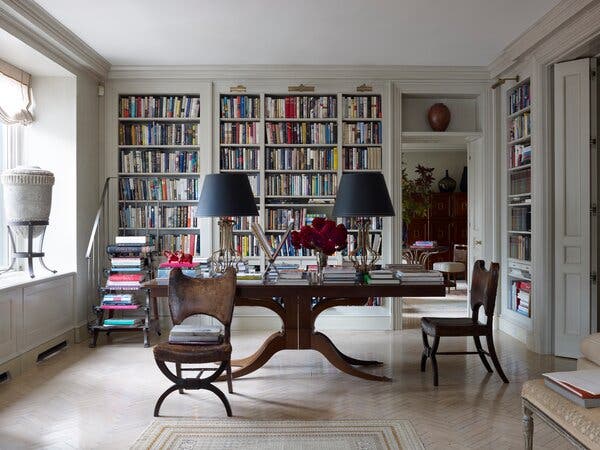
A Home Library Can Tell Your Life Story (Published 2024)
Can We Please Stop Acting Like Backward Books Are A Legit Trend?