Tips for designing a comfy reading nook
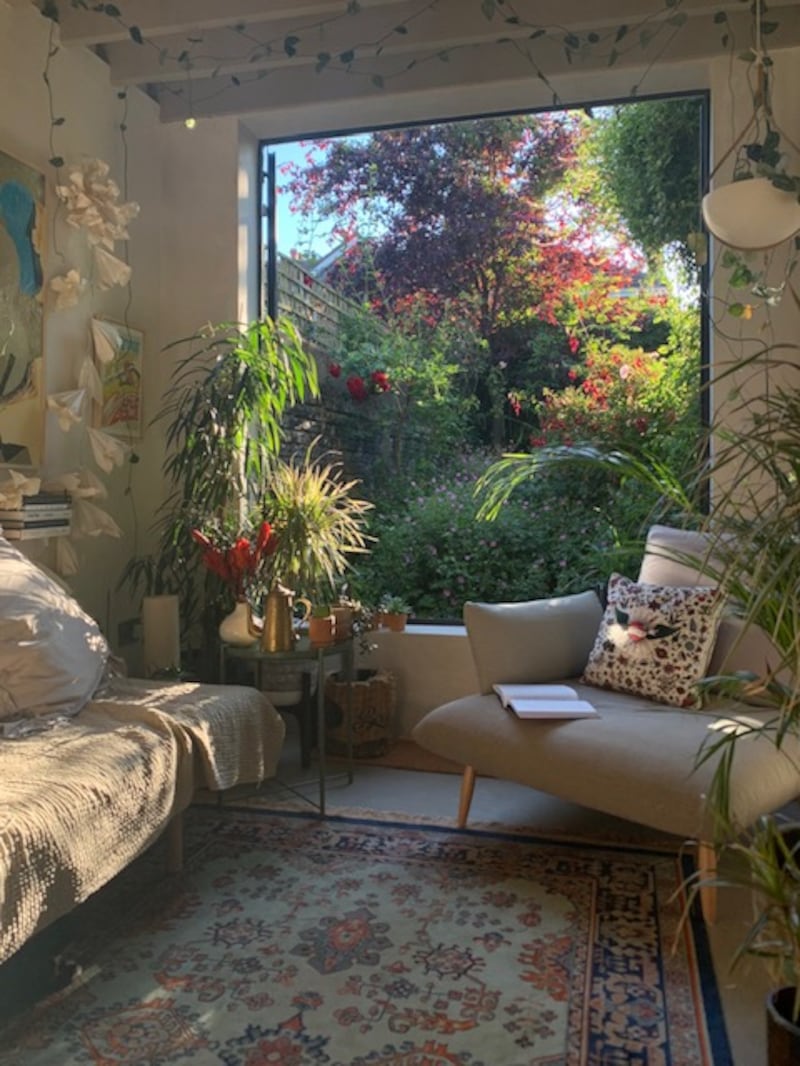
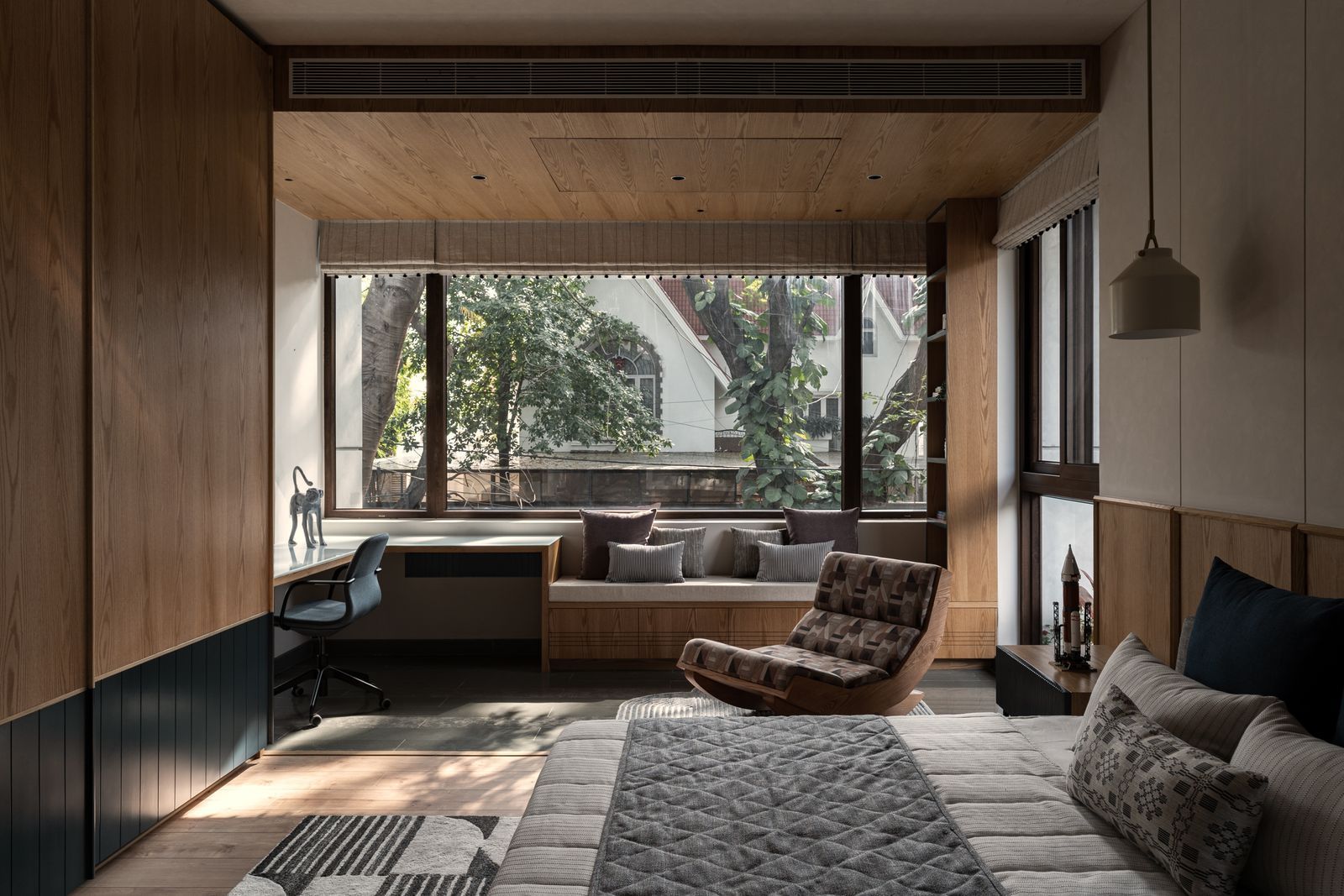
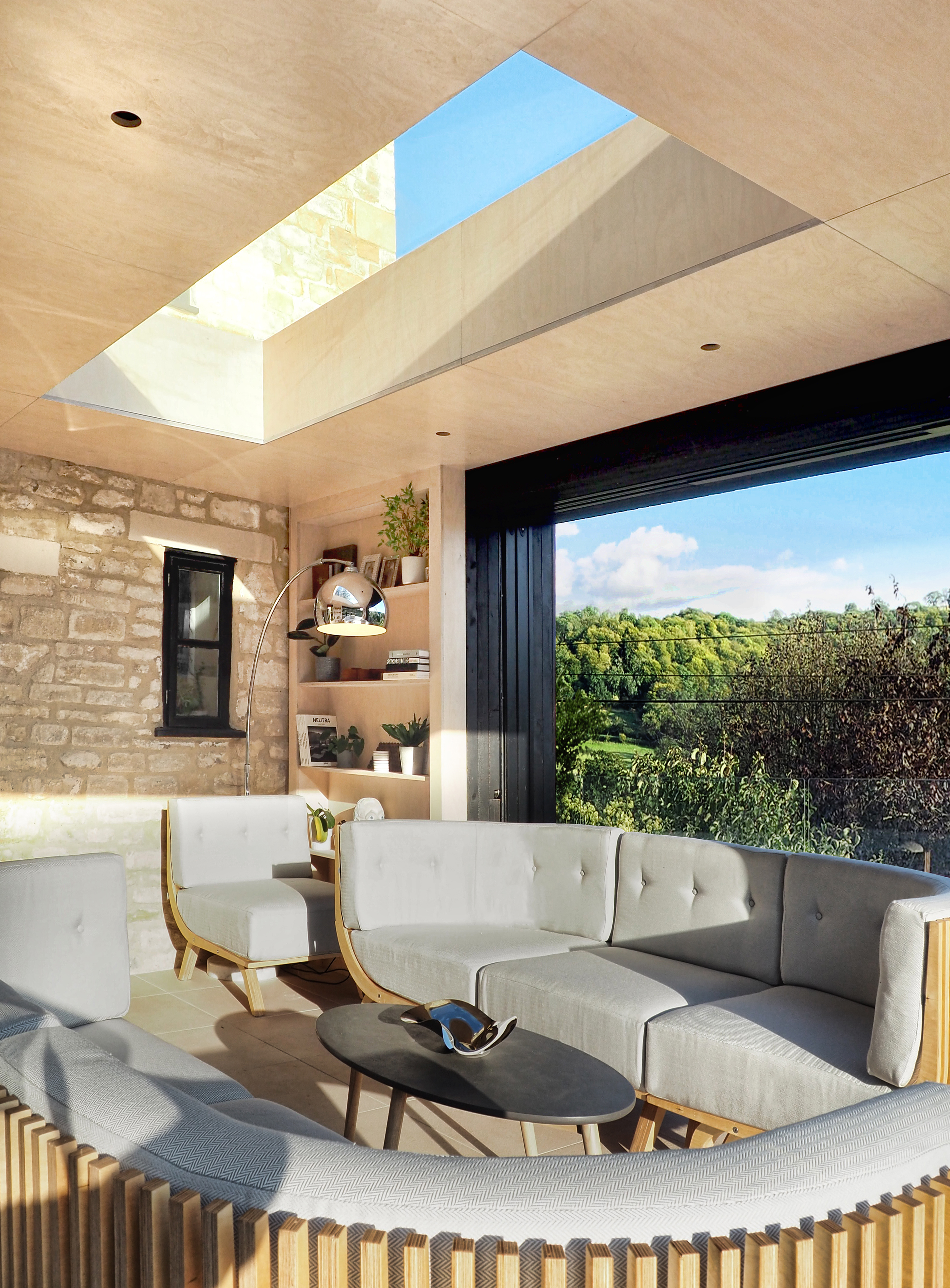
This article offers practical advice from interior designers on creating a comfortable and functional reading nook within a home. It emphasizes that a dedicated reading space doesn't necessarily require a spare room; existing areas can be repurposed effectively. The article highlights that designers often integrate reading areas into living rooms, sunrooms, or master bedrooms, tailoring the location to individual preferences for privacy or openness.
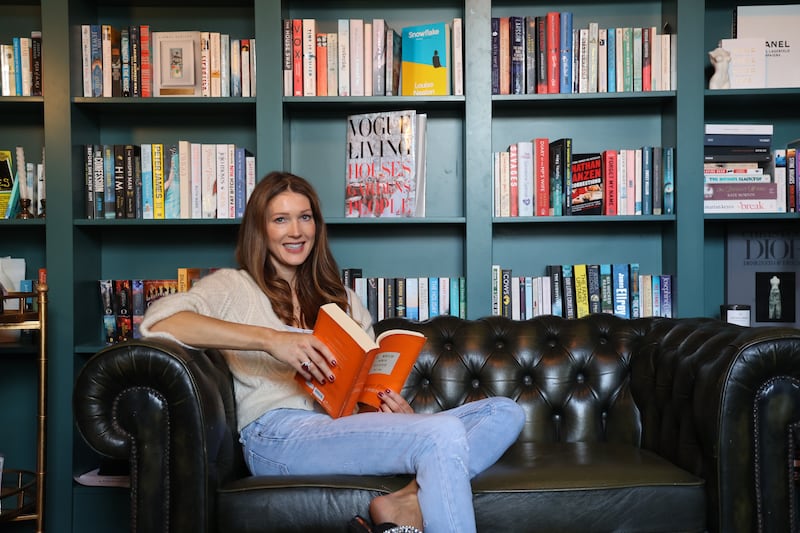
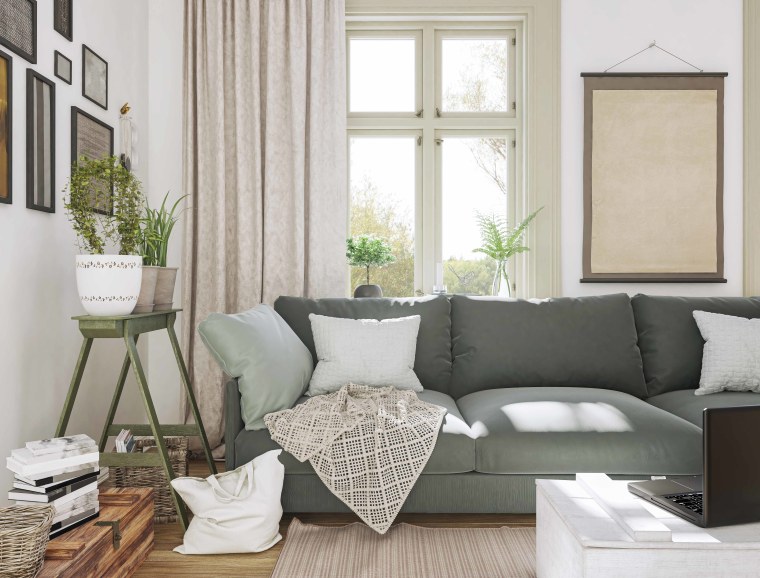
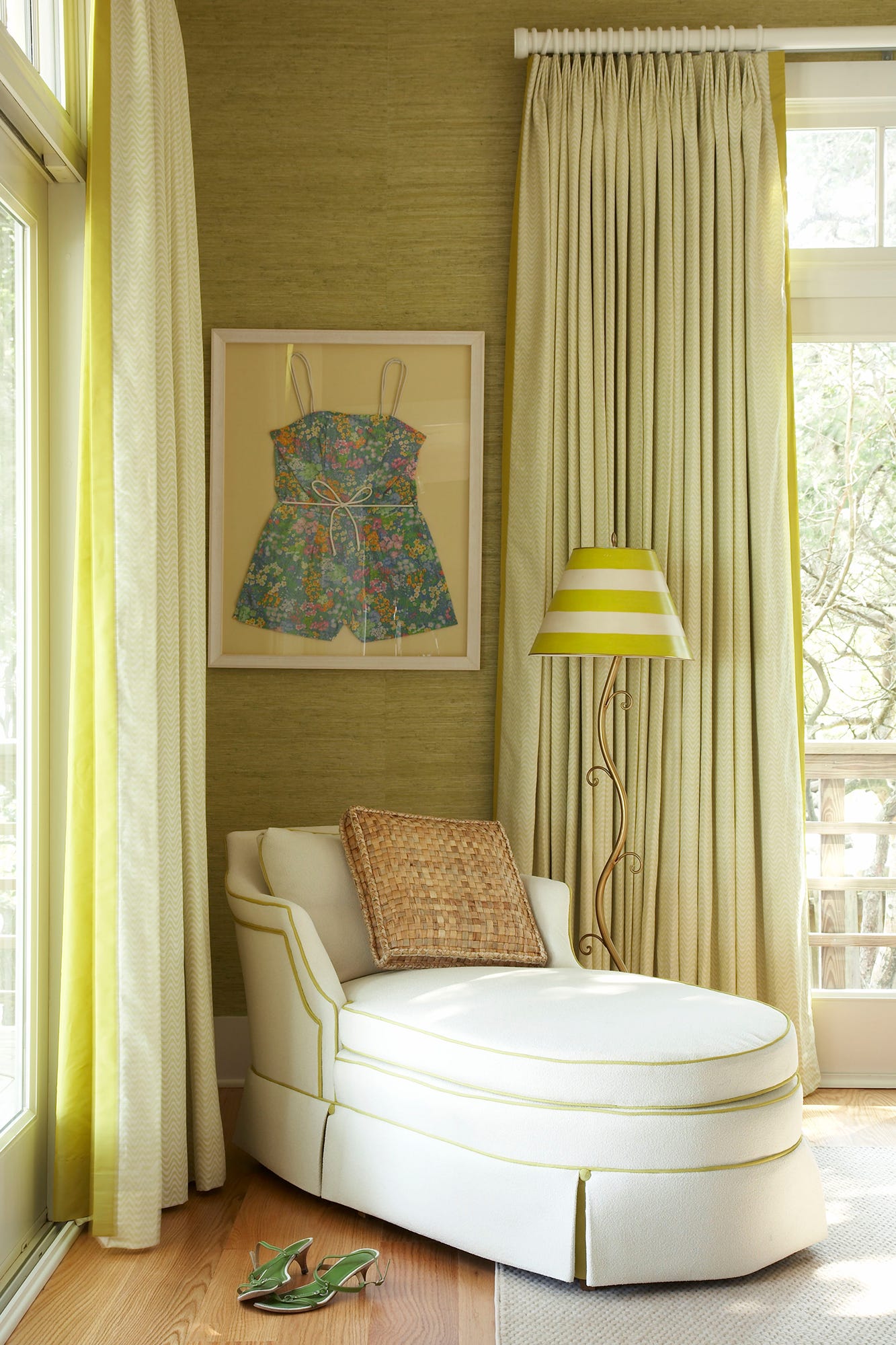
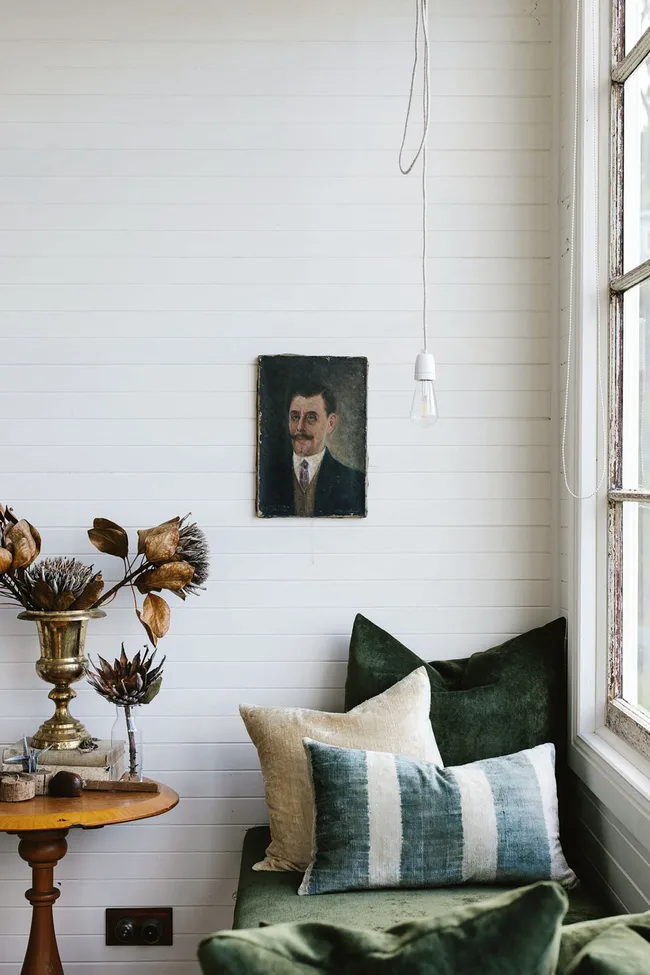
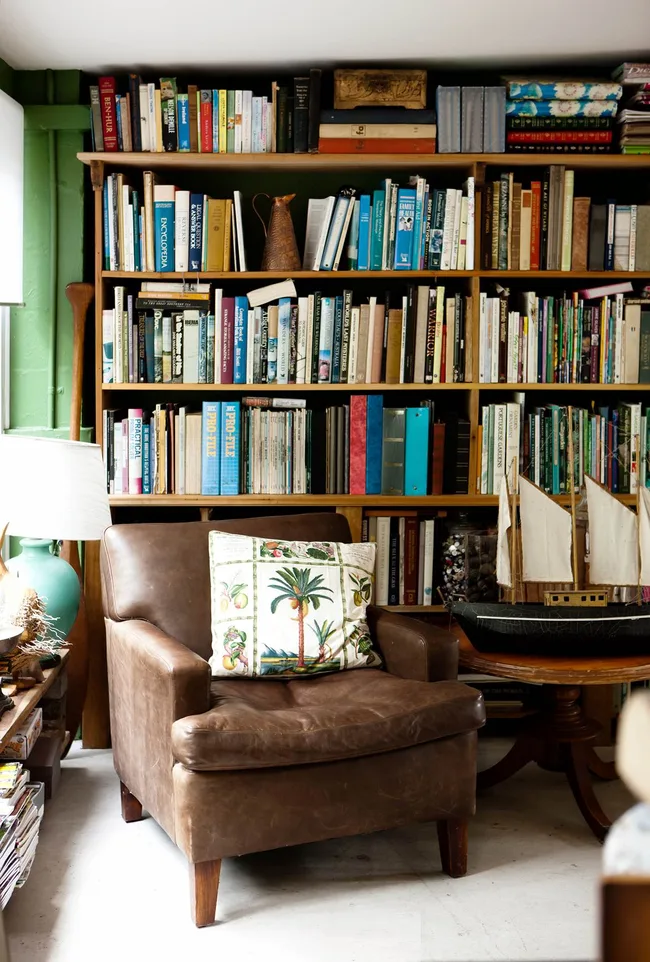
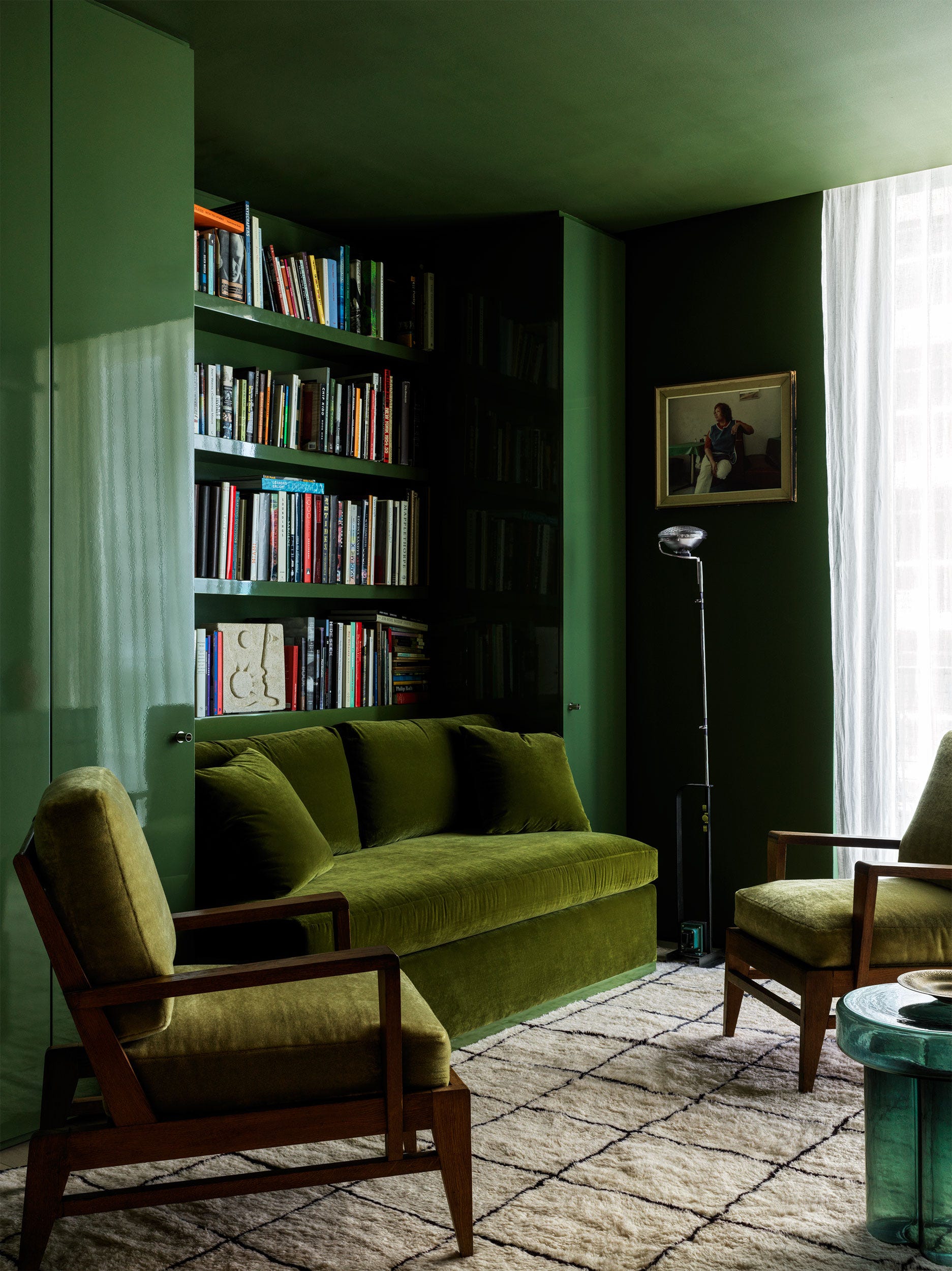
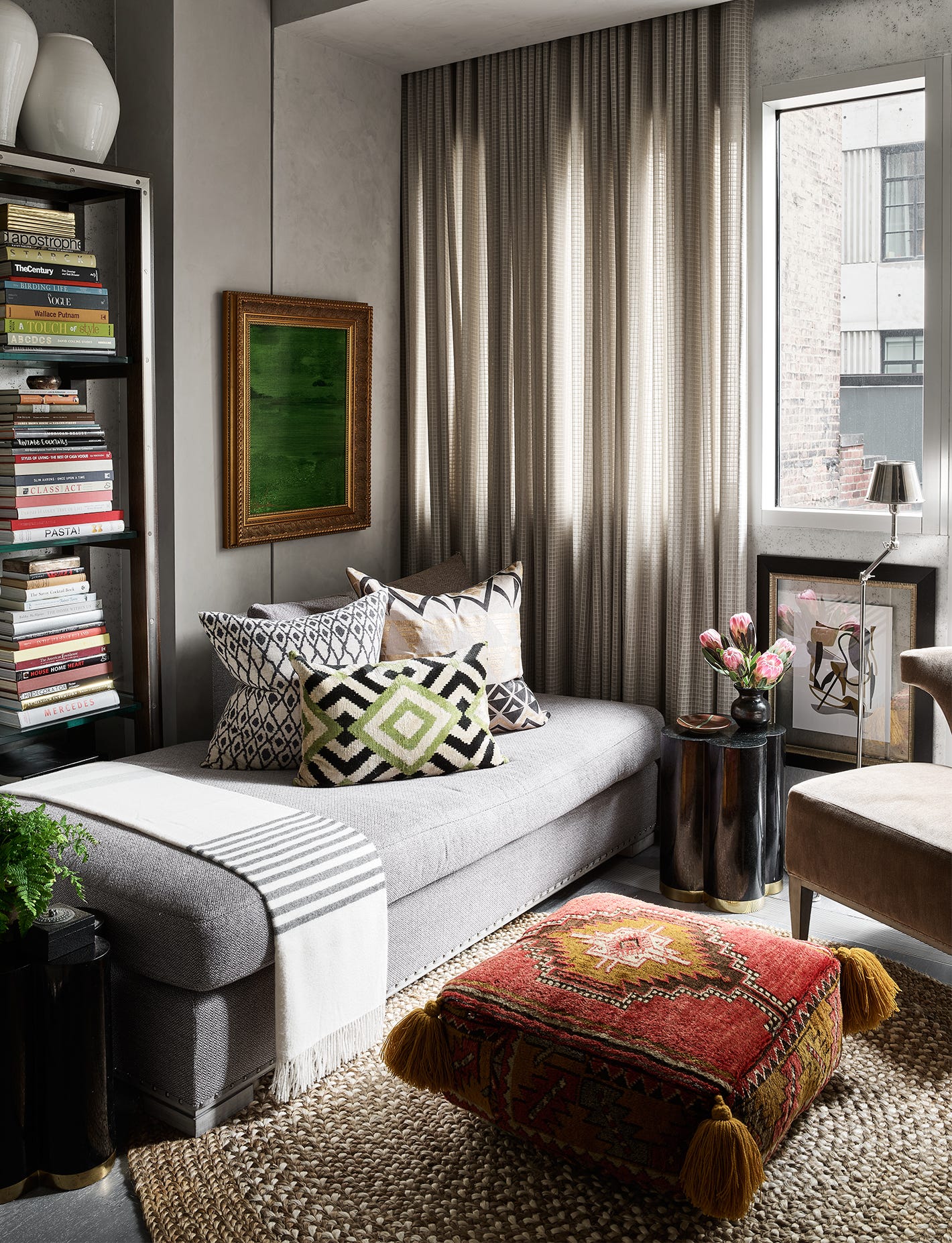
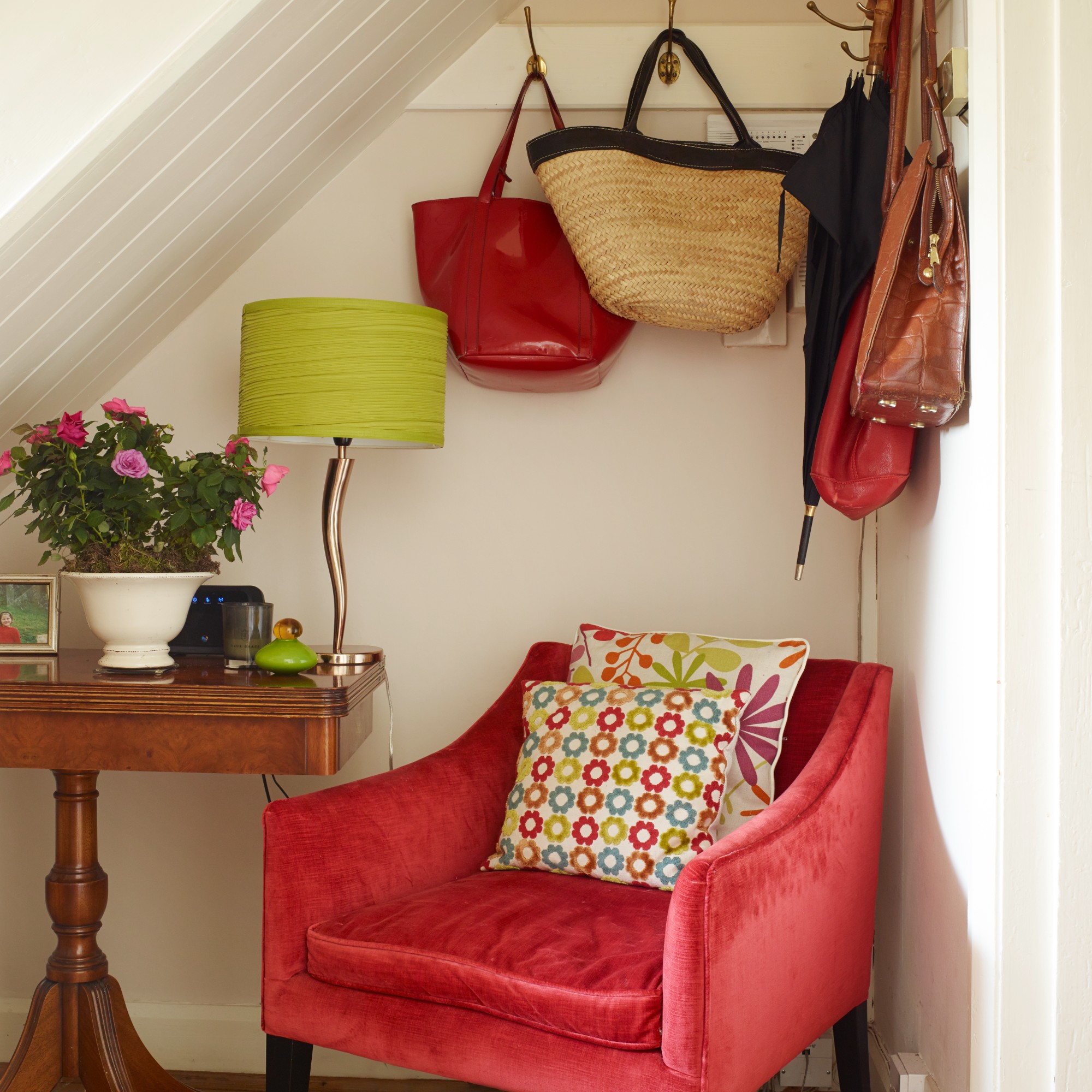
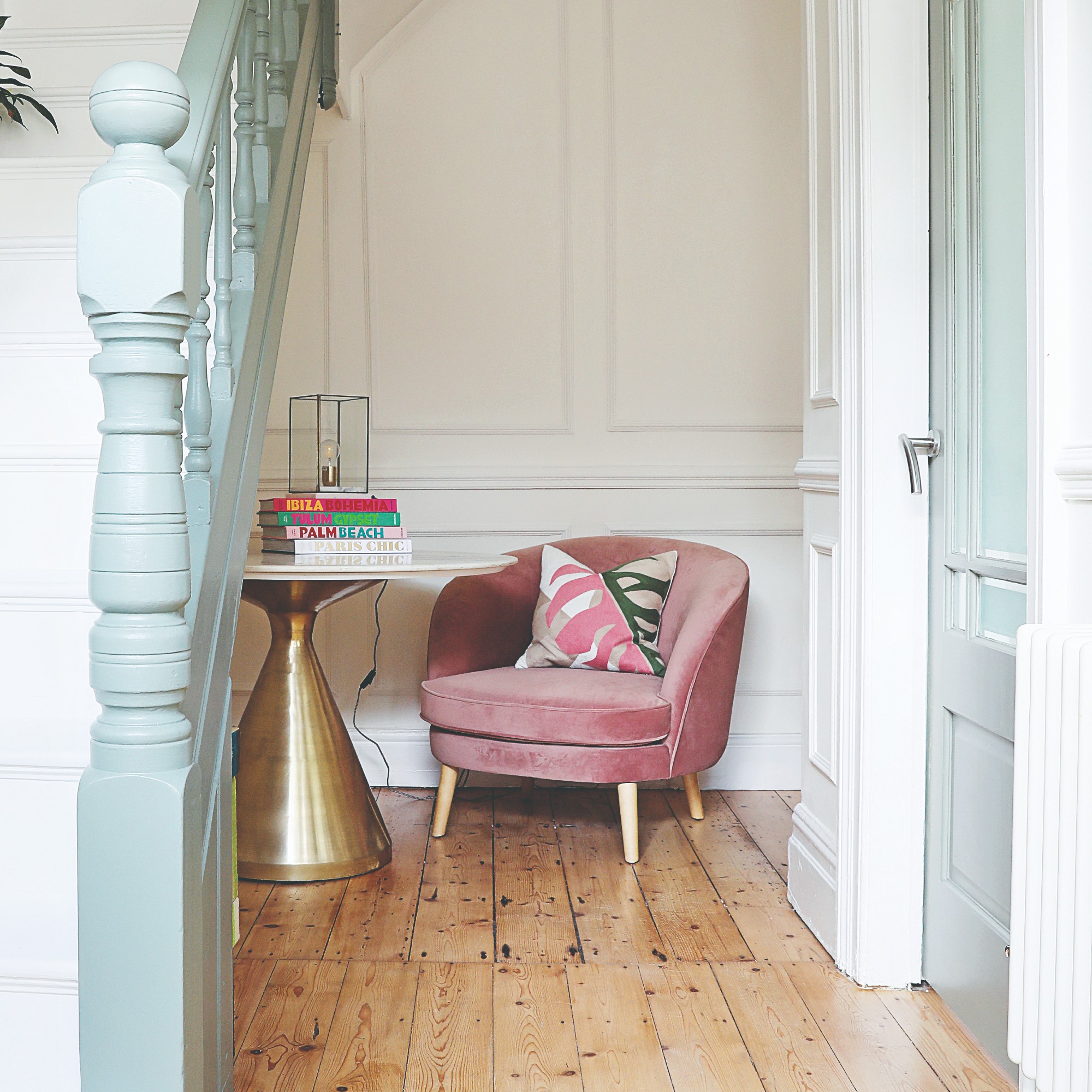
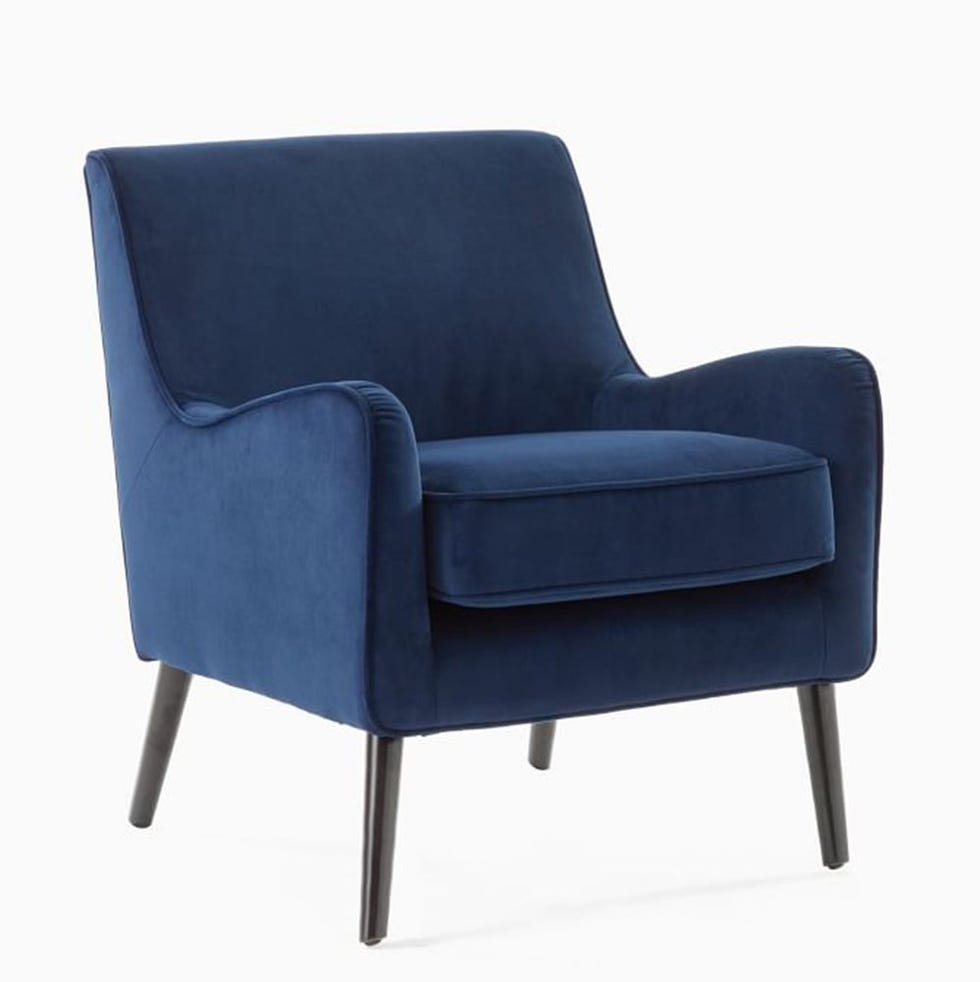
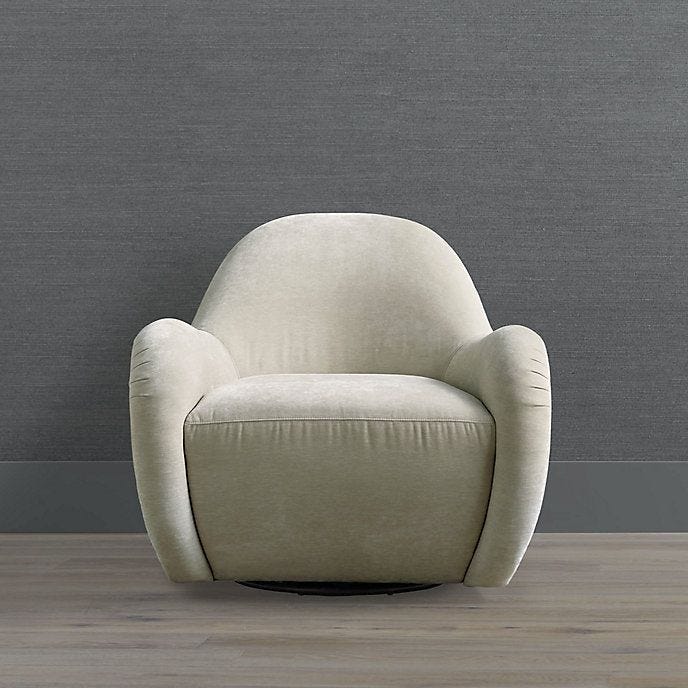
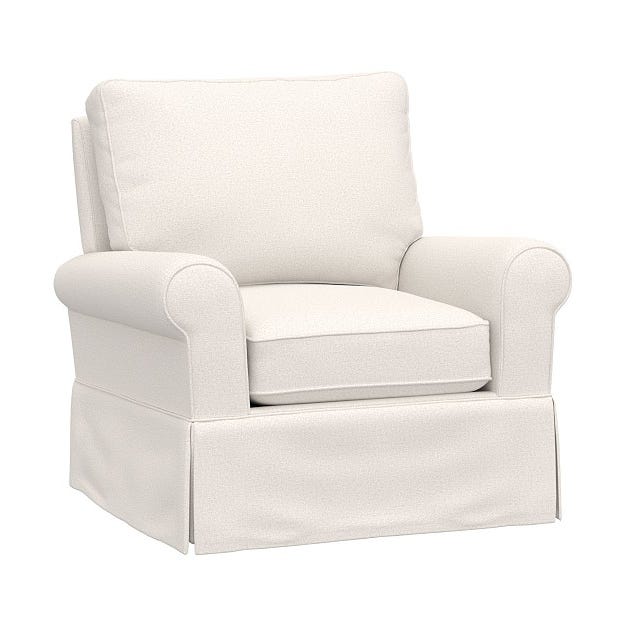
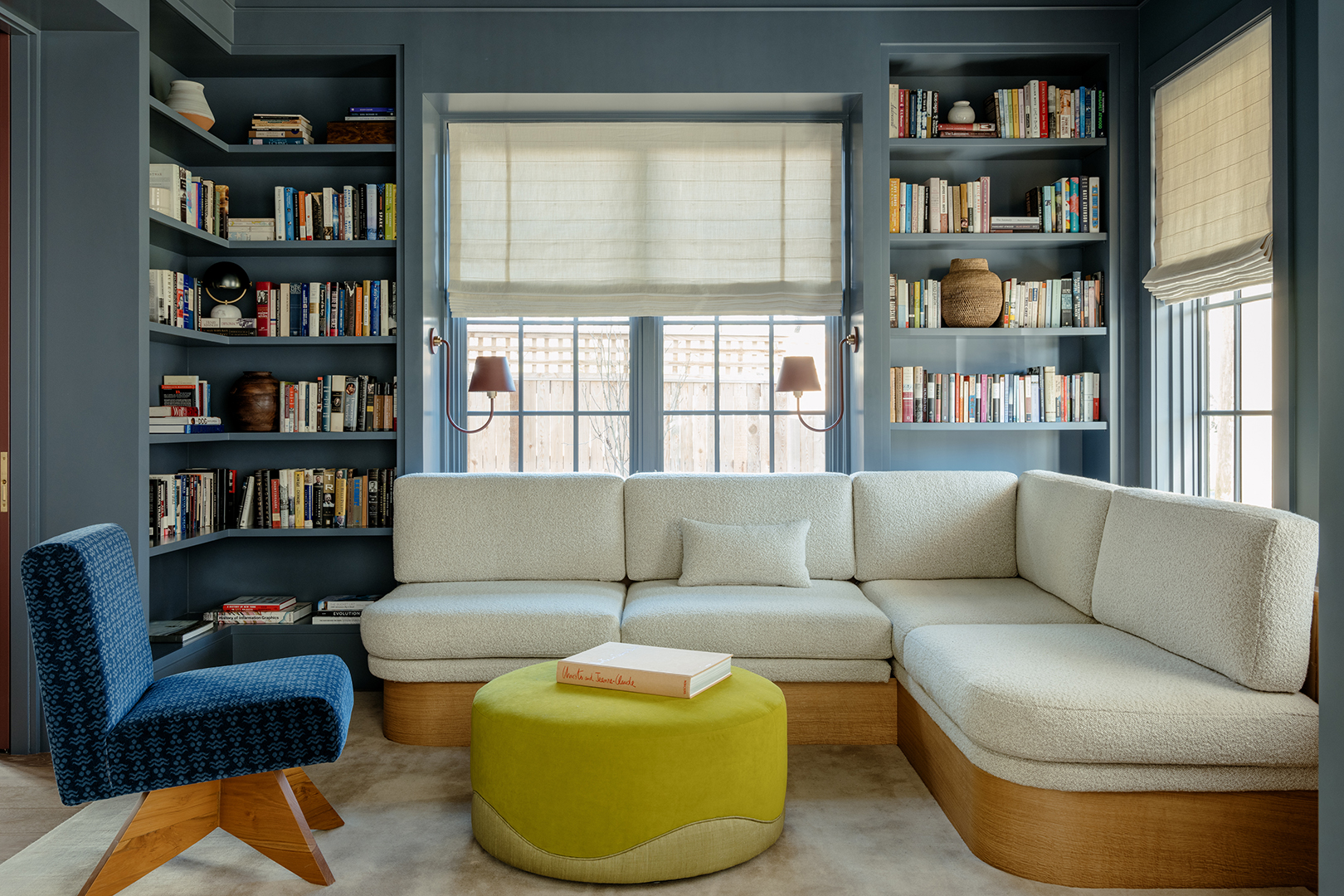
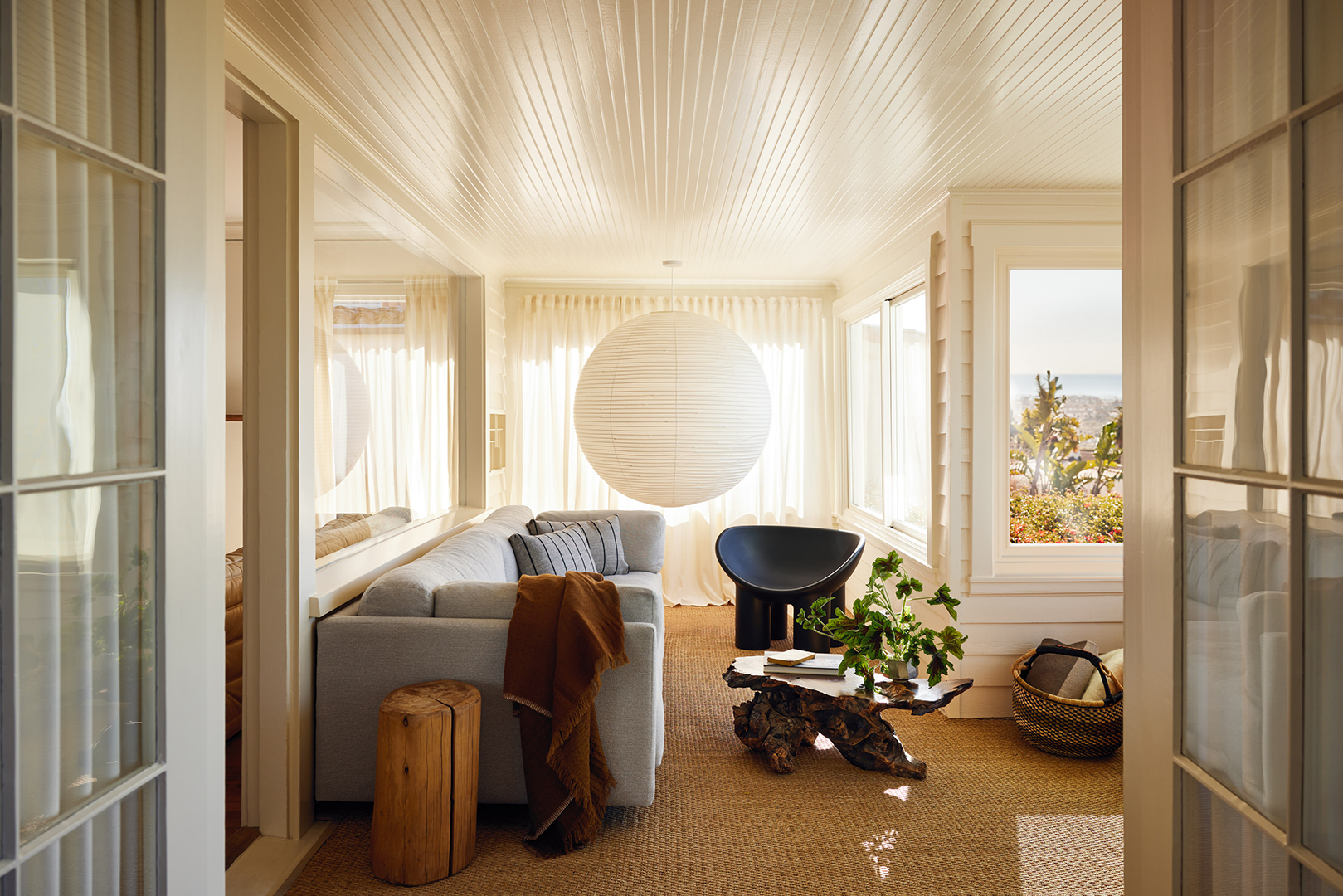
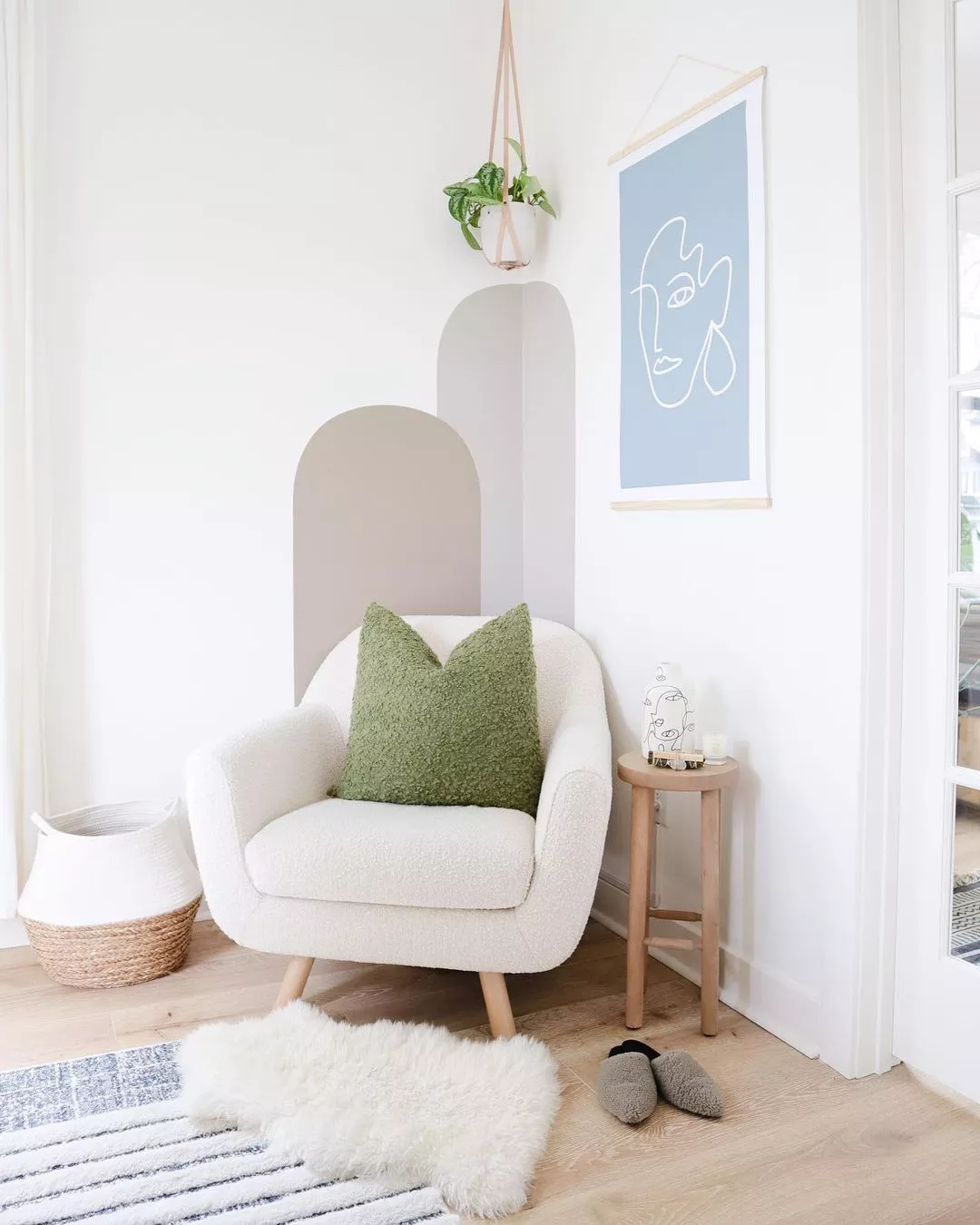
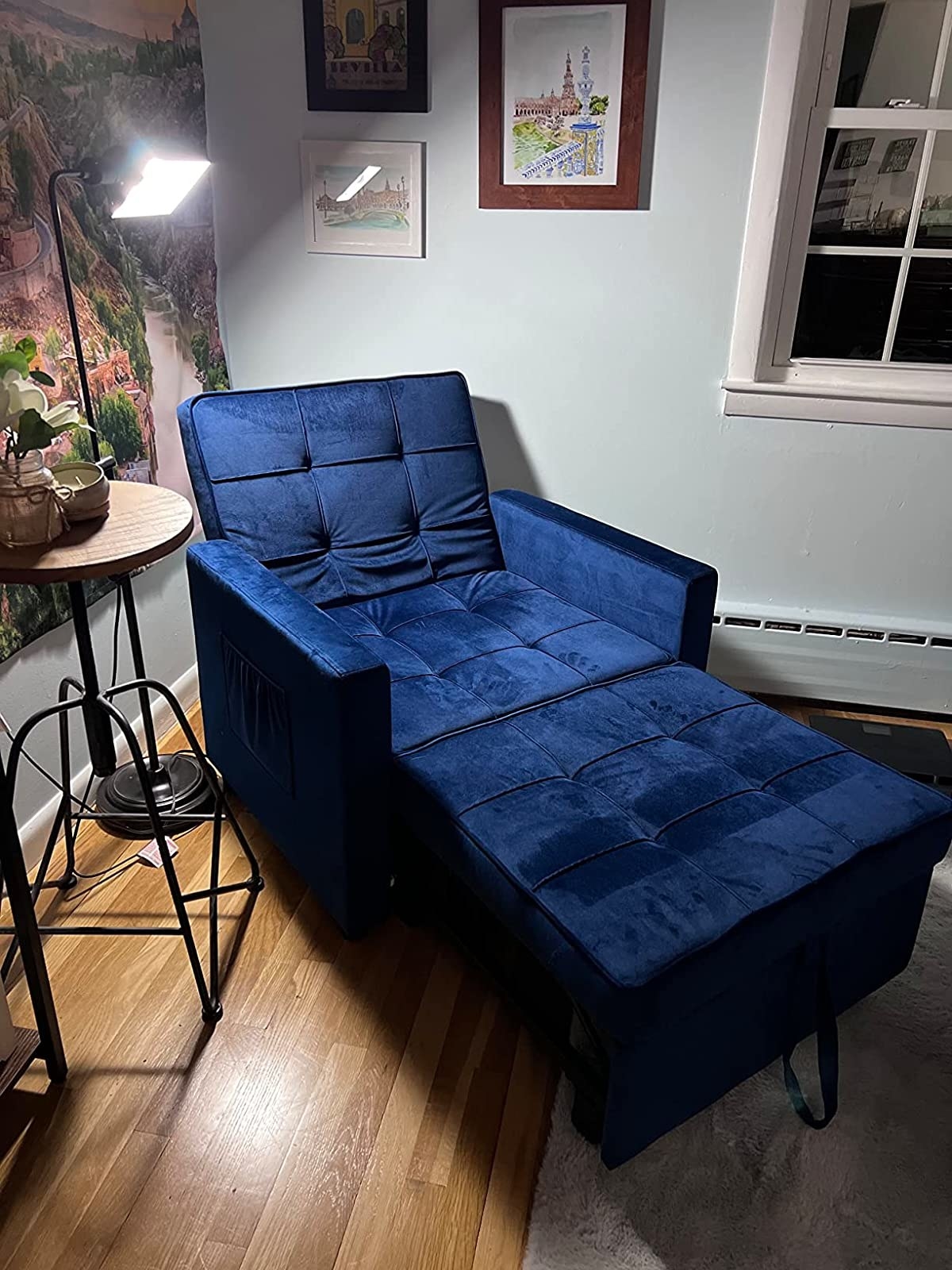
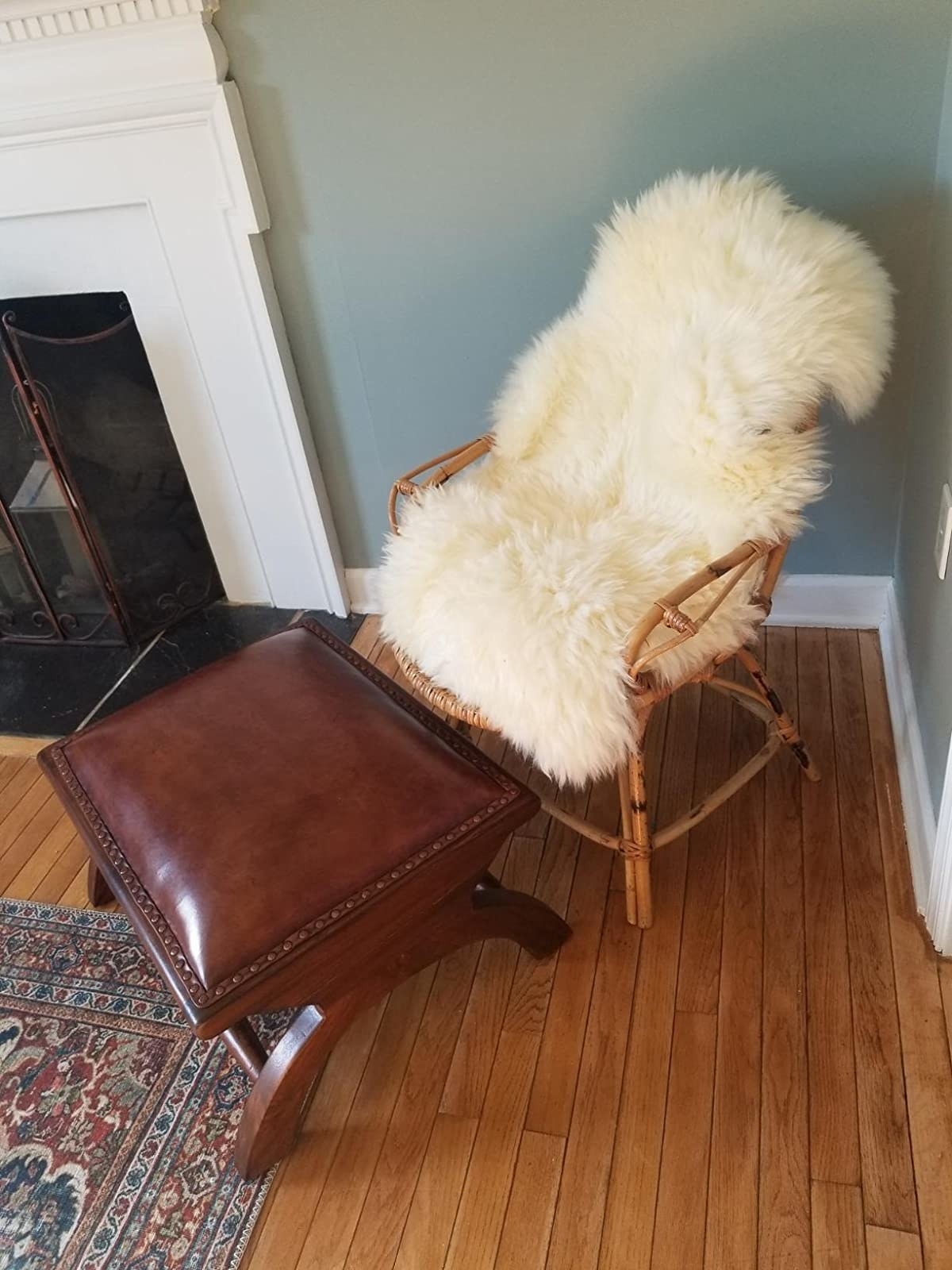
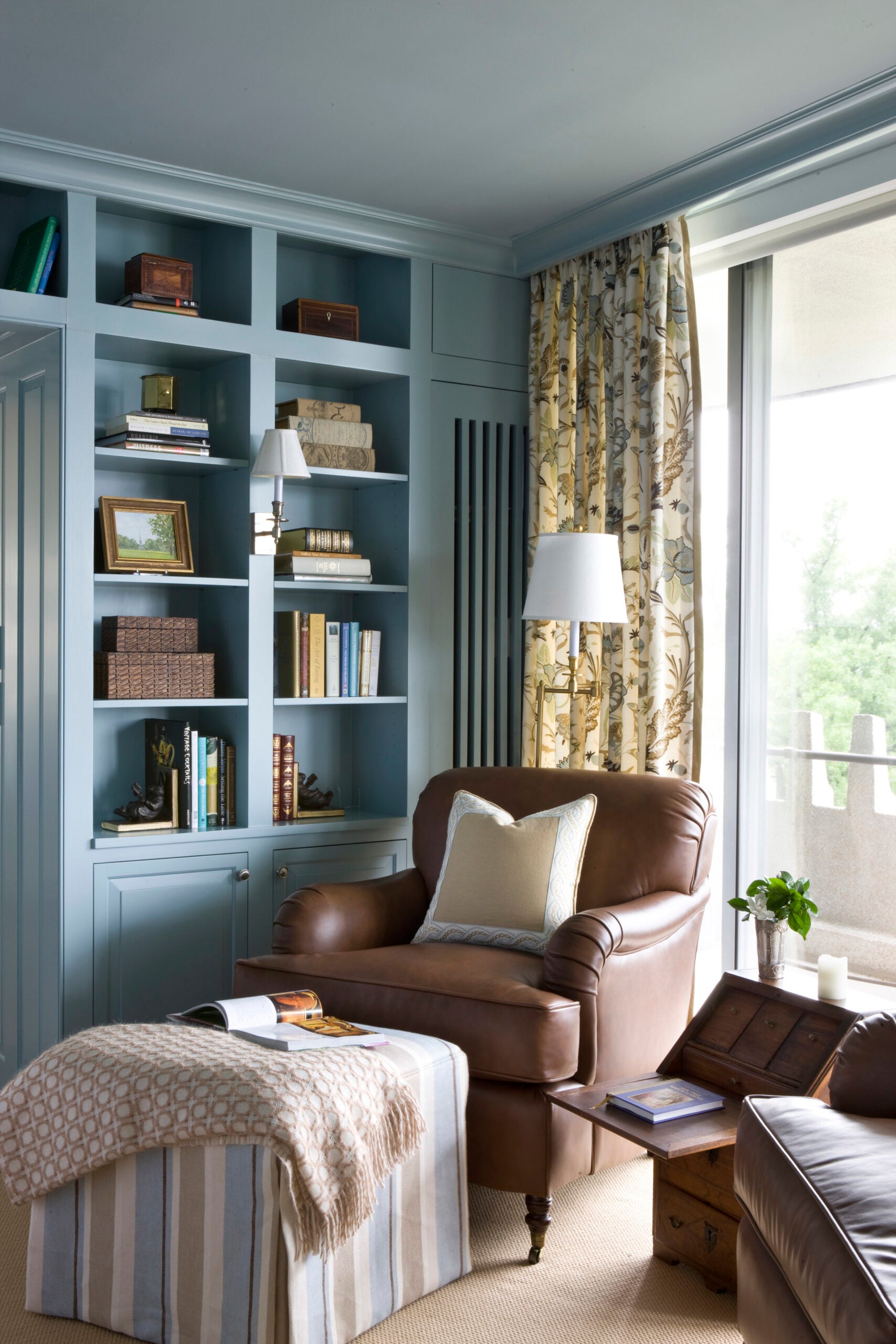
Key considerations for designing a reading nook include seating, lighting, storage, and personal touches. For seating, the consensus among designers is to prioritize comfort. A spacious chair that allows one to curl up is ideal, and pairing it with an ottoman or footstool for leg elevation is highly recommended for ultimate relaxation. Drink tables are also suggested to keep beverages within easy reach, alongside cozy throw blankets for added comfort.
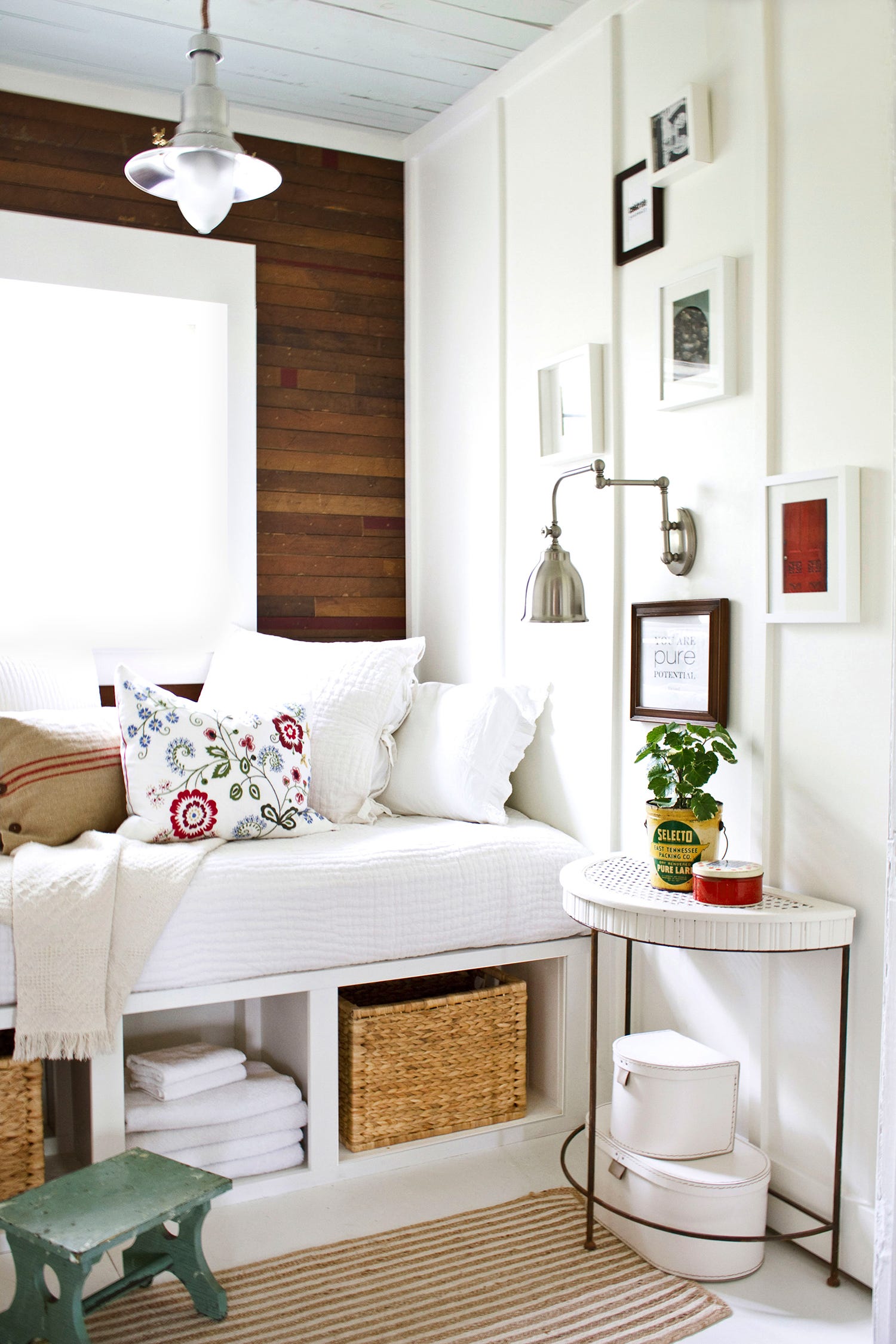
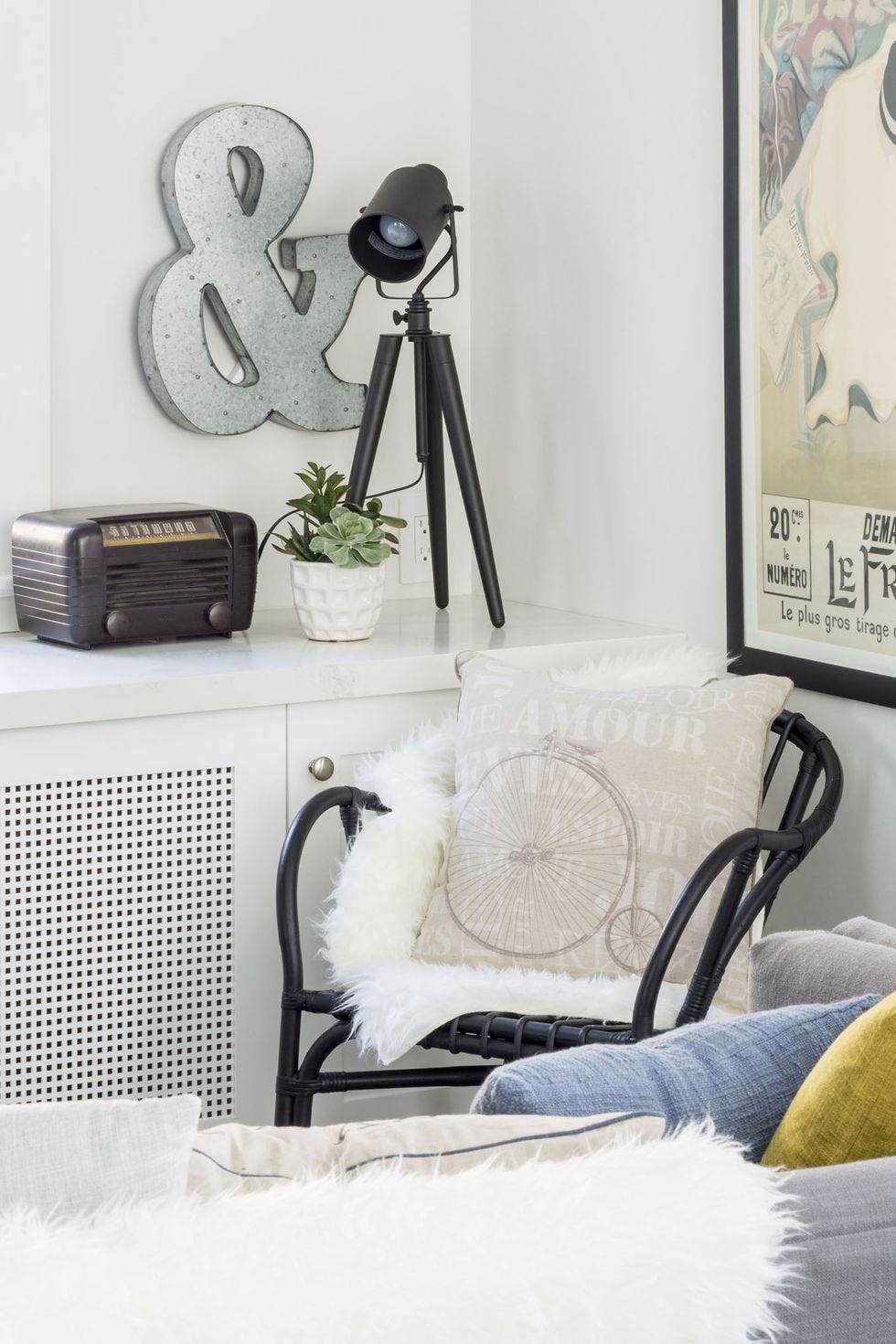
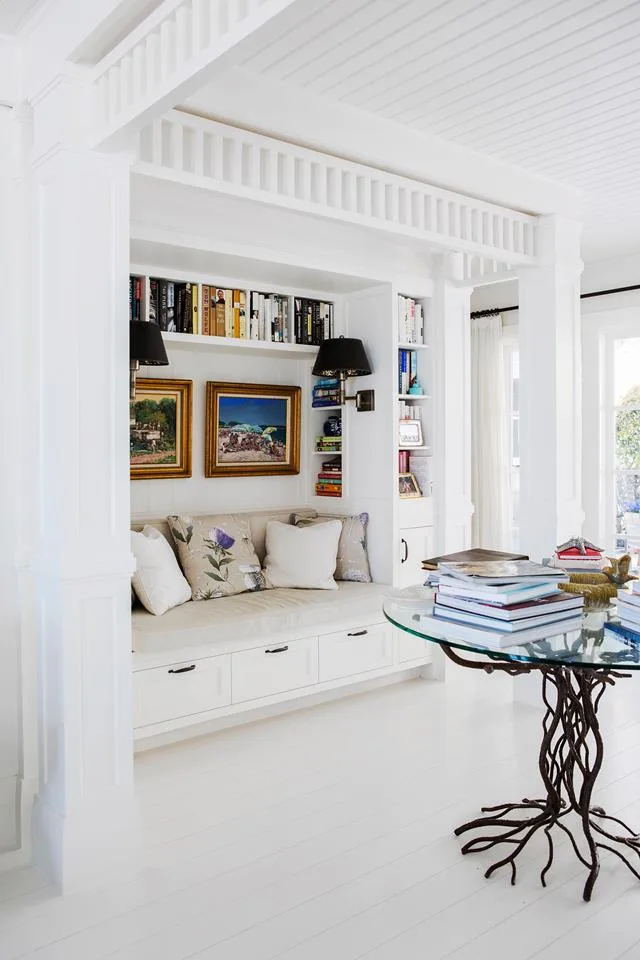
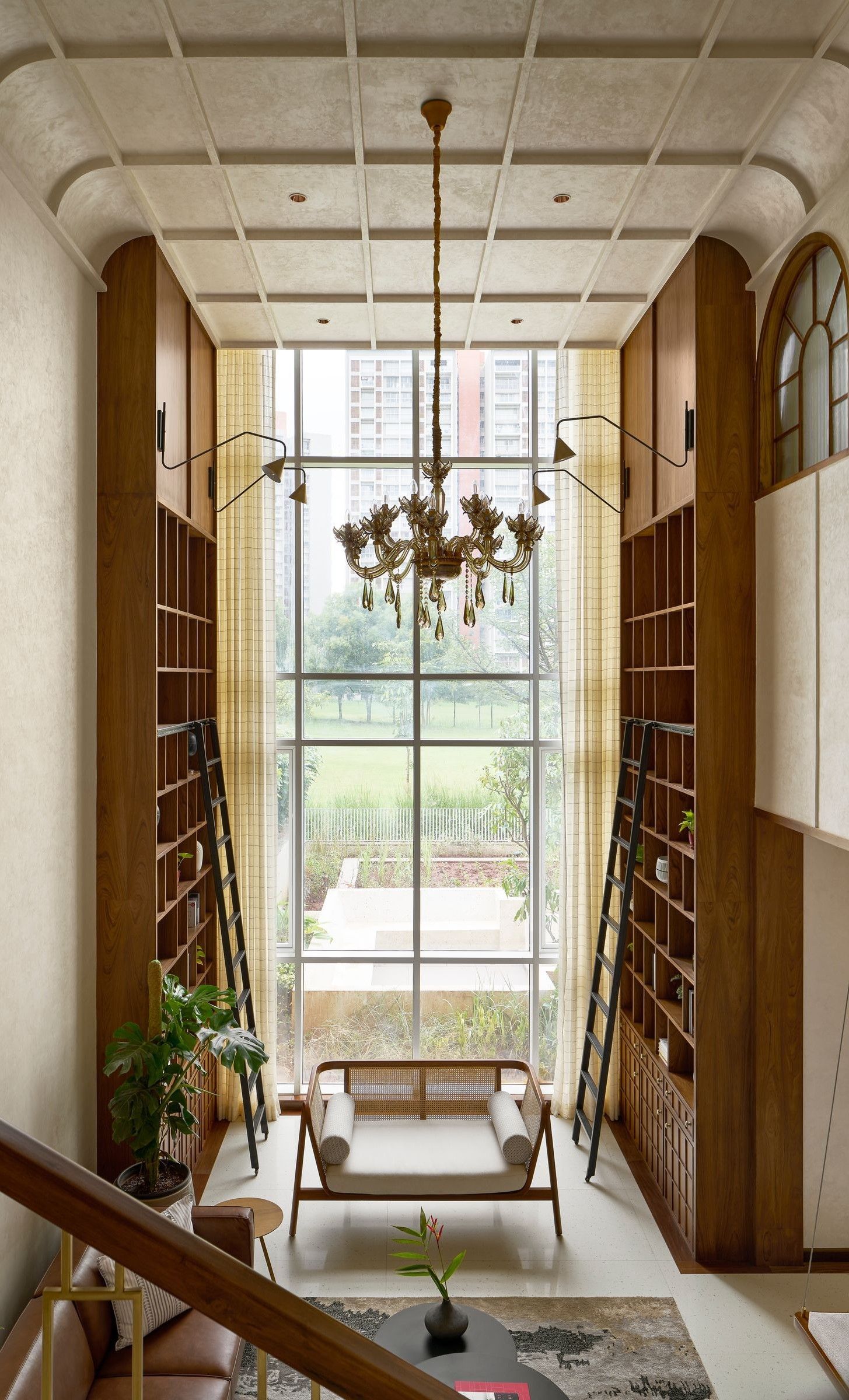
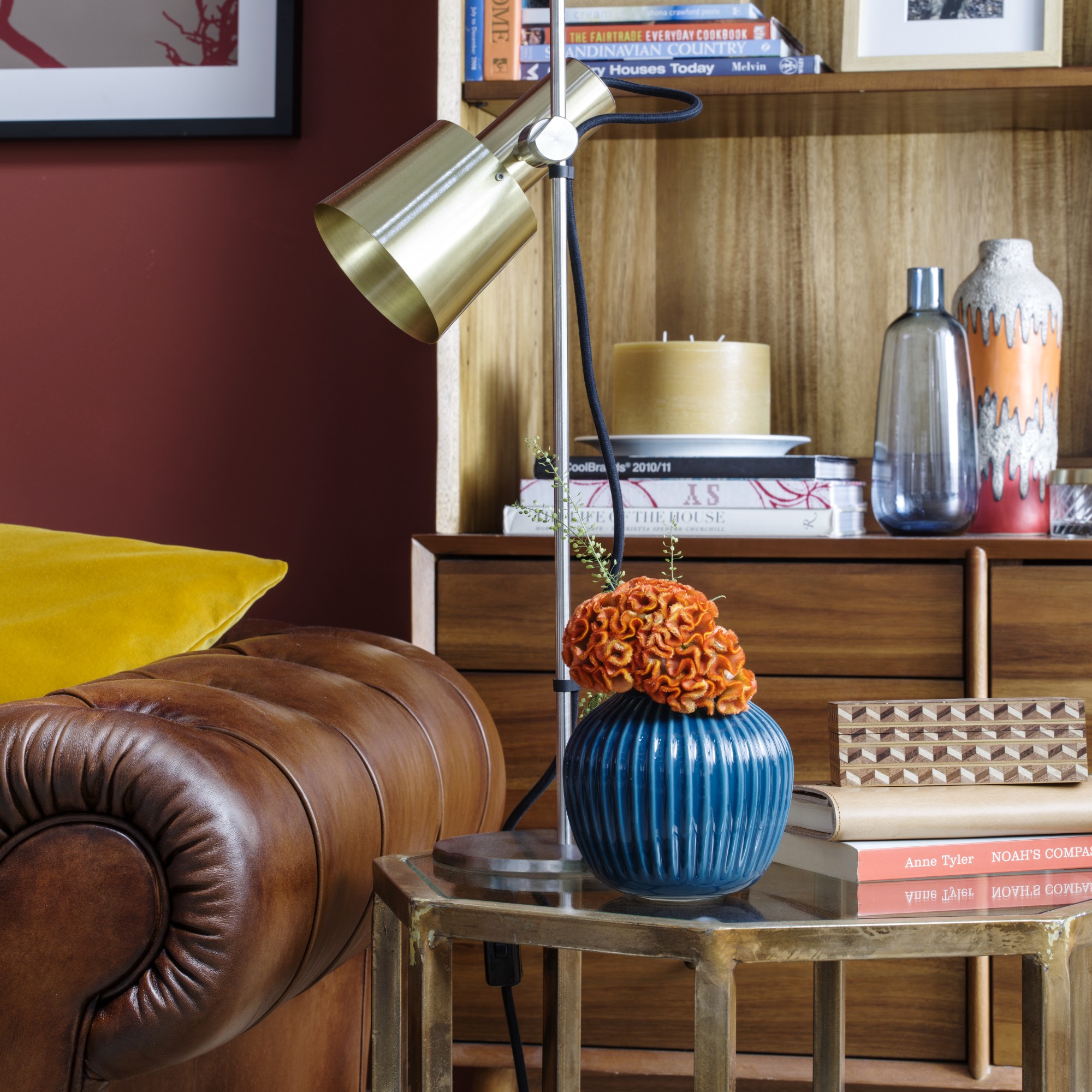
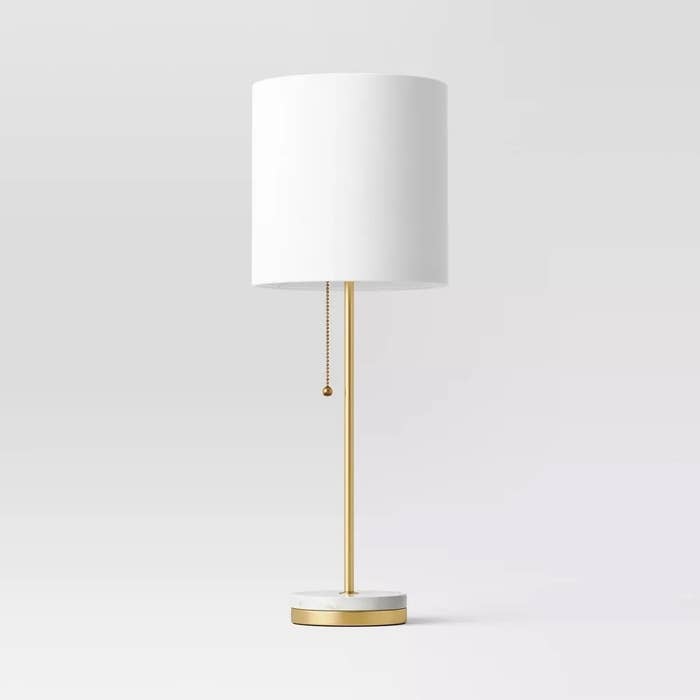
Lighting is another crucial element, and a layered approach is advised. This involves combining table lamps, floor lamps, and specialized reading lamps to provide flexible illumination. Sleek, minimal floor lamps that can be positioned close to the chair for direct light are favored, as are swing-arm wall sconces, which offer a space-saving and adjustable lighting solution. Adequate electrical outlets are also important, especially for those who read on digital devices that require charging.
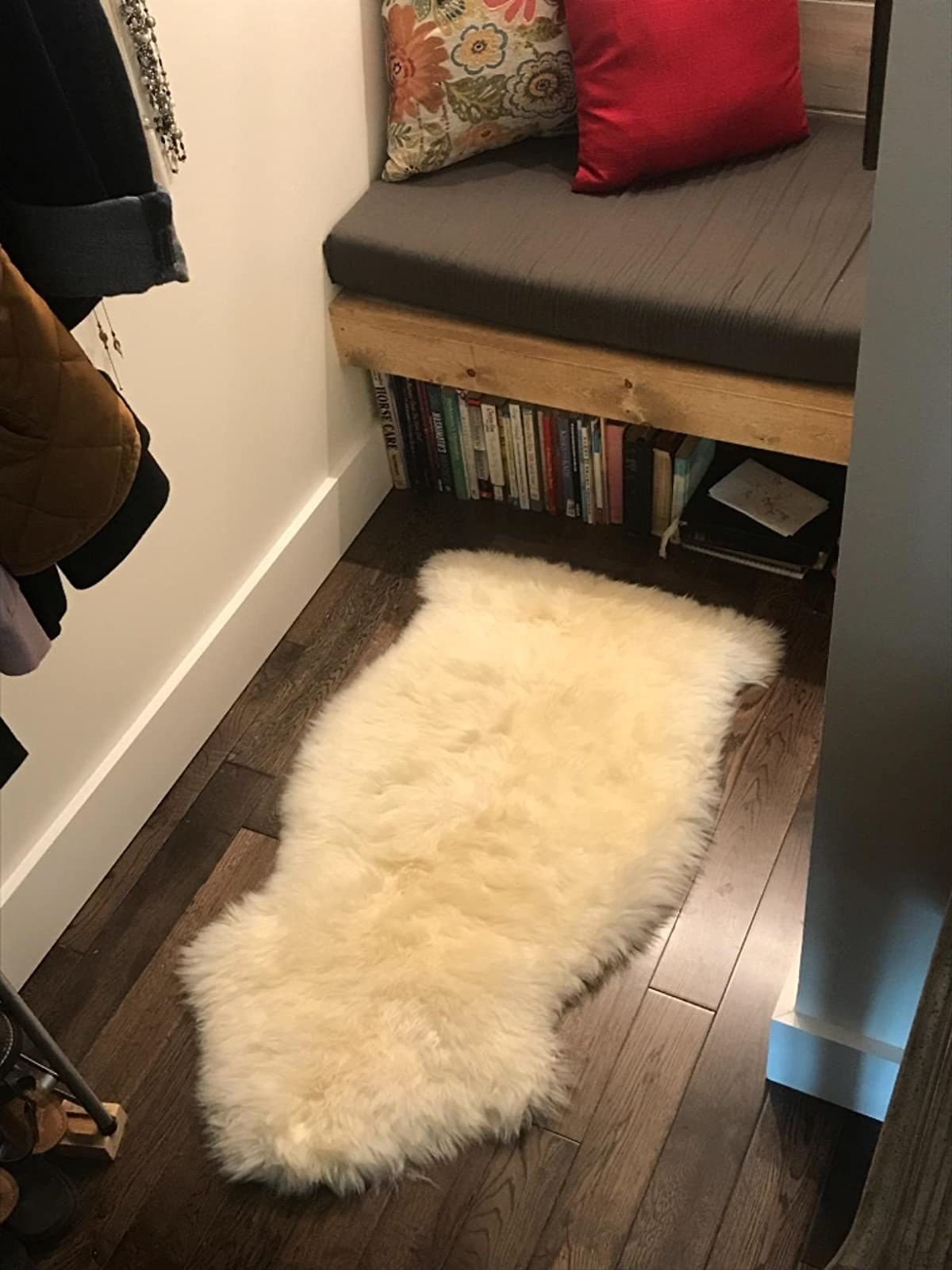
Regarding location, the article suggests creative solutions for homes without dedicated library spaces. Unused formal dining rooms can be transformed into multi-use areas that include comfortable reading chairs. Even spare closets can be ingeniously converted into charming reading nooks, particularly in children's bedrooms. This involves removing closet doors, installing a padded bench seat, adding wall-mounted light fixtures, and incorporating storage solutions like built-in drawers and shelves. Curtains can be added for privacy, creating an intimate space for children to read.
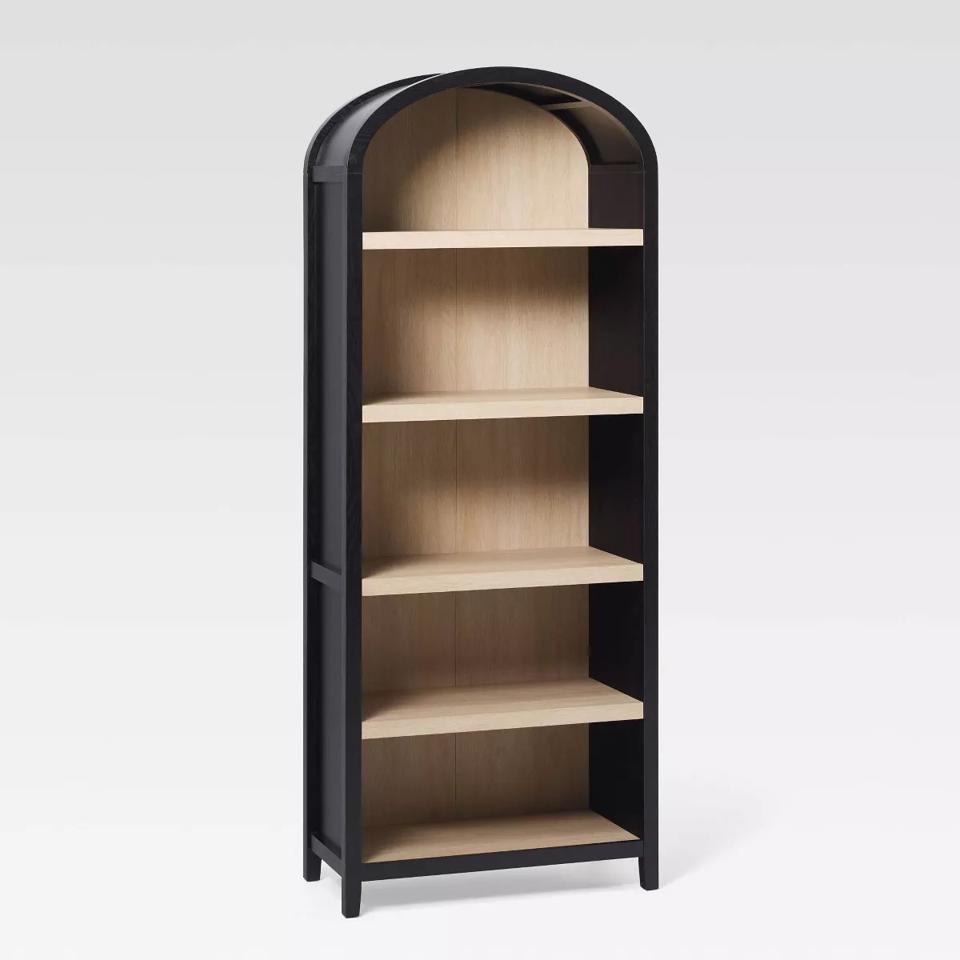
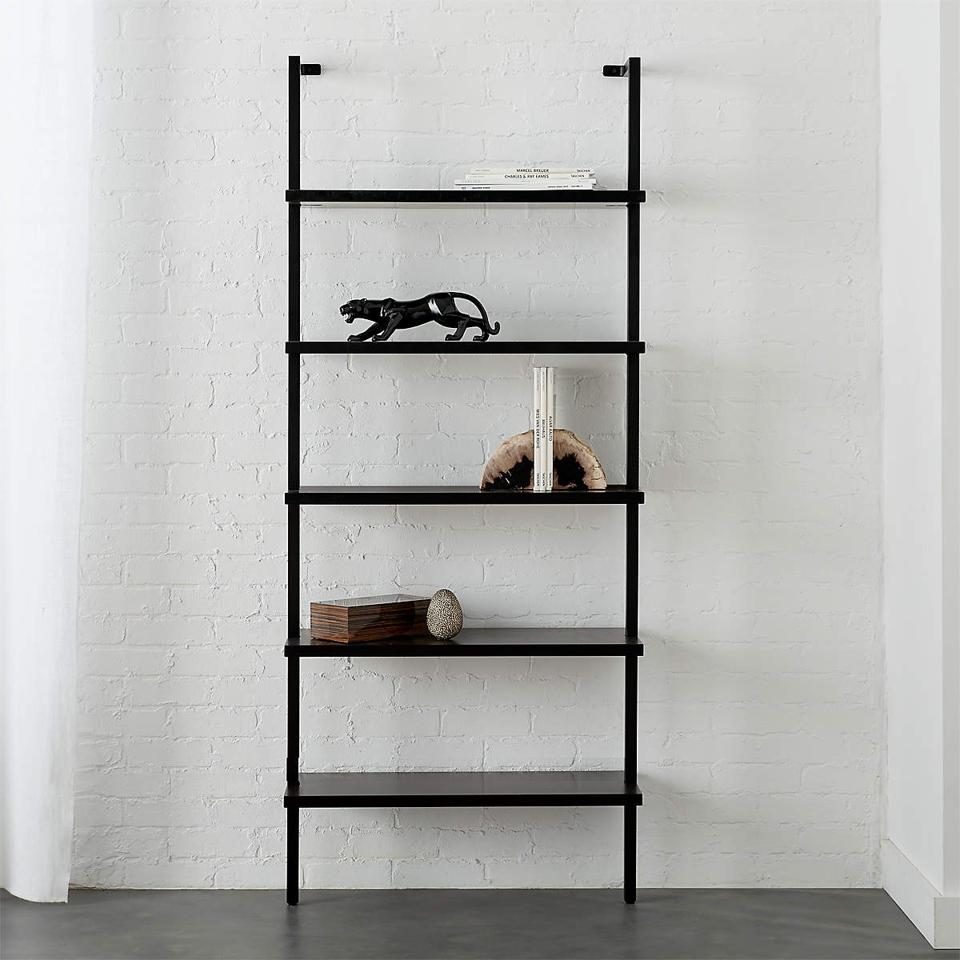
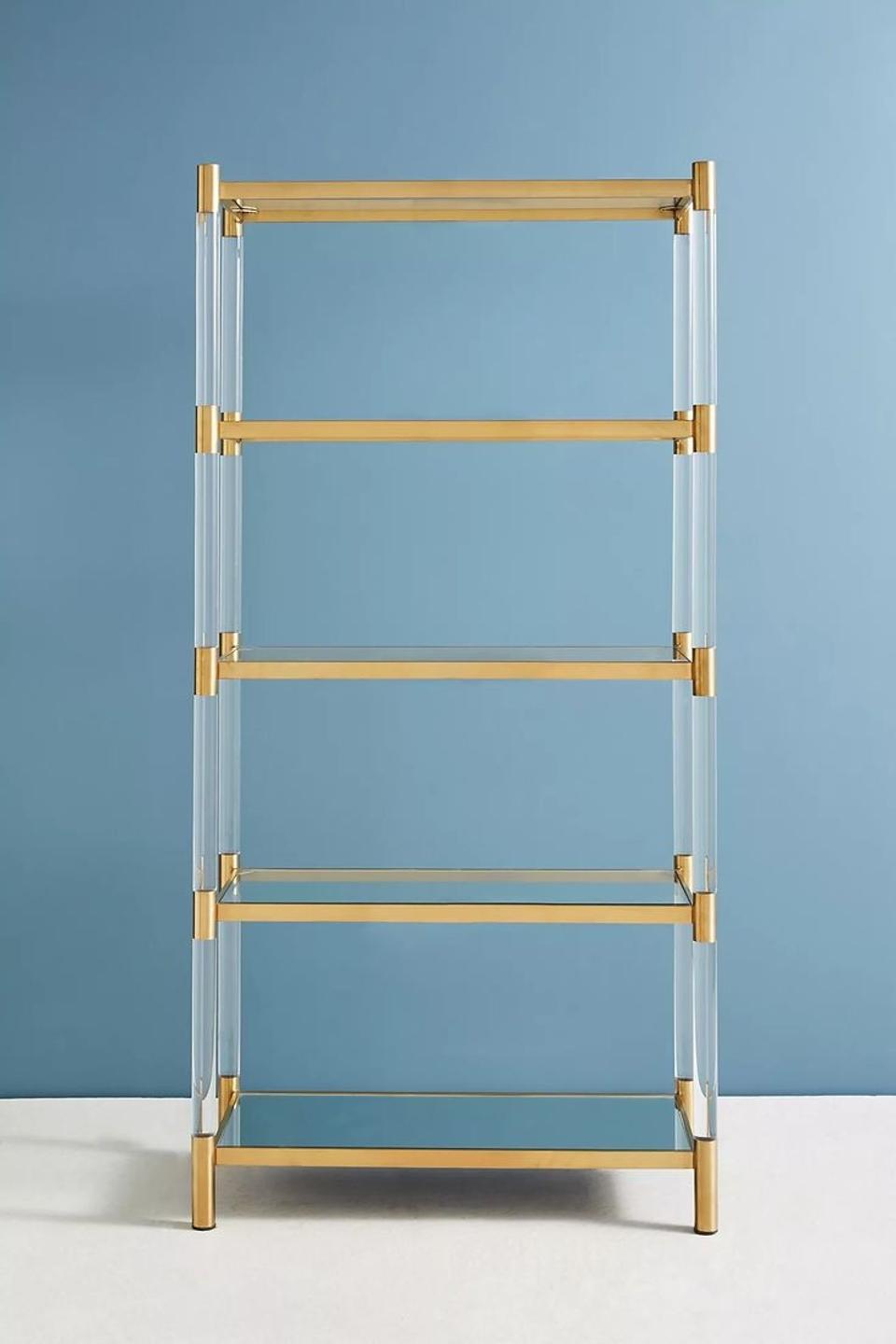
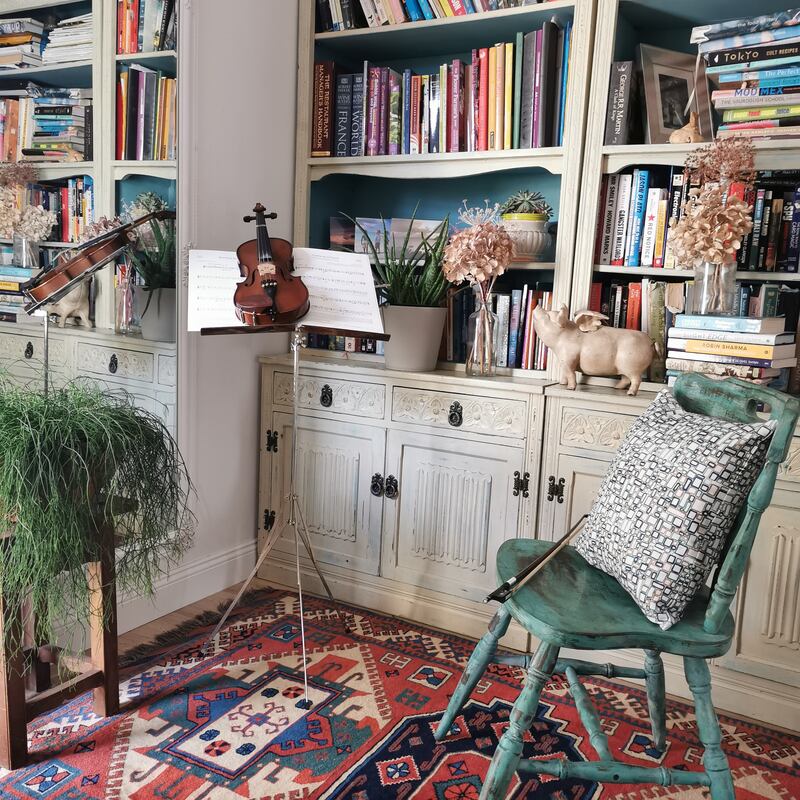
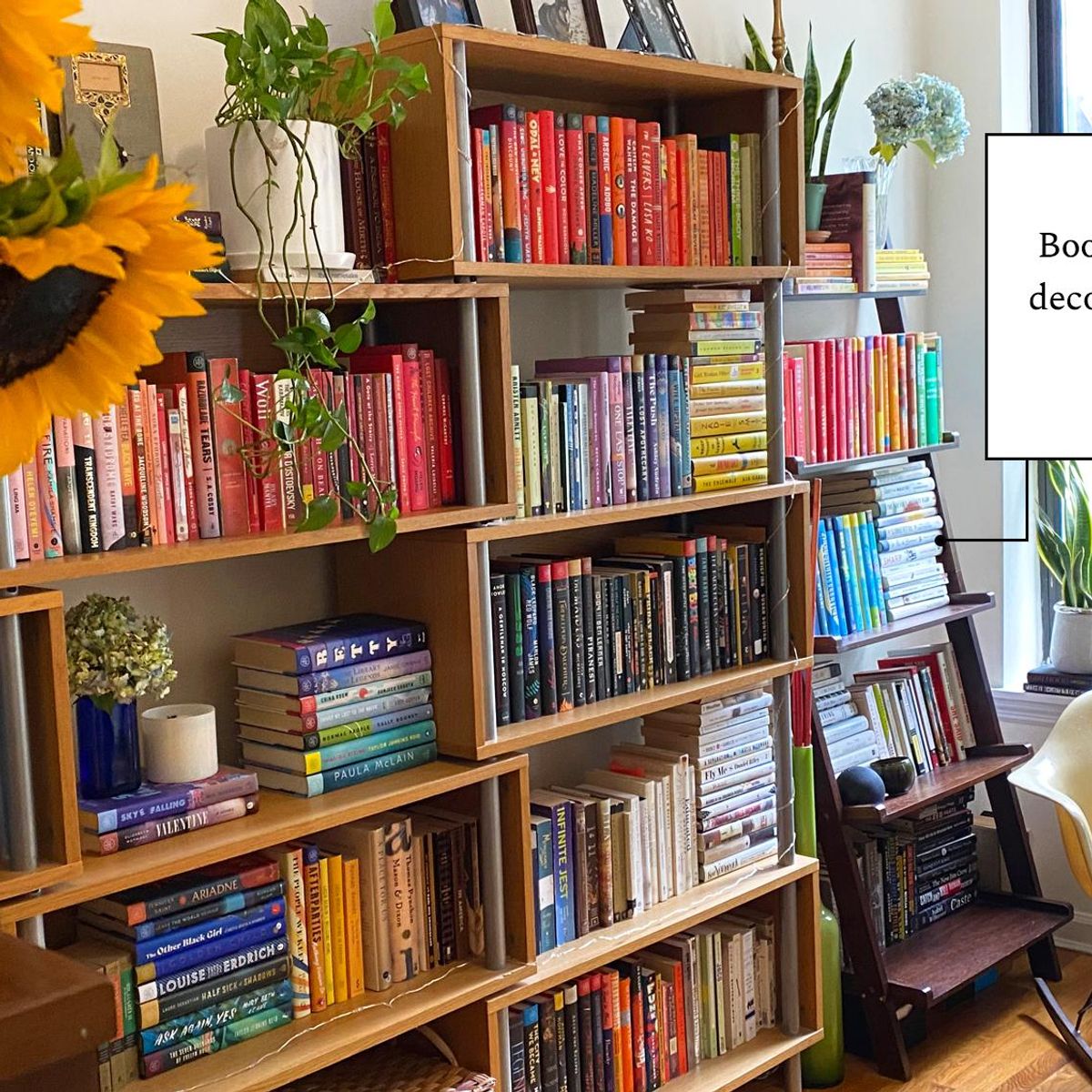
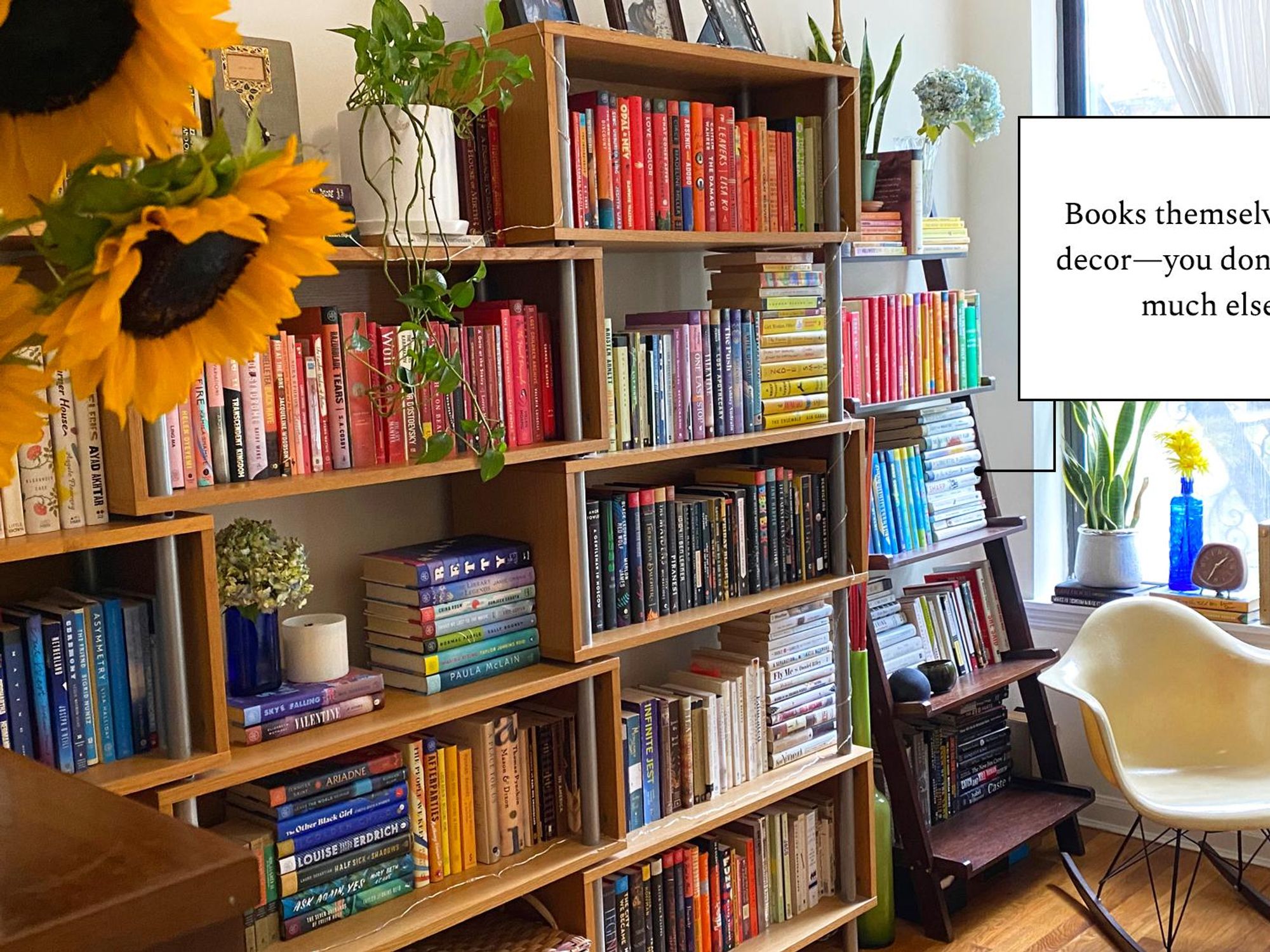
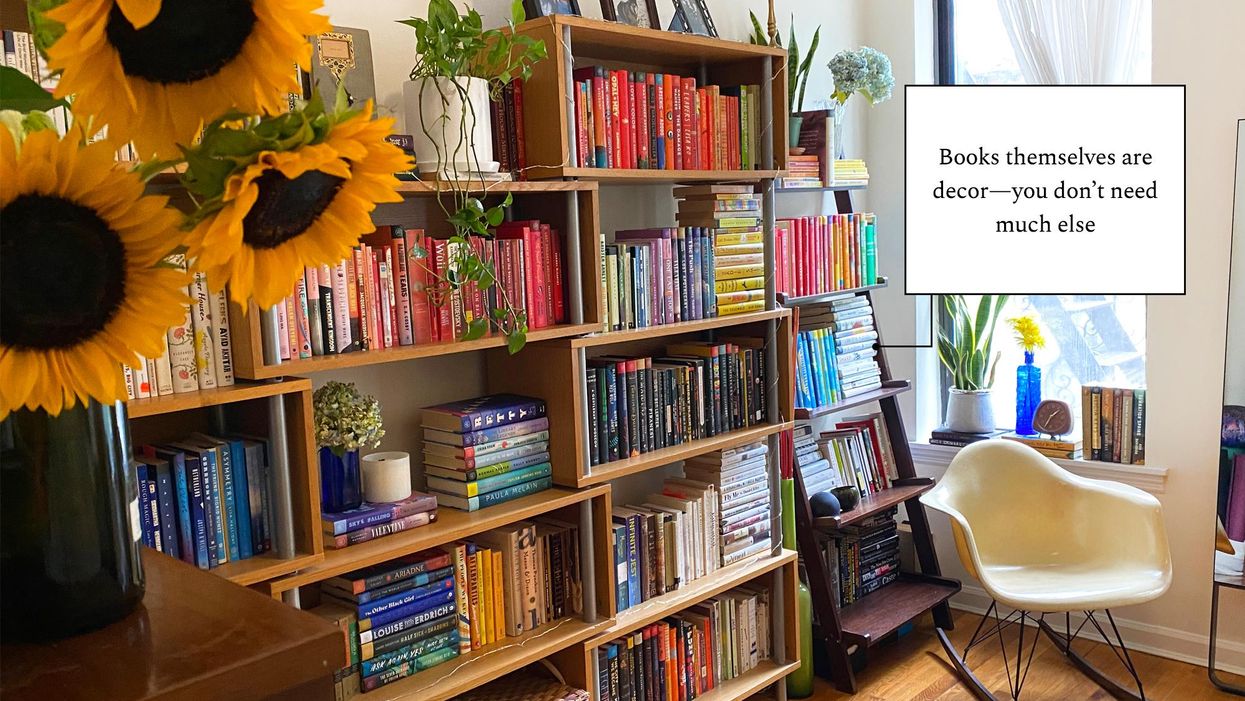
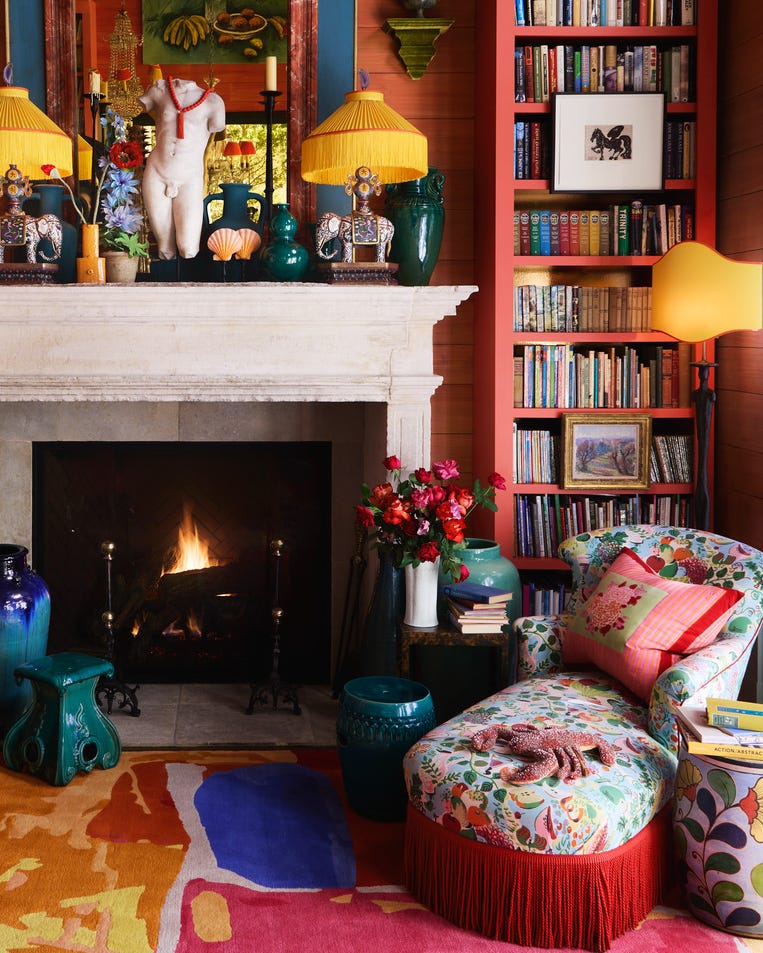
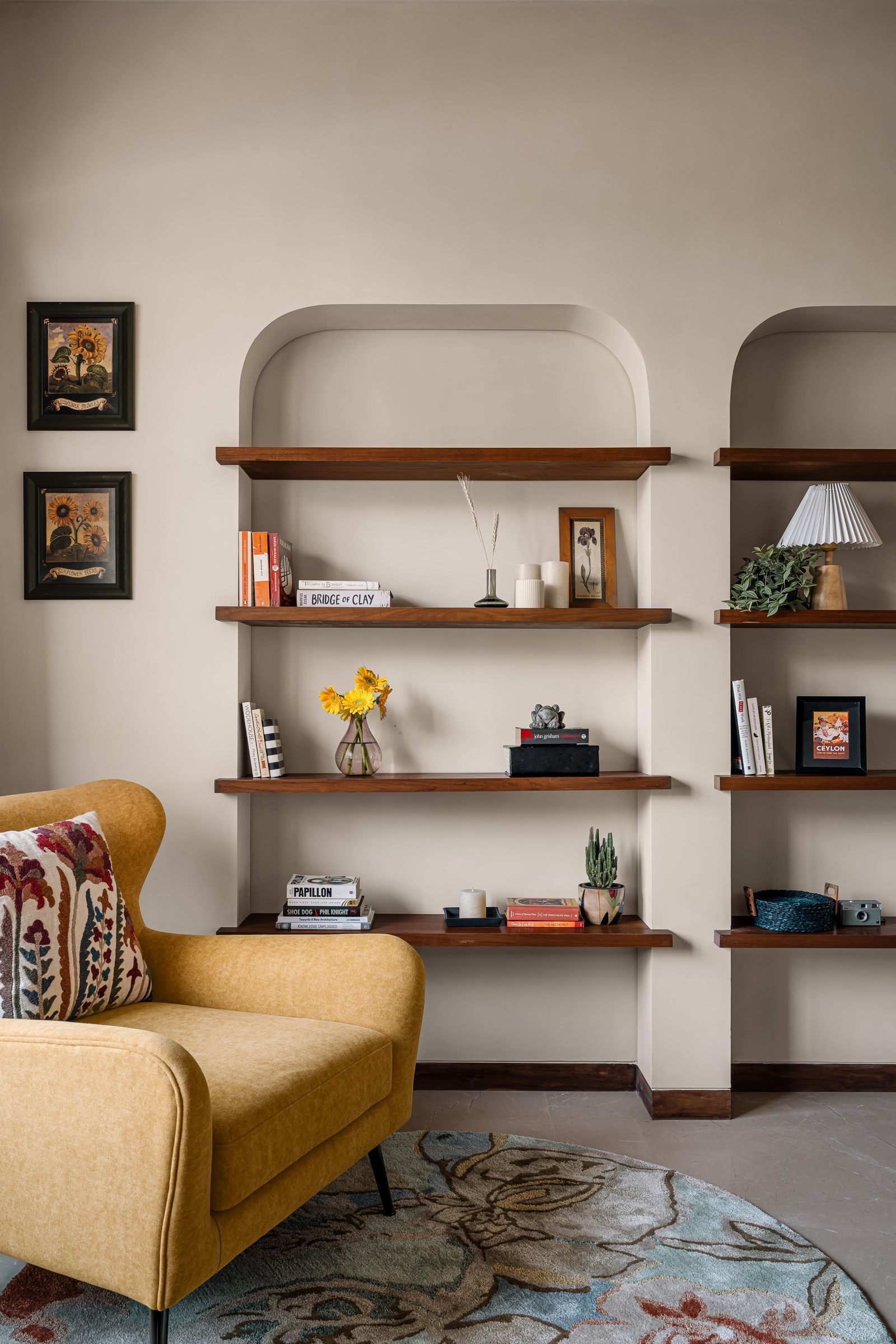
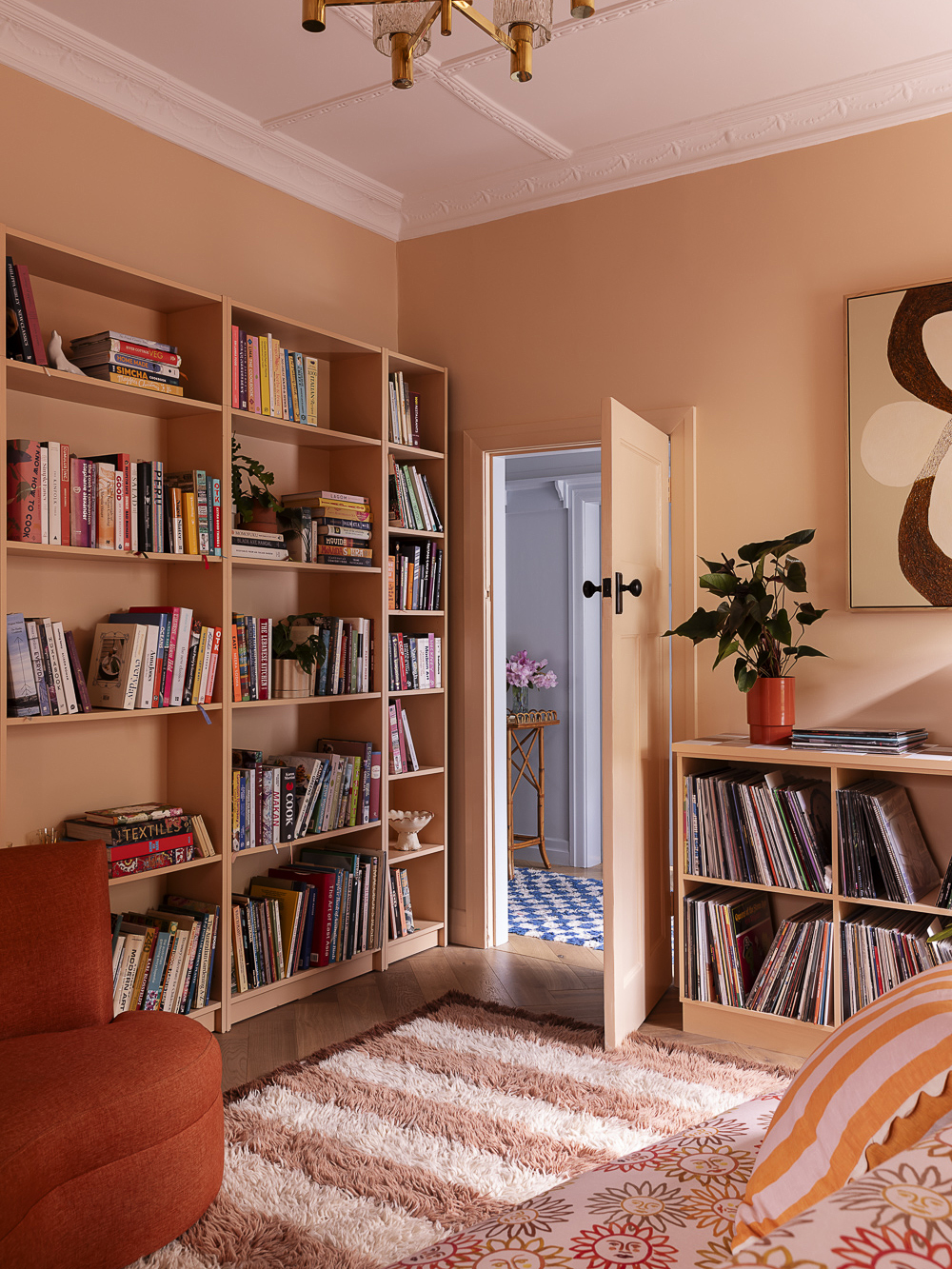
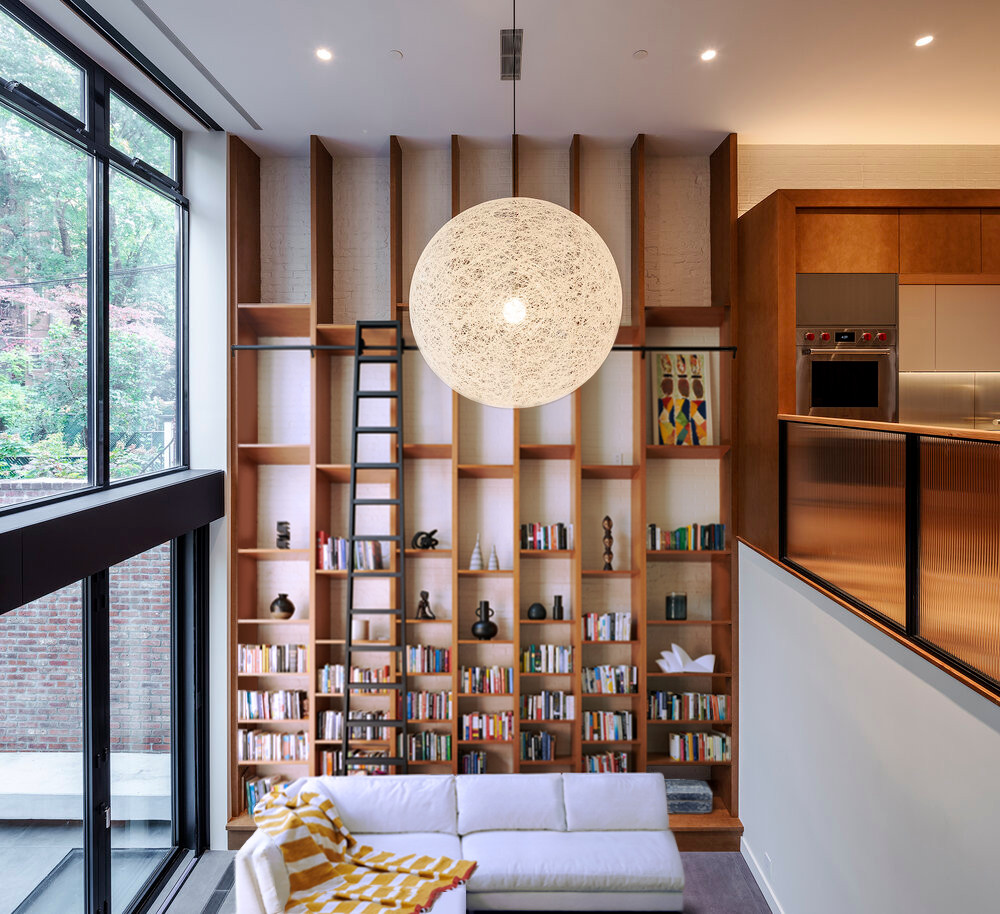
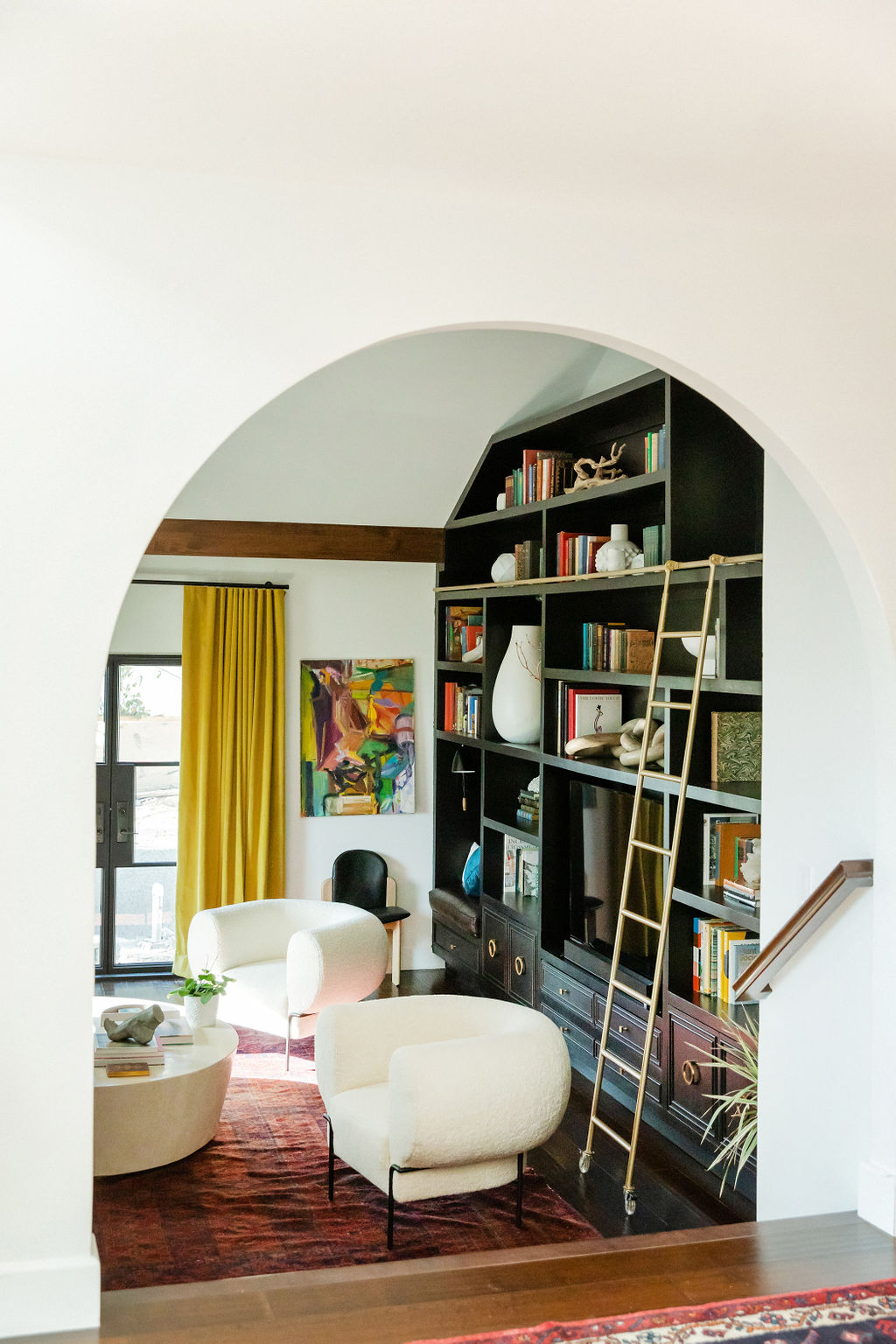
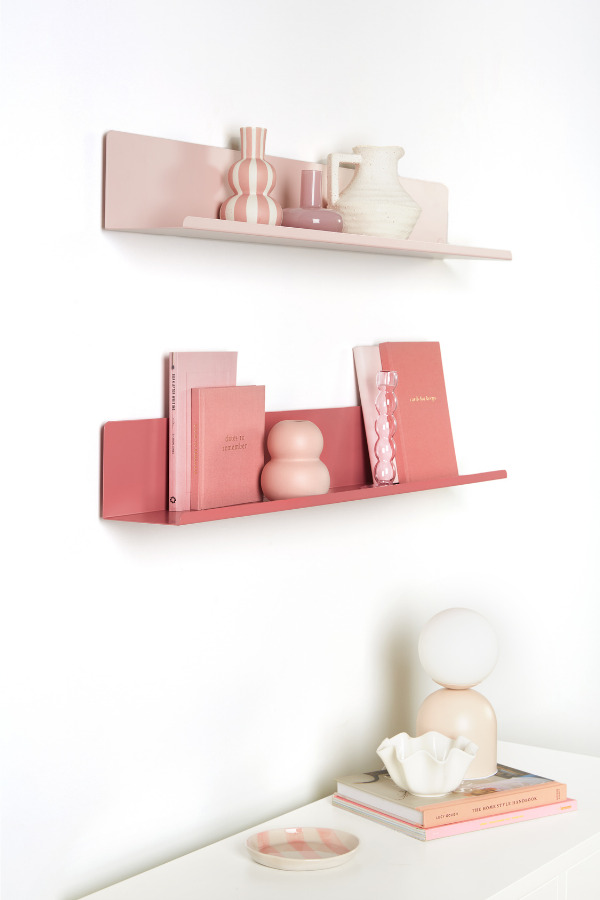
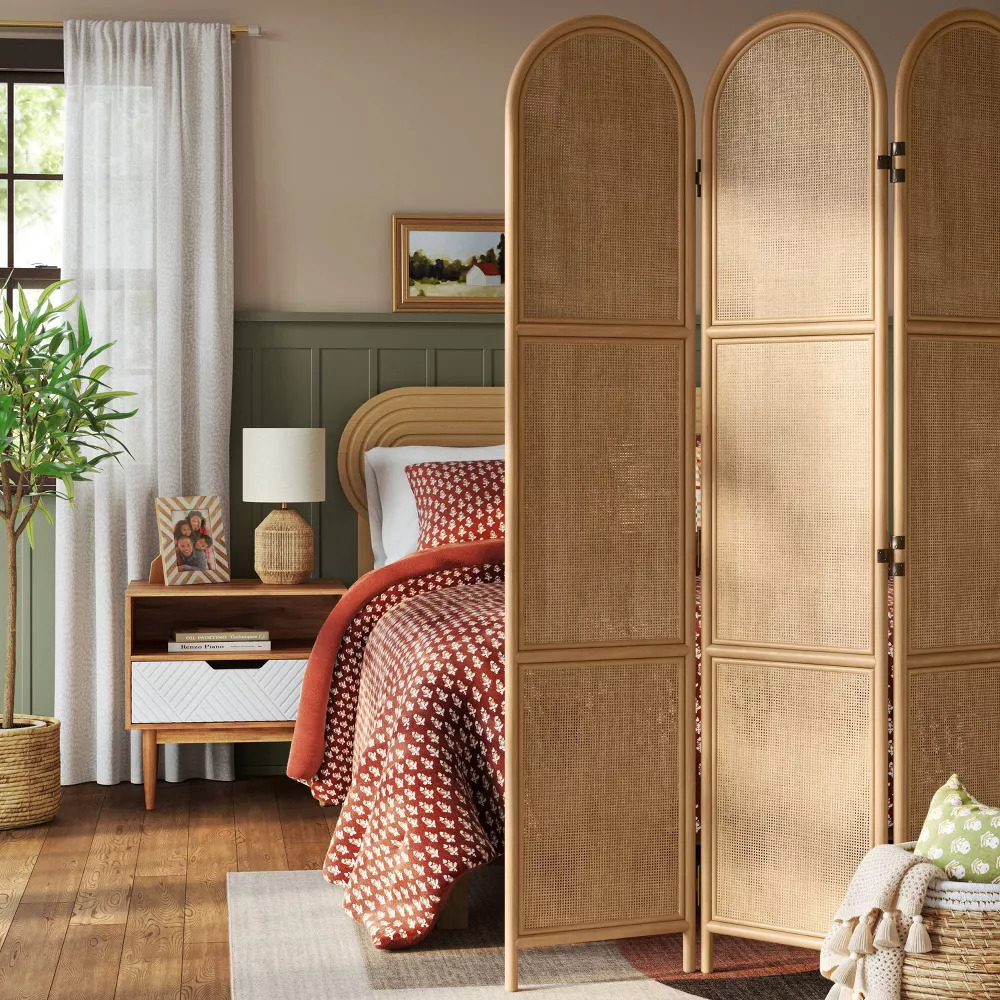
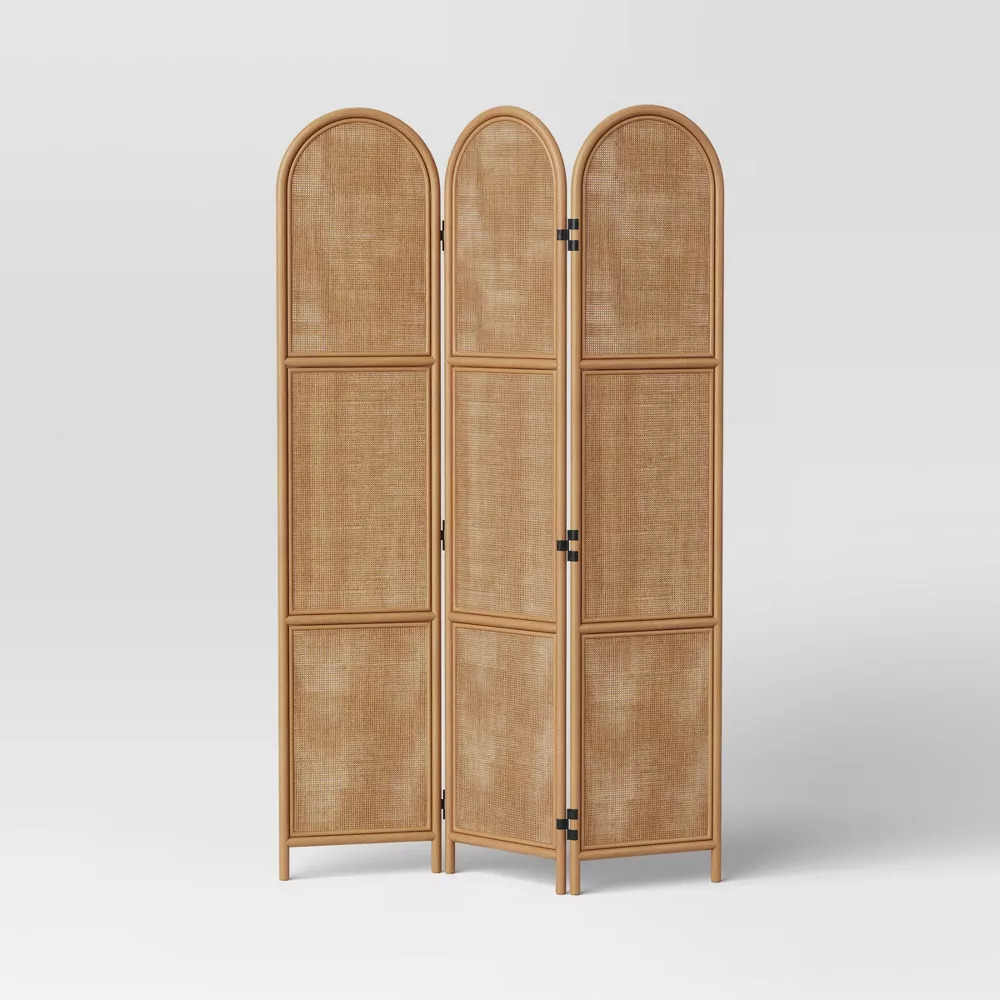
For reading spaces located in common areas, decorative screens or strategically placed bookcases can serve as room dividers to create a sense of retreat and privacy. Storage for books and other reading materials is also essential. Wall-mounted shelving or utilitarian yet stylish vertical bookcases are recommended for homes with limited floor space, ensuring that reading materials are always accessible.
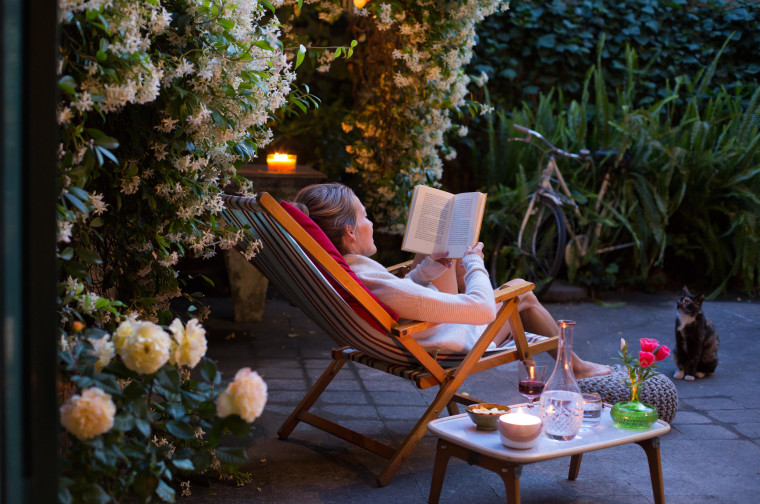
Finally, the article touches on personalizing the reading nook with aesthetic choices. While functionality is primary, designers suggest incorporating soft or bold colors and cheerful prints to reflect personal taste and enhance the joyful aspect of the space. For those with a larger budget and space, adding a small rolling bar cart or even a wet bar can further elevate the reading experience. The overall message is to create a space that is not only functional for reading but also a source of enjoyment and relaxation.
#ReadingNook #HomeDesign #InteriorDesign #CozySpaces #HomeDecor #FurnitureSelection #LightingDesign #SpacePlanning #ReadingNook #HomeDesign #InteriorDesign #CozySpaces #HomeDecor #FurnitureSelection #LightingDesign #SpacePlanning
0 comment in total
 No comments yet
You may also like
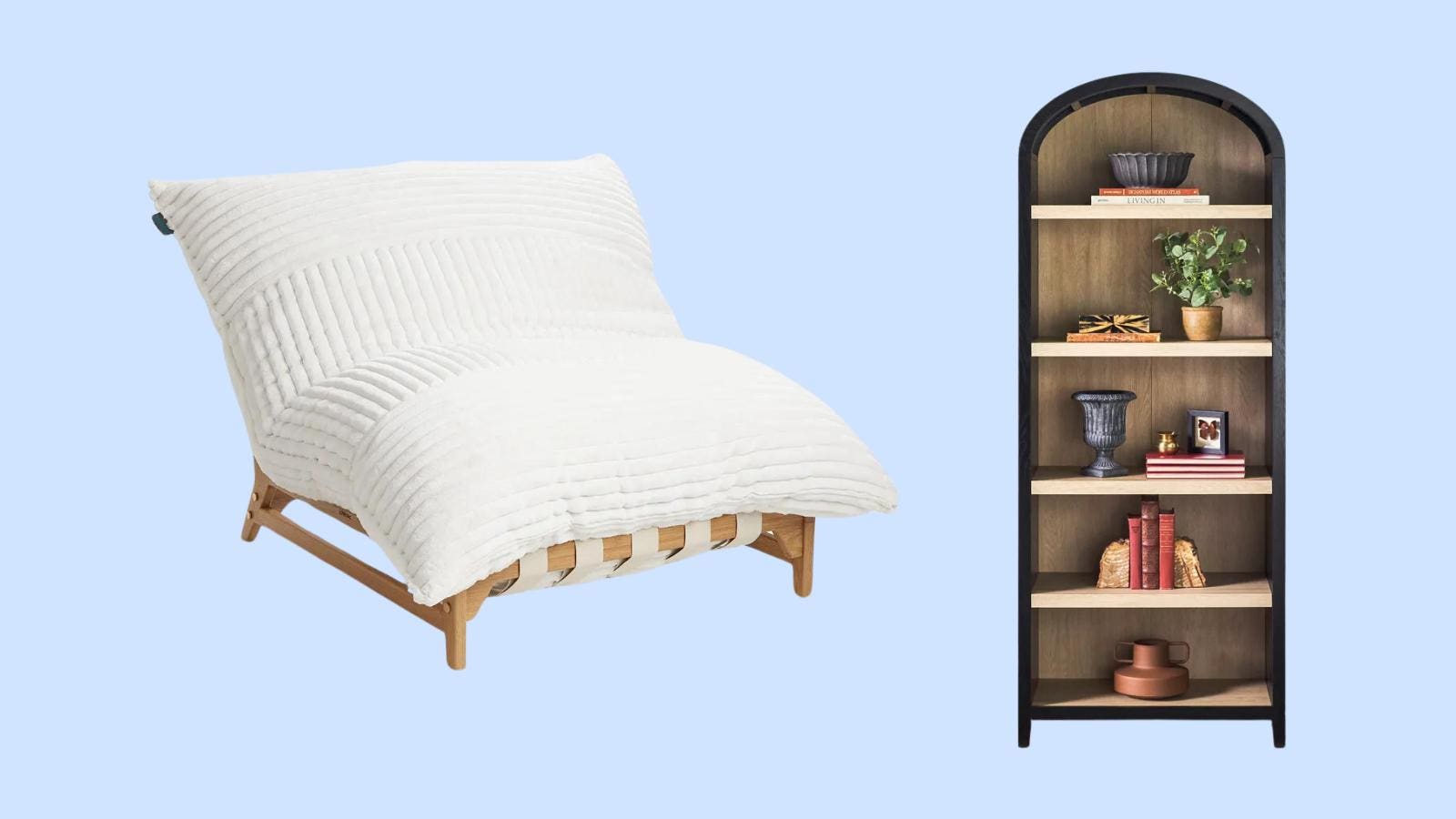
How To Create A Cozy Reading Nook, From Products To Expert Tips

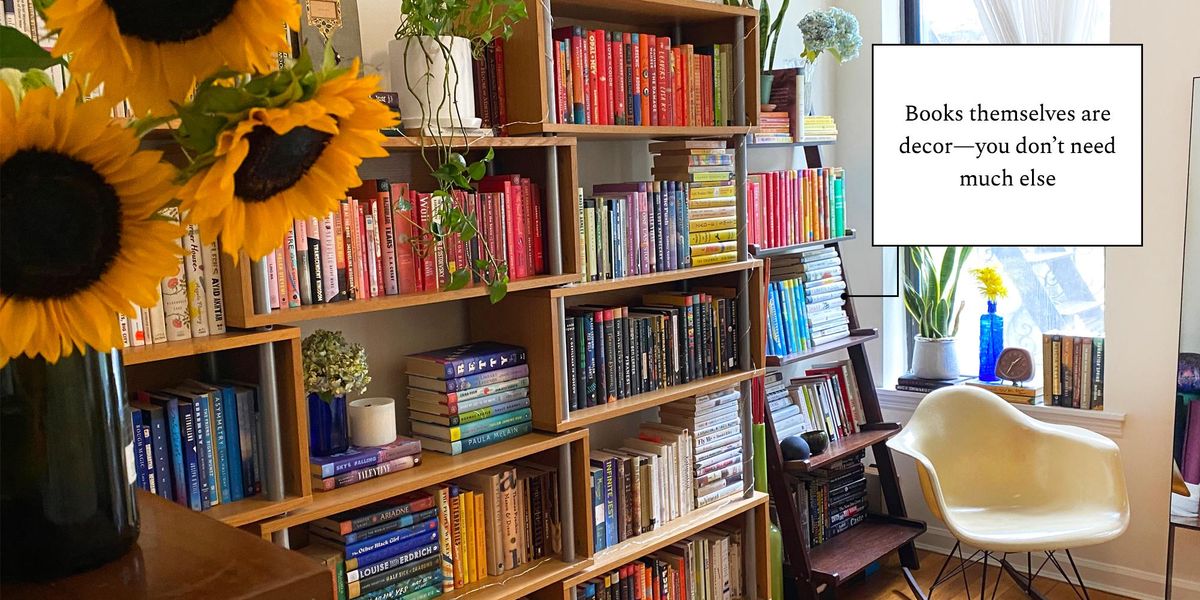
Everything You Need for a Superior Reading Nook
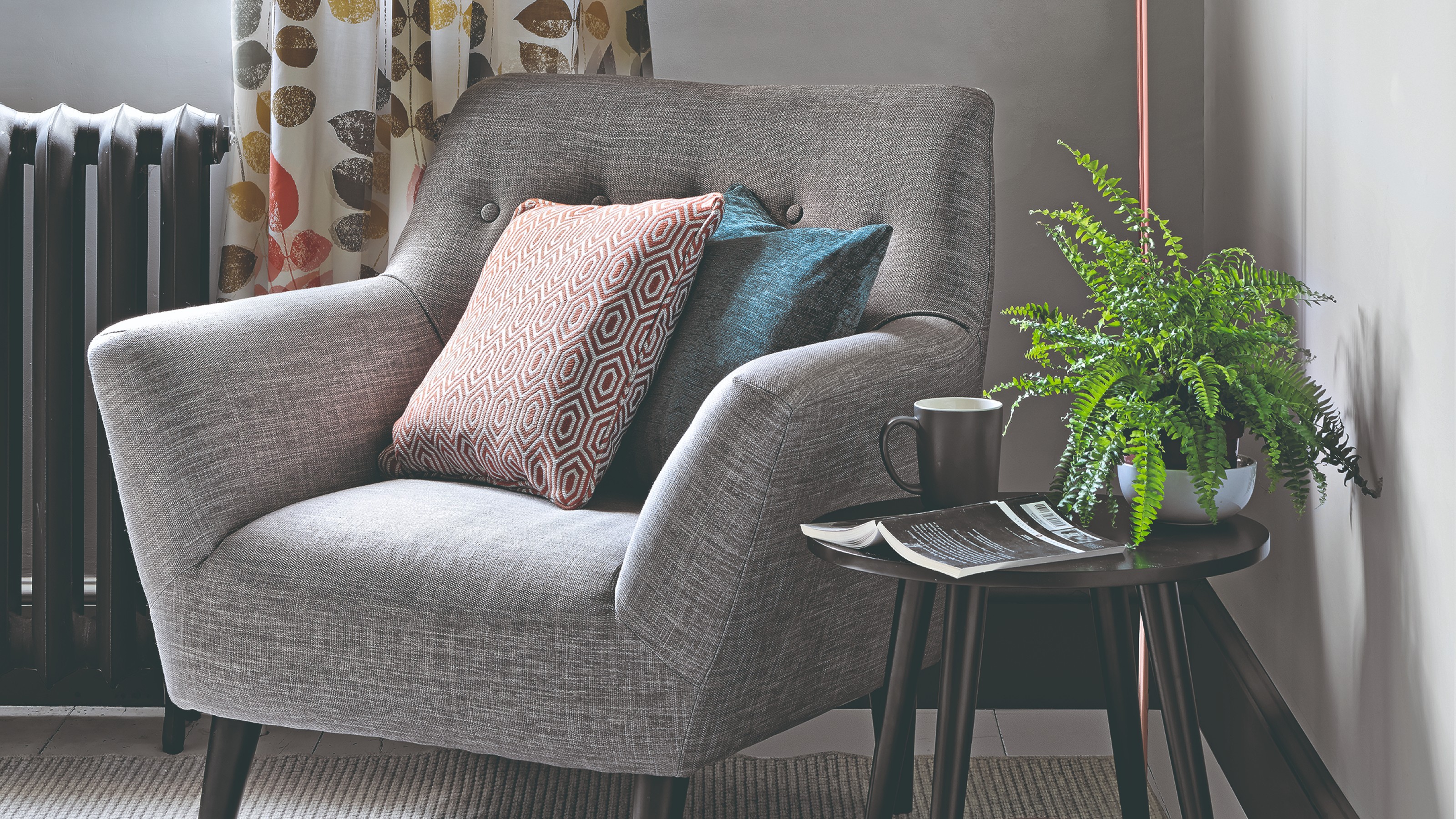
Are reading nooks the new must-have? The cosy home feature that got us hooked
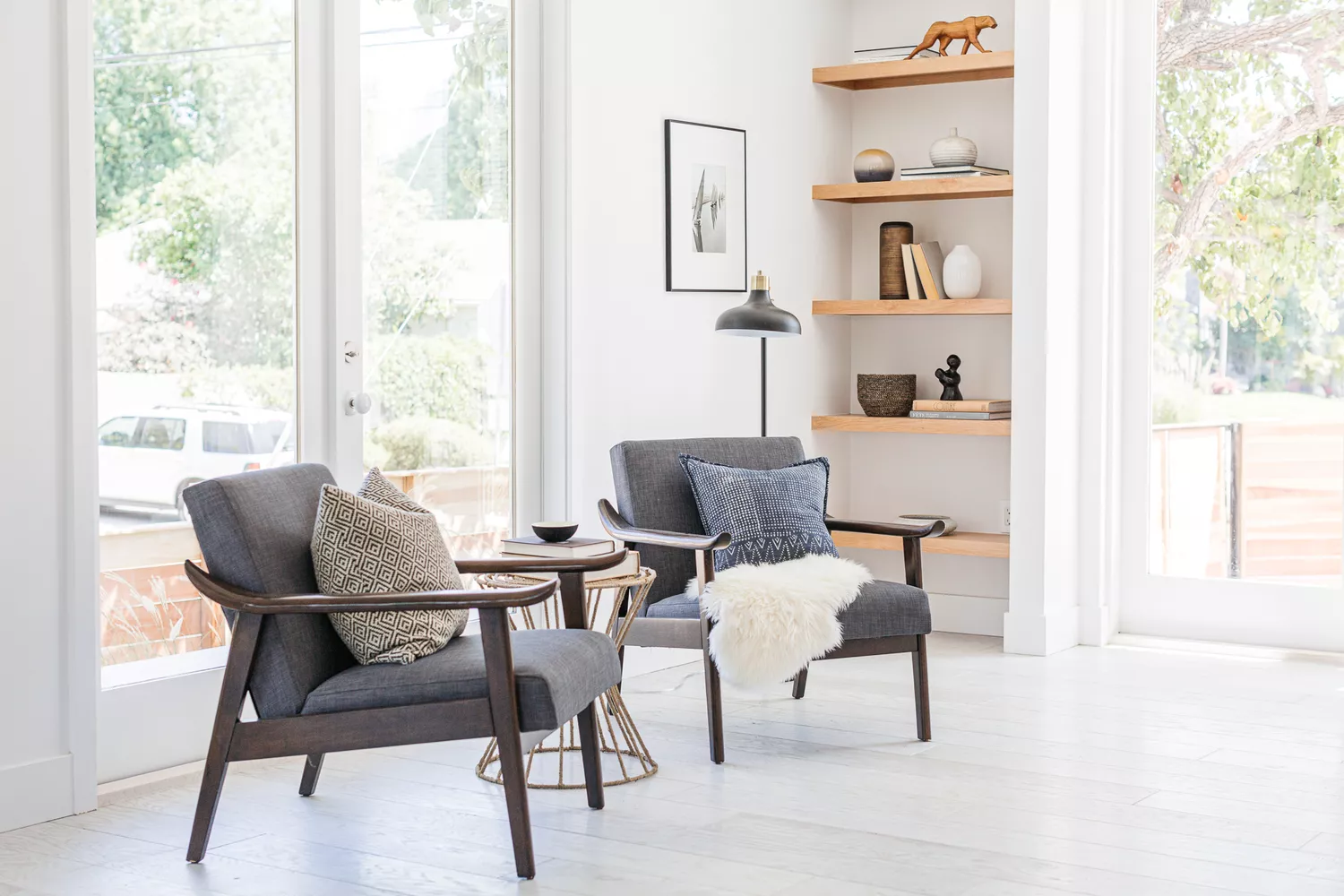
44 Cozy Reading Nook Ideas You'll Want to Curl Up in With a Good Book


How to create a book nook – your own cosy corner to read and escape
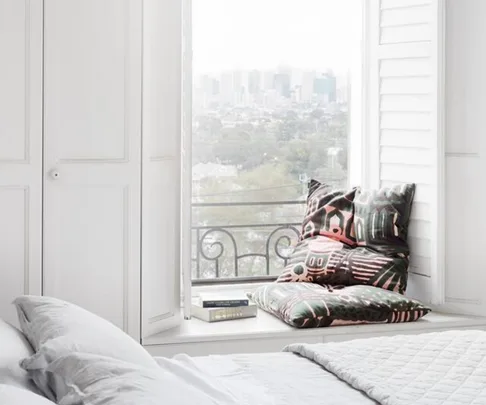
16 reading spots to curl up with a book


30 Reading Nook Ideas for the Ultimate Cozy Hideaway

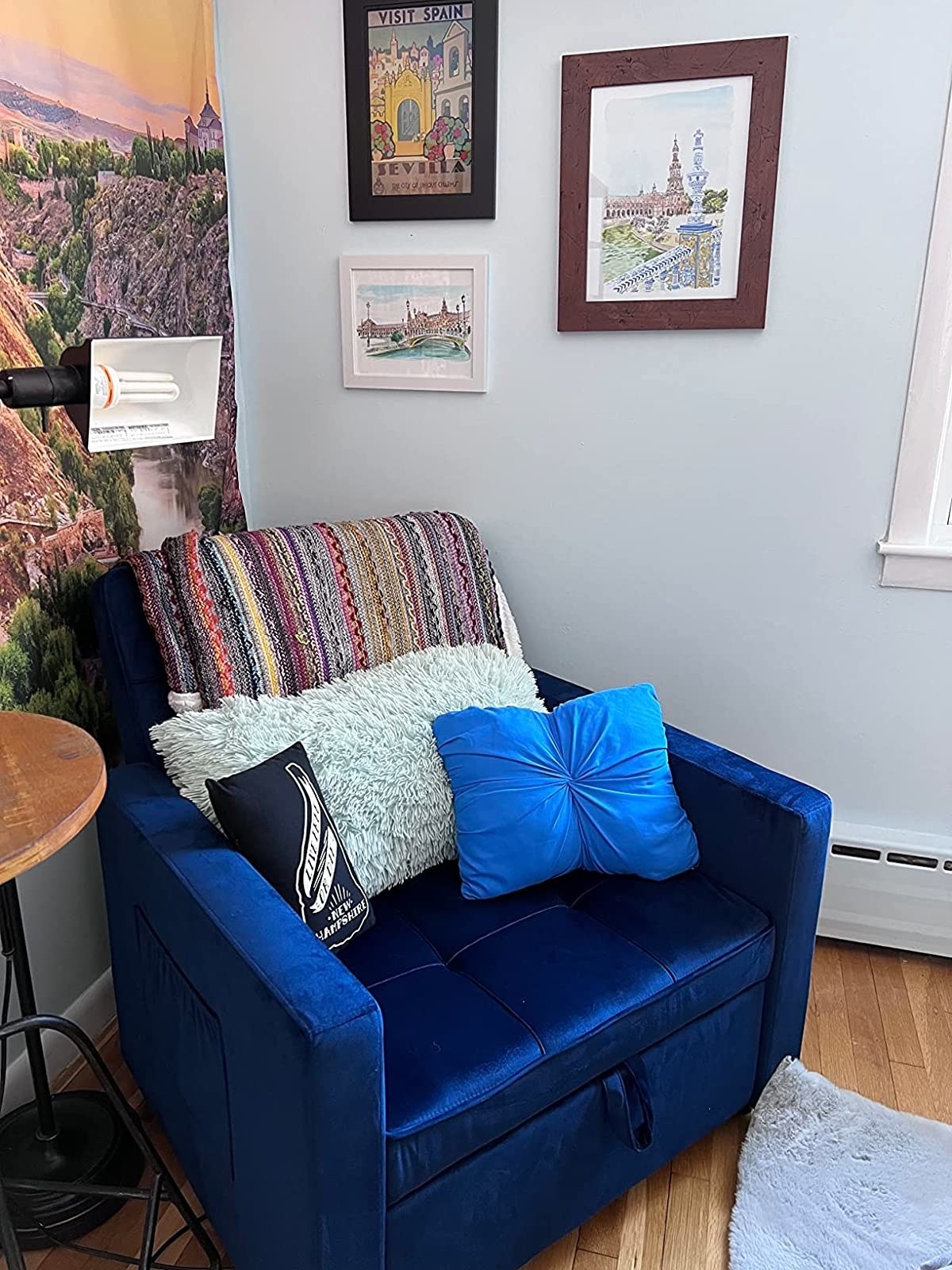
27 Products That’ll Help You Create The Reading Corner Of Your Dreams


How To Create A Reading Nook In 5 Steps, With Expert-Approved Ideas

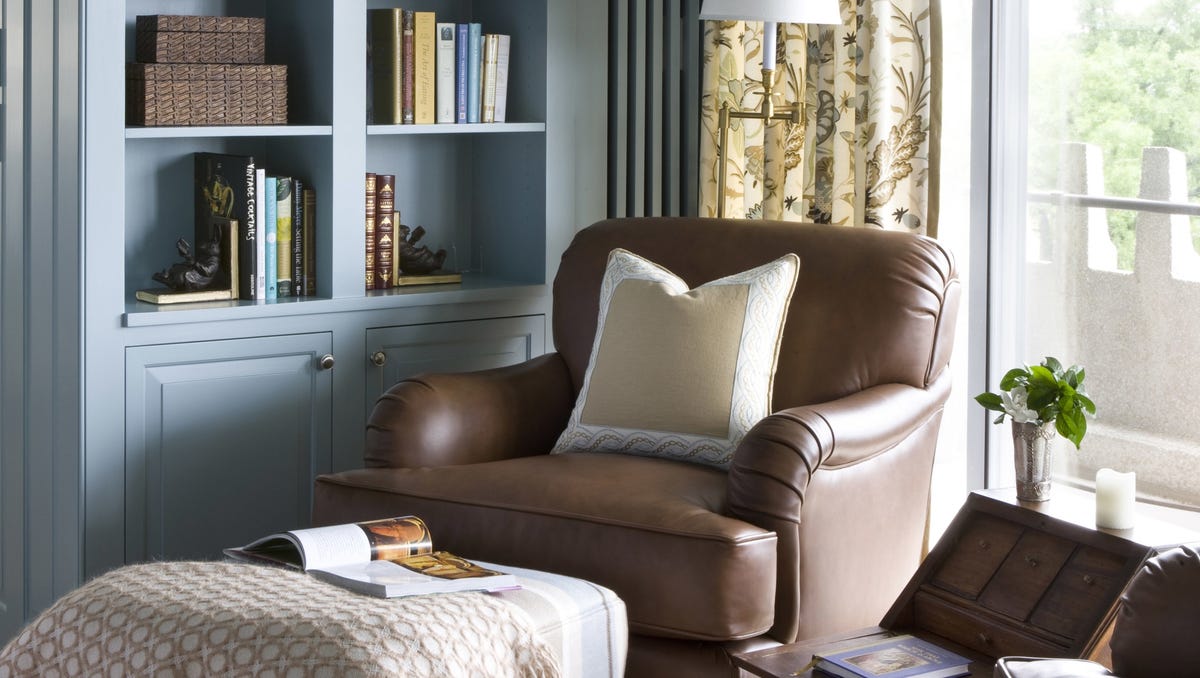
ASK A DESIGNER: Cozy nooks for you and your books

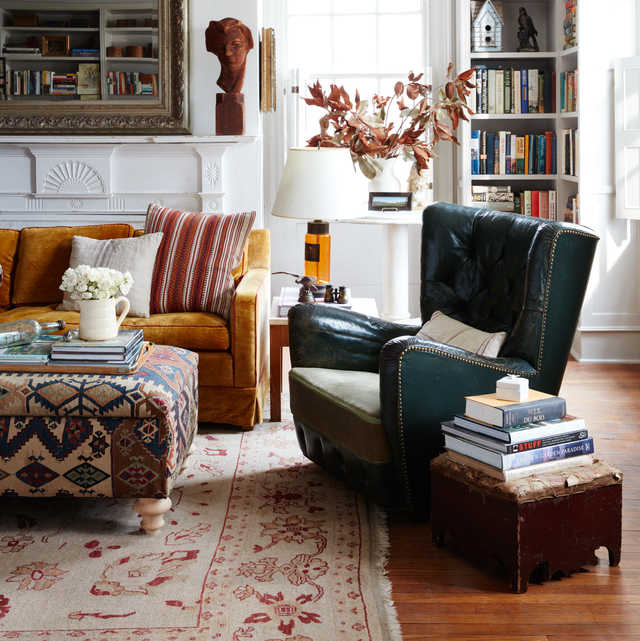
Discover the Perfectly Cozy Reading Chair for Your Nook
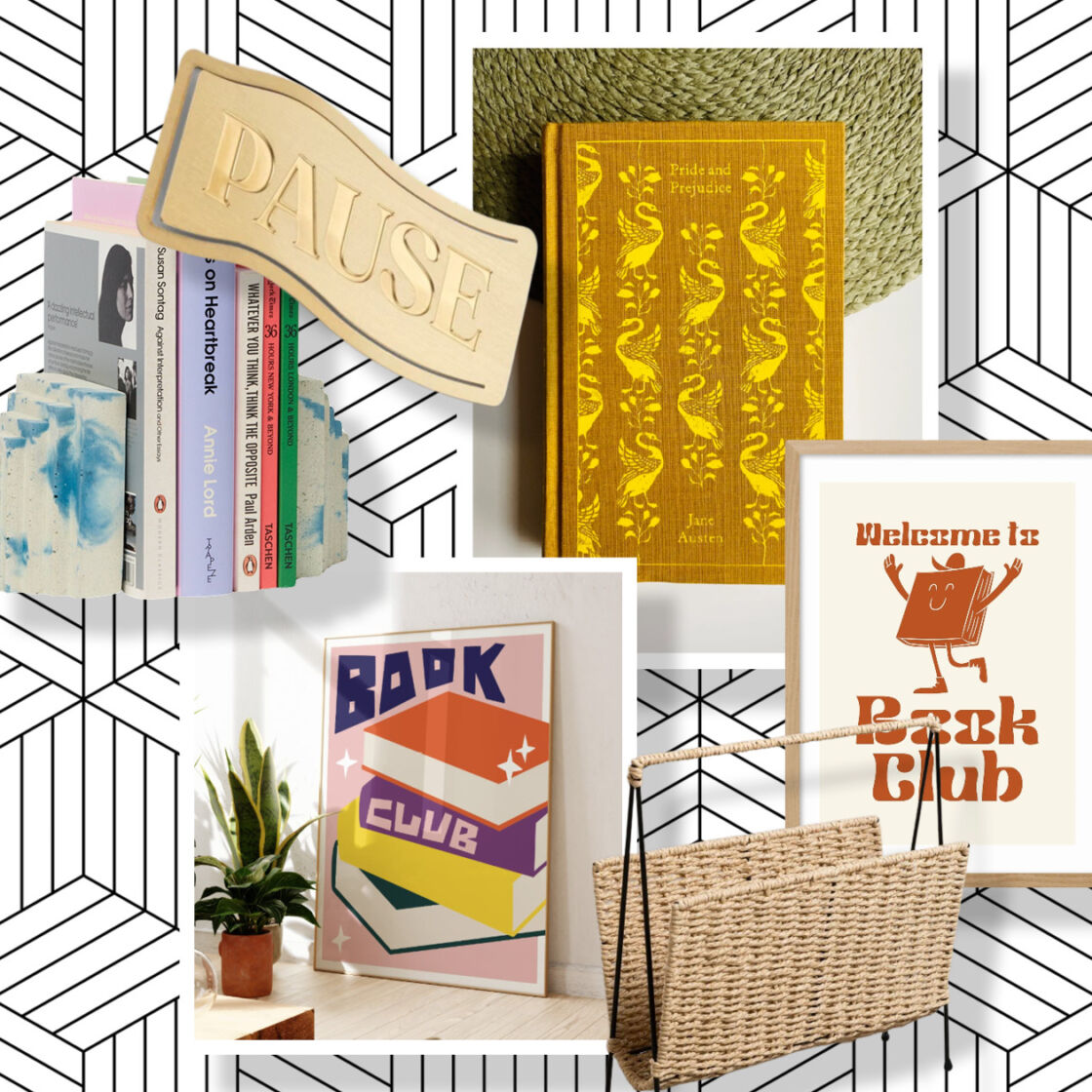
10 cosy and cute bookshelf accessories to help you create the ultimate reading nook
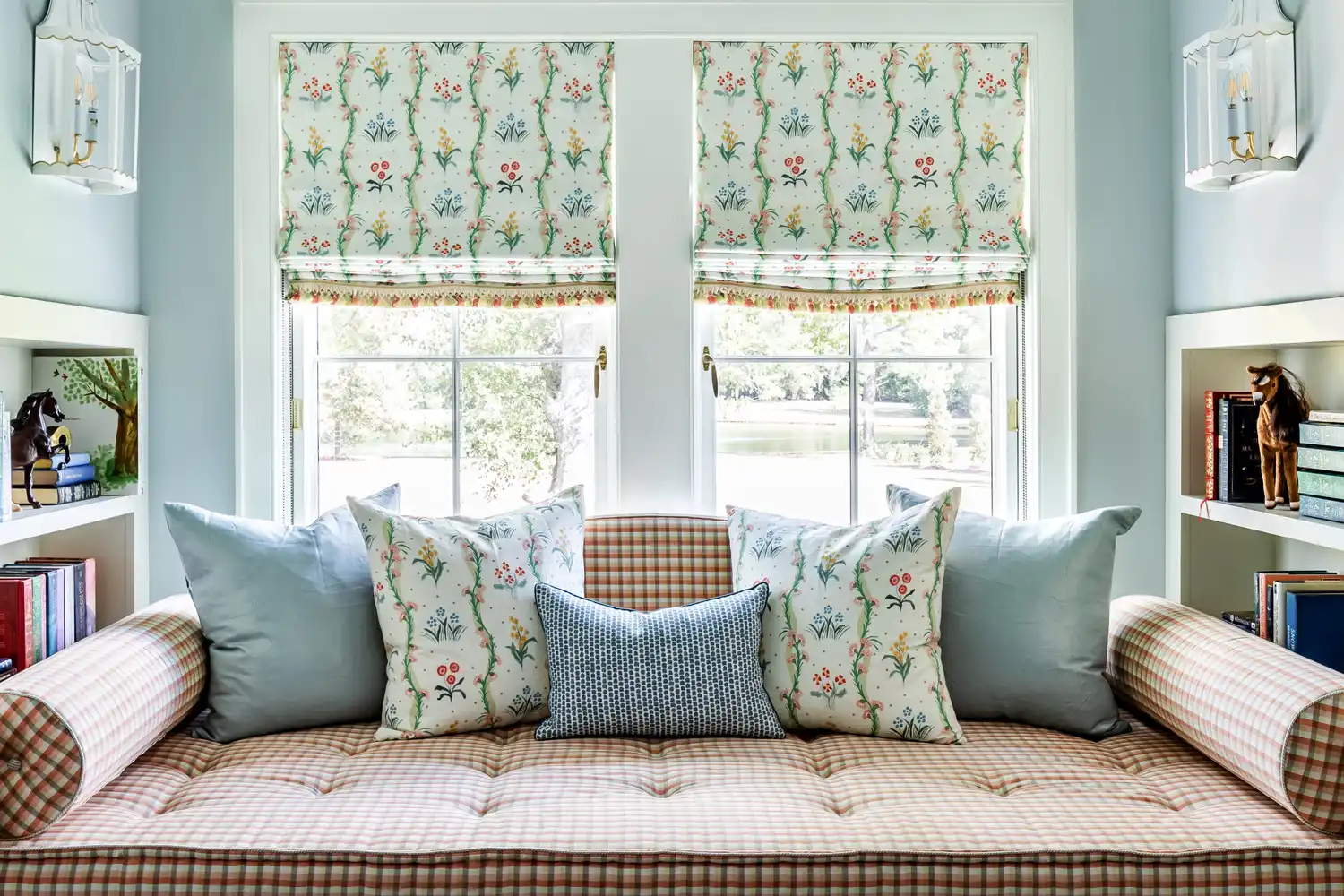
4 Secrets To Creating The Perfect Reading Nook, According To A Designer
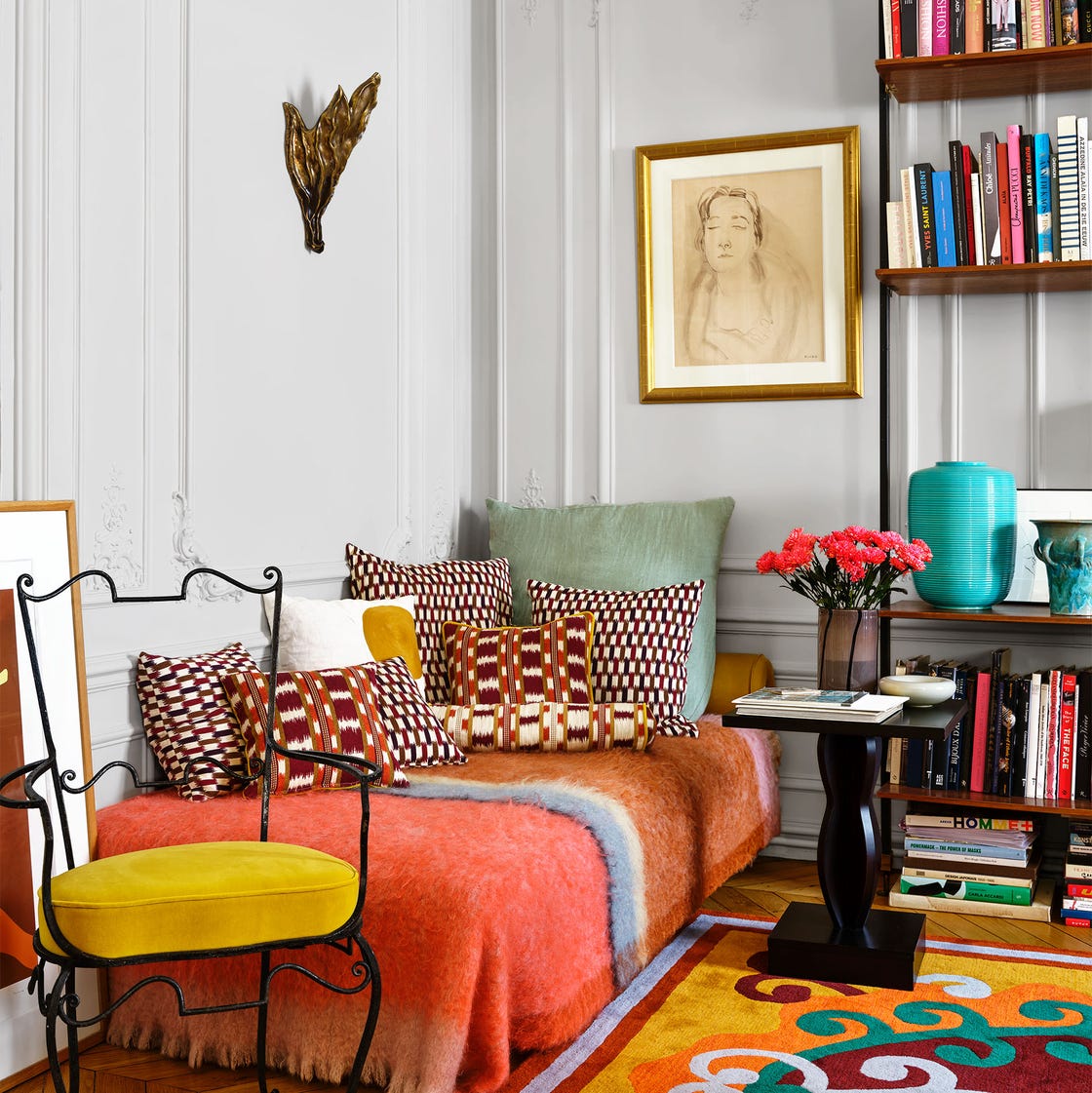
20 Cozy Reading Nook Ideas That Are Utterly Novel

Searches for Reading Rooms Are Spiking—These Are the Best Ones We’ve Seen

25 Things From Target To Help Build The Reading Nook Of Your Dreams
22 Reading Nooks That Are Full of Creative Design Ideas

5 cosy reading nook designs to add a touch of whimsy to your home

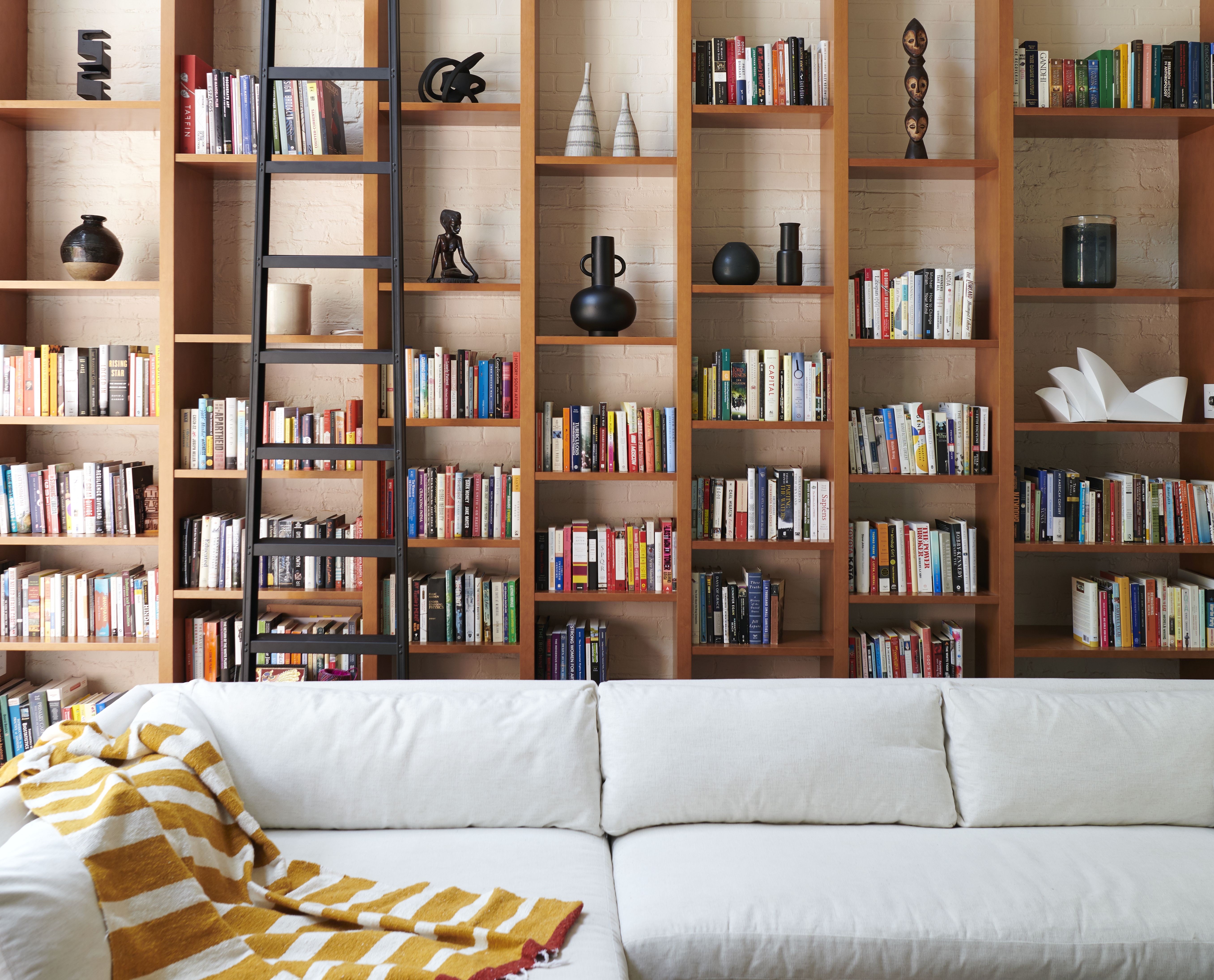
Forget Watching TV - Here are 3 Ways to Make Your Living Room Better to Read in

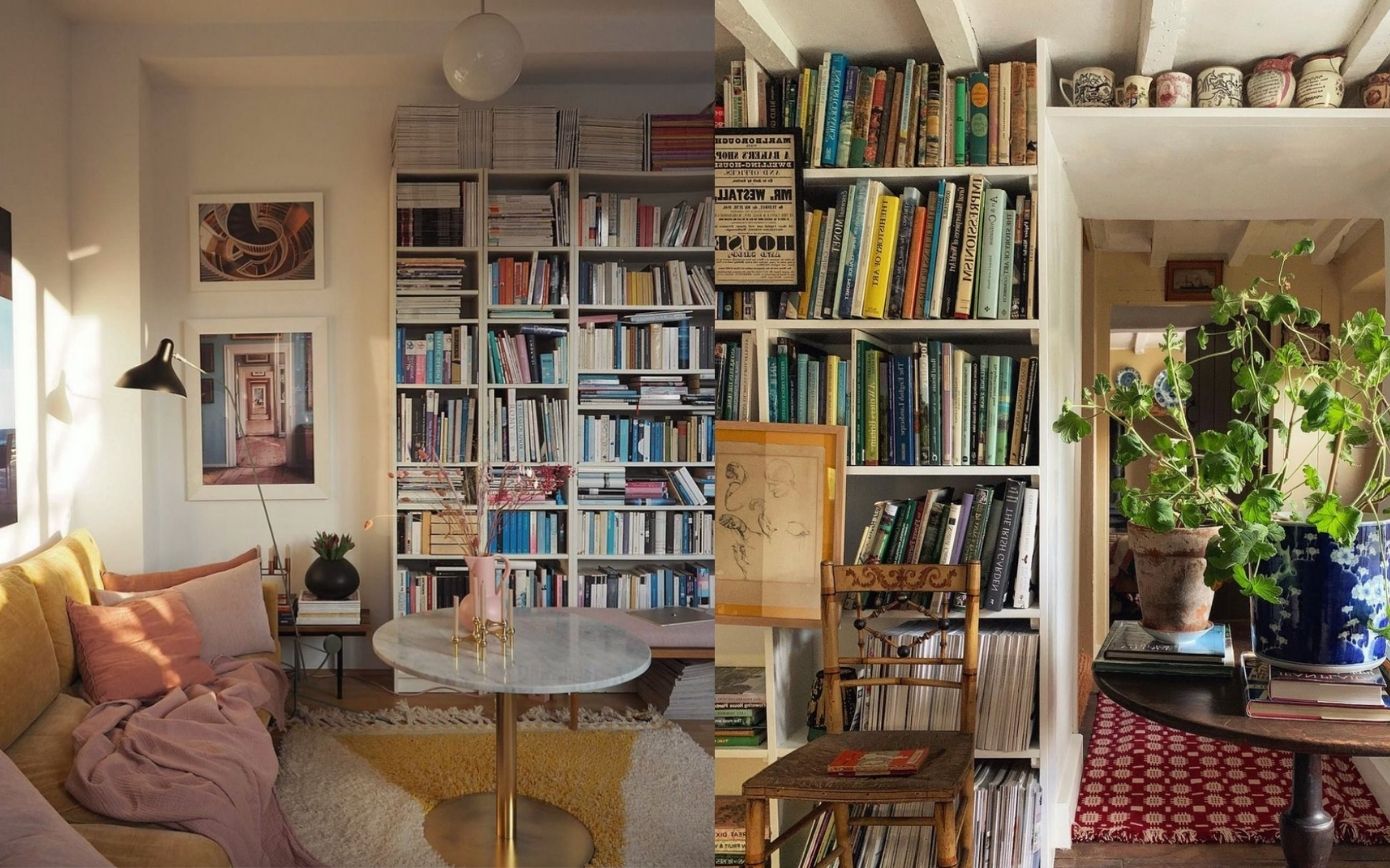
These Cosy Reading Nooks Are Perfect For A Rainy Day