1/10
Everything You Need for a Superior Reading Nook
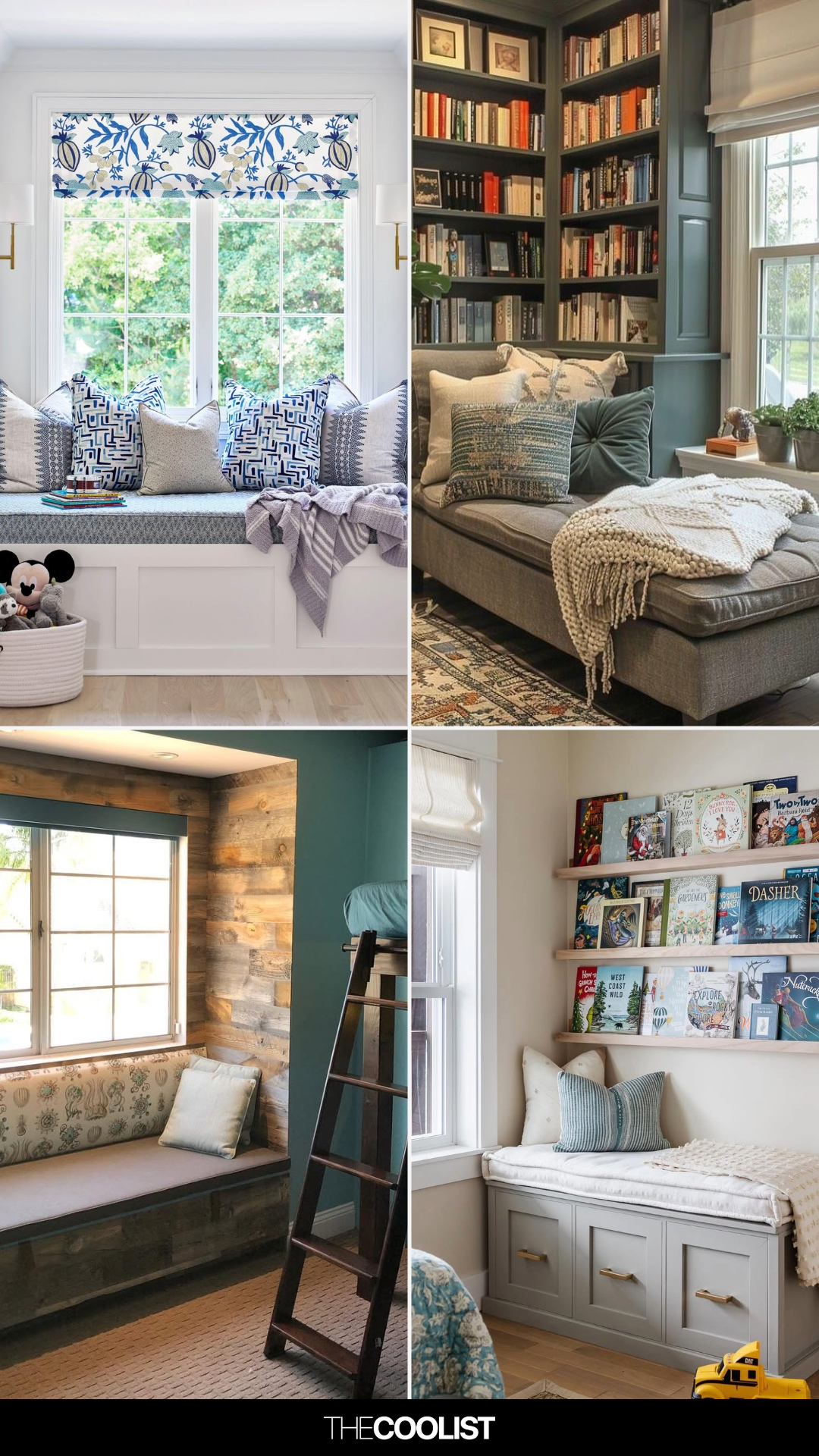
A well-designed reading nook serves as a personal sanctuary within a home, offering a tranquil escape for relaxation and literary immersion. The process of creating such a space involves careful consideration of location, furniture, lighting, and decorative elements to ensure both comfort and aesthetic appeal. This article outlines key strategies for establishing an ideal reading nook, drawing inspiration from design principles and expert insights.
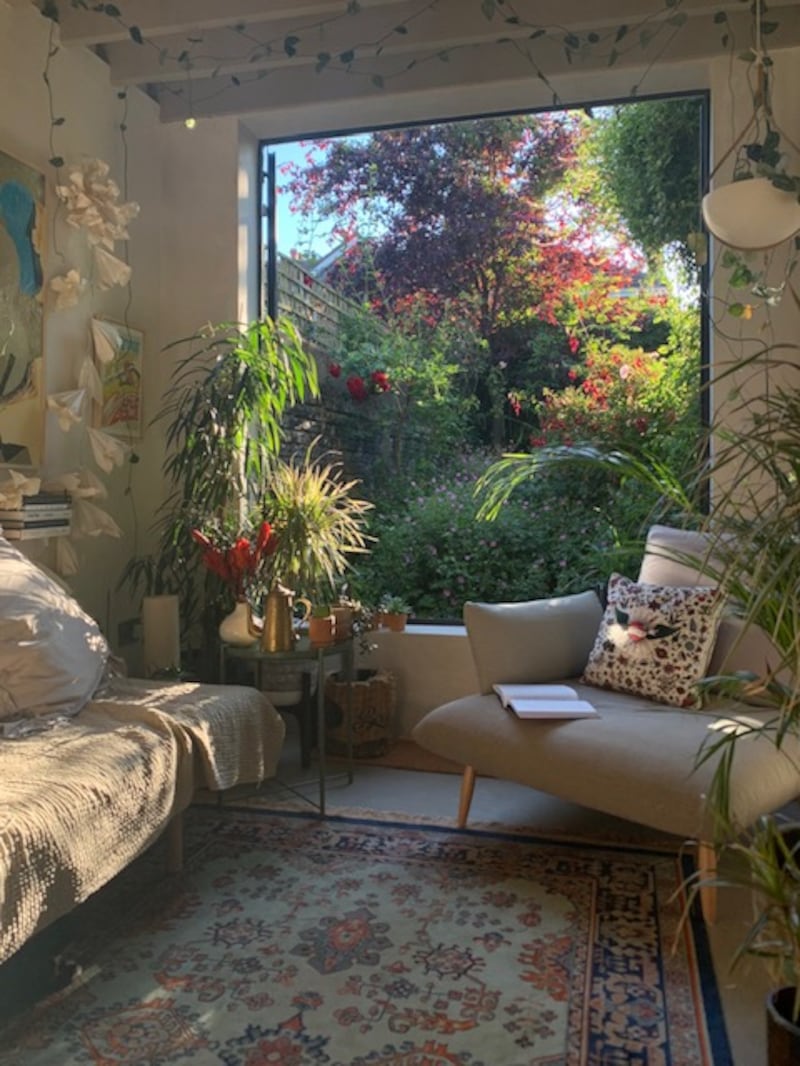
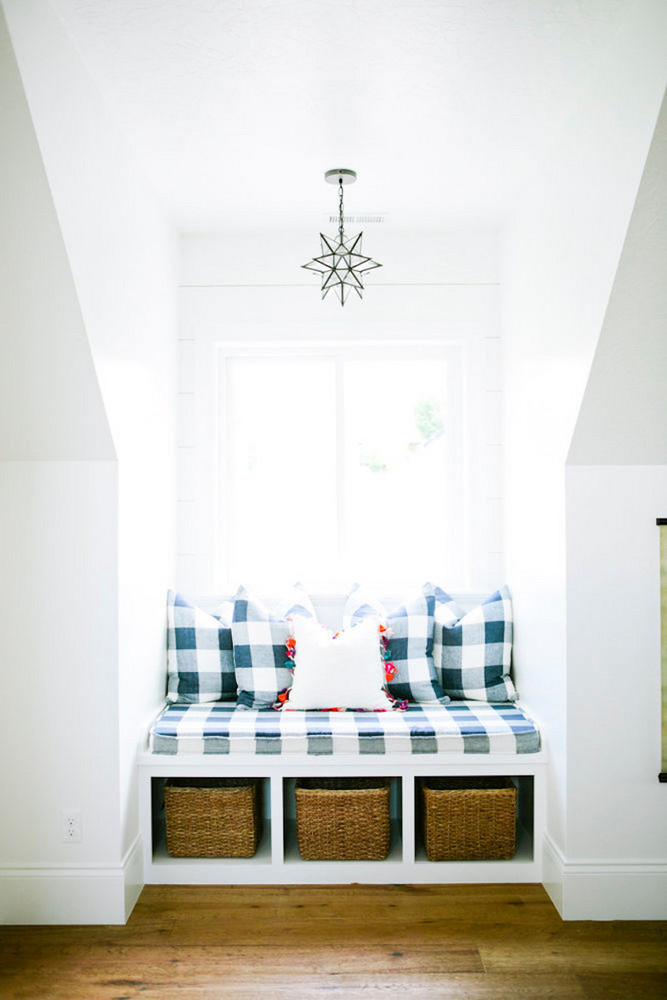
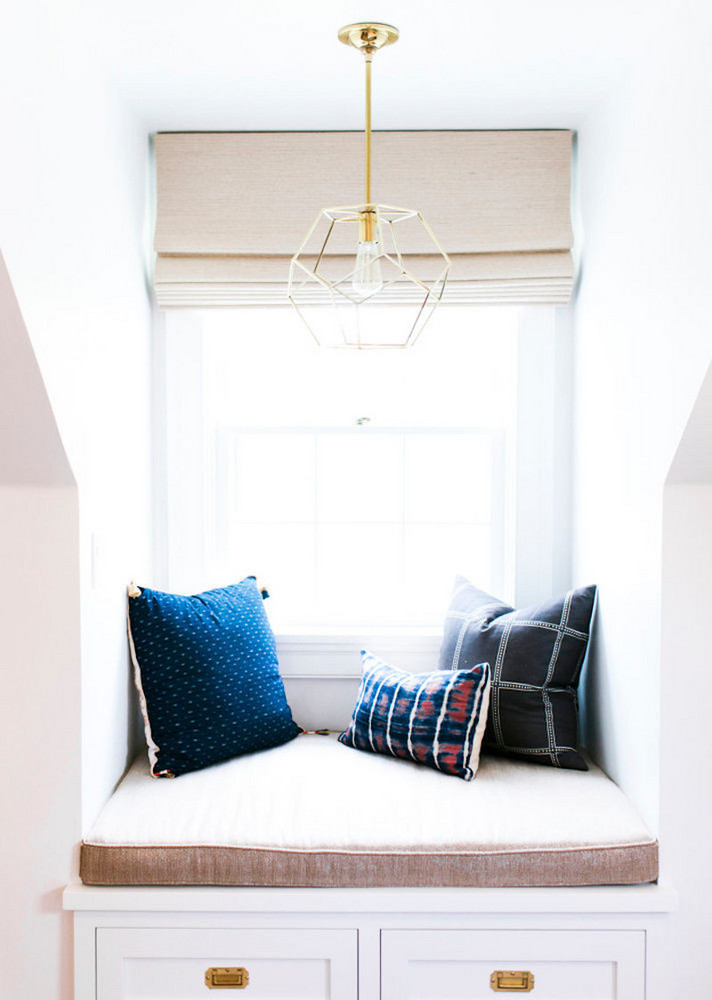
The initial step involves selecting the optimal location. This typically involves identifying a quiet corner or an underutilized space that offers a degree of seclusion from the main activities of the household. Natural light is a significant advantage, as it enhances the reading experience and contributes to a bright, airy ambiance. Proximity to a window allows for enjoyment of natural light during the day, while also offering a view that can inspire or calm the mind. If natural light is limited, artificial lighting becomes a crucial element.
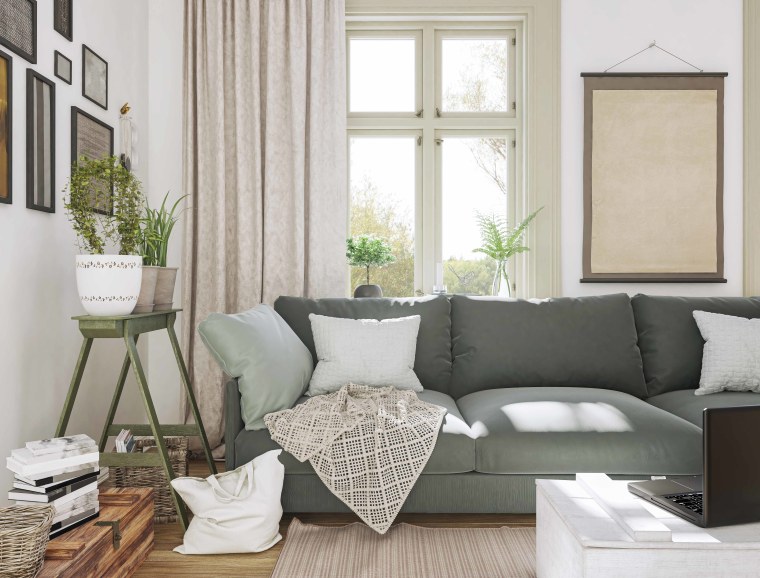
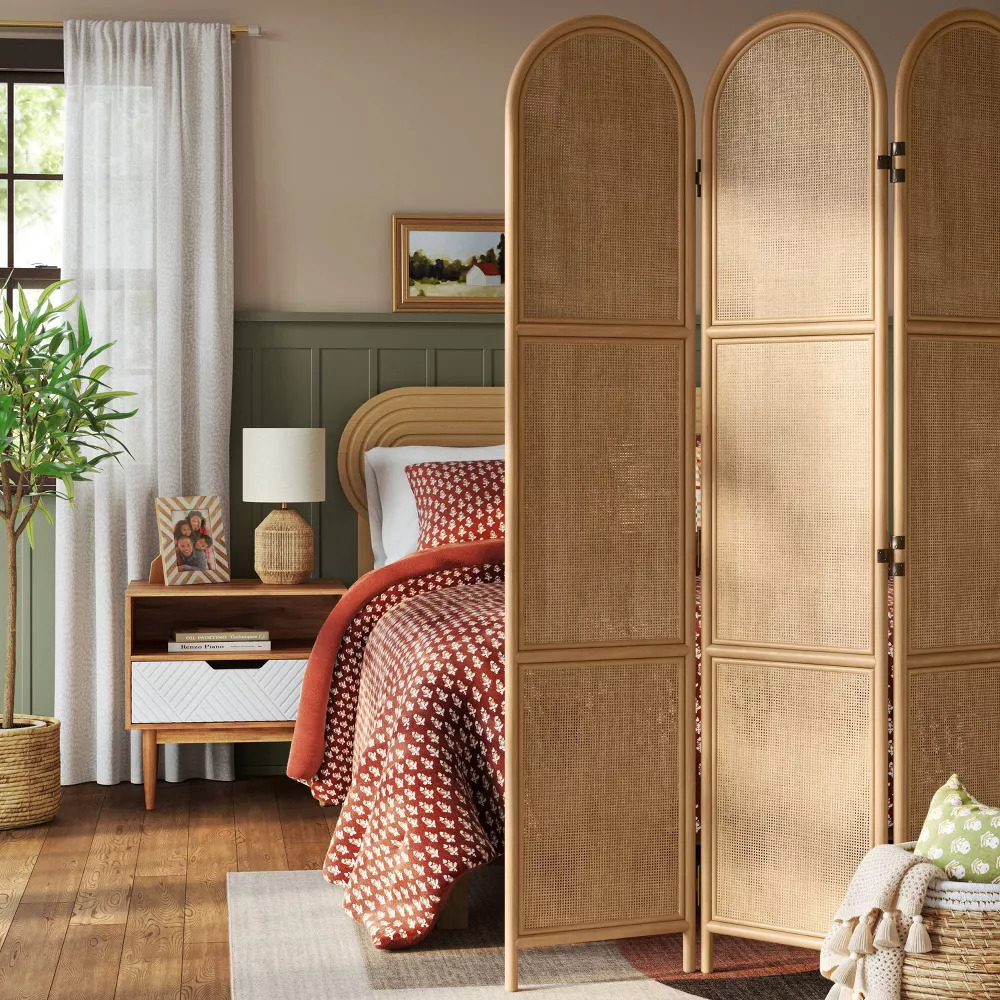
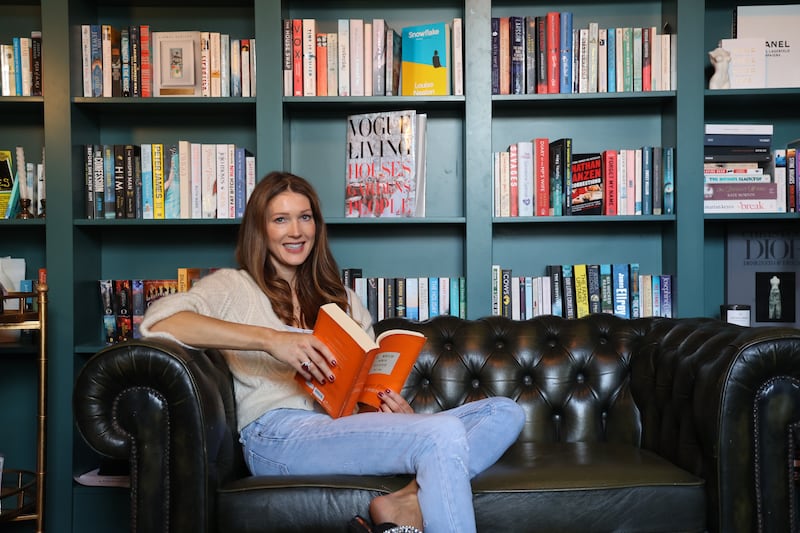
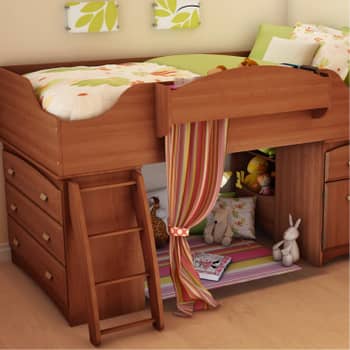
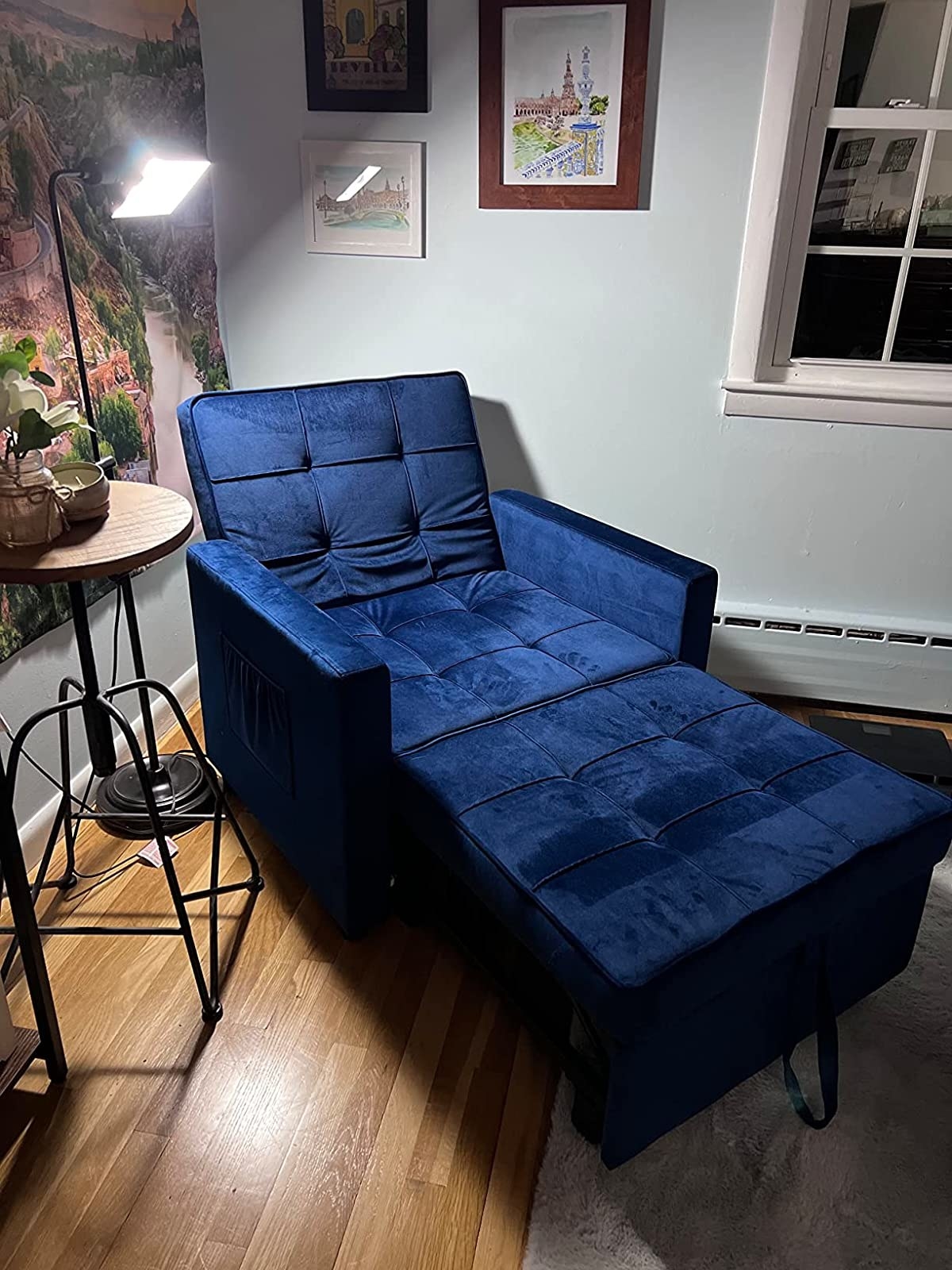
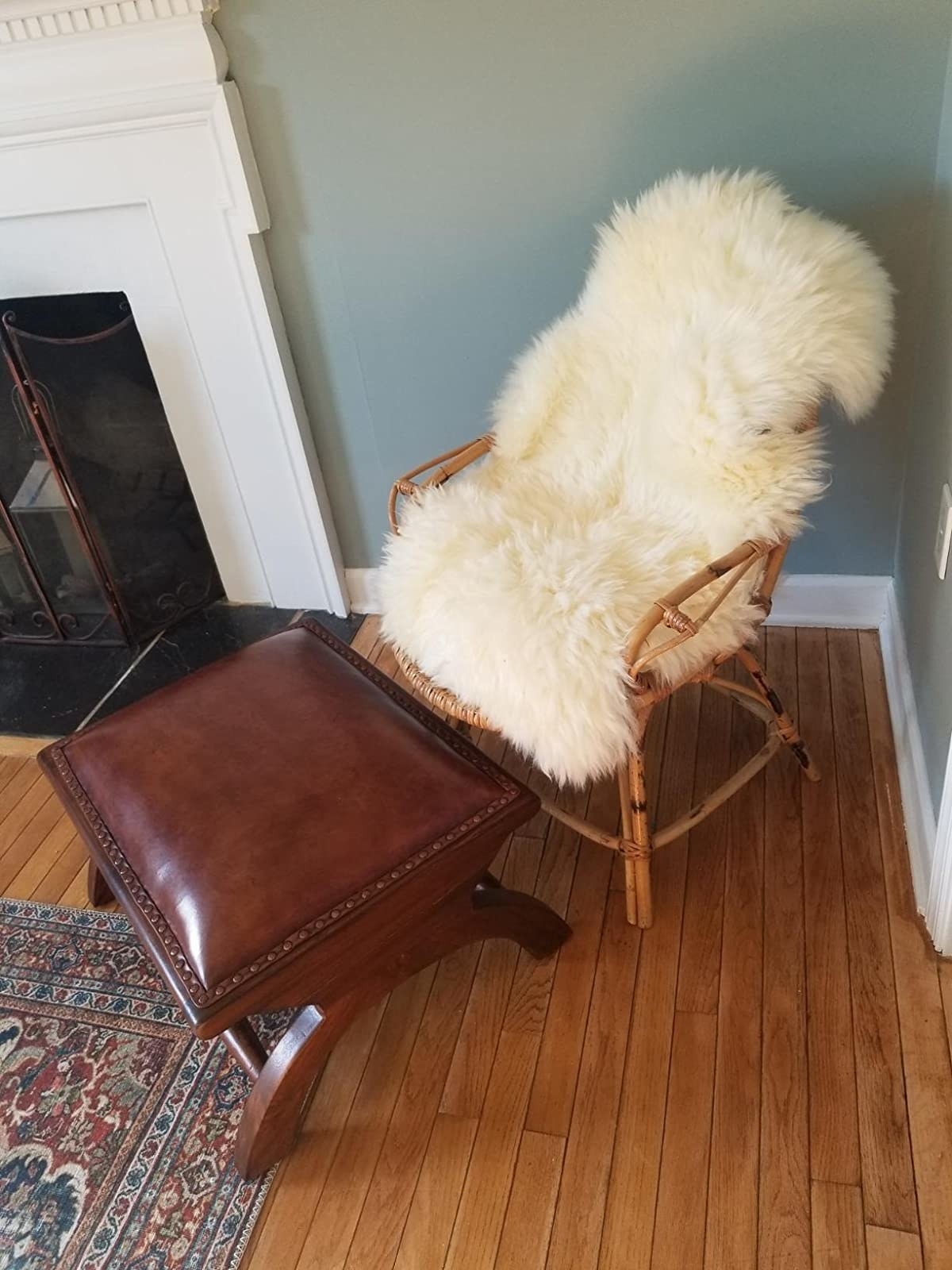
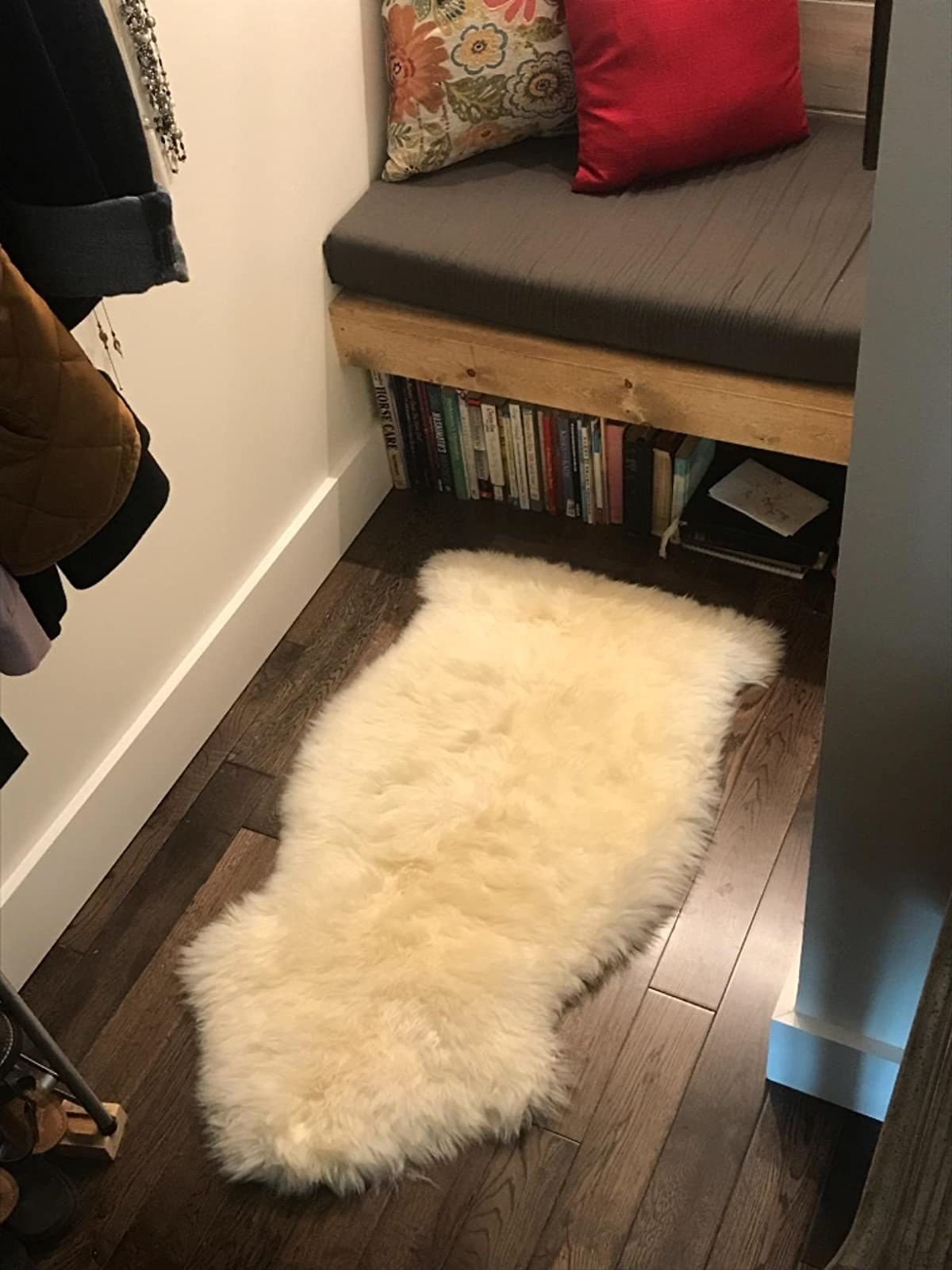
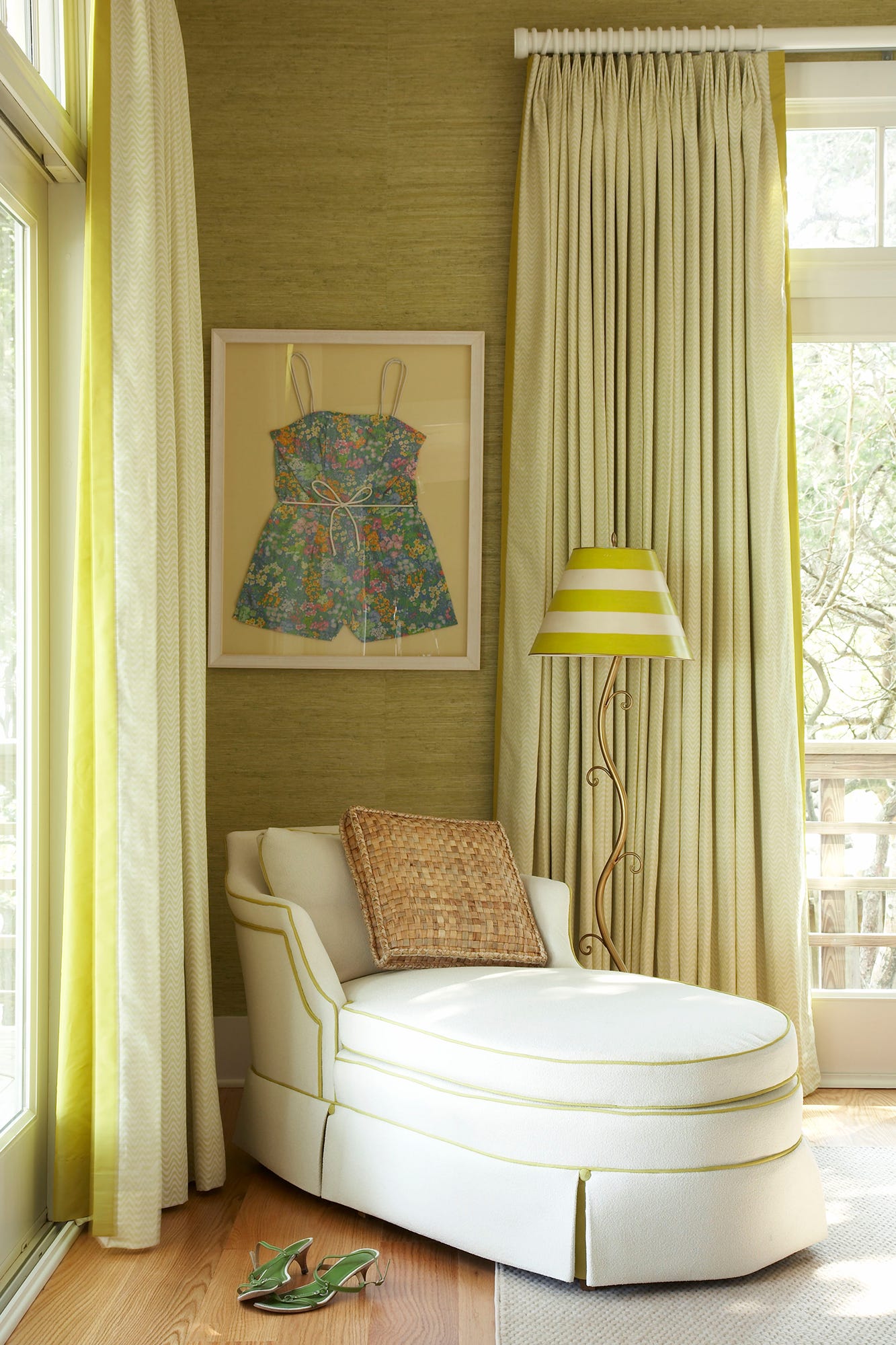
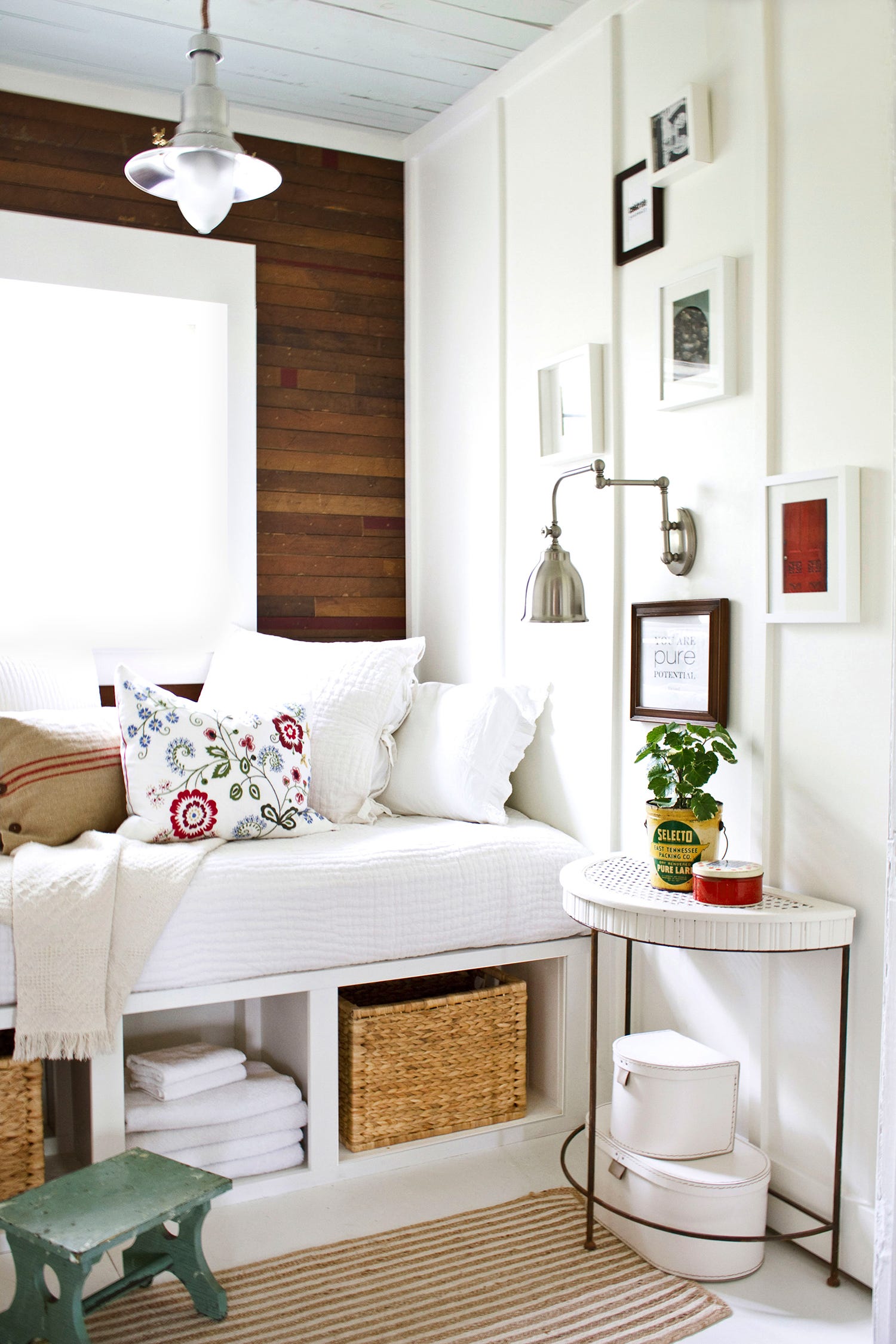
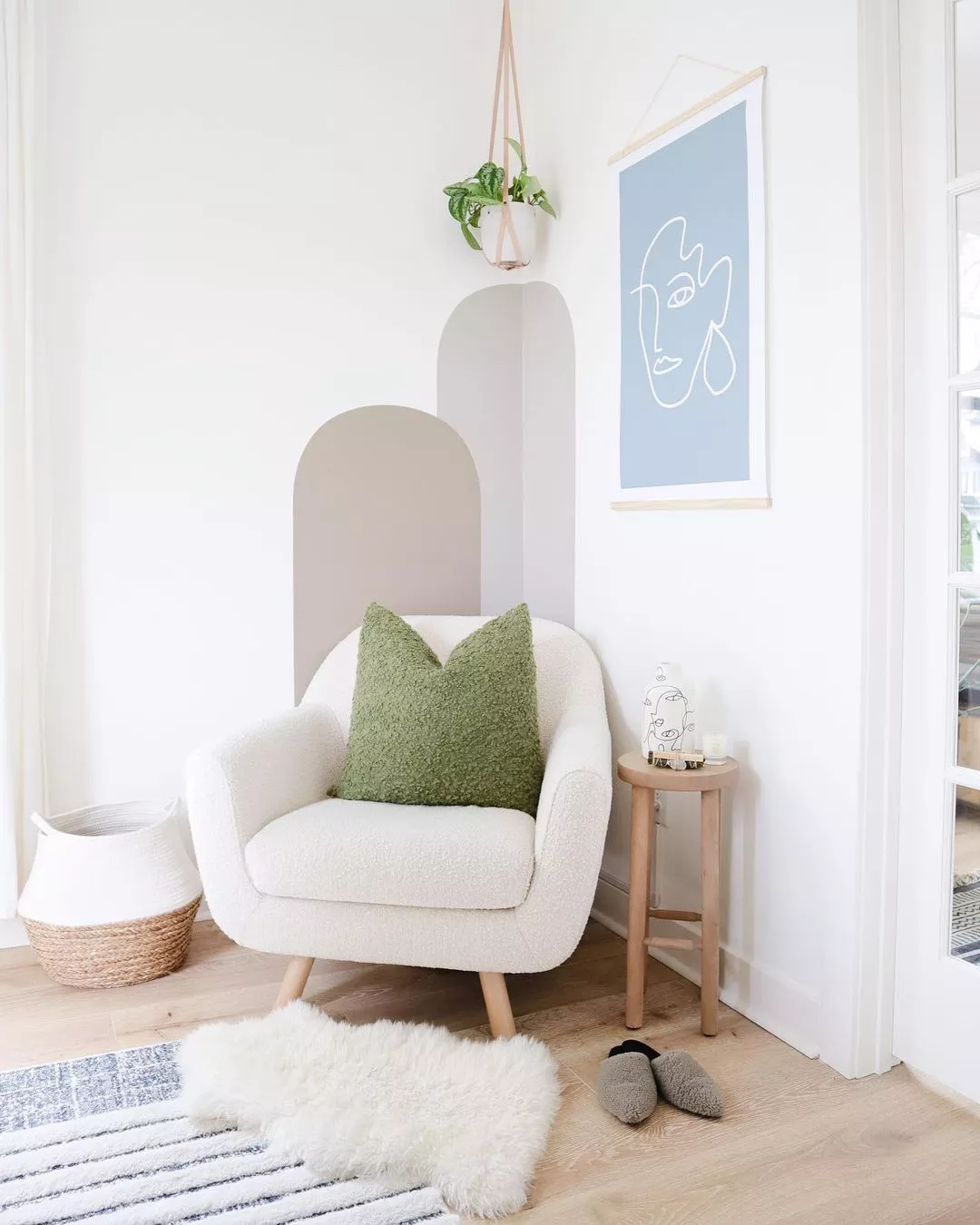
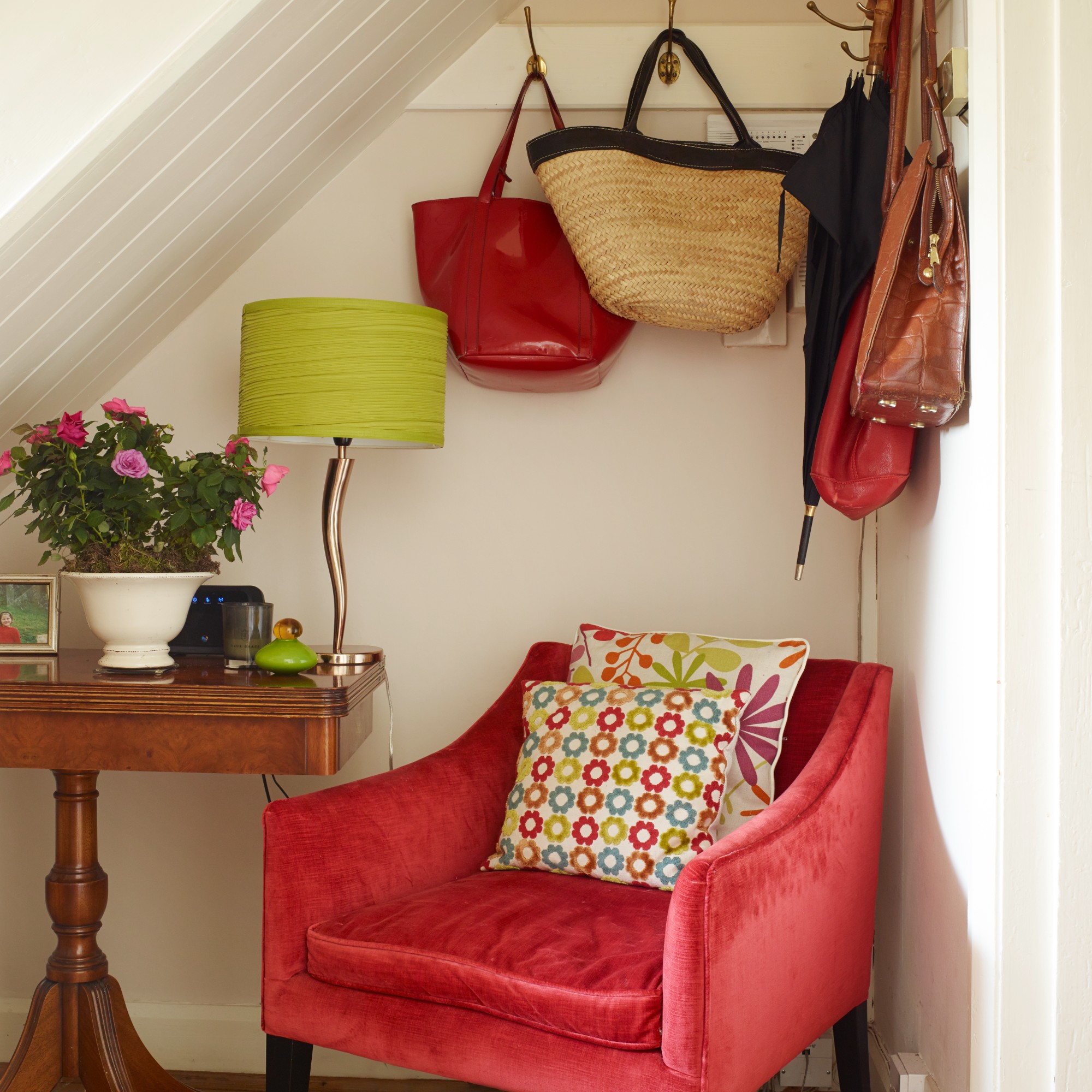
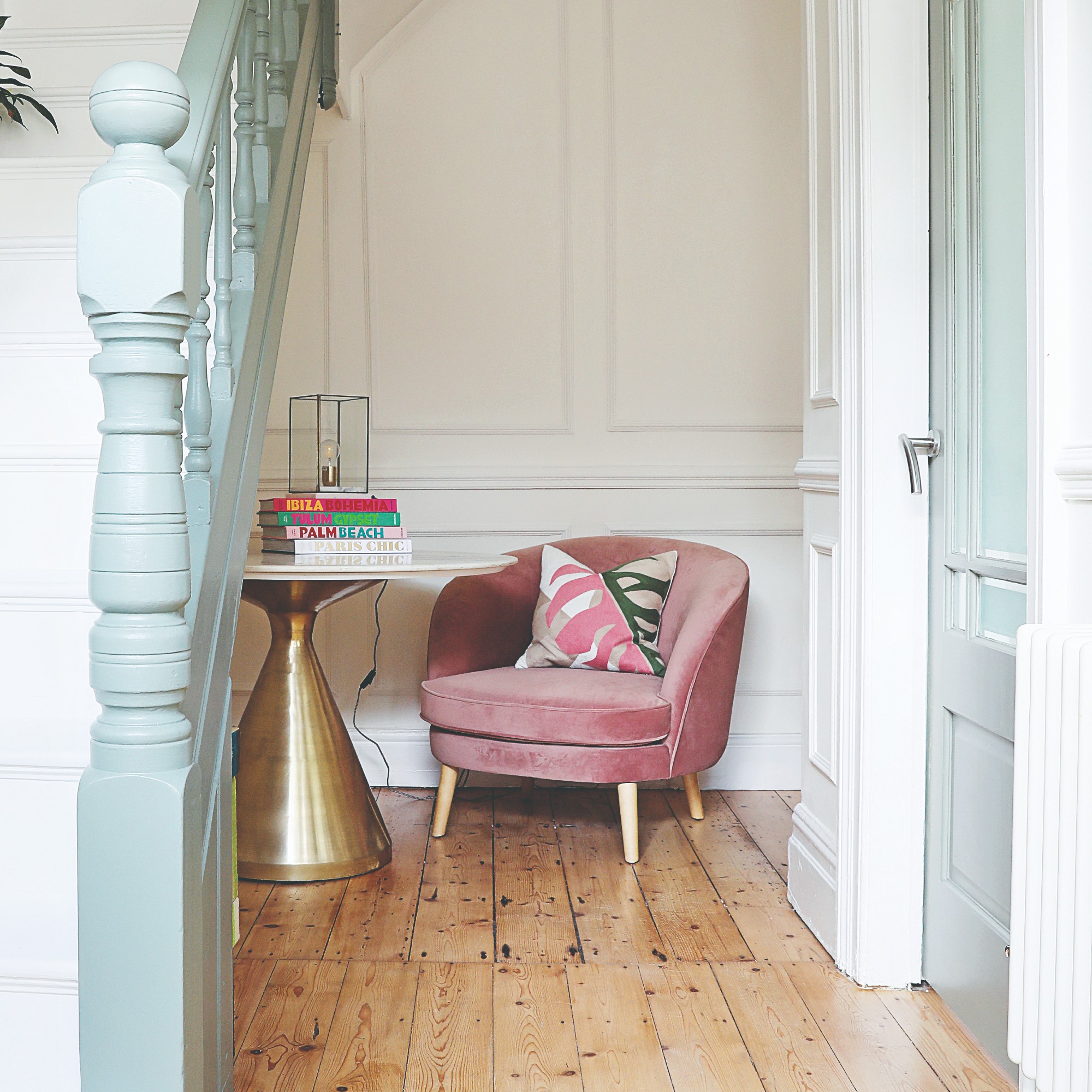
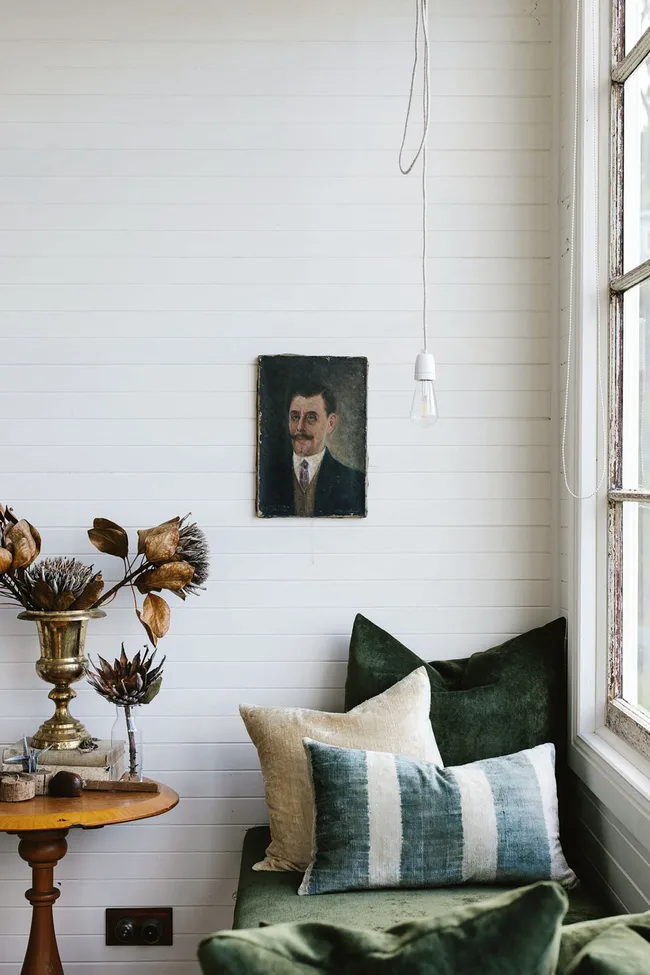
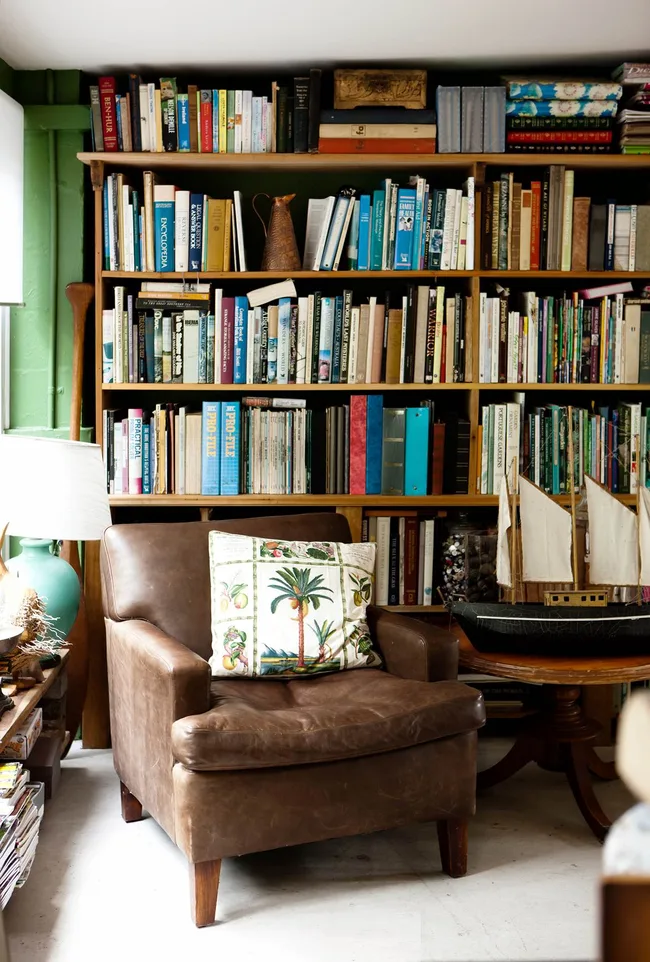
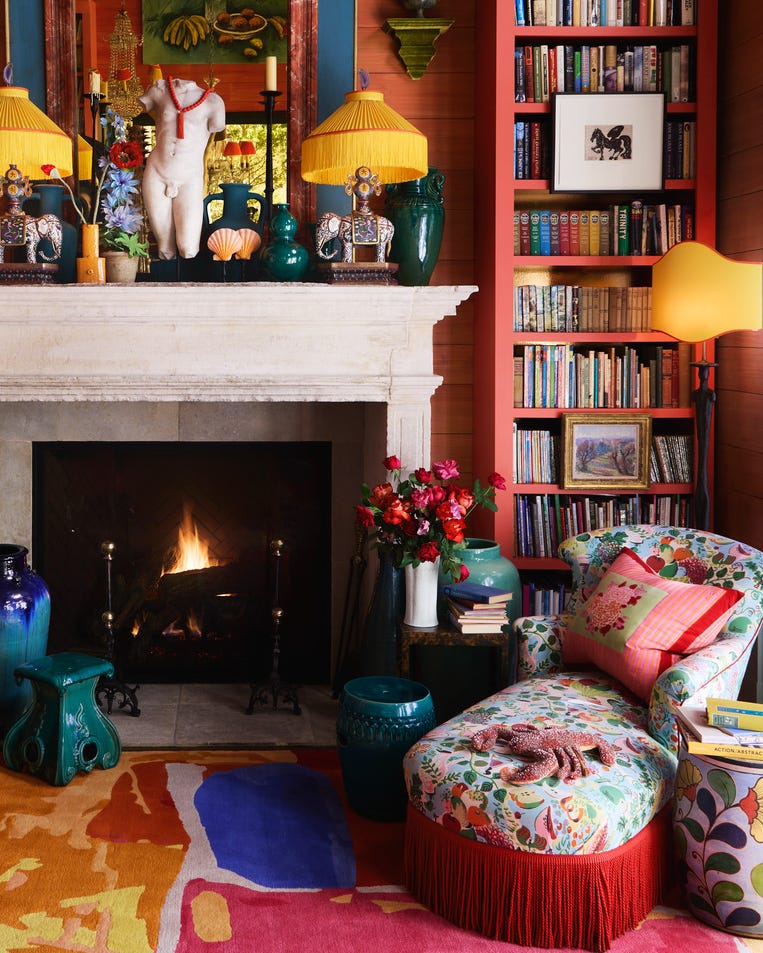
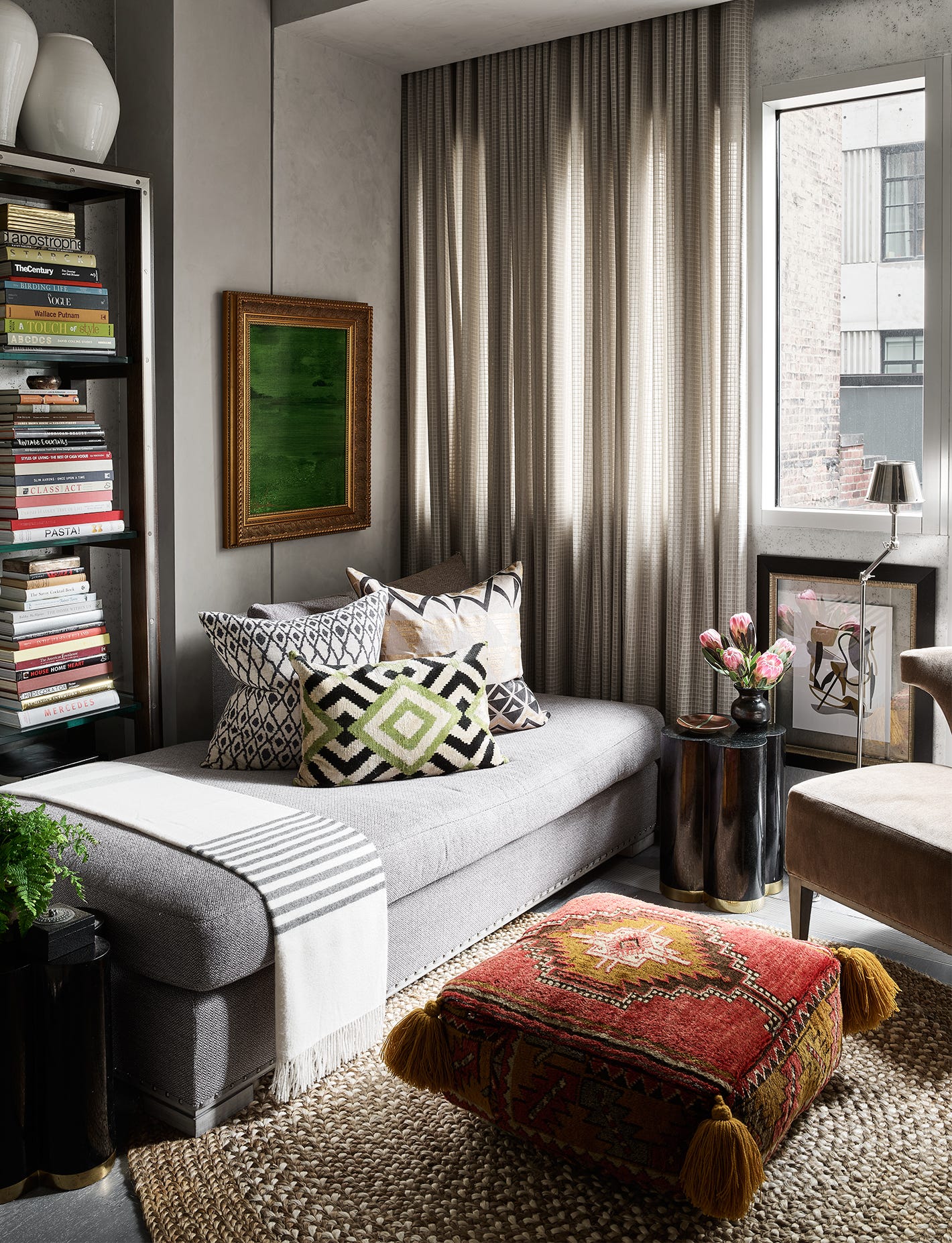
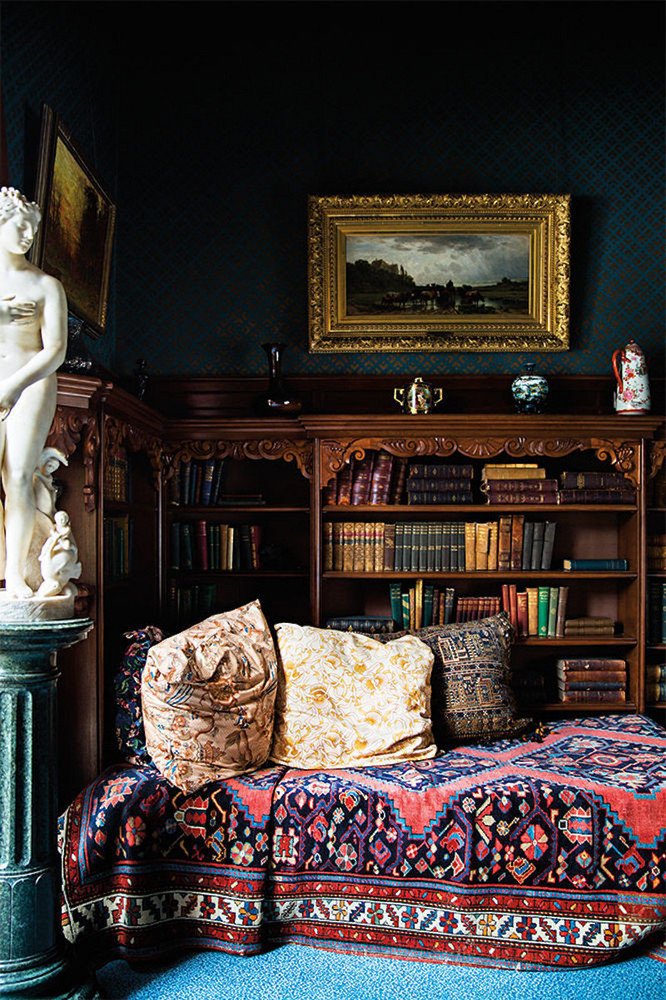
Once the location is determined, the selection of comfortable seating is paramount. A plush armchair, a cozy chaise lounge, or even a deep window seat can serve as the centerpiece of the reading nook. The chosen seating should provide ample support and comfort for extended periods of reading. Complementary elements such as throw pillows and blankets add layers of softness and warmth, inviting occupants to settle in and unwind. These textiles also offer an opportunity to introduce color, texture, and pattern, contributing to the overall design scheme.
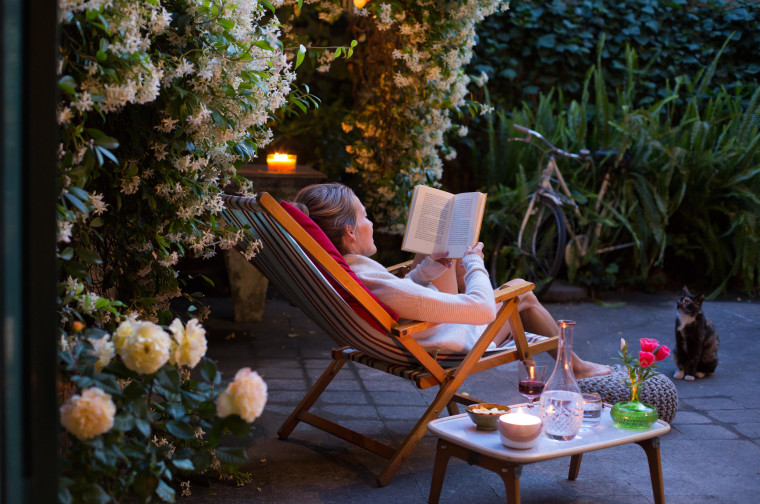
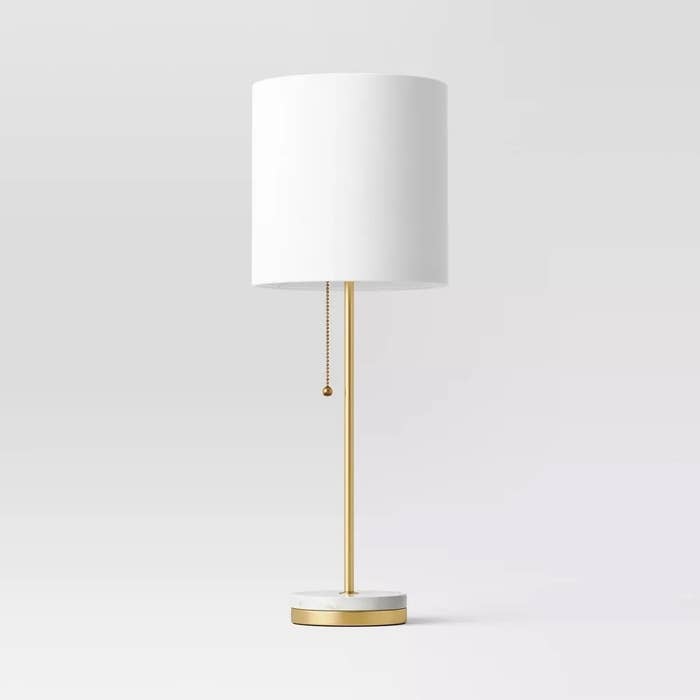
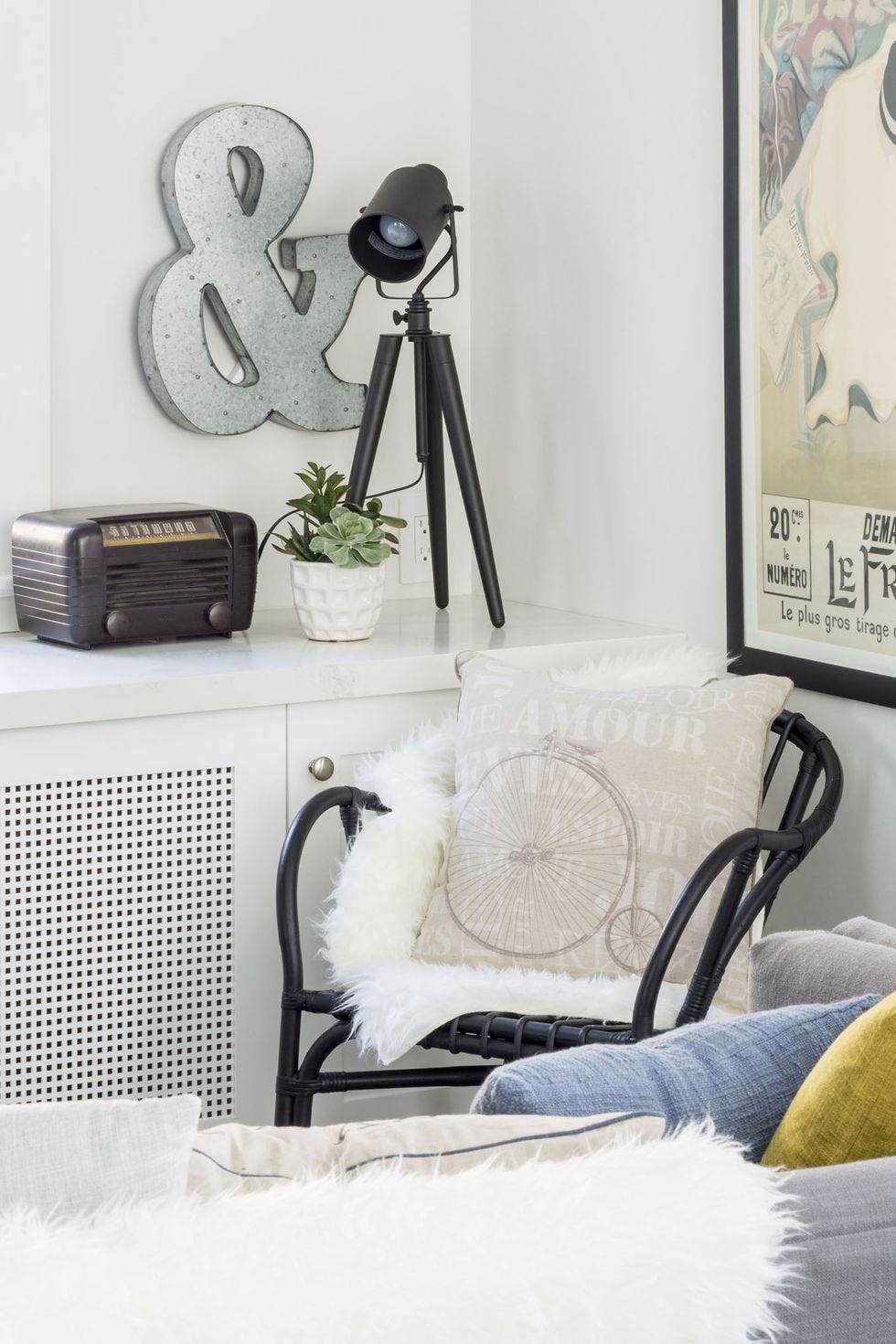
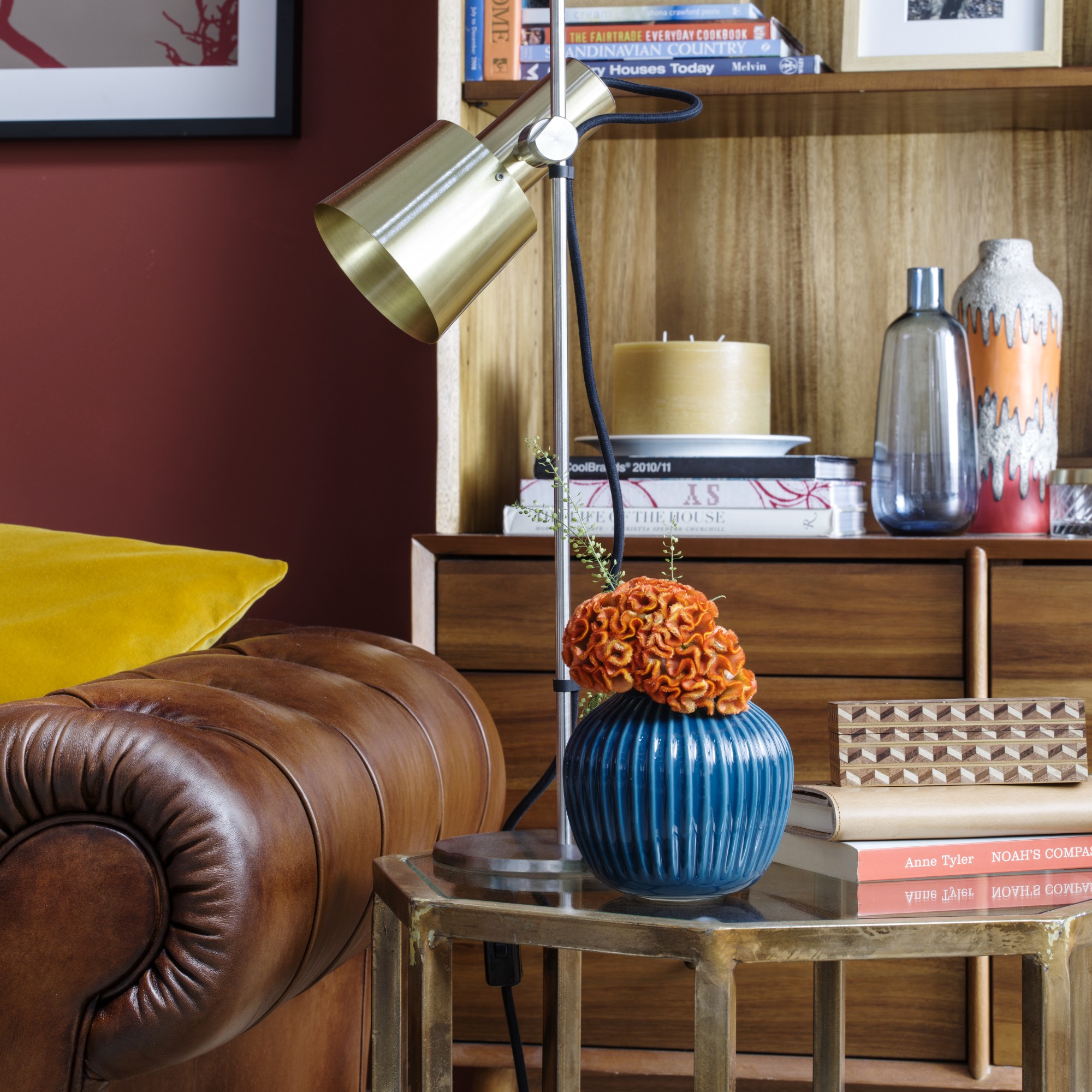
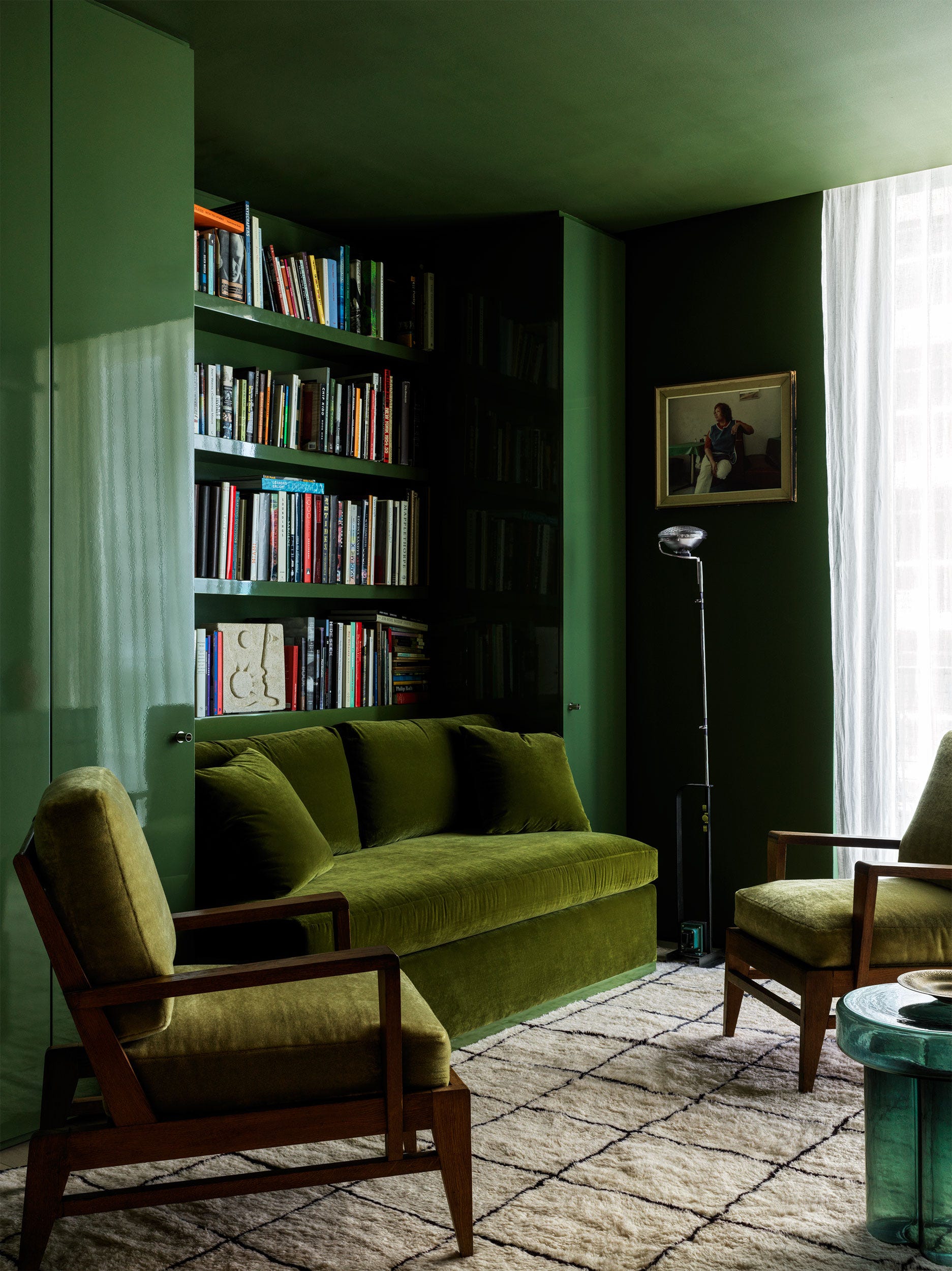
Lighting plays a critical role in the functionality and mood of a reading nook. Task lighting, such as a floor lamp or a table lamp positioned next to the seating, is essential for illuminating reading material without causing eye strain. The light source should be adjustable and provide a warm, inviting glow. Beyond task lighting, ambient lighting can further enhance the atmosphere, with options like string lights or a dimmer switch allowing for customization of the overall brightness and mood. The goal is to create an illumination scheme that is both practical for reading and conducive to relaxation.
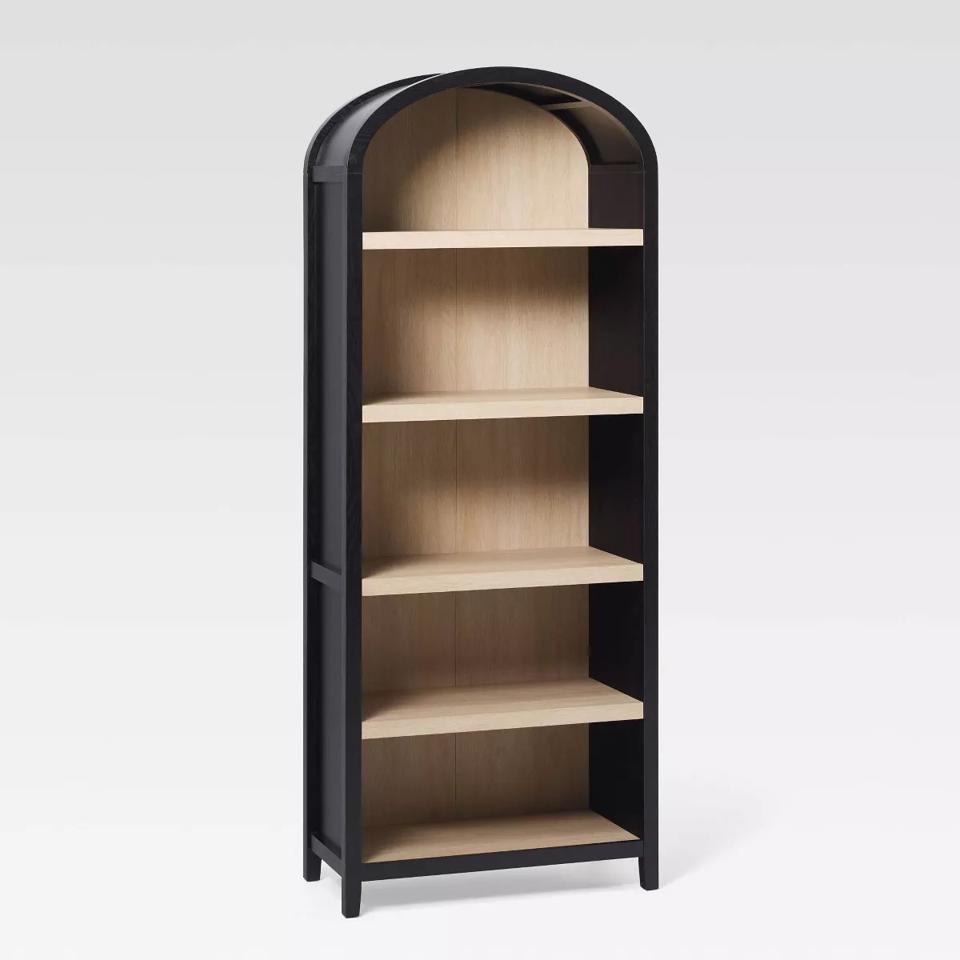
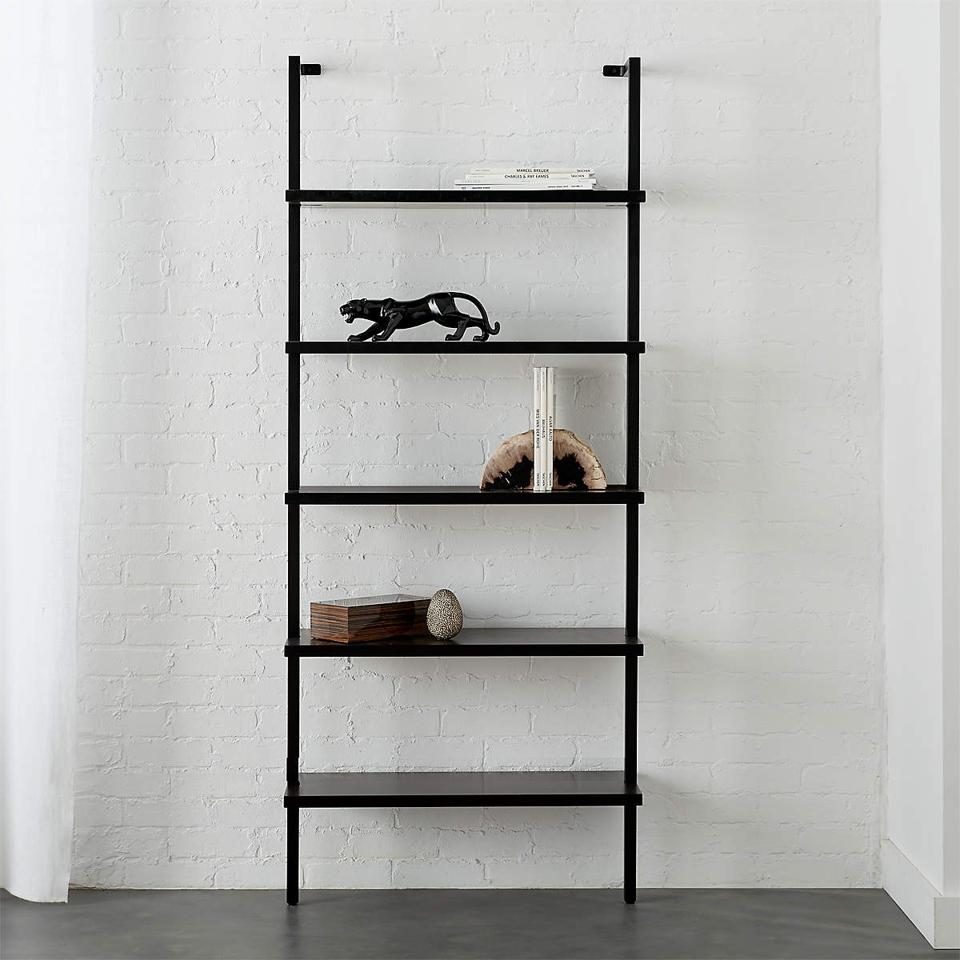
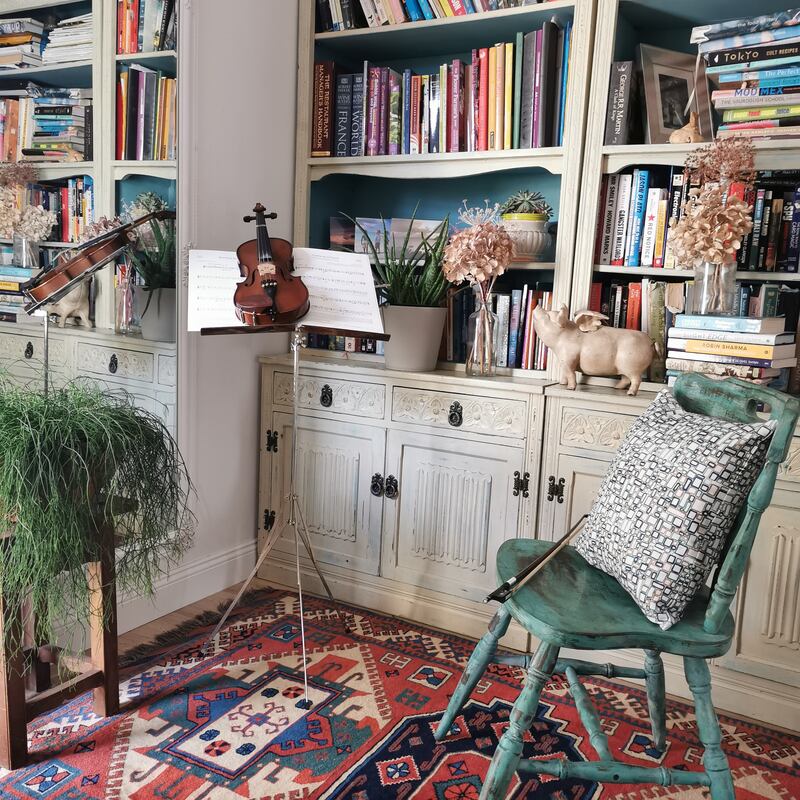
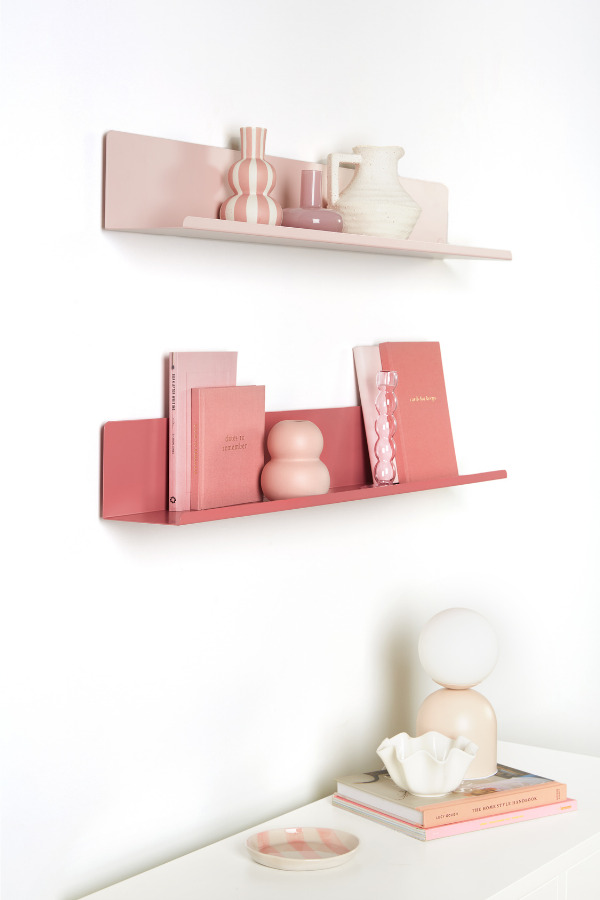
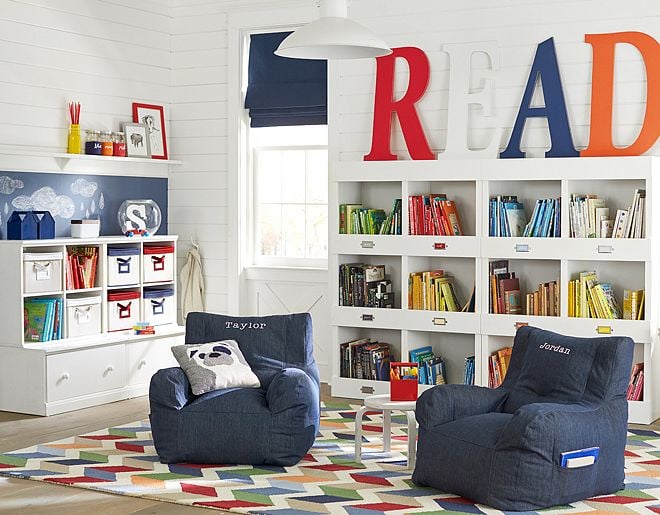
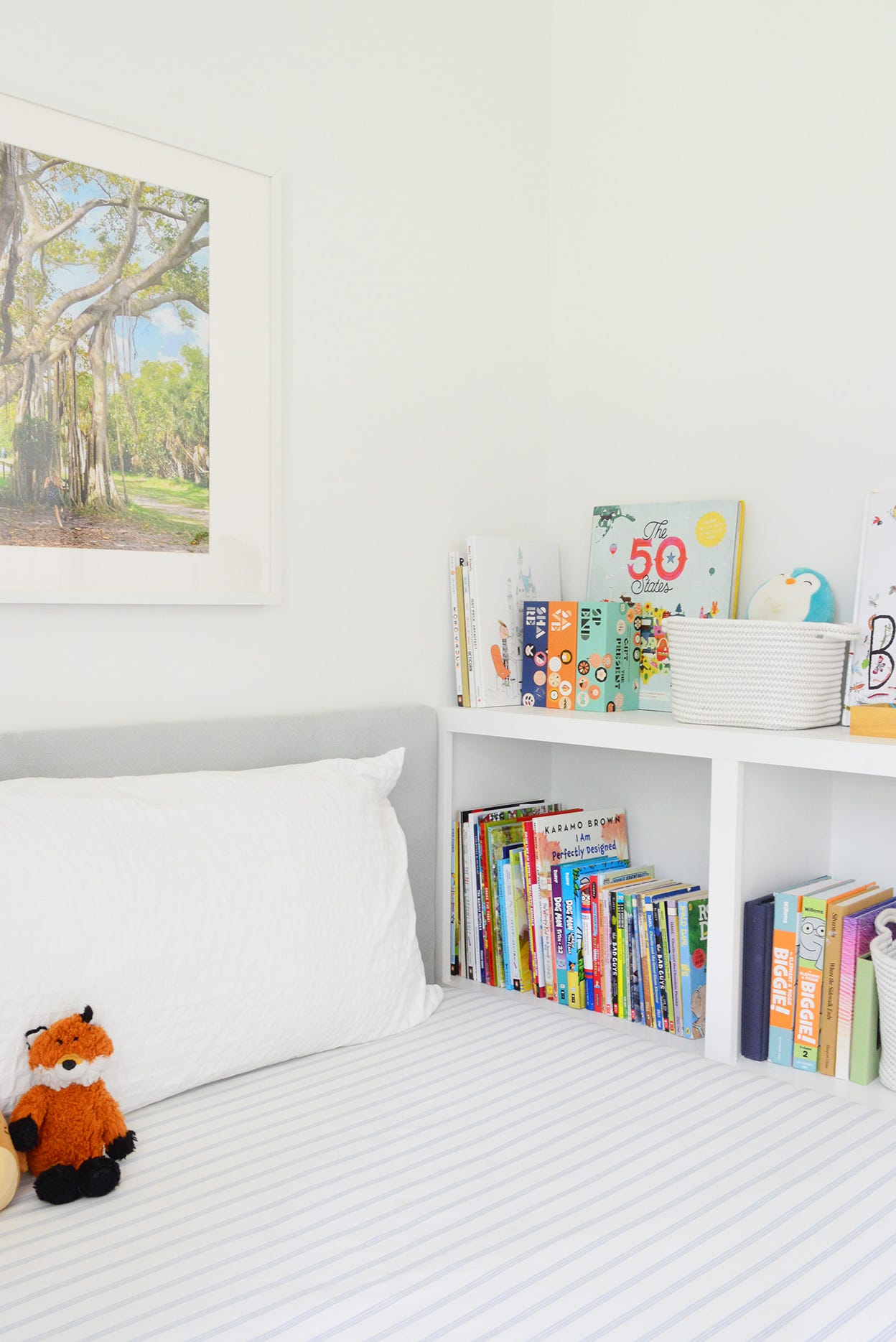
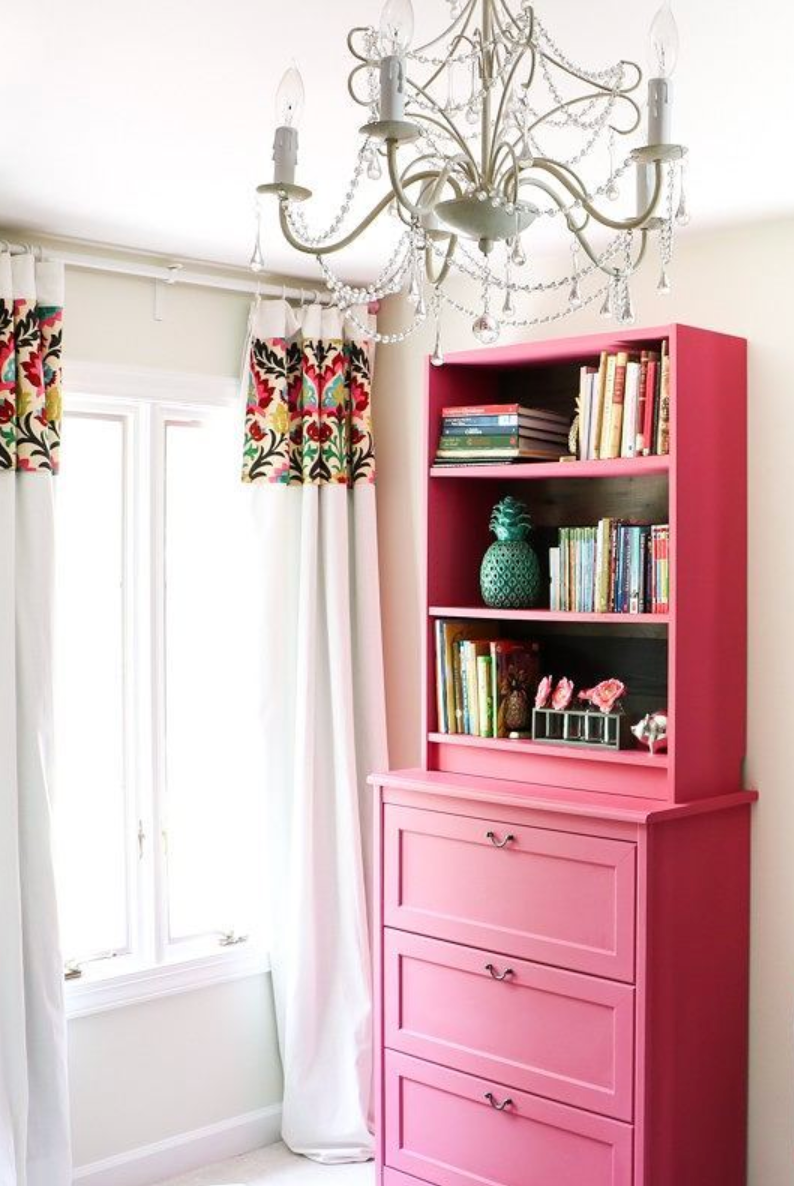
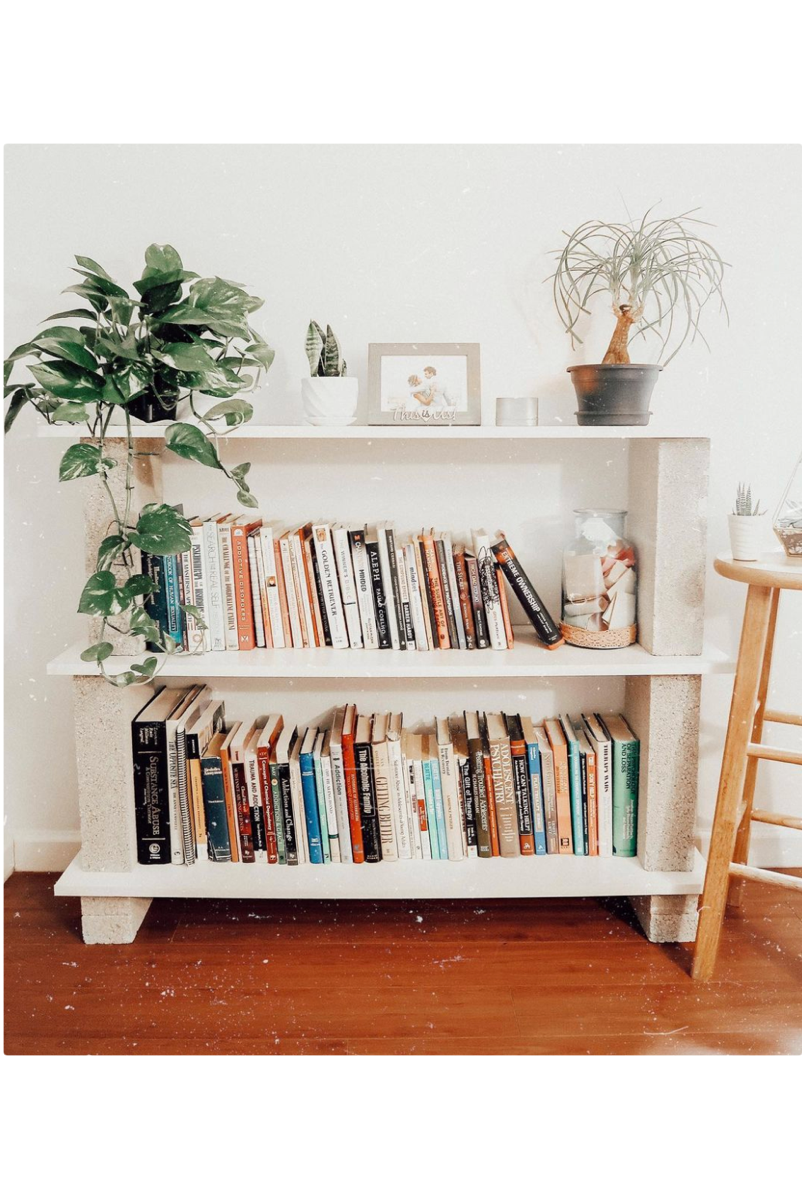
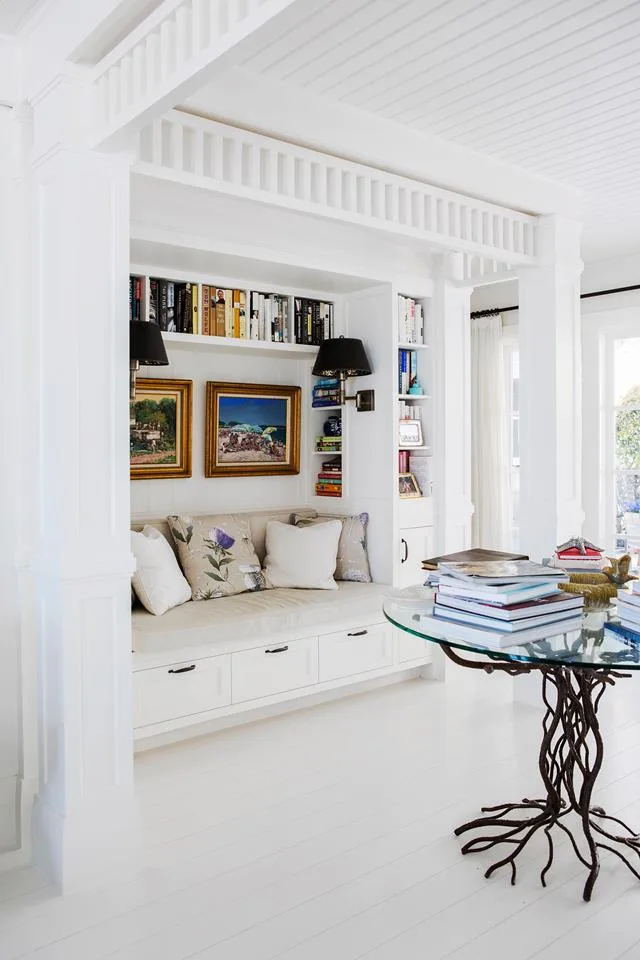
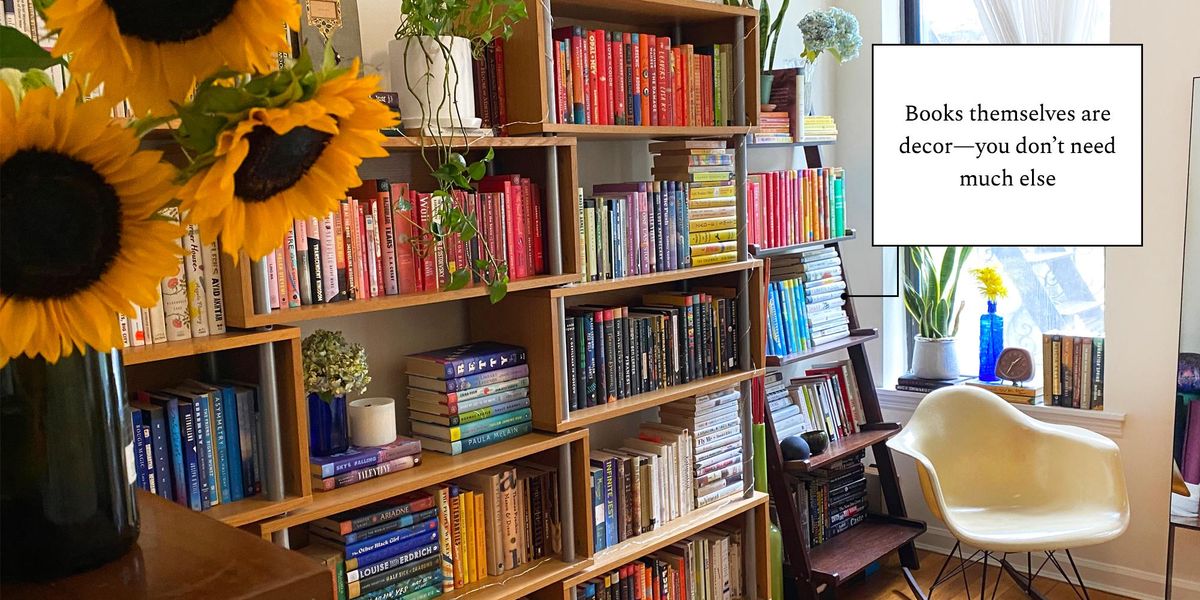
Storage solutions are also a practical consideration for a reading nook. A small side table or a built-in shelf provides a convenient surface for a cup of tea, a bookmark, or the current book. For larger collections, a nearby bookshelf can house additional literary treasures. These storage elements should be easily accessible from the seating area, minimizing the need to interrupt the reading flow. Incorporating storage that also functions as a decorative piece can further enhance the nook's aesthetic.
Finally, personalizing the space with decorative touches transforms a simple corner into a cherished retreat. Artwork, plants, or cherished mementos can infuse the nook with individual character and make it feel truly inviting. The choice of decor should reflect personal taste and contribute to a sense of calm and inspiration. For instance, a small plant can introduce a touch of nature and improve air quality, while a piece of art can provide a focal point and add visual interest. The overall aim is to curate a space that feels distinctly personal and fosters a sense of peace and comfort.
#ReadingNook #HomeDecor #InteriorDesign #ComfortableSeating #LightingDesign #PersonalSanctuary #BookNook #HomeImprovement #CozySpaces #ReadingNook #HomeDecor #InteriorDesign #ComfortableSeating #LightingDesign #PersonalSanctuary #BookNook #HomeImprovement #CozySpaces
0 comment in total
 No comments yet
You may also like
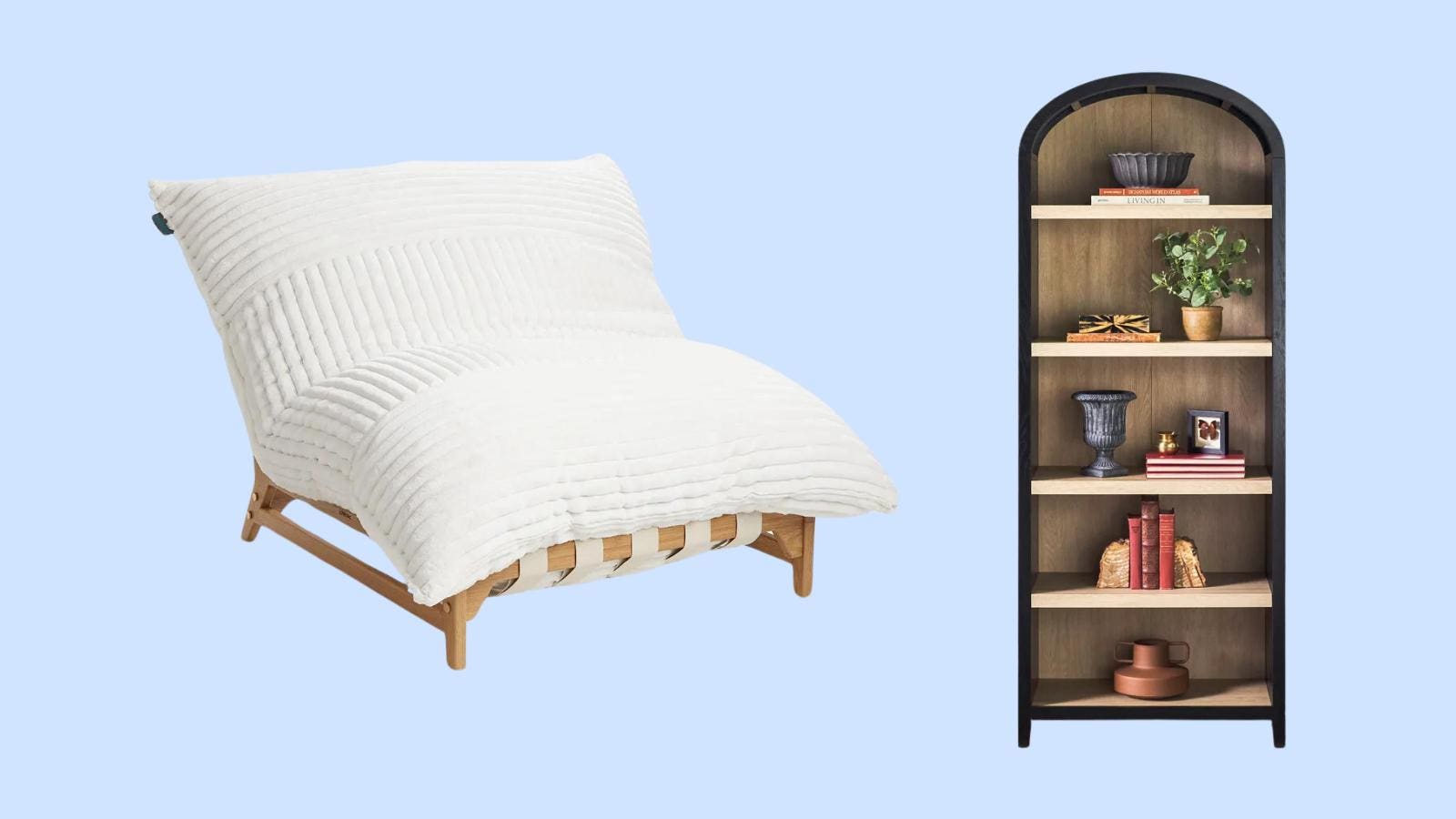
How To Create A Cozy Reading Nook, From Products To Expert Tips

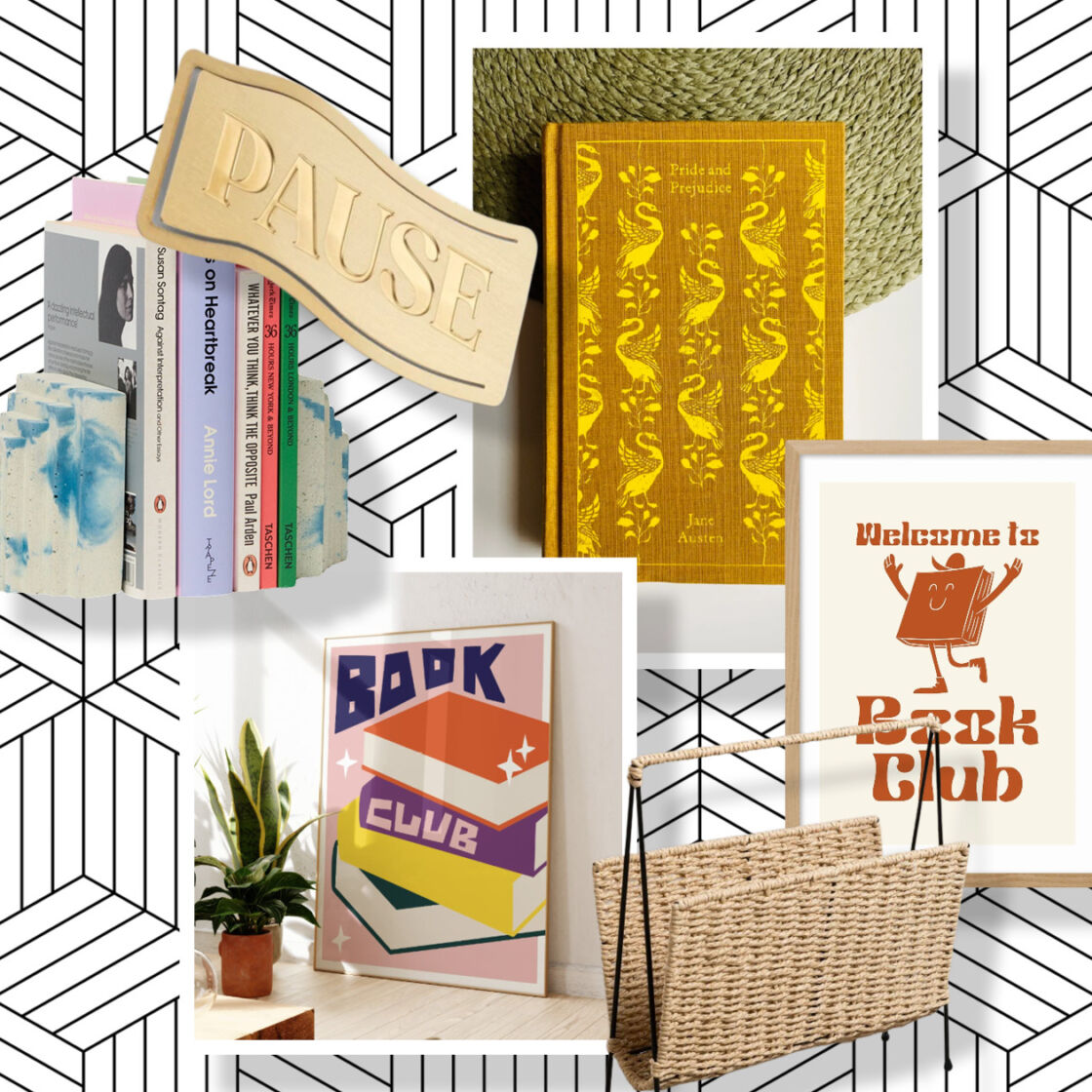
10 cosy and cute bookshelf accessories to help you create the ultimate reading nook
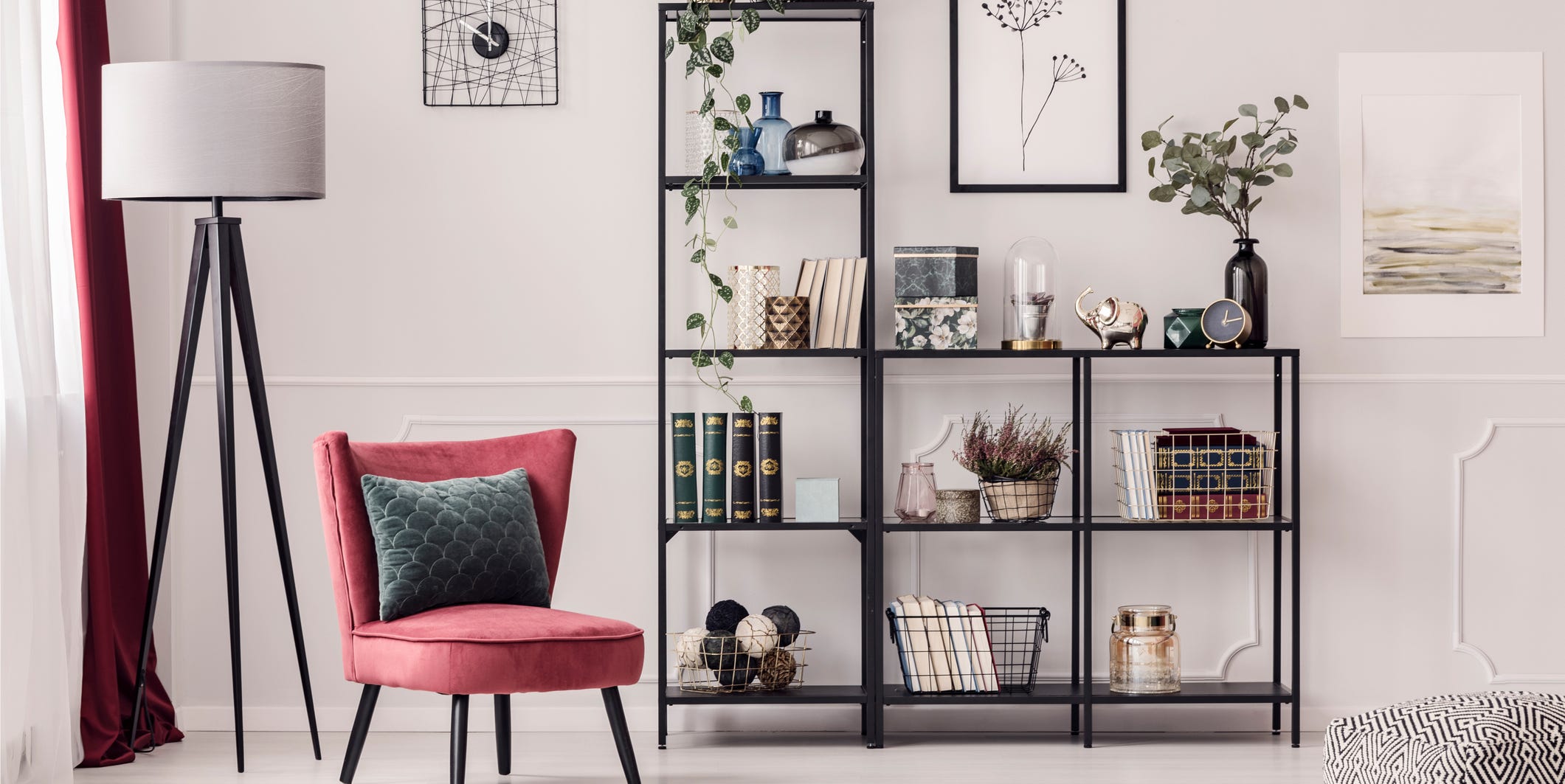
25 DIY Bookshelf Ideas for the Perfect Reading Nook
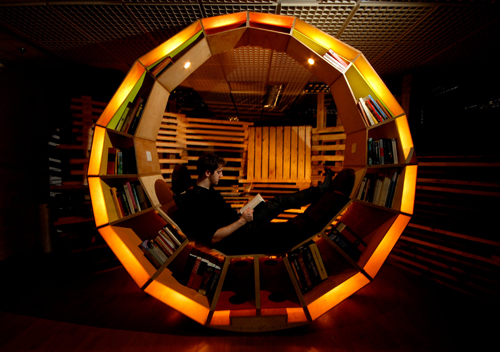
Circular Reading Nook Doubles As A Bookshelf


How To Create A Reading Nook In 5 Steps, With Expert-Approved Ideas

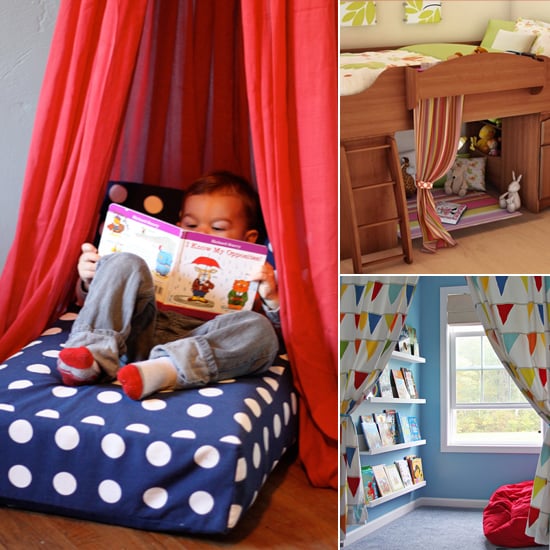
The Best Reading Nooks For Kids and Their Books
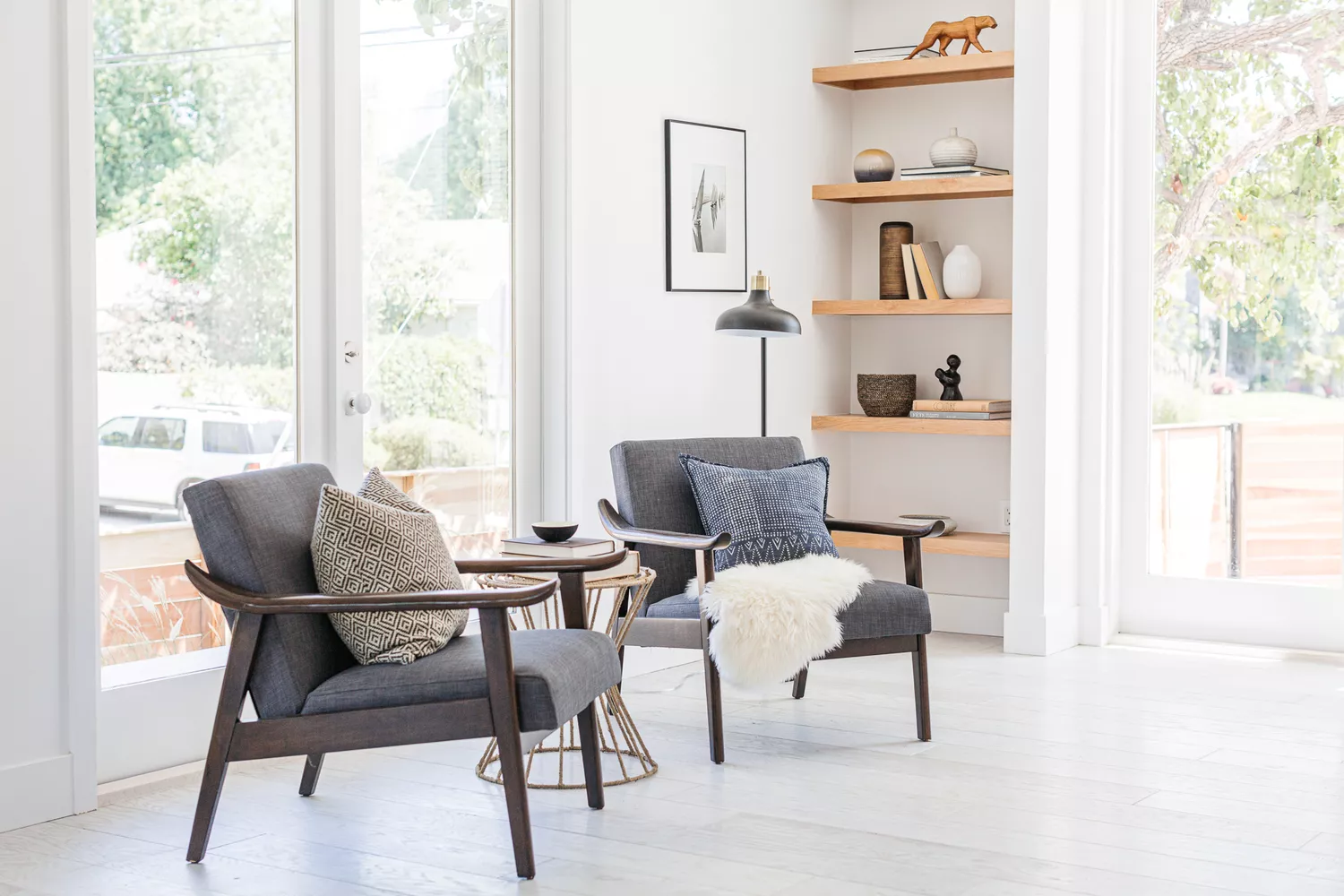
44 Cozy Reading Nook Ideas You'll Want to Curl Up in With a Good Book

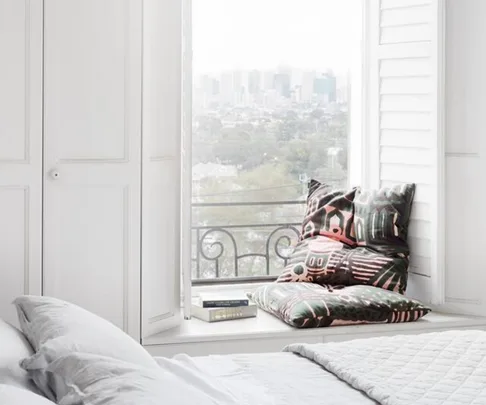
16 reading spots to curl up with a book

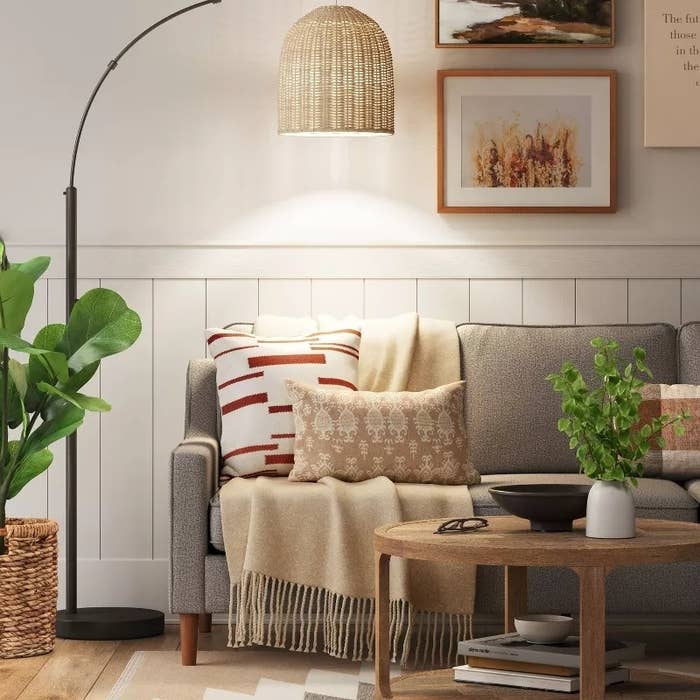
25 Things From Target To Help Build The Reading Nook Of Your Dreams

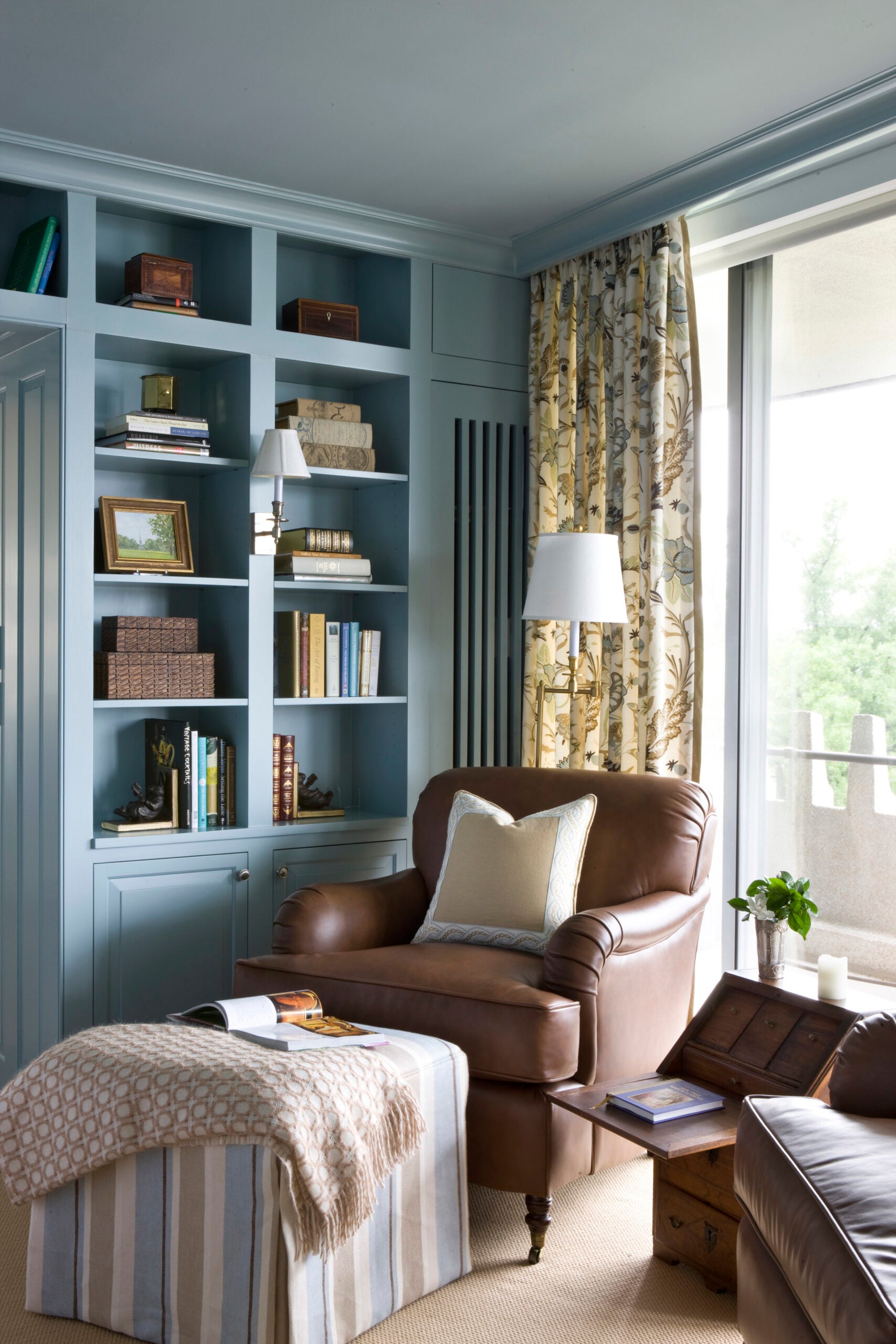
Tips for designing a comfy reading nook


Best Buys for Book Lovers on Amazon

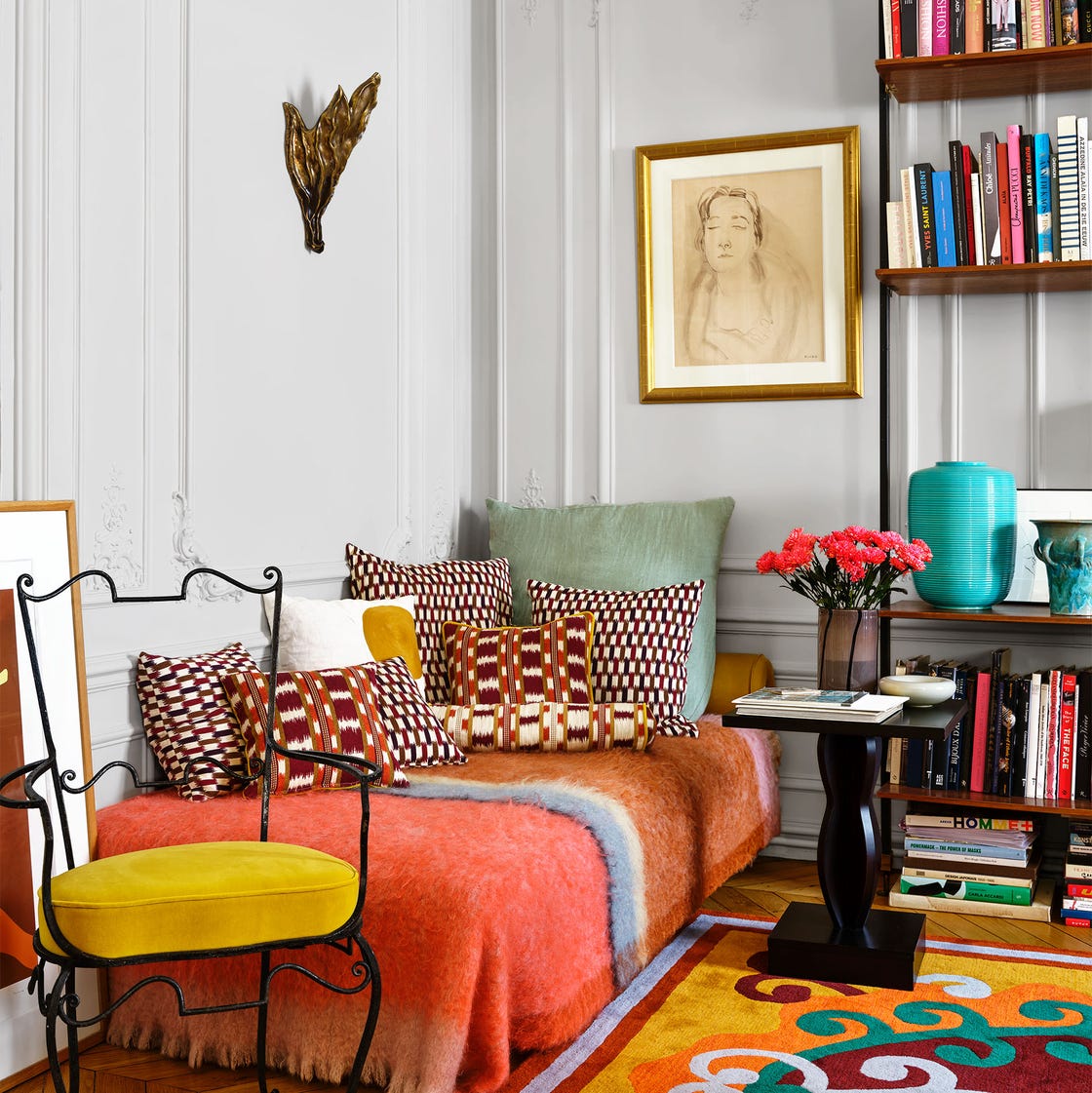
20 Cozy Reading Nook Ideas That Are Utterly Novel

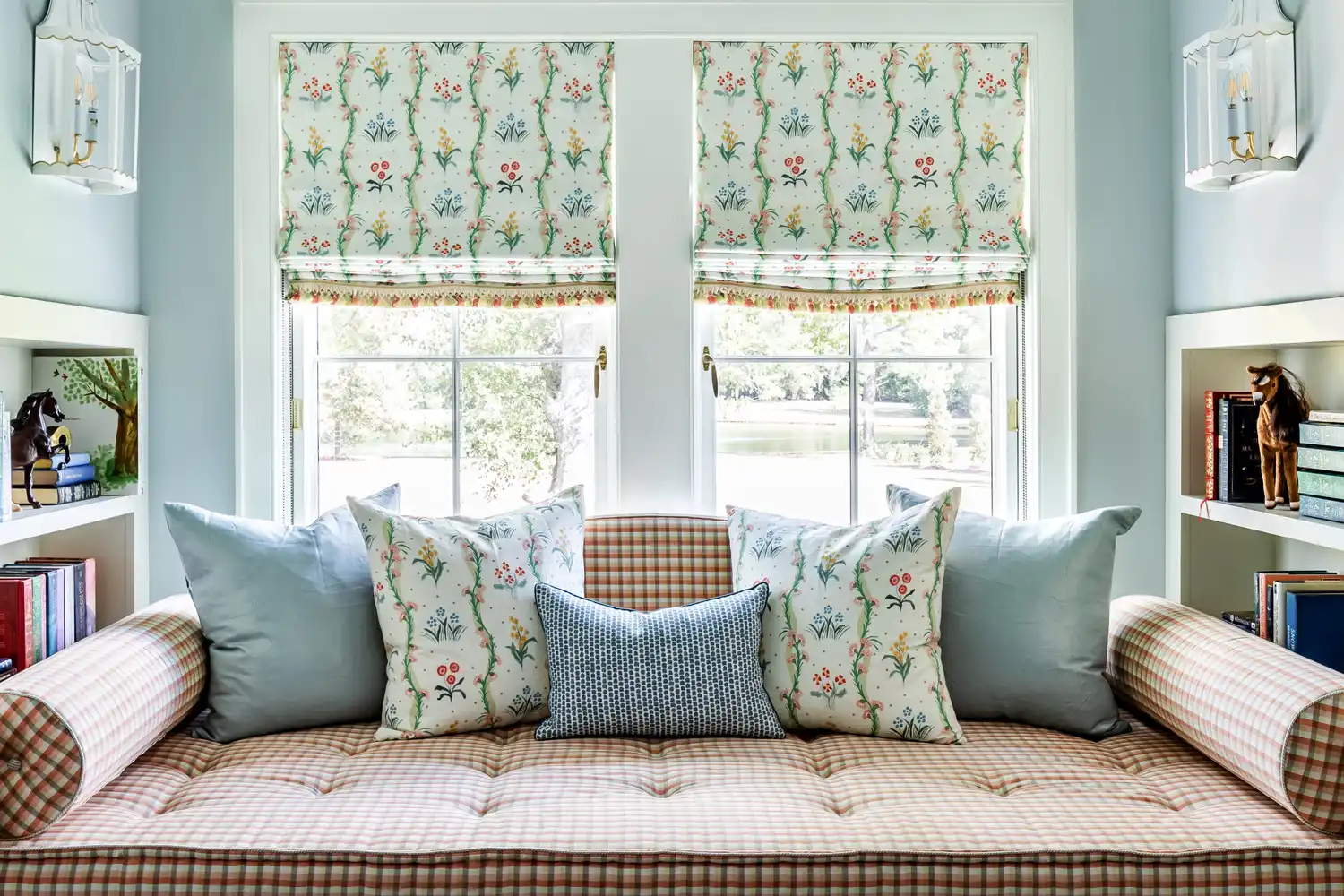
4 Secrets To Creating The Perfect Reading Nook, According To A Designer
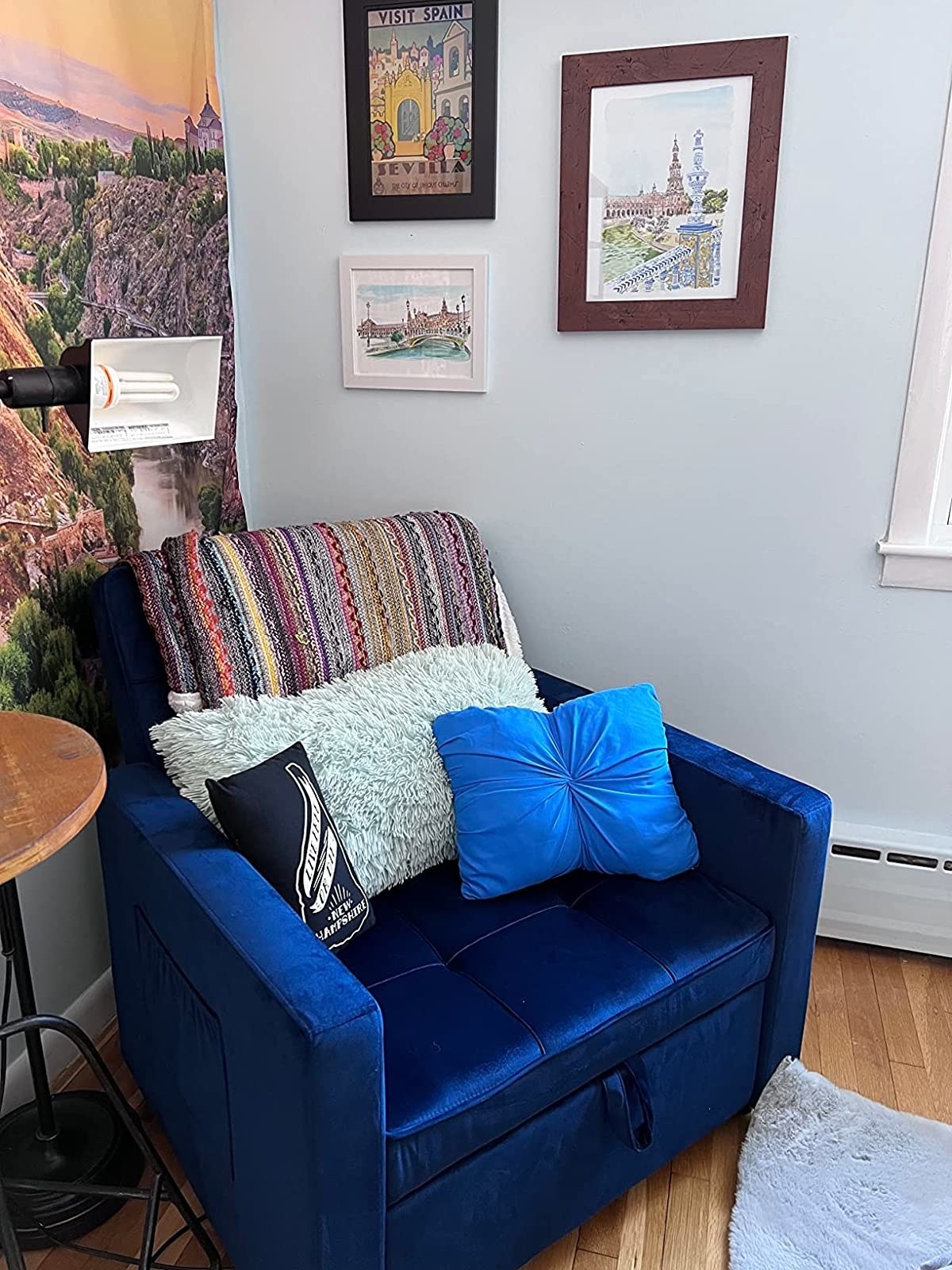
27 Products That’ll Help You Create The Reading Corner Of Your Dreams

25 Books You'll Want To Curl Up With In A Reading Nook
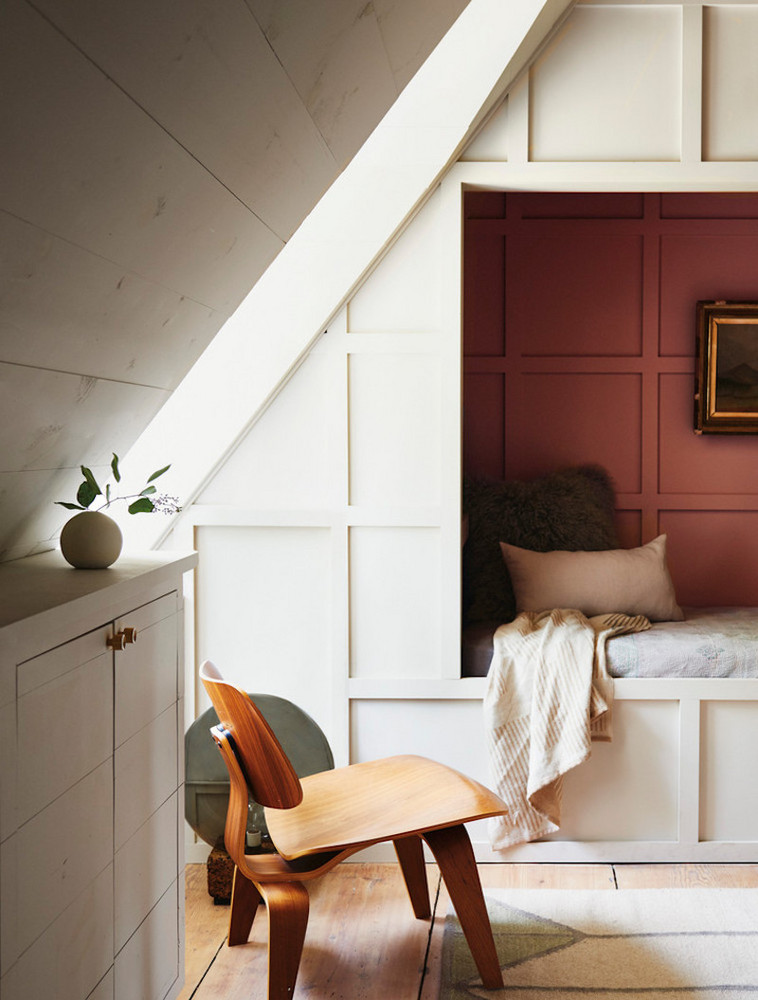
8 Book Nooks You’ll Want To Curl Up In Right Now

How to create a book nook – your own cosy corner to read and escape

22 Reading Nooks That Are Full of Creative Design Ideas

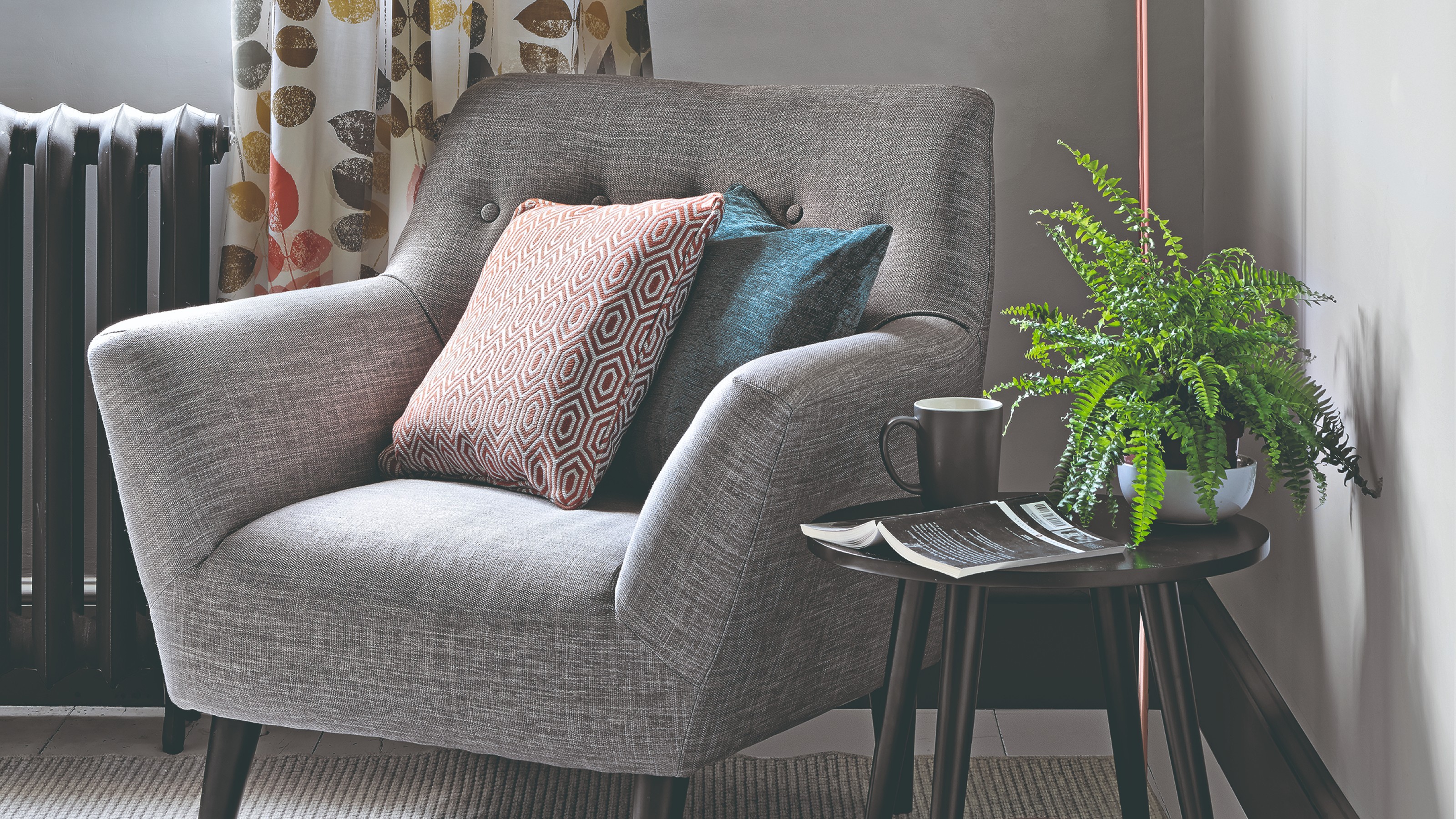
Are reading nooks the new must-have? The cosy home feature that got us hooked
21 Cozy Reading Nook Ideas That Turn Any Corner into a Relaxing Retreat