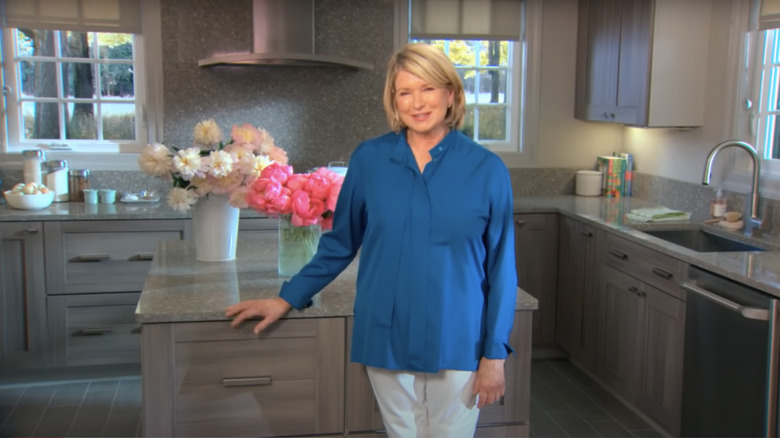
1/11
Simple Organizing Tips From Martha Stewart To Help Your Kitchen Run More Smoothly
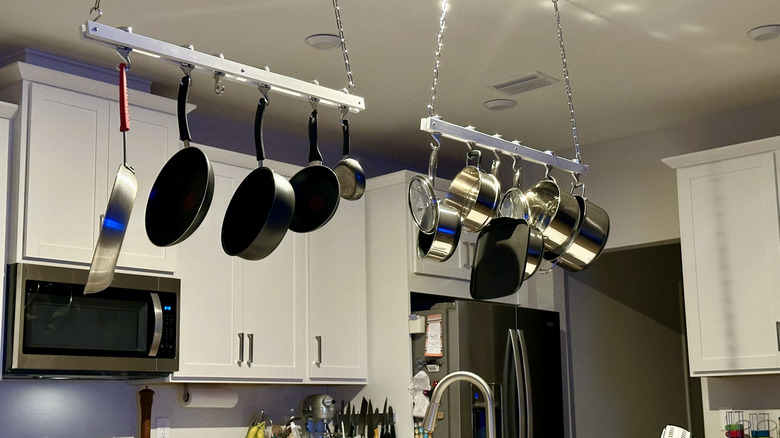
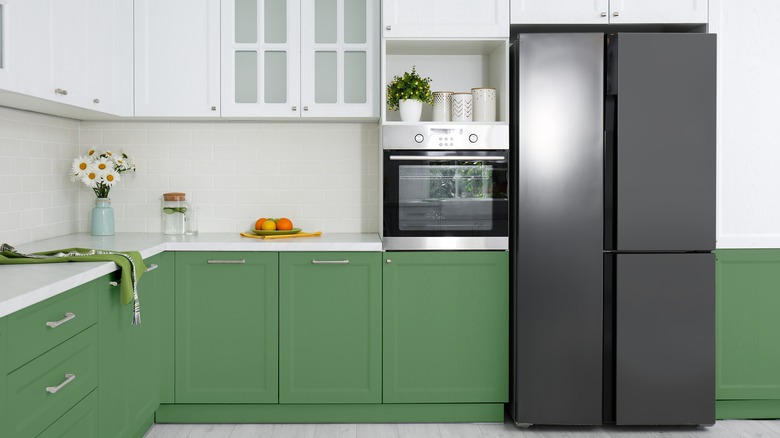
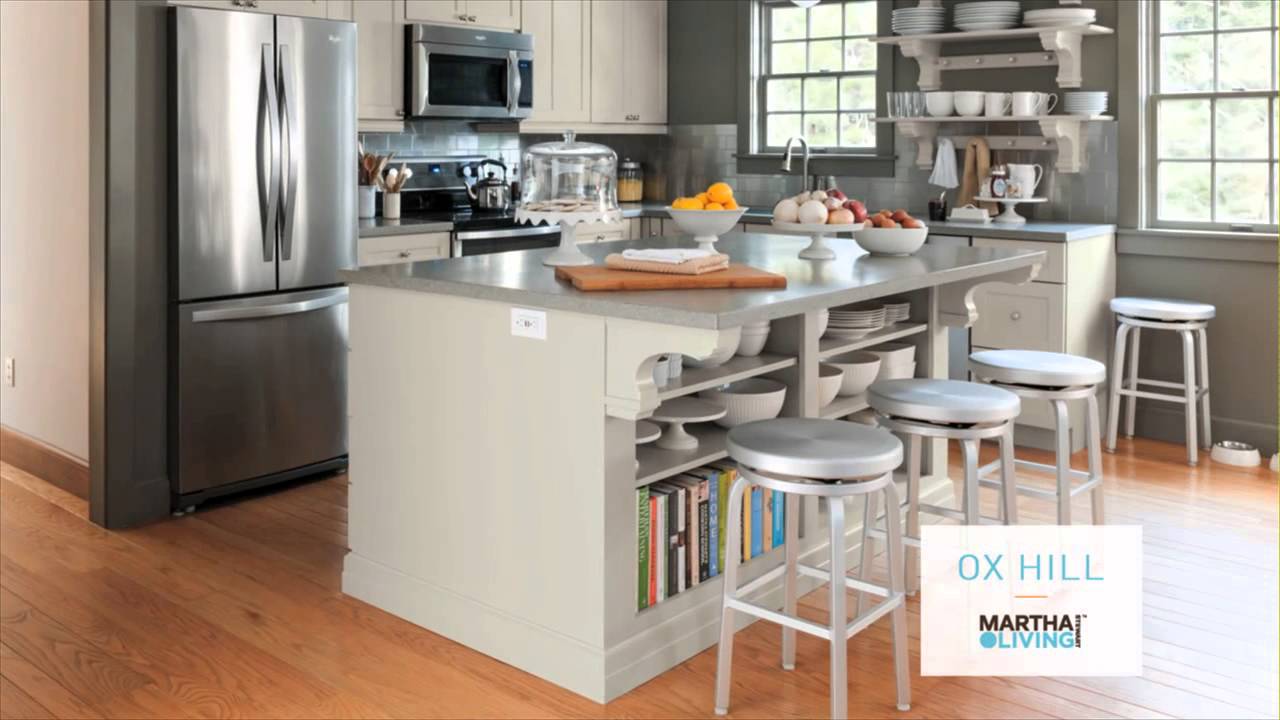
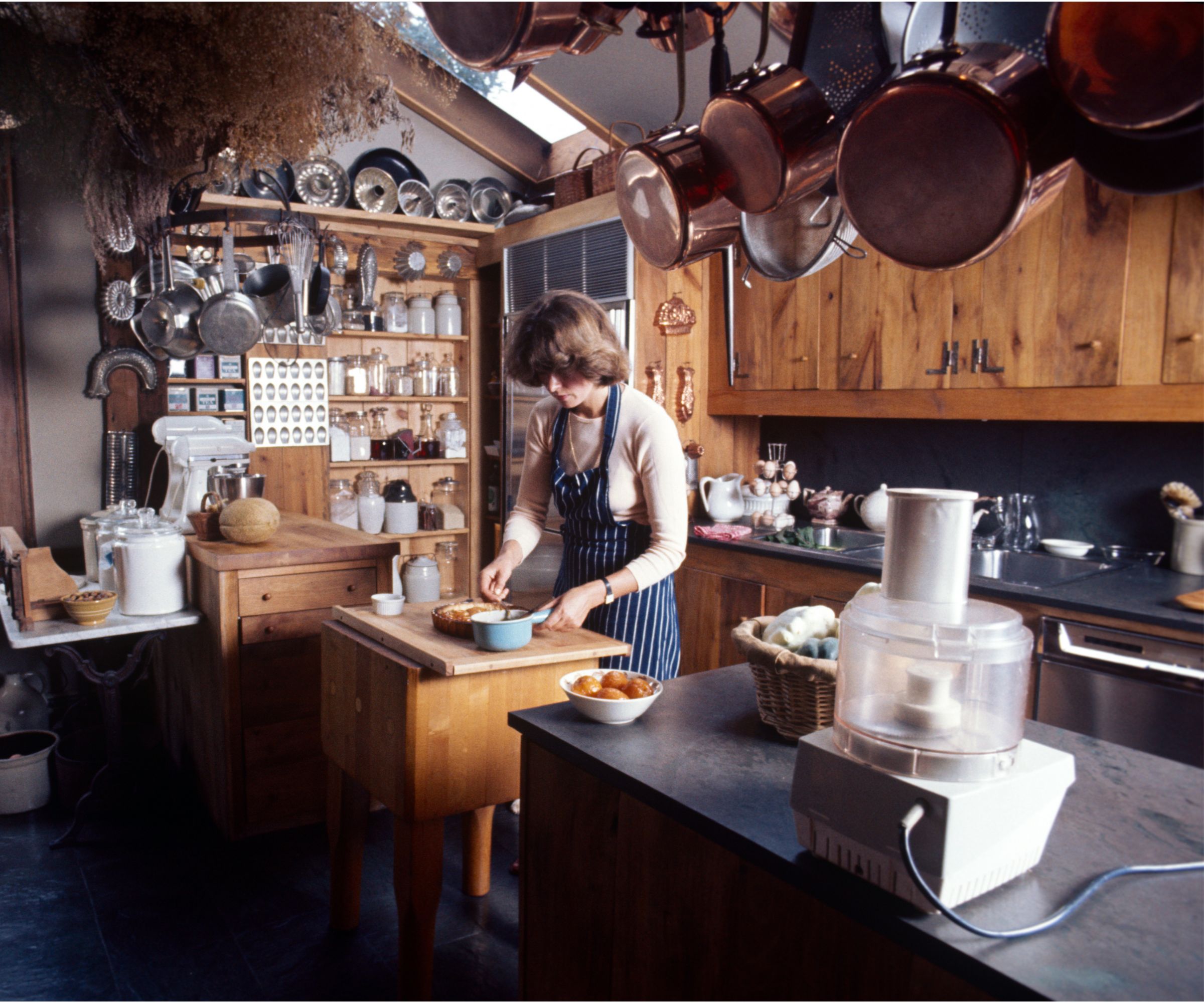
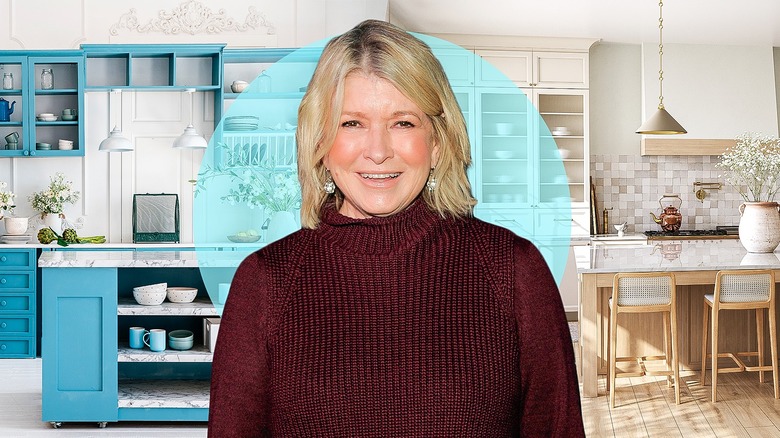
Martha Stewart’s approach to kitchen organization prioritizes both functionality and aesthetics, ensuring an efficient and beautiful workspace. A fundamental principle of her method involves maximizing every available storage space, from open shelving to ceiling-high cabinets. She also incorporates various divider systems within her cabinets and drawers to optimize organization and accessibility.
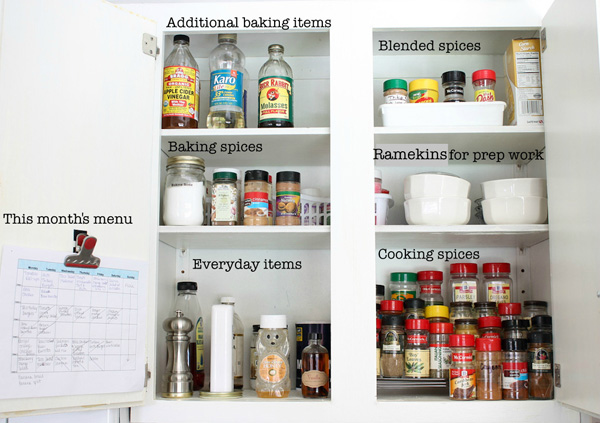
Stewart advocates for a logical approach to grouping items, storing tools and utensils by their function. For instance, all pet supplies, including food, medicine, grooming tools, and toys, are consolidated into one cabinet. This principle extends throughout her kitchen: baking supplies are kept together in a dedicated drawer, pots and pans have their own section, and small utensils are vertically stored in containers near the stovetop, separated by type. This systematic grouping prevents clutter and streamlines kitchen tasks.
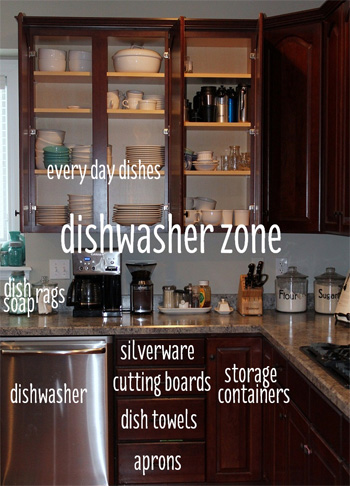
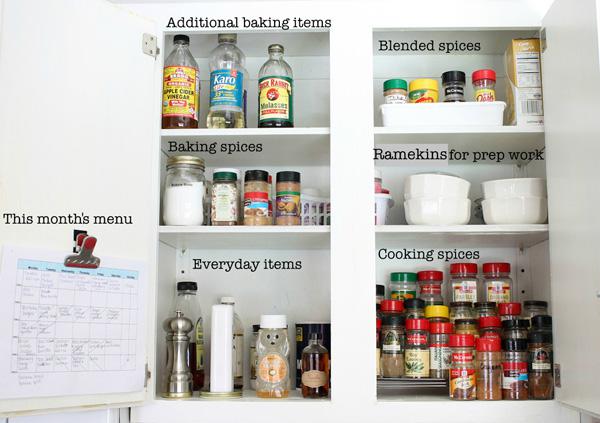
A core tenet of Stewart's organization strategy is to store similar items together in a designated location. This ensures that all necessary tools, ingredients, or products for a task, whether cleaning, cooking, or food preparation, are readily accessible, eliminating time wasted searching through cabinets and drawers. For example, she stores pots and pans with their lids in a large drawer under the stovetop for immediate access, coffee cups on a shelf above the coffee maker, and mixing bowls in a drawer beneath her food prep counter. Cleaning supplies are similarly centralized in one lower cabinet.
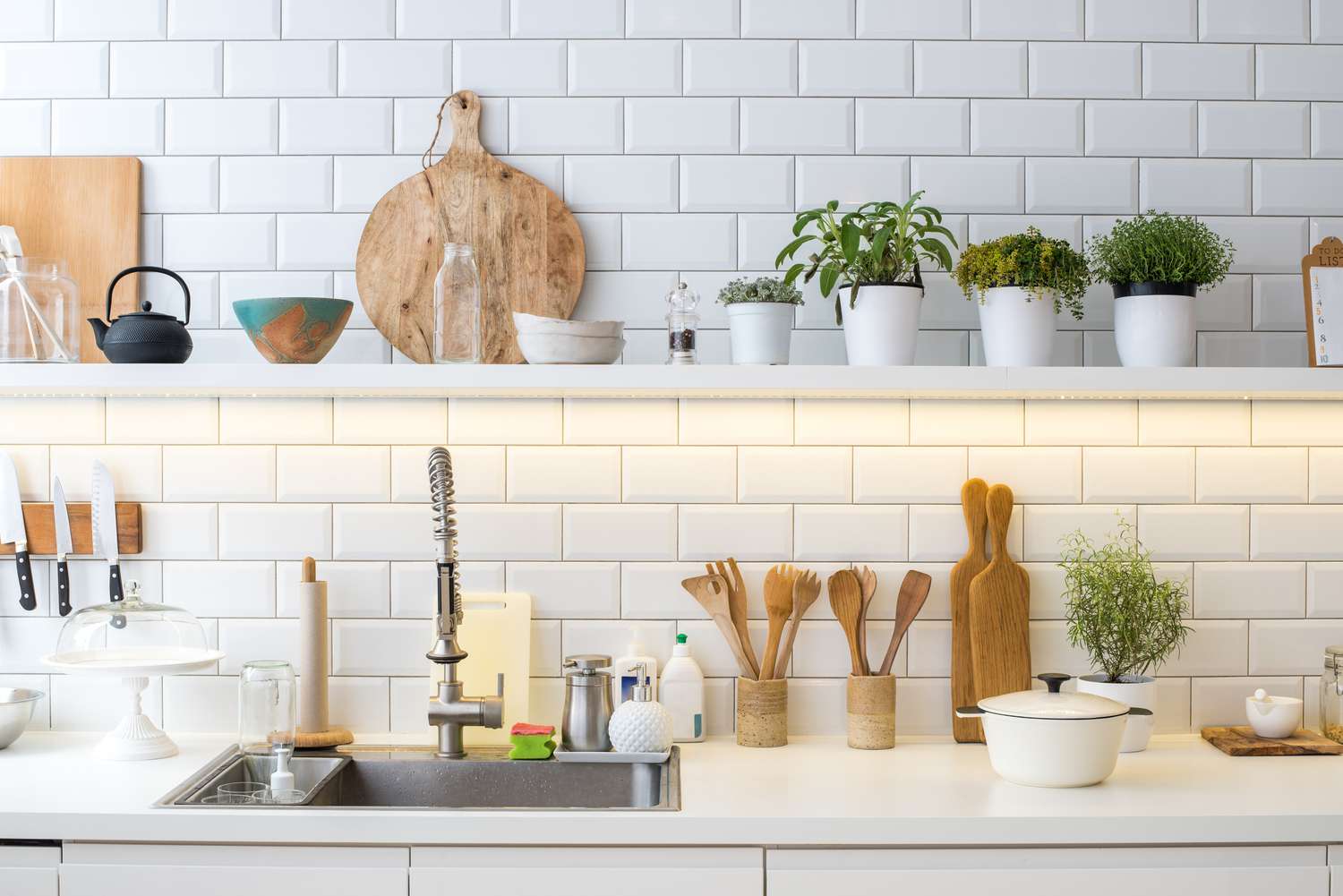
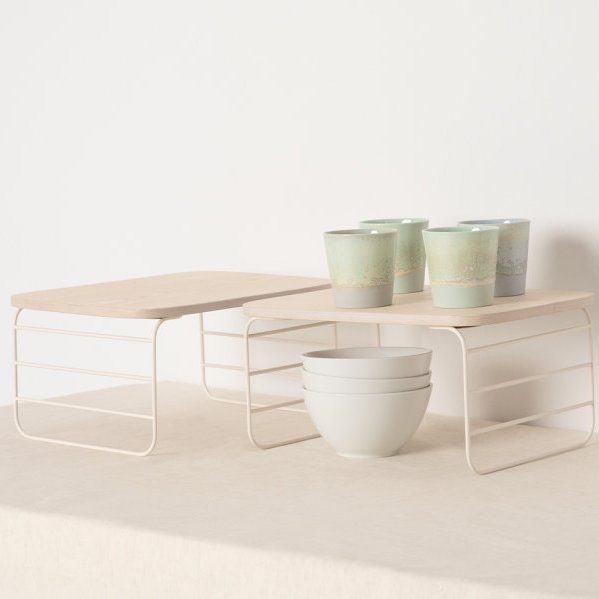
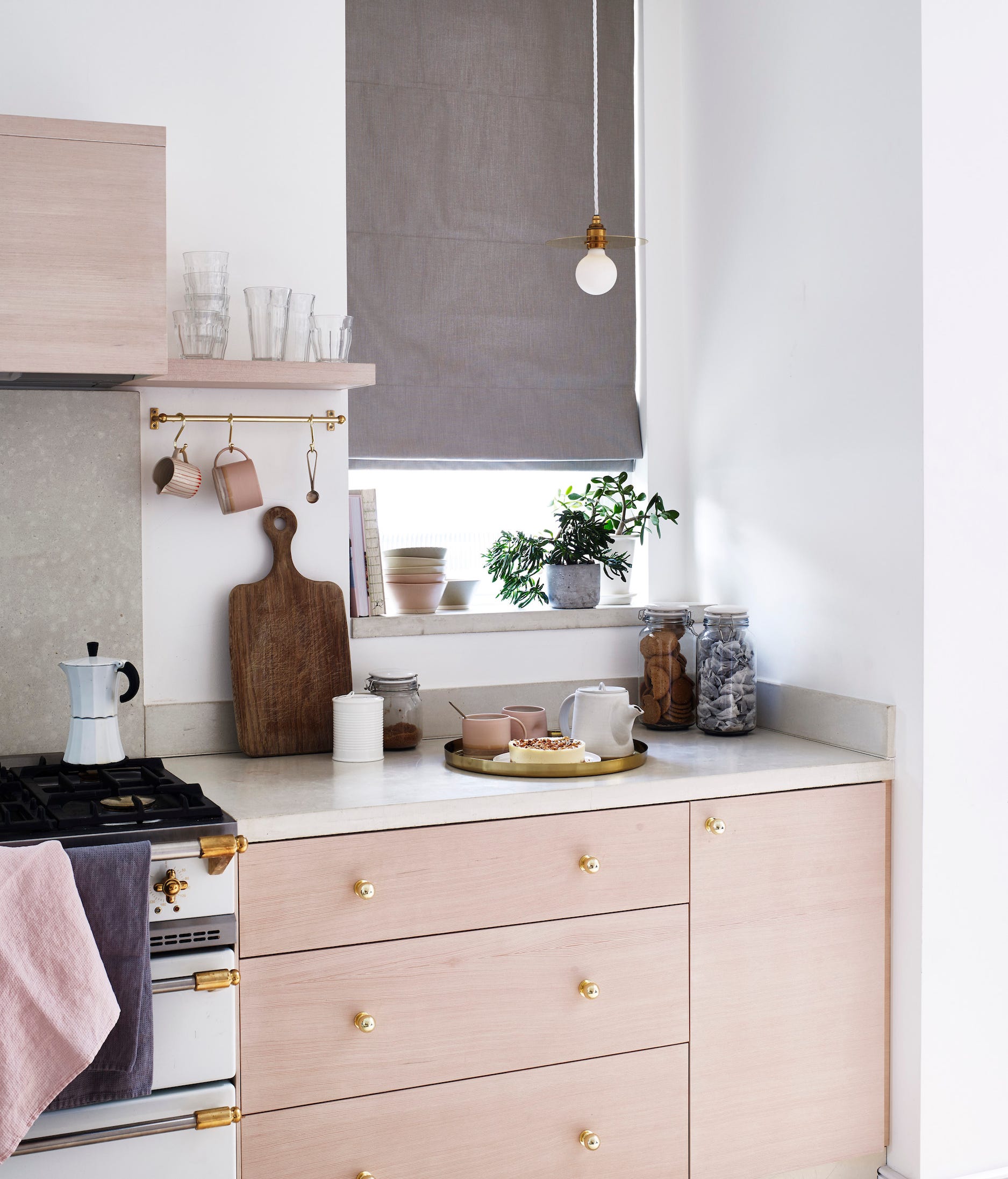
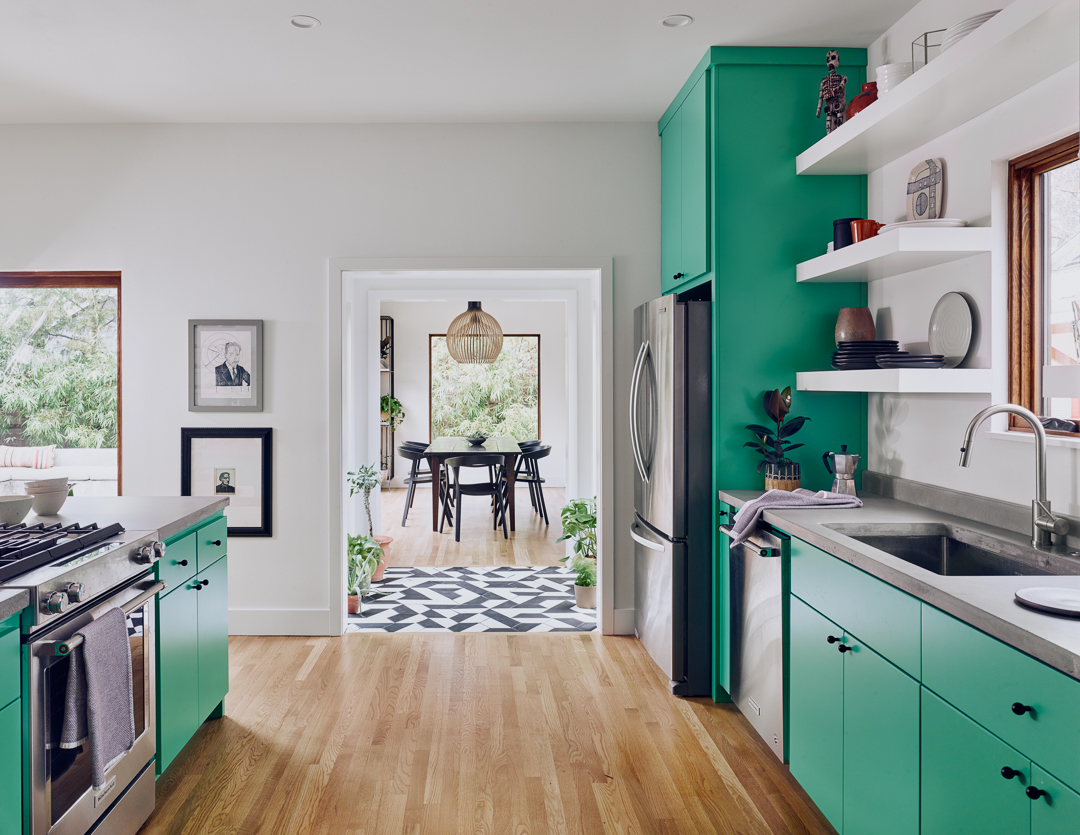
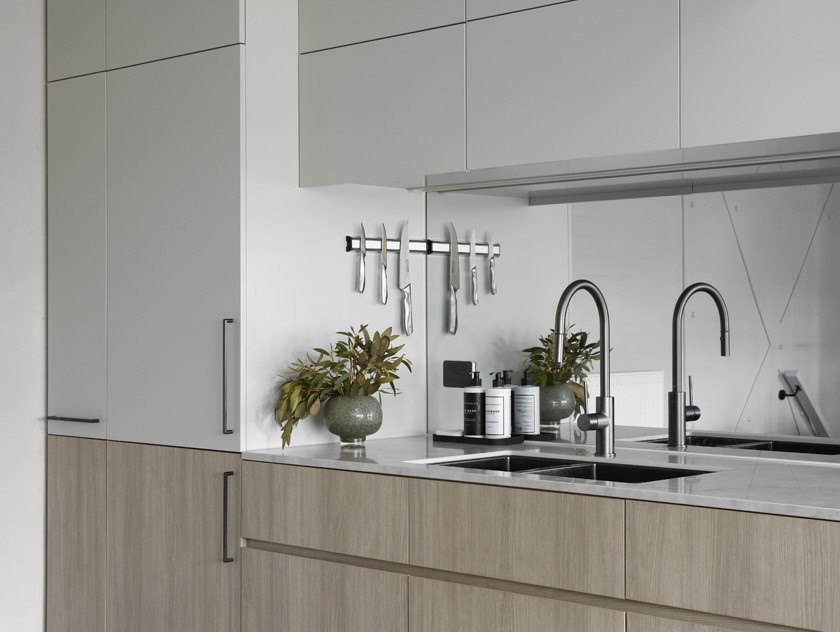
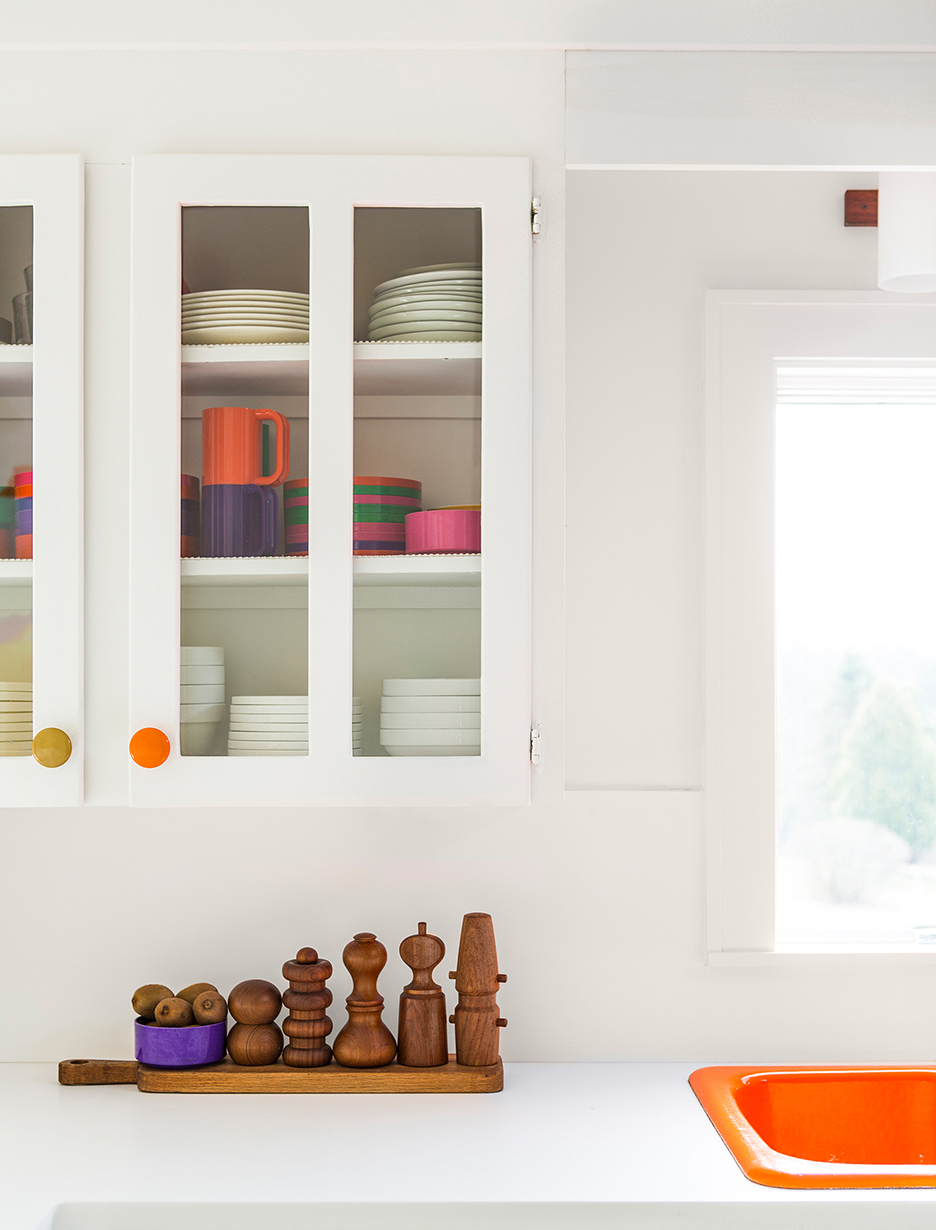
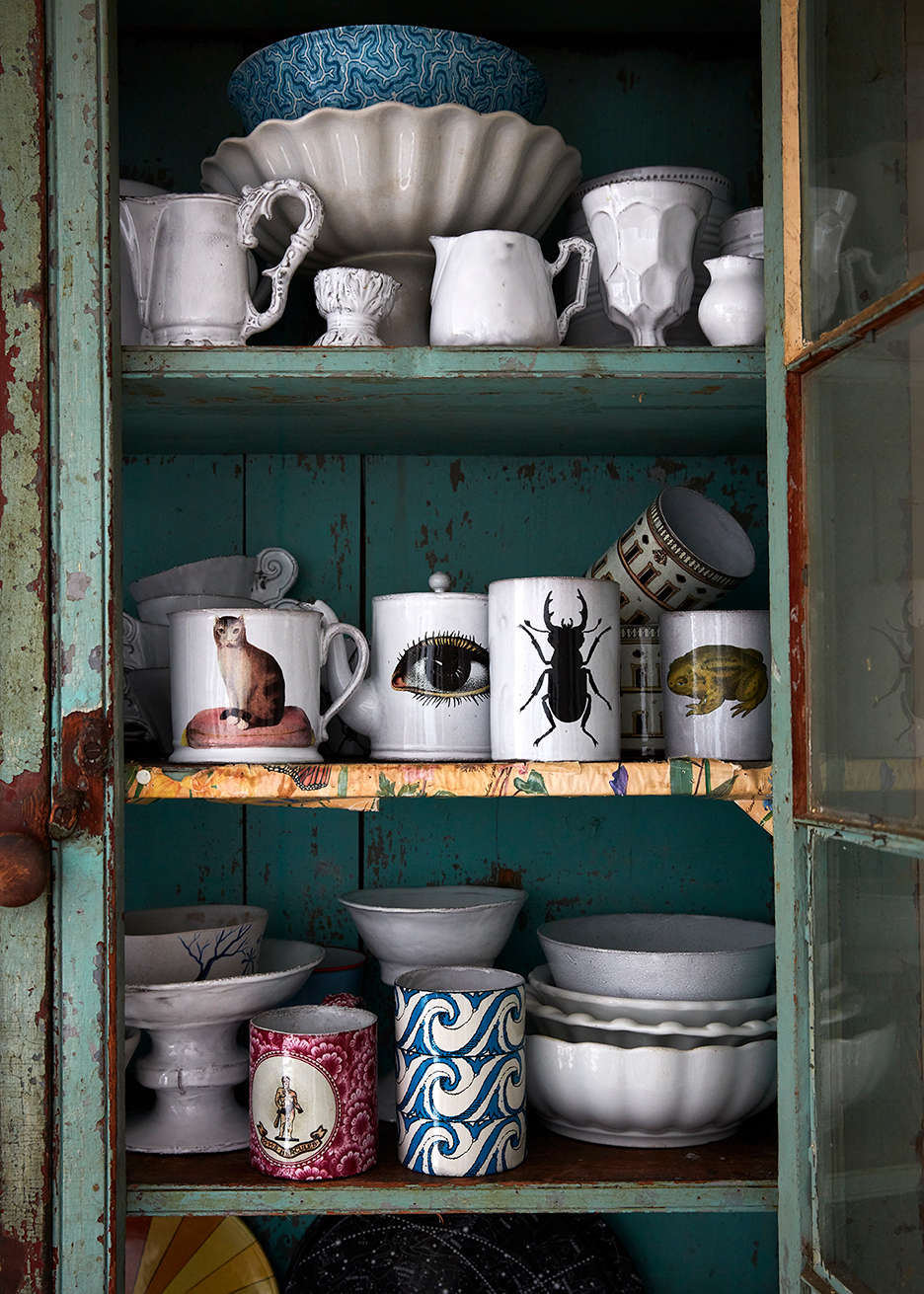
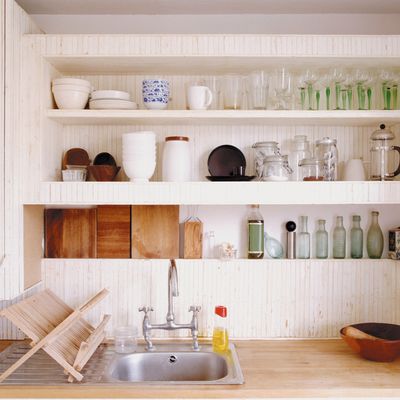
Another key tip is to store everyday items at eye level. This maximizes the utility of prime kitchen storage real estate, such as upper cabinets, shelves, and pantry areas. Frequently used items, like coffee makers, mugs, dinner plates, wine glasses, knives, and cutting boards, are kept in easily visible and reachable locations on countertops and open shelving. Less frequently used items, such as decorative glassware or pottery, are placed on higher shelves, where they also contribute to the decor and require a step stool for access. While open shelving can lead to dust accumulation, the constant use and washing of everyday items mitigate this issue.
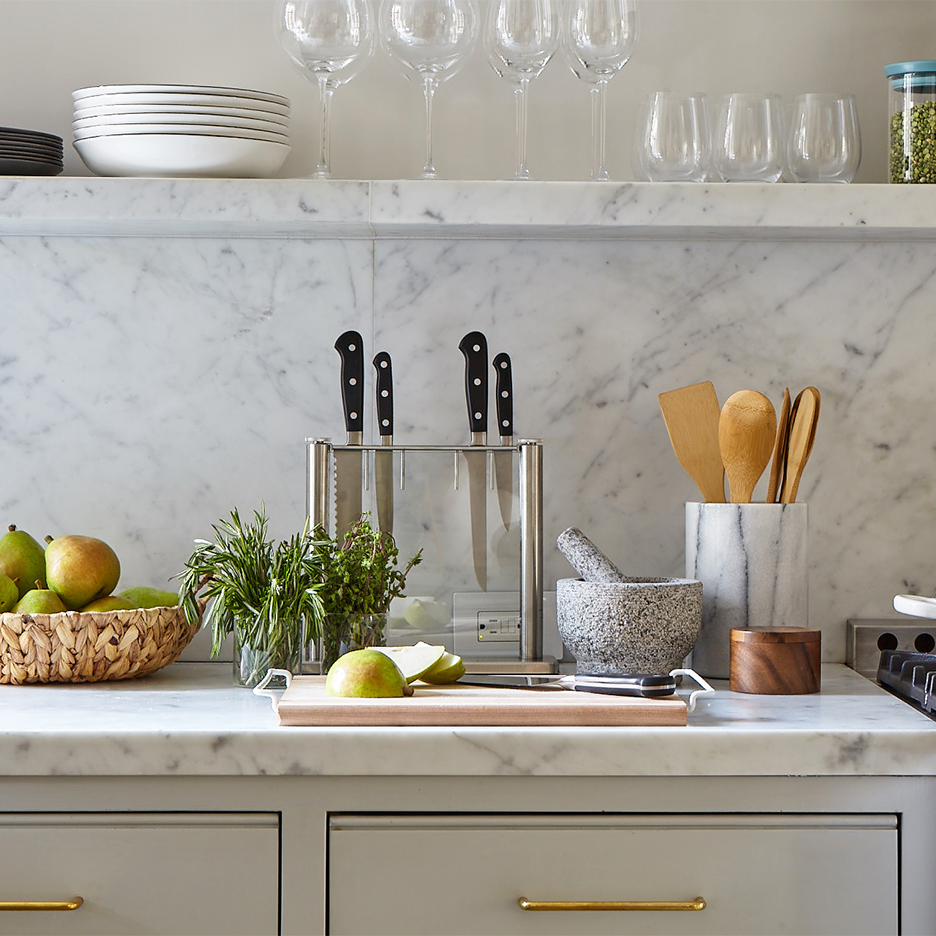
For cooking utensils, Stewart recommends vertical storage in containers placed on the countertop next to the stovetop. This allows for quick access during cooking, as handles are placed down, and the working parts of the tools are visible. She categorizes utensils into separate containers for spoons, spatulas, and whisks, enhancing efficiency. Sturdy, heavy crocks or vases are suggested to prevent tipping. Maximizing vertical space is crucial, with cabinets and shelves extending to the ceiling to store seldom-used dishes and equipment, freeing up lower, more accessible areas for frequently used items. This includes utilizing overlooked spaces like the area above the refrigerator for holiday serving dishes.
Stewart also incorporates a shallow shelf above the stovetop and prep area, positioned 22 inches above the counter. This shelf, matching the cabinet color and adorned with corbels, holds frequently used items like cooking oils, salt and pepper grinders, spices, small mixing bowls, and water glasses, keeping them within easy reach while cooking and preparing food. This strategy declutters cabinets and drawers by relocating small, commonly used items.
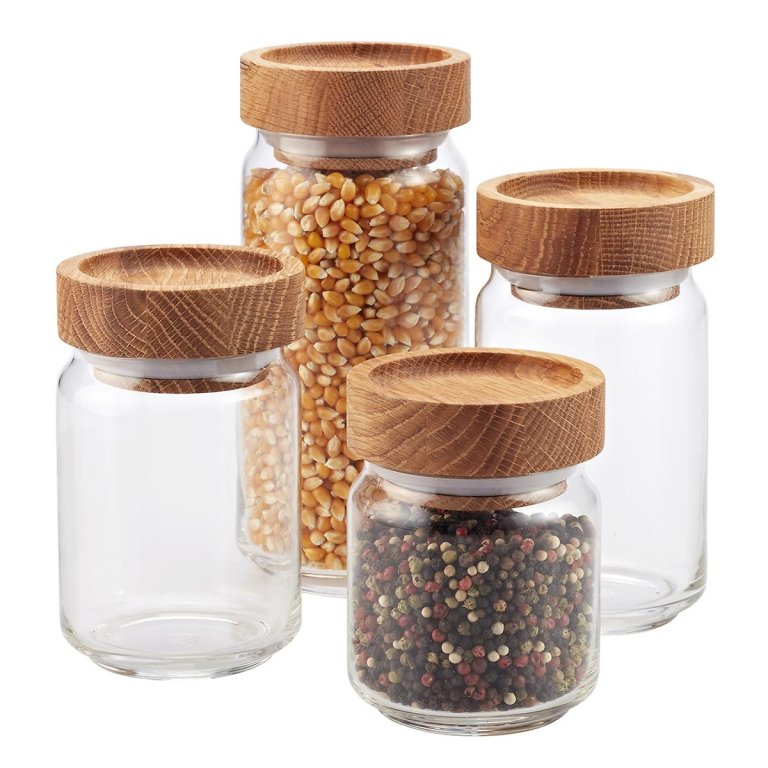
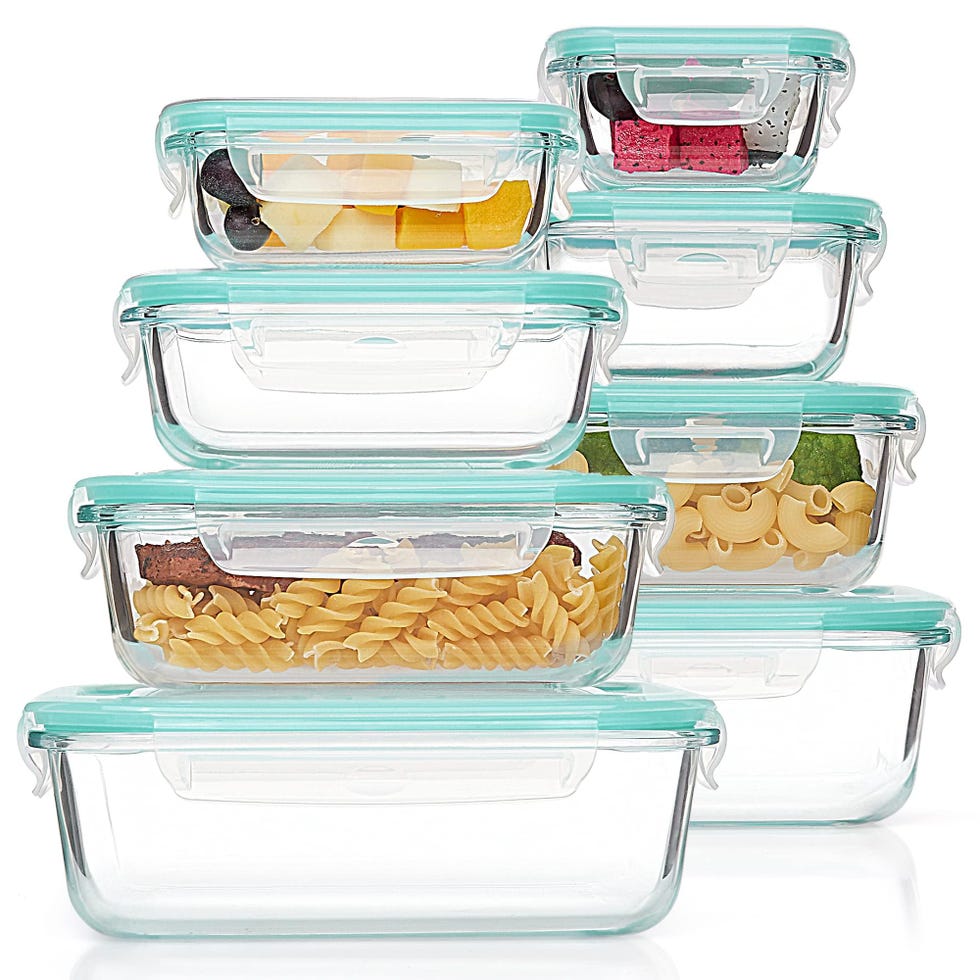
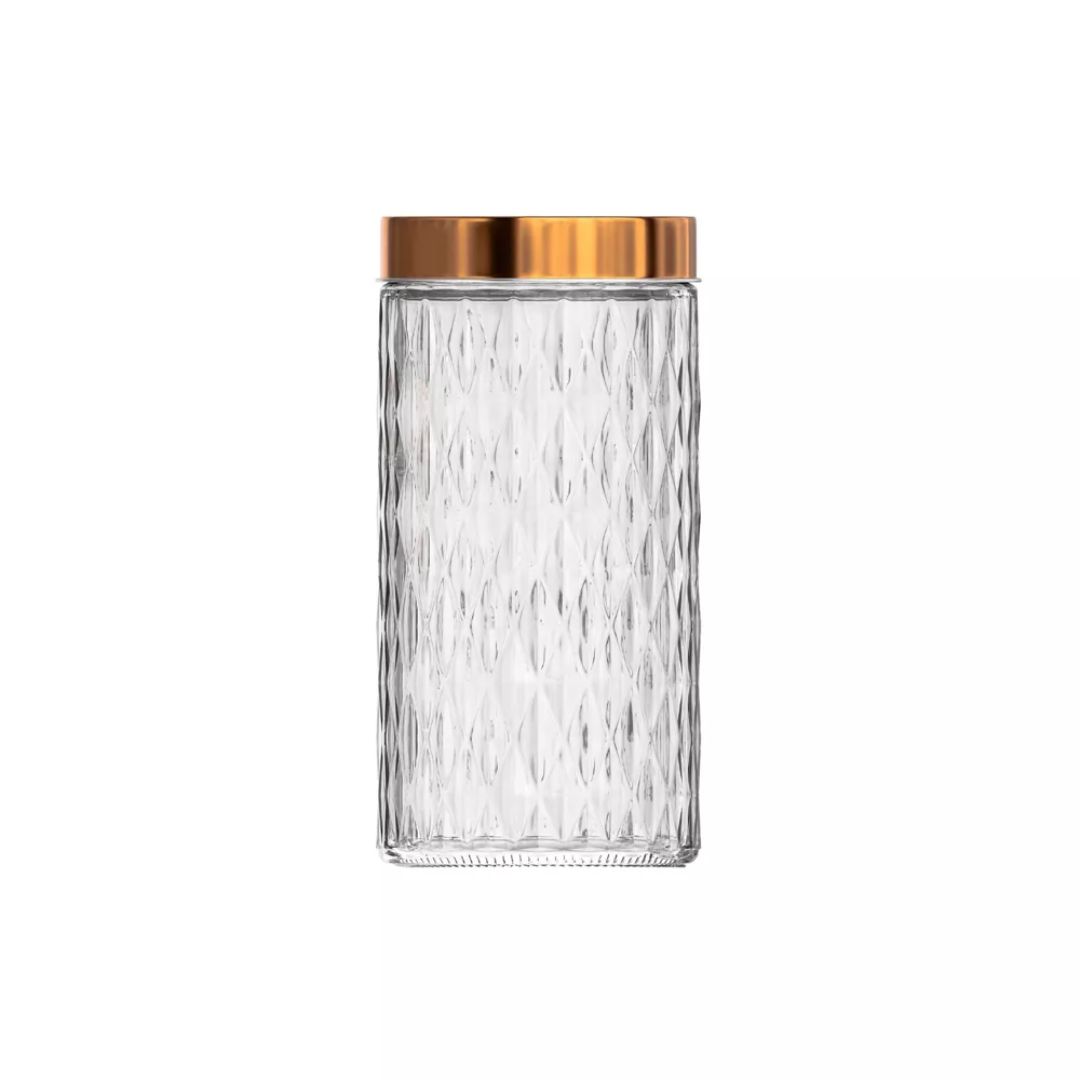
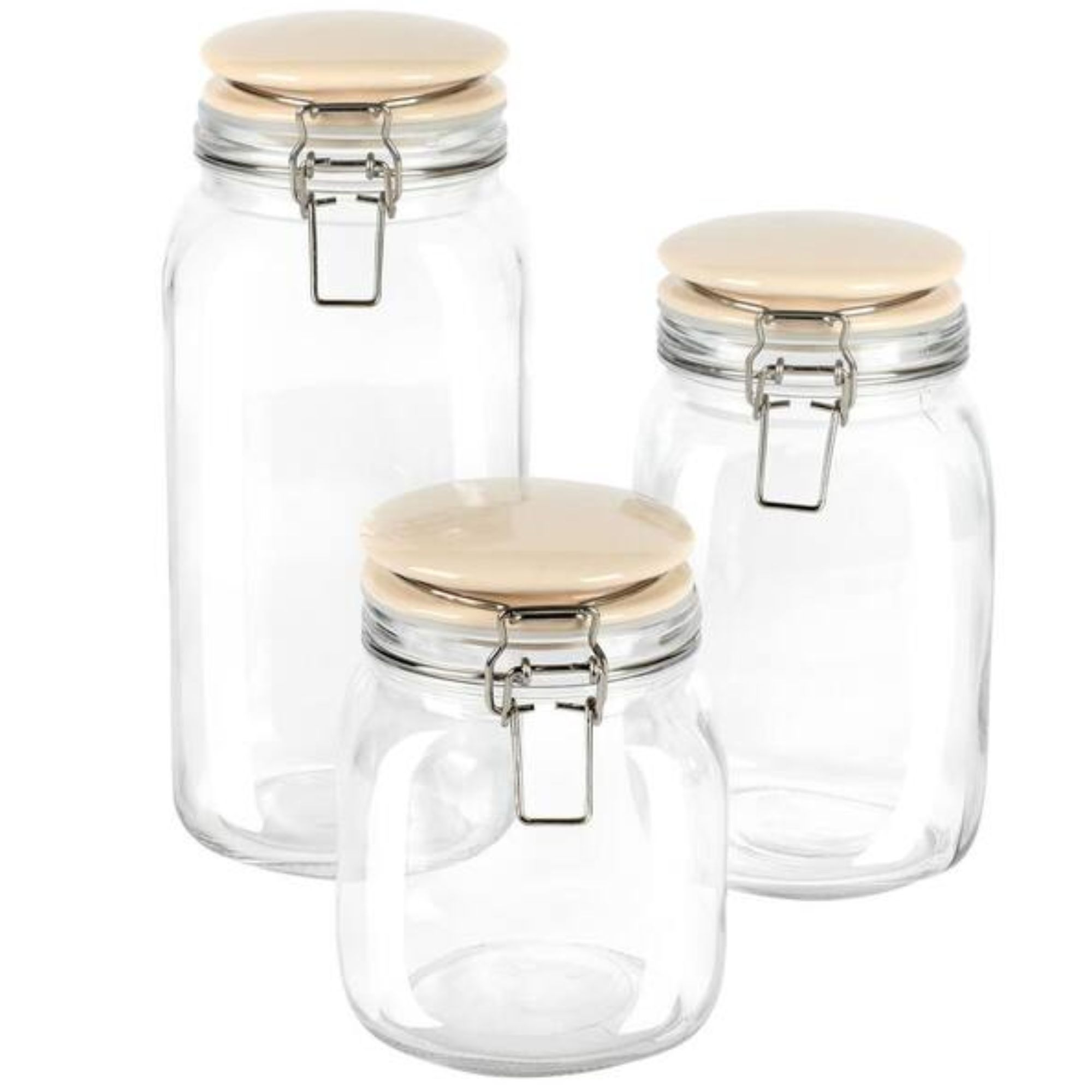
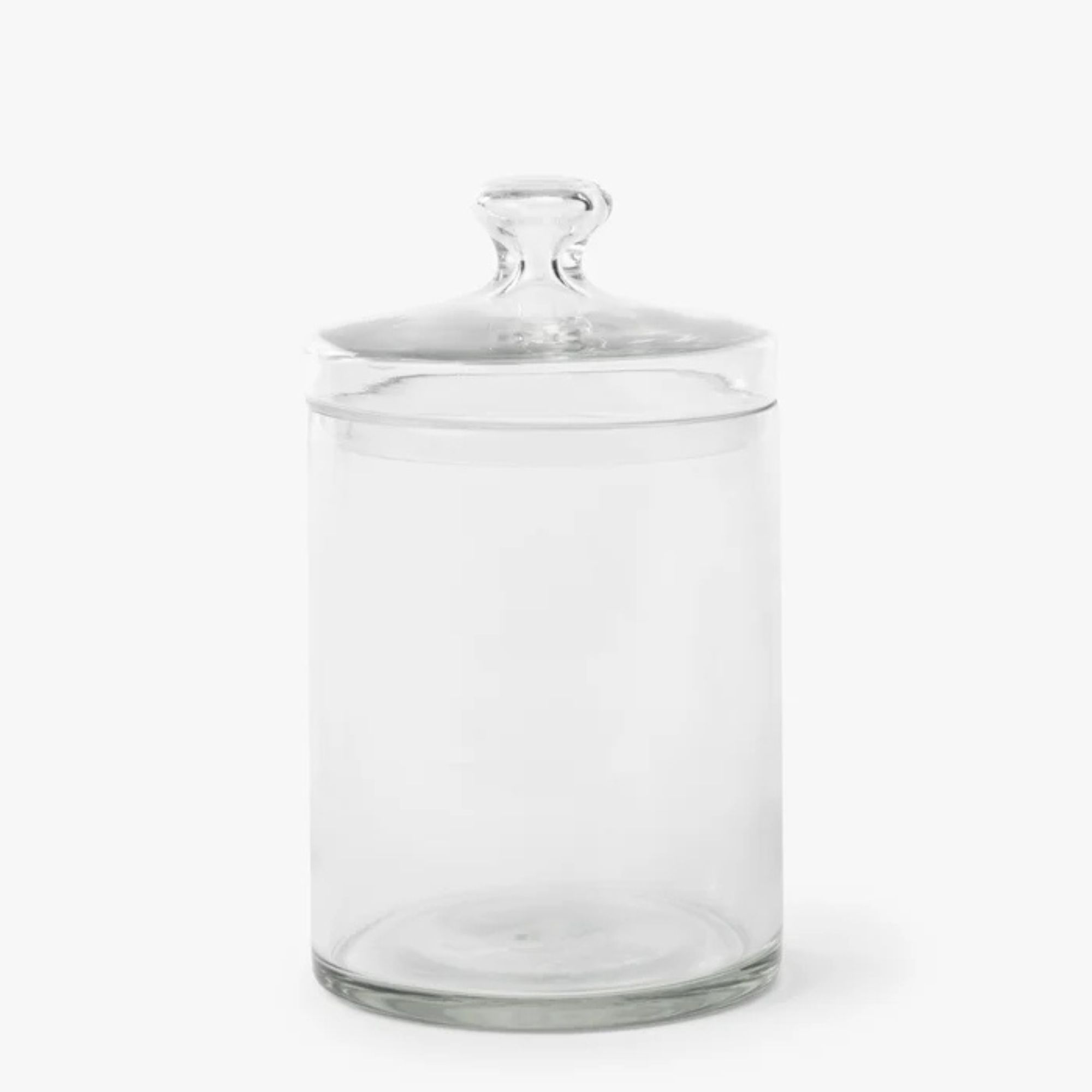
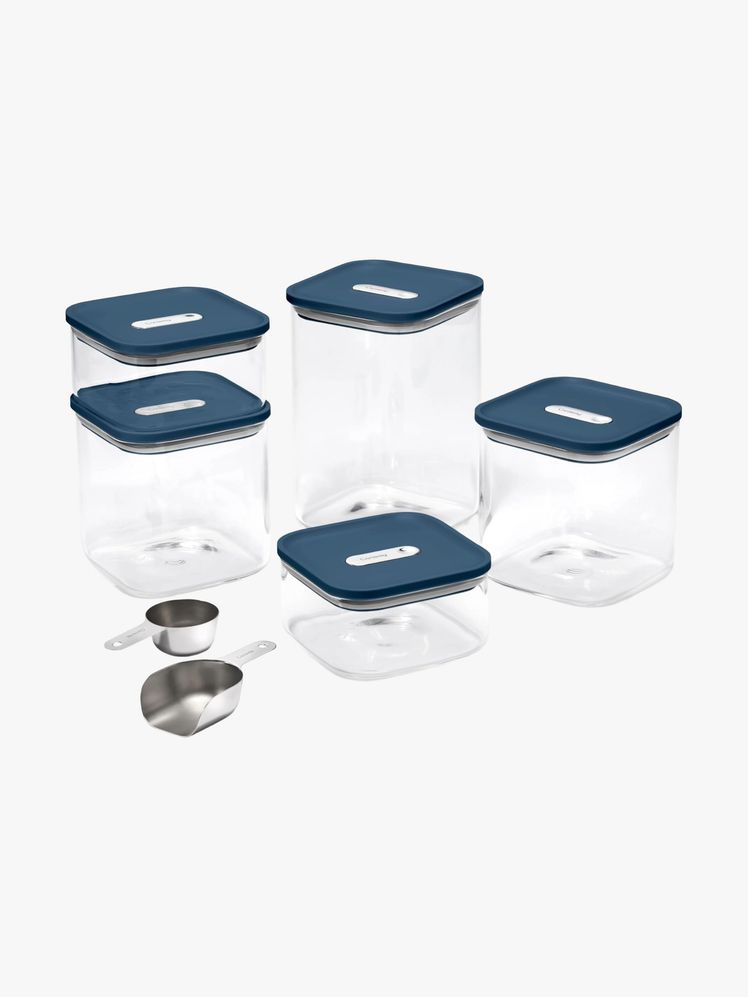
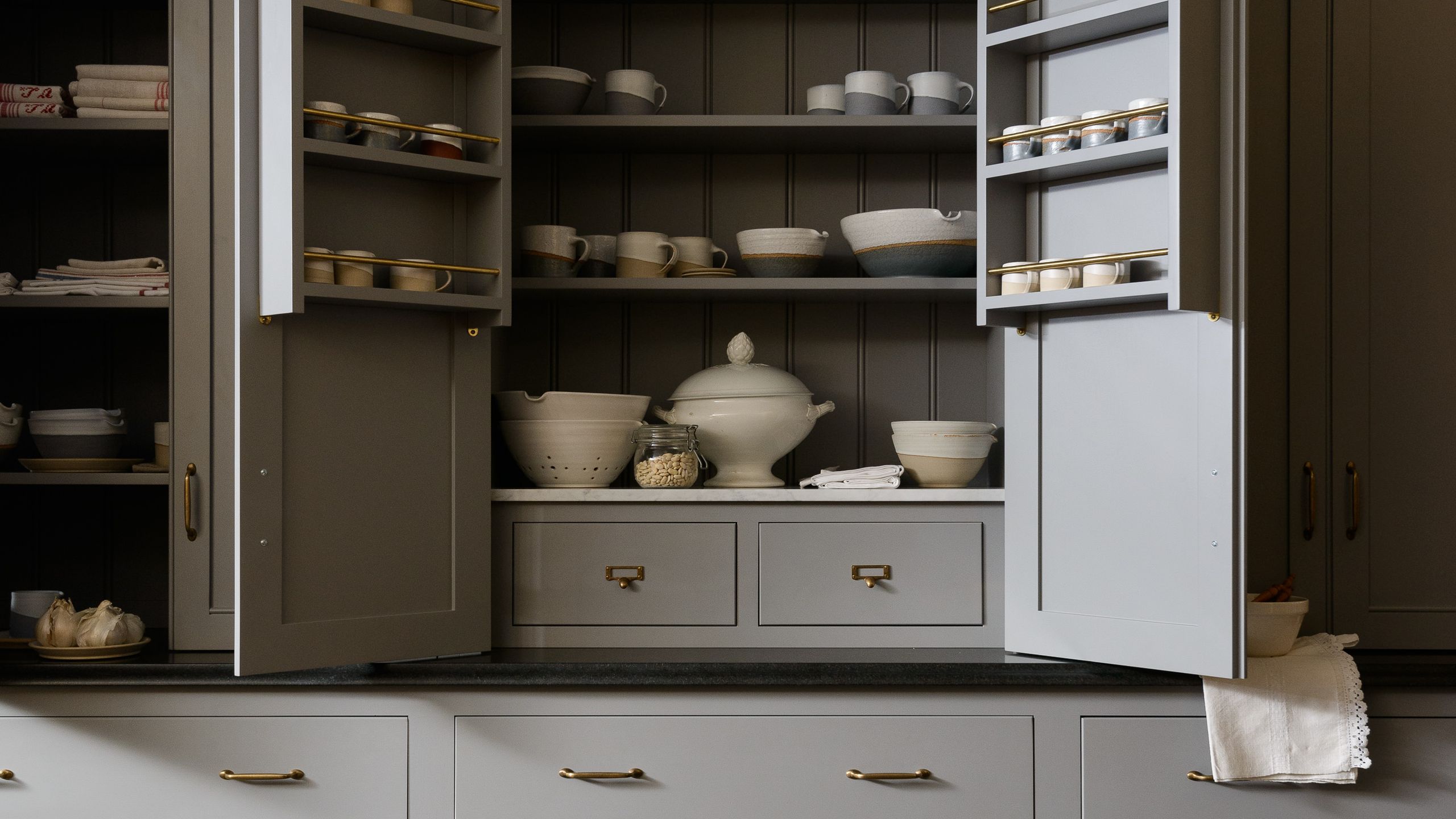
For kitchens without a built-in pantry, Martha Stewart partnered with California Closets to design a modular open shelving system. This configurable unit transforms any blank wall into a functional pantry. Adjustable shelves, available in various depths, and optional wire mesh drawers provide versatile storage for dishes, dry goods in clear glass jars, vegetables, linens, and pet food. Open shelving keeps items visible and accessible.
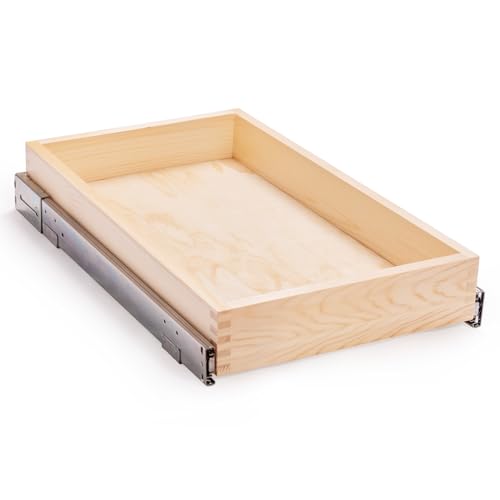
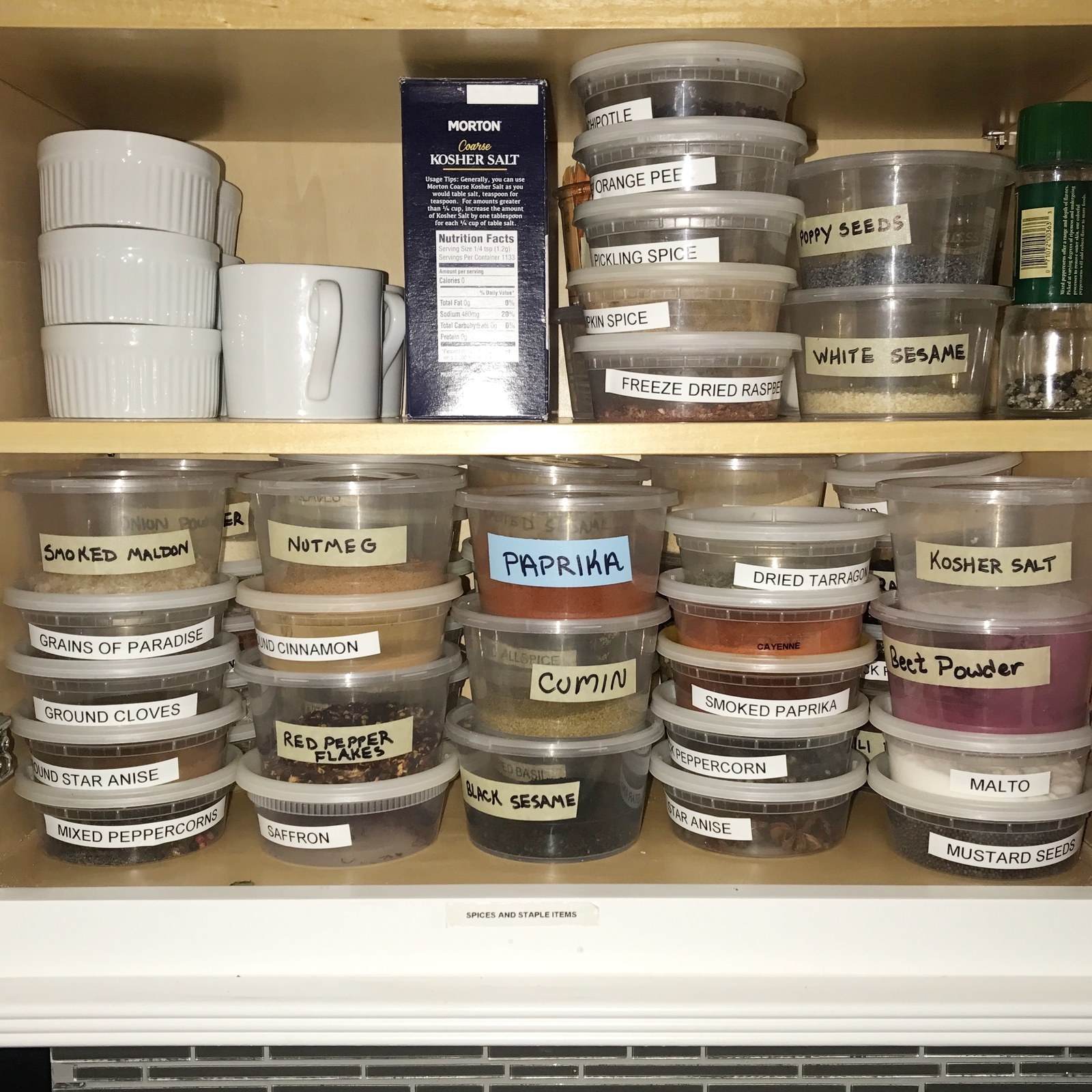
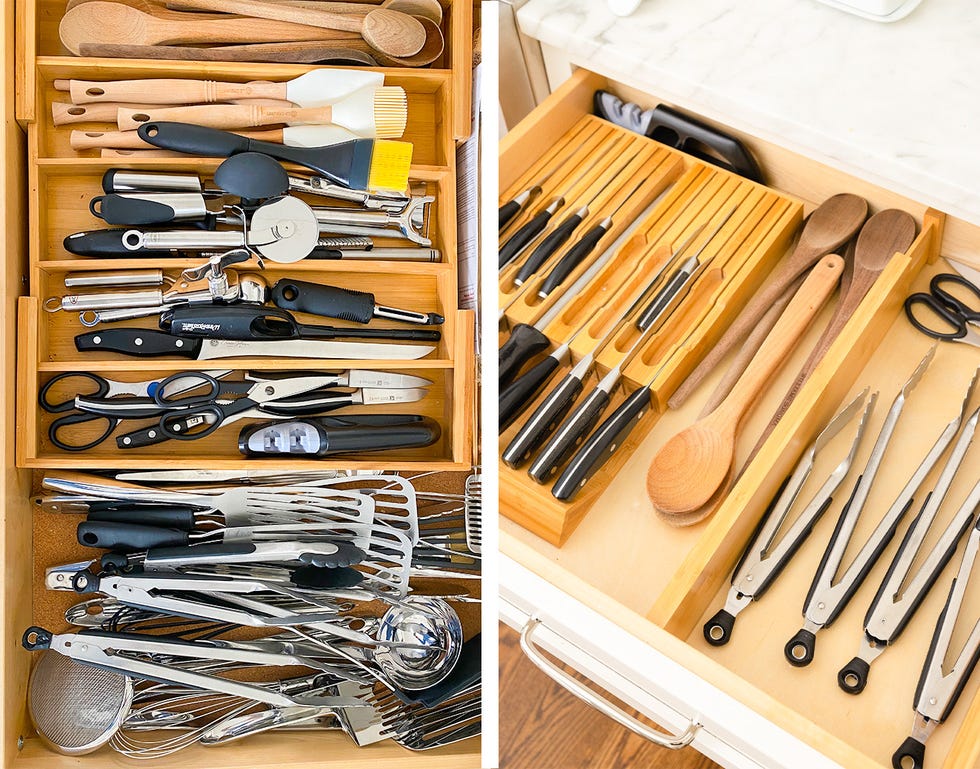
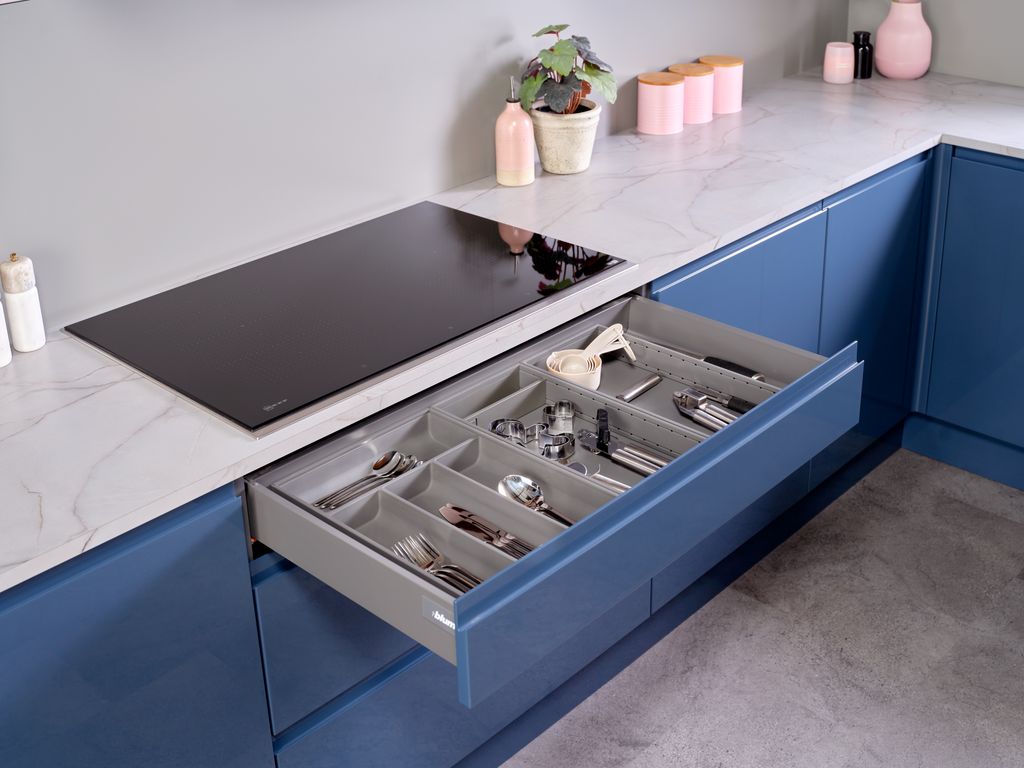
Drawer dividers are essential for organizing multiple similar items. Stewart uses slanted shelves within drawers for spices, ensuring labels are easily readable and spices are protected from sunlight. Other drawers are divided for placemats and napkins, or for different types of knives, with cork receptacles preventing movement. Utensil drawers are diagonally divided to accommodate various tool sizes. A unique innovation is a pegboard installed horizontally in deep drawers for dishes, mixing bowls, and cookware. Removable pegs create custom compartments, preventing items from shifting, cracking, or chipping when drawers are opened and closed. This customizable system allows for easy reorganization.
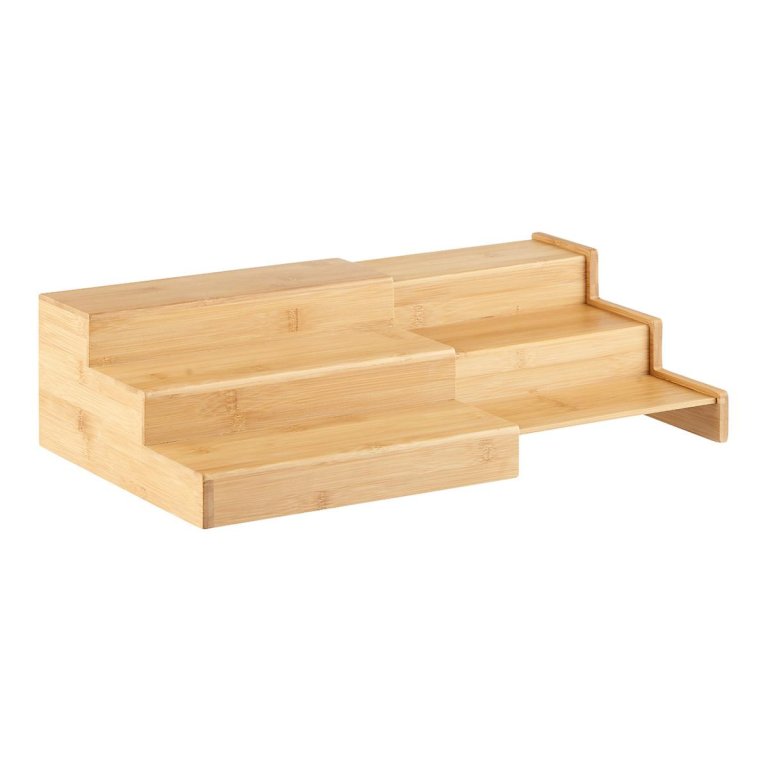
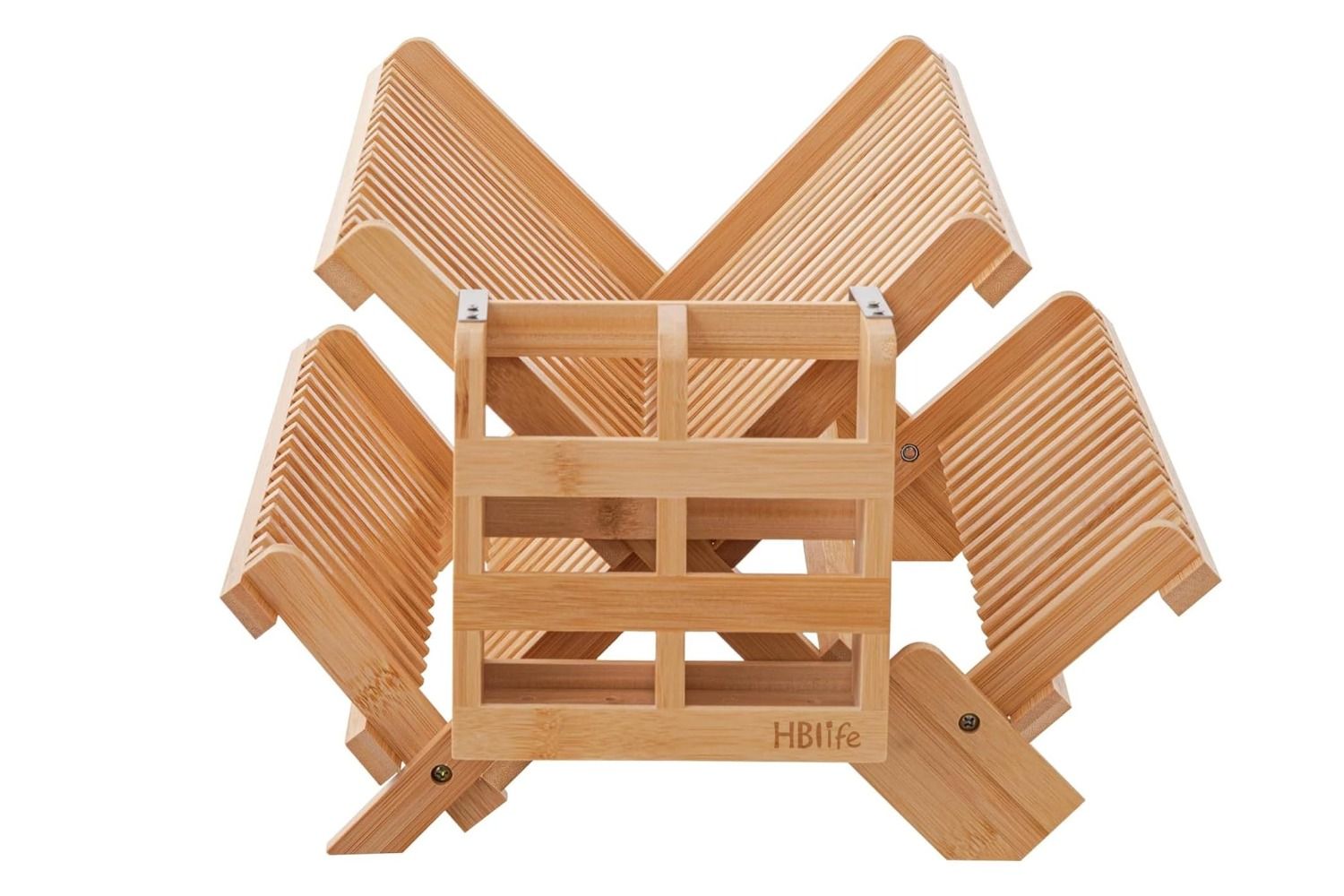
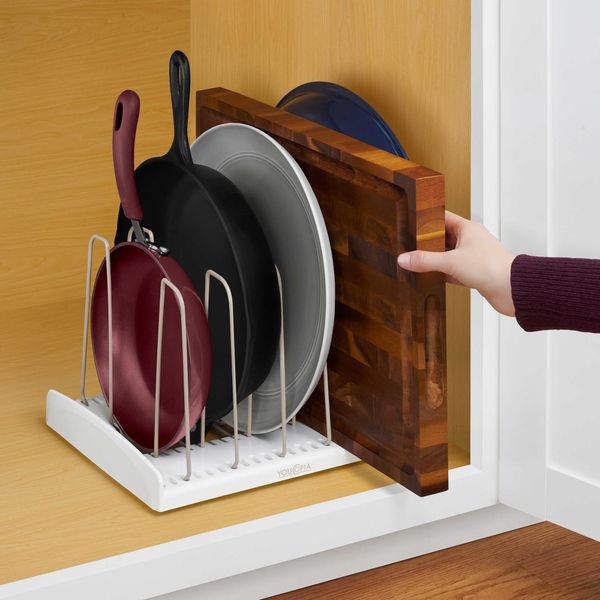
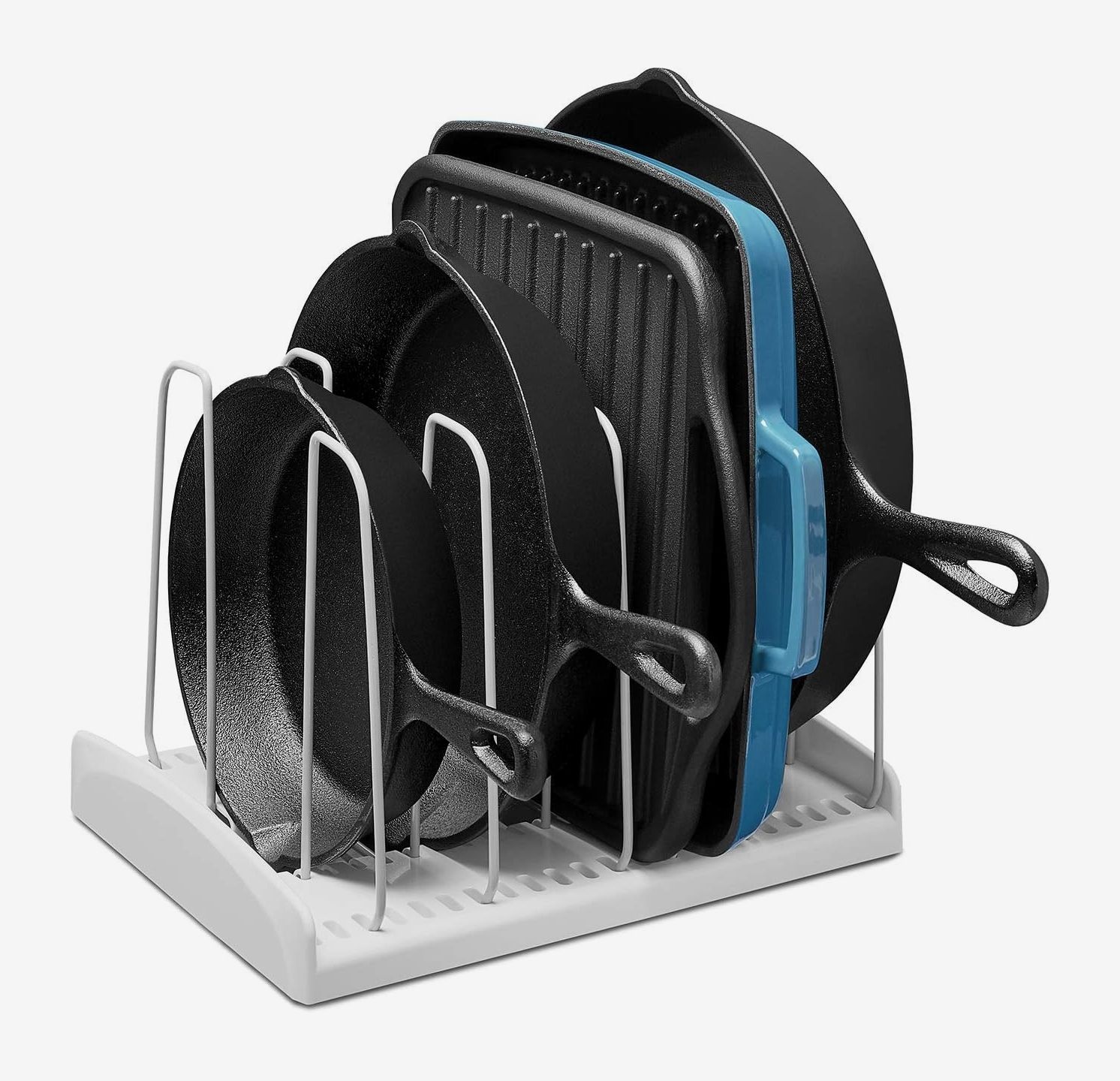
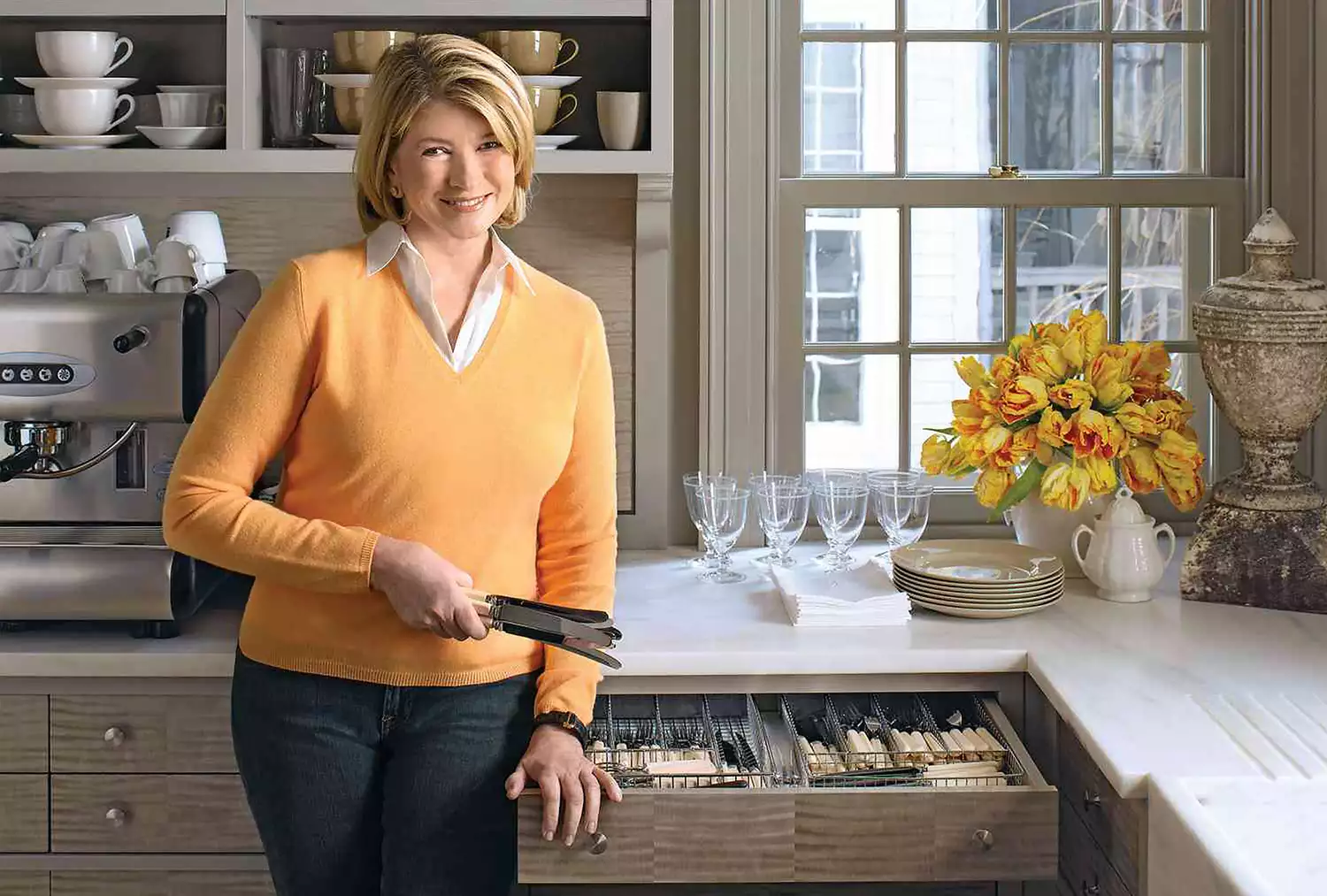
Finally, Stewart demonstrates how to double flatware storage by stacking two divided trays within a single drawer, often using a sliding track system. Even without such a sophisticated mechanism, organizing flatware for maximum functionality can be achieved with various bamboo drawer organizers. For awkwardly shaped items like cookie sheets, baking pans, and cutting boards, vertical storage using dividers in deep cabinets is recommended. This method, similar to organizing books on a bookshelf, keeps these items neatly arranged, visible, and easily accessible, especially when the cabinet is located above relevant appliances like ovens.
#KitchenOrganization #MarthaStewart #HomeDesign #StorageSolutions #EfficientKitchen #InteriorDesign #HomeImprovement #DeclutteringTips #KitchenRemodel #KitchenOrganization #MarthaStewart #HomeDesign #StorageSolutions #EfficientKitchen #InteriorDesign #HomeImprovement #DeclutteringTips #KitchenRemodel
0개의 댓글이 총 표시됩니다.
 아직 댓글이 없습니다
추가로 마음에 드릴 만한 콘텐츠
All The Secrets To Organize Your Kitchen


Martha Stewart's under-sink storage trick is ingenious

Your Kitchen Called, It Wants These 10 Space-Wasters Gone—Try These Pro-Loved Organizers Instead

I Deep Cleaned My Sister's Kitchen for the First Time in Ages and I Threw Out These 9 Things Immediately

14 Of Martha Stewart's Favorite Kitchen Design Tips

16 Kitchen Organization Tricks I Learned Working In Restaurants

Throw Away These 12 Kitchen Items Immediately (and Be Glad You Did)

Martha Stewart’s Brilliantly Curated Kitchen Storage Inspired Me to Rethink My Shelving, Organize My Jars, and Transform My Cooking Space This January
Know your way around the kitchen

Martha's 39 Best Kitchen Organizing Tips Will Help You Make the Most of Your Space

How to Organize Your Kitchen and Pantry, According to Professional Organizers
The 21 Best Kitchen Organization Ideas for Decluttering Countertops, Cabinets, and More

10 Things Making Your Kitchen Counter Messier, According to Pro Organizers
12 Easy Ways To Organize Your Entire Kitchen On A Budget, According To Professional Organizers
Exclusive: Style Sisters reveal the biggest kitchen organisation mistakes you're making

Top-to-Bottom Kitchen Cabinet Storage Ideas Straight From an Expert Organizer
You’re 3 Steps Away from Your Most Organized Kitchen Cabinets Yet
10 things decluttering experts won't keep in their kitchen cupboards

How to Organize a Kitchen — 11 Simple Ways to Best Maximize Space and Clear Clutter


Martha Stewart's 'ideal kitchen' is a hub of smart storage and strategic decorations – it's surprisingly easy to recreate in the smallest of spaces