How to customize the appearance of Google Home
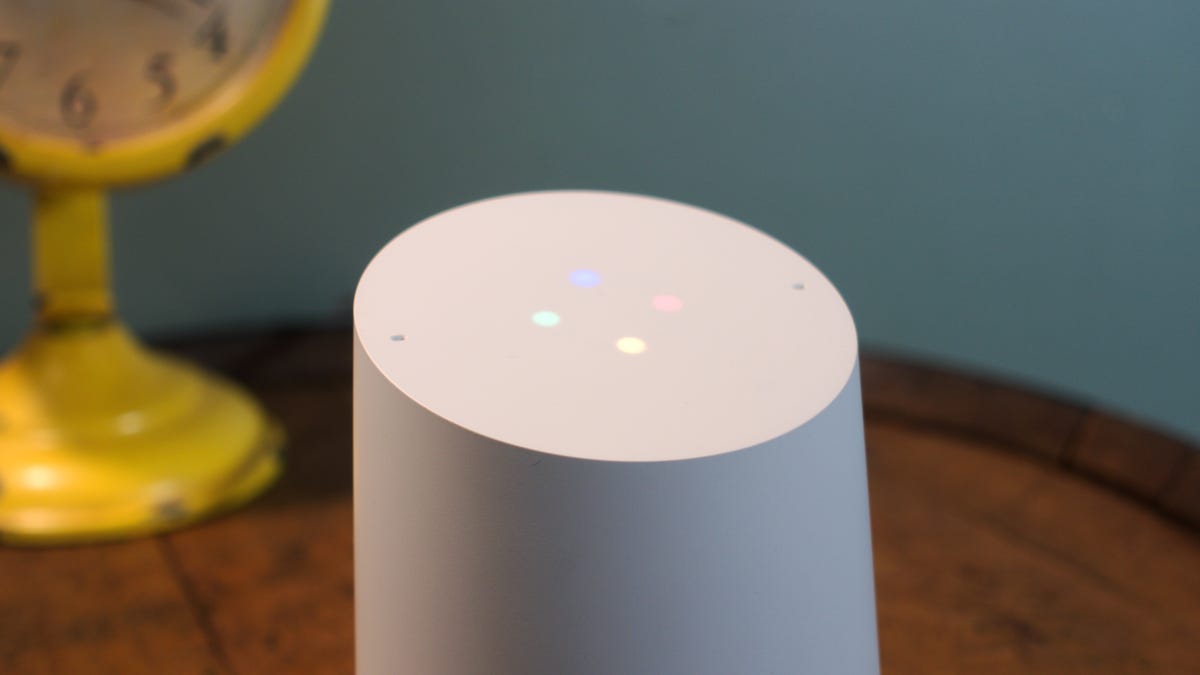
The original Google Home speaker, known for its chalky white top and gray fabric base, offers limited color options compared to the Google Home Mini and Home Max. This guide provides several ways to customize the Google Home's appearance, moving beyond its standard look to better integrate with personal decor. The article highlights that while Google initially offered six colors and two materials for the fabric base, current official options are limited to coral (fabric), carbon (metal), and copper (metal). The coral base costs $20, while the metal versions are priced at $40. Installation of these bases is straightforward: unplug the speaker, pull down the existing base with a gentle twist to release magnets, and then align the new base with the power adapter hole before the magnets secure it. Beyond official Google accessories, third-party manufacturers offer a wider array of bases, including leather options and a battery-equipped base from Ninety7, available in white, copper, or black, designed for portability. For those who find the white top of the Google Home unappealing, various cases and covers are available. Murray Designs offers cases that slide over the top of the speaker, providing different colors and themes such as marble or wood, and even novelty designs like a tuxedo or Santa Claus suit. For the Google Home Mini, Etsy features creative covers that can transform the speaker into characters like the Harry Potter Sorting Hat, a Death Star, or R2-D2. Another customization method involves applying third-party skins. Companies like Slickwraps provide vinyl skins for the Google Home in a range of colors and patterns, including carbon, metal, wood, leather, glitz, stone, and hemp. These skins typically cost between $10 and $30, with some even including skins for the power adapter for a more cohesive look. Toast offers real wood skins made from ash, bamboo, and walnut, providing a natural aesthetic. When applying skins, proper alignment is crucial for a smooth finish. For a truly personalized look, combining a skin with a different colored base is suggested, such as pairing a walnut skin with a carbon metal base to create a distinctive style. The article concludes by encouraging readers to explore further Google Home tips and considerations for building a smart home after customizing their speaker's appearance. The information aims to help users personalize their Google Home devices to better match their home aesthetics.
#GoogleHome #SmartSpeaker #HomeCustomization #SmartHomeDecor #TechAccessories #Personalization #GoogleHome #SmartSpeaker #HomeCustomization #SmartHomeDecor #TechAccessories #Personalization
0개의 댓글이 총 표시됩니다.
 아직 댓글이 없습니다
추가로 마음에 드릴 만한 콘텐츠

How To Decorate Your Home Like The Grinch


How To Decorate Your House Like The Holiday
This is the Fastest Way To Get an Elegant-Looking Home

6 Ways to Modernize Your Home While Keeping Its Character, According to Designers

How To Add More Character & Interest To Your Home
How to Decorate Based on Your Aura Color — Here's the 101 on Personalizing Your Home to Match Your Vibe

Renovating a Home? Here's How to Modernize Without Losing Character


Home & Design | Making It Personal
Add Personality to your Home this Year
How To Make Light Effects in HomeKit

How to make your home look instantly more stylish with clever use of colour

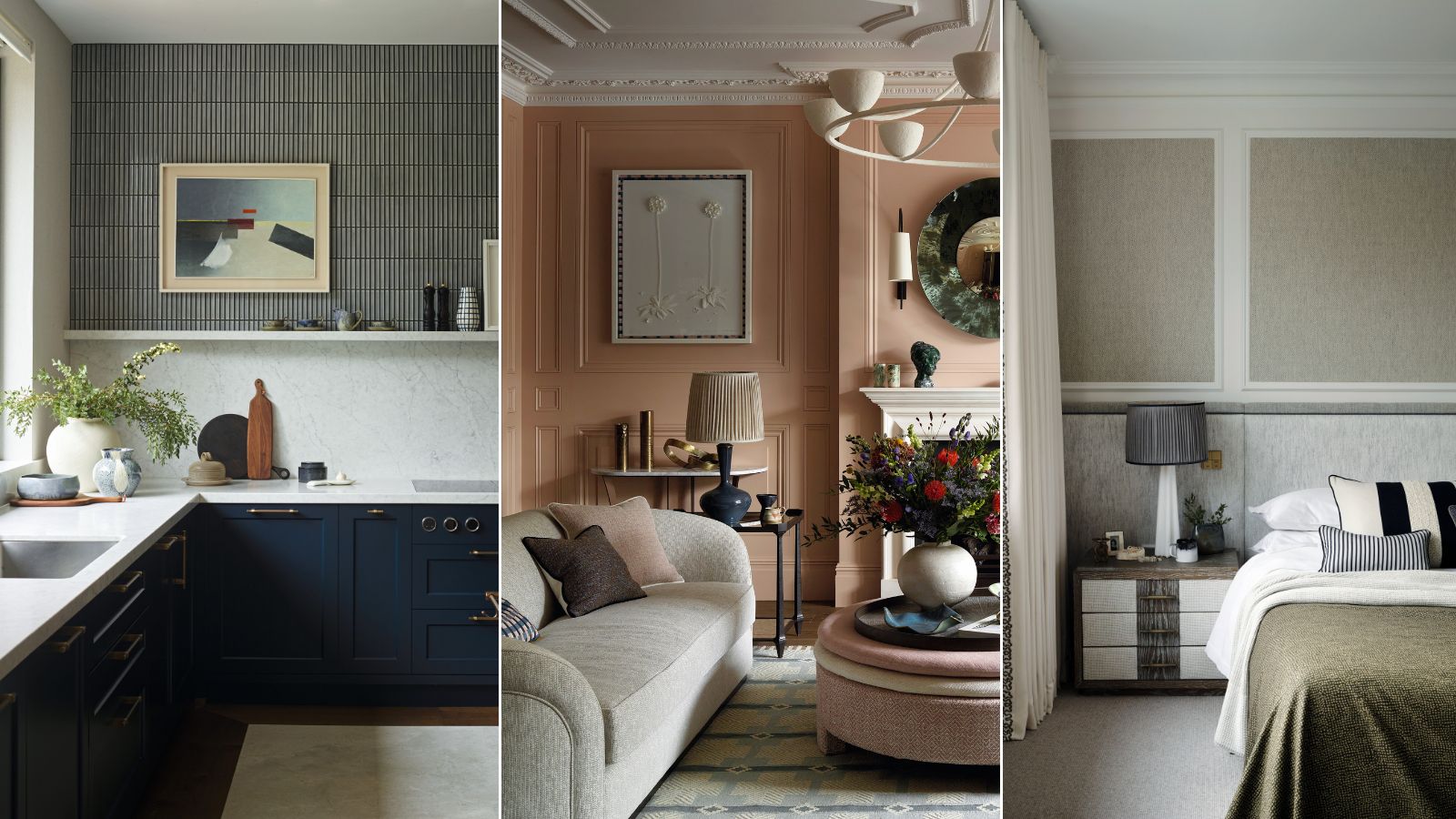
How can you give a new build home character? This London home is a lesson in how to make new look period

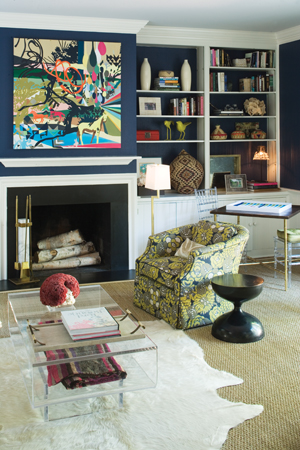
COLOR! How to Add to Your Home

This home was treated to a Goldilocks renovation


Top design tips to make your home look bigger


A moment with wallpaper design house de Gournay

8 easy updates that will make an old home look new
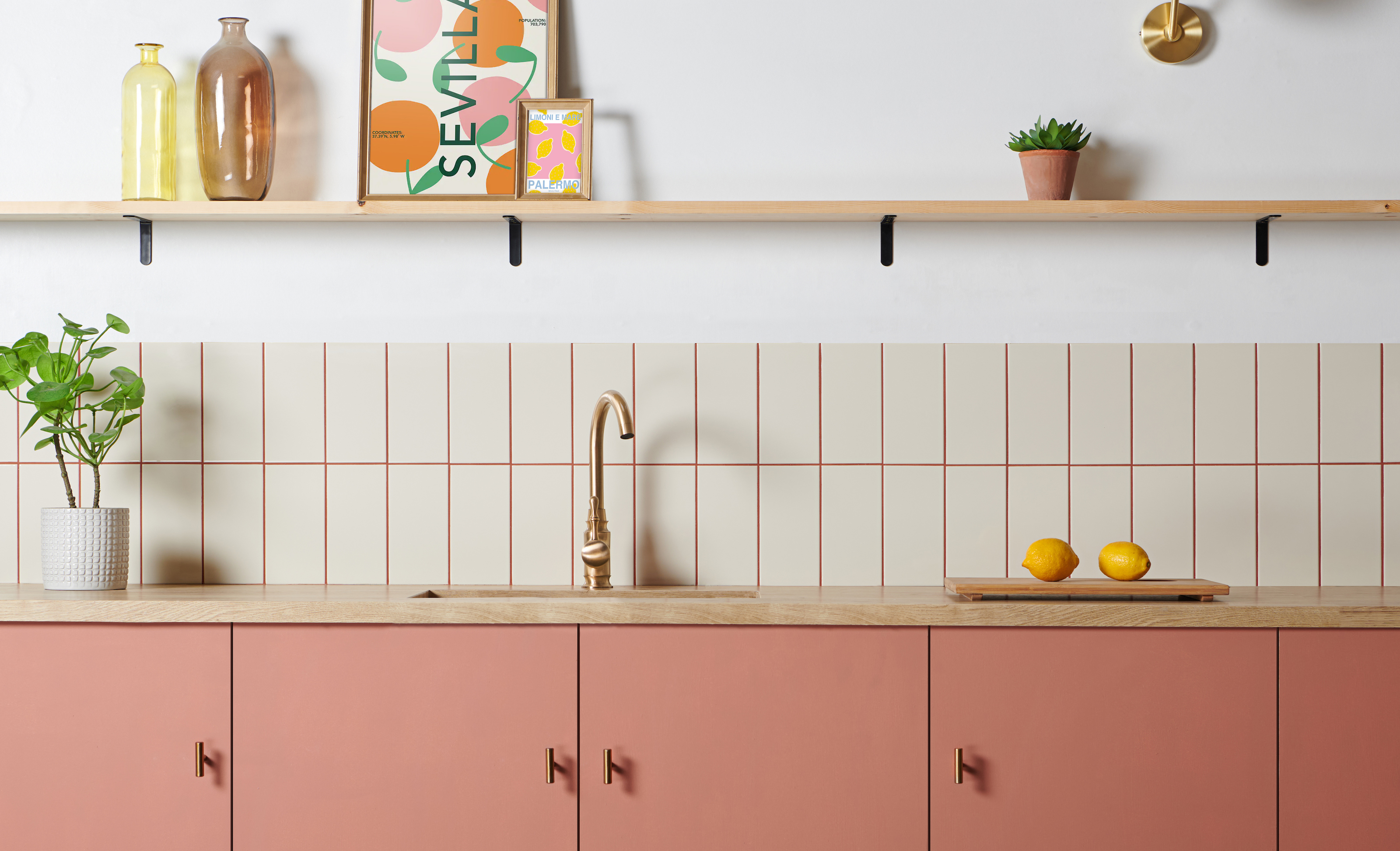
How to change grout color - the easiest little touch to make your home feel fresh again
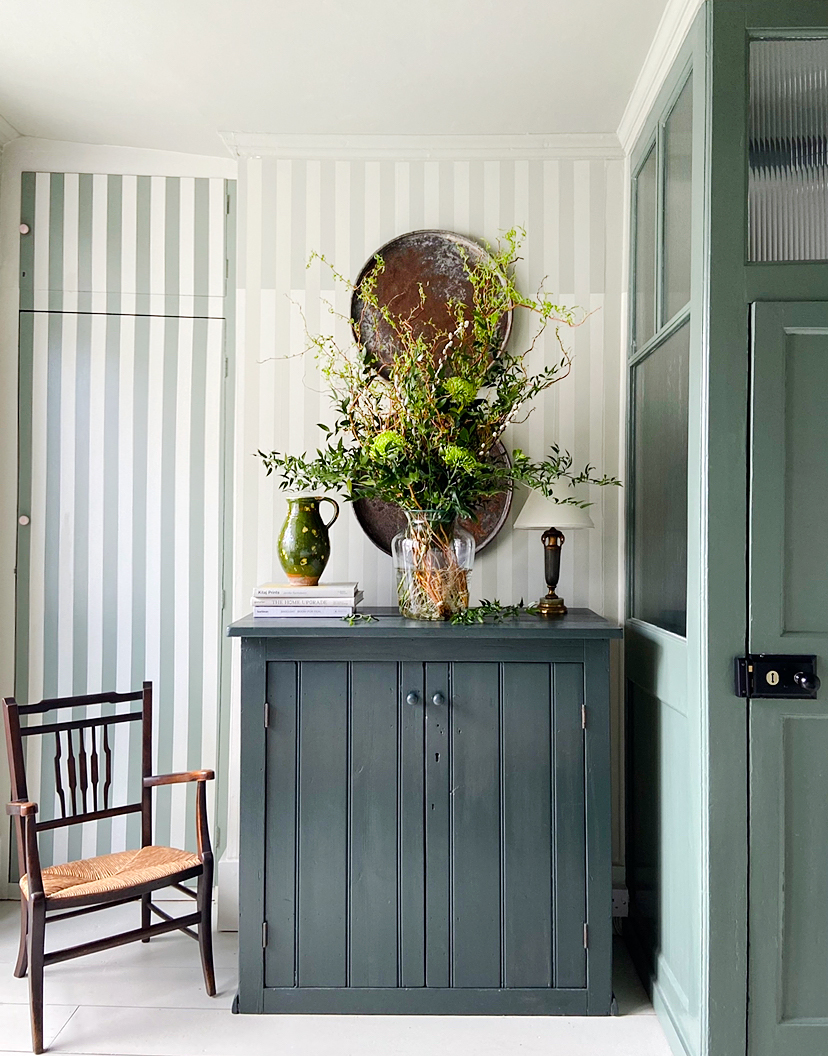
This Budding Designer Proudly Curated His Home to Grow His Social Media Following

The Fashion-Forward Home