




1/5
How to change grout color - the easiest little touch to make your home feel fresh again
Changing grout color offers an effective and sustainable approach to revitalizing tiled surfaces in homes, particularly in modern bathrooms and kitchens, without the need for extensive renovations. This seemingly minor alteration can significantly impact a space's aesthetic, allowing homeowners to introduce vibrant new shades or replace discolored grout. The choice between a contrasting or coordinating grout color allows for diverse design outcomes, from creating a bold, graphic finish to a seamless, understated look.
The process of changing grout begins with the careful removal of existing grout using tools like a grout rake or a Stanley blade. Masking tape is recommended to protect adjacent tiles from scratches during removal. It is crucial to excavate a minimum 3mm recess to ensure proper adhesion for the new grout. Given that grout removal is a dusty task, wearing a face mask is advised. Once the old grout is loosened, a vacuum cleaner should be used to thoroughly clean the area, removing all dust and debris before applying new grout. The new grout is then applied with a grout float at a 45-degree angle, pushed firmly into the joints, maintaining a consistent direction to prevent it from being pulled out. After application, the grout needs to cure and dry before being wiped down with a clean sponge and water.
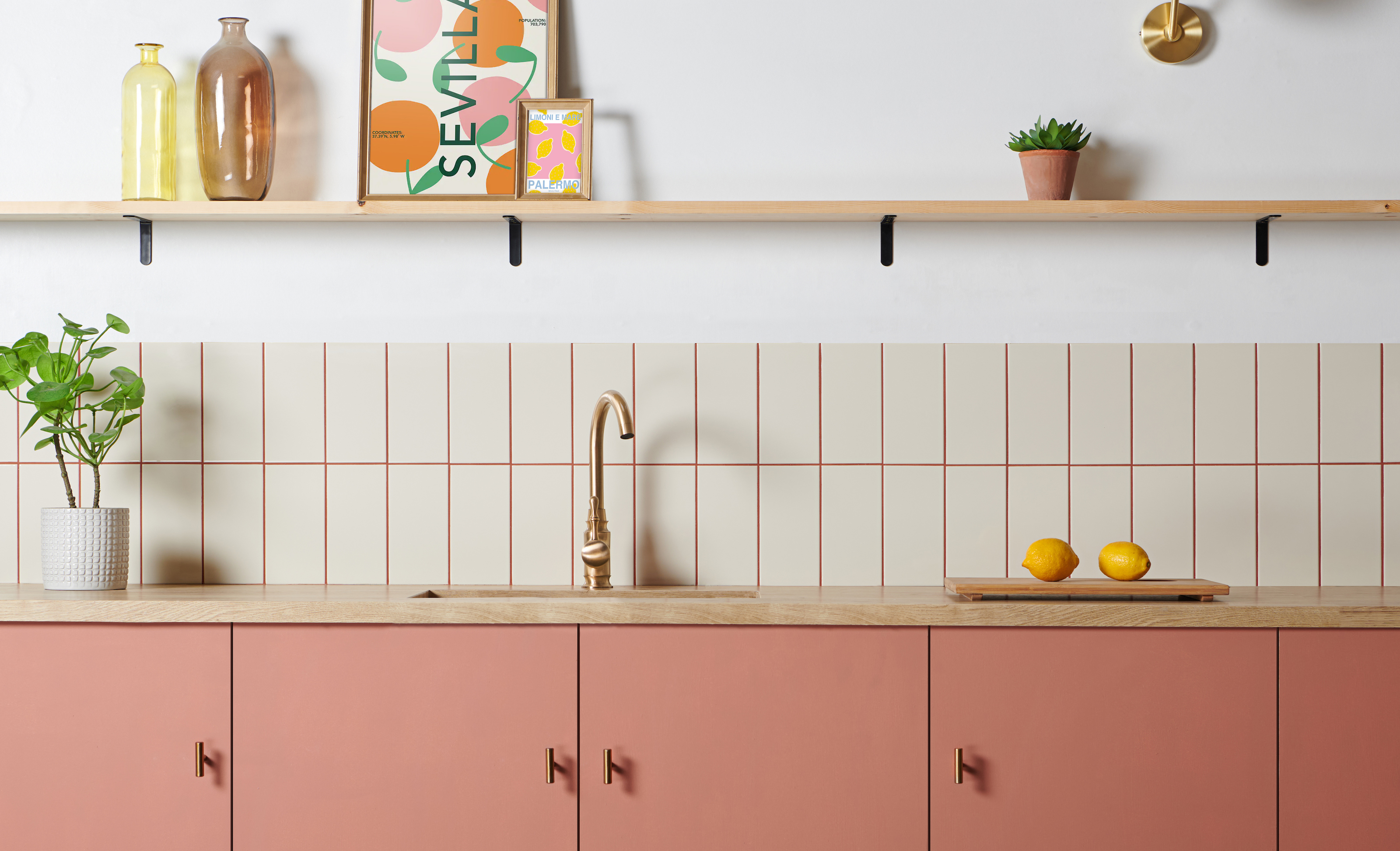
Several design strategies can be employed when selecting new grout colors. One approach is to echo a vibrant wall color in the grout, creating a graphic and cohesive look, especially effective with contrasting tiles like white hexagonal tiles against scarlet grout. This method emphasizes tile edges and defines smaller tiles more clearly. Alternatively, choosing a grout color that closely matches the tiles creates a seamless and harmonious style, often preferred in country, classic, or muted interior schemes. This coordinating approach helps to unify the room's color palette and can prevent a jarring effect that white grout might create in certain settings.
Colored grouts are also valuable for highlighting unusual tile shapes and layouts, making them stand out and adding extra detail to tiled walls. Interior designers suggest that the extensive range of colored grout options provides immense creative flexibility. Furthermore, grout color can be used to visually unite different tile styles within a space. For instance, if different shaped tiles are used on walls and floors, employing the same grout color for both can create a cohesive visual link. Conversely, matching grout color to small tiles can make a space appear more expansive by reducing visual breaks. Beyond aesthetics, colored grouts offer practical benefits, particularly in areas prone to discoloration or mold, like bathrooms and shower enclosures. Opting for darker hues can rejuvenate these spaces and maintain their appearance for longer, addressing concerns associated with the long-term maintenance of white grout.
#GroutColorChange #TileRevitalization #HomeImprovement #DIYHome #BathroomDesign #KitchenDesign #InteriorDesign #SustainableLiving #DesignTips #GroutColorChange #TileRevitalization #HomeImprovement #DIYHome #BathroomDesign #KitchenDesign #InteriorDesign #SustainableLiving #DesignTips
 No comments yet