1/4
Emphasis in Interior Design —How to Create a Focal Point
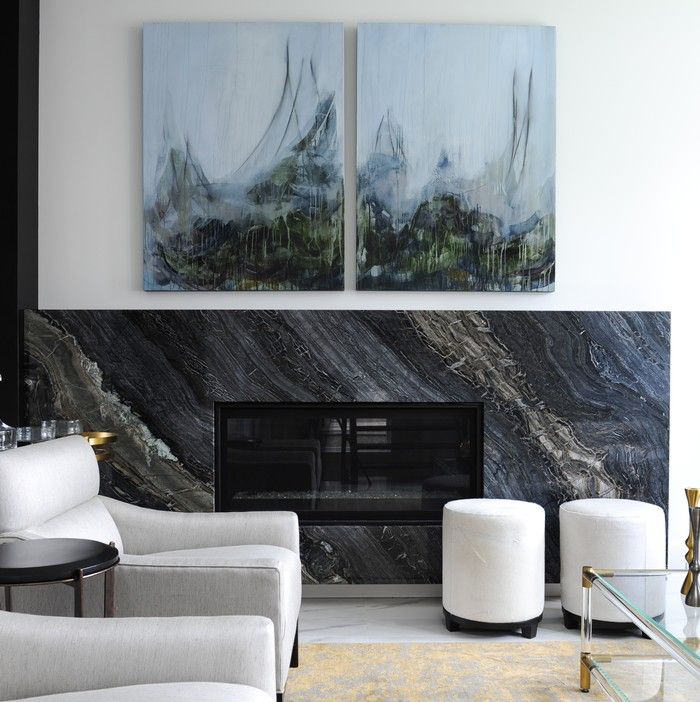
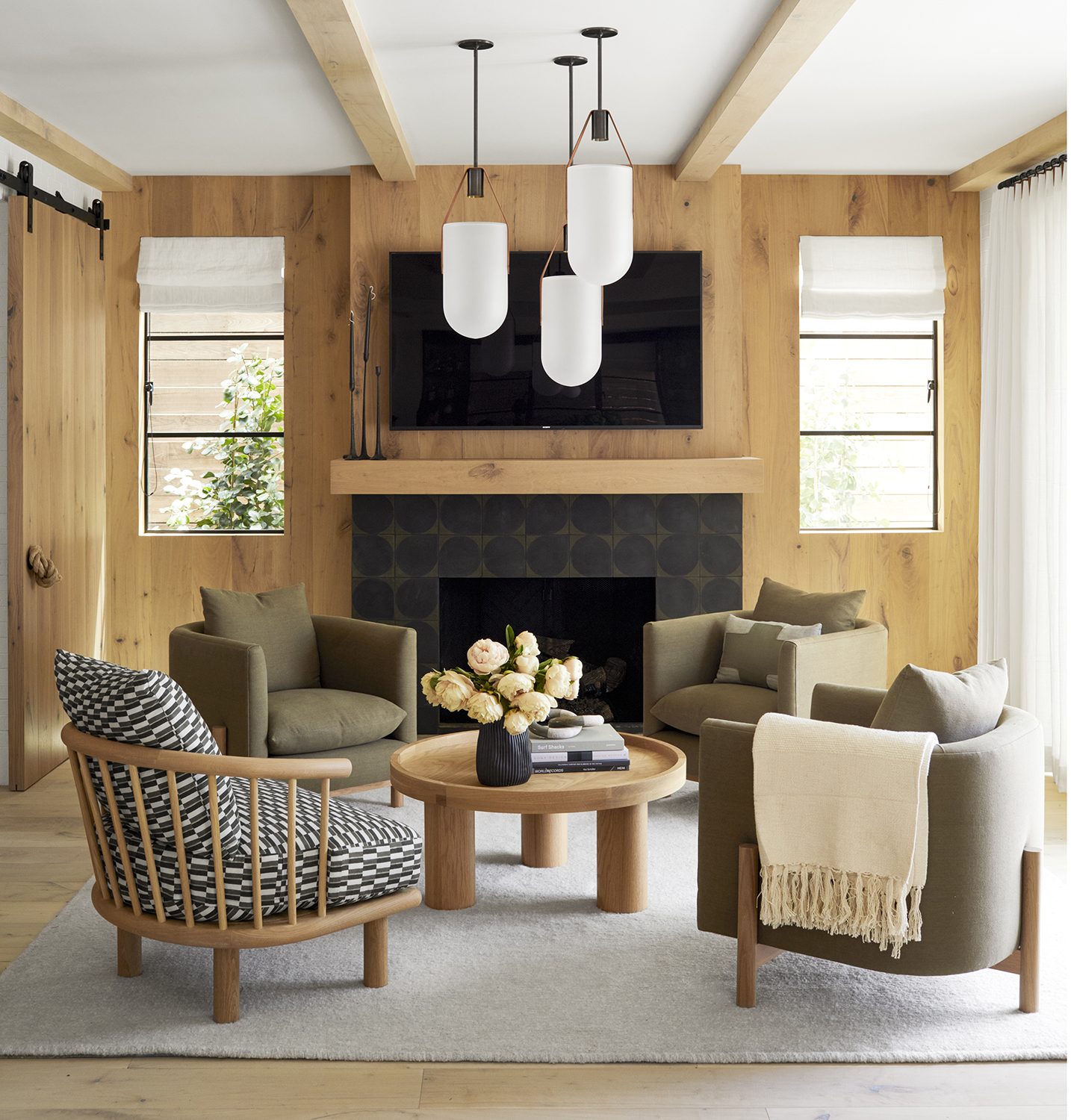
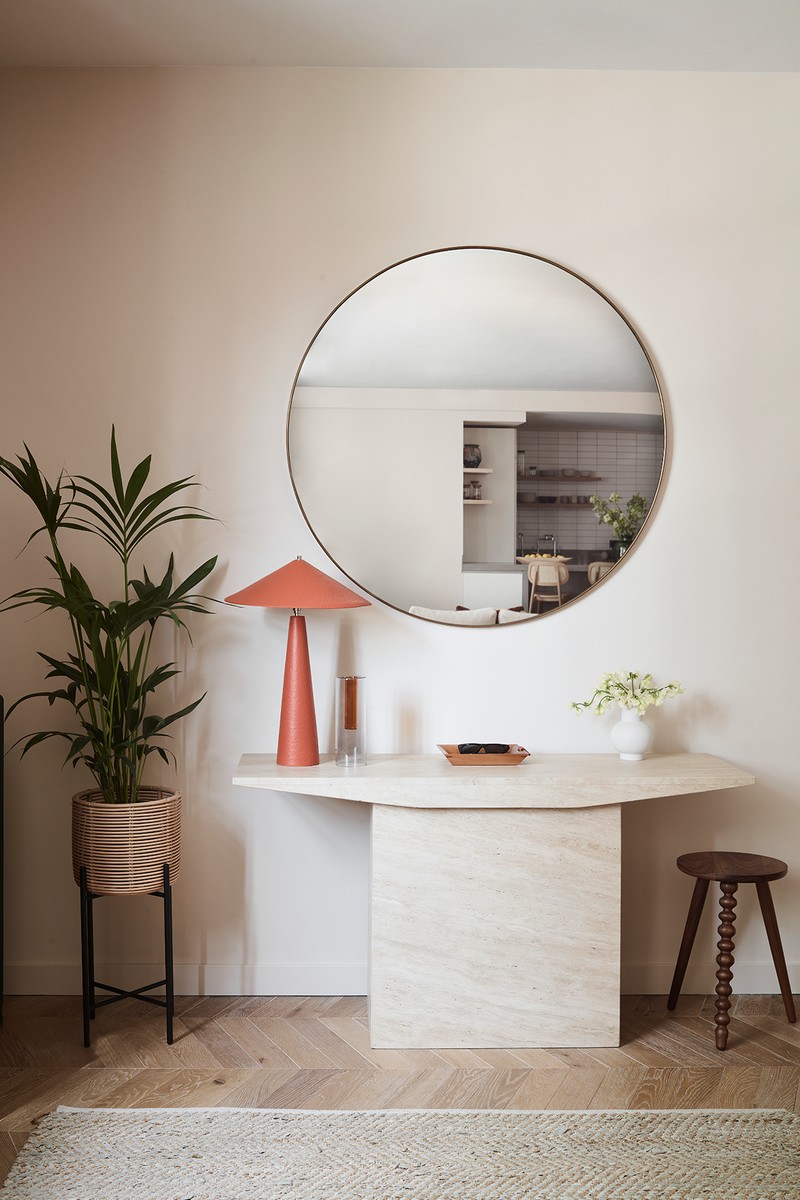
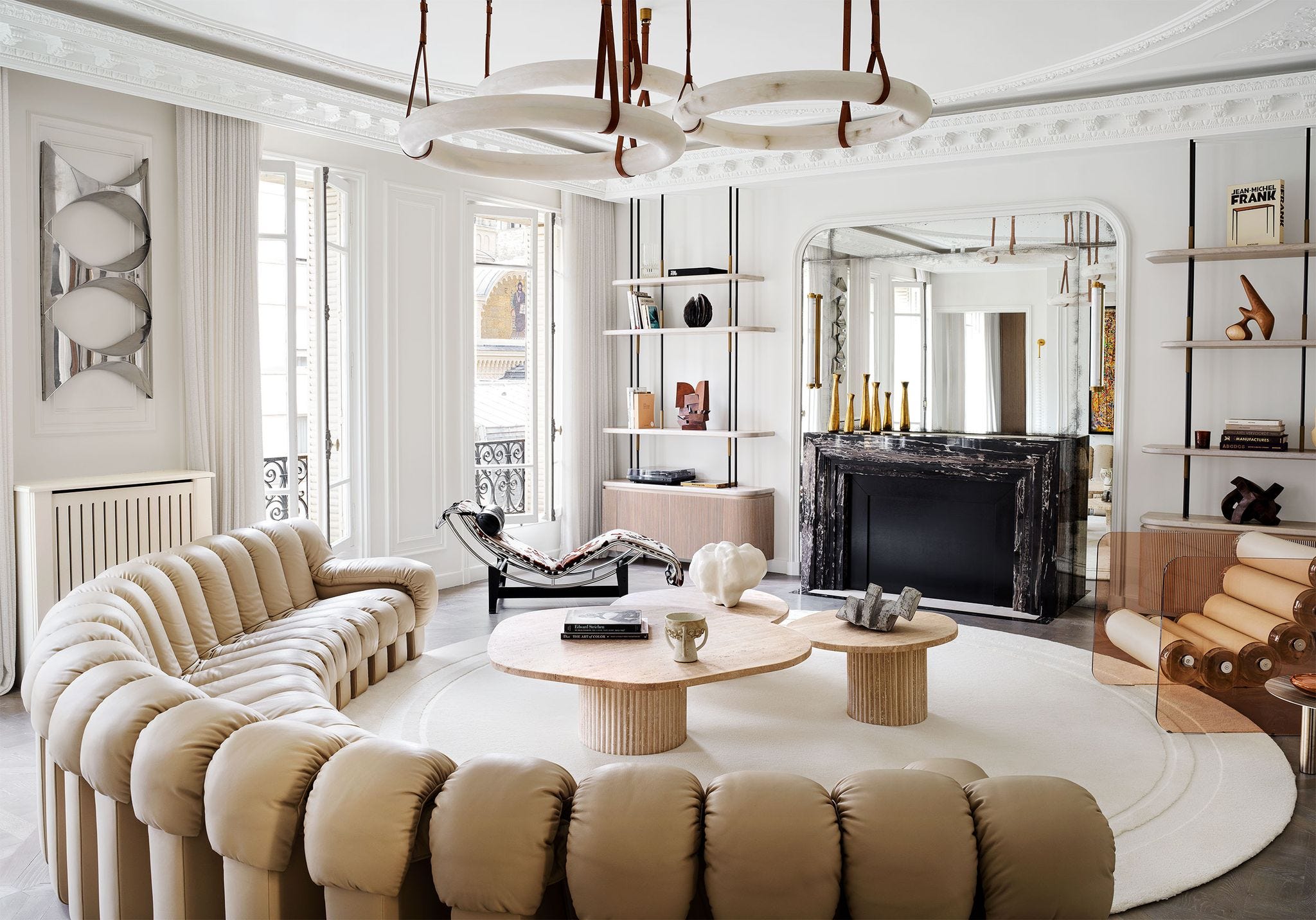
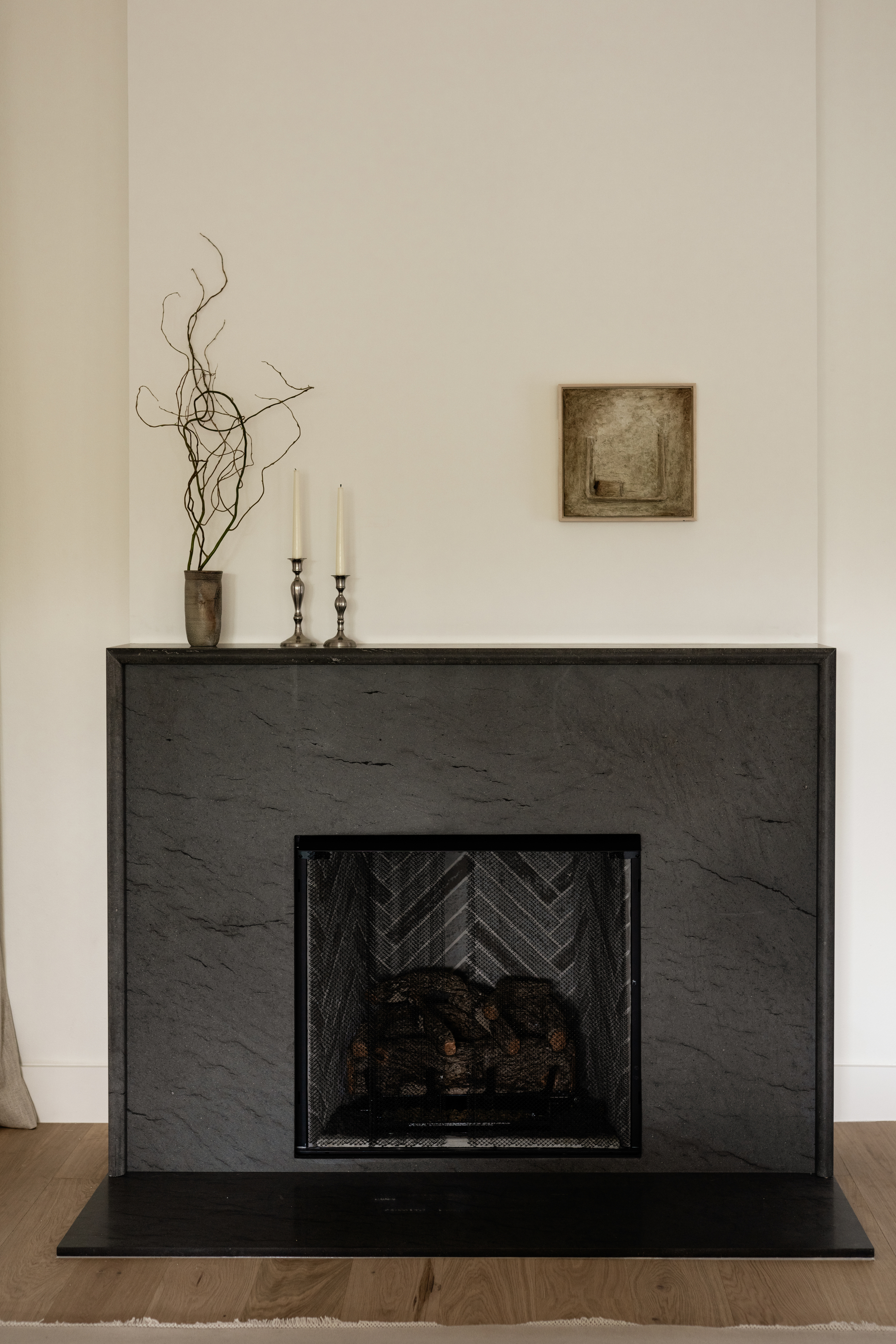
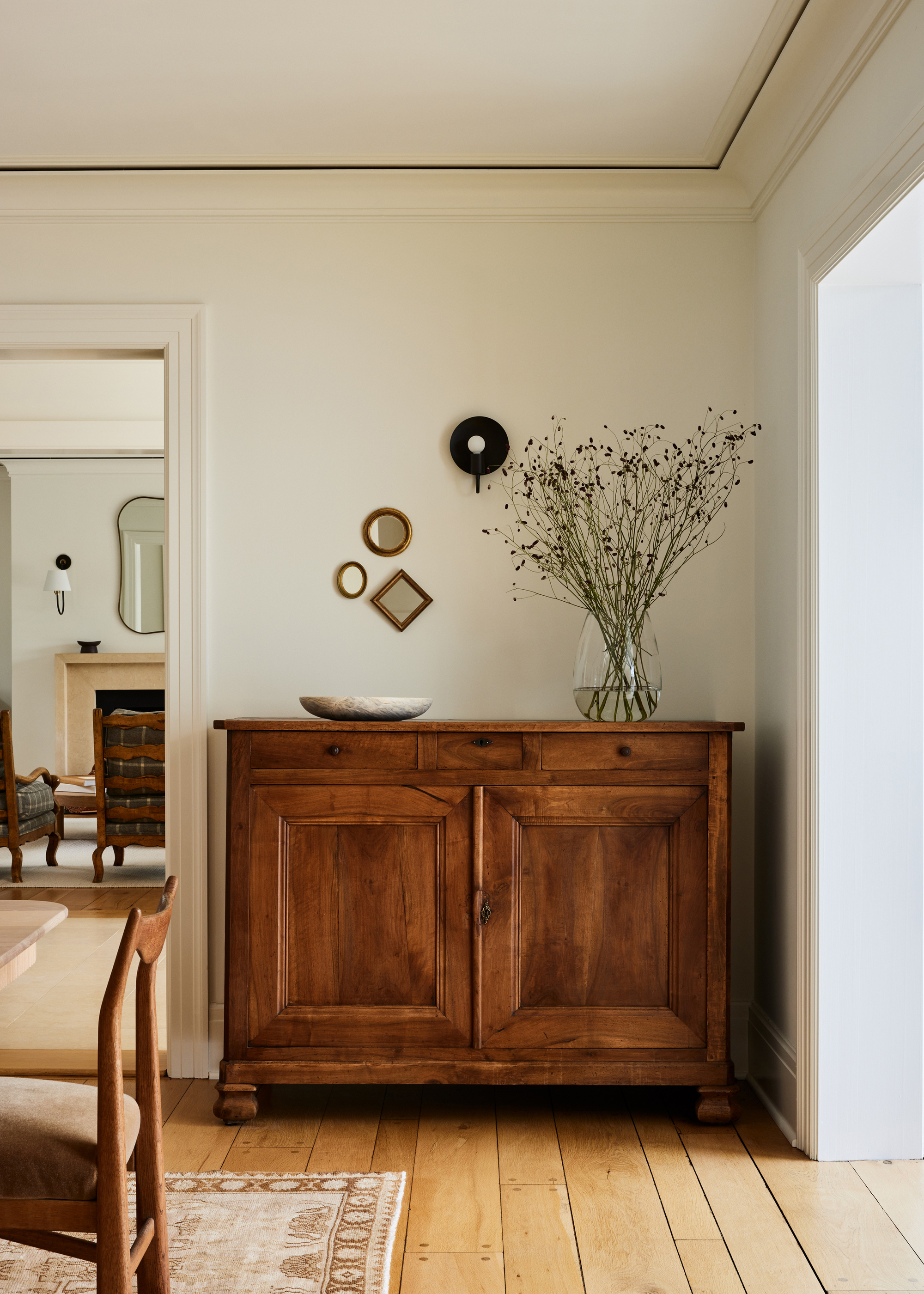
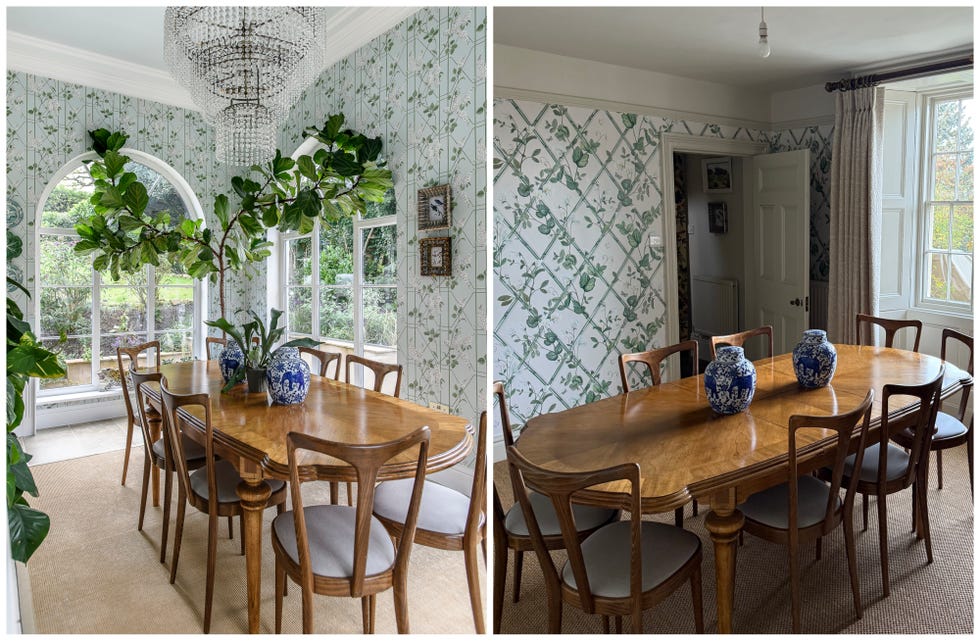
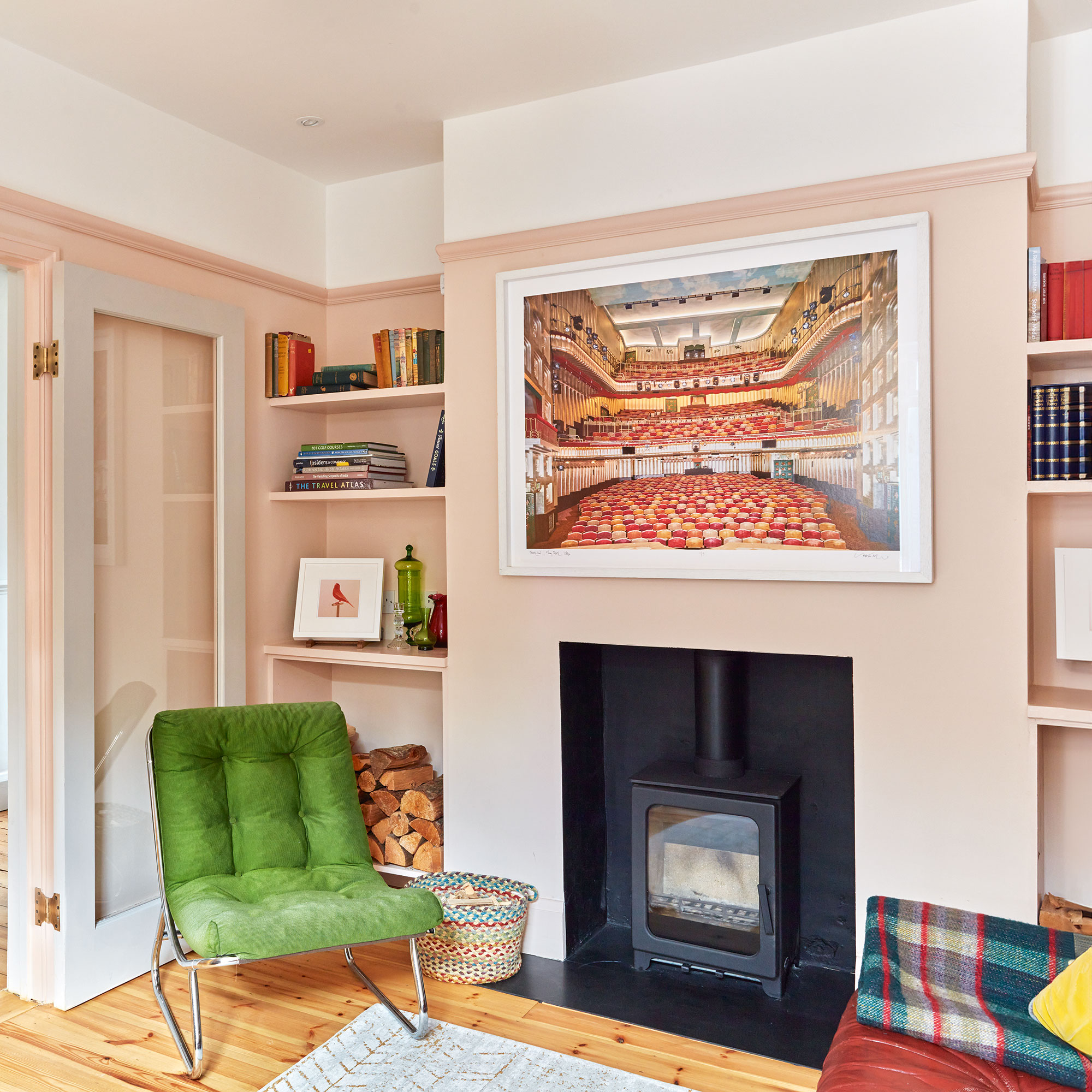
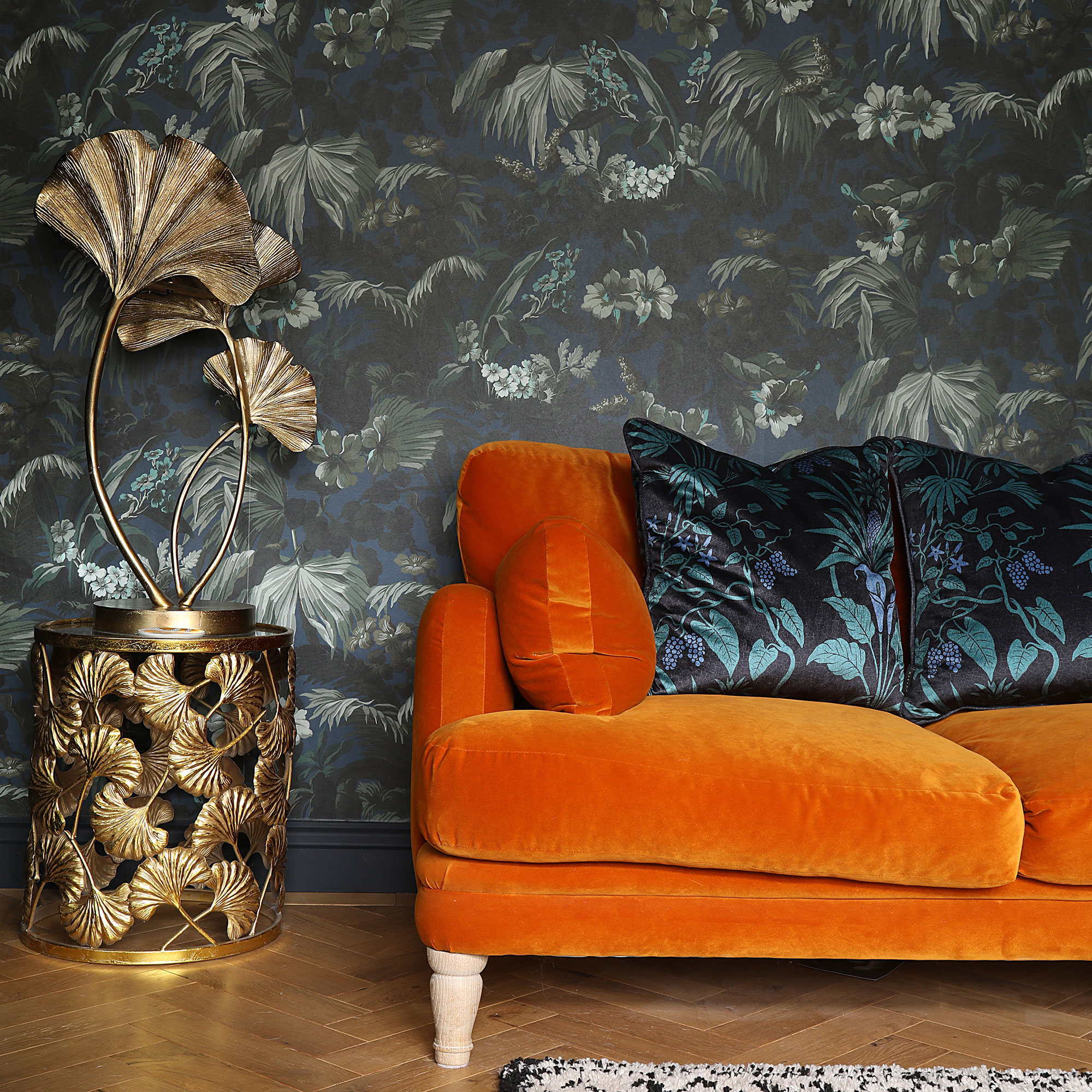
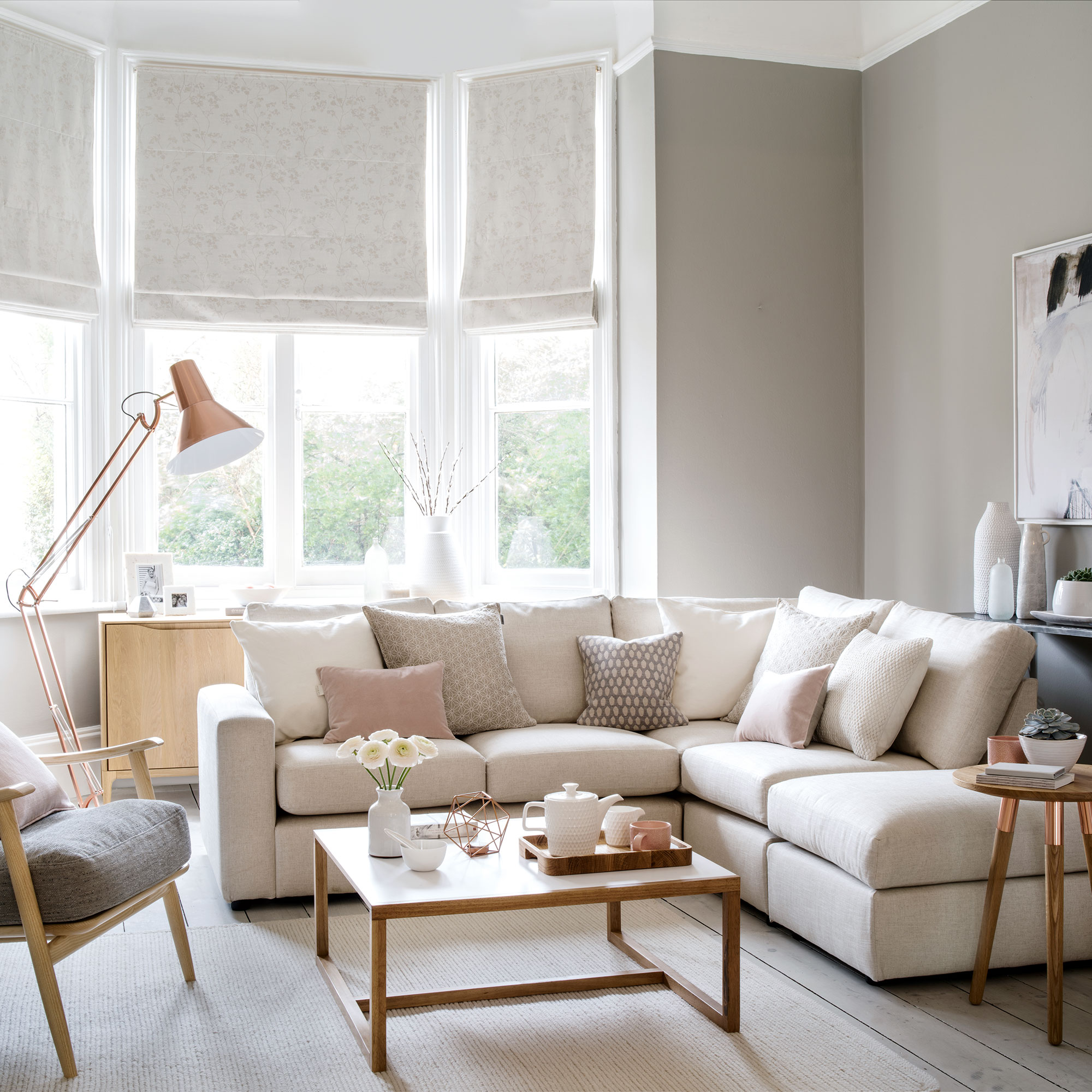
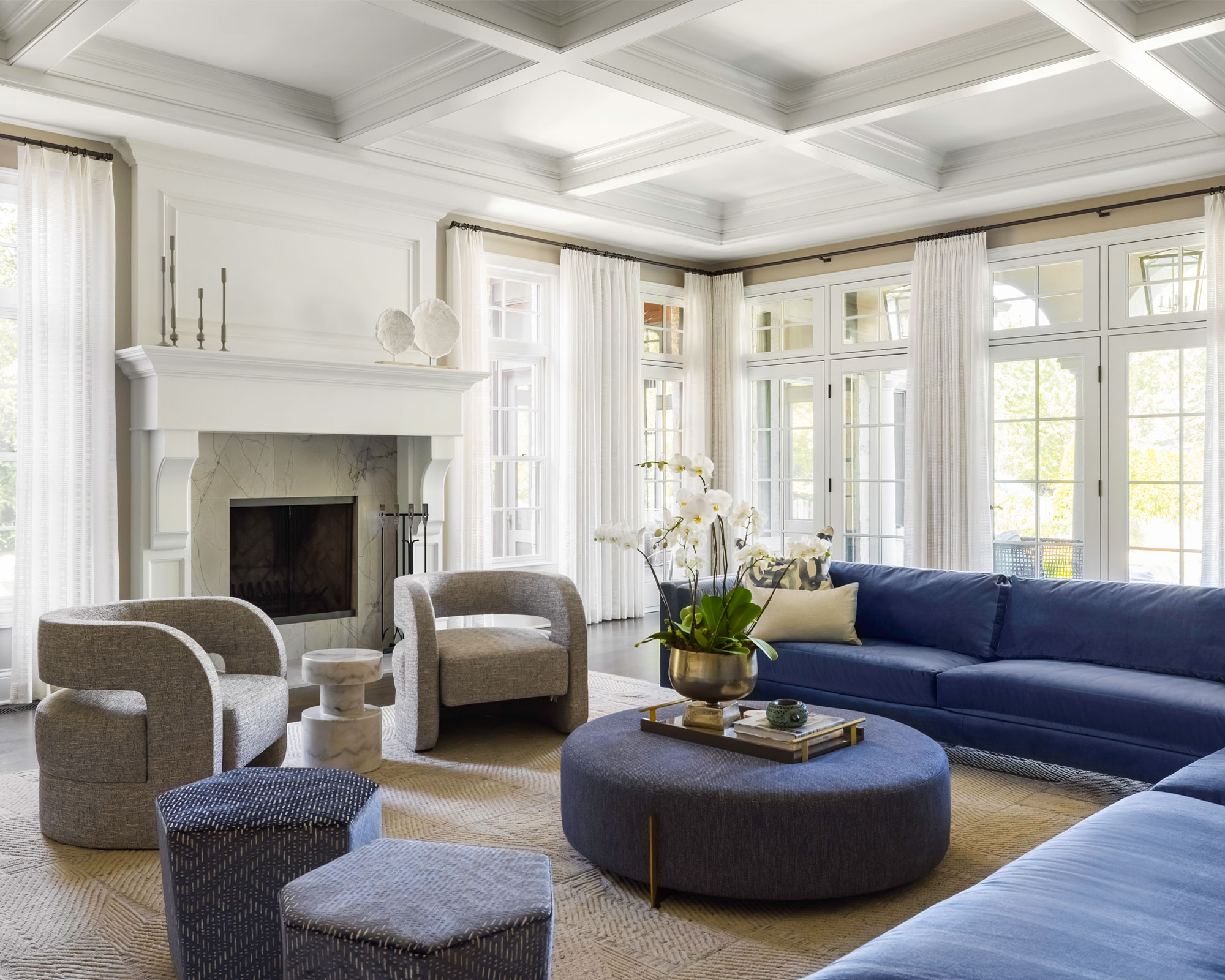
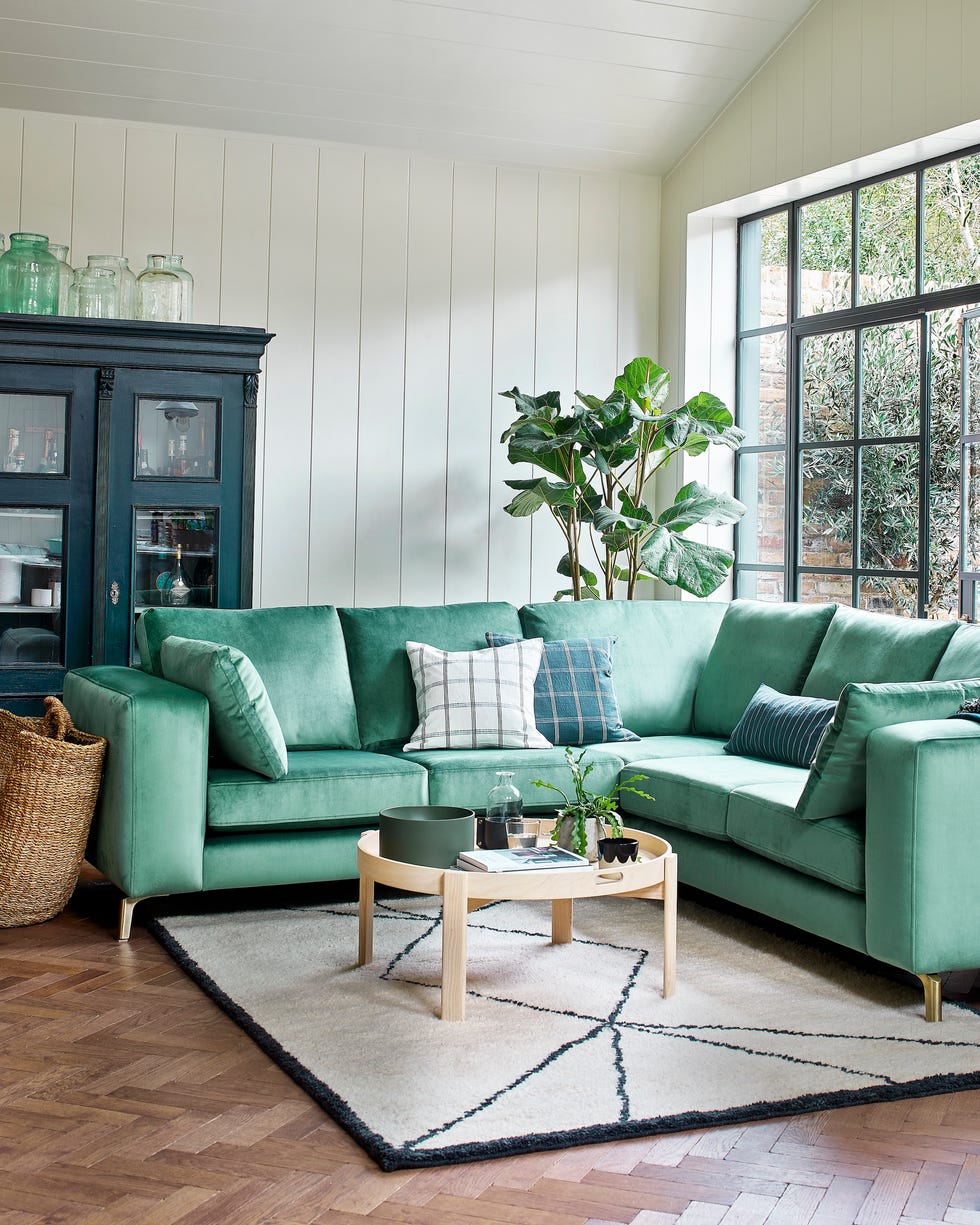
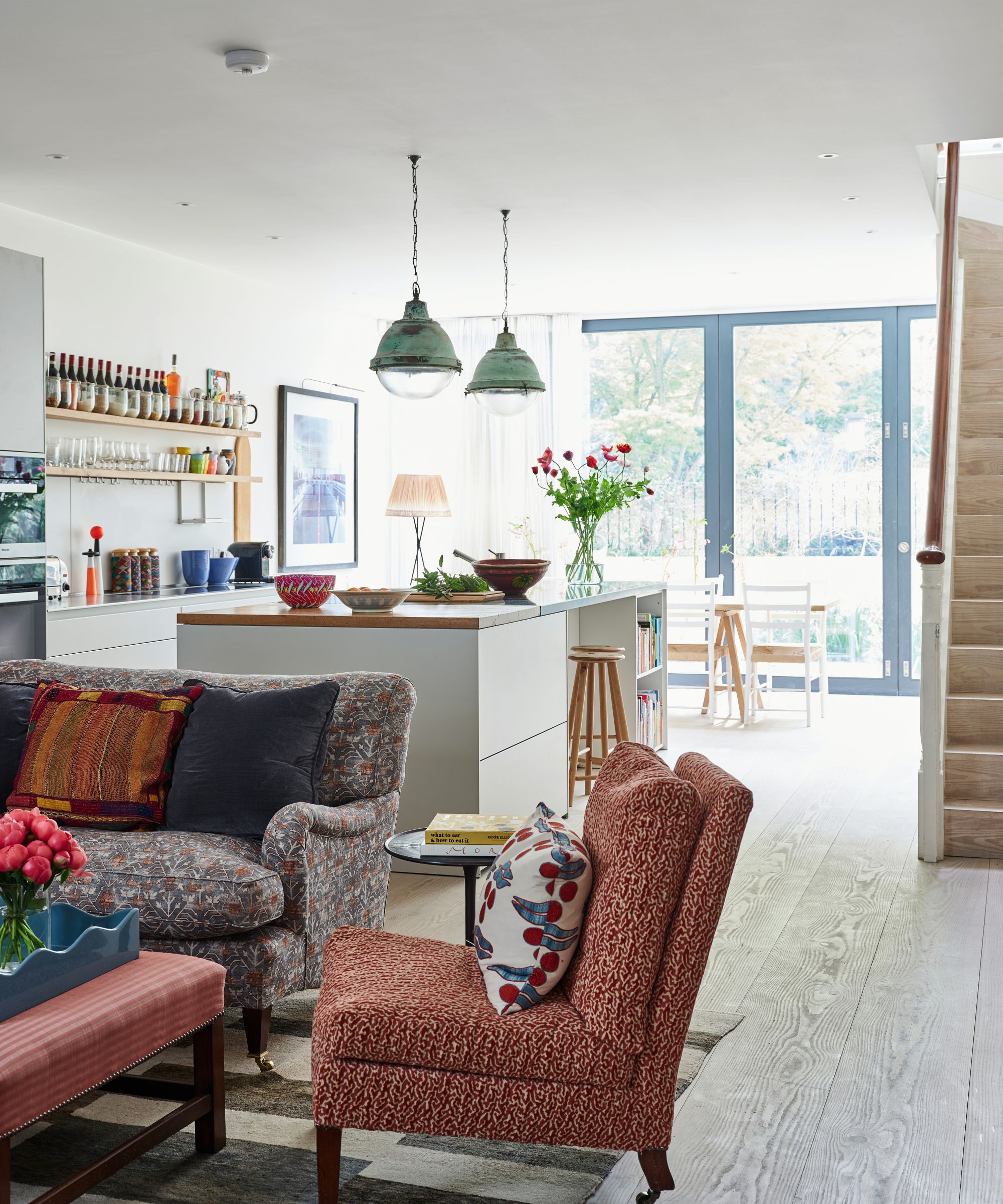
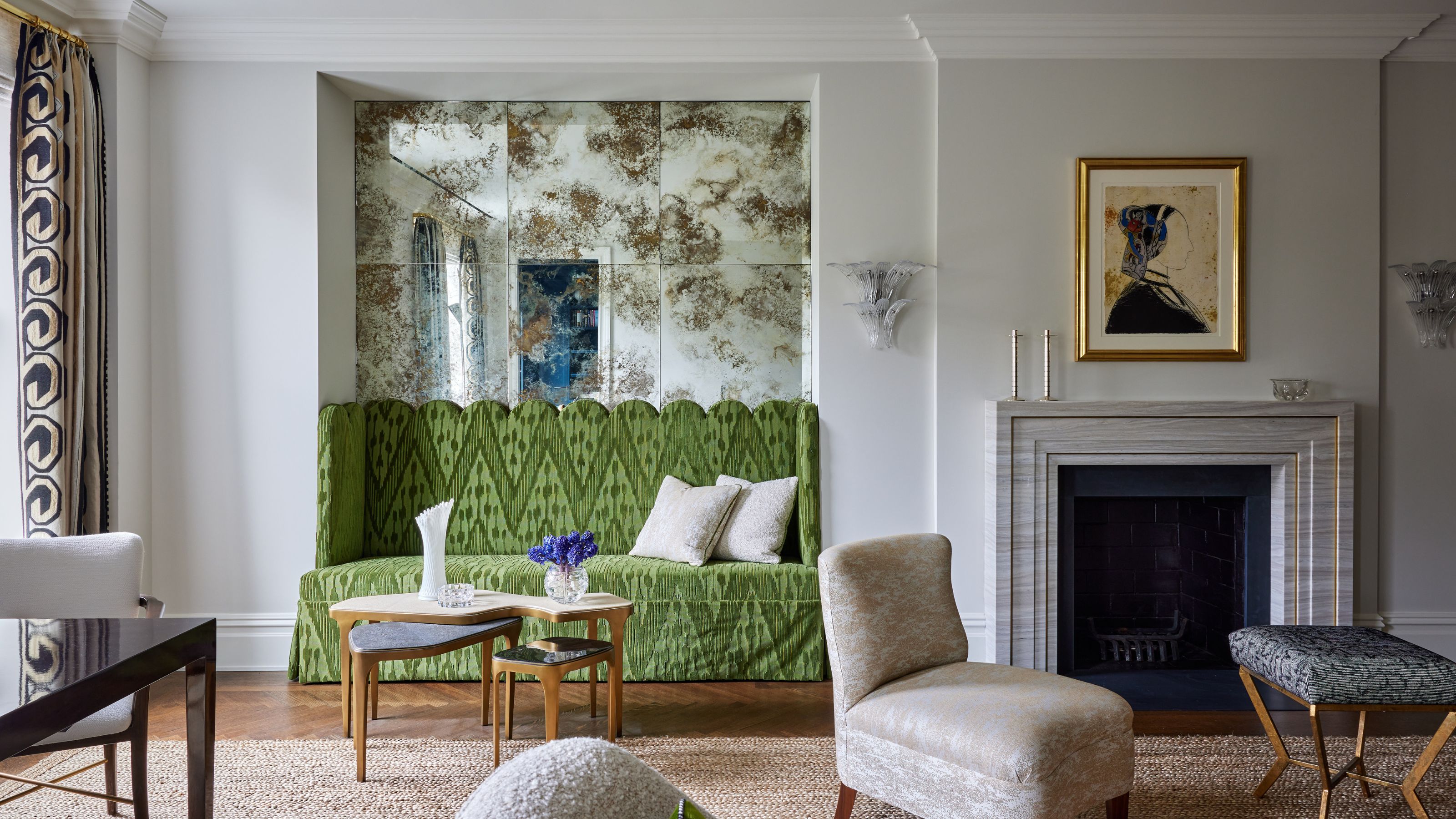
The concept of emphasis in interior design is a strategic approach to creating a focal point within a room, drawing attention to specific features or design elements. Interior designer Dan Lovatt highlights that emphasis should command attention for the right reasons, guiding the eye around the room without overwhelming the overall scheme. The goal is to highlight a particular element in a subtle way, ensuring that the entire interior design remains balanced and cohesive. For example, in a room with a prominent marble fireplace, a neutral or tonal color scheme can enhance the architectural features, allowing their beauty to be appreciated without competition from excessive color or pattern.
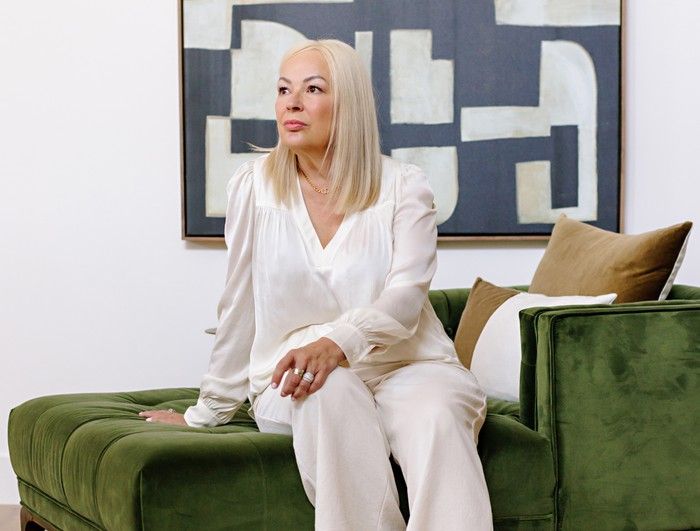
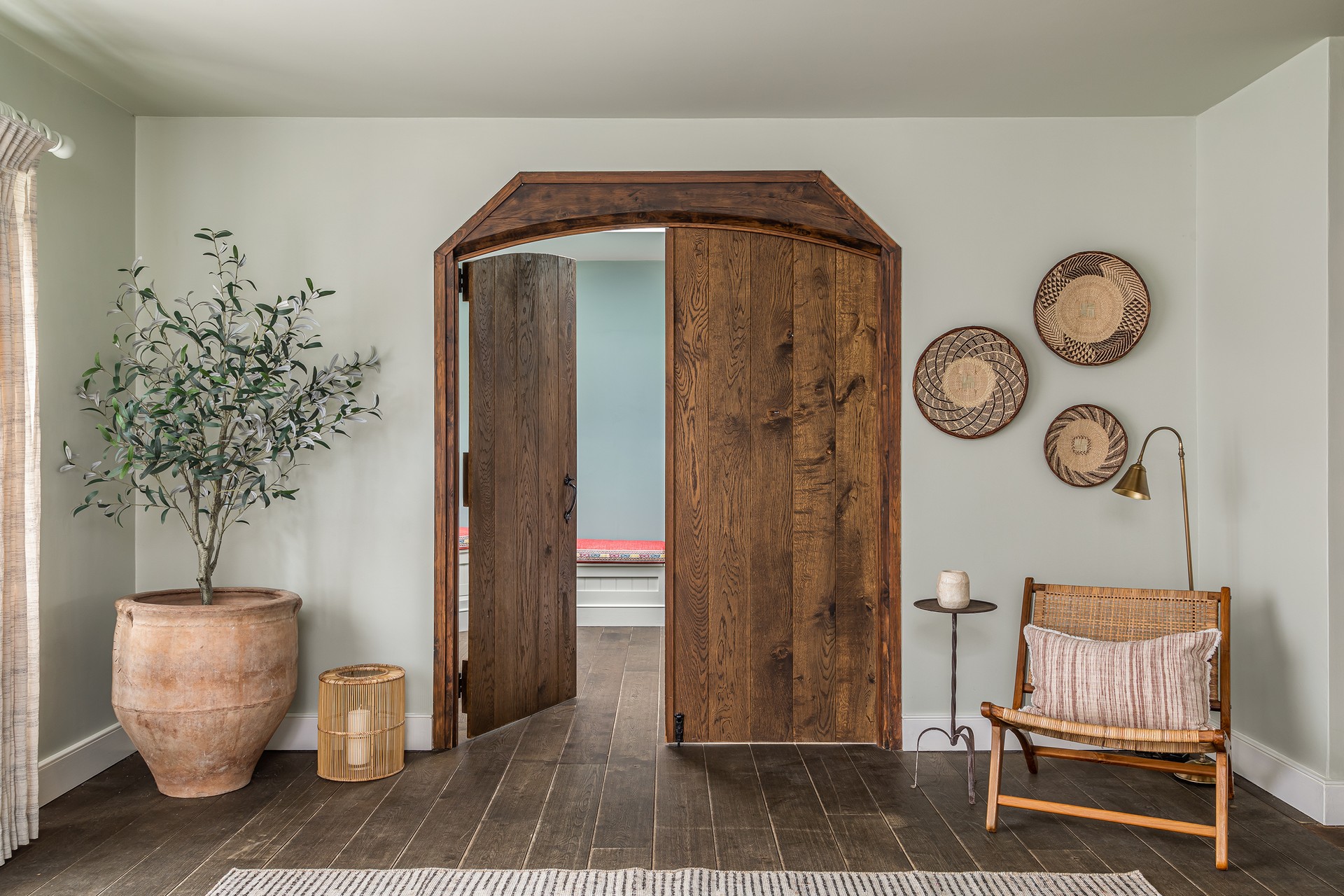
Alex Alonso, founder of Mr Alex Tate design studio, explains emphasis as a matter of design hierarchy and focus. He notes that every room inherently possesses a focal point, whether architectural, like large windows or unique ceiling heights, or related to its shape. Alonso's approach involves evaluating the space in its simplest form to determine whether to enhance an existing focal point or to design around it. The aim is to acknowledge the focal point, complementing it or, if necessary, downplaying it entirely. Dan Lovatt adds that a well-placed focal point creates drama, interest, and character, effectively telling a story within the space.

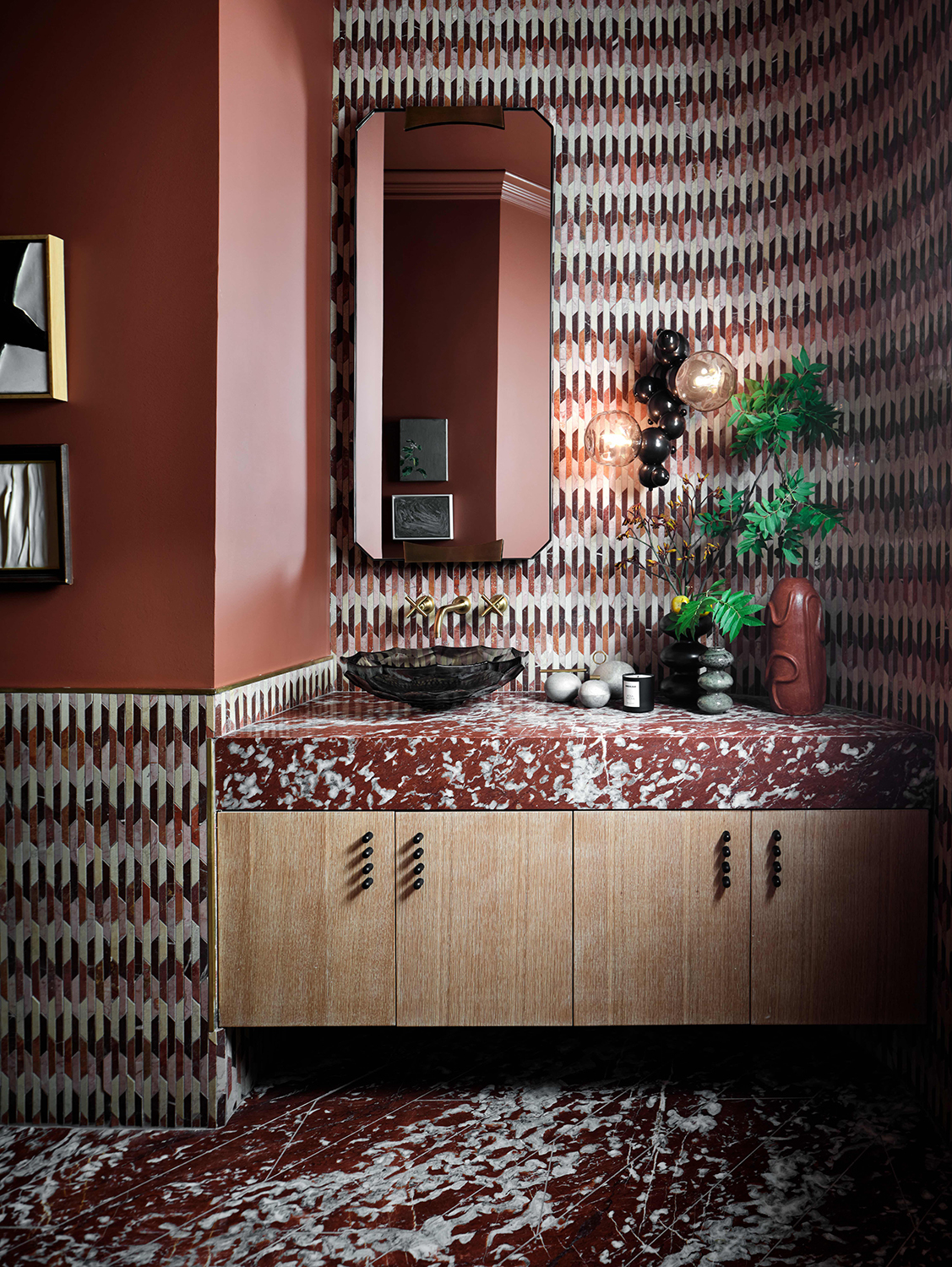
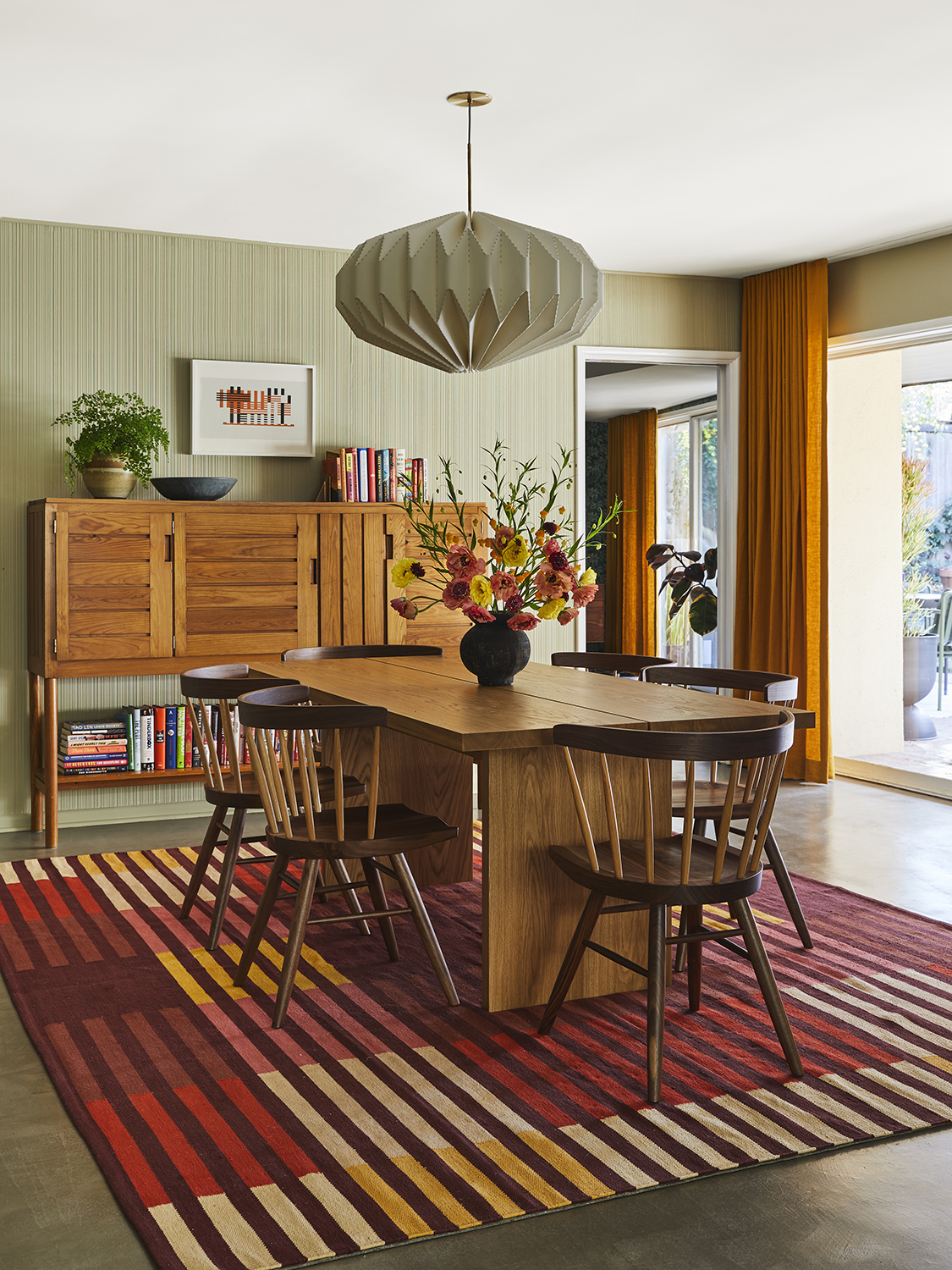
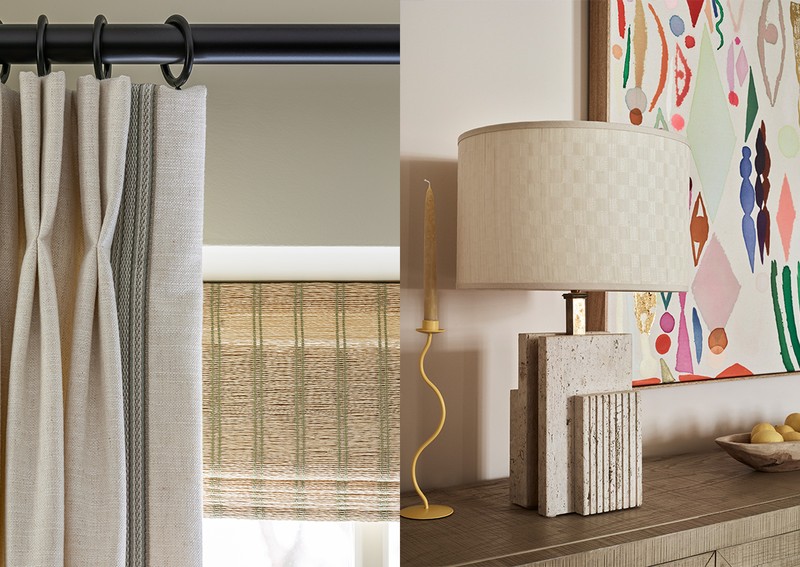
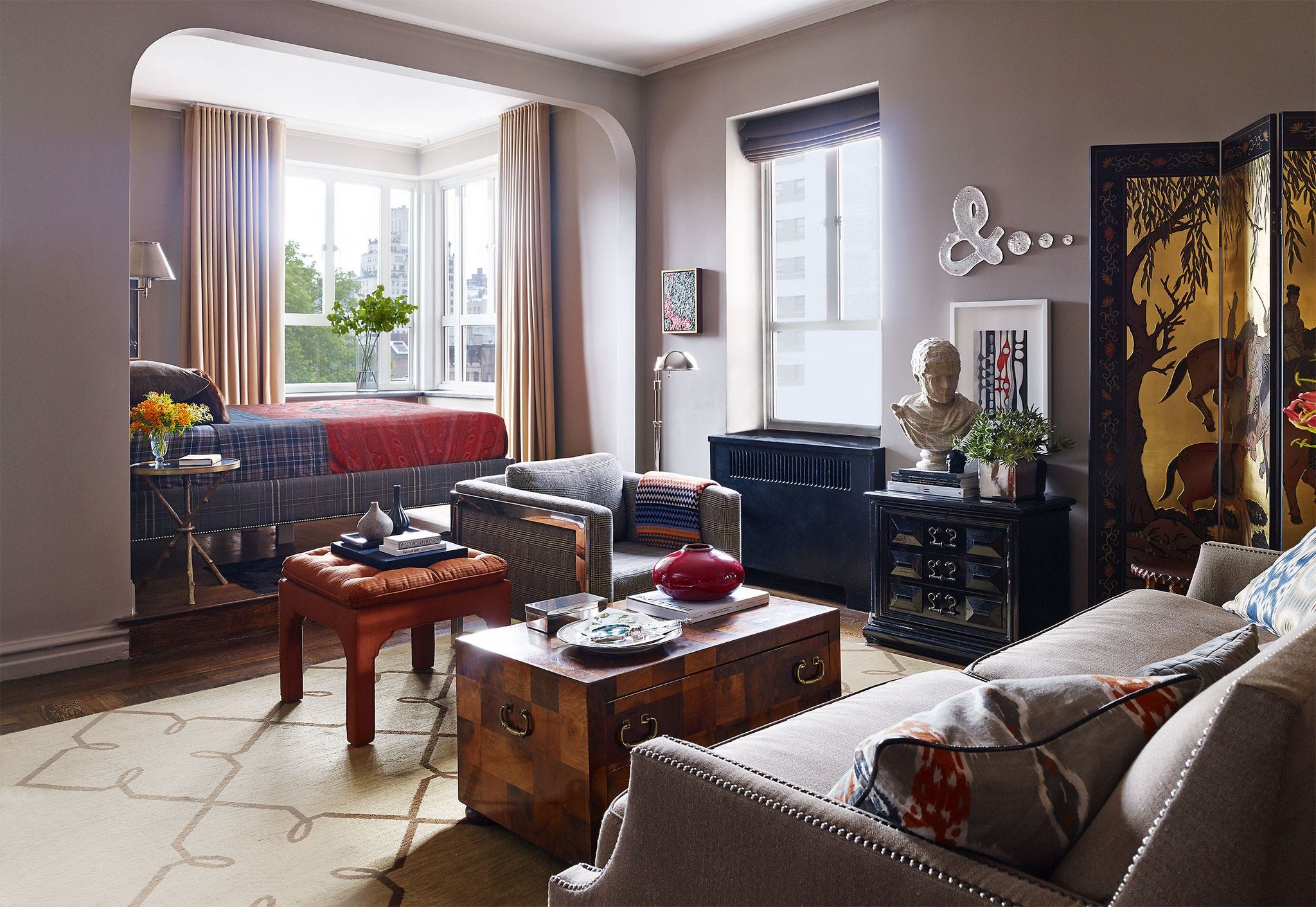
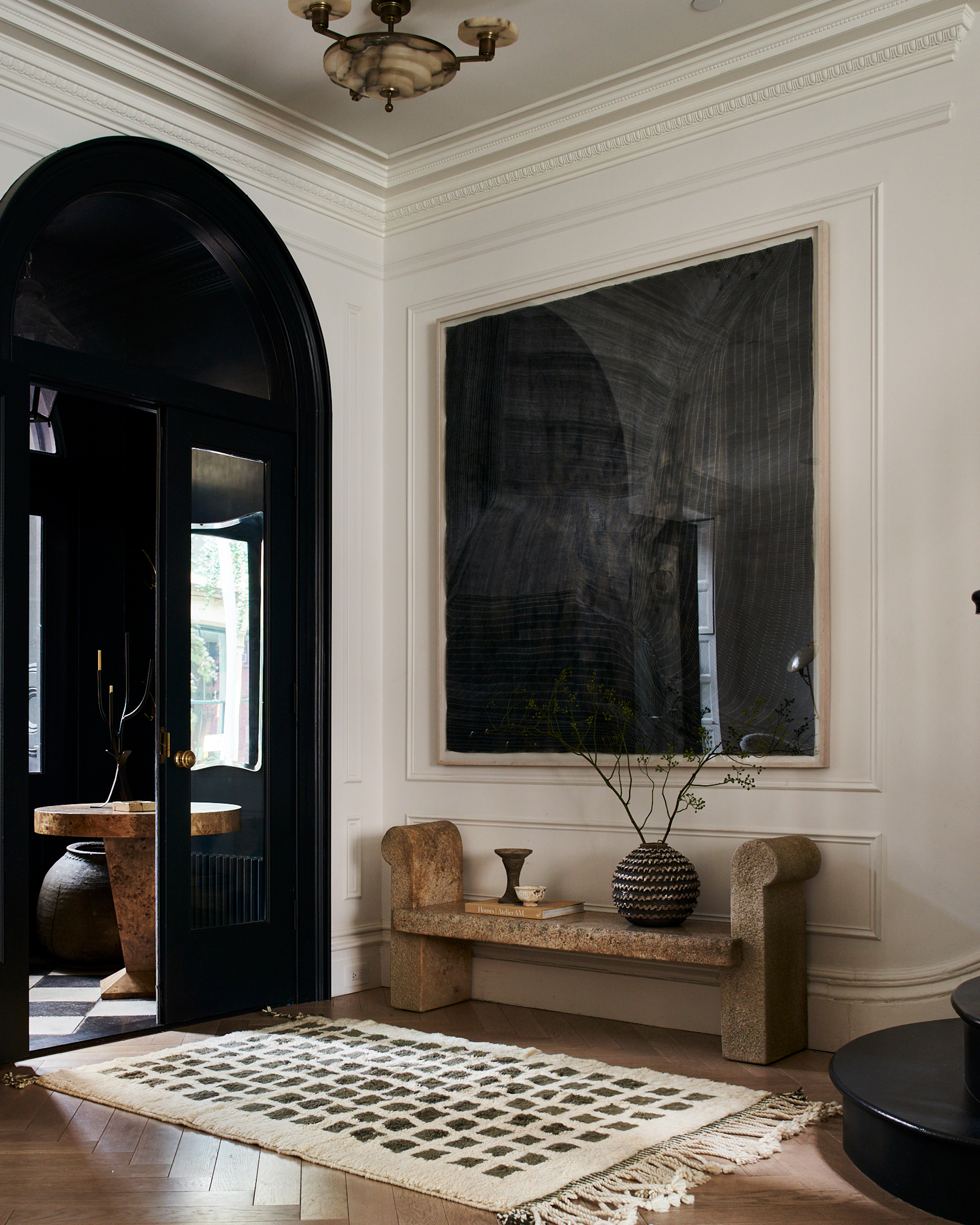
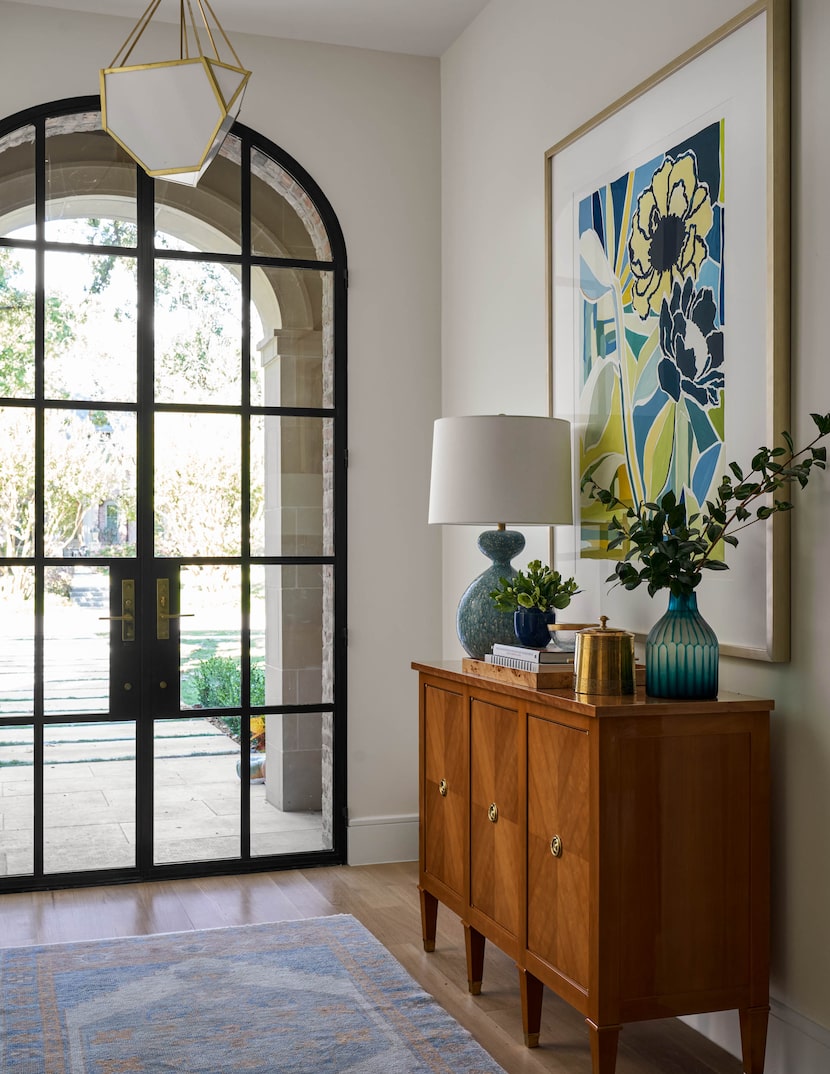
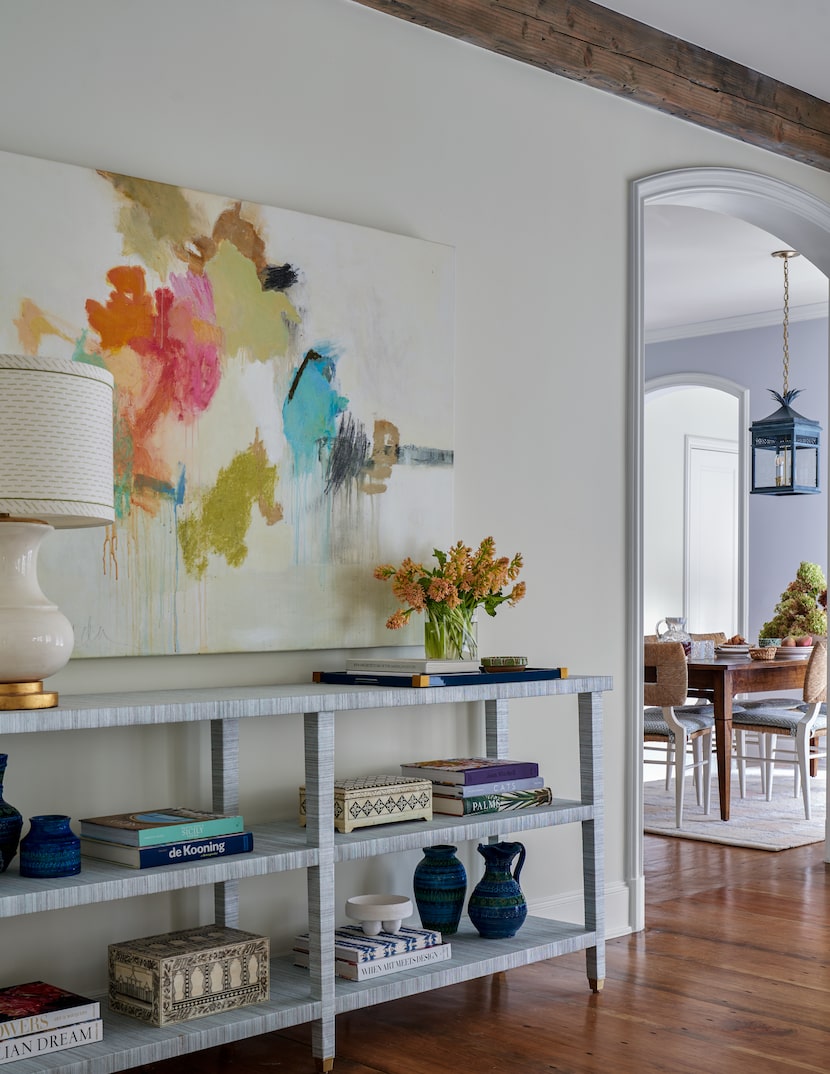
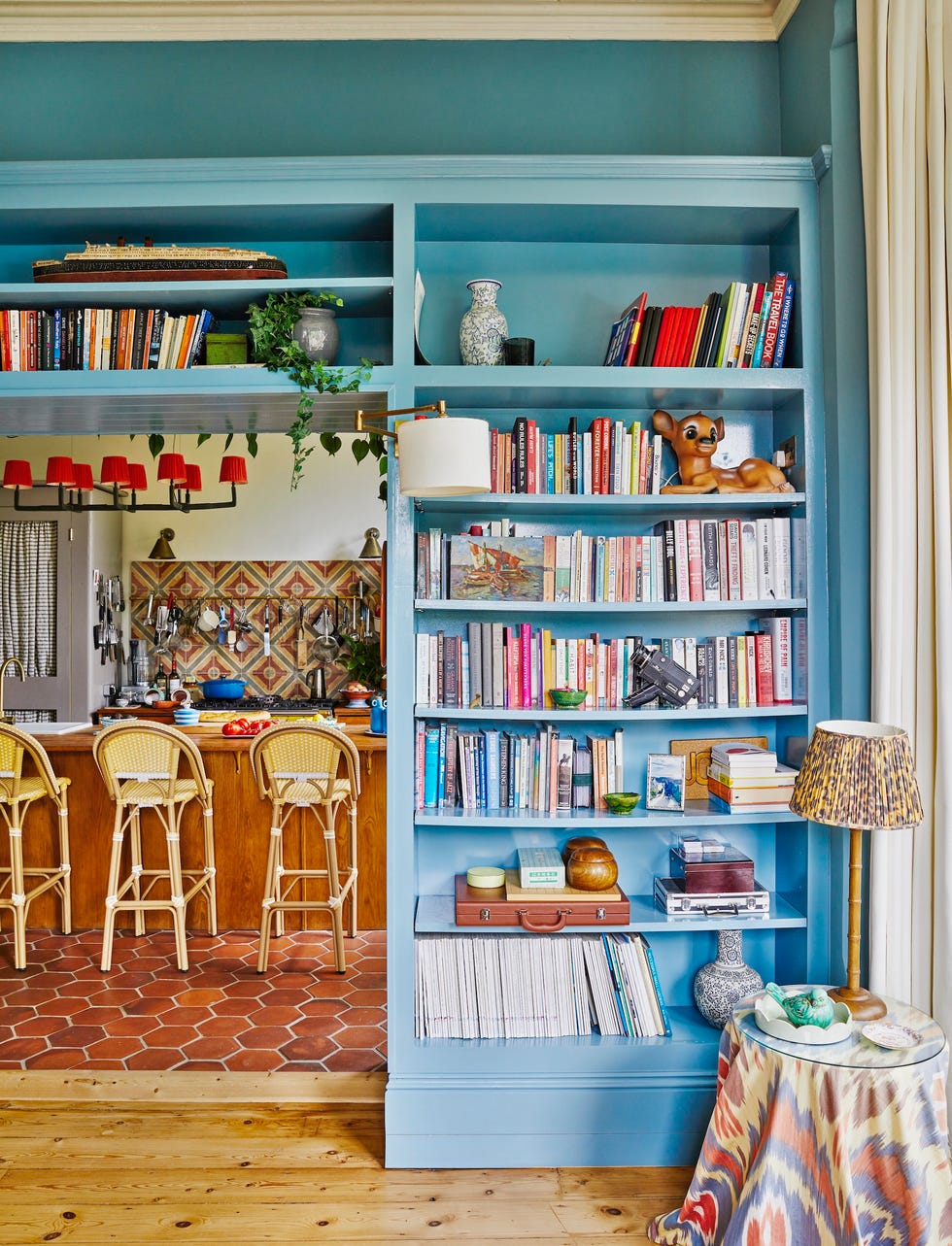
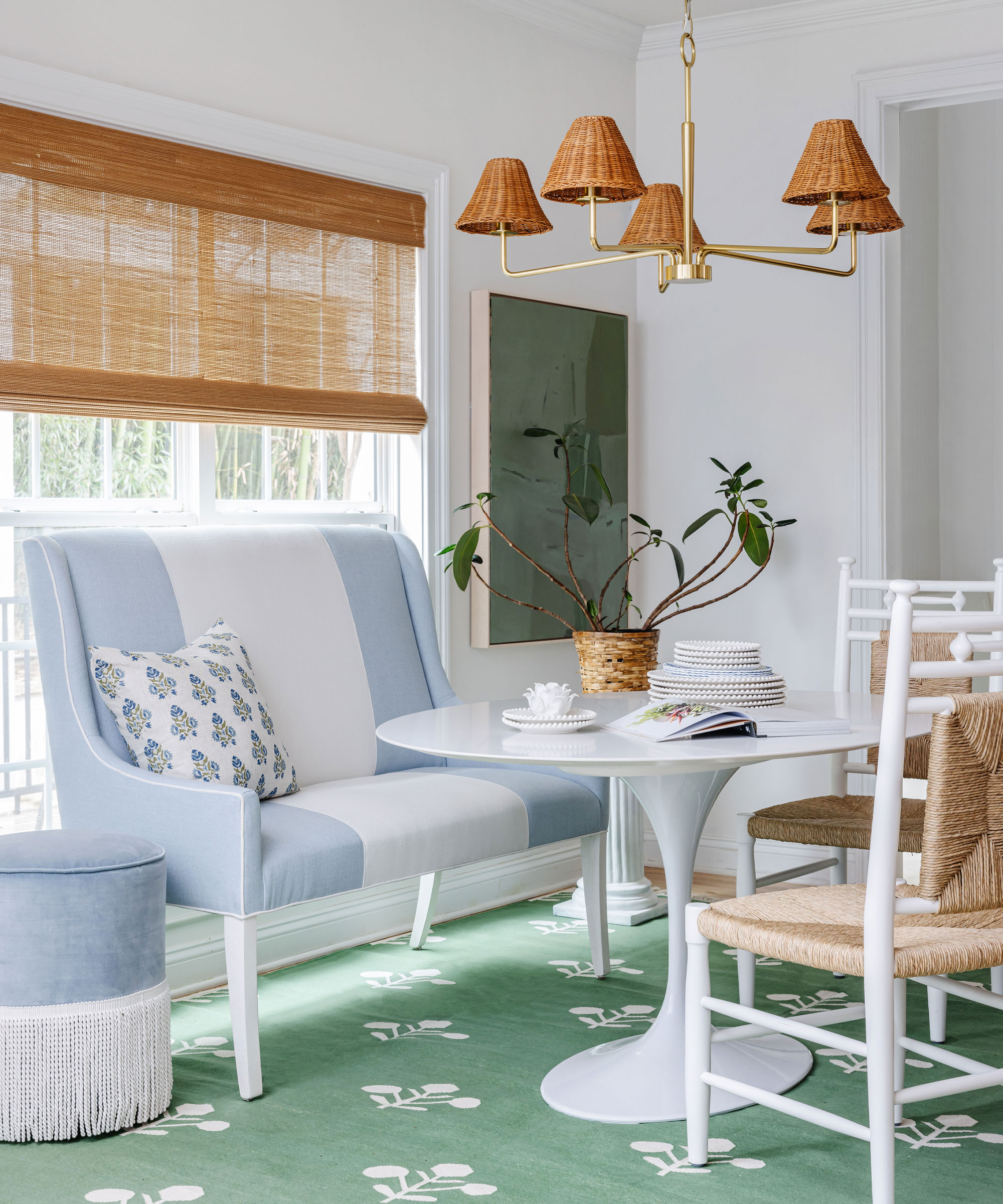
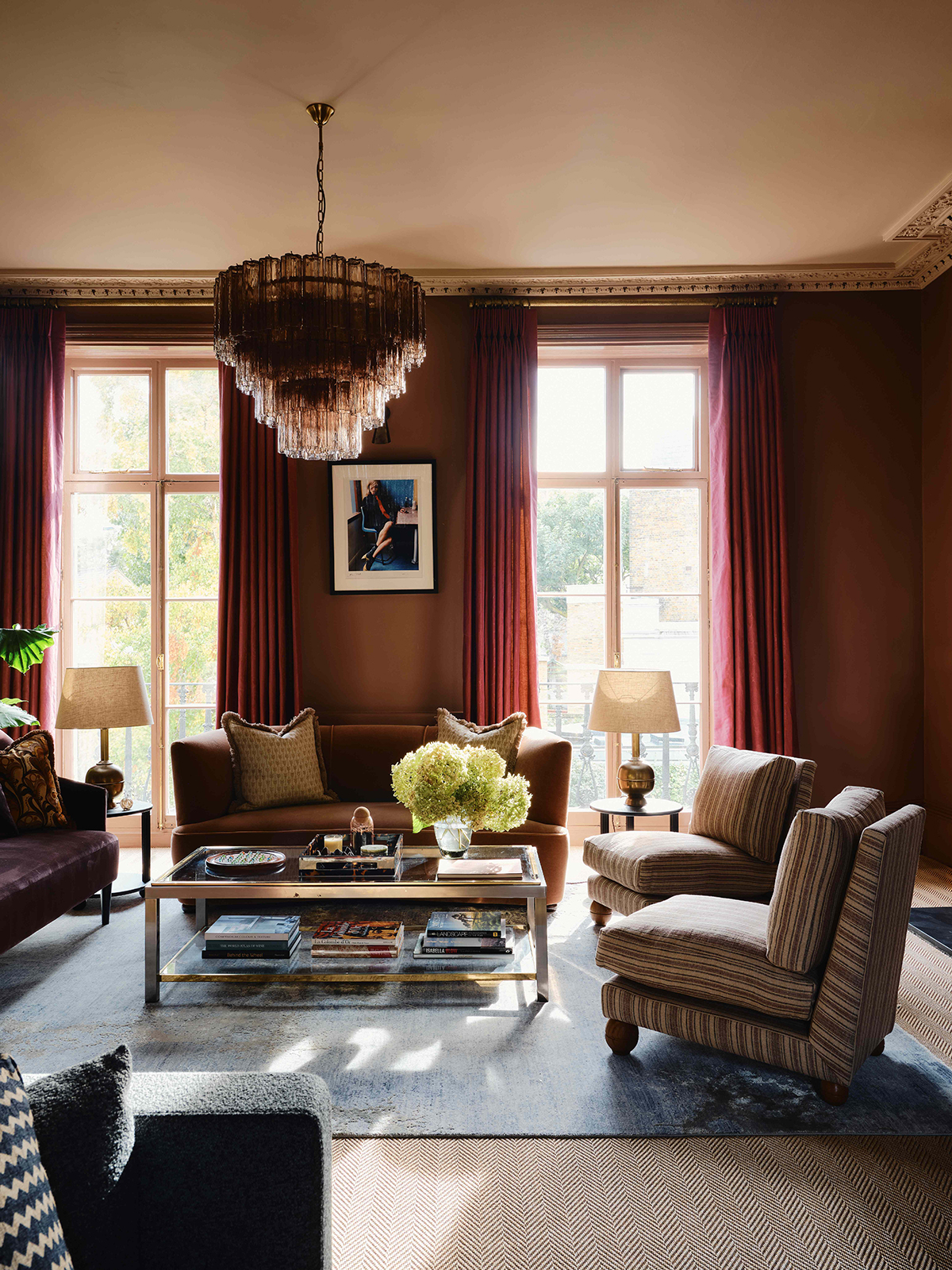
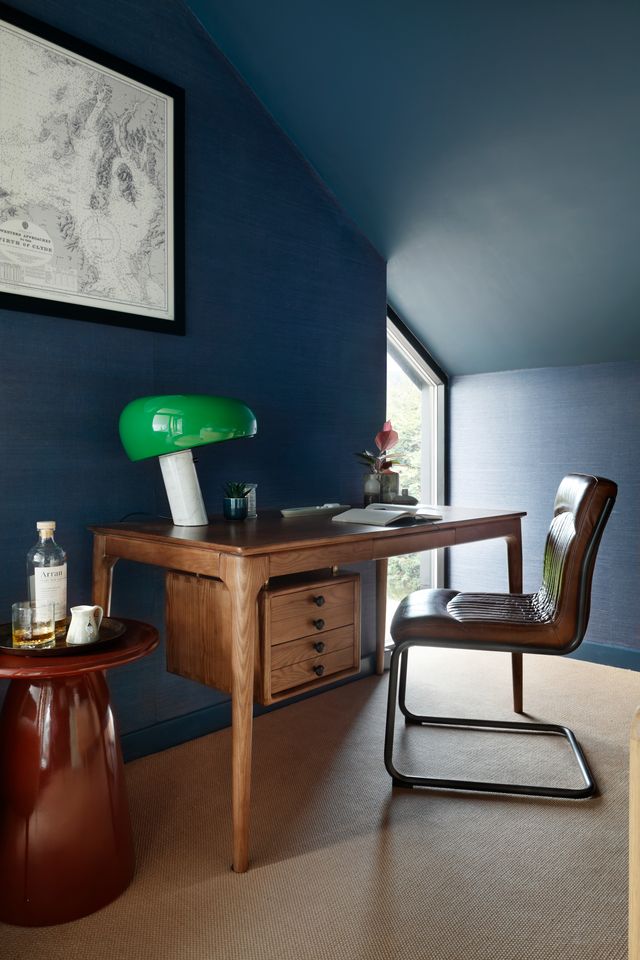
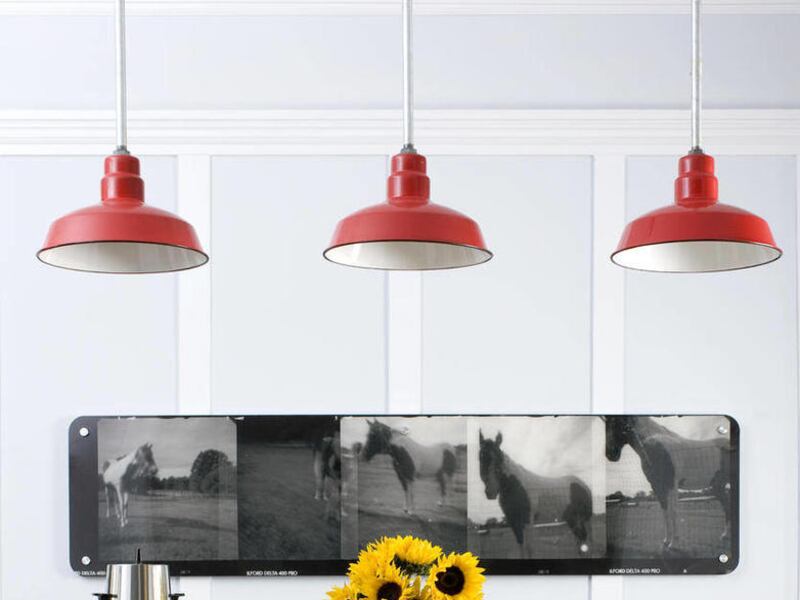
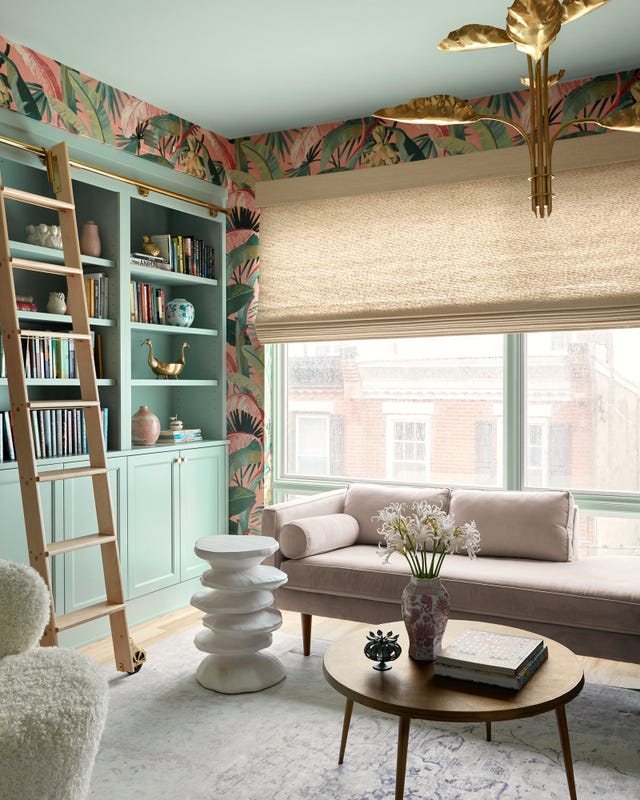
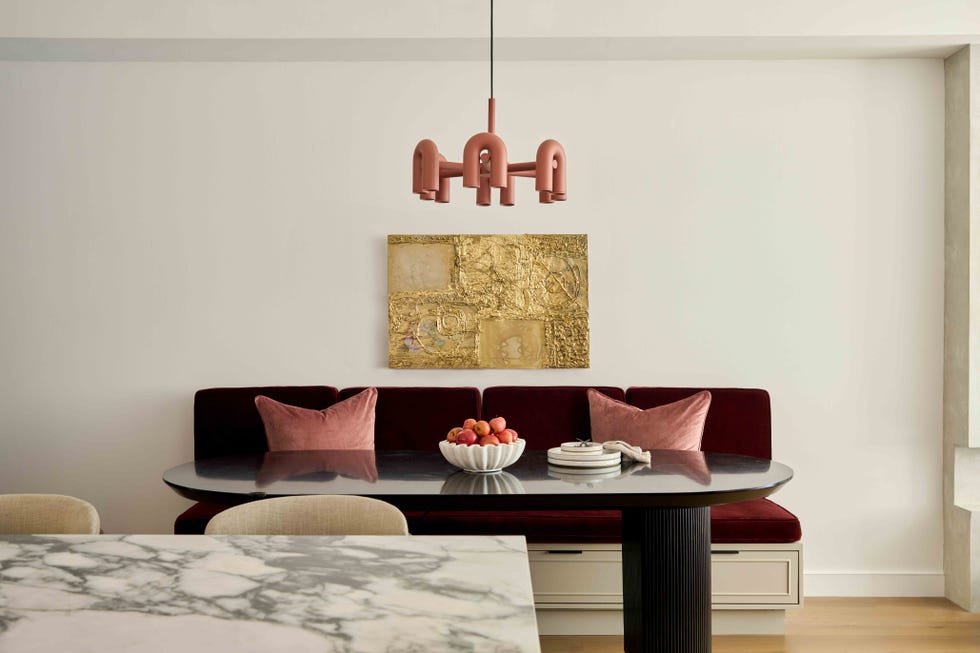
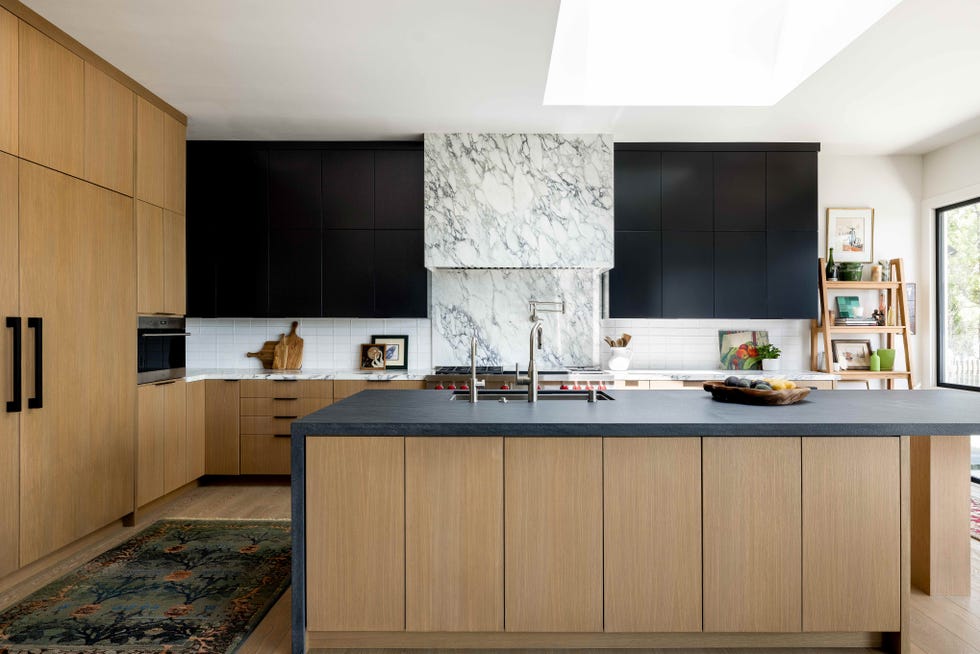
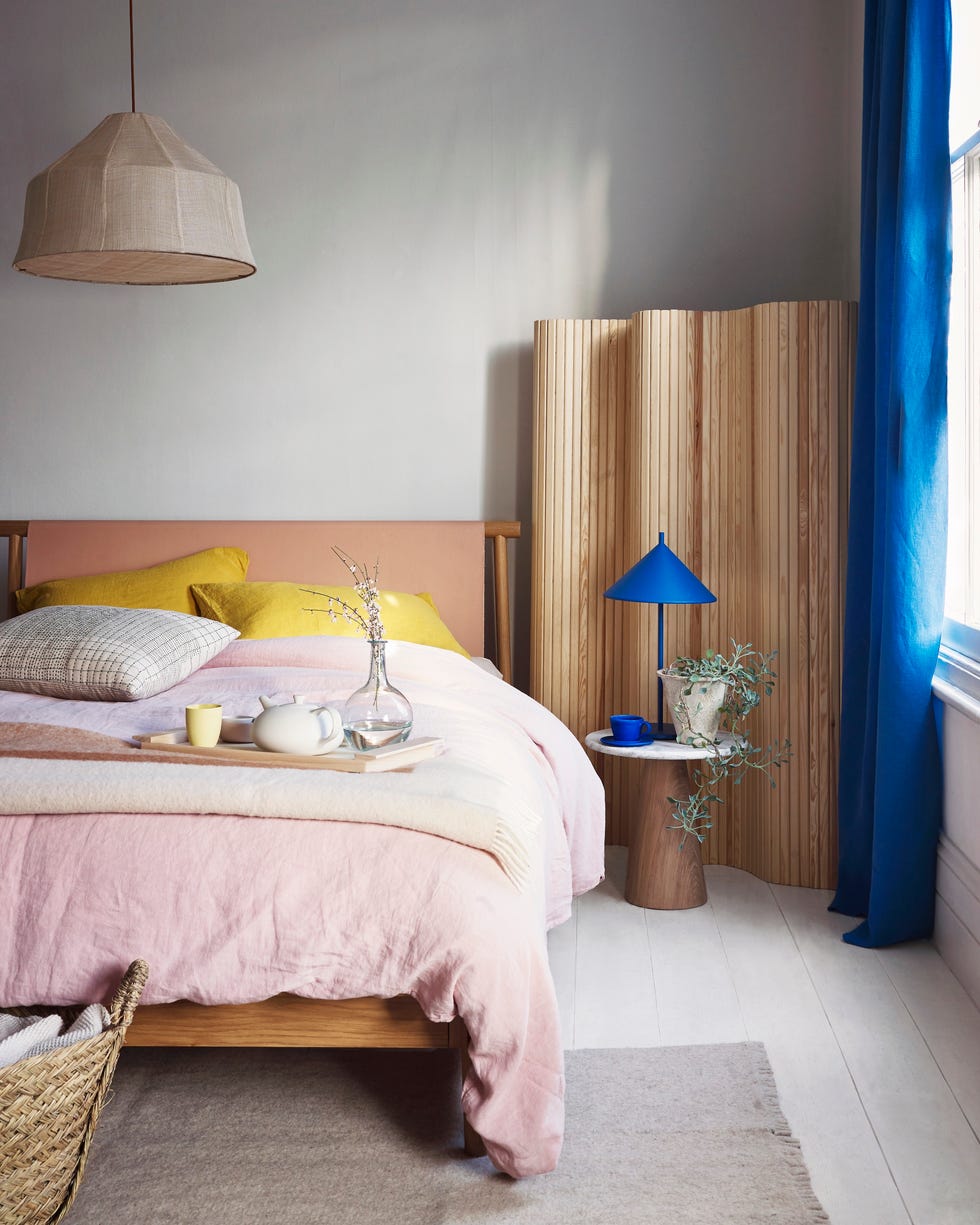
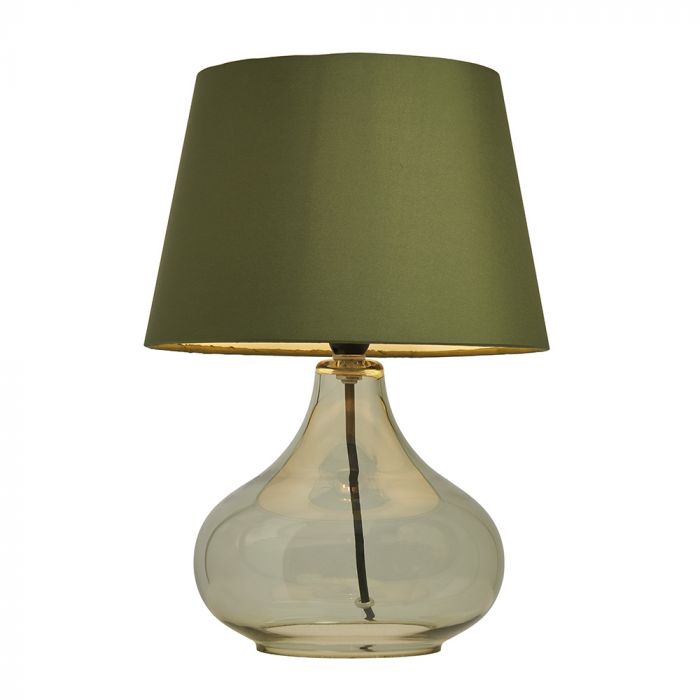
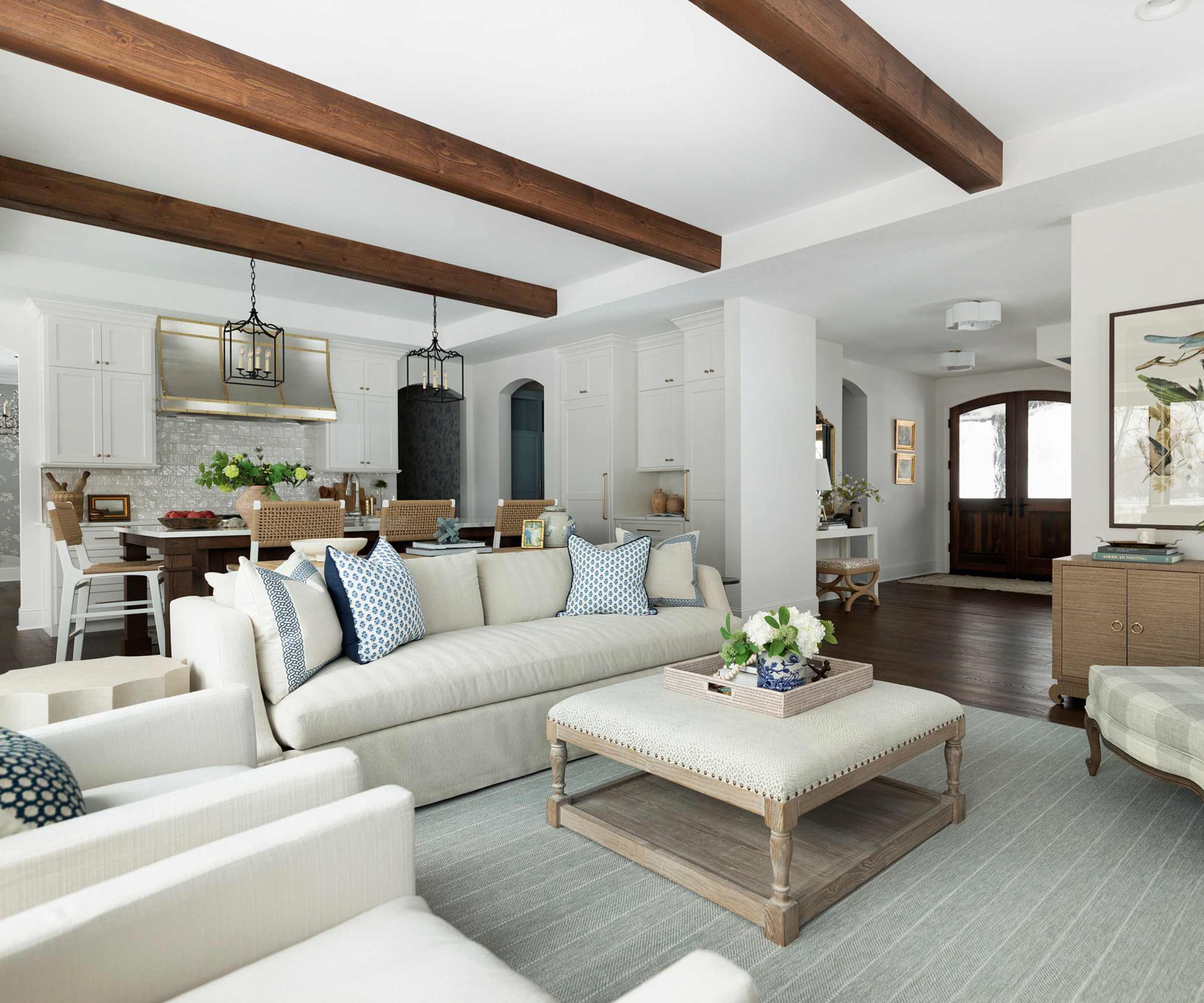
Applying emphasis involves creating a visual hierarchy that introduces contrast, both among furniture pieces and to define specific zones within a room. This strategic application of emphasis leads to a well-balanced environment and adds depth to the space. Designers utilize various techniques to achieve this. Dan Lovatt suggests employing contrast in the scale of furnishings, juxtaposing textures, or painting architectural details in darker shades or with a gloss finish to highlight them. He also recommends introducing supersized artworks, high-gloss surfaces, ceramic lighting, or patterned upholstery to add emphasis, especially in rooms lacking inherent architectural features.
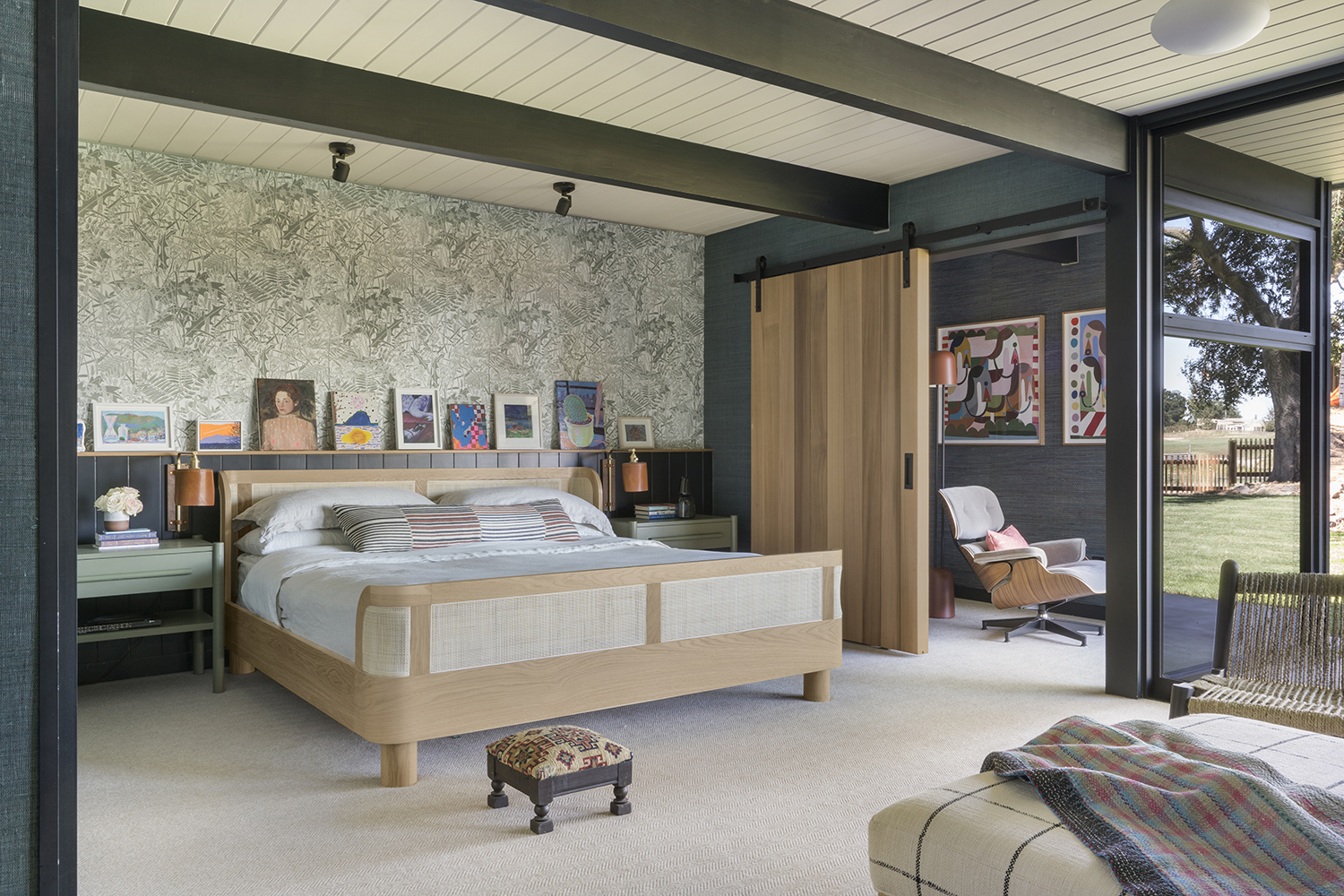
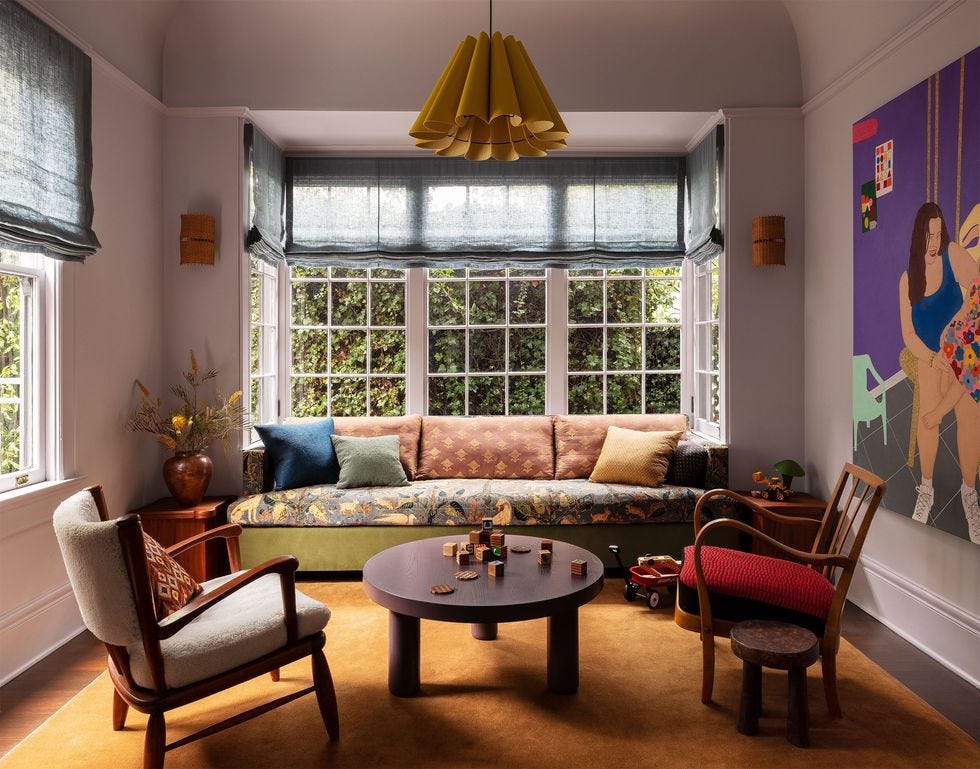
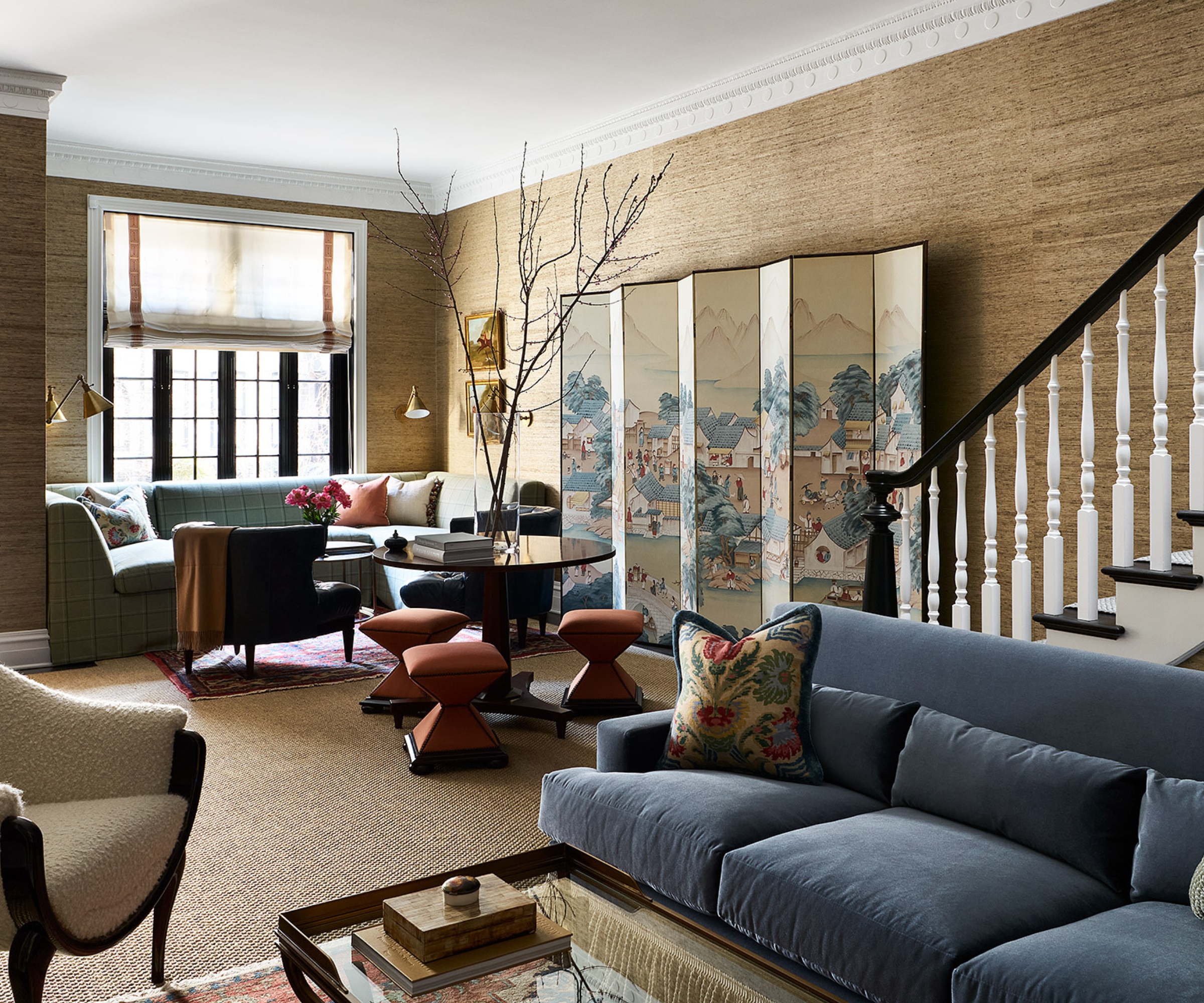
Alex Alonso, adopting a maximalist perspective, uses layers to establish focal points. He prefers to guide the eye through the room from left to right, and up and down, often starting with less obvious elements such as lighting, walls, or floors rather than immediately focusing on furniture. This method involves emphasizing secondary elements first, gradually drawing attention towards the center of the room. For instance, in a guest bedroom project, heavy patterns on walls and drapery were used to the point where they receded, consequently directing attention to a less busy treatment on the ceiling.
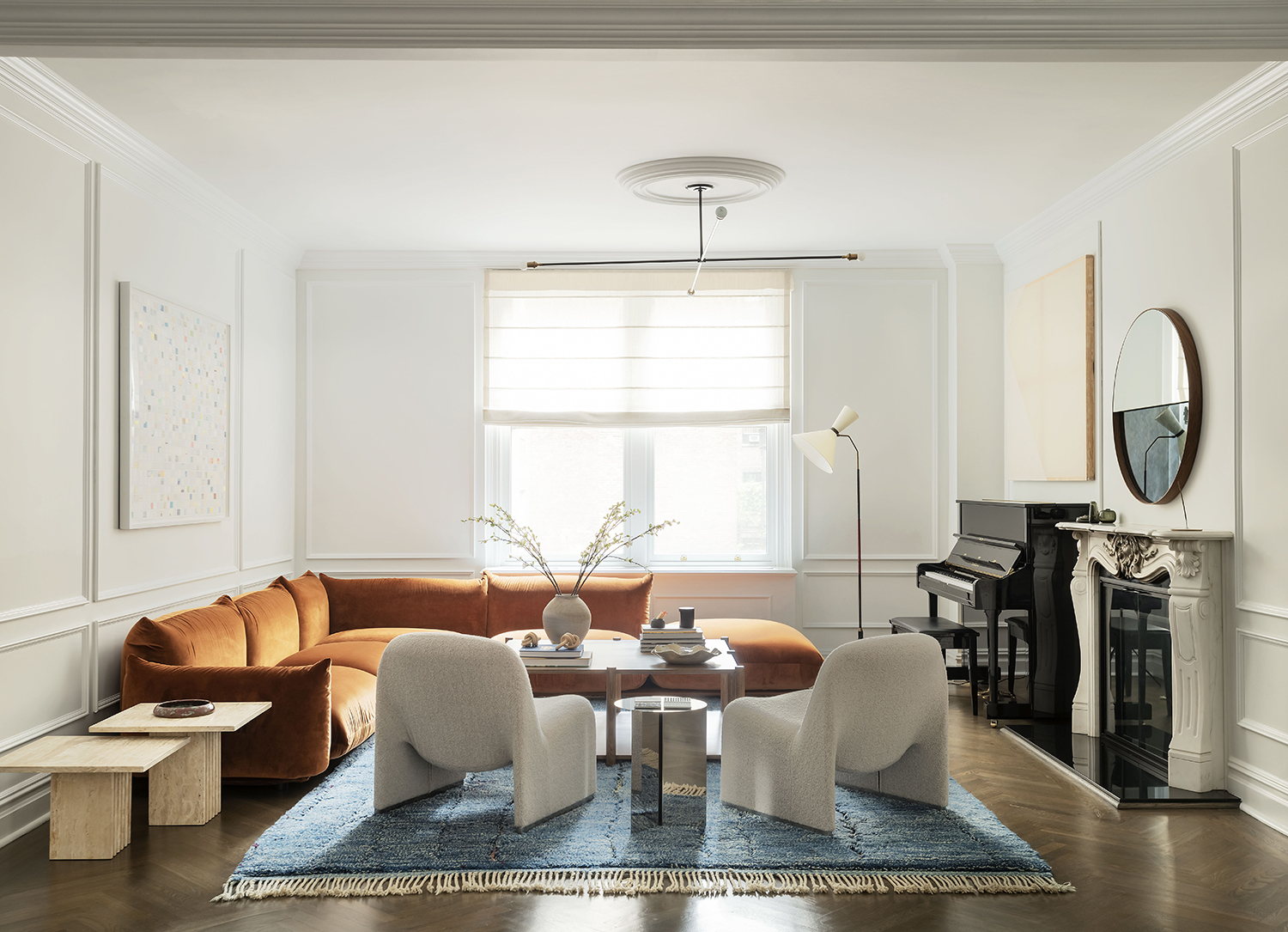
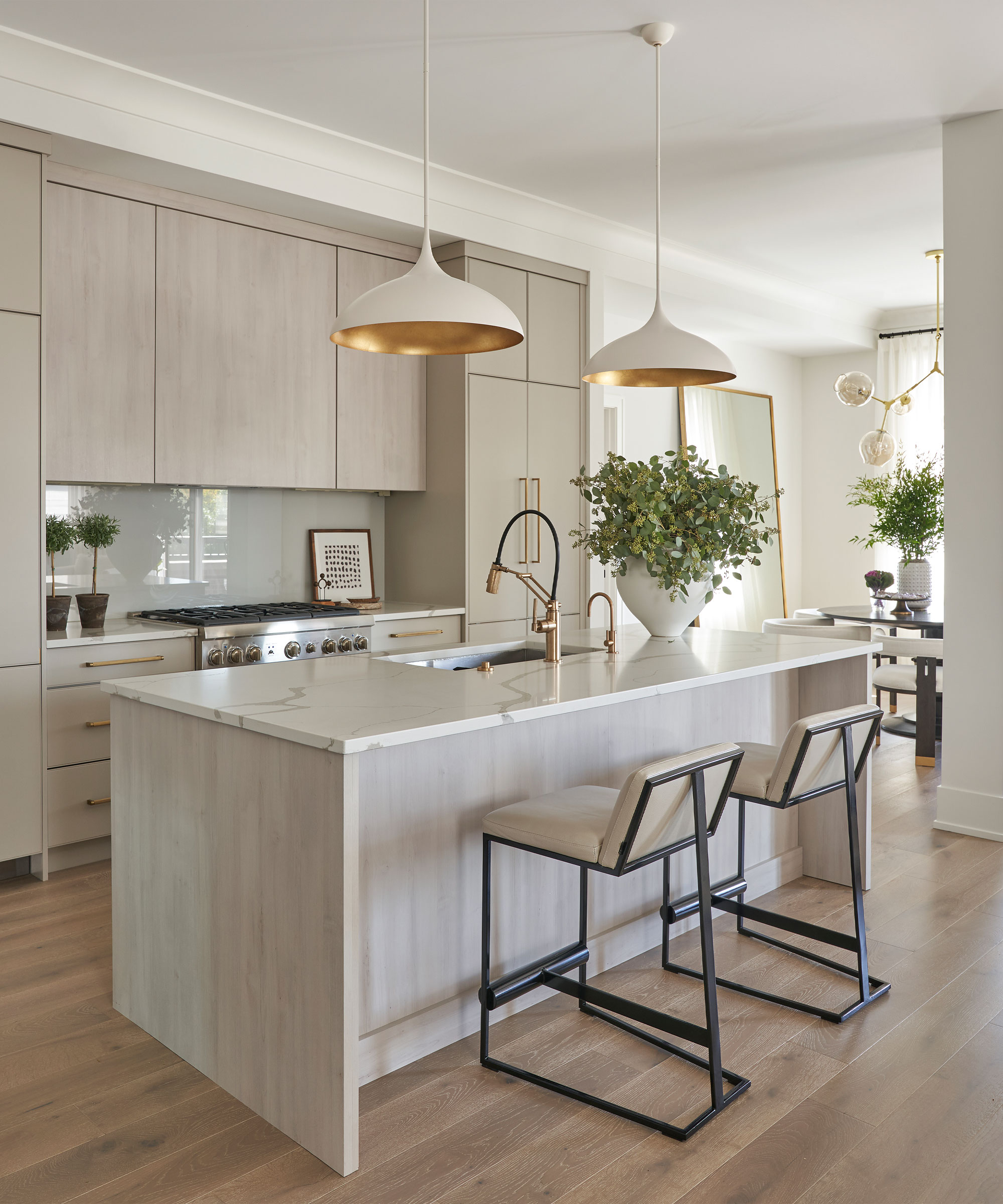
Despite the benefits, there are risks associated with misapplying emphasis. Overusing emphasis can lead to a chaotic or disjointed room, according to Dan Lovatt. Achieving balance in interior design requires restraint, allowing elements space to 'breathe,' and incorporating neutral components that support the main focal point. It is crucial for the eye to have moments of rest; otherwise, if all elements compete for attention, the room can appear cluttered and overwhelming. Therefore, when undertaking a design project, it is essential to first identify which features are to be celebrated and accentuated before introducing colors, patterns, or textures. Simple interventions, such as the placement of artwork or wall lighting, can effectively create the positive space needed to direct visual flow and achieve the desired emphasis. #InteriorDesign #FocalPoint #DesignTechniques #VisualHierarchy #SpacePlanning #ArchitecturalFeatures #HomeDecor #RoomStyling
0개의 댓글이 총 표시됩니다.
 아직 댓글이 없습니다
추가로 마음에 드릴 만한 콘텐츠
Why every room needs a statement piece — and how to choose yours

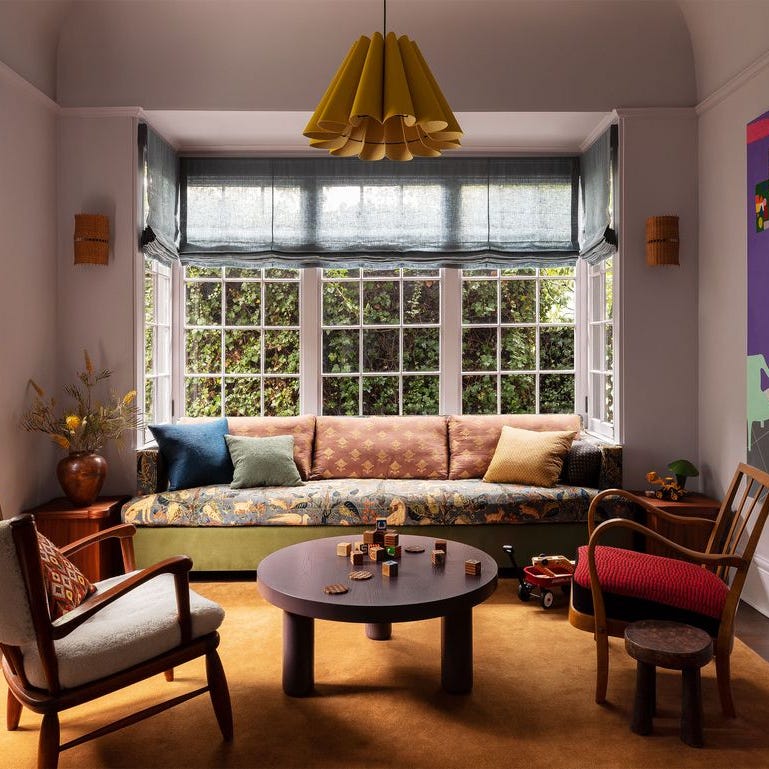
These Are the Decor Ideas Designers Can’t Get Enough Of (and We’re Obsessed With!)

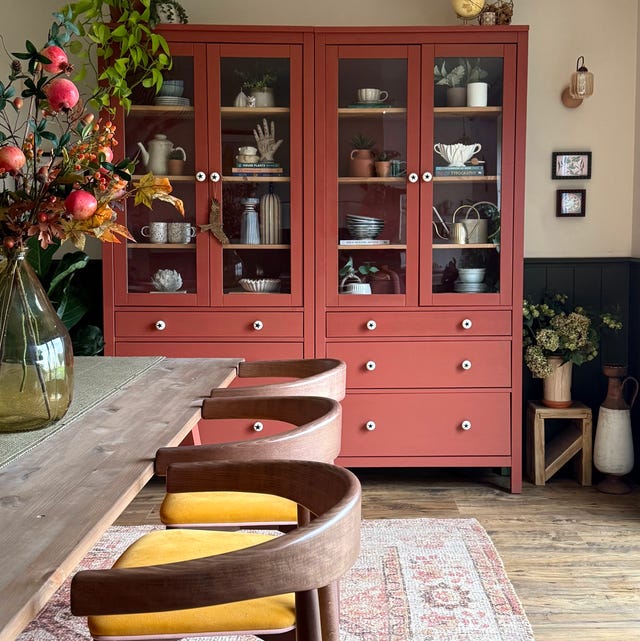
Copy-And-Paste Interiors: Repeating A Look Isn’t Lazy — It’s Clever
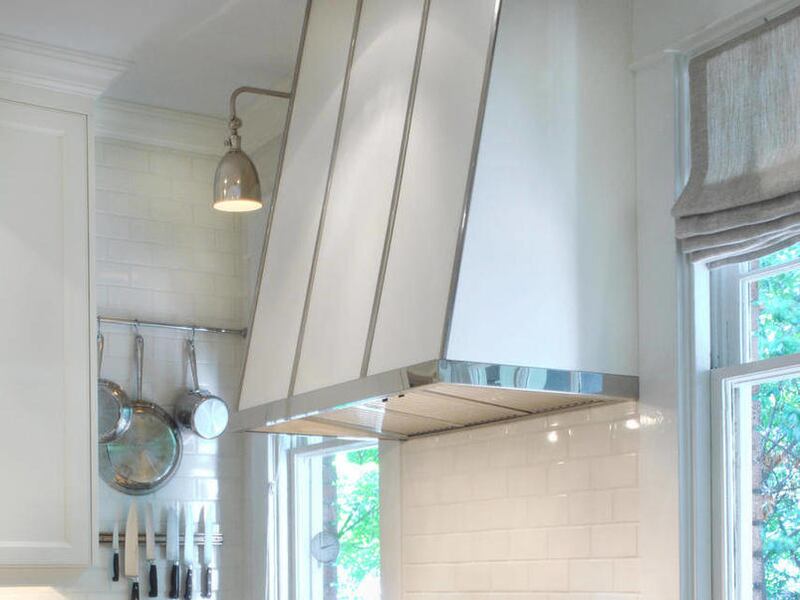
Ask a Designer: Vertical lines add lots to a room


13 ways repetition in interior design can be used to create calmingly sophisticated rooms
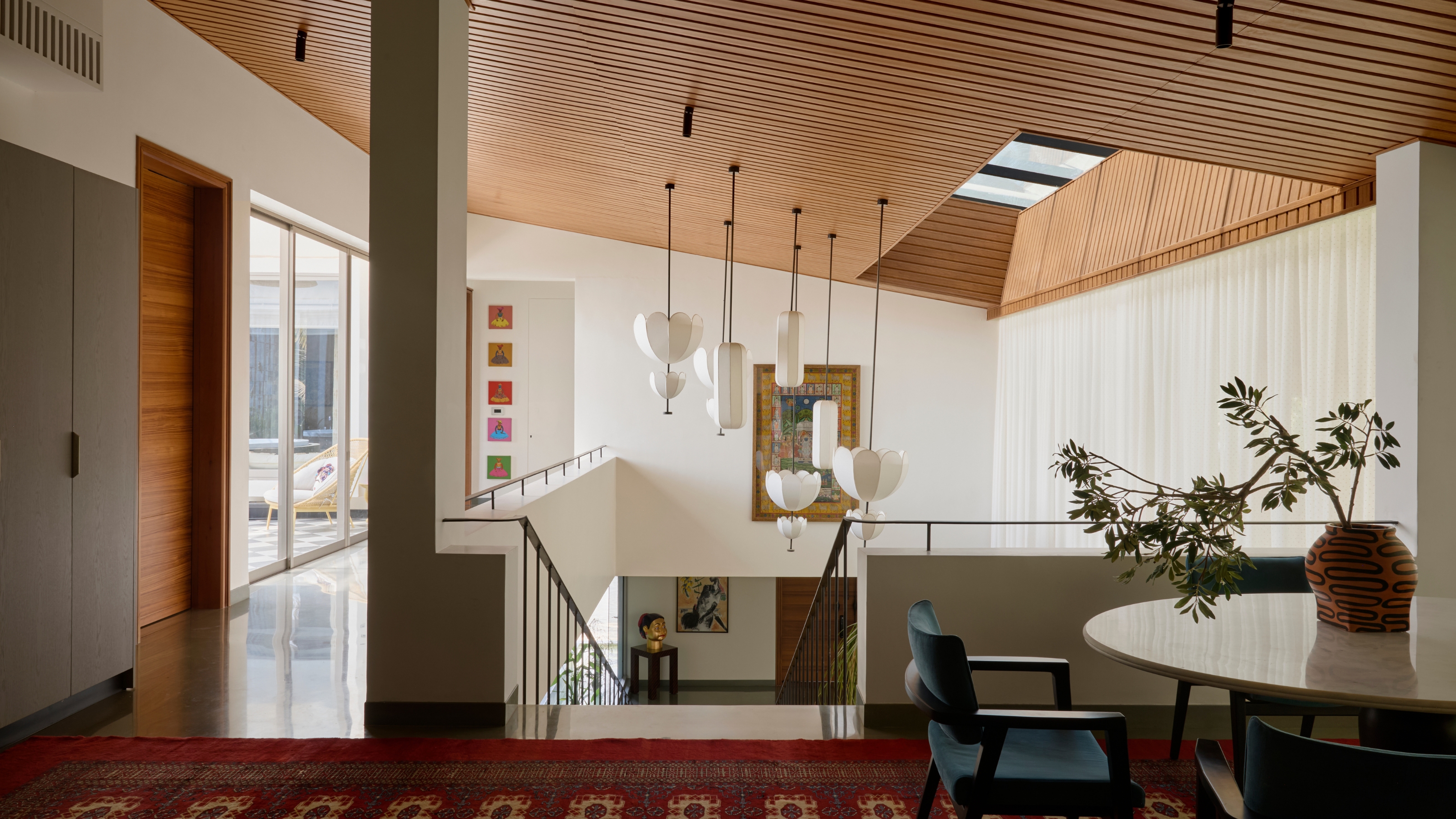
There's Hanging Art, and Then There's Hanging Art Like an Interior Designer — Here's How to Do the Latter
5 Entryway Decorating Tips Designers Always Follow for a Lasting First Impression

If You Have These 10 Traits, You'd Probably Be a Great Interior Designer

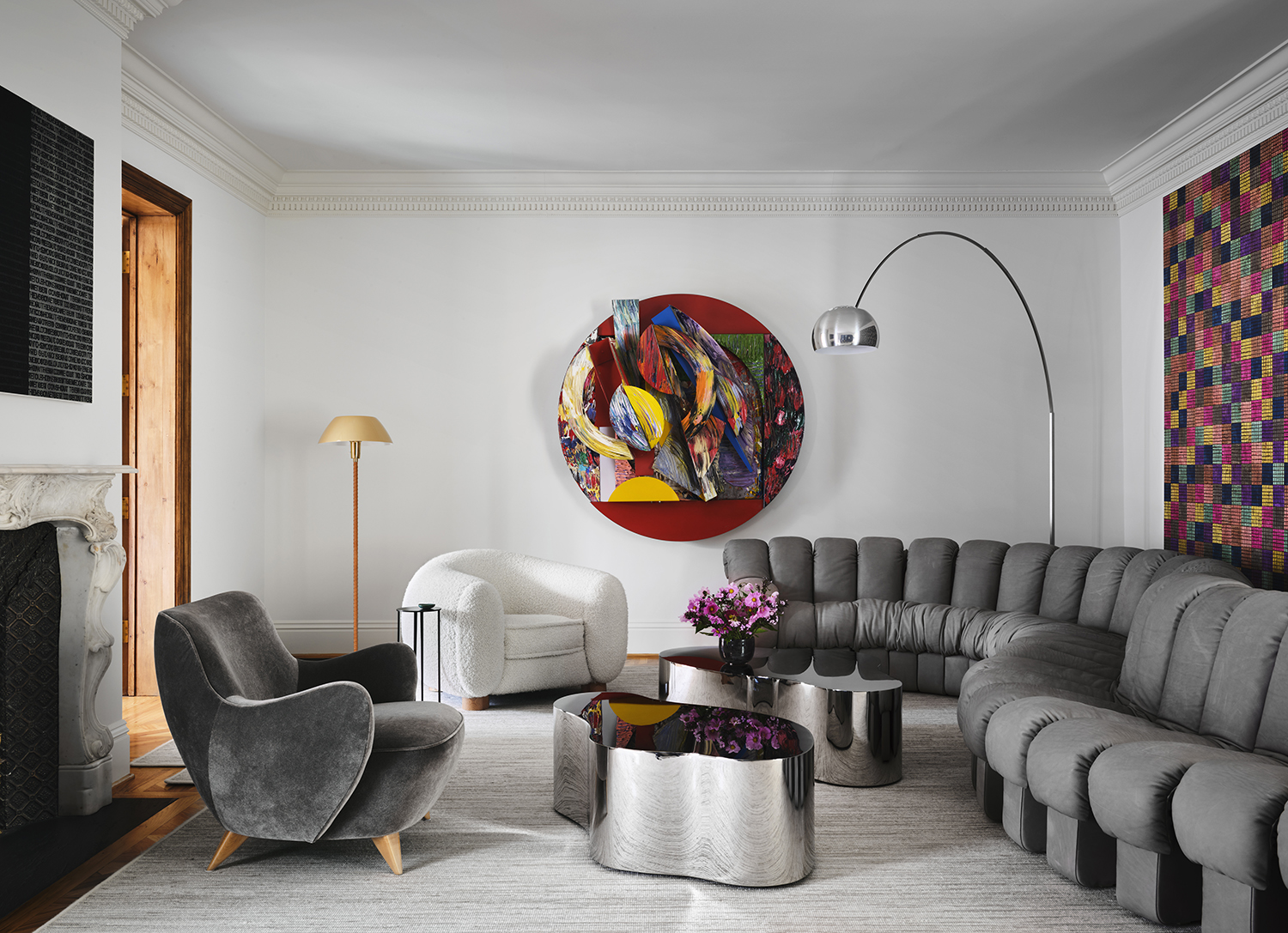
Rhythm in interior design - 11 ways to use this clever technique for rooms that look professionally done
Designers Say They’d Never Do These 9 Things at Home

4 rules interior designers always use to plan the perfect living room layout - these tried-and-tested tricks work every time
6 mistakes design experts instantly notice in your home – and how to fix them
The Differences Between an Interior Designer and an Interior Decorator
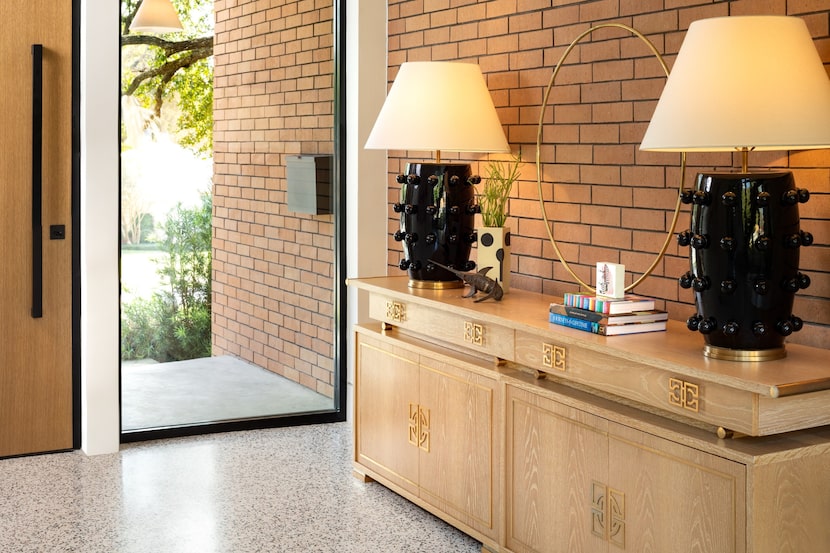
Set the tone for your home with these entryway styling tips from Dallas designers

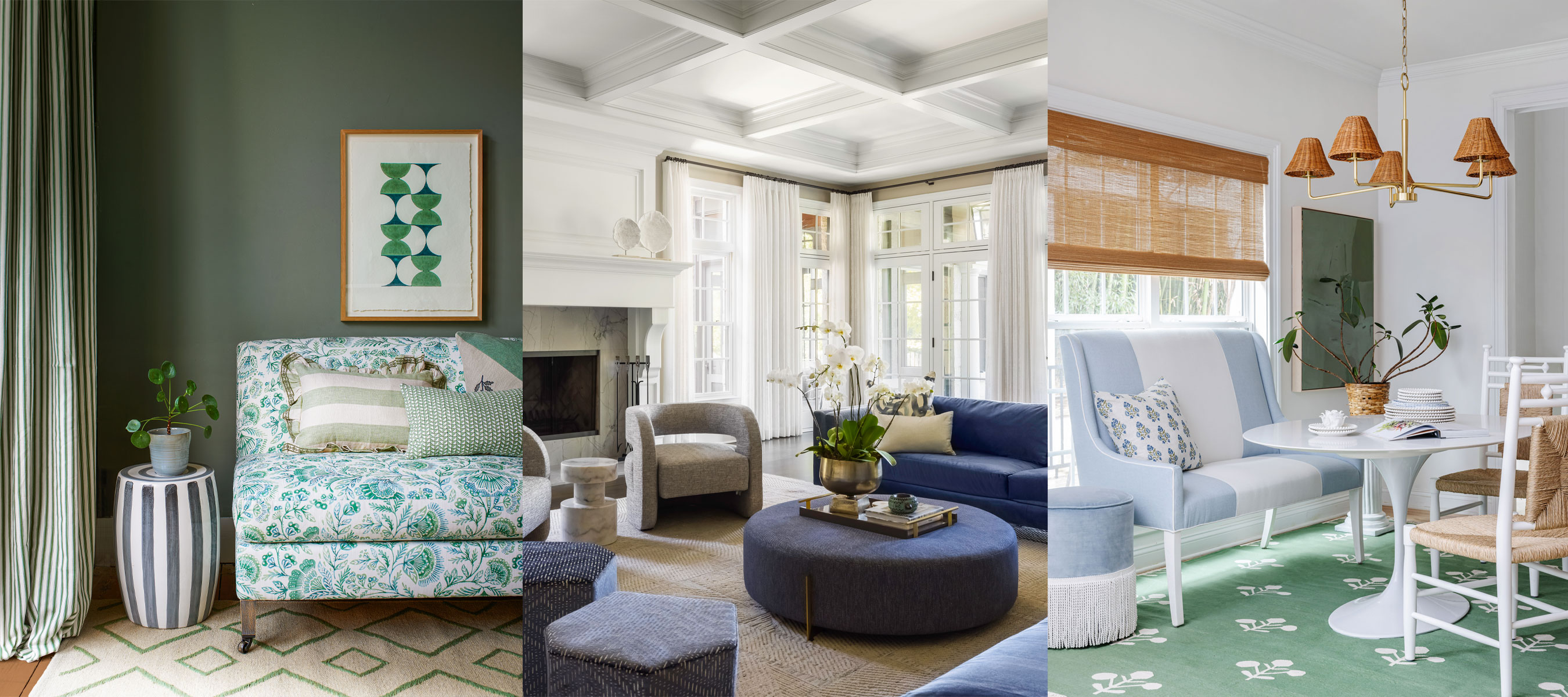
How to create repetition in interior design – 7 ideas for decorating success

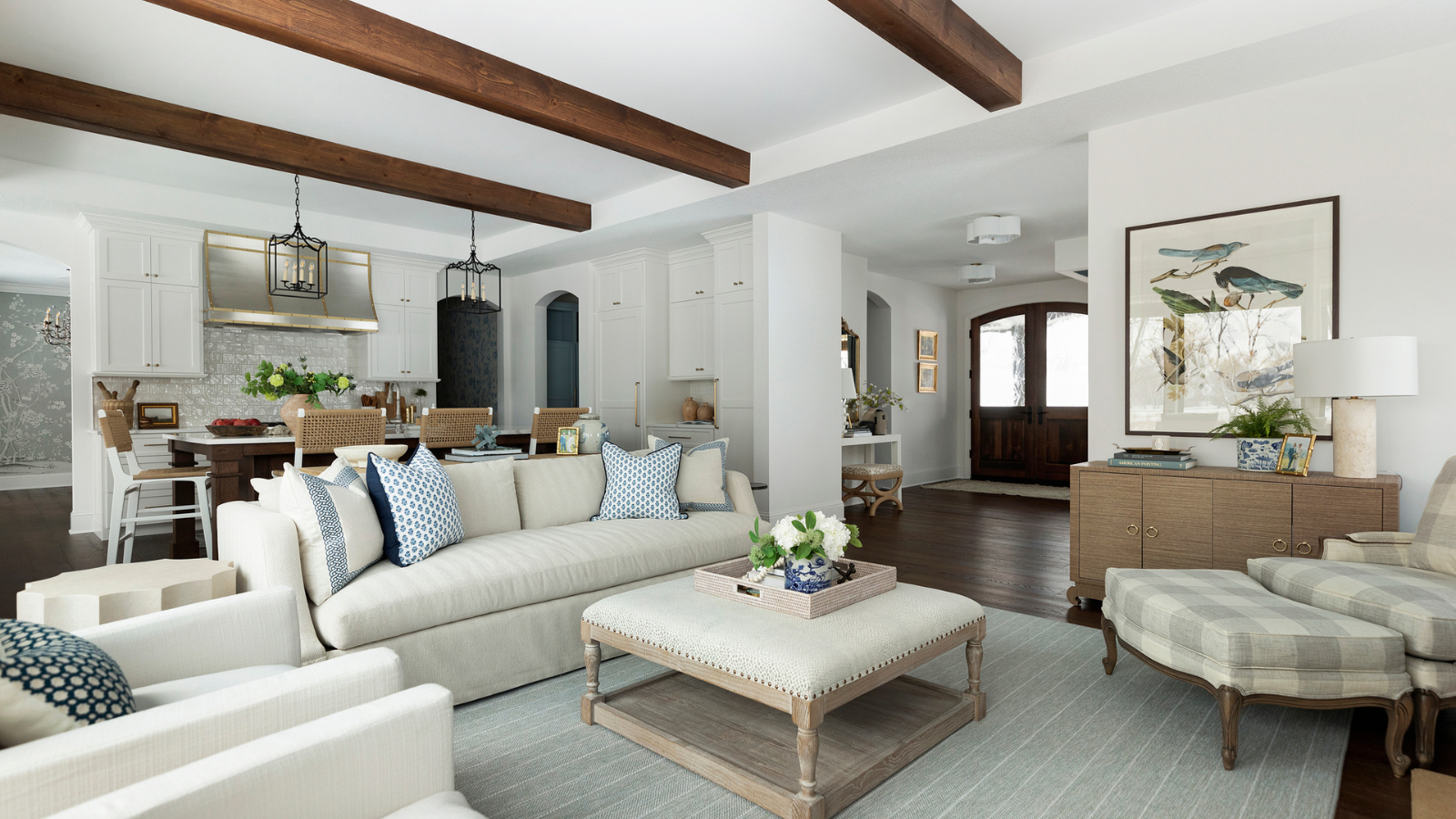
What is zoning in interior design? Expert layout tips
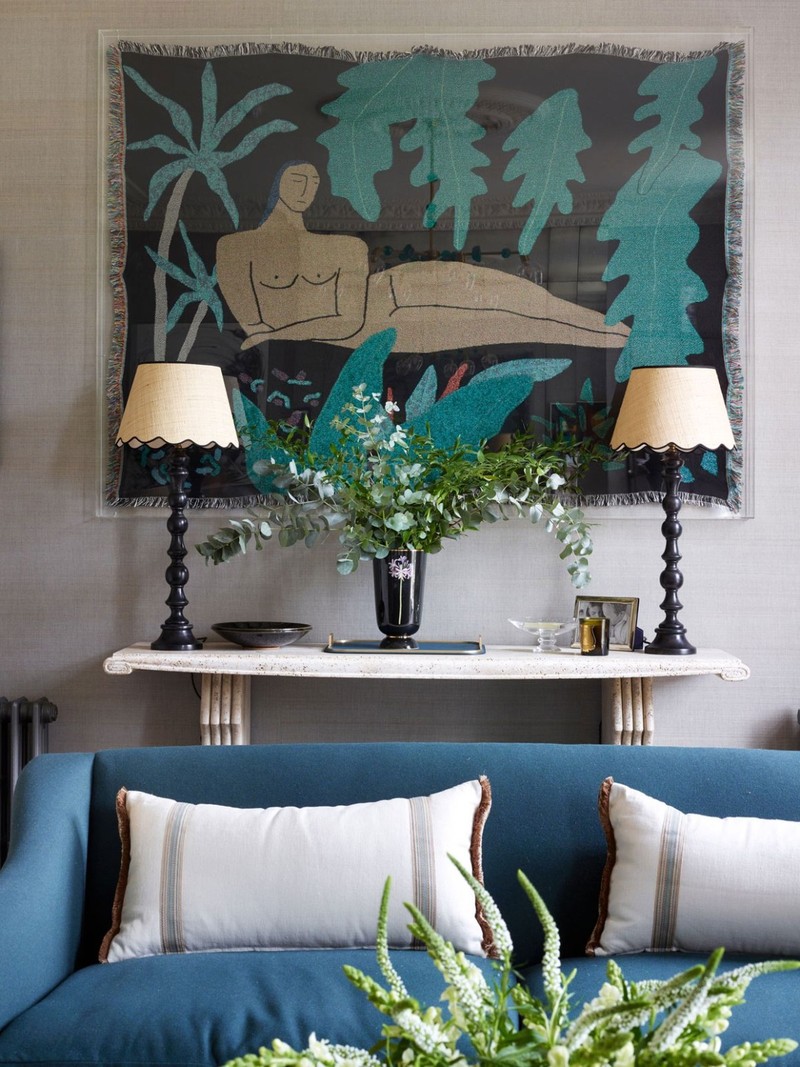
How To Add More Character & Interest To Your Home
How to design the perfect living room
How to make small spaces look bigger
I'm an interior designer. Here are 10 trends I won't be wasting money on in 2025.