1/11
This is how to get your roof and loft insulation right so that your home stays warm and energy efficient all winter long
Effective roof and loft insulation are crucial for maintaining a warm and energy-efficient home, significantly reducing heating costs and preventing heat loss. The Energy Saving Trust estimates that a home without proper insulation can lose up to 25% of its heat through the roof. This guide outlines various types of loft and roof insulation, their costs, optimal thickness, installation considerations, longevity, and maintenance requirements.
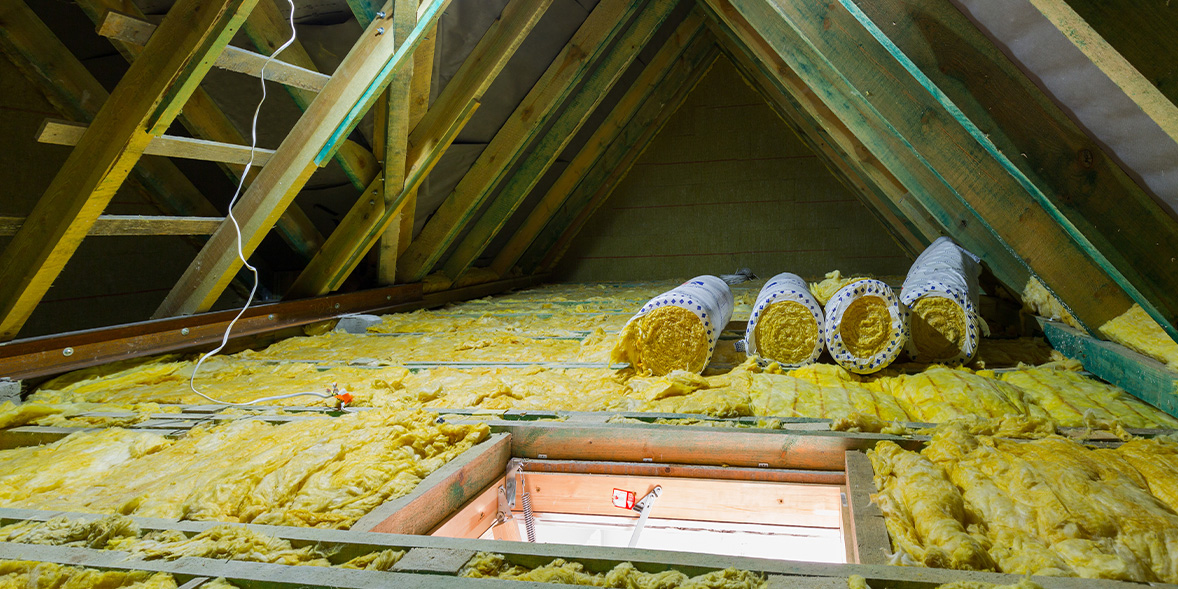
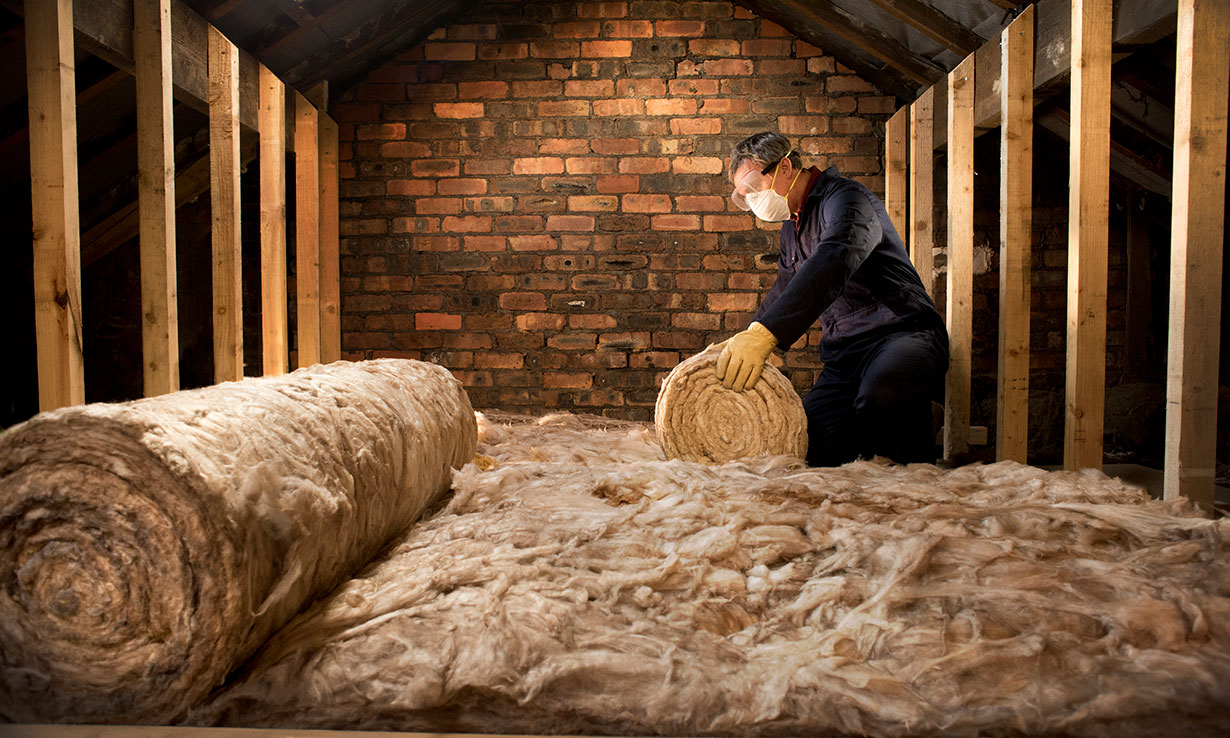
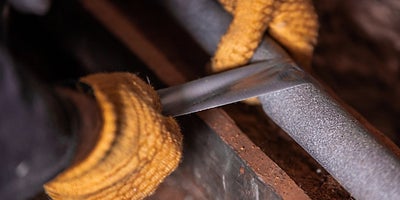
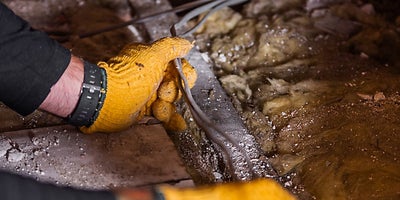
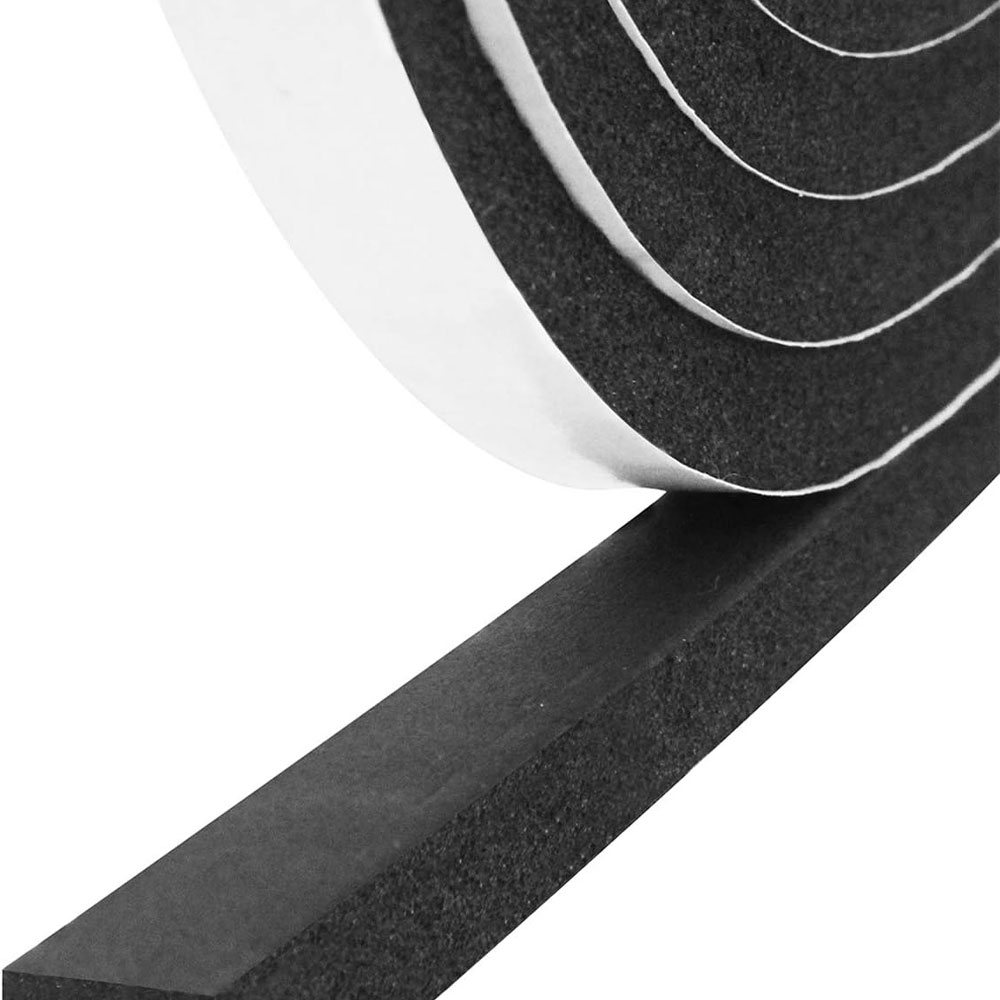
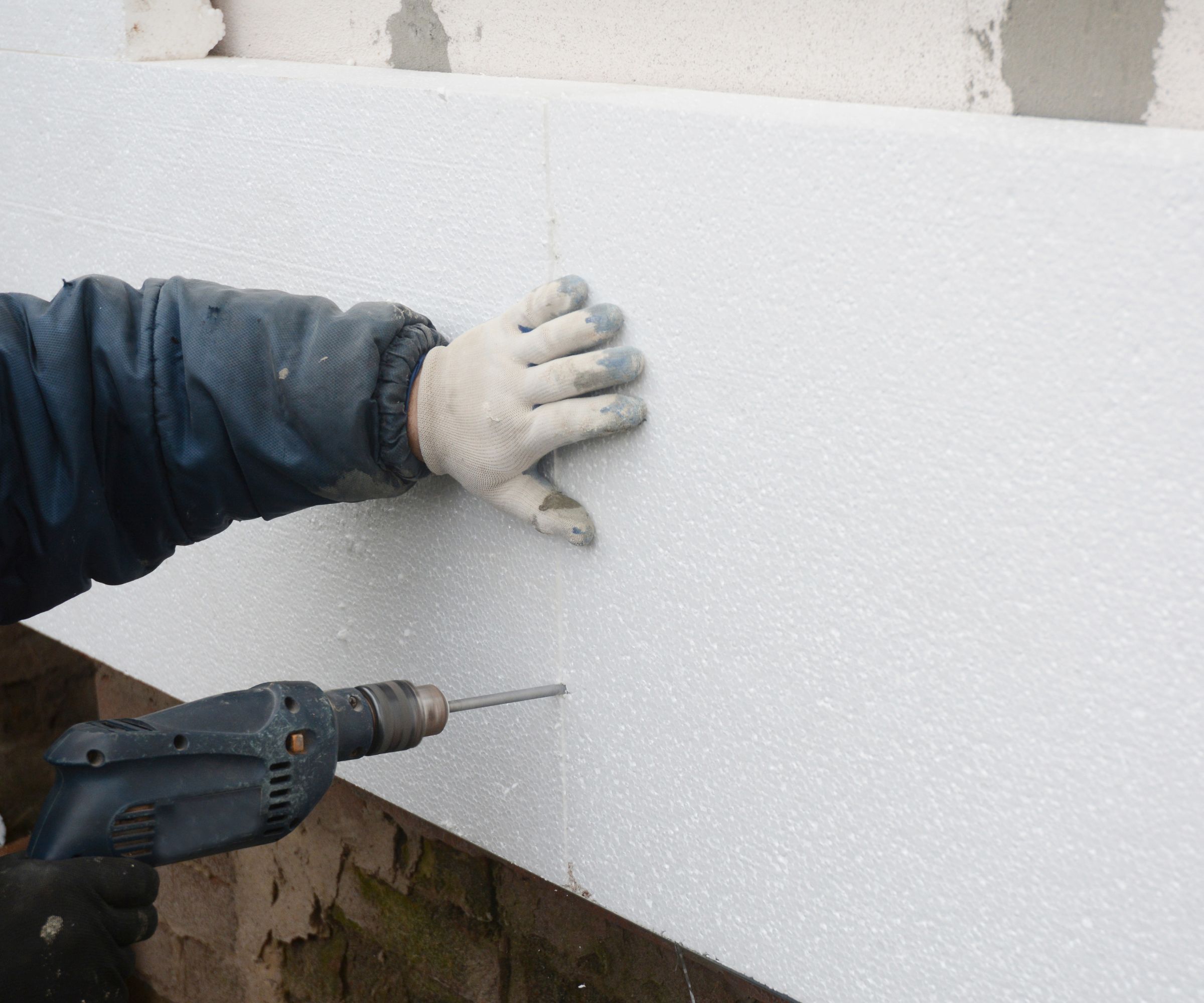
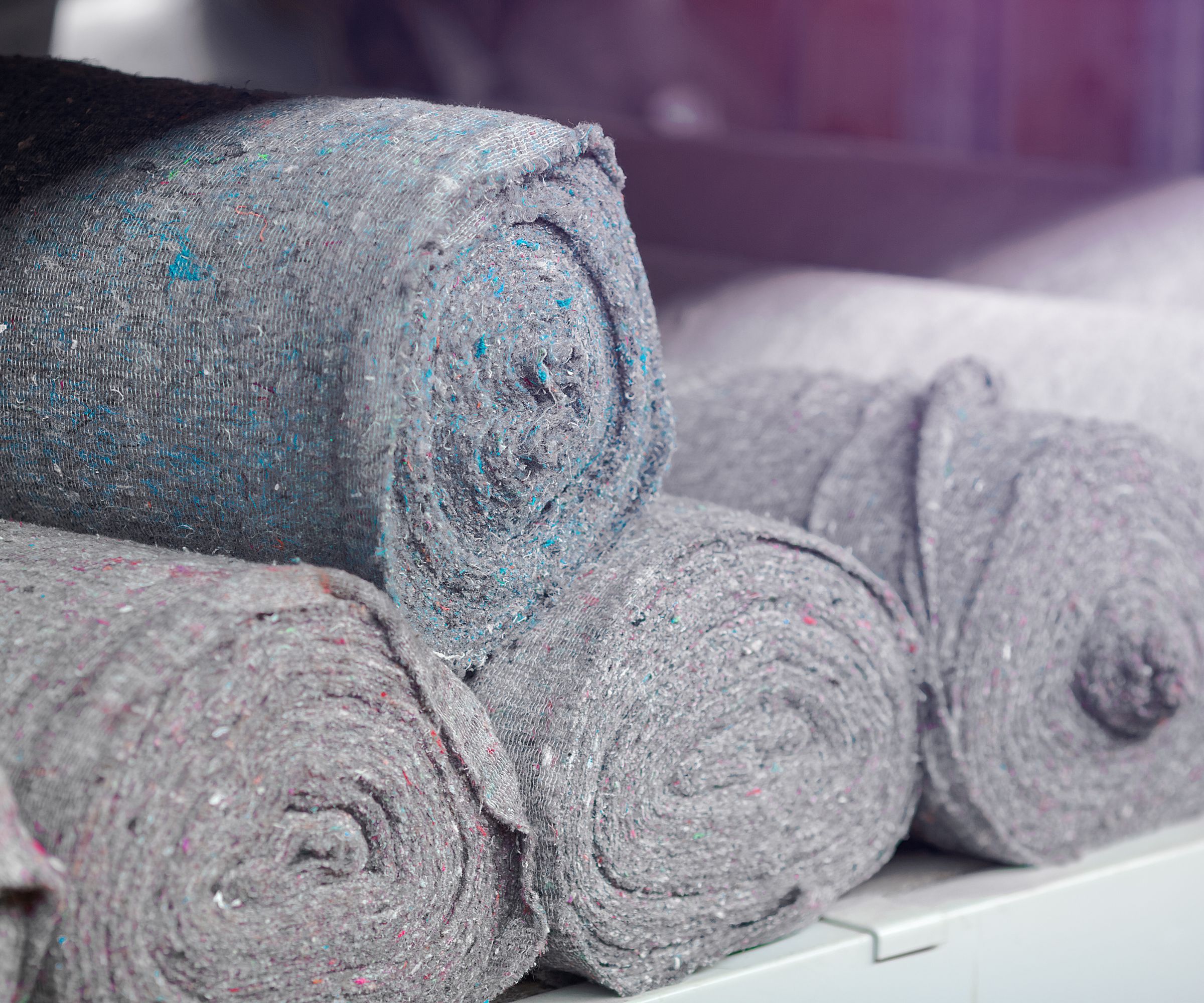
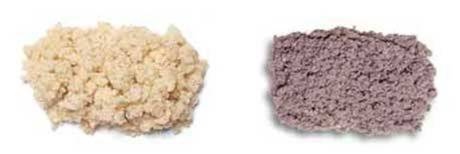
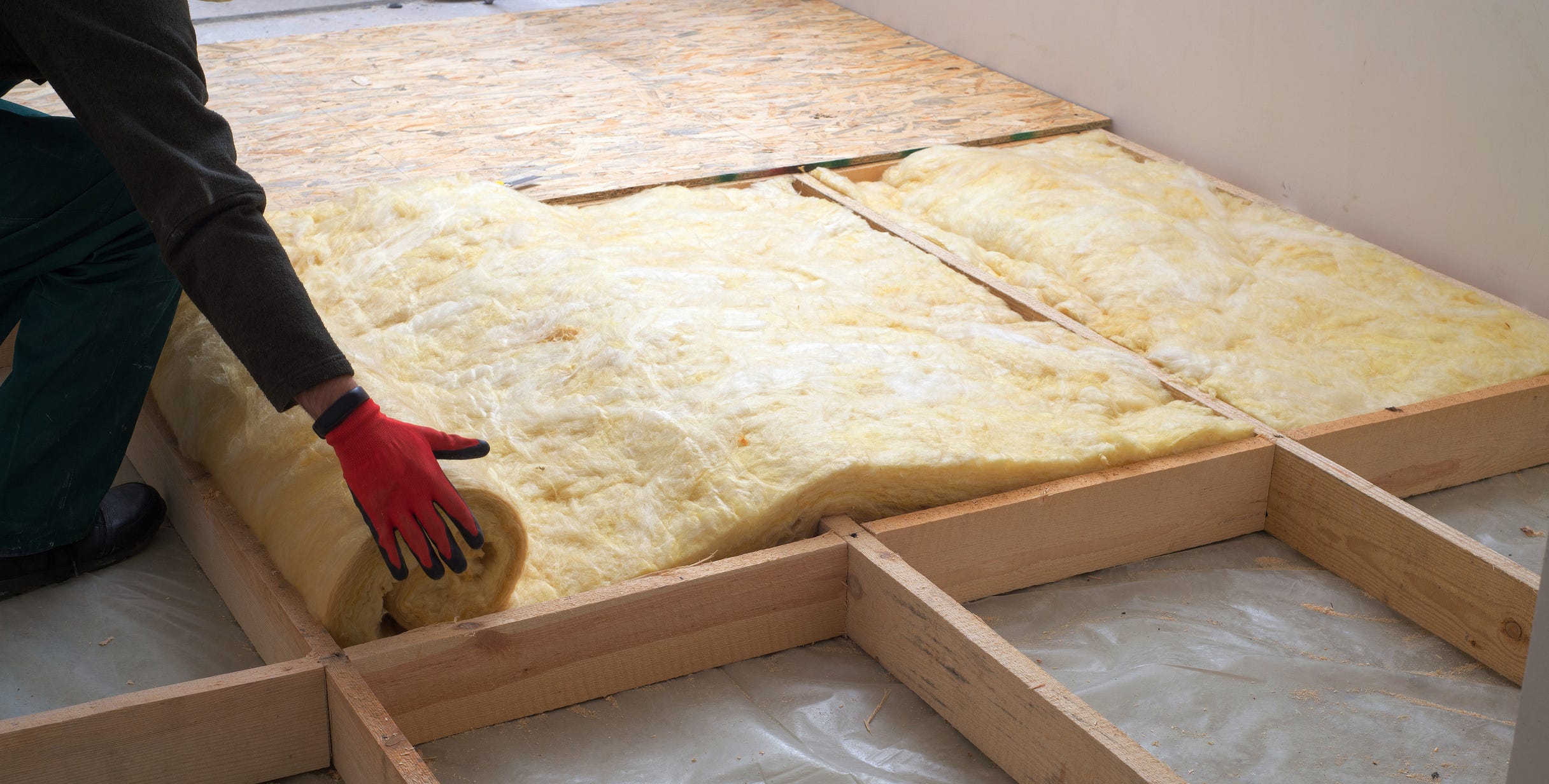
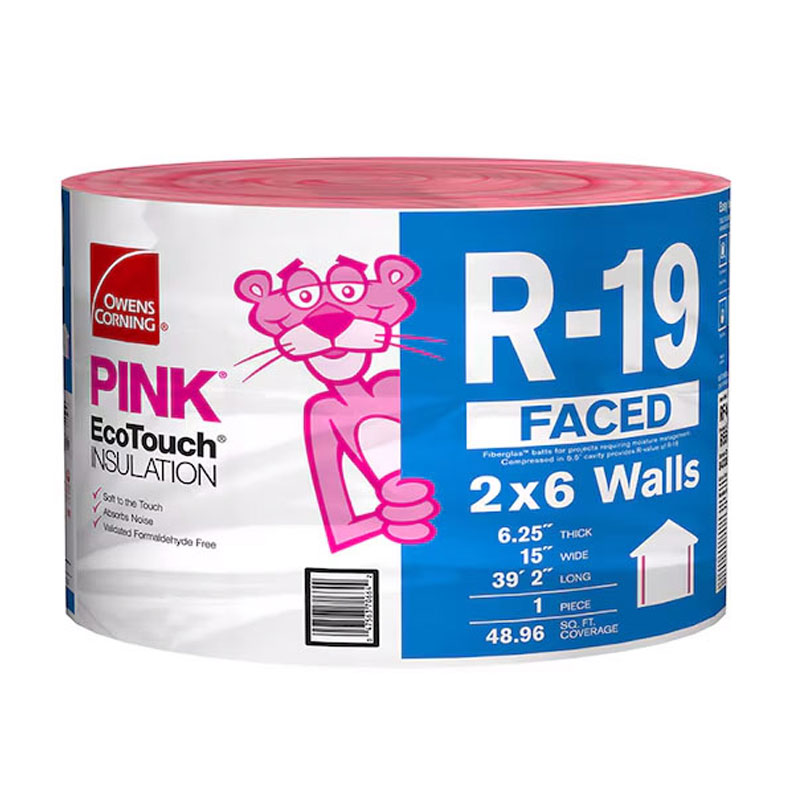
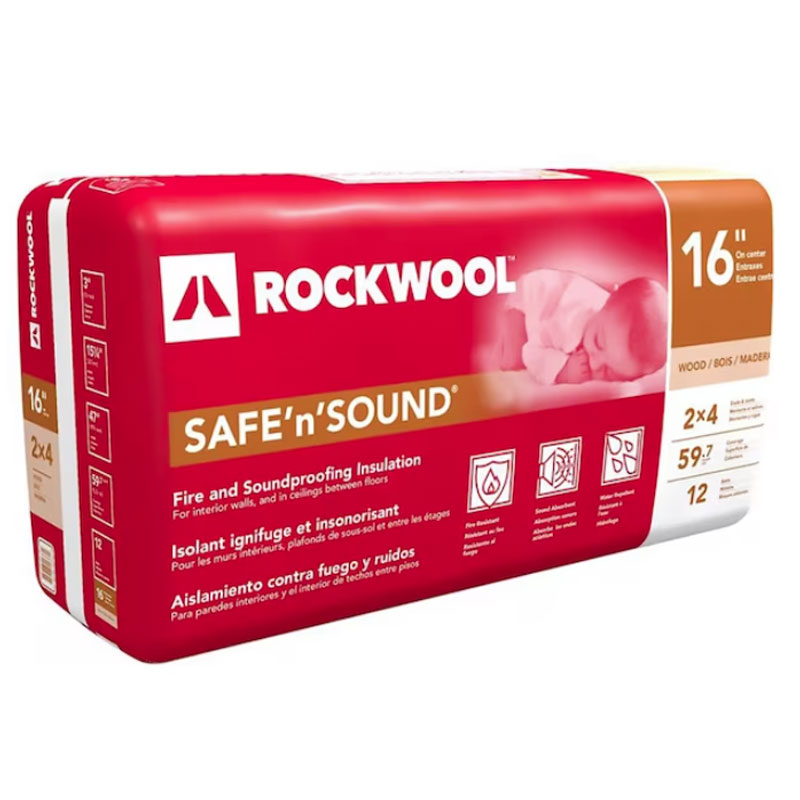
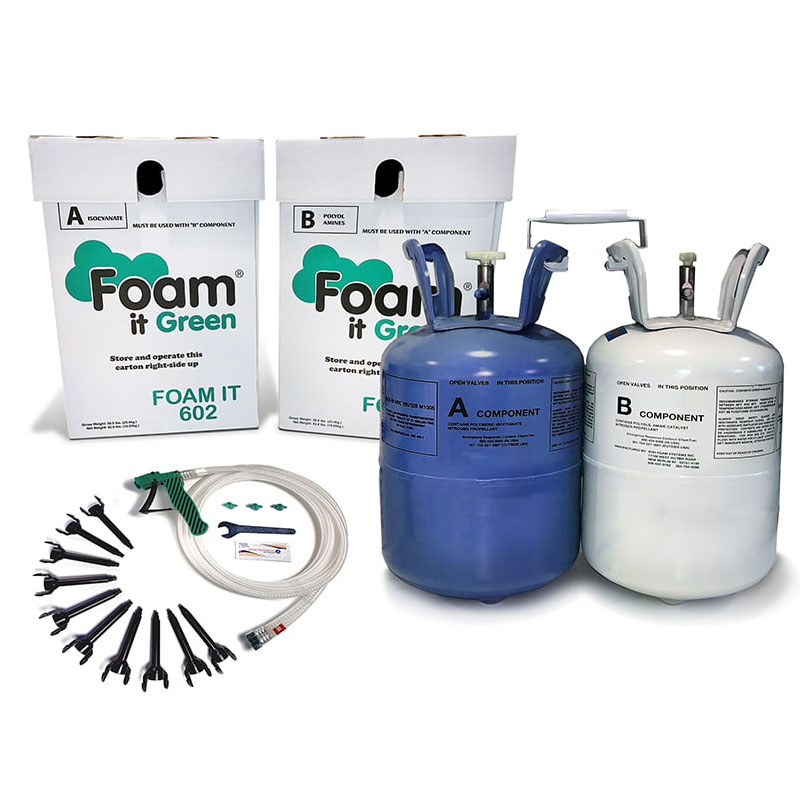
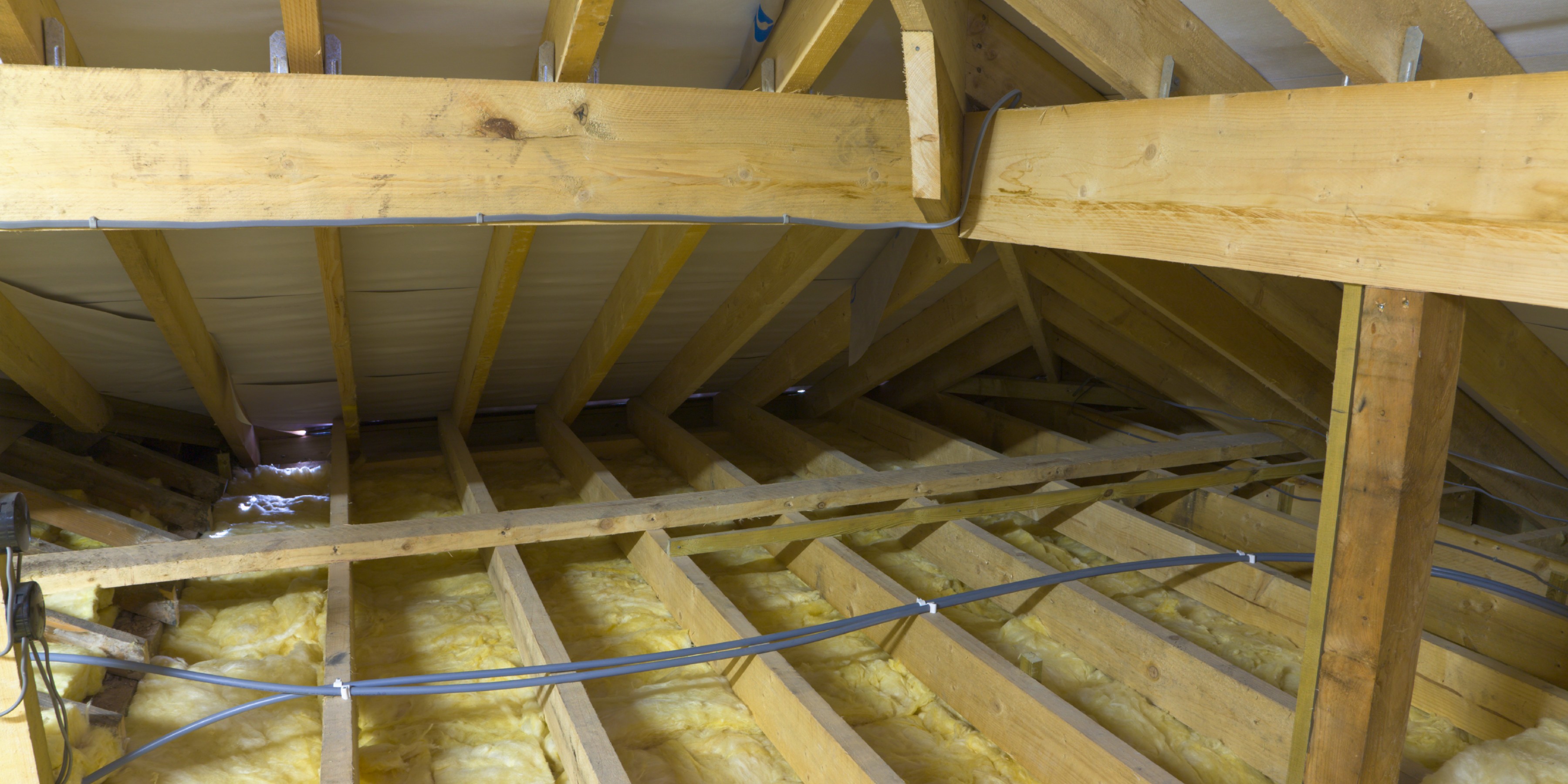
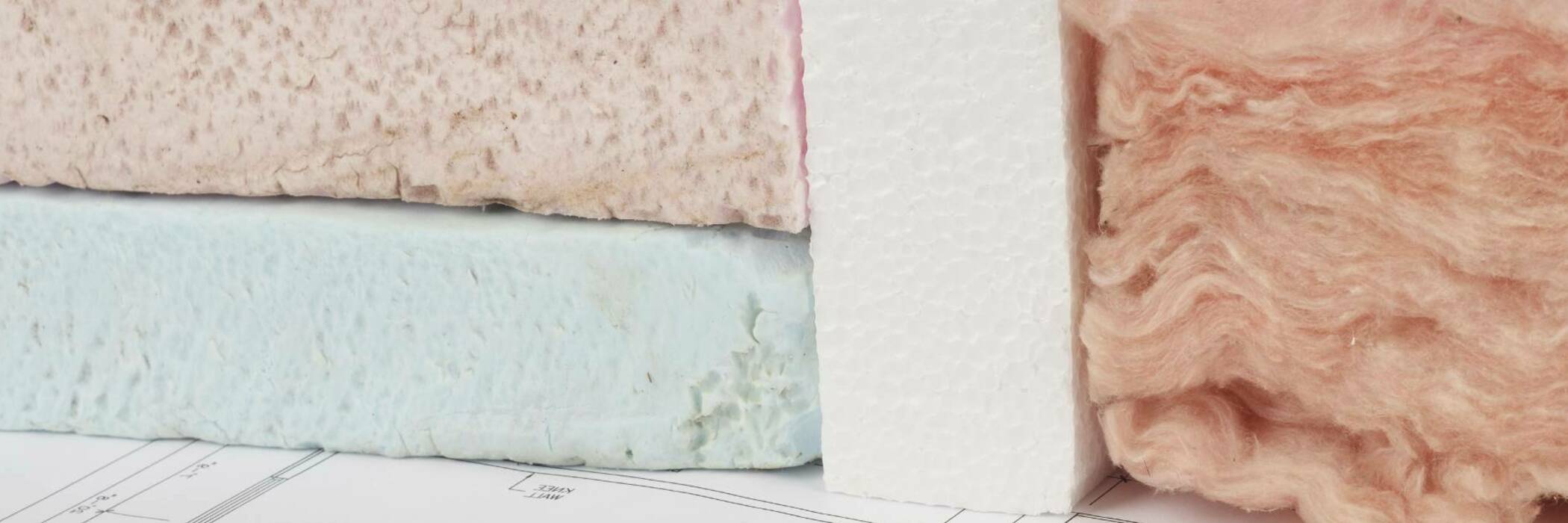
Selecting the appropriate insulation type is vital, considering factors such as the loft's use, accessibility, and roof type. A competent, accredited installer should assess the property to recommend materials and methods that meet the required U-value, a measure of thermal efficiency. Common insulation options include mineral wool or fibreglass rolls, suitable for installation between and across ceiling joists. Blown insulation, also known as loose or cellulose insulation, is ideal for inaccessible lofts and requires professional installation. Rigid insulation boards are typically used for loft conversions or rafter-level insulation. Natural minerals like sheep's wool or recycled fibres offer sustainable alternatives. Spray foam insulation, which needs to be installed by a certified professional, often comes with a long warranty and lasts for the lifetime of the building. When choosing an insulation contractor, it is advisable to select one that offers a range of insulation types to ensure tailored advice based on the property's specific needs.
The cost of loft insulation varies depending on the attic's size, the chosen insulation type, and any necessary repairs like water ingress. For an average three-bedroom semi-detached home, fibreglass insulation can cost around £700 for DIY installation and £1,000 for professional installation. Cellulose insulation typically costs around £1,100, while spray foam insulation is approximately £1,400. Before replacing existing insulation, it is recommended to get an expert assessment, as it may be possible to lay new insulation on top of existing material if it is still in good condition.
The amount of insulation needed depends on the desired U-value. UK Building Regulations generally recommend a U-value of 0.14 W/m²K at ceiling level and 0.18 W/m²K at rafter level. A professional insulation contractor can calculate the exact depth and material requirements to ensure compliance and optimal performance. Installing too much insulation can lead to issues such as trapped moist air, causing damp and mould, which can damage the insulation, roof structure, and negatively impact health. Therefore, seeking expert advice to determine the correct amount is crucial.
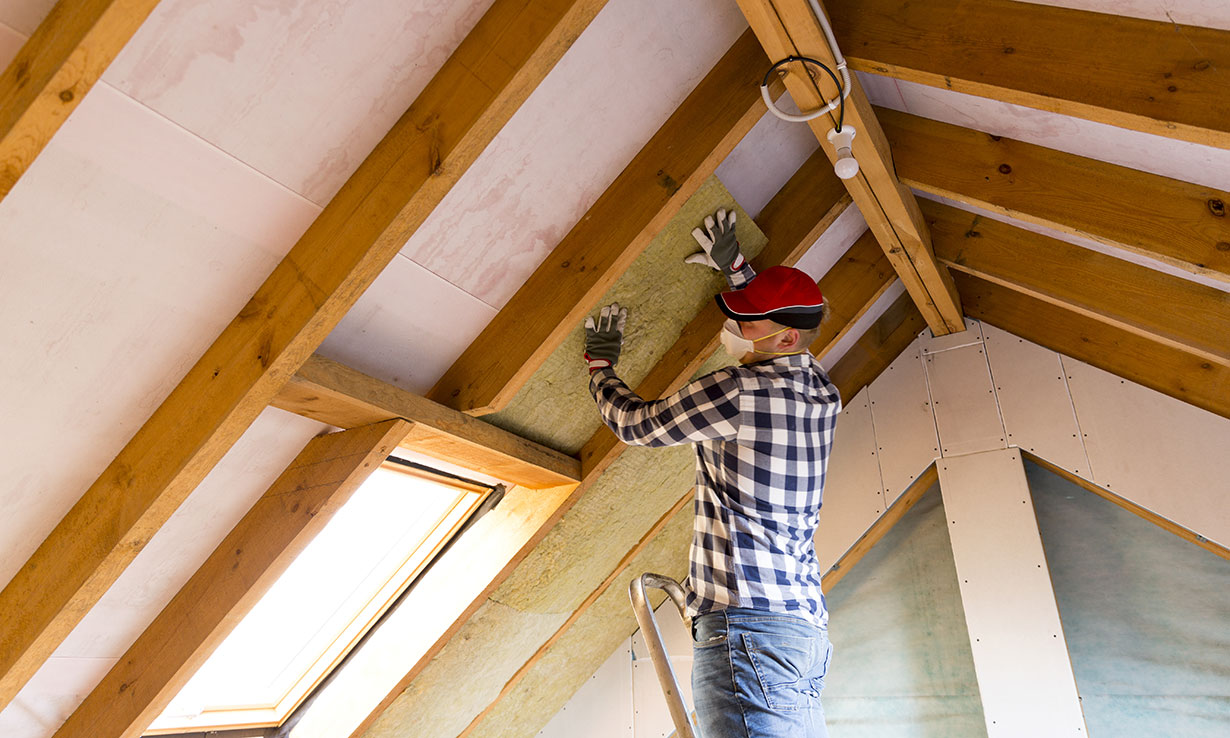
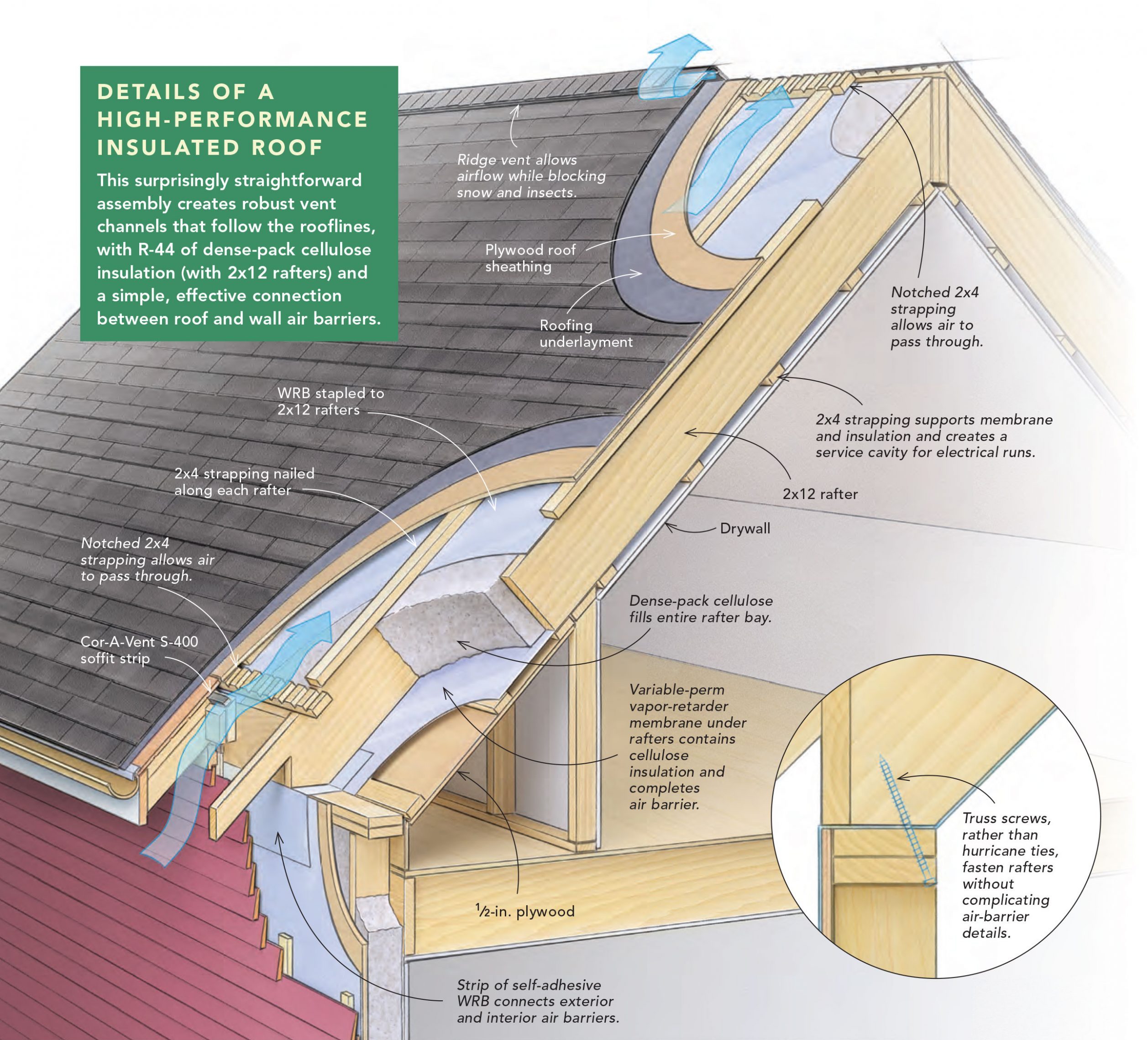
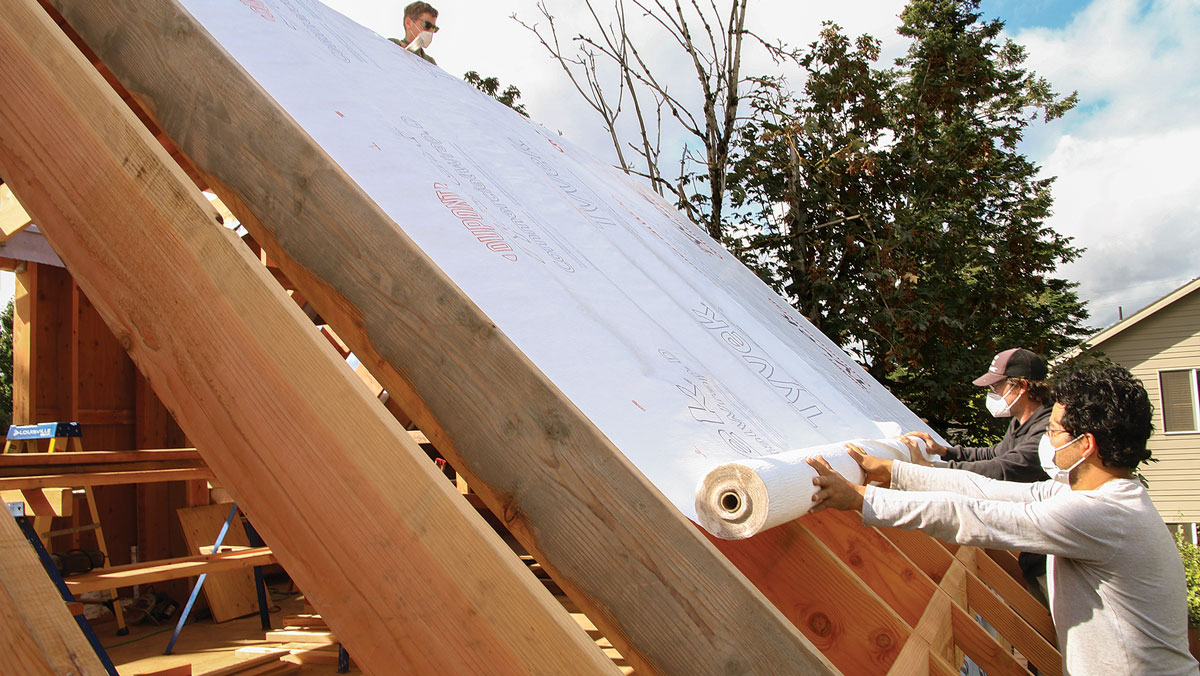
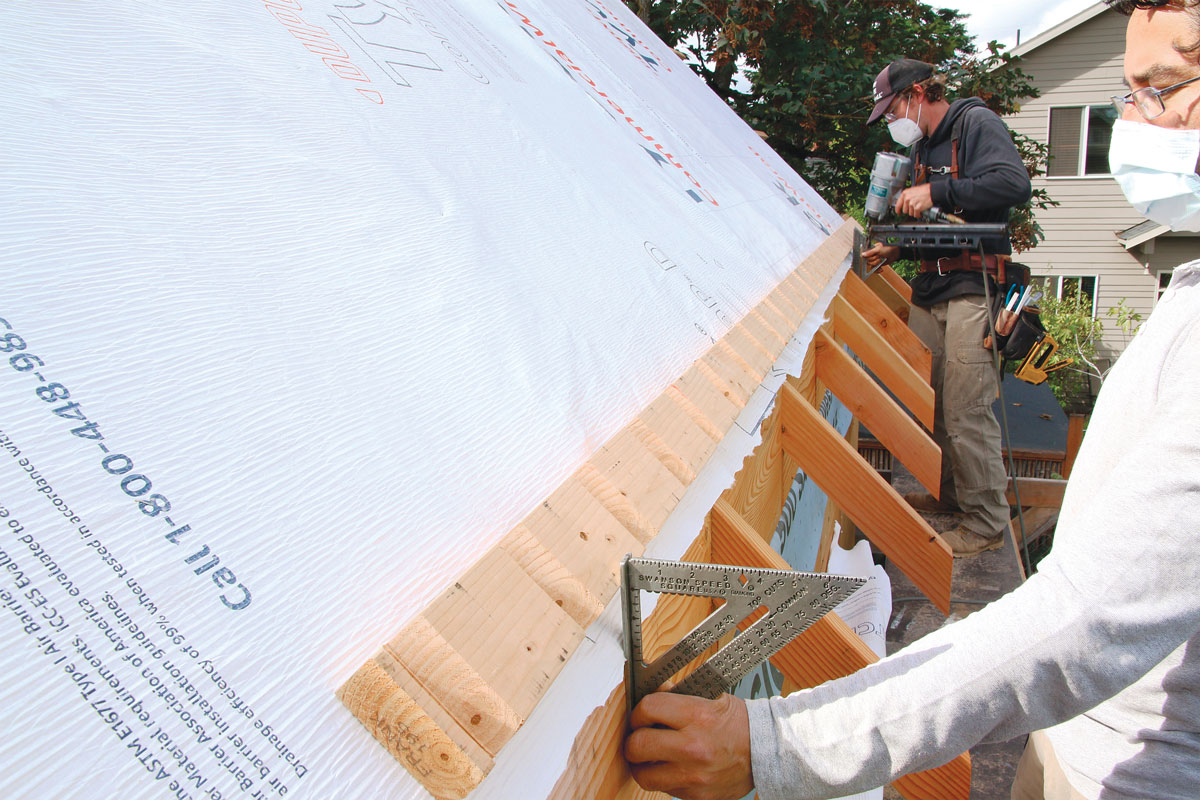
While some types of insulation can be laid as a DIY project, it is a complex task requiring suitable Personal Protective Equipment (PPE) for safety. Improper installation can lead to hazards and create more problems than it solves. Loose fill and spray foam insulation, in particular, always require professional installation. Professionals ensure continuous installation, proper ventilation, avoid compression, prevent obstruction of mechanical ventilation systems, and manage electrical and lighting systems correctly. Insulation can be installed at ceiling level (on the attic floor) or at rafter level (in line with the roof pitch). Ceiling level insulation is generally cheaper and easier for attics not used as living spaces, though it leaves the attic space cold. Rafter-level insulation transforms the attic into a habitable, energy-efficient space by creating an airtight building envelope, reducing draughts and condensation.
When installed correctly with quality materials, loft insulation can last for decades, often exceeding a 25-year guarantee. Factors such as pest infestation, water exposure, and compression can significantly shorten its lifespan. Once installed, loft insulation typically requires no maintenance. However, if signs like unexplained higher heating bills, a colder home, or evidence of pests appear, a professional assessment is advisable to ensure the insulation remains effective. If using the loft for storage, it is important to raise storage boards off the insulation using loft legs or stilts to prevent compression and maintain its effectiveness. Optimizing loft and roof insulation, along with other energy-saving measures, can lead to a warmer and more cost-effective home environment.
#LoftInsulation #RoofInsulation #HomeEnergyEfficiency #EnergySaving #InsulationTypes #InsulationCost #DIYInsulation #BuildingRegulations #HomeMaintenance #LoftInsulation #RoofInsulation #HomeEnergyEfficiency #EnergySaving #InsulationTypes #InsulationCost #DIYInsulation #BuildingRegulations #HomeMaintenance
合計0件のコメント
 まだコメントはありません
あなたも好きかもしれません
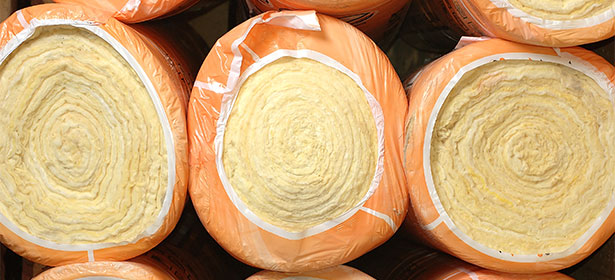
How to insulate a loft or roof

7 easy and efficient ways to keep your house warm this winter

The best floor insulation options for your home, explained

Keep warm for less this winter


How to insulate a loft


The 4 areas of your home pros say to always insulate to keep it toasty in colder weather – plus, where to never insulate


6 Expert-Backed Ways to Keep Cold Air—and High Energy Bills—Out of Your House This Winter

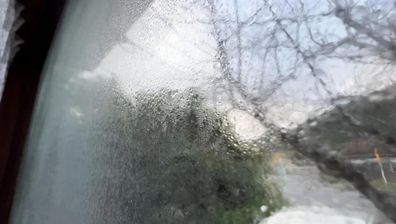
This $8 hack to keep the cold out works almost as well as double glazing
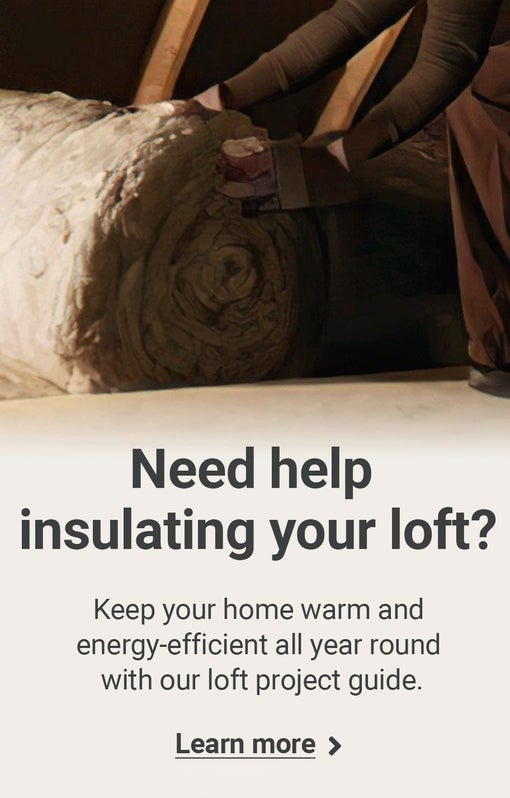
Loft Insulation

Heat your home efficiently this winter
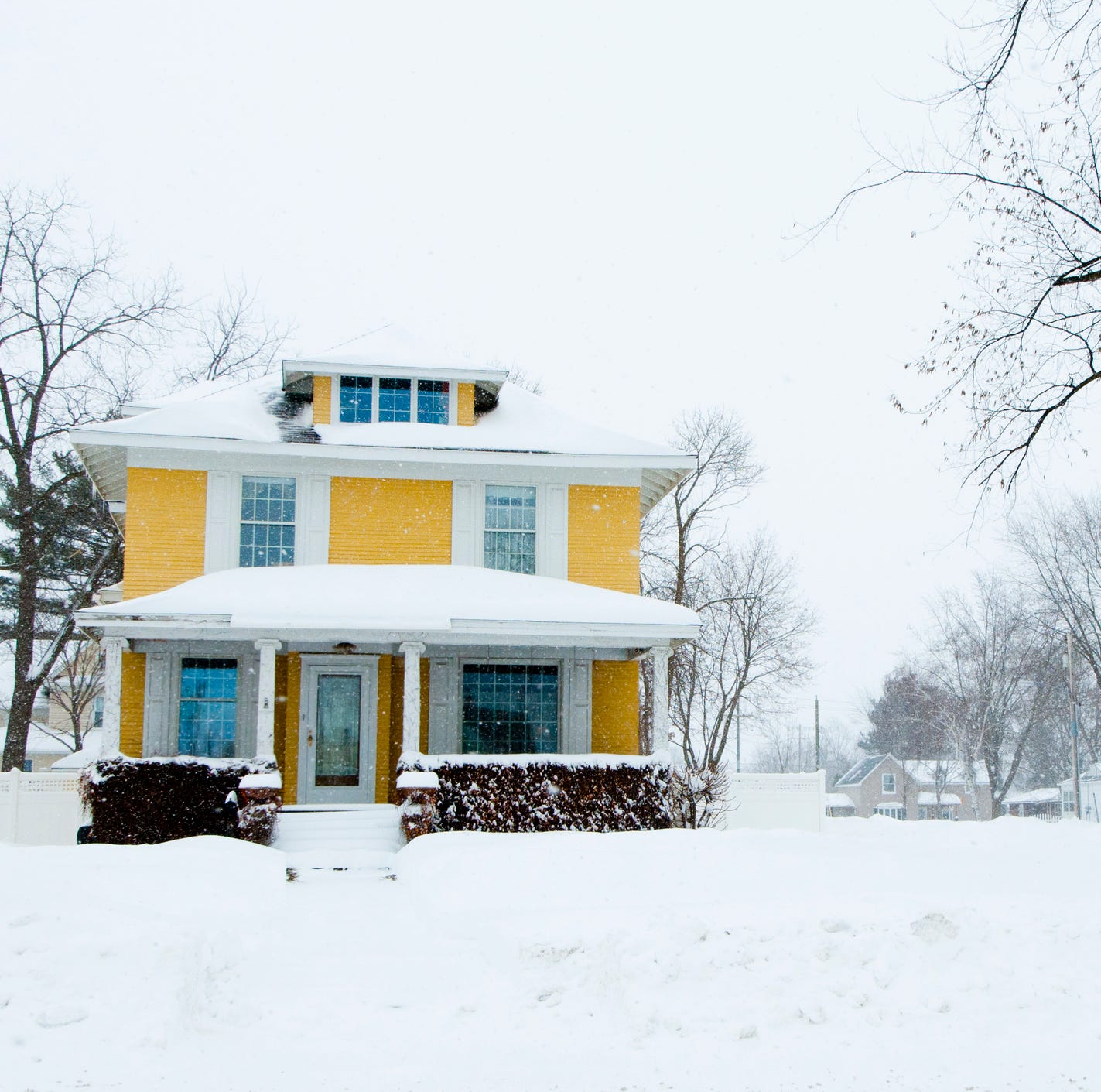
It's Time to Prepare Your Home for Winter With These 10 Quick, Easy Ways

5 ways to insulate a wall to lower your energy bills and block out noise – and which ones are a mistake to DIY
Prep for Winter Weather with These 8 Window Insulation Kits


6 types of attic insulation and how to pick one for your home
17 Tips and Hacks to Help Keep Your House Warm This Winter

The 8 Must-Have Products to Winterize Your Home

An Easy Way To Build a Well-Insulated House

Home insulation materials

A New Take on Insulating a Roof

How to insulate your period house