Designers Already Have White Oak Fatigue—Here’s Which Finish Comes Next
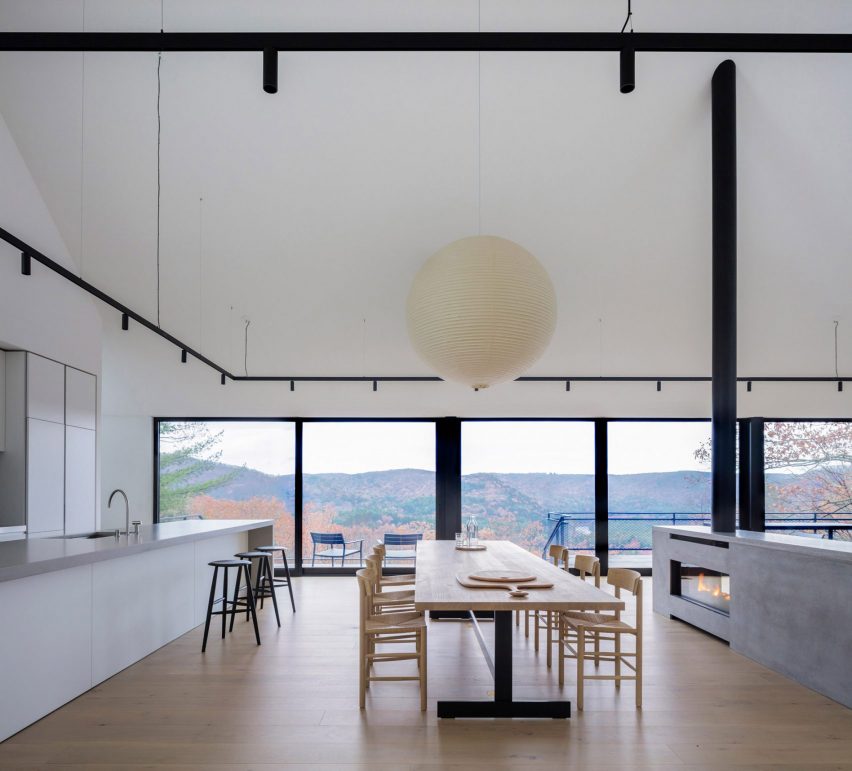
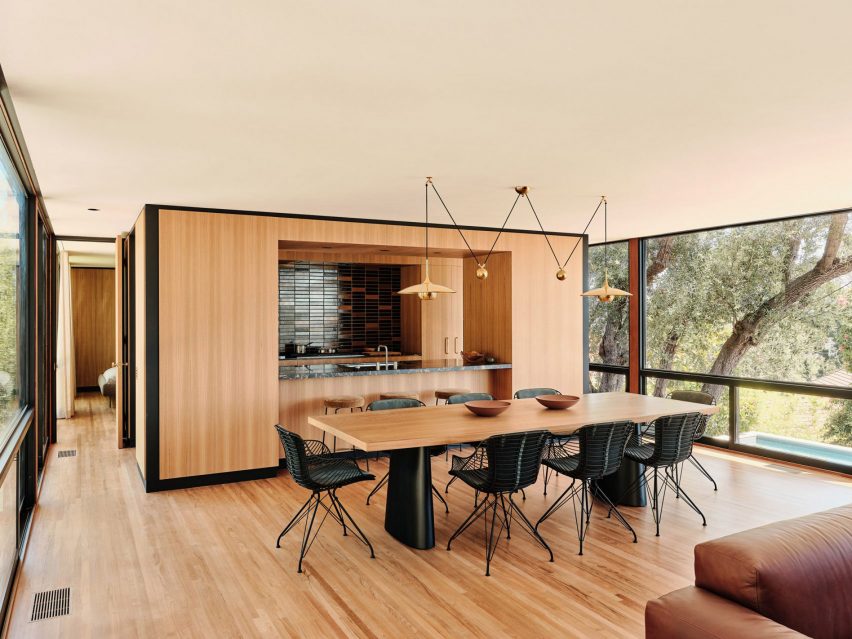
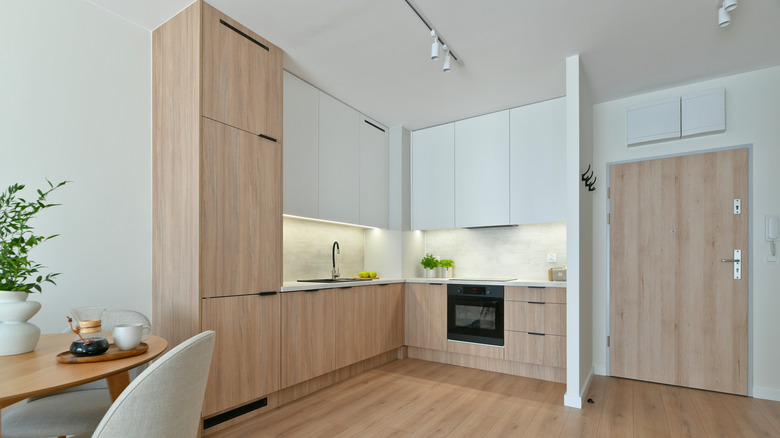
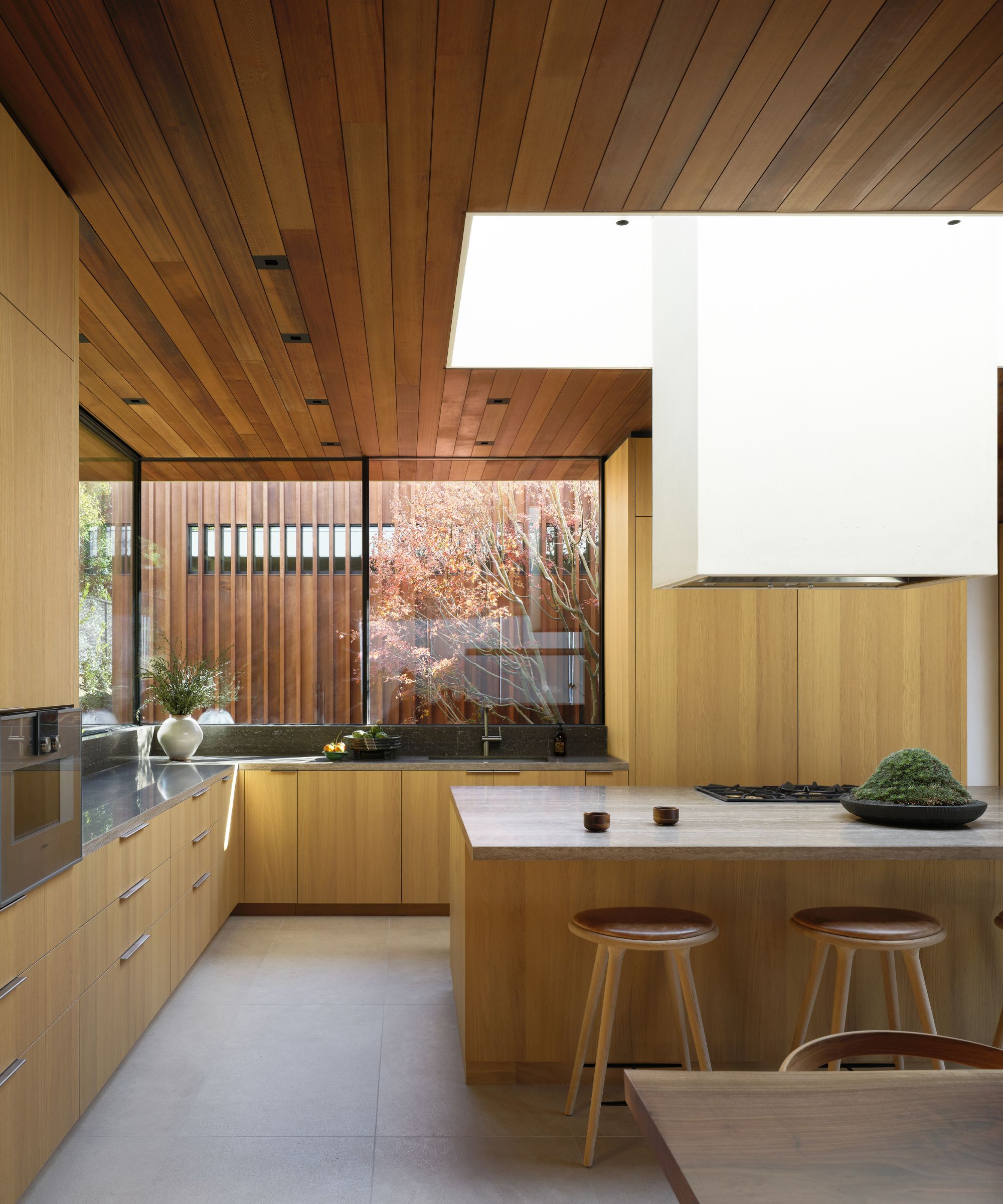
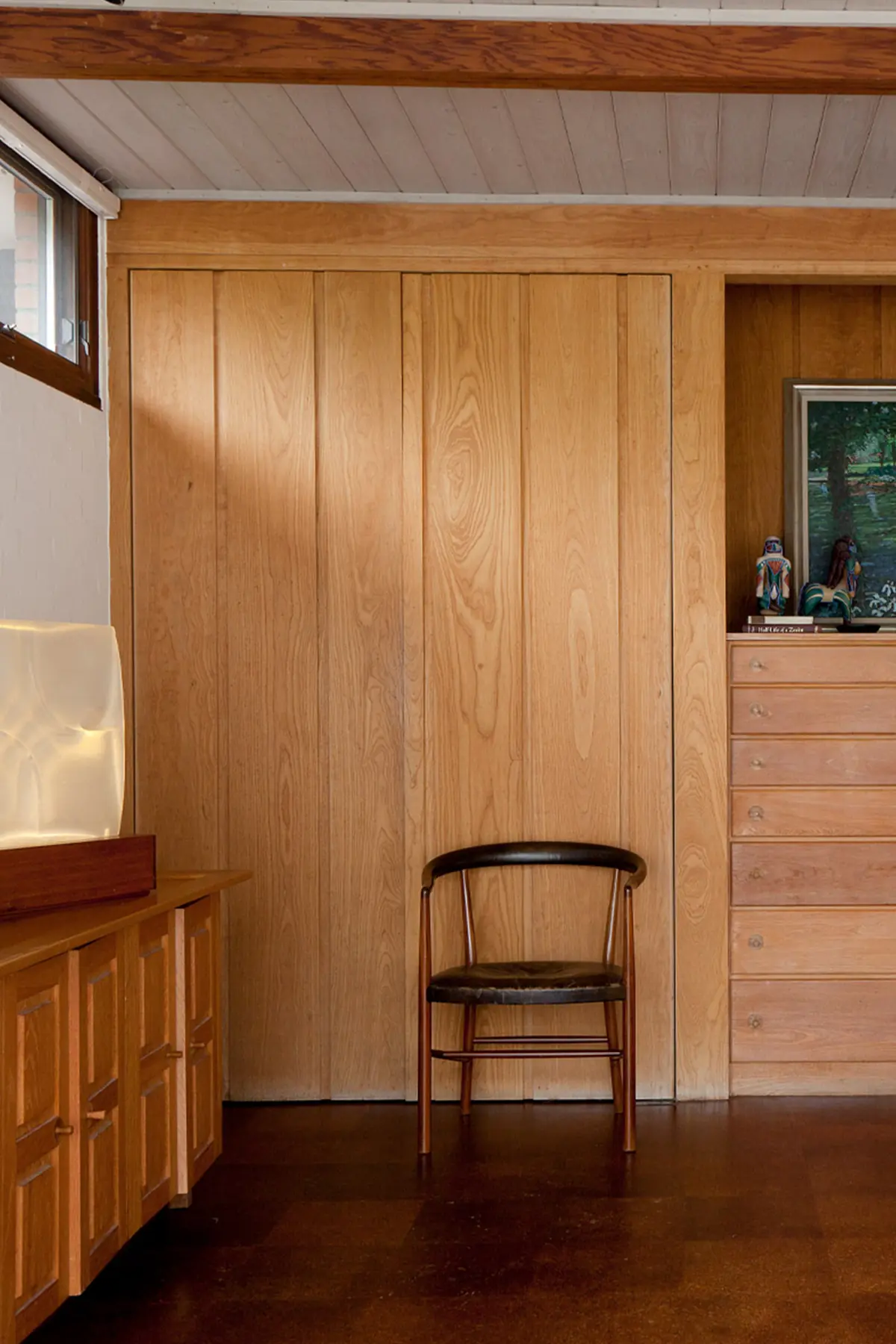
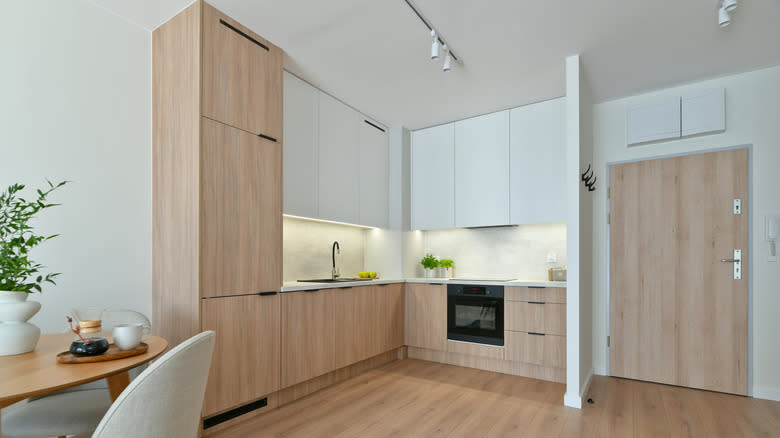
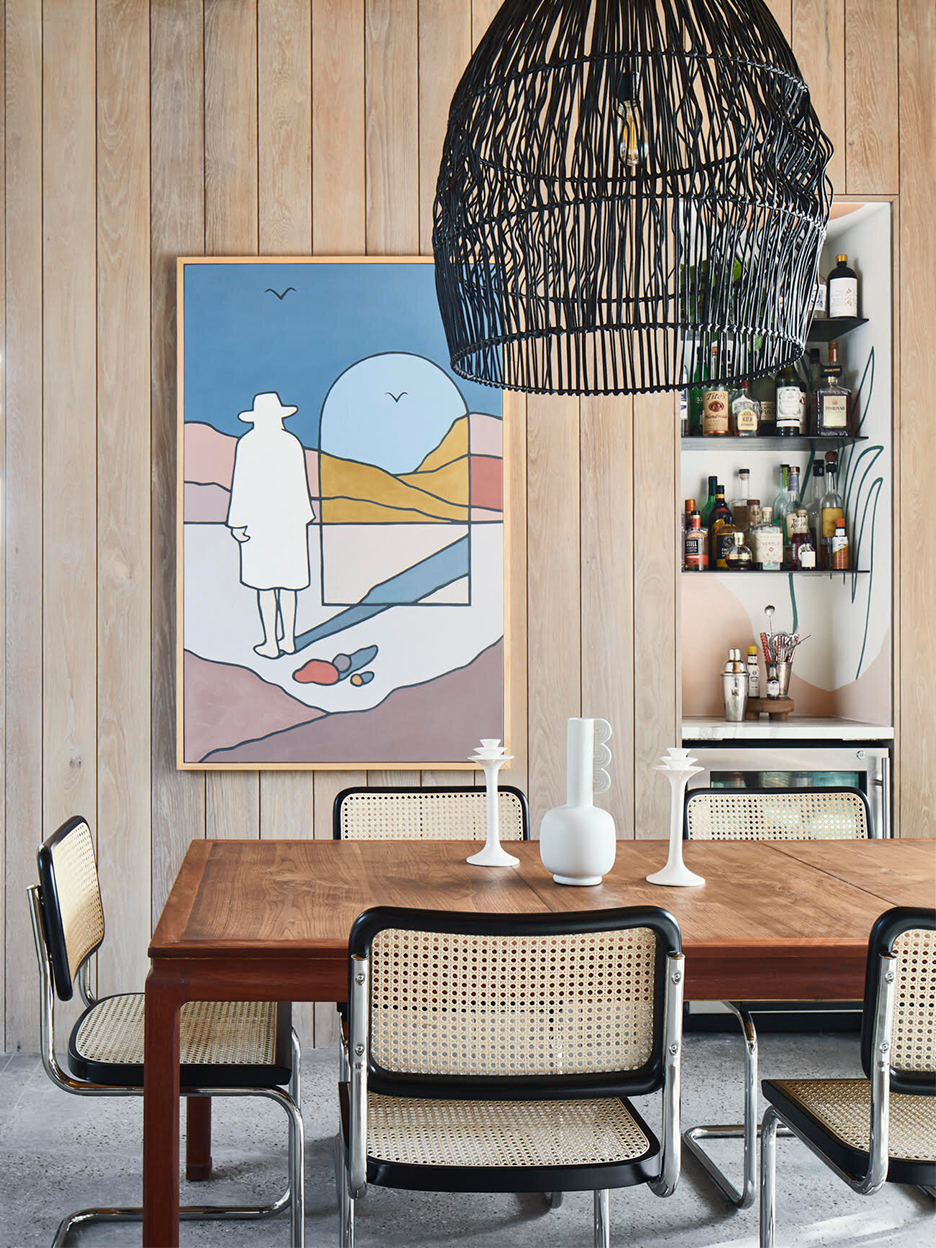
The popularity of white oak in interior design, a light-colored, matte wood, grew significantly over the past decade. It was favored for its ability to introduce warmth into contemporary spaces often characterized by cool gray tones and bright white walls. Its versatility, durability, and cost-effectiveness made it a practical choice for various applications, including flooring and furniture. The prominent grain of white oak was also appreciated for its ability to conceal minor scratches, making it suitable for high-traffic areas and homes with pets.
Despite its advantages, the design community is expressing a shift away from white oak, citing 'white oak fatigue.' This sentiment stems from a desire for fresh aesthetics and, notably, a growing emphasis on sustainability in material selection. Designers are now actively seeking alternative wood finishes that offer both visual appeal and environmental responsibility. This move signifies a broader trend in interior design towards more conscious and diverse material choices.
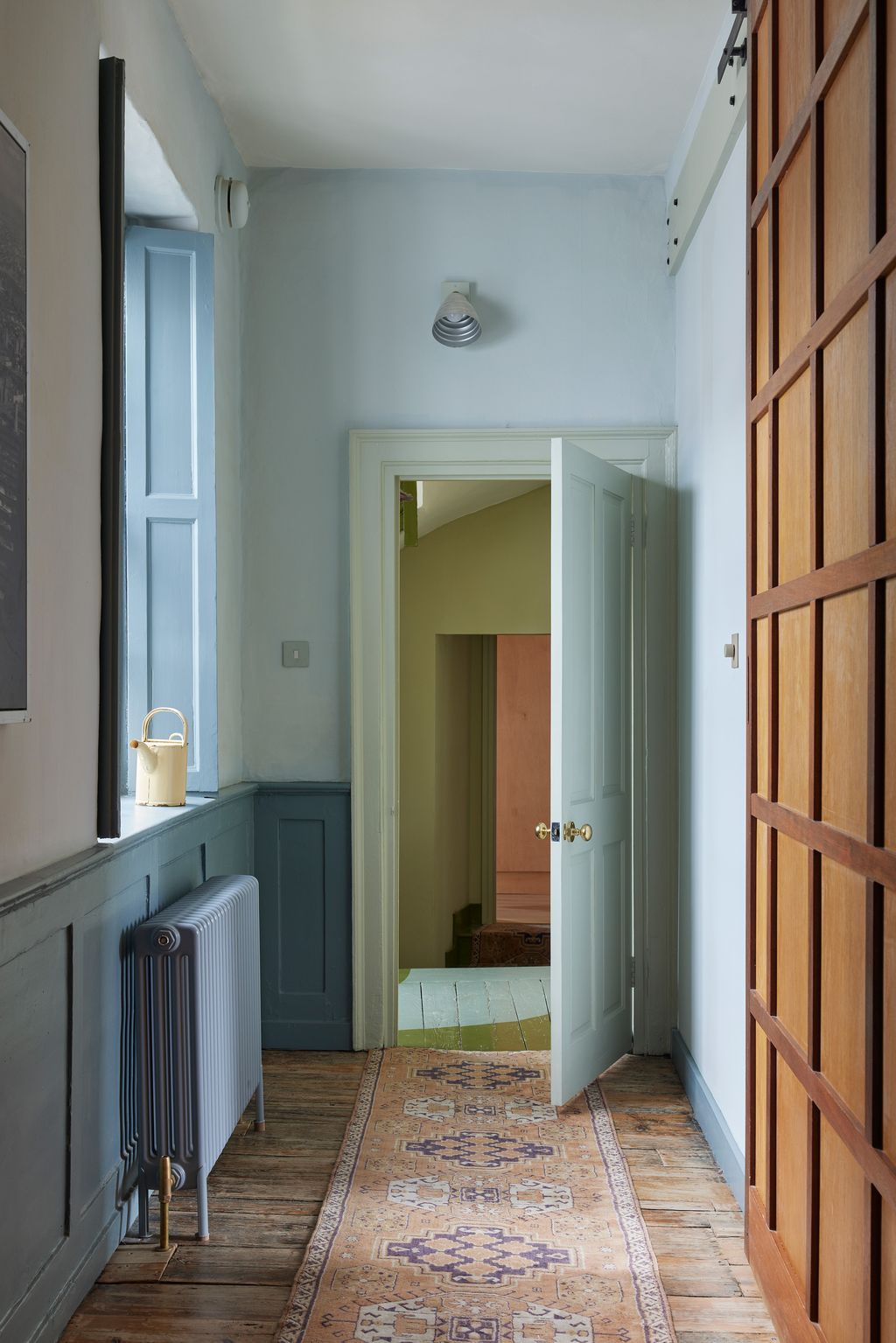
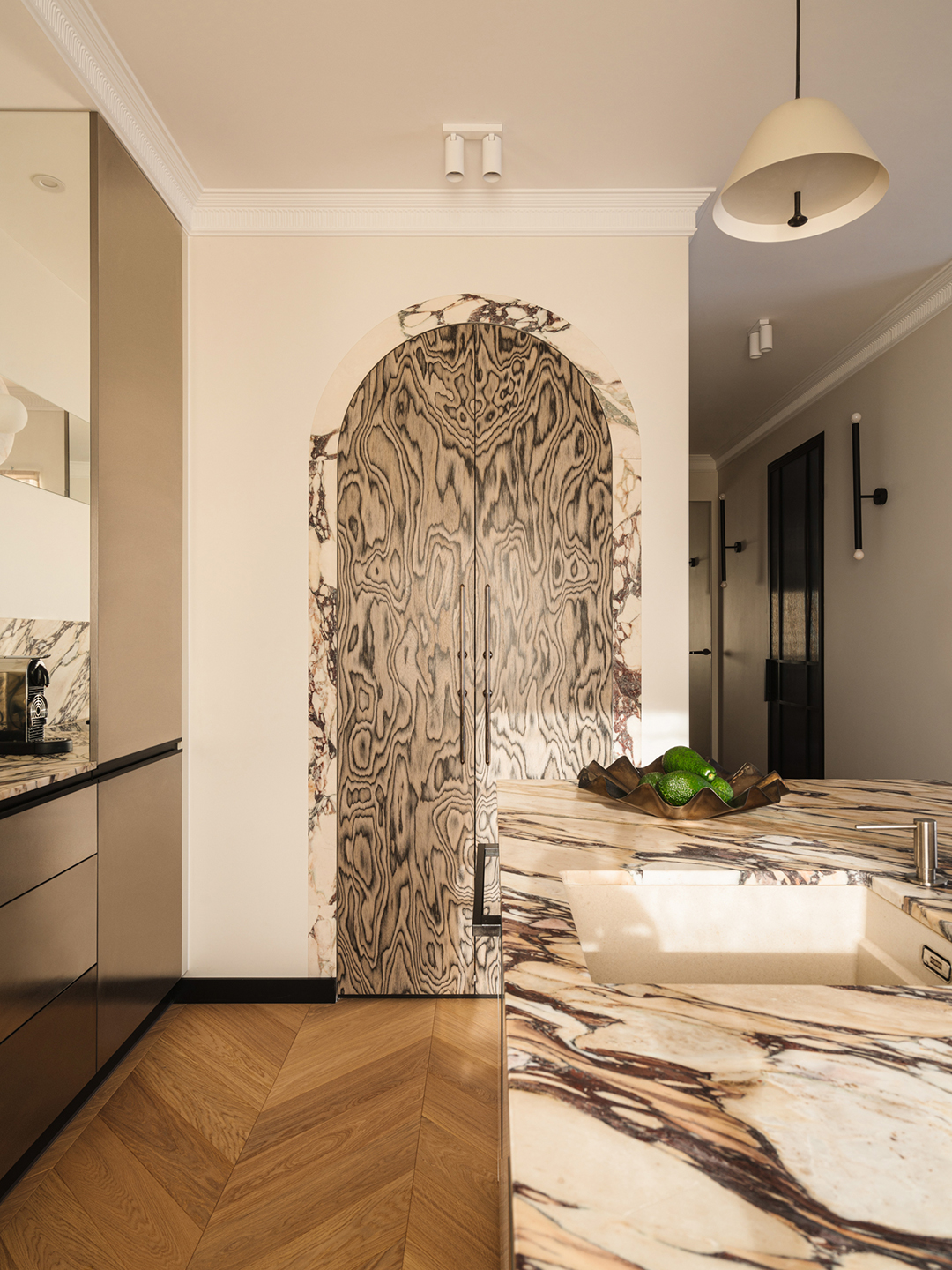
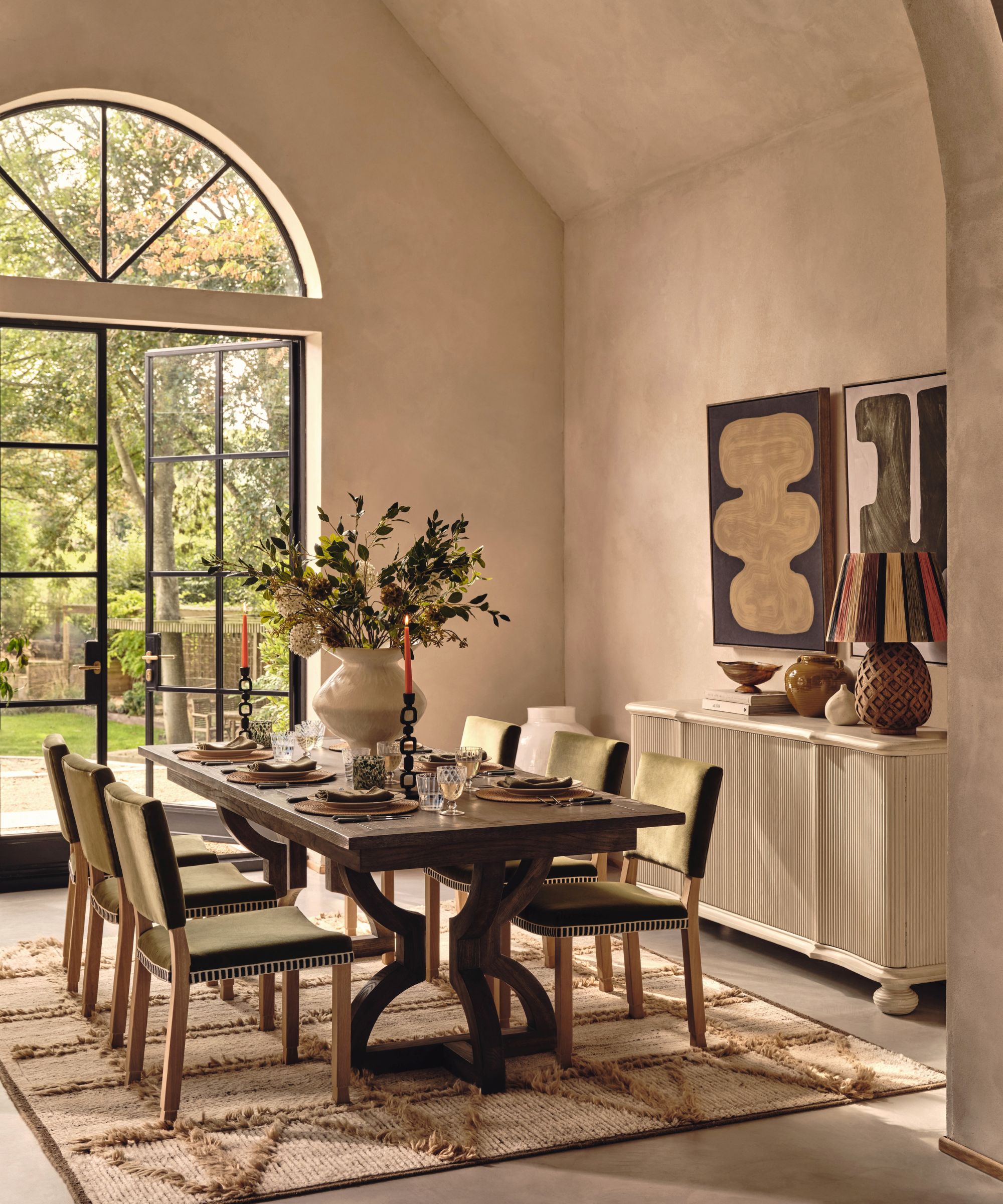
Several alternative wood finishes are gaining traction among design professionals. Plywood, traditionally a construction material, is emerging as an eco-conscious and affordable option. Its availability in various tints and grains allows for a polished look, while its thin and flexible nature enables creative applications, such as curved designs, to break up angular spaces.
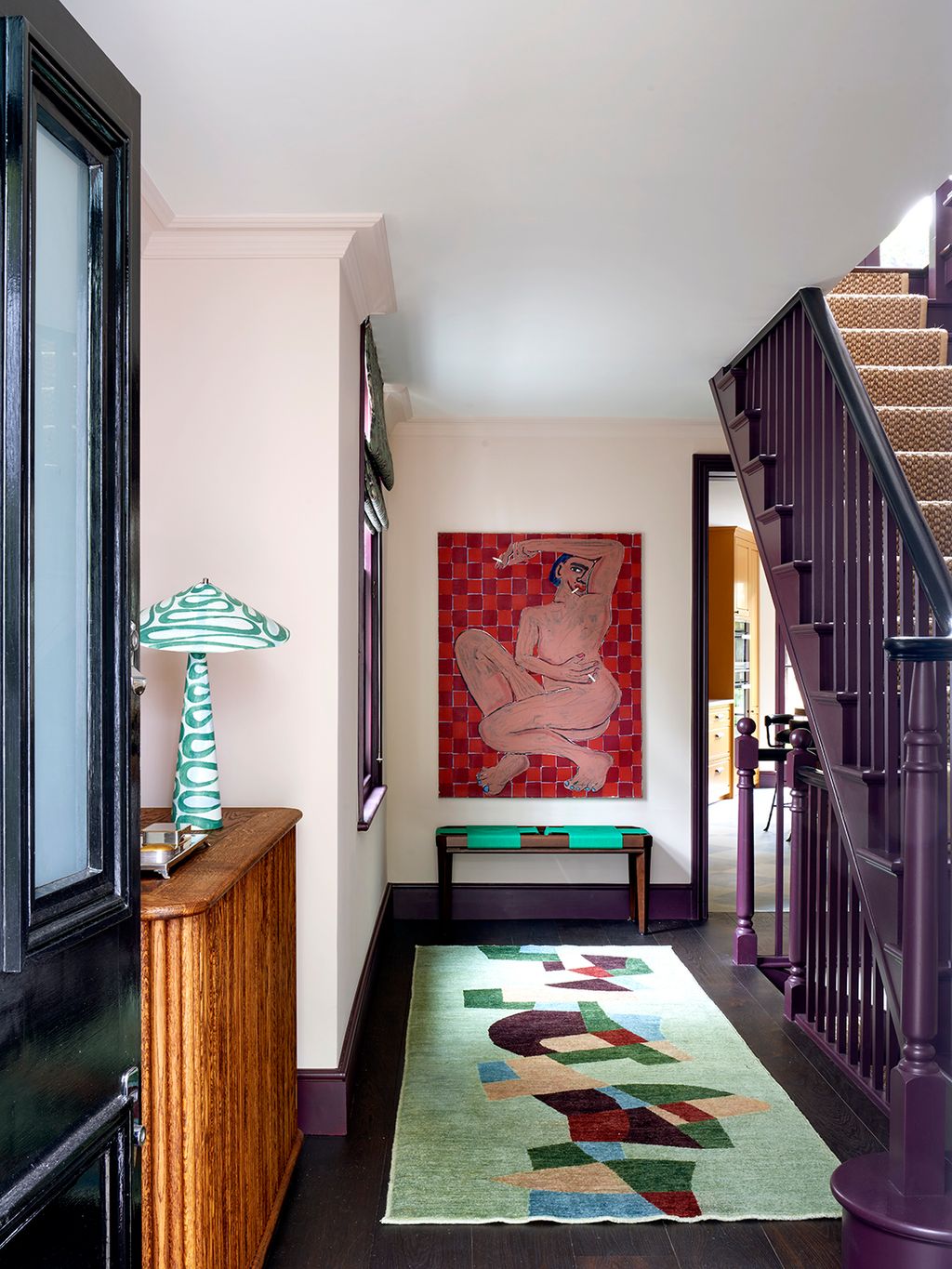
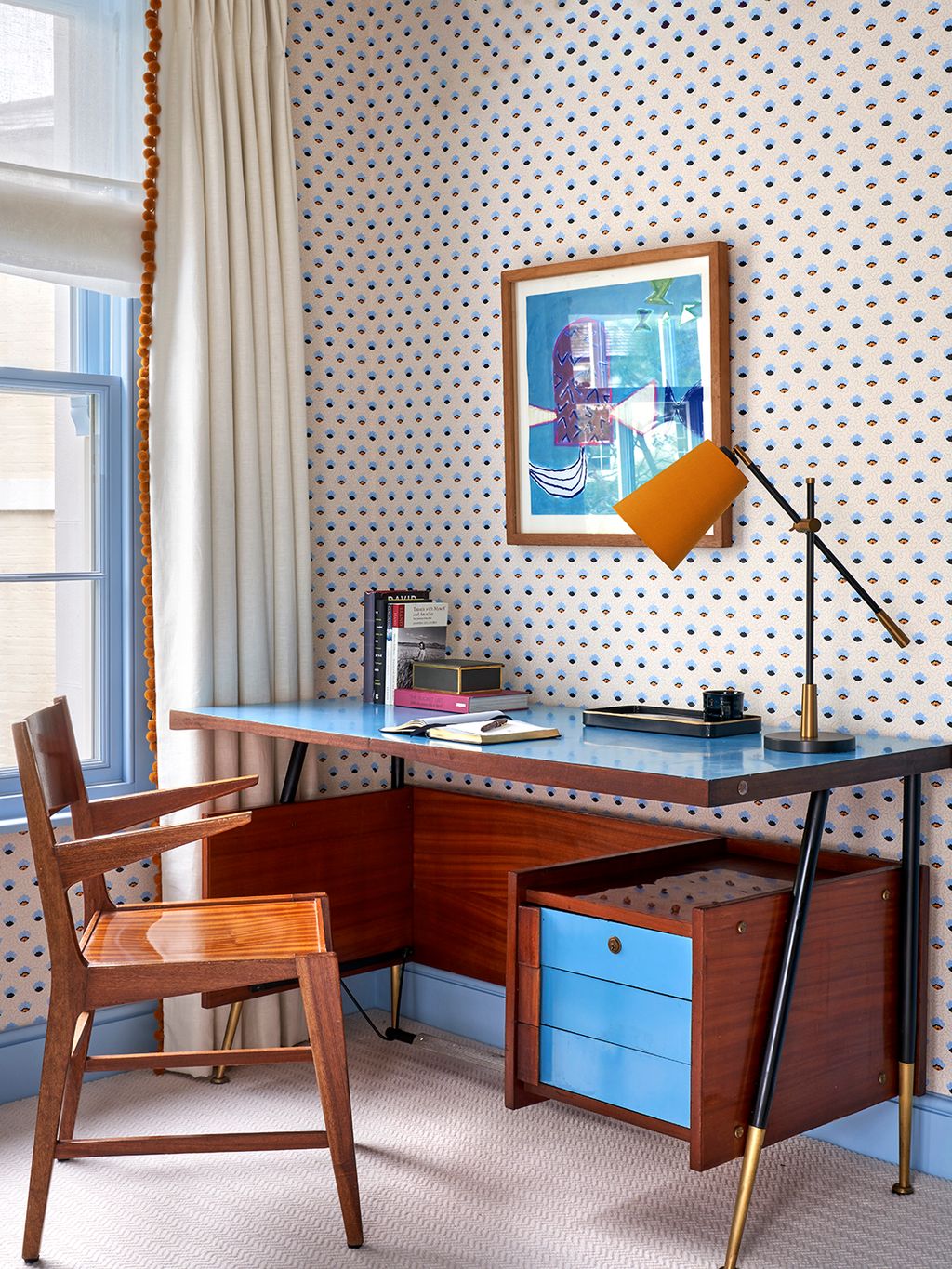
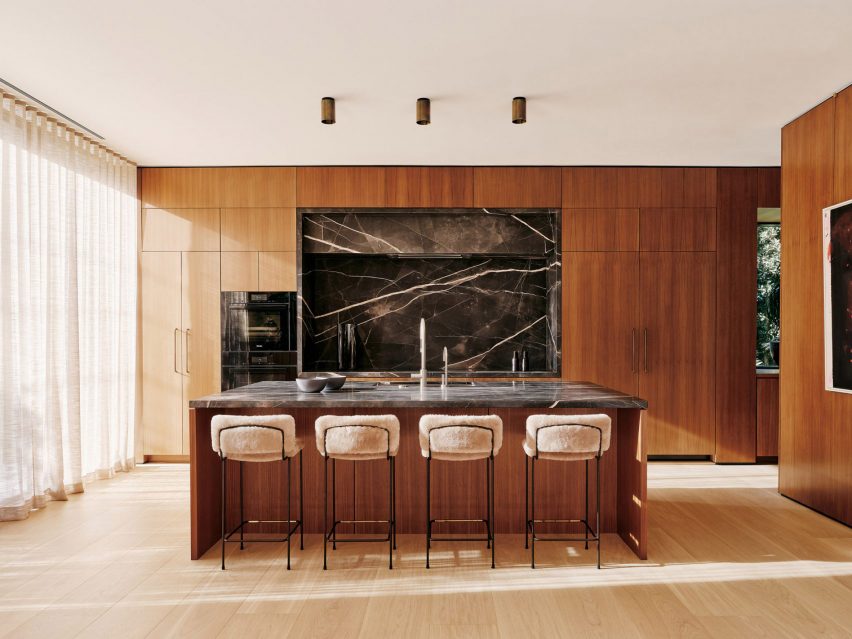
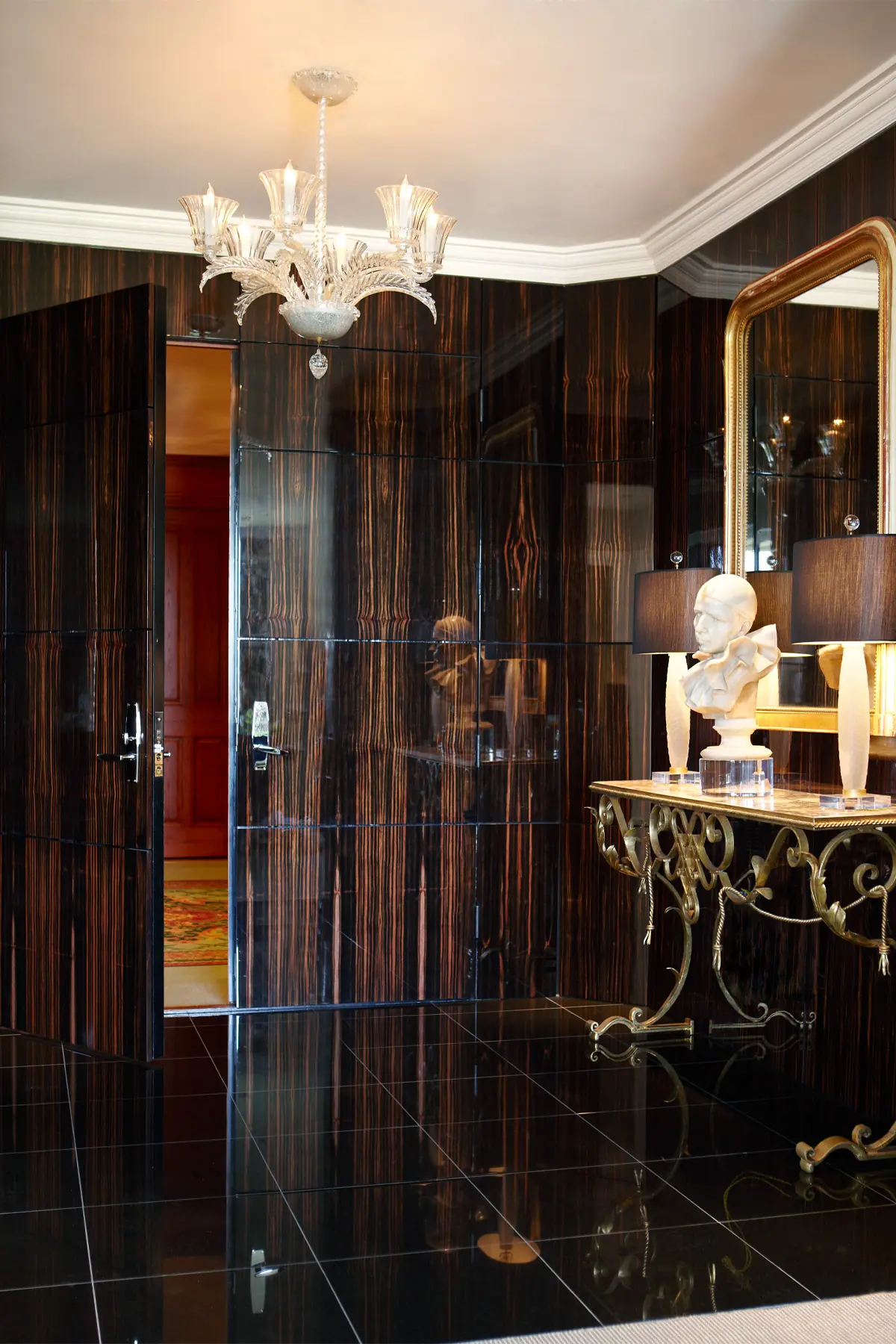
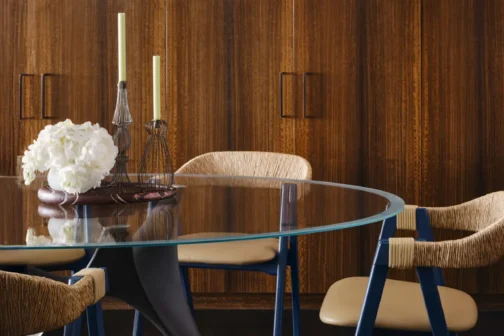
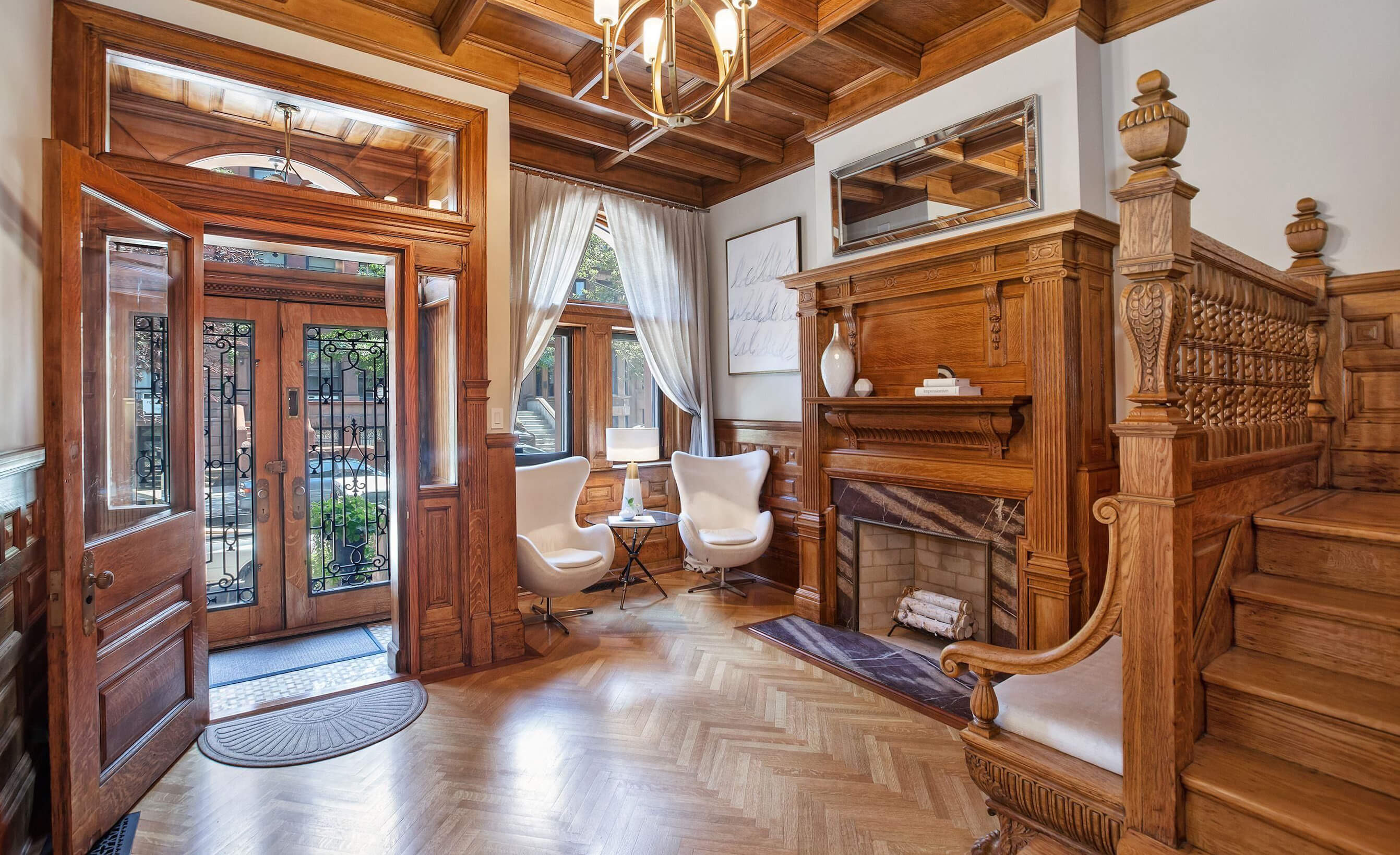
Walnut is another favored material, particularly American walnut, admired for its wider, more organic grain and rich finish when stained. Designers are incorporating walnut into diverse elements, from cabinetry and flooring to vanities and furniture, praising its depth of color and its ability to complement various interior styles.
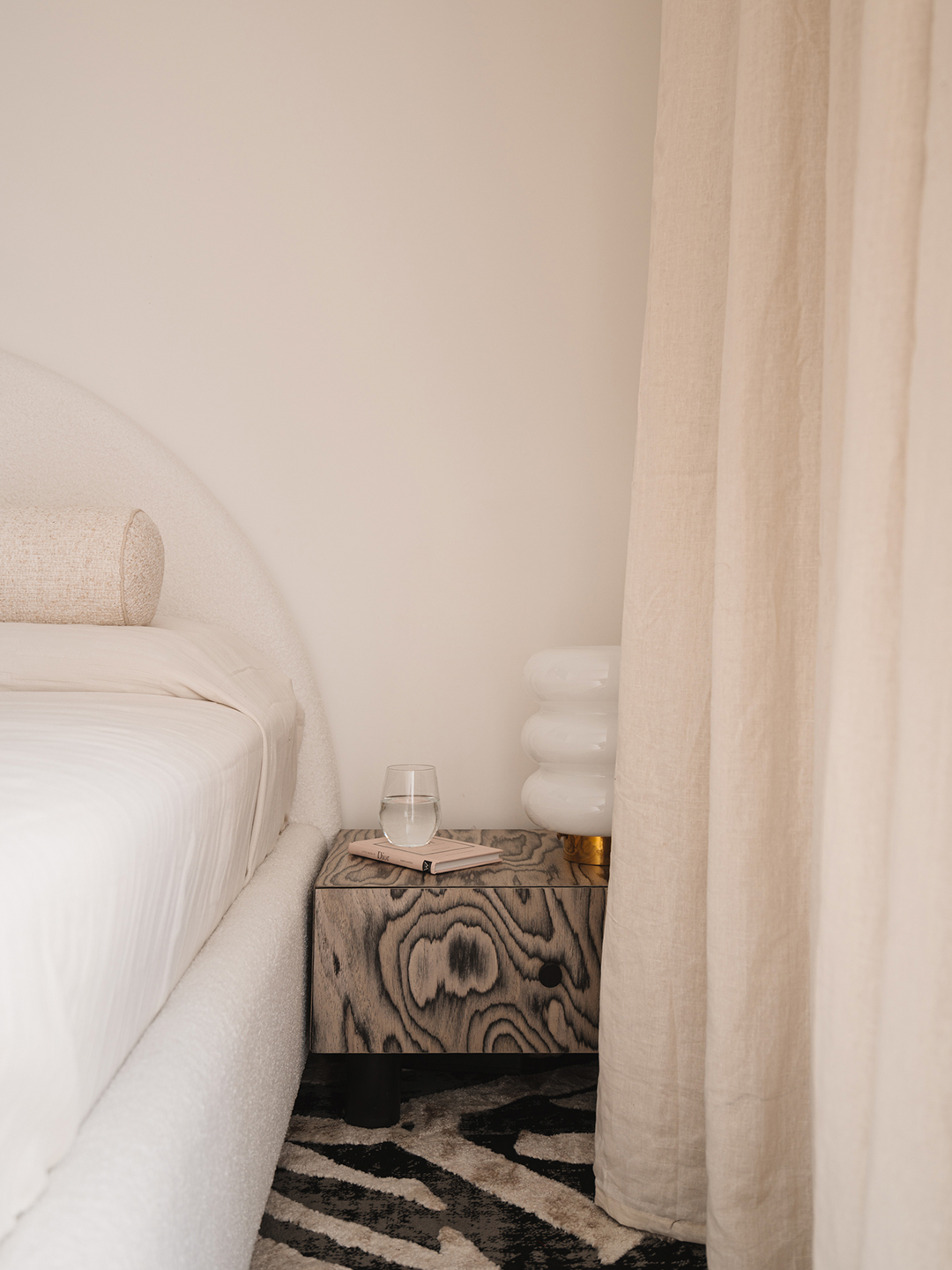
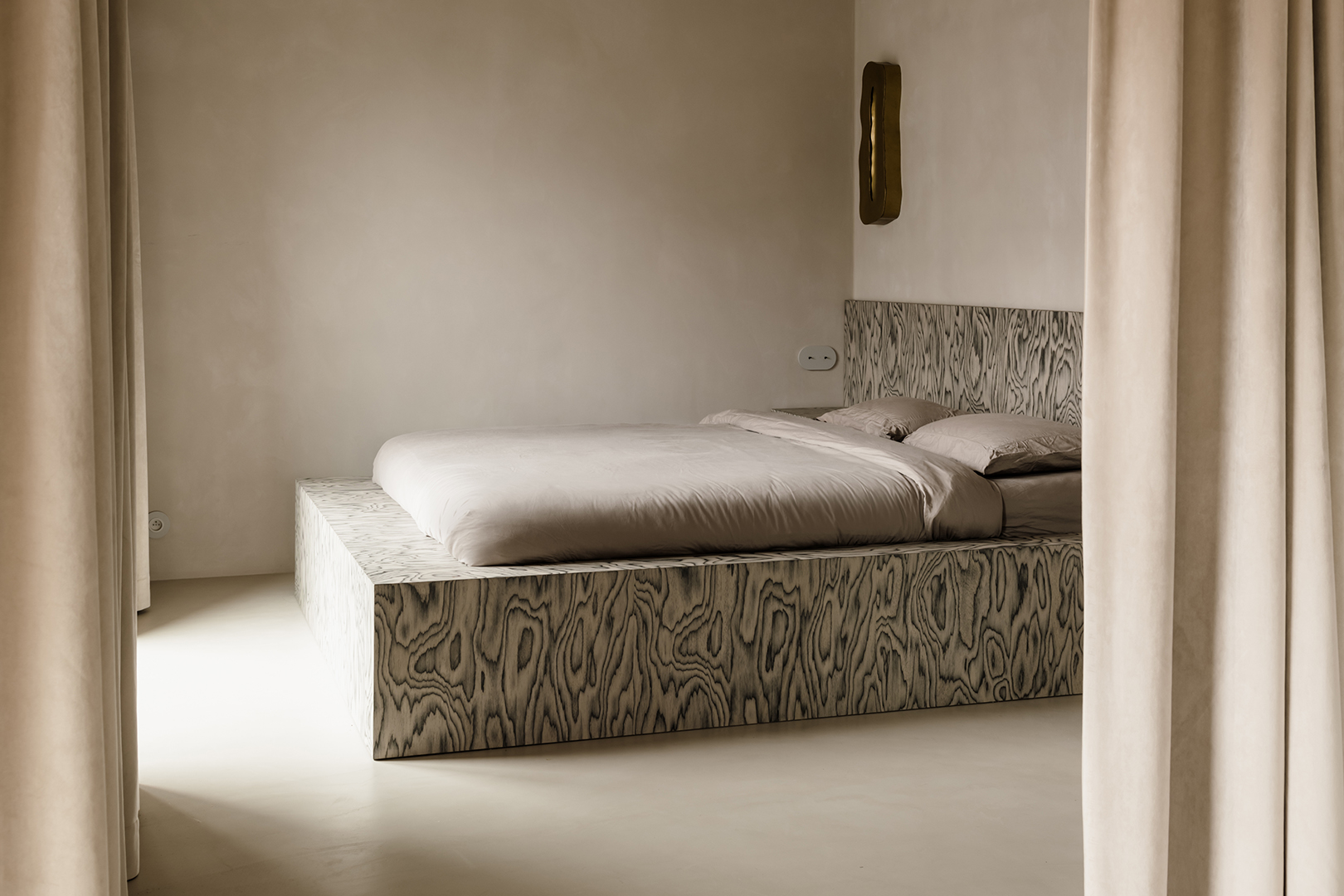
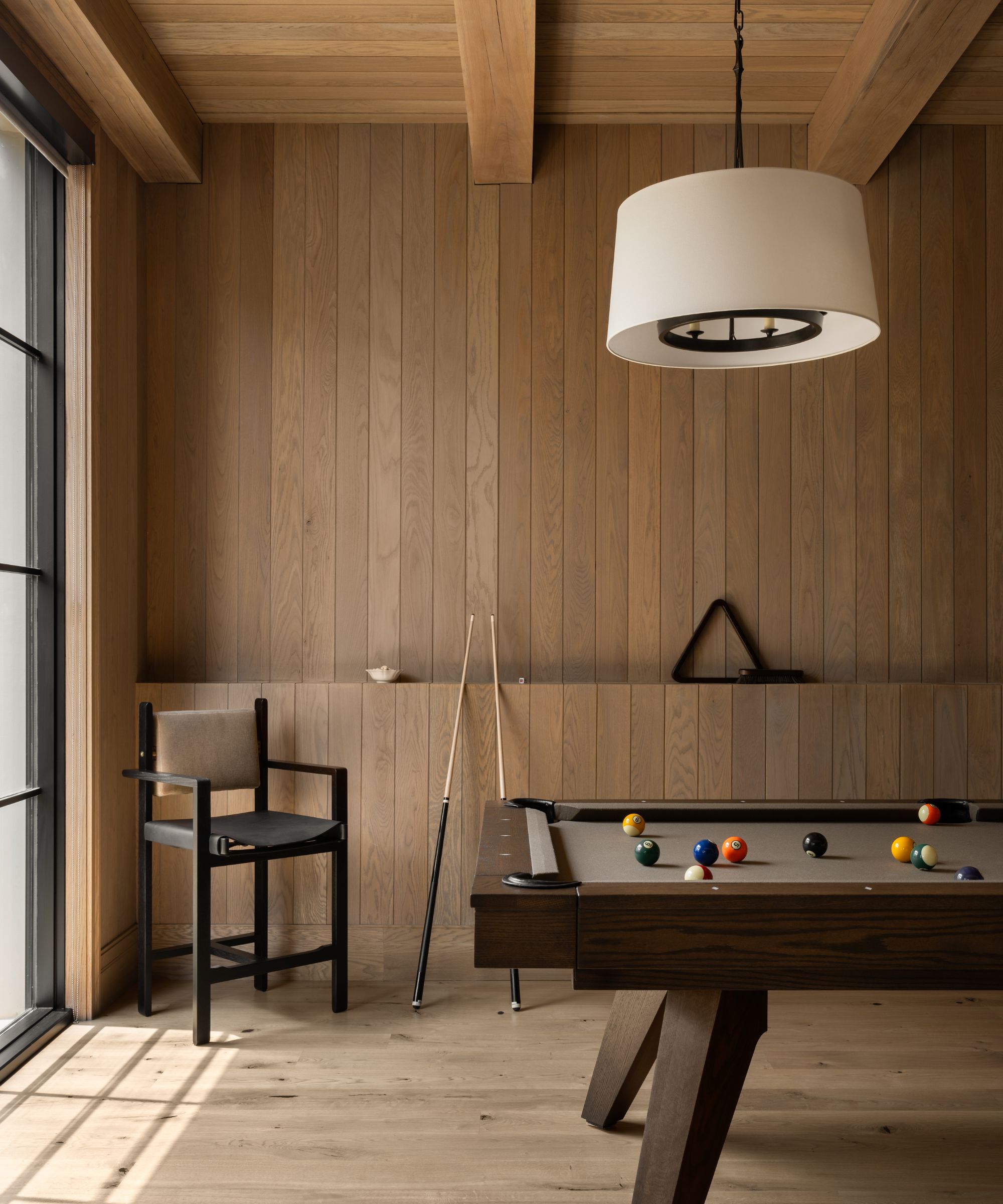
Quarter-sawn ash is also being embraced for its similar hue to white oak but with a distinct, more textured character. This material is valued for its versatility in achieving different aesthetic outcomes, ranging from bold and whimsical to subdued and sophisticated, depending on the finish applied. Reclaimed maple and sapele, a wood resembling mahogany, represent further environmentally friendly choices. The appeal of these reclaimed materials lies in their historical significance and the contribution of repurposing to sustainability efforts, combating deforestation.
Finally, local sourcing of wood is becoming a significant consideration, especially for designers focused on reducing environmental footprints. Pecan and mesquite, native to certain regions, are examples of locally sourced woods that add a unique narrative to custom furniture pieces. This practice not only supports regional economies but also minimizes the transportation distance of materials, aligning with broader sustainability goals in the design industry.
#WoodFinishes #InteriorDesignTrends #SustainableDesign #WhiteOakAlternatives #Plywood #Walnut #Ash #ReclaimedWood #LocalSourcing #WoodFinishes #InteriorDesignTrends #SustainableDesign #WhiteOakAlternatives #Plywood #Walnut #Ash #ReclaimedWood #LocalSourcing
合計0件のコメント
 まだコメントはありません
あなたも好きかもしれません
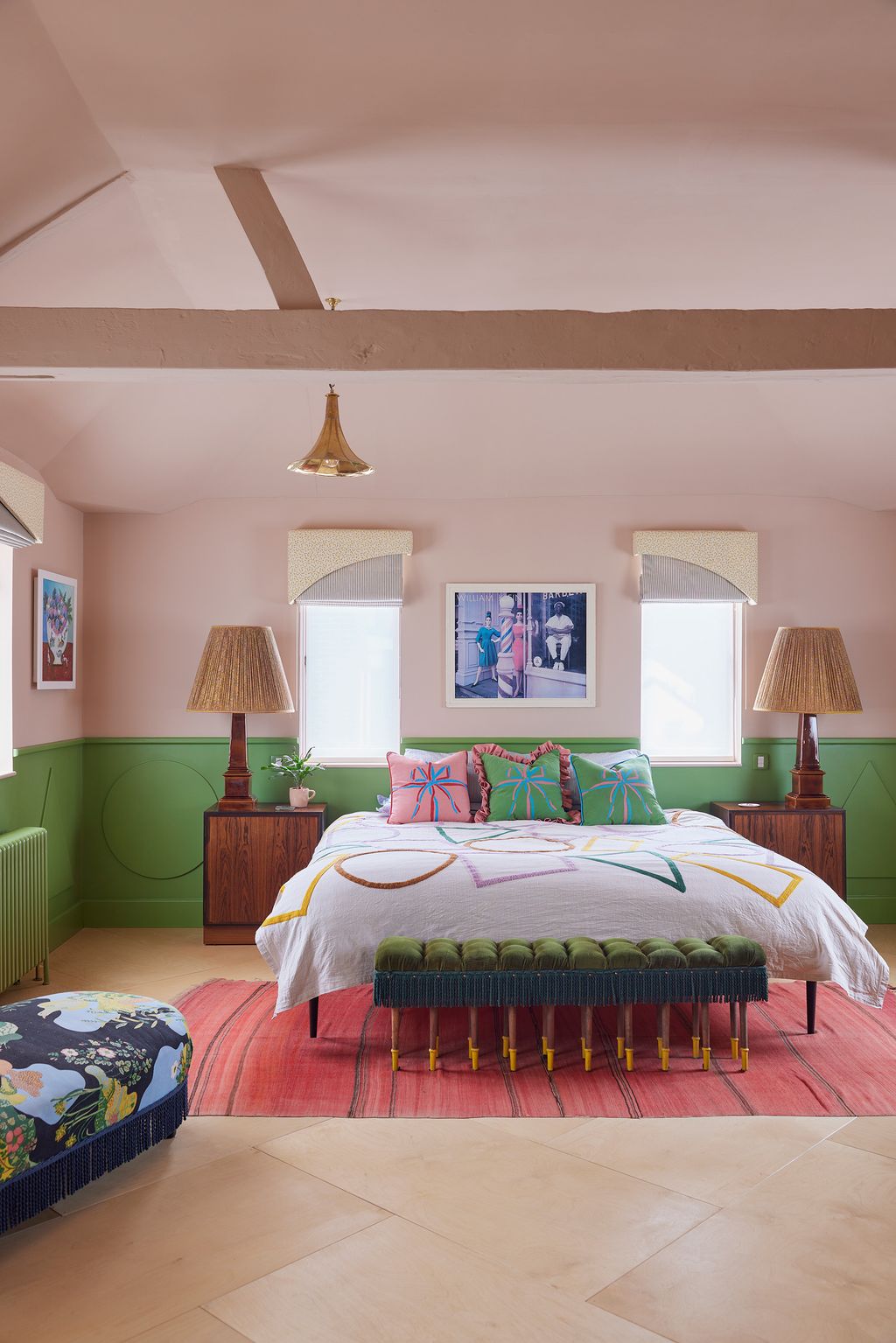
Time to rethink coloured ceilings and woodwork
Wood Treatments

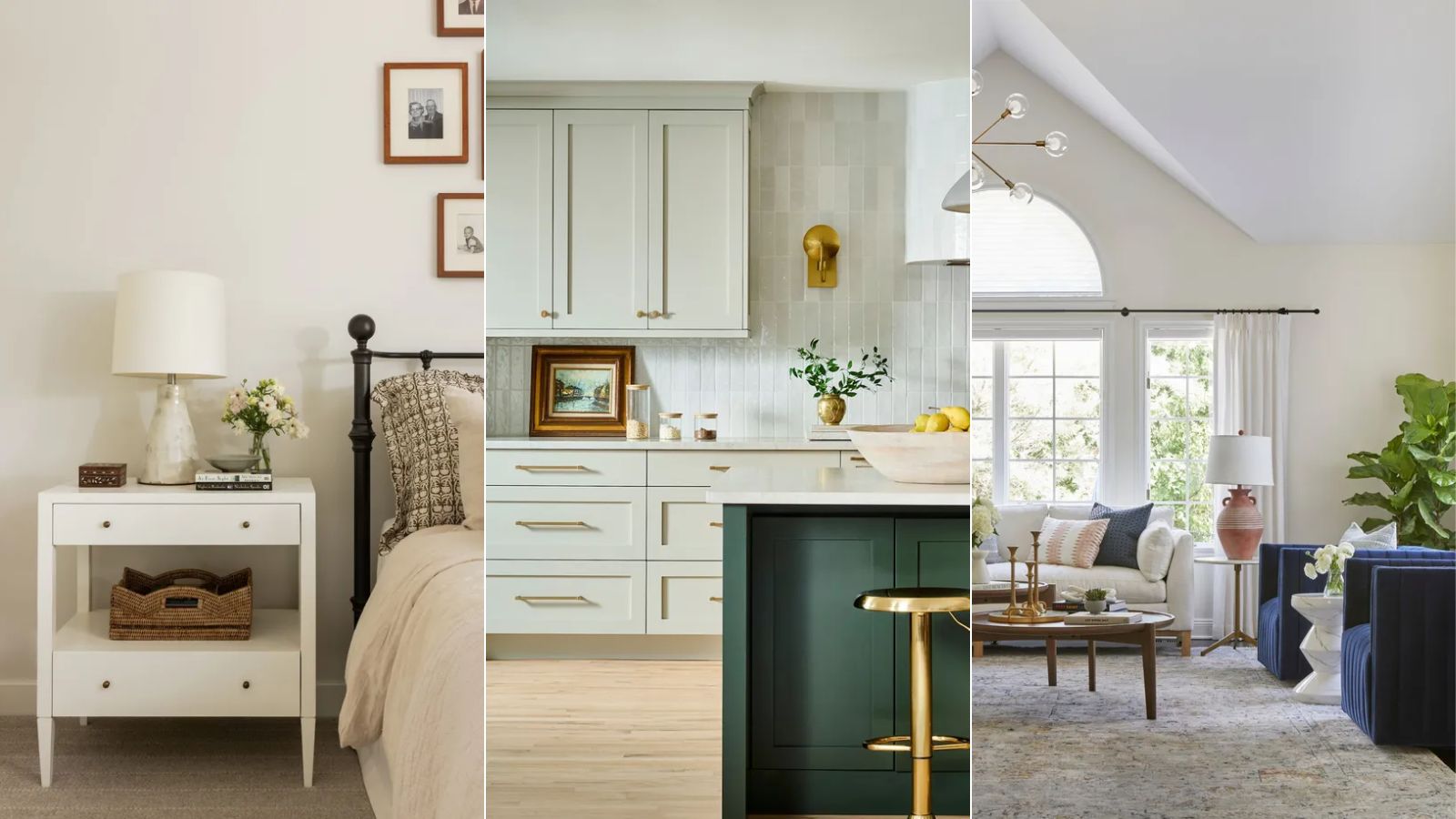
Best off-white paints according to designers

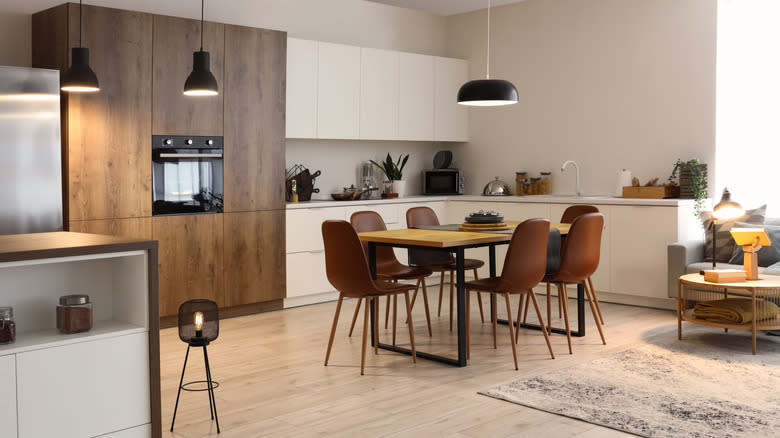
The Cabinet And Flooring Material That's Starting To Make Your Space Look Dated

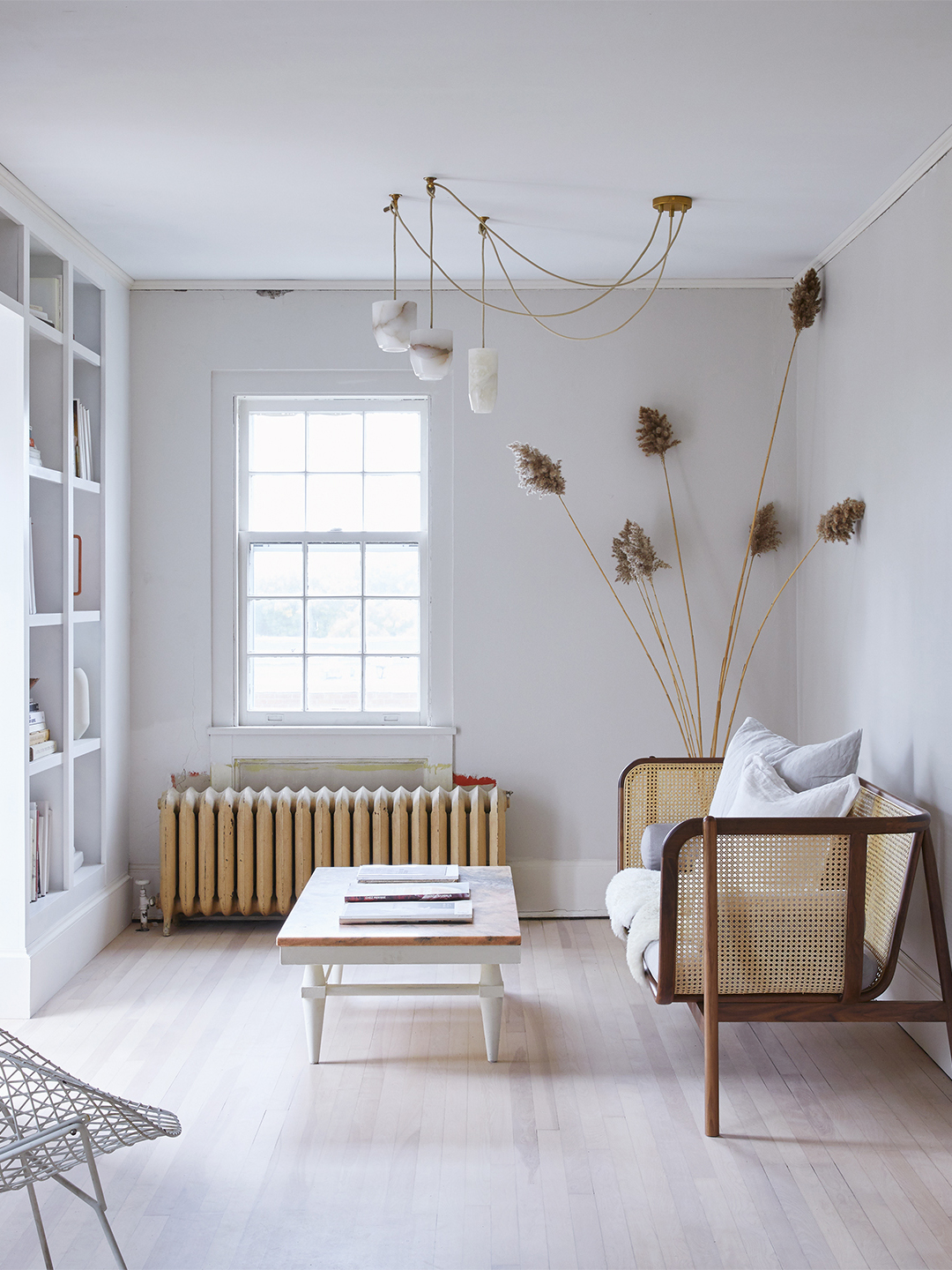
Designers’ Favorite White Paints Are Always Changing—We Asked 3 for Their Latest Pick

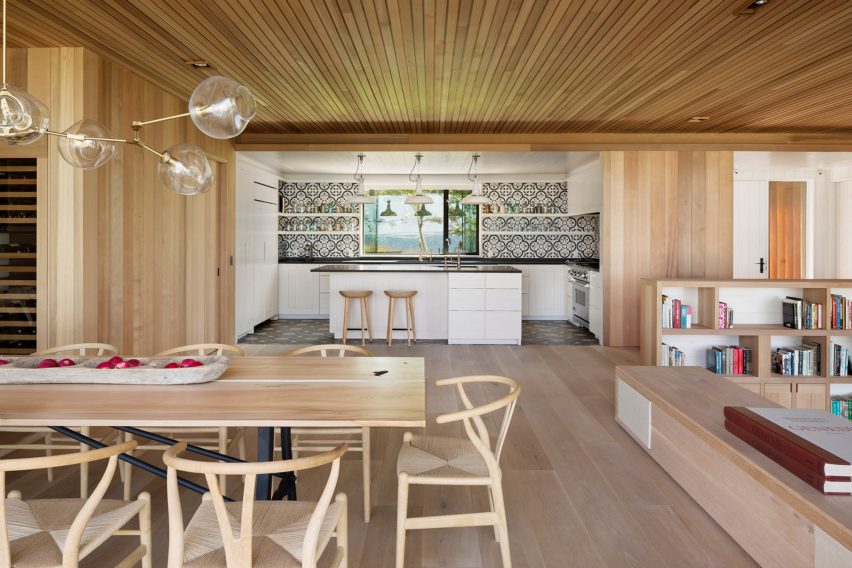
Ten projects that seamlessly integrate wood into the design

This HGTV Star Calls Out the "Trendiest" Wood to Use Right Now
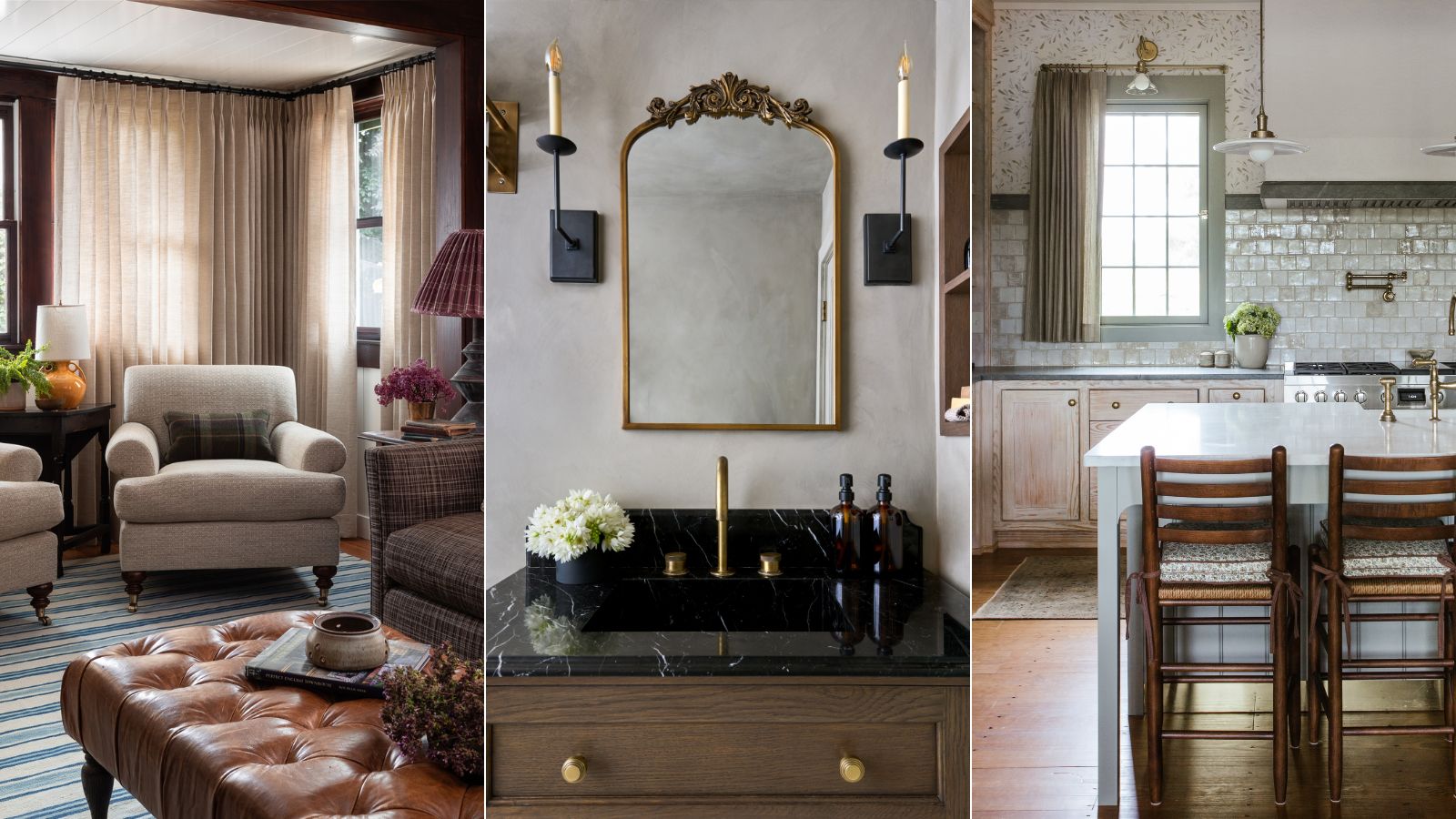
Are darker woods back on trend? Designers say this once-dated finish is in fact perfect for creating character
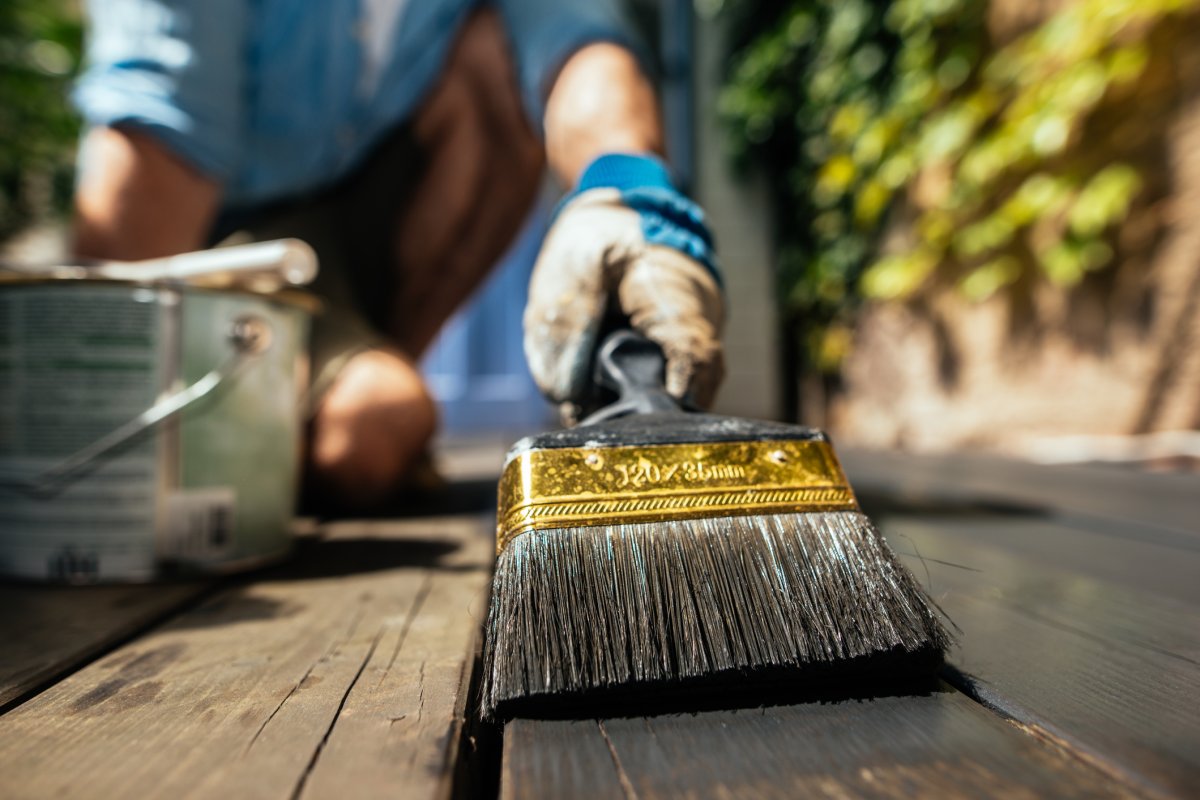
We're Over White-Washed Woods: See the Colors of the Year from 4 Major Stain Companies

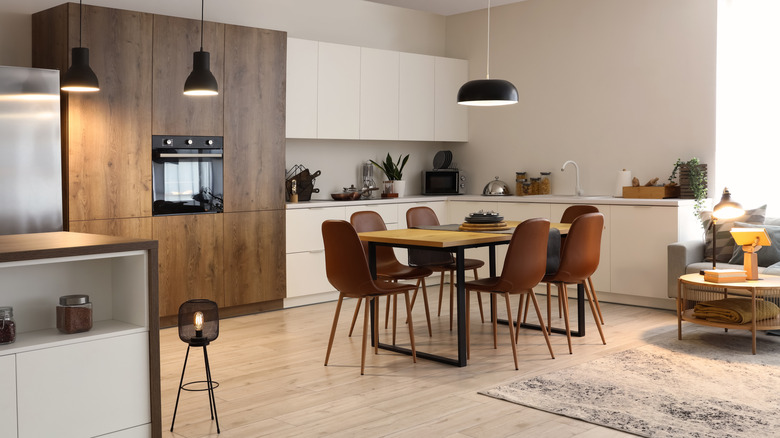
The Cabinet And Flooring Material That's Starting To Make Your Space Look Dated

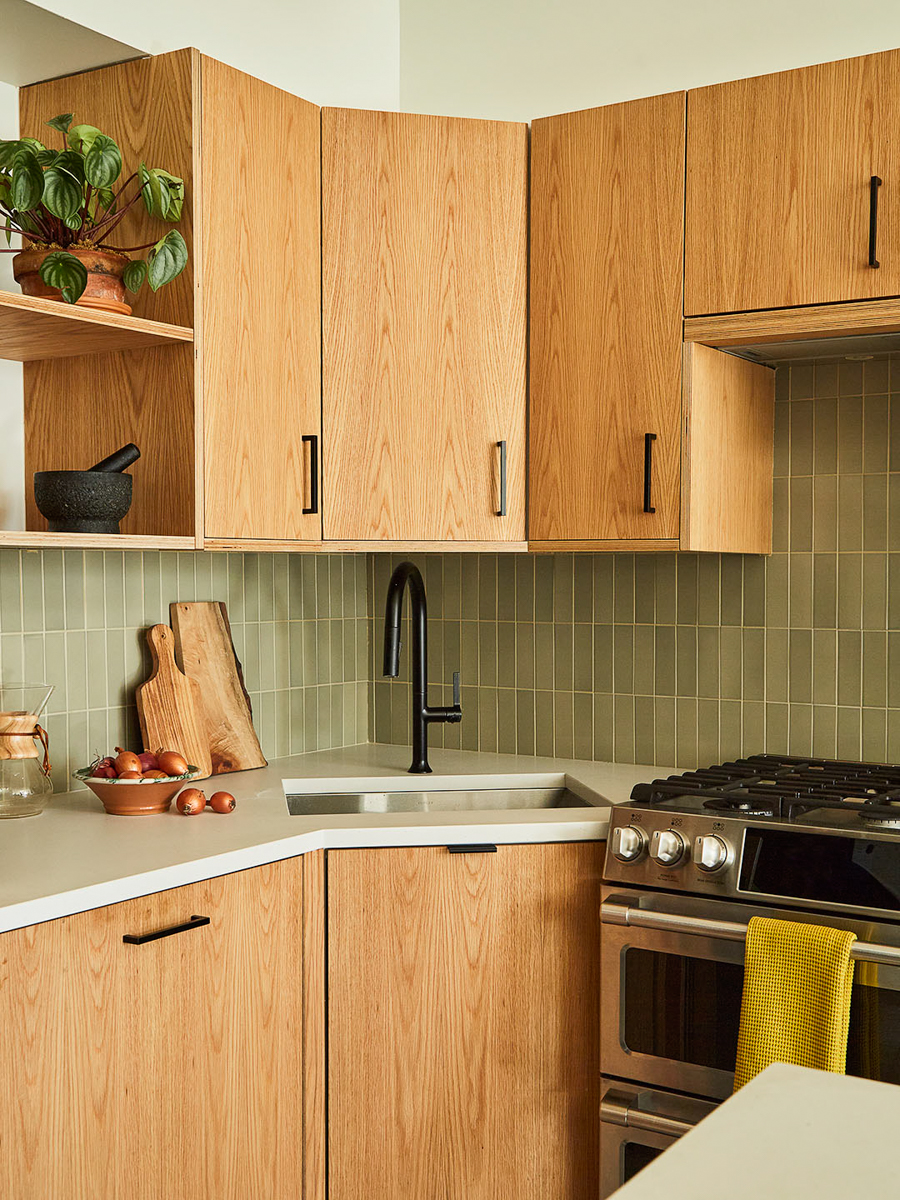
4 Design Pros Predict What Comes After the Matte Black Hardware Craze

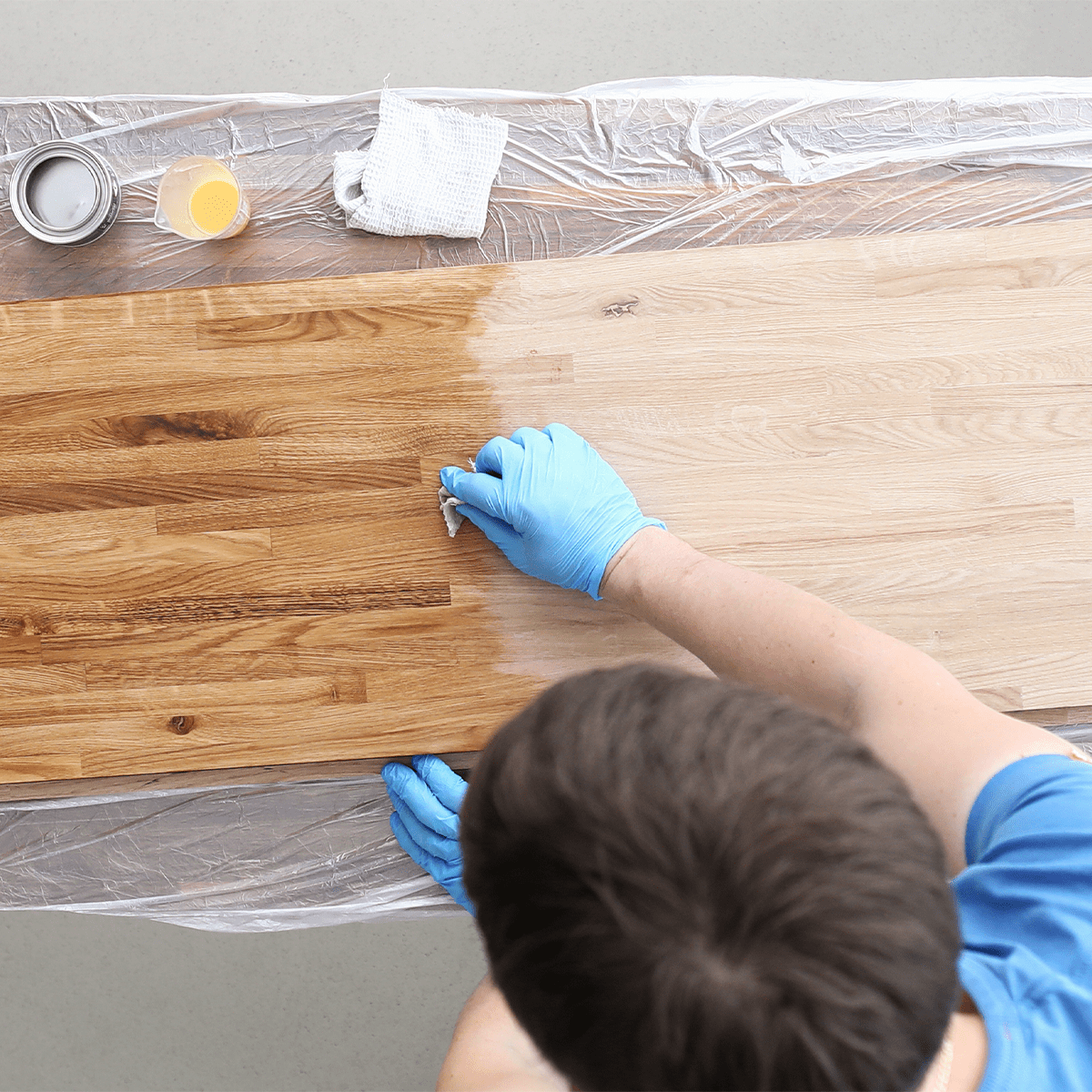
The 6 Best Wipe-On Wood Finishes

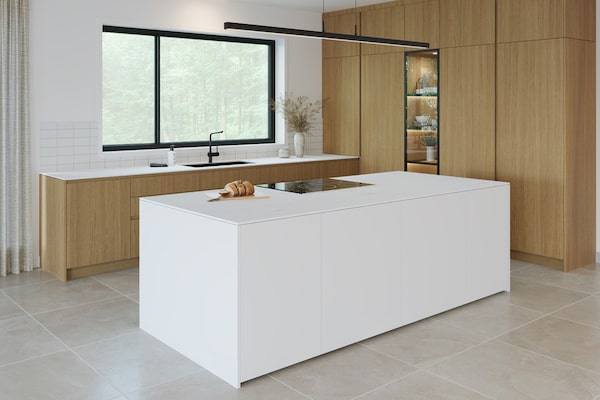
Like the look of white oak? Consider these alternatives
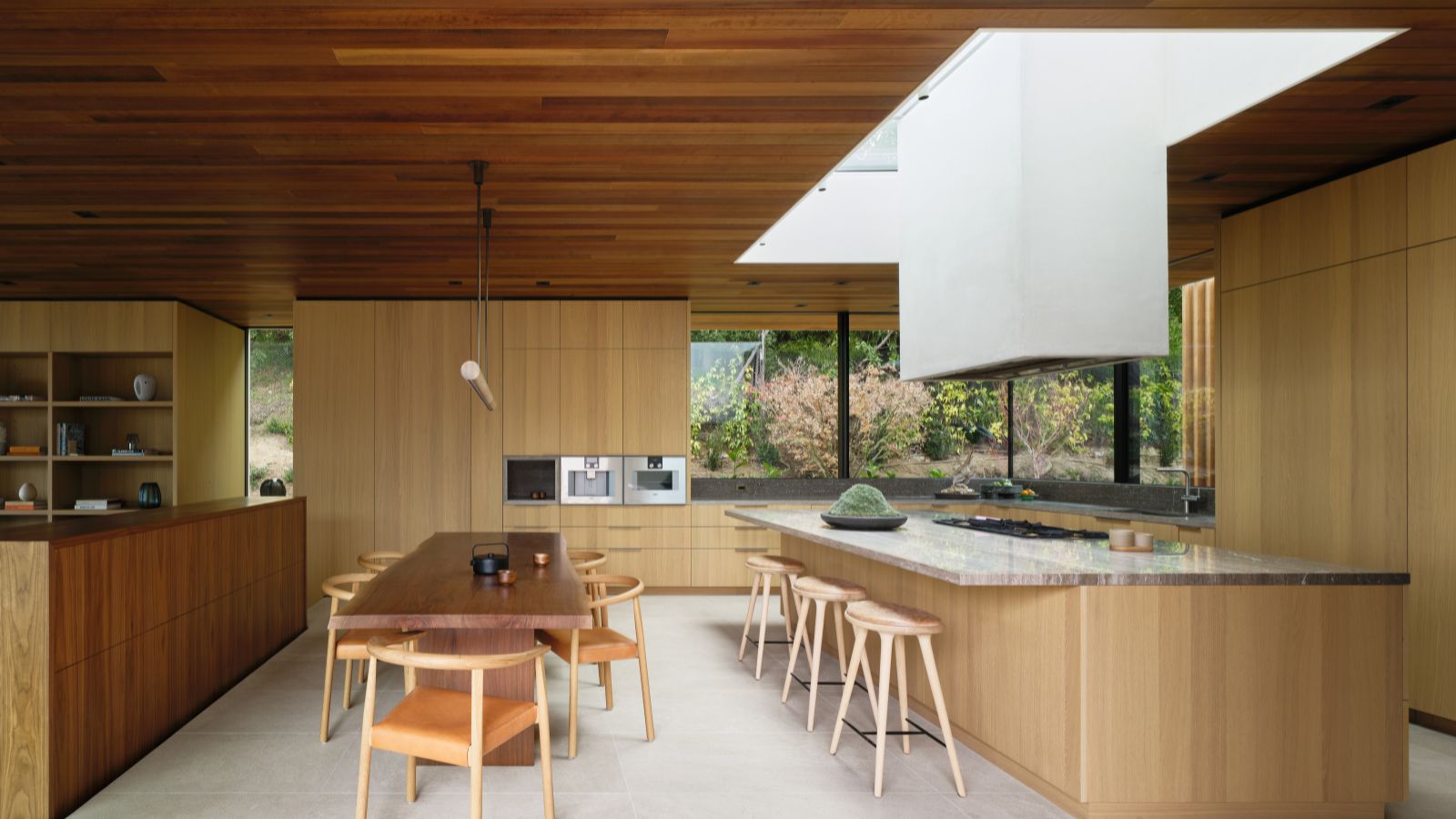
What's the most on trend wood to use in 2025? Designers reveal their top choices
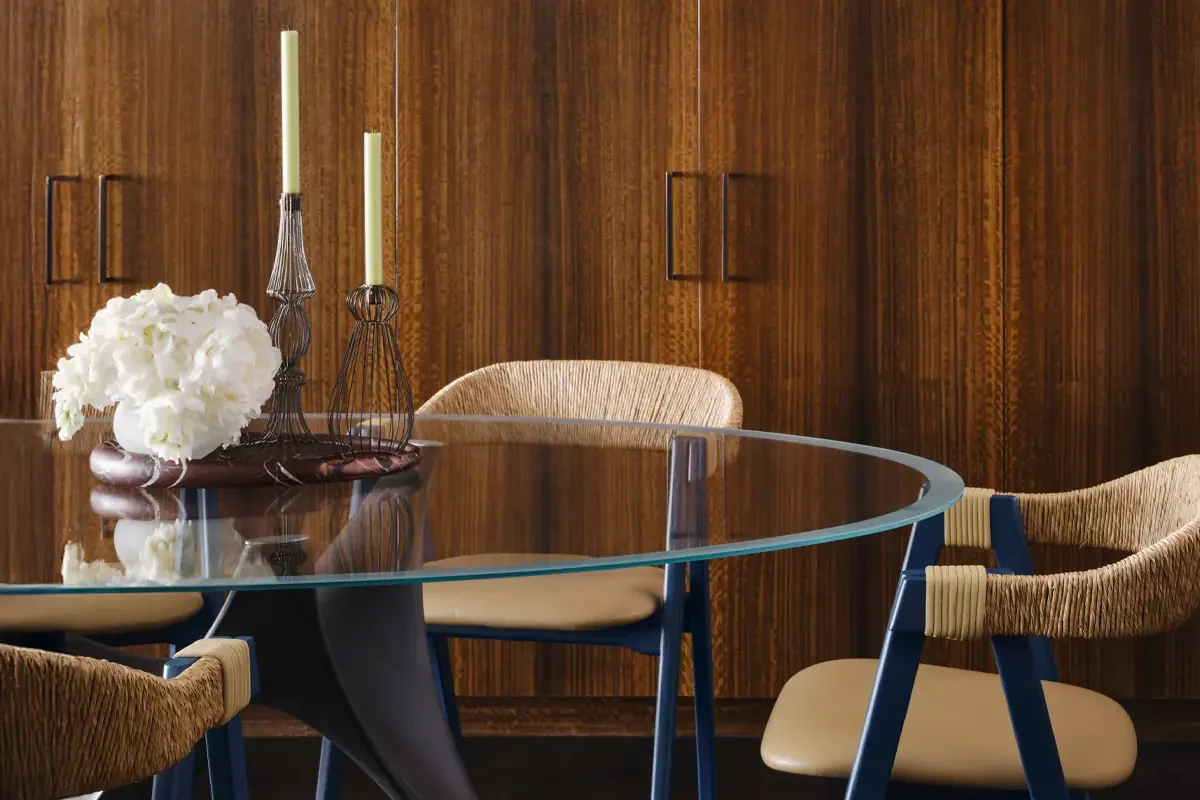
Wood as a Home Design Trend: Through the Archives to Today
7 Colors Designers are Painting Outdoor Furniture in 2024

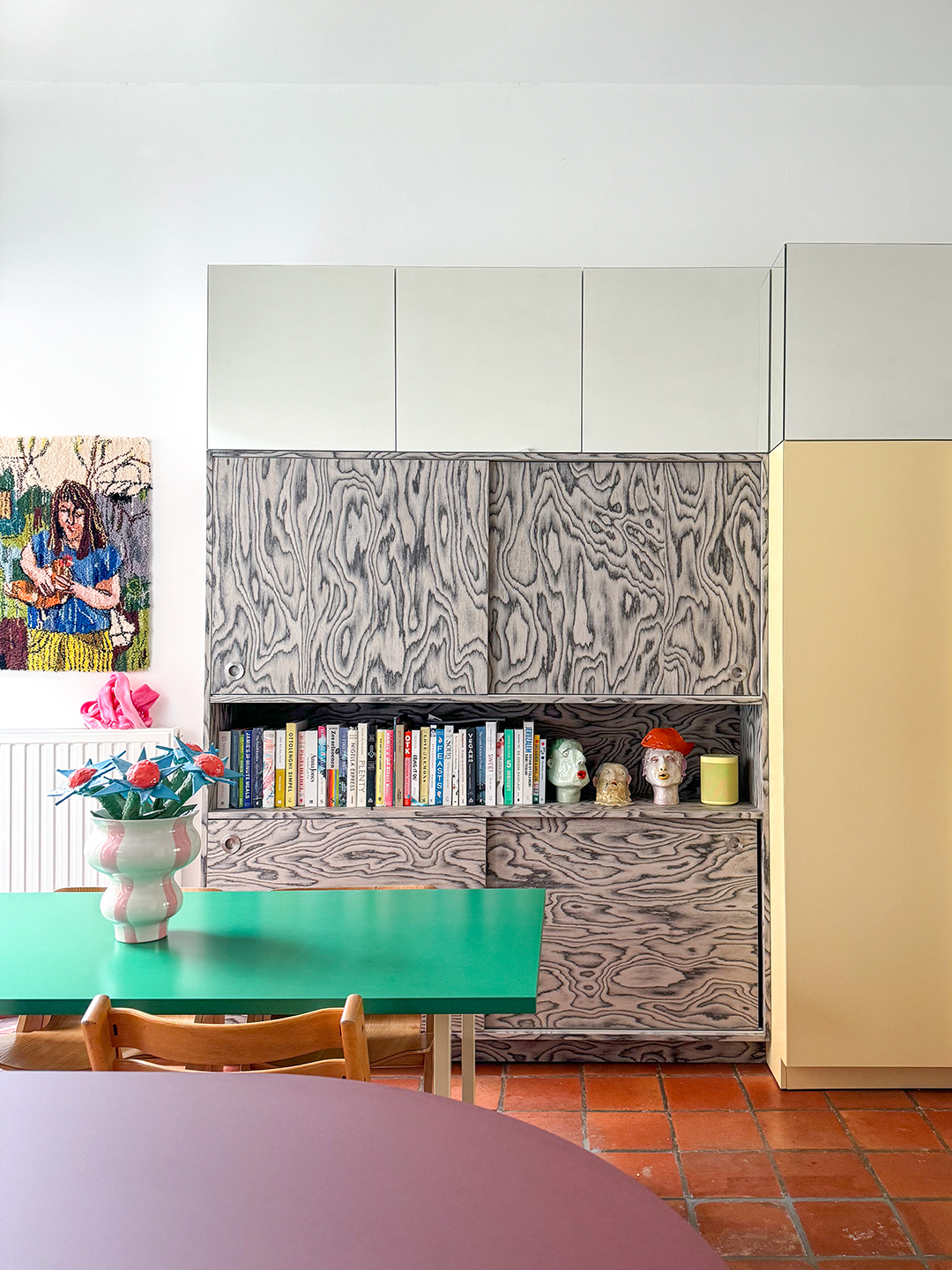
Move Aside, Ply—Designers Are Loving This Wood for Its Captivating Pattern
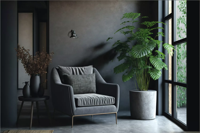
Rich colors and sumptuous textures are on designers' minds

To Paint or Not to Paint the Original Woodwork? It Depends Who You Ask
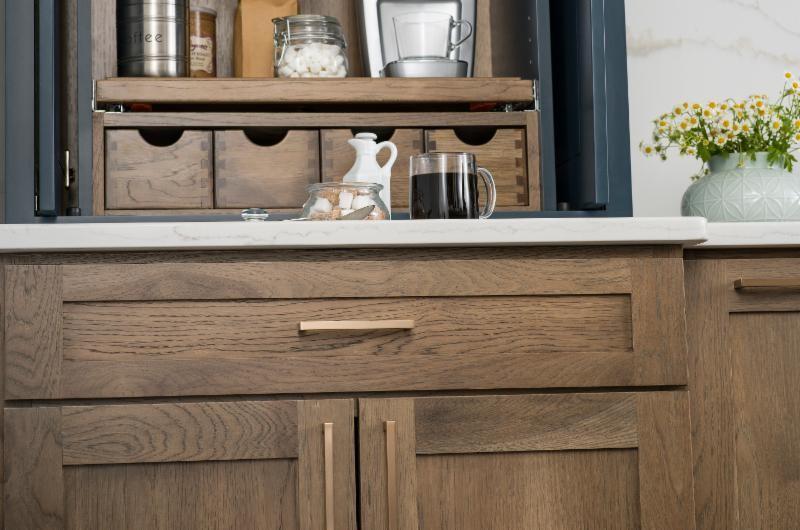
Textured, character-rich wood offers relief from white