1/7
Move Aside, Ply—Designers Are Loving This Wood for Its Captivating Pattern
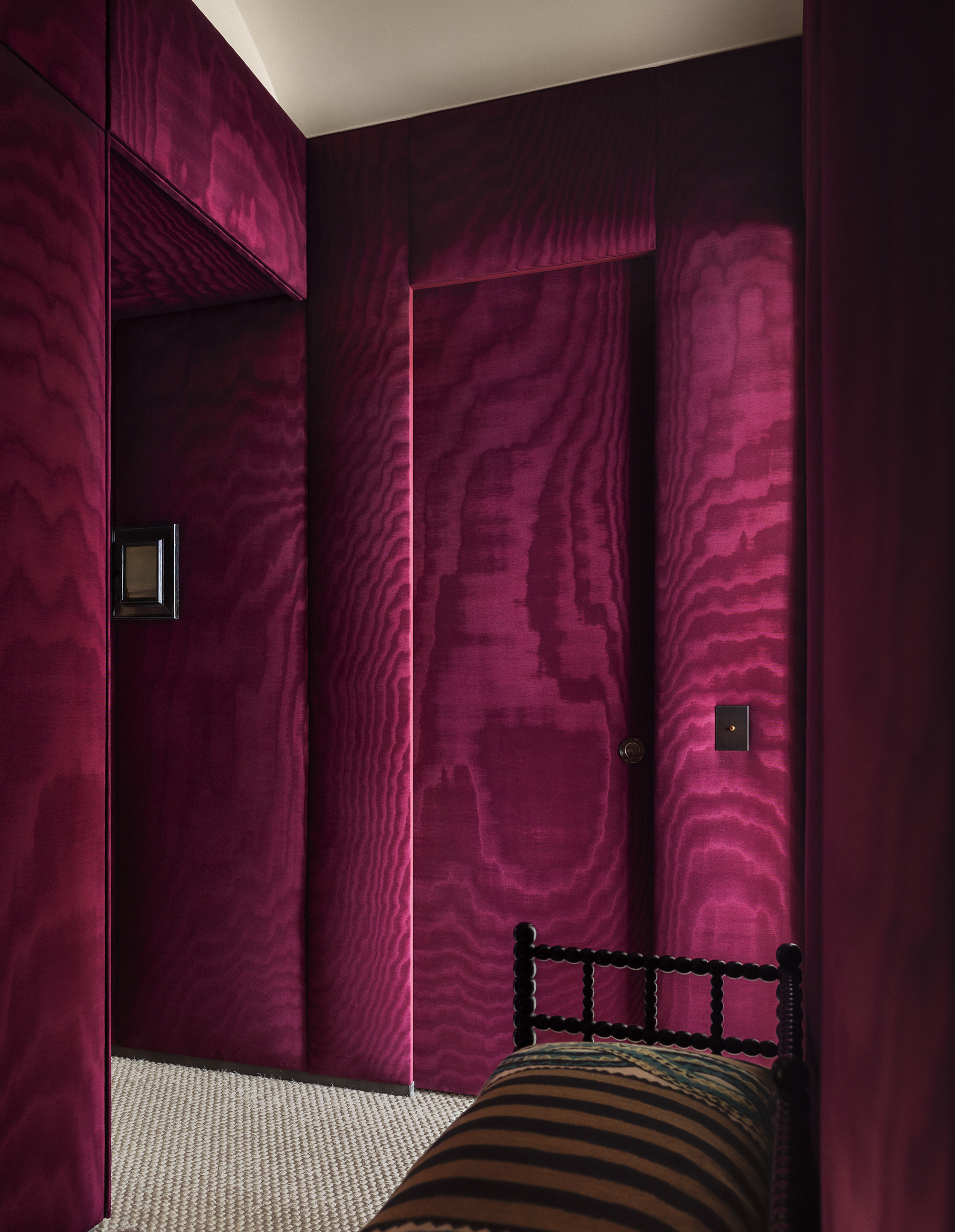
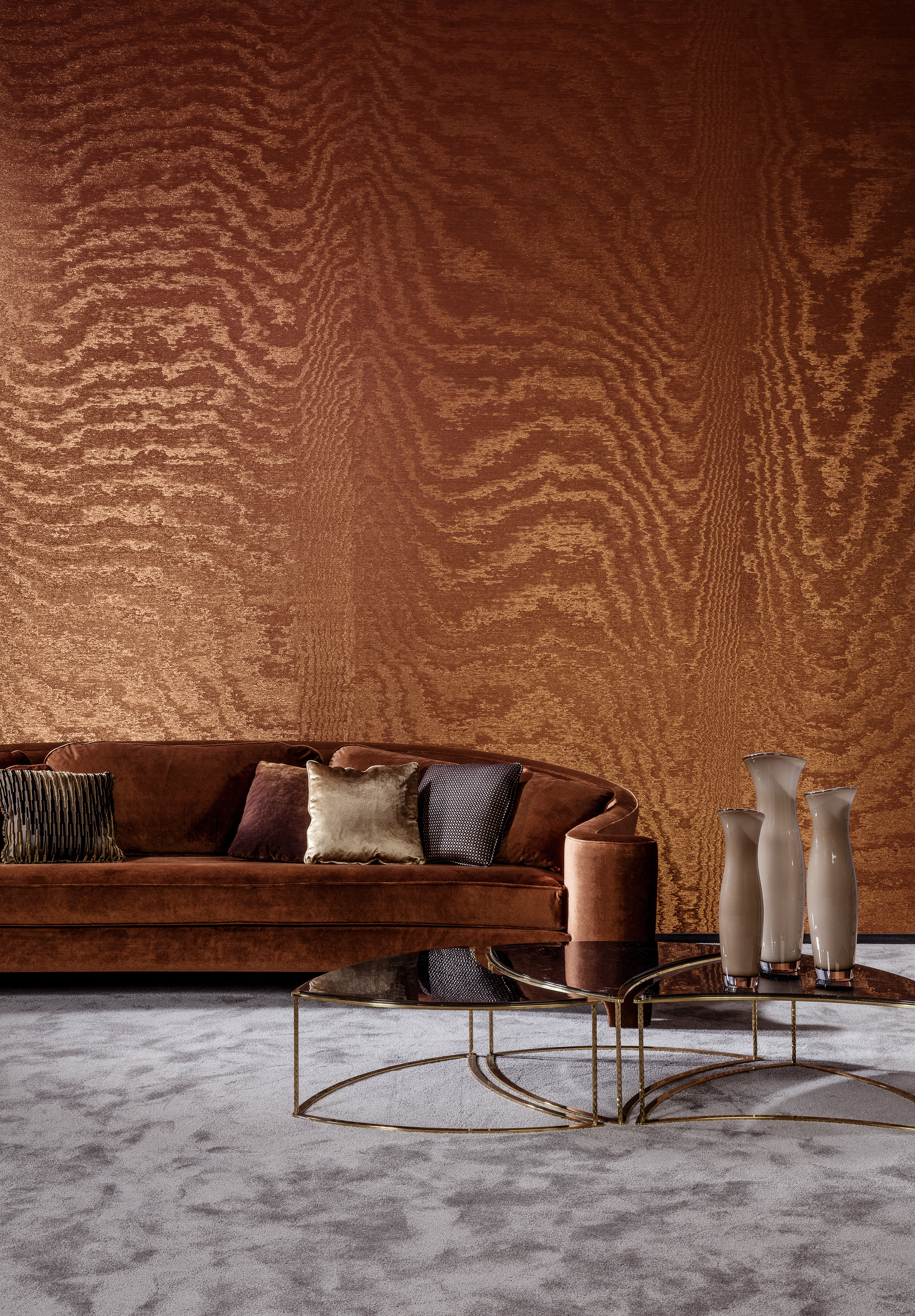
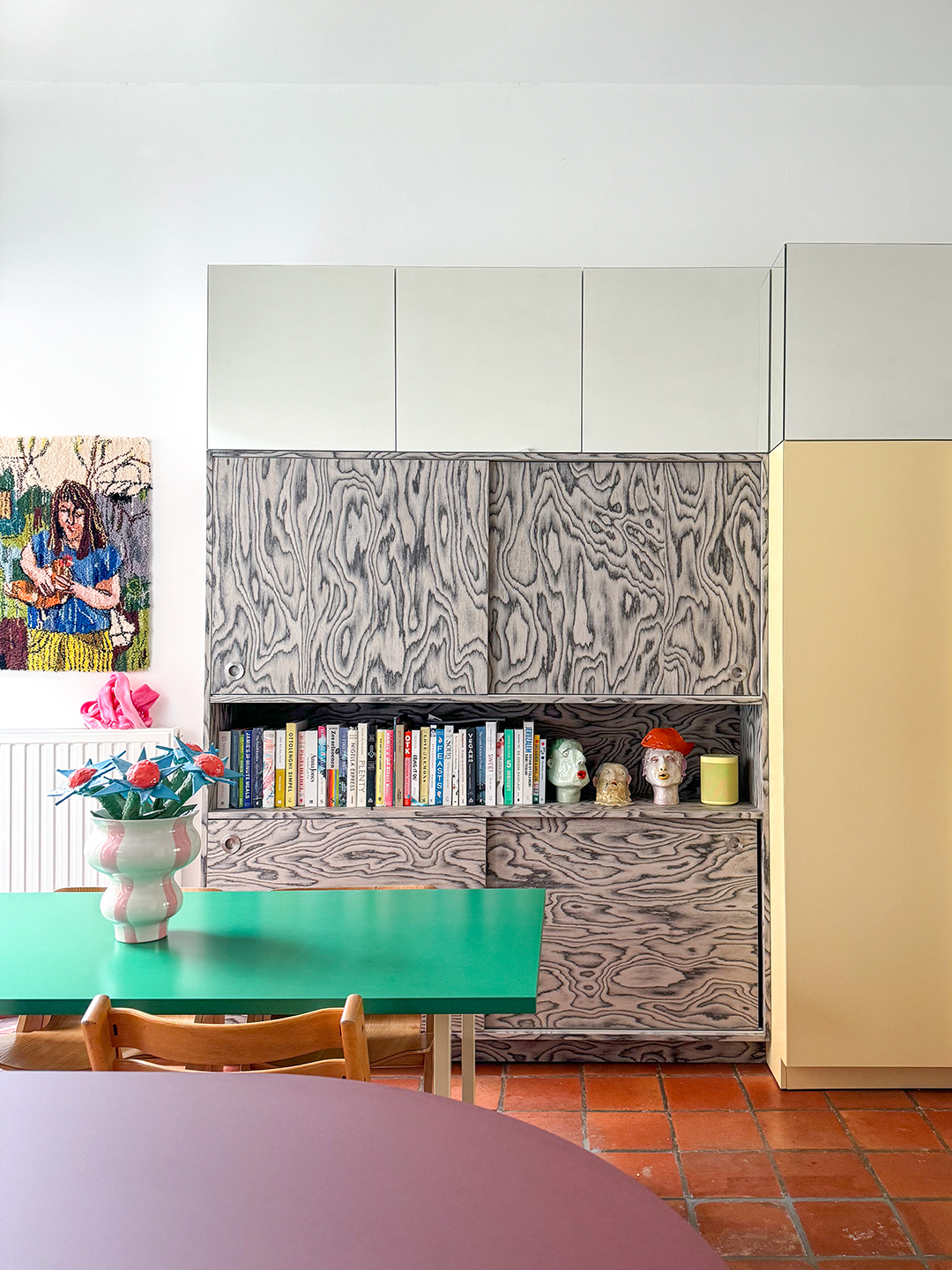
The article explores the rising popularity of Alpi Sottsass wood veneer in interior design, a material created by acclaimed designer Ettore Sottsass in 1985 and manufactured by Italian company Alpi. This veneer, known for its distinctive grainy and groovy pattern, is gaining traction as an alternative to traditional plywood, particularly in kitchen designs and furniture. Designers are drawn to its unique aesthetic, which some describe as resembling a zebra pattern or sand waves.
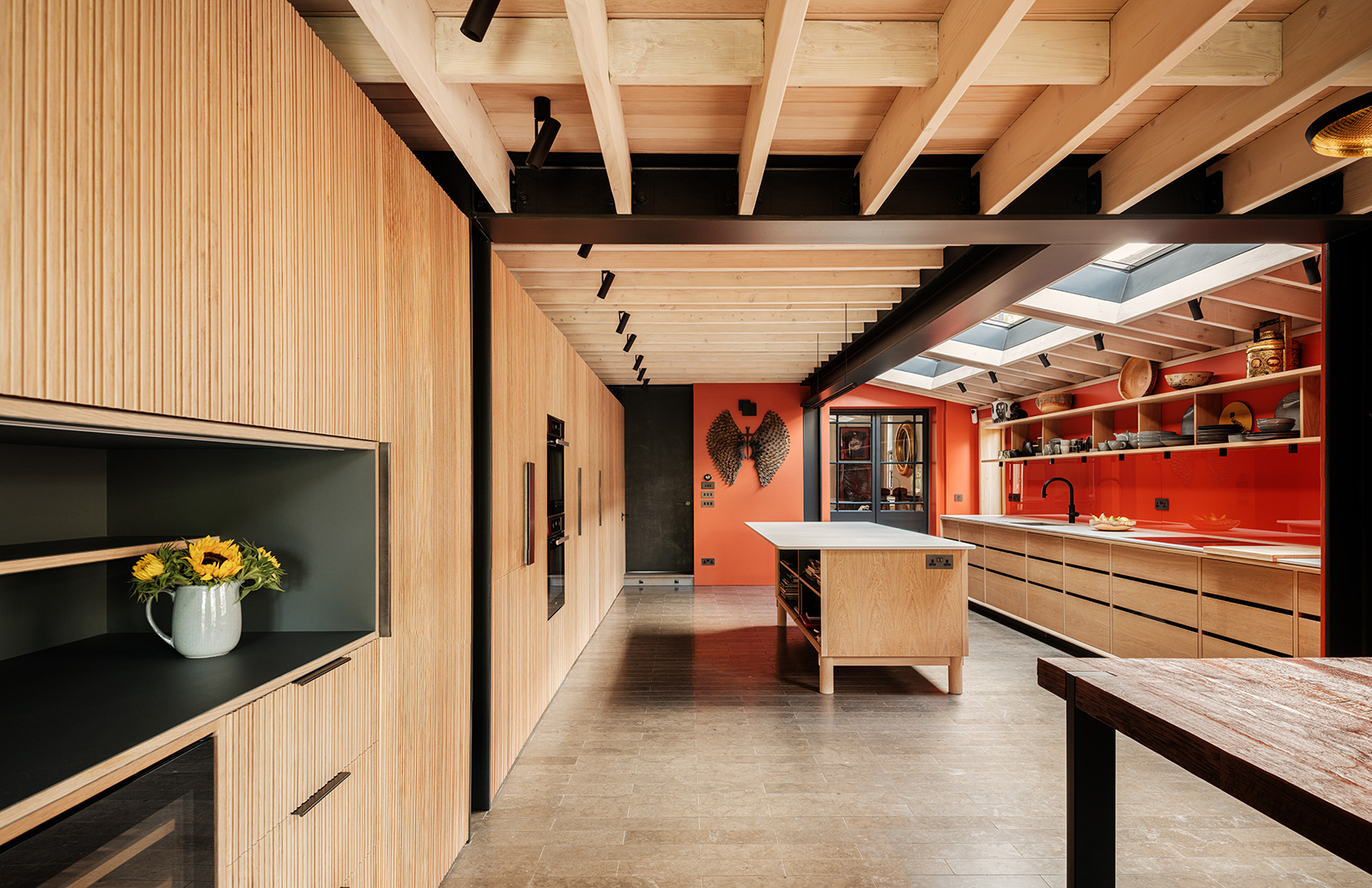
Eline De Bruyne, a Belgium-based teacher and interiors enthusiast, incorporated Alpi Sottsass into her kitchen, seeking a designer furniture-like appearance for her storage units. This choice reflects a broader appreciation for the material among those who admire the Memphis movement of the 1980s. While Alpi collaborates with several designers like Patricia Urquiola and Kengo Kuma, the Sottsass design, especially in its gray colorway, is becoming increasingly prevalent in contemporary projects. Magda Kwoczka of Finch Studio, based in Poland, has notably used the Sottsass product in multiple areas within a single apartment.
The manufacturing process of Alpi veneers begins with FSC-certified wood, typically poplar, limewood, or ayous, sourced from forests in Cameroon. This wood is then transported to Alpi's plant in Modigliana, Italy, where it undergoes a detailed sequence of stripping, dyeing, compositing, gluing, pressing, squaring, shearing, and testing. For U.S. customers, Brookside Veneers acts as the primary distributor for the Ettore Sottsass Alpi wood, with orders requiring direct contact through a request form or sales agent rather than online purchasing. While the ordering process is manageable, interior designer Dawid Konieczny notes that it can take approximately four to five weeks for delivery.
A significant factor to consider is the cost, which is provided upon request from Alpi. Konieczny highlights that Sottsass veneer is considerably more expensive, roughly five times the price of simple white oak. Despite the higher price point, designers like Konieczny and Kwoczka justify the investment due to the veneer's originality and the prestige associated with its designer. The material's versatility means it can be used in various interior applications, with the only limitation being its unsuitability for outdoor, non-weatherproof environments.
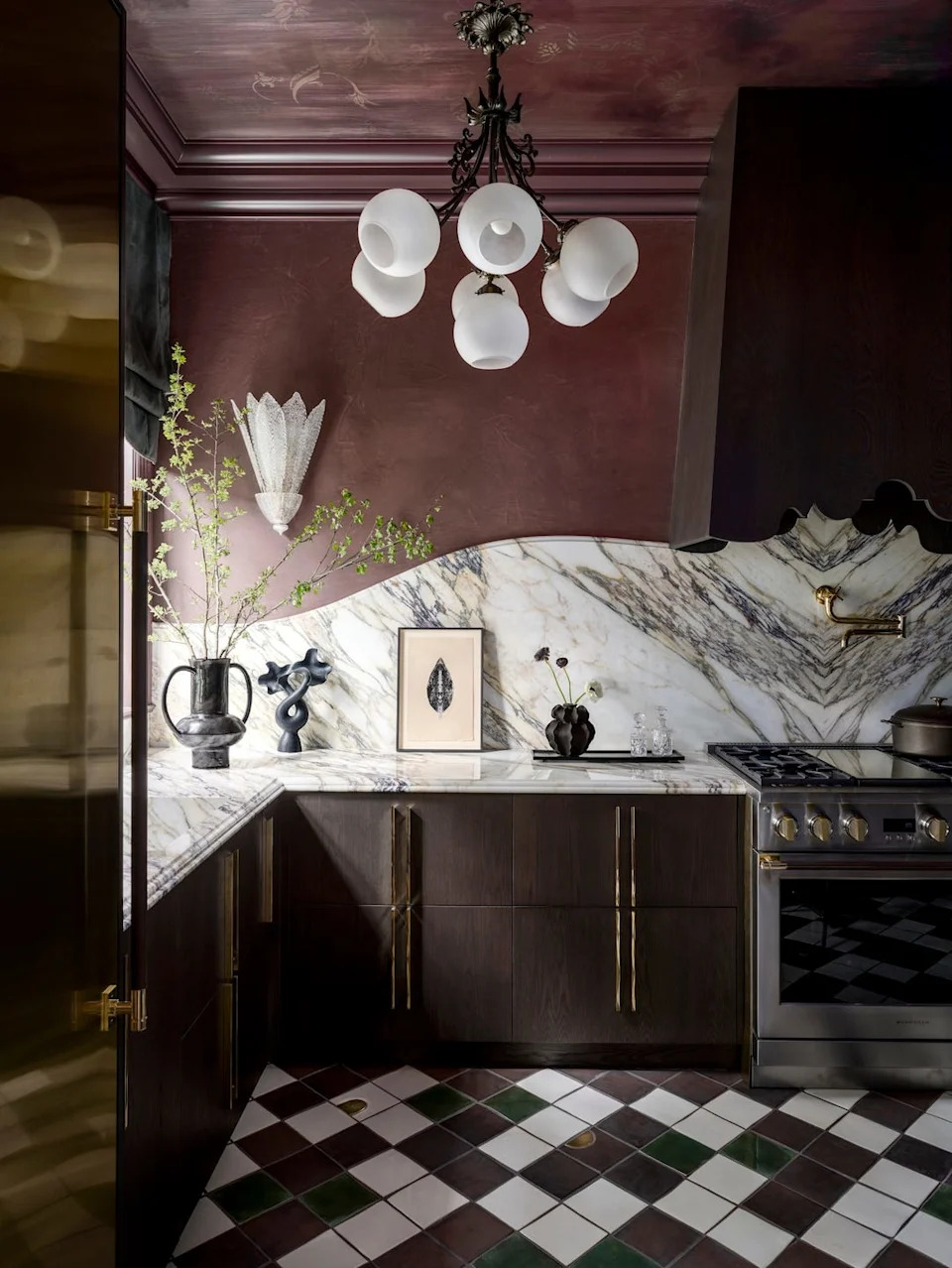
Designers are finding innovative ways to integrate Alpi Sottsass veneer into their projects. Dawid Konieczny, for instance, used it to construct a bed frame in a Warsaw home, drawing inspiration from desert landscapes. Magda Kwoczka showcases its effectiveness when juxtaposed with materials like Calacatta Viola marble, creating a captivating interplay of patterns. Architect Matt Bowles of Tenbooks plans to use the veneer in kitchens to contrast with the solidity of stone countertops, appreciating its departure from conventional linear-grained hardwood products. Dustin Fritsche of Softer Studio discovered the material's potential in smaller furniture pieces, noting its significant visual impact even in limited applications, such as a sideboard in a living room. Its malleability, owing to its thin-sliced nature, also allows for the creation of curved surfaces, as demonstrated by Kwoczka's rounded cabinets in a home office and De Bruyne's kitchen doors, which effectively conceal various items while adding an element of wonder to the built environment.
#AlpiSottsassVeneer #EttoreSottsassDesign #MemphisMovement #WoodVeneerTrends #InteriorDesignMaterials #KitchenRenovation #FurnitureDesign #DesignerWood #HomeDecor #AlpiSottsassVeneer #EttoreSottsassDesign #MemphisMovement #WoodVeneerTrends #InteriorDesignMaterials #KitchenRenovation #FurnitureDesign #DesignerWood #HomeDecor
0 comment in total
 No comments yet
You may also like
Flip the script on classic interiors – how the twisted wood trend brings a welcome whimsy into our homes

Wood as a Home Design Trend: Through the Archives to Today
This 400-Year-Old Pattern Is the Emerging Trend That Designers Are Using to Bring 'Rhythm' to Their Projects

2025 Trends in Wooden Wall Art

Wood Furniture Is Cool Again, Thanks to This Upcoming Group of Designers
Wood Paneling and 11 More Vintage Decor Trends Making Huge Comebacks
Textured, character-rich wood offers relief from white

12 Furniture Trends That Will Dominate 2025, According to Designers

Wood Paneling Is Back—and Better Than Ever
Wood Drenching Is a Fresh Take on '70s Paneling—Here's Why Designers Love It

Bye-Bye, Accent Walls! Designers Say THIS Is Now the Hottest Decorating Feature

The Wood Paneling Trick That Makes Any Space Feel Instantly Homey

Wood Paneling Is Officially Cool Again—Here's How Designers Are Using It Now

Wood slats are everywhere. Why are designers such fans?
Designers Have a New Clever Shortcut To Make Rooms Look More Rich — 5 Spaces That Nail the Look
Designers Are Ditching "Flat Painted Walls" for THIS Unexpected Trend
Ten projects that seamlessly integrate wood into the design
Are darker woods back on trend? Designers say this once-dated finish is in fact perfect for creating character
Rich colors and sumptuous textures are on designers' minds
Interior Designers and Stylists Can’t Get Enough of This New Target Line