Wood Drenching Is a Fresh Take on '70s Paneling—Here's Why Designers Love It
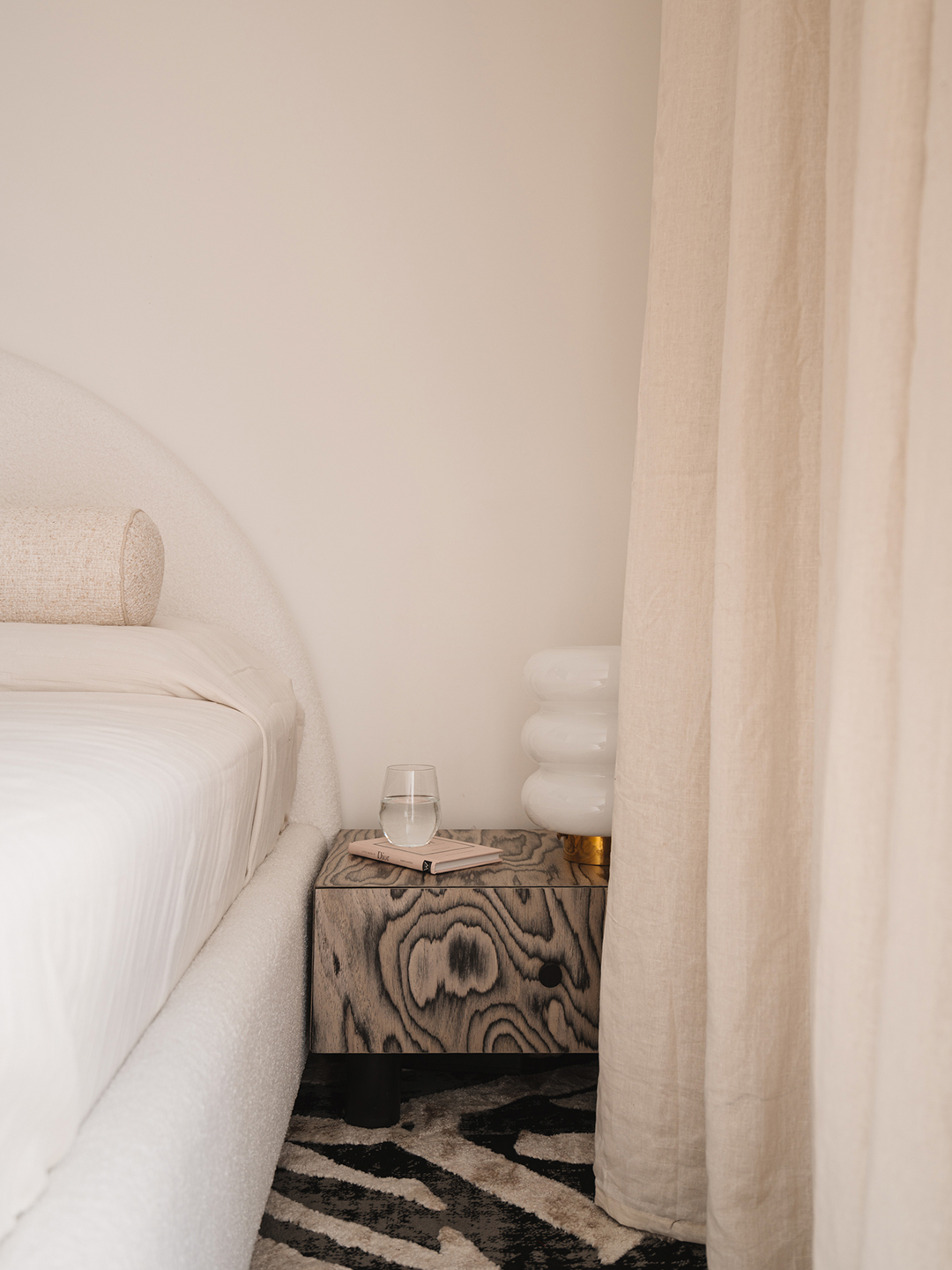
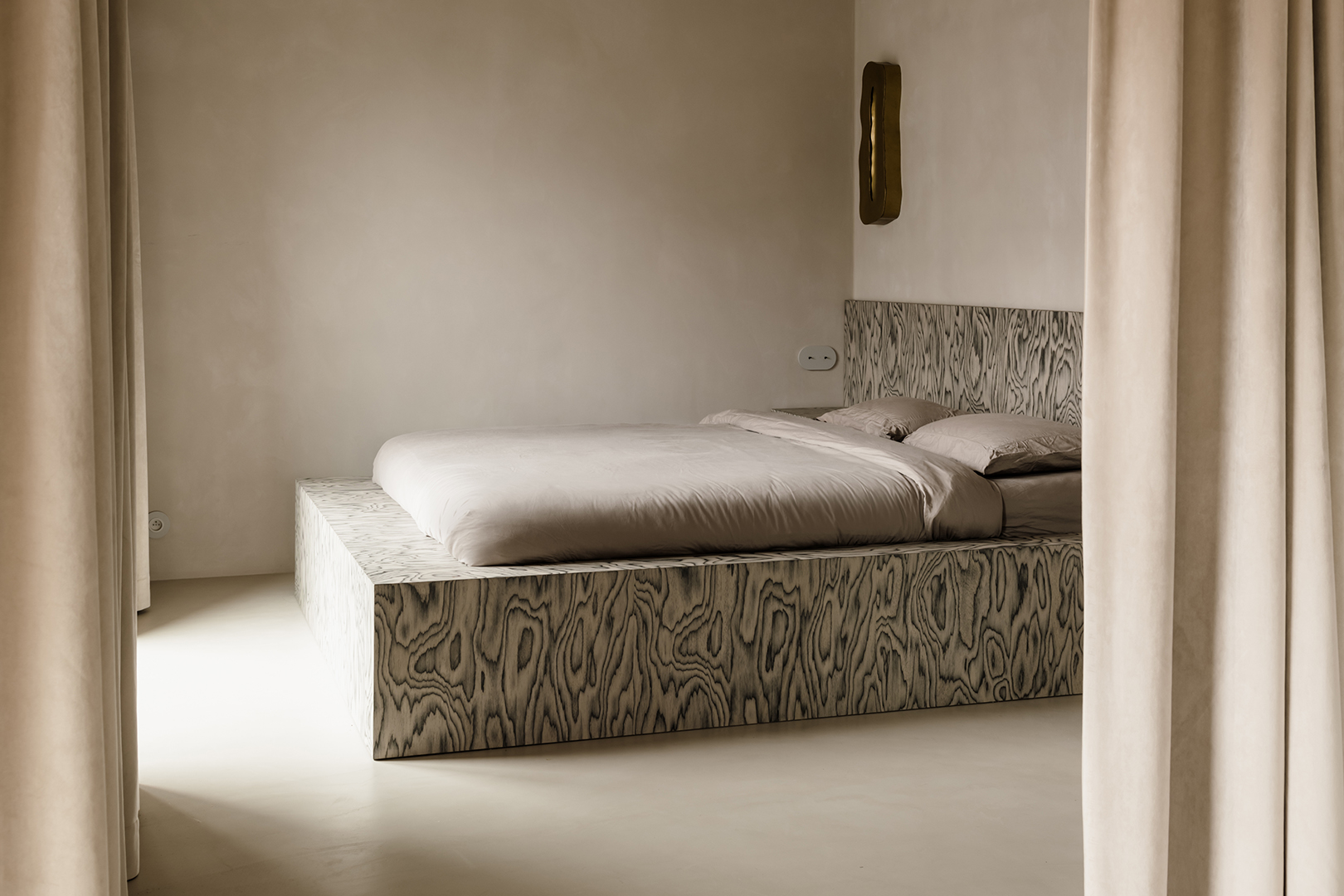
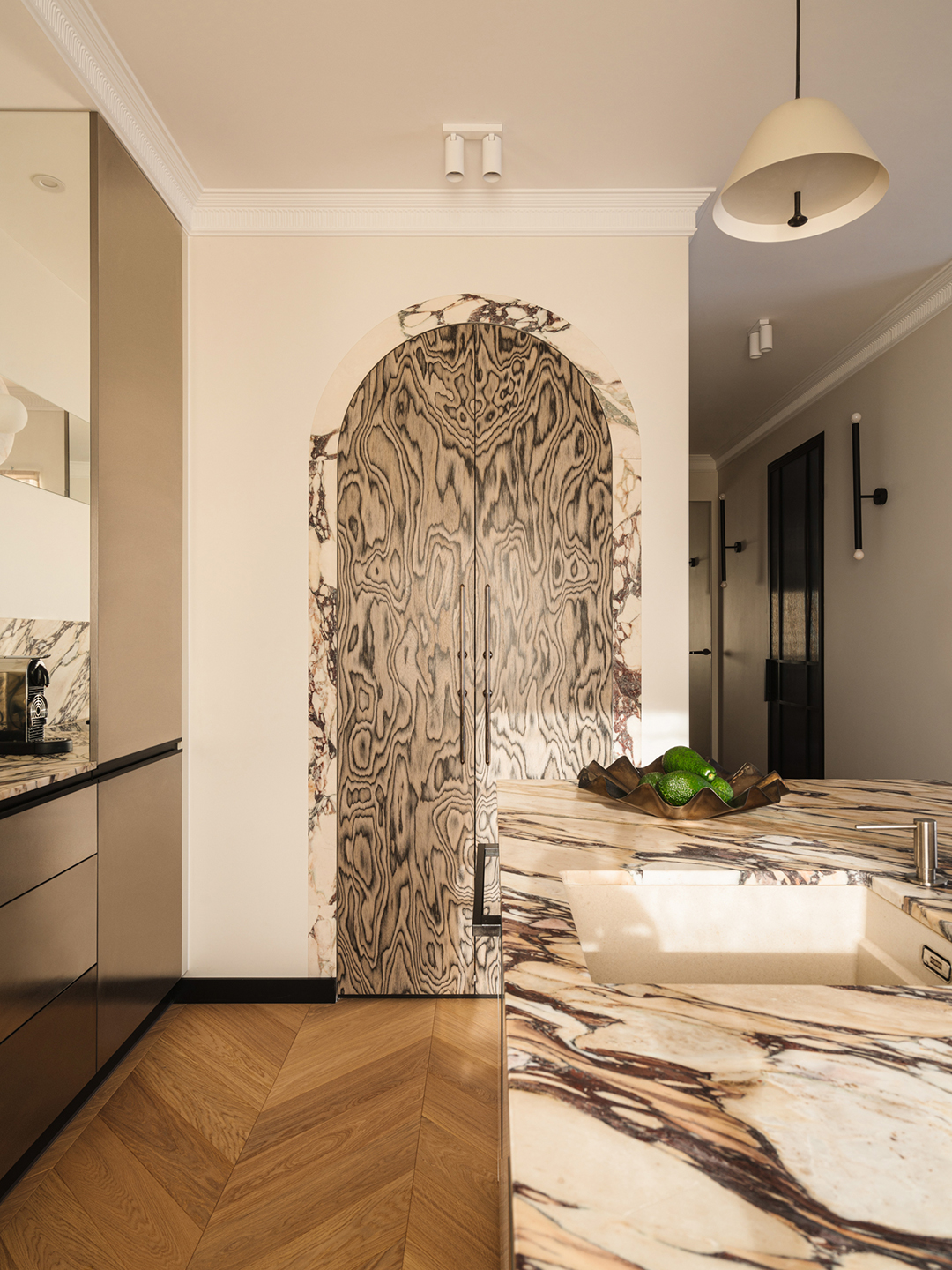
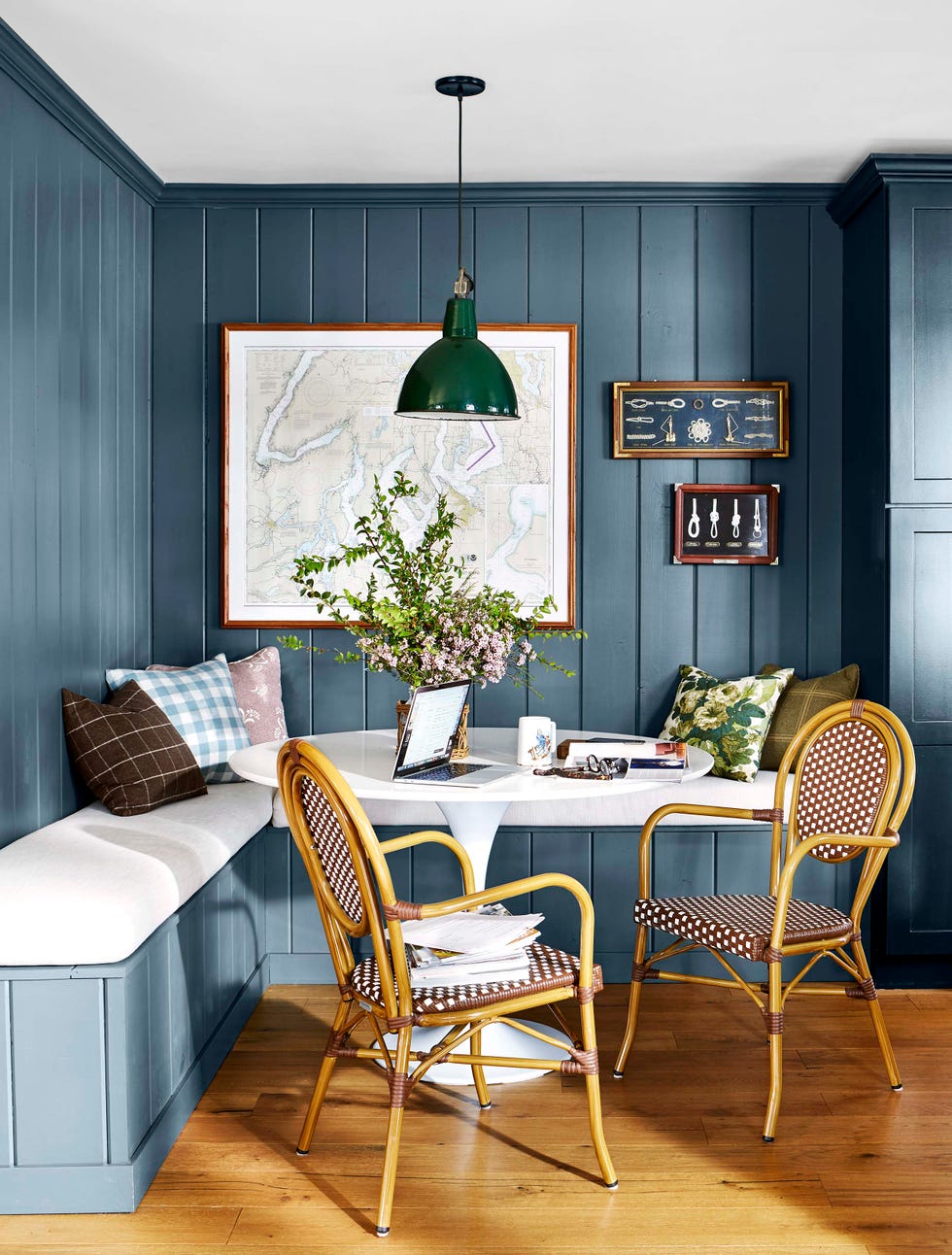
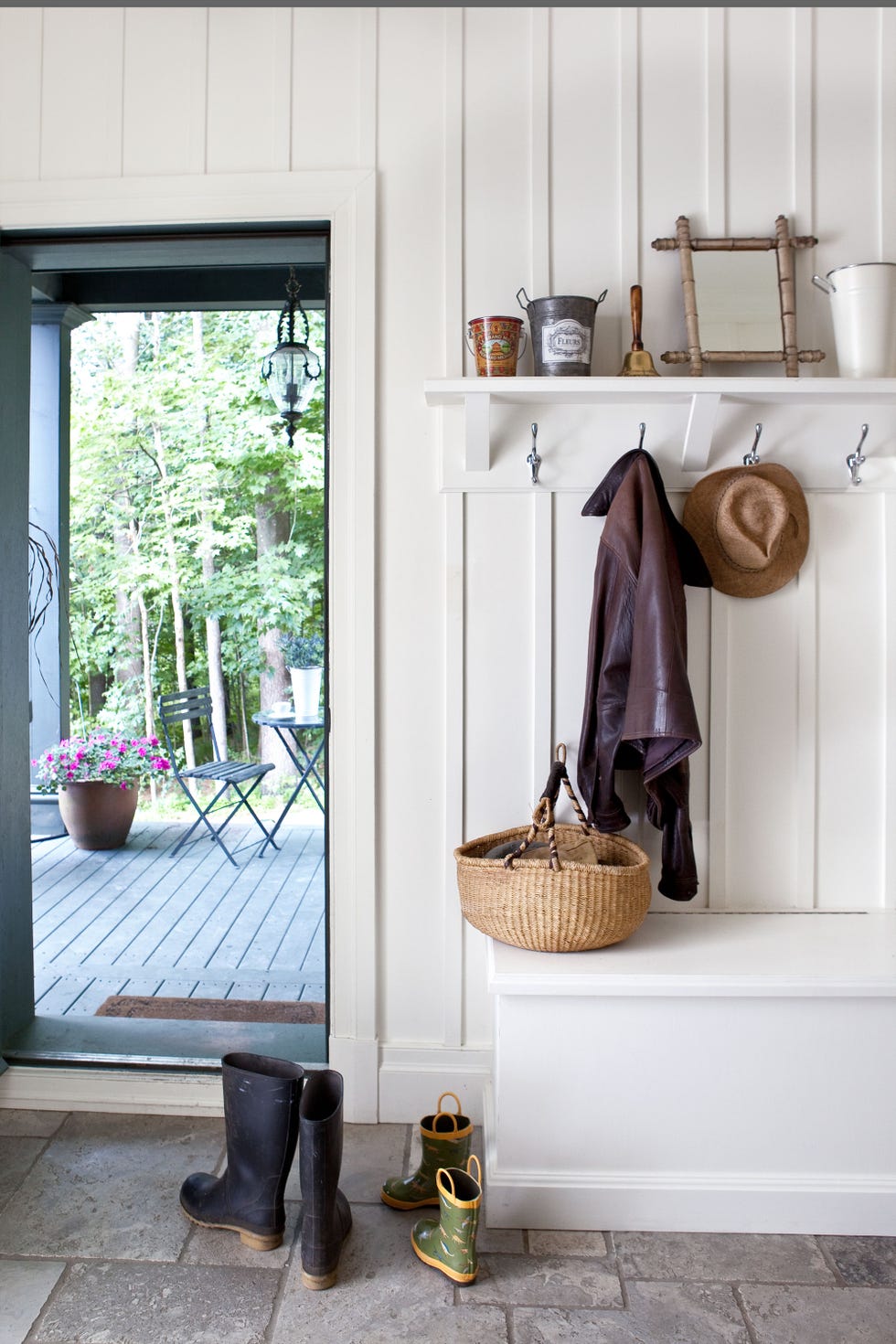
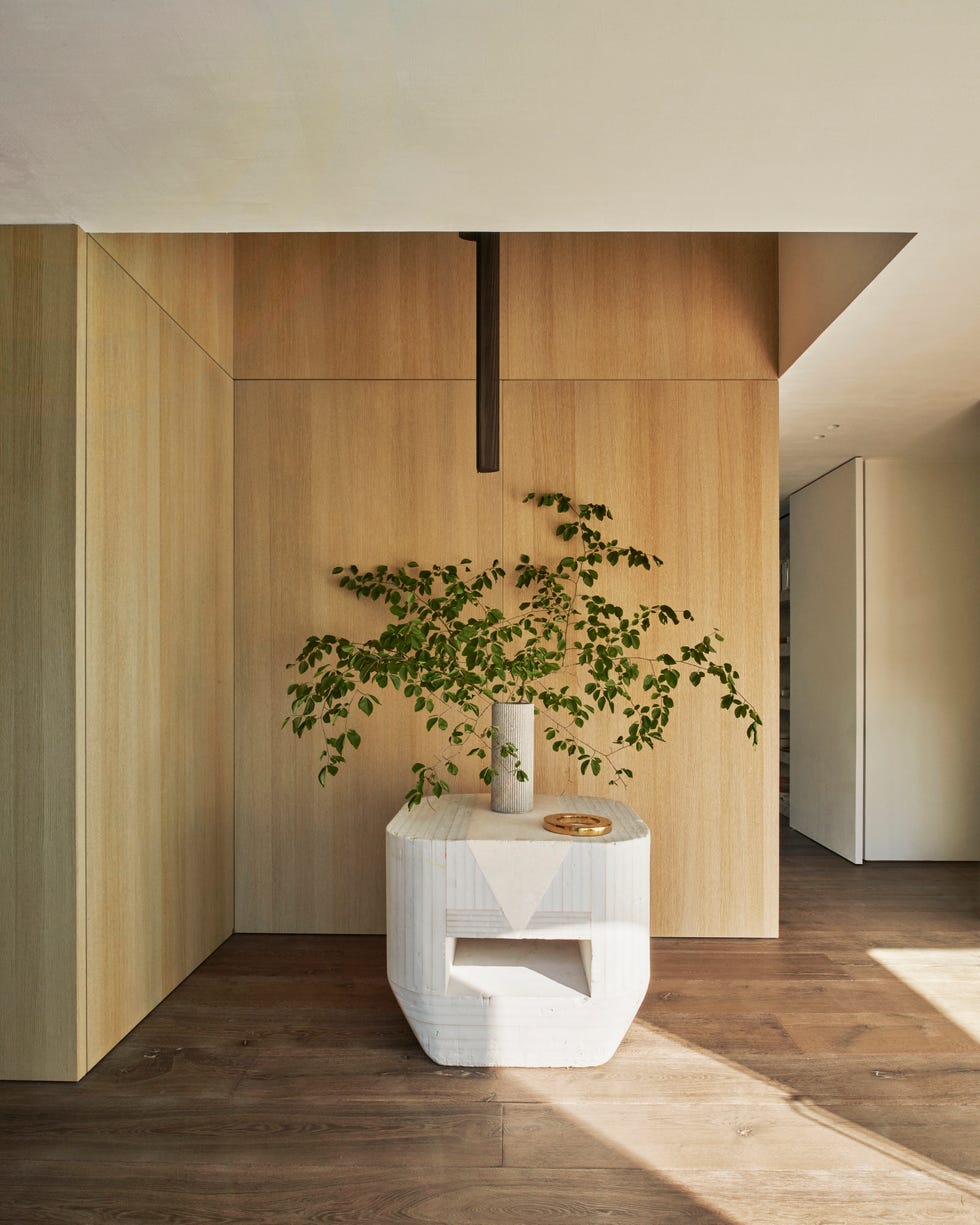
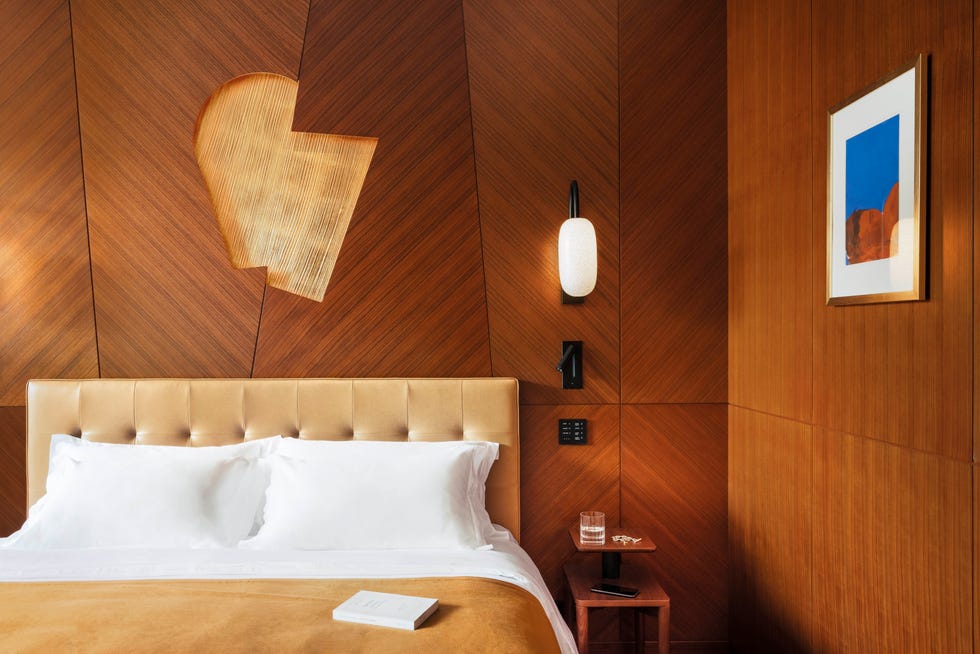
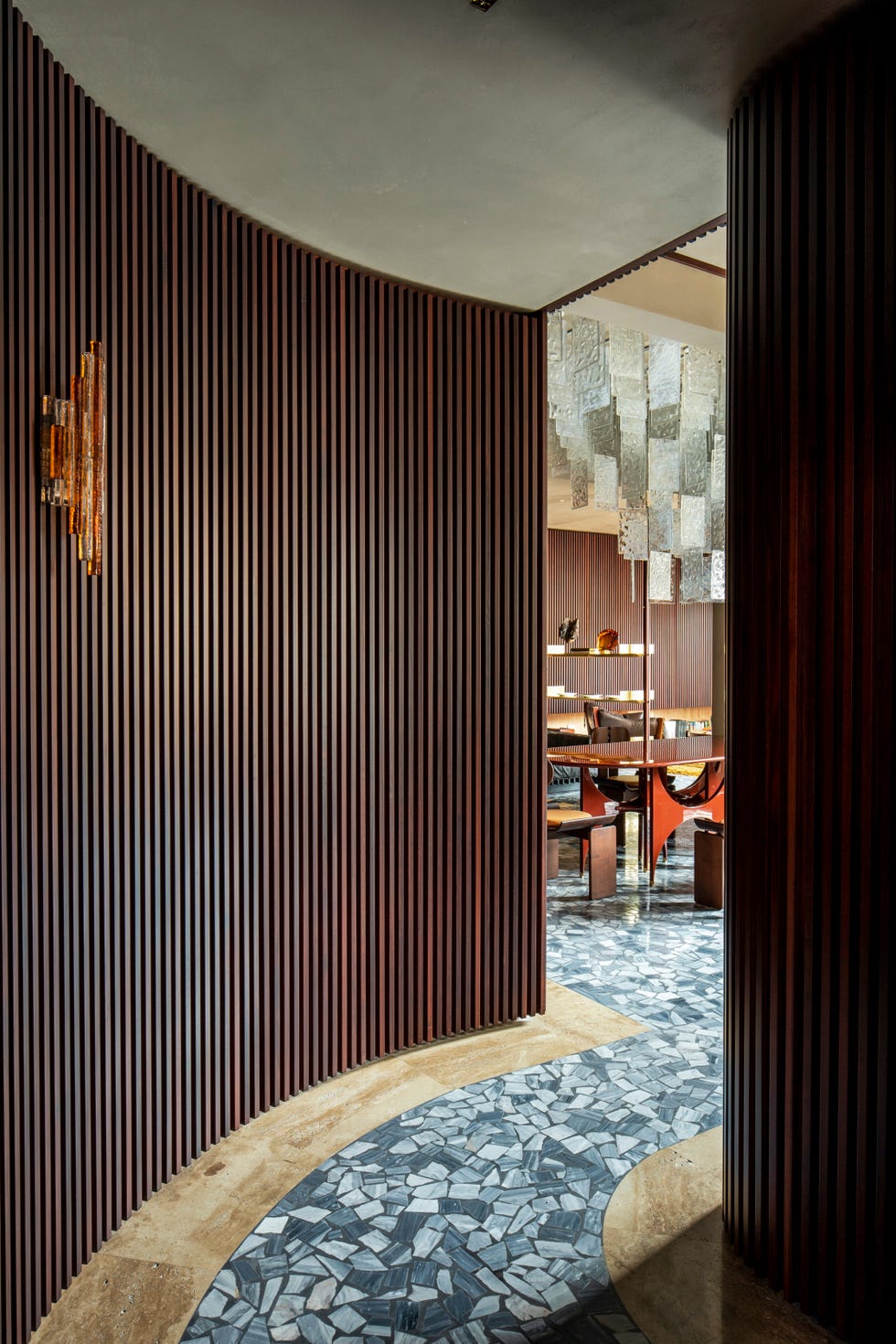
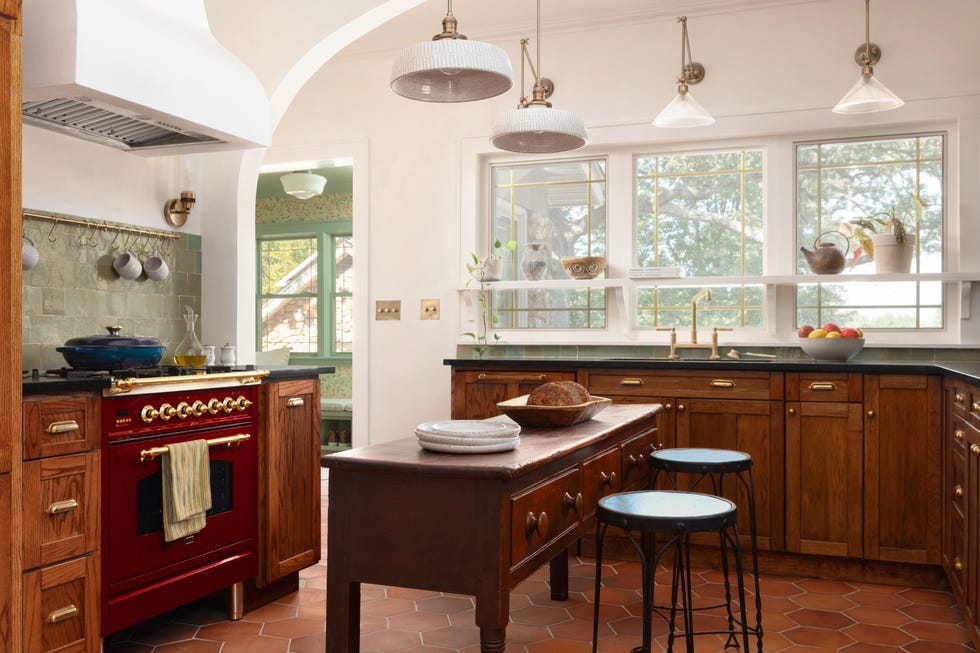
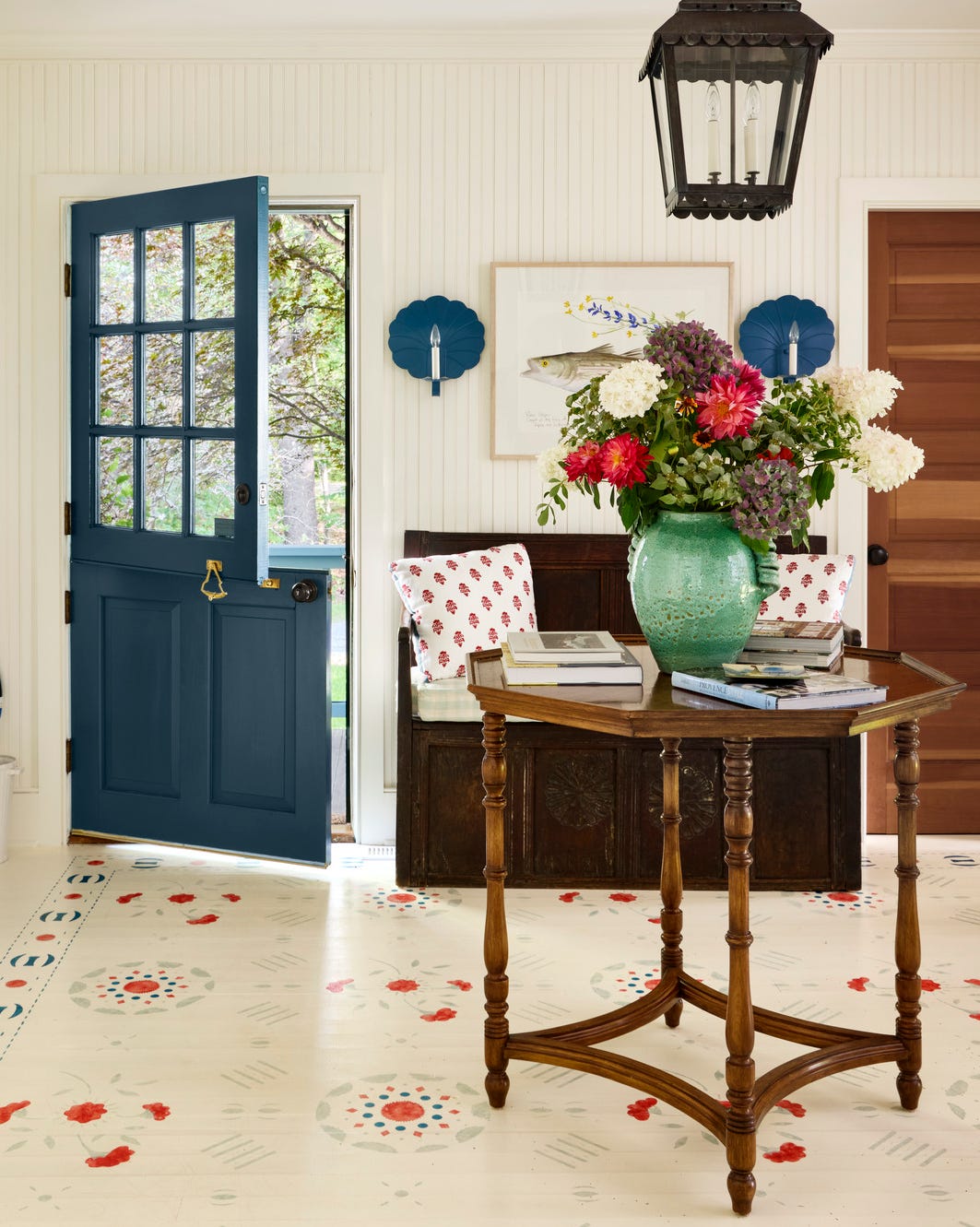
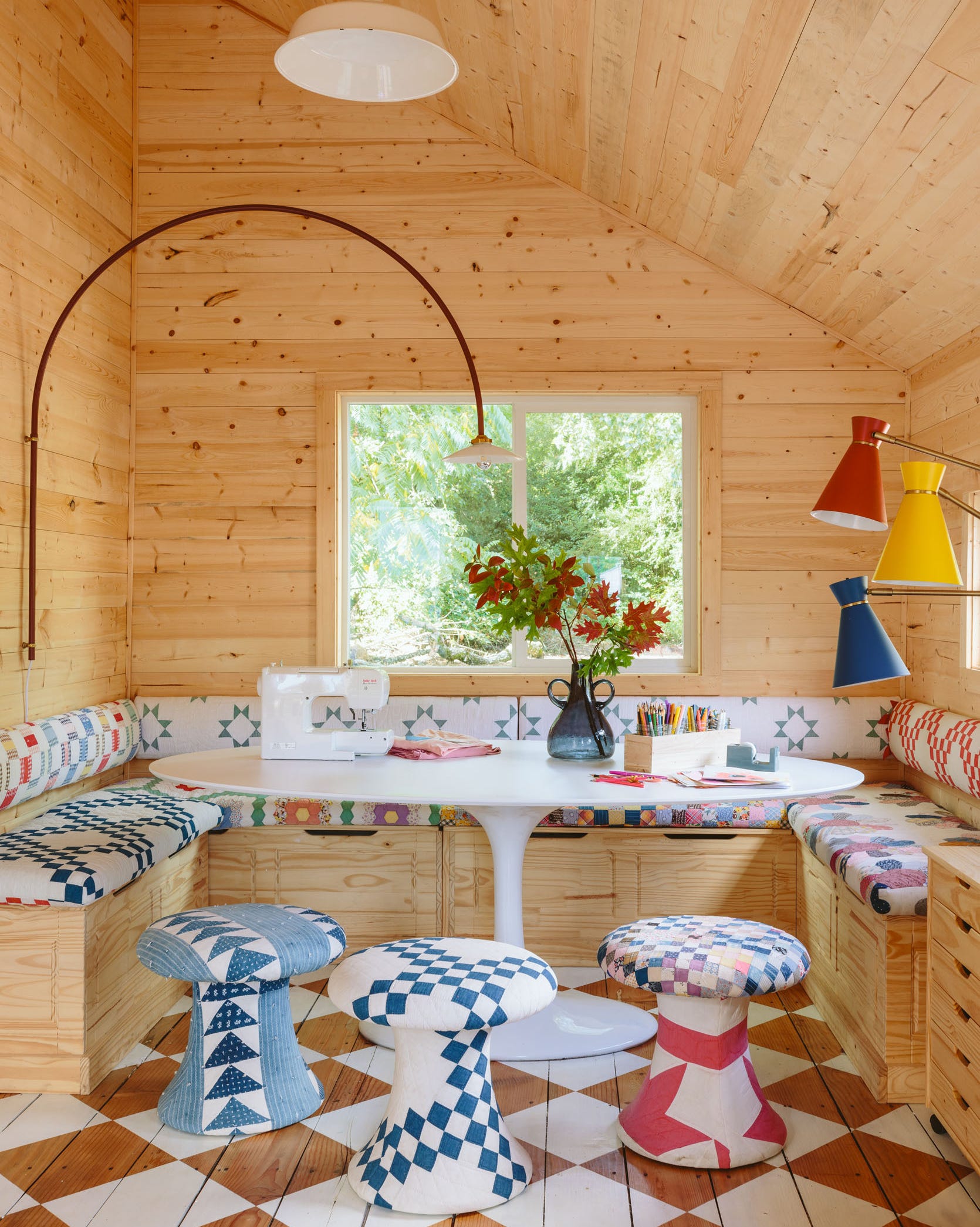
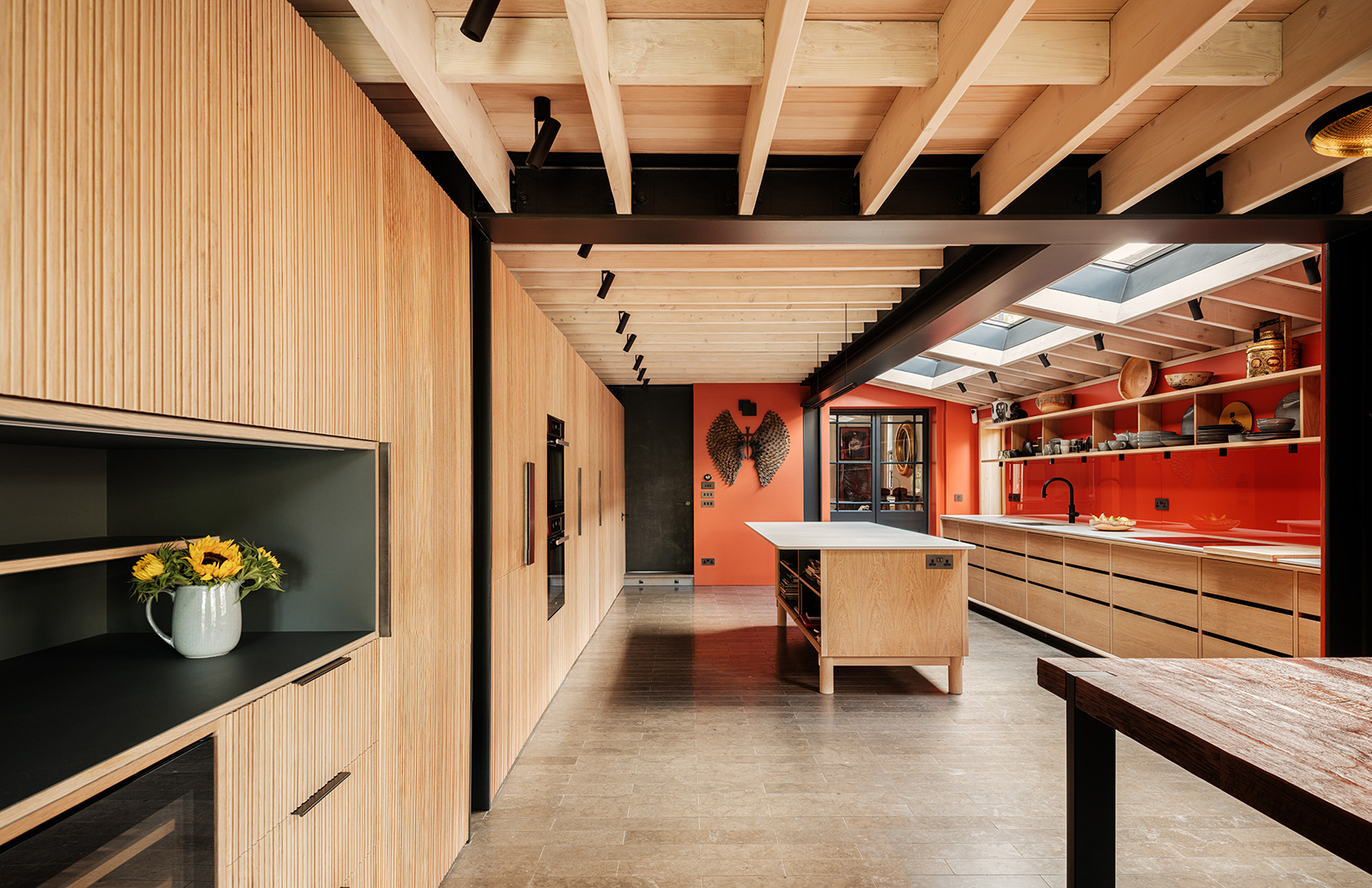
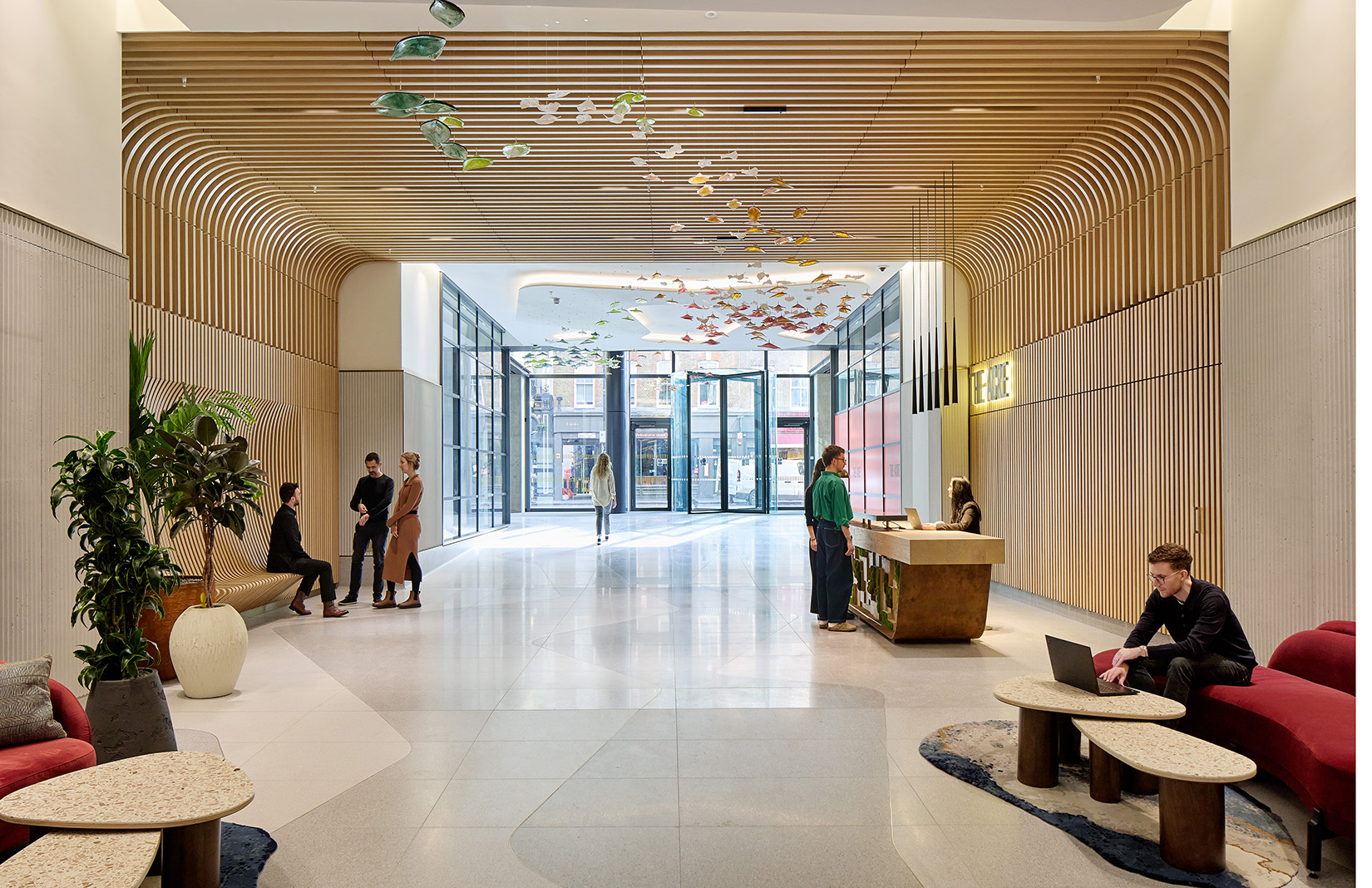
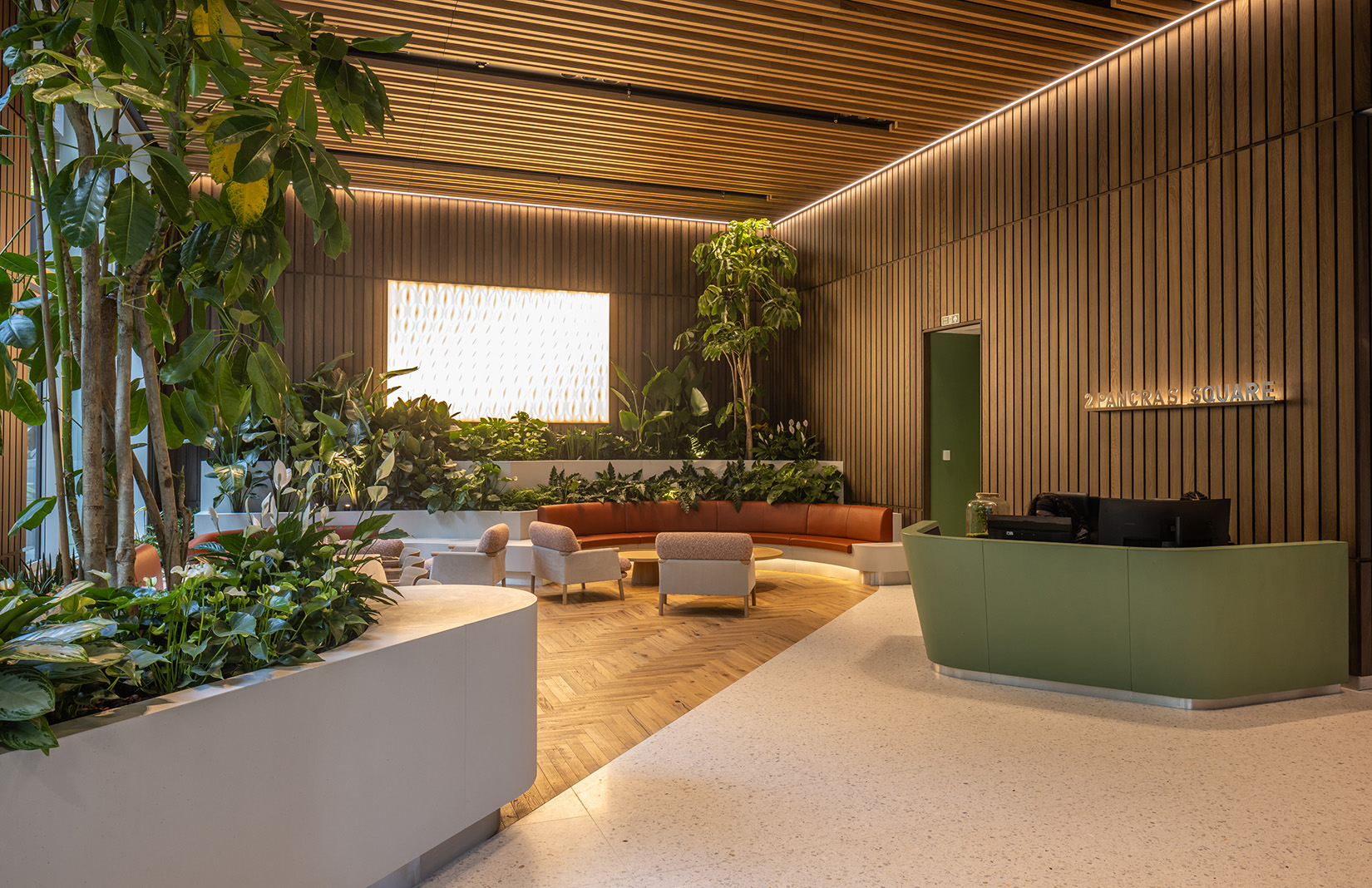
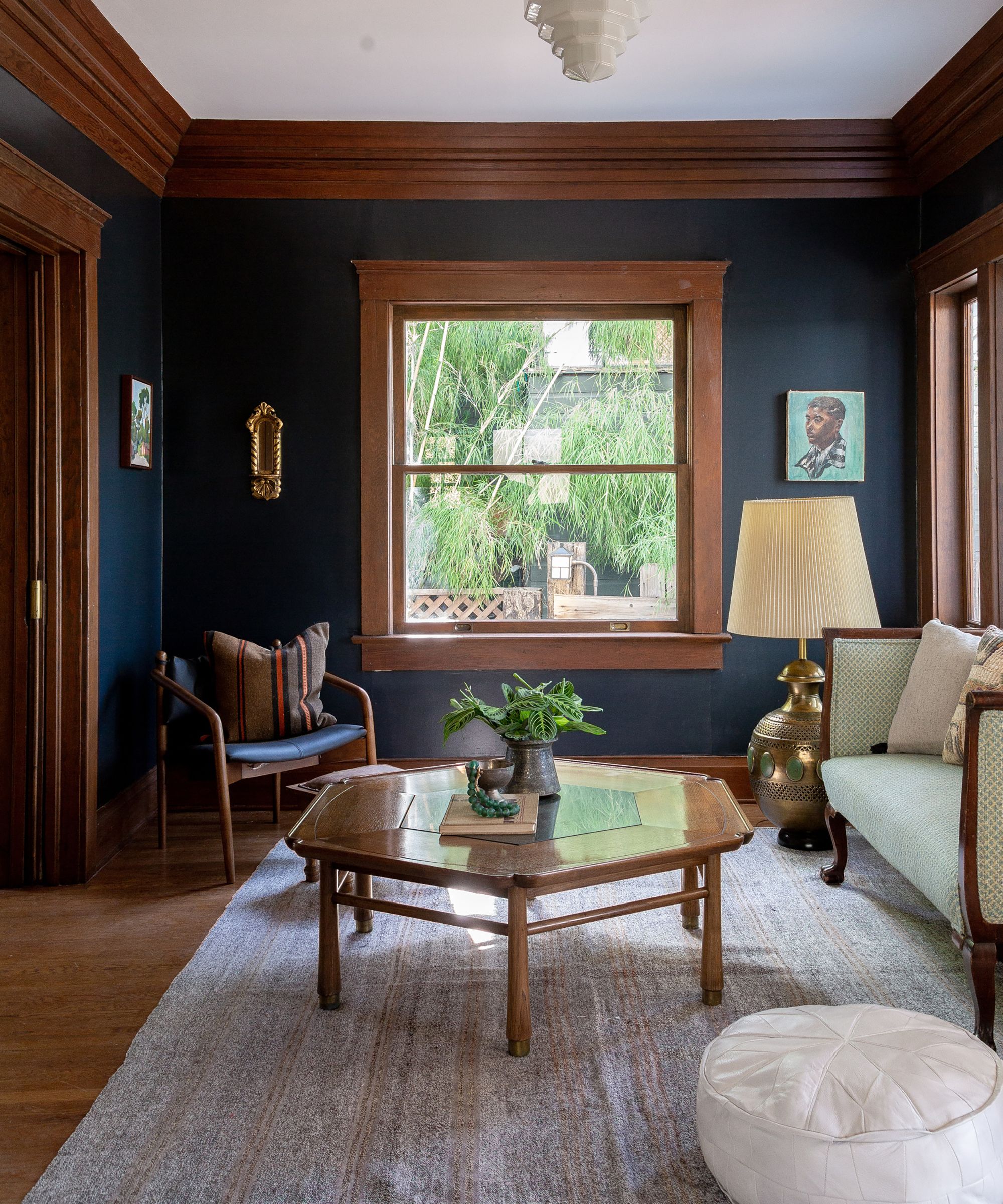
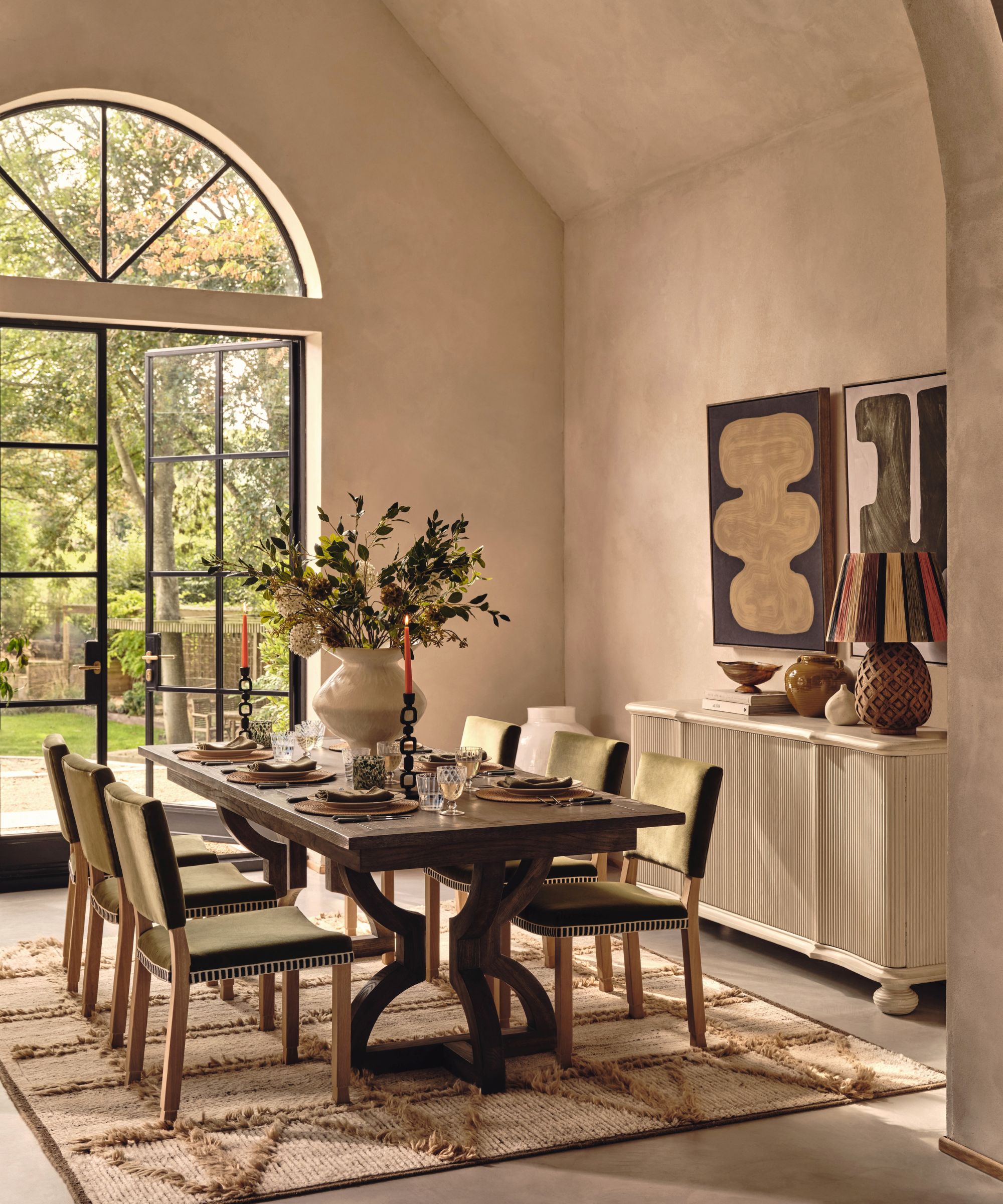
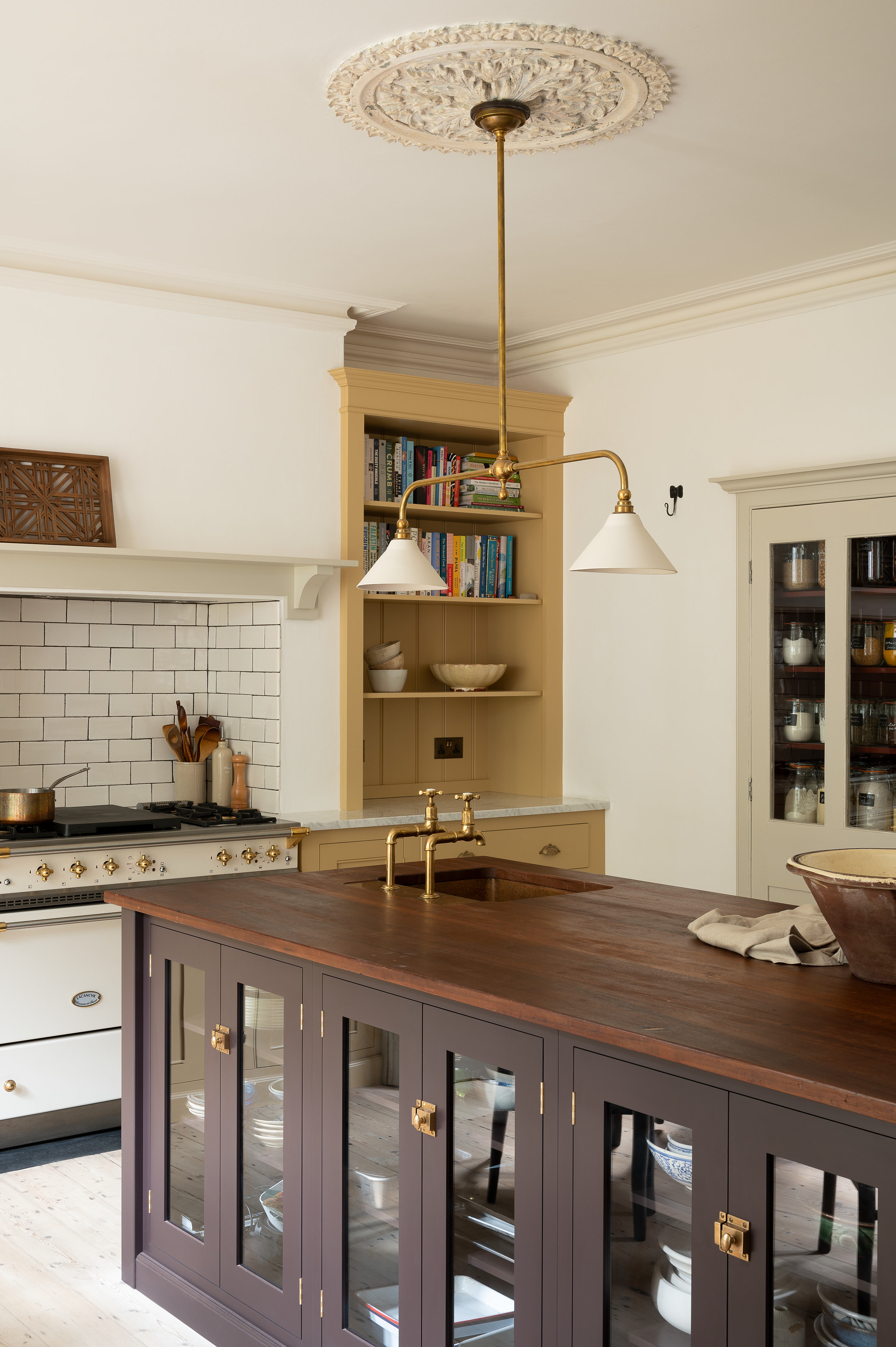
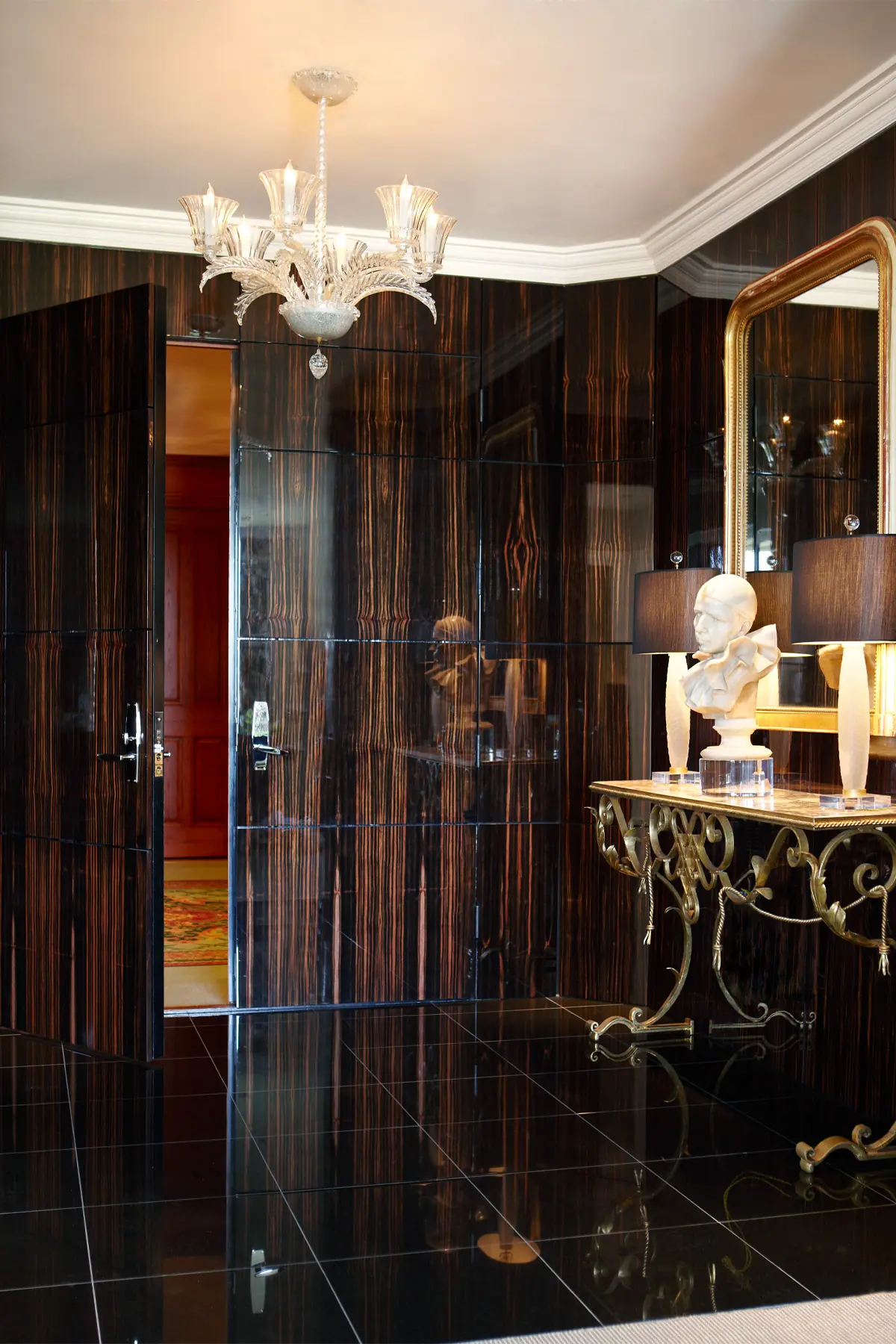
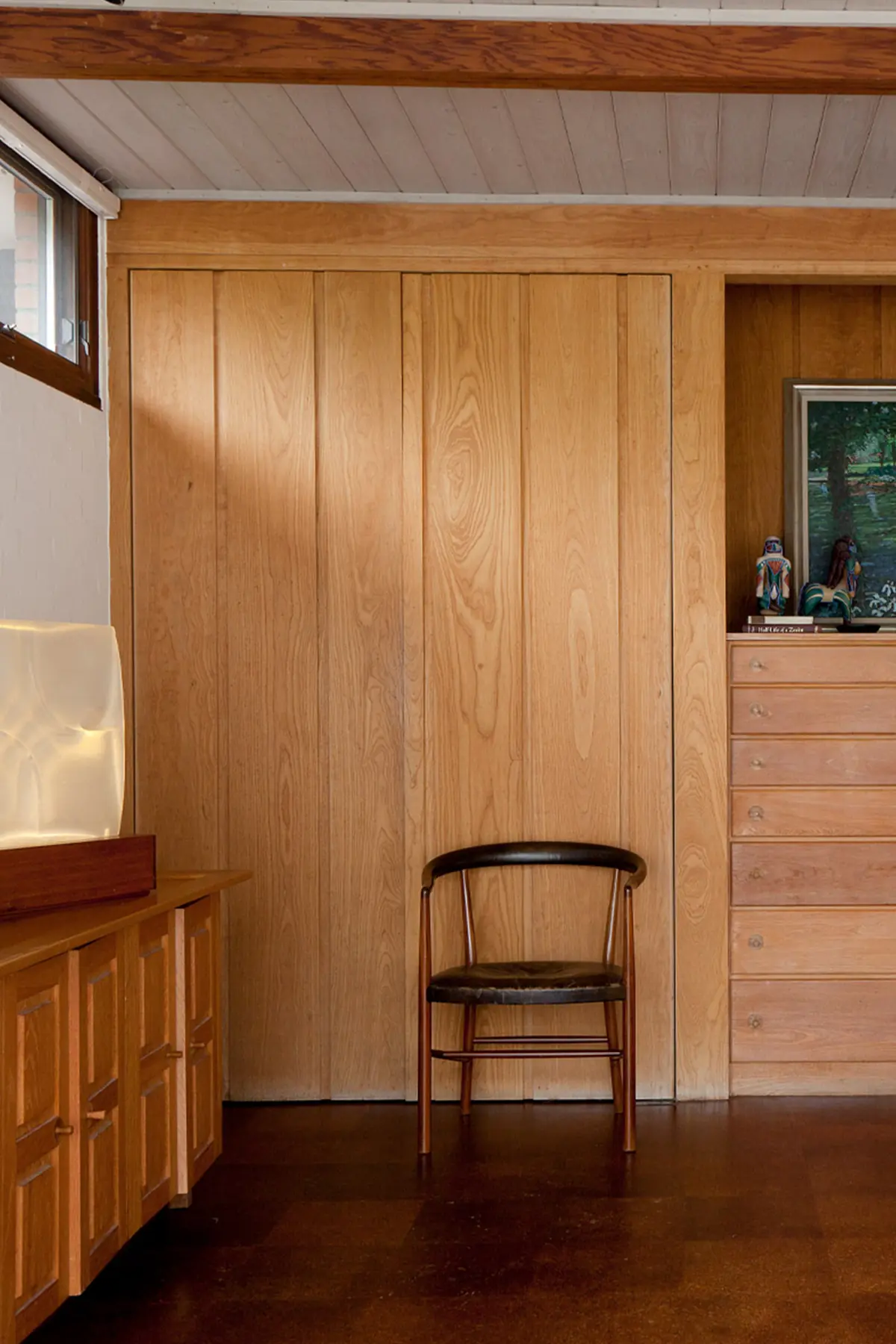
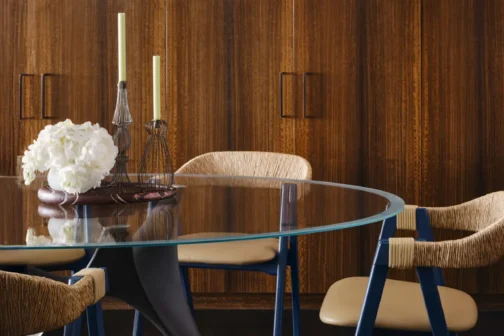
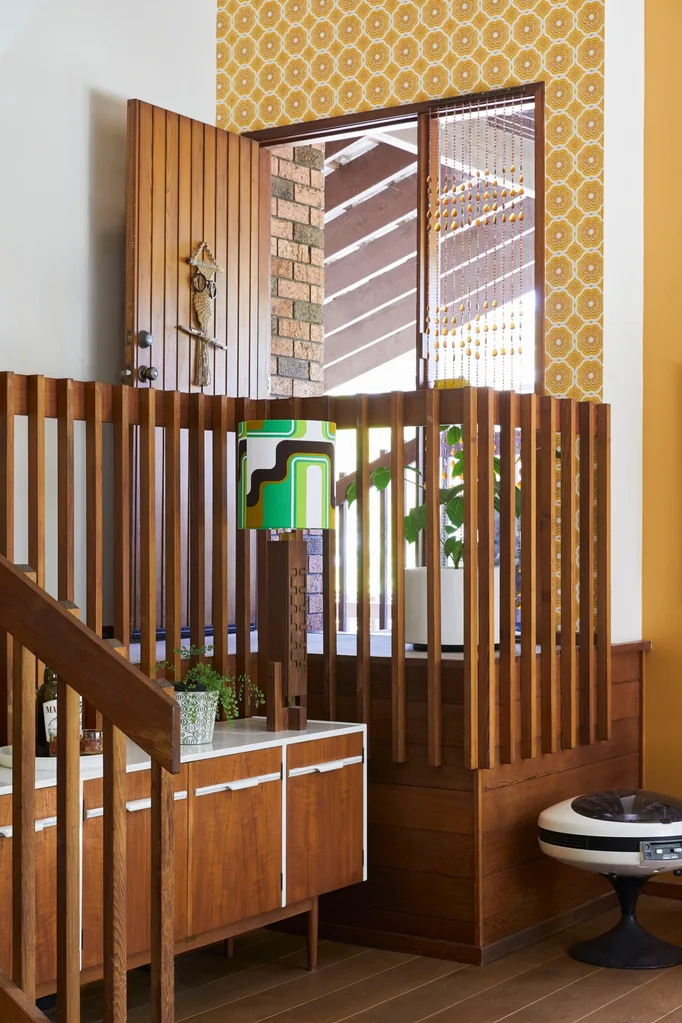
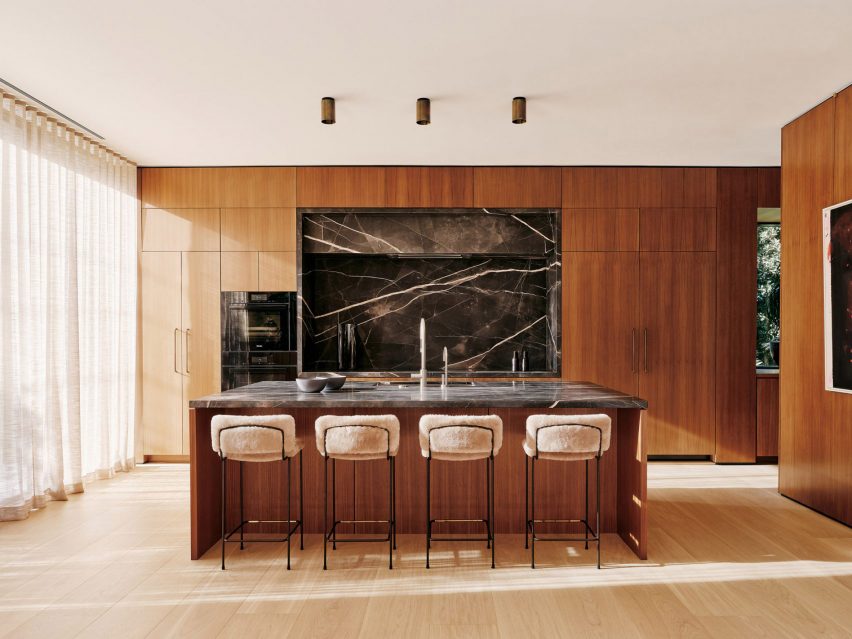
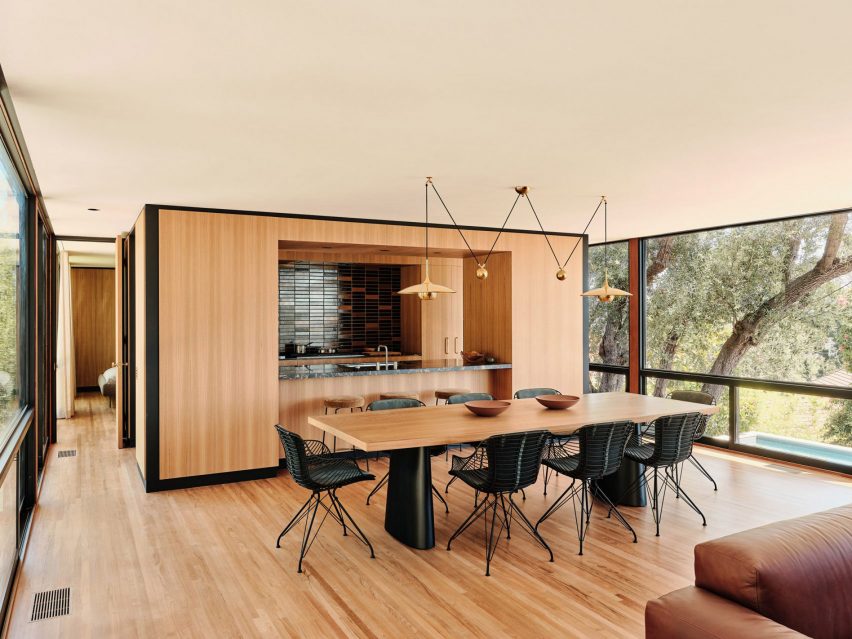
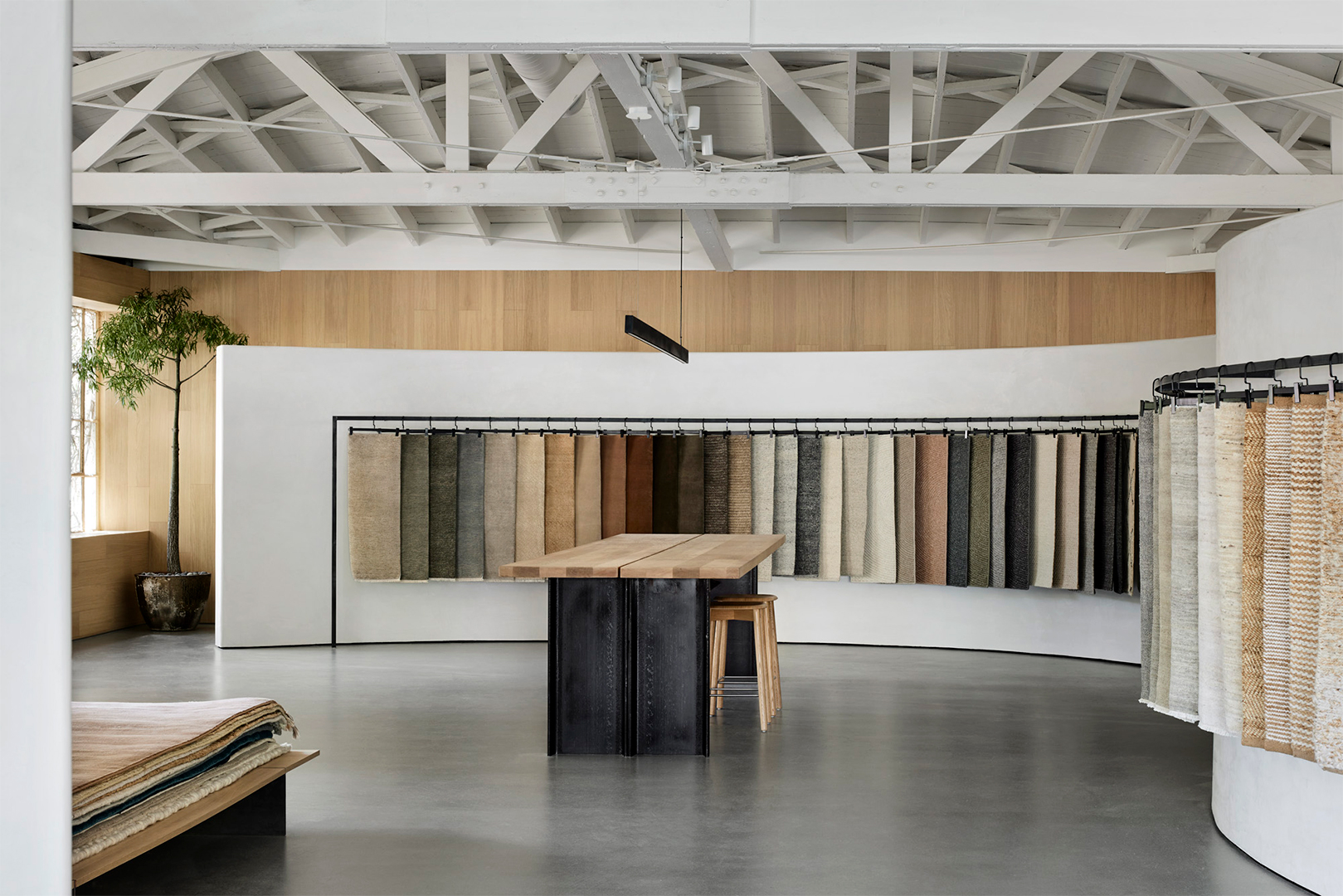
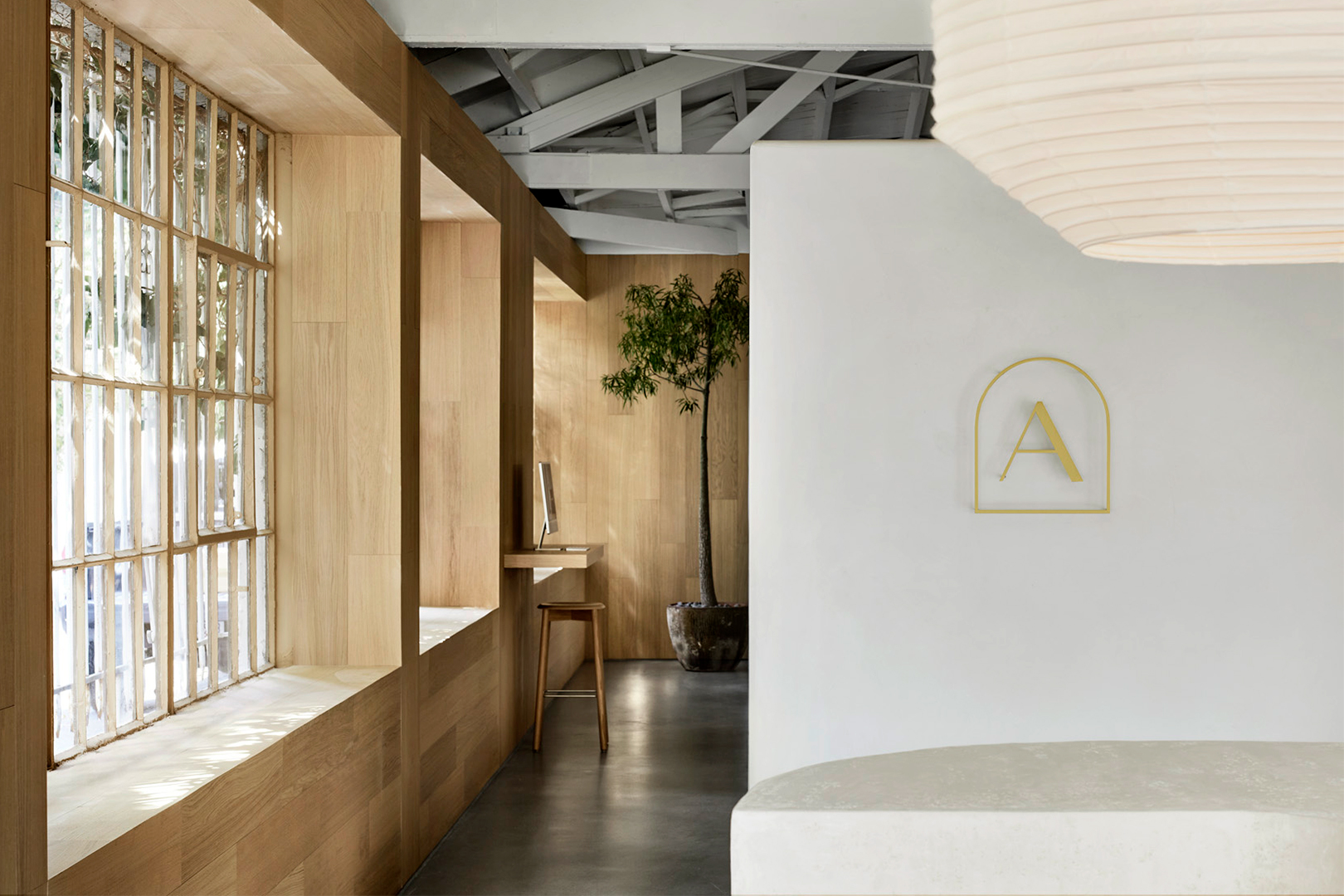
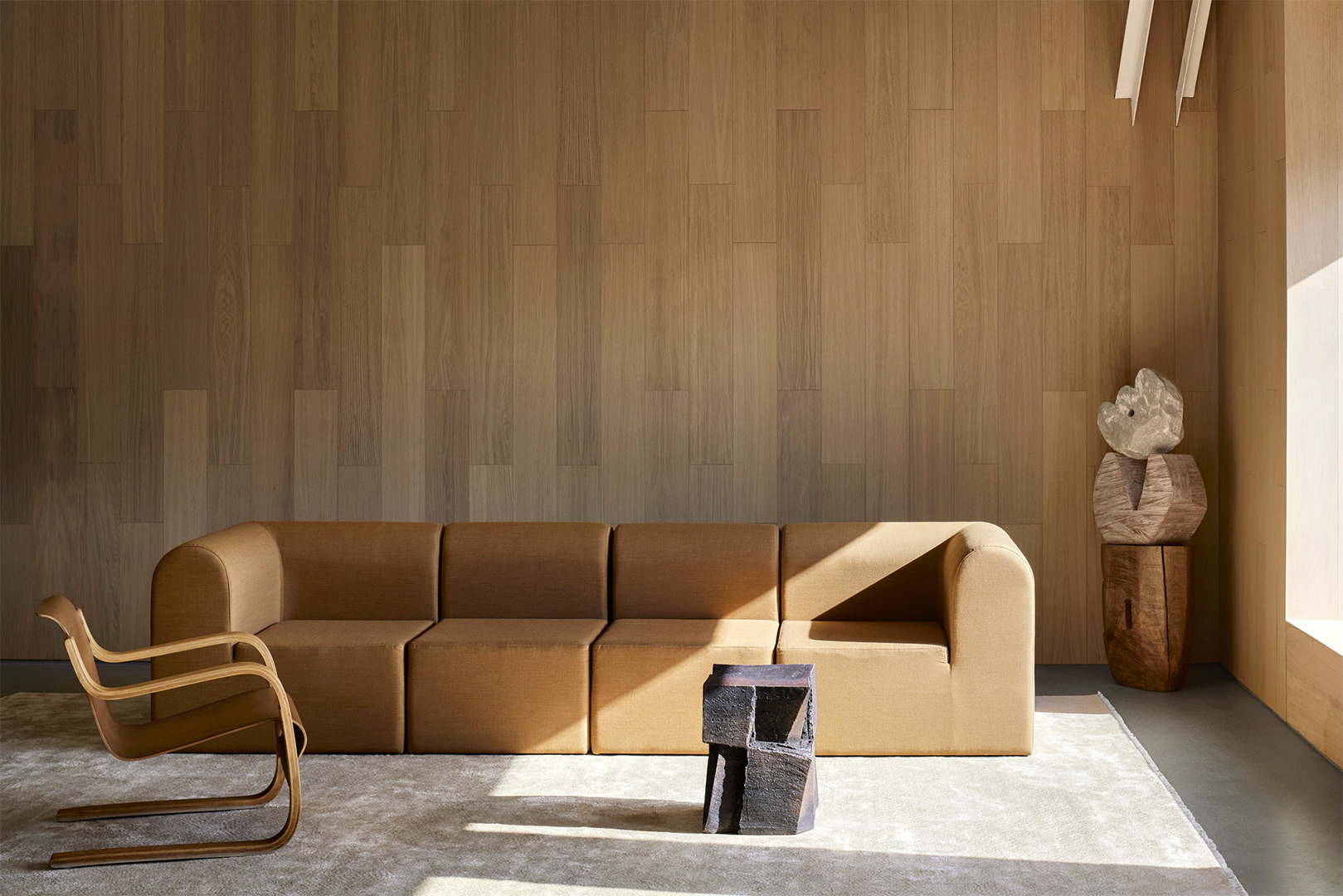
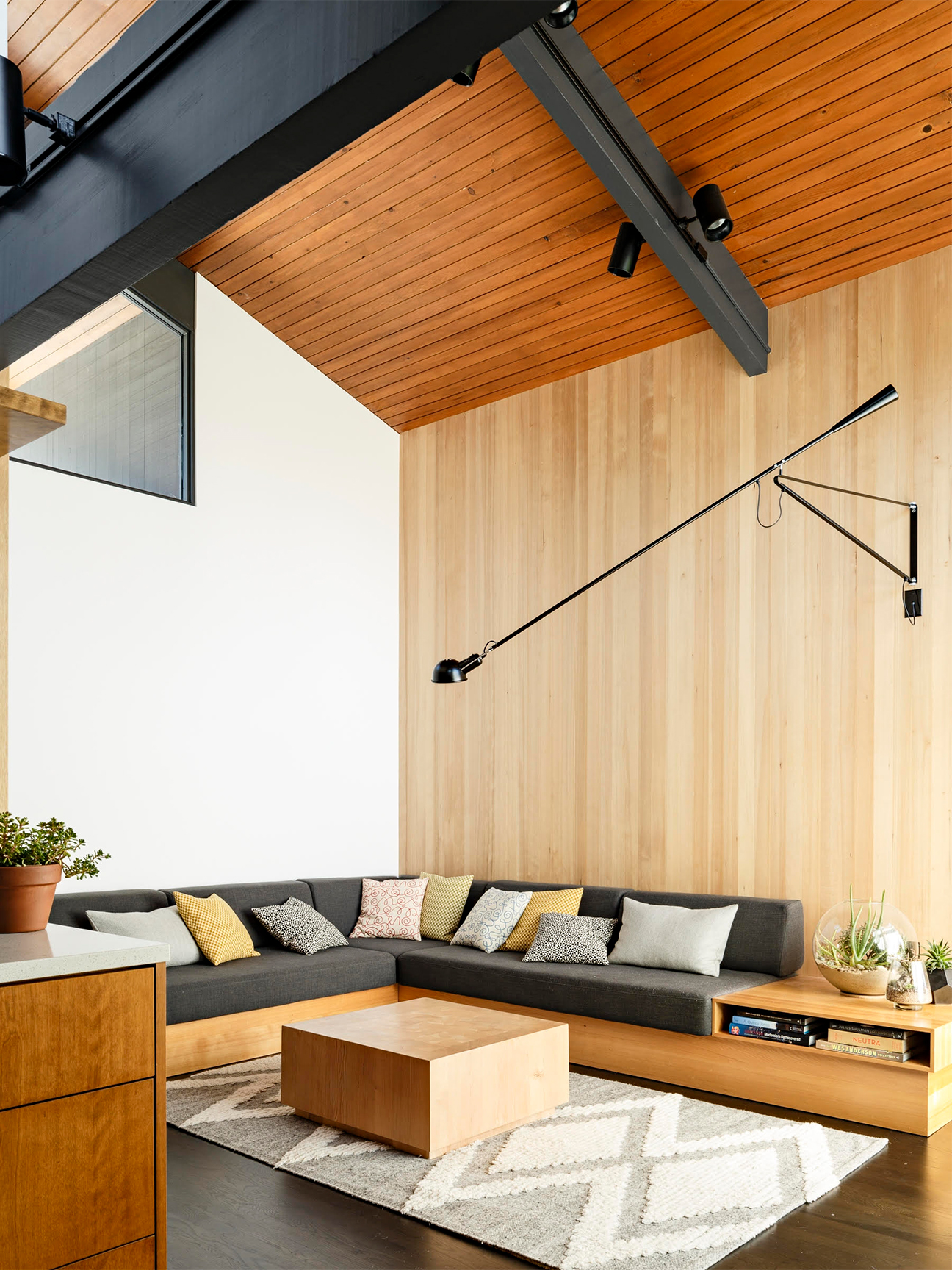
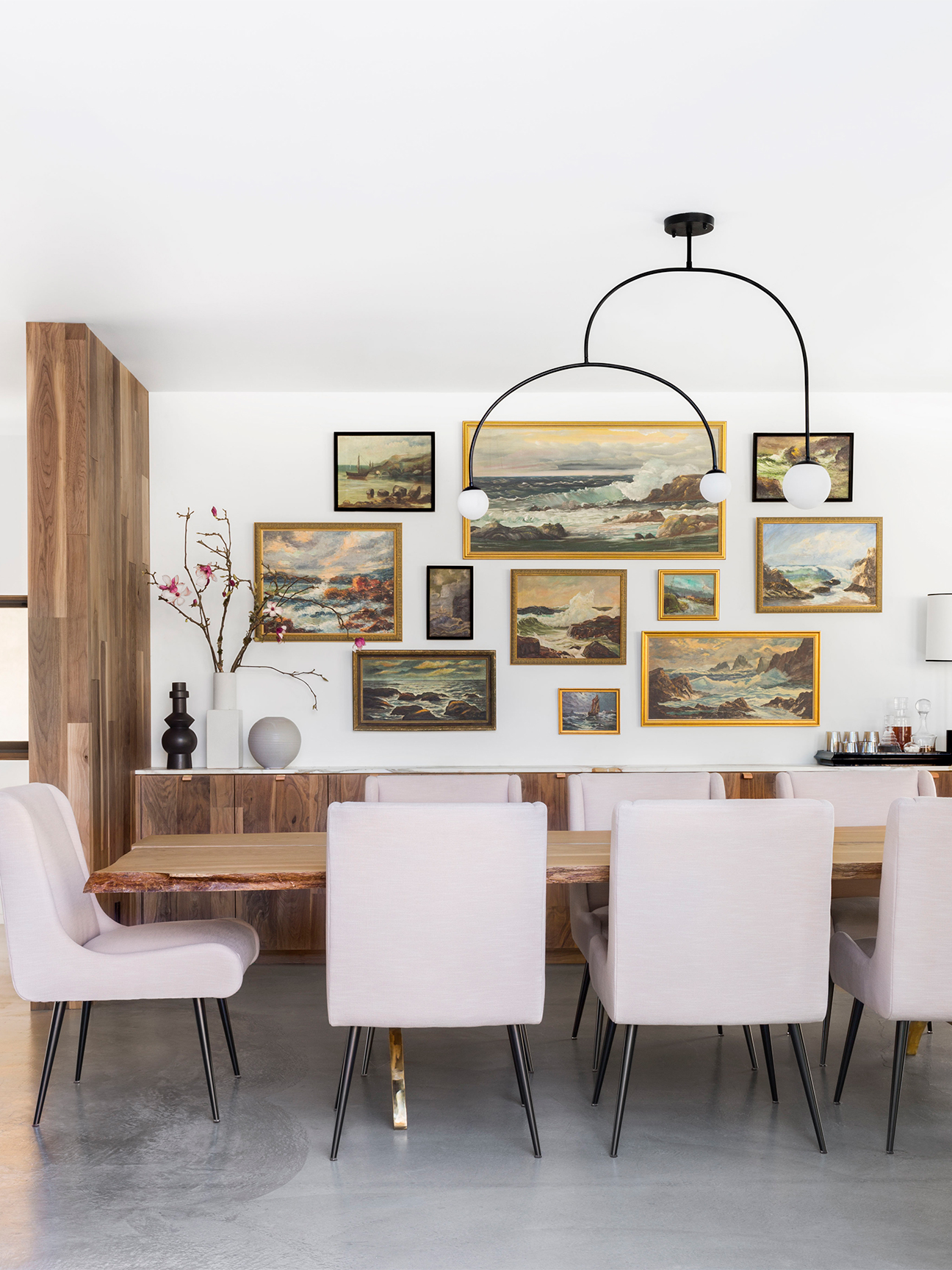
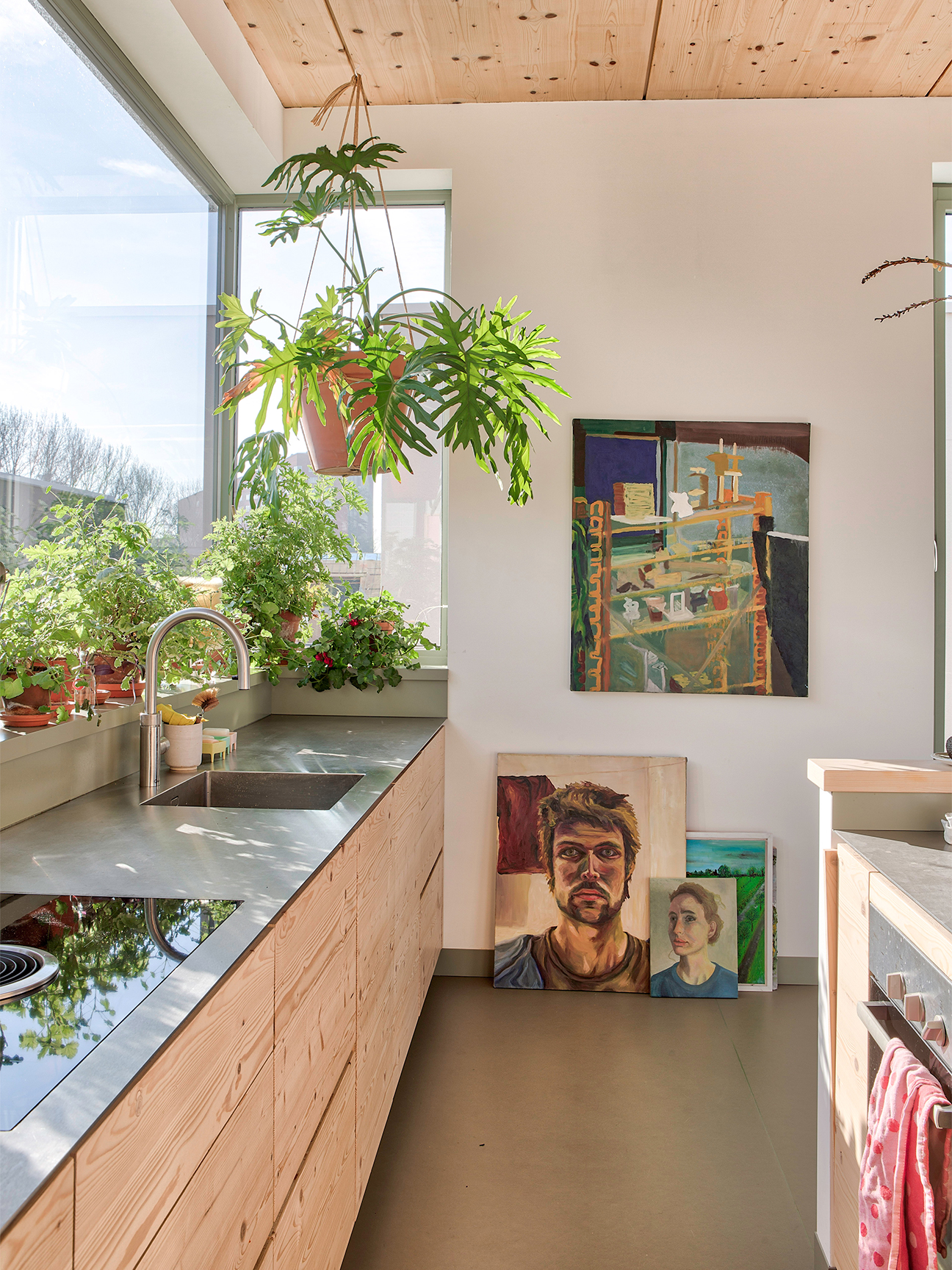
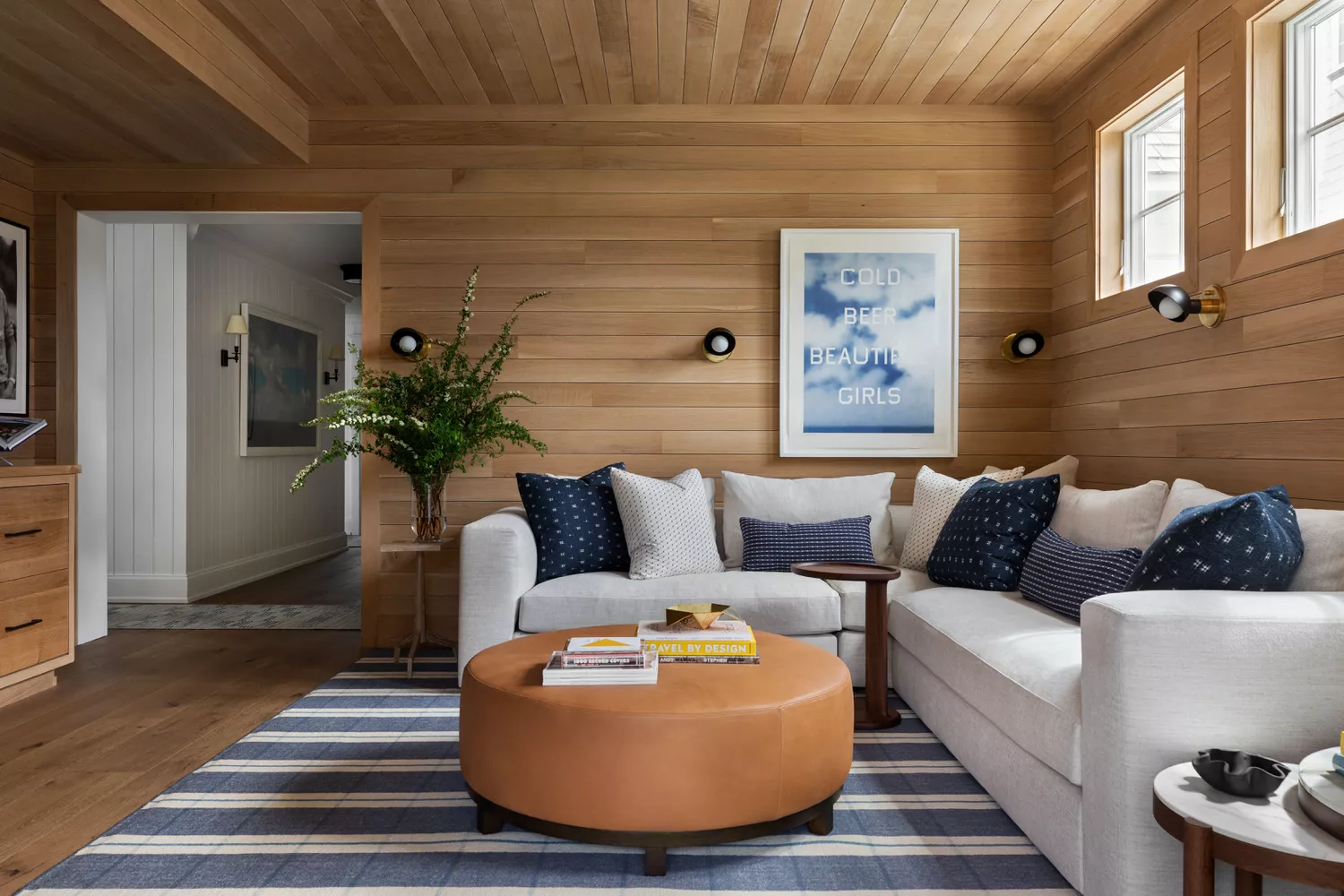
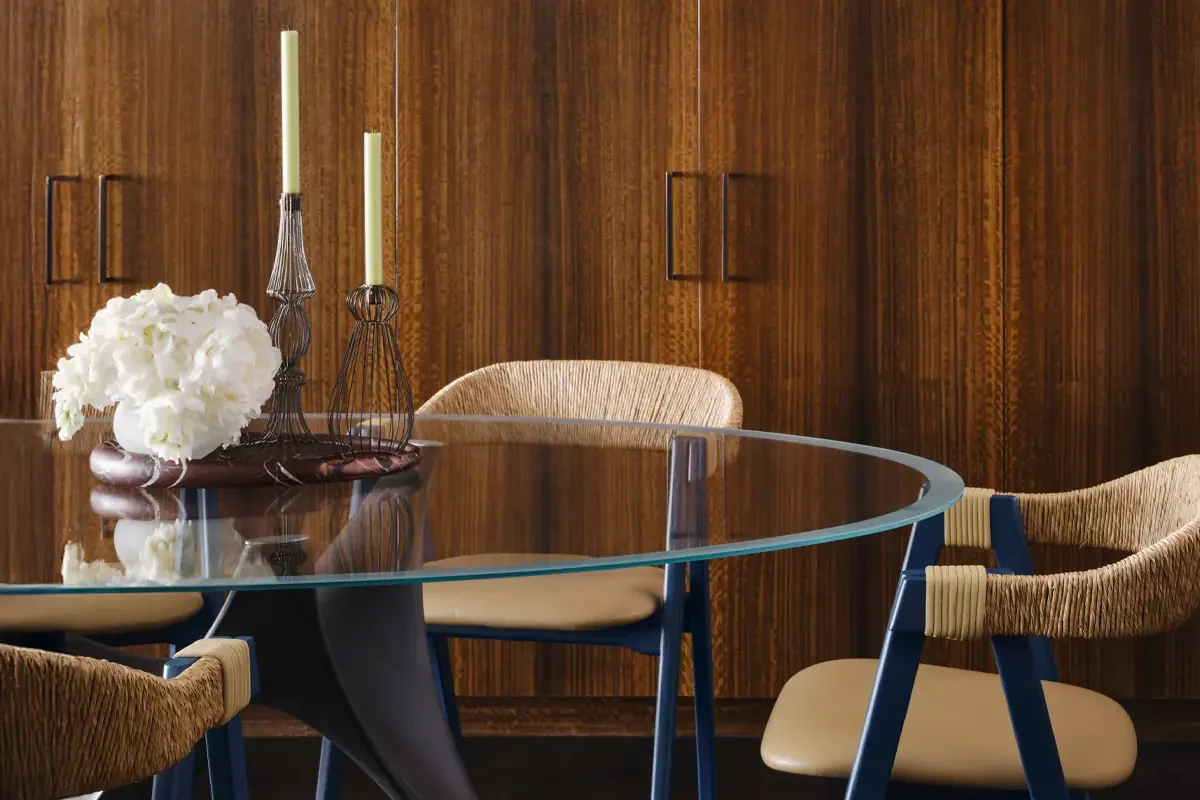
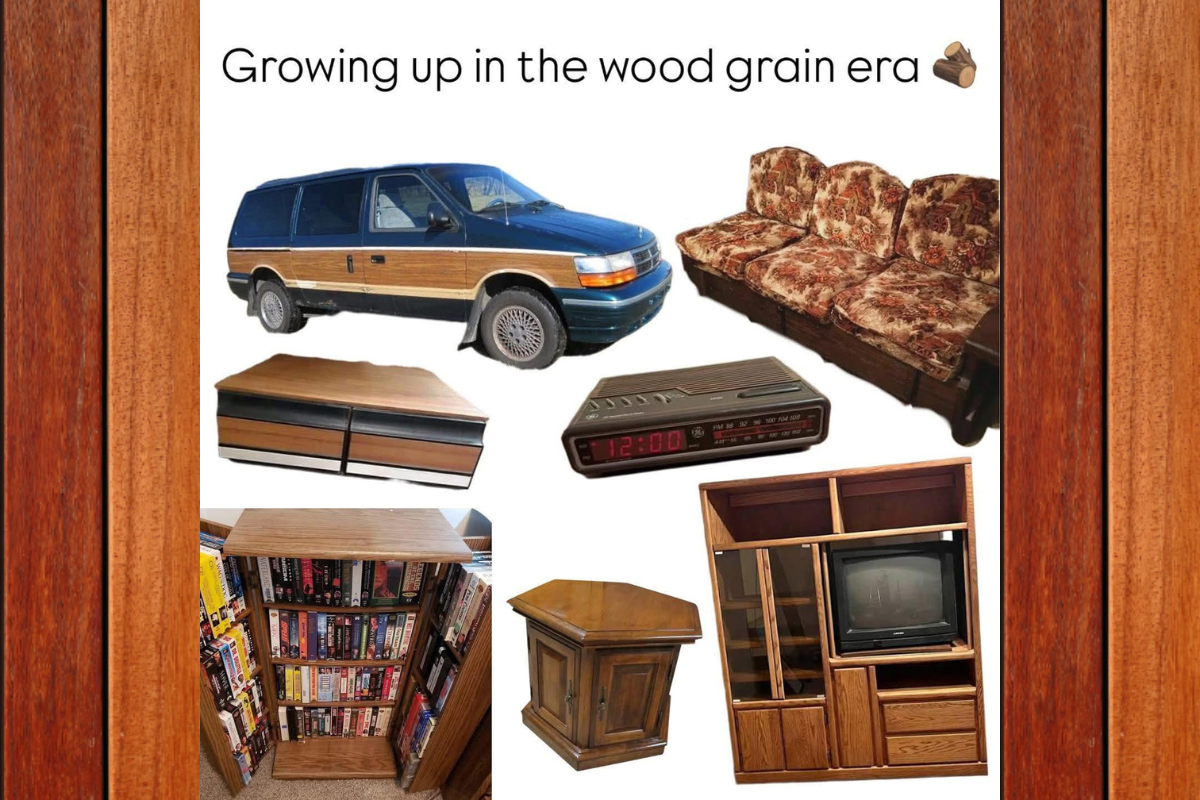

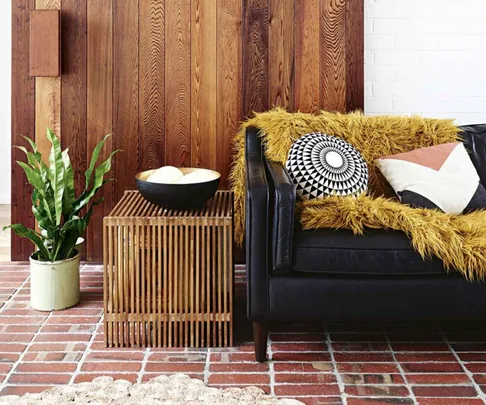
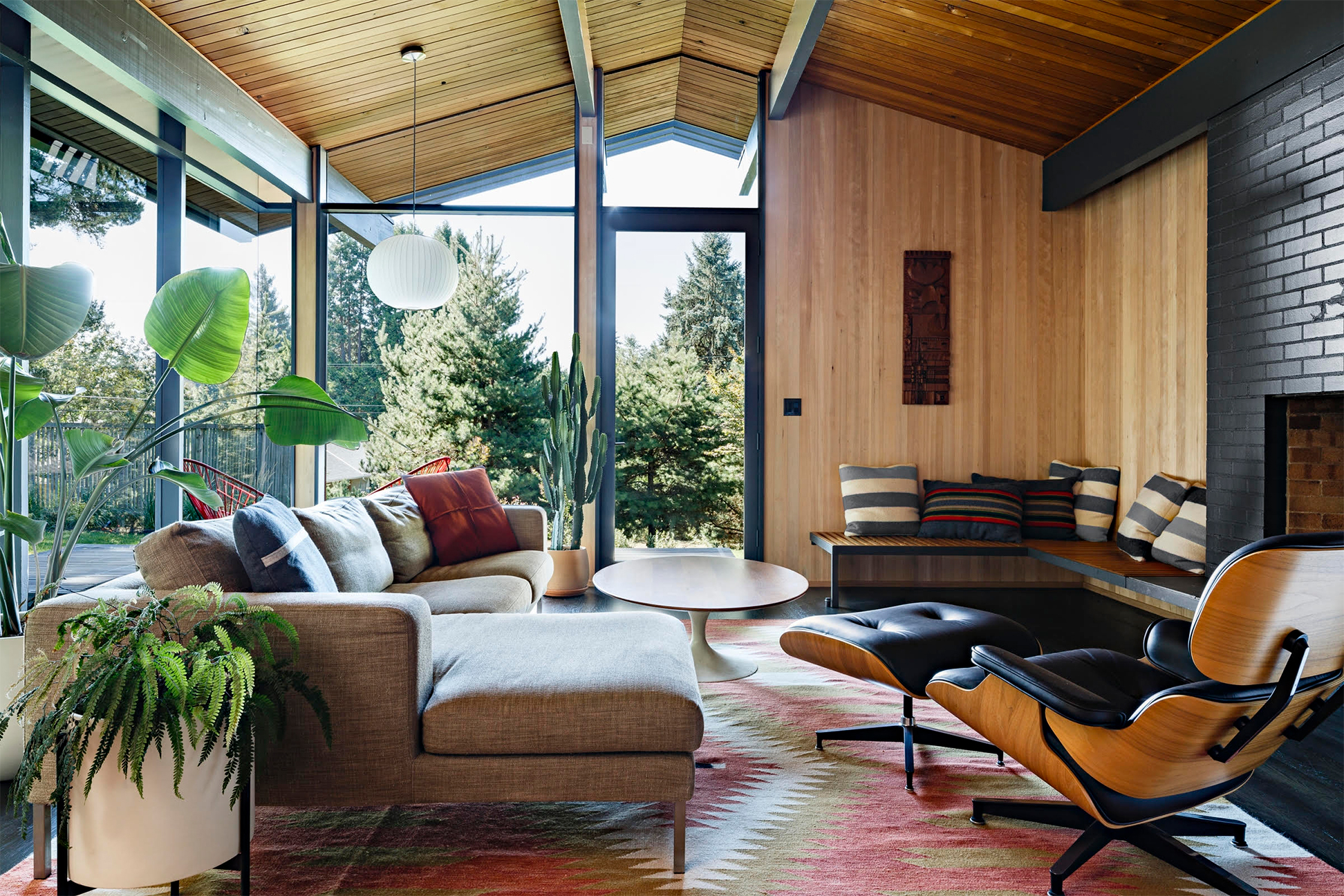
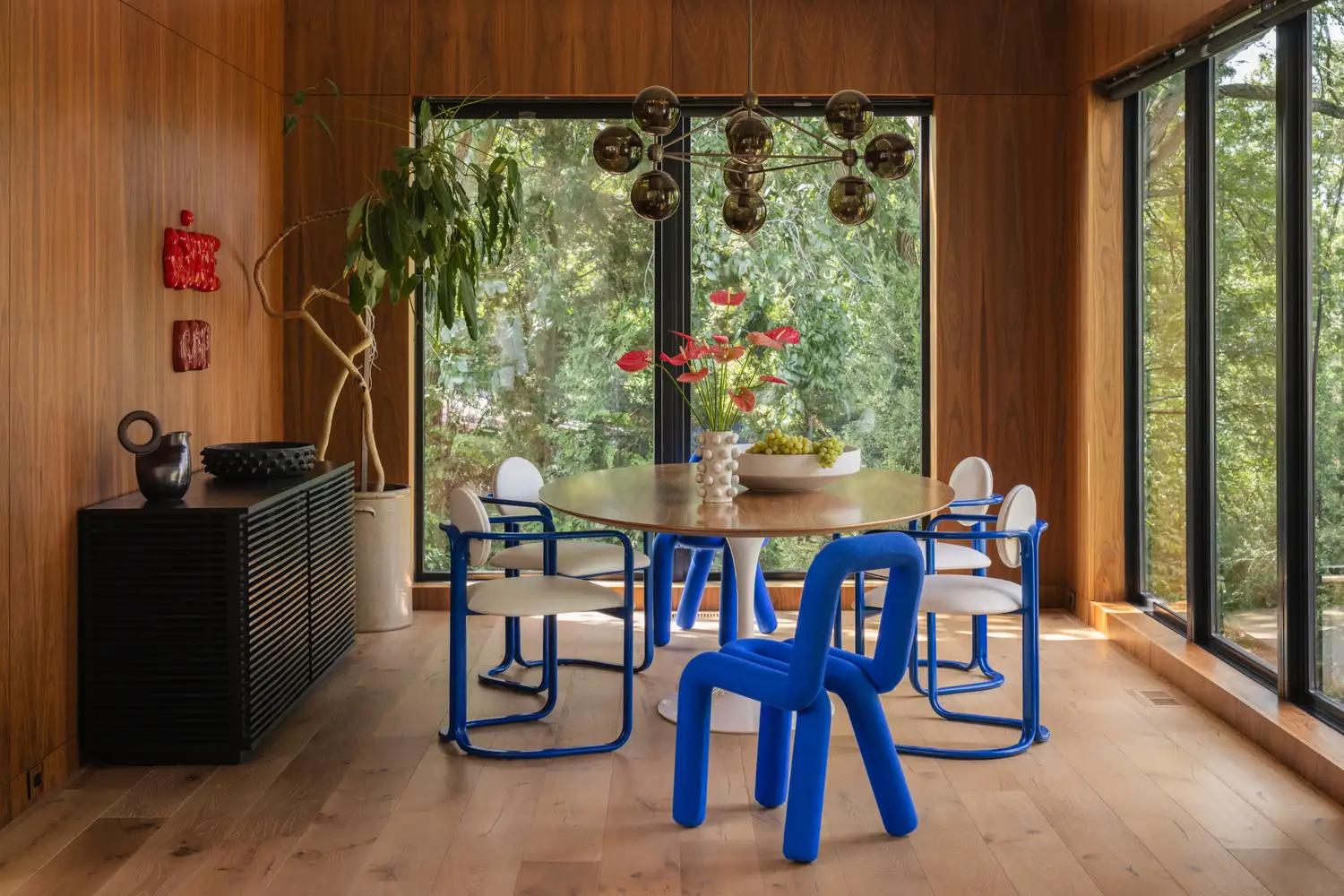
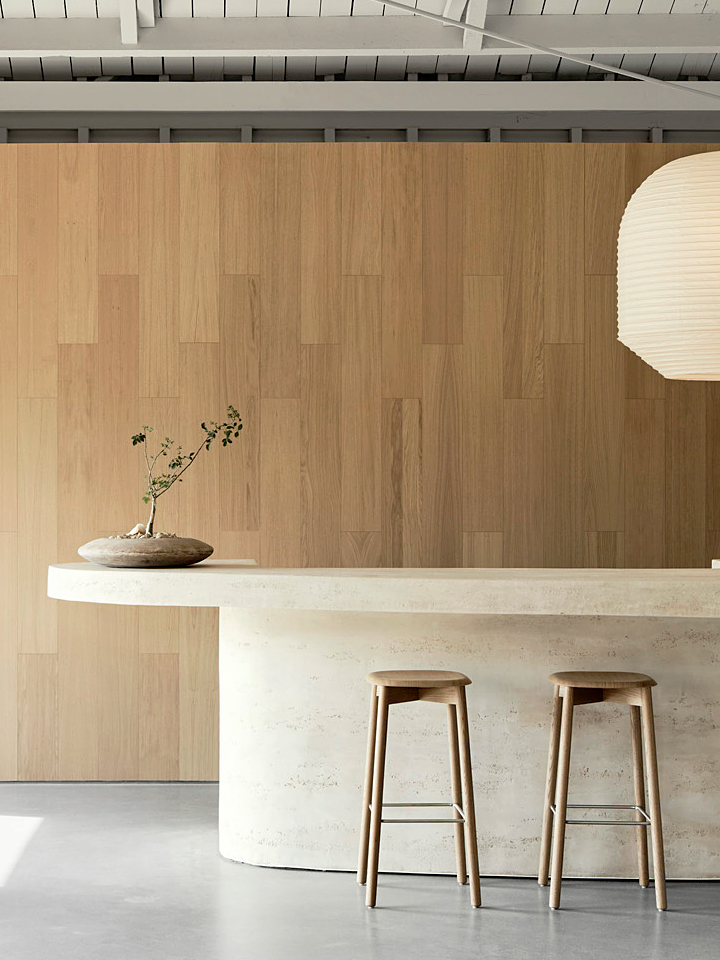
Wood drenching is a modern design trend that embraces the warmth and beauty of natural wood grain, revitalizing the aesthetic of 1970s wood paneling. This approach involves extensively incorporating wood, from wall paneling and applied millwork to hardwood floors, to create cozy and character-filled interiors. After a period dominated by sterile, neutral home decor, homeowners are seeking ways to infuse their spaces with character and a connection to nature. Designers like Katherine Gold emphasize that wood brings a calming and inviting atmosphere to a home.
When implementing wood drenching, it is crucial to consider the architectural style of the home. The chosen type of wood, whether veneer, reclaimed planks, or intricate molding, should seamlessly integrate with the home’s existing design to ensure a cohesive and timeless installation. Maggie Lewis highlights that unlike furnishings, these are permanent additions, so compatibility with the interior architecture is paramount. Fortunately, wood drenching is versatile and complements various styles, including colonial, modern, transitional, and mid-century modern.
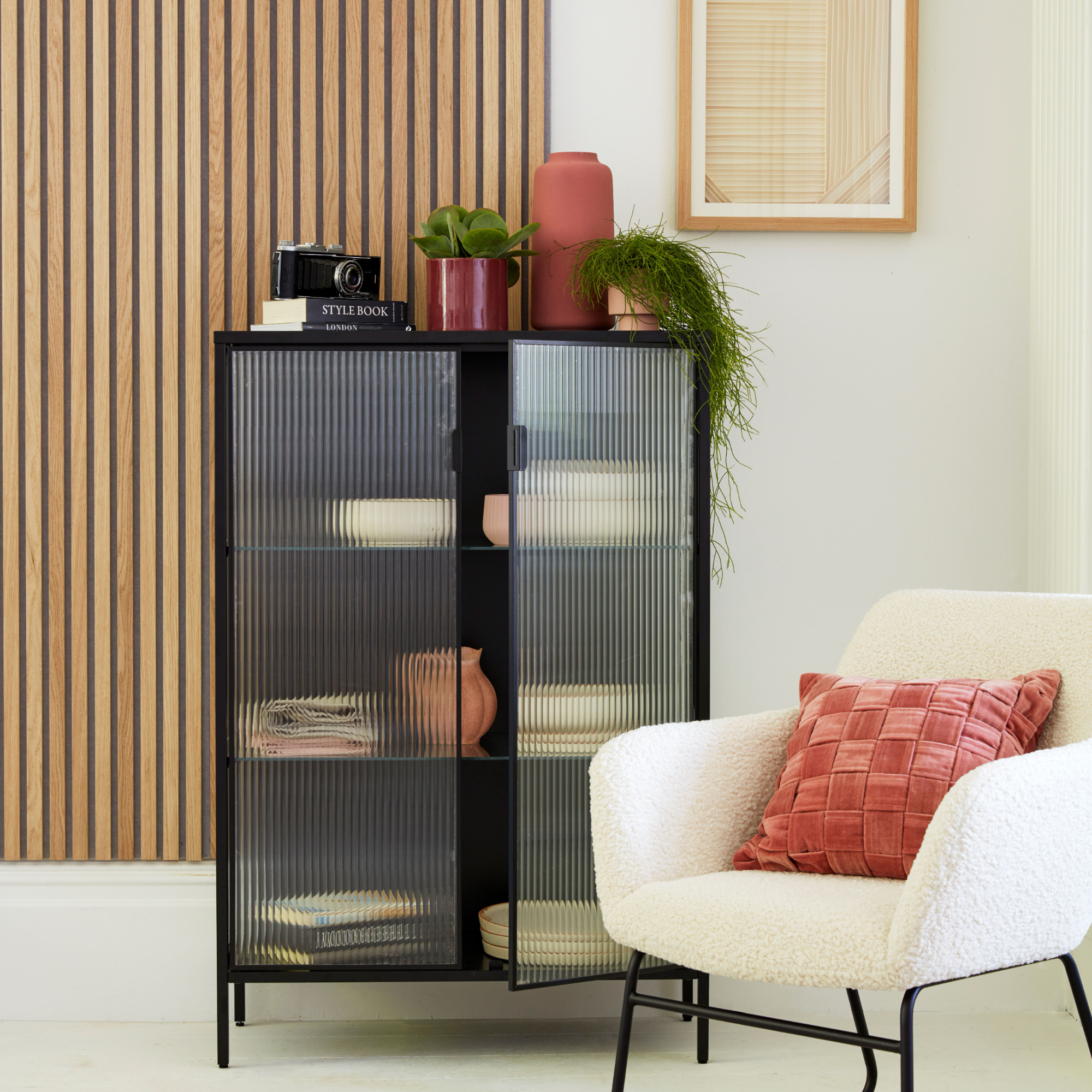
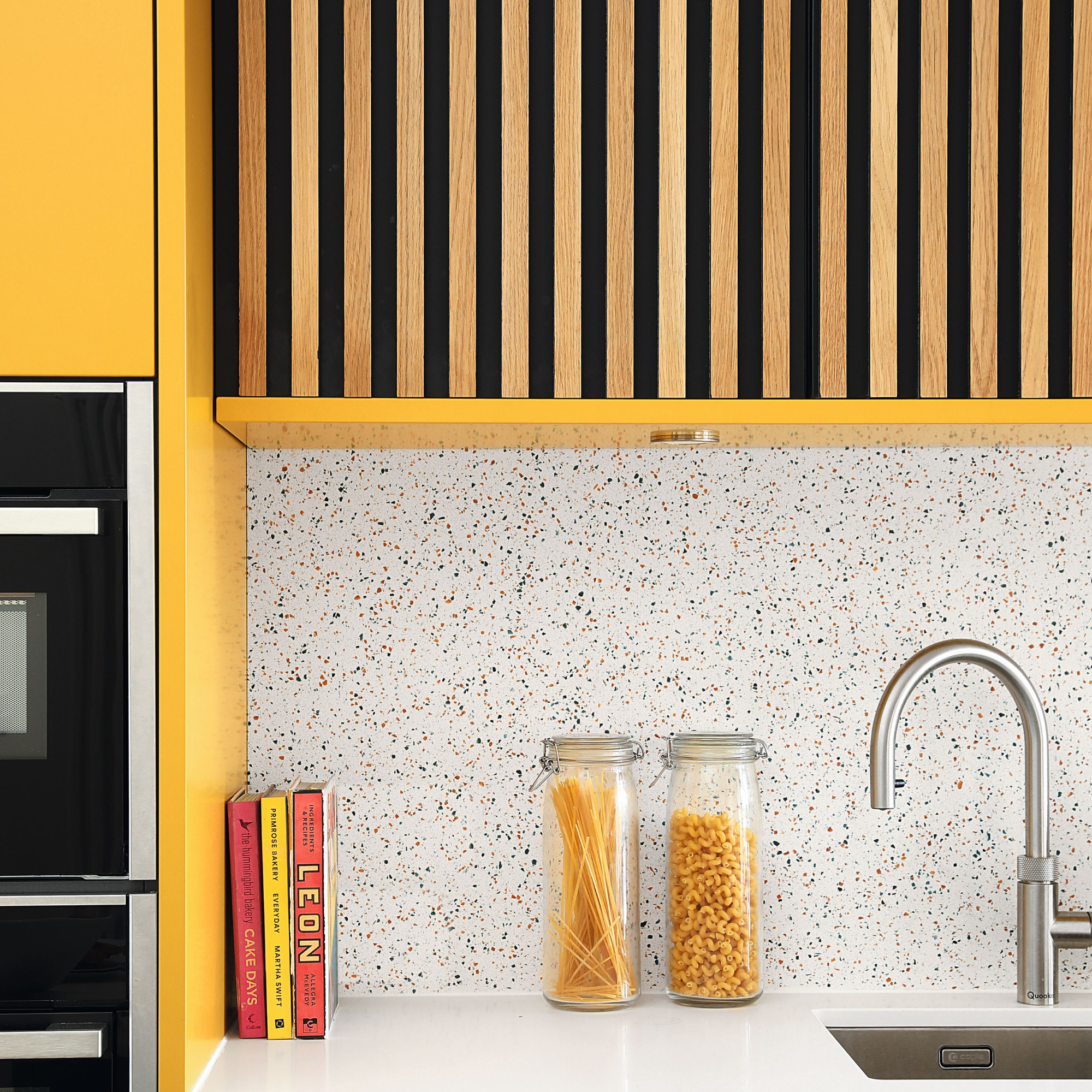
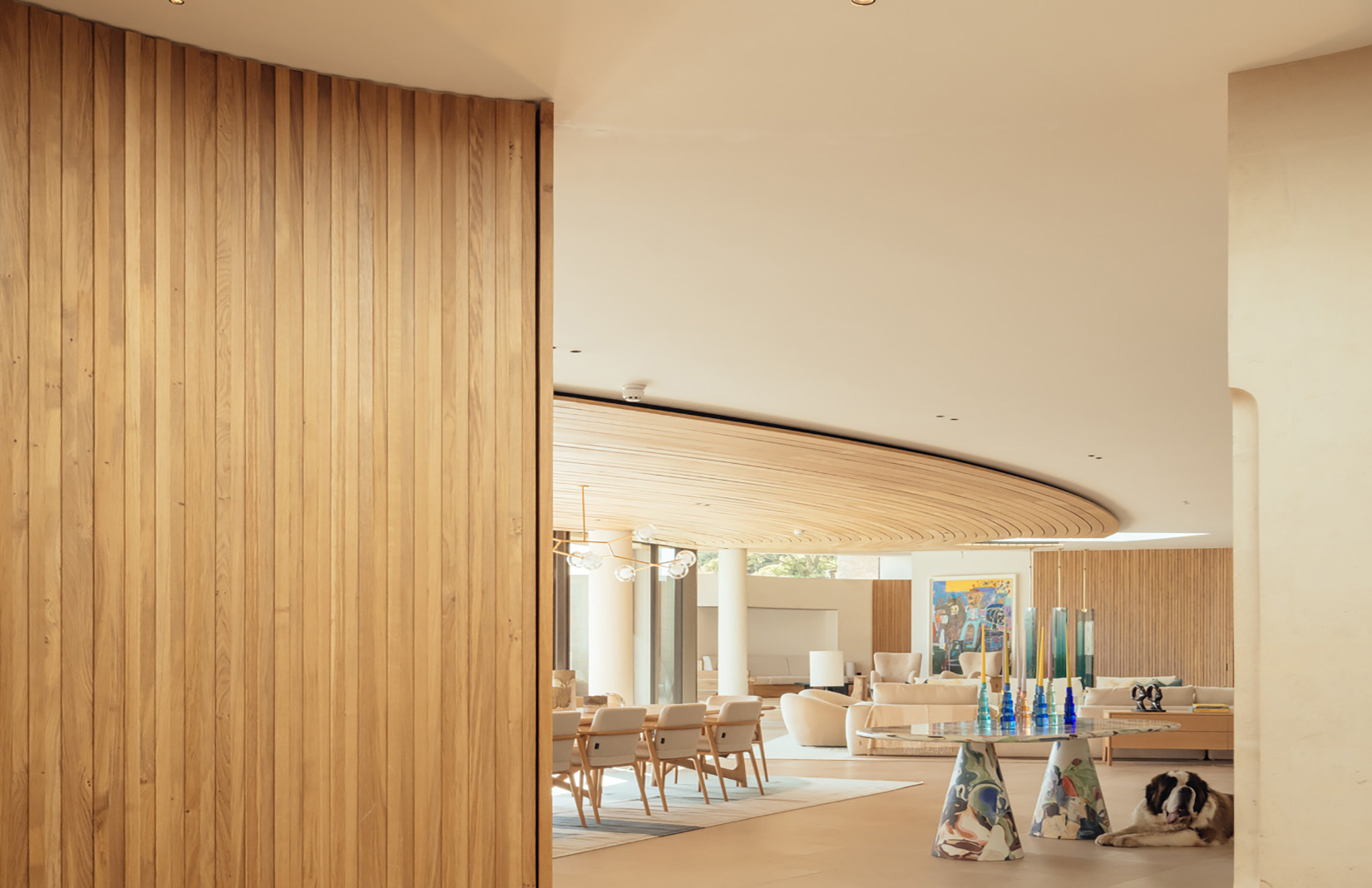
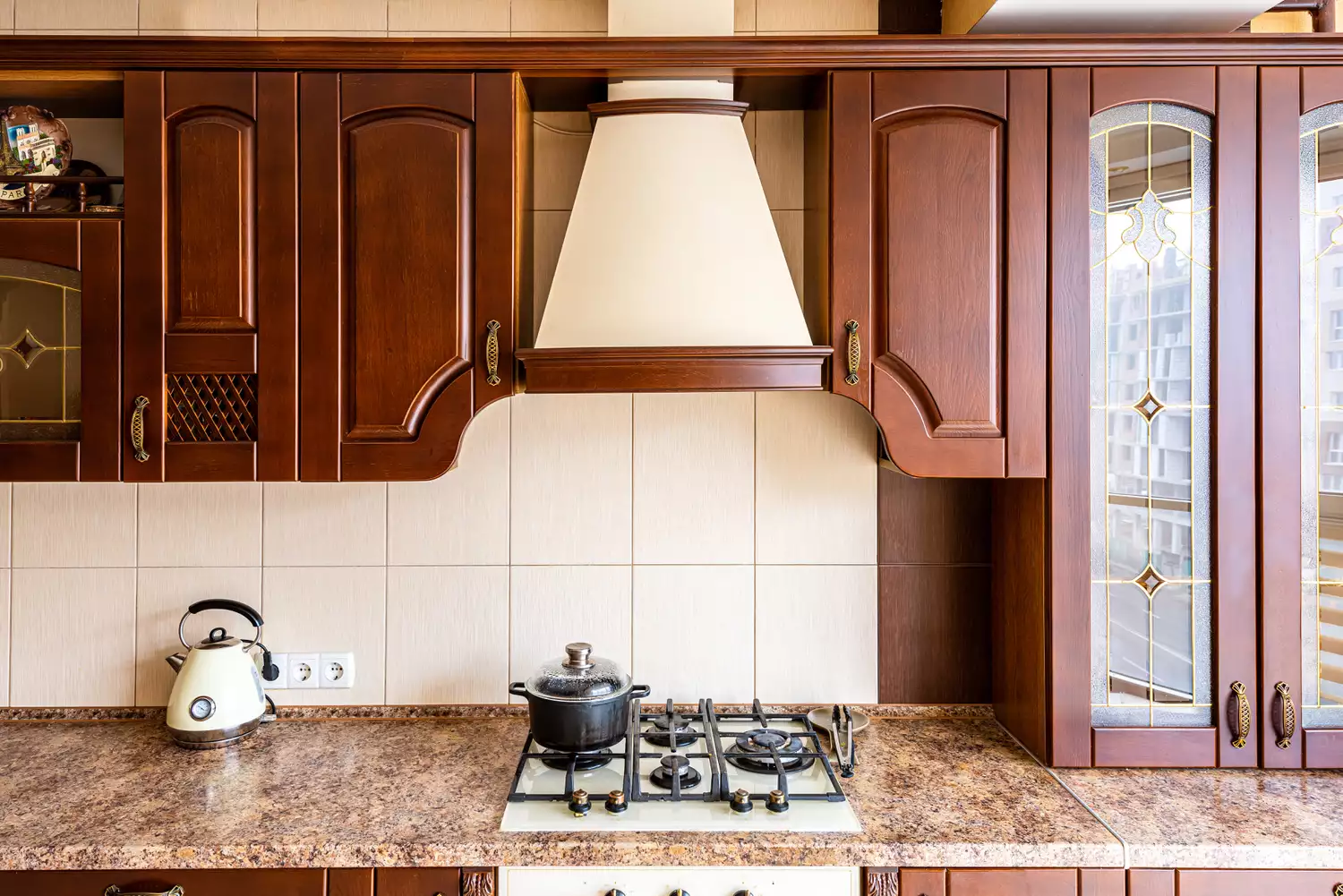
Color selection is another critical aspect. Sarah Barnard suggests dark wood finishes for historic homes, lighter woods with natural finishes for contemporary settings, and weathered reclaimed wood for rustic or farmhouse styles. Designers strongly advise against using overly orange or red-toned wood stains, as these can quickly make a space appear dated and artificial, undermining the natural warmth and authenticity that wood drenching aims to achieve. The consensus among experts is to prioritize real wood over faux alternatives. While real wood may represent a more significant investment, it offers an unparalleled effect in terms of warmth and character that cannot be replicated by synthetic materials.
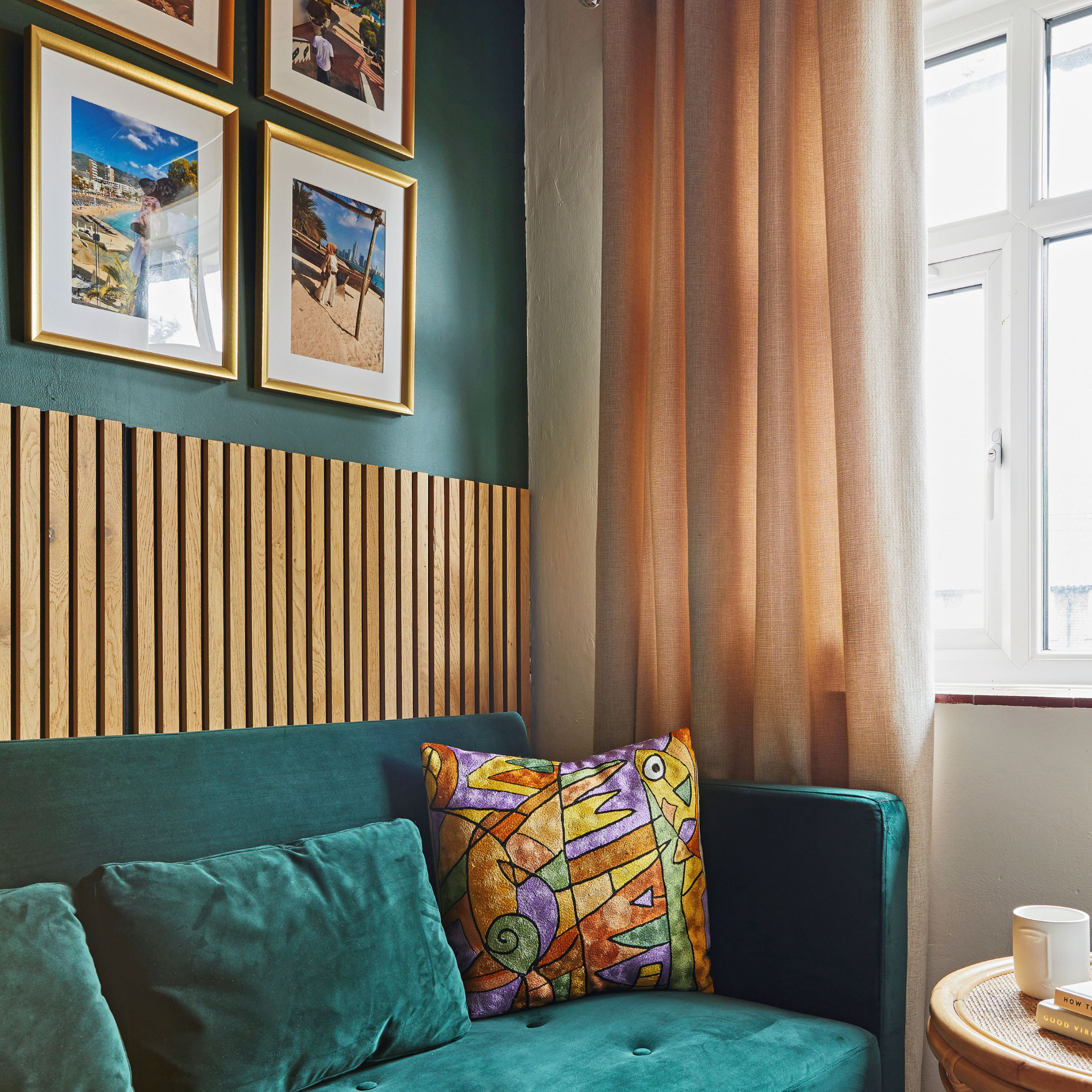
Beyond aesthetics, using real wood is also a more sustainable and eco-friendly choice. Barnard recommends sourcing materials from responsibly managed forests, such as FSC-certified wood, or opting for reclaimed and recycled wood. These choices help preserve natural woodlands and align with environmentally conscious design practices. For those hesitant to commit fully to wood drenching a whole room, designers suggest starting with a partial approach. This allows homeowners to test the look without overwhelming their space or budget. Examples include installing a fluted walnut panel behind a bed to create a headboard effect or wood-cladding an entryway ceiling. This gradual integration helps determine if the style is a good fit before making a larger investment, ensuring that any design decision is balanced and intentional.
#WoodDrenching #InteriorDesign #HomeDecorTrends #70sRevival #NaturalWood #ArchitecturalStyle #SustainableDesign #HomeImprovement #WoodDrenching #InteriorDesign #HomeDecorTrends #70sRevival #NaturalWood #ArchitecturalStyle #SustainableDesign #HomeImprovement
0 comment in total
 No comments yet
You may also like
Move Aside, Ply—Designers Are Loving This Wood for Its Captivating Pattern

Wood Paneling and 11 More Vintage Decor Trends Making Huge Comebacks
Wood as a Home Design Trend: Through the Archives to Today
Gen Xers reminisce about wood paneling being 'everywhere' in their childhoods. Here's why it was.

Wood Paneling Is Back—and Better Than Ever

Wood slats are everywhere. Why are designers such fans?
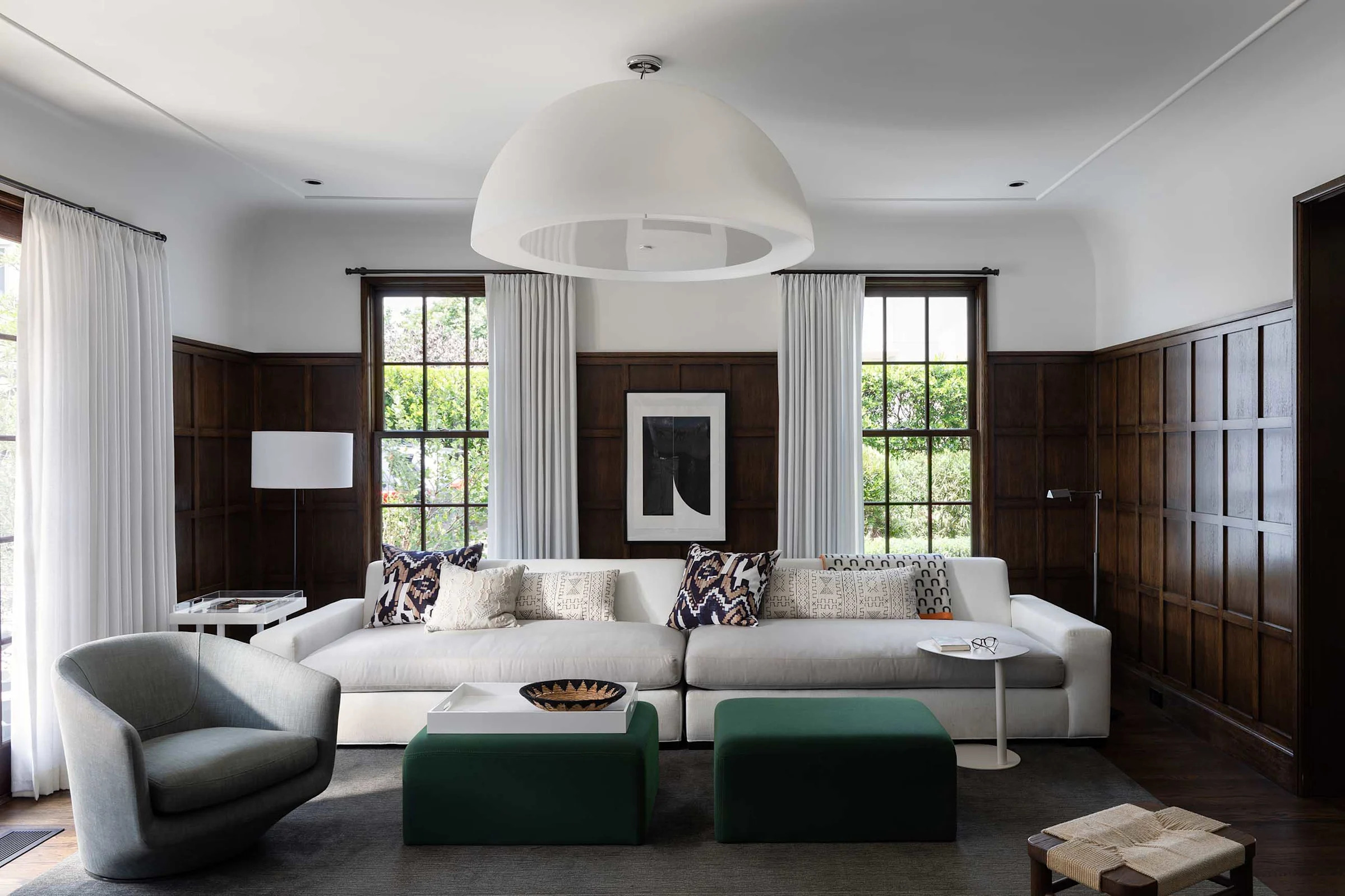
This Once-Dated Wall Paneling is Now Making Homes Look so Elegant and Sophisticated

Wood Treatments

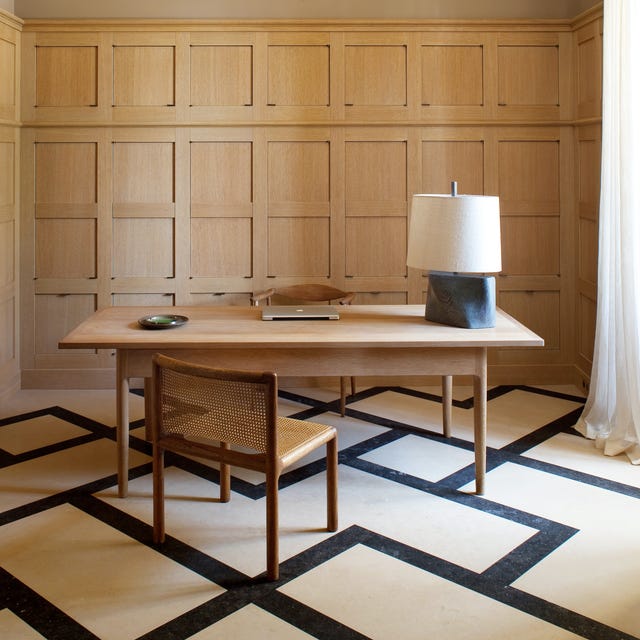
Wood panelling: an essential guide to the big decorating trend

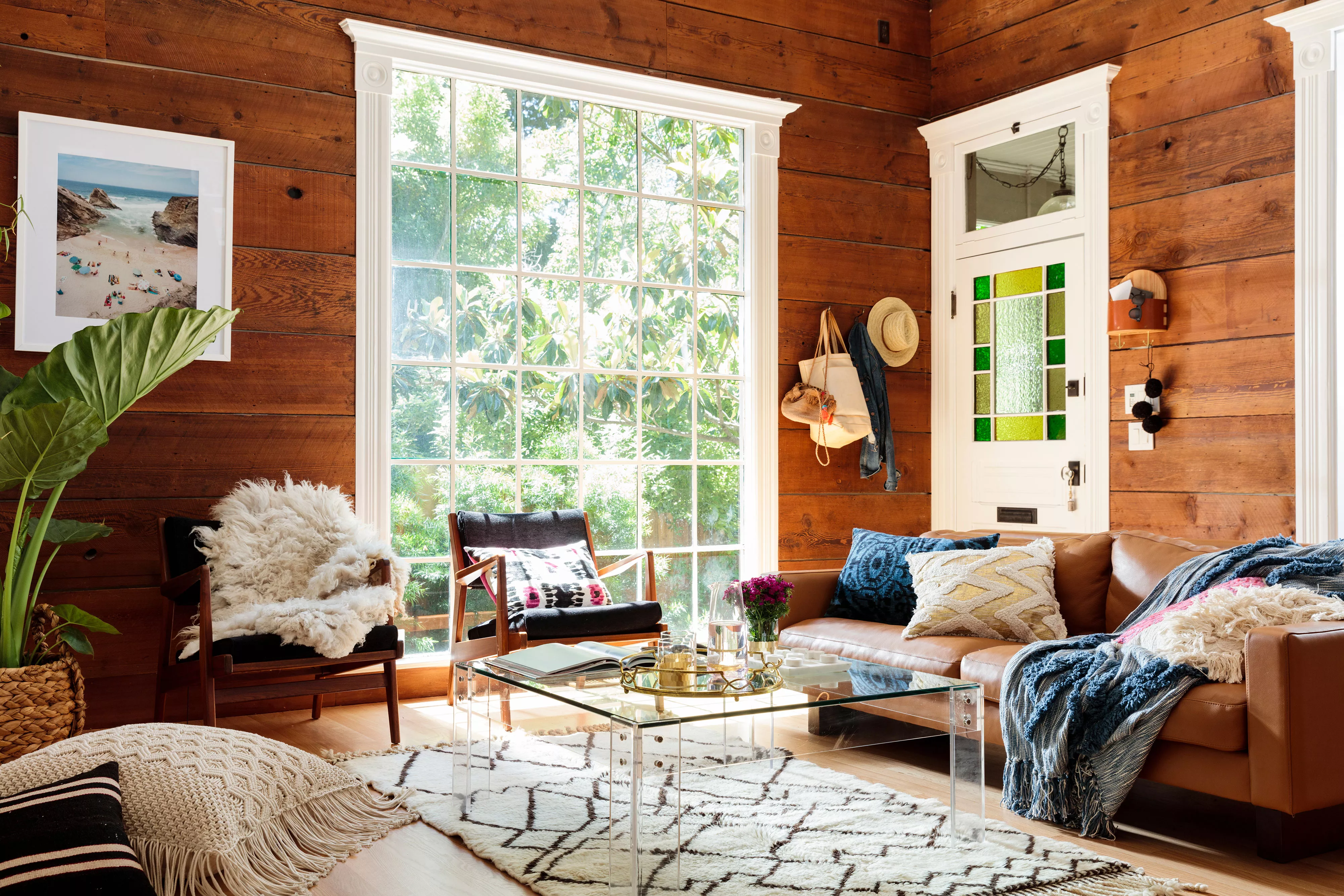
If You Love a Warm, Earthy Space, You Have to Try Wood Drenching

Embracing the 1970s interior design trend

Wood Paneling Doesn’t Have to Remind You of Your Parents’ Basement
Wood Paneling Is Officially Cool Again—Here's How Designers Are Using It Now

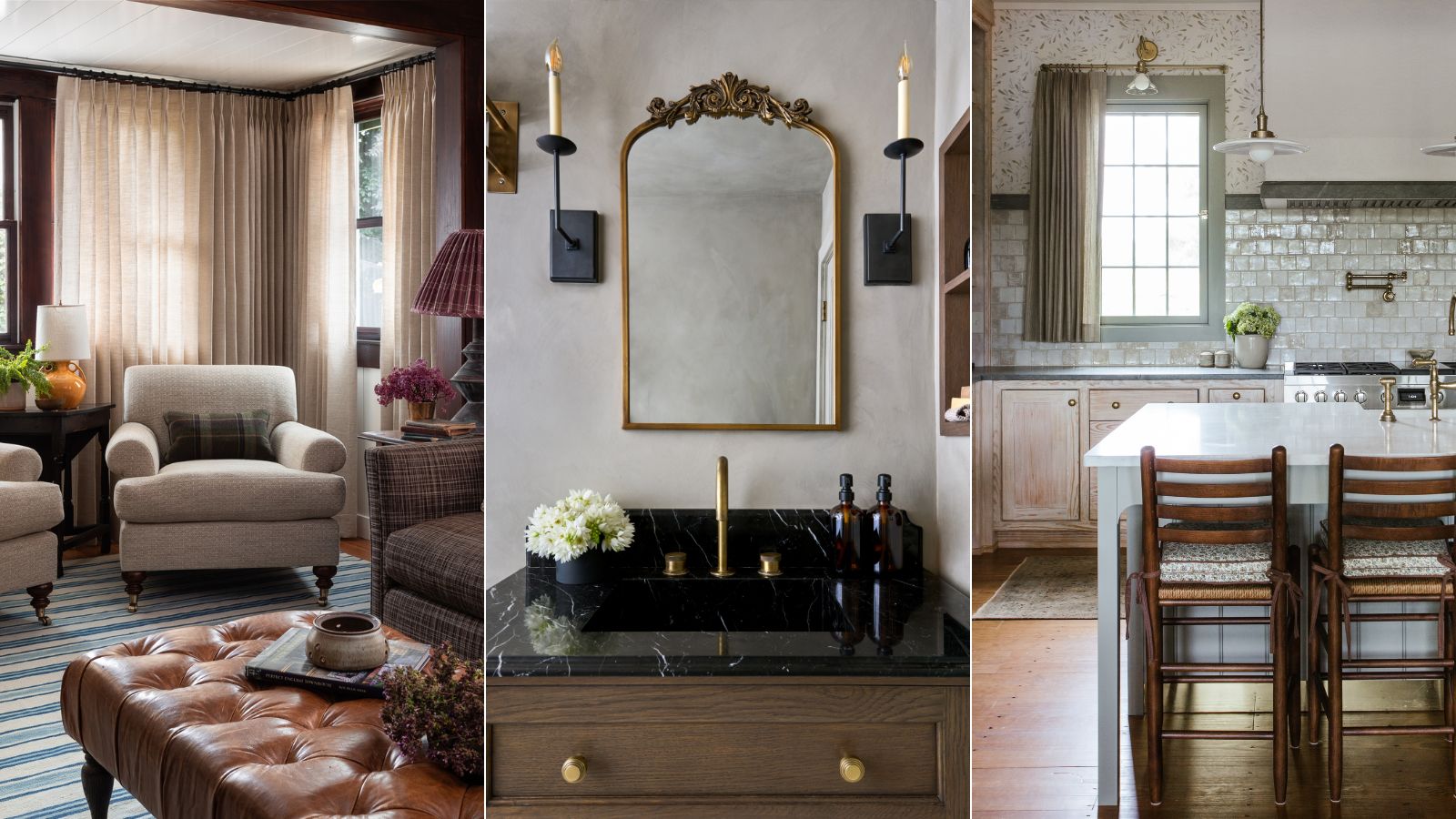
Are darker woods back on trend? Designers say this once-dated finish is in fact perfect for creating character

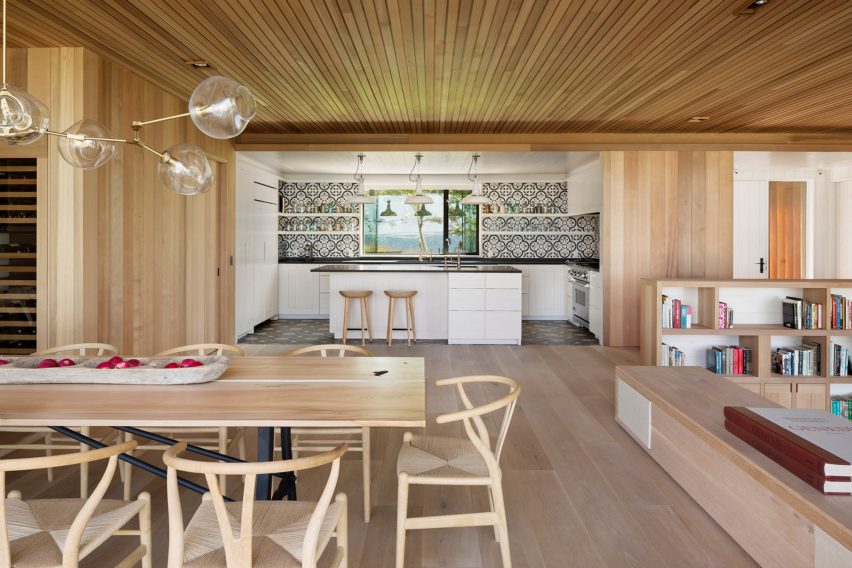
Ten projects that seamlessly integrate wood into the design
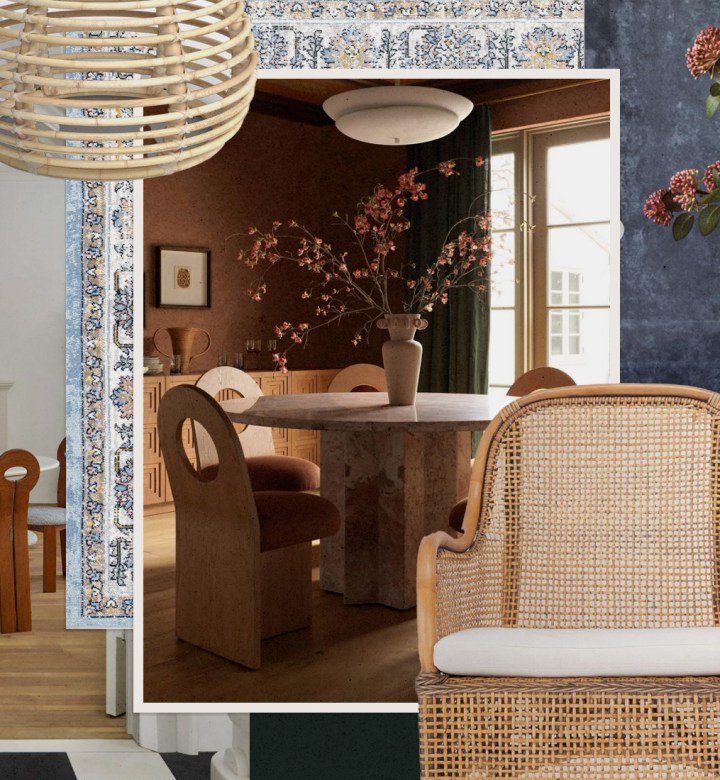
The 4 Rules of Designing with Wood in 2025
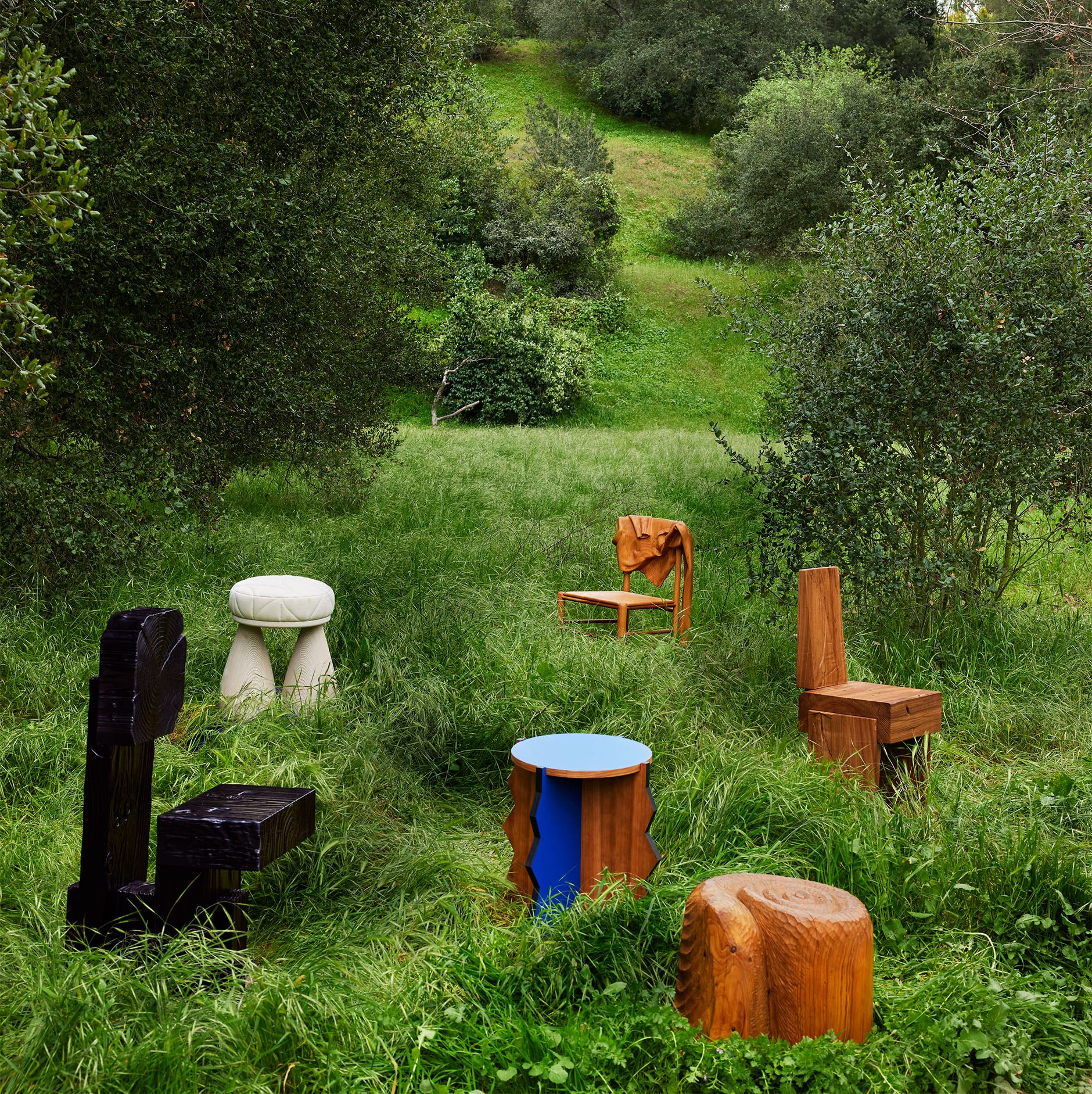
Wood Furniture Is Cool Again, Thanks to This Upcoming Group of Designers
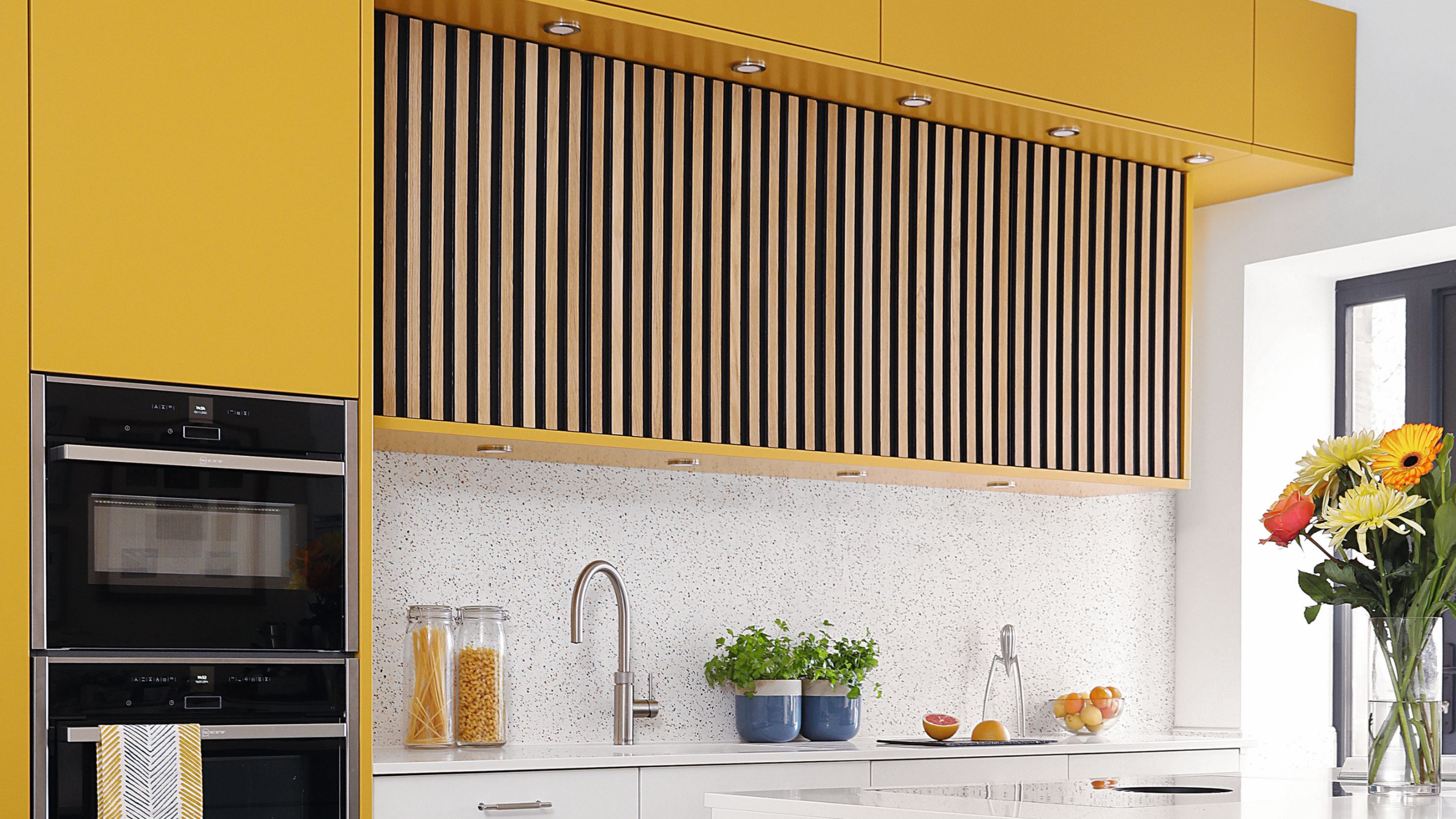
'Potential buyers may see it as a DIY job gone wrong' – this popular interior trend may be devaluing your home
The Wood Paneling Trick That Makes Any Space Feel Instantly Homey

7 Wood Finishes That Are Making Your House Look Dated, According to Designers