1/13
The 6 Best Wipe-On Wood Finishes
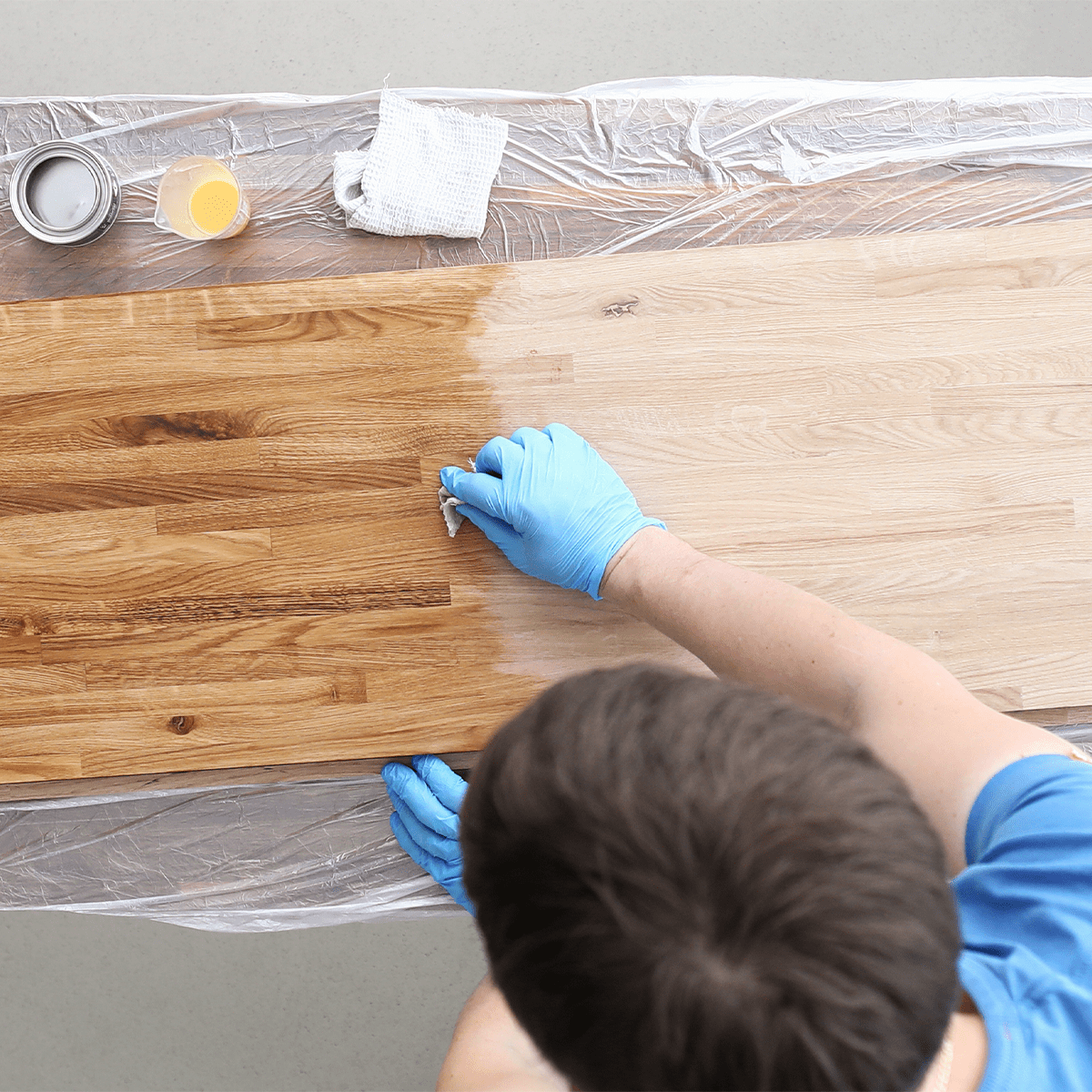
This article highlights the versatility and effectiveness of wipe-on wood finishes for various woodworking projects, suitable for both novice and experienced craftsmen. Wipe-on finishes offer ease of application and deliver appealing results, serving as a crucial final step that can significantly enhance or detract from a project's overall appearance. The finishes come in diverse formulations, including oils, waxes, urethanes, and combinations thereof, often with added stains or drying agents. Understanding the unique properties, benefits, and optimal uses of each type of wipe-on product is essential for achieving the desired aesthetic and protective qualities for any wood piece.
The article details six primary types of wipe-on wood finishes, beginning with linseed oil, a popular choice known for its deep penetration into wood fibers, offering protection against minor scratches and humidity fluctuations. It provides a soft, satin finish that accentuates the wood's natural grain and color. The discussion differentiates between raw, boiled, and polymerized linseed oils, noting the impracticality of raw oil due to long drying times. It clarifies that 'boiled' linseed oil often contains chemicals and metallic driers, while polymerized linseed oil is a chemical-free, eco-friendly, and food-safe alternative that dries faster than raw oil. The author recommends Furniture Clinic Boiled Linseed Oil, particularly the polymerized version, which can be identified by labels like "zero-VOCs" or "food safe."
Tung oil is presented as another excellent penetrative finish, historically used to protect hardwoods. It is moisture and mold-resistant, does not darken with age, and can be applied to various materials including bare or stained woods, bamboo, stone, and concrete. Multiple coats can increase gloss levels, and the finish can be easily rejuvenated with reapplication. Formby’s Tung Oil Finish is recommended.
Teak oil, a debated formulation typically comprising tung and linseed oils with added polymers, is ideal for dense woods like rosewood, mahogany, and maple. Its superior UV and moisture resistance, coupled with its resistance to cracking and chipping, makes it suitable for outdoor applications such as yacht decking, wooden patios, and outdoor furniture. Watco Teak Oil Finish is suggested for its ability to impart a warm, rich glow.
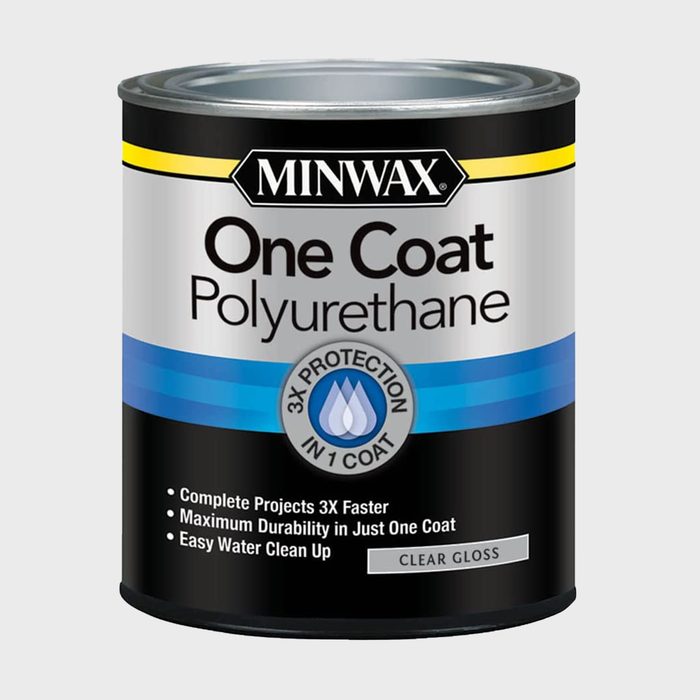
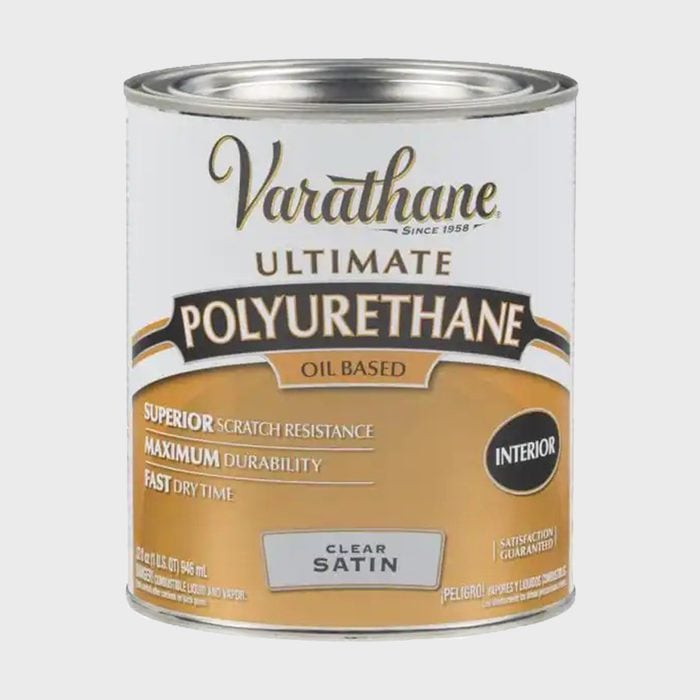
Wipe-on polyurethane is noted for its user-friendliness and durability, making it a favorite for interior furniture, doors, trim, and wooden handles. Although it is a thinned version of standard polyurethane, requiring more coats to achieve the same protective thickness, its ease of application and robust urethane properties make it a top choice. Minwax Wipe-on-Poly is highlighted.
Hard wax oil finishes, generally blends of oils and waxes, penetrate to seal and protect wood. These often chemical-free products are eco-friendly and food-safe, originally intended for cutting boards and butcher block countertops but also effective for furniture, toys, and picture frames. Tried and True is recommended in this category.
Finally, Rubio Monocoat is introduced as a state-of-the-art wipe-on oil finish for wood floors, furniture, and countertops. Utilizing molecular bonding technology, it offers durable, long-lasting protection with a single coat and is available in over fifty shades. Made from natural ingredients, it is water- and solvent-free and 100% VOC-free. The article concludes by addressing common questions regarding applying wipe-on finishes over existing ones and the recommended number of coats, advising testing a small area first and applying three to six coats depending on usage.
#WipeOnWoodFinish #WoodFinishing #DIYWoodworking #LinseedOil #TungOil #TeakOil #PolyurethaneFinish #HardWaxOil #RubioMonocoat #WipeOnWoodFinish #WoodFinishing #DIYWoodworking #LinseedOil #TungOil #TeakOil #PolyurethaneFinish #HardWaxOil #RubioMonocoat
0 comment in total
 No comments yet
You may also like

Wood Dyes & Waxes | Wax for Unfinished Wood
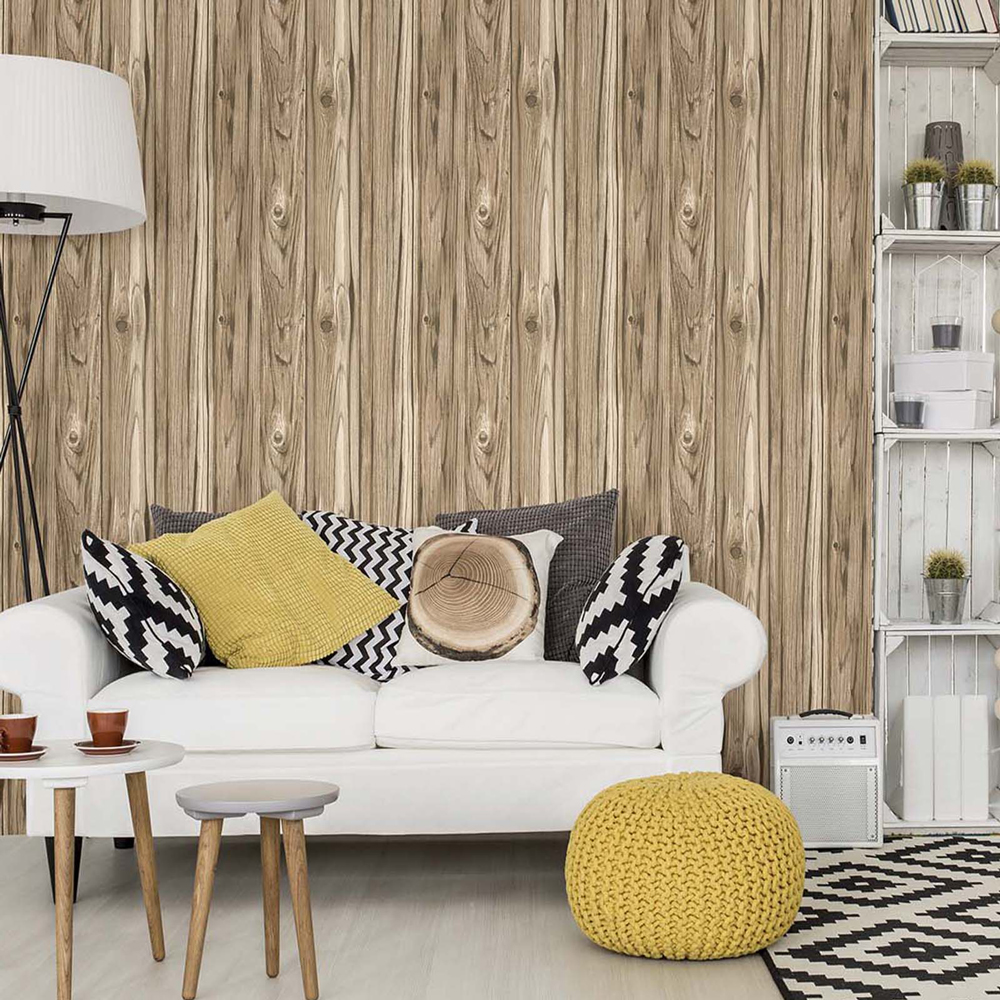
Wood-effect wallpapers – the best designs to suit every style
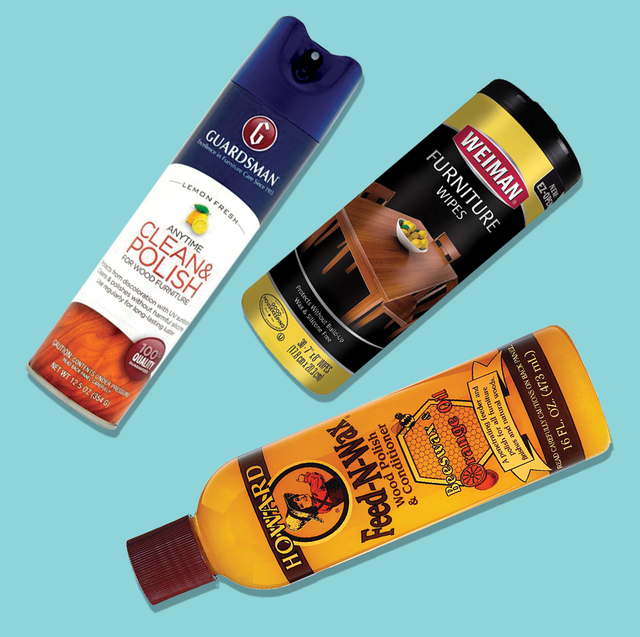
10 Best Furniture Polishes, Tested by Cleaning Experts

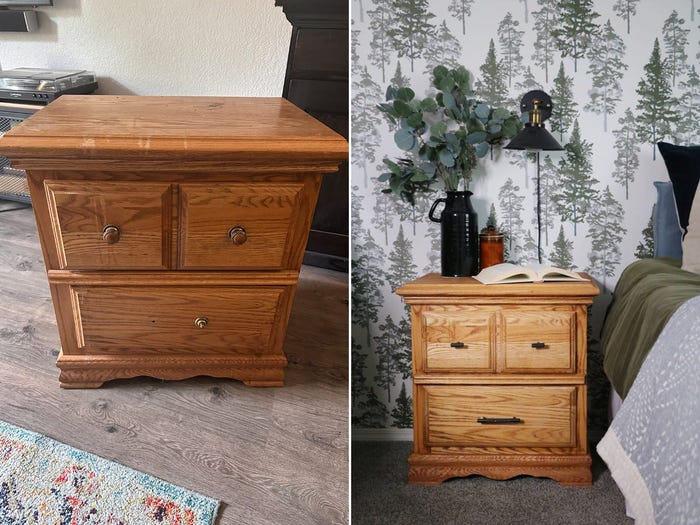
I tested 4 popular wood strippers to find the best paint and varnish removers for DIY furniture projects
8 Best Polyurethane Finishes for Wood For Your Project
Best exterior wood paint 2020


3 Foolproof Ways to Whitewash Wood in Your Home

The Right Way To Whitewash Wood Furniture
Wood Treatments
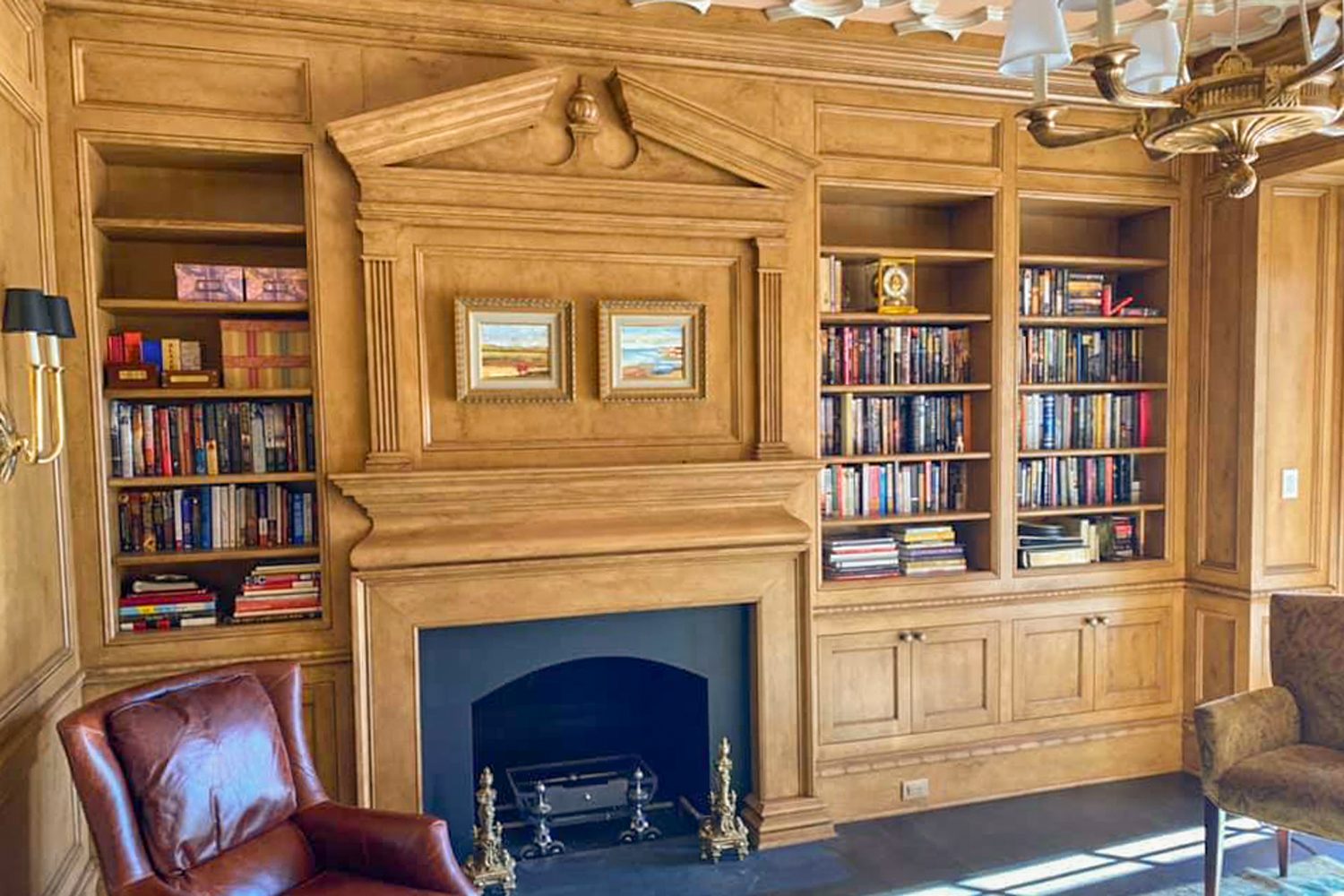
Is There a Way To Paint Something So It Looks Like Wood?
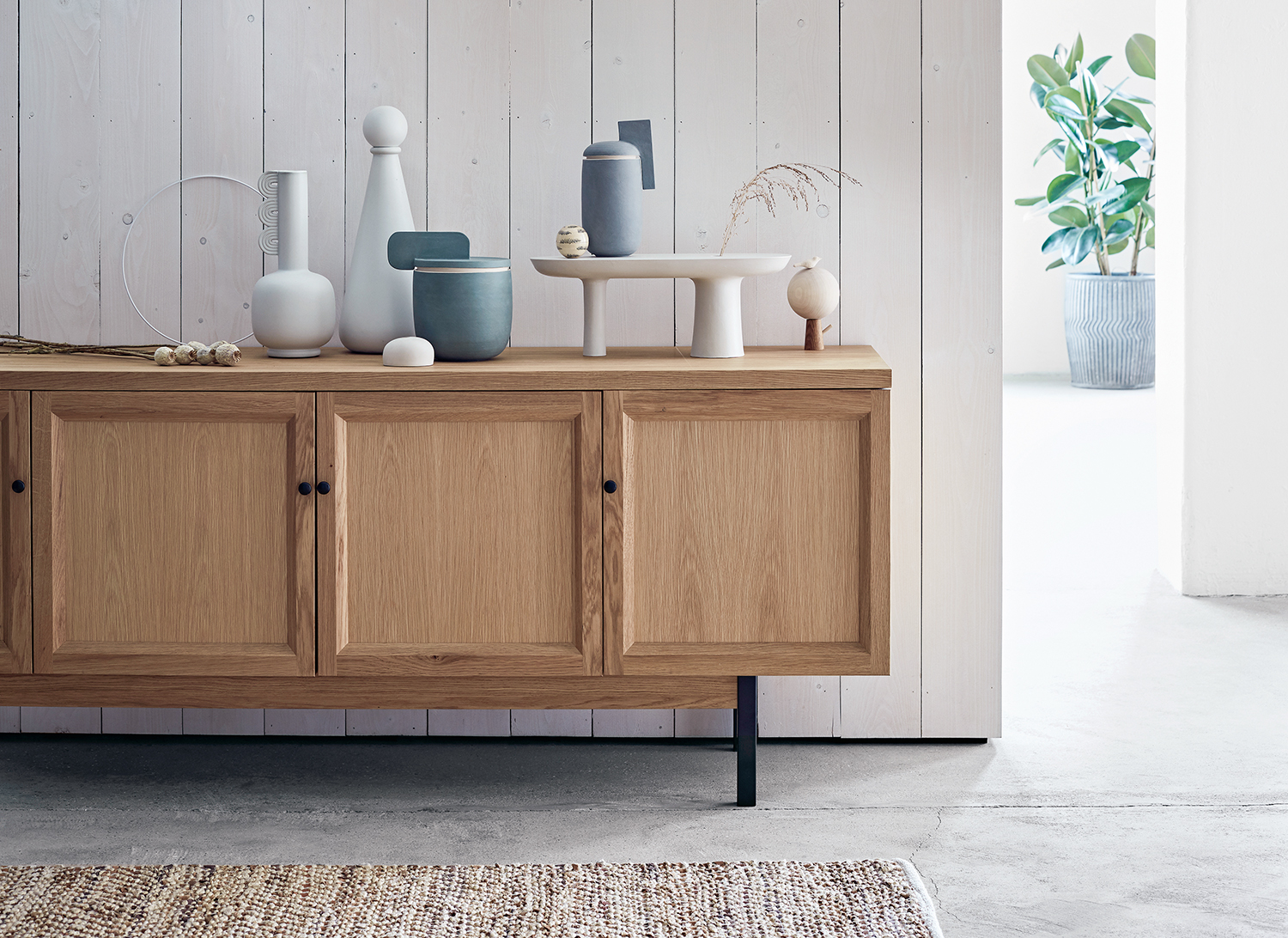
How to refinish wood furniture - easy ways to totally overhaul your decor

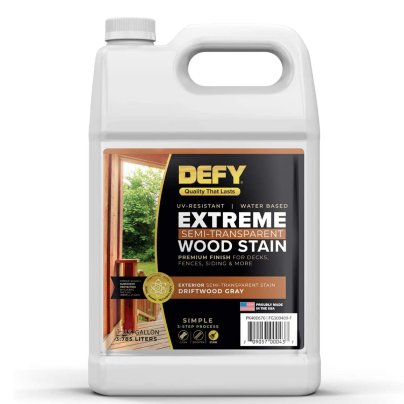
We Put the Best Exterior Wood Stains Through 40 Hours of Testing to Find the Top Picks

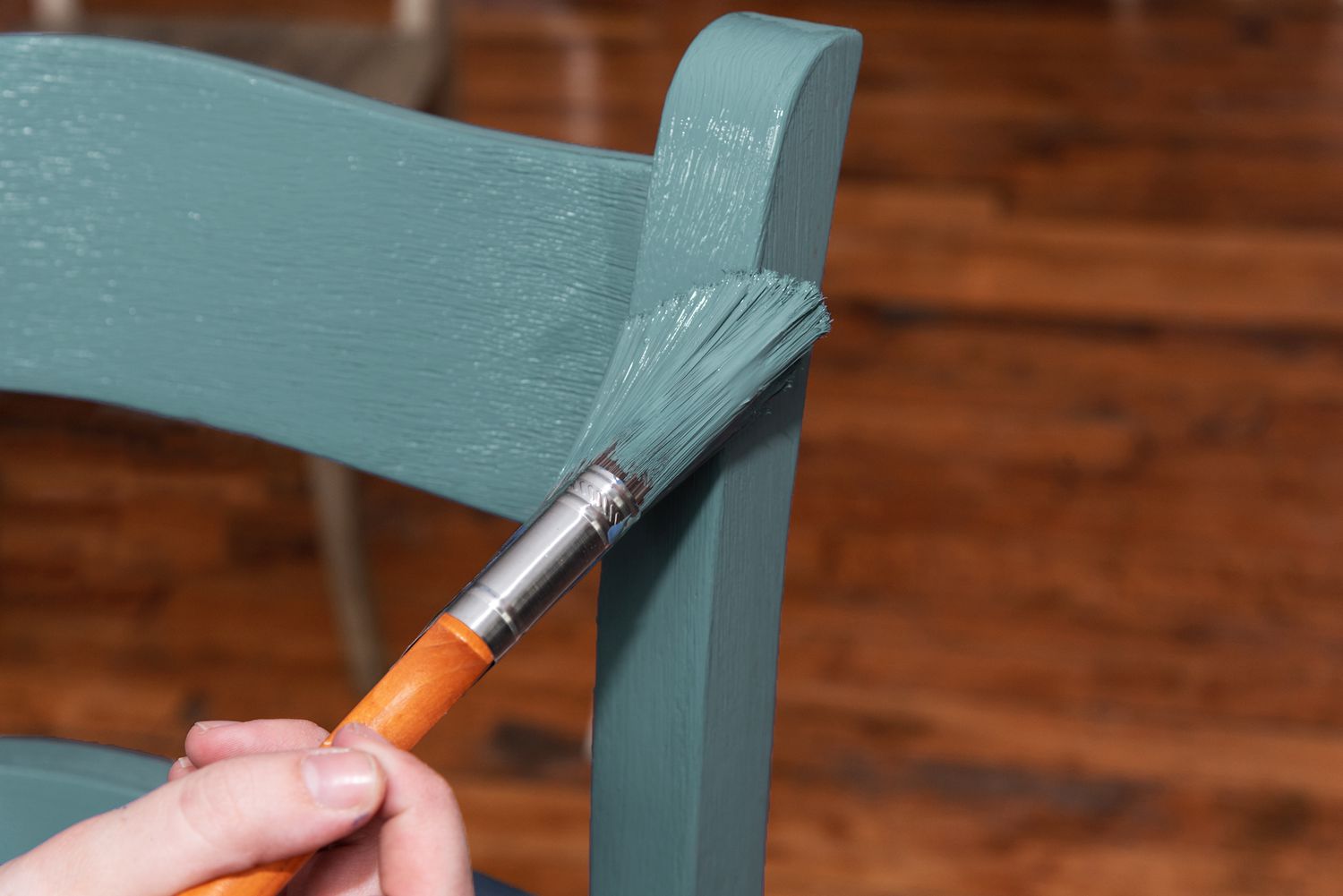
The 6 Best Paint Types for Furniture

After 24 Hours of Hands-On Testing, These Are Our 5 Best Mops for Keeping Wood Floors Spotless
6 Luxury Home Finishes That Make Your Abode Stand Out

Best Wood Stain Colors For Interior And Exterior Surfaces
Wood Flooring – Our Pick of the Best
The Kanna Finish: How to Get Glass-Smooth Surfaces in Wood Without Sandpaper or Varnish

Guide to Hardwood Floor Finishes
6 Eco-Friendly Wall Finishes and Why Designers Love Them