1/2
The Cabinet And Flooring Material That's Starting To Make Your Space Look Dated
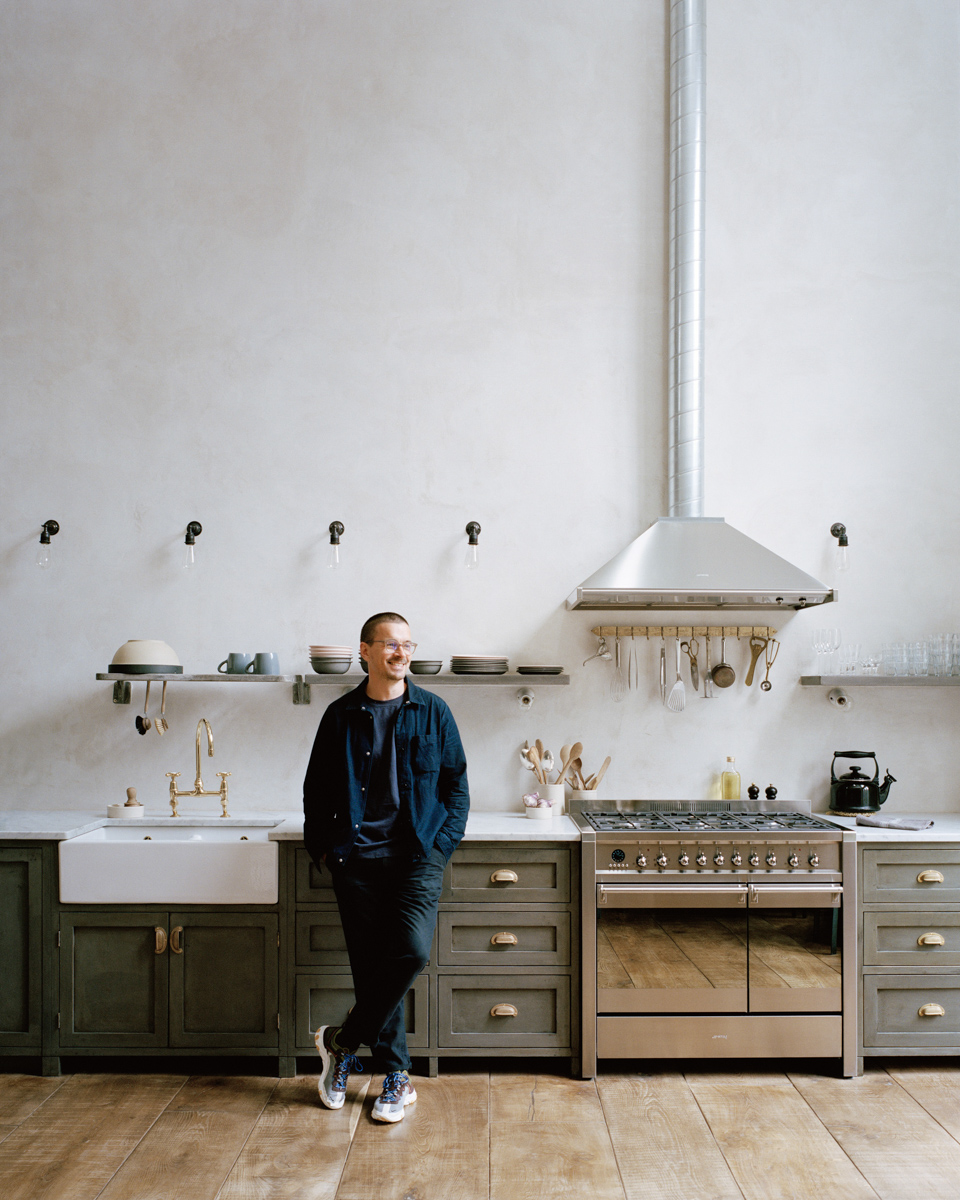
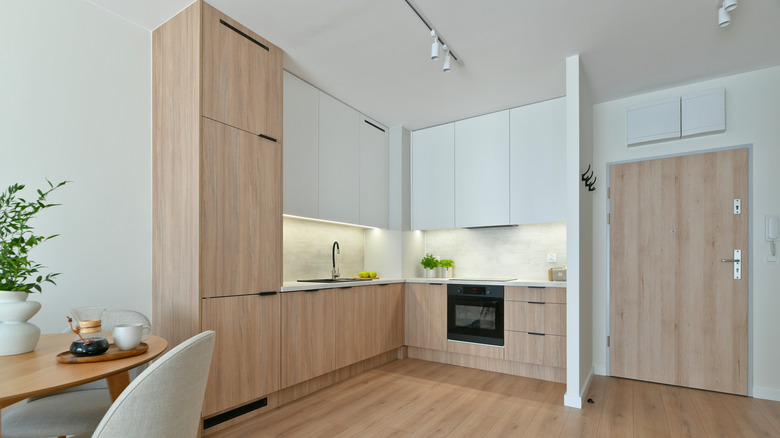
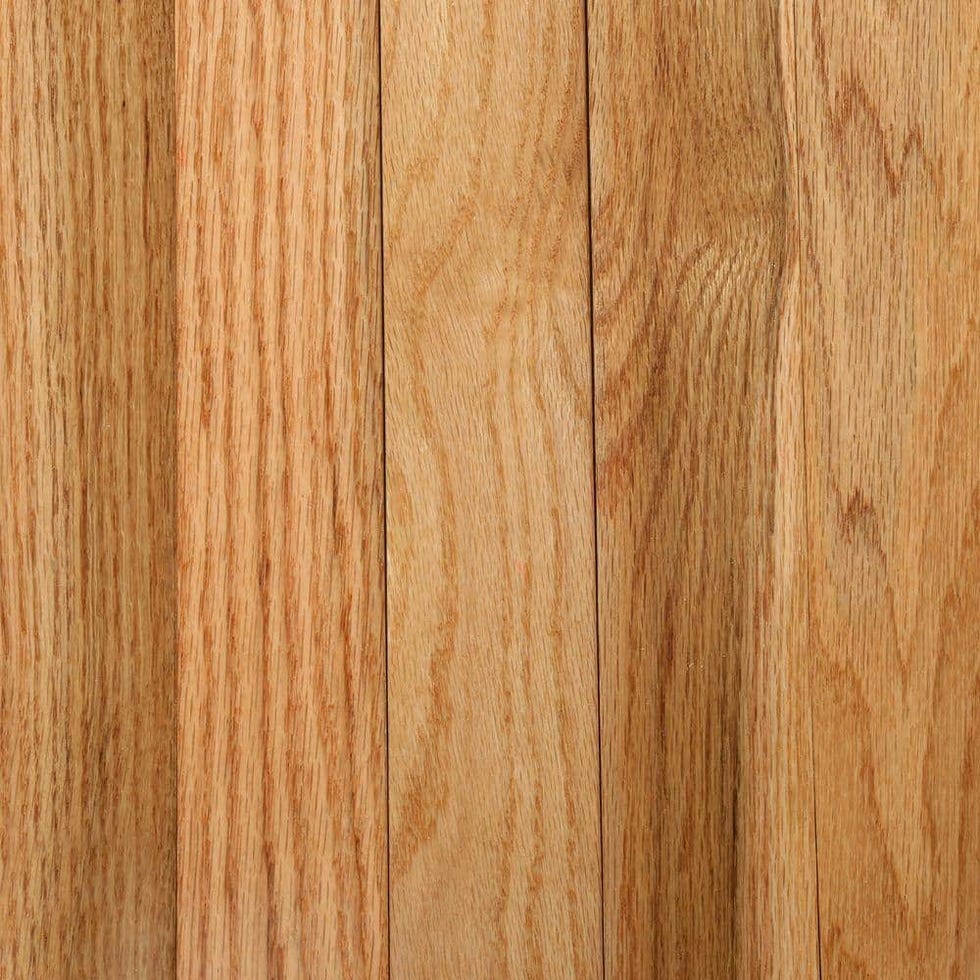
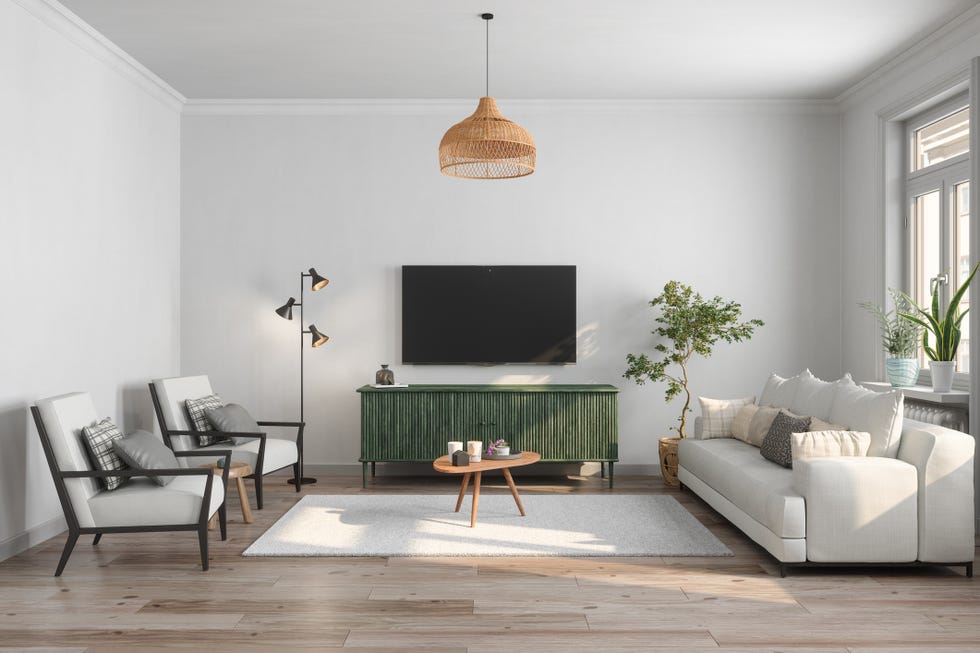
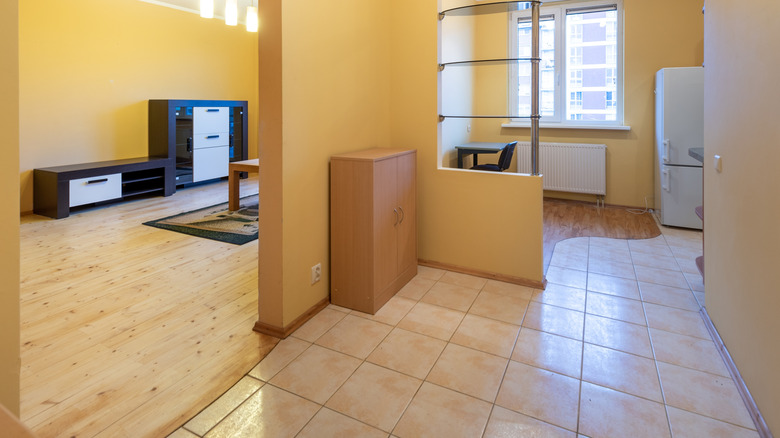
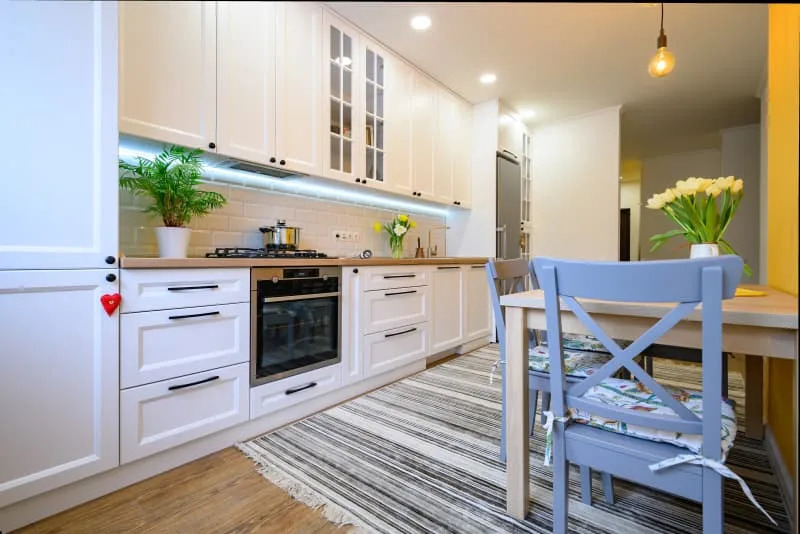
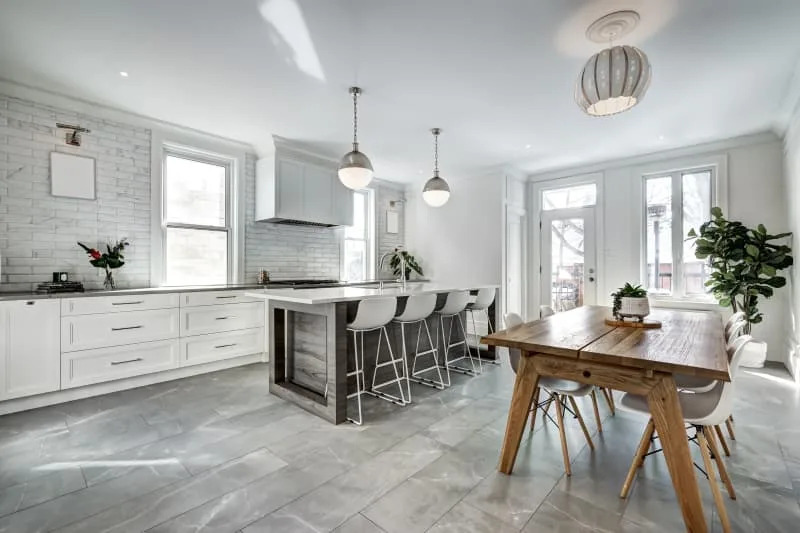
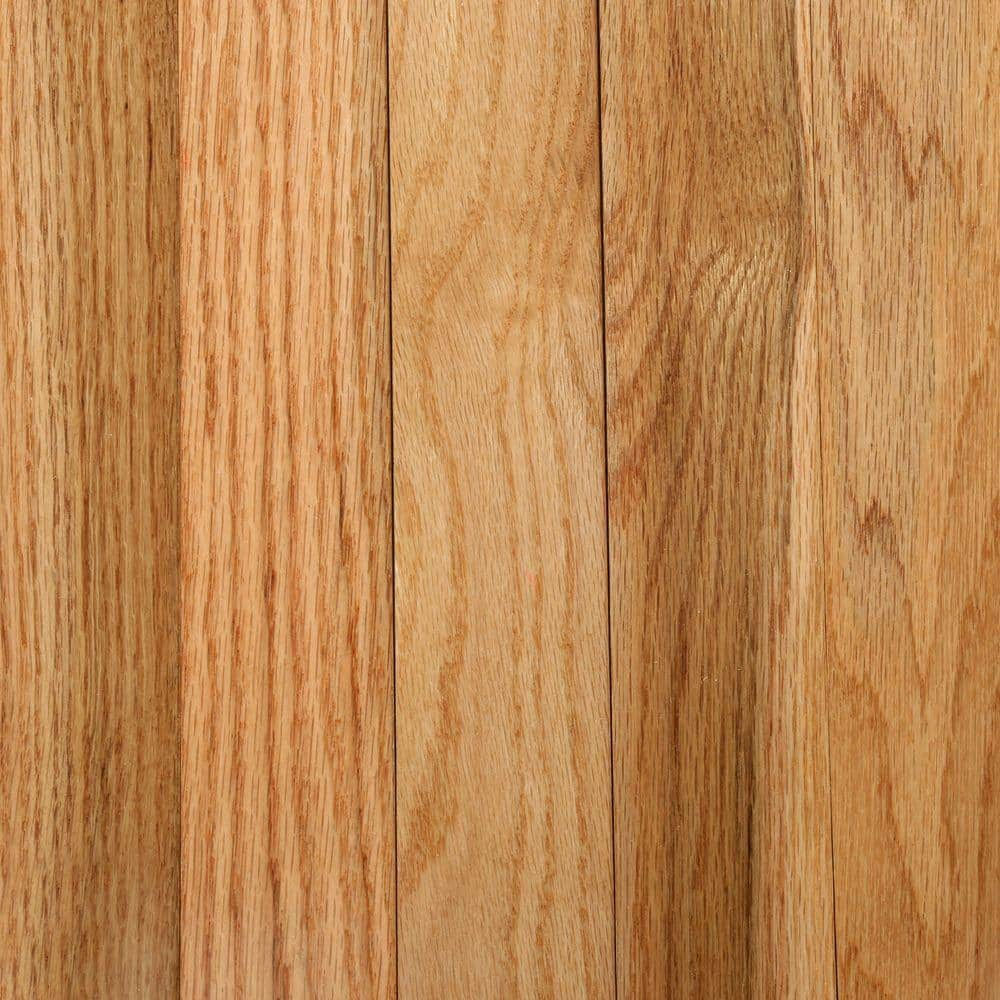
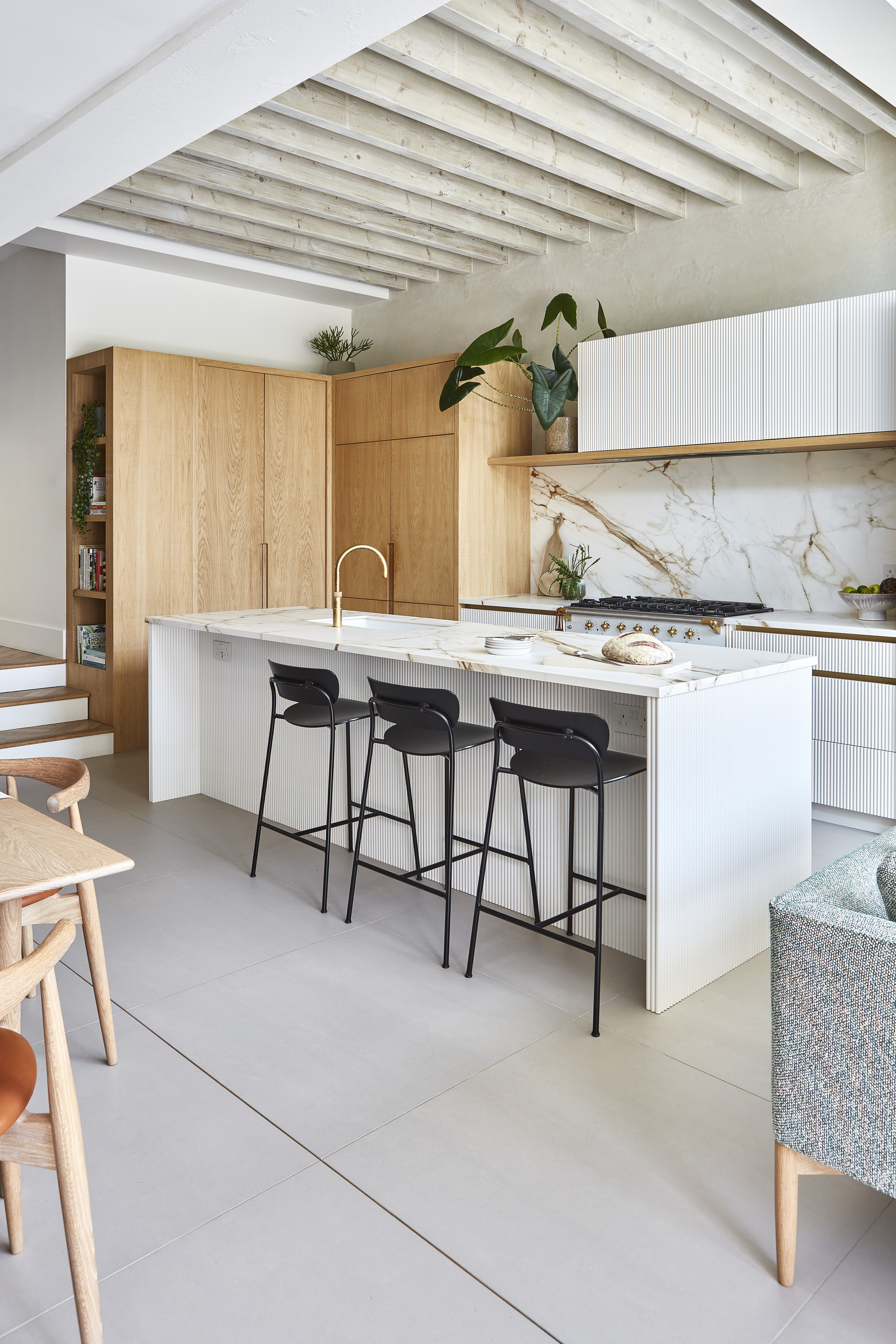
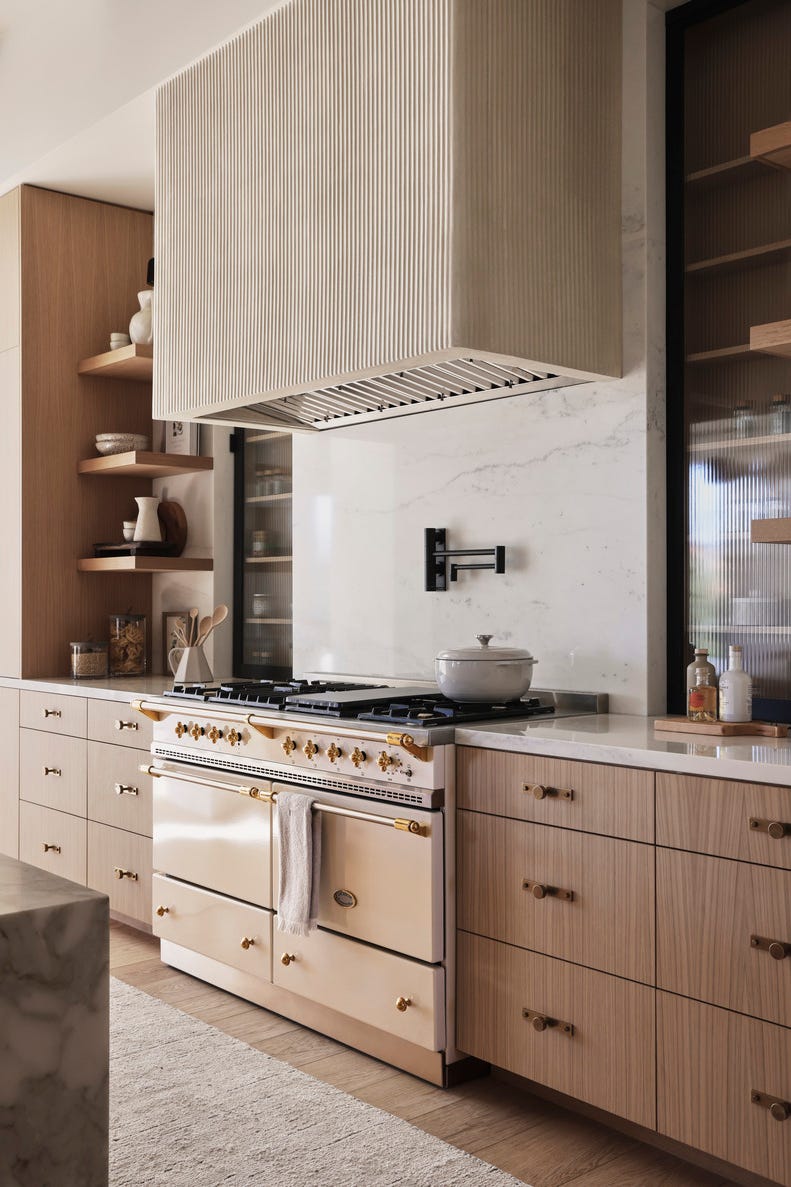
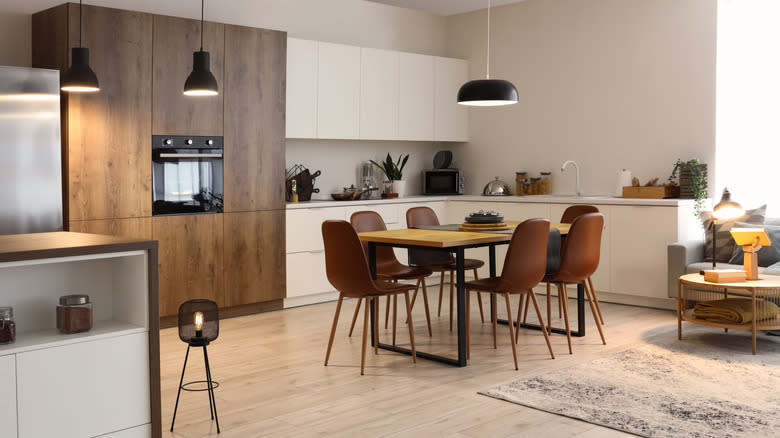
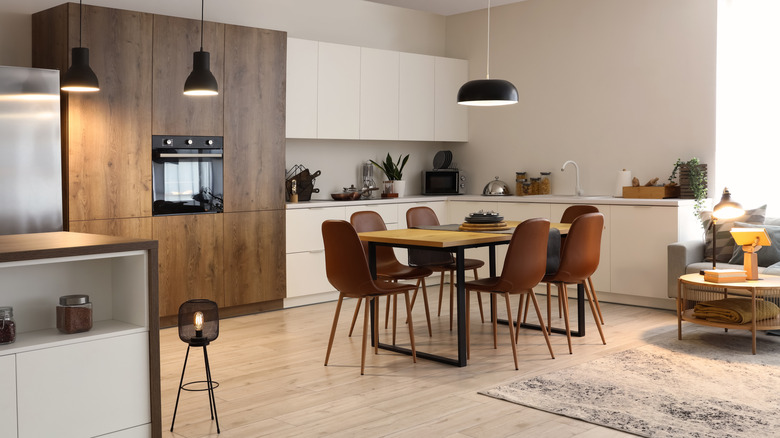
Interior design trends are cyclical, and what was once considered stylish can quickly become outdated. This phenomenon is currently being observed with white oak, a material that dominated cabinet and flooring choices in the mid to late 2010s. During that period, the minimalist aesthetic of Scandinavian design, propelled by brands like IKEA, popularized blonde woods such as white oak. This material offered a fresh alternative to the darker, more traditional interiors of previous generations, embodying a sleek, airy, and pared-back look ideal for modern, functional spaces.
However, the widespread adoption and resulting ubiquity of white oak have led to its decline in popularity. As design expert Maya Williams noted, its pervasive use has made it feel less like a deliberate design choice and more like a default. This oversaturation diminishes the material's sense of exclusivity and refinement, prompting homeowners and designers to seek out more unique and elevated options. The shift away from white oak is not solely due to its commonality; it also reflects a broader movement in interior design away from the light, neutral palettes characteristic of Scandi style. Over the past year, there has been a growing preference for incorporating more color and warmth into home interiors.
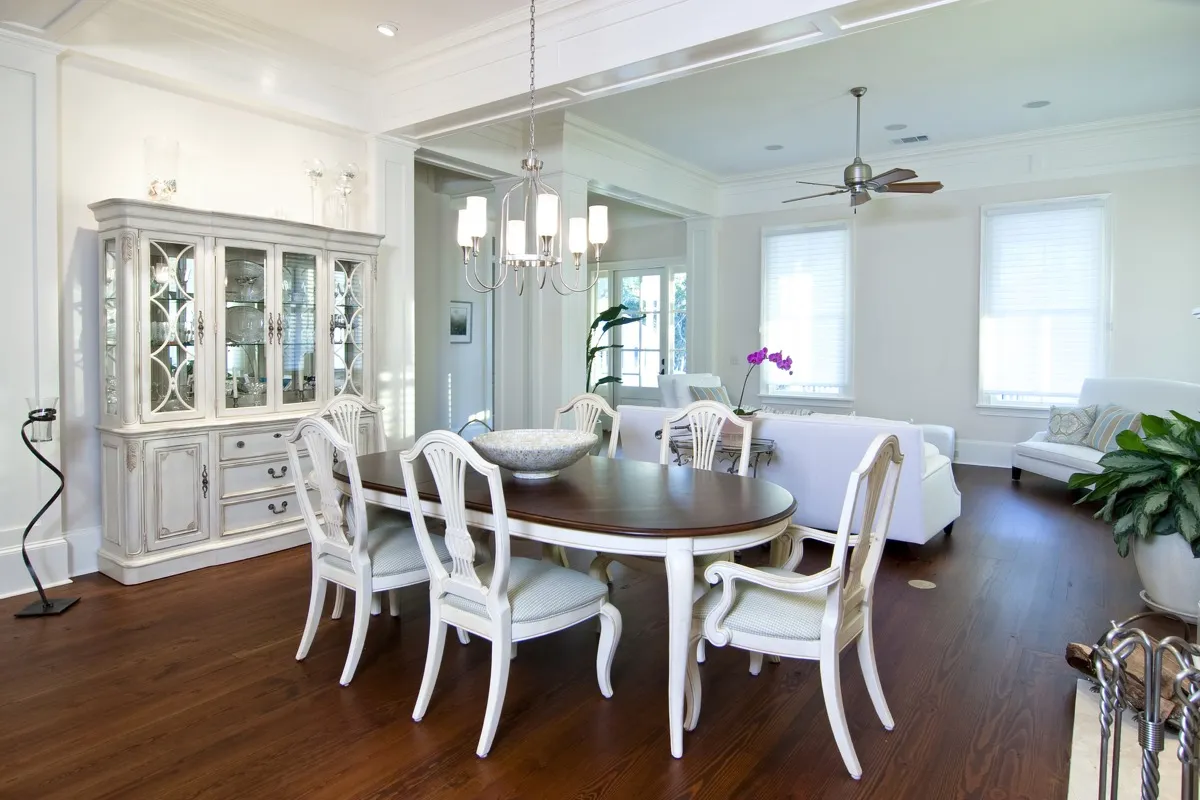
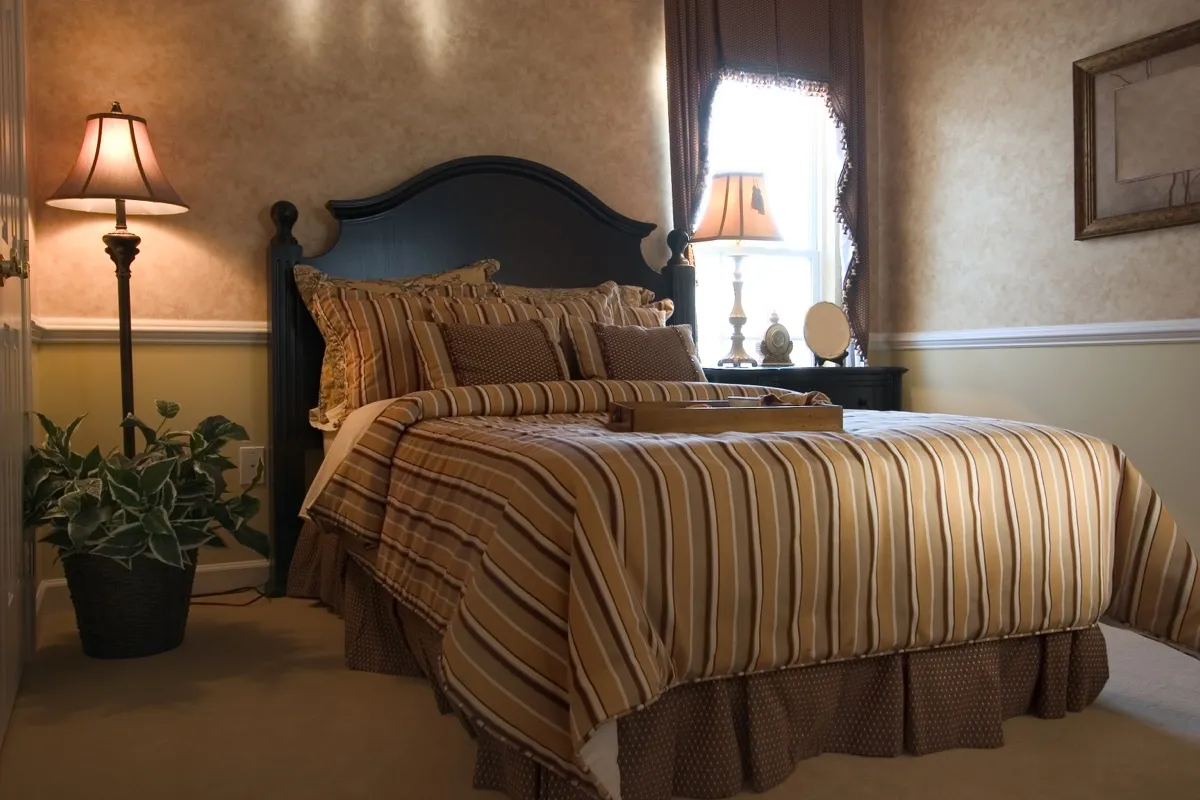
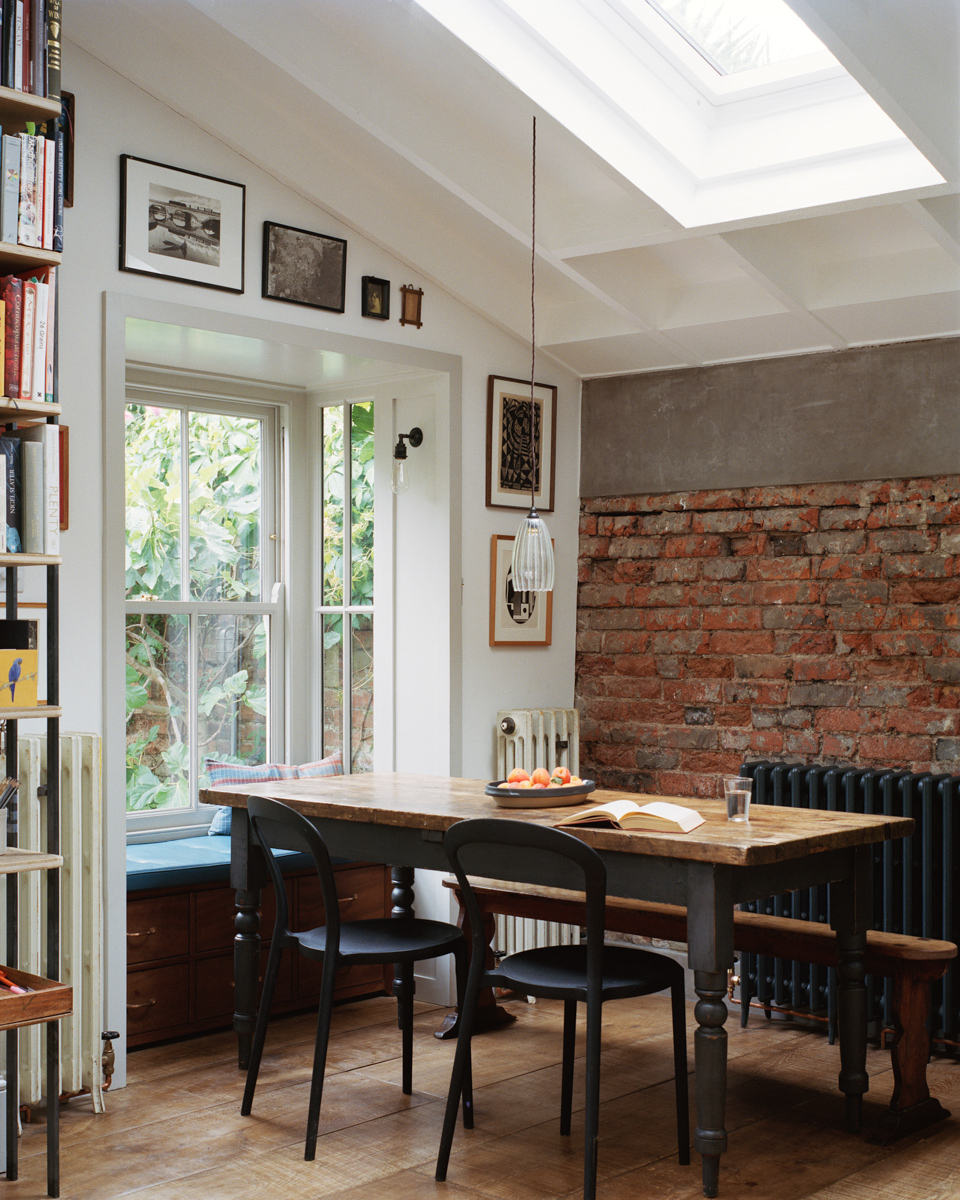
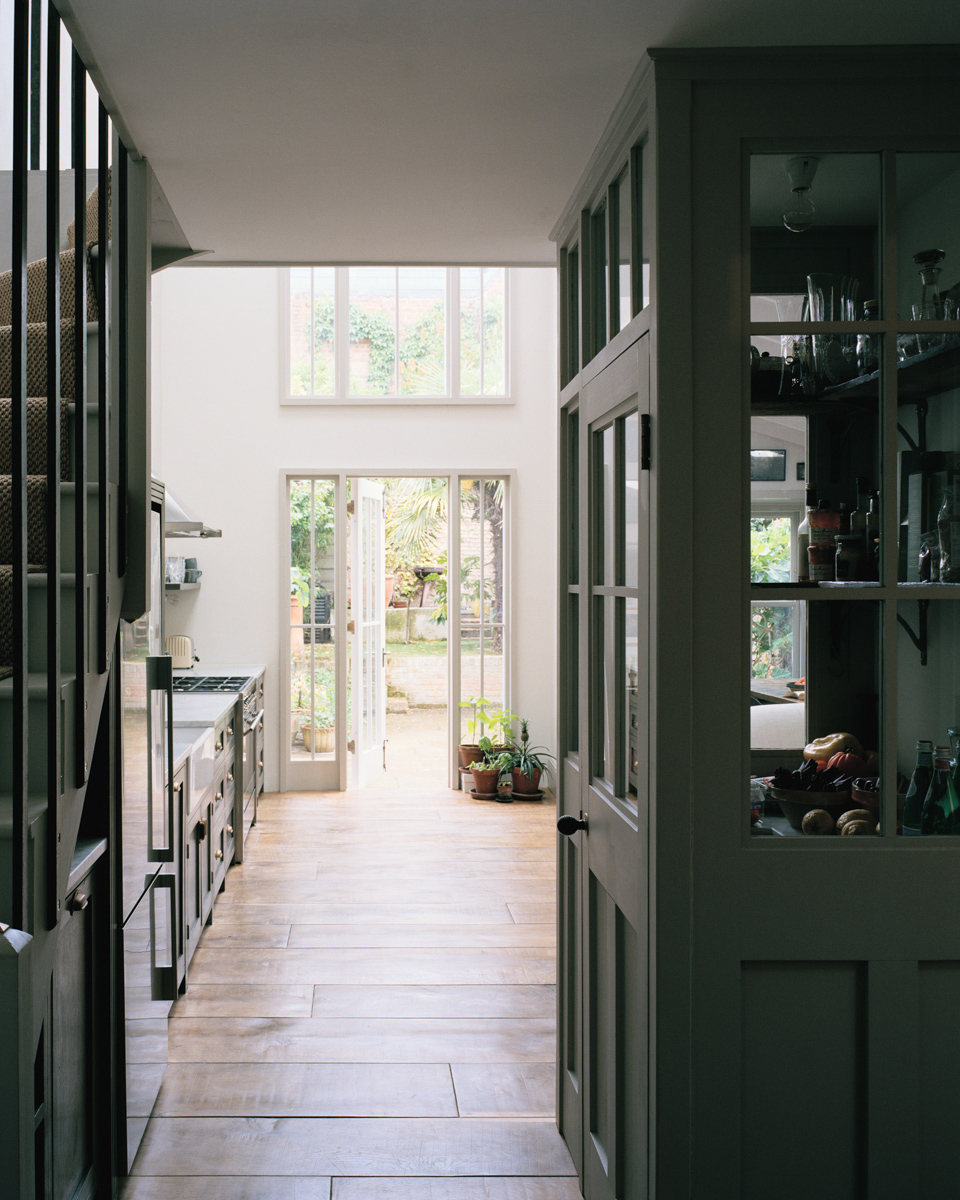
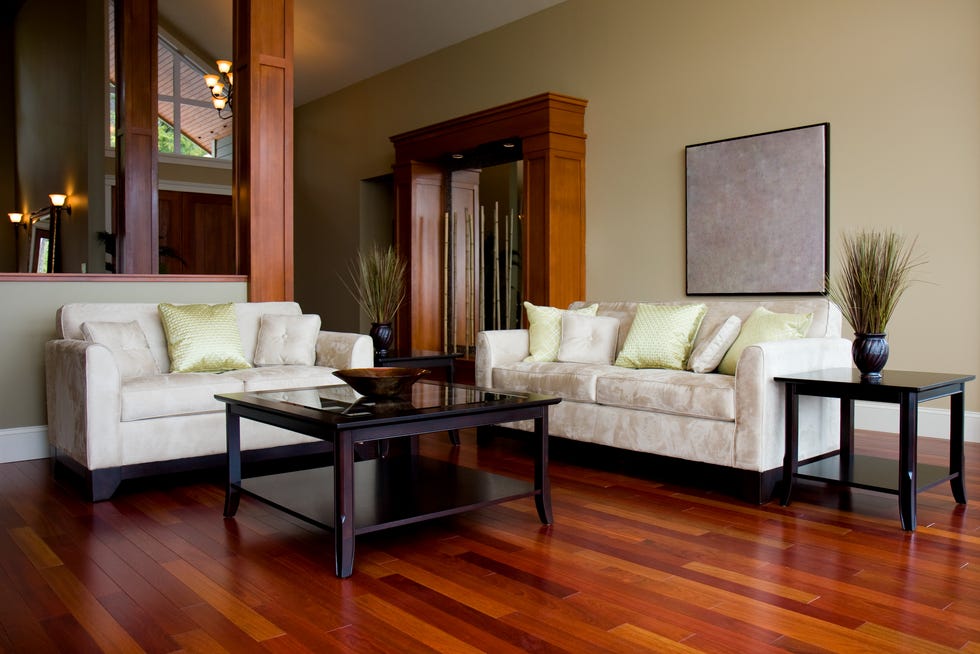
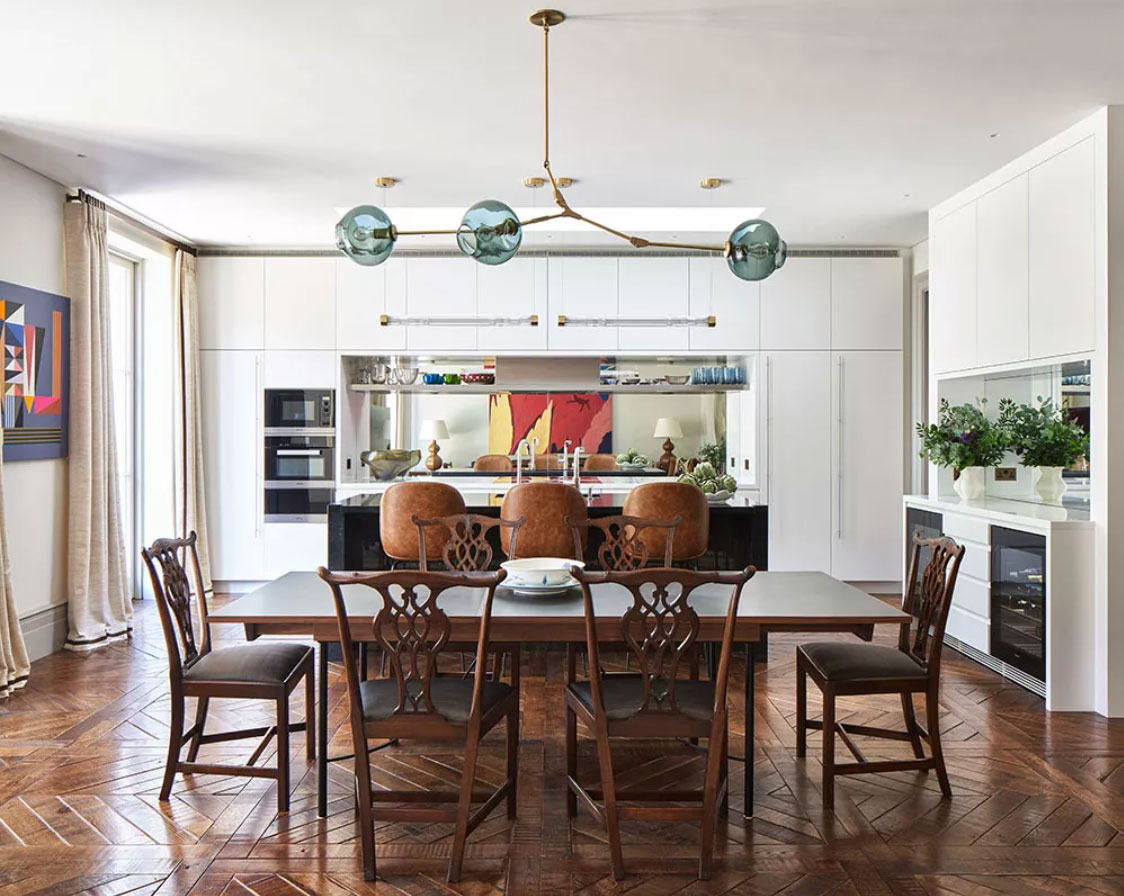
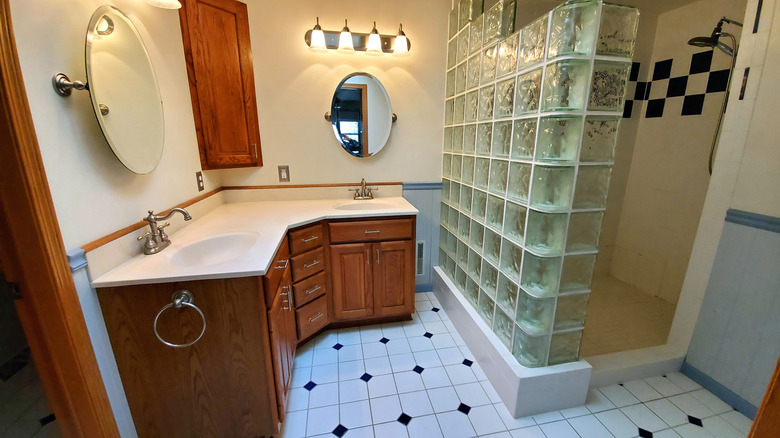
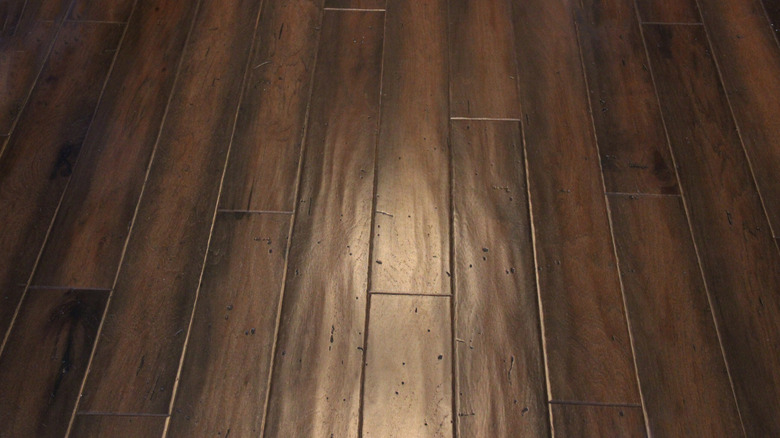
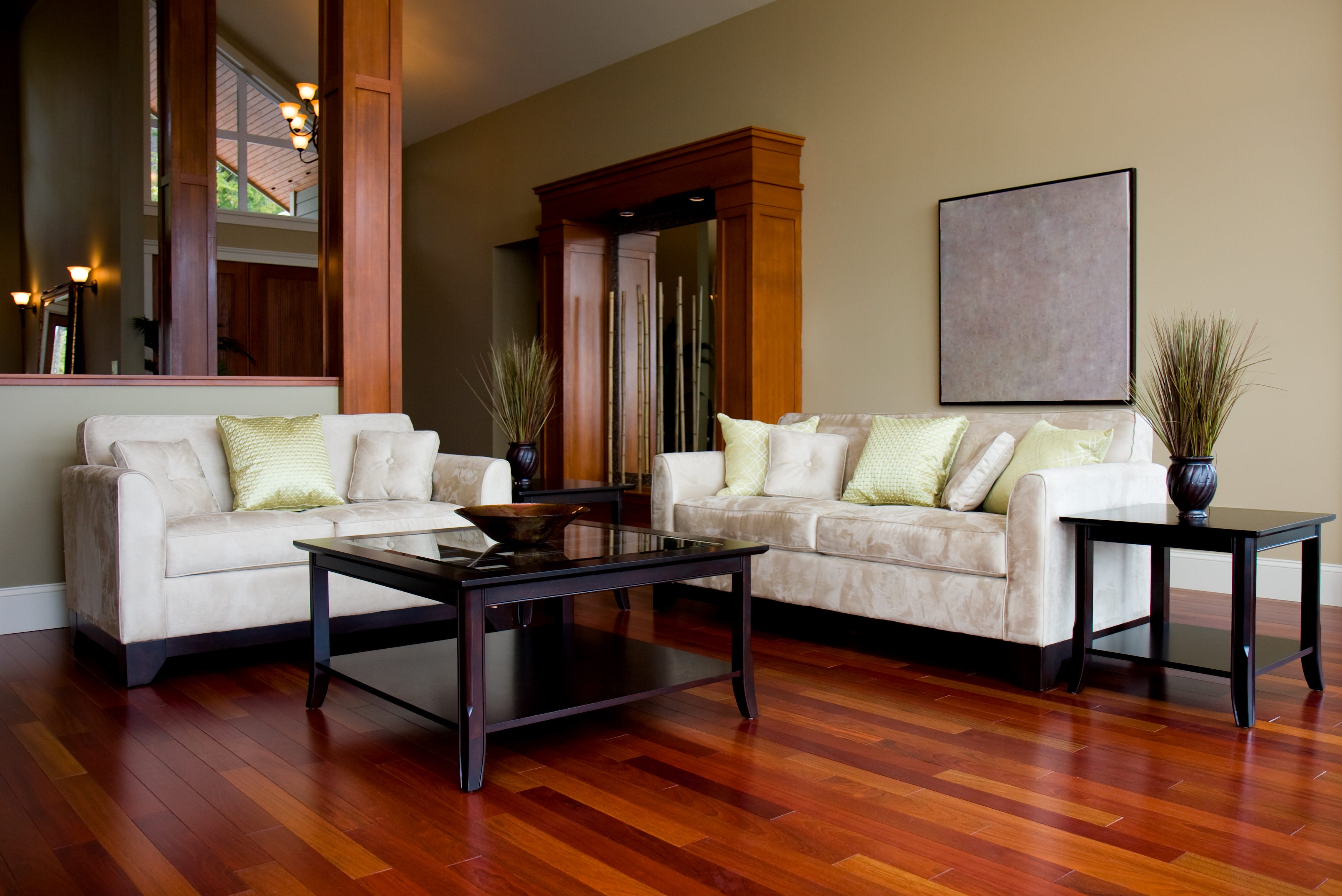
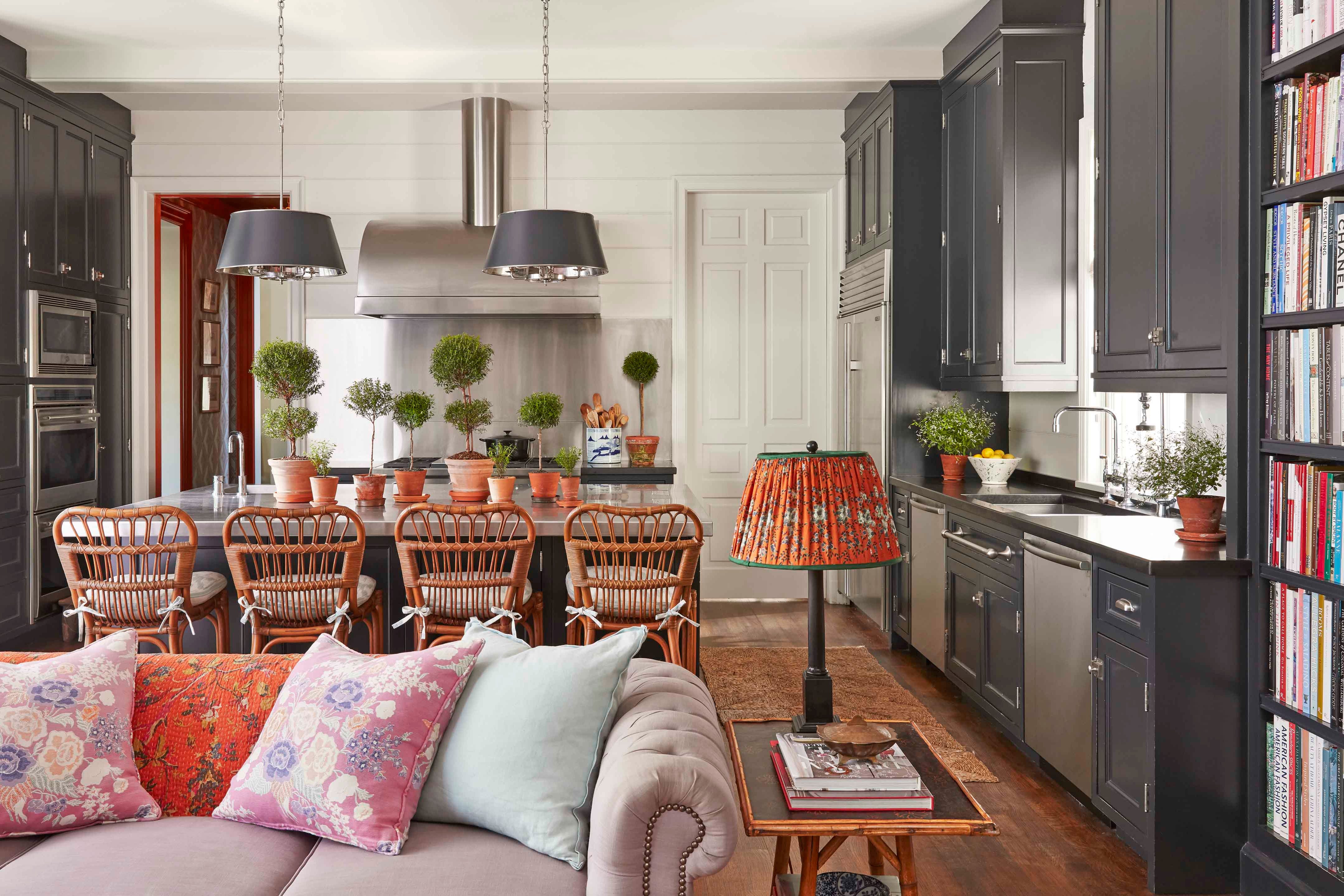
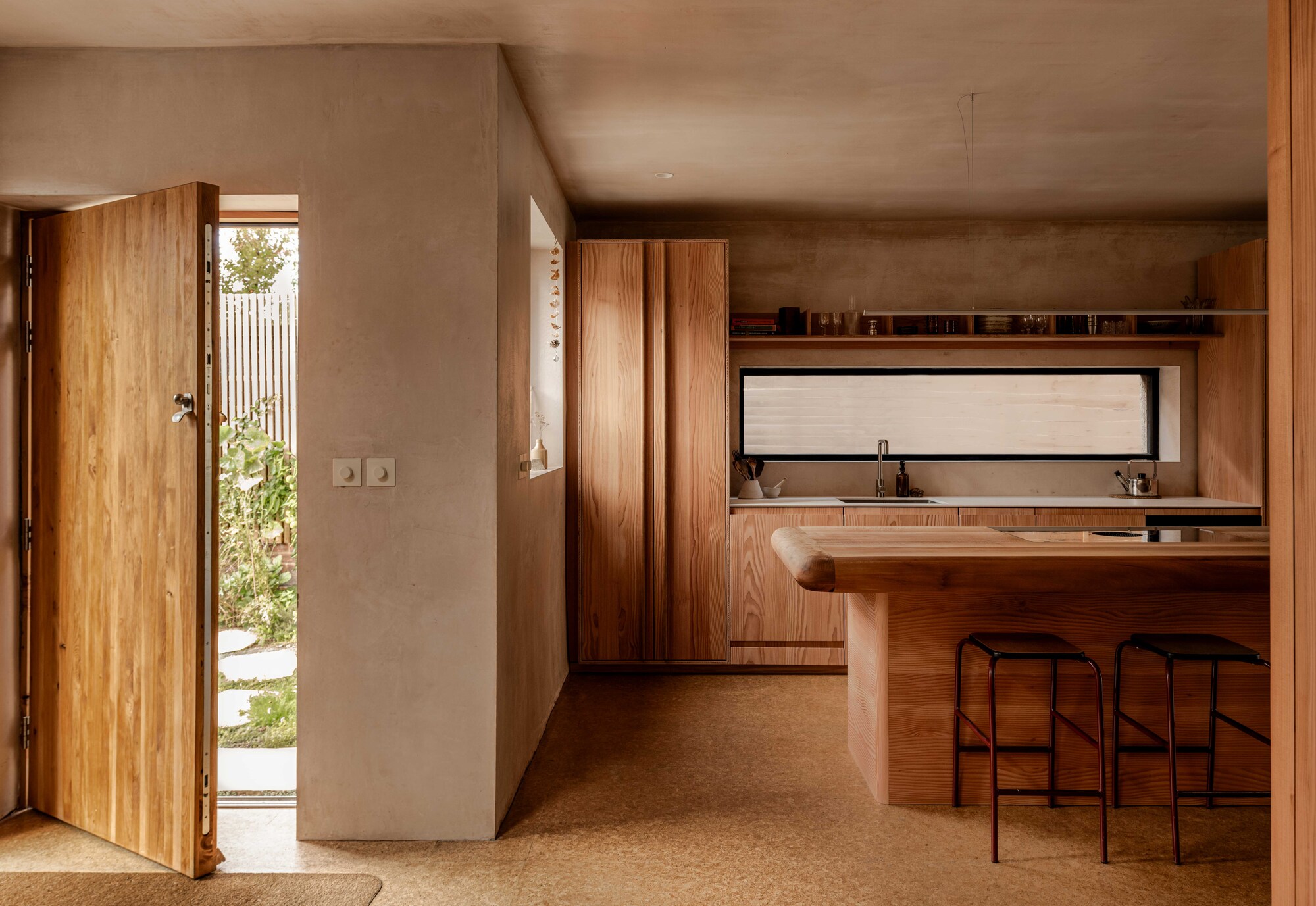
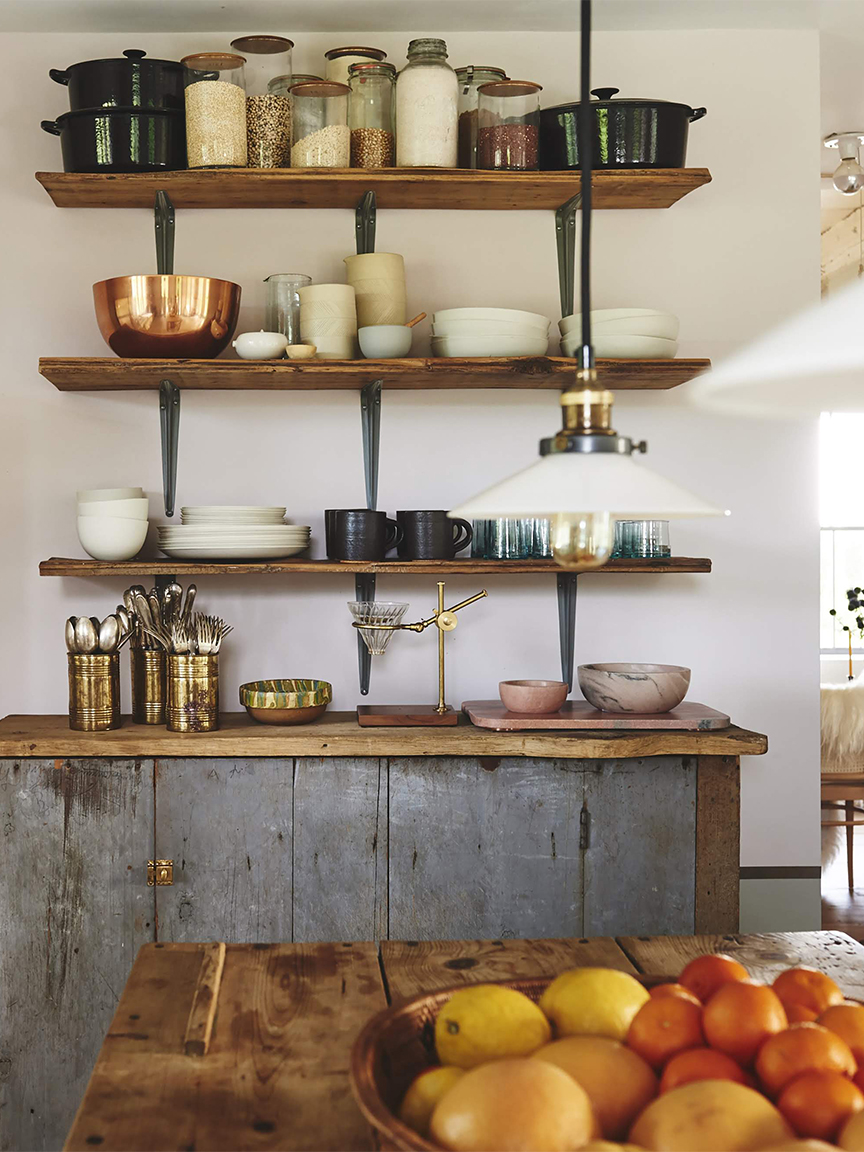
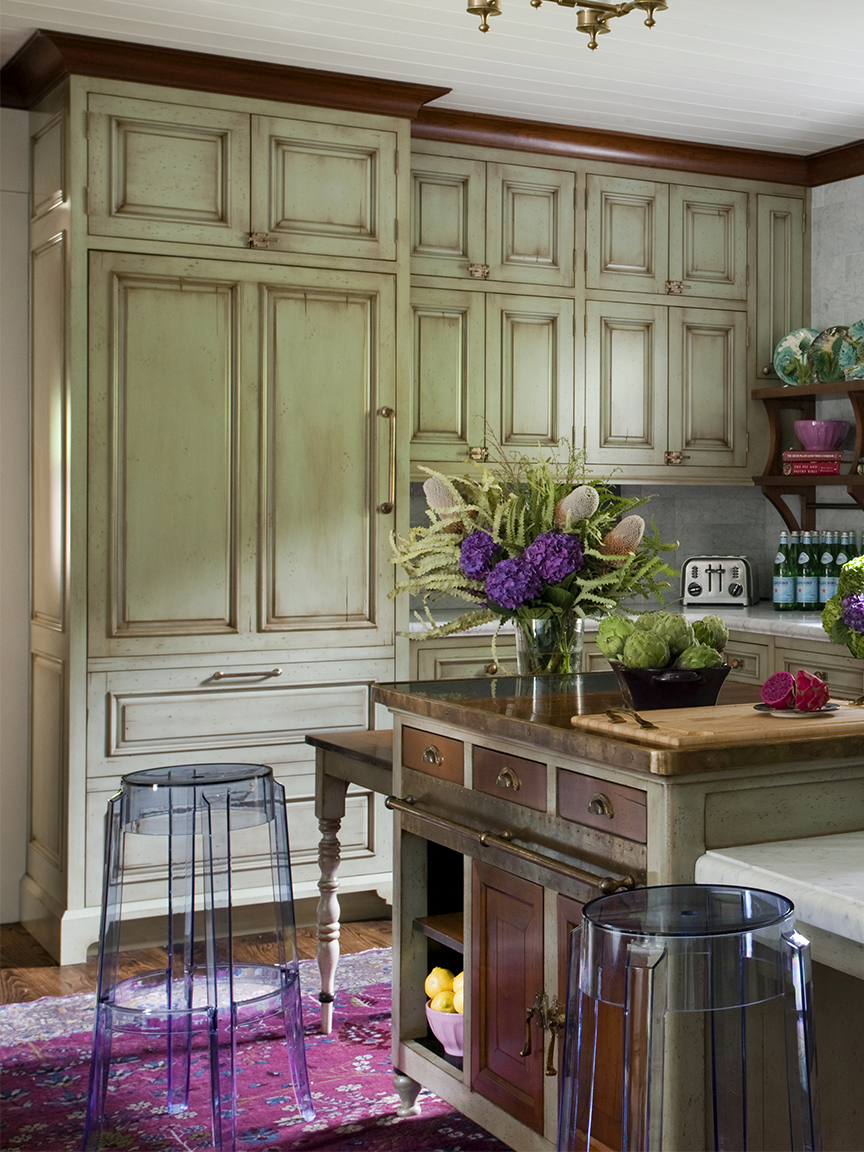
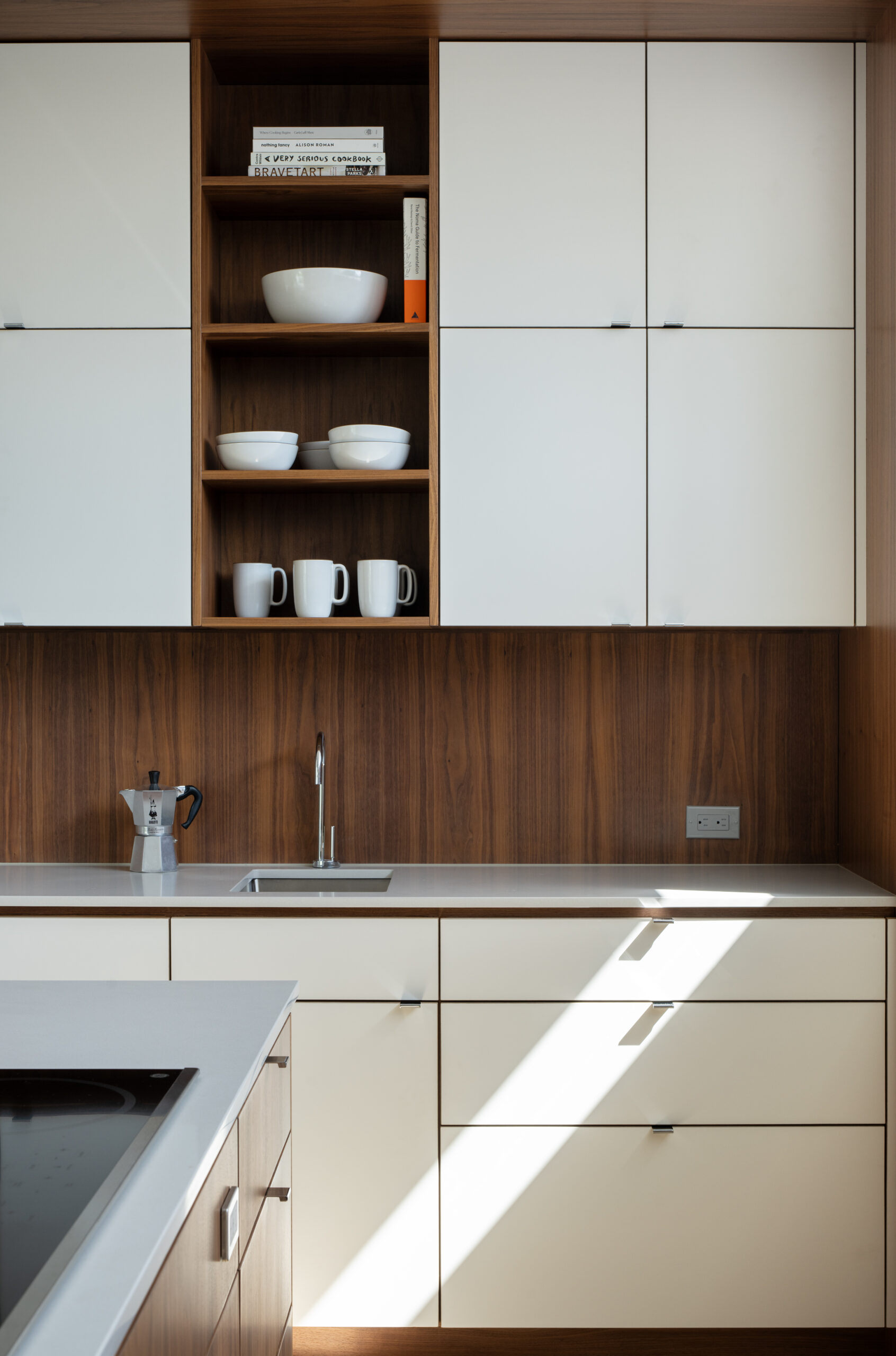
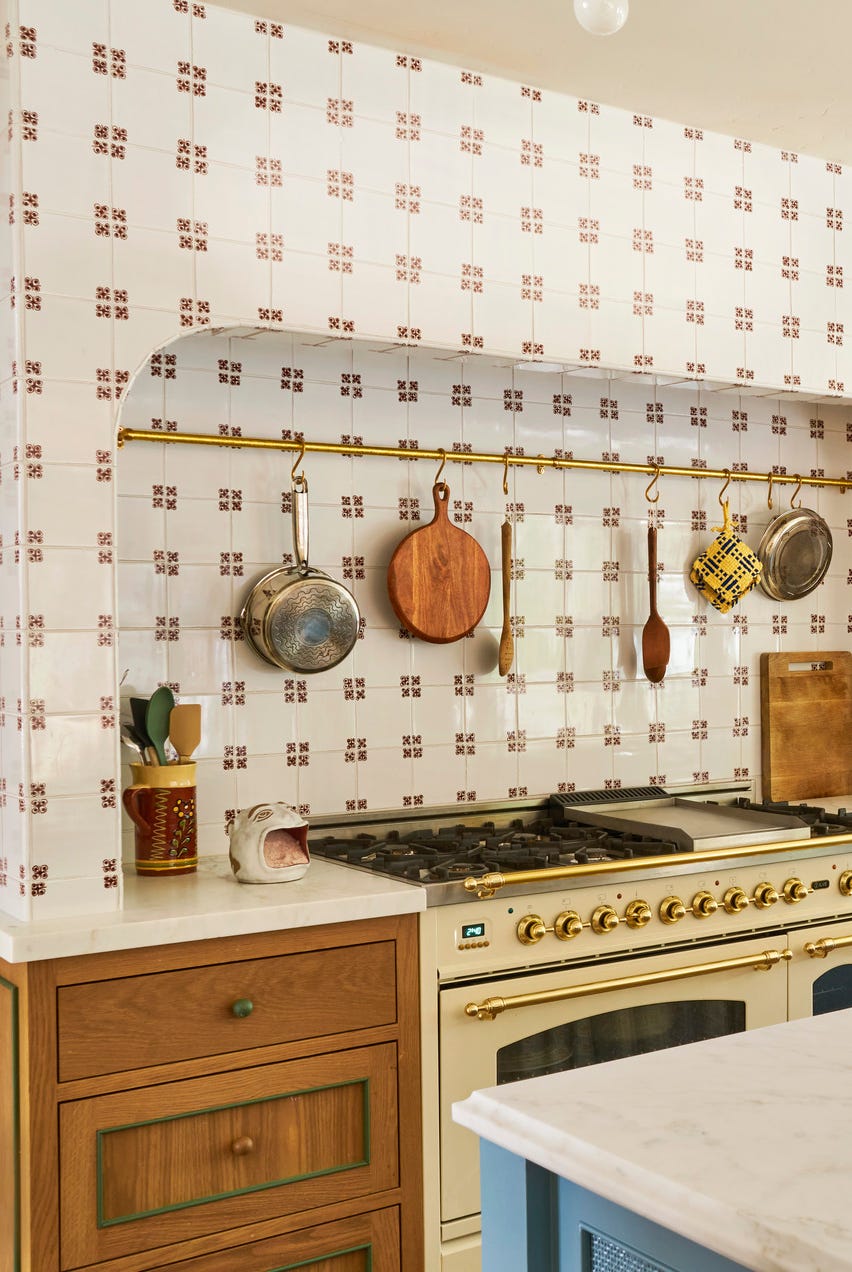
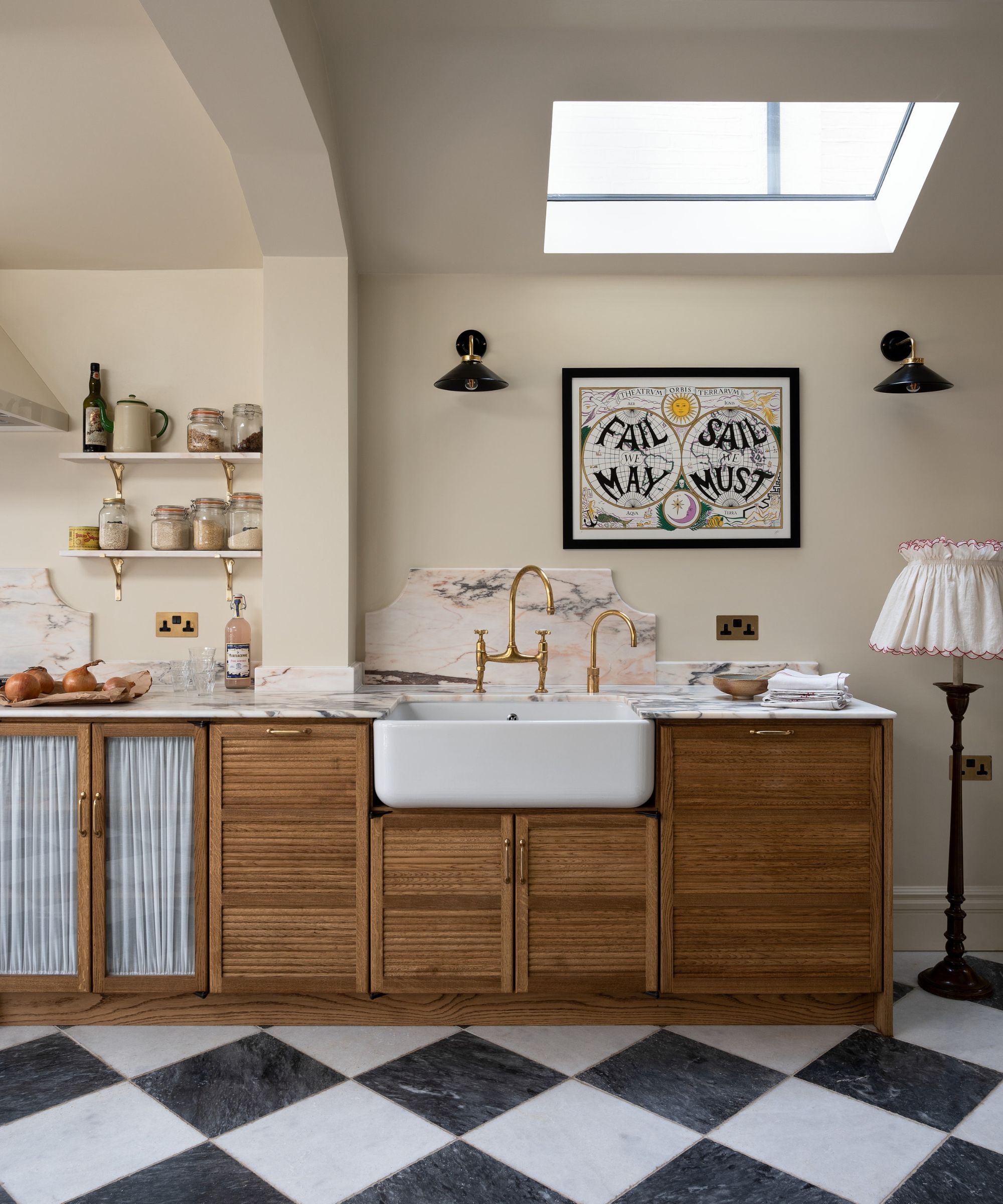
Consequently, darker wood stains, including materials like walnut and mahogany, are projected to become a prominent trend in 2026. These darker woods are emerging from obscurity to reclaim their place in contemporary homes, presenting themselves as a refreshing departure from the dominant trends of the last decade. Their deeper hues and vintage appeal contribute to a sense of coziness and homeliness, and they are now perceived as design-forward and luxurious choices. If current trends like minimalist decor, which white oak frequently complemented, are starting to feel dated, it is because their initial revolutionary appeal as a rejection of consumerism has given way to a perception of sameness and austerity. While white oak’s versatility and durability contributed to its initial popularity, these very qualities, in conjunction with its pervasive use, have paradoxically made it feel less special.
The current interior design landscape emphasizes self-expression, and while minimalist, beige interiors with white oak might resonate with some, for many, they have become too predictable. The lack of personal touches, vibrant colors, and textural depth in overly minimalist spaces has led to a feeling of blandness rather than a strong statement. As such, the appeal of white oak cabinets and flooring has waned, making way for alternative materials that offer a richer, more individualistic aesthetic. However, like all trends, the dominance of darker woods is also expected to be temporary, and the pendulum of interior design is likely to swing back again in the future.
#InteriorDesign #HomeDecor #WoodFinishes #Cabinetry #Flooring #DesignTrends #WhiteOak #DarkWood #ScandinavianStyle #InteriorDesign #HomeDecor #WoodFinishes #Cabinetry #Flooring #DesignTrends #WhiteOak #DarkWood #ScandinavianStyle
0 comment in total
 No comments yet
You may also like
20 Unfortunate Ways Your Home Looks Super Dated, According to Experts
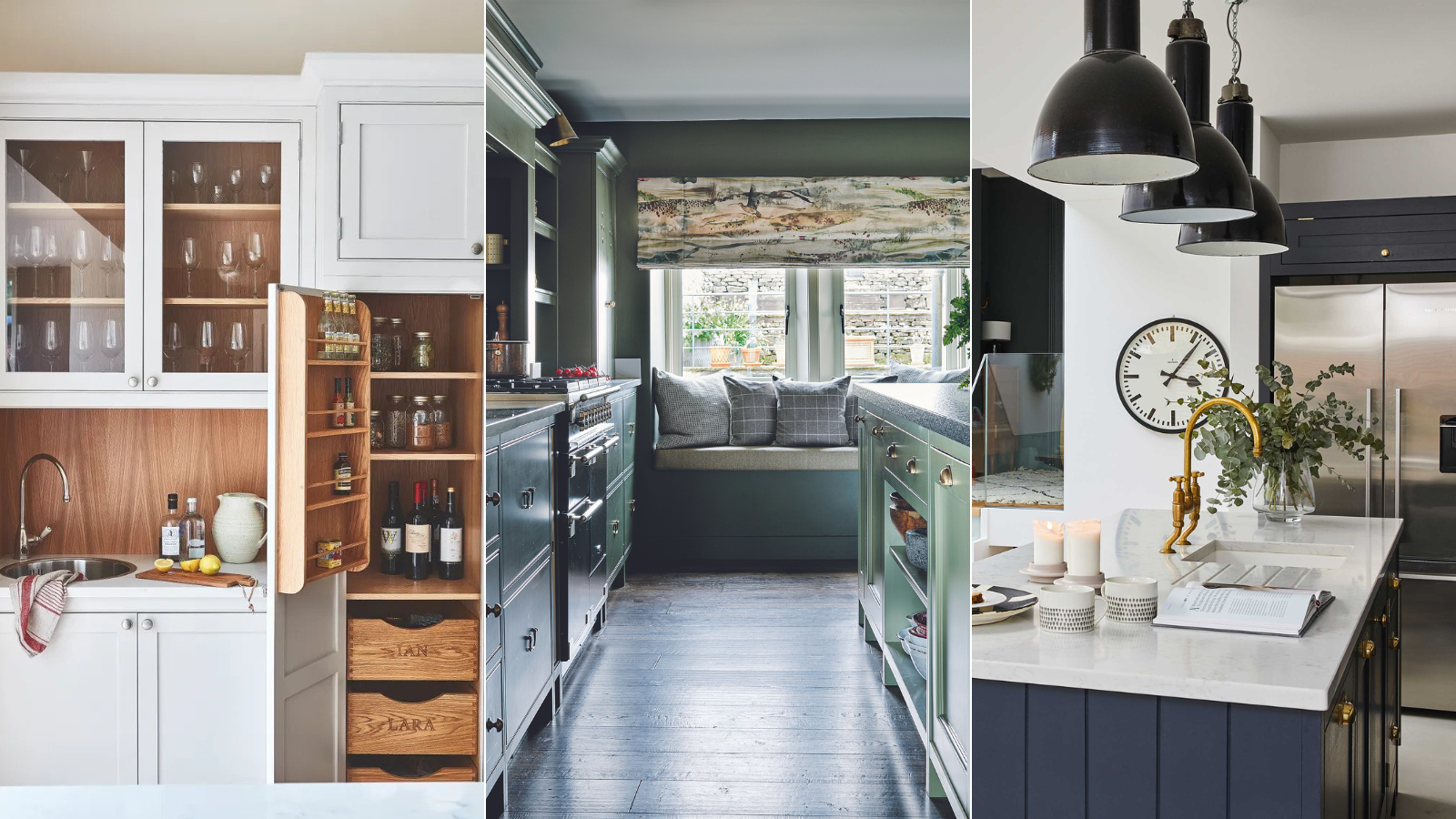
These 5 features make kitchen cabinets look dated, designers warn us

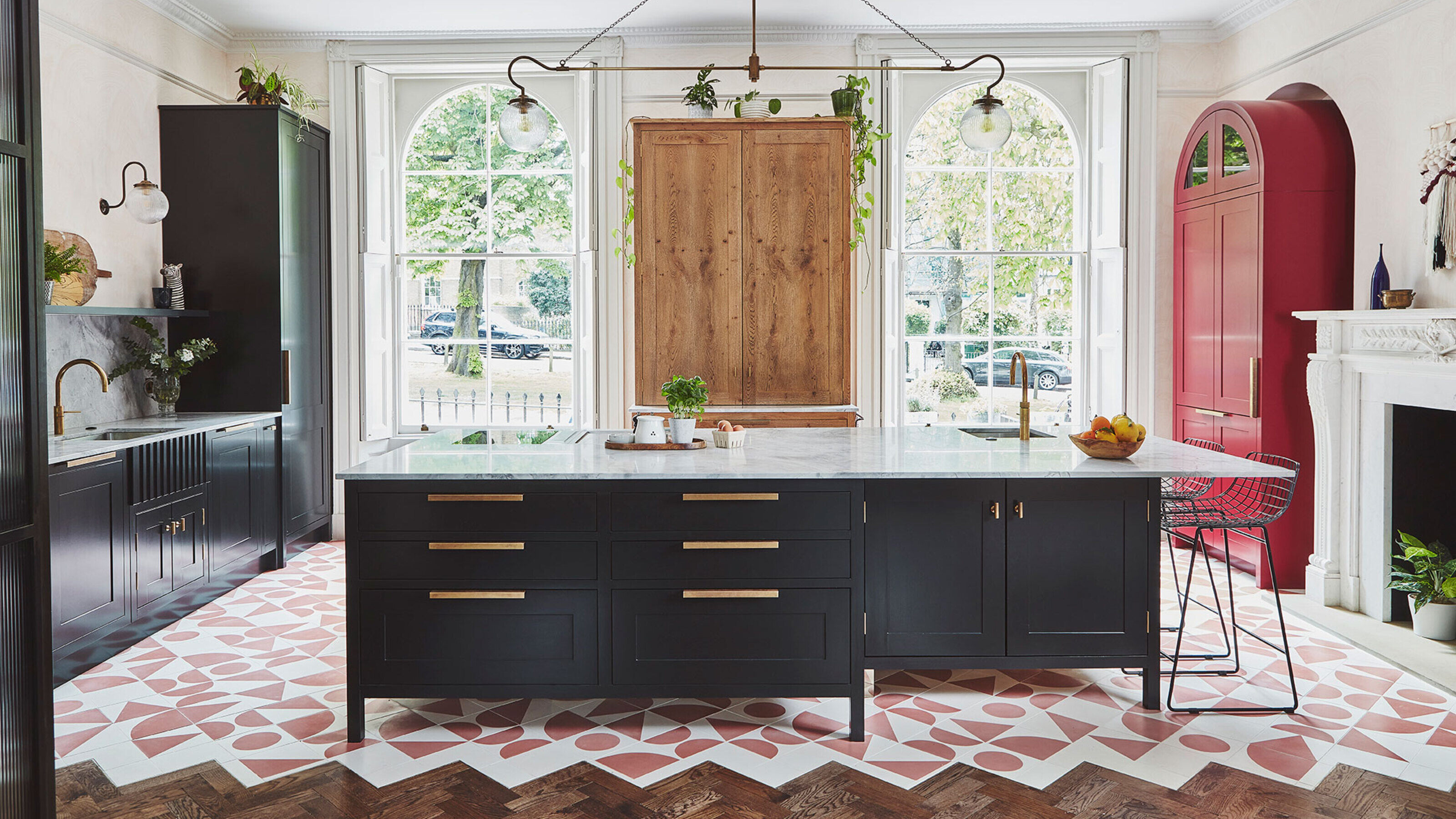
6 Outdated Kitchen Flooring Ideas in 2025 That Threaten to Turn Back the Clock — Plus What to Choose Instead

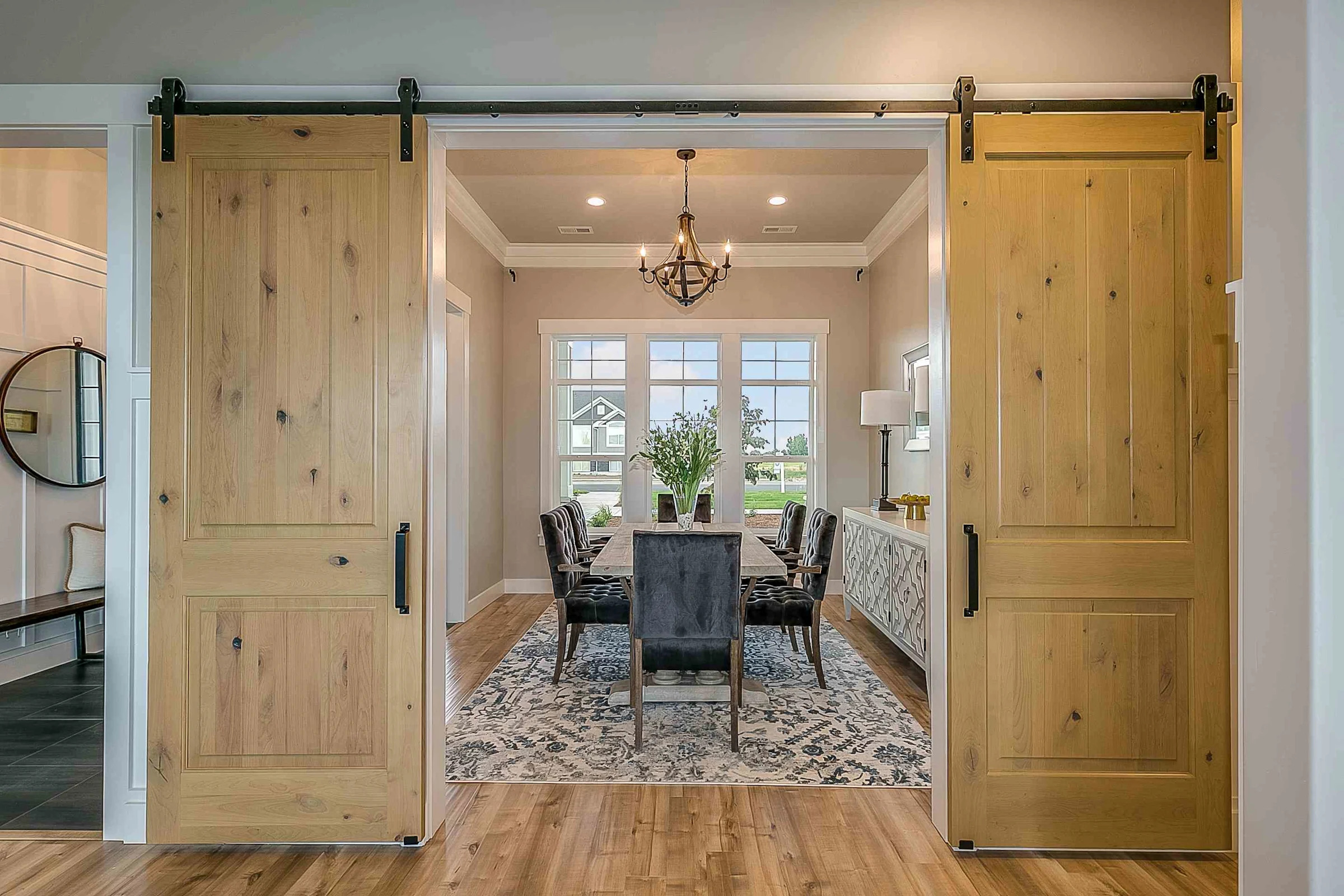
6 Dated Home Decor Pieces You Need to Throw Out ASAP, According to Designers

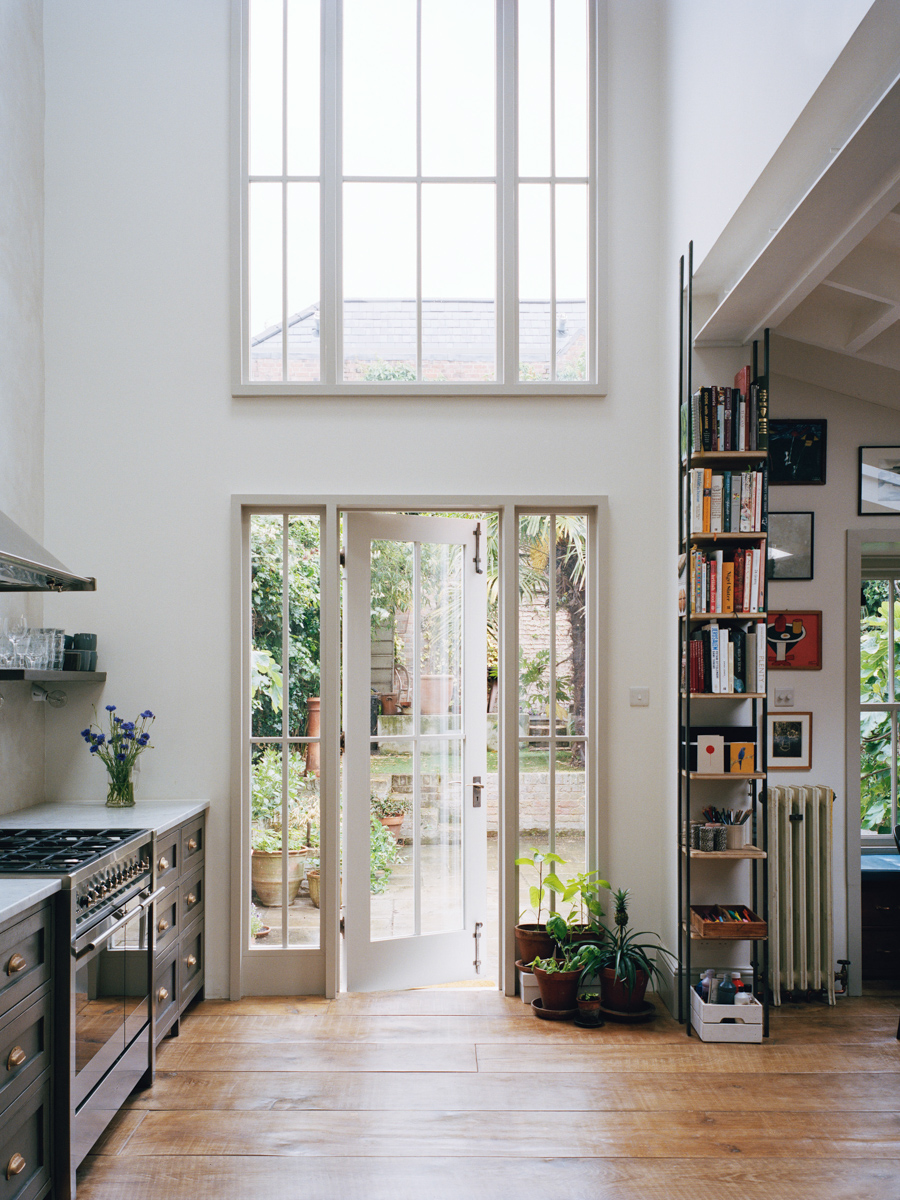
From the Utensil Rack to the Tub, All That’s New in This Home Is Meant to Look Old

9 Outdated Flooring Trends We're Leaving In The Past
10 Furniture Styles That Instantly Make Your Home Look Outdated

5 dated kitchen hardware trends that could be bringing down the look of your kitchen
Expert reveals the interior design trends that will make your home look dated
6 Flooring Styles That Instantly Date Your Home
Distressed Kitchen Cabinets Are the Right Kind of Dated
These Are the Top Kitchen Hardware Trends for 2025, According to Experts

The Cabinet And Flooring Material That's Starting To Make Your Space Look Dated

4 Kitchen Flooring Trends That Are on Their Way Out (and 3 Replacing Them)
The Kitchen Flooring Your Grandparents Used Is Back In Style

What's making a home look dated in 2025? Interior designers share the design icks that they say are aging your interiors
5 Design Choices That Make Your House Look Super Dated, According to Designers

Interior Designers Reveal 6 Surprising Things Making Your House Look Dated

And the Next It Kitchen Cabinet Material Is…

9 Things Making Your Living Room Look Dated, According To Designers