6 Flooring Styles That Instantly Date Your Home
Flooring is a significant investment in a home, and choosing materials that withstand the test of time is crucial to avoid frequent replacements and maintain a contemporary aesthetic. While personal preference plays a role, certain flooring styles can quickly make a home appear outdated. Designers emphasize the importance of selecting timeless materials and finishes over fleeting trends, advising homeowners to opt for options that feel authentic to their personal style rather than chasing the latest fads.
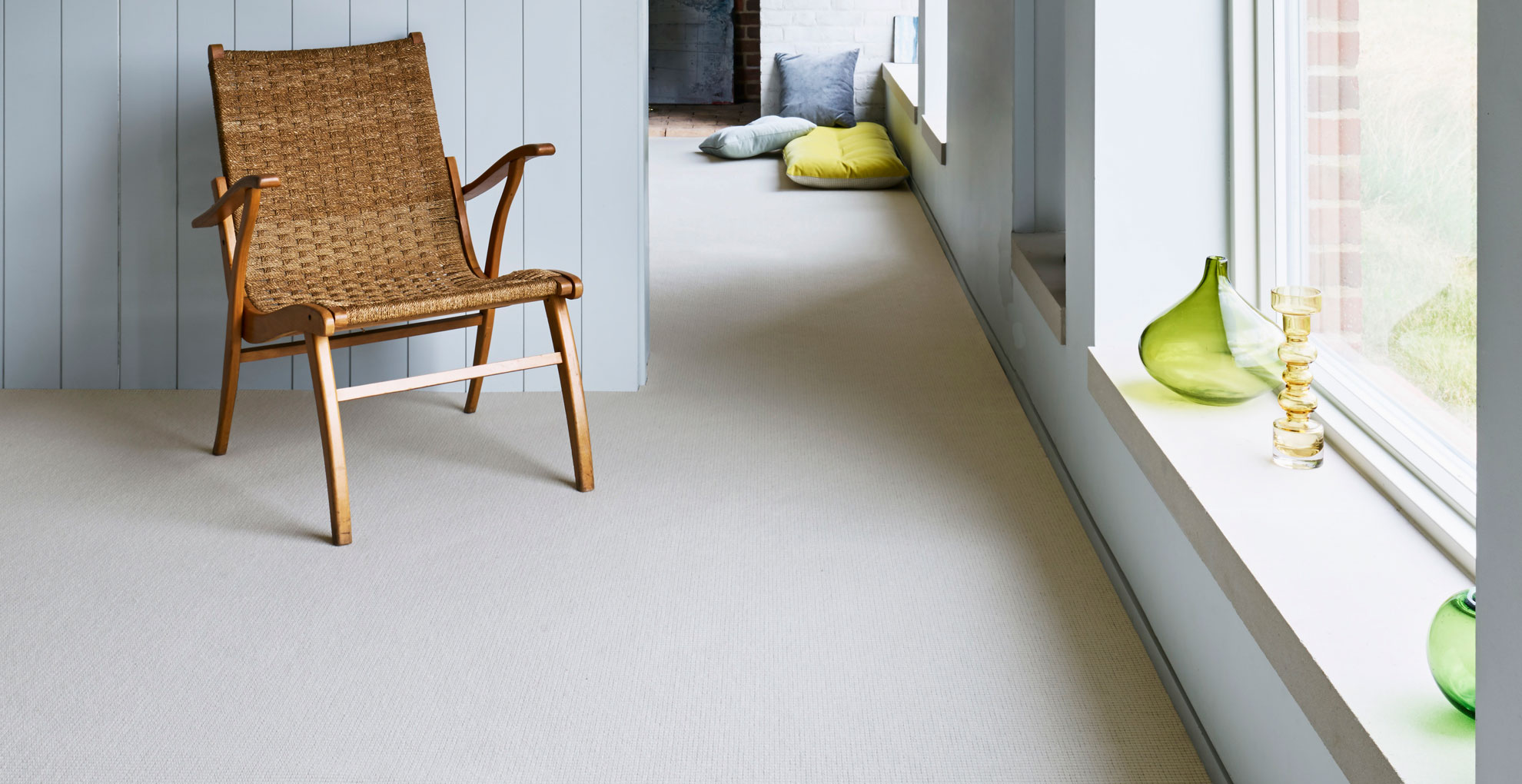
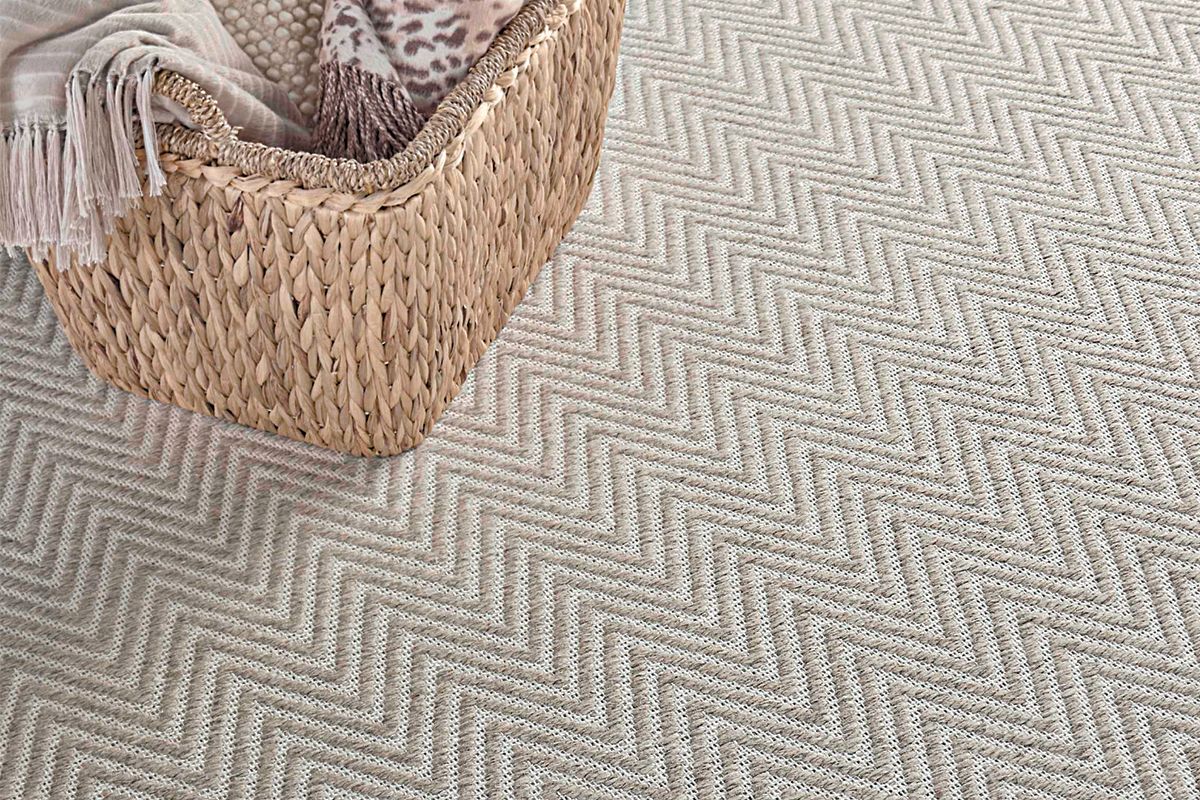
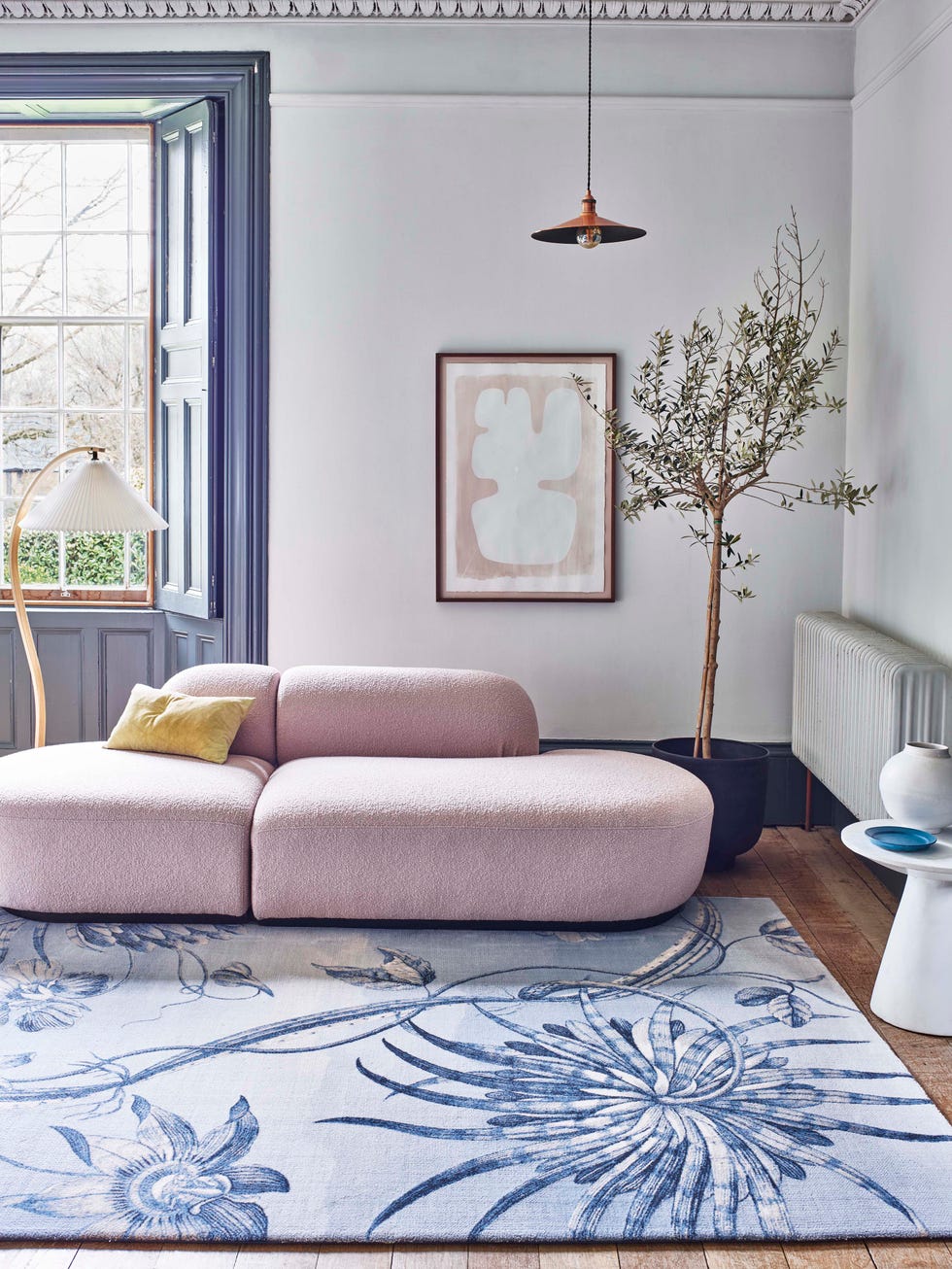
One common flooring choice that tends to date a home is builder-grade carpet. While carpet can add warmth and comfort, thin, matted builder-grade varieties often lack durability and a luxurious feel. Interior designers suggest upgrading to a thicker, higher-quality carpet when budget allows to achieve a more timeless and sophisticated look, especially in private spaces like bedrooms.
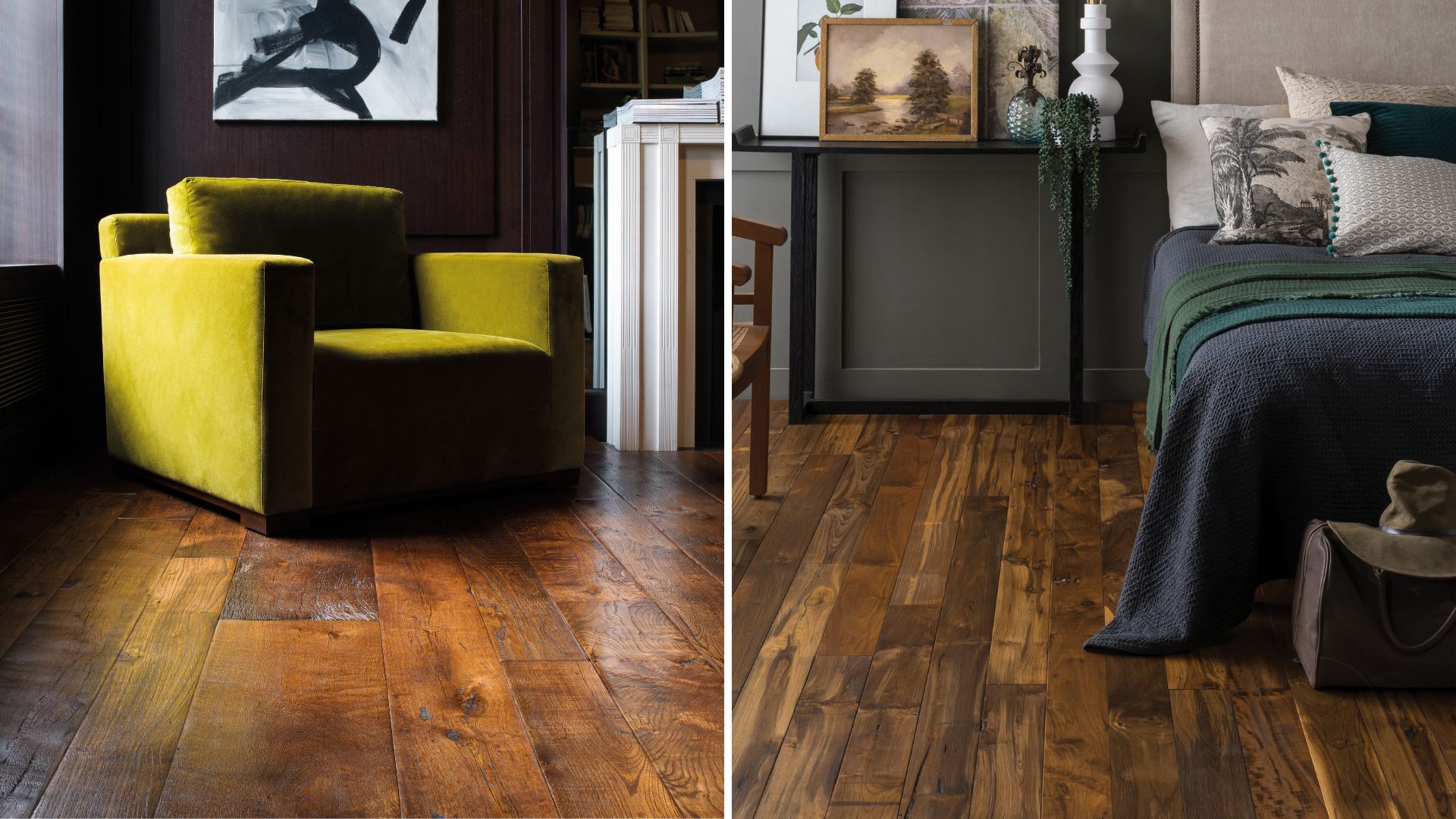
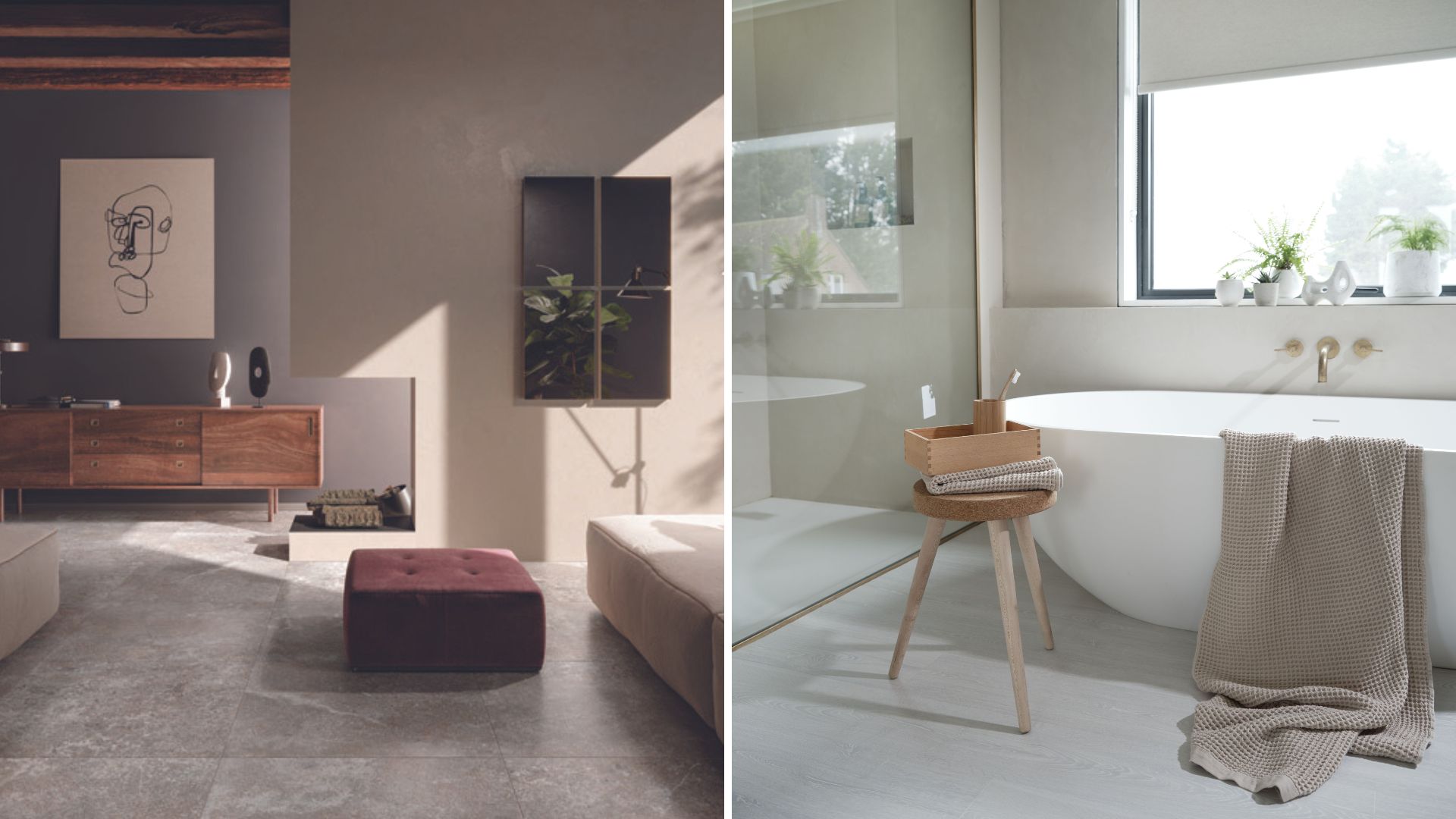
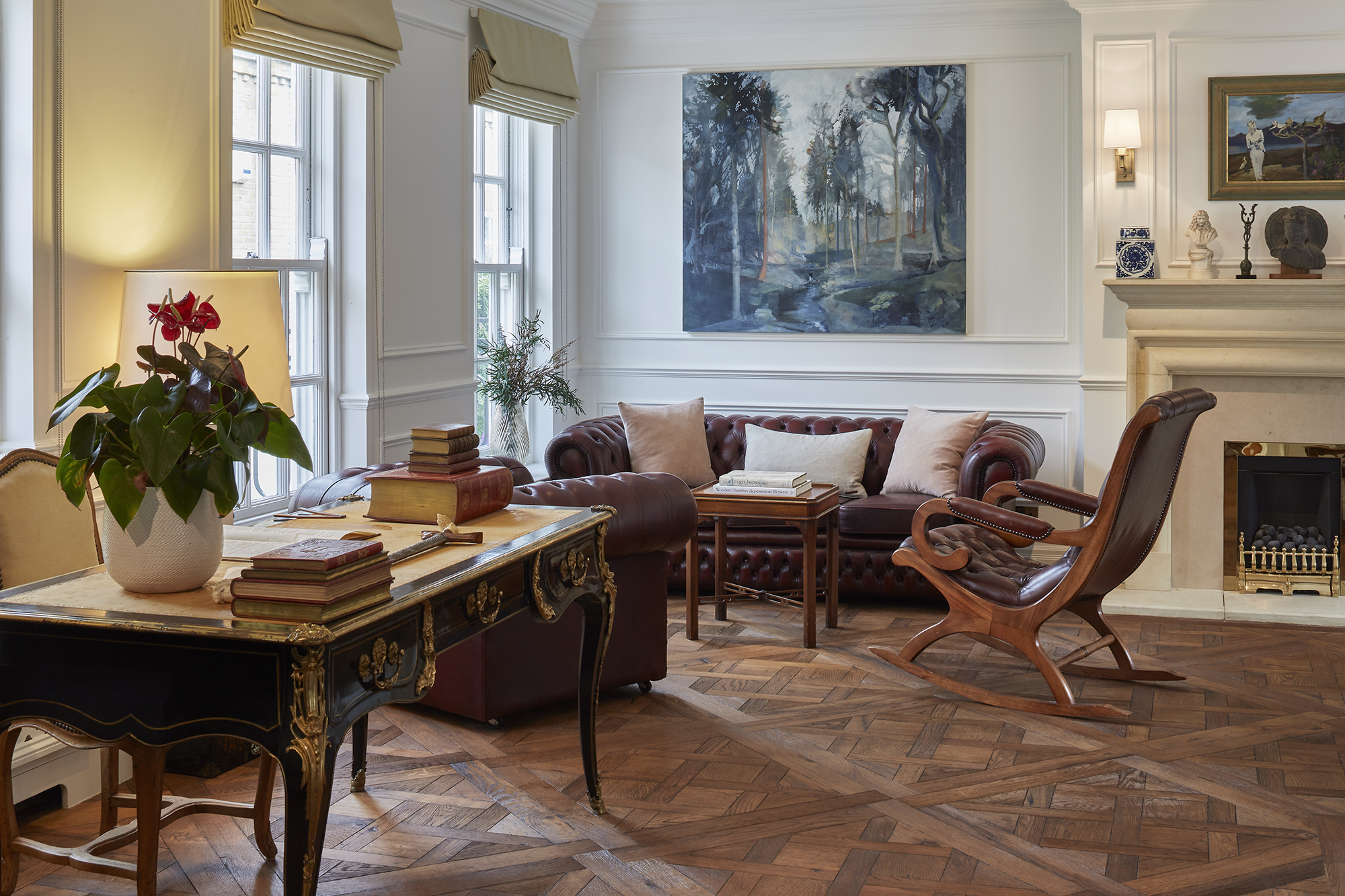
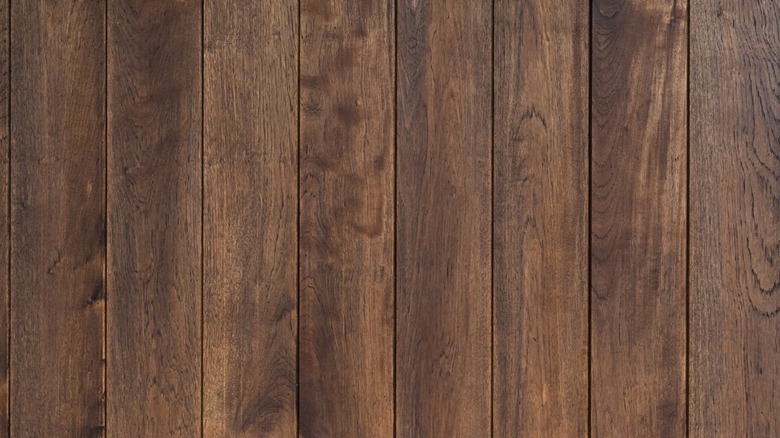
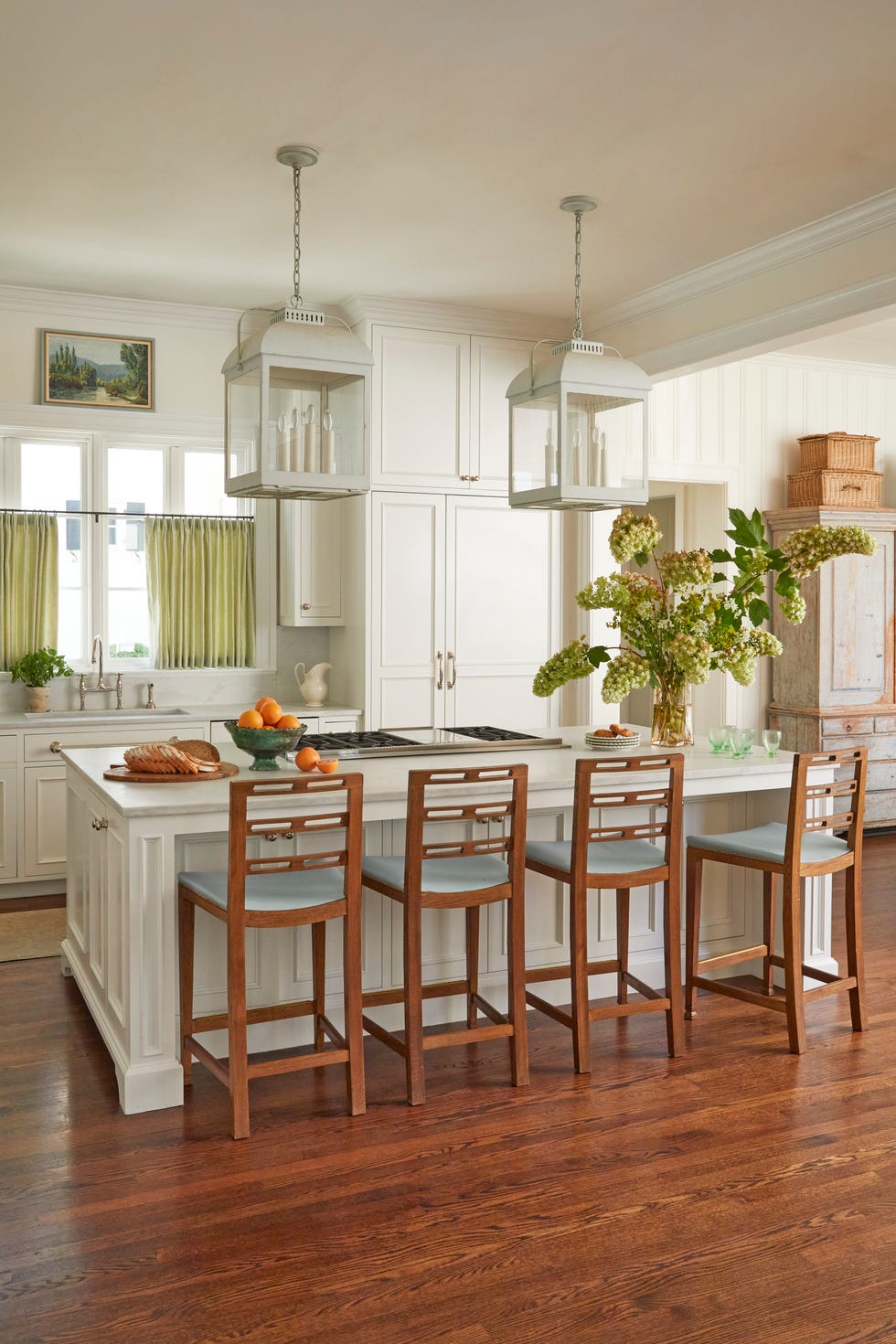
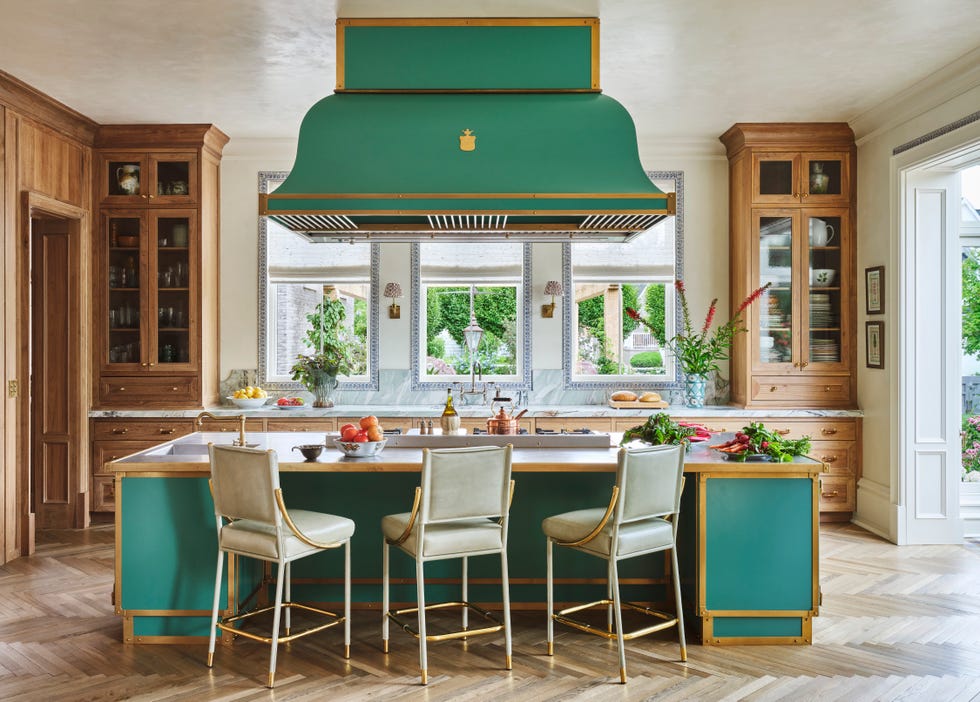
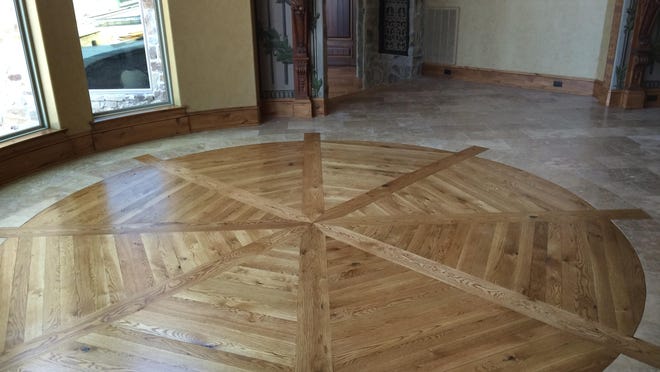
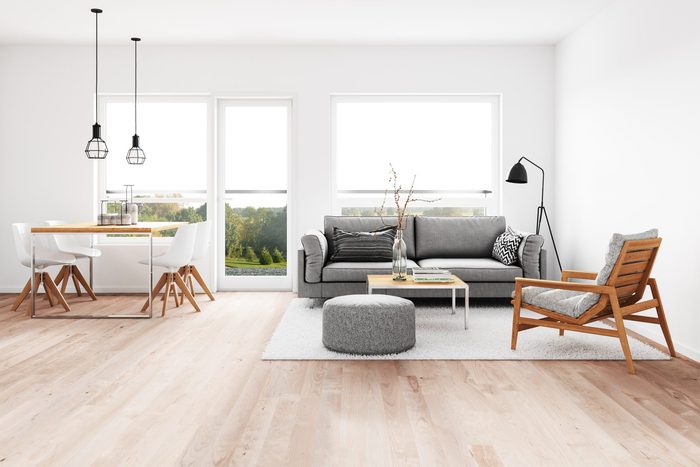
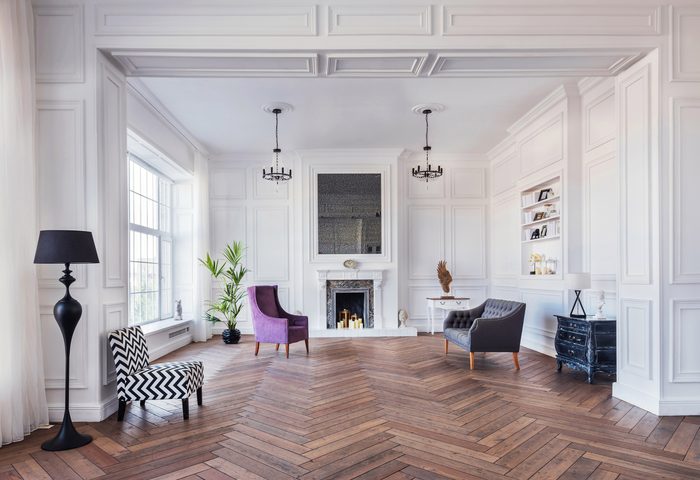
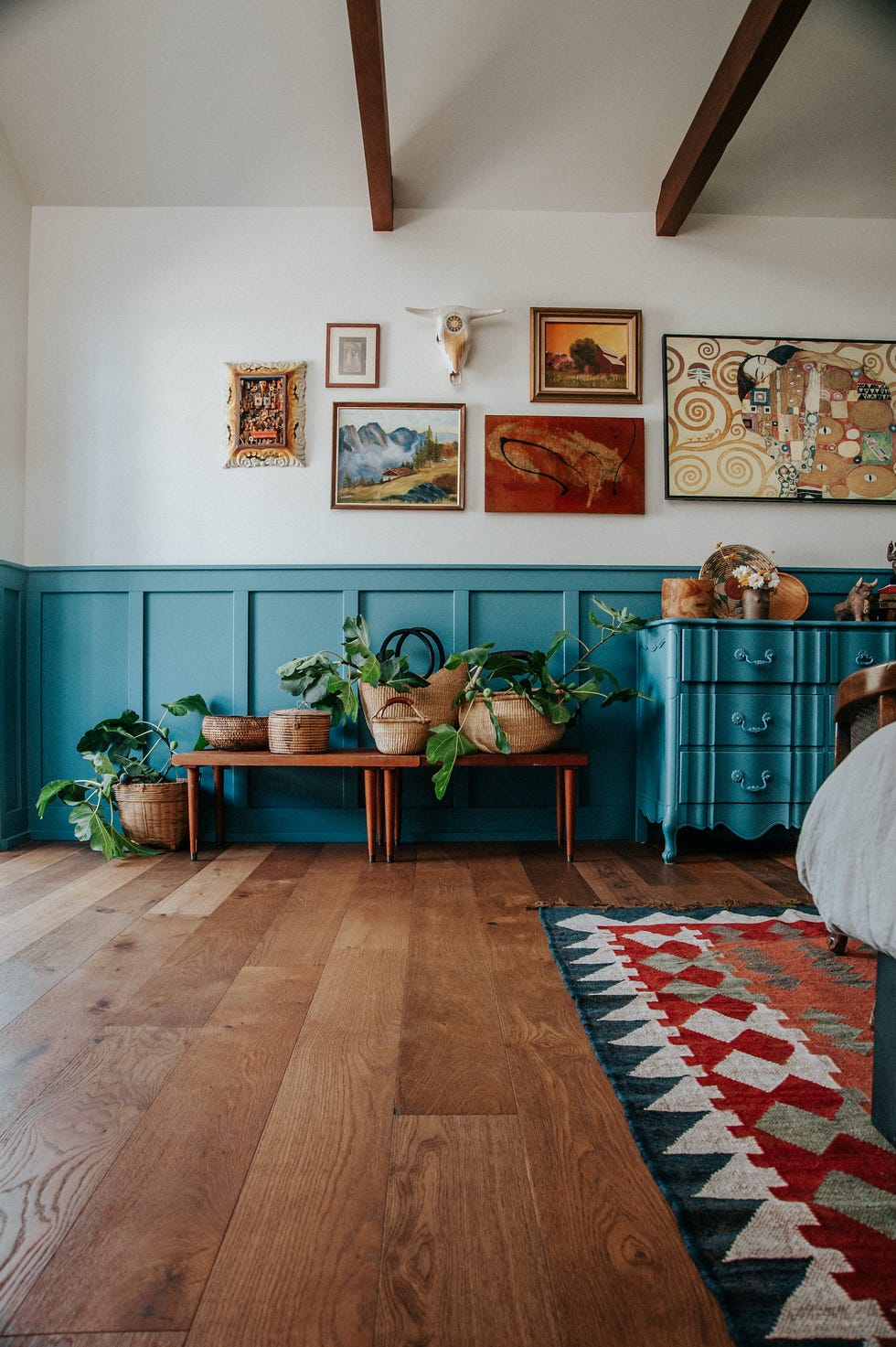
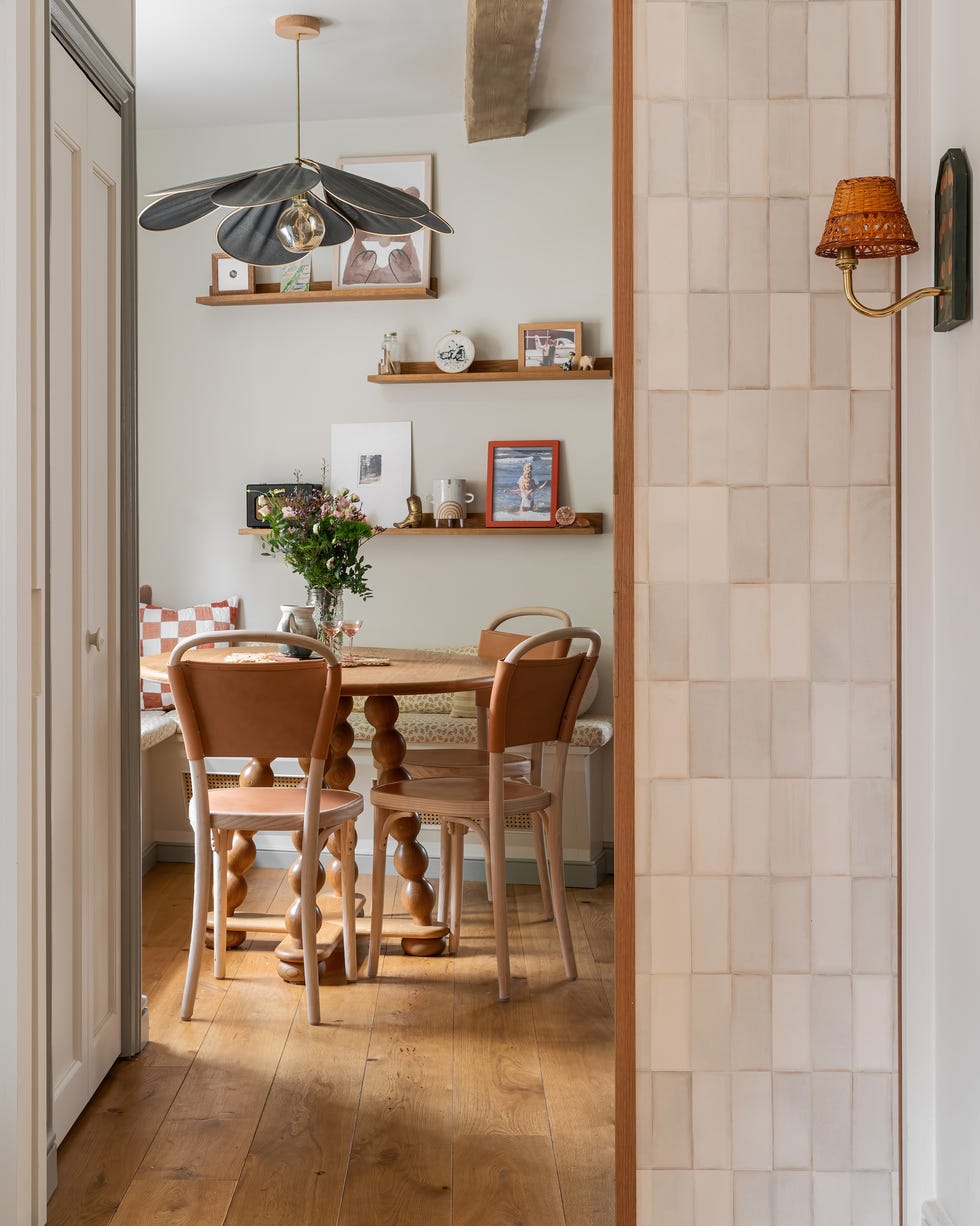
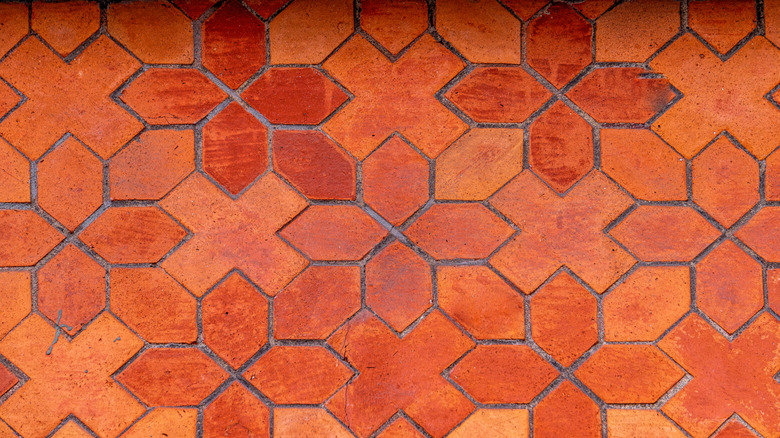
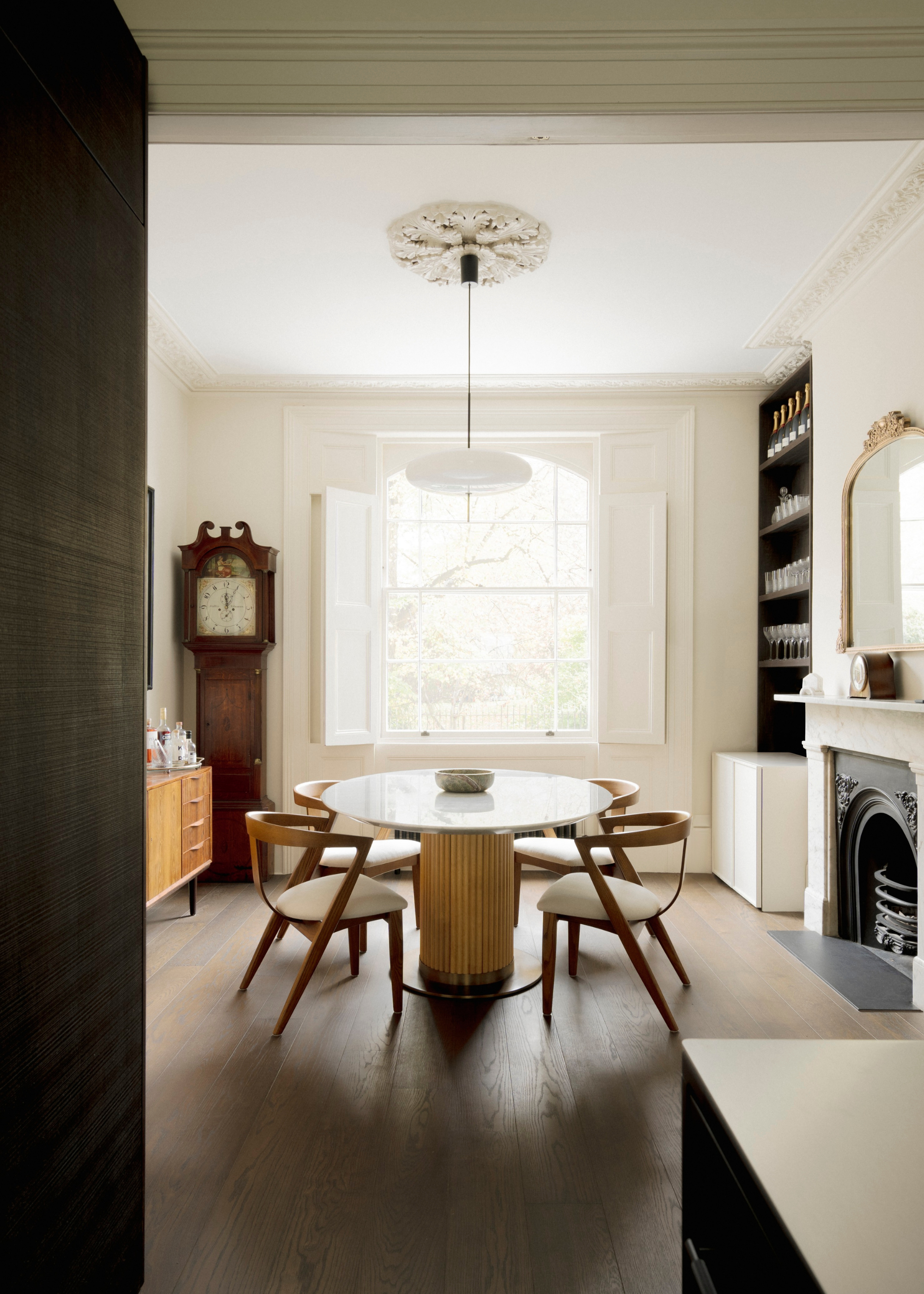
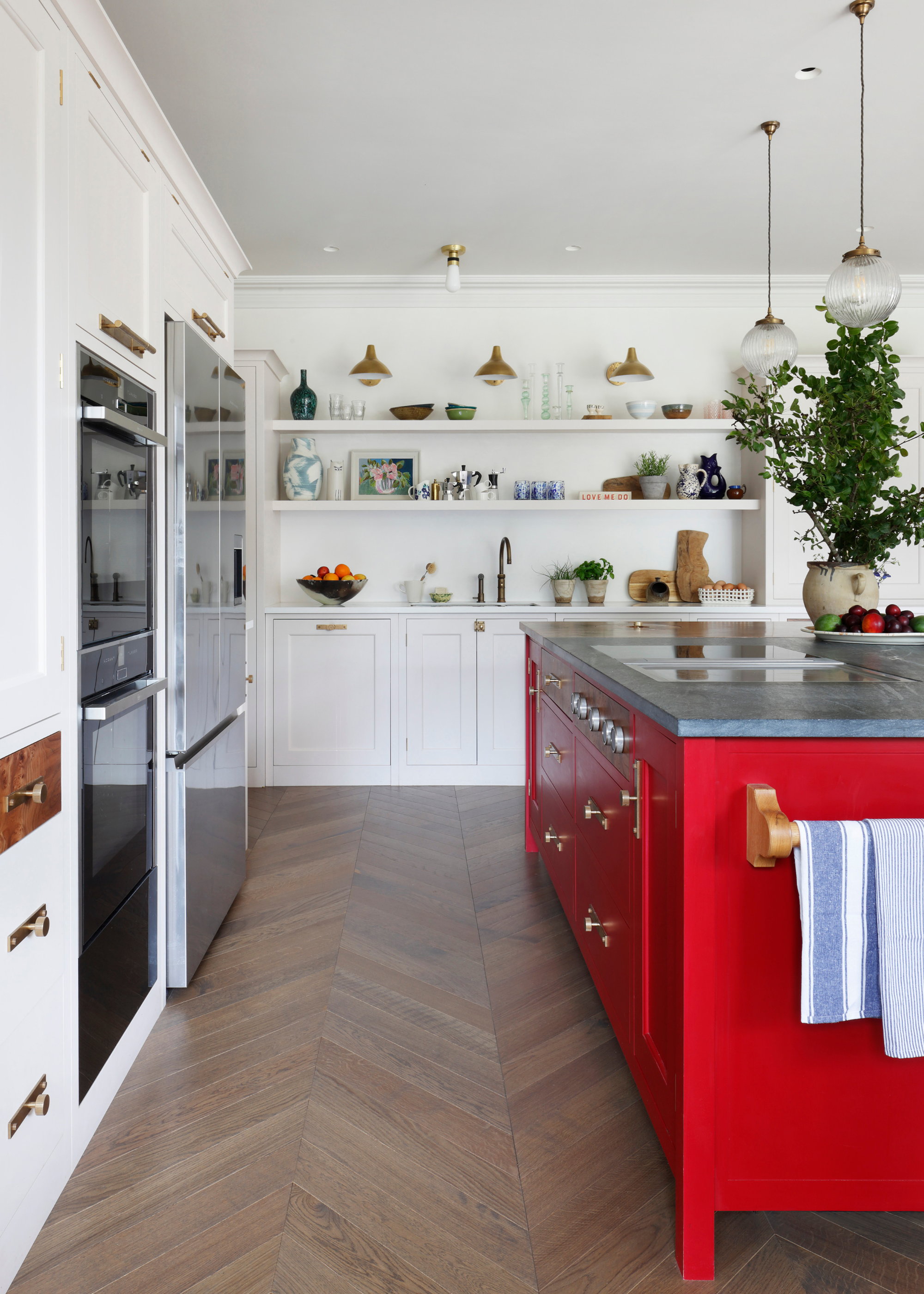
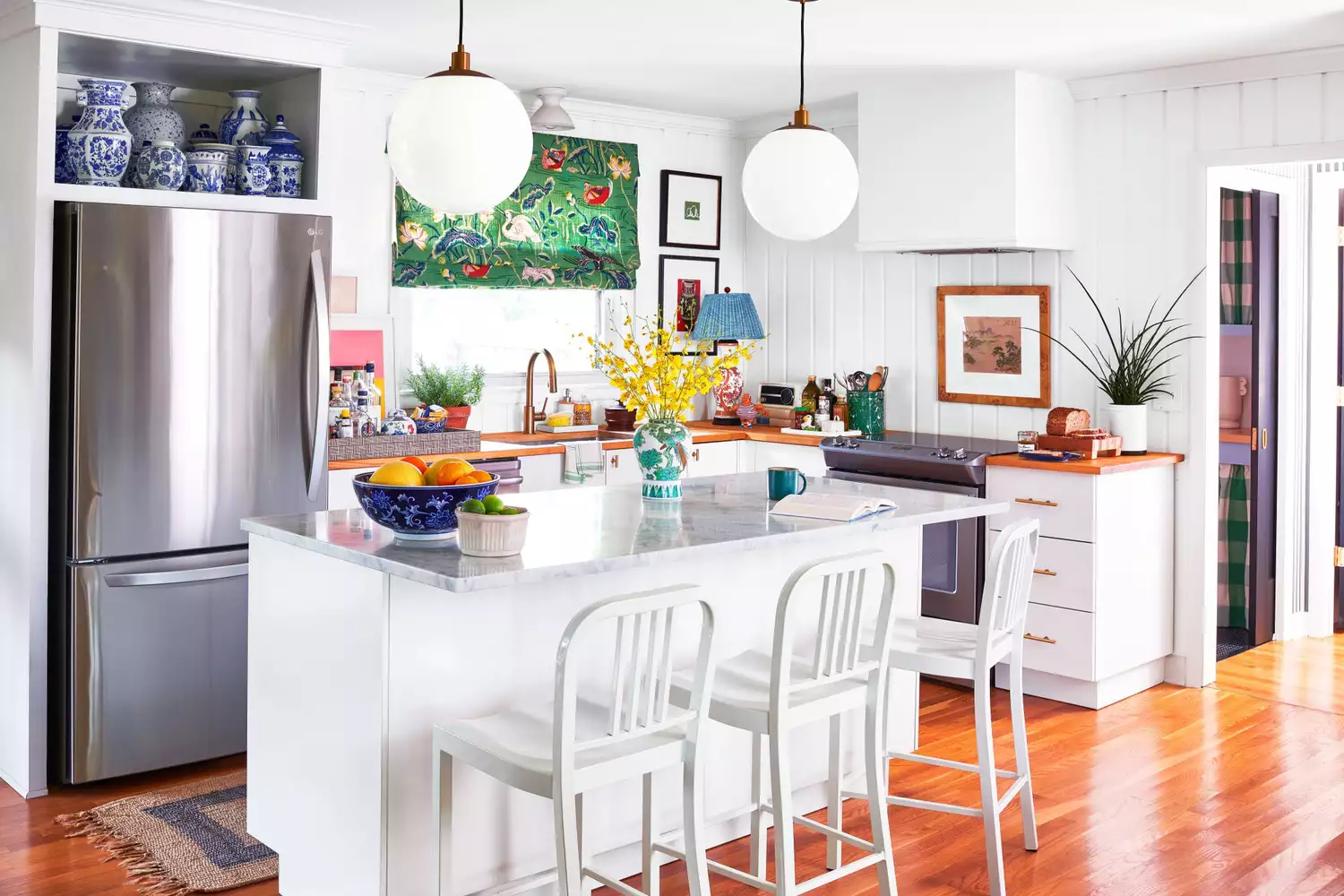
Orange or red-hued wood floors, prevalent in the 1990s and 2000s, are another style that has fallen out of favor. These strong, warm undertones can make a space feel dated. Contemporary design trends lean towards more neutral wood tones, such as rich or natural white oak, which offer a versatile and enduring appeal. These lighter, more subdued options create a sense of spaciousness and modernity.
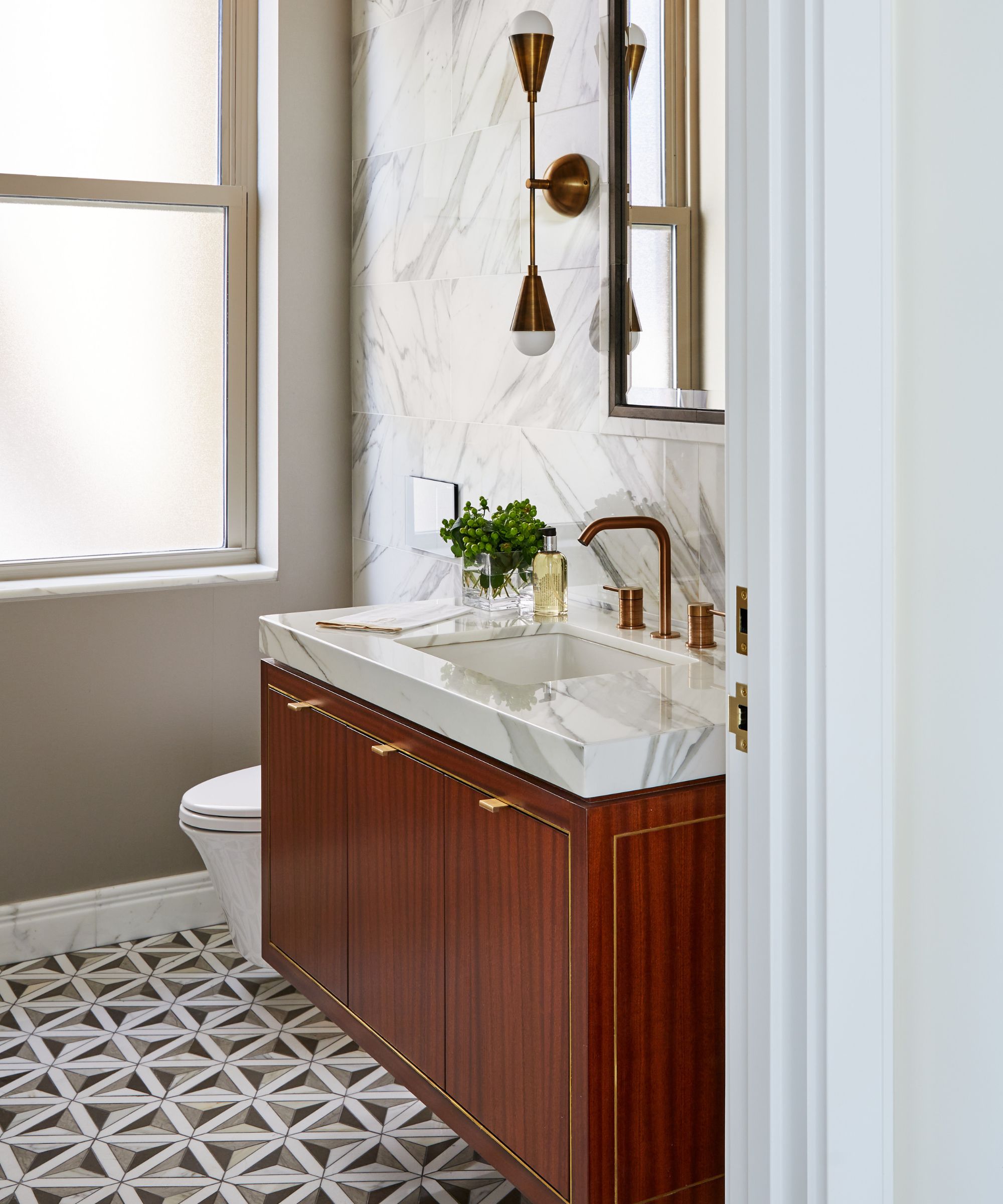
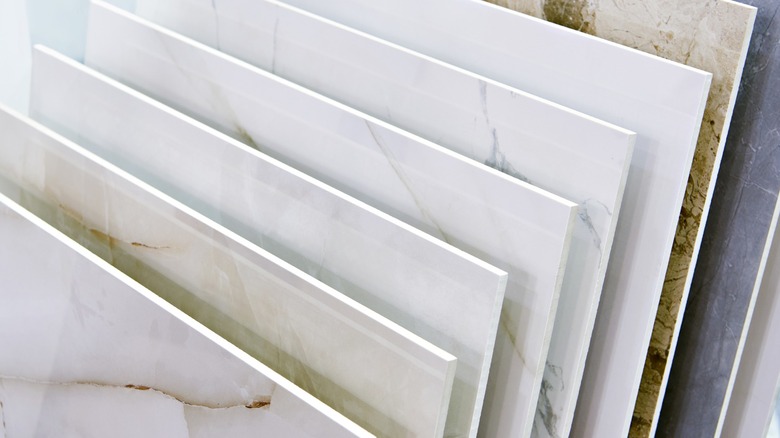
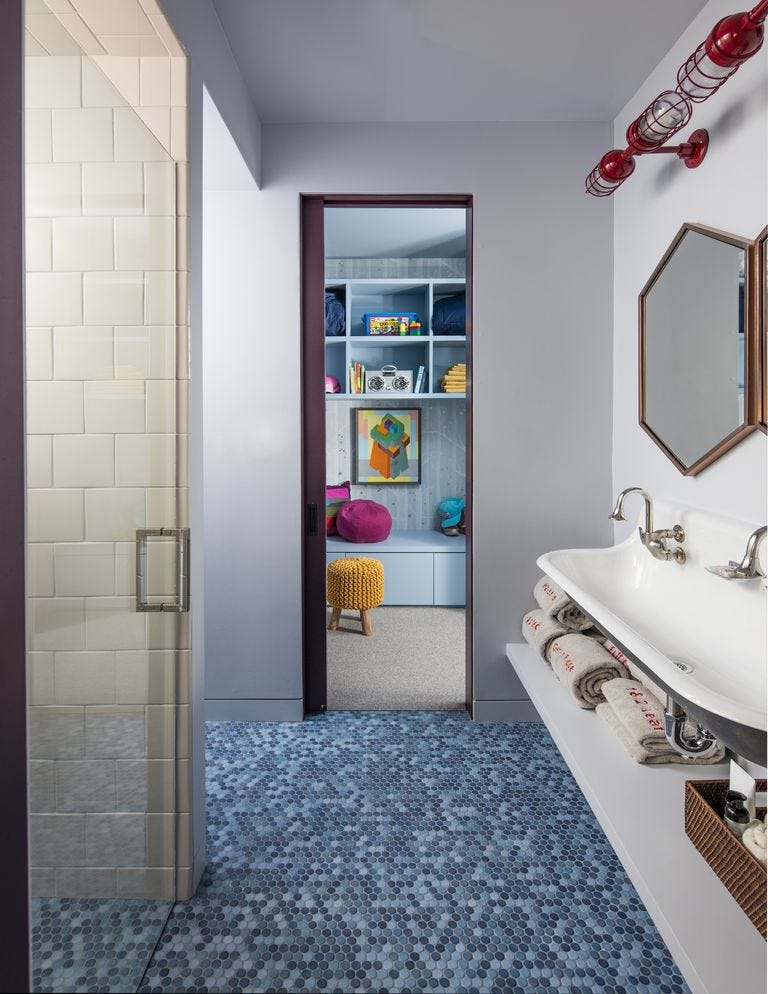
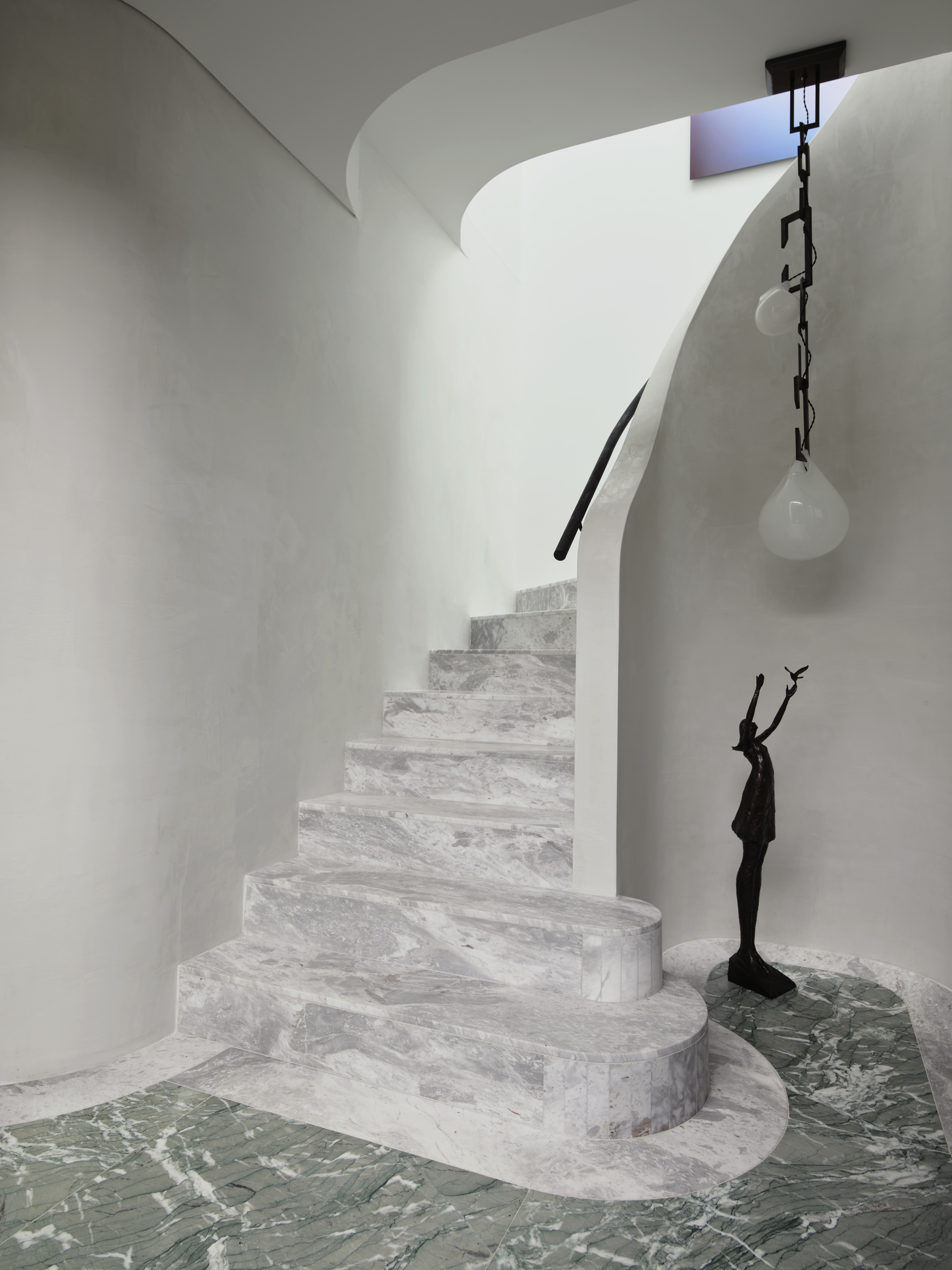
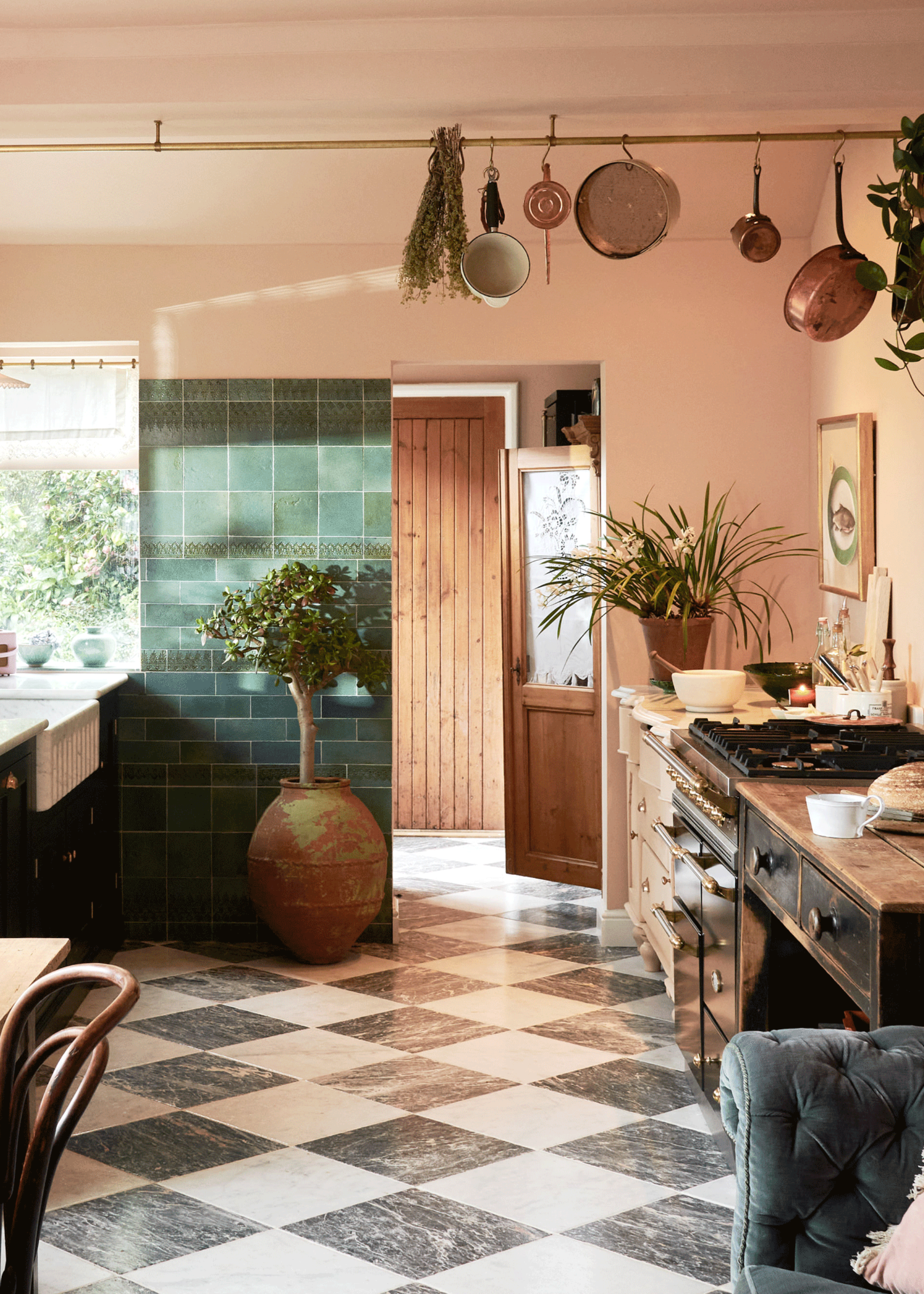
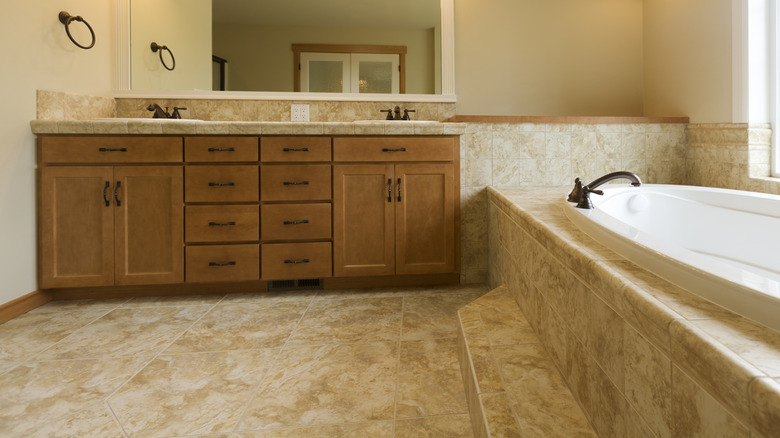
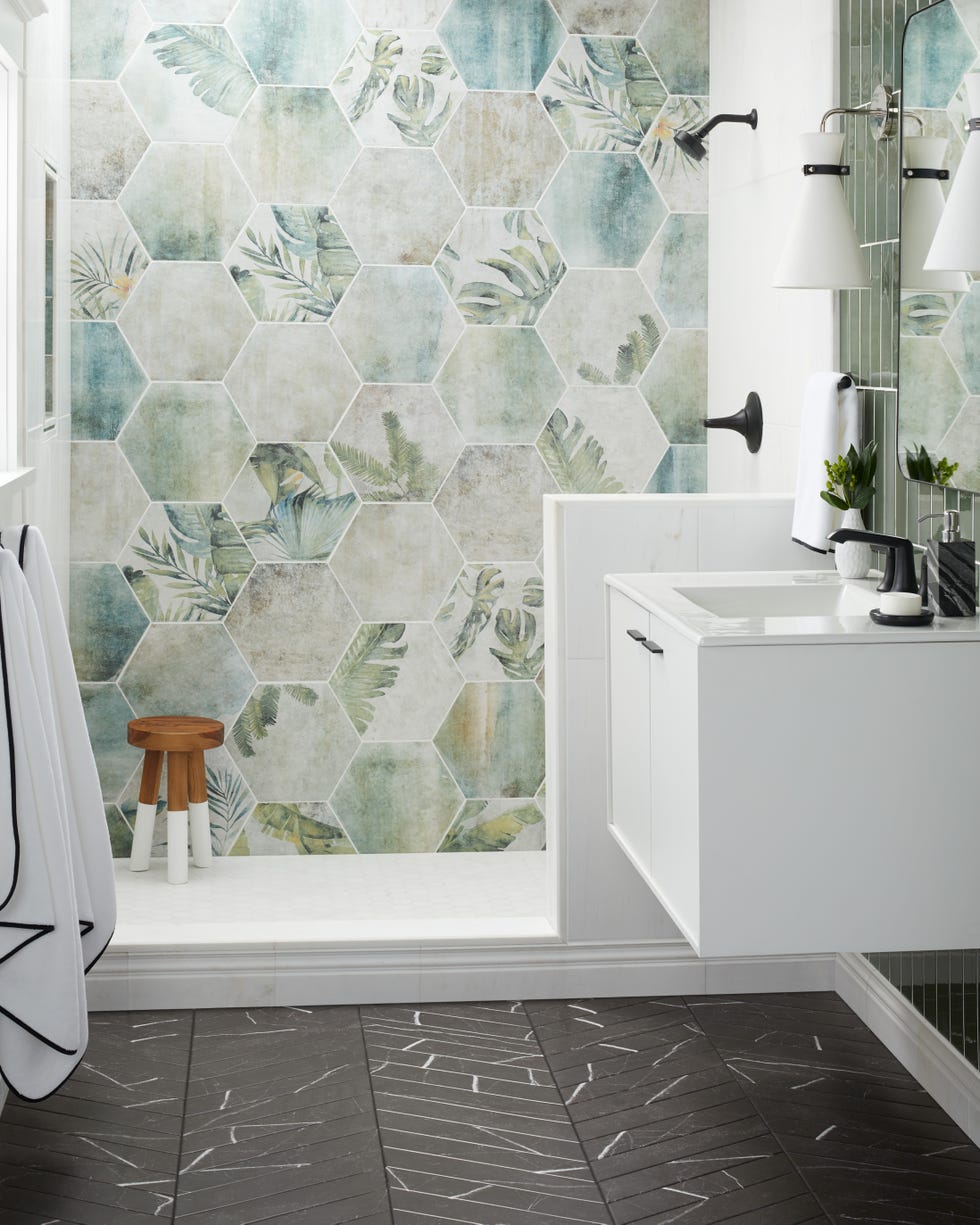
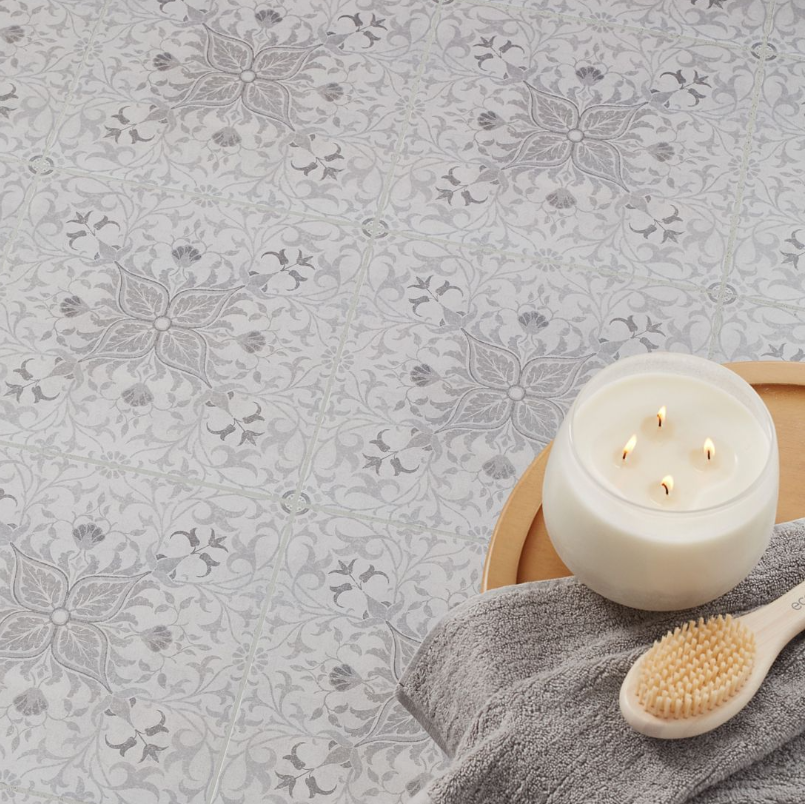
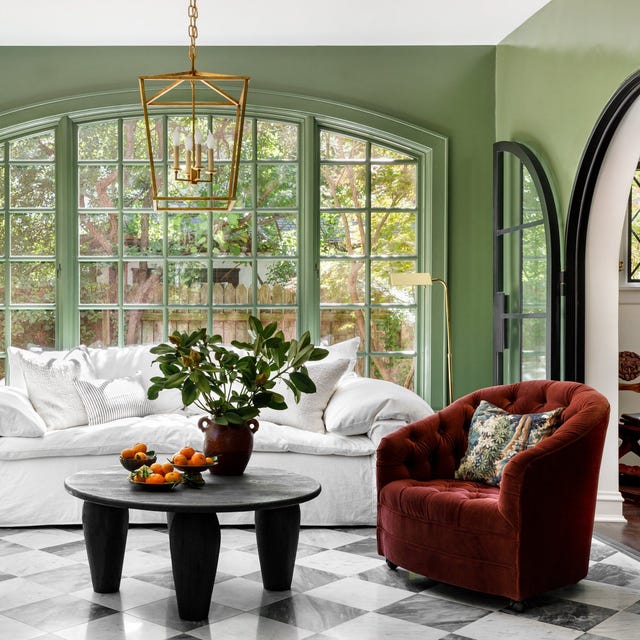
Marble lookalikes, particularly white porcelain tiles with gray veining, have also become a signal of an outdated interior. While these options have been widely used in new construction over the past seven years, their pervasive application has led to them appearing less unique and more generic. For those seeking the elegance of marble without the high cost, designers recommend exploring alternatives like travertine, soapstone, limestone, or solid-colored ceramic and porcelain tiles, which can offer similar aesthetic appeal with greater longevity.
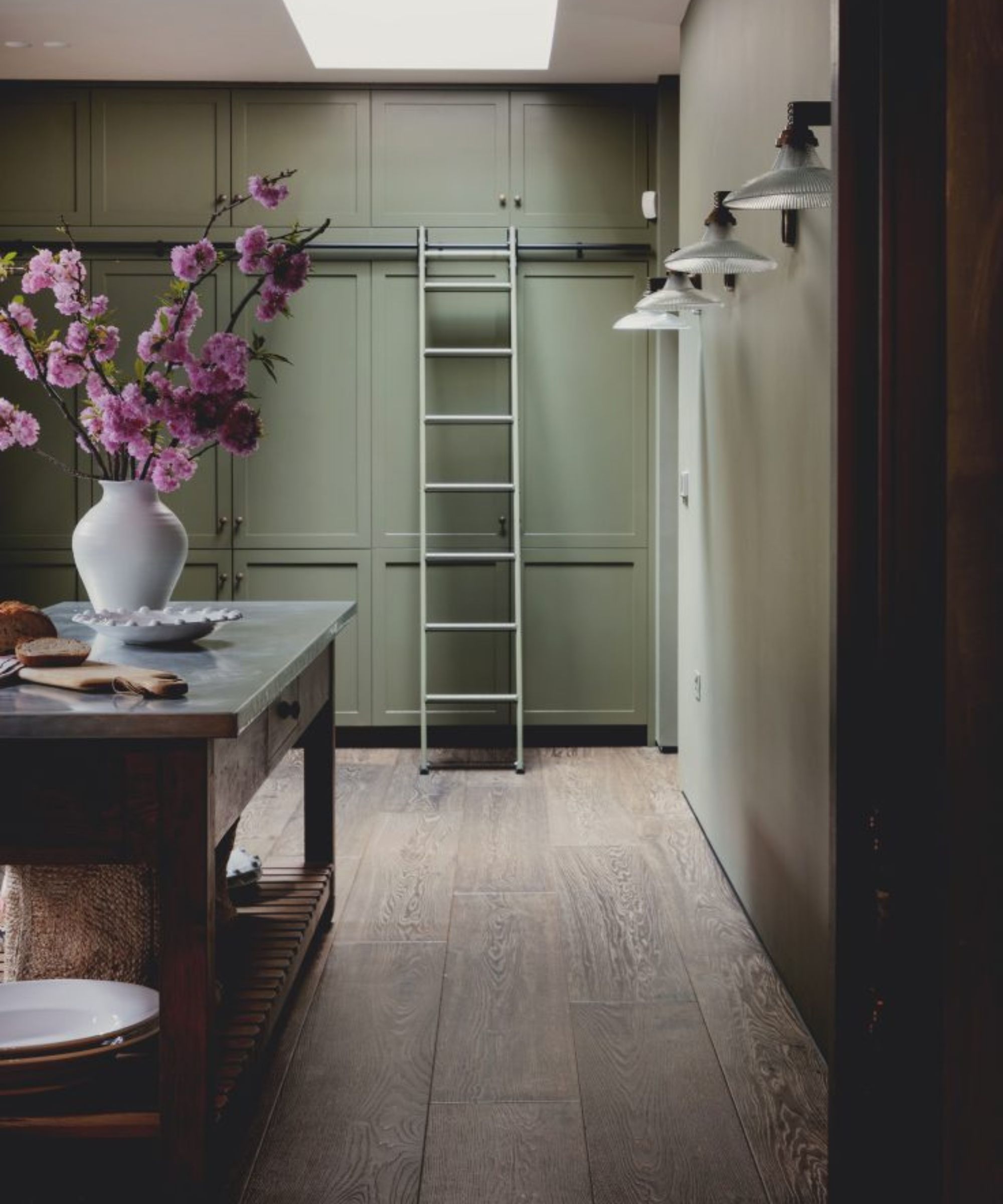
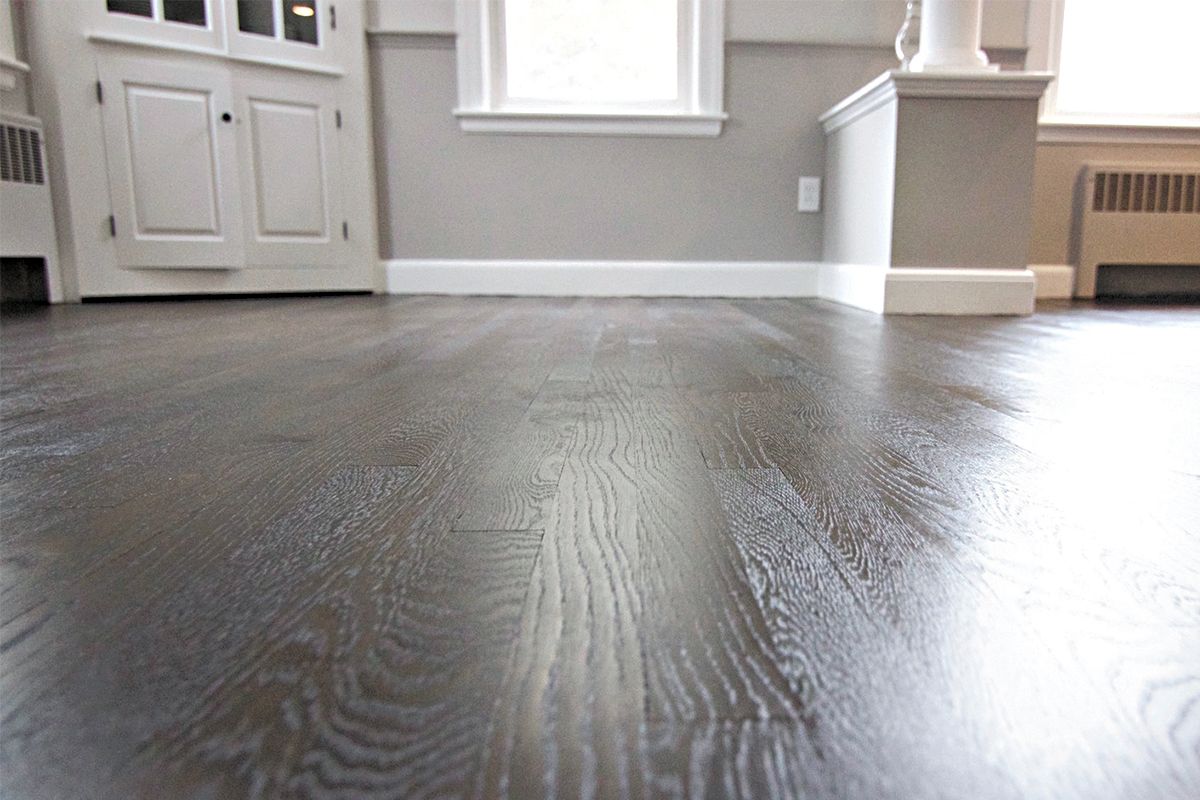
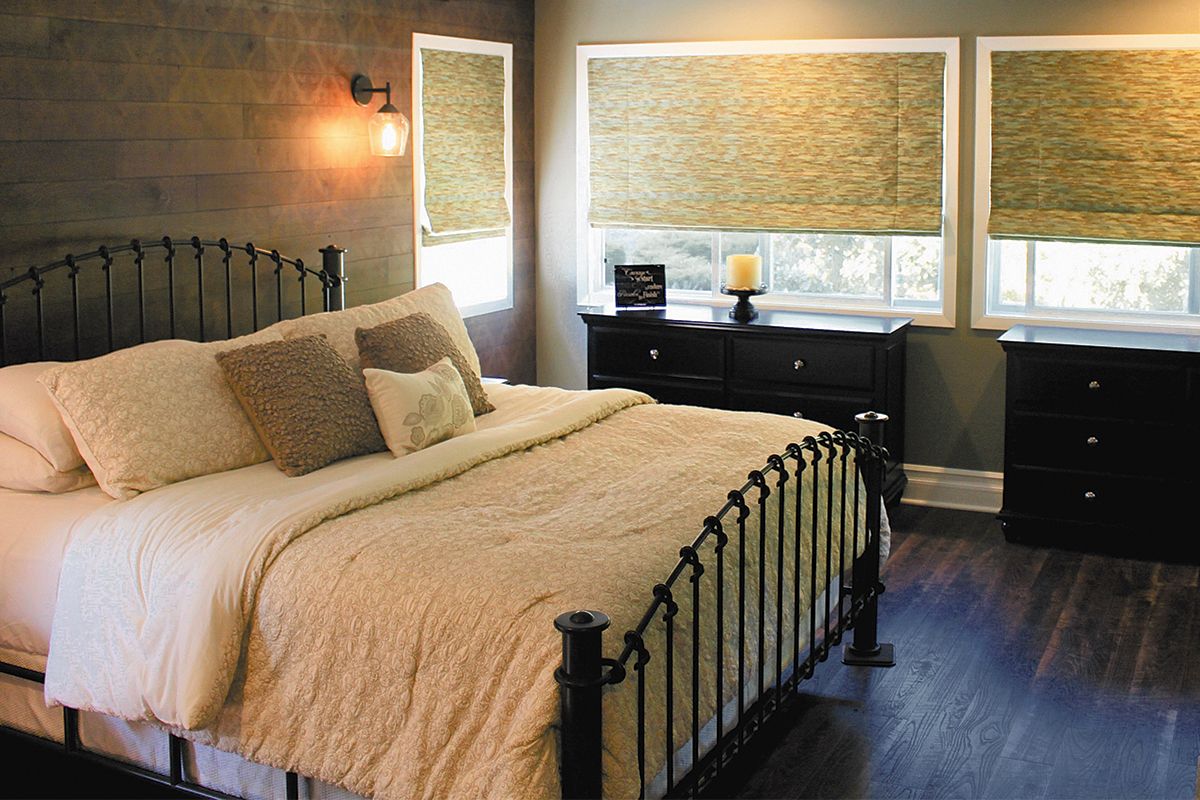
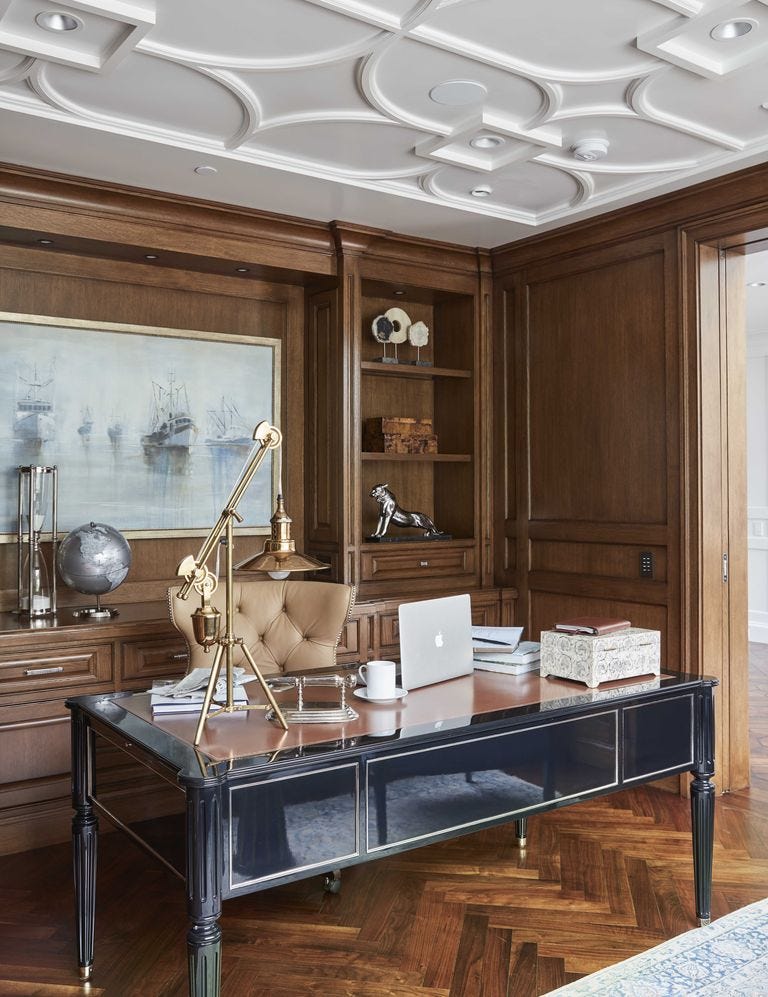
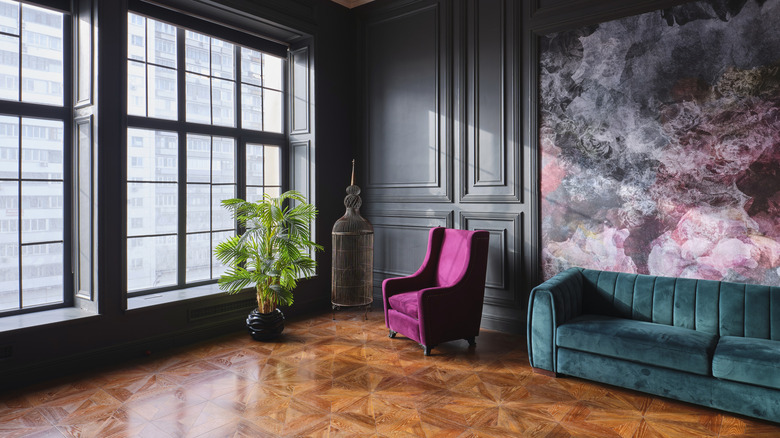
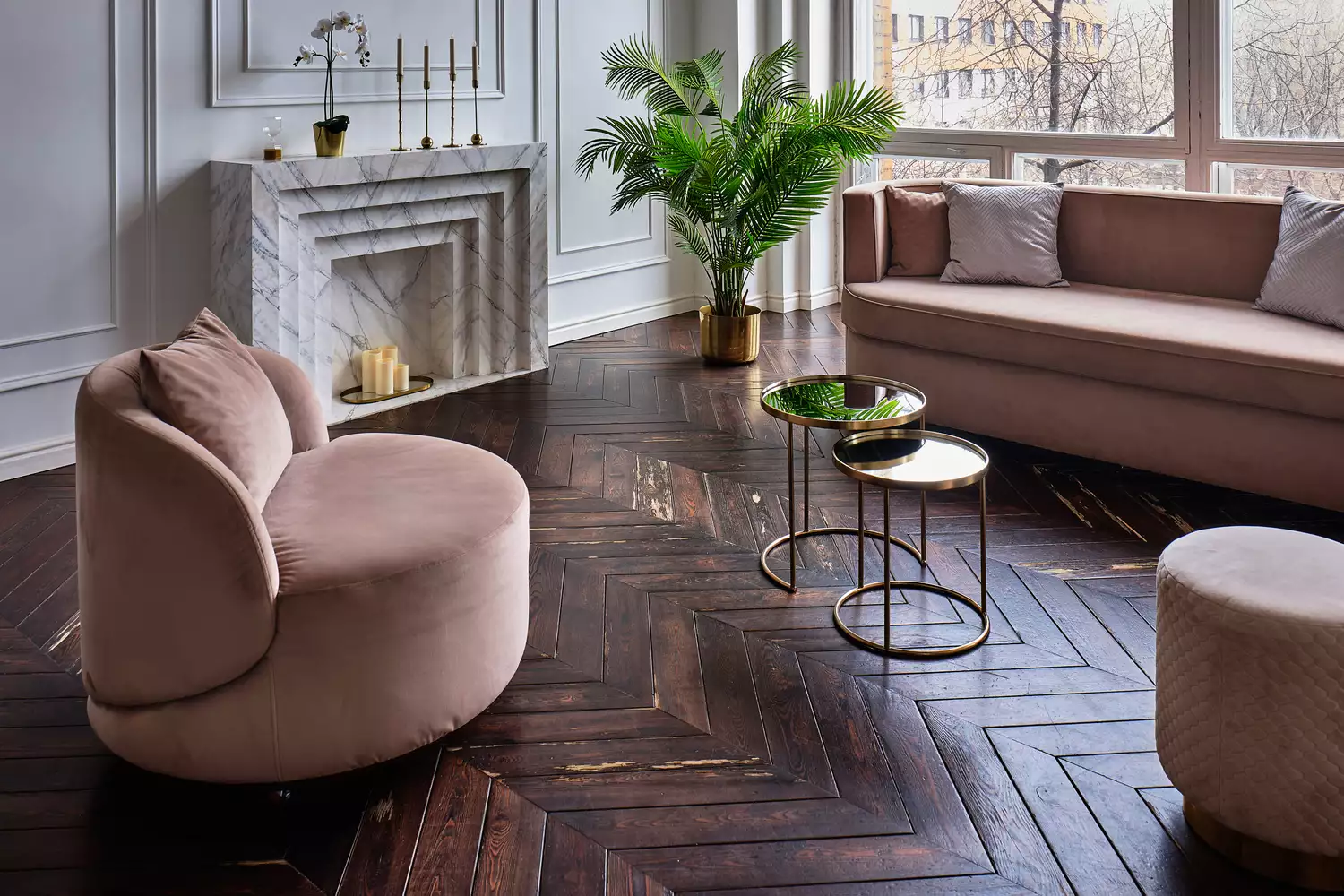
Dark, high-gloss prefabricated hardwood flooring is identified as another style that instantly dates a home. The primary issue with this type of flooring is not necessarily the color, but rather the excessive sheen. A high-gloss finish tends to highlight every scratch, smudge, and imperfection, making maintenance challenging and detracting from the overall appearance, particularly in busy households with children and pets. Current preferences lean towards lighter to mid-toned wood floors with a matte finish, which provide a more natural, understated, and forgiving look.
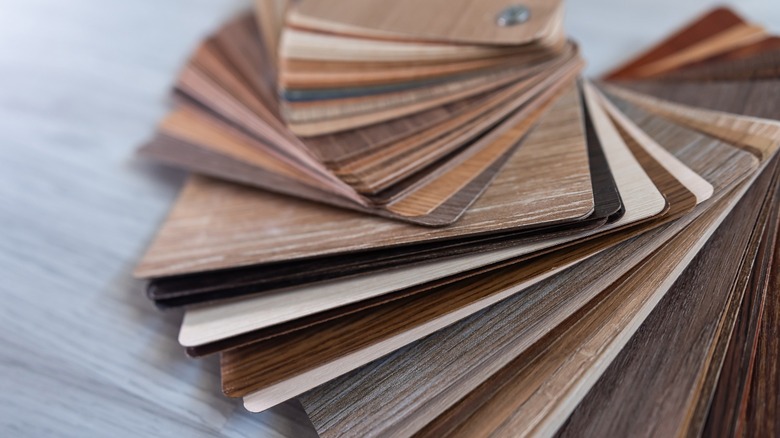
Furthermore, gray laminate or vinyl wood flooring, popular in the 2010s for its budget-friendly appeal in house flips, is now widely considered outdated. This trend is associated with a cold, artificial aesthetic that lacks the warmth and authenticity of real wood. Designers note that the specific shade of gray often found in these options does not occur naturally, contributing to its transient popularity. Instead, biscuit oak or neutral brown tones are recommended for their ability to create a welcoming, high-end, and enduring aesthetic.
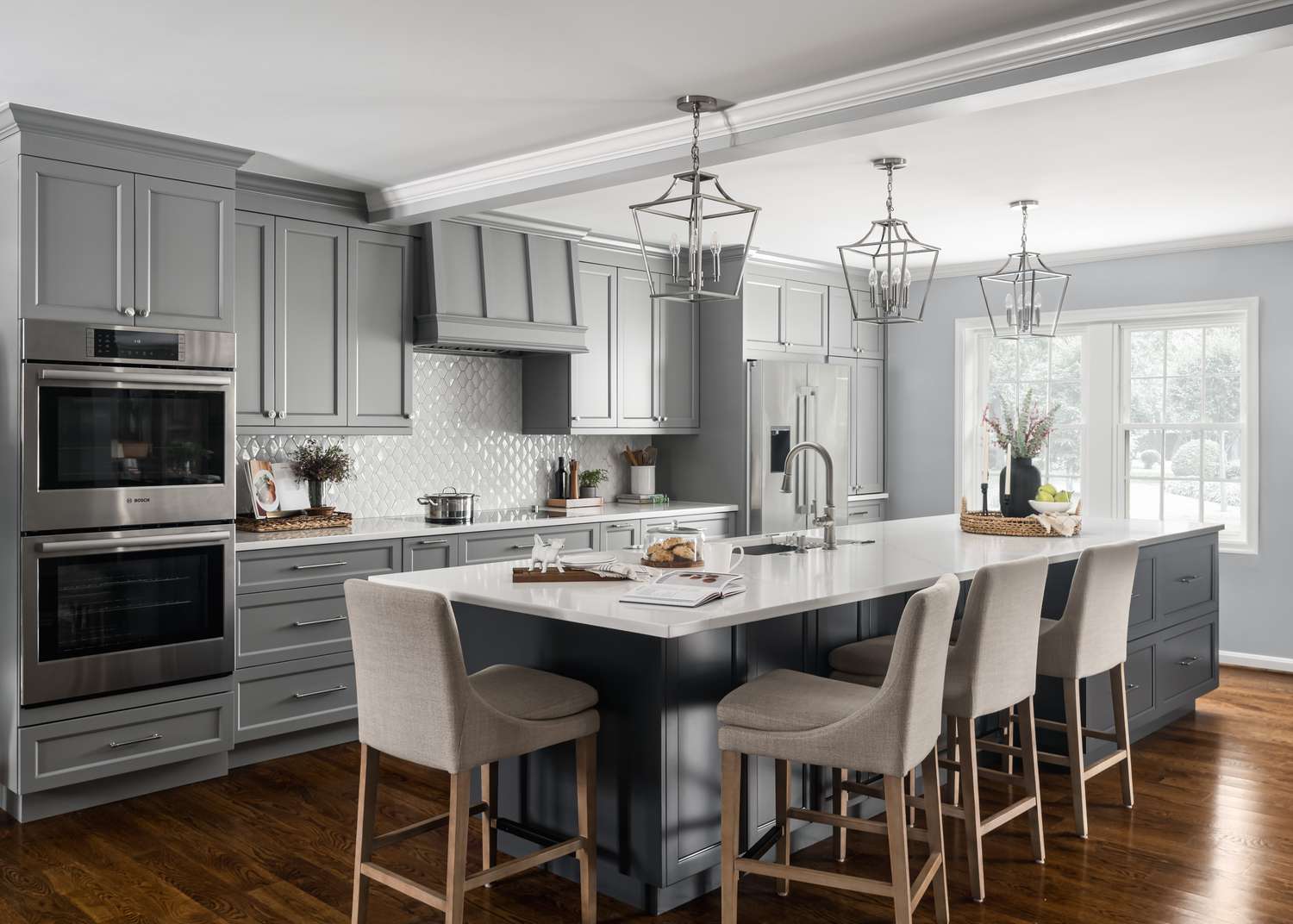
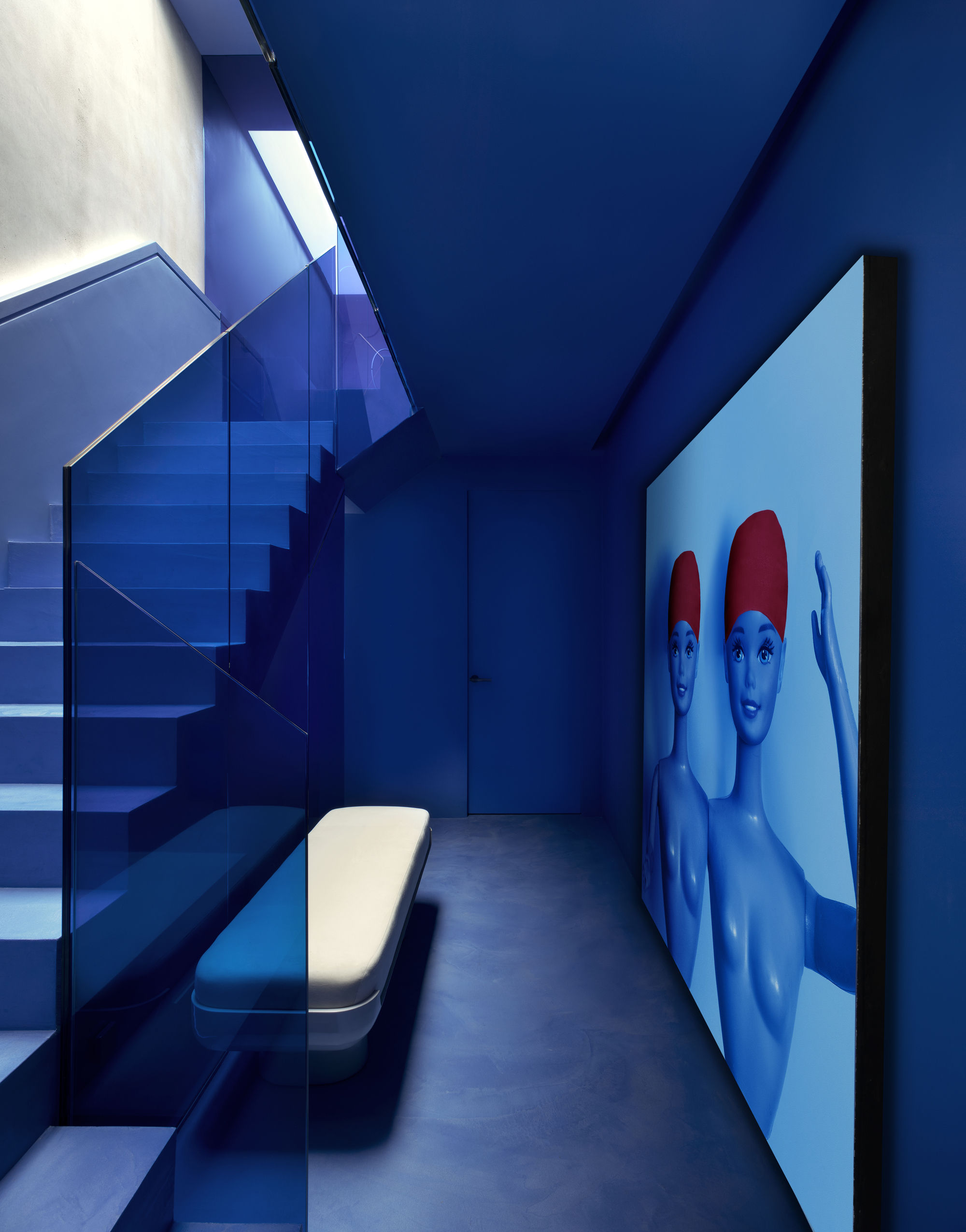
Finally, using different flooring materials in an open-concept living space can disrupt visual continuity and make a home feel disjointed and smaller. In modern open floor plans, a continuous flooring choice throughout the space is preferred. This approach enhances the flow between areas, visually expands the space, and creates a more cohesive and sophisticated design, avoiding the fragmented appearance that can arise from varied flooring materials.
#HomeFlooring #InteriorDesignTrends #DatedDecor #HardwoodFlooring #CarpetStyles #TileChoices #HomeRenovation #ModernHomeDesign #HomeFlooring #InteriorDesignTrends #DatedDecor #HardwoodFlooring #CarpetStyles #TileChoices #HomeRenovation #ModernHomeDesign
0 comment in total
 No comments yet
You may also like
Stomping grounds: Local designers talk choosing the right flooring

Add comfort and beauty to your home with new floors

8 Flooring Trends You Should Know for 2022

7 Flooring Trends Designers Don't Want to See in 2025

Flooring trends 2023: 18 popular design choices for stylish floors

Designers Are Convinced These 4 Flooring Trends Will Rule 2026

These 5 Flooring Trends Are Fading Fast—and Designers Say It's Time to Move On

These 4 Flooring Trends Are Set To Dominate In 2026, According To A Design Expert
Flooring trends 2024 – designers predict these 8 styles will lead the way in interiors this year

6 Flooring Options That Are So Outdated, According to Designers
10 Entryway Flooring Ideas That Set the Scene For a Truly Stylish Home

6 Elegant Tile Trends to Inspire a Home Refresh
5 Flooring Choices Designers Completely Regret Using in Their Homes
Beauty of hardwood flooring
Outdated Flooring Trends in 2025 That I Want You to Leave in the Past
The 10 Big Flooring Trends Emerging in Homes in 2025
6 Kitchen Flooring Options That Are Durable And Stylish

The Top 10 Flooring Trends for 2022

7 flooring trends you're about to see everywhere
8 Flooring Trends That Experts Predict Will Take Over in 2025