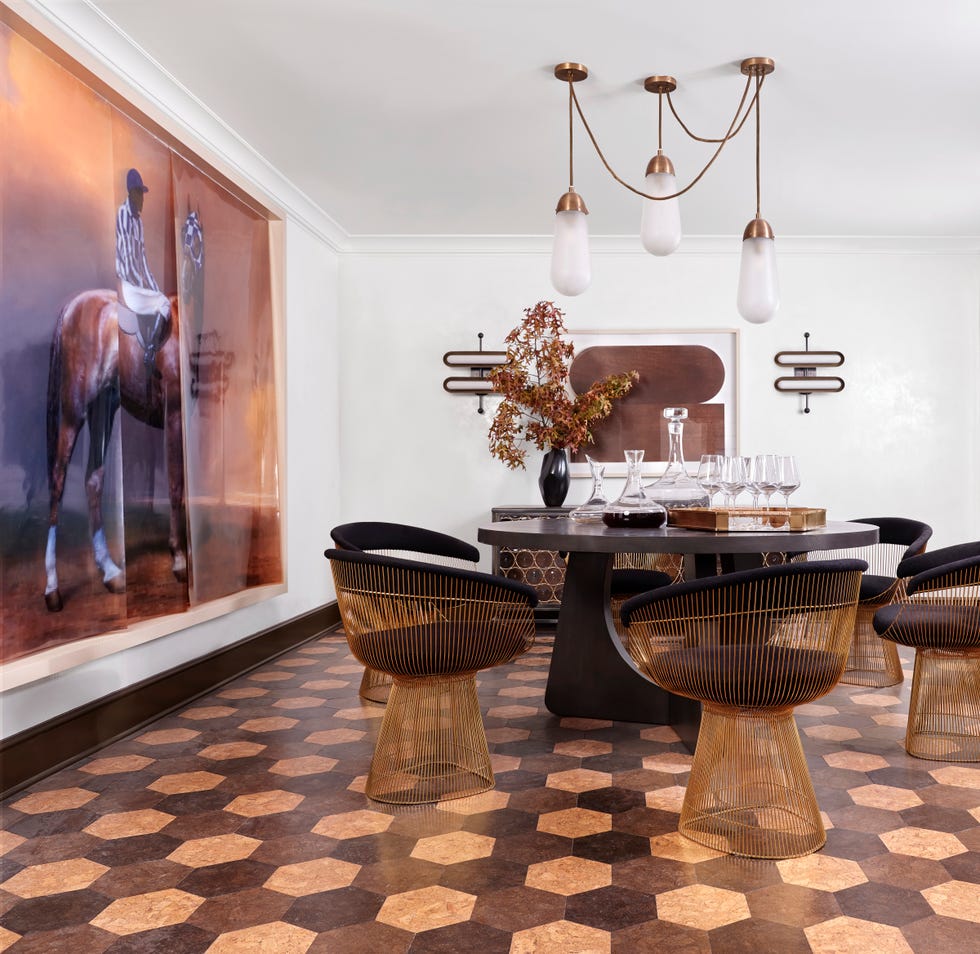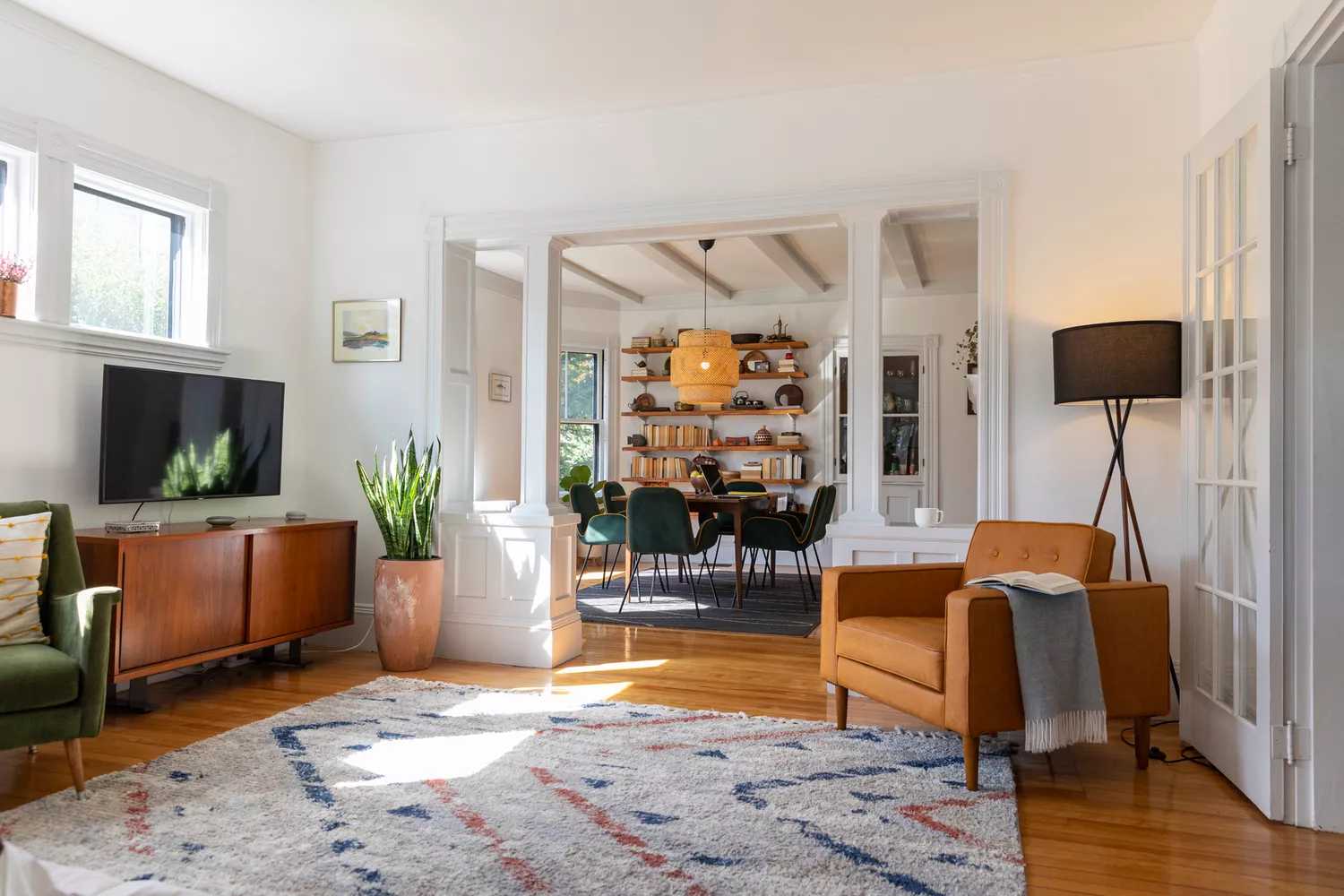
6 Flooring Options That Are So Outdated, According to Designers
The choice of flooring significantly impacts a room's overall aesthetic and can make a space feel either current or dated. This article consults with two interior designers, Priyanshi Jain of Pixels and Spaces and Gaia Guidi Filippi of Gaia G Interiors, to identify six flooring options that are considered outdated and to suggest more contemporary alternatives. The designers emphasize the importance of selecting timeless materials, colors, and finishes, especially for permanent fixtures like flooring.
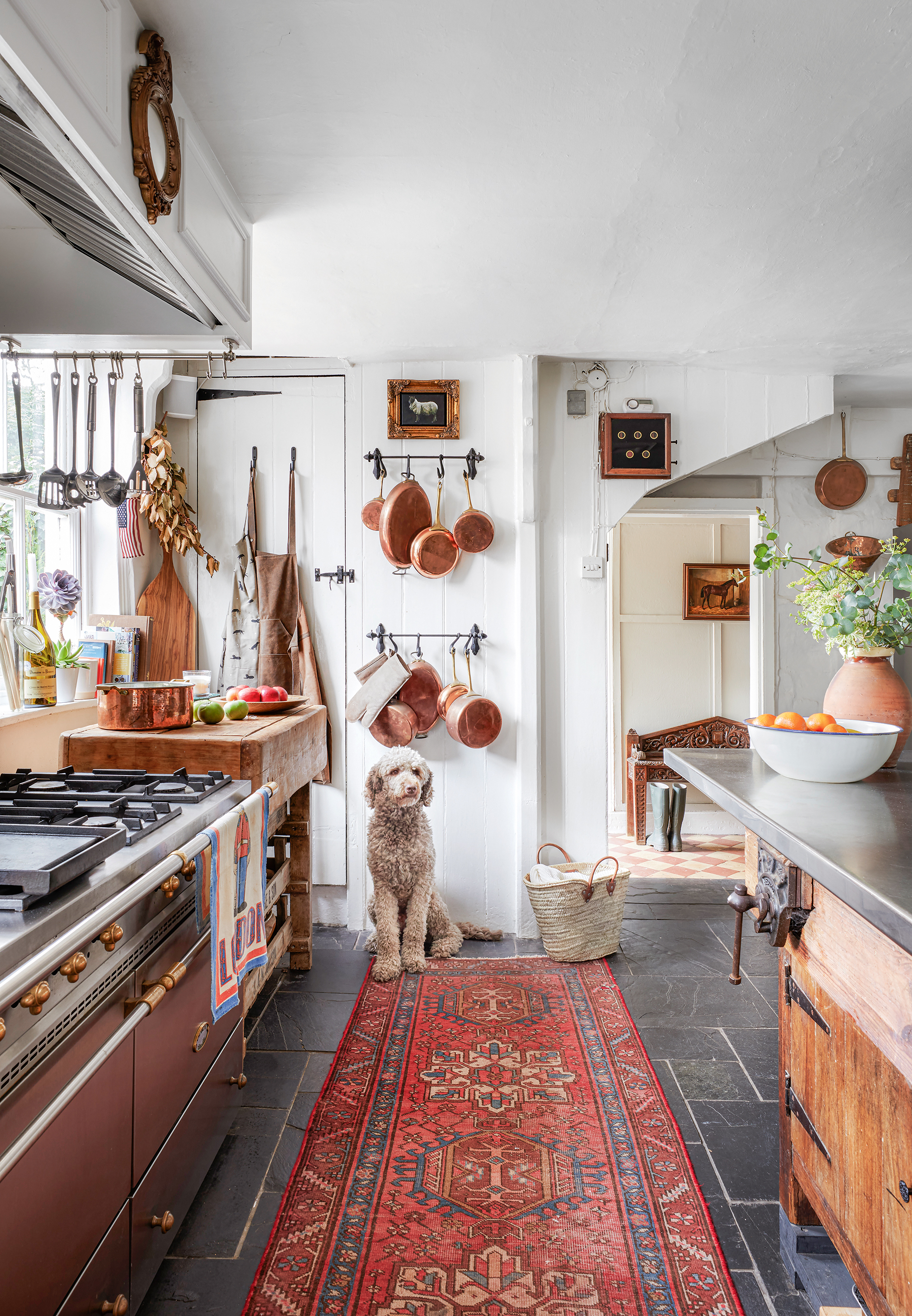
One of the first flooring options deemed outdated is thick, plush carpeting. While it offers a soft feel, it is criticized for appearing bulky, being difficult to clean, and acting as a magnet for allergens. As more modern and practical alternatives, designers suggest low-pile carpets or integrating area rugs over hardwood or laminate floors. These options offer greater versatility in design and are significantly easier to maintain, promoting a cleaner and more adaptable living space.
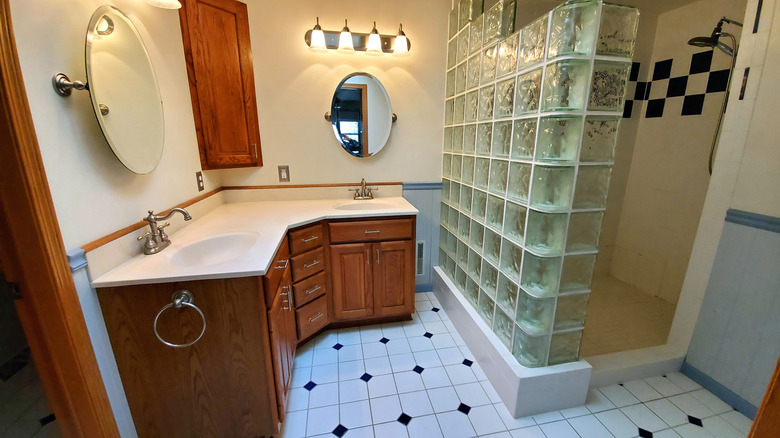
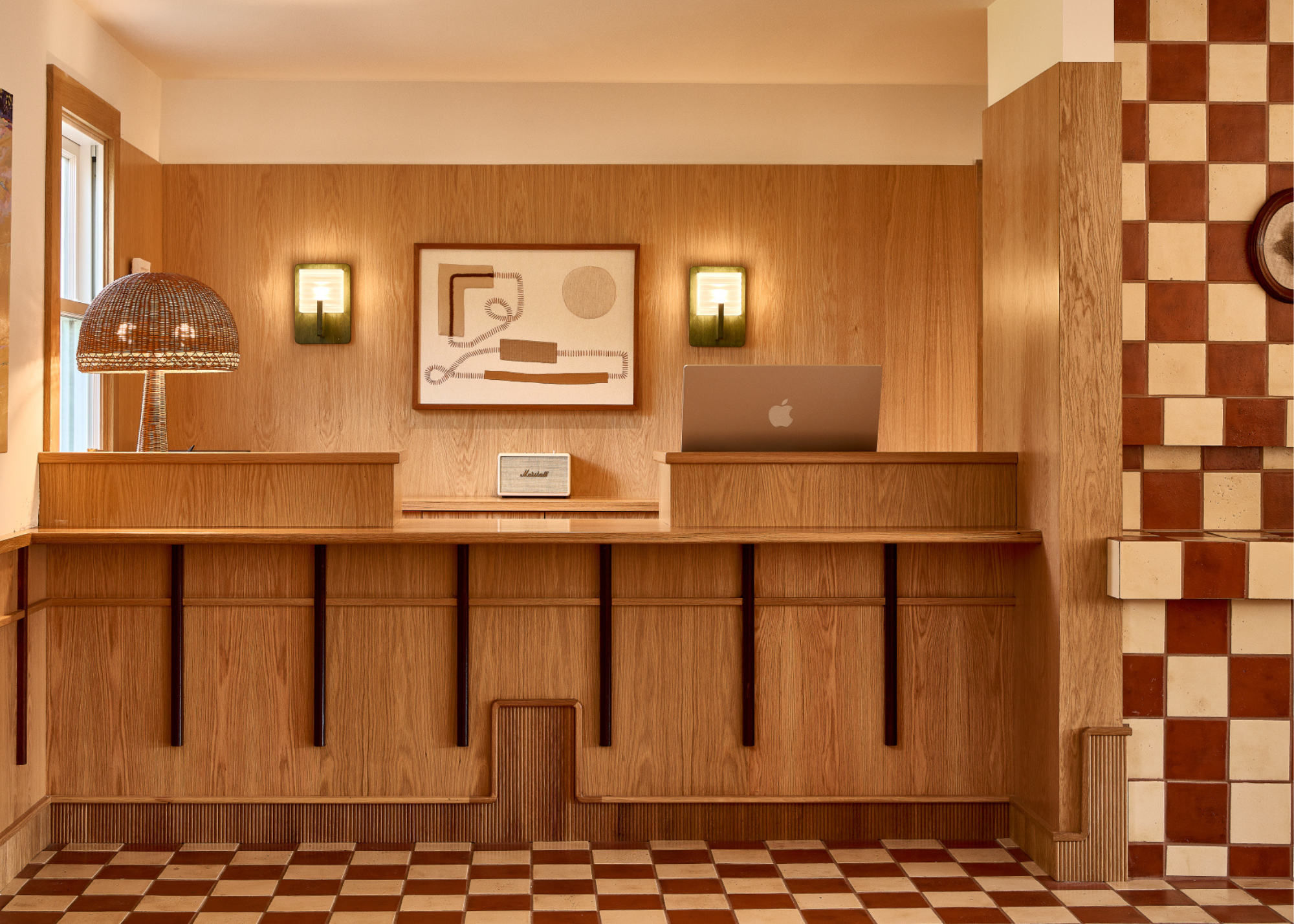
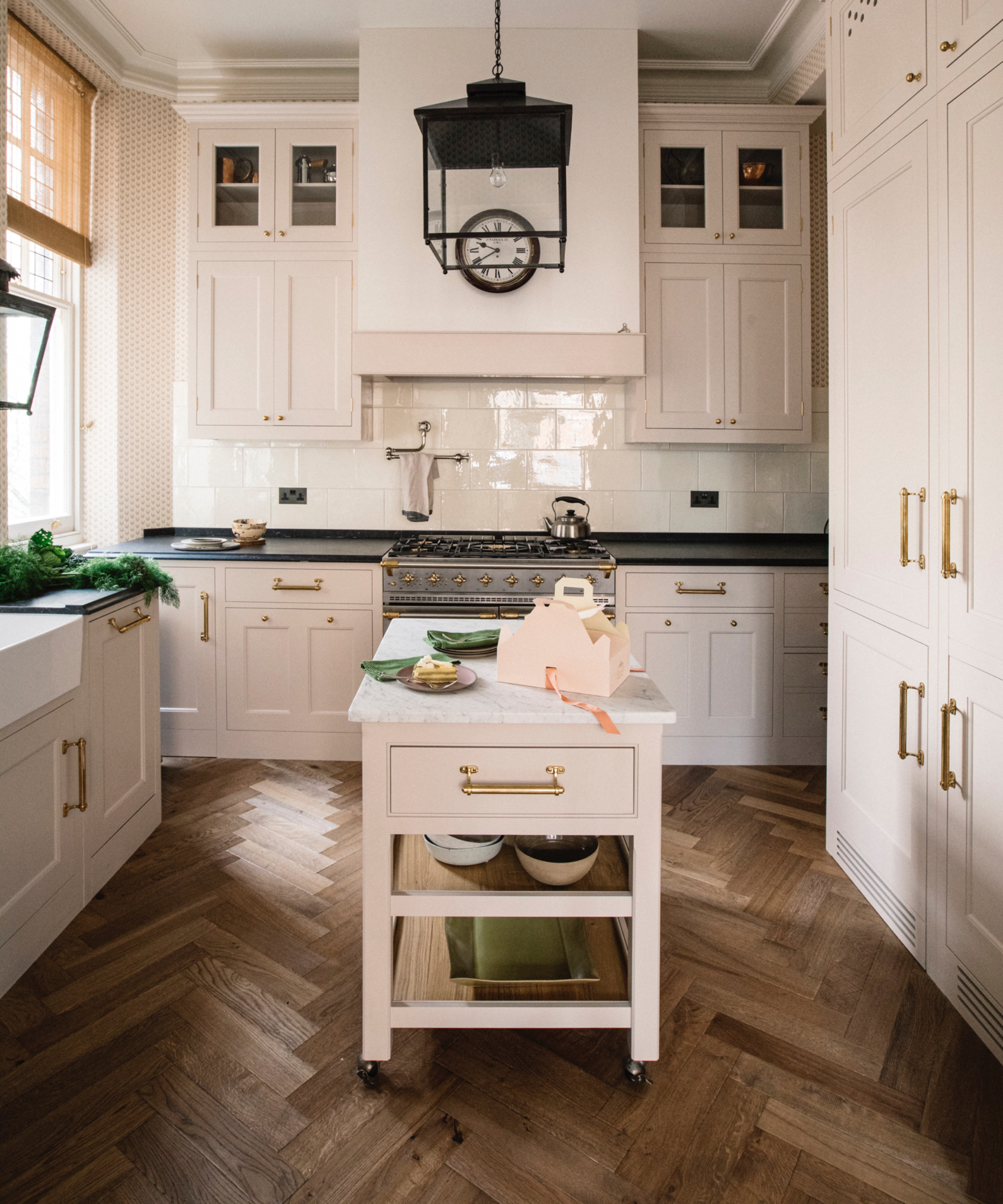
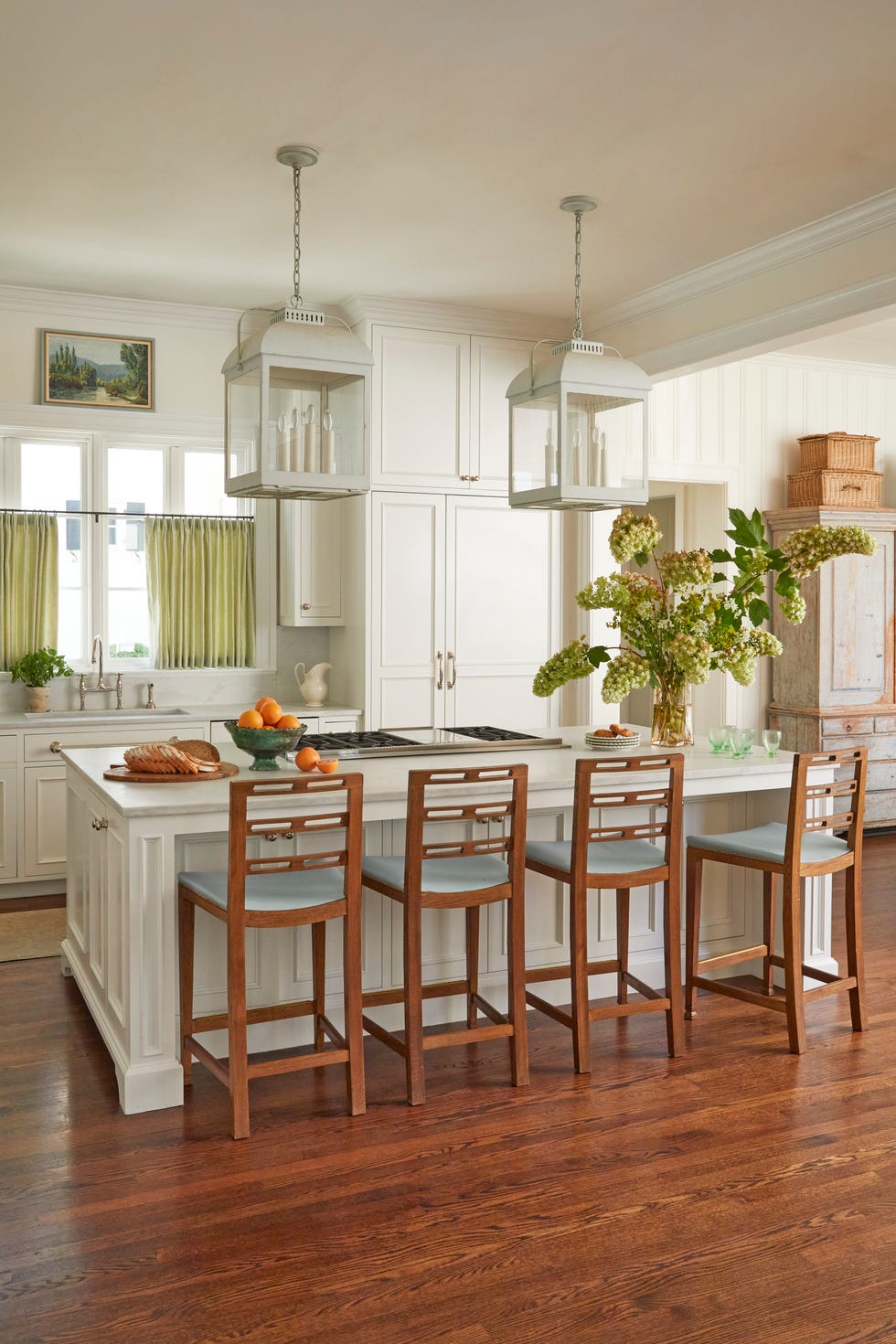
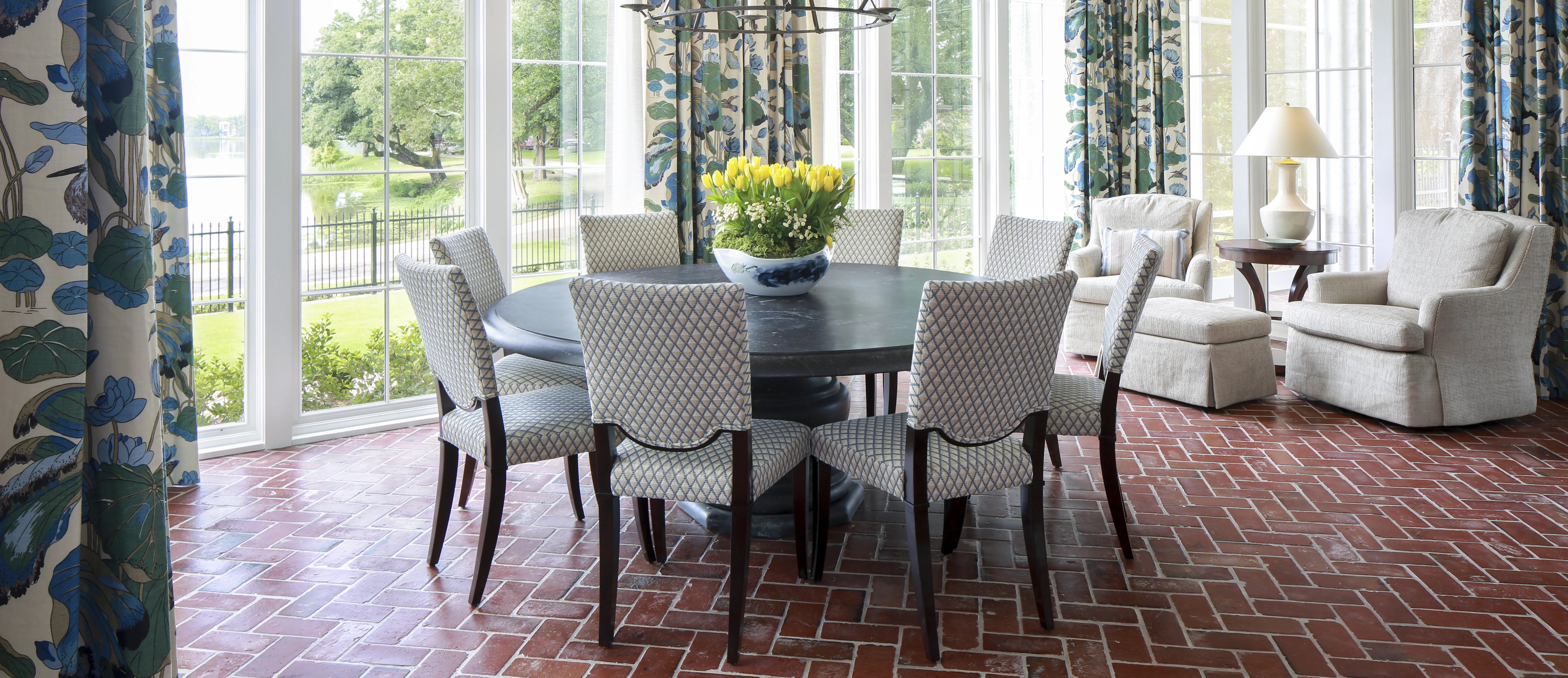
Red-toned wood floors are also identified as a style that often looks dated. The bold hue of such flooring can dominate a room and restrict future decor choices. For homeowners with red-toned wood floors, the designers recommend re-staining to a more neutral or natural wood tone if a full replacement is not feasible. Natural wood floors are generally considered a safer choice in terms of longevity and adaptability within various design trends.
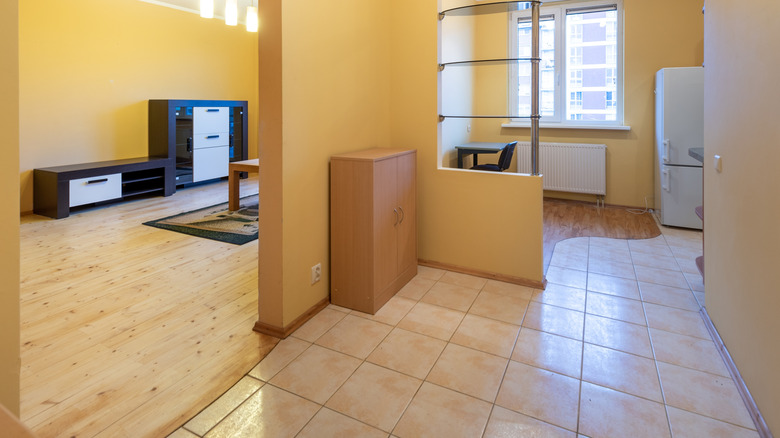
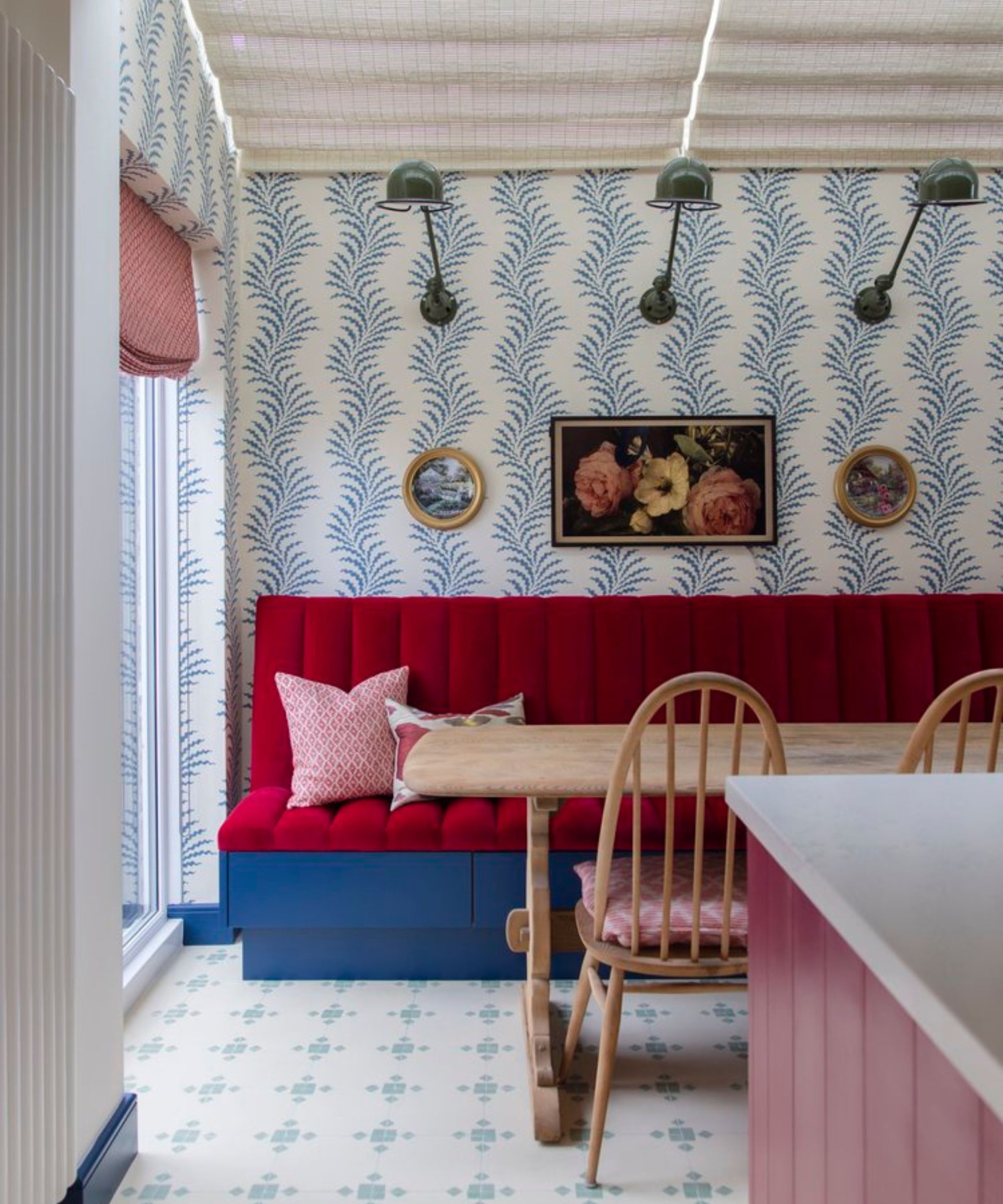
Linoleum flooring is another material that has fallen out of favor. Initially appearing as an affordable option, linoleum tends to yellow over time and lacks the modern aesthetic preferred today. Instead, luxury vinyl tile and planks are recommended. These alternatives are durable, offer the ability to mimic more expensive materials like hardwood and stone, and provide a more updated look without a prohibitive cost.
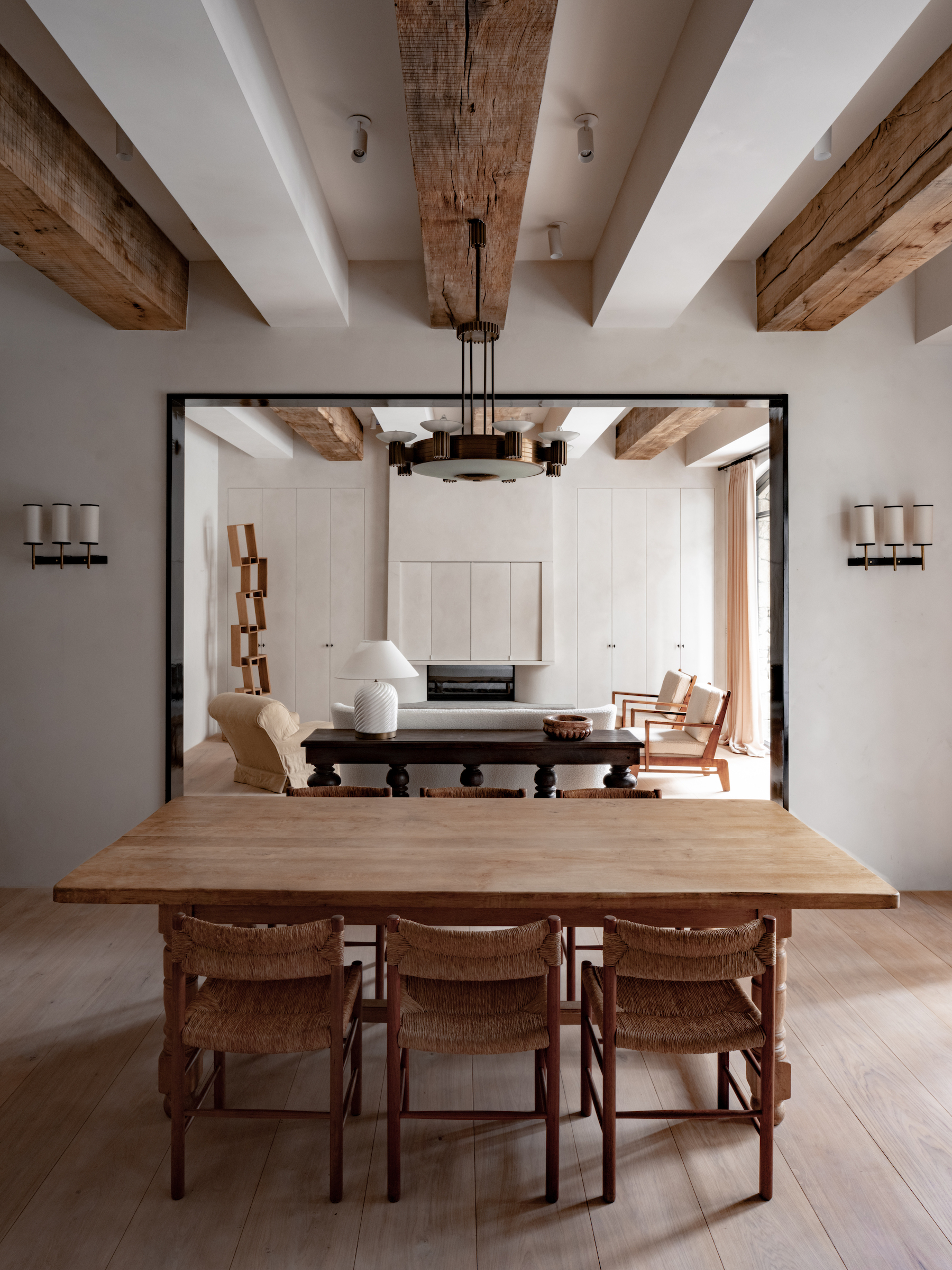
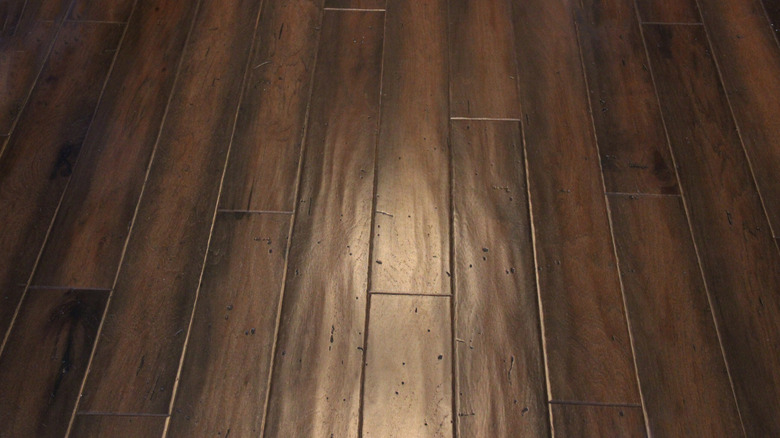
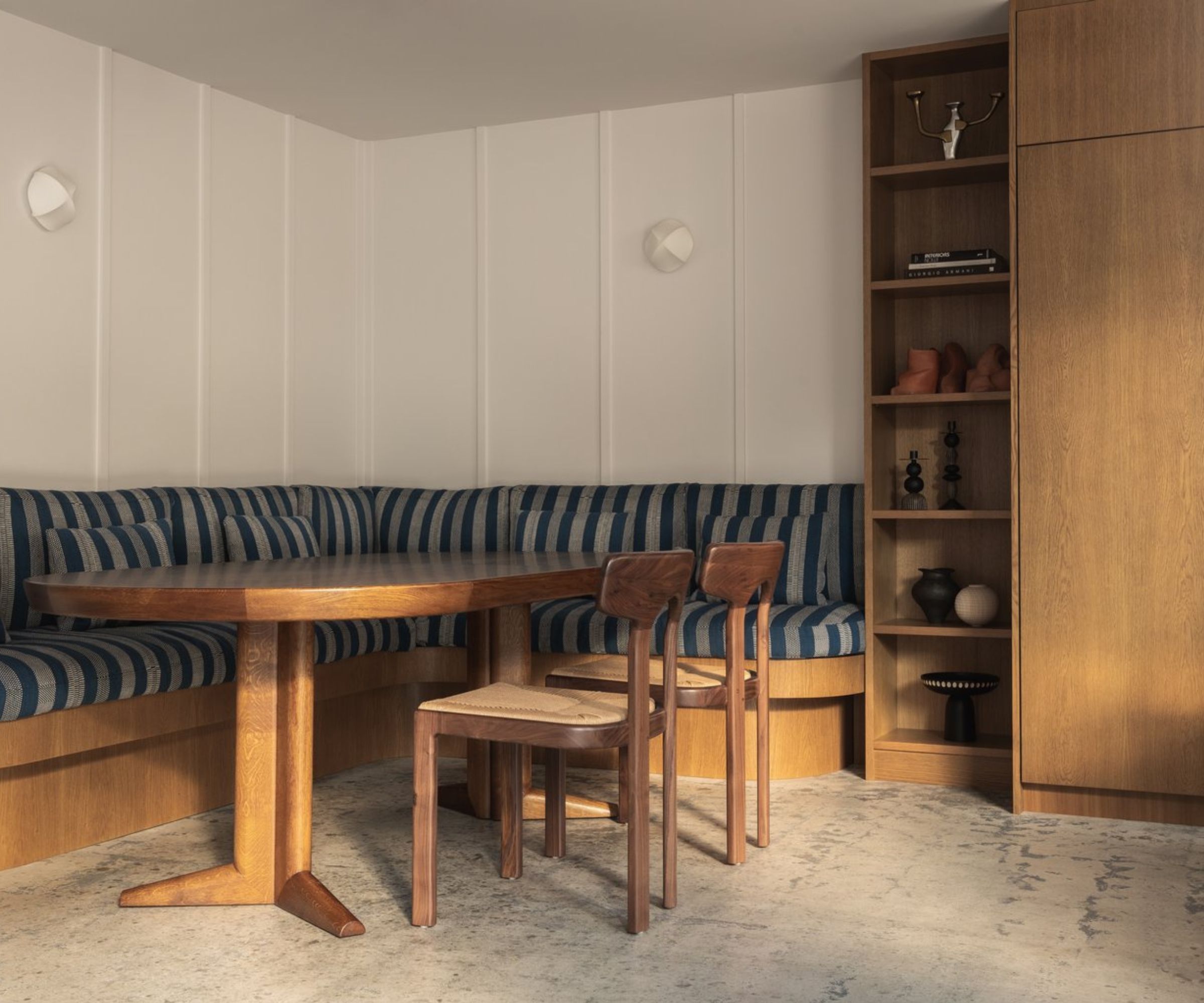
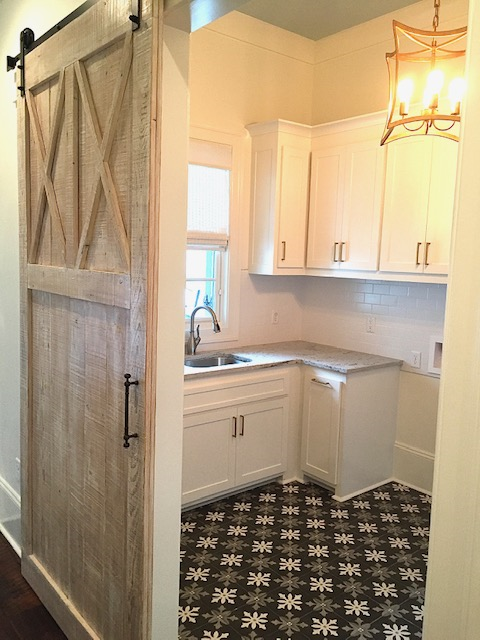
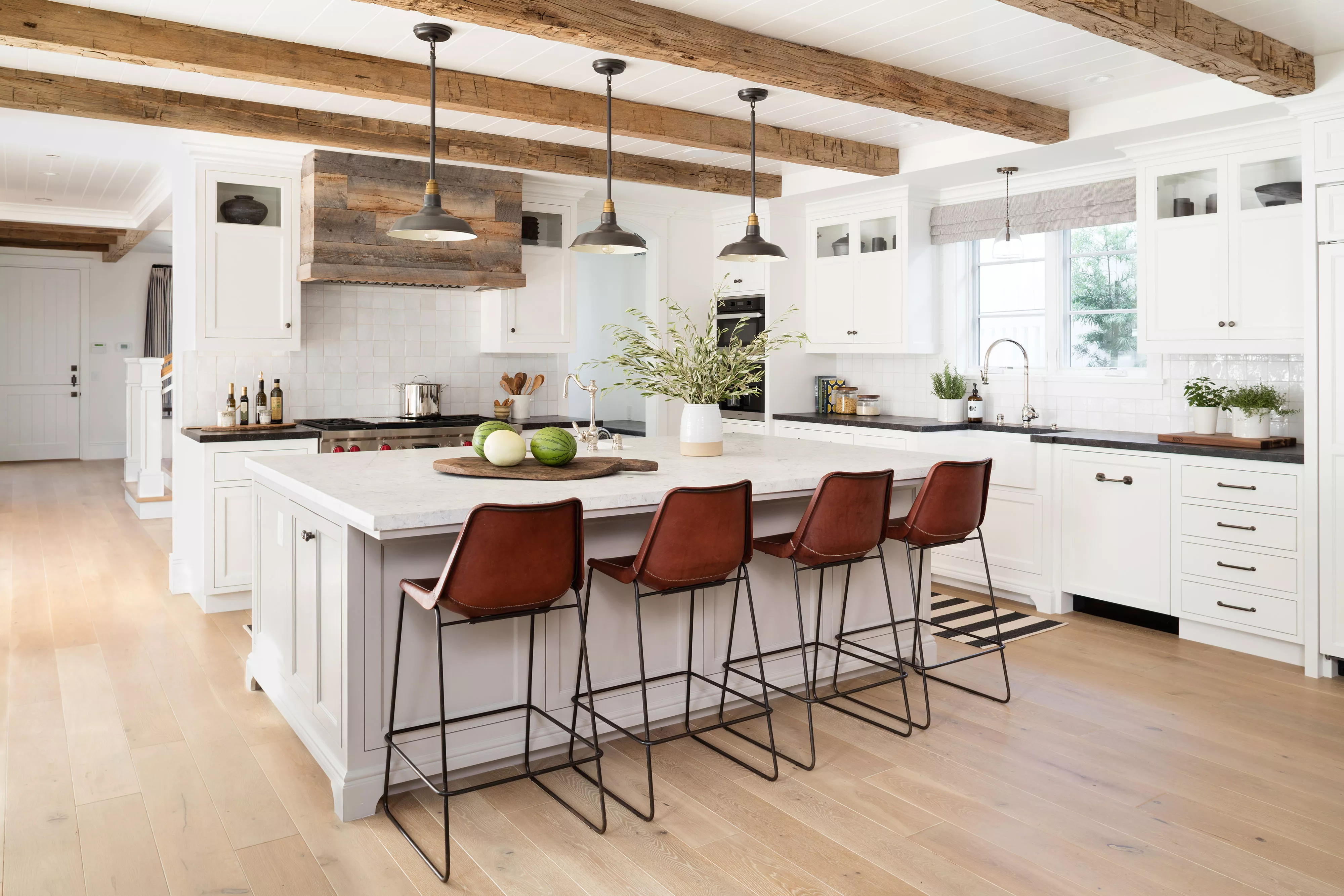
Overly rustic flooring, such as extra distressed and rough planks or wire-brushed wood, is also highlighted as outdated, particularly in contemporary homes. While a farmhouse or lodge style might incorporate some rustic elements, the designers advise opting for wood with a more uniform color and texture for the main flooring. Rustic charm can be introduced through other decor elements, making the flooring more versatile and easier to adapt to evolving tastes.
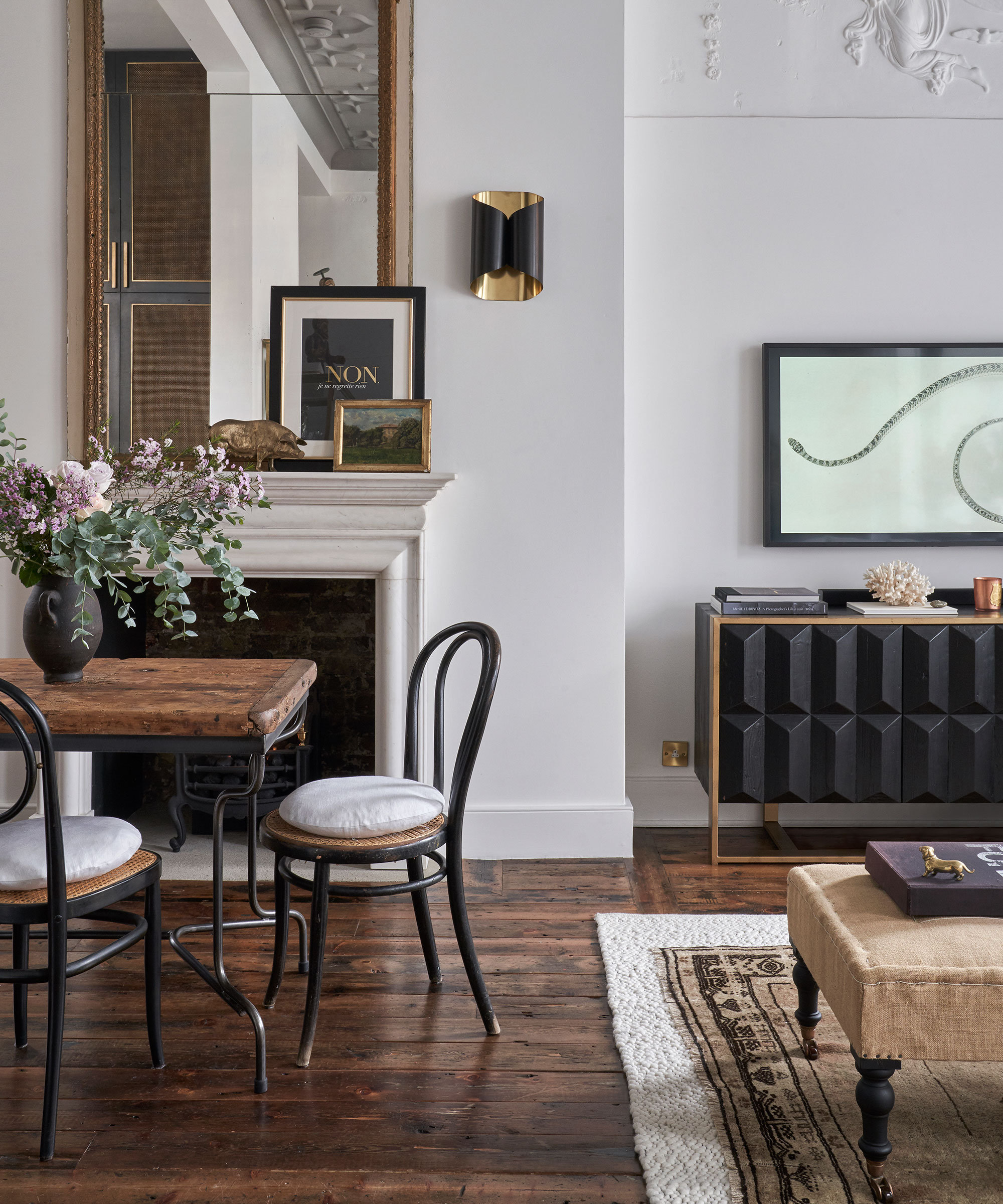
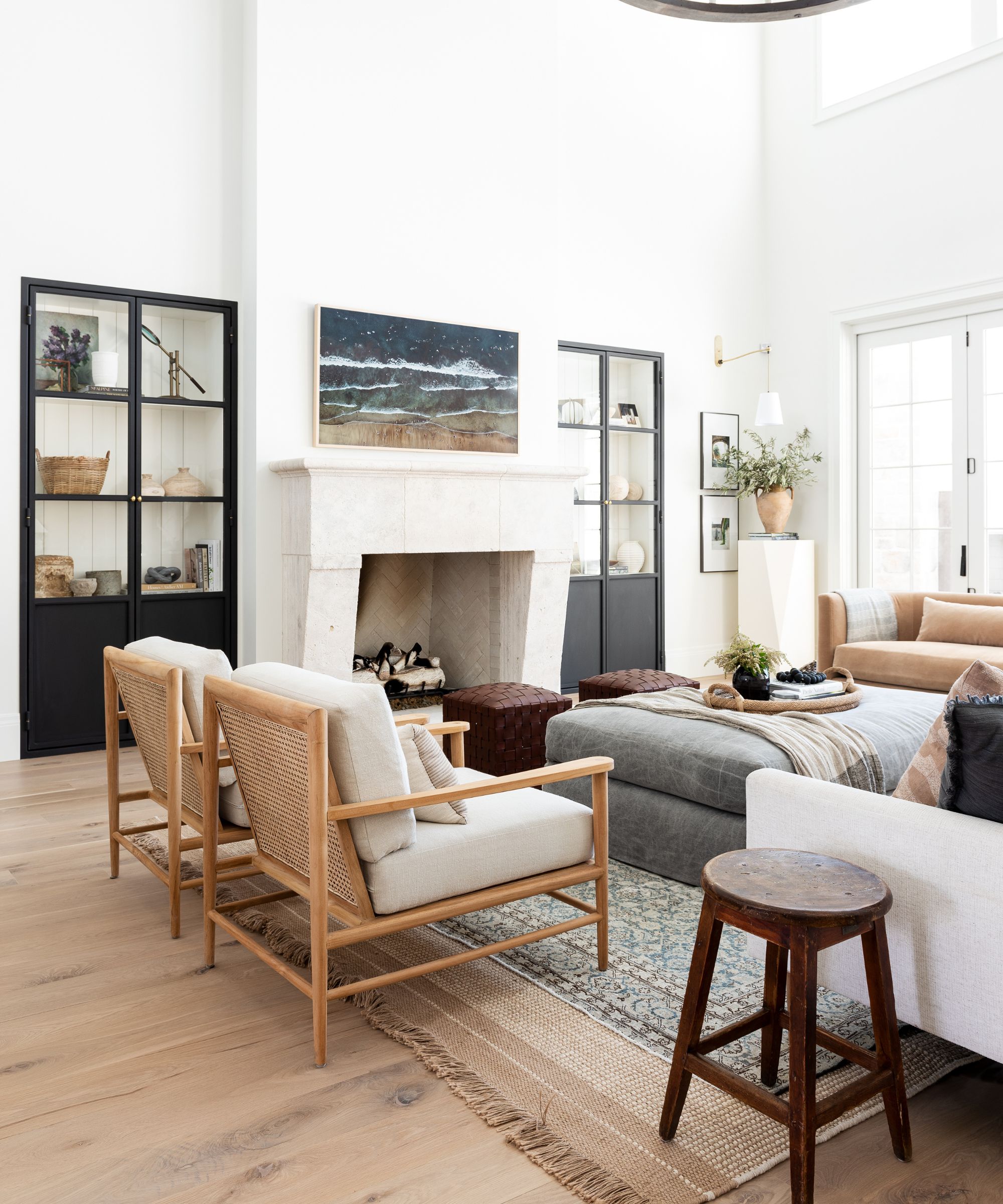
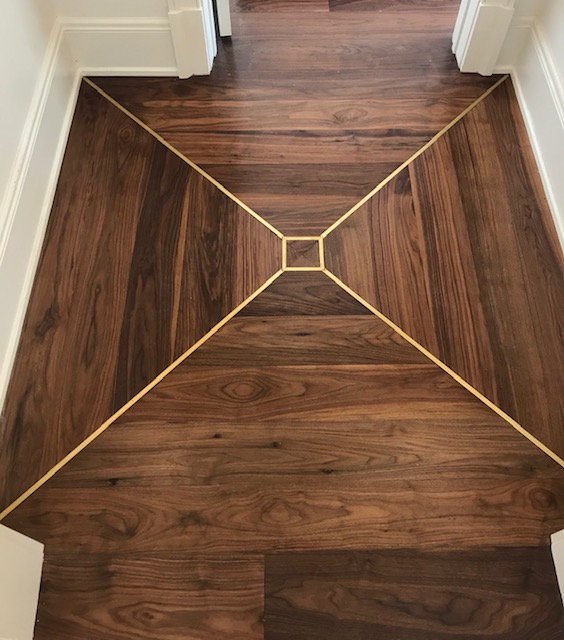
High-gloss hardwood floors are noted for their tendency to make scratches, grime, and dust highly visible, and can sometimes appear over the top. The article suggests that matte and satin finishes for wood floors are more contemporary. These finishes offer a sleek look, are easier to maintain, and better conceal everyday wear and tear, contributing to a cleaner and more sophisticated environment.
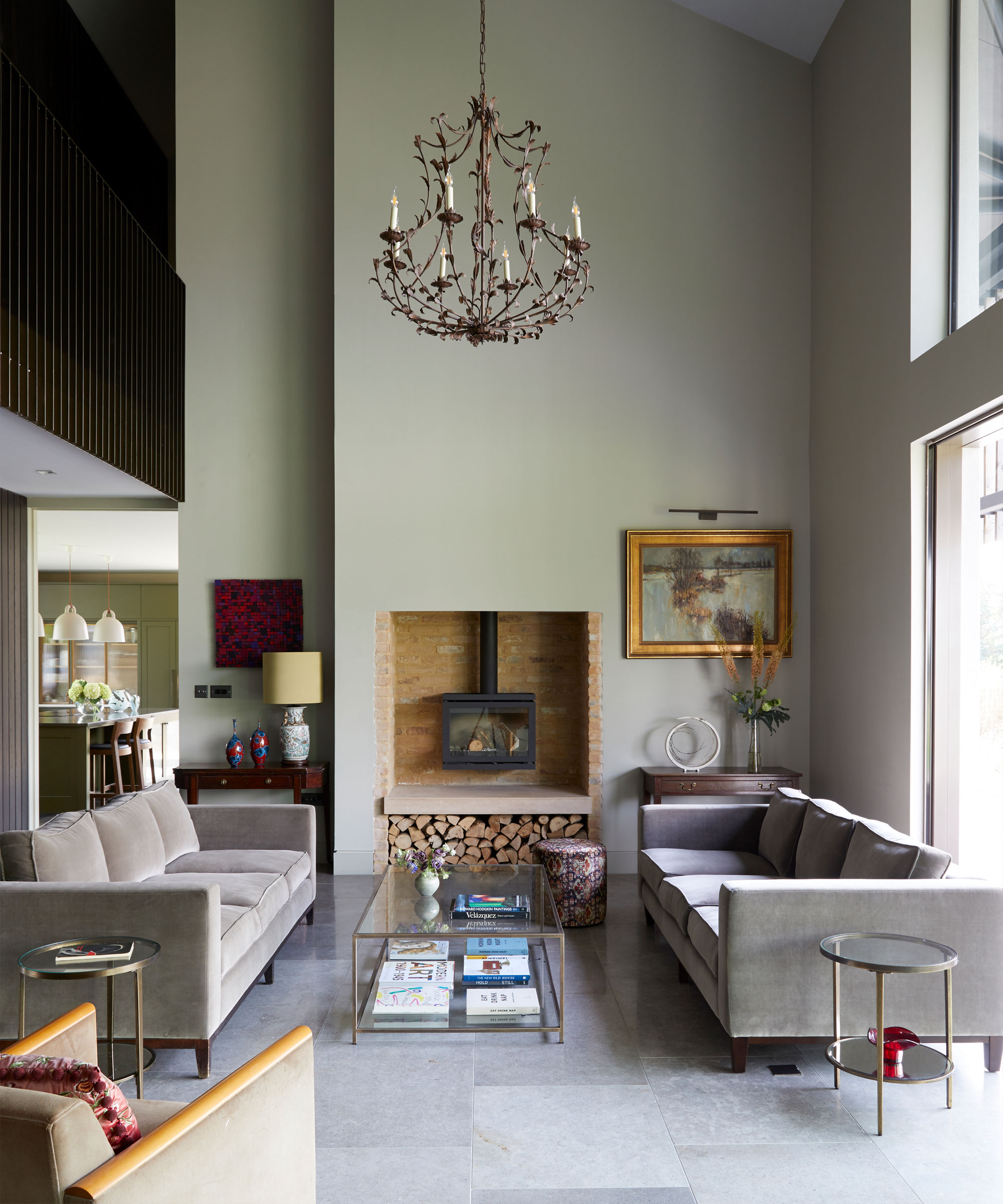
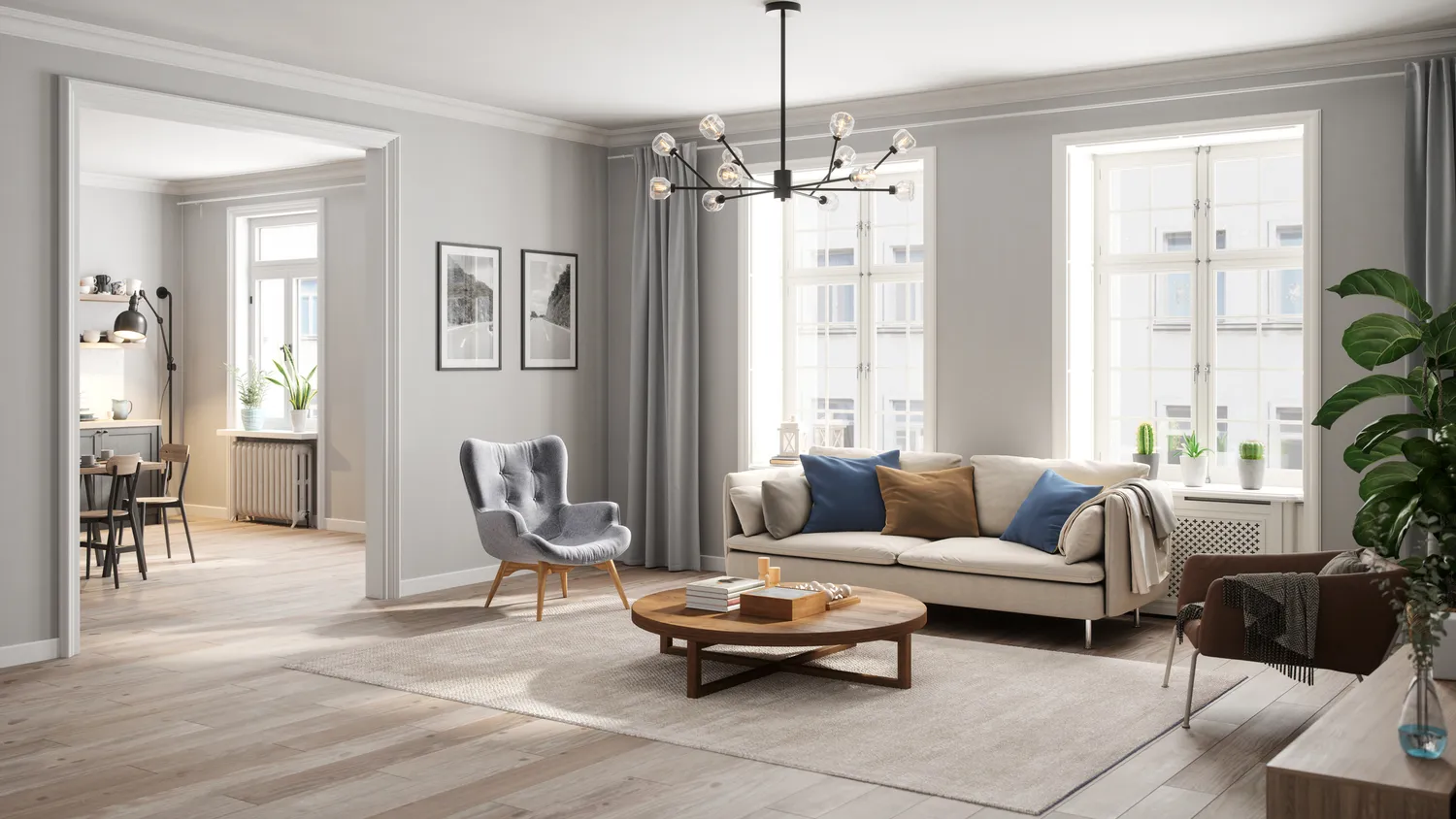
Finally, gray-toned floors, which gained significant popularity in the past decade, are now considered outdated by designers. This cool-toned neutral is seen as less inviting than warmer neutral counterparts. Designers suggest leaning into warmer tones for flooring to create a fresher interior and provide a more versatile canvas for various decor styles. When choosing modern flooring, experts advise sticking with tried-and-true, subtle colors and neutrals to ensure longevity. Trends can be incorporated through easily changeable elements like decor, light fixtures, rugs, and paint. Functionality is also a key consideration, ensuring the chosen flooring is appropriate for the specific area, such as ceramic tiles or porcelain for high-moisture environments like bathrooms and kitchens.
#FlooringTrends #InteriorDesign #HomeDecor #OutdatedFlooring #ModernFlooring #DesignTips #HomeImprovement #FlooringOptions #Redesign #FlooringTrends #InteriorDesign #HomeDecor #OutdatedFlooring #ModernFlooring #DesignTips #HomeImprovement #FlooringOptions #Redesign
0 comment in total
 No comments yet
You may also like
6 Outdated Tile Choices That Interior Designers Aren't Using Anymore — And What They Say to Try Instead

What's replacing wooden flooring? These are the 5 chic alternatives designers are switching to

5 Outdated Bathroom Flooring Trends to Avoid in 2025 — Plus the Ones the Experts Want to See More of in Your Home
6 Couch Styles That Are So Outdated, According to Designers

Are your floors passé? Find out from these 8 outdated flooring trends designers are leaving behind in 2025
Outdated Flooring Trends in 2025 That I Want You to Leave in the Past
5 Flooring Choices Designers Completely Regret Using in Their Homes
5 Outdated Tile Trends Designers Are Still Noticing in 2025 That Can Make Your Space Look Old-Fashioned
9 Outdated Flooring Trends We're Leaving In The Past
6 Outdated Flooring Trends That Are Suddenly Back in Style, According to Designers
Stomping grounds: Local designers talk choosing the right flooring

5 Outdated Kitchen Tile Trends to Retire, According to Interior Designers

7 Flooring Styles Designers Say Are Making Your Home Look Outdated

5 flooring mistakes to avoid – according to architects and interior designers
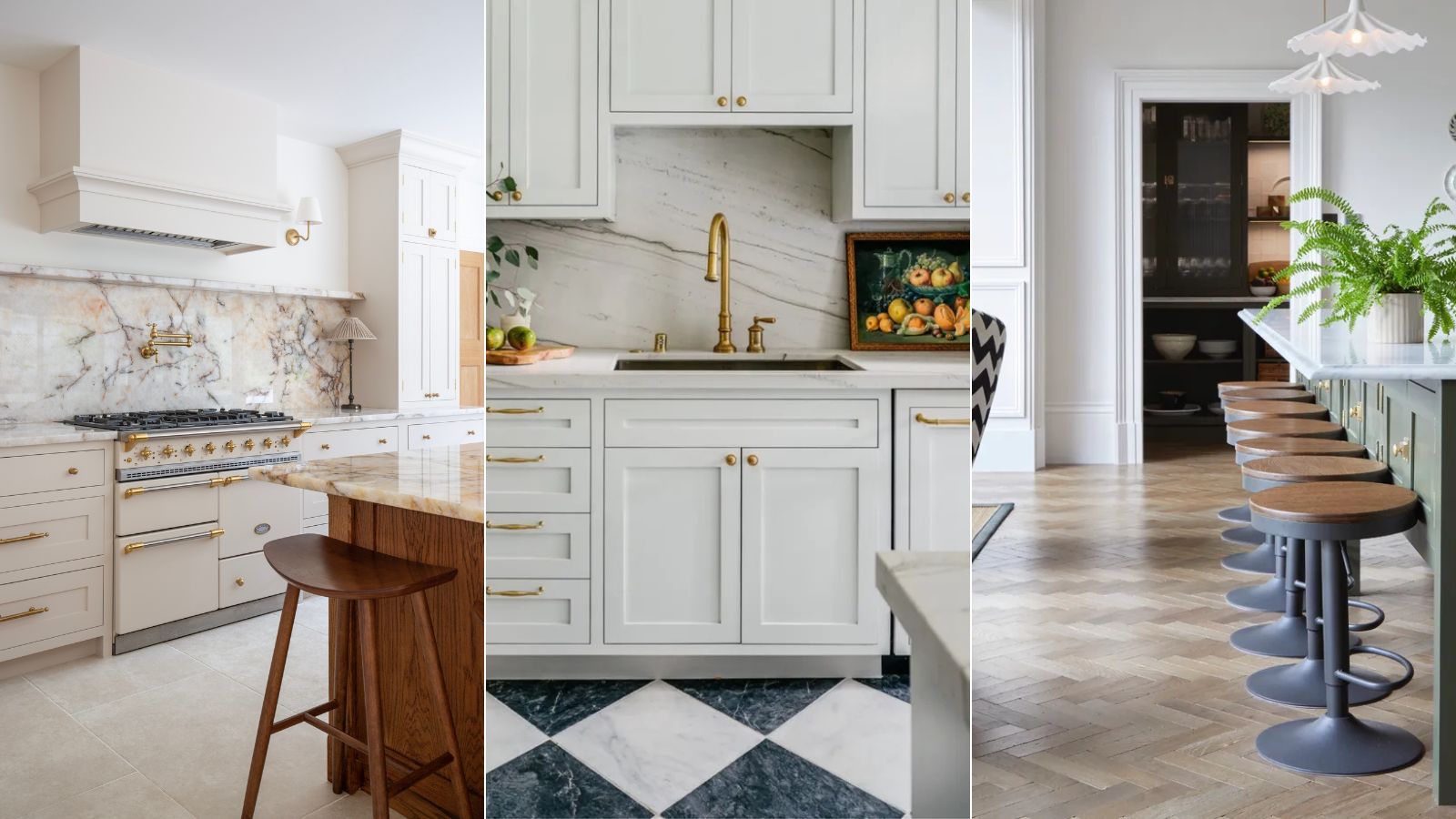
5 dated kitchen flooring trends to avoid in 2025 – and what experts say you should choose instead
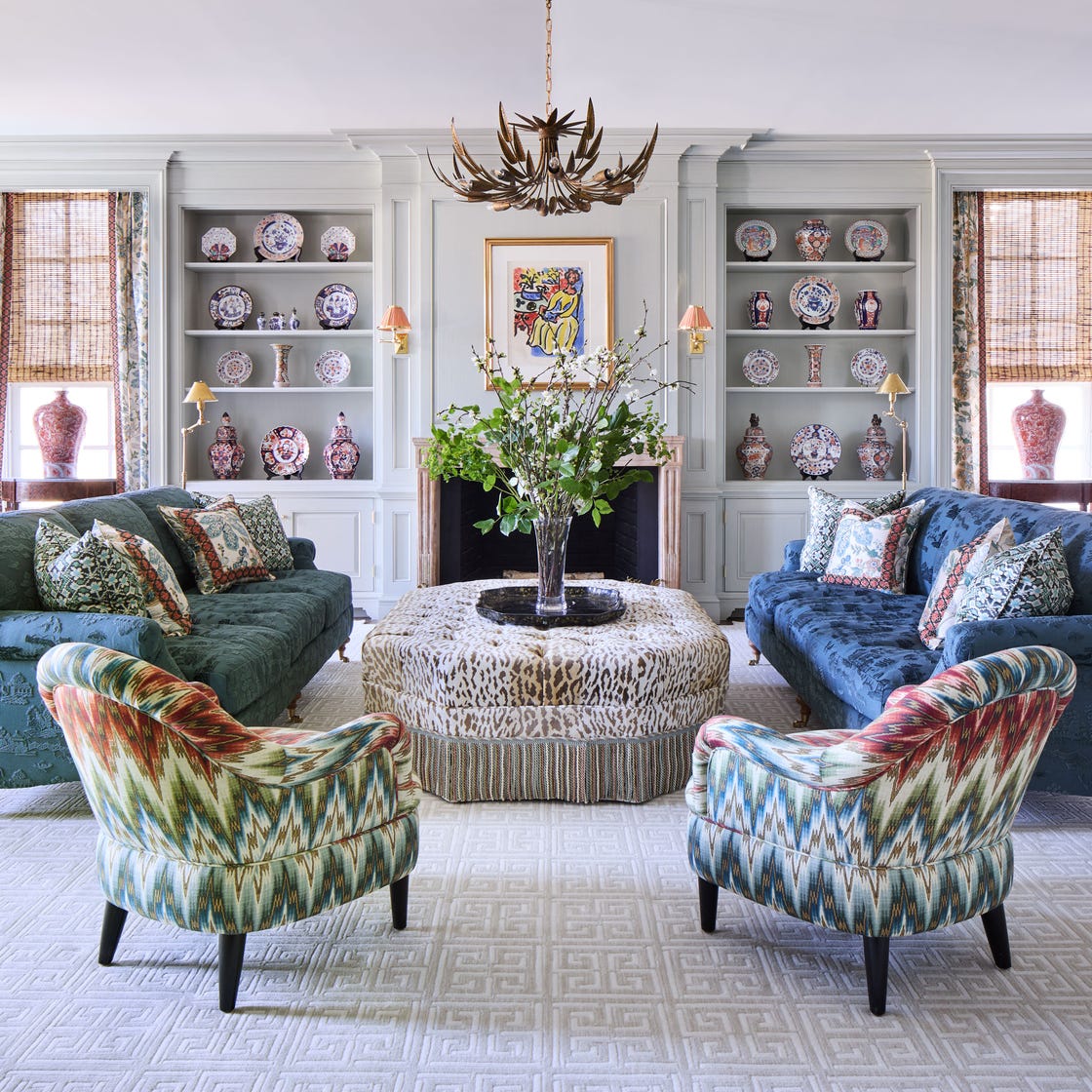
Designers Are Convinced These 4 Flooring Trends Will Rule 2026

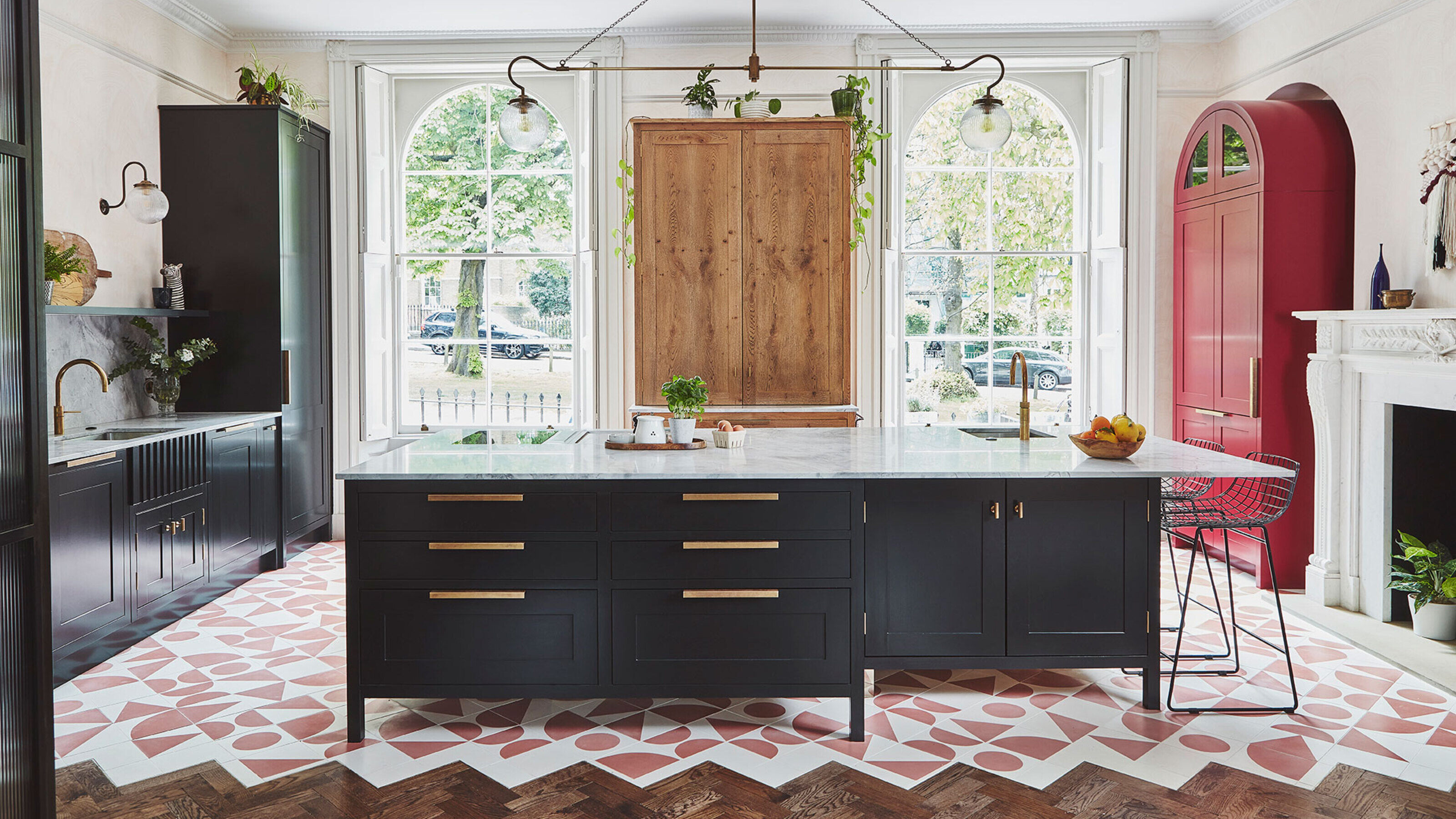
6 Outdated Kitchen Flooring Ideas in 2025 That Threaten to Turn Back the Clock — Plus What to Choose Instead
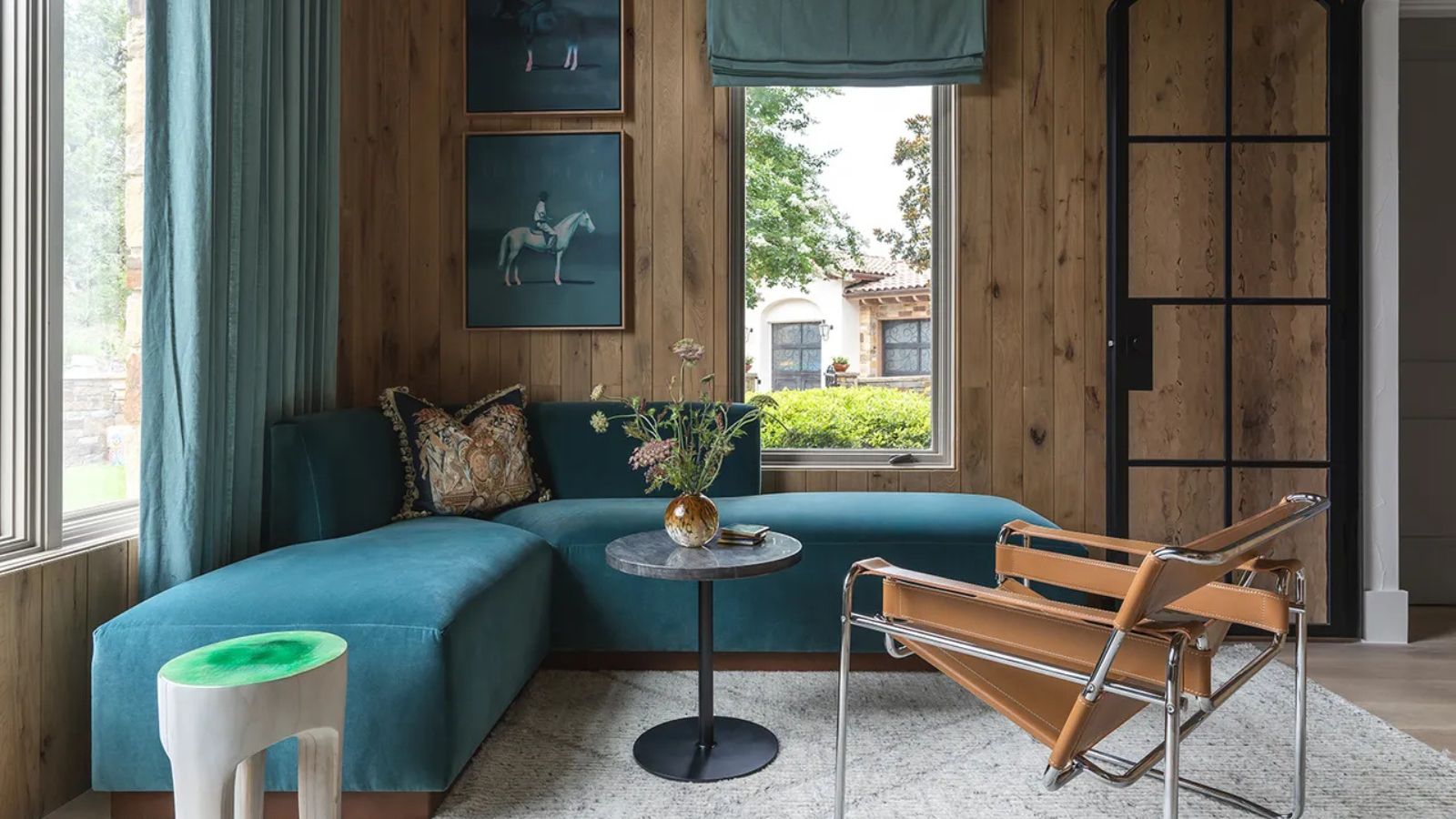
5 trends that look good right now but interior designers warn they won't last
5 Outdated Tile Trends Designers Are Still Noticing in 2025 That Can Make Your Space Look Old-Fashioned
These 5 Flooring Trends Are Fading Fast—and Designers Say It's Time to Move On