7 Flooring Styles Designers Say Are Making Your Home Look Outdated
Flooring is a fundamental aspect of home design, influencing a room's overall aesthetic, comfort, and practical functionality. While trends in flooring, much like paint colors and furniture styles, are constantly evolving, 2025 sees a significant shift towards more sustainable, durable, and personalized options. Experts in interior design and flooring have identified several styles, materials, and colors that are now considered outdated, offering modern and timeless alternatives for homeowners.
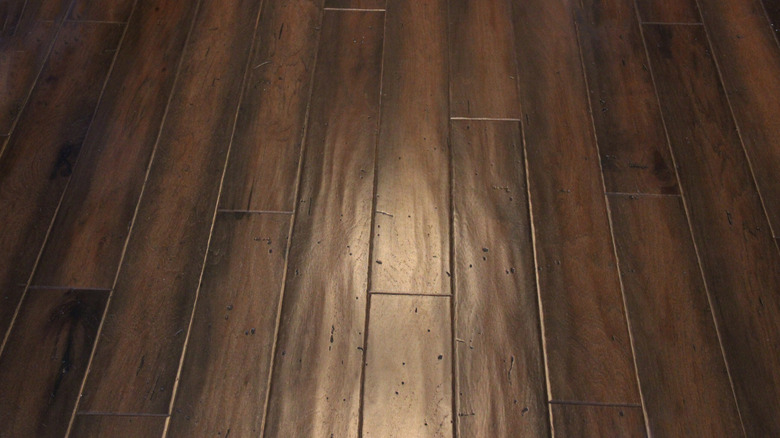
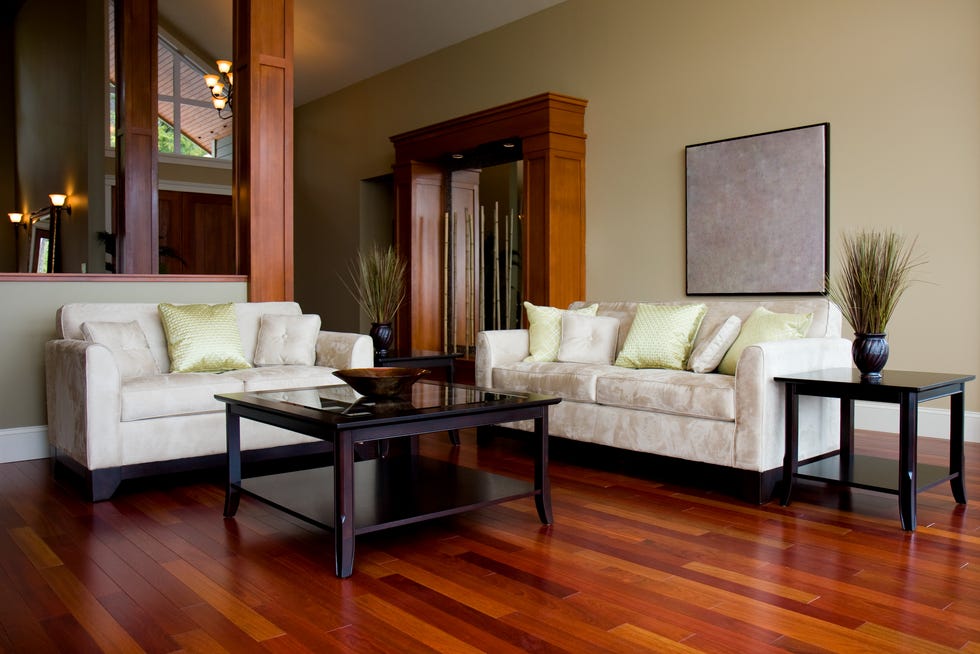
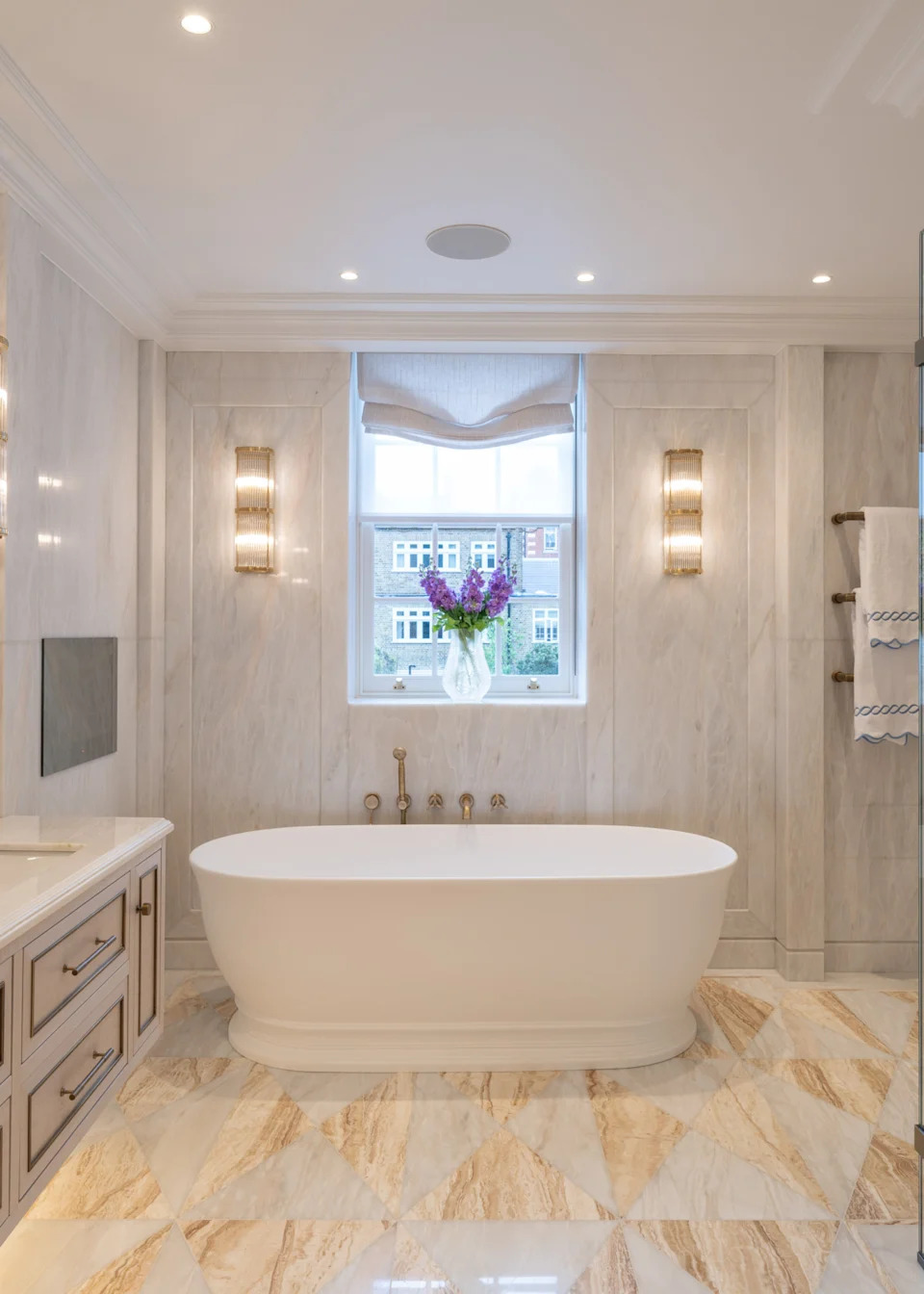
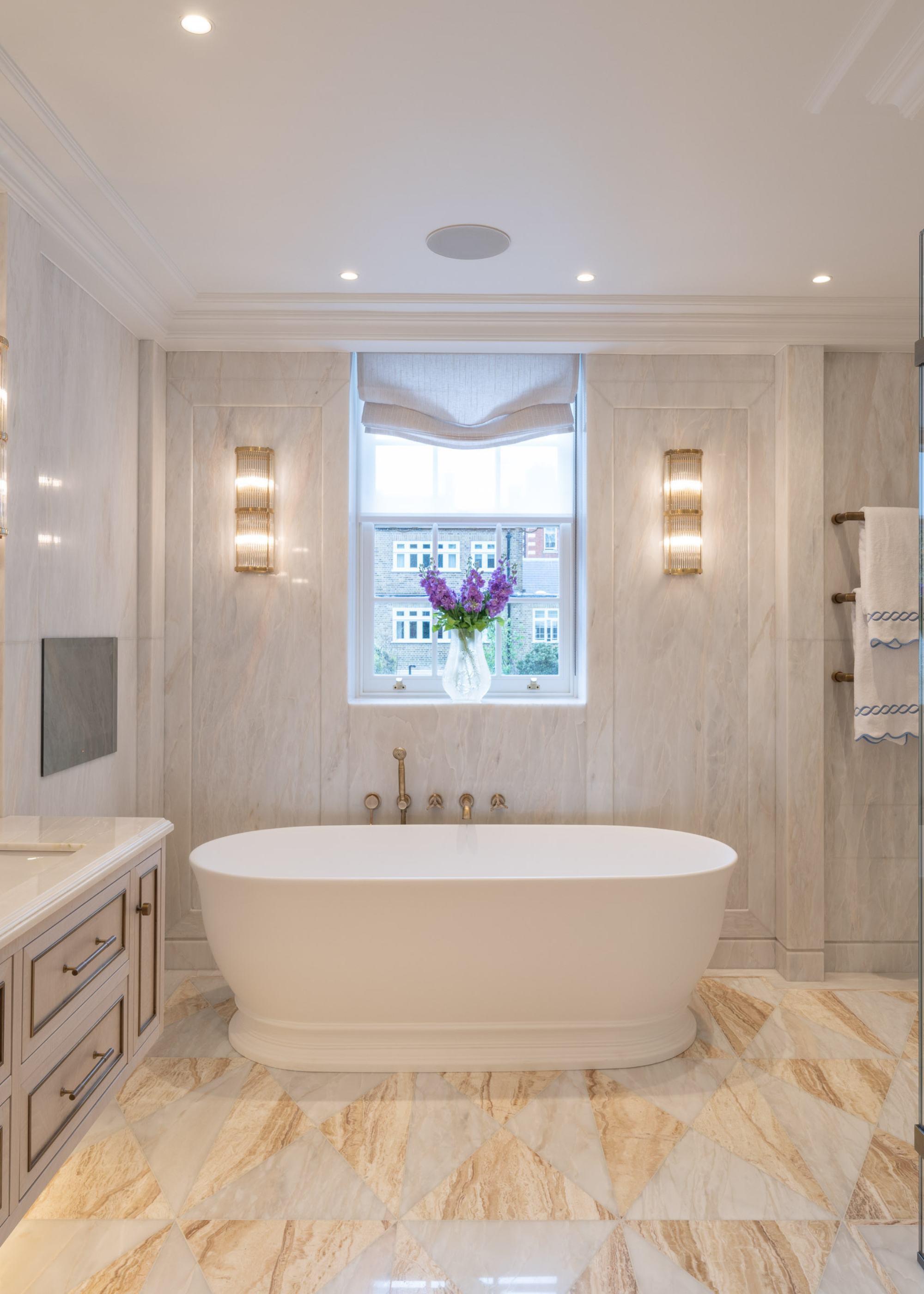
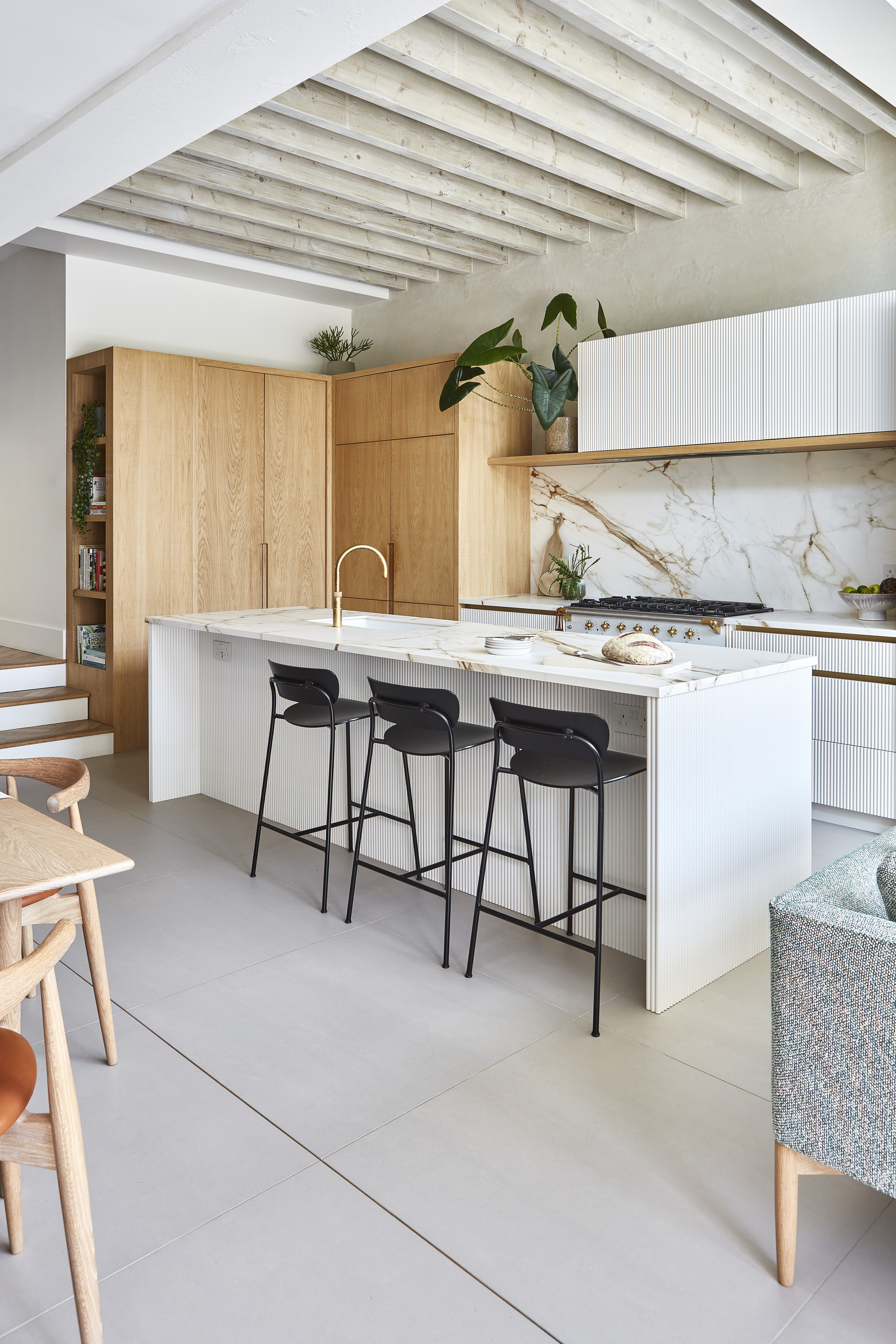
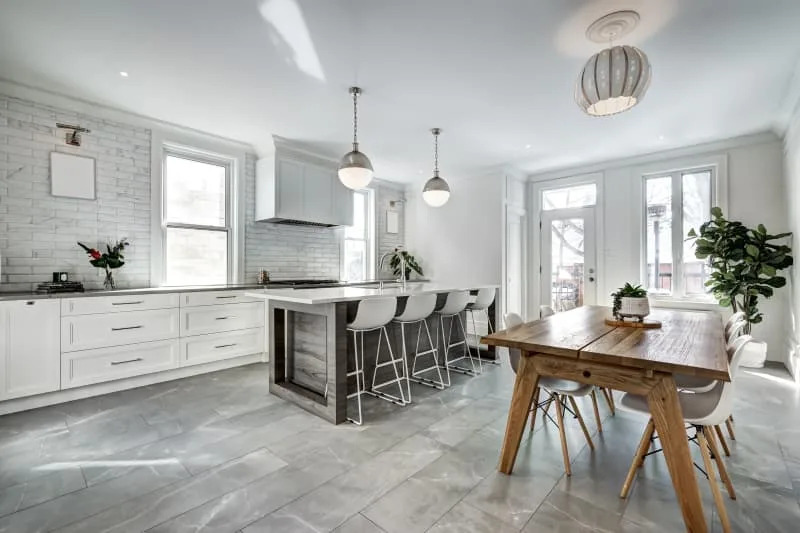
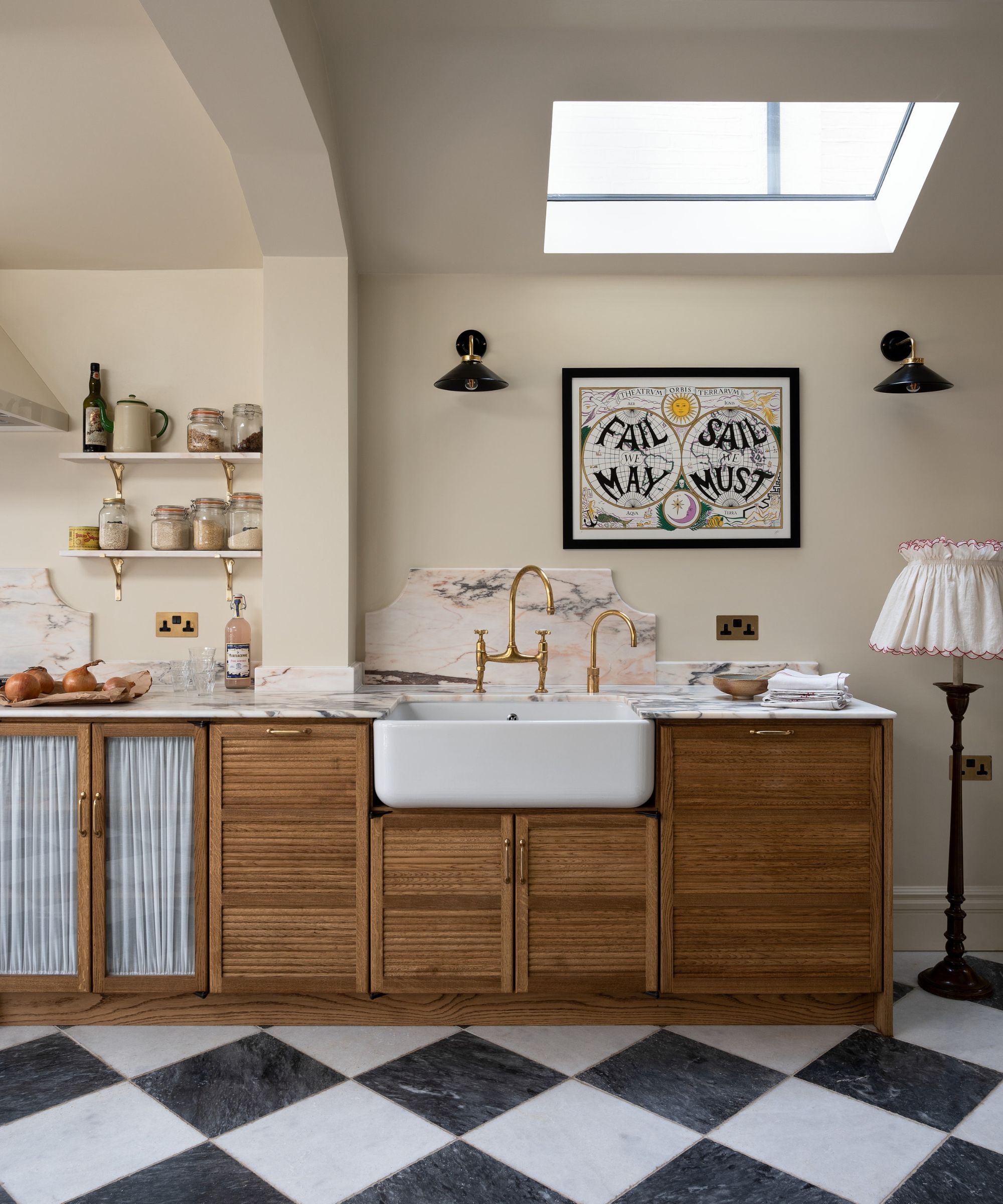
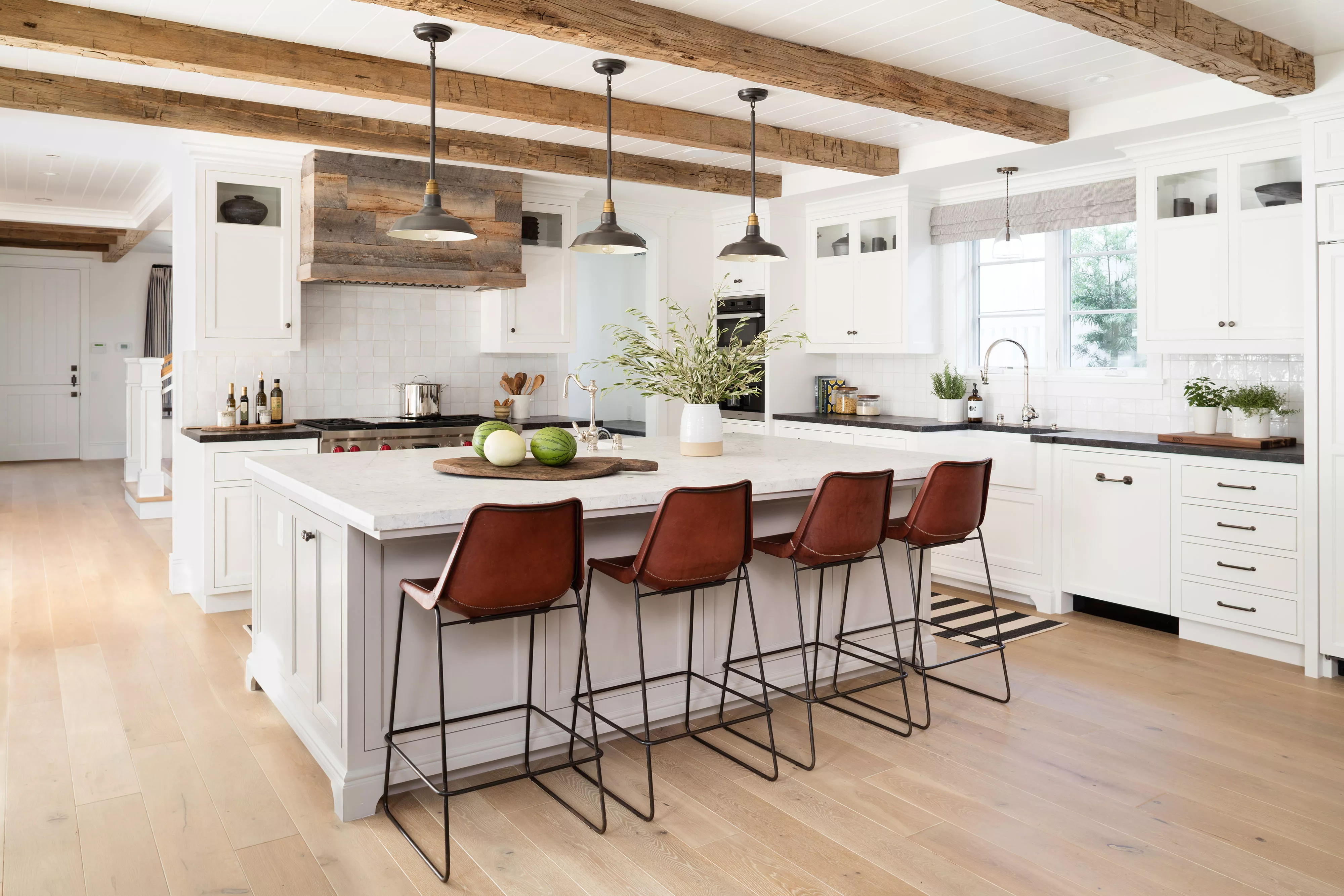
One of the most prominent shifts is away from glossy and shiny finishes. Polished tiles and ultra-glossy timber are losing favor due to their impracticality and high maintenance demands. Instead, matte and textured finishes are gaining popularity, offering a more organic look that enhances natural grain and character while being easier to maintain. This trend aligns with organic modernism, emphasizing understated elegance over high-sheen surfaces.
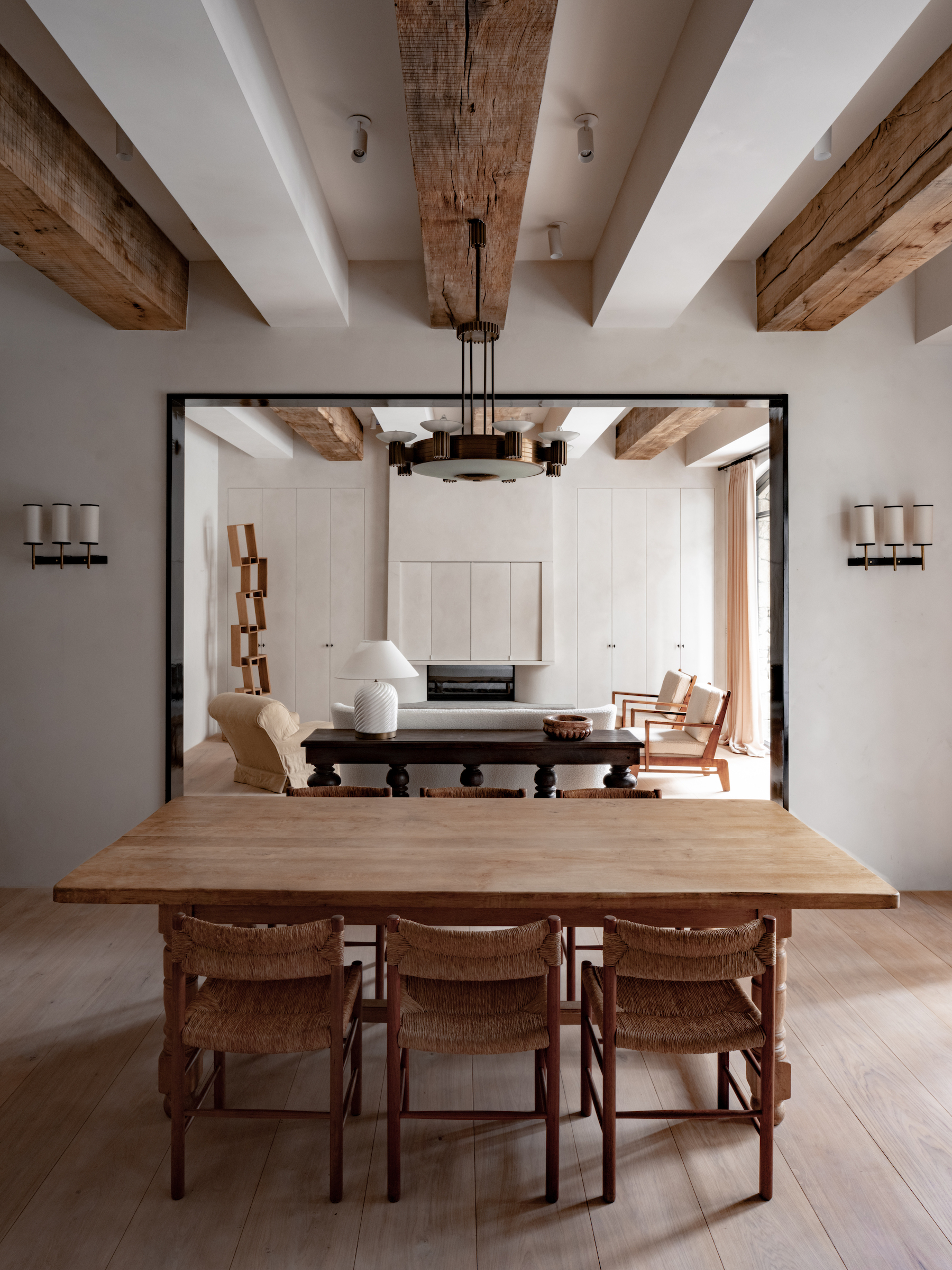
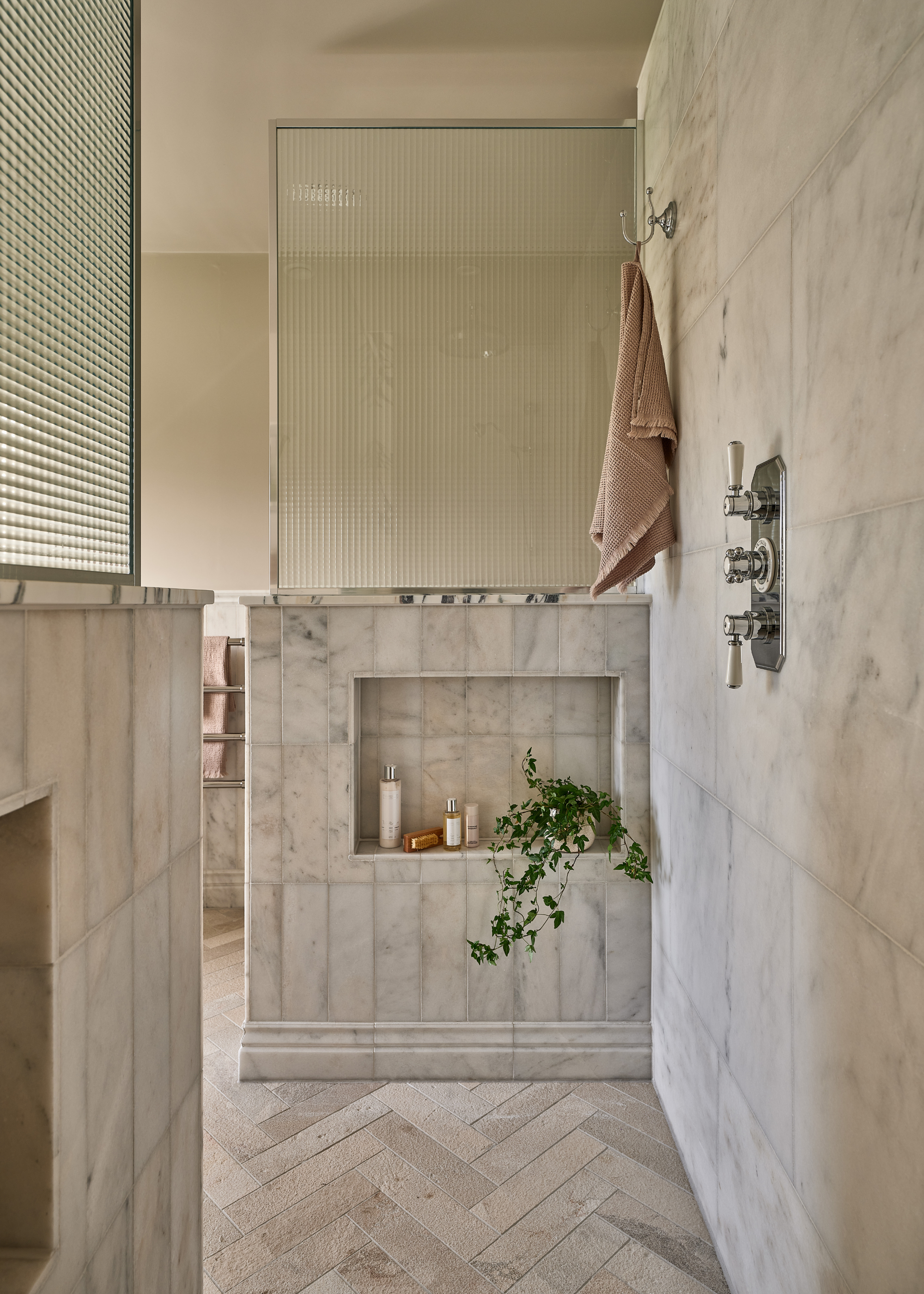
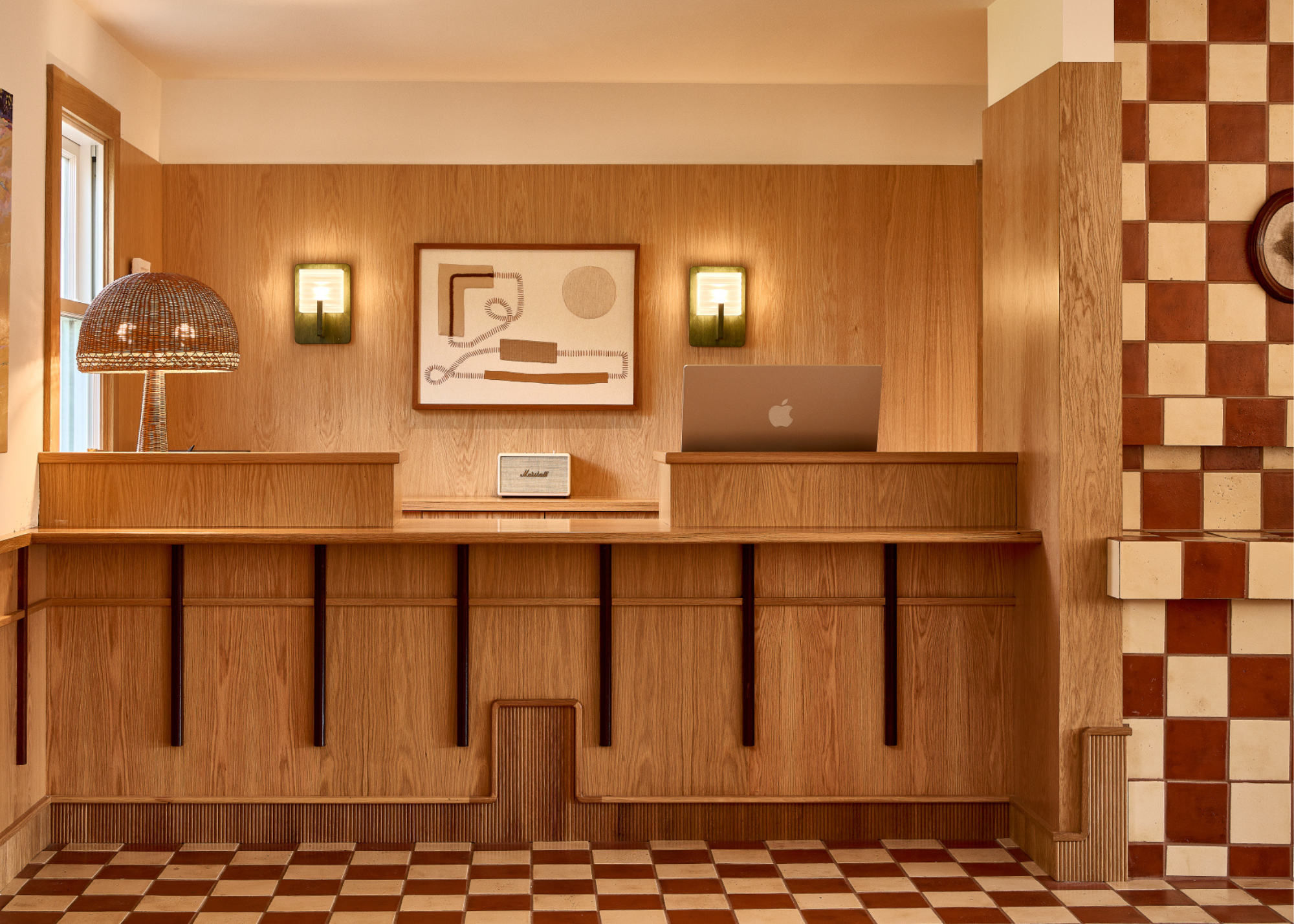
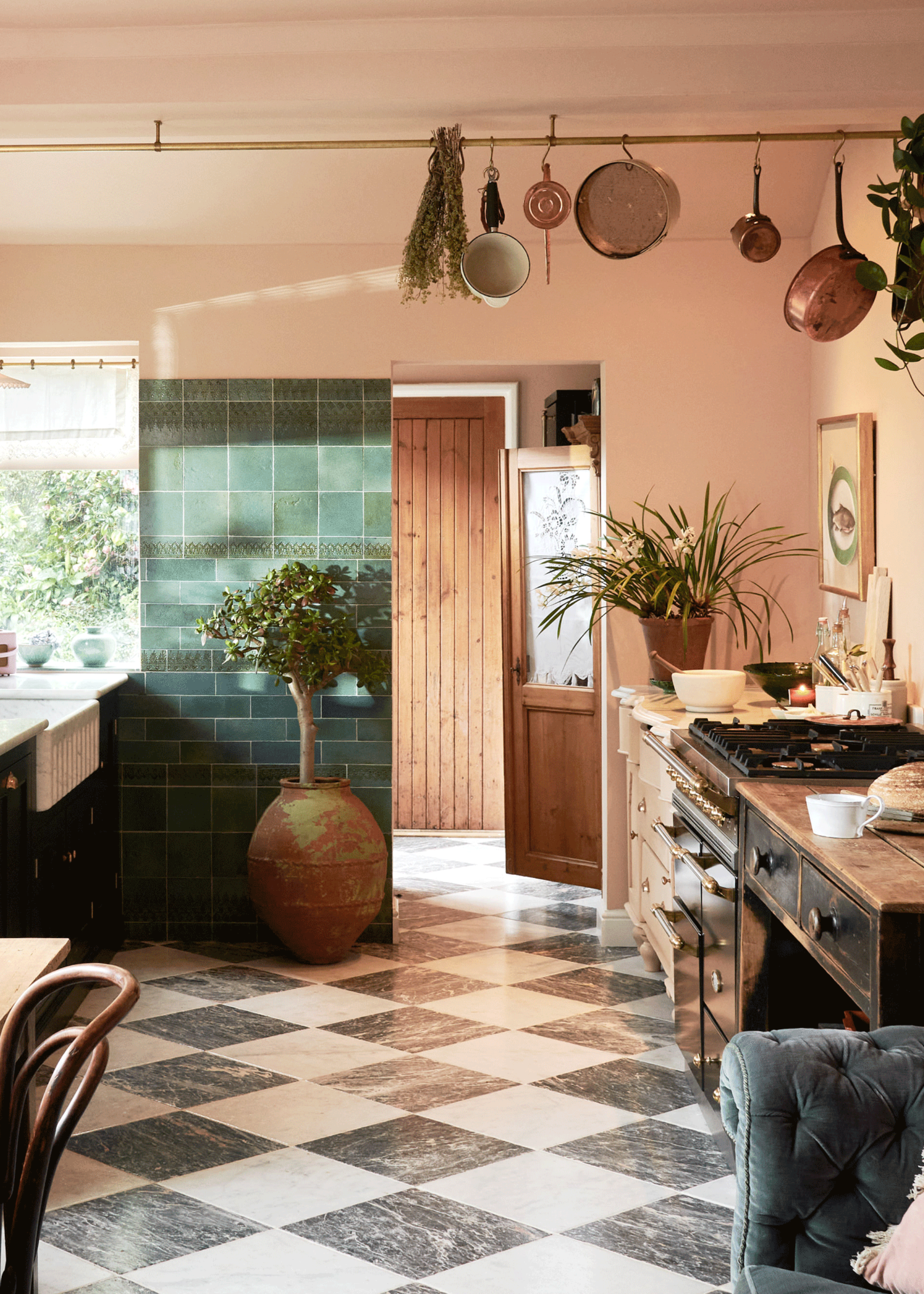
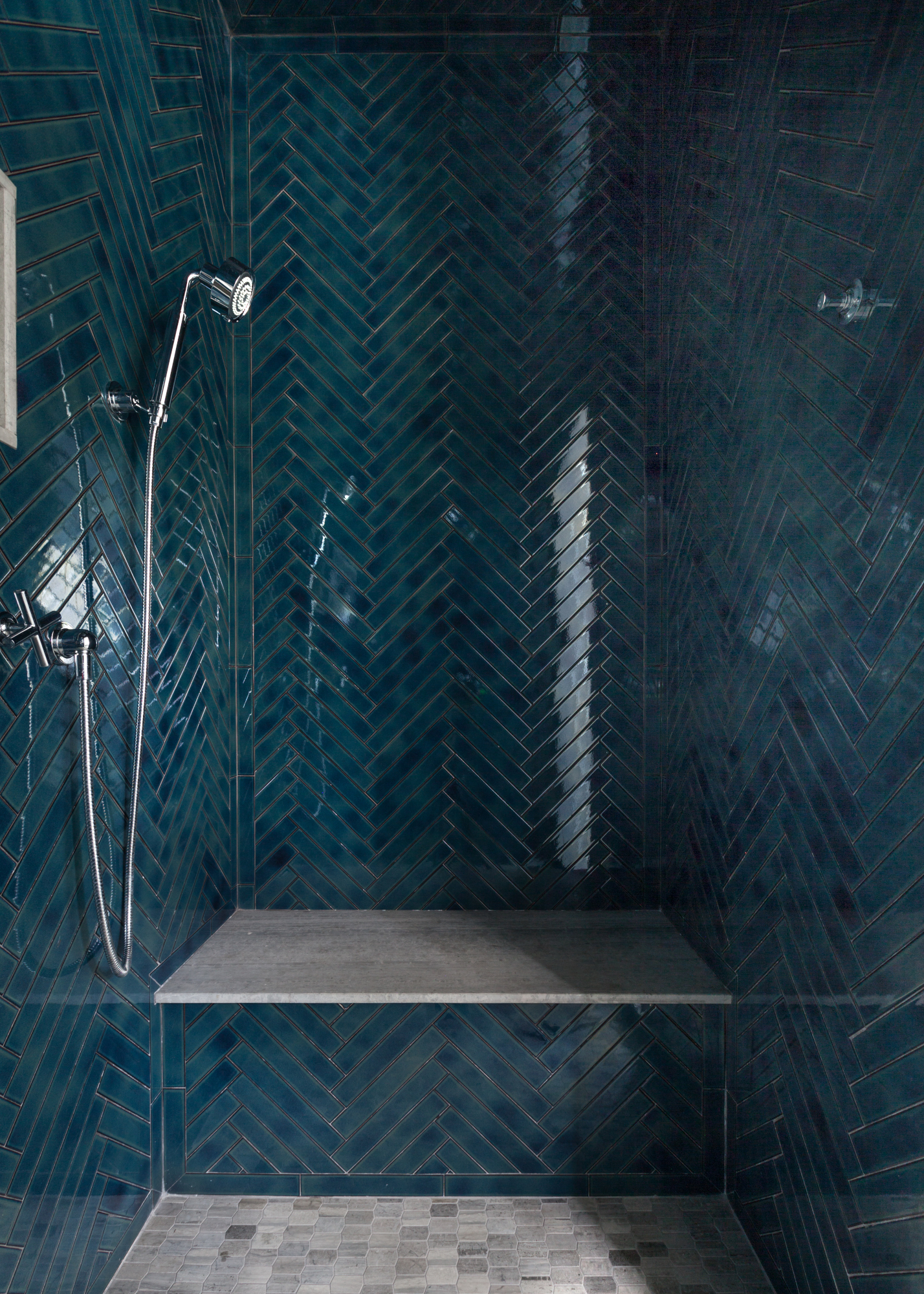
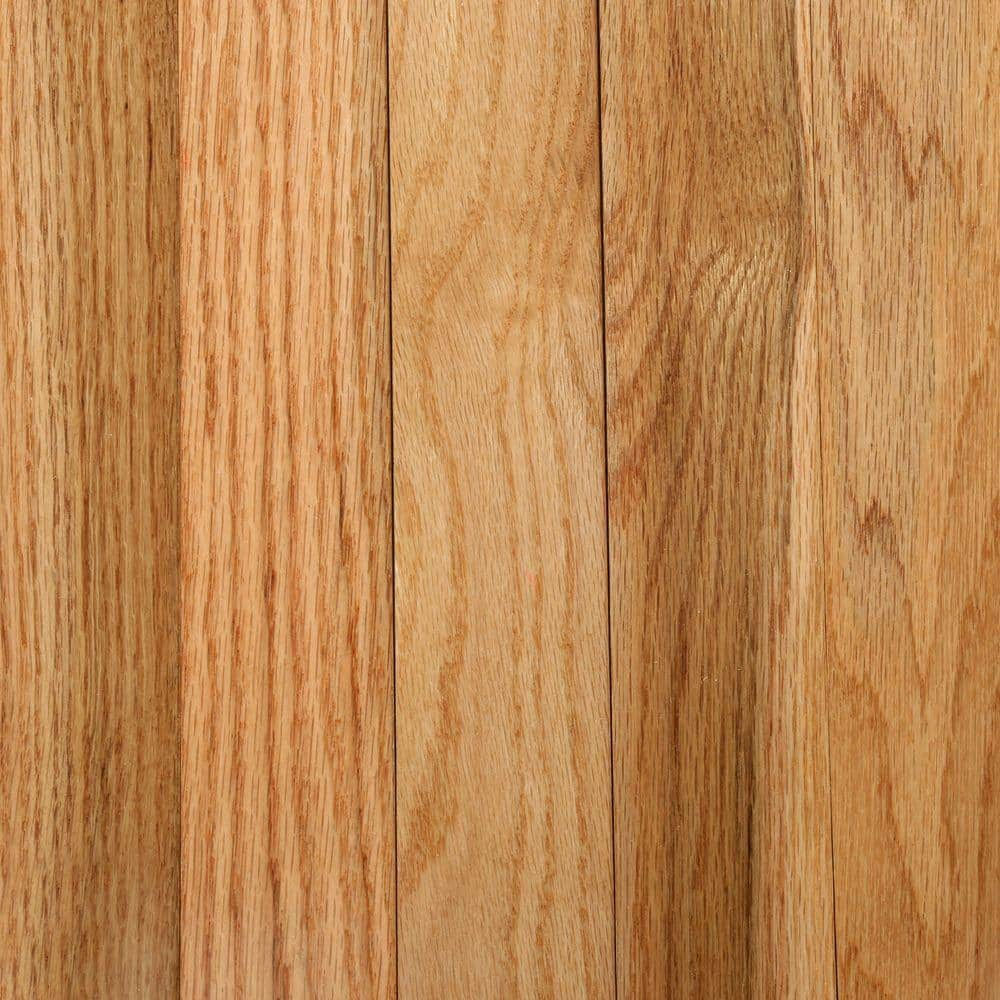
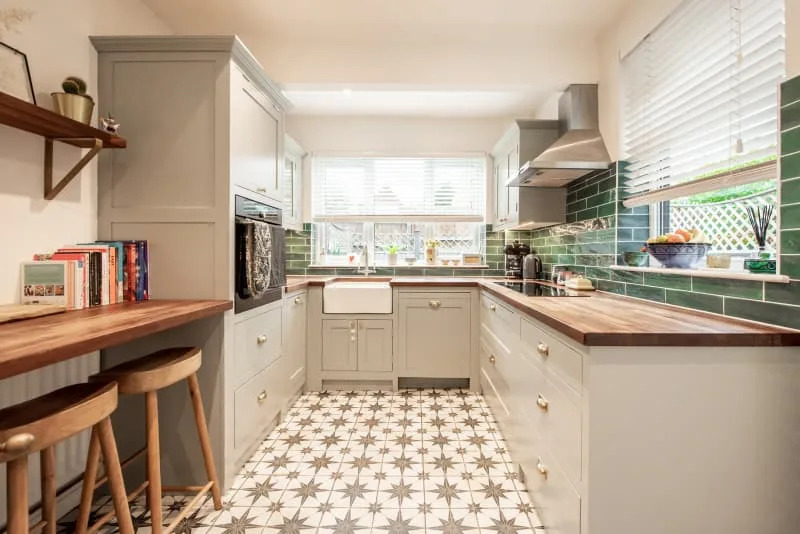
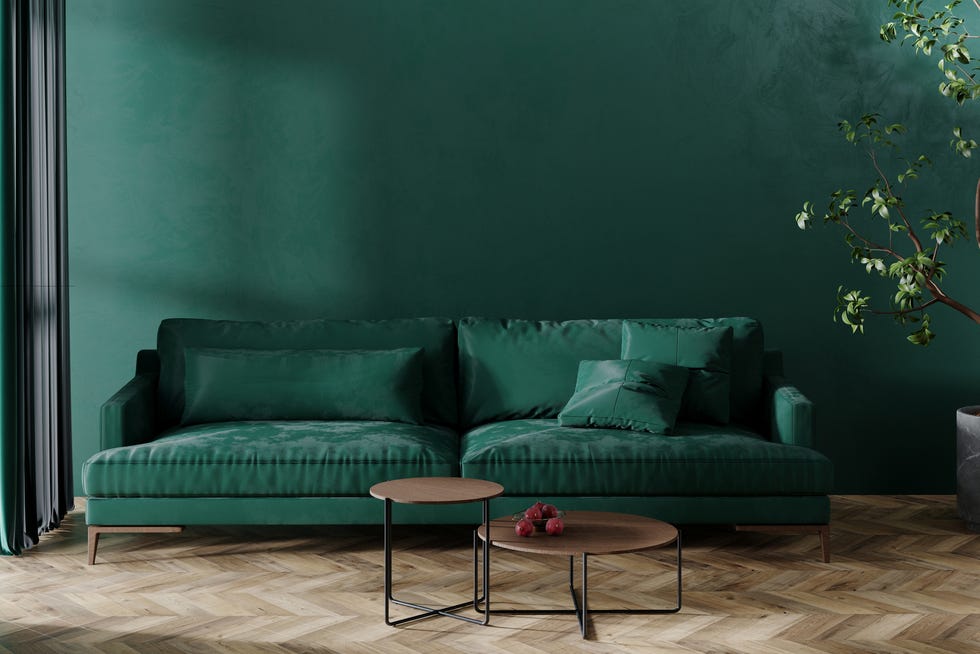
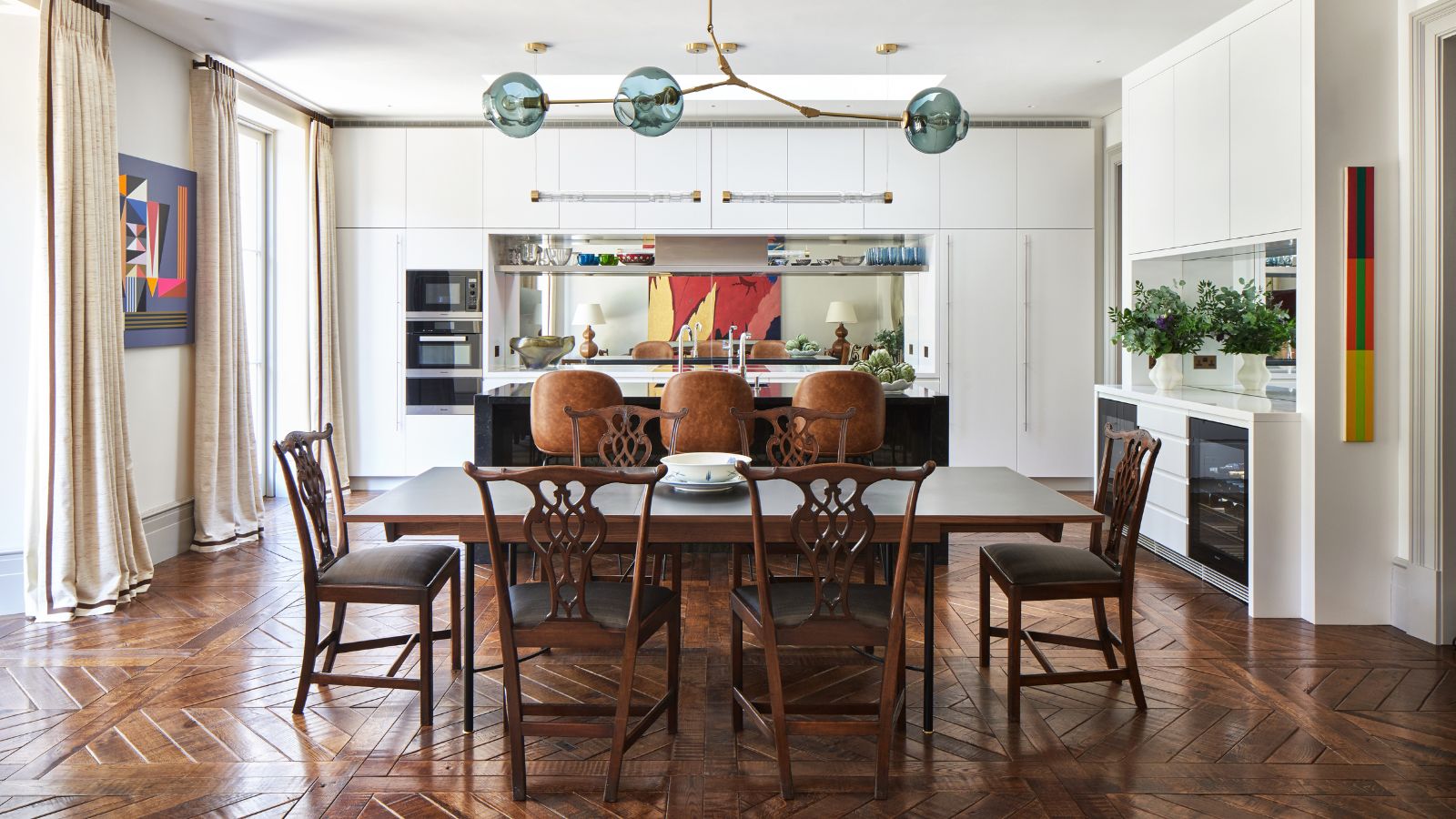
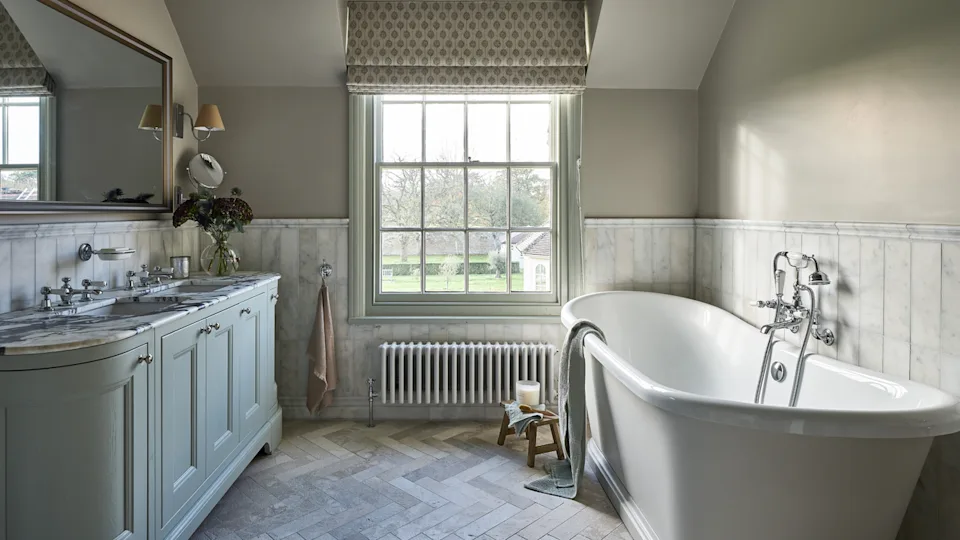
Another declining trend is the use of 'cookie-cutter' styles. Homeowners are moving away from uniform, mass-produced flooring in favor of unique, personalized choices that reflect individuality. This involves blending old with new, incorporating bold patterns with muted tones, and mixing materials to create curated spaces. For wood floors, this means a departure from narrow planks to more dynamic patterns like herringbone, chevron, basketweave, or Versailles panels. Long, wide planks are also becoming popular for their ability to create an open and seamless look.
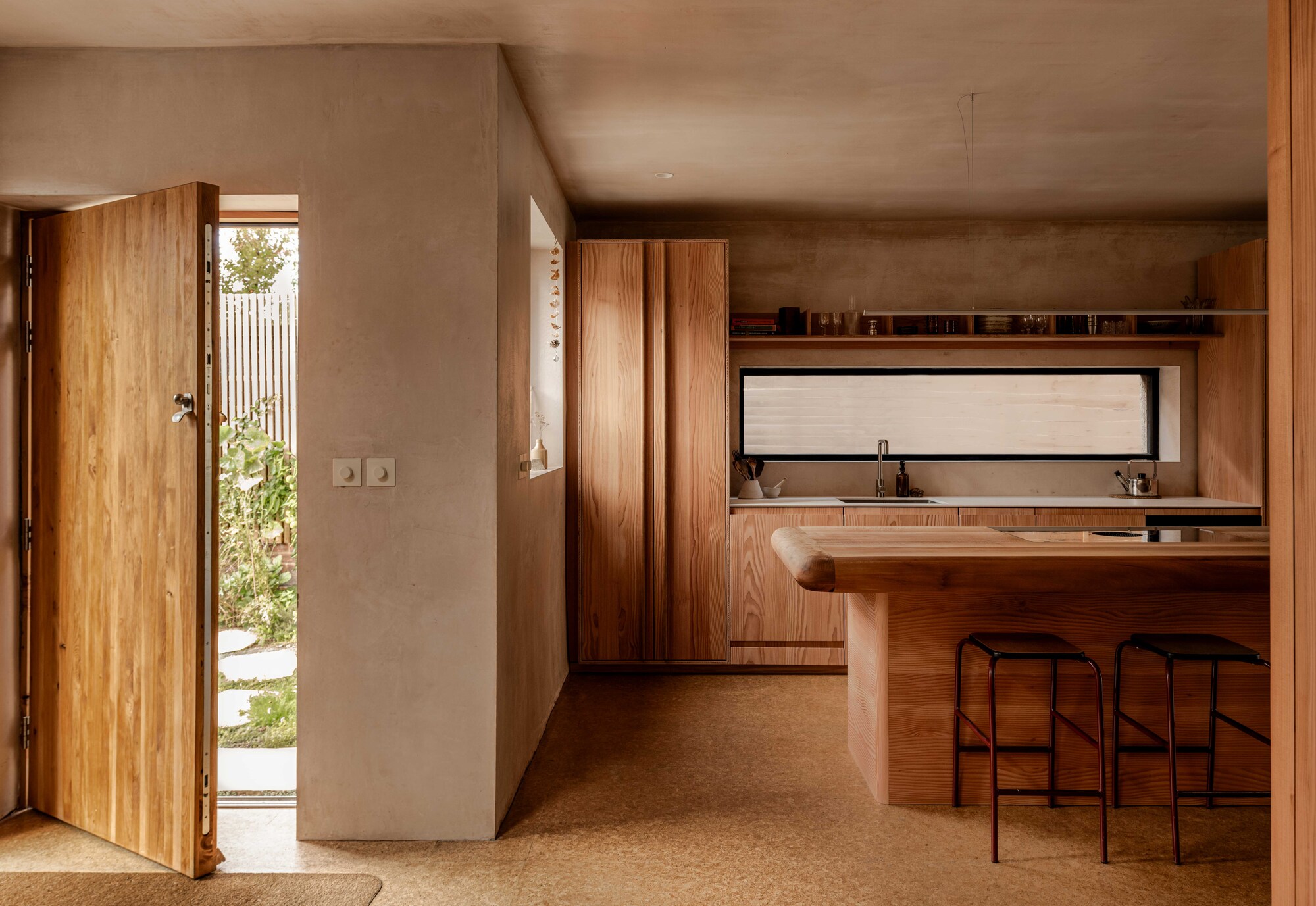
Synthetic materials are also becoming less desirable as natural materials gain traction. This is driven by both health consciousness and environmental concerns, with consumers prioritizing long-term cost-effectiveness and sustainability. Nature-inspired design, including biophilic elements, further fuels the demand for non-synthetic options like FSC-certified hardwoods, salvaged wood, linoleum, and cork. When new flooring is installed, experts recommend using low or no-VOC finishes, such as water-based polyurethane, natural wood oils, or penetrating oil sealers, to promote healthier indoor environments.
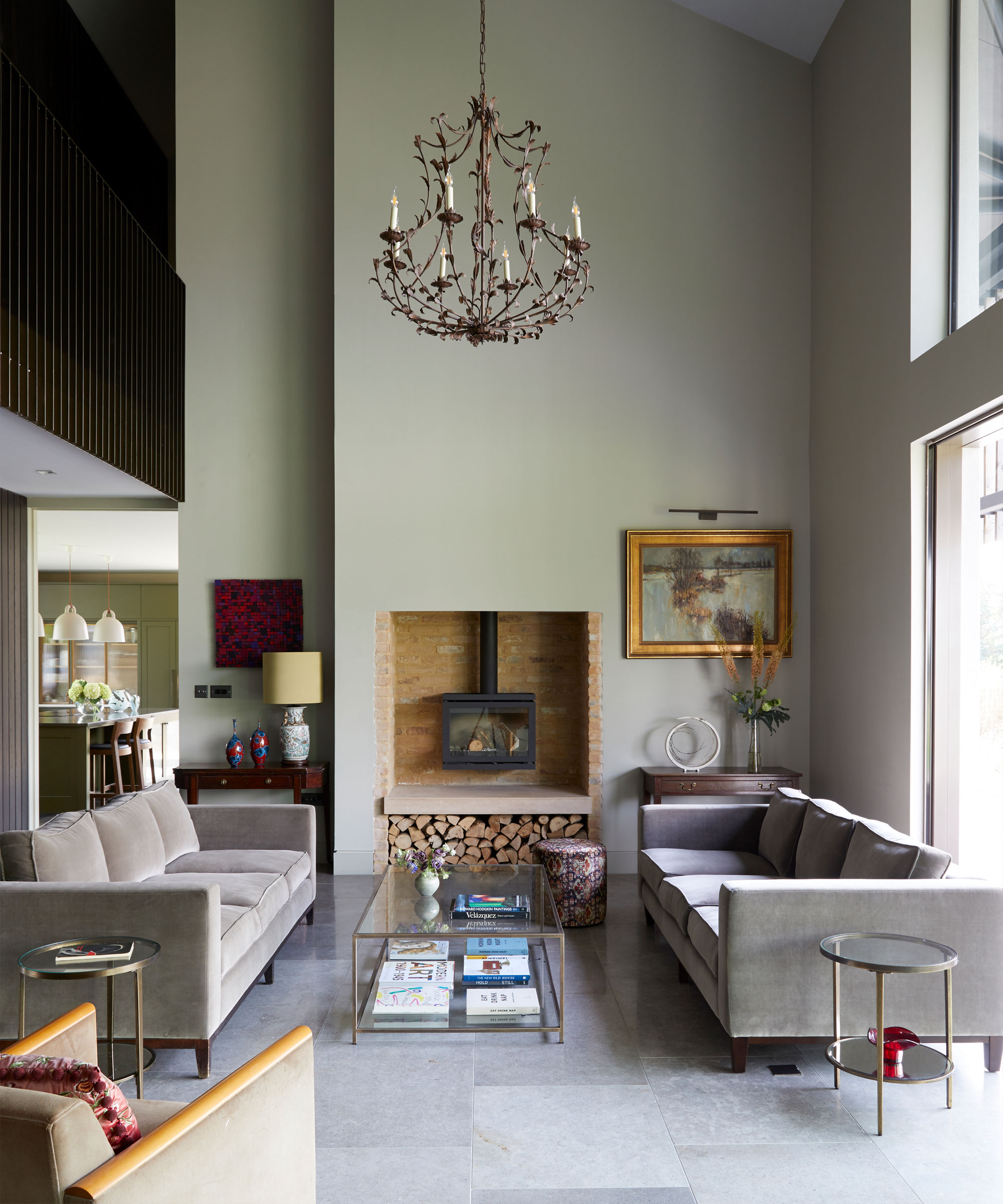
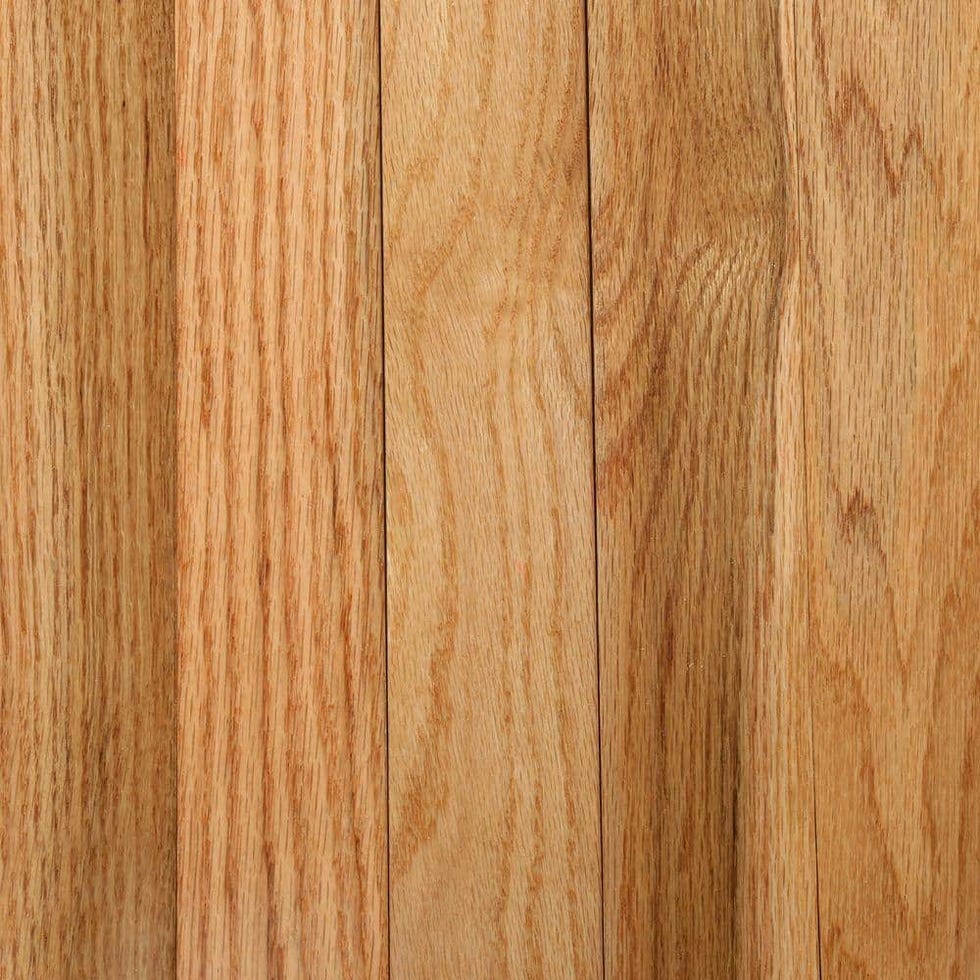
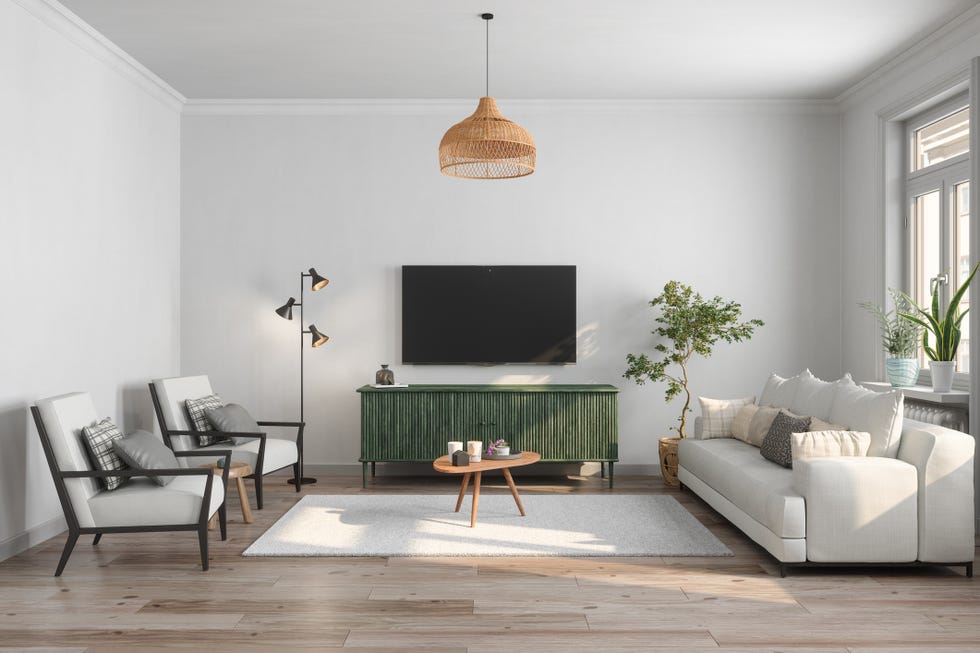
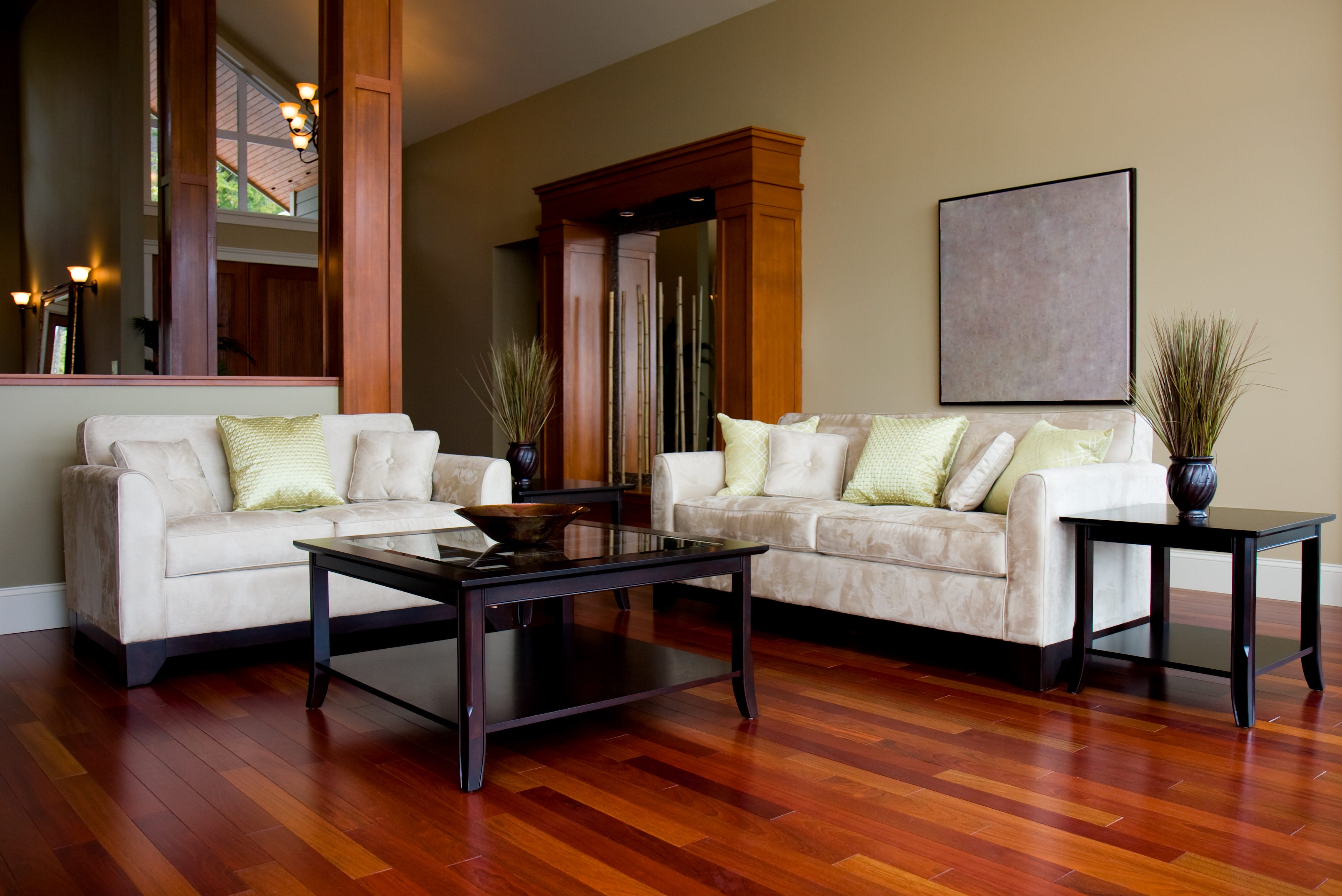
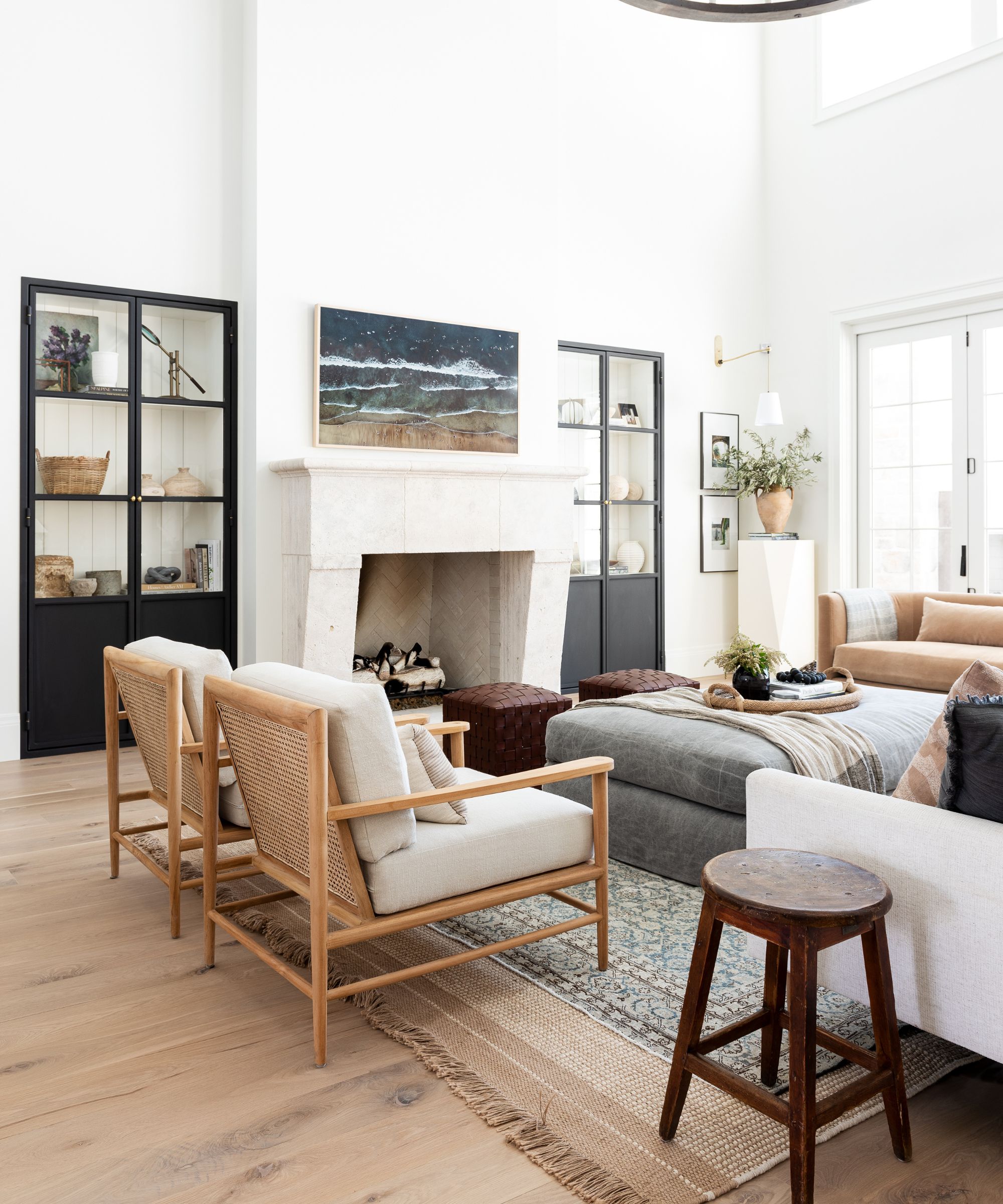
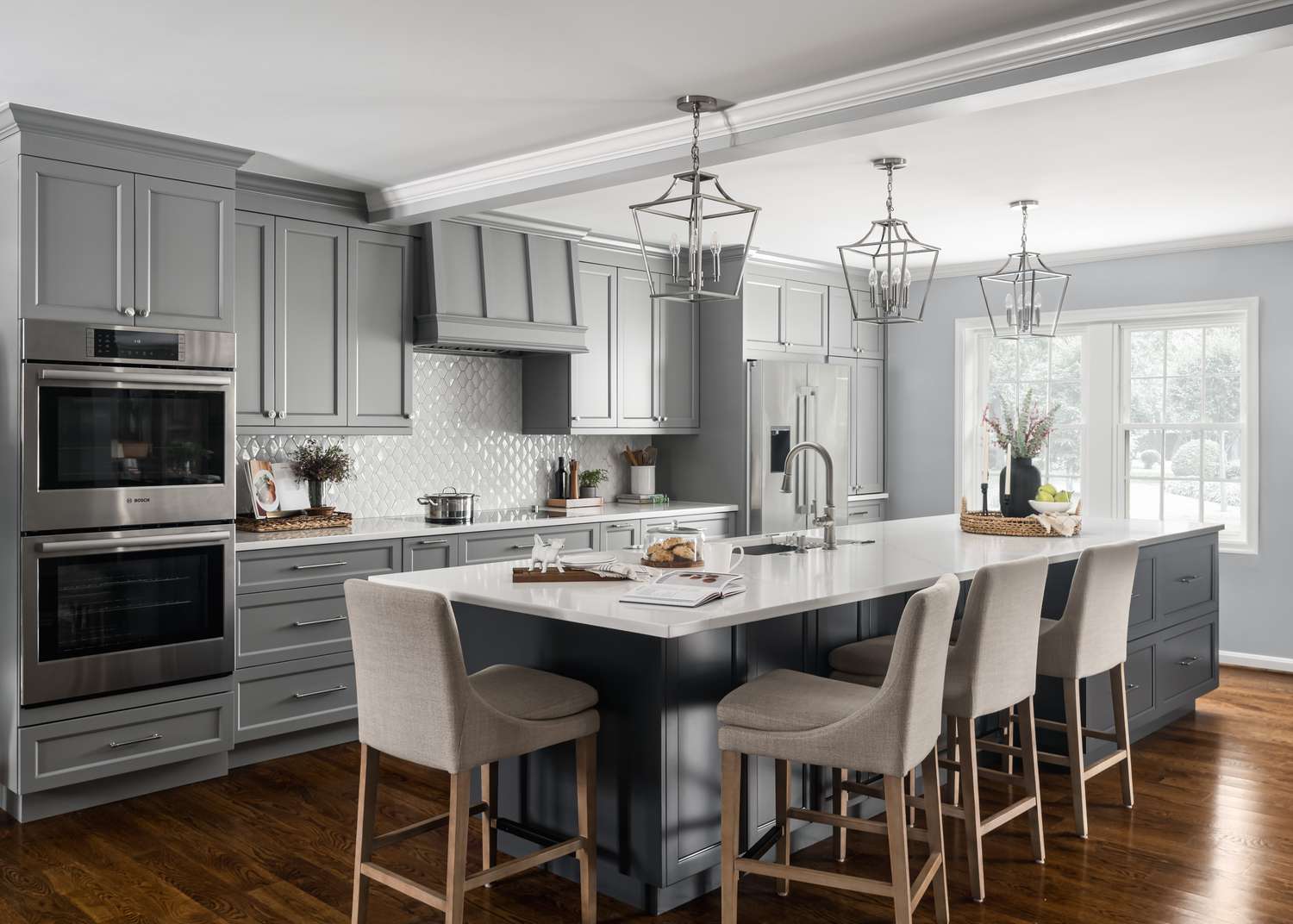
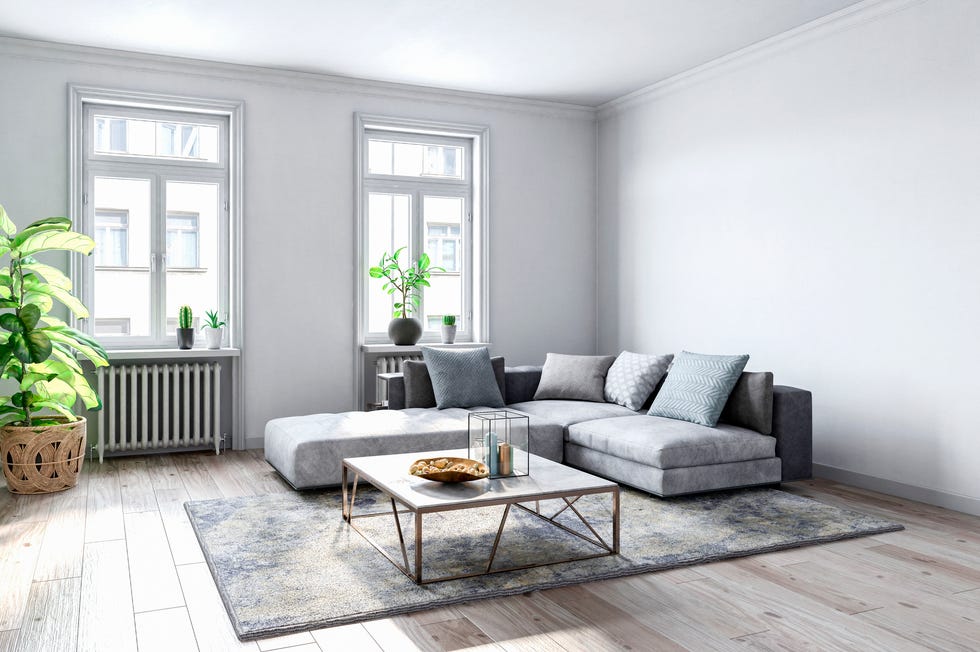
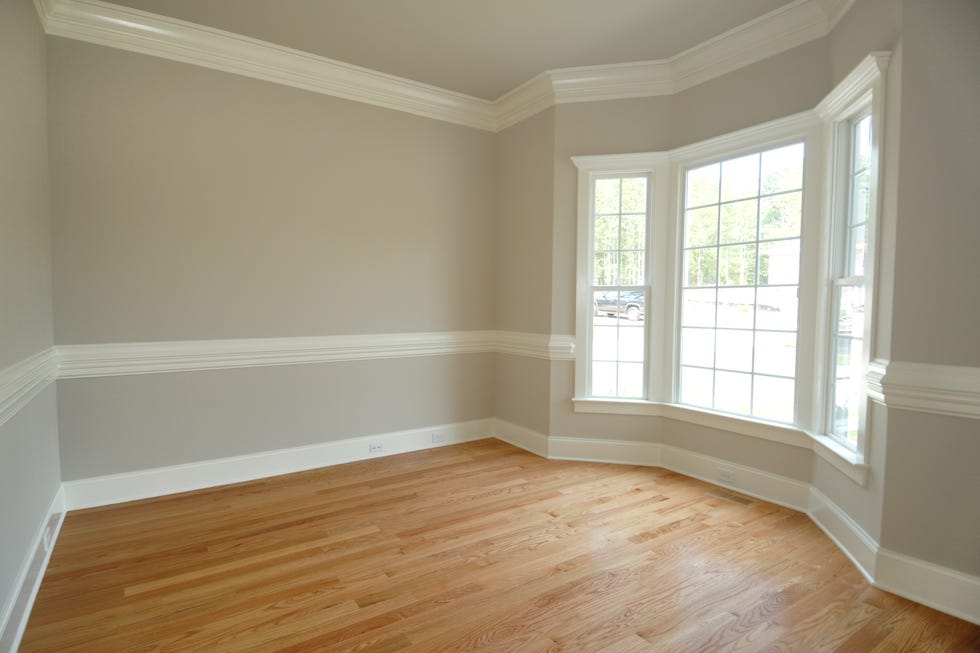
Cool wood tones, particularly cool and warm gray, are now considered outdated. The trend in 2025 leans towards warm, neutral hues like honey brown and rustic blondes, which offer a cozy yet refined appearance that complements various interior styles. Light-toned woods like white oak and ash remain popular for Scandinavian-inspired interiors, providing a neutral backdrop. Additionally, dark wood flooring, including rich tones like walnut, mahogany, and oak, is expected to see a resurgence, bringing a sense of luxury and depth to rooms.
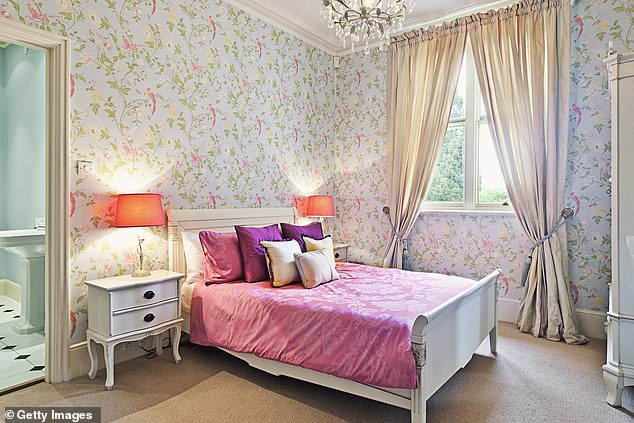
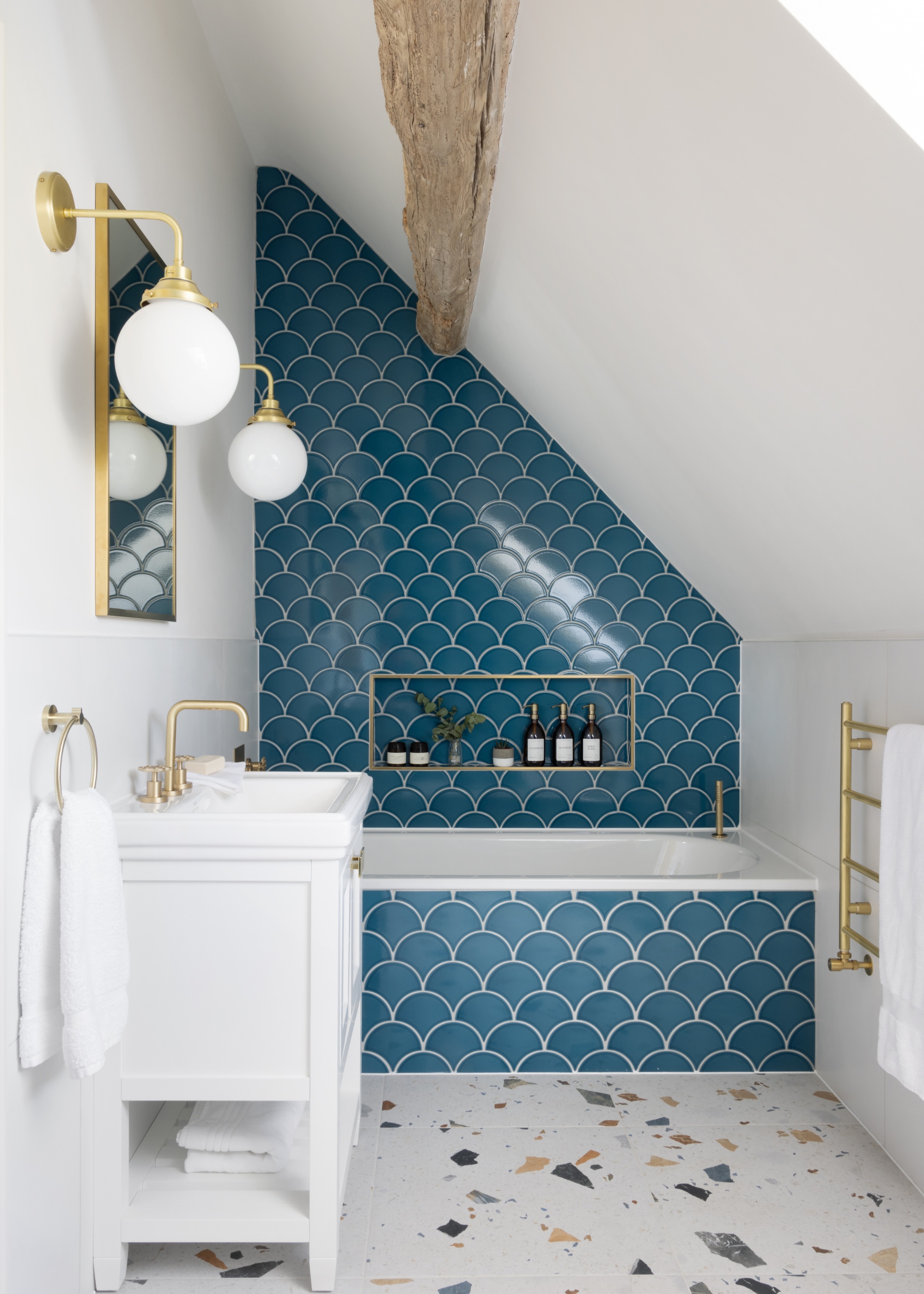
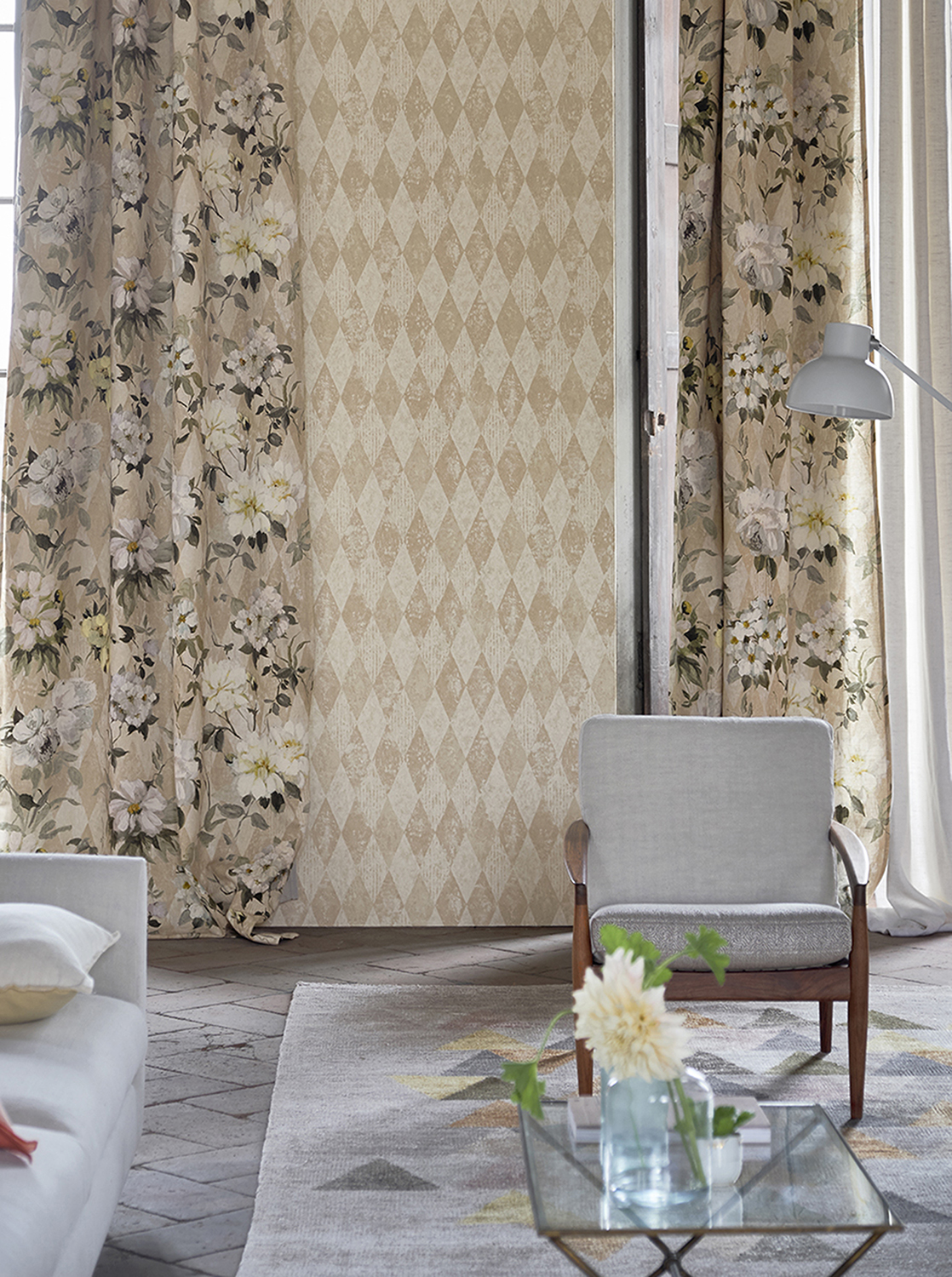
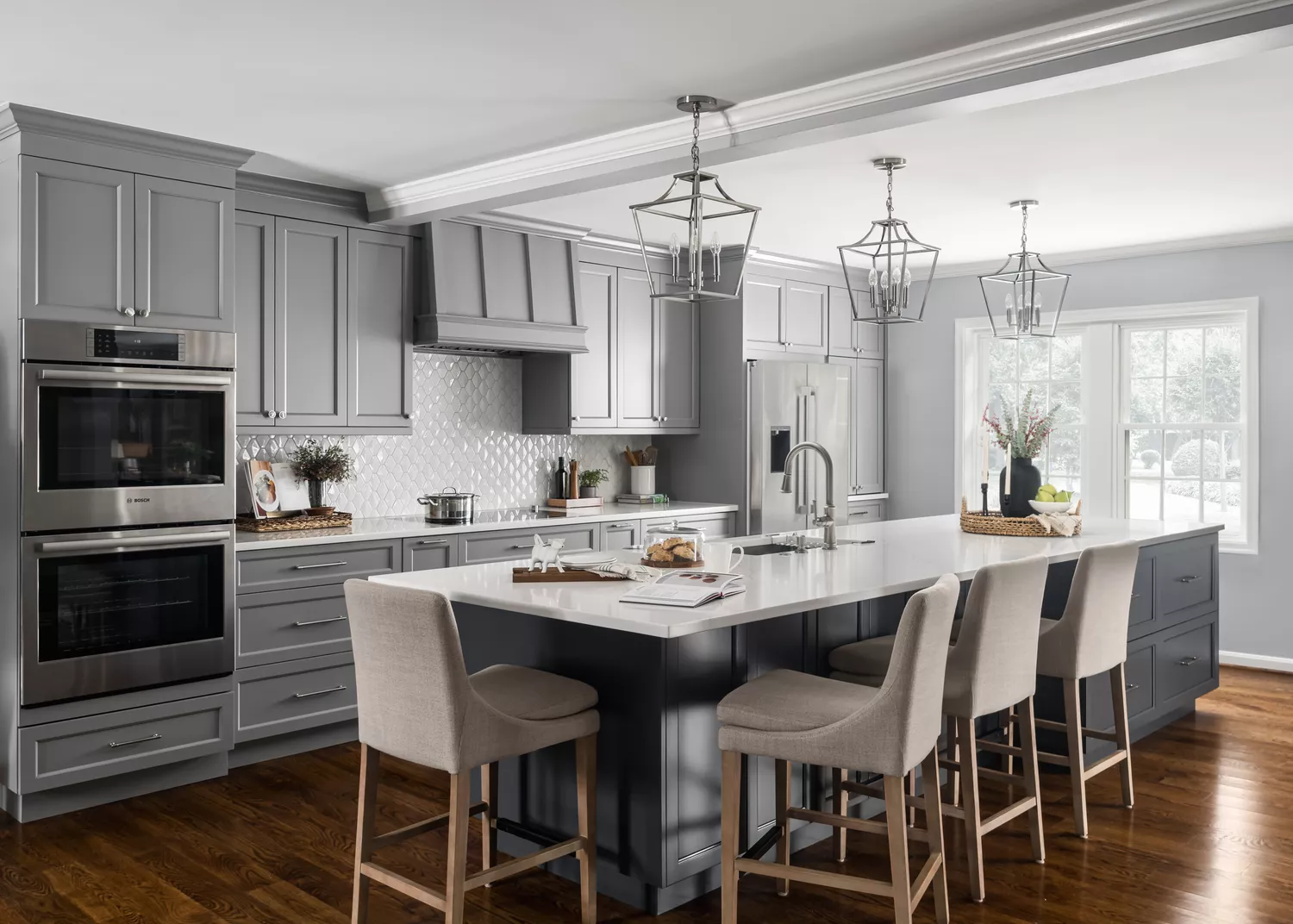
Gray carpets are also falling out of favor, with a preference for warmer neutrals like oatmeal, soft linen, and warm taupe to create a cozier atmosphere. This shift extends to accent colors, moving away from dominant blues towards fresh green hues, reflecting a desire to bring elements of the outdoors inside, particularly among millennials.
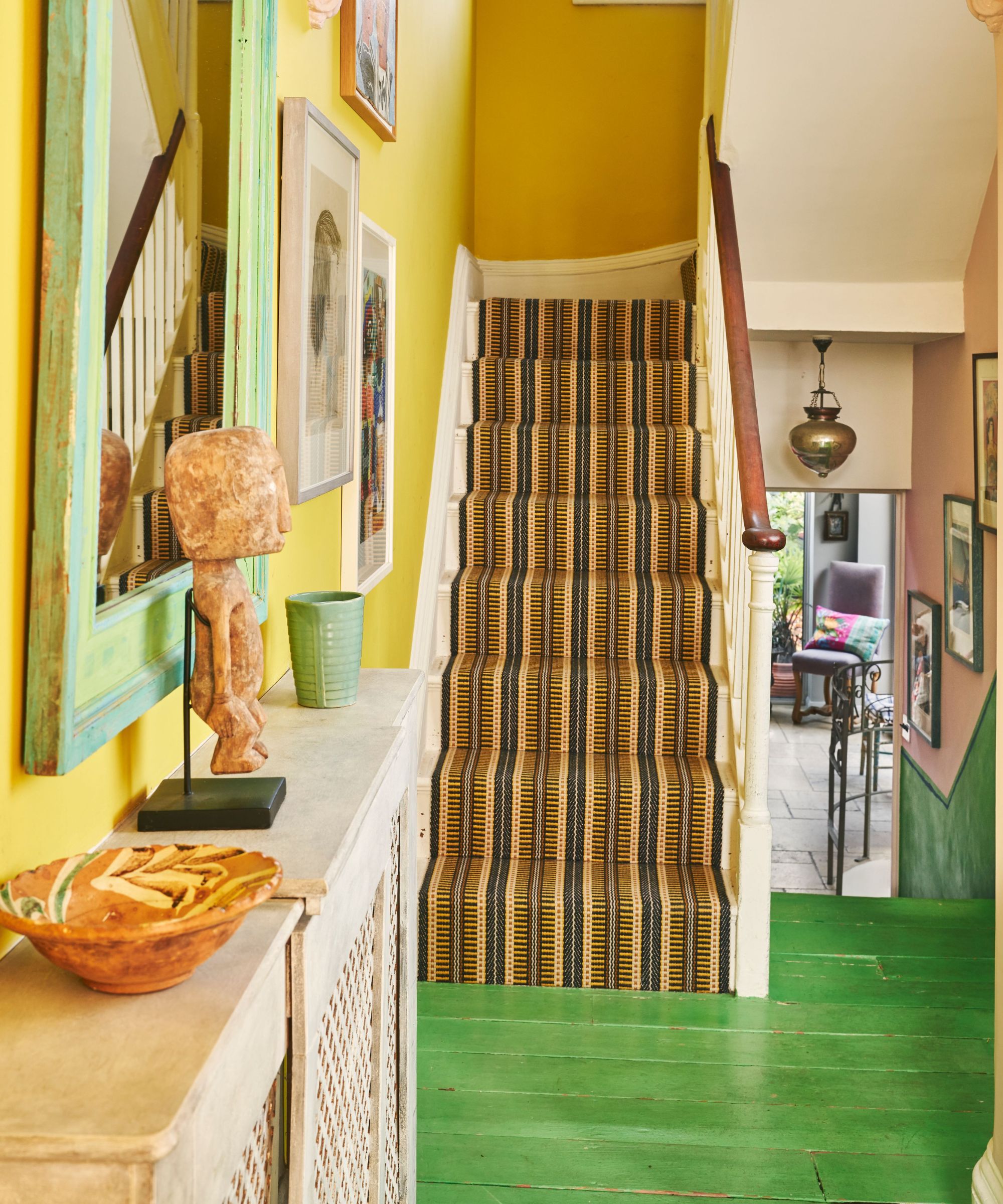
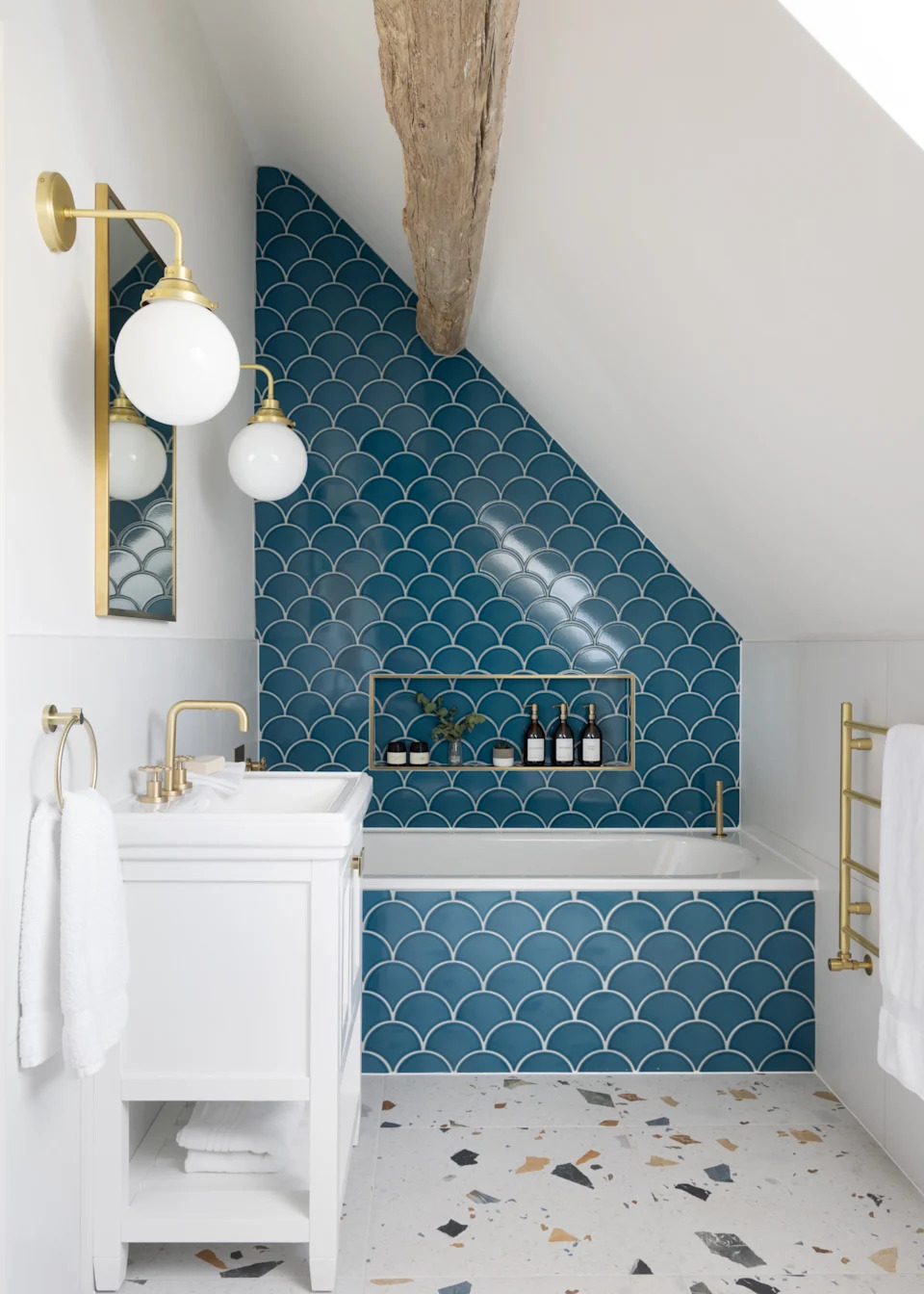
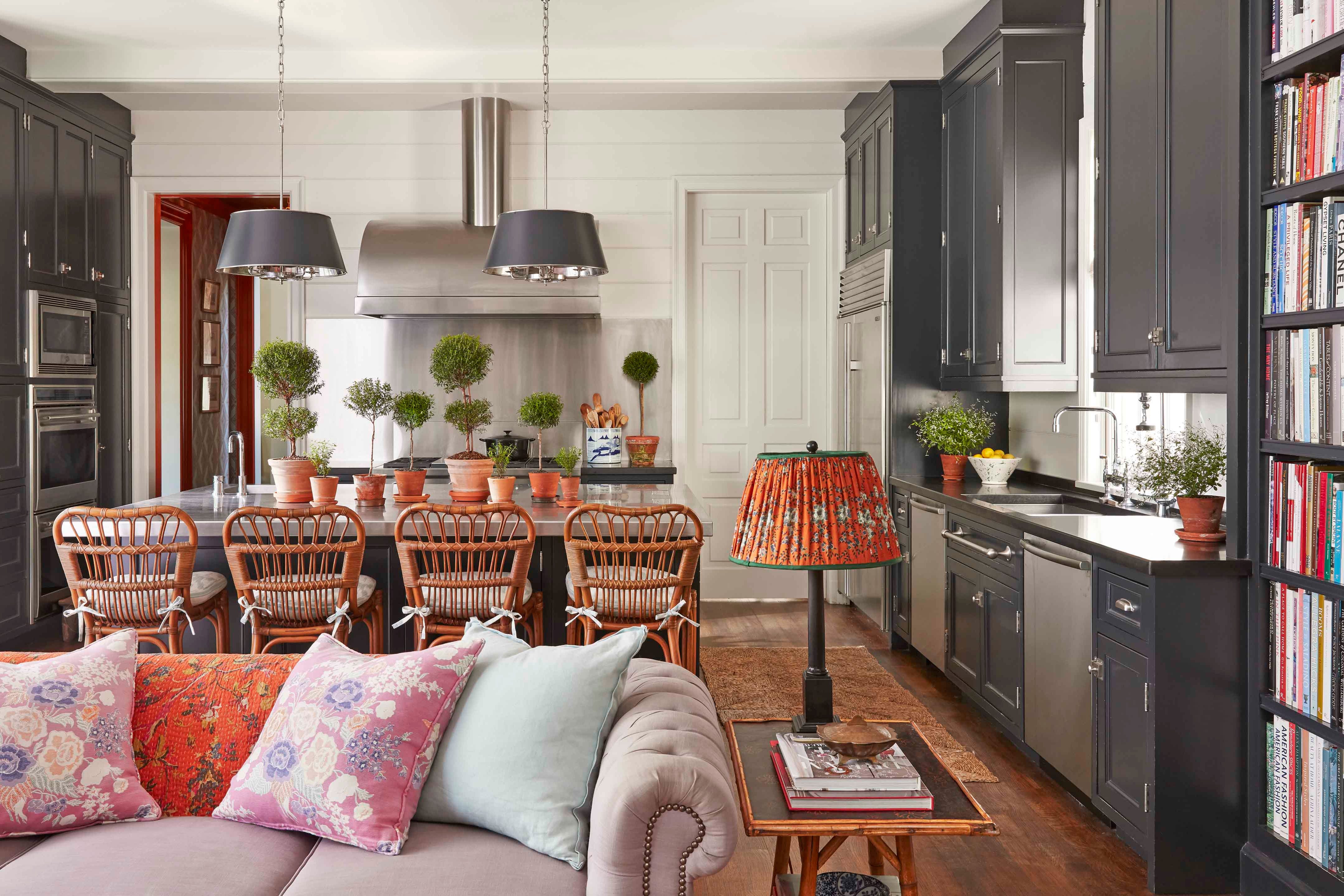
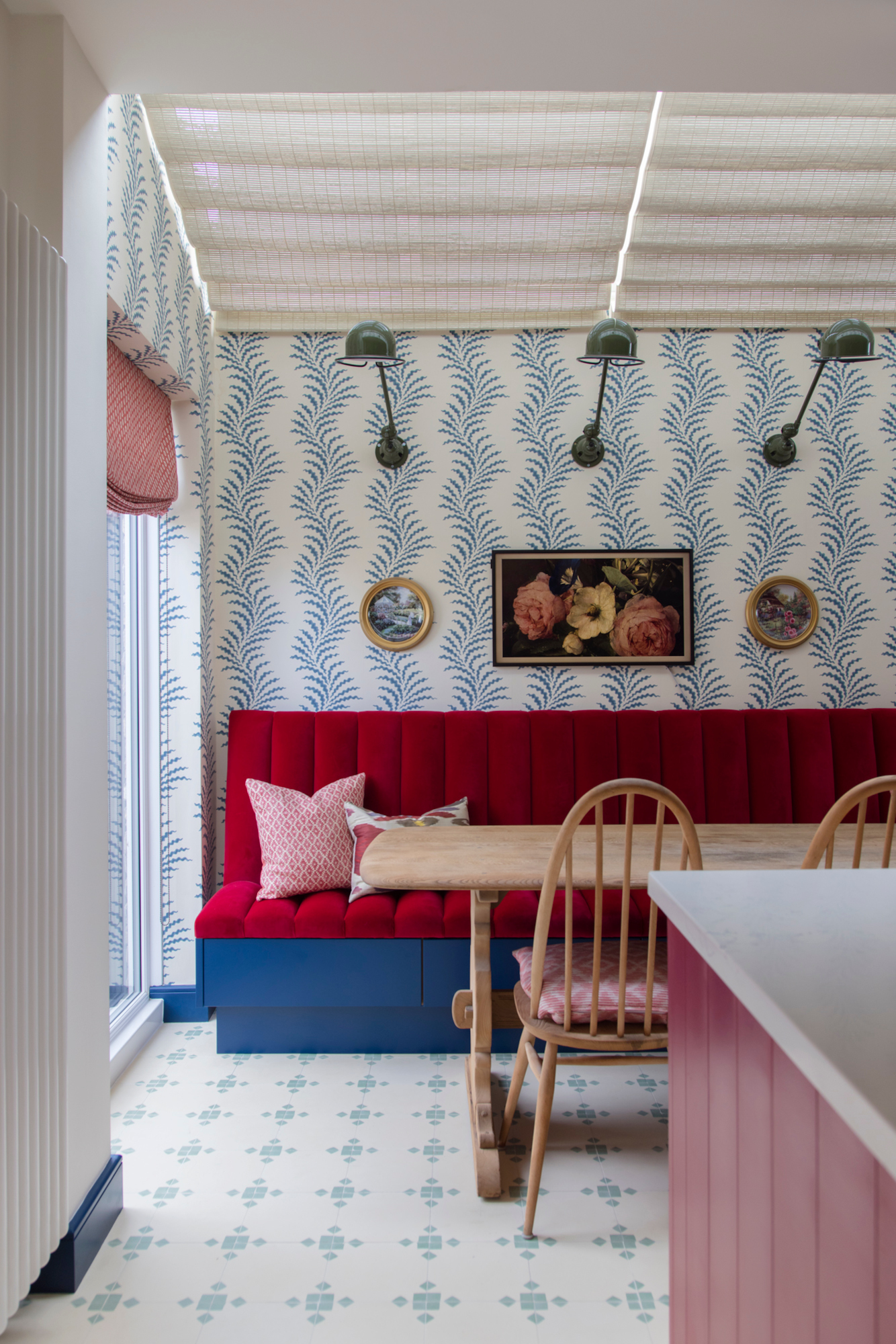
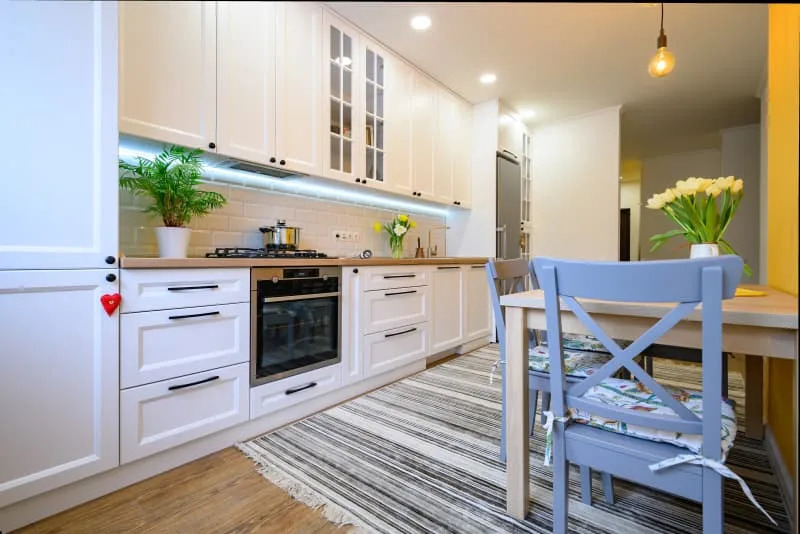
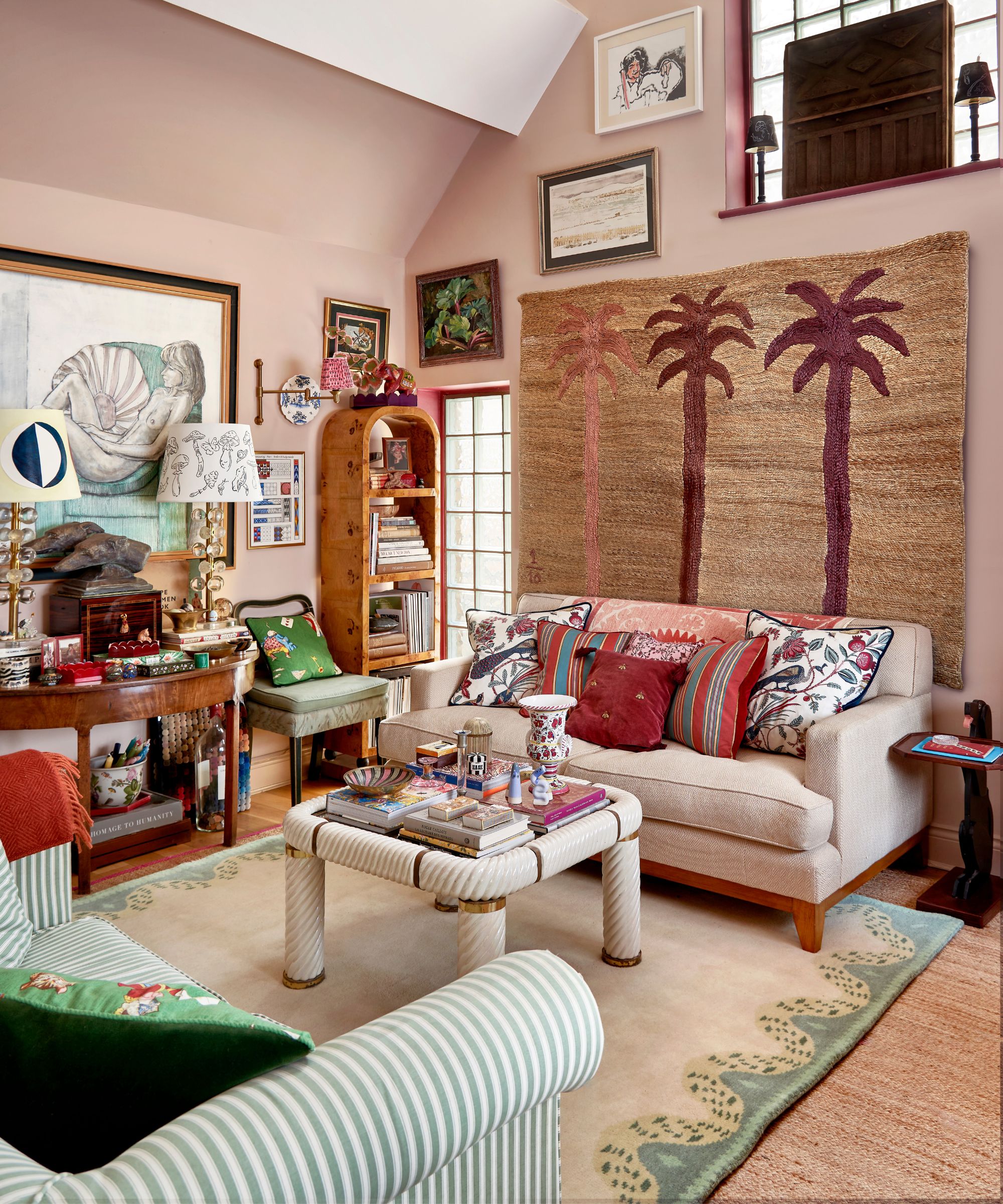
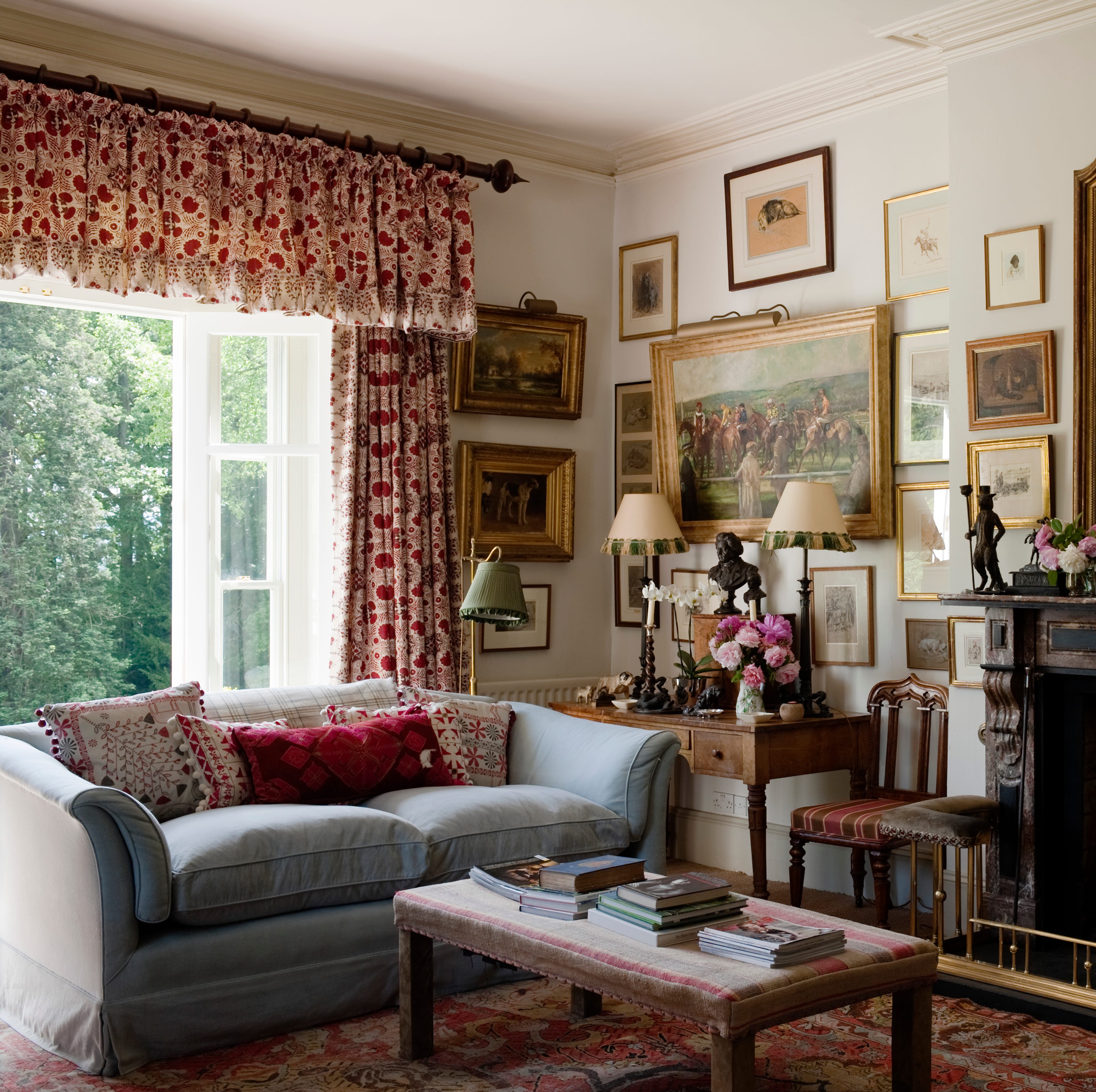
Boring beige rugs, which have been a minimalist staple, are being replaced by bold colors, rich textures, and expressive patterns. Reds are making a strong comeback, while deep blues and purples with lighter blues and acid greens are being used for striking contrasts. Texture is also crucial, with handwoven rugs, appliqué details, and layered materials such as wool and jute adding dynamism and personalization to floors.
Finally, there is a strong emphasis on sustainability, moving away from short-term fixes. Homeowners are increasingly seeking durable, eco-friendly flooring options that are recycled or biodegradable. Responsibly-sourced wood, innovative solutions like Woodura flooring, and carpets made from recycled plastic bottles (like Mohawk’s PETPremier) are examples of sustainable choices that do not compromise aesthetics or performance. This reflects a broader commitment to environmental responsibility and longevity in home design.
#FlooringTrends #HomeDesign #InteriorDesign #SustainableMaterials #MatteFinishes #NaturalWood #WarmNeutrals #EcoFriendlyFlooring #CustomFlooring #FlooringTrends #HomeDesign #InteriorDesign #SustainableMaterials #MatteFinishes #NaturalWood #WarmNeutrals #EcoFriendlyFlooring #CustomFlooring
0 comment in total
 No comments yet
You may also like
Are your floors passé? Find out from these 8 outdated flooring trends designers are leaving behind in 2025
5 Outdated Tile Trends Designers Are Still Noticing in 2025 That Can Make Your Space Look Old-Fashioned
Interior Designers Reveal 6 Surprising Things Making Your House Look Dated

5 Flooring Choices Designers Completely Regret Using in Their Homes

Expert reveals the interior design trends that will make your home look dated
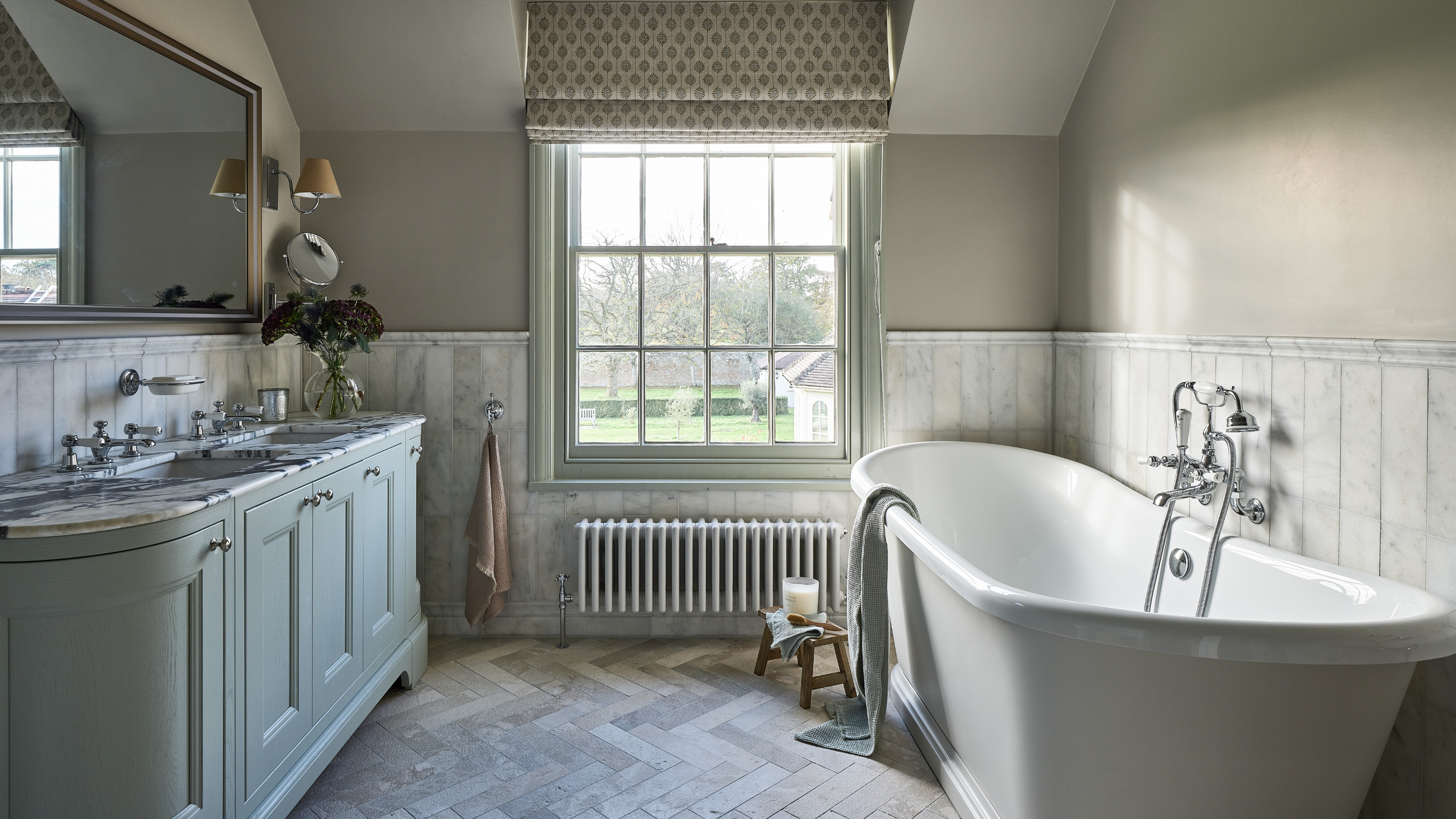
5 Outdated Tile Trends Designers Are Still Noticing in 2025 That Can Make Your Space Look Old-Fashioned

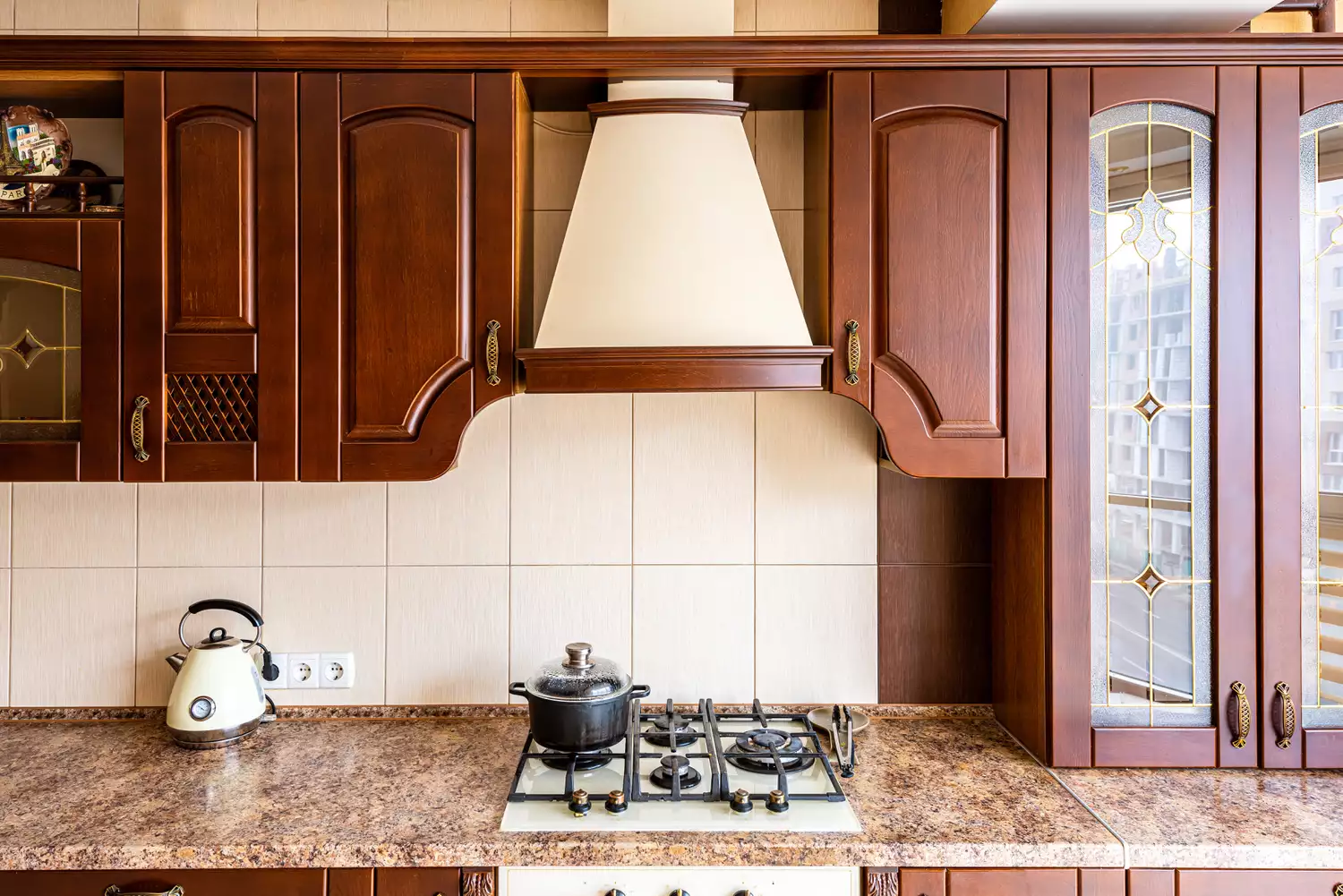
7 Wood Finishes That Are Making Your House Look Dated, According to Designers
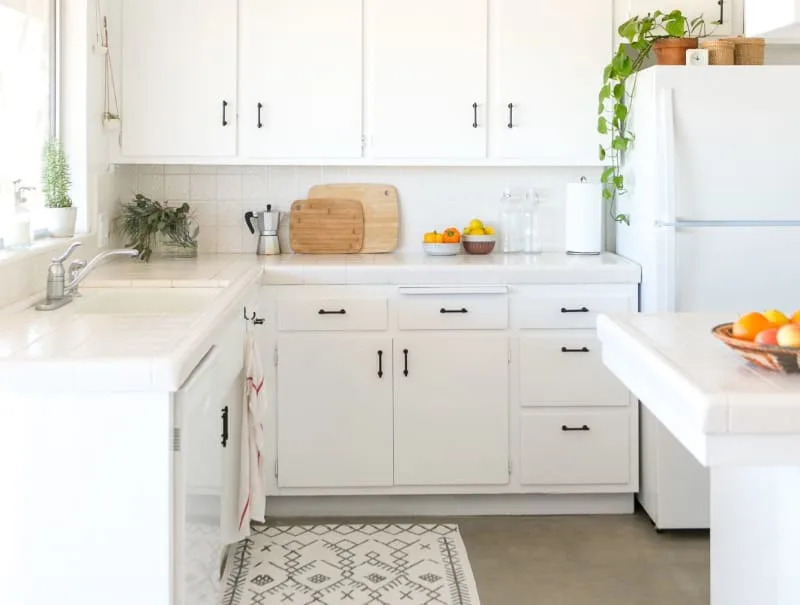
4 Kitchen Flooring Trends That Are on Their Way Out (and 3 Replacing Them)

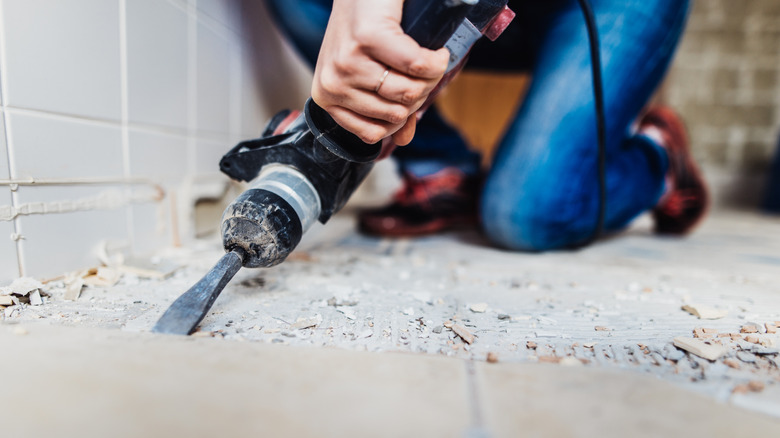
9 Outdated Flooring Trends We're Leaving In The Past
7 Reasons Your Home Looks Dated, According to Designers

5 outdated pattern trends that will make your home feel old-fashioned – and what to use instead
9 Popular Home Trends Interior Designers Say Won't Age Well

6 Flooring Options That Are So Outdated, According to Designers
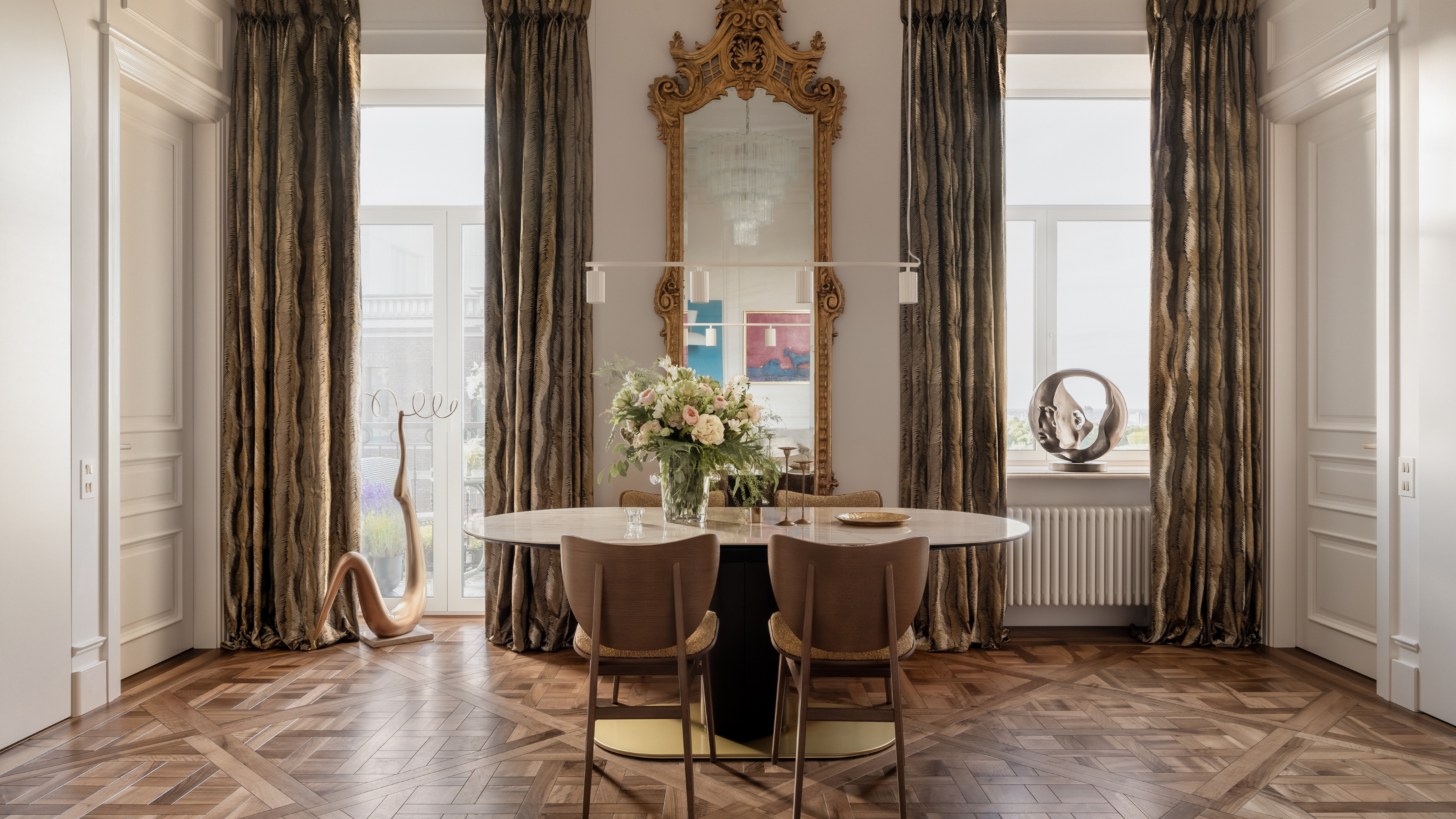
Outdated Flooring Trends in 2025 That I Want You to Leave in the Past
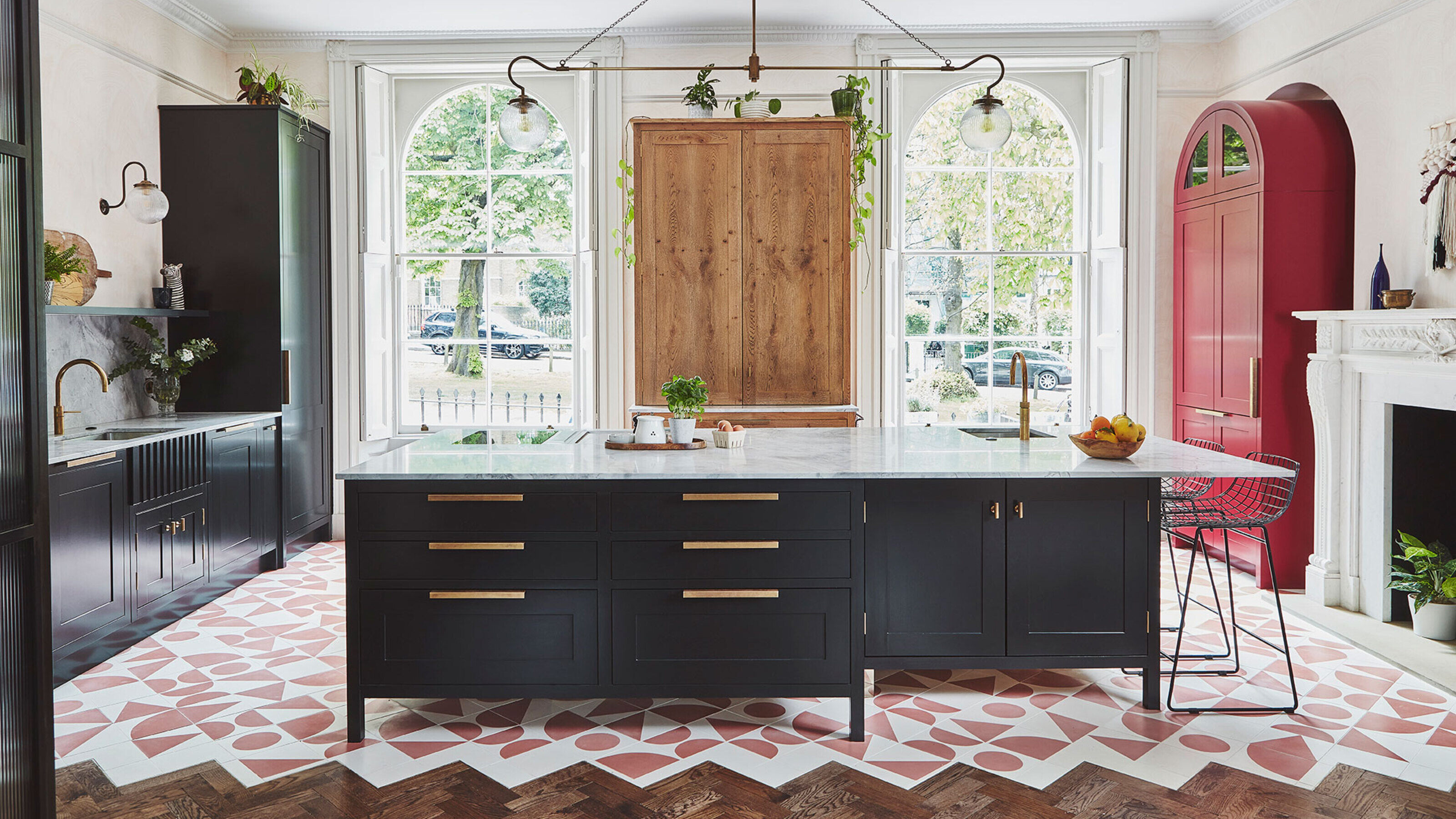
6 Outdated Kitchen Flooring Ideas in 2025 That Threaten to Turn Back the Clock — Plus What to Choose Instead
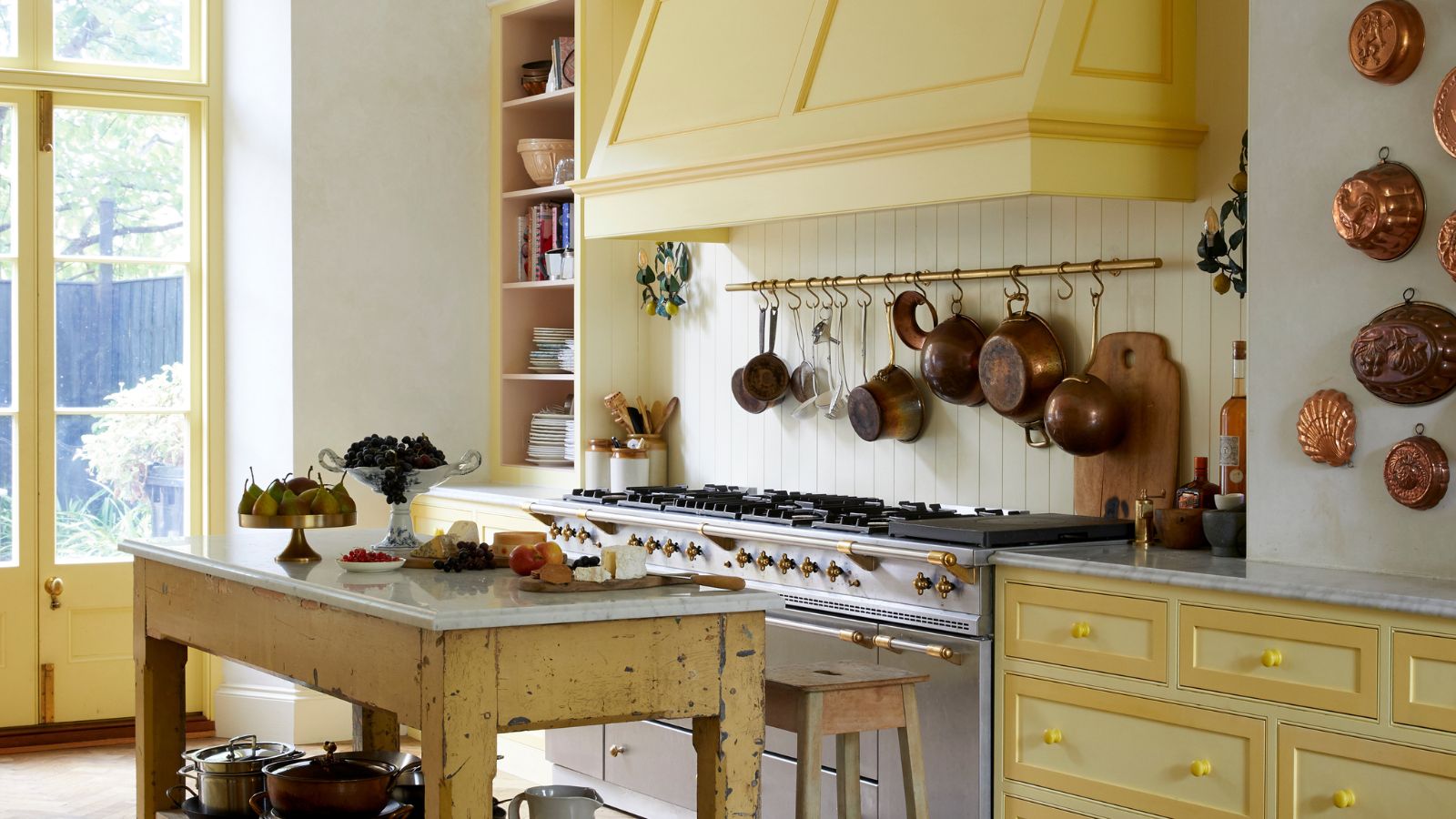
What's making a home look dated in 2025? Interior designers share the design icks that they say are aging your interiors
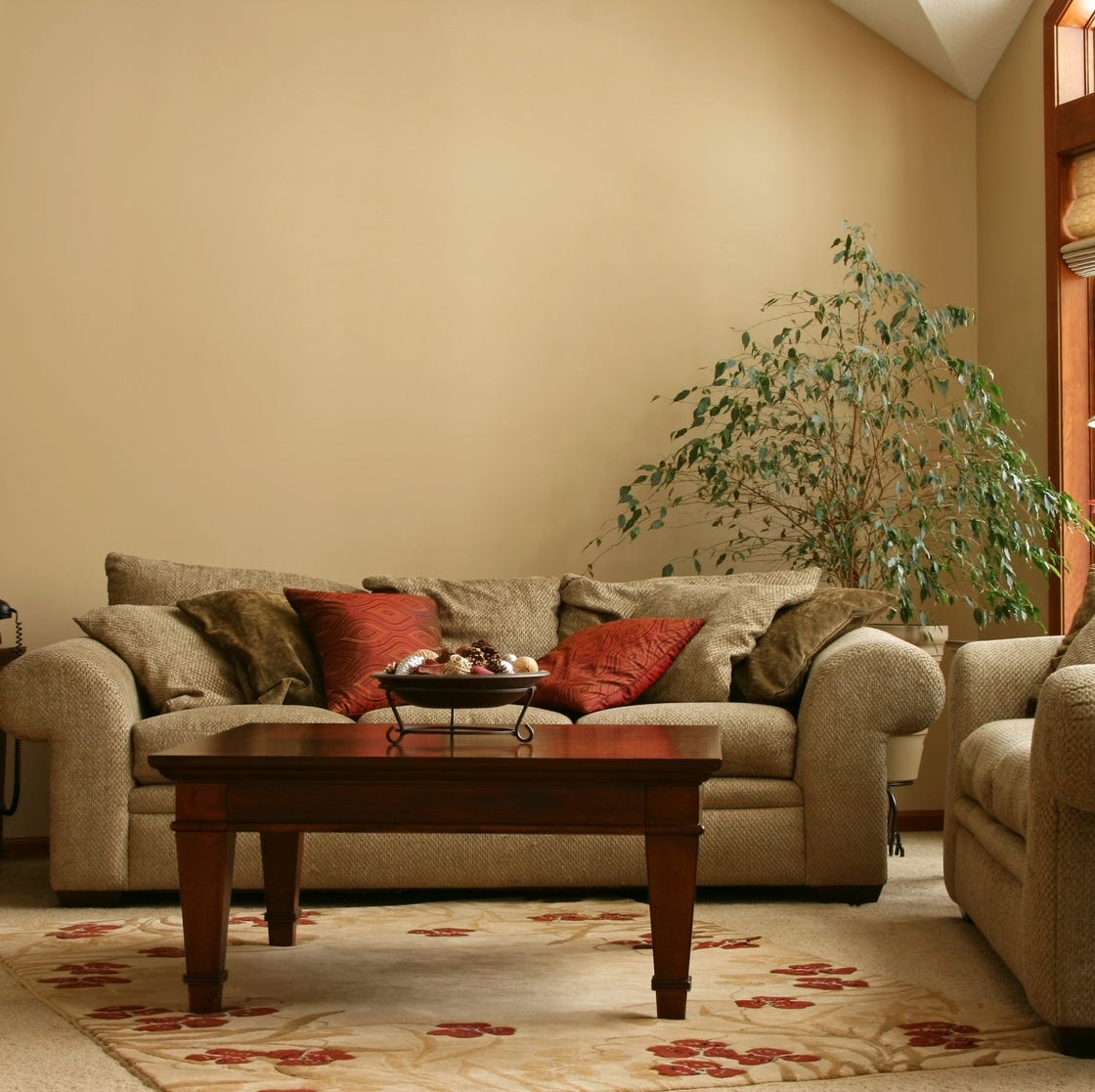
5 Design Choices That Make Your House Look Super Dated, According to Designers

6 Outdated Tile Choices That Interior Designers Aren't Using Anymore — And What They Say to Try Instead
5 trends that look good right now but interior designers warn they won't last
6 Flooring Styles That Instantly Date Your Home